Month: March 2026

  • Global Metabolic Testing Industry Trends and Market Forecast 2026–2030

    Global Metabolic Testing Industry Trends and Market Forecast 2026–2030

    Uncover key drivers, emerging technologies, and competitive movements shaping the metabolic testing market from 2026–2035 with trusted insights from The Business Research Company

    How is the Metabolic Testing Market size predicted to change over the forecast window of 2026–2035?

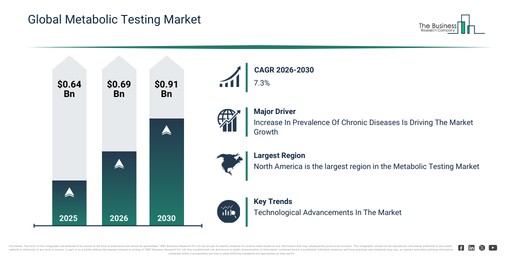
    The metabolic testing market size has witnessed robust expansion over recent years. It is anticipated to expand from $0.64 billion in 2025 to $0.69 billion in 2026, achieving a compound annual growth rate (CAGR) of 7.5%. This historical growth can be attributed to factors such as the increasing prevalence of obesity, the wider adoption of indirect calorimetry, enhanced CPET utilization in hospitals, the broadening scope of diagnostic applications, and heightened awareness of metabolic disorders.

    The metabolic testing market is anticipated to experience robust expansion over the coming years. This market is projected to reach $0.91 billion by 2030, exhibiting a compound annual growth rate (CAGR) of 7.3%. Factors contributing to this growth during the forecast timeframe include the rise in personalized wellness initiatives, the surge in sports performance analytics, the growing need for remote health tracking, the proliferation of wearable metabolic sensors, and the enhanced integration of AI-powered diagnostic instruments. Key trends expected during this period involve the embrace of individualized metabolic health programs, AI-driven assessment and forecasting of metabolic rates, cloud-based data oversight for metabolic tests, the increasing automation of metabolic testing devices, and real-time IoT-powered body analytics.

    Access Your Free Sample Report for In-Depth Market Insights:

    https://www.thebusinessresearchcompany.com/sample.aspx?id=21219&type=smp

    Which Drivers Are Contributing To The Expansion Of The Metabolic Testing Market?

    The metabolic testing market is projected to be propelled by the increasing incidence of chronic diseases in the coming period. Chronic diseases are defined as persistent conditions that typically endure for a year or longer and demand continuous medical oversight or restrict daily activities. The widespread occurrence of these illnesses stems from unhealthy lifestyles, poor eating habits, and an aging demographic. Metabolic testing plays a vital role in addressing chronic diseases by delivering critical understanding into an individual’s metabolic health, enabling the early detection of conditions such as diabetes, cardiovascular diseases, and metabolic syndrome. This capability assists in customizing treatment regimens and enhancing overall disease management. For example, in September 2023, the World Health Organization (WHO), a Switzerland-based intergovernmental organization, reported 41 million deaths globally, accounting for 74% of all annual fatalities attributed to chronic diseases. This figure encompasses 17.9 million deaths from cardiovascular diseases, 9.3 million from cancer, 4.1 million from chronic respiratory diseases, and 2.0 million from diabetes. Therefore, the heightened prevalence of chronic diseases is set to drive the metabolic testing market.

    What Segment Classifications Make Up The Metabolic Testing Market?

    The metabolic testing market covered in this report is segmented –

    1) By Equipment Type: Body Composition Analyzers, Cardiopulmonary Exercise Testing (CPET) Systems, Electrocardiogram Systems (ECG) Systems, Metabolic Carts, Other Equipment Types

    2) By Technology: VO2 Max Analysis, RMR Analysis, Body Composition Analysis

    3) By Application: Critical Care, Lifestyle Diseases, Other Applications

    4) By End User: Hospitals And Clinics, Sports Training Centers, Other End Users

    Subsegments:

    1) By Body Composition Analyzers: Dual-Energy X-ray Absorptiometry (DXA), Bioelectrical Impedance Analysis (BIA), Air Displacement Plethysmography (ADP)

    2) By Cardiopulmonary Exercise Testing (CPET) Systems: Treadmill Or Cycle Ergometer-based CPET, Oxygen Consumption Measurement Systems, Gas Exchange Measurement Systems

    3) By Electrocardiogram (ECG) Systems: Resting ECG Systems, Stress ECG Systems, Holter Monitors

    4) By Metabolic Carts: Indirect Calorimetry Metabolic Carts, Open-Circuit Spirometry Metabolic Carts

    5) By Other Equipment Types: Continuous Glucose Monitoring Systems, Lactate Testing Devices, Blood Pressure Monitoring Devices

    How Are Emerging Trends Affecting The Progression Of The Metabolic Testing Market?

    Leading firms within the metabolic testing market are prioritizing the development of innovative testing apparatus, such as metabolic analyzers, to elevate real-time metabolic analysis and enhance research precision. A metabolic analyzer serves as a medical instrument utilized for measuring an individual’s metabolic rate and assessing various metabolic functions. It evaluates the body’s efficiency in consuming oxygen and transforming food into energy, yielding insights into calorie usage, fuel deployment (carbohydrates versus fats), and respiratory efficacy. For example, in September 2024, PHC Corporation, a Japan-based company specializing in healthcare solutions, unveiled LiCellMo, a live cell metabolic analyzer conceived for the real-time visual representation of cellular metabolism in cell and gene therapy research. The LiCellMo live cell metabolic analyzer provides distinct functionalities like real-time, continuous, and non-invasive surveillance of glucose and lactate concentrations within cell cultures, offering a complete perspective of cellular metabolism without disturbing the experiment. This capability allows researchers to visualize metabolic alterations in cell cultures, thereby presenting a more comprehensive depiction of cell activity.

    Which Key Market Players Are Investing In Expansion And Innovation Within The Metabolic Testing Market?

    Major companies operating in the metabolic testing market are Becton Dickinson and Company, Lumen Technologies Inc., Laboratory Corporation of America Holdings LabCorp, Quest Diagnostics Incorporated, Agilent Technologies Inc., Vyaire Medical Inc., Microlife Medical Home Solutions Inc., MGC Diagnostics Corporation, Geratherm Medical AG, Actofit Wearables, COSMED Srl, Levels Health Inc, Cortex Biophysik GmbH, KORR Medical Technologies Inc., iWorx Systems Inc., General Electric Company GE Healthcare, Hologic Inc, Koninklijke Philips NV, Parvo Medics Inc, InBody Co Ltd, Schiller AG, Noraxon USA Inc, Seca GmbH Co KG

    Access The Complete Report For Deeper Market Insights:

    https://www.thebusinessresearchcompany.com/report/metabolic-testing-global-market-report

    Which Geographic Areas Are Emerging As Strong Markets For The Metabolic Testing Market?

    North America was the dominant region in the metabolic testing market in 2025. Asia-Pacific is expected to be the exponential growth region in the forecast period. The regions covered in the metabolic testing market report are Asia-Pacific, South East Asia, Western Europe, Eastern Europe, North America, South America, Middle East, Africa.

    Request Your Customized Metabolic Testing Market Research Report for Competitive Advantage:

    https://www.thebusinessresearchcompany.com/customise?id=21219&type=smp

    Browse Through More Reports Similar to the Global Metabolic Testing Market 2026, By The Business Research Company

    Point Of Care Glucose Testing Market Report 2026

    https://www.thebusinessresearchcompany.com/report/point-of-care-glucose-testing-global-market-report

    Biochemistry Analyzer Market Report 2026

    https://www.thebusinessresearchcompany.com/report/biochemistry-analyzer-global-market-report

    Metabolomics Market Report 2026

    https://www.thebusinessresearchcompany.com/report/metabolomics-global-market-report

    Get in touch with us:

    The Business Research Company: https://www.thebusinessresearchcompany.com/

    Americas +1 310-496-7795

    Asia +44 7882 955267 & +91 8897263534

    Europe +44 7882 955267

    Email us at info@tbrc.info

    Follow us on:

    LinkedIn: https://in.linkedin.com/company/the-business-research-company

    YouTube: https://www.youtube.com/channel/UC24_fI0rV8cR5DxlCpgmyFQ

    Global Market Model: https://www.thebusinessresearchcompany.com/global-market-model
  • Global Robotic Dentistry Market Set for Strong Expansion, Reaching $1.82 Billion With 20.2% CAGR by 2030

    Global Robotic Dentistry Market Set for Strong Expansion, Reaching $1.82 Billion With 20.2% CAGR by 2030

    Uncover key drivers, emerging technologies, and competitive movements shaping the robotic dentistry market from 2026–2035 with trusted insights from The Business Research Company

    What growth pattern is forecast for the Robotic Dentistry Market size between 2026 and 2035?

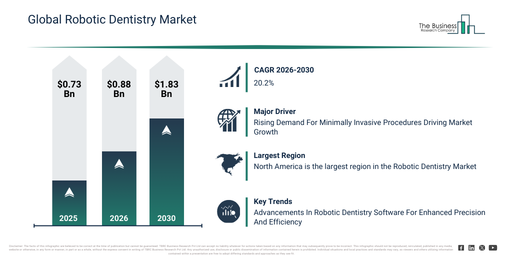
    The robotic dentistry market has experienced rapid expansion in recent years. Its valuation is projected to increase from $0.73 billion in 2025 to $0.88 billion in 2026, achieving a compound annual growth rate (CAGR) of 20.6%. This historical development can be attributed to factors such as the greater integration of advanced dental technologies, an elevated demand for dental implants, the proliferation of specialized dental clinics, a heightened focus on precision dentistry, and innovations in dental imaging systems.

    The robotic dentistry market is anticipated to undergo significant expansion in the coming years, with its size projected to reach $1.83 billion by 2030, exhibiting a compound annual growth rate (CAGR) of 20.2%. This growth during the forecast period is propelled by factors such as escalating investments in robotic dental platforms, increased patient desire for minimally invasive treatments, the broadening of AI-assisted dental workflows, greater integration of robotics in orthodontics, and an intensified focus on optimizing treatment outcomes. Noteworthy trends expected in this period include the rising adoption of robot-assisted implant procedures, the increasing application of image-guided dental robotics, growing demand for minimally invasive dental surgeries, the expansion of robotic navigation systems in dentistry, and a heightened emphasis on treatment precision and consistency.

    Access Your Free Sample Report for In-Depth Market Insights:

    https://www.thebusinessresearchcompany.com/sample.aspx?id=20945&type=smp

    Which Drivers Are Impacting Market Performance In The Robotic Dentistry Market?

    The robotic dentistry market is projected to be propelled by the increasing demand for minimally invasive procedures. This medical approach utilizes tiny or no incisions, leading to less tissue trauma, a quicker recovery, and lower risk than conventional surgery. Factors such as faster recovery times, reduced risk of complications, and improved patient comfort are driving the demand for minimally invasive procedures. Robotic dentistry systems enhance dental procedures by offering improved precision, enabling smaller incisions, minimizing tissue damage, reducing risks, and ultimately leading to better overall outcomes. For instance, in June 2024, according to the American Society of Plastic Surgeons, a US-based specialty organization, minimally invasive procedures experienced a 7 percent growth in 2023, surpassing surgical procedures by 2 percent, with neuromodulator injections exceeding 9 million and hyaluronic acid fillers exceeding 5 million treatments. Therefore, the rising demand for minimally invasive procedures is significantly driving the robotic dentistry market.

    What Segment Types Are Examined In The Robotic Dentistry Market?

    The robotic dentistry market covered in this report is segmented –

    1) By Products And Services: Standalone Robots, Robot-Assisted System, Services

    2) By Applications: Implantology, Endodontics, Other Applications

    3) By End-Users: Dental Hospitals And Clinics, Dental Academics, Other End-Users

    Subsegments:

    1) By Standalone Robots: Robotic Surgery Systems, Robotic Tooth Restoration Systems, Robotic Implant Placement Systems, Robotic Orthodontic Systems

    2) By Robot-Assisted Systems: Image-Guided Robotic Systems, Dental Navigation Systems, Robotic-Assisted Drilling And Cutting Systems, Robotic-Assisted Endodontic Systems, Robotic-Assisted Tooth Extraction Systems

    3) By Services: Installation Services, Maintenance And Repair Services, Training And Support Services, Consulting Services For Robotic Integration, Software Upgrades And Customization Services

    Which Trends Are Influencing The Development Of The Robotic Dentistry Market?

    Leading companies in the robotic dentistry market are prioritizing the creation of advanced dental robotic software suites to offer more individualized patient care. These dental robotic software suites are sophisticated platforms designed to optimize robotic systems for various dental procedures, incorporating features that allow for precise, efficient, and minimally invasive treatments, ultimately leading to improved patient outcomes. For example, in August 2023, Neocis, a US-based medical equipment manufacturer, introduced its YomiPlan Go Workflow for commercial use. This innovative software suite enables clinicians to carry out implant surgeries without requiring preoperative scans, markedly increasing both procedural speed and precision. Through the utilization of the Yomi robotic system, surgeons can directly ascertain implant location and angulation during surgery, effectively blending freehand techniques with robotic guidance to achieve superior accuracy.

    Who Are The Core Companies Influencing Trends In The Robotic Dentistry Market?

    Major companies operating in the robotic dentistry market are Planmeca Oy, Neocis, X Nav Technologies, Image Navigation Ltd, Perceptive Io, YakeBot Beijing Technology Co Ltd, Dentroid, VELMENI, Overjet, Videa Health, Diagnocat, Denti AI, Pearl Dental AI, Manchester Imaging, AI Dent, Navident, Robotic Assisted Solutions Dental, Blue Sky Bio Robotics, Straumann Digital Solutions, Nobel Biocare Digital Dentistry, Align Technology Robotics, Carestream Dental Robotics, Zimmer Biomet Dental Robotics

    Access The Complete Report For Deeper Market Insights:

    https://www.thebusinessresearchcompany.com/report/robotic-dentistry-global-market-report

    Which Regions Are Projected To Dominate The Robotic Dentistry Market In The Coming Years?

    North America was the largest region in the robotic dentistry market in 2025. Asia-Pacific is expected to be the fastest-growing region in the forecast period. The regions covered in the robotic dentistry market report are Asia-Pacific, South East Asia, Western Europe, Eastern Europe, North America, South America, Middle East, Africa.

    Request Your Customized Robotic Dentistry Market Research Report for Competitive Advantage:

    https://www.thebusinessresearchcompany.com/customise?id=20945&type=smp

    Browse Through More Reports Similar to the Global Robotic Dentistry Market 2026, By The Business Research Company

    Dental Milling Machines Market Report 2026

    https://www.thebusinessresearchcompany.com/report/dental-milling-machines-global-market-report

    Dental Surgical Devices And Equipment Market Report 2026

    https://www.thebusinessresearchcompany.com/report/dental-surgical-devices-and-equipment-global-market-report

    Robotic Surgery Devices Market Report 2026

    https://www.thebusinessresearchcompany.com/report/robotic-surgery-devices-global-market-report

    Get in touch with us:

    The Business Research Company: https://www.thebusinessresearchcompany.com/

    Americas +1 310-496-7795

    Asia +44 7882 955267 & +91 8897263534

    Europe +44 7882 955267

    Email us at info@tbrc.info

    Follow us on:

    LinkedIn: https://in.linkedin.com/company/the-business-research-company

    YouTube: https://www.youtube.com/channel/UC24_fI0rV8cR5DxlCpgmyFQ

    Global Market Model: https://www.thebusinessresearchcompany.com/global-market-model
  • Robotic Cardiology Surgery Market Growth Projection: Expected to Surpass $1.79 Billion by 2030 at 16.4% CAGR

    Robotic Cardiology Surgery Market Growth Projection: Expected to Surpass $1.79 Billion by 2030 at 16.4% CAGR

    Uncover key drivers, emerging technologies, and competitive movements shaping the robotic cardiology surgery market from 2026–2035 with trusted insights from The Business Research Company

    How much larger will the Robotic Cardiology Surgery Market be in 2030 compared with 2026?

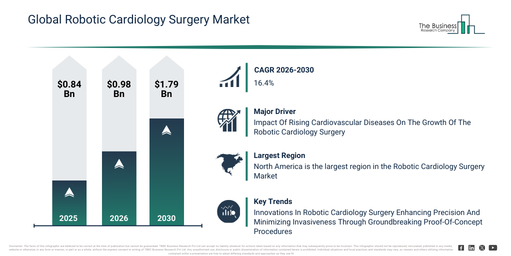
    The robotic cardiology surgery market has demonstrated rapid expansion in recent years. Its valuation is projected to increase from $0.84 billion in 2025 to $0.98 billion in 2026, exhibiting a compound annual growth rate (CAGR) of 16.7%. Historically, this growth can be ascribed to several factors, including the escalating prevalence of cardiovascular diseases, the rising adoption of minimally invasive surgery techniques, the expansion of robotic surgical installations in hospitals, growing surgeon familiarity with robotic platforms, and improved clinical outcomes from robotic procedures.

    The robotic cardiology surgery market is projected for substantial expansion in the upcoming years, with forecasts indicating it will reach a valuation of $1.79 billion by 2030, driven by a compound annual growth rate (CAGR) of 16.4%. This expansion during the projection period stems from several factors, including an escalating demand for advanced cardiac surgery solutions, increased investments in cutting-edge robotic platforms, the proliferation of robotic surgery training initiatives, a greater uptake of precision-guided cardiac interventions, and continuous innovation within robotic cardiology technologies. Key trends anticipated during this period encompass the wider embrace of minimally invasive robotic procedures, enhanced integration of advanced imaging and navigation systems, the broadening availability of surgeon training and simulation platforms, an increase in robotic-assisted cardiac interventions, and a heightened emphasis on surgical precision and superior patient outcomes.

    Access Your Free Sample Report for In-Depth Market Insights:

    https://www.thebusinessresearchcompany.com/sample.aspx?id=20615&type=smp

    What Drivers Are Guiding Growth Patterns In The Robotic Cardiology Surgery Market?

    The increasing prevalence of cardiovascular diseases is expected to propel the growth of the robotic cardiology surgery market going forward. Cardiovascular disease (CVD) refers to a class of diseases that involve the heart or blood vessels. The increasing prevalence of cardiovascular diseases is due to a combination of lifestyle choices, medical conditions, genetic predisposition, and environmental factors. Robotic cardiology surgery plays a crucial role in advancing the treatment of cardiovascular diseases by providing safer, more precise, and less invasive surgical options, ultimately leading to better patient outcomes and enhanced quality of care. For instance, in January 2024, according to the American Heart Association, a US-based nonprofit organization, the age-adjusted death rate from cardiovascular disease rose to 233.3 per 100,000, reflecting a 4.0% increase from last year’s rate of 224.4 per 100,000, following a 4.6% rise in 2023, marking the first increase in these rates observed in many years. Therefore, an increase in cardiovascular diseases drives the robotic cardiology surgery market.

    Which Segments Are Driving Activity In The Robotic Cardiology Surgery Market?

    The robotic cardiology surgery market covered in this report is segmented –

    1) By Product And Service: Robotic Systems, Instruments and Accessories, Maintenance Services, System Services

    2) By Equipment Type: Robot Machines, Navigation Systems, Planners And Simulators, Other Equipment Types

    3) By End-User: Hospitals, Research Centers

    Subsegments:

    1) By Robotic Systems: Robotic Surgical Platforms, Minimally Invasive Robotic Systems, Integrated Robotic Systems

    2) By Instruments And Accessories: Surgical Instruments, Endoscopic Cameras And Imaging Systems, Accessory Kits For Robotic Systems

    3) By Maintenance Services: Preventive Maintenance Services, Repair And Replacement Services, Calibration Services

    4) By System Services: Installation and Setup Services, Training And Support Services, Upgrades And Software Maintenance

    What Trends Are Expected To Impact The Competitive Landscape Of The Robotic Cardiology Surgery Market?

    Leading companies within the robotic cardiology surgery market are concentrating on creating advanced surgical solutions, including assistive robotic devices (ARD), to improve precision in heart procedures, minimize invasiveness, and enhance patient outcomes through integrated advanced technology and real-time data analysis. Assistive robotic devices (ARD) are defined as robotic systems intended to support individuals with disabilities or restricted mobility by aiding in tasks such as movement, communication, or everyday activities. These tools boost independence and elevate the quality of life for their users. For example, in March 2024, CardioPrecision Ltd., a UK-based company offering robotic surgeries, introduced proof-of-concept robotic procedures aimed at implanting an aortic valve replacement using a minimally invasive approach, after successful trials on cadaver models. The robotic system significantly improves precision and control during surgery, enabling surgeons to operate with higher accuracy and potentially raising the overall success rate of the procedure. This minimally invasive technique is crucial because it can lead to reduced pain, decreased blood loss, and a lower risk of infection, ultimately facilitating a quicker patient recovery.

    Which Major Industry Participants Are Leading The Robotic Cardiology Surgery Market Growth?

    Major companies operating in the robotic cardiology surgery market are Abbott Laboratories, Medtronic PLC, Siemens Healthineers AG, Boston Scientific Corporation, Edwards Lifesciences Corporation, KARL STORZ SE & Co. KG, Renishaw PLC, CMR Surgical Limited, Corindus Vascular Robotics Inc., XACT Robotics Ltd., Titan Medical Inc., Asensus Surgical Inc., Intuitive Surgical Inc., Aurora Surgical Robotics Inc., Hansen Medical Inc., Stereotaxis Inc., SS Innovations International Inc., MicroPort Scientific Corporation, GE HealthCare Technologies Inc., Stryker Corporation

    Access The Complete Report For Deeper Market Insights:

    https://www.thebusinessresearchcompany.com/report/robotic-cardiology-surgery-global-market-report

    Which Region Is Expected To Experience The Fastest Growth In The Robotic Cardiology Surgery Market?

    North America was the largest region in the robotic cardiology surgery market in 2025. The regions covered in the robotic cardiology surgery market report are Asia-Pacific, South East Asia, Western Europe, Eastern Europe, North America, South America, Middle East, Africa.

    Request Your Customized Robotic Cardiology Surgery Market Research Report for Competitive Advantage:

    https://www.thebusinessresearchcompany.com/customise?id=20615&type=smp

    Browse Through More Reports Similar to the Global Robotic Cardiology Surgery Market 2026, By The Business Research Company

    Robotic Surgery Devices Market Report 2026

    https://www.thebusinessresearchcompany.com/report/robotic-surgery-devices-global-market-report

    Pediatric Interventional Cardiology Market Report 2026

    https://www.thebusinessresearchcompany.com/report/pediatric-interventional-cardiology-global-market-report

    Artificial Intelligence In Cardiology Market Report 2026

    https://www.thebusinessresearchcompany.com/report/artificial-intelligence-in-cardiology-global-market-report

    Get in touch with us:

    The Business Research Company: https://www.thebusinessresearchcompany.com/

    Americas +1 310-496-7795

    Asia +44 7882 955267 & +91 8897263534

    Europe +44 7882 955267

    Email us at info@tbrc.info

    Follow us on:

    LinkedIn: https://in.linkedin.com/company/the-business-research-company

    YouTube: https://www.youtube.com/channel/UC24_fI0rV8cR5DxlCpgmyFQ

    Global Market Model: https://www.thebusinessresearchcompany.com/global-market-model
  • Prebiotics Market Anticipated to Record Steady Gains, Advancing to $23.36 Billion by 2030

    Prebiotics Market Anticipated to Record Steady Gains, Advancing to $23.36 Billion by 2030

    Uncover key drivers, emerging technologies, and competitive movements shaping the prebiotics market from 2026–2035 with trusted insights from The Business Research Company

    What long-term size projections exist for the Prebiotics Market covering 2026–2035?

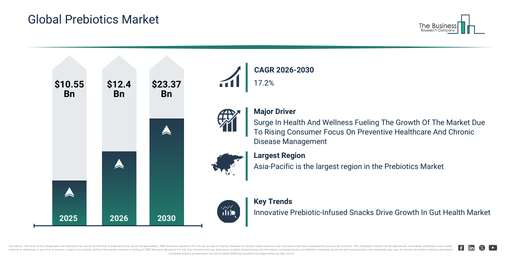
    The prebiotics market has observed rapid expansion in recent years. Its valuation is anticipated to increase from $10.55 billion in 2025 to $12.4 billion in 2026, registering a compound annual growth rate (CAGR) of 17.5%. The historical growth of this market stems from factors such as heightened consumer awareness regarding digestive well-being, the broadening range of functional food products, the accessibility of various oligosaccharide sources, a rise in the consumption of dietary supplements, and expanded usage in animal feed.

    The prebiotics market size is projected for swift expansion in the upcoming years. This market is anticipated to reach $23.37 billion by 2030, demonstrating a compound annual growth rate (CAGR) of 17.2%. Several factors will drive this growth during the forecast period, including the greater uptake of personalized nutrition, increased funding for microbiome-based products, the broadening application of prebiotics in clinical nutrition, the escalating need for sustainable food ingredients, and their enhanced integration into pharmaceutical compounds. Key trends expected in the same period involve a higher incorporation of prebiotics into functional foods, a surging demand for gut health supplements, their increasing utilization in animal nutrition, the expansion of clean-label and natural ingredient options, and a heightened emphasis on microbiome research.

    Access Your Free Sample Report for In-Depth Market Insights:

    https://www.thebusinessresearchcompany.com/sample.aspx?id=24666&type=smp

    Which Drivers Are Impacting The Competitive Landscape Of The Prebiotics Market?

    The increasing consumer focus on health and well-being is anticipated to boost the prebiotics market in the future. Health and wellness encompasses a comprehensive state of physical, mental, and emotional health, achieved through thoughtful lifestyle choices and proactive care. This heightened consumer awareness stems from a movement towards preventive healthcare, motivated by a desire to prevent lifestyle-related illnesses and decrease long-term medical expenses. Prebiotics contribute to this health consciousness by fostering a balanced gut microbiome, which is progressively acknowledged as crucial for overall well-being and deliberate lifestyle decisions. For example, in Jun 2024, data from the International Food Information Council (IFIC), a US-based non-profit organization, indicated that a significant 54% of Americans had adopted a specific diet or eating pattern in the preceding year. A majority of individuals are seeking to raise their protein intake, with interest escalating from 59% in 2022 to 67% in 2023, and reaching 71% in 2024. Furthermore, approximately half of consumers prioritize consuming more fresh foods, which are widely considered the healthiest choices. Consequently, the growing consumer awareness concerning health and wellness is propelling the prebiotics market.

    What Leading Segments Are Studied In The Prebiotics Market?

    The prebiotics market covered in this report is segmented –

    1) By Prebiotic Ingredient Type: Fructo-Oligosaccharides, Galacto-Oligosaccharides, Inulin, Mannan-Oligosaccharides

    2) By Product: Capsules, Drinks, Powder

    3) By Demography: Pediatric, Adult, Geriatric

    4) By Distribution Channel: Hypermarkets Or Supermarkets, Pharmacies And Drug Stores, Specialty Stores, Online Sales

    5) By End-User: Foods And Beverages, Pharmaceutical, Animal Feed, Other End-Users

    Subsegments:

    1) By Fructo-Oligosaccharides: Short-Chain Fructo-Oligosaccharides, Long-Chain Fructo-Oligosaccharides, Enzymatically Synthesized Fructo-Oligosaccharides

    2) By Galacto-Oligosaccharides: High-Purity Galacto-Oligosaccharides, Liquid Galacto-Oligosaccharides, Powder Galacto-Oligosaccharides

    3) By Inulin: High Performance Inulin, Standard Inulin, Short-Chain Inulin

    4) By Mannan-Oligosaccharides: Feed Grade Mannan-Oligosaccharides, Food Grade Mannan-Oligosaccharides, Functional Mannan-Oligosaccharides

    What Trends Are Driving The Growth Trajectory Of The Prebiotics Market?

    Leading companies in the prebiotics market are concentrating on developing innovative solutions, such as prebiotic-infused snack options, to address the growing consumer demand for gut health and digestive wellness. These prebiotic-enhanced snack options are convenient food items enriched with ingredients that stimulate the growth of beneficial gut bacteria, thereby supporting digestive health. For instance, in March 2025, Beech-Nut Nutrition Corporation, a US-based baby food company, unveiled a new collection of baby and toddler foods and snacks featuring prebiotics, whole milk yogurt, fruits, and vegetables, designed to foster digestive health and overall nutrition. This introduction includes Organic Fruit & Yogurt Jars with Prebiotics, Smoothies with Prebiotics, Jammin’ Waffles with fruit filling, and Fruti Bites with Hidden Veggies, all crafted with non-GMO ingredients and free from artificial additives. These offerings, available at prominent retailers like Walmart, present parents with practical, flavorful, and nutritious choices for children ages 6 months and up.

    Which Major Firms Are Strengthening Their Position In The Prebiotics Market?

    Major companies operating in the prebiotics market are Cargill Inc, Archer Daniels Midland Company, Nestle SA, Bayer AG, Abbott Laboratories, Danone SA, FrieslandCampina, Haleon Group, DuPont de Nemours Inc, Amway Corp, Herbalife Nutrition Ltd, Royal Cosun, Roquette Freres, Natures Bounty, Natures Sunshine Products Inc, Good Health New Zealand, NOW Foods, Jarrow Formulas Inc, Ingredion Incorporated, Tate and Lyle PLC, BENEO GmbH, Yakult Honsha Co Ltd

    Access The Complete Report For Deeper Market Insights:

    https://www.thebusinessresearchcompany.com/report/prebiotics-global-market-report

    Which Region Is Anticipated To See The Fastest Growth In The Prebiotics Market?

    Asia-Pacific was the largest region in the prebiotics market in 2025. Asia-Pacific is expected to be the fastest-growing region in the forecast period. The regions covered in the prebiotics market report are Asia-Pacific, South East Asia, Western Europe, Eastern Europe, North America, South America, Middle East, Africa.

    Request Your Customized Prebiotics Market Research Report for Competitive Advantage:

    https://www.thebusinessresearchcompany.com/customise?id=24666&type=smp

    Browse Through More Reports Similar to the Global Prebiotics Market 2026, By The Business Research Company

    Probiotics In Animal Feed Market Report 2026

    https://www.thebusinessresearchcompany.com/report/probiotics-in-animal-feed-global-market-report

    Probiotics Food And Cosmetics Market Report 2026

    https://www.thebusinessresearchcompany.com/report/probiotics-food-and-cosmetics-global-market-report

    Animal Antibiotics And Antimicrobials Market Report 2026

    https://www.thebusinessresearchcompany.com/report/animal-antibiotics-and-antimicrobials-global-market-report

    Get in touch with us:

    The Business Research Company: https://www.thebusinessresearchcompany.com/

    Americas +1 310-496-7795

    Asia +44 7882 955267 & +91 8897263534

    Europe +44 7882 955267

    Email us at info@tbrc.info

    Follow us on:

    LinkedIn: https://in.linkedin.com/company/the-business-research-company

    YouTube: https://www.youtube.com/channel/UC24_fI0rV8cR5DxlCpgmyFQ

    Global Market Model: https://www.thebusinessresearchcompany.com/global-market-model
  • Metabolic Syndrome Market Size and Demand Forecast 2026–2030

    Metabolic Syndrome Market Size and Demand Forecast 2026–2030

    Uncover key drivers, emerging technologies, and competitive movements shaping the metabolic syndrome market from 2026–2035 with trusted insights from The Business Research Company

    What market expansion outlook does the Metabolic Syndrome Market show for the 2026–2030 period?

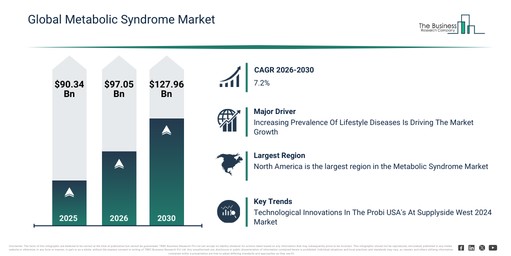
    The metabolic syndrome market size has experienced substantial expansion in recent years. It is forecast to grow from $90.34 billion in 2025 to $97.05 billion in 2026, demonstrating a compound annual growth rate (CAGR) of 7.4%. Historically, this growth can be attributed to the increasing global prevalence of obesity, a rise in insulin resistance diagnosis rates, greater public awareness of metabolic diseases, the expansion of preventive healthcare programs, and an increasing incidence of cardiovascular complications.

    The metabolic syndrome market is projected to experience substantial growth in the coming years, reaching $127.96 billion by 2030, exhibiting a compound annual growth rate (CAGR) of 7.2%. This expansion during the forecast period is driven by factors such as the increasing adoption of digital therapeutics, greater investment in lifestyle modification platforms, the growing use of remote metabolic monitoring, the broadening of personalized diet and fitness solutions, and the increased integration of AI-based metabolic assessment tools. Key trends anticipated during this period encompass the development of precision-based metabolic disorder management, the emergence of AI-driven algorithms for early risk detection, the rise of cloud-based health monitoring platforms, IoT-integrated solutions for lifestyle tracking, and the expansion of sustainable metabolic health programs.

    Access Your Free Sample Report for In-Depth Market Insights:

    https://www.thebusinessresearchcompany.com/sample.aspx?id=21218&type=smp

    What Drivers Are Shaping The Development Of The Metabolic Syndrome Market?

    The rising incidence of lifestyle diseases is expected to propel the metabolic testing market moving forward. These conditions are primarily defined as health issues stemming from unhealthy habits and behaviors rather than genetic or infectious causes. Typical lifestyle diseases encompass obesity, cancer, type 2 diabetes, osteoporosis, and various mental health disorders. The widespread occurrence of lifestyle diseases is linked to sedentary lifestyles, unhealthy diets, increasing stress levels, and extensive use of tobacco and alcohol. Metabolic syndrome plays a crucial role in worsening lifestyle diseases by establishing a systemic environment that promotes chronic inflammation, impaired metabolic functions, and higher cardiovascular risks. For instance, in June 2024, data from the National Health Service England, a UK-based government department, indicated that 3,615,330 individuals were diagnosed with non-diabetic hyperglycemia, also known as pre-diabetes in 2023, marking an 18% increase from the 3,065,825 cases recorded in 2022. Therefore, the increasing prevalence of lifestyle diseases will drive the metabolic testing market.

    What Segment Types Are Examined In The Metabolic Syndrome Market?

    The metabolic syndrome market covered in this report is segmented –

    1) By Type: Type 1 Metabolic Syndrome, Type 2 Metabolic Syndrome, Type 3 Metabolic Syndrome

    2) By Risk Factors: Obesity, Insulin Resistance, High Blood Pressure, High Cholesterol

    3) By Treatment: Medication, Lifestyle Changes, Other Treatments

    4) By Route Of Administration: Oral, Parenteral, Other Route Of Administrations

    5) By End User: Hospitals, Homecare, Specialty Centres, Other End Users

    Subsegments:

    1) By Type 1 Metabolic Syndrome: Insulin Resistance Syndrome, Abdominal Obesity Syndrome, Hyperglycemia Syndrome

    2) By Type 2 Metabolic Syndrome: Elevated Blood Pressure Syndrome, Dyslipidemia Syndrome, Low HDL Cholesterol Syndrome

    3) By Type 3 Metabolic Syndrome: Atherosclerotic Cardiovascular Disease Syndrome, Non-Alcoholic Fatty Liver Disease Syndrome, Chronic Inflammation Syndrome

    Which Innovation Trends Are Advancing Developments Within The Metabolic Syndrome Market?

    Leading companies operating within the metabolic syndrome market are focusing on developing innovative solutions, including clinically supported probiotic options, to enhance the condition’s management, treatment, and prevention. A clinically supported probiotic solution is a probiotic product that has undergone rigorous clinical testing to validate its health benefits and safety for human consumption. For instance, in October 2024, Probi USA, a US-based manufacturer of clinically proven biotics, launched metabolic health. This product combines two probiotic strains, Lactiplantibacillus plantarum 299v (LP299V) and Lacticaseibacillus paracasei 8700:2 (L. Paracasei 8700:2). LP299V supports cardiovascular health by improving cholesterol levels, inflammation, and blood vessel function, backed by 230+ publications and eight clinical trials. L. Paracasei 8700:2, with 30+ publications, aids blood pressure regulation, cholesterol management, and weight control.

    Who Are The Core Companies Influencing Trends In The Metabolic Syndrome Market?

    Major companies operating in the metabolic syndrome market are Novo Nordisk A/S, Sanofi S.A., Boehringer Ingelheim GmbH, Eli Lilly and Company, AstraZeneca PLC, Biocon Ltd., Bristol-Myers Squibb Company, Cipla Limited, Herbalife International of America Inc., Abbott Laboratories, Johnson & Johnson Private Limited, Medtronic plc, WW International Inc., Jenny Craig, Takeda Pharmaceutical Company Limited, Pfizer Inc., Novartis AG, F. Hoffmann-La Roche AG, Merck & Co. Inc., Gilead Sciences, GlaxoSmithKline plc, AbbVie Inc., Regeneron Pharmaceuticals, Sun Pharmaceutical Industries Ltd., Esperion Therapeutics Inc.

    Access The Complete Report For Deeper Market Insights:

    https://www.thebusinessresearchcompany.com/report/metabolic-syndrome-global-market-report

    Which Region Is Projected To Lead The Metabolic Syndrome Market During The Forecast Period?

    North America was the largest region in the metabolic syndrome market in 2025. Asia-Pacific is expected to be the fastest-growing region in the forecast period. The regions covered in the metabolic syndrome market report are Asia-Pacific, South East Asia, Western Europe, Eastern Europe, North America, South America, Middle East, Africa.

    Request Your Customized Metabolic Syndrome Market Research Report for Competitive Advantage:

    https://www.thebusinessresearchcompany.com/customise?id=21218&type=smp

    Browse Through More Reports Similar to the Global Metabolic Syndrome Market 2026, By The Business Research Company

    Dumping Syndrome Market Report 2026

    https://www.thebusinessresearchcompany.com/report/dumping-syndrome-global-market-report

    Peptide Based Metabolic Disorders Therapeutics Market Report 2026

    https://www.thebusinessresearchcompany.com/report/peptide-based-metabolic-disorders-therapeutics-global-market-report

    Insuman Market Report 2026

    https://www.thebusinessresearchcompany.com/report/insuman-global-market-report

    Get in touch with us:

    The Business Research Company: https://www.thebusinessresearchcompany.com/

    Americas +1 310-496-7795

    Asia +44 7882 955267 & +91 8897263534

    Europe +44 7882 955267

    Email us at info@tbrc.info

    Follow us on:

    LinkedIn: https://in.linkedin.com/company/the-business-research-company

    YouTube: https://www.youtube.com/channel/UC24_fI0rV8cR5DxlCpgmyFQ

    Global Market Model: https://www.thebusinessresearchcompany.com/global-market-model
  • RNA Sequencing Services Market Forecast 2026–2035: How to Leverage Market Growth

    RNA Sequencing Services Market Forecast 2026–2035: How to Leverage Market Growth

    Uncover key drivers, emerging technologies, and competitive movements shaping the rna sequencing services market from 2026–2035 with trusted insights from The Business Research Company

    Starting from its 2026 valuation, what market size is the RNA Sequencing Services Market expected to reach by 2030?

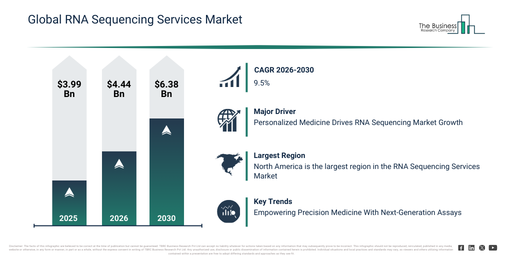
    The rna sequencing services market has seen swift growth over recent years. Its value is projected to increase from $3.99 billion in 2025 to $4.44 billion in 2026, achieving a compound annual growth rate (CAGR) of 11.2%. The expansion observed historically can be linked to several factors, including a rise in genomic research funding, the proliferation of academic and government research endeavors, the increasing application of sequencing in fundamental biology studies, the decreasing expenses associated with sequencing technologies, and greater access to sequencing service providers.

    The rna sequencing services market size is projected to experience robust expansion over the coming years. This market is anticipated to reach $6.38 billion by 2030, exhibiting a compound annual growth rate (CAGR) of 9.5%. Several factors will drive this growth during the forecast period, including the increasing embrace of precision medicine approaches, a heightened need for transcriptomic data in diagnostics, an expansion of pharmaceutical research and development activities, the growing incorporation of AI-driven data analytics, and increased outsourcing of sequencing services. Key trends for the forecast period encompass a rising requirement for high-throughput transcriptomic analysis, the increasing uptake of NGS-based rna sequencing, the broadening of bioinformatics-integrated sequencing services, an escalating application of rna sequencing in clinical research, and an intensified emphasis on data accuracy and reproducibility.

    Access Your Free Sample Report for In-Depth Market Insights:

    https://www.thebusinessresearchcompany.com/sample.aspx?id=14991&type=smp

    What Drivers Are Driving Adoption Within The RNA Sequencing Services Market?

    The increasing need for customized medical care significantly fuels the expansion of the RNA sequencing services market. Personalized medicine involves adapting medical treatments to specific individual characteristics, such as genetics or lifestyle, to optimize effectiveness and minimize adverse reactions. The rising demand for personalized medicine stems from its potential to deliver more effective therapies, advancements in genomics, the growing complexity of diseases, and regulatory backing. RNA sequencing services play a crucial role in identifying disease subtypes, discovering biomarkers, pinpointing therapeutic targets, predicting treatment responses, and monitoring disease progression and treatment outcomes. Personalized medicine approaches utilize RNA sequencing technologies to provide individualized and effective medications that target the unique molecular characteristics of each patient. For instance, in February 2024, the Personalized Medicine Coalition, a US-based non-profit organization, reported that the FDA (Food and Drug Administration) approved 16 novel personalized therapies for patients with rare diseases in 2023, which is an increase from six in 2022. The personalized treatments newly sanctioned for 2023 also comprised seven cancer drugs and three for other diseases and conditions. Thus, the escalating requirement for personalized medicine is driving the growth of the RNA sequencing services market moving forward.

    How Is The RNA Sequencing Services Market Organized Into Various Segments?

    The rna sequencing services market covered in this report is segmented –

    1) By Type: Ribosomal RNA (rRNA), Transfer RNA (tRNA), Long non-coding RNA (lncRNA)

    2) By Sequencing Method: Next Generation Sequencing Methods, Other Sequencing Methods

    3) By Application Area: Research Purposes, Diagnostic Purposes

    4) By End Users: Academic And Government Institutes And Research Centers, Hospitals And Clinics, Pharmaceutical And Biotechnology Companies, Other End Users

    Subsegments:

    1) By Ribosomal RNA (rRNA): Total RRNA Sequencing, RRNA Depletion

    2) By Transfer RNA (tRNA): TRNA Profiling, TRNA Sequencing

    3) By Long Non-Coding RNA (lncRNA): lncRNA Profiling, lncRNA Sequencing

    Which Trends Are Guiding The Evolution Of The RNA Sequencing Services Market?

    Major companies operating in the RNA sequencing services market are increasingly focusing on automation, exemplified by the next-generation sequencing (NGS) assay, to mitigate potential human error and enhance the efficiency and accuracy of data generation and analysis. The RNA next-generation sequencing (RNA-seq) assay is recognized as a powerful tool in molecular biology and genomics for analyzing the transcriptome of a biological sample. For instance, in June 2023, Tempus, a US-based precision medicine technology company, launched its new standalone RNA next-generation sequencing assay, known as Tempus xR. This innovative assay, tailored for solid tumors, provides a comprehensive analysis of the entire transcriptome, highlighting clinically significant fusions in over 100 targeted genes, along with altered splicing for MET Exon 14 and EGFRvIII. Recognizing the importance of RNA sequencing data, Tempus has historically integrated both RNA and DNA sequencing into its standard xT broad-panel assay. Now, clients are offered the flexibility to order each test separately or simultaneously, with the option to augment xR with specific Tempus algorithmic tests. This offering is designed to serve physicians with a particular interest in RNA fusions or altered splicing, as well as providers, researchers, and biopharma companies seeking detailed RNA sequencing analysis of their existing samples.

    Who Are The Prominent Global Companies Shaping The RNA Sequencing Services Market Landscape?

    Major companies operating in the rna sequencing services market are Thermo Fisher Scientific Inc., Illumina Inc., Qiagen NV, BGI Genomics Co Ltd, Azenta Inc., Novogene Co Ltd, Genewiz Inc., Diagenode LLC, CD Genomics, CeGaT GmbH, Lexogen GmbH, BaseClear BV, Active Motif Inc., Microsynth AG, Genomax Technologies Pte Ltd, Creative Biogene, SeqMatic LLC, Genohub Inc., Otogenetics, LC Sciences, Admera Health, Arraystar Inc., IGA Technology, Yaazh Xenomics, Novaseq Services Ltd

    Access The Complete Report For Deeper Market Insights:

    https://www.thebusinessresearchcompany.com/report/rna-sequencing-services-global-market-report

    Which Geographic Areas Are Emerging As Strong Markets For The RNA Sequencing Services Market?

    North America was the largest region in the RNA sequencing services market in 2025. Asia-Pacific is expected to be the fastest-growing region in the forecast period. The regions covered in the rna sequencing services market report are Asia-Pacific, South East Asia, Western Europe, Eastern Europe, North America, South America, Middle East, Africa.

    Request Your Customized RNA Sequencing Services Market Research Report for Competitive Advantage:

    https://www.thebusinessresearchcompany.com/customise?id=14991&type=smp

    Browse Through More Reports Similar to the Global RNA Sequencing Services Market 2026, By The Business Research Company

    Genomics Services Market Report 2026

    https://www.thebusinessresearchcompany.com/report/genomics-services-global-market-report

    Ngs Based Rna Sequencing Market Report 2026

    https://www.thebusinessresearchcompany.com/report/ngs-based-rna-sequencing-global-market-report

    Ribonucleic Acid Rna Sequencing Market Report 2026

    https://www.thebusinessresearchcompany.com/report/ribonucleic-acid-rna-sequencing-global-market-report

    Get in touch with us:

    The Business Research Company: https://www.thebusinessresearchcompany.com/

    Americas +1 310-496-7795

    Asia +44 7882 955267 & +91 8897263534

    Europe +44 7882 955267

    Email us at info@tbrc.info

    Follow us on:

    LinkedIn: https://in.linkedin.com/company/the-business-research-company

    YouTube: https://www.youtube.com/channel/UC24_fI0rV8cR5DxlCpgmyFQ

    Global Market Model: https://www.thebusinessresearchcompany.com/global-market-model
  • Practice Management System Industry Poised for Rapid Growth, Forecast to Touch $22 Billion by 2030 at 8.4% CAGR

    Practice Management System Industry Poised for Rapid Growth, Forecast to Touch $22 Billion by 2030 at 8.4% CAGR

    Uncover key drivers, emerging technologies, and competitive movements shaping the practice management system market from 2026–2035 with trusted insights from The Business Research Company

    What total market size is anticipated for the Practice Management System Market in 2030?

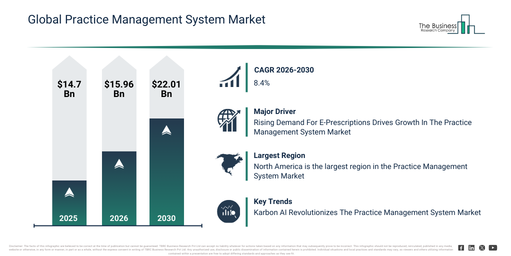
    The practice management system market has experienced significant growth in recent years. Its valuation is set to rise from $14.7 billion in 2025 to $15.96 billion in 2026, demonstrating a compound annual growth rate (CAGR) of 8.6%. This historical growth can be attributed to factors such as the increasing digitization of healthcare administration, the growing complexity of billing and claims processing, a rising demand for operational efficiency, the expansion of outpatient care facilities, and the increasing adoption of healthcare IT systems.

    The practice management system market size is anticipated to experience robust growth in the coming years, with projections indicating an expansion to $22.01 billion by 2030, at a compound annual growth rate (CAGR) of 8.4%. This expected growth throughout the forecast period is primarily due to factors such as increasing investments in cloud healthcare platforms, a rising utilization of AI-driven administrative tools, the expansion of telehealth-integrated systems, a growing emphasis on cybersecurity compliance, and an increasing demand for scalable software solutions. Significant trends emerging in the forecast period include the increasing adoption of cloud-based practice solutions, a rising demand for integrated billing and EHR systems, a heightened focus on workflow automation, the expansion of data analytics and reporting capabilities, and an enhanced emphasis on regulatory compliance.

    Access Your Free Sample Report for In-Depth Market Insights:

    https://www.thebusinessresearchcompany.com/sample.aspx?id=13516&type=smp

    What Drivers Are Influencing Production Trends In The Practice Management System Market?

    The rising adoption of e-prescriptions is anticipated to fuel the expansion of the practice management system market in the future. E-prescriptions are defined as electronic forms of conventional paper prescriptions, which healthcare providers transmit electronically to pharmacies or dispensing bodies, usually through dedicated software or systems. Within e-prescriptions, the practice management system aids in automatically populating patient details, ensuring safe prescribing of controlled substances, and issuing alerts and warnings. For example, in May 2024, data from the World Health Organization, an international agency headquartered in Switzerland, revealed that the utilization of digital prescriptions in England reached 3.1 million repeat prescriptions monthly in 2024, marking an increase of over 45% from the prior year. Consequently, the growing prevalence of e-prescriptions is a key factor propelling the practice management system market’s growth.

    Which Segment Groups Are Influencing The Practice Management System Market?

    The practice management system market covered in this report is segmented –

    1) By Product Type: Standalone, Integrated

    2) By Component: Software, Service

    3) By Mode of Delivery: On-premise, Cloud-based

    4) By End User: Pharmacies, Diagnostic Laboratories, Hospitals, Other End Users

    Subsegments:

    1) By Standalone: Billing And Invoicing Software, Scheduling And Appointment Management Software, Patient Registration And Record Management Software, Revenue Cycle Management (RCM) Solutions, Reporting And Analytics Software

    2) By Integrated: Electronic Health Records (EHR) Integration, Laboratory Management System Integration, Patient Portal And Communication Integration, Accounting And Financial Management Integration, Hospital Information System (HIS) Integration, Telemedicine And Virtual Care Integration

    What Upcoming Trends Are Likely To Define The Future Path Of The Practice Management System Market?

    Major companies within the practice management system market are prioritizing the adoption of novel technologies, such as Karbon AI, to boost their profitability in the sector. Karbon AI is a GPT-powered artificial intelligence tool embedded within industry-leading accounting practice management software, crafted to enhance the working efficiency of accountants. Illustratively, in May 2023, Karbon Inc., a prominent US-based provider of collaborative practice management platforms for accounting firms, launched Karbon AI, a GPT-based artificial intelligence solution that significantly improves the productivity of accounting firms. Karbon AI offers functionalities like summarizing lengthy emails, assessing email inboxes, and generating email drafts.

    Who Are The Primary Competitors In The Global Practice Management System Market?

    Major companies operating in the practice management system market are McKesson Corporation, Henry Schein Inc., EPIC Systems Corporation, Allscripts Healthcare Solutions Inc., Athenahealth Inc., CompuGroup Medical SE & Co. KGaA, eClinicalWorks LLC, NextGen Healthcare Information Systems LLC, Medical Information Technology Inc., Practo Technologies Pvt. Ltd., AdvantEdge Healthcare Solutions Inc., CareCloud Corporation, Greenway Health LLC, Modernizing Medicine Inc., Kareo Inc., Advanced Data Systems Corporation, PracticeSuite Inc., AdvancedMD Inc., Practice Fusion Inc., Luma Health, WRS Health, OfficeAlly Inc., DrChrono Inc., TherapyNotes LLC, SimplePractice LLC, CollaborateMD Inc., Accumedic Computer Systems Inc., Cerner Corporation, Oracle Cerner, CPSI Inc.

    Access The Complete Report For Deeper Market Insights:

    https://www.thebusinessresearchcompany.com/report/practice-management-system-global-market-report

    Which Global Regions Are Shaping The Competitive Landscape Of The Practice Management System Market?

    North America was the largest region in the practice management system market in 2025. Asia-Pacific is expected to be the fastest-growing region in the forecast period. The regions covered in the practice management system market report are Asia-Pacific, South East Asia, Western Europe, Eastern Europe, North America, South America, Middle East, Africa.

    Request Your Customized Practice Management System Market Research Report for Competitive Advantage:

    https://www.thebusinessresearchcompany.com/customise?id=13516&type=smp

    Browse Through More Reports Similar to the Global Practice Management System Market 2026, By The Business Research Company

    Healthcare Learning Management System Market Report 2026

    https://www.thebusinessresearchcompany.com/report/healthcare-learning-management-system-global-market-report

    Legal Practice Management Software Market Report 2026

    https://www.thebusinessresearchcompany.com/report/legal-practice-management-software-global-market-report

    Accounting Practice Management Software Market Report 2026

    https://www.thebusinessresearchcompany.com/report/accounting-practice-management-software-global-market-report

    Get in touch with us:

    The Business Research Company: https://www.thebusinessresearchcompany.com/

    Americas +1 310-496-7795

    Asia +44 7882 955267 & +91 8897263534

    Europe +44 7882 955267

    Email us at info@tbrc.info

    Follow us on:

    LinkedIn: https://in.linkedin.com/company/the-business-research-company

    YouTube: https://www.youtube.com/channel/UC24_fI0rV8cR5DxlCpgmyFQ

    Global Market Model: https://www.thebusinessresearchcompany.com/global-market-model
  • Global Ringworm Treatment Market 2026–2030: Forecast Insights for Business Planning

    Global Ringworm Treatment Market 2026–2030: Forecast Insights for Business Planning

    Uncover key drivers, emerging technologies, and competitive movements shaping the ringworm treatment market from 2026–2035 with trusted insights from The Business Research Company

    Across 2026–2030, what is the expected market valuation path of the Ringworm Treatment Market?

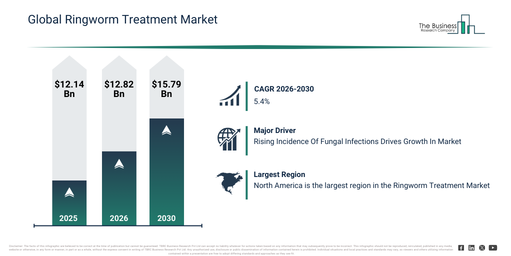
    The ringworm treatment market has experienced robust expansion over the past few years. Projections indicate its value will increase from $12.14 billion in 2025 to $12.82 billion in 2026, demonstrating a compound annual growth rate (CAGR) of 5.6%. Historically, this expansion is a result of factors such as the increasing occurrence of fungal skin infections, greater understanding of proper personal hygiene, improved accessibility to retail pharmacy channels, the broad presence of topical antifungal medicines, and more frequent identification of dermatological conditions.

    The ringworm treatment market is anticipated to experience substantial expansion over the upcoming years. This market is projected to reach $15.79 billion by 2030, exhibiting a compound annual growth rate (CAGR) of 5.4%. This projected growth is driven by several factors, including an increasing need for effective and long-term antifungal solutions, the growing popularity of online pharmacy distribution channels, heightened efforts in managing antifungal resistance, broader application of combination therapies, and expanding healthcare accessibility across developing markets. Key trends expected during this period involve a surge in demand for broad-spectrum antifungal treatments, the increasing utilization of combination drug formulations, a growing inclination towards topical remedies, the proliferation of over-the-counter antifungal products, and a stronger emphasis on strategies to prevent recurrence.

    Access Your Free Sample Report for In-Depth Market Insights:

    https://www.thebusinessresearchcompany.com/sample.aspx?id=21279&type=smp

    Which Drivers Are Supporting The Rise Of The Ringworm Treatment Market?

    The expanding occurrence of fungal infections is projected to stimulate the growth of the ringworm treatment market in the future. Fungal infections are conditions resulting from the proliferation or invasion of fungi within the body, causing symptoms that can impact various organs and tissues. This increase in fungal infection prevalence stems from factors such as enhanced use of immunosuppressive therapies, global warming, and a rising number of individuals with weakened immune systems. Ringworm treatment addresses these infections through effective antifungal therapies, preventing their spread, minimizing complications, and controlling infection rates, particularly in vulnerable groups. For example, in May 2025, the Centers for Disease Control and Prevention, a US-based public health agency, reported that in the United States, fungal diseases are linked to approximately 7,300 deaths, 130,000 hospitalizations, and 13 million outpatient visits annually, with the total national economic burden estimated at roughly $19 billion. Consequently, the increasing incidence of fungal infections is boosting the ringworm treatment market’s expansion. The enhancement of healthcare facilities is anticipated to drive the ringworm treatment market forward. Healthcare facilities are institutions that provide medical care and services, including hospitals, clinics, and diagnostic centers, for patient treatment and support. These facilities are improving due to factors like increased investment in healthcare infrastructure, a focus on patient-centered care, population expansion, and an aging demographic. Ringworm treatment contributes to the improvement of healthcare facilities by fostering specialized dermatological care development, improving patient education on fungal infections, and promoting the adoption of effective, accessible treatment options, which in turn helps healthcare systems to expand their capacity to manage skin-related diseases more efficiently and enhance overall public health outcomes. As an illustration, in September 2025, the Department of Health and Social Care, a UK-based government department, noted that NHS acute trust productivity increased by 2.7% over the previous year, surpassing the government’s target set for the April 2024 to March 2025 period. Thus, the improvement of healthcare facilities is fueling the growth of the ringworm treatment market.

    What Segments Are Identified Within The Structure Of The Ringworm Treatment Market?

    The ringworm treatment market covered in this report is segmented –

    1) By Drug Classes: Antifungals, Combination Drugs

    2) By Treatment Types: Tinea Corpois, Tinea Pedis, Tinea Cruris, Tinea Capitis, Tinea Manuum, Other Treatment Types

    3) By Route Of Administrations: Topical, Oral

    4) By Distribution Channels: Hospital Pharmacies, Retail Pharmacies, Online Pharmacies

    Subsegments:

    1) By Antifungals: Topical Antifungals, Oral Antifungals, Antifungal Shampoos

    2) By Combination Drugs: Antifungal Plus Steroid Combinations, Antifungal Plus Antiseptic Combinations

    Which Key Players Are Driving Competition In The Ringworm Treatment Market?

    Major companies operating in the ringworm treatment market are Pfizer Inc., Merck And Co Inc., Bayer Healthcare, Sanofi Aventis, Abbott Laboratories, Novartis AG, GlaxoSmithKline Plc, Teva Pharmaceutical Industries Ltd, Sun Pharmaceutical Industries Ltd, Perrigo Company plc, Aurobindo Pharma Ltd, Dr Reddys Laboratories Ltd, Cipla Ltd, Intas Pharmaceuticals Ltd, Zydus Group, Glenmark Pharmaceuticals Inc, Biocon Limited, Torrent Pharmaceuticals Ltd, Taro Pharmaceutical Industries Ltd, Lupin Limited, Amneal Pharmaceuticals LLC, Hikma Pharmaceuticals plc, Alkem Laboratories Ltd, Mankind Pharma Ltd

    Access The Complete Report For Deeper Market Insights:

    https://www.thebusinessresearchcompany.com/report/ringworm-treatment-global-market-report

    Which Region Is Projected To Lead The Ringworm Treatment Market During The Forecast Period?

    North America was the largest region in the ringworm treatment market in 2025. Asia-Pacific is expected to be the fastest-growing region in the forecast period. The regions covered in the ringworm treatment market report are Asia-Pacific, South East Asia, Western Europe, Eastern Europe, North America, South America, Middle East, Africa.

    Request Your Customized Ringworm Treatment Market Research Report for Competitive Advantage:

    https://www.thebusinessresearchcompany.com/customise?id=21279&type=smp

    Browse Through More Reports Similar to the Global Ringworm Treatment Market 2026, By The Business Research Company

    Histoplasmosis Treatment Market Report 2026

    https://www.thebusinessresearchcompany.com/report/histoplasmosis-treatment-global-market-report

    Aspergillosis Treatment Market Report 2026

    https://www.thebusinessresearchcompany.com/report/aspergillosis-treatment-global-market-report

    Allergy Treatment Market Report 2026

    https://www.thebusinessresearchcompany.com/report/allergy-treatment-global-market-report

    Get in touch with us:

    The Business Research Company: https://www.thebusinessresearchcompany.com/

    Americas +1 310-496-7795

    Asia +44 7882 955267 & +91 8897263534

    Europe +44 7882 955267

    Email us at info@tbrc.info

    Follow us on:

    LinkedIn: https://in.linkedin.com/company/the-business-research-company

    YouTube: https://www.youtube.com/channel/UC24_fI0rV8cR5DxlCpgmyFQ

    Global Market Model: https://www.thebusinessresearchcompany.com/global-market-model
  • Metabolic Dysfunction-Associated Steatohepatitis (MASH) Treatment Market Outlook: Growth and Forecast Highlights 2030

    Metabolic Dysfunction-Associated Steatohepatitis (MASH) Treatment Market Outlook: Growth and Forecast Highlights 2030

    Uncover key drivers, emerging technologies, and competitive movements shaping the metabolic dysfunction-associated steatohepatitis (mash) treatment market from 2026–2035 with trusted insights from The Business Research Company

    What level of growth is expected in the Metabolic Dysfunction-Associated Steatohepatitis (MASH) Treatment Market between 2026 and 2030?

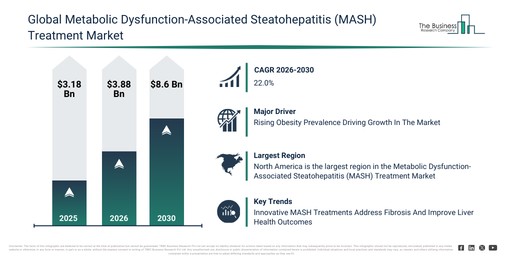
    The metabolic dysfunction-associated steatohepatitis (mash) treatment market size has experienced substantial growth in recent years. This market is anticipated to expand from $3.18 billion in 2025 to $3.88 billion in 2026, demonstrating a compound annual growth rate (CAGR) of 22.2%. Several factors have driven its historical development, including the increasing prevalence of obesity, the rising incidence of type 2 diabetes, enhanced awareness of liver health disorders, improved diagnostic testing capabilities, and the early adoption of lifestyle modification programs.

    The metabolic dysfunction-associated steatohepatitis (mash) treatment market size is projected for substantial expansion in the coming years, expected to reach $8.6 billion by 2030, driven by a compound annual growth rate (CAGR) of 22.0%. This anticipated growth can be credited to the rising adoption of GLP-1 agonists, advancements in antifibrotic drug development, increasing access to digital liver monitoring tools, broader utilization of bariatric surgery, and a growing emphasis on personalized metabolic therapies. Notable trends within this forecast period include the proliferation of precision liver disease therapeutics, AI-powered solutions for early detection and risk stratification, cloud-based systems for liver health data management, IoT-integrated approaches for lifestyle and medication monitoring, and the development of sustainable and preventive metabolic health programs.

    Access Your Free Sample Report for In-Depth Market Insights:

    https://www.thebusinessresearchcompany.com/sample.aspx?id=20876&type=smp

    Which Drivers Are Expected To Impact The Metabolic Dysfunction-Associated Steatohepatitis (MASH) Treatment Market During The Forecast Period?

    The rising incidence of obesity is expected to fuel the expansion of the metabolic dysfunction-associated steatohepatitis (MASH) treatment market in the future. Obesity is a medical condition defined by an excessive accumulation of body fat that can adversely affect overall health, typically measured by a body mass index (BMI) of 30 or higher. The global prevalence of obesity is growing, primarily driven by sedentary lifestyles, unhealthy eating patterns, and metabolic risk factors. Metabolic Dysfunction-Associated Steatohepatitis (MASH) treatment in the context of obesity focuses on addressing insulin resistance, reducing liver fat, and improving metabolic health through lifestyle modifications and targeted therapies. For instance, in March 2023, according to the World Heart Foundation, a Switzerland-based non-government global cardiovascular community, roughly 2.3 billion adults and children worldwide are currently obese or overweight, and this figure is projected to reach 2.7 billion by 2025 if the current obesity trend continues. Therefore, the increasing prevalence of obesity is stimulating growth in the metabolic dysfunction-associated steatohepatitis (MASH) treatment market.

    Which Segments Are Driving Activity In The Metabolic Dysfunction-Associated Steatohepatitis (MASH) Treatment Market?

    The metabolic dysfunction-associated steatohepatitis (mash) treatment market covered in this report is segmented –

    1) By Treatment: Drug, Therapy

    2) By Distribution Channel: Hospital Pharmacies, Online Pharmacies, Retail Pharmacies

    3) By End-User: Hospitals, Specialty Clinics, Homecare, Other End-User

    Subsegments:

    1) By Drug: Antifibrotic Agents, Antidiabetic Drugs, Lipid-Lowering Agents, Vitamin E, Obeticholic Acid (OCA), GLP-1 Agonists

    2) By Therapy: Pharmacotherapy, Lifestyle Modifications (Dietary Changes, Exercise), Bariatric Surgery, Liver Transplantation

    Which Competitive Trends Are Impacting The Structure Of The Metabolic Dysfunction-Associated Steatohepatitis (MASH) Treatment Market?

    Leading companies in the metabolic dysfunction-associated steatohepatitis (MASH) treatment market are concentrating on producing cutting-edge products, such as liver fibrosis treatment solutions, to offer therapeutic options for individuals afflicted with metabolic dysfunction-associated steatohepatitis (MASH) and moderate to severe liver fibrosis. These liver fibrosis treatment solutions primarily target the fundamental origins of liver damage through adjustments to lifestyle, antiviral drugs, and nascent antifibrotic treatments, with the goal of halting or reversing fibrosis progression and enhancing liver function. As an illustration, in March 2024, Madrigal Pharmaceuticals, Inc., a US-based biopharmaceutical company, announced the FDA approval of Rezdiffra (resmetirom), which stands as the first-ever treatment for metabolic dysfunction-associated steatohepatitis (MASH) with moderate to severe liver fibrosis. Rezdiffra is a daily oral tablet that exhibited effectiveness in resolving MASH without fibrosis worsening and improving liver fibrosis during phase 3 clinical trials. This significant advance provides a non-invasive treatment alternative, doing away with the necessity for liver biopsies, and substantially improves patient access and outcomes in managing fatty liver disease.

    Which Major Industry Participants Are Leading The Metabolic Dysfunction-Associated Steatohepatitis (MASH) Treatment Market Growth?

    Major companies operating in the metabolic dysfunction-associated steatohepatitis (mash) treatment market are Pfizer Inc., Johnson & Johnson, Merck & Co. Inc., Sanofi SA, AstraZeneca PLC, Novartis AG, Eli Lilly and Company, Gilead Sciences Inc., Boehringer Ingelheim International GmbH, Novo Nordisk A/S, Apollo Health and Lifestyle Limited, Jenny Craig, Nutrisystem, Madrigal Pharmaceuticals, Anoos Clinic, Galectin Therapeutics Inc., Galmed Pharmaceuticals, Hepion Pharmaceuticals, Inventiva, NGM Biopharmaceuticals, Sagimet Biosciences, Viking Therapeutics, Terns Pharma, Genfit SA

    Access The Complete Report For Deeper Market Insights:

    https://www.thebusinessresearchcompany.com/report/metabolic-dysfunction-associated-steatohepatitis-mash-treatment-global-market-report

    Which Region Currently Holds The Largest Share Of The Metabolic Dysfunction-Associated Steatohepatitis (MASH) Treatment Market?

    North America was the largest region in the metabolic dysfunction-associated steatohepatitis (MASH) treatment market in 2025. Asia-Pacific is expected to be the fastest-growing region in the forecast period. The regions covered in the metabolic dysfunction-associated steatohepatitis (mash) treatment market report are Asia-Pacific, South East Asia, Western Europe, Eastern Europe, North America, South America, Middle East, Africa.

    Request Your Customized Metabolic Dysfunction-Associated Steatohepatitis (MASH) Treatment Market Research Report for Competitive Advantage:

    https://www.thebusinessresearchcompany.com/customise?id=20876&type=smp

    Browse Through More Reports Similar to the Global Metabolic Dysfunction-Associated Steatohepatitis (MASH) Treatment Market 2026, By The Business Research Company

    Fatty Liver Treatment Market Report 2026

    https://www.thebusinessresearchcompany.com/report/fatty-liver-treatment-global-market-report

    Non Alcoholic Steatohepatitis Treatment Market Report 2026

    https://www.thebusinessresearchcompany.com/report/non-alcoholic-steatohepatitis-treatment-global-market-report

    Non Alcoholic Steatohepatitis Biomarkers Market Report 2026

    https://www.thebusinessresearchcompany.com/report/non-alcoholic-steatohepatitis-biomarkers-global-market-report

    Get in touch with us:

    The Business Research Company: https://www.thebusinessresearchcompany.com/

    Americas +1 310-496-7795

    Asia +44 7882 955267 & +91 8897263534

    Europe +44 7882 955267

    Email us at info@tbrc.info

    Follow us on:

    LinkedIn: https://in.linkedin.com/company/the-business-research-company

    YouTube: https://www.youtube.com/channel/UC24_fI0rV8cR5DxlCpgmyFQ

    Global Market Model: https://www.thebusinessresearchcompany.com/global-market-model
  • Postpartum Depression Treatment Market Performance Outlook 2026–2030: Revenue to Hit $1.81 Billion at 7.2% CAGR

    Postpartum Depression Treatment Market Performance Outlook 2026–2030: Revenue to Hit $1.81 Billion at 7.2% CAGR

    Uncover key drivers, emerging technologies, and competitive movements shaping the postpartum depression treatment market from 2026–2035 with trusted insights from The Business Research Company

    What is the expected shift in the Postpartum Depression Treatment Market’s size between 2026 and 2030?

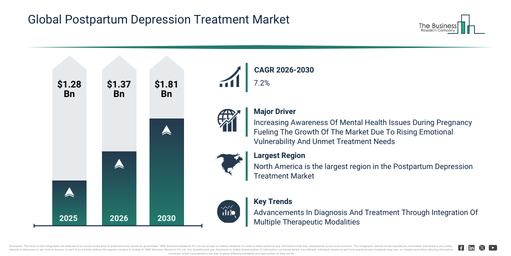
    The postpartum depression treatment market has demonstrated significant expansion in recent years. It is anticipated to increase from $1.28 billion in 2025 to $1.37 billion in 2026, achieving a compound annual growth rate (CAGR) of 7.5%. The historical development of this market is linked to factors such as increased clinical identification of postpartum depression, the restricted availability of specialized treatment avenues, a reliance on standard antidepressants, the expansion of mental health services within hospitals, and the rising application of psychotherapy.

    The market for postpartum depression treatment is projected to experience substantial growth in the upcoming years, reaching $1.81 billion by 2030, exhibiting a compound annual growth rate (CAGR) of 7.2%. This anticipated expansion over the forecast period is fueled by factors such as the increasing authorization of new postpartum therapies, a surge in investments directed towards maternal mental health research, the broadening of outpatient and home-based care options, an escalating need for personalized medical treatments, and the greater incorporation of digital therapeutic solutions. Key developments expected during this timeframe involve the rising adoption of combination therapy strategies, the increasing utilization of telepsychiatry in postpartum care, a growing requirement for fast-acting antidepressant medications, the widening availability of hormone-based treatment alternatives, and an intensified emphasis on individualized treatment paths.

    Access Your Free Sample Report for In-Depth Market Insights:

    https://www.thebusinessresearchcompany.com/sample.aspx?id=23479&type=smp

    Which Drivers Are Shaping Strategic Decisions In The Postpartum Depression Treatment Market?

    The heightened understanding of mental health challenges during pregnancy is projected to drive the expansion of the postpartum depression treatment market in the coming period. These issues encompass a spectrum of emotional, psychological, and psychiatric conditions capable of impacting a woman throughout her pregnancy. The rise in such mental health issues during pregnancy is attributable to elevated stress and hormonal shifts, which can intensify emotional susceptibility and hinder women’s capacity to manage physical, social, and psychological pressures. Postpartum depression treatment works to improve mental health by easing symptoms such as sadness, anxiety, and fatigue, bolstering emotional resilience, and fostering stronger mother-child attachment. For instance, data from October 2024, provided by the Maternal Mental Health Leadership Alliance (MMHLA), a US-based nonprofit dedicated to enhancing maternal mental health, indicates that maternal mental health conditions are the most frequent pregnancy complication, impacting 800,000 U.S. families annually, with 75% remaining untreated, thereby creating enduring risks for mothers, babies, and families. Consequently, the growing awareness surrounding mental health issues during pregnancy is propelling the growth of the postpartum depression treatment market.

    What Segment Classifications Make Up The Postpartum Depression Treatment Market?

    The postpartum depression treatment market covered in this report is segmented –

    1) By Type: Postpartum Anxiety, Postpartum Blues, Postpartum Post-Traumatic Stress Disorder (PTSD), Postpartum Obsessive-Compulsive Disorder (OCD), Postpartum Panic Disorder, Postpartum Psychosis

    2) By Treatment Type: Antidepressants, Hormone Therapy, Psychotherapy, Other Treatment Types

    3) By Patient Demographics: Adolescents, Adults

    4) By Distribution Channel: Hospital Pharmacies, Retail Pharmacies, Online Pharmacies

    Subsegments:

    1) By Postpartum Anxiety: Cognitive Behavioral Therapy (CBT), Antidepressant Medications, Hormonal Therapy, Support Groups And Counseling

    2) By Postpartum Blues: Psychotherapy, Supportive Care, Short-Term Medication

    3) By Postpartum Post-Traumatic Stress Disorder (PTSD): Trauma-Focused Cognitive Behavioral Therapy (TF-CBT), Eye Movement Desensitization And Reprocessing (EMDR), Medication, Peer Support Groups

    4) By Postpartum Obsessive-Compulsive Disorder (OCD): Exposure And Response Prevention (ERP), Antidepressant Medications (SSRIs), Cognitive Behavioral Therapy (CBT), Supportive Therapy

    5) By Postpartum Panic Disorder: Cognitive Behavioral Therapy (CBT), Antidepressants And Anti-Anxiety Medications, Relaxation Techniques, Psychotherapy

    6) By Postpartum Psychosis: Antipsychotic Medications, Mood Stabilizers, Electroconvulsive Therapy (ECT)

    Which Trends Are Shaping Activity Within The Postpartum Depression Treatment Market?

    Major companies operating in the postpartum depression treatment market are increasingly focusing on advancements in both diagnosis and treatment, particularly through innovations like prescription digital postpartum depression treatment, to enhance patient outcomes and improve accessibility to care. Prescription digital postpartum depression treatment refers to clinically validated digital therapeutics (DTx) prescribed by healthcare providers for managing and treating postpartum depression (PPD). As an example, in April 2024, Curio Digital Therapeutics Inc., a US-based digital health company, announced that MamaLift Plus received Food and Drug Administration (FDA) clearance, making it the first prescription digital therapeutic for postpartum depression (PPD). This eight-week program delivers digital CBT, BAT, IPT, and DBT via a mobile device under healthcare provider supervision. A pivotal study revealed a significantly higher rate of clinically meaningful improvement in EPDS scores among MamaLift Plus users compared to a control group. This clearance now offers women a non-pharmaceutical alternative for treating mild to moderate PPD.

    Which Key Market Players Are Investing In Expansion And Innovation Within The Postpartum Depression Treatment Market?

    Major companies operating in the postpartum depression treatment market are LifeStance Health Inc., Max Healthcare Institute Limited, American Well Corporation, Sakra Premium Hospital Private Limited, Talkspace Inc., Mental Health America, Seven Cups Inc., Marinus Pharmaceuticals Inc., Beyond Blue Ltd, Blooming Wellness Center, Sage Therapeutics Inc., Nurx Inc., Curio Digital Therapeutics Inc., Genesis Lifestyle Medicine, Postpartum Society Of Florida, TalktoAngel, The Motherhood Center, Otsuka Pharmaceutical Co Ltd, Lundbeck A S, Eli Lilly And Company, Pfizer Inc., Johnson And Johnson

    Access The Complete Report For Deeper Market Insights:

    https://www.thebusinessresearchcompany.com/report/postpartum-depression-treatment-global-market-report

    Which Regions Are Poised For Strategic Growth In The Postpartum Depression Treatment Market?

    North America was the largest region in the postpartum depression treatment market in 2025. Asia-Pacific is expected to be the fastest-growing region in the forecast period. The regions covered in the postpartum depression treatment market report are Asia-Pacific, South East Asia, Western Europe, Eastern Europe, North America, South America, Middle East, Africa.

    Request Your Customized Postpartum Depression Treatment Market Research Report for Competitive Advantage:

    https://www.thebusinessresearchcompany.com/customise?id=23479&type=smp

    Browse Through More Reports Similar to the Global Postpartum Depression Treatment Market 2026, By The Business Research Company

    Major Depressive Disorder Market Report 2026

    https://www.thebusinessresearchcompany.com/report/major-depressive-disorder-global-market-report

    Postpartum Health Supplements Market Report 2026

    https://www.thebusinessresearchcompany.com/report/postpartum-health-supplements-global-market-report

    Antidepressant Market Report 2026

    https://www.thebusinessresearchcompany.com/report/antidepressant-global-market-report

    Get in touch with us:

    The Business Research Company: https://www.thebusinessresearchcompany.com/

    Americas +1 310-496-7795

    Asia +44 7882 955267 & +91 8897263534

    Europe +44 7882 955267

    Email us at info@tbrc.info

    Follow us on:

    LinkedIn: https://in.linkedin.com/company/the-business-research-company

    YouTube: https://www.youtube.com/channel/UC24_fI0rV8cR5DxlCpgmyFQ

    Global Market Model: https://www.thebusinessresearchcompany.com/global-market-model