Month: March 2026

  • Richter Syndrome Market Outlook 2026–2035: Growth Drivers and Industry Forecast

    Richter Syndrome Market Outlook 2026–2035: Growth Drivers and Industry Forecast

    Uncover key drivers, emerging technologies, and competitive movements shaping the richter syndrome market from 2026–2035 with trusted insights from The Business Research Company

    What size range is anticipated for the Richter Syndrome Market from 2026 to 2030?

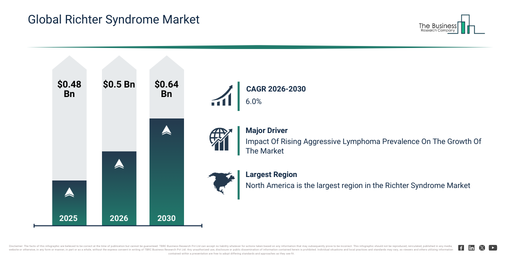
    The richter syndrome market has shown robust expansion in recent years. Its valuation is projected to increase from $0.48 billion in 2025 to $0.5 billion in 2026, achieving a compound annual growth rate (CAGR) of 6.2%. This historical expansion can be ascribed to several contributing factors, such as the increasing incidence of chronic lymphocytic leukemia, the restricted efficacy of existing traditional therapies, heightened awareness regarding aggressive lymphoma transformations, the broadening of oncology research centers, and the accessibility of various chemotherapy regimens.

    The Richter Syndrome market is projected to experience substantial expansion over the coming years, reaching a valuation of $0.64 billion by 2030, propelled by a compound annual growth rate (CAGR) of 6.0%. This anticipated growth during the forecast period is primarily driven by factors such as the accelerated development of innovative immunotherapies, a surge in the embrace of precision oncology strategies, the broadening of stem cell transplantation initiatives, increased financial commitments to rare cancer investigations, and a sharpened emphasis on individualized patient treatment routes. Key developments anticipated within the same period encompass the wider acceptance of targeted therapies and immunotherapies, a heightened concentration on prompt diagnosis and risk assessment, the increasing application of combined treatment methods, an expansion of clinical investigations and trials, and improved integration of supportive and palliative care.

    Access Your Free Sample Report for In-Depth Market Insights:

    https://www.thebusinessresearchcompany.com/sample.aspx?id=21278&type=smp

    What Drivers Are Affecting Demand In The Richter Syndrome Market?

    The increasing occurrence of aggressive lymphoma is anticipated to boost the expansion of the Richter syndrome market. Lymphoma, a form of cancer, begins in the lymphatic system, an integral part of the body’s immune defense, impacting lymph nodes and other related tissues. This surge in aggressive lymphoma cases stems from enhanced diagnostic methods, an aging demographic, and heightened public awareness, which together contribute to more diagnoses. Addressing aggressive lymphoma, Richter syndrome treatment employs a range of strategies including intense chemotherapy, specific targeted therapies like BTK and BCL-2 inhibitors, monoclonal antibodies, and advanced interventions such as CAR T-cell therapy and stem cell transplantation. These methods aim to control disease progression, improve patient responses, and prolong survival, alongside integrating new therapies and clinical trials for resistant cases. For instance, in January 2025, the American Cancer Society, a US-based non-profit organization, estimates that about 80,350 people (45,140 males and 35,210 females) will be diagnosed with non-Hodgkin lymphoma (NHL), with approximately 19,390 (11,060 males and 8,330 females) projected to succumb to the illness. Consequently, the rising prevalence of aggressive lymphoma is fueling the growth of the Richter syndrome market.

    Which Segments Are Gaining Traction In The Richter Syndrome Market?

    The richter syndrome market covered in this report is segmented –

    1) By Disease Type: Chronic Lymphocytic Leukemia (CLL)-Associated Richter Syndrome, Non-CLL-Associated Richter Syndrome

    2) By Treatment Type: Chemotherapy, Targeted Therapy, Immunotherapy, Immune Checkpoint Inhibitors, Stem Cell Transplantation, Supportive Care And Palliative Treatments

    3) By Route Of Administration: Oral, Intravenous

    4) By Distribution Channel: Hospital Pharmacies, Retail Pharmacies, Online Pharmacies

    5) By End-User: Hospitals, Specialty Clinics, Cancer Treatment Centers, Research And Academic Institutes

    Subsegments:

    1) By Chronic Lymphocytic Leukemia (CLL)-Associated Richter Syndrome: Transformation To Diffuse Large B-cell Lymphoma, Transformation To Hodgkin Lymphoma

    2) By Non-CLL-Associated Richter Syndrome: De Novo Diffuse Large B-cell Lymphoma, De Novo Hodgkin Lymphoma

    Who Are The Top-Performing Companies In The Richter Syndrome Market In Recent Years?

    Major companies operating in the richter syndrome market are Pfizer Inc., Janssen Pharmaceuticals Inc., F Hoffmann La Roche Ltd, AbbVie Inc., Bristol Myers Squibb Company, AstraZeneca PLC, Novartis AG, Takeda Pharmaceutical Company Limited, Gilead Sciences Inc., Chugai Pharmaceutical Co Ltd, Genentech Inc., Incyte Corporation, Kyowa Kirin Co Ltd, Celltrion Healthcare Co Ltd, BeiGene Ltd, Nippon Shinyaku Co Ltd, MorphoSys AG, TG Therapeutics Inc., Amgen Inc., Sanofi SA, Bayer AG, Daiichi Sankyo Company, Merck And Co Inc., Seagen Inc., Roche Diagnostics Oncology

    Access The Complete Report For Deeper Market Insights:

    https://www.thebusinessresearchcompany.com/report/richter-syndrome-global-market-report

    Which Region Currently Holds The Largest Share Of The Richter Syndrome Market?

    North America was the largest region in the richter syndrome market in 2025. Asia-Pacific is expected to be the fastest-growing region in the forecast period. The regions covered in the richter syndrome market report are Asia-Pacific, South East Asia, Western Europe, Eastern Europe, North America, South America, Middle East, Africa.

    Request Your Customized Richter Syndrome Market Research Report for Competitive Advantage:

    https://www.thebusinessresearchcompany.com/customise?id=21278&type=smp

    Browse Through More Reports Similar to the Global Richter Syndrome Market 2026, By The Business Research Company

    Panic Disorders Market Report 2026

    https://www.thebusinessresearchcompany.com/report/panic-disorders-global-market-report

    Ataxia Market Report 2026

    https://www.thebusinessresearchcompany.com/report/ataxia-global-market-report

    Earthquake Insurance Market Report 2026

    https://www.thebusinessresearchcompany.com/report/earthquake-insurance-global-market-report

    Get in touch with us:

    The Business Research Company: https://www.thebusinessresearchcompany.com/

    Americas +1 310-496-7795

    Asia +44 7882 955267 & +91 8897263534

    Europe +44 7882 955267

    Email us at info@tbrc.info

    Follow us on:

    LinkedIn: https://in.linkedin.com/company/the-business-research-company

    YouTube: https://www.youtube.com/channel/UC24_fI0rV8cR5DxlCpgmyFQ

    Global Market Model: https://www.thebusinessresearchcompany.com/global-market-model
  • Global Postpartum Depression Market Set for Strong Expansion, Reaching $66.47 Billion With 33.1% CAGR by 2030

    Global Postpartum Depression Market Set for Strong Expansion, Reaching $66.47 Billion With 33.1% CAGR by 2030

    Uncover key drivers, emerging technologies, and competitive movements shaping the postpartum depression market from 2026–2035 with trusted insights from The Business Research Company

    What growth pattern is forecast for the Postpartum Depression Market size between 2026 and 2035?

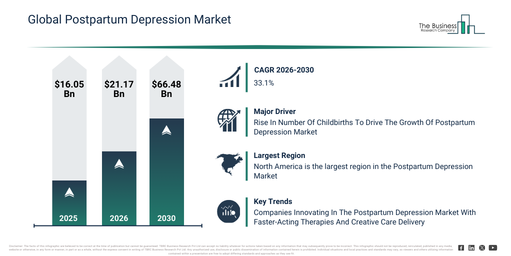
    The postpartum depression market size has undergone substantial expansion in recent years. It is anticipated to grow from $16.05 billion in 2025 to $21.17 billion in 2026, at a compound annual growth rate (CAGR) of 31.9%. The historical growth of this market can be attributed to several factors, including the increasing recognition of maternal mental health disorders, limited early screening practices, prevalent underdiagnosis in postpartum care settings, a reliance on traditional counseling approaches, and the growth of hospital-based maternal care services.

    The postpartum depression market size is anticipated to experience substantial growth over the upcoming years, projected to reach $66.48 billion by 2030, exhibiting a compound annual growth rate (CAGR) of 33.1%. This expansion during the forecast period is propelled by factors such as the greater uptake of digital screening instruments, an increased emphasis on proactive maternal healthcare, the widening availability of tele-mental health services, rising investments in women’s mental well-being initiatives, and the deeper incorporation of mental health support into obstetric care. Key developments expected in this period encompass heightened public awareness and screening for postpartum mental health, greater acceptance of digital platforms for mental wellness, a stronger focus on prompt diagnosis and intervention, the extension of community-based assistance programs, and improved integration of mental health services within maternal care pathways.

    Access Your Free Sample Report for In-Depth Market Insights:

    https://www.thebusinessresearchcompany.com/sample.aspx?id=13024&type=smp

    Which Drivers Are Impacting Market Performance In The Postpartum Depression Market?

    An increasing number of childbirths is anticipated to fuel the expansion of the postpartum depression market. Childbirth describes the natural process of a baby exiting the mother’s uterus, typically through the vaginal canal. This rise in births contributes to the postpartum depression market because postpartum depression (PPD) is a prevalent mental health condition affecting women post-delivery, manifesting in symptoms such as sadness, anxiety, fatigue, and challenges in maternal-infant bonding. As an illustration, a report from the Centers for Disease Control and Prevention, a US-based national public health organization, indicated that in January 2023, the United States experienced a 1% rise in recorded births, reaching a total of 3,664,292, relative to the prior year. Consequently, the increasing volume of childbirths is stimulating growth within the postpartum depression market.

    What Segment Types Are Examined In The Postpartum Depression Market?

    The postpartum depression market covered in this report is segmented –

    1) By Types: Postpartum Blues, Postpartum Anxiety, Postpartum Obsessive Compulsive Disorder, Postpartum Panic Disorder, Postpartum Post-Traumatic Stress Disorder, Postpartum Psychosis, Other Types

    2) By Treatment: Psychotherapy, Medication, Supplements, Other Treatments

    3) By Route of Administration: Oral, Parenteral, Other Route Of Administration

    4) By Distribution Channel: Hospital Pharmacy, Retail Pharmacy, Online Pharmacy, Other Distribution Channels

    5) By End-Users: Hospitals, Specialty Clinics, Homecare, Other End-Users

    Subsegments:

    1) By Postpartum Blues: Mild Emotional Disturbances, Short-term Mood Swings

    2) By Postpartum Anxiety: Generalized Anxiety Disorder (GAD), Panic Attacks

    3) By Postpartum Obsessive Compulsive Disorder: Intrusive Thoughts, Compulsive Behaviors

    4) By Postpartum Panic Disorder: Sudden Panic Attacks, Physical Symptoms

    5) By Postpartum Post-Traumatic Stress Disorder (PTSD): Trauma Response To Childbirth, Flashbacks And Anxiety

    6) By Postpartum Psychosis: Hallucinations, Severe Mood Swings

    7) By Other Types: Mixed Mood Disorders, Comorbid Conditions With Postpartum

    Which Trends Are Influencing The Development Of The Postpartum Depression Market?

    Major companies operating in the postpartum depression market are focusing on new product innovations, including regulatory milestones to advance the development and potential approval pathway of zuranolone for major depressive disorder and postpartum depression. A regulatory milestone denotes a crucial event in a drug or medical product’s lifecycle, signaling progress within the approval or compliance framework established by governmental authorities. For instance, in February 2023, Biogen Inc., a US-based biotechnology company, and Sage Therapeutics Inc., a US-based biopharmaceutical company, announced that the United States Food and Drug Administration (FDA) had accepted the submission of a New Drug Application (NDA) for zuranolone for the treatment of major depressive disorder (MDD) and postpartum depression (PPD). Zuranolone is an investigational medication being evaluated as a 14-day, once-daily, rapid-acting oral therapy for individuals with MDD and PPD. This neuroactive steroid functions as a positive allosteric modulator of GABA-A receptors, representing a distinct mechanism of action. It is designed to work in persons with depression by quickly resetting dysregulated neural networks to help restore brain function. Zuranolone influences brain networks responsible for mood, arousal, behavior, and cognition.

    Who Are The Core Companies Influencing Trends In The Postpartum Depression Market?

    Major companies operating in the postpartum depression market are Pfizer Inc., Johnson & Johnson, Merck & Co., AbbVie Inc., Novartis AG, Sanofi SA, Bristol Myers Squibb Co., AstraZeneca plc, GlaxoSmithKline LLC, Takeda Pharmaceutical Company, Eli Lilly and Company, Viatris Inc., Teva Pharmaceutical Industries Ltd., Biogen Inc., Sun Pharmaceutical Industries Ltd., Lupin Pharmaceuticals, Mallinckrodt Pharmaceuticals plc, Sage Therapeutics Inc., Otsuka Pharmaceutical Co. Ltd., Lundbeck A S, Janssen Pharmaceuticals, Aurobindo Pharma Ltd.

    Access The Complete Report For Deeper Market Insights:

    https://www.thebusinessresearchcompany.com/report/postpartum-depression-global-market-report

    Which Regions Are Projected To Dominate The Postpartum Depression Market In The Coming Years?

    North America was the largest region in the postpartum depression market in 2025. The regions covered in the postpartum depression market report are Asia-Pacific, South East Asia, Western Europe, Eastern Europe, North America, South America, Middle East, Africa.

    Request Your Customized Postpartum Depression Market Research Report for Competitive Advantage:

    https://www.thebusinessresearchcompany.com/customise?id=13024&type=smp

    Browse Through More Reports Similar to the Global Postpartum Depression Market 2026, By The Business Research Company

    Antidepressant Market Report 2026

    https://www.thebusinessresearchcompany.com/report/antidepressant-global-market-report

    Postpartum Health Supplements Market Report 2026

    https://www.thebusinessresearchcompany.com/report/postpartum-health-supplements-global-market-report

    Major Depressive Disorder Market Report 2026

    https://www.thebusinessresearchcompany.com/report/major-depressive-disorder-global-market-report

    Get in touch with us:

    The Business Research Company: https://www.thebusinessresearchcompany.com/

    Americas +1 310-496-7795

    Asia +44 7882 955267 & +91 8897263534

    Europe +44 7882 955267

    Email us at info@tbrc.info

    Follow us on:

    LinkedIn: https://in.linkedin.com/company/the-business-research-company

    YouTube: https://www.youtube.com/channel/UC24_fI0rV8cR5DxlCpgmyFQ

    Global Market Model: https://www.thebusinessresearchcompany.com/global-market-model
  • Metabolic Biomarker Testing Market Insights Report: Opportunities and Drivers 2030

    Metabolic Biomarker Testing Market Insights Report: Opportunities and Drivers 2030

    Uncover key drivers, emerging technologies, and competitive movements shaping the metabolic biomarker testing market from 2026–2035 with trusted insights from The Business Research Company

    How much is the Metabolic Biomarker Testing Market valued at in 2026, and what valuation is forecast for 2030?

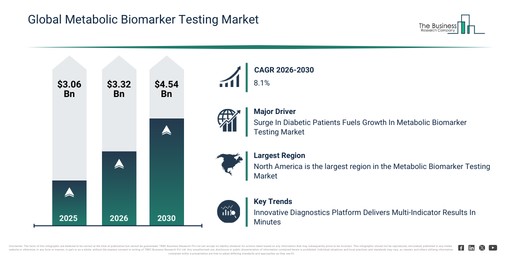
    The metabolic biomarker testing market has experienced robust expansion recently. This market is projected to expand from $3.06 billion in 2025 to $3.32 billion in 2026, exhibiting a compound annual growth rate (CAGR) of 8.5%. Its historical development is linked to factors such as progress in analytical chemistry techniques, the rise in chronic and metabolic disorders, enhanced utilization of laboratory diagnostics, increased clinical research endeavors, and the accessibility of high-throughput testing platforms.

    The market for metabolic biomarker testing is projected to experience robust expansion over the coming years. Its value is anticipated to reach $4.54 billion by 2030, driven by a compound annual growth rate (CAGR) of 8.1%. This projected growth during the forecast period stems from factors such as a heightened demand for personalized healthcare solutions, increasing investments in precision diagnostics, the expansion of preventive health screening programs, the growing application of AI-driven data interpretation, and increased collaboration among diagnostics and pharmaceutical companies. Key developments expected in this period encompass the rising adoption of metabolomics-based diagnostics, a surge in the use of biomarkers in personalized medicine, the increasing integration of advanced analytical techniques, the broadening of early disease detection applications, and an enhanced emphasis on data-driven clinical decision making.

    Access Your Free Sample Report for In-Depth Market Insights:

    https://www.thebusinessresearchcompany.com/sample.aspx?id=20573&type=smp

    What Drivers Are Influencing The Growth Of The Metabolic Biomarker Testing Market?

    The increasing occurrence of diabetes is projected to fuel the expansion of the metabolic biomarker testing market in the future. Diabetes is a long-term health condition marked by elevated blood sugar levels, resulting from the body’s incapacity to generate or efficiently utilize insulin. This rise in diabetes is largely attributed to unhealthy dietary habits, particularly the significant intake of processed items and sweetened beverages, alongside inactive lifestyles defined by very little physical movement. Furthermore, an aging demographic and a familial history of diabetes elevate the risk, suggesting a genetic susceptibility. Metabolic biomarker testing assists in the diagnosis, tracking, and treatment of metabolic conditions like diabetes, offering molecular-level insights into metabolic processes and deviations. For example, data from April 2025, provided by the International Diabetes Federation (IDF), a Belgium based diabetes advocacy organization, revealed that the global population of adults (age 20–79 years) living with diabetes reached 589 million, showing a significant increase from previous years. The overall count of adults with diabetes is anticipated to climb to 853 million by 2050. Consequently, the growing prevalence of diabetes is set to spur the expansion of the metabolic biomarker testing market.

    How Is The Metabolic Biomarker Testing Market Organized Into Various Segments?

    The metabolic biomarker testing market covered in this report is segmented –

    1) By Type: Separation Techniques, Detection Techniques, Other Types

    2) By Indication: Cancer, Cardiovascular Disorders, Neurological Disorders, Inborn Errors Of Metabolism, Other Indications

    3) By Application: Drug Assessment, Nutrigenomics, Toxicology Testing, Personalized Medicine, Other Applications

    4) By End User: Pharma And Biotech Companies, Diagnostic Tool Companies, Clinical Laboratories

    Subsegments:

    1) By Separation Techniques: Chromatography, Capillary Electrophoresis, Mass Spectrometry (MS), Liquid-Liquid Extraction, Solid-Phase Extraction

    2) By Detection Techniques: Enzyme-Linked Immunosorbent Assay (ELISA), Fluorescence-Based Detection, Electrochemical Detection, Nuclear Magnetic Resonance (NMR), Immunoassays

    3) By Other Types: Metabolomics Profiling, Spectroscopy Techniques

    What Industry Trends Are Transforming The Metabolic Biomarker Testing Market?

    Major companies within the metabolic biomarker testing market are concentrating on developing innovative solutions, such as lab-quality home blood testing platforms, to satisfy the growing demand for convenient, accurate, and timely metabolic health monitoring. These lab-quality home blood testing platforms are compact, user-friendly devices engineered for at-home use, providing results comparable to those obtained from traditional laboratory tests. For example, in January 2023, SiPhox Health, Inc., a U.S.-based health technology company, launched the world’s first lab-quality home blood testing platform, offering individuals the capability to monitor multiple metabolic biomarkers from the comfort of their homes. This platform incorporates proprietary technology to guarantee high accuracy, delivers real-time results through an associated app, and supports a wide range of metabolic health assessments, including glucose, lipid profiles, and other key indicators. Its unique blend of lab-grade precision and at-home accessibility facilitates more frequent monitoring, early detection of metabolic disorders, and personalized health management.

    Who Are The Prominent Global Companies Shaping The Metabolic Biomarker Testing Market Landscape?

    Major companies operating in the metabolic biomarker testing market are Thermo Fisher Scientific Inc., Danaher Corporation, Agilent Technologies Inc., PerkinElmer Inc., bioMérieux S.A., LECO Corporation, Shimadzu Corporation, Waters Corporation, Bio-Rad Laboratories Inc., Bruker Corporation, SCIEX, Promega Corporation, Cayman Chemical Company, Metabolon Inc., Biocrates Life Sciences AG, Human Metabolome Technologies Inc., KineMed Inc., Evosep Biosystems A/S, Creative Proteomics Inc., Lipotype GmbH, Metabolomic Diagnostics Ltd, Stemina Biomarker Discovery Inc., Chenomx Inc., GlycoPath Pty Ltd

    Access The Complete Report For Deeper Market Insights:

    https://www.thebusinessresearchcompany.com/report/metabolic-biomarker-testing-global-market-report

    How Does The Metabolic Biomarker Testing Market Perform Across Major Global Regions?

    North America was the largest region in the metabolic biomarker testing market in 2025. The regions covered in the metabolic biomarker testing market report are Asia-Pacific, South East Asia, Western Europe, Eastern Europe, North America, South America, Middle East, Africa.

    Request Your Customized Metabolic Biomarker Testing Market Research Report for Competitive Advantage:

    https://www.thebusinessresearchcompany.com/customise?id=20573&type=smp

    Browse Through More Reports Similar to the Global Metabolic Biomarker Testing Market 2026, By The Business Research Company

    Non Alcoholic Steatohepatitis Biomarkers Market Report 2026

    https://www.thebusinessresearchcompany.com/report/non-alcoholic-steatohepatitis-biomarkers-global-market-report

    Renal Biomarkers Market Report 2026

    https://www.thebusinessresearchcompany.com/report/renal-biomarkers-global-market-report

    Cancer Biomarker Market Report 2026

    https://www.thebusinessresearchcompany.com/report/cancer-biomarker-global-market-report

    Get in touch with us:

    The Business Research Company: https://www.thebusinessresearchcompany.com/

    Americas +1 310-496-7795

    Asia +44 7882 955267 & +91 8897263534

    Europe +44 7882 955267

    Email us at info@tbrc.info

    Follow us on:

    LinkedIn: https://in.linkedin.com/company/the-business-research-company

    YouTube: https://www.youtube.com/channel/UC24_fI0rV8cR5DxlCpgmyFQ

    Global Market Model: https://www.thebusinessresearchcompany.com/global-market-model
  • Ribose-Nucleic Acid (RNA)-Based Therapeutics Market 2026–2030: Emerging Trends and Forecast Opportunities

    Ribose-Nucleic Acid (RNA)-Based Therapeutics Market 2026–2030: Emerging Trends and Forecast Opportunities

    Uncover key drivers, emerging technologies, and competitive movements shaping the ribose-nucleic acid (rna)-based therapeutics market from 2026–2035 with trusted insights from The Business Research Company

    How is the Ribose-Nucleic Acid (RNA)-Based Therapeutics Market size predicted to change over the forecast window of 2026–2035?

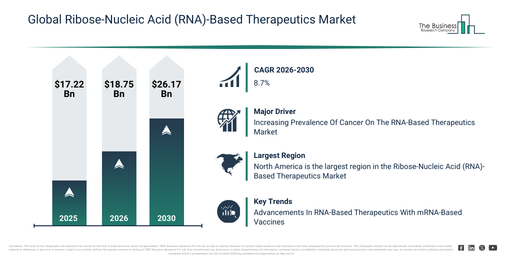
    The market for ribose-nucleic acid (rna)-based therapeutics has experienced robust expansion in recent times. This market is projected to expand from $17.22 billion in 2025 to $18.75 billion by 2026, exhibiting a compound annual growth rate (CAGR) of 8.9%. Historically, this expansion has been driven by factors such as progress in molecular biology research, the early achievements of rna-based drugs, the broadening scope of genetic disease investigations, a rise in pharmaceutical R&D spending, and an enhanced comprehension of gene regulation.

    The ribose-nucleic acid (rna)-based therapeutics market size is anticipated to experience substantial growth in the coming years. It is projected to expand to $26.17 billion by 2030, exhibiting a compound annual growth rate (CAGR) of 8.7%. This expansion during the forecast period is fueled by factors such as a rise in regulatory approvals for rna therapies, escalating demand for personalized medicine, the broadening of oncology-focused rna pipelines, increased investments in delivery technologies, and more frequent collaborations between biotech firms. Key trends anticipated in the forecast period encompass the increasing development of rna-based targeted therapies, a greater adoption of sirna and aso technologies, an intensified focus on rare and genetic disorders, the expansion of clinical trials for rna therapeutics, and innovations enhancing drug delivery systems.

    Access Your Free Sample Report for In-Depth Market Insights:

    https://www.thebusinessresearchcompany.com/sample.aspx?id=18454&type=smp

    Which Drivers Are Contributing To The Expansion Of The Ribose-Nucleic Acid (RNA)-Based Therapeutics Market?

    The ribose-nucleic acid (RNA)-based therapeutics market is anticipated to expand in the future, driven by the rising incidence of cancer. Cancer is defined as a disease characterized by the uncontrolled proliferation and dissemination of aberrant cells, which can prove fatal if left untreated. The higher occurrence of cancer can be attributed to factors such as an aging demographic, shifts in lifestyle, increased exposure to various risks, and enhanced diagnostic techniques. RNA-based therapeutics present a promising approach to cancer treatment, as they directly target the genetic and molecular pathways involved in the disease. For example, data from August 2023 provided by the Australian Institute of Health and Welfare, an Australia-based government health body, indicated that approximately 151,000 individuals were diagnosed with cancer (excluding basal cell carcinomas (BCC) and squamous cell carcinomas (SCC) of the skin) in 2021, with projections showing this number will rise to 185,000 by 2030. Consequently, the growing incidence of cancer is a key factor propelling the ribose-nucleic acid (RNA)-based therapeutics market.

    What Segment Categories Are Covered In The Ribose-Nucleic Acid (RNA)-Based Therapeutics Market?

    The ribose-nucleic acid (rna)-based therapeutics market covered in this report is segmented –

    1) By Type: RNA Interference (RNAi), RNA Antisense

    2) By Technology: Enabling Technology, Enabled Technology

    3) By Therapeutic Area: Oncology, Genetic Disorder, Ophthalmology, Hematological Disorders, Acute Hepatic Porphyria (AHP), Other Therapeutic Areas

    4) By End User: Research Institutes, Hospitals And Clinics

    Subsegments:

    1) By RNA Interference (RNAi): Small Interfering RNA (siRNA), MicroRNA (miRNA)

    2) By RNA Antisense: Antisense Oligonucleotides (ASOs), Antisense RNA

    What Long-Term Trends Are Expected To Shape The Future Of The Ribose-Nucleic Acid (RNA)-Based Therapeutics Market?

    Companies operating in the ribose nucleic acid (RNA)-based therapeutics market are primarily focused on developing innovative medical solutions, such as messenger RNA (mRNA)-based booster vaccines. These efforts aim to improve the effectiveness of immunization, address newly emerging viral variants, and increase the overall durability of immunity provided by vaccines. An mRNA-based booster vaccine functions by using messenger RNA to instruct cells to generate a protein, which then enhances the body’s immune response against a specific pathogen. For example, in June 2023, Gennova Biopharmaceuticals Ltd., an India-based pharmaceutical company, introduced GEMCOVAC-OM, recognized as India’s first mRNA booster vaccine specifically targeting the Omicron variant of COVID-19. This booster is considered vital due to the original vaccines’ limited efficacy against the Omicron variant. By utilizing mRNA technology, GEMCOVAC-OM works to boost immunity and deliver enhanced protection against the evolving virus.

    Which Leading Companies Dominate The Ribose-Nucleic Acid (RNA)-Based Therapeutics Market Share?

    Major companies operating in the ribose-nucleic acid (rna)-based therapeutics market are F Hoffmann La Roche AG, Eli Lilly And Company, Novo Nordisk AS, Regeneron Pharmaceuticals, Biogen Inc., BioNTech, Alnylam Pharmaceuticals, Sarepta Therapeutics, Ionis Pharmaceuticals, Akcea Therapeutics Inc, Arrowhead Pharmaceuticals, Dicerna Pharmaceuticals, Wave Life Sciences, Quark Pharmaceuticals, Tekmira Pharmaceuticals, ReCode Therapeutics, Arbutus Biopharma Corporation, Benitec Biopharma Inc., Olix Pharmaceuticals, Alltrna Inc., Orbital Therapeutics, Moderna Inc., CureVac NV, Silence Therapeutics plc, ProQR Therapeutics NV

    Access The Complete Report For Deeper Market Insights:

    https://www.thebusinessresearchcompany.com/report/ribose-nucleic-acid-rna-based-therapeutics-global-market-report

    How Does The Ribose-Nucleic Acid (RNA)-Based Therapeutics Market Perform Across Major Global Regions?

    North America was the largest region in the ribose-nucleic acid (RNA)-based therapeutics market in 2025. The regions covered in the ribose-nucleic acid (rna)-based therapeutics market report are Asia-Pacific, South East Asia, Western Europe, Eastern Europe, North America, South America, Middle East, Africa.

    Request Your Customized Ribose-Nucleic Acid (RNA)-Based Therapeutics Market Research Report for Competitive Advantage:

    https://www.thebusinessresearchcompany.com/customise?id=18454&type=smp

    Browse Through More Reports Similar to the Global Ribose-Nucleic Acid (RNA)-Based Therapeutics Market 2026, By The Business Research Company

    Rna Targeting Small Molecules Therapeutics Market Report 2026

    https://www.thebusinessresearchcompany.com/report/rna-targeting-small-molecules-therapeutics-global-market-report

    Mrna Therapeutics Market Report 2026

    https://www.thebusinessresearchcompany.com/report/mrna-therapeutics-global-market-report

    Nucleic Acid Based Gene Therapy Market Report 2026

    https://www.thebusinessresearchcompany.com/report/nucleic-acid-based-gene-therapy-global-market-report

    Get in touch with us:

    The Business Research Company: https://www.thebusinessresearchcompany.com/

    Americas +1 310-496-7795

    Asia +44 7882 955267 & +91 8897263534

    Europe +44 7882 955267

    Email us at info@tbrc.info

    Follow us on:

    LinkedIn: https://in.linkedin.com/company/the-business-research-company

    YouTube: https://www.youtube.com/channel/UC24_fI0rV8cR5DxlCpgmyFQ

    Global Market Model: https://www.thebusinessresearchcompany.com/global-market-model
  • Global Ribonucleic Acid (RNA) Sequencing Market Forecast 2026–2035: Long-Term Growth Insights

    Global Ribonucleic Acid (RNA) Sequencing Market Forecast 2026–2035: Long-Term Growth Insights

    Uncover key drivers, emerging technologies, and competitive movements shaping the ribonucleic acid (rna) sequencing market from 2026–2035 with trusted insights from The Business Research Company

    What market expansion outlook does the Ribonucleic Acid (RNA) Sequencing Market show for the 2026–2030 period?

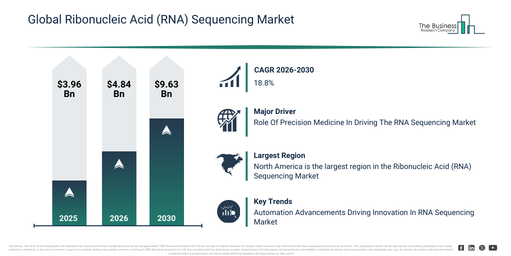
    The ribonucleic acid (rna) sequencing market has witnessed substantial expansion in recent years. Its value is projected to rise from $3.96 billion in 2025 to $4.84 billion in 2026, achieving a compound annual growth rate (CAGR) of 22.3%. This historical growth can be attributed to several factors, including the expansion of genomics research initiatives, decreasing sequencing expenses, increased funding for academic research, wider adoption of next-generation sequencing, and a heightened demand for gene expression analysis.

    The ribonucleic acid (RNA) sequencing market is anticipated to experience significant expansion over the coming years. This market is projected to reach $9.63 billion by 2030, demonstrating a compound annual growth rate (CAGR) of 18.8%. Several factors are driving this growth during the forecast period, including the wider acceptance of precision medicine strategies, increased funding for transcriptomics research, the broadening scope of clinical diagnostic sequencing, the expanding incorporation of AI-powered data analysis, and a heightened emphasis on personalized therapeutic solutions. Key trends anticipated in the forecast period encompass the increasing embrace of single-cell RNA sequencing, a surge in the deployment of high-throughput sequencing platforms, the deeper integration of sophisticated bioinformatics tools, the widening application of clinical and translational research, and a greater commitment to ensuring data accuracy and reproducibility.

    Access Your Free Sample Report for In-Depth Market Insights:

    https://www.thebusinessresearchcompany.com/sample.aspx?id=15665&type=smp

    What Drivers Are Shaping The Development Of The Ribonucleic Acid (RNA) Sequencing Market?

    A heightened emphasis on precision medicine is anticipated to fuel the expansion of the ribonucleic acid (RNA) sequencing market in the coming years. Also known as personalized medicine, this advanced method for medical care and disease prevention takes into account each individual’s unique genetic makeup, environmental factors, and lifestyle choices. Personalized medicine offers the prospect of more effective treatments, drives advancements in genomics, helps navigate increasing disease complexity, and receives regulatory support. RNA sequencing technologies are employed to identify the sequence and measure the expression levels of RNA molecules present in a biological sample. This allows for a thorough analysis of transcriptomes, providing insights into various aspects such as gene expression patterns, alternative splicing occurrences, and RNA modifications. As an illustration, data from February 2024, sourced from the US-based non-profit organization, the Personalized Medicine Coalition, revealed that the FDA sanctioned 16 novel personalized therapies for individuals suffering from rare diseases in 2023, an increase from six approvals in 2022. Consequently, the heightened focus on precision medicine is a significant impetus for the ribonucleic acid (RNA) sequencing market.

    Which Segments Are Contributing To The Growth Of The Ribonucleic Acid (RNA) Sequencing Market?

    The ribonucleic acid (rna) sequencing market covered in this report is segmented –

    1) By Product Type: Instruments, Reagents And Kits, Software

    2) By Technology: Single Molecule Based Sequencing, Sequence By Synthesis Technology, Nanopore Sequencing Technology, Ion Torrent Semiconductor Sequencing

    3) By Applications: Diagnostics, Drug Discovery, Translational Medicine, Other Applications

    4) By End User: Research And Academia, Hospitals And Clinics, Pharmaceutical And Biotechnology Companies, Other End Users

    Subsegments:

    1) By Instruments: Next-Generation Sequencers, Microarray Instruments, Single-Cell Rna Sequencing Instruments

    2) By Reagents And Kits: Rna Extraction Kits, Rna Sequencing Kits, Library Preparation Kits

    3) By Software: Data Analysis Software, Data Management Software, Bioinformatics Software

    Which Market Trends Are Opening Growth Opportunities In The Ribonucleic Acid (RNA) Sequencing Market?

    Key companies within the ribonucleic acid (RNA) sequencing market are concentrating on RNA next-generation sequencing assays to enhance patient care through data-driven insights and precision medicine. An RNA next-generation sequencing assay functions as an advanced exome sequencing platform, leveraging sophisticated genomic sequencing technologies to analyze a patient’s complete exome. For example, in June 2023, Tempus, a US-based precision medicine technology company, launched its new standalone RNA next-generation sequencing assay, Tempus xR. This innovative assay, developed for solid tumors, delivers a comprehensive analysis of the entire transcriptome, emphasizing clinically significant fusions in over 100 targeted genes and altered splicing for MET Exon 14 and EGFRvIII. This offering is designed to serve physicians with a specific focus on RNA fusions or altered splicing, alongside providers, researchers, and biopharma companies seeking in-depth RNA sequencing analysis of their existing samples.

    Who Are The Major Companies Operating In The Ribonucleic Acid (RNA) Sequencing Market?

    Major companies operating in the ribonucleic acid (rna) sequencing market are F Hoffmann La Roche Ltd, Thermo Fisher Scientific Inc, Danaher Corporation, Merck KGaA, Becton Dickinson And Company, Eurofins Scientific SE, Agilent Technologies Inc, Illumina Inc, PerkinElmer Inc, Beckman Coulter Inc, Bio Rad Laboratories Inc, QIAGEN NV, Tecan Genomics Inc, BGI Genomics Co Ltd, Takara Bio Inc, Abcam Limited, Oxford Nanopore Technologies plc, Pacific Biosciences Of California Inc, Macrogen Inc, Standard BioTools Inc, CD Genomics, Genewiz Inc, Novogene Co Ltd, GENEWIZ Germany GmbH, Azenta Life Sciences

    Access The Complete Report For Deeper Market Insights:

    https://www.thebusinessresearchcompany.com/report/ribonucleic-acid-rna-sequencing-global-market-report

    Which Region Is Anticipated To See The Fastest Growth In The Ribonucleic Acid (RNA) Sequencing Market?

    North America was the largest region in the ribonucleic acid (RNA) sequencing market in 2025. Asia-Pacific is expected to be the fastest-growing region in the forecast period. The regions covered in the ribonucleic acid (rna) sequencing market report are Asia-Pacific, South East Asia, Western Europe, Eastern Europe, North America, South America, Middle East, Africa.

    Request Your Customized Ribonucleic Acid (RNA) Sequencing Market Research Report for Competitive Advantage:

    https://www.thebusinessresearchcompany.com/customise?id=15665&type=smp

    Browse Through More Reports Similar to the Global Ribonucleic Acid (RNA) Sequencing Market 2026, By The Business Research Company

    Protein Sequencing Market Report 2026

    https://www.thebusinessresearchcompany.com/report/protein-sequencing-global-market-report

    Dna Sequencing Market Report 2026

    https://www.thebusinessresearchcompany.com/report/dna-sequencing-global-market-report

    Rna Sequencing Services Market Report 2026

    https://www.thebusinessresearchcompany.com/report/rna-sequencing-services-global-market-report

    Get in touch with us:

    The Business Research Company: https://www.thebusinessresearchcompany.com/

    Americas +1 310-496-7795

    Asia +44 7882 955267 & +91 8897263534

    Europe +44 7882 955267

    Email us at info@tbrc.info

    Follow us on:

    LinkedIn: https://in.linkedin.com/company/the-business-research-company

    YouTube: https://www.youtube.com/channel/UC24_fI0rV8cR5DxlCpgmyFQ

    Global Market Model: https://www.thebusinessresearchcompany.com/global-market-model
  • Post-Operative Nausea And Vomiting Market Growth Projection: Expected to Surpass $3.12 Billion by 2030 at 6.7% CAGR

    Post-Operative Nausea And Vomiting Market Growth Projection: Expected to Surpass $3.12 Billion by 2030 at 6.7% CAGR

    Uncover key drivers, emerging technologies, and competitive movements shaping the post-operative nausea and vomiting market from 2026–2035 with trusted insights from The Business Research Company

    How much larger will the Post-Operative Nausea And Vomiting Market be in 2030 compared with 2026?

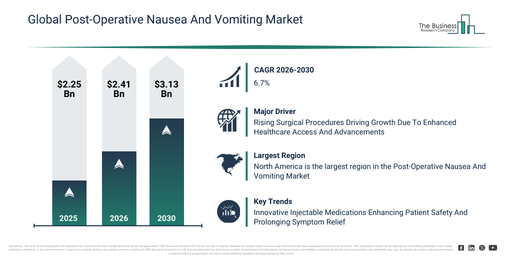
    The market for post-operative nausea and vomiting has experienced significant expansion recently. This market is projected to expand from $2.25 billion in 2025 to $2.41 billion by 2026, demonstrating a compound annual growth rate (CAGR) of 7.0%. Historically, this growth has been driven by several factors, including a rise in surgical procedure volumes, more extensive application of general anesthesia, the accessibility of serotonin antagonist medications, the development of hospital surgical facilities, and enhanced post-operative care protocols.

    The post-operative nausea and vomiting market is projected for substantial expansion over the coming years, reaching $3.13 billion by 2030, driven by a compound annual growth rate (CAGR) of 6.7%. This anticipated growth is linked to factors such as the increasing demand for personalized anesthesia care, greater adoption of preventive antiemetic regimens, the proliferation of ambulatory surgical centers, a heightened focus on patient satisfaction metrics, and increased investments in perioperative care innovation. Key developments expected during this period involve wider implementation of multimodal ponv management strategies, increased application of combination antiemetic therapies, a stronger emphasis on risk-stratified treatment protocols, the expansion of non-pharmacological interventions, and a greater commitment to patient comfort and recovery.

    Access Your Free Sample Report for In-Depth Market Insights:

    https://www.thebusinessresearchcompany.com/sample.aspx?id=22109&type=smp

    What Drivers Are Guiding Growth Patterns In The Post-Operative Nausea And Vomiting Market?

    The increasing volume of surgical operations is anticipated to drive the expansion of the Post-Operative Nausea And Vomiting Market in the future. These procedures are medical interventions employing instruments to identify, address, or excise compromised tissues, organs, or irregularities through incision or manipulation. The surge in surgeries can be attributed to innovations in medical technology, making operations safer, more efficient, and less invasive, thereby enhancing patient acceptance and broadening their use. Effective management of post-operative nausea and vomiting improves surgical processes by boosting patient comfort, shortening recovery periods, lowering complication risks, facilitating seamless post-operative care, and ultimately leading to superior surgical results. For example, information from November 2024, provided by the Australian Institute of Health and Welfare, an Australia-based government agency, showed that during the 2023–24 period, 771,600 patients were admitted for surgery from public hospital elective waiting lists, indicating a 4.9% rise compared to 2022–23. Consequently, the escalating number of surgical interventions is propelling the growth of the Post-Operative Nausea And Vomiting Market.

    Which Segments Are Driving Activity In The Post-Operative Nausea And Vomiting Market?

    The post-operative nausea and vomiting market covered in this report is segmented –

    1) By Treatment Type: Serotonin Antagonists, Steroids, Dopamine Antagonists, Neurokinin NK-1 Receptor Antagonists, Non-pharmacological Treatment, Other Treatment Types

    2) By Route Of Administration: Oral, Intravenous, Transdermal, Other Route Of Administrations

    3) By Patient Demographics: Pediatric Patients, Adult Patients, Geriatric Patients

    4) By Surgical Procedure Type: Orthopedic Surgery, Gynecological Surgery, General Surgery, Cardiac Surgery, Ophthalmic Surgery

    5) By End-User: Hospitals, Ambulatory Surgical Centers, Specialty Clinics, Other End-Users

    Subsegments:

    1) By Serotonin Antagonists Type: Ondansetron, Granisetron, Palonosetron, Dolasetron, Tropisetron

    2) By Steroids Type: Dexamethasone, Methylprednisolone, Hydrocortisone, Prednisolone, Betamethasone

    3) By Dopamine Antagonists Type: Metoclopramide, Droperidol, Prochlorperazine, Domperidone, Chlorpromazine

    4) By Neurokinin NK-1 Receptor Antagonists Type: Aprepitant, Fosaprepitant, Rolapitant, Netupitant, Casopitant

    5) By Non-Pharmacological Treatment Type: Acupressure, Aromatherapy, Hypnotherapy, Electroacupuncture, Ginger Supplements

    6) By Other Treatment Types: Antihistamines, Anticholinergics, Cannabinoids, Combination Therapy, Herbal & Natural Remedies

    What Trends Are Expected To Impact The Competitive Landscape Of The Post-Operative Nausea And Vomiting Market?

    Key players in the post-operative nausea and vomiting market are concentrating on developing crucial injectable medications, exemplified by the commercial introduction of regulatory-approved pharmaceutical injectables designed to improve antiemetic therapy in clinical environments. A regulatory-approved commercial launch of such an injectable signifies the market release of an FDA- or authority-approved drug for clinical application, following the completion of all necessary regulatory approvals and compliance protocols. For example, in July 2024, Avenacy, a US-based specialty pharmaceutical company, introduced Palonosetron Hydrochloride Injection in 0.25 mg/5 mL single-dose vials, aiming to assist healthcare providers in reducing dosing errors and enhancing patient safety. This injection is approved for preventing nausea and vomiting induced by chemotherapy and for managing postoperative nausea and vomiting (PONV) for up to 24 hours after surgery, thereby providing a trustworthy treatment solution for patients susceptible to these conditions.

    Which Major Industry Participants Are Leading The Post-Operative Nausea And Vomiting Market Growth?

    Major companies operating in the post-operative nausea and vomiting market are Pfizer Inc., Merck KGaA, Novartis AG, GlaxoSmithKline Plc, Takeda Pharmaceutical Company Limited, Baxter Corporation, Teva Pharmaceutical Industries Ltd., Sandoz Group AG, Daiichi Sankyo Inc., Fresenius Kabi AG, Eisai Co. Ltd., Dr. Reddy’s Laboratories, Cipla Ltd., Alkem Laboratories Ltd., Eagle Pharmaceuticals Inc., Helsinn Healthcare SA, Heron Therapeutics Inc., Sun Pharmaceutical Industries Ltd., Johnson And Johnson, Sanofi, Aurobindo Pharma Ltd., Lupin Limited

    Access The Complete Report For Deeper Market Insights:

    https://www.thebusinessresearchcompany.com/report/post-operative-nausea-and-vomiting-global-market-report

    Which Region Is Expected To Experience The Fastest Growth In The Post-Operative Nausea And Vomiting Market?

    North America was the largest region in the post-operative nausea and vomiting market in 2025. Asia-Pacific is expected to be the fastest-growing region in the forecast period. The regions covered in the post-operative nausea and vomiting market report are Asia-Pacific, South East Asia, Western Europe, Eastern Europe, North America, South America, Middle East, Africa.

    Request Your Customized Post-Operative Nausea And Vomiting Market Research Report for Competitive Advantage:

    https://www.thebusinessresearchcompany.com/customise?id=22109&type=smp

    Browse Through More Reports Similar to the Global Post-Operative Nausea And Vomiting Market 2026, By The Business Research Company

    Intraoperative Imaging Market Report 2026

    https://www.thebusinessresearchcompany.com/report/intraoperative-imaging-global-market-report

    Hospice Care Market Report 2026

    https://www.thebusinessresearchcompany.com/report/hospice-care-global-market-report

    Acute Pancreatitis Market Report 2026

    https://www.thebusinessresearchcompany.com/report/acute-pancreatitis-global-market-report

    Get in touch with us:

    The Business Research Company: https://www.thebusinessresearchcompany.com/

    Americas +1 310-496-7795

    Asia +44 7882 955267 & +91 8897263534

    Europe +44 7882 955267

    Email us at info@tbrc.info

    Follow us on:

    LinkedIn: https://in.linkedin.com/company/the-business-research-company

    YouTube: https://www.youtube.com/channel/UC24_fI0rV8cR5DxlCpgmyFQ

    Global Market Model: https://www.thebusinessresearchcompany.com/global-market-model
  • Mesotherapy Global Forecast: Market to Scale Up to $1.03 Billion by 2030 at 10.3% CAGR

    Mesotherapy Global Forecast: Market to Scale Up to $1.03 Billion by 2030 at 10.3% CAGR

    Uncover key drivers, emerging technologies, and competitive movements shaping the mesotherapy market from 2026–2035 with trusted insights from The Business Research Company

    By how much is the Mesotherapy Market expected to grow between 2026 and 2030?

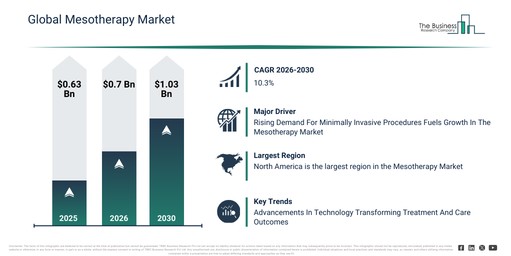
    The mesotherapy market has witnessed rapid expansion in recent years. Forecasts indicate it will increase from $0.63 billion in 2025 to $0.7 billion in 2026, at a compound annual growth rate (CAGR) of 10.6%. This historical development is linked to several factors including heightened awareness of cosmetic dermatology, rising disposable incomes, greater social acceptance of aesthetic treatments, the expansion of dermatology clinics, and the availability of trained aesthetic professionals.

    The mesotherapy market is anticipated to experience significant expansion in the coming years. By 2030, its valuation is projected to reach $1.03 billion, propelled by a compound annual growth rate (CAGR) of 10.3%. This projected growth is primarily driven by factors such as a surge in demand for tailored aesthetic treatments, advancements in injectable product innovations, the broadening scope of medical tourism for cosmetic interventions, a heightened emphasis on preventive skin care, and the greater uptake of aesthetic devices that leverage technology. Key developments anticipated during this timeframe involve a heightened preference for less invasive aesthetic methods, the expanding application of bespoke mesotherapy formulations, the proliferation of non-surgical options for fat reduction, an increased commitment to anti-aging and skin revitalization solutions, and the broader integration of sophisticated mesotherapy equipment.

    Access Your Free Sample Report for In-Depth Market Insights:

    https://www.thebusinessresearchcompany.com/sample.aspx?id=19583&type=smp

    Which Drivers Are Influencing Market Acceleration In The Mesotherapy Market?

    The expansion of the mesotherapy market is anticipated to be spurred by the escalating need for minimally invasive procedures. These medical approaches involve employing minor cuts or non-surgical techniques for operations or interventions, resulting in reduced tissue harm, quicker recuperation periods, and diminished post-operative discomfort compared to conventional surgery. The rise in minimally invasive procedures stems from progress in medical technology, a growing patient preference for rapid recovery and less intrusive treatments, and the increasing occurrence of chronic conditions treatable with such methods. Mesotherapy is incorporated into minimally invasive procedures through the precise delivery of active substances via injections into the skin’s middle layer, addressing aesthetic and medical concerns with little discomfort and no requirement for extensive recovery. As an illustration, information from February 2024, provided by the American Academy of Facial Plastic and Reconstructive Surgery, a US-based non-profit organization, indicated that around 83% of all medical procedures conducted in 2023 were minimally invasive, with traditional surgical procedures making up the remaining 17%. Furthermore, in 2023, as per the American Society of Plastic Surgeons, a US-based specialty organization, the aggregate count of cosmetic minimally invasive procedures rose from 23.7 million in 2022 to 25.4 million in 2023. Consequently, the heightened demand for minimally invasive procedures is fueling the expansion of the mesotherapy market.

    What Segments Are Identified Within The Structure Of The Mesotherapy Market?

    The mesotherapy market covered in this report is segmented –

    1) By Type: Mesotherapy Solutions, Mesotherapy Masks, Mesotherapy Creams, Mesotherapy Devices, Other Types

    2) By Application: Anti-Aging, Facial Rejuvenation, Stretch Marks, Acne And Scar Treatment, Fat Loss, Hair Loss, Other Applications

    3) By End-Use: Hospitals, Dermatology Clinics And Cosmetic Clinics, Clinics, Online Sales, Other End-Uses

    Subsegments:

    1) By Mesotherapy Solutions: Injectable Mesotherapy Solutions, Hyaluronic Acid-Based Solutions, Vitamin and Mineral Infusions, Fat Dissolving Solutions, Anti-Aging Mesotherapy Solutions

    2) By Mesotherapy Masks: Hydrating Mesotherapy Masks, Brightening Mesotherapy Masks, Anti-Aging Mesotherapy Masks, Detoxifying Mesotherapy Masks, Rejuvenating Mesotherapy Masks

    3) By Mesotherapy Creams: Anti-Aging Creams, Skin Tightening Creams, Moisturizing Mesotherapy Creams, Whitening and Brightening Creams, Targeted Treatment Creams

    4) By Mesotherapy Devices: Electroporation Devices, Micro-Needling Devices, Mesotherapy Guns, Ultrasound Devices for Mesotherapy, Radiofrequency Devices

    5) By Other Types: Combination Mesotherapy Products, Customized Mesotherapy Formulations, Mesotherapy for Hair Loss, Mesotherapy for Cellulite Reduction, Mesotherapy for Body Contouring.

    What Trends Are Reshaping The Dynamics Of The Mesotherapy Market?

    Major companies in the mesotherapy market are concentrating on developing advanced solutions, such as deep skin hydration and volumizing therapies, to improve skin rejuvenation, enhance anti-aging results, and meet the increasing demand for minimally invasive aesthetic treatments. Deep skin hydration refers to therapies that deliver moisture and water-binding compounds (like hyaluronic acid) directly into the deeper layers of the skin (dermis), rather than just the surface, thereby boosting overall skin plumpness, suppleness, and elasticity. For instance, in December 2024, Maypharm Co. Ltd., a South Korea-based dermo-cosmetic company, introduced Hyalmass Aqua-Exosome, an advanced hybrid mesotherapy filler composed of hyaluronic acid, exosomes, and PDRN, aimed at improving skin hydration, elasticity, and cellular regeneration. Packaged in prefilled sterile syringes for accurate and hygienic administration, the product harnesses exosome-mediated fibroblast stimulation and PDRN-driven tissue repair to promote collagen production, accelerate skin healing, and provide longer-lasting rejuvenation effects beyond traditional surface-level hydration treatments.

    Which Key Players Are Driving Competition In The Mesotherapy Market?

    Major companies operating in the mesotherapy market are InMode Ltd., Thermage, Sientra Inc., SkinMedica, Koru Pharmaceuticals Co. Ltd., FILORGA, Aquavit Pharmaceuticals Inc., Dr. Korman Laboratories Ltd., Simildiet Laboratories, Neauvia, Fusion Meso, Toskani Cosmetics, Dermoaroma Italy srl, Messoessence, Institute BCN, Dermaqual, Revitacare, Revolution Aesthetic, HB Aesthetics Group SA, Ostar Beauty Sci-Tech Co. Ltd., MD Skin Solutions, Mesotech International Inc.

    Access The Complete Report For Deeper Market Insights:

    https://www.thebusinessresearchcompany.com/report/mesotherapy-global-market-report

    Which Region Is Anticipated To See The Fastest Growth In The Mesotherapy Market?

    North America was the largest region in the mesotherapy market in 2025. Asia-Pacific is expected to be the fastest-growing region in the forecast period. The regions covered in the mesotherapy market report are Asia-Pacific, South East Asia, Western Europe, Eastern Europe, North America, South America, Middle East, Africa.

    Request Your Customized Mesotherapy Market Research Report for Competitive Advantage:

    https://www.thebusinessresearchcompany.com/customise?id=19583&type=smp

    Browse Through More Reports Similar to the Global Mesotherapy Market 2026, By The Business Research Company

    Cells Therapy Market Report 2026

    https://www.thebusinessresearchcompany.com/report/cells-therapy-global-market-report

    Tumor Ablation Therapy Devices Market Report 2026

    https://www.thebusinessresearchcompany.com/report/tumor-ablation-therapy-devices-global-market-report

    Radiotherapy Devices Market Report 2026

    https://www.thebusinessresearchcompany.com/report/radiotherapy-devices-global-market-report

    Get in touch with us:

    The Business Research Company: https://www.thebusinessresearchcompany.com/

    Americas +1 310-496-7795

    Asia +44 7882 955267 & +91 8897263534

    Europe +44 7882 955267

    Email us at info@tbrc.info

    Follow us on:

    LinkedIn: https://in.linkedin.com/company/the-business-research-company

    YouTube: https://www.youtube.com/channel/UC24_fI0rV8cR5DxlCpgmyFQ

    Global Market Model: https://www.thebusinessresearchcompany.com/global-market-model
  • Rhinoplasty Market 2026–2030: Forecasting Business Opportunities Ahead

    Rhinoplasty Market 2026–2030: Forecasting Business Opportunities Ahead

    Uncover key drivers, emerging technologies, and competitive movements shaping the rhinoplasty market from 2026–2035 with trusted insights from The Business Research Company

    What level of growth is expected in the Rhinoplasty Market between 2026 and 2030?

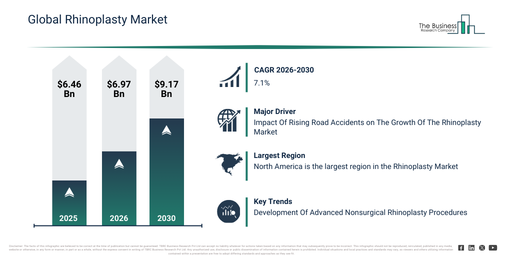
    The rhinoplasty market size has experienced robust growth in recent years. It is projected to expand from $6.46 billion in 2025 to $6.97 billion in 2026, demonstrating a compound annual growth rate (CAGR) of 8.0%. This historical expansion is attributable to various factors, including the increasing social acceptance of cosmetic surgery, enhanced availability of trained plastic surgeons, the proliferation of private aesthetic clinics, advancements in surgical techniques, and a rising demand for functional nasal corrections.

    The rhinoplasty market is projected to experience robust expansion over the coming years. By 2030, its valuation is anticipated to reach $9.17 billion, demonstrating a compound annual growth rate (CAGR) of 7.1%. This anticipated growth throughout the forecast period stems from several factors, including the wider adoption of virtual surgical planning, a surge in demand for aesthetic enhancement procedures, the broadening scope of medical tourism, a heightened emphasis on optimizing post-surgical outcomes, and the increasing application of injectable fillers. Key trends during this period are expected to encompass an escalating demand for minimally invasive approaches, the rising acceptance of non-surgical rhinoplasty methods, the expanded utilization of 3D imaging and simulation tools, an increase in revision and reconstructive procedures, and a greater emphasis on achieving personalized aesthetic results.

    Access Your Free Sample Report for In-Depth Market Insights:

    https://www.thebusinessresearchcompany.com/sample.aspx?id=15919&type=smp

    Which Drivers Are Expected To Impact The Rhinoplasty Market During The Forecast Period?

    The increasing number of road accidents is projected to drive the expansion of the rhinoplasty market. A road accident, also known as a traffic or motor vehicle accident, is an unforeseen occurrence involving one or more vehicles on a public road, leading to property damage, injury, or fatalities. The rise in road accidents is attributed to a higher number of vehicles, distracted driving, and insufficient road safety protocols. In cases of road accidents, rhinoplasty is employed to reconstruct and mend nasal injuries, thereby restoring both function and aesthetic appearance. This procedure addresses deformities resulting from trauma and breathing difficulties caused by nasal fractures. As an illustration, in April 2025, the National Highway Traffic Safety Administration (NHTSA), a US-based U.S. Department of Transportation agency, reported that the estimated number of roadway injuries surged to 2.44 million in 2023, showing a 2.5% increase from 2.38 million in 2022. Consequently, the escalating incidence of road accidents is propelling the growth of the rhinoplasty market.

    How Is The Rhinoplasty Market Divided Into Segments?

    The rhinoplasty market covered in this report is segmented –

    1) By Treatment Type: Augmentation, Reduction, Post traumatic, Reconstructive, Revision, Filler, Other Treatment Types

    2) By Technique: Open Rhinoplasty, Closed Rhinoplasty

    3) By End User: Hospitals, Specialty Clinics, Aesthetic Clinic, Others End Users

    Subsegments:

    1) By Augmentation: Nasal Implants, Bone Grafting, Cartilage Grafting

    2) By Reduction: Alar Reduction, Nasal Tip Reduction, Dorsal Hump Reduction

    3) By Post Traumatic: Functional Surgery, Cosmetic Surgery

    4) By Reconstructive: Post-Surgical Reconstruction, Congenital Reconstruction

    5) By Revision: Secondary Rhinoplasty, Tertiary Rhinoplasty

    6) By Filler: Injectable Fillers, Fat Grafting

    7) By Other Treatment Types: Non-Surgical Rhinoplasty, Hybrid Surgical

    How Are Emerging Trends Affecting The Progression Of The Rhinoplasty Market?

    Leading companies in the rhinoplasty market are intensifying their efforts to create sophisticated non-surgical procedures to uphold their standing. Non-surgical procedures are medical interventions and treatments that do not necessitate making cuts into the body or removing tissue. These methods are less invasive than surgical alternatives and frequently involve very little recovery time. For example, in February 2023, TrueAesthetics, a US-based provider of cosmetic services, introduced a non-surgical nose job. This procedure involves strategically placing filler injections into the nose to achieve a smoother, more appealing look without surgery. The most common application of the non-surgical nose job addresses a hump on the bridge by filling the radix area, which is the nose’s highest point situated directly between the eyes, through injections along the center of the bridge.

    Which Major Firms Are Strengthening Their Position In The Rhinoplasty Market?

    Major companies operating in the rhinoplasty market are Medtronic PLC, Stryker Corporation, Zimmer Biomet, Integra Lifesciences Holdings Corporation, MTF Biologics, KLS Martin Group, Syneron Medical Ltd, Sientra Inc., Koken Co Ltd, GC Aesthetics, Merz Aesthetics, Suneva Medical Inc., Implantech Associates Inc., Luminera Derm Ltd, NOUVAG AG, COMEG Medical Technologies, Contura Ltd, Anthony Products Inc, Osteopore, Allergan Aesthetics, Galderma SA, Mentor Worldwide LLC, Establishment Labs Holdings Inc

    Access The Complete Report For Deeper Market Insights:

    https://www.thebusinessresearchcompany.com/report/rhinoplasty-global-market-report

    Which Region Is Anticipated To See The Fastest Growth In The Rhinoplasty Market?

    North America was the largest region in the rhinoplasty market in 2025. Asia-Pacific is expected to be the fastest-growing region in the forecast period. The regions covered in the rhinoplasty market report are Asia-Pacific, South East Asia, Western Europe, Eastern Europe, North America, South America, Middle East, Africa.

    Request Your Customized Rhinoplasty Market Research Report for Competitive Advantage:

    https://www.thebusinessresearchcompany.com/customise?id=15919&type=smp

    Browse Through More Reports Similar to the Global Rhinoplasty Market 2026, By The Business Research Company

    Nasal Splints Market Report 2026

    https://www.thebusinessresearchcompany.com/report/nasal-splints-global-market-report

    Brachioplasty Market Report 2026

    https://www.thebusinessresearchcompany.com/report/brachioplasty-global-market-report

    Cosmetic Surgery Market Report 2026

    https://www.thebusinessresearchcompany.com/report/cosmetic-surgery-global-market-report

    Get in touch with us:

    The Business Research Company: https://www.thebusinessresearchcompany.com/

    Americas +1 310-496-7795

    Asia +44 7882 955267 & +91 8897263534

    Europe +44 7882 955267

    Email us at info@tbrc.info

    Follow us on:

    LinkedIn: https://in.linkedin.com/company/the-business-research-company

    YouTube: https://www.youtube.com/channel/UC24_fI0rV8cR5DxlCpgmyFQ

    Global Market Model: https://www.thebusinessresearchcompany.com/global-market-model
  • Post-Operative Cataract Surgery Inflammation Treatment Market Forecast 2026–2035: How to Leverage Market Growth

    Post-Operative Cataract Surgery Inflammation Treatment Market Forecast 2026–2035: How to Leverage Market Growth

    Uncover key drivers, emerging technologies, and competitive movements shaping the post-operative cataract surgery inflammation treatment market from 2026–2035 with trusted insights from The Business Research Company

    Starting from its 2026 valuation, what market size is the Post-Operative Cataract Surgery Inflammation Treatment Market expected to reach by 2030?

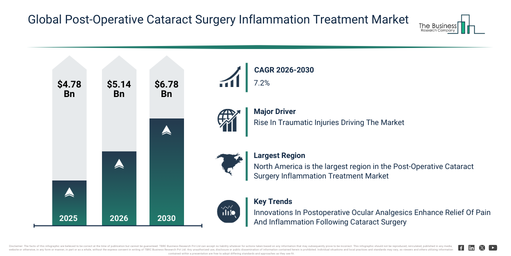
    The post-operative cataract surgery inflammation treatment market size has demonstrated significant growth in recent years. It is projected to expand from $4.78 billion in 2025 to $5.14 billion in 2026, achieving a compound annual growth rate (CAGR) of 7.5%. This expansion during the historic period is primarily due to rising cataract surgery volumes, enhanced availability of ophthalmic anti-inflammatory drugs, the proliferation of outpatient surgical centers, advancements in surgical techniques, and an increasing aging population.

    The post-operative cataract surgery inflammation treatment market is projected for substantial expansion in the coming years. By 2030, this market is anticipated to reach a valuation of $6.78 billion, exhibiting a compound annual growth rate (CAGR) of 7.2%. This expansion throughout the forecast period is fueled by several factors, including a heightened demand for sophisticated ophthalmic formulations, an intensified emphasis on minimizing post-operative complications, the broader adoption of minimally invasive eye surgeries, increased investments in ophthalmology research, and the rising uptake of personalized treatment plans for patients. Key developments anticipated during this period encompass the increasing application of combination anti-inflammatory treatments, a growing preference for ophthalmic NSAIDs, a stronger focus on achieving quicker post-surgical recovery, the wider implementation of hospital-based ophthalmic care guidelines, and a heightened priority placed on preventing post-surgical complications.

    Access Your Free Sample Report for In-Depth Market Insights:

    https://www.thebusinessresearchcompany.com/sample.aspx?id=21260&type=smp

    What Drivers Are Driving Adoption Within The Post-Operative Cataract Surgery Inflammation Treatment Market?

    The increasing occurrence of traumatic injuries is projected to fuel the expansion of the post-operative cataract surgery inflammation treatment market moving forward. These injuries are defined as sudden physical harms caused by external forces like accidents, falls, violence, or sports impacts, ranging from minor cuts to severe fractures, burns, brain injuries, and spinal damage. The uptick in traumatic injuries can be linked to factors such as a rise in road traffic accidents, workplace hazards, sports-related incidents, violence, natural disasters, and aging populations more prone to falls. Post-operative cataract surgery inflammation treatment aids in addressing traumatic injuries by diminishing ocular inflammation, lessening pain, and preventing complications that might impede visual recovery. For instance, in October 2024, according to Insideworldfootball, a UK-based web-based news-driven service, sports injuries totaled 4,123 during the 2023-24 season, indicating a 4% increase compared to the 2022-23. Thus, the escalating incidence of traumatic injuries is a primary factor driving the growth of the post-operative cataract surgery inflammation treatment market.

    How Is The Post-Operative Cataract Surgery Inflammation Treatment Market Organized Into Various Segments?

    The post-operative cataract surgery inflammation treatment market covered in this report is segmented –

    1) By Drug Class: Bromfenac, Indomethacin, Diclofenac, Flurbiprofen, Nepafenac

    2) By Route of Administration: Topical Ophthalmic, Intracameral And Ophthalmic Use

    3) By Distribution Channel: Hospital pharmacy, Online Pharmacy, Retail pharmacy

    Subsegments:

    1) By Bromfenac: Bromfenac Ophthalmic Solution 0.07%, Bromfenac Ophthalmic Solution 0.09%, Combination Therapies With Bromfenac

    2) By Indomethacin: Indomethacin Ophthalmic Solution 0.1%, Indomethacin Ophthalmic NSAID Formulations, Ophthalmic Anti-Inflammatory Solutions

    3) By Diclofenac: Diclofenac Ophthalmic Solution 0.1%, Diclofenac Ophthalmic Drops, Ophthalmic NSAID Preparations

    4) By Flurbiprofen: Flurbiprofen Ophthalmic Solution 0.03%, Adjunctive Use In Ocular Surgery, Combination Therapies With Flurbiprofen

    5) By Nepafenac: Nepafenac Ophthalmic Suspension 0.1%, Nepafenac Ophthalmic Suspension 0.3%

    Which Trends Are Guiding The Evolution Of The Post-Operative Cataract Surgery Inflammation Treatment Market?

    Leading entities in the post-operative cataract surgery inflammation treatment market are prioritizing the creation of innovative remedies, including postoperative ocular analgesics, to improve the alleviation of pain and inflammation after eye surgery. Postoperative ocular analgesics are defined as medical substances specifically crafted to lessen pain and reduce swelling in the eye following surgical interventions, thereby fostering patient comfort and aiding in superior recuperation results. For example, in March 2024, Formosa Pharmaceuticals, a Taiwan-based pharmaceutical firm, working with AimMax Therapeutics, a US-based biotechnology firm, secured FDA authorization for clobetasol propionate ophthalmic suspension 0.05% (APP13007) for managing post-operative pain and inflammation after ocular surgery. APP13007 represents the inaugural ophthalmic clobetasol propionate item endorsed by the FDA and signifies the arrival of the initial novel ophthalmic steroid in the market in over 15 years, providing a fresh alternative to address post-operative ocular inflammation and optimize patient recuperation.

    Who Are The Prominent Global Companies Shaping The Post-Operative Cataract Surgery Inflammation Treatment Market Landscape?

    Major companies operating in the post-operative cataract surgery inflammation treatment market are Alcon Inc, Bausch & Lomb Incorporated, Santen Pharmaceutical Co. Ltd., Novartis AG, Pfizer Inc., Merck & Co. Inc., Sun Pharmaceutical Industries Limited, EyePoint Pharmaceuticals Inc, Ocular Therapeutix Inc., Oculis Holding AG, Senju Pharmaceutical Co. Ltd., Nicox S.A., Formosa Pharmaceuticals Inc, Eyenovia Inc., Surface Ophthalmics Inc., ImprimisRx LLC, NTC Srl, VivaVision Biotech Inc., Bio-Tissue Inc., Mallinckrodt plc

    Access The Complete Report For Deeper Market Insights:

    https://www.thebusinessresearchcompany.com/report/post-operative-cataract-surgery-inflammation-treatment-global-market-report

    Which Geographic Areas Are Emerging As Strong Markets For The Post-Operative Cataract Surgery Inflammation Treatment Market?

    North America was the largest region in the post-operative cataract surgery inflammation treatment market in 2025. Asia-Pacific is expected to be the fastest-growing region in the forecast period. The regions covered in the post-operative cataract surgery inflammation treatment market report are Asia-Pacific, South East Asia, Western Europe, Eastern Europe, North America, South America, Middle East, Africa.

    Request Your Customized Post-Operative Cataract Surgery Inflammation Treatment Market Research Report for Competitive Advantage:

    https://www.thebusinessresearchcompany.com/customise?id=21260&type=smp

    Browse Through More Reports Similar to the Global Post-Operative Cataract Surgery Inflammation Treatment Market 2026, By The Business Research Company

    Ocular Drug Delivery Market Report 2026

    https://www.thebusinessresearchcompany.com/report/ocular-drug-delivery-global-market-report

    Conjunctivitis Treatment Market Report 2026

    https://www.thebusinessresearchcompany.com/report/conjunctivitis-treatment-global-market-report

    Cataract Surgery Devices And Equipment Market Report 2026

    https://www.thebusinessresearchcompany.com/report/cataract-surgery-devices-and-equipment-global-market-report

    Get in touch with us:

    The Business Research Company: https://www.thebusinessresearchcompany.com/

    Americas +1 310-496-7795

    Asia +44 7882 955267 & +91 8897263534

    Europe +44 7882 955267

    Email us at info@tbrc.info

    Follow us on:

    LinkedIn: https://in.linkedin.com/company/the-business-research-company

    YouTube: https://www.youtube.com/channel/UC24_fI0rV8cR5DxlCpgmyFQ

    Global Market Model: https://www.thebusinessresearchcompany.com/global-market-model
  • Mesenchymal Stem Cells Market Future Outlook: Strong Growth Expected Toward $6.53 Billion by 2030

    Mesenchymal Stem Cells Market Future Outlook: Strong Growth Expected Toward $6.53 Billion by 2030

    Uncover key drivers, emerging technologies, and competitive movements shaping the mesenchymal stem cells market from 2026–2035 with trusted insights from The Business Research Company

    What is the estimated market size of the Mesenchymal Stem Cells Market by the end of 2030?

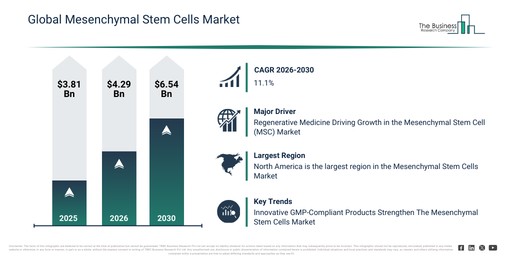
    The mesenchymal stem cells market has experienced rapid expansion in recent years. It is projected to increase from $3.81 billion in 2025 to $4.29 billion in 2026, demonstrating a compound annual growth rate (CAGR) of 12.6%. The historical growth of this market can be attributed to several factors, including the increasing prevalence of chronic diseases, the early adoption of stem cell-based therapies, an uplift in stem cell research funding, the expansion of cord blood banking facilities, and initial advancements in cell isolation technologies.

    The mesenchymal stem cells market size is projected to experience substantial expansion over the coming years. This market is set to reach $6.54 billion by 2030, exhibiting a compound annual growth rate (CAGR) of 11.1%. This projected growth is driven by factors such as the increasing demand for regenerative medicine, the expanding commercialization of allogeneic therapies, the evolution of advanced cell culture systems, the rise of personalized stem cell treatments, and increased investment in clinical trials. Key trends for the forecast period encompass progress in regenerative medicine development, the application of AI in stem cell characterization, the adoption of automated bioprocessing and cell expansion techniques, the emergence of cloud-integrated msc research data platforms, and an increase in sustainable cell culture technologies.

    Access Your Free Sample Report for In-Depth Market Insights:

    https://www.thebusinessresearchcompany.com/sample.aspx?id=16116&type=smp

    What Drivers Are Shaping Future Opportunities In The Mesenchymal Stem Cells Market?

    The expanding understanding and recognition of regenerative medicine are poised to advance the growth of the mesenchymal stem cells (MSC) market. Regenerative medicine represents an innovative interdisciplinary domain dedicated to the restoration of compromised function in cells, tissues, or organs, whether due to congenital issues, illness, trauma, or the aging process, through repair, replacement, or regeneration. This field is experiencing growth owing to several primary influences, including an increase in clinical trials, the rising prevalence of chronic and age-related health conditions, and the evolution of personalized medicine. Mesenchymal stem cells (MSCs) present considerable potential within regenerative medicine because of their capacity to differentiate into multiple cell types, modulate immune responses, and facilitate tissue repair and regeneration across a diverse range of medical conditions. Illustratively, in August 2023, a report from the Alliance for Regenerative Medicine, a US-based non-profit organization, identified 2,760 cells, gene, and tissue-engineering therapeutic developers globally in Q1 2023, which was a 101% increase from 1,369 in Q1 2022. Additionally, in July 2023, a report published by the American Society of Gene & Cell Therapy (ASGCT), a US-based professional membership organization, and Citeline, a US-based provider of drugs and devices, showed that at the close of Q1 2023, there were 247 gene therapies in Phase II, a figure that subsequently rose by 5% to reach 260 by the end of Q2. Therefore, the increasing awareness surrounding regenerative medicine is propelling the expansion of the mesenchymal stem cell (MSC) market.

    Which Segments Are Gaining Traction In The Mesenchymal Stem Cells Market?

    The mesenchymal stem cells market covered in this report is segmented –

    1) By Type: Autologous, Allogeneic

    2) By Materials And Tools: Cells And Cell Lines, Kits, Media And Reagents, Other Materials And Tools

    3) By Workflow Type: Cell Sourcing And Isolation, Culture And Cryopreservation, Differentiation, Characterization

    4) By Indication: Bone And Cartilage Repair, Cardiovascular Diseases, Inflammatory And Immunological Diseases, Liver Diseases, Cancer, GvHD, Other Indications

    5) By Application: Disease Modeling, Drug Development And Discovery, Stem Cell Banking, Tissue Engineering, Toxicology Studies, Other Applications

    Subsegments:

    1) By Autologous: Bone Marrow-Derived, Adipose Tissue-Derived, Cord Blood-Derived, Peripheral Blood-Derived

    2) By Allogeneic: Bone Marrow-Derived, Umbilical Cord-Derived, Placental-Derived, Induced Pluripotent Stem Cells (iPSCs) Derived, Wharton’s Jelly-Derived

    How Are New Market Trends Shaping The Landscape Of The Mesenchymal Stem Cells Market?

    Major companies in the mesenchymal stem cells (MSCs) market are adopting advanced technologies, such as GMP-compliant isolation, to strengthen their market standing. GMP (Good Manufacturing Practice)-compliant isolation refers to the process of extracting cells, including mesenchymal stem cells (MSCs), in adherence to GMP regulations to ensure consistent manufacturing and quality control of products. For instance, in July 2023, PromoCell, a Germany-based biotechnology company, announced the introduction of PromoExQ MSC Growth Medium XF, a serum- and xeno-free medium designed for expanding human mesenchymal stem cells (MSCs) in an environment regulated by Good Manufacturing Practice (GMP). This medium is produced under the highest quality standards and holds certification from the EXCiPACT GMP certification scheme, which guarantees the consistent growth and maintenance of MSCs sourced from various origins such as bone marrow, umbilical cord matrix, and adipose tissue.

    Who Are The Top-Performing Companies In The Mesenchymal Stem Cells Market In Recent Years?

    Major companies operating in the mesenchymal stem cells market are Thermo Fischer Scientific Inc., Danaher Corporation, Merck KgaA, Becton, Dickinson, and Company, Fujifilm Holdings Corporation, Corning Inc., Daiichi Sankyo, Lonza Group, Terumo Corporation, Sartorius AG, Getinge AB, Bio-Rad Laboratories, Eppendorf AG, Bio-Techne Corporation, STEMCELL Technologies Inc., Miltenyi Biotec GmBH, Takara Bio Group, Organogenesis Holdings Inc., Vericel Corporation, HiMedia Laboratories, PromoCell GmbH, CellGenix GmBH, Anterogen Co. Ltd., Pluristem Therapeutics Inc., American Cryostem Corporation

    Access The Complete Report For Deeper Market Insights:

    https://www.thebusinessresearchcompany.com/report/mesenchymal-stem-cells-global-market-report

    Which Region Is Anticipated To See The Fastest Growth In The Mesenchymal Stem Cells Market?

    North America was the largest region in the mesenchymal stem cells market in 2025. Asia-Pacific is expected to be the fastest-growing region in the forecast period. The regions covered in the mesenchymal stem cells market report are Asia-Pacific, South East Asia, Western Europe, Eastern Europe, North America, South America, Middle East, Africa.

    Request Your Customized Mesenchymal Stem Cells Market Research Report for Competitive Advantage:

    https://www.thebusinessresearchcompany.com/customise?id=16116&type=smp

    Browse Through More Reports Similar to the Global Mesenchymal Stem Cells Market 2026, By The Business Research Company

    Stem Cells Therapy Market Report 2026

    https://www.thebusinessresearchcompany.com/report/stem-cells-therapy-global-market-report

    Human Embryonic Stem Cells Market Report 2026

    https://www.thebusinessresearchcompany.com/report/human-embryonic-stem-cells-global-market-report

    Stem Cell Manufacturing Market Report 2026

    https://www.thebusinessresearchcompany.com/report/stem-cell-manufacturing-global-market-report

    Get in touch with us:

    The Business Research Company: https://www.thebusinessresearchcompany.com/

    Americas +1 310-496-7795

    Asia +44 7882 955267 & +91 8897263534

    Europe +44 7882 955267

    Email us at info@tbrc.info

    Follow us on:

    LinkedIn: https://in.linkedin.com/company/the-business-research-company

    YouTube: https://www.youtube.com/channel/UC24_fI0rV8cR5DxlCpgmyFQ

    Global Market Model: https://www.thebusinessresearchcompany.com/global-market-model