Month: March 2026

  • Prostate Health Market 2026–2030: Forecasting Business Opportunities Ahead

    Prostate Health Market 2026–2030: Forecasting Business Opportunities Ahead

    Uncover key drivers, emerging technologies, and competitive movements shaping the prostate health market from 2026–2035 with trusted insights from The Business Research Company

    What size range is anticipated for the Prostate Health Market from 2026 to 2030?

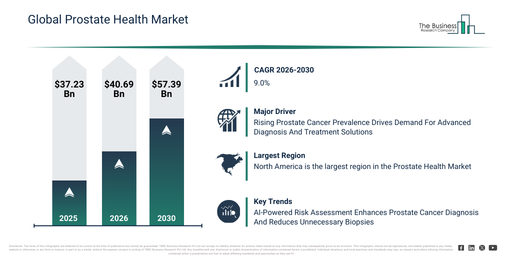
    The prostate health market has experienced substantial growth in recent years. Its valuation is set to expand from $37.23 billion in 2025 to $40.69 billion in 2026, achieving a compound annual growth rate (CAGR) of 9.3%. This historical expansion can be linked to an increasing aging male population, a heightened occurrence of benign prostate conditions, broader access to urology services, the introduction of pharmacological prostate treatments, and enhanced health awareness among men.

    The prostate health market size is projected to experience substantial growth in the upcoming years, with an anticipated rise to $57.39 billion by 2030, reflecting a compound annual growth rate (CAGR) of 9.0%. This growth during the forecast period is largely attributable to the increasing embrace of personalized prostate care plans, the rising deployment of digital health platforms, the expansion of preventive healthcare programs, a heightened demand for minimally invasive therapies, and a stronger focus on long-term prostate wellness. Key trends anticipated in the forecast period involve an intensified emphasis on proactive prostate healthcare, a growing preference for non-invasive treatment alternatives, increasing consumer interest in lifestyle and nutritional interventions, the proliferation of digital health monitoring solutions, and an enhanced commitment to early screening and public awareness.

    Access Your Free Sample Report for In-Depth Market Insights:

    https://www.thebusinessresearchcompany.com/sample.aspx?id=21265&type=smp

    What Drivers Are Affecting Demand In The Prostate Health Market?

    The increasing occurrence of prostate cancer is anticipated to drive expansion in the prostate health market in the future. Prostate cancer is a type of cancer that arises when cells in the prostate gland multiply uncontrollably, often appearing as adenocarcinomas, which are the most common form of this disease in men. This rise in prostate cancer cases is primarily due to a growing aging population, enhanced screening practices, and lifestyle factors such as obesity and physical inactivity. Maintaining prostate health is crucial for the prevention, early detection, and effective management of prostate cancer. For instance, in January 2023, according to the American Cancer Society (ACS), a US-based, non-profit organization, approximately 288,300 new prostate cancer diagnoses were expected in the U.S. in 2023, with an estimated 34,700 fatalities resulting from the disease. Consequently, the escalating prevalence of prostate cancer will stimulate the growth of the prostate health market.

    Which Segments Are Gaining Traction In The Prostate Health Market?

    The prostate health market covered in this report is segmented –

    1) By Disease Indication: Prostate Cancer, Benign Prostate Hyperplasia, Prostatitis

    2) By Treatment: Hormonal Therapy, Chemotherapy, Surgical Treatments, Other Treatments

    3) By Distribution Channel: E-Commerce Stores, Pharmacies, Other Distribution Channels

    Subsegments:

    1) By Prostate Cancer: Localized Prostate Cancer, Metastatic Prostate Cancer

    2) By Benign Prostate Hyperplasia: Mild BPH, Moderate BPH, Severe BPH

    3) By Prostatitis: Acute Bacterial Prostatitis, Chronic Bacterial Prostatitis, Chronic Prostatitis (Non-Bacterial)

    What Industry Trends Are Transforming The Prostate Health Market?

    Leading companies in the prostate health market are concentrating on technological breakthroughs like AI-powered risk assessment to secure a competitive advantage. AI-powered risk assessment leverages artificial intelligence algorithms to process data and anticipate potential risks, aiding in making informed choices and enhancing results. For example, in September 2024, Nanostics Inc., a Canada-based clinical-stage biotechnology company, and Protean BioDiagnostics, a US-based biotechnology company, collaborated to introduce CDX Prostate, a diagnostic instrument designed for men at risk of aggressive prostate cancer. This diagnostic tool integrates biological data, clinical information, and AI-powered learning models to create a risk score for aggressive prostate cancer. CDX Prostate utilizes advanced machine learning algorithms to analyze a range of biological and clinical data, delivering a more precise risk score for aggressive prostate cancer than older techniques. The test supports healthcare providers and patients in making educated decisions about pursuing a biopsy after a high prostate-specific antigen (PSA) test outcome or an unusual digital rectal exam (DRE).

    Who Are The Prominent Global Companies Shaping The Prostate Health Market Landscape?

    Major companies operating in the prostate health market are Pfizer Inc, Johnson And Johnson, Bayer AG, Sanofi SA, AstraZeneca PLC, Abbott Laboratories, Novartis AG, Takeda Pharmaceutical Co Ltd, Astellas Pharma Inc, Genentech Inc, Teleflex Inc, Elekta AB, Myriad Genetics Inc, Freenome, Theragenics Corporation, Roivant Sciences, Artera Inc, Veru Inc, HistoSonics Inc, Immunic Inc, Ezra, Francis Medical, Lucida Medical, Serimmune Inc, Alessa Therapeutics

    Access The Complete Report For Deeper Market Insights:

    https://www.thebusinessresearchcompany.com/report/prostate-health-global-market-report

    Which Geographic Areas Are Emerging As Strong Markets For The Prostate Health Market?

    North America was the largest region in the prostate health market in 2025. Asia-Pacific is expected to be the fastest-growing region in the forecast period. The regions covered in the prostate health market report are Asia-Pacific, South East Asia, Western Europe, Eastern Europe, North America, South America, Middle East, Africa.

    Request Your Customized Prostate Health Market Research Report for Competitive Advantage:

    https://www.thebusinessresearchcompany.com/customise?id=21265&type=smp

    Browse Through More Reports Similar to the Global Prostate Health Market 2026, By The Business Research Company

    Benign Prostatic Hyperplasia Bph Treatment Devices And Equipment Market Report 2026

    https://www.thebusinessresearchcompany.com/report/benign-prostatic-hyperplasia-bph-treatment-devices-and-equipment-global-market-report

    Prostate Cancer Drugs Market Report 2026

    https://www.thebusinessresearchcompany.com/report/prostate-cancer-drugs-global-market-report

    Prostate Cancer Nuclear Medicine Diagnostics Market Report 2026

    https://www.thebusinessresearchcompany.com/report/prostate-cancer-nuclear-medicine-diagnostics-global-market-report

    Get in touch with us:

    The Business Research Company: https://www.thebusinessresearchcompany.com/

    Americas +1 310-496-7795

    Asia +44 7882 955267 & +91 8897263534

    Europe +44 7882 955267

    Email us at info@tbrc.info

    Follow us on:

    LinkedIn: https://in.linkedin.com/company/the-business-research-company

    YouTube: https://www.youtube.com/channel/UC24_fI0rV8cR5DxlCpgmyFQ

    Global Market Model: https://www.thebusinessresearchcompany.com/global-market-model
  • Global Prostate Cancer Nuclear Medicine Diagnostics Market Report 2026–2035: Key Forecasts and Growth Areas

    Global Prostate Cancer Nuclear Medicine Diagnostics Market Report 2026–2035: Key Forecasts and Growth Areas

    Uncover key drivers, emerging technologies, and competitive movements shaping the prostate cancer nuclear medicine diagnostics market from 2026–2035 with trusted insights from The Business Research Company

    How is the Prostate Cancer Nuclear Medicine Diagnostics Market size predicted to change over the forecast window of 2026–2035?

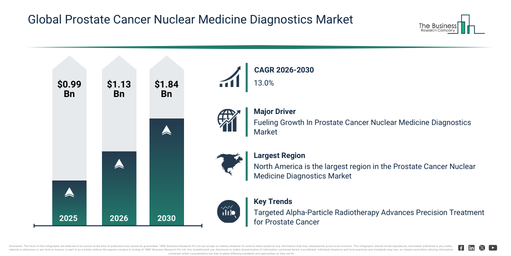
    The prostate cancer nuclear medicine diagnostics market size has seen rapid expansion in recent years. It is forecast to increase from $0.99 billion in 2025 to $1.13 billion in 2026, exhibiting a compound annual growth rate (CAGR) of 14.6%. The historical growth of this market can be attributed to the expansion of nuclear medicine infrastructure, increased use of radiotracers in oncology, the availability of gamma camera and pet imaging systems, rising prostate cancer diagnosis rates, and growth in hospital-based imaging services.

    The market for nuclear medicine diagnostics in prostate cancer is projected to experience swift expansion over the coming years. This market is anticipated to reach $1.84 billion by 2030, demonstrating a compound annual growth rate (CAGR) of 13.0%. Several factors are contributing to this growth during the forecast period, including progress in radiopharmaceutical innovation, an increasing need for accurate cancer staging instruments, the broadening scope of personalized oncology diagnostics, heightened investment in integrated imaging platforms, and the expanding utilization of molecular imaging methods. Key trends identified for this period encompass the growing acceptance of PET and SPECT imaging techniques, the increasing application of radiopharmaceutical diagnostics, a rising requirement for functional cancer imaging, the development of hybrid imaging technologies, and a stronger emphasis on precise disease staging.

    Access Your Free Sample Report for In-Depth Market Insights:

    https://www.thebusinessresearchcompany.com/sample.aspx?id=15906&type=smp

    Which Drivers Are Contributing To The Expansion Of The Prostate Cancer Nuclear Medicine Diagnostics Market?

    An increase in the incidence of prostate cancer is anticipated to drive the expansion of the prostate cancer nuclear medicine diagnostics market moving ahead. Prostate cancer manifests in the prostate, a compact, walnut-sized gland in men responsible for generating seminal fluid, which serves to nourish and transport sperm. This increasing occurrence of prostate cancer can be attributed to an aging demographic, evolving lifestyle habits, and inherited genetic predispositions. The use of prostate cancer nuclear medicine diagnostics offers crucial data, empowering medical professionals to provide more accurate, potent, and tailored treatment for individuals afflicted with prostate cancer. For example, in February 2024, the World Health Organization, a Switzerland-based specialized agency focusing on global public health, reported that more than 35 million new cancer cases are forecast by 2050, marking a 77% surge compared to the estimated 20 million cases in 2022. Consequently, the growing prevalence of prostate cancer is a key driver for the prostate cancer nuclear medicine diagnostics market.

    What Segment Categories Are Covered In The Prostate Cancer Nuclear Medicine Diagnostics Market?

    The prostate cancer nuclear medicine diagnostics market covered in this report is segmented –

    1) By Type: Single Photon Emission Computed Tomography (SPECT), Photon Emission Computed Tomography (PET)

    2) By Test Type: Preliminary Tests, Confirmatory Tests

    3) By End User: Hospitals, Clinics, Other End Users

    Subsegments:

    1) By Single Photon Emission Computed Tomography (SPECT): Gamma Camera SPECT, Hybrid SPECT Or CT Imaging

    2) By Positron Emission Tomography (PET): PET Or CT Imaging, PET Or MRI Imaging

    What Trends Are Reshaping The Dynamics Of The Prostate Cancer Nuclear Medicine Diagnostics Market?

    Major companies operating in the prostate cancer nuclear medicine market are focusing on the development of sophisticated solutions like targeted alpha-particle radiotherapy to boost treatment precision and minimize unwanted side effects. Targeted alpha-particle radiotherapy utilizes radioactive isotopes that release alpha particles, allowing for the selective elimination of cancer cells while safeguarding healthy tissue, thereby offering a highly localized and effective treatment alternative. For example, Actinium Pharmaceuticals Inc., a US-based developer of antibody radiation conjugates and other targeted radiotherapies, introduced ATNM-400, which incorporates actinium-225 (Ac-225) radiotherapy, in March 2025. This therapy targets a non-prostate-specific membrane antigen, which is found in elevated levels in prostate cancer patients, providing an option for individuals who are resistant to PSMA-targeted therapies such as Pluvicto. Key attributes of ATNM-400 include its application of the alpha-particle emitter Ac-225, which can decrease off-target effects compared to beta-particle therapies, and its ability to target a distinct cancer marker to expand treatment applicability. The launch includes preclinical data demonstrating biodistribution, imaging, and efficacy assessments across different dose levels, with additional results expected from Pluvicto-resistant prostate cancer models. ATNM-400 is poised to advance precision radiotherapy and improve therapeutic options for patients battling prostate cancer.

    Which Key Players Are Driving Competition In The Prostate Cancer Nuclear Medicine Diagnostics Market?

    Major companies operating in the prostate cancer nuclear medicine diagnostics market are Cardinal Health, Bayer AG, Novartis AG, Siemens Healthineers AG, GE Healthcare, Lantheus, Curium Pharma, Telix Pharmaceuticals Ltd, Eckert And Ziegler AG, Point Biopharma Global Inc, Alliance Medical Ltd, SHINE Medical Technologies LLC, PETNET Solution, NorthStar Medical Radioisotopes LLC, Isotope Technologies Garching ITG, Jubilant Pharma Limited, Blue Earth Diagnostics Inc, Institute Of Isotopes Co Ltd, Radiopharm Theranostics, Bracco Diagnostic Inc, NCM USA LLC, ABX Advanced Biochemical Compounds GmbH, Theragnostics Ltd, SpectronRx Inc

    Access The Complete Report For Deeper Market Insights:

    https://www.thebusinessresearchcompany.com/report/prostate-cancer-nuclear-medicine-diagnostics-global-market-report

    Which Region Is Projected To Lead The Prostate Cancer Nuclear Medicine Diagnostics Market During The Forecast Period?

    North America was the largest region in the prostrate cancer nuclear medicine diagnostics market in 2025. The regions covered in the prostate cancer nuclear medicine diagnostics market report are Asia-Pacific, South East Asia, Western Europe, Eastern Europe, North America, South America, Middle East, Africa.

    Request Your Customized Prostate Cancer Nuclear Medicine Diagnostics Market Research Report for Competitive Advantage:

    https://www.thebusinessresearchcompany.com/customise?id=15906&type=smp

    Browse Through More Reports Similar to the Global Prostate Cancer Nuclear Medicine Diagnostics Market 2026, By The Business Research Company

    Prostate Cancer Drugs Market Report 2026

    https://www.thebusinessresearchcompany.com/report/prostate-cancer-drugs-global-market-report

    Prostate Cancer Diagnostics Market Report 2026

    https://www.thebusinessresearchcompany.com/report/prostate-cancer-diagnostics-global-market-report

    Nuclear Medicine Diagnostics Market Report 2026

    https://www.thebusinessresearchcompany.com/report/nuclear-medicine-diagnostics-global-market-report

    Get in touch with us:

    The Business Research Company: https://www.thebusinessresearchcompany.com/

    Americas +1 310-496-7795

    Asia +44 7882 955267 & +91 8897263534

    Europe +44 7882 955267

    Email us at info@tbrc.info

    Follow us on:

    LinkedIn: https://in.linkedin.com/company/the-business-research-company

    YouTube: https://www.youtube.com/channel/UC24_fI0rV8cR5DxlCpgmyFQ

    Global Market Model: https://www.thebusinessresearchcompany.com/global-market-model
  • Prostate Cancer Diagnostics Market 2026–2030: Forecast, Innovation, and Competitive Trends

    Prostate Cancer Diagnostics Market 2026–2030: Forecast, Innovation, and Competitive Trends

    Uncover key drivers, emerging technologies, and competitive movements shaping the prostate cancer diagnostics market from 2026–2035 with trusted insights from The Business Research Company

    What market expansion outlook does the Prostate Cancer Diagnostics Market show for the 2026–2030 period?

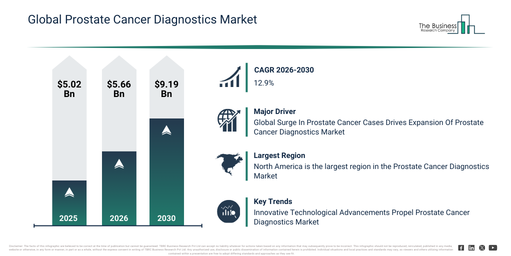
    The market for prostate cancer diagnostics has experienced significant expansion recently. It is projected to grow from $5.02 billion in 2025 to $5.66 billion in 2026, with a compound annual growth rate (CAGR) of 12.8%. The historical growth can be attributed to factors such as the rising prevalence of prostate cancer, the expansion of clinical diagnostic infrastructure, increased use of PSA and biopsy testing, the availability of imaging-based diagnostic tools, and growing awareness of early cancer detection.

    The prostate cancer diagnostics market size is projected for significant expansion over the coming years. This market is anticipated to reach $9.19 billion by 2030, exhibiting a compound annual growth rate (CAGR) of 12.9%. Factors driving this growth during the projected period include developments in molecular and genomic diagnostics, the increasing acceptance of precision oncology methods, wider population screening programs, higher investments in automated diagnostics, and the rising need for tailored cancer diagnostics. Key trends anticipated for this forecast timeframe encompass the increasing utilization of sophisticated diagnostic assays, the growing prevalence of biomarker-driven prostate cancer testing, greater integration of AI-powered imaging analysis, the expansion of initiatives for early detection screening, and a heightened emphasis on diagnostic precision and risk categorization.

    Access Your Free Sample Report for In-Depth Market Insights:

    https://www.thebusinessresearchcompany.com/sample.aspx?id=12003&type=smp

    What Drivers Are Shaping The Development Of The Prostate Cancer Diagnostics Market?

    The rising incidence of prostate cancer is anticipated to drive the expansion of the prostate cancer diagnostics market in the future. Prostate cancer is a medical condition where malignant cells form in the prostate gland, which is described as a component of the male and female reproductive systems. Prostate cancer diagnostics assist in the early identification of the disease through diverse evaluations, including prostate-specific antigen (PSA) testing and advanced imaging techniques. For instance, in January 2023, the American Cancer Society (ACS), a US-based non-profit organization dedicated to eliminating cancer, reported approximately 288,300 new cases of prostate cancer and 34,700 deaths attributed to prostate cancer in 2023. Consequently, the increasing prevalence of prostate cancer is expected to propel the growth of the prostate cancer diagnostics market.

    Which Segments Are Contributing To The Growth Of The Prostate Cancer Diagnostics Market?

    The prostate cancer diagnostics market covered in this report is segmented –

    1) By Products: Instruments, Reagents And Consumables, Accessories

    2) By Test Type: Preliminary Tests, Confirmatory Tests

    3) By Prostate Cancer: Squamous Cell Cancer, Small Cell Carcinoma, Transitional Cell Cancer, Prostatic Adenocarcinoma, Ductal Adenocarcinoma, Small Cell Prostate Cancer, Acinar Adenocarcinoma

    4) By Peer Groups: Adult, Geriatrics

    5) By End User: Hospitals, Independent Diagnostic Laboratories, Cancer Research Institutes, Other End-Users

    Subsegments:

    1) By Instruments: Biopsy Instruments, Imaging Devices, Digital Rectal Examination Tools

    2) By Reagents And Consumables: Diagnostic Assay Kits, Staining Reagents, Sample Collection Materials

    3) By Accessories: Biopsy Guides, Specimen Handling Accessories, Calibration And Maintenance Tools

    How Are New Market Trends Shaping The Landscape Of The Prostate Cancer Diagnostics Market?

    Leading firms within the prostate cancer diagnostics sector are concentrating their efforts on creating sophisticated AI-driven solutions designed to enhance diagnostic precision, decrease the time needed for interpretation, and facilitate the prompt identification of prostate cancer. These AI-enhanced diagnostic instruments for prostate cancer employ machine learning algorithms to pinpoint areas of prostatic adenocarcinoma and meticulously examine full-slide images derived from prostate core needle biopsies, thereby aiding pathologists in providing precise and prompt diagnoses. A notable illustration is Qritive, a Singaporean company focused on diagnostic technologies, which introduced QAi Prostate in March 2023. This tool is an advanced AI-powered diagnostic aid for pathologists that contributes to optimizing workflow, boosting diagnostic accuracy, and shortening the duration of treatment planning.

    Who Are The Top-Performing Companies In The Prostate Cancer Diagnostics Market In Recent Years?

    Major companies operating in the prostate cancer diagnostics market are F Hoffmann La Roche AG, Bayer AG, Thermo Fisher Scientific Inc, Abbott Laboratories Inc, Siemens Healthineers AG, Becton Dickinson And Company, Agilent Technologies Inc, Hologic Inc, bioMerieux SA, Beckman Coulter Inc, Qiagen NV, Exact Sciences Corporation, DiaSorin SpA, OPKO Health Inc, Myriad Genetics Inc, Cepheid Inc, NeoGenomics Laboratories Inc, Fujirebio Diagnostics Inc, Ambry Genetics Corporation, MDxHealth SA, Exosome Diagnostics Inc, Cellanyx Diagnostics Inc, A3P Biomedical AB, Roche Diagnostics GmbH, Sysmex Corporation

    Access The Complete Report For Deeper Market Insights:

    https://www.thebusinessresearchcompany.com/report/prostate-cancer-diagnostics-global-market-report

    Which Region Currently Holds The Largest Share Of The Prostate Cancer Diagnostics Market?

    North America was the largest region in the prostate cancer diagnostics market in 2025. Asia-Pacific is expected to be the fastest-growing region in the forecast period. The regions covered in the prostate cancer diagnostics market report are Asia-Pacific, South East Asia, Western Europe, Eastern Europe, North America, South America, Middle East, Africa.

    Request Your Customized Prostate Cancer Diagnostics Market Research Report for Competitive Advantage:

    https://www.thebusinessresearchcompany.com/customise?id=12003&type=smp

    Browse Through More Reports Similar to the Global Prostate Cancer Diagnostics Market 2026, By The Business Research Company

    Prostate Specific Antigen Psa Test Market Report 2026

    https://www.thebusinessresearchcompany.com/report/prostate-specific-antigen-psa-test-global-market-report

    Prostate Cancer Nuclear Medicine Diagnostics Market Report 2026

    https://www.thebusinessresearchcompany.com/report/prostate-cancer-nuclear-medicine-diagnostics-global-market-report

    Cancer Diagnostics Market Report 2026

    https://www.thebusinessresearchcompany.com/report/cancer-diagnostics-global-market-report

    Get in touch with us:

    The Business Research Company: https://www.thebusinessresearchcompany.com/

    Americas +1 310-496-7795

    Asia +44 7882 955267 & +91 8897263534

    Europe +44 7882 955267

    Email us at info@tbrc.info

    Follow us on:

    LinkedIn: https://in.linkedin.com/company/the-business-research-company

    YouTube: https://www.youtube.com/channel/UC24_fI0rV8cR5DxlCpgmyFQ

    Global Market Model: https://www.thebusinessresearchcompany.com/global-market-model
  • Promacta Market Forecast 2026–2035: Data Trends and Industry Insights

    Promacta Market Forecast 2026–2035: Data Trends and Industry Insights

    Uncover key drivers, emerging technologies, and competitive movements shaping the promacta market from 2026–2035 with trusted insights from The Business Research Company

    What level of growth is expected in the Promacta Market between 2026 and 2030?

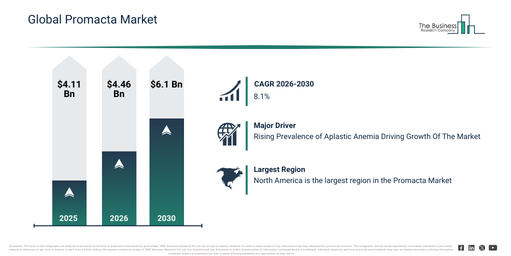
    The promacta market has experienced robust expansion in recent years. This market is projected to expand from $4.11 billion in 2025 to $4.46 billion in 2026, exhibiting a compound annual growth rate (CAGR) of 8.4%. Historically, this growth can be ascribed to several factors, including a rise in the diagnosis of immune thrombocytopenia, an increase in treatment options for aplastic anemia, enhanced clinical understanding of platelet disorders, the introduction of oral TPO receptor agonists, and the broader acceptance of specialized hematology medications.

    The promacta market is projected to experience substantial expansion over the upcoming years, with its size anticipated to reach $6.1 billion by 2030, demonstrating a compound annual growth rate (CAGR) of 8.1%. This growth during the projection period stems from several factors, including the proliferation of personalized hematology treatments, a heightened emphasis on managing rare blood disorders, the increasing uptake of long-term outpatient therapeutic options, greater financial commitments to hematology drug advancements, and enhanced availability of advanced thrombopoietin-based treatments. Key trends expected in the forecast timeframe encompass a wider acceptance of targeted thrombopoietin receptor therapies, an intensified focus on individualized approaches for thrombocytopenia treatment, an escalating need for oral medications that stimulate platelet production, the broadening of treatment protocols tailored to specific indications, and a stronger commitment to sustained patient care.

    Access Your Free Sample Report for In-Depth Market Insights:

    https://www.thebusinessresearchcompany.com/sample.aspx?id=21264&type=smp

    Which Drivers Are Expected To Impact The Promacta Market During The Forecast Period?

    The expanding occurrence of aplastic anemia is projected to drive the Promacta market’s growth in the future. This rare condition involves the bone marrow failing to produce enough blood cells, resulting in fatigue, infections, and a heightened risk of bleeding. Its prevalence stems from factors like exposure to toxic chemicals, certain medications, viral infections, autoimmune disorders, and genetic predispositions. Promacta functions by stimulating bone marrow stem cells to generate blood cells, thereby increasing levels of platelets, red blood cells, and neutrophils. It helps reduce the necessity for transfusions and lowers the risk of bleeding and infections for those with aplastic anemia. For instance, data from April 2024, provided by Anthony Nolan, a UK-based charity focusing on leukemia and hematopoietic stem cell transplantation, indicates that approximately 100 to 150 people are diagnosed with aplastic anemia in the UK each year. This rising prevalence of aplastic anemia is thus propelling the Promacta market forward. The increment in healthcare expenditure is projected to advance the Promacta market’s expansion moving forward. This expenditure represents the cumulative cost of medical services, treatments, and the infrastructure necessary to safeguard and improve the health of individuals and the public. Factors such as an aging demographic, progress in medical technology, and broader health insurance penetration are contributing to this rise. Enhanced healthcare spending improves patient availability of sophisticated treatments for conditions like thrombocytopenia and other blood disorders. Additionally, it strengthens diagnostic capabilities, enabling earlier identification and greater uptake of Promacta. For instance, a report from the Office for National Statistics, a UK government department, indicated in May 2024 that the total healthcare expenditure in 2023 saw a nominal increase of 5.6%. In 2023, UK healthcare spending totaled about £292 ($338.58) billion, a figure derived from more current but less exhaustive data sources than previous years. Thus, the escalating healthcare expenditure is a significant factor driving the Promacta market’s growth.

    How Is The Promacta Market Divided Into Segments?

    The promacta market covered in this report is segmented –

    1) By Indication: Chronic Immune Thrombocytopenia, Severe Aplastic Anemia, Hepatitis C-associated Thrombocytopenia, Other Indications

    2) By Dosage Form: Tablets, Oral Suspension

    3) By Distribution Channel: Hospital Pharmacies, Retail Pharmacies, Online Pharmacies

    Subsegments:

    1) By Chronic Immune Thrombocytopenia (ITP): Primary Immune Thrombocytopenia, Secondary Immune Thrombocytopenia

    2) By Severe Aplastic Anemia: Adult Severe Aplastic Anemia, Pediatric Severe Aplastic Anemia

    3) By Hepatitis C-associated Thrombocytopenia: Genotype 1 Hepatitis C-associated Thrombocytopenia, Genotype 2 Hepatitis C-associated Thrombocytopenia, Genotype 3 Hepatitis C-associated Thrombocytopenia

    4) By Other Indications: Myelodysplastic Syndromes (MDS), Bone Marrow Disorders, Radiation-Induced Thrombocytopenia

    Which Leading Companies Dominate The Promacta Market Share?

    Major companies operating in the promacta market are Novartis AG, Amgen Inc, Pfizer Inc, Takeda Pharmaceutical Company Limited, Bristol Myers Squibb Company, Roche Holding AG, Sanofi SA, AbbVie Inc, AstraZeneca plc, GlaxoSmithKline plc, Merck And Co Inc, Johnson And Johnson, CSL Behring, Grifols SA, Octapharma AG, Kedrion Biopharma, ADMA Biologics Inc, Bio Products Laboratory Ltd, Apotex Inc, Teva Pharmaceutical Industries Ltd, Sandoz International GmbH, Dr Reddys Laboratories Ltd

    Access The Complete Report For Deeper Market Insights:

    https://www.thebusinessresearchcompany.com/report/promacta-global-market-report

    How Does The Promacta Market Perform Across Major Global Regions?

    North America was the largest region in the promacta market in 2025. Asia-Pacific is expected to be the fastest-growing region in the forecast period. The regions covered in the promacta market report are Asia-Pacific, South East Asia, Western Europe, Eastern Europe, North America, South America, Middle East, Africa.

    Request Your Customized Promacta Market Research Report for Competitive Advantage:

    https://www.thebusinessresearchcompany.com/customise?id=21264&type=smp

    Browse Through More Reports Similar to the Global Promacta Market 2026, By The Business Research Company

    Doas Market Report 2026

    https://www.thebusinessresearchcompany.com/report/doas-global-market-report

    Caprolactam Market Report 2026

    https://www.thebusinessresearchcompany.com/report/caprolactam-global-market-report

    Quinoa Market Report 2026

    https://www.thebusinessresearchcompany.com/report/quinoa-global-market-report

    Get in touch with us:

    The Business Research Company: https://www.thebusinessresearchcompany.com/

    Americas +1 310-496-7795

    Asia +44 7882 955267 & +91 8897263534

    Europe +44 7882 955267

    Email us at info@tbrc.info

    Follow us on:

    LinkedIn: https://in.linkedin.com/company/the-business-research-company

    YouTube: https://www.youtube.com/channel/UC24_fI0rV8cR5DxlCpgmyFQ

    Global Market Model: https://www.thebusinessresearchcompany.com/global-market-model
  • Proliferative Diabetic Retinopathy (PDR) Market Outlook 2026–2030: Key Business Drivers and Trends

    Proliferative Diabetic Retinopathy (PDR) Market Outlook 2026–2030: Key Business Drivers and Trends

    Uncover key drivers, emerging technologies, and competitive movements shaping the proliferative diabetic retinopathy (pdr) market from 2026–2035 with trusted insights from The Business Research Company

    How much is the Proliferative Diabetic Retinopathy (PDR) Market valued at in 2026, and what valuation is forecast for 2030?

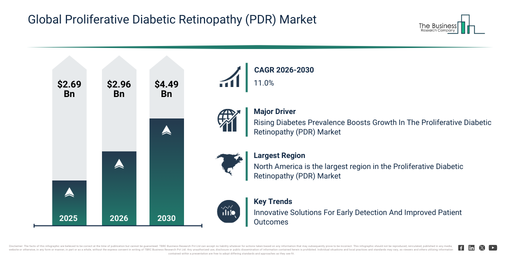
    The market size for proliferative diabetic retinopathy (pdr) has observed swift expansion in recent years. This market is projected to increase from $2.69 billion in 2025 to $2.96 billion in 2026, achieving a compound annual growth rate (CAGR) of 10.3%. In the past, this growth was primarily a result of the rising prevalence of diabetes mellitus, the broader application of retinal laser therapies, the development of more ophthalmology clinics, better access to eye care services, and an increase in diabetic screening programs.

    The market size for proliferative diabetic retinopathy (PDR) is projected to experience substantial expansion in the coming years. This market is predicted to reach $4.49 billion by 2030, exhibiting a compound annual growth rate (CAGR) of 11.0%. This anticipated growth during the forecast period stems from several factors, including the escalating demand for long-acting injectable therapies, the rising integration of AI-based retinal diagnostics, the broader availability of outpatient ophthalmic procedures, a heightened emphasis on vision preservation strategies, and increased investment in the management of diabetic eye disease. Key trends anticipated during this period encompass the growing acceptance of anti-VEGF therapies, the increasing application of advanced retinal imaging technologies, a greater emphasis on early screening and diagnosis, the expansion of minimally invasive surgical interventions, and improved integration of multidisciplinary diabetes care.

    Access Your Free Sample Report for In-Depth Market Insights:

    https://www.thebusinessresearchcompany.com/sample.aspx?id=12911&type=smp

    What Drivers Are Influencing The Growth Of The Proliferative Diabetic Retinopathy (PDR) Market?

    The increasing incidence of diabetes is projected to drive expansion within the proliferative diabetic retinopathy (PDR) market in the future. Diabetes is a long-term health condition defined by abnormally high blood glucose (sugar) levels. It serves as the primary etiology for proliferative diabetic retinopathy, a condition manageable through diverse treatments aimed at preventing additional retinal harm and sustaining eyesight. For example, data from June 2024, released by the National Health Service (NHS), a UK government department, indicated a rise in affected individuals under 40, from 173,166 in 2022 to 216,440 in 2023. This substantial increase underscores a worrying pattern within this demographic, as the statistics demonstrate a swift rise in diabetes cases among younger populations. Consequently, the growing occurrence of diabetes fuels the proliferative diabetic retinopathy (PDR) market.

    What Segments Are Included Within The Proliferative Diabetic Retinopathy (PDR) Market?

    The proliferative diabetic retinopathy (pdr) market covered in this report is segmented –

    1) By Treatment Type: Anti-VEGF (Vascular Endothelial Growth Factor) Therapy, Intraocular Steroids, Laser Surgery, Vitrectomy

    2) By Mode of Administration: Injectables, Intravitreal Administration Focus, Other Mode Of Administrations

    3) By Application: Hospitals, Clinics, Other Applications

    Subsegments:

    1) By Anti-VEGF Therapy: Aflibercept, Ranibizumab, Bevacizumab

    2) By Intraocular Steroids: Triamcinolone Acetonide, Dexamethasone Implant, Fluocinolone Acetonide

    3) By Laser Surgery: Focal Laser Photocoagulation, Panretinal Laser Photocoagulation

    4) By Vitrectomy: Pars Plana Vitrectomy, Anterior Vitrectomy

    What Trends Are Driving The Growth Trajectory Of The Proliferative Diabetic Retinopathy (PDR) Market?

    Major companies operating in the proliferative diabetic retinopathy (PDR) market are concentrating on developing advanced solutions, including AI-driven autonomous retinal screening systems and portable fundus cameras, to enhance early detection and improve patient outcomes. AI-based autonomous screening systems are engineered to analyze retinal images independently, providing rapid and accurate identification of diabetic retinopathy, while handheld fundus cameras enable convenient and accessible retinal imaging. For instance, in April 2024, Optomed Plc, a Finland-based medical technology company, secured U.S. Food and Drug Administration (FDA) clearance for its Optomed Aurora with AEYE, a handheld AI fundus camera capable of autonomously detecting referable diabetic retinopathy, thereby extending the accessibility and efficiency of PDR screening beyond traditional clinical settings.

    Who Are The Major Companies Operating In The Proliferative Diabetic Retinopathy (PDR) Market?

    Major companies operating in the proliferative diabetic retinopathy (pdr) market are Johnson And Johnson Limited, F Hoffmann La Roche Ltd, AbbVie Inc, Bayer AG, Novartis AG, Merck KGaA, Kubota Vision Inc, Teva Pharmaceutical Industries Ltd, Regeneron Pharmaceuticals Inc, Mylan NV, Santen Pharmaceutical Co Ltd, Lupin Limited, Genentech Inc, Alcon Inc, Carl Zeiss Meditec AG, Topcon Corporation, Nidek Co Ltd, Bausch And Lomb Corporation, Heidelberg Engineering GmbH, Iridex Corporation, Lumenis Ltd, Optos plc, Zeiss Meditec India Pvt Ltd, Alimera Sciences Inc

    Access The Complete Report For Deeper Market Insights:

    https://www.thebusinessresearchcompany.com/report/proliferative-diabetic-retinopathy-pdr-global-market-report

    Which Region Is Anticipated To See The Fastest Growth In The Proliferative Diabetic Retinopathy (PDR) Market?

    North America was the largest region in the proliferative diabetic retinopathy market in 2025. Asia Pacific is expected to be the fastest-growing region in the forecast period. The regions covered in the proliferative diabetic retinopathy (pdr) market report are Asia-Pacific, South East Asia, Western Europe, Eastern Europe, North America, South America, Middle East, Africa.

    Request Your Customized Proliferative Diabetic Retinopathy (PDR) Market Research Report for Competitive Advantage:

    https://www.thebusinessresearchcompany.com/customise?id=12911&type=smp

    Browse Through More Reports Similar to the Global Proliferative Diabetic Retinopathy (PDR) Market 2026, By The Business Research Company

    Diabetic Neuropathy Market Report 2026

    https://www.thebusinessresearchcompany.com/report/diabetic-neuropathy-global-market-report

    Non Proliferative Diabetic Retinopathy Market Report 2026

    https://www.thebusinessresearchcompany.com/report/non-proliferative-diabetic-retinopathy-global-market-report

    Diabetic Retinopathy Market Report 2026

    https://www.thebusinessresearchcompany.com/report/diabetic-retinopathy-global-market-report

    Get in touch with us:

    The Business Research Company: https://www.thebusinessresearchcompany.com/

    Americas +1 310-496-7795

    Asia +44 7882 955267 & +91 8897263534

    Europe +44 7882 955267

    Email us at info@tbrc.info

    Follow us on:

    LinkedIn: https://in.linkedin.com/company/the-business-research-company

    YouTube: https://www.youtube.com/channel/UC24_fI0rV8cR5DxlCpgmyFQ

    Global Market Model: https://www.thebusinessresearchcompany.com/global-market-model
  • Progressive Multifocal Leukoencephalopathy Treatment Market Future Outlook: Strong Growth Expected Toward $2.61 Billion by 2030

    Progressive Multifocal Leukoencephalopathy Treatment Market Future Outlook: Strong Growth Expected Toward $2.61 Billion by 2030

    Uncover key drivers, emerging technologies, and competitive movements shaping the progressive multifocal leukoencephalopathy treatment market from 2026–2035 with trusted insights from The Business Research Company

    What upper market value could the Progressive Multifocal Leukoencephalopathy Treatment Market reach by 2030 starting from 2026 levels?

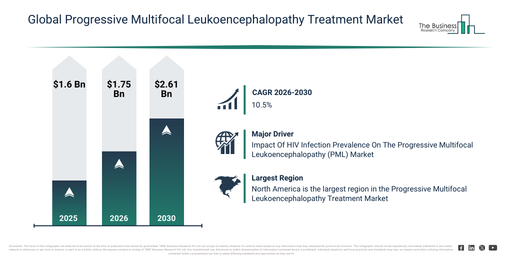
    The progressive multifocal leukoencephalopathy treatment market has experienced robust growth recently. Projections indicate a rise from $1.6 billion in 2025 to $1.75 billion in 2026, achieving a compound annual growth rate (CAGR) of 9.8%. Historically, this expansion has been driven by factors such as the rising incidence of immunocompromised individuals, broader application of immunosuppressive treatments, enhanced diagnostic recognition of PML, the growth of hospital-based neurological services, and the provision of antiviral management protocols.

    The progressive multifocal leukoencephalopathy treatment market is projected to experience significant expansion over the coming years. It is anticipated to reach a size of $2.61 billion by 2030, exhibiting a compound annual growth rate (CAGR) of 10.5%. This growth during the forecast period is propelled by increasing research into targeted antiviral therapies, a rising demand for early diagnostic tools, the expansion of precision medicine approaches, a growing focus on immune system modulation, and increasing clinical collaborations for rare viral diseases. Furthermore, key trends for this period encompass an increasing focus on immunomodulatory treatment strategies, the rising use of advanced neuroimaging diagnostics, a growing emphasis on early detection in immunocompromised patients, the expansion of supportive and symptom management therapies, and enhanced integration of multidisciplinary care teams.

    Access Your Free Sample Report for In-Depth Market Insights:

    https://www.thebusinessresearchcompany.com/sample.aspx?id=12864&type=smp

    Which Drivers Are Influencing Long-Term Growth In The Progressive Multifocal Leukoencephalopathy Treatment Market?

    The increasing occurrence of human immunodeficiency virus (HIV) infection is projected to fuel the expansion of the progressive multifocal leukoencephalopathy market. HIV, a retrovirus, targets the immune system by attacking CD4 cells, vital for combating infections. A compromised immune status, often marked by a low CD4 cell count (200/L), is the primary reason most HIV-infected individuals develop PML globally. This severe HIV-induced immune deficiency can activate the dormant JCV archetype strain in the brain, resulting in brain white matter lesions and PML. For example, as reported in July 2025 by the World Health Organization, a Switzerland-based international health organization, roughly 40.8 million individuals worldwide were living with HIV by the close of 2024, comprising 1.4 million children aged 0–14 years [1.1–1.8 million] and 39.4 million adults aged 15 years and above [35.7–44.0 million]. Consequently, the rising prevalence of human immunodeficiency virus (HIV) infection is propelling the growth of the progressive multifocal leukoencephalopathy market.

    Progressive Multifocal Leukoencephalopathy Treatment Market Driver: Impact Of Neurological Disorder Prevalence On Progressive Multifocal Leukoencephalopathy Treatment Market Growth

    How Is The Progressive Multifocal Leukoencephalopathy Treatment Market Divided Into Segments?

    The progressive multifocal leukoencephalopathy treatment market covered in this report is segmented –

    1) By Treatment: Anti-retroviral Therapy, Antiviral Or Anti-John Cunningham Virus (JCV), Other Symptomatic

    2) By Indication: HIV Or AIDS, Organ Transplantation, Multiple Sclerosis, Hematologic Malignancies

    3) By Route of Administration: Oral, Parenteral, Other Routes Of Administration

    4) By End-Users: Hospitals, Homecare, Specialty Centers, Other End-Users

    Subsegments:

    1) By Anti-retroviral Therapy: NRTIs (Nucleoside Reverse Transcriptase Inhibitors), NNRTIs (Non-Nucleoside Reverse Transcriptase Inhibitors), PIs (Protease Inhibitors), Integrase Inhibitors

    2) By Antiviral Or Anti-John Cunningham Virus (JCV): Natalizumab, Fumaric Acid Esters, Other JCV-targeted Therapies

    3) By Other Symptomatic Treatments: Corticosteroids, Immunomodulators, Supportive Care, Symptomatic Relief Medications

    Which Key Market Players Are Investing In Expansion And Innovation Within The Progressive Multifocal Leukoencephalopathy Treatment Market?

    Major companies operating in the progressive multifocal leukoencephalopathy treatment market are Pfizer Inc, Johnson And Johnson, Roche Holding AG, Merck And Co Inc, AbbVie Inc, Novartis AG, Bristol Myers Squibb Company, Sanofi SA, Takeda Pharmaceutical Company Limited, Eli Lilly And Company, Gilead Sciences Inc, Viatris Inc, Teva Pharmaceutical Industries Ltd, Biogen Inc, Otsuka Pharmaceutical Co Ltd, Jazz Pharmaceuticals plc, Ipsen Pharma, Apotex Inc, Alkermes plc, Genentech Inc, Neurimmune AG, NeoImmuneTech, Inhibikase Therapeutics Inc, Bayer AG

    Access The Complete Report For Deeper Market Insights:

    https://www.thebusinessresearchcompany.com/report/progressive-multifocal-leukoencephalopathy-treatment-global-market-report

    Which Regions Are Poised For Strategic Growth In The Progressive Multifocal Leukoencephalopathy Treatment Market?

    North America was the largest region in the progressive multifocal leukoencephalopathy treatment market in 2025. The regions covered in the progressive multifocal leukoencephalopathy treatment market report are Asia-Pacific, South East Asia, Western Europe, Eastern Europe, North America, South America, Middle East, Africa.

    Request Your Customized Progressive Multifocal Leukoencephalopathy Treatment Market Research Report for Competitive Advantage:

    https://www.thebusinessresearchcompany.com/customise?id=12864&type=smp

    Browse Through More Reports Similar to the Global Progressive Multifocal Leukoencephalopathy Treatment Market 2026, By The Business Research Company

    Rare Neurological Disease Treatment Market Report 2026

    https://www.thebusinessresearchcompany.com/report/rare-neurological-disease-treatment-global-market-report

    Encephalitis Treatment Market Report 2026

    https://www.thebusinessresearchcompany.com/report/encephalitis-treatment-global-market-report

    Dysphagia Management Market Report 2026

    https://www.thebusinessresearchcompany.com/report/dysphagia-management-global-market-report

    Get in touch with us:

    The Business Research Company: https://www.thebusinessresearchcompany.com/

    Americas +1 310-496-7795

    Asia +44 7882 955267 & +91 8897263534

    Europe +44 7882 955267

    Email us at info@tbrc.info

    Follow us on:

    LinkedIn: https://in.linkedin.com/company/the-business-research-company

    YouTube: https://www.youtube.com/channel/UC24_fI0rV8cR5DxlCpgmyFQ

    Global Market Model: https://www.thebusinessresearchcompany.com/global-market-model
  • Revenue of the Progressive Ataxia And Weakness Disorders Market Predicted to Achieve $64.52 Billion by 2030, Driven by 10.8% CAGR

    Revenue of the Progressive Ataxia And Weakness Disorders Market Predicted to Achieve $64.52 Billion by 2030, Driven by 10.8% CAGR

    Uncover key drivers, emerging technologies, and competitive movements shaping the progressive ataxia and weakness disorders market from 2026–2035 with trusted insights from The Business Research Company

    What level of CAGR-driven expansion is anticipated in the Progressive Ataxia And Weakness Disorders Market between 2026 and 2030?

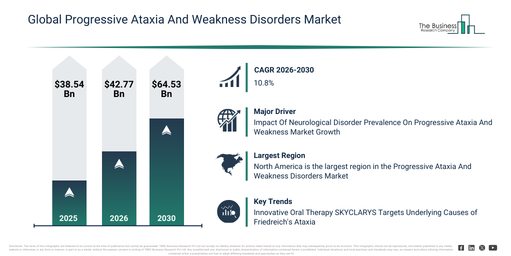
    The market size for progressive ataxia and weakness disorders has experienced significant expansion over recent years. This market is projected to expand from $38.54 billion in 2025 to $42.77 billion by 2026, demonstrating a compound annual growth rate (CAGR) of 11.0%. Historically, this growth has been driven by factors such as enhanced recognition of rare neurological disorders, the proliferation of neurology specialty clinics, a rise in the application of symptomatic drug therapies, the accessibility of genetic testing technologies, and an increase in patient advocacy efforts.

    The market for progressive ataxia and weakness disorders is projected to experience substantial expansion in the coming years. This market is anticipated to reach $64.53 billion by 2030, exhibiting a compound annual growth rate (CAGR) of 10.8%. Factors contributing to this growth during the forecast period include greater investment in neurodegenerative disease research, a surge in demand for tailored treatment options, the broadening of biomarker-based diagnostics, an intensified focus on disease-modifying therapies, and increased clinical trial activity for uncommon disorders. Key trends expected over the forecast period encompass the escalating development of targeted neurological therapies, the increased utilization of advanced genetic diagnostics, the wider adoption of comprehensive multidisciplinary treatment strategies, the proliferation of symptom management solutions, and a heightened emphasis on detecting diseases early.

    Access Your Free Sample Report for In-Depth Market Insights:

    https://www.thebusinessresearchcompany.com/sample.aspx?id=18444&type=smp

    What Drivers Are Affecting Demand-Supply Dynamics In The Progressive Ataxia And Weakness Disorders Market?

    A rising incidence of neurological disorders is anticipated to fuel the expansion of the progressive ataxia and weakness disorders market. These conditions encompass illnesses impacting the central and peripheral nervous systems, specifically involving the brain, spinal cord, cranial and peripheral nerves, autonomic nervous system, nerve roots, neuromuscular junction, and various muscles. The growing occurrence of neurological disorders stems from factors such as an aging population, genetic predispositions, and infectious agents. Within neurology, progressive ataxia and weakness disorders are vital for directing diagnosis, therapeutic approaches, research endeavors, and patient support programs, all designed to enhance the results and life quality for those facing these complex neurological illnesses. For example, in October 2023, data from the World Federation of Neurology, a UK-based association representing national neurological societies, indicated that over 40% of the worldwide population presently lives with some type of neurological condition, a figure projected to almost double by 2050. Consequently, the escalating frequency of neurological disorders is serving as a key driver for the progressive ataxia and weakness disorders market.

    What Segments Are Included Within The Progressive Ataxia And Weakness Disorders Market?

    The progressive ataxia and weakness disorders market covered in this report is segmented –

    1) By Type: Progressive Ataxia, Progressive Weakness Disorders

    2) By Technology: Small Molecule, Monoclonal Antibody, Other Technology

    3) By Distribution Channel: Retail Pharmacy, Hospital Pharmacy, Online Pharmacy

    4) By Application: Hospital, Clinic, Other Applications

    Subsegments:

    1) By Progressive Ataxia: Cerebellar Ataxia, Sensory Ataxia, Vestibular Ataxia, Friedreich’s Ataxia, Spinocerebellar Ataxia (SCA), Idiopathic Ataxia

    2) By Progressive Weakness Disorders: Amyotrophic Lateral Sclerosis (ALS), Muscular Dystrophy, Spinal Muscular Atrophy (SMA), Myasthenia Gravis, Multiple Sclerosis (MS), Guillain-Barré Syndrome (GBS)

    What Trends Are Reshaping The Dynamics Of The Progressive Ataxia And Weakness Disorders Market?

    Leading companies within the progressive ataxia and weakness disorders market are prioritizing the creation of innovative solutions, including oral medications designed for the management of Friedreich’s ataxia in adults and adolescents aged 16 years and older. Oral medication denotes drugs consumed by mouth, typically presented as tablets, capsules, or liquid forms. For example, in February 2024, Biogen Inc., a US-based biotechnology firm, announced that SKYCLARYS (omaveloxolone) received approval from the European Commission (EC) for the treatment of Friedreich’s ataxia (FA). SKYCLARYS operates by activating the Nrf2 pathway, thereby addressing the core issues of oxidative stress and mitochondrial dysfunction present in Friedreich’s ataxia. This medicine is to be taken orally on an empty stomach and has demonstrated an improvement in symptoms and a slower progression of the disease during clinical trials. Typical adverse effects reported include elevated liver enzymes, headaches, nausea, abdominal pain, fatigue, diarrhea, and musculoskeletal pain.

    Who Are The Core Companies Influencing Trends In The Progressive Ataxia And Weakness Disorders Market?

    Major companies operating in the progressive ataxia and weakness disorders market are Pfizer Inc, Merck And Co Inc, Bristol Myers Squibb Company, Novartis AG, Takeda Pharmaceutical Company Limited, Astellas Pharma Inc, Biogen Inc, BioMarin Pharmaceutical Inc, Sarepta Therapeutics Inc, PTC Therapeutics Inc, Kissei Pharmaceutical Co Ltd, Biohaven Pharmaceutical Holding Company Ltd, Design Therapeutics Inc, Anavex Life Sciences Corp, Larimar Therapeutics Inc, Voyager Therapeutics Inc, Stealth BioTherapeutics Corp, Capsida Biotherapeutics Inc, Retrotope Inc, Taysha Gene Therapies Inc, CRISPR Therapeutics AG, Ionis Pharmaceuticals Inc, Roche Holding AG, Sanofi SA

    Access The Complete Report For Deeper Market Insights:

    https://www.thebusinessresearchcompany.com/report/progressive-ataxia-and-weakness-disorders-global-market-report

    Which Regions Are Projected To Dominate The Progressive Ataxia And Weakness Disorders Market In The Coming Years?

    North America was the largest region in the progressive ataxia and weakness disorders market in 2025. The regions covered in the progressive ataxia and weakness disorders market report are Asia-Pacific, South East Asia, Western Europe, Eastern Europe, North America, South America, Middle East, Africa.

    Request Your Customized Progressive Ataxia And Weakness Disorders Market Research Report for Competitive Advantage:

    https://www.thebusinessresearchcompany.com/customise?id=18444&type=smp

    Browse Through More Reports Similar to the Global Progressive Ataxia And Weakness Disorders Market 2026, By The Business Research Company

    Peripheral Neuropathy Market Report 2026

    https://www.thebusinessresearchcompany.com/report/peripheral-neuropathy-global-market-report

    Ataxia Market Report 2026

    https://www.thebusinessresearchcompany.com/report/ataxia-global-market-report

    Episodic Ataxia Treatment Market Report 2026

    https://www.thebusinessresearchcompany.com/report/episodic-ataxia-treatment-global-market-report

    Get in touch with us:

    The Business Research Company: https://www.thebusinessresearchcompany.com/

    Americas +1 310-496-7795

    Asia +44 7882 955267 & +91 8897263534

    Europe +44 7882 955267

    Email us at info@tbrc.info

    Follow us on:

    LinkedIn: https://in.linkedin.com/company/the-business-research-company

    YouTube: https://www.youtube.com/channel/UC24_fI0rV8cR5DxlCpgmyFQ

    Global Market Model: https://www.thebusinessresearchcompany.com/global-market-model
  • Private Nursing Services Sector Forecast Shows Robust Momentum, Climbing to $869.17 Billion With 7.8% CAGR

    Private Nursing Services Sector Forecast Shows Robust Momentum, Climbing to $869.17 Billion With 7.8% CAGR

    Uncover key drivers, emerging technologies, and competitive movements shaping the private nursing services market from 2026–2035 with trusted insights from The Business Research Company

    What long-term size projections exist for the Private Nursing Services Market covering 2026–2035?

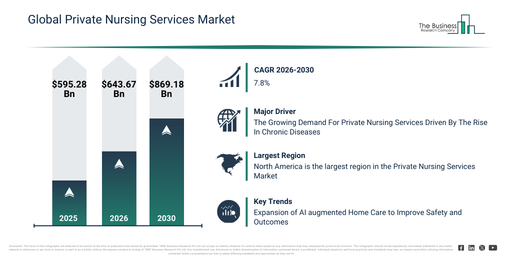
    The private nursing services market has observed significant growth in recent years. Its size is expected to increase from $595.28 billion in 2025 to $643.67 billion in 2026, at a compound annual growth rate (CAGR) of 8.1%. This historical expansion can be attributed to several factors, including the increasing aging population, the rising prevalence of chronic diseases, a growing preference for home healthcare, the expansion of private healthcare services, and shortages in hospital capacity.

    The private nursing services market is anticipated to experience robust expansion in the upcoming years. This market is projected to reach $869.18 billion by 2030, exhibiting a compound annual growth rate (CAGR) of 7.8%. Factors contributing to this growth during the forecast period include a heightened demand for medical services delivered at home, the increasing embrace of digital health platforms, broader insurance coverage for home care, a stronger emphasis on delivering cost-efficient care, and greater financial commitment to developing the private nursing workforce. Key trends expected over the forecast period encompass an expanding need for skilled nursing care provided in patients’ homes, an increasing emphasis on creating personalized care plans for patients, the wider deployment of remote health monitoring devices, enhanced integration of both medical and non-medical services, and the proliferation of subscription-based care models.

    Access Your Free Sample Report for In-Depth Market Insights:

    https://www.thebusinessresearchcompany.com/sample.aspx?id=20600&type=smp

    Which Drivers Are Impacting The Competitive Landscape Of The Private Nursing Services Market?

    The rising occurrence of chronic illnesses is anticipated to boost the expansion of the private nursing services market in the future. The incidence of chronic conditions is consistently growing across the globe, attributed to an aging populace, lifestyle choices, and environmental impacts. Private nursing services provide continuous care, fostering a robust patient-nurse bond that facilitates effective management of chronic conditions and enhances general health results. As an example, in September 2023, data from the World Health Organization, a Switzerland-based specialized agency of the United Nations, indicated 41 million deaths annually worldwide were due to non-communicable diseases (NCDs) or chronic diseases, representing 74% of all deaths. Among these, cardiovascular diseases accounted for 17.9 million deaths, cancer for 9.3 million deaths, chronic respiratory diseases for 4.1 million deaths, and diabetes for 2.0 million deaths. Consequently, the growing frequency of chronic diseases is fueling the expansion of the private nursing services market.

    What Leading Segments Are Studied In The Private Nursing Services Market?

    The private nursing services market covered in this report is segmented –

    1) By Service Type: Medical (Skilled Nursing) Services, Nursing-Supervised Supportive Care Services

    2) By Service Provider: Private Practitioners, Mental Health Clinics And Hospitals, Online Counseling Platforms, Religious And Faith-Based Counselors, Corporate Employee Assistance Programs (EAPs)

    3) By Gender: Female, Male

    4) By Medical Condition: Pediatric Care, Chronic Disease Management, Post Operative Services, Elderly Care, Other Medical Conditions

    5) By Payment Model: Insurance Covered Services, Fee For Service

    Subsegments:

    1) By Medical (Skilled Nursing) Services: Skilled Nursing Care, Post-Surgical / Post-Operative Nursing Care, Wound Care Management, Medication Administration & Management, Chronic Disease Management, Pediatric Private Duty Nursing, Geriatric Nursing Care, Palliative & End-of-Life Nursing Care, IV Therapy & Injections, Rehabilitation & Recovery Nursing Support

    2) By Nursing-Supervised Supportive Care Services: Personal Care Assistance, Activities of Daily Living Support, Companionship & Patient Monitoring, Nutrition Support & Meal Assistance, Light Household Assistance Related to Patient Care, Transportation Assistance for Medical Appointments, Respite Care for Family Caregivers, Safety Supervision & Fall-Prevention Support

    How Are New Market Trends Shaping The Landscape Of The Private Nursing Services Market?

    Major companies operating in the private nursing services market are concentrating on developing innovative services like nurse-led, AI-powered home care monitoring models to address the increasing demand for safer, preventive, and data-driven home-based care for aging adults and individuals requiring long-term personal care. This home care monitoring involves daily oversight by licensed nurses, combined with predictive analytics tools that can detect early signs of health deterioration, risk of falls, wounds, hospitalizations, or changes in mental status, thus enabling proactive interventions and reducing emergency incidents. For instance, in November 2025, BAYADA Home Health Care, a U.S.-based nonprofit home health provider, introduced its “Enhanced Quality of Care (EQoC)” model, which is the first AI-enhanced home care model specifically designed to support private pay personal care clients with daily nurse oversight complemented by predictive technology monitoring. The EQoC model tracks more than 40 detection points daily (including pain, wounds, fall risk, hospitalizations, and mental status), utilizes AI-driven insights to detect subtle changes early, prompts registered nurses to make care plan adjustments, and customizes visit frequency according to individual needs, all of which helps prevent falls and hospitalizations, improves safety, and supports independent living at home.

    Which Major Industry Participants Are Leading The Private Nursing Services Market Growth?

    Major companies operating in the private nursing services market are Maxim Healthcare Services, Aveanna Healthcare, Bayshore HealthCare, LHC Group, Care UK, CBI Health Group, Extendicare, Helping Hands Home Care, Alliance Homecare, NurseRegistry, ParaMed, Homage, Grand World Elder Care, Able Community Care, Interim HealthCare, Bayada Home Health Care, BrightStar Care, Right at Home, Kindred at Home, Visiting Nurse Service of New York, Apollo HomeCare, MedCare Professional

    Access The Complete Report For Deeper Market Insights:

    https://www.thebusinessresearchcompany.com/report/private-nursing-services-global-market-report

    Which Region Is Expected To Experience The Fastest Growth In The Private Nursing Services Market?

    North America was the largest region in the private nursing services market in 2025. The regions covered in the private nursing services market report are Asia-Pacific, South East Asia, Western Europe, Eastern Europe, North America, South America, Middle East, Africa.

    Request Your Customized Private Nursing Services Market Research Report for Competitive Advantage:

    https://www.thebusinessresearchcompany.com/customise?id=20600&type=smp

    Browse Through More Reports Similar to the Global Private Nursing Services Market 2026, By The Business Research Company

    Nursery And Floriculture Production Market Report 2026

    https://www.thebusinessresearchcompany.com/report/nursery-and-floriculture-production-global-market-report

    Greenhouse Nursery And Flowers Market Report 2026

    https://www.thebusinessresearchcompany.com/report/greenhouse-nursery-and-flowers-global-market-report

    Nurse Call System Market Report 2026

    https://www.thebusinessresearchcompany.com/report/nurse-call-system-global-market-report

    Get in touch with us:

    The Business Research Company: https://www.thebusinessresearchcompany.com/

    Americas +1 310-496-7795

    Asia +44 7882 955267 & +91 8897263534

    Europe +44 7882 955267

    Email us at info@tbrc.info

    Follow us on:

    LinkedIn: https://in.linkedin.com/company/the-business-research-company

    YouTube: https://www.youtube.com/channel/UC24_fI0rV8cR5DxlCpgmyFQ

    Global Market Model: https://www.thebusinessresearchcompany.com/global-market-model
  • Private Hospital Market Anticipated to Record Steady Gains, Advancing to $8613.31 Billion by 2030

    Private Hospital Market Anticipated to Record Steady Gains, Advancing to $8613.31 Billion by 2030

    Uncover key drivers, emerging technologies, and competitive movements shaping the private hospital market from 2026–2035 with trusted insights from The Business Research Company

    What total market size is anticipated for the Private Hospital Market in 2030?

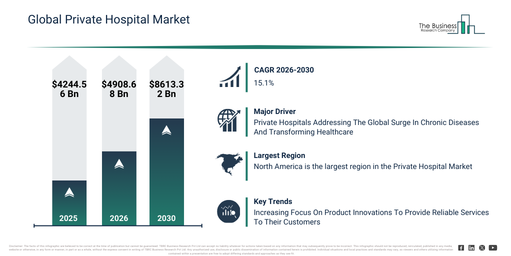
    The private hospital market size has experienced rapid expansion in recent years. This market is projected to expand from $4244.56 billion in 2025 to $4908.68 billion in 2026, demonstrating a compound annual growth rate (CAGR) of 15.6%. Historically, this growth can be linked to factors such as increased private sector healthcare spending, a growing preference among patients for private medical services, the development of urban hospital facilities, access to advanced medical technologies, and an expanding population with health insurance.

    The private hospital market is poised for significant expansion in the coming years. This market is projected to reach $8613.32 billion by 2030, exhibiting a compound annual growth rate (CAGR) of 15.1%. Key factors driving this growth include greater investments in smart hospital infrastructure, an increasing need for specialized healthcare services, the expansion of private hospitals into emerging markets, a heightened emphasis on operational efficiency, and the growing adoption of digital platforms for patient engagement. Noteworthy trends anticipated during this period encompass the wider acceptance of digital health management systems, the increasing development of multispecialty private hospitals, a surging demand for sophisticated diagnostic infrastructure, a stronger focus on patient-centered care approaches, and the broadening availability of telemedicine and remote monitoring services.

    Access Your Free Sample Report for In-Depth Market Insights:

    https://www.thebusinessresearchcompany.com/sample.aspx?id=8211&type=smp

    What Drivers Are Influencing Production Trends In The Private Hospital Market?

    The increasing mortality resulting from chronic illnesses is anticipated to propel the expansion of the private hospital market moving forward. Chronic diseases are defined as ailments that persist for a year or longer and demand ongoing medical care. The rise in chronic diseases is attributed to increasingly sedentary lifestyles, which eventually lead to heightened risks of conditions such as obesity, diabetes, and cardiovascular issues. Private hospitals offer a critical opportunity to properly manage chronic illnesses and address concerns related to preventative health. For instance, in January 2023, according to the National Library of Medicine, a US-based agency, the number of people in the US aged 50 and older having at least one chronic condition is projected to increase by 99.5%, representing 142.66 million individuals, by 2050. Therefore, the escalating death rate due to chronic diseases is driving the growth of the private hospital market.

    Which Segment Groups Are Influencing The Private Hospital Market?

    The private hospital market covered in this report is segmented –

    1) By Category: Children’s Hospital, Multispecialty Hospitals, Acute Care Hospitals, Specialty Hospitals

    2) By Capacity: Large (>500 Beds), Medium (100 Beds-500 Beds), Small (100 Beds)

    3) By Location: Rural, Urban

    Subsegments:

    1) By Children’s Hospital: Pediatric Intensive Care Units (PICU), Neonatal Care Units

    2) By Multispecialty Hospitals: General Medicine, General Surgery, Cardiology

    3) By Acute Care Hospitals: Trauma Centers, Emergency Care Facilities

    4) By Specialty Hospitals: Orthopedic Hospitals, Cardiac Hospitals, Oncology Hospital

    Which Trends Are Expected To Influence The Private Hospital Market In The Upcoming Years?

    Leading companies in the private hospital market are concentrating on innovative offerings, such as the 506-bed hospital, to boost their revenues. A 506 multi-specialty hospital is a healthcare institution that offers a comprehensive spectrum of medical services and specialties in one location, thereby enhancing convenience and accessibility for patients seeking various treatments. For example, in October 2023, Aster DM Healthcare, a private healthcare service provider based in the UAE, inaugurated a 506-bed hospital. The Intra Operative Electron Radiation Therapy (IOERT) for precision cancer therapy will be introduced for the first time in India at the Aster Whitefield Multispecialty Hospital. This facility will also incorporate a full-room digital radiography system, a hybrid biplane catheter, digital PET CT, 3D mammography, an advanced LINAC, HIPEC/PIPEC procedures, and a scalp cooling system to prevent hair loss during chemotherapy. The hospital will feature a sophisticated operating theater complex with sixteen operating theaters equipped with cutting-edge medical technology, in addition to the fourth-generation Da Vinci Robot for advanced oncology and urology surgical procedures.

    Who Are The Prominent Global Companies Shaping The Private Hospital Market Landscape?

    Major companies operating in the private hospital market are Toulon Hyeres Private Hospital, Deaconesses Croix Saint, Nuffield Health, London Bridge Healthcare, Ramsay Health Care, HCA Healthcare Inc, Spire Healthcare Group PLC, Meoclinic GmbH, Fortis Healthcare Limited, Fresenius SE And Co KGaA, Life Healthcare Group, Max Superspecialty Hospital Group, Apollo Hospitals Enterprise Ltd, IASIS Healthcare LLC, Community Health Systems Inc, Universal Health Services Inc, Tenet Healthcare Corporation, LifePoint Health Inc, Kindred Healthcare LLC, Encompass Health Corporation, Acadia Healthcare Company, Select Medical Holdings Corporation, National Healthcare Corporation, Surgery Partners Inc, Surgery Care Affiliates Inc, IHH Healthcare Berhad

    Access The Complete Report For Deeper Market Insights:

    https://www.thebusinessresearchcompany.com/report/private-hospital-global-market-report

    Which Geographic Areas Are Emerging As Strong Markets For The Private Hospital Market?

    North America was the largest region in the private hospital market share in 2025. Asia-Pacific is expected to be the fastest-growing region in the forecast period. The regions covered in the private hospital market report are Asia-Pacific, South East Asia, Western Europe, Eastern Europe, North America, South America, Middle East, Africa.

    Request Your Customized Private Hospital Market Research Report for Competitive Advantage:

    https://www.thebusinessresearchcompany.com/customise?id=8211&type=smp

    Browse Through More Reports Similar to the Global Private Hospital Market 2026, By The Business Research Company

    General Medical And Surgical Hospitals Market Report 2026

    https://www.thebusinessresearchcompany.com/report/general-medical-and-surgical-hospitals-global-market-report

    Hospitality Market Report 2026

    https://www.thebusinessresearchcompany.com/report/hospitality-global-market-report

    Hospitals And Outpatient Care Centers Market Report 2026

    https://www.thebusinessresearchcompany.com/report/hospitals-and-outpatient-care-centers-global-market-report

    Get in touch with us:

    The Business Research Company: https://www.thebusinessresearchcompany.com/

    Americas +1 310-496-7795

    Asia +44 7882 955267 & +91 8897263534

    Europe +44 7882 955267

    Email us at info@tbrc.info

    Follow us on:

    LinkedIn: https://in.linkedin.com/company/the-business-research-company

    YouTube: https://www.youtube.com/channel/UC24_fI0rV8cR5DxlCpgmyFQ

    Global Market Model: https://www.thebusinessresearchcompany.com/global-market-model
  • Private Healthcare Industry Poised for Rapid Growth, Forecast to Touch $6928.41 Billion by 2030 at 5.1% CAGR

    Private Healthcare Industry Poised for Rapid Growth, Forecast to Touch $6928.41 Billion by 2030 at 5.1% CAGR

    Uncover key drivers, emerging technologies, and competitive movements shaping the private healthcare market from 2026–2035 with trusted insights from The Business Research Company

    What is the expected shift in the Private Healthcare Market’s size between 2026 and 2030?

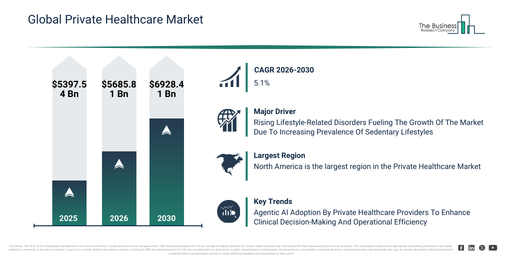
    The private healthcare market has experienced significant expansion in recent years. Its size is anticipated to grow from $5397.54 billion in 2025 to $5685.81 billion in 2026, exhibiting a compound annual growth rate (CAGR) of 5.3%. This historical development can be attributed to several factors, including the increasing reach of private health insurance, a heightened desire for prompt medical services, the widening scope of specialty healthcare offerings, an increase in medical tourism, and better access to private healthcare facilities.

    The private healthcare market size is projected to experience robust expansion over the coming years, with its valuation expected to reach $6928.41 billion by 2030, propelled by a compound annual growth rate (CAGR) of 5.1%. This projected growth throughout the forecast period stems from several factors, including the increasing integration of digital health technologies, a rising demand for personalized medicine offerings, the expansion of premium healthcare services, growing investments in private hospital infrastructure, and an increasing focus on value-based care models. Furthermore, significant trends anticipated during this period involve the broadening of personalized private healthcare services, a rising adoption of digital health platforms, an escalating demand for preventive and wellness care, the increasing use of advanced diagnostics, and an enhanced focus on patient experience and convenience.

    Access Your Free Sample Report for In-Depth Market Insights:

    https://www.thebusinessresearchcompany.com/sample.aspx?id=27398&type=smp

    Which Drivers Are Shaping Strategic Decisions In The Private Healthcare Market?

    The expanding prevalence of lifestyle-related disorders is projected to boost the private healthcare market’s development. These conditions largely stem from daily habits and choices, including unhealthy diets, lack of exercise, stress, and harmful addictions. Lifestyle-related disorders are increasing due to rising urbanization, which has led to more sedentary routines where extensive working hours and reduced physical activity contribute to poor health outcomes. Private healthcare offers benefits in managing these disorders by providing quicker access to specialized doctors and personalized treatment plans, which allows for early intervention and better long-term health results. For instance, in May 2024, according to the British Diabetic Association (Diabetes UK), a UK-based patient, healthcare professional, and research charity, around 4.4 million people in the UK were living with a diabetes diagnosis as of 2022-23. Among these instances, approximately 8% had type 1 diabetes, while type 2 diabetes represented about 90%. The remaining 2% involved other, less frequent forms of diabetes. Thus, the growing rates of lifestyle-related disorders are propelling the expansion of the private healthcare market.

    What Segment Classifications Make Up The Private Healthcare Market?

    The private healthcare market covered in this report is segmented –

    1) By Service Type: Primary Care, Specialty Care, Diagnostic Services, Surgical Procedures, Wellness Services

    2) By Consumer Preferences: Complementary Medicine, Personalized Medicine

    3) By Application: Trauma And Orthopedics, General Surgery, Oncology, Maternity And OB-Gyn, Cardiology, Urology

    4) By End User: International Tourists, Private Medical Insurance Referrals And Private Medical Insurance, Self-pay Individuals

    Subsegments:

    1) By Primary Care: General Practitioner Consultations, Family Medicine, Pediatrics, Geriatric Care, Preventive Health Screenings

    2) By Specialty Care: Cardiology, Oncology, Neurology, Orthopedics, Dermatology

    3) By Diagnostic Services: Laboratory Testing, Imaging Services, Pathology Services, Genetic Testing, Point-of-Care Diagnostics

    4) By Surgical Procedures: Minimally Invasive Surgery, Orthopedic Surgery, Cardiovascular Surgery, Cosmetic Or Plastic Surgery, Transplant Surgery

    5) By Wellness Services: Nutrition And Diet Counseling, Physical Therapy And Rehabilitation, Mental Health And Counseling, Fitness And Exercise Programs, Alternative And Complementary Therapies

    What Trends Are Driving The Growth Trajectory Of The Private Healthcare Market?

    Major companies in the private healthcare market are dedicating efforts to developing sophisticated solutions, such as agentic AI, to improve clinical decision-making, automate administrative tasks, and provide customized patient care, all while ensuring data privacy and regulatory adherence. Agentic AI is a form of artificial intelligence that possesses the ability to make decisions and initiate actions autonomously. For example, in April 2025, OneAdvanced, a UK-based leading provider of sector-focused SaaS software, introduced a private LLM specifically crafted for healthcare organizations to enable secure, role-based AI applications while protecting sensitive patient data. OneAdvanced’s private LLM for healthcare provides a fully encrypted, closed AI environment to safeguard confidential patient information. It incorporates sector-specific intelligence, retrieval-augmented generation, and agentic AI to bolster decision-making and automation. Furthermore, customizable workspaces allow for secure team collaboration while maintaining regulatory compliance.

    Which Key Players Are Driving Competition In The Private Healthcare Market?

    Major companies operating in the private healthcare market are HCA Healthcare, Fresenius Medical Care, Tenet Healthcare Corporation, Universal Health Services, Ramsay Health Care, Mediclinic International, Bupa, Apollo Hospitals, Manipal Hospitals, Thumbay Hospital, Spire Healthcare Group Plc, One Medical, Fortis Healthcare Limited, BMI Healthcare, Circle Health Group, Saudi German Health, The London Clinic Ltd., Pantai Holdings, Aspen Healthcare, Parkway Pantai Ltd., IHH Healthcare Berhad, NMC Healthcare

    Access The Complete Report For Deeper Market Insights:

    https://www.thebusinessresearchcompany.com/report/private-healthcare-global-market-report

    Which Region Is Projected To Lead The Private Healthcare Market During The Forecast Period?

    North America was the largest region in the private healthcare market in 2025. Asia-Pacific is expected to be the fastest-growing region in the forecast period. The regions covered in the private healthcare market report are Asia-Pacific, South East Asia, Western Europe, Eastern Europe, North America, South America, Middle East, Africa.

    Request Your Customized Private Healthcare Market Research Report for Competitive Advantage:

    https://www.thebusinessresearchcompany.com/customise?id=27398&type=smp

    Browse Through More Reports Similar to the Global Private Healthcare Market 2026, By The Business Research Company

    Home Improvement Services Market Report 2026

    https://www.thebusinessresearchcompany.com/report/home-improvement-services-global-market-report

    Property Management Market Report 2026

    https://www.thebusinessresearchcompany.com/report/property-management-global-market-report

    Services To Buildings And Dwellings Market Report 2026

    https://www.thebusinessresearchcompany.com/report/services-to-buildings-and-dwellings-global-market-report

    Get in touch with us:

    The Business Research Company: https://www.thebusinessresearchcompany.com/

    Americas +1 310-496-7795

    Asia +44 7882 955267 & +91 8897263534

    Europe +44 7882 955267

    Email us at info@tbrc.info

    Follow us on:

    LinkedIn: https://in.linkedin.com/company/the-business-research-company

    YouTube: https://www.youtube.com/channel/UC24_fI0rV8cR5DxlCpgmyFQ

    Global Market Model: https://www.thebusinessresearchcompany.com/global-market-model