Month: May 2026

  • Neurophotonics Global Forecast: Market to Scale Up to $3.27 Billion by 2030 at 11.3% CAGR

    Neurophotonics Global Forecast: Market to Scale Up to $3.27 Billion by 2030 at 11.3% CAGR

    Uncover key drivers, emerging technologies, and competitive movements shaping the neurophotonics market from 2026–2035 with trusted insights from The Business Research Company

    What is the estimated market size of the Neurophotonics Market by the end of 2030?

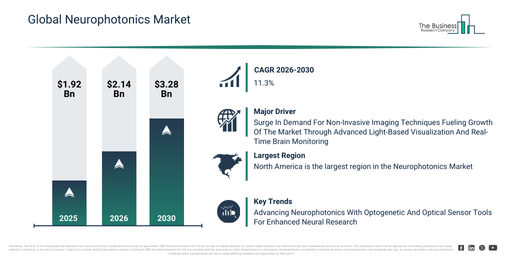
    The neurophotonics market has witnessed considerable expansion in recent years. Its value is projected to climb from $1.92 billion in 2025 to $2.14 billion in 2026, reflecting an 11.6% compound annual growth rate (CAGR). This historical growth can be ascribed to a surging demand for noninvasive neuroimaging, the escalating adoption of optical imaging in neuroscience research, the increasing prevalence of neurological disorders necessitating diagnostics, the expanding deployment of brain mapping technologies in academic institutions, and a growing influx of investment into biomedical photonics from government and private sector organizations.

    The neurophotonics market is projected to experience substantial expansion over the upcoming years. This market is set to reach a valuation of $3.28 billion by 2030, exhibiting a compound annual growth rate (CAGR) of 11.3%. Factors contributing to this growth include a heightened emphasis on the early diagnosis of mental health and neurodegenerative conditions, increased use of optical neuromodulation for therapeutic purposes, the expanding incorporation of artificial intelligence in neuroimaging data analysis, a surge in clinical trials utilizing photonic brain monitoring devices, and the greater commercial availability of sophisticated laser-based neurotechnology platforms. Key trends anticipated during this period encompass technological improvements in optical coherence and functional spectroscopy, novel developments in multimodal brain imaging systems, swift progress in noninvasive neural stimulation technologies, ongoing research and development in monitoring photonic brain signals, and the incorporation of cloud-based and real-time analytics for neuroscience data.

    Access Your Free Sample Report for In-Depth Market Insights:

    https://www.thebusinessresearchcompany.com/sample.aspx?id=30679&type=smp

    What Drivers Are Shaping Future Opportunities In The Neurophotonics Market?

    The increasing need for non-invasive imaging methods is anticipated to drive the expansion of the neurophotonics market in the future. These techniques involve visualizing internal neurological structures and activity without surgical intervention or body penetration, utilizing technologies like MRI, fMRI, EEG, MEG, and optical imaging. This heightened demand stems from growing requirements in neuroscience research for tools that are safer, repeatable, and offer high resolution for studying brain structure and function without posing risks to individuals. Neurophotonics addresses this need by offering sophisticated light-based imaging technologies, facilitating accurate visualization of neural circuits and real-time monitoring of brain activity. An example includes the development of the ultra-high-resolution Connectome 2.0 MRI scanner in 2023, as highlighted in July 2025 by the National Institutes of Health (NIH) BRAIN Initiative, a US government research program. Projections suggest that the market is expected to grow at a compound annual growth rate (CAGR) of approximately 10.7–11.2% from 2025 to 2033, reaching a market size of around USD 5.1 billion by 2033, driven by the wider clinical and research adoption of light-based neuroimaging. Consequently, the increasing requirement for non-invasive imaging techniques is fueling the expansion of the neurophotonics market.

    Which Segments Are Gaining Traction In The Neurophotonics Market?

    The neurophotonics market covered in this report is segmented –

    1) By Component: Devices And Equipment, Software And Data Analysis Platforms, Consumables And Accessories, Services

    2) By Technology: Optical Coherence Tomography, Laser Stimulation And Modulation Systems, Photoacoustic Imaging, Optogenetics, Fluorescence Imaging, Functional Near-Infrared Spectroscopy, Two-Photon Microscopy

    3) By Distribution Channel: Online Platforms, Distributors And Channel Partners, Direct Sales

    4) By Application: Research, Diagnostics, Therapeutics

    5) By End-User: Academic And Research Institutes, Hospitals And Clinics, Pharma And Biotech Companies

    Subsegments:

    1) By Devices And Equipment: Optical Neuroimaging Devices, Laser Stimulation Systems, Photonic Sensors, Fiber Optic Instruments, Imaging Accessories

    2) By Software And Data Analysis Platforms: Neuroimaging Data Analysis Software, Brain Mapping Software, Visualization Platforms, Signal Processing Software, Cloud Based Analytics Platforms

    3) By Consumables And Accessories: Optical Fibers, Imaging Reagents, Laser Safety Equipment, Photonic Consumables, Calibration Kits

    4) By Services: Training And Support Services, Research And Development Services, Clinical Consultation Services, Data Management Services

    What Trends Are Reshaping The Dynamics Of The Neurophotonics Market?

    Leading firms within the Neurophotonics market are concentrating their efforts on creating sophisticated tools, specifically optogenetic and optical sensor devices, with the aim of improving neural activity measurement, control, and fostering advancements in translational neuroscience research. These optogenetic and optical sensor instruments are defined as engineered light delivery systems and specialized optical sensors designed to stimulate and record neural activity with cellular precision, thereby offering crucial understanding of nervous system operation. An illustrative example occurred in September 2025, when the NIH Common Fund Venture Program provided grants through its Advancing Non Invasive Optical Imaging Approaches for Biological Systems initiative. This funding was allocated to facilitate the creation of real-time optical imaging systems, which possess the capability for deep tissue imaging and molecular contrast, encompassing techniques like synthetic wavelength imaging. Such government-backed programs are instrumental in enabling the development of cutting-edge neurophotonics tools that industry participants can then integrate and market for both research and clinical uses.

    Who Are The Primary Competitors In The Global Neurophotonics Market?

    Major companies operating in the neurophotonics market are Hitachi Ltd., Olympus Corporation, Coherent Corp., Bruker Corporation, HORIBA Ltd., Hamamatsu Photonics K.K., Leica Microsystems GmbH, Thorlabs Inc., Spectra-Physics, NeuroLight Technologies Ltd., Inscopix Inc., NeuroNexus Technologies Inc., Intelligent Imaging Innovations Inc., Femtonics Limited, NIRx Medical Technologies LLC, Hemophotonics S.L., Carl Zeiss AG, Artinis Medical Systems B.V., Plexon Inc., Vielight Inc., Nanoscope Technologies LLC, Neurophotometrics Ltd.

    Access The Complete Report For Deeper Market Insights:

    https://www.thebusinessresearchcompany.com/report/neurophotonics-market-report

    Which Global Regions Are Shaping The Competitive Landscape Of The Neurophotonics Market?

    North America was the largest region in the neurophotonics market in 2025. Asia-Pacific is expected to be the fastest-growing region in the forecast period. The regions covered in the neurophotonics market report are Asia-Pacific, South East Asia, Western Europe, Eastern Europe, North America, South America, Middle East, Africa.

    Request Your Customized Neurophotonics Market Research Report for Competitive Advantage:

    https://www.thebusinessresearchcompany.com/customise?id=30679&type=smp

    Browse Through More Reports Similar to the Global Neurophotonics Market 2026, By The Business Research Company

    Biophotonics Market Report 2026

    https://www.thebusinessresearchcompany.com/report/biophotonics-global-market-report

    Nanophotonics Market Report 2026

    https://www.thebusinessresearchcompany.com/report/nanophotonics-global-market-report

    neuroprosthetics global market report

    https://www.thebusinessresearchcompany.com/report/neuroprosthetics-global-market-report

    Get in touch with us:

    The Business Research Company: https://www.thebusinessresearchcompany.com/

    Americas +1 310-496-7795

    Asia +44 7882 955267 & +91 8897263534

    Europe +44 7882 955267

    Email us at marketing@tbrc.info

    Follow us on:

    LinkedIn: https://in.linkedin.com/company/the-business-research-company

    YouTube: https://www.youtube.com/channel/UC24_fI0rV8cR5DxlCpgmyFQ

    Global Market Model: https://www.thebusinessresearchcompany.com/global-market-model

  • Neuromuscular Disorders Market Future Outlook: Strong Growth Expected Toward $12.07 Billion by 2030

    Neuromuscular Disorders Market Future Outlook: Strong Growth Expected Toward $12.07 Billion by 2030

    Uncover key drivers, emerging technologies, and competitive movements shaping the neuromuscular disorders market from 2026–2035 with trusted insights from The Business Research Company

    What was the valuation of the Neuromuscular Disorders Market in 2026, and what figure is it projected to hit by 2030?

    The neuromuscular disorders market has seen robust expansion over recent years. It is anticipated to increase from $8.31 billion in 2025 to $8.98 billion in 2026, progressing at a compound annual growth rate (CAGR) of 8.0%. This historical growth can be attributed to several factors, including the increasing prevalence of genetic neuromuscular conditions, greater awareness leading to earlier diagnosis and treatment options, a growing demand for effective therapies for rare disorders, increasing research initiatives in conditions like muscular dystrophy and ALS, and the rising adoption of advanced diagnostic technologies.

    The neuromuscular disorders market size is anticipated to undergo significant expansion over the coming years. It is projected to achieve a valuation of $12.07 billion in 2030, driven by a compound annual growth rate (CAGR) of 7.7%. This growth during the forecast period is attributable to increasing patient advocacy and support group activities, the growing demand for biologics and gene therapies, enhanced recognition of neuromuscular disorders in pediatric contexts, a rise in government initiatives for managing rare diseases, and a heightened focus on home-based care and rehabilitation services. Prominent trends for the forecast period include advancements in gene-editing technologies for targeted therapies, innovations in RNA-based treatment platforms, the integration of AI for more rapid neuromuscular diagnosis, progress in stem-cell-based regenerative treatments, and breakthroughs in wearable devices for continuous patient monitoring.

    Access Your Free Sample Report for In-Depth Market Insights:

    https://www.thebusinessresearchcompany.com/sample.aspx?id=30678&type=smp

    Which Drivers Are Affecting Market Participation In The Neuromuscular Disorders Market?

    The anticipated expansion of the neuromuscular disorders market is linked to the increasing need for personalized medicine. This medical strategy focuses on customizing therapies for each patient, considering their genetic makeup, environmental influences, and lifestyle choices to enhance treatment efficacy and patient care. Advances in genomic technologies, which facilitate precise identification of genetic variations and the creation of bespoke treatments, are fueling the growing demand for personalized medicine. It significantly improves the management of neuromuscular disorders by adapting treatments according to unique genetic, molecular, and physiological profiles of patients, leading to better patient outcomes through targeted interventions, maximized effectiveness, and reduced side effects. A notable example is provided by the Personalized Medicine Coalition (PMC), a US-based nonprofit organization, stating that in February 2024, the U.S. Food and Drug Administration (FDA) gave its approval to 26 new personalized medicines in 2023, which marks a substantial rise from the 12 approved in 2022. Consequently, the heightened demand for personalized medicine is serving as a primary catalyst for the expansion of the neuromuscular disorders market.

    What Segment Categories Are Covered In The Neuromuscular Disorders Market?

    The neuromuscular disorders market covered in this report is segmented –

    1) By Disease Type: Spinal Muscular Atrophy (SMA), Amyotrophic Lateral Sclerosis (ALS), Duchenne Muscular Dystrophy (DMD), Myasthenia Gravis, Other Muscular Dystrophies

    2) By Product Type: Pharmaceuticals, Biologics, Diagnostic Tools, Assistive Devices

    3) By Route of Administration: Oral, Injectable, Other Route of Administrations

    4) By Treatment: Gene Therapy, Drug Therapy, RNA-Based Therapy, Enzyme Replacement Therapy, Physical Therapy And Rehabilitation, Respiratory Care

    Subsegments:

    1) By Spinal Muscular Atrophy: SMA Type 1, SMA Type 2, SMA Type 3, SMA Type 4, SMA with Respiratory Distress (SMARD)

    2) By Amyotrophic Lateral Sclerosis: Sporadic ALS, Familial ALS, Limb-Onset ALS, Bulbar-Onset ALS, Respiratory-Onset ALS

    3) By Duchenne Muscular Dystrophy: Early-Onset DMD, Late-Onset DMD, Exon Deletion Mutations, Exon Duplication Mutations, Point Mutations

    4) By Myasthenia Gravis: Generalized Myasthenia Gravis, Ocular Myasthenia Gravis, Seropositive MG, MuSK-Positive MG, Seronegative MG

    5) By Other Muscular Dystrophies: Becker Muscular Dystrophy (BMD), Limb-Girdle Muscular Dystrophy (LGMD), Facioscapulohumeral Muscular Dystrophy (FSHD), Congenital Muscular Dystrophies, Myotonic Dystrophy

    How Are New Market Trends Shaping The Landscape Of The Neuromuscular Disorders Market?

    Major companies operating in the neuromuscular disorders market are focusing on developing advanced treatments, such as gene replacement therapies, to address the underlying genetic causes of conditions like Duchenne muscular dystrophy and spinal muscular atrophy. Gene replacement therapy involves engineered biological products that deliver functional copies of defective genes to restore or improve muscle function in patients with inherited neuromuscular conditions, offering a potential one-time treatment that reduces the need for long-term chronic therapy. For instance, in November 2025, Novartis, a Switzerland-based pharmaceuticals company, received the US Food and Drug Administration (FDA) approval for Itvisma (onasemnogeneabeparvovec-brve), representing the first and only gene replacement therapy for the treatment of children two years of age and older, teens, and adults with spinal muscular atrophy (SMA) who have a confirmed mutation in the survival motor neurone 1 (SMN1) gene. This therapy is specifically designed to treat the genetic underlying cause of SMA with a single, fixed dosage that does not require body weight or age adjustments. Itvisma can enhance motor function by substituting the SMN1 gene, which may lessen the requirement for long-term medication used in conjunction with other current treatments for this population.

    Which Key Market Players Are Investing In Expansion And Innovation Within The Neuromuscular Disorders Market?

    Major companies operating in the neuromuscular disorders market are AbbVie Inc., Novartis AG, Takeda Pharmaceutical Company Limited, The Trustees of the University of Pennsylvania, Biogen Inc., Sarepta Therapeutics Inc., argenx SE, PTC Therapeutics Inc., Catalyst Pharmaceuticals Inc., Mayo Clinic Laboratories, Fulgent Genetics Inc., Dyne Therapeutics Inc., The Regents of the University of California, GeneDx LLC, PepGen Inc., Centogene N.V., Scholar Rock Holding Corporation, Solid Biosciences Inc., Vita Therapeutics Inc., NMD Pharma A/S, Cytokinetics Incorporated, Sudo Biosciences Inc.

    Access The Complete Report For Deeper Market Insights:

    https://www.thebusinessresearchcompany.com/report/neuromuscular-disorders-market-report

    Which Regions Are Poised For Strategic Growth In The Neuromuscular Disorders Market?

    North America was the largest region in the neuromuscular disorders market in 2025. Asia-Pacific is expected to be the fastest-growing region in the forecast period. The regions covered in the neuromuscular disorders market report are Asia-Pacific, South East Asia, Western Europe, Eastern Europe, North America, South America, Middle East, Africa.

    Request Your Customized Neuromuscular Disorders Market Research Report for Competitive Advantage:

    https://www.thebusinessresearchcompany.com/customise?id=30678&type=smp

    Browse Through More Reports Similar to the Global Neuromuscular Disorders Market 2026, By The Business Research Company

    Muscle Spasticity Market Report 2026

    https://www.thebusinessresearchcompany.com/report/muscle-spasticity-global-market-report

    Muscle Wasting Disorders Market Report 2026

    https://www.thebusinessresearchcompany.com/report/muscle-wasting-disorders-global-market-report

    neurological disorder drugs global market report

    https://www.thebusinessresearchcompany.com/report/neurological-disorder-drugs-global-market-report

    Get in touch with us:

    The Business Research Company: https://www.thebusinessresearchcompany.com/

    Americas +1 310-496-7795

    Asia +44 7882 955267 & +91 8897263534

    Europe +44 7882 955267

    Email us at marketing@tbrc.info

    Follow us on:

    LinkedIn: https://in.linkedin.com/company/the-business-research-company

    YouTube: https://www.youtube.com/channel/UC24_fI0rV8cR5DxlCpgmyFQ

    Global Market Model: https://www.thebusinessresearchcompany.com/global-market-model
  • Revenue of the Neurology Services Market Predicted to Achieve $3.92 Billion by 2030, Driven by 7.1% CAGR

    Revenue of the Neurology Services Market Predicted to Achieve $3.92 Billion by 2030, Driven by 7.1% CAGR

    Uncover key drivers, emerging technologies, and competitive movements shaping the neurology services market from 2026–2035 with trusted insights from The Business Research Company

    What are the forecasted starting (2026) and ending (2030) market sizes for the Neurology Services Market?

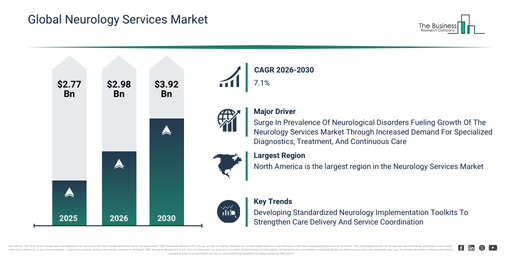
    The neurology services market has seen substantial expansion in recent years. Its valuation is anticipated to rise from $2.77 billion in 2025 to $2.98 billion in 2026, demonstrating a compound annual growth rate (CAGR) of 7.4%. This historical growth can be linked to factors such as the increasing occurrence of stroke and epilepsy, an expanding older population, progress in neuroimaging techniques, heightened healthcare expenditure, and the establishment of more specialized neurology clinics.

    The neurology services market is projected to experience substantial growth over the coming years. It is forecast to expand to $3.92 billion by 2030, demonstrating a compound annual growth rate (CAGR) of 7.1%. This anticipated expansion during the forecast period is primarily driven by factors such as the rising demand for tele-neurology services, the increasing prevalence of chronic neurological disorders, augmented investments in neuroscience research, the incorporation of artificial intelligence in neurological diagnostics, and the broadening of outpatient neurology services. Furthermore, significant trends expected to shape the market include the enhanced utilization of remote neurological monitoring, the integration of AI-powered decision support tools, an increasing inclination towards minimally invasive neurosurgical procedures, a heightened emphasis on personalized neurology care, and the enlargement of multidisciplinary neurorehabilitation programs.

    Access Your Free Sample Report for In-Depth Market Insights:

    https://www.thebusinessresearchcompany.com/sample.aspx?id=30677&type=smp

    What Drivers Are Supporting Technological Adoption In The Neurology Services Market?

    The increasing occurrence of neurological disorders is set to boost the expansion of the neurology services market. These conditions, which impact the brain, spinal cord, nerves, or muscles—including stroke, Alzheimer’s disease, epilepsy, migraine, and various other nervous system ailments—represent a primary global contributor to disability and health burden. The escalation in neurological conditions is attributable to an aging global populace and improved survival from chronic illnesses, necessitating long-term neurological care for a greater number of individuals. Neurology Services play a crucial role in public health by offering specialized diagnostic tools, sophisticated imaging, various therapeutic treatments, and ongoing patient monitoring for those suffering from neurological conditions. For example, data from October 2025 by the World Health Organization (WHO), a Switzerland-based health organization, indicated that over 3 billion people globally suffered from neurological conditions, impacting over 40 % of the world’s inhabitants. This highlights a significant disease burden and an urgent demand for broader specialized neurological care services across the globe. Consequently, the rising prevalence of neurological disorders is fueling the growth of the neurology services market.

    Which Segments Are Contributing To The Growth Of The Neurology Services Market?

    The neurology services market covered in this report is segmented –

    1) By Service: Diagnostic Service, Monitoring Service, Therapeutics Service, Surgical Service

    2) By Indication: Attention-deficit And Hyperactivity Disorder (ADHD), Mental Health, Stroke, Concussion, Dementia, Multiple Sclerosis, Psychotic Disorder, Other Neurological Diseases

    3) By Payment Model: Fee-For-Service, Value-Based Care And Bundled Payments, Capitation Models

    4) By End User: Hospitals And Specialty Clinics, Outpatient Neurology Centers, Rehabilitation Centers, Home Healthcare Services, Telemedicine Platforms

    Subsegments:

    1) By Diagnostic Service: Neurological Imaging, Electroencephalography Evaluation, Electromyography Assessment, Neurovascular Evaluation, Cognitive Function Testing, Neuropsychological Assessment

    2) By Monitoring Service: Neurological Intensive Care Monitoring, Intraoperative Neuromonitoring, Long-Term Epilepsy Monitoring, Neurophysiological Monitoring, Remote Neurological Monitoring

    3) By Therapeutics Service: Pharmacological Therapy, Physical Therapy, Occupational Therapy, Speech And Language Therapy, Behavioral Therapy, Cognitive Rehabilitation Therapy

    4) By Surgical Service: Minimally Invasive Neurosurgery, Functional Neurosurgery, Stereotactic Neurosurgery

    Which Trends Are Expected To Influence The Neurology Services Market In The Upcoming Years?

    Leading companies in the neurology services market are concentrating on developing consistent planning and execution resources, such as standardized comprehensive neurology toolkits, to fortify neurology care frameworks, enhance service coordination, and align national healthcare delivery with global neurological health targets. Standardized neurology implementation toolkits refer to structured guidance frameworks that support policymakers and healthcare planners in designing, prioritizing, and integrating neurological services across health systems, ensuring consistent diagnosis, treatment, and long-term care for neurological disorders. For instance, in July 2024, the World Health Organization (WHO), a Switzerland-based intergovernmental health organization, introduced a neurological disorders implementation toolkit to assist countries in improving diagnosis, treatment, and care provision as part of the Intersectoral Global Action Plan on Epilepsy and Other Neurological Disorders. This toolkit offers practical guidance on governance, service integration, workforce planning, and monitoring, empowering countries to systematically enhance national neurology services and strengthen health system responses to neurological conditions.

    Who Are The Core Companies Influencing Trends In The Neurology Services Market?

    Major companies operating in the neurology services market are HCA Healthcare Inc., Ascension Health plc, Mass General Brigham Inc., University of Pittsburgh Medical Center, Banner Health, Mayo Clinic, Ramsay Health Care Limited, NYU Langone Health, Cleveland Clinic Foundation, Mount Sinai Health System, Johns Hopkins University School of Medicine, UCLA Health, Cedars-Sinai Medical Center, Teladoc Health Inc., Stanford Health Care, Apollo Hospitals Enterprise Limited, Fortis Healthcare Limited, Narayana Health Limited, Aster DM Healthcare Limited, American Well Corporation, Manipal Health Enterprises, The Walton Centre NHS Foundation, Barrow Neurological Institute, NeuroSpine Group

    Access The Complete Report For Deeper Market Insights:

    https://www.thebusinessresearchcompany.com/report/neurology-services-market-report

    Which Regions Are Projected To Dominate The Neurology Services Market In The Coming Years?

    North America was the largest region in the neurology services market in 2025. Asia-Pacific is expected to be the fastest-growing region in the forecast period. The regions covered in the neurology services market report are Asia-Pacific, South East Asia, Western Europe, Eastern Europe, North America, South America, Middle East, Africa.

    Request Your Customized Neurology Services Market Research Report for Competitive Advantage:

    https://www.thebusinessresearchcompany.com/customise?id=30677&type=smp

    Browse Through More Reports Similar to the Global Neurology Services Market 2026, By The Business Research Company

    Nephrologists Market Report 2020 2030 Covid 19 Implications And Growth 2026

    https://www.thebusinessresearchcompany.com/report/nephrologists-market-global-report-2020-2030-covid-19-implications-and-growth

    Neurology Monitoring Market Report 2026

    https://www.thebusinessresearchcompany.com/report/neurology-monitoring-global-market-report

    interventional oncology devices global market report

    https://www.thebusinessresearchcompany.com/report/interventional-oncology-devices-global-market-report

    Get in touch with us:

    The Business Research Company: https://www.thebusinessresearchcompany.com/

    Americas +1 310-496-7795

    Asia +44 7882 955267 & +91 8897263534

    Europe +44 7882 955267

    Email us at marketing@tbrc.info

    Follow us on:

    LinkedIn: https://in.linkedin.com/company/the-business-research-company

    YouTube: https://www.youtube.com/channel/UC24_fI0rV8cR5DxlCpgmyFQ

    Global Market Model: https://www.thebusinessresearchcompany.com/global-market-model
  • Neuro Immunoassay Sector Forecast Shows Robust Momentum, Climbing to $4.27 Billion With 8.2% CAGR

    Neuro Immunoassay Sector Forecast Shows Robust Momentum, Climbing to $4.27 Billion With 8.2% CAGR

    Uncover key drivers, emerging technologies, and competitive movements shaping the neuro immunoassay market from 2026–2035 with trusted insights from The Business Research Company

    What upper market value could the Neuro Immunoassay Market reach by 2030 starting from 2026 levels?

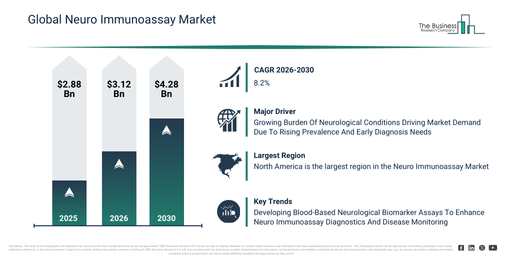
    The market size for neuro immunoassay (NIA) has demonstrated strong expansion in recent years. It is anticipated to increase from $2.88 billion in 2025 to $3.12 billion in 2026, reflecting a compound annual growth rate (CAGR) of 8.5%. This historic market expansion is primarily due to several factors: a heightened demand for sensitive neurological diagnostic methods, the increasing integration of immunoassay techniques into neuroscience research, the growing occurrence of neurodegenerative conditions, the proliferation of clinical and research laboratories, and an intensified focus on early disease detection and ongoing monitoring.

    The neuro immunoassay (NIA) market is anticipated to experience substantial expansion over the coming years. This market is projected to reach **$4.28 billion in 2030, exhibiting a compound annual growth rate (CAGR) of 8.2%**. This projected increase during the forecast period can be attributed to several factors, including the increasing integration of neuro immunoassay (NIA) with artificial intelligence (AI) for data analysis, growing investments in biomarker discovery, the expanding use of personalized medicine and therapeutic monitoring, the proliferation of high-throughput screening platforms, and a heightened demand for automated and accurate immunoassay systems. Key developments expected during this period involve technological innovations enhancing assay sensitivity and specificity, progress in AI-powered data interpretation, advancements in multiplexed and lab-on-a-chip immunoassay systems, intensified research and development efforts in identifying neuro biomarkers, and novel integrated and automated neurodiagnostic platforms.

    Access Your Free Sample Report for In-Depth Market Insights:

    https://www.thebusinessresearchcompany.com/sample.aspx?id=30676&type=smp

    Which Drivers Are Influencing Long-Term Growth In The Neuro Immunoassay Market?

    The future expansion of the neuro immunoassay market is anticipated to be driven by the rising occurrence of neurological disorders. These disorders are medical conditions impacting the brain, spinal cord, and nerves, which interferes with typical nervous system operations, causing deficits in movement, thought processes, sensory perception, conduct, or general bodily regulation. The growing incidence of neurological conditions stems from unhealthy lifestyle choices, such as inadequate nutrition, lack of physical activity, smoking, heavy drinking, and persistent stress. Neuro immunoassays facilitate the identification of particular biomarkers within the nervous system, thereby aiding in the timely diagnosis and precise treatment of individuals with neurological conditions. As an illustration, data from April 2024 released by the National Institutes of Health (NIH), a US government entity, indicates that approximately 6.9 million Americans aged 65 and above are presently suffering from Alzheimer’s dementia, a number expected to almost double to 13.8 million by 2060. Consequently, the escalating occurrence of neurological conditions is a key factor propelling the neuro immunoassay market.

    How Is The Neuro Immunoassay Market Divided Into Segments?

    The neuro immunoassay market covered in this report is segmented –

    1) By Product Type: Reagents And Kits, Analyzers

    2) By Technology: Radioimmunoassays (RIA), Polymerase Chain Reaction (PCR), Enzyme-Linked Immunosorbent Assay (ELISA), Western Blot, Rapid Tests, Enzyme-Linked Immunospot Assay (ELISPOT)

    3) By Analyte Or Biomarker Type: Amyloid-Beta (Aß), Tau Protein (p-Tau), Alpha-Synuclein (a-syn), Neurofilament Light Chain (NfL), Autoantibodies, Cytokines, Glial Fibrillary Acidic Protein (GFAP), Neuron-Specific Enolase (NSE), Ubiquitin C-Terminal Hydrolase L1 (UCH-L1), Brain-Derived Neurotrophic Factor (BDNF)

    4) By Application: Alzheimer’s Disease, Parkinson’s Disease (PD), Huntington’s Disease, Amyotrophic Lateral Sclerosis (ALS), Spinal Muscular Atrophy (SMA)

    5) By End-User: Hospitals, Clinics, Academic Organizations, Biopharmaceutical Companies, Pharmaceutical Companies, Other End-Users

    Subsegments:

    1) By Reagents And Kits: Enzyme Linked Immunosorbent Assay Reagents, Western Blotting Kits, Multiplex Assay Kits

    2) By Analyzers: Automated Immunoassay Analysers, Point Of Care Immunoassay Analysers, High Throughput Immunoassay Analysers

    What Trends Are Driving The Growth Trajectory Of The Neuro Immunoassay Market?

    Leading companies in the neuro immunoassay market are concentrating on developing sophisticated solutions, such as blood-based neurological biomarker assays, to enhance disease monitoring, improve prognostic accuracy, and support clinical decision-making in neurological disorders. Blood-based neurological biomarker assays refer to tests that quantify specific proteins, including Neurofilament Light Chain (NfL), in human serum or plasma to assess neuronal injury and disease activity. For example, in June 2024, Siemens Healthineers, a Germany-based in vitro diagnostics company, secured CE marking for its Neurofilament Light Chain blood test, which is designed for operation on the Atellica IM Analyzer and ADVIA Centaur systems. This test measures NfL levels to assist in predicting the risk of neuronal injury in adults with relapsing multiple sclerosis, serving as an adjunct to clinical, imaging, and laboratory assessments, and the CE mark signifies adherence to European In Vitro Diagnostic Regulations, thereby expanding access to standardized neuro immunoassay diagnostics across European laboratories.

    Which Major Industry Participants Are Leading The Neuro Immunoassay Market Growth?

    Major companies operating in the neuro immunoassay market are Thermo Fisher Scientific Inc., Merck KGaA, Bio-Rad Laboratories Inc., GenScript Biotech Corporation, Abcam plc, BioLegend Inc., Meso Scale Diagnostics LLC, Sino Biological Inc., Quanterix Corporation, Cusabio Technology LLC, OriGene Technologies Inc., Elabscience Biotechnology Inc., RayBiotech Life Inc., Enzo Life Sciences Inc., Rockland Immunochemicals Inc., Assay Genie Ltd., Novus Biologicals LLC, Creative Diagnostics, MyBioSource Inc., Immuno-Biological Laboratories Co. Ltd., Boster Biological Technology, Cloud-Clone Corp., FineTest Biotech Inc., Abbexa Ltd.

    Access The Complete Report For Deeper Market Insights:

    https://www.thebusinessresearchcompany.com/report/neuro-immunoassay-market-report

    Which Region Is Expected To Experience The Fastest Growth In The Neuro Immunoassay Market?

    North America was the largest region in the neuro immunoassay (NIA) market in 2025. Asia-Pacific is expected to be the fastest-growing region in the forecast period. The regions covered in the neuro immunoassay market report are Asia-Pacific, South East Asia, Western Europe, Eastern Europe, North America, South America, Middle East, Africa.

    Request Your Customized Neuro Immunoassay Market Research Report for Competitive Advantage:

    https://www.thebusinessresearchcompany.com/customise?id=30676&type=smp

    Browse Through More Reports Similar to the Global Neuro Immunoassay Market 2026, By The Business Research Company

    Immunoassay Market Report 2026

    https://www.thebusinessresearchcompany.com/report/immunoassay-global-market-report

    Immunohematology Market Report 2026

    https://www.thebusinessresearchcompany.com/report/immunohematology-global-market-report

    immunomodulator global market report

    https://www.thebusinessresearchcompany.com/report/immunomodulator-global-market-report

    Get in touch with us:

    The Business Research Company: https://www.thebusinessresearchcompany.com/

    Americas +1 310-496-7795

    Asia +44 7882 955267 & +91 8897263534

    Europe +44 7882 955267

    Email us at marketing@tbrc.info

    Follow us on:

    LinkedIn: https://in.linkedin.com/company/the-business-research-company

    YouTube: https://www.youtube.com/channel/UC24_fI0rV8cR5DxlCpgmyFQ

    Global Market Model: https://www.thebusinessresearchcompany.com/global-market-model

  • Neural Processing Units (NPUs) Market Anticipated to Record Steady Gains, Advancing to $15.05 Billion by 2030

    Neural Processing Units (NPUs) Market Anticipated to Record Steady Gains, Advancing to $15.05 Billion by 2030

    Uncover key drivers, emerging technologies, and competitive movements shaping the neural processing units (npus) market from 2026–2035 with trusted insights from The Business Research Company

    What level of CAGR-driven expansion is anticipated in the Neural Processing Units (NPUs) Market between 2026 and 2030?

    The neural processing unit (NPU) market size has demonstrated significant growth in recent years. It will grow from $5.01 billion in 2025 to $6.25 billion in 2026 at a compound annual growth rate (CAGR) of 24.9%. The market’s past expansion is a result of the rising integration of artificial intelligence (AI)-enabled devices, increasing demand for on-device neural computing capabilities, wider deployment of edge artificial intelligence (AI) applications, greater utilization of deep learning workloads, and the growing need for low-power, high-performance processors.

    The neural processing unit (NPU) market is projected to experience substantial growth over the coming years. It is forecast to reach $15.06 billion in 2030, demonstrating a compound annual growth rate (CAGR) of 24.6%. This expansion during the projection period stems from factors such as the increasing integration of neural processing units (NPUs) into smartphones and wearables, the wider uptake of autonomous and artificial intelligence (AI)-powered systems, the heightened need for real-time inference processing, the broader implementation of intelligent edge infrastructure, and a stronger focus on energy-efficient artificial intelligence (AI) accelerators. Key trends anticipated during the forecast span include technological progress in heterogeneous artificial intelligence (AI) architectures, breakthroughs in low-power neural acceleration, advancements in chiplet-based neural processing unit (NPU) designs, ongoing research and development in sophisticated artificial intelligence (AI) model optimization, and progress in on-device learning and federated artificial intelligence (AI) systems.

    Access Your Free Sample Report for In-Depth Market Insights:

    https://www.thebusinessresearchcompany.com/sample.aspx?id=30675&type=smp

    What Drivers Are Affecting Demand-Supply Dynamics In The Neural Processing Units (NPUs) Market?

    The rising use of smartphones is anticipated to stimulate the expansion of the neural processing units (NPUs) market moving forward. Smartphones are defined as advanced mobile devices that offer internet connectivity, application functionality, and live communication. The increase in smartphone utilization is attributed to the rapid proliferation of mobile internet connectivity, which allows consumers to access online platforms and shop globally at any time and from any location. Smartphone usage enhances neural processing units (NPUs) by generating demand for quicker, more efficient on-device AI computation. This improves performance and user experience by enabling real-time processing for tasks such as image recognition, natural language understanding, and augmented reality applications. For instance, in November 2024, data from Eurostat, the official statistical office of the European Union (EU) based in Luxembourg, showed that roughly 89% of EU residents aged 16–74 in cities used their smartphones to access the internet in 2023, compared with 86% in towns and suburbs and 82% in rural areas. Consequently, the increasing penetration of smartphones is fueling the growth of the neural processing units (NPUs) market.

    What Segments Are Included Within The Neural Processing Units (NPUs) Market?

    The neural processing units (npus) market covered in this report is segmented –

    1) By Type: Standalone Neural Processing Units (NPUs), Integrated Neural Processing Units (NPUs)

    2) By Technology: Deep Learning, Machine Learning, Natural Language Processing, Other Technologies

    3) By Form Factor: Embedded Neural Processing Units (NPUs), Discrete Neural Processing Units (NPUs), Cloud-based Neural Processing Units (NPUs)

    4) By Application: Natural Language Processing, Computer Vision, Robotics, Autonomous Vehicles, Healthcare and Diagnostics

    5) By End-User: Consumer Electronics, Automotive, Healthcare, Information Technology (IT) and Telecommunications, Other End-Users

    Subsegments:

    1) By Standalone Neural Processing Units (NPUs): High Performance Neural Compute Modules, Dedicated Artificial Intelligence Acceleration Units, Edge Deployment Processing Systems, Independent Neural Inference Engines, Customizable Artificial Intelligence Hardware Platforms

    2) By Integrated Neural Processing Units (NPUs): System on Chip Embedded Neural Modules, Processor Integrated Artificial Intelligence Cores, Mobile Device Neural Acceleration Units, Multi Function Computing Chipsets, Hybrid Processing and Neural Optimization Engines

    What Upcoming Trends Are Likely To Define The Future Path Of The Neural Processing Units (NPUs) Market?

    Leading companies within the neural processing units (NPUs) market are concentrating on developing advanced products, such as on-device NPUs, to enable real-time artificial intelligence processing directly on end-user devices. On-device NPUs refer to neural processing units integrated directly into hardware like smartphones, laptops, and IoT devices to execute AI workloads locally, resulting in faster, lower-power, and more private AI operations. For instance, in October 2023, Qualcomm Technologies Inc., a US-based semiconductor company, unveiled the Snapdragon 8 Gen 3 mobile platform. This platform features an upgraded Hexagon NPU, delivering up to 98% faster AI performance and around 40% better performance-per-watt compared to its predecessor, and it supports on-device generative AI and advanced camera AI pipelines for real-time inference. This launch represents a significant technological stride by extending high-efficiency neural processing capabilities to mainstream mobile and edge platforms, effectively merging on-device intelligence with energy-optimized performance. It provides a scalable, efficient solution for delivering responsive AI experiences while reducing dependence on cloud infrastructure.

    Who Are The Prominent Global Companies Shaping The Neural Processing Units (NPUs) Market Landscape?

    Major companies operating in the neural processing units (npus) market are Amazon.com Inc., Apple Inc., Google LLC, Samsung Electronics Co. Ltd., Huawei Technologies Co. Ltd., NVIDIA Corporation, Intel Corporation, Qualcomm Incorporated, Advanced Micro Devices Inc., Baidu Inc., MediaTek Inc., Synopsys Inc., Cadence Design Systems Inc., Arm Ltd., VeriSilicon Holdings Co. Ltd., BrainChip Holdings Ltd., Cambricon Technologies Corporation, Cerebras Systems Inc., Mythic Inc., SiMa.ai Inc., Kneron Inc., Syntiant Corp., Horizon Robotics Inc., Graphcore Ltd., Blaize Inc.

    Access The Complete Report For Deeper Market Insights:

    https://www.thebusinessresearchcompany.com/report/neural-processing-units-npus-market-report

    Which Geographic Areas Are Emerging As Strong Markets For The Neural Processing Units (NPUs) Market?

    North America was the largest region in the neural processing unit (NPU) market in 2025. Asia-Pacific is expected to be the fastest-growing region in the forecast period. The regions covered in the neural processing units (npus) market report are Asia-Pacific, South East Asia, Western Europe, Eastern Europe, North America, South America, Middle East, Africa.

    Request Your Customized Neural Processing Units (NPUs) Market Research Report for Competitive Advantage:

    https://www.thebusinessresearchcompany.com/customise?id=30675&type=smp

    Browse Through More Reports Similar to the Global Neural Processing Units (NPUs) Market 2026, By The Business Research Company

    Vision Processing Unit Market Report 2026

    https://www.thebusinessresearchcompany.com/report/vision-processing-unit-global-market-report

    Neural Network Software Market Report 2026

    https://www.thebusinessresearchcompany.com/report/neural-network-software-global-market-report

    neuronavigation systems global market report

    https://www.thebusinessresearchcompany.com/report/neuronavigation-systems-global-market-report

    Get in touch with us:

    The Business Research Company: https://www.thebusinessresearchcompany.com/

    Americas +1 310-496-7795

    Asia +44 7882 955267 & +91 8897263534

    Europe +44 7882 955267

    Email us at marketing@tbrc.info

    Follow us on:

    LinkedIn: https://in.linkedin.com/company/the-business-research-company

    YouTube: https://www.youtube.com/channel/UC24_fI0rV8cR5DxlCpgmyFQ

    Global Market Model: https://www.thebusinessresearchcompany.com/global-market-model

  • Network Application Programming Interface (API) Industry Poised for Rapid Growth, Forecast to Touch $17.63 Billion by 2030 at 50.6% CAGR

    Network Application Programming Interface (API) Industry Poised for Rapid Growth, Forecast to Touch $17.63 Billion by 2030 at 50.6% CAGR

    Uncover key drivers, emerging technologies, and competitive movements shaping the network application programming interface (api) market from 2026–2035 with trusted insights from The Business Research Company

    What long-term size projections exist for the Network Application Programming Interface (API) Market covering 2026–2035?

    The network application programming interface (API) market has witnessed significant expansion in recent years. This market is set to expand from $2.27 billion in 2025 to $3.43 billion in 2026, achieving a compound annual growth rate (CAGR) of 50.9%. Historically, this growth can be ascribed to the increasing adoption of cloud computing, the emergence of mobile and web applications, the broadening of digital transformation initiatives, a greater demand for system interoperability, and the increasing utilization of microservices architecture.

    The network application programming interface (API) market is poised for significant expansion in the coming years. It is projected to achieve a value of $17.63 billion by 2030, exhibiting a compound annual growth rate (CAGR) of 50.6%. This anticipated growth can be attributed to several factors, including the increasing adoption of fifth-generation (5G) and edge computing, a rising demand for real-time data exchange, the growing integration of artificial intelligence (AI) and automation, the evolution of application programming interface monetization models, and the expanding embrace of open banking and open data frameworks. During this forecast period, prominent trends are expected to include API-first development approaches, an intensified focus on application programming interface security, the rapid emergence of low-code and no-code API tools, the diversification of industry-specific APIs, and the broader utilization of unified application programming interface management platforms.

    Access Your Free Sample Report for In-Depth Market Insights:

    https://www.thebusinessresearchcompany.com/sample.aspx?id=30673&type=smp

    Which Drivers Are Impacting The Competitive Landscape Of The Network Application Programming Interface (API) Market?

    The widespread integration of cloud and dispersed network setups is anticipated to fuel expansion in the network API market in the future. These systems define computing environments where resources like servers, storage, and applications function across numerous internet-accessible remote data centers, diverging from singular local infrastructures. The growing embrace of such systems stems from the demand for continuously available, scalable infrastructure capable of providing low-latency performance and accommodating expanding data and application demands. Network APIs facilitate cloud and distributed network systems by offering interfaces that allow developers and various systems to interact with, automate, and administer cloud networking services. For example, in September 2024, Cloud Institute, a US-based organization specializing in cloud training and advice, reported that companies were projected to invest 678.8 billion dollars in public cloud services in 2024, showing a 20.4 percent increase from 2023. Concurrently, worldwide cloud infrastructure expenditures were anticipated to exceed 1 trillion dollars during the identical timeframe. Consequently, the expanding use of cloud-based and distributed network systems is stimulating the expansion of the network API market.

    What Leading Segments Are Studied In The Network Application Programming Interface (API) Market?

    The network application programming interface (api) market covered in this report is segmented –

    1) By Application Programming Interface Type: Open Application Programming Interfaces, Internal Application Programming Interfaces, Partner Application Programming Interfaces, Composite Application Programming Interfaces, Streaming Application Programming Interfaces

    2) By Deployment Model: Cloud-Based Application Programming Interfaces, On-Premise Application Programming Interfaces, Hybrid Application Programming Interfaces

    3) By Communication Protocol: Representational State Transfer Application Programming Interfaces, Simple Object Access Protocol Application Programming Interfaces, Graph Query Language Application Programming Interfaces, Google Remote Procedure Call Application Programming Interfaces, WebSocket Application Programming Interfaces

    4) By Organization Size: Large Enterprises, Small And Medium Enterprises

    5) By Industry Vertical: Information Technology And Telecommunications, Banking, Financial Services And Insurance, Healthcare, Retail And E-Commerce, Manufacturing, Transportation And Logistics, Media And Entertainment

    Subsegments:

    1) By Open Application Programming Interfaces: Access Control, Documentation Management, Rate Limiting, Developer Portal Services, Usage Analytics

    2) By Internal Application Programming Interfaces: System Integration, Data Synchronization, Workflow Automation, Security And Authentication, Internal Monitoring

    3) By Partner Application Programming Interfaces: Third-Party Integration, Revenue Sharing, Partner Onboarding Tools, Transaction Management, Service Level Management

    4) By Composite Application Programming Interfaces: Aggregated Data Services, Multi-Service Orchestration, Cross-Platform Integration, Unified Endpoint Management, Request Routing

    5) By Streaming Application Programming Interfaces: Event Streaming, Real-Time Analytics, Push Notification Services, Internet Of Things Device Streaming, Low-Latency Data Processing

    Which Trends Are Shaping Activity Within The Network Application Programming Interface (API) Market?

    Companies prominent in the network application programming interface (API) market are concentrating on creating sophisticated technologies like network API aggregation platforms to streamline connections, enhance interoperability, and simplify application development. A network API aggregation platform functions as a centralized interface that consolidates multiple network APIs into a single system, giving developers access to various network services, efficient connection management, and reduced integration complexity. For example, in October 2025, Proximus Global, a Belgium-based digital communications firm, introduced Konera, its network API aggregation platform. Konera empowers developers and businesses to effortlessly link to diverse network services through a unified API interface, thus speeding up integration, improving service flexibility, and supporting inventive fintech and enterprise applications. By centralizing network API access, the platform lowers technical demands and allows for quicker deployment of interconnected solutions across multiple environments.

    Which Key Players Are Driving Competition In The Network Application Programming Interface (API) Market?

    Major companies operating in the network application programming interface (api) market are Verizon Communications Inc., AT&T Inc., Deutsche Telekom AG, T-Mobile US Inc., China Telecom Corporation Limited, Cisco Systems Inc., Orange S.A., Vodafone Group Plc, SoftBank Group Corp., América Móvil S.A.B. de C.V., Telefónica S.A., Telefonaktiebolaget LM Ericsson, Nokia Corporation, KT Corporation, Reliance Industries Limited, Swisscom AG, Rogers Communications Inc., PT Telkom Indonesia (Persero) Tbk, Telia Company AB, Chunghwa Telecom Co. Ltd., Telecom Italia S.p.A., Axiata Group Berhad, Twilio Inc.

    Access The Complete Report For Deeper Market Insights:

    https://www.thebusinessresearchcompany.com/report/network-application-programming-interface-api-market-report

    Which Region Is Projected To Lead The Network Application Programming Interface (API) Market During The Forecast Period?

    North America was the largest region in the network application programming interface(API) market in 2025. Asia-Pacific is expected to be the fastest-growing region in the forecast period. The regions covered in the network application programming interface (api) market report are Asia-Pacific, South East Asia, Western Europe, Eastern Europe, North America, South America, Middle East, Africa.

    Request Your Customized Network Application Programming Interface (API) Market Research Report for Competitive Advantage:

    https://www.thebusinessresearchcompany.com/customise?id=30673&type=smp

    Browse Through More Reports Similar to the Global Network Application Programming Interface (API) Market 2026, By The Business Research Company

    Application Programming Interface Api Security Market Report 2026

    https://www.thebusinessresearchcompany.com/report/application-programming-interface-api-security-global-market-report

    Application Delivery Network Market Report 2026

    https://www.thebusinessresearchcompany.com/report/application-delivery-network-global-market-report

    network automation global market report

    https://www.thebusinessresearchcompany.com/report/network-automation-global-market-report

    Get in touch with us:

    The Business Research Company: https://www.thebusinessresearchcompany.com/

    Americas +1 310-496-7795

    Asia +44 7882 955267 & +91 8897263534

    Europe +44 7882 955267

    Email us at marketing@tbrc.info

    Follow us on:

    LinkedIn: https://in.linkedin.com/company/the-business-research-company

    YouTube: https://www.youtube.com/channel/UC24_fI0rV8cR5DxlCpgmyFQ

    Global Market Model: https://www.thebusinessresearchcompany.com/global-market-model
  • Neonatal Radiant Warmer Market Performance Outlook 2026–2030: Revenue to Hit $0.87 Billion at 7.5% CAGR

    Neonatal Radiant Warmer Market Performance Outlook 2026–2030: Revenue to Hit $0.87 Billion at 7.5% CAGR

    Uncover key drivers, emerging technologies, and competitive movements shaping the neonatal radiant warmer market from 2026–2035 with trusted insights from The Business Research Company

    What total market size is anticipated for the Neonatal Radiant Warmer Market in 2030?

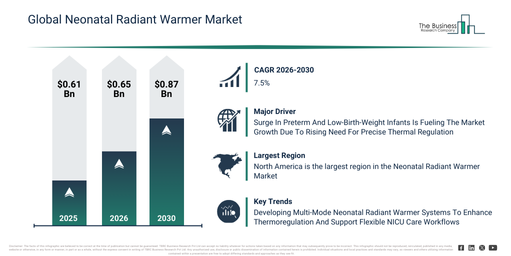
    The neonatal radiant warmer market has demonstrated significant expansion in recent years. Its value is anticipated to increase from $0.61 billion in 2025 to $0.65 billion in 2026, reflecting a compound annual growth rate (CAGR) of 7.7%. This historical growth can be linked to factors such as elevated neonatal mortality rates, a rising incidence of preterm births, enhanced understanding of neonatal hypothermia management, expanded maternal and child healthcare initiatives, and a greater number of hospital deliveries in urban settings.

    The neonatal radiant warmer market is projected to experience robust expansion over the coming years. By 2030, this market is anticipated to reach $0.87 billion, demonstrating a compound annual growth rate (CAGR) of 7.5%. This forecasted growth is largely driven by a global rise in preterm birth rates, increased investments directed towards neonatal intensive care units, escalating healthcare spending within developing nations, the broadening of hospital infrastructure and birthing facilities, and a heightened understanding of advanced neonatal thermal care solutions. Significant trends during this period are expected to encompass technological progress in radiant warmer temperature regulation, new developments in integrated monitoring and sensor technologies, the creation of energy-efficient neonatal warmers, ongoing research and development into intelligent and automated warming solutions, and improvements in the design of portable and compact radiant warmers.

    Access Your Free Sample Report for In-Depth Market Insights:

    https://www.thebusinessresearchcompany.com/sample.aspx?id=30671&type=smp

    What Drivers Are Influencing Production Trends In The Neonatal Radiant Warmer Market?

    The escalating need for accurate thermal management in premature and low-birth-weight infants is projected to drive the expansion of the neonatal radiant warmer market moving forward. Accurate thermal management involves the clinical necessity of maintaining a newborn’s body temperature within a safe range, especially for infants born early or with low birth weight who lack adequate physiological thermoregulation. This heightened demand for precise thermal regulation in premature and low-birth-weight infants results from the increasing occurrence of preterm deliveries, which are often caused by maternal health complications, advanced maternal age, and higher rates of multiple pregnancies. Neonatal radiant warmers assist precise thermal regulation in premature and low-birth-weight infants by supplying controlled, consistent heat to ensure stable body temperature. They enhance neonatal outcomes by averting hypothermia and bolstering vital physiological functions during critical initial care. For instance, in August 2024, as per the Centers for Disease Control and Prevention, a US-based national public health agency, the proportion of infants born preterm showed minimal change, from 10.38% in 2022 to 10.41% in 2023, while the proportion of infants born early term saw a 2% increase, from 29.31% in 2022 to 29.84% in 2023. Thus, the growing demand for precise thermal regulation in premature and low-birth-weight infants is propelling the growth of the neonatal radiant warmer market.

    Which Segment Groups Are Influencing The Neonatal Radiant Warmer Market?

    The neonatal radiant warmer market covered in this report is segmented –

    1) By Product Type: Conventional Radiant Warmers, Intensive Care Radiant Warmers, Transportable Radiant Warmers, Phototherapy Radiant Warmers

    2) By Component: Heating Units, Control Panels, Ultraviolet Lamps, Temperature Sensors

    3) By Technology: Infrared Technology, Contact Heating Systems, Integrated Heating Systems, Smart Technologies For Temperature Control

    4) By End-User: Hospitals, Clinics, Ambulatory Surgical Centers, Other End-Users

    Subsegments:

    1) By Conventional Radiant Warmers: Basic Radiant Warmers, Servo-Controlled Warmers, Open-Bed Warmers, Height-Adjustable Warmers, Standard Hospital-Grade Warmers

    2) By Intensive Care Radiant Warmers: Advanced neonatal ICU warmers, Integrated monitoring warmers, Warmers with ventilator compatibility, High-acuity thermal management warmers, Warmers with built-in resuscitation units

    3) By Transportable Radiant Warmers: Portable Emergency Transport Warmers, Ambulance-Compatible Warmers, Battery-Powered Mobile Warmers, Lightweight Intra-Hospital Transport Warmers, Foldable Or Compact Transport Warmers

    4) By Phototherapy Radiant Warmers: LED Phototherapy Warmers, Dual-Function Radiant Warmer And Phototherapy Units, UV-Based Phototherapy Warmers, Fiber-Optic Phototherapy Warmers, Jaundice Treatment Phototherapy Warmers

    Which Trends Are Influencing The Development Of The Neonatal Radiant Warmer Market?

    Leading companies in the neonatal radiant warmer market are concentrating on developing advanced systems, such as multi-mode radiant warmer systems. These systems are designed to support open care, closed care, and transport, while synchronizing heat sources to maintain optimal neonatal temperature. Multi-mode radiant warmer systems are technologies that provide stable thermoregulation, enable rapid clinical access, and facilitate the safe handling of newborns across various care settings. For instance, in March 2024, Drägerwerk AG, a Germany-based acute care and neonatal equipment provider, introduced the Babyleo TN500 IncuWarmer. This sophisticated thermoregulation system combines convective heating, multi-mode radiant warming, and a heated mattress to maintain stable body temperature, while also offering quick access for clinical staff throughout NICU workflows. This launch signifies a substantial technological advancement by integrating multi-mode warming and incubator functions, thereby connecting traditional neonatal care with flexible, workflow-efficient solutions, and equipping clinicians with a scalable, efficient system for better neonatal outcomes.

    Who Are The Top-Performing Companies In The Neonatal Radiant Warmer Market In Recent Years?

    Major companies operating in the neonatal radiant warmer market are Koninklijke Philips N.V., General Electric (GE) Healthcare, Drägerwerk AG & Co. KGaA (Dräger), Natus Medical Incorporated, Heal Force Bio-Medical Engineering, Shenzhen Comen Medical Instruments Co. Ltd., Comen Medical Instruments Co. Ltd., Advent International LP, Okuman Medikal Sistemler Anonim Sirketi, Ningbo David Medical Device Co. Ltd., Fanem Indústria e Comércio Ltd., IndoSurgicals Private Limited, Löwenstein Medical GmbH & Co. KG, Zhengzhou Dison Instrument and Meter Co. Ltd., Phoenix Medical Systems Pvt. Ltd., Procare Medical Furnishings, Atom Medical International Co. Ltd., Weyer GmbH, Western Surgical, Anhui Weemed Medical Co. Ltd.

    Access The Complete Report For Deeper Market Insights:

    https://www.thebusinessresearchcompany.com/report/neonatal-radiant-warmer-market-report

    Which Region Currently Holds The Largest Share Of The Neonatal Radiant Warmer Market?

    North America was the largest region in the neonatal radiant warmer market in 2025. Asia-Pacific is expected to be the fastest-growing region in the forecast period. The regions covered in the neonatal radiant warmer market report are Asia-Pacific, South East Asia, Western Europe, Eastern Europe, North America, South America, Middle East, Africa.

    Request Your Customized Neonatal Radiant Warmer Market Research Report for Competitive Advantage:

    https://www.thebusinessresearchcompany.com/customise?id=30671&type=smp

    Browse Through More Reports Similar to the Global Neonatal Radiant Warmer Market 2026, By The Business Research Company

    Cold Insulation Market Report 2026

    https://www.thebusinessresearchcompany.com/report/cold-insulation-global-market-report

    Heating Pad Market Report 2026

    https://www.thebusinessresearchcompany.com/report/heating-pad-global-market-report

    neonatal infant care global market report

    https://www.thebusinessresearchcompany.com/report/neonatal-infant-care-global-market-report

    Get in touch with us:

    The Business Research Company: https://www.thebusinessresearchcompany.com/

    Americas +1 310-496-7795

    Asia +44 7882 955267 & +91 8897263534

    Europe +44 7882 955267

    Email us at marketing@tbrc.info

    Follow us on:

    LinkedIn: https://in.linkedin.com/company/the-business-research-company

    YouTube: https://www.youtube.com/channel/UC24_fI0rV8cR5DxlCpgmyFQ

    Global Market Model: https://www.thebusinessresearchcompany.com/global-market-model

  • Global Neonatal Intensive Care Respiratory Devices Market Set for Strong Expansion, Reaching $4.34 Billion With 10.7% CAGR by 2030

    Global Neonatal Intensive Care Respiratory Devices Market Set for Strong Expansion, Reaching $4.34 Billion With 10.7% CAGR by 2030

    Uncover key drivers, emerging technologies, and competitive movements shaping the neonatal intensive care respiratory devices market from 2026–2035 with trusted insights from The Business Research Company

    What is the expected shift in the Neonatal Intensive Care Respiratory Devices Market’s size between 2026 and 2030?

    The market for neonatal intensive care respiratory devices has experienced swift expansion recently. This market is projected to expand from $2.61 billion in 2025 to $2.89 billion in 2026, demonstrating a compound annual growth rate (CAGR) of 11.0%. Historically, this expansion has stemmed from factors such as a greater occurrence of preterm births, an escalating need for sophisticated respiratory aid for newborns, enhanced understanding of health issues in neonates, wider deployment of ventilators within NICUs, a global increase in neonatal intensive care units, expanded application of non-invasive respiratory methods, increased funding in neonatal healthcare infrastructure, a higher incidence of respiratory conditions in newborns, the broader accessibility of advanced technological equipment, and a heightened emphasis on boosting survival rates for neonates.

    The neonatal intensive care respiratory devices market size is forecasted to experience substantial growth in the upcoming years. It is predicted to expand to $4.35 billion in 2030, achieving a compound annual growth rate (CAGR) of 10.7%. This projected expansion is driven by a wider embrace of non-invasive respiratory technologies, a heightened demand for advanced NICU respiratory equipment, increased investments in neonatal critical care, the pressing need for enhanced neonatal survival outcomes, rising awareness concerning preterm birth complications, greater healthcare spending on infant care, expanded deployment of automated respiratory monitoring, continuous technological improvements in neonatal devices, a stronger focus on early intervention respiratory support, and a growing preference for safe and effective ventilation systems. Prominent trends throughout this period include advancements in non-invasive neonatal ventilation, progress in compact and portable respiratory devices, developments in automated respiratory monitoring, innovations in neonatal oxygen delivery systems, breakthroughs in AI-assisted ventilation tools, novelties in high-flow nasal cannula devices, the integration of smart monitoring sensors, connectivity with real-time NICU data platforms, the inclusion of tele-neonatology capabilities, and enhancements in hybrid ventilation technologies.

    Access Your Free Sample Report for In-Depth Market Insights:

    https://www.thebusinessresearchcompany.com/sample.aspx?id=30670&type=smp

    Which Drivers Are Shaping Strategic Decisions In The Neonatal Intensive Care Respiratory Devices Market?

    The rising occurrence of neonatal respiratory complications is anticipated to fuel the expansion of the neonatal intensive care respiratory devices market. These complications are breathing issues in newborns, including conditions like respiratory distress syndrome and transient tachypnea, which affect lung function soon after birth and are a primary contributor to neonatal sickness and fatalities. The surge in these complications stems from increased prematurity rates and more complex medical conditions at birth, necessitating intensive respiratory support for a greater number of infants. Neonatal intensive care respiratory devices address these complications by facilitating assisted ventilation, accurate oxygen delivery, and ongoing respiratory monitoring, which helps healthcare professionals stabilize infants and enhance survival rates. For example, in October 2024, data from the Royal College of Paediatrics and Child Health, a UK-based professional medical body, indicated that the percentage of infants experiencing bronchopulmonary dysplasia or death differed geographically, from 32.6% in the East of England to 46.8% in the Northern Operational Delivery Network, with specific neonatal units showing rates between 0% and 61.7% for units caring for at least 10 eligible babies. Consequently, the growing prevalence of neonatal respiratory complications is propelling the growth of the neonatal intensive care respiratory devices market.

    What Segment Classifications Make Up The Neonatal Intensive Care Respiratory Devices Market?

    The neonatal intensive care respiratory devices market covered in this report is segmented –

    1) By Product Type: Ventilators, Continuous Positive Airway Pressure (CPAP) Devices, Oxygen Delivery Devices, Inhalers, Humidifiers, Others Product Types

    2) By Modality: Invasive Ventilation, Non-Invasive Ventilation, Combined Or Hybrid Systems

    3) By Gestational Age: Extremely Preterm (<28 Weeks), Very Preterm (28–32 Weeks), Moderate To Late Preterm (32–37 Weeks), Full Term With Respiratory Conditions

    4) By End User: Hospitals, Neonatal Clinics, Ambulatory Surgical Centers, Others End User

    Subsegments:

    1) By Ventilators: Invasive Mechanical Ventilators, Non-Invasive Ventilators, Portable Ventilators, Intensive Care Unit (ICU) Ventilators, Emergency Or Transport Ventilators

    2) By Continuous Positive Airway Pressure (CPAP) Devices: Fixed-Pressure CPAP Devices, Auto-Adjusting (APAP) CPAP Devices, Bi-Level Positive Airway Pressure (BiPAP) Devices, Portable Or Home CPAP Devices, Hospital Or Clinical CPAP Devices

    3) By Oxygen Delivery Devices: Oxygen Concentrators, Oxygen Cylinders Or Tanks, Oxygen Masks, Nasal Cannulas, Portable Oxygen Systems

    4) By Inhalers: Metered Dose Inhalers (MDI), Dry Powder Inhalers (DPI), Soft Mist Inhalers (SMI), Nebulizer Inhalers, Combination Drug Inhalers

    5) By Humidifiers: Ultrasonic Humidifiers, Evaporative Humidifiers, Steam Vaporizers, Impeller Humidifiers, Hospital-Grade Respiratory Humidifiers

    6) By Others Product Types: Nebulizers (Standalone), Suction Devices, Respiratory Monitors, Airway Clearance Devices, Tracheostomy Care Devices

    Which Leading Companies Dominate The Neonatal Intensive Care Respiratory Devices Market Share?

    Major companies operating in the neonatal intensive care respiratory devices market are Medtronic plc, Koninklijke Philips N.V., GE Healthcare Technologies Inc., Becton, Dickinson and Company (BD), ResMed Inc., Drägerwerk AG & Co. KGaA, Getinge AB, Smiths Group plc, Teleflex Incorporated, Masimo Corporation, Fisher & Paykel Healthcare Limited, Comen Medical, Hamilton Medical AG, GaleMed Corporation, Heyer Medical AG, Inspiration Healthcare Group plc, Mercury Medical, Trudell Medical International Co., Atom Medical International Co. Ltd., Airon Corporation, Lowenstein Medical Technology GmbH

    Access The Complete Report For Deeper Market Insights:

    https://www.thebusinessresearchcompany.com/report/neonatal-intensive-care-respiratory-devices-market-report

    How Does The Neonatal Intensive Care Respiratory Devices Market Perform Across Major Global Regions?

    North America was the largest region in the neonatal intensive care respiratory devices market in 2025. Asia-Pacific is expected to be the fastest-growing region in the forecast period. The regions covered in the neonatal intensive care respiratory devices market report are Asia-Pacific, South East Asia, Western Europe, Eastern Europe, North America, South America, Middle East, Africa.

    Request Your Customized Neonatal Intensive Care Respiratory Devices Market Research Report for Competitive Advantage:

    https://www.thebusinessresearchcompany.com/customise?id=30670&type=smp

    Browse Through More Reports Similar to the Global Neonatal Intensive Care Respiratory Devices Market 2026, By The Business Research Company

    Neonatal Intensive Care Units Nicu Catheters Market Report 2026

    https://www.thebusinessresearchcompany.com/report/neonatal-intensive-care-units-nicu-catheters-global-market-report

    Fetal And Neonatal Monitoring Devices Market Report 2026

    https://www.thebusinessresearchcompany.com/report/fetal-and-neonatal-monitoring-devices-global-market-report

    respiratory devices and equipment therapeutic and diagnostic global market report

    https://www.thebusinessresearchcompany.com/report/respiratory-devices-and-equipment-therapeutic-and-diagnostic-global-market-report

    Get in touch with us:

    The Business Research Company: https://www.thebusinessresearchcompany.com/

    Americas +1 310-496-7795

    Asia +44 7882 955267 & +91 8897263534

    Europe +44 7882 955267

    Email us at marketing@tbrc.info

    Follow us on:

    LinkedIn: https://in.linkedin.com/company/the-business-research-company

    YouTube: https://www.youtube.com/channel/UC24_fI0rV8cR5DxlCpgmyFQ

    Global Market Model: https://www.thebusinessresearchcompany.com/global-market-model

  • Natural Leaf Alcohol Market Growth Projection: Expected to Surpass $0.72 Billion by 2030 at 8.3% CAGR

    Natural Leaf Alcohol Market Growth Projection: Expected to Surpass $0.72 Billion by 2030 at 8.3% CAGR

    Uncover key drivers, emerging technologies, and competitive movements shaping the natural leaf alcohol market from 2026–2035 with trusted insights from The Business Research Company

    What growth pattern is forecast for the Natural Leaf Alcohol Market size between 2026 and 2035?

    The natural leaf alcohol market has shown robust expansion in recent years. This market is projected to grow from $0.48 billion in 2025 to $0.52 billion in 2026, achieving a compound annual growth rate (CAGR) of 8.6%. Historically, this growth can be ascribed to an escalating demand for natural and organic ingredients, increased incorporation into fragrance and personal care products, expanded usage in food and beverage flavoring, the development of cosmetic and pharmaceutical applications, and a heightened awareness regarding health and wellness.

    The natural leaf alcohol market is anticipated to experience substantial expansion over the upcoming years. This market is projected to reach $0.72 billion by 2030, demonstrating a compound annual growth rate (CAGR) of 8.3%. Factors contributing to this growth during the forecast timeframe include greater industrial uptake in cleaning and household items, heightened investment in research and development, an increase in disposable income within developing economies, the widening of e-commerce and distribution networks, and a heightened emphasis on sustainable and environmentally friendly products. Key trends anticipated during this period encompass technological progress in extraction and distillation, breakthroughs in high-purity and specialized leaf alcohols, the evolution of sustainable and eco-conscious production techniques, ongoing research and development for novel applications, and enhancements in packaging and quality assurance technology.

    Access Your Free Sample Report for In-Depth Market Insights:

    https://www.thebusinessresearchcompany.com/sample.aspx?id=30669&type=smp

    Which Drivers Are Impacting Market Performance In The Natural Leaf Alcohol Market?

    The growing consumer demand for natural and organic components is projected to boost the expansion of the natural leaf alcohol market in the future. This increasing preference indicates that a larger portion of buyers opt for items crafted from plant-based, minimally processed constituents, consciously avoiding synthetic additives due to health and product clarity considerations. The surge in demand for natural and organic ingredients is evident as extensive surveys highlight consumers actively prioritizing organic content when selecting personal care and wellness products, thereby reflecting a stronger need for recognizable natural elements. Natural leaf alcohol supports this trend by being plant-derived and meeting the natural and organic ingredient standards that consumers specifically look for. For instance, in April 2025, data from the Organic Trade Association, a US-based membership organization for the organic industry, revealed that U.S. sales of certified organic products accelerated in 2024 with an annual growth rate of 5.2%, which was more than double that of the overall marketplace growing at 2.5% in the same period. Consequently, the escalating consumer preference for natural and organic ingredients is propelling the growth of the natural leaf alcohol market. The increasing consumer inclination towards clean-label ingredients is anticipated to drive the natural leaf alcohol market’s growth moving forward. Clean-label ingredients refer to food and beverage elements that are minimally processed, natural, and devoid of artificial additives, preservatives, and chemicals, aligning with consumers’ desire for openness and healthier options. This rise in preference for clean-label ingredients stems from heightened health awareness and a greater demand for natural and sustainable products. Natural leaf alcohol supports clean-label ingredients by providing a plant-derived, minimally processed component utilized in food, beverages, and nutraceuticals, thus meeting clean-label requirements while delivering functional advantages. For instance, in July 2025, according to the Consumer Brands Association, a US-based trade association, 90% of American adults are aware of the Facts Up Front label, with 79% consulting it prior to purchasing new products. Additionally, 78% believe it effectively conveys a product’s healthfulness, 76% consider it provides the appropriate amount of information, and 72% find it user-friendly. Therefore, the growing consumer preference for clean-label ingredients is fueling the expansion of the natural leaf alcohol market.

    What Segment Types Are Examined In The Natural Leaf Alcohol Market?

    The natural leaf alcohol market covered in this report is segmented –

    1) By Product Type: Herbal Leaf Alcohol, Mint Leaf Alcohol, Lemon Leaf Alcohol, Other Plant-Based Leaf Alcohol

    2) By Process: Fermentation, Distillation, Extraction And Purification

    3) By Quality Testing: Compliance Testing, Sensory Evaluation, Purity Analysis, Shelf-Life Studies

    4) By Logistics And Distribution: Raw Material Procurement, Warehousing And Storage, Transportation Management, Inventory Control

    5) By Application: Fragrance And Perfumes, Cosmetics And Personal Care, Food And Beverages, Pharmaceuticals, Household And Cleaning Products

    Subsegments:

    1) By Herbal Leaf Alcohol: Basil Leaf Alcohol, Sage Leaf Alcohol, Thyme Leaf Alcohol, Rosemary Leaf Alcohol

    2) By Mint Leaf Alcohol: Peppermint Leaf Alcohol, Spearmint Leaf Alcohol, Cornmint Leaf Alcohol, Wild Mint Leaf Alcohol

    3) By Lemon Leaf Alcohol: Lemon Balm Leaf Alcohol, Lemon Verbena Leaf Alcohol, Kaffir Lime Leaf Alcohol, Other Citrus Leaf Alcohol

    4) By Other Plant-Based Leaf Alcohol: Tea Leaf Alcohol, Violet Leaf Alcohol, Eucalyptus Leaf Alcohol, Other Exotic Leaf Alcohol

    Who Are The Major Companies Operating In The Natural Leaf Alcohol Market?

    Major companies operating in the natural leaf alcohol market are Kerry Group plc, Givaudan SA, Symrise AG, Dohler Group SE, Zeon Corporation, Takasago International Corporation, Robertet Group S.A, Bell Flavour And Fragrances Inc., Sensient Technologies Corporation, Natural Leaf Alcohol, Fleurchem Inc., Jinan Finer Chemical Co. Ltd., Thermochem Industries, Natural Aroma Products Pvt. Ltd., Kelvin Natural Mint Pvt. Ltd., Bioway (Xi’an) Organic Ingredients Co. Ltd., Dalian Handom Chemicals Co. Ltd., Huadai Chemical Co. Ltd., Utkarsh Aroma Chemicals, Veda Oils Pvt. Ltd.

    Access The Complete Report For Deeper Market Insights:

    https://www.thebusinessresearchcompany.com/report/natural-leaf-alcohol-market-report

    Which Region Is Anticipated To See The Fastest Growth In The Natural Leaf Alcohol Market?

    North America was the largest region in the natural leaf alcohol market in 2025. Asia-Pacific is expected to be the fastest-growing region in the forecast period. The regions covered in the natural leaf alcohol market report are Asia-Pacific, South East Asia, Western Europe, Eastern Europe, North America, South America, Middle East, Africa.

    Request Your Customized Natural Leaf Alcohol Market Research Report for Competitive Advantage:

    https://www.thebusinessresearchcompany.com/customise?id=30669&type=smp

    Browse Through More Reports Similar to the Global Natural Leaf Alcohol Market 2026, By The Business Research Company

    Coniferyl Alcohol Market Report 2026

    https://www.thebusinessresearchcompany.com/report/coniferyl-alcohol-global-market-report

    Ethyl Alcohol Market Report 2026

    https://www.thebusinessresearchcompany.com/report/ethyl-alcohol-global-market-report

    plant based beverages global market report

    https://www.thebusinessresearchcompany.com/report/plant-based-beverages-global-market-report

    Get in touch with us:

    The Business Research Company: https://www.thebusinessresearchcompany.com/

    Americas +1 310-496-7795

    Asia +44 7882 955267 & +91 8897263534

    Europe +44 7882 955267

    Email us at marketing@tbrc.info

    Follow us on:

    LinkedIn: https://in.linkedin.com/company/the-business-research-company

    YouTube: https://www.youtube.com/channel/UC24_fI0rV8cR5DxlCpgmyFQ

    Global Market Model: https://www.thebusinessresearchcompany.com/global-market-model
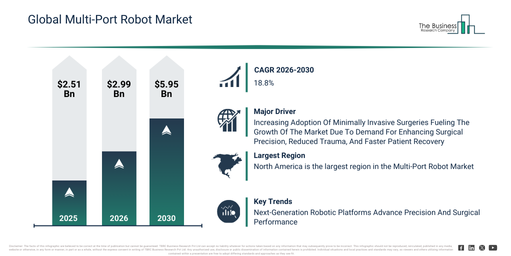
  • Multi-Port Robot Market Forecast 2026–2035: How to Leverage Market Growth

    Multi-Port Robot Market Forecast 2026–2035: How to Leverage Market Growth

    Uncover key drivers, emerging technologies, and competitive movements shaping the multi-port robot market from 2026–2035 with trusted insights from The Business Research Company

    How much larger will the Multi-Port Robot Market be in 2030 compared with 2026?

    The multi-port robot market has experienced rapid growth in recent years. This market is projected to expand from $2.51 billion in 2025 to $2.99 billion in 2026, indicating a compound annual growth rate (CAGR) of 19.1%. Historically, this expansion has been driven by the increasing adoption of minimally invasive procedures, a rising demand for high-precision surgical tools, growing investments in healthcare infrastructure, the expansion of robotic-assisted surgery programs, and improved availability of advanced imaging components.

    The multi-port robot market is anticipated to experience significant expansion in the coming years. This market is projected to reach $5.95 billion by 2030, exhibiting a compound annual growth rate (CAGR) of 18.8%. This forecasted growth is attributable to several factors, including the increasing incorporation of AI-enabled robotic control, a surge in the deployment of multi-port surgical systems, heightened demand for robotic instruments and accessories, the broadening scope of medical and industrial automation uses, and an increased emphasis on mobile and adaptable robotic platforms. Key trends expected during this period involve technological progress in multi-arm coordination, breakthroughs in imaging and visualization systems, the evolution of cloud-based robotic software, ongoing research and development in user-friendly robotic interfaces, and improvements in autonomous assistance technologies.

    Access Your Free Sample Report for In-Depth Market Insights:

    https://www.thebusinessresearchcompany.com/sample.aspx?id=30666&type=smp

    What Drivers Are Guiding Growth Patterns In The Multi-Port Robot Market?

    The multi-port robot market is anticipated to expand primarily due to the increasing acceptance of minimally invasive surgeries. These surgical procedures, characterized by small incisions or a single entry point, significantly lessen patient trauma, shorten recovery periods, and reduce complication risks. The growing preference for minimally invasive surgeries stems from hospitals and patients prioritizing quicker recovery times, diminished postoperative pain, reduced risk of complications, and minimal scarring, contrasting with traditional open surgeries. Multi-port robots enhance these minimally invasive operations by offering superior dexterity, precision, and control via multiple instrument access points. They contribute to better surgical outcomes by enabling intricate procedures with smaller incisions, less tissue damage, and accelerated patient recovery. For instance, in January 2025, Intuitive Surgical Inc., a US-based medical technology firm, reported that worldwide da Vinci procedures, a type of minimally invasive robotic-assisted surgery, saw growth of approximately 18% in the fourth quarter of 2024 compared to the fourth quarter of 2023. Furthermore, full year 2024 procedures increased by approximately 17% over 2023, and the company forecasts a rise of approximately 13% to 16% in worldwide da Vinci procedures for 2025 relative to 2024. Thus, the escalating adoption of minimally invasive and single-port surgeries is a key driver for the growth of the multi-port robot market.

    Which Segments Are Driving Activity In The Multi-Port Robot Market?

    The multi-port robot market covered in this report is segmented –

    1) By Product Type: Multi-Port Robotic Surgical Systems, Accessories And Instruments, System Services And Maintenance

    2) By Technology: Fully Automated Multi-Port Robots, Semi-Automated Multi-Port Robots, AI-Enabled Multi-Port Surgical Platforms, Teleoperated Multi-Port Robotic Systems

    3) By Application: General Surgery, Gynecological Surgery, Urological Surgery, Cardiothoracic Surgery, Orthopedic Surgery, Neurosurgery, Others

    4) By End-User: Hospitals, Ambulatory Surgical Centers, Specialty Surgical Centers, Academic And Research Institutions

    Subsegments:

    1) By Multi-Port Robotic Surgical Systems: Laparoscopic Multi-Port Surgical Systems, Thoracoscopic Multi-Port Surgical Systems, Robotic-Assisted General Surgery Systems, Robotic-Assisted Endoscopic Surgery Systems, Robotic-Assisted Specialty Surgery Systems

    2) By Accessories And Instruments: Robotic Surgical Arms, Endoscopic Visualization Instruments, Robotic Energy Devices, Suturing And Stapling Instruments, Robotic Surgical Consumables

    3) By System Services And Maintenance: Installation And Integration Services, Preventive Maintenance Services, Software Upgrade Services, Technical Support Services, Training And Education Services

    What Trends Are Projected To Support The Growth Of The Multi-Port Robot Market?

    Leading enterprises within the multi-port surgical robot market are prioritizing the creation of sophisticated robotic systems, specifically next-generation robotic platforms, with the goal of elevating surgical exactitude, streamlining operational efficiency, and broadening clinical applications across various medical fields. These innovative multi-port robotic platforms represent technologies designed to refine surgical accuracy, deliver immediate procedural information, and facilitate intricate workflows across diverse surgical procedures. A notable example is Intuitive Surgical, a US-based medical technology firm, which obtained CE clearance in July 2025 for the introduction of its da Vinci 5 Surgical System, a next-generation robotic platform, in the United States. This particular system integrates over 150 unique design advancements, features improved data analytics to achieve superior procedural results, and boasts an architectural framework engineered for broadened clinical applications. Furthermore, the da Vinci 5 secured CE marking for its expanded clinical deployment in Europe in 2025, thereby facilitating its more widespread integration across healthcare institutions. The unveiling of this system marks a substantial technological leap, as it combines high-precision robotic support with data-centric surgical methodologies, effectively connecting conventional surgical practices with cutting-edge robotic platforms, and equipping surgeons with an adaptable, effective tool for superior procedural execution.

    Which Major Firms Are Strengthening Their Position In The Multi-Port Robot Market?

    Major companies operating in the multi-port robot market are Johnson & Johnson, Hanwha Group, ABB Ltd., Medtronic plc, Stryker Corporation, Intuitive Surgical Inc., Avatera Medical GmbH, CMR Surgical Ltd., Flexiv Ltd., Distalmotion SA, RobotLAB Inc., Shanghai MicroPort MedBot (Group) Co. Ltd., WEGO Medical Holdings Ltd., Asensus Surgical Inc., Microsure BV, Medicaroid Corporation, Sudhir Srivastava Innovations Pvt. Ltd., Riverfield Inc., Beijing Surgerii Robotics Co. Ltd., Shenzhen Jingfeng Medical Technology Co. Ltd.

    Access The Complete Report For Deeper Market Insights:

    https://www.thebusinessresearchcompany.com/report/multi-port-robot-market-report

    Which Region Shows The Strongest Potential For Future Expansion In The Multi-Port Robot Market?

    North America was the largest region in the multi-port robot market in 2025. Asia-Pacific is expected to be the fastest-growing region in the forecast period. The regions covered in the multi-port robot market report are Asia-Pacific, South East Asia, Western Europe, Eastern Europe, North America, South America, Middle East, Africa.

    Request Your Customized Multi-Port Robot Market Research Report for Competitive Advantage:

    https://www.thebusinessresearchcompany.com/customise?id=30666&type=smp

    Browse Through More Reports Similar to the Global Multi-Port Robot Market 2026, By The Business Research Company

    Mobile Robots Market Report 2026

    https://www.thebusinessresearchcompany.com/report/mobile-robots-global-market-report

    Industrial Robots Warehousing And Storage Robots Market Report 2026

    https://www.thebusinessresearchcompany.com/report/industrial-robots-warehousing-and-storage-robots-global-market-report

    road logistics global market report

    https://www.thebusinessresearchcompany.com/report/road-logistics-global-market-report

    Get in touch with us:

    The Business Research Company: https://www.thebusinessresearchcompany.com/

    Americas +1 310-496-7795

    Asia +44 7882 955267 & +91 8897263534

    Europe +44 7882 955267

    Email us at marketing@tbrc.info

    Follow us on:

    LinkedIn: https://in.linkedin.com/company/the-business-research-company

    YouTube: https://www.youtube.com/channel/UC24_fI0rV8cR5DxlCpgmyFQ

    Global Market Model: https://www.thebusinessresearchcompany.com/global-market-model