Month: May 2026

  • Global Molecular Biology Automatic Analyzer Market 2026–2030: Forecast Insights for Business Planning

    Global Molecular Biology Automatic Analyzer Market 2026–2030: Forecast Insights for Business Planning

    Uncover key drivers, emerging technologies, and competitive movements shaping the molecular biology automatic analyzer market from 2026–2035 with trusted insights from The Business Research Company

    Starting from its 2026 valuation, what market size is the Molecular Biology Automatic Analyzer Market expected to reach by 2030?

    The molecular biology automatic analyzer market has demonstrated substantial growth in recent years. It is projected to expand from $2.56 billion in 2025 to $2.79 billion in 2026, at a compound annual growth rate (CAGR) of 9.1%. Historically, this growth has been attributed to several key factors, including the increasing adoption of automated lab equipment, the growing demand for molecular diagnostics, rising investment in genomic research, the expansion of biotechnology research centers, and the increasing prevalence of chronic and infectious diseases.

    The molecular biology automatic analyzer market is set for significant expansion over the next few years, with projections indicating it will reach $3.91 billion by 2030, exhibiting a compound annual growth rate (CAGR) of 8.8%. This anticipated increase during the forecast period is fueled by a growing emphasis on personalized medicine, the increasing integration of artificial intelligence and robotics in laboratories, a rising demand for high-throughput sequencing, the extension of molecular diagnostics into emerging markets, and augmented investment in cell and gene therapy development. Key trends observed in this period include technological progress in automation and AI, innovations in high-throughput molecular analysis, advancements in multi-omics research, ongoing research and development in gene editing technologies, and improvements in sample preparation and assay accuracy.

    Access Your Free Sample Report for In-Depth Market Insights:

    https://www.thebusinessresearchcompany.com/sample.aspx?id=30664&type=smp

    What Drivers Are Driving Adoption Within The Molecular Biology Automatic Analyzer Market?

    The expanding occurrence of infectious diseases is anticipated to boost the expansion of the molecular biology automatic analyzer market in the future. Infectious diseases are defined as ailments resulting from detrimental microorganisms like bacteria, viruses, fungi, or parasites, which penetrate the body and reproduce, causing symptoms and health issues. The surge in these diseases is fueled by more frequent international travel, which facilitates the rapid dissemination of pathogens across different countries and communities. Molecular biology automatic analyzers assist in diagnosing infectious diseases through their ability to quickly detect and precisely quantify pathogens at their genetic level. These analyzers enhance patient health results by allowing for prompt, accurate, and effective identification of infections, leading to early intervention. As an illustration, the UK Health Security Agency, a government body in the UK, reported in February 2024 that instances of tuberculosis (a communicable bacterial infection primarily impacting the lungs) in England climbed to 4,850 in 2023, representing a 10.7% rise from 4,380 cases recorded in 2022. Consequently, the growing frequency of infectious diseases is stimulating the expansion of the molecular biology automatic analyzer market.

    How Is The Molecular Biology Automatic Analyzer Market Organized Into Various Segments?

    The molecular biology automatic analyzer market covered in this report is segmented –

    1) By Product Type: Real-Time PCR Systems, Next-Generation Sequencing Systems, Automated Nucleic Acid Extraction Systems, Microarray Analysis Systems, Integrated Sample-To-Answer Molecular Analyzers

    2) By Technology: Optical Technologies, Mass Spectrometry, Microfluidics Technology, Isothermal Nucleic Acid Amplification, Digital PCR Technology

    3) By Throughput And Scale: High-Throughput Systems, Mid-Throughput Systems, Low-Throughput Systems

    4) By Application: Genetic Research, Clinical Diagnostics, Infectious Disease Testing, Oncology And Precision Medicine, Pharmacogenomics, Forensic And Environmental Testing

    5) By End-User: Hospitals And Diagnostic Laboratories, Academic And Research Institutions, Biotechnology And Pharmaceutical Companies, Contract Research Organizations, Public Health Laboratories

    Subsegments:

    1) By Real-Time PCR Systems: Quantitative Polymerase Chain Reaction Instruments, Digital Polymerase Chain Reaction Instruments, High Throughput Polymerase Chain Reaction Platforms, Portable Polymerase Chain Reaction Devices, Multiplex Polymerase Chain Reaction Systems

    2) By Next-Generation Sequencing Systems: Whole Genome Sequencing Platforms, Whole Exome Sequencing Platforms, Targeted Gene Sequencing Platforms, Single Cell Sequencing Systems, Long Read Sequencing Instruments

    3) By Automated Nucleic Acid Extraction Systems: Magnetic Bead Based Extraction Instruments, Cartridge Based Extraction Systems, Automated Liquid Handling Extraction Platforms, High Throughput Extraction Workstations, Portable Nucleic Acid Extraction Devices

    4) By Microarray Analysis Systems: Deoxyribonucleic Acid Microarray Platforms, Ribonucleic Acid Expression Microarray Systems, Protein Microarray Platforms, Single Nucleotide Polymorphism Genotyping Microarrays, High Density Microarray Scanners

    5) By Integrated Sample-To-Answer Molecular Analyzers: Cartridge Based Sample To Result Systems, Fully Automated Point Of Care Molecular Platforms, Closed Tube Integrated Analysis Systems, High Throughput Sample To Answer Workstations, Portable Integrated Molecular Diagnostic Devices

    Which Trends Are Influencing The Performance And Direction Of The Molecular Biology Automatic Analyzer Market?

    Leading companies in the molecular biology automatic analyzer market are prioritizing the development of advanced diagnostic technologies, such as highly effective digital PCR platforms, to boost sensitivity, accuracy, and throughput in nucleic acid quantification for both clinical and research purposes. An efficient digital PCR platform functions as an automated system that separates samples into thousands of minute reactions, enabling precise, absolute quantification of target DNA or RNA sequences with minimal bias. This supports reliable detection of low-abundance biomarkers and enhances diagnostic confidence. For instance, in September 2024, QIAGEN N.V., a Netherlands-based molecular diagnostics and life science tools company, introduced the QIAcuity Dx digital PCR system for clinical testing in oncology. This platform seamlessly integrates digital PCR technology with an automated workflow, allowing laboratories to achieve high-precision quantification of genetic targets vital for cancer diagnostics and therapy monitoring. The system’s efficient digital PCR capabilities contribute to robust data quality, simplified operation, and quick turnaround times for clinical test results.

    Who Are The Primary Competitors In The Global Molecular Biology Automatic Analyzer Market?

    Major companies operating in the molecular biology automatic analyzer market are Thermo Fisher Scientific Inc., Becton Dickinson and Company, Siemens Healthineers AG, Agilent Technologies Inc., Illumina Inc., Hologic Inc., PerkinElmer Inc., bioMérieux SA, Sysmex Corporation, QIAGEN N.V., Bio-Rad Laboratories Inc., Roche Diagnostics, Hamilton Robotics, Tecan Group Ltd., Eppendorf SE, Takara Bio Inc., BGI Genomics Co. Ltd., Analytik Jena AG, Seegene Inc., Abbott Molecular Inc.

    Access The Complete Report For Deeper Market Insights:

    https://www.thebusinessresearchcompany.com/report/molecular-biology-automatic-analyzer-market-report

    Which Global Regions Are Shaping The Competitive Landscape Of The Molecular Biology Automatic Analyzer Market?

    North America was the largest region in the molecular biology automatic analyzer market in 2025. Asia-Pacific is expected to be the fastest-growing region in the forecast period. The regions covered in the molecular biology automatic analyzer market report are Asia-Pacific, South East Asia, Western Europe, Eastern Europe, North America, South America, Middle East, Africa.

    Request Your Customized Molecular Biology Automatic Analyzer Market Research Report for Competitive Advantage:

    https://www.thebusinessresearchcompany.com/customise?id=30664&type=smp

    Browse Through More Reports Similar to the Global Molecular Biology Automatic Analyzer Market 2026, By The Business Research Company

    Fully Automatic Biochemistry Analyzer Market Report 2026

    https://www.thebusinessresearchcompany.com/report/fully-automatic-biochemistry-analyzer-global-market-report

    Biochemistry Analyzer Market Report 2026

    https://www.thebusinessresearchcompany.com/report/biochemistry-analyzer-global-market-report

    bioprocess analyzers global market report

    https://www.thebusinessresearchcompany.com/report/bioprocess-analyzers-global-market-report

    Get in touch with us:

    The Business Research Company: https://www.thebusinessresearchcompany.com/

    Americas +1 310-496-7795

    Asia +44 7882 955267 & +91 8897263534

    Europe +44 7882 955267

    Email us at marketing@tbrc.info

    Follow us on:

    LinkedIn: https://in.linkedin.com/company/the-business-research-company

    YouTube: https://www.youtube.com/channel/UC24_fI0rV8cR5DxlCpgmyFQ

    Global Market Model: https://www.thebusinessresearchcompany.com/global-market-model
  • Modular Process Skid Packages Market Outlook 2026–2035: Growth Drivers and Industry Forecast

    Modular Process Skid Packages Market Outlook 2026–2035: Growth Drivers and Industry Forecast

    Uncover key drivers, emerging technologies, and competitive movements shaping the modular process skid packages market from 2026–2035 with trusted insights from The Business Research Company

    Across 2026–2030, what is the expected market valuation path of the Modular Process Skid Packages Market?

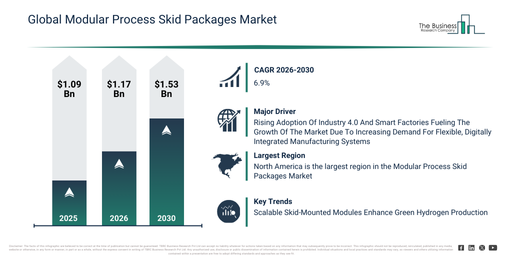
    The modular process skid packages market size has experienced robust growth in recent years. This market is projected to expand from $1.09 billion in 2025 to $1.17 billion in 2026, exhibiting a compound annual growth rate (CAGR) of 7.2%. The historical increase in market size can be attributed to several factors, including the provision of solutions in the chemical and oil sectors, the rise of industrial automation throughout manufacturing plants, the growing need for flexible and mobile processing systems, a noticeable shift towards offsite fabrication for safety reasons, an increased focus on reducing construction time within industries, rising investments in pharmaceutical and biotech facilities, and the expanded utilization of modular systems in energy and gas applications.

    The modular process skid packages market is anticipated to show robust expansion in the coming years, reaching $1.53 billion in 2030, driven by a compound annual growth rate (CAGR) of 6.9%. This projected growth throughout the forecast period stems from various factors, including advancements in automation-enabled skid systems, the development of compact and energy-efficient designs, and the integration of IoT monitoring for enhanced oversight. Further contributions come from advancements in modularization techniques, innovations in multifunctional skid units, and the integration of digital twin technology. The market also benefits from progress in sustainable and eco-friendly skid systems, the emergence of plug-and-play skid designs, the adoption of AI control systems, and improvements in durable and corrosion-resistant materials.

    Access Your Free Sample Report for In-Depth Market Insights:

    https://www.thebusinessresearchcompany.com/sample.aspx?id=30663&type=smp

    Which Drivers Are Supporting The Rise Of The Modular Process Skid Packages Market?

    The increasing integration of Industry 4.0 and smart manufacturing facilities is anticipated to fuel expansion within the modular process skid packages market moving ahead. Industry 4.0 and smart factories encompass the incorporation of cutting-edge digital technologies, including the Internet of Things (IoT), artificial intelligence, automation, robotics, and data analytics, into production operations to facilitate real-time oversight, informed choices, and exceptionally adaptable manufacturing. Manufacturers are increasingly embracing Industry 4.0 and smart factories due to their pursuit of enhanced productivity, lower operating expenses, extensive customization capabilities, and quicker product launches. Modular process skid packages facilitate Industry 4.0 and smart factories by offering standardized, pre-designed, and readily integrated production units. These packages boost operational efficiency and adaptability through their support for automation, live monitoring, and swift adjustments to fulfill evolving production requirements. As an illustration, in September 2025, data from the International Federation of Robotics, a Germany-based non-profit body, indicated that 4,664,000 robotic units were operational in factories worldwide in 2024. This represented a 9% rise from 4,281,585 units recorded in 2023. Consequently, the expanding adoption of Industry 4.0 and smart factories is propelling the advancement of the modular process skid packages market.

    What Segments Are Identified Within The Structure Of The Modular Process Skid Packages Market?

    The modular process skid packages market covered in this report is segmented –

    1) By Type: Open Type, Closed Type

    2) By Component: Pressure Vessels, Piping Systems, Pumping and Metering Systems

    3) By Deployment: Onsite Integrated Systems, Offsite Modular Units, Mobile Skid Packages

    4) By Skid Function: Pumping Skids, Filtration Skids, Separation Skids

    5) By Application: Oil And Gas, Chemical Processing, Pharmaceuticals, Food And Beverage, Water And Wastewater Treatment, Other Applications

    Subsegments:

    1) By Open Type: Non-Enclosed Insulator Design, Air-Cooled Configurations, Outdoor Installation Designs, Exposed Conductor Support Insulators, Low-Voltage Open Structure Insulators, Medium-Voltage Open Structure Insulators, Open-Frame Post Insulators, Open-Pin and Open-Suspension Styles

    2) By Closed Type: Enclosed Insulator Design, Weatherproof Insulated Housings, Fully Sealed Insulator Assemblies, Indoor Protection-Type Insulators, High-Voltage Enclosed Insulators, Composite Closed-Body Insulators, Encapsulated Post Insulators, Closed Suspension and Strain Designs

    What Long-Term Trends Are Expected To Shape The Future Of The Modular Process Skid Packages Market?

    Companies operating in the modular process skid packages market are directing their efforts toward creating advanced solutions, such as scalable skid-mounted electrolyser modules, to improve green hydrogen production efficiency. A scalable skid-mounted module is identified as a pre-fabricated and pre-tested unit that helps reduce deployment timelines, decrease construction expenses, and lessen risks for large-scale projects. For instance, in August 2023, ITM Power, a UK-based energy company, unveiled its POSEIDON 20 MW electrolyser module. This advancement supports large-scale hydrogen production through an optimized skid footprint, suitable for both indoor and outdoor installations, enabling developers to efficiently propose the module for commercial hydrogen projects. It delivers pre-fabricated and pre-tested units, simplifying project execution and mitigating risks. This module, when combined with ITM Power’s other electrolyser platforms like the Trident and Neptune 2 MW plug-and-play electrolyzers designed for small to mid-size projects, provides a seamless solution for extensive hydrogen production. The POSEIDON module contributes to better operational efficiency, simpler project implementation, and the expansion of green hydrogen infrastructure.

    Which Key Market Players Are Investing In Expansion And Innovation Within The Modular Process Skid Packages Market?

    Major companies operating in the modular process skid packages market are Fluor Corporation, Technip Energies N.V., GEA Group AG, Zeton Inc., Gray Construction Inc., INMA Steel Inc., Integrated Flow Solutions LLC, ASL Group, EPIC Systems Inc., ABJ Engineering & Contracting Co., ViENERG Resources Pvt Ltd., Udkam Process Equipment India Pvt Ltd., Nano-Purification Solutions, BlissFlow Systems, Robinson Inc., Petrak Industries Inc., SalCon SA, Khaas Designing and Engineering, Integra Skid Systems, Flomek Singapore Private Limited, PT Perkasa Marine Indonesia

    Access The Complete Report For Deeper Market Insights:

    https://www.thebusinessresearchcompany.com/report/modular-process-skid-packages-market-report

    Which Regions Are Poised For Strategic Growth In The Modular Process Skid Packages Market?

    North America was the largest region in the modular process skid packages market in 2025. Asia-Pacific is expected to be the fastest-growing region in the forecast period. The regions covered in the modular process skid packages market report are Asia-Pacific, South East Asia, Western Europe, Eastern Europe, North America, South America, Middle East, Africa.

    Request Your Customized Modular Process Skid Packages Market Research Report for Competitive Advantage:

    https://www.thebusinessresearchcompany.com/customise?id=30663&type=smp

    Browse Through More Reports Similar to the Global Modular Process Skid Packages Market 2026, By The Business Research Company

    Packaging Machinery Market Report 2026

    https://www.thebusinessresearchcompany.com/report/packaging-machinery-global-market-report

    Packaging Robots Market Report 2026

    https://www.thebusinessresearchcompany.com/report/packaging-robots-global-market-report

    packaging automation global market report

    https://www.thebusinessresearchcompany.com/report/packaging-automation-global-market-report

    Get in touch with us:

    The Business Research Company: https://www.thebusinessresearchcompany.com/

    Americas +1 310-496-7795

    Asia +44 7882 955267 & +91 8897263534

    Europe +44 7882 955267

    Email us at marketing@tbrc.info

    Follow us on:

    LinkedIn: https://in.linkedin.com/company/the-business-research-company

    YouTube: https://www.youtube.com/channel/UC24_fI0rV8cR5DxlCpgmyFQ

    Global Market Model: https://www.thebusinessresearchcompany.com/global-market-model
  • Mixed Reality Head-Mounted Display Market 2026–2030: Emerging Trends and Forecast Opportunities

    Mixed Reality Head-Mounted Display Market 2026–2030: Emerging Trends and Forecast Opportunities

    Uncover key drivers, emerging technologies, and competitive movements shaping the mixed reality head-mounted display market from 2026–2035 with trusted insights from The Business Research Company

    What size range is anticipated for the Mixed Reality Head-Mounted Display Market from 2026 to 2030?

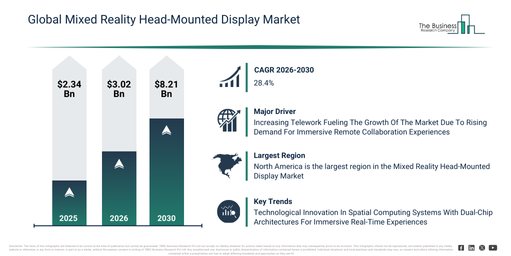
    The mixed reality head-mounted display market size has experienced significant expansion in recent years. It is projected to grow from $2.34 billion in 2025 to $3.02 billion in 2026, demonstrating a compound annual growth rate (CAGR) of 28.7%. This historic growth can be attributed to the increasing adoption of virtual reality, rising demand for immersive experiences, growing integration of augmented reality, expansion of gaming applications, and increasing enterprise training solutions.

    The mixed reality head-mounted display market is poised for substantial growth over the next few years. It is projected to expand to $8.21 billion by 2030, demonstrating a compound annual growth rate (CAGR) of 28.4%. This expansion during the forecast period is fueled by increasing investments in mixed reality research, its expanding use in industrial contexts, rising adoption in the healthcare sector, the proliferation of remote collaboration instruments, and its increasing implementation in educational environments. Significant trends shaping this period include technological improvements in optics and sensors, novel approaches to artificial intelligence integration, progress in spatial computing, ongoing research and development in ergonomics, and advancements in cloud and edge rendering technologies.

    Access Your Free Sample Report for In-Depth Market Insights:

    https://www.thebusinessresearchcompany.com/sample.aspx?id=30658&type=smp

    What Drivers Are Affecting Demand In The Mixed Reality Head-Mounted Display Market?

    The escalating adoption of telework is anticipated to drive the expansion of the mixed reality head-mounted display market going forward. Telework pertains to arrangements where employees fulfill their job responsibilities from home or remote locations, utilizing digital communication and collaboration instruments. The transition towards telework is accelerating as organizations recognize that remote work frameworks can reduce operational expenses, broaden access to global talent, and enhance employee work–life balance while maintaining or even increasing output. Mixed reality head-mounted displays support telework by facilitating immersive virtual collaboration and the remote visualization of work environments. They boost productivity and communication by enabling users to interact with 3D content, conduct virtual meetings, and perform remote assistance tasks as if physically present on site. For instance, in March 2025, according to the U.S. Bureau of Labor Statistics, a US-based federal agency, 35.5 million people teleworked or worked at home for pay in the first quarter of 2024, an increase of 5.1 million over the year, constituting 22.9 percent of people at work compared with 19.6 percent in 2023. Consequently, the rise in telework is propelling the growth of the mixed reality head-mounted display market.

    Which Segments Are Gaining Traction In The Mixed Reality Head-Mounted Display Market?

    The mixed reality head-mounted display market covered in this report is segmented –

    1) By Component: Hardware, Software, Services

    2) By Product Type: Standalone, Tethered

    3) By Technology: Virtual Reality, Augmented Reality, Mixed Reality

    4) By Application: Gaming And Entertainment, Healthcare, Education And Training, Industrial And Manufacturing, Retail, Other Applications

    5) By End-User: Consumer, Commercial, Enterprise, Other End-Users

    Subsegments:

    1) By Hardware: Display Panel, Optical Engine, Sensor Module, Processing Unit, Connectivity Module, Battery System, Input And Control Interface

    2) By Software: Operating Platform, Application Software, Development Tools, Content Management Software, Spatial Mapping Software

    3) By Services: Integration And Deployment Service, Consulting Service, Training And Support Service, Maintenance And Upgrade Service, Managed Service

    Which Market Trends Are Opening Growth Opportunities In The Mixed Reality Head-Mounted Display Market?

    Major companies in the mixed reality head-mounted display market are concentrating on developing advanced products, including dual-chip silicon architectures, to process high-resolution visual data with exceptionally low latency. Dual-chip silicon architectures refer to configurations where two separate silicon dies or chips are closely integrated within a single package to share computing workloads, thereby improving performance and enhancing power or cost efficiency when contrasted with a single monolithic chip. For example, in June 2023, Apple Inc., a US-based technology company, unveiled its inaugural spatial computer, Apple Vision Pro, operating on visionOS. This device features a unique dual-chip design, with the M2 chip providing powerful standalone performance and the new R1 chip dedicated to processing input from 12 cameras, five sensors, and six microphones to stream images to the micro-OLED display system within 12 milliseconds—a rate eight times faster than an eye blink.

    Who Are The Core Companies Influencing Trends In The Mixed Reality Head-Mounted Display Market?

    Major companies operating in the mixed reality head-mounted display market are Apple Inc., Google LLC, Microsoft Corporation, Samsung Electronics Co. Ltd., Meta Platforms Inc., Sony Group Corporation, Panasonic Holdings Corporation, HP Inc., Canon Inc., ASUSTeK Computer Inc., Seiko Epson Corporation, Acer Inc., XREAL Inc., HTC Corporation, Rokid Corporation Ltd., Pimax Innovation Inc., Varjo Technologies Oy, Deepoon Virtual Reality Co. Ltd., IrisVision Global Inc., Vrgineers Inc., NuEyes Technologies Inc.

    Access The Complete Report For Deeper Market Insights:

    https://www.thebusinessresearchcompany.com/report/mixed-reality-head-mounted-display-market-report

    Which Regions Are Projected To Dominate The Mixed Reality Head-Mounted Display Market In The Coming Years?

    North America was the largest region in the mixed reality head-mounted display market in 2025. Asia-Pacific is expected to be the fastest-growing region in the forecast period. The regions covered in the mixed reality head-mounted display market report are Asia-Pacific, South East Asia, Western Europe, Eastern Europe, North America, South America, Middle East, Africa.

    Request Your Customized Mixed Reality Head-Mounted Display Market Research Report for Competitive Advantage:

    https://www.thebusinessresearchcompany.com/customise?id=30658&type=smp

    Browse Through More Reports Similar to the Global Mixed Reality Head-Mounted Display Market 2026, By The Business Research Company

    Head Mount Display Market Report 2026

    https://www.thebusinessresearchcompany.com/report/head-mount-display-global-market-report

    Extended Reality Display Market Report 2026

    https://www.thebusinessresearchcompany.com/report/extended-reality-display-global-market-report

    aerospace helmet mounted display global market report

    https://www.thebusinessresearchcompany.com/report/aerospace-helmet-mounted-display-global-market-report

    Get in touch with us:

    The Business Research Company: https://www.thebusinessresearchcompany.com/

    Americas +1 310-496-7795

    Asia +44 7882 955267 & +91 8897263534

    Europe +44 7882 955267

    Email us at marketing@tbrc.info

    Follow us on:

    LinkedIn: https://in.linkedin.com/company/the-business-research-company

    YouTube: https://www.youtube.com/channel/UC24_fI0rV8cR5DxlCpgmyFQ

    Global Market Model: https://www.thebusinessresearchcompany.com/global-market-model
  • Global Metaverse Retail Market Forecast 2026–2035: Long-Term Growth Insights

    Global Metaverse Retail Market Forecast 2026–2035: Long-Term Growth Insights

    Uncover key drivers, emerging technologies, and competitive movements shaping the metaverse retail market from 2026–2035 with trusted insights from The Business Research Company

    How is the Metaverse Retail Market size predicted to change over the forecast window of 2026–2035?

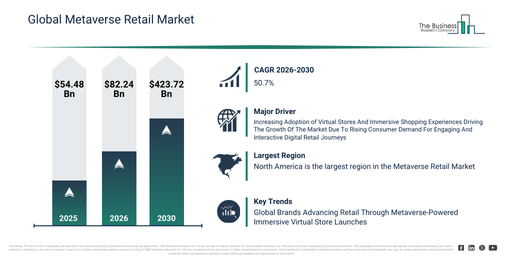
    The metaverse retail market has seen significant expansion in recent years. This market is expected to increase from $54.48 billion in 2025 to $82.24 billion in 2026, registering a compound annual growth rate (CAGR) of 50.9%. The market’s past growth is primarily due to the increasing adoption of virtual and augmented reality platforms, enhanced consumer participation in digital realms, the wider implementation of immersive shopping experiences, the proliferation of online and interactive retail channels, and a heightened focus on brand innovation and experiential marketing.

    The metaverse retail market is projected to experience rapid expansion over the coming years, reaching $423.72 billion in 2030, demonstrating a compound annual growth rate (CAGR) of 50.7%. This significant growth during the projection period stems from several factors, including the increasing incorporation of artificial intelligence (AI) for tailored virtual shopping, a heightened demand for engaging and interactive retail experiences, wider acceptance of blockchain-driven digital ownership and transactions, the proliferation of virtual commerce platforms, and increased investment in retail solutions utilizing augmented and virtual reality. Key trends anticipated for the forecast period encompass technology-led innovations within immersive retail interfaces, progress in artificial intelligence (AI) powered recommendation systems, advancements in virtual reality (VR) and augmented reality (AR) shopping technologies, increased research and development efforts in digital asset and payment integration, and the creation of novel interactive and gamified consumer engagement platforms.

    Access Your Free Sample Report for In-Depth Market Insights:

    https://www.thebusinessresearchcompany.com/sample.aspx?id=30656&type=smp

    Which Drivers Are Contributing To The Expansion Of The Metaverse Retail Market?

    The increasing adoption of virtual stores and immersive shopping experiences is expected to propel the growth of the metaverse retail market going forward. Virtual stores and immersive shopping experiences refer to digital retail environments that allow consumers to browse, interact with, and purchase products through 3D and extended reality platforms such as virtual reality (VR) and augmented reality (AR). Their adoption is rising as consumers increasingly demand more engaging, interactive, and personalized shopping journeys that traditional e-commerce cannot deliver. Metaverse retail supports virtual stores and immersive shopping experiences by enabling brands to create digital storefronts, interactive try-on experiences, and avatar-based shopping environments that enhance customer engagement and expand access beyond physical locations. For instance, in 2023, according to Adobe Inc., a US-based software and digital experience company, retailers using 3D renders on their e-commerce sites saw the share of shoppers adding items to their carts rise from 32% in 2022 to 45% in 2023, representing a 40.6% year-on-year increase. Therefore, the increasing adoption of virtual stores and immersive shopping experiences is driving the growth of the metaverse retail market.

    What Segment Categories Are Covered In The Metaverse Retail Market?

    The metaverse retail market covered in this report is segmented –

    1) By Platform: Desktop, Virtual Reality (VR) Headsets, Mobile, Smart Glasses

    2) By Technology: Blockchain, Artificial Intelligence (AI), Augmented Reality (AR), Virtual Reality (VR), Cloud Computing, Other Technologies

    3) By Retail Activity Type: Virtual Storefronts And Showrooms, Virtual Try-On And Product Customization, Fashion And Apparel, Beauty And Cosmetics, Home And Automotive, Immersive Marketing And Live Events, Digital Product Commerce, Virtual Only Goods, Phygital Goods, Social Shopping And Advisory, Other Retail Activities

    4) By Application: Electronics, Automotive, Beauty And Personal Care, Clothing And Apparel, Footwear, Furniture And Home Décor, Sports And Fitness, Other Applications

    Subsegments:

    1) By Desktop: Web Browser Based Platform, Standalone Application Platform, Cloud Connected Platform

    2) By Virtual Reality (VR) Headsets: Tethered Headset Platform, Standalone Headset Platform, Mixed Reality Headset Platform

    3) By Mobile: iOS Platform, Android Platform, Cross Platform Mobile Application

    4) By Smart Glasses: Augmented Reality Glasses Platform, Mixed Reality Glasses Platform, Standalone Smart Glasses Platform

    How Are Emerging Trends Affecting The Progression Of The Metaverse Retail Market?

    Leading companies active in the metaverse retail market are concentrating on creating sophisticated user experiences, including immersive virtual store environments, to enable consumers to browse and acquire products in digital realms. These immersive virtual store experiences represent digitally crafted retail settings that permit customers to engage with items and brands in a realistic, captivating, and often 3D or VR-supported context. For example, in October 2023, Casio Computer Co. Ltd., a Japan-based electronics and watch manufacturer, debuted the virtual G-SHOCK STORE on the VRChat metaverse platform, delivering an immersive virtual store experience within a dedicated virtual reality environment. Users are able to craft their unique customized G-SHOCK watches in the G-SHOCK STORE virtual world by combining different components. Additionally, they can observe how their VRChat avatars appear wearing the watches they have designed.

    Which Major Industry Participants Are Leading The Metaverse Retail Market Growth?

    Major companies operating in the metaverse retail market are Walmart Inc., Samsung Electronics Co. Ltd., Meta Platforms Inc., Alibaba Group Holding Limited, Nike Inc., H&M Group, Adidas AG, Ralph Lauren Corporation, Louis Vuitton, Roblox Corporation, Epic Games Inc., Balenciaga, Guccio Gucci SPA, Immutable Pty Ltd., The Sandbox, OpenSea Inc., ZEPETO Corporation, Decentraland, VRChat Inc., Spatial Systems Inc., Voxels LLC, Somnium Space Ltd., DRESSX

    Access The Complete Report For Deeper Market Insights:

    https://www.thebusinessresearchcompany.com/report/metaverse-retail-market-report

    Which Region Is Expected To Experience The Fastest Growth In The Metaverse Retail Market?

    North America was the largest region in the metaverse retail market in 2025. Asia-Pacific is expected to be the fastest-growing region in the forecast period. The regions covered in the metaverse retail market report are Asia-Pacific, South East Asia, Western Europe, Eastern Europe, North America, South America, Middle East, Africa.

    Request Your Customized Metaverse Retail Market Research Report for Competitive Advantage:

    https://www.thebusinessresearchcompany.com/customise?id=30656&type=smp

    Browse Through More Reports Similar to the Global Metaverse Retail Market 2026, By The Business Research Company

    Retail Market Report 2026

    https://www.thebusinessresearchcompany.com/report/retail-global-market-report

    Miscellaneous Store Retailers Market Report 2026

    https://www.thebusinessresearchcompany.com/report/miscellaneous-store-retailers-global-market-report

    retail and wholesale global market report

    https://www.thebusinessresearchcompany.com/report/retail-and-wholesale-global-market-report

    Get in touch with us:

    The Business Research Company: https://www.thebusinessresearchcompany.com/

    Americas +1 310-496-7795

    Asia +44 7882 955267 & +91 8897263534

    Europe +44 7882 955267

    Email us at marketing@tbrc.info

    Follow us on:

    LinkedIn: https://in.linkedin.com/company/the-business-research-company

    YouTube: https://www.youtube.com/channel/UC24_fI0rV8cR5DxlCpgmyFQ

    Global Market Model: https://www.thebusinessresearchcompany.com/global-market-model

  • Mental Health Tech Market 2026–2030: Forecasting Business Opportunities Ahead

    Mental Health Tech Market 2026–2030: Forecasting Business Opportunities Ahead

    Uncover key drivers, emerging technologies, and competitive movements shaping the mental health tech market from 2026–2035 with trusted insights from The Business Research Company

    What market expansion outlook does the Mental Health Tech Market show for the 2026–2030 period?

    The mental health technology market has experienced rapid expansion recently. This market is projected to expand from $12.36 billion in 2025 to $14.87 billion in 2026, demonstrating a compound annual growth rate (CAGR) of 20.2%. Historically, this expansion has been driven by factors such as a heightened understanding of mental health issues, a greater embrace of digital therapeutic options, increased capital flowing into health IT infrastructure for behavioral healthcare, wider smartphone and internet availability, and a stronger emphasis on initiatives promoting employee wellness.

    The mental health technology market is projected to experience rapid expansion over the coming years. This market is set to reach $30.77 billion by 2030, demonstrating a compound annual growth rate (CAGR) of 19.9%. The anticipated growth during this period stems from factors such as increasing demand for tailored mental health solutions, the rising occurrence of stress and anxiety conditions, broader insurance coverage for online mental health support, greater incorporation of mental health services into primary healthcare, and an increase in governmental programs promoting e-mental health. Key trends anticipated for the forecast timeframe involve breakthroughs in AI-driven diagnostics and monitoring for mental health, novel approaches in virtual reality (VR) and augmented reality (AR) therapies for exposure and relaxation, progress in wearable sensor technology for ongoing mood assessment, advancements in research and development concerning digital biomarkers for mental well-being, and the creation of interoperable platforms that consolidate mental health data across various systems.

    Access Your Free Sample Report for In-Depth Market Insights:

    https://www.thebusinessresearchcompany.com/sample.aspx?id=30654&type=smp

    What Drivers Are Shaping The Development Of The Mental Health Tech Market?

    The global rise in awareness regarding mental health conditions is projected to substantially contribute to the expansion of the mental health tech market in the upcoming years. Awareness of mental health indicates the degree to which individuals, communities, healthcare systems, and governments acknowledge the prevalence, impact, and requirement for timely identification and support for mental health conditions. This increasing awareness is propelled by expanded public education initiatives, global advocacy campaigns, and coordinated observances aimed at reducing stigma and underscoring mental health as a crucial element of overall well-being. The mental health tech market aligns with this trend by delivering accessible, scalable, and increasingly personalized digital tools that empower individuals to recognize symptoms, seek early support, and engage with mental health services beyond traditional clinical settings. For instance, in October 2024, according to the World Health Organization, a United Nations agency focused on global public health, World Mental Health Day was commemorated in more than 150 countries, which is an increase from approximately 120 countries in 2023, reflecting a considerable expansion in global participation and institutional engagement in mental health awareness initiatives. Therefore, the growing worldwide awareness of mental health conditions is driving the growth of the mental health tech market.

    Which Segments Are Contributing To The Growth Of The Mental Health Tech Market?

    The mental health tech market covered in this report is segmented –

    1) By Component: Software, Hardware, Services

    2) By Deployment Mode: On-Premises, Cloud

    3) By Application: Teletherapy, Self-Help Apps, Mental Health Assessment Tools, VR Therapy, Other Applications

    4) By End-User: Hospitals, Clinics, Individuals, Other End-Users

    Subsegments:

    1) By Software: Clinical Information Systems, Non Clinical Information Systems, Artificial Intelligence Platforms, Data Management Tools, Analytics And Reporting Tools, Population Health Management Tools, Clinical Decision Support Systems

    2) By Hardware: Processors, Memory Devices, Network Equipment, Storage Devices, Sensors And Monitoring Devices

    3) By Services: Integration Services, Deployment Services, Maintenance Services, Managed Services, Training And Consulting Services

    Which Innovation Trends Are Advancing Developments Within The Mental Health Tech Market?

    Leading companies in the mental health tech market are increasingly prioritizing the expansion of digital mental health access through platforms such as Tele MANAS. This initiative aims to provide 24/7 support, self-care tools, and direct professional consultations via mobile and telephonic channels. Tele MANAS is a government-led digital mental health platform established to offer accessible, confidential, and multilingual support, enabling individuals to connect with trained mental health professionals and utilize evidence-based stress management and self-care resources. For example, in October 2024, the Government of India’s Ministry of Health and Family Welfare (MoHFW) introduced the Tele MANAS mobile application, which provides self-care strategies, emergency guidance modules, and professional counseling through phone and video-based consultations. The platform supports more than 20 languages and has processed over 1.8 million calls since its launch, emphasizing its crucial role in improving mental health service accessibility for underserved and remote populations.

    Who Are The Prominent Global Companies Shaping The Mental Health Tech Market Landscape?

    Major companies operating in the mental health tech market are Lyra Health Inc., Headspace Inc., Charlie Health Inc., Talkspace Inc., Spring Care Inc., BetterUp Inc., Calm Inc., Modern Health Inc., SonderMind Inc., Unmind Ltd., Meru Health Inc., Woebot Labs Inc., KOA Health Digital Solutions Limited, Kaia Health Software Inc., Talkiatry Management Services LLC, Big Health Inc., Mental Fuel Inc., Wysa Ltd., Upheal Inc., Youper Inc.

    Access The Complete Report For Deeper Market Insights:

    https://www.thebusinessresearchcompany.com/report/mental-health-tech-market-report

    Which Geographic Areas Are Emerging As Strong Markets For The Mental Health Tech Market?

    North America was the largest region in the mental health tech market in 2025. Asia-Pacific is expected to be the fastest-growing region in the forecast period. The regions covered in the mental health tech market report are Asia-Pacific, South East Asia, Western Europe, Eastern Europe, North America, South America, Middle East, Africa.

    Request Your Customized Mental Health Tech Market Research Report for Competitive Advantage:

    https://www.thebusinessresearchcompany.com/customise?id=30654&type=smp

    Browse Through More Reports Similar to the Global Mental Health Tech Market 2026, By The Business Research Company

    Mental Health Market Report 2026

    https://www.thebusinessresearchcompany.com/report/mental-health-global-market-report

    Digital Mental Health Market Report 2026

    https://www.thebusinessresearchcompany.com/report/digital-mental-health-global-market-report

    mental health apps global market report

    https://www.thebusinessresearchcompany.com/report/mental-health-apps-global-market-report

    Get in touch with us:

    The Business Research Company: https://www.thebusinessresearchcompany.com/

    Americas +1 310-496-7795

    Asia +44 7882 955267 & +91 8897263534

    Europe +44 7882 955267

    Email us at marketing@tbrc.info

    Follow us on:

    LinkedIn: https://in.linkedin.com/company/the-business-research-company

    YouTube: https://www.youtube.com/channel/UC24_fI0rV8cR5DxlCpgmyFQ

    Global Market Model: https://www.thebusinessresearchcompany.com/global-market-model

  • Global Medical Release Liner Market Report 2026–2035: Key Forecasts and Growth Areas

    Global Medical Release Liner Market Report 2026–2035: Key Forecasts and Growth Areas

    Uncover key drivers, emerging technologies, and competitive movements shaping the medical release liner market from 2026–2035 with trusted insights from The Business Research Company

    What level of growth is expected in the Medical Release Liner Market between 2026 and 2030?

    The medical release liner market size has exhibited strong growth in recent years. The market is anticipated to expand from $2.86 billion in 2025 to $3.06 billion in 2026, progressing at a compound annual growth rate (CAGR) of 6.8%. This past growth is attributable to the burgeoning healthcare industry and medical device manufacturing, the rising adoption of silicone-coated and film-based liners, increased demand for single-use and disposable medical products, the expansion of pharmaceutical and drug delivery applications, and stricter regulatory standards for sterility and quality.

    The medical release liner market is set for significant expansion over the next few years, with projections indicating it will climb to $3.94 billion by 2030, exhibiting a compound annual growth rate (CAGR) of 6.5%. This anticipated growth during the forecast period is propelled by several factors, including the increasing adoption of multi-layer and specialized liners, augmented investments in healthcare infrastructure across emerging markets, a heightened demand for high-precision adhesive applications, an intensified focus on ensuring patient safety and product reliability, and broadened research and development in advanced liner materials. Concurrently, major trends expected in this period involve progress in silicone and polymer coatings, the evolution of multi-layer and specialty liners, the integration of automated manufacturing and precision coating systems, ongoing research and development into biocompatible and antimicrobial liners, and breakthroughs in sustainable and recyclable liner solutions.

    Access Your Free Sample Report for In-Depth Market Insights:

    https://www.thebusinessresearchcompany.com/sample.aspx?id=30653&type=smp

    Which Drivers Are Expected To Impact The Medical Release Liner Market During The Forecast Period?

    The future expansion of the medical release liner market is anticipated to be driven by a rise in surgical procedure volumes. This surge in surgical procedures signifies a greater quantity of both invasive and non-invasive medical interventions conducted to address wounds, illnesses, and physical anomalies. This increase is fueled by innovations in surgical methods and a growing elderly demographic, creating a demand for dependable and sterile medical products essential for optimal patient treatment. Medical release liners are instrumental in producing effective wound care products, safeguarding the adhesive component of surgical dressings and transdermal patches prior to use, thereby guaranteeing sterility and straightforward application. As an illustration, the UK Health Security Agency, a UK-based government agency tasked with public health protection, reported in December 2024 that 135,619 surgical operations were monitored during the financial year 2023 to 2024. This marked an 8.4% rise compared to the financial year 2022 to 2023. Additionally, mandatory orthopaedic surveillance saw a 7.3% increase in submitted operations (rising from 102,027 operations to 109,491 operations), and voluntary surveillance recorded a 13.3% growth (from 23,070 operations to 26,128 operations). Consequently, the expansion of the medical release liner market is being propelled by the escalating number of surgical procedures.

    How Is The Medical Release Liner Market Divided Into Segments?

    The medical release liner market covered in this report is segmented –

    1) By Type Of Material: Polyethylene, Polypropylene, Paper, Silicone, Other Type Of Materials

    2) By Release Coating Type: Silicone Coated, Polymer Coated, Foil Coated, Other Release Coating Types

    3) By Substrate Material: Paper-Based Liners, Film-Based Liners, Foil-Based Liners, Composite And Multi-layer Liners

    4) By Distribution Channel: Direct Sales To Medical Device Oems, Distribution Via Converters And Formulators, Sales Through Raw Material Distributors

    5) By End-User Industry: Healthcare, Food And Beverage, Electronics, Automotive, Other End-user Industrys

    Subsegments:

    1) By Polyethylene: Low Density Polyethylene, High Density Polyethylene, Linear Low Density Polyethylene, Cross-Linked Polyethylene, Co-Extruded Polyethylene

    2) By Polypropylene: Homopolymer Polypropylene, Random Copolymer Polypropylene, Block Copolymer Polypropylene, Filled Polypropylene, Oriented Polypropylene

    3) By Paper: Kraft Paper, Glassine Paper, Coated Paper, Laminated Paper, Specialty Paper

    4) By Silicone: Silicone Coated Paper, Silicone Coated Film, Medical Grade Silicone, Liquid Silicone Coating, High Temperature Silicone

    5) By Other Type Of Materials: Polyester (PET), Polyvinyl Chloride (PVC), Polyamide (PA), Fluoropolymer-Based Liners

    Which Competitive Trends Are Impacting The Structure Of The Medical Release Liner Market?

    Companies operating in the medical release liner market are primarily focused on developing advanced solutions, including comprehensive data-integrated health platforms, to enhance treatment personalization, improve patient outcomes, and shorten healing durations and complications. Comprehensive data-integrated health platforms are defined as sophisticated digital systems that analyze and correlate various streams of individual health data to deliver customized nutritional and lifestyle guidance, thereby optimizing the body’s inherent healing processes. For instance, in September 2024, InsideTracker, a US-based personalized health analytics company, launched Nutrition DeepDive, which is a detailed food and supplement tracker that evaluates an individual’s nutrition against their unique blood biomarkers, genetic data, and fitness tracker information. While not a direct therapeutic intervention, this platform represents the advanced, holistic data integration that is crucial for modern regenerative health strategies. By synthesizing these diverse data sets, it provides personalized insights into dietary requirements and supplement regimens capable of supporting systemic health, including factors essential for optimal wound healing such as inflammation control, immune function, and protein synthesis. This enables precise, data-driven lifestyle interventions that can complement and enhance regenerative wound care protocols, ultimately aiming to improve recovery efficiency and long-term skin health for patients.

    Which Key Players Are Driving Competition In The Medical Release Liner Market?

    Major companies operating in the medical release liner market are Avery Dennison Corp., Mondi Group, Huhtamaki Oyj, AHLstrom Oyj, Lintec Corporation, UPM Raflatac Inc., Felix Schoeller Group, Loparex LLC, Flexcon Company Inc., ITASA, Twin Rivers Paper Company, Acucote Inc., Laufenberg GmbH, The Griff Network, Siliconature Corp., CoreTech Films, Advanced Coated Products Ltd., Xinfeng Group, Celestik Inc., Papertec Inc., Anhui Guangtai Group, Fox River Associates LLC, Brentwood Plastic Inc.

    Access The Complete Report For Deeper Market Insights:

    https://www.thebusinessresearchcompany.com/report/medical-release-liner-market-report

    Which Region Is Projected To Lead The Medical Release Liner Market During The Forecast Period?

    North America was the largest region in the medical release liner market in 2025. Asia-Pacific is expected to be the fastest-growing region in the forecast period. The regions covered in the medical release liner market report are Asia-Pacific, South East Asia, Western Europe, Eastern Europe, North America, South America, Middle East, Africa.

    Request Your Customized Medical Release Liner Market Research Report for Competitive Advantage:

    https://www.thebusinessresearchcompany.com/customise?id=30653&type=smp

    Browse Through More Reports Similar to the Global Medical Release Liner Market 2026, By The Business Research Company

    Controlled Release Drug Delivery Market Report 2026

    https://www.thebusinessresearchcompany.com/report/controlled-release-drug-delivery-global-market-report

    Sterile Medical Packaging Market Report 2026

    https://www.thebusinessresearchcompany.com/report/sterile-medical-packaging-global-market-report

    surgical hooks global market report

    https://www.thebusinessresearchcompany.com/report/surgical-hooks-global-market-report

    Get in touch with us:

    The Business Research Company: https://www.thebusinessresearchcompany.com/

    Americas +1 310-496-7795

    Asia +44 7882 955267 & +91 8897263534

    Europe +44 7882 955267

    Email us at marketing@tbrc.info

    Follow us on:

    LinkedIn: https://in.linkedin.com/company/the-business-research-company

    YouTube: https://www.youtube.com/channel/UC24_fI0rV8cR5DxlCpgmyFQ

    Global Market Model: https://www.thebusinessresearchcompany.com/global-market-model

  • Medical Microfluidic Devices Market 2026–2030: Forecast, Innovation, and Competitive Trends

    Medical Microfluidic Devices Market 2026–2030: Forecast, Innovation, and Competitive Trends

    Uncover key drivers, emerging technologies, and competitive movements shaping the medical microfluidic devices market from 2026–2035 with trusted insights from The Business Research Company

    How much is the Medical Microfluidic Devices Market valued at in 2026, and what valuation is forecast for 2030?

    The medical microfluidic devices market has experienced significant growth in recent years. It is projected to expand from $6.35 billion in 2025 to $7.32 billion in 2026, demonstrating a compound annual growth rate (CAGR) of 15.3%. This historic expansion can be linked to the increased adoption of point-of-care diagnostics, the growing utilization of lab-on-a-chip technology in research facilities, the rising demand for microfluidic-based clinical testing, the expansion of pharmaceutical and biotech R&D applications, and the increasing use of polymer-based microfluidic materials.

    The market for medical microfluidic devices is projected to experience substantial expansion in the coming years. This sector is anticipated to reach a valuation of $12.79 billion by 2030, exhibiting a compound annual growth rate (CAGR) of 15.0%. This projected expansion during the forecast period can be attributed to several factors, including the increasing need for personalized medicine and organ-on-chip models, the rising incorporation of microfluidics into decentralized and home diagnostic solutions, greater acceptance of microfluidic platforms for tracking infectious diseases, the broadening utility of microfluidic applications in high-throughput drug screening, and the expanding presence of these devices in developing healthcare markets. Significant developments expected in this period encompass technological progress in integrated lab-on-a-chip systems, breakthroughs in droplet-based and paper-based microfluidic technologies, the evolution of compact biosensors and detection systems, ongoing research and development efforts in organ-on-chip and tissue engineering technologies, and advancements in automated and AI-driven microfluidic analysis.

    Access Your Free Sample Report for In-Depth Market Insights:

    https://www.thebusinessresearchcompany.com/sample.aspx?id=30652&type=smp

    What Drivers Are Influencing The Growth Of The Medical Microfluidic Devices Market?

    The expanding occurrence of chronic illnesses is anticipated to drive the advancement of the medical microfluidic devices market in the future. These are enduring health conditions, including diabetes, heart disease, and arthritis, which typically advance gradually and necessitate continuous medical care and lifestyle adjustments for symptom management and complication prevention. The rise in chronic diseases is predominantly linked to unhealthy lifestyle choices, such as inadequate diet, lack of physical activity, and smoking, which elevate the likelihood of developing conditions like diabetes, heart disease, and obesity. Medical microfluidic devices assist in managing chronic diseases by facilitating precise manipulation and examination of minute fluid samples for ongoing monitoring and diagnostic purposes. These devices enhance patient care through their support for quick testing, tailored treatment modifications, and non-invasive long-term disease surveillance. As an illustration, the National Health Service, a UK-based government department, reported in June 2024 that 3,615,330 individuals registered with a general practitioner (GP) had a diagnosis of non-diabetic hyperglycemia or pre-diabetes (a state characterized by heightened blood sugar levels, though insufficient for a diabetes classification) in 2023. This represented an 18% surge from the 3,065,825 cases recorded in 2022. Consequently, the expanding occurrence of chronic diseases is fueling the expansion of the medical microfluidic devices market.

    What Segments Are Included Within The Medical Microfluidic Devices Market?

    The medical microfluidic devices market covered in this report is segmented –

    1) By Product Type: Lab-On-A-Chip (LOC) Systems, Microfluidic Chips And Cartridges, Droplet-Based Microfluidic Systems, Paper-Based Microfluidic Devices, Continuous-Flow Microfluidic Systems, Organ-On-A-Chip Platforms

    2) By Material: Glass, Polymer, Silicon, Metals, Ceramics

    3) By Application: Point-Of-Care Diagnostics, Drug Discovery And Development, Organ-On-Chip And Tissue Engineering, Infectious Disease Monitoring

    4) By End User: Hospitals And Diagnostic Clinics, Diagnostic And Research Laboratories, Pharmaceutical And Biotechnology Companies, Academic And Research Institutes, Home Care Settings

    Subsegments:

    1) By Lab-On-A-Chip Systems: Clinical Diagnostic Chips, Environmental Monitoring Chips, Biochemical Analysis Chips, Single-Cell Analysis Platforms

    2) By Microfluidic Chips And Cartridges: Point-Of-Care Diagnostic Cartridges, Sample Preparation Chips, Cell Culture And Assay Chips, Polymerase Chain Reaction Chips

    3) By Droplet-Based Microfluidic Systems: Water-In-Oil Emulsion Systems, Oil-In-Water Emulsion Systems, Digital Droplet Systems, High-Throughput Screening Platforms

    4) By Paper-Based Microfluidic Devices: Lateral Flow Assay Strips, Three-Dimensional Paper Networks, Multiplexed Detection Devices, Colorimetric Analysis Strips

    5) By Continuous-Flow Microfluidic Systems: Microreactor Systems, Cell Sorting And Separation Systems, Micromixer Devices, Chemical Synthesis Platforms

    6) By Organ-On-A-Chip Platforms: Liver-On-A-Chip Models, Lung-On-A-Chip Models, Heart-On-A-Chip Models, Multi-Organ System Models

    What Industry Trends Are Transforming The Medical Microfluidic Devices Market?

    Leading firms within the medical microfluidic devices market are concentrating their efforts on creating sophisticated platforms, including fully integrated microfluidic chip-based platforms, with the goal of expediting the creation of biopharmaceutical treatments for renal care and other ailments. These fully integrated microfluidic chip-based platforms are defined as lab-on-a-chip systems, which consolidate various laboratory operations—like sample preparation, fluid manipulation, chemical reactions, separation processes, and detection—onto a singular miniaturized chip. An illustrative example occurred in June 2023 when AB Sciex LLC, a life science analytical technology company located in the US, introduced the Intabio ZT system. This product represents the initial fully-integrated microfluidic chip-based platform that incorporates imaged capillary isoelectric focusing (icIEF) separation along with UV detection. This particular platform is engineered to gather exhaustive data concerning charge isoforms in biopharmaceuticals, featuring effortless integration with the ZenoTOF 7600 system. Furthermore, the solution offers advanced data processing capabilities through Biologics Explorer software, facilitating a more profound understanding of protein therapeutics and thereby speeding up the provision of safe and potent biological therapies.

    Who Are The Top-Performing Companies In The Medical Microfluidic Devices Market In Recent Years?

    Major companies operating in the medical microfluidic devices market are Roche Diagnostics, Thermo Fisher Scientific Inc, Abbott Laboratories, Danaher Corporation, Agilent Technologies Inc., Illumina Inc., BioMérieux, PerkinElmer Inc., Bio-Rad Laboratories Inc., Fluidigm Corporation, Spectrum Fluidics, Biosurfit SA, Cellix Ltd., 3M Company, Dolomite Microfluidics, Micronit Microtechnologies B.V., Sphere Fluidics Ltd., BioFluidica Inc., uFluidix Inc., Elveflow, On-chip Biotechnologies, Achira Labs Pvt. Ltd., Akkonni Biosystems Inc.

    Access The Complete Report For Deeper Market Insights:

    https://www.thebusinessresearchcompany.com/report/medical-microfluidic-devices-market-report

    Which Region Currently Holds The Largest Share Of The Medical Microfluidic Devices Market?

    North America was the largest region in the medical microfluidic devices market in 2025. Asia-Pacific is expected to be the fastest-growing region in the forecast period. The regions covered in the medical microfluidic devices market report are Asia-Pacific, South East Asia, Western Europe, Eastern Europe, North America, South America, Middle East, Africa.

    Request Your Customized Medical Microfluidic Devices Market Research Report for Competitive Advantage:

    https://www.thebusinessresearchcompany.com/customise?id=30652&type=smp

    Browse Through More Reports Similar to the Global Medical Microfluidic Devices Market 2026, By The Business Research Company

    Microfluidics Market Report 2026

    https://www.thebusinessresearchcompany.com/report/microfluidics-global-market-report

    Medical Device Technologies Market Report 2026

    https://www.thebusinessresearchcompany.com/report/medical-device-technologies-global-market-report

    nanotechnology based medical devices global market report

    https://www.thebusinessresearchcompany.com/report/nanotechnology-based-medical-devices-global-market-report

    Get in touch with us:

    The Business Research Company: https://www.thebusinessresearchcompany.com/

    Americas +1 310-496-7795

    Asia +44 7882 955267 & +91 8897263534

    Europe +44 7882 955267

    Email us at marketing@tbrc.info

    Follow us on:

    LinkedIn: https://in.linkedin.com/company/the-business-research-company

    YouTube: https://www.youtube.com/channel/UC24_fI0rV8cR5DxlCpgmyFQ

    Global Market Model: https://www.thebusinessresearchcompany.com/global-market-model

  • Medical Microbiology Testing Technology Market Forecast 2026–2035: Data Trends and Industry Insights

    Medical Microbiology Testing Technology Market Forecast 2026–2035: Data Trends and Industry Insights

    Uncover key drivers, emerging technologies, and competitive movements shaping the medical microbiology testing technology market from 2026–2035 with trusted insights from The Business Research Company

    By how much is the Medical Microbiology Testing Technology Market expected to grow between 2026 and 2030?

    The medical microbiology testing technology market has experienced robust expansion in recent years. Projections indicate it will expand from $6.00 billion in 2025 to $6.50 billion in 2026, exhibiting a compound annual growth rate (CAGR) of 8.2%. Several factors have fueled this historical growth, including a greater occurrence of infectious diseases, enhanced recognition of antimicrobial resistance, escalating healthcare costs, the expansion of clinical laboratories, and the growing uptake of automated systems.

    The medical microbiology testing technology market is projected to experience substantial expansion in the coming years. This market is set to reach a valuation of $8.82 billion by 2030, exhibiting a compound annual growth rate (CAGR) of 8.0%. This expansion during the forecast period is primarily driven by factors such as the increasing need for rapid and point-of-care testing, the proliferation of government initiatives and public health programs, a heightened emphasis on food and pharmaceutical safety testing, the widening presence in developing markets, and the enhanced integration of laboratory information systems. Key trends anticipated for the forecast period encompass progress in molecular diagnostics, novelties in high-throughput testing platforms, the evolution of multiplex and rapid diagnostic tests, a rise in microbiology research and development, and the merging of technology with serological and immunological testing.

    Access Your Free Sample Report for In-Depth Market Insights:

    https://www.thebusinessresearchcompany.com/sample.aspx?id=30651&type=smp

    Which Drivers Are Influencing Market Acceleration In The Medical Microbiology Testing Technology Market?

    The increasing requirement for swift pathogen detection and identification is projected to boost the growth of the medical microbiology testing technology market moving forward. Rapid pathogen detection and identification refer to the application of diagnostic methods that quickly and accurately pinpoint microbes such as bacteria, viruses, and other pathogens directly from patient samples without prolonged culture phases, thereby reducing the time to diagnosis and enabling faster medical judgments. The need for rapid pathogen detection is growing as public health organizations and clinical laboratories globally strive to improve processing times and effectively manage infectious disease outbreaks and pressures from antimicrobial resistance. Medical microbiology testing technology supports rapid pathogen detection by identifying infectious agents quickly and precisely using advanced diagnostic techniques, facilitating timely treatment and curbing the spread of infection. For instance, in November 2025, data from April 2025, provided by the Infectious Disease Surveillance Center, a Japan-based public health organization, indicated that between 2,104 and 2,153 respiratory pathogen tests were conducted per pathogen category within a single reporting period, with positivity rates for severe acute respiratory syndrome coronavirus 2, influenza, respiratory syncytial virus, and parainfluenza ranging from 5.7% to 11.5%. Therefore, the escalating demand for rapid pathogen detection and identification is propelling the expansion of the medical microbiology testing technology market.

    What Leading Segments Are Studied In The Medical Microbiology Testing Technology Market?

    The medical microbiology testing technology market covered in this report is segmented –

    1) By Product Type: Reagents, Instruments, Consumables, Software, Services

    2) By Testing Method: Culture Test, Polymerase Chain Reaction, Immunoassays, Deoxyribonucleic Acid Sequence

    3) By Technology: Cell Culture, Microscopy, Serology

    4) By Application: Infectious Diseases, Non-infectious Diseases, Research And Development, Clinical Trials

    5) By End Use: Hospitals, Diagnostic Laboratories, Pharmaceutical Companies, Research Institutes, Food And Beverage Industry

    Subsegments:

    1) By Reagents: Culture Media, Detection Reagents, Antigen And Antibody Reagents, Molecular Diagnostic Kits, Stains And Dyes, Antibiotic Or Susceptibility Testing Reagents

    2) By Instruments: Microscopes, Incubators, Automated Culture Systems Or Microbiology Analyzers, Spectrophotometers, Centrifuges, Colony Counters Or Plate Readers, Autoclaves Or Sterilizers, Bioreactors Or Environmental Monitoring Systems

    3) By Consumables: Petri Dishes, Test Tubes, Pipette Tips, Microplates, Sample Swabs Or Collection Containers, Slides And Cover Slips, Disposable Filters Or Membranes, Disposable Consumable Kits

    4) By Software: Laboratory Information Management Software, Data Analysis Or Result Reporting Software, Quality Control Or Workflow Management Software, Automated Instrument Control Software, Database Or Reference Strain Or Pathogen Registry Software

    5) By Services: Contract Testing Or Outsourced Microbiological Testing, Equipment Maintenance And Calibration, Training And Technical Support, Consulting And Compliance Services, Validation And Quality Assurance Services

    What Trends Are Reshaping The Dynamics Of The Medical Microbiology Testing Technology Market?

    Major companies within the medical microbiology testing technology market are concentrating on creating sophisticated molecular analysis products, such as digital PCR (dPCR) assays, to enhance research efficiency, boost detection accuracy, and improve public health surveillance. Digital PCR assays are highly sensitive technologies capable of identifying and precisely quantifying specific DNA sequences, even when present at very low concentrations, thereby enabling accurate pathogen detection and monitoring. For instance, in June 2024, QIAGEN N.V., a Netherlands-based provider of molecular biology and life sciences solutions, introduced 35 new wet-lab tested digital PCR Microbial DNA Detection Assays designed for its QIAcuity digital PCR platform. These assays are accessible via QIAGEN’s research platform, GeneGlobe, and are formulated to target a wide spectrum of pathogens responsible for tropical diseases (e.g., Dengue, Chikungunya, Malaria), sexually transmitted infections (STIs), and urinary tract infections (UTIs).

    Which Leading Companies Dominate The Medical Microbiology Testing Technology Market Share?

    Major companies operating in the medical microbiology testing technology market are F. Hoffmann-La Roche Ltd., Thermo Fisher Scientific Inc., Siemens Healthineers AG, Danaher Corporation, Becton Dickinson and Company, bioMérieux SA, Hologic Inc., Sysmex Corporation, Bruker Corporation, Bio-Rad Laboratories Inc., QIAGEN N.V., Abbott Laboratories, Meridian Bioscience Inc., Fujirebio Diagnostics Inc., Seegene Inc., Oxford Nanopore Technologies plc, Molbio Diagnostics Pvt. Ltd., Hardy Diagnostics, HiMedia Laboratories Pvt. Ltd., Accelerate Diagnostics Inc., Liofilchem S.r.l.

    Access The Complete Report For Deeper Market Insights:

    https://www.thebusinessresearchcompany.com/report/medical-microbiology-testing-technology-market-report

    How Does The Medical Microbiology Testing Technology Market Perform Across Major Global Regions?

    North America was the largest region in the medical microbiology testing technology market in 2025. Asia-Pacific is expected to be the fastest-growing region in the forecast period. The regions covered in the medical microbiology testing technology market report are Asia-Pacific, South East Asia, Western Europe, Eastern Europe, North America, South America, Middle East, Africa.

    Request Your Customized Medical Microbiology Testing Technology Market Research Report for Competitive Advantage:

    https://www.thebusinessresearchcompany.com/customise?id=30651&type=smp

    Browse Through More Reports Similar to the Global Medical Microbiology Testing Technology Market 2026, By The Business Research Company

    Microbiology And Bacterial Culture For Industrial Testing Market Report 2026

    https://www.thebusinessresearchcompany.com/report/microbiology-and-bacterial-culture-for-industrial-testing-global-market-report

    Clinical Microbiology Market Report 2026

    https://www.thebusinessresearchcompany.com/report/clinical-microbiology-global-market-report

    hospital acquired infections testing kits global market report

    https://www.thebusinessresearchcompany.com/report/hospital-acquired-infections-testing-kits-global-market-report

    Get in touch with us:

    The Business Research Company: https://www.thebusinessresearchcompany.com/

    Americas +1 310-496-7795

    Asia +44 7882 955267 & +91 8897263534

    Europe +44 7882 955267

    Email us at marketing@tbrc.info

    Follow us on:

    LinkedIn: https://in.linkedin.com/company/the-business-research-company

    YouTube: https://www.youtube.com/channel/UC24_fI0rV8cR5DxlCpgmyFQ

    Global Market Model: https://www.thebusinessresearchcompany.com/global-market-model
  • Medical Magnets Market Outlook 2026–2030: Key Business Drivers and Trends

    Medical Magnets Market Outlook 2026–2030: Key Business Drivers and Trends

    Uncover key drivers, emerging technologies, and competitive movements shaping the medical magnets market from 2026–2035 with trusted insights from The Business Research Company

    What is the estimated market size of the Medical Magnets Market by the end of 2030?

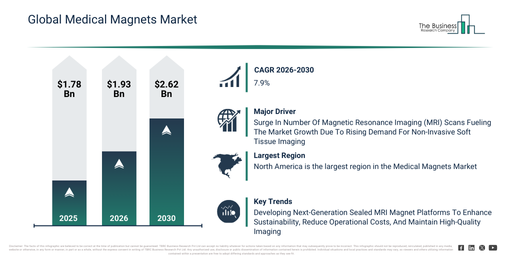
    The medical magnets market has experienced substantial growth in recent years. Forecasts indicate it will expand from $1.78 billion in 2025 to $1.93 billion in 2026, demonstrating a compound annual growth rate (CAGR) of 8.2%. Historically, this growth can be ascribed to several factors, including the increasing adoption of MRI systems, the growing prevalence of neurological disorders, rising investments in diagnostic infrastructure, the expansion of magnetic therapy usage, and the growing production of high-performance magnets.

    The medical magnets market is projected to experience robust expansion over the coming years. Its value is set to reach $2.62 billion by 2030, demonstrating a compound annual growth rate (CAGR) of 7.9%. This anticipated growth is driven by several factors, including a rising demand for minimally invasive diagnostic procedures, increasing research and development in magnetic drug delivery, the growing use of TMS devices, the expansion of hyperthermia applications for cancer treatment, and the expanding use of precision magnets in dental applications. Key trends anticipated during this period encompass technological advancements in high-field MRI magnet systems, innovations concerning TMS coil and magnet designs, the creation of lightweight and high-strength magnets, ongoing research and development in magnetic hyperthermia therapy, and progress in portable and compact magnetic device technologies.

    Access Your Free Sample Report for In-Depth Market Insights:

    https://www.thebusinessresearchcompany.com/sample.aspx?id=30650&type=smp

    What Drivers Are Shaping Future Opportunities In The Medical Magnets Market?

    The expanding volume of magnetic resonance imaging (MRI) scans is anticipated to stimulate the advancement of the medical magnets market. MRI scans are non-invasive diagnostic methods that utilize strong magnets and radio waves to generate detailed images of internal organs and tissues. The rise in MRI scans is attributed to the growing global elderly population, which frequently experiences chronic conditions that demand precise, non-invasive soft tissue imaging for proper diagnosis and treatment strategies. Medical magnets facilitate MRI scans by creating the powerful, stable magnetic fields necessary to produce intricate images of inner body structures. They improve diagnostic precision and image quality by allowing high-resolution viewing of soft tissues without ionizing radiation. As an illustration, in December 2024, data from NHS England, a publicly funded UK healthcare provider, showed that MRI scans in England rose from 361,705 in August 2023 to 365,270 in August 2024, with a cumulative 12-month total from September 2023 to August 2024 reaching 4,504,615 scans. Consequently, the increasing use in both therapeutic and diagnostic capacities is fueling the expansion of the medical magnets market.

    Which Segment Groups Are Influencing The Medical Magnets Market?

    The medical magnets market covered in this report is segmented –

    1) By Product Type: High-Performance Magnets, Lower-Performance Magnets, Superconducting Magnets, Electromagnets

    2) By Material Type: Neodymium Iron Boron, Ferrite, Samarium Cobalt, Other Materials

    3) By Technology: Permanent Magnet Technology, Electromagnetic Systems, Superconducting Magnet Technology, Hybrid Magnetic Systems

    4) By Application: Magnetic Resonance Imaging, Transcranial Magnetic Stimulation, Magnetic Therapy, Drug Delivery, Dentistry

    5) By End User: Hospitals, Diagnostic Imaging Centers, Specialty Neurology Centers, Research And Academic Institutions, Rehabilitation And Wellness Centers

    Subsegment:

    1) By High-Performance Magnets: Neodymium Iron Boron, Samarium Cobalt, Alnico

    2) By Lower-Performance Magnets: Ferrite, Ceramic

    3) By Superconducting Magnets: Niobium Titanium, Niobium Tin, Magnesium Diboride

    4) By Electromagnets: Solenoid, Toroidal, Helical

    How Are New Market Trends Shaping The Landscape Of The Medical Magnets Market?

    Leading companies within the medical magnets market are concentrating on creating advanced technology, such as helium-efficient MRI magnet technologies, to decrease operational expenditures and improve sustainability without sacrificing imaging performance. Helium-efficient MRI magnet technologies refer to next-generation superconducting magnet designs that employ minimal or no liquid helium via sealed or cryogen-free cooling systems to cut resource use, running costs, and environmental impact, all while maintaining high-quality imaging performance. For example, in February 2025, GE Healthcare Technologies Inc., a US-based medical technology company, launched the Freelium sealed magnet platform. This platform incorporates a helium-free design that utilizes less than 1% of the helium needed by traditional MRI magnets, integrates intelligent sensor technology for remote oversight and automated magnet recovery, and provides a permanent helium enclosure for sustainability. Further capabilities include compatibility with AI-enabled imaging solutions and a design optimized for placement in areas with restricted helium access, enabling wider deployment of high-performance MRI systems. This introduction signifies a major advancement in MRI technology by combining environmental efficiency, operational reliability, and high-quality diagnostic performance.

    Who Are The Major Companies Operating In The Medical Magnets Market?

    Major companies operating in the medical magnets market are Hitachi Ltd., Siemens Healthineers AG, Koninklijke Philips N.V., GE HealthCare Technologies Inc., Shin-Etsu Chemical Co. Ltd., Canon Medical Systems Corporation, Neo Performance Materials Inc., Ningbo Tongchuang Magnetic Materials Co. Ltd., Stereotaxis Inc., MagnetsTek LLC, SM Magnetics Inc., Zhejiang Zhaobao Magnet Group Co. Ltd., Bunting-DuBois Magnetics, I.M.A. Industria Macchine Automatiche S.p.A., Magnetica Limited, VACUUMSCHMELZE GmbH & Co. KG, Newland Magnetics Europe Ltd., Noveon Magnetics Inc., Goudsmit Magnetics Group B.V., MainRich Magnetics Co. Ltd.

    Access The Complete Report For Deeper Market Insights:

    https://www.thebusinessresearchcompany.com/report/medical-magnets-market-report

    Which Region Is Anticipated To See The Fastest Growth In The Medical Magnets Market?

    North America was the largest region in the medical magnets market in 2025. Asia-Pacific is expected to be the fastest-growing region in the forecast period. The regions covered in the medical magnets market report are Asia-Pacific, South East Asia, Western Europe, Eastern Europe, North America, South America, Middle East, Africa.

    Request Your Customized Medical Magnets Market Research Report for Competitive Advantage:

    https://www.thebusinessresearchcompany.com/customise?id=30650&type=smp

    Browse Through More Reports Similar to the Global Medical Magnets Market 2026, By The Business Research Company

    Electronic Device Magnets Market Report 2026

    https://www.thebusinessresearchcompany.com/report/electronic-device-magnets-global-market-report

    Magnetic Materials Market Report 2026

    https://www.thebusinessresearchcompany.com/report/magnetic-materials-global-market-report

    magnetometer global market report

    https://www.thebusinessresearchcompany.com/report/magnetometer-global-market-report

    Get in touch with us:

    The Business Research Company: https://www.thebusinessresearchcompany.com/

    Americas +1 310-496-7795

    Asia +44 7882 955267 & +91 8897263534

    Europe +44 7882 955267

    Email us at marketing@tbrc.info

    Follow us on:

    LinkedIn: https://in.linkedin.com/company/the-business-research-company

    YouTube: https://www.youtube.com/channel/UC24_fI0rV8cR5DxlCpgmyFQ

    Global Market Model: https://www.thebusinessresearchcompany.com/global-market-model
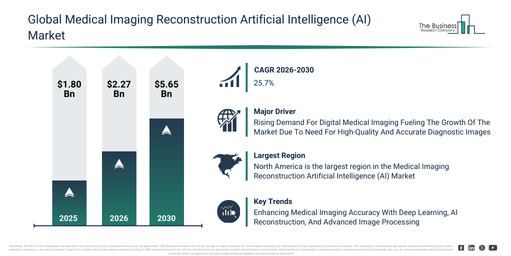
  • Medical Imaging Reconstruction Artificial Intelligence (AI) Sector Forecast Shows Robust Momentum, Climbing to $5.65 Billion With 25.7% CAGR

    Medical Imaging Reconstruction Artificial Intelligence (AI) Sector Forecast Shows Robust Momentum, Climbing to $5.65 Billion With 25.7% CAGR

    Uncover key drivers, emerging technologies, and competitive movements shaping the medical imaging reconstruction artificial intelligence (ai) market from 2026–2035 with trusted insights from The Business Research Company

    What was the valuation of the Medical Imaging Reconstruction Artificial Intelligence (AI) Market in 2026, and what figure is it projected to hit by 2030?

    The medical imaging reconstruction artificial intelligence (AI) market has seen rapid expansion in recent years. This market is projected to expand from $1.80 billion in 2025 to $2.27 billion in 2026, demonstrating a compound annual growth rate (CAGR) of 26.0%. The historical expansion can be linked to factors such as increasing medical imaging volumes, the wider uptake of digital radiology systems, a heightened requirement for swifter image reconstruction, a greater emphasis on lowering radiation exposure, and the expanded incorporation of deep learning methodologies.

    The medical imaging reconstruction artificial intelligence (AI) market size is projected to experience substantial expansion in the coming years. It is anticipated to reach $5.65 billion in 2030 at a compound annual growth rate (CAGR) of 25.7%. This projected growth throughout the forecast period stems from factors such as increasing demand for cloud-based imaging solutions, escalating investments in artificial intelligence healthcare innovation, broader deployment of advanced reconstruction software, expanding hospital digital transformation initiatives, and the rising need for radiologist workflow automation. Key trends shaping the forecast period encompass increasing adoption of multimodal image reconstruction, a growing reliance on real-time reconstruction algorithms, rising integration of generative artificial intelligence models, the expansion of hybrid cloud imaging platforms, and a growing movement towards fully automated imaging pipelines.

    Access Your Free Sample Report for In-Depth Market Insights:

    https://www.thebusinessresearchcompany.com/sample.aspx?id=30649&type=smp

    Which Drivers Are Affecting Market Participation In The Medical Imaging Reconstruction Artificial Intelligence (AI) Market?

    The medical imaging reconstruction artificial intelligence (AI) market is anticipated to expand due to the escalating need for digital medical imaging. Digital medical imaging involves employing digital technologies to capture, store, process, and display bodily medical images for diagnostic, monitoring, and treatment purposes. This surge in demand for digital imaging stems from a heightened requirement for premium visual content and precise diagnostic images, as digital solutions facilitate quicker processing, enhanced resolution, and streamlined data storage and sharing. Medical imaging reconstruction artificial intelligence (AI) bolsters digital medical imaging through improved image quality, faster reconstruction, and more precise interpretation of diagnostic scans, consequently elevating patient care by enabling accurate diagnoses and well-informed clinical judgments. For example, NHS England, a UK-based government health authority, reported in May 2025 that 48.9 million imaging tests were recorded throughout England from February 2024 to January 2025, including 4.03 million tests in January 2025 alone, demonstrating the consistent high volume of diagnostic imaging activity. Hence, the rising need for digital medical imaging is a significant factor propelling the expansion of the medical imaging reconstruction artificial intelligence (AI) market.

    What Segment Classifications Make Up The Medical Imaging Reconstruction Artificial Intelligence (AI) Market?

    The medical imaging reconstruction artificial intelligence (AI) market covered in this report is segmented –

    1) By Component: Software, Hardware, Services

    2) By Modality: Computed Tomography (CT), Magnetic Resonance Imaging (MRI), Positron Emission Tomography (PET), Ultrasound, X-Ray (X-Radiation), Other Modality

    3) By Deployment Mode: On-Premises, Cloud

    4) By Application: Oncology, Cardiology, Neurology, Orthopedics, Other Application

    5) By End-User: Hospitals, Diagnostic Imaging Centers, Research Institutes, Other End-User

    Subsegments:

    1) By Software: Image Reconstruction Software, Workflow Management Software, Cloud-Based Reconstruction Platforms, Artificial Intelligence Algorithm Software, Data Analytics And Visualization Software

    2) By Hardware: Imaging Processing Units, Medical Imaging Scanners, Storage And Server Systems, Graphics Processing Hardware, Edge Computing Devices

    3) By Services: Maintenance And Support Services, Training And Implementation Services, Consulting Services, Software As A Service, Research And Development Services

    Which Trends Are Expected To Influence The Medical Imaging Reconstruction Artificial Intelligence (AI) Market In The Upcoming Years?

    Leading companies in the medical imaging reconstruction artificial intelligence (AI) market are dedicated to developing advanced technological solutions, such as deep learning-based image processing software, to enhance diagnostic precision, decrease scan times, and improve image quality across various modalities. Deep learning-based image processing software involves AI algorithms trained on extensive datasets to reconstruct medical images with superior clarity, reduce unwanted noise, and accurately identify anatomical structures, thereby enabling more informed clinical decision-making. For instance, in May 2023, GE HealthCare, a US-based medical technology company, obtained FDA 510(k) clearance for Precision DL, which is deep learning image processing software designed for PET/CT scanners and implemented on the Omni Legend system. This solution utilizes deep learning image processing to elevate image quality while maintaining minimal radiation exposure, speeding up workflow, and providing clinicians with more exact diagnostic information. Its objectives also include improving the detection of small lesions, optimizing quantitative accuracy, and supporting faster, lower-dose imaging, allowing clinicians to deliver more precise and individualized patient care.

    Which Major Firms Are Strengthening Their Position In The Medical Imaging Reconstruction Artificial Intelligence (AI) Market?

    Major companies operating in the medical imaging reconstruction artificial intelligence (AI) market are NVIDIA Corporation, Siemens Healthineers AG, Fujifilm Holdings Corp., Philips International B.V., GE HealthCare Technologies Inc., United Imaging Healthcare Co. Ltd., Samsung Medison, Hitachi Medical Systems GmbH, Canon Medical Systems Corporation, Viz.ai Inc., Aidoc Medical Ltd., Lunit Inc., Infervision, Quibim SL, DeepHealth, Blackford Analysis Ltd., Airs Medical Inc., Subtle Medical Inc., Zebra Medical, Enlitic

    Access The Complete Report For Deeper Market Insights:

    https://www.thebusinessresearchcompany.com/report/medical-imaging-reconstruction-artificial-intelligence-ai-market-report

    Which Region Shows The Strongest Potential For Future Expansion In The Medical Imaging Reconstruction Artificial Intelligence (AI) Market?

    North America was the largest region in the medical imaging reconstruction artificial intelligence (AI) market in 2025. Asia-Pacific is expected to be the fastest-growing region in the forecast period. The regions covered in the medical imaging reconstruction artificial intelligence (AI) market report are Asia-Pacific, South East Asia, Western Europe, Eastern Europe, North America, South America, Middle East, Africa.

    Request Your Customized Medical Imaging Reconstruction Artificial Intelligence (AI) Market Research Report for Competitive Advantage:

    https://www.thebusinessresearchcompany.com/customise?id=30649&type=smp

    Browse Through More Reports Similar to the Global Medical Imaging Reconstruction Artificial Intelligence (AI) Market 2026, By The Business Research Company

    Artificial Intelligence In Medical Imaging Market Report 2026

    https://www.thebusinessresearchcompany.com/report/artificial-intelligence-in-medical-imaging-global-market-report

    Ai In Medical Imaging Market Report 2026

    https://www.thebusinessresearchcompany.com/report/ai-in-medical-imaging-global-market-report

    artificial intelligence in magnetic resonance imaging MRI global market report

    https://www.thebusinessresearchcompany.com/report/artificial-intelligence-in-magnetic-resonance-imaging-mri-global-market-report

    Get in touch with us:

    The Business Research Company: https://www.thebusinessresearchcompany.com/

    Americas +1 310-496-7795

    Asia +44 7882 955267 & +91 8897263534

    Europe +44 7882 955267

    Email us at marketing@tbrc.info

    Follow us on:

    LinkedIn: https://in.linkedin.com/company/the-business-research-company

    YouTube: https://www.youtube.com/channel/UC24_fI0rV8cR5DxlCpgmyFQ

    Global Market Model: https://www.thebusinessresearchcompany.com/global-market-model