Month: May 2026

  • Robotic Flight Simulator Surgery Market Analysis Covering Growth Drivers And Future Outlook

    Robotic Flight Simulator Surgery Market Analysis Covering Growth Drivers And Future Outlook

    The Business Research Company’s 2026 market reports feature enhanced tools like market attractiveness analysis, TAM assessment, and company scoring matrices, along with interactive dashboards, deeper supply chain insights, and startup coverage strengthening the depth, usability, and strategic value of insights.

    How Is The Market Size Of The Robotic Flight Simulator Surgery Market Expected To Change From 2026 To 2030?

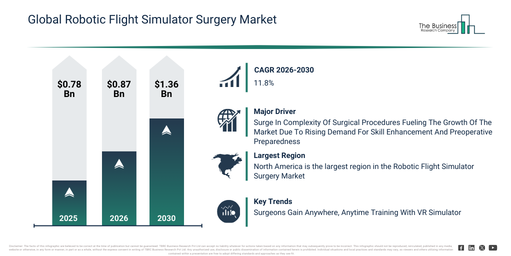
    The robotic flight simulator surgery market size has seen rapid expansion in recent years. Its value is expected to rise from $0.78 billion in 2025 to $0.87 billion in 2026, exhibiting a compound annual growth rate (CAGR) of 11.6%. The historical surge can be ascribed to elements such as heightened surgical training complexity, the proliferation of simulation-based education, an intensified emphasis on patient safety, an upswing in minimally invasive surgery procedures, and advancements in high-fidelity simulators.

    The robotic flight simulator surgery market is projected for substantial expansion over the coming years. This market is anticipated to reach $1.36 billion by 2030, exhibiting a compound annual growth rate (CAGR) of 11.8%. This anticipated growth is driven by several factors, including the increased uptake of VR surgical labs, advancements in competency-based surgical certification, the widening scope of remote surgical training, a growing need for rehearsal-based planning, and enhanced financial support for medical simulation centers. Key developments expected during this period encompass the proliferation of virtual surgical training platforms, an increasing reliance on patient-specific procedure simulation, the spread of haptic-enabled training systems, the rising embrace of team-based surgical simulation, and the incorporation of performance scoring and feedback mechanisms.

    Access Your Free Sample Report For In-Depth Market Analysis:

    https://www.thebusinessresearchcompany.com/sample.aspx?id=33307&type=smp

    What Major Factors Are Driving The Robotic Flight Simulator Surgery Market Forward?

    The anticipated expansion of the robotic flight simulator surgery market is set to be propelled by the increasing intricacy of surgical procedures. Surgical procedures are medical interventions carried out by skilled surgeons to address ailments, injuries, or deformities through physical alteration of bodily tissues. The rising complexity of these procedures is attributed to an aging global population, the escalating prevalence of chronic illnesses requiring surgical intervention, and the wider adoption of minimally invasive and robot-assisted technologies. Robotic flight simulator surgery supports surgical training by providing surgeons with a realistic virtual setting to practice complex procedures, thereby enhancing technical proficiency and improving readiness before actual operations. For instance, in April 2025, the Australian Institute of Health and Welfare (AIHW), an Australia-based independent statutory agency, reported 778,500 public hospital elective surgery admissions, indicating a 5.8% increase from 735,500 in 2022–23. Consequently, the increasing complexity of surgical procedures is a key factor driving the growth of the robotic flight simulator surgery market.

    Which Segments Define The Robotic Flight Simulator Surgery Market Segment Structure?

    The robotic flight simulator surgery market covered in this report is segmented –

    1) By Type Of Surgery: Cardiac Surgery; Orthopedic Surgery; Neurosurgery; Gastrointestinal Surgery; Urological Surgery; Other Types

    2) By Technology: Virtual Reality (VR); Augmented Reality (AR); Mixed Reality (MR)

    3) By Application: Training And Education; Preoperative Planning; Surgical Navigation; Rehabilitation And Recovery Training

    4) By End-User: Hospitals And Clinics; Ambulatory Surgical Centers (ASCs); Research And Academic Institutions

    Subsegments:

    1) By Cardiac Surgery: Minimally Invasive Cardiac Surgery; Coronary Artery Bypass Simulation; Valve Repair And Replacement Simulation; Electrophysiology Procedure Simulation

    2) By Orthopedic Surgery: Joint Replacement Simulation; Fracture Fixation Simulation; Arthroscopic Surgery Simulation; Spinal Fusion Simulation

    3) By Neurosurgery: Brain Tumor Resection Simulation; Spinal Cord Surgery Simulation; Vascular Neurosurgery Simulation; Endoscopic Neurosurgery Simulation

    4) By Gastrointestinal Surgery: Bariatric Surgery Simulation; Colorectal Surgery Simulation; Liver And Pancreas Surgery Simulation; Laparoscopic Gastrointestinal Surgery Simulation

    5) By Urological Surgery: Prostate Surgery Simulation; Kidney Surgery Simulation; Bladder Surgery Simulation; Minimally Invasive Urological Procedures Simulation

    6) By Other Types: Pediatric Surgery Simulation; Gynecological Surgery Simulation; Ophthalmic Surgery Simulation; Emergency Surgery Simulation

    Which Trends Are Impacting The Progress Of The Robotic Flight Simulator Surgery Market?

    Leading companies in the robotic flight simulator surgery market are concentrating on integrating artificial intelligence (AI) into simulation platforms, such as the VTVR platform, to enhance surgical accuracy, optimize training outcomes, and deliver real-time performance analytics for both new and experienced surgeons. The VTVR platform generally refers to a Virtual Reality-based training system employed within CMR Surgical’s Versius robotic surgery training program. For example, in July 2023, CMR Surgical, a UK-headquartered surgical robotics firm, unveiled the Versius Trainer in VR (VTVR), an advanced virtual reality simulator for its Versius robotic surgical system. The VTVR facilitates surgeons’ participation in interactive simulator exercises using VR headsets and hand controllers, providing adaptable training opportunities anytime, anywhere. Developed to enhance the existing Versius Trainer, it offers a wireless and portable experience, removing the need for a PC connection. This innovative method assists surgeons in practicing and becoming familiar with the Versius interface at their own speed. By offering this accessible, immersive training, VTVR is capable of accelerating skill development and shortening the typical learning curve compared to utilizing an in-lab simulator.

    Who Are The Established Players Within The Robotic Flight Simulator Surgery Market?

    Major companies operating in the robotic flight simulator surgery market are Medtronic plc, Intuitive Surgical Inc., Smith & Nephew plc, CAE Inc., Meerecompany Inc., Surgical Science Sweden AB, Avatera Medical GmbH, CMR Surgical Ltd, Osso VR, Ubitus K.K., Mentice AB, HaptX Inc., KRN Labs, Medicaroid Corporation, PrecisionOS Technology, EndoQuest Robotics Inc., iotaMotion Inc., LifeLike BioTissues, ToLTech GmbH, Simulated Surgical Systems LLC

    Get The Full Robotic Flight Simulator Surgery Market Report:

    https://www.thebusinessresearchcompany.com/report/robotic-flight-simulator-surgery-market-report

    Which Region Accounts For The Largest Portion Of The Robotic Flight Simulator Surgery Market?

    North America was the largest region in the robotic flight simulator surgery market in 2025. Asia-Pacific is expected to be the fastest-growing region in the forecast period. The regions covered in the robotic flight simulator surgery market report are Asia-Pacific, South East Asia, Western Europe, Eastern Europe, North America, South America, Middle East, Africa.

    Request A Customized Robotic Flight Simulator Surgery Market Report For Competitive Insights:

    https://www.thebusinessresearchcompany.com/customise?id=33307&type=smp

    Browse Through More Reports Similar to the Global Robotic Flight Simulator Surgery Market 2026, By The Business Research Company

    Robotic Surgery Services Market Report 2026

    https://www.thebusinessresearchcompany.com/report/robotic-surgery-services-global-market-report

    Flight Simulator Market Report 2026

    https://www.thebusinessresearchcompany.com/report/flight-simulator-global-market-report

    Surgical Robots Market Report 2026

    https://www.thebusinessresearchcompany.com/report/surgical-robots-global-market-report

    Get in touch with us:

    The Business Research Company: https://www.thebusinessresearchcompany.com/

    Americas +1 310-496-7795

    Asia +44 7882 955267 & +91 8897263534

    Europe +44 7882 955267

    Email us at info@tbrc.info

    Follow us on:

    LinkedIn: https://in.linkedin.com/company/the-business-research-company

    YouTube: https://www.youtube.com/channel/UC24_fI0rV8cR5DxlCpgmyFQ

    Global Market Model: https://www.thebusinessresearchcompany.com/global-market-model
  • Robotic Assisted Endovascular Systems Market Insights Highlighting Opportunities Supporting Growth To 2030

    Robotic Assisted Endovascular Systems Market Insights Highlighting Opportunities Supporting Growth To 2030

    The Business Research Company’s 2026 market reports feature enhanced tools like market attractiveness analysis, TAM assessment, and company scoring matrices, along with interactive dashboards, deeper supply chain insights, and startup coverage strengthening the depth, usability, and strategic value of insights.

    From Its 2026 Market Size, What Value Is The Robotic Assisted Endovascular Systems Market Projected To Reach By 2030?

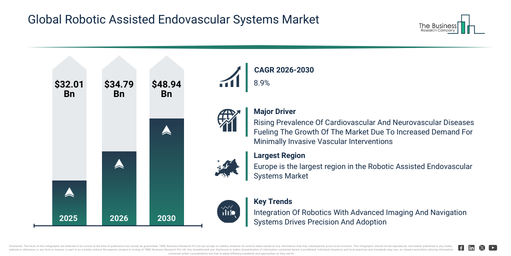
    The robotic assisted endovascular systems market size has experienced substantial expansion in recent years. It is anticipated to increase from $32.01 billion in 2025 to $34.79 billion by 2026, achieving a compound annual growth rate (CAGR) of 8.7%. The historical growth of this market is attributable to a surge in cardiovascular disease instances, an increase in catheter-based interventions, the proliferation of interventional radiology units, a growing inclination towards minimally invasive surgery, and enhancements in vascular imaging technologies.

    The robotic assisted endovascular systems market is projected to experience substantial expansion over the coming years. Its valuation is anticipated to reach $48.94 billion by 2030, demonstrating a compound annual growth rate (CAGR) of 8.9%. This anticipated growth during the forecast timeframe is attributable to several factors, including the proliferation of robotic vascular labs, a heightened demand for precision-guided interventions, the broadening scope of neurovascular robotic procedures, enhanced remote surgery functionalities, and increased hospital expenditure on robotic suites. Key trends characterizing this period are an increase in robotic catheter navigation, greater adoption within minimally invasive vascular procedures, the development of imaging-guided robotic platforms, a growing utilization of remote robotic intervention, and the incorporation of precision vascular control systems.

    Access Your Free Sample Report For In-Depth Market Analysis:

    https://www.thebusinessresearchcompany.com/sample.aspx?id=33306&type=smp

    Which Key Drivers Are Affecting The Robotic Assisted Endovascular Systems Market Development?

    A growing occurrence of cardiovascular and neurovascular diseases is anticipated to drive the future expansion of the robotic-assisted endovascular systems market. These conditions, which involve illnesses of the heart, blood vessels, and brain circulation, including coronary artery disease, stroke, and cerebral aneurysms, are recognized globally as a principal cause of death and long-term disability. The increase in cardiovascular and neurovascular diseases is attributed to an aging global populace coupled with a higher incidence of lifestyle-related risk factors such as obesity, hypertension, and physical inactivity. Robotic-assisted endovascular systems contribute to managing these diseases by enabling highly precise, minimally invasive navigation of blood vessels, thereby enhancing treatment accuracy, safety, and clinical outcomes for complex vascular interventions. For example, in January 2024, according to the American Heart Association, a US-based non-profit organization, the age-adjusted death rate from cardiovascular disease increased to 233.3 per 100,000 in 2024, which was up 4.0% from 224.4 per 100,000 in 2023. Thus, the escalating prevalence of cardiovascular and neurovascular diseases is propelling the growth of the robotic-assisted endovascular systems market.

    How Is The Robotic Assisted Endovascular Systems Market Segmented Across Different Segment Categories?

    The robotic assisted endovascular systems market covered in this report is segmented –

    1) By Component: Hardware; Software; Services

    2) By Product: Robotic Catheter Systems; Robotic Guidewire Systems; Robotic Angioplasty Systems; Other Products

    3) By Technology: Robotic Catheter Systems; AI-Assisted Navigation Systems; Imaging-Guided Robotic Platforms; Haptic Feedback Systems; Autonomous Robotic Systems

    4) By Application: Coronary Interventions; Peripheral Vascular Interventions; Neurovascular Interventions; Other Applications

    5) By End-User: Hospitals; Specialty Clinics; Ambulatory Surgical Centers; Research And Academic Institutes; Other End-Users

    Subsegments:

    1) By Hardware: Robotic Control Units; Robotic Catheter Systems; Navigation Consoles; Imaging Integration Modules; Surgical Instrument Arms

    2) By Software: Navigation Software Platforms; Imaging Processing Software; Procedure Planning Software; Data Management Software; Clinical Decision Support Software

    3) By Services: Installation Services; Maintenance And Repair Services; Training And Education Services; System Upgradation Services

    What Trends Are Transforming The Robotic Assisted Endovascular Systems Market?

    Major companies operating in the robotic assisted endovascular systems market are placing emphasis on integrating robotics with advanced imaging and navigation tools, including fully remote endovascular robotic platforms. This integration seeks to elevate procedural accuracy, enable complex vascular navigation, and expand reach to specialist care. Fully remote endovascular robotic platforms refer to robotic systems that consolidate real-time fluoroscopic imaging with preoperative CT and MRI data to guide the robotic manipulation of catheters and guidewires during endovascular procedures, while permitting clinicians to operate from a distant console. For instance, in October 2025, Remedy Robotics, a US-based medical technology company, introduced the Remedy N1 System, an endovascular surgical robotic platform developed to facilitate fully remote neurointerventional procedures. Designed to improve precision and clinical workflow, the system incorporates automated CT and MRI image preprocessing with live fluoroscopic imaging for real-time navigation, supports simultaneous robotic control of up to four endovascular devices, and includes a portable operator console with secure audiovisual connectivity for remote procedural execution.

    Which Organizations Play A Role In The Robotic Assisted Endovascular Systems Market Landscape?

    Major companies operating in the robotic assisted endovascular systems market are Johnson & Johnson, Siemens Healthineers AG, Corindus Vascular Robotics Inc., Cordis Corporation, MicroPort Scientific Corporation, Hansen Medical Inc., Robocath S.A.S., Magnetecs Corporation, Cathbot Robot Co. Ltd., EKOS Corporation, Stereotaxis Inc., Imperative Care Inc., WeMed Medical Technology Co. Ltd., Lombard Medical Limited, Endovascular Robotics Inc., SS Innovations International Inc., Visionary Medicare Co. Ltd., Vantis Vascular Inc., Microbot Medical Inc., Sentante Ltd.

    Get The Full Robotic Assisted Endovascular Systems Market Report:

    https://www.thebusinessresearchcompany.com/report/robotic-assisted-endovascular-systems-market-report

    Which Region Holds The Highest Market Share In The Robotic Assisted Endovascular Systems Market?

    Europe was the largest region in the robotic assisted endovascular systems market in 2025. Asia-Pacific is expected to be the fastest-growing region in the forecast period. The regions covered in the robotic assisted endovascular systems market report are Asia-Pacific, South East Asia, Western Europe, Eastern Europe, North America, South America, Middle East, Africa.

    Request A Customized Robotic Assisted Endovascular Systems Market Report For Competitive Insights:

    https://www.thebusinessresearchcompany.com/customise?id=33306&type=smp

    Browse Through More Reports Similar to the Global Robotic Assisted Endovascular Systems Market 2026, By The Business Research Company

    Robot Assisted Endoscope Market Report 2026

    https://www.thebusinessresearchcompany.com/report/robot-assisted-endoscope-global-market-report

    Robotic Surgery Services Market Report 2026

    https://www.thebusinessresearchcompany.com/report/robotic-surgery-services-global-market-report

    Medical Robotics Market Report 2026

    https://www.thebusinessresearchcompany.com/report/medical-robotics-global-market-report

    Get in touch with us:

    The Business Research Company: https://www.thebusinessresearchcompany.com/

    Americas +1 310-496-7795

    Asia +44 7882 955267 & +91 8897263534

    Europe +44 7882 955267

    Email us at info@tbrc.info

    Follow us on:

    LinkedIn: https://in.linkedin.com/company/the-business-research-company

    YouTube: https://www.youtube.com/channel/UC24_fI0rV8cR5DxlCpgmyFQ

    Global Market Model: https://www.thebusinessresearchcompany.com/global-market-model
  • Global Robot-Assisted Joint Replacement Systems Market Expected To Reach $4.25 Billion By 2030 With 16.7% CAGR

    Global Robot-Assisted Joint Replacement Systems Market Expected To Reach $4.25 Billion By 2030 With 16.7% CAGR

    The Business Research Company’s 2026 market reports feature enhanced tools like market attractiveness analysis, TAM assessment, and company scoring matrices, along with interactive dashboards, deeper supply chain insights, and startup coverage strengthening the depth, usability, and strategic value of insights.

    How Much Growth In Market Value Is Expected For The Robot-Assisted Joint Replacement Systems Market Between 2026 And 2030?

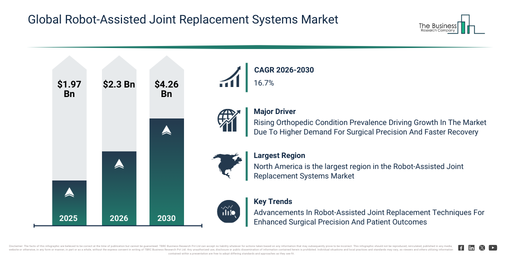
    The robot-assisted joint replacement systems market has experienced swift expansion recently. This market is set to increase from $1.97 billion in 2025 to $2.3 billion in 2026, achieving a compound annual growth rate (CAGR) of 16.5%. The expansion witnessed in the past can be ascribed to several factors, including the increasing occurrence of osteoarthritis, a rise in the number of joint replacement operations, the proliferation of orthopedic specialty hospitals, an aging demographic, and advancements in surgical imaging systems.

    The robot-assisted joint replacement systems market is poised for swift expansion in the upcoming years. This market is projected to reach $4.26 billion by 2030, exhibiting a compound annual growth rate (CAGR) of 16.7%. This anticipated growth is driven by increased investments in robotic surgery, a growing need for precision orthopedics, the proliferation of outpatient joint replacement facilities, enhanced surgeon training in robotic systems, and a surge in the acceptance of premium implants. Key trends anticipated during this period encompass the increasing embrace of robotic knee replacement systems, an uptick in patient-specific surgical planning, the broadening scope of robotic arm-assisted orthopedic procedures, greater reliance on real-time intraoperative navigation, and a heightened preference for minimally invasive joint interventions.

    Access Your Free Sample Report For In-Depth Market Analysis:

    https://www.thebusinessresearchcompany.com/sample.aspx?id=33305&type=smp

    What Factors Are Contributing To The Growth Of The Robot-Assisted Joint Replacement Systems Market?

    The growing occurrence of degenerative joint and musculoskeletal (MSK) conditions is anticipated to fuel the expansion of the robot-assisted joint replacement systems market in the upcoming period. These orthopedic conditions, including osteoarthritis and age-related joint decline, predominantly impact the body’s structures responsible for movement and support, frequently leading to persistent pain, restricted movement, and impaired function. A primary reason for the rising incidence of these conditions is the world’s aging population, given that older individuals are more prone to joint wear-and-tear, deterioration of cartilage, and diminished bone density. Robot-assisted joint replacement systems offer a solution for advanced joint degeneration by boosting surgical accuracy, optimizing implant positioning, and delivering more uniform results, thereby potentially lowering complications and accelerating recovery after surgery. For instance, figures from the UK Office for Health Improvement and Disparities show that the reported prevalence of long-term musculoskeletal conditions among those aged 16 and above rose to 18.4% in 2023, up from 17.6% in 2022. This highlights an expanding patient demographic susceptible to worsening joint deterioration. Consequently, the increasing prevalence of degenerative joint conditions stands as a significant factor propelling the growth of the robot-assisted joint replacement systems market.

    What Are The Main Segments Within The Robot-Assisted Joint Replacement Systems Market Segment Structure?

    The robot-assisted joint replacement systems market covered in this report is segmented –

    1) By Product Type: Knee Replacement Systems; Hip Replacement Systems; Shoulder Replacement Systems; Other Product Types

    2) By Technology: Semi-Autonomous Systems; Fully Autonomous Systems

    3) By End-Users: Orthopedic Surgeons; Hospitals; Clinics; Other End-Users

    Subsegments:

    1) By Knee Replacement Systems: Total Knee Replacement; Partial Knee Replacement; Revision Knee Replacement

    2) By Hip Replacement Systems: Total Hip Replacement; Partial Hip Replacement; Revision Hip Replacement

    3) By Shoulder Replacement Systems: Total Shoulder Replacement; Partial Shoulder Replacement; Reverse Shoulder Replacement

    4) By Other Products: Ankle Replacement Systems; Elbow Replacement Systems; Custom Implant Guides

    What Trends Are Shaping The Future Of The Robot-Assisted Joint Replacement Systems Market?

    Companies operating within the robot-assisted joint replacement systems market are concentrating on developing innovative solutions, such as imageless intraoperative registration, to boost surgical precision, shorten operative duration, and enhance patient results in joint replacement procedures. Imageless intraoperative registration refers to a technique in robot-assisted joint replacement surgery that generates a digital model of the patient’s joint during the operation using anatomical landmarks and sensors, thereby removing the requirement for preoperative imaging and enabling precise robotic guidance. For instance, in October 2023, DePuy Synthes, a US-based orthopedics company, unveiled its VELYS Robotic-Assisted Solution for total knee arthroplasty. This imageless, table-mounted system is engineered for precise total knee arthroplasty (TKA) and integrates with the ATTUNE knee system to achieve personalized implant positioning and balanced soft tissue outcomes. Its primary benefits include elevated surgical accuracy, reduced procedure times, decreased hospital stays (2.5 vs. 3.7 days), and excellent early recovery metrics, including ambulation distance and pain relief at 6 months. In summary, it improves patient satisfaction (95%), functional scores, and surgeon efficiency, all while minimizing errors in bone cuts and gap balancing.

    Who Are The Companies Participating In The Robot-Assisted Joint Replacement Systems Market?

    Major companies operating in the robot-assisted joint replacement systems market are Johnson & Johnson, Medtronic plc., Stryker Corporation, B. Braun Melsungen AG., Zimmer Biomet Holdings Inc., Smith & Nephew plc., Meril Life Sciences, Globus Medical Inc., MicroPort Scientific Corporation, Brainlab, Corin Group, Exactech Inc., Think Surgical Inc., Curexo Inc., OMNIlife Science Inc., OrthAlign Inc., Kinamed Inc., Perlove Medical, Guangzhou Aimooe Technology Co. Ltd., Mako Surgical Corp., R2 Surgical,

    Get The Full Robot-Assisted Joint Replacement Systems Market Report:

    https://www.thebusinessresearchcompany.com/report/robot-assisted-joint-replacement-systems-market-report

    Where Is The Robot-Assisted Joint Replacement Systems Market Most Concentrated Geographically?

    North America was the largest region in the robot-assisted joint replacement systems market in 2025. Asia-Pacific is expected to be the fastest-growing region in the forecast period. The regions covered in the robot-assisted joint replacement systems market report are Asia-Pacific, South East Asia, Western Europe, Eastern Europe, North America, South America, Middle East, Africa.

    Request A Customized Robot-Assisted Joint Replacement Systems Market Report For Competitive Insights:

    https://www.thebusinessresearchcompany.com/customise?id=33305&type=smp

    Browse Through More Reports Similar to the Global Robot-Assisted Joint Replacement Systems Market 2026, By The Business Research Company

    Orthopedic Surgical Robots Market Report 2026

    https://www.thebusinessresearchcompany.com/report/orthopedic-surgical-robots-global-market-report

    Joint Reconstruction Devices And Equipment Market Report 2026

    https://www.thebusinessresearchcompany.com/report/joint-reconstruction-devices-and-equipment-global-market-report

    Robotic Surgery Services Market Report 2026

    https://www.thebusinessresearchcompany.com/report/robotic-surgery-services-global-market-report

    Get in touch with us:

    The Business Research Company: https://www.thebusinessresearchcompany.com/

    Americas +1 310-496-7795

    Asia +44 7882 955267 & +91 8897263534

    Europe +44 7882 955267

    Email us at info@tbrc.info

    Follow us on:

    LinkedIn: https://in.linkedin.com/company/the-business-research-company

    YouTube: https://www.youtube.com/channel/UC24_fI0rV8cR5DxlCpgmyFQ

    Global Market Model: https://www.thebusinessresearchcompany.com/global-market-model
  • Robot Assisted Surgical Microscope Market Future Outlook Showing Growth Toward $202.61 Billion By 2030

    Robot Assisted Surgical Microscope Market Future Outlook Showing Growth Toward $202.61 Billion By 2030

    The Business Research Company’s 2026 market reports feature enhanced tools like market attractiveness analysis, TAM assessment, and company scoring matrices, along with interactive dashboards, deeper supply chain insights, and startup coverage strengthening the depth, usability, and strategic value of insights.

    What Is The Estimated Market Size Of The Robot Assisted Surgical Microscope Market In 2026, And How Will Its Value Evolve By 2030?

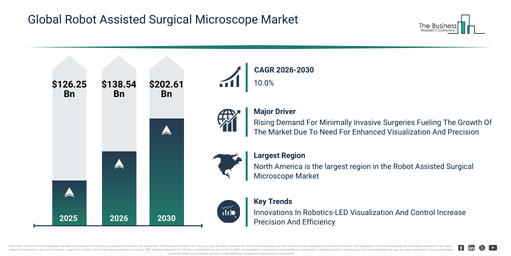
    The robot assisted surgical microscope market size has seen substantial growth in recent years. It is anticipated to expand from $126.25 billion in 2025 to $138.54 billion in 2026, exhibiting a compound annual growth rate (CAGR) of 9.7%. This historic period’s expansion can be ascribed to several factors, including an increase in minimally invasive surgeries, rising neurosurgery procedure volumes, the wider adoption of operating room imaging systems, a greater demand for surgical precision, and the early uptake of robotic surgery tools.

    The robot assisted surgical microscope market is projected to experience substantial expansion in the coming years. This market is anticipated to reach a valuation of $202.61 billion by 2030, exhibiting a compound annual growth rate (CAGR) of 10.0%. This forecasted growth is largely driven by factors such as the rise in intricate microsurgical procedures, augmented investments in robotics by hospitals, the proliferation of digital operating rooms, surgeons’ increasing need for precise visualization capabilities, and elevated expenditures on cutting-edge surgical systems. Key trends during this period are expected to encompass the increasing uptake of robot-guided visualization systems, the broadening application of digitally assisted surgical microscopy, the enlargement of image-guided robotic microscope offerings, a surge in the integration of AI-powered visualization support, and a greater preference for ergonomically designed robotic microscope platforms.

    Access Your Free Sample Report For In-Depth Market Analysis:

    https://www.thebusinessresearchcompany.com/sample.aspx?id=33304&type=smp

    Which Strong Drivers Are Impacting The Robot Assisted Surgical Microscope Market Growth?

    The anticipated expansion of the robot-assisted surgical microscope market is linked to the increasing need for minimally invasive surgical procedures. These surgeries involve smaller cuts, resulting in less tissue trauma, diminished post-operative discomfort, quicker hospital discharges, and fewer complications when contrasted with conventional open operations. The proliferation of minimally invasive surgeries stems from innovations in surgical technology, which facilitate smaller incisions, quicker recuperation periods, and better results for patients. Robot-assisted surgical microscopes bolster the demand for minimally invasive surgeries by providing surgeons with the enhanced visualization, accuracy, and mastery essential for intricate procedures of this type. An example is provided by the American Society of Plastic Surgeons (ASPS), a US-based professional association, which reported in June 2024 that roughly 25.4 million cosmetic minimally invasive procedures occurred in 2023, representing a 7% rise from 2022. Consequently, the growing demand for minimally invasive surgeries is a key factor driving the expansion of the robot-assisted surgical microscope market.

    How Is Segmentation Applied In The Robot Assisted Surgical Microscope Market Segment Analysis?

    The robot assisted surgical microscope market covered in this report is segmented –

    1) By Component: Robotic Surgical Microscope Systems; Software And Control Systems; Accessories And Peripheral Devices; Services

    2) By Technology: Digitally Assisted Robotic Microscopy; Artificial Intelligence (AI)-Enabled Robotic Visualization Systems; Image-Guided Robotic Microscopy

    3) By Surgery Type: Neurological Surgery; Orthopedic Surgery; Ophthalmological Surgery; Other Surgery Types

    4) By End User: Hospitals; Ambulatory Surgical Centers; Specialty Clinics

    Subsegments:

    1) By Robotic Surgical Microscope Systems: Standalone Robotic Microscope Units; Integrated Operating Room Microscope Systems; Ceiling Mounted Robotic Microscope Systems; Mobile Robotic Microscope Platforms; Hybrid Robotic Optical Systems

    2) By Software And Control Systems: Image Processing Software; Navigation And Tracking Software; Robotic Motion Control Software; User Interface And Visualization Software; Data Integration And Management Software

    3) By Accessories And Peripheral Devices: High Definition Optical Lenses; Robotic Arm Attachments; Visualization Displays And Monitors; Illumination And Light Management Devices; Foot Control And Hand Control Interfaces

    4) By Services: Installation And System Integration Services; Maintenance And Repair Services; Software Update And Upgrade Services; User Training And Education Services; Technical Support And Consultation Services

    Which Trends Are Contributing To Changes In The Robot Assisted Surgical Microscope Market?

    Leading companies in the robot-assisted surgical microscope market are prioritizing the development of advanced solutions, such as robotic visualization systems for neurosurgery, to enhance surgical precision, improve workflow efficiency, and support intraoperative decision-making. These robotic visualization systems for neurosurgery are defined as surgeon-controlled microscope platforms that integrate robotic positioning, high-resolution optical and digital imaging, and software-assisted features to facilitate complex microsurgical procedures. For instance, Carl Zeiss Meditec AG, a Germany-based medical technology company, introduced the ZEISS KINEVO 900 S Robotic Visualization System for neurosurgery in September 2024. This system is engineered to support high-precision microsurgical workflows, combining 4K 3D digital visualization with robotic assistance, enabling hands-free positioning through surgeon-controlled robotic movement, and incorporating AI-supported features like automated focus and alignment to boost intraoperative efficiency and visualization accuracy.

    Who Are The Companies Participating In The Robot Assisted Surgical Microscope Market Environment?

    Major companies operating in the robot assisted surgical microscope market are Sony Group Corporation, Danaher Corporation, Stryker Corporation, B. Braun Melsungen AG, Olympus Corporation, Karl Storz SE & Co. KG, Carl Zeiss AG, Leica Microsystems GmbH, Aesculap Inc., Brainlab AG, BHS Technologies GmbH, Medical Microinstruments Inc., Synaptive Medical Inc., Jadak LLC, Zumax Medical Co. Ltd., Perlove Medical Technology Co. Ltd., Mitaka Kohki Co. Ltd., Beijing Surgerii Technology Co. Ltd., Medicaroid Corporation, Medel Tip ve Saglik Ürünleri A.S.

    Get The Full Robot Assisted Surgical Microscope Market Report:

    https://www.thebusinessresearchcompany.com/report/robot-assisted-surgical-microscope-market-report

    Which Region Dominates The Robot Assisted Surgical Microscope Market By Market Share?

    North America was the largest region in the robot assisted surgical microscope market in 2025. Asia-Pacific is expected to be the fastest-growing region in the forecast period. The regions covered in the robot assisted surgical microscope market report are Asia-Pacific, South East Asia, Western Europe, Eastern Europe, North America, South America, Middle East, Africa.

    Request A Customized Robot Assisted Surgical Microscope Market Report For Competitive Insights:

    https://www.thebusinessresearchcompany.com/customise?id=33304&type=smp

    Browse Through More Reports Similar to the Global Robot Assisted Surgical Microscope Market 2026, By The Business Research Company

    Surgical Microscopes Market Report 2026

    https://www.thebusinessresearchcompany.com/report/surgical-microscopes-global-market-report

    Surgical Robots Market Report 2026

    https://www.thebusinessresearchcompany.com/report/surgical-robots-global-market-report

    Surgical Robot Accessories Market Report 2026

    https://www.thebusinessresearchcompany.com/report/surgical-robot-accessories-global-market-report

    Get in touch with us:

    The Business Research Company: https://www.thebusinessresearchcompany.com/

    Americas +1 310-496-7795

    Asia +44 7882 955267 & +91 8897263534

    Europe +44 7882 955267

    Email us at info@tbrc.info

    Follow us on:

    LinkedIn: https://in.linkedin.com/company/the-business-research-company

    YouTube: https://www.youtube.com/channel/UC24_fI0rV8cR5DxlCpgmyFQ

    Global Market Model: https://www.thebusinessresearchcompany.com/global-market-model
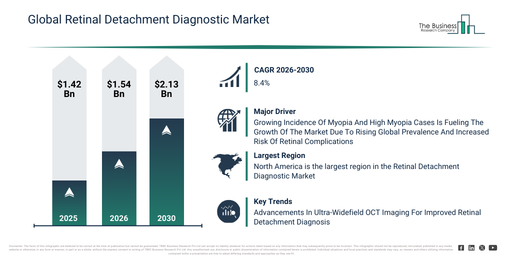
  • Retinal Detachment Diagnostic Market Revenue Growth Forecast To Reach $2.12 Billion By 2030 At 8.4% CAGR

    Retinal Detachment Diagnostic Market Revenue Growth Forecast To Reach $2.12 Billion By 2030 At 8.4% CAGR

    The Business Research Company’s 2026 market reports feature enhanced tools like market attractiveness analysis, TAM assessment, and company scoring matrices, along with interactive dashboards, deeper supply chain insights, and startup coverage strengthening the depth, usability, and strategic value of insights.

    How Does The Market Size Of The Retinal Detachment Diagnostic Market Compare Between 2026 And 2030?

    The retinal detachment diagnostic market has shown significant expansion in recent years. Its size is projected to increase from $1.42 billion in 2025 to $1.54 billion in 2026, demonstrating a compound annual growth rate (CAGR) of 8.2%. Historically, this growth was influenced by factors such as an increase in diabetic eye disease cases, the growth of ophthalmic imaging centers, rising awareness of retinal disorders, the expansion of hospital eye clinics, and the early adoption of OCT scanners.

    The market size for retinal detachment diagnostics is anticipated to exhibit robust expansion in the coming years. It is projected to climb to $2.13 billion by 2030, achieving a compound annual growth rate (CAGR) of 8.4%. The expansion over the forecast period is attributable to an increasing aging demographic, a heightened requirement for early vision diagnosis, the broadening of remote eye screening initiatives, augmented investment in ophthalmic imaging, and the rising occurrence of myopia and diabetes. Significant trends expected during this period involve the increasing utilization of optical coherence tomography imaging, the expanding acceptance of teleophthalmology screening services, the development of digital fundus photography systems, a greater application of AI-assisted retinal image analysis, and the enhanced deployment of portable ophthalmic ultrasound devices.

    Access Your Free Sample Report For In-Depth Market Analysis:

    https://www.thebusinessresearchcompany.com/sample.aspx?id=33303&type=smp

    What Key Factors Are Shaping The Retinal Detachment Diagnostic Market Landscape?

    The increasing occurrence of myopia and high myopia conditions is anticipated to propel the expansion of the retinal detachment diagnostic market in the future. Myopia and high myopia cases signify a rising prevalence of nearsightedness and severe nearsightedness, which impede distant vision and elevate the likelihood of serious eye complications. The surge in these cases, often attributed to extended screen exposure and reduced outdoor activities, is intensifying vision strain, leading to an earlier onset and quicker progression of refractive errors. Retinal detachment diagnostics play a crucial role in supporting myopia and high myopia cases by enabling the early detection of retinal complications, facilitating timely clinical intervention, and minimizing the risk of severe vision loss. For instance, in July 2025, according to Woo University, a US-based non-profit organization, 30% of the world is currently myopic, with this figure projected to climb to nearly 50% by 2050, affecting approximately 5 billion people. Therefore, the growing incidence of myopia and high myopia cases is significantly driving the growth of the retinal detachment diagnostic market.

    What Segment Categories Shape The Retinal Detachment Diagnostic Market Segment Landscape?

    The retinal detachment diagnostic market covered in this report is segmented –

    1) By Disease Type: Tractional Retinal Detachment; Rhegmatogenous Retinal Detachment

    2) By Diagnostic Type: Fundus Photography; Ophthalmoscopy; Optical Coherence Tomography Scanners; Fundus Cameras; Ophthalmic Ultrasound Imaging Systems; Ophthalmic A Scan Ultrasound; Ophthalmic B Scan Ultrasound

    3) By Technology: Imaging Based Diagnostics; Non Imaging Clinical Examination; Advanced Digital Ophthalmic Systems

    4) By Application: Vitreo Retinal Disorders; Cataract; Glaucoma; Refractive Disorders

    5) By End Use: Hospitals And Eye Clinics; Academic And Research Laboratories; Other End Uses

    Subsegments:

    1) By Tractional Retinal Detachment: Diabetic Tractional Retinal Detachment; Proliferative Vitreoretinopathy Related Tractional Retinal Detachment; Inflammatory Tractional Retinal Detachment; Trauma Induced Tractional Retinal Detachment; Post Surgical Tractional Retinal Detachment; Neovascularization Associated Tractional Retinal Detachment

    2) By Rhegmatogenous Retinal Detachment: Superior Break Rhegmatogenous Retinal Detachment; Inferior Break Rhegmatogenous Retinal Detachment; Giant Retinal Tear Related Rhegmatogenous Retinal Detachment; Lattice Degeneration Related Rhegmatogenous Retinal Detachment; Trauma Related Rhegmatogenous Retinal Detachment; Myopic Degeneration Related Rhegmatogenous Retinal Detachment; Post Cataract Surgery Rhegmatogenous Retinal Detachment

    What Market Trends Are Affecting The Retinal Detachment Diagnostic Market?

    Leading companies operating in the retinal detachment diagnostic market are prioritizing the creation of advanced imaging solutions, such as ultra-widefield optical coherence tomography (OCT), to boost detection accuracy, enhance visualization of the peripheral retina, and aid in the early identification of retinal tears and detachments. Ultra-widefield OCT is defined as an imaging technology that captures high-resolution, wide-angle views of the retina, enabling clinicians to identify subtle or peripheral retinal abnormalities that might otherwise be overlooked. As an illustration, in March 2025, Optos PLC, a UK-based retinal imaging company, unveiled MonacoPro, its next-generation ultra-widefield SLO and spectral domain retinal imaging system. Designed to assist eye care professionals with improved diagnostic precision and workflow efficiency, MonacoPro incorporates high-quality OCT imaging, integrated 200° optomap visualization, and the novel AreaAssist tool, which automates area measurement and analysis, collectively strengthening clinicians’ capability to detect retinal detachments and other ocular pathologies.

    Who Are The Companies Operating Across The Retinal Detachment Diagnostic Market Value Chain?

    Major companies operating in the retinal detachment diagnostic market are Canon Inc., Essilor International S.A., NIDEK Co Ltd., Alcon Inc., Nikon Corporation, Kowa Company Ltd., Carl Zeiss Meditec AG, Topcon Corporation, Tomey Corporation, Forus Health Pvt Ltd., Reichert Technologies, Optos plc, Revenio Group, Visionix USA Inc., Haag-Streit Group, Optomed Plc, Remidio Innovative Solutions, Intelligent Retinal Imaging Systems (IRIS), Santec Corporation, and D-EYE Srl.

    Get The Full Retinal Detachment Diagnostic Market Report:

    https://www.thebusinessresearchcompany.com/report/retinal-detachment-diagnostic-market-report

    Which Region Is The Largest In The Retinal Detachment Diagnostic Market?

    North America was the largest region in the retinal detachment diagnostic market in 2025. Asia-Pacific is expected to be the fastest-growing region in the forecast period. The regions covered in the retinal detachment diagnostic market report are Asia-Pacific, South East Asia, Western Europe, Eastern Europe, North America, South America, Middle East, Africa.

    Request A Customized Retinal Detachment Diagnostic Market Report For Competitive Insights:

    https://www.thebusinessresearchcompany.com/customise?id=33303&type=smp

    Browse Through More Reports Similar to the Global Retinal Detachment Diagnostic Market 2026, By The Business Research Company

    Retinal Biologics Market Report 2026

    https://www.thebusinessresearchcompany.com/report/retinal-biologics-global-market-report

    Retinal Disorder Treatment Market Report 2026

    https://www.thebusinessresearchcompany.com/report/retinal-disorder-treatment-global-market-report

    Retinal Vein Occlusion Market Report 2026

    https://www.thebusinessresearchcompany.com/report/retinal-vein-occlusion-global-market-report

    Get in touch with us:

    The Business Research Company: https://www.thebusinessresearchcompany.com/

    Americas +1 310-496-7795

    Asia +44 7882 955267 & +91 8897263534

    Europe +44 7882 955267

    Email us at info@tbrc.info

    Follow us on:

    LinkedIn: https://in.linkedin.com/company/the-business-research-company

    YouTube: https://www.youtube.com/channel/UC24_fI0rV8cR5DxlCpgmyFQ

    Global Market Model: https://www.thebusinessresearchcompany.com/global-market-model

  • Respiratory Endotherapy Devices Market Expected To Grow Steadily And Approach $4.66 Billion By 2030

    Respiratory Endotherapy Devices Market Expected To Grow Steadily And Approach $4.66 Billion By 2030

    The Business Research Company’s 2026 market reports feature enhanced tools like market attractiveness analysis, TAM assessment, and company scoring matrices, along with interactive dashboards, deeper supply chain insights, and startup coverage strengthening the depth, usability, and strategic value of insights.

    What Is The Forecasted Market Size Trajectory Of The Respiratory Endotherapy Devices Market From 2026 To 2030?

    The respiratory endotherapy devices market has demonstrated robust expansion over recent years. It is anticipated to expand from $3.32 billion in 2025 to $3.54 billion in 2026, achieving a compound annual growth rate (CAGR) of 6.9%. The primary drivers for its historical growth include a rise in chronic respiratory diseases, growth in lung cancer diagnosis, expansion of interventional pulmonology, hospital endoscopy unit growth, and the increasing demand for minimally invasive procedures.

    The respiratory endotherapy devices market size is anticipated to undergo significant expansion in the upcoming years, with projections indicating a rise to $4.66 billion by 2030, achieving this with a compound annual growth rate (CAGR) of 7.1%. This projected growth throughout the forecast period is primarily driven by an increase in early lung screening initiatives, the widespread adoption of robotic bronchoscopy, a surge in outpatient pulmonary procedures, the integration of advanced imaging technologies, and the escalating demand for precision airway therapy. Prominent trends expected during this period include the development of minimally invasive airway intervention devices, the increasing uptake of disposable bronchoscopes, advancements in image-guided bronchoscopic procedures, the emergence of sophisticated endobronchial ablation systems, and the introduction of smart navigation tools for bronchoscopy.

    Access Your Free Sample Report For In-Depth Market Analysis:

    https://www.thebusinessresearchcompany.com/sample.aspx?id=33296&type=smp

    Which Factors Are Influencing The Growth Of The Respiratory Endotherapy Devices Market?

    The increasing integration of robotic-assisted bronchoscopy is anticipated to boost the expansion of the respiratory endotherapy devices market in the future. These advanced robotic-assisted bronchoscopy systems allow for highly accurate navigation inside the respiratory tract, leading to better diagnostic precision and improved patient treatment results. There is a growing need for these systems as healthcare professionals increasingly look for less invasive options that can shorten procedure duration, heighten patient safety, and optimize clinical operations. When fitted with robotic assistance, respiratory endotherapy devices facilitate intricate interventions through capabilities like real-time imaging, superior maneuverability, and augmented control. As an illustration, the European Respiratory Society International Congress, a Switzerland-based membership organization, reported in September 2025 that the application of robotic-assisted bronchoscopy featuring integrated cone beam CT for addressing peripheral lung lesions escalated to 84.6% in 2025, a significant increase from merely 23.1% when using conventional bronchoscopy in 2024. Consequently, the growing acceptance of robotic-assisted bronchoscopy is a key factor propelling the expansion of the respiratory endotherapy devices market.

    Which Segment Types Are Examined In The Respiratory Endotherapy Devices Market Segment Study?

    The respiratory endotherapy devices market covered in this report is segmented –

    1) By Product Type: Bronchoscopes; Endobronchial Ultrasound Systems; Biopsy Forceps; Guidewires; Catheters; Airway Stents; Endobronchial Valves; Ablation Devices; Other Endotherapy Accessories

    2) By Diagnostic Devices: Trans Bronchial Aspiration; Biopsy Forceps; Cytology Brushes; Other Diagnostic Devices

    3) By Patient Type: Adult Patients; Pediatric Patients

    4) By Specialist: Hospitals; Diagnostic Centers; Ambulatory Surgical Centers

    5) By End User: Peripheral Vascular Intervention; Endovascular Interventions; Cardiac; Interventional Radiology; Venous; Other End Users

    Subsegments:

    1) By Bronchoscopes: Flexible Bronchoscopes; Rigid Bronchoscopes; Video Bronchoscopes; Disposable Bronchoscopes; Therapeutic Bronchoscopes

    2) By Endobronchial Ultrasound Systems: Radial Endobronchial Ultrasound Systems; Linear Endobronchial Ultrasound Systems; Portable Endobronchial Ultrasound Systems; Cart Based Endobronchial Ultrasound Systems; High Resolution Endobronchial Ultrasound Systems

    3) By Biopsy Forceps: Flexible Biopsy Forceps; Rigid Biopsy Forceps; Disposable Biopsy Forceps; Alligator Jaw Biopsy Forceps; Cup Biopsy Forceps

    4) By Guidewires: Hydrophilic Guidewires; Non Coated Guidewires; Steerable Guidewires; Flexible Tip Guidewires; High Strength Guidewires

    5) By Catheters: Balloon Catheters; Aspiration Catheters; Delivery Catheters; Diagnostic Catheters; Therapeutic Catheters

    6) By Airway Stents: Silicone Airway Stents; Metallic Airway Stents; Covered Airway Stents; Uncovered Airway Stents; Expandable Airway Stents

    7) By Endobronchial Valves: One Way Endobronchial Valves; Permanent Endobronchial Valves; Temporary Endobronchial Valves; Adjustable Endobronchial Valves; Implantable Endobronchial Valves

    8) By Ablation Devices: Radiofrequency Ablation Devices; Cryoablation Devices; Laser Ablation Devices; Thermal Ablation Devices; Microwave Ablation Devices

    9) By Other Endotherapy Accessories: Suction Tubes; Specimen Collection Traps; Bronchoscopy Brushes; Biopsy Needles; Airway Dilators

    Which Trends Are Influencing Demand In The Respiratory Endotherapy Devices Market?

    Leading companies active in the respiratory endotherapy devices market are concentrating on developing advanced solutions, such as endobronchial valves, to minimize risks associated with treatment while achieving precise lung volume reduction without permanent tissue removal. An endobronchial valve is a minimally invasive implant introduced via bronchoscopy into selected airways to block airflow to diseased lung regions, enabling healthier areas to function more effectively. For instance, in February 2024, Olympus Canada Inc., a Canada-based medical technology company, launched the Spiration Valve System for managing severe emphysema. This umbrella-shaped device is designed for placement in the most severely diseased lung regions using a minimally invasive bronchoscopic procedure. It uniquely redirects airflow away from hyperinflated lung areas towards healthier tissue, thereby supporting improved respiratory mechanics. As the sole endobronchial valve therapy currently available in Canada, it addresses an unmet need in severe emphysema management. Clinical evidence from the EMPROVE trial demonstrates sustained benefits through 24 months, including significant improvements in lung function, reductions in breathlessness, and enhanced patient quality of life.

    Which Players Are Part Of The Competitive Landscape Of The Respiratory Endotherapy Devices Market?

    Major companies operating in the respiratory endotherapy devices market are Johnson & Johnson, Medtronic plc, Siemens Healthineers, Stryker Corporation, GE Healthcare Technologies Inc., Boston Scientific Corporation, Intuitive Surgical Inc., Olympus Corporation, Hoya Corporation, Steris Healthcare, Teleflex Incorporated, Karl Storz SE & Co. KG, CookMedical, Merit Medical Systems Inc., Ambu A/S, Vygon, Richard Wolf GmbH, Vapotherm Inc, Scholly Fiberoptic GmbH, Clarus Medical LLC, ENDO-FLEX GmbH, The Lung Docs Inc., and Broncus Medical Inc.

    Get The Full Respiratory Endotherapy Devices Market Report:

    https://www.thebusinessresearchcompany.com/report/respiratory-endotherapy-devices-market-report

    Which Region Leads The Respiratory Endotherapy Devices Market In Terms Of Market Share?

    North America was the largest region in the respiratory endotherapy devices market in 2025. Asia-Pacific is expected to be the fastest-growing region in the forecast period. The regions covered in the respiratory endotherapy devices market report are Asia-Pacific, South East Asia, Western Europe, Eastern Europe, North America, South America, Middle East, Africa.

    Request A Customized Respiratory Endotherapy Devices Market Report For Competitive Insights:

    https://www.thebusinessresearchcompany.com/customise?id=33296&type=smp

    Browse Through More Reports Similar to the Global Respiratory Endotherapy Devices Market 2026, By The Business Research Company

    Respiratory Devices And Equipment Therapeutic Market Report 2026

    https://www.thebusinessresearchcompany.com/report/respiratory-devices-and-equipment-therapeutic-global-market-report

    Endotherapy Devices Market Report 2026

    https://www.thebusinessresearchcompany.com/report/endotherapy-devices-global-market-report

    Respiratory Devices And Equipment Therapeutic And Diagnostic Market Report 2026

    https://www.thebusinessresearchcompany.com/report/respiratory-devices-and-equipment-therapeutic-and-diagnostic-global-market-report

    Get in touch with us:

    The Business Research Company: https://www.thebusinessresearchcompany.com/

    Americas +1 310-496-7795

    Asia +44 7882 955267 & +91 8897263534

    Europe +44 7882 955267

    Email us at info@tbrc.info

    Follow us on:

    LinkedIn: https://in.linkedin.com/company/the-business-research-company

    YouTube: https://www.youtube.com/channel/UC24_fI0rV8cR5DxlCpgmyFQ

    Global Market Model: https://www.thebusinessresearchcompany.com/global-market-model

  • Renal Toxicity – Absorption, Distribution, Metabolism, And Excretion (ADME) Toxicology Testing Market Expansion Forecast Reaching $2.78 Billion By 2030 At 12.9% CAGR

    Renal Toxicity – Absorption, Distribution, Metabolism, And Excretion (ADME) Toxicology Testing Market Expansion Forecast Reaching $2.78 Billion By 2030 At 12.9% CAGR

    The Business Research Company’s 2026 market reports feature enhanced tools like market attractiveness analysis, TAM assessment, and company scoring matrices, along with interactive dashboards, deeper supply chain insights, and startup coverage strengthening the depth, usability, and strategic value of insights.

    How Much Will The Market Value Of The Renal Toxicity – Absorption, Distribution, Metabolism, And Excretion (ADME) Toxicology Testing Market Grow Between 2026 And 2030?

    The renal toxicity – absorption, distribution, metabolism, and excretion (ADME) toxicology testing market size has seen rapid expansion in recent years. This market is anticipated to increase from $1.52 billion in 2025 to $1.71 billion in 2026, achieving a compound annual growth rate (CAGR) of 12.7%. The historical growth of this market can be ascribed to several factors, including an uptick in preclinical drug safety testing, an increase in drug failures due to nephrotoxicity, the growth of CRO services, more rigorous regulatory safety standards, and the wider integration of in vitro assays.

    The renal toxicity – absorption, distribution, metabolism, and excretion (adme) toxicology testing market size is projected to experience swift expansion over the coming years. This market is anticipated to reach $2.78 billion by 2030, exhibiting a compound annual growth rate (CAGR) of 12.9%. Factors contributing to this growth during the forecast period include a rise in biologics and complex drug development, the adoption of predictive toxicology models, the broadening of organ-on-chip platforms, advancements in precision medicine research, and an increasing demand for AI-based safety analytics. Key trends expected over the forecast period encompass kidney organoid-based toxicity assays, AI-assisted models for nephrotoxicity prediction, advanced high-throughput renal screening platforms, biomarker-driven renal safety panels, and microphysiological kidney-on-chip systems.

    Access Your Free Sample Report For In-Depth Market Analysis:

    https://www.thebusinessresearchcompany.com/sample.aspx?id=33295&type=smp

    What Leading Drivers Are Supporting The Renal Toxicity – Absorption, Distribution, Metabolism, And Excretion (ADME) Toxicology Testing Market Expansion?

    The increasing occurrence of kidney conditions is projected to boost the expansion of the renal toxicity-absorption, distribution, metabolism, and excretion (ADME) toxicology testing market in the future. These disorders are ailments that harm the kidneys and impair their capacity to filter blood and preserve bodily equilibrium. The surge in kidney-related disorders stems from an increase in diabetes, a condition that harms kidney blood vessels and compromises their filtration capabilities. Renal toxicity ADME/toxicology testing plays a crucial role in identifying and assessing potential renal harm from drugs or chemicals, thereby facilitating prompt intervention and the creation of safer therapeutic options. For example, projections by the American Cancer Society, a US-based professional organization, indicate that in 2025, around 80,980 new kidney (renal) cancer cases will be diagnosed in the US, with an estimated 14,510 fatalities attributed to the illness. Consequently, the growing incidence of kidney-related disorders is a primary catalyst for the expansion of the renal toxicity-absorption, distribution, metabolism, and excretion (ADME) toxicology testing market.

    How Are Different Segments Classified In The Renal Toxicity – Absorption, Distribution, Metabolism, And Excretion (ADME) Toxicology Testing Market Segment Analysis?

    The renal toxicity – absorption, distribution, metabolism, and excretion (adme) toxicology testing market covered in this report is segmented –

    1) By Test Type: In Vitro Renal Toxicity Testing; In Vivo Renal Toxicity Testing; In Silico Renal Toxicity Modeling

    2) By Method: Biochemical and Enzymatic Assays; Cell Based Renal Assays; Biomarker Based Toxicity Analysis; Histopathology and Imaging; Pharmacokinetic and Drug Metabolism Studies

    3) By Stage of Drug Development: Discovery and Lead Optimization; Preclinical Development; Clinical Development; Post Marketing Safety Studies

    4) By Technology: High Throughput Screening Platforms; Organ On Chip and Microfluidic Systems; Omics Based Toxicology Platforms; Artificial Intelligence and Predictive Modeling Tools; Digital Pathology and Imaging Systems

    5) By End User: Pharmaceutical and Biotechnology Companies; Contract Research Organizations; Academic and Research Institutes; Regulatory Laboratories

    Subsegments:

    1) By In Vitro Renal Toxicity Testing: Primary Renal Cell Assays; Immortalized Renal Cell Line Assays; Three Dimensional Renal Cell Cultures; Kidney Organoid Models; Transporter Interaction Assays; Biomarker Based Nephrotoxicity Assays; High Content Imaging Assays; Microphysiological Kidney System Models

    2) By In Vivo Renal Toxicity Testing: Acute Renal Toxicity Studies; Subacute Renal Toxicity Studies; Subchronic Renal Toxicity Studies; Chronic Renal Toxicity Studies; Renal Biomarker Evaluation Studies; Histopathological Kidney Assessment; Dose Response Toxicity Studies; Recovery and Reversibility Studies

    3) By In Silico Renal Toxicity Modeling: Quantitative Structure Activity Relationship Modeling; Machine Learning Based Toxicity Prediction; Physiologically Based Pharmacokinetic Modeling; Virtual Screening for Nephrotoxicity; Read Across Toxicity Modeling; Systems Biology Based Toxicity Modeling

    What Emerging Trends Are Seen In The Renal Toxicity – Absorption, Distribution, Metabolism, And Excretion (ADME) Toxicology Testing Market?

    Major companies operating in the renal toxicity-absorption, distribution, metabolism, and excretion (ADME) toxicology testing market are focusing on developing innovative solutions, such as microfluidic chips designed for low drug absorption, to improve the predictive accuracy of kidney toxicity while concurrently reducing the need for animal testing. A low-drug-absorbing microfluidic chip refers to a lab-on-a-chip device specifically crafted for renal toxicity assessment that minimizes the unintentional absorption of drugs by the chip’s material, thereby ensuring a more accurate simulation of kidney functions and reliable measurement of how drugs impact renal cells. For instance, in September 2024, Emulate Inc., a US-based biotechnology firm, launched the chip-R1 rigid chip to enhance kidney toxicity testing with more precise and trustworthy results. This chip is constructed for accurate ADME and toxicology modeling in non-stretch organs like the liver and kidney, utilizing low-drug-absorbing plastics and a thin, porous polycarbonate membrane to prevent compound loss and boost drug recovery for lipophilic compounds. Its advantages include high shear stress support (up to 2.3 dyn/cm²), preactivated surfaces for streamlined workflows, and improved cellular crosstalk, while the broader benefits encompass enhanced reproducibility, accurate toxicity detection, and compatibility with current organ-chip hardware to accelerate human-relevant preclinical testing.

    Who Are The Companies Driving Activity In The Renal Toxicity – Absorption, Distribution, Metabolism, And Excretion (ADME) Toxicology Testing Market?

    Major companies operating in the renal toxicity – absorption, distribution, metabolism, and excretion (adme) toxicology testing market are Thermo Fisher Scientific Inc., Eurofins Scientific SE, Agilent Technologies Inc., WuXi AppTec Co. Ltd., Charles River Laboratories International Inc., PerkinElmer Inc., Beckman Coulter Inc., Bio-Rad Laboratories Inc., Pharmaron Beijing Co. Ltd., Simulations Plus Inc., GVK Biosciences Pvt. Ltd., Promega Corporation, Syngene International Ltd., SAI Life Sciences Ltd., QPS Holdings LLC, Southern Research Institute, BioIVT LLC, TCG Lifesciences Pvt. Ltd., Frontage Laboratories Inc., Symeres, TSRL Inc., BOC Sciences LLC, Vivisciences Preclinical CRO.

    Get The Full Renal Toxicity – Absorption, Distribution, Metabolism, And Excretion (ADME) Toxicology Testing Market Report:

    https://www.thebusinessresearchcompany.com/report/renal-toxicity-absorption-distribution-metabolism-and-excretion-adme-toxicology-testing-market-report

    Which Region Leads The Renal Toxicity – Absorption, Distribution, Metabolism, And Excretion (ADME) Toxicology Testing Market In Overall Market Size?

    North America was the largest region in the renal toxicity-ADME toxicology testing market in 2025. Asia-Pacific is expected to be the fastest-growing region in the forecast period. The regions covered in the renal toxicity – absorption, distribution, metabolism, and excretion (adme) toxicology testing market report are Asia-Pacific, South East Asia, Western Europe, Eastern Europe, North America, South America, Middle East, Africa.

    Request A Customized Renal Toxicity – Absorption, Distribution, Metabolism, And Excretion (ADME) Toxicology Testing Market Report For Competitive Insights:

    https://www.thebusinessresearchcompany.com/customise?id=33295&type=smp

    Browse Through More Reports Similar to the Global Renal Toxicity – Absorption, Distribution, Metabolism, And Excretion (ADME) Toxicology Testing Market 2026, By The Business Research Company

    Adme Toxicology Testing Market Report 2026

    https://www.thebusinessresearchcompany.com/report/adme-toxicology-testing-global-market-report

    Renal Biomarkers Market Report 2026

    https://www.thebusinessresearchcompany.com/report/renal-biomarkers-global-market-report

    Kidney Dialysis Market Report 2026

    https://www.thebusinessresearchcompany.com/report/kidney-dialysis-global-market-report

    Get in touch with us:

    The Business Research Company: https://www.thebusinessresearchcompany.com/

    Americas +1 310-496-7795

    Asia +44 7882 955267 & +91 8897263534

    Europe +44 7882 955267

    Email us at info@tbrc.info

    Follow us on:

    LinkedIn: https://in.linkedin.com/company/the-business-research-company

    YouTube: https://www.youtube.com/channel/UC24_fI0rV8cR5DxlCpgmyFQ

    Global Market Model: https://www.thebusinessresearchcompany.com/global-market-model
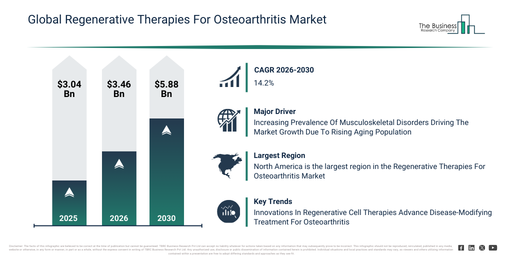
  • Regenerative Therapies For Osteoarthritis Market Revenue Projected To Hit $5.88 Billion By 2030 With 14.2% CAGR

    Regenerative Therapies For Osteoarthritis Market Revenue Projected To Hit $5.88 Billion By 2030 With 14.2% CAGR

    The Business Research Company’s 2026 market reports feature enhanced tools like market attractiveness analysis, TAM assessment, and company scoring matrices, along with interactive dashboards, deeper supply chain insights, and startup coverage strengthening the depth, usability, and strategic value of insights.

    What Changes In Market Value Are Expected For The Regenerative Therapies For Osteoarthritis Market Over The 2026–2030 Period?

    The market size for regenerative therapies addressing osteoarthritis has seen rapid expansion recently. It is projected to expand from $3.04 billion in 2025 to $3.46 billion in 2026, at a compound annual growth rate (CAGR) of 13.9%. Historically, this growth has been fueled by factors including the increasing prevalence of osteoarthritis, the expansion of the aging population, the limitations of existing pain relief drugs, a rise in sports injuries, and a growing demand for non-surgical treatments.

    The market for regenerative therapies addressing osteoarthritis is projected to experience substantial expansion over the upcoming years. This market is anticipated to reach $5.88 billion by 2030, exhibiting a compound annual growth rate (CAGR) of 14.2%. Factors driving this growth during the forecast period include the increased uptake of biologic therapies, the proliferation of regenerative clinics, stronger clinical evidence, a growing need for cartilage restoration, and augmented investment in cell therapy research. Key trends expected over the forecast period encompass stem cell-based approaches for joint repair, specific treatment protocols using platelet-rich plasma, scaffold-assisted cartilage regeneration, regenerative injections that are minimally invasive, and customized biologic therapy plans.

    Access Your Free Sample Report For In-Depth Market Analysis:

    https://www.thebusinessresearchcompany.com/sample.aspx?id=33292&type=smp

    Which Key Factors Are Driving The Regenerative Therapies For Osteoarthritis Market Growth?

    The rising occurrence of musculoskeletal disorders is poised to drive the expansion of the regenerative therapies for the osteoarthritis market. These conditions involve ailments of bones, joints, muscles, and connective tissues, leading to pain and restricted movement and dexterity. The increasing incidence of musculoskeletal disorders is largely fueled by an aging population, as older individuals often experience higher rates of joint degeneration and inflammatory conditions impacting musculoskeletal structures. This escalating prevalence consequently heightens demand for regenerative therapies, which provide advanced treatment options for joint restoration and tissue repair in osteoarthritis patients. For instance, data from the Office for Health Improvement & Disparities, a UK-based government agency, revealed in January 2024 that 18.4% of individuals aged 16 and above reported a long-term musculoskeletal (MSK) condition in 2023, marking an increase from 17.6% in 2022. Thus, the expanding prevalence of musculoskeletal disorders is a key factor propelling the growth of the regenerative therapies for the osteoarthritis market.

    How Is The Regenerative Therapies For Osteoarthritis Market Categorized Across Its Segment Groups?

    The regenerative therapies for osteoarthritis market covered in this report is segmented –

    1) By Therapy Type: Stem Cell Therapy; Platelet Rich Plasma Therapy; Tissue Engineering; Gene Therapy; Other Therapy Types

    2) By Distribution Channel: Direct Manufacturer Supply; Hospital And Clinic Procurement Channels; Specialty Medical Distributors

    3) By Application: Knee Osteoarthritis; Hip Osteoarthritis; Hand Osteoarthritis; Other Applications

    4) By End User: Hospitals; Ambulatory Surgical Centers; Specialty Clinics; Other End Users

    Subsegments:

    1) By Stem Cell Therapy: Autologous Stem Cell Therapy; Allogeneic Stem Cell Therapy; Mesenchymal Stem Cell Therapy; Adipose Derived Stem Cell Therapy; Bone Marrow Derived Stem Cell Therapy

    2) By Platelet Rich Plasma Therapy: Leukocyte Rich Platelet Rich Plasma Therapy; Leukocyte Poor Platelet Rich Plasma Therapy; Activated Platelet Rich Plasma Therapy; Non Activated Platelet Rich Plasma Therapy; Pure Platelet Rich Plasma Therapy

    3) By Tissue Engineering: Scaffold Based Tissue Engineering; Hydrogel Based Tissue Engineering; Biodegradable Matrix Tissue Engineering; Cell Seeded Tissue Engineering; Three Dimensional Tissue Engineering

    4) By Gene Therapy: Viral Vector Gene Therapy; Non Viral Vector Gene Therapy; In Vivo Gene Therapy; Ex Vivo Gene Therapy; Targeted Gene Therapy

    5) By Other Therapy Types: Hyaluronic Acid Therapy; Growth Factor Therapy; Chondrocyte Implantation Therapy; Peptide Based Therapy; Immunomodulatory Therapy

    Which Trends Are Guiding The Direction Of The Regenerative Therapies For Osteoarthritis Market?

    Companies operating in the regenerative therapies for the osteoarthritis market are prioritizing the development of advanced solutions, such as allogeneic mesenchymal stem cell (MSC) osteoarthritis therapies, to fulfill the growing demand for disease-modifying treatments. Allogeneic mesenchymal stem cell (MSC) osteoarthritis therapies employ donor-sourced stem cells to modulate inflammation and support cartilage regeneration within affected joints, presenting a ready-to-use, scalable alternative to patient-derived cells, which facilitates standardized dosing and wider adoption. For instance, in December 2025, Cipla Limited, an India-based pharmaceutical company, partnered with Stempeutics Research, an India-based research and product development firm, to launch Ciplostem, an innovative allogeneic MSC therapy targeting knee osteoarthritis. This therapy is administered as a single-dose intra-articular injection containing 25 million cultured adult human bone marrow-derived MSCs co-formulated with hyaluronic acid, engineered to act at the cellular level to reduce inflammation, slow disease progression, enhance joint function, and aid in preserving cartilage quality in Grade II and III knee OA patients. Key attributes of this therapy include its off-the-shelf availability (eliminating the need for individualized preparation), its cellular-level action as opposed to merely symptomatic relief, and its potential for extended improvement in joint health when compared to standard regimens.

    Which Firms Are Influencing Competition In The Regenerative Therapies For Osteoarthritis Market?

    Major companies operating in the regenerative therapies for osteoarthritis market are Stryker Corporation, Smith & Nephew plc, MiMedx Group Inc, Anika Therapeutics Inc, Regentis Biomaterials Ltd, Zomedica Corp, Biosplice Therapeutics Inc, Tissue Regenix Group plc, Co.don AG, MEDIPOST Co Ltd, Ampio Pharmaceuticals Inc, Kolon TissueGene Inc, Mesoblast Limited, Orgenesis Inc, Hyalex Orthopaedics Limited, Orthocell Limited, Jellagen Limited, Hyalogic LLC, Bionaut Labs Inc, and Regeneus Limited.

    Get The Full Regenerative Therapies For Osteoarthritis Market Report:

    https://www.thebusinessresearchcompany.com/report/regenerative-therapies-for-osteoarthritis-market-report

    Which Region Is The Top Contributor To The Regenerative Therapies For Osteoarthritis Market By Share?

    North America was the largest region in the regenerative therapies for osteoarthritis market in 2025. Asia-Pacific is expected to be the fastest-growing region in the forecast period. The regions covered in the regenerative therapies for osteoarthritis market report are Asia-Pacific, South East Asia, Western Europe, Eastern Europe, North America, South America, Middle East, Africa.

    Request A Customized Regenerative Therapies For Osteoarthritis Market Report For Competitive Insights:

    https://www.thebusinessresearchcompany.com/customise?id=33292&type=smp

    Browse Through More Reports Similar to the Global Regenerative Therapies For Osteoarthritis Market 2026, By The Business Research Company

    Regenerative Medicine For Cartilage Market Report 2026

    https://www.thebusinessresearchcompany.com/report/regenerative-medicine-for-cartilage-global-market-report

    Orthopedic Regenerative Surgical Products Market Report 2026

    https://www.thebusinessresearchcompany.com/report/orthopedic-regenerative-surgical-products-global-market-report

    Osteoarthritis Market Report 2026

    https://www.thebusinessresearchcompany.com/report/osteoarthritis-global-market-report

    Get in touch with us:

    The Business Research Company: https://www.thebusinessresearchcompany.com/

    Americas +1 310-496-7795

    Asia +44 7882 955267 & +91 8897263534

    Europe +44 7882 955267

    Email us at info@tbrc.info

    Follow us on:

    LinkedIn: https://in.linkedin.com/company/the-business-research-company

    YouTube: https://www.youtube.com/channel/UC24_fI0rV8cR5DxlCpgmyFQ

    Global Market Model: https://www.thebusinessresearchcompany.com/global-market-model
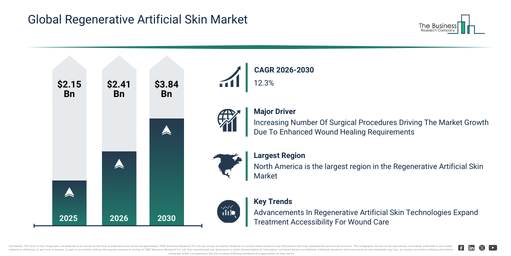
  • Global Regenerative Artificial Skin Market Set To Expand To $3.83 Billion By 2030 At 12.3% CAGR

    Global Regenerative Artificial Skin Market Set To Expand To $3.83 Billion By 2030 At 12.3% CAGR

    The Business Research Company’s 2026 market reports feature enhanced tools like market attractiveness analysis, TAM assessment, and company scoring matrices, along with interactive dashboards, deeper supply chain insights, and startup coverage strengthening the depth, usability, and strategic value of insights.

    By 2030, What Market Size Is The Regenerative Artificial Skin Market Expected To Reach Based On Its 2026 Value?

    The market size for regenerative artificial skin has seen rapid expansion in recent years. It is anticipated to increase from $2.15 billion in 2025 to $2.41 billion in 2026, reflecting a compound annual growth rate (CAGR) of 12.1%. The growth observed historically is attributable to a rise in burn injury cases, an increasing prevalence of chronic wounds, a greater number of diabetic ulcer patients, the expansion of reconstructive surgeries, and advancements in tissue engineering research.

    The regenerative artificial skin market is expected to demonstrate significant growth in the coming years, with its size projected to reach $3.84 billion by 2030, exhibiting a compound annual growth rate (CAGR) of 12.3%. This expansion during the forecast period is fueled by factors such as the increasing acceptance of regenerative medicine, a rising demand for the restoration of functional skin, intensified clinical trial activities, the broader application of cell-based therapies, and increased healthcare investment in advanced wound care. Key trends anticipated during this period include advanced bioengineered skin substitutes, cell-based products for dermal regeneration, composite multilayer skin scaffolds, personalized graft design strategies, and wound treatment platforms focused on accelerated healing.

    Access Your Free Sample Report For In-Depth Market Analysis:

    https://www.thebusinessresearchcompany.com/sample.aspx?id=33290&type=smp

    What Primary Drivers Are Shaping The Regenerative Artificial Skin Market?

    The regenerative artificial skin market is anticipated to expand due to a rising volume of surgical procedures. These procedures are medical operations where body tissues are cut into or altered to address injuries, illnesses, or physical abnormalities. An aging demographic is a primary factor behind the increased frequency of surgical procedures, given that older individuals often need more operations for age-related ailments and persistent health issues. This escalation in surgical interventions fuels the need for regenerative artificial skin, which is vital for efficient wound recovery and tissue regrowth, thus speeding up healing and decreasing complications for patients after surgery. For example, data from June 2024, provided by the American Society of Plastic Surgeons, a professional medical organization in the US, indicated that in 2023, liposuction remained the top plastic surgery choice, with almost 350,000 procedures performed, representing a 7% rise from 2022. Consequently, the expanding volume of surgical operations is a key stimulant for the growth of the regenerative artificial skin market.

    How Are Segments Identified Within The Regenerative Artificial Skin Market Segment Framework?

    The regenerative artificial skin market covered in this report is segmented –

    1) By Product Type: Synthetic Skin; Biosynthetic Skin; Composite Skin

    2) By Material: Engineered Skin Material; Bi Layered Material; Permanent Skin Material; Single Layer Material; Temporary Skin Material; Temporary Skin Material

    3) By Application: Burn Treatment; Chronic Wound Care; Surgical Reconstruction; Other Applications

    4) By End User: Hospitals; Clinics; Ambulatory Surgical Centers; Other End Users

    Subsegments:

    1) By Synthetic Skin: Polymer Based Synthetic Skin; Silicone Based Synthetic Skin; Elastomer Based Synthetic Skin; Hydrogel Based Synthetic Skin; Nanofiber Based Synthetic Skin

    2) By Biosynthetic Skin: Collagen Based Biosynthetic Skin; Gelatin Based Biosynthetic Skin; Fibrin Based Biosynthetic Skin; Chitosan Based Biosynthetic Skin; Hyaluronic Acid Based Biosynthetic Skin

    3) By Composite Skin: Collagen Polymer Composite Skin; Hydrogel Polymer Composite Skin; Elastomer Fiber Composite Skin; Biopolymer Synthetic Composite Skin; Multilayer Composite Skin

    What Trends Are Affecting The Growth Of The Regenerative Artificial Skin Market?

    Major companies operating in the regenerative artificial skin market are focusing on developing advanced solutions, such as fit-for-purpose autologous cell therapy cartridges, to enhance wound coverage, improve accessibility, and optimize resource use for smaller wounds. These fit-for-purpose autologous cell therapy cartridges are modified disposable units designed for the efficient delivery of spray-on skin cells across various wound sizes, assisting clinicians in treating smaller full-thickness wounds with minimal waste. For instance, in December 2024, AVITA Medical Inc., a US-based regenerative medicine company, launched RECELL GO mini, an extension of its RECELL GO system, which is FDA-approved for treating wounds up to 480 square centimeters. This development enhances the capacity to deliver fit-for-purpose solutions, enabling clinicians to address the varied needs of patients with full-thickness wounds. The RECELL GO mini uses the same multi-use processing device as the standard cartridge but features a smaller disposable cartridge, thereby enabling broader patient access while maintaining high-quality regenerative skin therapy outcomes.

    Who Are The Companies Competing Within The Regenerative Artificial Skin Market?

    Major companies operating in the regenerative artificial skin market are Johnson & Johnson, Medtronic plc, 3M Company, Stryker Corporation, Baxter International Inc., Smith & Nephew plc, Zimmer Biomet Holdings Inc., Mölnlycke Health Care AB, Mallinckrodt plc, Integra LifeSciences Corporation, Gunze Limited, Organogenesis Holdings Inc., MiMedx Group Inc., Vericel Corporation, LifeNet Health Inc., AlloSource Inc., AVITA Medical Inc., Aroa Biosurgery Limited, Cook Biotech Incorporated, Tissue Regenix Group plc, CUTISS AG, and Tides Medical LLC.

    Get The Full Regenerative Artificial Skin Market Report:

    https://www.thebusinessresearchcompany.com/report/regenerative-artificial-skin-market-report

    Which Region Represents The Largest Share Of The Regenerative Artificial Skin Market?

    North America was the largest region in the regenerative artificial skin market in 2025. Asia-Pacific is expected to be the fastest-growing region in the forecast period. The regions covered in the regenerative artificial skin market report are Asia-Pacific, South East Asia, Western Europe, Eastern Europe, North America, South America, Middle East, Africa.

    Request A Customized Regenerative Artificial Skin Market Report For Competitive Insights:

    https://www.thebusinessresearchcompany.com/customise?id=33290&type=smp

    Browse Through More Reports Similar to the Global Regenerative Artificial Skin Market 2026, By The Business Research Company

    Skin Grafting System Market Report 2026

    https://www.thebusinessresearchcompany.com/report/skin-grafting-system-global-market-report

    Skin Care Products Market Report 2026

    https://www.thebusinessresearchcompany.com/report/skin-care-products-global-market-report

    Natural Skin Care Products Market Report 2026

    https://www.thebusinessresearchcompany.com/report/natural-skin-care-products-global-market-report

    Get in touch with us:

    The Business Research Company: https://www.thebusinessresearchcompany.com/

    Americas +1 310-496-7795

    Asia +44 7882 955267 & +91 8897263534

    Europe +44 7882 955267

    Email us at info@tbrc.info

    Follow us on:

    LinkedIn: https://in.linkedin.com/company/the-business-research-company

    YouTube: https://www.youtube.com/channel/UC24_fI0rV8cR5DxlCpgmyFQ

    Global Market Model: https://www.thebusinessresearchcompany.com/global-market-model
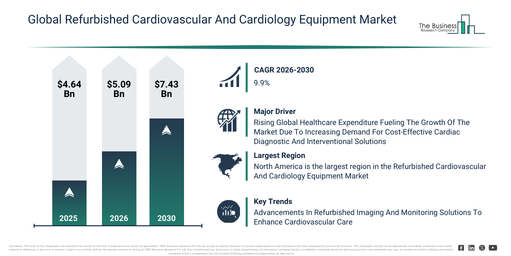
  • Refurbished Cardiovascular And Cardiology Equipment Market Growth Expected To Reach $7.42 Billion By 2030 At 9.9% CAGR

    Refurbished Cardiovascular And Cardiology Equipment Market Growth Expected To Reach $7.42 Billion By 2030 At 9.9% CAGR

    The Business Research Company’s 2026 market reports feature enhanced tools like market attractiveness analysis, TAM assessment, and company scoring matrices, along with interactive dashboards, deeper supply chain insights, and startup coverage strengthening the depth, usability, and strategic value of insights.

    What Is The Anticipated Rise In Market Value Of The Refurbished Cardiovascular And Cardiology Equipment Market During The Forecast Period?

    The market size for refurbished cardiovascular and cardiology equipment has shown strong growth in recent years. It is anticipated to increase from $4.64 billion in 2025 to $5.09 billion in 2026, achieving a compound annual growth rate (CAGR) of 9.7%. This historical growth can be attributed to several factors, including the high cost associated with new cardiology equipment, financial constraints faced by hospitals, the existence of well-established secondary equipment markets, shorter device replacement cycles, and growing deficiencies in healthcare infrastructure.

    The refurbished cardiovascular and cardiology equipment market is anticipated to experience substantial expansion over the coming years. This market is projected to reach $7.43 billion by 2030, exhibiting a compound annual growth rate (CAGR) of 9.9%. Several factors are driving this growth during the forecast period, including an increased focus on cost-optimized care delivery, broader access to cardiac diagnostics, greater acceptance of certified refurbished devices, the proliferation of private cardiac clinics, and escalating demand in emerging markets. Concurrently, major trends expected in this period include a rising demand for certified refurbished systems, an increase in cost-effective cardiology equipment, the expansion of warranty-backed refurbished devices, higher adoption rates in mid-tier hospitals, and a growth in third-party refurbishment providers.

    Access Your Free Sample Report For In-Depth Market Analysis:

    https://www.thebusinessresearchcompany.com/sample.aspx?id=33289&type=smp

    Which Major Drivers Are Influencing The Expansion Of The Refurbished Cardiovascular And Cardiology Equipment Market?

    The global rise in healthcare expenditure is anticipated to drive the expansion of the refurbished cardiovascular and cardiology equipment market in the coming years. This worldwide healthcare expenditure encompasses the total financial resources allocated by governments, insurers, and individuals towards healthcare services, medical technologies, and public health systems across different countries. The increase in global healthcare spending is primarily due to aging populations, which significantly escalates the incidence of cardiovascular diseases and, consequently, the demand for diagnostic imaging, interventional procedures, and long-term cardiac care. Refurbished cardiovascular and cardiology equipment supports this growing healthcare expenditure by allowing healthcare systems to boost their capacity for cardiovascular services while managing capital spending effectively through lower acquisition costs compared to new equipment. As an illustration, in October 2024, Eurostat, a Luxembourg-based statistical office, reported that healthcare expenditure in 2023 reached $2,030 billion (€1,720 billion), representing 10.0% of GDP, which is an increase from $1960 billion (€1,660 billion) and 9.9% of GDP in 2022. Thus, the escalating global healthcare expenditure is a significant catalyst for the growth of the refurbished cardiovascular and cardiology equipment market.

    What Are The Key Segment Divisions In The Refurbished Cardiovascular And Cardiology Equipment Market Segment Structure?

    The refurbished cardiovascular and cardiology equipment market covered in this report is segmented –

    1) By Product Type: Electrocardiographs; Defibrillators; Cardiac Ultrasound Systems; Stress Testing Systems; Holter Monitors; Other Product Types

    2) By Equipment Condition: Certified Refurbished Equipment; Remanufactured Equipment; Used Equipment With Warranty; Pre-Owned Equipment

    3) By Distribution Channel: Direct Sales; Online Sales Platforms; Third-Party Distributors; Medical Equipment Trade Shows

    4) By End-User: Hospitals And Clinics; Diagnostic Centers; Ambulatory Surgical Centers; Research Institutions; Home Care Settings

    Subsegments:

    1) By Electrocardiographs: Resting Electrocardiographs; Portable Electrocardiographs; Wireless Electrocardiographs; Multichannel Electrocardiographs

    2) By Defibrillators: Automated External Defibrillators; Manual External Defibrillators; Implantable Cardiac Defibrillators; Wearable Cardiac Defibrillators

    3) By Cardiac Ultrasound Systems: Transthoracic Cardiac Ultrasound Systems; Transesophageal Cardiac Ultrasound Systems; Doppler Cardiac Ultrasound Systems; Stress Cardiac Ultrasound Systems

    4) By Stress Testing Systems: Treadmill Based Stress Testing Systems; Bicycle Based Stress Testing Systems; Pharmacological Stress Testing Systems; Integrated Cardiac Stress Testing Systems

    5) By Holter Monitors: Single Channel Holter Monitors; Multi Channel Holter Monitors; Wireless Holter Monitors; Extended Duration Holter Monitors

    6) By Other Product Types: Cardiac Patient Monitoring Systems; Cardiac Event Recorders; Cardiac Output Monitoring Devices; Cardiac Telemetry Systems

    Which Trends Are Shaping The Refurbished Cardiovascular And Cardiology Equipment Market?

    Leading companies within the refurbished cardiovascular and cardiology equipment market are concentrating on developing sophisticated refurbishing ultrasound systems. This initiative aims to improve diagnostic precision, enhance patient results, decrease operational expenditures, and prolong the lifespan of medical devices for healthcare providers. Refurbishing ultrasound systems involves restoring used or pre-owned ultrasound machines to a fully functional and dependable state, enabling their safe reuse in medical settings. For instance, in April 2024, GE Healthcare, a US-based medical technology company, launched a new refurbishing unit in Bangladesh dedicated to its A1 SURE ultrasound systems. This unit rejuvenates pre-owned ultrasound devices by replacing worn components, updating software, and guaranteeing full functional performance, along with offering a one-year warranty and flexible financing options to hospitals and clinics. These refurbished systems maintain the high-resolution imaging and advanced diagnostic capabilities characteristic of new devices, while simultaneously lowering costs and expanding access to essential cardiovascular and cardiology imaging in developing regions.

    Which Organizations Are Engaged In The Refurbished Cardiovascular And Cardiology Equipment Market?

    Major companies operating in the refurbished cardiovascular and cardiology equipment market are Siemens Healthineers AG, Hitachi Ltd., Medtronic plc, Stryker Corporation, Koninklijke Philips N.V., GE HealthCare Technologies Inc., Sanrad Medical Systems, Neusoft Medical Systems Co. Ltd., Soma Technology Inc, Diamond Diagnostics, Amber Diagnostics, Radiology Oncology Systems Inc., Master Medical Equipment, Venture Medical ReQuip Inc, EverX Pty Ltd., Whittemore Enterprises Inc., Fair Medical Co. Ltd., Future Health Concepts Inc., Jaken Medical Inc., Mediproma B.V., and PrimedeQ India Private Limited.

    Get The Full Refurbished Cardiovascular And Cardiology Equipment Market Report:

    https://www.thebusinessresearchcompany.com/report/refurbished-cardiovascular-and-cardiology-equipment-market-report

    Which Geographic Region Dominates The Refurbished Cardiovascular And Cardiology Equipment Market?

    North America was the largest region in the refurbished cardiovascular and cardiology equipment market in 2025. Asia-Pacific is expected to be the fastest-growing region in the forecast period. The regions covered in the refurbished cardiovascular and cardiology equipment market report are Asia-Pacific, South East Asia, Western Europe, Eastern Europe, North America, South America, Middle East, Africa.

    Request A Customized Refurbished Cardiovascular And Cardiology Equipment Market Report For Competitive Insights:

    https://www.thebusinessresearchcompany.com/customise?id=33289&type=smp

    Browse Through More Reports Similar to the Global Refurbished Cardiovascular And Cardiology Equipment Market 2026, By The Business Research Company

    Refurbished Medical Equipment Market Report 2026

    https://www.thebusinessresearchcompany.com/report/refurbished-medical-equipment-global-market-report

    Interventional Cardiology Devices And Equipment Market Report 2026

    https://www.thebusinessresearchcompany.com/report/interventional-cardiology-devices-and-equipment-global-market-report

    Cardiovascular Surgery Devices And Equipment Market Report 2026

    https://www.thebusinessresearchcompany.com/report/cardiovascular-surgery-devices-and-equipment-global-market-report

    Get in touch with us:

    The Business Research Company: https://www.thebusinessresearchcompany.com/

    Americas +1 310-496-7795

    Asia +44 7882 955267 & +91 8897263534

    Europe +44 7882 955267

    Email us at info@tbrc.info

    Follow us on:

    LinkedIn: https://in.linkedin.com/company/the-business-research-company

    YouTube: https://www.youtube.com/channel/UC24_fI0rV8cR5DxlCpgmyFQ

    Global Market Model: https://www.thebusinessresearchcompany.com/global-market-model