Month: June 2026

  • Gut Microbiota Market Forecast Signals New Revenue Opportunities Through 2030

    Gut Microbiota Market Forecast Signals New Revenue Opportunities Through 2030

    Delivering more actionable and strategically valuable research, The Business Research Company’s 2026 market reports feature market attractiveness analysis, total addressable market evaluation, company benchmarking matrices, interactive Excel dashboards, expanded supply chain intelligence, emerging startup coverage, and detailed product insights.

    Gut Microbiota Market Expansion From $0.76 Billion In 2026 To $1.47 Billion In 2030

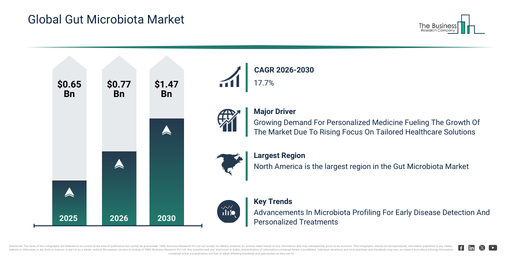
    The global gut microbiota market experienced significant expansion, projected to increase from $0.65 billion in 2025 to $0.77 billion by 2026, reflecting a compound annual growth rate of 18.0%. This notable growth throughout the historical period was fueled by several factors, including a deepening comprehension of the connection between gut health and the immune system, a surge in the consumption of dietary supplements, the burgeoning functional foods sector, intensified academic exploration into microbiota, and heightened consumer consciousness regarding digestive well-being.

    The microbiome therapeutics market is poised for significant expansion, with projections indicating a value of $1.47 billion by 2030, reflecting a compounded annual growth rate of 17.7% during this period. This upward trajectory is anticipated to be fueled by advancements in therapies aimed at the microbiome, heightened financial backing for gut health studies, the proliferation of individualized nutritional approaches, greater incorporation of microbiome-based diagnostics, and an escalating emphasis on proactive health strategies. Key developments expected to shape this market include a broader acceptance of probiotic and prebiotic offerings, a amplified concentration on bespoke dietary plans, intensified research into treatments derived from the microbiome, and an increase in the consumption of foods that are both functional and fermented, alongside more sophisticated utilization of diagnostic instruments for assessing gut health.

    Download A Free Sample Report For Comprehensive Market Insights:

    https://www.thebusinessresearchcompany.com/sample.aspx?id=23411&type=smp

    Gut Microbiota Market Growth Momentum: Which Factors Are Influencing Demand?

    The expansion of the gut microbiota market is anticipated to be fueled by the increasing interest in personalized medicine. This approach to healthcare focuses on customizing therapies based on a patient’s unique genetic makeup, environmental influences, and daily habits, ultimately aiming to enhance therapeutic results and elevate the standard of care. As technological progress in genomics and biotechnology allows for a more accurate understanding of genetic predispositions, the development of treatments specifically designed for individuals, thereby boosting efficacy and minimizing adverse reactions, is gaining traction. In relation to gut microbiota, personalized medicine plays a crucial role by developing therapies that consider an individual’s specific microbiome profile, thereby fostering optimal gut health and leading to better management of digestive and metabolic conditions. Demonstrating this trend, the U.S. Food and Drug Administration (FDA) authorized 26 novel personalized medicines in 2023, a notable increase from the 12 approvals in 2022, according to the Personalized Medicine Coalition (PMC), a non-profit entity based in the United States, as reported in February 2024. Consequently, the escalating demand for personalized medicine is acting as a significant catalyst for the growth of the gut microbiota market.

    Gut Microbiota Market Segment Landscape: Which Areas Lead Market Development?

    The gut microbiota market covered in this report is segmented –

    1) By Product: Prebiotics, Probiotics, Drugs, Supplements, Other Products

    2) By Application: Digestive Health, Immune Health, Weight Management, Mental Health, Cardiovascular Health

    3) By Distribution Channel: Pharmacies And Drugstores, Online Retail, Health Food Stores, Supermarkets And Hypermarkets, Specialty Stores

    4) By End-Users: Adults, Children, Elderly

    Subsegments:

    1) By Prebiotics: Fructooligosaccharides (Fos), Galactooligosaccharides (Gos), Inulin, Resistant Starch, Beta-Glucans, Arabinogalactans, Pectins

    2) By Probiotics: Lactobacillus, Bifidobacterium, Saccharomyces, Streptococcus, Bacillus, Escherichia

    3) By Drugs: Antibiotics, Bacteriophage Therapy, Gut Microbiota Modulators, Immunomodulators, Antidiarrheal Agents, Laxatives

    4) By Supplements: Synbiotics, Postbiotics, Enzyme Supplements, Vitamin D Supplements, Omega-3 Fatty Acids, Herbal Extracts

    5) By Other Products: Functional Foods, Fermented Foods, Beverages, Gut Health Diagnostic Kits, Dietary Fiber Products

    Gut Microbiota Market Trends Reshaping Industry Growth

    Within the gut microbiota sector, leading enterprises are prioritizing the creation of novel approaches, including ingestible fecal microbiota treatments, to combat a spectrum of digestive ailments. This oral administration technique involves consuming a capsule or tablet containing beneficial microbes sourced from a healthy individual’s stool, with the aim of re-establishing equilibrium in the intestinal ecosystem. As an illustration, during April 2023, Seres Therapeutics Inc., a biomedical firm based in the United States specializing in microbiome therapies, secured authorization from the FDA for Vowst, the inaugural oral fecal microbiota therapy aimed at preventing the recurrence of Clostridioides difficile infections (CDI) in adults over 18. Vowst is prescribed for use subsequent to antibiotic interventions for recurring CDI, representing a substantial leap forward in managing this condition by offering a more convenient and patient-centric option compared to conventional fecal microbiota transplants administered through invasive procedures like colonoscopy or enemas, potentially enhancing treatment compliance and broader acceptance of microbiome therapies in medical practice.

    Gut Microbiota Market Industry Leaders And Market Competition

    Major companies operating in the gut microbiota market are Danone S.A., DuPont de Nemours Inc., International Flavors & Fragrances Inc., Seres Therapeutics, Yakult Honsha Co. Ltd., Chr. Hansen Holding A/S, Lallemand Inc., Lifeway Foods Inc., BioGaia AB, Probi AB, Seed Health, Enterome, Vedanta Biosciences Inc., Evolve BioSystems Inc., Winclove Probiotics B.V., Kallyope Inc., Sun Genomics Inc., Synlogic Inc., OpenBiome, Codex Labs Corp.

    Access The Complete Gut Microbiota Market Report:

    https://www.thebusinessresearchcompany.com/report/gut-microbiota-global-market-report

    Gut Microbiota Market Largest Region By Revenue And Market Share

    North Americawas the largest region in the gut microbiota market in 2025. Asia-Pacificis expected to be the fastest-growing region in the forecast period. The regions covered in the gut microbiota market report are Asia-Pacific, South East Asia, Western Europe, Eastern Europe, North America, South America, Middle East, Africa.

    Get in touch with us:

    The Business Research Company: https://www.thebusinessresearchcompany.com/

    Americas: +1 310-496-7795

    Asia: +44 7882 955267 & +91 8897263534

    Europe: +44 7882 955267

    Email us at: marketing@tbrc.info

    Follow us on:

    LinkedIn: https://in.linkedin.com/company/the-business-research-company

    YouTube: https://www.youtube.com/channel/UC24_fI0rV8cR5DxlCpgmyFQ

    Global Market Model: https://www.thebusinessresearchcompany.com/global-market-model

  • Guillain-Barre Syndrome Market Growth Is Accelerating As Industry Transformation Continues

    Guillain-Barre Syndrome Market Growth Is Accelerating As Industry Transformation Continues

    Enhanced with market attractiveness analysis, total addressable market evaluation, company benchmarking matrices, interactive Excel dashboards, expanded supply chain intelligence, emerging startup coverage, and detailed product insights, The Business Research Company’s 2026 market reports deliver more actionable and strategically valuable research.

    Guillain-Barre Syndrome Market Forecast Highlighting Growth From $0.67 Billion To $0.82 Billion

    The global market for Guillain-Barre syndrome treatments experienced robust expansion during the historical period and is projected to continue this upward trajectory, expanding from 0.64 billion in 2025 to 0.67 billion in 2026, reflecting a compound annual growth rate of 5.6%. Key factors contributing to this growth historically include enhanced awareness of autoimmune neurological disorders, the proliferation of specialized neurology units within hospitals, greater access to immunotherapies, a rise in post-infection complication cases, and improvements in critical care facilities.

    The global market for Guillain-Barre syndrome treatments is poised for substantial expansion in the coming years, projecting a rise to $0.83 billion by 2030, fueled by a compound annual growth rate of 5.4%. This anticipated growth trajectory is underpinned by several key factors, including augmented financial commitments to neurological research, a heightened demand for innovative immunomodulatory treatments, the proliferation of dedicated rehabilitation services, the increasing integration of digital tools for neurological assessments, and a greater emphasis on strategies for early intervention. Significant developments expected during this forecast period encompass the broader application of intravenous immunoglobulin therapies, an increased uptake of plasma exchange procedures, a heightened focus on prompt neurological diagnoses, the expansion of specialized neurology care facilities, and more sophisticated methods for monitoring autoimmune neurological conditions.

    Download A Free Sample Report For Comprehensive Market Insights:

    https://www.thebusinessresearchcompany.com/sample.aspx?id=21198&type=smp

    Guillain-Barre Syndrome Market Expansion Drivers: What Is Shaping Future Growth?

    The escalating prevalence of immunological disorders is anticipated to fuel the expansion of the Guillain-Barré syndrome market. Such disorders arise when the body’s defense system malfunctions, either by overreacting, underperforming, or attacking its own tissues, resulting in conditions like autoimmune diseases, allergies, and immunodeficiency. Contributing factors to this increase include environmental shifts, lifestyle choices, enhanced diagnostic capabilities, and inherited predispositions. These immunological issues can precipitate Guillain-Barré syndrome by inciting an autoimmune response where the immune system erroneously targets peripheral nerves, causing inflammation and damage. For example, a July 2024 report from UNAIDS, a UN program focused on HIV/AIDS, indicated that by the close of 2022, an estimated 39.5 million individuals globally were living with HIV, with that year alone seeing 1.3 million new infections and 630,000 AIDS-related fatalities. This figure climbed to approximately 39.9 million people worldwide living with HIV in 2023. Consequently, the heightened risk associated with immunological diseases is a significant driver for the Guillain-Barré syndrome market.

    The upsurge in healthcare spending is poised to stimulate the expansion of the Guillain-Barré syndrome market. Healthcare expenditure encompasses the total financial outlay for health-related services, from preventative measures to treatment and management of health conditions. This increase is largely attributable to progress in medical technology, as cutting-edge diagnostic instruments, novel treatments, and innovative therapies frequently incur greater costs, thereby driving up overall healthcare expenses. Greater investment in early detection, sophisticated immunotherapies, and robust critical care facilities, all facilitated by expanding healthcare budgets, is instrumental in improving the management of Guillain-Barré syndrome and enhancing patient prognoses. Illustrating this trend, data from the Centers for Medicare & Medicaid Services in the U.S. revealed that in 2023, health care expenditures in the United States rose by 7.5%, reaching $4.9 trillion, which translates to approximately $14,570 per person. Therefore, escalating healthcare expenditure is acting as a key impetus for the growth of the Guillain-Barré syndrome market.

    Guillain-Barre Syndrome Market Segments: Where Are The Largest Growth Opportunities?

    The guillain-barre syndrome market covered in this report is segmented –

    1) By Type: Acute Inflammatory Demyelinating Polyneuropathy (AIDP), Miller Fisher Syndrome (MFS), Acute Motor Axonal Neuropathy (AMAN)

    2) By Therapeutics: Intravenous Immunoglobulin (IVIG), Plasma Exchange, Other Therapeutics

    3) By End User: Hospitals, Specialty Neurology Clinics, Rehabilitation Centers, Home Healthcare Settings

    Subsegments:

    1) By Acute Inflammatory Demyelinating Polyneuropathy (AIDP): Classical AIDP, AIDP with Autonomic Involvement

    2) By Miller Fisher Syndrome (MFS): Classical MFS, MFS With Ataxia, MFS With Ophthalmoplegia

    3) By Acute Motor Axonal Neuropathy (AMAN): Classical AMAN, AMAN with Respiratory Involvement

    Guillain-Barre Syndrome Market Strategic Trends: What Is Defining The Next Phase Of Growth?

    An overview of the guillain-barre syndrome market reveals a strategic focus among leading corporations on pioneering novel therapeutic agents, notably monoclonal antibodies, with the dual objectives of elevating treatment effectiveness, satisfying existing clinical gaps, and broadening their competitive foothold. These engineered proteins, crafted in laboratories, are specifically designed to identify and interact with particular antigens, thereby facilitating the regulation of immune system activity and ultimately enhancing patient recovery. A notable development occurred in October 2023 when Annexon Inc., a biotechnology firm based in the United States, secured orphan drug status from the European Medicines Agency for its GBS therapeutic candidate, ANX005. This particular monoclonal antibody, which targets C1q, has shown promising early results, including demonstrated improvements in muscle strength and a decreased reliance on respiratory support compared to traditional intravenous immunoglobulin (IVIg) therapy, signifying a considerable step forward in disease management.

    Guillain-Barre Syndrome Market Major Participants And Competitive Dynamics

    Major companies operating in the guillain-barre syndrome market are Pfizer Inc., Roche AG, AstraZeneca PLC, GSK plc, Takeda Pharmaceutical Company Limited, Merck & Co. Inc., Baxter International Inc., Biogen Inc., Horizon Therapeutics, Octapharma AG, Kedrion S.p.A., CSL Behring, Hansa Biopharma AB, Annexon Inc., Immunovant Inc., UCB S.A., Alexion Pharmaceuticals, Argenx SE, Grifols S.A., LFB S.A

    Access The Complete Guillain-Barre Syndrome Market Report:

    https://www.thebusinessresearchcompany.com/report/guillain-barre-syndrome-global-market-report

    Guillain-Barre Syndrome Market Regional Analysis And Leading Geography

    North Americawas the largest region in the guillain-barre syndrome market in 2025. Asia-Pacificis expected to be the fastest-growing region in the forecast period. The regions covered in the guillain-barre syndrome market report are Asia-Pacific, South East Asia, Western Europe, Eastern Europe, North America, South America, Middle East, Africa.

    Get in touch with us:

    The Business Research Company: https://www.thebusinessresearchcompany.com/

    Americas: +1 310-496-7795

    Asia: +44 7882 955267 & +91 8897263534

    Europe: +44 7882 955267

    Email us at: marketing@tbrc.info

    Follow us on:

    LinkedIn: https://in.linkedin.com/company/the-business-research-company

    YouTube: https://www.youtube.com/channel/UC24_fI0rV8cR5DxlCpgmyFQ

    Global Market Model: https://www.thebusinessresearchcompany.com/global-market-model
  • Growth Hormone Deficiency Market Outlook Highlights The Next Major Growth Opportunities

    Growth Hormone Deficiency Market Outlook Highlights The Next Major Growth Opportunities

    Through market attractiveness analysis, total addressable market evaluation, company benchmarking matrices, interactive Excel dashboards, expanded supply chain intelligence, emerging startup coverage, and detailed product insights, The Business Research Company’s 2026 market reports provide more actionable and strategically valuable research.

    Growth Hormone Deficiency Market Revenue Growth Supported By A CAGR Of 5.66% Through 2030

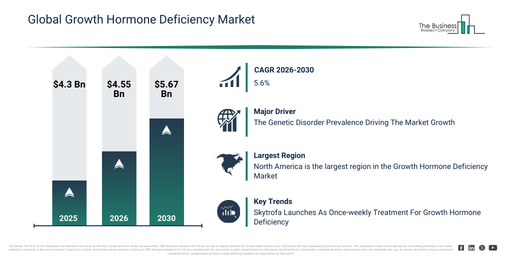
    The market for growth hormone deficiency treatments has experienced robust expansion lately, projected to increase from $4.3 billion in 2025 to $4.55 billion in 2026, reflecting a compound annual growth rate of 5.9%. This historical upswing can be credited to advancements in diagnosing pituitary conditions, heightened public and professional awareness surrounding growth hormone deficiency, the expansion of specialized pediatric endocrinology services, the availability of recombinant hormone therapies, and enhanced accessibility to healthcare.

    The global market for growth hormone deficiency treatments is poised for significant expansion, projected to reach $5.67 billion by 2030, with an anticipated compound annual growth rate of 5.6%. This upward trajectory is fueled by several key factors, including a surge in demand for tailored hormone treatments, amplified financial commitments to endocrine research, the growing accessibility of at-home treatment methods, increased integration of digital health monitoring, and a heightened emphasis on the development of extended-release growth hormone options. Observational trends expected to shape this market during the projected timeframe involve a greater embrace of recombinant growth hormone therapies, a proliferation of individualized treatment strategies, a more pronounced focus on identifying hormonal disorders early in their progression, the broadening availability of sustained hormone replacement initiatives, and refined methods for tracking the effectiveness of these interventions.

    Download A Free Sample Report For Comprehensive Market Insights:

    https://www.thebusinessresearchcompany.com/sample.aspx?id=21197&type=smp

    Growth Hormone Deficiency Market Development Factors: Which Trends Are Supporting Demand?

    The increasing incidence of genetic conditions is anticipated to be a significant catalyst for the expansion of the growth hormone deficiency market. These genetic conditions, characterized by DNA anomalies or mutations whether inherited or spontaneous, are becoming more widespread due to enhanced diagnostic tools, heightened public understanding, delayed childbearing, environmental influences triggering mutations, global population expansion, and better survival prospects for those affected. Growth hormone deficiency plays a crucial role in addressing growth-related issues associated with specific genetic predispositions. For example, data from the Cystic Fibrosis Trust in the UK indicated that in 2022, approximately 11,148 individuals had cystic fibrosis, a genetic disorder, and this figure rose to 11,318 by 2023, signifying a year-over-year increase of 1.5% in recorded cases. Consequently, the rising prevalence of genetic disorders is directly fueling the growth of the market for growth hormone deficiency treatments.

    Growth Hormone Deficiency Market Segment Analysis: What Are The Major Market Categories?

    The growth hormone deficiency market covered in this report is segmented –

    1) By Type: Pediatric Growth Hormone Deficiency, Adult Growth Hormone Deficiency

    2) By Treatment: Pharmacological Therapy, Recombinant Human Growth Hormone

    3) By Distribution Channel: Hospital Pharmacy, Online Pharmacy, Retail Pharmacy

    4) By End User: Hospitals, Homecare, Specialty Clinics

    Subsegments:

    1) By Pediatric Growth Hormone Deficiency: Idiopathic Growth Hormone Deficiency, Genetic Growth Hormone Deficiency, Acquired Growth Hormone Deficiency

    2) By Adult Growth Hormone Deficiency: Primary Growth Hormone Deficiency, Secondary Growth Hormone Deficiency

    Growth Hormone Deficiency Market Transformation Trends: Which Innovations Are Driving Change?

    Leading entities within the growth hormone deficiency sector are concentrating their efforts on pioneering novel therapeutics, including standard somatropin, intended for the daily management of pediatric growth hormone deficiency (GHD). Standard somatropin represents the identical growth hormone utilized in daily pediatric GHD therapies, however, it is administered on a weekly basis through the use of Skytrofa. Illustratively, in September 2023, Ascendis Pharma A/S, a biopharmaceutical firm headquartered in Denmark, introduced SKYTROFA (lonapegsomatropin) as a therapeutic option for the once-weekly treatment of pediatric growth hormone deficiency (GHD). This novel intervention provides heightened ease of use, superior patient compliance, and the potential for more favorable therapeutic results compared to conventional daily growth hormone treatments. Notably, it stands as the inaugural and sole FDA-endorsed weekly treatment for pediatric GHD, thereby marking a significant breakthrough in the fields of endocrinology and pediatric healthcare.

    Growth Hormone Deficiency Market Leading Companies Driving Competitive Growth

    Major companies operating in the growth hormone deficiency market are Pfizer Inc., Novo Nordisk A/S, Eli Lilly and Company, F. Hoffmann-La Roche Ltd., Merck KGaA, Ipsen, Ascendis Pharma A/S, Opko Health Inc., Genentech Inc., Sandoz International GmbH, Teva Pharmaceutical Industries Ltd., Ferring Pharmaceuticals, JCR Pharmaceuticals, LG Chem, BioPartners, GeneScience Pharmaceuticals, SciClone Pharmaceuticals, AnkeBio, Versartis, Aeterna Zentaris

    Access The Complete Growth Hormone Deficiency Market Report:

    https://www.thebusinessresearchcompany.com/report/growth-hormone-deficiency-global-market-report

    Growth Hormone Deficiency Market Geographic Analysis: Where Is Demand Growing The Fastest?

    North Americawas the largest region in the growth hormone deficiency market in 2025. Asia-Pacificis expected to be the fastest-growing region in the forecast period. The regions covered in the growth hormone deficiency market report are Asia-Pacific, South East Asia, Western Europe, Eastern Europe, North America, South America, Middle East, Africa.

    Get in touch with us:

    The Business Research Company: https://www.thebusinessresearchcompany.com/

    Americas: +1 310-496-7795

    Asia: +44 7882 955267 & +91 8897263534

    Europe: +44 7882 955267

    Email us at: marketing@tbrc.info

    Follow us on:

    LinkedIn: https://in.linkedin.com/company/the-business-research-company

    YouTube: https://www.youtube.com/channel/UC24_fI0rV8cR5DxlCpgmyFQ

    Global Market Model: https://www.thebusinessresearchcompany.com/global-market-model
  • Green Hospitals Market Trends And Growth Drivers Point To Strong Future Potential

    Green Hospitals Market Trends And Growth Drivers Point To Strong Future Potential

    Delivering more actionable and strategically valuable research, The Business Research Company’s 2026 market reports feature market attractiveness analysis, total addressable market evaluation, company benchmarking matrices, interactive Excel dashboards, expanded supply chain intelligence, emerging startup coverage, and detailed product insights.

    Green Hospitals Market Value Expansion And Long-Term Growth Outlook

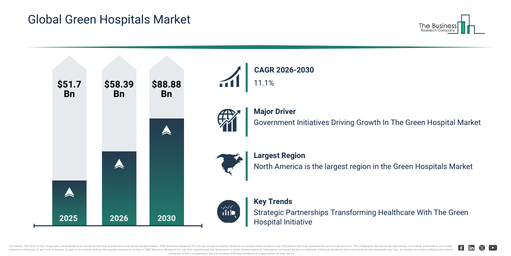
    The market for environmentally sustainable healthcare facilities has experienced significant expansion recently, projecting a rise from $51.7 billion in 2025 to $58.39 billion by 2026, reflecting a compound annual growth rate of 12.9%. Factors contributing to this growth during the preceding period included accelerated development of healthcare infrastructure, heightened consciousness regarding the environmental footprint of medical services, the proliferation of urban hospital systems, escalating operational expenditure concerns, and the proactive integration of green building principles.

    The green hospitals market is poised for considerable expansion, projected to reach $88.88 billion by 2030, reflecting a compound annual growth rate of 11.1%. This anticipated surge during the forecast period is fueled by a confluence of factors, including heightened investments in eco-friendly healthcare infrastructure, intensified regulatory attention towards carbon-neutral healthcare operations, the proliferation of smart hospital concepts, a growing need for energy-efficient medical settings, and augmented public and private financial backing for sustainable hospital development. Key developments expected to shape this market in the coming years involve a greater embrace of energy-saving hospital components, more widespread implementation of waste minimization and recycling strategies, increased utilization of renewable energy sources within healthcare establishments, broader deployment of intelligent building oversight systems, and a heightened emphasis on the environmentally conscious design of medical facilities.

    Download A Free Sample Report For Comprehensive Market Insights:

    https://www.thebusinessresearchcompany.com/sample.aspx?id=14726&type=smp

    Green Hospitals Market Industry Drivers: What Is Driving Revenue Growth?

    Government efforts aimed at encouraging greener healthcare practices are anticipated to be a key driver for the expansion of the green hospital market. These government-driven initiatives focus on ensuring that healthcare provision can meet present demands without negatively impacting environmental resources or the capacity of future generations to meet their own needs. By emphasizing conservation of resources, ensuring fair access to medical services, and advocating for environmentally sound operations such as energy-efficient buildings, renewable power sources, and minimized waste, particularly within green hospital settings, these initiatives are actively cultivating a more sustainable healthcare landscape. Illustrating this, ZonMw, a Dutch entity dedicated to healthcare research and innovation, became a signatory to the Sustainable Healthcare Green Deal 3.0 in June 2023, joining numerous other organizations in a unified pledge to lessen the ecological footprint of the healthcare industry. The government has clearly articulated its objective for a more sustainable healthcare system through multiple policy statements and accords. The prior government had already established a commitment via the Climate Act (Klimaatwet) to attain a state of zero net carbon emissions by the year 2050, a target that healthcare facilities are consequently required to adhere to. Therefore, the increasing governmental drive to foster sustainable healthcare solutions is directly contributing to the market’s growth in green hospitals.

    Green Hospitals Market Segment Breakdown: Which Categories Generate The Most Revenue?

    The green hospitals market covered in this report is segmented –

    1) By Type Of Green Technology: Energy-Efficient Lightning, Renewable Energy Sources, Waste Reduction Programs

    2) By Certification Range: Leadership In Energy And Environmental Design (LEED) Certification, Green Globes Corporation, Energy Star Certification

    3) By Ownership: Government-Owned Facilities, Private Facilities, Non-Profit Facilities

    4) By Application: Hospitals, Clinics, Long-Term Care Facilities

    Subsegments:

    1) By Energy-Efficient Lighting: LED Lighting, Smart Lighting Systems, Occupancy Sensor-Based Lighting

    2) By Renewable Energy Sources: Solar Power Systems, Wind Energy Systems, Geothermal Heating And Cooling

    3) By Waste Reduction Programs: Medical Waste Recycling, Waste Segregation And Composting, Energy-From-Waste Technologies

    #Green Hospitals Market Growth Trends: What Is Influencing The Future Outlook?

    Leading entities within the green hospital sector are concentrating their efforts on cultivating strategic alliances as a means to embed sustainability deeply into the core objectives of healthcare establishments. These collaborative efforts are instrumental in forging and executing sustainable methodologies, technological advancements, and programs aimed at advancing ecocompatibility and operational effectiveness within hospitals, ultimately cultivating an environmentally conscious healthcare setting. Illustratively, in February of 2024, the Nordic Center for Sustainable Healthcare (NCSH), an organization based in Sweden specializing in environmental services, joined forces with the Mamta Health Institute for Mother and Child (MAMTA HIMC), a non-profit entity from India. Their joint venture, the green hospital Initiative, is designed to equip hospitals and healthcare professionals with the tools to improve operational performance, environmental accountability, patient well-being, and the caliber of care delivered. This initiative directs hospitals toward adopting eco-friendly practices spanning areas like leadership, waste reduction, the use of less hazardous chemicals, energy optimization, water preservation, and other related fields. It champions cooperative endeavors through dedicated workgroups, avenues for professional connection, and the exchange of successful sustainability strategies to catalyze beneficial transformations across healthcare institutions.

    Green Hospitals Market Key Players And Strategic Industry Positioning

    Major companies operating in the green hospitals market are Siemens AG, Schneider Electric SE, Johnson Controls International PLC, Honeywell International Inc, Hitachi Ltd, Eaton Corp, Trane Technologies Plc, ABB Ltd, Carrier Global Corporation, Bosch Ltd, Veolia Environnement SA, SUEZ SA, Waste Management Inc, Stericycle Inc, Philips N.V, GE HealthCare Technologies Inc, Owens Corning, Kingspan Group PLC, HDR Inc, Arup Group

    Access The Complete Green Hospitals Market Report:

    https://www.thebusinessresearchcompany.com/report/green-hospitals-global-market-report

    Green Hospitals Market Global Footprint: Which Region Holds Market Leadership?

    North Americawas the largest region in the green hospitals market in 2025. Asia-Pacificis the fastest growing region in the market. The regions covered in the green hospitals market report are Asia-Pacific, South East Asia, Western Europe, Eastern Europe, North America, South America, Middle East, Africa.

    Get in touch with us:

    The Business Research Company: https://www.thebusinessresearchcompany.com/

    Americas: +1 310-496-7795

    Asia: +44 7882 955267 & +91 8897263534

    Europe: +44 7882 955267

    Email us at: marketing@tbrc.info

    Follow us on:

    LinkedIn: https://in.linkedin.com/company/the-business-research-company

    YouTube: https://www.youtube.com/channel/UC24_fI0rV8cR5DxlCpgmyFQ

    Global Market Model: https://www.thebusinessresearchcompany.com/global-market-model

  • Granulomatosis With Polyangiitis Treatment Market Expansion Is Reshaping Competitive Dynamics Across The Industry

    Granulomatosis With Polyangiitis Treatment Market Expansion Is Reshaping Competitive Dynamics Across The Industry

    Enhanced with market attractiveness analysis, total addressable market evaluation, company benchmarking matrices, interactive Excel dashboards, expanded supply chain intelligence, emerging startup coverage, and detailed product insights, The Business Research Company’s 2026 market reports deliver more actionable and strategically valuable research.

    Granulomatosis With Polyangiitis Treatment Market Expected To Reach $3.69 Billion By 2030 At 7.6% CAGR

    The global market for granulomatosis with polyangiitis treatments has experienced robust expansion, projecting a rise from $2.55 billion in 2025 to $2.75 billion in 2026, reflecting a compound annual growth rate (CAGR) of 7.9%. This historical growth surge is linked to several key factors including increased identification of autoimmune conditions, the established presence of corticosteroids, the accessibility of nephrology services within hospitals, the utilization of immunosuppressive medications, and the widespread application of diagnostic imaging techniques.

    As anticipated, the market for treating granulomatosis with polyangiitis is poised for considerable expansion over the coming years, projecting a significant increase to reach $3.69 billion by the year 2030, fueled by a compound annual growth rate of 7.6%. This projected trajectory is largely underpinned by advancements in biologic drug development, the burgeoning field of personalized autoimmune therapies, enhanced early detection through screening methods, a growing need for effective chronic disease management, and the expansion of specialized treatment centers. Key developments expected to shape this period include a greater reliance on biologic treatments, an escalating demand for identifying autoimmune conditions at earlier stages, the wider adoption of strategies aimed at achieving long-term disease remission, the integration of combination therapies for immunosuppression, and more sophisticated approaches to monitoring organ involvement.

    Download A Free Sample Report For Comprehensive Market Insights:

    https://www.thebusinessresearchcompany.com/sample.aspx?id=21196&type=smp

    Granulomatosis With Polyangiitis Treatment Market Growth Factors: Which Forces Are Supporting Market Expansion?

    The burgeoning incidence of autoimmune disorders is anticipated to fuel the expansion of the granulomatosis with polyangiitis treatment sector. These conditions arise when the body’s own immune defenses erroneously target healthy cells and tissues, resulting in inflammation and subsequent damage across various bodily systems. Factors contributing to the escalating occurrence of autoimmune diseases include exposure to environmental factors like infections, chemical agents, or pollutants, coupled with shifts in lifestyle habits. Treatments for granulomatosis with polyangiitis prove beneficial for autoimmune conditions by employing immunomodulatory approaches, such as corticosteroids and cyclophosphamide, which effectively mitigate inflammation and avert organ deterioration. This underscores the critical importance of prompt intervention and personalized treatment strategies for managing other autoimmune ailments exhibiting comparable pathological mechanisms. As an illustration, a report released in June 2023 by the Office for National Statistics, a UK governmental body, indicated that the global populace affected by multiple sclerosis, an autoimmune disease, reached 2.9 million in 2023, an increase from 2.8 million the preceding year. Consequently, the growing prevalence of autoimmune diseases serves as a catalyst for the advancement of the granulomatosis with polyangiitis treatment market.

    Increased spending on healthcare is poised to stimulate the growth trajectory of the granulomatosis with polyangiitis treatment market. Such expenditures encompass all financial resources directed by individuals, entities, or governmental bodies towards health preservation, management, and the remediation of health issues. The upward trend in healthcare spending is largely attributable to rapid progress in medical technology; novel diagnostic instruments, therapeutic interventions, and pioneering treatments typically incur substantial costs, thereby inflating overall healthcare expenditures. This augmentation in healthcare expenditure significantly aids in the progress of granulomatosis with polyangiitis treatment by facilitating enhanced investment in early diagnostic capabilities, broader availability of sophisticated immunosuppressive and biologic therapies, and the development of more robust patient care frameworks. For context, data from the Centers for Medicare & Medicaid Services, a U.S. agency overseeing Medicare and Medicaid, showed that in December 2024, U.S. healthcare expenditures saw a 7.5% rise in 2023, escalating to $4.9 trillion, which translates to approximately $14,570 per person. Therefore, amplified healthcare spending is acting as a primary driver for the expansion of the granulomatosis with polyangiitis treatment market.

    Granulomatosis With Polyangiitis Treatment Market Segmentation: How Is The Market Structured Across Key Categories?

    The granulomatosis with polyangiitis treatment market covered in this report is segmented –

    1) By Drug Type: Steroids, Immunosuppressants, Other Drug Types

    2) By Route Of Administration: Oral, Intravenous

    3) By Distribution Channel: Hospital Pharmacies, Retail Pharmacies, Online Pharmacies

    4) By End User: Hospitals, Homecare, Specialty Clinics, Other End Users

    Subsegments:

    1) By Steroids: Prednisone, Methylprednisolone, Dexamethasone, Hydrocortisone

    2) By Immunosuppressants: Cyclophosphamide, Methotrexate, Azathioprine, Mycophenolate mofetil, Rituximab

    3) By Other Drug Types: Plasma Exchange Therapy, Intravenous Immunoglobulin (IVIG), Biologic Agents, Non-Steroidal Anti-Inflammatory Drugs (NSAIDs)

    Granulomatosis With Polyangiitis Treatment Market Industry Trends: What Changes Are Reshaping Demand?

    Within the market for granulomatosis with polyangiitis therapies, key players are concentrating their efforts on pioneering novel treatments, including oral corticosteroids, aiming to furnish patients with enhanced therapeutic strategies that facilitate superior disease control while concurrently mitigating the prolonged adverse effects associated with steroid administration. Oral corticosteroids function by diminishing inflammation and modulating the immune response, representing a widely adopted therapeutic class for various conditions such as allergic reactions, autoimmune disorders, and inflammatory ailments. As an illustration, in October 2024, AstraZeneca plc, a significant pharmaceutical enterprise headquartered in the United Kingdom, disclosed that Fasenra (bevacizumab) had secured regulatory approval within the European Union, a continental bloc comprising numerous European nations, for its utilization as an adjunctive therapy in adult individuals diagnosed with relapsing or refractory eosinophilic granulomatosis with polyangiitis (EGPA). This regulatory milestone was predicated on the favorable outcomes observed in the MANDARA Phase III clinical investigation, which substantiated Fasenra’s effectiveness in inducing remission and diminishing patients’ dependence on oral corticosteroids within the EGPA patient cohort.

    Granulomatosis With Polyangiitis Treatment Market Competitive Landscape And Leading Companies

    Major companies operating in the granulomatosis with polyangiitis treatment market are Pfizer Inc., F Hoffmann La Roche Ltd, Sanofi S A, GlaxoSmithKline plc, Amgen Inc, Teva Pharmaceutical Industries Ltd, Regeneron Pharmaceuticals Inc, ChemoCentryx Inc, Medac Pharma Inc, InflaRx GmbH, AbbVie Inc, Johnson & Johnson, Bristol Myers Squibb Company, Novartis AG, Biogen Inc, Takeda Pharmaceutical Company Limited, UCB S A, Bayer AG, Merck & Co Inc, Eli Lilly and Company, Astellas Pharma Inc

    Access The Complete Granulomatosis With Polyangiitis Treatment Market Report:

    https://www.thebusinessresearchcompany.com/report/granulomatosis-with-polyangiitis-treatment-global-market-report

    Granulomatosis With Polyangiitis Treatment Market Regional Distribution: Which Areas Drive Market Expansion?

    North Americawas the largest region in the granulomatosis with polyangiitis treatment market in 2025. The regions covered in the granulomatosis with polyangiitis treatment market report are Asia-Pacific, South East Asia, Western Europe, Eastern Europe, North America, South America, Middle East, Africa.

    Get in touch with us:

    The Business Research Company: https://www.thebusinessresearchcompany.com/

    Americas: +1 310-496-7795

    Asia: +44 7882 955267 & +91 8897263534

    Europe: +44 7882 955267

    Email us at: marketing@tbrc.info

    Follow us on:

    LinkedIn: https://in.linkedin.com/company/the-business-research-company

    YouTube: https://www.youtube.com/channel/UC24_fI0rV8cR5DxlCpgmyFQ

    Global Market Model: https://www.thebusinessresearchcompany.com/global-market-model

  • Graft Versus Host Disease (GVHD) Treatment Market Forecast Reveals Where Future Industry Value Will Be Created

    Graft Versus Host Disease (GVHD) Treatment Market Forecast Reveals Where Future Industry Value Will Be Created

    Through market attractiveness analysis, total addressable market evaluation, company benchmarking matrices, interactive Excel dashboards, expanded supply chain intelligence, emerging startup coverage, and detailed product insights, The Business Research Company’s 2026 market reports provide more actionable and strategically valuable research.

    Graft Versus Host Disease (GVHD) Treatment Market Size And Revenue Forecast Through 2030

    The market for graft versus host disease (GVHD) treatments has experienced robust expansion lately, projected to advance from $3.06 billion in 2025 to $3.29 billion in 2026, reflecting a compound annual growth rate (CAGR) of 7.5%. Key factors contributing to this expansion during the historical period include increased adoption of bone marrow transplants, the availability of corticosteroids, growth in hospital oncology departments, advancements in immunosuppressive drug development, and improvements in transplant survival rates.

    Anticipated for robust expansion over the coming years, the graft versus host disease (GVHD) treatment market is projected to reach a substantial $4.21 billion by 2030, exhibiting a compound annual growth rate (CAGR) of 6.3%. This projected growth trajectory is underpinned by several key factors, including advancements in biologic therapy pipelines, the increasing adoption of personalized immunosuppression strategies, a rise in transplant procedure volumes, the influence of orphan drug incentives, and the ongoing expansion of specialty care services. During this forecast period, prominent trends shaping the market will include a greater emphasis on targeted immunotherapies, a broader acceptance of biologic treatments, a heightened focus on managing chronic GVHD, the proliferation of stem cell transplant programs, and a notable increase in clinical trial investigations.

    Download A Free Sample Report For Comprehensive Market Insights:

    https://www.thebusinessresearchcompany.com/sample.aspx?id=15579&type=smp

    Graft Versus Host Disease (GVHD) Treatment Market Demand Drivers: What Is Fueling Industry Growth?

    Increased incidences of hematological disorders are anticipated to stimulate advancements in the graft versus host disease (GVHD) treatment market. These blood-related conditions, which affect various blood components like red cells, white cells, platelets, and plasma, are becoming more prevalent due to factors such as unhealthy lifestyles, genetic predispositions, and exposure to environmental hazards including radiation, chemicals, and pollutants. The therapeutic approaches developed for managing GVHD hold considerable potential for patients suffering from hematological disorders, opening up new possibilities for immune system regulation and enhanced clinical outcomes. Illustratively, the Leukemia & Lymphoma Society reported in 2023 that leukemia, lymphoma, and myeloma were projected to result in approximately 57,380 fatalities within the United States that year, equating to roughly 157 daily deaths or over six individuals succumbing to blood cancer each hour in the US. Consequently, the growing burden of hematological disorders serves as a significant catalyst for the expansion of the GVHD treatment market.

    Graft Versus Host Disease (GVHD) Treatment Market Segmentation Trends And Revenue Drivers

    The graft versus host disease (gvhd) treatment market covered in this report is segmented –

    1) By Product Type: Corticosteroids, Monoclonal Antibodies, Immunosuppressants, Other Product Types

    2) By Disease Type: Acute GvHD, Prophylaxis GvHD, Chronic GvHD

    3) By End User: Hospitals Pharmacies, Retail Pharmacies, Online Pharmacies

    Subsegments:

    1) By Corticosteroids: Prednisolone, Methylprednisolone, Dexamethasone, Hydrocortisone, Betamethasone, Budesonide

    2) By Monoclonal Antibodies: Anti-Inf Monoclonal Antibodies ( Infliximab, Adalimumab), Anti-il-2ra Monoclonal Antibodies ( Basiliximab), Anti-cd52 Monoclonal Antibodies (Alemtuzumab), Anti-il-6 Monoclonal Antibodies (Tocilizumab), Anti-Cd20 Monoclonal Antibodies (Rituximab)

    3) By Immunosuppressants: Calcineurin Inhibitors (Cyclosporine, Tacrolimus), Methotrexate, Mycophenolate Mofetil, Azathioprine, Sirolimus (Rapamycin), Cyclophosphamide

    4) By Other Product Types: Mesenchymal Stem Cells (Mscs), Jak Inhibitors ( Ruxolitinib), Extracorporeal Photopheresis (ECP), Thalidomide, Antithymocyte Globulin (Atg), Colony-Stimulating Factors (Filgrastim)

    Graft Versus Host Disease (GVHD) Treatment Market Innovation Trends: Which Developments Are Transforming The Industry?

    Companies at the forefront of the graft versus host disease (GVHD) treatment sector are actively engaged in creating innovative pharmaceuticals and pursuing regulatory authorization to enhance their market standing. The process of obtaining product approvals is fundamental to confirming that medical solutions meet stringent requirements for patient safety, effectiveness, and overall quality prior to their distribution. As an illustration, in March of 2023, Incyte Corporation, a United States-based biopharmaceutical firm, successfully obtained approval from the Food and Drug Administration for its ruxolitinib extended-release (XR) tablets, a therapeutic agent targeting JAK1/JAK2 inhibition. This medication was specifically designed for convenient once-daily administration in the management of certain manifestations of myelofibrosis, polycythemia vera, and graft-versus-host disease (GVHD).

    Graft Versus Host Disease (GVHD) Treatment Market Industry Leaders: Which Organizations Are Driving Competition?

    Major companies operating in the graft versus host disease (gvhd) treatment market are Pfizer Inc., Johnson & Johnson Services Inc., F. Hoffmann-La Roche Ltd., Merck & Co. Inc., Sanofi SA, Novartis AG, Bristol Myers Squibb, Takeda Pharmaceutical Company Limited, Gilead Sciences Inc., Astellas Pharma Inc., Jazz Pharmaceuticals plc, Incyte Corporation, Mallinckrodt Pharmaceuticals, Mesoblast Ltd., AbbVie Inc., Eli Lilly and Company, CSL Behring Limited, Fate Therapeutics Inc., Orca Bio Inc., BioLineRx Ltd., Xenikos BV, Regeneron Pharmaceuticals Inc., AstraZeneca PLC, Amgen Inc.

    Access The Complete Graft Versus Host Disease (GVHD) Treatment Market Report:

    https://www.thebusinessresearchcompany.com/report/graft-versus-host-disease-gvhd-treatment-global-market-report

    Graft Versus Host Disease (GVHD) Treatment Market Leading Geography: Which Region Generates The Most Revenue?

    North Americawas the largest region in the graft versus host disease (GVHD) treatment market in 2025. Asia-Pacificis expected to be the fastest-growing region in the forecast period. The regions covered in the graft versus host disease (gvhd) treatment market report are Asia-Pacific, South East Asia, Western Europe, Eastern Europe, North America, South America, Middle East, Africa.

    Get in touch with us:

    The Business Research Company: https://www.thebusinessresearchcompany.com/

    Americas: +1 310-496-7795

    Asia: +44 7882 955267 & +91 8897263534

    Europe: +44 7882 955267

    Email us at: marketing@tbrc.info

    Follow us on:

    LinkedIn: https://in.linkedin.com/company/the-business-research-company

    YouTube: https://www.youtube.com/channel/UC24_fI0rV8cR5DxlCpgmyFQ

    Global Market Model: https://www.thebusinessresearchcompany.com/global-market-model
  • G-Protein Coupled Receptors Market Growth Through 2030 Creates New Strategic Opportunities

    G-Protein Coupled Receptors Market Growth Through 2030 Creates New Strategic Opportunities

    Delivering more actionable and strategically valuable research, The Business Research Company’s 2026 market reports feature market attractiveness analysis, total addressable market evaluation, company benchmarking matrices, interactive Excel dashboards, expanded supply chain intelligence, emerging startup coverage, and detailed product insights.

    G-Protein Coupled Receptors Market Growth From $3.63 Billion In 2026 To $4.76 Billion By 2030 At A CAGR Of 7%

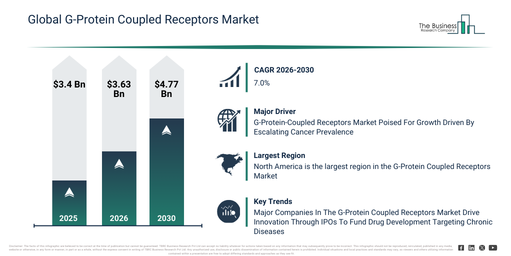
    The market for G-protein coupled receptors has experienced robust expansion over past years, projecting an increase from $3.4 billion in 2025 to $3.63 billion in 2026, which represents a compound annual growth rate (CAGR) of 6.8%. This expansion during the preceding period was driven by factors including increased research into neurotransmitters, progress in receptor biology, a surge in pharmaceutical research and development, advancements in cell line development, and innovations in assay technologies.

    The global market for g-protein coupled receptors is poised for considerable expansion over the coming years, projected to reach a valuation of $4.77 billion by 2030, reflecting a compound annual growth rate of 7.0%. This anticipated growth trajectory is largely influenced by escalating requirements for precise drug targeting, advancements in AI-powered drug discovery methodologies, a burgeoning biologics pipeline, ongoing efforts in receptor deorphanization research, and increased investments directed towards translational research initiatives. Key developments expected to shape the market during this forecast period encompass the increasing adoption of GPCR targets within the drug discovery landscape, the expansion of high-throughput screening capabilities, a heightened emphasis on the investigation of orphan receptors, the advancement of cell-based assay technologies, and a growing trend of collaboration between academic institutions and pharmaceutical companies.

    Download A Free Sample Report For Comprehensive Market Insights:

    https://www.thebusinessresearchcompany.com/sample.aspx?id=11976&type=smp

    G-Protein Coupled Receptors Market Growth Drivers: What Factors Are Accelerating Expansion?

    The increasing incidence of cancer is anticipated to serve as a significant catalyst for the expansion of the G-protein-coupled receptors market in the foreseeable future. Cancer, characterized by the uncontrolled proliferation and invasion of abnormal cells into adjacent tissues, often spreads via the body’s lymphatic and vascular networks. G-protein-coupled receptors play a crucial role in regulating the very hallmarks of cancer, encompassing proliferative signaling, sustained replicative capacity, evasion of growth inhibitory signals, resistance to programmed cell death (apoptosis), and the promotion of invasion and metastasis. Illustrating this trend, the American Cancer Society, a prominent professional organization in the United States, estimated in January 2023 that approximately 1,958,310 new cancer diagnoses would occur in the US during 2023, a rise from the roughly 1.9 million cases identified in 2022. Consequently, the escalating burden of cancer is directly fueling the advancement of the G-protein-coupled receptors market.

    G-Protein Coupled Receptors Market Segment Analysis Highlighting Growth Areas

    The g-protein coupled receptors market covered in this report is segmented –

    1) By Product: Cell Lines, Detection Kits, Cell Culture Reagents, Ligands

    2) By Assay: CAMP Functional Assays, Calcium Functional Assays, ß-Arrestin Functional Assays, Radioligand Binding And GTP?S Functional Assays, Internalization Assays, Trafficking Assays

    3) By Applications: Cancer Research, CNS Research, Metabolic Research, Cardiovascular Research, Inflammation Research, Respiratory Research, Other Applications

    Subsegments:

    1) By Cell Lines: GPCR-Expressing Cell Lines, Stable And Transient Cell Lines

    2) By Detection Kits: ELISA Kits, High-Throughput Screening Kits, Reporter Gene Assays

    3) By Cell Culture Reagents: Media And Supplements, Transfection Reagents, Growth Factors

    4) By Ligands: Agonists, Antagonists, Inverse Agonists

    G-Protein Coupled Receptors Market Trends: What Is Shaping Future Industry Growth?

    Companies at the forefront of the G-protein coupled receptors sector are currently undertaking Initial Public Offerings (IPOs) with the explicit goal of advancing drug development initiatives centered on G protein-coupled receptors (GPCRs). This strategic financial maneuver is designed to expedite research and development pipelines, propel clinical trials forward, and ultimately introduce novel therapeutic solutions for a spectrum of ailments, encompassing oncological, neurological, and metabolic diseases. The capital infusion garnered is predominantly allocated to fuel the progression of their principal product candidates aimed at addressing chronic metabolic and pulmonary conditions. A key allocation of these funds will be directed towards the enhancement of their glucagon-like peptide-1 receptor (GLP-1R) agonist program, which endeavors to provide treatments for diabetes and obesity. Illustrating this trend, Structure Therapeutics Inc., an entity based in the United States, successfully concluded its IPO in February 2023, securing $161 million. This funding will be instrumental in propelling their development of therapeutics derived from G-protein coupled receptor (GPCR) platforms. The company issued 10,740,000 American depositary shares (ADSs) at a price of $15.00 per ADS, a figure that notably exceeded their initial forecasts. These shares commenced trading on the Nasdaq Global Market, identified by the ticker symbol ‘GPCR’.

    G-Protein Coupled Receptors Market Leading Companies: Who Holds Significant Market Presence?

    Major companies operating in the g-protein coupled receptors market are Pfizer Inc., Roche Holding AG, AbbVie Inc., Bayer AG, Novartis International AG, Sanofi SA, Bristol-Myers Squibb Company, AstraZeneca Plc, GlaxoSmithKline Plc, Takeda Pharmaceutical Company Limited, Eli Lilly and Company, Merck KGaA, Boehringer Ingelheim, Daiichi Sankyo Company Limited, Danaher Corporation, Thermo Fisher Scientific Inc., PerkinElmer Inc., Bio-Techne Corporation, Abcam PLC, Cara Therapeutics Inc., Sosei Heptares Ltd., Eurofins DiscoverX Corporation, Crinetics Pharmaceuticals Inc., Domain Therapeutics SA, Addex Pharmaceuticals Ltd., Structure Therapeutics, Septerna

    Access The Complete G-Protein Coupled Receptors Market Report:

    https://www.thebusinessresearchcompany.com/report/g-protein-coupled-receptors-global-market-report

    G-Protein Coupled Receptors Market Regional Outlook: Where Are The Largest Opportunities Located?

    North America was the largest region in the G-protein coupled receptors market in 2025. Asia-Pacific is expected to be the fastest-growing region in the forecast period. The regions covered in the g-protein coupled receptors market report are Asia-Pacific, South East Asia, Western Europe, Eastern Europe, North America, South America, Middle East, Africa.

    Get in touch with us:

    The Business Research Company: https://www.thebusinessresearchcompany.com/

    Americas: +1 310-496-7795

    Asia: +44 7882 955267 & +91 8897263534

    Europe: +44 7882 955267

    Email us at: marketing@tbrc.info

    Follow us on:

    LinkedIn: https://in.linkedin.com/company/the-business-research-company

    YouTube: https://www.youtube.com/channel/UC24_fI0rV8cR5DxlCpgmyFQ

    Global Market Model: https://www.thebusinessresearchcompany.com/global-market-model
  • Gouty Arthritis Market Size Projected To Increase From $3.95 Billion To $5.06 Billion During The Forecast Period

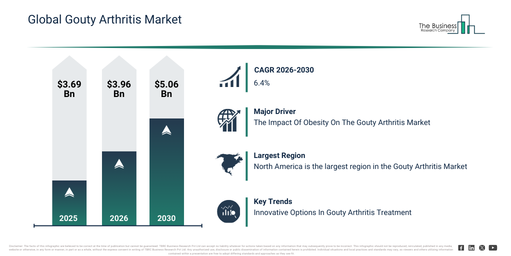
    Gouty Arthritis Market Size Projected To Increase From $3.95 Billion To $5.06 Billion During The Forecast Period

    Enhanced with market attractiveness analysis, total addressable market evaluation, company benchmarking matrices, interactive Excel dashboards, expanded supply chain intelligence, emerging startup coverage, and detailed product insights, The Business Research Company’s 2026 market reports deliver more actionable and strategically valuable research.

    Gouty Arthritis Market Expansion Outlook: What Revenue Opportunities Lie Ahead?

    The market for gouty arthritis has experienced robust expansion over the past few years. Projections indicate a shift from $3.69 billion in 2025 to $3.96 billion in 2026, reflecting a compound annual growth rate (CAGR) of 7.2%. Factors contributing to this growth trajectory in the past include evolving dietary habits, the accessibility of non-steroidal anti-inflammatory drugs (NSAIDs), a rise in arthritis diagnoses, the proliferation of rheumatology clinics, and advancements in pain management therapies.

    The market for gouty arthritis is poised for substantial expansion over the upcoming years, projecting to reach $5.06 billion by 2030 with a compound annual growth rate of 6.4%. This anticipated surge is driven by a confluence of factors, including an expanding elderly demographic, heightened public understanding of chronic illnesses, proactive measures in arthritis prevention, enhanced patient adherence to treatment regimens, and the increasing implementation of tailored therapeutic strategies for gout. Key developments anticipated during this period encompass a growing incidence of hyperuricemia, a heightened need for sustained condition management, the proliferation of combination therapies, greater use of advanced diagnostic imaging, and the broader adoption of lifestyle modifications for disease control.

    Download A Free Sample Report For Comprehensive Market Insights:

    https://www.thebusinessresearchcompany.com/sample.aspx?id=16070&type=smp

    Gouty Arthritis Market Growth Factors Supporting Long-Term Expansion

    The escalating rates of obesity are poised to be a significant catalyst for the expansion of the gouty arthritis market in the future. Obesity, defined as a health condition involving excessive accumulation of body fat to a degree that negatively impacts well-being and is commonly assessed via body mass index (BMI), is on the rise. This increase is attributed to greater consumption of calorie-dense, processed foods and a decline in physical activity. Obesity’s link to gouty arthritis stems from its dual effect on uric acid metabolism: it boosts uric acid production while simultaneously impairing the body’s capacity to eliminate it, resulting in the crystallization of uric acid within the joints. Moreover, the added burden of excess weight intensifies stress on joints, thereby worsening the inflammation and discomfort characteristic of gout. Illustrating this trend, data from May 2025, reported by the Office for Health Improvement and Disparities, a UK governmental entity, revealed that between 2023 and 2024, approximately 64.5% of adults aged 18 and above in England were classified as overweight or obese, marking an increase from 64.0% during the 2022–2023 period. Consequently, the growing incidence of obesity is directly fueling the growth trajectory of the gouty arthritis market.

    Gouty Arthritis Market Segment Performance And Strategic Opportunities

    The gouty arthritis market covered in this report is segmented –

    1) By Type: Acute Gouty Arthritis, Chronic Gouty Arthritis

    2) By Treatment: Non-Steroidal Anti-Inflammatory Drugs (NSAIDs), Pain Reliever, Corticosteroids, Xanthine Oxidase Inhibitors, Uricosurics, Other Treatments

    3) By Diagnosis: Joint Fluid Test, Blood Test, X-Ray Imaging, Ultrasound, Dual Energy Computed Tomography (CT) Scan, Other Diagnosis

    4) By Distribution Channel: Hospital Pharmacy, Retail Pharmacy, Other Distribution Channels

    5) By End-Users: Hospitals, Specialty Clinics, Other End-Users

    Subsegments:

    1) By Acute Gouty Arthritis: Monosodium Urate Crystals-Induced Acute Gout, Acute Gout Attack (Intermittent Flares), Severe Acute Gout With Joint Deformities

    2) By Chronic Gouty Arthritis: Tophaceous Gout (Presence Of Uric Acid Deposits), Chronic Gout With Joint Damage, Chronic Gout With Renal Complications, Chronic Gout With Comorbidities (Hypertension, Diabetes)

    Gouty Arthritis Market Industry Trends Shaping Future Revenue Growth

    Companies prominent within the gouty arthritis sector are intensifying their development initiatives for innovative treatments, including corticotropin gel, aiming to deliver superior and focused interventions for managing this ailment. Corticotropin gel, identified alternatively as repository corticotropin injection, represents a refined derivative of adrenocorticotropic hormone (ACTH), applied in the management of diverse inflammatory and autoimmune disorders, gouty arthritis among them. To illustrate, in October 2023, ANI Pharmaceuticals, a pharmaceutical entity based in the United States, secured authorization from the Food and Drug Administration for a new 1-mL vial configuration of Purified Cortrophin Gel. This particular formulation is designated for the supplementary management of select individuals confronting acute gouty arthritis exacerbations. Presently, Cortrophin Gel stands as the sole adrenocorticotropic hormone (ACTH) therapeutic agent sanctioned by the FDA for addressing suitable patients afflicted with acute gouty arthritis flares.

    Gouty Arthritis Market Key Players: Which Companies Shape Industry Competition?

    Major companies operating in the gouty arthritis market are Horizon Therapeutics plc, Pfizer Inc., Takeda Pharmaceutical Company Limited, AbbVie Inc., Bayer AG, Bristol Myers Squibb, Novartis International AG, Eli Lilly and Company, Amgen Inc., Gilead Sciences Inc., AstraZeneca plc, GlaxoSmithKline plc, Teijin Pharma Ltd, Regeneron Pharmaceuticals Inc., Boehringer Ingelheim International GmbH, JW Pharmaceutical, Arthrosi Therapeutics Ltd, XORTX Therapeutics Inc, Atom Therapeutics Co Ltd, Olatec Therapeutics LLC, InventisBio Co Ltd, Shanton Pharma, Selecta Biosciences Inc, LG Chem Ltd, Protalix BioTherapeutics Inc

    Access The Complete Gouty Arthritis Market Report:

    https://www.thebusinessresearchcompany.com/report/gouty-arthritis-global-market-report

    Gouty Arthritis Market Geographic Landscape: Which Region Dominates Industry Growth?

    North Americawas the largest region in the gouty arthritis market in 2025. Europeis expected to be the fastest-growing region in the forecast period. The regions covered in the gouty arthritis market report are Asia-Pacific, South East Asia, Western Europe, Eastern Europe, North America, South America, Middle East, Africa.

    Get in touch with us:

    The Business Research Company: https://www.thebusinessresearchcompany.com/

    Americas: +1 310-496-7795

    Asia: +44 7882 955267 & +91 8897263534

    Europe: +44 7882 955267

    Email us at: marketing@tbrc.info

    Follow us on:

    LinkedIn: https://in.linkedin.com/company/the-business-research-company

    YouTube: https://www.youtube.com/channel/UC24_fI0rV8cR5DxlCpgmyFQ

    Global Market Model: https://www.thebusinessresearchcompany.com/global-market-model
  • Gout Therapeutics Market Growth Outlook Reveals A CAGR Of 11.8% And A Market Value Of $5.6 Billion By 2030

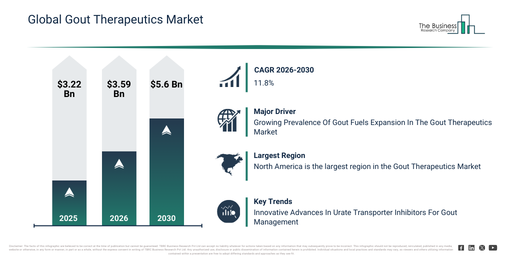
    Gout Therapeutics Market Growth Outlook Reveals A CAGR Of 11.8% And A Market Value Of $5.6 Billion By 2030

    Through market attractiveness analysis, total addressable market evaluation, company benchmarking matrices, interactive Excel dashboards, expanded supply chain intelligence, emerging startup coverage, and detailed product insights, The Business Research Company’s 2026 market reports provide more actionable and strategically valuable research.

    Gout Therapeutics Market Growth Potential: How Will Market Size Change Through 2030?

    The market for gout treatments has experienced significant expansion lately. Projections indicate a rise from $3.22 billion in 2025 to $3.59 billion in 2026, reflecting a compounded annual growth rate of 11.6%. Earlier expansion during the historical period was spurred by shifts in dietary habits, the accessibility of non-steroidal anti-inflammatory drugs (NSAIDs), a greater number of arthritis diagnoses, the availability of rheumatology services within hospitals, and advancements in pain management drug research.

    The market for gout treatments is projected to experience considerable expansion over the upcoming years, reaching an estimated value of $5.6 billion by 2030. This upward trajectory is underpinned by an anticipated compound annual growth rate (CAGR) of 11.8%. Key drivers fueling this growth during the forecast period include an increasing elderly demographic, the escalating prevalence of chronic health conditions, a greater emphasis on proactive arthritis management, enhanced tools that support patient adherence to treatment, and the adoption of tailored therapeutic strategies. Furthermore, prevailing trends expected to shape this market encompass a rise in arthritis linked to lifestyle factors, a greater reliance on therapies designed to reduce uric acid levels, an expanded focus on the long-term management of chronic gout cases, growing public understanding regarding the importance of early detection, and advancements in the continuous monitoring of this condition over extended periods.

    Download A Free Sample Report For Comprehensive Market Insights:

    https://www.thebusinessresearchcompany.com/sample.aspx?id=12118&type=smp

    Gout Therapeutics Market Demand Drivers Creating New Revenue Opportunities

    The increasing prevalence of gout is anticipated to be a significant driver for the expansion of the gout therapeutics market. Gout, a form of inflammatory arthritis, is characterized by discomfort and joint swelling. Factors such as obesity and metabolic syndrome are increasingly contributing to this condition by elevating uric acid levels in the bloodstream, which subsequently leads to the crystallization of urates within the joints. Therapies for gout aim to mitigate the frequency and intensity of gout symptoms by decreasing uric acid concentrations, controlling inflammation, and averting acute attacks. Evidence from PubMed Central in June 2025 suggests that gout incidence and prevalence rates, adjusted for age, are predicted to climb further by 2050, highlighting a growing global health challenge. Furthermore, data from the National Library of Medicine (NLM) in June 2024 indicates that in the United States, the number of individuals with both gout and chronic kidney disease (CKD) was 7.9 million in 2023, with projections showing a 29% increase to 9.6 million by 2035 under a standard projection. Consequently, the escalating rate of gout diagnoses is fueling the growth within the gout therapeutics sector.

    Gout Therapeutics Market Segment Landscape And Growth Potential

    The gout therapeutics market covered in this report is segmented –

    1) By Type: Nonsteroidal Anti-Inflammatory Drugs (NSAIDs), Corticosteroid, Diuretics

    2) By Treatment: Xanthine Oxidase Inhibitor, Uricosuria Medication

    3) By Disease Condition: Acute, Chronic

    4) By End-Users: Hospitals, Specialty Clinics, Other End Users

    Subsegments:

    1) By Nonsteroidal Anti-Inflammatory Drugs (NSAIDs): Traditional NSAIDs, Selective COX-2 Inhibitors

    2) By Corticosteroid: Oral Corticosteroids, Injectable Corticosteroids

    3) By Diuretics: Thiazide Diuretics, Loop Diuretics

    Gout Therapeutics Market Trends Driving Strategic Industry Expansion

    Key players within the gout therapeutics sector are actively engaged in pioneering novel treatments, specifically focusing on urate transporters responsible for facilitating the reabsorption of uric acid from the urinary system back into the bloodstream; these transporters function as proteins that aid in the translocation of uric acid across cellular boundaries in the renal or intestinal tissues, thereby contributing to the regulation of circulating uric acid concentrations. As an illustration, in July of 2025, Eisai Co. Ltd., a pharmaceutical entity headquartered in Japan, introduced URECE (dotinurad), a specialized inhibitor targeting urate transporter 1 (URAT1), which is now being marketed as part of Eisai’s international specialty care offerings. This medication, URECE, is prescribed for the management of hyperuricemia linked to gout, functioning to reduce uric acid levels in the blood by enhancing its clearance through the kidneys, and it additionally presents a commendable safety record with negligible unintended effects, alongside demonstrated effectiveness in individuals experiencing mild to moderate kidney dysfunction, positioning it as a viable option for a diverse patient population suffering from gout.

    Gout Therapeutics Market Competitive Landscape: Who Are The Leading Companies?

    Major companies operating in the gout therapeutics market are Takeda Pharmaceutical Company Ltd, Novartis AG, AstraZeneca plc, GlaxoSmithKline plc, Merck & Co Inc, Regeneron Pharmaceuticals Inc, Teijin Pharma Ltd, Zydus Group, Teva Pharmaceutical Industries Ltd, Sun Pharmaceutical Industries Ltd, Dr Reddy’s Laboratories Ltd, Amneal Pharmaceuticals Inc, Lupin Limited, Ironwood Pharmaceuticals Inc, Pharvaris NV, Selecta Biosciences Inc, Dyve Biosciences Inc, Arthrosi Therapeutics Inc, Atom Therapeutics Co Ltd, Olatec Therapeutics LLC

    Access The Complete Gout Therapeutics Market Report:

    https://www.thebusinessresearchcompany.com/report/gout-therapeutics-global-market-report

    Gout Therapeutics Market Largest Region: Which Geography Holds The Highest Market Share?

    North America was the largest region in the gout therapeutics market in 2025. Asia-Pacific is expected to be the fastest-growing region in the forecast period. The regions covered in the gout therapeutics market report are Asia-Pacific, South East Asia, Western Europe, Eastern Europe, North America, South America, Middle East, Africa.

    Get in touch with us:

    The Business Research Company: https://www.thebusinessresearchcompany.com/

    Americas: +1 310-496-7795

    Asia: +44 7882 955267 & +91 8897263534

    Europe: +44 7882 955267

    Email us at: marketing@tbrc.info

    Follow us on:

    LinkedIn: https://in.linkedin.com/company/the-business-research-company

    YouTube: https://www.youtube.com/channel/UC24_fI0rV8cR5DxlCpgmyFQ

    Global Market Model: https://www.thebusinessresearchcompany.com/global-market-model

  • Gonorrhea Therapeutics Market Forecast Highlights Expansion From $2.07 Billion To $2.51 Billion Through 2030

    Gonorrhea Therapeutics Market Forecast Highlights Expansion From $2.07 Billion To $2.51 Billion Through 2030

    Delivering more actionable and strategically valuable research, The Business Research Company’s 2026 market reports feature market attractiveness analysis, total addressable market evaluation, company benchmarking matrices, interactive Excel dashboards, expanded supply chain intelligence, emerging startup coverage, and detailed product insights.

    Gonorrhea Therapeutics Market Value Analysis: What Growth Is Expected Over The Forecast Period?

    The global market for gonorrhea treatments has experienced robust expansion recently, projected to increase from $1.97 billion in 2025 to $2.08 billion by 2026, reflecting a compound annual growth rate of 5.2%. This historical growth trajectory has been propelled by several key factors, including the widespread prevalence of sexually transmitted infections worldwide, the accessibility of antibiotic medications, proactive public health initiatives, established protocols for treating hospital-acquired infections, and the increasing footprint of diagnostic laboratories.

    A consistent expansion is anticipated for the gonorrhea therapeutics market over the coming years, projecting a market value of $2.52 billion by 2030, supported by a compound annual growth rate (CAGR) of 4.9%. This projected growth is principally fueled by therapeutic advancements spurred by drug resistance, heightened efforts in sexual health screenings, augmented public health investments, the creation of new antibiotic treatments, and the utilization of telehealth for managing sexually transmitted infections. Key developments expected to shape the market during this forecast period encompass enhanced antibiotic resistance surveillance, a greater reliance on combination antibiotic treatments, the broader implementation of STI screening initiatives, amplified public health awareness campaigns, and the increased adoption of improved diagnostic testing methodologies.

    Download A Free Sample Report For Comprehensive Market Insights:

    https://www.thebusinessresearchcompany.com/sample.aspx?id=21195&type=smp

    Gonorrhea Therapeutics Market Expansion Supported By Key Demand Factors

    The burgeoning prevalence of sexually transmitted infections is anticipated to be a primary catalyst for the expansion of the gonorrhea therapeutics market. Sexually transmitted infections, defined as infections spread through intimate contact and caused by pathogens like bacteria, viruses, or parasites, are on the rise owing to several contributing elements, including non-consensual sexual activity, insufficient understanding or education, a greater number of sexual relationships, diminished condom utilization, and delayed or insufficient diagnostic and therapeutic interventions. Moreover, gonorrhea therapies are instrumental in combating these STIs by specifically addressing the Neisseria gonorrhoeae bacterium, thereby averting serious health consequences and curbing further transmission. Highlighting this trend, data from June 2024 indicated that the National Institute for Public Health and the Environment, a governmental body in the Netherlands, reported a substantial year-over-year surge in diagnosed gonorrhea cases at Sexual Health Clinics (SHCs), escalating from 10,600 in 2022 to 13,853 in 2023, a notable increase of 31%. Consequently, the escalating rates of sexually transmitted infections are directly fueling the development and growth of the gonorrhea therapeutics sector.

    Gonorrhea Therapeutics Market Categorization By Product Type And Application

    The gonorrhea therapeutics market covered in this report is segmented –

    1) By Therapeutic Class: Antibiotics, Combination Therapy

    2) By Route Of Administration: Oral, Intravenous, Intramuscular

    3) By Age Group: Pediatric, Adult, Geriatric

    4) By Distribution Channel: Hospital Pharmacies, Retail Pharmacies, Online Pharmacies

    5) By End User: Hospitals, Clinics, Home Care

    Subsegments:

    1) By Antibiotics: Beta-lactams, Macrolides, Fluoroquinolones, Aminoglycosides

    2) By Combination Therapy: Dual Antibiotic Therapy, Triple Antibiotic Therapy

    Gonorrhea Therapeutics Market Growth Trends Influencing Competitive Dynamics

    Leading entities within the gonorrhea treatment sector are introducing pioneering solutions, including swift polymerase chain reaction (PCR) assays, to facilitate prompt and precise identification of disease-causing agents and their traits, such as antibiotic resistance, directly at the service point. A rapid PCR assay serves as a diagnostic technique that amplifies and identifies distinct DNA or RNA sequences with great speed, thereby allowing for the swift recognition of pathogens or genetic material. Illustrating this, Visby Medical, Inc., a United States-based developer of medical technology, released a gonorrhea test in February 2024 that incorporates an antimicrobial resistance assessment. This speedy diagnostic tool is engineered to identify Neisseria gonorrhoeae, the microorganism causing gonorrhea, and to evaluate its sensitivity to ciprofloxacin, an antibiotic to which certain gonorrhea strains have exhibited resistance. This test operates within a self-contained, instrument-free PCR system, permitting immediate testing where medical care is administered. Support for its creation was provided by CARB-X, a United States-based non-profit entity, and the company intends to broaden the test’s capabilities to encompass the detection of other sexually transmitted infections, including Chlamydia trachomatis and Trichomonas vaginalis, in males.

    Gonorrhea Therapeutics Market Company Landscape And Strategic Competition

    Major companies operating in the gonorrhea therapeutics market are Pfizer Inc., F Hoffmann La Roche Ltd, GlaxoSmithKline plc, Aurobindo Pharma Limited, Melinta Therapeutics LLC, VenatoRx Pharmaceuticals Inc., Recce Pharmaceuticals Ltd., Therapyx Inc., Entasis Therapeutics Inc., Apotex Inc., Summit Therapeutics Inc., Merck Co Inc, AstraZeneca plc, Takeda Pharmaceutical Company Limited, Novartis AG, Sanofi S A, Bayer AG, Nobelex Biotech, Evofem Biosciences Inc., NextGen Pharma

    Access The Complete Gonorrhea Therapeutics Market Report:

    https://www.thebusinessresearchcompany.com/report/gonorrhea-therapeutics-global-market-report

    Gonorrhea Therapeutics Market Regional Analysis: Which Region Leads By Revenue?

    North Americawas the largest region in the gonorrhea therapeutics market in 2025. Asia-Pacificis expected to be the fastest-growing region in the forecast period. The regions covered in the gonorrhea therapeutics market report are Asia-Pacific, South East Asia, Western Europe, Eastern Europe, North America, South America, Middle East, Africa.

    Get in touch with us:

    The Business Research Company: https://www.thebusinessresearchcompany.com/

    Americas: +1 310-496-7795

    Asia: +44 7882 955267 & +91 8897263534

    Europe: +44 7882 955267

    Email us at: marketing@tbrc.info

    Follow us on:

    LinkedIn: https://in.linkedin.com/company/the-business-research-company

    YouTube: https://www.youtube.com/channel/UC24_fI0rV8cR5DxlCpgmyFQ

    Global Market Model: https://www.thebusinessresearchcompany.com/global-market-model