Month: June 2026

  • Gonadotropin-Releasing Hormone (GnRH) Agonist Market Expected To Reach $4.72 Billion By 2030 As Growth Accelerates At 2.5% CAGR

    Gonadotropin-Releasing Hormone (GnRH) Agonist Market Expected To Reach $4.72 Billion By 2030 As Growth Accelerates At 2.5% CAGR

    Enhanced with market attractiveness analysis, total addressable market evaluation, company benchmarking matrices, interactive Excel dashboards, expanded supply chain intelligence, emerging startup coverage, and detailed product insights, The Business Research Company’s 2026 market reports deliver more actionable and strategically valuable research.

    Gonadotropin-Releasing Hormone (GnRH) Agonist Market Size Forecast: How Large Could The Market Become By 2030?

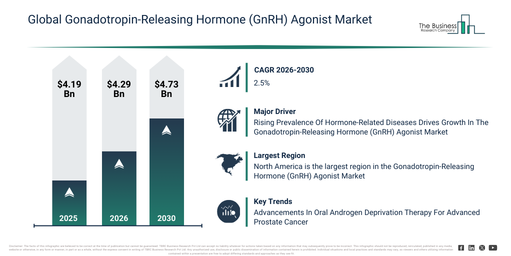
    The market for gonadotropin-releasing hormone (GnRH) agonists has seen consistent expansion. Projections indicate a rise from $4.19 billion in 2025 to $4.29 billion in 2026, reflecting a compound annual growth rate (CAGR) of 2.4%. Factors contributing to this growth historically include the increasing prevalence of IVF procedures, wider acceptance of treatments for prostate cancer, advancements in hormone therapy, the expansion of hospital endocrinology departments, and innovations in injectable medications.

    The market for gonadotropin-releasing hormone (GnRH) agonists is poised for consistent expansion over the upcoming years, projected to reach a valuation of $4.73 billion by 2030, demonstrating a compound annual growth rate (CAGR) of 2.5%. This anticipated growth trajectory is propelled by several key factors, including escalating infertility rates, a growing demand for oncology treatments, advancements in long-acting implantable drug delivery systems, enhanced accessibility to reproductive healthcare services, and the proliferation of specialty clinics. During this forecast period, significant trends are anticipated to shape the market, such as the increased integration of GnRH agonists into fertility treatments, their expanding application in managing hormone-sensitive cancers, the wider adoption of extended-release drug formulations, a surge in the demand for assisted reproductive technologies, and improved strategies for managing hormonal disorders.

    Download A Free Sample Report For Comprehensive Market Insights:

    https://www.thebusinessresearchcompany.com/sample.aspx?id=18814&type=smp

    Gonadotropin-Releasing Hormone (GnRH) Agonist Market Growth Drivers And Industry Catalysts

    The expanding market for gonadotropin-releasing hormone (GnRH) agonists is anticipated to be significantly boosted by the growing number of hormone-related illnesses. These conditions, stemming from disruptions within the endocrine system responsible for hormone production and control, encompass ailments like diabetes, hyperthyroidism, and prostate cancer. Factors contributing to the rise in hormone-related diseases include environmental influences, increased rates of obesity and metabolic syndrome, genetic predispositions, and an aging global population. GnRH agonists provide a precise method for hormone level management, offering customized treatment strategies for conditions linked to hormonal imbalances and hormone-dependent diseases. To illustrate, recent data from the UK’s National Health Service revealed that in 2023, an additional 549,000 individuals in England were identified as being at risk for type 2 diabetes, elevating the total count of individuals with pre-diabetes (non-diabetic hyperglycemia) on GP records to 3,615,330. This figure marks a substantial jump from the 3,065,825 recorded in 2022, signifying an approximate 20% surge and underscoring the direct correlation between the rising incidence of hormone-related diseases and the expanding market for GnRH agonists.

    Gonadotropin-Releasing Hormone (GnRH) Agonist Market Segment Analysis And Revenue Opportunities

    The gonadotropin-releasing hormone (gnrh) agonist market covered in this report is segmented –

    1) By Type: Leuprorelin, Goserelin, Taltirelin, Histrelin, Other Types

    2) By Formulation: Injectable, Implants, Oral, Nasal Sprays

    3) By Distribution Channel: Hospital Pharmacies, Retail Pharmacies, Online Pharmacies

    4) By Application: Prostate Cancer, Breast Cancer, Endometriosis, Uterine Fibroids, Precocious Puberty, Fertility Treatment, Other Applications

    5) By End-User: Hospital, Specialty Clinics, Ambulatory Surgical Centers (ASCs), Other End-Users

    Subsegments:

    1) By Leuprorelin: Injectable Leuprorelin, Implantable Leuprorelin

    2) By Goserelin: Goserelin Injection, Goserelin Implant

    3) By Taltirelin: Injectable Taltirelin, Oral Taltirelin

    4) By Histrelin: Histrelin Implant, Histrelin Injection

    5) By Other Type: Triptorelin, Buserelin, Nafarelin

    #Gonadotropin-Releasing Hormone (GnRH) Agonist Market Trends Influencing Long-Term Demand

    Within the gonadotropin-releasing hormone (GnRH) agonist market, leading corporations are concentrating on the creation of sophisticated drugs for androgen deprivation therapy, aiming to boost the efficacy and accuracy of treatments for hormone-dependent cancers. Androgen deprivation therapy (ADT) medications, which encompass GnRH analogs, function by decreasing or eradicating androgen levels, thereby impeding the progression of hormone-sensitive cancers. As a prime example, in January of 2024, the pharmaceutical firm Zydus Lifesciences Limited, headquartered in India, introduced Relugolix, marketed under the brand name Rexigo. This medication holds the distinction of being India’s inaugural and sole once-daily oral treatment designed to suppress testosterone in individuals with advanced prostate cancer, thereby rendering injectable therapies obsolete. This accessible oral formulation incorporates Relugolix, an internationally acknowledged active compound renowned for its capacity to swiftly reduce testosterone levels. Notably, Rexigo offers a significant cost advantage, being 50% less expensive than the currently available injectable treatments for advanced prostate cancer within India. The arrival of Rexigo signifies a substantial leap forward in the management of prostate cancer, presenting a secure, highly effective, and user-friendly therapeutic avenue for both patients and medical professionals.

    Gonadotropin-Releasing Hormone (GnRH) Agonist Market Leading Players Shaping Industry Direction

    Major companies operating in the gonadotropin-releasing hormone (gnrh) agonist market are Pfizer Inc., AbbVie Inc., Takeda Pharmaceutical Company Limited, Sandoz Group AG, Ipsen Pharma, Aurobindo Pharma Limited, Cipla Limited, Dr Reddy’s Laboratories Ltd., Intas Pharmaceuticals Ltd., Ferring Pharmaceuticals, Amneal Pharmaceuticals Inc., Endo International plc, Lupin Limited, Gland Pharma Limited, Glenmark Pharmaceuticals Ltd., Zydus Lifesciences Limited, Sun Pharmaceutical Industries Ltd., AstraZeneca plc, Merck KGaA, Sumitomo Pharma Co Ltd, Gedeon Richter Plc, Myovant Sciences Ltd

    Access The Complete Gonadotropin-Releasing Hormone (GnRH) Agonist Market Report:

    https://www.thebusinessresearchcompany.com/report/gonadotropin-releasing-hormone-gnrh-agonist-global-market-report

    Gonadotropin-Releasing Hormone (GnRH) Agonist Market Geographic Distribution And Regional Opportunities

    North Americawas the largest region in the gonadotropin-releasing hormone (GnRH) agonist market in 2025. The regions covered in the gonadotropin-releasing hormone (gnrh) agonist market report are Asia-Pacific, South East Asia, Western Europe, Eastern Europe, North America, South America, Middle East, Africa.

    Get in touch with us:

    The Business Research Company: https://www.thebusinessresearchcompany.com/

    Americas: +1 310-496-7795

    Asia: +44 7882 955267 & +91 8897263534

    Europe: +44 7882 955267

    Email us at: marketing@tbrc.info

    Follow us on:

    LinkedIn: https://in.linkedin.com/company/the-business-research-company

    YouTube: https://www.youtube.com/channel/UC24_fI0rV8cR5DxlCpgmyFQ

    Global Market Model: https://www.thebusinessresearchcompany.com/global-market-model
  • GM1 Gangliosidosis Market Set To Grow From $0.63 Billion In 2026 To $0.95 Billion By 2030 At A CAGR Of 10.8%

    GM1 Gangliosidosis Market Set To Grow From $0.63 Billion In 2026 To $0.95 Billion By 2030 At A CAGR Of 10.8%

    Through market attractiveness analysis, total addressable market evaluation, company benchmarking matrices, interactive Excel dashboards, expanded supply chain intelligence, emerging startup coverage, and detailed product insights, The Business Research Company’s 2026 market reports provide more actionable and strategically valuable research.

    GM1 Gangliosidosis Market Revenue Outlook: What CAGR Is Expected Through 2030?

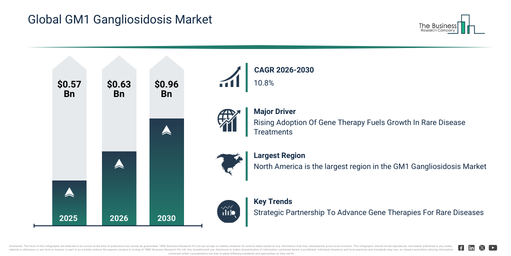
    The market for gm1 gangliosidosis experienced substantial expansion recently, projected to increase from $0.57 billion in 2025 to $0.63 billion in 2026, reflecting an 11.1% compound annual growth rate. Historical drivers behind this market growth include dedicated research into rare diseases, enhanced capabilities in identifying enzyme deficiencies, significant progress in genetic diagnostic technologies, the availability of specialized pediatric care within hospitals, and the foundational outcomes from initial clinical investigations.

    The global market for gm1 gangliosidosis is poised for significant expansion, projecting a valuation of $0.96 billion by 2030 with a compound annual growth rate of 10.8%. This anticipated surge is propelled by several key factors, including advancements in gene therapy development and the supportive framework of orphan drug incentives. Furthermore, enhanced diagnostic capabilities, a growing voice among patient advocacy groups, and increased investment in biotechnology are contributing to this upward trajectory. Emerging trends that will shape the market during the forecast period encompass a heightened emphasis on developing treatments for rare diseases, intensified research efforts in gene therapy, broader adoption of enzyme replacement therapies, expanded genetic screening programs for newborns, and a notable increase in clinical trial initiatives.

    Download A Free Sample Report For Comprehensive Market Insights:

    https://www.thebusinessresearchcompany.com/sample.aspx?id=21194&type=smp

    GM1 Gangliosidosis Market Opportunity Drivers: What Is Creating New Revenue Potential?

    A significant driver for the expansion of the GM1 gangliosidosis market is the escalating utilization of gene therapy, a revolutionary medical approach that aims to address diseases by modifying or substituting genes within an individual’s cells. This surge in gene therapy adoption stems from progress in genetic understanding, enhanced therapeutic results for previously intractable ailments, and increasing governmental endorsement of novel treatment strategies. Specifically concerning GM1 gangliosidosis, gene therapy entails introducing a functional version of the faulty GLB1 gene into patients’ cells, thereby reinstating the activity of the ß-galactosidase enzyme and mitigating the accumulation of harmful substances. A compelling indicator of this trend is the report from the American Society of Gene & Cell Therapy in January 2024, which noted a 10% increase in the number of gene therapies progressing to Phase III during the fourth quarter of 2023, marking the first such uptick since the third quarter of 2022, thus underscoring gene therapy’s pivotal role in propelling the GM1 gangliosidosis market forward.

    GM1 Gangliosidosis Market Segmentation And Category Breakdown

    The gm1 gangliosidosis market covered in this report is segmented –

    1) By Disease Type: Type 1 GM1 Gangliosidosis, Type 2 GMT Gangliosidosis, Type 3 GMT Gangliosidosis

    2) By Treatment: Anticonvulsants, Bone Marrow Transplantation, Cord-Blood Hematopoietic Stem-Cell Transplantation, Enzyme Replacement, Gene Therapy

    3) By End-User: Research Institutes, Hospitals, Other End-Users

    Subsegments:

    1) By Type 1 GM1 Gangliosidosis: Classic Infantile Onset, Atypical Infantile Onset

    2) By Type 2 GM1 Gangliosidosis: Classic Juvenile Onset, Atypical Juvenile Onset

    3) By Type 3 GM1 Gangliosidosis: Classic Adult Onset, Atypical Adult Onset

    GM1 Gangliosidosis Market Innovation Trends Driving Future Development

    In the competitive landscape of the GM1 gangliosidosis market, leading entities are prioritizing strategic alliances to solidify their standing. These collaborations are instrumental in propelling gene therapy advancements, as they synergize specialized knowledge, pooled resources, and innovative technologies to expedite the trajectory from initial research to clinical validation and eventual market introduction. A notable instance occurred in October 2024 when GEMMA Biotherapeutics Inc., a US-based player in the biotechnology sector, joined forces with Oswaldo Cruz Foundation (Fiocruz), a prominent Brazilian health research organization. This partnership is geared towards the development of gene therapies targeting rare conditions, inclusive of GM1 gangliosidosis. The terms of this alliance stipulate potential funding up to $100 million from Fiocruz, designated for clinical investigation and production, with the ultimate goal of integrating these cutting-edge treatments into Brazil’s public healthcare infrastructure. This cooperative effort is designed to facilitate technology transfer and democratize access to therapies that have historically been confined to individuals with greater financial means.

    GM1 Gangliosidosis Market Competitive Analysis Of Major Industry Participants

    Major companies operating in the gm1 gangliosidosis market are Pfizer Inc, Sanofi S A, Novartis AG, Takeda Pharmaceutical Company Limited, Sarepta Therapeutics Inc, CRISPR Therapeutics AG, REGENXBIO Inc, Passage Bio Inc, Orchard Therapeutics plc, AVROBIO Inc, uniQure N V, Lysogene S A, Sio Gene Therapies Inc, bluebird bio Inc, Axovant Gene Therapies Ltd, Lysosomal Therapeutics Inc, Encoded Therapeutics Inc, Abeona Therapeutics Inc, JCR Pharmaceuticals Co Ltd, Sangamo Therapeutics Inc

    Access The Complete GM1 Gangliosidosis Market Report:

    https://www.thebusinessresearchcompany.com/report/gm1-gangliosidosis-global-market-report

    GM1 Gangliosidosis Market Largest Region By Revenue And Market Share

    North Americawas the largest region in the GM1 gangliosidosis market in 2025. The regions covered in the gm1 gangliosidosis market report are Asia-Pacific, South East Asia, Western Europe, Eastern Europe, North America, South America, Middle East, Africa.

    Get in touch with us:

    The Business Research Company: https://www.thebusinessresearchcompany.com/

    Americas: +1 310-496-7795

    Asia: +44 7882 955267 & +91 8897263534

    Europe: +44 7882 955267

    Email us at: marketing@tbrc.info

    Follow us on:

    LinkedIn: https://in.linkedin.com/company/the-business-research-company

    YouTube: https://www.youtube.com/channel/UC24_fI0rV8cR5DxlCpgmyFQ

    Global Market Model: https://www.thebusinessresearchcompany.com/global-market-model

  • Glycomics or Glycobiology Market Opportunities Are Emerging Beyond Traditional Growth Areas

    Glycomics or Glycobiology Market Opportunities Are Emerging Beyond Traditional Growth Areas

    Delivering more actionable and strategically valuable research, The Business Research Company’s 2026 market reports feature market attractiveness analysis, total addressable market evaluation, company benchmarking matrices, interactive Excel dashboards, expanded supply chain intelligence, emerging startup coverage, and detailed product insights.

    Glycomics or Glycobiology Market Growth Analysis: How Will Revenue Expand During The Forecast Period?

    The glycomics and glycobiology sectors have witnessed substantial expansion lately, with projections indicating continued upward momentum. This market is anticipated to expand from $2.13 billion in 2025 to $2.49 billion by 2026, reflecting a robust compound annual growth rate of 17.1%. This notable growth trajectory during the preceding period has been spurred by significant progress in carbohydrate chemistry, an increasing emphasis on life sciences research, expanded funding for academic pursuits, the foundational work in characterizing biomolecules, and the continuous refinement of analytical instrumentation.

    The field of glycomics, also known as glycobiology, is poised for substantial expansion in the coming years, with projections indicating a market value reaching $4.66 billion by 2030, driven by a compound annual growth rate of 17.0%. This anticipated growth is fueled by several key factors, including the broadening application of precision medicine strategies, significant investments in pharmaceutical research and development, an increasing need for identifying reliable biomarkers, ongoing advancements in mass spectrometry technology, and a surge in translational research initiatives. During this forecast period, prominent trends are expected to emerge, such as a more extensive exploration of glycan-based biological research, a greater incorporation of glycomics into the drug discovery process, a heightened demand for sophisticated glycan analysis instruments, a growing integration of glycobiology principles into diagnostic methodologies, and an increase in collaborative efforts between academic institutions and industrial entities.

    Download A Free Sample Report For Comprehensive Market Insights:

    https://www.thebusinessresearchcompany.com/sample.aspx?id=8749&type=smp

    Glycomics or Glycobiology Market Growth Momentum: Which Factors Are Influencing Demand?

    The expanding need for medicinal items is anticipated to fuel the advancement of the glycomics or glycobiology sector in the future. These medicinal items, which encompass drugs and medications designed to identify, ward off, manage, or remedy illnesses and health issues in both people and animals, are deeply intertwined with pharmaceutical research and development. Glycomics and glycobiology contribute significantly by illuminating the underlying causes of diseases, pinpointing potential targets for therapies, and enhancing the effectiveness and formulation of medications aimed at diverse medical challenges. As an illustration, by February 2024, the Personalized Medicine Coalition, a nonprofit entity located in the US, highlighted that in 2023, the FDA authorized 16 novel personalized therapies for individuals with rare diseases, a notable increase from the six approved in the preceding year. Furthermore, the personalized treatments granted approval in 2023 included seven specifically for cancer and three for other ailments and circumstances, underscoring the growing importance of personalized approaches. Consequently, the rising demand for pharmaceutical products is acting as a primary catalyst for the expansion of the glycomics or glycobiology market.

    Glycomics or Glycobiology Market Segment Outlook: Which Categories Are Expanding The Fastest?

    The glycomics or glycobiology market covered in this report is segmented –

    1) By Product: Enzymes, Kits, Reagents And Chemicals, Instruments, Carbohydrates

    2) By Application: Drug Discovery And Development, Disease Diagnostics, Other Applications

    3) By End-User: Academic Research Institutes, Pharmaceutical And Biotechnology Companies, Clinical Laboratories

    Subsegments:

    1) By Enzymes: Glycosidases, Glycosyltransferases, Sialidases

    2) By Kits: Glycan Analysis Kits, Glycobiology Research Kits

    3) By Reagents And Chemicals: Monosaccharides, Oligosaccharides, Chemical Modifiers

    4) By Instruments: Mass Spectrometers, Chromatography Systems, Imaging Systems

    5) By Carbohydrates: Natural Carbohydrates, Synthetic Carbohydrates

    Glycomics or Glycobiology Market Trends Reshaping Industry Growth

    Leading entities within the glycobiology sector are concentrating their efforts on creating novel tools, specifically glycan-display platforms, aimed at expediting the identification of therapeutic agents and preventative vaccines derived from carbohydrates. These platforms are engineered systems designed to exhibit a variety of sugar molecules, known as glycans, on specific surfaces or support structures; this facilitates the examination of how these glycans interact with proteins, cells, or disease-causing organisms, thereby aiding in the development of pharmaceuticals and vaccines. As an illustration, in October 2024, CD BioGlyco, a biotechnology firm headquartered in the United States, unveiled its Glycan Display Platform, a sophisticated and comprehensive glycan-display technology that encompasses several approaches—encompassing conventional glycan arrays, cell-based glycan display, neoglycolipid (NGL) display, liquid glycan arrays (LiGA), glyco-phage display, and de novo glycan display. This versatile platform is tailored to support a broad spectrum of glycobiology research endeavors, including the pursuit of new drugs and the investigation of glycan-protein interactions. The underlying mechanism of this platform involves the utilization of either synthesized or naturally occurring glycans, which are then attached to or presented on various carriers, such as lipids, phage particles, or specially designed cells, empowering researchers to thoroughly investigate glycan binding characteristics within diverse environmental conditions, for example, in fluidic versus immobilized states, or in monovalent versus multivalent presentations. These advanced capabilities facilitate high-volume screening processes, precise regulation of glycan concentration and presentation style, and offer a greater degree of alignment with biological realities when contrasted with conventional glycan microarrays, which typically fix glycans onto unyielding surfaces.

    Glycomics or Glycobiology Market Key Companies And Competitive Benchmarking

    Major companies operating in the glycomics or glycobiology market are Aligent Technologies Inc., Bruker Corporation, Merck Co. & KgaA, New England Biolabs Inc., Danaher Corporation, Shimadzu Corporation, ProZyme Inc., Takara Bio Inc., Asparia Glycomics SL, Lectenz Bio, Chemily Glycoscience LLC, Z Biotech LLC, RayBiotech Inc., Thermo Fisher Scientific Inc., Promega Corporation, Bio-Techne Corp., AMS Bio LLC, Ludger Ltd., CD BioGlyco Ltd., GlycoDiag SAS, Kode Biotech Limited, Glyxera GmBH, Glycomix Ltd., R&D Systems Inc.

    Access The Complete Glycomics or Glycobiology Market Report:

    https://www.thebusinessresearchcompany.com/report/glycomics-or-glycobiology-global-market-report

    Glycomics or Glycobiology Market Regional Analysis And Leading Geography

    North Americawas the largest region in the glycomics or glycobiology market share in 2025. Asia-Pacificis expected to be the fastest-growing region in the forecast period. The regions covered in the glycomics or glycobiology market report are Asia-Pacific, South East Asia, Western Europe, Eastern Europe, North America, South America, Middle East, Africa.

    Get in touch with us:

    The Business Research Company: https://www.thebusinessresearchcompany.com/

    Americas: +1 310-496-7795

    Asia: +44 7882 955267 & +91 8897263534

    Europe: +44 7882 955267

    Email us at: marketing@tbrc.info

    Follow us on:

    LinkedIn: https://in.linkedin.com/company/the-business-research-company

    YouTube: https://www.youtube.com/channel/UC24_fI0rV8cR5DxlCpgmyFQ

    Global Market Model: https://www.thebusinessresearchcompany.com/global-market-model
  • Glycomic Therapeutics Market Expansion Is Opening New Pathways For Strategic Investment

    Glycomic Therapeutics Market Expansion Is Opening New Pathways For Strategic Investment

    Enhanced with market attractiveness analysis, total addressable market evaluation, company benchmarking matrices, interactive Excel dashboards, expanded supply chain intelligence, emerging startup coverage, and detailed product insights, The Business Research Company’s 2026 market reports deliver more actionable and strategically valuable research.

    Glycomic Therapeutics Market Forecast: What Market Value Is Expected By 2030?

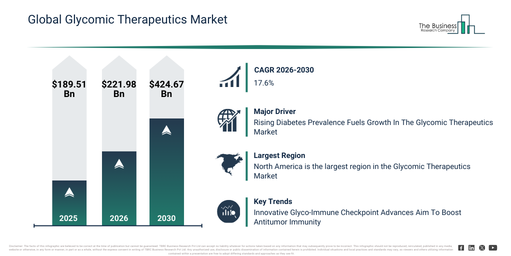
    The market for glycomic therapeutics has experienced significant expansion lately, projected to climb from $189.51 billion in 2025 to $221.98 billion in 2026, reflecting a compound annual growth rate of 17.1%. This past growth has been fueled by breakthroughs in glycobiology studies, the creation of enzyme therapies, approvals for medications targeting rare conditions, increased financial support for academic research, and the burgeoning production of biologics.

    The glycomic therapeutics sector is poised for substantial expansion, projecting a market valuation of $424.67 billion by 2030, driven by a compounded annual growth rate of 17.6%. This anticipated growth trajectory is fueled by several key factors including the increasing embrace of precision medicine, significant advancements in identifying glycan biomarkers, a broadening pipeline of orphan drugs, forward strides in synthetic biology, and amplified investment in pharmaceutical research. During this forecast period, prominent developments expected to shape the market include advancements in developing drugs based on glycans, a heightened emphasis on therapies that modulate the immune system, greater utilization of enzyme replacement treatments, intensified research into rare and metabolic conditions, and the proliferation of synthetic glycan technologies.

    Download A Free Sample Report For Comprehensive Market Insights:

    https://www.thebusinessresearchcompany.com/sample.aspx?id=11894&type=smp

    Glycomic Therapeutics Market Expansion Drivers: What Is Shaping Future Growth?

    The escalating incidence of diabetes is anticipated to stimulate the expansion of the glycomic therapeutics sector given that diabetes, a persistent health issue impairing the body’s glucose regulation, is marked by discernible glycan modifications linked to insulin resistance and metabolic irregularities, and specific glycan profiles function as diagnostic and prognostic indicators; for example, England observed a rise in recorded type 2 diabetes among adults aged 17 and above, progressing from 6.8% in March 2023 to 7.0% in March 2024 as per GOV.UK data from March 2025, a trend that consequently fuels the glycomic therapeutics market’s growth.

    The burgeoning rates of cancer are projected to be a significant catalyst for the glycomic therapeutics market’s advancement, as cancer, defined by aberrant cell proliferation and metastasis, can be addressed by glycomic therapies that selectively engage with particular cell surface glycans to modulate cellular interactions, signaling, and immune responses, thereby potentially impeding tumor progression and augmenting treatment effectiveness; a noteworthy illustration is the American Cancer Society’s report indicating an uptick in estimated new liver cancer diagnoses among US females, rising from 12,660 in 2022 to 13,230 in 2023, underscoring how this increasing cancer burden supports the glycomic therapeutics market’s upward trajectory.

    Glycomic Therapeutics Market Segment Landscape: Which Areas Lead Market Development?

    The glycomic therapeutics market covered in this report is segmented –

    1) By Class: Isolated, Synthetic

    2) By Structures: Glycoproteins, Targeting Sialic Acid, Proteoglycans, Targeting Glycosaminoglycans, Glycosylphosphatidylinositol (GPI)-Anchored Proteins And Heparin Based Glycans, Targeting Glycosphingolipids, Other Structures

    3) By Mode Of Action: Inhibits Neuraminidase, Inhibits Heparanase And Selectins And Blocks Interactions Between Growth Factors And Heparan Sulfate, Erythropoietin And Enzyme Replacement Therapy (ERT), Tissue Plasminogen Activator, Inhibits Glucosylceramide Synthase, Interleukin 1, 2 And 3, Beta And Gamma Interferons, Other Mode Of Action

    4) By Indications: Thrombosis And Chemoprophylaxis, Anemia, Anti-Adhesive And Anti-Inflammatory, Cataracts, Gaucher’s Disease, Mps-1 And IV, Cancer, Alzheimer’s Disease, Influenza Type A And B, Other Indications

    Subsegments:

    1) By Isolated: Natural Glycans, Glycan Derivatives, Glycoproteins

    2) By Synthetic: Chemically Synthesized Glycans, Recombinant Glycans, Glycopeptides

    Glycomic Therapeutics Market Strategic Trends: What Is Defining The Next Phase Of Growth?

    In the competitive glycomic therapeutics arena, leading corporations are prioritizing the creation of groundbreaking approaches, exemplified by glyco-immune checkpoint inhibitors, as a strategy to surmount tumor-induced immune suppression and elevate the effectiveness of treatments. These particular inhibitors are engineered to obstruct the immunosuppressive effects of sugar molecules present on malignant cells, thereby empowering the immune system to more effectively identify and combat cancerous growths. A relevant example of this innovation comes from Palleon Pharmaceuticals Inc., a biotechnology firm based in the United States, which disclosed in June 2023 that the initial participant had received treatment in the combination therapy arm of its Phase 1/2 GLIMMER-01 clinical investigation. This study is assessing their primary glyco-immunology agent, E-602, when administered alongside cemiplimab (marketed as Libtayo®) to individuals battling advanced stages of cancer. The trial’s scope includes evaluating E-602 both as a standalone treatment and in conjunction with cemiplimab, with the objectives of determining its safety profile, its impact on physiological processes, and its capacity to combat tumors. E-602 itself represents a novel type of glyco-immune checkpoint inhibitor, engineered to break down immunosuppressive sialoglycans found on both tumor cells and immune cells through enzymatic action, with the ultimate goal of reactivating anti-cancer immune responses.

    Glycomic Therapeutics Market Industry Leaders And Market Competition

    Major companies operating in the glycomic therapeutics market are F Hoffmann-La Roche Ltd., Sanofi SA, Thermo Fisher Scientific Inc., GlaxoSmithKline plc, Merck KGaA, Agilent Technologies Inc., AMS Bio, Shimadzu Corporation, Waters Corporation, Bruker Corporation, BioMarin Pharmaceutical Inc., Bio Techne Corp., Halozyme Therapeutics Inc., Takara Bio Inc., Vector Laboratories, New England Biolabs Inc., Protalix Biotherapeutics Inc., Genovis AB, Ludger Ltd, GlycoMar Limited

    Access The Complete Glycomic Therapeutics Market Report:

    https://www.thebusinessresearchcompany.com/report/glycomic-therapeutics-global-market-report

    Glycomic Therapeutics Market Geographic Analysis: Where Is Demand Growing The Fastest?

    North America was the largest region in the glycomic therapeutics in 2025. Asia-Pacific is expected to be the fastest-growing region in the forecast period. The regions covered in the glycomic therapeutics market report are Asia-Pacific, South East Asia, Western Europe, Eastern Europe, North America, South America, Middle East, Africa.

    Get in touch with us:

    The Business Research Company: https://www.thebusinessresearchcompany.com/

    Americas: +1 310-496-7795

    Asia: +44 7882 955267 & +91 8897263534

    Europe: +44 7882 955267

    Email us at: marketing@tbrc.info

    Follow us on:

    LinkedIn: https://in.linkedin.com/company/the-business-research-company

    YouTube: https://www.youtube.com/channel/UC24_fI0rV8cR5DxlCpgmyFQ

    Global Market Model: https://www.thebusinessresearchcompany.com/global-market-model

  • Glucagon-Like Peptide (GLP)-1 Agonists Weight Loss Drugs Market Trends Are Creating New Opportunities For Industry Leaders

    Glucagon-Like Peptide (GLP)-1 Agonists Weight Loss Drugs Market Trends Are Creating New Opportunities For Industry Leaders

    Through market attractiveness analysis, total addressable market evaluation, company benchmarking matrices, interactive Excel dashboards, expanded supply chain intelligence, emerging startup coverage, and detailed product insights, The Business Research Company’s 2026 market reports provide more actionable and strategically valuable research.

    Glucagon-Like Peptide (GLP)-1 Agonists Weight Loss Drugs Market Size Outlook: How Fast Will Revenue Grow Through 2030?

    The market for glucagon-like peptide (GLP)-1 agonists utilized for weight loss has experienced substantial expansion recently, with an anticipated escalation from $15.5 billion in 2025 to $18.02 billion in 2026, reflecting a compound annual growth rate (CAGR) of 16.3%. Historical growth drivers included an increase in obesity rates, advancements in diabetes medications, the impact of lifestyle-related illnesses, the initial application of GLP-1s for diabetes management, and public health awareness initiatives.

    The market for glucagon-like peptide (GLP)-1 agonist weight loss medications is poised for a substantial expansion in the upcoming years, projecting a market value of $32.87 billion by 2030, fueled by a compound annual growth rate (CAGR) of 16.2%. This projected surge is anticipated to be driven by several key factors, including the advent of novel GLP-1 medications, a proliferation of specialized obesity treatment centers, enhanced accessibility through broader insurance provisions, a heightened emphasis on sustained weight management strategies, and the persistent issue of escalating obesity prevalence worldwide. Within this forecast period, prominent shifts are expected to manifest as a greater reliance on pharmaceutical interventions for weight reduction, a more widespread utilization of injectable weight loss solutions, an increased acceptance of GLP-1 therapies for purposes beyond diabetes management, the expansion of comprehensive obesity care initiatives, and improved patient commitment to adhering to enduring treatment regimens.

    Download A Free Sample Report For Comprehensive Market Insights:

    https://www.thebusinessresearchcompany.com/sample.aspx?id=24226&type=smp

    Glucagon-Like Peptide (GLP)-1 Agonists Weight Loss Drugs Market Development Factors: Which Trends Are Supporting Demand?

    The increasing global incidence of obesity is anticipated to serve as a significant catalyst for the expansion of the glucagon-like peptide (GLP)-1 agonist market focused on weight loss treatments. Obesity, a condition defined by an unhealthy accumulation of body fat posing health risks, is on the rise due to widespread adoption of poor dietary practices, including excessive consumption of fast food and sugary beverages, which lack essential nutrients and a balanced profile. Consequently, with a growing population grappling with obesity and its associated health issues, there is a heightened need for efficacious therapeutic interventions, which in turn fuels the adoption of GLP-1 agonist drugs, recognized for their efficacy in facilitating weight reduction and improving metabolic functions. For illustration, data from a UK government entity, the Office for Health Improvement and Disparities, indicated that between the 2023-2024 and 2022-2023 periods, the proportion of adults in England aged 18 and above who were classified as overweight or obese saw a slight increase, moving from 64.0% to an estimated 64.5%, reinforcing the escalating concern of overweight and obesity. This upward trend in obesity prevalence is thus directly correlated with the projected growth trajectory of the GLP-1 agonist weight loss drug sector.

    Glucagon-Like Peptide (GLP)-1 Agonists Weight Loss Drugs Market Segments: Where Are The Largest Growth Opportunities?

    The glucagon-like peptide (glp)-1 agonists weight loss drugs market covered in this report is segmented –

    1) By Drugs: Semaglutide, Liraglutide, Tirzepatide, Other Drugs

    2) By Route of Administration: Parenteral, Oral

    3) By Distribution Channel: Hospital Pharmacies, Retail Pharmacies, Other Pharmacies

    Subsegments:

    1) By Semaglutide: Ozempic, Wegovy, Rybelsus

    2) By Liraglutide: Saxenda, Victoza

    3) By Tirzepatide: Mounjaro, Zepbound

    4) By Other Drugs: Exenatide, Dulaglutide, Albiglutide, Efpeglenatide

    Glucagon-Like Peptide (GLP)-1 Agonists Weight Loss Drugs Market Transformation Trends: Which Innovations Are Driving Change?

    Within the market for glucagon-like peptide (GLP)-1 agonist medications targeting weight loss, leading corporations are actively pursuing novel approaches to obesity management, aiming to boost treatment effectiveness and achieve superior patient results. These obesity management therapies function by emulating the natural GLP-1 hormone, thereby influencing appetite control, increasing feelings of fullness, and facilitating a reduction in body weight. Such pharmaceutical interventions assist in the management of obesity through enhancements in metabolic processes and by contributing to sustained weight maintenance. A notable development occurred in November 2023 when Eli Lilly and Company, a prominent American pharmaceutical entity, secured approval from the US Food and Drug Administration for Zepbound, a therapeutic agent designed for the chronic management of weight in adult individuals grappling with obesity or excess weight, particularly those comorbidities like type 2 diabetes or sleep apnea. The mechanism of action for Zepbound involves stimulating both GIP and GLP-1 hormone receptors, leading to diminished appetite and improved metabolic performance.

    Glucagon-Like Peptide (GLP)-1 Agonists Weight Loss Drugs Market Major Participants And Competitive Dynamics

    Major companies operating in the glucagon-like peptide (glp)-1 agonists weight loss drugs market are Novo Nordisk A/S, Eli Lilly and Company, Pfizer Inc., Merck & Co Inc, Boehringer Ingelheim, Hanmi Pharmaceutical, Jiangsu Hengrui Medicine Co Ltd, Zealand Pharma A/S, I-Mab Biopharma Shanghai Co Ltd, Altimmune Inc, BioAge Labs, Innovent Biologics Inc, Viking Therapeutics Inc, Structure Therapeutics Inc, Regor Therapeutics Inc, TheracosBio LLC, Oramed Pharmaceuticals, Amgen Inc, Roche Holding AG, Teva Pharmaceutical Industries Ltd

    Access The Complete Glucagon-Like Peptide (GLP)-1 Agonists Weight Loss Drugs Market Report:

    https://www.thebusinessresearchcompany.com/report/glucagon-like-peptide-glp-1-agonists-weight-loss-drugs-global-market-report

    Glucagon-Like Peptide (GLP)-1 Agonists Weight Loss Drugs Market Global Footprint: Which Region Holds Market Leadership?

    North Americawas the largest region in the glucagon-like peptide (GLP) -1 agonists weight loss drugs market in 2025. The regions covered in the glucagon-like peptide (glp)-1 agonists weight loss drugs market report are Asia-Pacific, South East Asia, Western Europe, Eastern Europe, North America, South America, Middle East, Africa.

    Get in touch with us:

    The Business Research Company: https://www.thebusinessresearchcompany.com/

    Americas: +1 310-496-7795

    Asia: +44 7882 955267 & +91 8897263534

    Europe: +44 7882 955267

    Email us at: marketing@tbrc.info

    Follow us on:

    LinkedIn: https://in.linkedin.com/company/the-business-research-company

    YouTube: https://www.youtube.com/channel/UC24_fI0rV8cR5DxlCpgmyFQ

    Global Market Model: https://www.thebusinessresearchcompany.com/global-market-model
  • Glomerulonephritis Market Growth Is Reshaping Competitive Advantage Across The Industry

    Glomerulonephritis Market Growth Is Reshaping Competitive Advantage Across The Industry

    Delivering more actionable and strategically valuable research, The Business Research Company’s 2026 market reports feature market attractiveness analysis, total addressable market evaluation, company benchmarking matrices, interactive Excel dashboards, expanded supply chain intelligence, emerging startup coverage, and detailed product insights.

    Glomerulonephritis Market Size, Value And Growth Trends Through 2030

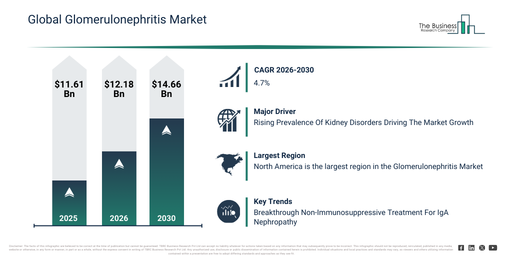
    The market for glomerulonephritis treatments has experienced consistent expansion, projected to increase from $11.61 billion in 2025 to $12.18 billion in 2026, reflecting a compound annual growth rate of 5.0%. Factors contributing to this upward trend in the past include the rising incidence of autoimmune conditions, increased utilization of kidney biopsies for diagnosis, the proliferation of specialized nephrology clinics, the availability of medications that suppress the immune system, and the broader reach of diagnostic laboratory services.

    The market for glomerulonephritis is poised for consistent expansion over the upcoming years, projected to reach $14.66 billion by 2030, experiencing a compound annual growth rate of 4.7%. This anticipated increase stems from enhancements in diagnostic capabilities for kidney conditions, the progression of individualized nephrology approaches, a rise in the incidence of chronic kidney disease, the broader availability of specialized kidney care, and better patient compliance with treatment regimens. Key developments anticipated during this forecast period include a heightened emphasis on identifying kidney diseases at an earlier stage, a greater utilization of therapies that suppress the immune system, wider adoption of diagnostic tests relying on biomarkers, increased availability of services supporting dialysis patients, and more effective management of long-term health conditions.

    Download A Free Sample Report For Comprehensive Market Insights:

    https://www.thebusinessresearchcompany.com/sample.aspx?id=21193&type=smp

    Glomerulonephritis Market Industry Drivers: What Is Driving Revenue Growth?

    The increasing incidence of kidney ailments is anticipated to fuel the expansion of the glomerulonephritis market in the future. Kidney ailments encompass a spectrum of conditions impacting the kidneys’ structure or function, resulting in compromised filtration capabilities, reduced waste expulsion, and an imbalance in bodily fluids. This escalating rate of kidney ailments can be attributed to demographic shifts like an aging global population, the growing prevalence of chronic health issues such as diabetes and high blood pressure, and prevalent lifestyle choices. These kidney ailments can instigate glomerulonephritis through mechanisms involving immune system dysregulation, persistent inflammation, or physical damage, ultimately impairing the kidneys’ filtration efficiency and overall performance. For illustration, as reported by Kidney Research UK in June 2023, an estimated 7.19 million individuals in the United Kingdom were grappling with chronic kidney disease in 2023, a figure that constitutes over 10% of the UK populace and is forecast to climb to 7.61 million individuals by 2033. Consequently, the burgeoning number of individuals suffering from kidney disorders is set to be a key driver for the growth within the glomerulonephritis market.

    Glomerulonephritis Market Segment Analysis: What Are The Major Market Categories?

    The glomerulonephritis market covered in this report is segmented –

    1) By Type: Acute Glomerulonephritis, Chronic Glomerulonephritis

    2) By Diagnosis: Urine And Blood Tests, Imaging Tests, Kidney Biopsy, Other Diagnosis

    3) By Treatment: Medication, Surgery, Dialysis, Other Treatments

    4) By Distribution Channel: Hospital Pharmacy, Retail Pharmacy, Other Distribution Channels

    5) By End-User: Hospitals, Specialty Clinics, Other End-Users

    Subsegments:

    1) By Acute Glomerulonephritis: Post-infectious Glomerulonephritis, IgA Nephropathy, Lupus Nephritis, Rapidly Progressive Glomerulonephritis (RPGN), Goodpasture Syndrome

    2) By Chronic Glomerulonephritis: Focal Segmental Glomerulosclerosis (FSGS), Membranous Nephropathy, Minimal Change Disease, Alport Syndrome, Diabetic Nephropathy, Hypertensive Nephrosclerosis

    #Glomerulonephritis Market Growth Trends: What Is Influencing The Future Outlook?

    Key players within the glomerulonephritis sector are prioritizing the creation of cutting-edge therapies that avoid immune suppression, aiming to satisfy existing gaps in care and enhance patient results. Such non-immunosuppressive therapies are designed to manage ailments without detrimentally impacting the body’s defense mechanisms. A significant development occurred in September 2024 when Travere Therapeutics Inc., a pharmaceutical firm based in the United States, brought FILSPARI (sparsentan) to market, having received approval from the Food and Drug Administration (FDA) for the treatment of IgA nephropathy, a specific kidney disorder. This medication stands out as the sole non-immunosuppressive option demonstrated to markedly reduce the deterioration of kidney function in individuals affected by this condition. The authorization of FILSPARI represents a pivotal advance in managing IgA nephropathy, recognized as the most prevalent form of primary glomerulonephritis, thereby introducing a novel therapeutic avenue for patients who previously faced restricted treatment possibilities. This regulatory milestone underscores Travere’s dedication to bettering the lives of those afflicted with kidney ailments.

    Glomerulonephritis Market Leading Companies Driving Competitive Growth

    Major companies operating in the glomerulonephritis market are Pfizer Inc., F. Hoffmann-La Roche Ltd., AstraZeneca PLC, Novartis International AG, Eli Lilly and Company, Boehringer Ingelheim International GmbH, Apellis Pharmaceuticals Inc., MorphoSys AG, Travere Therapeutics Inc., Vera Therapeutics Inc., Calliditas Therapeutics AB, Omeros Corporation, Otsuka Pharmaceutical Co. Ltd., Aurinia Pharmaceuticals Inc., Alexion Pharmaceuticals Inc., Anthera Pharmaceuticals Inc., Chinook Therapeutics, Purespring Therapeutics, Walden Biosciences, Visterra Inc.

    Access The Complete Glomerulonephritis Market Report:

    https://www.thebusinessresearchcompany.com/report/glomerulonephritis-global-market-report

    Glomerulonephritis Market Regional Distribution: Which Areas Drive Market Expansion?

    North Americawas the largest region in the glomerulonephritis market in 2025. The regions covered in the glomerulonephritis market report are Asia-Pacific, South East Asia, Western Europe, Eastern Europe, North America, South America, Middle East, Africa.

    Get in touch with us:

    The Business Research Company: https://www.thebusinessresearchcompany.com/

    Americas: +1 310-496-7795

    Asia: +44 7882 955267 & +91 8897263534

    Europe: +44 7882 955267

    Email us at: marketing@tbrc.info

    Follow us on:

    LinkedIn: https://in.linkedin.com/company/the-business-research-company

    YouTube: https://www.youtube.com/channel/UC24_fI0rV8cR5DxlCpgmyFQ

    Global Market Model: https://www.thebusinessresearchcompany.com/global-market-model
  • Gliosarcoma Market Forecast Signals New Revenue Opportunities Through 2030

    Gliosarcoma Market Forecast Signals New Revenue Opportunities Through 2030

    Enhanced with market attractiveness analysis, total addressable market evaluation, company benchmarking matrices, interactive Excel dashboards, expanded supply chain intelligence, emerging startup coverage, and detailed product insights, The Business Research Company’s 2026 market reports deliver more actionable and strategically valuable research.

    Gliosarcoma Market CAGR Analysis And Future Market Development

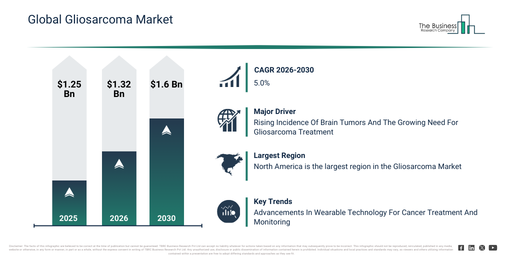
    The market for gliosarcoma has experienced robust expansion lately, projecting an increase from its 2025 valuation of $1.25 billion to $1.32 billion by 2026, reflecting a compound annual growth rate of 5.3%. This historical growth trajectory can be attributed to several key factors, including a developing comprehension of the disease, progress in the field of neuro-pathology, the expansion of cancer research institutions, enhancements in medical imaging techniques, and sustained interest from the academic research community.

    The glioblastoma market is poised for substantial expansion in the upcoming years, projecting a market valuation of $1.6 billion by 2030 with a compound annual growth rate of 5.0%. This projected increase stems from amplified investments in rare cancer research, advancements in precise diagnostic tools, enhancements in therapeutic methodologies, broader adoption of molecular testing, and strengthened partnerships among research institutions. Key developments anticipated during this period encompass intensified investigation into rare brain tumors, increasing reliance on molecular diagnostics, wider implementation of multifaceted treatment approaches, a greater emphasis on understanding tumor biology, and enhanced accuracy in diagnoses.

    Download A Free Sample Report For Comprehensive Market Insights:

    https://www.thebusinessresearchcompany.com/sample.aspx?id=21192&type=smp

    Gliosarcoma Market Growth Factors: Which Forces Are Supporting Market Expansion?

    The anticipated increase in brain tumor occurrences is poised to stimulate the gliosarcoma market’s expansion in the future. Brain tumors, characterized by aberrant cell proliferation within the brain, can manifest as either non-cancerous or cancerous growths, potentially leading to symptoms such as persistent headaches, convulsive episodes, and visual disturbances. This upward trend in brain tumor cases can be attributed to advancements in diagnostic methodologies, heightened public awareness, and the potential influence of environmental and lifestyle elements that may elevate exposure to detrimental factors. The management of gliosarcoma is crucial for addressing brain tumors, as it specifically targets this particularly aggressive and uncommon malignancy, with the objective of alleviating symptoms, extending patient longevity, and enhancing their overall well-being. To illustrate, data from Dementia Australia, a nonprofit organization based in Australia, revealed that in February 2025, an estimated 433,300 individuals in Australia were living with dementia, a figure projected to reach 812,500 by 2054. Furthermore, dementia appearing in younger individuals impacts approximately 29,000 people in 2025, with forecasts suggesting this number could ascend to 41,000 by 2054. Consequently, the escalating rate of brain tumor diagnoses serves as a primary catalyst for the advancement of the gliosarcoma market.

    Gliosarcoma Market Segment Breakdown: Which Categories Generate The Most Revenue?

    The gliosarcoma market covered in this report is segmented –

    1) By Diagnosis Method: Imaging Techniques, Histopathological Examination, Biomarker Testing

    2) By Treatment Type: Surgery, Radiation Therapy, Chemotherapy, Targeted Therapy, Immunotherapy

    3) By End-User: Hospitals, Cancer Research Institutes, Specialty Clinics

    Subsegments:

    1) By Imaging Techniques: Magnetic Resonance Imaging (MRI), Computed Tomography (CT) Scan, Positron Emission Tomography (PET) Scan

    2) By Histopathological Examination: Hematoxylin and Eosin (H&E) Staining, Immunohistochemistry (IHC), Electron Microscopy

    3) By Biomarker Testing: IDH Mutation Testing, MGMT Promoter Methylation Testing, ATRX Mutation Testing, TP53 Mutation Analysis

    Gliosarcoma Market Industry Trends: What Changes Are Reshaping Demand?

    Within the glioblastoma market, leading enterprises are prioritizing the creation of sophisticated devices, including wearables, to facilitate effortless and ongoing supervision of health and activity metrics, thereby delivering immediate insights and increasing user dedication to their wellness objectives. These wearable gadgets are body-worn electronics engineered to observe, log, or augment diverse facets of physical condition, exercise routines, or everyday tasks. A relevant development occurred in November 2024 when Novocure Ltd., a UK oncology firm, secured U.S. Food and Drug Administration (FDA) sanction for integrating Head Flexible Electrode (HFE) transducer arrays with Optune Gio in the treatment of adult glioblastoma multiforme (GBM) patients. Optune Gio functions as a portable, wearable apparatus employing non-invasive electrode arrays to administer tumor-treating fields (TTFields), a therapeutic method that exerts mechanical forces on the electrically charged components of proliferating cancer cells to impede their rapid multiplication. The recently introduced HFE arrays, constructed from a flexible polymer material, exhibit a 50% reduction in thickness and a third of the weight compared to the ceramic discs present in the current Optune Gio arrays, consequently enhancing patient comfort and ease of application.

    Gliosarcoma Market Key Players And Strategic Industry Positioning

    Major companies operating in the gliosarcoma market are Pfizer Inc., F. Hoffmann-La Roche Ltd., Merck & Co. Inc., AbbVie Inc., Bayer AG, Bristol-Myers Squibb Company, Novartis AG, Eli Lilly and Company, Regeneron Pharmaceuticals Inc., Bio-Rad Laboratories Inc., Carl Zeiss AG, Elekta AB, Novocure Ltd., ImmunityBio Inc., Immatics Biotechnologies, Karyopharm Therapeutics Inc., Kintara Therapeutics Inc., Aveta Biomics Inc., Vigeo Therapeutics Inc.

    Access The Complete Gliosarcoma Market Report:

    https://www.thebusinessresearchcompany.com/report/gliosarcoma-global-market-report

    Gliosarcoma Market Leading Geography: Which Region Generates The Most Revenue?

    North Americawas the largest region in the gliosarcoma market in 2025. Asia-Pacificis expected to be the fastest-growing region in the forecast period. The regions covered in the gliosarcoma market report are Asia-Pacific, South East Asia, Western Europe, Eastern Europe, North America, South America, Middle East, Africa.

    Get in touch with us:

    The Business Research Company: https://www.thebusinessresearchcompany.com/

    Americas: +1 310-496-7795

    Asia: +44 7882 955267 & +91 8897263534

    Europe: +44 7882 955267

    Email us at: marketing@tbrc.info

    Follow us on:

    LinkedIn: https://in.linkedin.com/company/the-business-research-company

    YouTube: https://www.youtube.com/channel/UC24_fI0rV8cR5DxlCpgmyFQ

    Global Market Model: https://www.thebusinessresearchcompany.com/global-market-model
  • Glioma Treatment Market Growth Is Accelerating As Industry Transformation Continues

    Glioma Treatment Market Growth Is Accelerating As Industry Transformation Continues

    Through market attractiveness analysis, total addressable market evaluation, company benchmarking matrices, interactive Excel dashboards, expanded supply chain intelligence, emerging startup coverage, and detailed product insights, The Business Research Company’s 2026 market reports provide more actionable and strategically valuable research.

    Glioma Treatment Market Expansion From $5.71 Billion In 2026 To $7.44 Billion In 2030

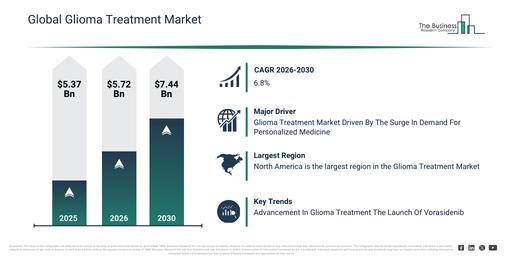
    A significant expansion has characterized the glioma treatment market’s size over the past few years, projecting a rise from $5.37 billion in 2025 to $5.72 billion by 2026, fueled by a compound annual growth rate of 6.4%. Factors contributing to this historical growth trajectory include strides in neurosurgical techniques, the expanding field of radiation oncology, increased utilization of chemotherapy, enhanced capabilities in diagnostic imaging, and the broader development of cancer care infrastructure.

    Anticipate robust expansion within the glioma treatment sector over the coming years, with market valuation projected to reach $7.44 billion by 2030, reflecting a compound annual growth rate of 6.8%. This projected growth trajectory is underpinned by several key drivers, including the increasing adoption of precision oncology methodologies, the continuous innovation and development of novel targeted therapeutic agents, a heightened emphasis on enhancing patient survival outcomes, the proliferation of specialized oncology clinics, and the implementation of individualized treatment strategies. Furthermore, significant trends anticipated during this forecast period encompass a greater utilization of combination therapy modalities, a growing emphasis on early surgical intervention, the broadening application of targeted drug therapies, an increasingly prominent role for radiation therapy optimization, and advancements in the long-term management of the disease.

    Download A Free Sample Report For Comprehensive Market Insights:

    https://www.thebusinessresearchcompany.com/sample.aspx?id=10689&type=smp

    Glioma Treatment Market Demand Drivers: What Is Fueling Industry Growth?

    The increasing interest in individualized medical treatments is anticipated to boost the glioma treatment market. Personalized medicine involves tailoring healthcare strategies to an individual’s specific genetic makeup, environmental influences, and lifestyle choices, with the aim of improving therapeutic success and overall results. This trend towards personalized medicine is fueled by progress in genomic research, greater patient involvement in their healthcare, and enhanced treatment effectiveness. By pinpointing biomarkers associated with gliomas, it becomes possible to forecast how patients will respond to therapy and what their prognosis might be, paving the way for customized treatment approaches that address each patient’s distinct profile. An illustration of this is the February 2024 report from the Personalized Medicine Coalition, a US non-profit, indicating that in 2023, the FDA authorized 16 new treatments designed for rare diseases, a significant rise from the six approved in 2022. Consequently, the rising need for personalized medicine serves as a key driver for the expansion of the glioma treatment market.

    Glioma Treatment Market Segmentation: How Is The Market Structured Across Key Categories?

    The glioma treatment market covered in this report is segmented –

    1) By Type: Low-Grade, High-Grade

    2) By Disease: Glioblastoma Multiforme, Anaplastic Astrocytoma, Anaplastic Oligodendroglioma, Other Diseases

    3) By Route Of Administration: Oral, Parenteral, Other Routes

    4) By Treatment: Surgery, Radiation Therapy, Chemotherapy, Targeted Drug Therapy, Other Treatments

    5) By End-User: Hospitals, Specialty Clinics, Other End Users

    Subsegments:

    1) By Low-Grade: Astrocytoma, Oligodendroglioma, Mixed Glioma

    2) By High-Grade: Glioblastoma Multiforme, Anaplastic Astrocytoma, Anaplastic Oligodendroglioma

    Glioma Treatment Market Innovation Trends: Which Developments Are Transforming The Industry?

    Leading entities within the glioma therapeutics arena are implementing novel, cutting-edge treatments, including immunotherapies, aiming to enhance patient prognoses and achieve more precise tumor eradication. Immunotherapies function by leveraging or activating the patient’s own immune defenses to identify and combat cancerous cells. A notable development occurred in June 2024 when Servier Pharmaceuticals, headquartered in France, secured FDA endorsement for VORANIGO (vorasidenib) tablets, signifying a pivotal achievement as the inaugural targeted therapy for Grade 2 IDH-mutant glioma. Vorasidenib operates as a dual inhibitor, specifically targeting the IDH 1 and 2 mutations frequently observed in gliomas. These genetic alterations result in the generation of 2-hydroxyglutarate (2-HG), a metabolic byproduct that fosters tumor proliferation and persistence. The mechanism of vorasidenib involves suppressing these specific enzymes, consequently reducing 2-HG concentrations and thereby offering the potential to impede tumor advancement.

    Glioma Treatment Market Competitive Landscape And Leading Companies

    Major companies operating in the glioma treatment market are Merck & Co Inc., Amgen Inc., F Hoffmann-La Roche AG, Pfizer Inc., Teva Pharmaceutical Industries Ltd., Sun Pharmaceutical Industries Ltd., Arbor Pharmaceuticals LLC, Amneal Pharmaceuticals Inc., Karyopharm Therapeutics Inc., Bristol-Myers Squibb Co., Rigel Pharmaceuticals Inc., Sumitomo Dainippon Pharma Oncology Inc., Emcure Pharmaceuticals Ltd., Novartis AG, AstraZeneca plc, Eli Lilly and Company, Sanofi S.A., Johnson & Johnson, AbbVie Inc., Takeda Pharmaceutical Company Limited, GlaxoSmithKline plc, Bayer AG, Gilead Sciences Inc., Ipsen Pharma, Eisai Co. Ltd., Genentech Inc., Iovance Biotherapeutics Inc., Agios Pharmaceuticals Inc.

    Access The Complete Glioma Treatment Market Report:

    https://www.thebusinessresearchcompany.com/report/glioma-treatment-global-market-report

    Glioma Treatment Market Regional Outlook: Where Are The Largest Opportunities Located?

    North Americawas the largest region in the glioma treatment market in 2025.Asia-Pacificis expected to be the fastest-growing region in the global glioma treatment market report during the forecast period. The regions covered in the glioma treatment market report are Asia-Pacific, South East Asia, Western Europe, Eastern Europe, North America, South America, Middle East, Africa.

    Get in touch with us:

    The Business Research Company: https://www.thebusinessresearchcompany.com/

    Americas: +1 310-496-7795

    Asia: +44 7882 955267 & +91 8897263534

    Europe: +44 7882 955267

    Email us at: marketing@tbrc.info

    Follow us on:

    LinkedIn: https://in.linkedin.com/company/the-business-research-company

    YouTube: https://www.youtube.com/channel/UC24_fI0rV8cR5DxlCpgmyFQ

    Global Market Model: https://www.thebusinessresearchcompany.com/global-market-model

  • Glioblastoma Multiforme (GBM) Treatment Market Outlook Highlights The Next Major Growth Opportunities

    Glioblastoma Multiforme (GBM) Treatment Market Outlook Highlights The Next Major Growth Opportunities

    Delivering more actionable and strategically valuable research, The Business Research Company’s 2026 market reports feature market attractiveness analysis, total addressable market evaluation, company benchmarking matrices, interactive Excel dashboards, expanded supply chain intelligence, emerging startup coverage, and detailed product insights.

    Glioblastoma Multiforme (GBM) Treatment Market Forecast Highlighting Growth From $3.01 Billion To $4.45 Billion

    The market for glioblastoma multiforme (gbm) treatments has experienced significant expansion recently. Projections indicate a progression from $2.73 billion in 2025 to $3.02 billion in 2026, signifying a compound annual growth rate (CAGR) of 10.7%. During the preceding period, this growth was fueled by factors such as the limited survival rates associated with the condition, the established reliance on surgical and radiation interventions, consistent chemotherapy protocols, the proliferation of specialized neuro-oncology centers, and an uptick in brain tumor diagnoses.

    The glioblastoma multiforme (gbm) treatment sector is poised for substantial expansion in the coming years, projecting a market valuation of $4.46 billion by 2030, driven by a compound annual growth rate (CAGR) of 10.2%. This anticipated surge is fueled by several key factors, including advancements in targeted therapies, the broadening landscape of immunotherapy candidates, the increasing integration of precision medicine, heightened clinical trial initiatives, and augmented research investment. Significant developments expected during this projection period encompass the broader implementation of multifaceted treatment strategies, a greater reliance on tumor treating field therapy, a strengthening emphasis on customized gbm treatments, the diversification of immunotherapy methodologies, and the refinement of therapeutic approaches following surgical intervention.

    Download A Free Sample Report For Comprehensive Market Insights:

    https://www.thebusinessresearchcompany.com/sample.aspx?id=8803&type=smp

    Glioblastoma Multiforme (GBM) Treatment Market Growth Drivers: What Factors Are Accelerating Expansion?

    The escalating incidence of neurological conditions is anticipated to drive the expansion of the glioblastoma multiforme (GBM) treatment sector in the foreseeable future. Neurological conditions encompass the aberrant functioning of the brain, along with the nervous system throughout the human body and the spinal cord. Factors contributing to the rising occurrence of brain disorders like glioblastoma multiforme (GBM) include an aging demographic, weakened immune responses, heightened diagnostic detection, exposure to ionizing radiation, atmospheric contamination, and other elements, thus necessitating therapies for these brain disorders to enhance health outcomes. As an illustration, in February 2025, Dementia Australia, a charitable entity based in Australia, reported that an estimated 433,300 individuals in Australia are currently diagnosed with dementia, and this figure is projected to reach 812,500 by the year 2054. Furthermore, dementia manifesting at a younger age impacts approximately 29,000 people in 2025, with forecasts suggesting an increase to 41,000 by 2054. Consequently, the growing prevalence of brain disorders is a key factor fueling the growth of the glioblastoma multiforme (GBM) treatment market.

    Glioblastoma Multiforme (GBM) Treatment Market Segmentation Trends And Revenue Drivers

    The glioblastoma multiforme (gbm) treatment market covered in this report is segmented –

    1) By Treatment: Surgery, Radiation Therapy, Chemotherapy, R Immunotherapy

    2) By Drug Class: Temozolomide, Bevacizumab, Lomustine, Carmustine Wafers, Other Drug Classes

    3) By Route Of Administration: Oral, Parenteral, Other Route Of Administrations

    4) By End-Use: Hospitals, Clinics, Ambulatory Surgical Centers

    Subsegments:

    1) By Surgery: Tumor Resection, Biopsy Procedures

    2) By Radiation Therapy: External Beam Radiation Therapy (EBRT), Stereotactic Radiation Therapy

    3) By Chemotherapy: Standard Chemotherapy, Combination Chemotherapy Regimens

    4) By Immunotherapy: Checkpoint Inhibitors, Vaccine-Based Therapies

    Glioblastoma Multiforme (GBM) Treatment Market Trends: What Is Shaping Future Industry Growth?

    Key players in the current market landscape are concentrating their efforts on creating cutting-edge wearable and portable gadgets to solidify their standing. The goal of these technological strides is to furnish consumers with superior features, ease of use, and a comfortable experience, thereby addressing the increasing need for readily available and effective health management tools. As an illustration, in the year 2023, Novocure, a cancer-focused firm headquartered in Jersey, introduced Optune Gio, a wearable and transportable therapeutic apparatus for individuals diagnosed with fresh glioblastoma (GBM) cases, which received endorsement from the FDA. This particular device harnesses the power of Tumor Treating Fields (TTFields), a form of oscillating electric fields designed to impede the proliferation of cancerous cells and possibly prolong the lives of patients. With a modest weight of just 2.7 pounds, the Optune Gio has been engineered with patient comfort in mind, enabling its use throughout routine daily routines.

    Glioblastoma Multiforme (GBM) Treatment Market Industry Leaders: Which Organizations Are Driving Competition?

    Major companies operating in the glioblastoma multiforme (gbm) treatment market are Pfizer Inc., F. Hoffmann-La Roche AG, Merck & Co. Inc., AbbVie Inc., Novartis AG, AstraZeneca PLC, Amgen Inc., Teva Pharmaceutical Industries Ltd., Sun Pharmaceutical Industries Limited, Jazz Pharmaceuticals Inc., Sumitomo Dainippon Pharma Oncology Inc., Varian Medical Systems Inc., Amneal Pharmaceuticals Inc., Elekta AB, Loxo Oncology Inc., Karyopharm Therapeutics Inc., EnGeneIC Ltd., Genenta Science S.r.l., Cantex Pharmaceuticals Inc., Vascular Biogenics Ltd., Seelos Therapeutics Inc, Angiochem Inc., Diffusion Pharmaceuticals Inc

    Access The Complete Glioblastoma Multiforme (GBM) Treatment Market Report:

    https://www.thebusinessresearchcompany.com/report/glioblastoma-multiforme-gbm-treatment-global-market-report

    Glioblastoma Multiforme (GBM) Treatment Market Geographic Landscape: Which Region Dominates Industry Growth?

    North Americawas the largest region in the glioblastoma multiforme (GBM) treatment market share in 2025. Asia-Pacificis expected to be the fastest-growing region in the forecast period. The regions covered in the glioblastoma multiforme (gbm) treatment market report are Asia-Pacific, South East Asia, Western Europe, Eastern Europe, North America, South America, Middle East, Africa.

    Get in touch with us:

    The Business Research Company: https://www.thebusinessresearchcompany.com/

    Americas: +1 310-496-7795

    Asia: +44 7882 955267 & +91 8897263534

    Europe: +44 7882 955267

    Email us at: marketing@tbrc.info

    Follow us on:

    LinkedIn: https://in.linkedin.com/company/the-business-research-company

    YouTube: https://www.youtube.com/channel/UC24_fI0rV8cR5DxlCpgmyFQ

    Global Market Model: https://www.thebusinessresearchcompany.com/global-market-model

  • Glioblastoma Multiforme Market Trends And Growth Drivers Point To Strong Future Potential

    Glioblastoma Multiforme Market Trends And Growth Drivers Point To Strong Future Potential

    Enhanced with market attractiveness analysis, total addressable market evaluation, company benchmarking matrices, interactive Excel dashboards, expanded supply chain intelligence, emerging startup coverage, and detailed product insights, The Business Research Company’s 2026 market reports deliver more actionable and strategically valuable research.

    Glioblastoma Multiforme Market Revenue Growth Supported By A CAGR Of 3.93% Through 2030

    The market for glioblastoma multiforme treatments experienced a significant expansion recently, and this upward trajectory is projected to continue. It is anticipated to grow from $2.7 billion in 2025 to $2.92 billion in 2026, reflecting a compound annual growth rate of 8.1%. Factors contributing to this expansion in the past include a scarcity of therapeutic choices, progress in the field of neuro-oncology, the establishment of standardized chemotherapy protocols, an increase in cancer research facilities, and enhancements in medical imaging capabilities.

    The glioblastoma multiforme sector is poised for considerable expansion in the upcoming years, projected to reach a valuation of $3.94 billion by 2030, driven by a compound annual growth rate of 7.8%. This anticipated growth stems from advancements in the creation of innovative targeted pharmaceuticals, intensified immunotherapy research initiatives, the increasing embrace of individualized cancer therapies, augmented financial investment in brain cancer studies, and a heightened emphasis on enhancing patient survival rates. Key developments shaping the forecast period involve a greater concentration on specific cancer treatments, a surge in the utilization of diverse therapeutic strategies, the broadening scope of precision oncology investigations, a growing deployment of sophisticated diagnostic imaging techniques, and an overall improvement in engagement with clinical trials.

    Download A Free Sample Report For Comprehensive Market Insights:

    https://www.thebusinessresearchcompany.com/sample.aspx?id=21191&type=smp

    Glioblastoma Multiforme Market Growth Factors Supporting Long-Term Expansion

    The escalating prevalence of brain disorders is poised to be a primary catalyst for the glioblastoma multiforme market’s expansion. Conditions affecting brain structure or function, resulting in impairments in cognitive, emotional, or physical capabilities, are increasingly observed. Factors contributing to this surge include an aging demographic, extended lifespans, evolving lifestyle patterns, and enhanced diagnostic technologies. Investigating these neurological conditions facilitates progress in glioblastoma multiforme (GBM) research, paving the way for earlier detection, novel therapeutic interventions, and enhanced patient prognoses. Such research efforts can illuminate the genetic and molecular pathways implicated in GBM’s onset. As an illustration, Dementia Australia reported in February 2025 that roughly 433,300 individuals in Australia are currently affected by dementia, a figure predicted to ascend to 812,500 by 2054. Furthermore, dementia commencing at a younger age impacts approximately 29,000 individuals in 2025, with estimates suggesting this number will climb to 41,000 by 2054. Consequently, the growing incidence of brain disorders is a significant driver for the glioblastoma multiforme market.

    Glioblastoma Multiforme Market Segment Analysis Highlighting Growth Areas

    The glioblastoma multiforme market covered in this report is segmented –

    1) By Drug Class: Chemotherapy Agents, Temozolomide, Carmustine, Lomustine, Other Drug Classes

    2) By Diagnostic Tools: Magnetic Resonance Imaging (MRI), Computed Tomography Scan (CT Scan), Biopsy, Other Diagnostic Tools

    3) By Treatment Type: Surgery, Radiation Therapy, Chemotherapy, Immunotherapy, Tumor Treating Field Therapy, Other Treatment Types

    4) By End-User: Hospitals, Cancer Research Institutes, Ambulatory Surgical Centers, Other End-Users

    Subsegments:

    1) By Chemotherapy Agents: Alkylating Agents, Platinum-Based Agents, Antimetabolites

    2) By Temozolomide: Branded (Temodar), Generic Temozolomide

    3) By Carmustine: Injectable Carmustine, Carmustine Wafers (Gliadel)

    4) By Lomustine: Branded (Gleostine), Generic Lomustine

    5) By Other Drug Classes: Targeted Therapy, Immunotherapy, Tumor-Treating Fields (TTF) Therapy

    Glioblastoma Multiforme Market Industry Trends Shaping Future Revenue Growth

    In the glioblastoma multiforme sector, leading entities are directing their efforts towards pioneering innovative treatments, specifically CAR T-cell therapies, in an endeavor to meet the significant unmet medical requirements presented by this aggressive form of cancer. This immunotherapy approach entails the genetic alteration of a patient’s own T-cells, equipping them with the capability to more precisely identify and eradicate malignant cells. Illustrating this trend, Chimeric Therapeutics Limited, a biotechnology firm situated in Australia, initiated a Phase IB clinical investigation in June 2023 for its CHM 1101 (CLXT CAR T) treatment, targeting patients experiencing recurrent or advancing glioblastoma multiforme (GBM). This multi-center study is designed to thoroughly assess the treatment’s safety profile and effectiveness, concurrently establishing the optimal dosage for subsequent Phase 2 studies. Positive preliminary findings from the Phase 1a stage indicated disease stabilization, and this new trial seeks to leverage those early successes to propel the therapy towards broader clinical application. The company intends to utilize the gathered evidence to formulate the design for a pivotal registration trial and solicit guidance from regulatory bodies.

    Glioblastoma Multiforme Market Leading Companies: Who Holds Significant Market Presence?

    Major companies operating in the glioblastoma multiforme market are Pfizer Inc., F. Hoffmann-La Roche Ltd., AbbVie Inc., Bristol Myers Squibb Company, AstraZeneca PLC, Novartis International AG, Eli Lilly and Company, Amgen Inc., Merck KGaA, Teva Pharmaceutical Industries Ltd., Sun Pharmaceutical Industries Ltd., Zydus Pharmaceuticals (USA) Inc., Accord Healthcare Inc., Sumitomo Dainippon Pharma Oncology Inc., Karyopharm Therapeutics Inc., ITM Isotope Technologies Munich SE, Azurity Pharmaceuticals Inc., Genenta Science S.p.A., Chimeric Therapeutics Limited, VBI Vaccines Inc.

    Access The Complete Glioblastoma Multiforme Market Report:

    https://www.thebusinessresearchcompany.com/report/glioblastoma-multiforme-global-market-report

    Glioblastoma Multiforme Market Largest Region: Which Geography Holds The Highest Market Share?

    North Americawas the largest region in the glioblastoma multiforme market in 2025. Asia-Pacificis expected to be the fastest-growing region in the forecast period. The regions covered in the glioblastoma multiforme market report are Asia-Pacific, South East Asia, Western Europe, Eastern Europe, North America, South America, Middle East, Africa.

    Get in touch with us:

    The Business Research Company: https://www.thebusinessresearchcompany.com/

    Americas: +1 310-496-7795

    Asia: +44 7882 955267 & +91 8897263534

    Europe: +44 7882 955267

    Email us at: marketing@tbrc.info

    Follow us on:

    LinkedIn: https://in.linkedin.com/company/the-business-research-company

    YouTube: https://www.youtube.com/channel/UC24_fI0rV8cR5DxlCpgmyFQ

    Global Market Model: https://www.thebusinessresearchcompany.com/global-market-model