Month: June 2026

  • Enteral Stents Market Set To Grow From $1.66 Billion In 2026 To $2.21 Billion By 2030 At A CAGR Of 7.4%

    Through market attractiveness analysis, total addressable market evaluation, company benchmarking matrices, interactive Excel dashboards, expanded supply chain intelligence, emerging startup coverage, and detailed product insights, The Business Research Company’s 2026 market reports provide more actionable and strategically valuable research.

    Enteral Stents Market Revenue Growth Supported By A CAGR Of 2.21% Through 2030

    The market for enteral stents has demonstrated robust expansion in recent times, with projections indicating a substantial increase from $1.55 billion in 2025 to $1.67 billion by 2026, reflecting a compound annual growth rate of 7.7%. This historical growth trajectory can be linked to several key factors, including the increasing incidence of gastrointestinal cancers, a rise in instances of bowel obstruction, greater utilization of endoscopic procedures, advancements in hospital gastrointestinal infrastructure, and a growing demand for palliative care services.

    The market for enteral stents is poised for considerable expansion over the coming years, projecting an increase to $2.22 billion by the year 2030, driven by a compound annual growth rate of 7.4%. This anticipated growth is largely fueled by several key factors including the demographic shift towards an older population, the increasing preference for minimally invasive surgical techniques, advancements in biodegradable stent technology, the broadening scope of cancer treatments, and enhanced access to sophisticated gastrointestinal care. During this projected period, significant market dynamics are expected to emerge, such as a growing inclination towards less invasive gastrointestinal interventions, a greater reliance on devices for palliative cancer care, a surge in the deployment of self-expanding metal stents, an enlarged focus on gastrointestinal oncology therapies, and an emphasis on ensuring sustained patency within the lumens.

    Download A Free Sample Report For Comprehensive Market Insights:

    https://www.thebusinessresearchcompany.com/sample.aspx?id=20774&type=smp

    Enteral Stents Market Opportunity Drivers: What Is Creating New Revenue Potential?

    The expanding occurrence of digestive system ailments is poised to stimulate the enteral stents market’s expansion. These ailments encompass a broad spectrum of conditions affecting organs like the esophagus, stomach, and intestines, manifesting as pain and discomfort. Factors contributing to this rise include detrimental eating patterns, heightened stress, inactive lifestyles, increased antibiotic consumption, and greater exposure to environmental toxins. Enteral stents serve a crucial role in managing these disorders by providing a less invasive approach to alleviating blockages, reinstating the normal passage of food and fluids, and ultimately improving digestive function, patient comfort, and quality of life. For example, Crohn’s and Colitis Canada reported in June 2023 that an estimated 322,600 Canadians, representing 0.8% of the population, had Inflammatory Bowel Disease (IBD) in 2023, with projections suggesting this number could climb to 470,000 (1.1% of the population) by 2035. Consequently, the growing incidence of gastrointestinal disorders is a key driver for the enteral stent market.

    The increasing incidence of cancer is anticipated to fuel the expansion of the enteral stents market. Cancer, a set of diseases defined by the uncontrolled proliferation and dissemination of aberrant cells, is on the rise due to an aging global population, lifestyle choices, advancements in diagnostic technologies, inherited genetic factors, and improved access to and awareness of healthcare. Enteral stents are instrumental in addressing gastrointestinal blockages that arise from cancer, thereby mitigating symptoms like difficulty swallowing and ensuring adequate nutritional intake. Illustratively, the World Health Organization projected in February 2024 that by 2050, the world would witness over 35 million new cancer diagnoses, a substantial 77% increase from the approximately 20 million cases recorded in 2022. Therefore, the escalating rate of cancer diagnoses is a significant contributor to the enteral stents market’s growth.

    Enteral Stents Market Segment Outlook: Which Categories Are Expanding The Fastest?

    The enteral stents market covered in this report is segmented –

    1) By Stent Type: Esophageal Stents, Gastroduodenal Stents, Colon Stents

    2) By Material Type: Self-Expandable Plastic Stents, Self-Expandable Metal Stents

    3) By End User: Hospitals, Specialty Clinics, Ambulatory Centers, Research Centers

    Subsegments:

    1) By Esophageal Stents: Self-Expanding Metal Esophageal Stents, Covered Esophageal Stents, Uncovered Esophageal Stents, Hybrid Esophageal Stents, Temporary Esophageal Stents

    2) By Gastroduodenal Stents: Self-Expanding Metal Gastroduodenal Stents, Covered Gastroduodenal Stents, Uncovered Gastroduodenal Stents, Biodegradable Gastroduodenal Stents

    3) By Colon Stents: Self-Expanding Metal Colon Stents, Covered Colon Stents, Uncovered Colon Stents, Biodegradable Colon Stents, Colon Stents For Colonic Obstruction

    Enteral Stents Market Key Companies And Competitive Benchmarking

    Major companies operating in the enteral stents market are Cardinal Health Inc., Medtronic Inc., Boston Scientific Corporation, Olympus Corporation, Lepu Medical Technology (Beijing) Co Ltd., Endo-Therapeutics Inc., Cook Medical, Micro-Tech (Nanjing) Co Ltd., Merit Medical Systems Inc., ConMed Corporation, Medi-Globe GmbH, Taewoong Medical Inc., ELLA-CS s.r.o., S&G Biotech Inc., Nanwei Medical Technology Co Ltd, M I Tech Co Ltd, ACE Medical Devices Pvt Ltd, Allium Ltd, ENDOCOR GmbH & Co KG, Sewoon Medical Co Ltd, Changzhou Health Microport Medical Device Co Ltd, Medorah Meditek Pvt Ltd, Advin Health Care, ENDO-FLEX GmbH, CITEC, QualiMed, W L Gore & Associates Inc., Becton Dickinson and Company

    Access The Complete Enteral Stents Market Report:

    https://www.thebusinessresearchcompany.com/report/enteral-stents-global-market-report

    Enteral Stents Market Regional Analysis And Leading Geography

    North Americawas the largest region in the enteral stents market in 2025. The regions covered in the enteral stents market report are Asia-Pacific, South East Asia, Western Europe, Eastern Europe, North America, South America, Middle East, Africa.

    Get in touch with us:

    The Business Research Company: https://www.thebusinessresearchcompany.com/

    Americas: +1 310-496-7795

    Asia: +44 7882 955267 & +91 8897263534

    Europe: +44 7882 955267

    Email us at: marketing@tbrc.info

    Follow us on:

    LinkedIn: https://in.linkedin.com/company/the-business-research-company

    YouTube: https://www.youtube.com/channel/UC24_fI0rV8cR5DxlCpgmyFQ

    Global Market Model: https://www.thebusinessresearchcompany.com/global-market-model
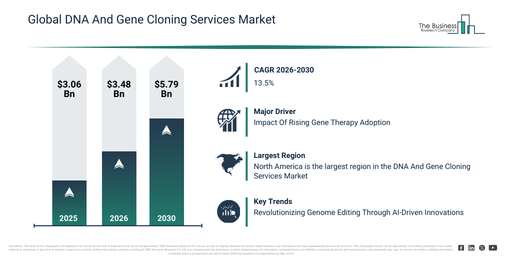
  • DNA And Gene Cloning Services Market Size Projected To Increase From $3.48 Billion To $5.78 Billion During The Forecast Period

    DNA And Gene Cloning Services Market Size Projected To Increase From $3.48 Billion To $5.78 Billion During The Forecast Period

    Enhanced with market attractiveness analysis, total addressable market evaluation, company benchmarking matrices, interactive Excel dashboards, expanded supply chain intelligence, emerging startup coverage, and detailed product insights, The Business Research Company’s 2026 market reports deliver more actionable and strategically valuable research.

    DNA And Gene Cloning Services Market Size Forecast: How Large Could The Market Become By 2030?

    The DNA and gene cloning services sector has experienced significant expansion recently, with projections indicating a rise from $3.06 billion in 2025 to $3.48 billion by 2026, representing a compounded annual growth rate (CAGR) of 13.9%. This upward trajectory during the preceding period was fueled by several key factors, including escalating academic research initiatives, the initial adoption of recombinant DNA technologies, constraints in internal cloning capabilities within organizations, a surge in pharmaceutical research and development activities, and increased investment in biotechnology.

    The global market for DNA and gene cloning services is poised for substantial expansion in the coming years, projecting an increase to $5.79 billion by the year 2030. This significant growth is anticipated to occur at a compound annual growth rate of 13.5%. Several key factors are fueling this upward trajectory, including the increasing integration of synthetic biology, advancements in precision medicine research, the burgeoning development of biologics, the implementation of automation within molecular laboratories, and the robust global investment in biotechnology. Furthermore, the forecast period is characterized by several notable trends, such as a heightened demand for bespoke gene cloning solutions, a greater utilization of these services in the drug discovery and development pipeline, the broadening scope of synthetic and intricate gene cloning applications, a rise in contract research outsourcing by academic and research bodies, and the progressive adoption of high-throughput cloning methodologies.

    Download A Free Sample Report For Comprehensive Market Insights:

    https://www.thebusinessresearchcompany.com/sample.aspx?id=21173&type=smp

    DNA And Gene Cloning Services Market Industry Drivers: What Is Driving Revenue Growth?

    The burgeoning field of gene therapy is poised to be a primary catalyst for the expansion of the DNA and gene cloning services market. Gene therapy, a therapeutic strategy involving the modification, substitution, or introduction of genes to combat or cure illnesses, is experiencing heightened adoption owing to progress in biotechnological research, demonstrable success in addressing previously intractable genetic conditions, and increased familiarity among medical professionals and the public. The DNA and gene cloning services market plays a crucial role in this advancement by facilitating the meticulous genetic alterations, vector engineering, and construct development essential for creating successful gene therapy solutions. As a testament to this momentum, data from the American Society of Gene & Cell Therapy (ASGCT) in April 2024 indicated a 10% increase in phase III gene therapy trials during the fourth quarter of 2023, marking the first quarter-over-quarter growth since the third quarter of 2022. Consequently, the escalating prominence of gene therapy is acting as a significant driver for the DNA and gene cloning services market.

    DNA And Gene Cloning Services Market Segment Analysis And Revenue Opportunities

    The dna and gene cloning services market covered in this report is segmented –

    1) By Type Of Gene: Standard Gene, Complex Gene, Other Types Of Genes

    2) By Service Type: Gene Synthesis, Custom Cloning, Subcloning, Other Service Types

    3) By Application: DNA Sequencing, Mutagenesis, Genotyping, Other Applications

    4) By End-User Industry: Academic And Research And Development (RAndD), Pharmaceutical And Biotechnology Companies, Other End User Industries

    Subsegments:

    1) By Standard Gene: Cloning Of Protein-coding Genes, Non-coding Genes

    2) By Complex Gene: Multi-exon Genes, Genes With Alternative Splicing, Large Or Multi-structural Genes

    3) By Other Types Of Genes: Synthetic Genes, Viral Genes, Genomic DNA Cloning

    #DNA And Gene Cloning Services Market Growth Trends: What Is Influencing The Future Outlook?

    Distinguished participants within the DNA and gene cloning services sector are prioritizing innovations, particularly the integration of artificial intelligence to develop gene editors that boost precision, accelerate project durations, and simplify tailored genetic alteration processes for both scientific inquiry and medical treatments. An AI-developed gene editor denotes a genetic modification system that has been engineered or refined through artificial intelligence algorithms, aiming to produce innovative, highly accurate CRISPR-analogous proteins. These proteins are designed to interact with and alter genetic sequences with enhanced effectiveness and adaptability. Illustrating this trend, Profluent, a biotechnology research firm headquartered in the United States, introduced OpenCRISPR-1 in April 2024. This AI-engineered gene editor facilitates accurate genome editing by employing adaptable CRISPR-like proteins generated via large language models, thereby substantially broadening the scope of CRISPR technology and representing a significant leap forward in the field of advanced genetic engineering.

    DNA And Gene Cloning Services Market Leading Players Shaping Industry Direction

    Major companies operating in the dna and gene cloning services market are Merck KGaA, Thermo Fisher Scientific Inc., Danaher Corporation, Eurofins Scientific, Agilent Technologies Inc., Lonza Group, Sartorius AG, Charles River Laboratories, Bio-Rad Laboratories Inc., Bio-Techne, Curia Global Inc., Integrated DNA Technologies Inc., GenScript Biotech Corporation, Takara Bio Inc., Syngene International Limited, Twist Bioscience, New England Biolabs Inc., Origene Technologies Inc., MedGenome, Sino Biological, Genewiz Inc., Creative Biogene, Addgene.

    Access The Complete DNA And Gene Cloning Services Market Report:

    https://www.thebusinessresearchcompany.com/report/dna-and-gene-cloning-services-global-market-report

    DNA And Gene Cloning Services Market Largest Region By Revenue And Market Share

    North Americawas the largest region in the DNA and gene cloning services market in 2025. Asia-Pacificis expected to be the fastest-growing region in the forecast period. The regions covered in the dna and gene cloning services market report are Asia-Pacific, South East Asia, Western Europe, Eastern Europe, North America, South America, Middle East, Africa.

    Get in touch with us:

    The Business Research Company: https://www.thebusinessresearchcompany.com/

    Americas: +1 310-496-7795

    Asia: +44 7882 955267 & +91 8897263534

    Europe: +44 7882 955267

    Email us at: marketing@tbrc.info

    Follow us on:

    LinkedIn: https://in.linkedin.com/company/the-business-research-company

    YouTube: https://www.youtube.com/channel/UC24_fI0rV8cR5DxlCpgmyFQ

    Global Market Model: https://www.thebusinessresearchcompany.com/global-market-model
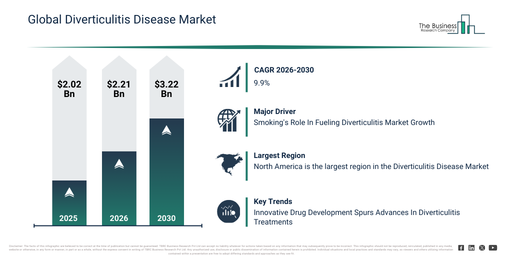
  • Diverticulitis Disease Market Growth Outlook Reveals A CAGR Of 9.9% And A Market Value Of $3.22 Billion By 2030

    Diverticulitis Disease Market Growth Outlook Reveals A CAGR Of 9.9% And A Market Value Of $3.22 Billion By 2030

    Through market attractiveness analysis, total addressable market evaluation, company benchmarking matrices, interactive Excel dashboards, expanded supply chain intelligence, emerging startup coverage, and detailed product insights, The Business Research Company’s 2026 market reports provide more actionable and strategically valuable research.

    Diverticulitis Disease Market Revenue Outlook: What CAGR Is Expected Through 2030?

    The market encompassing diverticulitis treatments has experienced robust expansion lately, with projections indicating a substantial increase from $2.02 billion in 2025 to $2.21 billion in 2026, reflecting a compound annual growth rate of 9.0%. This prior period’s upward trajectory is linked to factors such as an expanding elderly demographic, dietary patterns characterized by insufficient fiber intake, challenges in achieving early disease detection, prevalent hospital-focused therapeutic approaches, and an increasing incidence of digestive system ailments.

    The market for diverticulitis treatments is poised for substantial expansion over the upcoming years, projecting an increase to $3.22 billion by 2030, with a compound annual growth rate (CAGR) of 9.9%. This anticipated growth is fueled by several key factors, including heightened public awareness regarding digestive health and preventative measures, enhanced accessibility to advanced imaging technologies, a broader adoption of outpatient care settings, a decrease in invasive surgical procedures, and an increased emphasis on lifestyle adjustments. During this forecast period, significant trends are expected to shape the market, such as a rise in the diagnosis of less complex diverticulitis cases, a growing inclination towards non-surgical and outpatient management strategies, the expanded application of imaging for diagnosis, the increased utilization of antibiotics and supportive care, and greater consumer knowledge about managing the condition through diet and lifestyle.

    Download A Free Sample Report For Comprehensive Market Insights:

    https://www.thebusinessresearchcompany.com/sample.aspx?id=12990&type=smp

    #Diverticulitis Disease Market Growth Factors: Which Forces Are Supporting Market Expansion?

    The escalating incidence of smoking addiction is poised to stimulate expansion within the diverticulitis disease market. This addiction signifies a compulsive reliance on nicotine products, encompassing cigarettes, e-cigarettes, and other tobacco items. Factors contributing to this surge include robust marketing efforts, greater societal acceptance, stress as a trigger, and the wider availability of vaping devices. The diverticulitis treatment sector benefits from this trend as smoking impairs blood circulation to the colon, heightening the risk and severity of diverticular conditions, consequently increasing the necessity for diagnosis and medical management. For example, data from the European Respiratory Society (ERS) in October 2024 indicated a substantial uptick in smoking among young individuals, with 40.1% of those surveyed in 2024 reporting smoking habits, a notable increase from the 22.5% recorded in 2022. Consequently, the growing prevalence of smoking addiction is anticipated to be a key driver for the diverticulitis disease market’s growth.

    ## Diverticulitis Disease Market Driver: Increasing Prevalence Of Diabetes Fuels Growth In The Market

    The expanding occurrence of diabetes is projected to be a significant catalyst for the diverticulitis disease market’s advancement. Diabetes is a long-term metabolic condition marked by elevated blood sugar levels, stemming from insufficient insulin production or its ineffective use. This rising tide of diabetes is largely attributed to dietary habits dominated by processed foods, inactive lifestyles, increasing obesity rates, and an aging global population. The diverticulitis disease market aligns with this trend by offering solutions for diabetes-related complications, as elevated blood glucose levels can compromise blood vessels and make the colon more vulnerable to infections and inflammation, thereby boosting the need for diagnostic tools and treatments. Illustrating this, in June 2024, the National Health Service (NHS England) reported that the number of diagnosed pre-diabetes cases climbed to 3,615,330 in 2023, an 18% jump from the 3,065,825 cases in 2022, with a particularly sharp rise of nearly 25% in individuals under 40, increasing from 173,166 in 2022 to 216,440 in 2023. Therefore, the escalating prevalence of diabetes is fueling the expansion of the diverticulitis disease market.

    Diverticulitis Disease Market Segmentation And Category Breakdown

    The diverticulitis disease market covered in this report is segmented –

    1) By Type: Uncomplicated, Complicated

    2) By Diagnosis: Computed Tomography (Ct) Scan, Ultrasound, Urine Test, Blood Test

    3) By Treatment: Medications, Surgery, Supportive Care, Penicillin Antibiotic, Antibiotics, Dietary Supplements, Intravenous (Iv) Fluids

    4) By End-User: Specialty Centers, Hospitals, Research Centers

    Subsegments:

    1) By Uncomplicated: Outpatient Treatment, Dietary Management, Antibiotic Therapy

    2) By Complicated: Hospitalization, Surgical Intervention, Intravenous Antibiotics, Abscess Drainage

    Diverticulitis Disease Market Industry Trends: What Changes Are Reshaping Demand?

    In the diverticulitis disease market, leading pharmaceutical firms are actively pursuing novel therapeutic agents and securing regulatory endorsements to solidify their market presence. This focus on drug discovery promises more efficacious interventions for diverticulitis, thereby mitigating complications and enhancing patient well-being. A notable advancement occurred in April 2023 when Seres’ innovative microbiota-based therapy, intended for recurrent intestinal infections, received approval from the U.S. Food and Drug Administration. This orally administered treatment, Vowst, is formulated to combat recurrent gut infections and prevent the relapse of Clostridioides difficile (C. diff.) in adult individuals 18 years and older. Its approval stemmed from a clinical investigation involving 346 participants suffering from recurrent CDI, which demonstrated a substantially reduced likelihood of infection recurrence among those administered Vowst compared to a placebo group. The drug’s efficacy is attributed to its composition of Firmicutes spores, recognized for their role in fostering a robust gut microbiome capable of impeding C. diff. colonization.

    Diverticulitis Disease Market Competitive Analysis Of Major Industry Participants

    Major companies operating in the diverticulitis disease market are Pfizer Inc., Johnson and Johnson, F. Hoffmann-La Roche AG, Merck & Co. Inc., AbbVie Inc., Bayer AG, Novartis AG, Sanofi S.A., Bristol-Myers Squibb Company, AstraZeneca plc, Abbott Laboratories, GlaxoSmithKline plc, Takeda Pharmaceutical Company Limited, Eli Lilly and Company, Amgen Inc., Viatris Inc., Teva Pharmaceutical Industries Ltd., Astellas Pharma, Eisai Co. Ltd., Sun Pharmaceutical Industries Ltd., Otsuka Pharmaceutical Company, Cipla Limited, Hikma Pharmaceuticals PLC, Endo Pharmaceuticals, Aspen Pharmacare, Zydus Lifesciences, Lupin Limited, Glenmark Pharmaceuticals, Alkem Laboratories, Torrent Pharmaceuticals Ltd.

    Access The Complete Diverticulitis Disease Market Report:

    https://www.thebusinessresearchcompany.com/report/diverticulitis-disease-global-market-report

    Diverticulitis Disease Market Regional Analysis And Leading Geography

    North Americawas the largest region in the diverticulitis disease market in 2025. Asia-Pacificis expected to be the fastest-growing region in the forecast period. The regions covered in the diverticulitis disease market report are Asia-Pacific, South East Asia, Western Europe, Eastern Europe, North America, South America, Middle East, Africa.

    Get in touch with us:

    The Business Research Company: https://www.thebusinessresearchcompany.com/

    Americas: +1 310-496-7795

    Asia: +44 7882 955267 & +91 8897263534

    Europe: +44 7882 955267

    Email us at: marketing@tbrc.info

    Follow us on:

    LinkedIn: https://in.linkedin.com/company/the-business-research-company

    YouTube: https://www.youtube.com/channel/UC24_fI0rV8cR5DxlCpgmyFQ

    Global Market Model: https://www.thebusinessresearchcompany.com/global-market-model
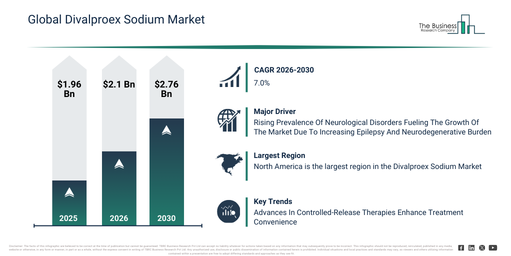
  • Divalproex Sodium Market Forecast Highlights Expansion From $2.1 Billion To $2.75 Billion Through 2030

    Divalproex Sodium Market Forecast Highlights Expansion From $2.1 Billion To $2.75 Billion Through 2030

    Delivering more actionable and strategically valuable research, The Business Research Company’s 2026 market reports feature market attractiveness analysis, total addressable market evaluation, company benchmarking matrices, interactive Excel dashboards, expanded supply chain intelligence, emerging startup coverage, and detailed product insights.

    Divalproex Sodium Market Growth Analysis: How Will Revenue Expand During The Forecast Period?

    The market for divalproex sodium has seen robust expansion lately. Projections indicate a rise from $1.96 billion in 2025 to $2.1 billion in 2026, reflecting a compound annual growth rate (CAGR) of 7.2%. This expansion during the preceding period was fueled by factors such as the significant incidence of epilepsy, established clinical application, a scarcity of substitute treatments, extensive physician knowledge, and established prescribing habits within hospitals.

    The market for divalproex sodium is projected to experience significant expansion in the coming years, reaching an estimated $2.76 billion by 2030 with a compound annual growth rate of 7.0% during the projection timeframe. This anticipated growth is fueled by several key factors including the increasing prevalence of neuropsychiatric conditions, a rising demand for affordable generic alternatives, advancements in drug formulations that enhance patient compliance, heightened public awareness surrounding mental health issues, and widening access to healthcare services. Key developments anticipated within this period involve sustained demand for treatments targeting neurological conditions, a more pronounced utilization in managing bipolar disorder, the proliferation of extended-release dosage forms, a greater emphasis on the accessibility of generic medications, and an intensified focus on the diligent monitoring of drug safety alongside optimizing therapeutic dosages.

    Download A Free Sample Report For Comprehensive Market Insights:

    https://www.thebusinessresearchcompany.com/sample.aspx?id=24211&type=smp

    Divalproex Sodium Market Demand Drivers: What Is Fueling Industry Growth?

    The increasing incidence of neurological conditions is projected to be a significant catalyst for the expansion of the divalproex sodium market. These neurological disorders, which impact the brain, spinal cord, or nervous system, result in functional impairments and manifest through symptoms like diminished muscle strength, epileptic fits, or cognitive difficulties. A concurrent trend of extended lifespans is contributing to the escalating rates of neurological ailments, as older demographic groups exhibit a heightened susceptibility to diseases such as Alzheimer’s and Parkinson’s, which are characteristically associated with advanced age. Divalproex sodium plays a crucial role in managing these neurological disorders by promoting the stabilization of cerebral electrical activity, thereby effectively mitigating seizures and regulating mood fluctuations frequently observed in conditions like epilepsy and bipolar disorder. Illustratively, data from the World Federation of Neurology (WFN), an international non-profit organization headquartered in the UK, revealed in October 2023 that over 40% of the world’s population currently experiences a neurological condition, with projections indicating a near doubling of the global neurological disease burden by the year 2050. Consequently, the growing prevalence of neurological disorders is directly stimulating the divalproex sodium market.

    Divalproex Sodium Market Segment Outlook: Which Categories Are Expanding The Fastest?

    The divalproex sodium market covered in this report is segmented –

    1) By Product Type: Tablets, Capsules, Extended-Release Tablets, Other Products

    2) By Route of Administration: Oral, Intravenous

    3) By Application: Epilepsy Treatment, Bipolar Disorder Management, Migraine Prophylaxis, Neuropsychiatric Disorders, Other Applications

    4) By Distribution Channel: Hospital Pharmacies, Retail Pharmacies, Online Pharmacies, Other Distributions

    Subsegments:

    1) By Tablets: 250 Mg Tablets, 500 Mg Tablets

    2) By Capsules: 125 Mg Capsules, 250 Mg Capsules, 500 Mg Capsules

    3) By Extended-Release Tablets: 250 Mg Extended-Release Tablets, 500 Mg Extended-Release Tablets

    4) By Other Products: Oral Solution, Injectable Form

    Divalproex Sodium Market Innovation Trends: Which Developments Are Transforming The Industry?

    Key players within the divalproex sodium market are dedicating their efforts to creating novel approaches, exemplified by the advent of delayed-release capsule formulations, which aim to offer enhanced patient convenience, necessitate less frequent administration, and provide better tolerance in contrast to conventional immediate-release tablets. This type of capsule operates by releasing the divalproex sodium component over an extended period, thereby stabilizing bloodstream concentrations and mitigating the adverse effects associated with high peak doses. Illustratively, in December 2024, Alembic Pharmaceuticals, a pharmaceutical enterprise based in India specializing in generic medications, secured the final go-ahead from the U.S. Food and Drug Administration (FDA) for its Divalproex Sodium Delayed Release Capsules USP, available in a 125 mg strength. These capsules are deemed therapeutically equivalent to the originator product, Depakote Sprinkle Capsules, and incorporate a sprinkle-friendly design that facilitates simpler consumption or dispensing, consequently promoting greater patient compliance and superior therapeutic results.

    Divalproex Sodium Market Key Companies And Competitive Benchmarking

    Major companies operating in the divalproex sodium market are AbbVie Inc., Sanofi S.A., Abbott Laboratories, Teva Pharmaceutical Industries Ltd., Mylan N.V., Bausch Health Companies Inc., Aurobindo Pharma Limited, Hikma Pharmaceuticals Public Limited Company, Amneal Pharmaceuticals Inc., Lupin Limited, Zydus Lifesciences Limited, Alkem Laboratories Limited, Alembic Pharmaceuticals Limited, Supernus Pharmaceuticals Inc., Strides Pharma Science Limited, Upsher-Smith Laboratories LLC, Ajanta Pharma Limited, Ishita Active Pharmaceutical Ingredients, Varahi International, Roaq Chemicals Private Limited, MSN Laboratories Private Limited.

    Access The Complete Divalproex Sodium Market Report:

    https://www.thebusinessresearchcompany.com/report/divalproex-sodium-global-market-report

    Divalproex Sodium Market Geographic Analysis: Where Is Demand Growing The Fastest?

    North Americawas the largest region in the divalproex sodium market in 2025. Asia-Pacificis expected to be the fastest-growing region in the forecast period. The regions covered in the divalproex sodium market report are Asia-Pacific, South East Asia, Western Europe, Eastern Europe, North America, South America, Middle East, Africa.

    Get in touch with us:

    The Business Research Company: https://www.thebusinessresearchcompany.com/

    Americas: +1 310-496-7795

    Asia: +44 7882 955267 & +91 8897263534

    Europe: +44 7882 955267

    Email us at: marketing@tbrc.info

    Follow us on:

    LinkedIn: https://in.linkedin.com/company/the-business-research-company

    YouTube: https://www.youtube.com/channel/UC24_fI0rV8cR5DxlCpgmyFQ

    Global Market Model: https://www.thebusinessresearchcompany.com/global-market-model
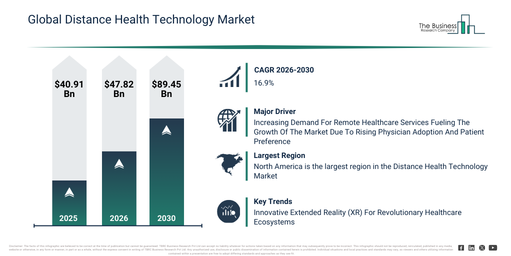
  • Distance Health Technology Market Expected To Reach $89.45 Billion By 2030 As Growth Accelerates At 16.9% CAGR

    Distance Health Technology Market Expected To Reach $89.45 Billion By 2030 As Growth Accelerates At 16.9% CAGR

    Enhanced with market attractiveness analysis, total addressable market evaluation, company benchmarking matrices, interactive Excel dashboards, expanded supply chain intelligence, emerging startup coverage, and detailed product insights, The Business Research Company’s 2026 market reports deliver more actionable and strategically valuable research.

    Distance Health Technology Market Forecast: What Market Value Is Expected By 2030?

    The distance health technology market demonstrates substantial recent expansion, projecting an increase from $40.91 billion in 2025 to $47.82 billion in 2026, underpinned by a compelling compound annual growth rate of 16.9%. Factors contributing to this brisk growth during the preceding period include the constrained availability of healthcare services in secluded regions, the initial embrace of telehealth solutions, the widespread adoption of smartphones, the escalating demands for chronic disease management, and the emergence of care paradigms influenced by the pandemic.

    The telehealth sector is poised for substantial expansion, with projections indicating a market valuation of $89.45 billion by 2030, reflecting a compounded annual growth rate of 16.9%. This upward trajectory is anticipated to be fueled by advancements such as 5G integration in healthcare, the increasing prevalence of wearable technology, the proliferation of virtual hospital frameworks, favorable reimbursement policies for digital health services, and a growing need for elder care solutions. Key developments expected to shape this period include the widespread adoption of telemedicine services, greater utilization of remote patient monitoring systems, increased engagement with mobile health applications, the seamless integration of virtual care technologies, and a stronger preference for healthcare services delivered within the home environment.

    Download A Free Sample Report For Comprehensive Market Insights:

    https://www.thebusinessresearchcompany.com/sample.aspx?id=13840&type=smp

    Distance Health Technology Market Growth Drivers: What Factors Are Accelerating Expansion?

    The expansion of the distance health technology sector is anticipated to be significantly boosted by the escalating pursuit of remote healthcare solutions. This surge in demand stems from healthcare professionals increasingly integrating virtual care, encompassing telemedicine, video appointments, and remote patient tracking tools, into their standard operations. Such adoption enhances operational effectiveness, offers greater adaptability, and broadens patient access to medical services. Distance health technology is instrumental in facilitating this shift by supplying the essential digital environments, equipment, and foundational systems required for conducting virtual examinations and overseeing patients from afar. Illustrating this trend, data from the Australian Bureau of Statistics in November 2025 revealed that in the 2024–25 period, a notable 22.5% of Australians utilized telehealth services. Furthermore, the figures indicated a growing confidence and likelihood of continued use, with 90.3% of individuals who experienced a telehealth consultation expressing their willingness to do so again, an increase from the 89.2% reported in the previous year (2023–24). Consequently, the heightened need for accessible remote medical care is a primary catalyst for the advancement of the distance health technology market.

    Distance Health Technology Market Segment Landscape: Which Areas Lead Market Development?

    The distance health technology market covered in this report is segmented –

    1) By Technology Type: Telemedicine, Remote Patient Monitoring, mHealth (Mobile Health) Applications, Virtual Healthcare Solutions

    2) By Delivery Mode: Software, Hardware, Services

    3) By Application: Consultation And Diagnosis, Monitoring And Prevention, Treatment And Rehabilitation, Education And Awareness

    4) By End-User: Hospitals And Clinics, Home Healthcare, Diagnostic Centers, Ambulatory Surgical Centers, Other End-Users

    Subsegments:

    1) By Telemedicine: Video Conferencing Solutions, Remote Consultations, Teletherapy Platforms

    2) By Remote Patient Monitoring: Wearable Health Devices, Home Monitoring Systems, Mobile Health Applications

    3) By mHealth (Mobile Health) Applications: Health Tracking Apps, Medication Reminder Apps, Health Education Apps

    4) By Virtual Healthcare Solutions: Virtual Care Platforms, Patient Engagement Tools, Digital Therapeutics Solutions

    Distance Health Technology Market Trends: What Is Shaping Future Industry Growth?

    Leading entities within the distance health technology sector are prioritizing the creation of novel offerings propelled by sophisticated technological advancements, such as healthcare frameworks enhanced by Extended Reality (XR), with the objective of solidifying their market standing. XR, as a broad designation, encompasses a spectrum of immersive technologies, notably Virtual Reality (VR), Augmented Reality (AR), and Mixed Reality (MR). Illustratively, in June of 2023, Amrita Hospital, a prominent Indian network of multi-specialty tertiary care facilities, pioneered an Extended Reality (XR)-powered healthcare environment, ingeniously employing augmented reality (AR), virtual reality (VR), and mixed reality (MR) to augment capacities in patient treatment, medical instruction, and scientific inquiry. This pioneering amalgamation of cutting-edge technology marks a pivotal achievement for India’s medical landscape. The XR-integrated system equips healthcare practitioners with the ability to view organs as three-dimensional projections, thereby enabling the provision of tailored, highly accurate medical interventions. By incorporating metaverse principles and utilizing patient information, including CT scan data, the XR platform empowers physicians to grasp complex anatomical issues, meticulously strategize intricate surgical procedures, and engage in international collaboration.

    Distance Health Technology Market Industry Leaders And Market Competition

    Major companies operating in the distance health technology market are Cisco Systems, Medtronic plc, Siemens Healthineers, Koninklijke Philips N.V., GE Healthcare, Teladoc Health Inc, Advantech Co Ltd, Allscripts Healthcare Solutions, Cerner Corporation, Babylon Health, American Well Corporation, MDLive Inc., Merative, Doctor On Demand Inc., GlobalMed, Rudolf Riester GmbH, Health Recovery Solutions, Dreamsoft4u, CLB bv, Tryten Technologies Inc, VSee, Sound Intelligence, Aerotel Ltd., AMD Global Telemedicine, Care Innovations, MEDWAND SOLUTIONS INC, Cloud DX, Omcare

    Access The Complete Distance Health Technology Market Report:

    https://www.thebusinessresearchcompany.com/report/distance-health-technology-global-market-report

    Distance Health Technology Market Global Footprint: Which Region Holds Market Leadership?

    North Americawas the largest region in the distance health technology market in 2025. Asia-Pacificis expected to be the fastest-growing region in the forecast period. The regions covered in the distance health technology market report are Asia-Pacific, South East Asia, Western Europe, Eastern Europe, North America, South America, Middle East, Africa.

    Get in touch with us:

    The Business Research Company: https://www.thebusinessresearchcompany.com/

    Americas: +1 310-496-7795

    Asia: +44 7882 955267 & +91 8897263534

    Europe: +44 7882 955267

    Email us at: marketing@tbrc.info

    Follow us on:

    LinkedIn: https://in.linkedin.com/company/the-business-research-company

    YouTube: https://www.youtube.com/channel/UC24_fI0rV8cR5DxlCpgmyFQ

    Global Market Model: https://www.thebusinessresearchcompany.com/global-market-model
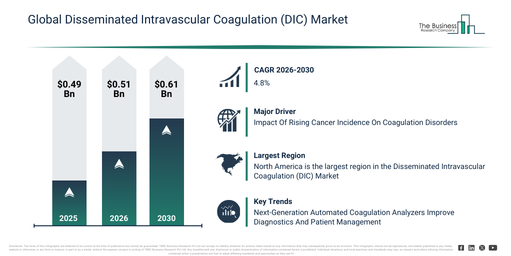
  • Disseminated Intravascular Coagulation (DIC) Market Set To Grow From $0.5 Billion In 2026 To $0.61 Billion By 2030 At A CAGR Of 4.8%

    Disseminated Intravascular Coagulation (DIC) Market Set To Grow From $0.5 Billion In 2026 To $0.61 Billion By 2030 At A CAGR Of 4.8%

    Through market attractiveness analysis, total addressable market evaluation, company benchmarking matrices, interactive Excel dashboards, expanded supply chain intelligence, emerging startup coverage, and detailed product insights, The Business Research Company’s 2026 market reports provide more actionable and strategically valuable research.

    Disseminated Intravascular Coagulation (DIC) Market Size Outlook: How Fast Will Revenue Grow Through 2030?

    The global market for disseminated intravascular coagulation (DIC) treatments has demonstrated consistent expansion, projecting a rise from $0.49 billion in 2025 to $0.51 billion in 2026, reflecting a compound annual growth rate (CAGR) of 5.0%. This upward trend observed historically is largely influenced by factors such as elevated mortality rates in critical care settings, the scarcity of advanced diagnostic methods for early detection, the widespread incidence of sepsis, complications arising from traumatic injuries, and the absence of specialized therapeutic interventions.

    The global market for Disseminated Intravascular Coagulation (DIC) is projected to experience consistent expansion, reaching an estimated value of $0.61 billion by the year 2030, driven by a compound annual growth rate of 4.8%. This anticipated growth throughout the forecast period is underpinned by several key factors, including the development of sophisticated coagulation diagnostic tools, enhancements in critical care facilities, the implementation of early detection and intervention strategies, progress in clinical research, and increased public awareness initiatives. Furthermore, significant market trends are expected to shape this period, characterized by a heightened emphasis on the prompt identification of coagulation-related disorders, a greater utilization of blood component therapies, the broadening scope of hospital-based critical care services, growing recognition of DIC within high-risk patient populations, and the increasing adoption of cutting-edge diagnostic and monitoring technologies.

    Download A Free Sample Report For Comprehensive Market Insights:

    https://www.thebusinessresearchcompany.com/sample.aspx?id=21172&type=smp

    Disseminated Intravascular Coagulation (DIC) Market Growth Factors Supporting Long-Term Expansion

    A key factor propelling the expansion of the disseminated intravascular coagulation (DIC) market is the escalating incidence of cancer. This disease, marked by the aberrant proliferation and dissemination of cells throughout the body, possesses the capacity to infiltrate and damage healthy tissues. The surge in cancer diagnoses stems from a confluence of elements including an aging demographic, shifts in daily habits, environmental influences, infectious agents, and inherent genetic factors. Cancer can precipitate disseminated intravascular coagulation (DIC) by initiating an overactive response within the blood clotting system, often mediated by substances released from tumors that promote coagulation, ultimately resulting in pervasive clot formation and hemorrhage. Illustratively, data from the National Cancer Institute, a U.S. governmental body, indicated that in 2022, approximately 20 million new cancer diagnoses and 9.7 million fatalities linked to cancer were reported globally, with forecasts anticipating these figures to climb to 29.9 million new cases and 15.3 million deaths annually by 2040, underscoring the significant impact of rising cancer rates on the DIC market’s growth trajectory.

    Disseminated Intravascular Coagulation (DIC) Market Segments: Where Are The Largest Growth Opportunities?

    The disseminated intravascular coagulation (dic) market covered in this report is segmented –

    1) By Treatment: Medicines, Transfusions, Surgery, Other Treatments

    2) By Diagnosis: Complete Blood Count With Blood Smear Exam, Partial Thromboplastin Time (PTT), Fibrinogen Blood Test, D-dimer, Other Diagnosis

    3) By Route Of Administration: Oral, Parenteral, Other Routes Of Administration

    4) By Distribution Channel: Hospital Pharmacy, Retail Pharmacy, Online Pharmacy

    5) By End-Users: Hospitals, Specialty Clinics, Homecare, Other End-Users

    Subsegments:

    1) By Medicines: Anticoagulants, Antiplatelet Drugs, Fibrinolytics, Procoagulants, Antithrombin Therapy

    2) By Transfusions: Platelet Transfusion, Fresh Frozen Plasma (FFP), Cryoprecipitate Transfusion, Red Blood Cell Transfusion

    3) By Surgery: Surgical Removal Of Thrombus, Organ Surgery

    4) By Other Treatments: Plasma Exchange, Supportive Care, Steroid Therapy

    Disseminated Intravascular Coagulation (DIC) Market Industry Trends Shaping Future Revenue Growth

    Leading enterprises within the disseminated intravascular coagulation (DIC) market are prioritizing the adoption of sophisticated technologies, like continuous hemostasis evaluation, to improve the swiftness and precision of diagnoses, and to optimize interventions for severely ill individuals. This continuous hemostasis assessment involves the ongoing observation of blood clot development and coagulation indicators during laboratory analysis, thereby furnishing medical professionals with prompt understandings crucial for superior management of blood clotting disorders. Illustratively, in February of 2024, Roche Diagnostics, a diagnostics firm headquartered in Switzerland, introduced three novel coagulation tests designed for Factor Xa inhibitors, specifically apixaban, edoxaban, and rivaroxaban, compatible with their cobas t series of automated testing instruments. These particular tests utilize Roche’s cassette-based reagent delivery mechanism, which streamlines the preparation of testing substances, reduces the need for manual manipulation, and provides rapid, dependable quantification of anti-Xa activity, an essential metric for overseeing DIC patients undergoing anticoagulant therapy.

    Disseminated Intravascular Coagulation (DIC) Market Major Participants And Competitive Dynamics

    Major companies operating in the disseminated intravascular coagulation (dic) market are Nihon Kohden Corporation, Pfizer Inc., Johnson & Johnson, F. Hoffmann-La Roche Ltd., Merck & Co. Inc., Bayer AG, Sanofi S.A., Abbott Laboratories, Thermo Fisher Scientific Inc., Fresenius Kabi AG, Danaher Corporation, Siemens Healthineers, Grifols S.A., Beckman Coulter Inc., Sysmex Corporation, Bio-Rad Laboratories Inc., AstraZeneca plc, Teva Pharmaceutical Industries Ltd., Novartis AG, Eli Lilly and Company, GlaxoSmithKline plc

    Access The Complete Disseminated Intravascular Coagulation (DIC) Market Report:

    https://www.thebusinessresearchcompany.com/report/disseminated-intravascular-coagulation-dic-global-market-report

    Disseminated Intravascular Coagulation (DIC) Market Regional Distribution: Which Areas Drive Market Expansion?

    North Americawas the largest region in the disseminated intravascular coagulation (DIC) market in 2025. The regions covered in the disseminated intravascular coagulation (dic) market report are Asia-Pacific, South East Asia, Western Europe, Eastern Europe, North America, South America, Middle East, Africa.

    Get in touch with us:

    The Business Research Company: https://www.thebusinessresearchcompany.com/

    Americas: +1 310-496-7795

    Asia: +44 7882 955267 & +91 8897263534

    Europe: +44 7882 955267

    Email us at: marketing@tbrc.info

    Follow us on:

    LinkedIn: https://in.linkedin.com/company/the-business-research-company

    YouTube: https://www.youtube.com/channel/UC24_fI0rV8cR5DxlCpgmyFQ

    Global Market Model: https://www.thebusinessresearchcompany.com/global-market-model
  • Disintegration Tester Market Opportunities Are Emerging Beyond Traditional Growth Areas

    Disintegration Tester Market Opportunities Are Emerging Beyond Traditional Growth Areas

    Delivering more actionable and strategically valuable research, The Business Research Company’s 2026 market reports feature market attractiveness analysis, total addressable market evaluation, company benchmarking matrices, interactive Excel dashboards, expanded supply chain intelligence, emerging startup coverage, and detailed product insights.

    Disintegration Tester Market Size, Value And Growth Trends Through 2030

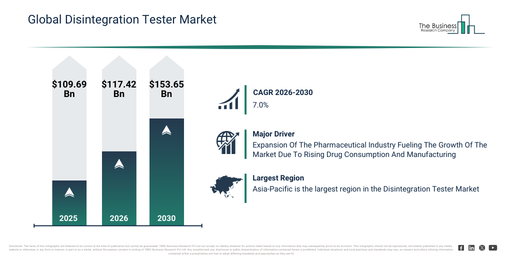
    The market for disintegration testers has experienced robust expansion lately, transitioning from a valuation of $109.69 billion in 2025 to an anticipated $117.42 billion in 2026, reflecting a compound annual growth rate of 7.0%. This historical growth trajectory has been propelled by factors such as stringent pharmacopoeial quality standards, the increasing prevalence of solid dosage pharmaceutical forms, the inherent limitations of manual testing methodologies, the imperative for regulatory compliance within the industry, and the overall growth in pharmaceutical manufacturing operations.

    The market for disintegration testers is poised for robust expansion in the foreseeable future, projecting an increase to $153.65 billion by 2030, driven by a compound annual growth rate of 7.0%. This upward trajectory during the projected period is underpinned by several key factors, including the increasing automation within quality control laboratories, the burgeoning pharmaceutical outsourcing sector, the widespread adoption of smart laboratory technologies, heightened regulatory demands, and a growing need for high-throughput testing solutions. Prominent trends anticipated within this timeframe involve a surge in the demand for automated disintegration testers, an escalating emphasis on adhering to pharmaceutical quality standards, the integration of digitally managed testing instruments, the proliferation of multi-station testing setups, and a rise in their utilization within contract manufacturing organizations.

    Download A Free Sample Report For Comprehensive Market Insights:

    https://www.thebusinessresearchcompany.com/sample.aspx?id=19030&type=smp

    #Disintegration Tester Market Demand Drivers Creating New Revenue Opportunities

    The burgeoning pharmaceutical sector is anticipated to spur advancements in the disintegration tester market. This industry encompasses the research, development, manufacturing, and distribution of medicinal products designed for disease prevention, diagnosis, treatment, and cure. Factors contributing to this expansion include an aging global population, a higher incidence of long-term illnesses, progress in medical technologies, broader access to healthcare, and a growing emphasis on health and well-being. A disintegration tester serves as a vital tool within pharmaceuticals, assessing the rapidity with which solid dosage forms like tablets and capsules deconstruct into smaller constituents when subjected to specific liquids under simulated physiological conditions. Illustratively, as reported in November 2025 by the OECD, a Paris-based intergovernmental organization offering comparative data and policy analysis, retail pharmaceutical spending constituted roughly 16.7% of overall health expenditures among its member nations in 2023. The same report indicated that the average per capita spending on retail pharmaceuticals, adjusted for purchasing power parity (PPP), reached USD 766 across OECD countries, with the United States exhibiting the highest expenditure at USD 1,713 per person. Consequently, the pharmaceutical industry’s growth trajectory is directly fueling the expansion of the disintegration tester market.

    An escalating rate of chronic illnesses is poised to stimulate growth within the disintegration tester market. These persistent health conditions necessitate continuous medical care and can impede daily functioning. The rise in chronic ailments is largely attributable to demographic shifts towards older populations, evolving lifestyle patterns, and increased risk factors such as obesity and inactivity. The disintegration tester sector supplies indispensable quality assurance apparatus crucial for guaranteeing uniform and efficacious drug release in treatments for chronic conditions. As an example, data from the CDC, a US public health agency, published in October 2024 indicated that chronic ailments are exceedingly common among adult age demographics in the United States. Specifically, more than 90% of adults aged 65 and above grapple with at least one chronic condition. Among those in middle adulthood, aged 35 to 64, a majority exceeding 75% are impacted by a minimum of one chronic condition. Even in the younger adult cohort, aged 18 to 34, approximately 60% manage at least one such condition, underscoring the pervasive reach of chronic diseases across all adult life stages. Therefore, the increasing burden of chronic diseases is a significant driver for the disintegration tester market.

    Disintegration Tester Market Segment Analysis: What Are The Major Market Categories?

    The disintegration tester market covered in this report is segmented –

    1) By Type: 2 Station Disintegration Tester, 4 Station Disintegration Tester, 6 Station Disintegration Tester, Other Types

    2) By Distribution Channel: Direct Sales, Distributors, Online Retail

    3) By Application: Pharmaceutical Industry, Cosmetics Industry, Food Industry, Other Applications

    Subsegments:

    1) By 2 Station Disintegration Tester: Manual 2 Station Tester, Automated 2 Station Tester

    2) By 4 Station Disintegration Tester: Manual 4 Station Tester, Automated 4 Station Tester

    3) By 6 Station Disintegration Tester: Manual 6 Station Tester, Automated 6 Station Tester

    4) By Other Types: Disintegration Tester with Temperature Control, Disintegration Tester With Optical Sensors, Multi-Station Disintegration Tester

    Disintegration Tester Market Leading Companies Driving Competitive Growth

    Major companies operating in the disintegration tester market are Agilent Technologies Inc., MRC Group, Veego Instruments, Sotax Corporation, Labindia Analytical Instruments Private Limited, Kerone Engineering Solutions Ltd., Torontech Inc., Distek Inc., Koehler Instrument Company, Inc., Veego Instrument Corporation, Saintyco, Kinesis Inc., Copley Scientific Limited, Pharma Test Apparatebau AG, Yatherm Scientific, Charles Ischi AG, Pharmatron LLC, ATS Scientific Inc., Electrolab Group, Vedor Group

    Access The Complete Disintegration Tester Market Report:

    https://www.thebusinessresearchcompany.com/report/disintegration-tester-global-market-report

    Disintegration Tester Market Leading Geography: Which Region Generates The Most Revenue?

    Asia-Pacificwas the largest region in the disintegration tester market in 2025. The regions covered in the disintegration tester market report are Asia-Pacific, South East Asia, Western Europe, Eastern Europe, North America, South America, Middle East, Africa.

    Get in touch with us:

    The Business Research Company: https://www.thebusinessresearchcompany.com/

    Americas: +1 310-496-7795

    Asia: +44 7882 955267 & +91 8897263534

    Europe: +44 7882 955267

    Email us at: marketing@tbrc.info

    Follow us on:

    LinkedIn: https://in.linkedin.com/company/the-business-research-company

    YouTube: https://www.youtube.com/channel/UC24_fI0rV8cR5DxlCpgmyFQ

    Global Market Model: https://www.thebusinessresearchcompany.com/global-market-model
  • Disease Registry Software Market Expansion Is Opening New Pathways For Strategic Investment

    Disease Registry Software Market Expansion Is Opening New Pathways For Strategic Investment

    Enhanced with market attractiveness analysis, total addressable market evaluation, company benchmarking matrices, interactive Excel dashboards, expanded supply chain intelligence, emerging startup coverage, and detailed product insights, The Business Research Company’s 2026 market reports deliver more actionable and strategically valuable research.

    Disease Registry Software Market CAGR Analysis And Future Market Development

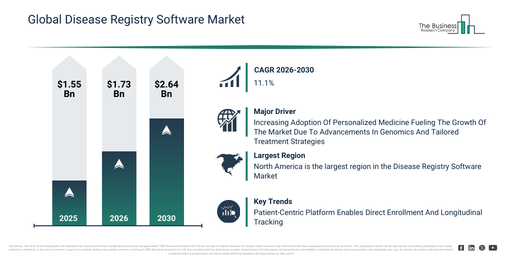
    The marketplace for disease registry software has experienced a significant upswing. Projections indicate a substantial expansion, with the market value set to increase from $1.55 billion in 2025 to $1.73 billion in 2026, demonstrating a compound annual growth rate of 11.4%. Key factors fueling this growth during the past period include the widespread adoption of digital patient record-keeping, the proliferation of research initiatives focused on specific ailments, escalating demands for regulatory compliance reporting, the integration of electronic health records, and the increasing reliance on analytical tools to inform clinical choices.

    The market for disease registry software is poised for substantial expansion, projecting a reach of $2.64 billion by 2030, fueled by an 11.1% compound annual growth rate. This projected increase is largely driven by a heightened need for population health analytics, the growing incorporation of AI for clinical insights, a wider embrace of cloud-based registry solutions, an intensified focus on value-based healthcare, and the increasing utilization of real-world data in clinical studies. Key developments anticipated during this period include a greater adoption of unified disease registry platforms, expanded use of cloud-based patient data management systems, a stronger emphasis on reporting data in accordance with regulations, the proliferation of registry solutions integrated with electronic health records, and a more pronounced effort in gathering real-world evidence.

    Download A Free Sample Report For Comprehensive Market Insights:

    https://www.thebusinessresearchcompany.com/sample.aspx?id=28208&type=smp

    Disease Registry Software Market Expansion Supported By Key Demand Factors

    The trajectory of the disease registry software market is poised for expansion, largely fueled by the escalating utilization of personalized medicine. This approach to healthcare focuses on customizing treatment and preventative measures based on an individual’s distinct genetic profile, habits, and surroundings. The widespread embrace of personalized medicine stems primarily from breakthroughs in genomics, which facilitate the accurate detection of genetic differences and the development of individualized therapies. Disease registry software plays a pivotal role in enabling personalized medicine by efficiently gathering and organizing patient health information, thereby facilitating bespoke treatment regimens and more informed clinical choices. It simplifies the process of accessing and analyzing data, ultimately leading to better patient results and progress in precision medicine. A notable indicator of this trend is the U.S. Food and Drug Administration’s (FDA) approval of 26 new personalized medicines in 2023, a substantial rise from the 12 approvals in 2022, as reported in February 2024 by the Personalized Medicine Coalition (PMC), a non-profit entity based in the United States. Consequently, the expanding use of personalized medicine is a key impetus behind the growth observed in the disease registry software market.

    Disease Registry Software Market Segment Breakdown: Which Categories Generate The Most Revenue?

    The disease registry software market covered in this report is segmented –

    1) By Type: Standalone, Integrated

    2) By Database: Public, Commercial

    3) By Deployment Mode: On-Premises, Cloud-Based

    4) By End-User: Hospitals, Government Organizations, Research Centers, Pharmaceutical Companies, Other End-Users

    Subsegments:

    1) By Standalone: Patient Registry Software, Population Health Registry Software, Research Registry Software, Custom Or Single-Disease Registry Software

    2) By Integrated: Electronic Health Record (EHR)-Integrated Registry Software, Practice Management System-Integrated Registry Software, Clinical Decision Support (CDS)-Integrated Registry Software, Health Information Exchange (HIE)-Integrated Registry Software

    Disease Registry Software Market Growth Trends Influencing Competitive Dynamics

    Leading entities within the disease registry software sector are strategically prioritizing the creation of registries centered around the patient experience, incorporating digital solutions to monitor health results and facilitate tailored medical interventions. These digital registries are essentially electronic frameworks or software applications engineered for the organized acquisition, retention, and administration of patient health data, thereby superseding outdated paper-based record-keeping. As an illustration, in August 2025, the American College of Cardiology (ACC), a non-profit medical organization based in the United States, introduced the CONNECT-HCM Registry. This particular initiative represents a national digital registry developed with the aim of enhancing the comprehension and management of hypertrophic cardiomyopathy (HCM), which is recognized as the most prevalent inherited heart condition. The registry facilitates the direct inclusion of patients from a broader geographical scope than just individual medical facilities, effectively bridging persistent deficiencies in diagnosis and treatment. This system integrates registry information with electronic health records through the utilization of Arboretum’s Hugo Connect platform, empowering researchers to meticulously follow symptoms, diagnostic imagery, treatment modalities, and patient prognoses over extended periods.

    Disease Registry Software Market Key Players And Strategic Industry Positioning

    Major companies operating in the disease registry software market are Optum Inc., IQVIA Holdings Inc., Syneos Health Inc., Epic Systems Corporation, Premier Inc., MRO Corp., ImageTrend Inc., Anju Software Inc., BayaTree Inc., Medrio Inc., ArborMetrix Inc., Cedaron Medical Inc., Evado Pty. Ltd., OpenClinica LLC, Dacima Software Inc., Global Vision Technologies Inc., Ordinal Data Inc., Healthmonix LLC, Axis Clinical Software Inc., Vanderbilt University

    Access The Complete Disease Registry Software Market Report:

    https://www.thebusinessresearchcompany.com/report/disease-registry-software-global-market-report

    Disease Registry Software Market Regional Outlook: Where Are The Largest Opportunities Located?

    North Americawas the largest region in the disease registry software market in 2025. The regions covered in the disease registry software market report are Asia-Pacific, South East Asia, Western Europe, Eastern Europe, North America, South America, Middle East, Africa.

    Get in touch with us:

    The Business Research Company: https://www.thebusinessresearchcompany.com/

    Americas: +1 310-496-7795

    Asia: +44 7882 955267 & +91 8897263534

    Europe: +44 7882 955267

    Email us at: marketing@tbrc.info

    Follow us on:

    LinkedIn: https://in.linkedin.com/company/the-business-research-company

    YouTube: https://www.youtube.com/channel/UC24_fI0rV8cR5DxlCpgmyFQ

    Global Market Model: https://www.thebusinessresearchcompany.com/global-market-model
  • Disease Forecasting Platform Market Trends Are Creating New Opportunities For Industry Leaders

    Disease Forecasting Platform Market Trends Are Creating New Opportunities For Industry Leaders

    Through market attractiveness analysis, total addressable market evaluation, company benchmarking matrices, interactive Excel dashboards, expanded supply chain intelligence, emerging startup coverage, and detailed product insights, The Business Research Company’s 2026 market reports provide more actionable and strategically valuable research.

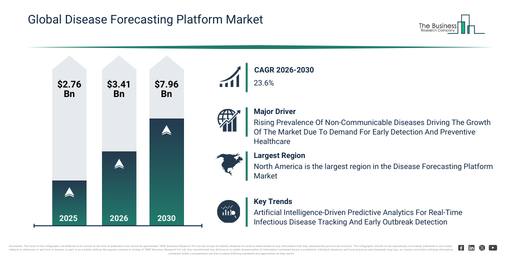
    Disease Forecasting Platform Market Expansion From $3.41 Billion In 2026 To $7.95 Billion In 2030

    The market for disease forecasting platforms has experienced substantial expansion recently, projected to increase from $2.76 billion in 2025 to $3.41 billion in 2026, reflecting a compound annual growth rate of 23.8%. This upward trend in the historical period has been fueled by factors such as the rising frequency of infectious disease outbreaks, enhancements in epidemiological research infrastructure, the increasing availability of extensive health data, a greater adoption of cloud-based analytical solutions, and the expansion of public health monitoring initiatives.

    Anticipate a period of considerable expansion for the disease forecasting platform market, projecting a surge to $7.96 billion by the year 2030, fueled by a robust compound annual growth rate (CAGR) of 23.6%. This upward trajectory over the upcoming forecast period is underpinned by several key drivers, including amplified financial commitments to predictive healthcare analytics, a heightened need for sophisticated tools facilitating the early identification of outbreaks, the broader implementation of artificial intelligence-enhanced public health solutions, the increasing incorporation of Internet of Things (IoT) technology for health monitoring, and a heightened emphasis on preemptive disease prevention strategies. Furthermore, significant trends shaping this market’s future include the escalating adoption of AI-powered disease prediction models, a greater incorporation of live health data feeds, the expanding utilization of environmental and demographic analytical tools, the development of more advanced early warning and alert mechanisms, and a more pronounced concentration on strategic, forward-looking public health planning.

    Download A Free Sample Report For Comprehensive Market Insights:

    https://www.thebusinessresearchcompany.com/sample.aspx?id=28207&type=smp

    #Disease Forecasting Platform Market Growth Drivers And Industry Catalysts

    The increasing incidence of chronic illnesses is anticipated to be a significant catalyst for the expansion of the disease forecasting platform market. These chronic conditions, which are not contagious and often stem from genetic predispositions, lifestyle choices, or environmental influences, encompass ailments like cardiovascular diseases, diabetes, and various cancers. Factors such as inadequate nutrition, tobacco use, and insufficient physical activity are contributing to the escalating rates of these ailments. Disease forecasting platforms play a crucial role in managing these non-communicable diseases by employing advanced analytics of large datasets, machine learning algorithms, and continuous health surveillance to anticipate disease patterns, pinpoint at-risk demographics, facilitate timely interventions, and inform tailored preventative measures, thereby enhancing overall public health and alleviating the strain of long-term health issues. Illustratively, a report from the Kenya National Bureau of Statistics indicated that in July 2025, non-communicable diseases represented 61.7% of the total disease burden in Kenya during 2024, an increase from 52.4% in the preceding year. Consequently, the growing prevalence of non-communicable diseases is a primary driver for the market’s growth in disease forecasting platforms.

    Disease Forecasting Platform Market Segmentation: How Is The Market Structured Across Key Categories?

    The disease forecasting platform market covered in this report is segmented –

    1) By Component: Software, Hardware, Services

    2) By Deployment Mode: Cloud-Based, On-Premises

    3) By Application: Infectious Disease Surveillance, Chronic Disease Management, Epidemiology, Public Health, Other Applications

    4) By End-User: Hospitals And Clinics, Government And Public Health Agencies, Research Institutes, Pharmaceutical Companies, Other End-Users

    Subsegments:

    1) By Software: Predictive Analytics Tools, Epidemiological Modeling Software, Artificial Intelligence And Machine Learning Algorithms, Data Visualization And Dashboard Tools, Cloud-Based Forecasting Platforms

    2) By Hardware: Internet of Things Enabled Medical Devices, Servers And Data Storage Systems, Networking And Connectivity Devices, Edge Computing Devices, Sensors And Monitoring Equipment

    3) By Services: Managed Services, Consulting And Integration Services, Training And Support Services, Data Management And Analytics Services, Public Health Advisory Or Forecasting Services

    #Disease Forecasting Platform Market Trends Influencing Long-Term Demand

    Key players within the disease forecasting platform sector are prioritizing the integration of cutting-edge advancements, specifically artificial intelligence-powered predictive analytics, to facilitate continuous disease monitoring and prompt public health initiatives. This AI-driven predictive analytics involves utilizing artificial intelligence, encompassing machine learning techniques and statistical methodologies, to anticipate forthcoming disease patterns, identify deviations at an early stage, and provide practical intelligence for timely countermeasures and efficient resource distribution. As an illustration, in July 2025, Seegene Inc., a biotechnology firm headquartered in South Korea, introduced its STAgora platform. This platform consolidates diagnostic information obtained through PCR with more than 40 sophisticated statistical and AI instruments, thereby providing an immediate, worldwide view of infectious disease trajectories. It facilitates the early identification of unusual pathogen behaviors, aids in the creation of predictive models for potential outbreaks, and bolsters understanding of the current situation from local to international scales. Its fundamental purpose is to serve as an active intelligence system for infectious diseases, promoting swift comprehension of circumstances and supporting preemptive public health actions.

    Disease Forecasting Platform Market Competitive Landscape And Leading Companies

    Major companies operating in the disease forecasting platform market are International Business Machines Corporation, Oracle Corporation, Metabiota Inc., SAS Institute Inc., Tempus AI Inc., HealthVerity Inc., Airfinity Ltd., Quantori LLC, ProMED-mail Inc., EcoHealth Alliance Inc., BlueDot Inc., Hyfe Inc., Biobot Analytics Inc., Cayaba Care Inc., EPIWATCH Pty Ltd, GIDEON Informatics Inc., Kinsa Inc., Epistemix, Epidemico Inc., EpiDetect AI Inc.

    Access The Complete Disease Forecasting Platform Market Report:

    https://www.thebusinessresearchcompany.com/report/disease-forecasting-platform-global-market-report

    Disease Forecasting Platform Market Geographic Landscape: Which Region Dominates Industry Growth?

    North Americawas the largest region in the disease forecasting platform market in 2025. Asia-Pacific is expected to be the fastest-growing region in the forecast period. The regions covered in the disease forecasting platform market report are Asia-Pacific, South East Asia, Western Europe, Eastern Europe, North America, South America, Middle East, Africa.

    Get in touch with us:

    The Business Research Company: https://www.thebusinessresearchcompany.com/

    Americas: +1 310-496-7795

    Asia: +44 7882 955267 & +91 8897263534

    Europe: +44 7882 955267

    Email us at: marketing@tbrc.info

    Follow us on:

    LinkedIn: https://in.linkedin.com/company/the-business-research-company

    YouTube: https://www.youtube.com/channel/UC24_fI0rV8cR5DxlCpgmyFQ

    Global Market Model: https://www.thebusinessresearchcompany.com/global-market-model
  • Direct-To-Patient Digitaling Market Growth Is Reshaping Competitive Advantage Across The Industry

    Direct-To-Patient Digitaling Market Growth Is Reshaping Competitive Advantage Across The Industry

    Delivering more actionable and strategically valuable research, The Business Research Company’s 2026 market reports feature market attractiveness analysis, total addressable market evaluation, company benchmarking matrices, interactive Excel dashboards, expanded supply chain intelligence, emerging startup coverage, and detailed product insights.

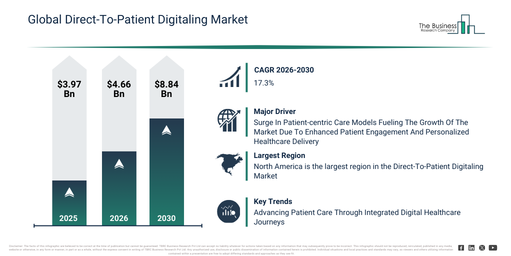
    Direct-To-Patient Digitaling Market Forecast Highlighting Growth From $4.66 Billion To $8.84 Billion

    The direct-to-patient digital health market experienced significant expansion recently, projecting a rise from $3.97 billion in 2025 to $4.66 billion in 2026, reflecting a compound annual growth rate of 17.6%. This surge during the past period is attributable to several key factors, including the increasing embrace of telemedicine, the proliferation of mobile health solutions, a heightened incidence of chronic diseases, enhanced internet connectivity within the healthcare sector, and the adoption of care models focused on the patient.

    The direct-to-patient digital health sector is poised for substantial expansion over the forthcoming years, with its market value projected to reach $8.84 billion by 2030, propelled by a compound annual growth rate (CAGR) of 17.3%. This anticipated surge in market size during the forecast period stems from several key drivers, including a heightened consumer demand for customized healthcare solutions, the escalating incorporation of artificial intelligence for tailored care suggestions, the broader implementation of remote strategies for managing chronic conditions, the increased utilization of tools designed to foster patient involvement through data insights, and a growing emphasis on proactive, digital approaches to health. Key developments shaping this market in the upcoming years encompass the widespread embrace of platforms facilitating direct patient interaction, the augmented utilization of telehealth and virtual care technologies, the greater integration of wearable devices for continuous health monitoring, the development of individualized digital care journeys, and a more pronounced focus on capturing and acting upon patient feedback in real-time.

    Download A Free Sample Report For Comprehensive Market Insights:

    https://www.thebusinessresearchcompany.com/sample.aspx?id=28206&type=smp

    Direct-To-Patient Digitaling Market Opportunity Drivers: What Is Creating New Revenue Potential?

    The increasing emphasis on embracing patient-centered healthcare strategies is poised to be a significant catalyst for the expansion of the direct-to-patient digital market in the future. Patient-centered care fundamentally involves healthcare methodologies that place a premium on the requirements, desires, and involved contributions of individuals in managing their well-being. This surge in patient-centric approaches is largely attributable to heightened patient involvement, stemming from the core principle of addressing individual needs, preferences, and fostering active participation in health-related decision-making. Direct-to-patient digital solutions serve to amplify these patient-centered models by facilitating healthcare services that are tailored, easily accessible, and delivered instantaneously to patients, thereby equipping them to proactively oversee their health and therapeutic regimens. An illustrative example comes from April 2025, where data from Intuition Labs, an American entity, indicated that a substantial 80% of the US population favors remote patient monitoring, with clinician uptake reaching 81% in 2023, marking an impressive 305% increase. Consequently, the escalating commitment to patient-centered care models is directly fueling the growth trajectory of the direct-to-patient digital market.

    Direct-To-Patient Digitaling Market Segmentation Trends And Revenue Drivers

    The direct-to-patient digitaling market covered in this report is segmented –

    1) By Health Status: Chronic Conditions, Preventive Health, Mental Health

    2) By Psychographic: Lifestyle, Values And Beliefs, Personality Traits

    3) By Technological: Device Preference, Technical Proficiency, Preferred Communication Channels

    4) By Behavioral: Usage Rate, Benefits Sought, Loyalty Status

    5) By Demographic: Age Groups, Gender, Income Levels

    Subsegments:

    1) By Chronic Conditions: Diabetes Management, Cardiovascular Care, Respiratory Care, Cancer Care, Arthritis Management

    2) By Preventive Health: Vaccination Tracking, Routine Screening, Wellness Monitoring, Nutritional Guidance, Fitness Tracking

    3) By Mental Health: Anxiety Management, Depression Support, Stress Management, Sleep Improvement, Behavioral Therapy

    Direct-To-Patient Digitaling Market Innovation Trends Driving Future Development

    In the direct-to-patient digital sector, leading enterprises are prioritizing substantial advancements, like holistic digital engagement, to refine effortless treatment pathways and bolster direct patient-provider relationships. A comprehensive digital journey signifies a cohesive, integrated online experience that bridges all patient interactions—from initial contact through care provision and subsequent monitoring—within a singular framework, thereby promoting ease, tailored care, and improved operations by consolidating technologies like virtual consultations, electronic prescriptions, and digital aid applications. As a case in point, in January of 2024, Eli Lilly and Company, a prominent pharmaceutical manufacturer based in the United States, launched LillyDirect, a fully integrated digital health solution. This platform serves as a direct conduit for patients to medical services, pharmaceuticals, and supportive resources, all accessible via a unified digital portal. Its purpose is to elevate both accessibility and convenience, while simultaneously delivering customized therapeutic plans, thereby simplifying medication acquisition, lowering obstacles to care, and ultimately striving for better patient results. Furthermore, continuous digital assistance cultivates lasting patient involvement and consistent adherence to prescribed treatments.

    #Direct-To-Patient Digitaling Market Industry Leaders: Which Organizations Are Driving Competition?

    Major companies operating in the direct-to-patient digitaling market are Google LLC, OMRON Healthcare Co. Ltd., 1Life Healthcare Inc. (One Medical), Hims & Hers Health Inc., Cerebral Inc., American Well Corporation, Lyra Health Inc., MDLIVE Inc., Ro Inc., Doctor On Demand Inc., Spring Care Inc., Withings Health Solutions, HealthJoy LLC, Zocdoc Inc., Calm.com Inc., Ada Health GmbH, K Health Inc., MeMD Inc., Sesame Inc., PlushCare Inc.

    Access The Complete Direct-To-Patient Digitaling Market Report:

    https://www.thebusinessresearchcompany.com/report/direct-to-patient-digitaling-global-market-report

    #Direct-To-Patient Digitaling Market Largest Region: Which Geography Holds The Highest Market Share?

    North Americawas the largest region in the direct-to-patient digitaling market in 2025. Asia-Pacific is expected to be the fastest-growing region in the forecast period. The regions covered in the direct-to-patient digitaling market report are Asia-Pacific, South East Asia, Western Europe, Eastern Europe, North America, South America, Middle East, Africa.

    Get in touch with us:

    The Business Research Company: https://www.thebusinessresearchcompany.com/

    Americas: +1 310-496-7795

    Asia: +44 7882 955267 & +91 8897263534

    Europe: +44 7882 955267

    Email us at: marketing@tbrc.info

    Follow us on:

    LinkedIn: https://in.linkedin.com/company/the-business-research-company

    YouTube: https://www.youtube.com/channel/UC24_fI0rV8cR5DxlCpgmyFQ

    Global Market Model: https://www.thebusinessresearchcompany.com/global-market-model