Month: June 2026

  • Digital Twin Blood Bank Logistics Market Expected To Reach $3.13 Billion By 2030 As Growth Accelerates At 18.3% CAGR

    Digital Twin Blood Bank Logistics Market Expected To Reach $3.13 Billion By 2030 As Growth Accelerates At 18.3% CAGR

    Through market attractiveness analysis, total addressable market evaluation, company benchmarking matrices, interactive Excel dashboards, expanded supply chain intelligence, emerging startup coverage, and detailed product insights, The Business Research Company’s 2026 market reports provide more actionable and strategically valuable research.

    Digital Twin Blood Bank Logistics Market Growth Analysis: How Will Revenue Expand During The Forecast Period?

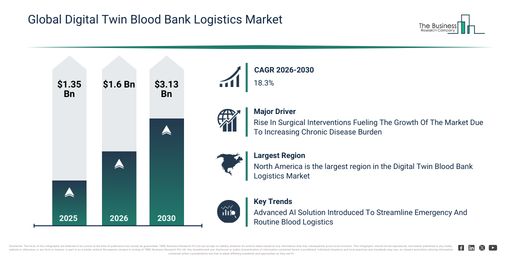
    Experiencing substantial expansion, the digital twin blood bank logistics market was valued at $1.35 billion in 2025 and is projected to reach $1.6 billion by 2026, reflecting a robust compound annual growth rate of 18.5%. The vigorous expansion observed during the preceding period stemmed from several key factors, including fluctuating blood supply and demand dynamics, the broadening scope of consolidated blood bank systems, the integration of sophisticated cold-chain tracking solutions, escalating mandates for regulatory adherence, and the initial implementation of advanced logistics analytics tools.

    The digital twin blood bank logistics sector is poised for significant expansion in the coming years, projected to reach $3.13 billion by 2030, driven by a compound annual growth rate of 18.3%. This anticipated growth stems from escalating investments in intelligent healthcare logistics, a broader acceptance of cloud-based digital twin technologies, the proliferation of AI-powered demand forecasting, a heightened emphasis on minimizing blood wastage, and deeper integration with hospital information systems. Key developments expected during this period involve greater utilization of real-time blood supply chain simulations, increased application of predictive inventory optimization, more widespread use of IoT for temperature monitoring, the development of comprehensive traceability systems, and a stronger commitment to reducing waste and improving operational efficiency.

    Download A Free Sample Report For Comprehensive Market Insights:

    https://www.thebusinessresearchcompany.com/sample.aspx?id=27279&type=smp

    #Digital Twin Blood Bank Logistics Market Growth Drivers And Industry Catalysts

    The increasing volume of surgical interventions is poised to be a significant catalyst for the expansion of the digital twin blood bank logistics sector. Surgical procedures encompass medical interventions carried out by skilled practitioners to identify, manage, or rectify health issues through either manual or instrument-assisted methods. A key factor contributing to the rise in surgical procedures is the aging global demographic, which consequently elevates the need for interventions like joint replacements and cardiac surgeries. Digital twin blood bank logistics provides crucial support to these surgical undertakings by guaranteeing continuous oversight and streamlined blood supply chain operations, thereby mitigating potential delays and ensuring adequate availability during vital procedures. Illustratively, the Australian Institute of Health and Welfare (AIHW), a governmental body in Australia, reported in April 2025 that in the fiscal year 2023–24, a record 778,500 patients were admitted for elective surgeries in Australian public hospitals, marking a 5.8% increase from the 735,500 admissions recorded in 2022–23. Consequently, the global increase in surgical procedures is directly fueling the growth trajectory of the digital twin blood bank logistics market.

    Digital Twin Blood Bank Logistics Market Segment Breakdown: Which Categories Generate The Most Revenue?

    The digital twin blood bank logistics market covered in this report is segmented –

    1) By Component: Software, Hardware, Services

    2) By Deployment Mode: On-Premises, Cloud

    3) By Application: Inventory Management, Temperature Monitoring, Transportation Optimization, Compliance And Traceability, Other Applications

    4) By End-User: Hospitals, Blood Banks, Diagnostic Laboratories, Research Institutes

    Subsegments:

    1) By Software: Simulation Platforms, Data Analytics Tools, Workflow Management Software, Real-Time Monitoring Systems, Inventory Optimization Software

    2) By Hardware: Sensors, Radio Frequency Identification Tags, Smart Storage Units, Temperature Monitoring Devices, Communication Gateways

    3) By Services: Consulting Services, System Integration, Maintenance And Support, Training And Education, Cloud Hosting Services

    #Digital Twin Blood Bank Logistics Market Trends Influencing Long-Term Demand

    Leading entities within the digital twin blood bank logistics sector are prioritizing the deployment of sophisticated technological innovations. These advancements, exemplified by AI-driven platforms for immediate blood delivery, are instrumental in refining stock oversight, bolstering live monitoring capabilities, minimizing surplus, and guaranteeing the swift and effective provision of blood resources to medical institutions. Systems predicated on artificial intelligence for on-demand blood delivery function as intelligent frameworks adept at forecasting requirements, overseeing stock levels, and orchestrating the real-time, efficient dispatch of blood components to healthcare providers. Illustratively, Lytus HealthTech, an enterprise rooted in India’s health technology landscape, introduced BLOD, an AI-powered platform designed for on-demand blood delivery, in June 2025. This groundbreaking solution harnesses cutting-edge AI and automated logistics to facilitate continuous, round-the-clock, and expeditious delivery of blood units under unbroken cold-chain conditions, achieving delivery within a 90-minute timeframe and thereby substantially shortening the waiting intervals for both healthcare facilities and individuals requiring transfusions. The overarching objective of BLOD is to eradicate logistical impediments, curtail blood spoilage attributable to transit issues or cold-chain breaches, and establish a benchmark for emergent blood replenishment services within India’s medical infrastructure.

    Digital Twin Blood Bank Logistics Market Key Players And Strategic Industry Positioning

    Major companies operating in the digital twin blood bank logistics market are Deutsche Post AG, FedEx Corporation, Mærsk A/S, Owens & Minor Inc., SenSat Ltd., KNAPP AG, World Courier Management Inc., Siemens Logistics LLC, Swisslog AG, GPI S.p.A., Zipline International Inc., OnWay Transport LLC, Mediware Information Systems Inc., Logivations GmbH, Medi-Ops LLC, Certainty Health LLC, Sifio Health Inc., UPS Healthcare, Körber Supply Chain, Dematic Group, Zebra Technologies Corporation, Controlant Inc.

    Access The Complete Digital Twin Blood Bank Logistics Market Report:

    https://www.thebusinessresearchcompany.com/report/digital-twin-blood-bank-logistics-global-market-report

    #Digital Twin Blood Bank Logistics Market Largest Region: Which Geography Holds The Highest Market Share?

    North Americawas the largest region in the digital twin blood bank logistics market in 2025. Asia-Pacificis expected to be the fastest-growing region in the forecast period. The regions covered in the digital twin blood bank logistics market report are Asia-Pacific, South East Asia, Western Europe, Eastern Europe, North America, South America, Middle East, Africa.

    Get in touch with us:

    The Business Research Company: https://www.thebusinessresearchcompany.com/

    Americas: +1 310-496-7795

    Asia: +44 7882 955267 & +91 8897263534

    Europe: +44 7882 955267

    Email us at: marketing@tbrc.info

    Follow us on:

    LinkedIn: https://in.linkedin.com/company/the-business-research-company

    YouTube: https://www.youtube.com/channel/UC24_fI0rV8cR5DxlCpgmyFQ

    Global Market Model: https://www.thebusinessresearchcompany.com/global-market-model
  • Digital Transformation In Healthcare Market Set To Grow From $115.91 Billion In 2026 To $219.67 Billion By 2030 At A CAGR Of 17.3%

    Digital Transformation In Healthcare Market Set To Grow From $115.91 Billion In 2026 To $219.67 Billion By 2030 At A CAGR Of 17.3%

    Delivering more actionable and strategically valuable research, The Business Research Company’s 2026 market reports feature market attractiveness analysis, total addressable market evaluation, company benchmarking matrices, interactive Excel dashboards, expanded supply chain intelligence, emerging startup coverage, and detailed product insights.

    Digital Transformation In Healthcare Market Forecast: What Market Value Is Expected By 2030?

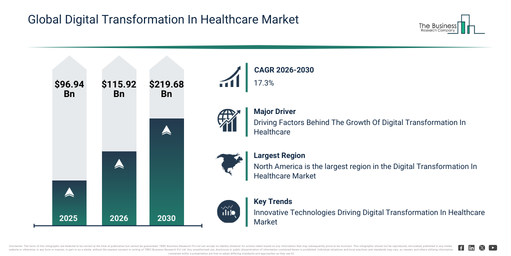
    The digital transformation within the healthcare sector has experienced considerable expansion. Projected to climb from $96.94 billion in 2025 to $115.92 billion by 2026, this market is anticipating a compound annual growth rate of 19.6%. Factors contributing to its expansion during the historical period include the prevalence of paper-based clinical processes, escalating operational expenses in healthcare, the initial adoption of health IT, and the complexities arising from fragmented care delivery models and the increasing volume of patient data.

    The digital transformation within the healthcare sector is poised for substantial expansion over the coming years, projecting to reach a market value of $219.68 billion by 2030, driven by a compound annual growth rate (CAGR) of 17.3%. This anticipated surge is underpinned by several key factors, including the optimization of care through artificial intelligence, governmental support for digital health programs, the increasing prevalence of value-based care frameworks, the broader adoption of cloud infrastructure, and significant investments in cybersecurity. Furthermore, the industry landscape is being shaped by prominent trends such as the swifter implementation of electronic health records, the widening availability of telemedicine and remote care options, a greater reliance on data-driven tools for clinical decision-making, the enhanced integration of digital solutions for patient engagement, and a growing need for healthcare systems that can seamlessly exchange information.

    Download A Free Sample Report For Comprehensive Market Insights:

    https://www.thebusinessresearchcompany.com/sample.aspx?id=16396&type=smp

    Digital Transformation In Healthcare Market Opportunity Drivers: What Is Creating New Revenue Potential?

    The expanding utilization of electronic health records (EHRs) is poised to be a significant catalyst for the advancement of digital transformation within the healthcare sector moving forward. These digital repositories, essentially electronic counterparts to traditional paper patient files, offer immediate and secure access to patient-specific information for authorized personnel, fostering a more patient-centric approach to care. Key drivers behind this surge in EHR implementation include the pursuit of enhanced patient care outcomes, the influence of financial incentives and regulatory mandates, improved capabilities for data exchange, greater patient engagement in their health management, the power of data analytics for insights, and more effective population health strategies. Consequently, digital transformation initiatives in healthcare are instrumental in elevating EHR systems by incorporating cutting-edge technologies and refining system capabilities, thereby facilitating unimpeded data sharing and coherent patient care coordination among diverse healthcare entities. Illustrating this trend, data from an October 2023 report by Oxford Academic, a prominent UK-based scholarly resource, reveals a substantial leap in EHR adoption, with basic system usage climbing from 6.6% to 81.2%, and comprehensive system adoption escalating from 3.6% to 63.2%. Furthermore, larger healthcare facilities exhibit a notably higher adoption rate for comprehensive EHRs, exceeding medium-sized hospitals by 7% and small hospitals by over 34%. This widespread integration of electronic health records is thus undeniably fueling the expansion of digital transformation within the healthcare market.

    Digital Transformation In Healthcare Market Segmentation: How Is The Market Structured Across Key Categories?

    The digital transformation in healthcare market covered in this report is segmented –

    1) By Solution: Software, Service

    2) By Organization Size: Small And Medium Size Enterprises, Large Enterprises

    3) By Technology: Artificial Intelligence, Cloud Computing, Big Data And Analytics, Internet Of Things, Cybersecurity

    4) By End User: Hospitals And Clinics, Pharma Companies, Life Science And Biotech Companies, Healthcare Insurance Providers

    Subsegments:

    1) By Software: Electronic Health Records (Ehr), Telemedicine Solutions, Healthcare Analytics Software, Clinical Decision Support Systems (Cdss), Patient Management Software, Healthcare CRM Software, Blockchain Solutions For Healthcare

    2) By Service: Consulting Services, Implementation Services, Integration Services, Support And Maintenance Services, Training Services, Managed Services

    Digital Transformation In Healthcare Market Innovation Trends Driving Future Development

    Leading enterprises participating in the healthcare market’s digital transformation are proactively concentrating on creating novel technological advancements, including digitalization solutions, to solidify their market presence. Digitalization solutions encompass the technologies, strategic approaches, and services designed to convert established analog or manual workflows into digital formats, thereby empowering organizations to optimize their operational activities, boost effectiveness, and elevate output. To illustrate, in February of 2024, Huawei Technologies Co. Ltd., an information and communications technology firm originating from China, introduced its Medical Technology Digitalization Solution, an initiative aimed at optimizing a variety of healthcare procedures. This forward-thinking solution integrates state-of-the-art technologies with the objective of transforming medical methodologies, presenting a multitude of distinctive capabilities. It harnesses the power of artificial intelligence (AI) and machine learning algorithms to refine the analysis of medical imagery, facilitating quicker and more precise identification of ailments like cancer and various cardiovascular conditions. Furthermore, the solution integrates Internet of Things (IoT) devices and sensors, paving the way for continuous patient oversight and the provision of healthcare services remotely, which in turn enhances both accessibility and patient results.

    Digital Transformation In Healthcare Market Competitive Landscape And Leading Companies

    Major companies operating in the digital transformation in healthcare market are Roche Diagnostics, Medtronic plc, Siemens Healthineers, Philips Healthcare, Stryker Corporation, GE Healthcare, Boston Scientific, Omron Corporation, Intuitive Surgical Inc., Omnicell Inc., Allscripts Healthcare Solutions, InTouch Health, Blue Ocean Robotics ApS, Vecna Robotics, Stereotaxis Inc., Aethon Inc., VGo Communications Inc., ReWalk Robotics Ltd., Epic Systems Corporation, athenahealth Inc., Truveta Inc., Merative L P, K Health, Eko Health Inc., Suki

    Access The Complete Digital Transformation In Healthcare Market Report:

    https://www.thebusinessresearchcompany.com/report/digital-transformation-in-healthcare-global-market-report

    Digital Transformation In Healthcare Market Regional Analysis: Which Region Leads By Revenue?

    North Americawas the largest region in the digital transformation in healthcare market in 2025. Asia-Pacificis expected to be the fastest-growing region in the forecast period. The regions covered in the digital transformation in healthcare market report are Asia-Pacific, South East Asia, Western Europe, Eastern Europe, North America, South America, Middle East, Africa.

    Get in touch with us:

    The Business Research Company: https://www.thebusinessresearchcompany.com/

    Americas: +1 310-496-7795

    Asia: +44 7882 955267 & +91 8897263534

    Europe: +44 7882 955267

    Email us at: marketing@tbrc.info

    Follow us on:

    LinkedIn: https://in.linkedin.com/company/the-business-research-company

    YouTube: https://www.youtube.com/channel/UC24_fI0rV8cR5DxlCpgmyFQ

    Global Market Model: https://www.thebusinessresearchcompany.com/global-market-model
  • Digital Therapeutics Sarcopenia Market Opportunities Are Emerging Beyond Traditional Growth Areas

    Digital Therapeutics Sarcopenia Market Opportunities Are Emerging Beyond Traditional Growth Areas

    Enhanced with market attractiveness analysis, total addressable market evaluation, company benchmarking matrices, interactive Excel dashboards, expanded supply chain intelligence, emerging startup coverage, and detailed product insights, The Business Research Company’s 2026 market reports deliver more actionable and strategically valuable research.

    Digital Therapeutics Sarcopenia Market Size Outlook: How Fast Will Revenue Grow Through 2030?

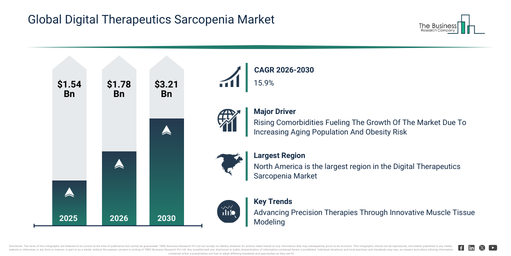
    The market for digital therapeutics targeting sarcopenia has experienced significant expansion recently, with projections indicating a rise from $1.54 billion in 2025 to $1.78 billion by 2026, reflecting a compound annual growth rate of 16.1%. This historical growth trajectory has been bolstered by several key factors, including the increasing prevalence of an aging global population, heightened awareness concerning the health implications of sarcopenia, a growing trend in the adoption of telehealth services, the increasing acceptance of therapeutic solutions delivered via software, and the initial positive outcomes from clinical trials involving digital interventions.

    The digital therapeutics market focused on sarcopenia is poised for swift expansion in the upcoming years, projecting a rise to $3.21 billion by 2030, underpinned by a compound annual growth rate (CAGR) of 15.9%. This anticipated growth over the forecast period stems from several key drivers, including a heightened need for managing chronic conditions from home, the increasing incorporation of AI for personalized therapeutic approaches, broader availability of reimbursement for digital health solutions, a greater uptake of remote patient monitoring technologies, and a pronounced emphasis on proactive measures for muscle health. During this same forecast period, significant trends are expected to emerge, such as the wider adoption of individualized digital therapy plans, increased utilization of wearable devices for muscle monitoring, a greater deployment of remote physiotherapy services, the expansion of data-informed strategies for sarcopenia management, and a reinforced focus on engaging patients and ensuring they adhere to their treatment regimens.

    Download A Free Sample Report For Comprehensive Market Insights:

    https://www.thebusinessresearchcompany.com/sample.aspx?id=27278&type=smp

    Digital Therapeutics Sarcopenia Market Growth Momentum: Which Factors Are Influencing Demand?

    The increasing incidence of co-occurring health issues is anticipated to be a primary catalyst for the expansion of the digital therapeutics market focused on sarcopenia. These co-occurring conditions, known as comorbidities, involve the simultaneous presence of multiple diseases within one person. Factors such as an aging global population contribute significantly to this rise, as older age groups are more susceptible to developing several chronic ailments due to diminished bodily functions and prolonged exposure to various health hazards. Digital therapeutic solutions designed for sarcopenia offer a valuable approach to mitigating comorbidities, particularly obesity, by encouraging consistent exercise and muscle enhancement activities, thereby aiding metabolic function and curbing excess body fat. Illustrating this trend, by 2035, an estimated 79% of adults grappling with being overweight or obese will reside in lower and middle-income countries, with the global adult population affected by obesity projected to reach 1.53 billion, as reported by the World Obesity Federation in March 2024. Consequently, the growing burden of comorbidities plays a crucial role in fueling the digital therapeutics sarcopenia market’s advancement.

    Digital Therapeutics Sarcopenia Market Segmentation Trends And Revenue Drivers

    The digital therapeutics sarcopenia market covered in this report is segmented –

    1) By Product: Software, Devices, Services

    2) By Distribution Channel: Online Platforms, Direct-To-Consumer Digital Channels, Other Distribution Channels

    3) By Application: Muscle Strengthening, Physical Activity Monitoring, Nutrition Management, Other Applications

    4) By End User: Hospitals And Clinics, Homecare Settings, Rehabilitation Centers, Other End Users

    Subsegments:

    1) By Software: Mobile Applications, Web-Based Platforms, AI-Powered Monitoring Tools, Exercise And Rehabilitation Programs, Nutritional Guidance Software

    2) By Devices: Wearable Fitness Trackers, Smart Scales, Connected Resistance Bands, Electromyography (EMG) Devices, Muscle Strength Assessment Tools

    3) By Services: Remote Patient Monitoring Services, Virtual Physiotherapy Sessions, Teleconsultation Services, Personalized Coaching Services, Data Analytics And Reporting Services

    Digital Therapeutics Sarcopenia Market Trends Reshaping Industry Growth

    In the digital therapeutics market for sarcopenia, leading entities are prioritizing the creation of sophisticated technologies, including drug discovery platforms, with the aim of formulating more precise treatments, boosting therapeutic outcomes, and expediting the provision of individualized care for the decline in muscle mass associated with aging. Such platforms are instrumental in expediting the identification and development of novel pharmaceuticals through the utilization of cutting-edge instruments and techniques. To illustrate, in April 2025, ProFuse Technology, a biotechnology firm headquartered in Israel, introduced an innovative drug discovery platform designed to mitigate muscle deterioration stemming from GLP-1 based weight-loss medications, the natural aging process (sarcopenia), and cancer-related wasting (cachexia). By employing laboratory-cultivated, exceptionally mature muscle tissues that closely replicate in-vivo muscle, the company facilitates rapid and efficient testing and evaluation of potential drug compounds. This sophisticated platform not only lessens the necessity for animal experimentation but also curtails research expenditures. With a growing demand for therapies that preserve muscle mass, ProFuse is diversifying from its cultivated meat ventures into the biopharmaceutical sector, presenting a pioneering strategy to confront the escalating challenges in maintaining muscle health.

    #Digital Therapeutics Sarcopenia Market Industry Leaders: Which Organizations Are Driving Competition?

    Major companies operating in the digital therapeutics sarcopenia market are Sword Health Inc., Biofourmis Inc., Hinge Health Inc., Omada Health Inc., Evolv Rehabilitation Technologies Ltd., Click Therapeutics Inc., DarioHealth Corp., WellDoc Inc., Lark Technologies Inc., Kaia Health Software GmbH, Liva Healthcare A/S, Zibrio Inc., Gait Up SA, Noraxon Inc., Mira Rehab Limited, Cometa Srl., Koneksa Health Inc., Physitrack PLC, Kaia Health Inc., XRHealth USA Inc., MedRhythms Inc.

    Access The Complete Digital Therapeutics Sarcopenia Market Report:

    https://www.thebusinessresearchcompany.com/report/digital-therapeutics-sarcopenia-global-market-report

    Digital Therapeutics Sarcopenia Market Geographic Distribution And Regional Opportunities

    North Americawas the largest region in the digital therapeutics sarcopenia market in 2025. Asia-Pacificis expected to be the fastest-growing region in the forecast period. The regions covered in the digital therapeutics sarcopenia market report are Asia-Pacific, South East Asia, Western Europe, Eastern Europe, North America, South America, Middle East, Africa.

    Get in touch with us:

    The Business Research Company: https://www.thebusinessresearchcompany.com/

    Americas: +1 310-496-7795

    Asia: +44 7882 955267 & +91 8897263534

    Europe: +44 7882 955267

    Email us at: marketing@tbrc.info

    Follow us on:

    LinkedIn: https://in.linkedin.com/company/the-business-research-company

    YouTube: https://www.youtube.com/channel/UC24_fI0rV8cR5DxlCpgmyFQ

    Global Market Model: https://www.thebusinessresearchcompany.com/global-market-model
  • Digital Therapeutics Migraine Market Expansion Is Opening New Pathways For Strategic Investment

    Digital Therapeutics Migraine Market Expansion Is Opening New Pathways For Strategic Investment

    Through market attractiveness analysis, total addressable market evaluation, company benchmarking matrices, interactive Excel dashboards, expanded supply chain intelligence, emerging startup coverage, and detailed product insights, The Business Research Company’s 2026 market reports provide more actionable and strategically valuable research.

    Digital Therapeutics Migraine Market Size, Value And Growth Trends Through 2030

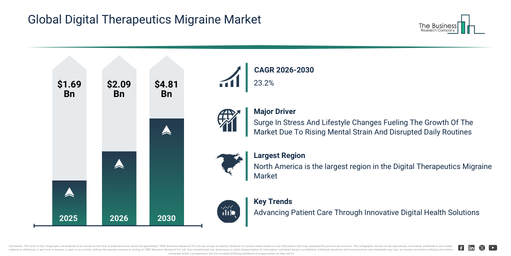
    The market for digital therapeutics addressing migraines has experienced substantial expansion recently. Projections indicate a rise from $1.69 billion in 2025 to $2.09 billion in 2026, reflecting a compound annual growth rate of 23.5%. Key factors contributing to this upward trend, observed during the historical period, include the increasing incidence of migraine conditions, heightened public understanding of treatment alternatives beyond medication, broader adoption of smartphones for health management, the continuous development of digital health services, and the acceptance of remote patient monitoring technologies.

    The market for digital therapeutics addressing migraines is poised for remarkable expansion, projected to reach $4.81 billion by 2030, signifying a compound annual growth rate of 23.2%. This substantial advancement over the forecast period is anticipated to be fueled by several key factors, including a heightened demand for tailored digital treatment approaches, the increasing incorporation of artificial intelligence for predicting migraine symptoms, widespread adoption of remote patient monitoring systems, the broadening availability of reimbursement for digital therapeutics, and a stronger emphasis on proactive migraine prevention strategies. Significant trends expected to shape this market during the same timeframe involve a greater uptake of individualized migraine management applications, the growing integration of wearable devices for symptom tracking, an increased utilization of tools designed to monitor migraine triggers in real-time, the expansion of digital therapy programs grounded in scientific evidence, and a heightened commitment to improving patient involvement and treatment adherence.

    Download A Free Sample Report For Comprehensive Market Insights:

    https://www.thebusinessresearchcompany.com/sample.aspx?id=28204&type=smp

    Digital Therapeutics Migraine Market Expansion Drivers: What Is Shaping Future Growth?

    The digital therapeutics market for migraines is anticipated to expand due to escalating stress levels and evolving lifestyles. These factors, marked by the daily pressures and habits influencing physical and mental health, are being exacerbated by contemporary work demands and rapid living, which contribute to mental fatigue and disrupt established healthful routines. Digital therapeutic solutions for migraines offer a means to tackle these challenges by delivering tailored behavioral strategies, enabling the monitoring of migraine triggers, and encouraging more beneficial daily practices, ultimately aiming to decrease the occurrence of migraines and enhance general wellness. Illustrating this trend, a February 2024 survey involving 2,004 individuals aged 16 and above in the UK, conducted by Forthwithlife, an at-home diagnostic testing service provider, revealed that approximately one-fifth of adults report daily stress, with women (24.5%) experiencing it more frequently than men (15.3%). Consequently, the heightened prevalence of stress and shifts in lifestyle are significant contributors to the market’s upward trajectory in digital migraine therapeutics.

    Digital Therapeutics Migraine Market Segment Analysis Highlighting Growth Areas

    The digital therapeutics migraine market covered in this report is segmented –

    1) By Product Type: Software, Hardware, Services

    2) By Patient Type: Adult, Pediatric

    3) By Application: Prevention, Acute Treatment, Patient Education, Other Applications

    4) By Distribution Channel: Online, Offline

    5) By End-User: Hospitals, Clinics, Homecare, Other End-Users

    Subsegments:

    1) By Software: Mobile Application, Web Platform, Cloud-Based Platform, Wearable Integration Software

    2) By Hardware: Wearable Devices, Neurostimulation Devices, Monitoring Devices, Biosensors

    3) By Services: Teleconsultation Services, Therapy Management Services, Patient Support Services, Data Analytics Services

    Digital Therapeutics Migraine Market Strategic Trends: What Is Defining The Next Phase Of Growth?

    Leading players within the digital therapeutics market targeting migraines are prioritizing the creation of cutting-edge solutions, including e-prescription technology, to boost treatment accessibility, improve medication compliance, and refine patient care overall. This e-prescription technology facilitates the electronic generation, transmission, and oversight of prescriptions by healthcare professionals, substituting outdated paper-based methods. It consequently elevates accuracy, diminishes prescription mistakes, and streamlines the efficiency of both prescribing and dispensing medications. Illustrating this trend, in April 2025, Tonix Pharmaceuticals Holding Corp., a pharmaceutical entity based in the United States, launched TONIX ONE, a sophisticated digital platform built to support individuals in managing their migraine condition. This platform offers tailored tools, educational materials, and support mechanisms aimed at deepening comprehension of the disease and fostering self-care practices, ultimately empowering patients to take more command of their migraine treatment and encouraging proactive health efforts. Furthermore, TONIX ONE cultivates enhanced interaction and dialogue between patients and their medical providers, thereby optimizing the coordination of care.

    Digital Therapeutics Migraine Market Leading Companies: Who Holds Significant Market Presence?

    Major companies operating in the digital therapeutics migraine market are Sword Health, Biofourmis Inc., Click Therapeutics Inc., Sidekick Health, Kaia Health Software GmbH, Salvia BioElectronics, Theranica Bio-Electronics Ltd., Cefaly Technology S.A., Neurolief Ltd., Aptar Digital Health, NeuroMetrix Inc., Happify Health, Neura Health, Relivion MG, UpScriptHealth, N1-Headache, ElectroCore, Inc., eNeura Inc., Cirrus Healthcare Products, Neuros Medical, Inc.

    Access The Complete Digital Therapeutics Migraine Market Report:

    https://www.thebusinessresearchcompany.com/report/digital-therapeutics-migraine-global-market-report

    Digital Therapeutics Migraine Market Largest Region By Revenue And Market Share

    North Americawas the largest region in the digital therapeutics migraine market in 2025. The regions covered in the digital therapeutics migraine market report are Asia-Pacific, South East Asia, Western Europe, Eastern Europe, North America, South America, Middle East, Africa.

    Get in touch with us:

    The Business Research Company: https://www.thebusinessresearchcompany.com/

    Americas: +1 310-496-7795

    Asia: +44 7882 955267 & +91 8897263534

    Europe: +44 7882 955267

    Email us at: marketing@tbrc.info

    Follow us on:

    LinkedIn: https://in.linkedin.com/company/the-business-research-company

    YouTube: https://www.youtube.com/channel/UC24_fI0rV8cR5DxlCpgmyFQ

    Global Market Model: https://www.thebusinessresearchcompany.com/global-market-model
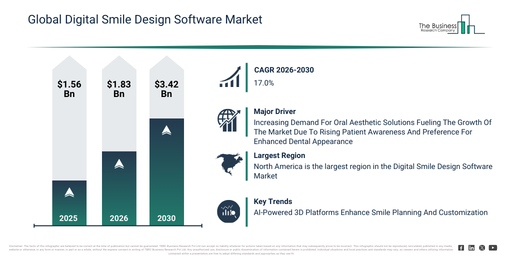
  • Digital Smile Design Software Market Trends Are Creating New Opportunities For Industry Leaders

    Digital Smile Design Software Market Trends Are Creating New Opportunities For Industry Leaders

    Delivering more actionable and strategically valuable research, The Business Research Company’s 2026 market reports feature market attractiveness analysis, total addressable market evaluation, company benchmarking matrices, interactive Excel dashboards, expanded supply chain intelligence, emerging startup coverage, and detailed product insights.

    Digital Smile Design Software Market CAGR Analysis And Future Market Development

    The digital smile design software sector is experiencing substantial expansion. With an estimated value of $1.56 billion in 2025, the market is projected to reach $1.83 billion by 2026, demonstrating a robust compound annual growth rate (CAGR) of 17.3%. This upward trajectory during the past period has been fueled by several key factors including an increase in cosmetic dentistry procedures, a growing consumer preference for aesthetic dental solutions, the wider integration of digital dentistry technologies, enhanced accessibility to intraoral scanners, and the proliferation of educational initiatives in the dental field.

    The digital smile design software sector is poised for substantial expansion in the upcoming years, projecting a market valuation of $3.42 billion by 2030, driven by a compound annual growth rate of 17.0%. This anticipated surge is fueled by the proliferation of AI-powered dental planning tools, a heightened consumer desire for bespoke dental care, the seamless incorporation of CAD/CAM technology, a greater uptake of cloud-based dental software solutions, and an intensified emphasis on the predictability of treatment outcomes. Key developments shaping this market during the forecast period involve the increasing embrace of 3D smile simulation instruments, the expanding utilization of facial scanning technologies, a growing preference for cloud-based dental design platforms, the widespread adoption of digital workflows within dental practices, and a more pronounced focus on enabling patients to visualize their results and fostering effective communication.

    Download A Free Sample Report For Comprehensive Market Insights:

    https://www.thebusinessresearchcompany.com/sample.aspx?id=30257&type=smp

    Digital Smile Design Software Market Development Factors: Which Trends Are Supporting Demand?

    The digital smile design software market is anticipated to witness expansion, fueled by a rising consumer interest in oral aesthetic treatments. These treatments, aimed at improving the visual appeal of teeth and gums, contribute significantly to enhanced dental appearance and bolstered self-assurance for individuals. The heightened focus on the cosmetic aspect of oral health, driven by a greater understanding of how a smile influences overall perception, is a key factor behind the growing preference for these aesthetic solutions. Digital smile design software plays a crucial role in augmenting these treatments by enabling meticulous digital preparation and visualization, which is particularly beneficial for tailored smile enhancements and cosmetic dental procedures. This technology contributes to minimizing treatment inaccuracies through precise simulations and the forecasting of results, thereby elevating patient contentment and streamlining dental practice workflows. As an illustration of this trend, Uniqa Dental, an Israeli dental solutions company, reported in January 2024 that the United States saw the placement of around 5.5 million dental implants in 2023, a notable 10% rise compared to the preceding year, underscoring the broader growth trajectory in dental procedures that benefit from such advanced software. Consequently, the escalating demand for oral aesthetic solutions is a primary driver propelling the digital smile design software market forward.

    Digital Smile Design Software Market Segment Performance And Strategic Opportunities

    The digital smile design software market covered in this report is segmented –

    1) By Product Type: Two Dimensional (2D) Digital Smile Design Software, Three Dimensional (3D) Digital Smile Design Software

    2) By Deployment Mode: On-Premises, Cloud-Based

    3) By Application: Orthodontics, Prosthodontics, Cosmetic Dentistry, General Dentistry, Other Applications

    4) By End-User: Dental Clinics, Hospitals, Academic And Research Institutes, Other End-Users

    Subsegments:

    1) By Two Dimensional (2D) Digital Smile Design Software: Teeth Alignment Visualization, Tooth Shape And Proportion Analysis, Digital Mockup Generation, Gum Contour Assessment, Smile Line Evaluation, Facial Aesthetics Mapping

    2) By Three Dimensional (3D) Digital Smile Design Software: Three Dimensional Facial Scanning, Virtual Treatment Simulation, Three Dimensional Teeth Morphing, Dental Arch Reconstruction, Three Dimensional Smile Previewing, Implant And Restoration Planning

    Digital Smile Design Software Market Transformation Trends: Which Innovations Are Driving Change?

    Leading entities within the digital smile design software sector are prioritizing the creation of cutting-edge innovations, specifically AI-driven 3D smile design systems, with the aim of elevating precision, tailoring treatments, and enhancing dialogue with patients. These AI-powered 3D smile design platforms signify software tools that leverage artificial intelligence alongside 3D imaging capabilities to digitally map out, model, and personalize a patient’s smile. Illustrating this trend, SmileFy Inc., a dental technology firm headquartered in the United States, introduced its SmileFy 4.0 platform in January 2024. This AI-enhanced 3D smile design solution is engineered to empower dental practitioners in fabricating aesthetically pleasing treatment blueprints and 3D-printable prototypes right at the patient’s chair. The platform boasts features such as AI-generated 3D tooth suggestions, automated image partitioning, and ready-to-print shells and veneers suitable for immediate chairside application. Consequently, SmileFy 4.0 contributes to increased efficiency, streamlines clinical processes, and boosts patient engagement through realistic visual representations and immediate treatment demonstrations.

    Digital Smile Design Software Market Key Players: Which Companies Shape Industry Competition?

    Major companies operating in the digital smile design software market are Dentsply Sirona Inc., Align Technology Inc., Straumann Holding AG, Planmeca Oy, Ivoclar Vivadent AG, 3Shape A.S, Zirkonzahn GmbH, Nemotec SL, Medit Corp., MegaGen Implant Co. Ltd., SoftSmile Inc., SmileFy Inc., RAY Company Ltd. Group, Smile Designer Pro S.R.L, Smile Designer App Pty Ltd., Smilecloud GmbH, Dental Treatment Simulation Inc., 88Dent S.R.L, VisagiSMile LLC, Kratos 3D Technologies Private Limited

    Access The Complete Digital Smile Design Software Market Report:

    https://www.thebusinessresearchcompany.com/report/global-digital-smile-design-software-market-report

    Digital Smile Design Software Market Regional Analysis And Leading Geography

    North Americawas the largest region in the digital smile design software market in 2025. Asia-Pacificis expected to be the fastest-growing region in the forecast period. The regions covered in the digital smile design software market report are Asia-Pacific, South East Asia, Western Europe, Eastern Europe, North America, South America, Middle East, Africa.

    Get in touch with us:

    The Business Research Company: https://www.thebusinessresearchcompany.com/

    Americas: +1 310-496-7795

    Asia: +44 7882 955267 & +91 8897263534

    Europe: +44 7882 955267

    Email us at: marketing@tbrc.info

    Follow us on:

    LinkedIn: https://in.linkedin.com/company/the-business-research-company

    YouTube: https://www.youtube.com/channel/UC24_fI0rV8cR5DxlCpgmyFQ

    Global Market Model: https://www.thebusinessresearchcompany.com/global-market-model
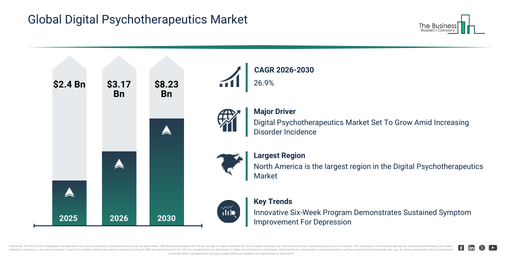
  • Digital Psychotherapeutics Market Growth Is Reshaping Competitive Advantage Across The Industry

    Digital Psychotherapeutics Market Growth Is Reshaping Competitive Advantage Across The Industry

    Enhanced with market attractiveness analysis, total addressable market evaluation, company benchmarking matrices, interactive Excel dashboards, expanded supply chain intelligence, emerging startup coverage, and detailed product insights, The Business Research Company’s 2026 market reports deliver more actionable and strategically valuable research.

    Digital Psychotherapeutics Market Expansion From $3.16 Billion In 2026 To $8.22 Billion In 2030

    The realm of digital psychotherapeutics has witnessed remarkable expansion lately. Projections indicate a substantial increase from $2.4 billion in 2025 to $3.17 billion by 2026, reflecting a compound annual growth rate of 32.2%. Factors contributing to this upward trajectory in the past include diminished societal stigma surrounding mental health, a scarcity of available therapists, the early embrace of teletherapy services, a rise in anxiety disorders, and the proliferation of smartphone-driven treatment approaches.

    The digital therapeutics sector is poised for significant expansion in the upcoming years, projected to reach a valuation of $8.23 billion by 2030, driven by a compound annual growth rate of 26.9%. This anticipated surge is largely fueled by advancements in AI-powered therapeutic tools, the increasing implementation of mental wellness initiatives by employers, the growing clinical validation of digital interventions, the expanding use of virtual reality for exposure therapy, and a broader acceptance by insurance providers. Key developments shaping the market during this forecast period involve the escalating adoption of mobile mental health applications, a greater embrace of digital Cognitive Behavioral Therapy (CBT) platforms, the proliferation of remote mental healthcare solutions, a heightened demand for tools that address anxiety and stress, and the integration of wearable technology for continuous mental health oversight.

    Download A Free Sample Report For Comprehensive Market Insights:

    https://www.thebusinessresearchcompany.com/sample.aspx?id=14902&type=smp

    Digital Psychotherapeutics Market Industry Drivers: What Is Driving Revenue Growth?

    Elevated rates of mental health conditions are anticipated to be a primary catalyst for the expansion of the digital psychotherapeutics sector. These conditions, encompassing a variety of issues that impact an individual’s cognition, feelings, and conduct, result in significant distress and hinder everyday functionality. Factors such as heightened stress, societal expectations, and traumatic experiences are contributing to the rise in mental health challenges, thereby increasing the need for therapeutic solutions. Digital psychotherapy offers considerable advantages, including adaptable appointment scheduling and the elimination of travel requirements for therapy sessions. Reflecting this trend, data from National Health Service (NHS) Digital in November 2023 indicated that approximately 20.3% of children and young people between the ages of 8 and 16 in the UK were estimated to have a probable mental disorder, with the figures rising to 23.3% for those aged 17 to 19 and 21.7% for young adults aged 20 to 25. Consequently, the growing prevalence of mental health issues is directly influencing the upward trajectory of the digital psychotherapeutics market.

    #Digital Psychotherapeutics Market Segment Landscape And Growth Potential

    The digital psychotherapeutics market covered in this report is segmented –

    1) By Type: Mobile Apps, Online Platforms, Virtual Reality, Wearable Devices

    2) By Indication: Phobias And Anxiety Disorders, Psychotic Disorders, Other Indications

    3) By Business Model: Direct-To-Patients Or Consumers, Business-To-Business (B2B)

    4) By Application: Prevention, Management, Treatment

    5) By End User: Healthcare Providers, Payers

    Subsegments:

    1) By Mobile Apps: Mental Health Apps, Cognitive Behavioral Therapy (CBT) Apps, Meditation And Mindfulness Apps, Mood Tracking Apps, Sleep Management Apps

    2) By Online Platforms: Telehealth Platforms, Online Therapy Services, Web-Based Mental Health Counseling, Virtual Support Groups, Digital CBT Platforms

    3) By Virtual Reality (VR): VR-Based Exposure Therapy, VR-Assisted CBT, Immersive Meditation VR, VR For Stress Management, VR For PTSD And Anxiety Treatment

    4) By Wearable Devices: Biofeedback Wearables, Stress And Anxiety Monitoring Wearables, Sleep-Tracking Wearables, Heart Rate Variability Wearables, Wearables For Mood Tracking And Emotional Regulation

    #Digital Psychotherapeutics Market Growth Trends: What Is Influencing The Future Outlook?

    Companies dominating the prescription digital therapeutics sector are prioritizing the integration of software as a medical device (SaMD), specifically digital psychotherapeutic applications, to broaden access to care, boost patient involvement, and elevate treatment success. These digital psychotherapeutic applications function as software-based medical instruments, delivering systematic, empirically supported therapeutic interventions via mobile devices, thereby facilitating services such as guided cognitive-emotional skill development, remote therapeutic provision, and immediate patient assistance. As an illustration, in April 2024, Otsuka Pharmaceutical Co., Ltd., a worldwide healthcare enterprise headquartered in Japan, secured approval from the US Food and Drug Administration (FDA) for Rejoyn, a prescription digital therapeutic intended to assist adults experiencing major depressive disorder (MDD) as a complementary treatment to antidepressant pharmaceuticals, featuring a six-week app-based regimen incorporating cognitive-emotional training and concise therapeutic learning modules, available on iOS and Android smartphones, and substantiated by clinical evidence from a substantial remote randomized trial. Rejoyn contributes to better treatment results, improved compliance, and enhanced availability of structured psychotherapy.

    Digital Psychotherapeutics Market Competitive Landscape: Who Are The Leading Companies?

    Major companies operating in the digital psychotherapeutics market are AbleTo Inc., BetterHelp Inc., Ginger.io Inc., Meru Health Inc., Novartis International AG, Pear Therapeutics Inc., SilverCloud Health Limited, Spring Health Inc., Starling Minds Inc., SwissDT AG, Talkspace Inc., Woebot Health Inc., CBT Nuggets LLC, Quartet Health Inc., Neurotrack Technologies Inc., Limbix Health Inc., Happify Health LLC, Mindstrong Health Inc., Minddistrict B.V., Ieso Digital Health, Eleos Health, MDLIVE, Lyra Health

    Access The Complete Digital Psychotherapeutics Market Report:

    https://www.thebusinessresearchcompany.com/report/digital-psychotherapeutics-global-market-report

    Digital Psychotherapeutics Market Geographic Analysis: Where Is Demand Growing The Fastest?

    North Americawas the largest region in the digital psychotherapeutics market in 2025. Asia Pacificis expected to be the fastest-growing region in the forecast period. The regions covered in the digital psychotherapeutics market report are Asia-Pacific, South East Asia, Western Europe, Eastern Europe, North America, South America, Middle East, Africa.

    Get in touch with us:

    The Business Research Company: https://www.thebusinessresearchcompany.com/

    Americas: +1 310-496-7795

    Asia: +44 7882 955267 & +91 8897263534

    Europe: +44 7882 955267

    Email us at: marketing@tbrc.info

    Follow us on:

    LinkedIn: https://in.linkedin.com/company/the-business-research-company

    YouTube: https://www.youtube.com/channel/UC24_fI0rV8cR5DxlCpgmyFQ

    Global Market Model: https://www.thebusinessresearchcompany.com/global-market-model
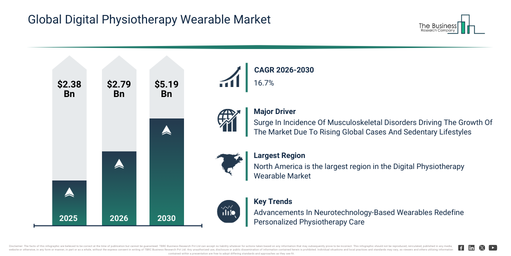
  • Digital Physiotherapy Wearable Market Forecast Signals New Revenue Opportunities Through 2030

    Digital Physiotherapy Wearable Market Forecast Signals New Revenue Opportunities Through 2030

    Through market attractiveness analysis, total addressable market evaluation, company benchmarking matrices, interactive Excel dashboards, expanded supply chain intelligence, emerging startup coverage, and detailed product insights, The Business Research Company’s 2026 market reports provide more actionable and strategically valuable research.

    Digital Physiotherapy Wearable Market Forecast Highlighting Growth From $2.79 Billion To $5.18 Billion

    The market for digital physiotherapy wearables has experienced substantial expansion throughout recent years. Projections indicate a progression from $2.38 billion in 2025 to $2.79 billion by 2026, demonstrating a compound annual growth rate (CAGR) of 17.1%. Factors contributing to this growth during the preceding period include a heightened incidence of musculoskeletal conditions, the increasing acceptance of remote rehabilitation services, the broader integration of wearable health technology, a greater emphasis on patient-focused recovery processes, and advancements in the precision of motion sensors.

    The global digital physiotherapy wearable market is poised for substantial expansion, reaching an estimated value of $5.19 billion by the year 2030, propelled by a compound annual growth rate of 16.7%. This projected surge stems from several key drivers, including a heightened need for remote rehabilitation services, the broader implementation of programs aimed at sports injury recovery, the increasing incorporation of these devices into comprehensive digital health ecosystems, a growing reliance on data analytics for refining therapeutic approaches, and escalating investments channeled into sophisticated rehabilitation technology. Within this growth trajectory, prominent trends are expected to shape the market, such as a greater embrace of wearables capable of real-time motion tracking, the escalating application of AI for providing rehabilitative feedback, a more widespread adoption of physiotherapy solutions designed for home use, amplified utilization of sensor technology for monitoring exercise progression, and a stronger emphasis on rehabilitation strategies that prioritize measurable outcomes.

    Download A Free Sample Report For Comprehensive Market Insights:

    https://www.thebusinessresearchcompany.com/sample.aspx?id=29022&type=smp

    #Digital Physiotherapy Wearable Market Growth Factors: Which Forces Are Supporting Market Expansion?

    The expanding prevalence of conditions impacting muscles, bones, and joints is anticipated to be a significant catalyst for the advancement of the digital physiotherapy wearable sector. These ailments, which can severely restrict mobility and induce discomfort, are increasingly attributed to sedentary habits, where extended periods of inactivity and prolonged sitting place undue stress on the musculoskeletal system. Digital wearable devices designed for physiotherapy offer a solution by continuously tracking an individual’s posture and movements, delivering tailored guidance to avert physical harm, and actively encouraging the maintenance of robust musculoskeletal well-being. Evidence from GOV.UK in January 2024 indicated that in 2023, a notable 18.4% of individuals aged 16 and above in the UK reported living with a chronic musculoskeletal disorder, underscoring the growing need for such technological interventions and consequently fueling the expansion of the digital physiotherapy wearable market.

    Digital Physiotherapy Wearable Market Categorization By Product Type And Application

    The digital physiotherapy wearable market covered in this report is segmented –

    1) By Product Type: Smart Clothing, Wearable Sensors, Exoskeletons, Other Product Types

    2) By Technology: Bluetooth, Wireless Fidelity (Wi-Fi), Radio Frequency Identification (RFID), Other Technologies

    3) By Distribution Channel: Online, Offline

    4) By Application: Musculoskeletal Disorders, Neurological Disorders, Sports And Fitness, Rehabilitation, Other Applications

    5) By End User: Hospitals And Clinics, Home Care Settings, Sports And Fitness Centers, Other End-Users

    Subsegments:

    1) By Smart Clothing: Smart Shirts, Smart Pants, Smart Socks, Smart Gloves, Smart Insoles

    2) By Wearable Sensors: Motion Sensors, Pressure Sensors, Temperature Sensors, Electromyography Sensors, Heart Rate Sensors

    3) By Exoskeletons: Lower Limb Exoskeletons, Upper Limb Exoskeletons, Full Body Exoskeletons, Rehabilitation Exoskeletons, Assistive Exoskeletons

    4) By Other Product Types: Smart Bands, Smart Patches, Head-Mounted Devices, Smart Shoes, Posture Monitoring Devices

    Digital Physiotherapy Wearable Market Industry Trends: What Changes Are Reshaping Demand?

    The leading entities within the digital physiotherapy wearable sector are engaged in the creation of advanced, second-generation devices, specifically neurotechnology-infused wearables, designed to offer tailored therapeutic interventions by providing immediate feedback based on neural activity and physical motion. These neurotechnology-enabled wearables integrate principles of neuroscience with sophisticated sensor technology, enabling the monitoring and stimulation of neural signals, thereby improving motor function, muscular control, and recovery results by transforming brain and nerve impulses into actionable therapeutic responses in real-time. As an illustration, Cionic, a United States-based biotechnology firm, introduced its Neural Sleeve 2 in September 2025. This innovative second-generation neurotechnology wearable, recognized as the first FDA-cleared device, leverages AI-powered MultiStim technology to concurrently trigger muscle activation and alleviate muscle spasms. Its objective is to enhance mobility and facilitate muscle retraining for individuals affected by neurological disorders like multiple sclerosis, cerebral palsy, spinal cord injuries, and stroke, tackling the significant issue of spasticity which negatively impacts movement, causes pain, and disrupts sleep. This regulatory approval marks a significant advancement in managing mobility challenges, paving the way for more extensive patient support across the country.

    Digital Physiotherapy Wearable Market Company Landscape And Strategic Competition

    Major companies operating in the digital physiotherapy wearable market are Medtronic plc, Stryker Corporation, Zimmer Biomet Holdings Inc., Omron Healthcare Co. Ltd., Garmin Ltd., Hinge Health Inc., Sword Health Inc., Valedo Health Inc., Soft Matter, Neofect Co. Ltd., Orpyx Medical Technologies Inc., Avation Medical Inc., ReWalk Robotics Inc., ZetrOZ Systems LLC, Rehabtronics Inc., Motus Nova Inc., DorsaVi Ltd., Rebee Health Private Limited, Anatomech, KnitRegen

    Access The Complete Digital Physiotherapy Wearable Market Report:

    https://www.thebusinessresearchcompany.com/report/digital-physiotherapy-wearable-global-market-report

    Digital Physiotherapy Wearable Market Global Footprint: Which Region Holds Market Leadership?

    North Americawas the largest region in the digital physiotherapy wearable market in 2025. Asia-Pacificis expected to be the fastest-growing region in the forecast period. The regions covered in the digital physiotherapy wearable market report are Asia-Pacific, South East Asia, Western Europe, Eastern Europe, North America, South America, Middle East, Africa.

    Get in touch with us:

    The Business Research Company: https://www.thebusinessresearchcompany.com/

    Americas: +1 310-496-7795

    Asia: +44 7882 955267 & +91 8897263534

    Europe: +44 7882 955267

    Email us at: marketing@tbrc.info

    Follow us on:

    LinkedIn: https://in.linkedin.com/company/the-business-research-company

    YouTube: https://www.youtube.com/channel/UC24_fI0rV8cR5DxlCpgmyFQ

    Global Market Model: https://www.thebusinessresearchcompany.com/global-market-model
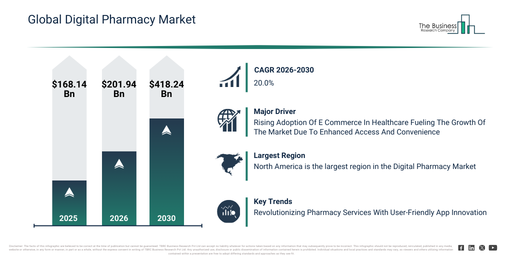
  • Digital Pharmacy Market Growth Is Accelerating As Industry Transformation Continues

    Digital Pharmacy Market Growth Is Accelerating As Industry Transformation Continues

    Delivering more actionable and strategically valuable research, The Business Research Company’s 2026 market reports feature market attractiveness analysis, total addressable market evaluation, company benchmarking matrices, interactive Excel dashboards, expanded supply chain intelligence, emerging startup coverage, and detailed product insights.

    Digital Pharmacy Market Revenue Growth Supported By A CAGR Of 418.23% Through 2030

    The domain of digital pharmacies has experienced remarkable expansion recently, with projections indicating a significant upswing from $168.14 billion in 2025 to $201.94 billion by 2026, demonstrating a compound annual growth rate of 20.1%. This surge is fueled by a confluence of factors, including evolving urban living patterns, restricted access to physical pharmacies in remote regions, the increasing prevalence of online healthcare services, accelerated digital engagement spurred by the pandemic, and widespread smartphone adoption.

    The digital pharmacy sector is projected to experience swift expansion in the coming years, reaching an estimated $418.24 billion by 2030, driven by a compound annual growth rate of 20.0%. This anticipated surge is fueled by several key factors, including the seamless integration of telemedicine with pharmacy services, favorable regulatory frameworks supporting electronic prescriptions, a growing consumer preference for in-home healthcare solutions, the implementation of AI for enhanced prescription management, and strategic market penetration into rural areas. Furthermore, prominent trends shaping this period involve the accelerated uptake of online medication procurement, widespread adoption of mobile application-based pharmacy platforms, the proliferation of pharmaceutical home delivery services, a heightened need for effective chronic medication management, and the increasing integration of digital payment options alongside e-prescription functionalities.

    Download A Free Sample Report For Comprehensive Market Insights:

    https://www.thebusinessresearchcompany.com/sample.aspx?id=18334&type=smp

    Digital Pharmacy Market Demand Drivers: What Is Fueling Industry Growth?

    The increasing embrace of online commerce within the healthcare industry is anticipated to fuel the expansion of the digital pharmacy sector. This online healthcare activity encompasses the acquisition and distribution of medical goods and services via the internet, such as prescription drugs, non-prescription medications, and remote pharmacy consultations. Key drivers for this heightened utilization of e-commerce in healthcare stem from patients’ growing appreciation for the ease of purchasing pharmaceuticals online, monitoring shipment progress, and digitally overseeing their prescriptions. Digital pharmacies facilitate this shift by providing functionalities for consumers to order medicines, handle recurring prescription renewals, and benefit from automated replenishment via their integrated applications and digital interfaces. A pertinent illustration is the NHS App in the United Kingdom, which, as reported by NHS England in December 2023, boasted 33.6 million registered users, concurrently witnessing a substantial 48% increase in repeat prescriptions, climbing from 2.2 million in November 2022 to 3.2 million in November 2023. Consequently, the escalating use of e-commerce within healthcare is a primary catalyst for the digital pharmacy market’s advancement.

    Digital Pharmacy Market Segment Analysis And Revenue Opportunities

    The digital pharmacy market covered in this report is segmented –

    1) By Product: Medicines And Treatments, Personal Care Products, Vitamins And Supplements, Other Products

    2) By Drug Type: Prescription Medicines, Over-The-Counter (OTC) Products

    3) By Business Model: Captive, Franchise, Aggregator

    4) By Platform: App-Based, Web-Based

    5) By Application: Urban Areas, Rural Areas

    Subsegments:

    1) By Medicines And Treatments: Prescription Medicines, Over-The-Counter (OTC) Medications, Chronic Disease Medications, Acute Disease Medications, Specialty Medications

    2) By Personal Care Products: Skincare Products, Hair Care Products, Oral Care Products, Hygiene And Grooming Products

    3) By Vitamins And Supplements: Dietary Supplements, Herbal Supplements, Sports Nutrition Supplements, Weight Management Supplements, Probiotics

    4) By Other Products: Medical Devices (Blood Pressure Monitors, Glucose Meters), Health-Related Devices (Thermometers, Pulse Oximeters), First Aid Products, Health Testing Kits (Pregnancy Tests, DNA Tests)

    Digital Pharmacy Market Innovation Trends: Which Developments Are Transforming The Industry?

    Leading participants within the digital pharmacy sector are actively pursuing the creation of novel offerings, including web-based digital pharmacy solutions, with the objective of elevating client engagement, optimizing prescription handling, and broadening access to pharmaceutical care. Such a digital pharmacy platform represents an internet-accessible digital interface, either on a website or through a mobile app, designed to deliver pharmacy services remotely. These digital environments strive to simplify the process of ordering pharmaceuticals, overseeing ongoing prescriptions, and obtaining relevant health data. To illustrate, in November of 2023, Pure Health, an entity based in the United Arab Emirates involved in healthcare, introduced Dawak, an online digital pharmacy service. This platform has been engineered to simplify the methods by which individuals in the UAE obtain, procure, and utilize their prescribed treatments. It serves to eliminate prolonged wait periods, permits individuals to examine and renew their prescriptions, select preferred methods for receiving their orders, and facilitates straightforward transactions via the platform. Dawak places emphasis on encouraging patients to take their medications as directed and offers a channel for reporting any undesirable outcomes experienced from their medications. Furthermore, Dawak structures medications into organized packages containing individually sealed doses, arranged chronologically and by dosage time, and furnishes comprehensive instructions regarding their use.

    Digital Pharmacy Market Leading Players Shaping Industry Direction

    Major companies operating in the digital pharmacy market are Walmart Inc. , Amazon.com Inc., Omnicell (OMCL) Inc., Hims & Hers Health Inc., Tata 1MG Technologies Pvt Ltd., Ro, Medminder Systems Inc., Thirty Madison Inc., Pharmacy2U Ltd, NimbleRx, PocketPills Pharmacy Inc., Nurx, Medley Pharmacy Ltd., RxSafe LLC, ScriptDrop Inc., mscripts LLC, Blink Health LLC, MedAvail Inc., Truepill, NowRx Inc., Capsule Pharmacy

    Access The Complete Digital Pharmacy Market Report:

    https://www.thebusinessresearchcompany.com/report/digital-pharmacy-global-market-report

    Digital Pharmacy Market Regional Distribution: Which Areas Drive Market Expansion?

    North Americawas the largest region in the digital pharmacy market in 2025. Asia-Pacificis expected to be the fastest-growing region in the forecast period. The regions covered in the digital pharmacy market report are Asia-Pacific, South East Asia, Western Europe, Eastern Europe, North America, South America, Middle East, Africa.

    Get in touch with us:

    The Business Research Company: https://www.thebusinessresearchcompany.com/

    Americas: +1 310-496-7795

    Asia: +44 7882 955267 & +91 8897263534

    Europe: +44 7882 955267

    Email us at: marketing@tbrc.info

    Follow us on:

    LinkedIn: https://in.linkedin.com/company/the-business-research-company

    YouTube: https://www.youtube.com/channel/UC24_fI0rV8cR5DxlCpgmyFQ

    Global Market Model: https://www.thebusinessresearchcompany.com/global-market-model
  • Digital Personalized Nutrition Market Outlook Highlights The Next Major Growth Opportunities

    Digital Personalized Nutrition Market Outlook Highlights The Next Major Growth Opportunities

    Enhanced with market attractiveness analysis, total addressable market evaluation, company benchmarking matrices, interactive Excel dashboards, expanded supply chain intelligence, emerging startup coverage, and detailed product insights, The Business Research Company’s 2026 market reports deliver more actionable and strategically valuable research.

    Digital Personalized Nutrition Market Value Expansion And Long-Term Growth Outlook

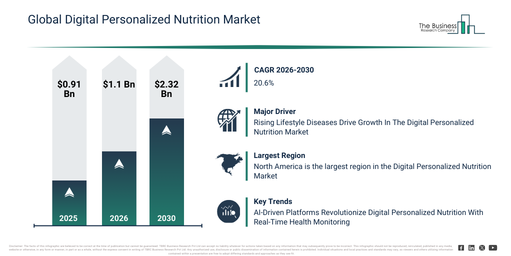
    In recent years, the market for digital personalized nutrition has experienced remarkable expansion, projecting a rise from $0.91 billion in 2025 to $1.1 billion in 2026, driven by a compound annual growth rate of 20.9%. This historical growth trajectory has been significantly influenced by escalating consciousness regarding health and wellness, the broader accessibility of digital health solutions, a surge in consumer demand for tailored dietary plans, the increasing prevalence of nutritional assessment kits, and the widespread adoption of mobile health applications.

    The digital personalized nutrition sector is poised for remarkable expansion in the coming years, projected to reach $2.32 billion by 2030, driven by a compound annual growth rate of 20.6%. This anticipated surge is fueled by several key factors including the escalating incorporation of artificial intelligence and data analytics into nutritional strategies, a heightened consumer interest in dietary approaches tailored for specific health conditions, the proliferation of direct-to-consumer health and wellness offerings, strengthening collaborations between nutrition services and healthcare entities, and an amplified emphasis on achieving and maintaining long-term well-being. Within this growth trajectory, significant market developments are expected to materialize, such as broader acceptance of AI-powered platforms for personalized dietary advice, a greater reliance on genetic and microbiome information for crafting individual meal plans, a surge in the popularity of subscription models for customized nutritional guidance, the continued advancement and widespread use of mobile applications designed for tracking dietary intake, and a more pronounced shift towards prioritizing proactive health management and overall wellness.

    Download A Free Sample Report For Comprehensive Market Insights:

    https://www.thebusinessresearchcompany.com/sample.aspx?id=19400&type=smp

    Digital Personalized Nutrition Market Growth Drivers: What Factors Are Accelerating Expansion?

    The escalating prevalence of conditions associated with modern living habits is anticipated to be a key catalyst for the expansion of the digital personalized nutrition sector moving ahead. These lifestyle-related illnesses, which stem from individual behavior patterns and choices such as dietary habits, exercise levels, smoking, alcohol intake, and stress management, rather than solely from infectious agents or genetic predispositions, encompass ailments like heart disease, diabetes, and obesity. Their rise is directly linked to societal shifts including modernization, urbanization, sedentary routines, adverse eating patterns, elevated consumption of processed food items, and heightened stress levels. Digital personalized nutrition plays a crucial role in addressing these conditions by offering customized dietary advice derived from specific individual health information, thereby enhancing nutritional intake, fostering healthier routines, and mitigating the likelihood or severity of illnesses such as diabetes, obesity, and cardiovascular issues. For example, reflecting the global scale of the challenge, the International Diabetes Federation reported that in 2024, some 537 million adults globally aged between 20 and 79 years were affected by diabetes, a figure expected to climb to 643 million by 2030 and reach 783 million by 2045, underscoring how the growing number of these health concerns is fueling the digital personalized nutrition market.

    Digital Personalized Nutrition Market Segmentation And Category Breakdown

    The digital personalized nutrition market covered in this report is segmented –

    1) By Purchase Model: Subscription, One Time Purchase

    2) By Application: Generic Health And Fitness, Disease Based, Sports Nutrition

    3) By End-User: Direct Consumers, Wellness And Fitness Centers, Hospitals And Clinics, Institutions

    Subsegments:

    1) By Subscription: Monthly Subscription Plans, Quarterly Subscription Plans, Annual Subscription Plans, Personalized Meal Plans Subscription, Nutritional Supplement Subscription, AI-Based Subscription Nutrition Services

    2) By One-Time Purchase: Single Purchase of Personalized Nutrition Plans, One-Time Purchase Of Nutritional Supplements, Custom Meal Kit Purchases, One-Time Purchase Of Nutritional Assessments, Single Purchase of DNA Or Blood Testing Kits For Nutrition

    Digital Personalized Nutrition Market Trends: What Is Shaping Future Industry Growth?

    Leading entities within the digital personalized nutrition sector are actively pursuing innovation through technologies like AI-powered nutritional systems, aiming to provide more precise, individualized dietary guidance, elevate user involvement, and foster better health results for those managing conditions linked to their way of life Lifestyle-related diseases are targeted by these advancements, which leverage artificial intelligence to scrutinize personal health information and formulate customized eating regimens for peak well-being. An illustration of this trend is the introduction of Nutramatic in December 2023 by Helo Corp, a US entity dedicated to health and wellness technologies. This AI-facilitated personalized nutrition offering delivers bespoke meal plans derived from thorough health evaluations, ongoing dietary suggestions, and seamless connectivity with wearable technology, further incorporating real-time health metric tracking and dynamically adjusted advice to bolster user health.

    Digital Personalized Nutrition Market Competitive Analysis Of Major Industry Participants

    Major companies operating in the digital personalized nutrition market are Noom Inc., 23andMe Holding Co., MyFitnessPal Inc., DayTwo Inc., Nutrisense Inc., Viome Life Sciences Inc., Lumen Technologies Inc, Healthifyme Wellness Products and Services Private Limited, Nutrium, Habit LLC, Levels Health Inc., Lifesum AB, Second Nature Healthy Habits Ltd, InsideTracker, BiogeniQ Inc., CircleDNA, Persona Nutrition, Nutrigenomix Inc., Rootine, Caligenix Inc., GenoPalate Inc., Culina Health Inc., Baze Labs GmbH, Foodvisor

    Access The Complete Digital Personalized Nutrition Market Report:

    https://www.thebusinessresearchcompany.com/report/digital-personalized-nutrition-global-market-report

    Digital Personalized Nutrition Market Leading Geography: Which Region Generates The Most Revenue?

    North Americawas the largest region in the digital personalized nutrition market in 2025. The regions covered in the digital personalized nutrition market report are Asia-Pacific, South East Asia, Western Europe, Eastern Europe, North America, South America, Middle East, Africa.

    Get in touch with us:

    The Business Research Company: https://www.thebusinessresearchcompany.com/

    Americas: +1 310-496-7795

    Asia: +44 7882 955267 & +91 8897263534

    Europe: +44 7882 955267

    Email us at: marketing@tbrc.info

    Follow us on:

    LinkedIn: https://in.linkedin.com/company/the-business-research-company

    YouTube: https://www.youtube.com/channel/UC24_fI0rV8cR5DxlCpgmyFQ

    Global Market Model: https://www.thebusinessresearchcompany.com/global-market-model
  • Digital Insomnia Therapeutics Market Trends And Growth Drivers Point To Strong Future Potential

    Digital Insomnia Therapeutics Market Trends And Growth Drivers Point To Strong Future Potential

    Through market attractiveness analysis, total addressable market evaluation, company benchmarking matrices, interactive Excel dashboards, expanded supply chain intelligence, emerging startup coverage, and detailed product insights, The Business Research Company’s 2026 market reports provide more actionable and strategically valuable research.

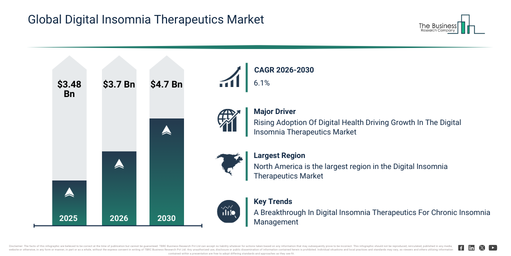
    Digital Insomnia Therapeutics Market Expected To Reach $4.69 Billion By 2030 At 6.1% CAGR

    The market for digital insomnia therapeutics has experienced robust expansion lately, projected to increase from $3.48 billion in 2025 to $3.7 billion in 2026,

    The market for digital insomnia therapeutics is poised for substantial expansion, projected to reach $4.7 billion by 2030, reflecting a compound annual growth rate of 6.1% over the forecast period. This anticipated surge is fueled by several key factors including the increasing clinical endorsement of digital therapeutic solutions, the seamless incorporation of data from wearable devices, a growing preference for non-pharmacological treatment approaches, the sophisticated analytics provided by AI for sleep pattern evaluation, and the broader accessibility offered by telehealth services. During this growth phase, several significant trends are expected to shape the market, such as a greater uptake of digital Cognitive Behavioral Therapy for Insomnia (CBT-i) programs, a rise in the utilization of sleep tracking applications, the advancement of non-drug-based sleep therapies, the proliferation of app-based platforms for managing insomnia, and the enhanced integration of wearable technology for comprehensive sleep monitoring.

    Download A Free Sample Report For Comprehensive Market Insights:

    https://www.thebusinessresearchcompany.com/sample.aspx?id=20750&type=smp

    Digital Insomnia Therapeutics Market Growth Factors Supporting Long-Term Expansion

    The increasing integration of digital health solutions is poised to fuel the expansion of the digital insomnia therapeutics market. Digital health encompasses the utilization of various digital technologies, tools, and platforms aimed at improving healthcare delivery, enhancing patient results, and enabling individuals to proactively manage their well-being. This trend is fueled by the escalating need for healthcare that is both readily available and economically viable, the widespread occurrence of persistent illnesses, a greater emphasis on proactive health management, and the proliferation of remote healthcare consultations. Digital insomnia therapeutics play a crucial role within digital health by offering technologically advanced methods, including mobile applications and wearable gadgets, for tracking, identifying, and addressing sleep disturbances, thereby fostering improved general health and seamless integration with more extensive healthcare networks. As an illustration of this progress, the European Commission reported in July 2024 that the average access to electronic health records through online portals in the EU had climbed to 79%, an increase from 72% in 2022, as indicated by the Digital Decade e Health Indicator Study. Consequently, the broader embrace of digital health is directly contributing to the upward trajectory of the digital insomnia therapeutics market.

    Digital Insomnia Therapeutics Market Segment Outlook: Which Categories Are Expanding The Fastest?

    The digital insomnia therapeutics market covered in this report is segmented –

    1) By Type: Sleep Tracking Apps, Relaxation And Meditation Apps, Cognitive-Behavioral Therapy For Insomnia (CBT-I), Wearable Devices, Other Types

    2) By Distribution Channel: Hospital Pharmacies, Retail Pharmacies, Other Distribution Channels

    3) By Applications: Medical, Household

    Subsegments:

    1) By Sleep Tracking Apps: Basic Sleep Monitoring Apps, Advanced Sleep Monitoring Apps, Smart Alarm Apps

    2) By Relaxation And Meditation Apps: Guided Meditation Apps, Breathing Exercise Apps, Sleep-Inducing Music Apps

    3) By Cognitive-Behavioral Therapy For Insomnia (CBT-I): Digital CBT-I Programs, CBT-I Mobile Apps, Online CBT-I Therapy Platforms

    4) By Wearable Devices: Sleep-Tracking Wearables, Smartwatches With Sleep Tracking, Wearable Devices With Biofeedback For Insomnia

    5) By Other Types: Virtual Reality (VR) Therapy For Insomnia, Biofeedback Devices, Transcranial Magnetic Stimulation (TMS) Devices For Sleep

    Digital Insomnia Therapeutics Market Industry Trends Shaping Future Revenue Growth

    In the realm of digital therapeutics for insomnia, leading firms are concentrating their efforts on pioneering sophisticated interventions, notably software-based mobile applications, aimed at delivering tailored, readily available, and economical treatment strategies for individuals grappling with sleep disturbances. Such a software-based mobile application is essentially a digital tool engineered for portable devices like smartphones or tablets, assisting users in their battle against insomnia through functionalities encompassing sleep monitoring, guided relaxation practices, cognitive behavioral therapy modules, and individualized sleep guidance. As an illustration, back in August 2024, Big Health Inc., a prominent American entity specializing in mental health services, revealed that its product, SleepioRx, had received clearance from the United States Food and Drug Administration for use in treating adult chronic insomnia as a complementary therapy alongside conventional medical approaches. SleepioRx is specifically designed to address chronic insomnia and insomnia disorder, serving as an supplementary aid to standard treatment protocols for adults aged eighteen and above. This digital therapeutic deploys scientifically validated methodologies calibrated to address the psychological and behavioral elements that perpetuate long-standing insomnia and related sleep difficulties.

    Digital Insomnia Therapeutics Market Key Companies And Competitive Benchmarking

    Major companies operating in the digital insomnia therapeutics market are Pear Therapeutics Inc., Calm.com Inc., Headspace Inc., Big Health Inc., Click Therapeutics Inc., Silvercloud Health Limited, OPTT Inc., Bodymatter Inc., SleepCogni Limited, Stellar Sleep, SleepScore Labs, Sliiip, SUSMED Inc., HelloBetter, AIMMED, Sleepstation (Born Digital Health), NOCTEM Health, Somryst, BetterNight, Minddistrict, Sleep Reset, SleepSpace, Black Dog Institute (Sleep Ninja), Insomnia-Coach, CBT-i Coach, ZenSleep, DrLullaby, Night Owl Sleep Coach

    Access The Complete Digital Insomnia Therapeutics Market Report:

    https://www.thebusinessresearchcompany.com/report/digital-insomnia-therapeutics-global-market-report

    Digital Insomnia Therapeutics Market Regional Outlook: Where Are The Largest Opportunities Located?

    North Americawas the largest region in the digital insomnia therapeutics market in 2025. The regions covered in the digital insomnia therapeutics market report are Asia-Pacific, South East Asia, Western Europe, Eastern Europe, North America, South America, Middle East, Africa.

    Get in touch with us:

    The Business Research Company: https://www.thebusinessresearchcompany.com/

    Americas: +1 310-496-7795

    Asia: +44 7882 955267 & +91 8897263534

    Europe: +44 7882 955267

    Email us at: marketing@tbrc.info

    Follow us on:

    LinkedIn: https://in.linkedin.com/company/the-business-research-company

    YouTube: https://www.youtube.com/channel/UC24_fI0rV8cR5DxlCpgmyFQ

    Global Market Model: https://www.thebusinessresearchcompany.com/global-market-model