Month: June 2026

  • Digital Hospital Market Expansion Is Reshaping Competitive Dynamics Across The Industry

    Digital Hospital Market Expansion Is Reshaping Competitive Dynamics Across The Industry

    Delivering more actionable and strategically valuable research, The Business Research Company’s 2026 market reports feature market attractiveness analysis, total addressable market evaluation, company benchmarking matrices, interactive Excel dashboards, expanded supply chain intelligence, emerging startup coverage, and detailed product insights.

    #Digital Hospital Market Size And Revenue Forecast Through 2030

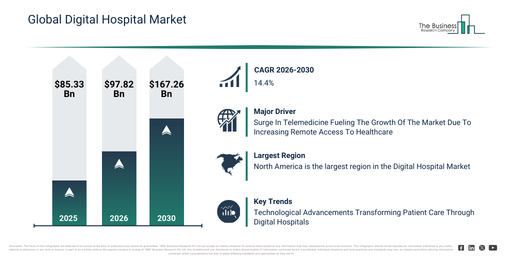
    The digital hospital sector has experienced substantial expansion recently, with projections indicating a rise from $85.33 billion in 2025 to $97.82 billion in 2026, reflecting a compound annual growth rate of 14.6%. Key factors driving this earlier growth trajectory included a surge in healthcare digitization efforts, the broader implementation of hospital information systems, a heightened need for operational effectiveness, increased adoption of electronic health records, and improvements in healthcare communication networks.

    The digital hospital sector is poised for substantial expansion in the coming years, with projections indicating a market valuation of $167.26 billion by 2030, driven by a compound annual growth rate of 14.4%. This upward trajectory throughout the projected timeframe is anticipated to be fueled by several key factors, including augmented investments directed towards smart hospital infrastructure, a heightened demand for seamlessly integrated healthcare platforms, the broader implementation of virtual care solutions, a more pronounced emphasis on managing hospital operations through data analytics, and the increasing utilization of cloud-based hospital management systems. Furthermore, significant trends expected to shape this period involve the widespread implementation of comprehensive, interconnected hospital IT systems, a greater embracing of platforms that provide real-time clinical data, the expanded application of artificial intelligence in aiding clinical decision-making processes, the fortification of connected medical infrastructure, and a heightened dedication to digital workflows designed with the patient at the core.

    Download A Free Sample Report For Comprehensive Market Insights:

    https://www.thebusinessresearchcompany.com/sample.aspx?id=28201&type=smp

    #Digital Hospital Market Demand Drivers Creating New Revenue Opportunities

    The expansive integration of telemedicine is a primary catalyst anticipated to fuel the expansion of the digital hospital sector. Essentially, telemedicine facilitates the delivery of medical services and expert opinions via digital communication channels such as phone calls, video conferences, or online platforms, thereby eliminating the necessity for physical clinic or hospital visits. This surge in telemedicine’s utilization stems from the growing demand for accessible healthcare solutions that permit individuals to seek medical consultations from their residences, consequently optimizing time efficiency and minimizing travel burdens. Digital hospitals are instrumental in bolstering telemedicine capabilities by furnishing sophisticated digital infrastructure, robust electronic health record systems, and interconnected medical devices that empower healthcare professionals to remotely oversee, diagnose, and manage patient care with enhanced effectiveness. Illustrating this trend, FAIR Health Inc., a non-profit entity based in the United States, reported in April 2023 a nationwide upswing in telehealth engagement, with its share of medical claim lines ascending from 5.5% in December 2022 to 5.9% in January 2023, marking a 7.3% overall increase. Consequently, the augmenting prevalence of telemedicine is directly contributing to the enhanced growth trajectory of the digital hospital market.

    Digital Hospital Market Segment Landscape: Which Areas Lead Market Development?

    The digital hospital market covered in this report is segmented –

    1) By Component: Hardware, Software, Services

    2) By Deployment Mode: Cloud-Based Deployment, On-Premises Deployment

    3) By Application: Clinical Operations, Financial Management, Operational Analytics, Patient Experience Management

    4) By End-User: Hospitals, Clinics, Healthcare Providers

    Subsegments:

    1) By Hardware: Medical Devices, Medical Imaging Systems, Wearable Devices, Telemedicine Equipment, Networking And Communication Devices, Data Storage Systems

    2) By Software: Electronic Health Record Software, Hospital Information System Software, Telehealth Software, Data Analytics Software, Population Health Management Software, Clinical Decision Support Software

    3) By Services: Implementation Services, Training And Education Services, Consulting Services, Maintenance And Support Services, Integration Services, Managed Services

    Digital Hospital Market Trends Driving Strategic Industry Expansion

    Leading entities within the digital hospital sector are actively pursuing cutting-edge strategies, including the implementation of virtual hospital-at-home services, to elevate patient well-being, enhance the efficient use of healthcare facilities, and facilitate continuous remote health observation. These virtual home hospital arrangements harness digital technologies, remote medical consultations, and networked health monitoring equipment to extend hospital-grade treatment into patients’ residences. A notable illustration occurred in September 2024 when OSF HealthCare, a healthcare organization in the United States, introduced the OSF OnCall Digital Hospital, a service designed to provide hospital-level care leveraging sophisticated digital infrastructure and remote assistance. This pioneering framework improves how patients experience healthcare by offering round-the-clock access to medical professionals, employing connected devices for in-home health tracking, easing the strain on hospital resources, and promoting quicker recuperation with minimized complications, all while enabling individuals to recuperate within the familiar setting of their homes.

    Digital Hospital Market Industry Leaders And Market Competition

    Major companies operating in the digital hospital market are Microsoft Corporation, Oracle Corporation, Schneider Electric SE, Honeywell International Inc., SAP SE, Medtronic Public Limited Company, Siemens Healthineers AG, Fujifilm Holdings Corporation, Stryker Corporation, Koninklijke Philips N.V., GE HealthCare Technologies Inc., Becton Dickinson and Company, Wipro Limited, Zimmer Biomet Holdings Inc., EPIC Systems Inc., Teladoc Health Inc., eClinicalWorks LLC, Medical Information Technology Inc, Napier Healthcare Solutions India Pvt., Oneview Healthcare PLC.

    Access The Complete Digital Hospital Market Report:

    https://www.thebusinessresearchcompany.com/report/digital-hospital-global-market-report

    Digital Hospital Market Geographic Landscape: Which Region Dominates Industry Growth?

    North Americawas the largest region in the digital hospital market in 2025. Asia-Pacific is expected to be the fastest-growing region in the forecast period. The regions covered in the digital hospital market report are Asia-Pacific, South East Asia, Western Europe, Eastern Europe, North America, South America, Middle East, Africa.

    Get in touch with us:

    The Business Research Company: https://www.thebusinessresearchcompany.com/

    Americas: +1 310-496-7795

    Asia: +44 7882 955267 & +91 8897263534

    Europe: +44 7882 955267

    Email us at: marketing@tbrc.info

    Follow us on:

    LinkedIn: https://in.linkedin.com/company/the-business-research-company

    YouTube: https://www.youtube.com/channel/UC24_fI0rV8cR5DxlCpgmyFQ

    Global Market Model: https://www.thebusinessresearchcompany.com/global-market-model
  • Digital Herd Immunization Passport Market Forecast Reveals Where Future Industry Value Will Be Created

    Digital Herd Immunization Passport Market Forecast Reveals Where Future Industry Value Will Be Created

    Enhanced with market attractiveness analysis, total addressable market evaluation, company benchmarking matrices, interactive Excel dashboards, expanded supply chain intelligence, emerging startup coverage, and detailed product insights, The Business Research Company’s 2026 market reports deliver more actionable and strategically valuable research.

    Digital Herd Immunization Passport Market Growth From $4.76 Billion In 2026 To $9.15 Billion By 2030 At A CAGR Of 17.7%

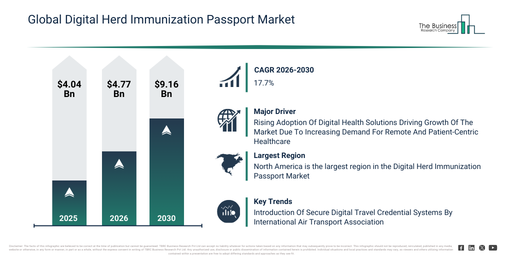
    The market for digital herd immunity passports has seen significant expansion lately, projecting a rise from $4.04 billion in 2025 to $4.77 billion in 2026, reflecting a compound annual growth rate of 18.0%. This historical growth was fueled by the broader implementation of national vaccination initiatives, a trend towards digitizing health information, the escalating demand for universally accepted proof of immunization, enhanced public health data exchange capabilities, and its initial adoption during the global pandemic response.

    The digital herd immunization passport market is poised for substantial expansion in the coming years, projected to reach $9.16 billion by 2030, boasting a compound annual growth rate (CAGR) of 17.7%. This anticipated surge is fueled by several key drivers: the escalating need for health credential platforms that can seamlessly interact, the growing necessity for global travel and movement, the broadening implementation of digital identity systems, amplified investment in safeguarding health data, and the increasing acceptance and deployment by both governmental bodies and businesses. Key developments anticipated during this period involve a greater uptake of securely stored digital vaccination records, a more widespread utilization of blockchain technology for health credentials, enhanced connectivity with public health information systems, the expansion of international systems for verifying immunizations, and a heightened emphasis on protecting data privacy and ensuring user authentication.

    Download A Free Sample Report For Comprehensive Market Insights:

    https://www.thebusinessresearchcompany.com/sample.aspx?id=28200&type=smp

    Digital Herd Immunization Passport Market Expansion Supported By Key Demand Factors

    The expanding integration of digital health technologies is anticipated to fuel the expansion of the digital herd immunization passport market. These digital health solutions, encompassing various tools and systems, are designed to enhance healthcare delivery, patient monitoring, and overall management, leading to better patient results and increased operational efficiency. The increasing demand for accessible, personalized, and remote healthcare services is a key factor contributing to the wider adoption of these digital health solutions. By facilitating the seamless incorporation of vaccination histories from diverse healthcare networks, digital health solutions are instrumental in supporting digital herd immunization passports, thereby guaranteeing the precision, dependability, and straightforward accessibility of data essential for verifying community-wide immunization levels. As an illustration, by 2028, online medical consultations are projected to engage 130.41 million individuals, achieving a market penetration rate of 1.63%, according to research from The Electro IQ, a US-based data analytics provider. Consequently, the increasing uptake of digital health solutions is a primary catalyst for the growth of the digital herd immunization passport market.

    The increased incidence of infectious diseases is poised to stimulate the expansion of the digital herd immunization passport market. These ailments, brought about by microorganisms such as bacteria, viruses, fungi, and parasites, possess the capacity to transmit across human, animal, and environmental domains, with their rising numbers largely attributed to escalating international travel which permits swift pathogen migration and widespread population infection. Digital herd immunization passports play a crucial role in managing infectious diseases by offering immediate access to vaccination records, thus ensuring prompt immunizations and mitigating outbreak risks. A notable example is the World Health Organization’s report from October 2024, indicating that tuberculosis diagnoses rose to an estimated 8.2 million in 2023 from 7.5 million in 2022, re-establishing TB as the foremost cause of death from infectious diseases, ahead of COVID-19. Therefore, the growing prevalence of infectious diseases serves as a significant driver for the digital herd immunization passport market’s growth.

    Digital Herd Immunization Passport Market Segments: Where Are The Largest Growth Opportunities?

    The digital herd immunization passport market covered in this report is segmented –

    1) By Component: Software, Hardware, Services

    2) By Deployment Mode: Cloud-based, On-premises

    3) By Application: Healthcare Facilities, Travel And Tourism, Government Agencies, Educational Institutions, Corporate Enterprises, Other Applications

    Subsegments:

    1) By Software: Vaccination Tracking Software, Immunization Record Management Software, Mobile Applications

    2) By Hardware: Smart Cards, QR Code Scanners, Biometric Devices

    3) By Services: Implementation And Integration Services, Support And Maintenance Services, Consulting And Training Services

    Digital Herd Immunization Passport Market Growth Trends Influencing Competitive Dynamics

    Leading entities within the digital herd immunization passport arena are prioritizing the creation of sophisticated systems, exemplified by secure digital travel credential platforms, intended to supersede conventional paper documents for health and identification. Such a secure digital system signifies a technological advancement that elevates the precision of verification, fortifies the security of information, and expedites traveler processing, thereby diminishing the dependency on tangible paperwork. Illustratively, in October 2024, the International Air Transport Association (IATA), an organization representing Canadian air carriers, initiated a trial of a completely digitized travel process as part of its One ID initiative. This groundbreaking feature empowers travelers to maintain and utilize digital representations of vital documents via a protected digital wallet, which can include certifications pertinent to health or vaccination status, thus obviating the necessity for physical documents. It facilitates immediate, biometric-enabled authentication at critical airport junctures like check-in, security screening, and boarding, concurrently permitting authorities to confirm the validity of credentials through dependable digital registries. When integrated with IATA’s established digital identity and travel document infrastructure, it ensures a smooth and touchless passenger experience. The architecture for digital credentials enhances passenger ease, simplifies operational procedures for air carriers and airports, and fosters the eventual widespread adoption of universally compatible digital immunization passports.

    Digital Herd Immunization Passport Market Major Participants And Competitive Dynamics

    Major companies operating in the digital herd immunization passport market are Microsoft Corporation, Amazon Web Services Inc., IBM Corporation, Oracle Corporation, Capgemini SE, Thales Group, Tata Consultancy Services Limited, Epic Systems Corporation, IDEMIA Group, Unisys and Inspire Health, SITA, IATA Travel Pass, Carbon Health Inc., Daon Inc., The Commons Project Foundation, VST Enterprises Ltd., Airside Mobile Inc., Healthvana Inc., Mvine Limited, Clear Health Pass

    Access The Complete Digital Herd Immunization Passport Market Report:

    https://www.thebusinessresearchcompany.com/report/digital-herd-immunization-passport-global-market-report

    #Digital Herd Immunization Passport Market Largest Region: Which Geography Holds The Highest Market Share?

    North Americawas the largest region in the digital herd immunization passport market in 2025. Asia-Pacific is expected to be the fastest-growing region in the forecast period. The regions covered in the digital herd immunization passport market report are Asia-Pacific, South East Asia, Western Europe, Eastern Europe, North America, South America, Middle East, Africa.

    Get in touch with us:

    The Business Research Company: https://www.thebusinessresearchcompany.com/

    Americas: +1 310-496-7795

    Asia: +44 7882 955267 & +91 8897263534

    Europe: +44 7882 955267

    Email us at: marketing@tbrc.info

    Follow us on:

    LinkedIn: https://in.linkedin.com/company/the-business-research-company

    YouTube: https://www.youtube.com/channel/UC24_fI0rV8cR5DxlCpgmyFQ

    Global Market Model: https://www.thebusinessresearchcompany.com/global-market-model
  • Digital Heat Stroke Checker Market Growth Through 2030 Creates New Strategic Opportunities

    Digital Heat Stroke Checker Market Growth Through 2030 Creates New Strategic Opportunities

    Through market attractiveness analysis, total addressable market evaluation, company benchmarking matrices, interactive Excel dashboards, expanded supply chain intelligence, emerging startup coverage, and detailed product insights, The Business Research Company’s 2026 market reports provide more actionable and strategically valuable research.

    Digital Heat Stroke Checker Market Expansion Outlook: What Revenue Opportunities Lie Ahead?

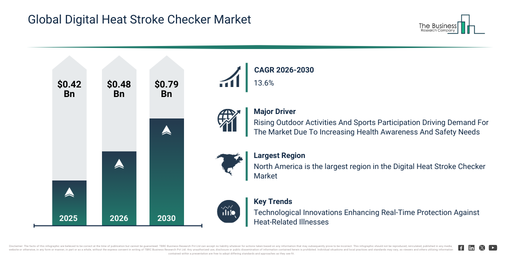
    The market for digital heat stroke checkers has experienced substantial expansion recently, projected to climb from $0.42 billion in 2025 to $0.48 billion in 2026, indicating a compound annual growth rate of 13.9%. This growth trajectory during the historical period can be ascribed to several key factors, including a heightened public understanding of the dangers associated with heat exposure, advancements in wearable sensor technology, increasing numbers of outdoor workers facing potential risks, a greater uptake of devices for monitoring sports and fitness activities, and the enhanced accessibility of mobile health solutions.

    The market for digital heat stroke detection devices is poised for substantial expansion in the coming years, projected to reach a value of $0.79 billion by 2030. this impressive growth trajectory is fueled by a compound annual growth rate (CAGR) of 13.6%, underpinned by several key factors. These include the escalating occurrence of severe heat waves, a heightened demand for solutions that ensure workplace safety, the proliferation of smart city initiatives focused on public health monitoring, a greater incorporation into athletic performance management strategies, and the increasing synergy with predictive analytical frameworks. Furthermore, the anticipated period will be characterized by significant trends such as the expanded implementation of wearable sensors for heat stress monitoring, a greater reliance on real-time environmental data collection, enhanced integration with mobile healthcare applications, the broadening of safety systems designed for heat in occupational settings, and an intensified emphasis on identifying heat-related risks at an earlier stage.

    Download A Free Sample Report For Comprehensive Market Insights:

    https://www.thebusinessresearchcompany.com/sample.aspx?id=28199&type=smp

    #Digital Heat Stroke Checker Market Growth Drivers And Industry Catalysts

    The digital heat stroke checker market is poised for expansion, largely fueled by a surge in outdoor pursuits and athletic competitions. These activities, encompassing both organized and leisure-based physical endeavors undertaken in open-air settings to foster health, enjoyment, and community engagement, are gaining traction as individuals increasingly focus on their physical and mental health through active living. Digital heat stroke checkers play a crucial role in these settings by offering continuous oversight of body temperature and ambient conditions, providing timely notifications to participants and organizers about potential heat stress symptoms. This proactive monitoring is vital for averting heat-related ailments and safeguarding those involved in outdoor events. Illustratively, the Outdoor Industry Association reported that in 2023, a notable 4.1% growth was observed in outdoor recreation, with over half of Americans aged six and older engaging in these activities, underscoring the expanding landscape for digital heat stroke checker adoption.

    Digital Heat Stroke Checker Market Segment Analysis: What Are The Major Market Categories?

    The digital heat stroke checker market covered in this report is segmented –

    1) By Device Type: Wearable Devices, Handheld Devices, Mobile Applications, Integrated Systems

    2) By Technology: Infrared Sensors, Thermal Imaging, Smartphone Integration, Wearable Technology

    3) By Sales Channel: Online Retailers, Brick-And-Mortar Stores, Institutional Sales, Direct Sales

    4) By Application Area: Sports And Fitness, Healthcare, Workplace Safety, Public Events, Outdoor Activities

    5) By End User: Individuals, Healthcare Professionals, Sport Organizations, Corporate Sector, Event Organizers

    Subsegments:

    1) By Wearable Devices: Smart Bands, Smartwatches, Fitness Trackers

    2) By Handheld Devices: Infrared Thermometers, Thermal Scanners, Portable Heat Stress Monitors

    3) By Mobile Applications: iPhone Operating System Apps, Android Apps, Cloud-Based Apps

    4) By Integrated Systems: Workplace Safety Systems, Sports Facility Systems, Military And Defense Systems

    #Digital Heat Stroke Checker Market Trends Influencing Long-Term Demand

    Leading entities within the digital heat stroke checker arena are prioritizing the creation of sophisticated methodologies, including the utilization of the heat index, to bolster the precision of immediate monitoring and to issue preemptive alerts for the mitigation of heat-induced ailments. The heat index itself is an indicator that synthesizes ambient temperature with atmospheric moisture content to convey the perceived heat experienced by the human body. As an illustration, in May of 2025, the American Industrial Hygiene Association, a non-profit entity based in the United States, introduced an updated version of its heat stress mobile application, designated as 2.0, with the objective of augmenting safety protocols in occupational settings against heat stress. This application is engineered to safeguard both indoor and outdoor laborers from illnesses linked to excessive heat by furnishing immediate evaluations of heat-related hazards, employing sophisticated calculations of the wet bulb globe temperature. Furthermore, it furnishes customized notifications, guidance on rest and fluid intake, and informational materials in a variety of languages, thereby ensuring its ease of use and broad accessibility. This complimentary application serves as a valuable tool for employers and employees alike in identifying perilous thermal conditions, averting heat stress, and ultimately elevating safety standards and operational efficiency in the workplace.

    Digital Heat Stroke Checker Market Leading Companies Driving Competitive Growth

    Major companies operating in the digital heat stroke checker market are Teledyne FLIR LLC, TSI Incorporated, A&D Company Ltd., Kyoto Electronics Manufacturing Co. Ltd., Air-Met Scientific Pty Ltd., Nielsen-Kellerman Co., General Tools and Instruments LLC, Multi Measuring Instruments Co. Ltd., PCE Instruments UK Ltd., Triplett Test Equipment and Tools LLC, LSI Lastem Srl, REED Instruments, Ambient Weather LLC, AZ Instrument Corp., Romteck Australia Pty. Ltd., Sato Keiryoki Mfg. Co. Ltd., Scarlet Tech Ltd., Sper Scientific Instruments Inc., TENMARS Electronics Co. Ltd., Tsuruga Electric Corporation, Honde Technology Co. Ltd.

    Access The Complete Digital Heat Stroke Checker Market Report:

    https://www.thebusinessresearchcompany.com/report/digital-heat-stroke-checker-global-market-report

    Digital Heat Stroke Checker Market Regional Analysis: Which Region Leads By Revenue?

    North Americawas the largest region in the digital heat stroke checker market in 2025. Asia-Pacific is expected to be the fastest-growing region in the forecast period. The regions covered in the digital heat stroke checker market report are Asia-Pacific, South East Asia, Western Europe, Eastern Europe, North America, South America, Middle East, Africa.

    Get in touch with us:

    The Business Research Company: https://www.thebusinessresearchcompany.com/

    Americas: +1 310-496-7795

    Asia: +44 7882 955267 & +91 8897263534

    Europe: +44 7882 955267

    Email us at: marketing@tbrc.info

    Follow us on:

    LinkedIn: https://in.linkedin.com/company/the-business-research-company

    YouTube: https://www.youtube.com/channel/UC24_fI0rV8cR5DxlCpgmyFQ

    Global Market Model: https://www.thebusinessresearchcompany.com/global-market-model
  • Digital Heart Failure Clinic Market Size Projected To Increase From $1.96 Billion To $3.8 Billion During The Forecast Period

    Digital Heart Failure Clinic Market Size Projected To Increase From $1.96 Billion To $3.8 Billion During The Forecast Period

    Delivering more actionable and strategically valuable research, The Business Research Company’s 2026 market reports feature market attractiveness analysis, total addressable market evaluation, company benchmarking matrices, interactive Excel dashboards, expanded supply chain intelligence, emerging startup coverage, and detailed product insights.

    Digital Heart Failure Clinic Market Growth Potential: How Will Market Size Change Through 2030?

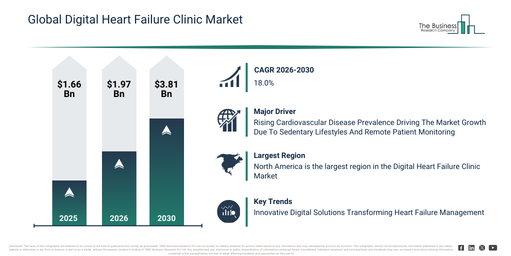
    The digital heart failure clinic market has witnessed substantial expansion lately, projected to escalate from $1.66 billion in 2025 to $1.97 billion in 2026, reflecting a robust compound annual growth rate of 18.3%. This upward trajectory during the past period is largely attributable to a surge in heart failure diagnoses, the broadening reach of telehealth services, heightened adoption of remote patient monitoring devices, increased governmental and institutional pushes towards digital healthcare, and a greater embrace of decentralized care strategies.

    Anticipate a swift expansion in the digital heart failure clinic market, projected to achieve a valuation of $3.81 billion by 2030, exhibiting a compound annual growth rate of 18.0%. This growth trajectory is anticipated to be fueled by several key factors including augmented investments in virtual cardiac care solutions, a heightened need for managing chronic conditions from home, the broadening scope of value-based healthcare initiatives, the increasing incorporation of predictive analytics within cardiac care, and the wider adoption of cloud-based clinical systems. Key developments expected during this period involve a greater embrace of remote patient monitoring strategies, increased utilization of AI-driven clinical decision support tools, advancements in continuous cardiac data analysis, more extensive integration of wearable and implantable devices, and a stronger emphasis on tailored heart failure treatment plans.

    Download A Free Sample Report For Comprehensive Market Insights:

    https://www.thebusinessresearchcompany.com/sample.aspx?id=28198&type=smp

    Digital Heart Failure Clinic Market Opportunity Drivers: What Is Creating New Revenue Potential?

    The increasing incidence of heart and blood vessel conditions is anticipated to fuel the expansion of the digital heart failure clinic sector in the future. These cardiovascular ailments, encompassing conditions like heart attacks, strokes, and high blood pressure, are largely attributed to inactive living and poor dietary choices, which in turn contribute to issues such as obesity, hypertension, and cardiac problems. Digital heart failure clinics play a crucial role in managing these cardiovascular challenges through methods such as remote patient heart health surveillance, tailored therapeutic strategies, facilitating the prompt identification of adverse events, and providing ongoing support for medication adherence, lifestyle adjustments, and recovery processes. Highlighting this trend, data from the Centers for Disease Control and Prevention in October 2024 indicated that cardiovascular diseases were responsible for 919,032 fatalities in 2023, representing approximately one-third of all deaths in the United States. Consequently, the escalating number of cardiovascular disease cases is directly stimulating the growth of the digital heart failure clinic market.

    Digital Heart Failure Clinic Market Segment Breakdown: Which Categories Generate The Most Revenue?

    The digital heart failure clinic market covered in this report is segmented –

    1) By Component: Software, Services, Devices

    2) By Delivery Mode: On-Premises, Cloud-Based

    3) By Application: Remote Patient Monitoring, Medication Management, Patient Education, Data Analytics, Other Applications

    4) By End-User: Hospitals, Specialty Clinics, Homecare Settings, Other End-Users

    Subsegments:

    1) By Software: Remote Patient Monitoring Software, Telehealth Platforms, Data Analytics And Artificial Intelligence Tools

    2) By Services: Remote Monitoring Services, Patient Education And Support, Care Management Services

    3) By Devices: Wearable Sensors, Implantable Devices, Home Monitoring Equipment

    Digital Heart Failure Clinic Market Innovation Trends Driving Future Development

    Leading entities within the digital heart failure clinic sector are dedicating efforts toward creating pioneering approaches, notably digital health solutions, to facilitate remote patient oversight, tailor medical interventions, and enhance the overall handling of heart failure conditions. A digital health solution is understood as a technology-empowered system that links individuals receiving care, medical professionals, and various apparatuses to achieve remote supervision, effective management of health information, and the provision of individualized medical assistance. Illustrative of this trend, in August of 2023, Lupin Digital Health Ltd., a pharmaceutical firm originating from India, introduced LyfeTM, a program engineered to revolutionize heart failure management through the synergistic integration of advanced technology, specialized medical teams, and accessible remote patient services. This initiative represents an evidence-backed digital cardiac rehabilitation program, providing constant monitoring of essential physiological signs, timely interventions by experts, and customized advice aimed at optimizing cardiac well-being and augmenting the overall quality of life for individuals affected by heart failure. Its intuitive technological framework equips patients and their support networks with immediate assistance, prompt notifications, and customized treatment plans, actively contributing to a reduction in the likelihood of cardiac events and subsequent hospital readmissions. Through the judicious combination of artificial intelligence-informed care and collaborative partnerships with cardiac specialists, LyfeTM is instrumental in elevating patient results while simultaneously broadening the availability of comprehensive cardiac rehabilitation programs throughout India.

    Digital Heart Failure Clinic Market Key Players And Strategic Industry Positioning

    Major companies operating in the digital heart failure clinic market are Siemens Healthineers AG, Abbott Laboratories, Medtronic Plc, Koninklijke Philips N.V., GE Healthcare, Boston Scientific Corporation, AliveCor Inc., Cadence Health Solutions Inc., Implicity Inc., Tunstall Healthcare Ltd., Qardio Inc., Octagos Health Inc., Endotronix Inc., Heartbeat Health Inc., Biotronik SE & Co. KG, Cardiac Remote Monitoring Solutions Inc., Lyfe Inc., Story Health Inc., Vectorious Medical Technologies Ltd., Ventricle Health Inc., Withings Health Solutions, Health Recovery Solutions Inc.

    Access The Complete Digital Heart Failure Clinic Market Report:

    https://www.thebusinessresearchcompany.com/report/digital-heart-failure-clinic-global-market-report

    Digital Heart Failure Clinic Market Geographic Distribution And Regional Opportunities

    North Americawas the largest region in the digital heart failure clinic market in 2025. Asia-Pacific is expected to be the fastest-growing region in the forecast period. The regions covered in the digital heart failure clinic market report are Asia-Pacific, South East Asia, Western Europe, Eastern Europe, North America, South America, Middle East, Africa.

    Get in touch with us:

    The Business Research Company: https://www.thebusinessresearchcompany.com/

    Americas: +1 310-496-7795

    Asia: +44 7882 955267 & +91 8897263534

    Europe: +44 7882 955267

    Email us at: marketing@tbrc.info

    Follow us on:

    LinkedIn: https://in.linkedin.com/company/the-business-research-company

    YouTube: https://www.youtube.com/channel/UC24_fI0rV8cR5DxlCpgmyFQ

    Global Market Model: https://www.thebusinessresearchcompany.com/global-market-model
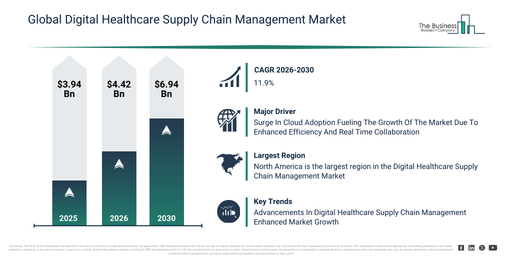
  • Digital Healthcare Supply Chain Management Market Growth Outlook Reveals A CAGR Of 11.9% And A Market Value Of $6.93 Billion By 2030

    Digital Healthcare Supply Chain Management Market Growth Outlook Reveals A CAGR Of 11.9% And A Market Value Of $6.93 Billion By 2030

    Enhanced with market attractiveness analysis, total addressable market evaluation, company benchmarking matrices, interactive Excel dashboards, expanded supply chain intelligence, emerging startup coverage, and detailed product insights, The Business Research Company’s 2026 market reports deliver more actionable and strategically valuable research.

    Digital Healthcare Supply Chain Management Market Value Analysis: What Growth Is Expected Over The Forecast Period?

    Fuelled by escalating demand and evolving industry dynamics, the digital healthcare supply chain management sector experienced considerable expansion. Projections indicate a continued upward trajectory, with the market value set to increase from $3.94 billion in 2025 to $4.42 billion in 2026, showcasing a robust compound annual growth rate of 12.2%. Factors contributing to this historical growth include the disjointed nature of existing healthcare supply chains, reliance on manual systems for inventory management, insufficient real-time oversight, increasing operational inefficiencies, and supply chain interruptions exacerbated by the global pandemic.

    The digital healthcare supply chain management sector is poised for substantial expansion in the upcoming years, projecting a market value of $6.94 billion by 2030, driven by a compound annual growth rate (CAGR) of 11.9%. This anticipated surge is fueled by several key factors, including the increasing implementation of AI-driven analytical tools, the development of intelligent hospital infrastructure, heightened regulatory emphasis on supply chain traceability, the overall trend toward healthcare digitization, and a growing imperative for robust and adaptable supply chain solutions. Key developments expected within this period involve a greater embrace of cloud-based supply chain management systems, expanded utilization of real-time inventory monitoring, advancements in data-centric demand prediction, a stronger commitment to supply chain visibility, and the establishment of comprehensive digital supply networks that span the entire process.

    Download A Free Sample Report For Comprehensive Market Insights:

    https://www.thebusinessresearchcompany.com/sample.aspx?id=20749&type=smp

    Digital Healthcare Supply Chain Management Market Growth Momentum: Which Factors Are Influencing Demand?

    The expanding utilization of cloud computing is anticipated to be a primary catalyst for the advancement of the digital healthcare supply chain management sector. Cloud computing, characterized by its provision of computing resources like servers, storage, and software over the internet, offers significant benefits such as scalability, reduced expenses, adaptability, improved teamwork, and ubiquitous access, all contributing to its growing popularity. This technology significantly aids digital healthcare supply chain management by simplifying data exchange, enhancing the precision of inventory oversight, and facilitating immediate data analysis, which collectively contribute to operational efficiencies and improved patient care. Illustrating this trend, data from Eurostat in December 2023 revealed that cloud computing services were employed by 45.2% of businesses within the European Union during 2023, with Finland leading the adoption at an impressive 78.3%. Consequently, the widespread embrace of cloud computing is a key factor fueling the growth trajectory of the digital healthcare supply chain management market.

    Digital Healthcare Supply Chain Management Market Segmentation: How Is The Market Structured Across Key Categories?

    The digital healthcare supply chain management market covered in this report is segmented –

    1) By Product: Software, Hardware, Services

    2) By Deployment: On-Premise, Cloud-Based, Web-Based

    3) By End-User: Pharmaceuticals, Medical Devices, Biotechnology And Vaccines, Clinical And Point Of Care Diagnostics

    Subsegments:

    1) By Software: Supply Chain Planning Software, Inventory Management Systems, Transportation Management Systems, Order Management Systems, Analytics And Reporting Software

    2) By Hardware: RFID Systems, Barcode Scanners, IoT-Enabled Devices, Storage And Networking Devices

    3) By Services: Implementation And Integration Services, Training And Support Services, Consulting Services, Managed Services

    Digital Healthcare Supply Chain Management Market Trends Reshaping Industry Growth

    Companies dominant in the digital healthcare supply chain management sector are concentrating their efforts on making sophisticated digitalization tools widely accessible by utilizing environments that require minimal technical know-how, exemplified by no-code network digitalization platforms, which serve to boost the operational efficiency and adaptability of supply chain activities. Such platforms are essentially software solutions empowering individuals to build, adjust, and oversee digital procedures and operational flows, obviating the necessity for conventional programming proficiencies. As a noteworthy illustration, in September 2024, TraceLink, a software enterprise headquartered in the United States, introduced its Opus platform, a pivotal development in supply chain oversight engineered to streamline the digitalization of comprehensive supply networks, boasting distinctive functionalities that include a no-code development space for configuring intricate supply chain processes without demanding profound technical acumen, real-time insights into supply chain effectiveness via embedded analytics and visual displays, and collaborative intelligence features that foster joint decision-making among diverse organizations to anticipate and mitigate supply chain interruptions.

    Digital Healthcare Supply Chain Management Market Competitive Landscape And Leading Companies

    Major companies operating in the digital healthcare supply chain management market are McKesson Corporation, Cardinal Health Inc., International Business Machines (IBM) Corporation, Oracle Corporation, SAP SE, Siemens Healthineers AG, Medline Industries Inc., Infosys Limited, Henry Schein Inc., Vizient Inc., Infor LLC, Veeva Systems Inc., Palantir Technologies Inc., Epicor Software Corporation, InterSystems Corporation, West Monroe Partners LLC, Global Healthcare Exchange LLC, Tecsys Inc., Rishabh Software Pvt Ltd., SYMPLR Inc., Terso Solutions Inc.

    Access The Complete Digital Healthcare Supply Chain Management Market Report:

    https://www.thebusinessresearchcompany.com/report/digital-healthcare-supply-chain-management-global-market-report

    Digital Healthcare Supply Chain Management Market Largest Region By Revenue And Market Share

    North Americawas the largest region in the digital healthcare supply chain management market in 2025. Asia-Pacificis expected to be the fastest-growing region in the forecast period. The regions covered in the digital healthcare supply chain management market report are Asia-Pacific, South East Asia, Western Europe, Eastern Europe, North America, South America, Middle East, Africa.

    Get in touch with us:

    The Business Research Company: https://www.thebusinessresearchcompany.com/

    Americas: +1 310-496-7795

    Asia: +44 7882 955267 & +91 8897263534

    Europe: +44 7882 955267

    Email us at: marketing@tbrc.info

    Follow us on:

    LinkedIn: https://in.linkedin.com/company/the-business-research-company

    YouTube: https://www.youtube.com/channel/UC24_fI0rV8cR5DxlCpgmyFQ

    Global Market Model: https://www.thebusinessresearchcompany.com/global-market-model
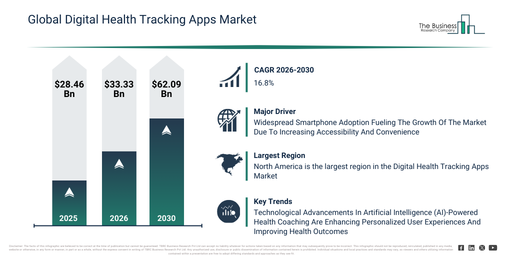
  • Digital Health Tracking Apps Market Forecast Highlights Expansion From $33.33 Billion To $62.09 Billion Through 2030

    Digital Health Tracking Apps Market Forecast Highlights Expansion From $33.33 Billion To $62.09 Billion Through 2030

    Through market attractiveness analysis, total addressable market evaluation, company benchmarking matrices, interactive Excel dashboards, expanded supply chain intelligence, emerging startup coverage, and detailed product insights, The Business Research Company’s 2026 market reports provide more actionable and strategically valuable research.

    Digital Health Tracking Apps Market Size Forecast: How Large Could The Market Become By 2030?

    The market for digital health tracking applications has experienced substantial expansion recently, moving from an estimated $28.46 billion in 2025 to $33.33 billion by 2026, reflecting a compound annual growth rate of 17.1%. This upward trajectory during the past period is largely a consequence of escalating smartphone adoption rates, heightened public consciousness regarding preventative healthcare, broader access to mobile internet services, the burgeoning popularity of fitness and wellness applications, and a greater willingness among individuals to monitor their own health.

    The domain of digital health tracking applications is poised for significant expansion over the coming years, projected to reach a valuation of $62.09 billion by the year 2030, driven by a 16.8% compound annual growth rate. This anticipated surge is fueled by a confluence of factors including a heightened consumer desire for bespoke digital healthcare options, the escalating incorporation of health applications with remote medical consultation platforms, a greater emphasis on preventative healthcare strategies informed by data, the proliferation of subscription models for well-being services, and an increasing uptake among older demographics. Key developments shaping the market during this projected timeframe encompass the growing utilization of artificial intelligence to deliver health-related insights, tighter integration with wearable health monitoring gadgets, a strengthened focus on individualized wellness tracking, the incorporation of game-like elements to boost user engagement with health activities, and a more robust commitment to safeguarding sensitive health information.

    Download A Free Sample Report For Comprehensive Market Insights:

    https://www.thebusinessresearchcompany.com/sample.aspx?id=28197&type=smp

    Digital Health Tracking Apps Market Expansion Drivers: What Is Shaping Future Growth?

    The expansion of the digital health tracking apps market is anticipated to be driven by the growing adoption of smartphones. Smartphones, which are sophisticated mobile devices combining communication capabilities with advanced computational functions, empower users to engage in a multitude of activities beyond basic calling. As these devices become more budget-friendly, their accessibility expands to a broader demographic, leading to a surge in smartphone ownership. This widespread utilization of smartphones, in turn, fuels the demand for digital health tracking applications, as they offer a readily available and convenient means for individuals to oversee and manage their well-being whenever and wherever they choose. To illustrate, data from Exploding Topics, a US-based platform for identifying emerging trends, indicated a jump in smartphone users from 6.974 billion in 2023 to 7.211 billion in 2024, marking an increase of 247 million users or approximately 3.4% year-over-year. Consequently, the escalating prevalence of smartphones is a key factor contributing to the market’s advancement.

    Digital Health Tracking Apps Market Segmentation Trends And Revenue Drivers

    The digital health tracking apps market covered in this report is segmented –

    1) By Type Of Health Tracking: Fitness Tracking Apps, Nutrition Tracking Apps, Chronic Condition Management Apps, Sleep Tracking Apps, General Wellness Apps

    2) By Features Offered: Data Tracking, Community Support, Customization Options, Gamification

    3) By Technology Integration: Wearable Devices, Mobile Apps, Telehealth Platforms, Artificial Intelligence

    4) By Application: Men, Women

    5) By End User: Individuals, Healthcare Professionals, Corporate Wellness Programs

    Subsegments:

    1) By Fitness Tracking Apps: Step Tracking, Heart Rate Monitoring, Workout Tracking, Calorie Burn Tracking, Activity Scheduling

    2) By Nutrition Tracking Apps: Calorie Intake Tracking, Meal Logging, Water Intake Tracking, Macronutrient Tracking, Personalized Diet Planning

    3) By Chronic Condition Management Apps: Diabetes Management, Hypertension Management, Asthma Management, Mental Health Management, Cardiovascular Disease Management

    4) By Sleep Tracking Apps: Sleep Duration Tracking, Sleep Cycle Analysis, Snoring Detection, Restlessness Monitoring, Smart Alarm Features

    5) By General Wellness Apps: Stress Management, Meditation And Mindfulness, Habit Formation And Tracking, Women Health And Wellness, Preventive Health Monitoring

    Digital Health Tracking Apps Market Strategic Trends: What Is Defining The Next Phase Of Growth?

    Leading entities within the digital health tracking applications sector are prioritizing the cultivation of sophisticated methodologies, including AI-driven health mentorship, with the objective of elevating individualized user engagement and fostering better overall health results. AI-powered health coaching entails the application of artificial intelligence to deliver customized fitness, sleep, and well-being advice derived from an individual’s personal data. As an illustration, in August of 2025, Google LLC, a prominent technology firm headquartered in the United States, unveiled an enhancement for its Fitbit platform. This release, showcased at the Made by Google event, features a revamped Fitbit application designed for seamless integration with Fitbit trackers, smartwatches, and Pixel Watches, thereby consolidating exercise regimens, sleep betterment strategies, and health counsel into a cohesive framework that capitalizes on continuous physiological data collection and Google’s integrated hardware capabilities to furnish users with adaptive and bespoke health administration.

    #Digital Health Tracking Apps Market Industry Leaders: Which Organizations Are Driving Competition?

    Major companies operating in the digital health tracking apps market are Apple Inc., Google LLC, Samsung Electronics Co. Ltd., Huawei Technologies Co. Ltd., Johnson & Johnson, Nike Inc., Abbott Laboratories, Xiaomi Corporation, Medtronic Plc, Koninklijke Philips N.V., Under Armour Inc., Garmin Ltd., Polar Electro Oy, Noom Inc., Headspace Inc., Omron Healthcare Inc., Strava Inc., Calm.com Inc., Ada Health GmbH, Azumio Inc.

    Access The Complete Digital Health Tracking Apps Market Report:

    https://www.thebusinessresearchcompany.com/report/digital-health-tracking-apps-global-market-report

    Digital Health Tracking Apps Market Regional Analysis And Leading Geography

    North Americawas the largest region in the digital health tracking apps market in 2025. Asia-Pacific is expected to be the fastest-growing region in the forecast period. The regions covered in the digital health tracking apps market report are Asia-Pacific, South East Asia, Western Europe, Eastern Europe, North America, South America, Middle East, Africa.

    Get in touch with us:

    The Business Research Company: https://www.thebusinessresearchcompany.com/

    Americas: +1 310-496-7795

    Asia: +44 7882 955267 & +91 8897263534

    Europe: +44 7882 955267

    Email us at: marketing@tbrc.info

    Follow us on:

    LinkedIn: https://in.linkedin.com/company/the-business-research-company

    YouTube: https://www.youtube.com/channel/UC24_fI0rV8cR5DxlCpgmyFQ

    Global Market Model: https://www.thebusinessresearchcompany.com/global-market-model
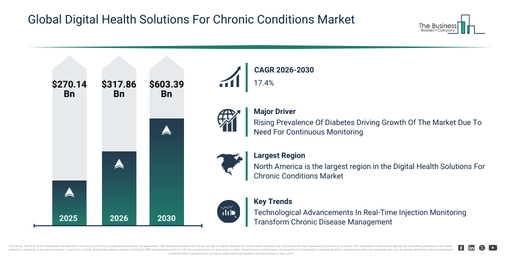
  • Digital Health Solutions For Chronic Conditions Market Expected To Reach $603.38 Billion By 2030 As Growth Accelerates At 17.4% CAGR

    Digital Health Solutions For Chronic Conditions Market Expected To Reach $603.38 Billion By 2030 As Growth Accelerates At 17.4% CAGR

    Delivering more actionable and strategically valuable research, The Business Research Company’s 2026 market reports feature market attractiveness analysis, total addressable market evaluation, company benchmarking matrices, interactive Excel dashboards, expanded supply chain intelligence, emerging startup coverage, and detailed product insights.

    Digital Health Solutions For Chronic Conditions Market Revenue Outlook: What CAGR Is Expected Through 2030?

    The market for digital health solutions targeting chronic conditions has experienced substantial expansion lately, projected to increase from $270.14 billion in 2025 to $317.86 billion in 2026, reflecting a compound annual growth rate of 17.7%. This upward trajectory over the historical period is fueled by factors such as the escalating incidence of chronic illnesses, the mounting financial burden of managing long-term health issues, the proliferation of mHealth applications, the increasing integration of connected medical devices, and the early embrace of telehealth platforms.

    The digital health solutions tailored for chronic conditions are poised for substantial expansion over the ensuing years. Projections indicate a market valuation of $603.39 billion by 2030, propelled by a compound annual growth rate (CAGR) of 17.4%. This anticipated surge is underpinned by several key drivers, including escalating demand for value-based chronic care approaches, increased capital flowing into AI-powered personalization of care, the broader embrace of healthcare delivery within home settings, a greater incorporation of digital therapeutic interventions, and a reinforced commitment to sustained patient involvement and positive health outcomes. Furthermore, prevailing trends expected to shape this market during the forecast period encompass a wider deployment of remote patient monitoring tools, an accelerated uptake of customized care platforms, more extensive utilization of predictive analytics for managing chronic illnesses, a heightened integration of wearable technology and interconnected devices, and an intensified emphasis on seamless, ongoing care management.

    Download A Free Sample Report For Comprehensive Market Insights:

    https://www.thebusinessresearchcompany.com/sample.aspx?id=28196&type=smp

    Digital Health Solutions For Chronic Conditions Market Development Factors: Which Trends Are Supporting Demand?

    The increasing incidence of diabetes is poised to significantly fuel the expansion of the digital health solutions market specifically designed for chronic conditions. Diabetes, a long-term metabolic ailment characterized by insufficient insulin production or ineffective insulin utilization, is experiencing a surge attributed to increasingly sedentary lifestyles that foster obesity and insulin resistance through diminished physical activity. Digital health technologies offer crucial support for diabetes management, facilitating continuous monitoring of blood glucose levels and empowering individuals to observe fluctuations, consequently allowing for prompt modifications to their dietary habits, medicinal regimens, or daily routines to achieve superior glycemic regulation. To illustrate, the International Diabetes Federation (IDF), an organization headquartered in Belgium, reported that 589 million individuals were diagnosed with diabetes in 2024, with projections indicating this figure will climb to 853 million by the year 2050, thereby underscoring the pivotal role of diabetes’ growing prevalence in driving the digital health solutions sector for chronic conditions.

    Digital Health Solutions For Chronic Conditions Market Segment Analysis Highlighting Growth Areas

    The digital health solutions for chronic conditions market covered in this report is segmented –

    1) By Type: Diabetes, Cardiovascular Diseases, Chronic Respiratory Diseases, Other Types

    2) By Application: Enterprise, Personal

    3) By End-User: Payers And Employers, Hospitals And Clinics, Pharma And Life Sciences Companies, Homecare Settings, Patients And Caregivers

    Subsegments:

    1) By Diabetes: Type 1 Diabetes, Type 2 Diabetes, Gestational Diabetes

    2) By Cardiovascular Diseases: Hypertension, Coronary Artery Disease, Heart Failure, Arrhythmia, Stroke

    3) By Chronic Respiratory Diseases: Chronic Obstructive Pulmonary Disease (COPD), Asthma, Pulmonary Hypertension, Cystic Fibrosis

    4) By Other Types: Chronic Kidney Disease, Arthritis, Cancer, Obesity

    Digital Health Solutions For Chronic Conditions Market Transformation Trends: Which Innovations Are Driving Change?

    In the realm of digital health solutions for chronic conditions, leading enterprises are dedicated to pioneering sophisticated methods, exemplified by real-time injection monitoring, with the ultimate goals of enhancing therapeutic precision, bolstering patient compliance, and refining comprehensive disease management strategies. This real-time injection monitoring entails sophisticated digital frameworks designed to meticulously document medication delivery as it happens, thereby furnishing patients and medical professionals with prompt intelligence crucial for optimizing dosages, confirming adherence, and mitigating potential health issues. Illustrating this trend, Ypsomed Holding AG of Switzerland, renowned for its injection and infusion systems, partnered with Sidekick Health, an Icelandic digital therapeutics innovator, in April 2025 to introduce a joint digital health offering specifically targeting obesity management. This innovative solution harmoniously integrates Ypsomed’s smart devices with Sidekick’s digital therapeutics ecosystem, facilitating personalized, evidence-based care for those affected by obesity. Key functionalities incorporated into this platform include constant surveillance, encouragement for behavioral modification, and guidance on lifestyle adjustments, all engineered to foster better treatment adherence and promote enduring improvements in health status. Through the synergistic fusion of connected medical hardware and digital therapeutic interventions, this partnership endeavors to elevate patient involvement and deliver holistic support throughout the entire process of managing obesity.

    Digital Health Solutions For Chronic Conditions Market Leading Companies: Who Holds Significant Market Presence?

    Major companies operating in the digital health solutions for chronic conditions market are ResMed Inc., Teladoc Health Inc., Noom Inc., Personify Health Inc., Biofourmis Inc., Vida Health Inc., Virta Health Inc., Omada Health Inc., Mahalo Health Inc., DarioHealth Corp., Sidekick Health Inc., WellDoc Inc., Lark Health Inc., Voluntis Inc., One Drop Inc., Kaia Health Software GmbH, CureApp Inc., Riva Health Inc., Sweetch-Health Ltd., Canary Health Inc.

    Access The Complete Digital Health Solutions For Chronic Conditions Market Report:

    https://www.thebusinessresearchcompany.com/report/digital-health-solutions-for-chronic-conditions-global-market-report

    Digital Health Solutions For Chronic Conditions Market Geographic Analysis: Where Is Demand Growing The Fastest?

    North Americawas the largest region in the digital health solutions for chronic conditions market in 2025. Asia-Pacific is expected to be the fastest-growing region in the forecast period. The regions covered in the digital health solutions for chronic conditions market report are Asia-Pacific, South East Asia, Western Europe, Eastern Europe, North America, South America, Middle East, Africa.

    Get in touch with us:

    The Business Research Company: https://www.thebusinessresearchcompany.com/

    Americas: +1 310-496-7795

    Asia: +44 7882 955267 & +91 8897263534

    Europe: +44 7882 955267

    Email us at: marketing@tbrc.info

    Follow us on:

    LinkedIn: https://in.linkedin.com/company/the-business-research-company

    YouTube: https://www.youtube.com/channel/UC24_fI0rV8cR5DxlCpgmyFQ

    Global Market Model: https://www.thebusinessresearchcompany.com/global-market-model
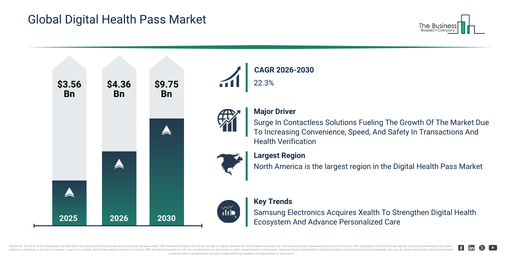
  • Digital Health Pass Market Set To Grow From $4.35 Billion In 2026 To $9.74 Billion By 2030 At A CAGR Of 22.3%

    Digital Health Pass Market Set To Grow From $4.35 Billion In 2026 To $9.74 Billion By 2030 At A CAGR Of 22.3%

    Enhanced with market attractiveness analysis, total addressable market evaluation, company benchmarking matrices, interactive Excel dashboards, expanded supply chain intelligence, emerging startup coverage, and detailed product insights, The Business Research Company’s 2026 market reports deliver more actionable and strategically valuable research.

    Digital Health Pass Market Growth Analysis: How Will Revenue Expand During The Forecast Period?

    The market for digital health passes has experienced substantial expansion. Projections indicate a rise from 3.56 billion dollars in 2025 to 4.36 billion dollars in 2026, reflecting a compound annual growth rate of 22.6%. Factors contributing to this growth during the earlier period included the expedited implementation of digital verification technologies amid health emergencies, the broader integration of QR code systems for access control, an increasing need for reliable methods to validate public entry, government support for digital health programs, and the proactive adoption of mobile credential solutions.

    The digital health pass market is poised for significant expansion, projected to reach a substantial $9.75 billion by the year 2030. This remarkable surge is underpinned by a compound annual growth rate (CAGR) of 22.3%, driven by several key factors. Over the projected timeframe, we anticipate a broader application of digital credentials beyond their initial pandemic-related uses, alongside increasing integration with smart mobility and travel ecosystems. Furthermore, the development of interoperable frameworks for verification, a rise in biometric-powered health passes, and more stringent regulatory guidance for digital health verification will all contribute to this market’s upward trajectory. Key developments to watch include the growth of secure health credential verification systems, the increasing popularity of blockchain technology for health passes, the deeper integration with travel and access management systems, a heightened need for immediate validation of health status, and an intensified emphasis on privacy-conscious verification methods.

    Download A Free Sample Report For Comprehensive Market Insights:

    https://www.thebusinessresearchcompany.com/sample.aspx?id=28195&type=smp

    Digital Health Pass Market Industry Drivers: What Is Driving Revenue Growth?

    The escalating need for contactless technologies is poised to advance the digital health pass market’s expansion. Contactless solutions encompass methods like NFC, RFID, or mobile devices facilitating swift and secure transactions without physical interaction, thus streamlining user interactions and enhancing security. This trend is fueled by the unparalleled convenience and speed these methods offer, allowing for rapid and safe transactions, ultimately improving user satisfaction. Digital health passes play a crucial role by facilitating these contactless interactions through the secure digital validation of health credentials, thereby enabling individuals to access services, travel, or enter venues without the need for physical documentation or direct contact, leading to heightened safety and efficiency. Illustrating this trend, UK Finance Limited reported that in 2023, the UK witnessed 18.3 billion contactless payments, a notable 7% increase from the 17.0 billion recorded in 2022. Consequently, the increasing preference for contactless solutions is a significant catalyst for the digital health pass market’s growth.

    The increasing uptake of telehealth services is a key factor anticipated to stimulate the digital health pass market’s advancement. Telehealth, which involves remote healthcare delivery and consultations via digital platforms, allows individuals to receive medical attention and advice from the comfort of their homes, bypassing the need for in-person visits. This surge in telehealth adoption stems from its enhanced accessibility, enabling patients to connect with healthcare professionals remotely, saving valuable travel time and ensuring prompt medical attention. Digital health passes contribute significantly to telehealth’s seamless integration by securely managing and authenticating users’ health records, vaccination histories, and test results, thus facilitating secure and reliable remote consultations. As an example, the National Health Service indicated in December 2023 that app usage reached 33.6 million users, with monthly logins experiencing a substantial 54% increase over the preceding year, climbing from 16.8 million in November 2022 to 25.8 million in November 2023. Therefore, the expanding adoption of telehealth is a primary driver behind the digital health pass market’s growth.

    Digital Health Pass Market Segment Performance And Strategic Opportunities

    The digital health pass market covered in this report is segmented –

    1) By Component: Software, Hardware, Services

    2) By Type Of Health Pass: Vaccination Passports, Testing Passes, Immunity Passes, Health Status Passes

    3) By Technology: Blockchain, Qr Code, Biometrics, Other Technologies

    4) By Application Area: Travel And Tourism, Corporate Events, Healthcare Services, Education And Training, Entertainment And Sports Events

    5) By End-User: Individuals, Enterprises, Government Bodies

    Subsegments:

    1) By Software: Mobile Applications, Web Applications, Cloud Platforms, Analytics And Reporting Tools, Identity Verification Software

    2) By Hardware: Smart Cards, Biometric Devices, Wearable Devices, Scanners, Sensors

    3) By Services: Implementation Services, Integration Services, Maintenance And Support, Consulting Services, Training Services

    #Digital Health Pass Market Growth Trends: What Is Influencing The Future Outlook?

    Leading players within the digital health pass sector are prioritizing cutting-edge advancements, including digital health passports designed to facilitate smoother access to health and social benefits, alongside customized, data-informed health management tools for consumers. This digital health passport concept streamlines engagement with healthcare systems, making it quicker and simpler for people to register for and benefit from equitable healthcare access and social support schemes. As an illustration, in July of 2025, AlgoBharat, an organization based in India, collaborated with Lok Swasthya SEWA, a blockchain-powered digital health entity also located in India, to introduce a digital health passport specifically for women. This venture harnesses blockchain technology to guarantee protected and verifiable information, equipping women to obtain essential services free from bureaucratic obstacles. The overarching goal is to improve the availability of medical care and safeguard personal data, concurrently fostering digital participation among marginalized female populations throughout India.

    Digital Health Pass Market Key Players: Which Companies Shape Industry Competition?

    Major companies operating in the digital health pass market are Microsoft Corporation, Deloitte Touche Tohmatsu Limited, IBM Corporation, Oracle Corporation, Veradigm Inc., Salesforce.com Inc., Thales Group, Epic Systems Corporation, IDEMIA Group, athenahealth Inc., Unisys Corporation, PricewaterhouseCoopers LLP, Entrust Corporation, Shufti Pro Limited, The Commons Project Foundation, Mvine Limited, Healthvana Inc., TECH5 SA, VST Enterprises Ltd, Clear Secure Inc.

    Access The Complete Digital Health Pass Market Report:

    https://www.thebusinessresearchcompany.com/report/digital-health-pass-global-market-report

    Digital Health Pass Market Global Footprint: Which Region Holds Market Leadership?

    North Americawas the largest region in the digital health pass market in 2025. Asia-Pacific is expected to be the fastest-growing region in the forecast period. The regions covered in the digital health pass market report are Asia-Pacific, South East Asia, Western Europe, Eastern Europe, North America, South America, Middle East, Africa.

    Get in touch with us:

    The Business Research Company: https://www.thebusinessresearchcompany.com/

    Americas: +1 310-496-7795

    Asia: +44 7882 955267 & +91 8897263534

    Europe: +44 7882 955267

    Email us at: marketing@tbrc.info

    Follow us on:

    LinkedIn: https://in.linkedin.com/company/the-business-research-company

    YouTube: https://www.youtube.com/channel/UC24_fI0rV8cR5DxlCpgmyFQ

    Global Market Model: https://www.thebusinessresearchcompany.com/global-market-model
  • Cognitive Diagnostics Market Outlook Highlights The Next Major Growth Opportunities

    Cognitive Diagnostics Market Outlook Highlights The Next Major Growth Opportunities

    Through market attractiveness analysis, total addressable market evaluation, company benchmarking matrices, interactive Excel dashboards, expanded supply chain intelligence, emerging startup coverage, and detailed product insights, The Business Research Company’s 2026 market reports provide more actionable and strategically valuable research.

    Cognitive Diagnostics Market Size Forecast: How Large Could The Market Become By 2030?

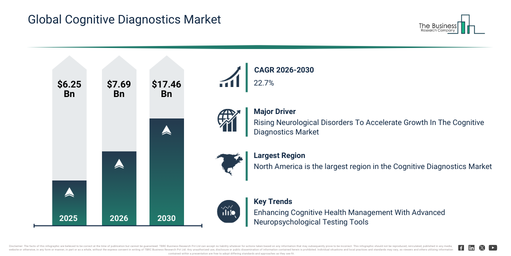
    The cognitive diagnostics market has experienced substantial expansion, with projections indicating a rise from a valuation of $6.25 billion in 2025 to $7.69 billion by 2026, reflecting a commanding compound annual growth rate of 23.1%. This remarkable growth trajectory has been propelled by several key factors, including the escalating incidence of neurodegenerative diseases, a heightened societal focus on maintaining cognitive well-being, advancements in diagnostic imaging technologies, the increasing utilization of uniform cognitive assessment tools, and the proliferation of specialized neurology clinics.

    In the realm of cognitive diagnostics, a period of substantial expansion is anticipated in the ensuing years, with the market poised to reach a valuation of $17.46 billion by the year 2030. This impressive trajectory is underpinned by a compound annual growth rate (CAGR) of 22.7%, propelled by several key factors including escalating investments directed towards digital diagnostic solutions, a heightened demand for the identification of cognitive disorders in their nascent stages, the proliferation of assessment tools designed for at-home use, the increasing incorporation of artificial intelligence into clinical decision-making processes, and a pronounced emphasis on tailored cognitive care strategies. Furthermore, prevailing trends shaping this forecast period encompass the growing utilization of AI-powered cognitive assessment instruments, the wider adoption of digital platforms for cognitive screening, a greater deployment of neuroimaging analytics, the expansion of remote cognitive testing capabilities, and an intensified focus on the early detection of diseases.

    Download A Free Sample Report For Comprehensive Market Insights:

    https://www.thebusinessresearchcompany.com/sample.aspx?id=19373&type=smp

    #Cognitive Diagnostics Market Growth Drivers And Industry Catalysts

    The burgeoning rates of neurological conditions are poised to act as a significant catalyst for the expansion of the cognitive diagnostics market. These neurological conditions, which impact the brain, spinal cord, and the broader nervous system, lead to functional impairments manifesting as cognitive deterioration, difficulties with motor control, and unusual sensory experiences. A primary factor fueling this increase is the higher occurrence of age-associated ailments, notably Alzheimer’s and Parkinson’s disease. In addition to genetic predispositions, environmental pollutants, elevated stress levels, poor dietary habits, and inactive lifestyles also play a role in the growing prevalence of these disorders. Within the realm of neurological diseases, cognitive diagnostics serve a crucial role in evaluating, identifying, and tracking impairments in cognitive function, thereby facilitating early detection and effective management of conditions such as Alzheimer’s and Parkinson’s. Illustratively, the Alzheimer’s Association, a U.S. nonprofit supporting Alzheimer’s care, assistance, and research, reported in May 2024 that the count of Americans aged 65 and over living with Alzheimer’s dementia climbed from 6.5 million in 2022 to an estimated 6.9 million in 2024. Consequently, the escalating incidence of neurological disorders is directly fostering the growth of the cognitive diagnostics market.

    Cognitive Diagnostics Market Segment Analysis: What Are The Major Market Categories?

    The cognitive diagnostics market covered in this report is segmented –

    1) By Diagnosis: Brain Imaging Tests, Laboratory Testing, Mental Status Testing, Rapid Home Screening Tests, Neuropsychological Testing, Electroencephalogram (EEG), Cognitive Function And Behavioral Tests, Neuropsychiatric Inventory Questionnaire (NPI-Q)

    2) By Indication: Alzheimer’s Disease, Attention Deficit Or Hyperactivity Disorder, Dementia, Epilepsy-Related Cognitive Dysfunction, Mild Cognitive Impairment, Parkinson’s Disease-Related Cognitive Dysfunction, Stroke-Related Cognitive Dysfunction, Traumatic Brain Injury, Other Indications

    3) By End User: Hospitals, Neurology Clinics, Cognitive Behavioral Therapy Centers, Rehabilitation Centers, Academic And Research Institutes, Diagnostic Imaging Centers, Home Care Settings

    Subsegments:

    1) By Brain Imaging Tests: Magnetic Resonance Imaging (MRI), Positron Emission Tomography (PET), Computed Tomography (CT) Scans, Functional MRI (fMRI), Single-Photon Emission Computed Tomography (SPECT), Magnetoencephalography (MEG)

    2) By Laboratory Testing: Blood Biomarkers for Cognitive Disorders, Genetic Testing for Cognitive Impairment, CSF (Cerebrospinal Fluid) Biomarker Tests, Hormonal and Metabolic Testing, Genetic Sequencing for Alzheimer’s Disease

    3) By Mental Status Testing: Mini-Mental State Examination (MMSE), Montreal Cognitive Assessment (MoCA), Saint Louis University Mental Status (SLUMS) Exam, Cognitive Assessment Screening Tools

    4) By Rapid Home Screening Tests: Self-Administered Cognitive Tests, Mobile App-Based Cognitive Screening, At-Home Memory and Mental Health Tests

    5) By Neuropsychological Testing: Cognitive and Behavioral Assessment Batteries, Attention and Memory Function Tests, Executive Function and Problem-Solving Tests, Verbal and Visual Learning Tests

    6) By Electroencephalogram (EEG): Resting-State EEG for Cognitive Disorders, Event-Related Potential (ERP) Testing, Quantitative EEG (QEEG) for Brain Mapping, Long-Term EEG Monitoring for Cognitive Disorders

    7) By Cognitive Function and Behavioral Tests: Memory Function Tests, Attention and Concentration Tests, Language and Communication Tests, Mood and Behavior Assessments

    8) By Neuropsychiatric Inventory Questionnaire (NPI-Q): NPI-Q for Dementia Screening, Behavioral and Psychological Symptoms of Dementia (BPSD) Assessment, NPI-Q for Alzheimer’s Disease and Other Cognitive Disorders, Shortened Versions of NPI-Q for Clinical Settings.

    #Cognitive Diagnostics Market Trends Influencing Long-Term Demand

    Leading entities within the cognitive diagnostics sector are prioritizing the delivery of immediate understandings of cognitive well-being, leveraging innovations in diagnostic instruments like neuropsychological testing platforms to elevate the precision, effectiveness, and completeness of cognitive evaluations. These advanced neuropsychological testing platforms serve as sophisticated digital instruments engineered for the appraisal of cognitive capabilities through established testing methodologies, encompassing memory functions, attentional processes, and problem-solving proficiencies. Illustratively, in April of 2024, BrainCheck Inc., a United States-headquartered digital health enterprise dedicated to fostering positive advancements in cognitive health, introduced its all-encompassing digital cognitive assessment framework at the American Academy of Neurology (AAN) Annual Meeting, thereby exhibiting its cutting-edge instruments designated for cognitive screening, thorough assessment, and strategic care design. This particular platform, comprising modules for Assessment, Screening, and Planning, provides healthcare professionals with a contemporary approach to optimizing the management of cognitive health, utilizing mobile technology that guarantees both accuracy and user-friendliness. Such groundbreaking developments are intended to bolster the operational efficiency and the caliber of healthcare services offered to both patients and practitioners by furnishing detailed, research-supported guidance and thorough strategies for patient care.

    Cognitive Diagnostics Market Leading Companies Driving Competitive Growth

    Major companies operating in the cognitive diagnostics market are Cogstate Ltd., Viz.ai, Redcliffe Labs, Mind Maze, Neurocare Group AG, Pathway Genomics, Diadem srl, Cambridge Cognition Ltd., Posit Science Corporation, Anderson Diagnostics & Labs. , Altoida AG, BrainScope Company Inc., Neurotrack Technologies Inc., Cognetivity Neurosciences Ltd., BrainCheck, Cyclops MedTech Pvt Ltd, Twill Inc., CN Diagnostics, Savonix Inc., Cognivue Inc., NeuroCog Trials, Pearson Clinical, Re:Cognition Health, CogniSense, The Neuropsychology Consultants

    Access The Complete Cognitive Diagnostics Market Report:

    https://www.thebusinessresearchcompany.com/report/cognitive-diagnostics-global-market-report

    Cognitive Diagnostics Market Largest Region By Revenue And Market Share

    North Americawas the largest region in the cognitive diagnostics market in 2025. Asia-Pacificis expected to be the fastest-growing region in the forecast period. The regions covered in the cognitive diagnostics market report are Asia-Pacific, South East Asia, Western Europe, Eastern Europe, North America, South America, Middle East, Africa.

    Get in touch with us:

    The Business Research Company: https://www.thebusinessresearchcompany.com/

    Americas: +1 310-496-7795

    Asia: +44 7882 955267 & +91 8897263534

    Europe: +44 7882 955267

    Email us at: marketing@tbrc.info

    Follow us on:

    LinkedIn: https://in.linkedin.com/company/the-business-research-company

    YouTube: https://www.youtube.com/channel/UC24_fI0rV8cR5DxlCpgmyFQ

    Global Market Model: https://www.thebusinessresearchcompany.com/global-market-model
  • Cognitive Behavioral Therapy Market Trends And Growth Drivers Point To Strong Future Potential

    Cognitive Behavioral Therapy Market Trends And Growth Drivers Point To Strong Future Potential

    Delivering more actionable and strategically valuable research, The Business Research Company’s 2026 market reports feature market attractiveness analysis, total addressable market evaluation, company benchmarking matrices, interactive Excel dashboards, expanded supply chain intelligence, emerging startup coverage, and detailed product insights.

    Cognitive Behavioral Therapy Market Revenue Outlook: What CAGR Is Expected Through 2030?

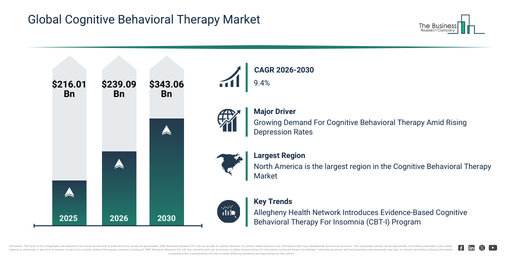
    The cognitive behavioral therapy market is poised for considerable expansion, projected to increase from its 2025 valuation of $216.01 billion to $239.09 billion by 2026, exhibiting a robust compound annual growth rate of 10.7%. This upward trajectory within the historical timeframe is largely a consequence of several key factors, including a heightened public understanding of mental health conditions, the broader availability of outpatient mental health care, growing public endorsement of psychotherapeutic interventions, an increase in the number of qualified mental health practitioners, and more comprehensive insurance provisions for behavioral therapies.

    The cognitive behavioral therapy market is poised for substantial expansion, projecting a reach of $343.06 billion by 2030, driven by a compound annual growth rate of 9.4%. This anticipated surge in the upcoming years is fueled by several key factors, including a heightened demand for accessible remote mental health services, the expanding utilization of digital therapeutic tools within psychiatric practices, the proliferation of programs dedicated to treating anxiety and depression, an intensified emphasis on proactive early intervention approaches, and the growing acceptance of blended or hybrid therapy models. During this forecast period, key market developments are expected to include a greater embrace of digital CBT platforms, an increased frequency of telehealth-facilitated therapy sessions, more widespread integration of virtual reality exposure therapy, the development of more structured, short-term therapeutic programs, and a heightened focus on tailored behavioral intervention strategies.

    Download A Free Sample Report For Comprehensive Market Insights:

    https://www.thebusinessresearchcompany.com/sample.aspx?id=16378&type=smp

    Cognitive Behavioral Therapy Market Opportunity Drivers: What Is Creating New Revenue Potential?

    The expanding prevalence of depression is poised to fuel the expansion of the cognitive behavioral therapy (CBT) market in the future. Depression, a mental health condition marked by enduring sentiments of sorrow, despair, and a diminished capacity for enjoyment or engagement in formerly pleasurable activities, frequently co-occurs with physical manifestations like alterations in eating habits or sleep cycles. A confluence of factors, including societal expectations, financial strains, hereditary vulnerabilities, traumatic experiences, and restricted access to mental health services, contributes to the rising incidence of depression. CBT proves to be a beneficial intervention for managing depression by equipping individuals with the tools to recognize and modify detrimental thought processes and actions. For illustration, in October 2024, data from the US-based Maternal and Child Health Bureau (MCHB) indicated that in 2023, over 5.3 million adolescents between the ages of 12 and 17, representing approximately 20.3% of that demographic, were identified as having a diagnosed mental or behavioral health issue, encompassing conditions like anxiety, depression, or problems with behavior and conduct. Anxiety emerged as the most widespread condition, impacting 16.1% of adolescents, with depression following at 8.4% and behavioral/conduct issues at 6.3%. Consequently, the escalating rates of depression act as a primary catalyst for the growth observed in the cognitive behavioral therapy market.

    Cognitive Behavioral Therapy Market Segment Breakdown: Which Categories Generate The Most Revenue?

    The cognitive behavioral therapy market covered in this report is segmented –

    1) By Type: Cognitive Behavioral Therapy, Cognitive Behavioral Play Therapy, Desensitization, Other Types

    2) By Age Group: Children, Adult, Geriatric

    3) By Applications: Anxiety Disorders, Depression, Substance Abuse, Post-Traumatic Stress Disorder (PTSD), Eating Disorders, Attention Deficit Hyperactivity Disorder (ADHD), Bipolar Disorders, Other Applications

    4) By Service Provider: Hospitals And Clinics, Specialty Hospitals, Rehabilitation Centers, Home Care, Other Service Providers

    Subsegments:

    1) By Cognitive Behavioral Therapy (CBT): Individual CBT, Group CBT, Online CBT, Telehealth CBT, Cognitive Behavioral Play Therapy

    2) By Cognitive Behavioral Play Therapy: Child-Focused Play Therapy, Parent-Child Play Therapy, Interactive Play Therapy

    3) By Desensitization: Systematic Desensitization, Exposure Therapy, Virtual Reality Exposure Therapy

    4) By Other Types: Dialectical Behavior Therapy (DBT), Mindfulness-Based Cognitive Therapy (MBCT), Acceptance and Commitment Therapy (ACT), Rational Emotive Behavior Therapy (REBT)

    Cognitive Behavioral Therapy Market Innovation Trends Driving Future Development

    Within the cognitive behavioral therapy market, leading entities are actively pursuing novel offerings, exemplified by the cognitive behavioral therapy for insomnia (CBT-I) program, as a strategic method to enhance their market standing. This CBT-I program functions as a systematic approach designed to alleviate insomnia by targeting the foundational cognitive and behavioral elements that perpetuate sleep disturbances, such as detrimental sleep routines and pessimistic thought processes. A pertinent illustration is the launch by Allegheny Health Network, a healthcare provider situated in the United States, in March 2024, of an innovative, research-backed CBT-I program intended to assist individuals in achieving better sleep. The implementation of this program, made possible through a grant from the Richard King Mellon Foundation, represents a synergistic endeavor involving the AHN Primary Care Institute, the AHN Psychiatry & Behavioral Health Institute, and Highmark Health.

    Cognitive Behavioral Therapy Market Key Players And Strategic Industry Positioning

    Major companies operating in the cognitive behavioral therapy market are Universal Health Services Inc., Magellan Health, Acadia Healthcare Company, Headspace Inc., American Addiction Centers Inc., Behavioral Health Group Inc., American Well Corp., Landmark Recovery, Haven Behavioural Healthcare Inc., Ieso Digital Health Ltd., Talkspace Inc., Springstone Inc., Unmind, TherapyNotes LLC, Woebot Health, Big Health, Pear Therapeutics Inc., SilverCloud Health Inc., eMindful Inc., Thrive Therapeutic Software Limited, Cognoa Inc., Therachat, Spring Care Inc., Minddistrict, Sanvello

    Access The Complete Cognitive Behavioral Therapy Market Report:

    https://www.thebusinessresearchcompany.com/report/cognitive-behavioral-therapy-global-market-report

    Cognitive Behavioral Therapy Market Regional Analysis And Leading Geography

    North Americawas the largest region in the cognitive behavioral therapy market in 2025. Asia-Pacificis expected to be the fastest-growing region in the forecast period. The regions covered in the cognitive behavioral therapy market report are Asia-Pacific, South East Asia, Western Europe, Eastern Europe, North America, South America, Middle East, Africa.

    Get in touch with us:

    The Business Research Company: https://www.thebusinessresearchcompany.com/

    Americas: +1 310-496-7795

    Asia: +44 7882 955267 & +91 8897263534

    Europe: +44 7882 955267

    Email us at: marketing@tbrc.info

    Follow us on:

    LinkedIn: https://in.linkedin.com/company/the-business-research-company

    YouTube: https://www.youtube.com/channel/UC24_fI0rV8cR5DxlCpgmyFQ

    Global Market Model: https://www.thebusinessresearchcompany.com/global-market-model