Month: June 2026

  • Inadequately Controlled Type-II Diabetes Treatment Market Forecast Reveals Where Future Industry Value Will Be Created

    Inadequately Controlled Type-II Diabetes Treatment Market Forecast Reveals Where Future Industry Value Will Be Created

    Enhanced with market attractiveness analysis, total addressable market evaluation, company benchmarking matrices, interactive Excel dashboards, expanded supply chain intelligence, emerging startup coverage, and detailed product insights, The Business Research Company’s 2026 market reports deliver more actionable and strategically valuable research.

    Inadequately Controlled Type-II Diabetes Treatment Market Forecast Highlighting Growth From $21.77 Billion To $29.79 Billion

    The market for managing inadequately controlled type-II diabetes has experienced robust expansion lately, projecting a surge from $20.09 billion in 2025 to $21.78 billion in 2026, reflecting a compound annual growth rate of 8.4%. This historical growth trajectory has been fueled by several key factors, including the escalating global incidence of type-II diabetes, the broad adoption of initial oral treatment options, heightened public understanding of the potential complications associated with diabetes, the widening accessibility of specialized endocrinology services, and the diverse array of therapeutic drug categories currently available.

    The market for managing inadequately controlled type-II diabetes is poised for considerable expansion over the coming years, projecting an increase to $29.79 billion by 2030 with a compound annual growth rate of 8.2%. This projected growth is fueled by several key factors, including a heightened demand for sophisticated glucose management solutions, a growing preference for GLP-1 and SGLT2 inhibitors, the increasing application of individualized treatment strategies, the broader use of digital health platforms for diabetes care, and a greater emphasis on mitigating long-term health issues. During this forecast period, significant trends are expected to emerge, such as a wider acceptance of combination therapies, greater utilization of long-acting injectable medications, more robust integration of digital glucose monitoring technologies, the development of tailored diabetes treatment plans, and an intensified focus on strategies to improve patient compliance.

    Download A Free Sample Report For Comprehensive Market Insights:

    https://www.thebusinessresearchcompany.com/sample.aspx?id=28249&type=smp

    Inadequately Controlled Type-II Diabetes Treatment Market Expansion Drivers: What Is Shaping Future Growth?

    The expansion of the market for treatments targeting inadequately controlled type-II diabetes is poised for advancement, largely fueled by the escalating integration of digital health innovations, which encompass the application of digital technologies to enhance healthcare provision, patient results, and comprehensive health oversight, thereby offering remote and user-friendly access to medical services, augmenting patient involvement, and boosting care effectiveness, as evidenced by FAIR Health Inc.’s announcement in April 2023 of a 7.3% nationwide surge in telehealth utilization.

    Inadequately Controlled Type-II Diabetes Treatment Market Segmentation Trends And Revenue Drivers

    The inadequately controlled type-ii diabetes treatment market covered in this report is segmented –

    1) By Treatment Type: Oral Medications, Insulin Therapy, Lifestyle Modifications, Combination Therapy, Alternative Therapies

    2) By Drug Class: Insulin, GLP-1 Receptor Agonists, SGLT2 Inhibitors, DPP-4 Inhibitors, Sulfonylureas, Thiazolidinediones, Other Drug Classes

    3) By Route Of Administration: Oral, Subcutaneous, Intravenous, Transdermal, Inhalation

    4) By Patient Demographics: Adults, Elderly, Pediatric

    5) By Distribution Channel: Retail Pharmacies, Online Pharmacies, Hospitals And Clinics, Direct-To-Consumer (DTC) Services

    Subsegments:

    1) By Oral Medications: Metformin, Sulfonylureas, DPP-4 Inhibitors, SGLT2 Inhibitors, Thiazolidinediones, Meglitinides, Alpha-Glucosidase Inhibitors

    2) By Insulin Therapy: Rapid-Acting Insulin, Short-Acting Insulin, Intermediate-Acting Insulin, Long-Acting Insulin, Ultra-Long-Acting Insulin, Premixed Insulin

    3) By Lifestyle Modifications: Dietary Management, Physical Activity Programs, Weight Management, Behavioral Therapy, Patient Education And Counseling

    4) By Combination Therapy: Oral–Oral Combinations, Oral–Insulin Combinations, Oral–Injectable Combinations

    5) By Alternative Therapies: Herbal Supplements, Nutraceuticals, Acupuncture, Yoga And Mind-Body Practices, Other Complementary Approaches

    Inadequately Controlled Type-II Diabetes Treatment Market Strategic Trends: What Is Defining The Next Phase Of Growth?

    The market for type-II diabetes treatments, currently lacking robust oversight, is populated by significant players engaged in the creation of novel therapeutic options like fixed-dose combinations involving three drugs. These advancements facilitate a once-daily regimen, addressing multiple pathological pathways of type 2 diabetes and improving patient compliance by decreasing the number of pills required. A triple-drug fixed-dose combination (FDC) is essentially a single pill encapsulating three distinct active pharmaceutical ingredients, precisely dosed to work synergistically, offering a complementary therapeutic approach for individuals whose conditions are not adequately managed with either a single drug or a combination of two. As an illustration, in October 2023, Glenmark Pharmaceuticals Limited, an Indian pharmaceutical firm known for its specialty and generic medications, introduced Zita DM. This triple-drug FDC comprises teneligliptin, dapagliflozin, and metformin, intended for adult patients with type 2 diabetes and co-existing conditions. It integrates three synergistic actions: metformin curbs hepatic glucose production and boosts insulin sensitivity, while teneligliptin amplifies glucose-dependent insulin release. Furthermore, this consolidated therapy, by packaging three medications into a solitary tablet, expedites early treatment enhancement for type 2 diabetes that is not responding well to current management, ultimately leading to superior treatment adherence and greater cost efficiency.

    Inadequately Controlled Type-II Diabetes Treatment Market Industry Leaders: Which Organizations Are Driving Competition?

    Major companies operating in the inadequately controlled type-ii diabetes treatment market are Johnson & Johnson, Merck & Co. Inc., Pfizer Inc., Bayer AG, Sanofi S.A., Novartis AG, AstraZeneca PLC, Bristol Myers Squibb Company, GSK plc, Eli Lilly and Company, Novo Nordisk A/S, Takeda Pharmaceutical Company Limited, Amgen Inc., Gilead Sciences Inc., Teva Pharmaceutical Industries Ltd., Regeneron Pharmaceuticals, Inc., Incyte Corporation, Zylig Lifesciences, Boehringer Ingelheim GmbH, Oramed Pharmaceuticals Inc.

    Access The Complete Inadequately Controlled Type-II Diabetes Treatment Market Report:

    https://www.thebusinessresearchcompany.com/report/inadequately-controlled-type-ii-diabetes-treatment-global-market-report

    Inadequately Controlled Type-II Diabetes Treatment Market Regional Outlook: Where Are The Largest Opportunities Located?

    North Americawas the largest region in inadequately controlled type-II diabetes treatment market in 2025. Asia-Pacific is expected to be the fastest-growing region in the forecast period. The regions covered in the inadequately controlled type-ii diabetes treatment market report are Asia-Pacific, South East Asia, Western Europe, Eastern Europe, North America, South America, Middle East, Africa.

    Get in touch with us:

    The Business Research Company: https://www.thebusinessresearchcompany.com/

    Americas: +1 310-496-7795

    Asia: +44 7882 955267 & +91 8897263534

    Europe: +44 7882 955267

    Email us at: marketing@tbrc.info

    Follow us on:

    LinkedIn: https://in.linkedin.com/company/the-business-research-company

    YouTube: https://www.youtube.com/channel/UC24_fI0rV8cR5DxlCpgmyFQ

    Global Market Model: https://www.thebusinessresearchcompany.com/global-market-model
  • In Vivo Contract Research Organization Market Growth Through 2030 Creates New Strategic Opportunities

    In Vivo Contract Research Organization Market Growth Through 2030 Creates New Strategic Opportunities

    Through market attractiveness analysis, total addressable market evaluation, company benchmarking matrices, interactive Excel dashboards, expanded supply chain intelligence, emerging startup coverage, and detailed product insights, The Business Research Company’s 2026 market reports provide more actionable and strategically valuable research.

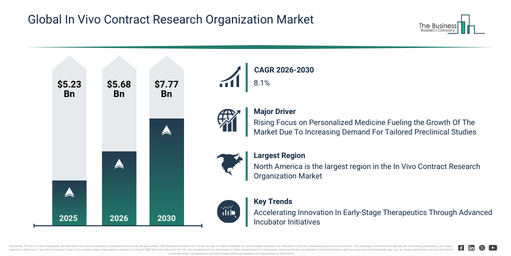
    In Vivo Contract Research Organization Market Revenue Growth Supported By A CAGR Of 7.77% Through 2030

    The market for in vivo contract research organizations has experienced robust expansion lately, projecting a rise from $5.23 billion in 2025 to $5.68 billion in 2026, reflecting a compound annual growth rate of 8.6%. This upward trajectory during the past period is attributable to heightened pharmaceutical research and development expenditures, the broadening of biotechnology portfolios, the increasing intricate nature of drug development processes, elevated regulatory demands for preclinical information, and the accessibility of sophisticated animal models.

    The market for contract research organizations specializing in in vivo studies anticipates a significant expansion over the upcoming years, projecting a rise to $7.77 billion by the year 2030, underpinned by a compound annual growth rate of 8.1%. This anticipated ascent is fueled by several key factors, including a heightened need for accelerated drug development schedules, a greater utilization of sophisticated in vivo models for disease research, the burgeoning scope of investigations into oncology and rare diseases, the increasing integration of artificial intelligence in preclinical data analysis, and more stringent regulatory oversight concerning safety information. Furthermore, several prominent trends are expected to shape this market during the forecast period, such as a greater tendency for companies to outsource their preclinical research endeavors, an elevated requirement for highly specific disease models, a broader acceptance of toxicology studies adhering to Good Laboratory Practice (GLP) standards, the development of more comprehensive preclinical service packages, and a magnified emphasis on ensuring the caliber and replicability of research data.

    Download A Free Sample Report For Comprehensive Market Insights:

    https://www.thebusinessresearchcompany.com/sample.aspx?id=25790&type=smp

    In Vivo Contract Research Organization Market Development Factors: Which Trends Are Supporting Demand?

    The increasing emphasis on personalized medicine is anticipated to fuel the expansion of the in vivo contract research organization sector. This approach to healthcare customizes treatment and preventative measures based on an individual’s genetic predispositions, habits, and surroundings to enhance health results. The heightened attention to personalized medicine stems from the greater availability and lower cost of genetic sequencing technologies, which facilitates more precise pinpointing of genetic alterations. This leads to the development of bespoke treatments that improve patient results and minimize trial-and-error procedures. Consequently, the demand within the in vivo CRO market is escalating as specialized preclinical investigations utilizing particular animal models are required to assess targeted therapies and their impact on unique genetic makeups, directly spurred by the trend toward personalized medicine. Evidence of this trend is seen in February 2024, with the Personalized Medicine Coalition (PMC) reporting that the FDA sanctioned 16 new personalized treatments in 2023, a significant increase from the six approved in 2022, marking the fourth consecutive year that personalized medicines represented over a third of all novel drug approvals by the U.S. Food and Drug Administration (FDA). Thus, the burgeoning interest in personalized medicine is a key driver for the growth of the in vivo contract research organization market.

    In Vivo Contract Research Organization Market Segment Analysis Highlighting Growth Areas

    The in vivo contract research organization market covered in this report is segmented –

    1) By Type: Rodent Based, Non-Rodent Based

    2) By Type Of Service: Translational And IND-Enabling In Vivo Studies, Preclinical Services, Post-Approval Nonclinical Safety And Mechanistic Studies

    3) By Good Laboratory Practice Type: Good Laboratory Practice Toxicology, Non Good Laboratory Practice

    4) By Applications: Oncology, Cardiovascular Diseases, Infectious Diseases, Neurological Disorders, Other Applications

    5) By End User: Pharmaceutical Companies, Biotechnology Companies, Contract Research Organizations (CROs), Academic And Research Institutes, Government And Regulatory Bodies

    Subsegments:

    1) By Rodent-Based: Mice Models, Rat Models, Genetically Engineered Rodents, Immunodeficient Rodents, Humanized Rodents

    2) By Non-Rodent-Based: Canine Models, Non-Human Primate Models, Swine Models, Rabbit Models, Zebrafish Models

    In Vivo Contract Research Organization Market Transformation Trends: Which Innovations Are Driving Change?

    Leading players within the in vivo contract research organization sector are prioritizing the creation of novel approaches, including sophisticated incubator programs for advanced therapies, with the aim of expediting the progression of cutting-edge treatments and facilitating foundational clinical investigations. These advanced therapy incubator programs represent targeted endeavors established to assist emerging biotechnology firms by furnishing them with essential resources, expert guidance, and the necessary facilities to expedite the advancement of groundbreaking treatments like gene, cell, and RNA therapies. As an illustration, in April 2025, Charles River Laboratories International Inc., a corporate entity headquartered in the United States, initiated its inaugural group for an advanced therapy incubator program. This forward-thinking program is structured to provide assistance to early-stage biotechnology ventures concentrating on the development of next-generation therapeutic modalities. Participants in this program are afforded opportunities to leverage Charles River’s scientific acumen, its cutting-edge laboratory facilities, and tailored in vivo models, thereby empowering them to quickly produce initial supporting data. Furthermore, the program offers a practical preclinical environment for the validation of potential therapeutic agents, contributing to a reduction in the timeframe required to reach clinical trials and enhancing the probability of achieving regulatory approval. This strategic effort serves as a vital conduit between scientific discovery and clinical application, significantly contributing to the progress of the advanced therapeutics landscape.

    In Vivo Contract Research Organization Market Leading Companies: Who Holds Significant Market Presence?

    Major companies operating in the in vivo contract research organization market are Thermo Fisher Scientific Inc, Labcorp Drug Development Inc, Eurofins Scientific SE, WuXi AppTec, Charles River Laboratories International Inc, Evotec SE, GemPharmatech Co Ltd, BIOQUAL Inc, Crown Bioscience Inc, PsychoGenics Inc, Janvier Labs SAS, Taconic Bioscience Inc, Xentech SAS, Altogen Labs Inc, AniLocus Inc, Pharmaron Beijing Co Ltd, Southern Research Institute, SRI International, Envigo RMS LLC, Horizon Discovery Group plc, Inotiv Inc, GenScript ProBio

    Access The Complete In Vivo Contract Research Organization Market Report:

    https://www.thebusinessresearchcompany.com/report/in-vivo-contract-research-organization-global-market-report

    In Vivo Contract Research Organization Market Geographic Landscape: Which Region Dominates Industry Growth?

    North Americawas the largest region in the in vivo contract research organization market in 2025. Asia-Pacificis expected to be the fastest-growing region in the forecast period. The regions covered in the in vivo contract research organization market report are Asia-Pacific, South East Asia, Western Europe, Eastern Europe, North America, South America, Middle East, Africa.

    Get in touch with us:

    The Business Research Company: https://www.thebusinessresearchcompany.com/

    Americas: +1 310-496-7795

    Asia: +44 7882 955267 & +91 8897263534

    Europe: +44 7882 955267

    Email us at: marketing@tbrc.info

    Follow us on:

    LinkedIn: https://in.linkedin.com/company/the-business-research-company

    YouTube: https://www.youtube.com/channel/UC24_fI0rV8cR5DxlCpgmyFQ

    Global Market Model: https://www.thebusinessresearchcompany.com/global-market-model

  • In Vitro Diagnostic (IVD) In Cardiology And Neurology Market Size Projected To Increase From $18.71 Billion To $25.18 Billion During The Forecast Period

    In Vitro Diagnostic (IVD) In Cardiology And Neurology Market Size Projected To Increase From $18.71 Billion To $25.18 Billion During The Forecast Period

    Delivering more actionable and strategically valuable research, The Business Research Company’s 2026 market reports feature market attractiveness analysis, total addressable market evaluation, company benchmarking matrices, interactive Excel dashboards, expanded supply chain intelligence, emerging startup coverage, and detailed product insights.

    In Vitro Diagnostic (IVD) In Cardiology And Neurology Market Value Expansion And Long-Term Growth Outlook

    Cardiovascular and neurological in vitro diagnostics (IVD) have experienced robust expansion, projecting a market value increase from $17.22 billion in 2025 to $18.71 billion in 2026, fueled by an 8.7% compound annual growth rate. This upward trajectory in the preceding years owes much to the escalating rates

    The in vitro diagnostic market segment dedicated to cardiology and neurology is poised for considerable expansion over the upcoming years, projected to reach a valuation of $25.18 billion by 2030, driven by a compound annual growth rate of 7.7%. This anticipated growth trajectory is underpinned by several key factors, including an aging global populace, escalating demand for tailored diagnostic solutions, the proliferation of point-of-care testing capabilities, increased healthcare spending within developing economies, and a broader embrace of molecular diagnostic methodologies. Furthermore, the coming years are expected to witness significant trends such as a heightened emphasis on early identification of diseases, wider utilization of on-site cardiac and neurological diagnostic tools, advancements in diagnostics based on biomarkers, a greater focus on proactive and predictive healthcare measures, and the incorporation of comprehensive diagnostic suites capable of analyzing multiple parameters.

    Download A Free Sample Report For Comprehensive Market Insights:

    https://www.thebusinessresearchcompany.com/sample.aspx?id=15829&type=smp

    In Vitro Diagnostic (IVD) In Cardiology And Neurology Market Industry Drivers: What Is Driving Revenue Growth?

    The burgeoning field of personalized medicine is poised to significantly propel the expansion of the in vitro diagnostic (IVD) market within the cardiology and neurology sectors. Personalized medicine, which involves customizing healthcare strategies, interventions, and therapeutic regimens based on an individual’s unique characteristics, is experiencing a surge in adoption. This growth is attributable to several key drivers, including progress in genomic technologies, a deeper comprehension of disease pathologies, patient advocacy for bespoke treatments, and supportive regulatory frameworks. IVD tests employed in cardiology and neurology play a pivotal role in enabling this personalized approach by furnishing vital insights into a patient’s genetic predispositions and current health status, thereby informing the development of customized treatment plans aimed at enhancing therapeutic outcomes and mitigating adverse effects. As an illustration, the Personalized Medicine Coalition (PMC), a US-based non-profit research entity, reported that in February 2024, the U.S. Food and Drug Administration granted approval for sixteen novel personalized treatments for individuals with rare diseases in the year 2023, a notable increase from the six approvals seen in 2022; furthermore, these 2023 approvals extended to seven oncological therapies and three treatments designed for a variety of other medical conditions. Consequently, the growing prevalence of personalized medical interventions is a primary impetus behind the expanding in vitro diagnostic (IVD) market in cardiology and neurology.

    In Vitro Diagnostic (IVD) In Cardiology And Neurology Market Segment Performance And Strategic Opportunities

    The in vitro diagnostic (ivd) in cardiology and neurology market covered in this report is segmented –

    1) By Product Type: Instruments, Reagents And Consumables, Software And Services

    2) By Technology: Immunoassays, Molecular Diagnostics, Hematology, Other Technologies

    3) By End-User: Hospitals, Clinical Laboratories, Other End-Users

    Subsegments:

    1) By Instruments: Diagnostic Analyzers, Point-Of-Care Devices

    2) By Reagents And Consumables: Diagnostic Reagents, Test Kits, Assay Consumables

    3) By Software And Services: Diagnostic Software, Data Management Software, IVD Consulting And Support Services

    #In Vitro Diagnostic (IVD) In Cardiology And Neurology Market Growth Trends: What Is Influencing The Future Outlook?

    The prevalence of AI-powered integrated epigenetic platforms is growing among leading enterprises in the in vitro diagnostic (IVD) sector focused on cardiology and neurology, with these advancements primarily aimed at facilitating early disease identification and risk stratification. These sophisticated AI epigenetic systems incorporate machine-learning algorithms and cutting-edge biomarker assessment methodologies to bolster the precision and reliability in diagnosing and overseeing cardiovascular ailments, thereby tackling significant catalysts for disease advancement. A prime illustration of this trend occurred in February 2023 when Cardio Diagnostics Holdings Inc., a biotechnology firm based in the United States, introduced PrecisionCHD, an AI-driven blood assay engineered for the proactive identification of coronary heart disease (CHD). This innovative test, powered by the company’s proprietary integrated epigenetic-genetic platform, is instrumental in assessing CHD susceptibility and endeavors to both forestall and diagnose the most prevalent manifestation of cardiovascular pathology. By synergizing epigenetic and genetic markers with machine-learning computational models, the PrecisionCHD assay achieves an impressive sensitivity exceeding 75% for both male and female patients. Furthermore, it establishes a correlation between an individual’s biomarker signature and actionable risk factors that significantly contribute to CHD, such as tobacco use, diabetes, elevated blood pressure, and high cholesterol levels. Offering a less invasive approach compared to conventional diagnostic procedures like exercise stress tests or angiograms, PrecisionCHD requires only a simple blood draw, which can be performed conveniently in a clinical setting or even at a patient’s residence.

    In Vitro Diagnostic (IVD) In Cardiology And Neurology Market Key Players: Which Companies Shape Industry Competition?

    Major companies operating in the in vitro diagnostic (ivd) in cardiology and neurology market are F. Hoffmann-La Roche Ltd., Thermo Fisher Scientific Inc., Abbott Laboratories, Danaher Corporation, Siemens Healthineers AG, Becton Dickinson And Company, Quest Diagnostics Incorporated, Hologic Inc., Illumina Inc., Beckman Coulter Inc., Quidel Corporation, Sysmex Corporation, Bio-Rad Laboratories Inc., QIAGEN N.V., Instrumentation Laboratory, bioMérieux SA, Natera, Inc., Randox Laboratories Ltd., Fulgent Genetics Inc., DiaSorin S.p.A., Oxford Nanopore Technologies, Fujirebio Diagnostics Inc., Adaptive Biotechnologies, Biocartis Group NV, Agena Bioscience

    Access The Complete In Vitro Diagnostic (IVD) In Cardiology And Neurology Market Report:

    https://www.thebusinessresearchcompany.com/report/in-vitro-diagnostic-ivd-in-cardiology-and-neurology-global-market-report

    In Vitro Diagnostic (IVD) In Cardiology And Neurology Market Largest Region: Which Geography Holds The Highest Market Share?

    North Americawas the largest region in the in vitro diagnostic (IVD) in cardiology and neurology market in 2025. Asia-Pacificis expected to be the fastest-growing region in the forecast period. The regions covered in the in vitro diagnostic (ivd) in cardiology and neurology market report are Asia-Pacific, South East Asia, Western Europe, Eastern Europe, North America, South America, Middle East, Africa.

    Get in touch with us:

    The Business Research Company: https://www.thebusinessresearchcompany.com/

    Americas: +1 310-496-7795

    Asia: +44 7882 955267 & +91 8897263534

    Europe: +44 7882 955267

    Email us at: marketing@tbrc.info

    Follow us on:

    LinkedIn: https://in.linkedin.com/company/the-business-research-company

    YouTube: https://www.youtube.com/channel/UC24_fI0rV8cR5DxlCpgmyFQ

    Global Market Model: https://www.thebusinessresearchcompany.com/global-market-model

  • In The Canal (ITC) Hearing Aids Market Growth Outlook Reveals A CAGR Of 9.9% And A Market Value Of $3.96 Billion By 2030

    In The Canal (ITC) Hearing Aids Market Growth Outlook Reveals A CAGR Of 9.9% And A Market Value Of $3.96 Billion By 2030

    Enhanced with market attractiveness analysis, total addressable market evaluation, company benchmarking matrices, interactive Excel dashboards, expanded supply chain intelligence, emerging startup coverage, and detailed product insights, The Business Research Company’s 2026 market reports deliver more actionable and strategically valuable research.

    In The Canal (ITC) Hearing Aids Market Expected To Reach $3.96 Billion By 2030 At 9.9% CAGR

    The market for in-the-canal (ITC) hearing devices has experienced substantial expansion lately, projecting a rise from $2.47 billion in 2025 to $2.72 billion by 2026, reflecting a compound annual growth rate (CAGR) of 10.0%. This past growth surge is largely attributable to a growing elderly demographic, heightened consciousness regarding auditory well-being, advancements in digital audio processing capabilities, an increase in discretionary funds within metropolitan areas, and the proliferation of audiology treatment centers.

    The market for in-the-canal (ITC) hearing aids is poised for substantial expansion over the coming years, projecting a market value of $3.97 billion by 2030, fueled by a compound annual growth rate (CAGR) of 9.9%. This anticipated surge in the forecast period is largely driven by an increasing consumer preference for unobtrusive hearing solutions, coupled with significant technological progress in Bluetooth-enabled ITC devices. Furthermore, the widening accessibility of hearing aids through online sales channels, a rising incidence of hearing impairment stemming from noise exposure, and ongoing innovations in battery longevity are contributing factors to this growth trajectory. Key trends shaping this market in the coming years include a focus on miniaturization and more discreet designs, a greater emphasis on personalized, custom-fit devices for enhanced comfort, a growing inclination towards rechargeable ITC models, the proliferation of direct-to-consumer hearing aid options, and a broader acceptance of treating mild hearing loss.

    Download A Free Sample Report For Comprehensive Market Insights:

    https://www.thebusinessresearchcompany.com/sample.aspx?id=24249&type=smp

    In The Canal (ITC) Hearing Aids Market Growth Factors: Which Forces Are Supporting Market Expansion?

    A rising incidence of hearing impairment is anticipated to be a significant catalyst for the expansion of the in-the-canal (ITC) hearing aids market. Hearing loss, defined as a diminished or complete absence of auditory perception in one or both ears, frequently stems from damage to the ear or the auditory pathway. This growing issue is largely a consequence of an aging global population, where age-related alterations within the auditory system result in a greater likelihood of hearing deficits among older individuals. ITC hearing aids are instrumental in addressing hearing loss through their unobtrusive, tailor-made configurations, which are perfectly suited for regular use. By integrating sophisticated technology, these aids improve the clarity of sound, thereby lessening the cognitive load associated with listening and fostering better communication across diverse settings. As an illustration, data from February 2025, as reported by the World Health Organization (WHO), a UN-affiliated public health body based in Switzerland, indicated that over 5 percent of the world’s population, encompassing approximately 430 million individuals including 34 million children, were experiencing disabling hearing loss, with projections suggesting this figure could surpass 700 million by 2050. Consequently, the escalating rate of hearing loss is a direct driver for the burgeoning in-the-canal (ITC) hearing aids market.

    In The Canal (ITC) Hearing Aids Market Segment Landscape And Growth Potential

    The in the canal (itc) hearing aids market covered in this report is segmented –

    1) By Product Type: Full-Shell In The Canal Hearing Aids, Half-Shell In The Canal Hearing Aids, Custom In The Canal Hearing Aids, Programmable In The Canal Hearing Aids

    2) By Technology: Analog In The Canal Hearing Aids, Digital In The Canal Hearing Aids, Bluetooth-Enabled In The Canal Hearing Aids, Rechargeable In The Canal Hearing Aids

    3) By Price Range: Economical In The Canal Hearing Aids, Mid-Range In The Canal Hearing Aids, Premium In The Canal Hearing Aids

    4) By Distribution Channel: Online Stores, Pharmacies, Specialty Stores, Direct Sales

    5) By End User: Children, Adults

    Subsegments:

    1) By Full-Shell In The Canal Hearing Aids: Custom-Fit For The Ear Canal, Offers Maximum Amplification

    2) By Half-Shell In The Canal Hearing Aids: Smaller Than Full-Shell Models, Partially Fills The Ear Canal

    3) By Custom In The Canal Hearing Aids: Single Custom Mold, Multi-Mold Custom Options

    4) By Programmable In The Canal Hearing Aids: Digital Programmable, Analog Programmable

    In The Canal (ITC) Hearing Aids Market Industry Trends: What Changes Are Reshaping Demand?

    In the in-the-canal (ITC) hearing aid market, leading manufacturers are concentrating on creating sophisticated, tailor-made options, including entirely personalized canal-shaped devices, to enhance user comfort, unobtrusiveness, and auditory effectiveness for those experiencing hearing impairment. These bespoke canal-style devices are meticulously engineered to conform precisely to the individual contours of each user’s ear canal, thereby guaranteeing a snug and reliable fit, improving sound fidelity, and preserving a remarkably discreet profile. As an illustration, in February of 2024, Starkey Hearing Technologies, an American firm specializing in hearing solutions, unveiled its Signature Series, a novel collection of custom hearing aids distinguished by the introduction of the world’s inaugural fully customized, rechargeable canal-style instrument. This esteemed collection encompasses extremely small form factors like completely-in-canal (CIC) and invisible-in-canal (IIC) units, and integrates Starkey’s cutting-edge Neuro Sound Technology, aimed at providing heightened speech comprehension, exceptional noise suppression, and elevated listening ease across diverse settings.

    In The Canal (ITC) Hearing Aids Market Competitive Landscape: Who Are The Leading Companies?

    Major companies operating in the in the canal (itc) hearing aids market are Siemens Healthineers AG, Sonova Holding AG, Demant A/S, ​Amplifon, GN Store Nord A/S, WS Audiology A/S, Sivantos, Argosy Hearing, Coselgi, Interton, Hansaton, MicroTech Hearing, Audina Hearing Instruments, Beltone, JINGHAO Medical Technology Co. Ltd., Banglijian Hearing Aids, Unitron, Zounds Hearing Inc., Eargo.

    Access The Complete In The Canal (ITC) Hearing Aids Market Report:

    https://www.thebusinessresearchcompany.com/report/in-the-canal-itc-hearing-aids-global-market-report

    In The Canal (ITC) Hearing Aids Market Regional Analysis: Which Region Leads By Revenue?

    North Americawas the largest region in the in-the-canal (ITC) hearing aids market in 2025. Asia-Pacificis expected to be the fastest-growing region in the forecast period. The regions covered in the in the canal (itc) hearing aids market report are Asia-Pacific, South East Asia, Western Europe, Eastern Europe, North America, South America, Middle East, Africa.

    Get in touch with us:

    The Business Research Company: https://www.thebusinessresearchcompany.com/

    Americas: +1 310-496-7795

    Asia: +44 7882 955267 & +91 8897263534

    Europe: +44 7882 955267

    Email us at: marketing@tbrc.info

    Follow us on:

    LinkedIn: https://in.linkedin.com/company/the-business-research-company

    YouTube: https://www.youtube.com/channel/UC24_fI0rV8cR5DxlCpgmyFQ

    Global Market Model: https://www.thebusinessresearchcompany.com/global-market-model

  • Implantable Cardioverter Defibrillators (ICDs) Market Forecast Highlights Expansion From $4.2 Billion To $5.2 Billion Through 2030

    Implantable Cardioverter Defibrillators (ICDs) Market Forecast Highlights Expansion From $4.2 Billion To $5.2 Billion Through 2030

    Through market attractiveness analysis, total addressable market evaluation, company benchmarking matrices, interactive Excel dashboards, expanded supply chain intelligence, emerging startup coverage, and detailed product insights, The Business Research Company’s 2026 market reports provide more actionable and strategically valuable research.

    Implantable Cardioverter Defibrillators (ICDs) Market Size And Revenue Forecast Through 2030

    The market for implantable cardioverter defibrillators (ICDs) has experienced robust expansion lately, projected to climb from $3.98 billion in 2025 to $4.21 billion in 2026, reflecting a compound annual growth rate of 5.7%. This growth during the past period was fueled by several key factors, including a surge in sudden cardiac arrest cases, a heightened prevalence of ventricular arrhythmias, the documented effectiveness of ICDs, their increasing use among patients with elevated cardiac risks, and the development of better cardiac care facilities.

    The market for implantable cardioverter defibrillators (ICDs) is poised for substantial expansion in the upcoming years, projecting a rise to $5.21 billion by 2030, fueled by a compound annual growth rate (CAGR) of 5.5%. This anticipated growth trajectory is underpinned by several key factors: innovations in smart ICD technology, escalating demand for remote patient monitoring solutions, an increasing prevalence of cardiac conditions among the aging demographic, heightened public awareness regarding cardiac preventive therapies, and broadened reimbursement policies for implanted medical devices. Within this forecast period, notable market developments are anticipated, including a greater uptake of ICDs equipped with remote monitoring capabilities, a growing inclination towards less invasive and wireless ICD systems, increased utilization of MRI-compatible implantable devices, expanded applications of ICDs in managing heart failure, and the growing integration of predictive analytics into arrhythmia management strategies.

    Download A Free Sample Report For Comprehensive Market Insights:

    https://www.thebusinessresearchcompany.com/sample.aspx?id=20839&type=smp

    Implantable Cardioverter Defibrillators (ICDs) Market Demand Drivers: What Is Fueling Industry Growth?

    A significant upward trend in cardiovascular ailments is anticipated to catalyze expansion within the market for implantable cardioverter defibrillators (ICDs) in the foreseeable future. These cardiovascular diseases, encompassing conditions like heart attacks, strokes, and elevated blood pressure, stem from factors such as inadequate nutrition, sedentary habits, tobacco use, and inherited predispositions. The escalating incidence of these heart and blood vessel disorders is predominantly influenced by an aging demographic, unhealthy life patterns, and an increase in risk factors like obesity, diabetes, and hypertension. Implantable cardioverter defibrillators (ICDs) play a crucial role in managing cardiovascular diseases by delivering critical electrical stimuli to correct abnormal heart rhythms in individuals susceptible to sudden cardiac arrest. Illustratively, data from the Centers for Disease Control and Prevention (CDC) indicated that in 2023, cardiovascular disease resulted in 919,032 fatalities in the United States, representing roughly one-third of all deaths in the country. Consequently, the growing burden of cardiovascular diseases is a primary impetus for the expansion of the implantable cardioverter defibrillators (ICDs) market.

    Implantable Cardioverter Defibrillators (ICDs) Market Categorization By Product Type And Application

    The implantable cardioverter defibrillators (icds) market covered in this report is segmented –

    1) By Type: Single Chamber Implantable Cardioverter Defibrillators (ICDs), Dual Chamber Implantable Cardioverter Defibrillators (ICDs), Biventricular Devices

    2) By Application: Bradycardia, Tachycardia, Heart Failure, Other Applications

    3) By End User: Hospitals, Specialty Clinics, Ambulatory Surgical Centers, Other End Users

    Subsegments:

    1) By Single Chamber Implantable Cardioverter Defibrillators (ICDs): Standard Single Chamber ICDs, MRI-Compatible Single Chamber ICDs, Wireless Single Chamber ICDs

    2) By Dual Chamber Implantable Cardioverter Defibrillators (ICDs): Standard Dual Chamber ICDs, MRI-Compatible Dual Chamber ICDs, Wireless Dual Chamber ICDs

    3) By Biventricular Devices: CRT-D (Cardiac Resynchronization Therapy Defibrillator), Biventricular ICDs With Advanced Features (Remote Monitoring, Wireless Capabilities)

    Implantable Cardioverter Defibrillators (ICDs) Market Innovation Trends: Which Developments Are Transforming The Industry?

    Key players within the implantable cardioverter defibrillators (ICDs) sector are prioritizing the development of sophisticated technologies, including defibrillators that consume minimal electrical current. This strategic focus aims to boost the overall efficiency of these life-saving devices, extend their operational

    Implantable Cardioverter Defibrillators (ICDs) Market Company Landscape And Strategic Competition

    Major companies operating in the implantable cardioverter defibrillators (icds) market are Abbott Laboratories, Medtronic Inc., Boston Scientific Corporation, St. Jude Medical Inc., BIOTRONIK SE & Co. KG, LivaNova PLC, MicroPort Scientific Corporation, Intermedics Inc., Sorin Group S.p.A.

    Access The Complete Implantable Cardioverter Defibrillators (ICDs) Market Report:

    https://www.thebusinessresearchcompany.com/report/implantable-cardioverter-defibrillators-icds-global-market-report

    Implantable Cardioverter Defibrillators (ICDs) Market Geographic Distribution And Regional Opportunities

    North Americawas the largest region in the implantable cardioverter defibrillators market in 2025. Asia-Pacificis expected to be the fastest-growing region in the forecast period. The regions covered in the implantable cardioverter defibrillators (icds) market report are Asia-Pacific, South East Asia, Western Europe, Eastern Europe, North America, South America, Middle East, Africa.

    Get in touch with us:

    The Business Research Company: https://www.thebusinessresearchcompany.com/

    Americas: +1 310-496-7795

    Asia: +44 7882 955267 & +91 8897263534

    Europe: +44 7882 955267

    Email us at: marketing@tbrc.info

    Follow us on:

    LinkedIn: https://in.linkedin.com/company/the-business-research-company

    YouTube: https://www.youtube.com/channel/UC24_fI0rV8cR5DxlCpgmyFQ

    Global Market Model: https://www.thebusinessresearchcompany.com/global-market-model
  • Impetigo Market Expected To Reach $3.27 Billion By 2030 As Growth Accelerates At 6.3% CAGR

    Impetigo Market Expected To Reach $3.27 Billion By 2030 As Growth Accelerates At 6.3% CAGR

    Delivering more actionable and strategically valuable research, The Business Research Company’s 2026 market reports feature market attractiveness analysis, total addressable market evaluation, company benchmarking matrices, interactive Excel dashboards, expanded supply chain intelligence, emerging startup coverage, and detailed product insights.

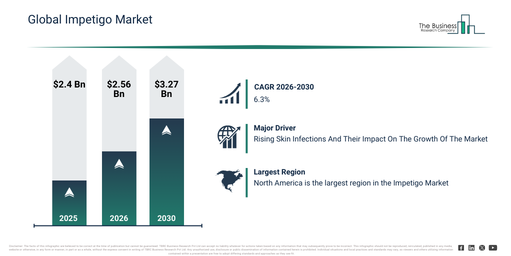
    Impetigo Market Growth From $2.55 Billion In 2026 To $3.27 Billion By 2030 At A CAGR Of 6.3%

    Impending advancements in the impetigo market are anticipated to continue its robust expansion, projecting an increase from $2.4 billion in 2025 to $2.56 billion in 2026, reflecting a compound annual growth rate (CAGR) of 6.6%. The historical trajectory of this market’s growth was bolstered by several critical factors, including the significant incidence of skin infections among children, the extensive application of topical antibiotic therapies, prevalent issues with sanitation and crowded living conditions, heightened public consciousness regarding the contagious nature of skin ailments, and the accessibility of affordable antibiotic treatments.

    The impetigo market is poised for significant expansion in the upcoming years, projected to reach $3.27 billion by 2030, exhibiting a compound annual growth rate of 6.3%. This anticipated growth stems from a confluence of factors including escalating concerns regarding antibiotic resistance, the innovation of new topical treatments, enhanced healthcare accessibility in developing areas, a greater emphasis on preventative dermatology, and improved public awareness campaigns concerning skin infections. Key developments shaping the market during the forecast period involve a growing inclination towards topical antibiotics rather than systemic treatments, a heightened focus on prompt diagnosis and immediate therapeutic intervention, increasing demand for impetigo therapies specifically designed for children, a stronger commitment to infection prevention and hygiene education, and the broader availability of over-the-counter and outpatient treatment options.

    Download A Free Sample Report For Comprehensive Market Insights:

    https://www.thebusinessresearchcompany.com/sample.aspx?id=21209&type=smp

    Impetigo Market Growth Drivers: What Factors Are Accelerating Expansion?

    An increase in the incidence of skin infections is anticipated to fuel the expansion of the impetigo market in the future. Skin infections are medical conditions caused by the invasion of the skin by detrimental microorganisms such as bacteria, viruses, fungi, or parasites, leading to manifestations like irritation, inflammation, or other observable symptoms. The growing number of these infections can be attributed to several factors including escalating antibiotic resistance, inadequate hygiene practices, shifts in climate patterns, compromised immune systems, and increased global mobility. The treatment of impetigo plays a crucial role in managing and resolving these infections by specifically targeting the responsible bacterial agents, commonly strains of Streptococcus or Staphylococcus. This is achieved through the administration of topical or oral antibiotics, which serve to alleviate symptoms like itching and discomfort, curb the further transmission of the infection, and accelerate the healing process, thereby significantly reducing the likelihood of complications and recurrence. As an illustration, it was reported by the European Academy of Dermatology and Venereology (EADV), a professional medical body based in Switzerland, in October 2023, that approximately 43% of individuals across the European Union experienced at least one dermatological condition within the preceding twelve months, with fungal skin infections being among the most frequently diagnosed. Consequently, the growing prevalence of skin infections is a key driver for the impetigo market’s growth.

    Advancements in medical infrastructure are projected to stimulate the growth of the impetigo market. These facilities, encompassing establishments like hospitals, clinics, and diagnostic centers, are essential for delivering medical care and support to patients. The enhancement of these healthcare settings is driven by various elements, including augmented investments in medical infrastructure, a heightened emphasis on patient-centered approaches, demographic expansion, and an aging population. The betterment of healthcare facilities aids in the management and treatment of impetigo by improving accessibility to specialized dermatological services, expanding the availability of effective therapeutic options, promoting superior hygiene standards within clinical environments to prevent cross-contamination, and enabling prompt diagnosis and timely interventions, ultimately leading to enhanced patient health outcomes and a diminished burden from skin infections. For instance, in May 2023, the American Health Care Association, a US-based non-profit entity, noted that the United States was home to 6,129 hospitals, marking a 0.591% increase compared to the previous year’s figure of 6,093. Therefore, the progress in healthcare facilities contributes to the expansion of the impetigo market.

    An uptrend in healthcare expenditure is anticipated to drive forward the expansion of the impetigo market. Healthcare spending encompasses the overall financial outlay for health-related services and products, including medical treatments, hospital care, preventative measures, pharmaceuticals, research initiatives, infrastructural development, and administrative costs, all aimed at sustaining or improving individual and public health. This increased spending is influenced by an aging demographic, the introduction of sophisticated medical technologies, a rising incidence of chronic illnesses, and a greater demand for health services. Economic investment in healthcare stimulates the impetigo market by fostering a greater need for sophisticated treatment solutions, encouraging the allocation of resources towards novel therapies, and ensuring wider access to essential care products that improve patient prognoses. For example, data from the Office for National Statistics, a UK government department, revealed in May 2024 that between 2022 and 2023, healthcare spending in the United Kingdom saw a growth of 5.6%, a notable increase from the 0.9% growth recorded in 2022, with total UK healthcare expenditure reaching approximately $317.63 billion (£292 billion) in 2023. Consequently, the escalation of healthcare spending is a significant factor propelling the impetigo market’s growth.

    Impetigo Market Segment Analysis And Revenue Opportunities

    The impetigo market covered in this report is segmented –

    1) By Treatment Type: Topical Antibiotics, Oral Antibiotics, Antiseptic Soaks

    2) By Causative Pathogen: Staphylococcus aureus, Streptococcus pyogenes, Other Bacteria

    3) By Severity: Mild, Moderate, Severe

    4) By Patient Age: Children, Adults, Elderly

    Subsegments:

    1) By Topical Antibiotics: Mupirocin, Retapamulin, Fusidic Acid

    2) By Oral Antibiotics: Cephalexin, Dicloxacillin, Clindamycin

    3) By Antiseptic Soaks: Chlorhexidine, Hydrogen Peroxide, Potassium Permanganate

    Impetigo Market Leading Players Shaping Industry Direction

    Major companies operating in the impetigo market are Teva Pharmaceutical Industries Ltd., Bausch Health Companies Inc., Sun Pharmaceutical Industries Ltd., Galderma SA, Dr. Reddy’s Laboratories Ltd., Leo Pharma A/S, Torrent Pharmaceuticals Ltd., Almirall S.A, Taro Pharmaceutical Industries Ltd., Cutanea Life Sciences Inc., InfectoPharm Arzneimittel und Consilium GmbH, NovaBay Pharmaceuticals Inc.

    Access The Complete Impetigo Market Report:

    https://www.thebusinessresearchcompany.com/report/impetigo-global-market-report

    Impetigo Market Largest Region By Revenue And Market Share

    North Americawas the largest region in the impetigo market in 2025. Asia-Pacificis expected to be the fastest-growing region in the forecast period. The regions covered in the impetigo market report are Asia-Pacific, South East Asia, Western Europe, Eastern Europe, North America, South America, Middle East, Africa.

    Get in touch with us:

    The Business Research Company: https://www.thebusinessresearchcompany.com/

    Americas: +1 310-496-7795

    Asia: +44 7882 955267 & +91 8897263534

    Europe: +44 7882 955267

    Email us at: marketing@tbrc.info

    Follow us on:

    LinkedIn: https://in.linkedin.com/company/the-business-research-company

    YouTube: https://www.youtube.com/channel/UC24_fI0rV8cR5DxlCpgmyFQ

    Global Market Model: https://www.thebusinessresearchcompany.com/global-market-model
  • Immunomodulator Market Set To Grow From $255.24 Billion In 2026 To $327.94 Billion By 2030 At A CAGR Of 6.5%

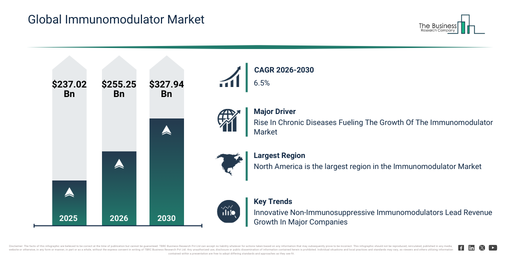
    Immunomodulator Market Set To Grow From $255.24 Billion In 2026 To $327.94 Billion By 2030 At A CAGR Of 6.5%

    Enhanced with market attractiveness analysis, total addressable market evaluation, company benchmarking matrices, interactive Excel dashboards, expanded supply chain intelligence, emerging startup coverage, and detailed product insights, The Business Research Company’s 2026 market reports deliver more actionable and strategically valuable research.

    Immunomodulator Market Expansion Outlook: What Revenue Opportunities Lie Ahead?

    The global immunomodulator market, valued at $237.02 billion in 2025, is projected for robust expansion, reaching $255.25 billion by 2026 with a compound annual growth rate of 7.7%. This upward trajectory in the past can be linked to several key factors, including a surge in autoimmune disease diagnoses, an increase in cancer treatments and organ transplantation surgeries, greater reliance on corticosteroids and conventional immunosuppressive drugs, wider acceptance of hospital-administered immunotherapies, and a more profound grasp of immune system mechanisms within the medical community.

    The immunomodulator sector is projected for substantial expansion over the coming years, estimating a market value of $327.94 billion by 2030, fueled by a compound annual growth rate (CAGR) of 6.5%. This anticipated surge is underpinned by several key factors, including the continuous creation of innovative biologic and small molecule medications, an escalating need for immuno-oncology treatments, a magnified emphasis on immunomodulators that are both targeted and more benign, the increasing prevalence of treatments administered at home or in outpatient settings, and the broadening utility of these agents in addressing emerging infectious and inflammatory conditions. Prominent trends shaping this forecast period involve a greater embrace of biologic and precision-based immunotherapies, a heightened utilization of combined immunomodulatory approaches, a sharper focus on individualized and precise immunotherapy strategies, the widening application of immunomodulators for chronic and autoimmune illnesses, and a discernible movement towards outpatient care and long-term immune system management.

    Download A Free Sample Report For Comprehensive Market Insights:

    https://www.thebusinessresearchcompany.com/sample.aspx?id=15591&type=smp

    Immunomodulator Market Growth Factors Supporting Long-Term Expansion

    The increasing prevalence of long-term health conditions, characterized by their gradual onset and persistent nature, is poised to stimulate expansion within the immunomodulator market. These chronic ailments, often persisting for years or a lifetime, are on the rise due to a confluence of factors including an aging global populace, lifestyle choices, inherited susceptibilities, and the availability of healthcare resources. Immunomodulators offer significant therapeutic advantages in addressing chronic diseases by fine-tuning immune system activity, mitigating inflammatory processes, averting transplant rejection, bolstering immune defenses, and alleviating symptoms. Illustratively, the World Health Organization reported in September 2023 that non-communicable diseases, or chronic diseases, accounted for 41 million deaths annually worldwide, representing 74% of all fatalities. Specifically, cardiovascular diseases led to 17.9 million deaths, cancers caused 9.3 million deaths, chronic respiratory illnesses resulted in 4.1 million deaths, and diabetes contributed to 2.0 million deaths. Consequently, the escalating burden of chronic diseases is a key driver for the growth observed in the immunomodulator market.

    Immunomodulator Market Segmentation And Category Breakdown

    The immunomodulator market covered in this report is segmented –

    1) By Product Type: Immunosuppressants, Immunostimulants, Other Product Types

    2) By Distribution Channel: Hospital Pharmacy, Online Pharmacy, Retail Pharmacy, Other Distribution Channels

    3) By Application: Oncology, Respiratory, Human Immunodeficiency Virus, Other Applications

    4) By End-User: Hospitals, Clinics, Other End Users

    Subsegments:

    1) By Immunosuppressants: Corticosteroids, Calcineurin Inhibitors (Tacrolimus, Cyclosporine), Mtor Inhibitors (Sirolimus, Everolimus), Antimetabolites ( Azathioprine, Methotrexate), Biologic Immunosuppressants (Monoclonal Antibodies Like Rituximab), Janus Kinase (Jak) Inhibitors, T-Cell Inhibitors, Other Immunosuppressive Agents

    2) By Immunostimulants: Cytokine And Growth Factor-Based Immunostimulants ( Interferons, Interleukins), Monoclonal Antibodies For Immune Stimulation, Vaccines ( Cancer Vaccines, Preventive Vaccines), Adjuvants And Immune Modulatory Agents, Immunostimulatory Agents For Autoimmune Diseases, Toll-Like Receptor (Tlr) Agonists, Nucleic Acid-Based Immunostimulants ( Dna Or Rna Vaccines)

    3) By Other Product Types: Biologics ( Fusion Proteins, Immune Checkpoint Inhibitors), Small Molecule Immunomodulators, Immunotherapy Drugs, Stem Cell-Based Immunomodulators, Immuno-Oncology Drugs, Probiotics And Other Natural Immunomodulatory Agents

    Immunomodulator Market Industry Trends Shaping Future Revenue Growth

    The immunomodulator sector sees key players concentrating on creating agents that don’t suppress the immune system, responding to an increasing need for therapies that can precisely adjust immune responses without diminishing the body’s natural defenses. Therapies classified as non-immunosuppressive are those that do not weaken the immune system’s ability to fight off infections or other threats. Illustrating this trend, Nuvig Therapeutics, Inc., a biotechnology firm located in the United States, commenced preliminary clinical investigations in February 2024 for NVG-2089, a cutting-edge immune modulator. This uniquely developed product, NVG-2089, is intended for individuals suffering from inflammatory myopathies and serious autoimmune skin conditions. Furthermore, the U.S. Food and Drug Administration has bestowed fast-track status on NVG-2089’s progression for treating bullous pemphigoid. This innovative, non-immunosuppressive immunomodulator, produced through recombinant technology, acts on type II Fc receptors to activate an intrinsic regulatory pathway that alleviates autoimmune imbalances. The core aim of this research is to evaluate the safety and how well NVG-2089 is tolerated, while ancillary goals involve understanding its absorption, distribution, metabolism, and excretion, as well as its effects on the body.

    Immunomodulator Market Competitive Analysis Of Major Industry Participants

    Major companies operating in the immunomodulator market are Pfizer Inc., Johnson & Johnson, F. Hoffmann-La Roche AG, AbbVie Inc., Sanofi S.A, Bristol Myers Squibb Company, AstraZeneca plc, Novartis AG, GlaxoSmithKline plc, Takeda Pharmaceutical Company Limited, Eli Lilly and Company, Gilead Sciences Inc., Regeneron Pharmaceuticals Inc., Biogen Inc., UCB S.A., Horizon Therapeutics plc, Incyte Corporation, Kyowa Kirin Co. Ltd.

    Access The Complete Immunomodulator Market Report:

    https://www.thebusinessresearchcompany.com/report/immunomodulator-global-market-report

    Immunomodulator Market Regional Analysis And Leading Geography

    North Americawas the largest region in the immunomodulator market in 2025. Asia-Pacificis expected to be the fastest-growing region in the forecast period. The regions covered in the immunomodulator market report are Asia-Pacific, South East Asia, Western Europe, Eastern Europe, North America, South America, Middle East, Africa.

    Get in touch with us:

    The Business Research Company: https://www.thebusinessresearchcompany.com/

    Americas: +1 310-496-7795

    Asia: +44 7882 955267 & +91 8897263534

    Europe: +44 7882 955267

    Email us at: marketing@tbrc.info

    Follow us on:

    LinkedIn: https://in.linkedin.com/company/the-business-research-company

    YouTube: https://www.youtube.com/channel/UC24_fI0rV8cR5DxlCpgmyFQ

    Global Market Model: https://www.thebusinessresearchcompany.com/global-market-model

  • Immunoglobulin E (IgE) Allergy Blood Tests Market Opportunities Are Emerging Beyond Traditional Growth Areas

    Immunoglobulin E (IgE) Allergy Blood Tests Market Opportunities Are Emerging Beyond Traditional Growth Areas

    Through market attractiveness analysis, total addressable market evaluation, company benchmarking matrices, interactive Excel dashboards, expanded supply chain intelligence, emerging startup coverage, and detailed product insights, The Business Research Company’s 2026 market reports provide more actionable and strategically valuable research.

    Immunoglobulin E (IgE) Allergy Blood Tests Market Growth Potential: How Will Market Size Change Through 2030?

    The market for immunoglobulin E (IgE) allergy blood tests has experienced robust expansion recently, projecting a substantial increase from $36.06 billion in 2025 to $39.11 billion in 2026, demonstrating a compound annual growth rate (CAGR) of 8.4%. This recent growth trajectory is underpinned by several key factors: a notable rise in the incidence of allergic conditions, heightened public and medical understanding regarding food and environmental allergies, the expanding accessibility of enzyme-linked immunosorbent assay (ELISA)-based IgE testing methods, improvements in the infrastructure of diagnostic laboratories, and the refinement of clinical protocols guiding allergy diagnosis.

    The market for immunoglobulin E (IgE) allergy blood tests is poised for significant expansion in the coming years, projecting a rise to $51.5 billion by 2030, driven by a compound annual growth rate (CAGR) of 7.1%. This anticipated growth trajectory is fueled by several key factors, including an increasing need for precise allergy diagnostics, the wider acceptance of automated and digital immunoassay platforms, a growing prevalence of allergies in both pediatric and geriatric populations, the burgeoning allergy testing market in emerging economies, and the incorporation of artificial intelligence for diagnostic interpretation. Furthermore, prominent trends shaping the forecast period encompass a greater adoption of diagnostics specifically targeting allergies, a heightened demand for multiplex and high-volume allergy testing capabilities, a noticeable shift away from skin prick tests towards blood-based IgE testing, the proliferation of point-of-care and automated allergy testing solutions, and the escalating utilization of allergy profiling to tailor personalized treatment plans.

    Download A Free Sample Report For Comprehensive Market Insights:

    https://www.thebusinessresearchcompany.com/sample.aspx?id=15590&type=smp

    Immunoglobulin E (IgE) Allergy Blood Tests Market Demand Drivers Creating New Revenue Opportunities

    The expanding incidence of allergic conditions is anticipated to be a significant catalyst for the IgE allergy blood tests market’s advancement in the foreseeable future. Allergies manifest as an overreactive immune response to ordinarily innocuous substances, leading to a spectrum of symptoms including sneezing fits, skin irritation, or respiratory difficulties. The surge in allergic occurrences can be attributed to shifts in lifestyle patterns, environmental degradation, and inherited tendencies. Within the diagnostic landscape of allergies, IgE blood tests play a crucial role by quantifying Immunoglobulin E (IgE) antibody concentrations in the bloodstream, thereby facilitating the identification of particular allergens and supporting the diagnosis and management of conditions like asthma, allergic rhinitis, and adverse reactions to food. As an illustration, data from May 2024 indicated that approximately 2.4 million adults in the United Kingdom, representing about 6% of the adult populace, were diagnosed with a confirmed food allergy, as reported by the Food Standards Agency, a UK body overseeing food safety and public welfare. Consequently, the escalating rate of allergies directly fuels the expansion of the IgE allergy blood tests market.

    Immunoglobulin E (IgE) Allergy Blood Tests Market Segment Outlook: Which Categories Are Expanding The Fastest?

    The immunoglobulin e (ige) allergy blood tests market covered in this report is segmented –

    1) By Product Type: Assays And Kits, Enzyme-Linked Immunosorbent Assay (ELISA) Testing Kits, Fluorescent Enzyme Immunoassays (FEIA) Testing Kits, Chemiluminescent Immunoassays (CLIA), Reagents, Consumables, Analyzers

    2) By Application: Aero Allergies, Indoor Allergies, Outdoor Allergies, Food Allergies, Venoms, Medicine Allergies, Latex/Metal Allergies

    3) By End User: Diagnostic Laboratories, Specialty Clinics, Hospitals, Research And Academic Centers

    Subsegments:

    1) By Assays And Kits: Total IgE Assays, Specific IgE Assays, Allergen-Specific IgE Kits, Rapid IgE Allergy Test Kits, Allergy Profile Test Kits

    2) By Enzyme-Linked Immunosorbent Assay (Elisa) Testing Kits: Standard Elisa Kits For IgE Detection, Elisa Kits For Specific IgE Allergy Testing, Microplate Elisa Kits For High-Throughput Screening, Single-Step Elisa Allergy Testing Kits, Multiplexed Elisa Assay Kits

    3) By Fluorescent Enzyme Immunoassays (Feia) Testing Kits: Automated Feia IgE Testing Kits, Fluorescence-Based Allergy Test Kits, Feia Assays For Specific IgE Detection, High-Sensitivity Feia Testing Kits, Point-Of-Care Feia Kits

    4) By Chemiluminescent Immunoassays (Clia): Clia Kits For IgE Allergy Testing, Automated Clia Testing Platforms, High-Precision Clia Allergy Test Kits, Chemiluminescence Immunoassays For Specific IgE, Clia-Based Allergy Panels

    5) By Reagents: IgE Reagents For Allergy Tests, Allergen-Specific Reagents, Reagents For Immunoassay Platforms, IgE Detection Reagents, Reagents For Elisa And Clia Testing

    6) By Consumables: Test Plates And Microplates, Pipettes And Pipette Tips, Sample Collection Devices, Sample Vials And Tubes For IgE Testing, Washing Buffers And Dilution Fluids

    7) By Analyzers: Elisa Analyzers For IgE Testing, Fluorescent Immunoassay Analyzers, Chemiluminescent Analyzers For IgE Detection, Automated Allergy Testing Analyzers, High-Throughput Allergy Test Analyzers, Point-Of-Care Allergy Analyzers

    Immunoglobulin E (IgE) Allergy Blood Tests Market Trends Driving Strategic Industry Expansion

    Leading entities within the immunoglobulin E (IgE) allergy blood test sector are concentrating on the creation of advanced, AI-driven diagnostic solutions designed to elevate precision, streamline processes, and expand the capacity for allergy detection. The overarching goal is to transform the landscape of allergy assessment by refining the interpretation of diagnostic outcomes, discerning underlying patterns, and forecasting allergic responses with greater efficacy. These AI-enhanced allergy tests are sophisticated diagnostic instruments that harness artificial intelligence algorithms and machine learning methodologies to scrutinize allergy-associated data, thereby yielding valuable information regarding an individual’s allergic predispositions. As an illustrative example, in May of 2023, a diagnostic facility based in India, known as Dr. Dangs Lab, introduced ‘Allergynius Dx,’ a groundbreaking allergy testing methodology. This particular molecular allergy diagnostics approach employs Microarray technology fortified with Nano Particles, and it is capable of yielding results for an extensive panel of 163 food and respiratory allergens. The introduction of this pioneering test represents a substantial leap forward in the field of allergy diagnostics, presenting a holistic strategy for pinpointing and managing allergies linked to a broad spectrum of allergenic substances.

    Immunoglobulin E (IgE) Allergy Blood Tests Market Key Companies And Competitive Benchmarking

    Major companies operating in the immunoglobulin e (ige) allergy blood tests market are Roche Holdings Inc., Thermo Fisher Scientific Inc, Abbott Laboratories, Siemens Healthineers Pvt Ltd, Laboratory Corporation of America Holdings, Quest Diagnostics Incorporated, Eurofins Scientific SE, Beckman Coulter Inc., Bio-Rad Laboratories Inc., Randox Laboratories Ltd, Omega Diagnostics Plc, AESKU Group GmbH, HYCOR Biomedical LLC.

    Access The Complete Immunoglobulin E (IgE) Allergy Blood Tests Market Report:

    https://www.thebusinessresearchcompany.com/report/immunoglobulin-e-ige-allergy-blood-tests-global-market-report

    Immunoglobulin E (IgE) Allergy Blood Tests Market Geographic Analysis: Where Is Demand Growing The Fastest?

    North Americawas the largest region in the immunoglobulin E (IgE) allergy blood tests market in 2025. Asia-Pacificis expected to be the fastest-growing region in the forecast period. The regions covered in the immunoglobulin e (ige) allergy blood tests market report are Asia-Pacific, South East Asia, Western Europe, Eastern Europe, North America, South America, Middle East, Africa.

    Get in touch with us:

    The Business Research Company: https://www.thebusinessresearchcompany.com/

    Americas: +1 310-496-7795

    Asia: +44 7882 955267 & +91 8897263534

    Europe: +44 7882 955267

    Email us at: marketing@tbrc.info

    Follow us on:

    LinkedIn: https://in.linkedin.com/company/the-business-research-company

    YouTube: https://www.youtube.com/channel/UC24_fI0rV8cR5DxlCpgmyFQ

    Global Market Model: https://www.thebusinessresearchcompany.com/global-market-model

  • Immunoglobulin A IgA Vasculitis Market Expansion Is Opening New Pathways For Strategic Investment

    Immunoglobulin A IgA Vasculitis Market Expansion Is Opening New Pathways For Strategic Investment

    Delivering more actionable and strategically valuable research, The Business Research Company’s 2026 market reports feature market attractiveness analysis, total addressable market evaluation, company benchmarking matrices, interactive Excel dashboards, expanded supply chain intelligence, emerging startup coverage, and detailed product insights.

    Immunoglobulin A IgA Vasculitis Market Value Analysis: What Growth Is Expected Over The Forecast Period?

    The market for immunoglobulin A (IgA) vasculitis has experienced robust expansion lately, projecting a rise from $1.63 billion in 2025 to $1.74 billion in 2026, reflecting a compound annual growth rate of 6.5%. This past growth trajectory is largely attributable to a deeper comprehension of IgA-mediated autoimmune conditions, a surge in the identification of pediatric vasculitis instances, the expanded application of corticosteroids and immunosuppressive therapies, the development of autoimmune care within hospital settings, and advancements in nephrology clinical proficiency.

    The IgA vasculitis market is poised for substantial expansion, projected to reach $2.21 billion by the year 2030, with an anticipated compound annual growth rate of 6.2% over the upcoming years. This anticipated growth trajectory is fueled by several key factors, including heightened research into innovative immunomodulatory medications, a growing embrace of tailored therapies for autoimmune conditions, an increasing emphasis on safeguarding kidney function long-term, the development of new biologic treatments, and advancements in diagnostic imaging and biopsy methodologies. Key developments expected within this timeframe involve a greater concentration on prompt and precise disease identification, wider utilization of targeted immunosuppressive treatments, expanded use of biomarker-driven disease surveillance, a move towards more individualized therapeutic strategies, and a strengthened focus on managing renal outcomes.

    Download A Free Sample Report For Comprehensive Market Insights:

    https://www.thebusinessresearchcompany.com/sample.aspx?id=24567&type=smp

    Immunoglobulin A IgA Vasculitis Market Expansion Supported By Key Demand Factors

    The increasing occurrences of autoimmune conditions are anticipated to fuel the expansion of the immunoglobulin A (IgA) vasculitis market. Autoimmune disorders arise when the body’s immune defenses erroneously attack its own healthy components rather than defending against foreign invaders. This surge in autoimmune conditions is largely attributed to heightened exposure to environmental contaminants that can compromise immune system regulation, leading to aberrant reactions. Immunoglobulin A (IgA) vasculitis plays a role in understanding and managing autoimmune diseases by initiating an immune response that causes inflammation in microvasculature, thereby contributing to insights into various autoimmune pathologies and their potential treatments. To illustrate, data from the Vasculitis Foundation in February 2024 indicated approximately 2 cases per 100,000 U.S. adults experience IgA vasculitis annually, with global incidence fluctuating significantly, estimated between 60 to 550 cases per million. Consequently, the escalating prevalence of autoimmune diseases is a key factor driving the growth within the immunoglobulin A (IgA) vasculitis market.

    Advancements in precision medicine and molecular targeting are significantly boosting the immunoglobulin A (IgA) vasculitis market by emphasizing the development of targeted therapies. Targeted therapies represent a class of treatments designed to precisely identify and obstruct the specific molecular anomalies present in diseases like cancer, thereby enhancing treatment accuracy and reducing collateral damage to healthy tissues. The growing emphasis on these specialized treatments is predominantly fueled by progress in precision medicine, which facilitates the creation of individualized and more efficacious therapies tailored to a patient’s unique genetic makeup. Within the context of immunoglobulin A (IgA) vasculitis, targeted therapies function by concentrating on precise immunological pathways, thereby mitigating widespread adverse effects. Their application leads to improved disease management through reduced inflammation and prevention of organ damage, ultimately enhancing patient well-being and life quality. For example, the American Society of Gene and Cell Therapy (ASGCT) reported in December 2024 that the U.S. Food and Drug Administration (FDA) granted approval for six gene therapy products in 2023, an increase from the five approvals seen in 2022. Thus, the increased attention to targeted therapies is a major catalyst for the expansion of the immunoglobulin A (IgA) vasculitis market.

    Immunoglobulin A IgA Vasculitis Market Segment Landscape: Which Areas Lead Market Development?

    The immunoglobulin a iga vasculitis market covered in this report is segmented –

    1) By Treatment Type: Medications, Plasma Exchange, Supportive Care, Immunosuppressive Therapy

    2) By Diagnosis Method: Blood Tests, Urinalysis, Imaging Studies, Biopsy

    3) By Route Of Administration: Oral, Injectables

    4) By End User: Hospitals, Specialty Clinics, Homecare Settings

    Subsegments:

    1) By Medications: Corticosteroids, Immunosuppressants, Cyclophosphamide, Azathioprine, Mycophenolate Mofetil

    2) By Plasma Exchange: Therapeutic Plasma Exchange, Plasma Filtration

    3) By Supportive Care: Pain Management, Kidney Function Support, Blood Pressure Management

    4) By Immunosuppressive Therapy: Methotrexate, Rituximab

    Immunoglobulin A IgA Vasculitis Market Growth Trends Influencing Competitive Dynamics

    The key players within the immunoglobulin A (IgA) vasculitis market are actively engaged in creating novel treatment approaches, including precision biologics and immune-modulating agents, with the primary goals of curbing inflammation and averting kidney-related issues. These sophisticated treatments, namely targeted biologics and immunomodulators, function by fine-tuning particular immune system channels to diminish inflammatory responses and shield against immune-driven harm in IgA vasculitis. A prime illustration of this is the approval granted in April 2025 by the U.S. Food and Drug Administration (FDA) to Novartis AG, a pharmaceutical entity based in Switzerland, for Vanrafia (atrasentan). This medication is indicated for the therapeutic management of primary immunoglobulin A nephropathy (IgAN). Vanrafia, administered orally once daily, operates as a selective endothelin A receptor antagonist, strategically formulated to decrease proteinuria in adult patients diagnosed with primary IgAN who face a heightened risk of accelerated disease progression. Furthermore, its implementation can be seamlessly incorporated into established supportive care protocols, obviating the necessity for a risk evaluation and mitigation strategy (REMS).

    Immunoglobulin A IgA Vasculitis Market Industry Leaders And Market Competition

    Major companies operating in the immunoglobulin a iga vasculitis market are Pfizer Inc, F. Hoffmann-La Roche Ltd, Novartis AG, Takeda Pharmaceutical Company Limited, Amgen Inc, Intas Pharmaceuticals Ltd, Zydus Lifesciences Limited, Biogen Inc, Chugai Pharmaceutical Co Ltd, CSL Behring, AbbVie Inc, Johnson & Johnson, Bristol-Myers Squibb Company, UCB SA, Sanofi, GSK plc, Astellas Pharma Inc, Teva Pharmaceuticals USA Inc, Chinook Therapeutics, Guangdong Hengrui Pharmaceutical Co Ltd, Visterra Inc, Selecta Biosciences, Jiangsu HengRui Medicine Co Ltd, Travere Therapeutics Inc, Everest Medicines Ltd

    Access The Complete Immunoglobulin A IgA Vasculitis Market Report:

    https://www.thebusinessresearchcompany.com/report/immunoglobulin-a-iga-vasculitis-global-market-report

    Immunoglobulin A IgA Vasculitis Market Global Footprint: Which Region Holds Market Leadership?

    North Americawas the largest region in the immunoglobulin A (IgA) vasculitis market in 2025. Asia-Pacificis expected to be the fastest-growing region in the forecast period. The regions covered in the immunoglobulin a iga vasculitis market report are Asia-Pacific, South East Asia, Western Europe, Eastern Europe, North America, South America, Middle East, Africa.

    Get in touch with us:

    The Business Research Company: https://www.thebusinessresearchcompany.com/

    Americas: +1 310-496-7795

    Asia: +44 7882 955267 & +91 8897263534

    Europe: +44 7882 955267

    Email us at: marketing@tbrc.info

    Follow us on:

    LinkedIn: https://in.linkedin.com/company/the-business-research-company

    YouTube: https://www.youtube.com/channel/UC24_fI0rV8cR5DxlCpgmyFQ

    Global Market Model: https://www.thebusinessresearchcompany.com/global-market-model
  • Immunogenomics Market Trends Are Creating New Opportunities For Industry Leaders

    Immunogenomics Market Trends Are Creating New Opportunities For Industry Leaders

    Enhanced with market attractiveness analysis, total addressable market evaluation, company benchmarking matrices, interactive Excel dashboards, expanded supply chain intelligence, emerging startup coverage, and detailed product insights, The Business Research Company’s 2026 market reports deliver more actionable and strategically valuable research.

    Immunogenomics Market Size Forecast: How Large Could The Market Become By 2030?

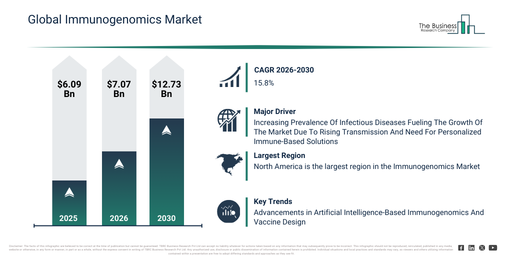
    The landscape of immunogenomics has experienced substantial recent expansion, with projections indicating a surge from $6.09 billion in 2025 to $7.07 billion by 2026, reflecting a compound annual growth rate of 16.1%. This period of robust growth is underpinned by key factors including leaps in genomic sequencing capabilities, a deepening comprehension of genetic influences on the immune system, the broadening scope of research in oncology and infectious diseases, elevated levels of research investment, and the accessibility of advanced genomic analytical tools.

    The immunogenomics market is projected for substantial expansion in the upcoming years, anticipating a valuation of $12.73 billion by 2030, propelled by a compound annual growth rate of 15.8%. This upward trajectory is fueled by several key factors, including a heightened demand for precision medicine approaches, the advancement of tailored vaccines and immunotherapies, a broader scope in translational immunogenomics research, the increasing incorporation of multi-omics data, and a greater reliance on cloud-based genomic analytics platforms. Dominant trends shaping this market during the forecast period encompass the escalating utilization of next-generation sequencing for immune profiling, the amplified adoption of bioinformatics tools for dissecting immune-related data, a sharpening focus on the development of individualized immunotherapies, the growth of comprehensive genomic databases dedicated to immune research, and the more profound integration of artificial intelligence within immunogenomic investigations.

    Download A Free Sample Report For Comprehensive Market Insights:

    https://www.thebusinessresearchcompany.com/sample.aspx?id=28247&type=smp

    Immunogenomics Market Growth Drivers And Industry Catalysts

    The expanded incidence of contagious ailments is anticipated to be a significant catalyst for the expansion of the immunogenomics sector. Such ailments, caused by detrimental microbes like bacteria, viruses, fungi, or parasites, possess the capacity for transmission between individuals, either directly or indirectly. Globalization and increased mobility contribute to the heightened occurrence of these diseases, allowing pathogens to traverse geographical boundaries with greater ease. Immunogenomics offers a sophisticated approach to managing infectious diseases by facilitating the detailed examination of an individual’s immune reactions and their genetic predispositions. This analytic capability streamlines treatment processes, minimizing guesswork by pinpointing unique immune components for each patient, thereby refining diagnostic precision, accelerating vaccine creation, and fostering the development of tailored treatment plans. Illustrating this trend, data from February 2024, published by the UK Health Security Agency, indicated that tuberculosis diagnoses in England climbed to 4,850 in 2023, marking a 10.7% surge from the 4,380 cases reported in the preceding year. Consequently, the escalating presence of infectious diseases is a key determinant in the advancement of the immunogenomics market.

    Immunogenomics Market Segments: Where Are The Largest Growth Opportunities?

    The immunogenomics market covered in this report is segmented –

    1) By Product Type: Instruments, Consumables, Software, Services

    2) By Technology: Next-Generation Sequencing, Microarray, Polymerase Chain Reaction, Other Technologies

    3) By Application: Oncology, Infectious Diseases, Autoimmune Disorders, Transplantation, Other Applications

    4) By End-User: Hospitals And Clinics, Research Institutes, Pharmaceutical And Biotechnology Companies, Other End-Users

    Subsegments:

    1) By Instruments: Sequencers, Microarray scanners, Flow cytometers

    2) By Consumables: Reagents, Kits, Assay panels

    3) By Software: Data analysis software, Bioinformatics tools, Visualization platforms

    4) By Services: Sequencing services, Genomic profiling, Bioinformatics support

    #Immunogenomics Market Trends Influencing Long-Term Demand

    In the realm of immunogenomics, leading enterprises are dedicated to pioneering sophisticated technologies, including a vaccine target prediction system designed for the automated, comprehensive process of vaccine design. This system enhances vaccine formulations by ensuring the most effective antigen sequences are utilized. Essentially, this computational platform employs bioinformatics algorithms, integrating genomic and immunomic information to pinpoint potential antigen molecules within pathogens or cancerous cells. It further scrutinizes their structural characteristics to rank and choose the most promising vaccine candidates, maximizing their capacity to stimulate robust immune defenses. A prime example is Evaxion Biotech A/S, a Danish firm specializing in AI-powered immunotherapy and vaccine creation, which in September 2024, unveiled its AI-Immunology platform. This clinically validated evolution of their EDEN AI prediction model incorporates a new toxin antigen predictor, significantly boosting the precision and dependability of identifying bacterial toxin antigens for the advancement of next-generation bacterial vaccines. Furthermore, the platform is capable of modeling the human immune system to generate bespoke and advanced immunotherapies, exhibiting a strong congruence between AI-derived predictions and actual clinical results.

    Immunogenomics Market Major Participants And Competitive Dynamics

    Major companies operating in the immunogenomics market are F. Hoffmann-La Roche AG, Thermo Fisher Scientific Inc., Illumina Inc., BGI Group, GenScript Biotech Corporation, CareDx Inc., Oxford Nanopore Technologies plc, Genewiz LLC, Adaptive Biotechnologies Corporation, GenomOncology LLC, Personalis Inc., Variantyx Inc., CD Genomics Inc., Sengenics Corporation, GeneCentric Therapeutics Inc., Immunogenomics Inc., ImmuQuad Biotechnologies Inc., Neomics Pharmaceuticals LLC, Yemaachi Biotech Ltd., BioAnalytica Biotechnology Systems Inc.

    Access The Complete Immunogenomics Market Report:

    https://www.thebusinessresearchcompany.com/report/immunogenomics-global-market-report

    Immunogenomics Market Regional Distribution: Which Areas Drive Market Expansion?

    North Americawas the largest region in the immunogenomics market in 2025. The regions covered in the immunogenomics market report are Asia-Pacific, South East Asia, Western Europe, Eastern Europe, North America, South America, Middle East, Africa.

    Get in touch with us:

    The Business Research Company: https://www.thebusinessresearchcompany.com/

    Americas: +1 310-496-7795

    Asia: +44 7882 955267 & +91 8897263534

    Europe: +44 7882 955267

    Email us at: marketing@tbrc.info

    Follow us on:

    LinkedIn: https://in.linkedin.com/company/the-business-research-company

    YouTube: https://www.youtube.com/channel/UC24_fI0rV8cR5DxlCpgmyFQ

    Global Market Model: https://www.thebusinessresearchcompany.com/global-market-model