Month: June 2026

  • Immune Thrombocytopenia Market Growth Is Reshaping Competitive Advantage Across The Industry

    Immune Thrombocytopenia Market Growth Is Reshaping Competitive Advantage Across The Industry

    Through market attractiveness analysis, total addressable market evaluation, company benchmarking matrices, interactive Excel dashboards, expanded supply chain intelligence, emerging startup coverage, and detailed product insights, The Business Research Company’s 2026 market reports provide more actionable and strategically valuable research.

    Immune Thrombocytopenia Market Revenue Outlook: What CAGR Is Expected Through 2030?

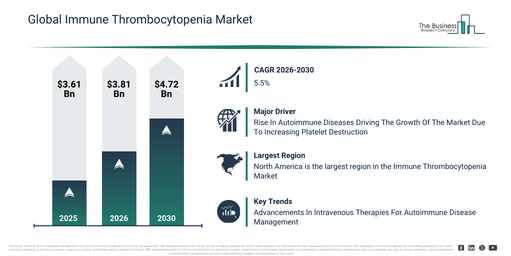
    The market for immune thrombocytopenia has experienced robust expansion. Projections indicate a rise from $3.61 billion in 2025 to $3.81 billion in 2026, reflecting a compound annual growth rate of 5.6%. Factors contributing to this historical growth trajectory include a deeper comprehension of autoimmune platelet conditions, broader access to intravenous immunoglobulin treatments, an uptick in chronic ITP diagnoses, enhancements in hematological clinical approaches, and the broadening scope of hospital-based hematology services.

    The immune thrombocytopenia marketplace is projected for substantial expansion in the coming years, reaching an estimated $4.72 billion by 2030 with a compound annual growth rate of 5.5%. This forecasted growth is fueled by advancements in innovative biologic therapies and oral medications, a heightened emphasis on enduring disease management strategies, augmented utilization of care delivered in outpatient and home settings, the proliferation of precision medicine within autoimmune conditions, and enhanced healthcare accessibility in developing economies. Key developments anticipated during this forecast period encompass a greater embrace of targeted immunotherapies, increased application of thrombopoietin receptor agonists, a stronger focus on individualized treatment methodologies, broader implementation of chronic ITP management plans, and improved ITP awareness leading to earlier detection.

    Download A Free Sample Report For Comprehensive Market Insights:

    https://www.thebusinessresearchcompany.com/sample.aspx?id=22012&type=smp

    Immune Thrombocytopenia Market Opportunity Drivers: What Is Creating New Revenue Potential?

    The increasing incidence of autoimmune disorders is anticipated to stimulate the expansion of the immune thrombocytopenia market in the future. Autoimmune conditions arise when the body’s immune defenses erroneously target healthy cells and tissues, perceiving them as foreign invaders. This aberrant reaction results in inflammation and harm across diverse bodily systems and organs. Factors contributing to the surge in autoimmune diseases include genetic vulnerabilities, environmental influences, shifts in lifestyle, and heightened awareness facilitating improved diagnostic capabilities. Autoimmune diseases contribute to immune thrombocytopenia by prompting the immune system to either assault and eliminate the body’s platelets or impede their generation within the bone marrow. As an illustration, in November 2023, the Multiple Sclerosis International Federation (MSIF), a nonprofit organization based in the UK, reported that approximately 2.9 million individuals globally were diagnosed with multiple sclerosis, a specific type of autoimmune disease, during that year. Consequently, the escalating prevalence of autoimmune diseases is acting as a catalyst for the growth of the immune thrombocytopenia market.

    Immune Thrombocytopenia Market Segment Analysis: What Are The Major Market Categories?

    The immune thrombocytopenia market covered in this report is segmented –

    1) By Type: Primary Immune Thrombocytopenia, Secondary Immune Thrombocytopenia, Acquired Immune Thrombocytopenia

    2) By Treatment Type: Intravenous Immunoglobulin, Thrombopoietin Receptor Agonists, Immunosuppressive Therapy

    3) By Distribution Channel: Hospital Pharmacies, Retail Pharmacies, Online Pharmacies

    Subsegments:

    1) By Primary Immune Thrombocytopenia: Acute Primary ITP, Chronic Primary ITP, Persistent Primary ITP

    2) By Secondary Immune Thrombocytopenia: Drug-Induced ITP, Infection-Associated ITP, Autoimmune Disorder-Related ITP

    3) By Acquired Immune Thrombocytopenia: Immune-Mediated Acquired ITP, Non-Immune Acquired ITP

    Immune Thrombocytopenia Market Innovation Trends Driving Future Development

    Within the immune thrombocytopenia market, leading organizations are focusing their efforts on developing improved therapeutic approaches, with a particular emphasis on intravenous treatments. The objective behind this focus is to bolster the efficacy of treatments, expedite patient responses, enhance compliance, and cater to the existing gaps in managing thrombocytopenia. Intravenous (IV) therapy, a method of administering substances directly into a vein, plays a crucial role in this advancement. As an illustration, in March 2024, Argenx SE, a biotechnology firm headquartered in the Netherlands, received clearance from the Japan Ministry of Health, Labor, and Welfare (MHLW) for the intravenous use of VYVGART in adult patients diagnosed with primary immune thrombocytopenia (ITP). This regulatory milestone signifies a substantial step forward in available therapeutic interventions, presenting a focused strategy that delivers prompt and enduring improvements in platelet counts, thereby fulfilling significant unmet demands in the management of autoimmune conditions.

    Immune Thrombocytopenia Market Leading Companies Driving Competitive Growth

    Major companies operating in the immune thrombocytopenia market are Pfizer Inc., Merck & Co. Inc., Sanofi S.A., Novartis AG, Amgen Inc., Takeda Pharmaceutical Company Limited, Eli Lilly and Company, Intas Pharmaceuticals Ltd., CSL Behring, Grifols, UCB Pharma, Kyowa Kirin, Sobi (Swedish Orphan Biovitrum), 3SBio Inc., Biotest AG, Shionogi & Co. Ltd., Ligand Pharmaceuticals, Rigel Pharmaceuticals, Symphogen, Hansa Biopharma, Argenx.

    Access The Complete Immune Thrombocytopenia Market Report:

    https://www.thebusinessresearchcompany.com/report/immune-thrombocytopenia-global-market-report

    Immune Thrombocytopenia Market Leading Geography: Which Region Generates The Most Revenue?

    North Americawas the largest region in the immune thrombocytopenia market in 2025. Asia-Pacificis expected to be the fastest-growing region in the forecast period. The regions covered in the immune thrombocytopenia market report are Asia-Pacific, South East Asia, Western Europe, Eastern Europe, North America, South America, Middle East, Africa.

    Get in touch with us:

    The Business Research Company: https://www.thebusinessresearchcompany.com/

    Americas: +1 310-496-7795

    Asia: +44 7882 955267 & +91 8897263534

    Europe: +44 7882 955267

    Email us at: marketing@tbrc.info

    Follow us on:

    LinkedIn: https://in.linkedin.com/company/the-business-research-company

    YouTube: https://www.youtube.com/channel/UC24_fI0rV8cR5DxlCpgmyFQ

    Global Market Model: https://www.thebusinessresearchcompany.com/global-market-model

  • Immune Response Testing Market Forecast Signals New Revenue Opportunities Through 2030

    Immune Response Testing Market Forecast Signals New Revenue Opportunities Through 2030

    Delivering more actionable and strategically valuable research, The Business Research Company’s 2026 market reports feature market attractiveness analysis, total addressable market evaluation, company benchmarking matrices, interactive Excel dashboards, expanded supply chain intelligence, emerging startup coverage, and detailed product insights.

    Immune Response Testing Market Growth Analysis: How Will Revenue Expand During The Forecast Period?

    The market for immune response testing has experienced substantial expansion lately. Projections indicate a rise from $16.36 billion in 2025 to $18.09 billion by 2026, reflecting a compound annual growth rate of 10.6%. This accelerated growth during the past period is largely due to a greater incidence of immune system-related ailments, augmented application of diagnostics relying on antibodies, the proliferation of clinical immunology facilities, a greater embrace of ELISA testing techniques, and enhanced surveillance of vaccine efficacy.

    The realm of immune response testing is poised for significant expansion over the coming years, projecting an increase to $26.76 billion by the year 2030, propelled by a compound annual growth rate of 10.3%. This anticipated surge is underpinned by several key drivers, including a heightened need for individualized immune profiling, greater utilization of immune monitoring within oncology and vaccine development, the broader availability of point-of-care immune testing solutions, the increasing incorporation of artificial intelligence for diagnostic interpretation, and a strengthening emphasis on identifying immune dysfunctions at their earliest stages. Emerging trends anticipated during this forecast period encompass a greater embrace of multiplex immune assays, a rise in the application of cellular immune response analysis, the wider integration of automated testing platforms, the development of more sensitive diagnostic panels, and a more pronounced focus on ongoing immune monitoring.

    Download A Free Sample Report For Comprehensive Market Insights:

    https://www.thebusinessresearchcompany.com/sample.aspx?id=27314&type=smp

    Immune Response Testing Market Growth Momentum: Which Factors Are Influencing Demand?

    The increasing incidence of autoimmune disorders is anticipated to fuel the expansion of the immune response testing sector. Autoimmune disorders are characterized by the immune system erroneously targeting the body’s own healthy cells and tissues. A primary driver behind the escalating rates of these conditions is heightened exposure to environmental contaminants, which can impair immune function and incite self-directed immune assaults. Immune response testing facilitates improved management of autoimmune diseases by offering accurate information about the immune system’s activity, thereby allowing for earlier detection and customized therapeutic strategies. This testing aids in more effective disease surveillance and contributes to better patient results through fine-tuned treatment modifications. Illustratively, as reported by Arthritis Australia in February 2024, an estimated 562,378 individuals in Australia will be affected by rheumatoid arthritis (RA) in 2025, constituting 14% of all arthritis diagnoses for that year. Projections indicate a 33% increase by 2040, bringing the total to 748,721 individuals, an advancement of 186,343 Australians with RA compared to the 2025 estimate. Consequently, the growing ubiquity of autoimmune diseases is a key factor spurring the growth of the immune response testing market.

    Immune Response Testing Market Segment Breakdown: Which Categories Generate The Most Revenue?

    The immune response testing market covered in this report is segmented –

    1) By Type Of Testing: Antibody Testing, Cytokine Testing, Cellular Testing, Complement System Testing

    2) By Application: Allergy Testing, Human Immunodeficiency Virus (HIV) Disease, Cancer, Rheumatoid Arthritis, Systemic Lupus Erythematosus, Other Applications

    3) By End-User: Hospitals And Clinics, Diagnostic Laboratories, Research Institutes, Home Care Settings

    Subsegments:

    1) By Antibody Testing: Immunoglobulin G (IgG) Testing, Immunoglobulin A (IgA) Testing, Immunoglobulin M (IgM) Testing, Neutralizing Antibody Testing, Rapid Antibody Testing

    2) By Cytokine Testing: Enzyme-Linked Immunosorbent Assay (ELISA)-Based Cytokine Assays, Multiplex Cytokine Assays, Flow Cytometry-Based Cytokine Assays, Cytometric Bead Array, Quantitative Polymerase Chain Reaction (qPCR)-Based Cytokine Analysis

    3) By Cellular Testing: T-Cell Response Assays, B-Cell Response Assays, Natural Killer (NK) Cell Assays, Lymphocyte Proliferation Assays, ELISpot Assays

    4) By Complement System Testing: Total Hemolytic Complement (CH50) Assay, Alternative Pathway Hemolytic Complement (AH50) Assay, Complement Component 3 And 4 (C3 And C4) Complement Testing, Mannose-Binding Lectin (MBL) Testing, Complement Activity Assays

    Immune Response Testing Market Trends Reshaping Industry Growth

    Leading entities within the Immune Response Testing sector are concentrating on pioneering advancements, exemplified by immune profiling technologies, to address the escalating need for sophisticated diagnostic tools in evaluating post-viral conditions and adaptive immunity. These immune profiling technologies offer a holistic examination of the immune system, scrutinizing both cellular and fluid-based immune reactions, thereby yielding richer information than conventional serological tests that primarily gauge antibody concentrations. As an illustration, in April 2024, Virax Biolabs Group Limited, a biotechnology firm headquartered in the United Kingdom, unveiled its suite of immune profiling offerings at ESCMID Global 2024, aimed at assessing adaptive immunity in the aftermath of viral infections. These integrated solutions incorporate cutting-edge assays, such as highly detailed flow cytometry and specific biomarker panels, facilitating a precise delineation of immune cell populations and their functional activities, boasting superior sensitivity, adaptable panels for diverse post-viral ailments, and compatibility with digital reporting systems for simplified data analysis, with uses spanning clinical studies to individualized patient care, facilitating advantages like the prompt identification of immune system irregularities and guidance for treatment choices.

    Immune Response Testing Market Key Players And Strategic Industry Positioning

    Major companies operating in the immune response testing market are F. Hoffmann-La Roche Ltd., Thermo Fisher Scientific Inc., Abbott Laboratories, Danaher Corporation, Siemens Healthcare GmbH, Becton Dickinson and Company, Quest Diagnostics Incorporated, Eurofins Scientific SE, PerkinElmer Inc., bioMérieux SA, Bruker Corporation, Beckman Coulter Inc., Bio-Rad Laboratories Inc., Qiagen N.V., DiaSorin S.p.A., EUROIMMUN Medizinische Labor diagnostika AG, NanoString Technologies Inc., GenScript Biotech Corporation, Cell Signaling Technology Inc., Sysmex Corporation, Ortho Clinical Diagnostics, Randox Laboratories Ltd., Merck KGaA

    Access The Complete Immune Response Testing Market Report:

    https://www.thebusinessresearchcompany.com/report/immune-response-testing-global-market-report

    Immune Response Testing Market Regional Outlook: Where Are The Largest Opportunities Located?

    North Americawas the largest region in the immune response testing market in 2025. Asia-Pacificis expected to be the fastest-growing region in the forecast period. The regions covered in the immune response testing market report are Asia-Pacific, South East Asia, Western Europe, Eastern Europe, North America, South America, Middle East, Africa.

    Get in touch with us:

    The Business Research Company: https://www.thebusinessresearchcompany.com/

    Americas: +1 310-496-7795

    Asia: +44 7882 955267 & +91 8897263534

    Europe: +44 7882 955267

    Email us at: marketing@tbrc.info

    Follow us on:

    LinkedIn: https://in.linkedin.com/company/the-business-research-company

    YouTube: https://www.youtube.com/channel/UC24_fI0rV8cR5DxlCpgmyFQ

    Global Market Model: https://www.thebusinessresearchcompany.com/global-market-model
  • Image-Guided Radiation Therapy Market Growth Is Accelerating As Industry Transformation Continues

    Image-Guided Radiation Therapy Market Growth Is Accelerating As Industry Transformation Continues

    Enhanced with market attractiveness analysis, total addressable market evaluation, company benchmarking matrices, interactive Excel dashboards, expanded supply chain intelligence, emerging startup coverage, and detailed product insights, The Business Research Company’s 2026 market reports deliver more actionable and strategically valuable research.

    Image-Guided Radiation Therapy Market Forecast: What Market Value Is Expected By 2030?

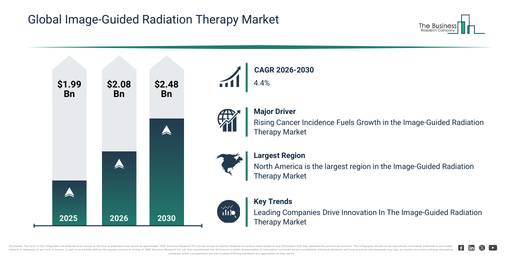
    The market for image-guided radiation therapy has experienced consistent expansion. This sector is projected to increase from $1.99 billion in 2025 to $2.08 billion in 2026, reflecting a compound annual growth rate of 4.5%. Factors contributing to this historical growth include an escalating worldwide cancer rate, progress in diagnostic imaging for cancer treatment, greater utilization of linear accelerator-based radiotherapy, demonstrably better patient results due to image-guided techniques, and the enhancement of radiation therapy facilities in developed areas.

    The domain of image-guided radiation therapy is projected to experience consistent expansion over the forthcoming years, with an anticipated escalation to $2.48 billion by the year 2030, reflecting a compound annual growth rate (CAGR) of 4.4%. This anticipated growth trajectory is influenced by several key factors, including the increasing incorporation of artificial intelligence within treatment planning and imaging processes, a burgeoning preference for non-invasive therapeutic approaches for cancer, escalating financial commitments towards state-of-the-art radiotherapy facilities, a rise in the utilization of proton and particle therapies, and the widening availability of cancer care services in developing economies. Dominant trends expected to shape this market during the forecast period encompass a greater embrace of precise radiation delivery methods, enhanced integration of real-time imaging technologies within radiotherapy workflows, a heightened demand for individualized cancer treatment strategies, the broader application of stereotactic and proton-based treatment modalities, and a significant emphasis on mitigating the adverse effects associated with radiation exposure.

    Download A Free Sample Report For Comprehensive Market Insights:

    https://www.thebusinessresearchcompany.com/sample.aspx?id=13458&type=smp

    Image-Guided Radiation Therapy Market Expansion Drivers: What Is Shaping Future Growth?

    The escalating occurrence of cancer is anticipated to serve as a significant catalyst for the expansion of the image-guided radiation therapy market in the future. Cancers are characterized by the unchecked multiplication and spread of aberrant cells within the organism. Image-guided radiation therapy (IGRT) is employed in the management of cancer because of its capacity to deliver radiation with exceptional precision to malignant cells, simultaneously reducing harm to surrounding healthy tissues and alleviating adverse effects. Illustratively, as reported in August 2024 by Macmillan Cancer Support, a UK entity, it was noted that in 2024, over 3 million individuals in the UK are currently diagnosed with cancer; this number is forecasted to rise to 3.5 million by 2025, reaching 4 million by 2030, and further increasing to 5.3 million by 2040. Consequently, the rising prevalence of cancer is directly fueling the growth trajectory of the image-guided radiation therapy market.

    Image-Guided Radiation Therapy Market Segmentation: How Is The Market Structured Across Key Categories?

    The image-guided radiation therapy market covered in this report is segmented –

    1) By Product Type: 4D Gating And 4D RT, Linear Accelerator (LINAC), PET And MRI Guided Radiation Therapy, Portal Imaging, CT Scanning

    2) By Procedure: Intensity-Modulation Radiation Therapy, 3D Conformal Radiation Therapy, Stereotactic Therapy, Proton Beam Therapy, Particle Therapy

    3) By Application: Lung Cancer, Prostate Cancer, Head And Neck Cancer, Gynecological Cancer, Gastrointestinal Cancer, Other Applications

    4) By End User: Hospitals, Independent Radiotherapy Centers

    Subsegments:

    1) By 4D Gating and 4D RT: 4D Gating Systems, 4D Radiation Therapy Systems

    2) By Linear Accelerator (LINAC): Conventional LINAC Systems, Advanced LINAC Systems

    3) By PET And MRI Guided Radiation Therapy: PET/CT Guided Radiation Therapy, MRI Guided Radiation Therapy

    4) By Portal Imaging: Electronic Portal Imaging, Conventional Portal Imaging

    5) By CT Scanning: CT Imaging For Radiation Therapy Planning, Cone Beam CT For Radiation Therapy

    Image-Guided Radiation Therapy Market Strategic Trends: What Is Defining The Next Phase Of Growth?

    Within the image-guided radiation therapy sector, leading corporations are prioritizing innovations like Cenos, an online adaptive solution for radiotherapy. This Cenos system empowers medical practitioners to swiftly and precisely adjust a radiation treatment strategy mid-treatment if patient circumstances necessitate it. For example, Accuray Incorporated, a prominent U.S. radiation therapy system manufacturer, collaborated with Limbus AI of Canada in October 2023 to introduce the Cenos platform integrated with their Radixact System. This advanced treatment delivery apparatus provides unparalleled capacity for managing diverse cancer types, encompassing breast, prostate, lung, and head and neck malignancies, alongside intricate procedures like total marrow irradiation. Its distinguished attributes include a rapid multileaf collimator, a seamlessly integrated system, and the Tomo C platform. Furthermore, this therapeutic approach equips healthcare providers with the flexibility to make real-time modifications to treatment plans, adapting to any shifts occurring between therapy sessions.

    Image-Guided Radiation Therapy Market Competitive Landscape And Leading Companies

    Major companies operating in the image-guided radiation therapy market are Hitachi Ltd., Toshiba Corporation, Siemens Healthcare GmbH, Koninklijke Philips N.V., GE Healthcare Company, Varian Medical Systems Inc., Elekta AB, Canon Medical Systems R&D (Dalian) Co. Ltd., Accuray Incorporated, Ion Beam Applications S.A., Brainlab AG, ViewRay Technologies Inc., Mevion Medical Systems Inc., RaySearch Laboratories AB, Vision RT Ltd., Sun Nuclear Corporation, IZI Medical Products LLC, Eckert & Ziegler BEBIG GmbH, C-RAD AB, Standard Imaging Inc., CIVCO Radiotherapy Inc., RTsafe Solutions Ltd., ASG Superconductors S.p.A., Mirada Medical Corporation, RefleXion Medical Inc.

    Access The Complete Image-Guided Radiation Therapy Market Report:

    https://www.thebusinessresearchcompany.com/report/image-guided-radiation-therapy-global-market-report

    Image-Guided Radiation Therapy Market Geographic Landscape: Which Region Dominates Industry Growth?

    North Americawas the largest region in the image-guided radiation therapy market in 2025. The regions covered in the image-guided radiation therapy market report are Asia-Pacific, South East Asia, Western Europe, Eastern Europe, North America, South America, Middle East, Africa.

    Get in touch with us:

    The Business Research Company: https://www.thebusinessresearchcompany.com/

    Americas: +1 310-496-7795

    Asia: +44 7882 955267 & +91 8897263534

    Europe: +44 7882 955267

    Email us at: marketing@tbrc.info

    Follow us on:

    LinkedIn: https://in.linkedin.com/company/the-business-research-company

    YouTube: https://www.youtube.com/channel/UC24_fI0rV8cR5DxlCpgmyFQ

    Global Market Model: https://www.thebusinessresearchcompany.com/global-market-model
  • Image Guided And Robotic Assisted Procedures Market Outlook Highlights The Next Major Growth Opportunities

    Image Guided And Robotic Assisted Procedures Market Outlook Highlights The Next Major Growth Opportunities

    Through market attractiveness analysis, total addressable market evaluation, company benchmarking matrices, interactive Excel dashboards, expanded supply chain intelligence, emerging startup coverage, and detailed product insights, The Business Research Company’s 2026 market reports provide more actionable and strategically valuable research.

    Image Guided And Robotic Assisted Procedures Market Size Outlook: How Fast Will Revenue Grow Through 2030?

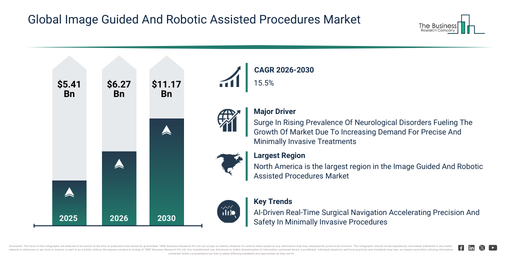
    The market for image-guided and robotic-assisted surgical procedures has experienced significant expansion lately. Projections indicate a rise from $5.41 billion in 2025 to $6.27 billion in 2026, reflecting a compound annual growth rate of 15.9%. This historical growth trajectory is underpinned by several key factors: enhancements in medical imaging capabilities, an increasing inclination among surgeons towards minimally invasive techniques, the early integration of robotic surgery platforms within specialized medical centers, superior patient results coupled with shorter recuperation periods, and a growing prevalence of intricate surgical cases.

    Anticipated advancements in surgical robotics, coupled with heightened investments in smart operating rooms and a broadening embrace within outpatient and ambulatory facilities, are poised to fuel significant expansion for the image-guided and robotic-assisted procedures market. Furthermore, the incorporation of AI-driven surgical decision support and the widening availability of training initiatives for robotic surgery are expected to contribute to a market valuation of $11.17 billion by 2030, representing a robust compound annual growth rate of 15.5%. Key developments anticipated during this growth phase include a greater uptake of minimally invasive robotic procedures, enhanced integration of real-time imaging with surgical navigation systems, a rising emphasis on precision and accuracy for intricate operations, the extension of robot-assisted interventions across various medical disciplines, and an increased reliance on simulation-based training for surgeons.

    Download A Free Sample Report For Comprehensive Market Insights:

    https://www.thebusinessresearchcompany.com/sample.aspx?id=23426&type=smp

    Image Guided And Robotic Assisted Procedures Market Development Factors: Which Trends Are Supporting Demand?

    The increasing incidence of nervous system ailments is set to significantly boost the expansion of the market for image-guided and robotic-assisted interventions. These conditions, impacting the brain, spinal cord, and nerves, result in difficulties with motor skills, cognitive abilities, and general bodily operations. Contributing factors to this escalating trend include shifts in lifestyle such as inadequate nutrition, sedentary habits, and persistent stress, all of which adversely affect brain health and function. Interventions utilizing imaging guidance and robotic assistance are crucial for advancing neurological treatment by refining surgical accuracy, reducing the need for extensive surgery, and expediting patient recovery, thus proving indispensable for managing intricate medical situations. As an illustration, Dementia Australia, a non-profit organization in Australia, indicated in February 2024 that the nation’s dementia rates are projected to surge by 93% by 2054, anticipating 812,500 individuals will be affected, a marked increase from the 421,000 recorded in 2024. Consequently, the growing number of neurological disorders is acting as a key driver for the market’s growth in image-guided and robotic-assisted procedures.

    Image Guided And Robotic Assisted Procedures Market Segmentation Trends And Revenue Drivers

    The image guided and robotic assisted procedures market covered in this report is segmented –

    1) By Product Type: MRI Guided Robot, X-Ray Computed Tomography Guided Robot, X-Ray Mammography Guided Robot, Optical Imaging Guided Robot, Ultrasound Imaging Guided Robot

    2) By Technology: Image-Guided Surgery, Robotic-Assisted Surgery, Augmented Reality (AR) Surgery, Virtual Reality (VR) Simulation

    3) By Specialty: Orthopedic Surgery, Neurology, Urology, Gynecology, Cardiothoracic Surgery

    4) By Application: Diagnostic Applications, Minimally Invasive Procedures

    5) By End User: Hospitals, Outpatient Facilities

    Subsegments:

    1) By MRI Guided Robot: Neurosurgery Robots, Prostate Biopsy Robots, Cardiac Catheterization Robots, Tumor Ablation Systems

    2) By X-Ray Computed Tomography (CT) Guided Robot: Interventional Radiology Robots, Spine Surgery Assistance Systems, Biopsy And Ablation Robots, Orthopedic Robotic Systems

    3) By X-Ray Mammography Guided Robot: Breast Biopsy Assistance Robots, Lesion Localization Systems, Automated Breast Imaging Robots

    4) By Optical Imaging Guided Robot: Robotic Endoscopy Systems, Robotic Fluorescence-Guided Surgery Tools, Ophthalmic Surgical Robots, Robotic Systems For Dental Imaging

    5) By Ultrasound Imaging Guided Robot: Robotic-Assisted Fetal Procedures, Liver And Kidney Biopsy Robots, Robotic Prostate Interventions, Needle Guidance Systems

    Image Guided And Robotic Assisted Procedures Market Transformation Trends: Which Innovations Are Driving Change?

    Entities within the image-guided and robotic-assisted procedures sector are strategically employing artificial intelligence and computer vision, specifically through innovations like light field surgical guidance, to secure a leading market position. This advanced navigation methodology leverages live image processing to interpret the surgical field and deliver instantaneous directional cues or operative recommendations. A prime illustration of this advancement is the introduction in November 2024 of the ExcelsiusHub navigation platform by Globus Medical, a prominent musculoskeletal device manufacturer based in the United States, which aims to elevate surgical accuracy and patient safety. This sophisticated system offers surgeons a trio of adaptable workflow choices—automated 3D registration, the fusion of CT and fluoroscopy images, and intraoperative 2D navigation—thereby imparting enhanced adaptability during intricate surgical interventions. Furthermore, the platform integrates continuous patient array monitoring to sustain precision throughout the entire surgical process. Additionally, it is equipped with tissue-sparing instruments designed to minimize damage to surrounding tissues and mitigate procedural risks. By diminishing the reliance on persistent X-ray visualization, the ExcelsiusHub system contributes to a more secure surgical setting for both practitioners and patients, simultaneously boosting operational efficiency and overall therapeutic results.

    Image Guided And Robotic Assisted Procedures Market Industry Leaders: Which Organizations Are Driving Competition?

    Major companies operating in the image guided and robotic assisted procedures market are Intuitive Surgical Inc., Medtronic plc, Johnson & Johnson, Stryker Corporation, Zimmer Biomet Holdings Inc., GE Healthcare, Siemens Healthineers AG, Koninklijke Philips N.V., Boston Scientific Corporation, Asensus Surgical Inc., Brainlab AG, Carl Zeiss Meditec AG, Karl Storz SE & Co. KG, Globus Medical Inc., Renishaw plc, Synaptive Medical Inc., MicroPort Scientific Corporation, CMR Surgical Ltd., THINK Surgical Inc., Auris Health Inc.

    Access The Complete Image Guided And Robotic Assisted Procedures Market Report:

    https://www.thebusinessresearchcompany.com/report/image-guided-and-robotic-assisted-procedures-global-market-report

    Image Guided And Robotic Assisted Procedures Market Largest Region: Which Geography Holds The Highest Market Share?

    North Americawas the largest region in the image-guided and robot-assisted surgical procedures market in 2025. Asia-Pacificis expected to be the fastest-growing region in the forecast period. The regions covered in the image guided and robotic assisted procedures market report are Asia-Pacific, South East Asia, Western Europe, Eastern Europe, North America, South America, Middle East, Africa.

    Get in touch with us:

    The Business Research Company: https://www.thebusinessresearchcompany.com/

    Americas: +1 310-496-7795

    Asia: +44 7882 955267 & +91 8897263534

    Europe: +44 7882 955267

    Email us at: marketing@tbrc.info

    Follow us on:

    LinkedIn: https://in.linkedin.com/company/the-business-research-company

    YouTube: https://www.youtube.com/channel/UC24_fI0rV8cR5DxlCpgmyFQ

    Global Market Model: https://www.thebusinessresearchcompany.com/global-market-model
  • Idiopathic Pulmonary Fibrosis Market Trends And Growth Drivers Point To Strong Future Potential

    Idiopathic Pulmonary Fibrosis Market Trends And Growth Drivers Point To Strong Future Potential

    Delivering more actionable and strategically valuable research, The Business Research Company’s 2026 market reports feature market attractiveness analysis, total addressable market evaluation, company benchmarking matrices, interactive Excel dashboards, expanded supply chain intelligence, emerging startup coverage, and detailed product insights.

    Idiopathic Pulmonary Fibrosis Market Size, Value And Growth Trends Through 2030

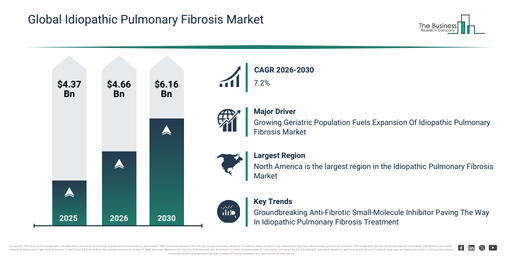
    The market for idiopathic pulmonary fibrosis has experienced robust expansion recently, projected to increase from $4.37 billion in 2025 to $4.66 billion in 2026, reflecting a compound annual growth rate of 6.7%. This historical growth trajectory is linked to a scarcity of therapeutic interventions for fibrotic lung conditions, a growing elderly demographic, enhanced awareness and diagnosis of IPF, the introduction of nintedanib and pirfenidone, and a greater emphasis on inpatient care for chronic respiratory ailments.

    The global idiopathic pulmonary fibrosis market is projected for significant expansion over the coming years, anticipated to reach a valuation of $6.16 billion by the year 2030. This substantial growth will occur at a compound annual growth rate of 7.2%. Several key factors are expected to fuel this upward trajectory during the forecast period, including augmented investment in pulmonary fibrosis research, the advent of advanced antifibrotic medications, a greater reliance on real-world data to guide treatment choices, the broadening reach of online and specialized pharmacy services, and heightened public awareness surrounding uncommon respiratory ailments. Prominent developments shaping this market outlook encompass a greater embrace of antifibrotic treatments, an intensified emphasis on achieving prompt and precise diagnoses, a growing tendency to employ combination drug regimens, a wider implementation of remote and sustained disease management strategies, and an increased involvement in clinical studies for innovative therapeutic approaches.

    Download A Free Sample Report For Comprehensive Market Insights:

    https://www.thebusinessresearchcompany.com/sample.aspx?id=12579&type=smp

    Idiopathic Pulmonary Fibrosis Market Industry Drivers: What Is Driving Revenue Growth?

    The expanding demographic of elderly individuals is poised to stimulate the expansion of the idiopathic pulmonary fibrosis market. This demographic encompasses senior citizens, and the natural aging process brings about changes in lung structure and function, rendering them more prone to respiratory ailments like IPF, thereby elevating the demand for relevant therapies. Notably, projections from the Population Reference Bureau in January 2024 indicate a significant surge in the American elderly population, anticipated to climb from 58 million in 2022 to 82 million by 2050, representing a 47% increase, and consequently, their share of the total U.S. population will increase from 17% to 23% over the same timeframe, underlining how the growing elderly segment fuels the IPF market.

    Idiopathic Pulmonary Fibrosis Market Segment Analysis Highlighting Growth Areas

    The idiopathic pulmonary fibrosis market covered in this report is segmented –

    1) By Drug Type: Nintedanib, Pirfenidone, Other Drug Types

    2) By Mode Of Action: Antifibrotic Agents, Tyrosine Kinase Inhibitors, Other Modes Of Action

    3) By Route Of Administration: Oral, Parenteral

    4) By Distribution Channel: Hospital Pharmacies, Retail Pharmacies, Online Providers

    5) By End Users: Hospitals And Clinics, Other End Users

    Subsegments:

    1) By Nintedanib: Indications, Dosage Forms, Administration Routes

    2) By Pirfenidone: Indications, Dosage Forms, Administration Routes

    3) By Other Drug Types: Specific Agents Or Classes, Emerging Therapies, Combination Therapies

    #Idiopathic Pulmonary Fibrosis Market Growth Trends: What Is Influencing The Future Outlook?

    Key players within the idiopathic pulmonary fibrosis (IPF) arena are strategically concentrating on the development of novel therapies, specifically anti-fibrotic small-molecule inhibitors, as a means to solidify their market standing. These inhibitors represent a class of drugs engineered to counteract the fibrotic pathways implicated in the disease. A notable development occurred in June 2023 when Insilico Medicine, a US-based biotechnology firm specializing in generative artificial intelligence (AI), commenced Phase II clinical investigations for INS018_055. This particular compound holds the distinction of being the inaugural anti-fibrotic small molecule inhibitor discovered using generative AI technology. The commencement of administering the first dose to trial participants signifies a significant step forward. The trial itself is designed as a randomized, double-blind, placebo-controlled study intended to assess the safety profile, patient tolerance, pharmacokinetic properties, and initial effectiveness of a twelve-week oral regimen of INS018_055 in individuals diagnosed with idiopathic pulmonary fibrosis (IPF). This pioneering methodology highlights the transformative potential of AI in the process of drug discovery, signifying a promising advancement in the therapeutic landscape for IPF conditions.

    Idiopathic Pulmonary Fibrosis Market Leading Companies: Who Holds Significant Market Presence?

    Major companies operating in the idiopathic pulmonary fibrosis market are F. Hoffmann-La Roche Ltd., Merck & Co. Inc., Novartis AG, Bristol-Myers Squibb Company, AstraZeneca PLC, Sanofi S.A., Gilead Sciences Inc., Toray Industries Inc., Boehringer Ingelheim International GmbH, Viatris Inc., Sun Pharmaceutical Industries Limited, Shionogi and Co. Ltd., Cipla Inc., Zydus Lifesciences Ltd., Chong Kun Dang Pharmaceutical Corp., Kyorin Pharmaceutical Co. Ltd., Galapagos NV, Veracyte Inc., Genentech Inc., FibroGen Inc., GNI Group Ltd., Pliant Therapeutics Inc., Pulmatrix Inc., Galimedix Therapeutics Inc., Avalyn Pharma Inc., MediciNova Inc., Liminal BioSciences Inc., Beijing Continent Pharmaceuticals Company, Galecto Inc.

    Access The Complete Idiopathic Pulmonary Fibrosis Market Report:

    https://www.thebusinessresearchcompany.com/report/idiopathic-pulmonary-fibrosis-global-market-report

    Idiopathic Pulmonary Fibrosis Market Regional Analysis: Which Region Leads By Revenue?

    North Americawas the largest region in the idiopathic pulmonary fibrosis market in 2025. Asia Pacific is expected to be the fastest-growing region in the forecast period. The regions covered in the idiopathic pulmonary fibrosis market report are Asia-Pacific, South East Asia, Western Europe, Eastern Europe, North America, South America, Middle East, Africa.

    Get in touch with us:

    The Business Research Company: https://www.thebusinessresearchcompany.com/

    Americas: +1 310-496-7795

    Asia: +44 7882 955267 & +91 8897263534

    Europe: +44 7882 955267

    Email us at: marketing@tbrc.info

    Follow us on:

    LinkedIn: https://in.linkedin.com/company/the-business-research-company

    YouTube: https://www.youtube.com/channel/UC24_fI0rV8cR5DxlCpgmyFQ

    Global Market Model: https://www.thebusinessresearchcompany.com/global-market-model
  • Idiopathic Intracranial Hypertension Treatment Market Expansion Is Reshaping Competitive Dynamics Across The Industry

    Idiopathic Intracranial Hypertension Treatment Market Expansion Is Reshaping Competitive Dynamics Across The Industry

    Enhanced with market attractiveness analysis, total addressable market evaluation, company benchmarking matrices, interactive Excel dashboards, expanded supply chain intelligence, emerging startup coverage, and detailed product insights, The Business Research Company’s 2026 market reports deliver more actionable and strategically valuable research.

    Idiopathic Intracranial Hypertension Treatment Market CAGR Analysis And Future Market Development

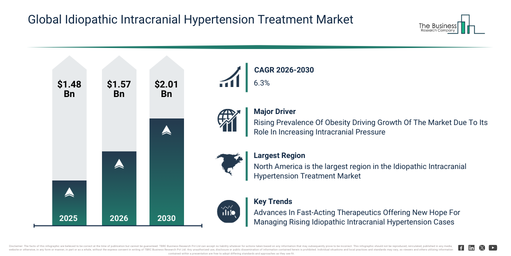
    The market for idiopathic intracranial hypertension treatments experienced robust expansion recently, projected to advance from its 2025 valuation of $1.48 billion to $1.57 billion in 2026, reflecting a compound annual growth rate of 6.5%. Factors influencing this historical growth trajectory include the increasing prevalence of neurological conditions linked to obesity, enhanced accessibility of neuroimaging technologies, heightened recognition of vision impairment complications, the hospital-centric management of critical instances, and the consistent application of acetazolamide treatment.

    Anticipating a robust expansion, the market for treating idiopathic intracranial hypertension is projected to reach $2.01 billion by 2030, exhibiting a compound annual growth rate of 6.3%. This upward trajectory is primarily propelled by the escalating global obesity rates, continued progress in less invasive neurosurgical procedures, the proliferation of specialized neurology centers, heightened emphasis on prompt identification and diagnosis, and the ongoing development of innovative treatment strategies. Key developments shaping this market include a greater reliance on medication as the initial course of treatment, a concentrated effort on early diagnosis to avert visual impairment, a growing preference for less invasive surgical options, the broader implementation of integrated care approaches for IIH patient management, and an increased prioritization of programs focused on lifestyle adjustments and weight reduction.

    Download A Free Sample Report For Comprehensive Market Insights:

    https://www.thebusinessresearchcompany.com/sample.aspx?id=23425&type=smp

    Idiopathic Intracranial Hypertension Treatment Market Growth Factors: Which Forces Are Supporting Market Expansion?

    The expanding incidence of obesity is anticipated to be a primary catalyst for the advancement of the idiopathic intracranial hypertension treatment market in the future. Obesity, characterized by an accumulation of excessive body fat detrimental to health, is on the rise due to a confluence of factors including increasingly inactive lifestyles and a heightened consumption of highly processed, calorie-rich foods. This condition exacerbates idiopathic intracranial hypertension by leading to an overproduction of cerebrospinal fluid and hindering its proper drainage, thereby elevating intracranial pressure. As an illustration, data from the Office for Health Improvement and Disparities indicated that in England, during the period spanning 2022 to 2023, a substantial 64.0% of adults aged eighteen and above were categorized as either overweight or obese. Consequently, this escalating trend in obesity is a significant driver for the idiopathic intracranial hypertension treatment market’s expansion.

    Idiopathic Intracranial Hypertension Treatment Market Segment Performance And Strategic Opportunities

    The idiopathic intracranial hypertension treatment market covered in this report is segmented –

    1) By Treatment Type: Medications, Surgeries, Therapies

    2) By Treatment Administration: Oral Administration, Intrathecal Administration

    3) By Diagnostic Type: Neuroimaging, Lumbar Puncture, Visual Field Tests

    4) By End User: Hospitals, Specialty Clinics, Ambulatory Surgical Centres

    Subsegments:

    1) By Medications: Diuretics, Corticosteroids, Acetazolamide

    2) By Surgeries: Shunt Surgery, Optic Nerve Sheath Fenestration, Stenting

    3) By Therapies: Weight Management Programs, Lifestyle Modifications, Physical Therapy

    Idiopathic Intracranial Hypertension Treatment Market Industry Trends: What Changes Are Reshaping Demand?

    In the idiopathic intracranial hypertension treatment market, leading pharmaceutical players are directing their efforts toward creating innovative, swift-acting treatments aimed at safely alleviating intracranial pressure and enhancing headache symptoms, bolstered by burgeoning clinical findings like the encouraging phase two outcomes for exenatide. Specifically, in March of 2023, investigators affiliated with the University of Birmingham in the United Kingdom revealed that a phase two investigation has identified exenatide, a GLP-1 receptor agonist administered via injection and currently employed for type 2 diabetes management, as a prospective novel therapeutic for idiopathic intracranial hypertension (IIH). This research, spearheaded by neurologists at the University of Birmingham, demonstrated that individuals administered exenatide observed a substantial reduction in intracranial pressure within hours, with sustained benefits continuing for a duration of 12 weeks. Furthermore, individuals participating in the trial reported an average reduction of nearly eight headache days per month, contrasting sharply with the negligible changes noted in the group receiving a placebo. Given the increasing prevalence of IIH, coinciding with a global rise in obesity, these compelling results represent a crucial advancement in the pursuit of a much-required approved therapy for a condition capable of inducing severe headaches and compromised vision.

    Idiopathic Intracranial Hypertension Treatment Market Key Players: Which Companies Shape Industry Competition?

    Major companies operating in the idiopathic intracranial hypertension treatment market are Siemens AG, Medtronic plc, Becton Dickinson and Company, Philips Healthcare, GE HealthCare Technologies Inc., Teva Pharmaceuticals, Boston Scientific Corporation, Henry Schein, Sun Pharmaceutical Industries, Zydus LifeSciences, Topcon Corporation, Natus Medical Incorporated, Canon Medical Systems Corporation, Carl Zeiss Meditec AG, Optopol Technology, Strides Pharma, NIDEK Co., Haag-Streit AG, Invex Therapeutics, Metrovision

    Access The Complete Idiopathic Intracranial Hypertension Treatment Market Report:

    https://www.thebusinessresearchcompany.com/report/idiopathic-intracranial-hypertension-treatment-global-market-report

    Idiopathic Intracranial Hypertension Treatment Market Geographic Distribution And Regional Opportunities

    North Americawas the largest region in the idiopathic intracranial hypertension treatment market in 2025. Asia-Pacificis expected to be the fastest-growing region in the forecast period. The regions covered in the idiopathic intracranial hypertension treatment market report are Asia-Pacific, South East Asia, Western Europe, Eastern Europe, North America, South America, Middle East, Africa.

    Get in touch with us:

    The Business Research Company: https://www.thebusinessresearchcompany.com/

    Americas: +1 310-496-7795

    Asia: +44 7882 955267 & +91 8897263534

    Europe: +44 7882 955267

    Email us at: marketing@tbrc.info

    Follow us on:

    LinkedIn: https://in.linkedin.com/company/the-business-research-company

    YouTube: https://www.youtube.com/channel/UC24_fI0rV8cR5DxlCpgmyFQ

    Global Market Model: https://www.thebusinessresearchcompany.com/global-market-model
  • ICU Beds Market Forecast Reveals Where Future Industry Value Will Be Created

    ICU Beds Market Forecast Reveals Where Future Industry Value Will Be Created

    Through market attractiveness analysis, total addressable market evaluation, company benchmarking matrices, interactive Excel dashboards, expanded supply chain intelligence, emerging startup coverage, and detailed product insights, The Business Research Company’s 2026 market reports provide more actionable and strategically valuable research.

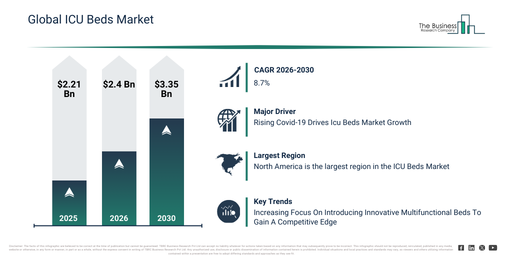
    ICU Beds Market Expansion From $2.39 Billion In 2026 To $3.34 Billion In 2030

    Demand for ICU beds experienced robust expansion in the period leading up to 2025, and this upward trajectory is projected to continue strongly. From a market value of $2.21 billion in 2025, the sector is anticipated to reach $2.4 billion in 2026, reflecting a compound annual growth rate of 8.7%. Key factors driving this historical growth include the increasing prevalence of severe medical conditions and trauma incidents, the expansion of healthcare facilities, escalating healthcare expenditures, a growing elderly demographic requiring more frequent ICU admissions, and valuable insights gained from the heightened ICU utilization observed during the pandemic.

    The market for intensive care unit (ICU) beds is poised for substantial expansion over the coming years, projecting a rise to $3.35 billion by 2030 with a compound annual growth rate (CAGR) of 8.7%. This projected increase is driven by several key factors, including the proliferation of smart hospital strategies, a greater uptake of networked medical equipment, increased financial backing for critical care infrastructure, escalating demand for specialized neonatal and pediatric ICU units, and a growing emphasis on environmentally friendly and energy-conscious hospital furnishings. Key developments anticipated within this timeframe involve a heightened adoption of intelligent and linked ICU beds, a surge in demand for both electrically adjustable and bariatric ICU bed models, a pronounced focus on enhancing patient safety and designing beds with ergonomics in mind, the broadening of ICU facilities in developing nations, and a stronger inclination towards adaptable and modular ICU bed setups.

    Download A Free Sample Report For Comprehensive Market Insights:

    https://www.thebusinessresearchcompany.com/sample.aspx?id=2882&type=smp

    ICU Beds Market Demand Drivers: What Is Fueling Industry Growth?

    The global ICU bed market is witnessing remarkable expansion, spurred by the escalating numbers of COVID-19 infections worldwide, compelling both established and developing nations to bolster their critical care infrastructure. Consequently, public health systems are allocating substantial funds for essential hospital equipment, with ICU beds standing out as a paramount necessity.

    The expansion of healthcare facilities, specifically the increasing establishment of hospitals, is a key factor propelling the ICU beds market forward. Hospitals, serving as crucial centers for comprehensive medical care ranging from diagnosis to emergency services, are indispensable for addressing diverse patient needs. Within these facilities, ICU beds are vital for managing patients with critical conditions, offering sophisticated monitoring and life-sustaining support to improve recovery outcomes. As an illustration, data from the American Hospital Association indicated that the United States hosted 6,129 hospitals in May 2023, a slight rise from the 6,093 recorded the preceding year, underscoring the trend of hospital growth that consequently fuels demand for ICU beds.

    Furthermore, a surge in surgical interventions is significantly contributing to the growth trajectory of the ICU beds market, driven by the heightened need for specialized post-operative critical care. Surgical procedures, encompassing operative techniques for treating various medical conditions, are on the rise due to the increasing incidence of chronic and lifestyle-related illnesses necessitating surgical intervention. The availability of ICU beds is instrumental in supporting this trend by providing essential intensive monitoring and care for individuals recuperating from complex or high-risk operations. For example, the International Society of Aesthetic Plastic Surgery reported a 3.4% increase in both surgical and non-surgical procedures globally, reaching 34.9 million in 2023, thereby demonstrating how the growing volume of surgeries directly stimulates the demand within the ICU beds market.

    ICU Beds Market Segment Landscape And Growth Potential

    The icu beds market covered in this report is segmented –

    1) By Type: Electric Beds, Semi-Electric Beds

    2) By Application: Pediatric Intensive Care Unit, Neonatal Intensive Care Unit, Cardiac Intensive Care Unit, Neurological Intensive Care Unit, Trauma Intensive Care Unit, Surgical Intensive Care Unit

    3) By End Use: General And Acute Care Hospitals, Specialized Hospitals, Multi-Specialty Hospitals

    Subsegments:

    1) By Electric Beds: Full Electric ICU Beds, Bariatric Electric ICU Beds

    2) By Semi-Electric Beds: Manual Head/Foot Control ICU Beds, Electric Height Adjustment ICU Beds

    ICU Beds Market Innovation Trends: Which Developments Are Transforming The Industry?

    Within the ICU bed sector, leading corporations are intensifying their efforts to distinguish themselves by developing sophisticated, multi-functional ICU beds, exemplified by the Hillrom Progressa+ model. This advanced ICU bed from Hillrom represents a new era in patient care technology, incorporating innovative features intended to simplify nursing tasks and enhance patient recuperation. A prime example of this market strategy is Baxter International Inc., a prominent American healthcare firm, which debuted the Hillrom Progressa+ ICU bed in June 2023. This particular bed integrates advanced capabilities aimed at addressing patients’ respiratory requirements, preserving skin integrity, and facilitating early mobilization initiatives. Specifically, the Progressa+ is equipped with integrated percussion, vibration, and continuous lateral rotation therapies, all designed to mitigate pulmonary issues that can arise from prolonged immobility. Furthermore, its adaptable frame design allows for secure and effortless patient repositioning, featuring a convenient single-button FullChair positioning function with a chair egress option, alongside a built-in three-mode bed exit alarm system to monitor patient movement and bolster in-bed safety.

    ICU Beds Market Competitive Landscape: Who Are The Leading Companies?

    Major companies operating in the icu beds market are Stryker Corporation, Hill-Rom Holdings Inc., Getinge AB, Invacare Corporation, Paramount Bed Holdings Co. Ltd., Joerns Healthcare LLC, LINET Group SE, Stiegelmeyer GmbH & Co. KG, Hebei Pukang Medical Instruments Co. Ltd., Malvestio SpA, Umano Medical Inc., Favero Health Projects Ltd., Graham-Field Health Products Inc., Drive Medical Limited, Medline Industries Inc., Merivaara Corp, Span-America Medical Systems Inc., Savion Industries Ltd., Nitrocare Medical Bed, Haelvoet NV, Nexus Medical LLC, Proma Reha Ltd., Jiangsu Saikang Medical Equipment Co. Ltd., Zhangjiagang Medi Medical Equipment Co. Ltd., Novum Medical Products Inc., Integrity Medical Solutions Inc., Missaglia SpA, Besco Medical Limited

    Access The Complete ICU Beds Market Report:

    https://www.thebusinessresearchcompany.com/report/icu-beds-global-market-report

    ICU Beds Market Largest Region By Revenue And Market Share

    North America was the largest region in the ICU beds market in 2025. Western Europe was the second largest region in the ICU beds market. The regions covered in the icu beds market report are Asia-Pacific, South East Asia, Western Europe, Eastern Europe, North America, South America, Middle East, Africa.

    Get in touch with us:

    The Business Research Company: https://www.thebusinessresearchcompany.com/

    Americas: +1 310-496-7795

    Asia: +44 7882 955267 & +91 8897263534

    Europe: +44 7882 955267

    Email us at: marketing@tbrc.info

    Follow us on:

    LinkedIn: https://in.linkedin.com/company/the-business-research-company

    YouTube: https://www.youtube.com/channel/UC24_fI0rV8cR5DxlCpgmyFQ

    Global Market Model: https://www.thebusinessresearchcompany.com/global-market-model
  • Hysteroscopy Procedures Market Growth Through 2030 Creates New Strategic Opportunities

    Hysteroscopy Procedures Market Growth Through 2030 Creates New Strategic Opportunities

    Delivering more actionable and strategically valuable research, The Business Research Company’s 2026 market reports feature market attractiveness analysis, total addressable market evaluation, company benchmarking matrices, interactive Excel dashboards, expanded supply chain intelligence, emerging startup coverage, and detailed product insights.

    Hysteroscopy Procedures Market Forecast Highlighting Growth From $4.64 Billion To $6.22 Billion

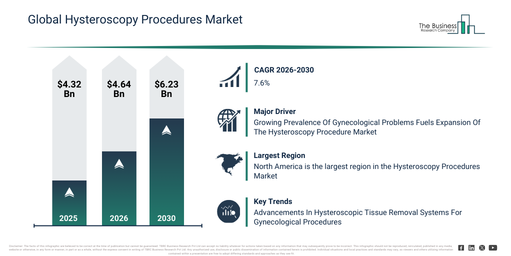
    The market for hysteroscopy procedures has demonstrated robust expansion over the past few years, with projections indicating continued growth. This market is expected to increase from $4.32 billion in 2025 to $4.64 billion in 2026, reflecting a compound annual growth rate of 7.4%. Key factors contributing to this historical growth trajectory include a greater incidence of abnormal uterine bleeding, heightened public consciousness regarding minimally invasive diagnostic methods, enhanced accessibility to gynecological healthcare services, an increase in surgical interventions conducted within hospitals, and significant progress in optical and imaging technologies.

    The hysteroscopy procedures market is poised for substantial expansion over the coming years, projecting a total value of $6.23 billion by 2030, fueled by a compound annual growth rate of 7.6%. This anticipated growth stems from several key factors, including an escalating need for fertility assessment, the proliferation of ambulatory surgery centers, a growing inclination towards outpatient diagnostic services, continuous technological advancements in flexible hysteroscopes, and increased healthcare spending dedicated to women’s health. During this forecast period, dominant trends are expected to include a greater embrace of minimally invasive gynecological interventions, a notable shift towards performing hysteroscopies in office-based and outpatient settings, a heightened demand for diagnostic hysteroscopy in addressing infertility issues, ongoing improvements in hysteroscopic visualization and instrumentation technology, and a broader application of hysteroscopy for the early identification of uterine conditions.

    Download A Free Sample Report For Comprehensive Market Insights:

    https://www.thebusinessresearchcompany.com/sample.aspx?id=10710&type=smp

    Hysteroscopy Procedures Market Growth Drivers: What Factors Are Accelerating Expansion?

    The increasing incidence of gynecological conditions is poised to be a significant driver for the expansion of the hysteroscopy procedure market. Gynecological disorders encompass a range of ailments that disrupt the typical operation of the female reproductive system, including conditions like uterine fibroids, menstrual irregularities, and polycystic ovary syndrome. Hysteroscopy offers a valuable approach to managing the heightened occurrence of these gynecological issues by enabling the diagnosis and treatment of conditions that manifest as abnormal uterine bleeding, excessively heavy menstrual flow, irregular intermenstrual spotting, and postmenopausal bleeding. Illustratively, data from January 2023, reported by the National Center for Biotechnology Information, indicated that approximately 70% of women develop uterine fibroids by the onset of menopause, with a quarter of women of reproductive age experiencing fibroids that are clinically apparent. Additionally, a March 2023 publication from the World Health Organization, an international public health entity headquartered in Switzerland, highlighted that endometriosis impacts close to 10% of women and girls globally during their reproductive years, equating to approximately 190 million individuals. Consequently, this escalating trend in gynecological health concerns is fueling the advancement of the hysteroscopy procedure market.

    Hysteroscopy Procedures Market Categorization By Product Type And Application

    The hysteroscopy procedures market covered in this report is segmented –

    1) By Product Type: Flexible Hysteroscopes, Forceps, Rigid Hysteroscopes, Scissors

    2) By Application: Hysteroscopy, Endometrial Ablation, Myomectomy, Polypectomy, Other Applications

    3) By End-User: Hospitals, Clinics, Ambulatory Surgery Centers, Other End-Users

    Subsegments:

    1) By Flexible Hysteroscopes: Diagnostic Flexible Hysteroscopes, Operative Flexible Hysteroscopes

    2) By Forceps: Biopsy Forceps, Grasping Forceps

    3) By Rigid Hysteroscopes: Diagnostic Rigid Hysteroscopes, Operative Rigid Hysteroscopes

    4) By Scissors: Curved Scissors, Straight Scissors

    Hysteroscopy Procedures Market Trends: What Is Shaping Future Industry Growth?

    Key players within the hysteroscopy procedures market are actively pursuing the creation of advanced technologies, specifically hysteroscopic tissue removal systems, aimed at rendering hysteroscopic interventions both minimally invasive and remarkably straightforward. These systems function as sophisticated medical instruments designed for the precise excision or elimination of uterine abnormalities, leveraging hysteroscopy for ongoing visual guidance and accurate therapeutic application. As an illustration, the company GenWorks Health Private Limited, headquartered in India and specializing in equipment and technological solutions, introduced its mechanical hysteroscopic tissue removal system in July of 2023. This particular device is engineered to facilitate the least invasive method for extracting intrauterine tissues during hysteroscopy. Employing a simplified mechanical methodology, it permits the introduction of the hysteroscope into the uterus, where specialized shavers effectively cut and suction away aberrant tissues, including but not limited to endometrial fibroids and polyps, in a single operation. The inherent design provides direct visual access to the uterine cavity, ensuring that abnormalities are targeted with accuracy, and conveniently collects tissue samples for subsequent pathological examination. By diminishing the necessity for energy-based interventions and reducing overall fluid consumption, this system significantly bolsters safety and operational effectiveness, contributing to abbreviated procedure durations and improved patient recovery. Its streamlined workflow, characterized by a reduced number of procedural steps and requiring only a single insertion, establishes it as a highly beneficial instrument in the field of gynecology.

    Hysteroscopy Procedures Market Company Landscape And Strategic Competition

    Major companies operating in the hysteroscopy procedures market are Hologic Inc., CooperSurgical Inc., Stryker Corp., Karl Storz SE & Co. KG, Medtronic plc, Johnson & Johnson Services Inc., Olympus Corporation, B. Braun SE, Richard Wolf GmbH, Erbe Elektromedizin GmbH, Boston Scientific Corporation, MedGyn Products Inc., LiNA Medical ApS, LUMINELLE, Meditrina Inc., Maxer Endoscopy GmbH, Smith & Nephew plc, Cook Medical LLC, Fujifilm Holdings Corporation, ConMed Corporation, Silex Medical LLC, Endo Optiks Inc.

    Access The Complete Hysteroscopy Procedures Market Report:

    https://www.thebusinessresearchcompany.com/report/hysteroscopy-procedures-global-market-report

    Hysteroscopy Procedures Market Regional Analysis And Leading Geography

    North Americawas the largest region in the hysteroscopy procedure market in 2025.Asia-Pacificis expected to be the fastest-growing region in the global hysteroscopy procedure market report during the forecast period. The regions covered in the hysteroscopy procedures market report are Asia-Pacific, South East Asia, Western Europe, Eastern Europe, North America, South America, Middle East, Africa.

    Get in touch with us:

    The Business Research Company: https://www.thebusinessresearchcompany.com/

    Americas: +1 310-496-7795

    Asia: +44 7882 955267 & +91 8897263534

    Europe: +44 7882 955267

    Email us at: marketing@tbrc.info

    Follow us on:

    LinkedIn: https://in.linkedin.com/company/the-business-research-company

    YouTube: https://www.youtube.com/channel/UC24_fI0rV8cR5DxlCpgmyFQ

    Global Market Model: https://www.thebusinessresearchcompany.com/global-market-model
  • Hypophosphatasia Treatment Market Size Projected To Increase From $3.12 Billion To $3.87 Billion During The Forecast Period

    Hypophosphatasia Treatment Market Size Projected To Increase From $3.12 Billion To $3.87 Billion During The Forecast Period

    Enhanced with market attractiveness analysis, total addressable market evaluation, company benchmarking matrices, interactive Excel dashboards, expanded supply chain intelligence, emerging startup coverage, and detailed product insights, The Business Research Company’s 2026 market reports deliver more actionable and strategically valuable research.

    Hypophosphatasia Treatment Market Revenue Growth Supported By A CAGR Of 3.87% Through 2030

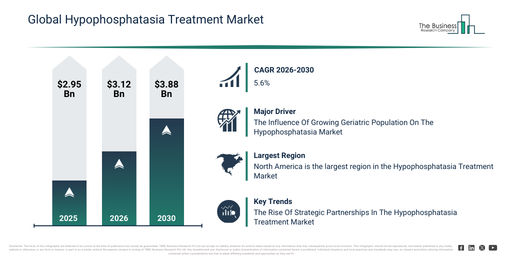
    The hypophosphatasia treatment sector has experienced significant expansion lately, projected to advance from $2.95 billion in 2025 to $3.12 billion in 2026, reflecting a compound annual growth rate of 5.9%. Key factors contributing to this past growth include a scarcity of specialized treatments, heightened awareness of uncommon metabolic bone conditions, enhanced diagnostic capabilities through advanced imaging and laboratory analysis, hospital-based administration for severe instances, and the progressive integration of enzyme replacement therapy.

    The market for hypophosphatasia treatments is poised for significant expansion, projecting a reach of $3.88 billion by 2030, driven by a compound annual growth rate of 5.6%. This anticipated growth throughout the forecast period is fueled by several key factors, including the broader implementation of genetic testing and newborn screening initiatives, increased financial backing for the development of drugs targeting rare diseases, greater accessibility to cutting-edge enzyme replacement therapies, heightened patient engagement and advocacy efforts, and enhanced access to specialized healthcare facilities. Foremost among the trends expected to shape this market during the forecast period are the escalating utilization of enzyme replacement therapy, a heightened emphasis on identifying the condition through early genetic diagnosis and screening, a growing need for tailored treatment plans, the wider deployment of comprehensive care models involving various specialists for rare skeletal conditions, and improvements in long-term patient monitoring and ancillary support.

    Download A Free Sample Report For Comprehensive Market Insights:

    https://www.thebusinessresearchcompany.com/sample.aspx?id=9424&type=smp

    Hypophosphatasia Treatment Market Growth Factors Supporting Long-Term Expansion

    The increasing number of elderly individuals is poised to propel the hypophosphatasia treatment market forward. This demographic, comprising those aged 65 and over, creates a greater need for healthcare services addressing hypophosphatasia, encompassing both initial detection and ongoing care. This heightened demand consequently fosters progress in comprehending and treating the disorder among older adults. As an illustration, the Population Reference Bureau projected in January 2024 that the American population aged 65 or more will expand from 58 million in 2022 to reach 82 million by 2050, signifying a substantial 47% surge. Consequently, this age segment’s share of the total U.S. population will escalate from 17% to 23% over the same timeframe, underscoring the influence of the swelling senior population on the expansion of the hypophosphatasia treatment sector.

    Hypophosphatasia Treatment Market Segment Analysis And Revenue Opportunities

    The hypophosphatasia treatment market covered in this report is segmented –

    1) By Type: Odontohypophosphatasia, Pseudohypophosphatasia

    2) By Route Of Administration: Oral, Injectable

    3) By Distribution Channel: Hospital Pharmacy, Online Pharmacy, Retail Pharmacy

    4) By End User: Hospitals, Homecare, Specialty Clinics, Other End Users

    Subsegments:

    1) By Odontohypophosphatasia: Childhood Odontohypophosphatasia, Adult Odontohypophosphatasia

    2) By Pseudohypophosphatasia: Genetically Confirmed Pseudohypophosphatasia, Clinically Diagnosed Pseudohypophosphatasia

    Hypophosphatasia Treatment Market Industry Trends Shaping Future Revenue Growth

    The primary players within the Hypophosphatasia treatment landscape are dedicating their efforts to pioneering novel therapeutic strategies, including advanced B Cell Medicines and enzyme replacement therapies, with the aim of improving patient prognoses and optimizing the care for this uncommon inherited condition. B Cell Medicines represent engineered therapeutic modalities that leverage modified B cells to generate and release beneficial proteins, presenting prospective treatments for a spectrum of ailments such as genetic conditions and malignancies. As an illustration, in June of 2024, Be Biopharma, Inc., a distinguished United States firm specializing in the development of B cell medicines for severe illnesses, disclosed encouraging preclinical findings concerning a groundbreaking B Cell Medicine (BCM) designed for the treatment of Hypophosphatasia (HPP), a rare genetic disorder identified by an insufficiency in tissue-nonspecific alkaline phosphatase (ALP). This particular investigation underscores the inventive application of CRISPR/Cas9-based precise gene editing methods, coupled with protein design guided by artificial intelligence, to augment the therapeutic efficacy of BCMs.

    Hypophosphatasia Treatment Market Leading Players Shaping Industry Direction

    Major companies operating in the hypophosphatasia treatment market are Ultragenyx Pharmaceutical Inc, Alexion Pharmaceuticals Inc, BioMarin Pharmaceutical Inc, Inozyme Pharma Inc, Kyowa Kirin Co. Ltd., Shire plc, Takeda Pharmaceutical Company Limited, AstraZeneca plc, Pfizer Inc, Novartis AG, Sanofi S.A., Roche Holding AG, Amgen Inc, Eli Lilly and Company, Regeneron Pharmaceuticals Inc, Bristol Myers Squibb Company, Gilead Sciences Inc, AbbVie Inc, Merck & Co Inc, Johnson & Johnson

    Access The Complete Hypophosphatasia Treatment Market Report:

    https://www.thebusinessresearchcompany.com/report/hypophosphatasia-treatment-global-market-report

    Hypophosphatasia Treatment Market Geographic Analysis: Where Is Demand Growing The Fastest?

    North Americawas the largest region in the hypophosphatasia treatment market in 2025. The regions covered in the hypophosphatasia treatment market report are Asia-Pacific, South East Asia, Western Europe, Eastern Europe, North America, South America, Middle East, Africa.

    Get in touch with us:

    The Business Research Company: https://www.thebusinessresearchcompany.com/

    Americas: +1 310-496-7795

    Asia: +44 7882 955267 & +91 8897263534

    Europe: +44 7882 955267

    Email us at: marketing@tbrc.info

    Follow us on:

    LinkedIn: https://in.linkedin.com/company/the-business-research-company

    YouTube: https://www.youtube.com/channel/UC24_fI0rV8cR5DxlCpgmyFQ

    Global Market Model: https://www.thebusinessresearchcompany.com/global-market-model

  • Hypertrophic Cardiomyopathy Treatment Market Growth Outlook Reveals A CAGR Of 5.4% And A Market Value Of $1.81 Billion By 2030

    Hypertrophic Cardiomyopathy Treatment Market Growth Outlook Reveals A CAGR Of 5.4% And A Market Value Of $1.81 Billion By 2030

    Through market attractiveness analysis, total addressable market evaluation, company benchmarking matrices, interactive Excel dashboards, expanded supply chain intelligence, emerging startup coverage, and detailed product insights, The Business Research Company’s 2026 market reports provide more actionable and strategically valuable research.

    Hypertrophic Cardiomyopathy Treatment Market Value Expansion And Long-Term Growth Outlook

    The market for hypertrophic cardiomyopathy treatments has experienced consistent expansion, projected to increase from $1.41 billion in 2025 to $1.47 billion in 2026, reflecting a compound annual growth rate of 4.2%. This historical expansion has been driven by several factors, including heightened understanding of hypertrophic cardiomyopathy, the prevalent application of beta-blocker and calcium channel blocker therapies, enhanced accessibility to echocardiographic diagnostic tools, the management of symptomatic individuals within hospital settings, and a rising trend in identifying hereditary cases of HCM.

    The hypertrophic cardiomyopathy treatment market is poised for substantial expansion over the coming years, projected to reach $1.81 billion by 2030, reflecting a compound annual growth rate of 5.4%. This anticipated growth trajectory during the forecast period is largely fueled by several key factors, including the escalating utilization of genetic testing and screening protocols, a heightened demand for implantable cardioverter defibrillators, the increasing application of targeted pharmacological interventions, the proliferation of dedicated cardiology centers, and advancements in long-term patient monitoring and follow-up strategies. Furthermore, significant trends shaping this market outlook encompass the growing integration of precision medicine approaches within hypertrophic cardiomyopathy management, the increasing reliance on sophisticated cardiac imaging techniques for treatment planning, a greater inclination towards minimally invasive septal reduction therapies, the expanded deployment of implantable cardiac devices aimed at preventing sudden cardiac death, and an intensified emphasis on individualized, long-term disease management plans.

    Download A Free Sample Report For Comprehensive Market Insights:

    https://www.thebusinessresearchcompany.com/sample.aspx?id=13017&type=smp

    Hypertrophic Cardiomyopathy Treatment Market Demand Drivers Creating New Revenue Opportunities

    The escalating awareness and educational initiatives for patients are poised to significantly boost the hypertrophic cardiomyopathy treatment market. These programs aim to shape patient actions by updating their comprehension, perspectives, and competencies necessary for health maintenance and improvement, achieved by equipping individuals with relevant information. Hypertrophic cardiomyopathy, a rare genetic condition, often goes unrecognized due to insufficient public knowledge, leading to a substantial number of undiagnosed cases. Consequently, the implementation of educational campaigns and awareness drives concerning this ailment contributes to reducing the potential for severe outcomes by facilitating prompt identification and intervention. Evidence of this trend can be seen in the UK, where adult engagement in further education and skill development reached 1,627,320 in September 2024, marking a 0.9% increase from the preceding year, and participation in adult learning and vocational training saw a 4.6% surge, totaling 863,790, as reported by GOV.UK. This upward trajectory in patient outreach and learning opportunities is thus a key driver for the hypertrophic cardiomyopathy treatment sector.

    Hypertrophic Cardiomyopathy Treatment Market Segmentation And Category Breakdown

    The hypertrophic cardiomyopathy treatment market covered in this report is segmented –

    1) By Disease Type: Obstructive Hypertrophic Cardiomyopathy Treatment, Non-Obstructive Hypertrophic Cardiomyopathy Treatment

    2) By Diagnosis: Chest X-Ray, Echocardiogram, Electrocardiogram (ECG), Treadmill Stress Test, Cardiac Catheterization, Cardiac MRI, Cardiac CT Scan, Blood Tests, Genetic Testing Or Screening

    3) By Treatment: Medication, Surgically Implanted Devices, Nonsurgical Procedures, Surgery

    4) By End-User: Hospitals, Research Institutes, Specialty Clinics

    Subsegments:

    1) By Obstructive Hypertrophic Cardiomyopathy Treatment: Medications, Surgical Procedures, Alcohol Septal Ablation, Implantable Cardioverter Defibrillators (ICDs)

    2) By Non-Obstructive Hypertrophic Cardiomyopathy Treatment: Medications, Lifestyle Modifications, Genetic Counseling And Testing, Monitoring And Follow-Up Care

    Hypertrophic Cardiomyopathy Treatment Market Trends Driving Strategic Industry Expansion

    Within the Hypertrophic Cardiomyopathy Treatment landscape, leading pharmaceutical entities are strategically emphasizing the development of selective cardiac myosin inhibitors, specifically small molecule allosteric myosin inhibitors, as a means to secure market prominence. These therapeutic compounds function by directly addressing hypercontractility, a hallmark of HCM, through a reduction in the count of functioning actin-myosin cross bridges. A prime illustration of this trajectory is the U.S. biotechnology firm Cytokinetics, which in December 2024 revealed that the FDA had accepted its New Drug Application for aficamten, a novel cardiac myosin inhibitor set for a potential September 2025 approval. Clinical data from the SEQUOIA HCM Phase III study highlighted aficamten’s capacity to significantly enhance exercise tolerance as measured by peak VO₂, diminish left ventricular outflow tract pressure differences, and present a commendable safety profile. This surge in disease-modifying strategies, moving beyond mere symptom management, is notably bolstering the sector, though enduring questions regarding long-term safety and the scope of therapeutic labeling, particularly concerning non-obstructive forms of HCM, continue to pose challenges for market progression.

    Hypertrophic Cardiomyopathy Treatment Market Competitive Analysis Of Major Industry Participants

    Major companies operating in the hypertrophic cardiomyopathy treatment market are Pfizer Inc., F. Hoffmann-La Roche AG, Merck & Co. Inc., Novartis AG, Sanofi S.A., Bristol-Myers Squibb Company, AstraZeneca plc, Abbott Laboratories Ltd., GlaxoSmithKline plc, Takeda Pharmaceutical Company Limited, Teva Pharmaceutical Industries Ltd., Boston Scientific Corporation, Mylan N.V., Sun Pharmaceutical Industries Ltd., Cipla Ltd., Aurobindo Pharma Ltd., Hikma Pharmaceuticals plc, Lupin Limited, Zydus Lifesciences Limited, XyloCor Therapeutics Inc., Cytokinetics Inc., Santhera Pharmaceuticals Holding AG, DiNAQOR AG, Correvio Pharma Corp, Cardurion Pharmaceuticals Inc.

    Access The Complete Hypertrophic Cardiomyopathy Treatment Market Report:

    https://www.thebusinessresearchcompany.com/report/hypertrophic-cardiomyopathy-treatment-global-market-report

    Hypertrophic Cardiomyopathy Treatment Market Global Footprint: Which Region Holds Market Leadership?

    North Americawas the largest region in the hypertrophic cardiomyopathy treatment market in 2025. The regions covered in the hypertrophic cardiomyopathy treatment market report are Asia-Pacific, South East Asia, Western Europe, Eastern Europe, North America, South America, Middle East, Africa.

    Get in touch with us:

    The Business Research Company: https://www.thebusinessresearchcompany.com/

    Americas: +1 310-496-7795

    Asia: +44 7882 955267 & +91 8897263534

    Europe: +44 7882 955267

    Email us at: marketing@tbrc.info

    Follow us on:

    LinkedIn: https://in.linkedin.com/company/the-business-research-company

    YouTube: https://www.youtube.com/channel/UC24_fI0rV8cR5DxlCpgmyFQ

    Global Market Model: https://www.thebusinessresearchcompany.com/global-market-model