Month: June 2026

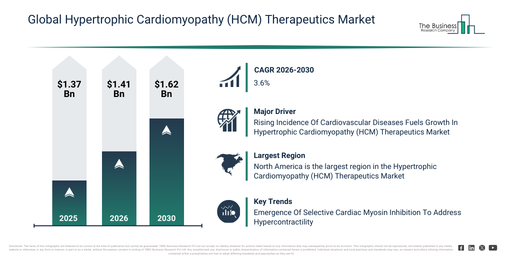
  • Hypertrophic Cardiomyopathy (HCM) Therapeutics Market Forecast Highlights Expansion From $1.4 Billion To $1.62 Billion Through 2030

    Hypertrophic Cardiomyopathy (HCM) Therapeutics Market Forecast Highlights Expansion From $1.4 Billion To $1.62 Billion Through 2030

    Delivering more actionable and strategically valuable research, The Business Research Company’s 2026 market reports feature market attractiveness analysis, total addressable market evaluation, company benchmarking matrices, interactive Excel dashboards, expanded supply chain intelligence, emerging startup coverage, and detailed product insights.

    Hypertrophic Cardiomyopathy (HCM) Therapeutics Market Expected To Reach $1.62 Billion By 2030 At 3.6% CAGR

    The market for hypertrophic cardiomyopathy (hcm) therapeutics is poised for incremental expansion, projected to increase from $1.37 billion in 2025 to $1.41 billion in 2026, reflecting a compound annual growth rate of 3.2%. This progression builds upon earlier growth fueled by several key factors including heightened recognition of inherited cardiomyopathies, the consistent application of beta blockers and calcium channel blockers, enhanced access to diagnostic imaging technologies, an escalating incidence of genetic cardiac conditions, and the hospital-centric management strategies adopted for patients identified as high-risk.

    The market for hypertrophic cardiomyopathy (hcm) therapeutics is projected to experience consistent expansion, reaching an estimated $1.62 billion by 2030 with a compound annual growth rate (CAGR) of 3.6%. This anticipated growth is fueled by several key factors including the increasing uptake of innovative myosin inhibitors, the broader implementation of genetic screening initiatives, a greater reliance on implantable defibrillators, a heightened emphasis on individualized cardiac care, and advancements in long-term disease management. During this forecast period, significant trends are expected to emerge, such as a greater embrace of precision-targeted myosin inhibitors, intensified efforts in early detection and risk assessment, a rise in the utilization of implantable cardiac devices aimed at averting sudden cardiac death, the proliferation of therapeutic strategies combining both medicinal and device-based interventions, and a stronger commitment to enhancing long-term symptom control and overall patient quality of life.

    Download A Free Sample Report For Comprehensive Market Insights:

    https://www.thebusinessresearchcompany.com/sample.aspx?id=9914&type=smp

    Hypertrophic Cardiomyopathy (HCM) Therapeutics Market Expansion Supported By Key Demand Factors

    The rising prevalence of cardiovascular conditions globally is anticipated to serve as a significant driver for the expansion of the hypertrophic cardiomyopathy (HCM) therapeutics market. Cardiovascular diseases encompass a range of ailments affecting the heart and circulatory system, including arrhythmias like atrial fibrillation, ventricular fibrillation, and atrioventricular block, which necessitate ongoing management. The fundamental objective behind treatments for hypertrophic cardiomyopathy is to mitigate associated symptoms and substantially reduce the risk of sudden cardiac death among individuals identified as high-risk. To illustrate this trend, in January 2024, data from the American Heart Association indicated a concerning rise in the age-adjusted mortality rate due to cardiovascular disease, reaching 233.3 deaths per 100,000 population, a 4.0% escalation from the 224.4 per 100,000 recorded in 2023. This escalating burden of cardiovascular disease underscores the market’s growth trajectory for hypertrophic cardiomyopathy therapeutics.

    Hypertrophic Cardiomyopathy (HCM) Therapeutics Market Segment Outlook: Which Categories Are Expanding The Fastest?

    The hypertrophic cardiomyopathy (hcm) therapeutics market covered in this report is segmented –

    1) By Drug Type: Antiarrhythmic Agents, Anticoagulants, Beta Adrenergic Blocking Agents, Calcium Channel Blockers, Other Drug Types

    2) By Device Type: Defibrillators, Pacemakers, Other Device Types

    3) By End User: Hospitals, Clinics

    Subsegments:

    1) By Antiarrhythmic Agents: Class I Agents, Class II Agents, Class III Agents, Class IV Agents

    2) By Anticoagulants: Vitamin K Antagonists, Direct Oral Anticoagulants (DOACs), Low Molecular Weight Heparins (LMWH)

    3) By Beta Adrenergic Blocking Agents: Non-Selective Beta Blockers, Selective Beta Blockers

    4) By Calcium Channel Blockers: Dihydropyridines, Non-Dihydropyridines

    5) By Other Drug Types: Myosin Inhibitors, Antimetabolites

    Hypertrophic Cardiomyopathy (HCM) Therapeutics Market Growth Trends Influencing Competitive Dynamics

    Within the hypertrophic cardiomyopathy therapeutics market, prominent players are strategically concentrating on the development and deployment of small molecule allosteric cardiac myosin inhibitors, specifically through selective myosin modulation, as a means to solidify their market standing. These innovative compounds function by curtailing the development of actin–myosin cross bridges, thereby mitigating the excessive contractile force exhibited by the myocardium. A notable illustration of this pursuit is Cytokinetics, a biopharmaceutical entity headquartered in the United States, which, in December 2024, secured FDA acceptance for its New Drug Application concerning aficamten. This next-generation myosin inhibitor has substantiated considerable enhancements in peak oxygen consumption (VO₂), notable decreases in outflow tract pressure gradients, and a decidedly positive safety profile as evidenced by the pivotal SEQUOIA HCM Phase III clinical investigation. This therapeutic strategy presents a compelling alternative that aims to modify the underlying disease process, distinguishing it from treatments solely focused on alleviating symptoms, yet it simultaneously introduces an increased layer of regulatory intricacy, a point underscored by the necessity of submitting a risk evaluation and mitigation strategy (REMS) alongside the New Drug Application.

    Hypertrophic Cardiomyopathy (HCM) Therapeutics Market Key Companies And Competitive Benchmarking

    Major companies operating in the hypertrophic cardiomyopathy (hcm) therapeutics market are Merck & Co. Inc., Pfizer Inc., Sanofi SA, Teva Pharmaceutical Industries Ltd., Novartis AG, AstraZeneca plc, Gilead Sciences Inc., Bayer AG, Correvio Pharma Corp., Advanz Pharma Corp., Lupin Limited, Boston Scientific Corporation, Bristol-Myers Squibb Company, Johnson & Johnson, Medtronic plc, Cardiome Pharma Corp., Cytokinetics Inc., Daiichi Sankyo Company Limited, GlaxoSmithKline plc., HUYA Bioscience International LLC, Ionis Pharmaceuticals Inc., Kowa Company Ltd., Luitpold Pharmaceuticals Inc., Menarini Group, Mitsubishi Tanabe Pharma Corporation, Nippon Shinyaku Co. Ltd., Otsuka Holdings Co. Ltd., Servier Laboratories

    Access The Complete Hypertrophic Cardiomyopathy (HCM) Therapeutics Market Report:

    https://www.thebusinessresearchcompany.com/report/hypertrophic-cardiomyopathy-hcm-therapeutics-global-market-report

    Hypertrophic Cardiomyopathy (HCM) Therapeutics Market Regional Distribution: Which Areas Drive Market Expansion?

    North Americawas the largest region in the hypertrophic cardiomyopathy (HCM) therapeutics market in 2025. Asia-Pacificis expected to be the fastest-growing region in the hypertrophic cardiomyopathy (HCM) therapeutics market report during the forecast period. The regions covered in the hypertrophic cardiomyopathy (hcm) therapeutics market report are Asia-Pacific, South East Asia, Western Europe, Eastern Europe, North America, South America, Middle East, Africa.

    Get in touch with us:

    The Business Research Company: https://www.thebusinessresearchcompany.com/

    Americas: +1 310-496-7795

    Asia: +44 7882 955267 & +91 8897263534

    Europe: +44 7882 955267

    Email us at: marketing@tbrc.info

    Follow us on:

    LinkedIn: https://in.linkedin.com/company/the-business-research-company

    YouTube: https://www.youtube.com/channel/UC24_fI0rV8cR5DxlCpgmyFQ

    Global Market Model: https://www.thebusinessresearchcompany.com/global-market-model

  • Hypertrophic And Keloid Scar Treatment Market Expected To Reach $13.76 Billion By 2030 As Growth Accelerates At 10.2% CAGR

    Hypertrophic And Keloid Scar Treatment Market Expected To Reach $13.76 Billion By 2030 As Growth Accelerates At 10.2% CAGR

    Enhanced with market attractiveness analysis, total addressable market evaluation, company benchmarking matrices, interactive Excel dashboards, expanded supply chain intelligence, emerging startup coverage, and detailed product insights, The Business Research Company’s 2026 market reports deliver more actionable and strategically valuable research.

    Hypertrophic And Keloid Scar Treatment Market Size And Revenue Forecast Through 2030

    The market dedicated to addressing hypertrophic and keloid scars has witnessed substantial expansion recently, projected to increase from $8.49 billion in 2025 to $9.33 billion in 2026, reflecting a compound annual growth rate of 9.9%. This historical growth trajectory is underpinned by several key factors, including a surge in surgical interventions, a higher prevalence of injuries and burns, the extensive application of corticosteroid injections, the burgeoning field of dermatology and cosmetic medicine, and the significant visual impact that scars have on individuals’ appearance.

    The market dedicated to treating hypertrophic and keloid scars is poised for significant expansion in the coming years, dự kiến đạt mức 13,77 tỷ USD vào năm 2030, with a projected compound annual growth rate (CAGR) of 10.2%. This anticipated growth is underpinned by several key factors including a burgeoning preference for less invasive scar management approaches, a greater embrace of laser and radiotherapy methods, heightened consciousness regarding the importance of managing scars early on, the development and implementation of combined therapeutic strategies, and enhanced accessibility to sophisticated dermatological services. Furthermore, significant trends shaping this market during the projected timeframe encompass a rising inclination towards combined scar management therapies, a surge in demand for treatments that are minimally invasive and non-surgical, an increased utilization of laser and energy-based techniques for scar revision, an expanded offering of post-surgical and preventative scar care solutions, and a more pronounced emphasis on early intervention and sustained scar control.

    Download A Free Sample Report For Comprehensive Market Insights:

    https://www.thebusinessresearchcompany.com/sample.aspx?id=10692&type=smp

    Hypertrophic And Keloid Scar Treatment Market Growth Drivers And Industry Catalysts

    The increasing incidence of road traffic collisions and burn injuries is anticipated to be a primary catalyst for the expansion of the market focused on treating hypertrophic and keloid scars. Accidents occurring on roadways, involving at least one vehicle and individuals, necessitate prompt medical intervention and management strategies to mitigate harm and provide effective healing. Treatments for hypertrophic and keloid scars play a vital role in addressing injuries sustained from such incidents by reducing scar elevation and improving tissue suppleness. Consequently, a rise in road accidents and burn cases directly correlates with the growth trajectory of the market dedicated to these scar treatments. As an illustration, data from The Health Foundation, an independent UK entity, indicated in January 2025 that for the year 2023, the rate of serious or fatal casualties per billion vehicle miles for cars stood at 43, whereas for cyclists it was 1,032 and for motorcyclists, it was 1,914. Furthermore, pedestrian fatalities or serious injuries amounted to 92 per million inhabitants. This escalating number of road accidents and burn incidents is therefore expected to serve as a significant driver for the hypertrophic and keloid scar treatment market.

    The expanding landscape of aesthetic procedures is poised to significantly stimulate the growth of the hypertrophic and keloid scar treatment market. Aesthetic procedures encompass cosmetic interventions, ranging from non-surgical to minimally invasive, designed to enhance physical appearance and rectify perceived imperfections. Within the realm of these procedures, treatments for hypertrophic and keloid scars are instrumental in refining the look of elevated scars, thereby contributing to a more uniform and aesthetically pleasing result. A salient example, provided in June 2024 by the US-based International Society of Aesthetic Plastic Surgery (ISAPS), highlights that liposuction remained the most performed surgical procedure in 2023, with over 2.2 million operations, maintaining its leading position from the prior year. Close behind, breast augmentation and eyelid surgeries demonstrated considerable advancement, with eyelid surgeries escalating by 24% to exceed 1.7 million procedures, and rhinoplasty noting a 21.6% increase, reaching a total of 1.1 million procedures year-over-year. Consequently, the burgeoning trend in aesthetic procedures is directly fueling the market for hypertrophic and keloid scar treatments.

    Hypertrophic And Keloid Scar Treatment Market Segment Landscape: Which Areas Lead Market Development?

    The hypertrophic and keloid scar treatment market covered in this report is segmented –

    1) By Treatment: Cryotherapy, Surgical Excision, Pressure Dressings, Intralesional 5-Fluorouracil, Superficial X-Ray, Intralesional Corticosteroid Injection, Other Treatments

    2) By Products: Topical Products, Laser Products, Injectables, Other Products

    3) By Scar: Hypertrophic Scars, Keloid Scars

    4) By End-Use: Hospitals, Clinics, Other End-Users

    Subsegments:

    1) By Cryotherapy: Liquid Nitrogen Cryotherapy, Intralesional Cryotherapy

    2) By Surgical Excision: Simple Excision, Excision With Skin Grafting

    3) By Pressure Dressings: Elastic Bandage Pressure Dressings, Silicone Gel Pressure Dressings

    4) By Intralesional 5-Fluorouracil: Standalone 5-FU Treatment, Combination With Corticosteroids

    5) By Superficial X-Ray: Low-Dose X-Ray Therapy, Combination X-Ray With Other Treatments

    6) By Intralesional Corticosteroid Injection: Triamcinolone Acetonide Injection, Combination With 5-Fluorouracil

    7) By Other Treatments: Laser Therapy, Radiotherapy, Interferon Therapy

    #Hypertrophic And Keloid Scar Treatment Market Trends Influencing Long-Term Demand

    Key players within the hypertrophic and keloid scar treatment sector are prioritizing the creation of evidence-based remedies utilizing silicon, exemplified by medical-grade silicone strips, as a strategy to enhance their market profitability. These therapeutic strips, manufactured from premium silicone, are intentionally developed to facilitate scar regression and improvement. A relevant illustration is the introduction in April 2023 by Scar Erase, a United Kingdom entity specializing in silicone-based scar management, of Scar Erase silicone strips, a cost-effective and clinically validated option for scar amelioration. These strips, composed of 3mm medical-grade silicone, are effective in addressing a spectrum of scarring concerns, encompassing hypertrophic, keloid, post-surgical scars, and stretch marks. The underlying silicone technology functions by enclosing the scar area, fostering a moist environment conducive to optimal healing and consequently yielding substantial improvements in scar characteristics such as texture, pigmentation, and elevation. Engineered for wearability and subtlety, this product offers a convenient method for scar management within the home setting.

    Hypertrophic And Keloid Scar Treatment Market Industry Leaders And Market Competition

    Major companies operating in the hypertrophic and keloid scar treatment market are Smith & Nephew plc, Merz Pharmaceutical LLC, Lumenis Ltd., Enaltus LLC, Sonoma Pharmaceuticals Inc., Molnlycke Health Care AB, Suneva Medical Inc., Pacific World Corporation, Perrigo Company plc, Cynosure Inc., Alliance Pharma plc, Newmedical Technology Inc., HRA Pharma, Scar Heal Inc., McKesson Medical Surgical Inc., Johnson & Johnson Private Limited, Medtronic plc, 3M Company, Sinclair Pharma plc, Avita Medical, Stratpharma AG, Biodermis, Mederma, Silagen

    Access The Complete Hypertrophic And Keloid Scar Treatment Market Report:

    https://www.thebusinessresearchcompany.com/report/hypertrophic-and-keloid-scar-treatment-global-market-report

    Hypertrophic And Keloid Scar Treatment Market Leading Geography: Which Region Generates The Most Revenue?

    North Americawas the largest region in the hypertrophic and keloid scar treatment market in 2025.Asia-Pacific is expected to be the fastest-growing region in the global hypertrophic and keloid scar treatment market report during the forecast period. The regions covered in the hypertrophic and keloid scar treatment market report are Asia-Pacific, South East Asia, Western Europe, Eastern Europe, North America, South America, Middle East, Africa.

    Get in touch with us:

    The Business Research Company: https://www.thebusinessresearchcompany.com/

    Americas: +1 310-496-7795

    Asia: +44 7882 955267 & +91 8897263534

    Europe: +44 7882 955267

    Email us at: marketing@tbrc.info

    Follow us on:

    LinkedIn: https://in.linkedin.com/company/the-business-research-company

    YouTube: https://www.youtube.com/channel/UC24_fI0rV8cR5DxlCpgmyFQ

    Global Market Model: https://www.thebusinessresearchcompany.com/global-market-model
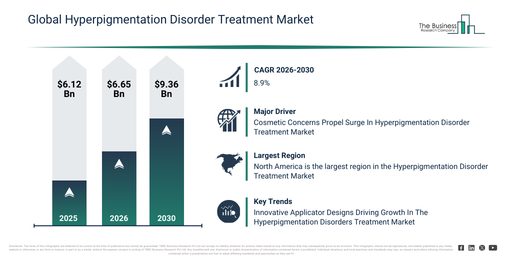
  • Hyperpigmentation Disorder Treatment Market Set To Grow From $6.64 Billion In 2026 To $9.36 Billion By 2030 At A CAGR Of 8.9%

    Hyperpigmentation Disorder Treatment Market Set To Grow From $6.64 Billion In 2026 To $9.36 Billion By 2030 At A CAGR Of 8.9%

    Through market attractiveness analysis, total addressable market evaluation, company benchmarking matrices, interactive Excel dashboards, expanded supply chain intelligence, emerging startup coverage, and detailed product insights, The Business Research Company’s 2026 market reports provide more actionable and strategically valuable research.

    Hyperpigmentation Disorder Treatment Market Growth From $6.64 Billion In 2026 To $9.36 Billion By 2030 At A CAGR Of 8.9%

    The market dedicated to treating hyperpigmentation conditions has experienced robust expansion recently. Projections indicate a substantial increase, moving from 6.12 billion dollars in 2025 to 6.65 billion dollars in 2026, reflecting a compound annual growth rate of 8.5%. Historical growth factors include the escalating incidence of melasma and post-inflammatory hyperpigmentation, heightened public consciousness regarding aesthetic concerns, the proliferation of specialized dermatology practices, the extensive application of topical agents designed to lighten skin, and increased exposure to sunlight.

    The market for treatments addressing hyperpigmentation is poised for substantial expansion in the upcoming years, projecting a valuation of $9.36 billion by 2030, driven by a compound annual growth rate (CAGR) of 8.9%. This anticipated increase throughout the forecast period stems from several key factors, including escalating demand for laser and energy-based technologies, a broader availability of individualized skincare solutions, enhanced purchasing power among consumers, greater utilization of multifaceted treatment strategies, and the increasing prominence of aesthetic medicine. Furthermore, influential trends expected to shape this market include a rising inclination towards non-invasive aesthetic procedures, a growing preference for combined therapeutic approaches, intensified adoption of skincare routines focused on prevention and upkeep, an expanded range of medical-grade cosmeceutical products, and a greater embrace of sophisticated, clinic-administered treatments.

    Download A Free Sample Report For Comprehensive Market Insights:

    https://www.thebusinessresearchcompany.com/sample.aspx?id=10709&type=smp

    Hyperpigmentation Disorder Treatment Market Opportunity Drivers: What Is Creating New Revenue Potential?

    Augmented focus on aesthetic appearances is anticipated to fuel the expansion of the market for hyperpigmentation disorder therapies. Such aesthetic considerations, defined as anxieties or preoccupations concerning the visual aspect, loveliness, or attractiveness of personal traits, encourage individuals to pursue and participate in hyperpigmentation disorder treatments. This trend stimulates advancements within the cosmetic and dermatological fields, concurrently enhancing the overall patient journey. As an illustration, data from Yellow Bus ABA, a therapeutic organization based in the United States, revealed that the worldwide aesthetic surgery industry experienced significant activity in 2023, with approximately 34.9 million cosmetic operations conducted globally, signifying a 3.4 percent increase from the preceding year. Consequently, escalated concerns about physical appearance are acting as a catalyst for the growth of the market dedicated to treating hyperpigmentation disorders.

    Hyperpigmentation Disorder Treatment Market Segments: Where Are The Largest Growth Opportunities?

    The hyperpigmentation disorder treatment market covered in this report is segmented –

    1) By Treatment Type: Cosmeceuticals, Laser Therapy, Chemical Peels, Microdermabrasion

    2) By Disease Indication: Melasma, Post-Inflammatory Hyperpigmentation, Solar Lentigines

    3) By End-Users: Hospitals, Esthetic Clinics And Dermatology Centers

    Subsegments:

    1) By Cosmeceuticals: Topical Creams and Gels, Serums and Lotions

    2) By Laser Therapy: Fractional Laser Resurfacing, Intense Pulsed Light (IPL) Therapy

    3) By Chemical Peels: Superficial Peels, Medium Depth Peels

    4) By Microdermabrasion: Crystal Microdermabrasion, Diamond Microdermabrasion

    Hyperpigmentation Disorder Treatment Market Innovation Trends Driving Future Development

    In the realm of hyperpigmentation disorder treatments, prominent entities are directing their strategies toward the advancement of glycolic acid-based products to solidify their market standing and achieve a competitive edge. These solutions, comprising skincare preparations infused with glycolic acid—an alpha hydroxy acid celebrated for its capacity to exfoliate—contribute to refining the skin’s texture, enhancing its radiance, and overall aesthetic by stimulating cellular regeneration. As an illustration, in February of 2024, the French personal care giant L’Oréal SA introduced the Glycolic Bright Dark Circle Eye Serum, specifically formulated to address under-eye dark circles and lackluster skin. This pioneering serum harnesses the exfoliating power of glycolic acid to foster a more luminous complexion and improved skin texture, likely supplemented with moisturizing components to nurture the sensitive eye region.

    Hyperpigmentation Disorder Treatment Market Major Participants And Competitive Dynamics

    Major companies operating in the hyperpigmentation disorder treatment market are Vivier Pharma, Obagi Cosmeceuticals LLC, EpiPharm AG, Laboratories Pierre Fabre, SkinCeuticals, Galderma S.A., Allergan PLC., Lumenis Be Ltd., Aerolase Corporation, Candela Corporation, Cynosure, PCA Skin, La Roche-Posay, L’Oréal S.A., Pierre Fabre Laboratories, Clinuvel Pharmaceuticals Ltd., Clarify Medical Inc., Dr. Reddy’s Laboratories Ltd., Glenmark Pharmaceuticals Ltd., SkinMedica Inc., Neutrogena Corporation, Paula’s Choice Inc., ZO Skin Health Inc., Estée Lauder Companies Inc.

    Access The Complete Hyperpigmentation Disorder Treatment Market Report:

    https://www.thebusinessresearchcompany.com/report/hyperpigmentation-disorder-treatment-global-market-report

    Hyperpigmentation Disorder Treatment Market Regional Outlook: Where Are The Largest Opportunities Located?

    North Americawas the largest region in the hyperpigmentation disorders treatment market in 2025.Asia-Pacificis expected to be the fastest-growing region in the global hyperpigmentation disorder treatment market report during the forecast period. The regions covered in the hyperpigmentation disorder treatment market report are Asia-Pacific, South East Asia, Western Europe, Eastern Europe, North America, South America, Middle East, Africa.

    Get in touch with us:

    The Business Research Company: https://www.thebusinessresearchcompany.com/

    Americas: +1 310-496-7795

    Asia: +44 7882 955267 & +91 8897263534

    Europe: +44 7882 955267

    Email us at: marketing@tbrc.info

    Follow us on:

    LinkedIn: https://in.linkedin.com/company/the-business-research-company

    YouTube: https://www.youtube.com/channel/UC24_fI0rV8cR5DxlCpgmyFQ

    Global Market Model: https://www.thebusinessresearchcompany.com/global-market-model
  • Hyperlipidemia Market Opportunities Are Emerging Beyond Traditional Growth Areas

    Hyperlipidemia Market Opportunities Are Emerging Beyond Traditional Growth Areas

    Delivering more actionable and strategically valuable research, The Business Research Company’s 2026 market reports feature market attractiveness analysis, total addressable market evaluation, company benchmarking matrices, interactive Excel dashboards, expanded supply chain intelligence, emerging startup coverage, and detailed product insights.

    Hyperlipidemia Market Expansion Outlook: What Revenue Opportunities Lie Ahead?

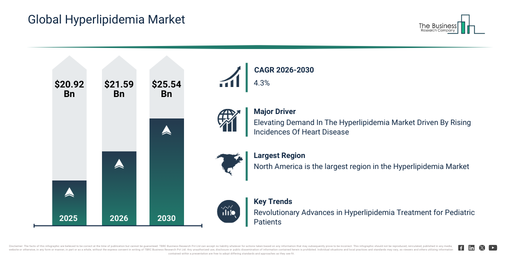
    In the realm of hyperlipidemia, a notable expansion has been observed in its market valuation over recent periods, projecting a climb from $20.92 billion in 2025 to $21.59 billion by 2026, signifying a compounded annual growth rate of 3.2%. This upward trajectory in the historical timeframe is largely attributable to several key factors including the escalating incidence of cardiovascular ailments, the pervasive application of statin medications, a heightened understanding and focus on cholesterol regulation, the prevalence of inactive routines and evolving dietary habits, alongside the demographic shift towards an aging populace.

    The hyperlipidemia market is poised for consistent expansion, projected to reach a valuation of $25.54 billion by 2030, reflecting a compound annual growth rate (CAGR) of 4.3%. This anticipated growth over the forecast period is fueled by several key factors, including the escalating uptake of PCSK9 inhibitors, an increase in the diagnosis of familial hyperlipidemia, the development and implementation of personalized lipid management strategies, a growing emphasis on preventive cardiology practices, and enhanced accessibility to cutting-edge treatment options. Prominent trends shaping this market during the forecast period encompass a greater adoption of combination therapies for lipid reduction, an intensified focus on early detection and preventative healthcare measures, a rise in the utilization of injectable biologic treatments for individuals at high risk, the expansion of at-home and sustained lipid management programs, and a more pronounced commitment to treatment approaches that integrate lifestyle modifications.

    Download A Free Sample Report For Comprehensive Market Insights:

    https://www.thebusinessresearchcompany.com/sample.aspx?id=12873&type=smp

    Hyperlipidemia Market Growth Momentum: Which Factors Are Influencing Demand?

    The escalating prevalence of chronic conditions, notably heart disease, is anticipated to be a significant catalyst for the expansion of the hyperlipidemia market. Heart diseases encompass a spectrum of ailments that impact the heart and its vital functions. Therapeutic interventions for hyperlipidemia play a crucial role in mitigating risks for individuals with heart conditions by reducing the likelihood of heart attacks, preventing strokes, enhancing the function of the endothelium, and ultimately decreasing the necessity for surgical procedures. Illustrating this trend, data from the Centers for Disease Control and Prevention (CDC) indicated that in 2023, a substantial 76.4% of U.S. adults, approximating 194 million individuals, reported managing at least one chronic health issue, with the prevalence being 59.5% in younger demographics, 78.4% in middle-aged populations, and a striking 93.0% among older adults. Consequently, the rising burden of chronic conditions, particularly heart disease, is a direct driver propelling the growth trajectory of the hyperlipidemia market.

    Hyperlipidemia Market Segment Analysis: What Are The Major Market Categories?

    The hyperlipidemia market covered in this report is segmented –

    1) By Type: Familial Hyperlipidemia, Acquired Hyperlipidemia

    2) By Treatment: Statins, PCSK9 Inhibitors, Bile Acid Sequestrants, Cholesterol Absorption Inhibitors, Fibric Acid Derivatives, Combination, Other Treatments

    3) By Route of Administration: Oral, Parenteral

    4) By End-Users: Hospitals, Specialty Clinics, Homecare, Other End Users

    Subsegments:

    1) By Familial Hyperlipidemia: Familial Hypercholesterolemia (FH), Familial Combined Hyperlipidemia, Familial Dysbetalipoproteinemia

    2) By Acquired Hyperlipidemia: Diet-Related Hyperlipidemia, Secondary Hyperlipidemia, Drug-Induced Hyperlipidemia

    Hyperlipidemia Market Trends Reshaping Industry Growth

    Companies leading the hyperlipidemia sector are prioritizing the creation of novel treatments, specifically sophisticated therapies designed to reduce low-density lipoprotein cholesterol, thereby reinforcing their market standing. A notable instance occurred in March 2024 when Regeneron Pharmaceuticals, Inc., a prominent biotechnology firm headquartered in the United States, revealed that the U.S. Food & Drug Administration (FDA) had granted approval for Praluent (alirocumab) Injection. This development signifies a major stride forward in addressing heterozygous familial hypercholesterolemia (HeFH) in younger individuals aged eight and above, providing a precise method for controlling excessively elevated low-density lipoprotein cholesterol (LDL-C). The recent FDA endorsement is substantiated by findings from Phase 3 studies, which indicated a 31% decrease in LDL-C levels with consistent administration. Furthermore, its safety profile, which mirrors that observed in adult populations, offers reassurance to both patients’ families and medical professionals, and its distinction as the inaugural therapeutic agent targeting the genetically verified PCSK9 protein represents a landmark achievement in the fight against cardiovascular disease. These collective attributes establish Praluent as an indispensable choice for managing elevated cholesterol in pediatric patients diagnosed with HeFH.

    Hyperlipidemia Market Leading Companies Driving Competitive Growth

    Major companies operating in the hyperlipidemia market are Pfizer Inc., Johnson and Johnson Limited, Merck and Co. Inc., AbbVie Inc., Bayer AG, Novartis AG, Sanofi-Aventis LLC., Bristol-Myers Squibb Company, GlaxoSmithKline plc., Eli Lilly and Co. Ltd., Boehringer Ingelheim International GmbH, Teva Pharmaceutical Industries Ltd., Daiichi Sankyo Company Limited, Sun Pharmaceutical Industries Limited, Otsuka Pharmaceutical Co. Ltd., Menarini Group, Dr. Reddy’s Laboratories Ltd., Apotex Inc., Hikma Pharmaceuticals PLC, Cipla Inc., Aspen Pharmacare Holdings Limited, Zydus Lifesciences Ltd.

    Access The Complete Hyperlipidemia Market Report:

    https://www.thebusinessresearchcompany.com/report/hyperlipidemia-global-market-report

    Hyperlipidemia Market Geographic Landscape: Which Region Dominates Industry Growth?

    North Americawas the largest region in the hyperlipidemia market in 2025. The regions covered in the hyperlipidemia market report are Asia-Pacific, South East Asia, Western Europe, Eastern Europe, North America, South America, Middle East, Africa.

    Get in touch with us:

    The Business Research Company: https://www.thebusinessresearchcompany.com/

    Americas: +1 310-496-7795

    Asia: +44 7882 955267 & +91 8897263534

    Europe: +44 7882 955267

    Email us at: marketing@tbrc.info

    Follow us on:

    LinkedIn: https://in.linkedin.com/company/the-business-research-company

    YouTube: https://www.youtube.com/channel/UC24_fI0rV8cR5DxlCpgmyFQ

    Global Market Model: https://www.thebusinessresearchcompany.com/global-market-model
  • Hyperimmune Globulins Market Expansion Is Opening New Pathways For Strategic Investment

    Hyperimmune Globulins Market Expansion Is Opening New Pathways For Strategic Investment

    Enhanced with market attractiveness analysis, total addressable market evaluation, company benchmarking matrices, interactive Excel dashboards, expanded supply chain intelligence, emerging startup coverage, and detailed product insights, The Business Research Company’s 2026 market reports deliver more actionable and strategically valuable research.

    Hyperimmune Globulins Market Growth Potential: How Will Market Size Change Through 2030?

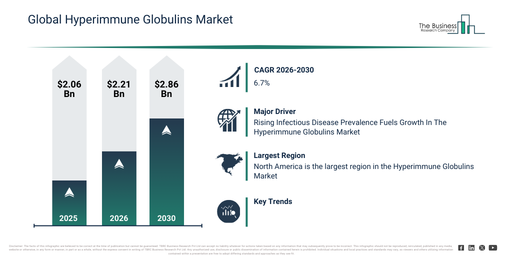
    The global market for hyperimmune globulins has experienced significant expansion lately, with projections indicating continued robust growth. It is estimated to increase from a value of $2.06 billion in 2025 to $2.21 billion in 2026, reflecting a compound annual growth rate of 7.6%. This historical growth trend was fueled by several key factors, including the established efficacy of these products in preventing rabies and tetanus, a rising prevalence of infectious diseases, a considerable dependence on therapies derived from blood plasma, various government-led immunization initiatives, and the expansion of emergency medical services within hospital settings.

    The hyperimmune globulins sector anticipates substantial expansion in the forthcoming years, projecting a market valuation of $2.86 billion by 2030 with a compound annual growth rate (CAGR) of 6.7%. This anticipated growth during the forecast period is fueled by several key factors, including an uptick in organ transplantation procedures, a rise in viral infection occurrences, a broader development of plasma donation facilities, improvements in purification methodologies, and an intensified emphasis on swift immune protection. Prominent trends anticipated in this timeframe encompass a heightened demand for passive immunization treatments, augmented utilization for post-exposure prophylaxis, escalating adoption within transplant and immunocompromised patient care, an expansion of plasma collection and fractionation capabilities, and a reinforcement of regulatory supervision and quality benchmarks.

    Download A Free Sample Report For Comprehensive Market Insights:

    https://www.thebusinessresearchcompany.com/sample.aspx?id=16448&type=smp

    Hyperimmune Globulins Market Expansion Drivers: What Is Shaping Future Growth?

    The expansion of the hyperimmune globulin market is anticipated to be driven by the escalating occurrence of infectious diseases, which are illnesses caused by harmful agents like viruses, bacteria, fungi, and parasites. Factors such as antimicrobial resistance, shifts in climate, and population increase contribute to the growing spread of these diseases. Hyperimmune globulins play a crucial role in managing infectious diseases by providing prompt passive immunity through the administration of concentrated antibodies targeting specific pathogens, thereby assisting in the prevention or treatment of conditions like rabies, hepatitis B, and tetanus. Illustrating this trend, a report from the UK Health Security Agency in August 2024 indicated that the West Midlands region in the UK recorded the highest number of measles cases in 2023, with 160 instances (44%), closely followed by London with 122 cases (33%). Notably, a substantial majority of these cases, 232 in total (63%), involved children under the age of 10. Measles activity saw a marked surge toward the year’s end, with 157 new cases reported in December, a significant increase from the 45 cases observed in November, underscoring the rising prevalence of infectious diseases and its consequent impact on the hyperimmune globulin market.

    Government-backed initiatives focused on healthcare research and development are poised to be a key catalyst for the hyperimmune globulin market’s advancement. The escalating need for novel medical solutions and the imperative to address evolving health concerns are fueling a rise in these governmental R&D efforts. Such initiatives are instrumental in fostering the development and broader availability of hyperimmune globulins, offering a robust means to combat specific infectious diseases effectively. As an example, the Office for National Statistics in the UK, a government department, reported in May 2024 that overall healthcare spending experienced a nominal increase of 5.6% between 2022 and 2023, representing a considerable acceleration compared to the 0.9% growth registered in the preceding year. Consequently, the robust support from governmental research and development programs is a significant driver for the hyperimmune globulin market.

    The hyperimmune globulin market is projected for growth, largely influenced by the increasing number of autoimmune disease diagnoses and the resulting heightened demand for antibody-based immune modulation therapies. Autoimmune diseases, characterized by the immune system’s aberrant attack on the body’s own healthy tissues, are becoming more prevalent, potentially due to increased exposure to environmental factors like pollution and chemicals. Hyperimmune globulins serve a therapeutic role in these conditions by delivering targeted antibodies that help regulate improper immune responses. To illustrate, data from Public Health Scotland, a national organization, revealed in August 2024 that the Scottish Multiple Sclerosis Register (SMSR) documented 455 new cases of Multiple Sclerosis in 2023, highlighting the growing burden of autoimmune diseases and consequently bolstering the hyperimmune globulin market.

    Hyperimmune Globulins Market Segment Breakdown: Which Categories Generate The Most Revenue?

    The hyperimmune globulins market covered in this report is segmented –

    1) By Type: Hepatitis B Hyperimmune Globulin, Rabies Hyperimmune Globulin, Tetanus Hyperimmune Globulin, Cytomegalovirus (CMV) Hyperimmune Globulin, Varicella-Zoster Virus (VZV) Hyperimmune Globulin, Respiratory Syncytial Virus (RSV) Hyperimmune Globulin, Other Types

    2) By Route Of Administration: Intramuscular, Intravenous

    3) By Application: Government Institution, Private Sector, Other Applications

    Subsegments:

    1) By Hepatitis B Hyperimmune Globulin: Intramuscular Hepatitis B Hyperimmune Globulin, Intravenous Hepatitis B Hyperimmune Globulin

    2) By Rabies Hyperimmune Globulin: Rabies Immune Globulin (Human), Rabies Immune Globulin (Equine)

    3) By Tetanus Hyperimmune Globulin: Tetanus Immune Globulin (Human), Tetanus Immune Globulin (Equine)

    4) By Cytomegalovirus (Cmv) Hyperimmune Globulin: Cmv Immune Globulin For Organ Transplantation, Cmv Immune Globulin For Neonatal Infection

    5) By Varicella-Zoster Virus (Vzv) Hyperimmune Globulin: Vzv Immune Globulin For Post-Exposure Prophylaxis, Vzv Immune Globulin For Immunocompromised Patients

    6) By Respiratory Syncytial Virus (Rsv) Hyperimmune Globulin: Rsv Immune Globulin For Infants And Children, Rsv Immune Globulin For Adults With Respiratory Conditions

    7) By Other Types: Diphtheria Hyperimmune Globulin, Botulism Hyperimmune Globulin, Other Specialized Hyperimmune Globulins

    Hyperimmune Globulins Market Key Players And Strategic Industry Positioning

    Major companies operating in the hyperimmune globulins market are Bayer AG, Takeda Pharmaceutical Company Limited, Baxter International Inc., CSL Ltd., Fresenius Kabi AG, Grifols SA, Octapharma AG, Shanghai RAAS Blood Products Co. Ltd., Emergent BioSolutions Inc., Kedrion Biopharma Inc., LFB SA, Hualan Biological Engineering Inc., Taibang Biologic Group, Bio Products Laboratory (BPL) Ltd., ADMA Biologics, Cangene Corporation, Kamada Ltd., Saol Therapeutics Inc., Shire, Sichuan Yuanda Shuyang Pharmaceutical Co. Ltd.

    Access The Complete Hyperimmune Globulins Market Report:

    https://www.thebusinessresearchcompany.com/report/hyperimmune-globulins-global-market-report

    Hyperimmune Globulins Market Largest Region: Which Geography Holds The Highest Market Share?

    North Americawas the largest region in the hyperimmune globulins market in 2025. Asia-Pacificis expected to be the fastest-growing region in the forecast period. The regions covered in the hyperimmune globulins market report are Asia-Pacific, South East Asia, Western Europe, Eastern Europe, North America, South America, Middle East, Africa.

    Get in touch with us:

    The Business Research Company: https://www.thebusinessresearchcompany.com/

    Americas: +1 310-496-7795

    Asia: +44 7882 955267 & +91 8897263534

    Europe: +44 7882 955267

    Email us at: marketing@tbrc.info

    Follow us on:

    LinkedIn: https://in.linkedin.com/company/the-business-research-company

    YouTube: https://www.youtube.com/channel/UC24_fI0rV8cR5DxlCpgmyFQ

    Global Market Model: https://www.thebusinessresearchcompany.com/global-market-model
  • Hyperhidrosis Treatment Market Trends Are Creating New Opportunities For Industry Leaders

    Hyperhidrosis Treatment Market Trends Are Creating New Opportunities For Industry Leaders

    Through market attractiveness analysis, total addressable market evaluation, company benchmarking matrices, interactive Excel dashboards, expanded supply chain intelligence, emerging startup coverage, and detailed product insights, The Business Research Company’s 2026 market reports provide more actionable and strategically valuable research.

    Hyperhidrosis Treatment Market Value Analysis: What Growth Is Expected Over The Forecast Period?

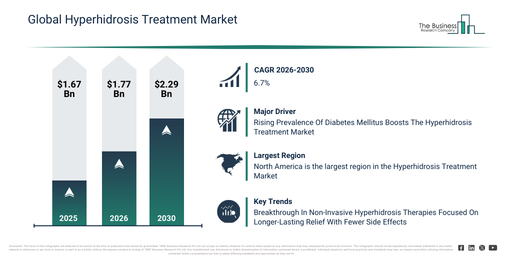
    The market for hyperhidrosis treatments has experienced robust expansion lately, projected to escalate from $1.67 billion in 2025 to $1.77 billion in 2026, demonstrating a compound annual growth rate of 5.9%. This historical expansion is underpinned by several key factors, including a heightened public understanding of hyperhidrosis as a distinct medical issue, the prevalent application of aluminum chloride-based topical remedies, an increase in accessible dermatology services, growing societal unease stemming from excessive perspiration, and the well-established procedures for surgical intervention.

    The market for hyperhidrosis treatments is poised for considerable expansion over the upcoming years, projected to reach a value of $2.29 billion by 2030, demonstrating a compound annual growth rate of 6.7%. This anticipated growth stems from several key factors, including a heightened demand for non-invasive therapeutic options, continuous innovation in laser treatment technologies, a greater uptake of botulinum toxin A injections, the increasing availability of at-home medical devices, and improved healthcare accessibility in developing economies. Throughout this forecasting period, significant market trends are expected to emerge, such as the growing favorability of botulinum toxin therapies, a stronger inclination towards procedures that involve minimal invasion, an escalating need for portable iontophoresis devices for home use, the broader application of laser and energy-based treatments, and an increased emphasis on therapies aimed at enhancing overall quality of life.

    Download A Free Sample Report For Comprehensive Market Insights:

    https://www.thebusinessresearchcompany.com/sample.aspx?id=13171&type=smp

    Hyperhidrosis Treatment Market Development Factors: Which Trends Are Supporting Demand?

    The heightened incidence of diabetes mellitus is anticipated to be a significant catalyst for the expansion of the hyperhidrosis treatment market in the foreseeable future. Diabetes mellitus, a metabolic disorder characterized by the body’s insufficient production or improper utilization of insulin, leads to elevated blood glucose concentrations. This condition can compromise the nerves regulating sweat glands, thereby inducing hyperhidrosis, or excessive perspiration. Furthermore, diabetes impairs the body’s thermoregulation capabilities, affecting its ability to maintain a stable temperature and secrete adequate sweat for cooling. A compelling illustration of this trend is the June 2023 report from the Institute for Health Metrics and Evaluation, which indicated that over 500 million individuals worldwide were affected by diabetes, a figure projected to surpass 1.3 billion by 2050. Consequently, the escalating global prevalence of diabetes mellitus is a key factor fueling the demand for hyperhidrosis treatments.

    Hyperhidrosis Treatment Market Segmentation: How Is The Market Structured Across Key Categories?

    The hyperhidrosis treatment market covered in this report is segmented –

    1) By Treatment Type: Topical Treatments, Surgical Treatments, Botulin Toxin A, Iontophoresis, Laser Treatments, Other Treatments

    2) By Route Of Administration: Oral, Injectable

    3) By Disease Type: Axillary Hyperhidrosis, Palmar Hyperhidrosis, Plantar Hyperhidrosis, Other Diseases

    4) By Distribution Channel: Hospitals, Ambulatory Surgical Centers, Retail Pharmacies, Online

    Subsegments:

    1) By Topical Treatments: Aluminum Chloride Solutions, Antiperspirants

    2) By Surgical Treatments: Sympathectomy, Excision

    3) By Botulin Toxin A: Injection Treatments, Combination Therapies

    4) By Iontophoresis: Home Devices, Clinical Devices

    5) By Laser Treatments: Microwave Therapy, Laser Ablation

    6) By Other Treatments: Oral Medications, Alternative Therapies

    Hyperhidrosis Treatment Market Transformation Trends: Which Innovations Are Driving Change?

    The primary participants within the hyperhidrosis treatment sector are concentrating their efforts on pioneering less invasive, more effective therapeutic strategies, refining topical and localized medication designs, and undertaking clinical investigations to offer prolonged symptom alleviation with minimized adverse effects. A prime illustration of this trend is the introduction in March 2025 of sofpironium gel, a novel topical treatment approved for primary axillary hyperhidrosis, a condition impacting a substantial portion of the U.S. population. This gel functions as a retrometabolic agent that specifically engages M3 muscarinic receptors within the sweat glands, thereby curating a reduction in perspiration without invoking widespread bodily side effects owing to its swift metabolic breakdown. Evidence from Phase 3 trials highlighted substantial improvements in symptoms, with patients experiencing relief as early as one week into the six-week study duration. When contrasted with currently available topical anticholinergic agents, sofpironium exhibited a more favorable safety record and a lower incidence of undesirable reactions. Furthermore, extended follow-up data corroborated its enduring effectiveness and patient tolerance, establishing the gel as a viable, non-invasive option for individuals seeking better outcomes than those provided by existing therapies.

    Hyperhidrosis Treatment Market Competitive Landscape And Leading Companies

    Major companies operating in the hyperhidrosis treatment market are Pfizer Inc., AbbVie Inc., Sanofi S.A., AstraZeneca Plc, GSK plc, Teva Pharmaceutical Industries Ltd., Mylan N.V., Cynosure LLC, Ipsen SA, Galderma S.A., Merz Pharma GmbH & Co. KGaA, Daewoong Pharmaceutical Co. Ltd., Supernus Pharmaceuticals Inc, Kaken Pharmaceutical Co Ltd, Avanor Healthcare Ltd., HUGEL Inc., Evolus Inc., Revance Therapeutics Inc., Dermira Inc., Sesderma SL, Miramar Labs Inc., Dermavant Sciences Inc., Theravida Inc., SweatBlock, Brickell Biotech Inc., Fresh Tracks Therapeutics Inc., Advin Health Care Inc, Dermadry Laboratories Inc., Ulthera Inc., Dermata Therapeutics Inc.

    Access The Complete Hyperhidrosis Treatment Market Report:

    https://www.thebusinessresearchcompany.com/report/hyperhidrosis-treatment-global-market-report

    Hyperhidrosis Treatment Market Regional Analysis: Which Region Leads By Revenue?

    North Americawas the largest region in the hyperhidrosis treatment market in 2025. Asia-Pacificis expected to be the fastest-growing region in the forecast period. The regions covered in the hyperhidrosis treatment market report are Asia-Pacific, South East Asia, Western Europe, Eastern Europe, North America, South America, Middle East, Africa.

    Get in touch with us:

    The Business Research Company: https://www.thebusinessresearchcompany.com/

    Americas: +1 310-496-7795

    Asia: +44 7882 955267 & +91 8897263534

    Europe: +44 7882 955267

    Email us at: marketing@tbrc.info

    Follow us on:

    LinkedIn: https://in.linkedin.com/company/the-business-research-company

    YouTube: https://www.youtube.com/channel/UC24_fI0rV8cR5DxlCpgmyFQ

    Global Market Model: https://www.thebusinessresearchcompany.com/global-market-model
  • Hypercholesterolemia Market Growth Is Reshaping Competitive Advantage Across The Industry

    Hypercholesterolemia Market Growth Is Reshaping Competitive Advantage Across The Industry

    Delivering more actionable and strategically valuable research, The Business Research Company’s 2026 market reports feature market attractiveness analysis, total addressable market evaluation, company benchmarking matrices, interactive Excel dashboards, expanded supply chain intelligence, emerging startup coverage, and detailed product insights.

    Hypercholesterolemia Market Size Forecast: How Large Could The Market Become By 2030?

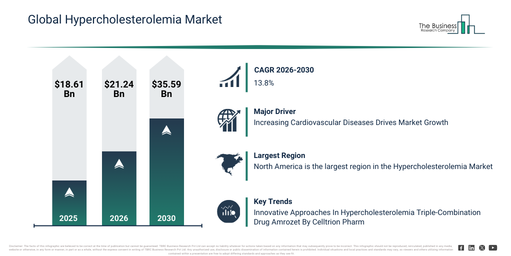
    The market for hypercholesterolemia experienced significant expansion recently, with projections indicating a rise from $18.61 billion in 2025 to $21.24 billion by 2026, reflecting a compound annual growth rate of 14.1%. This upward trend in the historical period is largely a consequence of the increasing incidence of cardiovascular conditions, the extensive utilization of statin medications as initial treatment, increasingly sedentary habits, elevated consumption of less healthy dietary choices, and the existence of well-defined clinical protocols for managing cholesterol levels.

    The market for hypercholesterolemia treatments is poised for substantial expansion over the upcoming years, with projections indicating a valuation of $35.59 billion by 2030, driven by a compound annual growth rate of 13.8%. This projected growth trajectory is underpinned by several key factors, including heightened understanding of familial hypercholesterolemia, a greater utilization of biological treatments, the demographic shift towards an older population, enhancements in diagnostic tools for lipid assessment, and the broadening scope of proactive health measures. Key developments anticipated within this timeframe involve a surge in the use of PCSK9 inhibitors, a heightened focus on early detection and diagnosis, escalating demand for multifaceted lipid-lowering treatments, a gradual transition towards extended-release injectable medications, and a more prominent integration of preventative cardiovascular care strategies.

    Download A Free Sample Report For Comprehensive Market Insights:

    https://www.thebusinessresearchcompany.com/sample.aspx?id=21207&type=smp

    Hypercholesterolemia Market Industry Drivers: What Is Driving Revenue Growth?

    The expanding prevalence of cardiovascular ailments is anticipated to be a primary catalyst for the advancement of the hypercholesterolemia market. Cardiovascular diseases, encompassing conditions affecting the heart and vasculature, are on the rise owing to factors such as suboptimal dietary habits, sedentary lifestyles, increasing rates of obesity, persistent stress, an aging demographic, and the co-occurrence of hypertension and diabetes. Interventions for hypercholesterolemia play a crucial role in managing cardiovascular disease by working to reduce low-density lipoprotein cholesterol, mitigate the accumulation of plaque in arteries, enhance circulatory function, and ultimately lower the likelihood of adverse events like myocardial infarctions, cerebrovascular accidents, and other related cardiac complications. A striking example from October 2024, as reported by the Centers for Disease Control and Prevention, indicates that roughly 805,000 individuals in the U.S. suffer a heart attack annually, with 605,000 representing initial occurrences and 200,000 affecting those with prior cardiac events. Consequently, the burgeoning incidence of cardiovascular diseases is poised to stimulate expansion within the hypercholesterolemia market.

    Hypercholesterolemia Market Segmentation Trends And Revenue Drivers

    The hypercholesterolemia market covered in this report is segmented –

    1) By Disease Type: Genetic, Acquired

    2) By Treatment: Statins, Bile Acid Resins, Niacin, PCSK9 Inhibitors, Cholesterol Absorption Inhibitors, Fibric Acid Derivatives, Other Treatments

    3) By Route Of Administration: Oral, Injectable

    4) By Distribution Channel: Hospital Pharmacies, Retail Pharmacies, Other Distribution Channels

    5) By End User: Hospitals, Specialty Clinics, Home Healthcare, Other End Users

    Subsegments:

    1) By Genetic: Heterozygous Familial Hypercholesterolemia, Homozygous Familial Hypercholesterolemia

    2) By Acquired: Primary Hypercholesterolemia, Secondary Hypercholesterolemia

    #Hypercholesterolemia Market Growth Trends: What Is Influencing The Future Outlook?

    Within the hypercholesterolemia market, leading entities are actively pursuing advancements through novel product introductions, exemplified by a triple-drug formulation designed to improve therapeutic outcomes and patient adherence. This type of combination medication unifies three distinct active pharmacological components into a singular delivery system, such as a pill or capsule. As an illustration, Celltrion Pharm, Inc., a pharmaceutical firm headquartered in South Korea, introduced the Amrozet Tablet in February 2025, a medication targeting both hypertension and hyperlipidemia by integrating amlodipine, a calcium channel blocker used for high blood pressure, rosuvastatin, a cholesterol-lowering statin, and ezetimibe, which functions by decreasing cholesterol absorption in the digestive tract. This pharmaceutical product is offered in four distinct strengths: 5/5/10 mg, 5/10/10 mg, 10/5/10 mg, and 10/10/10 mg. Its therapeutic applications encompass the management of hypertension and myocardial ischemia, attributed to its amlodipine component, and primary hypercholesterolemia, addressed by the rosuvastatin-ezetimibe pairing. Furthermore, it serves to alleviate symptoms of chronic stable angina and vasospastic angina, and for individuals with confirmed coronary artery disease, it aids in reducing the likelihood of hospitalization due to angina or the necessity for cardiac surgery.

    Hypercholesterolemia Market Industry Leaders: Which Organizations Are Driving Competition?

    Major companies operating in the hypercholesterolemia market are Pfizer Inc., Merck & Co Inc., Abbvie Inc., Bayer AG, Sanofi S.A., AstraZeneca PLC, Novartis AG, GlaxoSmithKline plc (GSK), Eli Lilly and Company, Amgen Inc., Viatris Inc., Aegerion Pharmaceuticals Inc., Fresenius Kabi AG, Sun Pharmaceutical Industries Ltd., Chiesi Farmaceutici S.p.A., Aurobindo Pharma Limited, Dr. Reddy’s Laboratories Ltd., Lupin Limited, Ionis Pharmaceuticals Inc., NewAmsterdam Pharma N.V., HDL Therapeutics Inc.

    Access The Complete Hypercholesterolemia Market Report:

    https://www.thebusinessresearchcompany.com/report/hypercholesterolemia-global-market-report

    Hypercholesterolemia Market Geographic Distribution And Regional Opportunities

    North Americawas the largest region in the hypercholesterolemia market in 2025. Asia-Pacificis expected to be the fastest-growing region in the forecast period. The regions covered in the hypercholesterolemia market report are Asia-Pacific, South East Asia, Western Europe, Eastern Europe, North America, South America, Middle East, Africa.

    Get in touch with us:

    The Business Research Company: https://www.thebusinessresearchcompany.com/

    Americas: +1 310-496-7795

    Asia: +44 7882 955267 & +91 8897263534

    Europe: +44 7882 955267

    Email us at: marketing@tbrc.info

    Follow us on:

    LinkedIn: https://in.linkedin.com/company/the-business-research-company

    YouTube: https://www.youtube.com/channel/UC24_fI0rV8cR5DxlCpgmyFQ

    Global Market Model: https://www.thebusinessresearchcompany.com/global-market-model
  • Hypercalcemia Treatment Market Forecast Signals New Revenue Opportunities Through 2030

    Hypercalcemia Treatment Market Forecast Signals New Revenue Opportunities Through 2030

    Enhanced with market attractiveness analysis, total addressable market evaluation, company benchmarking matrices, interactive Excel dashboards, expanded supply chain intelligence, emerging startup coverage, and detailed product insights, The Business Research Company’s 2026 market reports deliver more actionable and strategically valuable research.

    Hypercalcemia Treatment Market Revenue Outlook: What CAGR Is Expected Through 2030?

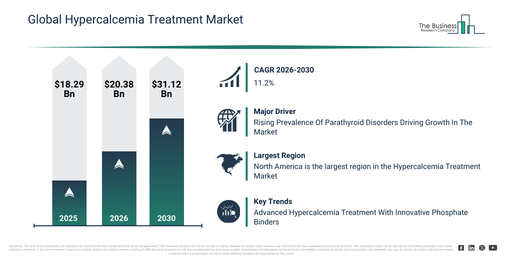
    The market for hypercalcemia treatments has experienced substantial expansion. Projections indicate a climb from $18.29 billion in 2025 to $20.38 billion in 2026, reflecting a compound annual growth rate (CAGR) of 11.5%. This upward trajectory in the historical period is linked to several factors, including a greater occurrence of hypercalcemia associated with cancer, the widespread adoption of bisphosphonates in clinical practice, an increase in primary hyperparathyroidism cases, established emergency treatment guidelines within hospitals, and the accessibility of affordable, generic medications designed to reduce calcium levels.

    The market for hypercalcemia treatments is poised for significant expansion over the coming years, projected to reach a value of $31.12 billion by 2030, reflecting a compound annual growth rate of 11.2%. This anticipated growth is underpinned by several key factors including an expanding oncology patient base, a greater acceptance of denosumab as a therapeutic option, continued innovation in calcimimetic medications, a heightened emphasis on early detection, and the broader availability of outpatient and chronic care services. During this forecast period, significant market trends are expected to emerge, such as a heightened utilization of specialized therapies targeting hypercalcemia, a growing demand for injectable treatments that offer quick relief, an intensified concentration on managing hypercalcemia linked to cancer, the development and uptake of combination drug regimens, and a more widespread application of structured approaches for managing hypercalcemia emergencies.

    Download A Free Sample Report For Comprehensive Market Insights:

    https://www.thebusinessresearchcompany.com/sample.aspx?id=21206&type=smp

    Hypercalcemia Treatment Market Growth Factors: Which Forces Are Supporting Market Expansion?

    An increasing incidence of parathyroid-related conditions is anticipated to fuel the expansion of the market for hypercalcemia therapies. These conditions involve disruptions to the parathyroid glands, which are instrumental in controlling the body’s calcium equilibrium via parathyroid hormone (PTH) secretion. Factors contributing to the growing number of parathyroid disorders include an expanding elderly demographic, heightened public and medical understanding, enhanced diagnostic tools, and a greater occurrence of ailments like primary hyperparathyroidism and persistent kidney issues. Treating hypercalcemia plays a vital role in addressing parathyroid disorders by normalizing excessive calcium concentrations, averting complications such as renal calculi and skeletal fragility, and fostering better systemic metabolic harmony. As an illustration, data from the National Institute of Health (NIH) in February 2024 indicated that in the U.S., hypoparathyroidism affects an estimated 6.4 to 37 individuals per 100,000 person-years, with a significant three-quarters of these instances stemming from post-thyroidectomy or head and neck surgical sequelae. Consequently, the escalating prevalence of parathyroid disorders is directly contributing to the market’s growth for hypercalcemia treatments.

    Hypercalcemia Treatment Market Segment Analysis Highlighting Growth Areas

    The hypercalcemia treatment market covered in this report is segmented –

    1) By Drug Type: Bisphosphonates, Calcitonin, Glucocorticoids, Denosumab, Calcimimetics, Other Drug Types

    2) By Distribution Channel: Hospitals Pharmacies, Retail Pharmacies, Online Pharmacies

    3) By End-Users: Hospitals, Clinics

    Subsegments:

    1) By Bisphosphonates: Zoledronic Acid, Pamidronate

    2) By Calcitonin: Salmon Calcitonin, Synthetic Calcitonin

    3) By Glucocorticoids: Prednisone, Dexamethasone, Hydrocortisone

    4) By Denosumab: Denosumab (Monotherapy), Denosumab Combination Therapy

    5) By Calcimimetics: Cinacalcet, Etelcalcetide

    6) By Other Drug Types: Gallium Nitrate, Mithramycin

    Hypercalcemia Treatment Market Industry Trends: What Changes Are Reshaping Demand?

    Within the hypercalcemia treatment landscape, key industry players are prioritizing the creation of novel therapeutic agents, specifically phosphate binders, aimed at optimizing calcium and phosphorus regulation to enhance patient recovery. These phosphate-binding medications work by attaching to phosphate within the gastrointestinal system, thereby inhibiting its uptake into circulation, and are frequently employed in managing elevated phosphate concentrations for individuals experiencing kidney ailments or hypercalcemia. A notable development occurred in May 2024 when Strides Pharma Science Limited, an Indian pharmaceutical firm, secured United States FDA clearance for its 800 mg Sevelamer Carbonate Tablets. These tablets are instrumental in controlling hyperphosphatemia in individuals with chronic kidney disease by sequestering dietary phosphate and obstructing its absorption, which in turn supports skeletal integrity and mitigates the cardiovascular complications linked to heightened phosphate levels.

    Hypercalcemia Treatment Market Leading Companies: Who Holds Significant Market Presence?

    Major companies operating in the hypercalcemia treatment market are Amgen Inc., Novartis AG, Pfizer Inc., Roche Holding AG, Merck KGaA, Eli Lilly and Company, AstraZeneca plc, GSK plc, AbbVie Inc., Teva Pharmaceutical Industries Ltd., Sandoz Group AG, Hikma Pharmaceuticals plc, Kyowa Kirin Co. Ltd., Ipsen SA, Endo Inc., OPKO Health Inc., Sanofi, Bayer AG, Sun Pharmaceutical Industries Ltd., Dr Reddy’s Laboratories Ltd., Aurobindo Pharma Ltd.

    Access The Complete Hypercalcemia Treatment Market Report:

    https://www.thebusinessresearchcompany.com/report/hypercalcemia-treatment-global-market-report

    Hypercalcemia Treatment Market Largest Region By Revenue And Market Share

    North Americawas the largest region in the hypercalcemia treatment market in 2025. The regions covered in the hypercalcemia treatment market report are Asia-Pacific, South East Asia, Western Europe, Eastern Europe, North America, South America, Middle East, Africa.

    Get in touch with us:

    The Business Research Company: https://www.thebusinessresearchcompany.com/

    Americas: +1 310-496-7795

    Asia: +44 7882 955267 & +91 8897263534

    Europe: +44 7882 955267

    Email us at: marketing@tbrc.info

    Follow us on:

    LinkedIn: https://in.linkedin.com/company/the-business-research-company

    YouTube: https://www.youtube.com/channel/UC24_fI0rV8cR5DxlCpgmyFQ

    Global Market Model: https://www.thebusinessresearchcompany.com/global-market-model

  • Hyperbaric Oxygen Therapy Market Growth Is Accelerating As Industry Transformation Continues

    Hyperbaric Oxygen Therapy Market Growth Is Accelerating As Industry Transformation Continues

    Through market attractiveness analysis, total addressable market evaluation, company benchmarking matrices, interactive Excel dashboards, expanded supply chain intelligence, emerging startup coverage, and detailed product insights, The Business Research Company’s 2026 market reports provide more actionable and strategically valuable research.

    Hyperbaric Oxygen Therapy Market Growth Analysis: How Will Revenue Expand During The Forecast Period?

    The global hyperbaric oxygen therapy sector has experienced considerable expansion. Projections indicate a rise from $4.9 billion in 2025 to $5.44 billion in 2026, reflecting an 11.0% compound annual growth rate. Factors contributing to its growth during the preceding period include a heightened occurrence of persistent, difficult-to-heal wounds, recognized efficacy in managing decompression sickness, a surge in carbon monoxide poisoning incidents, confirmed benefits for radiation-related injuries, and the widespread installation of hyperbaric chambers in healthcare facilities.

    The hyperbaric oxygen therapy sector is poised for significant expansion over the coming years, projecting a market valuation of $7.89 billion by 2030, driven by a compound annual growth rate of 9.7%. This anticipated increase throughout the projected timeframe is fueled by several key factors, including a rising number of individuals suffering from diabetes with associated wound complications, ongoing innovations in the design of hyperbaric chambers, broader utilization in outpatient and ambulatory settings, heightened recognition among medical professionals, and enhanced financial coverage in specific geographical areas. Several prominent trends are expected to shape the market during this forecast period, such as the increased application of hyperbaric oxygen therapy for managing chronic wounds, the growing preference for portable and individual patient hyperbaric systems, greater clinical endorsement for treating radiation-induced injuries, the more frequent incorporation of hyperbaric oxygen therapy into comprehensive treatment plans involving multiple medical disciplines, and the extension of its therapeutic uses beyond their established applications.

    Download A Free Sample Report For Comprehensive Market Insights:

    https://www.thebusinessresearchcompany.com/sample.aspx?id=16087&type=smp

    Hyperbaric Oxygen Therapy Market Demand Drivers: What Is Fueling Industry Growth?

    An accelerating global increase in diabetes cases is set to be a significant catalyst for the expansion of the hyperbaric oxygen therapy (HBOT) market. Diabetes, a cluster of persistent metabolic conditions marked by elevated blood glucose over extended durations, is becoming more prevalent due to factors such as inactive lifestyles, suboptimal dietary habits, widespread obesity, and genetic predispositions. HBOT offers a therapeutic avenue for addressing complications associated with diabetes, with a particular focus on diabetic foot ulcers and other wounds that resist healing. Illustrating this trend, data from June 2023 by the US-based Institute for Health Metrics and Evaluation indicated that more than 500 million individuals worldwide were diagnosed with diabetes, a figure projected to surpass 1.3 billion by the year 2050. Consequently, the escalating incidence of diabetes directly fuels the demand and growth within the hyperbaric oxygen therapy market.

    Hyperbaric Oxygen Therapy Market Segment Performance And Strategic Opportunities

    The hyperbaric oxygen therapy market covered in this report is segmented –

    1) By Product Type: Monoplace Hyperbaric Oxygen Therapy, Multiplace Hyperbaric Oxygen Therapy

    2) By Application: Wound Healing, Decompression Sickness, Infection Treatment, Gas Embolism, Other Applications

    3) By End-Users: Hospitals And Clinics, Ambulatory Surgery Centers, Other End-Users

    Subsegments:

    1) By Monoplace Hyperbaric Oxygen Therapy: Single-Chamber Monoplace HBOT Systems, Standard Monoplace HBOT Chambers, Advanced Monoplace HBOT Chambers With Integrated Monitoring

    2) By Multiplace Hyperbaric Oxygen Therapy: Dual-Chamber Multiplace HBOT Systems, Multi-Person Multiplace HBOT Chambers, High-Pressure Multiplace HBOT Chambers, Customized Multiplace HBOT Chambers

    Hyperbaric Oxygen Therapy Market Innovation Trends: Which Developments Are Transforming The Industry?

    In the realm of hyperbaric oxygen therapy, leading enterprises are focused on the creation of novel offerings, including sophisticated hyperbaric chambers, to cater to client needs with cutting-edge functionalities. These hyperbaric chambers are essentially sophisticated medical apparatuses that establish a high-pressure setting for the administration of hyperbaric oxygen therapy (HBOT), thereby enabling individuals to inhale pure oxygen and improving oxygen distribution throughout bodily tissues. As an illustration, in January of 2024, Sechrist Industries Inc., a manufacturer based in the United States specializing in hyperbaric technology and medical equipment, introduced its 3300 HM Hyperbaric Chamber. This particular chamber boasts a spacious interior engineered for superior patient ease and approachability, suitable for accommodating individuals of various dimensions and varying degrees of mobility. Integrated with sophisticated tracking mechanisms, it facilitates continuous observation of crucial health indicators and the chamber’s environmental parameters, thereby bolstering patient security. Furthermore, the chamber incorporates advanced systems for oxygen provision that maximize the effectiveness of oxygen absorption, and its intuitive control panel simplifies operation for medical practitioners.

    Hyperbaric Oxygen Therapy Market Key Players: Which Companies Shape Industry Competition?

    Major companies operating in the hyperbaric oxygen therapy market are Healogics LLC, SOS Medical Group Ltd., Environmental Tectonics Corporation, Sechrist Industries Inc., BioBarica Profesionales, Perry Baromedical Corporation, Shanghai Baobang Medical Equipment Co. Ltd., Hyperbaric Modular Systems Inc., Baroks Hyperbaric, Haux-Life-Support GmbH, Haux-Technik GmbH, Hyperbaric SAC, Pan America Hyperbarics Inc., OxyHeal Health Group, Fink Engineering Pty Ltd, AHA Hyperbarics, The Oxybarica Group, NHC Medical And Beauty, Hyperbaric Medical Solutions, Gulf Coast Hyperbarics, Hearmec Co. Ltd., Hpotech Hyperbaric Solutions

    Access The Complete Hyperbaric Oxygen Therapy Market Report:

    https://www.thebusinessresearchcompany.com/report/hyperbaric-oxygen-therapy-global-market-report

    Hyperbaric Oxygen Therapy Market Regional Analysis And Leading Geography

    North Americawas the largest region in the hyperbaric oxygen therapy market in 2025. Asia-Pacificis expected to be the fastest-growing region in the forecast period. The regions covered in the hyperbaric oxygen therapy market report are Asia-Pacific, South East Asia, Western Europe, Eastern Europe, North America, South America, Middle East, Africa.

    Get in touch with us:

    The Business Research Company: https://www.thebusinessresearchcompany.com/

    Americas: +1 310-496-7795

    Asia: +44 7882 955267 & +91 8897263534

    Europe: +44 7882 955267

    Email us at: marketing@tbrc.info

    Follow us on:

    LinkedIn: https://in.linkedin.com/company/the-business-research-company

    YouTube: https://www.youtube.com/channel/UC24_fI0rV8cR5DxlCpgmyFQ

    Global Market Model: https://www.thebusinessresearchcompany.com/global-market-model
  • Hydronephrosis Market Outlook Highlights The Next Major Growth Opportunities

    Hydronephrosis Market Outlook Highlights The Next Major Growth Opportunities

    Delivering more actionable and strategically valuable research, The Business Research Company’s 2026 market reports feature market attractiveness analysis, total addressable market evaluation, company benchmarking matrices, interactive Excel dashboards, expanded supply chain intelligence, emerging startup coverage, and detailed product insights.

    Hydronephrosis Market Forecast: What Market Value Is Expected By 2030?

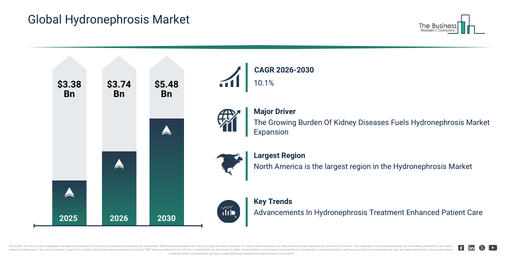
    The market for hydronephrosis experienced considerable expansion recently, projecting a rise from $3.38 billion in 2025 to $3.74 billion in 2026, demonstrating a compound annual growth rate (CAGR) of 10.4%. This historical growth trajectory was driven by several key factors, including advancements in diagnostic imaging, an increasing prevalence of kidney stones, heightened public awareness regarding kidney diseases, the development of healthcare facilities, and a broader availability of surgical treatments.

    The global market for hydronephrosis is poised for significant expansion, projected to reach $5.48 billion by 2030, exhibiting a compound annual growth rate of 10.1%. This upward trajectory through the forecast period is underpinned by several key factors, including an expanding elderly demographic, a greater incidence of ongoing kidney ailments, the increasing integration of personalized treatment strategies, the proliferation of sophisticated urological care facilities, and a heightened emphasis on identifying the condition at its initial stages. Furthermore, dominant trends anticipated within this timeframe involve a greater utilization of sophisticated imaging tools for diagnosis, a growing preference for less invasive therapeutic methods, a reinforced commitment to detecting the disease early, the development of unified diagnostic and treatment processes, and improved tracking of kidney function.

    Download A Free Sample Report For Comprehensive Market Insights:

    https://www.thebusinessresearchcompany.com/sample.aspx?id=20563&type=smp

    Hydronephrosis Market Growth Drivers: What Factors Are Accelerating Expansion?

    The escalating incidence of kidney-related ailments is poised to stimulate the expansion of the hydronephrosis market. Kidney disease, a broad term encompassing renal disease and nephropathy, denotes conditions that compromise kidney function, thereby hindering efficient blood filtration. Several contributing factors are fueling the increase in kidney disease cases, including a higher prevalence of diabetes and hypertension, growing rates of obesity, an aging demographic, as well as genetic and ethnic predispositions. Management of hydronephrosis centers on resolving the root cause of urinary tract blockage, which might necessitate pharmaceutical treatments, surgical procedures, or other interventions aimed at re-establishing unimpeded urine flow. To illustrate, data from Kidney Research UK indicated in June 2023 that approximately 7.2 million individuals in the United Kingdom currently grapple with chronic kidney disease, a figure that exceeds 10% of the total populace, with 3.25 million in advanced stages and an additional 3.9 million in earlier phases, and this prevalence is forecast to reach 7.61 million by 2033, underscoring the direct correlation between the increasing burden of kidney diseases and the burgeoning hydronephrosis market.

    Hydronephrosis Market Segment Landscape And Growth Potential

    The hydronephrosis market covered in this report is segmented –

    1) By Type: Unilateral Hydronephrosis, Bilateral Hydronephrosis

    2) By Indication: Intrinsic, Extrinsic

    3) By Diagnosis: Laboratory Test, Imaging

    4) By Treatment: Shock Wave Lithotripsy, Laparoscopy, Bladder Catheterization, Other Treatments

    Subsegments:

    1) By Unilateral Hydronephrosis: Congenital Unilateral Hydronephrosis, Acquired Unilateral Hydronephrosis, Obstructive Unilateral Hydronephrosis, Non-Obstructive Unilateral Hydronephrosis

    2) By Bilateral Hydronephrosis: Congenital Bilateral Hydronephrosis, Acquired Bilateral Hydronephrosis, Obstructive Bilateral Hydronephrosis, Non-Obstructive Bilateral Hydronephrosis

    Hydronephrosis Market Trends: What Is Shaping Future Industry Growth?

    Key players within the hydronephrosis sector are actively engaged in pioneering new product introductions, specifically focusing on drainage catheters designed to elevate patient management through effective and less intrusive methods for kidney urine evacuation. These drainage catheters function as medical apparatus intended for the extraction of bodily fluids, such as urine or blood, serving to alleviate pressure or avert fluid buildup. To illustrate, in October 2024, Argon Medical Devices Inc., an American entity specializing in advanced medical goods, unveiled the SKATER mini-loop drainage catheter. This device is engineered for the percutaneous removal of superfluous fluid collections within the body. Introduced via the skin under radiological supervision, it boasts a loop that is reduced by 40%, thereby guaranteeing dependable positioning and proficient drainage from confined spaces. Esteemed for its resilience, resistance to kinking, and suitability for use with alcohol, this catheter improves the user experience during interventional interventions. This advancement, by augmenting Argon’s range of drainage solutions, intends to foster better patient results and simplify the drainage workflow for medical practitioners.

    Hydronephrosis Market Competitive Landscape: Who Are The Leading Companies?

    Major companies operating in the hydronephrosis market are Boston Scientific Corporation, Medtronic PLC, Cook Medical, Coloplast A/S, B. Braun Group, KARL STORZ SE & Co. KG, Olympus Corporation, Richard Wolf GmbH, Teleflex Incorporated, BD, Terumo Corporation, UroGen Pharma Ltd., Urologix Inc., C. R. Bard, ConvaTec Group PLC, AngioDynamics Inc., Merit Medical Systems Inc., NxStage Medical Inc., Fresenius Medical Care, Nipro Corporation

    Access The Complete Hydronephrosis Market Report:

    https://www.thebusinessresearchcompany.com/report/hydronephrosis-global-market-report

    Hydronephrosis Market Geographic Analysis: Where Is Demand Growing The Fastest?

    North Americawas the largest region in the hydronephrosis market in 2025. The regions covered in the hydronephrosis market report are Asia-Pacific, South East Asia, Western Europe, Eastern Europe, North America, South America, Middle East, Africa.

    Get in touch with us:

    The Business Research Company: https://www.thebusinessresearchcompany.com/

    Americas: +1 310-496-7795

    Asia: +44 7882 955267 & +91 8897263534

    Europe: +44 7882 955267

    Email us at: marketing@tbrc.info

    Follow us on:

    LinkedIn: https://in.linkedin.com/company/the-business-research-company

    YouTube: https://www.youtube.com/channel/UC24_fI0rV8cR5DxlCpgmyFQ

    Global Market Model: https://www.thebusinessresearchcompany.com/global-market-model