Month: June 2026

  • DNA/RNA Sample Extraction And Isolation Market Growth Is Reshaping Competitive Advantage Across The Industry

    Enhanced with market attractiveness analysis, total addressable market evaluation, company benchmarking matrices, interactive Excel dashboards, expanded supply chain intelligence, emerging startup coverage, and detailed product insights, The Business Research Company’s 2026 market reports deliver more actionable and strategically valuable research.

    DNA/RNA Sample Extraction And Isolation Market Revenue Growth Supported By A CAGR Of 3.7% Through 2030

    The market for DNA/RNA sample extraction and isolation has experienced robust expansion recently, with projections indicating a rise from $2.72 billion in 2025 to $2.9 billion in 2026, driven by a compound annual growth rate (CAGR) of 6.5%. Factors contributing to this historical growth trajectory include the burgeoning field of genomics research, an increased demand for infectious disease testing, the inherent limitations of manual extraction methods, a growing emphasis on laboratory standardization, and the widespread adoption of reagent-based workflows.

    The market for DNA/RNA sample extraction and isolation is poised for significant expansion, projected to reach $3.71 billion by 2030 with a compound annual growth rate of 6.4%. This upward trajectory is anticipated to be fueled by several key factors including the increasing automation within molecular laboratories, the growing demand for high-throughput diagnostic services, the broadening scope of biopharmaceutical research and development, the implementation of precision medicine approaches, and the continuous drive to enhance laboratory operational efficiency. During this anticipated growth phase, several prominent trends are expected to shape the market, such as an escalating need for genetic material of superior purity, augmented utilization in polymerase chain reaction (PCR) and sequencing processes, a wider deployment of automated extraction platforms, the proliferation of both research and diagnostic applications, and a greater acceptance of standardized extraction kits.

    Download A Free Sample Report For Comprehensive Market Insights:

    https://www.thebusinessresearchcompany.com/sample.aspx?id=13842&type=smp

    DNA/RNA Sample Extraction And Isolation Market Growth Factors Supporting Long-Term Expansion

    An upward trend in the occurrence of infectious diseases is anticipated to be a primary catalyst for the expansion of the DNA/RNA sample extraction and isolation market. These conditions, characterized by invasions and multiplications of disease-causing agents like viruses, bacteria, fungi, and parasites within an organism, are becoming more widespread. Factors contributing to this increase include expanding urban environments, increased international travel, geographic shifts in disease vectors influenced by climate change, and the growing challenge of antibiotic resistance. The necessity of DNA/RNA extraction and isolation services is heightened by this surge, as these processes underpin crucial molecular diagnostic techniques such as PCR. By facilitating the direct detection of pathogen genetic material from patient specimens, these methods significantly enhance diagnostic precision and bolster efforts to manage disease outbreaks. To illustrate, the World Health Organization reported that from January 1 to December 11, 2023, the Americas documented 4.1 million suspected dengue cases, translating to 419 cases per 100,000 individuals. This figure encompassed 6,710 severe instances (0.16%) and resulted in 2,049 fatalities (a case fatality rate of 0.05%) across 42 nations. Notably, 15 countries were experiencing ongoing outbreaks, with 1,895,122 cases (45%) confirmed through laboratory testing by EW 48. Consequently, the escalating incidence of infectious diseases is a direct driver for the growth observed in the DNA/RNA sample extraction and isolation market.

    DNA/RNA Sample Extraction And Isolation Market Segment Analysis: What Are The Major Market Categories?

    The dna/rna sample extraction and isolation market covered in this report is segmented –

    1) By Product: Consumables, Instruments

    2) By Technology: Consumable-Based Technology, Instrument-Based Technology

    3) By Application: Polymerase Chain Reaction (PCR), Next-Generation Sequencing (NGS), Cloning, Microarray, Blotting Techniques, Other Applications

    4) By End-User: Clinical Diagnostic And Forensic Laboratories, Research Academics And Institutions, Pharmaceutical And Biotechnology Companies, Contract Research Organizations (CRO), Other End-Users

    Subsegments:

    1) By Consumables: Kits, Reagents And Chemicals, Consumable Supplies

    2) By Instruments: Automated Extraction Systems, Manual Extraction Devices, Centrifuges, Pipettes And Liquid Handling Systems

    DNA/RNA Sample Extraction And Isolation Market Industry Trends Shaping Future Revenue Growth

    The primary players within the DNA/RNA sample extraction and isolation sector are prioritizing the integration of sophisticated automated systems for both sample preparation and subsequent analysis. This strategic move aims to bolster workflow efficiency, elevate precision, and facilitate large-scale molecular investigations. An automated approach to sample preparation and analysis signifies a mechanized, technology-powered framework that handles crucial laboratory procedures like sample breaking, purification, and nucleic acid separation. Such systems are designed to lessen the reliance on manual intervention, curtail mistakes, and consistently deliver superior outcomes regardless of the sample’s origin or composition. Illustrating this trend, Qiagen N.V., a prominent German entity in biotechnology and life sciences, introduced its TissueLyser III and RNeasy PowerMax Soil Pro Kit in November 2023. The TissueLyser III is engineered for high-volume mechanical lysis of difficult biological specimens, including bone, tissue, and cells, thereby streamlining sample preparation. Complementing this, the RNeasy PowerMax Soil Pro Kit utilizes QIAGEN’s cutting-edge inhibitor removal technology to isolate exceptionally pure RNA from soil samples laden with inhibitors, ensuring dependable extraction even from intricate environmental samples.

    DNA/RNA Sample Extraction And Isolation Market Leading Companies Driving Competitive Growth

    Major companies operating in the dna/rna sample extraction and isolation market are F Hoffmann-La Roche AG, Thermo Fisher Scientific Inc., Danaher Corporation, MilliporeSigma, Agilent Technologies, Illumina Inc., PerkinElmer Inc., Sigma-Aldrich, Bio-Rad Laboratories Inc., Qiagen N.V., Eppendorf AG, Macherey-Nagel GmbH & Co. KG, Tecan Group, Promega Corporation, Takara Bio Inc., New England Biolabs, Omega Bio-tek Inc., Zymo Research, PCR Biosystems, Biotium Inc., Beckman Coulter, Norgen Biotek Inc.

    Access The Complete DNA/RNA Sample Extraction And Isolation Market Report:

    https://www.thebusinessresearchcompany.com/report/dna-or-rna-sample-extraction-and-isolation-global-market-report

    DNA/RNA Sample Extraction And Isolation Market Global Footprint: Which Region Holds Market Leadership?

    North Americawas the largest region in the DNA/RNA sample extraction and isolation market in 2025. Asia-Pacificis expected to be the fastest-growing region in the forecast period. The regions covered in the dna/rna sample extraction and isolation market report are Asia-Pacific, South East Asia, Western Europe, Eastern Europe, North America, South America, Middle East, Africa.

    Get in touch with us:

    The Business Research Company: https://www.thebusinessresearchcompany.com/

    Americas: +1 310-496-7795

    Asia: +44 7882 955267 & +91 8897263534

    Europe: +44 7882 955267

    Email us at: marketing@tbrc.info

    Follow us on:

    LinkedIn: https://in.linkedin.com/company/the-business-research-company

    YouTube: https://www.youtube.com/channel/UC24_fI0rV8cR5DxlCpgmyFQ

    Global Market Model: https://www.thebusinessresearchcompany.com/global-market-model
  • DNA Testing Market Forecast Signals New Revenue Opportunities Through 2030

    Through market attractiveness analysis, total addressable market evaluation, company benchmarking matrices, interactive Excel dashboards, expanded supply chain intelligence, emerging startup coverage, and detailed product insights, The Business Research Company’s 2026 market reports provide more actionable and strategically valuable research.

    DNA Testing Market Value Expansion And Long-Term Growth Outlook

    The DNA testing sector has experienced substantial expansion recently. Projections indicate a rise from $20.04 billion in 2025 to $22.4 billion by 2026, reflecting a compound annual growth rate (CAGR) of 11.8%. Factors contributing to this expansion during the past period include progress in molecular diagnostics, increased demand for infectious disease analysis, wider acceptance of cancer screening methods, advancements in laboratory automation, and increased investment in genetic research.

    Anticipating substantial expansion in the coming years, the DNA testing market is projected to reach a valuation of $32.71 billion by 2030, exhibiting a compound annual growth rate (CAGR) of 9.9%. This anticipated surge is underpinned by several key drivers, including the increasing integration of precision medicine, advancements in AI for genetic interpretation, the proliferation of population screening initiatives, the broadening scope of clinical genomics, and supportive regulatory frameworks for molecular diagnostics. Furthermore, the forecast period is marked by significant trends such as the expanding application of DNA testing within clinical diagnostics, a growing utilization in prenatal and newborn screenings, heightened adoption in oncology and pharmacogenomics, the integration of automated testing platforms, and a burgeoning demand for personalized genetic insights.

    Download A Free Sample Report For Comprehensive Market Insights:

    https://www.thebusinessresearchcompany.com/sample.aspx?id=15358&type=smp

    DNA Testing Market Demand Drivers Creating New Revenue Opportunities

    The growing incidence of genetic conditions is anticipated to be a significant catalyst for the expansion of the DNA testing market in the future. These medical conditions, stemming from alterations in an individual’s genetic code, manifest as impairments in physical development or bodily functions. Factors contributing to the escalating rate of genetic disorders include broader genetic screening initiatives, enhanced diagnostic technologies, heightened public understanding, and the persistent practice of marriage between close relatives in specific demographics. The DNA testing market plays a crucial role in addressing this challenge by facilitating prompt and precise diagnoses, aiding in the evaluation of disease progression, guiding the development of tailored therapies, and empowering individuals to make well-informed decisions regarding family planning, all informed by their unique genetic makeup. For illustrative purposes, the World Health Organization (WHO) reported in February 2023 that congenital diseases were responsible for an estimated 240,000 infant fatalities worldwide within the initial month of life annually. Furthermore, the Centers for Disease Control and Prevention (CDC) indicated that roughly 6,000 infants are born with Down syndrome each year in the United States, a figure equivalent to one in every 700 births. Consequently, the heightened occurrence of genetic disorders is directly fueling the advancement of the DNA testing market.

    DNA Testing Market Segment Breakdown: Which Categories Generate The Most Revenue?

    The dna testing market covered in this report is segmented –

    1) By Product Type: Equipment, Consumables, Software And Services

    2) By Technology: Polymerase Chain Reaction (PCR) Based, In-Situ Hybridization, Microarray, Next-Generation Sequencing (NGS) DNA Diagnosis

    3) By Application: Newborn DNA Screening, Pre-Natal DNA Carrier Screening, Oncology Diagnostics And Histopathology, Pre-implantation Diagnosis, Infectious Disease Diagnostics, Pharmacogenomics Diagnostic Testing, Identify Diagnostics And Forensic, Other Applications

    Subsegments:

    1) By Equipment: PCR (Polymerase Chain Reaction) Machines, Sequencing Instruments, Microarray Systems, Electrophoresis Equipment

    2) By Consumables: PCR Reagents, Sequencing Reagents, Hybridization Reagents, Enzymes And Buffers

    3) By Software And Services: Data Analysis Software, Laboratory Information Management Systems (LIMS), Bioinformatics Services, Consulting And Technical Support

    DNA Testing Market Trends Driving Strategic Industry Expansion

    Key players within the DNA testing sector are channeling efforts into creating sophisticated diagnostic tools, particularly DNA tests for precancerous conditions, aiming to boost early detection capabilities, facilitate prompt treatment, and ultimately improve patient results in oncology. These precancer detection DNA tests function as molecular diagnostic assays designed to pinpoint nascent genetic or epigenetic changes, such as specific mutations or methylation profiles, that are indicative of the earliest phases of cancer proliferation, thereby empowering healthcare providers to identify malignancies prior to the manifestation of any clinical signs. As an illustration, in November of 2023, Lucid Diagnostics Inc., an American firm dedicated to the prevention of esophageal cancer through diagnostics, introduced EsoGuard 2.0. This advanced esophageal DNA test leverages enhanced molecular methodologies and achieves a greater DNA yield, resulting in superior assay performance and decreased expenses. By employing the EsoCheck Cell Collection Device, the test thoroughly scrutinizes DNA from esophageal cells, employing processes like bisulfite conversion, polymerase chain reaction (PCR) amplification, and next-generation sequencing to identify gene-specific methylation shifts linked to precancerous and cancerous states of the esophagus, thus equipping clinicians with a formidable instrument for the proactive identification and mitigation of cancer.

    DNA Testing Market Key Players And Strategic Industry Positioning

    Major companies operating in the dna testing market are F. Hoffmann-La Roche Ltd., Thermo Fisher Scientific Inc., Abbott Laboratories, Danaher Corporation, Siemens Healthineers GmbH, Becton, Dickinson and Company, GE HealthCare Technologies Inc., Laboratory Corporation of America Holdings (LabCorp), Quest Diagnostics Incorporated, Eurofins Scientific SE, Agilent Technologies, Illumina Inc., PerkinElmer Inc., bioMérieux SA, Beckman Coulter Inc., Bio-Rad Laboratories Inc., QIAGEN N.V., Natera Inc, Myriad Genetics Inc., BGI Genomics Co. Ltd., Cepheid, NeoGenomics Laboratories Inc, Ancestry.com LLC, 23andMe Holding Co, Ambry Genetics Corporation, MyHeritage Ltd, Biocartis SA, CENTOGENE N.V., Everlywell Inc, Atlas Biomed Group Limited, Veritas Genetics

    Access The Complete DNA Testing Market Report:

    https://www.thebusinessresearchcompany.com/report/dna-testing-global-market-report

    DNA Testing Market Regional Distribution: Which Areas Drive Market Expansion?

    North Americawas the largest region in the DNA testing market in 2025. The regions covered in the dna testing market report are Asia-Pacific, South East Asia, Western Europe, Eastern Europe, North America, South America, Middle East, Africa.

    Get in touch with us:

    The Business Research Company: https://www.thebusinessresearchcompany.com/

    Americas: +1 310-496-7795

    Asia: +44 7882 955267 & +91 8897263534

    Europe: +44 7882 955267

    Email us at: marketing@tbrc.info

    Follow us on:

    LinkedIn: https://in.linkedin.com/company/the-business-research-company

    YouTube: https://www.youtube.com/channel/UC24_fI0rV8cR5DxlCpgmyFQ

    Global Market Model: https://www.thebusinessresearchcompany.com/global-market-model
  • DNA Test Kits Market Growth Is Accelerating As Industry Transformation Continues

    Delivering more actionable and strategically valuable research, The Business Research Company’s 2026 market reports feature market attractiveness analysis, total addressable market evaluation, company benchmarking matrices, interactive Excel dashboards, expanded supply chain intelligence, emerging startup coverage, and detailed product insights.

    DNA Test Kits Market Expected To Reach $5.51 Billion By 2030 At 16.7% CAGR

    The market for DNA testing kits has experienced significant expansion lately, projecting a progression from $2.49 billion in 2025 to $2.98 billion in 2026, driven by a projected compound annual growth rate (CAGR) of 19.7%. Factors contributing to this growth during the past period include a heightened consumer fascination with tracing their lineage, the availability of early genetic screening, the proliferation of e-commerce platforms, a reduction in the expense of testing, and a greater societal emphasis on personal health.

    The market for DNA testing kits is poised for substantial expansion over the coming years, projecting a rise to $5.52 billion by 2030, fueled by a compound annual growth rate of 16.7%. This anticipated growth trajectory is principally driven by the increasing embrace of personalized wellness strategies, the proliferation of digital health solutions, growing regulatory assurance surrounding consumer-grade genetic tests, a heightened emphasis on preventive healthcare measures, and the sophisticated management of lifestyles informed by personal data. Key developments shaping this market during the forecast period encompass a surge in the popularity of direct-to-consumer genetic testing services, escalating demand for kits focused on ancestry and the identification of health predispositions, a broader adoption of at-home sample collection methods, heightened public consciousness regarding genetic health indicators, and the increasing integration of digital platforms to facilitate the understanding and application of test results.

    Download A Free Sample Report For Comprehensive Market Insights:

    https://www.thebusinessresearchcompany.com/sample.aspx?id=15357&type=smp

    DNA Test Kits Market Expansion Supported By Key Demand Factors

    An upswing in genetic conditions is anticipated to be a primary driver for the expansion of the DNA test kits market. These genetic disorders, stemming from alterations within an individual’s genome, can manifest as issues with single genes, multiple genes, or even entire chromosomes. The rising incidence of these disorders is attributed to a confluence of factors including heightened public awareness, advancements in diagnostic capabilities, shifts in lifestyle patterns, and environmental influences that can trigger genetic mutations. DNA test kits play a crucial role in the context of genetic disorders by pinpointing particular gene mutations or variations linked to hereditary afflictions, thereby facilitating accurate diagnoses and the development of tailored therapeutic strategies. Illustratively, data from April 2024, provided by the Centers for Disease Control and Prevention (CDC), an American public health authority, indicates that annually, approximately 6,000 infants, or one out of every 700 newborns, are diagnosed with Down syndrome. Moreover, insights from February 2023, shared by the World Health Organization (WHO), a United Nations agency headquartered in Switzerland and dedicated to global public health, reveal that congenital diseases were responsible for an estimated 240,000 neonatal deaths worldwide each year within the first 28 days of life. Consequently, the escalating prevalence of genetic disorders directly fuels the growth trajectory of the DNA test kits market.

    DNA Test Kits Market Segmentation: How Is The Market Structured Across Key Categories?

    The dna test kits market covered in this report is segmented –

    1) By Sample Type: Saliva, Blood, Tissue, Teeth And Bone, Hairs, Other Sample Types

    2) By Application: Ancestry Testing, Diet And Nutrition, Disease Risk Assessment, Other Applications

    3) By End User: Hospitals, Diagnostics And Forensics Laboratories, Academic And Research Institutes, Other End Users

    Subsegments:

    1) By Saliva: Oral Swabs (Cotton Or Synthetic), Saliva Collection Devices, Home Dna Test Kits (Saliva-Based), Genealogy Dna Tests (Saliva Sample)

    2) By Blood: Blood Collection Tubes (Venous Or Capillary), Fingerstick Blood Collection Kits, Blood-Based Paternity Testing Kits, Ancestry And Health Genetic Test Kits (Blood-Based)

    3) By Tissue: Biopsy Samples, Skin Or Organ Tissue, Dna Extraction From Tissue Samples (For Cancer Diagnosis ), Forensic Dna Testing (Tissue Samples)

    4) By Teeth And Bone: Dental Dna Kits (For Forensic Analysis), Bone Marrow Samples, Dental Paternity Or Ancestry Tests, Dna Extraction From Teeth For Forensic Purposes

    5) By Hairs: Hair Follicle Dna Testing, Hair Shaft Dna Collection (For Forensic Or Paternity Tests), Genetic Testing Using Hair Samples

    6) By Other Sample Types: Urine, Semen, Sweat Or Skin Cells, Fecal Samples, Hairbrush Or Comb Residues, Nasal Swabs, Environmental Samples (Dust, Soil)

    DNA Test Kits Market Growth Trends Influencing Competitive Dynamics

    Companies that are significant players in the DNA test kits marketplace are dedicating their efforts towards creating groundbreaking offerings like personalized DNA kits, aiming to secure a more advantageous market position. These personalized DNA kits function by examining an individual’s genetic material to deliver tailored information concerning their health, lineage, and personal characteristics. As an illustration, in the month of April 2023, MapMyGenome, a genomics firm originating from India, introduced BeautyMap, which stands as India’s inaugural DNA-based testing kit designed to furnish bespoke suggestions for skincare and haircare items, all derived from an individual’s distinct genetic blueprint. This particular test also encompasses a complimentary consultation with a credentialed genetic counselor, who aids the user in understanding the outcomes and facilitating knowledgeable choices regarding their individualized beauty routines.

    DNA Test Kits Market Competitive Landscape And Leading Companies

    Major companies operating in the dna test kits market are F. Hoffmann-La Roche Ltd., Thermo Fisher Scientific Inc., Abbott Laboratories, Danaher Corporation, Becton, Dickinson and Company, GE HealthCare Technologies Inc., Laboratory Corporation of America Holdings (LabCorp), Quest Diagnostics Incorporated, Eurofins Scientific SE, Agilent Technologies Inc., Illumina Inc., PerkinElmer Inc., Beckman Coulter Inc., Bio-Rad Laboratories Inc., QIAGEN N.V., Natera Inc., Myriad Genetics Inc., BGI Genomics Co. Ltd., NeoGenomics Laboratories Inc., Ancestry.com LLC, 23andMe Holding Co, Ambry Genetics Corporation, MyHeritage Ltd., CENTOGENE N.V., Everlywell Inc., Gene by Gene Ltd., Zymo Research Corporation, Devyser, Living DNA Ltd, Veritas Genetics, Nebula Genomics

    Access The Complete DNA Test Kits Market Report:

    https://www.thebusinessresearchcompany.com/report/dna-test-kits-global-market-report

    DNA Test Kits Market Leading Geography: Which Region Generates The Most Revenue?

    North Americawas the largest region in the DNA test kits market in 2025. Asia-Pacificis expected to be the fastest-growing region in the forecast period. The regions covered in the dna test kits market report are Asia-Pacific, South East Asia, Western Europe, Eastern Europe, North America, South America, Middle East, Africa.

    Get in touch with us:

    The Business Research Company: https://www.thebusinessresearchcompany.com/

    Americas: +1 310-496-7795

    Asia: +44 7882 955267 & +91 8897263534

    Europe: +44 7882 955267

    Email us at: marketing@tbrc.info

    Follow us on:

    LinkedIn: https://in.linkedin.com/company/the-business-research-company

    YouTube: https://www.youtube.com/channel/UC24_fI0rV8cR5DxlCpgmyFQ

    Global Market Model: https://www.thebusinessresearchcompany.com/global-market-model
  • DNA Sequencing Market Outlook Highlights The Next Major Growth Opportunities

    Enhanced with market attractiveness analysis, total addressable market evaluation, company benchmarking matrices, interactive Excel dashboards, expanded supply chain intelligence, emerging startup coverage, and detailed product insights, The Business Research Company’s 2026 market reports deliver more actionable and strategically valuable research.

    DNA Sequencing Market Size And Revenue Forecast Through 2030

    Market data indicates a substantial expansion within the DNA sequencing sector; a valuation of $15.8 billion in 2025 is projected to ascend to $18.35 billion by 2026, reflecting a compound annual growth rate of 16.2%. Factors contributing to this historical surge include the culmination of the human genome project, significant reductions in sequencing expenses, an increase in academic genomic research endeavors, burgeoning demand from pharmaceutical research and development, and the initial embrace of Sanger sequencing technologies.

    The global dna sequencing market is poised for substantial expansion in the upcoming years, projecting a rise to $34.15 billion by 2030, driven by a robust compound annual growth rate (CAGR) of 16.8%. This anticipated surge is underpinned by several key factors, including the increasing prevalence of precision medicine, widespread implementation of population genomics projects, advancements in AI for data interpretation, growth within oncology diagnostics, and enhanced financial backing for clinical sequencing. Significant developments anticipated during this forecast period involve a greater uptake of next-generation sequencing technologies, expanded application of sequencing within clinical diagnostic settings, amplified utilization in cancer and rare disease research, seamless integration of sequencing with bioinformatics tools, and an escalating demand for high-throughput sequencing services.

    Download A Free Sample Report For Comprehensive Market Insights:

    https://www.thebusinessresearchcompany.com/sample.aspx?id=12604&type=smp

    DNA Sequencing Market Growth Drivers And Industry Catalysts

    Anticipated advancements in the DNA sequencing sector are strongly linked to the escalating incidence of cancer. Cancer, characterized by the unregulated proliferation and dissemination of aberrant cells capable of infiltrating or damaging healthy tissues throughout the body, is becoming more common. Factors contributing to this rise include expanding elderly demographics, lifestyle-related risk elements, environmental influences, and enhanced diagnostic capabilities. The DNA sequencing market plays a crucial role in addressing this situation by facilitating the pinpointing of genetic alterations, fostering a more profound comprehension of tumor characteristics, and enabling tailored therapeutic strategies that lead to better patient results. Illustrating this trend, data from the American Cancer Society, a prominent US non-profit organization dedicated to cancer advocacy, indicated a jump in cancer diagnoses from 1,958,310 in 2023 to 2,001,140 in 2024, signifying a 2.19% increase. Consequently, the growing number of cancer cases is a significant catalyst for the expansion of the DNA sequencing market.

    DNA Sequencing Market Segmentation Trends And Revenue Drivers

    The dna sequencing market covered in this report is segmented –

    1) By Product: Instruments, Consumables, Services

    2) By Technology: Third Generation DNA Sequencing, Next-Generation Sequencing, Sanger Sequencing

    3) By Application: Diagnostics, Biomarkers And Cancer, Reproductive Health, Personalized Medicine, Forensics, Other Applications

    4) By End User: Hospitals And Healthcare Organizations, Academics And Research Institutions, Pharmaceutical And Biotechnology Companies, Other End Users

    Subsegments:

    1) By Instruments: Next-Generation Sequencing (NGS) Systems, Sanger Sequencing Systems, Single-Molecule Sequencing Instruments

    2) By Consumables: Reagents, Kits, Chips And Flow Cells

    3) By Services: Sequencing Services, Data Analysis Services, Bioinformatics Services

    DNA Sequencing Market Trends Influencing Long-Term Demand

    The principal entities within the worldwide DNA sequencing sector are actively engaged in pioneering novel systems, including compact, cost-effective benchtop sequencers and immediate analytical capabilities, aiming to broaden accessibility, expedite processing durations, and elevate the extensibility of genetic diagnostics. These sophisticated sequencing frameworks represent cutting-edge apparatus and software suites engineered to lower the expense per genome, augment output, facilitate distributed analysis, and yield swifter outcomes for both medical and scientific investigations. Illustratively, in October 2024, Illumina Inc., a prominent biotechnology firm headquartered in the United States, unveiled its latest MiSeq i100 gene sequencers, which are smaller, more economical benchtop units capable of delivering findings in roughly four hours and retailing for a starting price of USD 49,000. This particular model is conceived to render high-volume sequencing attainable for a greater number of research and diagnostic laboratories, consequently fostering advancements throughout the DNA sequencing field. These miniature installations provide improved operational effectiveness without sacrificing the caliber of the data. Their economic viability empowers smaller establishments to embrace sophisticated sequencing methodologies that were previously inaccessible.

    DNA Sequencing Market Industry Leaders: Which Organizations Are Driving Competition?

    Major companies operating in the dna sequencing market are F. Hoffmann-La Roche Ltd, Abbott Laboratories Inc., Thermo Fisher Scientific Inc., Danaher Corporation, Merck KGaA, Siemens Healthineers AG, Eurofins Scientific SE, Agilent Technologies Inc., Illumina Inc., PerkinElmer Inc., Bio-Rad Laboratories Inc., QIAGEN N.V., BGI Genomics, Myriad Genetics Inc., Natera Inc., 10x Genomics Inc., GenScript Biotech Corporation, Novogene Corporation, Twist Bioscience, Genewiz LLC, Oxford Nanopore Technologies Ltd., Pacific Biosciences of California Inc., Macrogen Inc., LI-COR Inc., MGI Tech Co. Ltd., Zymo Research Corporation, Igenomix, Codex DNA, GenapSys Inc., SeqOnce Biosciences Inc.

    Access The Complete DNA Sequencing Market Report:

    https://www.thebusinessresearchcompany.com/report/dna-sequencing-global-market-report

    DNA Sequencing Market Regional Outlook: Where Are The Largest Opportunities Located?

    North Americawas the largest region in the DNA sequencing market in 2025. Asia-Pacificis expected to be the fastest-growing region in the forecast period. The regions covered in the dna sequencing market report are Asia-Pacific, South East Asia, Western Europe, Eastern Europe, North America, South America, Middle East, Africa.

    Get in touch with us:

    The Business Research Company: https://www.thebusinessresearchcompany.com/

    Americas: +1 310-496-7795

    Asia: +44 7882 955267 & +91 8897263534

    Europe: +44 7882 955267

    Email us at: marketing@tbrc.info

    Follow us on:

    LinkedIn: https://in.linkedin.com/company/the-business-research-company

    YouTube: https://www.youtube.com/channel/UC24_fI0rV8cR5DxlCpgmyFQ

    Global Market Model: https://www.thebusinessresearchcompany.com/global-market-model
  • DNA Modifying Enzymes Market Trends And Growth Drivers Point To Strong Future Potential

    DNA Modifying Enzymes Market Trends And Growth Drivers Point To Strong Future Potential

    Delivering more actionable and strategically valuable research, The Business Research Company’s 2026 market reports feature market attractiveness analysis, total addressable market evaluation, company benchmarking matrices, interactive Excel dashboards, expanded supply chain intelligence, emerging startup coverage, and detailed product insights.

    DNA Modifying Enzymes Market Growth From $5.92 Billion In 2026 To $10.9 Billion By 2030 At A CAGR Of 16.5%

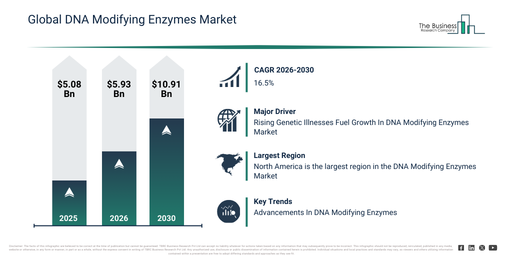
    The market for DNA modifying enzymes has experienced significant expansion recently, with projections indicating a rise from $5.08 billion in 2025 to $5.93 billion in 2026, reflecting a compound annual growth rate of 16.8%. This past growth trajectory has been fueled by several key factors, including the broadening scope of molecular biology research, the escalating utilization of enzymes within genomic studies, the proliferation of academic and clinical research laboratories, the increasing adoption of DNA sequencing technologies, and the widespread availability of standardized enzyme kits.

    The industry for DNA modifying enzymes anticipates a period of substantial expansion, with projections indicating a market valuation of $10.91 billion by the year 2030, reflecting a compound annual growth rate of 16.5%. This projected surge is propelled by several key factors, including greater financial commitment to gene therapy investigations, escalating demand for sophisticated gene editing technologies, broader utilization of synthetic biology in various fields, increased enzyme application in diagnostic processes, and a heightened emphasis on the advancement of precision medicine. Furthermore, significant market currents shaping this forecast encompass a growing appetite for CRISPR-associated enzymes, a rise in the adoption of high-fidelity polymerases, the expanding implementation of gene editing across diverse applications, the proliferation of enzyme-driven diagnostic solutions, and a more pronounced concentration on refining enzyme specificity and overall effectiveness.

    Download A Free Sample Report For Comprehensive Market Insights:

    https://www.thebusinessresearchcompany.com/sample.aspx?id=20545&type=smp

    DNA Modifying Enzymes Market Opportunity Drivers: What Is Creating New Revenue Potential?

    The burgeoning occurrence of genetic conditions is anticipated to significantly boost the expansion of the DNA modifying enzymes market in the future. These health issues, stemming from irregularities in an individual’s genetic makeup, are becoming more prevalent due to a combination of inherited predispositions, heightened diagnostic capabilities and public understanding, and external environmental influences. Enzymes involved in DNA modification, like DNA polymerase and DNA ligase, play a crucial role in genetic analysis by facilitating DNA amplification and sequencing, which in turn aids in pinpointing the specific genetic alterations responsible for these disorders. Supporting this trend, data from March 2024 by the Gene People, a UK charity dedicated to individuals with genetic disorders, indicates that more than 6,000 distinct genetic conditions are currently recognized, with ongoing discoveries of new ones. In the United Kingdom alone, genetic disorders impact one in every twenty-five children, leading to approximately 30,000 new diagnoses each year and affecting over 2.4 million people who are currently living with such conditions. Consequently, the rising incidence of genetic illnesses is a key driver for the growth observed in the DNA modifying enzymes market.

    DNA Modifying Enzymes Market Segment Analysis Highlighting Growth Areas

    The dna modifying enzymes market covered in this report is segmented –

    1) By Type: Restriction Enzymes, Polymerases, Ligases, Nucleases, Methylases, Other Enzyme Types

    2) By Applications: Genomics And Gene Editing, Molecular Biology Research, Diagnostics And Forensics, Biotechnology And Synthetic Biology, Diagnostics, Drug Discovery And Development

    3) By End User: Academics And Research Institutes, Pharmaceutical And Biotechnology Companies, Diagnostic Laboratories, Forensic Laboratories, Hospitals And Clinics, Contract Research Organizations

    Subsegments:

    1) By Restriction Enzymes: Type I Restriction Enzymes, Type II Restriction Enzymes, Type III Restriction Enzymes, Type IV Restriction Enzymes, Type V Restriction Enzymes

    2) By Polymerases: DNA Polymerases, RNA Polymerases, Reverse Transcriptases, High-Fidelity Polymerases, Taq Polymerase

    3) By Ligases: T4 DNA Ligase, E. coli DNA Ligase, ATP-Dependent DNA Ligase, NAD+-Dependent DNA Ligase

    4) By Nucleases: Exonucleases, Endonucleases, DNase I, RNase H, CRISPR-associated Nucleases

    5) By Methylases: DNA Methyltransferases, Cytosine Methylases, Adenine Methylases, Restriction-Modification System Methylases

    6) By Other Enzyme Types: Helicases, Topoisomerases, Kinases, Phosphatases, Acetylases

    DNA Modifying Enzymes Market Innovation Trends Driving Future Development

    Leading entities within the DNA modifying enzymes sector are concentrating on creating cutting-edge methodologies, exemplified by a sequential enzymatic transformation process, to enhance their market standing. This two-stage enzymatic conversion approach facilitates precise identification of 5-hydroxymethylcytosine (5 hmC) with single-base precision, concurrently reducing potential DNA degradation. As a case in point, in February of 2024, New England Biolabs, an enterprise situated in the United States specializing in life sciences, unveiled the NEBNext Enzymatic 5hmC-seq Kit, designed for enzyme-driven 5hmC detection at single-base resolution. This innovative kit marks a considerable step forward in epigenetic studies, especially concerning the investigation of DNA alterations that are instrumental in governing gene expression. The NEBNext Enzymatic 5hmC-seq Kit employs a distinctive enzymatic strategy, enabling scientists to chart 5hmC throughout the genome without confronting the limitations inherent in conventional bisulfite sequencing techniques.

    DNA Modifying Enzymes Market Leading Companies: Who Holds Significant Market Presence?

    Major companies operating in the dna modifying enzymes market are Merck & Co. Inc., Thermo Fisher Scientific Inc., F. Hoffmann-La Roche AG, Illumina Inc., Revvity Inc., Bio-Rad Laboratories Inc., QIAGEN N.V., Integrated DNA Technologies Inc., Promega Corporation, Aldevron LLC, Takara Bio Inc., New England Biolabs Inc., Diagenode SA, Zymo Research Corporation, Lucigen Corporation, Creative Diagnostics, Active Motif Inc., BPS Bioscience Inc., Abnova Corporation, Creative Biogene, Jena Bioscience GmbH, ABclonal Inc., EpiCypher Inc.

    Access The Complete DNA Modifying Enzymes Market Report:

    https://www.thebusinessresearchcompany.com/report/dna-modifying-enzymes-global-market-report

    DNA Modifying Enzymes Market Geographic Landscape: Which Region Dominates Industry Growth?

    North Americawas the largest region in the DNA modifying enzymes market in 2025. The regions covered in the dna modifying enzymes market report are Asia-Pacific, South East Asia, Western Europe, Eastern Europe, North America, South America, Middle East, Africa.

    Get in touch with us:

    The Business Research Company: https://www.thebusinessresearchcompany.com/

    Americas: +1 310-496-7795

    Asia: +44 7882 955267 & +91 8897263534

    Europe: +44 7882 955267

    Email us at: marketing@tbrc.info

    Follow us on:

    LinkedIn: https://in.linkedin.com/company/the-business-research-company

    YouTube: https://www.youtube.com/channel/UC24_fI0rV8cR5DxlCpgmyFQ

    Global Market Model: https://www.thebusinessresearchcompany.com/global-market-model
  • DNA Microarray Market Expansion Is Reshaping Competitive Dynamics Across The Industry

    DNA Microarray Market Expansion Is Reshaping Competitive Dynamics Across The Industry

    Enhanced with market attractiveness analysis, total addressable market evaluation, company benchmarking matrices, interactive Excel dashboards, expanded supply chain intelligence, emerging startup coverage, and detailed product insights, The Business Research Company’s 2026 market reports deliver more actionable and strategically valuable research.

    DNA Microarray Market Expansion Outlook: What Revenue Opportunities Lie Ahead?

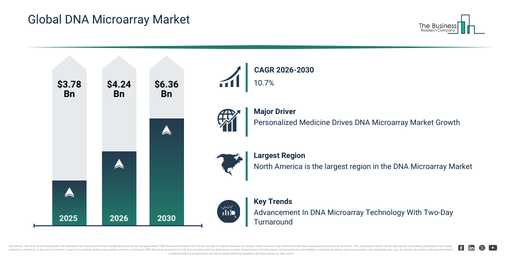
    The domain of DNA microarrays has experienced substantial expansion lately, projecting a trajectory from $3.78 billion in 2025 to $4.24 billion in 2026, reflecting a compound annual growth rate of 12.1%. This surge in the preceding period was propelled by the advancement of genomic research, initial investigations into gene expression, the demands of pharmaceutical research and development, financial backing for academic endeavors, and the identification of disease biomarkers.

    The dnamicroarray market is projected for substantial expansion in the upcoming years, anticipating a valuation of $6.36 billion by 2030, underpinned by a compound annual growth rate (CAGR) of 10.7%. This anticipated upsurge is fueled by advancements in precision medicine investigations, the synergistic incorporation of AI analytics, escalating progress in translational genomics, enhanced capabilities in identifying drug targets, and the burgeoning field of personalized healthcare research. Key developments shaping this period include a heightened reliance on gene expression profiling, the broadening scope of microarray applications within research settings, a greater uptake in biomarker discovery initiatives, the seamless integration with sophisticated data analysis instruments, and a sustained demand for high-throughput genomic screening capabilities.

    Download A Free Sample Report For Comprehensive Market Insights:

    https://www.thebusinessresearchcompany.com/sample.aspx?id=16039&type=smp

    DNA Microarray Market Growth Momentum: Which Factors Are Influencing Demand?

    The increasing embrace of personalized medicine is anticipated to be a significant catalyst for the expansion of the DNA microarray market in the coming period. Personalized medicine, which involves customizing healthcare interventions based on a patient’s unique genetic makeup, environmental influences, and lifestyle choices, is gaining traction. This surge in adoption is fueled by advancements in ‘omics’ technologies, enhanced data integration, and a heightened understanding among medical practitioners and the public regarding the feasibility and accessibility of patient-specific treatments. DNA microarrays play a crucial role in this evolution by facilitating gene expression profiling and genomic investigations, which are fundamental to developing individualized treatment strategies and precise diagnostic tools. Illustrating this trend, the Personalized Medicine Coalition (PMC) reported that in 2023, the U.S. Food and Drug Administration (FDA) sanctioned 16 new personalized therapies for rare conditions, a notable increase from the 6 approved in 2022, indicating a faster integration of precision medicine methodologies. Consequently, the swift implementation of personalized medicine is fueling the growth trajectory of the DNA microarray market.

    DNA Microarray Market Segment Performance And Strategic Opportunities

    The dna microarray market covered in this report is segmented –

    1) By Type: Complementary DNA Microarrays, Oligonucleotide DNA Microarrays, Other Types

    2) By Application: Gene Expression Analysis, Genotyping, Other Applications

    3) By End-user: Pharmaceutical And Biotechnology Companies, Diagnostic Centers, Hospitals And Clinics, Academic And Research Institute, Other End-Users

    Subsegments:

    1) By Complementary DNA Microarrays: Gene Expression Profiling, Comparative Genomic Hybridization (CGH), Quantitative Analysis

    2) By Oligonucleotide DNA Microarrays: Gene Expression Microarrays, Single Nucleotide Polymorphism (SNP) Arrays, DNA Methylation Arrays, Pathogen Detection Arrays

    3) By Other Types: Protein-DNA Microarrays, Tissue Microarrays, Affinity Microarrays, Spotted DNA Microarrays

    DNA Microarray Market Trends Reshaping Industry Growth

    Leading entities within the DNA microarray sector are prioritizing the creation of cutting-edge solutions, for example, expeditiously processed microarray systems, with the aim of enhancing operational smoothness, expediting the provision of data, and bolstering their market standing. Such a swiftly processed microarray system is essentially a sophisticated genomic diagnostic tool engineered to produce thorough outcomes in a condensed period, commonly within a two-day span, thereby facilitating accelerated research endeavors and more prompt clinical judgments. Illustratively, in the month of August 2023, Thermo Fisher Scientific Inc., a prominent American biotechnology firm, unveiled the Applied Biosystems CytoScan HD Accel array, a chromosomal microarray boasting a premier two-day completion period and expanded coverage across the entire genome, encompassing over 5,000 crucial genomic segments, empowering cytogenetic facilities to attain superior output, enhanced effectiveness, and more practical findings for research related to prenatal, postnatal, and cancer studies.

    DNA Microarray Market Key Players: Which Companies Shape Industry Competition?

    Major companies operating in the dna microarray market are Roche Holding AG, Thermo Fisher Scientific Inc., Danaher Corporation, Merck KGaA, Agilent Technologies Inc., PerkinElmer Inc., Illumina Inc., bioMérieux SA, Schott AG, Bio-Rad Laboratories Inc., QIAGEN N.V., Bioneer Corporation, CapitalBio Technology Co. Ltd., Eurofins Genomics LLC, Savyon Diagnostics Ltd., Oxford Gene Technology, Sengenics Corporation LLC, Affymetrix, BioCat GmbH, Scienion AG, LC Sciences, Arrayit Corporation, Akonni Biosystems Inc., Arraystar Inc., Febit Holding GmbH

    Access The Complete DNA Microarray Market Report:

    https://www.thebusinessresearchcompany.com/report/dna-microarray-global-market-report

    #DNA Microarray Market Largest Region: Which Geography Holds The Highest Market Share?

    North Americawas the largest region in the DNA microarray market in 2025. Asia-Pacificis expected to be the fastest-growing region in the forecast period. The regions covered in the dna microarray market report are Asia-Pacific, South East Asia, Western Europe, Eastern Europe, North America, South America, Middle East, Africa.

    Get in touch with us:

    The Business Research Company: https://www.thebusinessresearchcompany.com/

    Americas: +1 310-496-7795

    Asia: +44 7882 955267 & +91 8897263534

    Europe: +44 7882 955267

    Email us at: marketing@tbrc.info

    Follow us on:

    LinkedIn: https://in.linkedin.com/company/the-business-research-company

    YouTube: https://www.youtube.com/channel/UC24_fI0rV8cR5DxlCpgmyFQ

    Global Market Model: https://www.thebusinessresearchcompany.com/global-market-model
  • DNA Forensics Market Forecast Reveals Where Future Industry Value Will Be Created

    DNA Forensics Market Forecast Reveals Where Future Industry Value Will Be Created

    Through market attractiveness analysis, total addressable market evaluation, company benchmarking matrices, interactive Excel dashboards, expanded supply chain intelligence, emerging startup coverage, and detailed product insights, The Business Research Company’s 2026 market reports provide more actionable and strategically valuable research.

    DNA Forensics Market Growth Potential: How Will Market Size Change Through 2030?

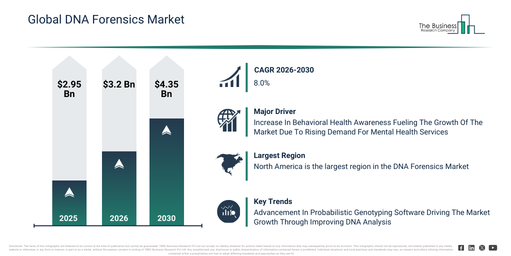
    The DNA forensics sector has experienced robust expansion lately, projected to advance from a valuation of $2.95 billion in 2025 to $3.2 billion by 2026, exhibiting a compound annual growth rate of 8.3%. This past growth trajectory has been propelled by factors including the increasing demands of criminal investigations, the early integration of forensic DNA technologies, the established legal acceptance of DNA as evidence, governmental allocations for forensic services, and the ongoing modernization of law enforcement capabilities.

    The global market for DNA forensics is poised for substantial expansion over the upcoming years, projected to reach a valuation of $4.35 billion by 2030, experiencing a compound annual growth rate (CAGR) of 8.0%. This anticipated growth throughout the forecast period is fueled by several key factors, including the accelerated implementation of forensic testing methodologies, the increasing integration of artificial intelligence in forensic analysis, the burgeoning scope of cross-border criminal investigations, enhanced interoperability among databases, and the ongoing digital transformation of judicial systems. Within this same timeframe, significant market trends are expected to emerge, such as the heightened reliance on DNA profiling techniques for resolving criminal cases, the continuous expansion of national DNA databases, a greater prevalence of rapid DNA testing kits, the incorporation of cutting-edge sequencing technologies, and a growing demand for sophisticated forensic data management software.

    Download A Free Sample Report For Comprehensive Market Insights:

    https://www.thebusinessresearchcompany.com/sample.aspx?id=23374&type=smp

    DNA Forensics Market Expansion Drivers: What Is Shaping Future Growth?

    The proliferation of unlawful acts is anticipated to fuel the expansion of the DNA forensics sector. These offenses, characterized by actions detrimental to persons, possessions, or the community and subject to legal penalties, are on the rise due to economic inequalities that compel individuals to resort to illegal methods for financial sustenance. The DNA forensics market is thus bolstered, as a greater volume of criminal incidents leads to increased collection of biological evidence, rendering forensic DNA examination indispensable for precise perpetrator identification and successful conclusion of legal cases. As an illustration, data from the Council on Criminal Justice (CCJ), an American research entity, revealed that in January 2025, motor vehicle thefts in 2023 escalated to 882.8 incidents per 100,000 population, a significant jump from 704.7 per 100,000 in 2022, signifying a 25.2% surge. Consequently, this upward trend in criminal engagements is a key impetus for the DNA forensics market’s growth.

    #DNA Forensics Market Segment Landscape And Growth Potential

    The dna forensics market covered in this report is segmented –

    1) By Solution: Kits, Analyzers And Sequencers, Software, Consumables

    2) By Method: Capillary Electrophoresis (CE), Next Generation Sequencing (NGS), Polymerase Chain Reaction Amplification, Other Methods

    3) By Application: Criminal Testing, Paternity And Familial Testing, Other Applications

    Subsegments:

    1) By Kits: Deoxyribonucleic Acid Extraction Kits, Short Tandem Repeat Kits, Polymerase Chain Reaction Kits, Deoxyribonucleic Acid Quantification Kits, Mitochondrial Deoxyribonucleic Acid Analysis Kits, Rapid Deoxyribonucleic Acid Testing Kits

    2) By Analyzers And Sequencers: Capillary Electrophoresis Systems, Next-Generation Sequencing (NGS) Systems, Microarray Systems, Real-Time Polymerase Chain Reaction Instruments, Hybridization-Based Analyzers

    3) By Software: Deoxyribonucleic Acid Data Analysis Software, Genotyping Software, Forensic Casework Management Software, Deoxyribonucleic Acid Database Software, Bioinformatics Tools for Sequence Analysis

    4) By Consumables: Reagents And Chemicals, Deoxyribonucleic Acid Collection Swabs And Kits, Microplates And Tubes, Polymerase Chain Reaction Buffers And Enzymes, Deoxyribonucleic Acid Storage And Preservation Solutions

    DNA Forensics Market Strategic Trends: What Is Defining The Next Phase Of Growth?

    Leading entities within the DNA forensics sector are prioritizing the creation of cutting-edge technologies, notably probabilistic genotyping software, to secure a market advantage. This specialized software aids forensic DNA examinations by employing statistical frameworks to decipher intricate or blended DNA evidence, thereby quantifying the probability of particular individuals contributing to the sample. The adoption of these sophisticated tools is on the rise due to the growing prevalence of complex DNA mixtures encountered by crime laboratories, necessitating greater precision, automated processes, and consistent outcomes in forensic analyses. The DNA forensics market actively facilitates this progress by incorporating advanced software that refines the interpretation of mixtures, boosts the resolution of cases, and reinforces the credibility of evidence. A notable development occurred in November 2023 when STRmix Limited (ESR), a research institution based in the United States, released version 2.11 of its software, which includes heightened memory management, expanded modeling functionalities, upgraded Model Maker features, and the incorporation of amelogenin into deconvolution and likelihood ratio computations, all contributing to superior analysis of challenging DNA samples. Consequently, key companies engaged in the development of probabilistic genotyping software are significant contributors to the expansion of the DNA forensics market.

    DNA Forensics Market Competitive Landscape: Who Are The Leading Companies?

    Major companies operating in the dna forensics market are PTC Laboratories Inc., DNA Diagnostics Center, Bode Technology, Key Forensic Services Ltd., LGC Biosearch Technologies, Cellmark Forensic Services, Sorenson Forensics, Genetrack Biolabs Inc., International Biosciences, EasyDNA, VERISIS, Othram Inc., DNA Labs International, Parabon NanoLabs Inc., Forensic Analytical Crime Lab, Mitotyping Technologies, DNA Solutions Inc., Genetic Technologies Inc., DNA Forensics Laboratory Pvt Ltd, Endeavor DNA Laboratories.

    Access The Complete DNA Forensics Market Report:

    https://www.thebusinessresearchcompany.com/report/dna-forensics-global-market-report

    DNA Forensics Market Regional Analysis: Which Region Leads By Revenue?

    North Americawas the largest region in the DNA forensics market in 2025. Asia-Pacificis expected to be the fastest-growing region in the forecast period. The regions covered in the dna forensics market report are Asia-Pacific, South East Asia, Western Europe, Eastern Europe, North America, South America, Middle East, Africa.

    Get in touch with us:

    The Business Research Company: https://www.thebusinessresearchcompany.com/

    Americas: +1 310-496-7795

    Asia: +44 7882 955267 & +91 8897263534

    Europe: +44 7882 955267

    Email us at: marketing@tbrc.info

    Follow us on:

    LinkedIn: https://in.linkedin.com/company/the-business-research-company

    YouTube: https://www.youtube.com/channel/UC24_fI0rV8cR5DxlCpgmyFQ

    Global Market Model: https://www.thebusinessresearchcompany.com/global-market-model

  • DNA Diagnostics Market Growth Through 2030 Creates New Strategic Opportunities

    DNA Diagnostics Market Growth Through 2030 Creates New Strategic Opportunities

    Delivering more actionable and strategically valuable research, The Business Research Company’s 2026 market reports feature market attractiveness analysis, total addressable market evaluation, company benchmarking matrices, interactive Excel dashboards, expanded supply chain intelligence, emerging startup coverage, and detailed product insights.

    DNA Diagnostics Market Value Analysis: What Growth Is Expected Over The Forecast Period?

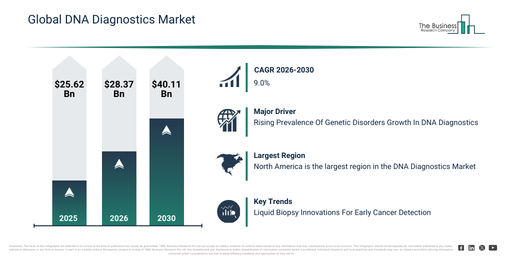
    The realm of DNA diagnostics has witnessed substantial expansion lately, projecting a rise from $25.62 billion in 2025 to $28.37 billion in 2026, fueled by a compound annual growth rate of 10.7%. Factors contributing to this growth during the preceding period include breakthroughs in molecular biology, the increasing acceptance of early cancer detection methods, the prevalent burden of infectious diseases, advancements in laboratory automation, and the decreasing expense of DNA sequencing.

    Anticipated to experience substantial expansion over the ensuing years, the DNA diagnostics market is projected to reach a valuation of $40.11 billion by 2030, exhibiting a compound annual growth rate (CAGR) of 9.0%. This projected growth trajectory for the forecast period is largely propelled by the burgeoning field of precision medicine, advancements in AI-powered diagnostic tools, the increasing implementation of population genetic screening initiatives, supportive regulatory frameworks for molecular testing, and the widening adoption of clinical genomics. Key developments shaping this market during the forecast period encompass the escalating incorporation of genetic insights for disease diagnosis, a heightened reliance on PCR and sequencing technologies, the broadening scope of testing for oncology and infectious diseases, the proliferation of customized diagnostic offerings, and the seamless integration of bioinformatics alongside robust data analysis methodologies.

    Download A Free Sample Report For Comprehensive Market Insights:

    https://www.thebusinessresearchcompany.com/sample.aspx?id=15356&type=smp

    DNA Diagnostics Market Development Factors: Which Trends Are Supporting Demand?

    The increasing incidence of genetic conditions is anticipated to stimulate the expansion of the DNA diagnostics sector in the future. Genetic disorders encompass health issues stemming from alterations within a person’s DNA, such as anomalies in a single gene, chromosomal variations, or complex genetic factors. These escalating occurrences of genetic ailments are attributed to enhanced diagnostic tools, broader utilization of genetic screening, environmental factors, and familial relationships that elevate the probability of passing down certain conditions. The DNA diagnostics market plays a crucial role in addressing this trend by facilitating the accurate identification of genetic irregularities via DNA examination, thereby enabling prompt diagnoses, tailored treatments, and well-informed choices regarding reproduction. As an illustration, the World Health Organization (WHO), a UN agency focused on global health based in Switzerland, reported in February 2023 that congenital diseases were responsible for approximately 240,000 infant fatalities annually within the initial month of life, and contributed to an additional 170,000 deaths in children between one month and five years of age. Consequently, the growing prevalence of genetic disorders is a key driver for the expansion of the DNA diagnostics market.

    DNA Diagnostics Market Categorization By Product Type And Application

    The dna diagnostics market covered in this report is segmented –

    1) By Product Type: Instruments, Reagents, Software And Services

    2) By Technology: Polymerase Chain Reaction, Microarray, In-situ Hybridization, Sequencing Technology, Mass Spectrometry

    3) By Application: Oncology, Infectious Diseases Treatment, Myogenic Disorder Treatment, Clinical Diagnostic Confirmation, Prenatal, Pre-Implantation, Other Applications

    4) By End User: Point Of Care, Diagnostic Centers, Self-Testing Or Over-The-Counter (OTC)

    Subsegments:

    1) By Instruments: PCR (Polymerase Chain Reaction) Instruments, Sequencers, Microarray Systems, Electrophoresis Equipment

    2) By Reagents: PCR Reagents, Sequencing Reagents, Hybridization Reagents, Enzymes And Buffers

    3) By Software And Services: Data Analysis Software, Laboratory Information Management Systems (LIMS), Bioinformatics Services, Consulting And Technical Support

    DNA Diagnostics Market Transformation Trends: Which Innovations Are Driving Change?

    Leading entities within the DNA diagnostics sector are prioritizing the creation of cutting-edge solutions, exemplified by liquid biopsy assays, with the aim of facilitating earlier cancer identification, refining therapeutic choices, and ultimately elevating patient prognoses. This non-surgical diagnostic method scrutinizes blood for unique biological indicators like circulating neoplastic cells, cell-free tumor-derived genetic material, or exosomes, thus furnishing detailed tumor genetic profiles without the necessity of invasive tissue sampling. A case in point is Laboratory Corporation of America Holdings, a prominent American healthcare diagnostics firm, which in May of 2023 introduced LabCorp Plasma Focus, a liquid biopsy tool developed to reveal suitable targeted therapy regimens for individuals afflicted with advanced or metastatic solid malignancies by examining the cfDNA released by cancerous cells, thereby empowering oncologists to customize treatment blueprints and augment the accuracy of oncological interventions.

    DNA Diagnostics Market Company Landscape And Strategic Competition

    Major companies operating in the dna diagnostics market are F. Hoffmann-La Roche Ltd, Thermo Fisher Scientific Inc., Abbott Laboratories, Danaher Corporation, Becton, Dickinson and Company, Laboratory Corporation, Quest Diagnostics Incorporated, Eurofins Scientific SE, Agilent Technologies, Illumina Inc, PerkinElmer Inc, bioMérieux SA, Beckman Coulter Inc, Sysmex Corporation, Bio-Rad Laboratories Inc, QIAGEN N.V., Natera Inc, Myriad Genetics Inc., BGI Genomics Co. Ltd., Cepheid, NeoGenomics Laboratories Inc, 23andMe Holding Co, Ambry Genetics Corporation, Biocartis SA, CENTOGENE N.V., Veritas Genetics

    Access The Complete DNA Diagnostics Market Report:

    https://www.thebusinessresearchcompany.com/report/dna-diagnostics-global-market-report

    DNA Diagnostics Market Geographic Distribution And Regional Opportunities

    North Americawas the largest region in the DNA diagnostics market in 2025. Asia-Pacificis expected to be the fastest-growing region in the forecast period. The regions covered in the dna diagnostics market report are Asia-Pacific, South East Asia, Western Europe, Eastern Europe, North America, South America, Middle East, Africa.

    Get in touch with us:

    The Business Research Company: https://www.thebusinessresearchcompany.com/

    Americas: +1 310-496-7795

    Asia: +44 7882 955267 & +91 8897263534

    Europe: +44 7882 955267

    Email us at: marketing@tbrc.info

    Follow us on:

    LinkedIn: https://in.linkedin.com/company/the-business-research-company

    YouTube: https://www.youtube.com/channel/UC24_fI0rV8cR5DxlCpgmyFQ

    Global Market Model: https://www.thebusinessresearchcompany.com/global-market-model

  • Digital Health Identification (ID) Wallet App Market Opportunities Are Emerging Beyond Traditional Growth Areas

    Digital Health Identification (ID) Wallet App Market Opportunities Are Emerging Beyond Traditional Growth Areas

    Through market attractiveness analysis, total addressable market evaluation, company benchmarking matrices, interactive Excel dashboards, expanded supply chain intelligence, emerging startup coverage, and detailed product insights, The Business Research Company’s 2026 market reports provide more actionable and strategically valuable research.

    Digital Health Identification (ID) Wallet App Market Forecast: What Market Value Is Expected By 2030?

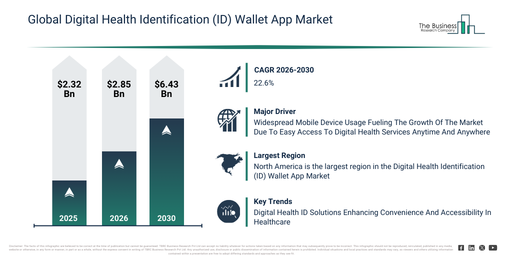
    The market for digital health identification (ID) wallet applications has experienced remarkable expansion lately, projected to increase from $2.32 billion in 2025 to $2.85 billion in 2026, reflecting a compound annual growth rate (CAGR) of 22.9%. Key factors fueling this growth during the historical period include the widespread implementation of electronic health record systems, a growing acceptance of digital identities within the healthcare sector, heightened emphasis on safeguarding patient data, the proliferation of mobile health applications, and early governmental endeavors in promoting digital health solutions.

    The market for digital health identification (ID) wallet applications is poised for substantial expansion in the upcoming years, projected to reach $6.43 billion by the year 2030, reflecting a compound annual growth rate (CAGR) of 22.6%. This considerable growth during the forecast period is fueled by several key factors: the increasing embrace of interconnected health ecosystems, a surge in investments directed towards blockchain-powered identity solutions, the proliferation of patient-empowered data management frameworks, heightened governmental and regulatory attention on safeguarding health identities, and the broader implementation of biometric verification technologies. Within this same timeframe, significant market trends are expected to unfold, including the advancement of secure digital health identity platforms, deeper integration with national healthcare infrastructures, greater reliance on mobile health wallet solutions, a strengthened commitment to data interoperability standards, and more sophisticated utilization of biometric authentication methods.

    Download A Free Sample Report For Comprehensive Market Insights:

    https://www.thebusinessresearchcompany.com/sample.aspx?id=28194&type=smp

    #Digital Health Identification (ID) Wallet App Market Growth Factors: Which Forces Are Supporting Market Expansion?

    The increasing prevalence of mobile devices is anticipated to be a significant catalyst for the expansion of the digital health identification (ID) wallet app market. These portable electronic devices, offering continuous access to computing, communication, and online services regardless of location, are becoming more widespread owing to enhanced internet availability. This greater connectivity empowers a larger number of individuals to utilize digital services consistently. Consequently, the widespread adoption of mobile devices fuels the demand for digital health ID wallet applications, as they provide a secure platform for individuals to store and retrieve their health information whenever needed, ensuring swift and hassle-free access in medical emergencies. To illustrate, a report from the UK-based Groupe Spécial Mobile Association in October 2024 indicated that 57% of the world’s population, equating to 4.6 billion individuals, actively uses mobile internet on their personal devices. This surge in mobile device usage directly correlates with the projected growth of the digital health identification (ID) wallet app sector.

    #Digital Health Identification (ID) Wallet App Market Segment Landscape And Growth Potential

    The digital health identification (id) wallet app market covered in this report is segmented –

    1) By Component: Software, Services

    2) By Deployment Mode: On-Premises, Cloud-Based

    3) By Application: Patient Identification, Health Records Management, Insurance Verification, e-Prescriptions, Other Applications

    4) By End-User: Hospitals And Clinics, Insurance Providers, Patients, Government Agencies, Other End-Users

    Subsegments:

    1) By Software: Identity Verification Module, Electronic Health Records (EHR) Management, Insurance And Claims Management, Prescription Management, Analytics And Reporting Tools, Security And Compliance Tools

    2) By Services: Implementation And Integration Services, Consulting And Advisory, Support And Maintenance, Training And Capacity Building, Custom Development Services

    Digital Health Identification (ID) Wallet App Market Industry Trends: What Changes Are Reshaping Demand?

    Leading players within the digital health identification (ID) wallet app sector are concentrating on creating sophisticated functionalities, such as portable health credentials, to streamline the dissemination of medical data to healthcare professionals. These digital credentials serve as mobile applications that house an individual’s health details, encompassing medical backgrounds and immunization records, thereby granting individuals straightforward access and the ability to share this information when necessary. As an illustration, during August 2025, Alberta’s provincial administration, a governmental entity situated in Canada, introduced the digital Alberta Wallet. Residents of Alberta now possess the capability to retain government-issued documentation on their personal mobile devices through the utilization of the Alberta Wallet. Initially, the offering encompasses a mobile health card, which facilitates a more expeditious and user-friendly method for accessing medical services. This card features the individual’s appellation, birth date, and unique personal health number, all retrievable by presenting a QR code at medical establishments. The card will be acknowledged by all medical practitioners, and establishments lacking scanning devices may independently validate the digital particulars.

    Digital Health Identification (ID) Wallet App Market Competitive Landscape: Who Are The Leading Companies?

    Major companies operating in the digital health identification (id) wallet app market are Apple Inc., Google LLC, Microsoft Corporation, Amazon Web Services Inc., Oracle Corp., Salesforce Inc., Evernorth Health Inc., Epic Systems Corp., athenahealth Inc., InterSystems Corp., eClinicalWorks LLC, NextGen Healthcare Information Systems Inc., Veradigm LLC, PointClickCare, 1upHealth, PicnicHealth, Health Gorilla Inc., Spruce Health Inc., Dock Health Inc., ProCredEx, MyID.

    Access The Complete Digital Health Identification (ID) Wallet App Market Report:

    https://www.thebusinessresearchcompany.com/report/digital-health-identification-id-wallet-app-global-market-report

    Digital Health Identification (ID) Wallet App Market Regional Distribution: Which Areas Drive Market Expansion?

    North Americawas the largest region in the digital health identification (ID) wallet app market in 2025. Asia-Pacific is expected to be the fastest-growing region in the forecast period. The regions covered in the digital health identification (id) wallet app market report are Asia-Pacific, South East Asia, Western Europe, Eastern Europe, North America, South America, Middle East, Africa.

    Get in touch with us:

    The Business Research Company: https://www.thebusinessresearchcompany.com/

    Americas: +1 310-496-7795

    Asia: +44 7882 955267 & +91 8897263534

    Europe: +44 7882 955267

    Email us at: marketing@tbrc.info

    Follow us on:

    LinkedIn: https://in.linkedin.com/company/the-business-research-company

    YouTube: https://www.youtube.com/channel/UC24_fI0rV8cR5DxlCpgmyFQ

    Global Market Model: https://www.thebusinessresearchcompany.com/global-market-model

  • Digital Health Coaching Market Expansion Is Opening New Pathways For Strategic Investment

    Digital Health Coaching Market Expansion Is Opening New Pathways For Strategic Investment

    Delivering more actionable and strategically valuable research, The Business Research Company’s 2026 market reports feature market attractiveness analysis, total addressable market evaluation, company benchmarking matrices, interactive Excel dashboards, expanded supply chain intelligence, emerging startup coverage, and detailed product insights.

    Digital Health Coaching Market Size Outlook: How Fast Will Revenue Grow Through 2030?

    The digital health coaching sector has experienced substantial expansion lately. Projections indicate a rise from $13.26 billion in 2025 to $15.29 billion in 2026, reflecting a compound annual growth rate (CAGR) of 15.3%. Factors contributing to this growth during the earlier period included increased public awareness of wellness, the swift uptake of fitness applications, a surge in lifestyle-related illnesses, greater smartphone accessibility, and the constraints associated with receiving in-person coaching.

    The digital health coaching sector is poised for substantial expansion, projected to reach a valuation of $26.7 billion by 2030, reflecting a compound annual growth rate of 14.9% over the forecast period. This anticipated surge is bolstered by several key drivers, including the increasing sophistication of AI-powered personalization, the seamless incorporation of digital therapeutics, the proliferation of employer-backed wellness initiatives, escalating investments in preventive healthcare, and the growing prevalence of subscription-based service models. During this same timeframe, several significant trends are expected to shape the market landscape. These include a heightened embrace of tailored health coaching solutions, a deeper integration with wearable health monitoring devices, escalating demand for support in managing chronic conditions, the wider adoption of remote and virtual coaching methodologies, and a more pronounced emphasis on proactive and lifestyle-oriented healthcare approaches.

    Download A Free Sample Report For Comprehensive Market Insights:

    https://www.thebusinessresearchcompany.com/sample.aspx?id=23368&type=smp

    Digital Health Coaching Market Demand Drivers: What Is Fueling Industry Growth?

    The escalating consciousness among individuals regarding their health and overall well-being is anticipated to be a significant catalyst for the expansion of the digital health coaching sector. This heightened awareness stems from the growing concern over lifestyle-induced ailments, prompting a stronger inclination towards adopting healthier routines and emphasizing proactive health management. Digital health coaching plays a crucial role in fostering this sense of health and well-being by delivering tailored advice, immediate feedback, and accessible learning materials, thereby enabling individuals to make sagacious decisions about their lifestyle and cultivate healthier practices. Evidence of this trend is seen in the February 2025 data from Experian Information Solutions, Inc., which reported an 11% surge in gym membership expenditure during the Christmas period and a 4% increase in January, indicating a robust start to fitness commitments in 2025, with a notable 7% rise in fitness spending among individuals aged 35-44, underscoring their prioritization of health. Consequently, this heightened public awareness concerning health and well-being is directly fueling the advancement of the digital health coaching market.

    Digital Health Coaching Market Categorization By Product Type And Application

    The digital health coaching market covered in this report is segmented –

    1) By Type: Holistic Health Coaching, Wellness Health Coaching, Primal Or Paleo Health Coaching

    2) By Service: Nutrition And Diet Coaching, Fitness And Exercise Coaching, Women’s Health Coaching, Chronic Condition Coaching, Mental Wellbeing Coaching, Other Services

    3) By Duration: 1 Month Or Less, 1-3 Months, 3-6 Months, More Than 6 Months

    4) By Payment Model: Monthly Subscription, Annual Subscription, Per Session, Freemium Model With Paid Upgrades, Other Payment Model

    Subsegments:

    1) By Holistic Health Coaching: Mindfulness-Based Health Coaching, Integrative Nutrition Coaching, Functional Medicine Coaching, Behavioral Health Coaching

    2) By Wellness Health Coaching: Fitness And Exercise Coaching, Stress Management Coaching, Weight Management Coaching, Sleep Health Coaching

    3) By Primal Or Paleo Health Coaching: Ancestral Nutrition Coaching, Metabolic Health Coaching, Gut Health Coaching, Low-Carb Or Keto Coaching

    Digital Health Coaching Market Innovation Trends: Which Developments Are Transforming The Industry?

    Key players within the digital health coaching sector are concentrating their efforts on creating novel approaches, including tailored digital wellness systems, aimed at enhancing overall health, assisting individuals in adopting healthier lifestyles, and more effectively managing long-term illnesses with greater ease of access. These customized digital wellness frameworks represent technologically advanced offerings that deliver health advice, tracking, and encouragement specifically adapted to an individual’s unique physical requirements, inclinations, and objectives. As an illustration, in February 2025, Owens and Minor, a healthcare entity based in the United States, introduced ByramConnect, a bespoke digital health initiative driven by the Welldoc Application. This program is engineered to refine results for those managing type 1 or type 2 diabetes and associated long-term health issues, encompassing high blood pressure, weight control, and heart-related dangers. By employing sophisticated artificial intelligence, the initiative scrutinizes information across six distinct health areas to furnish practical perspectives and summaries for patients, facilitating their dissemination to medical professionals and support networks. Furthermore, it consolidates data from a variety of health-monitoring gadgets, such as those for blood sugar, physical activity, and blood pressure, to construct a holistic understanding of a patient’s health status.

    Digital Health Coaching Market Company Landscape And Strategic Competition

    Major companies operating in the digital health coaching market are Cigna Corporation, Kaiser Permanente, Teladoc Health Inc., Hinge Health Inc., Noom Inc., OmniLife Health Inc., Castlight Health Inc., BetterUp Inc., Spring Health Inc., Omada Health Inc., Welltok Inc., Virta Health Corp., Limeade Inc., Healthify Inc., Lark Health Inc., Aaptiv Inc., SilverCloud Health Inc., MyStrength Inc., Fitbit Health Solutions, Happify Health Inc.

    Access The Complete Digital Health Coaching Market Report:

    https://www.thebusinessresearchcompany.com/report/digital-health-coaching-global-market-report

    Digital Health Coaching Market Leading Geography: Which Region Generates The Most Revenue?

    North Americawas the largest region in the digital health coaching market in 2025. Asia-Pacificis expected to be the fastest-growing region in the forecast period. The regions covered in the digital health coaching market report are Asia-Pacific, South East Asia, Western Europe, Eastern Europe, North America, South America, Middle East, Africa.

    Get in touch with us:

    The Business Research Company: https://www.thebusinessresearchcompany.com/

    Americas: +1 310-496-7795

    Asia: +44 7882 955267 & +91 8897263534

    Europe: +44 7882 955267

    Email us at: marketing@tbrc.info

    Follow us on:

    LinkedIn: https://in.linkedin.com/company/the-business-research-company

    YouTube: https://www.youtube.com/channel/UC24_fI0rV8cR5DxlCpgmyFQ

    Global Market Model: https://www.thebusinessresearchcompany.com/global-market-model