Month: June 2026

  • Diabetic Macular Edema (DME) Market Outlook Highlights The Next Major Growth Opportunities

    Diabetic Macular Edema (DME) Market Outlook Highlights The Next Major Growth Opportunities

    Delivering more actionable and strategically valuable research, The Business Research Company’s 2026 market reports feature market attractiveness analysis, total addressable market evaluation, company benchmarking matrices, interactive Excel dashboards, expanded supply chain intelligence, emerging startup coverage, and detailed product insights.

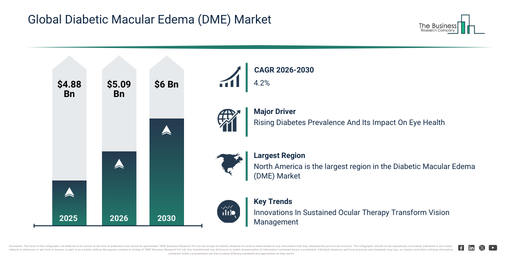
    Diabetic Macular Edema (DME) Market Forecast Highlighting Growth From $5.09 Billion To $6 Billion

    The global market for diabetic macular edema (dme) has experienced consistent expansion lately, projecting a rise from $4.88 billion in 2025 to $5.09 billion in 2026, reflecting a compound annual growth rate (CAGR) of 4.4%. This expansion during the past period was fueled by an increasing number of individuals suffering from diabetic eye conditions, a lack of widespread early detection methods, a surge in vision impairment incidents, a dependence on hospital-based eye care services, and the prolonged duration of diabetes among patients.

    The market for diabetic macular edema (dme) is projected to experience consistent expansion, reaching an estimated $6 billion by 2030, fueled by a compound annual growth rate (CAGR) of 4.2%. This anticipated growth throughout the forecast period is principally driven by innovations in biological treatments, the wider implementation of artificial intelligence in vision screening processes, the proliferation of specialized ophthalmology centers, heightened public understanding of diabetes-related eye conditions, and the continually increasing number of individuals managing diabetes as they age. Key developments anticipated within this timeframe include a greater embrace of anti-VEGF therapies, increased utilization of sophisticated retinal imaging techniques, the broadening of initiatives for early detection and ongoing patient monitoring, a strengthening emphasis on therapies aimed at safeguarding vision, and the incorporation of AI-powered screening tools within ophthalmology.

    Download A Free Sample Report For Comprehensive Market Insights:

    https://www.thebusinessresearchcompany.com/sample.aspx?id=21169&type=smp

    Diabetic Macular Edema (DME) Market Development Factors: Which Trends Are Supporting Demand?

    A significant catalyst for the expansion of the diabetic macular edema (DME) market is the growing incidence of diabetes. This escalating trend in diabetes cases can be attributed to a confluence of factors, including increasingly sedentary lifestyles, less nutritious eating patterns, a rise in obesity, an aging global population, and inherited predispositions. Diabetes adversely impacts the macula by compromising the delicate blood vessels within the retina, which subsequently leads to fluid accumulation and edema. As a stark illustration, data from June 2023 indicated that the Institute for Health Metrics and Evaluation, a prominent public health research body in the United States, revealed that more than 500 million individuals worldwide were already managing diabetes, with projections suggesting this figure could surpass 1.3 billion by the year 2050, thus underscoring the substantial influence of diabetes prevalence on the DME market’s upward trajectory.

    Diabetic Macular Edema (DME) Market Segmentation: How Is The Market Structured Across Key Categories?

    The diabetic macular edema (dme) market covered in this report is segmented –

    1) By Treatment: Anti-VEGF Therapy, Corticosteroids, Laser Therapy, Surgical Intervention

    2) By Disease Stage: Early Stage, Moderate Stage, Advanced Stage

    3) By Patient Demographics: Adults, Elderly, Children

    4) By Route Of Administration: Intravitreal Injection, Topical, Systemic

    5) By Distribution Channel: Hospital Pharmacies, Retail Pharmacies, Online Pharmacies

    Subsegments:

    1) By Anti-VEGF Therapy: Monoclonal Antibodies, Recombinant Protein-Based Therapies

    2) By Corticosteroids: Intravitreal Steroid Injections, Injectable Sustained-Release Corticosteroids

    3) By Laser Therapy: Focal Laser Photocoagulation, Panretinal Photocoagulation

    4) By Surgical Intervention: Vitrectomy, Membrane Peeling

    Diabetic Macular Edema (DME) Market Transformation Trends: Which Innovations Are Driving Change?

    The leading participants in the diabetic macular edema (DME) market are prioritizing the integration of sustained-release implant technologies, specifically refillable ocular implants, with the aim of elevating treatment longevity, patient adherence, and the effectiveness of vision maintenance. These refillable ocular implants are surgically inserted into the eye and are engineered to administer medication consistently over prolonged durations, thereby facilitating benefits like diminished dosing frequency, enduring therapeutic effect, and a lessened treatment burden. As an illustration, F. Hoffmann-La Roche AG, a pharmaceutical and biotechnology firm headquartered in Switzerland, secured approval in February 2025 for Susvimo (ranibizumab 100 mg/mL via its port delivery platform), a refillable ocular implant intended for DME treatment. This innovative implant offers a continuous supply of ranibizumab, allows for refill intervals as infrequent as biannually, and has demonstrated vision outcomes that are not inferior to those achieved with monthly intravitreal injections. Susvimo ultimately contributes to better patient compliance, alleviates the inconvenience of frequent injections, and aids in preserving vision over the long term.

    Diabetic Macular Edema (DME) Market Competitive Landscape And Leading Companies

    Major companies operating in the diabetic macular edema (dme) market are Roche Holding AG, Bayer AG, Novartis AG, Regeneron Pharmaceuticals, Carl Zeiss Meditec AG, Bausch & Lomb, Carl Zeiss AG, Topcon Corporation, Optos plc, Allergan plc, Chengdu Kanghong Pharmaceutical Group, Kodiak Sciences, Opthea Limited, Oxurion NV, Aerie Pharmaceuticals Inc, Coherus BioSciences, KalVista Pharmaceuticals Inc, Araim Pharmaceuticals Inc, Acucela Inc, Antisense Therapeutics Limited, BCN Peptides SA, Ampio Pharmaceuticals Inc, Oculis SA, ThromboGenics NV, EyePoint Pharmaceuticals Inc.

    Access The Complete Diabetic Macular Edema (DME) Market Report:

    https://www.thebusinessresearchcompany.com/report/diabetic-macular-edema-dme-global-market-report

    Diabetic Macular Edema (DME) Market Regional Distribution: Which Areas Drive Market Expansion?

    North Americawas the largest region in the diabetic macular edema (DME) market in 2025. Europeis expected to be the fastest-growing region in the forecast period. The regions covered in the diabetic macular edema (dme) market report are Asia-Pacific, South East Asia, Western Europe, Eastern Europe, North America, South America, Middle East, Africa.

    Get in touch with us:

    The Business Research Company: https://www.thebusinessresearchcompany.com/

    Americas: +1 310-496-7795

    Asia: +44 7882 955267 & +91 8897263534

    Europe: +44 7882 955267

    Email us at: marketing@tbrc.info

    Follow us on:

    LinkedIn: https://in.linkedin.com/company/the-business-research-company

    YouTube: https://www.youtube.com/channel/UC24_fI0rV8cR5DxlCpgmyFQ

    Global Market Model: https://www.thebusinessresearchcompany.com/global-market-model
  • Diabetic Kidney Disease Market Trends And Growth Drivers Point To Strong Future Potential

    Diabetic Kidney Disease Market Trends And Growth Drivers Point To Strong Future Potential

    Enhanced with market attractiveness analysis, total addressable market evaluation, company benchmarking matrices, interactive Excel dashboards, expanded supply chain intelligence, emerging startup coverage, and detailed product insights, The Business Research Company’s 2026 market reports deliver more actionable and strategically valuable research.

    Diabetic Kidney Disease Market Revenue Growth Supported By A CAGR Of 3.75% Through 2030

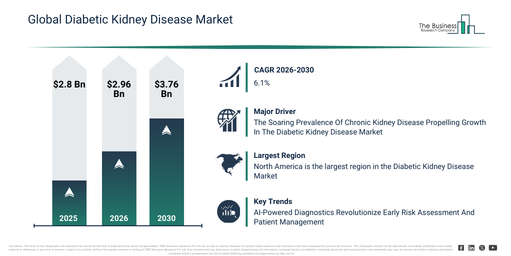
    The market for diabetic kidney disease treatments has observed robust expansion recently, with a projected increase from 2.8 billion dollars in 2025 to 2.96 billion dollars in 2026, reflecting a compound annual growth rate of 5.9%. This historical growth trajectory has been influenced by several key factors, including the widespread occurrence of diabetes-induced kidney damage, the frequent diagnosis of the disease in its later stages, a limited uptake of early detection methods, a dependency on dialysis for managing advanced conditions, and an upward trend in hospital admissions.

    The global market for diabetic kidney disease is poised for significant expansion in the coming years, projected to reach $3.76 billion by the year 2030, with an anticipated compound annual growth rate of 6.1%. This projected increase during the forecast period is fueled by several key factors, including the development of innovative renal protective medications, a rise in early detection programs, the escalating prevalence of chronic kidney disease, the broadening availability of specialized nephrology services, and a heightened emphasis on tailoring treatments to individual patient needs. Furthermore, prominent trends expected to shape this market in the upcoming years encompass a greater uptake of early renal screening methods, expanded utilization of renoprotective drug therapies, a broadened adoption of combination treatment regimens, an intensified focus on slowing disease progression, and the integration of comprehensive, multidisciplinary care models.

    Download A Free Sample Report For Comprehensive Market Insights:

    https://www.thebusinessresearchcompany.com/sample.aspx?id=9932&type=smp

    Diabetic Kidney Disease Market Industry Drivers: What Is Driving Revenue Growth?

    The increasing incidence of chronic kidney disease is anticipated to be a primary driver for the expansion of the diabetic kidney disease market. This long-term condition, characterized by a progressive decline in kidney function, leads to various health issues including hypertension, anemia, and skeletal disorders. Consequently, the necessity for effective diagnostic and therapeutic interventions for chronic kidney diseases directly contributes to market growth for diabetic kidney disease solutions. Specifically, data from Kidney Research UK in June 2023 indicates that chronic kidney disease impacts approximately 7.2 million individuals in the United Kingdom, representing over a tenth of the populace. Of these, 3.25 million are experiencing advanced stages of the illness, while roughly 3.9 million are in earlier, often undetected and symptomless phases. Future estimates suggest that by 2033, the total number of individuals with chronic renal disease in the UK could ascend to 7.61 million. Hence, the escalating prevalence of chronic kidney disease is fueling the projected growth within the diabetic kidney disease market.

    Diabetic Kidney Disease Market Segmentation Trends And Revenue Drivers

    The diabetic kidney disease market covered in this report is segmented –

    1) By Type: Type 1 Diabetes, Type 2 Diabetes

    2) By Treatment: Angiotensin Receptor Blockers (Arbs), Angiotensin-Converting Enzyme (Ace) Inhibitors, Antioxidant Inflammation Modulator, Calcium Channel Blockers, Other Treatments

    3) By End User: Hospitals, Homecare, Specialty Centers, Other End Users

    Subsegments:

    1) By Type 1 Diabetes: Autoimmune-Related Diabetic Kidney Disease, Early-Onset Diabetic Kidney Disease

    2) By Type 2 Diabetes: Obesity-Related Diabetic Kidney Disease, Late-Onset Diabetic Kidney Disease

    #Diabetic Kidney Disease Market Growth Trends: What Is Influencing The Future Outlook?

    The diabetic kidney disease market is witnessing significant activity from key players who are increasingly integrating sophisticated technologies, notably AI-powered prognostic tools, to refine the early identification of risk, tailor patient care, and ultimately improve long-term health results. These AI-driven prognostic platforms represent innovative diagnostic instruments that leverage a combination of blood biomarker data and machine learning techniques to forecast the probability of worsening kidney function, thereby facilitating the creation of risk assessments, group patients based on their risk levels, and plan timely medical interventions. As an illustration, in June 2023, Renalytix plc, a United Kingdom-based firm specializing in diagnostics, secured marketing approval from the U.S. Food and Drug Administration (FDA) via the De Novo pathway for KidneyIntelX.dkd, an artificial intelligence-based prognostic system intended to evaluate the risk of substantial kidney function deterioration in individuals with type 2 diabetes and early-stage chronic kidney disease. This system incorporates machine learning algorithms integrated with biomarkers, offers cloud-based integration for clinical workflows, and provides reports that stratify risk. KidneyIntelX.dkd’s implementation is designed to bolster clinical judgment, assist in developing focused surveillance plans, and advance preparatory care strategies.

    #Diabetic Kidney Disease Market Industry Leaders: Which Organizations Are Driving Competition?

    Major companies operating in the diabetic kidney disease market are AstraZeneca plc, Pfizer Inc., Novartis AG, Bayer AG, Sanofi SA, Teva Pharmaceutical Industries Ltd., Bristol-Myers Squibb Company, Sun Pharmaceutical Industries Ltd., Aurobindo Pharma Ltd., Fresenius SE & Co. KGaA, F. Hoffmann-La Roche AG, Abbott Laboratories, Reata Pharmaceuticals Inc., Merck & Co., Mitsubishi Tanabe Pharma Corporation, Johnson & Johnson pvt. Ltd., Eli Lilly and Company, GlaxoSmithKline plc, AbbVie Inc., Boehringer Ingelheim International GmbH, Chugai Pharmaceutical Co. Ltd., Daiichi Sankyo Company Limited

    Access The Complete Diabetic Kidney Disease Market Report:

    https://www.thebusinessresearchcompany.com/report/diabetic-kidney-disease-global-market-report

    Diabetic Kidney Disease Market Leading Geography: Which Region Generates The Most Revenue?

    North Americawas the largest region in the diabetic kidney disease market in 2025. The regions covered in the diabetic kidney disease market report are Asia-Pacific, South East Asia, Western Europe, Eastern Europe, North America, South America, Middle East, Africa.

    Get in touch with us:

    The Business Research Company: https://www.thebusinessresearchcompany.com/

    Americas: +1 310-496-7795

    Asia: +44 7882 955267 & +91 8897263534

    Europe: +44 7882 955267

    Email us at: marketing@tbrc.info

    Follow us on:

    LinkedIn: https://in.linkedin.com/company/the-business-research-company

    YouTube: https://www.youtube.com/channel/UC24_fI0rV8cR5DxlCpgmyFQ

    Global Market Model: https://www.thebusinessresearchcompany.com/global-market-model
  • Diabetic Ketoacidosis (DKA) Market Expansion Is Reshaping Competitive Dynamics Across The Industry

    Diabetic Ketoacidosis (DKA) Market Expansion Is Reshaping Competitive Dynamics Across The Industry

    Through market attractiveness analysis, total addressable market evaluation, company benchmarking matrices, interactive Excel dashboards, expanded supply chain intelligence, emerging startup coverage, and detailed product insights, The Business Research Company’s 2026 market reports provide more actionable and strategically valuable research.

    Diabetic Ketoacidosis (DKA) Market Value Expansion And Long-Term Growth Outlook

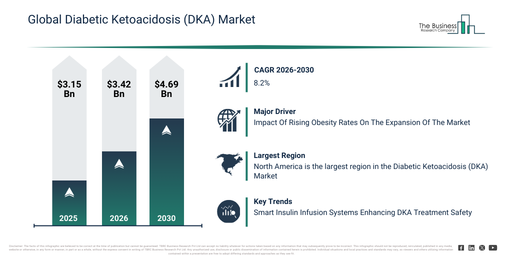
    The market for diabetic ketoacidosis (dka) treatments has experienced substantial expansion lately, with projections indicating continued robust growth, moving from $3.15 billion in 2025 to $3.42 billion in 2026, demonstrating a compound annual growth rate (CAGR) of 8.5%. In the past, this market’s expansion was fueled by factors such as inadequate blood sugar management among individuals with diabetes, delayed identification of severe health issues, a lack of public understanding regarding the condition, reliance on emergency hospital services, and an increase in the incidence of type 1 diabetes.

    The diabetic ketoacidosis (dka) market is poised for substantial expansion over the upcoming years, projecting a valuation of $4.69 billion by 2030, driven by a compound annual growth rate (CAGR) of 8.2%. This projected increase is fueled by advancements in patient education initiatives, the proliferation of remote patient monitoring technologies, enhanced adherence to insulin therapy regimens, the implementation of early warning systems, and a concerted effort to decrease emergency hospitalizations. Key developments anticipated within this timeframe encompass an uptick in hospitalizations related to acute diabetes complications, heightened emphasis on swift diagnosis and intervention strategies, the broadening of critical care treatment protocols, increased utilization of continuous glucose and ketone monitoring devices, and the integration of emergency diabetes management systems.

    Download A Free Sample Report For Comprehensive Market Insights:

    https://www.thebusinessresearchcompany.com/sample.aspx?id=21168&type=smp

    #Diabetic Ketoacidosis (DKA) Market Growth Factors: Which Forces Are Supporting Market Expansion?

    The escalating global obesity epidemic is a significant catalyst for the growth observed in the diabetic ketoacidosis (DKA) market. Obesity, defined as an unhealthy accumulation of body fat that poses substantial health risks and elevates the likelihood of numerous illnesses, is becoming more widespread due to a confluence of factors including diets rich in processed items, sugars, and fats, a lack of physical activity fostered by sedentary habits, extended periods of screen usage, and socio-economic influences such as the accessibility of nutritious food and adequate healthcare. This surge in obesity correlates with a heightened risk of DKA because it exacerbates insulin resistance and promotes the onset of type 2 diabetes, ultimately leading to compromised blood glucose regulation and consequently, more frequent DKA events. Illustrating this trend, a March 2024 report from the World Health Organization, an international body headquartered in Switzerland, indicated that nearly 12.5% of the global population faces obesity challenges, encompassing 2.5 billion adults who are overweight, with 890 million classified as obese. Within the adult demographic, 43% were found to be overweight, and 16% were diagnosed as obese, while a concerning 37 million children under five years of age were also identified as overweight. Consequently, the increasing incidence of obesity is directly fueling the expansion of the DKA market.

    Diabetic Ketoacidosis (DKA) Market Segment Analysis Highlighting Growth Areas

    The diabetic ketoacidosis (dka) market covered in this report is segmented –

    1) By Type: Pediatric Diabetic Ketoacidosis, Adult Diabetic Ketoacidosis

    2) By Treatment Type: Fluid Replacement, Electrolyte Replacement, Insulin Therapy, Intermediate-Acting Insulin, Long-Acting Insulin

    3) By Route Of Administration: Oral, Parenteral, Other Route Of Administration

    4) By Distribution Channel: Online Channel, Offline Channel

    5) By End Use: Hospitals, Ambulatory Care Center, Specialty Clinics

    Subsegments:

    1) By Pediatric Diabetic Ketoacidosis: Mild Pediatric DKA, Moderate Pediatric DKA, Severe Pediatric DKA

    2) By Adult Diabetic Ketoacidosis: Mild Adult DKA, Moderate Adult DKA, Severe Adult DKA

    Diabetic Ketoacidosis (DKA) Market Industry Trends: What Changes Are Reshaping Demand?

    In the competitive landscape of the diabetic ketoacidosis (DKA) treatment market, leading entities are prioritizing the creation of advanced therapeutic approaches, specifically targeting algorithm-based insulin dosage management systems. These sophisticated systems are engineered to refine treatment accuracy, bolster patient security, and streamline operational processes. Essentially, they represent software frameworks that leverage computational modeling and live patient metrics, including glucose trajectories, kidney performance, and estimated lingering insulin levels, to formulate personalized intravenous insulin infusion suggestions. This facilitates dynamic dosage modifications and detailed glucose trend examinations. A prime illustration of this innovation occurred in December 2024, when Monarch Medical Technologies, a prominent American health-tech firm with expertise in inpatient glucose regulation, secured FDA 510(k) authorization for its EndoTool IV 3.1. This algorithm-guided dosing tool is specifically crafted to aid in managing hyperglycemic emergencies like DKA and euglycemic DKA, offering features such as immediate insulin rate adjustments, the incorporation of renal function data, and the consideration of estimated residual insulin (EREI), all within an integrated decision-support system. The overarching goal of EndoTool IV 3.1 is to elevate the precision of insulin administration, augment safety protocols during acute metabolic crises, and empower clinicians with superior insights for making critical treatment choices.

    Diabetic Ketoacidosis (DKA) Market Leading Companies: Who Holds Significant Market Presence?

    Major companies operating in the diabetic ketoacidosis (dka) market are Merck & Co. Inc., Pfizer Inc., Sanofi S.A., Bristol Myers Squibb, Novartis AG, Roche Holding AG, GlaxoSmithKline plc, Eli Lilly and Company, Boehringer Ingelheim International GmbH, Novo Nordisk A/S, Teva Pharmaceutical Industries Ltd., B. Braun Medical Inc., Fresenius Kabi, Merit Pharmaceutical, Oramed Pharmaceuticals Inc., ICU Medical Inc., Tonghua Dongbao Pharmaceutical Co. Ltd., Wockhardt Ltd., Biocon Limited, Baxter International Inc., Hikma Pharmaceuticals PLC, Bayer AG, Dr Reddys Laboratories, Takeda Pharmaceutical Co Ltd, AstraZeneca plc, Amgen Inc.

    Access The Complete Diabetic Ketoacidosis (DKA) Market Report:

    https://www.thebusinessresearchcompany.com/report/diabetic-ketoacidosis-dka-global-market-report

    Diabetic Ketoacidosis (DKA) Market Regional Outlook: Where Are The Largest Opportunities Located?

    North Americawas the largest region in the diabetic ketoacidosis (DKA) market in 2025. Asia-Pacificis expected to be the fastest-growing region in the forecast period. The regions covered in the diabetic ketoacidosis (dka) market report are Asia-Pacific, South East Asia, Western Europe, Eastern Europe, North America, South America, Middle East, Africa.

    Get in touch with us:

    The Business Research Company: https://www.thebusinessresearchcompany.com/

    Americas: +1 310-496-7795

    Asia: +44 7882 955267 & +91 8897263534

    Europe: +44 7882 955267

    Email us at: marketing@tbrc.info

    Follow us on:

    LinkedIn: https://in.linkedin.com/company/the-business-research-company

    YouTube: https://www.youtube.com/channel/UC24_fI0rV8cR5DxlCpgmyFQ

    Global Market Model: https://www.thebusinessresearchcompany.com/global-market-model
  • Diabetic Gastroparesis Treatment Market Forecast Reveals Where Future Industry Value Will Be Created

    Diabetic Gastroparesis Treatment Market Forecast Reveals Where Future Industry Value Will Be Created

    Delivering more actionable and strategically valuable research, The Business Research Company’s 2026 market reports feature market attractiveness analysis, total addressable market evaluation, company benchmarking matrices, interactive Excel dashboards, expanded supply chain intelligence, emerging startup coverage, and detailed product insights.

    Diabetic Gastroparesis Treatment Market Expected To Reach $5.46 Billion By 2030 At 6.3% CAGR

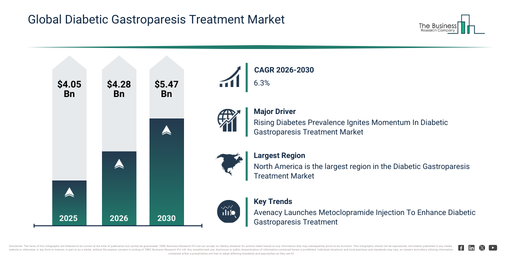
    The market for diabetic gastroparesis treatments has experienced significant expansion recently, projected to increase from $4.05 billion in 2025 to $4.28 billion in 2026, reflecting a compound annual growth rate of 5.7%. This historical growth trajectory is underscored by several key factors, including the increasing prevalence of diabetes-related complications, a past scarcity of therapeutic choices, heightened diagnostic capabilities, a strong dependence on pharmaceutical interventions, and the expanding field of specialized gastroenterological care.

    Anticipated to experience robust expansion in the coming years, the market for diabetic gastroparesis treatments is projected to reach $5.47 billion by 2030, demonstrating a compound annual growth rate of 6.3%. This projected growth during the forecast period is fueled by advancements in novel prokinetic agents, heightened public and medical awareness of the condition, the proliferation of specialized treatment centers, a persistent need for sustained symptom relief, and ongoing innovations in gastric electrical stimulation technologies. Key developments expected to shape the market include a greater reliance on prokinetic drug therapies, intensified attention on managing symptoms rather than solely pursuing a cure, the growing application of combined pharmacological approaches, increased uptake of interventions requiring minimal invasiveness, and a more pronounced focus on managing the condition through diet and lifestyle modifications.

    Download A Free Sample Report For Comprehensive Market Insights:

    https://www.thebusinessresearchcompany.com/sample.aspx?id=12580&type=smp

    Diabetic Gastroparesis Treatment Market Demand Drivers: What Is Fueling Industry Growth?

    The escalating incidence of diabetes is anticipated to serve as a significant catalyst for the expansion of the diabetic gastroparesis treatment market in the coming years. Diabetes prevalence, understood as the quantifiable share or percentage of individuals diagnosed with this condition within a defined timeframe, directly influences the demand for treatments aimed at mitigating the symptoms and subsequent issues arising from diabetic gastroparesis, a frequent diabetic complication. To illustrate, by April 2025, the International Diabetes Federation indicated a global population of approximately 589 million adults aged 20–79 living with diabetes, with projections suggesting this figure could escalate to 853 million by 2050. Consequently, the growing widespread occurrence of diabetes is a primary factor stimulating the diabetic gastroparesis treatment market.

    Advancements in surgical interventions, coupled with the prevalence of diabetic gastroparesis itself, are projected to fuel expansion within the market for its treatment. A surge in the volume of surgical interventions is expected to be a key driver for the diabetic gastroparesis treatment market moving ahead. Surgery encompasses a medical discipline focused on addressing diseases, injuries, or health conditions via operative techniques. Post-surgical gastroparesis in diabetic individuals can stem from various procedures, including Nissen fundoplication, gastrectomy, gastric bypass, pancreatectomy, vagotomy, and cholecystectomy, often due to damage to the vagus nerve which regulates food passage through the digestive system. For example, data from June 2024 by the American Society of Plastic Surgeons revealed that minimally invasive procedures saw a 7 percent increase in 2023, surpassing the growth rate of traditional surgical procedures by 2 percent, thereby underscoring the increasing trend in surgical interventions that consequently propels the diabetic gastroparesis treatment market.

    Diabetic Gastroparesis Treatment Market Segment Performance And Strategic Opportunities

    The diabetic gastroparesis treatment market covered in this report is segmented –

    1) By Treatment: Medication, Surgery

    2) By Route Of Administration: Oral, Injectables

    3) By Indication: Compensated Gastroparesis, Gastric Failure

    4) By Distribution Channel: Hospital Pharmacies, Retail Pharmacies, Other Distribution Channels

    5) By End User: Hospitals, Homecare, Specialty Clinics, Other End Users

    Subsegments:

    1) By Medication: Prokinetic Agents, Antiemetics, Antidepressants

    2) By Surgery: Gastric Electrical Stimulation, Surgical Procedures For Gastric Drainage

    Diabetic Gastroparesis Treatment Market Innovation Trends: Which Developments Are Transforming The Industry?

    Navigating the diabetic gastroparesis treatment landscape, key players are introducing sophisticated techniques like small bowel intubation to elevate both diagnostic precision and therapeutic outcomes, and in the United States, Avenacy, a pharmaceutical firm, took a significant step in September 2024 with the introduction of Metoclopramide Injection (USP), an injectable formulation targeting various conditions, prominently including the alleviation of diabetic gastroparesis symptoms, this solution aids in preventing chemotherapy and surgical-induced nausea and vomiting and further assists in small bowel intubation when standard approaches struggle to advance a tube past the pyloric sphincter, it also serves to accelerate gastric emptying and promote barium movement for radiological examinations.

    Diabetic Gastroparesis Treatment Market Key Players: Which Companies Shape Industry Competition?

    Major companies operating in the diabetic gastroparesis treatment market are Pfizer Inc., F. Hoffmann-La Roche Ltd., Ipca Laboratories Ltd., Abbott Laboratories, AstraZeneca plc, Medtronics plc, Takeda Pharmaceutical Company Limited, Eli Lilly and Company, Teva Pharmaceutical Industries Ltd., Janssen Global Services LLC, Boston Scientific Corporation, Fresenius Kabi AG, Bausch Health Companies Inc., Salix Pharmaceuticals Inc., Ironwood Pharmaceuticals Inc., Wockhardt Ltd., ANI Pharmaceuticals Inc., Endologic LLC, Vanda Pharmaceuticals Inc., Rhythm Pharmaceuticals Inc., Theravance Biopharma Inc., Neurogastrx Inc., Evoke Pharma Inc., CinRx Pharma LLC

    Access The Complete Diabetic Gastroparesis Treatment Market Report:

    https://www.thebusinessresearchcompany.com/report/diabetic-gastroparesis-treatment-global-market-report

    Diabetic Gastroparesis Treatment Market Geographic Landscape: Which Region Dominates Industry Growth?

    North Americawas the largest region in the diabetic gastroparesis treatment market in 2025, and is expected to be the fastest-growing region in the forecast period. The regions covered in the diabetic gastroparesis treatment market report are Asia-Pacific, South East Asia, Western Europe, Eastern Europe, North America, South America, Middle East, Africa.

    Get in touch with us:

    The Business Research Company: https://www.thebusinessresearchcompany.com/

    Americas: +1 310-496-7795

    Asia: +44 7882 955267 & +91 8897263534

    Europe: +44 7882 955267

    Email us at: marketing@tbrc.info

    Follow us on:

    LinkedIn: https://in.linkedin.com/company/the-business-research-company

    YouTube: https://www.youtube.com/channel/UC24_fI0rV8cR5DxlCpgmyFQ

    Global Market Model: https://www.thebusinessresearchcompany.com/global-market-model
  • Diabetic Foot Ulcer Treatment Market Growth Through 2030 Creates New Strategic Opportunities

    Diabetic Foot Ulcer Treatment Market Growth Through 2030 Creates New Strategic Opportunities

    Enhanced with market attractiveness analysis, total addressable market evaluation, company benchmarking matrices, interactive Excel dashboards, expanded supply chain intelligence, emerging startup coverage, and detailed product insights, The Business Research Company’s 2026 market reports deliver more actionable and strategically valuable research.

    #Diabetic Foot Ulcer Treatment Market Size And Revenue Forecast Through 2030

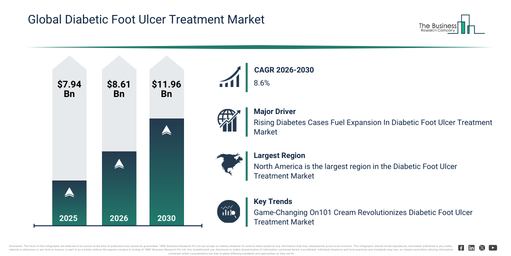
    The market for treating diabetic foot ulcers has experienced substantial expansion recently, with projections indicating continued robust growth. This sector’s value is set to increase from $7.94 billion in 2025 to $8.61 billion in 2026, reflecting a compound annual growth rate of 8.4%. Factors contributing to this upward trend in the past have included the frequent recurrence of diabetic ulcers, the inadequate success of conventional therapies, escalating hospital admission rates, a heightened risk of amputation, and a reliance on professional wound management approaches.

    The global market focused on treating diabetic foot ulcers is poised for significant expansion in the coming years, projected to reach $11.96 billion by 2030, driven by a robust compound annual growth rate of 8.6%. This anticipated upswing is largely fueled by the progressive development of biologic therapies, a heightened reliance on negative pressure wound therapy (NPW T) devices, the broader implementation of integrated multidisciplinary care, a greater emphasis on prompt intervention, and increased financial backing for breakthroughs in wound care. Key developments anticipated during this forecast period encompass a greater embrace of sophisticated wound dressing solutions, amplified utilization of biologic treatments, a growing preference for integrated therapeutic interventions, an increase in device-assisted treatment modalities, and a more pronounced concentration on strategies aimed at preserving limbs.

    Download A Free Sample Report For Comprehensive Market Insights:

    https://www.thebusinessresearchcompany.com/sample.aspx?id=8082&type=smp

    Diabetic Foot Ulcer Treatment Market Growth Drivers: What Factors Are Accelerating Expansion?

    The expanding prevalence of diabetes is anticipated to be a significant catalyst for the progression of the diabetic foot ulcer treatment market in the foreseeable future. Diabetes, characterized as a chronic metabolic disorder resulting in persistently high blood glucose levels, inflicts considerable damage on vital organs such as the heart, blood vessels, eyes, and kidneys, alongside the nervous system, over an extended period. As diabetes stands as the primary contributor to the development of foot ulcers, this condition consequently heightens the requirement for effective treatments. Illustratively, the International Diabetes Federation, a global organization based in Belgium comprising national diabetes associations, reported in April 2025 that approximately 589 million adults between the ages of 20 and 79 were diagnosed with diabetes globally, with projections indicating this figure will escalate to 853 million by the year 2050. Consequently, the rising global diabetic population is a key driver fueling the expansion of the market dedicated to treating diabetic foot ulcers.

    #Diabetic Foot Ulcer Treatment Market Segment Landscape And Growth Potential

    The diabetic foot ulcer treatment market covered in this report is segmented –

    1) By Treatment: Wound Care Dressings, Biologics, Therapy Devices, Antibiotic Medications, Other Treatments

    2) By Ulcer Type: Neuropathic Ulcers, Ischemic Ulcers, Neuro-Ischemic Ulcers

    3) By Grade: Grade 1, Grade 2, Grade 3, Grade 4, Grade 5

    4) By End-User: Hospital, Ambulatory Surgery Centre, Other End-Users

    Subsegments:

    1) By Wound Care Dressings: Hydrogels, Foam Dressings, Alginates, Antimicrobial Dressings

    2) By Biologics: Growth Factors, Skin Substitutes, Cellular Therapies

    3) By Therapy Devices: Negative Pressure Wound Therapy (NPWT) Devices, Electrical Stimulation Devices, Hyperbaric Oxygen Therapy Devices

    4) By Antibiotic Medications: Topical Antibiotics, Systemic Antibiotics

    5) By Other Treatments: Debridement Procedures, Compression Therapy, Offloading Devices

    Diabetic Foot Ulcer Treatment Market Trends: What Is Shaping Future Industry Growth?

    Leading entities within the diabetic foot ulcer treatment sector are concentrating on launching novel advancements, exemplified by ON101, to secure a more advantageous market position. These innovative treatments encompass sophisticated approaches to managing and facilitating the healing of foot ulcers among diabetic patients. As an illustration, Oneness Biotech Co., a pharmaceutical firm headquartered in Taiwan, introduced ON101 in October 2023; this innovative topical treatment, marketed as Fespixon, is specifically designed for the management of diabetic foot ulcers (DFUs). The ON101 cream has demonstrated efficacy in treating chronic, persistent DFUs that have not responded to standard care protocols. Clinical trial data suggests that this wound-healing cream offers significant benefits for DFUs, with study participants experiencing a 60% complete healing rate within 16 weeks, substantially surpassing the 35% healing rate observed with standard absorbent wound dressings.

    Diabetic Foot Ulcer Treatment Market Competitive Landscape: Who Are The Leading Companies?

    Major companies operating in the diabetic foot ulcer treatment market are Coloplast A/S, Medtronic PLC, Molnlycke Health Care AB, B. Braun Melsungen AG, Medline Industries Inc., ConvaTec Inc., Acelity L.P. Inc., 3M Healthcare, Smith & Nephew PLC, Organogenesis Inc., BSN Medical GMBH, Integra LifeSciences Corporation, Derma Sciences Inc., Advancis Medical, Tissue Regenix Group PLC, MiMedx Group Inc., Kerecis, Human Regenerative Technologies LLC, AOTI Inc., Lohmann & Rauscher International GmbH & Co. KG, Urgo Medical, L&R USA Inc., Misonix Inc., Bioventus, Cellumed Co. Ltd.

    Access The Complete Diabetic Foot Ulcer Treatment Market Report:

    https://www.thebusinessresearchcompany.com/report/diabetic-foot-ulcer-treatment-global-market-report

    #Diabetic Foot Ulcer Treatment Market Largest Region: Which Geography Holds The Highest Market Share?

    North Americawas the largest region in the diabetic foot ulcer treatment market in 2025. Asia-Pacificis expected to be the fastest-growing region in the forecast period. The regions covered in the diabetic foot ulcer treatment market report are Asia-Pacific, South East Asia, Western Europe, Eastern Europe, North America, South America, Middle East, Africa.

    Get in touch with us:

    The Business Research Company: https://www.thebusinessresearchcompany.com/

    Americas: +1 310-496-7795

    Asia: +44 7882 955267 & +91 8897263534

    Europe: +44 7882 955267

    Email us at: marketing@tbrc.info

    Follow us on:

    LinkedIn: https://in.linkedin.com/company/the-business-research-company

    YouTube: https://www.youtube.com/channel/UC24_fI0rV8cR5DxlCpgmyFQ

    Global Market Model: https://www.thebusinessresearchcompany.com/global-market-model

  • Diabetic Foot Ulcer Market Size Projected To Increase From $6.69 Billion To $9.11 Billion During The Forecast Period

    Diabetic Foot Ulcer Market Size Projected To Increase From $6.69 Billion To $9.11 Billion During The Forecast Period

    Through market attractiveness analysis, total addressable market evaluation, company benchmarking matrices, interactive Excel dashboards, expanded supply chain intelligence, emerging startup coverage, and detailed product insights, The Business Research Company’s 2026 market reports provide more actionable and strategically valuable research.

    Diabetic Foot Ulcer Market Growth From $6.69 Billion In 2026 To $9.11 Billion By 2030 At A CAGR Of 8%

    The global market for diabetic foot ulcer treatments has experienced robust expansion lately. Projections indicate a substantial increase from $6.26 billion in 2025 to $6.7 billion by 2026, reflecting a compound annual growth rate of 7.0%. This upward trend in the past has been fueled by several factors, including an increasing number of individuals diagnosed with diabetes, the frequent occurrence of persistent foot ulcers, a lack of widespread early diagnostic methods, a healthcare system tending to focus wound care within hospitals, and the significant risk of lower limb amputations.

    The market for diabetic foot ulcers is poised for substantial expansion in the upcoming years, projecting a value of $9.12 billion by 2030. This significant growth, anticipated at a compound annual growth rate (CAGR) of 8.0%, is fueled by several key factors. These include the increasing prevalence and effectiveness of biologic wound treatments, a growing trend towards home-based patient care, continuous innovation in therapeutic devices, heightened public awareness regarding the importance of preventive foot care measures, and the expanding network of specialized wound care clinics. Within this projected period, several significant trends are expected to shape the market landscape, such as a greater incorporation of advanced wound dressing technologies, a more widespread application of biological agents for managing ulcers, a rising demand for accessible wound care services delivered in patient homes, increased utilization of various therapeutic devices, and a stronger emphasis on the early identification of ulcers to facilitate timely intervention.

    Download A Free Sample Report For Comprehensive Market Insights:

    https://www.thebusinessresearchcompany.com/sample.aspx?id=13033&type=smp

    Diabetic Foot Ulcer Market Growth Factors Supporting Long-Term Expansion

    The expanding elderly demographic is anticipated to fuel the advancement of the diabetic foot ulcer market in the upcoming period. This demographic encompasses individuals aged 65 and above, who represent a population segment particularly vulnerable to diabetic foot ulcers. Factors such as nerve damage (neuropathy), diminished blood flow, and delayed wound healing contribute to a higher incidence of these ulcers among older individuals with diabetes. Illustratively, data from the World Health Organization, as reported in February 2025 by a specialized US health agency, indicated that global life expectancy at birth reached 73.3 years in 2024, with the population aged 60 and over expected to increase from 1.1 billion in 2023 to 1.4 billion by 2030. Consequently, the growing number of elderly individuals is a significant driver for the diabetic foot ulcer market.

    The escalating utilization of telehealth is poised to stimulate expansion within the diabetic foot ulcer market. Telehealth involves the provision and support of healthcare services from a distance through telecommunications technology, playing a crucial role in diabetic foot ulcer management through remote monitoring and follow-up care. For example, the Australian Bureau of Statistics (ABS), a governmental statistical authority in Australia, reported in November 2025 that 22.5% of Australians utilized telehealth services during 2024–25. Furthermore, a notable 90.3% of individuals who engaged in telehealth consultations expressed a willingness to use the service again if available, an increase from 89.2% in 2023–24, underscoring growing acceptance and sustained adoption. Thus, the increasing implementation of telehealth is a key factor driving the growth of the diabetic foot ulcer market.

    Diabetic Foot Ulcer Market Categorization By Product Type And Application

    The diabetic foot ulcer market covered in this report is segmented –

    1) By Type: Advanced Wound Care Dressings, Biologics, Therapy Device

    2) By Ulcer Type: Neuropathic Ulcers, Ischemic Ulcers, Neuro-Ischemic Ulcers

    3) By End-User: Hospitals, Ambulatory Surgery Centers, Home Care

    Subsegments:

    1) By Advanced Wound Care Dressings: Foam Dressings, Hydrocolloid Dressings, Alginate Dressings, Transparent Film Dressings, Antimicrobial Dressings

    2) By Biologics: Skin Substitutes, Growth Factors, Human Tissue Allografts

    3) By Therapy Device: Negative Pressure Wound Therapy Devices, Electrical Stimulation Devices, Hyperbaric Oxygen Therapy Devices

    Diabetic Foot Ulcer Market Company Landscape And Strategic Competition

    Major companies operating in the diabetic foot ulcer market are Cardinal Health Inc., Johnson And Johnson Private Limited, 3M Company, Medtronic plc, Medline Industries Inc., Coloplast A/S, B. Braun Melsungen AG, Nitto Denko Corporation, Smith and Nephew plc, Human Biosciences Inc., Derma Sciences Inc., Convatec Inc., Molnlycke Health Care AB., Integra LifeSciences Corporation, Lohmann And Rauscher International GmbH and Co. KG, Acelity L.P. Inc., Pliant Therapeutics Inc., MiMedx Group, BSN Medical GMBH, Osiris Therapeutics Inc., Advanced Medical Solutions Group plc, Organogenesis Inc., Healiance Inc., Misonix Inc., MediWound Ltd., Tissue Regenix Group Limited, Systagenix Wound Management Limited

    Access The Complete Diabetic Foot Ulcer Market Report:

    https://www.thebusinessresearchcompany.com/report/diabetic-foot-ulcer-global-market-report

    Diabetic Foot Ulcer Market Regional Analysis: Which Region Leads By Revenue?

    North Americawas the largest region in the diabetic foot ulcer market in 2025. The regions covered in the diabetic foot ulcer market report are Asia-Pacific, South East Asia, Western Europe, Eastern Europe, North America, South America, Middle East, Africa.

    Get in touch with us:

    The Business Research Company: https://www.thebusinessresearchcompany.com/

    Americas: +1 310-496-7795

    Asia: +44 7882 955267 & +91 8897263534

    Europe: +44 7882 955267

    Email us at: marketing@tbrc.info

    Follow us on:

    LinkedIn: https://in.linkedin.com/company/the-business-research-company

    YouTube: https://www.youtube.com/channel/UC24_fI0rV8cR5DxlCpgmyFQ

    Global Market Model: https://www.thebusinessresearchcompany.com/global-market-model
  • Diabetes Stem Cell Therapy Market Growth Outlook Reveals A CAGR Of 11.9% And A Market Value Of $5.29 Billion By 2030

    Diabetes Stem Cell Therapy Market Growth Outlook Reveals A CAGR Of 11.9% And A Market Value Of $5.29 Billion By 2030

    Delivering more actionable and strategically valuable research, The Business Research Company’s 2026 market reports feature market attractiveness analysis, total addressable market evaluation, company benchmarking matrices, interactive Excel dashboards, expanded supply chain intelligence, emerging startup coverage, and detailed product insights.

    Diabetes Stem Cell Therapy Market Expansion Outlook: What Revenue Opportunities Lie Ahead?

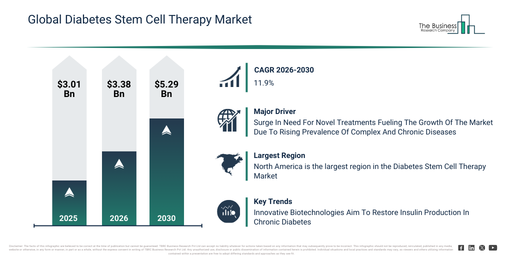
    The market for diabetes stem cell therapy has experienced substantial expansion lately, projecting a climb from $3.01 billion in 2025 to $3.38 billion in 2026, reflecting a compound annual growth rate of 12.2%. This historical growth surge is primarily fueled by the escalating incidence of both type 1 and type 2 diabetes, promising early outcomes from stem cell research initiatives, increased investment in regenerative medicine, a rise in clinical trial endeavors, and broadening partnerships in academic research.

    The market for diabetes stem cell therapies is poised for substantial expansion in the upcoming years, projecting a rise to $5.29 billion by 2030 with a compound annual growth rate of 11.9%. This anticipated growth during the forecast period is fueled by several key factors: the proliferation of advanced clinical trials, a rise in regulatory endorsements for cell-based treatments, increased financial backing from pharmaceutical entities, a growing acceptance of personalized regenerative approaches, and technological strides in the scalable production of cells. Throughout this same period, significant trends are expected to shape the market, including the concentrated development of beta cell replacement strategies, a heightened emphasis on immune modulation techniques, the broadening of allogeneic stem cell platforms, an increased utilization of encapsulation technologies, and the continued advancement of gene-modified stem cell solutions.

    Download A Free Sample Report For Comprehensive Market Insights:

    https://www.thebusinessresearchcompany.com/sample.aspx?id=30256&type=smp

    #Diabetes Stem Cell Therapy Market Demand Drivers Creating New Revenue Opportunities

    The diabetes stem cell therapy market’s expansion is anticipated due to the escalating demand for innovative therapeutic interventions. These novel treatments, characterized by their unique mechanisms, targets, or methodologies absent in prior disease management strategies, are becoming increasingly crucial. This heightened requirement stems from the rise in complicated and persistent health conditions where traditional treatments frequently fall short of delivering successful or enduring outcomes. Stem cell therapy for diabetes offers regenerative possibilities, capable of revitalizing pancreatic function, lessening reliance on insulin, and presenting a possible permanent solution for the condition. Illustratively, by January 2025, the National Center for Biotechnology Information (NCBI), which operates under the US National Library of Medicine, reported the approval of 1,035 new medications, with 337 identified as genuinely novel, including 81 groundbreaking first-in-class drugs, representing a significant 24% of all novel drug approvals. Consequently, the increasing necessity for novel treatments is directly fueling the expansion of the diabetes stem cell therapy market.

    Diabetes Stem Cell Therapy Market Segment Analysis And Revenue Opportunities

    The diabetes stem cell therapy market covered in this report is segmented –

    1) By Type: Preclinical, Clinical Phase 1 And 2

    2) By Therapy Type: Autologous Stem Cell Therapy, Allogeneic Stem Cell Therapy, Induced Pluripotent Stem Cell Therapy, Mesenchymal Stem Cell Therapy, Hematopoietic Stem Cell Therapy

    3) By Delivery Method: Intravenous Injection, Intramuscular Injection, Intra-Pancreatic Injection, Local Tissue Delivery

    4) By Application: Type 1 Diabetes Treatment, Type 2 Diabetes Management, Diabetic Complications Treatment, Islet Cell Transplantation

    5) By End-User: Hospitals, Research Institutes, Diabetes Clinics, Pharmaceutical Companies

    Subsegments:

    1) By Preclinical: Embryonic Stem Cell Therapy, Induced Pluripotent Stem Cell Therapy, Mesenchymal Stem Cell Therapy, Hematopoietic Stem Cell Therapy

    2) By Clinical Phase 1 And 2: Autologous Stem Cell Therapy, Allogeneic Stem Cell Therapy, Pancreatic Islet Cell Therapy, Encapsulated Cell Therapy, Beta Cell Replacement Therapy, Immune Modulation Therapy, Gene-Modified Stem Cell Therapy, Combination Stem Cell Therapy

    Diabetes Stem Cell Therapy Market Trends Driving Strategic Industry Expansion

    Leading entities within the diabetes stem cell therapy sector are concentrating their efforts on advancements in biotechnology, stem cell investigation, and regenerative medicine to introduce novel cellular treatments aimed at reinstating insulin secretion and enhancing blood sugar regulation for individuals afflicted with type 1 diabetes. These fields, namely biotechnology, stem cell research, and regenerative medicine, encompass the application of biological organisms, tissues, and sophisticated molecular methodologies to mend, substitute, or regrow compromised organs or cells, thereby presenting cutting-edge treatment modalities for persistent ailments. As an illustration, in June of 2023, CellTrans Inc., a biotechnology enterprise situated in the United States, secured approval from the FDA for Lantidra, a pioneering allogeneic pancreatic islet cellular therapy derived from the pancreatic cells of deceased donors, intended for adult patients with type 1 diabetes who encounter recurring episodes of severe hypoglycemia; this therapy is administered as a singular infusion into the hepatic portal vein, where the engrafted islet beta cells proceed to produce insulin, potentially allowing a subset of patients to attain independence from insulin injections for a year or longer, with some achieving this status for up to five years, consequently leading to a substantial betterment in disease management, overall well-being, and control over blood glucose levels.

    Diabetes Stem Cell Therapy Market Leading Players Shaping Industry Direction

    Major companies operating in the diabetes stem cell therapy market are Mesoblast Limited, Swiss Medica Stem Cells SA, Aspect Biosystems Ltd., Celltex Therapeutics Corporation, Seraxis Inc., BrainStorm Cell Therapeutics Inc., Sernova Corporation, Betalin Therapeutics Ltd., NextCell Pharma AB, PharmaCyte Biotech Inc., Global Institute for Stem Cell Therapy and Research, Throne Biotechnologies Inc., Orgenesis Inc., Holostem Terapie Avanzate S.r.l., Anterogen Co. Ltd., Juventa Regenerative Medicine Inc., Cytori Therapeutics Inc., Pluristem Therapeutics Inc., ReNeuron Group Plc, Athersys Inc.

    Access The Complete Diabetes Stem Cell Therapy Market Report:

    https://www.thebusinessresearchcompany.com/report/global-diabetes-stem-cell-therapy-market-report

    Diabetes Stem Cell Therapy Market Geographic Distribution And Regional Opportunities

    North Americawas the largest region in the diabetes stem cell therapy market in 2025. Asia-Pacificis expected to be the fastest-growing region in the forecast period. The regions covered in the diabetes stem cell therapy market report are Asia-Pacific, South East Asia, Western Europe, Eastern Europe, North America, South America, Middle East, Africa.

    Get in touch with us:

    The Business Research Company: https://www.thebusinessresearchcompany.com/

    Americas: +1 310-496-7795

    Asia: +44 7882 955267 & +91 8897263534

    Europe: +44 7882 955267

    Email us at: marketing@tbrc.info

    Follow us on:

    LinkedIn: https://in.linkedin.com/company/the-business-research-company

    YouTube: https://www.youtube.com/channel/UC24_fI0rV8cR5DxlCpgmyFQ

    Global Market Model: https://www.thebusinessresearchcompany.com/global-market-model
  • Diabetes Pen Market Forecast Highlights Expansion From $32.97 Billion To $42.1 Billion Through 2030

    Diabetes Pen Market Forecast Highlights Expansion From $32.97 Billion To $42.1 Billion Through 2030

    Enhanced with market attractiveness analysis, total addressable market evaluation, company benchmarking matrices, interactive Excel dashboards, expanded supply chain intelligence, emerging startup coverage, and detailed product insights, The Business Research Company’s 2026 market reports deliver more actionable and strategically valuable research.

    Diabetes Pen Market Growth Potential: How Will Market Size Change Through 2030?

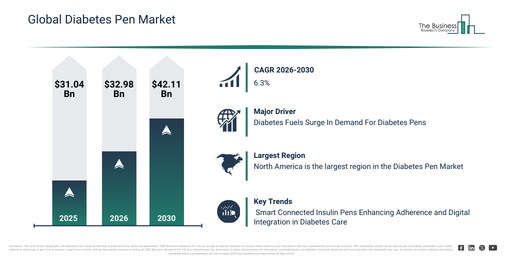
    The market for diabetes pens has experienced a robust expansion over the past few years, projecting a rise from $31.04 billion in 2025 to $32.98 billion in 2026, demonstrating a compound annual growth rate of 6.2%. Factors contributing to this expansion during the past period include a growing number of individuals requiring insulin therapy, the drawbacks associated with traditional vial and syringe usage, heightened consciousness regarding devices for self-administration, inpatient insulin treatments, and the accessibility of pre-formulated insulin solutions.

    The market for diabetes pens is poised for substantial expansion in the approaching years, projected to reach a valuation of $42.11 billion by 2030, exhibiting a compound annual growth rate of 6.3%. This anticipated growth throughout the forecast period is fueled by several key factors, including the increasing uptake of smart insulin pens, the rising trend of managing diabetes at home, advancements in pen needle technology, a heightened emphasis on patient adherence to treatment, and the broader expansion of digital ecosystems dedicated to diabetes care. Prominent trends expected to shape this market during the forecast period encompass the escalating use of disposable insulin pens, a growing preference among users for injection devices that are easy to operate, further development and integration of smart insulin pen features, a greater focus on ensuring patient convenience and device portability, and a surge in the demand for insulin administration solutions suitable for home use.

    Download A Free Sample Report For Comprehensive Market Insights:

    https://www.thebusinessresearchcompany.com/sample.aspx?id=13639&type=smp

    Diabetes Pen Market Expansion Supported By Key Demand Factors

    The escalating global incidence of diabetes is anticipated to be a significant catalyst for the expansion of the diabetes pen market in the future. Diabetes, a collective term for chronic metabolic conditions marked by persistently high blood glucose levels, commonly known as hyperglycemia, necessitates effective management strategies. Diabetes pens, designed as sophisticated insulin delivery systems, offer advantages such as enhanced dose precision, improved patient compliance with treatment regimens, and a reduced likelihood of experiencing hypoglycemic episodes. Furthermore, these devices are often linked to a decrease in discomfort at the injection site, making them a favored choice for individuals who depend on insulin for their diabetes management. To illustrate, the International Diabetes Federation, a non-profit organization uniting national diabetes associations globally and headquartered in Belgium, reported in April 2025 that approximately 589 million adults between the ages of 20 and 79 were diagnosed with diabetes worldwide, with projections indicating this figure could climb to 853 million by the year 2050. Consequently, the burgeoning worldwide prevalence of diabetes is acting as a primary driver for the growth trajectory of the diabetes pen market.

    Diabetes Pen Market Segmentation And Category Breakdown

    The diabetes pen market covered in this report is segmented –

    1) By Product: Insulin Pens, Pen Needles

    2) By Usage: Reusable Injection Pens, Disposable Injection Pens

    3) By Therapy: Insulin, Glucagon-Like Peptide-1, Growth Hormones, Fertility, Osteoporosis

    4) By Distribution Channel: Retail Pharmacies, Online Medical Stores, Diabetes Clinics

    Subsegments:

    1) By Insulin Pens: Pre-Filled Insulin Pens, Disposable Insulin Pens, Reusable Insulin Pens

    2) By Pen Needles: Standard Pen Needles, Safety Pen Needles, Specialty Pen Needles

    Diabetes Pen Market Growth Trends Influencing Competitive Dynamics

    Within the landscape of the diabetes pen market, leading entities are prioritizing the integration of intelligent, connected features, specifically digital insulin-delivery systems, to bolster the oversight of treatment regimens and reinforce patient compliance with medication. These advanced digital systems function as auxiliary devices that seamlessly gather dosage details from insulin pens, relaying this information to corresponding mobile applications. This connectivity facilitates functionalities like the automatic recording of administered doses, immediate feedback on treatment progress, and the monitoring of adherence patterns. A notable development occurred in January 2024 when BIOCORP, a medical device firm headquartered in France, secured U.S. Food and Drug Administration (FDA) 510(k) approval for SoloSmart. This innovative smart cap technology is engineered to capture insulin dosage information from Sanofi’s disposable SoloStar pens. The data is then transmitted via a dedicated mobile application, offering features such as autonomous recording of injection data and Bluetooth transmission of this information. The advent of SoloSmart is poised to elevate treatment adherence, improve the precision of collected data, and enhance the overall efficiency of digital diabetes management.

    Diabetes Pen Market Competitive Analysis Of Major Industry Participants

    Major companies operating in the diabetes pen market are F. Hoffmann La Roche AG, Sanofi S.A., Astra Zeneca plc, Eli Lilly and Company, Novo Nordisk A/S, BD (Becton Dickinson and Company), Teruma Medical Corporation, YPSOMED Holding AG, Owen Mumford Ltd., WOCKHARDT, Nipro Europe Group Companies, Biocon, Jiangsu Delfu Medical Device Co., HTL-STREFA Inc., Medtronic plc, Emperra GmbH, Pendiq GmbH, Asahi Kasei Medical Co Ltd, B Braun Melsungen AG, Gan & Lee Pharmaceuticals, Insulet Corporation, Haselmeier

    Access The Complete Diabetes Pen Market Report:

    https://www.thebusinessresearchcompany.com/report/diabetes-pen-global-market-report

    Diabetes Pen Market Largest Region By Revenue And Market Share

    North Americawas the largest region in the diabetes pen market in 2025. Asia-Pacificis expected to be the fastest-growing region in the forecast period. The regions covered in the diabetes pen market report are Asia-Pacific, South East Asia, Western Europe, Eastern Europe, North America, South America, Middle East, Africa.

    Get in touch with us:

    The Business Research Company: https://www.thebusinessresearchcompany.com/

    Americas: +1 310-496-7795

    Asia: +44 7882 955267 & +91 8897263534

    Europe: +44 7882 955267

    Email us at: marketing@tbrc.info

    Follow us on:

    LinkedIn: https://in.linkedin.com/company/the-business-research-company

    YouTube: https://www.youtube.com/channel/UC24_fI0rV8cR5DxlCpgmyFQ

    Global Market Model: https://www.thebusinessresearchcompany.com/global-market-model
  • Diabetes Diagnostics Market Expected To Reach $38.98 Billion By 2030 As Growth Accelerates At 7.3% CAGR

    Diabetes Diagnostics Market Expected To Reach $38.98 Billion By 2030 As Growth Accelerates At 7.3% CAGR

    Through market attractiveness analysis, total addressable market evaluation, company benchmarking matrices, interactive Excel dashboards, expanded supply chain intelligence, emerging startup coverage, and detailed product insights, The Business Research Company’s 2026 market reports provide more actionable and strategically valuable research.

    Diabetes Diagnostics Market Value Analysis: What Growth Is Expected Over The Forecast Period?

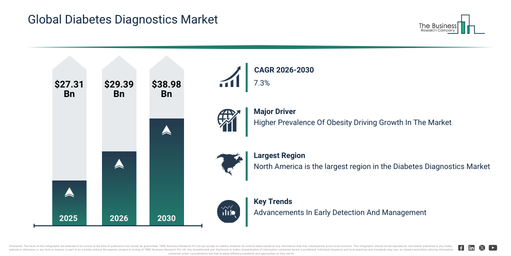
    The market for diabetes diagnostic tools has experienced robust expansion recently, with projections indicating continued growth from $27.31 billion in 2025 to $29.39 billion in 2026, reflecting a compound annual growth rate of 7.6%. This upward trend in the past has been fueled by several factors, including the increasing incidence of diabetes worldwide, a continued dependence on fingerstick methods for blood glucose measurement, the expansion of diagnostic services within hospital settings, a heightened emphasis on managing glycemic levels, and the broader development of diagnostic laboratory infrastructure.

    The realm of diabetes diagnostics is poised for substantial expansion over the forthcoming years, with projections indicating a market valuation reaching $38.98 billion by the year 2030. This impressive growth trajectory is underpinned by a compound annual growth rate (CAGR) of 7.3%. Several key drivers are expected to fuel this upward trend, including the escalating utilization of continuous glucose monitoring systems, a growing preference for at-home diagnostic solutions, significant strides in biosensor technology, escalating global healthcare expenditures, and the broadening landscape of digital health solutions. Prominent developments anticipated within this period encompass the increased adoption of continuous glucose monitoring, the seamless integration of intelligent and networked diagnostic devices, a heightened demand for self-administered diabetes testing options, a greater emphasis on proactive diabetes detection initiatives, and ongoing innovations in non-invasive glucose monitoring techniques.

    Download A Free Sample Report For Comprehensive Market Insights:

    https://www.thebusinessresearchcompany.com/sample.aspx?id=21167&type=smp

    #Diabetes Diagnostics Market Growth Drivers And Industry Catalysts

    Anticipated increases in the rate of obesity are poised to be a significant catalyst for the expansion of the diabetes diagnostics sector

    Diabetes Diagnostics Market Segment Outlook: Which Categories Are Expanding The Fastest?

    The diabetes diagnostics market covered in this report is segmented –

    1) By Product Type: Blood Glucose Meters, Continuous Glucose Monitoring Devices, Lancets, Test Strips, Other Product Types

    2) By Diabetes Type: Diabetes I, Diabetes Ii, Gestational Diabetes

    3) By End-User: Hospitals, Diagnostic Centers, Homecare Settings, Other End-Users

    Subsegments:

    1) By Blood Glucose Meters: Traditional Blood Glucose Meters, Smart Blood Glucose Meters, Bluetooth-Enabled Blood Glucose Meters

    2) By Continuous Glucose Monitoring Devices: Wearable CGM Systems, Implantable CGM Systems, Flash Glucose Monitoring Devices

    3) By Lancets: Single-Use Lancets, Multi-Use Lancets

    4) By Test Strips: Standard Test Strips, Smart Test Strips

    5) By Other Product Types: Hemoglobin A1c Testing Kits, Urine Glucose Test Strips, Blood Ketone Meters

    #Diabetes Diagnostics Market Trends Influencing Long-Term Demand

    Leading entities within the diabetes diagnostics sector are prioritizing the creation of novel offerings, including diagnostic solutions for gestational diabetes, with the dual aims of broadening their market presence and addressing the escalating need for prompt identification and care of diabetes occurring during pregnancy. A diagnostic instrument for gestational diabetes is understood as a medical apparatus or examination employed to ascertain and oversee gestational diabetes in expectant mothers, commonly involving the assessment of blood sugar levels, such as through an oral glucose tolerance test (OGTT), to evaluate the body’s sugar metabolism during pregnancy. Illustratively, in August of 2024, DirectSens GmbH, a biotechnology firm situated in Austria, introduced the XpressGT RUO kit, an advanced biosensor device engineered for identifying conditions linked to insulin resistance, encompassing gestational diabetes, endometriosis, and hepatic ailments. This kit delivers swift outcomes by quantifying 2-hydroxybutyrate (2-HB) concentrations in peripheral blood and functions seamlessly with conventional laboratory analysis equipment, heralding a potential for earlier diagnosis and consequently better prognoses for a vast global patient population.

    Diabetes Diagnostics Market Key Companies And Competitive Benchmarking

    Major companies operating in the diabetes diagnostics market are F. Hoffmann-La Roche AG, Bayer AG, Abbott Laboratories, Medtronic plc, DexCom Inc, Tandem Diabetes Care Inc, Ypsomed AG, LifeScan Inc, Nova Biomedical Corporation, Ascensia Diabetes Care Holdings AG, ARKRAY Inc, PTS Diagnostics Inc, AgaMatrix Inc, Senseonics Holdings Inc, DarioHealth Corp, Bionime Corporation, Acon Laboratories Inc, Sinocare Inc, i-SENS Inc, Prodigy Diabetes Care LLC, Rossmax International Ltd, Menarini Diagnostics s.r.l, Trividia Health Inc, EKF Diagnostics Holdings plc.

    Access The Complete Diabetes Diagnostics Market Report:

    https://www.thebusinessresearchcompany.com/report/diabetes-diagnostics-global-market-report

    Diabetes Diagnostics Market Regional Analysis And Leading Geography

    North Americawas the largest region in the diabetes diagnostics market in 2025. The regions covered in the diabetes diagnostics market report are Asia-Pacific, South East Asia, Western Europe, Eastern Europe, North America, South America, Middle East, Africa.

    Get in touch with us:

    The Business Research Company: https://www.thebusinessresearchcompany.com/

    Americas: +1 310-496-7795

    Asia: +44 7882 955267 & +91 8897263534

    Europe: +44 7882 955267

    Email us at: marketing@tbrc.info

    Follow us on:

    LinkedIn: https://in.linkedin.com/company/the-business-research-company

    YouTube: https://www.youtube.com/channel/UC24_fI0rV8cR5DxlCpgmyFQ

    Global Market Model: https://www.thebusinessresearchcompany.com/global-market-model

  • Diabetes Care Market Set To Grow From $31.62 Billion In 2026 To $43.97 Billion By 2030 At A CAGR Of 8.6%

    Diabetes Care Market Set To Grow From $31.62 Billion In 2026 To $43.97 Billion By 2030 At A CAGR Of 8.6%

    Delivering more actionable and strategically valuable research, The Business Research Company’s 2026 market reports feature market attractiveness analysis, total addressable market evaluation, company benchmarking matrices, interactive Excel dashboards, expanded supply chain intelligence, emerging startup coverage, and detailed product insights.

    Diabetes Care Market Size Forecast: How Large Could The Market Become By 2030?

    The global diabetes care market demonstrated robust expansion recently, projecting a rise from $29.09 billion in 2025 to $31.63 billion in 2026, marking a compound annual growth rate of 8.7%. Factors contributing to this historical growth trajectory include a rising incidence of diabetes, expanded management within hospital settings, continued dependence on traditional finger-prick blood glucose monitoring, evolving lifestyle patterns, and demographic shifts towards an older population.

    Diabetes care is poised for substantial expansion over the coming years, projecting a market valuation of $43.97 billion by 2030, driven by an 8.6% compound annual growth rate. This upward trajectory is fueled by the increasing prevalence of digital health innovations, the broader availability of connected devices, a growing preference for home-based care solutions, advancements in insulin delivery mechanisms, and a greater emphasis on patient empowerment in self-management. Key developments anticipated during this growth phase include a surge in the adoption of continuous glucose monitoring technology, the proliferation of at-home diabetes management services, expanded utilization of insulin pumps, the seamless integration of digital tools for diabetes care coordination, and a pronounced shift towards individualized treatment plans.

    Download A Free Sample Report For Comprehensive Market Insights:

    https://www.thebusinessresearchcompany.com/sample.aspx?id=24206&type=smp

    Diabetes Care Market Opportunity Drivers: What Is Creating New Revenue Potential?

    The escalating prevalence of obesity is anticipated to be a key driver for the expansion of the diabetes care market. Obesity, characterized by a significantly high body mass index (BMI), is on the rise, largely attributable to increasingly sedentary habits and the pervasive accessibility of highly processed, energy-dense, yet nutritionally sparse foods. This dietary pattern, combined with reduced physical activity, creates an energy imbalance. The diabetes care sector is instrumental in mitigating the impact of these rising obesity figures by advocating for healthier living patterns, enhancing blood sugar control, and supporting weight management through sophisticated interventions like insulin treatments and real-time glucose monitoring devices. As an illustration, data from the Office for Health Improvement and Disparities in the UK revealed that in England, the proportion of adults aged 18 and above who were either overweight or obese climbed from 64.0% in the 2022-2023 period to an estimated 64.5% in 2023-2024, as reported in May 2025. Consequently, the growing obesity epidemic directly fuels the growth trajectory of the diabetes care market.

    Diabetes Care Market Segment Landscape: Which Areas Lead Market Development?

    The diabetes care market covered in this report is segmented –

    1) By Product Type: Glucose Monitoring Devices, Insulin Pumps

    2) By Diabetes Type: Type 2 Diabetes, Type 1 Diabetes, Other Diabetes Type

    3) By End User: Hospitals And Clinics, Homecare Settings, Ambulatory Care Settings, Other End Users

    Subsegments:

    1) By Glucose Monitoring Devices: Blood Glucose Monitoring (BGM), Continuous Glucose Monitoring (CGM), Flash Glucose Monitoring (FGM)

    2) By Insulin Pumps: Patch Pump, Tethered Pump, Implanted Insulin Pump

    Diabetes Care Market Innovation Trends Driving Future Development

    In the competitive landscape of diabetes management solutions, leading corporations are actively pursuing the creation of cutting-edge advancements, exemplified by automated insulin delivery (AID) systems, which aim to refine glycemic control through the seamless integration of continuous glucose monitoring (CGM) devices with sophisticated insulin pumps, enabling instantaneous therapeutic modifications. Specifically, an automated insulin delivery system represents a sophisticated technological fusion of a continuous glucose monitor and an insulin pump, designed to autonomously regulate insulin administration based on immediate glucose readings, thereby enhancing the overall efficacy of diabetes care. Demonstrating this trend, Tandem Diabetes Care Inc., a prominent American medical device firm specializing in diabetes therapeutics, unveiled the Tandem Mobi in February 2024, a groundbreaking device recognized as the world’s most diminutive yet resilient automated insulin delivery platform for individuals managing diabetes. This pioneering apparatus features a discreet, tubed insulin pump that offers comprehensive management capabilities through a smartphone application, liberating users from dependence on conventional remote control units and empowering them with greater autonomy in their diabetes regimen. The Tandem Mobi is engineered to be waterproof and easily rechargeable, and it synergizes with the Dexcom continuous glucose monitoring system to facilitate automated insulin delivery, leveraging Tandem’s established Control-IQ technological framework.

    Diabetes Care Market Industry Leaders And Market Competition

    Major companies operating in the diabetes care market are F. Hoffmann-La Roche Ltd., Sanofi S.A., Abbott Laboratories, Medtronic plc, Eli Lilly and Company, Novo Nordisk A/S, Boehringer Ingelheim Pharmaceuticals Inc., Terumo Corporation, Dexcom Inc., Dr. Reddy’s Laboratories Limited, SD Biosensor Inc., Insulet Corporation, Tandem Diabetes Care Inc., LifeScan Inc., Ypsomed AG, Ascensia Diabetes Care Holdings AG, B. Braun Melsungen AG, Bionime Corporation, Arkray Inc., ACON Laboratories Inc., ViCentra B.V., Microtech Medical Ltd., Sinocare Inc., MicroGene Diagnostic Systems Pvt. Ltd.

    Access The Complete Diabetes Care Market Report:

    https://www.thebusinessresearchcompany.com/report/diabetes-care-global-market-report

    Diabetes Care Market Geographic Analysis: Where Is Demand Growing The Fastest?

    North Americawas the largest region in the diabetes care market in 2025. Asia-Pacificis expected to be the fastest-growing region in the forecast period. The regions covered in the diabetes care market report are Asia-Pacific, South East Asia, Western Europe, Eastern Europe, North America, South America, Middle East, Africa.

    Get in touch with us:

    The Business Research Company: https://www.thebusinessresearchcompany.com/

    Americas: +1 310-496-7795

    Asia: +44 7882 955267 & +91 8897263534

    Europe: +44 7882 955267

    Email us at: marketing@tbrc.info

    Follow us on:

    LinkedIn: https://in.linkedin.com/company/the-business-research-company

    YouTube: https://www.youtube.com/channel/UC24_fI0rV8cR5DxlCpgmyFQ

    Global Market Model: https://www.thebusinessresearchcompany.com/global-market-model