Month: June 2026

  • Digital Health And Wellness Market Trends Are Creating New Opportunities For Industry Leaders

    Digital Health And Wellness Market Trends Are Creating New Opportunities For Industry Leaders

    Enhanced with market attractiveness analysis, total addressable market evaluation, company benchmarking matrices, interactive Excel dashboards, expanded supply chain intelligence, emerging startup coverage, and detailed product insights, The Business Research Company’s 2026 market reports deliver more actionable and strategically valuable research.

    Digital Health And Wellness Market Size, Value And Growth Trends Through 2030

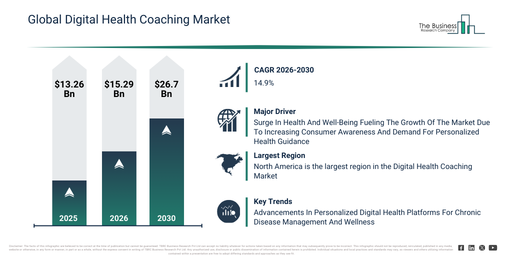
    In the digital health and wellness sector, a remarkable expansion has been witnessed lately. Projections indicate a significant increase, with the market poised to elevate from $563.53 billion in 2025 to $697.1 billion in 2026, demonstrating a substantial compound annual growth rate (CAGR) of 23.7%. The surge observed during the past period is largely attributable to the widespread availability of smartphones, a growing inclination towards health-conscious lifestyles among consumers, the enhancement of internet access, a notable uptick in the utilization of mobile applications, and a heightened emphasis on proactive health management.

    The digital health and wellness sector is poised for substantial expansion over the upcoming years, with projections indicating it will reach a valuation of $1614.76 billion by 2030, driven by a compound annual growth rate of 23.4%. This anticipated surge is largely fueled by several key factors, including the escalating incorporation of AI-powered health analytics, heightened investment in digital therapeutic solutions, the proliferation of healthcare accessible from home, an intensified emphasis on managing well-being through data, and greater acceptance among older demographics. Furthermore, significant trends shaping this period encompass a growing preference for wearable health gadgets, increased utilization of telemedicine services, a heightened need for remote patient monitoring capabilities, the broadening appeal of mental health and wellness applications, and a more pronounced focus on personalized health information.

    Download A Free Sample Report For Comprehensive Market Insights:

    https://www.thebusinessresearchcompany.com/sample.aspx?id=24520&type=smp

    Digital Health And Wellness Market Growth Drivers: What Factors Are Accelerating Expansion?

    The increasing incidence of long-term health conditions is anticipated to be a significant catalyst for the expansion of the digital health and wellness sector. These enduring ailments, characterized by gradual onset and prolonged duration, necessitate ongoing medical attention. Factors such as sedentary habits, including extended periods of sitting and insufficient exercise, contribute to the heightened risk of developing conditions like cardiovascular issues and diabetes, thereby fueling the rise in chronic diseases. Digital tools in health and wellness prove instrumental in managing these persistent conditions by facilitating constant oversight and customized treatment strategies, empowering individuals to actively monitor their well-being. Through remote consultations and timely interventions, these technologies help decrease the need for in-person hospital visits, ultimately enhancing life quality. Illustratively, in the UK, the National Health Service reported that in 2023, a total of 3,615,330 individuals registered with a general practitioner had been identified with non-diabetic hyperglycemia or pre-diabetes, representing an 18% surge from the 3,065,825 cases recorded in 2022. Consequently, the escalating burden of chronic illnesses is directly correlating with the market expansion of digital health and wellness solutions.

    Digital Health And Wellness Market Segment Analysis And Revenue Opportunities

    The digital health and wellness market covered in this report is segmented –

    1) By Type: Software, Service, Hardware

    2) By Consumer Health Devices: Wearable Devices, Smart Health Monitors, Mobile Health Applications, Remote Patient Monitoring Devices, Fitness Trackers

    3) By Digital Therapeutics: Prescription Digital Therapeutics, Behavioral Intervention Apps, Chronic Disease Management Software, Mental Health Support Programs, Substance Abuse Treatment Tools

    4) By Application: Clinics, Hospitals, Ambulatory Surgery Centres, Home Care Settings, Other Applications

    5) By End-User: Healthcare Providers, Patients, Payers, Other End-Users

    Subsegments:

    1) By Software: mHealth Apps, Population Health Management, Electronic Health Records (EHR), Clinical Decision Support Systems (CDSS)

    2) By Service: Health Coaching Services, Digital Therapeutics Support Services, Remote Monitoring Services, Virtual Care Services

    3) By Hardware: Telemedicine Kiosks, Diagnostic Devices, Smart Medical Devices, Mobile Health Devices

    Digital Health And Wellness Market Trends: What Is Shaping Future Industry Growth?

    Leading players within the digital health and wellness sector are actively pursuing innovations in healthcare delivery, specifically through the creation of digital health and wellness platforms, aiming to improve health supervision and patient results. Such a platform represents an integrated solution that utilizes technologies like mobile applications, wearable devices, and sophisticated data analysis to bolster health surveillance, manage chronic conditions, and promote general wellness. As an illustration, during February 2023, Albertsons Companies Inc., a prominent US grocery retailer, introduced Sincerely Health, an all-encompassing digital health and wellness platform. This groundbreaking offering is intended to enable consumers to proactively manage their health by providing tailored health assessments, tools for tracking physical activity and personal objectives, advice on diet and lifestyle choices, and a loyalty program that rewards healthy habits. Furthermore, Sincerely Health incorporates pharmacy services and virtual doctor appointments, thereby establishing a user-friendly and readily available method for health management.

    Digital Health And Wellness Market Leading Players Shaping Industry Direction

    Major companies operating in the digital health and wellness market are Apple Inc., Google LLC, Samsung Electronics Co. Ltd., Microsoft Corporation, International Business Machines Corporation, Siemens Healthineers AG, Philips Healthcare, GE HealthCare Technologies Inc., Cerner Corporation, Garmin International Inc., Drägerwerk AG & Co. KGaA, ResMed Inc., Epic Systems Corporation, Teladoc Health, Masimo Corp., Athenahealth Inc., Veradigm, Johnson & Johnson Health and Wellness Solutions Inc., Headspace Inc., Fitbit Inc., Omada Health, Virgin Pulse Inc., WellDoc Inc., Vivify Health Inc

    Access The Complete Digital Health And Wellness Market Report:

    https://www.thebusinessresearchcompany.com/report/digital-health-and-wellness-global-market-report

    Digital Health And Wellness Market Regional Outlook: Where Are The Largest Opportunities Located?

    North Americawas the largest region in the digital health and wellness market in 2025. Asia-Pacificis expected to be the fastest-growing region in the forecast period. The regions covered in the digital health and wellness market report are Asia-Pacific, South East Asia, Western Europe, Eastern Europe, North America, South America, Middle East, Africa.

    Get in touch with us:

    The Business Research Company: https://www.thebusinessresearchcompany.com/

    Americas: +1 310-496-7795

    Asia: +44 7882 955267 & +91 8897263534

    Europe: +44 7882 955267

    Email us at: marketing@tbrc.info

    Follow us on:

    LinkedIn: https://in.linkedin.com/company/the-business-research-company

    YouTube: https://www.youtube.com/channel/UC24_fI0rV8cR5DxlCpgmyFQ

    Global Market Model: https://www.thebusinessresearchcompany.com/global-market-model
  • Digital Health Market Growth Is Reshaping Competitive Advantage Across The Industry

    Digital Health Market Growth Is Reshaping Competitive Advantage Across The Industry

    Through market attractiveness analysis, total addressable market evaluation, company benchmarking matrices, interactive Excel dashboards, expanded supply chain intelligence, emerging startup coverage, and detailed product insights, The Business Research Company’s 2026 market reports provide more actionable and strategically valuable research.

    Digital Health Market CAGR Analysis And Future Market Development

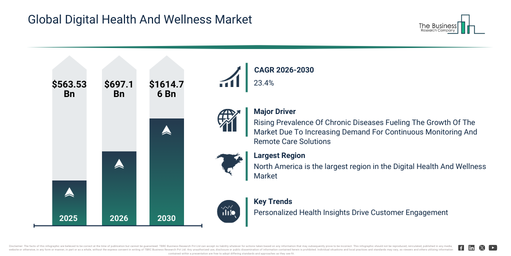
    The digital health sector has experienced substantial expansion lately, projecting a surge from $318.01 billion in 2025 to $371.59 billion in 2026, representing a compounded annual growth rate of 16.8%. This upward trajectory is underpinned by factors observed during the preceding period, including the increased adoption of smartphones, concerted efforts towards digitizing healthcare systems, a rising incidence of chronic conditions, persistent disparities in healthcare accessibility, and the early integration of telemedicine services.

    Anticipating substantial expansion, the digital health sector is poised for swift advancement in the upcoming years, projected to reach a market valuation of $664.65 billion by 2030, reflecting a compound annual growth rate of 15.6%. This surge in the foreseen period is largely propelled by factors such as the integration of AI in healthcare delivery, broader availability of virtual healthcare reimbursements, the increasing requirements of an aging demographic, the proliferation of remote monitoring services, and a heightened consumer inclination towards digital healthcare solutions. Key developments anticipated during this period include a significant expansion in telehealth and virtual care offerings, a more widespread embrace of wearable health devices, greater utilization of data-driven tools for clinical decision-making, the seamless incorporation of remote patient monitoring systems, and an intensified emphasis on digital platforms designed with the patient at their core.

    Download A Free Sample Report For Comprehensive Market Insights:

    https://www.thebusinessresearchcompany.com/sample.aspx?id=3953&type=smp

    Digital Health Market Growth Factors Supporting Long-Term Expansion

    The escalating incidence of long-term health conditions, including but not limited to cancer, diabetes, and high blood pressure, is anticipated to serve as a primary catalyst for the expansion of the digital health sector. Factors such as extended work schedules, insufficient physical exertion, and detrimental dietary and beverage consumption patterns contribute to the widespread occurrence of these chronic ailments, consequently heightening the susceptibility of affected individuals and thereby fueling the demand for digital health service platforms. Illustratively, data released in January 2024 by the American Cancer Society, a non-profit organization in the United States dedicated to cancer advocacy, indicated a rise in cancer diagnoses to 2,001,140 cases, a notable increase from the 1,958,310 reported in 2023, representing a growth rate of 2.19%. Consequently, the increasing prevalence of chronic diseases is poised to stimulate market advancement.

    Digital Health Market Segmentation And Category Breakdown

    The digital health market covered in this report is segmented –

    1) By Technology: Mobile Health (Mhealth), Health Information Technology, Telehealth And Telemedicine, Health Analytics, Other Technologies

    2) By Application: Cardiology, Diabetes, Neurology, Sleep Apnea, Oncology, Other Applications

    3) By End-User: Healthcare Providers, Healthcare Payers, Pharmaceutical Companies, Other End Users

    Subsegments:

    1) By Mobile Health (mHealth): Health Apps, Wearable Devices, Remote Patient Monitoring

    2) By Health Information Technology: Electronic Health Records (EHR), Health Information Exchange (HIE), Practice Management Systems

    3) By Telehealth And Telemedicine: Virtual Consultations, Remote Diagnosis, Teletherapy

    4) By Health Analytics: Predictive Analytics, Data Management Solutions, Population Health Management

    5) By Other Technologies: Blockchain In Health, Artificial Intelligence In Health, Internet Of Medical Things (IoMT)

    Digital Health Market Industry Trends Shaping Future Revenue Growth

    Leading players in the digital health sector are actively pursuing the creation of cutting-edge interventions, including virtual reality (VR) based prescription therapies, with the goals of optimizing patient results, boosting involvement, and lessening dependence on drug-based interventions. Clinically substantiated as a digital health solution, virtual reality prescription therapy utilizes engaging VR settings alongside behavioral and biofeedback methodologies to empower individuals in safely and efficiently addressing their chronic health ailments. As a prime illustration, in May of 2024, AppliedVR, an American medical technology enterprise, introduced RelieVRx, which received authorization from the FDA as the inaugural virtual reality prescription therapy designed for individuals experiencing chronic lower back pain (CLBP) within the scope of workers’ compensation claims. This apparatus delivers a completely immersive VR encounter intended to equip workers’ compensation patients with the competencies needed to alleviate and manage their chronic lower back pain (CLBP). Such therapy, recognized as an economically viable, non-pharmacological supplementary treatment, has demonstrated through clinical trials its efficacy in diminishing both the severity of pain and its disruption to day-to-day life. The methodology incorporated within this regimen encompasses established tenets of cognitive behavioral therapy, biofeedback, and emotional regulation.

    Digital Health Market Competitive Analysis Of Major Industry Participants

    Major companies operating in the digital health market are Cerner Corporation, GE Healthcare, Epic Systems Corporation, McKesson Corporation, Allscripts Healthcare Solutions Inc., Truven Health Analytics, Siemens Healthcare AG, eCLINICALWORKS, Cisco Systems Inc., Koninklijke Philips N.V., Innovaccer, Pharm Easy, 1mg, Practo, Mfine, Medi Buddy, Ping A Good Doctor, JD Health, Teladoc, MeMD, Amwell, MDlive, Better Doc, TeleMD, DOC+, Biovotion, BrainControl, Coimbra Genomics, Dacadoo, Doctoralia, Emperra, Exovite, Genexyx, Giraff, Healthbank, NeurNation, Nutrino, Psious, Px Healthcare, SilverCloud, Systems Healthcare Solutions, TrialReach, XtremeVRI, ApoloHealthMx, ECGlove, Heal on Site, Polycom Inc, Care Innovations LLC, AXON Digital Health, Wuru, Yerbo, Welii, BioScience, Caecus, Omnia Salud, Altibbi, Dhoner Healthtech, Okadoc, DoctorsAE, Takalam, AlemHealth, Cura, Primary Health Care Corporation, AMD Global Telemedicine Inc, Safermom, Mobicure, Ubenwa, Medsaf, GenRx, Kangpe, Hudibia, Lifebank, Redbank, Apteki +, FindMeCure, ECG for Everybody, Eye read, InterAxon, Figure 1, Myndtec, Seamless MD, Pixeon, Hi Technologies, Conexa Saude

    Access The Complete Digital Health Market Report:

    https://www.thebusinessresearchcompany.com/report/digital-health-global-market-report

    Digital Health Market Geographic Landscape: Which Region Dominates Industry Growth?

    North Americawas the largest region in the digital health market in 2025. Asia-Pacificis expected to be the fastest-growing region in the forecast period. The regions covered in the digital health market report are Asia-Pacific, South East Asia, Western Europe, Eastern Europe, North America, South America, Middle East, Africa.

    Get in touch with us:

    The Business Research Company: https://www.thebusinessresearchcompany.com/

    Americas: +1 310-496-7795

    Asia: +44 7882 955267 & +91 8897263534

    Europe: +44 7882 955267

    Email us at: marketing@tbrc.info

    Follow us on:

    LinkedIn: https://in.linkedin.com/company/the-business-research-company

    YouTube: https://www.youtube.com/channel/UC24_fI0rV8cR5DxlCpgmyFQ

    Global Market Model: https://www.thebusinessresearchcompany.com/global-market-model
  • Digital Genome Market Forecast Signals New Revenue Opportunities Through 2030

    Digital Genome Market Forecast Signals New Revenue Opportunities Through 2030

    Delivering more actionable and strategically valuable research, The Business Research Company’s 2026 market reports feature market attractiveness analysis, total addressable market evaluation, company benchmarking matrices, interactive Excel dashboards, expanded supply chain intelligence, emerging startup coverage, and detailed product insights.

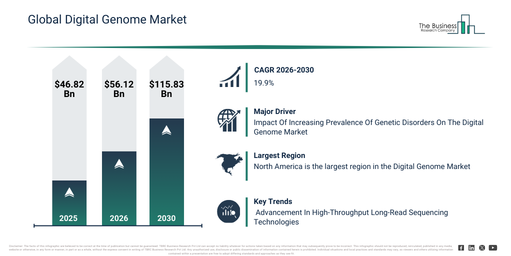
    Digital Genome Market Expansion From $56.12 Billion In 2026 To $115.82 Billion In 2030

    The digital genome market experienced a significant expansion recently, projected to climb from $46.82 billion in 2025 to $56.12 billion in 2026, reflecting a compound annual growth rate (CAGR) of 19.9%. Factors contributing to this notable growth during the preceding period included the decreasing expenses associated with genome sequencing, the broadening scope of genomics research initiatives, an increase in studies focusing on inherited diseases, the limited availability of data integration tools, and substantial academic research funding.

    The digital genome sector is poised for significant expansion over the upcoming years, projecting a market value of $115.83 billion by 2030, driven by a compound annual growth rate of 19.9%; this projected increase stems from advancements in personalized medicine, the broader scope of population genomics, AI-powered identification of genetic variations, greater integration of genomics within healthcare frameworks, and supportive governmental regulations pertaining to genomic research and application. Key developments anticipated during this forecast period encompass the accelerated digitization of genomic information, the escalating utilization of artificial intelligence in decoding genomic data, the proliferation of cloud-based platforms for genome data management, a heightened demand for precision medicine solutions, and the seamless incorporation of genomic insights into existing clinical information systems.

    Download A Free Sample Report For Comprehensive Market Insights:

    https://www.thebusinessresearchcompany.com/sample.aspx?id=14086&type=smp

    #Digital Genome Market Demand Drivers Creating New Revenue Opportunities

    The escalating incidence of genetic conditions is anticipated to be a significant catalyst for the expansion of the digital genome market. These genetic disorders, characterized by inherent anomalies or alterations within an individual’s DNA – the blueprint containing directives for bodily development and operation – are becoming more common. Digital genome technologies offer the capability to pinpoint the specific genetic mutations and variations linked to these disorders, thereby facilitating precise and early diagnostic assessments. This early detection is crucial for enabling prompt therapeutic strategies. To illustrate, data from August 2023, as reported by the National Library of Medicine in the US, indicates that sickle cell anemia, a hereditary ailment, impacts roughly one in every 500 African Americans in the United States. Furthermore, approximately one in twelve individuals of African American descent are carriers of the autosomal recessive gene mutation responsible for this condition, with an estimated 300,000 infants born annually affected by sickle cell anemia. Consequently, the rising occurrence of genetic disorders is directly fueling the growth trajectory of the digital genome market.

    Digital Genome Market Segment Outlook: Which Categories Are Expanding The Fastest?

    The digital genome market covered in this report is segmented –

    1) By Type: Sequencing And Analyzer Instruments, Data Analysis And Management Tools

    2) By Application: Diagnostics, Agriculture And Animal Research, Personalized Medicine, Drug Discovery, Treatment Analysis

    3) By End User: Research Centers And Government Institutes, Academic Institutions, Pharmaceutical And Biotechnology Industries, Hospitals, Diagnostic Centers

    Subsegments:

    1) By Sequencing And Analyzer Instruments: Next-Generation Sequencing (NGS) Systems, Sanger Sequencing Systems, Single-Cell Sequencing Instruments, Third-Generation Sequencing Instruments

    2) By Data Analysis And Management Tools: Bioinformatics Software, Data Management Platforms, Cloud-Based Analysis Solutions, Workflow Management Tools

    Digital Genome Market Trends Driving Strategic Industry Expansion

    Leading entities within the digital genome sector are prioritizing the integration of cutting-edge sequencing methodologies, specifically high-throughput long-read sequencing technologies, to bolster genomic precision, expand analytical capacity, and optimize data output. These advanced sequencing systems represent the forefront of genomic analysis, employing single-molecule real-time (SMRT) technology to generate lengthy and remarkably precise DNA sequences. This capability facilitates sophisticated variant identification, real-time nucleotide sequencing, and extensive whole-genome investigations. As an illustration, Pacific Biosciences of California Inc. (PacBio), an American firm specializing in life science sequencing, unveiled its Revio System in March 2023. This innovative high-throughput long-read sequencing platform is engineered to produce substantial quantities of high-fidelity genomic data essential for population-scale genomics, epigenetic studies, and disease research, offering a fifteenfold enhancement in data yield per operational cycle, incorporating advanced deep-learning algorithms for methylation detection, and minimizing the need for consumables. Consequently, the Revio system elevates processing speed, data integrity, and economic viability, paving the way for swifter and more precise genomic discoveries.

    Digital Genome Market Key Companies And Competitive Benchmarking

    Major companies operating in the digital genome market are Roche Holding AG, Thermo Fisher Scientific Inc., GE HealthCare Technologies Inc., Quest Diagnostics, Eurofins Scientific SE, Agilent Technologies Inc., Illumina Inc., bioMerieux SA, PerkinElmer Inc., Bio-Rad Laboratories Inc., Qiagen N.V., BGI Genomics, Myriad Genetics Inc., Foundation Medicine Inc., ArcherDx Inc., Invitae Corporation, Oxford Nanopore Technologies Ltd., Luminex Corporation, GenMark Diagnostics Inc., NanoString Technologies Inc., Pacific Biosciences of California Inc., Genewiz, Inscripta Inc., Genomic Health Inc., Becton Dickinson and Company, GenomeMe, Regeneron Pharmaceuticals Inc.

    Access The Complete Digital Genome Market Report:

    https://www.thebusinessresearchcompany.com/report/digital-genome-global-market-report

    #Digital Genome Market Largest Region: Which Geography Holds The Highest Market Share?

    North Americawas the largest region in the digital genome market in 2025. Asia-Pacificis expected to be the fastest-growing region in the forecast period. The regions covered in the digital genome market report are Asia-Pacific, South East Asia, Western Europe, Eastern Europe, North America, South America, Middle East, Africa.

    Get in touch with us:

    The Business Research Company: https://www.thebusinessresearchcompany.com/

    Americas: +1 310-496-7795

    Asia: +44 7882 955267 & +91 8897263534

    Europe: +44 7882 955267

    Email us at: marketing@tbrc.info

    Follow us on:

    LinkedIn: https://in.linkedin.com/company/the-business-research-company

    YouTube: https://www.youtube.com/channel/UC24_fI0rV8cR5DxlCpgmyFQ

    Global Market Model: https://www.thebusinessresearchcompany.com/global-market-model
  • Digital Diagnostics Market Growth Is Accelerating As Industry Transformation Continues

    Digital Diagnostics Market Growth Is Accelerating As Industry Transformation Continues

    Enhanced with market attractiveness analysis, total addressable market evaluation, company benchmarking matrices, interactive Excel dashboards, expanded supply chain intelligence, emerging startup coverage, and detailed product insights, The Business Research Company’s 2026 market reports deliver more actionable and strategically valuable research.

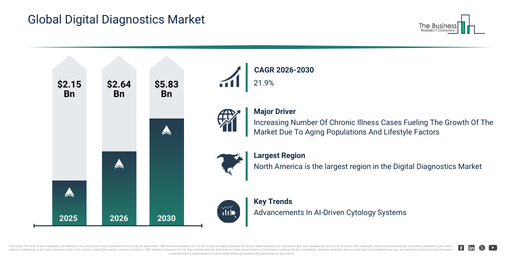
    Digital Diagnostics Market Forecast Highlighting Growth From $2.63 Billion To $5.83 Billion

    The digital diagnostics sector has experienced substantial expansion lately, projected to advance from a valuation of $2.15 billion in 2025 to $2.64 billion by 2026, reflecting a compound annual growth rate of 22.5%. Key factors fueling this historical growth include the widespread adoption of digital healthcare records, an increasing volume of diagnostic testing, the inherent challenges of manual interpretation, an escalating prevalence of chronic illnesses, and a greater reliance on imaging technologies.

    Anticipating a period of substantial expansion, the digital diagnostics sector is poised for significant advancement over the coming years. Projections indicate a market valuation reaching $5.83 billion by the year 2030, fueled by a compound annual growth rate (CAGR) of 21.9%. This projected trajectory is largely influenced by several key factors, including the continuous improvement of artificial intelligence algorithms, the broadening scope of telehealth-based diagnostic services, an increasing emphasis on identifying illnesses at earlier stages, the wider acceptance of cloud-based diagnostic solutions, and the ongoing development of interoperability standards. Furthermore, the coming forecast period is expected to be characterized by several prominent trends, such as the increasing integration of AI-powered diagnostic instruments, the expansion of both remote and point-of-care diagnostic capabilities, a greater reliance on the analysis of real-time health data, the seamless integration of diagnostic procedures with electronic health record systems, and a growing demand for diagnostic approaches focused on prediction and prevention.

    Download A Free Sample Report For Comprehensive Market Insights:

    https://www.thebusinessresearchcompany.com/sample.aspx?id=20748&type=smp

    Digital Diagnostics Market Expansion Supported By Key Demand Factors

    The escalating incidence of chronic diseases is identified as a primary catalyst for the anticipated expansion of the digital diagnostics sector. Conditions such as cardiovascular ailments, diabetes, cancer, and persistent respiratory issues, which necessitate sustained medical care and oversight, are becoming more prevalent. This surge is attributed to demographic shifts like an aging global population and lifestyle choices encompassing poor dietary habits, sedentary behavior, tobacco consumption, and environmental influences. Digital diagnostics contributes to healthcare infrastructure by offering AI-driven diagnostic solutions, remote patient monitoring technologies, and digital health ecosystems facilitating prompt identification, ongoing surveillance, and tailored treatment strategies for chronic conditions. Illustrating this trend, the World Health Organization, headquartered in Switzerland, projected in May 2023 that by approximately 2050, chronic ailments including heart disease, malignancies, diabetes, and lung afflictions will be responsible for 86 percent of the annual 90 million fatalities worldwide. Consequently, the growing burden of chronic diseases is a significant driver for the digital diagnostics market.

    Digital Diagnostics Market Segment Landscape: Which Areas Lead Market Development?

    The digital diagnostics market covered in this report is segmented –

    1) By Product: Hardware, Software, Services

    2) By Application: Cardiology, Gynecology, Infectious Diseases, Oncology, Diabetes, Other Applications

    3) By End-Users: Hospitals And Clinics, Clinical Laboratories, Pharmaceutical And Biotechnology Companies, Academic And Research Institutes, Other End-Users

    Subsegments:

    1) By Hardware: Diagnostic Devices, Wearable Devices, Sensors And Monitoring Equipment

    2) By Software: Diagnostic Software, Data Analytics Software, Artificial Intelligence (AI) And Machine Learning Software, Cloud-Based Platforms

    3) By Services: Diagnostic Testing Services, Telemedicine And Remote Monitoring Services, Data Management And Analytics Services

    Digital Diagnostics Market Growth Trends Influencing Competitive Dynamics

    In the realm of digital diagnostics, leading enterprises are concentrating on the creation of cutting-edge solutions, including digital cytology systems, aimed at better diagnostic precision, improved operational efficiency, and the facilitation of remote examinations through sophisticated imaging and AI capabilities. A digital cytology system represents a sophisticated diagnostic apparatus designed for the analysis and interpretation of cytological specimens, leveraging imaging advancements and artificial intelligence to achieve precise and prompt medical conclusions. To illustrate, in February 2024, Hologic Inc., an American medical technology firm, revealed its Genius Digital Diagnostics System, coupled with the Genius Cervical AI algorithm, had received clearance from the U.S. Food and Drug Administration (FDA). This Genius Digital Diagnostics System stands as the inaugural and sole FDA-approved digital cytology platform that combines deep learning-powered artificial intelligence with sophisticated volumetric imaging techniques for the detection of precancerous abnormalities and cervical cancer cells. Contrasting with conventional approaches that involve the manual microscopic scrutiny of cervical cells gathered during a Pap screening, this system digitizes the glass slides and employs AI to draw attention to critical cellular elements for review by cytologists and pathologists.

    Digital Diagnostics Market Industry Leaders And Market Competition

    Major companies operating in the digital diagnostics market are Hoffmann-La Roche Holding AG, Thermo Fisher Scientific Inc., Abbott Laboratories, Danaher Corporation, Siemens Healthineers , Koninklijke Philips N.V., General Electric Company, Laboratory Corporation of America Holdings, Quest Diagnostics Incorporated, Hologic Inc., bioMérieux S.A., Bio-Rad Laboratories Inc., Fulgent Genetics Inc., Guardant Health Inc., Tempus Labs Inc., Genomic Health Inc., EDX Medical Inc., PathAI Inc., Healthy.io Ltd., BrightInsight Inc., Digital Diagnostics Inc., Brainomix Limited, DnaNudge Ltd., GRAIL Inc.

    Access The Complete Digital Diagnostics Market Report:

    https://www.thebusinessresearchcompany.com/report/digital-diagnostics-global-market-report

    Digital Diagnostics Market Regional Analysis: Which Region Leads By Revenue?

    North Americawas the largest region in the digital diagnostics market in 2025. Asia-Pacificis expected to be the fastest-growing region in the forecast period. The regions covered in the digital diagnostics market report are Asia-Pacific, South East Asia, Western Europe, Eastern Europe, North America, South America, Middle East, Africa.

    Get in touch with us:

    The Business Research Company: https://www.thebusinessresearchcompany.com/

    Americas: +1 310-496-7795

    Asia: +44 7882 955267 & +91 8897263534

    Europe: +44 7882 955267

    Email us at: marketing@tbrc.info

    Follow us on:

    LinkedIn: https://in.linkedin.com/company/the-business-research-company

    YouTube: https://www.youtube.com/channel/UC24_fI0rV8cR5DxlCpgmyFQ

    Global Market Model: https://www.thebusinessresearchcompany.com/global-market-model
  • Digital Diabetes Management Market Outlook Highlights The Next Major Growth Opportunities

    Digital Diabetes Management Market Outlook Highlights The Next Major Growth Opportunities

    Through market attractiveness analysis, total addressable market evaluation, company benchmarking matrices, interactive Excel dashboards, expanded supply chain intelligence, emerging startup coverage, and detailed product insights, The Business Research Company’s 2026 market reports provide more actionable and strategically valuable research.

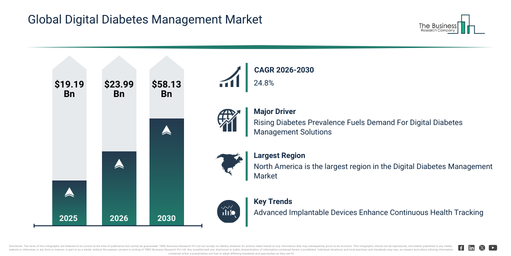
    Digital Diabetes Management Market Revenue Growth Supported By A CAGR Of 58.13% Through 2030

    The digital management of diabetes has witnessed substantial expansion, projecting a rise from $19.19 billion in 2025 to $23.99 billion by 2026, reflecting a robust compound annual growth rate of 25.0%. This upward trajectory in the historical period is underpinned by several key factors, including the escalating global prevalence of diabetes, the constrained availability of consistent clinical oversight, a surge in smartphone adoption, a growing appetite for tools enabling personal health monitoring, and the broader proliferation of digital health services.

    The digital diabetes management sector is poised for remarkable expansion, projected to reach a substantial $58.13 billion by the year 2030, exhibiting a compound annual growth rate of 24.8%. This anticipated surge is fueled by several key factors including the escalating integration of artificial intelligence within diabetes care protocols, the broadening scope of remote patient monitoring solutions, growing acceptance of telehealth services, seamless incorporation with electronic health records, and a heightened demand for tailored diabetes management approaches. Dominant trends expected to shape this market during the forecast period encompass the swift embrace of remote diabetes monitoring platforms, the incorporation of AI-driven glucose analytics, the proliferation of mobile applications dedicated to diabetes management, a surge in the utilization of wearable devices for diabetes tracking, and the increasing prevalence of telemedicine in delivering diabetes care.

    Download A Free Sample Report For Comprehensive Market Insights:

    https://www.thebusinessresearchcompany.com/sample.aspx?id=3414&type=smp

    #Digital Diabetes Management Market Growth Drivers And Industry Catalysts

    The escalating global occurrence of diabetes is poised to fuel expansion within the digital diabetes care sector. Diabetes, a metabolic disorder marked by persistently high blood sugar, predominantly the type 2 form that compromises the body’s insulin functionality, is becoming more widespread. This surge in diabetes cases is largely attributable to rising obesity rates, which substantially elevate insulin resistance and consequently augment the likelihood of developing type 2 diabetes. Consequently, the digital diabetes management field is experiencing heightened interest as the rapid proliferation of diabetes compels organizations to implement contemporary solutions such as remote health tracking, mobile application-based monitoring, and tailored virtual guidance to empower individuals in their self-care efforts. As an illustration, in June 2024, NHS England reported a sharp upswing, of almost 25% within the preceding year, in the number of individuals under 40 identified as having risks for type 2 diabetes, escalating from 173,166 in 2022 to 216,440 in 2023. Consequently, the growing incidence of diabetes is a significant factor contributing to the increasing demand for the digital diabetes management market.

    Digital Diabetes Management Market Segments: Where Are The Largest Growth Opportunities?

    The digital diabetes management market covered in this report is segmented –

    1) By Product And Service: Devices, Application, Data Management Software And Platforms, Services

    2) By Device Type: Handheld Devices, Wearable Devices

    3) By End User: Self Or Home Healthcare, Hospitals And Specialty Diabetes Clinics, Other End Users

    Subsegments:

    1) By Devices: Continuous Glucose Monitors (CGMs), Blood Glucose Meters (BGM), Insulin Pumps, Smart Insulin Pens, Diabetes Testing Strips

    2) By Application: Diabetes Management Apps, Lifestyle And Diet Management Apps, Glucose Tracking Apps, Insulin Dose Adjustment Apps, Exercise And Activity Tracking Apps

    3) By Data Management Software And Platforms: Cloud-Based Diabetes Management Platforms, Data Analytics Platforms, Electronic Health Record (EHR) Integrated Systems, Patient Management Software, Remote Monitoring Software

    4) By Services: Telemedicine And Virtual Consultation Services, Remote Monitoring Services, Diabetes Education Services, Diabetes Coaching And Support Services, Clinical Decision Support Services

    #Digital Diabetes Management Market Trends Influencing Long-Term Demand

    Key players within the digital diabetes management sector are prioritizing the creation of sophisticated technologies, including implantable continuous glucose monitoring (CGM) devices designed for prolonged use. These innovations aim to alleviate the challenges faced by patients, elevate the precision of real-time glucose tracking, and ultimately refine the comprehensive management of diabetes. The concept of long-term implantable CGM entails devices inserted subcutaneously that meticulously track glucose levels over extended durations, furnishing dependable data without the recurring need for sensor changes, a distinct advantage over conventional, shorter-acting CGM sensors. A noteworthy development occurred in September 2024 when Senseonics Holdings, Inc., a medical technology firm based in the United States, secured FDA approval for Eversense 365, which stands as the inaugural fully implantable CGM sensor globally boasting a full year of functionality. This system, intended for individuals aged 18 and above diagnosed with type 1 or type 2 diabetes, disseminates glucose measurements every five minutes to a mobile application, necessitates only weekly calibration post the initial two-week period, and incorporates a detachable transmitter. Such an extended-duration solution significantly curtails disruptions to daily life, reduces the frequency of sensor disposals, and facilitates seamless incorporation with automated insulin delivery (AID) platforms, thereby presenting a more integrated and precise methodology for managing diabetes digitally.

    Digital Diabetes Management Market Major Participants And Competitive Dynamics

    Major companies operating in the digital diabetes management market are Bayer AG, Medtronic Plc, Roche Diagnostics Ltd., Dexcom Inc., Abbott Laboratories, Ascensia Diabetes Care Holdings AG, Insulet Corporation, B. Braun Melsungen AG, Tandem Diabetes Care Inc., LifeScan Inc., AgaMatrix Inc., Glooko Inc., DarioHealth Corp, One Drop, Dottli Oy, Ypsomed Holding AG, ARKRAY Inc., ACON Laboratories Inc., Becton, Dickinson and Company, Care Innovations LLC, Health2Sync Inc., Emperra GmbH E-Health Technologies, Azumio Inc., Decide Clinical Software GmbH, pendiq GmbH Moers, Health Arx Technologies Pvt Ltd., Sanofi SA, Johnson & Johnson Co, Novo Nordisk AS, Terumo Corporation, TidePool, AgaMatrix Medical Devices Ltd.

    Access The Complete Digital Diabetes Management Market Report:

    https://www.thebusinessresearchcompany.com/report/digital-diabetes-management-global-market-report

    Digital Diabetes Management Market Geographic Distribution And Regional Opportunities

    North Americawas the largest region in the digital diabetes management market in 2025. Western Europewas the second largest region in the digital diabetes management market report. The regions covered in the digital diabetes management market report are Asia-Pacific, South East Asia, Western Europe, Eastern Europe, North America, South America, Middle East, Africa.

    Get in touch with us:

    The Business Research Company: https://www.thebusinessresearchcompany.com/

    Americas: +1 310-496-7795

    Asia: +44 7882 955267 & +91 8897263534

    Europe: +44 7882 955267

    Email us at: marketing@tbrc.info

    Follow us on:

    LinkedIn: https://in.linkedin.com/company/the-business-research-company

    YouTube: https://www.youtube.com/channel/UC24_fI0rV8cR5DxlCpgmyFQ

    Global Market Model: https://www.thebusinessresearchcompany.com/global-market-model
  • Digital Denture Market Trends And Growth Drivers Point To Strong Future Potential

    Digital Denture Market Trends And Growth Drivers Point To Strong Future Potential

    Delivering more actionable and strategically valuable research, The Business Research Company’s 2026 market reports feature market attractiveness analysis, total addressable market evaluation, company benchmarking matrices, interactive Excel dashboards, expanded supply chain intelligence, emerging startup coverage, and detailed product insights.

    Digital Denture Market Value Expansion And Long-Term Growth Outlook

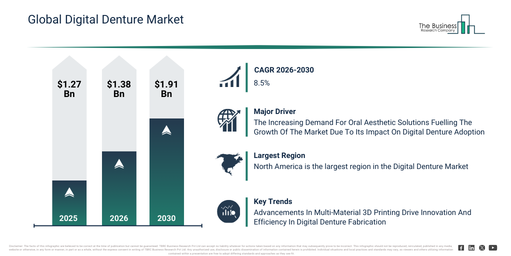
    The market for digital dentures has experienced robust expansion lately. Projections indicate a rise from $1.27 billion in 2025 to $1.38 billion in 2026, reflecting a compound annual growth rate (CAGR) of 8.6%. Key factors driving this growth during the preceding period included an increasing elderly demographic, the inherent drawbacks of traditional dentures, the broader adoption of digital technologies in dental practices, the increasing use of CAD software, and the expanding range of prosthodontic services available.

    The digital denture sector is poised for significant expansion in the coming years, with projections indicating a rise to $1.91 billion by 2030, driven by a compound annual growth rate (CAGR) of 8.5%. This anticipated growth during the forecast period is fueled by several key factors, including the escalating demand for cosmetic dentistry procedures, advancements in digital dental education, the increasing integration of 3D printing technologies, heightened patient expectations for comfort, and the growing trend of automation within dental laboratories. Prominent trends expected to shape the market in the upcoming years encompass a greater embrace of CAD/CAM dentistry, a surge in the need for personalized dental prosthetics, the proliferation of chairside digital workflows, an expansion in the use of implant-supported dentures, and a notable reduction in processing times facilitated by automation.

    Download A Free Sample Report For Comprehensive Market Insights:

    https://www.thebusinessresearchcompany.com/sample.aspx?id=24209&type=smp

    Digital Denture Market Opportunity Drivers: What Is Creating New Revenue Potential?

    The digital denture market is poised for expansion, largely driven by a rising appetite for enhanced oral aesthetics. These aesthetic solutions aim to elevate the visual appeal of teeth and gums, thereby boosting both a patient’s dental appearance and self-assurance. This heightened interest stems from a growing recognition of how crucial dental aesthetics are, as individuals more frequently acknowledge the significance of a radiant smile and overall presentation. Digital dentures contribute significantly by providing exceptionally accurate, personalized fittings, making them an excellent choice for those desiring greater comfort and a more pleasing look. They mitigate discomfort through superior precision and bespoke design, leading to increased contentment with dental outcomes. As evidenced by Uniqa Dental’s January 2024 report, the United States saw roughly 5.5 million dental implants in 2023, an increase of 10% over the previous year, underscoring the broader trend in dental enhancements. Consequently, the escalating need for improved oral aesthetics is a key factor fueling the digital denture market’s upward trajectory.

    Digital Denture Market Segment Analysis: What Are The Major Market Categories?

    The digital denture market covered in this report is segmented –

    1) By Product Type: Complete Dentures, Partial Dentures

    2) By Material: Acrylic, Metal, Other Materials

    3) By Tool: Equipment, Software

    4) By End-User: Solo Practices, Days Sales Outstanding (DSO) Or Group Practices, Other End-Users

    Subsegments:

    1) By Complete Dentures: Conventional Complete Dentures, Immediate Complete Dentures, Implant-Supported Complete Dentures

    2) By Partial Dentures: Removable Partial Dentures, Fixed Partial Dentures (Bridges), Implant-Supported Partial Dentures

    Digital Denture Market Innovation Trends Driving Future Development

    Leading entities within the digital denture sector are engaged in pioneering innovative, technology-driven approaches, including sophisticated multi-material additive manufacturing techniques, aimed at producing dental prosthetics that excel in precision, longevity, and visual appeal. This sophisticated multi-material printing methodology represents a cutting-edge fabrication strategy specifically for digital dentures, promising superior accuracy, resilience, and aesthetic qualities through the concurrent deposition of various substances in an uninterrupted production cycle. As an illustration, Stratasys Ltd., an American purveyor of 3D printing equipment, launched TrueDent in February 2023, marking a significant advancement as the inaugural permanent digital denture solution produced through monolithic, full-color 3D printing. This FDA-cleared (Class II) dental resin facilitates the creation of complete, vibrantly colored dentures as a single unit, thereby circumventing the conventional method of separately constructing and joining the denture foundation and artificial teeth for various dental applications, such as complete and partial tooth replacements. The material exhibits robustness, consistent coloration, and exceptional abrasion resistance, meeting or exceeding established industry standards.

    Digital Denture Market Leading Companies Driving Competitive Growth

    Major companies operating in the digital denture market are 3M ESPE, Dentsply Sirona, Envista Holdings Corporation, Institut Straumann AG, Illusion Dental La, 3D Systems Corporation, Kulzer GmbH, Dentium Co. Ltd, Formlabs, Desktop Metal, Carestream Dental LLC, Amann Girrbach AG, Keystone Industries, GC America, BEGO GmbH and Co. KG, Asiga, Dental Axess, Arfona Printing Services, AvaDent, Carima, Duerr Dental Company

    Access The Complete Digital Denture Market Report:

    https://www.thebusinessresearchcompany.com/report/digital-denture-global-market-report

    Digital Denture Market Largest Region By Revenue And Market Share

    North Americawas the largest region in the digital denture market in 2025. Asia-Pacificis expected to be the fastest-growing region in the forecast period. The regions covered in the digital denture market report are Asia-Pacific, South East Asia, Western Europe, Eastern Europe, North America, South America, Middle East, Africa.

    Get in touch with us:

    The Business Research Company: https://www.thebusinessresearchcompany.com/

    Americas: +1 310-496-7795

    Asia: +44 7882 955267 & +91 8897263534

    Europe: +44 7882 955267

    Email us at: marketing@tbrc.info

    Follow us on:

    LinkedIn: https://in.linkedin.com/company/the-business-research-company

    YouTube: https://www.youtube.com/channel/UC24_fI0rV8cR5DxlCpgmyFQ

    Global Market Model: https://www.thebusinessresearchcompany.com/global-market-model
  • Digital Biomarkers Market Expansion Is Reshaping Competitive Dynamics Across The Industry

    Digital Biomarkers Market Expansion Is Reshaping Competitive Dynamics Across The Industry

    Enhanced with market attractiveness analysis, total addressable market evaluation, company benchmarking matrices, interactive Excel dashboards, expanded supply chain intelligence, emerging startup coverage, and detailed product insights, The Business Research Company’s 2026 market reports deliver more actionable and strategically valuable research.

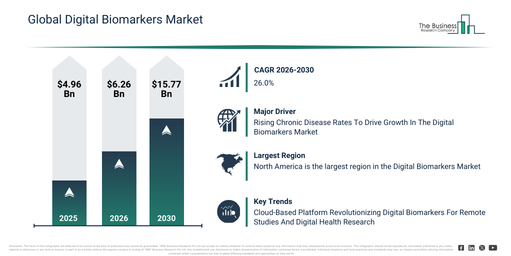
    Digital Biomarkers Market Expected To Reach $15.76 Billion By 2030 At 26% CAGR

    Digital biomarkers are experiencing significant market expansion, projected to increase from an estimated $4.96 billion in 2025 to $6.26 billion in 2026, reflecting a compound annual growth rate of 26.3%. This upward trajectory during the prior period was fueled by several key factors including the increasing uptake of consumer wearable devices, the proliferation of mobile health applications, a growing incidence of chronic illnesses, the emergence of sophisticated biosensor technology, and a heightened emphasis on proactive health management.

    The digital biomarkers market is poised for substantial expansion, with projections indicating a surge to $15.77 billion by 2030, driven by a compound annual growth rate of 26.0%. This notable upswing over the projected timeframe is fueled by several key factors, including greater financial commitment to digital health solutions, escalating consumer desire for individualized health oversight, a broader application of predictive health insights, more seamless integration with electronic health records, and augmented governmental backing for digital biomarker technologies. Significant developments anticipated during this period involve a wider embrace of wearable devices for health tracking, increased reliance on ongoing remote patient monitoring, the growing incorporation of artificial intelligence in health analytics, an expanded use of sensor technology for disease surveillance, and a heightened emphasis on gathering health data instantaneously.

    Download A Free Sample Report For Comprehensive Market Insights:

    https://www.thebusinessresearchcompany.com/sample.aspx?id=19397&type=smp

    Digital Biomarkers Market Growth Momentum: Which Factors Are Influencing Demand?

    The increasing incidence of long-term health conditions, which are characterized by their slow onset and persistent nature, is anticipated to be a significant driver for the expansion of the digital biomarkers market. These chronic ailments, exacerbated by factors such as aging populations with conditions like osteoarthritis and heart disease, alongside unhealthy dietary habits and sedentary lifestyles, contribute to a heightened risk. Digital biomarkers play a crucial role in managing these chronic diseases by facilitating real-time tracking of health indicators and disease development, thereby allowing for more tailored and prompt medical interventions. To illustrate, data from the Centers for Disease Control and Prevention in April 2025 revealed that in 2023, a substantial 76.4% of American adults, equating to approximately 194 million individuals, reported living with at least one chronic condition. This prevalence was observed at 59.5% in younger adults, rising to 78.4% in middle-aged individuals, and reaching 93.0% among older adults. Consequently, the widespread occurrence of chronic diseases is expected to fuel the growth of the digital biomarker market.

    Digital Biomarkers Market Segment Breakdown: Which Categories Generate The Most Revenue?

    The digital biomarkers market covered in this report is segmented –

    1) By Type: Wearable, Mobile Based Applications, Sensors, Other Types

    2) By Clinical Practice: Diagnostic Digital Biomarkers, Monitoring Digital Biomarkers, Predictive And Prognostic Digital Biomarkers, Other Clinical Practices

    3) By Application: Oncology, Metabolic Disease, Neurological Disease, Cardiac Disease, Other Applications

    4) By End User: Healthcare Companies, Healthcare Providers, Payers, Other End Users

    Subsegments:

    1) By Wearable: Smartwatches, Fitness Trackers, Wearable ECG Monitors, Continuous Glucose Monitors

    2) By Mobile Based Applications: Health Monitoring Apps, Digital Therapeutics Apps, Symptom Tracking Apps, Remote Patient Monitoring Apps

    3) By Sensors: Biosensors, Motion Sensors, Environmental Sensors, Implantable Sensors

    4) By Other Types: Voice Biomarkers, Digital Imaging Biomarkers, Behavioral Biomarkers, Telemedicine Tools

    Digital Biomarkers Market Trends Reshaping Industry Growth

    Key players within the digital biomarker sector are actively pursuing alliances as a means to broaden their market presence and augment their capabilities. Such strategic alliances involve organizations pooling their assets, knowledge, and endeavors towards shared aims. As an illustration, in September of 2023, ProofPilot, an American firm specializing in clinical trial automation, entered into a strategic pact with Eli Lilly and Company, a US pharmaceutical giant. This collaboration centered on incorporating Lilly’s novel, patent-protected sensor cloud system, Magnol.AI, into ProofPilot’s existing technological framework. Magnol.AI stands out as a sophisticated platform engineered for the secure and efficient handling of voluminous sensor data. The objective of this joint effort is to elevate the conduct of robust digital health studies, thereby expediting early-stage biomedical investigations. Through this integration, investigators gain access to contemporary data science tools and profound understanding derived from sensor readings, synchronizing these insights with outcomes reported by both clinicians and patients to propel advancements in digital health and biomarker discovery.

    Digital Biomarkers Market Key Players And Strategic Industry Positioning

    Major companies operating in the digital biomarkers market are Pfizer Inc, Bayer AG, F Hoffmann-La Roche Ltd, Eli Lilly and Company, Koninklijke Philips NV (Philips), GE Healthcare, Biogen Inc, Garmin Ltd., Clario, Verily Life Sciences LLC, Altoida Inc., BioSerenity, Oura Health Oy., Evidation Health Inc, AliveCor Inc, Empatica Inc, ActiGraph LLC, VivoSense Inc, BioSensics LLC, Koneksa Health Inc, ATCOR Medical Pty Ltd, Brainomix Limited

    Access The Complete Digital Biomarkers Market Report:

    https://www.thebusinessresearchcompany.com/report/digital-biomarkers-global-market-report

    Digital Biomarkers Market Regional Analysis And Leading Geography

    North Americawas the largest region in the digital biomarkers market in 2025. Asia-Pacificis expected to be the fastest-growing region in the forecast period. The regions covered in the digital biomarkers market report are Asia-Pacific, South East Asia, Western Europe, Eastern Europe, North America, South America, Middle East, Africa.

    Get in touch with us:

    The Business Research Company: https://www.thebusinessresearchcompany.com/

    Americas: +1 310-496-7795

    Asia: +44 7882 955267 & +91 8897263534

    Europe: +44 7882 955267

    Email us at: marketing@tbrc.info

    Follow us on:

    LinkedIn: https://in.linkedin.com/company/the-business-research-company

    YouTube: https://www.youtube.com/channel/UC24_fI0rV8cR5DxlCpgmyFQ

    Global Market Model: https://www.thebusinessresearchcompany.com/global-market-model
  • Digital Biology Market Forecast Reveals Where Future Industry Value Will Be Created

    Digital Biology Market Forecast Reveals Where Future Industry Value Will Be Created

    Through market attractiveness analysis, total addressable market evaluation, company benchmarking matrices, interactive Excel dashboards, expanded supply chain intelligence, emerging startup coverage, and detailed product insights, The Business Research Company’s 2026 market reports provide more actionable and strategically valuable research.

    #Digital Biology Market Size And Revenue Forecast Through 2030

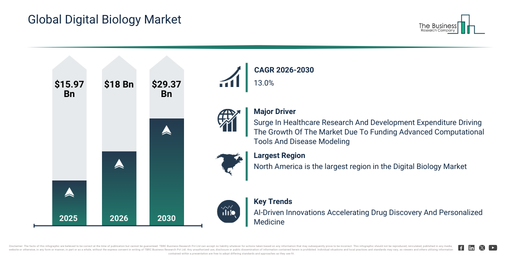
    The digital biology sector has experienced significant expansion lately, projected to increase from a valuation of $15.97 billion in 2025 to $18 billion in 2026, reflecting a compound annual growth rate of 12.7%. Key factors contributing to this upward trend historically include the burgeoning accessibility of extensive biological data, a notable surge in genomic sequencing endeavors, the proliferation of bioinformatics research efforts, heightened adoption of automated laboratory systems, and advancements in computational capabilities.

    The digital biology sector is poised for significant expansion, projected to reach $29.37 billion by the year 2030, exhibiting a compound annual growth rate of 13.0%. This upswing in the projected timeframe is primarily fueled by escalating investments in artificial intelligence for drug discovery, the broadening scope of personalized medicine research, the increasing application of digital biology in agricultural and environmental investigations, a heightened demand for scalable cloud-based biological platforms, and a growing trend of collaboration between technology and life sciences companies. Key developments anticipated during this period include the wider acceptance of computational biology platforms, an augmented utilization of AI-driven biological modeling, more extensive integration of multi-omics data analysis, the proliferation of cloud-based bioinformatics solutions, and an intensified concentration on digital twin biology concepts.

    Download A Free Sample Report For Comprehensive Market Insights:

    https://www.thebusinessresearchcompany.com/sample.aspx?id=29018&type=smp

    Digital Biology Market Expansion Drivers: What Is Shaping Future Growth?

    Anticipate a notable expansion in the digital biology sector, primarily fueled by the escalating investments in healthcare research and development initiatives. This R&D encompasses the systematic processes involved in discovering, validating, and refining medical interventions, equipment, and methodologies aimed at improving general health and patient well-being. The upward trend in R&D spending is a direct consequence of the rising need for novel therapies and cutting-edge treatments, compelling organizations to allocate greater resources towards pioneering new pharmaceuticals, medical apparatuses, and individualized treatment strategies that tackle intricate and evolving health concerns. Financial backing from healthcare R&D significantly aids digital biology by funding the creation of sophisticated computational instruments and bioinformatics frameworks, thereby accelerating the examination of biological information and enabling more accurate disease simulations, ultimately leading to enhanced diagnostic capabilities and therapeutic outcomes. As an illustration, in June of 2025, a governmental department in the United Kingdom, the Department for Science, Innovation and Technology, announced its commitment to a four-year investment totaling $114.38 billion (equivalent to £86 billion) to bolster scientific and technological research and development, encompassing drug discovery, with an annual allocation of $29.93 billion (£22.5 billion). Consequently, the burgeoning expenditure within healthcare research and development stands as a principal catalyst for the advancement of the digital biology market.

    Digital Biology Market Segmentation: How Is The Market Structured Across Key Categories?

    The digital biology market covered in this report is segmented –

    1) By Component: Software, Hardware, Services

    2) By Deployment Mode: On Premises, Cloud

    3) By Technology: Artificial Intelligence In Biology, Bioinformatics Tools And Software, Blockchain For Data Integrity, Cloud Computing Solutions, Deoxyribonucleic Acid Data Storage Technology

    4) By Application: Drug Discovery, Agriculture, Environmental Monitoring, Personalized Medicine, Synthetic Biology, Bioinformatics, Other Applications

    5) By End User: Pharmaceutical and Biotechnology Companies, Research and Academic Institutes, Healthcare Providers, Contract Research Organizations, Government and Regulatory Bodies

    Subsegments:

    1) By Software: Genomic Data Analysis, Proteomics Analysis, Metabolomics Analysis, Transcriptomics Analysis, Clinical Bioinformatics, Data Visualization Tools, Laboratory Information Management Systems

    2) By Hardware: Sequencing Instruments, Mass Spectrometry Systems, Microscopy Instruments, Chromatography Equipment, Cell Culture Instruments, Laboratory Automation Equipment

    3) By Services: Bioinformatics Consulting, Data Management Services, Genetic Testing Services, Clinical Trial Support Services, Custom Assay Development, Laboratory Management Services, Training And Support Services

    Digital Biology Market Strategic Trends: What Is Defining The Next Phase Of Growth?

    AI is becoming a cornerstone in the digital biology sector, with major players leveraging it to advance drug discovery and predictive biology. This technology facilitates quicker pinpointing of therapeutic targets, refines drug development processes, and aids in crafting highly accurate, individualized patient therapies. A prime example is GenBio AI, a company based in the United States, which in December 2024 initiated Phase 1 of its AI-Driven Digital Organism (AIDO) project. This groundbreaking system allows for the thorough simulation of DNA, RNA, protein, and single-cell expression, equipping scientists with sophisticated capabilities to model biological systems, thereby speeding up medical research, the quest for new drugs, and the development of personalized treatments.

    Digital Biology Market Competitive Landscape And Leading Companies

    Major companies operating in the digital biology market are Thermo Fisher Scientific, Illumina Inc., Qiagen N.V., F. Hoffmann-La Roche Ltd., Perkin Elmer, Agilent Technologies Inc., BGI Genomics Co. Ltd., DNAnexus Inc., Seven Bridges Genomics Inc., GenBio Inc., Evogene Ltd., Cradle B.V., Ginkgo Biosecurity, Evolutionary Scale Inc., Naturannova S.A., Nexco Analytics Inc., Latent Labs Inc., BioLizard NV, Lamin Labs Inc., LatchBio Inc., Standard BioTools Inc., Recursion Pharmaceuticals Inc., Insilico Medicine Inc., Deep Genomics Inc., Valo Health Inc., LabGenius Ltd., Arzeda Corp., e-Therapeutics plc, Bio-Map, A-Alpha Bio Inc., Eikon Therapeutics Inc., Proscia Inc., Lifebit Biotech Ltd., Genestack Ltd., Seqera Labs SL, Sciepot, Pluto Biosciences Inc., SciNote LLC, Qlucore AB, 10x Genomics Inc., Bruker Corporation, Bio-Techne Corporation, Resolve Biosciences GmbH, RareCyte Inc., Oxford Nanopore Technologies plc, PacBio, Ultima Genomics Inc., Element Biosciences Inc., Benchling Inc., and Synthace Ltd.

    Access The Complete Digital Biology Market Report:

    https://www.thebusinessresearchcompany.com/report/digital-biology-global-market-report

    Digital Biology Market Geographic Analysis: Where Is Demand Growing The Fastest?

    North Americawas the largest region in the digital biology market in 2025. Asia-Pacificis expected to be the fastest-growing region in the forecast period. The regions covered in the digital biology market report are Asia-Pacific, South East Asia, Western Europe, Eastern Europe, North America, South America, Middle East, Africa.

    Get in touch with us:

    The Business Research Company: https://www.thebusinessresearchcompany.com/

    Americas: +1 310-496-7795

    Asia: +44 7882 955267 & +91 8897263534

    Europe: +44 7882 955267

    Email us at: marketing@tbrc.info

    Follow us on:

    LinkedIn: https://in.linkedin.com/company/the-business-research-company

    YouTube: https://www.youtube.com/channel/UC24_fI0rV8cR5DxlCpgmyFQ

    Global Market Model: https://www.thebusinessresearchcompany.com/global-market-model
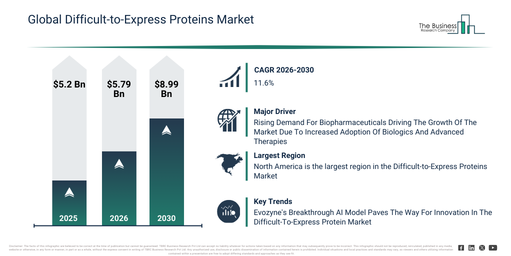
  • Difficult-to-Express Proteins Market Growth Through 2030 Creates New Strategic Opportunities

    Difficult-to-Express Proteins Market Growth Through 2030 Creates New Strategic Opportunities

    Delivering more actionable and strategically valuable research, The Business Research Company’s 2026 market reports feature market attractiveness analysis, total addressable market evaluation, company benchmarking matrices, interactive Excel dashboards, expanded supply chain intelligence, emerging startup coverage, and detailed product insights.

    Difficult-to-Express Proteins Market Growth From $5.79 Billion In 2026 To $8.98 Billion By 2030 At A CAGR Of 11.6%

    Regarding the market for difficult-to-express proteins, its valuation has seen substantial expansion, projected to ascend from $5.2 billion in 2025 to $5.79 billion in 2026, reflecting a compound annual growth rate of 11.3%. This upward trajectory in the historical period is largely a consequence of increased investment in biologics research, the inherent constraints of conventional expression methodologies, a burgeoning field of academic protein investigation, a rising necessity for membrane proteins, and augmented financial backing within the biotechnology sector.

    The market for difficult-to-express proteins is poised for swift expansion over the coming years, projected to reach $8.99 billion by 2030, exhibiting a compound annual growth rate of 11.6%. This upsurge during the forecast period is largely fueled by advancements in protein therapeutics, innovative expression technologies, the escalating need for structural biology research, increased pharmaceutical outsourcing, and the broadening scope of precision medicine. Key developments anticipated within this timeframe include a heightened demand for intricate protein expression, the wider deployment of cell-free protein synthesis, a greater reliance on fusion and tag technologies, augmented applications in drug discovery, and the adoption of sophisticated expression systems.

    Download A Free Sample Report For Comprehensive Market Insights:

    https://www.thebusinessresearchcompany.com/sample.aspx?id=12602&type=smp

    Difficult-to-Express Proteins Market Development Factors: Which Trends Are Supporting Demand?

    The burgeoning need for biopharmaceuticals is anticipated to be a primary catalyst for the expansion of the market for proteins that are challenging to produce. This impetus stems from the worldwide augmentation in the utilization of biologics, therapeutic proteins, and cutting-edge biopharmaceutical approaches for tackling diverse medical conditions. Such an escalating demand is attributed to an increasing preference among both patients and healthcare infrastructures for personalized medicine and biological treatments over conventional small-molecule pharmaceuticals. Within this context, the domain of difficult-to-express proteins plays a crucial role by facilitating the manufacture of intricate protein structures, including but not limited to, proteins with multiple domains, antibody fragments, fused proteins, and those with post-translational modifications, all of which are indispensable for the development of these sophisticated therapeutic agents. Illustratively, data from Sartorius, a prominent German life sciences enterprise, indicated that in July 2025, sales figures for biopharmaceutical drugs experienced an approximate 9% escalation, reaching a total of USD 458 billion in 2024, an increase from the prior year, thereby capturing 41% of the overall pharmaceutical market, a slight rise from 40% in 2023. Consequently, the heightened demand for biopharmaceutical products is acting as a significant driver for the growth trajectory of the difficult to express proteins market.

    Difficult-to-Express Proteins Market Segmentation Trends And Revenue Drivers

    The difficult-to-express proteins market covered in this report is segmented –

    1) By Protein: Proteases, Kinases, Membrane Proteins, Other Proteins

    2) By Expression Of Difficult Proteins: Disulfide-bonded Protein Expression, Membrane Protein Expression, Toxic Protein Expression, Target Protein Insolubility

    3) By Technology: Cell-free Protein Synthesis, Prokaryotic Expression Systems, Small Ubiquitin-like Modifier (SUMO) Fusion System, Gene Fusion Systems, Other Technologies

    4) By Application: Drug Discovery, Protein Purification, Protein Therapeutics, Disease Diagnostics And Monitoring, Other Applications

    Subsegments:

    1) By Proteases: Serine Proteases, Cysteine Proteases, Aspartic Proteases, Metalloproteases

    2) By Kinases: Receptor Tyrosine Kinases, Serine Or Threonine Kinases, Cyclin-Dependent Kinases

    3) By Membrane Proteins: G-Protein Coupled Receptors (GPCRs), Ion Channels, Transporters

    4) By Other Proteins: Transcription Factors, Structural Proteins, Enzymes

    Difficult-to-Express Proteins Market Transformation Trends: Which Innovations Are Driving Change?

    Driver 1 encompasses the growing inclination towards pioneering technological advancements within the challenging domain of difficult-to-express proteins. Leading enterprises in this sector are strategically emphasizing the creation of novel technologies as a means to solidify their market standing. As an illustration, consider Evoyzne, a biotechnology firm based in the United States, which in January 2023 introduced an advanced artificial intelligence model, the Protein Transformer Variational AutoEncoder, specifically engineered for the purpose of designing therapeutic proteins. This methodology establishes a robust structure for the efficient training and implementation of extensive language models tailored for biological applications, ultimately yielding a sophisticated deep learning paradigm that unlocks fresh avenues for the data-informed conception of custom-engineered proteins possessing specific, intended functions.

    #Difficult-to-Express Proteins Market Industry Leaders: Which Organizations Are Driving Competition?

    Major companies operating in the difficult-to-express proteins market are Thermo Fisher Scientific Inc., Merck KGaA, Lonza Group Ltd, Catalent Inc., Sartorius AG, Charles River Laboratories International Inc., Bio-Rad Laboratories Inc., Samsung Biologics Co. Ltd., Bio-Techne Corp., GenScript Biotech Corporation, Ajinomoto Bio-Pharma Services, Novasep Holding SAS, Rentschler Biopharma SE, BioLegend Inc., Codexis Inc., Enzo Biochem Inc., Sino Biological Inc., Horizon Discovery Ltd., Creative Biolabs Inc., OriGene Technologies Inc., Celonic AG, Cube Biotech GmbH, Lucigen Corporation, Batavia Biosciences Inc., Cytovance Biologics Inc., Alloy Therapeutics Inc., Aragen Bioscience Inc., Selexis SA, LifeSensors Inc., Bionova Scientific Inc.

    Access The Complete Difficult-to-Express Proteins Market Report:

    https://www.thebusinessresearchcompany.com/report/difficult-to-express-proteins-global-market-report

    Difficult-to-Express Proteins Market Global Footprint: Which Region Holds Market Leadership?

    North Americawas the largest region in the difficult-to-express proteins market in 2025. Asia-Pacificis expected to be the fastest-growing region in the forecast period. The regions covered in the difficult-to-express proteins market report are Asia-Pacific, South East Asia, Western Europe, Eastern Europe, North America, South America, Middle East, Africa.

    Get in touch with us:

    The Business Research Company: https://www.thebusinessresearchcompany.com/

    Americas: +1 310-496-7795

    Asia: +44 7882 955267 & +91 8897263534

    Europe: +44 7882 955267

    Email us at: marketing@tbrc.info

    Follow us on:

    LinkedIn: https://in.linkedin.com/company/the-business-research-company

    YouTube: https://www.youtube.com/channel/UC24_fI0rV8cR5DxlCpgmyFQ

    Global Market Model: https://www.thebusinessresearchcompany.com/global-market-model
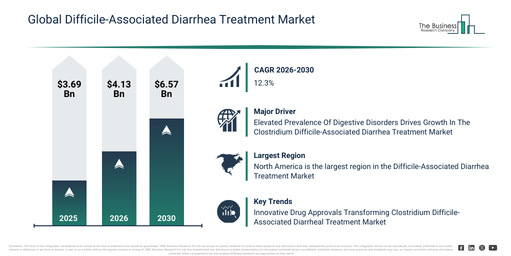
  • Difficile-Associated Diarrhea Treatment Market Size Projected To Increase From $4.12 Billion To $6.57 Billion During The Forecast Period

    Difficile-Associated Diarrhea Treatment Market Size Projected To Increase From $4.12 Billion To $6.57 Billion During The Forecast Period

    Enhanced with market attractiveness analysis, total addressable market evaluation, company benchmarking matrices, interactive Excel dashboards, expanded supply chain intelligence, emerging startup coverage, and detailed product insights, The Business Research Company’s 2026 market reports deliver more actionable and strategically valuable research.

    Difficile-Associated Diarrhea Treatment Market Expansion Outlook: What Revenue Opportunities Lie Ahead?

    The market for treating *Clostridioides difficile*-associated diarrhea has experienced substantial expansion lately, projecting a rise from $3.69 billion in 2025 to $4.13 billion in 2026, reflecting a compound annual growth rate of 11.6%. Factors contributing to this past growth trajectory include widespread antibiotic consumption, the frequent occurrence of hospital-acquired infections, a scarcity of therapeutic alternatives, the increased susceptibility of the elderly demographic, and extended periods of hospitalization.

    The market for treating C. difficile-associated diarrhea is poised for a substantial expansion over the coming years, reaching an estimated $6.57 billion by 2030, fueled by a compelling compound annual growth rate of 12.3%. This projected surge is underpinned by several key factors, including the ongoing development of innovative antibiotic treatments, a heightened emphasis on infection prevention and control measures within healthcare settings, the implementation of strategies aimed at reducing the incidence of recurring infections, greater adoption of advanced diagnostic tools, and the broader implementation of antimicrobial stewardship programs. Current and emerging trends shaping this market during the forecast period encompass a growing preference for narrow-spectrum antibiotics, an intensified focus on preventing disease recurrence, the expansion of treatment protocols specifically designed for hospital environments, increasing recognition and adherence to antibiotic stewardship principles, and the advancement of targeted therapies specifically for C. difficile infections.

    Download A Free Sample Report For Comprehensive Market Insights:

    https://www.thebusinessresearchcompany.com/sample.aspx?id=12930&type=smp

    Difficile-Associated Diarrhea Treatment Market Industry Drivers: What Is Driving Revenue Growth?

    The escalating occurrence of digestive ailments is poised to accelerate the expansion of the market for difficile-associated diarrhea treatments. Digestive disorders encompass a range of conditions that disrupt the normal functioning of the gastrointestinal tract, the system responsible for food digestion and nutrient absorption. Clostridium difficile (C. diff) infection is linked to these digestive issues, particularly diarrhea and colitis. This bacterium, C. diff, can colonize the bowel, releasing toxins that incite inflammation and injure the intestinal lining. As more individuals are diagnosed with digestive disorders, the demand for effective therapies to manage related symptoms, such as difficile-associated diarrhea, grows. For example, in June 2023, Crohn’s and Colitis Canada reported that over 322,600 Canadians, representing approximately 0.82% of the population, were estimated to be living with inflammatory bowel diseases (IBD) in 2023. Projections suggest that by 2035, around 470,000 Canadians, or about 1.1% of the population (approximately 1 in every 91 individuals), will be affected by IBD. Consequently, the increasing incidence of digestive disorders is expected to be a significant driver for the difficile-associated diarrhea treatment market.

    Impact Of Clostridium Difficile Infection On The Difficile-Associated Diarrhea Treatment Market: The growing number of clostridium difficile infections is anticipated to fuel the expansion of the difficile-associated diarrhea treatment market. Clostridium difficile infection (CDI), often referred to as C. difficile infection, stems from exposure to the clostridium difficile bacterium. This infection primarily targets the colon, leading to the production of toxins that inflict damage on the colon’s inner lining, resulting in symptoms such as diarrhea, abdominal discomfort, and potentially severe complications. Since CDI is the principal instigator of Difficile-Associated Diarrhea (DAD), effectively treating CDI is paramount for both managing and resolving DAD. Illustrating this point, in January 2023, data from the National Library of Medicine indicated that the US Centers for Disease Control and Prevention (CDC) estimated about half a million Americans contract C. difficile annually. Of these infections, an estimated 29,000 individuals die within a month of diagnosis, with 15,000 of these fatalities directly attributed to the C. difficile infection itself. Furthermore, approximately 83,000 patients endure at least one relapse of the condition, and 29,000 pass away within 30 days of their initial diagnosis. Therefore, the increasing incidence of clostridium difficile infection is a key factor driving the growth of the difficile-associated diarrhea treatment market.

    Difficile-Associated Diarrhea Treatment Market Segment Analysis Highlighting Growth Areas

    The difficile-associated diarrhea treatment market covered in this report is segmented –

    1) By Type: Narrow Spectrum Antibiotics, Broad Spectrum Antibiotics

    2) By Distribution Channel: Hospital Pharmacy, Online Pharmacy, Retail Pharmacy

    3) By End User: Hospitals, Homecare, Specialty Clinics, Other End-Users

    Subsegments:

    1) By Narrow Spectrum Antibiotics: Vancomycin, Fidaxomicin, Metronidazole

    2) By Broad Spectrum Antibiotics: Ampicillin, Ciprofloxacin, Clindamycin

    #Difficile-Associated Diarrhea Treatment Market Growth Trends: What Is Influencing The Future Outlook?

    Leading pharmaceutical entities within the difficile D. treatment arena are concentrating their efforts on pioneering novel therapeutics and securing regulatory endorsements to solidify their market standing. The surge in approvals for treatments targeting difficile D. is propelled by the escalating demand for superior and secure therapeutic interventions, exemplified by SER-109, a groundbreaking addition offering a novel avenue for management. Specifically, the U.S. Food and Drug Administration, a regulatory body in the United States, sanctioned SER-109 in April of 2023; this marked the first introduction of an orally consumable fecal microbiota product, designed by the American biotechnology firm Seres Therapeutics, to mitigate the recurrence of Clostridioides difficile associated diarrhea. This innovative treatment, SER-109, is administered orally via capsules and comprises live, spore-forming probiotics derived from naturally occurring Firmicutes bacteria prevalent in the human digestive system. Its mechanism of action involves re-establishing equilibrium among the gastrointestinal microbial community, thereby contributing to the prevention of recurrent C. diff infections. Ultimately, this pharmaceutical agent aids in averting the relapse of Clostridioides difficile (C. diff) infections in adult patients, aged eighteen and older, subsequent to their antibacterial regimens.

    Difficile-Associated Diarrhea Treatment Market Leading Companies: Who Holds Significant Market Presence?

    Major companies operating in the difficile-associated diarrhea treatment market are Pfizer Inc., F. Hoffmann-La Roche AG, Merck & Co. Inc., AbbVie Inc., Sanofi S.A., Teva Pharmaceutical Industries Ltd., Mylan N.V., Sun Pharmaceutical Industries Ltd., Perrigo Company PLC, Dr. Reddy’s Laboratories Ltd., Aurobindo Pharma Limited, Cipla Limited, Hikma Pharmaceuticals plc, Amneal Pharmaceuticals LLC, Zydus Lifesciences Ltd., Lupin Limited, Torrent Pharmaceuticals Ltd., Salix Pharmaceuticals Inc., Seres Therapeutics, Summit Therapeutics, Vedanta Biosciences, Finch Therapeutics Group

    Access The Complete Difficile-Associated Diarrhea Treatment Market Report:

    https://www.thebusinessresearchcompany.com/report/difficile-associated-diarrhea-treatment-global-market-report

    Difficile-Associated Diarrhea Treatment Market Regional Distribution: Which Areas Drive Market Expansion?

    North Americawas the largest region in the difficile-associated diarrhea treatment market in 2025. The regions covered in the difficile-associated diarrhea treatment market report are Asia-Pacific, South East Asia, Western Europe, Eastern Europe, North America, South America, Middle East, Africa.

    Get in touch with us:

    The Business Research Company: https://www.thebusinessresearchcompany.com/

    Americas: +1 310-496-7795

    Asia: +44 7882 955267 & +91 8897263534

    Europe: +44 7882 955267

    Email us at: marketing@tbrc.info

    Follow us on:

    LinkedIn: https://in.linkedin.com/company/the-business-research-company

    YouTube: https://www.youtube.com/channel/UC24_fI0rV8cR5DxlCpgmyFQ

    Global Market Model: https://www.thebusinessresearchcompany.com/global-market-model