Month: June 2026

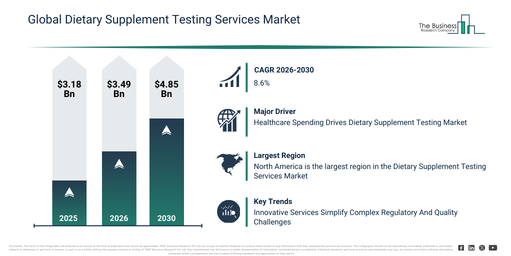
  • Dietary Supplement Testing Services Market Growth Outlook Reveals A CAGR Of 8.6% And A Market Value Of $4.85 Billion By 2030

    Dietary Supplement Testing Services Market Growth Outlook Reveals A CAGR Of 8.6% And A Market Value Of $4.85 Billion By 2030

    Through market attractiveness analysis, total addressable market evaluation, company benchmarking matrices, interactive Excel dashboards, expanded supply chain intelligence, emerging startup coverage, and detailed product insights, The Business Research Company’s 2026 market reports provide more actionable and strategically valuable research.

    Dietary Supplement Testing Services Market Growth Potential: How Will Market Size Change Through 2030?

    The market for dietary supplement testing services has experienced robust expansion, projected to increase from $3.18 billion in 2025 to $3.49 billion in 2026, reflecting a compound annual growth rate of 9.6%. This upward trajectory in the past is linked to heightened consumption of dietary supplements, the broadening scope of food safety regulations, instances of product adulteration, constraints in companies’ internal testing capacities, and assertive regulatory enforcement.

    The sector dedicated to testing dietary supplements is projected to experience robust expansion in the coming years, reaching an estimated value of $4.85 billion by 2030, driven by a compound annual growth rate of 8.6%. This anticipated growth trajectory is largely propelled by more stringent international regulations governing supplements, a heightened consumer preference for products with transparent ingredient lists, the burgeoning market for herbal supplements, an increase in testing services being contracted out by smaller manufacturing entities, and the expansion into global markets. Key developments expected during this forecast period involve intensified regulatory oversight for dietary supplements, a growing need for testing related to labeling and adherence to standards, an upswing in microbiological and impurity analysis, broader application of stability and shelf-life assessments, and a continued trend of outsourcing testing functions.

    Download A Free Sample Report For Comprehensive Market Insights:

    https://www.thebusinessresearchcompany.com/sample.aspx?id=12635&type=smp

    #Dietary Supplement Testing Services Market Growth Factors: Which Forces Are Supporting Market Expansion?

    The anticipated rise in expenditures on healthcare is set to stimulate the expansion of the market for dietary supplement testing services. This healthcare expenditure encompasses the aggregate financial outlays for medical goods and services within a defined period, a portion of which is directed towards verifying the safety and effectiveness of dietary supplements. Such funding supports research initiatives and clinical investigations aimed at assessing the potential advantages and drawbacks of particular supplements, thereby fostering market expansion. Illustratively, the Centers for Medicare & Medicaid Services (CMS) reported in June 2025 that healthcare spending in the US experienced a 7.5% surge in 2023, reaching $4.9 trillion, equivalent to $14,570 per individual, and constituting 17.6% of the national GDP, underscoring how amplified healthcare spending is a key driver for the dietary supplement testing services sector.

    Dietary Supplement Testing Services Market Segment Performance And Strategic Opportunities

    The dietary supplement testing services market covered in this report is segmented –

    1) By Service: Stability Testing, Analytical Testing, Microbiological Testing, Regulatory Testing And Compliance, Other Services

    2) By Ingredient: Herbal, Vitamins, Minerals, Amino Acids, Enzymes, Other Ingredients

    3) By Service Provider: Testing laboratories, Contract Research Organizations (CROs), Regulatory consultants, Other Service Providers

    4) By End-User: Manufacturers, Contract manufacturers, Distributors, Regulatory Bodies

    Subsegments:

    1) By Stability Testing: Shelf-Life Testing, Accelerated Stability Testing, Real-Time Stability Testing

    2) By Analytical Testing: Nutritional Analysis, Ingredient Identification, Potency Testing, Heavy Metals Testing

    3) By Microbiological Testing: Pathogen Testing, Total Plate Count, Yeast And Mold Testing, Specific Microbial Testing

    4) By Regulatory Testing And Compliance: Labeling Compliance, GMP Compliance Testing, FDA Submission Support

    5) By Other Services: Custom Testing Services, Method Development And Validation, Consultation Services

    Dietary Supplement Testing Services Market Industry Trends: What Changes Are Reshaping Demand?

    Leading participants within the dietary supplement testing services sector are actively pursuing the creation of sophisticated offerings, notably specialized testing platforms for supplements, with the primary objectives of guaranteeing consumer safety, confirming the authenticity of ingredients, and adhering to increasingly stringent regulatory standards. The concept of a dedicated supplement testing platform entails a unified service that integrates diverse analytical methodologies, encompassing identity verification, assessments of product longevity, scrutiny for impurities, and evaluation of newly developed ingredients, thereby presenting a holistic testing strategy in contrast to conventional, disconnected approaches. Illustrating this trend, RSSL, a research organization based in the United Kingdom, introduced its specialized testing service for dietary supplements in June 2024. This comprehensive service encompasses a broad spectrum of analyses, ranging from the validation of nutritional information to the assessment of innovative ingredients, utilizing scientifically validated techniques to accurately identify and quantify a wide array of supplement constituents. Furthermore, the service incorporates assistance with regulatory compliance, a digital system for managing projects to enhance operational efficiency, and expedited sample transportation throughout Europe, facilitating rapid results and dependable outcomes. This platform is engineered to assist manufacturers in navigating intricate regulatory frameworks, speeding up the innovation cycle for their products, and ensuring unwavering quality standards, signifying a progressive evolution in the field of dietary supplement analysis.

    Dietary Supplement Testing Services Market Key Players: Which Companies Shape Industry Competition?

    Major companies operating in the dietary supplement testing services market are Eurofins Scientific Pvt. Ltd., SGS S.A., Bureau Veritas S.A., Intertek Group PLC., UL LLC, TÜV SÜD, Element Materials Technology, ALS Limited, LGC Limited, NOW Foods, NSF International, Certified Laboratories Inc., Modern Testing Services, Applied Technical Services Inc., Merieux NutriSciences, Microbac Laboratories Inc., ChromaDex Corp., EAG Laboratories, Spectro Analytical Labs, Nutrasource Diagnostics Inc., Auriga Research Limited, Q Laboratories Inc., Pacific BioLabs Inc., Columbia Laboratories Inc., Advanced Laboratories Inc., ConsumerLab.com LLC, Purity-IQ Inc., Alkemist Labs, Flora Research Laboratories, Foodscan Analytics Limited

    Access The Complete Dietary Supplement Testing Services Market Report:

    https://www.thebusinessresearchcompany.com/report/dietary-supplement-testing-services-global-market-report

    Dietary Supplement Testing Services Market Leading Geography: Which Region Generates The Most Revenue?

    North Americawas the largest region in the dietary supplement testing services market in 2025. Europeis expected to be the fastest-growing region in the forecast period. The regions covered in the dietary supplement testing services market report are Asia-Pacific, South East Asia, Western Europe, Eastern Europe, North America, South America, Middle East, Africa.

    Get in touch with us:

    The Business Research Company: https://www.thebusinessresearchcompany.com/

    Americas: +1 310-496-7795

    Asia: +44 7882 955267 & +91 8897263534

    Europe: +44 7882 955267

    Email us at: marketing@tbrc.info

    Follow us on:

    LinkedIn: https://in.linkedin.com/company/the-business-research-company

    YouTube: https://www.youtube.com/channel/UC24_fI0rV8cR5DxlCpgmyFQ

    Global Market Model: https://www.thebusinessresearchcompany.com/global-market-model
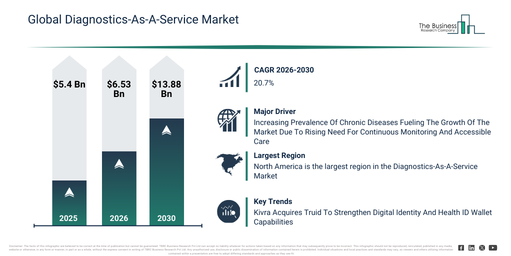
  • Diagnostics-As-A-Service Market Forecast Highlights Expansion From $6.53 Billion To $13.87 Billion Through 2030

    Diagnostics-As-A-Service Market Forecast Highlights Expansion From $6.53 Billion To $13.87 Billion Through 2030

    Delivering more actionable and strategically valuable research, The Business Research Company’s 2026 market reports feature market attractiveness analysis, total addressable market evaluation, company benchmarking matrices, interactive Excel dashboards, expanded supply chain intelligence, emerging startup coverage, and detailed product insights.

    Diagnostics-As-A-Service Market Value Analysis: What Growth Is Expected Over The Forecast Period?

    In the realm of diagnostics-as-a-service, a significant surge in market value has been observed. Projections indicate a substantial increase from $5.4 billion in 2025 to $6.53 billion by 2026, reflecting a compound annual growth rate (CAGR) of 21.0%. This notable expansion in the historical period is underpinned by several key factors: the burgeoning development of digital health infrastructure, an escalating need for economical diagnostic solutions, a persistent deficit in qualified diagnostic personnel, the increasing prevalence of telemedicine, and the broader integration of cloud computing within the healthcare sector.

    The diagnostics-as-a-service sector is poised for substantial expansion over the coming years, with projections indicating a market valuation of $13.88 billion by 2030, driven by a compound annual growth rate of 20.7%. This anticipated growth trajectory is fundamentally shaped by several key factors, including a heightened need for immediate diagnostic capabilities, increased financial commitment to artificial intelligence-driven clinical decision support, the proliferation of remote patient monitoring solutions, a greater emphasis on distributed healthcare models, and the accelerating acceptance of the diagnostics-as-a-service paradigm. Furthermore, significant prevailing trends that will influence this period include the wider deployment of cloud-based diagnostic platforms, a surge in the utilization of remote diagnostic services, the deepening integration of AI-enhanced diagnostic tools, a growing requirement for adaptable diagnostic infrastructure, and a intensified concentration on ensuring diagnostic systems can effectively interoperate.

    Download A Free Sample Report For Comprehensive Market Insights:

    https://www.thebusinessresearchcompany.com/sample.aspx?id=28193&type=smp

    Diagnostics-As-A-Service Market Demand Drivers: What Is Fueling Industry Growth?

    The escalating incidence of long-term illnesses is anticipated to be a key driver for the expansion of the diagnostics-as-a-service sector. These chronic conditions, characterized by their slow onset and enduring nature, necessitate ongoing medical attention. Contributing factors to this rise include sedentary habits, where extended periods of inactivity and limited exercise elevate the likelihood of developing ailments such as cardiovascular issues and diabetes. Diagnostics-as-a-service facilitates the identification of chronic diseases through its cloud-based testing and analytical capabilities, thereby simplifying the management of these persistent health concerns. By providing prompt insights, minimizing the need for hospitalizations, and improving access for individuals managing ongoing health challenges, it enhances the quality of care. A pertinent example is the UK’s National Health Service data from June 2024, which revealed that in 2023, 3,615,330 individuals registered with a general practitioner were diagnosed with non-diabetic hyperglycemia or pre-diabetes, representing an 18% surge from the 3,065,825 cases recorded in 2022. Consequently, the growing burden of chronic diseases is significantly fueling the growth trajectory of the diagnostics-as-a-service market.

    #Diagnostics-As-A-Service Market Segment Landscape And Growth Potential

    The diagnostics-as-a-service market covered in this report is segmented –

    1) By Component: Software, Services, Platforms

    2) By Deployment Mode: Cloud-Based, On-Premises, Hybrid

    3) By Application: Clinical Diagnostics, Imaging Diagnostics, Pathology, Genomics, Other Applications

    4) By End-User: Hospitals And Clinics, Diagnostic Laboratories, Research Institutes, Other End-Users

    Subsegments:

    1) By Software: Diagnostic Analytics Software, Clinical Decision Support Software, Artificial Intelligence (AI) Or Machine Learning (ML)-Based Diagnostic Tools, Imaging And Visualization Software, Data Integration And Interoperability Software, Remote Monitoring And Reporting Software

    2) By Services: Diagnostic Testing Services, Remote And Virtual Diagnostic Services, Cloud-Based Data Storage And Management, Consulting And Implementation Services, Training And Support Services, Maintenance And Upgradation Services

    3) By Platforms: Cloud-based Diagnostic Platforms, On-Premise Diagnostic Platforms, Hybrid Deployment Platforms, Application Programming Interface (API) And Integration Platforms, Mobile Or Tele-Diagnostics Platforms, Data Exchange And Collaboration Platforms

    Diagnostics-As-A-Service Market Innovation Trends: Which Developments Are Transforming The Industry?

    Leading players within the diagnostics-as-a-service sector are prioritizing the creation of patient-focused offerings, exemplified by home-based laboratory testing services designed to enhance ease of access and user convenience. These home laboratory testing solutions involve diagnostic kits enabling individuals to collect their own samples domestically, subsequently receiving test outcomes without the necessity of a clinical visit. As an illustration, in June of 2025, Amazon India, a retail giant originating from the United States, joined forces with Orange Health Labs, a healthcare provider based in India, to introduce Amazon Diagnostics. This service, operating under the Amazon Medical umbrella, facilitates at-home laboratory testing. It currently serves six major metropolitan areas, guaranteeing sample collection at the doorstep within an hour and delivering digital results in as little as six hours, encompassing a vast array of over 800 diagnostic examinations. The platform is seamlessly integrated into the Amazon application, empowering customers to schedule services, monitor progress, and retrieve secure reports effortlessly. This strategic move effectively tackles significant challenges prevalent in India’s diagnostic framework, namely delays, limited access, and quality concerns, while simultaneously reinforcing Amazon’s broader ambition to offer comprehensive healthcare services, encompassing both pharmaceutical and clinical offerings.

    Diagnostics-As-A-Service Market Competitive Landscape: Who Are The Leading Companies?

    Major companies operating in the diagnostics-as-a-service market are F. Hoffmann-La Roche AG, Thermo Fisher Scientific Inc., Abbott Laboratories, Siemens Healthineers AG, Koninklijke Philips N.V., GE Healthcare Technologies Inc., Becton Dickinson and Company, Agilent Technologies Inc., Hologic Inc., Bio-Rad Laboratories Inc., Guardant Health Inc., Invitae Corporation, InHealth Group Limited, Canon Medical Systems Corporation, Freenome Holdings Inc., BioSerenity SAS, PathAI Inc., Butterfly Network Inc., Aidoc Medical Ltd., Owkin Inc., K Health Inc.

    Access The Complete Diagnostics-As-A-Service Market Report:

    https://www.thebusinessresearchcompany.com/report/diagnostics-as-a-service-global-market-report

    Diagnostics-As-A-Service Market Regional Outlook: Where Are The Largest Opportunities Located?

    North Americawas the largest region in the diagnostics-as-a-service market in 2025. The regions covered in the diagnostics-as-a-service market report are Asia-Pacific, South East Asia, Western Europe, Eastern Europe, North America, South America, Middle East, Africa.

    Get in touch with us:

    The Business Research Company: https://www.thebusinessresearchcompany.com/

    Americas: +1 310-496-7795

    Asia: +44 7882 955267 & +91 8897263534

    Europe: +44 7882 955267

    Email us at: marketing@tbrc.info

    Follow us on:

    LinkedIn: https://in.linkedin.com/company/the-business-research-company

    YouTube: https://www.youtube.com/channel/UC24_fI0rV8cR5DxlCpgmyFQ

    Global Market Model: https://www.thebusinessresearchcompany.com/global-market-model
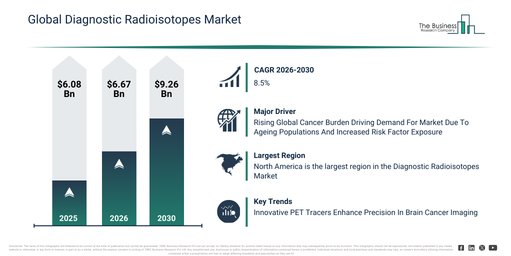
  • Diagnostic Radioisotopes Market Expected To Reach $9.26 Billion By 2030 As Growth Accelerates At 8.5% CAGR

    Diagnostic Radioisotopes Market Expected To Reach $9.26 Billion By 2030 As Growth Accelerates At 8.5% CAGR

    Enhanced with market attractiveness analysis, total addressable market evaluation, company benchmarking matrices, interactive Excel dashboards, expanded supply chain intelligence, emerging startup coverage, and detailed product insights, The Business Research Company’s 2026 market reports deliver more actionable and strategically valuable research.

    Diagnostic Radioisotopes Market Size Forecast: How Large Could The Market Become By 2030?

    The market for diagnostic radiopharmaceuticals has experienced robust expansion lately, projecting a rise from $6.08 billion in 2025 to $6.67 billion by 2026, signifying a compound annual growth rate of 9.7%. This growth during the preceding period was bolstered by increasing cancer diagnostic rates, the proliferation of nuclear imaging facilities, a prevalent reliance on technetium-based imaging techniques, constraints in isotope production capacity, and the significant role of hospital-centered imaging services.

    Anticipate a robust expansion in the diagnostic radioisotopes sector over the forthcoming years, with projections indicating a market value reaching $9.26 billion by 2030, fueled by a compound annual growth rate (CAGR) of 8.5%. This anticipated upswing is primarily driven by escalating demand in oncology imaging, the broadened application of cardiac nuclear diagnostics, advancements in new radioisotope creation, strategic investments in regional isotope production facilities, and the increasing diagnostic requirements of an aging global population. Key market dynamics shaping this forecast period encompass the escalating utilization of PET and SPECT imaging modalities, a heightened need for radioisotopes specifically for oncological applications, the expanding scope of nuclear medicine diagnostics, a growing preference for isotopes with shorter half-lives, and advancements leading to more resilient radiopharmaceutical supply chains.

    Download A Free Sample Report For Comprehensive Market Insights:

    https://www.thebusinessresearchcompany.com/sample.aspx?id=16033&type=smp

    Diagnostic Radioisotopes Market Growth Drivers: What Factors Are Accelerating Expansion?

    Anticipated expansion in the market for diagnostic radioisotopes is largely attributed to the increasing prevalence of cancer. Cancer, defined as the uncontrolled proliferation of aberrant cells capable of infiltrating adjacent tissues and disseminating throughout the organism, presents a significant health challenge. Factors contributing to the escalating global cancer incidence include demographic changes like an aging and growing population, alongside increased exposure to risk elements such as tobacco consumption, excess weight, and environmental contaminants. Diagnostic radioisotopes play a crucial role in healthcare by facilitating accurate visualization, early identification, and diligent tracking of cancer advancement or therapeutic effectiveness. For illustration, data from the National Health Service (NHS) in the United Kingdom indicated that in October 2025, the year 2023 saw 354,820 new cancer diagnoses, averaging 972 daily, which signifies an increase of 8,605 cases compared to 2022. Consequently, the expanding global burden of cancer is a key driver for the growth observed in the diagnostic radioisotopes market.

    Diagnostic Radioisotopes Market Categorization By Product Type And Application

    The diagnostic radioisotopes market covered in this report is segmented –

    1) By Radioisotope: Technetium-99m, Thallium-201, Gallium-67, Iodine-123, FluoroDeoxyGlucose (FDG), Rubidium-82, Other Radioisotopes

    2) By Imaging Modality: Single Photon Emission Computed Tomography (SPECT), Positron Emission Tomography (PET), Beta Emitters

    3) By Application: Oncology, Cardiology, Other Applications

    4) By End User: Hospitals, Specialty Clinics, Diagnostic Centers, Academic And Research Institutes, Other End Users

    Subsegments:

    1) By Technetium-99m: Diagnostic Imaging, Cardiac Imaging, Oncology Imaging, Bone Scans, Renal Scans

    2) By Thallium-201: Cardiac Imaging, Myocardial Perfusion Imaging, Stress Tests

    3) By Gallium-67: Oncology Imaging (Lymphoma, Tumors), Inflammatory Disease Imaging, Infection Imaging

    4) By Iodine-123: Thyroid Imaging, Neurological Imaging (Parkinson’s Disease), Cardiac Imaging

    5) By FluoroDeoxyGlucose (FDG): Positron Emission Tomography (PET) Imaging, Cancer Diagnosis And Staging, Neurological Imaging, Cardiac Imaging

    6) By Rubidium-82: Cardiac PET Imaging, Myocardial Perfusion Imaging, Coronary Artery Disease Diagnosis

    7) By Other Radioisotopes: Strontium-89 (Bone Pain Palliation), Iodine-131 (Thyroid Cancer Treatment), Samarium-153 (Bone Pain Palliation), Yttrium-90 (Cancer Treatment)

    Diagnostic Radioisotopes Market Trends: What Is Shaping Future Industry Growth?

    Companies dominating the diagnostic radioisotopes sector are actively integrating innovations like advanced positron emission tomography (PET) radiotracers, aiming to elevate diagnostic precision, facilitate earlier disease detection, and refine patient management strategies. These cutting-edge PET radiotracers are sophisticated radioactive compounds designed to precisely target specific molecular or metabolic pathways, thereby allowing for detailed imaging of cancerous growths and any spread. As an illustration, back in July of 2024, Radiopharm Theranostics Limited, a radiopharmaceutical firm based in Australia, was granted Investigational New Drug (IND) clearance by the United States Food and Drug Administration (FDA) for F18-Pivalate (RAD 101). This agent, utilizing Fluorine-18 (F-18), is specifically developed to identify potential returning brain metastases by homing in on the Fatty Acid Synthase (FASN) enzyme, which is often overexpressed in various solid tumors. The capabilities of F18-Pivalate (RAD 101) include a superior contrast between tumor and surrounding normal tissue, efficient uptake and clearance characteristics, and seamless integration with current PET imaging equipment, ultimately leading to enhanced diagnostic accuracy, more reliable detection of metastatic conditions, and better-informed therapeutic decisions in cancer treatment.

    Diagnostic Radioisotopes Market Company Landscape And Strategic Competition

    Major companies operating in the diagnostic radioisotopes market are Cardinal Health Inc., Lantheus Holdings, Curium Pharma, Clarity Pharmaceuticals, Bracco Diagnostic Inc., Nordion Inc., Eckert & Ziegler AG, NorthStar Medical Radioisotopes LLC, NTP Radioisotopes SOC Ltd, Isotopia Molecular Imaging Ltd, Cyclopharm Limited, Trasis NV, ARTMS Inc, Radiomedix Inc, Coqu RadioPharmaceuticals Corp, ANSTO, IRE Institute for Radioelements, NRG, China National Nuclear Corporation, Polatom, Niowave Inc, JSC Isotope, Center of Molecular Research, Oak Ridge National Laboratory, SHINE Technologies

    Access The Complete Diagnostic Radioisotopes Market Report:

    https://www.thebusinessresearchcompany.com/report/diagnostic-radioisotopes-global-market-report

    Diagnostic Radioisotopes Market Geographic Landscape: Which Region Dominates Industry Growth?

    North Americawas the largest region in the diagnostic radioisotopes market in 2025. Asia-Pacificis expected to be the fastest-growing region in the forecast period. The regions covered in the diagnostic radioisotopes market report are Asia-Pacific, South East Asia, Western Europe, Eastern Europe, North America, South America, Middle East, Africa.

    Get in touch with us:

    The Business Research Company: https://www.thebusinessresearchcompany.com/

    Americas: +1 310-496-7795

    Asia: +44 7882 955267 & +91 8897263534

    Europe: +44 7882 955267

    Email us at: marketing@tbrc.info

    Follow us on:

    LinkedIn: https://in.linkedin.com/company/the-business-research-company

    YouTube: https://www.youtube.com/channel/UC24_fI0rV8cR5DxlCpgmyFQ

    Global Market Model: https://www.thebusinessresearchcompany.com/global-market-model
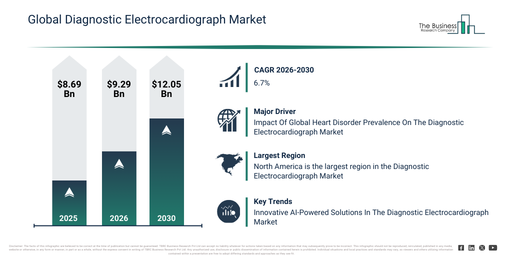
  • Diagnostic Electrocardiograph Market Set To Grow From $9.28 Billion In 2026 To $12.05 Billion By 2030 At A CAGR Of 6.7%

    Diagnostic Electrocardiograph Market Set To Grow From $9.28 Billion In 2026 To $12.05 Billion By 2030 At A CAGR Of 6.7%

    Through market attractiveness analysis, total addressable market evaluation, company benchmarking matrices, interactive Excel dashboards, expanded supply chain intelligence, emerging startup coverage, and detailed product insights, The Business Research Company’s 2026 market reports provide more actionable and strategically valuable research.

    Diagnostic Electrocardiograph Market Revenue Outlook: What CAGR Is Expected Through 2030?

    The global market for diagnostic electrocardiographs has experienced robust expansion lately, projected to ascend from $8.69 billion in 2025 to $9.29 billion in 2026, reflecting a compound annual growth rate of 6.9%. This recent surge in market value is underpinned by several key factors observed during the historical period, including the widespread incidence of cardiovascular ailments, the strong presence of hospital-centric cardiac diagnostic procedures, an increasing elderly demographic, a continued dependence on established ECG technologies, and the proliferation of dedicated cardiac care units.

    The diagnostic electrocardiograph market is poised for significant expansion in the coming years, projecting a market value of $12.05 billion by 2030, driven by a compound annual growth rate of 6.7%. This anticipated growth trajectory is fueled by several key factors including the increasing implementation of remote cardiac monitoring solutions, advancements in wearable ECG technology, a pronounced emphasis on preventive cardiology practices, the burgeoning field of telecardiology, and a heightened demand for the early identification of arrhythmias. During this forecast period, prominent market trends are expected to include a broader embrace of portable and wearable ECG devices, the seamless integration of ECG systems with cloud-based platforms, a substantial rise in the utilization of remote cardiac monitoring, a greater requirement for multi-lead ECG systems, and an expanded application of ECG diagnostics within the realm of preventive cardiology.

    Download A Free Sample Report For Comprehensive Market Insights:

    https://www.thebusinessresearchcompany.com/sample.aspx?id=18333&type=smp

    Diagnostic Electrocardiograph Market Growth Factors Supporting Long-Term Expansion

    Worldwide, a rising tide of cardiac ailments is anticipated to serve as a catalyst for the expansion of the diagnostic electrocardiograph market. These cardiovascular conditions, spanning from irregular heart rhythms and myocardial infarctions to congenital abnormalities and cardiac insufficiency, are becoming more common. Factors such as an aging demographic, increasingly inactive lifestyles, and suboptimal dietary patterns contribute significantly to escalating rates of obesity and elevated blood pressure, both of which are prominent risk factors for serious heart issues. Diagnostic electrocardiography (ECG) is pivotal in addressing the escalating global burden of heart disease by facilitating the early identification, ongoing observation, and effective management of cardiac conditions through non-invasive evaluations of the heart’s electrical activity. Illustratively, data presented in January 2024 by the American Heart Association, a non-profit entity in the USA, indicated a modest uptick in overall cardiovascular deaths for the current year, totaling 931,578, a figure that is 3,000 deaths higher than the prior year’s count of 928,741. Consequently, the growing incidence of heart disorders worldwide is expected to fuel the market’s growth for diagnostic electrocardiographs.

    Diagnostic Electrocardiograph Market Segment Analysis And Revenue Opportunities

    The diagnostic electrocardiograph market covered in this report is segmented –

    1) By Product And Service: Resting Electrocardiogram (ECG), Stress Electrocardiogram (ECG) Devices, Holter Monitors, Implantable Loop Recorders, Event Monitors, Mobile Cardiac Telemetry (MCT) Devices, Smart Electrocardiogram (ECG) Monitors

    2) By Lead Type: 12 Lead, 5 Lead, 3 Lead, Other Lead Types

    3) By End-User: Hospitals, Clinics And Cardiac Centers, Ambulatory Surgical Centers, Other End Users

    Subsegments:

    1) By Resting Electrocardiogram (ECG): 1-Channel ECG, 3-Channel ECG, 6-Channel ECG, 12-Channel ECG

    2) By Stress Electrocardiogram (ECG) Devices: Treadmill Stress ECG, Bicycle Stress ECG, Pharmacological Stress ECG

    3) By Holter Monitors: 24-Hour Holter Monitor, 48-Hour Holter Monitor, 7-Day Holter Monitor

    4) By Implantable Loop Recorders: Subcutaneous Implantable Loop Recorders, Leadless Implantable Loop Recorders

    5) By Event Monitors: Handheld Event Monitors, Wearable Event Monitors

    6) By Mobile Cardiac Telemetry (MCT) Devices: Real-Time Monitoring MCT Devices, Non-Real-Time Monitoring MCT Devices

    7) By Smart Electrocardiogram (ECG) Monitors: Smart ECG Monitors With Mobile Connectivity, Smart ECG Monitors With Cloud Integration, Wearable Smart ECG Devices

    Diagnostic Electrocardiograph Market Industry Trends Shaping Future Revenue Growth

    Within the diagnostic electrocardiograph market, leading corporations are prioritizing the integration of cutting-edge technologies, notably artificial intelligence-driven ECG systems, to bolster the precision and effectiveness of diagnosing heart-related ailments. Specifically, the incorporation of sophisticated AI into ECG machinery significantly improves diagnostic precision and operational efficiency within the realm of cardiovascular care. Illustrating this trend, AliveCor, a medical technology firm headquartered in the United States, introduced its KAI 12L AI capability in conjunction with the Kardia 12L ECG System in June 2024. This pioneering development marks a global first, presenting an AI with the ability to identify life-threatening cardiac issues, such as myocardial infarctions, through a streamlined lead configuration. The newly released ECG System, utilizing proprietary technology, stands as the premier portable 12-lead ECG system globally enhanced by AI, distinguished by its unique single-cable architecture.

    Diagnostic Electrocardiograph Market Leading Players Shaping Industry Direction

    Major companies operating in the diagnostic electrocardiograph market are Koninklijke Philips N.V., GE Healthcare Inc., Suzuken Company Limited, Mindray Medical International Limited, Nihon Kohden Corporation, OSI Systems Inc., Fukuda Denshi Co. Ltd., Midmark Corporation, BTL Group of Companies, BioTelemetry Inc., Spacelabs Healthcare Inc., Welch Allyn Inc., Schiller AG, CardioNet Inc., VectraCor Inc., BPL Limited, SunTech Medical Inc., Mortara Instrument Inc., Allengers Medical Systems Limited, Bionet Co. Ltd., ScottCare Corporation, Nasiff Associates Inc., Compumed Inc., Norav Medical

    Access The Complete Diagnostic Electrocardiograph Market Report:

    https://www.thebusinessresearchcompany.com/report/diagnostic-electrocardiograph-global-market-report

    #Diagnostic Electrocardiograph Market Largest Region: Which Geography Holds The Highest Market Share?

    North Americawas the largest region in the diagnostic electrocardiograph market in 2025. Asia-Pacificis expected to be the fastest-growing region in the forecast period. The regions covered in the diagnostic electrocardiograph market report are Asia-Pacific, South East Asia, Western Europe, Eastern Europe, North America, South America, Middle East, Africa.

    Get in touch with us:

    The Business Research Company: https://www.thebusinessresearchcompany.com/

    Americas: +1 310-496-7795

    Asia: +44 7882 955267 & +91 8897263534

    Europe: +44 7882 955267

    Email us at: marketing@tbrc.info

    Follow us on:

    LinkedIn: https://in.linkedin.com/company/the-business-research-company

    YouTube: https://www.youtube.com/channel/UC24_fI0rV8cR5DxlCpgmyFQ

    Global Market Model: https://www.thebusinessresearchcompany.com/global-market-model
  • Diagnostic Contract Manufacturing Market Opportunities Are Emerging Beyond Traditional Growth Areas

    Delivering more actionable and strategically valuable research, The Business Research Company’s 2026 market reports feature market attractiveness analysis, total addressable market evaluation, company benchmarking matrices, interactive Excel dashboards, expanded supply chain intelligence, emerging startup coverage, and detailed product insights.

    Diagnostic Contract Manufacturing Market Growth Analysis: How Will Revenue Expand During The Forecast Period?

    The market for contract manufacturing within the diagnostics sector has experienced significant expansion. Projections indicate a rise from $35.81 billion in 2025 to $40.95 billion by 2026, reflecting a compound annual growth rate of 14.4%. Key factors contributing to this expansion historically include the substantial financial investment needed for in-house production capabilities, the intricate regulatory landscape, an increasing number of new diagnostic product introductions, a need for adaptable manufacturing processes, and the increasing interconnectedness of global supply chains.

    The market for diagnostic contract manufacturing is poised for significant expansion in the upcoming years, projected to reach $66.08 billion by 2030 with a compound annual growth rate of 12.7%. This anticipated surge is fueled by advancements in diagnostic technologies, the need for swift production scaling, increased automation, the broadening of manufacturing operations across regions, and a strong emphasis on establishing robust supply chains. Key developments expected during this period include a greater reliance on outsourced manufacturing for diagnostics, a growing need for services that adhere to regulatory standards, the expansion of comprehensive contract development and manufacturing organization (CDMO) services, a heightened focus on achieving cost efficiencies and production scalability, and the integration of automated and intelligent manufacturing methodologies.

    Download A Free Sample Report For Comprehensive Market Insights:

    https://www.thebusinessresearchcompany.com/sample.aspx?id=16032&type=smp

    #Diagnostic Contract Manufacturing Market Demand Drivers Creating New Revenue Opportunities

    The diagnostic contract manufacturing sector is poised for expansion, largely fueled by a heightened emphasis on preventive healthcare strategies. This approach to healthcare prioritizes actions aimed at averting the onset or progression of illnesses, injuries, or diseases, driven by escalating medical expenses, evolving healthcare objectives, a surge in long-term health conditions, and an aging populace. Diagnostic contract manufacturers play a crucial role in advancing this preventive agenda by supplying vital diagnostic instruments and assays, delivering tailored manufacturing services, upholding stringent quality and regulatory standards, facilitating production scaling, and providing economical solutions for both disease avoidance and timely detection. A notable indicator of this trend is that, as reported by Eurostat in October 2025, preventive care constituted the second-largest allocation of EU healthcare expenditure in 2023, accounting for 3.7% of the total, with the Netherlands dedicating the highest proportion (5.2%) and Malta the least (0.9%). Consequently, the growing importance of preventive healthcare is a significant catalyst for the diagnostic contract manufacturing market’s growth.

    Diagnostic Contract Manufacturing Market Segmentation And Category Breakdown

    The diagnostic contract manufacturing market covered in this report is segmented –

    1) By Service: Device Development And Manufacturing Services, Quality Management Services, Packaging And Assembly Services, Other Services

    2) By Application: In Vitro Diagnostic Devices, Diagnostic Imaging Devices, Other Applications

    3) By End User: Medical Device Companies, Pharmaceutical And Biopharmaceutical Companies, Other End Users

    Subsegments:

    1) By Device Development And Manufacturing Services: Product Design And Prototyping, Regulatory Affairs And Compliance, Manufacturing And Assembly, Testing And Validation

    2) By Quality Management Services: Quality Control And Assurance, Auditing And Inspection Services, Risk Management, Compliance And Certification Support

    3) By Packaging And Assembly Services: Primary Packaging, Secondary Packaging, Sterilization Services, Custom Packaging Solutions

    4) By Other Services: Supply Chain Management, Inventory Management, Logistics And Distribution, Aftermarket Services

    Diagnostic Contract Manufacturing Market Trends Driving Strategic Industry Expansion

    Leading entities within the diagnostic contract manufacturing sector are prioritizing the creation of sophisticated offerings, exemplified by integrated chemiluminescence immunoassay (CLIA) systems, aimed at elevating assay precision, optimizing manufacturing processes, and catering to the expanding need for high-volume and accurate diagnostic evaluations. This comprehensive CLIA approach signifies a departure from conventional fragmented production; instead, a contract manufacturer delivers a complete package encompassing essential raw materials, reagent formulation, versatile open-system analyzers, and scaled manufacturing capacity. Illustrating this trend, Fapon Biotech Inc., a Chinese provider of in-vitro diagnostic solutions, unveiled its unified chemiluminescence solution strategy in April 2023. This initiative included the introduction of compact and large-scale open-system CLIA analyzers, specifically the Shine i1000 and Shine i2000 models, complemented by an extensive selection of over 100 CLIA reagents designed for detecting biomarkers associated with oncology, cardiovascular conditions, infectious diseases, thyroid function, and inflammatory processes. This all-encompassing solution is engineered to empower diagnostic firms by expediting the introduction of new products and broadening their testing capabilities, further benefiting from superior raw material procurement, adaptable reagent development assistance, diminished per-test expenses, and enhanced compliance with regional manufacturing regulations.

    Diagnostic Contract Manufacturing Market Competitive Analysis Of Major Industry Participants

    Major companies operating in the diagnostic contract manufacturing market are Thermo Fisher Scientific Inc., Abbott Laboratories, Jabil Inc., Flex Ltd., Becton Dickinson and Company (BD), Sekisui Diagnostics LLC, Sanmina Corporation, Celestica Inc., Nipro Medical Corporation, Philips-Medisize Corporation, Plexus Corp, West Pharmaceutical Services Inc., Benchmark Electronics Inc., Bio-Rad Laboratories, QIAGEN N.V., Kimball Electronics Inc., Integer Holdings Corporation, Bio-Techne Corporation, Nolato AB, Nova Biomedical Corporation, Meridian Bioscience Inc., Fujirebio Inc., Biokit S.A., Invetech Pty. Ltd., KMC Systems, Savyon Diagnostics Ltd., Prestige Diagnostics U.K. Ltd., Cenogenic Corporation, Avioq Inc.

    Access The Complete Diagnostic Contract Manufacturing Market Report:

    https://www.thebusinessresearchcompany.com/report/diagnostic-contract-manufacturing-global-market-report

    Diagnostic Contract Manufacturing Market Regional Analysis: Which Region Leads By Revenue?

    North Americawas the largest region in the diagnostic contract manufacturing market in 2025. The regions covered in the diagnostic contract manufacturing market report are Asia-Pacific, South East Asia, Western Europe, Eastern Europe, North America, South America, Middle East, Africa.

    Get in touch with us:

    The Business Research Company: https://www.thebusinessresearchcompany.com/

    Americas: +1 310-496-7795

    Asia: +44 7882 955267 & +91 8897263534

    Europe: +44 7882 955267

    Email us at: marketing@tbrc.info

    Follow us on:

    LinkedIn: https://in.linkedin.com/company/the-business-research-company

    YouTube: https://www.youtube.com/channel/UC24_fI0rV8cR5DxlCpgmyFQ

    Global Market Model: https://www.thebusinessresearchcompany.com/global-market-model
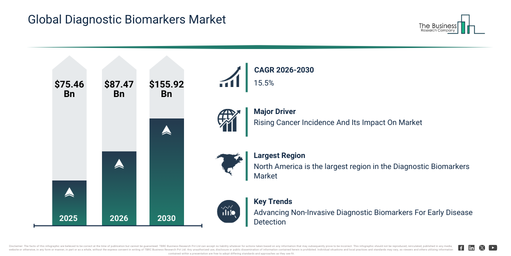
  • Diagnostic Biomarkers Market Expansion Is Opening New Pathways For Strategic Investment

    Diagnostic Biomarkers Market Expansion Is Opening New Pathways For Strategic Investment

    Enhanced with market attractiveness analysis, total addressable market evaluation, company benchmarking matrices, interactive Excel dashboards, expanded supply chain intelligence, emerging startup coverage, and detailed product insights, The Business Research Company’s 2026 market reports deliver more actionable and strategically valuable research.

    Diagnostic Biomarkers Market Forecast: What Market Value Is Expected By 2030?

    The diagnostic biomarkers market experienced substantial expansion recently, projected to increase from $75.46 billion in 2025 to $87.47 billion in 2026, reflecting a compound annual growth rate (CAGR) of 15.9%. This past period of growth was fueled by advancements in molecular diagnostics, increased investment in cancer research, the inherent limitations of conventional diagnostic methods, a growing prevalence of chronic diseases, and ongoing biomarker validation initiatives.

    The market for diagnostic biomarkers is poised for substantial expansion in the coming years, projected to reach $155.92 billion by 2030, reflecting a compound annual growth rate (CAGR) of 15.5%. This projected increase during the forecast period is driven by several key factors, including progress in omics technologies, the burgeoning field of personalized medicine, artificial intelligence-powered biomarker discovery, the approval of innovative biomarkers by regulatory bodies, and a heightened need for predictive diagnostic tools. Furthermore, significant trends shaping this market over the forecast period involve the increasing acceptance of precision diagnostic biomarkers, a greater utilization of both genomic and proteomic biomarkers, the expanding application of biomarkers within oncology diagnostics, the incorporation of biomarker data into clinical analytics, and a continuous rise in the demand for early disease detection methods.

    Download A Free Sample Report For Comprehensive Market Insights:

    https://www.thebusinessresearchcompany.com/sample.aspx?id=21171&type=smp

    Diagnostic Biomarkers Market Expansion Supported By Key Demand Factors

    The increasing incidence of cancer is a significant catalyst for the expansion of the diagnostic biomarkers market. This rise in cancer cases is attributable to several contributing elements, including an aging global population, evolving lifestyle habits, exposure to environmental factors, and advancements in diagnostic technologies. Within the realm of cancer management, diagnostic biomarkers are instrumental, facilitating prompt identification, accurate diagnosis, and tailored therapeutic approaches that ultimately lead to better patient prognoses. For example, data from the American Cancer Society, a prominent US non-profit organization dedicated to cancer advocacy, indicated a rise in cancer diagnoses from 1,958,310 in 2023 to 2,001,140 in January 2024, signifying a 2.19% increase. Consequently, this escalating prevalence of cancer is propelling the diagnostic biomarkers market forward.

    Diagnostic Biomarkers Market Segment Outlook: Which Categories Are Expanding The Fastest?

    The diagnostic biomarkers market covered in this report is segmented –

    1) By Product: Safety Biomarkers, Efficacy Biomarkers, Validation Biomarkers

    2) By Application: Oncology, Metabolic Disease, Neurological Disease

    3) By End User: Hospitals, Cancer Research Institutes, Diagnostic Labs

    Subsegments:

    1) By Safety Biomarkers: Toxicity Biomarkers, Organ-Specific Safety Biomarkers, Drug-Induced Injury Biomarkers

    2) By Efficacy Biomarkers: Predictive Biomarkers, Prognostic Biomarkers, Pharmacodynamic Biomarkers

    3) By Validation Biomarkers: Genomic Biomarkers, Proteomic Biomarkers, Metabolomic Biomarkers

    Diagnostic Biomarkers Market Growth Trends Influencing Competitive Dynamics

    Leading corporations within the diagnostic biomarkers sector are prioritizing the creation of less invasive analytical techniques, exemplified by blood-based biomarker assays, with the goals of improving patient experience and facilitating customized therapeutic approaches. A blood-based biomarker assay functions as a diagnostic instrument that examines particular biological indicators present in blood samples to identify or track illnesses, including Alzheimer’s disease, through a procedure that involves minimal bodily intrusion. For illustration, in July of 2023, Quanterix Corporation, a United States entity operating in the life sciences domain, introduced LucentAD, a blood assay intended to aid medical practitioners in identifying Alzheimer’s disease (AD) in individuals presenting with initial signs of cognitive decline. This assay quantifies the concentration of phosphorylated tau protein at the 181 amino acid position (p-Tau 181) in plasma, which serves as a biological marker linked to the accumulation of amyloid plaques in the brain, a crucial diagnostic sign of AD. Offering a more patient-friendly and easily accessible method of diagnosis than conventional procedures such as cerebrospinal fluid examination or amyloid positron emission tomography, LucentAD seeks to simplify the diagnostic pathway for individuals suspected of having Alzheimer’s.

    Diagnostic Biomarkers Market Key Companies And Competitive Benchmarking

    Major companies operating in the diagnostic biomarkers market are Johnson & Johnson Services Inc., F. Hoffmann-La Roche AG, Thermo Fisher Scientific Inc., Abbott Laboratories, PerkinElmer Inc., Siemens Healthineers AG, Merck KGaA, Agilent Technologies Inc., Charles River Laboratories International Inc., Bio-Rad Laboratories Inc., Bruker Corporation, Qiagen N.V., Myriad Genetics Inc., Meso Scale Diagnostics LLC, EKF Diagnostics Holdings Plc, Sino Biological Inc., Enzo Biochem Inc., Biomarker Technologies Inc., Cisbio Bioassays, Signosis Inc., Epigenomics AG, LifeSign LLC, Banyan Biomarkers Inc., Biosims Technologies SAS

    Access The Complete Diagnostic Biomarkers Market Report:

    https://www.thebusinessresearchcompany.com/report/diagnostic-biomarkers-global-market-report

    Diagnostic Biomarkers Market Geographic Distribution And Regional Opportunities

    North Americawas the largest region in the diagnostic biomarkers market in 2025. The regions covered in the diagnostic biomarkers market report are Asia-Pacific, South East Asia, Western Europe, Eastern Europe, North America, South America, Middle East, Africa.

    Get in touch with us:

    The Business Research Company: https://www.thebusinessresearchcompany.com/

    Americas: +1 310-496-7795

    Asia: +44 7882 955267 & +91 8897263534

    Europe: +44 7882 955267

    Email us at: marketing@tbrc.info

    Follow us on:

    LinkedIn: https://in.linkedin.com/company/the-business-research-company

    YouTube: https://www.youtube.com/channel/UC24_fI0rV8cR5DxlCpgmyFQ

    Global Market Model: https://www.thebusinessresearchcompany.com/global-market-model
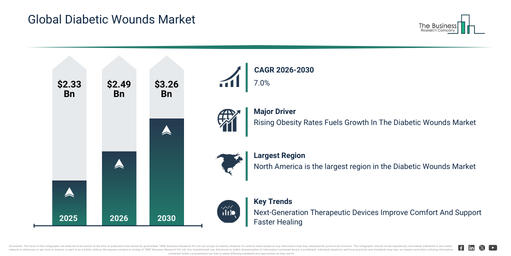
  • Diabetic Wounds Market Trends Are Creating New Opportunities For Industry Leaders

    Diabetic Wounds Market Trends Are Creating New Opportunities For Industry Leaders

    Through market attractiveness analysis, total addressable market evaluation, company benchmarking matrices, interactive Excel dashboards, expanded supply chain intelligence, emerging startup coverage, and detailed product insights, The Business Research Company’s 2026 market reports provide more actionable and strategically valuable research.

    Diabetic Wounds Market Size Outlook: How Fast Will Revenue Grow Through 2030?

    The market for diabetic wound solutions has experienced significant expansion recently, projecting a climb from $2.33 billion in 2025 to $2.49 billion in 2026, fueled by a compound annual growth rate (CAGR) of 7.0%. Factors contributing to this historical growth trajectory include the considerable prevalence of chronic diabetic wounds, slower healing processes, restricted availability of sophisticated wound care options, prevailing hospital-based treatment approaches, and an elevated risk of amputation among patients.

    The market for diabetic wound treatments is poised for substantial expansion over the coming years, projecting a rise to $3.26 billion by 2030, fueled by a compound annual growth rate of 7.0%. This anticipated growth trajectory is underpinned by several key drivers, including advancements in regenerative medicine, the expanding reach of home healthcare services, the continuous development of innovative wound dressing solutions, a greater embrace of outpatient care models, and an intensified commitment to mitigating complications associated with diabetic wounds. Moreover, the forecast period is characterized by several significant trends, such as the escalating utilization of sophisticated wound care products, a broadened acceptance of biologic and regenerative therapeutic approaches, a burgeoning demand for wound management solutions delivered within the home environment, the proliferation of specialized chronic wound care centers, and an elevated emphasis on proactive infection prevention strategies.

    Download A Free Sample Report For Comprehensive Market Insights:

    https://www.thebusinessresearchcompany.com/sample.aspx?id=18804&type=smp

    #Diabetic Wounds Market Growth Drivers And Industry Catalysts

    The escalating prevalence of obesity is anticipated to be a key catalyst for the expansion of the diabetic wound market. Obesity, characterized by excessive fat accumulation that poses health risks, is increasingly prevalent due to predominantly sedentary lifestyles involving prolonged sitting and diminished physical activity. This condition directly correlates with diabetic wounds, as increased adipose tissue can lead to insulin resistance, thereby impairing blood glucose regulation and impeding the healing process. Evidence from the Centers for Disease Control and Prevention (CDC) indicates that in 2023, obesity rates in the United States were significant, with 23 states reporting adult obesity prevalence at or above 35%, and all 50 states experiencing at least 20% obesity rates, underscoring the connection between rising obesity and the growing demand within the diabetic wound market.

    Diabetic Wounds Market Segment Landscape: Which Areas Lead Market Development?

    The diabetic wounds market covered in this report is segmented –

    1) By Product Type: Wound Care Dressings, Wound Care Devices, Skin Grafts And Substitutes, Growth Factors, Other Product Types

    2) By Wound Type: Neuropathic Ulcer Wounds, Ischemic Ulcer Wounds, Neuro-Ischemic Ulcer Wounds

    3) By End-User: Hospitals, Specialty Clinics, Other End Users

    Subsegments:

    1) By Wound Care Dressings: Hydrocolloid Dressings, Foam Dressings, Alginate Dressings, Film Dressings, Hydrogels, Antimicrobial Dressings

    2) By Wound Care Devices: Negative Pressure Wound Therapy (NPWT) Devices, Electric Stimulation Devices, Hyperbaric Oxygen Therapy (HBOT) Devices

    3) By Skin Grafts And Substitutes: Autografts, Allografts, Xenografts, Synthetic Skin Substitutes

    4) By Growth Factors: Platelet-Derived Growth Factor (PDGF), Epidermal Growth Factor (EGF), Fibroblast Growth Factor (FGF), Vascular Endothelial Growth Factor (VEGF)

    5) By Other Product Types: Wound Cleansers, Antiseptics, Debridement Products, Bandages And Tapes

    #Diabetic Wounds Market Trends Influencing Long-Term Demand

    In the competitive landscape of the diabetic wounds sector, prominent players are committed to innovating sophisticated treatments, particularly portable negative pressure wound therapy (NPWT) devices, aimed at enhancing the efficacy, user-friendliness, and patient-centric care for conditions like diabetic foot ulcers and persistent wounds. These portable NPWT units employ regulated suction on the wound via a compact pump and a sealed dressing, which aids in managing fluid discharge, alleviating edema, promoting blood flow, and hastening tissue repair, thereby presenting a more proactive and healing approach compared to conventional wound coverings. As an illustration, in April 2024, Smith+Nephew, a medical technology firm headquartered in the United Kingdom, launched the RENASYS EDGE NPWT System, a modern, at-home device engineered for ease of use and patient comfort. This system boasts a lightweight and low-noise construction, a discreet 300 mL collection canister, animated setup instructions accessible through an intuitive user interface, an extended battery duration exceeding 24 hours, and integrated self-testing capabilities to reduce upkeep requirements. Such sophisticated features contribute to a more manageable experience for patients in both wearing and operating the device, facilitating the smooth incorporation of wound treatment into their everyday routines.

    Diabetic Wounds Market Industry Leaders And Market Competition

    Major companies operating in the diabetic wounds market are 3M Health Care, Medline Industries Inc., B. Braun Melsungen AG, Smith & Nephew plc, Coloplast A/S, Hartmann Group, ConvaTec Group Plc, Mölnlycke Health Care AB, Integra LifeSciences Holdings Corporation, Hollister Incorporated, Organogenesis Inc., MiMedx Group Inc., LifeNet Health, Derma Sciences Inc., Kerecis, DermaRite Industries LLC, MediWound Ltd., Tissue Regenix Group plc, Systagenix Wound Management, XenoTherapeutics, Alliqua BioMedical Inc.

    Access The Complete Diabetic Wounds Market Report:

    https://www.thebusinessresearchcompany.com/report/diabetic-wounds-global-market-report

    Diabetic Wounds Market Largest Region By Revenue And Market Share

    North Americawas the largest region in the diabetic wounds market in 2025. The regions covered in the diabetic wounds market report are Asia-Pacific, South East Asia, Western Europe, Eastern Europe, North America, South America, Middle East, Africa.

    Get in touch with us:

    The Business Research Company: https://www.thebusinessresearchcompany.com/

    Americas: +1 310-496-7795

    Asia: +44 7882 955267 & +91 8897263534

    Europe: +44 7882 955267

    Email us at: marketing@tbrc.info

    Follow us on:

    LinkedIn: https://in.linkedin.com/company/the-business-research-company

    YouTube: https://www.youtube.com/channel/UC24_fI0rV8cR5DxlCpgmyFQ

    Global Market Model: https://www.thebusinessresearchcompany.com/global-market-model
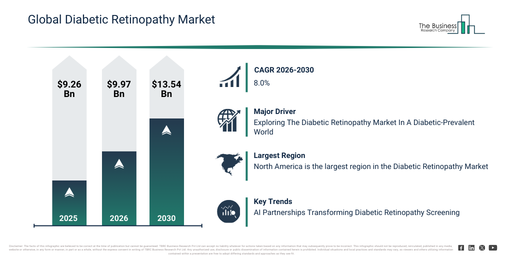
  • Diabetic Retinopathy Market Growth Is Reshaping Competitive Advantage Across The Industry

    Diabetic Retinopathy Market Growth Is Reshaping Competitive Advantage Across The Industry

    Delivering more actionable and strategically valuable research, The Business Research Company’s 2026 market reports feature market attractiveness analysis, total addressable market evaluation, company benchmarking matrices, interactive Excel dashboards, expanded supply chain intelligence, emerging startup coverage, and detailed product insights.

    Diabetic Retinopathy Market Size, Value And Growth Trends Through 2030

    Experiencing robust expansion recently, the diabetic retinopathy market is projected to climb from $9.26 billion in 2025 to $9.97 billion by 2026, demonstrating a compound annual growth rate of 7.6%. Factors contributing to this historical momentum include a surge in diabetes diagnoses, delays in identifying retinal damage, restricted access to screening services, escalating instances of visual impairment, and a reliance on institutional eye care facilities.

    The market for diabetic retinopathy is projected for substantial expansion over the coming years, anticipated to reach $13.54 billion by 2030, driven by a compound annual growth rate of 8.0%. This anticipated upswing is fueled by several key factors, including the increasing prevalence of AI-supported screening technologies, the proliferation of ophthalmology practices, a greater uptake of anti-VEGF therapies, a heightened emphasis on preventative eye health strategies, and a growing elderly population diagnosed with diabetes. Key market developments during this period are expected to involve a more widespread implementation of retinal screening initiatives, augmented utilization of anti-VEGF treatments, enhanced capabilities in early detection and ongoing monitoring, the increasing incorporation of AI in retinal imaging analysis, and a sustained focus on preserving vision.

    Download A Free Sample Report For Comprehensive Market Insights:

    https://www.thebusinessresearchcompany.com/sample.aspx?id=12187&type=smp

    Diabetic Retinopathy Market Opportunity Drivers: What Is Creating New Revenue Potential?

    The escalating incidence of diabetes is poised to be a significant catalyst for the expansion of the diabetic retinopathy market. Diabetes, characterized by persistently elevated blood glucose, stems from factors such as excess weight, obesity, genetic predispositions, and a lack of physical activity. Individuals with diabetes experience hyperglycemia, which poses a risk to the retina, the light-sensitive tissue responsible for transmitting visual information to the brain via the optic nerve. Illustrating this trend, data from the Office for Health Improvement and Disparities in the UK, released in March 2024, indicated a substantial improvement in care for diabetic patients. Specifically, from March 2022 to March 2023, the proportion of individuals undergoing all eight recommended care procedures saw a 22% increase for type 1 diabetes and a 21% rise for type 2 diabetes. Furthermore, the National Diabetes Audit reported a record high of 37.9% of individuals achieving target HbA1c levels, underscoring the growing awareness and management of diabetes, which in turn fuels the demand within the diabetic retinopathy market.

    Diabetic Retinopathy Market Segments: Where Are The Largest Growth Opportunities?

    The diabetic retinopathy market covered in this report is segmented –

    1) By Type: Proliferative Diabetic Retinopathy, Non-Proliferative Diabetic Retinopathy

    2) By Treatment: Anti-VEGF Drugs, Intraocular Steroid Injection, Laser Photocoagulation, Vitreoretinal Surgery

    3) By End-User: Hospitals, Ambulatory Surgical Centers, Other End Users

    Subsegments:

    1) By Proliferative Diabetic Retinopathy (PDR): Neovascularization, Vitreous Hemorrhage, Tractional Retinal Detachment

    2) By Non-Proliferative Diabetic Retinopathy (NPDR): Mild NPDR, Moderate NPDR, Severe NPDR

    Diabetic Retinopathy Market Innovation Trends Driving Future Development

    Leading entities within the diabetic retinopathy sector are actively pursuing alliances to enhance their market standing and financial gains. These collaborations in the diabetic retinopathy field involve joint initiatives among diverse stakeholders, including medical practitioners, scientific investigators, drug manufacturers, and patient advocacy organizations, all working together to overcome the obstacles presented by diabetic retinopathy. As an illustration, in October of 2023, AEYE Health, an American company specializing in AI-driven diagnostic tools for retinal imagery, joined forces with Topcon Screen, a Japanese platform focused on diabetic screening. Their mutual objective is to deploy artificial intelligence for point-of-care screening of diabetic retinopathy, thereby facilitating rapid and exact diagnoses. This strategic partnership empowers primary care physicians to conduct screenings for diabetic retinopathy directly within their own clinical settings, aiming to mitigate instances of non-adherence to screening protocols and bridge existing gaps in care by providing prompt, reliable evaluations at the immediate point of service.

    Diabetic Retinopathy Market Major Participants And Competitive Dynamics

    Major companies operating in the diabetic retinopathy market are Pfizer Inc., F-Hoffmann-La Roche Ltd., Bayer AG, Novartis AG, Regeneron Pharmaceuticals Inc., Allergan plc., Genentech Inc., Santen Pharmaceutical Co Ltd., Carl Zeiss Meditec AG, Lumenis Ltd., Optos Plc., Quantel Medical SAS, NIDEK Co Ltd., IRIDEX Corporation, Alimera Science Inc., Oxurion NV, EyePoint Pharmaceuticals, Opthea Limited, KalVista Pharmaceuticals Inc., Regenxbio Inc., Kodiak Sciences Inc., Oculis, Verseon International Corporation, Clearside Biomedical Inc.

    Access The Complete Diabetic Retinopathy Market Report:

    https://www.thebusinessresearchcompany.com/report/diabetic-retinopathy-global-market-report

    Diabetic Retinopathy Market Regional Analysis And Leading Geography

    North America was the largest region in the diabetic retinopathy market in 2025. Asia-Pacific is expected to be the fastest-growing region in the forecast period. The regions covered in the diabetic retinopathy market report are Asia-Pacific, South East Asia, Western Europe, Eastern Europe, North America, South America, Middle East, Africa.

    Get in touch with us:

    The Business Research Company: https://www.thebusinessresearchcompany.com/

    Americas: +1 310-496-7795

    Asia: +44 7882 955267 & +91 8897263534

    Europe: +44 7882 955267

    Email us at: marketing@tbrc.info

    Follow us on:

    LinkedIn: https://in.linkedin.com/company/the-business-research-company

    YouTube: https://www.youtube.com/channel/UC24_fI0rV8cR5DxlCpgmyFQ

    Global Market Model: https://www.thebusinessresearchcompany.com/global-market-model
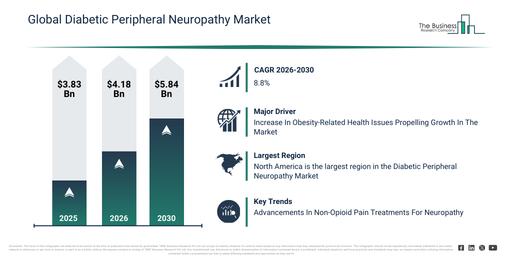
  • Diabetic Peripheral Neuropathy Market Forecast Signals New Revenue Opportunities Through 2030

    Diabetic Peripheral Neuropathy Market Forecast Signals New Revenue Opportunities Through 2030

    Enhanced with market attractiveness analysis, total addressable market evaluation, company benchmarking matrices, interactive Excel dashboards, expanded supply chain intelligence, emerging startup coverage, and detailed product insights, The Business Research Company’s 2026 market reports deliver more actionable and strategically valuable research.

    Diabetic Peripheral Neuropathy Market CAGR Analysis And Future Market Development

    The market for diabetic peripheral neuropathy has experienced robust expansion recently. Projections indicate a rise from $3.83 billion in 2025 to $4.18 billion in 2026, reflecting a compound annual growth rate of 9.0%. Factors contributing to this historical growth include a high prevalence of diabetic nerve damage, delayed medical attention, insufficient knowledge of initial signs, reliance on pain relievers, and a longer duration of diabetes among patients.

    The market for diabetic peripheral neuropathy treatments is poised for considerable expansion in the upcoming years, projecting a valuation of $5.84 billion by 2030, driven by a compound annual growth rate (CAGR) of 8.8%. This anticipated growth during the forecast period is underpinned by advancements in screening methodologies, the proliferation of specialized treatment facilities, the emergence of innovative pain management solutions, enhanced patient awareness initiatives, and a growing demographic of elderly individuals diagnosed with diabetes. Key market dynamics expected to shape this period encompass a burgeoning demand for therapies targeting peripheral neuropathy, a heightened emphasis on the early identification of sensory deficits, the expanding use of multifaceted pain management approaches, a greater inclination towards therapeutic strategies for sustained symptom alleviation, and an increased prevalence of patient screening and ongoing monitoring protocols.

    Download A Free Sample Report For Comprehensive Market Insights:

    https://www.thebusinessresearchcompany.com/sample.aspx?id=21170&type=smp

    Diabetic Peripheral Neuropathy Market Growth Momentum: Which Factors Are Influencing Demand?

    The escalating prevalence of obesity-related health complications is identified as a primary catalyst for the expansion of the diabetic peripheral neuropathy market. This condition, defined by an unhealthy surplus of body fat that can negatively impact health and elevate the risk of chronic illnesses, is seeing increased attention due to heightened public awareness, shifts in lifestyle patterns, and a greater demand for both preventative care and treatment options, thereby intensifying the need for healthcare services. Diabetic peripheral neuropathy plays a significant role in managing obesity by offering crucial information about nerve damage stemming from obesity-related ailments. This intelligence aids in developing focused strategies aimed at enhancing patient health outcomes and overall quality of life. Illustrating this trend, data from the Centers for Disease Control and Prevention (CDC), a United States federal agency focused on public health, revealed that as of 2023, 23 states recorded an adult obesity rate of 35 percent or more, with every state exhibiting an obesity prevalence of at least 20 percent. Consequently, the rise in health problems linked to obesity directly contributes to market growth within the diabetic peripheral neuropathy sector.

    Diabetic Peripheral Neuropathy Market Segment Analysis: What Are The Major Market Categories?

    The diabetic peripheral neuropathy market covered in this report is segmented –

    1) By Disease: Type 2 Diabetic Peripheral Neuropathy, Type 1 Diabetic Peripheral Neuropathy

    2) By Treatment: Pain Management Drugs, Gene Therapies

    3) By Therapy: Antidepressants, Anticonvulsants

    4) By Patient Population: Adult Patients, Geriatric Patients

    Subsegments:

    1) By Type 2 Diabetic Peripheral Neuropathy: Sensory Neuropathy, Motor Neuropathy, Autonomic Neuropathy

    2) By Type 1 Diabetic Peripheral Neuropathy: Distal Symmetric Neuropathy, Mononeuropathy, Polyradiculopathy

    Diabetic Peripheral Neuropathy Market Trends Reshaping Industry Growth

    Within the diabetic peripheral neuropathy market, leading corporations are prioritizing the development of innovative solutions, exemplified by NaV1.8 pain signal inhibitors, aiming to deliver sophisticated, opioid-free therapeutic options that enhance pain alleviation and elevate patient well-being. These inhibitors are specially formulated medications designed to impede the function of the NaV1.8 sodium channel, which plays a crucial role in transmitting pain signals from sensory nerves, thereby offering respite from both acute discomfort and neuropathic pain without the need for opioid intervention. Demonstrating this commitment, Vertex Pharmaceuticals Incorporated, a prominent American biotechnology firm, disclosed significant progress in its suzetrigine pain initiative in April 2024, including the commencement of a Phase 3 pivotal trial targeting pain stemming from diabetic peripheral neuropathy (DPN). Suzetrigine, identified as a selective inhibitor of NaV1.8 pain signals, has previously exhibited encouraging outcomes and was recently granted breakthrough therapy status by the U.S. Food and Drug Administration (FDA) for its potential in managing pain associated with diabetic peripheral neuropathy (DPN).

    Diabetic Peripheral Neuropathy Market Leading Companies Driving Competitive Growth

    Major companies operating in the diabetic peripheral neuropathy market are Pfizer Inc., Merck & Co. Inc., GlaxoSmithKline plc., Eli Lilly and Company, Sun Pharmaceutical Industries Limited, Lupin Pharmaceuticals Inc., Chemie Grünenthal GmbH, Alkem Laboratories Limited, Acorda Therapeutics Inc., NeuroMetrix Inc., Johnson & Johnson, Novartis AG, Teva Pharmaceutical Industries Ltd., Abbott Laboratories, AstraZeneca plc., Bayer AG., UCB SA., Regeneron Pharmaceuticals Inc., Roche., Sanofi S.A., Amgen Inc., Lexicon Pharmaceuticals Inc., Daiichi Sankyo Co. Ltd.

    Access The Complete Diabetic Peripheral Neuropathy Market Report:

    https://www.thebusinessresearchcompany.com/report/diabetic-peripheral-neuropathy-global-market-report

    Diabetic Peripheral Neuropathy Market Geographic Analysis: Where Is Demand Growing The Fastest?

    North Americawas the largest region in the diabetic peripheral neuropathy market in 2025. Asia-Pacificis expected to be the fastest-growing region in the forecast period. The regions covered in the diabetic peripheral neuropathy market report are Asia-Pacific, South East Asia, Western Europe, Eastern Europe, North America, South America, Middle East, Africa.

    Get in touch with us:

    The Business Research Company: https://www.thebusinessresearchcompany.com/

    Americas: +1 310-496-7795

    Asia: +44 7882 955267 & +91 8897263534

    Europe: +44 7882 955267

    Email us at: marketing@tbrc.info

    Follow us on:

    LinkedIn: https://in.linkedin.com/company/the-business-research-company

    YouTube: https://www.youtube.com/channel/UC24_fI0rV8cR5DxlCpgmyFQ

    Global Market Model: https://www.thebusinessresearchcompany.com/global-market-model

  • Diabetic Neuropathy Market Growth Is Accelerating As Industry Transformation Continues

    Diabetic Neuropathy Market Growth Is Accelerating As Industry Transformation Continues

    Through market attractiveness analysis, total addressable market evaluation, company benchmarking matrices, interactive Excel dashboards, expanded supply chain intelligence, emerging startup coverage, and detailed product insights, The Business Research Company’s 2026 market reports provide more actionable and strategically valuable research.

    Diabetic Neuropathy Market Expansion From $6.82 Billion In 2026 To $10.13 Billion In 2030

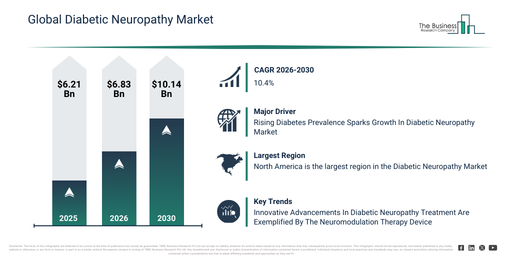
    The market for diabetic neuropathy treatments has experienced significant expansion lately, projecting a rise from $6.21 billion in 2025 to $6.83 billion in 2026, reflecting a compound annual growth rate of 10.0%. This historical growth trajectory is largely attributable to persistent high rates of uncontrolled diabetes, a tendency for delayed identification of nerve damage, a scarcity of definitive treatment avenues, a strong adherence to pain management strategies, and an increasing level of patient distress.

    The market for diabetic neuropathy is poised for considerable expansion over the upcoming years, projecting a rise to $10.14 billion by 2030, driven by a compound annual growth rate (CAGR) of 10.4%. This anticipated growth is fueled by several key factors, including advancements in specialized drug development for neuropathy, the broader availability of early diagnostic instruments, heightened patient screening initiatives, the proliferation of specialized neurology practices, and a growing emphasis on enhancing the quality of life for affected individuals. During this forecast period, significant trends are expected to shape the market, such as a greater utilization of medications targeting neuropathic pain, an intensified focus on identifying nerve damage at its earliest stages, the expansion of therapeutic approaches involving combined drug treatments, an increasing embrace of strategies aimed at managing symptoms, and a rise in patient awareness coupled with higher diagnosis rates.

    Download A Free Sample Report For Comprehensive Market Insights:

    https://www.thebusinessresearchcompany.com/sample.aspx?id=9057&type=smp

    Diabetic Neuropathy Market Expansion Drivers: What Is Shaping Future Growth?

    The increasing incidence of diabetes is anticipated to fuel the expansion of the diabetic neuropathy market. This chronic condition, characterized by the body’s inability to properly metabolize and retain glucose, arises from either insufficient insulin production or impaired insulin utilization. Diabetic neuropathy, a consequence of diabetes, manifests as nerve damage leading to a variety of symptoms. The International Diabetes Federation, an international entity comprised of national diabetes associations headquartered in Belgium, reported in April 2025 that approximately 589 million adults between the ages of 20 and 79 globally had diabetes, with projections indicating this figure will climb to 853 million by 2050. Consequently, the surge in diabetes cases is a primary driver for the burgeoning diabetic neuropathy market.

    Diabetic Neuropathy Market Segment Breakdown: Which Categories Generate The Most Revenue?

    The diabetic neuropathy market covered in this report is segmented –

    1) By Disorder: Peripheral Neuropathy, Autonomic Neuropathy, Proximal Neuropathy, Focal Neuropathy

    2) By Drug Class: Analgesics, Anti-Depressants, Anti-Convulsants, Other Drug Classes

    3) By Treatment: Drug Treatment, Radiotherapy, Physiotherapy, Other Treatments

    4) By Distribution Channel: Online Distribution, Offline Distribution

    5) By End-User: Hospitals, Specialty Clinics, Other End-Users

    Subsegments:

    1) By Peripheral Neuropathy: Distal Symmetric Neuropathy, Mononeuropathy, Polyneuropathy

    2) By Autonomic Neuropathy: Cardiovascular Autonomic Neuropathy, Gastrointestinal Autonomic Neuropathy, Genitourinary Autonomic Neuropathy

    3) By Proximal Neuropathy: Diabetic Amyotrophy, Lumbosacral Plexus Neuropathy

    4) By Focal Neuropathy: Cranial Neuropathy, Cervical Radiculopathy

    Diabetic Neuropathy Market Strategic Trends: What Is Defining The Next Phase Of Growth?

    In the realm of the diabetic neuropathy market, key players are actively introducing cutting-edge solutions like neuromodulation therapy devices aimed at improving treatment outcomes for individuals experiencing the persistent discomfort of diabetic neuropathy. These sophisticated devices provide a less intrusive approach to managing diabetic neuropathy by influencing nerve signals to alleviate pain, restore nerve function, and facilitate recovery in those with nerve damage due to diabetes. A notable development occurred in January 2024 when Neuralace Medical, Inc., a US entity focused on non-pharmacological pain relief, secured FDA clearance for its Axon Therapy, specifically targeting chronic painful diabetic neuropathy. The Axon Therapy system is purposed for handling chronic painful diabetic neuropathy (CPDN), employing neuromodulation strategies to offer pain relief for this condition, which represents a considerable stride in managing the pain associated with diabetic neuropathy. This authorization highlights the therapy’s reliability and effectiveness, paving the way for Neuralace to proceed with market introduction and broaden the availability of successful therapeutic interventions for individuals grappling with CPDN.

    Diabetic Neuropathy Market Key Players And Strategic Industry Positioning

    Major companies operating in the diabetic neuropathy market are Pfizer Inc., Eli Lilly and Company, Daiichi Sankyo Company Limited, Johnson & Johnson, Depomed Inc., F. Hoffmann-La Roche AG, NeuroMetrix Inc, Lupin Limited, Novartis AG, Boehringer Ingelheim, Regenacy Pharmaceuticals Inc., Merck & Co. Inc., Sanofi S.A., Teva Pharmaceutical Industries Ltd., AstraZeneca plc, Bayer AG, Bristol-Myers Squibb Company, Merck KGaA, Novo Nordisk A/S, Takeda Pharmaceutical Company Limited, Zydus Cadila, Genentech Inc.

    Access The Complete Diabetic Neuropathy Market Report:

    https://www.thebusinessresearchcompany.com/report/diabetic-neuropathy-global-market-report

    Diabetic Neuropathy Market Global Footprint: Which Region Holds Market Leadership?

    North Americawas the largest region in the diabetic neuropathy market in 2025. Asia-Pacificis expected to be the fastest-growing region in the diabetic neuropathy market during the forecast period. The regions covered in the diabetic neuropathy market report are Asia-Pacific, South East Asia, Western Europe, Eastern Europe, North America, South America, Middle East, Africa.

    Get in touch with us:

    The Business Research Company: https://www.thebusinessresearchcompany.com/

    Americas: +1 310-496-7795

    Asia: +44 7882 955267 & +91 8897263534

    Europe: +44 7882 955267

    Email us at: marketing@tbrc.info

    Follow us on:

    LinkedIn: https://in.linkedin.com/company/the-business-research-company

    YouTube: https://www.youtube.com/channel/UC24_fI0rV8cR5DxlCpgmyFQ

    Global Market Model: https://www.thebusinessresearchcompany.com/global-market-model