Month: June 2026

  • Cardiology Electronic Health Record (EHR) Market Trends Are Creating New Opportunities For Industry Leaders

    Cardiology Electronic Health Record (EHR) Market Trends Are Creating New Opportunities For Industry Leaders

    Through market attractiveness analysis, total addressable market evaluation, company benchmarking matrices, interactive Excel dashboards, expanded supply chain intelligence, emerging startup coverage, and detailed product insights, The Business Research Company’s 2026 market reports provide more actionable and strategically valuable research.

    Cardiology Electronic Health Record (EHR) Market Forecast: What Market Value Is Expected By 2030?

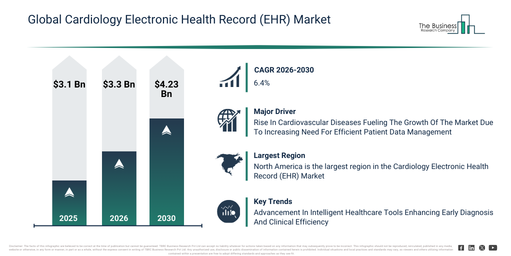
    The market for cardiology electronic health records (EHR) has witnessed substantial expansion lately, projecting a rise from $3.1 billion in 2025 to $3.3 billion in 2026, fueled by a compound annual growth rate of 6.5%. This upward trajectory during the past period is largely due to the increasing digitalization of hospital documentation, a growing incidence of heart conditions, greater acceptance of EHR systems tailored for specialized medical fields, government initiatives promoting electronic health data, and the broadening of healthcare IT infrastructure.

    The market for cardiology electronic health records (EHRs) is poised for substantial expansion in the upcoming years, projected to reach $4.23 billion by 2030, driven by a compound annual growth rate (CAGR) of 6.4%. This anticipated growth stems from several key factors including the escalating implementation of predictive analytics within cardiac care, increased investment in cloud-based healthcare solutions, a heightened demand for the integration of remote cardiac monitoring, the broader adoption of value-based healthcare frameworks, and a growing emphasis on improving clinical outcomes through data analysis. During this forecast period, significant market trends are expected to emerge, such as a greater acceptance of cloud-based cardiology EHR platforms, increased integration of Artificial Intelligence for cardiac decision support, a growing need for health data systems capable of interoperability, the expanded use of structured data analytics for cardiovascular information, and a sharpened focus on automating workflows within cardiology departments.

    Download A Free Sample Report For Comprehensive Market Insights:

    https://www.thebusinessresearchcompany.com/sample.aspx?id=27237&type=smp

    #Cardiology Electronic Health Record (EHR) Market Growth Drivers And Industry Catalysts

    The escalating prevalence of cardiovascular ailments is poised to significantly fuel the expansion of the cardiology electronic health record (EHR) market. These conditions, which affect the heart and circulatory system, commonly result in serious health events like myocardial infarction, cerebrovascular accidents, and various other vascular dysfunctions. The observed increase in cardiovascular diseases is largely attributable to more sedentary living habits, which contribute to weight accumulation, hypertension, and a gradual decline in cardiac efficiency. Cardiology EHR systems offer considerable advantages in managing these conditions by enabling healthcare professionals to retrieve and review patient data instantaneously, thereby facilitating faster diagnostic processes, personalized therapeutic strategies, and enhanced ongoing management for cardiac concerns. Illustratively, the Centers for Disease Control and Prevention (CDC), a governmental body in the United States, reported that in 2023, approximately 919,032 fatalities in the U.S. were linked to cardiovascular diseases, underscoring the substantial public health burden and consequently reinforcing the upward trajectory of the cardiology EHR market.

    Cardiology Electronic Health Record (EHR) Market Segment Analysis: What Are The Major Market Categories?

    The cardiology electronic health record (ehr) market covered in this report is segmented –

    1) By Product: Web Or Cloud-Based Electronic Health Record (EHR), On-Premise Electronic Health Record (EHR)

    2) By Business Model: Licensed Software, Technology Resale, Subscriptions, Professional Services, Other Business Models

    3) By End Use: Hospital, Ambulatory Surgical Centers, Other End Uses

    Subsegments:

    1) By Web Or Cloud-Based Electronic Health Record (EHR): Subscription-Based EHR, Customizable EHR, Mobile EHR Solutions

    2) By On-Premise Electronic Health Record (EHR): Licensed Software, Integrated EHR Systems, Standalone EHR Applications

    #Cardiology Electronic Health Record (EHR) Market Trends Influencing Long-Term Demand

    Leading firms within the electronic health record (EHR) sector are directing their efforts toward the creation of sophisticated capabilities, including artificial intelligence (AI) driven tools, aimed at delivering more intelligent results and enhanced adaptability in fluctuating conditions. AI-driven capabilities function as systems that employ machine intelligence algorithms to analyze data, formulate evidence-based judgments, and execute functions typically requiring human intellect. By way of illustration, in the month of July in the year 2024, Intrahealth, an organization based in the United States without a profit motive, unveiled a unified AI-driven co-pilot specifically designed for cardiologists. This AI-driven co-pilot for medical specialists signifies a considerable step forward in healthcare innovation. By incorporating the detection of cardiovascular diseases, it empowers cardiologists to pinpoint patients at elevated risk sooner, thereby contributing to better health results and a decrease in healthcare expenditures. Its incorporation with Intrahealth’s Profile EHR guarantees worldwide availability of this cutting-edge instrument. The substantial volume of information generated through its deployment further aids in the continuous improvement and optimization of its effectiveness.

    Cardiology Electronic Health Record (EHR) Market Leading Companies Driving Competitive Growth

    Major companies operating in the cardiology electronic health record (ehr) market are Oracle Corp., GE Healthcare Technologies Inc., Henry Schein Inc., Epic Systems Corporation, Athenahealth Inc., eClinicalWorks LLC, Veradigm LLC, Greenway Health LLC, Tebra Technologies Inc., AdvancedMD Inc., CureMD Inc., CareCloud Inc., Practice Fusion Inc., DrChrono, Azalea Health Co., Sevocity, Praxis EMR, EncounterWorks, ReLi Med Solutions LLC, ProEmTech Infosystems Pvt. Ltd.

    Access The Complete Cardiology Electronic Health Record (EHR) Market Report:

    https://www.thebusinessresearchcompany.com/report/cardiology-electronic-health-record-ehr-global-market-report

    Cardiology Electronic Health Record (EHR) Market Geographic Analysis: Where Is Demand Growing The Fastest?

    North Americawas the largest region in the cardiology electronic health record (EHR) market in 2025. Asia-Pacificis expected to be the fastest-growing region in the forecast period. The regions covered in the cardiology electronic health record (ehr) market report are Asia-Pacific, South East Asia, Western Europe, Eastern Europe, North America, South America, Middle East, Africa.

    Get in touch with us:

    The Business Research Company: https://www.thebusinessresearchcompany.com/

    Americas: +1 310-496-7795

    Asia: +44 7882 955267 & +91 8897263534

    Europe: +44 7882 955267

    Email us at: marketing@tbrc.info

    Follow us on:

    LinkedIn: https://in.linkedin.com/company/the-business-research-company

    YouTube: https://www.youtube.com/channel/UC24_fI0rV8cR5DxlCpgmyFQ

    Global Market Model: https://www.thebusinessresearchcompany.com/global-market-model
  • Cardiogenomics Market Growth Is Reshaping Competitive Advantage Across The Industry

    Cardiogenomics Market Growth Is Reshaping Competitive Advantage Across The Industry

    Delivering more actionable and strategically valuable research, The Business Research Company’s 2026 market reports feature market attractiveness analysis, total addressable market evaluation, company benchmarking matrices, interactive Excel dashboards, expanded supply chain intelligence, emerging startup coverage, and detailed product insights.

    Cardiogenomics Market Size Outlook: How Fast Will Revenue Grow Through 2030?

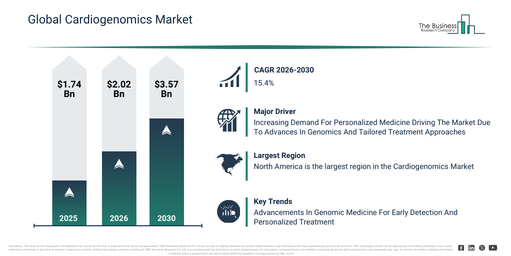
    The cardiogenomics industry has witnessed substantial expansion lately, projecting a rise from $1.74 billion in 2025 to $2.02 billion in 2026, fueled by a compound annual growth rate of 15.7%. Factors contributing to this historical expansion include the escalating incidence of heart ailments, groundbreaking progress in genetic analysis tools, increased investment in cardiovascular genomic studies, broader accessibility to molecular diagnostic methods, and heightened public understanding of hereditary cardiac issues.

    The cardiogenomics market is poised for substantial expansion over the coming years, projected to reach a valuation of $3.57 billion by 2030 with a compound annual growth rate of 15.4%. This anticipated growth is fueled by several key drivers, including a heightened demand for individualized cardiac care, the broadening scope of precision medicine efforts, escalating investments in genomic research, the increasing utilization of artificial intelligence for genomic analysis, and a greater incorporation of genomics into the standard practice of cardiology. Key developments anticipated during this forecast period encompass a greater embrace of genetic risk assessment within cardiology, a surge in the application of next-generation sequencing for investigating heart conditions, enhanced integration of bioinformatics tools, the development of more tailored cardiovascular treatment strategies, and an amplified emphasis on proactive genomic screening.

    Download A Free Sample Report For Comprehensive Market Insights:

    https://www.thebusinessresearchcompany.com/sample.aspx?id=28156&type=smp

    Cardiogenomics Market Opportunity Drivers: What Is Creating New Revenue Potential?

    The expansion of the cardiogenomics sector is anticipated to be significantly influenced by the growing need for personalized medical care. This approach to healthcare customizes preventative measures, diagnostic processes, and therapeutic interventions based on an individual’s genetic makeup, environmental exposures, and lifestyle choices. Progress in genomics fuels the adoption of personalized medicine, fostering a more profound comprehension of genetic differences among individuals and paving the way for treatments that are not only more accurate and targeted but also enhance patient results while minimizing the guesswork in therapeutic strategies. Cardiogenomics contributes to this trend by leveraging genetic information to customize the prevention, diagnosis, and treatment of cardiovascular ailments according to each person’s distinct genetic blueprint. Illustratively, in February 2024, data from the Personalized Medicine Coalition, a U.S.-based nonprofit, indicated that in 2023, the FDA authorized 16 novel personalized therapies for individuals with rare diseases, a notable increase from the six approvals seen in 2022. These recently authorized personalized treatments for 2023 further encompass seven oncology medications and three for various other ailments and conditions. Consequently, the rising demand for personalized medicine is acting as a key catalyst for the growth observed in the cardiogenomics market.

    Cardiogenomics Market Segment Breakdown: Which Categories Generate The Most Revenue?

    The cardiogenomics market covered in this report is segmented –

    1) By Product Type: Testing Kits, Reagents, Instruments, Software, Services

    2) By Technology: Next-Generation Sequencing, Polymerase Chain Reaction, Microarray, Other Technologies

    3) By Application: Congenital Heart Diseases, Cardiomyopathies, Arrhythmias, Coronary Artery Disease, Other Applications

    4) By End-User: Hospitals And Clinics, Diagnostic Laboratories, Research Institutes, Other End-Users

    Subsegments:

    1) By Testing Kits: PCR (Polymerase Chain Reaction) kits, Microarray kits, NGS (Next Generation Sequencing) kits

    2) By Reagents: Enzymes, Probes, Buffers

    3) By Instruments: Sequencers, Genotyping instruments, Microarray Scanners

    4) By Software: Data Analysis Software, Reporting Platforms, Bioinformatics Tools

    5) By Services: Genetic Testing Services, Counseling Services, Data Analysis Services

    Cardiogenomics Market Innovation Trends Driving Future Development

    Leading players within the cardiogenomics sector are prioritizing the creation of novel approaches, including oncogenomics, aimed at improving the early identification and tailored treatment strategies for cancers associated with the heart. Oncogenomics, as a discipline, involves the investigation of genes implicated in cancer and their associated changes, with the goal of comprehending how cancer emerges and progresses, and subsequently devising therapies that are precisely targeted and individualized. A notable development in this area occurred in April of 2025 when Fortis Healthcare Ltd., an Indian healthcare provider, established the Fortis Institute of Genomic Medicine in India, dedicated to furthering genetic research and the practice of personalized medicine. This initiative is designed to revolutionize patient care by facilitating the prompt detection of diseases, ensuring accurate diagnoses, and providing individualized treatment plans across various medical fields, including oncology, cardiology, and neurology. It facilitates the implementation of therapies directed at specific targets, thereby enhancing treatment effectiveness and contributing to the prevention of inherited disorders. The fundamental objective of this institute is to propel the field of precision medicine forward through the collaborative efforts of a diverse team and the deployment of cutting-edge technologies, ultimately rendering healthcare more customized and impactful for individuals in India.

    Cardiogenomics Market Key Players And Strategic Industry Positioning

    Major companies operating in the cardiogenomics market are Thermo Fisher Scientific Inc., Laboratory Corporation of America Holdings (Labcorp), Quest Diagnostics Incorporated, Illumina Inc., QIAGEN N.V., Myriad Genetics Inc., ARUP Laboratories, BGI Genomics Co. Ltd., Invitae Corporation, GeneDx Inc., Helix OpCo LLC, SOPHiA GENETICS SA, Baylor Genetics, Blueprint Genetics, Novogenia GmbH, Veritas Genetics, Dante Genomics, Gene by Gene Ltd., GENinCode Plc., UAB Cardiogenomics Clinic

    Access The Complete Cardiogenomics Market Report:

    https://www.thebusinessresearchcompany.com/report/cardiogenomics-global-market-report

    Cardiogenomics Market Global Footprint: Which Region Holds Market Leadership?

    North Americawas the largest region in the cardiogenomics market in 2025. Asia-Pacific is expected to be the fastest-growing region in the forecast period. The regions covered in the cardiogenomics market report are Asia-Pacific, South East Asia, Western Europe, Eastern Europe, North America, South America, Middle East, Africa.

    Get in touch with us:

    The Business Research Company: https://www.thebusinessresearchcompany.com/

    Americas: +1 310-496-7795

    Asia: +44 7882 955267 & +91 8897263534

    Europe: +44 7882 955267

    Email us at: marketing@tbrc.info

    Follow us on:

    LinkedIn: https://in.linkedin.com/company/the-business-research-company

    YouTube: https://www.youtube.com/channel/UC24_fI0rV8cR5DxlCpgmyFQ

    Global Market Model: https://www.thebusinessresearchcompany.com/global-market-model
  • Cardiac Troponin Market Forecast Signals New Revenue Opportunities Through 2030

    Cardiac Troponin Market Forecast Signals New Revenue Opportunities Through 2030

    Enhanced with market attractiveness analysis, total addressable market evaluation, company benchmarking matrices, interactive Excel dashboards, expanded supply chain intelligence, emerging startup coverage, and detailed product insights, The Business Research Company’s 2026 market reports deliver more actionable and strategically valuable research.

    Cardiac Troponin Market Size, Value And Growth Trends Through 2030

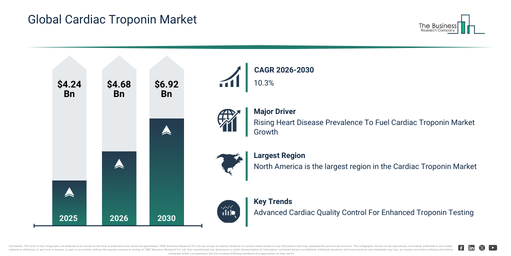
    The market for cardiac troponin diagnostics experienced significant expansion, projected to increase from $4.24 billion in 2025 to $4.68 billion in 2026, reflecting a compound annual growth rate (CAGR) of 10.4%. This notable growth during the past period was underpinned by a rising incidence of acute coronary syndromes, the broadening availability of emergency cardiac care, an increased reliance on biomarker-based diagnostic approaches, enhanced precision in laboratory testing, and the development of hospital diagnostic capabilities.

    The market for cardiac troponin diagnostics is poised for substantial expansion, projected to reach an impressive $6.92 billion by the year 2030, and advancing at a compound annual growth rate of 10.3%. This anticipated surge is fueled by several key factors, including a heightened need for swift cardiac condition assessments, a greater embrace of testing outside traditional lab settings, the increasing prevalence of cardiac monitoring within individuals’ homes, the growing application of artificial intelligence to aid in diagnostic interpretations, and a stronger emphasis on initiating treatment promptly. Throughout this projection period, significant trends are expected to shape the landscape, such as the broader acceptance of troponin tests that offer greater sensitivity, a rise in cardiac testing at the point of care, deeper integration of automated systems in laboratories, the wider implementation of rapid diagnostic protocols for confirming or excluding cardiac events, and an intensified effort toward the early identification of cardiac damage.

    Download A Free Sample Report For Comprehensive Market Insights:

    https://www.thebusinessresearchcompany.com/sample.aspx?id=18986&type=smp

    Cardiac Troponin Market Growth Momentum: Which Factors Are Influencing Demand?

    A surge in cardiac ailments is anticipated to fuel the expansion of the cardiac troponin market. These heart conditions manifest as various cardiovascular diseases, such as coronary artery disease, heart failure, arrhythmias, and congenital heart defects, all of which impact the heart’s physical makeup and operational capacity. Factors like an aging global population, lack of physical activity, unhealthy eating patterns, and escalating rates of obesity and high blood pressure contribute to the growing incidence of these heart issues. Cardiac troponin plays a vital diagnostic role, acting as an extremely sensitive indicator for identifying damage to heart muscle, especially during heart attacks and other cardiac emergencies. Illustrating this point, as of October 2024, the Centers for Disease Control and Prevention reported that in 2023, cardiovascular disease accounted for 919,032 fatalities in the US, representing one out of every three deaths. Consequently, the escalating occurrence of heart-related conditions will serve as a primary driver for the cardiac troponin market’s advancement.

    Cardiac Troponin Market Segmentation: How Is The Market Structured Across Key Categories?

    The cardiac troponin market covered in this report is segmented –

    1) By Type: Troponin I, Troponin T

    2) By Location Of Testing: Laboratory Setting, Point Of Care (Poc) Testing

    3) By Application: Acute Coronary Syndrome, Myocardial Infraction

    4) By End User: Hospitals, Diagnostic Centers

    Subsegments:

    1) By Troponin I: Conventional Cardiac Troponin I (cTnI), High-Sensitivity Cardiac Troponin I (hs-cTnI)

    2) By Troponin T: Conventional Cardiac Troponin T (cTnT), High-Sensitivity Cardiac Troponin T (hs-cTnT)

    Cardiac Troponin Market Trends Reshaping Industry Growth

    Key players within the cardiac troponin market are prioritizing technological advancements, exemplified by the implementation of human serum-based quality control. This strategy is designed to enhance the precision and dependability of high-sensitivity troponin assays through the provision of multi-analyte controls. The utilization of human serum with established troponin levels in quality control procedures for cardiac troponin testing serves to validate assay performance, thereby guaranteeing accuracy and reliability. Illustrating this point, Bio-Rad Laboratories, Inc., a biotechnology research firm headquartered in the United States, launched Cardiac Advance in May 2023. This product is a comprehensive, four-level quality control solution that incorporates multiple analytes and has been specifically developed for high-sensitivity troponin analyses. These liquid controls, based on human serum, are conveniently packaged in InteliQ 3-mL tubes, standard Liquichek 3-mL containers, and 2.5-mL compact vials. The controls encompass ten distinct cardiac analytes, such as troponin, CK-MB, BNP/proBNP, and myoglobin, and are engineered for seamless integration with testing systems from Siemens and Roche. These offerings are accessible to customers in the United States, Europe, and various Asian territories.

    Cardiac Troponin Market Competitive Landscape And Leading Companies

    Major companies operating in the cardiac troponin market are F. Hoffmann-La Roche Ltd, Thermo Fisher Scientific Inc., Abbott Laboratories, Siemens Healthineers AG, Becton Dickinson and Company, Laboratory Corporation of America Holdings (Labcorp), bioMérieux SA, Beckman Coulter Inc., QuidelOrtho Corporation, Sysmex Corporation, Bio-Rad Laboratories Inc., Shenzhen Mindray Bio-Medical Electronics Co. Ltd., Radiometer Medical ApS, Randox Laboratories Ltd., Fujirebio Diagnostics Inc., Meso Scale Diagnostics LLC., Singulex Inc., Diazyme Laboratories Inc., Response Biomedical Corporation, Eurolyser Diagnostica GmbH, LifeSign LLC

    Access The Complete Cardiac Troponin Market Report:

    https://www.thebusinessresearchcompany.com/report/cardiac-troponin-global-market-report

    Cardiac Troponin Market Regional Distribution: Which Areas Drive Market Expansion?

    North Americawas the largest region in the cardiac troponin market in 2025. Asia-Pacificis expected to be the fastest-growing region in the forecast period. The regions covered in the cardiac troponin market report are Asia-Pacific, South East Asia, Western Europe, Eastern Europe, North America, South America, Middle East, Africa.

    Get in touch with us:

    The Business Research Company: https://www.thebusinessresearchcompany.com/

    Americas: +1 310-496-7795

    Asia: +44 7882 955267 & +91 8897263534

    Europe: +44 7882 955267

    Email us at: marketing@tbrc.info

    Follow us on:

    LinkedIn: https://in.linkedin.com/company/the-business-research-company

    YouTube: https://www.youtube.com/channel/UC24_fI0rV8cR5DxlCpgmyFQ

    Global Market Model: https://www.thebusinessresearchcompany.com/global-market-model
  • Cardiac Tissue Engineering Market Growth Is Accelerating As Industry Transformation Continues

    Cardiac Tissue Engineering Market Growth Is Accelerating As Industry Transformation Continues

    Through market attractiveness analysis, total addressable market evaluation, company benchmarking matrices, interactive Excel dashboards, expanded supply chain intelligence, emerging startup coverage, and detailed product insights, The Business Research Company’s 2026 market reports provide more actionable and strategically valuable research.

    Cardiac Tissue Engineering Market CAGR Analysis And Future Market Development

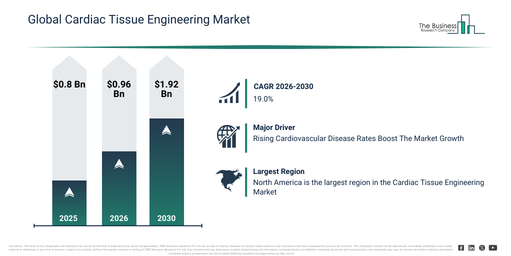
    The realm of cardiac tissue engineering has witnessed considerable expansion lately, with projections indicating continued robust growth. Specifically, the market is anticipated to expand from a valuation of $0.8 billion in 2025 to $0.96 billion by the following year, 2026, reflecting a compound annual growth rate (CAGR) of 19.4%. This upward trajectory observed historically has been propelled by several key factors, including significant progress in stem cell research, a rising incidence of cardiovascular ailments, the broadening scope of translational research initiatives focused on the heart, the accessibility of sophisticated biomaterials, and a flourishing of partnerships between academic institutions and industry players.

    The domain of cardiac tissue engineering is poised for substantial expansion over the upcoming years, projecting a market valuation of $1.92 billion by the year 2030, fueled by a compound annual growth rate (CAGR) of 19.0%. This projected expansion is underpinned by several key drivers, including escalating investments in regenerative medicine, a growing need for substitutes for transplantable cardiac tissues, the broader implementation of individualized cardiac treatments, the increasing successful transition of engineered tissues from the laboratory to clinical applications, and continuous improvements in biofabrication methodologies. During this forecast period, several significant trends are expected to shape the market, such as the heightened development of cardiac valves created through tissue engineering, an increased utilization of therapies for the heart that are based on stem cells, a greater acceptance of sophisticated biomaterial frameworks, the wider application of regenerative strategies for repairing heart muscle, and a more pronounced emphasis on ensuring the functional maturity of engineered tissues.

    Download A Free Sample Report For Comprehensive Market Insights:

    https://www.thebusinessresearchcompany.com/sample.aspx?id=21129&type=smp

    Cardiac Tissue Engineering Market Expansion Drivers: What Is Shaping Future Growth?

    The escalating prevalence of heart conditions is anticipated to significantly boost the cardiac tissue engineering sector. Cardiac tissue engineering involves the creation of biological or bioartificial structures aimed at repairing, regenerating, or substituting compromised heart tissue. This surge in cardiovascular ailments is largely attributable to lifestyle factors such as inadequate nutrition, lack of physical activity, tobacco use, and escalating rates of obesity and diabetes. Within the context of cardiovascular diseases, cardiac tissue engineering contributes by developing biomaterials, cell therapies, and engineered tissues designed to mend or regrow damaged cardiac muscle and reinstate heart functionality. For illustration, data from the Centers for Disease Control and Prevention indicated that in May 2023, the proportion of coronary heart disease among adult women in the United States aged 18 and above saw a marginal rise to 3.7%, up from 3.6% in the preceding year. Consequently, the increasing occurrence of cardiovascular diseases acts as a primary catalyst for the expansion of the cardiac tissue engineering market.

    Increasing outlays on healthcare are projected to be a significant catalyst for the advancement of the cardiac tissue engineering market. This growth in healthcare spending encompasses the comprehensive financial investments made across all levels for health-related services and innovations. The upward trend in these expenditures is fueled by rapid medical advancements, where pioneering diagnostic methods, therapeutic interventions, and novel treatments frequently entail substantial costs, thus elevating overall health sector outlays. Enhanced healthcare budgets positively influence cardiac tissue engineering by providing crucial financial backing for extensive research endeavors, rigorous clinical trials, the establishment of necessary infrastructure, and the broader integration of groundbreaking regenerative cardiac treatments. As an indicative example, the Centers for Medicare & Medicaid Services reported in December 2024 that U.S. healthcare expenditures experienced a 7.5% increase in 2023, reaching a total of $4.9 trillion, which equates to approximately $14,570 per person. Therefore, the escalating healthcare expenditure is a key driver propelling the growth of the cardiac tissue engineering market.

    Cardiac Tissue Engineering Market Segmentation Trends And Revenue Drivers

    The cardiac tissue engineering market covered in this report is segmented –

    1) By Product: Heart Valves, Vascular Grafts

    2) By Material: Stem Cells, Scaffolds

    3) By Application: Myocardial Infarction, Heart Valve Repair Or Replacement, Congenital Heart Disease Treatment, Other Applications

    4) By End Users: Hospitals And Clinics, Academic And Research Institutes, Other End Users

    Subsegments:

    1) By Heart Valves: Bioprosthetic Heart Valves, Tissue-Engineered Heart Valves

    2) By Vascular Grafts: Biologic Vascular Grafts, Tissue-Engineered Vascular Grafts

    #Cardiac Tissue Engineering Market Industry Leaders: Which Organizations Are Driving Competition?

    Major companies operating in the cardiac tissue engineering market are Xeltis AG, Humacyte Inc., Carmat S.A., Artivion Inc., Tissue Regenix Group plc, Cytograft Tissue Engineering Inc., BioCardia Inc., Bioheart Inc., Cardio3 Biosciences, Osiris Therapeutics Inc., StemCells Inc., CorMatrix Cardiovascular Inc., Vascugen Inc., CellProthera S.A., Myocardial Solutions Inc., Vericel Corporation, Lineage Cell Therapeutics Inc., Pluristem Therapeutics Inc., Reva Medical Inc., SynCardia Systems Inc.

    Access The Complete Cardiac Tissue Engineering Market Report:

    https://www.thebusinessresearchcompany.com/report/cardiac-tissue-engineering-global-market-report

    Cardiac Tissue Engineering Market Leading Geography: Which Region Generates The Most Revenue?

    North Americawas the largest region in the cardiac tissue engineering market in 2025. The regions covered in the cardiac tissue engineering market report are Asia-Pacific, South East Asia, Western Europe, Eastern Europe, North America, South America, Middle East, Africa.

    Get in touch with us:

    The Business Research Company: https://www.thebusinessresearchcompany.com/

    Americas: +1 310-496-7795

    Asia: +44 7882 955267 & +91 8897263534

    Europe: +44 7882 955267

    Email us at: marketing@tbrc.info

    Follow us on:

    LinkedIn: https://in.linkedin.com/company/the-business-research-company

    YouTube: https://www.youtube.com/channel/UC24_fI0rV8cR5DxlCpgmyFQ

    Global Market Model: https://www.thebusinessresearchcompany.com/global-market-model
  • Cardiac Safety Services Market Outlook Highlights The Next Major Growth Opportunities

    Cardiac Safety Services Market Outlook Highlights The Next Major Growth Opportunities

    Delivering more actionable and strategically valuable research, The Business Research Company’s 2026 market reports feature market attractiveness analysis, total addressable market evaluation, company benchmarking matrices, interactive Excel dashboards, expanded supply chain intelligence, emerging startup coverage, and detailed product insights.

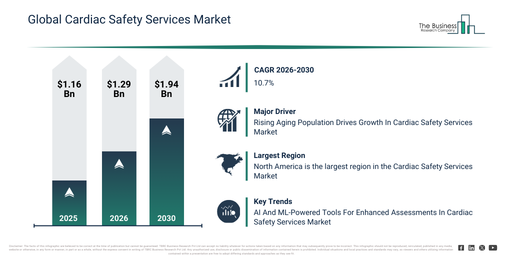
    Cardiac Safety Services Market Expansion From $1.28 Billion In 2026 To $1.93 Billion In 2030

    The market for cardiac safety services has experienced significant expansion lately, projecting a rise from $1.16 billion in 2025 to $1.29 billion by 2026, fueled by a compound annual growth rate of 10.6%. This upward trajectory in the past is largely due to the growing intricacies of clinical trial designs, heightened governmental oversight concerning cardiac safety, an uptick in pre-clinical drug development, escalating worries about cardiotoxicity induced by medications, and a greater reliance on expert third-party service providers.

    The market for cardiac safety services is poised for significant expansion, projected to reach $1.94 billion by 2030, reflecting a compound annual growth rate of 10.7% over the forthcoming years. This upward trajectory is fueled by several key factors, including a greater need for comprehensive cardiac safety platforms, the increasing embrace of remote patient monitoring solutions, the proliferation of decentralized clinical trials, a heightened emphasis on predictive analytics for cardiac safety, and augmented investments in sophisticated cardiac biomarkers. Critical developments anticipated during this forecast period involve a more widespread adoption of centralized ECG monitoring services, a surge in the demand for real-time telemetry within clinical trials, expanded utilization of advanced cardiac imaging for drug safety evaluations, a broadening scope of thorough QT study prerequisites, and a more concentrated effort on assessing cardiac risks during the early phases of drug development.

    Download A Free Sample Report For Comprehensive Market Insights:

    https://www.thebusinessresearchcompany.com/sample.aspx?id=10137&type=smp

    Cardiac Safety Services Market Development Factors: Which Trends Are Supporting Demand?

    The expanding demographic of older individuals is poised to be a significant catalyst for the expansion of the cardiac safety services sector in the future. This phenomenon of an aging population, characterized by a rising average age resulting from decreased birth rates and extended lifespans, directly correlates with an increased prevalence of cardiovascular ailments. Consequently, this surge in heart conditions escalates the need for specialized cardiac safety services. The elderly population often necessitates tailored care and diligent management of age-related health issues within cardiac intensive care settings, areas where cardiac safety services can offer substantial advantages. To illustrate the magnitude of this demographic shift, consider the projections from the Population Reference Bureau in January 2024: the number of Americans aged 65 and above is anticipated to climb from 58 million in 2022 to reach 82 million by 2050, representing a notable 47% surge. Furthermore, this age cohort’s proportion within the total populace is forecasted to grow from 17% to 23% over the identical timeframe. In essence, the increasing proportion of elderly individuals in the population is a fundamental driver behind the burgeoning cardiac safety services market.

    Cardiac Safety Services Market Segment Analysis Highlighting Growth Areas

    The cardiac safety services market covered in this report is segmented –

    1) By Services: ECG Or Holter Measurements, Blood Pressure Measurements, In Vitro Cardiac Safety Assessment Services, Cardiovascular Imaging, Real-Time Telemetry Monitoring, Central Over-Read Of ECGS, Non-Invasive Cardiac Imaging, Physiologic Stress Testing, Thorough QT Studies

    2) By Phase: Phase 1, Phase 2, Phase 3

    3) By End User: Pharmaceutical And Biopharmaceutical Companies, Contract Research Organizations, Academic and Research Institute

    Subsegments:

    1) By ECG Or Holter Measurements: Standard ECG Monitoring, 24-Hour Holter Monitoring, Event Monitoring

    2) By Blood Pressure Measurements: Continuous Blood Pressure Monitoring, Ambulatory Blood Pressure Monitoring, In-Hospital Blood Pressure Measurements

    3) By In Vitro Cardiac Safety Assessment Services: Cardiomyocyte Toxicity Testing, Cardiac Ion Channel Testing, Mechanistic Studies

    4) By Cardiovascular Imaging: Echocardiography, MRI Imaging, CT Angiography

    5) By Real-Time Telemetry Monitoring: Remote Patient Monitoring, Continuous Telemetry Services

    6) By Central Over-Read Of ECGs: ECG Interpretation Services, Quality Control And Reporting

    7) By Non-Invasive Cardiac Imaging: Stress Testing, Nuclear Cardiology

    8) By Physiologic Stress Testing: Exercise Stress Testing, Pharmacologic Stress Testing

    9) By Thorough QT Studies: Clinical Trial Services, Safety Assessments For Drug Development

    Cardiac Safety Services Market Transformation Trends: Which Innovations Are Driving Change?

    Established players within the cardiac safety services arena are actively pursuing innovation by introducing advanced offerings, notably artificial intelligence (AI) and machine learning (ML) driven cardiac safety instruments, thereby solidifying their market standing. These sophisticated instruments leverage electrocardiogram (ECG) data to furnish comprehensive insights into the collected continuous ECG readings, discerning their quality. The AI and ML algorithms are meticulously trained on extensive ECG data repositories to ensure precise and dependable outcomes. As an illustration, Clario, a prominent US healthcare entity, unveiled its novel AI-powered ECG quality scoring instrument in November 2023, specifically designed to elevate cardiac safety evaluations. This tool employs a distinctive blend of machine learning and artificial intelligence to optimize the caliber of cardiac safety data. Consequently, sponsors can capitalize on this actionable intelligence, enabling timely interventions for data correction and instilling confidence in data integrity. The AI tool serves to augment Clario’s industry-leading EPQT early phase solution, potentially obviating the necessity for customary TQT investigations.

    Cardiac Safety Services Market Leading Companies: Who Holds Significant Market Presence?

    Major companies operating in the cardiac safety services market are Laboratory Corporation of America Holdings, Banook Group Limited, Pharmaceutical Product Development LLC, Biotrial S.A., Certara Inc., Celerion Inc., Medpace Holdings Inc., Ncardia AG, Richmond Pharmacology Limited, SGS Société Générale de Surveillance SA, Clario, Eurofins Scientific SE, Spaulding Clinical Research LLC, ERT Inc., IQVIA Holdings Inc., Bioclinica Inc., ICON plc, BioTelemetry Inc., PPD Inc., Parexel International Corporation, Chiltern International Limited, Biomedical Systems, High Point Clinical Trials Center, Maastricht University Medical Centre+, CCBR-SYNARC, Medicalgorithmics S.A., Advarra Inc.

    Access The Complete Cardiac Safety Services Market Report:

    https://www.thebusinessresearchcompany.com/report/cardiac-safety-services-global-market-report

    Cardiac Safety Services Market Regional Outlook: Where Are The Largest Opportunities Located?

    North Americawas the largest region in the cardiac safety services market in 2025. The regions covered in the cardiac safety services market report are Asia-Pacific, South East Asia, Western Europe, Eastern Europe, North America, South America, Middle East, Africa.

    Get in touch with us:

    The Business Research Company: https://www.thebusinessresearchcompany.com/

    Americas: +1 310-496-7795

    Asia: +44 7882 955267 & +91 8897263534

    Europe: +44 7882 955267

    Email us at: marketing@tbrc.info

    Follow us on:

    LinkedIn: https://in.linkedin.com/company/the-business-research-company

    YouTube: https://www.youtube.com/channel/UC24_fI0rV8cR5DxlCpgmyFQ

    Global Market Model: https://www.thebusinessresearchcompany.com/global-market-model
  • Cardiac Resynchronization Therapy Market Trends And Growth Drivers Point To Strong Future Potential

    Cardiac Resynchronization Therapy Market Trends And Growth Drivers Point To Strong Future Potential

    Enhanced with market attractiveness analysis, total addressable market evaluation, company benchmarking matrices, interactive Excel dashboards, expanded supply chain intelligence, emerging startup coverage, and detailed product insights, The Business Research Company’s 2026 market reports deliver more actionable and strategically valuable research.

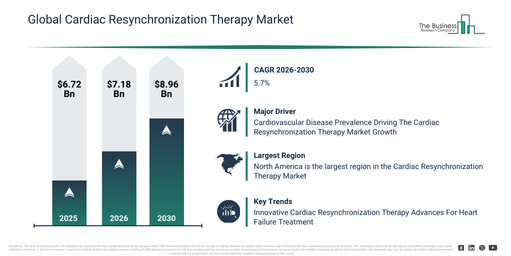
    Cardiac Resynchronization Therapy Market Forecast Highlighting Growth From $7.17 Billion To $8.96 Billion

    The market for cardiac resynchronization therapy has experienced robust expansion lately, projecting a rise from $6.72 billion in 2025 to $7.18 billion in 2026, reflecting a compound annual growth rate of 6.8%. This past growth trajectory is underpinned by several key factors, including the rising incidence of heart failure, enhanced understanding of ventricular dyssynchrony, the proliferation of cardiac device implantation facilities, innovations in pacemaker technology, and the accumulation of clinical data validating the advantages of CRT.

    The market for cardiac resynchronization therapy is poised for substantial expansion over the upcoming years, projected to reach a value of $8.96 billion by 2030, driven by a compound annual growth rate of 5.7%. This anticipated growth trajectory is fueled by several key factors, including a burgeoning demand for cutting-edge CRT systems, an increasing embrace of remote management solutions for cardiac devices, the expanding demographic of an aging population experiencing heart failure, a heightened emphasis on refining therapeutic strategies, and augmented investments in technologies designed to manage cardiac rhythm. Within this forecast period, significant trends will shape the market, such as the greater incorporation of sophisticated CRT devices, a rise in customized device programming, enhanced integration of remote device surveillance, the wider application of less invasive implantation methodologies, and a reinforced commitment to optimizing patient outcomes.

    Download A Free Sample Report For Comprehensive Market Insights:

    https://www.thebusinessresearchcompany.com/sample.aspx?id=15531&type=smp

    Cardiac Resynchronization Therapy Market Industry Drivers: What Is Driving Revenue Growth?

    The escalating incidence of heart and blood vessel conditions is anticipated to stimulate the expansion of the cardiac resynchronization therapy sector. Such conditions, broadly termed cardiovascular diseases (CVD), are on the rise due to contributing elements like an aging global population, prevalent unhealthy lifestyles, increased tobacco consumption, sedentary habits, and poor dietary choices. Cardiac resynchronization therapy (CRT) offers a beneficial intervention for cardiovascular ailments, notably heart failure, by enhancing the synchronized pumping action of the heart through precisely timed electrical stimulation. Illustrating this trend, data from the Minnesota Department of Health revealed that in 2023, approximately 30% of Minnesota adults, amounting to nearly 1.4 million individuals, reported suffering from high blood pressure; furthermore, in 2022, hypertensive diseases were identified as the primary or a contributing factor in the deaths of 14,225 state residents, accounting for almost 28% of all fatalities. Consequently, the growing prevalence of cardiovascular diseases is directly fueling the market’s advancement in cardiac resynchronization therapy.

    Elevated spending on healthcare is projected to significantly boost the cardiac resynchronization therapy market. Healthcare expenditure encompasses the aggregate financial resources allocated to healthcare goods and services over a defined timeframe, often assessed at national or organizational levels. Increased financial commitment to healthcare can foster crucial research and development in cardiac resynchronization therapy, leading to technological innovations, broader accessibility to treatment, and more holistic strategies for both individual well-being and healthcare infrastructure. As an example, U.S. healthcare expenditures saw a 7.5% rise in 2023, reaching $4.9 trillion, or approximately $14,570 per person, as reported in December 2024 by the Centers for Medicare & Medicaid Services. Therefore, burgeoning healthcare expenditure is a key driver for the growth of the cardiac resynchronization therapy market.

    Cardiac Resynchronization Therapy Market Segment Performance And Strategic Opportunities

    The cardiac resynchronization therapy market covered in this report is segmented –

    1) By Type: Cardiac Resynchronization Therapy (CRT)-Defibrillator, Cardiac Resynchronization Therapy (CRT)-Pacemaker

    2) By Age: Below 44 Years, 45-64 Years, 65-84 Years, Above 85 Years

    3) By End-Use: Hospitals, Cardiac Care Centers, Ambulatory Surgical Centers

    Subsegments:

    1) By Cardiac Resynchronization Therapy (CRT)-Defibrillator: Single-Chamber CRT-D, Dual-Chamber CRT-D, Triple-Chamber CRT-D, Bi-Ventricular CRT-D

    2) By Cardiac Resynchronization Therapy (CRT)-Pacemaker: Single-Chamber CRT-P, Dual-Chamber CRT-P, Triple-Chamber CRT-P, Bi-Ventricular CRT-P

    #Cardiac Resynchronization Therapy Market Growth Trends: What Is Influencing The Future Outlook?

    In the realm of cardiac resynchronization therapy, key players are prioritizing the creation of innovative implantable technologies, such as the Cardiac Resynchronization Therapy Device Launch, aimed at refining real-time hemodynamic management and achieving superior patient-tailored cardiac pacing results. This Cardiac Resynchronization Therapy (CRT) Device Launch signifies the official unveiling of a medical implant designed to synchronize the contractions of the heart’s chambers, offering significant benefits to individuals suffering from heart failure. A prime example of this innovation occurred in February 2024 when MicroPort Scientific Corporation, a prominent medical device enterprise based in China, introduced its GALI SonR cardiac resynchronization therapy and defibrillation system (CRT-D), an implantable device accompanied by the Navigo 4LV left ventricular pacing leads, into the Japanese market. This groundbreaking system features the pioneering SonR hemodynamic sensor, uniquely capable of automatic patient optimization on a weekly basis and, notably, during periods of patient activity, thereby enabling true optimization in everyday life. The well-documented SonR algorithm has already demonstrated a substantial 35% decrease in heart failure-related hospitalizations and is poised to bolster both the health and security of CRT-D recipients.

    Cardiac Resynchronization Therapy Market Key Players: Which Companies Shape Industry Competition?

    Major companies operating in the cardiac resynchronization therapy market are Medtronic plc, Abbott Laboratories, Boston Scientific Corporation, Biotronik SE & Co KG, MicroPort Scientific Corporation, LivaNova PLC, Lepu Medical Technology Beijing Co Ltd, Osypka Medical GmbH, EBR Systems Inc, Japan Lifeline Co Ltd, CCC Medical Devices, Shree Pacetronix Ltd, BPL Medical Technologies, Medico Srl, Pacetronix, Lepu Healthcare, Blue Cross Bio Medical, Cardiac Science International, Beijing Jinshi Medical, Suzhou Medical Instrument Factory

    Access The Complete Cardiac Resynchronization Therapy Market Report:

    https://www.thebusinessresearchcompany.com/report/cardiac-resynchronization-therapy-global-market-report

    Cardiac Resynchronization Therapy Market Geographic Landscape: Which Region Dominates Industry Growth?

    North Americawas the largest region in the cardiac resynchronization therapy market in 2025. Asia-Pacificis expected to be the fastest-growing region in the forecast period. The regions covered in the cardiac resynchronization therapy market report are Asia-Pacific, South East Asia, Western Europe, Eastern Europe, North America, South America, Middle East, Africa.

    Get in touch with us:

    The Business Research Company: https://www.thebusinessresearchcompany.com/

    Americas: +1 310-496-7795

    Asia: +44 7882 955267 & +91 8897263534

    Europe: +44 7882 955267

    Email us at: marketing@tbrc.info

    Follow us on:

    LinkedIn: https://in.linkedin.com/company/the-business-research-company

    YouTube: https://www.youtube.com/channel/UC24_fI0rV8cR5DxlCpgmyFQ

    Global Market Model: https://www.thebusinessresearchcompany.com/global-market-model
  • Cardiac Rehabilitation Market Expansion Is Reshaping Competitive Dynamics Across The Industry

    Cardiac Rehabilitation Market Expansion Is Reshaping Competitive Dynamics Across The Industry

    Through market attractiveness analysis, total addressable market evaluation, company benchmarking matrices, interactive Excel dashboards, expanded supply chain intelligence, emerging startup coverage, and detailed product insights, The Business Research Company’s 2026 market reports provide more actionable and strategically valuable research.

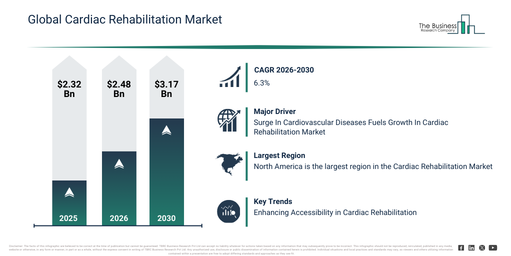
    Cardiac Rehabilitation Market Revenue Growth Supported By A CAGR Of 3.16% Through 2030

    The market for cardiac rehabilitation witnessed robust expansion historically and is projected to continue its upward trajectory, escalating from a valuation of $2.32 billion in 2025 to $2.48 billion in 2026, reflecting a compound annual growth rate (CAGR) of 6.7%. This growth surge during the preceding period was fueled by several key factors, including a rising incidence of cardiovascular ailments, the broader availability of inpatient rehabilitation services within healthcare facilities, heightened public understanding regarding the importance of post-illness prevention strategies, greater accessibility to specialized exercise equipment for rehabilitation purposes, and the increasing implementation of formalized cardiac care protocols.

    The cardiac rehabilitation market is projected for substantial expansion in the coming years, anticipated to reach $3.17 billion by 2030 with a compound annual growth rate of 6.3%. This projected growth trajectory is primarily fueled by several key factors: a burgeoning demand for rehabilitation services delivered at home, the increasingly widespread integration of telehealth technologies, advancements in digital monitoring capabilities, a heightened emphasis on preventative cardiac care strategies, and augmented investments within the healthcare sector dedicated to rehabilitation services. Within this forecast period, significant market trends are expected to emerge, including a greater embrace of remote cardiac rehabilitation programs, expanded utilization of wearable devices for patient monitoring, a deeper integration of digital health platforms into care delivery, the evolution and implementation of tailored rehabilitation protocols, and an intensified focus on strategies designed to boost patient engagement and ensure adherence to treatment plans.

    Download A Free Sample Report For Comprehensive Market Insights:

    https://www.thebusinessresearchcompany.com/sample.aspx?id=20525&type=smp

    #Cardiac Rehabilitation Market Growth Factors: Which Forces Are Supporting Market Expansion?

    Anticipated expansion of the cardiac rehabilitation sector is strongly linked to the escalating occurrence of cardiovascular illnesses. These conditions, encompassing ailments of the heart and vascular system like coronary artery disease, heart failure, and stroke, are becoming more common due to lifestyle factors such as poor eating, lack of exercise, smoking, excessive alcohol intake, environmental pollutants, and societal issues like poverty and stress. Cardiac rehabilitation programs offer structured exercise regimens adapted to individual patient needs, aiding in bolstering heart muscle strength, optimizing blood flow, and improving general cardiovascular performance, thereby potentially lowering the likelihood of future cardiac events. Illustratively, by January 2024, the American Heart Association reported an uptick in the age-adjusted cardiovascular disease mortality rate to 233.3 per 100,000 population, a 4.0% increase from the previous year’s figure of 224.4 per 100,000. Consequently, the increasing incidence of cardiovascular diseases is a primary catalyst for the growth observed in the cardiac rehabilitation market.

    #Cardiac Rehabilitation Market Segment Landscape And Growth Potential

    The cardiac rehabilitation market covered in this report is segmented –

    1) By Product: Elliptical Trainer, Stabilization ball, Treadmill, Heart Rate Monitor, Blood Pressure Monitor, Rower, Other Products

    2) By Disease Type: Percutaneous Coronary Intervention, Myocardial Infarction, Coronary Artery Bypass Grafting, Coronary Artery Disease, Other Disease Types

    3) By End-User: Rehab Centers, Hospitals, Clinics, Other End-Users

    Subsegments:

    1) By Elliptical Trainer: Standard Elliptical Trainers, Recumbent Elliptical Trainers, Compact Elliptical Trainers

    2) By Stabilization Ball: Standard Stability Balls, Weighted Stability Balls, Anti-Burst Stability Balls

    3) By Treadmill: Manual Treadmills, Motorized Treadmills, Folding Treadmills

    4) By Heart Rate Monitor: Chest Strap Monitors, Wrist-Based Monitors, Smartwatch Monitors

    5) By Blood Pressure Monitor: Digital Blood Pressure Monitors, Aneroid Blood Pressure Monitors, Ambulatory Blood Pressure Monitors

    6) By Rower: Air Resistance Rowers, Water Resistance Rowers, Magnetic Resistance Rowers

    7) By Other Products: Resistance Bands, Stationary Bikes, Step Machines, Fitness Trackers

    Cardiac Rehabilitation Market Industry Trends: What Changes Are Reshaping Demand?

    Key players within the cardiac rehabilitation sector are prioritizing the enhancement of their offerings, specifically through the adoption of virtual delivery models designed to boost patient accessibility. This remote healthcare approach leverages digital platforms, enabling individuals to participate in medical programs without the constraints of physical location or logistical challenges. As an illustration, Sharecare, a digital health enterprise headquartered in the United States, introduced its Ornish Lifestyle Medicine program in January 2023. This initiative, an Intensive Cardiac Rehabilitation (ICR) program, is geared towards empowering patients to manage and enhance their cardiac well-being through modifications in their lifestyle, with the overarching objective of improving health results for those affected by cardiovascular ailments by facilitating greater access to impactful rehabilitation services, thereby fostering greater health equality and mitigating existing disparities.

    Cardiac Rehabilitation Market Competitive Landscape: Who Are The Leading Companies?

    Major companies operating in the cardiac rehabilitation market are Optum Inc., Medtronic PLC, Siemens Healthineers AG, Koninklijke Philips N.V., GE Healthcare Company, Baxter International Inc., Boston Scientific Corporation, Medline Industries LP, Omron Corporation, Zoll Medical Corporation, Epic Systems Corporation, ICU Medical Inc., Arjo AB, American Heart Association Inc., Technogym S.p.A., Life Fitness LLC, Core Health & Fitness LLC, Precor Inc., Nautilus Inc., Johnson Health Tech Co. Ltd., Matrix Fitness

    Access The Complete Cardiac Rehabilitation Market Report:

    https://www.thebusinessresearchcompany.com/report/cardiac-rehabilitation-global-market-report

    #Cardiac Rehabilitation Market Largest Region: Which Geography Holds The Highest Market Share?

    North Americawas the largest region in the cardiac rehabilitation market in 2025. Asia-Pacificis expected to be the fastest-growing region in the forecast period. The regions covered in the cardiac rehabilitation market report are Asia-Pacific, South East Asia, Western Europe, Eastern Europe, North America, South America, Middle East, Africa.

    Get in touch with us:

    The Business Research Company: https://www.thebusinessresearchcompany.com/

    Americas: +1 310-496-7795

    Asia: +44 7882 955267 & +91 8897263534

    Europe: +44 7882 955267

    Email us at: marketing@tbrc.info

    Follow us on:

    LinkedIn: https://in.linkedin.com/company/the-business-research-company

    YouTube: https://www.youtube.com/channel/UC24_fI0rV8cR5DxlCpgmyFQ

    Global Market Model: https://www.thebusinessresearchcompany.com/global-market-model
  • Cardiac Mapping Market Forecast Reveals Where Future Industry Value Will Be Created

    Cardiac Mapping Market Forecast Reveals Where Future Industry Value Will Be Created

    Delivering more actionable and strategically valuable research, The Business Research Company’s 2026 market reports feature market attractiveness analysis, total addressable market evaluation, company benchmarking matrices, interactive Excel dashboards, expanded supply chain intelligence, emerging startup coverage, and detailed product insights.

    Cardiac Mapping Market Value Expansion And Long-Term Growth Outlook

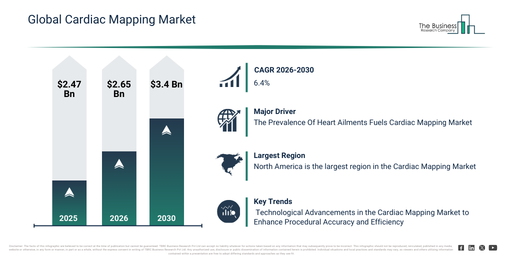
    The market for cardiac mapping demonstrated robust expansion during recent years, projecting a significant increase from $2.47 billion in 2025 to $2.65 billion in 2026, reflecting a compound annual growth rate (CAGR) of 7.3%. This historical growth trajectory has been propelled by several key factors, including a heightened incidence of atrial fibrillation, the broader establishment of electrophysiology labs, increased utilization of catheter-based interventions, enhanced accessibility to advanced cardiac mapping systems, and a burgeoning demand for less invasive surgical techniques.

    The realm of cardiac mapping is poised for considerable expansion over the upcoming years, projecting a market valuation of $3.4 billion by 2030, propelled by a compound annual growth rate of 6.4%. This anticipated surge in the forecast period is fundamentally driven by several key factors, including the growing incorporation of AI-powered mapping solutions, the expanding scope of treatments for complex arrhythmias, augmented investment directed towards electrophysiology infrastructure, escalating demand for highly accurate ablation techniques, and a heightened uptake of sophisticated visualization platforms. Within this dynamic forecast period, prominent trends are anticipated to surface, such as the increased deployment of 3D cardiac mapping systems, a rise in the utilization of real-time electrophysiology mapping, closer integration between mapping processes and ablation procedures, the broader development of non-contact mapping technologies, and a more pronounced emphasis on achieving exceptional procedural precision.

    Download A Free Sample Report For Comprehensive Market Insights:

    https://www.thebusinessresearchcompany.com/sample.aspx?id=16643&type=smp

    Cardiac Mapping Market Demand Drivers: What Is Fueling Industry Growth?

    The growing incidence of cardiac conditions is poised to be a significant driver for the expansion of the cardiac mapping market. These cardiac conditions encompass a range of disorders impacting the heart’s physical makeup and operational capabilities, ultimately leading to serious issues like irregular heartbeats, myocardial infarctions, and compromised heart function. A confluence of factors, including predominantly inactive lifestyles, unhealthy eating patterns, and an expanding elderly demographic, contributes to the escalating numbers of heart-related ailments. Cardiac mapping plays a critical role in the diagnostic and therapeutic processes for these conditions by accurately pinpointing aberrant electrical signals within the heart’s rhythm. Illustratively, a projection from the National Institutes of Health, a US governmental body, indicated in August 2025 that from 2025 through 2050, cardiovascular afflictions are anticipated to surge by 90%, resulting in a 73% increase in fatalities and a 55% rise in disability-adjusted life years, with annual deaths escalating from 20.5 million to 35.6 million. Consequently, the widespread occurrence of heart conditions directly fuels the advancement of the cardiac mapping sector.

    Cardiac Mapping Market Categorization By Product Type And Application

    The cardiac mapping market covered in this report is segmented –

    1) By Type: Contact Cardiac Mapping Systems, Non-Contact Cardiac Mapping Systems

    2) By Indications: Atrial Fibrillation, Atrial Flutter, Atrioventricular Nodal Reentrant Tachycardia (AVNRT), Other Indications

    3) By End-User: Hospitals And Clinics, Diagnostic Centers

    Subsegments:

    1) By Contact Cardiac Mapping Systems: Electrode-Based Mapping Systems, Catheter-Based Mapping Systems, Integrated Mapping And Ablation Systems, 3D Mapping Systems

    2) By Non-Contact Cardiac Mapping Systems: Non-Contact Voltage Mapping Systems, Electrocardiographic Mapping Systems

    Cardiac Mapping Market Innovation Trends: Which Developments Are Transforming The Industry?

    Key players within the cardiac mapping sector are directing their efforts towards pioneering advancements, notably exploring pulsed field ablation (PFA) as a method to enhance the accuracy, safety, and overall effectiveness of therapies for cardiac rhythm disorders. The PFA technology itself is characterized as a non-thermal ablation approach that utilizes brief, high-voltage electrical impulses to induce electroporation—the formation of tiny pores within cardiac cells—thereby targeting and eliminating the aberrant cells causing arrhythmias while preserving adjacent healthy tissue. As an illustration of this progress, Medtronic Plc, a prominent technology firm headquartered in Ireland, secured FDA clearance in October 2024 for its Affera Mapping and Ablation System, which includes the Sphere-9 Catheter, an integrated system offering high-density mapping capabilities alongside pulsed field (PF) and radiofrequency (RF) ablation via a single catheter, specifically engineered for the management of persistent atrial fibrillation (AFib) and cavotricuspid isthmus (CTI) dependent atrial flutter.

    Cardiac Mapping Market Company Landscape And Strategic Competition

    Major companies operating in the cardiac mapping market are Johnson & Johnson, Abbott Laboratories, Medtronic plc, Boston Scientific Corporation, Koninklijke Philips N.V., GE Healthcare Technologies, BIOTRONIK SE & Co. KG, MicroPort Scientific Corporation, Lepu Medical Technology Co. Ltd., Acutus Medical Inc., Kardium Inc., BioSig Technologies Inc., Catheter Precision Inc., EP Solutions SA, CoreMap Inc., Navix Medical Ltd., EPmap-System, Stereotaxis Inc., CathVision ApS, Baylis Medical Company Inc.

    Access The Complete Cardiac Mapping Market Report:

    https://www.thebusinessresearchcompany.com/report/cardiac-mapping-global-market-report

    Cardiac Mapping Market Regional Analysis: Which Region Leads By Revenue?

    North Americawas the largest region in the cardiac mapping market in 2025. Asia-Pacificis expected to be the fastest-growing region in the forecast period. The regions covered in the cardiac mapping market report are Asia-Pacific, South East Asia, Western Europe, Eastern Europe, North America, South America, Middle East, Africa.

    Get in touch with us:

    The Business Research Company: https://www.thebusinessresearchcompany.com/

    Americas: +1 310-496-7795

    Asia: +44 7882 955267 & +91 8897263534

    Europe: +44 7882 955267

    Email us at: marketing@tbrc.info

    Follow us on:

    LinkedIn: https://in.linkedin.com/company/the-business-research-company

    YouTube: https://www.youtube.com/channel/UC24_fI0rV8cR5DxlCpgmyFQ

    Global Market Model: https://www.thebusinessresearchcompany.com/global-market-model
  • Cardiac Amyloidosis Market Growth Through 2030 Creates New Strategic Opportunities

    Cardiac Amyloidosis Market Growth Through 2030 Creates New Strategic Opportunities

    Enhanced with market attractiveness analysis, total addressable market evaluation, company benchmarking matrices, interactive Excel dashboards, expanded supply chain intelligence, emerging startup coverage, and detailed product insights, The Business Research Company’s 2026 market reports deliver more actionable and strategically valuable research.

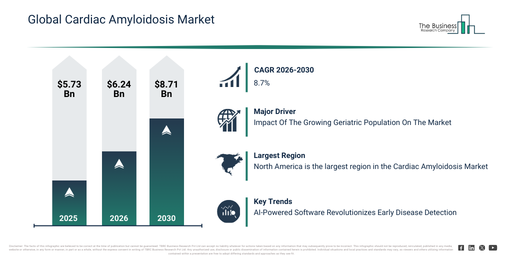
    Cardiac Amyloidosis Market Expected To Reach $8.7 Billion By 2030 At 8.7% CAGR

    The market for cardiac amyloidosis has experienced robust expansion in preceding years, demonstrating a significant upward trajectory. Projections indicate a progression from $5.73 billion in 2025 to an estimated $6.24 billion by 2026, reflecting a compound annual growth rate of 9.0%. This notable growth during the historical period can be attributed to several key factors, including heightened awareness of infrequently diagnosed cardiac conditions, sophisticated developments in diagnostic tools like echocardiography and MRI, a rise in documented instances of amyloidosis, the proliferation of specialized cardiology centers, and an increasing accessibility to supportive treatment modalities.

    The market for cardiac amyloidosis is poised for significant expansion in the coming years, with projections indicating a rise to $8.71 billion by 2030, reflecting a compound annual growth rate of 8.7%. This anticipated growth trajectory is underpinned by several key drivers, including the advancing development of therapies aimed at modifying the disease’s course, a greater uptake of genetic testing for early identification, the proliferation of dedicated treatment centers for amyloidosis, increased investment in research concerning rare diseases, and a heightened emphasis on tailoring therapies to individual patients’ cardiac conditions. Looking ahead, prominent trends expected to shape this market include a stronger push for earlier and more precise diagnoses, the increasing utilization of sophisticated cardiac imaging technologies, a broader application of screening methods based on biomarkers, the development and implementation of more focused therapeutic strategies, and heightened awareness among cardiologists regarding this condition.

    Download A Free Sample Report For Comprehensive Market Insights:

    https://www.thebusinessresearchcompany.com/sample.aspx?id=21128&type=smp

    Cardiac Amyloidosis Market Growth Drivers: What Factors Are Accelerating Expansion?

    The expanding segment of the elderly population is anticipated to be a significant driver for the expansion of the cardiac amyloidosis market in the future, as individuals aged 65 and older are more susceptible to age-related health conditions necessitating tailored medical care. This demographic surge is a consequence of factors such as extended lifespans, improvements in medical science, and decreased fertility rates, leading to a higher incidence of cardiac amyloidosis due to the age-related predisposition for amyloid protein deposition within the heart. Illustratively, the U.S., projected by the Population Reference Bureau in January 2024, will see its senior demographic (65+) escalate from 58 million in 2022 to 82 million by 2050, a substantial 47% rise, thereby fueling the cardiac amyloidosis market.

    Cardiac Amyloidosis Market Segment Analysis And Revenue Opportunities

    The cardiac amyloidosis market covered in this report is segmented –

    1) By Product Type: Light Chain Amyloidosis, Transthyretin Amyloidosis

    2) By Treatment: Chemotherapy, Supportive Care, Stem Cell Transplant, Targeted Therapy

    3) By End-User: Hospitals, Clinics

    Subsegments:

    1) By Light Chain Amyloidosis: AL (Immunoglobulin Light Chain) Amyloidosis with Cardiac Involvement, AL Amyloidosis without Cardiac Involvement

    2) By Transthyretin Amyloidosis: Hereditary Transthyretin Amyloidosis (ATTRm), Wild-type Transthyretin Amyloidosis (ATTRwt)

    Cardiac Amyloidosis Market Trends: What Is Shaping Future Industry Growth?

    A key strategic direction within the cardiac amyloidosis marketplace involves significant investment in novel technological advancements, particularly artificial intelligence (AI) driven software solutions designed for diagnostic purposes. These AI-powered, software-exclusive diagnostic instruments aim to refine the early identification of cardiac amyloidosis, thereby contributing to better patient prognoses in instances of this frequently overlooked condition. Such a device leverages AI algorithms to scrutinize echocardiographic imagery, pinpointing disease indicators without necessitating supplementary hardware or comprehensive patient data. A pertinent illustration of this trend occurred in November 2024, when Ultromics Ltd., a United Kingdom based innovator in health technology, achieved clearance from the U.S. Food and Drug Administration (FDA) for EchoGo Amyloidosis. This AI driven clinical instrument is specifically engineered for the prompt detection of cardiac amyloidosis and holds the distinction of being the inaugural device authorized for marketing under the FDA’s Total Product Lifecycle Advisory Program (TAP). Through its sophisticated AI capabilities, EchoGo Amyloidosis processes echocardiograms, enabling the identification of the disease from a solitary imaging clip, thus meeting the critical demand for earlier diagnosis before the condition advances undetected.

    Cardiac Amyloidosis Market Leading Players Shaping Industry Direction

    Major companies operating in the cardiac amyloidosis market are Pfizer Inc., Alnylam Pharmaceuticals Inc., Ionis Pharmaceuticals Inc., BridgeBio Pharma Inc., Prothena Corp, Intellia Therapeutics Inc., Neurimmune AG, Attralus Inc., Oncopeptides, SOM Biotech, Amylyx Pharmaceuticals, AstraZeneca plc, Sanofi S.A., Takeda Pharmaceutical Company Limited, GlaxoSmithKline plc, Bristol Myers Squibb Company, AbbVie Inc., Roche Holding AG, Johnson & Johnson, CSL Limited

    Access The Complete Cardiac Amyloidosis Market Report:

    https://www.thebusinessresearchcompany.com/report/cardiac-amyloidosis-global-market-report

    Cardiac Amyloidosis Market Geographic Distribution And Regional Opportunities

    North Americawas the largest region in the cardiac amyloidosis market in 2025. Asia-Pacificis expected to be the fastest-growing region in the forecast period. The regions covered in the cardiac amyloidosis market report are Asia-Pacific, South East Asia, Western Europe, Eastern Europe, North America, South America, Middle East, Africa.

    Get in touch with us:

    The Business Research Company: https://www.thebusinessresearchcompany.com/

    Americas: +1 310-496-7795

    Asia: +44 7882 955267 & +91 8897263534

    Europe: +44 7882 955267

    Email us at: marketing@tbrc.info

    Follow us on:

    LinkedIn: https://in.linkedin.com/company/the-business-research-company

    YouTube: https://www.youtube.com/channel/UC24_fI0rV8cR5DxlCpgmyFQ

    Global Market Model: https://www.thebusinessresearchcompany.com/global-market-model
  • Cardiac Ambulatory Monitoring Market Size Projected To Increase From $15.75 Billion To $19.44 Billion During The Forecast Period

    Cardiac Ambulatory Monitoring Market Size Projected To Increase From $15.75 Billion To $19.44 Billion During The Forecast Period

    Through market attractiveness analysis, total addressable market evaluation, company benchmarking matrices, interactive Excel dashboards, expanded supply chain intelligence, emerging startup coverage, and detailed product insights, The Business Research Company’s 2026 market reports provide more actionable and strategically valuable research.

    #Cardiac Ambulatory Monitoring Market Size And Revenue Forecast Through 2030

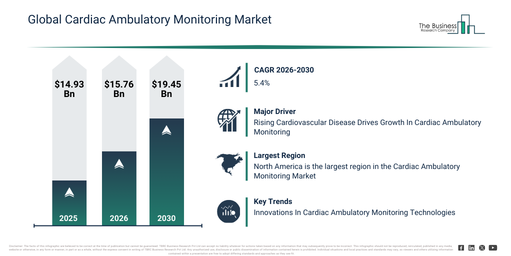
    The market for cardiac ambulatory monitoring has experienced robust expansion recently. Projections indicate a rise from 2025’s $14.93 billion to $15.76 billion by 2026, signifying a compound annual growth rate of 5.6%. This historical growth trajectory has been fueled by several factors, including a higher incidence of diagnosed cardiac arrhythmias, greater accessibility of portable electrocardiogram (ECG) equipment, an upswing in outpatient cardiac monitoring services, the proliferation of ambulatory care facilities, and an increasing inclination among physicians towards adopting long-term monitoring solutions.

    The market for cardiac ambulatory monitoring is poised for significant expansion, projected to reach $19.45 billion by 2030, fueled by a compound annual growth rate of 5.4%. This anticipated surge is underpinned by several key drivers, including the expanding integration of AI-powered rhythm analysis, a burgeoning demand for telecardiology services, the widespread growth of home healthcare monitoring solutions, increased utilization of mobile cardiac telemetry, and the accelerating adoption of digital health platforms. During this forecast period, prominent trends are expected to shape the market, such as the greater acceptance of long-term wearable monitoring devices, a growing need for cardiac monitoring conducted within the home environment, the increasing prevalence of wireless and patch-based ECG systems, further expansion in continuous remote arrhythmia detection capabilities, and a heightened emphasis on patient comfort and adherence to monitoring protocols.

    Download A Free Sample Report For Comprehensive Market Insights:

    https://www.thebusinessresearchcompany.com/sample.aspx?id=20725&type=smp

    Cardiac Ambulatory Monitoring Market Growth Factors Supporting Long-Term Expansion

    The increasing incidence of heart and blood vessel conditions is anticipated to fuel the expansion of the cardiac ambulatory monitoring sector. These disorders, encompassing issues like heart attacks, strokes, and heart failure, commonly result from obstructed arteries or impaired heart function. A confluence of lifestyle choices such as poor nutrition, inactivity, smoking, and stress, coupled with an aging demographic, contributes to the widespread nature of these ailments. Furthermore, co-existing health concerns like obesity, diabetes, and high blood pressure exacerbate this trend. Cardiac ambulatory monitoring facilitates ongoing observation of heart activity, thereby assisting in the early identification of anomalies in individuals with cardiovascular ailments. This technology supports more adept management of cardiac conditions through immediate diagnoses and continuous oversight, mitigating the necessity for frequent hospitalizations. To illustrate, a report from September 2024 by the British Heart Foundation, a UK charity dedicated to cardiovascular research, indicated that roughly 7.6 million people in the United Kingdom are presently living with heart and circulatory diseases, with 4 million being male and 3.6 million female. Projections suggest a potential increase of 1 million by 2030 and an additional 2 million by 2040 compared to current numbers. Consequently, the heightened occurrence of cardiovascular diseases is a significant driver for the growth of the cardiac ambulatory monitoring market.

    Cardiac Ambulatory Monitoring Market Segmentation And Category Breakdown

    The cardiac ambulatory monitoring market covered in this report is segmented –

    1) By Product: Electrocardiogram (ECG) Devices, Holter Monitors, Event Monitors, Implantable Loop Recorders, Mobile Cardiac Telemetry

    2) By Specialty: Single Specialty, Multi-Specialty

    3) By End-User: Hospitals, Ambulatory Surgical Centers, Specialty Clinics, Cardiac Care Centers, Home Care Setting

    Subsegments:

    1) By Electrocardiogram (ECG) Devices: Portable ECG Monitors, Wireless ECG Monitors, Smartphone-based ECG Devices

    2) By Holter Monitors: 24-hour Holter Monitors, 48-hour Holter Monitors, 72-hour Holter Monitors

    3) By Event Monitors: Wireless Event Monitors, Wearable Event Monitors

    4) By Implantable Loop Recorders: Standard Implantable Loop Recorders, Long-term Implantable Loop Recorders

    5) By Mobile Cardiac Telemetry: Continuous Mobile Telemetry Systems, Patch-based Mobile Telemetry Systems

    Cardiac Ambulatory Monitoring Market Industry Trends Shaping Future Revenue Growth

    Leading entities within the cardiac ambulatory monitoring sector are concentrating their efforts on pioneering advancements like artificial intelligence applications and Bluetooth-enabled electrocardiogram devices, aiming to elevate patient oversight and data precision. These sophisticated AI and Bluetooth electrocardiogram tools utilize intelligent algorithms for immediate analysis of cardiac readings and employ wireless Bluetooth transmission for seamless data relay to medical professionals. A notable example occurred in September 2024 when AliveCor Inc., a US firm specializing in remote cardiac services, introduced the KardiaMobile Card, offering consumers a readily accessible, mobile solution for continuous heart tracking, specifically designed for identifying arrhythmias and managing cardiac ailments directly from their everyday carry. This innovation significantly improves patient access to instantaneous cardiac health information, facilitating prompt identification of heart-related concerns and contributing to the mitigation of the financial impact associated with cardiovascular illnesses.

    Cardiac Ambulatory Monitoring Market Competitive Analysis Of Major Industry Participants

    Major companies operating in the cardiac ambulatory monitoring market are Abbott Laboratories, Medtronic PLC, Koninklijke Philips N.V., GE Healthcare, Boston Scientific Corporation, Biotronik SE & Co. KG, Nihon Kohden Corporation, Fukuda Denshi Co. Ltd., Schiller AG, iRhythm Technologies Inc., ZOLL Medical Corporation, Medicomp Inc., AliveCor Inc., QT Medical Inc., InfoBionic Inc., VivaLNK Inc., Cardiomo Inc., WebCardio LLC, Applied Cardiac Systems, ACS Diagnostics Inc.

    Access The Complete Cardiac Ambulatory Monitoring Market Report:

    https://www.thebusinessresearchcompany.com/report/cardiac-ambulatory-monitoring-global-market-report

    Cardiac Ambulatory Monitoring Market Largest Region By Revenue And Market Share

    North Americawas the largest region in the cardiac ambulatory monitoring market in 2025. The regions covered in the cardiac ambulatory monitoring market report are Asia-Pacific, South East Asia, Western Europe, Eastern Europe, North America, South America, Middle East, Africa.

    Get in touch with us:

    The Business Research Company: https://www.thebusinessresearchcompany.com/

    Americas: +1 310-496-7795

    Asia: +44 7882 955267 & +91 8897263534

    Europe: +44 7882 955267

    Email us at: marketing@tbrc.info

    Follow us on:

    LinkedIn: https://in.linkedin.com/company/the-business-research-company

    YouTube: https://www.youtube.com/channel/UC24_fI0rV8cR5DxlCpgmyFQ

    Global Market Model: https://www.thebusinessresearchcompany.com/global-market-model