Month: June 2026

  • Cannabis Extract Market Outlook Highlights The Next Major Growth Opportunities

    Cannabis Extract Market Outlook Highlights The Next Major Growth Opportunities

    Enhanced with market attractiveness analysis, total addressable market evaluation, company benchmarking matrices, interactive Excel dashboards, expanded supply chain intelligence, emerging startup coverage, and detailed product insights, The Business Research Company’s 2026 market reports deliver more actionable and strategically valuable research.

    Cannabis Extract Market CAGR Analysis And Future Market Development

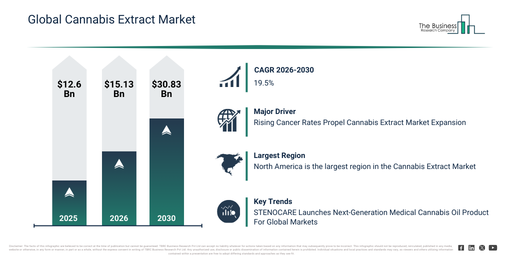
    Driven by increased legalization of hemp-based goods, escalating consumer desire for natural remedies, growth in CBD oil manufacturing, expanding uses in cosmetic formulations, and the wider availability of commercial extraction methods, the cannabis extract market is poised for substantial expansion, transitioning from an estimated $12.6 billion in 2025 to $15.13 billion in 2026, reflecting a robust compound annual growth rate of 20.1%.

    Anticipate a swift expansion within the cannabis extract sector over the upcoming years, with projections indicating a market valuation of $30.83 billion by 2030, fueled by a compound annual growth rate of 19.5%. This projected surge is underpinned by several key factors, including the escalating application of cannabis extracts in pharmaceuticals, a notable increase in capital allocated to Good Manufacturing Practice (GMP) certified extraction facilities, the broadening availability of regulated cannabis goods, a mounting desire for highly refined extracts, and their progressively wider inclusion in health and personal care items. Key developments anticipated during this forecast interval involve a heightened preference for full-spectrum cannabis extracts, increased integration of these extracts into pharmaceutical formulations, greater acceptance within the cosmetic and wellness industries, the proliferation of standardized extraction methodologies, and improvements in quality assurance and product tracking.

    Download A Free Sample Report For Comprehensive Market Insights:

    https://www.thebusinessresearchcompany.com/sample.aspx?id=8080&type=smp

    Cannabis Extract Market Growth Drivers: What Factors Are Accelerating Expansion?

    The projected rise in cancer diagnoses worldwide is anticipated to be a significant catalyst for the expansion of the cannabis extract market. Cancer, characterized by uncontrolled cell proliferation and metastasis, affects a substantial population, and cannabis extracts are increasingly recognized for their potential to alleviate various debilitating symptoms experienced by cancer patients, including neuropathy, nausea, pain, and vomiting, as well as to stimulate appetite and mitigate weight loss. Furthermore, research suggests that cannabis extracts may influence the progression of cancer by promoting autophagy and engaging signaling pathways that induce apoptosis, a programmed cell death. Illustrating the scale of this public health challenge, the National Institutes of Health in the United States estimated in May 2024 that the country would see approximately 2,001,140 new cancer cases in 2024, with an unfortunate projection of 611,720 deaths attributed to the disease. Consequently, the escalating incidence of cancer is a primary driver fueling the growth trajectory of the cannabis extract market.

    Cannabis Extract Market Categorization By Product Type And Application

    The cannabis extract market covered in this report is segmented –

    1) By Product Type: Oils, Tinctures

    2) By Extract Type: Full Spectrum Extracts, Cannabis Isolates

    3) By Distribution Channel: Hospital Pharmacies, Retail Pharmacies, Online Pharmacies

    4) By Application: Cosmetic, Pharmaceutical

    Subsegments:

    1) By Oils: CBD Oils, Full-Spectrum Oils

    2) By Tinctures: CBD Tinctures, Herbal Infused Tinctures

    Cannabis Extract Market Trends: What Is Shaping Future Industry Growth?

    Leading entities within the cannabis extract industry are prioritizing the creation of novel offerings, exemplified by medical cannabis oil formulations, to satisfy the escalating requirements across both healthcare and general well-being spheres. These medical cannabis oils are derived from the cannabis plant and contain key compounds like cannabidiol (CBD) and tetrahydrocannabinol (THC), specifically intended for medicinal applications. A notable development occurred in May 2024 when Stenocare A/S, a pharmaceutical firm based in Denmark, introduced its advanced medical cannabis oil, branded Astrum 10-10, which has subsequently gained approval for distribution in Australia and Germany. The introduction of this advanced product is designed to establish unprecedented benchmarks for effectiveness and strength in pharmaceutical-grade medical cannabis. This product release is integral to STENOCARE’s overarching plan to improve patient accessibility to top-tier, prescription-based medical cannabis treatments, with initial sales expected in the fourth quarter of 2024, underscoring the company’s dedication to pioneering new products and broadening its market presence within the dynamic field of medical cannabis.

    Cannabis Extract Market Company Landscape And Strategic Competition

    Major companies operating in the cannabis extract market are Canopy Growth Corporation, Tikun Olam, Aurora Cannabis Inc., Aphria Inc., Tilray Inc., GW Pharmaceuticals PLC, The Cronos Group, Elixinol Global Limited, Medipharm Labs Corp., The Valens Company Inc., Curaleaf Holdings Inc., Green Thumb Industries, Verano Holdings, Trulieve Cannabis Corp., Cresco Labs Inc., Delta 9 Cannabis Inc., BZAM Ltd., Sundial Growers Inc., Auxly Cannabis Group, Red White & Bloom Brands, Jazz Pharmaceuticals PLC, Organigram Inc., MedReleaf Corp., Terrascend Corp.

    Access The Complete Cannabis Extract Market Report:

    https://www.thebusinessresearchcompany.com/report/cannabis-extract-global-market-report

    Cannabis Extract Market Largest Region By Revenue And Market Share

    North Americawas the largest region in the cannabis extract market in 2025. The regions covered in the cannabis extract market report are Asia-Pacific, South East Asia, Western Europe, Eastern Europe, North America, South America, Middle East, Africa.

    Get in touch with us:

    The Business Research Company: https://www.thebusinessresearchcompany.com/

    Americas: +1 310-496-7795

    Asia: +44 7882 955267 & +91 8897263534

    Europe: +44 7882 955267

    Email us at: marketing@tbrc.info

    Follow us on:

    LinkedIn: https://in.linkedin.com/company/the-business-research-company

    YouTube: https://www.youtube.com/channel/UC24_fI0rV8cR5DxlCpgmyFQ

    Global Market Model: https://www.thebusinessresearchcompany.com/global-market-model
  • Cannabinoids Market Trends And Growth Drivers Point To Strong Future Potential

    Cannabinoids Market Trends And Growth Drivers Point To Strong Future Potential

    Through market attractiveness analysis, total addressable market evaluation, company benchmarking matrices, interactive Excel dashboards, expanded supply chain intelligence, emerging startup coverage, and detailed product insights, The Business Research Company’s 2026 market reports provide more actionable and strategically valuable research.

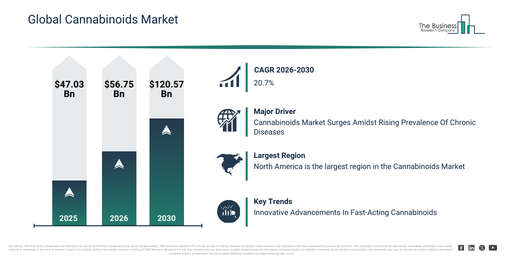
    Cannabinoids Market Expansion From $56.75 Billion In 2026 To $120.56 Billion In 2030

    The global cannabinoids market, valued at $47.03 billion in 2025, is poised for substantial expansion, projecting a reach of $56.75 billion by 2026, reflecting a dynamic compound annual growth rate (CAGR) of 20.7%. This impressive trajectory in the historical period has been fueled by a confluence of factors, including the widespread legalization of medical cannabis initiatives, a heightened incidence of chronic pain and cancer requiring new treatment avenues, increasing public embrace of alternative wellness approaches, the broader integration of cannabinoid products within hospital pharmacy networks, and the consistent development of refined and standardized cannabinoid formulations.

    The global market for cannabinoids is poised for extraordinary expansion, projected to reach $120.57 billion by the year 2030, reflecting a robust compound annual growth rate of 20.7%. This upward trajectory is fueled by several key drivers, including intensified clinical investigations into cannabinoids, a heightened consumer preference for pharmaceutical-grade cannabinoid offerings, progressively clearer regulatory frameworks emerging across various territories, the burgeoning field of cannabinoid-derived personalized medicine, and substantial capital injections into the production capabilities for cannabinoid products. During this projected period, significant market dynamics are anticipated to shape the industry, such as the wider acceptance of cannabinoid therapies in medical settings, a growing preference for products with a higher CBD concentration, the increasing application of cannabinoids in managing long-term health conditions, the development of more structured and legitimate pathways for cannabinoid product distribution, and a greater emphasis on ensuring consistency and purity in all cannabinoid products.

    Download A Free Sample Report For Comprehensive Market Insights:

    https://www.thebusinessresearchcompany.com/sample.aspx?id=8079&type=smp

    Cannabinoids Market Growth Factors Supporting Long-Term Expansion

    The increasing incidence of long-term health conditions, which persist for over a year and necessitate continuous medical care, is anticipated to significantly boost the cannabinoid market. Research, including a comprehensive review of randomized controlled trials, has explored the therapeutic potential of cannabinoids, encompassing forms like smoked cannabis, oromucosal preparations of cannabis-derived drugs, nabilone, dronabinol, and a novel THC derivative, for managing chronic non-cancer pain. For illustrative purposes, data from the Centers for Disease Control and Prevention (CDC), a U.S. federal body, indicates that in 2023, an estimated 76.4% of adults in the United States, equating to roughly 194 million individuals, reported living with at least one chronic health issue. This chronic condition prevalence was observed at 59.5% in younger adults, escalating to 78.4% among middle-aged adults, and reaching as high as 93.0% in older populations. Consequently, the escalating rates of chronic diseases are a primary catalyst for the expansion of the cannabinoid market.

    Cannabinoids Market Segment Analysis And Revenue Opportunities

    The cannabinoids market covered in this report is segmented –

    1) By Product Type: Cannabidiol, Tetrahydrocannabinol, Cannabinol, Other Product Types

    2) By Distribution: Hospital Pharmacies, Retail Pharmacies, Online Stores

    3) By Application: Medical, Recreational, Industrial Hemp

    Subsegments:

    1) By Cannabidiol (CBD): Full-Spectrum CBD, Broad-Spectrum CBD, CBD Isolate

    2) By Tetrahydrocannabinol (THC): Delta-9 THC, Delta-8 THC

    3) By Cannabinol (CBN): CBN Isolate, CBN Oil

    4) By Other Product Types: Cannabigerol (CBG), Cannabichromene (CBC)

    Cannabinoids Market Industry Trends Shaping Future Revenue Growth

    Within the cannabinoids market, prominent enterprises are concentrating their efforts on pioneering advancements, notably the creation of swiftly acting cannabinoid formulations, aiming to amplify both the effectiveness and the promptness of therapeutic outcomes. Such fast-acting cannabinoids are essentially cannabinoid mixtures engineered to deliver therapeutic benefits more rapidly following ingestion when contrasted with conventional methods of administration. As an illustration, in August of 2024, Rare Cannabinoid, a health and wellness entity based in the United States, introduced its Fast-Acting Nano THC + CBC Mood Mints, thus broadening its well-regarded collection of mood-enhancement products with a novel administration approach. These specific mints are formulated to yield swift responses, enabling individuals to perceive the advantages of delta-9-THC and cannabichromene (CBC) in a timeframe ranging from 15 to 30 minutes, a considerable improvement over the usual 30 to 90 minute waiting period associated with conventional edibles. By employing sophisticated nanotechnology, these mints provide adaptable dosage choices, accommodating both minimal intake strategies and personalized requirements.

    Cannabinoids Market Leading Players Shaping Industry Direction

    Major companies operating in the cannabinoids market are The Supreme Cannabis Company Inc., Elixinol Global Limited, GW Pharmaceuticals PLC, Tilray Inc., Aurora Cannabis Inc., Curaleaf Holdings Inc., Green Thumb Industries, Verano Holdings, Trulieve Cannabis Corp., Cresco Labs Inc., Cronos Group, TerrAscend Corp., Canopy Growth Corp., Sundial Growers Inc., Decibel Cannabis Company, Auxly Cannabis Group, Red White & Bloom Brands, BZAM Ltd, Delta 9 Cannabis Inc., Jazz Pharmaceuticals PLC, Aphria Inc., Organigram Inc., MediPharm Labs Corp., The Valens GroWorks Inc.

    Access The Complete Cannabinoids Market Report:

    https://www.thebusinessresearchcompany.com/report/cannabinoids-global-market-report

    Cannabinoids Market Regional Analysis And Leading Geography

    North Americawas the largest region in the cannabinoids market in 2025. Asia-Pacificis expected to be the fastest-growing region in the forecast period. The regions covered in the cannabinoids market report are Asia-Pacific, South East Asia, Western Europe, Eastern Europe, North America, South America, Middle East, Africa.

    Get in touch with us:

    The Business Research Company: https://www.thebusinessresearchcompany.com/

    Americas: +1 310-496-7795

    Asia: +44 7882 955267 & +91 8897263534

    Europe: +44 7882 955267

    Email us at: marketing@tbrc.info

    Follow us on:

    LinkedIn: https://in.linkedin.com/company/the-business-research-company

    YouTube: https://www.youtube.com/channel/UC24_fI0rV8cR5DxlCpgmyFQ

    Global Market Model: https://www.thebusinessresearchcompany.com/global-market-model
  • Candidiasis Therapeutics Market Expansion Is Reshaping Competitive Dynamics Across The Industry

    Candidiasis Therapeutics Market Expansion Is Reshaping Competitive Dynamics Across The Industry

    Delivering more actionable and strategically valuable research, The Business Research Company’s 2026 market reports feature market attractiveness analysis, total addressable market evaluation, company benchmarking matrices, interactive Excel dashboards, expanded supply chain intelligence, emerging startup coverage, and detailed product insights.

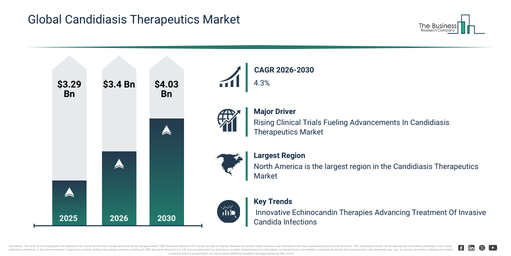
    Candidiasis Therapeutics Market Forecast Highlighting Growth From $3.4 Billion To $4.03 Billion

    The antifungal treatments sector has experienced consistent expansion. Projections indicate a rise from $3.29 billion in 2025 to $3.4 billion in 2026, reflecting a compound annual growth rate of 3.5%. Key factors driving this expansion historically include a growing number of individuals with weakened immune systems, a greater occurrence of fungal infections contracted in healthcare settings, the extensive prescription of antibiotics effective against a wide range of bacteria, the accessibility of established categories of antifungal medications, and the advancement of specialized care for infectious diseases within hospitals.

    The market for candidiasis therapeutics is poised for consistent expansion over the coming years, projecting a rise to $4.03 billion by 2030, driven by a compound annual growth rate (CAGR) of 4.3%. This anticipated growth is largely fueled by intensified investigations into new categories of antifungal medications, heightened consciousness regarding the management of antifungal resistance, broader acceptance of outpatient antifungal care, a strengthened emphasis on treatments for pediatric candidiasis, and augmented financial commitments toward the development of drugs for infectious diseases. Key developments anticipated during this forecast period encompass the advancement of more specific antifungal interventions, a greater emphasis on prompt and precise diagnostic methods, increased utilization of combined antifungal treatment strategies, an expansion of available oral and systemic therapeutic choices, and more robust surveillance of drug resistance trends.

    Download A Free Sample Report For Comprehensive Market Insights:

    https://www.thebusinessresearchcompany.com/sample.aspx?id=13182&type=smp

    #Candidiasis Therapeutics Market Demand Drivers Creating New Revenue Opportunities

    The expansion of the candidiasis therapeutics market is anticipated to be significantly influenced by the rising volume of clinical trials. These trials, which are essential research undertakings designed to assess the safety and effectiveness of novel therapies, drugs, or medical devices in human subjects, are instrumental in refining candidiasis treatments through their structured and thorough evaluation processes. Illustrating this trend, by May 2023, ClinicalTrials.gov, overseen by the US National Institutes of Health, recorded approximately 437,533 clinical trials initiated in 2023, a notable increase from the 399,499 studies registered across the United States and 221 other nations in 2022, thereby underscoring the correlation between the growing number of clinical trials and the sustained growth of the candidiasis therapeutics market.

    Candidiasis Therapeutics Market Segmentation And Category Breakdown

    The candidiasis therapeutics market covered in this report is segmented –

    1) By Treatment Type: Medication, Supportive Therapy

    2) By Anatomy Type: Oral Candidiasis, Vulvovaginal Candidiasis, Cutaneous Candidiasis, Invasive Candidiasis, Systemic Candidiasis

    3) By Mode Of Administration: Injectable, Oral, Other Mode Of Administrations

    4) By Patient Population: Adults, Pediatrics

    5) By End User: Hospitals, Specialty Clinics, Other End Users

    Subsegments:

    1) By Medication: Antifungal Drugs, Topical Treatments, Systemic Treatments

    2) By Supportive Therapy: Probiotics, Symptom Management Therapies, Adjunct Nutritional Support

    Candidiasis Therapeutics Market Trends Driving Strategic Industry Expansion

    The leading corporations within the Candidiasis Therapeutics market are prioritizing the creation of pioneering treatments, notably echinocandin antifungal therapy, with the aim of boosting treatment effectiveness, combating resistance, and achieving better results for patients battling invasive and systemic Candida infections. This therapeutic category functions by impeding the creation of ß-(1,3)-D-glucan within the cell walls of fungi, thereby offering an effective means to address severe invasive Candida infections. Illustrating this trend, Cidara Therapeutics Inc., an American biotechnology entity, alongside its US-based biopharmaceutical partner Melinta Therapeutics, secured U.S. FDA endorsement in March 2023 for REZZAYO (rezafungin for injection), a treatment intended for adult patients experiencing candidemia and invasive candidiasis who have few or no other therapeutic avenues available. As a groundbreaking antifungal agent administered weekly, REZZAYO emerges as the first new therapeutic intervention for these conditions in more than ten years.

    Candidiasis Therapeutics Market Competitive Analysis Of Major Industry Participants

    Major companies operating in the candidiasis therapeutics market are Pfizer Inc., Biocon Limited, Torrent Pharmaceuticals Ltd., F. Hoffmann-La Roche Ltd., Merck & Co. Inc., AbbVie Inc., Bayer AG, Novartis AG, Sanofi S.A., AstraZeneca plc, GSK plc, Teva Pharmaceutical Industries Ltd., Astellas Pharma Inc., Cipla Inc., Lupin Limited, Basilea Pharmaceutica Ltd., WOCKHARDT Limited, Cidara Therapeutics Inc., Amplyx Pharmaceuticals Inc., SCYNEXIS Inc., Mycovia Pharmaceuticals Inc., NovaBiotics Inc., Matinas BioPharma Holdings Inc.

    Access The Complete Candidiasis Therapeutics Market Report:

    https://www.thebusinessresearchcompany.com/report/candidiasis-therapeutics-global-market-report

    Candidiasis Therapeutics Market Geographic Analysis: Where Is Demand Growing The Fastest?

    North Americawas the largest region in the candidiasis therapeutics market in 2025. Asia-Pacificis expected to be the fastest-growing region in the forecast period. The regions covered in the candidiasis therapeutics market report are Asia-Pacific, South East Asia, Western Europe, Eastern Europe, North America, South America, Middle East, Africa.

    Get in touch with us:

    The Business Research Company: https://www.thebusinessresearchcompany.com/

    Americas: +1 310-496-7795

    Asia: +44 7882 955267 & +91 8897263534

    Europe: +44 7882 955267

    Email us at: marketing@tbrc.info

    Follow us on:

    LinkedIn: https://in.linkedin.com/company/the-business-research-company

    YouTube: https://www.youtube.com/channel/UC24_fI0rV8cR5DxlCpgmyFQ

    Global Market Model: https://www.thebusinessresearchcompany.com/global-market-model
  • Candida Infection Testing Market Forecast Reveals Where Future Industry Value Will Be Created

    Candida Infection Testing Market Forecast Reveals Where Future Industry Value Will Be Created

    Enhanced with market attractiveness analysis, total addressable market evaluation, company benchmarking matrices, interactive Excel dashboards, expanded supply chain intelligence, emerging startup coverage, and detailed product insights, The Business Research Company’s 2026 market reports deliver more actionable and strategically valuable research.

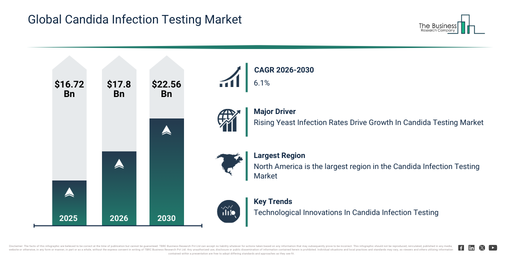
    Candida Infection Testing Market Revenue Growth Supported By A CAGR Of 22.55% Through 2030

    The market for candida infection testing experienced robust expansion lately, projecting a rise from $16.72 billion in 2025 to $17.8 billion by 2026, reflecting a compound annual growth rate of 6.4%. This growth during the past period was fueled by several factors, including a greater prevalence of fungal infections, an increasing number of patients with weakened immune systems, the broadening of diagnostic capabilities within hospitals, the widespread use of culture-based methods for fungal detection, and heightened awareness regarding antifungal drug resistance.

    The market for candida infection testing is projected for robust expansion in the upcoming years, reaching an estimated value of $22.56 billion by 2030, propelled by a compound annual growth rate (CAGR) of 6.1%. This anticipated surge is underpinned by several key drivers, including heightened demand for swift fungal diagnostic solutions, a greater embrace of molecular and microbiome testing methodologies, the broadening availability of point-of-care fungal testing, increased investment in the sphere of infectious disease diagnostics, and a heightened emphasis on tailoring antifungal treatments to individual patient needs. Furthermore, prevailing trends expected to shape this market during the forecast period involve a greater adoption of molecular techniques for candida detection, an increased utilization of rapid nucleic acid amplification test (NAAT)-based testing, the growing incorporation of microbiome analysis into diagnostic workflows, the expansion of fungal diagnostic services within hospital settings, and a more pronounced focus on the early identification of fungal infections.

    Download A Free Sample Report For Comprehensive Market Insights:

    https://www.thebusinessresearchcompany.com/sample.aspx?id=19356&type=smp

    Candida Infection Testing Market Expansion Supported By Key Demand Factors

    The candida infection testing market is anticipated to experience expansion fueled by a rise in yeast infection occurrences. These fungal infections, characterized by an overgrowth of candida and frequently impacting the mouth, genital regions, and skin, lead to symptoms like itching, redness, and general discomfort. The proliferation of candida, often triggered by disruptions in the body’s microbial balance, compromised immunity, or hormonal fluctuations, is the primary cause of these infections. Diagnostic testing for candida infections plays a crucial role in accurately identifying this overgrowth, enabling medical professionals to confirm the condition and determine the most effective treatment strategies. Illustrating this trend, data from the UK Health Security Agency revealed that in England, bloodstream infections attributed to yeast saw a 4% increase in 2024 compared to the preceding year, with reported cases climbing from 2,170 to 2,247, and the incidence rate rising from 3.8 to 3.9 per 100,000 individuals during the same timeframe. Consequently, the escalating prevalence of yeast infections is expected to be a significant driver for the candida infection testing market’s growth.

    Candida Infection Testing Market Segment Outlook: Which Categories Are Expanding The Fastest?

    The candida infection testing market covered in this report is segmented –

    1) By Type: Invasive Candidiasis, Candidemia

    2) By Test Type: Vaginal pH Test, Nucleic Acid Amplification Testing (NAAT), Microbiome Test

    3) By Application: Hospital, Laboratory

    Subsegments:

    1) By Invasive Candidiasis: Tissue Biopsy Testing, Urine Culture Testing, Blood Culture Testing

    2) By Candidemia: Blood Tests, Serological Testing, Molecular Testing

    Candida Infection Testing Market Growth Trends Influencing Competitive Dynamics

    The significant players within the candida infection testing market are prioritizing the creation of cutting-edge diagnostic tools, exemplified by the advancement of fully automated polymerase chain reaction (PCR) rapid tests designed to pinpoint candida, thereby boosting the precision of diagnoses and improving patient health. Such an automated PCR rapid test represents a sophisticated medical device that leverages PCR technology to swiftly and reliably identify Candida species in biological specimens. As an illustration, in May of 2024, Bosch Healthcare Solutions GmbH, a German firm specializing in medical technology, introduced a PCR test for the detection of candida auris, utilized with their Vivalytic platform, which facilitates complete automation for rapid testing results available in under an hour directly at the point of patient care. This sophisticated testing method permits immediate screening, standing in stark contrast to conventional culture techniques that require one to three days for results from central laboratories, consequently postponing diagnosis and therapeutic interventions. Engineered for practical use within healthcare environments, this test proves especially advantageous for individuals at elevated risk, facilitating prompt diagnosis and treatment initiation, which is crucial for mitigating the severe health threats posed by C. auris infections.

    Candida Infection Testing Market Key Companies And Competitive Benchmarking

    Major companies operating in the candida infection testing market are Thermo Fisher Scientific Inc., Abbott Laboratories, Siemens Healthineers AG, Laboratory Corporation of America Holdings, Quest Diagnostics Incorporated, Hologic Inc., bioMérieux SA, Bio-Rad Laboratories Inc., Bruker Corporation, QIAGEN N.V., Cepheid, Randox Laboratories Ltd., Meridian Bioscience Inc., DiaSorin S.p.A., Sekisui Diagnostics LLC, Enzo Biochem Inc., T2 Biosystems Inc., Aidian Oy, SafeCare LLC, CHROMagar, HK Biotek Inc., Health Testing Centers LLC, Accesa Labs LLC, Private MD Labs LLC

    Access The Complete Candida Infection Testing Market Report:

    https://www.thebusinessresearchcompany.com/report/candida-infection-testing-global-market-report

    Candida Infection Testing Market Global Footprint: Which Region Holds Market Leadership?

    North Americawas the largest region in the candida infection testing market in 2025. The regions covered in the candida infection testing market report are Asia-Pacific, South East Asia, Western Europe, Eastern Europe, North America, South America, Middle East, Africa.

    Get in touch with us:

    The Business Research Company: https://www.thebusinessresearchcompany.com/

    Americas: +1 310-496-7795

    Asia: +44 7882 955267 & +91 8897263534

    Europe: +44 7882 955267

    Email us at: marketing@tbrc.info

    Follow us on:

    LinkedIn: https://in.linkedin.com/company/the-business-research-company

    YouTube: https://www.youtube.com/channel/UC24_fI0rV8cR5DxlCpgmyFQ

    Global Market Model: https://www.thebusinessresearchcompany.com/global-market-model

  • Cancer Tumor Profiling Market Growth Through 2030 Creates New Strategic Opportunities

    Cancer Tumor Profiling Market Growth Through 2030 Creates New Strategic Opportunities

    Through market attractiveness analysis, total addressable market evaluation, company benchmarking matrices, interactive Excel dashboards, expanded supply chain intelligence, emerging startup coverage, and detailed product insights, The Business Research Company’s 2026 market reports provide more actionable and strategically valuable research.

    Cancer Tumor Profiling Market Value Expansion And Long-Term Growth Outlook

    The landscape of cancer tumor profiling has experienced swift expansion, commencing from a valuation of $14.97 billion in 2025 and projecting an increase to $17.1 billion by 2026, reflecting a compound annual growth rate of 14.3%. This upward trajectory historically owes much to factors such as the heightened application of tumor biopsy diagnostics, the broadening scope of oncology research initiatives, the early integration of molecular stratification in clinical practice, the proliferation of profiling services within hospital settings, and the increasing accessibility of sophisticated laboratory facilities.

    The market for cancer tumor profiling is poised for significant expansion in the coming years, projected to reach $28.27 billion by 2030 with a compound annual growth rate of 13.4%. This anticipated surge is fueled by several key factors including a heightened need for informed precision oncology decisions, the proliferation of tailored cancer treatments, augmented investments in translational research, a greater embrace of cutting-edge sequencing technologies, and an intensified emphasis on predictive diagnostic approaches for cancer. Over the forecast period, prominent developments are expected to include a more widespread application of multi-omics profiling of tumors, increased utilization of targeted sequencing panels, deeper integration of artificial intelligence in analyzing biomarkers, broader availability of personalized treatment strategies, and a more pronounced focus on prognostic profiling.

    Download A Free Sample Report For Comprehensive Market Insights:

    https://www.thebusinessresearchcompany.com/sample.aspx?id=6053&type=smp

    #Cancer Tumor Profiling Market Growth Drivers And Industry Catalysts

    The escalating worldwide prevalence of cancer is anticipated to fuel the expansion of the market for cancer and tumor profiling. Cancer, characterized by the uncontrolled proliferation and dissemination of abnormal cells, sees a corresponding rise in the need for sophisticated profiling techniques as its incidence grows, aiding clinicians in assessing disease severity. For illustration, figures from the American Cancer Society in 2024 indicated that 2 million new cancer diagnoses were made in the United States, an increase from the 1.9 million recorded in 2023. Consequently, this broader trend of rising cancer cases globally is a primary catalyst for the advancing cancer and tumor profiling market.

    ## Cancer Tumor Profiling Market Driver: Growing Incidence Of Stomach Cancer

    An upward trend in stomach cancer cases is poised to stimulate the expansion of the cancer and tumor profiling market. Stomach cancer manifests as the uncontrolled proliferation of malignant cells within the stomach’s lining. Although gastrointestinal stromal tumors (GISTs) can arise in the stomach, they represent a separate entity from stomach cancer itself. Research has indicated that individuals diagnosed with GISTs, particularly when two distinct tumors merge, face a heightened susceptibility to developing other forms of cancer, such as adenocarcinoma of the small intestine. Cancer and tumor profiling offer crucial insights into the development of stomach cancer, thereby facilitating more effective treatment strategies. As an example, Cancer Research UK, a prominent UK-based cancer research charity, forecasts a 12% decline in stomach cancer incidence in the United Kingdom from the 2023-2025 period to the 2038-2040 period, estimating an average of 8 cases per 100,000 individuals annually. Therefore, the increasing occurrence of stomach cancer is a significant driver for the growth of the cancer and tumor profiling market.

    Cancer Tumor Profiling Market Segment Landscape: Which Areas Lead Market Development?

    The cancer tumor profiling market covered in this report is segmented –

    1) By Cancer Type: Lung Cancer, Breast Cancer, Colorectal Cancer, Prostate Cancer, Melanoma, Ovarian Cancer, Stomach Cancer, Pancreatic Cancer, Thyroid Cancer, Other Cancer Types

    2) By Technology: Next-Generation Sequencing (NGS), Polymerase Chain Reaction (PCR), Immunohistochemistry (IHC), In Situ Hybridization (ISH), Microarray, Other Technologies

    3) By Process Type: Genomics, Proteomics, Epigenetics, Other Types

    4) By Application: Personalized Medicine, Diagnostics, Biomarker Discovery, Prognostics, Research Applications

    Subsegments:

    1) By Lung Cancer: Non-Small Cell Lung Cancer (NSCLC), Small Cell Lung Cancer (SCLC)

    2) By Breast Cancer: Hormone Receptor-Positive, Triple-Negative Breast Cancer, HER2-Positive Breast Cancer

    3) By Colorectal Cancer: Colon Cancer, Rectal Cancer

    4) By Prostate Cancer: Localized Prostate Cancer, Advanced Prostate Cancer

    5) By Melanoma: Cutaneous Melanoma, Non-Cutaneous Melanoma

    6) By Ovarian Cancer: Epithelial Ovarian Cancer, Non-Epithelial Ovarian Cancer

    7) By Stomach Cancer: Gastric Adenocarcinoma, Gastrointestinal Stromal Tumors (GISTs)

    8) By Pancreatic Cancer: Exocrine Pancreatic Cancer, Neuroendocrine Tumors

    9) By Thyroid Cancer: Papillary Thyroid Cancer, Follicular Thyroid Cancer, Medullary Thyroid Cancer

    10) By Other Cancer Types: Kidney Cancer, Bladder Cancer, Liver Cancer, Esophageal Cancer

    Cancer Tumor Profiling Market Industry Leaders And Market Competition

    Major companies operating in the cancer tumor profiling market are F. Hoffmann-La Roche Ltd., Caris Life Sciences, Thermo Fisher Scientific Inc., Illumina Inc., Qiagen, HTG Molecular Diagnostics Inc., NanoString Technologies Inc., NeoGenomics Laboratories Inc., Lucence Health Inc., ACT Genomics Co. LTD, Strand Life Sciences, Exact Sciences Corporation, Guardant Health, Foundation Medicine Inc., Agilent Technologies Inc., Myriad Genetics Inc., Personal Genome Diagnostics Inc., Tempus Labs Inc., ArcherDX Inc., Natera Inc., Bio-Rad Laboratories Inc., Genetron Health, NantHealth Inc., Resolution Bioscience, OncoDNA, Strata Oncology Inc., RareCyte Inc., Inivata Limited, Cepheid

    Access The Complete Cancer Tumor Profiling Market Report:

    https://www.thebusinessresearchcompany.com/report/cancer-tumor-profiling-global-market-report

    Cancer Tumor Profiling Market Regional Distribution: Which Areas Drive Market Expansion?

    North Americawas the largest region in cancer and tumor profiling market in 2025. Asia-Pacificis expected to be the fastest-growing region in the forecast period. The regions covered in the cancer tumor profiling market report are Asia-Pacific, South East Asia, Western Europe, Eastern Europe, North America, South America, Middle East, Africa.

    Get in touch with us:

    The Business Research Company: https://www.thebusinessresearchcompany.com/

    Americas: +1 310-496-7795

    Asia: +44 7882 955267 & +91 8897263534

    Europe: +44 7882 955267

    Email us at: marketing@tbrc.info

    Follow us on:

    LinkedIn: https://in.linkedin.com/company/the-business-research-company

    YouTube: https://www.youtube.com/channel/UC24_fI0rV8cR5DxlCpgmyFQ

    Global Market Model: https://www.thebusinessresearchcompany.com/global-market-model

  • Cancer Treatment Facilities Market Size Projected To Increase From $52.19 Billion To $70.52 Billion During The Forecast Period

    Cancer Treatment Facilities Market Size Projected To Increase From $52.19 Billion To $70.52 Billion During The Forecast Period

    Delivering more actionable and strategically valuable research, The Business Research Company’s 2026 market reports feature market attractiveness analysis, total addressable market evaluation, company benchmarking matrices, interactive Excel dashboards, expanded supply chain intelligence, emerging startup coverage, and detailed product insights.

    Cancer Treatment Facilities Market Expected To Reach $70.52 Billion By 2030 At 7.8% CAGR

    The market for cancer treatment facilities experienced robust expansion lately, projecting a rise from $48.27 billion in 2025 to $52.19 billion in 2026, indicating a compound annual growth rate of 8.1%. This historical growth trajectory is underpinned by several key factors, including escalating worldwide cancer diagnoses, the proliferation of oncology services within hospital settings, the accessibility of chemotherapy and radiation therapies, heightened public consciousness regarding early cancer detection, and an increasing pool of qualified oncology professionals.

    The market for cancer treatment facilities is poised for significant expansion over the upcoming years, with projections indicating a rise to $70.52 billion by 2030, driven by a compound annual growth rate of 7.8%. This projected expansion during the forecast period is largely fueled by escalating investments directed towards cancer research infrastructure, a greater embrace of immunotherapy and targeted therapeutic interventions, the widespread implementation of personalized medicine strategies, the increasing integration of digital health solutions within oncology care, and a heightened demand for comprehensive cancer treatment services. Key developments anticipated within this timeframe encompass the growing adoption of precision oncology approaches, the enhanced integration of sophisticated diagnostic technologies, the increased utilization of multidisciplinary care frameworks, the further expansion of dedicated cancer centers, and a heightened emphasis on patient-centered care methodologies.

    Download A Free Sample Report For Comprehensive Market Insights:

    https://www.thebusinessresearchcompany.com/sample.aspx?id=25716&type=smp

    Cancer Treatment Facilities Market Opportunity Drivers: What Is Creating New Revenue Potential?

    Anticipating an upward trajectory, the cancer treatment facilities market is poised for expansion, largely driven by the increasing incidence of cancer. Cancer, a complex set of conditions marked by the aberrant proliferation and dissemination of cells, is becoming more prevalent, partly due to an aging demographic which naturally elevates the risk associated with older age brackets. Facilities dedicated to cancer treatment play a crucial role in managing this escalating health challenge, providing vital services such as early diagnosis, sophisticated therapeutic interventions, and ongoing patient support, all critical for enhancing both survival rates and overall well-being. Illustratively, a report issued in September 2025 by the American Association for Cancer Research (AACR), a prominent US organization committed to cancer prevention and eradication, highlighted that the year 2025 saw an estimated 20 million new cancer diagnoses and more than 10.3 million fatalities linked to the disease worldwide, while approximately 53.5 million individuals were estimated to be living for at least five years post-diagnosis. Consequently, the expanding global burden of cancer is a primary catalyst for the growth observed in the cancer treatment facilities sector.

    Cancer Treatment Facilities Market Segments: Where Are The Largest Growth Opportunities?

    The cancer treatment facilities market covered in this report is segmented –

    1) By Cancer Type: Blood Cancer, Breast Cancer, Prostate Cancer, Gastrointestinal Cancer, Colorectal Cancer, Lung Cancer, Other Cancer Types

    2) By Treatment Type: Cancer Surgery, Chemotherapy, Radiation Therapy, Immunotherapy, Bone Marrow Transplantation, Other Treatment Types

    3) By Provider: Hospitals, Cancer Centers

    Subsegments:

    1) By Blood Cancer: Leukemia, Lymphoma, Multiple Myeloma, Myelodysplastic Syndromes (MDS), Myeloproliferative Neoplasms (MPNs)

    2) By Breast Cancer: Hormone Receptor Positive (HR+), HER2-Positive Breast Cancer, Triple-Negative Breast Cancer (TNBC), Inflammatory Breast Cancer, Male Breast Cancer

    3) By Prostate Cancer: Localized Prostate Cancer, Advanced Or Metastatic Prostate Cancer, Castration-Resistant Prostate Cancer (CRPC), Hormone-Sensitive Prostate Cancer (HSPC)

    4) By Gastrointestinal Cancer: Stomach (Gastric) Cancer, Esophageal Cancer, Liver Cancer (Hepatocellular Carcinoma), Pancreatic Cancer, Bile Duct Cancer (Cholangiocarcinoma)

    5) By Colorectal Cancer: Colon Cancer, Rectal Cancer, Early-Stage Colorectal Cancer, Metastatic Colorectal Cancer, Familial Adenomatous Polyposis (FAP)-Associated Cancer

    6) By Lung Cancer: Non-Small Cell Lung Cancer (NSCLC), Small Cell Lung Cancer (SCLC), EGFR Mutation-Positive Lung Cancer, ALK-Positive Lung Cancer, PD-L1 Expressing Lung Cancer

    7) By Other Cancer Types: Skin Cancer, Bladder Cancer, Cervical Cancer, Ovarian Cancer, Kidney (Renal Cell) Cancer, Head And Neck Cancer, Thyroid Cancer, Brain Tumors

    Cancer Treatment Facilities Market Innovation Trends Driving Future Development

    Leading organizations within the cancer treatment facilities landscape are prioritizing cutting-edge therapeutic modalities, including electron beam therapy, to elevate the accuracy and efficacy of oncological interventions. This modality involves the utilization of high-energy electrons for cancer treatment, specifically targeting superficial tumors. Illustrating this trend, Aster DM Healthcare Limited, a healthcare entity based in the UAE, introduced intraoperative electron radiation therapy (IOeRT) in October 2024 for cancer treatment services. IOeRT presents distinctive advantages, such as the direct delivery of a high-dose electron beam in a single fraction to the tumor site during surgical procedures, enabling precise eradication of remaining cancer cells through direct visualization while simultaneously protecting surrounding healthy tissues. The application of high-energy electrons, generally in the range of 4–12 MeV, guarantees a rapid dose reduction, thereby minimizing radiation’s impact on deeper anatomical regions.

    Cancer Treatment Facilities Market Major Participants And Competitive Dynamics

    Major companies operating in the cancer treatment facilities market are Kaiser Permanente, HCA Healthcare Inc., CommonSpirit Health, Ascension Health, Trinity Health Corporation, Tenet Healthcare Corporation, Adventist Health System Sunbelt Healthcare Corporation, Universal Health Services Inc., Community Health Systems Inc., Ramsay Health Care Limited, Sutter Health, Stanford Health Care, Netcare Limited, Allegheny Health Network, IHH Healthcare Berhad, Fortis Healthcare, LifePoint Health Inc., Aster DM Healthcare Limited, Prime Healthcare Services Inc., Providence Health & Services.

    Access The Complete Cancer Treatment Facilities Market Report:

    https://www.thebusinessresearchcompany.com/report/cancer-treatment-facilities-global-market-report

    Cancer Treatment Facilities Market Leading Geography: Which Region Generates The Most Revenue?

    Asia-Pacificwas the largest region in the cancer treatment facilities market in 2025, and it is expected to be the fastest-growing region in the forecast period. The regions covered in the cancer treatment facilities market report are Asia-Pacific, South East Asia, Western Europe, Eastern Europe, North America, South America, Middle East, Africa.

    Get in touch with us:

    The Business Research Company: https://www.thebusinessresearchcompany.com/

    Americas: +1 310-496-7795

    Asia: +44 7882 955267 & +91 8897263534

    Europe: +44 7882 955267

    Email us at: marketing@tbrc.info

    Follow us on:

    LinkedIn: https://in.linkedin.com/company/the-business-research-company

    YouTube: https://www.youtube.com/channel/UC24_fI0rV8cR5DxlCpgmyFQ

    Global Market Model: https://www.thebusinessresearchcompany.com/global-market-model

  • Cancer Stem Cells Market Growth Outlook Reveals A CAGR Of 10.3% And A Market Value Of $5.31 Billion By 2030

    Cancer Stem Cells Market Growth Outlook Reveals A CAGR Of 10.3% And A Market Value Of $5.31 Billion By 2030

    Enhanced with market attractiveness analysis, total addressable market evaluation, company benchmarking matrices, interactive Excel dashboards, expanded supply chain intelligence, emerging startup coverage, and detailed product insights, The Business Research Company’s 2026 market reports deliver more actionable and strategically valuable research.

    #Cancer Stem Cells Market Size And Revenue Forecast Through 2030

    The global market for cancer stem cells has experienced substantial expansion lately, projected to increase from $3.24 billion in 2025 to $3.59 billion in 2026, reflecting a compound annual growth rate of 10.6%. This historical growth trajectory has been propelled by significant progress in the study of stem cell biology, the successful isolation of cancer stem cell populations, increased investment in cancer research, the development of more sophisticated preclinical cancer models, and a surge in partnerships between academic institutions and industry.

    The market for cancer stem cells is poised for substantial expansion over the coming years, projected to reach a valuation of $5.31 billion by 2030, driven by a compound annual growth rate of 10.3%. This anticipated growth is fueled by several key factors, including a surge in demand for long-lasting cancer treatments, escalating investments in research focused on targeted oncology, the broadening scope of personalized cancer treatment approaches, an intensified emphasis on preventing metastasis, and the increasing incorporation of cancer stem cell research into clinical oncology practices. Within this forecast period, significant trends are emerging, such as a heightened focus on targeting cancer cells that exhibit resistance to therapy, a rise in investigations into pathways specific to cancer stem cells, the burgeoning development of biomarkers for these cells, an expansion of research bridging translational and clinical applications, and a more pronounced integration of cancer stem cell models into the process of drug discovery.

    Download A Free Sample Report For Comprehensive Market Insights:

    https://www.thebusinessresearchcompany.com/sample.aspx?id=27235&type=smp

    Cancer Stem Cells Market Growth Momentum: Which Factors Are Influencing Demand?

    Enhanced demand for tailored medical interventions is anticipated to drive the expansion of the cancer stem cell (CSC) market. Personalized medicine, which involves developing treatment strategies based on an individual’s genetic profile, tumor characteristics, and unique responses to therapy, aims to boost efficacy while minimizing adverse effects. This growing preference for personalized approaches is fueled by the increasing accessibility and affordability of genomic sequencing technologies, now widely adopted in both cancer research and patient care. By targeting CSCs, personalized medicine customizes therapies to address the specific molecular and genetic attributes of a patient’s tumor. Initial tumor analysis identifies mutations, active signaling pathways, and surface markers distinctive to its CSCs, enabling healthcare providers to pinpoint treatments that disrupt crucial pathways. Illustrating this trend, in February 2024, the Personalized Medicine Coalition reported that the US Food and Drug Administration (FDA) authorized 16 new personalized treatments for individuals with rare diseases in 2023, a notable increase from the six approvals granted in 2022. Consequently, the escalating need for solutions that provide real-time risk evaluation and management is a key factor propelling the CSC market forward.

    Cancer Stem Cells Market Segment Analysis: What Are The Major Market Categories?

    The cancer stem cells market covered in this report is segmented –

    1) By Type: Solid Tumor Stem Cells, Hematopoietic Stem Cells, Breast Cancer Stem Cells, Colorectal Cancer Stem Cells, Brain Cancer Stem Cells, Leukemia Stem Cells

    2) By Cancer Forms: Breast, Blood, Lung, Brain, Colorectal, Pancreatic, Bladder, Liver, Other Cancer Forms

    3) By Mode Of Action: Targeted Cancerous Stem Cells (Cscs), Stem Cell-Based Cancer Therapy

    4) By Research Type: Basic Research, Clinical Research, Preclinical Research, Translational Research

    5) By End User: Pharmaceutical And Biotechnology Companies, Research And Academic Institutions, Hospitals And Laboratories, Contract Research Organizations (CROs)

    Subsegments:

    1) By Solid Tumor Stem Cells: Lung Cancer Stem Cells, Liver Cancer Stem Cells, Pancreatic Cancer Stem Cells, Prostate Cancer Stem Cells, Ovarian Cancer Stem Cells

    2) By Hematopoietic Stem Cells: Myeloid Stem Cells, Lymphoid Stem Cells, Erythroid Stem Cells, Megakaryocytic Stem Cells, Granulocytic Stem Cells

    3) By Breast Cancer Stem Cells: Triple Negative Breast Cancer Stem Cells, Hormone Receptor Positive Breast Cancer Stem Cells, Human Epidermal Growth Factor Receptor 2 Positive Breast Cancer Stem Cells, Metastatic Breast Cancer Stem Cells, Inflammatory Breast Cancer Stem Cells

    4) By Colorectal Cancer Stem Cells: Adenocarcinoma Colorectal Cancer Stem Cells, Mucinous Colorectal Cancer Stem Cells, Signet Ring Cell Colorectal Cancer Stem Cells, Metastatic Colorectal Cancer Stem Cells, Serrated Colorectal Cancer Stem Cells

    5) By Brain Cancer Stem Cells: Glioblastoma Stem Cells, Medulloblastoma Stem Cells, Astrocytoma Stem Cells, Oligodendroglioma Stem Cells, Ependymoma Stem Cells

    6) By Leukemia Stem Cells: Acute Myeloid Leukemia Stem Cells, Chronic Myeloid Leukemia Stem Cells, Acute Lymphoblastic Leukemia Stem Cells, Chronic Lymphocytic Leukemia Stem Cells, Mixed Phenotype Acute Leukemia Stem Cells

    Cancer Stem Cells Market Trends Reshaping Industry Growth

    Companies that are significant players in the cancer stem cells market are dedicating resources to progress in technology, specifically through pre-analytical immunomagnetic sorting systems. These systems are designed to refine the process of cell enrichment, thereby boosting the precision of diagnoses. Essentially, pre-analytical immunomagnetic sorting systems are sophisticated instruments that employ magnetic particles, which have been coated with antibodies, to separate distinct cancer stem cell groups from intricate biological samples. This method enhances both the sensitivity and consistency of subsequent laboratory tests. An illustrative example occurred in March of 2024 when STEMCELL Technologies, a Canadian biotechnology firm, unveiled the EasySep Human Bone Marrow CD138 Positive Selection Kit. This kit holds the distinction of being the inaugural hematopoietic cell enrichment product to be granted FDA de novo classification, designating it as a Class II in vitro diagnostic device. Its function is to concentrate CD138+ plasma cells from bone marrow samples, leading to a more effective identification of anomalies associated with multiple myeloma. The kit’s development aims to elevate diagnostic precision, increase test reliability, and ultimately contribute to better patient results in the management of multiple myeloma. Its core objective is to fortify the initial analytical phase of cancer diagnostics by providing highly purified cell populations, which are essential for more dependable follow-up examinations.

    Cancer Stem Cells Market Leading Companies Driving Competitive Growth

    Major companies operating in the cancer stem cells market are MacroGenics Inc., Novartis AG, Bristol-Myers Squibb Company, Eli Lilly and Company, Amgen Inc., Lonza Group AG, A. Menarini Industrie Farmaceutiche Riunite S.r.l., Bio-Techne Corporation, Zymeworks Inc., Kura Oncology Inc., GeneTex Inc., YZY Biopharma Co. Ltd., Abnova Taiwan Corporation, BioView Ltd., ScienCell Research Laboratories Inc., Boster Biological Technology Co. Ltd., AAT Bioquest Inc., Celprogen Inc., Actinium Pharmaceuticals Inc., OncoMed Pharmaceuticals Inc., Fate Therapeutics Inc., Verastem Oncology Inc.

    Access The Complete Cancer Stem Cells Market Report:

    https://www.thebusinessresearchcompany.com/report/cancer-stem-cells-global-market-report

    Cancer Stem Cells Market Regional Outlook: Where Are The Largest Opportunities Located?

    North Americawas the largest region in the cancer stem cells market in 2025. Asia-Pacificis expected to be the fastest-growing region in the forecast period. The regions covered in the cancer stem cells market report are Asia-Pacific, South East Asia, Western Europe, Eastern Europe, North America, South America, Middle East, Africa.

    Get in touch with us:

    The Business Research Company: https://www.thebusinessresearchcompany.com/

    Americas: +1 310-496-7795

    Asia: +44 7882 955267 & +91 8897263534

    Europe: +44 7882 955267

    Email us at: marketing@tbrc.info

    Follow us on:

    LinkedIn: https://in.linkedin.com/company/the-business-research-company

    YouTube: https://www.youtube.com/channel/UC24_fI0rV8cR5DxlCpgmyFQ

    Global Market Model: https://www.thebusinessresearchcompany.com/global-market-model
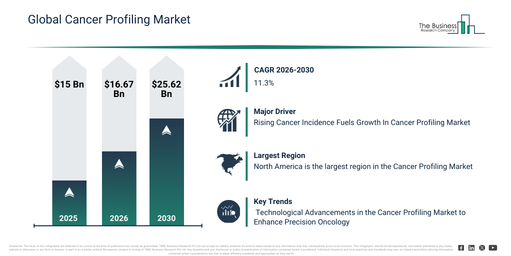
  • Cancer Profiling Market Forecast Highlights Expansion From $16.67 Billion To $25.62 Billion Through 2030

    Cancer Profiling Market Forecast Highlights Expansion From $16.67 Billion To $25.62 Billion Through 2030

    Through market attractiveness analysis, total addressable market evaluation, company benchmarking matrices, interactive Excel dashboards, expanded supply chain intelligence, emerging startup coverage, and detailed product insights, The Business Research Company’s 2026 market reports provide more actionable and strategically valuable research.

    Cancer Profiling Market Growth From $16.67 Billion In 2026 To $25.62 Billion By 2030 At A CAGR Of 11.3%

    The field of cancer profiling has witnessed substantial expansion lately. Projected to increase from a valuation of $15 billion in 2025 to $16.67 billion by 2026, this growth reflects a compound annual growth rate of 11.1%. Factors contributing to the expansion observed during the earlier period include a rise in cancer occurrences, a broader establishment of molecular diagnostics facilities, earlier integration of genetic testing within cancer care, an increase in research endeavors focused on cancer profiling, and the greater accessibility of diagnostic technologies.

    The market for cancer profiling is poised for substantial expansion in the upcoming years, projecting a reach of $25.62 billion by 2030, propelled by a compound annual growth rate (CAGR) of 11.3%. This anticipated growth is largely fueled by a rising embrace of precision medicine strategies, the broadening scope of companion diagnostics, widespread adoption of liquid biopsy methods, escalating investments in cancer diagnostics, and the increasing incorporation of profiling into standard clinical practices. Key developments shaping this period include a greater reliance on next-generation sequencing (NGS) for cancer profiling, increased utilization of extensive genomic panels, enhanced integration of artificial intelligence for data analysis, the proliferation of personalized oncology diagnostics, and a heightened emphasis on identifying molecular markers early in the disease process.

    Download A Free Sample Report For Comprehensive Market Insights:

    https://www.thebusinessresearchcompany.com/sample.aspx?id=9912&type=smp

    Cancer Profiling Market Expansion Drivers: What Is Shaping Future Growth?

    The projected rise in cancer occurrences is anticipated to fuel the expansion of the cancer profiling market in the future. Cancer incidence, signifying the count of new cancer diagnoses within a defined demographic over a specific timeframe, is escalating due to factors such as increasing urbanization, an aging global population, evolving lifestyle patterns, and a combination of environmental and hereditary influences. Cancer profiling serves a crucial role in pinpointing unique molecular or genetic alterations within a tumor, including gene mutations or other anomalies in tumor DNA, thereby contributing significantly to the cancer treatment continuum. For example, data from July 2024, citing the Australian Institute of Health and Welfare, a governmental body in Australia, indicated that an estimated 165,000 individuals in Australia received a new cancer diagnosis in 2023, translating to more than 450 diagnoses daily, with males accounting for approximately 55% of these cases. Consequently, the escalating rate of cancer incidence is a primary catalyst for the growth trajectory of the cancer profiling market.

    Cancer Profiling Market Segment Breakdown: Which Categories Generate The Most Revenue?

    The cancer profiling market covered in this report is segmented –

    1) By Technology: Immunoassays, PCR (Polymerized Chain Reaction), NGS (Next-Generation Sequencing), Microarrays, In-Situ Hybridization

    2) By Biomarker Type: Genomic Biomarkers, Protein Biomarkers

    3) By Cancer Type: Breast Cancer, Lung Cancer, Colorectal Cancer, Prostate Cancer, Melanoma Cancer, Other Cancers

    4) By Application: Research Applications, Clinical Applications, Diagnostics, Prognostics, Other Applications

    Subsegments:

    1) By Immunoassays: Enzyme-Linked Immunosorbent Assay (ELISA), Western Blotting, Luminex xMAP Technology

    2) By PCR (Polymerase Chain Reaction): Quantitative PCR (qPCR), Digital PCR (dPCR), Reverse Transcription PCR (RT-PCR)

    3) By NGS (Next-Generation Sequencing): Whole Genome Sequencing (WGS), Whole Exome Sequencing (WES), Targeted Sequencing, RNA Sequencing (RNA-Seq)

    4) By Microarrays: DNA Microarrays, RNA Microarrays, SNP Arrays

    5) By In-Situ Hybridization: Fluorescence In-Situ Hybridization (FISH), Chromogenic In-Situ Hybridization (CISH)

    Cancer Profiling Market Strategic Trends: What Is Defining The Next Phase Of Growth?

    To gain a competitive edge within the cancer profiling sector, leading companies are prioritizing innovations like integrated whole-exome sequencing (WES) and whole-transcriptome sequencing (WTS) methodologies. These advanced assays are designed to deliver more thorough, tissue-efficient, and clinically relevant diagnostic insights for precision cancer treatment. By merging DNA (exome) and RNA (transcriptome) analysis into a singular process, these tests can identify both genetic alterations such as single nucleotide variants, insertions/deletions, and copy number variations, in addition to gene expression patterns or fusion events. This contrasts with older methods that either necessitated separate tests or were limited to examining only a select group of genes, thereby offering less comprehensive data. A notable development occurred in November 2024 when Caris Life Sciences, a US firm specializing in precision medicine, secured FDA clearance for MI Cancer Seek, an innovative next-generation sequencing in vitro diagnostic tool capable of performing WES and WTS concurrently. This particular assay leverages total nucleic acid extracted from formalin-fixed paraffin-embedded (FFPE) tumor samples to proficiently detect single nucleotide variants, insertions and deletions affecting 228 genes, microsatellite instability (MSI), tumor mutational burden (TMB), and copy number amplifications, specifically in breast cancer cases. The strategic advantage of consolidating both DNA and RNA profiling within a single examination lies in its capacity to conserve valuable tissue samples, provide actionable companion diagnostic (CDx) insights applicable to a diverse range of cancer types, and expedite the selection of therapeutic strategies by offering a unified genomic profile.

    Cancer Profiling Market Key Players And Strategic Industry Positioning

    Major companies operating in the cancer profiling market are Illumina Inc., Qiagen NV, NeoGenomics Inc., Sysmex Corporation, HTG Molecular Diagnostics Inc., Caris Life Sciences, NanoString Technologies Inc., Guardant Health Inc., Foundation Medicine Inc., Roche Diagnostics Corporation, F. Hoffmann-La Roche Ltd., Thermo Fisher Scientific Inc., Genscript Biotech Corporation, Tempus Labs Inc., Hologic Inc., Predictive Oncology Inc., Abbott Laboratories, Agilent Technologies Inc., PerkinElmer Inc., Siemens Healthineers, Genomic Health Inc., Natera Inc., ArcherDX Inc., Personal Genome Diagnostics Inc., Enzo Biochem Inc., Cancer Genetics Inc., OncoDNA SA, Ribomed Biotechnologies Inc., Biocartis Group NV, N-of-One Inc., Cynvenio Biosystems Inc., Inivata Ltd., Burning Rock Biotech Limited, PathAI Inc., GENEWIZ Inc., Genoptix Inc., OmniSeq Comprehensive, Resolution Bioscience, OncoCyte Corporation

    Access The Complete Cancer Profiling Market Report:

    https://www.thebusinessresearchcompany.com/report/cancer-profiling-global-market-report

    Cancer Profiling Market Geographic Landscape: Which Region Dominates Industry Growth?

    North Americawas the largest region in the cancer profiling market in 2025. The regions covered in the cancer profiling market report are Asia-Pacific, South East Asia, Western Europe, Eastern Europe, North America, South America, Middle East, Africa.

    Get in touch with us:

    The Business Research Company: https://www.thebusinessresearchcompany.com/

    Americas: +1 310-496-7795

    Asia: +44 7882 955267 & +91 8897263534

    Europe: +44 7882 955267

    Email us at: marketing@tbrc.info

    Follow us on:

    LinkedIn: https://in.linkedin.com/company/the-business-research-company

    YouTube: https://www.youtube.com/channel/UC24_fI0rV8cR5DxlCpgmyFQ

    Global Market Model: https://www.thebusinessresearchcompany.com/global-market-model

  • Cancer In Vitro Diagnostics (IVD) Market Expected To Reach $19.85 Billion By 2030 As Growth Accelerates At 6.7% CAGR

    Cancer In Vitro Diagnostics (IVD) Market Expected To Reach $19.85 Billion By 2030 As Growth Accelerates At 6.7% CAGR

    Delivering more actionable and strategically valuable research, The Business Research Company’s 2026 market reports feature market attractiveness analysis, total addressable market evaluation, company benchmarking matrices, interactive Excel dashboards, expanded supply chain intelligence, emerging startup coverage, and detailed product insights.

    Cancer In Vitro Diagnostics (IVD) Market Expansion Outlook: What Revenue Opportunities Lie Ahead?

    The market for in vitro diagnostics (IVD) within the oncology sector has experienced substantial expansion, with projections indicating continued robust growth. Specifically, the market is anticipated to increase from $14.32 billion in 2025 to $15.32 billion in 2026, reflecting a compound annual growth rate (CAGR) of 7.0%. Factors contributing to this growth during the historical period include the enhancement of diagnostic facilities within hospitals, an increase in testing focused on biomarkers, the greater utilization of PCR and immunoassay techniques, the proliferation of cancer screening initiatives, and advancements in laboratory automation.

    The international market segment for in vitro diagnostics (IVD) within the oncology sector is poised for substantial expansion, projecting a valuation of $19.85 billion by the year 2030, propelled by a 6.7% compound annual growth rate (CAGR). This anticipated advancement stems from several key drivers, including a heightened need for customized cancer diagnostic solutions, escalating financial commitments towards genomic sequencing technologies, a broadening scope for point-of-care cancer diagnostic services, the increasing incorporation of cloud-based diagnostic systems, and a more pronounced emphasis on the principles of precision medicine. Furthermore, prominent developments anticipated within this timeframe encompass a greater embrace of molecular and genomic approaches to cancer testing, expanded utilization of companion diagnostics, more pervasive integration of artificial intelligence for data analysis, widening applications for liquid biopsy techniques, and an intensified concentration on strategies for the early identification of cancer.

    Download A Free Sample Report For Comprehensive Market Insights:

    https://www.thebusinessresearchcompany.com/sample.aspx?id=27234&type=smp

    Cancer In Vitro Diagnostics (IVD) Market Development Factors: Which Trends Are Supporting Demand?

    The escalating prevalence of cancer is anticipated to be a primary catalyst for the expansion of the cancer in vitro diagnostics (IVD) market. Cancer, characterized by the unchecked proliferation and dissemination of aberrant cells within the body, possesses the capacity to infiltrate adjacent tissues and manifest as tumors. This heightened incidence is largely attributable to an aging global population, where increased lifespans and a decrease in mortality from infectious diseases contribute to a larger segment of individuals in higher-risk age groups for cancer development. Cancer IVD plays a crucial role in addressing the disease by facilitating its early and precise identification, tracking its progression, and aiding in its management through laboratory analyses of patient samples, which ultimately lead to prompt therapeutic interventions and enhanced patient prognoses. As an illustration, preliminary data shared in January 2023 by the American Cancer Society, a prominent US non-profit organization committed to cancer eradication, indicated projections of 1,958,310 new cancer diagnoses and 609,820 cancer-related fatalities within the United States for the year 2023. Consequently, the rising occurrence of cancer is directly stimulating the growth trajectory of the cancer in vitro diagnostics (IVD) sector.

    Cancer In Vitro Diagnostics (IVD) Market Segmentation: How Is The Market Structured Across Key Categories?

    The cancer in vitro diagnostics (ivd) market covered in this report is segmented –

    1) By Product Type: Reagents And Kits, Instruments, Software And Services

    2) By Technology: Clinical Chemistry, Immunochemistry Or Immunoassays, Hematology, Coagulation And Hemostasis, Cytogenetics Or Liquid Biopsy Technologies, Molecular Diagnostics, Other Technology

    3) By Cancer Type: Breast Cancer, Lung Cancer, Prostate Cancer, Colorectal Cancer

    4) By End-Users: Hospitals, Laboratories, Academics, Point-Of-Care Testing, Specialty Oncology Diagnostic Centers, Other End Users

    Subsegments:

    1) By Reagents And Kits: PCR Reagents And Kits, NGS Reagents And Kits, Immunoassay Reagents And Kits, In Situ Hybridization (ISH) Reagents And Kits, Others

    2) By Instruments: PCR Instruments, NGS Instruments, Immunoassay Analyzers, ISH Instruments, Others

    3) By Software And Services: Data Analysis Software, Laboratory Information Management Systems, Cloud-Based Data Management, Instrument Integration Software, Support And Maintenance Services

    Cancer In Vitro Diagnostics (IVD) Market Transformation Trends: Which Innovations Are Driving Change?

    Through advancements in cancer detection, key players within the cancer in vitro diagnostics sector are prioritizing novel screening methods, specifically targeting blood-based approaches for colorectal cancer (CRC) to facilitate accessible, non-invasive, and precise early identification of the disease; this blood-based screening involves the analysis of a patient’s blood for cancer-related molecular changes like circulating tumor DNA (ctDNA), thereby enabling the detection of colorectal cancer in individuals at average risk; a notable development occurred in July 2024 when Guardant Health, Inc., a prominent U.S. precision oncology firm, secured FDA approval for its Guardant Shield blood test, positioning it as a primary screening tool for colorectal cancer, which operates by examining blood for distinct ctDNA methylation signatures and other tumor markers, offering advantages such as a non-invasive sample collection process, superior analytical precision, and seamless integration into clinical practice for initial screening purposes, with its utility extending to the early detection of colorectal cancer in average-risk adults and yielding benefits like enhanced patient compliance, earlier diagnosis of cancerous conditions, a potential decrease in diagnoses at advanced stages, and qualification for Medicare coverage, thus expanding screening accessibility to a wider demographic.

    Cancer In Vitro Diagnostics (IVD) Market Competitive Landscape And Leading Companies

    Major companies operating in the cancer in vitro diagnostics (ivd) market are F. Hoffmann-La Roche Ltd, Thermo Fisher Scientific Inc., Abbott Laboratories, Danaher Corporation, Siemens Healthineers AG, Hologic Inc., Illumina Inc., Sysmex Corporation, Exact Sciences Corporation, Bio-Rad Laboratories Inc., QIAGEN N.V., Autobio Diagnostics Co Ltd., Transasia Bio-Medicals Ltd., NanoString Technologies Inc., Genetron Holdings Limited, Cancer Diagnostics Inc., J. Mitra & Co. Pvt Ltd., Tulip Diagnostics Pvt Ltd., Guardant Health Inc., Agilent Technologies Inc., BGI Genomics

    Access The Complete Cancer In Vitro Diagnostics (IVD) Market Report:

    https://www.thebusinessresearchcompany.com/report/cancer-in-vitro-diagnostics-ivd-global-market-report

    #Cancer In Vitro Diagnostics (IVD) Market Largest Region: Which Geography Holds The Highest Market Share?

    North Americawas the largest region in the cancer in vitro diagnostics (IVD) market in 2025. Asia-Pacificis expected to be the fastest-growing region in the forecast period. The regions covered in the cancer in vitro diagnostics (ivd) market report are Asia-Pacific, South East Asia, Western Europe, Eastern Europe, North America, South America, Middle East, Africa.

    Get in touch with us:

    The Business Research Company: https://www.thebusinessresearchcompany.com/

    Americas: +1 310-496-7795

    Asia: +44 7882 955267 & +91 8897263534

    Europe: +44 7882 955267

    Email us at: marketing@tbrc.info

    Follow us on:

    LinkedIn: https://in.linkedin.com/company/the-business-research-company

    YouTube: https://www.youtube.com/channel/UC24_fI0rV8cR5DxlCpgmyFQ

    Global Market Model: https://www.thebusinessresearchcompany.com/global-market-model

  • Cancer Gene Therapy Market Set To Grow From $4.9 Billion In 2026 To $8.9 Billion By 2030 At A CAGR Of 16.1%

    Cancer Gene Therapy Market Set To Grow From $4.9 Billion In 2026 To $8.9 Billion By 2030 At A CAGR Of 16.1%

    Enhanced with market attractiveness analysis, total addressable market evaluation, company benchmarking matrices, interactive Excel dashboards, expanded supply chain intelligence, emerging startup coverage, and detailed product insights, The Business Research Company’s 2026 market reports deliver more actionable and strategically valuable research.

    Cancer Gene Therapy Market Growth Potential: How Will Market Size Change Through 2030?

    The market for cancer gene therapy has experienced substantial expansion recently, projected to increase from $4.21 billion in 2025 to $4.9 billion in 2026, reflecting a compound annual growth rate (CAGR) of 16.4%. This historical growth trajectory can be attributed to several key factors, including significant strides in molecular oncology research, a broader scope of clinical trials focusing on gene therapy, heightened investments in biopharmaceutical research and development, the successful regulatory clearance of initial gene therapies, and enhancements in the manufacturing processes for therapeutic vectors.

    Within the realm of cancer gene therapy, a significant expansion is anticipated in the upcoming years, projecting a market valuation of $8.9 billion by 2030, driven by a compound annual growth rate of 16.1%. This projected expansion is underpinned by several key factors: a heightened demand for customized cancer interventions, escalating investments directed towards the production capabilities for cell and gene therapies, advancements in viral vector technologies for the next generation, a growing emphasis on multi-agent oncology treatments, and the increasing integration of precise oncology methodologies. Key developments shaping this market during the forecast period encompass the ongoing creation of specialized gene therapy platforms, a greater embrace of CAR-T and TCR therapies, heightened attention on refining viral vector performance, the broadening availability of individualized cancer gene treatments, and improved incorporation of biomarker-driven treatment selection strategies.

    Download A Free Sample Report For Comprehensive Market Insights:

    https://www.thebusinessresearchcompany.com/sample.aspx?id=27233&type=smp

    Cancer Gene Therapy Market Industry Drivers: What Is Driving Revenue Growth?

    The escalating prevalence of cancer is anticipated to serve as a significant catalyst for the expansion of the cancer gene therapy sector. Cancer, a condition defined by the rampant proliferation of aberrant cells capable of infiltrating and disseminating throughout the body, originates in diverse tissues and organs and is categorized according to its cellular or tissue origin. Factors contributing to the rising tide of cancer diagnoses include extended lifespans, as the likelihood of developing the disease escalates with advancing age. Cancer gene therapy endeavors to combat this disease by altering or substituting defective genes to halt the proliferation of cancerous cells or to bolster the body’s immune defenses against them. Illustratively, Macmillan Cancer Support, a UK entity, disclosed in August 2024 that upwards of three million individuals in the United Kingdom are currently contending with cancer, a number poised to rise to 3.5 million by 2025, 4 million by 2030, and a substantial 5.3 million by 2040, clearly underscoring the upward trend in cancer incidence as the primary driver for the cancer gene therapy market’s growth trajectory.

    Cancer Gene Therapy Market Segmentation Trends And Revenue Drivers

    The cancer gene therapy market covered in this report is segmented –

    1) By Therapy: Gene Induced Immunotherapy, Oncolytic Virotherapy, Gene Transfer

    2) By Indication: Large B-Cell Lymphoma, Multiple Myeloma, Acute Lymphoblastic Leukemia (ALL), Melanoma (lesions), Other Indications

    3) By Vector Type: Lentivirus, RetroVirus And Gamma RetroVirus, Adeno-Associated Virus (AAV), Modified Herpes Simplex Virus, Adenovirus, Other Vector Types

    4) By End-User: Hospitals, Research Institutes, Biopharma Companies, Cell Therapy Manufacturing Centers, Other End Users

    Subsegments:

    1) By Gene Induced Immunotherapy: CAR-T Cell Therapy, TCR (T-Cell Receptor) Therapy, Tumor-Infiltrating Lymphocyte (TIL) Therapy, Dendritic Cell-Based Gene Therapy, NK Cell Gene Therapy

    2) By Oncolytic Virotherapy: Adenoviruses, Herpes Simplex Virus (HSV), Reovirus, Vaccinia Virus, Newcastle Disease Virus (NDV)

    3) By Gene Transfer: Viral Gene Transfer, Non-Viral Gene Transfer

    #Cancer Gene Therapy Market Growth Trends: What Is Influencing The Future Outlook?

    Leading entities within the cancer gene therapy sector are dedicating their efforts to the creation of cutting-edge treatments, exemplified by CAR-T cell therapy, with the objective of augmenting treatment accuracy, elevating patient results, and more precisely targeting neoplastic cells while concurrently reducing harm to non-cancerous tissues. CAR-T therapy represents a sophisticated form of immunotherapy involving the genetic modification of an individual’s own immune cells to improve their capacity for identifying and eradicating malignant cells through the introduction of specific receptors. Illustratively, in April of 2024, a biotechnology firm situated in India, known as ImmunoACT, introduced NexCAR19 (actalycabtagene autoleucel), a CAR-T cell therapy for oncological conditions that originated entirely within the country. NexCAR19, engineered with the specific aim of managing B-cell lymphomas and leukemias, functions by reconfiguring the patient’s T cells to recognize and eliminate cancerous cells. This treatment, grounded in sophisticated chimeric antigen receptor (CAR) technology, is produced domestically, thereby rendering it more cost-effective and readily available compared to therapies imported from abroad. This introduction signifies a pivotal moment for India’s engagement in the worldwide arena of cancer gene therapy, underscoring substantial advancements in indigenous innovation and the provision of customized cancer care.

    #Cancer Gene Therapy Market Industry Leaders: Which Organizations Are Driving Competition?

    Major companies operating in the cancer gene therapy market are Bristol Myers Company, Novartis AG, GSK plc., Gilead Sciences Inc., Amgen Inc., Orchard Therapeutics Plc, AGC Biologics, Adaptimmune Limited, Sibiono, Elevate Bio Inc., Bluebird Bio Inc., Uniqure N.V., Shanghai Sunway Biotech Co. Ltd., Anges Inc., Gensight Biologics, Genelux Corporation, Cellectis, Abeona Therapeutics Inc., Kite Pharma Inc., Janssen Biotech Inc., Mustang Bio Inc., Intellia Therapeutics Inc., CRISPR Therapeutics AG, Caribou Biosciences Inc.

    Access The Complete Cancer Gene Therapy Market Report:

    https://www.thebusinessresearchcompany.com/report/cancer-gene-therapy-global-market-report

    Cancer Gene Therapy Market Regional Analysis: Which Region Leads By Revenue?

    North Americawas the largest region in the cancer gene therapy market in 2025. Asia-Pacificis expected to be the fastest-growing region in the forecast period. The regions covered in the cancer gene therapy market report are Asia-Pacific, South East Asia, Western Europe, Eastern Europe, North America, South America, Middle East, Africa.

    Get in touch with us:

    The Business Research Company: https://www.thebusinessresearchcompany.com/

    Americas: +1 310-496-7795

    Asia: +44 7882 955267 & +91 8897263534

    Europe: +44 7882 955267

    Email us at: marketing@tbrc.info

    Follow us on:

    LinkedIn: https://in.linkedin.com/company/the-business-research-company

    YouTube: https://www.youtube.com/channel/UC24_fI0rV8cR5DxlCpgmyFQ

    Global Market Model: https://www.thebusinessresearchcompany.com/global-market-model