Month: June 2026

  • Burkitt Lymphoma Therapeutics Market Growth Through 2030 Creates New Strategic Opportunities

    Burkitt Lymphoma Therapeutics Market Growth Through 2030 Creates New Strategic Opportunities

    Delivering more actionable and strategically valuable research, The Business Research Company’s 2026 market reports feature market attractiveness analysis, total addressable market evaluation, company benchmarking matrices, interactive Excel dashboards, expanded supply chain intelligence, emerging startup coverage, and detailed product insights.

    Burkitt Lymphoma Therapeutics Market Revenue Growth Supported By A CAGR Of 1.76% Through 2030

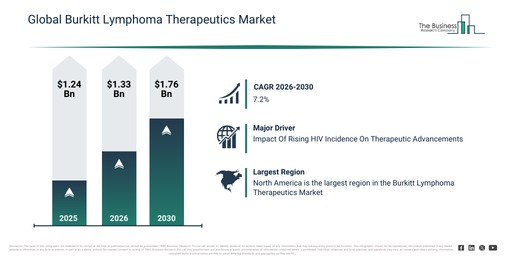
    The market for burkitt lymphoma therapeutics demonstrated robust expansion over the past few years, with projections indicating a continued upward trend. This sector is anticipated to increase from $1.24 billion in 2025 to $1.33 billion in 2026, reflecting a compound annual growth rate of 7.5%. Key factors contributing to the historical growth trajectory include innovations in the diagnostic capabilities for lymphoma, the widespread adoption of established chemotherapy regimens, enhancements in supportive care services, a rise in clinical investigation, and a growing focus on oncology within healthcare facilities.

    The burkitt lymphoma therapeutics market is poised for significant expansion, projected to reach $1.76 billion by 2030, with a compound annual growth rate of 7.2% anticipated during the forecast period. This upward trajectory is largely fueled by escalating investments in oncology drug research and development, the increasing embrace of individualized cancer treatment strategies, broader application of CAR-T cell therapies, enhanced accessibility of sophisticated diagnostic instruments, and a heightened global emphasis on cancer awareness campaigns. Key developments expected to shape the market in the coming years involve a greater reliance on targeted therapy regimens, a surge in the utilization of immunotherapy-based interventions, deeper integration of precision oncology methodologies, wider implementation of high-dosage chemotherapy protocols, and an intensified focus on early detection and accurate risk assessment.

    Download A Free Sample Report For Comprehensive Market Insights:

    https://www.thebusinessresearchcompany.com/sample.aspx?id=21122&type=smp

    Burkitt Lymphoma Therapeutics Market Development Factors: Which Trends Are Supporting Demand?

    The escalating prevalence of the human immunodeficiency virus (HIV) is anticipated to stimulate expansion within the burkitt lymphoma therapeutics market. This virus targets the body’s immune system, specifically CD4+ T cells essential for defense. Unprotected sexual activity, insufficient awareness, restricted medical access, shared needles among drug users, and social stigma hindering timely diagnosis and treatment contribute to its rise. HIV infection weakens immunity, increasing vulnerability to cancers like burkitt lymphoma, a type classified as AIDS-related. Consequently, the need for effective treatments for burkitt lymphoma in immunocompromised individuals grows. For example, the UK Health Security Agency reported 6,008 HIV diagnoses in England in 2023, a significant 51% surge from the 3,975 recorded in 2022, underscoring how increasing HIV rates are fueling the burkitt lymphoma therapeutics market.

    The burkitt lymphoma therapeutics market is poised for growth, significantly influenced by escalating healthcare spending. This spending encompasses all financial outlays dedicated to health maintenance and improvement, fueled by factors such as an aging demographic, medical technology advancements, and a greater incidence of chronic conditions, all of which increase the demand for medical services, treatments, and ongoing care. Increased financial investment in healthcare facilitates wider availability of sophisticated burkitt lymphoma treatments by promoting earlier detection, the utilization of contemporary immunochemotherapy, and enhancements in supportive care systems. Illustrating this trend, health expenditures in the U.S. climbed by 7.5% in 2023, reaching $4.9 trillion or $14,570 per capita, a notable acceleration from the 4.6% growth observed in 2022, according to the American Medical Association. Thus, rising healthcare expenditures are a key driver for the burkitt lymphoma therapeutics market.

    Elevated healthcare expenditures are projected to be a principal catalyst for the burkitt lymphoma therapeutics market’s expansion. Healthcare spending represents the aggregate financial investment in health-related services and activities, driven by demographic shifts like an aging population, progress in medical technology, and the rising burden of chronic diseases, which collectively heighten the need for medical interventions, therapeutic solutions, and sustained patient care. Greater financial commitment to healthcare services enhances accessibility to cutting-edge burkitt lymphoma treatments through improved diagnostic capabilities, the adoption of modern immunochemotherapy regimens, and strengthened supportive care frameworks. As an illustration, health expenditure in the United States experienced a 7.5% increase in 2023, totaling $4.9 trillion, equating to $14,570 per individual, a marked rise compared to the 4.6% growth documented in 2022, according to data from the American Medical Association. Consequently, escalating healthcare expenditures are instrumental in driving the burkitt lymphoma therapeutics market’s growth.

    Burkitt Lymphoma Therapeutics Market Segment Breakdown: Which Categories Generate The Most Revenue?

    The burkitt lymphoma therapeutics market covered in this report is segmented –

    1) By Treatment Type: Chemotherapy, Immunotherapy, Targeted Therapy

    2) By Route Of Administration: Intravenous, Oral, Subcutaneous

    3) By End-User: Hospital Settings, Specialty Clinics, Outpatient Centers

    Subsegments:

    1) By Chemotherapy: Induction Chemotherapy, Consolidation Chemotherapy, High-Dose Chemotherapy, Combination Chemotherapy Regimens, Central Nervous System (CNS) Prophylaxis Chemotherapy

    2) By Immunotherapy: Anti-CD20 Monoclonal Antibodies, Other Monoclonal Antibodies, Antibody-Based Combination Therapy

    3) By Targeted Therapy: BCL-2 Inhibitors, PI3K Inhibitors

    Burkitt Lymphoma Therapeutics Market Key Players And Strategic Industry Positioning

    Major companies operating in the burkitt lymphoma therapeutics market are Pfizer Inc., F. Hoffmann-La Roche AG, Novartis AG, Gilead Sciences Inc., AbbVie Inc., Merck & Co. Inc., Bristol-Myers Squibb Company, AstraZeneca plc, Amgen Inc., Bayer AG, Sanofi S.A., Takeda Pharmaceutical Company Limited, Johnson And Johnson, Eli Lilly and Company, Incyte Corporation, Kyowa Kirin Co. Ltd., Seagen Inc., Karyopharm Therapeutics Inc., TG Therapeutics Inc., Verastem Inc., Spectrum Pharmaceuticals Inc., BeiGene Ltd.

    Access The Complete Burkitt Lymphoma Therapeutics Market Report:

    https://www.thebusinessresearchcompany.com/report/burkitt-lymphoma-therapeutics-global-market-report

    Burkitt Lymphoma Therapeutics Market Regional Analysis: Which Region Leads By Revenue?

    North Americawas the largest region in the burkitt lymphoma therapeutics market in 2025. Asia-Pacificis expected to be the fastest-growing region in the forecast period. The regions covered in the burkitt lymphoma therapeutics market report are Asia-Pacific, South East Asia, Western Europe, Eastern Europe, North America, South America, Middle East, Africa.

    Get in touch with us:

    The Business Research Company: https://www.thebusinessresearchcompany.com/

    Americas: +1 310-496-7795

    Asia: +44 7882 955267 & +91 8897263534

    Europe: +44 7882 955267

    Email us at: marketing@tbrc.info

    Follow us on:

    LinkedIn: https://in.linkedin.com/company/the-business-research-company

    YouTube: https://www.youtube.com/channel/UC24_fI0rV8cR5DxlCpgmyFQ

    Global Market Model: https://www.thebusinessresearchcompany.com/global-market-model
  • Bronchitis Treatment Market Size Projected To Increase From $6.36 Billion To $8.45 Billion During The Forecast Period

    Bronchitis Treatment Market Size Projected To Increase From $6.36 Billion To $8.45 Billion During The Forecast Period

    Enhanced with market attractiveness analysis, total addressable market evaluation, company benchmarking matrices, interactive Excel dashboards, expanded supply chain intelligence, emerging startup coverage, and detailed product insights, The Business Research Company’s 2026 market reports deliver more actionable and strategically valuable research.

    Bronchitis Treatment Market Value Expansion And Long-Term Growth Outlook

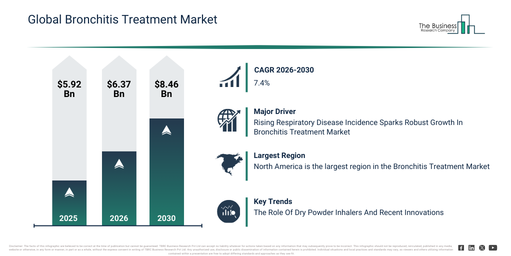
    The market dedicated to bronchitis treatments has experienced substantial expansion lately, projecting a rise from $5.92 billion in 2025 to $6.37 billion in 2026, indicating a compound annual growth rate of 7.5%. Factors contributing to this historical growth trajectory include a greater incidence of respiratory illnesses, historical trends of elevated smoking rates, exposure to urban air contaminants, extensive prescription of bronchodilators and antibiotics, and the well-established infrastructure for hospital-based respiratory care.

    The market for bronchitis treatments is poised for significant expansion over the upcoming years, projected to reach $8.46 billion by the year 2030, demonstrating a compound annual growth rate of 7.4%. This projected expansion within the forecast period is fuelled by an amplified emphasis on proactive respiratory health measures, a greater acceptance of digital inhaler technologies, the broadening availability of remote respiratory healthcare solutions, an increasing demographic of older individuals, and a heightened consciousness regarding the effective management of chronic respiratory conditions. Key developments anticipated during this forecast period encompass a more prevalent utilization of combined pharmaceutical interventions, an escalating embrace of inhaled therapies, a heightened concentration on strategies for symptom alleviation, the further development of at-home respiratory care services, and improved tracking of individuals managing chronic bronchitis.

    Download A Free Sample Report For Comprehensive Market Insights:

    https://www.thebusinessresearchcompany.com/sample.aspx?id=9818&type=smp

    Bronchitis Treatment Market Industry Drivers: What Is Driving Revenue Growth?

    The escalating prevalence of respiratory ailments is poised to significantly fuel the expansion of the bronchitis treatment market. Respiratory illnesses, which encompass conditions impacting the lungs and the broader respiratory system, can manifest in either the upper or lower tracts and stem from diverse origins such as infections, allergens, irritants, and hereditary factors. Treatments for bronchitis, employed to address these respiratory conditions, vary based on the underlying cause and the condition’s intensity, frequently involving medications like antibiotics, anti-inflammatories, and bronchodilators designed to facilitate clearer breathing passages. As an illustration, reports from Public Health Wales and the National Health Service Wales indicate that during the 2023/24 period, approximately 237,400 individuals were diagnosed with asthma and 75,600 with chronic obstructive pulmonary disease (COPD) in the UK. Projections suggest an increase to roughly 256,400 asthma patients and 84,800 COPD sufferers by 2033/34, underscoring a consistent upward trend in the occurrence of respiratory diseases. Consequently, this burgeoning rate of respiratory diseases is acting as a primary catalyst for the ongoing advancement of the bronchitis treatment sector.

    Bronchitis Treatment Market Segmentation: How Is The Market Structured Across Key Categories?

    The bronchitis treatment market covered in this report is segmented –

    1) By Type: Acute Bronchitis, Chronic Bronchitis

    2) By Treatment: Drugs, Oxygen Therapy

    3) By Distribution Channel: Online Pharmaceutical Stores, Retail Pharmacies, Hospital Pharmacies

    Subsegments:

    1) By Acute Bronchitis: Antitussives, Expectorants, Bronchodilators

    2) By Chronic Bronchitis: Bronchodilators, Corticosteroids, Phosphodiesterase-4 Inhibitors, Antibiotics For Exacerbations

    #Bronchitis Treatment Market Growth Trends: What Is Influencing The Future Outlook?

    Prominent players within the bronchitis therapeutics sector are actively pursuing innovative delivery systems, exemplified by dry powder inhalers (DPIs), to refine the precision of medication administration, fine-tune dosage levels, and elevate the patient’s overall therapeutic journey by rendering treatments more readily available and user-friendly for individuals suffering from bronchitis. DPIs function as apparatuses that administer medicinal agents in a powdered state directly into the pulmonary system, thereby facilitating efficacious management of various respiratory ailments. To illustrate this point, consider the product introduction by Lupin Limited, a pharmaceutical entity headquartered in India, in November of 2023: they unveiled Vilfuro-G. This distinct therapeutic agent consolidates three key active pharmaceutical components, namely vilanterol, fluticasone furoate, and glycopyrronium bromide, all contained within a singular inhaler device. The specialized composition of Vilfuro-G is purposefully engineered to offer holistic control over the multifaceted symptoms associated with COPD, simultaneously targeting inflammatory responses, bronchial tightening, and the excessive production of mucus.

    Bronchitis Treatment Market Competitive Landscape And Leading Companies

    Major companies operating in the bronchitis treatment market are AstraZeneca PLC, Novartis AG, GlaxoSmithKline plc, Dr. Reddy’s Laboratories, Sanofi S.A., Boehringer Ingelheim International GmbH, Teva Pharmaceutical Industries Ltd., Sun Pharmaceutical Industries Ltd., Pfizer Inc., Cipla Inc., Merck and Co. Inc., Bayer AG, Johnson & Johnson Private Limited, Viatris Inc., Lupin Ltd., Cadila Healthcare Limited, Lincoln Pharmaceuticals Ltd., Nephron Pharmaceuticals Corporation, Apotex Inc., Mylan N.V., Eli Lilly and Company, Abbvie, Hetero Healthcare Ltd., Torrent Pharmaceuticals Ltd., Glenmark Pharmaceuticals Ltd., Alembic Pharmaceuticals Ltd., Intas Pharmaceuticals Ltd., Macleods Pharmaceuticals Ltd., Alkem Laboratories Ltd., Wockhardt Ltd.

    Access The Complete Bronchitis Treatment Market Report:

    https://www.thebusinessresearchcompany.com/report/bronchitis-treatment-global-market-report

    Bronchitis Treatment Market Geographic Distribution And Regional Opportunities

    North Americawas the largest region in the bronchitis treatment market in 2025. The regions covered in the bronchitis treatment market report are Asia-Pacific, South East Asia, Western Europe, Eastern Europe, North America, South America, Middle East, Africa.

    Get in touch with us:

    The Business Research Company: https://www.thebusinessresearchcompany.com/

    Americas: +1 310-496-7795

    Asia: +44 7882 955267 & +91 8897263534

    Europe: +44 7882 955267

    Email us at: marketing@tbrc.info

    Follow us on:

    LinkedIn: https://in.linkedin.com/company/the-business-research-company

    YouTube: https://www.youtube.com/channel/UC24_fI0rV8cR5DxlCpgmyFQ

    Global Market Model: https://www.thebusinessresearchcompany.com/global-market-model
  • Breath Biopsy Testing Market Growth Outlook Reveals A CAGR Of 7.3% And A Market Value Of $4.89 Billion By 2030

    Breath Biopsy Testing Market Growth Outlook Reveals A CAGR Of 7.3% And A Market Value Of $4.89 Billion By 2030

    Through market attractiveness analysis, total addressable market evaluation, company benchmarking matrices, interactive Excel dashboards, expanded supply chain intelligence, emerging startup coverage, and detailed product insights, The Business Research Company’s 2026 market reports provide more actionable and strategically valuable research.

    Breath Biopsy Testing Market Expected To Reach $4.89 Billion By 2030 At 7.3% CAGR

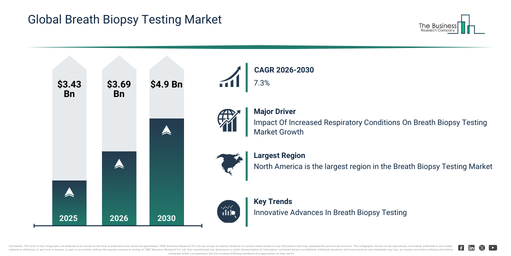
    The global market for breath biopsy testing has experienced robust expansion, projecting a rise from $3.43 billion in 2025 to $3.69 billion in 2026, signifying a compound annual growth rate of 7.7%. This historical growth trajectory is underpinned by several key factors, including a heightened demand for non-invasive diagnostic methods, expanded clinical investigations into breath biomarkers, significant technological progress in sensor and spectroscopy applications, the burgeoning growth of diagnostic laboratory services, and an increasing patient inclination towards painless medical examinations.

    The market for breath biopsy testing is projected for substantial expansion in the upcoming years, reaching an estimated value of $4.9 billion by 2030 with a compound annual growth rate (CAGR) of 7.3%. This projected growth is propelled by several key factors, including a greater acceptance of breath analysis for standard health screenings, increased financial backing for diagnostic tools powered by artificial intelligence, the broadening scope of personalized medicine, the increasing prevalence of portable diagnostic equipment, and enhanced regulatory endorsement for less invasive diagnostic procedures. During this forecast period, significant market trends are expected to emerge, such as a heightened preference for non-invasive diagnostic methods, a rise in the utilization of volatile organic compound (VOC) detection for identifying diseases, the growing integration of AI in analyzing breath samples, the expansion of handheld breath sampling apparatus, and an intensified emphasis on the early detection of illnesses.

    Download A Free Sample Report For Comprehensive Market Insights:

    https://www.thebusinessresearchcompany.com/sample.aspx?id=19351&type=smp

    #Breath Biopsy Testing Market Growth Factors: Which Forces Are Supporting Market Expansion?

    An increasing incidence of respiratory ailments is anticipated to fuel the expansion of the breath biopsy testing sector. These respiratory conditions affect the lungs and breathing passages, impeding effective respiration. Factors contributing to the heightened occurrence of such diseases include escalating environmental pollution, elevated smoking rates, and the growing presence of chronic illnesses like asthma and COPD. Breath biopsy tests are instrumental in diagnosing respiratory diseases by presenting a less invasive, swift, and potentially superior approach to identifying disease-related biomarkers, thereby enhancing early detection and therapeutic strategies. For illustration, data from May 2025 by the Centers for Disease Control and Prevention (CDC) indicate that COPD was the fifth leading cause of mortality in the United States in 2023, with 141,733 fatalities, and the age-adjusted prevalence of diagnosed COPD among adults stood at 3.8% during that same year. Consequently, the escalating rate of respiratory illnesses is poised to be a significant driver for the breath biopsy testing market.

    Breath Biopsy Testing Market Segmentation Trends And Revenue Drivers

    The breath biopsy testing market covered in this report is segmented –

    1) By Type: Volatile Organic Compound Analyzers, Breath Biopsy Kits, Breath Sampler, Other Types

    2) By Technology: Fuel Cell Technology, Semiconductor Sensor, Infrared (IR) Spectroscopy, Other Technologies

    3) By Application: Hospitals, Clinics, Diagnostics Laboratories, Other Applications

    Subsegments:

    1) By Volatile Organic Compound (VOC) Analyzers: Gas Chromatography-Mass Spectrometry (GC-MS) Analyzers, Photoionization Detectors (PID), Electronic Nose Devices

    2) By Breath Biopsy Kits: Sample Collection Kits, Analysis Kits For Specific Biomarkers, Packaging And Transport Kits

    3) By Breath Sampler: Breath Collection Bags, Breath Sampling Tubes, Portable Breath Sampling Devices

    4) By Other Types: Breath Testing Devices For Specific Conditions, Software For Data Analysis, Calibration Devices For Breath Analyzers

    Breath Biopsy Testing Market Industry Trends: What Changes Are Reshaping Demand?

    In the competitive landscape of the breath biopsy testing sector, leading firms are concentrating on pioneering breath analysis devices aimed at diagnosing conditions like asthma. These analyzers function by identifying and quantifying particular substances present in exhaled air, thereby aiding in the diagnosis of illnesses or the evaluation of overall well-being. As an illustration, in May of 2023, GenWorks, a healthcare solutions company headquartered in India, introduced the FenomPro breath analyzer. This particular device distinguishes itself through its swift FeNO testing functionality, producing outcomes in a mere 28 seconds. Engineered for simplicity in clinical environments, it delivers precise evaluations essential for the diagnosis, screening, and ongoing management of asthma. The FenomPro further boasts a rechargeable battery for enhanced mobility, incorporates an intuitive interface, and effectively ascertains the necessity for treatment or the prescription of inhalers for patients.

    #Breath Biopsy Testing Market Industry Leaders: Which Organizations Are Driving Competition?

    Major companies operating in the breath biopsy testing market are Drägerwerk AG & Co. KGaA, Intoximeters Inc., Owlstone Medical Ltd., SKC Inc, Lifeloc Technologies Inc., Alcolizer Pty Ltd., Breathomix, Aerocrine AB, Bedfont Scientific Ltd., AK GlobalTech Corp., Alveo Technologies Inc., Andatech Pty Ltd., BACtrack, Biosensia Ltd., Ionicon, Ketonix AB, Lion Laboratories Limited, Menssana Research Inc., Microplex Inc., Quest Products Inc., Rapid Biosensor Systems Ltd., RoboScientific Ltd., Spirosure

    Access The Complete Breath Biopsy Testing Market Report:

    https://www.thebusinessresearchcompany.com/report/breath-biopsy-testing-global-market-report

    Breath Biopsy Testing Market Largest Region By Revenue And Market Share

    North Americawas the largest region in the breath biopsy testing market in 2025. Asia-Pacificis expected to be the fastest-growing region in the forecast period. The regions covered in the breath biopsy testing market report are Asia-Pacific, South East Asia, Western Europe, Eastern Europe, North America, South America, Middle East, Africa.

    Get in touch with us:

    The Business Research Company: https://www.thebusinessresearchcompany.com/

    Americas: +1 310-496-7795

    Asia: +44 7882 955267 & +91 8897263534

    Europe: +44 7882 955267

    Email us at: marketing@tbrc.info

    Follow us on:

    LinkedIn: https://in.linkedin.com/company/the-business-research-company

    YouTube: https://www.youtube.com/channel/UC24_fI0rV8cR5DxlCpgmyFQ

    Global Market Model: https://www.thebusinessresearchcompany.com/global-market-model
  • Breast Reconstruction Market Forecast Highlights Expansion From $1.89 Billion To $2.47 Billion Through 2030

    Breast Reconstruction Market Forecast Highlights Expansion From $1.89 Billion To $2.47 Billion Through 2030

    Delivering more actionable and strategically valuable research, The Business Research Company’s 2026 market reports feature market attractiveness analysis, total addressable market evaluation, company benchmarking matrices, interactive Excel dashboards, expanded supply chain intelligence, emerging startup coverage, and detailed product insights.

    #Breast Reconstruction Market Size And Revenue Forecast Through 2030

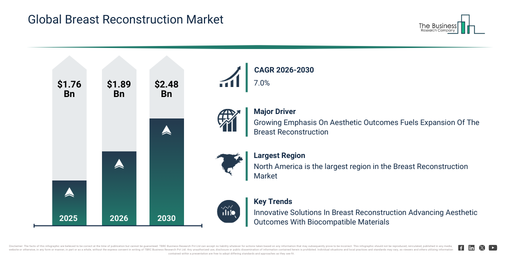
    The breast reconstruction market experienced robust expansion, projecting a rise from $1.76 billion in 2025 to $1.89 billion in 2026, reflecting a compound annual growth rate of 7.3%. This historical growth trajectory was fueled by factors such as escalating survival rates for breast cancer patients, broader acceptance of reconstruction procedures following mastectomies, the introduction of sophisticated implant materials, the proliferation of dedicated surgical facilities, and enhancements in surgical education and methodologies.

    The breast reconstruction sector is poised for substantial expansion in the coming years, projecting a market valuation of $2.48 billion by 2030, driven by a compound annual growth rate of 7.0%. This anticipated growth is underpinned by several key factors, including a heightened demand for individualized reconstruction solutions, the increasing acceptance of less invasive surgical methods, a broader availability of outpatient surgical care, a greater emphasis on improving patients’ long-term well-being, and continuous advancements in implant and biomaterial technology. Significant developments anticipated within this timeframe encompass a greater prevalence of implant-based reconstruction, increased utilization of acellular dermal matrix products, a growing inclination towards anatomical implant shapes, further development in fat grafting procedures, and an augmented focus on achieving both desirable aesthetic and functional results.

    Download A Free Sample Report For Comprehensive Market Insights:

    https://www.thebusinessresearchcompany.com/sample.aspx?id=19349&type=smp

    Breast Reconstruction Market Demand Drivers: What Is Fueling Industry Growth?

    The breast reconstruction market is poised for expansion, largely fueled by a growing focus on achieving superior aesthetic outcomes. This emphasis on visual appeal involves meticulously restoring symmetry, shape, and proportion to achieve a natural look post-surgery. Both patients and surgeons are increasingly valuing reconstructions that not only address physical restoration but also significantly boost psychological well-being, thereby elevating the overall quality of life and patient contentment with the surgical results. The process of breast reconstruction directly contributes to enhanced aesthetic appearance by re-establishing the breast’s form and balance following procedures like mastectomy or trauma. Reflecting this trend, a July 2023 survey by the International Society of Aesthetic Plastic Surgery showed a global increase in aesthetic procedures to 35 million in 2023, a 3.4% rise from the previous year, with liposuction leading the pack at over 2.2 million procedures. The United States spearheaded these figures with 6.1 million procedures, closely followed by Brazil, which conducted 3.3 million procedures, notably excelling in surgical interventions with 2.1 million. Consequently, the heightened importance placed on aesthetic results is a primary driver for the growth of the breast reconstruction sector.

    Breast Reconstruction Market Segment Analysis Highlighting Growth Areas

    The breast reconstruction market covered in this report is segmented –

    1) By Product: Breast Implants, Tissue Expanders, Acellular Dermal Matrix (ADM), Other Products

    2) By Technology: Inframammary, Peri-Areolar, Trans-Axillary, Trans-Umbilical

    3) By Placement: Submuscular Insertion, Subglandular Insertion, Dual-Plane Insertion

    4) By Shape: Anatomical, Round

    5) By End-Use: Hospitals, Clinics, Ambulatory Surgery Centers, Other End-Uses

    Subsegments:

    1) By Breast Implants: Silicone Implants, Saline Implants, Structured Implants, Anatomical (Teardrop) Implants, Round Implants, Cohesive Gel Implants, Smooth And Textured Implants

    2) By Tissue Expanders: Saline Tissue Expanders, Silicone Tissue Expanders, Magnetic and Hydraulic Tissue Expanders, Customized And Pre-filled Tissue Expanders

    3) By Acellular Dermal Matrix (ADM): Human-Derived ADM, Porcine-Derived ADM, Bovine-Derived ADM, Synthetic ADM

    4) By Other Products: Nipple And Areola Reconstruction Products, Fat Grafting For Breast Reconstruction, Breast Prosthetics, Surgical Instruments And Devices For Reconstruction, Post-Surgical Compression Garments.

    Breast Reconstruction Market Innovation Trends: Which Developments Are Transforming The Industry?

    In the breast reconstruction sector, leading firms are concentrating on creating sophisticated options, like smooth silicone derived from biocompatible sources, aimed at improving patient results and skillfully managing the intricate aspects of reconstruction surgeries. This biocompatible smooth silicone denotes a material deemed safe for internal bodily application, engineered for seamless integration with living tissues. To illustrate, GC Aesthetics (GCA), an Irish producer of breast implants and medical instruments, introduced FixNip NRI in March 2024, a specialized nipple implant engineered for women post-breast reconstruction. This cutting-edge product targets a crucial unmet demand for aesthetic interventions in reconstructive surgery, particularly concerning the nipple-areola complex (NAC), an area that has historically presented challenges in achieving satisfactory reconstruction. Constructed from biocompatible smooth silicone and incorporating a floral-shaped nitinol framework, this implant facilitates a minimally invasive operation, typically concluded within approximately fifteen minutes.

    Breast Reconstruction Market Leading Companies: Who Holds Significant Market Presence?

    Major companies operating in the breast reconstruction market are Zimmer Biomet Holdings Inc., Arthrex Inc., Keller Medical Inc., Integra LifeSciences Holdings Corporation, RTI Surgical Holdings Inc., Establishment Labs Holding Corporation, Evolus Inc., Sientra Inc., Mentor Worldwide LLC, GC Aesthetics Inc., PMT Corporation, Polytech Health & Aesthetics, Cook Biotech, Neodyne Biosciences Inc., Bimini Health Tech LLC, Motiva Americas Inc., Allergan Aesthetics, Sebbin SAS, Polytech HealthCare, HansBiomed Co Ltd, Jiangsu HengRui Medicine

    Access The Complete Breast Reconstruction Market Report:

    https://www.thebusinessresearchcompany.com/report/breast-reconstruction-global-market-report

    Breast Reconstruction Market Regional Analysis And Leading Geography

    North Americawas the largest region in the breast reconstruction market in 2025. Asia-Pacificis expected to be the fastest-growing region in the forecast period. The regions covered in the breast reconstruction market report are Asia-Pacific, South East Asia, Western Europe, Eastern Europe, North America, South America, Middle East, Africa.

    Get in touch with us:

    The Business Research Company: https://www.thebusinessresearchcompany.com/

    Americas: +1 310-496-7795

    Asia: +44 7882 955267 & +91 8897263534

    Europe: +44 7882 955267

    Email us at: marketing@tbrc.info

    Follow us on:

    LinkedIn: https://in.linkedin.com/company/the-business-research-company

    YouTube: https://www.youtube.com/channel/UC24_fI0rV8cR5DxlCpgmyFQ

    Global Market Model: https://www.thebusinessresearchcompany.com/global-market-model

  • Breast Lesion Localization Methods Market Expected To Reach $2.76 Billion By 2030 As Growth Accelerates At 10.5% CAGR

    Breast Lesion Localization Methods Market Expected To Reach $2.76 Billion By 2030 As Growth Accelerates At 10.5% CAGR

    Enhanced with market attractiveness analysis, total addressable market evaluation, company benchmarking matrices, interactive Excel dashboards, expanded supply chain intelligence, emerging startup coverage, and detailed product insights, The Business Research Company’s 2026 market reports deliver more actionable and strategically valuable research.

    Breast Lesion Localization Methods Market Growth From $1.85 Billion In 2026 To $2.76 Billion By 2030 At A CAGR Of 10.5%

    Recent advancements have fueled substantial expansion in the market for breast lesion localization techniques, which is projected to escalate from $1.67 billion in 2025 to $1.85 billion in 2026, reflecting a robust compound annual growth rate of 10.8%. This upward trajectory during the preceding period was significantly influenced by a rise in breast cancer screening frequency, the increasing use of wire localization methods, a greater prevalence of breast-conserving surgical procedures, enhanced access to diagnostic imaging technologies, and the expansion of oncology services within hospital settings.

    The market for breast lesion localization methods is poised for considerable expansion in the upcoming years, projecting a surge to $2.76 billion by 2030 with an anticipated compound annual growth rate of 10.5%. This upward trajectory in the projected timeframe is fueled by several key factors: a notable move towards wireless localization systems, an escalating demand for outpatient procedures related to breast conditions, the advancement of precisely guided surgical technologies, augmented investments in oncology imaging, and a heightened emphasis on improving patient comfort and streamlining clinical workflow. Within this forecast period, prominent developments include the increasing incorporation of wire-free localization techniques, a greater utilization of magnetic and radiofrequency seed localization, a growing inclination towards image-guided localization approaches, the broader adoption of minimally invasive breast surgeries, and an intensified focus on achieving surgical precision while preserving healthy tissue.

    Download A Free Sample Report For Comprehensive Market Insights:

    https://www.thebusinessresearchcompany.com/sample.aspx?id=27232&type=smp

    Breast Lesion Localization Methods Market Growth Drivers: What Factors Are Accelerating Expansion?

    The escalating prevalence of breast cancer is anticipated to be a primary catalyst for the expansion of the market dedicated to breast lesion localization techniques. Breast cancer is characterized by the uncontrolled proliferation of cells within the breast, resulting in tumor formation that is frequently detectable via imaging or palpation. Factors contributing to the rise in breast cancer diagnoses include extended lifespans, given that advanced age significantly elevates the risk of developing breast malignancies. Breast lesion localization methods are instrumental in the treatment of breast cancer by facilitating the exact pinpointing and delineation of aberrant tissue, thereby empowering surgeons to meticulously excise tumors while safeguarding adjacent healthy breast tissue. For example, Cancer Australia has projected that in 2025, approximately 20,336 new breast cancer diagnoses will occur in Australia, constituting 12% of all new cancer diagnoses, with an estimated 3,353 fatalities from the disease, representing 6.3% of all cancer-related deaths. Consequently, the mounting occurrence of breast cancer is directly fueling the growth trajectory of the breast lesion localization methods market.

    Breast Lesion Localization Methods Market Segment Performance And Strategic Opportunities

    The breast lesion localization methods market covered in this report is segmented –

    1) By Type Of Localization Method: Wire Localization, Radioactive Seed Localization, Magnetic Seed Localization, Ultrasound-Guided Localization, Needle Localization

    2) By Usage: Tumor Identification, Sentinel Lymph-Node Identification, Other Usages

    3) By Technology: Radioactive, Magnetic, Radiofrequency, Other Technologies

    4) By Application: Breast Biopsy, Breast-Conserving Surgery, Neoadjuvant Therapy, Other Applications

    5) By End User: Hospitals, Ambulatory Surgical Centers, Specialty Clinics, Academic And Research Institutes

    Subsegments:

    1) By Wire Localization: Single-Hook Wire Localization, Double-Hook Wire Localization, Anchor-Shaped Wire Localization, Hooked Needle Wire Localization, Flexible Wire Localization

    2) By Radioactive Seed Localization (RSL): Iodine-125 Seed Localization, Technetium-99m Seed Localization, Dual-Isotope Seed Localization, Gamma Probe-Guided Seed Localization

    3) By Magnetic Seed Localization: Magnetic Tracer-Based Localization, Magnetic Clip Localization, Ferromagnetic Marker-Based Localization, Dual Magnetic-Marker And Ultrasound-Guided Systems

    4) By Ultrasound-Guided Localization: Conventional Ultrasound-Guided Needle Localization, Ultrasound-Guided Wire Placement, Real-Time Ultrasound-Guided Seed Placement, Contrast-Enhanced Ultrasound Localization

    5) By Needle Localization: Fine Needle Localization, Core Needle Localization, Vacuum-Assisted Needle Localization, Stereotactic-Guided Needle Localization, Palpation-Guided Needle Localization

    Breast Lesion Localization Methods Market Trends: What Is Shaping Future Industry Growth?

    Leading players within the breast lesion localization sector are prioritizing the advancement of innovative wire-free surgical guidance solutions, specifically next-generation wire-free breast lesion localization, aiming to enhance tumor precision and minimize the necessity for repeat surgeries. This advanced wire-free approach encompasses sophisticated, non-radioactive systems employing multi-reflector guidance to assist surgeons in pinpointing lesions with great accuracy during breast-sparing operations. As an illustration, in February of 2023, Merit Medical Systems Inc., a medical device enterprise based in the United States, secured FDA Breakthrough Device Designation for its SCOUT MD Surgical Guidance System. This system comprises a compact, implantable reflector, a portable detection probe, and sophisticated software that delivers immediate intraoperative feedback, facilitating the precise removal of breast lesions that cannot be felt. The system operates by transmitting infrared signals from the implanted reflector, directing surgeons to the lesion, and offers distinctive advantages like wireless marker placement, seamless integration with standard breast-conserving surgical techniques, and real-time localization capabilities. Its utility extends to locating non-palpable breast cancers, benign lesions requiring excision, and instances necessitating re-excision, thereby yielding benefits such as diminished patient discomfort, an more efficient surgical process, less reliance on radiology appointment coordination, and ultimately, improved surgical accuracy and patient results.

    Breast Lesion Localization Methods Market Key Players: Which Companies Shape Industry Competition?

    Major companies operating in the breast lesion localization methods market are Becton, Dickinson and Company, Hologic Inc., Halma Plc, Cook Medical LLC, Merit Medical Systems Inc., Argon Medical Devices Inc., Eckert & Ziegler AG, Theragenics Corporation, SOMATEX Medical Technologies GmbH, BPB Medica S.r.l., Devicor Medical Products Inc., Cianna Medical Inc., Mermaid Medical A/S, Ranfac Corporation, Sirius Medical B.V., MOLLI Surgical Inc., IsoAid LLC, STERYLAB S.r.l., MDL S.r.l., Biomedical Srl.

    Access The Complete Breast Lesion Localization Methods Market Report:

    https://www.thebusinessresearchcompany.com/report/breast-lesion-localization-methods-global-market-report

    Breast Lesion Localization Methods Market Geographic Analysis: Where Is Demand Growing The Fastest?

    North Americawas the largest region in the breast lesion localization methods market in 2025. Asia-Pacificis expected to be the fastest-growing region in the forecast period. The regions covered in the breast lesion localization methods market report are Asia-Pacific, South East Asia, Western Europe, Eastern Europe, North America, South America, Middle East, Africa.

    Get in touch with us:

    The Business Research Company: https://www.thebusinessresearchcompany.com/

    Americas: +1 310-496-7795

    Asia: +44 7882 955267 & +91 8897263534

    Europe: +44 7882 955267

    Email us at: marketing@tbrc.info

    Follow us on:

    LinkedIn: https://in.linkedin.com/company/the-business-research-company

    YouTube: https://www.youtube.com/channel/UC24_fI0rV8cR5DxlCpgmyFQ

    Global Market Model: https://www.thebusinessresearchcompany.com/global-market-model
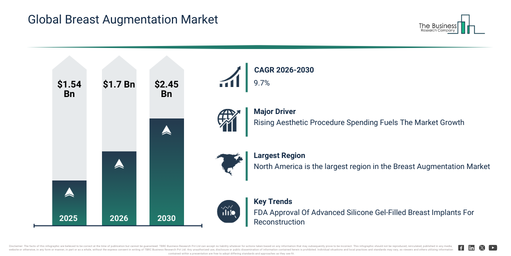
  • Breast Augmentation Market Set To Grow From $1.69 Billion In 2026 To $2.45 Billion By 2030 At A CAGR Of 9.7%

    Breast Augmentation Market Set To Grow From $1.69 Billion In 2026 To $2.45 Billion By 2030 At A CAGR Of 9.7%

    Through market attractiveness analysis, total addressable market evaluation, company benchmarking matrices, interactive Excel dashboards, expanded supply chain intelligence, emerging startup coverage, and detailed product insights, The Business Research Company’s 2026 market reports provide more actionable and strategically valuable research.

    Breast Augmentation Market Expansion Outlook: What Revenue Opportunities Lie Ahead?

    The market for breast augmentation procedures has experienced robust expansion lately, with projections indicating continued growth from $1.54 billion in 2025 to $1.7 billion in 2026, reflecting a compound annual growth rate of 10.0%. Factors contributing to this historical upward trend include a greater societal acceptance of cosmetic enhancements, elevated levels of discretionary spending among consumers, innovations in the materials used for implants, the proliferation of dedicated cosmetic surgery centers, and enhancements in the safety protocols governing surgical interventions.

    The breast augmentation sector is projected for substantial expansion in the upcoming years, anticipating a market valuation of $2.45 billion by 2030, fueled by a compound annual growth rate (CAGR) of 9.7%. This anticipated surge in the forecast period stems from several key drivers, including a heightened consumer desire for tailored aesthetic interventions, the increasing integration of sophisticated imaging technologies in surgical preparation, the growth of medical tourism for cosmetic procedures, an intensified emphasis on the enduring safety of implants, and ongoing advancements in implant engineering. Furthermore, prominent market trends during this forecast period encompass a growing inclination towards aesthetically natural augmentation outcomes, a rise in the utilization of silicone gel implants, the expanding application of less invasive surgical methodologies, an increase in fat grafting procedures, and a more pronounced attention to customizing implants based on individual patient needs.

    Download A Free Sample Report For Comprehensive Market Insights:

    https://www.thebusinessresearchcompany.com/sample.aspx?id=21118&type=smp

    Breast Augmentation Market Growth Factors Supporting Long-Term Expansion

    Anticipated increases in expenditure on aesthetic treatments are poised to fuel the expansion of the breast augmentation sector. This spending on aesthetic procedures encompasses financial investments in cosmetic interventions designed for appearance enhancement, skin rejuvenation, or improved body proportion. Several factors contribute to the rise in such expenditures, including heightened awareness of beauty standards, progress in less invasive medical techniques, augmented personal wealth, and increasingly positive societal views towards cosmetic alterations. Elevated spending facilitates the utilization of superior quality implants and cutting-edge, minimally invasive methods, thereby facilitating customized interventions that boost safety, cosmetic outcomes, and recuperation following surgery. A concrete illustration of this trend is the July 2024 report from the Aesthetic Society, a U.S. organization dedicated solely to aesthetic plastic and cosmetic medicine, which indicated a notable upswing in aesthetic plastic surgery procedures, registering a 2.9% rise between 2022 and 2023. Consequently, intensified spending on aesthetic procedures is projected to be a primary catalyst for the breast augmentation market’s growth.

    #Breast Augmentation Market Segment Landscape And Growth Potential

    The breast augmentation market covered in this report is segmented –

    1) By Product: Silicone Breast Implant, Saline Breast Implant

    2) By Shape: Round Shape, Anatomical Shape

    3) By Procedure: Inframammary Fold, Trans-Axillary, Perio-Aeriolar

    4) By Application: Reconstructive Surgery, Cosmetic Surgery

    5) By End-User: Hospitals, Ambulatory Surgical Centers

    Subsegments:

    1) By Silicone Breast Implants: Silicone Gel–Filled Implants, Cohesive (Form-Stable And “Gummy Bear”) Silicone Implants

    2) By Saline Breast Implants: Pre-Filled Saline Implants, Adjustable (Post-Fill) Saline Implants

    Breast Augmentation Market Industry Trends Shaping Future Revenue Growth

    Leading entities within the breast augmentation sector are directing their efforts toward the creation of sophisticated silicone gel-filled implants aimed at elevating safety standards and refining aesthetic results. These implants, characterized by a silicone shell enclosing a cohesive silicone gel, are engineered to mimic the feel and motion of natural breast tissue. An illustrative development occurred in December 2024 when Mentor Worldwide LLC, a U.S. medical technology firm, revealed that the U.S. Food and Drug Administration (FDA) had granted approval for the MENTOR and MemoryGel Enhance Breast Implant. This particular implant is intended for breast reconstruction and has been developed with women requiring larger cup sizes in mind. Offering capacities from 930 cc up to 1445 cc, this cutting-edge implant range caters to women undergoing both initial and subsequent reconstruction procedures following a mastectomy. The planned commercial rollout in the United States is slated for mid-2025, signifying a notable stride in offering tailored breast reconstruction solutions for individuals.

    Breast Augmentation Market Competitive Landscape: Who Are The Leading Companies?

    Major companies operating in the breast augmentation market are Establishment Labs Holdings Inc., Sientra Inc., GC Aesthetics Inc., Polytech Health & Aesthetics GmbH, Sebbin, Arion Laboratories Inc., Silimed, Hans Biomed Corporation, CEREPLAS, Shanghai Winner Plastic Surgery Products Co. Ltd., Guangzhou Wanhe Plastic Materials Co. Ltd., Shanghai Kangning Medical Device Co. Ltd., Laboratoires Eurosilicone, Koken Co. Ltd., Perthese, Groupe Arion, Implantech Associates Inc., AART Inc., HansBioMed Life Science, Medasil Surgical Ltd.

    Access The Complete Breast Augmentation Market Report:

    https://www.thebusinessresearchcompany.com/report/breast-augmentation-global-market-report

    Breast Augmentation Market Global Footprint: Which Region Holds Market Leadership?

    North Americawas the largest region in the breast augmentation market in 2025. The regions covered in the breast augmentation market report are Asia-Pacific, South East Asia, Western Europe, Eastern Europe, North America, South America, Middle East, Africa.

    Get in touch with us:

    The Business Research Company: https://www.thebusinessresearchcompany.com/

    Americas: +1 310-496-7795

    Asia: +44 7882 955267 & +91 8897263534

    Europe: +44 7882 955267

    Email us at: marketing@tbrc.info

    Follow us on:

    LinkedIn: https://in.linkedin.com/company/the-business-research-company

    YouTube: https://www.youtube.com/channel/UC24_fI0rV8cR5DxlCpgmyFQ

    Global Market Model: https://www.thebusinessresearchcompany.com/global-market-model

  • Brain Computer Interface Market Opportunities Are Emerging Beyond Traditional Growth Areas

    Brain Computer Interface Market Opportunities Are Emerging Beyond Traditional Growth Areas

    Delivering more actionable and strategically valuable research, The Business Research Company’s 2026 market reports feature market attractiveness analysis, total addressable market evaluation, company benchmarking matrices, interactive Excel dashboards, expanded supply chain intelligence, emerging startup coverage, and detailed product insights.

    Brain Computer Interface Market Growth Potential: How Will Market Size Change Through 2030?

    The market for brain computer interfaces has experienced substantial expansion recently, projecting a rise from $2.36 billion in 2025 to $2.72 billion in 2026, reflecting a compound annual growth rate of 15.1%. This surge during the past period is largely attributable to breakthroughs in neuroscience, initial uptake in rehabilitative therapies for disabilities, the rising incidence of neurological conditions, the expansion of research initiatives in both academic and clinical settings, and the accessibility of technologies for capturing brain signals.

    The market for brain computer interfaces is poised for significant expansion in the coming years, projected to reach $4.8 billion by 2030, signifying a compound annual growth rate of 14.4%. This projected surge is driven by several key factors, including escalating venture capital funding directed towards neurotechnology ventures, a mounting need for communication aids for individuals with disabilities, the broadening application of BCI technology within smart environments, a greater emphasis on tailored neurotherapeutic approaches, and advancements in the processing of neural data. Key developments anticipated during this forecast period involve a greater emphasis on the creation of non-invasive BCI systems, the increasing incorporation of artificial intelligence for signal processing, a rise in the adoption of wireless brain interfaces, the extension of BCI applications beyond traditional healthcare contexts, and a heightened focus on creating effective neurorehabilitation tools.

    Download A Free Sample Report For Comprehensive Market Insights:

    https://www.thebusinessresearchcompany.com/sample.aspx?id=7785&type=smp

    #Brain Computer Interface Market Demand Drivers Creating New Revenue Opportunities

    The expanding demographic of older adults worldwide is anticipated to be a significant catalyst for the advancement of the brain-computer interface (BCI) market. With a growing and aging global populace, there is a corresponding rise in the incidence of significant neurological impairments that become more prevalent with advancing age, consequently heightening the need for solutions like BCIs for treatment, recovery, and assistance with such conditions. Within this aging demographic, BCIs find application in enhancing motor and cognitive functions to mitigate the impacts of aging, facilitating control over household devices, enabling communication in daily life, and powering exoskeletons to bolster physical strength, among other everyday uses. Illustratively, projections indicate that the proportion of the geriatric population will rise from 0.2% to 0.5% by 2054, a trend underscoring the market’s upward trajectory driven by this demographic shift.

    Brain Computer Interface Market Categorization By Product Type And Application

    The brain computer interface market covered in this report is segmented –

    1) By Type: Invasive Brain Computer Interface, Partially Invasive Brain Computer Interface, Non Invasive Brain Computer Interface, Other Types

    2) By Component: Hardware, Software

    3) By Application: Healthcare, Disabilities Restoration, Brain Function Repair, Communication and Control

    Subsegments:

    1) By Invasive Brain Computer Interface: Intracortical Interfaces, Deep Brain Stimulation Systems

    2) By Partially Invasive Brain Computer Interface: ECoG (Electrocorticography) Interfaces, Subdural Grid Interfaces

    3) By Non-Invasive Brain Computer Interface: EEG (Electroencephalography) Interfaces, fNIRS (Functional Near-Infrared Spectroscopy) Interfaces, MEG (Magnetoencephalography) Interfaces

    4) By Other Types: Hybrid Interfaces, Wireless Brain Computer Interfaces

    Brain Computer Interface Market Trends Driving Strategic Industry Expansion

    Leading entities within the Brain-Computer Interface sector are concentrating their efforts on refining technologies like electroencephalography (EEG) sensors, sophisticated machine learning applications, and non-invasive neural signal processing methods. These developments aim to elevate the precision and user-friendliness of BCI systems, paving the way for more seamless human-machine communication. EEG sensors, serving as non-intrusive instruments, ascertain brain electrical activity by employing electrodes positioned on the scalp, thereby facilitating continuous observation of mental conditions. As an illustration, Neurable Inc., a prominent US-based neurotechnology firm specializing in AI-driven instruments, introduced its First Smart Brain-Computer in September 2024. This auditory device features integrated EEG sensors within its ear cushions, designed to capture and interpret brain signals, consequently producing comprehensive brainwave information that illuminates levels of concentration and cognitive capabilities.

    Brain Computer Interface Market Company Landscape And Strategic Competition

    Major companies operating in the brain computer interface market are Natus Medical Incorporated, NextMind SAS, Compumedics Neuroscan, Brain Products GmbH, Integra LifeSciences Corporation, Emotiv Inc., NeuroSky Inc., ANT Neuro GmbH, Neuroelectrics, Nihon Kohden Corporation, Blackrock Neurotech, Cadwell Industries Inc., Advanced Brain Monitoring Inc., NIRx Medical Technologies LLC, g.tec medical engineering GmbH, Medtronic plc, MindMaze, CGX A Cognionics Company, CorTec GmbH, Neuralink Corp., ClearPoint Neuro Co., Paradromics Inc., BrainScope Co. Inc., InteraXon Inc., Syncron International AB, Wispr AI, Inner Cosmos Inc., Neurolutions Inc.

    Access The Complete Brain Computer Interface Market Report:

    https://www.thebusinessresearchcompany.com/report/brain-computer-interface-global-market-report

    Brain Computer Interface Market Regional Distribution: Which Areas Drive Market Expansion?

    North Americawas the largest region in the brain computer interface market in 2025. Asia-Pacificis expected to be the fastest-growing region in the forecast period. The regions covered in the brain computer interface market report are Asia-Pacific, South East Asia, Western Europe, Eastern Europe, North America, South America, Middle East, Africa.

    Get in touch with us:

    The Business Research Company: https://www.thebusinessresearchcompany.com/

    Americas: +1 310-496-7795

    Asia: +44 7882 955267 & +91 8897263534

    Europe: +44 7882 955267

    Email us at: marketing@tbrc.info

    Follow us on:

    LinkedIn: https://in.linkedin.com/company/the-business-research-company

    YouTube: https://www.youtube.com/channel/UC24_fI0rV8cR5DxlCpgmyFQ

    Global Market Model: https://www.thebusinessresearchcompany.com/global-market-model

  • Brain Artificial Intelligence (AI)-Assisted Diagnosis Solution Market Expansion Is Opening New Pathways For Strategic Investment

    Brain Artificial Intelligence (AI)-Assisted Diagnosis Solution Market Expansion Is Opening New Pathways For Strategic Investment

    Enhanced with market attractiveness analysis, total addressable market evaluation, company benchmarking matrices, interactive Excel dashboards, expanded supply chain intelligence, emerging startup coverage, and detailed product insights, The Business Research Company’s 2026 market reports deliver more actionable and strategically valuable research.

    Brain Artificial Intelligence (AI)-Assisted Diagnosis Solution Market Value Analysis: What Growth Is Expected Over The Forecast Period?

    The market for AI-powered brain diagnostic solutions has experienced significant expansion recently, projected to grow from $2.19 billion in 2025 to $2.76 billion in 2026, reflecting a compound annual growth rate of 25.8%. This upswing in recent historical performance is supported by several factors, including an increase in medical imaging volumes, a higher incidence of neurological conditions, greater dependence on radiological assessments, the early integration of AI tools in clinical settings, and enhancements in imaging resolution.

    The market for artificial intelligence (AI) driven brain diagnosis systems is poised for substantial expansion in the upcoming years, projected to reach $6.84 billion by 2030, fueled by a compound annual growth rate (CAGR) of 25.5%. This projected surge is underpinned by several key factors: a heightened need for prompt and precise neurological assessments, escalating investments in AI-driven healthcare technologies, the broader adoption of cloud-based medical platforms, an increasing number of regulatory green lights for AI diagnostic tools, and a more pronounced integration of AI into daily clinical practices. During this forecast period, significant developments are anticipated, including wider use of AI for analyzing brain scans, greater application of deep learning in neurological research and practice, more seamless incorporation of clinical decision support systems, the continued growth of cloud-based diagnostic services, and a stronger emphasis on identifying diseases in their initial stages.

    Download A Free Sample Report For Comprehensive Market Insights:

    https://www.thebusinessresearchcompany.com/sample.aspx?id=28153&type=smp

    Brain Artificial Intelligence (AI)-Assisted Diagnosis Solution Market Expansion Supported By Key Demand Factors

    The burgeoning incidence of neurological conditions is poised to stimulate the expansion of the market for brain artificial intelligence (AI) diagnostic assistance solutions. These conditions, which impact the brain, spinal cord, and nervous system, manifest in diverse symptoms encompassing deficits in cognition, motor skills, and sensory perception. A significant factor contributing to the rising occurrence of these disorders is the aging demographic worldwide; as individuals age, there is a natural decline in neural efficiency, diminished brain adaptability, and heightened oxidative stress, all of which predispose individuals to the onset and advancement of neurological ailments. Brain AI diagnostic tools offer crucial support in identifying these disorders through swift, precise, and unbiased examination of brain scans and electrical activity, thereby augmenting diagnostic accuracy, facilitating the early identification of maladies like strokes, concussions, and Alzheimer’s disease, and paving the way for tailored treatment strategies. For example, data from the UK’s National Health Service indicated that as of June 30, 2024, dementia, a degenerative brain condition affecting memory, thought processes, and daily functioning, had been diagnosed in 487,432 individuals, representing an increase of 3,155 cases from the preceding month. Consequently, this escalating prevalence of neurological disorders is a key driver for the growth of the brain AI-assisted diagnosis solutions market.

    Brain Artificial Intelligence (AI)-Assisted Diagnosis Solution Market Segment Analysis And Revenue Opportunities

    The brain artificial intelligence (AI)-assisted diagnosis solution market covered in this report is segmented –

    1) By Component: Hardware, Services, Software

    2) By Technology: Computer Vision, Deep Learning, Machine Learning, Natural Language Processing

    3) By Deployment: Cloud, On-Premise

    4) By Application: Disease Detection, Patient Monitoring, Radiology Analysis, Surgical Robotics Assistance

    5) By End User: Clinics, Diagnostic Centers, Hospitals, Research Institutes

    Subsegments:

    1) By Hardware: Imaging Systems, Artificial Intelligence (AI)-Optimized Processors, Data Storage Systems, Networking And Communication Devices, Workstations And Diagnostic Terminals

    2) By Services: Consulting And Integration Services, Training And Education Services, Deployment And Implementation Services, Support And Maintenance Services, Managed AI Services

    3) By Software: Diagnostic Imaging Analysis Software, Machine Learning And Deep Learning Algorithms, Natural Language Processing (NLP) Tools, Clinical Decision Support Systems (CDSS), Data Management And Analytics Platforms, Cloud-Based Artificial Intelligence (AI) Platforms

    Brain Artificial Intelligence (AI)-Assisted Diagnosis Solution Market Growth Trends Influencing Competitive Dynamics

    In the burgeoning market for brain AI-assisted diagnostic solutions, leading enterprises are prioritizing the creation of sophisticated technologies, notably deep learning frameworks, to elevate the precision of diagnoses, streamline real-time assessments, and empower clinical decision-making. These advanced deep learning systems employ cutting-edge neural networks and data analytical techniques to scrutinize brain activity or imaging, identify minute irregularities, and furnish clinicians with practical, insightful information. Illustrating this trend, BrainScope Company Inc., a U.S. firm specializing in neurotechnology, introduced its sophisticated deep learning platform in June 2025, incorporating a Large Neural Model (LNM). Mirroring the advancements seen in large language models (LLMs), this platform processes electroencephalogram (EEG) data, facilitating automated analysis that bypasses the need for expert quantitative EEG (qEEG) interpretation. Its capabilities extend to a spectrum of neurological conditions, encompassing concussion, stroke, and the early identification of Alzheimer’s disease, by providing swift, objective, and clinically pertinent findings. Furthermore, this innovative platform aids in the formulation of more precise biomarkers, crucial for optimizing patient selection in clinical trials, facilitating early disease detection, and tailoring therapeutic interventions.

    Brain Artificial Intelligence (AI)-Assisted Diagnosis Solution Market Leading Players Shaping Industry Direction

    Major companies operating in the brain artificial intelligence (AI)-assisted diagnosis solution market are Viz.ai Inc., Aidoc Medical Ltd., RapidAI Inc., Qure.ai Technologies Pvt. Ltd., Ceribell Inc., Infervision Inc., Quibim S.L., Brainomix Ltd., Hyperfine Inc., QMENTA Inc., BrainScope Company Inc., BioMind Inc., Cortechs.ai Inc., Heuron Inc., Zeto Inc., icometrix NV, Cercare Medical AB, VUNO Inc., NeuraSignal Inc., Aikenist Inc., Avicenna.AI Inc., BrainKey Technologies Inc., Deepwise AI Co. Ltd.

    Access The Complete Brain Artificial Intelligence (AI)-Assisted Diagnosis Solution Market Report:

    https://www.thebusinessresearchcompany.com/report/brain-artificial-intelligence-ai-assisted-diagnosis-solution-global-market-report

    Brain Artificial Intelligence (AI)-Assisted Diagnosis Solution Market Leading Geography: Which Region Generates The Most Revenue?

    North Americawas the largest region in the brain artificial intelligence (AI)-assisted diagnosis solution market in 2025. The regions covered in the brain artificial intelligence (AI)-assisted diagnosis solution market report are Asia-Pacific, South East Asia, Western Europe, Eastern Europe, North America, South America, Middle East, Africa.

    Get in touch with us:

    The Business Research Company: https://www.thebusinessresearchcompany.com/

    Americas: +1 310-496-7795

    Asia: +44 7882 955267 & +91 8897263534

    Europe: +44 7882 955267

    Email us at: marketing@tbrc.info

    Follow us on:

    LinkedIn: https://in.linkedin.com/company/the-business-research-company

    YouTube: https://www.youtube.com/channel/UC24_fI0rV8cR5DxlCpgmyFQ

    Global Market Model: https://www.thebusinessresearchcompany.com/global-market-model
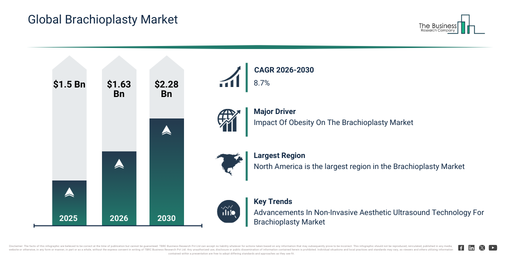
  • Brachioplasty Market Trends Are Creating New Opportunities For Industry Leaders

    Brachioplasty Market Trends Are Creating New Opportunities For Industry Leaders

    Through market attractiveness analysis, total addressable market evaluation, company benchmarking matrices, interactive Excel dashboards, expanded supply chain intelligence, emerging startup coverage, and detailed product insights, The Business Research Company’s 2026 market reports provide more actionable and strategically valuable research.

    Brachioplasty Market Size Forecast: How Large Could The Market Become By 2030?

    The market for brachioplasty procedures experienced robust expansion lately, projecting a rise from $1.5 billion in 2025 to $1.63 billion by 2026, reflecting a compound annual growth rate of 8.5%. This historical growth trend is primarily linked to increased public acceptance of cosmetic surgery, heightened awareness regarding aesthetic treatments, a greater number of qualified plastic surgeons, the proliferation of private cosmetic surgery facilities, and the growing emphasis on appearance-centric lifestyles.

    The brachioplasty market is projected for substantial expansion in the upcoming years, anticipated to reach $2.28 billion by 2030, with a compound annual growth rate (CAGR) of 8.7%, fueled by escalating desires for non-invasive treatments, the increasing utilization of cutting-edge surgical instruments, a surge in medical tourism for aesthetic interventions, a heightened emphasis on expediting recovery, and the growing trend of tailored cosmetic procedures. Key developments shaping this market during the forecast period encompass a rising interest in body contouring surgeries, a greater inclination towards minimally invasive methods, an uptick in cosmetic procedures following significant weight loss, the proliferation of dedicated cosmetic surgery centers, and a more pronounced focus on achieving patient-satisfying results.

    Download A Free Sample Report For Comprehensive Market Insights:

    https://www.thebusinessresearchcompany.com/sample.aspx?id=18269&type=smp

    #Brachioplasty Market Growth Drivers And Industry Catalysts

    The rising incidence of obesity is poised to stimulate expansion within the brachioplasty market. Obesity, defined as an excessive buildup of body fat detrimental to health, is fostered by contemporary lifestyles characterized by energy surplus from calorie-dense, nutrient-poor diets and a lack of physical activity. Factors such as urban living, greater availability of convenience foods, and reduced avenues for exercise exacerbate this condition. Brachioplasty surgery specifically targets the surplus skin found on the arms, a common consequence of significant weight reduction or the natural aging process, aiming to enhance cosmetic appearance while ensuring patient safety and facilitating recovery. To illustrate, the World Heart Federation, a public health organization headquartered in Switzerland, projected in May 2025 that approximately 2.7 billion adults could be affected by being overweight or obese by the same year. Global obesity rates are on an upward trajectory, now acknowledged as a paramount global health challenge, thus directly contributing to the growth of the brachioplasty market.

    Brachioplasty Market Segmentation And Category Breakdown

    The brachioplasty market covered in this report is segmented –

    1) By Type: Traditional Brachioplasty, Minimal Incision Brachioplasty, Extended Brachioplasty

    2) By Procedure: Surgical Brachioplasty, Minimally Invasive (Adjunct) Procedures

    3) By End-Use: Hospitals, Cosmetic Surgery Clinics

    Subsegments:

    1) By Traditional Brachioplasty: Full-Arm Lift, Standard Brachioplasty With Incision, Traditional Arm Contouring Surgery

    2) By Minimal Incision Brachioplasty: Short-Scar Brachioplasty, Limited Incision Brachioplasty

    3) By Extended Brachioplasty: Full-Arm And Chest Lift, Extended Arm Lift With Axillary (Underarm) Incision, Extended Brachioplasty For Weight Loss Patients

    #Brachioplasty Market Trends Influencing Long-Term Demand

    In the realm of brachioplasty, leading enterprises are prioritizing safety measures and the refinement of less invasive methods, like aesthetic ultrasound technology, with the dual goals of improving patient results and shortening recuperation periods. Aesthetic ultrasound applications leverage energy-based interventions to better the look of loose skin on the upper arms, presenting a non-surgical option to conventional brachioplasty. Notably, in December 2023, Sofwave Medical Ltd., an aesthetic medicine firm headquartered in Israel, secured clearance from the Food and Drug Administration for its SUPERB technology, designed to enhance the appearance of upper arm skin laxity. This Synchronous Ultrasound Parallel Beam (SUPERB) technology employs non-invasive ultrasound principles to tackle issues like sagging or loose skin stemming from aging, weight fluctuations, genetic predispositions, or other causes. The SUPERB system harnesses energy to demonstrably improve skin aesthetics without the accompanying risks and lengthy recovery periods associated with surgical or laser treatments.

    Brachioplasty Market Competitive Analysis Of Major Industry Participants

    Major companies operating in the brachioplasty market are Medtronic plc, B. Braun Melsungen AG, Stryker Corporation, Smith & Nephew, Johnson & Johnson, Zimmer Biomet, Aesculap Inc., InMode Ltd., Lumenis Ltd., Sisram Medical Ltd., Cutera Inc., BTL Industries Ltd., Venus Concept Inc., Syneron Candela, Alma Lasers Ltd., Fotona d.o.o., Sciton Inc., Solta Medical Inc., Zimmer MedizinSysteme GmbH, Sientra Inc.

    Access The Complete Brachioplasty Market Report:

    https://www.thebusinessresearchcompany.com/report/brachioplasty-global-market-report

    Brachioplasty Market Regional Outlook: Where Are The Largest Opportunities Located?

    North Americawas the largest region in the brachioplasty market in 2025. The regions covered in the brachioplasty market report are Asia-Pacific, South East Asia, Western Europe, Eastern Europe, North America, South America, Middle East, Africa.

    Get in touch with us:

    The Business Research Company: https://www.thebusinessresearchcompany.com/

    Americas: +1 310-496-7795

    Asia: +44 7882 955267 & +91 8897263534

    Europe: +44 7882 955267

    Email us at: marketing@tbrc.info

    Follow us on:

    LinkedIn: https://in.linkedin.com/company/the-business-research-company

    YouTube: https://www.youtube.com/channel/UC24_fI0rV8cR5DxlCpgmyFQ

    Global Market Model: https://www.thebusinessresearchcompany.com/global-market-model

  • Brachial Plexus Injury Market Growth Is Reshaping Competitive Advantage Across The Industry

    Brachial Plexus Injury Market Growth Is Reshaping Competitive Advantage Across The Industry

    Delivering more actionable and strategically valuable research, The Business Research Company’s 2026 market reports feature market attractiveness analysis, total addressable market evaluation, company benchmarking matrices, interactive Excel dashboards, expanded supply chain intelligence, emerging startup coverage, and detailed product insights.

    Brachial Plexus Injury Market Revenue Outlook: What CAGR Is Expected Through 2030?

    The market for brachial plexus injury treatments has experienced significant expansion recently, with projections indicating a rise from $6.45 billion in 2025 to $7.25 billion in 2026, reflecting a compound annual growth rate of 12.5%. This upward trajectory observed during the historical period is largely due to advancements in emergency medical care, the growing proficiency in surgical nerve repair techniques, the accessibility of sophisticated diagnostic imaging, a higher prevalence of traumatic incidents, and continuous development in rehabilitation strategies.

    The market for brachial plexus injuries is poised for substantial expansion in the coming years, projecting a valuation of $11.56 billion by 2030, fueled by a compound annual growth rate of 12.4%. This upward trajectory during the forecast period is anticipated to be driven by a confluence of factors including heightened investment in research dedicated to nerve regeneration, the increasing utilization of robotic technology in surgical procedures, the broader implementation of tailored rehabilitation strategies, a growing emphasis on procedures that are less invasive, and a greater appreciation for the advantages of timely diagnosis. Key developments shaping this market over the projected timeframe incorporate a greater acceptance of sophisticated imaging diagnostic tools, a mounting need for microsurgical interventions, expanded application of rehabilitation technologies, the advancement of treatment methodologies that involve multiple medical disciplines, and a more pronounced focus on strategies geared towards very early intervention.

    Download A Free Sample Report For Comprehensive Market Insights:

    https://www.thebusinessresearchcompany.com/sample.aspx?id=18268&type=smp

    Brachial Plexus Injury Market Opportunity Drivers: What Is Creating New Revenue Potential?

    The growing number of road accidents is anticipated to be a significant catalyst for the expansion of the brachial plexus injury market in the foreseeable future. This surge in accidents is largely attributed to escalating vehicular activity coupled with insufficient adherence to traffic regulations, which amplifies hazards stemming from excessive speed and inattentive driving, thereby contributing to a higher incidence of road traffic incidents. Management of brachial plexus injuries arising from road collisions commonly entails a multifaceted approach, encompassing surgical procedures like nerve grafting or nerve transfer, in conjunction with therapeutic rehabilitation aimed at regaining functionality and movement in the impacted extremity. Illustrating this trend, preliminary traffic mishap statistics released in January 2024 by The Road Safety Authority, an Irish governmental body, indicated a 19% uptick in road fatalities during 2023 when contrasted with the preceding year. Consequently, the escalating rate of road accidents is a direct contributor to the advancement of the brachial plexus injury market.

    Brachial Plexus Injury Market Segment Outlook: Which Categories Are Expanding The Fastest?

    The brachial plexus injury market covered in this report is segmented –

    1) By Type: Avulsion, Rupture, Neurapraxia, Axonotmesis, Neurotmesis, Neuroma

    2) By Diagnosis: Clinical Examination, Electrodiagnostic, Imaging Studies

    3) By Treatment: Therapy, Surgery

    4) By Indication: Trauma, Contact Sports, Tumors, Other Indications

    Subsegments:

    1) By Avulsion: Total Avulsion (Complete Disruption), Partial Avulsion (Partial Disruption)

    2) By Rupture: Upper Trunk Rupture, Lower Trunk Rupture, Upper And Lower Trunk Rupture

    3) By Neurapraxia: Mild Neurapraxia (Temporary Loss Of Function), Moderate Neurapraxia (Temporary Nerve Block)

    4) By Axonotmesis: Partial Axonotmesis (Axon Damage With Preserved Nerve Structure), Severe Axonotmesis (Complete Axon Damage)

    5) By Neurotmesis: Complete Neurotmesis (Complete Nerve Disruption), Partial Neurotmesis (Partial Nerve Disruption)

    6) By Neuroma: Traumatic Neuroma (Nerve Regeneration Abnormalities), Post-Surgical Neuroma (Nerve Scarring After Surgery)

    Brachial Plexus Injury Market Innovation Trends Driving Future Development

    Companies leading the brachial plexus injury sector are increasingly engaging in strategic alliances to broaden their service portfolios, extend their international presence, and utilize cutting-edge technologies for improved customer engagement and revenue generation. Such cooperations involve entities uniting their assets, knowledge, and endeavors to accomplish shared aims. As an illustration, in June 2025, 3D Systems Corporation, an American provider of additive manufacturing and 3D printing solutions, alongside TISSIUM, a French medtech firm focused on biomorphic polymers for tissue repair, secured FDA clearance for COAPTIUM CONNECT with TISSIUM Light. This innovative device represents the first fully bioabsorbable, sutureless solution for peripheral nerve repair. The clearance validates the clinical effectiveness of TISSIUM’s unique biomorphic polymers and signifies a major stride in deploying 3D Systems’ precision bioprinting capabilities within the medical field.

    Brachial Plexus Injury Market Key Companies And Competitive Benchmarking

    Major companies operating in the brachial plexus injury market are Medtronic plc, Johnson And Johnson, Stryker Corporation, Integra LifeSciences Holdings Corporation, Zimmer Biomet Holdings Inc., Smith And Nephew plc, Arthrex Inc., B. Braun Melsungen AG, Karl Storz SE And Co. KG, CONMED Corporation, MicroPort Scientific Corporation, Wright Medical Group N.V., LivaNova PLC, Olympus Corporation, Fujifilm Holdings Corporation, Baxter International Inc., Boston Scientific Corporation, Terumo Corporation, DJO Global Inc., Aesculap Inc., AxoGen Inc., NuVasive Inc.

    Access The Complete Brachial Plexus Injury Market Report:

    https://www.thebusinessresearchcompany.com/report/brachial-plexus-injury-global-market-report

    Brachial Plexus Injury Market Geographic Landscape: Which Region Dominates Industry Growth?

    North Americawas the largest region in the brachial plexus injury market in 2025. Asia-Pacificis expected to be the fastest-growing region in the forecast period. The regions covered in the brachial plexus injury market report are Asia-Pacific, South East Asia, Western Europe, Eastern Europe, North America, South America, Middle East, Africa.

    Get in touch with us:

    The Business Research Company: https://www.thebusinessresearchcompany.com/

    Americas: +1 310-496-7795

    Asia: +44 7882 955267 & +91 8897263534

    Europe: +44 7882 955267

    Email us at: marketing@tbrc.info

    Follow us on:

    LinkedIn: https://in.linkedin.com/company/the-business-research-company

    YouTube: https://www.youtube.com/channel/UC24_fI0rV8cR5DxlCpgmyFQ

    Global Market Model: https://www.thebusinessresearchcompany.com/global-market-model