Month: June 2026

  • Blood Stream Infection Testing Market Expected To Reach $14.7 Billion By 2030 As Growth Accelerates At 11.6% CAGR

    Blood Stream Infection Testing Market Expected To Reach $14.7 Billion By 2030 As Growth Accelerates At 11.6% CAGR

    Through market attractiveness analysis, total addressable market evaluation, company benchmarking matrices, interactive Excel dashboards, expanded supply chain intelligence, emerging startup coverage, and detailed product insights, The Business Research Company’s 2026 market reports provide more actionable and strategically valuable research.

    #Blood Stream Infection Testing Market Size And Revenue Forecast Through 2030

    The market for bloodstream infection testing experienced substantial expansion lately, advancing from an $8.49 billion valuation in 2025 to an anticipated $9.5 billion by 2026, reflecting a compound annual growth rate of 11.9%. This recorded growth trajectory was propelled by several key factors, including a heightened prevalence of bloodstream infections, escalating rates of hospital-acquired infections, the proliferation of clinical microbiology laboratories, the widespread adoption of automated diagnostic tools, and a heightened global consciousness regarding effective sepsis management strategies.

    The market dedicated to detecting bloodstream infections is poised for significant expansion in the coming years, projected to reach a valuation of $14.71 billion by 2030, fueled by a compound annual growth rate of 11.6%. This projected surge is underpinned by several key drivers, including a heightened need for expedited diagnostic results, the increasing integration of molecular diagnostic techniques within healthcare facilities, the broadening scope of personalized approaches to infection management, augmented investments in sophisticated laboratory infrastructure, and the growing incorporation of artificial intelligence-driven diagnostic solutions. Furthermore, prevailing trends expected to shape this market during the forecast period involve a greater embrace of swift molecular diagnostic tests, a rise in the utilization of automated blood culture systems, enhanced integration of antimicrobial susceptibility testing, the proliferation of comprehensive pathogen detection panels, and a more pronounced emphasis on the early identification of sepsis.

    Download A Free Sample Report For Comprehensive Market Insights:

    https://www.thebusinessresearchcompany.com/sample.aspx?id=20514&type=smp

    #Blood Stream Infection Testing Market Growth Drivers And Industry Catalysts

    A surge in the incidence of infectious illnesses is anticipated to be a primary driver for the expansion of the bloodstream infection testing market. These ailments, stemming from pathogenic agents like bacteria, viruses, fungi, or parasites, are becoming more common due to a confluence of elements including heightened international travel, urban development, shifts in climate, growing resistance to antibiotics, and deficiencies in immunization programs. Crucially, bloodstream infection diagnostics play a vital role in the management of infectious diseases by pinpointing the specific microbes responsible for sepsis and other grave infections, thereby facilitating prompt and appropriate therapeutic interventions. A pertinent example, as noted by the World Health Organization in October 2024, is the rise in tuberculosis diagnoses. This global health entity reported roughly 8.2 million new cases in 2023, an increase from approximately 7.5 million in 2022, establishing tuberculosis as the foremost infectious disease causing fatalities. Consequently, the escalating occurrence of infectious diseases is directly fueling the demand within the bloodstream infection testing sector.

    Blood Stream Infection Testing Market Segment Analysis And Revenue Opportunities

    The blood stream infection testing market covered in this report is segmented –

    1) By Product Type: Instruments, Reagents And Consumables, Software And Services

    2) By Sample Type: Whole Blood, Blood Culture

    3) By Technology: Polymerase Chain Reaction (PCR), Mass Spectroscopy, In Situ Hybridization, Other Technologies

    4) By End-User: Hospitals And Diagnostic Centers, Laboratory Service Providers, Academic And Research Institutes, Other End-Users

    Subsegments:

    1) By Instruments: Blood Culture Systems, Automated Microbial Identification Systems, Molecular Diagnostic Instruments

    2) By Reagents And Consumables: Blood Culture Media, Antimicrobial Susceptibility Testing Reagents, Nucleic Acid Extraction Kits

    3) By Software And Services: Laboratory Information Management Systems (LIMS), Data Analysis Software, Maintenance And Support Services

    #Blood Stream Infection Testing Market Trends Influencing Long-Term Demand

    The primary entities within the bloodstream infection testing sector are prioritizing the integration of cutting-edge methodologies, including host-response diagnostics powered by machine learning, aiming for accelerated identification, enhanced clinical decision support, and ultimately, improved patient care. These host-response diagnostic systems scrutinize a patient’s immunological response through gene expression patterns found in blood, employing artificial intelligence algorithms to ascertain in real-time the presence, nature, and probable severity of an infection, thereby enabling medical professionals to reach swifter and more precise therapeutic choices. As an illustration, in January of 2025, Inflammatix Inc., a molecular diagnostics firm situated in the United States, secured approval from the U.S. Food and Drug Administration for TriVerity, a molecular blood assay driven by machine learning, intended to facilitate the swift assessment of individuals suspected of acute infections or sepsis; this test quantifies 29 immune-related messenger RNAs and generates AI-driven scores that reflect the probability of bacterial infection, viral infection, and the likelihood of severe illness, with outcomes anticipated within approximately half an hour. TriVerity contributes to clinical decision-making by mitigating diagnostic ambiguity, supporting prompt, targeted treatments, and aiding in the efficient allocation of hospital resources when employed in conjunction with conventional clinical assessments and laboratory data.

    Blood Stream Infection Testing Market Leading Players Shaping Industry Direction

    Major companies operating in the blood stream infection testing market are Thermo Fisher Scientific Inc., Abbott Laboratories, F. Hoffmann-La Roche Ltd, Danaher Corporation, Siemens Healthcare Private Limited, Becton Dickinson and Company (BD), Grifols S.A., Hologic Inc., BIOMÉRIEUX SA, Bio-Rad Laboratories Inc., Bruker Corporation, Qiagen N.V., DiaSorin S.p.A., Seegene Inc., Cepheid, Meridian Bioscience Inc., Biocartis NV, T2 Biosystems Inc., Molzym GmbH & Co. KG, Curetis GmbH, Accelerate Diagnostics Inc., OpGen Inc.

    Access The Complete Blood Stream Infection Testing Market Report:

    https://www.thebusinessresearchcompany.com/report/blood-stream-infection-testing-global-market-report

    Blood Stream Infection Testing Market Geographic Landscape: Which Region Dominates Industry Growth?

    North Americawas the largest region in the blood stream infection testing market in 2025. The regions covered in the blood stream infection testing market report are Asia-Pacific, South East Asia, Western Europe, Eastern Europe, North America, South America, Middle East, Africa.

    Get in touch with us:

    The Business Research Company: https://www.thebusinessresearchcompany.com/

    Americas: +1 310-496-7795

    Asia: +44 7882 955267 & +91 8897263534

    Europe: +44 7882 955267

    Email us at: marketing@tbrc.info

    Follow us on:

    LinkedIn: https://in.linkedin.com/company/the-business-research-company

    YouTube: https://www.youtube.com/channel/UC24_fI0rV8cR5DxlCpgmyFQ

    Global Market Model: https://www.thebusinessresearchcompany.com/global-market-model
  • Blood Screening Market Set To Grow From $3.84 Billion In 2026 To $5.93 Billion By 2030 At A CAGR Of 11.5%

    Blood Screening Market Set To Grow From $3.84 Billion In 2026 To $5.93 Billion By 2030 At A CAGR Of 11.5%

    Delivering more actionable and strategically valuable research, The Business Research Company’s 2026 market reports feature market attractiveness analysis, total addressable market evaluation, company benchmarking matrices, interactive Excel dashboards, expanded supply chain intelligence, emerging startup coverage, and detailed product insights.

    Blood Screening Market Growth From $3.84 Billion In 2026 To $5.93 Billion By 2030 At A CAGR Of 11.5%

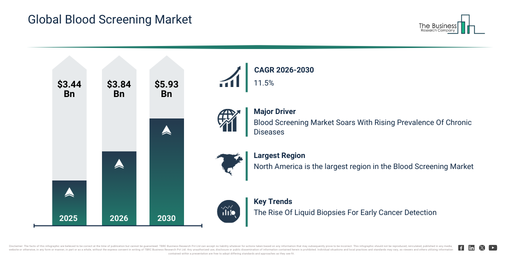
    The blood screening market has experienced substantial expansion lately. Projections indicate a rise from $3.44 billion in 2025 to $3.84 billion in 2026, reflecting a compound annual growth rate of 11.6%. Factors contributing to this past growth include more stringent regulatory screening mandates, an increase in blood donation quantities, a higher incidence of transfusion-transmitted infections, the proliferation of centralized blood banking facilities, and the widespread implementation of ELISA testing methods.

    The global blood screening market is poised for significant expansion, projecting to reach $5.93 billion by 2030 with a compound annual growth rate of 11.5%. This upward trajectory is primarily fueled by escalating investments in sophisticated screening technologies, a heightened need for prompt and precise diagnostic solutions, broader acceptance of molecular testing methodologies, the increasing incorporation of AI for data analytics, and a stronger emphasis on international blood safety protocols. Key developments anticipated during this period involve a greater uptake of nucleic acid testing, a surge in demand for high-volume screening systems, more widespread utilization of automated blood screening equipment, the proliferation of screening platforms integrated with software, and an intensified concentration on ensuring transfusion safety.

    Download A Free Sample Report For Comprehensive Market Insights:

    https://www.thebusinessresearchcompany.com/sample.aspx?id=9047&type=smp

    Blood Screening Market Opportunity Drivers: What Is Creating New Revenue Potential?

    The escalating incidence of long-term health conditions is anticipated to be a significant catalyst for the expansion of the blood screening sector. Chronic illnesses, characterized as persistent ailments that are generally treatable rather than curable, necessitate ongoing management of both medical interventions and the lifestyle adjustments they demand. Blood screening plays a crucial role in ensuring donor-recipient blood type compatibility during transfusions, a procedure often essential for managing various chronic conditions such as autoimmune disorders, blood-related diseases, and all types of cancer. Globally, the World Health Organization reported in September 2023 that non-communicable diseases, or chronic conditions, account for a substantial 74% of the 41 million annual deaths worldwide. Consequently, this rising burden of chronic diseases is directly contributing to the advancement of the blood screening market.

    Blood Screening Market Segmentation And Category Breakdown

    The blood screening market covered in this report is segmented –

    1) By Product: Reagents And Kits, Instruments, Software And Services

    2) By Technology: Nucleic Acid Testing, Enzyme-Linked Immunosorbent Assay (ELISA), Rapid Tests, Western Blot Assays, Next-Generation Sequencing (NGS)

    3) By End User: Blood Banks, Diagnostic Centers And Pathology Labs, Hospitals, Clinics, Ambulatory Surgical Centers (ASCs)

    Subsegments:

    1) By Reagents And Kits: Diagnostic Reagents, Testing Kits

    2) By Instruments: Automated Analyzers, Manual Testing Equipment

    3) By Software And Services: Laboratory Information Management Systems (LIMS), Data Analysis Software, Support And Consulting Services

    Blood Screening Market Innovation Trends Driving Future Development

    In the blood screening market, leading corporations are advancing techniques like liquid biopsy, aiming to refine early cancer identification, enhance treatment oversight, and facilitate customized medical treatments. Liquid biopsy represents a low-impact examination, scrutinizing blood or alternative bodily fluids for the presence of cancerous cells or tumor-derived genetic material. Illustratively, a notable development occurred in November 2023 when Guardant Health, Inc., a biotechnology firm situated in the United States, introduced its Shield blood-based screening assays. This Shield test is designed to examine cell-free DNA (cfDNA) circulating within the bloodstream, a marker that can signal the existence of colon tumors or precancerous lesions, by specifically identifying modifications in DNA fragments originating from malignant cells and subsequently released into the blood.

    Blood Screening Market Competitive Analysis Of Major Industry Participants

    Major companies operating in the blood screening market are Abbott Laboratories, Grifols S.A., Becton Dickinson and Company, F. Hoffmann-La Roche AG, bioMérieux S.A., Bio-Rad Laboratories Inc., Thermo Fisher Scientific Inc., Ortho Clinical Diagnostics Inc., Beckman Coulter Inc., Siemens Healthineers AG, DiaSorin S.p.A., Merck KGaA, PerkinElmer Inc., Bio-Techne Corporation, Roche Diagnostics GmbH, Danaher Corporation, Sysmex Corporation, GenMark Diagnostics Inc., QIAGEN N.V., Hologic Inc., Luminex Corporation, Trinity Biotech plc, Fujirebio Inc., OraSure Technologies Inc., Immunetics Inc., Cepheid Inc., Haemonetics Corporation, Verax Biomedical Inc.

    Access The Complete Blood Screening Market Report:

    https://www.thebusinessresearchcompany.com/report/blood-screening-global-market-report

    #Blood Screening Market Largest Region: Which Geography Holds The Highest Market Share?

    North Americawas the largest region in the blood screening market in 2025. The regions covered in the blood screening market report are Asia-Pacific, South East Asia, Western Europe, Eastern Europe, North America, South America, Middle East, Africa.

    Get in touch with us:

    The Business Research Company: https://www.thebusinessresearchcompany.com/

    Americas: +1 310-496-7795

    Asia: +44 7882 955267 & +91 8897263534

    Europe: +44 7882 955267

    Email us at: marketing@tbrc.info

    Follow us on:

    LinkedIn: https://in.linkedin.com/company/the-business-research-company

    YouTube: https://www.youtube.com/channel/UC24_fI0rV8cR5DxlCpgmyFQ

    Global Market Model: https://www.thebusinessresearchcompany.com/global-market-model
  • Blood Preparation Market Opportunities Are Emerging Beyond Traditional Growth Areas

    Blood Preparation Market Opportunities Are Emerging Beyond Traditional Growth Areas

    Enhanced with market attractiveness analysis, total addressable market evaluation, company benchmarking matrices, interactive Excel dashboards, expanded supply chain intelligence, emerging startup coverage, and detailed product insights, The Business Research Company’s 2026 market reports deliver more actionable and strategically valuable research.

    Blood Preparation Market Expansion Outlook: What Revenue Opportunities Lie Ahead?

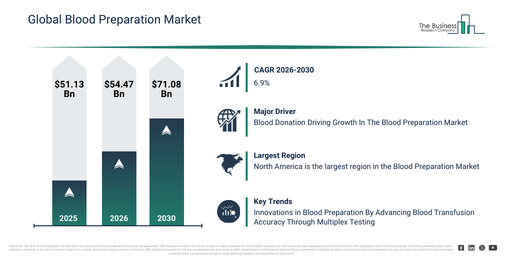
    The market for blood preparations has experienced robust expansion lately, projecting a rise from $51.13 billion in 2025 to $54.47 billion in 2026, indicating a compound annual growth rate of 6.5%. Key drivers fueling this historical growth include the proliferation of blood donation initiatives, the broadening scope of hospital transfusion facilities, an uptick in trauma and surgical procedures, enhancements in blood testing methodologies, and the development of consolidated blood banking systems.

    The blood preparation sector is projected for significant advancement in the upcoming years, reaching an estimated market value of $71.08 billion by 2030, fueled by a compound annual growth rate (CAGR) of 6.9%. This projected expansion is underpinned by several key factors: the escalating need for secure blood supplies, increased financial commitment towards automating blood processing, the wider application of technologies for separating blood components, a heightened awareness of transfusion safety protocols, and the adoption of digital systems for managing blood resources. During this forecast horizon, prominent trends are anticipated to include greater automation in blood collection and processing workflows, a surge in the requirement for transfusions of specific blood components, the proliferation of sophisticated blood storage solutions, a stronger commitment to donor screening and enhancing traceability, and improved management of the cold chain for blood products.

    Download A Free Sample Report For Comprehensive Market Insights:

    https://www.thebusinessresearchcompany.com/sample.aspx?id=10230&type=smp

    Blood Preparation Market Growth Momentum: Which Factors Are Influencing Demand?

    The global expansion of blood donation activities is poised to fuel the advancement of the blood preparation sector. This surge is attributed to the critical role blood donation plays in making transfusions a viable and life-saving medical intervention. Essential for individuals undergoing surgeries, cancer therapies, managing chronic conditions, or recovering from severe injuries, blood availability is paramount. The process facilitates timely transfusions, guaranteeing a consistent supply of this vital resource. Evidence of this trend is seen in China, where voluntary donations in 2023 hit an unprecedented 16.99 million, a 5.9% rise from the previous year, as reported by the National Health Commission in June 2024, underscoring the robust development of the country’s blood supply infrastructure. Consequently, this growing volume of donated blood directly propels the blood preparation market’s growth.

    Blood Preparation Market Segment Outlook: Which Categories Are Expanding The Fastest?

    The blood preparation market covered in this report is segmented –

    1) By Product: Whole Blood, Blood Components, Blood Derivatives

    2) By Antithrombotic And Anticoagulants Type: Platelet Aggregation Inhibitors, Fibrinolytics, Anticoagulants

    3) By Application: Transfusion, Diagnostics, Research

    4) By End User: Hospitals, Clinics, Blood Banks, Other End-Users

    Subsegments:

    1) By Whole Blood: Fresh Whole Blood, Stored Whole Blood

    2) By Blood Components: Red Blood Cells (RBC), Platelets, Plasma, White Blood Cells (WBC)

    3) By Blood Derivatives: Immunoglobulins, Coagulation Factors, Albumin, Fibrinogen

    Blood Preparation Market Trends Reshaping Industry Growth

    In the blood preparation sector, leading entities are prioritizing advancements in their offerings, specifically through multiplex testing, a method enabling the concurrent examination of various blood group antigens and antibody screenings within a singular assay. This laboratory procedure facilitates the performance of multiple tests on one sample at the same time, capable of identifying or quantifying numerous targets in parallel, thereby conserving both time and the amount of sample required. As an illustration, the biotechnology firm Innobiochips SAS, based in France, unveiled Omnys in June 2024. This sophisticated system for blood grouping and testing aims to augment the precision and effectiveness of blood transfusion processes, underscoring the persistent drive towards automation and elevated accuracy in blood preparation. Furthermore, the company provides multiplex testing platforms alongside comprehensive software solutions.

    Blood Preparation Market Key Companies And Competitive Benchmarking

    Major companies operating in the blood preparation market are AstraZeneca PLC, Sanofi, LEO Pharma A/S, Bristol-Myers Squibb Company, Baxter International Inc, Pfizer Inc, Portola Pharmaceuticals Inc, GlaxoSmithKline PLC, Bayer AG, Boehringer Ingelheim, Celgene Corp, Shandong East Chemical Industry Co., Xiamen Hisunny Chemical Co. LTD, Merck & Co., Amgen Inc., Takeda Pharmaceutical Company Limited, Novartis AG, Johnson & Johnson, Gilead Sciences Inc., Regeneron Pharmaceuticals Inc., AbbVie Inc., Roche Holding AG, CSL Behring, BioMarin Pharmaceutical Inc., Genentech Inc., Sandoz International GmbH, Medtronic plc, Fresenius Kabi AG, Grifols S.A., HemaCare Corporation, Terumo Corporation

    Access The Complete Blood Preparation Market Report:

    https://www.thebusinessresearchcompany.com/report/blood-preparation-global-market-report

    Blood Preparation Market Regional Analysis: Which Region Leads By Revenue?

    North Americawas the largest region in the blood preparation market in 2025. Asia-Pacific is expected to be the fastest-growing region in the global blood preparation market during the forecast period. The regions covered in the blood preparation market report are Asia-Pacific, South East Asia, Western Europe, Eastern Europe, North America, South America, Middle East, Africa.

    Get in touch with us:

    The Business Research Company: https://www.thebusinessresearchcompany.com/

    Americas: +1 310-496-7795

    Asia: +44 7882 955267 & +91 8897263534

    Europe: +44 7882 955267

    Email us at: marketing@tbrc.info

    Follow us on:

    LinkedIn: https://in.linkedin.com/company/the-business-research-company

    YouTube: https://www.youtube.com/channel/UC24_fI0rV8cR5DxlCpgmyFQ

    Global Market Model: https://www.thebusinessresearchcompany.com/global-market-model
  • Blood Platelets Market Expansion Is Opening New Pathways For Strategic Investment

    Blood Platelets Market Expansion Is Opening New Pathways For Strategic Investment

    Through market attractiveness analysis, total addressable market evaluation, company benchmarking matrices, interactive Excel dashboards, expanded supply chain intelligence, emerging startup coverage, and detailed product insights, The Business Research Company’s 2026 market reports provide more actionable and strategically valuable research.

    Blood Platelets Market Growth Potential: How Will Market Size Change Through 2030?

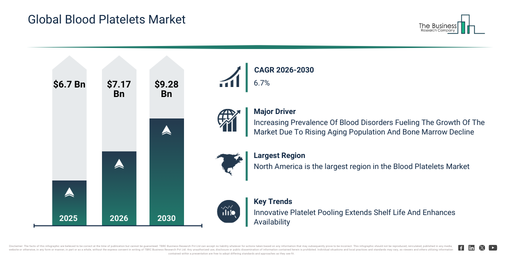
    The global market for blood platelets has experienced robust expansion recently, projected to increase from an estimated $6.7 billion in 2025 to $7.17 billion in 2026, reflecting a compound annual growth rate of 7.0%. This expansion during the past period is largely attributable to a rise in surgical interventions, the proliferation of trauma care centers, augmented demand for platelet transfusions, advancements in cancer therapies, and enhancements in the blood collection system.

    The global blood platelets market is poised for substantial expansion over the coming years, projected to reach $9.28 billion by 2030, experiencing a compound annual growth rate (CAGR) of 6.7%. This anticipated surge is fueled by a confluence of factors, including a growing incidence of thrombocytopenia disorders, escalating requirements from oncology treatment facilities, the proliferation of sophisticated transfusion capabilities, a heightened emphasis on ensuring transfusion safety protocols, and significant R&D investments in pioneering platelet storage solutions. Key developments expected to shape the market during this period involve a greater reliance on apheresis-derived platelets, increased uptake of pathogen-inactivated platelet products, broader implementation of automated platelet collection mechanisms, a sustained drive to prolong the usability of platelets, and continuous advancements in assessing and upholding platelet quality standards.

    Download A Free Sample Report For Comprehensive Market Insights:

    https://www.thebusinessresearchcompany.com/sample.aspx?id=23330&type=smp

    Blood Platelets Market Expansion Drivers: What Is Shaping Future Growth?

    The escalating incidence of hematological conditions is anticipated to stimulate expansion within the blood platelets market. Blood disorders encompass ailments that impact the efficacy, generation, or elements of blood, such as erythrocytes, leukocytes, platelets, or plasma, resulting in conditions like anemia, coagulation irregularities, or compromised immune responses. This heightened occurrence of blood disorders is attributable to an expanding elderly demographic, as aging diminishes bone marrow functionality, rendering older individuals more vulnerable to conditions such as anemia, low platelet counts, and clotting problems. Blood platelets play a crucial role in managing blood disorders by controlling coagulation, thereby being vital for averting excessive hemorrhage and aiding in tissue repair. Illustrating this trend, the World Federation of Hemophilia’s (WFH) 2024 Annual Global Survey (AGS) reported in October 2025 a 6% increase globally in diagnosed hemophilia cases, a 6% surge in identified Von Willebrand Disease (VWD) cases, and a 9% rise in the detection of other inherited bleeding disorders, underscoring the upward trajectory in blood disorder prevalence which, consequently, is fueling the growth of the blood platelets market.

    Blood Platelets Market Segment Landscape: Which Areas Lead Market Development?

    The blood platelets market covered in this report is segmented –

    1) By Platelet Type: Whole Blood Derived Platelets, Apheresis Derived Platelets

    2) By Application: Platelet Function Disorder, Hemophilia, Thrombocytopenia, Perioperative Indication

    3) By End-Users: Hospitals, Ambulatory Surgical Centers, Blood Banks, Research Laboratories, Specialty Clinics, Cancer Treatment Center, Trauma Center, Other End Users

    Subsegments:

    1) By Whole Blood Derived Platelets: Leukocyte-Reduced Whole Blood Platelets, Non-Leukocyte-Reduced Whole Blood Platelets, Pathogen-Reduced Whole Blood Platelets

    2) By Apheresis Derived Platelets: Single-Donor Apheresis Platelets, Leukocyte-Reduced Apheresis Platelets, Pathogen-Reduced Apheresis Platelets

    Blood Platelets Market Strategic Trends: What Is Defining The Next Phase Of Growth?

    Within the blood platelet sector, leading enterprises are actively pursuing novel approaches, including platelet pooling strategies designed to prolong usability, boost accessibility, and assist blood collection facilities in satisfying an increasing need for transfusions. This method of combining platelets from several blood donations to form a single transfusion unit is key to improving availability, operational effectiveness, and the efficient use of resources in managing the blood supply. As an illustration, in February of 2023, Terumo Blood and Cell Technologies, a prominent medical technology firm based in the United States, secured FDA approval and subsequently introduced the IMUGARD WB platelet pooling set. This advancement extends the viable storage period for platelets derived from whole blood from the standard five days to seven, thereby increasing the supply of platelets ready for transfusion. Furthermore, it offers a supplementary means of platelet provision to counter escalating demand and shortfalls in donations, thereby aiding blood centers in refining their stock control and minimizing wastage.

    Blood Platelets Market Industry Leaders And Market Competition

    Major companies operating in the blood platelets market are Fresenius Kabi, Grifols S.A., CSL Behring, Octapharma AG, Terumo Corporation, Cerus Corporation, Macopharma, Biotest AG, Kedrion Biopharma, Bio Products Laboratory Ltd, LFB Group, Hemanext Inc, Cellphire Inc, American Red Cross, Sanquin, Canadian Blood Services, Australian Red Cross Lifeblood, New York Blood Center, Vitalant, HemaCare

    Access The Complete Blood Platelets Market Report:

    https://www.thebusinessresearchcompany.com/report/blood-platelets-global-market-report

    Blood Platelets Market Geographic Distribution And Regional Opportunities

    North Americawas the largest region in the blood platelets market in 2025. Asia-Pacificis expected to be the fastest-growing region in the forecast period. The regions covered in the blood platelets market report are Asia-Pacific, South East Asia, Western Europe, Eastern Europe, North America, South America, Middle East, Africa.

    Get in touch with us:

    The Business Research Company: https://www.thebusinessresearchcompany.com/

    Americas: +1 310-496-7795

    Asia: +44 7882 955267 & +91 8897263534

    Europe: +44 7882 955267

    Email us at: marketing@tbrc.info

    Follow us on:

    LinkedIn: https://in.linkedin.com/company/the-business-research-company

    YouTube: https://www.youtube.com/channel/UC24_fI0rV8cR5DxlCpgmyFQ

    Global Market Model: https://www.thebusinessresearchcompany.com/global-market-model

  • Blood Plasma Derivatives Market Trends Are Creating New Opportunities For Industry Leaders

    Blood Plasma Derivatives Market Trends Are Creating New Opportunities For Industry Leaders

    Delivering more actionable and strategically valuable research, The Business Research Company’s 2026 market reports feature market attractiveness analysis, total addressable market evaluation, company benchmarking matrices, interactive Excel dashboards, expanded supply chain intelligence, emerging startup coverage, and detailed product insights.

    Blood Plasma Derivatives Market Value Analysis: What Growth Is Expected Over The Forecast Period?

    The market for blood plasma derivatives has experienced substantial expansion recently, projecting a climb from $55.76 billion in 2025 to $60.76 billion in 2026, reflecting a 9.0% compound annual growth rate. This upward trajectory during the past period has been fueled by several key factors: a rise in the identification of infrequent blood conditions, the broader implementation of plasma donation initiatives, an escalating need for albumin-based treatments, advancements in the methods used to separate plasma components, and an increased utilization of plasma within healthcare facilities.

    The sector for blood plasma derivatives is poised for substantial expansion over the upcoming years, projecting an increase to $86.68 billion by the year 2030, driven by a compound annual growth rate (CAGR) of 9.3%. This predicted growth trajectory is fueled by several key factors, including a heightened incidence of immunodeficiency disorders, augmented financial commitments towards therapies developed from plasma, the broadening of international networks for plasma donation, a greater emphasis on achieving self-sufficiency in plasma provisions, and significant progress in recombinant protein technologies. Key developments anticipated during this forecast period encompass a mounting demand for therapies utilizing immunoglobulins, increased acceptance of recombinant plasma-based treatments, advancements in technologies for fractionating and purifying plasma components, a stronger concentration on processes aimed at reducing pathogens, and improvements in the efficiency of cold chain management and plasma processing.

    Download A Free Sample Report For Comprehensive Market Insights:

    https://www.thebusinessresearchcompany.com/sample.aspx?id=12107&type=smp

    Blood Plasma Derivatives Market Development Factors: Which Trends Are Supporting Demand?

    The escalating incidence of hemophilia is anticipated to be a significant factor propelling the expansion of the blood plasma derivatives market. Hemophilia, an inherited disorder characterized by impaired blood clotting, can lead to spontaneous hemorrhages as well as excessive bleeding subsequent to trauma or surgical procedures. For individuals experiencing congenital or acquired hemostasis dysfunctions, therapeutic agents derived from blood plasma offer a potent means to enhance blood clotting capabilities. Specifically, hemophilia A, von Willebrand disease, and hemophilia B are managed through the administration of factor VIII, factor VIII/vWF, and factor IX concentrates, respectively. Supporting this trend, the World Federation of Hemophilia (WFH) Annual Global Survey (AGS) reported in October 2025, with data from 2024, indicating a 6% increase globally in the diagnosis of hemophilia cases, a corresponding 6% rise in identified von Willebrand disease cases, and a notable 9% surge in the identification of other inherited bleeding disorders. Consequently, the growing prevalence of hemophilia is a key contributor to the expanding blood plasma derivatives market.

    Blood Plasma Derivatives Market Segments: Where Are The Largest Growth Opportunities?

    The blood plasma derivatives market covered in this report is segmented –

    1) By Type: Albumin, Factor VIII, Factor IX, Immunoglobulin, Hyperimmune Globulin, Other Types

    2) By Application: Hemophilia, Hypogammaglobulinemia, Immunodeficiency Diseases, Von Willebrand’s Disease, Other Applications

    3) By End-User: Hospitals, Clinics, Other End-Users

    Subsegments:

    1) By Albumin: Human Serum Albumin, Recombinant Albumin

    2) By Factor VIII: Plasma-Derived Factor VIII, Recombinant Factor VIII

    3) By Factor IX: Plasma-Derived Factor IX, Recombinant Factor IX

    4) By Immunoglobulin: Intravenous Immunoglobulin (IVIG), Subcutaneous Immunoglobulin (SCIG)

    5) By Hyperimmune Globulin: Specific Pathogen-Reduced Hyperimmune Globulin, Standard Hyperimmune Globulin

    6) By Other Types: Fibrinogen, Clotting Factor Concentrates, Plasma-Derived Proteins

    Blood Plasma Derivatives Market Transformation Trends: Which Innovations Are Driving Change?

    Within the blood plasma derivatives industry, leading corporations are prioritizing advancements in their supply chains, notably through the development of intravenous immunoglobulin (IVIg). This therapeutic agent functions by furnishing patients experiencing immunodeficiency with essential antibodies, thereby bolstering their immune systems. IVIg is essentially a medicinal product composed of antibodies purified from the plasma of a vast number of healthy individuals, aimed at regulating immune responses. As an illustration, in August of 2025, Octapharma, a company headquartered in Switzerland renowned for its human protein products, unveiled Gamten 10% IVIg through the UK Plasma for Medicines Programme. This particular IVIg formulation, derived from plasma donated by individuals in the UK, is intended to deliver immunoglobulin replacement therapy to patients suffering from either primary or secondary immunodeficiency, while the company also provides specialized treatments for coagulation disorders and critical care needs.

    Blood Plasma Derivatives Market Major Participants And Competitive Dynamics

    Major companies operating in the blood plasma derivatives market are Bayer AG, Sanofi S.A., Takeda Pharmaceutical Company Limited, Baxter International Inc., CSL Limited, Meiji Group, Grifols S.A., Shire Pharmaceuticals Inc., GC Biopharma Corp, Emergent BioSolutions Inc., Shanghai Raas Blood Products Co Ltd., Kedrion S.p.A., Sanquin, Biotest AG, Bio Products Ltd., ADMA Biologics Inc., China Biologic Products Holdings Inc., BioIVT, PlasmaGen BioSciences Pvt. Ltd., Virchow Biotech Private Limited, LFB S.A., Intas Pharmaceuticals Ltd., Octapharma Plasma

    Access The Complete Blood Plasma Derivatives Market Report:

    https://www.thebusinessresearchcompany.com/report/blood-plasma-derivatives-global-market-report

    Blood Plasma Derivatives Market Largest Region By Revenue And Market Share

    North America was the largest region in the blood plasma derivatives market in 2025. The regions covered in the blood plasma derivatives market report are Asia-Pacific, South East Asia, Western Europe, Eastern Europe, North America, South America, Middle East, Africa.

    Get in touch with us:

    The Business Research Company: https://www.thebusinessresearchcompany.com/

    Americas: +1 310-496-7795

    Asia: +44 7882 955267 & +91 8897263534

    Europe: +44 7882 955267

    Email us at: marketing@tbrc.info

    Follow us on:

    LinkedIn: https://in.linkedin.com/company/the-business-research-company

    YouTube: https://www.youtube.com/channel/UC24_fI0rV8cR5DxlCpgmyFQ

    Global Market Model: https://www.thebusinessresearchcompany.com/global-market-model

  • Blood Gas and Electrolyte Analyzers Market Growth Is Reshaping Competitive Advantage Across The Industry

    Blood Gas and Electrolyte Analyzers Market Growth Is Reshaping Competitive Advantage Across The Industry

    Enhanced with market attractiveness analysis, total addressable market evaluation, company benchmarking matrices, interactive Excel dashboards, expanded supply chain intelligence, emerging startup coverage, and detailed product insights, The Business Research Company’s 2026 market reports deliver more actionable and strategically valuable research.

    Blood Gas and Electrolyte Analyzers Market Size Forecast: How Large Could The Market Become By 2030?

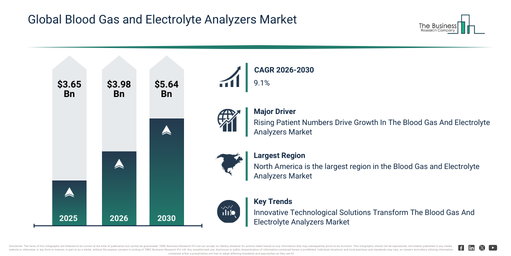
    The global market for blood gas and electrolyte analyzers has experienced robust expansion. Projections indicate a climb from $3.65 billion in 2025 to $3.98 billion in 2026, reflecting a compound annual growth rate of 9.3%. This historical growth trajectory is largely attributable to factors such as heightened admissions in critical care units, the augmentation of hospital laboratory facilities, increased reliance on arterial blood gas testing, a surge in respiratory diseases, and the expanding accessibility of automated analytical devices.

    The market for blood gas and electrolyte analyzers is poised for substantial expansion over the upcoming years, projected to reach $5.64 billion by 2030, propelled by a compound annual growth rate of 9.1%. This anticipated surge is fueled by several key drivers, including a heightened demand for diagnostic solutions that can be utilized away from central laboratories, a greater emphasis on critical care and emergency room testing capabilities, the broadening adoption of testing performed at home or directly at the patient’s side, increased financial commitment towards intelligent diagnostic equipment, and the growing integration of streamlined laboratory processes. Key developments anticipated during this forecast period are the increasing use of point-of-care blood gas analysis, a greater need for both portable and standard benchtop analyzer units, the enhanced integration of platforms capable of performing multiple parameter tests simultaneously, a rise in the utilization of cartridge-based consumables, and a sharpened focus on delivering diagnostic results with greater speed.

    Download A Free Sample Report For Comprehensive Market Insights:

    https://www.thebusinessresearchcompany.com/sample.aspx?id=6098&type=smp

    Blood Gas and Electrolyte Analyzers Market Industry Drivers: What Is Driving Revenue Growth?

    A surge in patient numbers, resulting in a greater volume of blood sample analyses, fueled the expansion of the blood gas and electrolyte analyzers market, as these tests are crucial for monitoring conditions like cholesterol and blood glucose levels, which in turn aids in managing the risk and treatment efficacy for cardiovascular, vascular, and diabetic diseases; for example, data from the Royal College of General Practitioners in June 2024 revealed a rise in the average patient load per UK GP from 2,222 in 2022 to 2,294 by April 2024, underscoring heightened demand for primary care services and consequently driving increased blood testing and the market for related analytical equipment.

    Blood Gas and Electrolyte Analyzers Market Segment Analysis: What Are The Major Market Categories?

    The blood gas and electrolyte analyzers market covered in this report is segmented –

    1) By Product: Blood Gas Analyzers, Electrolyte Analyzers, Combined Analyzers, Consumables

    2) By Modality: Portable, Laboratory, Benchtop

    3) By End User: Central Laboratories, Diagnostic Centres, Hospitals, Other End Users

    Subsegments:

    1) By Blood Gas Analyzers: Portable Blood Gas Analyzers, Benchtop Blood Gas Analyzers

    2) By Electrolyte Analyzers: Portable Electrolyte Analyzers, Benchtop Electrolyte Analyzers

    3) By Combined Analyzers: Blood Gas And Electrolyte Combined Analyzers, Blood Gas, Electrolyte, And Metabolite Combined Analyzers

    4) By Consumables: Cartridges, Electrodes, Reagents, Sensors

    #Blood Gas and Electrolyte Analyzers Market Growth Trends: What Is Influencing The Future Outlook?

    Key players within the blood gas and electrolyte analyzers sector are prioritizing the creation of cutting-edge technologies, exemplified by sophisticated automated analysis platforms, to address the escalating need for swift, precise, and complete testing of blood components in healthcare environments. These sophisticated automated analyzers combine various sensing methodologies, including ion-selective electrodes, impedance analysis, and amperometry, to generate rapid and dependable outcomes, thereby presenting a more streamlined approach compared to traditional manual or partially automated procedures. As an illustration of this trend, Sensa Core, an Indian enterprise active in the blood gas and electrolyte analyzers market, introduced the ST-200 CC Ultra Smart Blood Gas Analyzer in June 2024, targeting applications in hospitals and medical testing facilities. This completely automated device employs ISE, Impedance (Hct), and Amperometry (pO2) technologies for the examination of arterial blood gases and electrolytes, quantifying crucial metrics like sodium, potassium, ionized calcium, pH, hematocrit, oxygen, and carbon dioxide, among others, yielding twenty-seven distinct results from a single blood specimen. Furthermore, the analyzer is equipped with an integrated barcode reader and various external connectivity options designed to optimize operational efficiency and improve user experience.

    Blood Gas and Electrolyte Analyzers Market Leading Companies Driving Competitive Growth

    Major companies operating in the blood gas and electrolyte analyzers market are F. Hoffmann-La Roche Ltd, Danaher Corporation, Siemens Healthineers AG, Werfen, Abbott Laboratories, Medica Corporation, EDAN Instruments Inc, Radiometer Medical, Nova Biomedical, OPTI Medical systems Inc, I Sens Inc, JOKOH CO. LTD, Prolong Medical Equipment Co. Ltd, Sensa Core Medical Instrumentation Pvt. Ltd, Hunan Rainbow Technology Co. Ltd, ERBA Mannheim, EKF Diagnostics, Grifols, Vygon SAS, Biofidus, KwertyMed, Instrumentation Laboratory Company, Becton Dickinson and Co, Microbiology E.A Ltd.

    Access The Complete Blood Gas and Electrolyte Analyzers Market Report:

    https://www.thebusinessresearchcompany.com/report/blood-gas-and-electrolyte-analyzers-global-market-report

    Blood Gas and Electrolyte Analyzers Market Regional Analysis And Leading Geography

    North Americawas the largest region in the blood gas and electrolyte analyzers market in 2025 and is also expected to be the fastest-growing region in the forecast period. The regions covered in the blood gas and electrolyte analyzers market report are Asia-Pacific, South East Asia, Western Europe, Eastern Europe, North America, South America, Middle East, Africa.

    Get in touch with us:

    The Business Research Company: https://www.thebusinessresearchcompany.com/

    Americas: +1 310-496-7795

    Asia: +44 7882 955267 & +91 8897263534

    Europe: +44 7882 955267

    Email us at: marketing@tbrc.info

    Follow us on:

    LinkedIn: https://in.linkedin.com/company/the-business-research-company

    YouTube: https://www.youtube.com/channel/UC24_fI0rV8cR5DxlCpgmyFQ

    Global Market Model: https://www.thebusinessresearchcompany.com/global-market-model
  • Blood Brain Barrier Technologies Market Forecast Signals New Revenue Opportunities Through 2030

    Blood Brain Barrier Technologies Market Forecast Signals New Revenue Opportunities Through 2030

    Through market attractiveness analysis, total addressable market evaluation, company benchmarking matrices, interactive Excel dashboards, expanded supply chain intelligence, emerging startup coverage, and detailed product insights, The Business Research Company’s 2026 market reports provide more actionable and strategically valuable research.

    Blood Brain Barrier Technologies Market Revenue Outlook: What CAGR Is Expected Through 2030?

    The market for blood-brain barrier technologies has seen remarkable expansion, projected to increase from $2.01 billion in 2025 to $2.57 billion in 2026, demonstrating a compound annual growth rate of 27.8%. This robust growth trajectory in the preceding period was driven by several key factors, including the rising incidence of neurological conditions, increased investment in neuroscience research, significant progress in molecular biology methodologies, the development of specialized drug delivery programs, and the early adoption of technologies designed to disrupt the blood-brain barrier.

    The global market for blood-brain barrier (BBB) technologies is poised for remarkable expansion, projected to reach $6.17 billion by 2030. This significant growth, driven by a compound annual growth rate of 24.6%, is fueled by several key factors. Escalating investments in precision neurology treatments, a heightened need for efficient delivery of drugs to the central nervous system (CNS), and the burgeoning research in gene and cell therapies are prominent drivers. Furthermore, the increasing incorporation of artificial intelligence within neuropharmacology and a sustained emphasis on non-invasive delivery techniques are contributing to this upward trajectory. Throughout the forecast period, several prominent trends are expected to shape the market. These include the accelerating development of sophisticated systems for targeted drug delivery to the brain, a growing acceptance of nanocarrier-based delivery technologies, increased attention on research platforms for neurotherapeutics, the further exploration and implementation of receptor-mediated transport methods, and the improved incorporation of advanced imaging and monitoring instrumentation.

    Download A Free Sample Report For Comprehensive Market Insights:

    https://www.thebusinessresearchcompany.com/sample.aspx?id=16000&type=smp

    #Blood Brain Barrier Technologies Market Growth Factors: Which Forces Are Supporting Market Expansion?

    The expanding prevalence of neurological conditions is anticipated to be a key driver for the blood-brain barrier technologies market. These neurological disorders, impacting the brain, spinal cord, and various nerves, are on the rise due to an aging demographic, more sophisticated diagnostic tools, and lifestyle shifts, including increased obesity and inactivity. Blood-brain barrier technologies are instrumental in facilitating the delivery of therapeutics to the brain, a significant hurdle in treating these very conditions, thereby making a vital contribution to managing the escalating incidence of neurological ailments. Illustratively, the World Health Organization, a UN agency focused on global health, indicated in October 2025 that over 40% of the world’s population experiences neurological issues, resulting in 11 million annual fatalities worldwide. Consequently, the increasing occurrence of neurological diseases is fueling the expansion of the blood-brain barrier technologies sector.

    Blood Brain Barrier Technologies Market Segment Breakdown: Which Categories Generate The Most Revenue?

    The blood brain barrier technologies market covered in this report is segmented –

    1) By Technology: Bispecific Antibody Receptor-Mediated Transcytosis (RMT) Approach, Trojan Horse Approach, Increasing Permeability, Passive Diffusion, Other Technologies

    2) By Application: Alzheimers Disease, Epilepsy, Parkinsons Disease, Multiple Sclerosis, Hunters Syndrome, Brain Cancer, Other Applications

    3) By End-User: Hospitals, Surgical Centers, Research Institutes, Other End-Users

    Subsegments:

    1) By Bispecific Antibody Receptor-Mediated Transcytosis (RMT) Approach: Bispecific Antibodies, Fusion Proteins, Receptor-Targeted Delivery Systems

    2) By Trojan Horse Approach: Lipid-Based Carriers (Liposomes, Micelles), Peptide-Based Carriers, Nanoparticle-Mediated Delivery

    3) By Increasing Permeability: Chemical Permeabilizers, Physical Disruption Methods, Nanomaterials For Permeability Enhancement

    4) By Passive Diffusion: Small Molecule Drug Delivery, Lipophilic Drug Delivery, Nanocarrier-Based Passive Diffusion

    5) By Other Technologies: Magnetically Targeted Drug Delivery, Gene Therapy And Viral Vectors, Exosome-Based Delivery Systems, Stem Cell-Based Delivery Systems

    Blood Brain Barrier Technologies Market Industry Trends: What Changes Are Reshaping Demand?

    Leading enterprises within the blood-brain barrier technologies sector are concentrating their efforts on pioneering advancements, such as the intricate blood-brain barrier (BBB), a biological defense mechanism designed to permit beneficial nutrients and diminutive chemical compounds entry into the brain while simultaneously impeding the majority of larger or potentially detrimental agents. This BBB functions as a rigorously controlled gateway between the brain and the central nervous system (CNS) and the systemic circulation. As an illustration of this progress, in November 2024, The Mount Sinai Hospital, a prominent US research and healthcare facility, unveiled a groundbreaking blood-brain barrier-crossing conjugate (BCC) system. This innovative technology facilitates the systemic administration of substantial therapeutic molecules, encompassing both oligonucleotides and proteins, directly through the blood-brain barrier. This initiative by Mount Sinai is a significant stride in enhancing the delivery of therapeutics to the central nervous system, thereby offering improved therapeutic options for individuals suffering from various neurological conditions.

    Blood Brain Barrier Technologies Market Key Players And Strategic Industry Positioning

    Major companies operating in the blood brain barrier technologies market are Denali Therapeutics Inc., ArmaGen Inc., Angiochem Inc., Ossianix Inc., BiOasis Technologies Inc., JCR Pharma Co. Ltd., Voyager Therapeutics Inc., Neurocrine Biosciences Inc., CNS Pharmaceuticals Inc., Pardes Biosciences Inc., Annexon Inc., Avrobio Inc., Prevail Therapeutics Inc., Alector Inc., Sangamo Therapeutics Inc., uniQure N.V., Bluebird Bio Inc., Ionis Pharmaceuticals Inc., Regenxbio Inc., Neurogene Inc., Vivet Therapeutics

    Access The Complete Blood Brain Barrier Technologies Market Report:

    https://www.thebusinessresearchcompany.com/report/blood-brain-barrier-technologies-global-market-report

    Blood Brain Barrier Technologies Market Geographic Analysis: Where Is Demand Growing The Fastest?

    North Americawas the largest region in the blood brain barrier technologies market in 2025. The regions covered in the blood brain barrier technologies market report are Asia-Pacific, South East Asia, Western Europe, Eastern Europe, North America, South America, Middle East, Africa.

    Get in touch with us:

    The Business Research Company: https://www.thebusinessresearchcompany.com/

    Americas: +1 310-496-7795

    Asia: +44 7882 955267 & +91 8897263534

    Europe: +44 7882 955267

    Email us at: marketing@tbrc.info

    Follow us on:

    LinkedIn: https://in.linkedin.com/company/the-business-research-company

    YouTube: https://www.youtube.com/channel/UC24_fI0rV8cR5DxlCpgmyFQ

    Global Market Model: https://www.thebusinessresearchcompany.com/global-market-model

  • Blood Bank Information Systems Market Growth Is Accelerating As Industry Transformation Continues

    Blood Bank Information Systems Market Growth Is Accelerating As Industry Transformation Continues

    Delivering more actionable and strategically valuable research, The Business Research Company’s 2026 market reports feature market attractiveness analysis, total addressable market evaluation, company benchmarking matrices, interactive Excel dashboards, expanded supply chain intelligence, emerging startup coverage, and detailed product insights.

    Blood Bank Information Systems Market Growth Analysis: How Will Revenue Expand During The Forecast Period?

    The market for blood bank information systems has demonstrated robust expansion lately. Projections indicate a rise from $0.85 billion in 2025 to $0.92 billion in 2026, reflecting a compound annual growth rate of 8.6%. Key factors driving this growth during the preceding period included a heightened need for secure blood transfusion methods, the wider implementation of hospital blood management initiatives, an increase in blood donation rates, advancements in healthcare IT infrastructure, and the accessibility of dedicated blood bank software solutions.

    The market for blood bank information systems is poised for substantial expansion in the coming years, with projections indicating a rise to $1.27 billion by 2030, driven by a compound annual growth rate (CAGR) of 8.3%. This anticipated growth during the forecast period is largely attributable to heightened investments in digital healthcare infrastructure, a greater acceptance of interconnected health information platforms, the broadening availability of mobile blood management tools, an intensified emphasis on optimizing patient blood management, and the increased utilization of analytical capabilities for assisting transfusion decisions. Key developments expected within this timeframe encompass the increasing implementation of cloud-based blood bank solutions, a rising trend in integrating comprehensive blood traceability systems, the expanded use of real-time inventory control measures, the growth of data-informed approaches to donor engagement, and a more pronounced focus on automating adherence to regulatory requirements.

    Download A Free Sample Report For Comprehensive Market Insights:

    https://www.thebusinessresearchcompany.com/sample.aspx?id=19340&type=smp

    Blood Bank Information Systems Market Demand Drivers: What Is Fueling Industry Growth?

    The escalating incidence of blood cancers is anticipated to stimulate advancements within the blood bank information systems sector. Hematologic cancers, which encompass leukemias, lymphomas, and myelomas, are on the rise owing to a confluence of environmental influences, genetic predispositions, lifestyle choices, and infectious agents. Blood bank information systems play a crucial role in supporting individuals battling blood cancers by streamlining the management and monitoring of blood donations and transfusions, thereby facilitating prompt access to appropriate blood products. Illustratively, as reported by the Leukemia Foundation in May 2024, approximately 19,403 individuals in Australia were forecast to receive new diagnoses of blood cancers, equating to 53 diagnoses daily or one every 27 minutes, underscoring the significant and continuous need for robust blood management solutions. Furthermore, with an estimated 135,000 Australians currently managing blood cancers or disorders, a figure projected to exceed 275,000 by 2035, the expanding patient population directly fuels the demand for sophisticated blood bank information systems, thus propelling market expansion.

    Blood Bank Information Systems Market Segmentation: How Is The Market Structured Across Key Categories?

    The blood bank information systems market covered in this report is segmented –

    1) By Type: Blood Donor Management Module, Blood Bank Transfusion Service Module, Other Types

    2) By Application Type: Web-Based, Mobile Based

    3) By End User: Hospital, Blood Banks

    Subsegments:

    1) By Blood Donor Management Module: Donor Registration and Screening, Donor Health History Management, Blood Donation Scheduling and Tracking, Donor Testing and Blood Typing, Donor Retention and Engagement, Donor Communication and Alerts

    2) By Blood Bank Transfusion Service Module: Blood Collection and Processing, Blood Inventory Management, Crossmatching and Compatibility Testing, Blood Transfusion Monitoring and Tracking, Transfusion Reporting and Documentation, Patient Blood Management

    3) By Other Types: Laboratory Information Management Systems (LIMS), Blood Bank Workflow Automation Tools, Regulatory Compliance and Reporting Tools, Clinical Decision Support Systems (CDSS) for Blood Transfusion, Data Analytics and Reporting Tools.

    Blood Bank Information Systems Market Innovation Trends: Which Developments Are Transforming The Industry?

    Leading entities within the blood bank information systems arena are dedicating their efforts toward engineering novel offerings, including enterprise resource planning (ERP) software, so as to cater to the distinct requirements of blood banks and facilitators of advanced therapies. This specialized ERP software serves to consolidate essential business operations into a consolidated framework, thereby optimizing workflows and improving data oversight. As an illustration, a US-headquartered firm renowned for its software provisions for blood banks and transfusion services, Blood Bank Computer Systems Inc., unveiled the ForLife Biologics Platform in June 2023. This cutting-edge ERP system is meticulously crafted for the blood and biotherapy industry, intending to simplify the processes involved in the procurement, production, and dispatch of blood components and advanced therapies, accommodating the specific demands of entities in this sector. Furthermore, the ForLife Biologics Platform integrates effortlessly with the Blood Bank Control System 6.0, which has secured approval from the appropriate regulatory authority, thereby guaranteeing adherence to the stipulated regulations for blood bank activities.

    Blood Bank Information Systems Market Competitive Landscape And Leading Companies

    Major companies operating in the blood bank information systems market are Grifols S.A., Sysmex Corporation, Epic Systems Corporation, Haemonetics Corporation, Sunquest Information Systems Inc., WellSky Technologies Inc., Soft Computer Consultants Inc., LABVANTAGE Solutions Inc., Integrated Medical Systems International Inc., Luminous Infoways Pvt. Ltd., Mediware Information Systems Inc., Mak-System, Orchard Software Corporation, Dataman Computer Systems Pvt. Ltd., Hemosoft, Blood Bank Computer Systems Inc., Strides Software Solutions Pvt Ltd, Sara Technologies Pvt. Ltd., IT Synergistics Inc., Digi-Trax Corporation, Cerner Corporation, McKesson Corporation

    Access The Complete Blood Bank Information Systems Market Report:

    https://www.thebusinessresearchcompany.com/report/blood-bank-information-systems-global-market-report

    Blood Bank Information Systems Market Global Footprint: Which Region Holds Market Leadership?

    North Americawas the largest region in the blood bank information systems market in 2025. The regions covered in the blood bank information systems market report are Asia-Pacific, South East Asia, Western Europe, Eastern Europe, North America, South America, Middle East, Africa.

    Get in touch with us:

    The Business Research Company: https://www.thebusinessresearchcompany.com/

    Americas: +1 310-496-7795

    Asia: +44 7882 955267 & +91 8897263534

    Europe: +44 7882 955267

    Email us at: marketing@tbrc.info

    Follow us on:

    LinkedIn: https://in.linkedin.com/company/the-business-research-company

    YouTube: https://www.youtube.com/channel/UC24_fI0rV8cR5DxlCpgmyFQ

    Global Market Model: https://www.thebusinessresearchcompany.com/global-market-model
  • Blood Bank Market Outlook Highlights The Next Major Growth Opportunities

    Blood Bank Market Outlook Highlights The Next Major Growth Opportunities

    Enhanced with market attractiveness analysis, total addressable market evaluation, company benchmarking matrices, interactive Excel dashboards, expanded supply chain intelligence, emerging startup coverage, and detailed product insights, The Business Research Company’s 2026 market reports deliver more actionable and strategically valuable research.

    Blood Bank Market Forecast: What Market Value Is Expected By 2030?

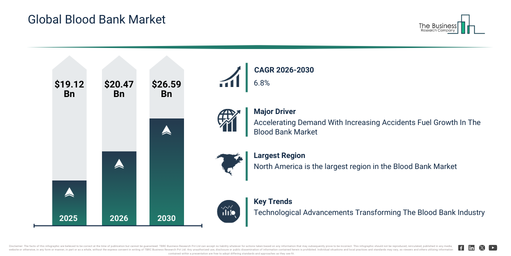
    The global blood bank market experienced robust expansion, projecting an increase from USD 19.12 billion in 2025 to USD 20.47 billion by 2026, reflecting a compound annual growth rate of 7.1%. This upward trend observed during the historical period stems from escalating requirements for surgical procedures and emergency medical services, the broadening of healthcare facility infrastructure, greater involvement in initiatives promoting blood donation, enhanced precision in blood screening methodologies, and the proliferation of both governmental and independent blood collection centers.

    The blood bank industry is projected to experience substantial expansion in the upcoming years, reaching an estimated market value of $26.59 billion by 2030, underpinned by a compound annual growth rate of 6.8%. This anticipated growth through the forecast period is primarily driven by heightened investments in digital blood bank solutions, a greater uptake of tools for engaging donors remotely, the broadening of plasma collection infrastructures, an intensified concentration on maintaining traceability and adhering to regulations, and a growing need for streamlined blood supply chain management. Key developments expected within this timeframe comprise the increasing implementation of automated systems for managing blood bank operations, a more widespread integration of digital platforms for tracking donors, a heightened emphasis on optimizing the cold chain for blood products, an expansion in the deployment of mobile blood collection services, and a stronger focus on ensuring both quality and regulatory compliance.

    Download A Free Sample Report For Comprehensive Market Insights:

    https://www.thebusinessresearchcompany.com/sample.aspx?id=9837&type=smp

    Blood Bank Market Growth Drivers: What Factors Are Accelerating Expansion?

    The increasing incidence of accidents is anticipated to be a significant catalyst for the expansion of the blood bank market. This surge in accidental events, encompassing occurrences like vehicular collisions and occupational mishaps, directly correlates with a heightened demand for prompt blood transfusions. Such transfusions are crucial for addressing injuries sustained in these incidents, compensating for lost blood volume, and ensuring sufficient blood circulation. Illustrating this trend, a report from the European Commission in October 2025 noted a substantial 63% rise in road fatalities in Iceland during 2024 compared to the preceding year. Consequently, the escalating rate of accidents is poised to fuel the growth trajectory of the blood bank market.

    Blood Bank Market Segmentation Trends And Revenue Drivers

    The blood bank market covered in this report is segmented –

    1) By Bank Type: Private Blood Bank, Public Blood Bank

    2) By Function: Collection, Processing, Testing, Storage, Transportation

    3) By Product Type: Whole Blood, Red Blood Cells, Platelet, Plasma, White Blood Cells

    4) By End User: Hospitals, Ambulatory Surgical Centers, Clinics, Pharmaceutical Companies

    Subsegments:

    1) By Private Blood Bank: Commercial Blood Banks, Specialty Blood Banks

    2) By Public Blood Bank: Government-Funded Blood Banks, Non-Profit Blood Banks

    Blood Bank Market Trends: What Is Shaping Future Industry Growth?

    Leading entities within the blood bank sector are actively pursuing novel technologies, including mixed reality, to address the escalating need for superior blood donation experiences and greater donor involvement. Mixed reality solutions merge virtual content with tangible surroundings, thereby crafting engaging and absorbing interactions that present a more captivating option compared to conventional blood donation methods, which depend exclusively on physical contact and manual instruction. To illustrate, in January 2023, Abbott Laboratories, a global medical device and healthcare firm headquartered in the United States, introduced a mixed reality application, incorporating Abbott’s proprietary technology, in collaboration with Blood Centers of America, a collective of independent blood centers in the US. This application aims to enrich the blood donation journey by offering a captivating digital setting that involves donors and alleviates apprehension. It serves to draw in first-time donors, particularly from younger age groups, by refashioning the donation process into a dynamic, technology-driven pursuit. Furthermore, this mixed reality innovation assists blood centers in modernizing their engagement with donors, boosting comfort levels, and enhancing the probability of sustained contributions.

    #Blood Bank Market Industry Leaders: Which Organizations Are Driving Competition?

    Major companies operating in the blood bank market are American Association of Blood Banks, Blood Bank of Alaska, Canadian Blood Services, The Japanese Red Cross Society, New York Blood Center, NHS Blood And Transplant, Sanquin Blood Supply Foundation, The American Red Cross, Vitalant, America’s Blood Centers, Australian Red Cross, Terumo Corporation, Haemonetics Corporation, National Blood Transfusion Council, Shire Plc, Abbott, Beckman Coulter Inc., Polymedicure, Thermo Fisher Scientific Inc., Becton Dickinson and Company, Bio-Rad Laboratories Inc., F. Hoffman La Roche, Siemens Healthcare Private Limited, BioMérieux, CSL Behring, Takeda, Octapharma, Kedrion, Macopharma, Fresenius Kabi AG, B. Braun Melsungen AG, Grifols SA, Hologic Inc., Ortho Clinical Diagnostics, Merck KGaA, Roche Diagnostics, Quotient Limited

    Access The Complete Blood Bank Market Report:

    https://www.thebusinessresearchcompany.com/report/blood-bank-global-market-report

    Blood Bank Market Regional Distribution: Which Areas Drive Market Expansion?

    North Americawas the largest region in the blood bank market in 2025. Asia-Pacificis expected to be the fastest-growing region in the blood bank market report during the forecast period. The regions covered in the blood bank market report are Asia-Pacific, South East Asia, Western Europe, Eastern Europe, North America, South America, Middle East, Africa.

    Get in touch with us:

    The Business Research Company: https://www.thebusinessresearchcompany.com/

    Americas: +1 310-496-7795

    Asia: +44 7882 955267 & +91 8897263534

    Europe: +44 7882 955267

    Email us at: marketing@tbrc.info

    Follow us on:

    LinkedIn: https://in.linkedin.com/company/the-business-research-company

    YouTube: https://www.youtube.com/channel/UC24_fI0rV8cR5DxlCpgmyFQ

    Global Market Model: https://www.thebusinessresearchcompany.com/global-market-model

  • Clinical Documentation Improvement Market Growth Outlook Reveals A CAGR Of 7.8% And A Market Value Of $6.27 Billion By 2030

    Clinical Documentation Improvement Market Growth Outlook Reveals A CAGR Of 7.8% And A Market Value Of $6.27 Billion By 2030

    Enhanced with market attractiveness analysis, total addressable market evaluation, company benchmarking matrices, interactive Excel dashboards, expanded supply chain intelligence, emerging startup coverage, and detailed product insights, The Business Research Company’s 2026 market reports deliver more actionable and strategically valuable research.

    Clinical Documentation Improvement Market Size Outlook: How Fast Will Revenue Grow Through 2030?

    The market for clinical documentation improvement has experienced robust expansion lately, projecting a rise from $4.3 billion in 2025 to $4.65 billion in 2026, reflecting an 8.0% compound annual growth rate. This upward trajectory during the past period is fueled by several key factors, including the escalating demands of regulatory compliance, the increasing intricacies of medical coding, the widespread adoption of electronic medical records, a heightened focus on precise financial reimbursement, and the early implementation of documentation review initiatives.

    The clinical documentation improvement sector is poised for substantial expansion in the coming years, projected to reach a valuation of $6.27 billion by 2030 with a compound annual growth rate of 7.8%. This anticipated growth stems from several key drivers, including the escalating implementation of AI-powered documentation solutions, a heightened emphasis on value-based healthcare delivery, the broader reach of remote and cloud-based CDI services, increased financial commitments to healthcare data analytics, and a growing need to optimize clinical workflows. Significant trends shaping this market during the forecast period encompass the wider acceptance of NLP-based CDI software, more profound integration with electronic health record (EHR) systems, increased utilization of automated coding and auditing instruments, the proliferation of cloud-based CDI offerings, and a concentrated effort towards ensuring elevated documentation accuracy.

    Download A Free Sample Report For Comprehensive Market Insights:

    https://www.thebusinessresearchcompany.com/sample.aspx?id=18783&type=smp

    Clinical Documentation Improvement Market Growth Momentum: Which Factors Are Influencing Demand?

    The expansion of the clinical documentation improvement market is anticipated to be fueled by the escalating prevalence of chronic illnesses. This surge in long-term health conditions can be attributed to several factors, including an aging global population, lifestyle choices like unhealthy eating habits and insufficient physical activity, and an increase in detrimental risk factors such as obesity and smoking. Clinical documentation improvement plays a crucial role in managing these chronic diseases more effectively by guaranteeing that patient records are both precise and thorough, thereby facilitating enhanced coordination of care, optimized treatment strategies, and improved patient results. As an illustration, data from the Centers for Disease Control and Prevention (CDC) revealed that in 2023, a substantial 76.4% of adults in the U.S., equating to roughly 194 million individuals, had at least one chronic health issue, with the rates varying across age groups: 59.5% for young adults, 78.4% for those in midlife, and a significant 93.0% for older adults. Consequently, the growing burden of chronic diseases is poised to be a key driver for the clinical documentation improvement market’s advancement.

    Clinical Documentation Improvement Market Segments: Where Are The Largest Growth Opportunities?

    The clinical documentation improvement market covered in this report is segmented –

    1) By Product And Service: Solutions, Consulting Services

    2) By Delivery Mode: On-Premise, Cloud-Based

    3) By End Users: Healthcare Providers, Healthcare Payers

    Subsegments:

    1) By Solutions: Software (CDI Software, Natural Language Processing (NLP)-Based Solutions), Cloud-Based Solutions, Data Analytics Solutions, EHR Integration Solutions

    2) By Consulting Services: CDI Program Implementation, Coding Audits And Compliance, Training And Education Services, Workflow Optimization And Process Improvement

    Clinical Documentation Improvement Market Trends Reshaping Industry Growth

    Pioneering firms in the clinical documentation improvement sector are concentrating on the creation of sophisticated tools, notably those incorporating generative artificial intelligence for medical records, aiming to elevate precision, streamline workflows, and bolster the caliber of all documentation. This application of generative AI involves leveraging intelligent systems to autonomously generate, organize, and refine patient medical histories and associated records. As an illustration, in April of 2024, Augmedix Inc., a company situated in the United States and specializing in AI-driven medical documentation and data services, introduced Augmedix Go. This offering is a completely automated, generative AI-powered product designed for medical documentation within emergency care settings. Its implementation leads to an improved patient encounter during care, amplifies operational output through superior documentation, alleviates the mental burden of note-taking for healthcare professionals, and shortens the time required to finalize patient charts.

    Clinical Documentation Improvement Market Major Participants And Competitive Dynamics

    Major companies operating in the clinical documentation improvement market are Optum Inc., 3M Company, Cerner Corporation, Epic Systems Corporation, GEBBS Healthcare Solutions Private Limited, CorroHealth Inc., Accuity Holdings, Nuance Communications Inc, AGS Health Private Limited, Aquity Solutions India Private Limited, Vizient Inc., Health Catalyst Inc., The Craneware Group Inc., Optimum Healthcare IT LLC., Claro Healthcare LLC., Iodine Software LLC, Health Fidelity Inc., Vitalware LLC., Streamline Healthcare Solutions Private Limited, Medaxiom Cardiology LLC, Dolbey Systems Inc., ChartWise Medical Systems Inc., Qventus Inc.

    Access The Complete Clinical Documentation Improvement Market Report:

    https://www.thebusinessresearchcompany.com/report/clinical-documentation-improvement-global-market-report

    Clinical Documentation Improvement Market Leading Geography: Which Region Generates The Most Revenue?

    North Americawas the largest region in the clinical documentation improvement market in 2025. Asia-Pacificis expected to be the fastest-growing region in the forecast period. The regions covered in the clinical documentation improvement market report are Asia-Pacific, South East Asia, Western Europe, Eastern Europe, North America, South America, Middle East, Africa.

    Get in touch with us:

    The Business Research Company: https://www.thebusinessresearchcompany.com/

    Americas: +1 310-496-7795

    Asia: +44 7882 955267 & +91 8897263534

    Europe: +44 7882 955267

    Email us at: marketing@tbrc.info

    Follow us on:

    LinkedIn: https://in.linkedin.com/company/the-business-research-company

    YouTube: https://www.youtube.com/channel/UC24_fI0rV8cR5DxlCpgmyFQ

    Global Market Model: https://www.thebusinessresearchcompany.com/global-market-model