Month: June 2026

  • Gynecological Devices Market Size Projected To Increase From $15.32 Billion To $21.71 Billion During The Forecast Period

    Gynecological Devices Market Size Projected To Increase From $15.32 Billion To $21.71 Billion During The Forecast Period

    Delivering more actionable and strategically valuable research, The Business Research Company’s 2026 market reports feature market attractiveness analysis, total addressable market evaluation, company benchmarking matrices, interactive Excel dashboards, expanded supply chain intelligence, emerging startup coverage, and detailed product insights.

    The gynecological devices market is witnessing rapid progress, driven by an increasing focus on women’s health and advancements in medical technology. As demand for better diagnostic tools and minimally invasive treatments rises, this market is poised for significant expansion over the coming years. Let’s explore the current market size, growth catalysts, key segments, innovations, major players, and regional dynamics shaping this industry.

    Current Market Size and Projected Growth of the Gynecological Devices Market

    The gynecological devices market has experienced strong growth recently, with revenues expected to increase from $14.07 billion in 2025 to $15.32 billion in 2026, reflecting a compound annual growth rate (CAGR) of 8.9%. Factors contributing to this historic growth include a rise in gynecological disorders, expanding hospital and clinic infrastructure, increased use of diagnostic imaging for women’s health, wider availability of basic gynecological instruments, and improved healthcare access for women globally.

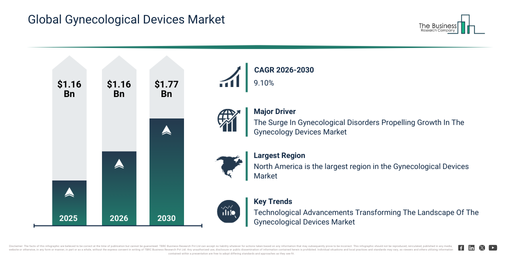
    Looking ahead, the market is projected to reach $21.72 billion by 2030, growing at a CAGR of 9.1%. This forecasted growth is fueled by rising demand for minimally invasive procedures, growing investments in women’s healthcare technologies, expansion of diagnostic centers, increased adoption of digital health records within gynecology, and a stronger focus on early detection of diseases. Key trends expected to influence the market include increased use of advanced diagnostic imaging, greater integration of digital gynecology software, expansion in outpatient care, and enhanced emphasis on patient-centered device design.

    Download A Free Sample Report For Comprehensive Market Insights:

    https://www.thebusinessresearchcompany.com/sample.aspx?id=9937&type=smp

    Key Factors Fueling Growth in the Gynecological Devices Market

    The rising prevalence of gynecological disorders is a major driver for the expansion of this market. These disorders affect the normal function of female reproductive organs, such as breasts, abdominal, and pelvic areas, and require various medical procedures involving gynecological devices. These devices assist in treatments ranging from colposcopy and loop electrical excision procedures (LEEP) to endometrial biopsies, IUD insertions, dilation and curettage (D&C), tubal ligation, and ovarian cystectomy.

    For instance, a March 2023 report by the World Health Organization highlighted that around 190 million women and girls of reproductive age worldwide suffer from endometriosis. Additionally, the American Cancer Society’s January 2023 report estimated that 13,960 new cases of invasive cervical cancer would be diagnosed in 2023 in the US, with approximately 4,310 deaths from the disease projected in the same year. Such statistics emphasize the growing need for effective gynecological devices, thus propelling market growth.

    Segments Experiencing Rapid Expansion in the Gynecological Devices Market

    This report categorizes the gynecological devices market into three main segments:

    1) By Device Type: Surgical Devices and Hand-Held Instruments

    2) By Application: Laparoscopy, Hysteroscopy, Dilation and Curettage, Colposcopy, and Other Applications

    3) By End User: Clinics, Hospitals, and Other End Users

    Further subsegments under surgical devices include hysteroscopes, laparoscopes, endometrial ablation devices, and biopsy forceps. The hand-held instruments subsegment consists of speculums, forceps, and scissors. These categories highlight the diverse product offerings catering to various clinical needs in gynecology.

    Access The Complete Gynecological Devices Market Report:

    https://www.thebusinessresearchcompany.com/report/gynecological-devices-global-market-report

    Innovation Trends Shaping the Future of the Gynecological Devices Market

    Leading companies in this market are investing heavily in innovative technologies like artificial intelligence (AI)-enabled imaging systems, which improve diagnostic accuracy and streamline clinical workflows. AI-enhanced imaging provides faster and clearer visuals, allowing healthcare professionals to make better-informed decisions and reduce errors.

    As an example, in February 2023, Boston Imaging (Samsung), a US-based medical imaging company, launched the Hera W10 Elite—a women’s health ultrasound system equipped with AI capabilities. This system visualizes microcirculatory and slow blood flow in both 2D and 3D, featuring an advanced MV-Flow function and a large OLED display for improved image characterization in obstetrics and gynecology. The platform also includes a new transducer for endovaginal visualization of the fetal heart and brain, along with AI-powered features such as HeartAssist, ViewAssist, and BiometryAssist.

    Key Players Driving Competition in the Gynecological Devices Market

    The gynecological devices sector includes several major companies such as Medtronic plc, CooperSurgical Inc., Richard Wolf GmbH, Hologic Inc., Boston Scientific Corporation, Stryker Corporation, Karl Storz SE & Co. KG, Ethicon Inc., MedGyn Products Inc., Gynex Corporation, Gynemed Medizinprodukte GmbH & Co. KG, Meril Life Sciences Pvt. Ltd., Cook Group Inc., B. Braun Melsungen AG, Olympus Medical Systems Corporation, Smith & Nephew plc, General Electric Company, Siemens Healthineers AG, Fujifilm Holdings Corporation, Koninklijke Philips N.V., Mindray Medical International Limited, Abbott Laboratories, Steris Corporation, Medline Industries Inc., and Cardinal Health Inc. These companies continue to innovate and expand their product offerings to capture a larger share of the growing market.

    Regional Market Outlook and Growth Opportunities

    In 2025, North America held the largest share of the gynecological devices market, supported by advanced healthcare infrastructure and widespread adoption of new technologies. However, the Asia-Pacific region is expected to register the fastest growth during the forecast period, driven by increasing healthcare investments, expanding diagnostic facilities, and rising awareness about women’s health. The comprehensive market analysis also covers South East Asia, Western Europe, Eastern Europe, South America, the Middle East, and Africa, offering insights into the global market landscape.

    Get in touch with us:

    The Business Research Company: https://www.thebusinessresearchcompany.com/

    Americas: +1 310-496-7795

    Asia: +44 7882 955267 & +91 8897263534

    Europe: +44 7882 955267

    Email us at: marketing@tbrc.info

    Follow us on:

    LinkedIn: https://in.linkedin.com/company/the-business-research-company

    YouTube: https://www.youtube.com/channel/UC24_fI0rV8cR5DxlCpgmyFQ

    Global Market Model: https://www.thebusinessresearchcompany.com/global-market-model
  • Guidewires Market Growth Outlook Reveals A CAGR Of 7% And A Market Value Of $3.63 Billion By 2030

    Guidewires Market Growth Outlook Reveals A CAGR Of 7% And A Market Value Of $3.63 Billion By 2030

    Enhanced with market attractiveness analysis, total addressable market evaluation, company benchmarking matrices, interactive Excel dashboards, expanded supply chain intelligence, emerging startup coverage, and detailed product insights, The Business Research Company’s 2026 market reports deliver more actionable and strategically valuable research.

    The guidewires market has shown significant growth recently, driven by advancements in medical procedures and expanding applications. With increasing demand for minimally invasive techniques and ongoing technological improvements, this sector is poised for sustained expansion in the coming years. Let’s explore the market size, driving factors, key players, and future trends shaping the guidewires industry.

    Steady Growth Forecast in the Guidewires Market Size

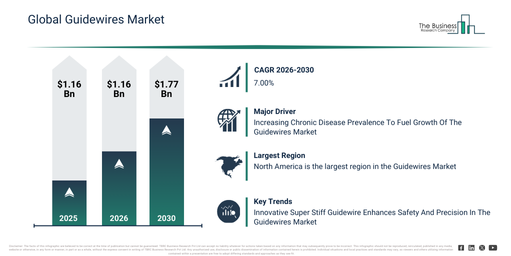
    The guidewires market has demonstrated strong progress over recent years. It is projected to increase from $2.6 billion in 2025 to $2.77 billion in 2026, achieving a compound annual growth rate (CAGR) of 6.7%. This historical growth has largely been fueled by the rise in cardiovascular and vascular procedures, broader use of catheter-based interventions, enhancements in guidewire materials, greater adoption of interventional radiology, and more hospital-based treatments. Looking ahead, the market is expected to continue this positive trajectory, reaching $3.63 billion by 2030, with an accelerated CAGR of 7.0%. Factors contributing to this forecast include an aging population, higher demand for minimally invasive therapies, expansion of neurovascular and peripheral procedures, ongoing innovations in guidewire coatings, and rising procedural volumes in outpatient settings. Key market trends in the upcoming years will involve greater use of hydrophilic and nitinol guidewires, broader adoption of minimally invasive techniques, increased application of specialty guidewires for complex anatomies, advancements in coated guidewire technologies, and a focus on precision during interventions.

    Download A Free Sample Report For Comprehensive Market Insights:

    https://www.thebusinessresearchcompany.com/sample.aspx?id=10623&type=smp

    Factors Influencing Increased Demand in the Guidewires Market

    One of the primary forces driving the guidewires market is the growing prevalence of chronic diseases. Chronic illnesses, which require long-term medical management, create ongoing demand for devices like guidewires that facilitate treatment. In particular, cardiovascular diseases—a major category of chronic conditions—rely heavily on guidewire-assisted interventions to navigate blood vessels and access the heart. The rise in chronic disease cases is expected to sustain market growth going forward. For example, in June 2024, the National Health Service (NHS) in the UK reported that 3,615,330 people registered with general practitioners were diagnosed with non-diabetic hyperglycemia (pre-diabetes) in 2023, marking an 18% increase compared to 3,065,825 cases in 2022. This increase highlights the broader trend of chronic disease escalation, which supports expanding demand for guidewires.

    Additional Drivers Supporting Market Expansion

    Technological progress and procedural innovations also contribute significantly to the rising demand for guidewires. As minimally invasive procedures become more common and sophisticated, the need for advanced guidewire designs that can navigate complex vascular anatomies with greater precision and safety grows. Moreover, the shift toward ambulatory surgical centers and outpatient interventions is increasing procedural volumes, further boosting the market. Continuous improvements in materials and coatings enhance guidewire performance, making them more effective and reliable tools during increasingly intricate medical procedures.

    Access The Complete Guidewires Market Report:

    https://www.thebusinessresearchcompany.com/report/guidewires-global-market-report

    Exploring the Diverse Segments Within the Guidewires Market

    This market is segmented across several categories to better understand product variety and application areas. Key divisions include:

    – Product Type: Interventional Guidewires and Diagnostic Guidewires

    – Material: Nitinol, Stainless Steel, and Hybrid options

    – Coating: Coated versus Non-Coated guidewires

    – Application Areas: Coronary, Peripheral, Urology, and Neurovascular guidewires

    – End-Users: Hospitals and Ambulatory Surgical Centers

    Further subcategories break down the product lines by specific features, such as interventional guidewires including hydrophilic, hydrophobic, nitinol, and stainless steel types, while diagnostic guidewires are classified by tip shape: straight, angled, or J-tip models.

    Innovations and Trends Driving the Guidewires Industry Forward

    Leading companies in the guidewires field are focusing on new technologies to improve navigation and support during minimally invasive procedures. One notable advancement is the development of super stiff guidewires, which provide enhanced stiffness and stability to help clinicians maneuver catheters through challenging vascular pathways more safely and effectively. These innovations aim to improve patient outcomes by increasing precision and reducing risks. For example, in June 2024, Medtronic plc introduced the Steerant aortic guidewire designed specifically for aortic catheterization procedures such as endovascular aneurysm repair (EVAR) and thoracic EVAR (TEVAR). This guidewire features a 15-cm soft tip that transitions into a stiff body, protecting delicate aortic tissue. It is available in lengths tailored for EVAR and TEVAR procedures with a 0.035-inch diameter and a polytetrafluoroethylene-coated stainless steel construction. Additional features include a flexible tip and an 8-cm radiopaque spring for enhanced visibility to aid navigation and stent graft delivery while prioritizing patient safety.

    Key Players and Competitive Landscape in the Guidewires Market

    Several prominent companies lead the guidewires sector, including Boston Scientific Corporation, Medtronic plc, Terumo Corporation, Cook Group Incorporated, Abbott Laboratories, Asahi Intecc Co. Ltd., Olympus Corporation, B. Braun Melsungen AG, Teleflex Incorporated, AngioDynamics Inc., Merit Medical Systems Inc., Johnson & Johnson, MicroPort Medical Systems Inc., Penumbra Inc., Edwards Lifesciences Corporation, Stryker Corporation, Conmed Corporation, VasoNova Inc., Biosensors International Group Ltd., Coherex Medical Inc., and CryoCath Technologies Inc. These firms are highly active in research, development, and market expansion, helping to shape the industry’s trajectory.

    Regional Market Outlook and Growth Hotspots

    In 2025, North America held the dominant position in the guidewires market in terms of size. However, the Asia-Pacific region is expected to register the fastest growth rates during the forecast period. The market report encompasses a global view, covering key regions such as Asia-Pacific, South East Asia, Western Europe, Eastern Europe, North America, South America, the Middle East, and Africa, providing a comprehensive perspective on regional demand and expansion opportunities.

    Get in touch with us:

    The Business Research Company: https://www.thebusinessresearchcompany.com/

    Americas: +1 310-496-7795

    Asia: +44 7882 955267 & +91 8897263534

    Europe: +44 7882 955267

    Email us at: marketing@tbrc.info

    Follow us on:

    LinkedIn: https://in.linkedin.com/company/the-business-research-company

    YouTube: https://www.youtube.com/channel/UC24_fI0rV8cR5DxlCpgmyFQ

    Global Market Model: https://www.thebusinessresearchcompany.com/global-market-model
  • Gowns, Masks And Gloves Market Forecast Highlights Expansion From $18.8 Billion To $28.9 Billion Through 2030

    Gowns, Masks And Gloves Market Forecast Highlights Expansion From $18.8 Billion To $28.9 Billion Through 2030

    Through market attractiveness analysis, total addressable market evaluation, company benchmarking matrices, interactive Excel dashboards, expanded supply chain intelligence, emerging startup coverage, and detailed product insights, The Business Research Company’s 2026 market reports provide more actionable and strategically valuable research.

    The gowns, masks, and gloves industry has seen remarkable growth over recent years, driven by increasing safety concerns and expanding healthcare needs. This market is set to continue its upward trajectory as demands evolve for more sustainable and technologically advanced protective equipment. Let’s explore the current market status, key factors influencing its growth, different market segments, strategic trends, major players, and regional outlook.

    Market Size and Growth Prospects in the Gowns, Masks and Gloves Market

    The gowns, masks, and gloves market has experienced rapid expansion and is projected to grow from $16.86 billion in 2025 to $18.8 billion in 2026, reflecting a compound annual growth rate (CAGR) of 11.5%. The surge observed in previous years is linked to stricter workplace safety regulations, heightened concerns about healthcare-associated infections, the growth of manufacturing and industrial sectors, increased usage of protective gear in healthcare environments, and greater awareness about occupational safety.

    Download A Free Sample Report For Comprehensive Market Insights:

    https://www.thebusinessresearchcompany.com/sample.aspx?id=9332&type=smp

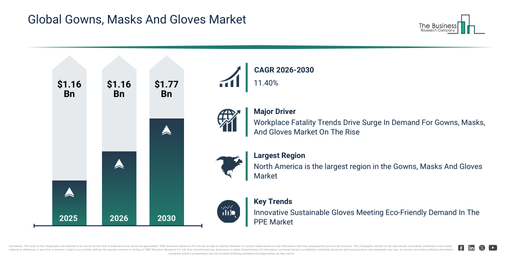
    Looking ahead, the market is expected to maintain strong momentum, reaching $28.91 billion by 2030 with a CAGR of 11.4%. Factors contributing to this forecast include growing demand for environmentally friendly protective equipment, investments in advanced materials technology, expansion of healthcare infrastructure, increased emphasis on reusable and recyclable PPE, and the rise of digital procurement channels for safety products. Key trends shaping the market’s future encompass higher demand for disposable PPE, the use of sustainable and biodegradable materials, adoption of high-barrier protective clothing, growth in online PPE sales, and stronger focus on regulatory compliance and certifications.

    Primary Factors Propelling Growth in the Gowns, Masks and Gloves Market

    An important driver for this market is the increasing number of workplace fatalities, which highlights the critical need for protective equipment. Workplace fatalities refer to deaths resulting from incidents occurring on the job, and protective gear such as gowns, masks, and gloves acts as a barrier against injury and contamination by preventing the spread of germs.

    Access The Complete Gowns, Masks And Gloves Market Report:

    https://www.thebusinessresearchcompany.com/report/gowns-masks-and-gloves-global-market-report

    For example, in July 2024, the British Safety Council, a UK-based registered charity, reported that work-related deaths rose to 138 in 2023-24, up slightly from 136 the previous year. This upward trend in workplace fatalities is prompting stronger demand for protective apparel, thereby supporting the market’s continued expansion.

    Market Segments Highlighting Key Product and Usage Areas in Gowns, Masks and Gloves

    This market is categorized based on product types, usability, distribution channels, and end users. The product categories include gowns, masks, and gloves. Usability segments cover disposable and reusable options. Distribution channels involve hospital pharmacies, retail pharmacies, online sales, and institutional sales. End users consist of hospitals, clinics, diagnostic laboratories, pharmaceutical companies, food processing units, research and academic institutions, and other sectors.

    Further breakdowns include surgical gowns, isolation gowns, and non-surgical/examination gowns under gowns; surgical masks, respirator masks, and procedure masks under masks; and examination gloves, surgical gloves, and utility/protective gloves under gloves.

    Innovative Approaches Defining the Next Phase of Growth in the Market

    Leading companies in the gowns, masks, and gloves sector are increasingly focusing on innovation, especially around sustainability. The demand for gloves made from eco-friendly, biodegradable materials is growing as both consumers and industries prioritize environmental responsibility.

    For instance, in June 2023, UK-based manufacturer Unigloves launched a new sustainable glove line called Nitrex RP. These gloves are made from recycled plastics sourced from bottles and food containers, significantly reducing dependence on virgin materials. They are certified to the OEKO-TEX Standard 100, ensuring they are free of harmful substances, and meet EN388 standards for mechanical, cut, and impact protection. Additionally, many models are designed for comfort and even touchscreen compatibility, making them well-suited for various industrial uses.

    Key Players Influencing the Competitive Landscape in the Gowns, Masks and Gloves Market

    Some of the prominent companies operating in this market include 3M Company, Honeywell International Inc., Ansell Limited, DuPont de Nemours Inc., Alpha Pro Tech Limited, Mallcom Limited, Lakeland Industries Inc., Kimberly-Clark Corporation, Medline Industries Inc., Halyard Health Inc., Cardinal Health Inc., Dynarex Corporation, Semperit AG Holding, Hartalega Holdings Berhad, Kossan Rubber Industries Bhd, Supermax Corporation Berhad, Top Glove Corporation Bhd, Rubberex Corporation M Berhad, Adventa Berhad, Owens and Minor Inc., MCR Safety, and TIDI Products LLC.

    Regional Market Overview and Revenue Leaders in the Gowns, Masks and Gloves Sector

    In 2025, North America emerged as the largest market for gowns, masks, and gloves. However, the Asia-Pacific region is expected to witness the fastest growth during the forecast period. The market report covers several regions, including Asia-Pacific, South East Asia, Western Europe, Eastern Europe, North America, South America, the Middle East, and Africa, providing a comprehensive view of global market trends and opportunities.

    Get in touch with us:

    The Business Research Company: https://www.thebusinessresearchcompany.com/

    Americas: +1 310-496-7795

    Asia: +44 7882 955267 & +91 8897263534

    Europe: +44 7882 955267

    Email us at: marketing@tbrc.info

    Follow us on:

    LinkedIn: https://in.linkedin.com/company/the-business-research-company

    YouTube: https://www.youtube.com/channel/UC24_fI0rV8cR5DxlCpgmyFQ

    Global Market Model: https://www.thebusinessresearchcompany.com/global-market-model
  • GMP Cell Therapy Consumables Market Expected To Reach $73.95 Billion By 2030 As Growth Accelerates At 26.6% CAGR

    GMP Cell Therapy Consumables Market Expected To Reach $73.95 Billion By 2030 As Growth Accelerates At 26.6% CAGR

    Delivering more actionable and strategically valuable research, The Business Research Company’s 2026 market reports feature market attractiveness analysis, total addressable market evaluation, company benchmarking matrices, interactive Excel dashboards, expanded supply chain intelligence, emerging startup coverage, and detailed product insights.

    The market for GMP cell therapy consumables has experienced remarkable growth recently, driven by advances in cell therapy and regenerative medicine. As the demand for high-quality, standardized manufacturing inputs rises, this sector is poised for continued expansion through 2030. Let’s explore the current market size, growth drivers, key segments, innovation trends, major players, and regional potentials shaping this dynamic industry.

    Market Size and Projected Growth Trends in the GMP Cell Therapy Consumables Market

    The GMP cell therapy consumables market has seen rapid expansion in recent years, with its value expected to rise from $22.73 billion in 2025 to $28.79 billion in 2026, reflecting a strong compound annual growth rate (CAGR) of 26.7%. This growth during the recent past has been propelled by the increasing number of clinical cell therapy trials, advances in regenerative medicine research, broader adoption of GMP manufacturing protocols, growing investments in cell-based treatments, and availability of sophisticated cell culture tools.

    Download A Free Sample Report For Comprehensive Market Insights:

    https://www.thebusinessresearchcompany.com/sample.aspx?id=12014&type=smp

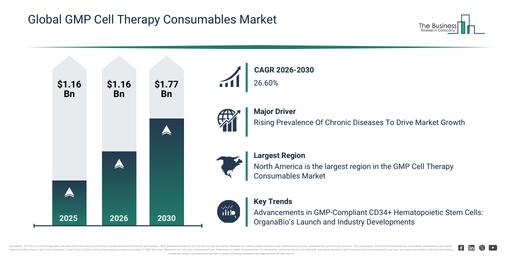
    Looking ahead, this market is projected to sustain its rapid growth, reaching $73.96 billion by 2030 with a CAGR of 26.6%. Factors fueling this future surge include the commercialization of new cell therapies, a rising need for scalable GMP-compliant production methods, the expansion of gene and immunotherapy pipelines, heightened focus on automation in manufacturing processes, and stricter regulatory oversight in cell therapy production. Emerging trends during the forecast period highlight greater demand for GMP-compliant consumables, increased use of single-use bioprocessing products, wider adoption of automated cell processing technologies, growth in standardized cell culture solutions, and intensified emphasis on quality and regulatory adherence.

    Primary Factors Driving Growth in the GMP Cell Therapy Consumables Market

    One of the main forces supporting market expansion is the rising incidence of chronic diseases worldwide. Chronic conditions, which persist for three months or longer and often worsen over time, are prompting intensified research and development in innovative cell therapies aimed at providing effective treatments. As cell therapy applications broaden to address various chronic illnesses, the need for GMP-grade consumables to ensure quality and safety during clinical trials is increasing significantly.

    Access The Complete GMP Cell Therapy Consumables Market Report:

    https://www.thebusinessresearchcompany.com/report/gmp-cell-therapy-consumables-global-market-report

    Additionally, stringent regulatory requirements and growing patient demand for cutting-edge therapies further reinforce this upward trend. For example, in June 2024, the National Health Service in the UK reported an 18% increase in individuals diagnosed with non-diabetic hyperglycemia or pre-diabetes, rising from 3,065,825 cases in 2022 to 3,615,330 in 2023. This surge in chronic condition prevalence highlights the expanding market potential for GMP cell therapy consumables.

    Breakdown of Key Segments Within the GMP Cell Therapy Consumables Market

    This market is categorized across several critical dimensions:

    1) By Product Type: including Kits, Reagents or Molecular Biology Reagents, Growth Factors or Cytokines and Interleukins, and Other Products.

    2) By Cell Therapy Type: covering NK Cell Therapy, Stem Cell Therapy, and T-Cell Therapy.

    3) By Process Phase: comprising Cell Collection and Characterization or Sorting and Separation, Cell Culture and Expansion or Preparation, Cryopreservation, Cell Processing and Formulation, and Cell Isolation and Activation.

    4) By End-Use: divided into Clinical and Commercial applications.

    Further subcategories include specific kit types such as Cell Culture Kits, Cell Isolation Kits, and Transfection Kits. Reagents are broken down into Buffers and Solutions, Enzymes, and Staining Reagents. Growth factors and cytokines include Hematopoietic Growth Factors and Immunomodulatory Cytokines. Other products consist of Cell Culture Vessels and Media and Supplements.

    Innovations and Technological Advances Shaping the GMP Cell Therapy Consumables Market

    Leading companies in this space are advancing GMP-compliant cellular products to support next-generation therapies. A notable innovation is the development of GMP-compliant CD34+ hematopoietic stem cells (HSCs), characterized by the CD34 marker and produced under stringent GMP conditions. For instance, in April 2024, OrganaBio, a pharmaceutical firm based in the US, introduced HematoPAC-HSC-CB-GMP, an on-demand supply of GMP-grade CD34+ HSCs sourced from fresh human cord blood. Leveraging expertise in cell isolation and GMP manufacturing, OrganaBio can produce high yields of viable HSCs within 24 hours of collection. This product aims to accelerate the development of cutting-edge treatments for blood cancers and genetic disorders.

    Top Companies Driving Competition in the GMP Cell Therapy Consumables Market

    The competitive landscape is shaped by several prominent players, including Thermo Fisher Scientific Inc., Merck KGaA, Lonza Group AG, Sartorius AG, Corning Incorporated, Avantor Inc., Fresenius Kabi AG, Miltenyi Biotec, Bio-Techne Corp, STEMCELL Technologies Inc., FUJIFILM Irvine Scientific Inc., BioLife Solutions Inc., PromoCell GmbH, PeproTech Inc., Sino Biological Inc., Wilson Wolf Corporation, Cellexus Ltd., MaxCyte Inc., BioLegend Inc., Repligen Corporation, and Terumo Corporation.

    Regional Market Overview and Growth Opportunities

    In 2025, North America dominated the GMP cell therapy consumables market in terms of size. However, the Asia-Pacific region is anticipated to experience the fastest growth throughout the forecast period. The report covers key geographic areas including Asia-Pacific, South East Asia, Western Europe, Eastern Europe, North America, South America, the Middle East, and Africa, providing a thorough global perspective on emerging opportunities and trends.

    Get in touch with us:

    The Business Research Company: https://www.thebusinessresearchcompany.com/

    Americas: +1 310-496-7795

    Asia: +44 7882 955267 & +91 8897263534

    Europe: +44 7882 955267

    Email us at: marketing@tbrc.info

    Follow us on:

    LinkedIn: https://in.linkedin.com/company/the-business-research-company

    YouTube: https://www.youtube.com/channel/UC24_fI0rV8cR5DxlCpgmyFQ

    Global Market Model: https://www.thebusinessresearchcompany.com/global-market-model
  • GMO Testing Market Set To Grow From $3.05 Billion In 2026 To $4.55 Billion By 2030 At A CAGR Of 10.5%

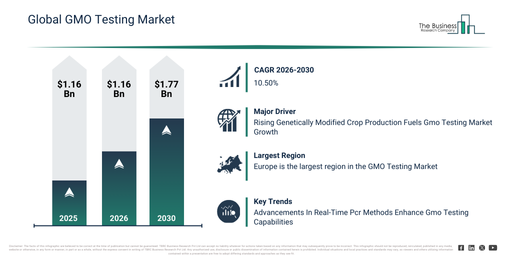
    GMO Testing Market Set To Grow From $3.05 Billion In 2026 To $4.55 Billion By 2030 At A CAGR Of 10.5%

    Enhanced with market attractiveness analysis, total addressable market evaluation, company benchmarking matrices, interactive Excel dashboards, expanded supply chain intelligence, emerging startup coverage, and detailed product insights, The Business Research Company’s 2026 market reports deliver more actionable and strategically valuable research.

    The GMO testing market has been experiencing significant expansion recently, driven by the growing global demand for food safety and transparency. As genetically modified crops become more widespread, the need for precise and reliable testing methods has intensified. This overview delves into the market’s current size, key factors influencing its growth, main players, and future trends shaping the industry.

    Market Size and Expected Growth in the GMO Testing Market

    The GMO testing market has witnessed rapid development over recent years and is projected to continue this trajectory. From a valuation of $2.75 billion in 2025, the market is expected to reach $3.06 billion in 2026, marking a compound annual growth rate (CAGR) of 11.0%. This growth during the historical period has been fueled by factors such as the expansion of global agricultural trade, heightened regulatory demands around food labeling, the increasing cultivation of genetically modified crops, rising consumer demand for GMO-free certifications, and the availability of standardized testing protocols.

    Download A Free Sample Report For Comprehensive Market Insights:

    https://www.thebusinessresearchcompany.com/sample.aspx?id=5601&type=smp

    Looking ahead, the market is set for further robust growth, anticipated to hit $4.55 billion by 2030 with a CAGR of 10.5%. Several key elements will drive this upward trend including wider adoption of advanced molecular diagnostic tools, strengthened focus on transparency in food production, more comprehensive international GMO regulations, greater investments in food safety infrastructure, and the growing use of automated testing platforms. Emerging trends predicted during this period encompass increased use of PCR-based GMO detection techniques, rising demand for high-sensitivity testing solutions, expanded application of rapid immunoassay methods, deeper penetration of GMO testing in processed food segments, and enhanced attention to supply chain traceability.

    Primary Factors Propelling Growth in the GMO Testing Market

    One major contributor to the GMO testing market’s expansion is the rising production of genetically modified crops. These crops are developed through genetic engineering techniques that insert new DNA sequences into plant genomes, with subsequent growth via tissue culture to generate plants that carry the modified traits. The seeds from such plants inherit characteristics like improved nutrition, resistance to diseases, phytoremediation capabilities, and optimized cell wall structures for biofuel processing. Increasing nutritional needs alongside stricter regulations on GMO food safety are fueling greater production volumes.

    Access The Complete GMO Testing Market Report:

    https://www.thebusinessresearchcompany.com/report/gmo-testing-global-market-report

    For instance, data from the United States Department of Agriculture in December 2023 highlights that Canada planted 11.7 million hectares of genetically engineered crops in 2023, mainly canola, soybeans, and corn. This represents a 4% rise from the previous year, largely due to expanded canola cultivation. This example underscores how increasing GM crop production is expected to continue driving growth within the GMO testing sector.

    Detailed Segmentation of the GMO Testing Market Reveals Revenue Drivers

    This report categorizes the GMO testing market into several major segments:

    1) Trait types including stacked traits, herbicide tolerance, and insect resistance.

    2) Testing technologies such as Polymerase Chain Reaction (PCR) and Immunoassay methods.

    3) Processed food categories like bakery and confectionery, meat products, breakfast cereals and snacks, food additives, and other processed foods.

    4) Crop types tested, including corn, soybean, rapeseed or canola, potato, and other crops.

    Further subsegments include multiple gene combinations and trait combination testing under stacked traits; glyphosate resistance and other herbicide resistance tests under herbicide tolerance; and Bt (Bacillus thuringiensis) trait testing along with other insect resistance traits.

    Innovations and Trends Shaping the Future of the GMO Testing Market

    Leading companies in the GMO testing market are focusing heavily on developing new PCR technologies to differentiate themselves and strengthen their market positions. PCR, a molecular biology technique that amplifies specific DNA segments, is central to this innovation.

    For example, in April 2023, US biotechnology firm Bio-Rad Laboratories introduced the ID-Check Speciation Solution, a real-time PCR-based tool for identifying animal species in food, feed, and environmental samples. This product offers rapid, sensitive detection targeting mitochondrial DNA across various species such as bovine, chicken, duck, goat, horse, sheep, swine, and turkey. It can detect species DNA at very low levels (as little as 0.001%) and employs a duplex detection system to improve accuracy and user convenience, helping verify raw materials and streamline production processes.

    Leading Players and Their Role in the GMO Testing Market

    The GMO testing market is dominated by several key companies including Thermo Fisher Scientific Inc., SGS S.A., Bureau Veritas SA, Intertek Group PLC, Eurofins Scientific SE, TÜV SÜD AG, Mérieux NutriSciences Corporation, Bio-Rad Laboratories Inc., ALS Limited, Romer Labs Diagnostic Inc., Microbac Laboratories Inc., AsureQuality Limited, OMIC USA Inc., EMSL Analytical Inc., FoodChain ID Inc., National Sanitation Foundation International, Genetic ID NA Inc., Symbio Laboratories Pty Ltd., Agilent Technologies Inc., EnviroLogix Inc., Geneius Laboratories Ltd., Qiagen N.V., Neogen Corporation, AsureQuality Pty Limited, Genetic ID Europe AG, and Silliker Inc. These organizations play crucial roles in advancing testing technologies and expanding market reach.

    Geographical Insights and Regional Market Leadership

    As of 2025, Europe held the largest share within the GMO testing market. However, North America is projected to be the fastest-growing region during the forecast period. The comprehensive market analysis includes key territories such as Asia-Pacific, South East Asia, Western Europe, Eastern Europe, North America, South America, the Middle East, and Africa, providing a global perspective on growth opportunities and challenges.

    Get in touch with us:

    The Business Research Company: https://www.thebusinessresearchcompany.com/

    Americas: +1 310-496-7795

    Asia: +44 7882 955267 & +91 8897263534

    Europe: +44 7882 955267

    Email us at: marketing@tbrc.info

    Follow us on:

    LinkedIn: https://in.linkedin.com/company/the-business-research-company

    YouTube: https://www.youtube.com/channel/UC24_fI0rV8cR5DxlCpgmyFQ

    Global Market Model: https://www.thebusinessresearchcompany.com/global-market-model
  • Glucose Biosensors Market Opportunities Are Emerging Beyond Traditional Growth Areas

    Glucose Biosensors Market Opportunities Are Emerging Beyond Traditional Growth Areas

    Through market attractiveness analysis, total addressable market evaluation, company benchmarking matrices, interactive Excel dashboards, expanded supply chain intelligence, emerging startup coverage, and detailed product insights, The Business Research Company’s 2026 market reports provide more actionable and strategically valuable research.

    The glucose biosensors market has witnessed significant growth recently, driven by advancements in technology and a growing need for effective diabetes management tools. As the demand for precise and convenient glucose monitoring rises, this market is set to expand substantially in the coming years. Here is a detailed overview of the market’s size, key drivers, segmentation, emerging trends, major players, and regional outlook.

    Market Size and Growth Outlook in the Glucose Biosensors Market

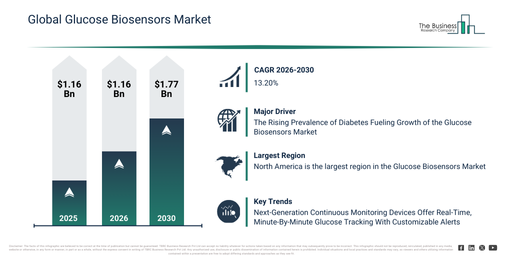
    The glucose biosensors market has experienced rapid expansion, with its size projected to increase from $16.72 billion in 2025 to $18.83 billion in 2026, reflecting a strong compound annual growth rate (CAGR) of 12.6%. This surge is largely due to the rising number of diabetes cases, growing preference for home-based monitoring, improvements in biosensor sensitivity, the increasing availability of point-of-care diagnostics, and heightened patient awareness about glucose control. Looking ahead, the market is expected to grow even faster, reaching $30.88 billion by 2030, with an anticipated CAGR of 13.2%. Factors contributing to this growth include wider adoption of digital diabetes management tools, a shift toward non-invasive monitoring methods, expansion of personalized healthcare, increased investments in biosensor research and development, and enhanced use of AI-driven glucose data analytics. Key trends shaping this future include greater use of continuous glucose monitoring systems, a rise in demand for wearable devices, integration with mobile health platforms, development of non-invasive technologies, and a stronger emphasis on real-time data accuracy.

    Download A Free Sample Report For Comprehensive Market Insights:

    https://www.thebusinessresearchcompany.com/sample.aspx?id=10708&type=smp

    Key Factors Fueling Growth in the Glucose Biosensors Market

    An important driver of market expansion is the increasing prevalence of diabetes worldwide. Diabetes occurs when the pancreas produces insufficient insulin or the body cannot effectively use the insulin available, necessitating regular blood glucose monitoring for effective disease management. Glucose biosensors provide patients with an accessible way to keep track of their glucose levels, helping them adjust their treatment plans accordingly. For example, in June 2024, the UK’s National Health Service reported a significant rise in pre-diabetic cases in England, with 3,615,330 individuals registered with general practitioners as having non-diabetic hyperglycemia—a roughly 20% increase from the previous year’s 3,065,825. This growing population at risk for diabetes is a major factor driving demand for glucose biosensors.

    Segmenting the Glucose Biosensors Market by Type, Technology, and Users

    The glucose biosensors market is organized into several key segments:

    1) Product Type, including Continuous Glucose Monitoring (CGM), Self-Monitoring Blood Glucose (SMBG), and Non-Invasive Glucose Monitoring.

    2) Technology, covering Electrochemical Biosensors and Optical Biosensors.

    3) End Users, such as Hospitals, Home Care settings, and Diagnostic Centers and Clinics.

    Further subcategories for CGM include Real-Time CGM Systems and Professional CGM Systems; SMBG is broken down into glucometers and test strips; Non-Invasive Monitoring features optical glucose sensors and transdermal sensors.

    Access The Complete Glucose Biosensors Market Report:

    https://www.thebusinessresearchcompany.com/report/glucose-biosensors-global-market-report

    Innovations and Market Trends Shaping Glucose Biosensors

    Leading companies in this market are focusing on creating advanced glucose monitoring devices that offer real-time insights and enhanced patient safety. Next-generation continuous glucose monitoring sensors provide glucose readings every few minutes, along with optional alerts for glucose level changes, which help both patients and healthcare providers manage diabetes more effectively. For instance, in August 2025, Abbott Laboratories introduced the FreeStyle Libre 2 Plus sensor—a next-generation device that delivers continuous glucose data every minute directly to compatible smartphones without the need for manual scanning. This sensor offers customizable alerts for high or low glucose, is designed for comfort over a 15-day wear period, is suitable for children aged 2 and above, and can sync with apps to share data with caregivers and clinicians.

    Key Players Leading the Glucose Biosensors Industry

    The glucose biosensors market features several prominent companies, including Abbott Laboratories, DexCom Inc., F. Hoffmann-La Roche AG, Medtronic plc, Senseonics Holdings, GlySens Incorporated, LifeScan Inc., Ascensia Diabetes Care Holdings Inc., Nova Biomedical Corporation, AgaMatrix Inc., Trividia Health, Ypsomed AG, Universal Biosensors Inc., SD Biosensor Inc., Taidoc Technology Corporation, Nipro Corporation, i-SENS Inc., ACON Laboratories Inc., ARKRAY Inc., and Menarini Diagnostics.

    Regional Market Insights Highlighting Leading Geography

    In 2025, North America was the largest regional market for glucose biosensors. The comprehensive market coverage also includes Asia-Pacific, South East Asia, Western Europe, Eastern Europe, South America, the Middle East, and Africa, providing a global perspective on market trends and growth opportunities.

    Get in touch with us:

    The Business Research Company: https://www.thebusinessresearchcompany.com/

    Americas: +1 310-496-7795

    Asia: +44 7882 955267 & +91 8897263534

    Europe: +44 7882 955267

    Email us at: marketing@tbrc.info

    Follow us on:

    LinkedIn: https://in.linkedin.com/company/the-business-research-company

    YouTube: https://www.youtube.com/channel/UC24_fI0rV8cR5DxlCpgmyFQ

    Global Market Model: https://www.thebusinessresearchcompany.com/global-market-model
  • Glucometer Market Expansion Is Opening New Pathways For Strategic Investment

    Glucometer Market Expansion Is Opening New Pathways For Strategic Investment

    Delivering more actionable and strategically valuable research, The Business Research Company’s 2026 market reports feature market attractiveness analysis, total addressable market evaluation, company benchmarking matrices, interactive Excel dashboards, expanded supply chain intelligence, emerging startup coverage, and detailed product insights.

    The glucometer market is experiencing remarkable growth, driven by rising diabetes prevalence and technological advancements that are reshaping blood glucose monitoring. As healthcare shifts toward personalized and digital management, this market is poised for significant expansion. Below, we explore the current market size, key growth drivers, segmentation, technological innovations, leading companies, and regional dynamics shaping the glucometer industry.

    Steady Growth and Expanding Market Size in the Glucometer Industry

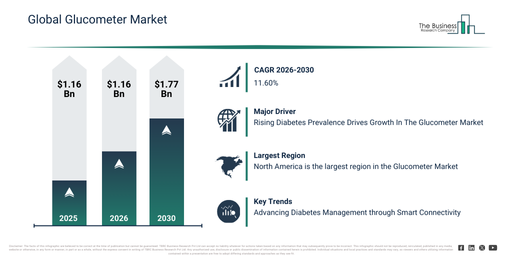
    The glucometer market has seen rapid expansion in recent years and is projected to continue this trajectory. It is forecasted to increase from $15.43 billion in 2025 to $17.25 billion in 2026, representing a compound annual growth rate (CAGR) of 11.8%. This growth reflects heightened global diabetes rates, greater awareness of the importance of blood glucose monitoring, broader adoption of home healthcare, affordability of glucometers, and the growth of chronic disease management programs. Looking further ahead, the market is expected to grow to $26.77 billion by 2030 with a CAGR of 11.6%. Factors fueling this future growth include the increasing use of AI-enabled glucose monitoring, a surge in demand for wearable health devices, expansion of digital diabetes management platforms, and a stronger focus on personalized diabetes care. Additionally, integration with telehealth services will play a pivotal role. Emerging trends during this period involve more widespread adoption of continuous glucose monitoring systems, increased interest in non-invasive monitoring technologies, growing use of mobile health applications, expansion of home-based monitoring solutions, and an emphasis on real-time data analytics.

    Download A Free Sample Report For Comprehensive Market Insights:

    https://www.thebusinessresearchcompany.com/sample.aspx?id=8748&type=smp

    Rising Diabetes Prevalence as a Key Driver of Glucometer Demand

    One of the primary factors propelling the glucometer market forward is the growing incidence of diabetes worldwide. Diabetes is a chronic metabolic disorder marked by elevated blood sugar levels, which can cause damage to vital organs such as the heart, kidneys, eyes, and nerves over time. Regular monitoring of blood glucose levels is essential for managing the disease, making glucometers a critical tool for many patients. As the number of diabetic individuals climbs, so does the need for these devices. For instance, data released in June 2024 by the UK’s National Health Service showed that in 2023, over 549,000 additional people in England were identified as at risk for type 2 diabetes. This brought the total number of individuals registered as having pre-diabetes with general practitioners to 3,615,330, a significant rise from 3,065,825 in 2022. Such increases in diabetes risk populations contribute directly to higher glucometer demand.

    Supporting Factors Boosting Growth in the Glucometer Market

    Beyond rising diabetes cases, other elements reinforce the expansion of the glucometer industry. Widespread adoption of home healthcare services is making it easier for patients to monitor glucose levels conveniently. Additionally, the availability of cost-effective glucometers is broadening access, especially in developing regions. Healthcare initiatives focused on chronic disease management are also fostering greater utilization of glucometers, improving patient outcomes and reducing complications related to diabetes.

    Access The Complete Glucometer Market Report:

    https://www.thebusinessresearchcompany.com/report/glucometer-global-market-report

    Breakdown of Glucometer Market Segments and Distribution Channels

    This market is segmented by product, technique, and distribution method to capture its diverse offerings. Product categories include Continuous Glucose Monitoring (CGM) Devices and Self-Monitoring Blood Glucose (SMBG) Systems. CGM devices further divide into Real-Time CGM Systems and Flash Glucose Monitoring Systems. SMBG encompasses blood glucose meters, test strips, and lancets. In terms of technique, the market is split between invasive and non-invasive glucose monitoring methods. Distribution channels range across institutional sales to hospitals and clinics, retail sales through hospital pharmacies and retail pharmacies, as well as online pharmacies, ensuring wide product availability.

    Innovations Shaping the Future of Glucometer Technology

    Technological advancements are transforming the glucometer landscape, with companies investing heavily in built-in cellular technology to enable real-time data sharing and remote monitoring. This integration allows devices to connect directly to mobile networks without external modules, much like smartphones, enhancing communication between patients and healthcare providers. For example, in May 2024, US-based Smart Meter introduced the iGlucose Plus system, which leverages cellular connectivity to facilitate improved diabetes management. This technology helps deliver timely health information, boosts patient engagement, and enables more effective monitoring by medical professionals, paving the way for personalized care and better health outcomes.

    Key Players Driving Competition and Innovation in the Glucometer Sector

    The glucometer market features several prominent companies competing and innovating to capture market share. Notable industry leaders include Johnson & Johnson Services Inc., Bayer AG, Abbott Laboratories, F. Hoffmann-La Roche Ltd., Medtronic plc., Arkray Inc., Omron Corporation, Dexcom Inc., Bionime Corporation, LifeScan Inc., NOVA Biomedical, Sinocare Inc., TaiDoc Technology Corporation, i-SENS Inc., EKF Diagnostics Holdings plc, ForaCare Inc., LabStyle Innovations Corp., Acon Laboratories Inc., Ascensia Diabetes Care Holdings AG, Ypsomed AG, Medtrum Health Inc., and Cellnovo Group. These organizations are at the forefront of developing new technologies and expanding global reach.

    Regional Market Leadership and Growth Patterns in the Glucometer Industry

    In 2025, North America held the largest share of the glucometer market, underscoring its strong healthcare infrastructure and widespread adoption of advanced technologies. The global market analysis also includes regions such as Asia-Pacific, South East Asia, Western Europe, Eastern Europe, South America, the Middle East, and Africa. While North America leads in revenue, emerging markets in Asia-Pacific and other regions are expected to exhibit rapid growth, driven by increasing healthcare investments and rising diabetes prevalence.

    Get in touch with us:

    The Business Research Company: https://www.thebusinessresearchcompany.com/

    Americas: +1 310-496-7795

    Asia: +44 7882 955267 & +91 8897263534

    Europe: +44 7882 955267

    Email us at: marketing@tbrc.info

    Follow us on:

    LinkedIn: https://in.linkedin.com/company/the-business-research-company

    YouTube: https://www.youtube.com/channel/UC24_fI0rV8cR5DxlCpgmyFQ

    Global Market Model: https://www.thebusinessresearchcompany.com/global-market-model
  • Glaucoma Surgery Devices Market Trends Are Creating New Opportunities For Industry Leaders

    Glaucoma Surgery Devices Market Trends Are Creating New Opportunities For Industry Leaders

    Enhanced with market attractiveness analysis, total addressable market evaluation, company benchmarking matrices, interactive Excel dashboards, expanded supply chain intelligence, emerging startup coverage, and detailed product insights, The Business Research Company’s 2026 market reports deliver more actionable and strategically valuable research.

    The glaucoma surgery devices market is undergoing significant expansion, driven by advances in medical technology and increasing demand for effective glaucoma treatments. As awareness about early intervention grows and eye care infrastructure improves, this sector is set to witness substantial growth in the coming years. Below, we explore the current market size, key growth factors, major players, emerging trends, and regional dynamics shaping the future of this important healthcare segment.

    Market Size Growth Outlook for Glaucoma Surgery Devices

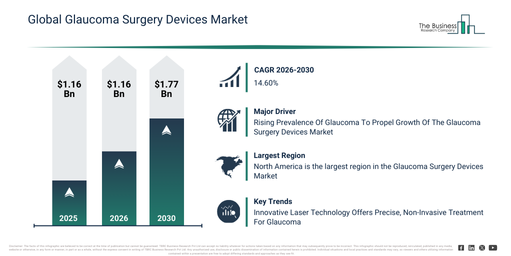
    The market for glaucoma surgery devices has seen rapid growth recently and is anticipated to rise from $2.13 billion in 2025 to $2.44 billion in 2026, reflecting a strong compound annual growth rate (CAGR) of 14.6%. This growth is attributed to factors such as an increasing number of glaucoma cases, more ophthalmic surgeries being performed, heightened awareness of early glaucoma treatment options, expanded eye care facilities, and wider availability of advanced surgical tools. Looking ahead, the market is expected to continue its upward trajectory, reaching $4.21 billion by 2030 with the same CAGR of 14.6%. Key contributors to this forecast include a growing elderly population, increased adoption of minimally invasive glaucoma surgery (MIGS) procedures, rising investment in ophthalmic innovations, greater demand for outpatient eye surgeries, and improved access to advanced glaucoma treatments. Trends like the use of micro-invasive implants, laser-based treatment technologies, personalized therapy approaches, and an emphasis on surgical precision and safety are expected to shape the market during this period.

    Download A Free Sample Report For Comprehensive Market Insights:

    https://www.thebusinessresearchcompany.com/sample.aspx?id=10173&type=smp

    Factors Fueling Growth in the Glaucoma Surgery Devices Market

    The rising prevalence of glaucoma is a significant driver of market expansion. Glaucoma, a progressive eye disease that damages the optic nerve, can lead to irreversible vision loss if not diagnosed and treated timely. Devices used in glaucoma surgery have advanced to make procedures safer, more effective, and less invasive, fueling increased demand. For instance, the Centers for Disease Control and Prevention reported in May 2024 that over 3 million Americans were affected by glaucoma in 2025, with this number projected to more than double to 6.3 million by 2050 due to the aging population. This increase in glaucoma cases directly supports growth in the glaucoma surgery devices market.

    Expanding Eye Care Infrastructure and Technological Advancement

    Another factor contributing to market growth is the ongoing expansion of ophthalmic surgical volumes and enhanced eye care infrastructure worldwide. The availability of sophisticated surgical instruments and increased emphasis on early diagnosis and treatment have helped elevate the demand for glaucoma surgery devices. Advancements in technology have also led to the development of new treatment options, improving outcomes and patient comfort, which further stimulates market growth.

    Access The Complete Glaucoma Surgery Devices Market Report:

    https://www.thebusinessresearchcompany.com/report/glaucoma-surgery-devices-global-market-report

    Detailed Segmentation of the Glaucoma Surgery Devices Market

    This market is divided into several key segments to better understand areas of growth:

    1) By Product: Drainage Systems, Laser-Based Devices, and Implants

    2) By Treatment Type: Open-Angle Glaucoma and Closed-Angle Glaucoma

    3) By Surgery Type: Angle Closure Glaucoma Surgery, Aqueous Shunt Surgery, and Laser Surgery

    4) By Application: Conventional Glaucoma Surgeries and Minimally Invasive Glaucoma Surgeries

    5) By End User: Eye Hospitals, Ophthalmology Clinics, and Outpatient Surgical Centers

    Further subcategories include types of drainage systems like tubes, shunts, and valves; laser-based devices such as laser trabeculoplasty, laser iridotomy, and laser cyclophotocoagulation devices; and implants including gel stents, Ahmed glaucoma valves, and Baerveldt implants.

    Innovations and Trends Steering the Glaucoma Surgery Devices Market Forward

    Leading companies in the sector are focused on the development of innovative technologies to improve patient outcomes and streamline treatment procedures. A notable example is the introduction of direct selective laser trabeculoplasty (DSLT) devices, which provide precise, non-invasive treatment by targeting the eye’s drainage system to lower intraocular pressure without surgery. These devices enhance treatment efficiency and patient comfort.

    For instance, in February 2025, Alcon Inc., a Swiss eye care device manufacturer, launched Voyager DSLT, the first fully automated DSLT device for glaucoma and ocular hypertension treatment. Voyager DSLT delivers 120 laser pulses directly to the trabecular meshwork with advanced eye-tracking technology, eliminating the need for a gonio lens or manual aiming. This innovation simplifies the procedure, making it a promising first-line therapy that may reduce the dependence on medications while maintaining safety and effectiveness.

    Prominent Players in the Glaucoma Surgery Devices Market

    The market features several key companies that hold significant influence, including Alcon, Johnson & Johnson, Carl Zeiss Meditec AG, Bausch & Lomb, Glaukos Corporation, Sight Sciences, Iridex Corporation, Ellex Medical Lasers, Lumenis, Ziemer Ophthalmic Systems, Nidek, Topcon, BVI, Rheon Medical, New World Medical, Haag-Streit, OptoLight Vision Technology, Katalyst Surgical, Aerie Pharmaceuticals, MicroSurgical Technology, and iSTAR Medical.

    Regional Landscape and Opportunities for Growth

    As of 2025, North America dominated the glaucoma surgery devices market, holding the largest share. The report also covers other important geographic regions including Asia-Pacific, South East Asia, Western Europe, Eastern Europe, South America, the Middle East, and Africa, providing a comprehensive perspective on global market trends and regional opportunities for growth.

    Get in touch with us:

    The Business Research Company: https://www.thebusinessresearchcompany.com/

    Americas: +1 310-496-7795

    Asia: +44 7882 955267 & +91 8897263534

    Europe: +44 7882 955267

    Email us at: marketing@tbrc.info

    Follow us on:

    LinkedIn: https://in.linkedin.com/company/the-business-research-company

    YouTube: https://www.youtube.com/channel/UC24_fI0rV8cR5DxlCpgmyFQ

    Global Market Model: https://www.thebusinessresearchcompany.com/global-market-model
  • Glaucoma Drainage Devices Market Growth Is Reshaping Competitive Advantage Across The Industry

    Glaucoma Drainage Devices Market Growth Is Reshaping Competitive Advantage Across The Industry

    Through market attractiveness analysis, total addressable market evaluation, company benchmarking matrices, interactive Excel dashboards, expanded supply chain intelligence, emerging startup coverage, and detailed product insights, The Business Research Company’s 2026 market reports provide more actionable and strategically valuable research.

    The glaucoma drainage devices market has been experiencing steady advancement, driven by the increasing prevalence of glaucoma and improvements in healthcare infrastructure. As the demand for innovative and minimally invasive treatment options rises, the market is set for considerable growth in the coming years. Let’s explore the current market size, key growth drivers, segment performance, industry trends, leading companies, and regional insights shaping this sector.

    The Glaucoma Drainage Devices Market Size and Growth Outlook

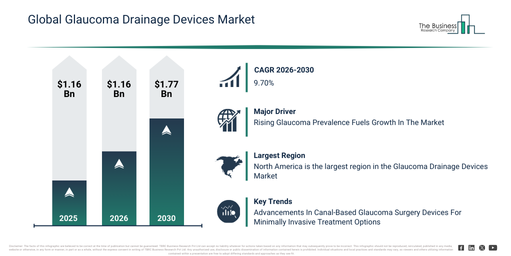
    The market for glaucoma drainage devices has seen significant growth recently and is expected to continue expanding. It is forecasted to increase from $0.89 billion in 2025 to $0.98 billion in 2026, representing a compound annual growth rate (CAGR) of 10.0%. Moving forward, the market is projected to reach $1.42 billion by 2030, with a CAGR of 9.7%. Factors contributing to this expansion include a rising number of glaucoma cases, more ophthalmic surgical centers, greater adoption of glaucoma surgeries, an aging global population, and increased availability of specialized eye care facilities. Additionally, ongoing innovations in device technology and a growing focus on early intervention are set to fuel further growth.

    Download A Free Sample Report For Comprehensive Market Insights:

    https://www.thebusinessresearchcompany.com/sample.aspx?id=20821&type=smp

    Key Factors Supporting Growth in the Glaucoma Drainage Devices Market

    One major driver behind the glaucoma drainage devices market is the growing prevalence of glaucoma worldwide. Glaucoma, a group of eye disorders that damage the optic nerve typically due to elevated intraocular pressure, can lead to irreversible vision loss if untreated. The increasing incidence is linked to factors such as aging populations, urban lifestyles, and changing health patterns. Drainage devices are critical in managing intraocular pressure, especially in refractory glaucoma cases where conventional treatments fail. For example, in October 2025, The NHS Confederation reported that glaucoma affects over 700,000 people in the UK, with nearly half undiagnosed due to its asymptomatic nature and prolonged hospital waiting times. Waiting periods can be as long as 72 weeks, and eye-related conditions are expected to increase by 25% between 2022 and 2032, far exceeding population growth rates. This growing patient base is pushing demand in the glaucoma drainage devices market.

    Healthcare Infrastructure Expansion’s Role in Market Growth

    Another important growth driver is the enhancement of healthcare infrastructure internationally. This includes the development and expansion of hospitals, clinics, diagnostic centers, and other medical facilities that improve access to quality eye care. Increased investments by governments and private sectors, coupled with rising population and demand for advanced treatments, have strengthened healthcare systems. This growth enables the adoption of new technologies and boosts patient accessibility to specialized glaucoma care. For instance, a report from the Office for National Statistics in May 2023 noted that healthcare spending in the UK rose by 5.6% between 2022 and 2023, reaching approximately $317.63 billion (£292 billion) in 2023. Such investment supports the expanding glaucoma drainage devices market by improving treatment availability and infrastructure.

    Access The Complete Glaucoma Drainage Devices Market Report:

    https://www.thebusinessresearchcompany.com/report/glaucoma-drainage-devices-global-market-report

    Segmentation and Market Structure of Glaucoma Drainage Devices

    The glaucoma drainage devices market is categorized into several segments based on product type, surgery type, and end-user.

    1) By Product Type:

    – Valved Glaucoma Drainage Devices

    – Non-Valved Glaucoma Drainage Devices

    2) By Surgery Type:

    – Conventional Glaucoma Surgery

    – Minimally Invasive Glaucoma Surgery

    3) By End-User:

    – Hospitals

    – Specialty Clinics

    – Ambulatory Surgical Centers

    – Other End-Users

    Further breakdown under valved devices includes Ahmed Glaucoma Valve, Baerveldt Glaucoma Implant, Krupin Implant, and others. Non-valved devices comprise Molteno Implant, Schocket Implant, Foster Implant, and others. This segmentation helps to understand market dynamics and identify strategic opportunities for stakeholders.

    Industry Trends Driving Innovation in Glaucoma Drainage Devices

    A notable trend in the glaucoma drainage devices market is the development of next-generation canal-based surgery devices that offer safer and minimally invasive treatment options. These implants focus on the Schlemm’s canal to enhance drainage of aqueous humor, effectively reducing intraocular pressure and slowing glaucoma progression. For example, in March 2023, Nova Eye Medical Limited from Australia received approval for its iTrack Advance canaloplasty device. This microcatheterization and viscodilation tool is designed to lower intraocular pressure in adult patients with primary open-angle glaucoma. It features an ergonomic handpiece and improved technology to boost surgical accuracy and efficiency and can be used alone or alongside cataract surgery.

    Key Competitors Influencing the Glaucoma Drainage Devices Market

    The market is shaped by several leading companies actively engaged in innovation and competition. These include AbbVie Inc., Alcon Inc., Johnson And Johnson Vision Care Inc., Santen Pharmaceutical Co. Ltd., Glaukos Corporation, Ocular Therapeutix Inc., IRIDEX Corporation, New World Medical Inc., Ivantis Inc., iSTAR Medical, Nova Eye Medical Limited, Altomed, Aurolab, G.surgiwear Limited, Eagle Vision Inc., Advanced Ophthalmic Innovations Pte Ltd., Avisi Technologies Inc., iVeena Delivery Systems, Optonol Ltd., and Rheon-medical. These players focus on technological advances, product enhancements, and expanding global reach.

    North America Leads the Market with Asia-Pacific Emerging Rapidly

    In 2025, North America held the largest share of the glaucoma drainage devices market, supported by robust healthcare infrastructure and high adoption rates. Other regions covered in market analysis include Asia-Pacific, Southeast Asia, Western Europe, Eastern Europe, South America, the Middle East, and Africa. Among these, Asia-Pacific is expected to exhibit the fastest growth in the coming years, driven by rising healthcare investments and increasing disease prevalence. This regional diversity provides a broad perspective on global market trends and opportunities.

    Get in touch with us:

    The Business Research Company: https://www.thebusinessresearchcompany.com/

    Americas: +1 310-496-7795

    Asia: +44 7882 955267 & +91 8897263534

    Europe: +44 7882 955267

    Email us at: marketing@tbrc.info

    Follow us on:

    LinkedIn: https://in.linkedin.com/company/the-business-research-company

    YouTube: https://www.youtube.com/channel/UC24_fI0rV8cR5DxlCpgmyFQ

    Global Market Model: https://www.thebusinessresearchcompany.com/global-market-model
  • Genomic And Proteomic Tool Market Forecast Signals New Revenue Opportunities Through 2030

    Genomic And Proteomic Tool Market Forecast Signals New Revenue Opportunities Through 2030

    Delivering more actionable and strategically valuable research, The Business Research Company’s 2026 market reports feature market attractiveness analysis, total addressable market evaluation, company benchmarking matrices, interactive Excel dashboards, expanded supply chain intelligence, emerging startup coverage, and detailed product insights.

    The genomic and proteomic tool market is experiencing rapid expansion as advancements in biotechnology and personalized healthcare continue to accelerate. Growing investments in research and new technology adoption are propelling this sector forward, offering promising opportunities for innovation and market growth through 2030. Below, we explore the current market size, driving forces, segment composition, emerging trends, key players, and geographical developments shaping this dynamic industry.

    Market Size and Growth Trajectory of the Genomic and Proteomic Tool Market

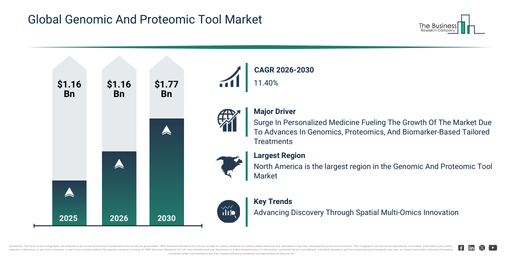
    The genomic and proteomic tool market has demonstrated impressive growth in recent years. It is projected to increase from $33.14 billion in 2025 to $37 billion in 2026, reflecting a robust compound annual growth rate (CAGR) of 11.7%. This upward trend during the historic period has been driven by factors such as increased funding for genomic research, the widespread adoption of next-generation sequencing (NGS) technologies, expanding pharmaceutical research and development, a rise in academic research activities, and decreasing sequencing costs. Looking ahead, the market is expected to continue its rapid expansion, reaching $56.95 billion by 2030 with a CAGR of 11.4%. Key contributors to this forecasted growth include the rise of precision medicine, broader clinical genomics adoption, increasing application of proteomics in drug discovery, growth in personalized diagnostics, and advancements in bioinformatics tools. Emerging trends shaping the market include the uptake of high-throughput sequencing, integrated multi-omics platforms, automation in sample preparation, the expansion of cloud-based bioinformatics services, and biomarker discovery initiatives.

    Download A Free Sample Report For Comprehensive Market Insights:

    https://www.thebusinessresearchcompany.com/sample.aspx?id=28235&type=smp

    Factors Driving Increased Demand in the Genomic and Proteomic Tool Market

    One of the primary forces boosting demand in the genomic and proteomic tool market is the growing acceptance and application of personalized medicine. Personalized medicine customizes prevention, diagnosis, and treatment strategies based on an individual’s molecular profile, utilizing biomarkers derived from DNA, RNA, and proteins. This tailored approach is gaining traction due to breakthroughs in genomics, proteomics, and biomarker discovery, which enable healthcare providers to offer targeted therapies, improve diagnostics, and deliver more precise healthcare outcomes.

    These advances allow genomic and proteomic tools to play an essential role by identifying genetic variations and protein biomarkers that help clinicians optimize treatments and enhance patient results. For instance, the Personalized Medicine Coalition, a nonprofit organization based in the US, reported in February 2024 that the US Food and Drug Administration (USFDA) approved 16 new personalized treatments for rare diseases in 2023—a significant rise from six approvals in 2022. This trend highlights the accelerating adoption of personalized medicine as a major growth driver for the genomic and proteomic tool market.

    Access The Complete Genomic And Proteomic Tool Market Report:

    https://www.thebusinessresearchcompany.com/report/genomic-and-proteomic-tool-global-market-report

    Segmentation and Growth Opportunities within the Genomic and Proteomic Tool Market

    This report breaks down the genomic and proteomic tool market into several key segments to provide a detailed view of its structure and growth potential:

    1) By Product Type: Instruments, Consumables, Software, and Services

    2) By Technology: Sequencing, Microarray, Polymerase Chain Reaction (PCR), Mass Spectrometry, Electrophoresis, and Chromatography

    3) By Workflow Stage: Sample Preparation, Library Preparation, Data Analysis, and Reporting

    4) By Application: Drug Discovery, Diagnostics, Personalized Medicine, Agriculture, and Animal Research

    5) By End User: Academic and Research Institutions, Pharmaceutical and Biotechnology Companies, Diagnostic Laboratories, and Healthcare Providers

    Further subcategories within these include:

    – Instruments such as DNA sequencing systems, PCR systems, microarray analyzers, mass spectrometry instruments, electrophoresis systems, chromatography instruments, and flow cytometers.

    – Consumables covering reagents and kits, assay kits, sample preparation consumables, sequencing consumables, protein assay reagents, microarray chips, and laboratory chemicals.

    – Software options including genomic and proteomic data analysis software, bioinformatics platforms, clinical data interpretation tools, workflow management software, and cloud-based analysis platforms.

    – Services comprise next-generation sequencing (NGS), gene expression and genotyping, protein identification and quantification, biomarker discovery, structural biology analysis, bioinformatics and data interpretation, and molecular diagnostics.

    Innovations and Market Trends Advancing the Genomic and Proteomic Tool Industry

    Key players in the genomic and proteomic tool sector are increasingly focusing on spatial multi-omics technologies, which allow simultaneous detection of RNA and proteins within the same cells while preserving tissue architecture. These technologies integrate multiple layers of molecular data and offer deeper biological insights than traditional single-modality assays.

    For example, in August 2025, 10x Genomics—a US biotechnology firm—launched Xenium Protein, a pioneering assay enabling single-cell RNA and protein analysis on a unified Xenium in situ platform. This innovative solution streamlines workflows by eliminating the need for cross-platform data integration and is delivered with validated protein subpanels to simplify setup and quality control. Such advancements support researchers in maintaining spatial context, expanding biomarker panels, and enhancing studies related to target validation, patient stratification, and mechanism of action.

    Key Players and Competitive Landscape of the Genomic and Proteomic Tool Market

    Several leading companies dominate the genomic and proteomic tool market, driving innovation and expanding product offerings. Notable names include F. Hoffmann-La Roche, Thermo Fisher Scientific Inc., Danaher Corporation, Merck KGaA, Becton Dickinson and Company, GE Healthcare, Eurofins Scientific SE, Agilent Technologies Inc., Illumina Inc., Bruker Corporation, Waters Corporation, Bio-Rad Laboratories Inc., QIAGEN N.V., PerkinElmer Inc., Promega, Novogene Corp., Oxford Nanopore Technologies Ltd., Pacific Biosciences of California Inc., Sophia Genetics, and LC Sciences.

    Geographical Insights and Regional Market Leadership

    In 2025, North America held the largest share of the genomic and proteomic tool market. However, the Asia-Pacific region is anticipated to witness the fastest growth during the forecast period. The market report provides an extensive overview of global trends and regional dynamics covering Asia-Pacific, Southeast Asia, Western Europe, Eastern Europe, North America, South America, the Middle East, and Africa.

    Get in touch with us:

    The Business Research Company: https://www.thebusinessresearchcompany.com/

    Americas: +1 310-496-7795

    Asia: +44 7882 955267 & +91 8897263534

    Europe: +44 7882 955267

    Email us at: marketing@tbrc.info

    Follow us on:

    LinkedIn: https://in.linkedin.com/company/the-business-research-company

    YouTube: https://www.youtube.com/channel/UC24_fI0rV8cR5DxlCpgmyFQ

    Global Market Model: https://www.thebusinessresearchcompany.com/global-market-model