Month: June 2026

  • Collateral Ligament Stabilizer System Market Outlook Highlights The Next Major Growth Opportunities

    Collateral Ligament Stabilizer System Market Outlook Highlights The Next Major Growth Opportunities

    Delivering more actionable and strategically valuable research, The Business Research Company’s 2026 market reports feature market attractiveness analysis, total addressable market evaluation, company benchmarking matrices, interactive Excel dashboards, expanded supply chain intelligence, emerging startup coverage, and detailed product insights.

    The collateral ligament stabilizer system market has been witnessing significant growth recently, driven by rising awareness around ligament injuries and advancements in orthopedic care. As more individuals engage in sports and rehabilitation activities, demand for effective support devices is increasing steadily. Let’s explore the market’s current size, key drivers, segments, innovations, prominent players, and regional trends shaping its future outlook.

    Collateral Ligament Stabilizer System Market Size and Growth Expectations

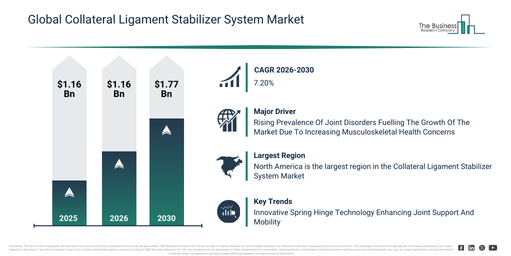
    The market for collateral ligament stabilizer systems has shown strong expansion in recent years. Forecasts indicate it will grow from $2.11 billion in 2025 to $2.27 billion in 2026, representing a compound annual growth rate (CAGR) of 7.3%. This growth in the historical period has been supported by factors such as increased participation in sports, a higher incidence of ligament injuries, growing awareness about rehabilitation, easy availability of orthopedic braces, and the expansion of outpatient care services. Looking ahead, the market is projected to reach $2.99 billion by 2030, with a CAGR of 7.2%. Factors contributing to this future growth include the rising adoption of custom-fit braces, expansion in sports medicine, growing needs for joint care among the aging population, increasing demand for home-based rehabilitation, and innovations in brace materials. Key trends expected to influence the market include a rise in sports-related injuries, expansion in non-surgical ligament treatments, growing demand for adjustable joint braces, the use of lightweight and breathable materials, and enhanced utilization of braces during rehabilitation.

    Download A Free Sample Report For Comprehensive Market Insights:

    https://www.thebusinessresearchcompany.com/sample.aspx?id=23349&type=smp

    Increasing Incidence of Musculoskeletal Disorders Boosts Market Demand

    One of the significant factors propelling the collateral ligament stabilizer system market is the growing prevalence of musculoskeletal disorders. These conditions impact muscles, bones, joints, tendons, and ligaments, causing pain, stiffness, and limited mobility. Sedentary lifestyles contribute to poor posture and reduced physical activity, which weakens muscles and strains joints, thereby increasing the frequency of musculoskeletal issues. As these disorders become more common, the need for collateral ligament stabilizer systems rises, as these devices provide essential support for ligament injuries by enhancing stability, relieving pain, and facilitating recovery. For example, data from Gov.UK in January 2024 showed that the prevalence of long-term musculoskeletal conditions in individuals aged 16 and older increased from 17.6% in 2022 to 18.4% in 2023, with rates at 20.9% for females and 15.8% for males. This trend underlines the expanding market potential driven by musculoskeletal health challenges.

    Collateral Ligament Stabilizer System Market Segmentation Overview

    This market is classified into various segments to better understand product categories and applications. By product type, it includes Knee Braces and Supports, Foot and Ankle Braces and Supports, Wrist Braces and Supports, and Other Products. Regarding ligament type, the market is split between Medial Collateral Ligament (MCL) and Lateral Collateral Ligament (LCL). Injury types are categorized into Grade I, Grade II, and Grade III. Treatment options cover both Surgical and Non-Surgical approaches. End-users primarily include Hospitals, Orthopedic Clinics, and other healthcare providers. More detailed subsegments for knee braces include Functional, Prophylactic, Rehabilitative, and Unloader or Offloader types. Foot and ankle supports feature ankle stabilizers, walking boots, Achilles tendon supports, and plantar fasciitis braces. Wrist braces encompass wrist splints, compression supports, thumb spica splints, and carpal tunnel braces. Other products cover supports for elbows, shoulders, hips, and backs.

    Access The Complete Collateral Ligament Stabilizer System Market Report:

    https://www.thebusinessresearchcompany.com/report/collateral-ligament-stabilizer-system-global-market-report

    Innovations Accelerating Market Transformation

    Leading companies in the collateral ligament stabilizer system space are focusing on cutting-edge developments to improve joint support and patient outcomes. One notable innovation is the introduction of spring hinge joint assist technology in braces, which helps facilitate smoother joint movement, reduce pain, and enhance mobility during recovery. These braces use spring-loaded hinges to assist motion, lessen muscle and ligament stress, and provide added stability. For instance, in May 2024, McDavid Inc., a US-based sports medicine and protective gear manufacturer, introduced the NRG knee braces. These braces feature an advanced hinge system made from high-strength polymer, which is 60% lighter than traditional metal hinges. The technology absorbs energy when the knee bends and releases it naturally, reducing knee stress by up to 25%, promoting smoother motion and better stability. Designed specifically for athletes and those recovering from injuries or surgery, these braces deliver superior support while optimizing comfort and mobility during physical activity.

    Key Players Driving Competitive Dynamics in the Market

    Several major companies dominate the collateral ligament stabilizer system market, playing a pivotal role in its competitive landscape. Important players include Medline Industries, Zimmer Biomet Holdings Inc., Arthrex Inc., DePuy Synthes, Enovis Corporation, DJO Global Inc., Össur, Orthofix Medical Inc., DeRoyal Industries Inc., Breg Inc., Ottobock, Dynamic Techno Medicals, medi, HELY & WEBER, DARCO International Inc., Bauerfeind USA Inc., THUASNE, DonJoy Performance, Push Sports, United Ortho, Neo G Medical, and McDavid Knee Guard. These firms continue to invest in innovation and expand their product portfolios to meet growing market demand.

    Geographical Market Distribution and Regional Growth Opportunities

    In 2025, North America accounted for the largest share of the collateral ligament stabilizer system market. The market report also evaluates significant regions such as Asia-Pacific, Southeast Asia, Western Europe, Eastern Europe, South America, the Middle East, and Africa. Among these, Asia-Pacific is expected to witness considerable growth opportunities due to rising healthcare infrastructure, increasing sports participation, and growing awareness of orthopedic care in emerging economies.

    Get in touch with us:

    The Business Research Company: https://www.thebusinessresearchcompany.com/

    Americas: +1 310-496-7795

    Asia: +44 7882 955267 & +91 8897263534

    Europe: +44 7882 955267

    Email us at: marketing@tbrc.info

    Follow us on:

    LinkedIn: https://in.linkedin.com/company/the-business-research-company

    YouTube: https://www.youtube.com/channel/UC24_fI0rV8cR5DxlCpgmyFQ

    Global Market Model: https://www.thebusinessresearchcompany.com/global-market-model
  • COVID-19 Rapid Test KitsMarket Forecast Signals New Revenue Opportunities Through 2030

    COVID-19 Rapid Test KitsMarket Forecast Signals New Revenue Opportunities Through 2030

    Through market attractiveness analysis, total addressable market evaluation, company benchmarking matrices, interactive Excel dashboards, expanded supply chain intelligence, emerging startup coverage, and detailed product insights, The Business Research Company’s 2026 market reports provide more actionable and strategically valuable research.

    The market for COVID-19 rapid test kits has experienced a notable decline in recent years, reflecting changes in disease spread and healthcare priorities. Despite this downturn, the market is expected to rebound and grow starting in 2025. Understanding the current landscape, key drivers, segmentation, trends, and competitive players provides a clear picture of the future prospects for this important diagnostic sector.

    COVID-19 Rapid Test Kits Market Size and Projected Growth

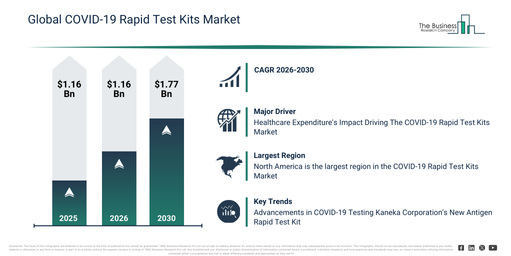
    The COVID-19 rapid test kits market has sharply decreased in recent times, largely due to reduced transmission of infectious diseases, limited growth in diagnostic lab infrastructure, fewer public health testing campaigns, and constrained production capacities for rapid tests. However, starting from $67.38 billion in 2025, the market is anticipated to grow, signaling renewed demand and expanded use in coming years.

    Download A Free Sample Report For Comprehensive Market Insights:

    https://www.thebusinessresearchcompany.com/sample.aspx?id=4013&type=smp

    Healthcare Spending as a Key Growth Catalyst in the COVID-19 Rapid Test Kits Market

    One significant factor expected to boost the COVID-19 rapid test kits market is the steady increase in healthcare expenditure. This spending encompasses the total financial resources allocated to healthcare goods and services within economies and is essential for the development and availability of testing kits.

    For example, the Centers for Medicare & Medicaid Services (CMS) reported that in 2023, the National Health Expenditure (NHE) in the United States rose by 7.5% to reach $4.9 trillion, amounting to $14,570 per capita and representing 17.6% of GDP. Hospital spending grew even faster at 10.4%, reaching $1.52 trillion. This upward trend in healthcare funding is a major driver for expanding access to and production of COVID-19 rapid test kits.

    Detailed Breakdown of the COVID-19 Rapid Test Kits Market

    The market is segmented based on several criteria to better understand product types, specimen sources, and end users:

    1) Test Type: RT PCR Test, Rapid Antigen Test, Rapid Antibody Test, and Other Test Types

    2) Specimen Type: Nasopharyngeal Swab, Oropharyngeal Swab, Nasal Swab, Blood, and Others

    3) End-Users: Hospitals and Clinics, Diagnostic Laboratories, Home Care, and Other End-Users

    Additional subcategories include:

    – RT PCR Tests further divided into Conventional RT PCR, Real-Time RT PCR, and Automated RT PCR Systems

    – Rapid Antigen Tests such as Nasal Swab Antigen Tests, Saliva-Based Antigen Tests, and Lateral Flow Assays

    – Rapid Antibody Tests including IgM or IgG Rapid Tests, Lateral Flow Serological Tests, and ELISA Kits

    – Other Test Types comprising Combination Tests, Molecular Diagnostics, and Home Test Kits

    Access The Complete COVID-19 Rapid Test Kits Market Report:

    https://www.thebusinessresearchcompany.com/report/covid-19-rapid-test-kits-global-market-report

    Innovations and Trends Shaping the COVID-19 Rapid Test Kits Market

    Leading companies in the rapid test kits sector are focusing on developing faster and more accurate products to manage viral outbreaks effectively. Antigen Rapid Test Kits, which detect viral proteins related to infections like COVID-19, provide results quickly—typically within 15 to 30 minutes—from nasal or throat swabs. Although these tests are somewhat less sensitive than PCR-based methods, they are highly effective for rapid screening in large groups.

    As an example, in June 2023, Japan’s Kaneka Corporation launched the KANEKA Immunochromatography Flu A/B and SARS-CoV-2 Ag test. This kit can detect both influenza and COVID-19 viruses from a single nasal swab sample in about ten minutes. Its easy-to-use design requires no specialized equipment, making it suitable for clinical and at-home testing. Additionally, its ability to identify multiple viruses simultaneously enhances clinical decision-making and treatment.

    Competitive Landscape of the COVID-19 Rapid Test Kits Market

    The market includes a range of prominent players striving to innovate and capture market share. Some of the key companies are Abbott Laboratories, F. Hoffmann-La Roche AG, Becton Dickinson and Company, Quidel Corporation, DiaSorin S.p.A., Mylab Discovery Solutions, Beijing Jinwofu Bioengineering Technology Company, Zhejiang Orient Gene Biotech Co. Ltd, Transasia Bio Medicals, Vanguard Diagnostics, SD Biosensor, Getein Biotech, Hangzhou Biotest Biotech, Boditech Med Inc, Beijing Tigsun Diagnostics, Hunan Lituo Biotechnology, Vivacheck Lab, Fujirebio, Atomo Diagnostics, Senova, CerTest Biotec, Omega Diagnostics, Abingdon Health, Novacyt Group, BioMaxima S.A, SensDx S.A, OraSure Technologies Inc, Sorrento Therapeutics, Monocent Inc, Aurora Biomed, Hologic, Mesa Biotech, Healgen Scientific Limited Liability Company, NTBIO Diagnostics, Motologic, ACRO Biotech, Cellex Inc, Advagen Biotech Ltd, BioMedomics, and CapeBio.

    Regional Overview Highlighting COVID-19 Rapid Test Kits Market Leaders

    In 2025, North America emerged as the largest regional market for COVID-19 rapid test kits, holding the highest revenue share. Western Europe ranked second in terms of market size. The analysis also covers key geographic areas including Asia-Pacific, South East Asia, Western Europe, Eastern Europe, North America, South America, the Middle East, and Africa, providing a global perspective on future market directions.

    Get in touch with us:

    The Business Research Company: https://www.thebusinessresearchcompany.com/

    Americas: +1 310-496-7795

    Asia: +44 7882 955267 & +91 8897263534

    Europe: +44 7882 955267

    Email us at: marketing@tbrc.info

    Follow us on:

    LinkedIn: https://in.linkedin.com/company/the-business-research-company

    YouTube: https://www.youtube.com/channel/UC24_fI0rV8cR5DxlCpgmyFQ

    Global Market Model: https://www.thebusinessresearchcompany.com/global-market-model
  • Collagen Thread Embedding Kit Market Trends And Growth Drivers Point To Strong Future Potential

    Collagen Thread Embedding Kit Market Trends And Growth Drivers Point To Strong Future Potential

    Enhanced with market attractiveness analysis, total addressable market evaluation, company benchmarking matrices, interactive Excel dashboards, expanded supply chain intelligence, emerging startup coverage, and detailed product insights, The Business Research Company’s 2026 market reports deliver more actionable and strategically valuable research.

    The collagen thread embedding kit market has experienced significant expansion recently, driven by advances in cosmetic treatments and growing consumer interest in minimally invasive procedures. This overview explores the market’s current size, key growth drivers, main product categories, emerging trends, leading companies, and regional dynamics shaping its future trajectory.

    Current Market Size and Projected Growth of the Collagen Thread Embedding Kit Market

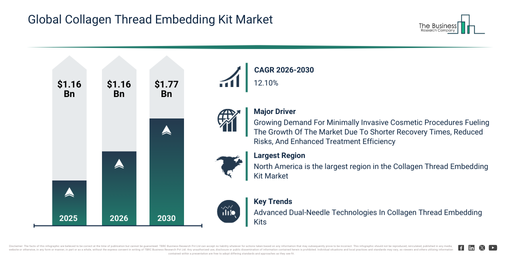
    The collagen thread embedding kit market has been growing swiftly and is projected to increase from $0.76 billion in 2025 to $0.86 billion in 2026, reflecting a compound annual growth rate (CAGR) of 12.4%. This rise in the historic period is largely due to the increasing popularity of facial rejuvenation procedures, widespread adoption of collagen threads within dermatology, the introduction of advanced PDO and PLLA threads, growth in aesthetic clinics, and heightened awareness of anti-aging treatments. Looking ahead, the market is expected to continue its rapid growth, reaching $1.36 billion by 2030 with a CAGR of 12.1%. This forecasted expansion is supported by innovations in hybrid thread materials, a rise in minimally invasive cosmetic procedures, growing use of cog and barbed threads, the proliferation of aesthetic clinics, and the development of customized thread lifting methods. Key trends anticipated to drive the market forward include barbed PDO threads, cog PCL threads, smooth PLLA threads, hybrid collagen threads, and minimally invasive thread lifting techniques.

    Download A Free Sample Report For Comprehensive Market Insights:

    https://www.thebusinessresearchcompany.com/sample.aspx?id=28181&type=smp

    Rising Appeal of Minimally Invasive Cosmetic Procedures as a Market Driver

    One of the primary factors propelling growth in the collagen thread embedding kit market is the increasing demand for minimally invasive cosmetic procedures. These treatments typically involve small tools or injections and are favored for causing minimal pain, avoiding large incisions, and enabling quick recovery periods. Patients are drawn to these options because they offer shorter healing times, fewer complications, reduced discomfort, and less scarring compared to traditional surgical procedures.

    Collagen thread embedding kits complement these minimally invasive approaches by delivering collagen-stimulating threads with precision and control, making them especially suitable for skin lifting and rejuvenation. These kits simplify procedures by providing ready-to-use threads and tools, enhancing treatment efficiency and patient outcomes. As an example, the American Society of Plastic Surgeons reported that in 2023, the total number of cosmetic minimally invasive procedures in the US reached 25,442,640—a 7% increase from 23,672,269 in 2022—highlighting the rising popularity of such treatments and the resulting boost to the collagen thread embedding kit market.

    Access The Complete Collagen Thread Embedding Kit Market Report:

    https://www.thebusinessresearchcompany.com/report/collagen-thread-embedding-kit-global-market-report

    Breakdown of Market Segments in the Collagen Thread Embedding Kit Industry

    This market is categorized across several key segments. By product type, it includes Polydioxanone (PDO) Threads, Poly-L-Lactic Acid (PLLA) Threads, Polycaprolactone (PCL) Threads, and other product types. Distribution channels involve direct sales, online retailers, specialty stores, and other outlets. Application areas cover facial rejuvenation, body contouring, anti-aging, and other uses. End users comprise hospitals, dermatology clinics, aesthetic clinics, and additional consumer groups.

    Further sub-classifications highlight specific thread types within each material category. For instance, PDO threads are divided into monofilament, barbed, screw, and cog varieties; PLLA threads include smooth and barbed types; PCL threads are detailed as smooth, barbed, cog, mesh, and screw threads. Other product types consist of hybrid threads combining PLLA, PCL, and PDO materials.

    Innovations and Technological Advances Shaping the Market’s Future

    Leading companies in the collagen thread embedding kit market are focusing on cutting-edge technological developments to improve the safety, precision, and effectiveness of procedures. Among these innovations is dual needle design technology, which employs two needles simultaneously to enhance accuracy and control during treatments.

    A notable recent example occurred in May 2023 when PDO MAX Inc., a US-based woman-owned aesthetics medical device firm, introduced the PDO MAX DUO PDO Threads. These double-needle PDO threads are crafted for deep plane thread lifts on the temporal fascia, providing practitioners with enhanced lifting capability and precision. The barbed threads situated between the two needles allow for precise tissue repositioning and stable anchoring, particularly beneficial in treating mid-facial areas such as sagging cheeks and deep nasolabial folds. Made from FDA-approved biodegradable polydioxanone, these threads naturally dissolve within 6 to 12 months while stimulating collagen production to improve skin firmness and elasticity. PDO MAX, Inc. also offers comprehensive training through on-demand videos and in-person sessions to ensure proper and effective use of these advanced products.

    Key Industry Players and Their Strategic Market Positions

    The collagen thread embedding kit market includes several prominent companies, such as Sinclair Pharma Limited, Hugel Inc., Croma-Pharma GmbH, Koru Pharmaceuticals Co. Ltd., Aptos LLC, HansBiomed Corporation, Wontech Co. Ltd., DermaSculpt LLC, Grand Aespio Inc., Regen Biotech Inc., N-Finders Co. Ltd., Intraline Medical Aesthetics Inc., Healux Corporation, NovaThreads LLC, Dermaqual LLC, Hyundae Meditech Co. Ltd., T-Lab Professional, Metro Korea Co. Ltd., Caregen Co. Ltd., Meditoxin Inc., Dongbang Medical Co. Ltd., CG Bio Co. Ltd., Medixa Co. Ltd., and NeoGenesis Co. Ltd. These companies actively develop new technologies and market strategies to strengthen their positions within this competitive industry.

    Regional Market Insights Highlighting Growth Areas

    In 2025, North America was the largest regional market for collagen thread embedding kits by revenue and market share. However, looking ahead, the Asia-Pacific region is projected to experience the highest growth rate throughout the forecast period. The market analysis covers key regions including Asia-Pacific, South East Asia, Western Europe, Eastern Europe, North America, South America, the Middle East, and Africa, offering a comprehensive view of global trends and opportunities.

    Get in touch with us:

    The Business Research Company: https://www.thebusinessresearchcompany.com/

    Americas: +1 310-496-7795

    Asia: +44 7882 955267 & +91 8897263534

    Europe: +44 7882 955267

    Email us at: marketing@tbrc.info

    Follow us on:

    LinkedIn: https://in.linkedin.com/company/the-business-research-company

    YouTube: https://www.youtube.com/channel/UC24_fI0rV8cR5DxlCpgmyFQ

    Global Market Model: https://www.thebusinessresearchcompany.com/global-market-model
  • COVID-19 Detection Test Kits and Consumables Market Growth Outlook Reveals A CAGR Of 10.3% And A Market Value Of $13.23 Billion By 2030

    COVID-19 Detection Test Kits and Consumables Market Growth Outlook Reveals A CAGR Of 10.3% And A Market Value Of $13.23 Billion By 2030

    Delivering more actionable and strategically valuable research, The Business Research Company’s 2026 market reports feature market attractiveness analysis, total addressable market evaluation, company benchmarking matrices, interactive Excel dashboards, expanded supply chain intelligence, emerging startup coverage, and detailed product insights.

    The demand for COVID-19 detection test kits and consumables has seen remarkable growth over recent years, driven by the urgent need to control and monitor the pandemic. This sector is evolving rapidly, supported by technological advancements and expanding healthcare infrastructure worldwide. Below is a detailed overview of the market’s size, growth factors, segmentation, emerging trends, key players, and regional insights.

    COVID-19 Detection Test Kits and Consumables Market Size and Growth Trajectory

    The market for COVID-19 detection test kits and consumables demonstrated strong expansion in recent years. It is projected to increase from $8.35 billion in 2025 to $8.94 billion in 2026, reflecting a compound annual growth rate (CAGR) of 7.1%. This earlier surge was largely due to the initial shortage of test kits, heightened demand from hospitals and public health laboratories, continued reliance on traditional RT-PCR testing methods, limited availability of essential supplies like swabs and reagents, and growing awareness around pandemic surveillance.

    Download A Free Sample Report For Comprehensive Market Insights:

    https://www.thebusinessresearchcompany.com/sample.aspx?id=3255&type=smp

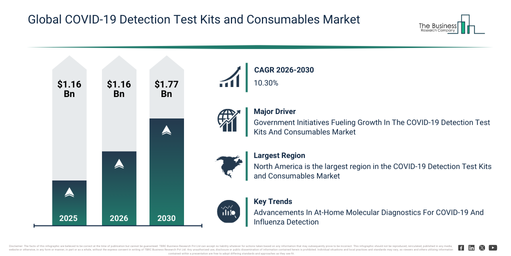
    Looking ahead, this market is expected to accelerate further, reaching $13.23 billion by 2030 with a CAGR of 10.3%. The anticipated expansion is driven by advancements in rapid and high-throughput testing kits, increasing numbers of private and commercial laboratories, incorporation of digital reporting systems and cloud-based data management, wider adoption of multiplex and combination test kits, and significant investments in research and diagnostic infrastructure. Key trends shaping the market include rising demand for fast and accurate COVID-19 detection, growth in consumables such as swabs and viral transport media, increasing use of point-of-care and rapid antigen tests, and a stronger emphasis on laboratory standardization and quality compliance.

    Government Initiatives Boosting the COVID-19 Detection Test Kits and Consumables Market

    Government programs and policies play a crucial role in fostering the growth of the COVID-19 detection test kits and consumables market. Such initiatives provide the necessary framework for effective deployment of testing solutions, supporting public health efforts to manage and reduce the pandemic’s impact. These measures create an enabling environment for widespread access to testing kits and consumables, facilitating timely diagnosis and monitoring.

    Access The Complete COVID-19 Detection Test Kits and Consumables Market Report:

    https://www.thebusinessresearchcompany.com/report/covid-19-detection-test-kits-and-consumables-global-market-report

    For example, in 2025, the American Medical Association reported that health expenditures in the United States increased by 7.5% in 2023, reaching $4.9 trillion or roughly $14,570 per person. This upward trend in healthcare spending underscores the ongoing government commitment and investment in pandemic management, which is a key driver behind the rising demand in the COVID-19 detection test kits and consumables sector.

    Detailed Segmentation of the COVID-19 Detection Test Kits and Consumables Market

    This market is categorized comprehensively across multiple dimensions:

    1) Kits: Including Viral Load Testing Kits (QPCR and RT-PCR), Virus Neutralizing Assay Kits, Antibody Detection Kits (ELISA), Viral Antigen Detection Test Kits, and other types of kits.

    2) Consumables: Covering swabs, tubes, viral transport media, reagents, and additional consumable products.

    3) Specimen Types: Such as nose and throat swabs, blood samples, sputum, and nasal aspirates.

    4) End Uses: Encompassing hospitals, clinics, public health laboratories, private and commercial labs, physician’s offices, research institutes, and other end users.

    Subcategories within these segments include specific kit types like QPCR and RT-PCR kits under viral load testing, neutralization test kits in the virus neutralizing assay category, IgG and IgM detection kits under antibody detection, rapid antigen test kits, as well as combination and multiplex test kits.

    Innovations and Trends Driving the COVID-19 Detection Market Forward

    Key players in the COVID-19 detection test kits and consumables industry are increasingly investing in at-home molecular diagnostic platforms to improve accuracy and convenience for users. Molecular tests detect specific genetic markers such as DNA or RNA from pathogens or biological samples, enabling precise identification of infections.

    An example of this trend is the April 2023 launch by Lucira Health, a U.S.-based medical technology company, of its Lucira COVID-19 & Flu Home Test. This product received FDA Emergency Use Authorization (EUA) as the first over-the-counter, at-home combination molecular test for SARS-CoV-2 and influenza A/B. The single-use kit requires a shallow nasal swab that is swirled in a vial and inserted into a battery-operated test unit. Within about 30 minutes, users receive separate results for COVID-19, Flu A, and Flu B, with clinical trial performance comparable to laboratory PCR tests. The test’s key advantages include rapid results, the ability to differentiate flu from COVID-19—both having overlapping symptoms but requiring different treatment—and ease of use at home.

    Leading Companies Competing in the COVID-19 Detection Test Kits and Consumables Market

    Several prominent companies are shaping this market through innovation and extensive product portfolios. These include Cepheid, BGI Genomics, Abbott Laboratories, bioMérieux SA, Bio-Rad Laboratories, F. Hoffmann-La Roche, GenMark Diagnostics, Mylab Discovery Solutions, Qiagen, Quidel Corporation, Randox Laboratories, SD Biosensor, Seegene Inc., Shenzhen Bioeasy Biotechnology, Thermo Fisher Scientific Inc., BioMedomics, Getein Biotech, Sensing Self Ltd., Hangzhou Biotest Biotech Co. Ltd, AmonMed Biotechnology Co., Beijing Tigsun Diagnostics Co. Ltd., BioMaxima S.A., CTK Biotech, Hunan Lituo Biotechnology Co., Vivacheck Lab, MD Solutions, FastSense Diagnostics, Altona Diagnostics, Siemens AG, Agilent Technologies Inc., Seasun Biomaterials, BTNX Inc., Rapiim, Canon Medical Systems Corporation, Cellspect Co. Ltd., iHealth Labs Inc., InBios International Inc., iXensor Co. Ltd., Jiangsu Medomics Medical Technology Co. Ltd., Maxim Biomedical Inc., Mologic Inc., OraSure Technologies Inc., OSANG LLC, PHASE Scientific International Ltd., Watmind USA, and Xiamen Boson Biotech Co. Ltd.

    Regional Overview Highlighting Market Leaders in COVID-19 Detection

    In 2025, North America emerged as the largest market for COVID-19 detection test kits and consumables. The market report also covers other significant regions including Asia-Pacific, Southeast Asia, Western Europe, Eastern Europe, South America, the Middle East, and Africa, providing a global perspective on the market’s growth patterns and regional dynamics.

    Get in touch with us:

    The Business Research Company: https://www.thebusinessresearchcompany.com/

    Americas: +1 310-496-7795

    Asia: +44 7882 955267 & +91 8897263534

    Europe: +44 7882 955267

    Email us at: marketing@tbrc.info

    Follow us on:

    LinkedIn: https://in.linkedin.com/company/the-business-research-company

    YouTube: https://www.youtube.com/channel/UC24_fI0rV8cR5DxlCpgmyFQ

    Global Market Model: https://www.thebusinessresearchcompany.com/global-market-model
  • Collagen Booster Microneedle Device Market Expansion Is Reshaping Competitive Dynamics Across The Industry

    Collagen Booster Microneedle Device Market Expansion Is Reshaping Competitive Dynamics Across The Industry

    Through market attractiveness analysis, total addressable market evaluation, company benchmarking matrices, interactive Excel dashboards, expanded supply chain intelligence, emerging startup coverage, and detailed product insights, The Business Research Company’s 2026 market reports provide more actionable and strategically valuable research.

    The collagen booster microneedle device market is experiencing significant momentum, driven by technological innovations and growing consumer interest in minimally invasive skincare treatments. As awareness about collagen stimulation therapies increases, this market is poised to expand notably in the coming years. Here’s an in-depth look into its current size, the factors influencing growth, key segments, emerging trends, and regional dynamics.

    Steady Market Growth Projections for Collagen Booster Microneedle Devices

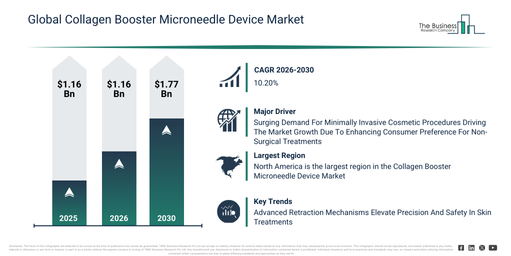
    Recent years have seen a rapid expansion in the collagen booster microneedle device market. Forecasts project its size will rise from $0.52 billion in 2025 to $0.57 billion in 2026, representing a compound annual growth rate (CAGR) of 10.5%. This growth during the historical period is largely fueled by heightened demand for anti-aging solutions, increased adoption of microneedling techniques in dermatology, advancements in manual microneedle technology, a surge in home skincare routines, and broader awareness of collagen-boosting treatments. Looking ahead, the market is expected to reach $0.85 billion by 2030, growing at a CAGR of 10.2%. Factors driving this future expansion include innovations in automated microneedle devices, integration of cosmetic serums, growth in dermatology clinics, personalized skincare trends, and the adoption of smart microneedle systems. Key anticipated product trends encompass motorized microneedle pens, smart systems, electronic derma rollers, pneumatic devices, and improved methods for enhancing skin absorption.

    Download A Free Sample Report For Comprehensive Market Insights:

    https://www.thebusinessresearchcompany.com/sample.aspx?id=28180&type=smp

    Growing Demand for Minimally Invasive Cosmetic Procedures Stimulating Market Growth

    One of the main forces propelling the collagen booster microneedle device market is the rising preference for minimally invasive cosmetic treatments. These procedures offer aesthetic improvements with fewer risks and shorter recovery times than traditional surgeries, making them highly attractive to today’s consumers who prioritize quick healing and natural results. Collagen booster microneedle devices support this trend by creating controlled micro-injuries in the skin, stimulating the body’s natural healing response to boost collagen production and rejuvenate the skin without surgery. For instance, data from June 2024 by the American Society of Plastic Surgeons shows a 7% increase in liposuction procedures to 347,782 cases in 2023 compared to the previous year. Moreover, surgical procedures grew by 5%, while minimally invasive treatments saw a 7% rise. This growing inclination toward less invasive options is a key driver behind the collagen booster microneedle device market’s expansion.

    Technological Innovations Enhancing Treatment Precision

    Leading companies in this market are focusing on cutting-edge technologies such as advanced retraction mechanisms to improve the safety and effectiveness of microneedling treatments. This technology automatically retracts needles smoothly after each insertion, reducing tissue trauma and improving patient comfort while delivering more precise and consistent results. For example, in September 2024, Crown Aesthetics Inc., a US-based medical aesthetics firm, gained FDA approval for its SkinPen Precision Elite. This device features ActiSine technology with active needle retraction, an RFID-enabled cartridge system, and enhanced safety aspects. By creating controlled micro-injuries, it stimulates collagen and elastin production to treat acne scars, wrinkles, and skin texture issues. This innovation not only elevates the provider and patient experience but also sets a new standard in the collagen booster microneedle device market by combining safety, ease of use, and proven skin rejuvenation benefits.

    Access The Complete Collagen Booster Microneedle Device Market Report:

    https://www.thebusinessresearchcompany.com/report/collagen-booster-microneedle-device-global-market-report

    Breakdown of Market Segmentation Across Key Categories

    The collagen booster microneedle device market is segmented by product type, distribution channels, applications, and end-users. Product types include manual microneedle devices—such as derma rollers, stamp microneedles, pen-type microneedles, and adjustable depth microneedles—and automated devices like motorized pens, electronic derma rollers, pneumatic devices, and smart microneedle systems. Distribution channels cover online retail, pharmacies, specialty stores, and other outlets. Applications range from anti-aging and scar treatment to skin rejuvenation, hyperpigmentation, and other uses. End-users are categorized into dermatology clinics, hospitals, homecare settings, and other groups, reflecting the diverse ways these devices are employed.

    Competitive Landscape Featuring Leading Industry Players

    Several prominent companies dominate this market, including Shiseido Company Limited, Cynosure Inc., Cutera Inc., Sincoheren Co. Ltd., Crown Aesthetics Inc., Amiea Med GmbH, Beijing Sanhe Beauty Science & Technology Co. Ltd., EndyMed Medical Ltd., Eclipse MedCorp LLC, Bomtech Electronics Co. Ltd., DermaQuip Inc., Aesthetics Biomedical Inc., RegenOMedix Inc., Emage Medical Inc., Medicube Co. Ltd., FotroMed Co. Ltd., Accio Biotech Inc., Shenzhen GSD Technology Co. Ltd., Dermapen World, Dr Pen USA, Exceed Medical, Lumenis Ltd, Candela Medical, and Mesoestetic Pharma Group. These companies are investing heavily in research and development to introduce innovations that meet evolving consumer needs and regulatory standards.

    Regional Market Overview Highlighting Growth Areas

    In 2025, North America accounted for the largest share of the collagen booster microneedle device market. However, the Asia-Pacific region is expected to experience the fastest growth during the forecast period. The market report covers regions including Asia-Pacific, Southeast Asia, Western Europe, Eastern Europe, North America, South America, the Middle East, and Africa, providing a global perspective on market trends and opportunities.

    Get in touch with us:

    The Business Research Company: https://www.thebusinessresearchcompany.com/

    Americas: +1 310-496-7795

    Asia: +44 7882 955267 & +91 8897263534

    Europe: +44 7882 955267

    Email us at: marketing@tbrc.info

    Follow us on:

    LinkedIn: https://in.linkedin.com/company/the-business-research-company

    YouTube: https://www.youtube.com/channel/UC24_fI0rV8cR5DxlCpgmyFQ

    Global Market Model: https://www.thebusinessresearchcompany.com/global-market-model
  • Cold Mist Humidifier Mask Market Forecast Reveals Where Future Industry Value Will Be Created

    Cold Mist Humidifier Mask Market Forecast Reveals Where Future Industry Value Will Be Created

    Delivering more actionable and strategically valuable research, The Business Research Company’s 2026 market reports feature market attractiveness analysis, total addressable market evaluation, company benchmarking matrices, interactive Excel dashboards, expanded supply chain intelligence, emerging startup coverage, and detailed product insights.

    The cold mist humidifier mask market has witnessed significant growth in recent years, driven by various health and technological factors. As respiratory health gains more attention worldwide, the demand for effective humidification devices is rising steadily. This overview explores the market size, key growth drivers, segmentations, leading players, and regional trends shaping the future of this expanding industry.

    Market Size and Growth Outlook for the Cold Mist Humidifier Mask Market

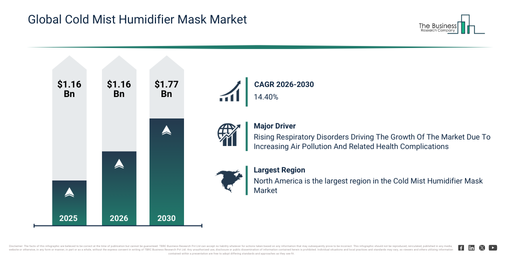
    The cold mist humidifier mask market has experienced rapid expansion, increasing from $1.52 billion in 2025 to $1.74 billion in 2026, reflecting a strong compound annual growth rate (CAGR) of 14.6%. This growth phase has been fueled by factors such as the rising prevalence of respiratory illnesses, growing demand for homecare humidifiers, adoption of cold mist technology in hospitals, advancements in nebulizer technology, and increased awareness about the risks associated with low humidity. Looking ahead, this market is expected to surge even further, reaching $2.97 billion by 2030 at a CAGR of 14.4%. Key growth drivers for this period include the development of reusable and environmentally friendly mask designs, integration with smart home technologies, expansion in pediatric healthcare devices, growing industrial applications, and rising adoption within personal care sectors. Emerging trends for the forecast years will feature child-safe cold mist delivery systems, enhanced control of airway moisture, seamless nebulizer integration, compact and portable designs, and masks adaptable for multiple users.

    Download A Free Sample Report For Comprehensive Market Insights:

    https://www.thebusinessresearchcompany.com/sample.aspx?id=28179&type=smp

    Increasing Respiratory Illnesses Pushing Cold Mist Humidifier Mask Demand

    One of the primary factors boosting the cold mist humidifier mask market is the rising incidence of respiratory conditions. This increase is largely tied to growing air pollution levels, which expose people to harmful particles and irritants, leading to higher cases of asthma, bronchitis, and other breathing difficulties. Cold mist humidifier masks help alleviate symptoms by delivering cool, moist air that soothes irritated airways, reduces dryness, and improves overall breathing comfort. For example, from October to November 2024, the US Centers for Disease Control and Prevention reported between 17,000 and 34,000 hospitalizations caused by respiratory syncytial virus (RSV), highlighting the continued demand for respiratory relief solutions.

    Growing Home Healthcare Adoption Supporting Market Expansion

    The trend toward home healthcare is another significant driving force behind the cold mist humidifier mask market. Home healthcare involves medical and supportive services delivered in a patient’s residence to help maintain or restore health and independence. This approach is gaining popularity, especially among the elderly population, who prefer the convenience and comfort of home treatment over frequent hospital visits. Cold mist humidifier masks play a crucial role in this setting by providing direct delivery of cool, humid air to ease symptoms like dryness, congestion, and breathing discomfort. According to the Medicare Payment Advisory Commission, around 2.7 million Medicare fee-for-service beneficiaries received home health care in 2023, with total expenditures reaching $15.7 billion, demonstrating the growing scale of this care model and its positive impact on device demand.

    Access The Complete Cold Mist Humidifier Mask Market Report:

    https://www.thebusinessresearchcompany.com/report/cold-mist-humidifier-mask-global-market-report

    Increasing Awareness of Indoor Air Quality Encourages Market Growth

    Awareness about the quality of indoor air is rising rapidly and is expected to further propel the cold mist humidifier mask market. Indoor environments often contain pollutants such as dust, smoke, chemicals, and allergens that can lead to respiratory discomfort and health issues. This growing concern has encouraged more people to seek devices that improve air moisture and overall quality. Cold mist humidifier masks provide a steady stream of cool, humidified air that soothes irritation, prevents dryness, and helps maintain proper airway moisture levels, supporting easier breathing and better respiratory health. The U.S. Environmental Protection Agency noted in June 2025 that Americans spend nearly 90 percent of their time indoors, where pollutant levels can be two to five times higher than outdoor air, emphasizing the importance of indoor air quality management.

    Cold Mist Humidifier Mask Market Segmentation and Revenue Sources

    This market is divided into several key segments for detailed analysis:

    1) By Product Type: Disposable and Reusable masks

    2) By Application: Medical, Personal Care, Industrial, and Other uses

    3) By Distribution Channel: Online stores, Pharmacies, Specialty stores, Supermarkets or Hypermarkets, and Other channels

    4) By End-User: Hospitals and Clinics, Homecare settings, Industrial users, and other categories

    Further subcategories include disposable options such as single-use nozzles, disposable humidifier pads, pre-filled water capsules, and one-time cartridges. Reusable masks feature washable water tanks, replaceable filters, durable masks, and adjustable humidifier bases, catering to diverse user needs.

    Corporate Leaders Driving Competition in the Cold Mist Humidifier Mask Market

    A range of prominent companies are actively competing in this market, including Xiaomi Corporation, Koninklijke Philips N.V., ResMed Inc., Conair Corporation, Fisher & Paykel Healthcare Corporation Limited, Vyaire Medical Inc., Drive DeVilbiss Healthcare LLC, PARI GmbH, Dyson Ltd., BMC Medical Co. Ltd., Crane USA, InnoGear LLC, Babymoov S.A., Levoit Inc., Teleflex Incorporated, Armbrust American, HumidiFlyer Technologies Pvt. Ltd., Apex Medical Corp., and several others. These organizations are investing in innovation and expanding product portfolios to capture increasing market share.

    Regional Market Overview Reveals Growth Hotspots

    In 2025, North America held the largest market share for cold mist humidifier masks, supported by advanced healthcare infrastructure and high adoption rates. Meanwhile, the Asia-Pacific region is projected to be the fastest-growing market over the forecast period, driven by rising healthcare investments, expanding industrial use, and growing personal care awareness. The broader analysis includes geographic regions such as Asia-Pacific, South East Asia, Western Europe, Eastern Europe, North America, South America, the Middle East, and Africa, providing a comprehensive perspective on global demand patterns.

    Get in touch with us:

    The Business Research Company: https://www.thebusinessresearchcompany.com/

    Americas: +1 310-496-7795

    Asia: +44 7882 955267 & +91 8897263534

    Europe: +44 7882 955267

    Email us at: marketing@tbrc.info

    Follow us on:

    LinkedIn: https://in.linkedin.com/company/the-business-research-company

    YouTube: https://www.youtube.com/channel/UC24_fI0rV8cR5DxlCpgmyFQ

    Global Market Model: https://www.thebusinessresearchcompany.com/global-market-model
  • Cough Assist Devices Market Forecast Highlights Expansion From $2.31 Billion To $3.11 Billion Through 2030

    Cough Assist Devices Market Forecast Highlights Expansion From $2.31 Billion To $3.11 Billion Through 2030

    Enhanced with market attractiveness analysis, total addressable market evaluation, company benchmarking matrices, interactive Excel dashboards, expanded supply chain intelligence, emerging startup coverage, and detailed product insights, The Business Research Company’s 2026 market reports deliver more actionable and strategically valuable research.

    The market for cough assist devices is experiencing notable growth as advancements in respiratory care gain traction worldwide. With increasing awareness and technological improvements, this sector is set to expand further, meeting the rising needs of patients with respiratory difficulties. Let’s explore the current market size, key drivers, innovation trends, top players, and regional outlook shaping the future of this vital healthcare segment.

    Overview of Cough Assist Devices Market Size and Future Growth Projections

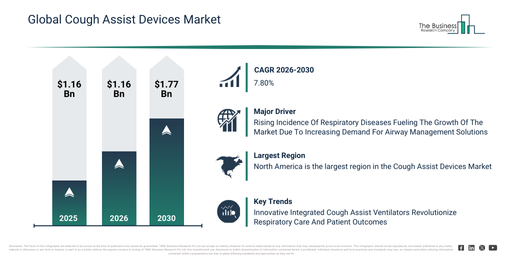
    The cough assist devices market has seen strong expansion in recent years, with its value expected to rise from $2.14 billion in 2025 to $2.31 billion in 2026, reflecting a compound annual growth rate (CAGR) of 8.0%. This historical growth is primarily driven by the limited availability of advanced devices, increasing cases of neuromuscular disorders, dependence on hospital-based respiratory care, broader awareness of airway clearance therapy, and continued use of conventional manual resuscitators. Looking ahead, the market is anticipated to reach $3.12 billion by 2030, growing at a CAGR of 7.8%. Factors fueling this forecast include technological advancements in automatic and hybrid devices, expansion of homecare and ambulatory respiratory solutions, rising demand for pediatric and geriatric respiratory care, integration with digital and IoT-enabled monitoring systems, and improved reimbursement policies for airway clearance therapy. Key trends expected to shape the market include growing adoption of both automatic and manual devices, increasing preference for home and ambulatory care settings, incorporation of high-frequency chest wall oscillation and in-exsufflation technologies, and a stronger focus on device portability, safety, and ease of use.

    Download A Free Sample Report For Comprehensive Market Insights:

    https://www.thebusinessresearchcompany.com/sample.aspx?id=27265&type=smp

    Primary Factors Contributing to Growth in the Cough Assist Devices Market

    One of the main drivers behind the expansion of the cough assist devices market is the rising prevalence of respiratory diseases. These conditions affect the lungs and respiratory system, leading to breathing difficulties. A significant contributor to this increase is worsening air pollution, particularly from vehicle emissions and industrial sources. Cough assist devices are essential in managing these diseases by helping patients clear airway secretions more effectively, which improves lung function, reduces infection risks, and enhances overall quality of life.

    For example, in February 2025, the Joint Strategic Needs Assessment reported that 13,573 people (8.1%) in the Blackpool ICB area were living with asthma during 2023-24. This was slightly higher than the 7.9% figure for 2022-23 and above the England average of 6.5%, highlighting the growing healthcare need that supports market growth.

    Market Segmentation: Key Areas Influencing Cough Assist Device Demand

    This report segments the cough assist devices market into several categories:

    By Device Mode, the market includes Automatic Cough Assist Devices and Manual Cough Assist Devices.

    By Product Type, it is divided into Mechanical Cough Assist Devices, High-Frequency Chest Wall Oscillation devices, and In-Exsufflation Devices.

    Age groups targeted include Pediatric, Adult, and Geriatric populations.

    End users consist of Hospitals and Clinics, Ambulatory Care Settings, Homecare, and Other End Users.

    Further subdivisions include types of automatic devices such as Pressure-Controlled, Volume-Controlled, and Hybrid Mode Devices. Manual devices are categorized into Handheld Manual Resuscitators, Manual Percussion Devices, and Positive Expiratory Pressure (PEP) Masks.

    Access The Complete Cough Assist Devices Market Report:

    https://www.thebusinessresearchcompany.com/report/cough-assist-devices-global-market-report

    Innovations and Trends That Are Transforming the Cough Assist Devices Market

    Leading companies are focusing on developing cutting-edge solutions like integrated cough assist ventilators that combine ventilation and cough assistance into one device to boost patient care and respiratory management. These integrated devices streamline therapy and improve patient comfort and safety.

    For instance, in June 2024, React Health, a US-based manufacturer specializing in sleep and respiratory devices, introduced IntelliPAP technology for its ventilator models including V Home, V+ Pro, V+C, and VC+ Pro. This feature incorporates integrated cough assist functions, allowing patients to receive cough assistance without disconnecting from the ventilator. This reduces therapy time dramatically from minutes to seconds while maintaining continuous ventilatory support. React Health’s system also offers high-flow therapy and leak compensation, simplifying airway clearance and enhancing the usability and effectiveness of cough assist treatments in both clinical and home environments.

    Key Players Impacting Competition in the Cough Assist Devices Market

    The cough assist devices market includes prominent companies such as McKesson Corporation, Air Liquide Medical Systems S A S, Medtronic plc, Koninklijke Philips N V, Baxter International Inc, ResMed Inc, Hill-Rom Holdings Inc, ICU Medical Inc, ABM Respiratory Care Inc, Ventec Life Systems Inc, Progetti S r l, O-Two Medical Technologies Inc, WestCare Medical Ltd, Nidek Medical Products Inc, United Hayek Industries Inc, Dima Italia S r l, Triumph Medical Services Inc, Genotronics Medical Inc, Percussionaire Corporation, Oxycare Medical Group, US Med Equip, Wave Healthcare, Intersurgical Inc, Philips Respironics, PARI Medical, Advantage Medical Systems, Aura Medical LLC, BiWaze Cough System Provider, and Eakin Respiratory Products. These companies are continuously innovating to meet evolving patient needs and maintain competitive advantage.

    Regional Insights Highlighting Where Market Demand Is Rising Most Rapidly

    In 2025, North America was the largest regional market for cough assist devices. However, the Asia-Pacific region is expected to witness the fastest growth over the forecast period due to expanding healthcare infrastructure and rising respiratory disease prevalence. The regional coverage in the market report includes Asia-Pacific, South East Asia, Western Europe, Eastern Europe, North America, South America, the Middle East, and Africa, providing a comprehensive perspective on global market dynamics.

    Get in touch with us:

    The Business Research Company: https://www.thebusinessresearchcompany.com/

    Americas: +1 310-496-7795

    Asia: +44 7882 955267 & +91 8897263534

    Europe: +44 7882 955267

    Email us at: marketing@tbrc.info

    Follow us on:

    LinkedIn: https://in.linkedin.com/company/the-business-research-company

    YouTube: https://www.youtube.com/channel/UC24_fI0rV8cR5DxlCpgmyFQ

    Global Market Model: https://www.thebusinessresearchcompany.com/global-market-model
  • Cold Allergy And Sinus Tablet Market Growth Through 2030 Creates New Strategic Opportunities

    Cold Allergy And Sinus Tablet Market Growth Through 2030 Creates New Strategic Opportunities

    Enhanced with market attractiveness analysis, total addressable market evaluation, company benchmarking matrices, interactive Excel dashboards, expanded supply chain intelligence, emerging startup coverage, and detailed product insights, The Business Research Company’s 2026 market reports deliver more actionable and strategically valuable research.

    The cold allergy and sinus tablet market has seen notable expansion recently, driven by rising health concerns and increasing access to medications. As more people seek effective relief from allergies and sinus issues, this sector is set to experience continued growth. Let’s explore the current market size, key growth factors, important trends, major players, and regional dynamics shaping the future of this industry.

    Cold Allergy and Sinus Tablet Market Size and Future Growth Outlook

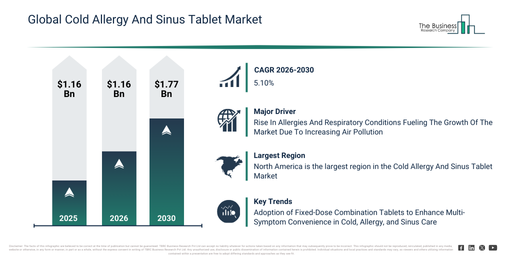
    The market for cold allergy and sinus tablets has experienced strong growth over recent years. It is projected to increase from $30.4 billion in 2025 to $32 billion in 2026, reflecting a compound annual growth rate (CAGR) of 5.2%. This past growth has been supported by factors such as the rising incidence of allergic rhinitis, more frequent seasonal colds, broad availability of over-the-counter (OTC) medications, an uptick in self-medication practices, and well-established pharmaceutical retail channels. Looking ahead, the market is expected to reach $39.08 billion by 2030, growing at a CAGR of 5.1%. This anticipated expansion is fueled by increasing urban pollution, stronger consumer preference for combination therapies, rising demand for allergy management products, the growth of online pharmacies, and ongoing innovation in product formulations. Trends likely to influence the market include growing use of multi-symptom combination tablets, a shift toward non-drowsy formulations, emphasis on rapid relief options, introduction of age-specific dosages, and extended-release tablet options.

    Download A Free Sample Report For Comprehensive Market Insights:

    https://www.thebusinessresearchcompany.com/sample.aspx?id=24193&type=smp

    Key Factors Stimulating Growth in the Cold Allergy and Sinus Tablet Market

    The rising prevalence of allergies and respiratory illnesses is a significant driver for market growth. Conditions like allergic rhinitis and asthma are becoming more common due to increased exposure to pollutants and allergens in the environment. These health issues cause immune and respiratory responses that heighten the need for effective treatment options. Cold allergy and sinus tablets help patients manage symptoms related to colds, sinus infections, and allergies, thus enhancing their quality of life. For example, in September 2023, the World Health Organization highlighted that chronic respiratory diseases accounted for 4.1 million deaths globally, underscoring the substantial health burden these conditions impose. This growing prevalence of respiratory and allergic conditions directly supports the expanding demand for cold allergy and sinus medications.

    Additional Factors Driving Demand for Cold Allergy and Sinus Tablets

    Another important growth driver is the convenience and accessibility of these medications. The widespread availability of OTC options enables consumers to self-manage symptoms without needing prescriptions. Furthermore, established pharmaceutical retail networks and the increasing adoption of online sales channels make these products easier to obtain worldwide. Advances in formulation technology also contribute, with new combinations and delivery methods improving patient compliance and effectiveness. Together, these factors contribute to the steady rise in market demand.

    Access The Complete Cold Allergy And Sinus Tablet Market Report:

    https://www.thebusinessresearchcompany.com/report/cold-allergy-and-sinus-tablet-global-market-report

    Segment Breakdown of the Cold Allergy and Sinus Tablet Market

    This market can be segmented across several categories to better understand consumer preferences and product offerings:

    – Product Types include Antihistamines, Decongestants, Cough Suppressants, Expectorants, and Combination Tablets.

    – Formulation Types cover Tablets, Capsules, Liquids, Effervescent Tablets, and Powders.

    – Consumer Age Groups are divided into Children (0-12 years), Teenagers (13-19 years), Adults (20-64 years), and Seniors (65 years and above).

    – Application Areas involve Allergic Rhinitis, Common Cold, Sinusitis, and Upper Respiratory Tract Infections.

    – Distribution Channels include Pharmacies, Online Stores, Supermarkets or Hypermarkets, and other methods.

    Further subcategories highlight detailed product types such as specific antihistamines (like Loratadine or Cetirizine), decongestants (such as Pseudoephedrine), cough suppressants (including Dextromethorphan), expectorants, and various multi-symptom combination tablets.

    Innovations and Emerging Trends in the Cold Allergy and Sinus Tablet Market

    Leading companies are increasingly focusing on developing fixed-dose combination (FDC) tablets that combine multiple active ingredients into one convenient dose. These FDCs provide broader symptom relief and simplify treatment regimens by reducing the need for several separate medications. By integrating analgesics, nasal decongestants, and antihistamines, these products offer comprehensive relief from cold, allergy, and sinus symptoms. For example, in April 2025, Johnson & Johnson introduced Sinumax Allergy Sinus Caplets in the U.S., which contain paracetamol, pseudoephedrine hydrochloride, and chlorphenamine maleate. This product features a sugar-free film coating, immediate-release formulation, and a non-sedating antihistamine, enhancing patient comfort and ease of use.

    Additional Trends Influencing Market Growth

    There is also a growing preference for non-drowsy formulations and fast-acting relief options, which cater to consumers’ desires for effective symptom management without sedation. Age-specific dosage variants are becoming more prominent, addressing the unique needs of children, adults, and seniors. Extended-release tablets are gaining traction as well, providing sustained relief throughout the day. These trends reflect an overall focus on improving patient experience and treatment outcomes.

    Key Players Leading the Cold Allergy and Sinus Tablet Market

    Several prominent pharmaceutical companies hold significant market positions in this sector, including Johnson & Johnson, Merck & Co. Inc., Bayer AG, Sanofi S.A., GlaxoSmithKline plc, Reckitt Benckiser Group plc, Teva Pharmaceutical Industries Ltd., Viatris Inc., Sandoz Group AG, Sun Pharmaceutical Industries Ltd., Perrigo Company plc, Dr. Reddy’s Laboratories, Cipla Limited, Hikma Pharmaceuticals plc, Lupin Ltd., Glenmark Pharmaceuticals Ltd., LETI Pharma GmbH, Pfizer Inc., Novartis AG, Haleon Group plc, Perrigo Consumer Healthcare, and Zydus Lifesciences Ltd.

    Geographical Distribution and Market Leadership

    In 2025, North America dominated the cold allergy and sinus tablet market in terms of size. However, the Asia-Pacific region is expected to be the fastest-growing market during the forecast period. The market analysis includes regions such as Asia-Pacific, South East Asia, Western Europe, Eastern Europe, North America, South America, the Middle East, and Africa, offering a comprehensive view of global market dynamics.

    Get in touch with us:

    The Business Research Company: https://www.thebusinessresearchcompany.com/

    Americas: +1 310-496-7795

    Asia: +44 7882 955267 & +91 8897263534

    Europe: +44 7882 955267

    Email us at: marketing@tbrc.info

    Follow us on:

    LinkedIn: https://in.linkedin.com/company/the-business-research-company

    YouTube: https://www.youtube.com/channel/UC24_fI0rV8cR5DxlCpgmyFQ

    Global Market Model: https://www.thebusinessresearchcompany.com/global-market-model
  • Coil Transcatheter Embolization And Occlusion Devices Market Size Projected To Increase From $1.89 Billion To $2.54 Billion During The Forecast Period

    Coil Transcatheter Embolization And Occlusion Devices Market Size Projected To Increase From $1.89 Billion To $2.54 Billion During The Forecast Period

    Through market attractiveness analysis, total addressable market evaluation, company benchmarking matrices, interactive Excel dashboards, expanded supply chain intelligence, emerging startup coverage, and detailed product insights, The Business Research Company’s 2026 market reports provide more actionable and strategically valuable research.

    The coil transcatheter embolization and occlusion devices market has experienced significant growth in recent years, driven by advances in medical technology and increasing prevalence of vascular conditions. As the medical community continues to adopt innovative techniques and materials, this market is set to expand further, offering promising opportunities over the coming decade. Let’s explore the current market landscape, growth factors, key segments, leading players, and regional insights shaping this industry.

    Steady Growth and Market Value in the Coil Transcatheter Embolization and Occlusion Devices Industry

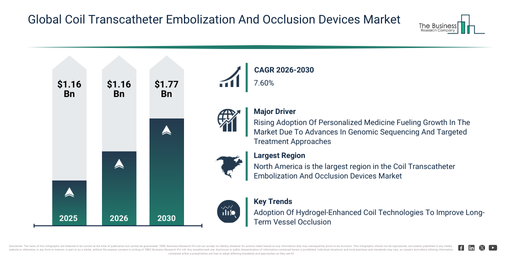
    The coil transcatheter embolization and occlusion devices market has demonstrated robust development, with its value rising from $1.76 billion in 2025 to $1.9 billion in 2026, exhibiting a compound annual growth rate (CAGR) of 7.7%. This earlier expansion can be linked to the rising incidence of vascular diseases, the broader implementation of interventional radiology techniques, widespread use of platinum-based embolization coils, growth in hospital catheterization laboratories, and increasing clinician proficiency in endovascular procedures.

    Download A Free Sample Report For Comprehensive Market Insights:

    https://www.thebusinessresearchcompany.com/sample.aspx?id=24192&type=smp

    Outlook and Future Market Expansion Forecast for Coil Transcatheter Embolization and Occlusion Devices

    Looking ahead, the market is expected to maintain strong momentum, reaching $2.55 billion by 2030, with a CAGR of 7.6%. This forecasted growth is fueled by the growing use of image-guided embolization methods, rising demand for advanced coil technologies, expansion of tumor embolization interventions, an increasing focus on minimally invasive treatment options, and ongoing innovation in embolic materials. Notable trends predicted in this timeframe include greater adoption of minimally invasive procedures, enhanced use of detachable and precision coils, increased interest in neurovascular treatments, development of sophisticated coil designs and materials, and heightened emphasis on procedural safety and accuracy.

    Personalized Medicine as a Key Driver in Coil Transcatheter Embolization and Occlusion Devices Market Growth

    One of the major factors propelling market growth is the rising focus on personalized medicine. This approach customizes healthcare decisions and therapies based on an individual’s genetics, lifestyle, and environment. Thanks to advances in genomic sequencing, personalized treatments are becoming more accessible and cost-effective, allowing clinicians to tailor therapies with greater precision.

    Access The Complete Coil Transcatheter Embolization And Occlusion Devices Market Report:

    https://www.thebusinessresearchcompany.com/report/coil-transcatheter-embolization-and-occlusion-devices-global-market-report

    How Coil Transcatheter Embolization and Occlusion Devices Support Tailored Treatments

    These devices play a critical role in personalized medicine by enabling highly specific treatments customized to a patient’s vascular anatomy. Using advanced imaging techniques, physicians can accurately target abnormal blood vessels or tumors while minimizing damage to surrounding healthy tissues. For example, in February 2024, the Personalized Medicine Coalition reported that the FDA approved 16 new personalized therapies for rare diseases in 2023, compared to only 6 in 2022, highlighting the increasing relevance of tailored medical solutions in driving the coil embolization devices market.

    Segmented Overview of the Coil Transcatheter Embolization and Occlusion Devices Market

    This market is organized into several key segments:

    1) Product Type: Detachable Coils, Pushable Coils, and Other Product Types

    2) Procedure Type: Hemorrhage Control, Vascular Occlusion, Aneurysm Treatment, Tumor Embolization, and Others

    3) Material: Platinum or Platinum Alloy, Nickel Titanium, Stainless Steel, and Other Materials

    4) End-User: Hospitals, Ambulatory Surgical Centers (ASCs), Specialty Clinics, Research and Academic Institutes

    Further subdivisions include:

    – Detachable Coils: Electrically Detachable Coils and Mechanically Detachable Coils

    – Pushable Coils: Fibered and Non-Fibered Coils

    – Other Products: Framing Coils, Filling Coils, Complex-Shaped, and Finishing Coils

    Innovative Trends Driving Future Revenue in the Coil Transcatheter Embolization and Occlusion Devices Market

    Leading companies in this field focus on developing cutting-edge solutions like hydrogel-core detachable coils, which improve packing density, enhance the durability of occlusion, and reduce the number of coils needed during procedures. Hydrogel-core coils contain an expandable hydrogel material within a platinum coil framework that swells upon contact with blood, occupying more space within vessels or aneurysms compared to traditional coils. This leads to more reliable occlusion, less dependence on clot formation, and better long-term outcomes.

    Examples of New Product Launches Highlighting Market Innovation

    For instance, in December 2023, Terumo Medical Corporation, a US-based subsidiary of Terumo Corporation, introduced the AZUR HydroPack Peripheral Coil System. This product features soft universal-shaped coils ranging from 5 cm to 60 cm, a proprietary hydrogel that expands to create a lasting occlusion, and offers enhanced microcatheter stability and smooth delivery. It also shortens procedure times by reducing coil quantity requirements, representing a significant advancement in peripheral embolization treatment.

    Key Competitors Influencing the Coil Transcatheter Embolization and Occlusion Devices Market

    Some of the major players driving competition in this market include Johnson and Johnson, Medtronic plc, Stryker Corporation, Boston Scientific Corporation, Terumo Medical Corporation, Cook Medical LLC, Merit Medical Systems Inc., Penumbra Inc., MicroVention Inc., Balt Extrusion SAS, Phenox GmbH, Acandis GmbH & Co. KG, B. Braun Interventional Systems Inc., EndoShape Inc., Shape Memory Medical Inc., Artio Medical Inc., Kaneka Corporation, Asahi Intecc Co. Ltd., Medico’s Hirata Inc., Wallaby Medical, Rapid Medical, Stereotaxis Inc., and Imperative Care.

    Regional Market Distribution and Growth Drivers for Coil Transcatheter Embolization and Occlusion Devices

    In 2025, North America held the largest share of the coil transcatheter embolization and occlusion devices market. Looking forward, Asia-Pacific is projected to be the fastest-growing region during the forecast period. The market evaluation covers key territories such as Asia-Pacific, South East Asia, Western Europe, Eastern Europe, North America, South America, the Middle East, and Africa, providing a broad perspective on global market dynamics.

    Get in touch with us:

    The Business Research Company: https://www.thebusinessresearchcompany.com/

    Americas: +1 310-496-7795

    Asia: +44 7882 955267 & +91 8897263534

    Europe: +44 7882 955267

    Email us at: marketing@tbrc.info

    Follow us on:

    LinkedIn: https://in.linkedin.com/company/the-business-research-company

    YouTube: https://www.youtube.com/channel/UC24_fI0rV8cR5DxlCpgmyFQ

    Global Market Model: https://www.thebusinessresearchcompany.com/global-market-model
  • Cochlear Implant Market Growth Outlook Reveals A CAGR Of 9.1% And A Market Value Of $3 Billion By 2030

    Cochlear Implant Market Growth Outlook Reveals A CAGR Of 9.1% And A Market Value Of $3 Billion By 2030

    Delivering more actionable and strategically valuable research, The Business Research Company’s 2026 market reports feature market attractiveness analysis, total addressable market evaluation, company benchmarking matrices, interactive Excel dashboards, expanded supply chain intelligence, emerging startup coverage, and detailed product insights.

    The cochlear implant market has been witnessing strong growth, driven by technological advancements and increasing awareness of hearing rehabilitation. As more individuals experience hearing loss globally, the demand for effective auditory solutions like cochlear implants continues to rise. This report explores the market’s current size, key drivers, major players, and the evolving trends shaping its future trajectory.

    Steady Expansion of the Cochlear Implant Market Size

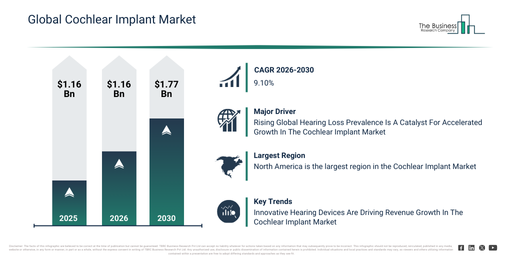
    The cochlear implant market has demonstrated robust growth in recent years, with its value projected to rise from $1.96 billion in 2025 to $2.13 billion in 2026. This represents a compound annual growth rate (CAGR) of 8.7%. The growth during this period is largely due to increased rates of hearing loss diagnosis, improvements in implantable medical electronics, greater awareness of auditory rehabilitation options, expansion of ENT surgical infrastructure, and the availability of reimbursement support. Looking ahead, the market is expected to continue this upward trend, reaching $3.01 billion by 2030, with an accelerated CAGR of 9.1%. Factors fueling this future expansion include a growing preference for personalized hearing solutions, rising adoption of smart and connected implants, expansion of early intervention hearing programs, increased investment in neuroprosthetics research, and ongoing innovation in sound processing technologies. Key trends during this forecast period involve the use of advanced signal processing algorithms, integration of wireless and smart implant technologies, greater focus on pediatric implant programs, the growth of minimally invasive implantation techniques, and enhanced post-implant rehabilitation efforts.

    Download A Free Sample Report For Comprehensive Market Insights:

    https://www.thebusinessresearchcompany.com/sample.aspx?id=12110&type=smp

    Increasing Prevalence of Hearing Loss as a Market Driver

    One of the main forces propelling the cochlear implant market is the rising number of people experiencing hearing loss worldwide. Hearing loss is defined as the reduced ability to hear sounds compared to individuals with normal hearing, typically characterized by hearing thresholds of 20 decibels or more in each ear. Cochlear implants provide a means for those with severe to profound nerve deafness to perceive sounds and speech by electrically stimulating the auditory nerves inside the inner ear. According to the World Health Organization in February 2023, at least 700 million people will require hearing rehabilitation by 2050, and over 2.5 billion individuals are expected to suffer from hearing loss. In the United States alone, 217 million people—accounting for 21.52% of the population—were living with hearing loss in 2022, a number projected to increase to 322 million by 2050. This growing prevalence is a significant factor driving demand for cochlear implant technologies.

    Cochlear Implant Market Segmentation and Growth Potential

    The cochlear implant market can be segmented by several key categories. By type, it includes unilateral implants and bilateral implants. Technology-wise, the market is divided into Electro-Acoustic Stimulation (EAS) and Electro-Stimulation Technology. Patient segments cover adults and pediatric populations. In terms of end-use, the market encompasses hospitals and specialized ENT clinics. Further subcategories include standard and advanced unilateral implants, as well as simultaneous and sequential bilateral implants. This segmentation helps in identifying specific areas for growth opportunities and targeted innovation.

    Access The Complete Cochlear Implant Market Report:

    https://www.thebusinessresearchcompany.com/report/cochlear-implant-global-market-report

    Innovative Product Developments Accelerating Market Expansion

    Leading companies in the cochlear implant space have been focusing on launching innovative products to capture additional market share. One notable example is the rechargeable loop listener, an assistive listening device designed to amplify and clarify audio signals transmitted via hearing loop systems. In October 2023, Contacta Systems Ltd., a UK-based company specializing in assistive technology, introduced the RX-30 rechargeable loop listener. This compact, pocket-sized device resembles a hearing aid and receives signals from current hearing loop systems. Its features include smooth frequency response, a bass cut filter, volume control, and a headphone jack, enabling users to enjoy clear sound effortlessly. The RX-30 is particularly useful for individuals with hearing loss who do not use cochlear implants or hearing aids, serving as a fully wireless receiver.

    Key Players Shaping the Cochlear Implant Market Landscape

    The cochlear implant market features several prominent companies driving innovation and growth. These include Cochlear Limited, MED-EL Elektromedizinische Geräte Gesellschaft m.b.H., Advanced Bionics AG, Nurotron Biotechnology Co. Ltd., Envoy Medical Corporation, Microson S.A., Neurotone Inc., Oticon Medical, Hearing Implant Solutions, Cochlear Research Laboratories, Neurelec, MXM Medical, AllHear Inc., Second Sight Medical Products, iHear Medical, NeuroHear Technologies, Audion Therapeutics, Hough Ear Institute, Bionic Ear Institute, and NeuroCochlear Systems. These organizations are at the forefront of developing advanced cochlear implant technologies and expanding market reach.

    Geographic Insights on Market Revenue Generation

    In 2025, North America held the largest share of the cochlear implant market, reflecting strong healthcare infrastructure and high adoption rates. The market report also includes analysis of other regions such as Asia-Pacific, South East Asia, Western Europe, Eastern Europe, South America, the Middle East, and Africa, providing a broad perspective on global market dynamics and growth opportunities.

    Get in touch with us:

    The Business Research Company: https://www.thebusinessresearchcompany.com/

    Americas: +1 310-496-7795

    Asia: +44 7882 955267 & +91 8897263534

    Europe: +44 7882 955267

    Email us at: marketing@tbrc.info

    Follow us on:

    LinkedIn: https://in.linkedin.com/company/the-business-research-company

    YouTube: https://www.youtube.com/channel/UC24_fI0rV8cR5DxlCpgmyFQ

    Global Market Model: https://www.thebusinessresearchcompany.com/global-market-model