Month: June 2026

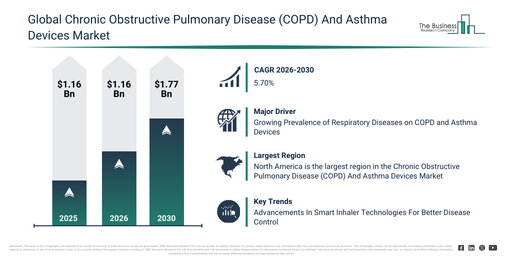
  • Chronic Obstructive Pulmonary Disease (COPD) And Asthma Devices Market Set To Grow From $50.29 Billion In 2026 To $62.82 Billion By 2030 At A CAGR Of 5.7%

    Chronic Obstructive Pulmonary Disease (COPD) And Asthma Devices Market Set To Grow From $50.29 Billion In 2026 To $62.82 Billion By 2030 At A CAGR Of 5.7%

    Enhanced with market attractiveness analysis, total addressable market evaluation, company benchmarking matrices, interactive Excel dashboards, expanded supply chain intelligence, emerging startup coverage, and detailed product insights, The Business Research Company’s 2026 market reports deliver more actionable and strategically valuable research.

    The market for devices used in managing chronic obstructive pulmonary disease (COPD) and asthma has witnessed significant growth recently. With rising respiratory health challenges worldwide, demand for innovative and effective respiratory care solutions continues to expand. Let’s explore the current market size, growth drivers, major players, emerging trends, and regional dynamics shaping this important healthcare segment.

    Market Size and Revenue Forecast for COPD and Asthma Devices

    The COPD and asthma devices market has shown strong growth and is expected to continue expanding in the near term. Its market value is projected to rise from $47.56 billion in 2025 to $50.3 billion in 2026, representing a compound annual growth rate (CAGR) of 5.8%. Factors behind this growth historically include the increasing prevalence of asthma and COPD, worsening air pollution, higher smoking rates, wider adoption of inhalation therapies, the growth of respiratory care services, and enhanced diagnostic capabilities for chronic respiratory conditions.

    Download A Free Sample Report For Comprehensive Market Insights:

    https://www.thebusinessresearchcompany.com/sample.aspx?id=18298&type=smp

    Looking ahead, the market is forecasted to grow even more robustly, reaching $62.83 billion by 2030 with a CAGR of 5.7%. This anticipated expansion is driven by an aging global population more vulnerable to respiratory illnesses, rising demand for home-based respiratory care devices, growing awareness about early disease management, expansion of chronic disease programs, and improved access to respiratory care in emerging economies. Key trends shaping the market include increased adoption of home care respiratory devices, demand for portable and easy-to-use inhalers, a stronger focus on long-term disease management, growing use of devices among pediatric and elderly patients, and a heightened emphasis on treatment adherence and symptom control.

    Key Factors Fueling Growth in the COPD and Asthma Devices Market

    An important driver behind the COPD and asthma devices market is the rising incidence of respiratory diseases worldwide. These conditions, which include asthma, COPD, pneumonia, and lung cancer, affect lung function and breathing. The growing burden of respiratory diseases is linked to increased air pollution, climate change impacting allergens and pathogens, and lifestyle factors such as smoking that deteriorate respiratory health.

    Access The Complete Chronic Obstructive Pulmonary Disease (COPD) And Asthma Devices Market Report:

    https://www.thebusinessresearchcompany.com/report/chronic-obstructive-pulmonary-disease-copd-and-asthma-devices-global-market-report

    Devices designed for COPD and asthma management play a vital role in improving patient outcomes and quality of life. For example, in December 2023, the National Center for Biotechnology Information reported that the number of COPD cases in the U.S. is expected to increase by 112 million, reaching 592 million by 2050, which would account for 9.5% of the population at risk. This rising prevalence underscores the need for effective respiratory devices and continues to fuel market demand.

    Detailed Segmentation of the COPD and Asthma Devices Market

    This market is classified into several important segments to highlight growth opportunities:

    1) By Type: Metered Dose Inhalers, Dry Powder Inhalers, Soft Mist Inhalers, Jet Nebulizers, Ultrasonic Nebulizers, and Other Device Types

    2) By Indication: Asthma and Chronic Obstructive Pulmonary Disease

    3) By Application: Hospitals, Clinics, Home Care Settings, Research Institutions, and Other Uses

    4) By End User: Pediatric, Adult, and Geriatric Patients

    Further subcategories include:

    – Metered Dose Inhalers: Conventional and Breath-Actuated

    – Dry Powder Inhalers: Single-Dose and Multi-Dose

    – Soft Mist Inhalers: Respimat and Others

    – Jet Nebulizers: Pneumatic and Venturi-Type

    – Ultrasonic Nebulizers: Tabletop and Portable

    – Other Types: Nebulizer Accessories and Spacer Devices

    Innovative Trends Shaping the Future of COPD and Asthma Devices

    Leading companies are investing in advanced, smart inhaler technologies to enhance patient care. These devices integrate sensors and digital connectivity to monitor medication adherence, track symptoms in real-time, and support personalized respiratory disease management.

    For instance, in July 2023, UK-based Teva UK Ltd. introduced the GoResp Digihaler, a digitally connected inhaler that records inhalation data and offers real-time feedback. This technology enables remote monitoring, provides clinicians deeper insight into patient usage, and helps improve long-term disease management for those living with chronic respiratory conditions.

    Key Players Driving Innovation and Competition in the COPD and Asthma Devices Market

    The market features several prominent companies shaping its competitive landscape, including AstraZeneca Plc, Novartis AG, GlaxoSmithKline Plc, Boehringer Ingelheim, Royal Philips NV, Teva Pharmaceuticals Industries Ltd., Omron Corporation, Smiths Medical Inc., Cipla Ltd., Chiesi Farmaceutici SpA, Sunovion Pharmaceuticals Inc., Drive DeVilbiss Healthcare, Pari Respiratory Equipment Inc., Allied Healthcare Products Inc., Clement Clarke International Ltd., Cohero Health Inc., Pneuma Respiratory Inc., Mundipharma International Ltd., 3M Health Care, Vyaire Medical Inc., and Aerogen Ltd.

    Geographical Insights and Regional Market Growth Patterns

    As of 2025, North America holds the largest share of the COPD and asthma devices market. However, rapid growth is also expected in other regions, including Asia-Pacific, South East Asia, Western Europe, Eastern Europe, South America, the Middle East, and Africa. These regions represent significant opportunities due to rising respiratory health issues and expanding healthcare infrastructure.

    Get in touch with us:

    The Business Research Company: https://www.thebusinessresearchcompany.com/

    Americas: +1 310-496-7795

    Asia: +44 7882 955267 & +91 8897263534

    Europe: +44 7882 955267

    Email us at: marketing@tbrc.info

    Follow us on:

    LinkedIn: https://in.linkedin.com/company/the-business-research-company

    YouTube: https://www.youtube.com/channel/UC24_fI0rV8cR5DxlCpgmyFQ

    Global Market Model: https://www.thebusinessresearchcompany.com/global-market-model
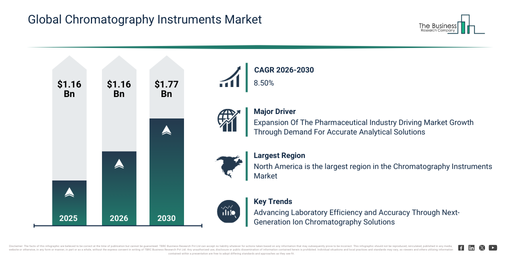
  • Chromatography Instruments Market Opportunities Are Emerging Beyond Traditional Growth Areas

    Chromatography Instruments Market Opportunities Are Emerging Beyond Traditional Growth Areas

    Through market attractiveness analysis, total addressable market evaluation, company benchmarking matrices, interactive Excel dashboards, expanded supply chain intelligence, emerging startup coverage, and detailed product insights, The Business Research Company’s 2026 market reports provide more actionable and strategically valuable research.

    The chromatography instruments sector has witnessed significant advancement over recent years, driven by evolving technological innovations and expanding applications across various industries. As demand intensifies in pharmaceutical research, environmental monitoring, and food safety, the market is poised for notable growth. Let’s explore the current market size, key growth drivers, segmentation, industry trends, leading players, and regional dynamics shaping the future of chromatography instruments.

    Steady Growth and Projections for the Chromatography Instruments Market

    The chromatography instruments market has demonstrated robust growth, increasing from $11.6 billion in 2025 to $12.62 billion in 2026, with a compound annual growth rate (CAGR) of 8.8%. Historically, this expansion has been fueled by the prevalence of manual and semi-automated chromatography systems, limited adoption in emerging regions, reliance on traditional detection techniques, growing pharmaceutical research activities, and stringent regulatory demands for analytical testing. Looking ahead, the market is anticipated to reach $17.48 billion by 2030, progressing at a slightly moderated CAGR of 8.5%. This future growth will be supported by the incorporation of AI and machine learning into data analysis, the rise of high-throughput and automated chromatography methods, increasing needs in environmental and food safety assessments, expansion of pharmaceutical and biotech research, and the development of more compact, portable systems. Key trends during the forecast period include heightened demand for precise analytical devices, broader applications in clinical and pharmaceutical research, growing uptake of automation, and a focus on miniaturization and rapid sample processing.

    Download A Free Sample Report For Comprehensive Market Insights:

    https://www.thebusinessresearchcompany.com/sample.aspx?id=24503&type=smp

    The Growing Pharmaceutical Sector as a Catalyst for Market Expansion

    One of the primary forces propelling the chromatography instruments market is the flourishing pharmaceutical industry. This sector encompasses the research, development, production, and distribution of both prescription and over-the-counter medicines designed to enhance health outcomes and treat illnesses. Its steady expansion is driven by the increasing need for innovative therapies, advancements in biotechnology, and rising global healthcare requirements. Chromatography instruments play a vital role in this industry by enabling the accurate separation and analysis of complex compounds, which ensures the purity, quality, and safety of pharmaceutical products—critical factors for regulatory compliance and drug development. For instance, a report published in November 2024 by the European Federation of Pharmaceutical Industries and Associations highlighted that pharmaceutical production within Europe amounted to €405.7 billion, underscoring the sector’s considerable scale and influence on instrument demand.

    Breakdown of Chromatography Instruments Market Segments

    This market is segmented into key categories based on various criteria:

    1) By Type: Liquid Chromatography Systems, Gas Chromatography Systems, Supercritical Fluid Chromatography Systems, and Thin-Layer Chromatography Systems.

    2) By Consumables and Instruments: components like Tubes, Detectors, Columns, Vials, Autosamplers, Pumps, Fraction Collectors, along with other consumables and instruments.

    3) By Application: sectors such as Agriculture, Pharmaceutical Companies, Clinical Research Organizations, and Environmental Testing.

    4) By End-User Industry: including Life Sciences, Academic and Research Institutions, Oil and Gas, Environmental Agencies, Food and Beverage, and other industries.

    Further subcategories detail specific system types, such as high-performance and ultra-performance liquid chromatography, capillary and packed gas chromatography, various supercritical fluid chromatography systems, and different thin-layer chromatography methods ranging from manual to automated.

    Access The Complete Chromatography Instruments Market Report:

    https://www.thebusinessresearchcompany.com/report/chromatography-instruments-global-market-report

    Innovations and Emerging Trends Reshaping Chromatography Instruments Demand

    Leading companies in this market are concentrating efforts on developing sophisticated products like ion chromatography instruments to improve analytical accuracy and detection sensitivity. These instruments are essential for analyzing ions and polar molecules across environmental, pharmaceutical, and food safety sectors. For example, in February 2024, Thermo Fisher Scientific Inc. introduced the Thermo Scientific Dionex Inuvion Ion Chromatography system. This new product boasts high reliability, user-friendly operation, and flexible workflows that can be easily upgraded, facilitating efficient ion analysis across diverse laboratory environments. Its compact design and advanced pumping technology enable laboratories to quickly adapt to evolving analytical needs while ensuring consistent and reproducible outcomes.

    Major Players Driving Innovation and Market Competition in Chromatography Instruments

    Key companies leading the chromatography instruments market include Hitachi Ltd., Thermo Fisher Scientific Inc., Danaher Corporation, Merck KGaA, GE Healthcare Life Sciences, Agilent Technologies Inc., Teledyne Technologies Incorporated, Sartorius AG, PerkinElmer Inc., Shimadzu Corporation, Waters Corporation, Bio-Rad Laboratories Inc., Pall Corporation, GL Sciences Inc., Biotage AB, Gilson Inc., YMC Co. Ltd., SCION Instruments, Knauer Wissenschaftliche Geräte GmbH, JASCO Corporation, and ChromaNik Technologies Inc. These players continuously strive to enhance product offerings and technological capabilities to meet the increasing and diversified demands of the market.

    Regional Market Leadership and Growth Trends Across the Globe

    In 2025, North America held the largest share of the chromatography instruments market. Nevertheless, the Asia-Pacific region is projected to become the fastest-growing market throughout the forecast period. The market overview spans several geographical areas including Asia-Pacific, South East Asia, Western Europe, Eastern Europe, North America, South America, the Middle East, and Africa, providing a comprehensive perspective on global market trends and regional growth opportunities.

    Get in touch with us:

    The Business Research Company: https://www.thebusinessresearchcompany.com/

    Americas: +1 310-496-7795

    Asia: +44 7882 955267 & +91 8897263534

    Europe: +44 7882 955267

    Email us at: marketing@tbrc.info

    Follow us on:

    LinkedIn: https://in.linkedin.com/company/the-business-research-company

    YouTube: https://www.youtube.com/channel/UC24_fI0rV8cR5DxlCpgmyFQ

    Global Market Model: https://www.thebusinessresearchcompany.com/global-market-model
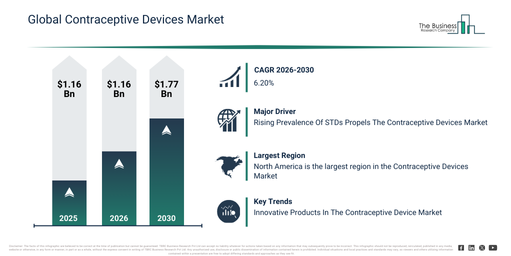
  • Contraceptive Devices Market Growth Through 2030 Creates New Strategic Opportunities

    Contraceptive Devices Market Growth Through 2030 Creates New Strategic Opportunities

    Through market attractiveness analysis, total addressable market evaluation, company benchmarking matrices, interactive Excel dashboards, expanded supply chain intelligence, emerging startup coverage, and detailed product insights, The Business Research Company’s 2026 market reports provide more actionable and strategically valuable research.

    The contraceptive devices market has been experiencing significant growth recently, driven by increasing awareness and advancements in reproductive health. As family planning gains more attention worldwide, the market continues to evolve with new technologies and expanding access, promising steady growth in the coming years. Let’s explore the current market size, key drivers, product segments, emerging trends, leading companies, and regional dynamics shaping this sector.

    Steady Growth and Market Size Expectations in the Contraceptive Devices Market

    The contraceptive devices market has seen a strong upward trajectory in recent years. It is projected to grow from $13.55 billion in 2025 to $14.4 billion in 2026, marking a compound annual growth rate (CAGR) of 6.3%. This expansion in the past can largely be linked to increased awareness about family planning, government-backed population control initiatives, the rise in unintended pregnancies, wider reproductive health services, and improved availability of over-the-counter contraceptives. Looking ahead, the market is expected to continue robust growth, reaching $18.31 billion by 2030 with a CAGR of 6.2%. Factors contributing to this forecast include a stronger emphasis on reproductive autonomy, rising demand for long-term and easy-to-use contraceptive options, growth in digital health and online pharmacy platforms, greater adoption of male contraceptive methods, and the influence of public and NGO-led sexual health programs. Notable trends during this period involve increased use of long-acting reversible contraceptives, female-controlled options, non-hormonal devices, and expanded access through online and public distribution channels, as well as a focus on dual protection against pregnancy and sexually transmitted infections (STIs).

    Download A Free Sample Report For Comprehensive Market Insights:

    https://www.thebusinessresearchcompany.com/sample.aspx?id=18320&type=smp

    The Rising Impact of Sexually Transmitted Diseases on Market Demand

    One of the critical factors driving the contraceptive devices market is the increasing incidence of sexually transmitted diseases (STDs). These infections, primarily spread through sexual contact, affect multiple body systems and can lead to serious health issues. The rise in STDs is attributed to factors such as increased sexual activity, inadequate protection use, limited sexual health education, and barriers to healthcare and testing services. Contraceptive devices, especially condoms, play a crucial role in preventing the transmission of STDs by acting as a protective barrier against infectious fluids and lesions. For example, a July 2024 report by the UK Health Security Agency highlighted that England recorded 401,800 new STI diagnoses in 2023, a 4.7% increase from 2022. Gonorrhea cases rose by 7.5%, from 79,268 to 85,223, while syphilis diagnoses increased by 9.4%, from 8,693 to 9,513. These rising infection rates underscore the growing need for effective contraceptive devices in the market.

    Breakdown of the Contraceptive Devices Market by Product Types and Technologies

    This market is segmented across various dimensions to capture the diverse range of products and technologies available. By product type, the categories include Male Contraceptive Devices, Female Contraceptive Devices, Female Condoms, Diaphragms and Sponges, Vaginal Rings, Intrauterine Devices (IUDs), Sub-Dermal Implants, and other types. When considering technology, the market is divided into Hormonal Contraceptives and Barrier Contraceptives. Distribution channels encompass Hospital Pharmacies, Retail Pharmacies, Clinics, Online Platforms, Public Channels and NGOs, and other pathways. Further subsegment details include male condoms, vasectomy devices, injections, and pills within the male devices category; female condoms and various vaginal barrier methods under female devices; and various types of IUDs and implants broken down by their hormonal and non-hormonal nature.

    Access The Complete Contraceptive Devices Market Report:

    https://www.thebusinessresearchcompany.com/report/contraceptive-devices-global-market-report

    Innovations in Contraceptive Devices Highlighted by Market Trends

    Leading firms in the contraceptive devices space are continually innovating to meet consumer needs for convenience and efficacy. A prime example is the contraceptive vaginal ring, a flexible, hormone-releasing device designed for monthly insertion that prevents pregnancy by releasing hormones to inhibit ovulation and thicken cervical mucus. In October 2023, US-based pharmaceutical company Xiromed LLC introduced the EnilloRing, a vaginal ring combining etonogestrel and ethinyl estradiol. This device is intended for long-term use, staying in place for three weeks followed by a one-week break, offering an easy-to-use birth control solution that aligns with modern lifestyles.

    Key Players Driving Competition and Development in the Contraceptive Devices Market

    The competitive landscape of the contraceptive devices market features several major companies that shape industry trends and product availability. These include Pfizer Inc., Johnson & Johnson Services Inc., Bayer AG, Teva Pharmaceutical Industries Ltd., Mylan N.V., Organon Group, Hologic Inc., CooperSurgical Inc., Cipla Inc., Mankind Pharma Ltd., TTK HealthCare Ltd., Merck Sharp & Dohme Corp., Evofem Biosciences Inc., Veru Inc., Agile Therapeutics Inc., Janssen Global Services LLC, HLL Lifecare Ltd., Mayer Laboratories Inc., V-Care Pharma Pvt. Ltd., Vardhaman Lifecare Pvt. Ltd., Actavis Pharma LLC, and Pregna International Limited, among others. Their ongoing research and development efforts continue to introduce new contraceptive options and improve existing ones.

    Regional Market Distribution and Growth Patterns in the Contraceptive Devices Sector

    Geographically, North America held the largest share of the contraceptive devices market in 2025. Meanwhile, Asia-Pacific is forecasted to be the fastest-growing region throughout the projection period. The report covers multiple regions including Asia-Pacific, South East Asia, Western Europe, Eastern Europe, North America, South America, the Middle East, and Africa, providing a global overview of market expansion and regional opportunities.

    Get in touch with us:

    The Business Research Company: https://www.thebusinessresearchcompany.com/

    Americas: +1 310-496-7795

    Asia: +44 7882 955267 & +91 8897263534

    Europe: +44 7882 955267

    Email us at: marketing@tbrc.info

    Follow us on:

    LinkedIn: https://in.linkedin.com/company/the-business-research-company

    YouTube: https://www.youtube.com/channel/UC24_fI0rV8cR5DxlCpgmyFQ

    Global Market Model: https://www.thebusinessresearchcompany.com/global-market-model
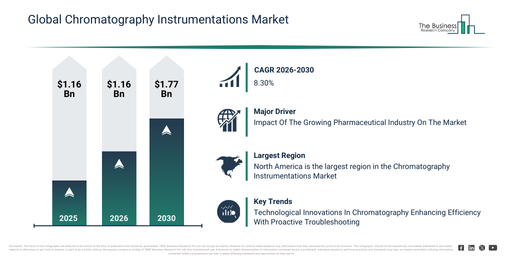
  • Chromatography Instrumentations Market Expansion Is Opening New Pathways For Strategic Investment

    Chromatography Instrumentations Market Expansion Is Opening New Pathways For Strategic Investment

    Delivering more actionable and strategically valuable research, The Business Research Company’s 2026 market reports feature market attractiveness analysis, total addressable market evaluation, company benchmarking matrices, interactive Excel dashboards, expanded supply chain intelligence, emerging startup coverage, and detailed product insights.

    The chromatography instrumentation sector has witnessed considerable growth recently, driven by advances in pharmaceutical research and increasing demand across various industries. As technology evolves and new analytical methods emerge, this market is set to experience notable expansion in the coming years. Let’s explore the current market status, growth drivers, major players, and emerging trends shaping the future of chromatography instrumentation.

    Chromatography Instrumentations Market Size and Growth Expectations

    The chromatography instrumentations market has shown impressive development over recent years. It is projected to rise from $11.6 billion in 2025 to $12.59 billion in 2026, growing at a compound annual growth rate (CAGR) of 8.5%. Factors contributing to this growth during the past period include the expansion of pharmaceutical research and development, increased analytical testing, environmental monitoring efforts, stricter food safety standards, and enhanced funding for academic research. Looking ahead, the market is anticipated to reach $17.33 billion by 2030, with a slightly adjusted CAGR of 8.3%. This forecasted surge is attributed to the growth in biopharmaceutical analysis, the incorporation of AI in chromatography, the rise of high-throughput laboratories, demand for precise analytical techniques, and the shift toward sustainable solvent use. Key trends expected to influence the market during this timeframe include the adoption of high-resolution separation systems, improvements in analytical accuracy, the use of multi-detector chromatography, faster sample processing, and the miniaturization of laboratory instruments.

    Download A Free Sample Report For Comprehensive Market Insights:

    https://www.thebusinessresearchcompany.com/sample.aspx?id=21143&type=smp

    Pharmaceutical Industry as a Major Catalyst for Chromatography Demand

    One of the primary forces propelling the chromatography instrumentations market is the rapidly growing pharmaceutical sector. This industry encompasses the research, development, production, and marketing of drugs designed to improve health outcomes and treat a wide range of conditions. Growth in this area is fueled by increasing demand for innovative therapies, advances in biotechnology, and rising healthcare needs globally. Chromatography instruments play a pivotal role in this sector by enabling precise separation and analysis of complex drug mixtures, ensuring the safety, purity, and quality of pharmaceutical products, which is essential for regulatory approval and product development.

    Recent regulatory approvals highlight this trend. For example, in February 2024, the Personalized Medicine Coalition reported that the US Food and Drug Administration (FDA) approved 16 new personalized treatments for patients with rare diseases in 2023, a significant increase from six approvals the previous year. This surge in personalized medicine illustrates the growing reliance on advanced analytical instrumentation, like chromatography, to support the pharmaceutical industry’s expansion.

    Access The Complete Chromatography Instrumentations Market Report:

    https://www.thebusinessresearchcompany.com/report/chromatography-instrumentations-global-market-report

    Detailed Segmentation of the Chromatography Instrumentations Market

    The chromatography instrumentations market is categorized into several key segments, enabling a clearer understanding of its diverse components:

    1) Chromatography Systems: Liquid Chromatography, Gas Chromatography, Thin-Layer Chromatography, and Supercritical Fluid Chromatography

    2) Consumables and Accessories: Columns, Detectors, Pressure Regulators, Solvents, Syringes or Needles, and Other Consumables and Accessories

    3) End-User Industries: Life Science Industry, Academic and Research Institutes, Oil and Gas Industry, Environmental Agencies, Food and Beverage Industry, and Other sectors

    Further breakdowns include:

    – Liquid Chromatography subtypes such as High-Performance Liquid Chromatography (HPLC), Ultra-High Performance Liquid Chromatography (UHPLC), Preparative Liquid Chromatography, and Reversed-Phase Liquid Chromatography.

    – Gas Chromatography variants including Gas Chromatography-Mass Spectrometry (GC-MS), Gas Chromatography-Flame Ionization Detector (GC-FID), Gas Chromatography-Thermal Conductivity Detector (GC-TCD), and Headspace Gas Chromatography.

    – Thin-Layer Chromatography (TLC) types like Normal-Phase TLC, Reverse-Phase TLC, and High-Performance TLC (HPTLC).

    – Supercritical Fluid Chromatography options with CO2 or other solvents, available in both analytical and preparative forms.

    Innovations Shaping the Chromatography Instrumentations Market

    Leading companies in this market are focusing on creating cutting-edge solutions that boost precision, speed, and automation in analytical workflows. Among these innovations are next-generation intelligent High-Performance Liquid Chromatography (HPLC) systems. These advanced instruments integrate automation, artificial intelligence, and real-time data analysis to improve accuracy and efficiency in chemical analysis.

    For example, in March 2023, Waters Corporation, a US-based manufacturer of analytical instruments, launched the Alliance iS HPLC system. This intelligent platform is designed to minimize compliance risks by detecting and troubleshooting errors in real time, thereby enhancing measurement reliability. It works seamlessly with Waters’ Empower Chromatography Software and eConnect HPLC Columns, providing a comprehensive solution that can reduce up to 40% of common laboratory errors.

    Key Players and Strategic Positioning in the Chromatography Instrumentations Market

    The chromatography instrumentations market features several dominant companies that influence industry developments: Hitachi High-Tech Corporation, Thermo Fisher Scientific Inc., Danaher Corporation, Merck KGaA, Agilent Technologies Inc., Cytiva, Sartorius AG, PerkinElmer Inc., Shimadzu Corporation, Revvity Inc., Waters Corporation, Bio-Rad Laboratories Inc., Bruker Corporation, Phenomenex Inc., LECO Corporation, Gilson Inc., Restek Corporation, SCION Instruments Ltd., Jasco Inc., and Metrohm AG. These organizations continue to invest heavily in research and development to maintain competitive advantages.

    Geographical Distribution and Regional Market Growth

    In terms of regional market presence, North America held the largest share of the chromatography instrumentations market in 2025. However, the Asia-Pacific region is expected to exhibit the fastest growth throughout the forecast period. The market analysis includes a broad view of geographic areas such as Asia-Pacific, South East Asia, Western Europe, Eastern Europe, North America, South America, the Middle East, and Africa, providing insights into regional opportunities and challenges.

    Get in touch with us:

    The Business Research Company: https://www.thebusinessresearchcompany.com/

    Americas: +1 310-496-7795

    Asia: +44 7882 955267 & +91 8897263534

    Europe: +44 7882 955267

    Email us at: marketing@tbrc.info

    Follow us on:

    LinkedIn: https://in.linkedin.com/company/the-business-research-company

    YouTube: https://www.youtube.com/channel/UC24_fI0rV8cR5DxlCpgmyFQ

    Global Market Model: https://www.thebusinessresearchcompany.com/global-market-model
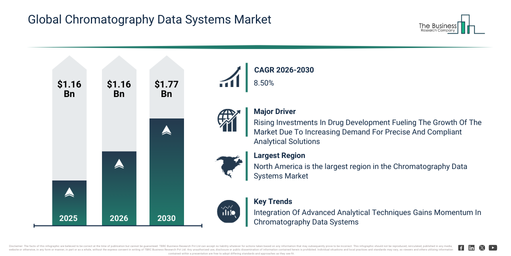
  • Chromatography Data Systems Market Trends Are Creating New Opportunities For Industry Leaders

    Chromatography Data Systems Market Trends Are Creating New Opportunities For Industry Leaders

    Enhanced with market attractiveness analysis, total addressable market evaluation, company benchmarking matrices, interactive Excel dashboards, expanded supply chain intelligence, emerging startup coverage, and detailed product insights, The Business Research Company’s 2026 market reports deliver more actionable and strategically valuable research.

    The chromatography data systems sector is witnessing significant growth fueled by advances in pharmaceutical research and technological integration. With increasing adoption of cloud platforms and AI tools enhancing data management, this market is set to experience robust expansion through 2030. Below is a detailed overview of the current market status, growth drivers, segmentation, key trends, competitive players, and regional insights.

    Chromatography Data Systems Market Size and Projected Growth Through 2030

    The chromatography data systems market has shown solid growth over recent years. From $1.31 billion in 2025, it is expected to reach $1.43 billion in 2026, marking a compound annual growth rate (CAGR) of 9.2%. Historical growth has been driven by reliance on standalone chromatography software, limited integration with lab instruments, expanding pharmaceutical research, regulatory compliance demands, and increasing use in academic institutions. Looking ahead, the market is projected to grow further to $1.98 billion by 2030, with a CAGR of 8.5%. This forecasted growth stems from the rise of hybrid and cloud-based chromatography data system platforms, the integration of AI-powered data analytics, broader adoption among small and medium-sized enterprises, and increasing use in environmental and food testing. Additional trends include a heightened focus on real-time data visualization, compliance management, and expanded applications in pharmaceutical and academic research sectors.

    Download A Free Sample Report For Comprehensive Market Insights:

    https://www.thebusinessresearchcompany.com/sample.aspx?id=27255&type=smp

    Key Drivers Stimulating Growth in Chromatography Data Systems

    One significant factor fueling the chromatography data systems market is the growing investment in drug development. Drug development involves discovering, testing, and bringing new pharmaceutical products to market to ensure they are safe and effective. Advances in biotechnology and precision medicine have created opportunities for highly targeted therapies that improve treatment outcomes and address unmet medical needs in both common and rare diseases.

    The increase in drug development spending drives the demand for chromatography data systems, as these systems provide precise, compliant, and efficient management of the complex analytical data necessary for drug discovery and regulatory approval. For example, in November 2023, the European Federation of Pharmaceutical Industries and Associations reported that pharmaceutical R&D expenditure rose to $50 billion in 2023 from $47.01 billion in 2022. This rising investment is a key factor propelling the chromatography data systems market forward.

    How the Chromatography Data Systems Market Is Organized Across Segments

    This market is divided into several important categories:

    – By Type: Integrated and Standalone systems

    – By Technology: On-Premise, Cloud-Based, and Hybrid platforms

    – By Enterprise Size: Large Enterprises and Small and Medium Enterprises (SMEs)

    – By Application: Pharmaceuticals, Clinical Research, Academic Research, and Other uses

    – By End User: Academic and Research Institutes, Pharmaceutical and Biopharmaceutical Companies, Biotechnology Industry, Food and Beverage Industry, Environmental Testing, and other users

    Further subsegments include types of integrated systems such as Instrument Control Software, Data Acquisition Software, Data Processing Software, and System Validation Tools. Standalone systems are categorized into Data Integration Tools, Reporting and Visualization Software, Audit Trail Management, and Compliance Management Tools.

    Access The Complete Chromatography Data Systems Market Report:

    https://www.thebusinessresearchcompany.com/report/chromatography-data-systems-global-market-report

    Emerging Trends Defining the Future of Chromatography Data Systems

    Leading corporations in this market are increasingly adopting advanced analytical solutions like full-stack chromatography systems to improve data integration, workflow efficiency, and regulatory adherence. A full-stack system combines hardware, software, data acquisition, processing, and compliance functionalities into one cohesive package.

    For instance, in March 2025, Axcend Corporation from the US launched a full-stack chromatography system tailored for high-performance liquid chromatography (HPLC). This system, based on the Axcend Focus LC platform, includes a 40-vial/96-well plate autosampler, an inline process analytical technology monitoring system, and a full-spectrum diode array detector. It allows scientists to conduct real-time, low-flow HPLC analysis directly at the sampling point, offering labs a versatile, efficient, and sustainable tool for advanced chromatography needs.

    Key Companies Driving the Chromatography Data Systems Industry

    The chromatography data systems market features several major players including Merck KGaA, Thermo Fisher Scientific, Eurofins Scientific SE, Agilent Technologies, Hitachi High-Tech Corporation, PerkinElmer Inc., Shimadzu Corporation, Waters Corporation, Bio-Rad Laboratories Inc., Bruker Corporation, Metrohm AG, Analytik Jena GmbH+Co. KG, Gilson Incorporated, LabVantage Solutions Inc., KNAUER Wissenschaftliche Geräte GmbH, JASCO Corporation, Sepsolve Analytical Ltd., SRI Instruments Inc., S-Matrix Corporation, and DataApex spol. s r.o.

    Regional Overview Highlighting Market Leadership and Growth

    In 2025, North America held the largest revenue share in the chromatography data systems market. However, the Asia-Pacific region is expected to experience the fastest growth during the forecast period. The market analysis encompasses regions such as Asia-Pacific, South East Asia, Western Europe, Eastern Europe, North America, South America, the Middle East, and Africa, providing a broad perspective on global market dynamics.

    Get in touch with us:

    The Business Research Company: https://www.thebusinessresearchcompany.com/

    Americas: +1 310-496-7795

    Asia: +44 7882 955267 & +91 8897263534

    Europe: +44 7882 955267

    Email us at: marketing@tbrc.info

    Follow us on:

    LinkedIn: https://in.linkedin.com/company/the-business-research-company

    YouTube: https://www.youtube.com/channel/UC24_fI0rV8cR5DxlCpgmyFQ

    Global Market Model: https://www.thebusinessresearchcompany.com/global-market-model
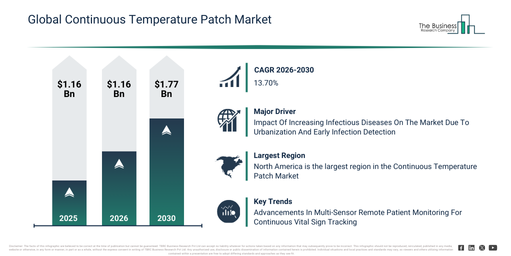
  • Continuous Temperature Patch Market Size Projected To Increase From $1.6 Billion To $2.68 Billion During The Forecast Period

    Continuous Temperature Patch Market Size Projected To Increase From $1.6 Billion To $2.68 Billion During The Forecast Period

    Delivering more actionable and strategically valuable research, The Business Research Company’s 2026 market reports feature market attractiveness analysis, total addressable market evaluation, company benchmarking matrices, interactive Excel dashboards, expanded supply chain intelligence, emerging startup coverage, and detailed product insights.

    The continuous temperature patch market is gaining significant attention as healthcare moves toward more advanced, real-time monitoring solutions. With increasing needs for remote patient care and wearable health technology, this sector is set for notable expansion in the coming years. Let’s explore the market’s current size, key growth drivers, prominent players, and emerging trends shaping its future.

    Steady Market Growth Expected in the Continuous Temperature Patch Market

    The market for continuous temperature patches has seen rapid growth recently. It is projected to increase from $1.41 billion in 2025 to $1.6 billion in 2026, reflecting a strong compound annual growth rate (CAGR) of 14.0%. The earlier growth phase was influenced by challenges such as reliance on manual thermometers, limited availability of continuous monitoring options, low adoption of homecare devices, high costs of equipment, and fragmented healthcare data systems.

    Download A Free Sample Report For Comprehensive Market Insights:

    https://www.thebusinessresearchcompany.com/sample.aspx?id=29002&type=smp

    Looking ahead, this market is forecasted to expand swiftly, reaching $2.68 billion by 2030 at a CAGR of 13.7%. Factors contributing to this anticipated growth include the rising adoption of remote patient monitoring, greater demand for effective fever management, increasing use of wearable devices in fitness and elderly care sectors, integration of AI-enabled alert systems, and the expansion of telehealth infrastructures. Key trends to watch include real-time body temperature tracking, wearable health sensors, telemedicine platform integration, personalized health notifications, and advanced remote patient care analytics.

    Rising Infectious Disease Rates Fuel Continuous Temperature Patch Market Expansion

    One of the primary forces driving the continuous temperature patch market is the growing incidence of infectious diseases worldwide. Infectious diseases, caused by microorganisms that invade and multiply within the body, often spread rapidly, especially in urban environments where close human contact facilitates transmission. Continuous temperature patches help manage these diseases by providing real-time, ongoing temperature monitoring, which enables early detection of infections and supports quicker medical intervention.

    Access The Complete Continuous Temperature Patch Market Report:

    https://www.thebusinessresearchcompany.com/report/continuous-temperature-patch-global-market-report

    For example, in February 2024, GOV.UK reported a 10.7% increase in tuberculosis cases in England during 2023, rising from 4,380 cases in 2022 to 4,850. This rising disease burden underscores the importance of continuous monitoring devices in healthcare, boosting demand for temperature patch technologies.

    Segments Highlighting Key Growth Areas in the Continuous Temperature Patch Market

    This market is segmented by product type, distribution channels, application areas, and end-users. Product types include disposable and reusable patches, while distribution channels consist of online platforms, pharmacies, retail stores, and other outlets. Applications cover patient monitoring, fever management, sports and fitness, and other uses. End-user categories include hospitals and clinics, home care providers, sports organizations, and others.

    Further product distinctions include single-layer adhesive, multi-layer adhesive, and hydrogel-based patches within disposable types. Reusable patches include electronic sensor, Bluetooth-enabled, and rechargeable battery variants, offering a range of options to suit different monitoring needs.

    Innovation Trends Steering the Future of the Continuous Temperature Patch Market

    Leading companies in this market are focused on developing sophisticated solutions such as multi-sensor remote patient monitoring platforms. These systems employ various sensors to continuously track vital signs remotely, enabling timely detection of health issues and enhancing personalized patient care.

    A notable example is the January 2024 launch of VitalTraq by Blue Spark Technologies Inc., a US-based medical technology firm. VitalTraq combines wearable temperature sensing with contactless facial scanning to continuously and conveniently monitor multiple vital signs. This innovation aims to improve clinical outcomes, reduce hospital visits, and provide real-time health data accessible to both patients and healthcare providers. Designed for decentralized care, VitalTraq facilitates monitoring in clinical trials and post-surgical settings by offering a secure, scalable, and user-friendly platform.

    Key Players Driving Competition in the Continuous Temperature Patch Market

    Prominent companies competing in the continuous temperature patch space include Medtronic plc, Koninklijke Philips N.V., Masimo Corporation, Drägerwerk AG & Co. KGaA, Sibel Health Inc., Verily Life Sciences LLC, Sensium Healthcare, LifeSignals Inc., VitalConnect Inc., VivaLNK Inc., Blue Spark Technologies Inc., Epicore Biosystems Inc., SteadySense GmbH, GreenTEG AG, CORE Body Temp., TempTraq, iThermonitor, Nemaura Medical, BioTelemetry, and Kenzen. These industry leaders are continuously innovating to capture growing market demand.

    Regional Outlook on Continuous Temperature Patch Market Revenue

    In 2025, North America held the largest market share within the continuous temperature patch segment. However, the Asia-Pacific region is anticipated to exhibit the fastest growth during the forecast period. The market report covers a broad geographic scope including Asia-Pacific, South East Asia, Western Europe, Eastern Europe, North America, South America, the Middle East, and Africa, providing a comprehensive view of regional market dynamics.

    Get in touch with us:

    The Business Research Company: https://www.thebusinessresearchcompany.com/

    Americas: +1 310-496-7795

    Asia: +44 7882 955267 & +91 8897263534

    Europe: +44 7882 955267

    Email us at: marketing@tbrc.info

    Follow us on:

    LinkedIn: https://in.linkedin.com/company/the-business-research-company

    YouTube: https://www.youtube.com/channel/UC24_fI0rV8cR5DxlCpgmyFQ

    Global Market Model: https://www.thebusinessresearchcompany.com/global-market-model
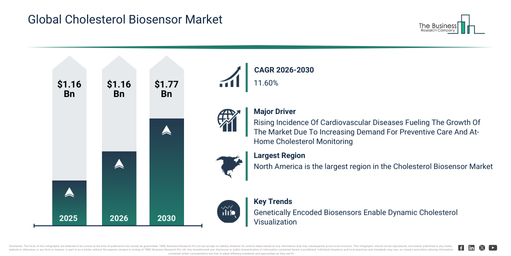
  • Cholesterol Biosensor Market Growth Is Reshaping Competitive Advantage Across The Industry

    Cholesterol Biosensor Market Growth Is Reshaping Competitive Advantage Across The Industry

    Through market attractiveness analysis, total addressable market evaluation, company benchmarking matrices, interactive Excel dashboards, expanded supply chain intelligence, emerging startup coverage, and detailed product insights, The Business Research Company’s 2026 market reports provide more actionable and strategically valuable research.

    The cholesterol biosensor market has been advancing swiftly as the need for efficient cholesterol monitoring grows worldwide. With increasing health awareness and technological progress, this sector is positioned for considerable expansion in the coming years. Below is a detailed exploration of the market’s size, growth drivers, segmentation, key players, and regional outlook.

    Market Size and Growth Forecast for the Cholesterol Biosensor Market

    The cholesterol biosensor market has demonstrated rapid growth and is expected to continue this trajectory. From a valuation of $2.03 billion in 2025, the market is projected to rise to $2.28 billion by 2026, representing a compound annual growth rate (CAGR) of 11.9%. This historical growth is driven by several factors, including an increase in cardiovascular diseases, a higher demand for quick diagnostic tools, expansion in clinical laboratories, greater focus on preventive healthcare, and advances in enzyme chemistry. Looking ahead, the market is anticipated to reach $3.53 billion by 2030, with a CAGR of 11.6%. Factors fueling this forecasted growth include the rising popularity of home-based cholesterol testing, the development of wearable biosensors, personalized cardiovascular healthcare, integration with mobile health applications, and the growth of telemedicine services. Key trends expected to shape the market involve point-of-care cholesterol tests, enzyme-based biosensors, portable monitoring devices, rapid diagnostic biosensors, and highly sensitive detection platforms.

    Download A Free Sample Report For Comprehensive Market Insights:

    https://www.thebusinessresearchcompany.com/sample.aspx?id=30230&type=smp

    Rising Cardiovascular Disease Rates Propel Market Demand

    An increasing prevalence of cardiovascular diseases (CVDs) is a major factor encouraging expansion in the cholesterol biosensor market. Cardiovascular diseases encompass disorders affecting the heart and blood vessels, such as coronary artery disease, heart failure, and stroke. The growth in CVD cases is linked to unhealthy dietary habits, including excessive intake of processed foods and fats, which elevate cholesterol levels and raise cardiovascular risks. Cholesterol biosensors play a crucial role in managing these conditions by enabling quick, precise monitoring of cholesterol levels, which supports both prevention and treatment strategies. They offer the advantage of reducing frequent hospital visits by providing easy point-of-care or at-home testing, thus enhancing patient convenience and encouraging proactive health management. For instance, in October 2024, the Centers for Disease Control reported that approximately 919,032 people in the United States died from cardiovascular disease in 2023, accounting for one in every three deaths, highlighting the urgent need for effective cholesterol monitoring solutions.

    Healthcare Spending Growth Encourages Market Innovation

    Increasing healthcare expenditure is another key driver behind the cholesterol biosensor market’s growth. Healthcare spending includes all funds allocated to medical services, treatments, facilities, research, and public health efforts aimed at improving health outcomes. The rise in chronic diseases, which often require long-term and expensive treatments, has led to higher overall healthcare costs. This surge in spending supports biosensor development by providing more resources for research and innovation, enabling the production of advanced, accurate, and user-friendly diagnostic devices. Enhanced funding facilitates the creation of portable, real-time, and point-of-care biosensors that improve patient access and convenience while promoting proactive cardiovascular health management. For example, in May 2024, data from the UK’s Office for National Statistics showed a 5.6% nominal increase in total healthcare expenditure in 2023, marking a 0.9% rise compared to 2022. This upward trend in healthcare investment is a positive force driving the cholesterol biosensor market forward.

    Access The Complete Cholesterol Biosensor Market Report:

    https://www.thebusinessresearchcompany.com/report/global-cholesterol-biosensor-market-report

    Segmentation Overview of the Cholesterol Biosensor Market

    This report categorizes the cholesterol biosensor market into several distinct segments to better understand market dynamics:

    1) Product Type: Electrochemical Biosensors, Optical Biosensors, Piezoelectric Biosensors

    2) Distribution Channel: Hospitals and Clinics, Diagnostic Laboratories and Pathology Centers, Pharmacies and Retail Medical Stores, Online and E-commerce Platforms

    3) Application: Clinical Diagnostics, Food Testing, Research Laboratories, and Other Applications

    Further subcategories within these include:

    – Electrochemical Biosensors: Enzyme Based, Non-Enzyme Based, Field Effect Transistor Based, Conductometric Based

    – Optical Biosensors: Fluorescence Based, Surface Plasmon Resonance Based, Colorimetric Based, Fiber Optic Based

    – Piezoelectric Biosensors: Quartz Crystal Microbalance-Based, Surface Acoustic Wave-Based, Cantilever-Based

    Innovative Trends Driving the Cholesterol Biosensor Market Forward

    Leading companies in the cholesterol biosensor field are investing heavily in advanced technologies to enhance diagnostic precision and broaden the understanding of disease mechanisms. One notable innovation is the development of real-time metabolite mapping systems, which allow researchers to dynamically observe molecular activities within living cells. For instance, in November 2023, Nanyang Technological University (NTU) in Singapore introduced the GRAM-W Biosensor, a revolutionary device capable of tracking cholesterol in live cells with unprecedented accuracy. This genetically encoded biosensor provides real-time imaging of cholesterol distribution and movement inside cells without requiring cell disruption, using a cholesterol-binding domain that emits fluorescence proportional to the cholesterol concentration. Such cutting-edge tools promise to deepen insights into cholesterol-related diseases and improve diagnostic approaches.

    Key Industry Players Leading the Cholesterol Biosensor Market

    Several prominent companies are shaping the cholesterol biosensor market through innovation and competitive strategies. Notable players include Abbott Laboratories, Roche Holding AG, Siemens Healthineers AG, Thermo Fisher Scientific Inc., Bio-Rad Laboratories Inc., Randox Laboratories Ltd., Nova Biomedical Corporation, SEKISUI Diagnostics, SD Biosensor Inc., EKF Diagnostics Holdings plc, ACON Laboratories Inc., Trinity Biotech plc, PTS Diagnostics LLC, VivaChek Biotech Co. Ltd., Sensa Core Medical Instrumentation Pvt. Ltd., Joy Goal Medical Technology Co. Ltd., Arkray Inc., Menarini Diagnostics S.r.l., Sysmex Corporation, Nipro Corporation, and Analyticon Biotechnologies GmbH.

    Regional Market Overview Highlighting Growth Opportunities

    In 2025, North America held the largest share of the cholesterol biosensor market due to its advanced healthcare infrastructure and high awareness levels. However, the fastest market growth is expected in the Asia-Pacific region during the forecast period, driven by increasing healthcare investments, rising prevalence of cardiovascular diseases, and expanding access to modern diagnostic technologies. The market report covers key regions including Asia-Pacific, South East Asia, Western Europe, Eastern Europe, North America, South America, the Middle East, and Africa, providing a comprehensive global perspective on market trends and opportunities.

    Get in touch with us:

    The Business Research Company: https://www.thebusinessresearchcompany.com/

    Americas: +1 310-496-7795

    Asia: +44 7882 955267 & +91 8897263534

    Europe: +44 7882 955267

    Email us at: marketing@tbrc.info

    Follow us on:

    LinkedIn: https://in.linkedin.com/company/the-business-research-company

    YouTube: https://www.youtube.com/channel/UC24_fI0rV8cR5DxlCpgmyFQ

    Global Market Model: https://www.thebusinessresearchcompany.com/global-market-model
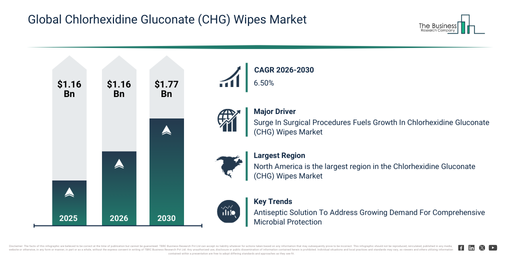
  • Chlorhexidine Gluconate (CHG) Wipes Market Forecast Signals New Revenue Opportunities Through 2030

    Chlorhexidine Gluconate (CHG) Wipes Market Forecast Signals New Revenue Opportunities Through 2030

    Delivering more actionable and strategically valuable research, The Business Research Company’s 2026 market reports feature market attractiveness analysis, total addressable market evaluation, company benchmarking matrices, interactive Excel dashboards, expanded supply chain intelligence, emerging startup coverage, and detailed product insights.

    The chlorhexidine gluconate (CHG) wipes market has witnessed consistent growth over recent years, driven by evolving healthcare needs and increasing infection control measures. As healthcare facilities continue to prioritize hygiene and infection prevention, the demand for effective antiseptic wipes is set to rise steadily. This overview explores the current market size, key growth drivers, major players, and emerging trends shaping the industry’s future.

    Chlorhexidine Gluconate Wipes Market Size and Forecast Through 2030

    The market for chlorhexidine gluconate wipes is expanding steadily. From a valuation of $52.53 billion in 2025, it is projected to grow to $54.67 billion in 2026, registering a compound annual growth rate (CAGR) of 4.1%. This growth during the historic period is linked to factors such as limited availability of antiseptic wipes, continued dependence on traditional cleaning methods, an increase in surgical procedures, heightened concerns over hospital-acquired infections, and the adoption of fundamental hygiene protocols.

    Looking ahead, the market is expected to accelerate, reaching $70.45 billion by 2030 with a CAGR of 6.5%. This boost can be attributed to innovations in CHG-infused wipes, wider implementation of infection prevention programs, growing use in ambulatory surgical centers, rising awareness of multi-drug resistant organisms, and integration with hospital digital hygiene monitoring systems. Key trends anticipated in the coming years include the increasing use of pre-surgical skin preparation wipes, expanded focus on preventing hospital-acquired infections, broader application in central line and catheter-associated infection control, growing popularity of alcohol-based antiseptic wipes, and an overall emphasis on stringent hygiene and sterilization practices.

    Download A Free Sample Report For Comprehensive Market Insights:

    https://www.thebusinessresearchcompany.com/sample.aspx?id=12277&type=smp

    Rising Surgical Procedures Fueling Demand for CHG Wipes

    One of the primary factors driving the chlorhexidine gluconate wipes market is the steady increase in surgical interventions. Surgical procedures, which involve incisions and the use of instruments to treat diseases or injuries, require effective skin disinfection to prevent microbial contamination. CHG wipes play a critical role by eliminating harmful microbes on the skin and inhibiting further microbial growth during these operations.

    For instance, in June 2024, the International Society of Aesthetic Plastic Surgery (ISAPS), a US-based organization, reported that aesthetic procedures nearly reached 35 million in 2023, with an overall increase of 3.4% to 34.9 million for both surgical and non-surgical treatments. This steady rise in surgical volumes directly supports the growing demand for CHG wipes as a preventive healthcare solution.

    Breakdown of Chlorhexidine Gluconate Wipes Market Segments

    The CHG wipes market is categorized into several important segments to better understand growth areas:

    1) By Type: Chlorhexidine Gluconate Bath Wipes and Chlorhexidine Gluconate Alcohol-Based Wipes

    2) By Application: Surgical Site Infections, Central Line-Associated Bloodstream Infections, Catheter-Associated Urinary Tract Infections, and other applications

    3) By Distribution Channel: Pharmacies, Supermarkets, Specialty Stores, and Direct Sales

    4) By End User: Hospitals, Clinics, Ambulatory Surgical Centers, and other end users

    Further sub-segmentation includes pre-packaged bath wipes and disposable bath cloths under bath wipes, and antiseptic wipes along with surface disinfection wipes under alcohol-based wipes. This detailed segmentation highlights the diverse product offerings and end-use areas within the market.

    Access The Complete Chlorhexidine Gluconate (CHG) Wipes Market Report:

    https://www.thebusinessresearchcompany.com/report/chlorhexidine-gluconate-chg-wipes-global-market-report

    Innovation Trends Shaping the CHG Wipes Industry

    Key players in the chlorhexidine gluconate wipes market are actively focusing on innovation to meet the rising demand for versatile antiseptic solutions. Many companies are developing advanced antiseptic formulations that effectively kill or inhibit bacteria, viruses, and fungi on living tissue.

    For example, in June 2023, US-based HR Pharmaceuticals Inc. launched CliniClean Chlorhexidine Gluconate 4%, a powerful antiseptic solution designed to provide comprehensive skin protection against a broad spectrum of microorganisms. This product is suitable for a variety of uses including pre-operative patient preparation, surgical hand scrubs, healthcare personnel hand hygiene, and general skin and wound cleansing. Clinical studies have demonstrated that repeated use of CliniClean significantly reduces skin bacteria and maintains antimicrobial effectiveness for extended periods post-application.

    Leading Companies Influencing the CHG Wipes Market Landscape

    Several prominent companies hold a major presence in the chlorhexidine gluconate wipes industry. These include Cardinal Health Inc., 3M Co, Johnson & Johnson MedTech, McKesson Medical-Surgical Inc., Medline Industries Inc., Becton Dickinson and Company, Stryker Corporation, Ecolab Inc., Smith & Nephew Plc., Ethicon Inc., Coloplast AS, Purdue Products L.P., Owens & Minor Inc., Pal International, Molnlycke Health Care AB, Halyard Health Inc., Nice-Pak Products Inc., Sage Products LLC, GAMA Healthcare Ltd., Dynarex-Corporation, AvaCare Medical LLC, PDI Ltd., Lernapharm Inc., Carenow Medical Pvt. Ltd., and Clinicept Healthcare Ltd. These organizations play a critical role in advancing product development and expanding distribution networks.

    Regional Markets and Growth Potential for CHG Wipes

    In 2025, North America accounted for the largest share of the chlorhexidine gluconate wipes market. However, the Asia-Pacific region is forecasted to experience the fastest growth throughout the forecast period. The market analysis also covers important regions including South East Asia, Western Europe, Eastern Europe, South America, the Middle East, and Africa, providing a comprehensive global perspective on market dynamics and regional opportunities.

    Get in touch with us:

    The Business Research Company: https://www.thebusinessresearchcompany.com/

    Americas: +1 310-496-7795

    Asia: +44 7882 955267 & +91 8897263534

    Europe: +44 7882 955267

    Email us at: marketing@tbrc.info

    Follow us on:

    LinkedIn: https://in.linkedin.com/company/the-business-research-company

    YouTube: https://www.youtube.com/channel/UC24_fI0rV8cR5DxlCpgmyFQ

    Global Market Model: https://www.thebusinessresearchcompany.com/global-market-model
  • Continuous Renal Replacement Therapy Machine Market Growth Outlook Reveals A CAGR Of 8.6% And A Market Value Of $2.07 Billion By 2030

    Continuous Renal Replacement Therapy Machine Market Growth Outlook Reveals A CAGR Of 8.6% And A Market Value Of $2.07 Billion By 2030

    Enhanced with market attractiveness analysis, total addressable market evaluation, company benchmarking matrices, interactive Excel dashboards, expanded supply chain intelligence, emerging startup coverage, and detailed product insights, The Business Research Company’s 2026 market reports deliver more actionable and strategically valuable research.

    The continuous renal replacement therapy machine market has witnessed significant advancement recently, driven by medical needs and technological progress. As healthcare providers increasingly focus on critical care solutions, this market is set for continued expansion. Let’s explore the current market size, main factors fueling growth, key players, and important trends shaping its future.

    Current Size and Growth Forecast for Continuous Renal Replacement Therapy Machine Market

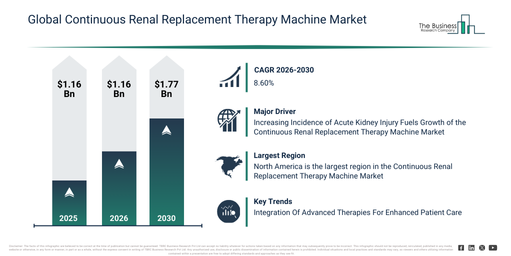
    The market for continuous renal replacement therapy (CRRT) machines has shown solid growth over recent years. It is projected to increase from $1.37 billion in 2025 to $1.49 billion in 2026, achieving a compound annual growth rate (CAGR) of 8.7%. This growth during the historical period is primarily due to a rise in acute kidney injury cases in intensive care units (ICU), an increase in sepsis and multi-organ failure incidents, the expansion of critical care infrastructure, greater adoption of continuous renal support therapies, and improved survival rates among critically ill patients.

    Download A Free Sample Report For Comprehensive Market Insights:

    https://www.thebusinessresearchcompany.com/sample.aspx?id=18799&type=smp

    Looking ahead, the CRRT machine market is expected to continue this upward trajectory, reaching $2.07 billion by 2030 with a CAGR of 8.6%. Key factors supporting this growth include an aging population more susceptible to acute kidney injury, heightened demand for gentle renal replacement therapies, rising ICU admission rates worldwide, a growing emphasis on personalized critical care treatment, and the development of advanced critical care facilities in emerging markets. Forecast trends also highlight greater use of CRRT machines in ICUs, increasing preference for continuous dialysis in hemodynamically unstable patients, a shift toward mobile and portable CRRT devices, expanding applications in pediatric and geriatric care, and enhanced focus on precise fluid and solute management.

    Primary Drivers Behind Continuous Renal Replacement Therapy Machine Market Expansion

    One of the main forces propelling the CRRT machine market growth is the increasing prevalence of acute kidney injury (AKI). AKI is characterized by a sudden loss of kidney function, which impairs the body’s ability to eliminate waste and maintain fluid and electrolyte balance. It results from reduced blood flow to the kidneys, direct damage from toxins or infections, or urinary tract obstructions.

    Access The Complete Continuous Renal Replacement Therapy Machine Market Report:

    https://www.thebusinessresearchcompany.com/report/continuous-renal-replacement-therapy-machine-global-market-report

    CRRT machines provide continuous and gentle dialysis, gradually removing waste and excess fluids, thereby stabilizing patients’ conditions and minimizing complications. For example, a UK-based charity, Kidney Research, reported in June 2023 that there were approximately 615,000 cases of AKI in 2022, with projections indicating a 4% increase to 637,000 cases by 2033. This rising incidence is a significant factor driving demand for continuous renal replacement therapy machines.

    Detailed Breakdown of Continuous Renal Replacement Therapy Machine Market Segments

    This market is analyzed across multiple segments to offer a detailed view of product types and applications:

    1) Type: Mobile and Fixed CRRT machines

    2) Modality: Slow Continuous Ultrafiltration (SCUF), Continuous Venovenous Hemofiltration (CVVH), Continuous Venovenous Hemodialysis (CVVHD), Continuous Venovenous Hemodiafiltration (CVVHDF)

    3) Age Group: Pediatric, Adult, Geriatric patients

    4) Application: Acute Renal Failure, Chronic Renal Failure, and other uses

    5) End-User: Hospitals, Clinics, Dialysis Centers, Home Care settings, and other users

    Subcategories include mobile units such as compact and portable CRRT machines, and fixed units ranging from standard to high-performance devices.

    Innovations and Market Trends Shaping the Continuous Renal Replacement Therapy Machine Industry

    Leading companies in the CRRT machine sector are investing in cutting-edge technologies, including augmented reality (AR), to enhance patient care and clinical decision-making. AR integration enables real-time monitoring and improved visualization of patient data by overlaying critical information directly into the healthcare provider’s field of view.

    For instance, in March 2024, Germany’s Fresenius Medical Care introduced an innovative AR-based training program specifically designed for its Continuous Kidney Replacement Therapy device, the multiFiltrate PRO. This program was launched during the International Symposium on Intensive Care and Emergency Medicine (ISICEM) held in Brussels, highlighting the sector’s commitment to advancing clinical education and patient outcomes through technology.

    Key Players Steering the Continuous Renal Replacement Therapy Machine Market

    Several prominent companies are leading the charge in the CRRT machine market, including:

    – Medtronic plc

    – Fresenius Medical Care AG KGaA

    – GE HealthCare Technologies Inc.

    – Baxter International Inc.

    – Terumo Corporation

    – Shenzhen Mindray Bio-Medical Electronics Co Ltd

    – Nipro Corporation

    – B Braun Medical Inc.

    – Shandong Weigao Blood Purification Products Co Ltd

    – Nikkiso Co Ltd

    – JMS Co Ltd

    – NxStage Medical Inc.

    – Guangdong Biolight Meditech Co Ltd

    – Quanta Dialysis Technologies Ltd

    – Medica S.p.A.

    – Anjue Medical Equipment Co Ltd

    – Infomed SA

    – SWS Hemodialysis Care Co Ltd

    – Kawasumi Laboratories Incorporated

    – Toray Industries Inc

    Regional Outlook and Growth Potential for CRRT Machines

    In 2025, North America dominated the continuous renal replacement therapy machine market in terms of size. However, the Asia-Pacific region is expected to exhibit the fastest growth rate over the coming years. The market report covers key regions including Asia-Pacific, South East Asia, Western Europe, Eastern Europe, North America, South America, the Middle East, and Africa, providing a comprehensive perspective on global market dynamics.

    Get in touch with us:

    The Business Research Company: https://www.thebusinessresearchcompany.com/

    Americas: +1 310-496-7795

    Asia: +44 7882 955267 & +91 8897263534

    Europe: +44 7882 955267

    Email us at: marketing@tbrc.info

    Follow us on:

    LinkedIn: https://in.linkedin.com/company/the-business-research-company

    YouTube: https://www.youtube.com/channel/UC24_fI0rV8cR5DxlCpgmyFQ

    Global Market Model: https://www.thebusinessresearchcompany.com/global-market-model
  • Chemotherapy Infusion Pumps Market Growth Is Accelerating As Industry Transformation Continues

    Chemotherapy Infusion Pumps Market Growth Is Accelerating As Industry Transformation Continues

    Enhanced with market attractiveness analysis, total addressable market evaluation, company benchmarking matrices, interactive Excel dashboards, expanded supply chain intelligence, emerging startup coverage, and detailed product insights, The Business Research Company’s 2026 market reports deliver more actionable and strategically valuable research.

    The chemotherapy infusion pumps market has witnessed significant growth recently, driven by advances in cancer treatment and increasing patient demand for precise drug delivery. As healthcare systems evolve and cancer incidences rise worldwide, the demand for effective infusion solutions continues to strengthen. Here is an in-depth look at the market size, key drivers, segmentation, competitive landscape, and regional trends shaping this sector.

    Market Size and Growth Expectations in the Chemotherapy Infusion Pumps Market

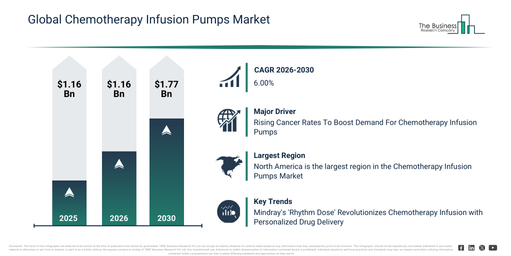
    The chemotherapy infusion pumps market has experienced robust expansion, with its value expected to rise from $5.2 billion in 2025 to $5.51 billion in 2026, reflecting a compound annual growth rate (CAGR) of 6.0%. This growth during the recent years can be linked to the increasing global incidence of cancer, broader use of chemotherapy as a frontline therapy, the proliferation of oncology treatment centers, enhanced adoption of infusion-based drug delivery systems, and ongoing improvements in pump safety protocols. Moving forward, the market is projected to reach $6.95 billion by 2030, maintaining a steady CAGR of 6.0%. Factors contributing to this forecast include a shift toward outpatient cancer care, rising preference for home-based oncology treatments, efforts to reduce hospital stays, increased focus on personalized chemotherapy regimens, and expanding access to cancer therapies in emerging markets. Emerging trends such as ambulatory chemotherapy delivery, demand for precise dosing, preference for disposable pump systems, continuous infusion protocols, and initiatives to improve patient comfort and adherence will further influence the market landscape.

    Download A Free Sample Report For Comprehensive Market Insights:

    https://www.thebusinessresearchcompany.com/sample.aspx?id=18534&type=smp

    Key Drivers Fueling Growth in the Chemotherapy Infusion Pumps Market

    One of the primary factors propelling market growth is the rising incidence of cancer globally. Cancer, characterized by uncontrolled cell growth and spread, is influenced by lifestyle changes, genetic factors, and environmental exposures like smoking, radiation, chemicals, and infections. The increasing number of cancer cases drives demand for efficient chemotherapy delivery methods. Chemotherapy infusion pumps play a vital role in this context by providing accurate, continuous administration of chemotherapy drugs, which helps optimize treatment effectiveness while minimizing side effects.

    Supporting this trend, the World Health Organization reported in February 2024 that new cancer cases worldwide are expected to exceed 35 million by 2050—a 77% increase from the estimated 20 million in 2022. This alarming growth underscores the critical role chemotherapy infusion pumps will play in managing cancer treatment in the coming decades.

    Access The Complete Chemotherapy Infusion Pumps Market Report:

    https://www.thebusinessresearchcompany.com/report/chemotherapy-infusion-pumps-global-market-report

    Market Segments and Strategic Opportunities in Chemotherapy Infusion Pumps

    This market is categorized across several key segments for a comprehensive understanding of its dynamics:

    1) By Type: Large Volume Pumps, Syringe Pumps, Elastomeric Pumps, Ambulatory Infusion Pumps, and Other Types

    2) By Usage: Disposable and Reusable Pumps

    3) By End User: Hospitals, Clinics, Home Care, and Other End Users

    Further breakdowns include:

    – Large Volume Pumps: Traditional and Volumetric Infusion Pumps

    – Syringe Pumps: Manual and Electronic Syringe Pumps

    – Elastomeric Pumps: Disposable and Reusable Variants

    – Ambulatory Infusion Pumps: Disposable and Reusable Options

    – Other Types: Smart Infusion Pumps and Patient-Controlled Analgesia (PCA) Pumps

    This detailed segmentation creates opportunities for targeted innovation and tailored solutions that meet diverse clinical needs in chemotherapy administration.

    Emerging Trends Shaping Market Competition in Chemotherapy Infusion Pumps

    Leading companies in this sector are adopting advanced technological innovations to enhance treatment personalization and precision. Customizable infusion rates for chemotherapy drugs now allow healthcare providers to adjust dosing speeds and schedules tailored to individual patient requirements, improving therapeutic outcomes. For example, in May 2023, Mindray, a China-based medical device manufacturer, launched its BeneFusion i/u infusion pump series featuring an innovative “Rhythm Dose” infusion mode. This feature is designed to optimize continuous intravenous delivery of multiple chemotherapy drugs at varying rates, enabling more effective and patient-specific treatment plans.

    Prominent Players Steering the Chemotherapy Infusion Pumps Market

    The chemotherapy infusion pumps market is shaped by several leading corporations, including:

    – Becton Dickinson and Company

    – Baxter International Inc.

    – B Braun Melsungen AG

    – ICU Medical Inc.

    – Fresenius Kabi AG

    – Medtronic plc

    – Smiths Medical

    – Terumo Corporation

    – Moog Inc.

    – Nipro Corporation

    – Micrel Medical Devices SA

    – Zyno Medical LLC

    – Mindray Medical International Limited

    – Insulet Corporation

    – Tandem Diabetes Care Inc.

    – CME Medical

    – Eitan Medical

    – Codan Medizinische Geräte GmbH & Co KG

    – SOOIL Development Co Ltd

    – Q-Core Medical Ltd

    These companies continuously invest in R&D and strategic partnerships to maintain competitive advantage and address evolving market needs.

    Regional Market Leadership and Growth Dynamics

    In 2025, North America held the largest share of the chemotherapy infusion pumps market. However, the Asia-Pacific region is expected to exhibit the fastest growth in the forecast period. The market analysis includes key geographical areas such as Asia-Pacific, South East Asia, Western Europe, Eastern Europe, North America, South America, the Middle East, and Africa, offering a well-rounded view of global market trends and regional growth prospects.

    Get in touch with us:

    The Business Research Company: https://www.thebusinessresearchcompany.com/

    Americas: +1 310-496-7795

    Asia: +44 7882 955267 & +91 8897263534

    Europe: +44 7882 955267

    Email us at: marketing@tbrc.info

    Follow us on:

    LinkedIn: https://in.linkedin.com/company/the-business-research-company

    YouTube: https://www.youtube.com/channel/UC24_fI0rV8cR5DxlCpgmyFQ

    Global Market Model: https://www.thebusinessresearchcompany.com/global-market-model