Month: June 2026

  • Veterinary CRO And CDMO Market Revenue Anticipated To Reach $11.8 Billion By 2030 With 9.6% CAGR

    Veterinary CRO And CDMO Market Revenue Anticipated To Reach $11.8 Billion By 2030 With 9.6% CAGR

    The Business Research Company’s 2026 market reports feature advanced enhancements such as market attractiveness analysis, total addressable market evaluation, company benchmarking matrices, interactive Excel dashboards, expanded supply chain intelligence, emerging startup coverage, and detailed product insights, delivering more actionable and strategically valuable research.

    What Is The Expected Market Value Outlook For The Veterinary CRO And CDMO Market Through 2030?

    The veterinary cro and cdmo market has experienced substantial expansion in recent times. Forecasters predict this market will expand from $7.53 billion in 2025 to $8.2 billion in 2026, demonstrating a compound annual growth rate (CAGR) of 8.9%. The significant growth observed historically is primarily due to several factors, including the limited in-house R&D capabilities of veterinary companies, an expanding companion animal population, an increase in the prevalence of animal diseases, the early adoption of CDM/O services within developed regions, and a strong demand for innovative veterinary biologics and drugs.

    The veterinary CRO and CDMO market is projected to experience substantial expansion over the coming years, reaching $11.81 billion by 2030, driven by a compound annual growth rate (CAGR) of 9.6%. This anticipated growth during the forecast period is fueled by several factors, including a heightened demand for contract research and manufacturing services, innovations in veterinary drug development technology, the expansion of veterinary biologics and pharmaceuticals, an increase in global regulatory compliance mandates, and the growing use of precision medicine in animal care. Key trends expected during this period involve a rise in outsourcing for veterinary drug development, the broadening of preclinical and clinical trial offerings, an increasing need for regulatory consulting, the implementation of sophisticated analytical and formulation services, and an enhanced emphasis on post-marketing surveillance and pharmacovigilance.

    Download A Free Sample Report For Comprehensive Market Insights:

    https://www.thebusinessresearchcompany.com/sample.aspx?id=12080&type=smp

    What Market Drivers Are Helping Shape The Veterinary CRO And CDMO Market Expansion?

    Increasing pet ownership is expected to propel the growth of the veterinary CRO and CDMO market going forward. Pet ownership is the state of being the primary person or household responsible for the care, well-being, and control of a domesticated animal. It involves a long-term, legal, and ethical commitment. Increasing pet ownership is rising due to the growing awareness of the emotional and health benefits of having pets, as people seek companionship, stress relief, and improved well-being through pet care. The veterinary CRO and CDMO market supports increasing pet ownership, as the growing number of pets drives demand for the development and manufacturing of veterinary drugs, vaccines, and treatments to ensure pet health and safety. For instance, in March 2025, according to the American Pet Products Association, a US-based non-profit association, ninety-four (94) million U.S. households own at least one pet, compared to eighty-two (82) million in 2023. Therefore, the increasing pet ownership is expected to drive the veterinary CRO and CDMO market going forward.

    How Is The Veterinary CRO And CDMO Market Structured Across Different Market Segments?

    The veterinary cro and cdmo market covered in this report is segmented –

    1) By Service Type: Discovery, Development, Manufacturing, Packaging And Labeling, Market Approval And Post-marketing

    2) By Animal Type: Companion Animals, Livestock Animals

    3) By Application: Medicines, Medical Devices, Pharmaceuticals, Biologics, Other Applications

    Subsegments:

    1) By Discovery: Target Identification, Target Validation, Lead Identification, Lead Optimization

    2) By Development: Preclinical Development, Clinical Development (Phase I, II, III), Regulatory Consulting

    3) By Manufacturing: API Manufacturing, Finished Dose Formulation, Analytical Services

    4) By Packaging And Labeling: Primary Packaging, Secondary Packaging, Label Design And Compliance

    5) By Market Approval And Post-marketing: Regulatory Submissions, Pharmacovigilance, Post-marketing Surveillance

    What Trends Are Affecting The Veterinary CRO And CDMO Market Dynamics?

    Major companies operating in the veterinary CRO and CDMO market are focusing on developing innovative services such as integrated multi-site CDMO networks with advanced sterile manufacturing, lyophilization, and specialized dosage capabilities to streamline drug development lifecycles and accelerate compliant commercialization pathways. Integrated multi-site CDMO networks are unified platforms that combine multiple manufacturing locations and specialized technologies including sterile multidose systems, lyophilization, and flexible packaging under harmonized operational and quality frameworks to deliver end-to-end pharmaceutical development and production services. For instance, in April 2025, Meribel Pharma Solutions, a UK-based full-service CDMO offering drug development, formulation, analytical services, sterile and semi-solid manufacturing, and packaging solutions, launched operations with a network of 13 facilities across France, Spain, and Sweden to support products from early development through commercial-scale production, providing centers of excellence in oral solid dose, preservative-free multidose, and lyophilization technologies for both human and veterinary health products.

    Which Companies Form The Competitive Landscape Of The Veterinary CRO And CDMO Market?

    North America was the largest region in the veterinary CRO and CDMO market in 2025. Asia-Pacific is expected to be the fastest-growing region in the forecast period. The regions covered in the veterinary cro and cdmo market report are Asia-Pacific, South East Asia, Western Europe, Eastern Europe, North America, South America, Middle East, Africa.

    Access The Complete Veterinary CRO And CDMO Market Report:

    https://www.thebusinessresearchcompany.com/report/veterinary-cro-and-cdmo-global-market-report

    Which Region Leads The Veterinary CRO And CDMO Market By Size?

    North America was the largest region in the veterinary CRO and CDMO market in 2025. Asia-Pacific is expected to be the fastest-growing region in the forecast period. The regions covered in the veterinary cro and cdmo market report are Asia-Pacific, South East Asia, Western Europe, Eastern Europe, North America, South America, Middle East, Africa.

    Access a Customized Veterinary CRO And CDMO Market Report for Deeper Competitive Insights

    https://www.thebusinessresearchcompany.com/sample.aspx?id=12080&type=smp

    Get in touch with us:

    The Business Research Company: https://www.thebusinessresearchcompany.com/

    Americas: +1 310-496-7795

    Asia: +44 7882 955267 & +91 8897263534

    Europe: +44 7882 955267

    Email us at: marketing@tbrc.info

    Follow us on:

    LinkedIn: https://in.linkedin.com/company/the-business-research-company

    YouTube: https://www.youtube.com/channel/UC24_fI0rV8cR5DxlCpgmyFQ

    Global Market Model: https://www.thebusinessresearchcompany.com/global-market-model

  • Veterinary Chemistry Analyzer Market Outlook Assessing Future Opportunities And Growth Prospects

    Veterinary Chemistry Analyzer Market Outlook Assessing Future Opportunities And Growth Prospects

    The Business Research Company’s 2026 market reports feature advanced enhancements such as market attractiveness analysis, total addressable market evaluation, company benchmarking matrices, interactive Excel dashboards, expanded supply chain intelligence, emerging startup coverage, and detailed product insights, delivering more actionable and strategically valuable research.

    How Will The Market Value Of The Veterinary Chemistry Analyzer Market Increase Between 2026 And 2030?

    The veterinary chemistry analyzer market has seen considerable growth in recent times. This market is forecast to expand from $2.22 billion in 2025 to $2.46 billion in 2026, registering a compound annual growth rate (CAGR) of 11.0%. The expansion observed in the past can be ascribed to enhancements in veterinary diagnostics, a rising number of companion animals, an increased incidence of animal diseases, the proliferation of veterinary hospitals and clinics, and technological advancements in benchtop analyzers.

    The market for veterinary chemistry analyzers is projected to experience substantial expansion in the coming years. This market is set to reach $3.81 billion by 2030, exhibiting a compound annual growth rate (CAGR) of 11.6%. The anticipated increase during this period stems from factors such as the expansion of point-of-care testing, the uptake of portable and handheld analyzers, a growing need for swift diagnostic tools, the incorporation of IoT-enabled monitoring solutions, and the emergence of veterinary precision medicine. Key developments projected for this timeframe involve an escalating demand for point-of-care testing, the integration of portable veterinary chemistry analyzers, a heightened emphasis on health surveillance for companion animals, the increasing deployment of automated blood and urine analysis, and broader monitoring of glucose and electrolytes in livestock.

    Download A Free Sample Report For Comprehensive Market Insights:

    https://www.thebusinessresearchcompany.com/sample.aspx?id=10043&type=smp

    Which Significant Factors Are Encouraging Growth In The Veterinary Chemistry Analyzer Market?

    The increasing pet care spending is expected to propel the growth of the veterinary chemistry analyzer market going forward. Pet care spending encompasses the costs associated with maintaining the well-being and healthcare needs of pets. Pet care spending is rising due to growing pet humanization, as owners increasingly invest in high-quality food, healthcare, and wellness products to enhance their pets’ well-being. Pet care spending utilizes veterinary chemistry analyzers to conduct comprehensive blood and urine tests, aiding in diagnosing illnesses and monitoring pet health, contributing to better treatment decisions, and improve overall care. For instance, in 2023, according to reports published by the American Pet Products Association, a US-based not-for-profit industry association, the estimated total spending on pets in the US is projected to reach $143.6 billion, marking an increase from the $136.8 billion spent in 2022. Therefore, the increasing pet care spending is driving the growth of the veterinary chemistry analyzer market.

    Which Segment-Based Categories Are Covered In The Veterinary Chemistry Analyzer Market?

    The veterinary chemistry analyzer market covered in this report is segmented –

    1) By Analyzer Type: Benchtop, Portable

    2) By Product: Instruments, Consumables

    3) By Animal: Companion Animals, Livestock

    4) By Application: Blood Chemistry Analysis, Urinalysis, Glucose Monitoring, Blood Gas And Electrolyte Analysis

    5) By End Use: Veterinary Hospitals and Clinics, Point-Of-Care Testing, Other End Uses

    Subsegments:

    1) By Benchtop: Automated Benchtop Analyzers, Semi-Automated Benchtop Analyzers

    2) By Portable: Handheld Portable Analyzers, Compact Portable Analyzers

    What Trends Are Shaping The Veterinary Chemistry Analyzer Market Structure?

    Major companies operating in the veterinary chemistry analyzer market are focusing on product innovation, such as veterinary diagnostic tests to diagnose kidney injury, expanding the veterinary industry. IDEXX Cystatin B is a feline-specific biomarker test aiding in the evaluation of kidney function in cats and detecting early renal disease. For instance, in June 2023, IDEXX Laboratories Inc., a US-based medical device company, launched the first veterinary diagnostic test, IDEXX Cystatin B, for detecting kidney injury in cats and dogs. The IDEXX Cystatin B Test improves understanding of kidney health by identifying the injury and offering added insight in cases where alterations in kidney function might not be immediately evident.

    Who Are The Key Market Participants In The Veterinary Chemistry Analyzer Market?

    North America was the largest region in the veterinary chemistry analysis market in 2025.Asia-Pacific is expected to be the fastest-growing region in the global veterinary chemistry analyzer market report forecast period. The regions covered in the veterinary chemistry analyzer market report are Asia-Pacific, South East Asia, Western Europe, Eastern Europe, North America, South America, Middle East, Africa.

    Access The Complete Veterinary Chemistry Analyzer Market Report:

    https://www.thebusinessresearchcompany.com/report/veterinary-chemistry-analyzer-global-market-report

    Which Region Has The Strongest Presence In The Veterinary Chemistry Analyzer Market?

    North America was the largest region in the veterinary chemistry analysis market in 2025.Asia-Pacific is expected to be the fastest-growing region in the global veterinary chemistry analyzer market report forecast period. The regions covered in the veterinary chemistry analyzer market report are Asia-Pacific, South East Asia, Western Europe, Eastern Europe, North America, South America, Middle East, Africa.

    Access a Customized Veterinary Chemistry Analyzer Market Report for Deeper Competitive Insights

    https://www.thebusinessresearchcompany.com/sample.aspx?id=10043&type=smp

    Get in touch with us:

    The Business Research Company: https://www.thebusinessresearchcompany.com/

    Americas: +1 310-496-7795

    Asia: +44 7882 955267 & +91 8897263534

    Europe: +44 7882 955267

    Email us at: marketing@tbrc.info

    Follow us on:

    LinkedIn: https://in.linkedin.com/company/the-business-research-company

    YouTube: https://www.youtube.com/channel/UC24_fI0rV8cR5DxlCpgmyFQ

    Global Market Model: https://www.thebusinessresearchcompany.com/global-market-model
  • Veterinary Care Market Industry Forecast Reflecting Growth To $120.8 Billion By 2030

    Veterinary Care Market Industry Forecast Reflecting Growth To $120.8 Billion By 2030

    The Business Research Company’s 2026 market reports feature advanced enhancements such as market attractiveness analysis, total addressable market evaluation, company benchmarking matrices, interactive Excel dashboards, expanded supply chain intelligence, emerging startup coverage, and detailed product insights, delivering more actionable and strategically valuable research.

    What Will Be The Estimated Market Size Of The Veterinary Care Market By 2030?

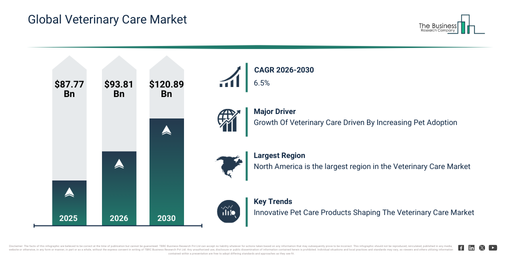
    The veterinary care market size has demonstrated robust growth in recent years. It is anticipated to expand from $87.77 billion in 2025 to $93.81 billion in 2026, achieving a compound annual growth rate (CAGR) of 6.9%. This past growth can be ascribed to a growing companion animal population, increasing awareness of animal health and welfare, the expansion of veterinary clinics and hospitals, progress in conventional therapeutics and diagnostics, and government initiatives focused on zoonotic disease control.

    The veterinary care market size is anticipated to experience substantial growth in the coming years. It is projected to expand to $120.89 billion by 2030, exhibiting a compound annual growth rate (CAGR) of 6.5%. This growth throughout the forecast period can be primarily attributed to factors such as the increased adoption of telemedicine and remote monitoring, a rising demand for preventive and specialty veterinary services, ongoing innovation in diagnostics and therapeutics, an intensifying focus on livestock health and biosecurity, and the expansion of animal insurance and wellness programs. Prominent trends expected during the forecast period involve telemedicine and remote veterinary consultations, preventive and wellness initiatives for animals, the integration of ‘one health’ approaches, sophisticated diagnostic imaging and laboratory services, and personalized nutritional and therapeutic plans.

    Download A Free Sample Report For Comprehensive Market Insights:

    https://www.thebusinessresearchcompany.com/sample.aspx?id=20682&type=smp

    What Core Drivers Are Transforming The Veterinary Care Market?

    The increasing trend of pet adoption is expected to propel the growth of the veterinary care market going forward. Pet adoption is the process of taking responsibility for a pet from a shelter, rescue organization, or previous owner, providing them with a new, permanent home, which involves legal and ethical commitments. The increase in pet adoption can be attributed to several factors, such as social trends, urbanization, and a rise in young adults delaying parenthood. Veterinary care is crucial for pet adoption, as it provides medical treatment and preventive care to ensure the pet is healthy and addresses any immediate medical needs. For instance, in June 2025, according to the Petfood Industry, a US-based organization, U.S. households owning pets increased from 82 million in 2023 to 94 million in 2025, reflecting sustained growth in pet adoption and ownership that contributes to higher demand for veterinary services. Therefore, the increasing trend of pet adoption drives the veterinary care market.

    What Are The Major Segment Categories Within The Veterinary Care Market?

    The veterinary care market covered in this report is segmented –

    1) By Product: Therapeutics, Diagnostics

    2) By Animal Type: Companion Animal, Production Animal

    3) By Type Of Care: Primary, Emergency, Critical, Specialty Services, Others Services

    4) By End-User: Veterinary Hospitals, Veterinary Clinics, Veterinary Laboratory Testing Services, Other End-User

    Subsegments:

    1) By Therapeutics: Anti-infective Drugs, Pain Management Medications, Vaccines, Anesthetics, Anti-inflammatory Drugs, Hormonal Therapies, Nutraceuticals And Supplements

    2) By Diagnostics: In-Vitro Diagnostic Tests, Imaging Equipment (X-ray, Ultrasound, MRI), Blood Testing Kits, Fecal Analysis Kits, Rapid Test Kits, Histopathology Products, Diagnostic Imaging Software

    What Trends Are Impacting The Veterinary Care Market?

    Major companies operating in the veterinary care market are focused on developing innovative products such as pet first-aid kits to enhance the health and well-being of animals, addressing a wide range of needs from preventive care to treatment of complex medical conditions. A pet first-aid kit is a collection of essential supplies and tools designed to provide initial care for pets in case of minor injuries or emergencies before professional veterinary help can be obtained. A well-stocked first-aid kit can be crucial in handling common pet emergencies, such as cuts, burns, or choking. For instance, in August 2023, MySimplePetLab., a US-based company that provides pet care from home or in the clinic, launched the first aid care dog kit in Target stores. This kit is designed to provide immediate relief for wounds, cuts, and minor injuries, making it an essential item for pet owners at home and while traveling. The kit includes necessary items such as a vet-approved care guide, wound cleansing, wound shield, bleed-stop powder, antiseptic wipes, antibiotic ointments, gauze pads, an instant cold pack, and more.

    Which Organizations Are Operating Within The Veterinary Care Market?

    North America was the largest region in the veterinary care market in 2025. Asia-Pacific is expected to be the fastest-growing region in the forecast period. The regions covered in the veterinary care market report are Asia-Pacific, South East Asia, Western Europe, Eastern Europe, North America, South America, Middle East, Africa.

    Access The Complete Veterinary Care Market Report:

    https://www.thebusinessresearchcompany.com/report/veterinary-care-global-market-report

    Which Region Stands As The Largest Contributor To The Veterinary Care Market?

    North America was the largest region in the veterinary care market in 2025. Asia-Pacific is expected to be the fastest-growing region in the forecast period. The regions covered in the veterinary care market report are Asia-Pacific, South East Asia, Western Europe, Eastern Europe, North America, South America, Middle East, Africa.

    Access a Customized Veterinary Care Market Report for Deeper Competitive Insights

    https://www.thebusinessresearchcompany.com/sample.aspx?id=20682&type=smp

    Get in touch with us:

    The Business Research Company: https://www.thebusinessresearchcompany.com/

    Americas: +1 310-496-7795

    Asia: +44 7882 955267 & +91 8897263534

    Europe: +44 7882 955267

    Email us at: marketing@tbrc.info

    Follow us on:

    LinkedIn: https://in.linkedin.com/company/the-business-research-company

    YouTube: https://www.youtube.com/channel/UC24_fI0rV8cR5DxlCpgmyFQ

    Global Market Model: https://www.thebusinessresearchcompany.com/global-market-model
  • Veterinary Cardiology Market Forecast Analysis Through 2030 With Insights On Industry Expansion

    Veterinary Cardiology Market Forecast Analysis Through 2030 With Insights On Industry Expansion

    The Business Research Company’s 2026 market reports feature advanced enhancements such as market attractiveness analysis, total addressable market evaluation, company benchmarking matrices, interactive Excel dashboards, expanded supply chain intelligence, emerging startup coverage, and detailed product insights, delivering more actionable and strategically valuable research.

    What Is The Estimated Growth In Market Size Of The Veterinary Cardiology Market During 2026–2030?

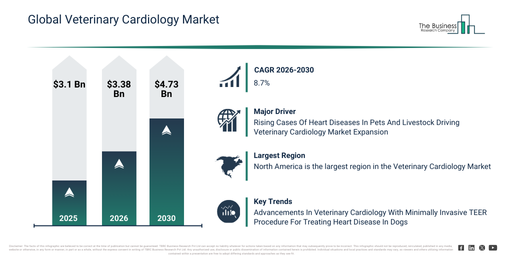
    The veterinary cardiology market size has experienced robust expansion in recent years. It is projected to grow from $3.1 billion in 2025 to $3.38 billion in 2026, exhibiting a compound annual growth rate (CAGR) of 9.1%. The growth observed in the historical period can be attributed to several factors including an increased prevalence of congenital heart defects in pets, a rising awareness regarding pet healthcare, a growing number of veterinary hospitals and clinics, advancements in diagnostic imaging technologies, and the adoption of conventional pharmaceuticals for cardiac diseases.

    The veterinary cardiology market is anticipated to show substantial expansion over the coming years. By 2030, its valuation is set to reach $4.73 billion, driven by a compound annual growth rate (CAGR) of 8.7%. This projected increase during the forecast period stems from several factors, including the growing adoption of telemedicine in veterinary cardiology, an increase in pet insurance coverage, the emergence of AI-enabled diagnostic instruments, a heightened emphasis on preventive and tailored cardiac care, and the expanding companion animal population within urban areas. Key developments anticipated for this period involve telecardiology & remote cardiac monitoring, minimally invasive cardiac procedures, personalized treatment plans for companion animals, advanced cardiac imaging techniques, and nutraceuticals & preventive cardiac care.

    Download A Free Sample Report For Comprehensive Market Insights:

    https://www.thebusinessresearchcompany.com/sample.aspx?id=20681&type=smp

    Which Growth Factors Are Strengthening The Veterinary Cardiology Market Landscape?

    The rising cases of heart diseases in pets and livestock are expected to propel the growth of the veterinary cardiology market going forward. Heart diseases in pets and livestock refer to medical conditions that affect the heart’s structure and function, leading to impaired blood circulation, reduced cardiac efficiency, and potential complications in overall health. The rising cases of heart diseases in pets and livestock are driven by factors such as increased lifespan, obesity, poor diet, genetic predispositions, and a lack of regular veterinary care. Additionally, environmental stressors and changes in living conditions can contribute to the prevalence of cardiovascular conditions in these animals. Veterinary cardiology helps diagnose, treat, and manage heart diseases in pets and livestock through specialized care, advanced imaging, and innovative procedures like minimally invasive surgeries to improve heart health and quality of life. For instance, in March 2024, according to the American Veterinary Medical Association, a US-based not-for-profit organization, Myxomatous mitral valve degeneration (MMVD) is the most prevalent heart disease in dogs in North America, making up 75% of all canine cardiac conditions. It is reported that 85% of small dogs aged 13 years show signs of a myxomatous mitral valve lesion, although the presence of a lesion does not necessarily have clinical significance. In cases of MMVD, the estimated rate of cardiac-related deaths in dogs is between 40% and 70%. Therefore, the rising cases of heart diseases in pets and livestock will drive the growth of the veterinary cardiology market.

    How Is The Veterinary Cardiology Market Distributed Across Key Segments?

    The veterinary cardiology market covered in this report is segmented –

    1) By Product: Pharmaceuticals, Diagnostics

    2) By Indication: Congestive Heart Failure, Myocardial (Heart Muscle) Disease, Arrhythmias, Other Indications

    3) By Animal Type: Companion Animals, Production Animals

    4) By End-User: Veterinary Hospitals, Clinics, Other End Users

    Subsegments:

    1) By Pharmaceuticals: Antihypertensives, Diuretics, Antiarrhythmic Drugs, Beta Blockers, ACE Inhibitors, Calcium Channel Blockers, Positive Inotropes, Nutraceuticals For Cardiac Health

    2) By Diagnostics: Electrocardiograms (ECG), Echocardiography Devices, Holter Monitors, Blood Pressure Monitors, Cardiac Biomarker Tests, Thoracic Radiography, Ultrasound Devices, Telemedicine Solutions for Cardiac Monitoring

    Which Trends Are Affecting The Veterinary Cardiology Market Framework?

    Major companies operating in the veterinary cardiology market are developing technological advancements, such as transcatheter edge-to-edge mitral valve repair (TEER), to improve the treatment of heart diseases in animals, enhance surgical outcomes, and offer minimally invasive alternatives for better patient recovery and quality of life. Transcatheter edge-to-edge mitral valve repair (TEER) is a less invasive heart procedure designed to fix mitral valve leakage by using a clamp to improve valve function and reduce heart strain. For instance, in February 2023, Willows Veterinary Centre, a UK-based veterinary referral center, launched a groundbreaking heart treatment for dogs to treat myxomatous mitral valve disease (MMVD), which is the most common heart condition in dogs. It is now regarded as a viable alternative to surgical repair in human patients, with early clinical results in dogs showing great promise. The procedure is conducted under general anesthesia through a minor incision in the chest wall. A needle is inserted at the heart’s apex, with precise guidance provided by continuous X-rays and transesophageal ultrasound. This method facilitates the accurate placement of a V-clamp across the mitral valve to minimize leakage.

    Who Are The Businesses Driving Activity In The Veterinary Cardiology Market?

    North America was the largest region in the veterinary cardiology market in 2025. The regions covered in the veterinary cardiology market report are Asia-Pacific, South East Asia, Western Europe, Eastern Europe, North America, South America, Middle East, Africa.

    Access The Complete Veterinary Cardiology Market Report:

    https://www.thebusinessresearchcompany.com/report/veterinary-cardiology-global-market-report

    What Is The Largest Regional Market In The Veterinary Cardiology Market?

    North America was the largest region in the veterinary cardiology market in 2025. The regions covered in the veterinary cardiology market report are Asia-Pacific, South East Asia, Western Europe, Eastern Europe, North America, South America, Middle East, Africa.

    Access a Customized Veterinary Cardiology Market Report for Deeper Competitive Insights

    https://www.thebusinessresearchcompany.com/sample.aspx?id=20681&type=smp

    Get in touch with us:

    The Business Research Company: https://www.thebusinessresearchcompany.com/

    Americas: +1 310-496-7795

    Asia: +44 7882 955267 & +91 8897263534

    Europe: +44 7882 955267

    Email us at: marketing@tbrc.info

    Follow us on:

    LinkedIn: https://in.linkedin.com/company/the-business-research-company

    YouTube: https://www.youtube.com/channel/UC24_fI0rV8cR5DxlCpgmyFQ

    Global Market Model: https://www.thebusinessresearchcompany.com/global-market-model
  • Veterinary Biomarkers Market Growth Outlook Indicating Expansion To $1.6 Billion By 2030

    Veterinary Biomarkers Market Growth Outlook Indicating Expansion To $1.6 Billion By 2030

    The Business Research Company’s 2026 market reports feature advanced enhancements such as market attractiveness analysis, total addressable market evaluation, company benchmarking matrices, interactive Excel dashboards, expanded supply chain intelligence, emerging startup coverage, and detailed product insights, delivering more actionable and strategically valuable research.

    What Market Value Expansion Is Expected For The Veterinary Biomarkers Market Over The Forecast Period?

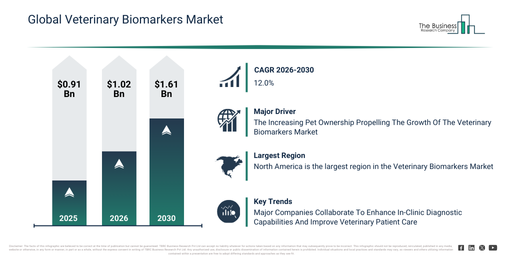
    The veterinary biomarkers market size has seen significant growth recently. It is projected to expand from $0.91 billion in 2025 to $1.02 billion in 2026, exhibiting a compound annual growth rate (CAGR) of 12.4%. The historical period’s growth can be linked to aspects such as a reliance on conventional diagnostic tools, the limited presence of biomarkers, the rising occurrence of animal diseases, traditional veterinary research methodologies, and a low uptake of preclinical research instruments.

    The veterinary biomarkers market is projected to experience substantial expansion over the coming years. This market is anticipated to reach a valuation of $1.61 billion by 2030, exhibiting a compound annual growth rate (CAGR) of 12.0%. This projected increase during the forecast timeframe is driven by factors such as progress in biomarker identification, heightened investment in veterinary diagnostic tools, greater understanding of the importance of animal health surveillance, expansion within both companion and production animal sectors, and the integration of automated biomarker readers and digital solutions. Key developments expected within this period encompass the broadening of diagnostic biomarker creation, an uptick in the use of predictive and prognostic biomarker technologies, wider implementation of ELISA, PCR, and rapid test kits, enhanced utilization of sophisticated biomarker readers and analytical instruments, and an amplified emphasis on the well-being of companion and production animals.

    Download A Free Sample Report For Comprehensive Market Insights:

    https://www.thebusinessresearchcompany.com/sample.aspx?id=20680&type=smp

    What Important Drivers Are Powering The Veterinary Biomarkers Market Growth?

    The increasing pet ownership is expected to propel the growth of the veterinary biomarkers market going forward. Pet ownership is the state of having one or more animals as companions, where a person provides care, shelter, and attention to meet the animals’ needs and well-being. The rise in pet ownership can be attributed to several factors, including the desire for companionship, the benefits of pet therapy, and the growing awareness of the positive impact pets have on mental and physical well-being. Veterinary biomarkers are used in pet ownership to monitor animal health, enabling early disease detection and personalized treatment plans. For instance, in June 2025, according to the Petfood Industry, a US-based organization, 94 million U.S. households owned at least one pet, up from 82 million in 2023, reflecting a significant increase in pet ownership and rising demand for pet care products and services. Therefore, the increasing pet ownership is driving the growth of the veterinary biomarkers market.

    How Does Segment Analysis Break Down The Veterinary Biomarkers Market Structure?

    The veterinary biomarkers market covered in this report is segmented –

    1) By Product Type: Biomarkers, Kits And Reagents, Biomarker Readers

    2) By Disease Type: Inflammatory And Infectious Diseases, Cardiovascular Diseases, Skeletal Muscle Diseases, Tumor, Other Disease Types

    3) By Animal Type: Companion Animals, Production Animals

    4) By Application: Disease Diagnostics, Preclinical Research, Other Applications

    Subsegments:

    1) By Biomarkers: Diagnostic Biomarkers, Prognostic Biomarkers, Predictive Biomarkers, Pharmacodynamic Biomarkers

    2) By Kits And Reagents: ELISA Kits, PCR Kits, Western Blotting Kits, Rapid Test Kits, Reagents For Biomarker Detection

    3) By Biomarker Readers: Optical Readers, Fluorescence Readers, Luminometers, Real-Time PCR Machines, Microplate Readers

    What Trends Are Influencing The Veterinary Biomarkers Market?

    Major companies operating in the veterinary biomarkers market are focused on forming strategic partnerships to gain a competitive edge in the market. Strategic partnerships in the veterinary biomarkers field involve collaborations between companies, research institutions, and veterinary practices to advance the development and application of diagnostic tools. For instance, in November 2025, Bionote USA, a US-based veterinary diagnostics company, launched the Vcheck C1 In-Clinic Chemistry Analyzer, an affordable, compact biochemistry testing device designed to expand point-of-care biomarker and diagnostic capabilities for veterinary practices. The Vcheck C1 enables simultaneous analysis of up to 24 biochemical parameters from small animal samples in 10–12 minutes, delivering laboratory-grade accuracy with a simple workflow. It supports testing across 34 species, including canine, feline, equine, and bovine patients, with validated reference ranges for each species. Featuring broad test panels such as comprehensive chemistry, electrolyte, liver, kidney, and diabetes profiles, the analyzer helps clinicians quickly diagnose and monitor health conditions without sending samples to external labs. The product’s affordable pricing and multi-species support aim to enhance access to rapid, in-clinic biomarker diagnostics for a wide range of veterinary settings.

    Which Firms Are Competing In The Veterinary Biomarkers Market?

    North America was the largest region in the veterinary biomarkers market in 2025. The regions covered in the veterinary biomarkers market report are Asia-Pacific, South East Asia, Western Europe, Eastern Europe, North America, South America, Middle East, Africa.

    Access The Complete Veterinary Biomarkers Market Report:

    https://www.thebusinessresearchcompany.com/report/veterinary-biomarkers-global-market-report

    Which Region Contributes The Most To The Veterinary Biomarkers Market?

    North America was the largest region in the veterinary biomarkers market in 2025. The regions covered in the veterinary biomarkers market report are Asia-Pacific, South East Asia, Western Europe, Eastern Europe, North America, South America, Middle East, Africa.

    Access a Customized Veterinary Biomarkers Market Report for Deeper Competitive Insights

    https://www.thebusinessresearchcompany.com/sample.aspx?id=20680&type=smp

    Get in touch with us:

    The Business Research Company: https://www.thebusinessresearchcompany.com/

    Americas: +1 310-496-7795

    Asia: +44 7882 955267 & +91 8897263534

    Europe: +44 7882 955267

    Email us at: marketing@tbrc.info

    Follow us on:

    LinkedIn: https://in.linkedin.com/company/the-business-research-company

    YouTube: https://www.youtube.com/channel/UC24_fI0rV8cR5DxlCpgmyFQ

    Global Market Model: https://www.thebusinessresearchcompany.com/global-market-model
  • Global Veterinary Biologics Market Anticipated To Grow To $20 Billion By 2030 At 8.2% CAGR

    Global Veterinary Biologics Market Anticipated To Grow To $20 Billion By 2030 At 8.2% CAGR

    The Business Research Company’s 2026 market reports feature advanced enhancements such as market attractiveness analysis, total addressable market evaluation, company benchmarking matrices, interactive Excel dashboards, expanded supply chain intelligence, emerging startup coverage, and detailed product insights, delivering more actionable and strategically valuable research.

    How Will The Market Value Of The Veterinary Biologics Market Change Between 2026 And 2030?

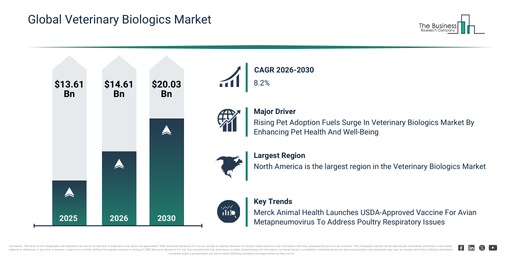
    The veterinary biologics market has experienced robust expansion over recent years. It is projected to increase from $13.61 billion in 2025 to $14.61 billion in 2026, achieving a compound annual growth rate (CAGR) of 7.3%. This historical growth can be largely attributed to the increasing prevalence of livestock diseases, a surge in the companion animal population, significant advancements in vaccine development, enhanced government funding for veterinary research, and the continued expansion of veterinary healthcare infrastructure.

    The veterinary biologics market is projected to experience substantial expansion in the coming years. This market is forecast to reach $20.03 billion by 2030, exhibiting a compound annual growth rate (CAGR) of 8.2%. This anticipated growth is driven by factors such as technological innovations in biologics, the increasing use of precision medicine for animals, a global increase in pet ownership, heightened awareness of zoonotic diseases, and the expanding veterinary diagnostics market. Key trends expected during this period involve a greater emphasis on preventive animal healthcare, the wider adoption of rapid diagnostic solutions, the expansion of biologics for companion animals, the incorporation of immunomodulators into veterinary therapies, and an increasing need for solutions to manage livestock diseases.

    Download A Free Sample Report For Comprehensive Market Insights:

    https://www.thebusinessresearchcompany.com/sample.aspx?id=12366&type=smp

    Which Major Factors Are Contributing To The Development Of The Veterinary Biologics Market?

    The increasing adoption of pets is expected to propel the growth of the veterinary biologics market going forward. Pet adoption refers to the process of taking responsibility for a domesticated animal, often from a shelter, or rescue organization, to provide the animal with a permanent and caring home. Adoption of pets is rising due to increased awareness of animal welfare, as more people recognize the benefits of adopting rescued animals and choose adoption over purchasing pets. Veterinary biologics prevent the impact of various infectious diseases in pets, provide immunity, and control of zoonotic diseases, improve lifespan and quality of life, reduce veterinary healthcare costs, enhance reproductive health in pets, and offer more targeted and customized treatment options. For instance, in March 2025, according to the American Pet Products Association, a US-based non-profit association, ninety-four (94) million U.S. households own at least one pet, compared to eighty-two (82) million in 2023. Therefore, the increasing adoption of pets is driving the growth of the veterinary biologics market.

    What Segment Types Are Included In The Veterinary Biologics Market Analysis?

    The veterinary biologics market covered in this report is segmented –

    1) By Product: Vaccines, Diagnostic Kits, Immunomodulators, Antiserums And Antibodies, Other Products

    2) By Disease Type: Bluetongue, Foot And Mouth Disease, Brucellosis And Tuberculosis, Other Disease Types

    3) By Distribution Channel: Veterinary Hospitals, Veterinary Clinics, Other Distribution Channels

    4) By Application: Production Animal, Companion Animal

    Subsegments:

    1) By Vaccines: Live Attenuated Vaccines, Inactivated Vaccines, Recombinant Vaccines, DNA Vaccines

    2) By Diagnostic Kits: Rapid Tests, Elisa Kits, Pcr-Based Diagnostic Kits

    3) By Immunomodulators: Cytokines, Adjuvants, Immunostimulants

    4) By Antiserums And Antibodies: Monoclonal Antibodies, Polyclonal Antibodies, Hyperimmune Serums

    5) By Other Products: Probiotics, Prebiotics, Growth Factors, Toxoids

    Which Trends Are Guiding The Development Of The Veterinary Biologics Market?

    Major companies operating in the veterinary biologics market are focusing on developing novel biologics such as vaccines to enhance animal health and disease prevention. A vaccine is a substance that stimulates the immune system to recognize and fight specific pathogens. It helps prevent infectious diseases by providing acquired immunity. For instance, in August 2024, Merck Animal Health, a US-based global animal health company, launched an experimental autogenous vaccine targeting avian metapneumovirus (aMPV) type B, receiving approval from the U.S. Department of Agriculture (USDA) for manufacturing and sale. Developed in collaboration with Cambridge Technologies, this vaccine aims to combat the severe respiratory issues caused by aMPV type B in poultry, which have led to significant economic losses since late 2023. Produced at a state-of-the-art facility in Minnesota, the vaccine features an oil and water emulsion formulation designed to minimize post-vaccination tissue reactions, addressing a critical gap in the market as no commercially licensed vaccines were previously available.

    Who Are The Major Companies Operating In The Veterinary Biologics Market?

    North America was the largest region in the veterinary biologics market in 2025. Asia-Pacific is expected to be the fastest-growing region in the forecast period. The regions covered in the veterinary biologics market report are Asia-Pacific, South East Asia, Western Europe, Eastern Europe, North America, South America, Middle East, Africa.

    Access The Complete Veterinary Biologics Market Report:

    https://www.thebusinessresearchcompany.com/report/veterinary-biologics-global-market-report

    Which Regional Market Leads The Veterinary Biologics Market?

    North America was the largest region in the veterinary biologics market in 2025. Asia-Pacific is expected to be the fastest-growing region in the forecast period. The regions covered in the veterinary biologics market report are Asia-Pacific, South East Asia, Western Europe, Eastern Europe, North America, South America, Middle East, Africa.

    Access a Customized Veterinary Biologics Market Report for Deeper Competitive Insights

    https://www.thebusinessresearchcompany.com/sample.aspx?id=12366&type=smp

    Get in touch with us:

    The Business Research Company: https://www.thebusinessresearchcompany.com/

    Americas: +1 310-496-7795

    Asia: +44 7882 955267 & +91 8897263534

    Europe: +44 7882 955267

    Email us at: marketing@tbrc.info

    Follow us on:

    LinkedIn: https://in.linkedin.com/company/the-business-research-company

    YouTube: https://www.youtube.com/channel/UC24_fI0rV8cR5DxlCpgmyFQ

    Global Market Model: https://www.thebusinessresearchcompany.com/global-market-model
  • Veterinary Autoimmune Disease Therapeutics Market Future Analysis Covering Industry Shifts And Growth Potential

    Veterinary Autoimmune Disease Therapeutics Market Future Analysis Covering Industry Shifts And Growth Potential

    The Business Research Company’s 2026 market reports feature advanced enhancements such as market attractiveness analysis, total addressable market evaluation, company benchmarking matrices, interactive Excel dashboards, expanded supply chain intelligence, emerging startup coverage, and detailed product insights, delivering more actionable and strategically valuable research.

    What Is The Forecasted Rise In Market Size Of The Veterinary Autoimmune Disease Therapeutics Market During The Forecast Period?

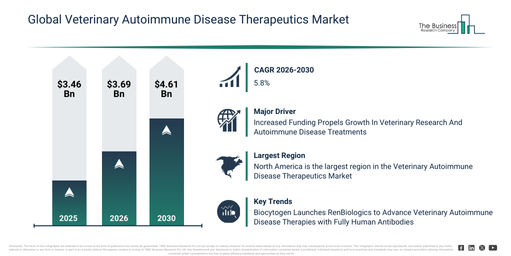
    The veterinary autoimmune disease therapeutics market size has demonstrated significant expansion in recent years. This market is projected to increase from $3.46 billion in 2025 to $3.69 billion by 2026, exhibiting a compound annual growth rate (CAGR) of 6.6%. Historically, this growth can be attributed to several factors, including the limited availability of treatment options for animal autoimmune diseases, the high prevalence of conditions such as hypothyroidism and pemphigus, the primary reliance on corticosteroids for therapy, an increase in pet ownership, and a rise in veterinary consultations.

    The veterinary autoimmune disease therapeutics market is projected to experience substantial expansion in the coming years, reaching $4.61 billion by 2030, exhibiting a compound annual growth rate (CAGR) of 5.8%. This anticipated growth during the forecast period is primarily driven by improvements in immunomodulatory treatments, the creation of new oral and injectable drug forms, increased recognition of autoimmune conditions affecting companion animals, the expanding reach of veterinary hospitals and clinics, and the growing application of precision medicine strategies. Key trends expected over the forecast horizon encompass a greater reliance on corticosteroids and immunosuppressive therapies, a heightened emphasis on managing autoimmune diseases in companion animals, the broadening of veterinary hospital and clinic infrastructure, the innovation of oral and injectable formulations to improve adherence, and increased recognition of uncommon autoimmune diseases in animals.

    Download A Free Sample Report For Comprehensive Market Insights:

    https://www.thebusinessresearchcompany.com/sample.aspx?id=16208&type=smp

    What Key Growth Drivers Are Influencing The Veterinary Autoimmune Disease Therapeutics Market?

    The increasing funding for research in veterinary medicine is expected to propel the growth of the veterinary autoimmune disease therapeutics market going forward. Veterinary medicine is the branch of medicine that deals with the prevention, diagnosis, and treatment of diseases, disorders, and injuries in animals. The increased funding for research in veterinary medicine can be attributed to rising zoonotic diseases, the growing pet industry, advances in animal health technology, agricultural demands, and wildlife conservation efforts. Funding for research in veterinary autoimmune disease supports studies on disease mechanisms, diagnostic tools, and treatment options, enhancing veterinary medicine’s ability to diagnose and manage these conditions effectively. For instance, in September 2025, according to the American Veterinary Medical Association (AVMA), a US-based not-for-profit association, the USDA Veterinary Service Grant Program $3.8 million in 2024, up to $15 million in subsequent years. Therefore, the increased funding for research in veterinary medicine is driving the growth of the veterinary autoimmune disease therapeutics market.

    Which Segment Divisions Form The Structure Of The Veterinary Autoimmune Disease Therapeutics Market?

    The veterinary autoimmune disease therapeutics market covered in this report is segmented –

    1) By Therapy Type: Corticosteroids, Azathioprine, Cyclosporine, Mycophenolate, Leflunomide, Cyclophosphamide

    2) By Animal Type: Companion Animals, Livestock Animals, Other Animal Types

    3) By Disease: Hypothyroidism, Pemphigus Disease, Canine Lupus, Auto-Immune Hemolytic Anemia, Bullous Pemphigoid, Discoid Lupus Erythematosus (DLE), Immune-Related Arthritis, Other Diseases

    4) By Distribution Channel: Veterinary Hospitals, Veterinary Clinics

    Subsegments:

    1) By Corticosteroids: Prednisone, Prednisolone, Dexamethasone, Methylprednisolone, Triamcinolone

    2) By Azathioprine: Azathioprine Oral Tablets, Azathioprine Injectable Formulation

    3) By Cyclosporine: Oral Cyclosporine (Atopica), Injectable Cyclosporine

    4) By Mycophenolate: Mycophenolate Mofetil (Oral Form), Mycophenolate Sodium (Injectable Form)

    5) By Leflunomide: Leflunomide Tablets (Oral), Leflunomide Injection

    6) By Cyclophosphamide: Oral Cyclophosphamide, Injectable Cyclophosphamide

    Which Trends Are Supporting The Evolution Of The Veterinary Autoimmune Disease Therapeutics Market?

    Major companies operating in the veterinary autoimmune disease therapeutics market are focusing on developing technologically advanced solutions. Such as RenBiologics to address several critical industry demands. RenBiologics develops innovative therapies for kidney-related conditions and chronic diseases, focusing on biologics and regenerative medicine to improve outcomes in areas like renal function and transplant success. For instance, in January 2024, according to the Biocytogen, a China-based biotechnology company, launched a new sub-brand, RenBiologics, to focus on the out-licensing of fully human antibodies for therapeutic development. This initiative aims to leverage Biocytogen’s extensive library of over 400,000 fully human antibody sequences, generated through its proprietary RenMice platforms. RenBiologics will facilitate partnerships with pharmaceutical and biotechnology companies for the co-development and licensing of these antibodies, enhancing the potential for novel antibody-based therapeutics. The launch reflects Biocytogen’s commitment to becoming a global resource in antibody discovery, with a vision to expedite the development of innovative treatments across various therapeutic areas.

    Which Companies Are Influencing The Veterinary Autoimmune Disease Therapeutics Market?

    North America was the largest region in the veterinary autoimmune disease therapeutics market in 2025. The regions covered in the veterinary autoimmune disease therapeutics market report are Asia-Pacific, South East Asia, Western Europe, Eastern Europe, North America, South America, Middle East, Africa.

    Access The Complete Veterinary Autoimmune Disease Therapeutics Market Report:

    https://www.thebusinessresearchcompany.com/report/veterinary-autoimmune-disease-therapeutics-global-market-report

    Which Region Holds The Largest Share In The Veterinary Autoimmune Disease Therapeutics Market?

    North America was the largest region in the veterinary autoimmune disease therapeutics market in 2025. The regions covered in the veterinary autoimmune disease therapeutics market report are Asia-Pacific, South East Asia, Western Europe, Eastern Europe, North America, South America, Middle East, Africa.

    Access a Customized Veterinary Autoimmune Disease Therapeutics Market Report for Deeper Competitive Insights

    https://www.thebusinessresearchcompany.com/sample.aspx?id=16208&type=smp

    Get in touch with us:

    The Business Research Company: https://www.thebusinessresearchcompany.com/

    Americas: +1 310-496-7795

    Asia: +44 7882 955267 & +91 8897263534

    Europe: +44 7882 955267

    Email us at: marketing@tbrc.info

    Follow us on:

    LinkedIn: https://in.linkedin.com/company/the-business-research-company

    YouTube: https://www.youtube.com/channel/UC24_fI0rV8cR5DxlCpgmyFQ

    Global Market Model: https://www.thebusinessresearchcompany.com/global-market-model

  • Veterinary Assistive Reproduction Technology Market Analysis Reflecting Expansion Trends And Industry Performance

    Veterinary Assistive Reproduction Technology Market Analysis Reflecting Expansion Trends And Industry Performance

    The Business Research Company’s 2026 market reports feature advanced enhancements such as market attractiveness analysis, total addressable market evaluation, company benchmarking matrices, interactive Excel dashboards, expanded supply chain intelligence, emerging startup coverage, and detailed product insights, delivering more actionable and strategically valuable research.

    How Is The Veterinary Assistive Reproduction Technology Market’s Market Value Anticipated To Evolve From 2026 To 2030?

    The market size for veterinary assistive reproduction technology has seen significant expansion in recent years. This market is set to increase from $3.63 billion in 2025 to $3.91 billion in 2026, displaying a compound annual growth rate (CAGR) of 7.9%. The factors contributing to its past growth include a dependence on natural breeding, limited availability of reproductive technologies, rising demand for high-quality livestock, conventional veterinary services, and low awareness concerning genetic improvement initiatives.

    The veterinary assistive reproduction technology market size is anticipated to experience robust expansion in the coming years, projected to reach $5.24 billion by 2030 with a compound annual growth rate (CAGR) of 7.6%. This growth during the forecast period is primarily attributed to the increased adoption of ai, ivf, and embryo transfer technologies, the expansion of animal breeding centers, a heightened focus on genetic improvement, the proliferation of veterinary clinics offering ART services, and the integration of digital reproductive management solutions. Significant trends expected during this period include the broadening of embryo transfer and ivf services, a rising use of frozen and fresh semen across diverse species, the expansion of genetic testing services in animal breeding, the implementation of ultrasound and advanced reproductive instruments, and an escalating demand for hormonal treatments and ai kits.

    Download A Free Sample Report For Comprehensive Market Insights:

    https://www.thebusinessresearchcompany.com/sample.aspx?id=20679&type=smp

    Which Core Factors Are Supporting The Expansion Of The Veterinary Assistive Reproduction Technology Market?

    The increasing demand for livestock is expected to propel the growth of the veterinary assistive reproduction technology market going forward. The demand for livestock is increasing due to rising consumer expectations for superior taste and nutritional value, as well as advancements in breeding technologies that produce animals with desirable traits. Veterinary assistive reproduction technology (VART) is used to improve livestock breeding efficiency by aiding in the fertilization and development of embryos, leading to increased genetic improvement and productivity. For instance, in August 2024, according to the Agriculture and Horticulture Development Board, a UK-based levy board that represents farmers, as of December 2023, the number of female cattle older than 24 months rose by 5,000 head from the previous year, reaching a total of 235,000. Therefore, the increasing demand for livestock is driving the growth of the veterinary assistive reproduction technology market.

    How Are Different Segment Groups Identified Within The Veterinary Assistive Reproduction Technology Market?

    The veterinary assistive reproduction technology market covered in this report is segmented –

    1) By Type: Services, Semen, Instruments, Kit And Consumables

    2) By Animal Type: Bovine, Swine, Ovine, Caprine, Equine, Other Animal Types

    3) By Distribution Channel: Private, Public

    4) By Technology: Artificial Insemination (AI), In Vitro Fertilization (IVF), Embryo Transfer (MOET), Other Technologies

    5) By End-Use: Veterinary Clinics And Hospitals, Animal Breeding Centers, Research Institutes And Universities, Other End-Uses

    Subsegments:

    1) By Services: Artificial Insemination Services, In Vitro Fertilization (IVF) Services, Embryo Transfer Services, Genetic Testing Services

    2) By Semen: Frozen Semen, Fresh Semen, Semen Collection Kits, Semen Processing Services

    3) By Instruments: Insemination Cannulas, Embryo Transfer Instruments, Semen Storage Tanks, Ultrasound Machines

    4) By Kits And Consumables: Artificial Insemination Kits, Embryo Transfer Kits, Collection And Storage Consumables, Hormonal Treatment Kits

    Which Trends Are Contributing To Changes In The Veterinary Assistive Reproduction Technology Market?

    Major companies operating in the veterinary assistive reproduction technology market are focusing on developing innovative products, such as advanced chelated minerals for the reproductive health of dairy animals, to improve reproductive efficiency and enhance the health and productivity of livestock. Advanced chelated minerals for the reproductive health of dairy animals refer to a specific form of dietary supplement designed to improve fertility and reproductive performance in dairy cattle. For instance, in July 2023, Rodec Pharma Limited, an India-based manufacturer of veterinary medicines, introduced the CMIN H8, an advanced chelated mineral feed specifically formulated to improve the reproductive health of dairy animals. This innovative product is designed to address common reproductive challenges faced by the dairy industry, such as infertility and other health-related issues that can hinder productivity. By providing essential minerals in a chelated form, CMIN H8 enhances the bioavailability of these nutrients, ensuring that dairy animals receive optimal support for their reproductive systems.

    Who Are The Companies Shaping The Veterinary Assistive Reproduction Technology Market Landscape?

    North America was the largest region in the veterinary assistive reproduction technology market in 2025. The regions covered in the veterinary assistive reproduction technology market report are Asia-Pacific, South East Asia, Western Europe, Eastern Europe, North America, South America, Middle East, Africa.

    Access The Complete Veterinary Assistive Reproduction Technology Market Report:

    https://www.thebusinessresearchcompany.com/report/veterinary-assistive-reproduction-technology-global-market-report

    Which Region Is The Dominant Market In The Veterinary Assistive Reproduction Technology Market?

    North America was the largest region in the veterinary assistive reproduction technology market in 2025. The regions covered in the veterinary assistive reproduction technology market report are Asia-Pacific, South East Asia, Western Europe, Eastern Europe, North America, South America, Middle East, Africa.

    Access a Customized Veterinary Assistive Reproduction Technology Market Report for Deeper Competitive Insights

    https://www.thebusinessresearchcompany.com/sample.aspx?id=20679&type=smp

    Get in touch with us:

    The Business Research Company: https://www.thebusinessresearchcompany.com/

    Americas: +1 310-496-7795

    Asia: +44 7882 955267 & +91 8897263534

    Europe: +44 7882 955267

    Email us at: marketing@tbrc.info

    Follow us on:

    LinkedIn: https://in.linkedin.com/company/the-business-research-company

    YouTube: https://www.youtube.com/channel/UC24_fI0rV8cR5DxlCpgmyFQ

    Global Market Model: https://www.thebusinessresearchcompany.com/global-market-model

  • Global Veterinary Artificial Insemination Market Revenue Expected To Reach $6.5 Billion By 2030

    Global Veterinary Artificial Insemination Market Revenue Expected To Reach $6.5 Billion By 2030

    The Business Research Company’s 2026 market reports feature advanced enhancements such as market attractiveness analysis, total addressable market evaluation, company benchmarking matrices, interactive Excel dashboards, expanded supply chain intelligence, emerging startup coverage, and detailed product insights, delivering more actionable and strategically valuable research.

    By 2030, How Much Growth In Market Size Is Expected For The Veterinary Artificial Insemination Market?

    The veterinary artificial insemination market size has demonstrated robust growth in recent years. It is anticipated to expand from $4.56 billion in 2025 to $4.9 billion in 2026, experiencing a compound annual growth rate (CAGR) of 7.6%. This historical growth can be attributed to various elements, including the implementation of natural breeding methods, an increasing livestock population, the rising need for superior animal progeny, the development of fundamental semen preservation techniques, and the initial integration of veterinary AI in cattle.

    The veterinary artificial insemination market size is anticipated to experience robust growth over the next few years. It is projected to expand to $6.59 billion by 2030, achieving a compound annual growth rate (CAGR) of 7.7%. This expansion during the forecast period is primarily driven by advancements in sexed semen technology, increased investments in precision breeding, the rising adoption of intracervical and intrauterine insemination techniques, the expansion of veterinary AI services into developing markets, and a growing emphasis on breeding programs for both wildlife and companion animals. Significant trends expected in this period include the increasing uptake of sexed semen technology, a heightened focus on genetic improvement within livestock, the broadening reach of veterinary AI services, the expanding use of frozen semen for breeding across long distances, and the development of enhanced training and awareness programs aimed at farmers.

    Download A Free Sample Report For Comprehensive Market Insights:

    https://www.thebusinessresearchcompany.com/sample.aspx?id=8624&type=smp

    What Are The Main Drivers Accelerating The Growth Of The Veterinary Artificial Insemination Market?

    The growing demand for livestock is expected to propel the growth of the veterinary artificial insemination market going forward. Livestock are domesticated animals raised in an agricultural setting to produce commodities such as meat, milk, eggs, wool, and leather. Livestock are rising because growing demand for animal-based food products drives increased farming and breeding to meet nutritional and market needs. Veterinary artificial insemination (AI) is a widely used technique in livestock production to breed animals by introducing semen into the female reproductive tract without natural mating, which improves the quality of the livestock and increases productivity. For instance, in July 2023, according to the Food and Agriculture Organization, a US-based specialized agency, world milk production in 2023 was forecast to increase to 944 million tonnes, up 0.9% from 2022, reflecting rising demand for animal-source foods as incomes increase and diets shift toward protein. Therefore, the growing demand for livestock is driving the growth of the veterinary artificial insemination market.

    What Segment Categories Are Evaluated In The Veterinary Artificial Insemination Market Study?

    The veterinary artificial insemination market covered in this report is segmented –

    1) By Product: Normal Semen, Sexed Semen

    2) By Animal Type: Cattle, Swine, Ovine And Caprine, Equine, Other Animal Types

    3) By Technique: Intracervical Insemination, Intrauterine Insemination, Intrauterine Tub Peritoneal Insemination, Intratubal Insemination

    4) By End-Users: Veterinary Hospitals, Veterinary Clinics, Other End Users

    Subsegments:

    1) By Normal Semen: Fresh Semen, Frozen Semen

    2) By Sexed Semen: X-Sorted Semen (Female), Y-Sorted Semen (Male)

    What Trends Are Shaping The Veterinary Artificial Insemination Market Structure?

    Major companies and governments operating in the veterinary artificial insemination market are focused on developing innovative products, such as livestock care services, to provide reliable services to customers. Livestock care services encompass a wide range of professional practices to promote farm animals’ health, well-being, and productivity. These services are essential for maintaining sustainable and profitable livestock production, ensuring the safety of animal products, and safeguarding public health. For instance, in April 2023, the Government of Himachal Pradesh, an India-based supreme governing authority, launched Project Sanjeevani. It is uniquely designed to provide doorstep veterinary services, particularly in remote areas. The project addresses livestock owners’ challenges in accessing timely and quality veterinary care. By leveraging teleconsultation and mobile applications, veterinary professionals can connect with farmers in remote areas, provide real-time advice, and facilitate timely interventions. The doorstep veterinary services are expected to provide curative treatment, vaccination, artificial insemination, preventive care, and all animal husbandry-related information.

    Which Industry Players Are Present In The Veterinary Artificial Insemination Market?

    North America was the largest region in the veterinary artificial insemination market in 2025. Asia-Pacific is expected to be the fastest-growing region in the forecast period. The regions covered in the veterinary artificial insemination market report are Asia-Pacific, South East Asia, Western Europe, Eastern Europe, North America, South America, Middle East, Africa.

    Access The Complete Veterinary Artificial Insemination Market Report:

    https://www.thebusinessresearchcompany.com/report/veterinary-artificial-insemination-global-market-report

    Which Area Represents The Largest Portion Of The Veterinary Artificial Insemination Market?

    North America was the largest region in the veterinary artificial insemination market in 2025. Asia-Pacific is expected to be the fastest-growing region in the forecast period. The regions covered in the veterinary artificial insemination market report are Asia-Pacific, South East Asia, Western Europe, Eastern Europe, North America, South America, Middle East, Africa.

    Access a Customized Veterinary Artificial Insemination Market Report for Deeper Competitive Insights

    https://www.thebusinessresearchcompany.com/sample.aspx?id=8624&type=smp

    Get in touch with us:

    The Business Research Company: https://www.thebusinessresearchcompany.com/

    Americas: +1 310-496-7795

    Asia: +44 7882 955267 & +91 8897263534

    Europe: +44 7882 955267

    Email us at: marketing@tbrc.info

    Follow us on:

    LinkedIn: https://in.linkedin.com/company/the-business-research-company

    YouTube: https://www.youtube.com/channel/UC24_fI0rV8cR5DxlCpgmyFQ

    Global Market Model: https://www.thebusinessresearchcompany.com/global-market-model

  • Veterinary Antimicrobial Susceptibility Testing Market Insights Exploring Expansion Opportunities Through 2030

    Veterinary Antimicrobial Susceptibility Testing Market Insights Exploring Expansion Opportunities Through 2030

    The Business Research Company’s 2026 market reports feature advanced enhancements such as market attractiveness analysis, total addressable market evaluation, company benchmarking matrices, interactive Excel dashboards, expanded supply chain intelligence, emerging startup coverage, and detailed product insights, delivering more actionable and strategically valuable research.

    What Market Value Trend Is Expected For The Veterinary Antimicrobial Susceptibility Testing Market From 2026 To 2030?

    The veterinary antimicrobial susceptibility testing market has demonstrated significant growth in recent years. It is projected to expand from $39.63 billion in 2025 to $42.73 billion in 2026, exhibiting a compound annual growth rate (CAGR) of 7.8%. Historically, this growth has been driven by factors such as the establishment of veterinary diagnostic laboratories, an increase in bacterial infections affecting livestock, insufficient awareness regarding antimicrobial resistance, the use of traditional culture-based testing methods, and government regulations supporting animal health.

    The market for veterinary antimicrobial susceptibility testing is projected to experience robust expansion over the coming years. Its value is anticipated to reach $57.94 billion by 2030, demonstrating a compound annual growth rate (CAGR) of 7.9%. This anticipated growth during the forecast period is primarily driven by progress in automated AST technologies, the increasing implementation of precision medicine within veterinary practices, an expanding companion animal population, greater financial commitments to veterinary research, and the incorporation of cloud-based diagnostic data management systems. Key trends observed for the forecast period encompass the swift uptake of automated AST instruments, a rising need for companion animal healthcare services, heightened understanding of antimicrobial resistance, the enlargement of veterinary reference laboratories, and the integration of sophisticated diagnostic workflows.

    Download A Free Sample Report For Comprehensive Market Insights:

    https://www.thebusinessresearchcompany.com/sample.aspx?id=8177&type=smp

    Which Growth Drivers Are Expected To Support The Veterinary Antimicrobial Susceptibility Testing Market Forward?

    An increase in pet ownership increases the focus on animal welfare and animal health which is expected to propel the veterinary antimicrobial susceptibility testing market going forward. Pet ownership refers to the act of having and caring for a domesticated animal as a companion or member of the family. Pet ownership is rising because people seek emotional companionship, leading more households to adopt pets for stress relief and improved mental well-being. Veterinary antimicrobial susceptibility testing helps pet ownership by ensuring effective treatment of infections, reducing illness duration, and maintaining the health and well-being of pets. For instance, in 2023, according to the Shelter Animals Count, a US-based non-governmental organization, of the animals in shelters and rescues in 2023, 4.8 million were adopted into loving homes. Therefore, an increase in pet ownership is driving the veterinary antimicrobial susceptibility testing market.

    How Is The Veterinary Antimicrobial Susceptibility Testing Market Examined Through Segment Analysis?

    The veterinary antimicrobial susceptibility testing market covered in this report is segmented –

    1) By Product Type: Disks And Plates, Culture Media, Accessories And Consumables, Automated Antimicrobial Susceptibility Test (AST) Instruments

    2) By Animal Type: Livestock Animals, Companion Animals

    3) By End-Use: Veterinary Reference Lab, Veterinary Research Institutes, Other End-Users

    Subsegments:

    1) By Disks And Plates: Antibiotic Disks, Agar Plates

    2) By Culture Media: Selective Culture Media, General Purpose Media

    3) By Accessories And Consumables: Incubators, Sterilization Equipment, Pipettes And Reagents

    4) By Automated Antimicrobial Susceptibility Test (AST) Instruments: Fully Automated Systems, Semi-Automated Systems

    Which Trends Are Supporting The Evolution Of The Veterinary Antimicrobial Susceptibility Testing Market?

    Major companies operating in the veterinary antimicrobial susceptibility testing market are launching innovative products such as a rapid test to sustain their position in the market. A rapid test, also known as a rapid diagnostic test (RDT) or rapid assay, is a diagnostic procedure designed to provide quick results within a short period. For instance, in March 2023, PDX Biotech LLC, a US-based biotechnology company launched rapid test, the OraStripdx, that can detect active periodontal disease in dogs and cats in 10 seconds. The OraStripdx features an easy-to-use test strip that changes color based on the concentration of thiols in the patient’s oral fluid and the test requires no anesthesia or sedation. The OraStripdx test strip detects the development of disease where it cannot be directly visualized and can help pet owners and their health care providers to detect the diseases in the earliest stages which is a major advantage

    Which Organizations Are Involved In The Veterinary Antimicrobial Susceptibility Testing Market?

    North America was the largest region in the veterinary antimicrobial susceptibility testing market in 2025. The regions covered in the veterinary antimicrobial susceptibility testing market report are Asia-Pacific, South East Asia, Western Europe, Eastern Europe, North America, South America, Middle East, Africa.

    Access The Complete Veterinary Antimicrobial Susceptibility Testing Market Report:

    https://www.thebusinessresearchcompany.com/report/veterinary-antimicrobial-susceptibility-testing-global-market-report

    Which Region Commands The Largest Share Of The Veterinary Antimicrobial Susceptibility Testing Market?

    North America was the largest region in the veterinary antimicrobial susceptibility testing market in 2025. The regions covered in the veterinary antimicrobial susceptibility testing market report are Asia-Pacific, South East Asia, Western Europe, Eastern Europe, North America, South America, Middle East, Africa.

    Access a Customized Veterinary Antimicrobial Susceptibility Testing Market Report for Deeper Competitive Insights

    https://www.thebusinessresearchcompany.com/sample.aspx?id=8177&type=smp

    Get in touch with us:

    The Business Research Company: https://www.thebusinessresearchcompany.com/

    Americas: +1 310-496-7795

    Asia: +44 7882 955267 & +91 8897263534

    Europe: +44 7882 955267

    Email us at: marketing@tbrc.info

    Follow us on:

    LinkedIn: https://in.linkedin.com/company/the-business-research-company

    YouTube: https://www.youtube.com/channel/UC24_fI0rV8cR5DxlCpgmyFQ

    Global Market Model: https://www.thebusinessresearchcompany.com/global-market-model