Month: June 2026

  • Peripheral T-Cell Lymphoma Market Growth Outlook Reveals A CAGR Of 5.3% And A Market Value Of $0.8 Billion By 2030

    Peripheral T-Cell Lymphoma Market Growth Outlook Reveals A CAGR Of 5.3% And A Market Value Of $0.8 Billion By 2030

    Delivering more actionable and strategically valuable research, The Business Research Company’s 2026 market reports feature market attractiveness analysis, total addressable market evaluation, company benchmarking matrices, interactive Excel dashboards, expanded supply chain intelligence, emerging startup coverage, and detailed product insights.

    Peripheral T-Cell Lymphoma Market Growth From $0.65 Billion In 2026 To $0.8 Billion By 2030 At A CAGR Of 5.3%

    The global market for peripheral t-cell lymphoma experienced robust expansion during the preceding years. Projections indicate a continued upward trajectory, with the market value set to increase from $0.62 billion in 2025 to $0.66 billion in 2026, reflecting a compound annual growth rate of 5.5%. Historical growth drivers for this market included the restricted availability of specialized treatments, a prevalent dependence on conventional chemotherapy, the inherently aggressive nature of the disease, diagnoses often occurring at advanced stages, and an insufficient framework for patient oversight.

    The global market for peripheral t-cell lymphoma is poised for significant expansion, projecting a valuation of 0.81 billion dollars by the year 2030, driven by a compound annual growth rate of 5.3%. This anticipated increase over the forecast period is fueled by several key factors, including a burgeoning landscape of advanced immunotherapy and targeted therapy options, the escalating acceptance of stem cell transplantation, a more widespread utilization of monoclonal antibodies and HDAC inhibitors, a greater availability of both injectable and oral treatment forms, and the continuous development of specialized treatment centers and research facilities. Furthermore, the coming years are expected to witness a surge in prominent trends such as the wider adoption of artificial intelligence for diagnostic and prognostic purposes, the increasing application of genomic insights and personalized medicine approaches in managing PTCL, the growing reliance on big data analytics and cloud-based platforms to aid in clinical decision-making, the enhanced integration of Industry 4.0 technologies within the drug development pipeline for PTCL, and a broader implementation of Internet of Things (IoT) enabled systems for patient monitoring.

    Download A Free Sample Report For Comprehensive Market Insights:

    https://www.thebusinessresearchcompany.com/sample.aspx?id=21255&type=smp

    Peripheral T-Cell Lymphoma Market Growth Factors: Which Forces Are Supporting Market Expansion?

    The increasing prevalence of lymphoma is anticipated to be the primary catalyst for the expansion of the peripheral T-cell lymphoma market in the future. Lymphoma, a malignancy originating within the lymphatic system—an integral component of the body’s defense mechanisms—is characterized by a high incidence linked to various factors like inherited genetic tendencies, environmental influences, viral contagions such as the Epstein-Barr virus, compromised immune systems, and lifestyle choices encompassing smoking and excess weight. Peripheral T-cell lymphoma (PTCL), specifically, exacerbates the challenges of lymphoma by arising from mature T-cells, which often results in aggressive disease characteristics, disruptions in immune system regulation, and a diminished response to therapies when contrasted with other forms of lymphoma. The American Cancer Society Facts and Figures, representing a professional organization within the United States, reported an estimated 80,550 new cases of non-Hodgkin lymphoma in 2023 and projected the same figure for 2024. Consequently, this elevated rate of lymphoma diagnoses directly fuels the development and growth of the peripheral T-cell lymphoma market.

    Peripheral T-Cell Lymphoma Market Segmentation: How Is The Market Structured Across Key Categories?

    The peripheral t-cell lymphoma market covered in this report is segmented –

    1) By Type: Peripheral T-Cell Lymphoma Not Otherwise Specified (PTCL-NOS), Angioimmunoblastic T- Cell Lymphoma (AITL), Anaplastic Large Cell Lymphoma (ALCL), Adult T- Cell Leukaemia Or Lymphoma (ATLL), Enteropathy-Associated T- Cell Lymphoma (EATL), Hepatosplenic T- Cell Lymphoma, Other Types

    2) By Treatment Type: Chemotherapy, Target Therapy, Immunotherapy, Stem Cell Therapy, Radiation Therapy

    3) By Drug Class: Histone Deacetylase (HDAC) Inhibitors, Monoclonal Antibodies, Alkylating Angents, Antimetabolites, Other Drug Class

    4) By Route Of Administration: Oral, Injectable

    5) By End-User: Hospitals, Specialty Clinics, Ambulatory Surgical Center, Research Institute

    Subsegments:

    1) By Peripheral T-Cell Lymphoma Not Otherwise Specified (PTCL-NOS): Cutaneous PTCL, Systemic PTCL

    2) By Angioimmunoblastic T-Cell Lymphoma (AITL): Classical AITL, Variant AITL

    3) By Anaplastic Large Cell Lymphoma (ALCL): Systemic ALCL, Cutaneous ALCL

    4) By Adult T-Cell Leukaemia Or Lymphoma (ATLL): Acute ATLL, Chronic ATLL, Smoldering ATLL, Lymphoma Type ATLL

    5) By Enteropathy-Associated T-Cell Lymphoma (EATL): Type 1 EATL, Type 2 EATL

    6) By Hepatosplenic T-Cell Lymphoma: Hepatic Type, Splenic Type

    7) By Other Types: Subcutaneous T-Cell Lymphoma, Lymphomatoid Granulomatosis

    Peripheral T-Cell Lymphoma Market Industry Trends: What Changes Are Reshaping Demand?

    In the realm of the peripheral T-cell lymphoma market, leading corporations are prioritizing the creation of novel therapeutic agents, including dihydrofolate reductase inhibitors, aiming to boost treatment effectiveness and elevate patient prognoses. These dihydrofolate reductase inhibitors function by impeding the dihydrofolate reductase enzyme, a critical component for DNA creation and cellular multiplication. As an illustration, Fresenius Kabi AG, a pharmaceutical entity headquartered in Germany, unveiled Pralatrexate Injection in December 2024, a generic substitute for Folotyn intended for patients experiencing recurrent or unresponsive peripheral T-cell lymphoma. This market entry broadens the pharmaceutical firm’s cancer care offerings, presenting medical practitioners and individuals with an economical yet superior therapeutic choice. The injectable medication comes in 20 mg/1 mL and 40 mg/2 mL single-use vials. Its regulatory approval was granted through an accelerated pathway, contingent on its demonstrated impact on overall response rates, with ongoing approval dependent on the outcomes of further validation studies.

    Peripheral T-Cell Lymphoma Market Competitive Landscape And Leading Companies

    Major companies operating in the peripheral t-cell lymphoma market are Pfizer Inc., Johnson & Johnson, Bristol Myers Squibb Company, AstraZeneca plc, Novartis AG, Eli Lilly and Company, Eisai Co. Ltd., Kyowa Kirin Co. Ltd., Takeda Pharmaceutical Company Limited, BeiGene Ltd., Daiichi Sankyo Company Limited, Zymeworks Inc., Genor Biopharma Co. Ltd., Kura Oncology Inc., Spectrum Pharmaceuticals Inc., Verastem Inc., Astellas Pharma Inc., Autolus Therapeutics plc, Seagen Inc., Amgen Inc., Roche Holding AG, Gilead Sciences Inc.

    Access The Complete Peripheral T-Cell Lymphoma Market Report:

    https://www.thebusinessresearchcompany.com/report/peripheral-t-cell-lymphoma-global-market-report

    Peripheral T-Cell Lymphoma Market Leading Geography: Which Region Generates The Most Revenue?

    North Americawas the largest region in the peripheral T-cell lymphoma market in 2025. Asia-Pacificis expected to be the fastest-growing region in the forecast period. The regions covered in the peripheral t-cell lymphoma market report are Asia-Pacific, South East Asia, Western Europe, Eastern Europe, North America, South America, Middle East, Africa.

    Get in touch with us:

    The Business Research Company: https://www.thebusinessresearchcompany.com/

    Americas: +1 310-496-7795

    Asia: +44 7882 955267 & +91 8897263534

    Europe: +44 7882 955267

    Email us at: marketing@tbrc.info

    Follow us on:

    LinkedIn: https://in.linkedin.com/company/the-business-research-company

    YouTube: https://www.youtube.com/channel/UC24_fI0rV8cR5DxlCpgmyFQ

    Global Market Model: https://www.thebusinessresearchcompany.com/global-market-model
  • Peripheral Neuropathy Market Forecast Highlights Expansion From $5.16 Billion To $7.97 Billion Through 2030

    Peripheral Neuropathy Market Forecast Highlights Expansion From $5.16 Billion To $7.97 Billion Through 2030

    Enhanced with market attractiveness analysis, total addressable market evaluation, company benchmarking matrices, interactive Excel dashboards, expanded supply chain intelligence, emerging startup coverage, and detailed product insights, The Business Research Company’s 2026 market reports deliver more actionable and strategically valuable research.

    Peripheral Neuropathy Market Expansion Outlook: What Revenue Opportunities Lie Ahead?

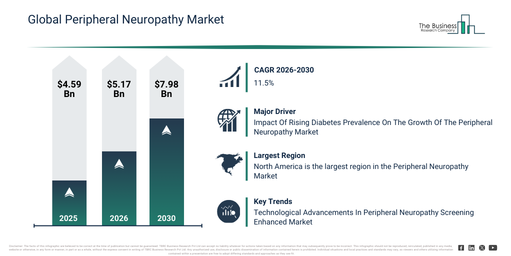
    Global revenue for peripheral neuropathy treatments is projected to experience substantial expansion, moving from an estimated $4.59 billion in 2025 to $5.17 billion by 2026, reflecting a robust compound annual growth rate of 12.7%. This upward trend in the historical period is largely fueled by factors such as the widespread occurrence of diabetic neuropathy, an increased utilization of chemotherapy, a scarcity of treatments specifically targeting the condition, a prevailing dependence on standard pain relievers, and a deficiency in diagnostic tools for early detection.

    The market for peripheral neuropathy treatments is poised for significant expansion, projecting a rise to $7.98 billion by 2030, reflecting an 11.5% compound annual growth rate. This anticipated growth throughout the forecast period is propelled by several key factors, including the development of innovative nerve stimulation techniques, a growing preference for physical therapy and non-medicinal approaches, enhanced accessibility to both topical and systemic pharmaceuticals, the increasing reliance on online pharmacies and telehealth services, and the proliferation of dedicated clinics and outpatient facilities. Furthermore, the market is expected to be shaped by prominent trends such as the wider adoption of artificial intelligence-driven diagnostic tools for peripheral neuropathy, increased incorporation of big data analytics and cloud-based systems for patient oversight, greater utilization of genetic insights and personalized medicine strategies for treating peripheral neuropathy, a broader deployment of Internet of Things (IoT) enabled wearable devices focused on nerve health, and the accelerating implementation of Industry 4.0 technologies within the realm of neuropathy treatment devices.

    Download A Free Sample Report For Comprehensive Market Insights:

    https://www.thebusinessresearchcompany.com/sample.aspx?id=16507&type=smp

    Peripheral Neuropathy Market Demand Drivers: What Is Fueling Industry Growth?

    The increasing incidence of diabetes is anticipated to be a significant catalyst for the expansion of the peripheral neuropathy market in the foreseeable future. Diabetes, a persistent health issue defined by elevated blood glucose levels stemming from insufficient insulin production or utilization, is on the rise due to elements like escalating obesity rates, inactive lifestyles, and an aging global populace. This condition can precipitate peripheral neuropathy by harming nerve tissues through sustained hyperglycemia, manifesting as discomfort, prickling sensations, and a lack of feeling in the limbs. Vigilant blood glucose control is paramount in averting or retarding the development of this adverse outcome. As an illustration, the International Diabetes Federation, a research entity based in Belgium, published in 2024 projections indicating that the global adult population (aged 20-79) with diabetes is set to climb substantially, from approximately 589 million in 2024 to an estimated 853 million by 2050, marking a 45% surge. Consequently, the escalating global burden of diabetes is directly fueling the growth trajectory of the peripheral neuropathy market.

    Peripheral Neuropathy Market Segmentation Trends And Revenue Drivers

    The peripheral neuropathy market covered in this report is segmented –

    1) By Type: Chemotherapy-Induced, Diabetic, Human Immunodeficiency Virus (HIV) Or Acquired Immunodeficiency Syndrome (AIDS Associated), Idiopathic

    2) By Diagnosis: Blood Test, Biopsy, Imaging, Other Diagnosis

    3) By Treatment: Medications, Antidepressants, Anti-Seizure Medication, Pain Reliever, Topical Treatment, Therapies, Nerve Stimulation, Plasma Exchange, Physical Therapy, Other Treatments

    4) By End-User: Hospitals, Clinics, Ambulatory Centers

    Subsegments:

    1) By Chemotherapy-Induced: Taxane-Induced Peripheral Neuropathy, Platinum-Based Drug-Induced Neuropathy, Other Chemotherapy-Induced Neuropathies

    2) By Diabetic: Type 1 Diabetes-Induced Peripheral Neuropathy, Type 2 Diabetes-Induced Peripheral Neuropathy

    3) By Human Immunodeficiency Virus (HIV) Or Acquired Immunodeficiency Syndrome (AIDS) Associated: HIV-Associated Peripheral Neuropathy, AIDS-Related Peripheral Neuropathy

    4) By Idiopathic: Acute Idiopathic Neuropathy, Chronic Idiopathic Neuropathy

    Peripheral Neuropathy Market Innovation Trends: Which Developments Are Transforming The Industry?

    The leading entities within the peripheral neuropathy market are concentrating their efforts on innovating sophisticated diagnostic tools, specifically point-of-care instruments, to enhance both the identification and treatment of this neurological disorder. A point-of-care test for peripheral neuropathy, designed for quantitative screening, serves as a rapid diagnostic aid to ascertain nerve damage in the limbs, especially for individuals managing diabetes. Illustrating this, NeuroMetrix Inc., an American producer of non-invasive medical equipment, introduced the DPNCheck 2.0 in January 2023, a point-of-care device intended for the detection of peripheral neuropathy. This instrument employs nerve conduction technology to identify the widespread deterioration of peripheral nerves, a process that can result in severe conditions like diabetic peripheral neuropathy (DPN). By enabling swift patient evaluation through precise measurement of peripheral nerve function, it presents a more effective and precise alternative to conventional diagnostic approaches such as the monofilament and tuning fork examinations.

    Peripheral Neuropathy Market Industry Leaders: Which Organizations Are Driving Competition?

    Major companies operating in the peripheral neuropathy market are Pfizer Inc., Merck and Co. Inc., Novartis AG, Bristol Myers Squibb Co, AstraZeneca Plc, Abbott Laboratories, Eli Lilly and Co., Daiichi Sankyo Co. Ltd., Sun Pharmaceutical Industries Ltd, Aurobindo Pharma, Cadila Pharmaceuticals Ltd., Dr. Reddy’s Laboratories, Cipla Ltd., Apotex Inc, Hikma Pharmaceuticals PLC, Lupin Limited, Grunenthal GmbH, Lexicon Pharmaceuticals, Johnson and Johnson, Teva Pharmaceutical Industries Ltd, Sanofi, GSK plc

    Access The Complete Peripheral Neuropathy Market Report:

    https://www.thebusinessresearchcompany.com/report/peripheral-neuropathy-global-market-report

    Peripheral Neuropathy Market Regional Outlook: Where Are The Largest Opportunities Located?

    North Americawas the largest region in the peripheral neuropathy market in 2025. Asia-Pacificis expected to be the fastest-growing region in the forecast period. The regions covered in the peripheral neuropathy market report are Asia-Pacific, South East Asia, Western Europe, Eastern Europe, North America, South America, Middle East, Africa.

    Get in touch with us:

    The Business Research Company: https://www.thebusinessresearchcompany.com/

    Americas: +1 310-496-7795

    Asia: +44 7882 955267 & +91 8897263534

    Europe: +44 7882 955267

    Email us at: marketing@tbrc.info

    Follow us on:

    LinkedIn: https://in.linkedin.com/company/the-business-research-company

    YouTube: https://www.youtube.com/channel/UC24_fI0rV8cR5DxlCpgmyFQ

    Global Market Model: https://www.thebusinessresearchcompany.com/global-market-model
  • Peripheral Neuritis Treatment Market Expected To Reach $2.44 Billion By 2030 As Growth Accelerates At 4.8% CAGR

    Peripheral Neuritis Treatment Market Expected To Reach $2.44 Billion By 2030 As Growth Accelerates At 4.8% CAGR

    Through market attractiveness analysis, total addressable market evaluation, company benchmarking matrices, interactive Excel dashboards, expanded supply chain intelligence, emerging startup coverage, and detailed product insights, The Business Research Company’s 2026 market reports provide more actionable and strategically valuable research.

    Peripheral Neuritis Treatment Market Growth Potential: How Will Market Size Change Through 2030?

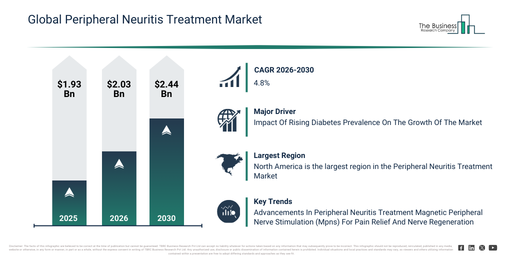
    The market for treating peripheral neuritis experienced robust expansion recently. Projections indicate a rise from $1.93 billion in 2025 to $2.03 billion in 2026, reflecting a compound annual growth rate of 5.0%. Key factors contributing to this historical growth trajectory include the widespread incidence of diabetic neuropathy, a scarcity of specialized treatment options, dependence on standard pain relievers and anti-seizure medications, increased recognition of peripheral neuritis’s signs, and a dispersed healthcare system.

    The market for peripheral neuritis treatments is projected for consistent expansion in the coming years, anticipating a rise to $2.44 billion by 2030 with a compound annual growth rate (CAGR) of 4.8%. This projected growth is fueled by several key factors, including progress in drug-based treatments, a greater acceptance of non-drug interventions like TENS and acupuncture, the expanding reach of both online and traditional pharmacies, an amplified emphasis on lifestyle and dietary adjustments, and the proliferation of diabetes management initiatives and dedicated treatment centers. Dominating the trends for the foreseeable future are the increasing utilization of AI-driven tools for monitoring peripheral neuritis, the enhanced integration of digital health platforms for managing peripheral neuropathy, the growing application of genetic and personalized medicine strategies in treating peripheral neuritis, the wider deployment of IoT-enabled devices for patient oversight, and advancements in smart manufacturing processes for peripheral neuritis medications.

    Download A Free Sample Report For Comprehensive Market Insights:

    https://www.thebusinessresearchcompany.com/sample.aspx?id=21254&type=smp

    Peripheral Neuritis Treatment Market Growth Drivers: What Factors Are Accelerating Expansion?

    The increasing global incidence of diabetes is anticipated to fuel the expansion of the peripheral neuritis treatment sector. As a chronic condition characterized by the body’s failure to manage blood sugar efficiently, diabetes is becoming more common due to lifestyle factors like inactivity, poor eating habits, excess weight, an aging demographic, and inherited traits. Treatments for peripheral neuritis offer crucial assistance to those with diabetes by alleviating nerve discomfort, diminishing swelling, and boosting nerve health, thereby enhancing their overall well-being and averting further health issues. Illustratively, projections from the International Diabetes Federation indicated that the global adult population diagnosed with diabetes between the ages of 20 and 79 is expected to climb from an estimated 589 million in 2024 to 853 million by the year 2050, marking a substantial 45% surge. Consequently, the escalating rates of diabetes are directly contributing to the growth observed in the peripheral neuritis treatment market.

    Peripheral Neuritis Treatment Market Segment Analysis Highlighting Growth Areas

    The peripheral neuritis treatment market covered in this report is segmented –

    1) By Treatment Type: Pharmacological Therapies, Non Pharmacological Therapies

    2) By Distribution Channel: Hospital Pharmacies, Retail Pharmacies, Online Pharmacies, Drug Stores

    3) By Application: Diabetic Peripheral Neuropathy, Chemotherapy-Induced Peripheral Neuropathy, Idiopathic Peripheral Neuropathy, Other Applications

    Subsegments:

    1) By Pharmacological Therapies: Pain Relievers (Analgesics), Antidepressants, Anticonvulsants, Topical Medications

    2) By Non-Pharmacological Therapies: Physical Therapy, Transcutaneous Electrical Nerve Stimulation (TENS), Acupuncture, Lifestyle And Dietary Modifications

    Peripheral Neuritis Treatment Market Trends: What Is Shaping Future Industry Growth?

    Key players within the peripheral neuritis treatment sector are directing their efforts toward pioneering novel therapeutic approaches, including magnetic peripheral nerve stimulation (mPNS), with the dual aims of fostering nerve regrowth and alleviating neuropathic discomfort. Magnetic peripheral nerve stimulation (mPNS) is characterized as a non-invasive neuromodulation methodology employing magnetic fields to target peripheral nerves, thereby aiding in pain management, promoting nerve regeneration, and improving motor capabilities in ailments like neuropathy and musculoskeletal conditions. As an illustration, in January 2024, Neuralace Medical Inc., a manufacturer of medical devices headquartered in the United States, unveiled Axon Therapy (mPNS) for the management of chronic painful diabetic neuropathy (PDN), securing approval from the Food and Drug Administration, an agency of the U.S. government. This therapeutic intervention offers a swift, comfortable, and non-abrading method for pain amelioration. Evidence from clinical investigations revealed a 72.3% response rate by Day 30 and an 81.4% response rate by Day 90, underscoring its efficacy in mitigating pain and insensitivity. This regulatory clearance represents a considerable stride forward in pain control strategies, presenting individuals with an option distinct from conventional therapies, devoid of the adverse consequences associated with pharmaceutical interventions.

    Peripheral Neuritis Treatment Market Leading Companies: Who Holds Significant Market Presence?

    Major companies operating in the peripheral neuritis treatment market are Pfizer Inc., Johnson & Johnson (J&J), AstraZeneca Plc, Novartis AG, GSK plc, Takeda Pharmaceuticals & Co. Ltd., Eli Lilly and Co., Mallinckrodt Pharmaceuticals plc, Viatris Inc., Teva Pharmaceutical Industries Ltd., Astellas Pharma Inc., Sun Pharmaceutical Industries Ltd., Apotex Inc., Dr Reddys Laboratories Ltd., Cipla Inc., Amneal Pharmaceuticals LLC, Lupin Ltd., Daiichi Sankyo Co. Ltd., Glenmark Pharmaceuticals Ltd., Cadila Pharmaceuticals Ltd.

    Access The Complete Peripheral Neuritis Treatment Market Report:

    https://www.thebusinessresearchcompany.com/report/peripheral-neuritis-treatment-global-market-report

    Peripheral Neuritis Treatment Market Geographic Landscape: Which Region Dominates Industry Growth?

    North Americawas the largest region in the peripheral neuritis treatment market in 2025. Asia-Pacificis expected to be the fastest-growing region in the forecast period. The regions covered in the peripheral neuritis treatment market report are Asia-Pacific, South East Asia, Western Europe, Eastern Europe, North America, South America, Middle East, Africa.

    Get in touch with us:

    The Business Research Company: https://www.thebusinessresearchcompany.com/

    Americas: +1 310-496-7795

    Asia: +44 7882 955267 & +91 8897263534

    Europe: +44 7882 955267

    Email us at: marketing@tbrc.info

    Follow us on:

    LinkedIn: https://in.linkedin.com/company/the-business-research-company

    YouTube: https://www.youtube.com/channel/UC24_fI0rV8cR5DxlCpgmyFQ

    Global Market Model: https://www.thebusinessresearchcompany.com/global-market-model
  • Peripheral Nerve Stimulators Market Set To Grow From $0.82 Billion In 2026 To $1.14 Billion By 2030 At A CAGR Of 8.4%

    Peripheral Nerve Stimulators Market Set To Grow From $0.82 Billion In 2026 To $1.14 Billion By 2030 At A CAGR Of 8.4%

    Delivering more actionable and strategically valuable research, The Business Research Company’s 2026 market reports feature market attractiveness analysis, total addressable market evaluation, company benchmarking matrices, interactive Excel dashboards, expanded supply chain intelligence, emerging startup coverage, and detailed product insights.

    Peripheral Nerve Stimulators Market Value Analysis: What Growth Is Expected Over The Forecast Period?

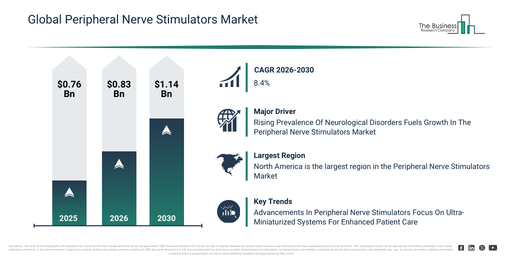
    The market for peripheral nerve stimulators has experienced robust expansion lately, projecting a rise from $0.76 billion in 2025 to $0.83 billion in 2026, demonstrating a compound annual growth rate of 8.4%. During the historical period, this growth was fueled by a scarcity of non-invasive pain relief alternatives, the widespread incidence of chronic neuropathic pain conditions, a significant dependency on pharmaceutical treatments, a generally low level of understanding regarding peripheral nerve stimulation as a therapeutic option, and a dispersed network for distributing neurostimulation devices.

    The peripheral nerve stimulators market is on a trajectory for significant expansion, projected to reach $1.14 billion by 2030 with a compound annual growth rate of 8.4%. This anticipated surge is fueled by several key factors, including ongoing innovation in implantable and percutaneous stimulator technologies, a broader acceptance of transcutaneous electrical nerve stimulation (TENS) devices, the increasing number of ambulatory surgical centers and physiotherapy practices, a growing demand for rechargeable and single-use neurostimulation options, and heightened awareness regarding non-medicinal approaches to pain management. During this forecast period, prominent developments are expected to include the wider integration of AI-powered pain management solutions, increased utilization of cloud infrastructure for monitoring neurostimulation patients, continued progress in the creation of both implantable and rechargeable neurostimulators, greater incorporation of Internet of Things (IoT) capabilities into nerve stimulation systems, and the adoption of smart manufacturing techniques for peripheral nerve stimulators.

    Download A Free Sample Report For Comprehensive Market Insights:

    https://www.thebusinessresearchcompany.com/sample.aspx?id=20923&type=smp

    Peripheral Nerve Stimulators Market Growth Factors Supporting Long-Term Expansion

    The escalating incidence of neurological conditions is anticipated to fuel the expansion of the peripheral nerve stimulators industry. These conditions, which impact the brain, spinal cord, or peripheral nerves and result in physical, structural, or chemical impairments, are becoming more common due to an aging global population, inherited factors, environmental exposures, lifestyle habits, and greater recognition and identification of these ailments. Peripheral nerve stimulators are instrumental in mitigating the effects of neurological disorders by offering focused alleviation of persistent pain, improving physical capabilities, and encouraging nerve repair in compromised regions. For example, as reported by the Alzheimer’s Association, a U.S. nonprofit organization, in March 2023, an estimated 6.7 million individuals in the United States aged 65 and above were diagnosed with Alzheimer’s dementia in 2023, with projections indicating this figure could reach 13.8 million by the year 2060, underscoring that the rising number of neurological disorders directly stimulates the peripheral nerve stimulators market’s growth.

    Peripheral Nerve Stimulators Market Segment Performance And Strategic Opportunities

    The peripheral nerve stimulators market covered in this report is segmented –

    1) By Product: Transcutaneous, Percutaneous, Implantable

    2) By Device: Stimulators, CPNB Catheters, Pain Pumps, Other Devices

    3) By Mode Of Purchase: Disposable Devices, Rechargeable Devices

    4) By Application: Hospitals, Physiotherapy Centers, Ambulatory Surgical Centers, Clinics, Other Applications

    Subsegments:

    1) By Transcutaneous: TENS (Transcutaneous Electrical Nerve Stimulation) Units, Surface Electrodes

    2) By Percutaneous: Single-Needle Percutaneous Stimulators, Multi-Needle Percutaneous Stimulators, Radiofrequency Percutaneous Stimulators

    3) By Implantable: Spinal Cord Stimulators (SCS), Peripheral Nerve Stimulation (PNS) Devices, Neurostimulator Implants

    Peripheral Nerve Stimulators Market Industry Trends Shaping Future Revenue Growth

    Companies at the forefront of the peripheral nerve stimulators market are dedicating resources to creating groundbreaking devices, including extremely small systems, with the goals of increasing patient ease, achieving better therapeutic results, and broadening their use in different medical fields. These ultra-miniaturized systems are essentially highly condensed, small-scale instruments engineered for sophisticated functions, frequently employing state-of-the-art technologies to boost efficiency, portability, and seamless integration into diverse applications. As an illustration, in April of 2023, NeuSpera Medical Inc., a medical device producer based in the United States, revealed that it had secured approval from the U.S. Food and Drug Administration (FDA) for its latest-generation Neuspera ultra-miniaturized system, intended for the long-term management of peripheral nerve pain. This particular device has been innovatively engineered to transmit precise electrical signals to peripheral nerves without the necessity of conventional leads, thereby rendering it minimally invasive and mitigating the potential for complications linked to lead-dependent systems. Its diminutive dimensions facilitate straightforward implantation with minimal tissue disturbance, thereby encouraging quicker patient recuperation. Furthermore, this micro-implant holds promise for sustained pain alleviation by directly engaging the afflicted nerve pathways, presenting a sophisticated remedy for individuals experiencing persistent peripheral nerve pain.

    Peripheral Nerve Stimulators Market Key Players: Which Companies Shape Industry Competition?

    Major companies operating in the peripheral nerve stimulators market are Abbott Laboratories, Medtronic plc, Boston Scientific Corp., Nevro Corp., Saluda Medical Pty Ltd., Stimwave Technologies Incorporated, Bioness Inc., SPR Therapeutics Inc., Neuspera Medical Inc., NeuroMetrix Inc., BioElectronics Corporation, Soterix Medical Inc., STIM Systems, NeuroSigma Inc., Synapse Biomedical Inc., BioControl Medical, Cardionomic Inc., Aleva Neurotherapeutics SA, NeuroPace Inc., Nervonik Inc., NeuraStim Technologies Inc., NeuroPulse Systems Inc., NeuroStim Devices Inc., Peripheral NeuroSolutions Ltd, BlueWind Medical, PINS Medical, Neurimpulse, Cala Health Inc.

    Access The Complete Peripheral Nerve Stimulators Market Report:

    https://www.thebusinessresearchcompany.com/report/peripheral-nerve-stimulators-global-market-report

    Peripheral Nerve Stimulators Market Largest Region: Which Geography Holds The Highest Market Share?

    North Americawas the largest region in the peripheral nerve stimulators market in 2025. Asia-Pacificis expected to be the fastest-growing region in the forecast period. The regions covered in the peripheral nerve stimulators market report are Asia-Pacific, South East Asia, Western Europe, Eastern Europe, North America, South America, Middle East, Africa.

    Get in touch with us:

    The Business Research Company: https://www.thebusinessresearchcompany.com/

    Americas: +1 310-496-7795

    Asia: +44 7882 955267 & +91 8897263534

    Europe: +44 7882 955267

    Email us at: marketing@tbrc.info

    Follow us on:

    LinkedIn: https://in.linkedin.com/company/the-business-research-company

    YouTube: https://www.youtube.com/channel/UC24_fI0rV8cR5DxlCpgmyFQ

    Global Market Model: https://www.thebusinessresearchcompany.com/global-market-model
  • Peripheral IV Catheters Market Opportunities Are Emerging Beyond Traditional Growth Areas

    Peripheral IV Catheters Market Opportunities Are Emerging Beyond Traditional Growth Areas

    Enhanced with market attractiveness analysis, total addressable market evaluation, company benchmarking matrices, interactive Excel dashboards, expanded supply chain intelligence, emerging startup coverage, and detailed product insights, The Business Research Company’s 2026 market reports deliver more actionable and strategically valuable research.

    Peripheral IV Catheters Market Size Forecast: How Large Could The Market Become By 2030?

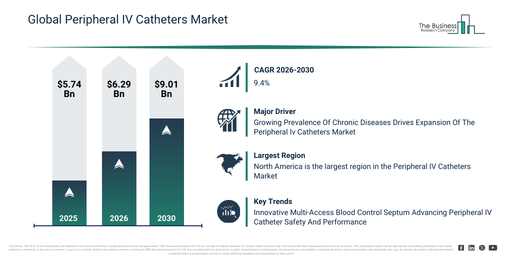
    The market for peripheral IV catheters experienced robust expansion recently, with projections indicating a rise from $5.74 billion in 2025 to $6.29 billion in 2026, reflecting a compound annual growth rate of 9.5%. Factors contributing to this historical growth trajectory include the prevalent issue of hospital-acquired infections, a continued dependence on traditional IV catheters, an increasing number of patients needing IV therapy, restricted access to sophisticated safety catheters, and a healthcare infrastructure that remains somewhat fragmented.

    The global market for peripheral IV catheters is poised for substantial expansion over the coming years, projected to reach $9.01 billion by 2030 with a compound annual growth rate of 9.4%. This anticipated growth trajectory is underpinned by several key factors, including the continuous development of enhanced safety features in IV catheter technology, a growing trend towards the utilization of smart and antimicrobial catheters, the expanding reach of home healthcare services, a marked preference for integrated or closed IV systems, and an escalating need for minimally invasive therapeutic administration methods. Furthermore, the forecast period is expected to be shaped by significant trends such as the increasing integration of AI-driven systems for guiding catheter insertion, a greater reliance on cloud-based platforms for monitoring IV therapy patients, ongoing innovation in the creation of antimicrobial and smart catheter designs, the burgeoning integration of IoT-enabled devices for improved IV monitoring, and the heightened implementation of smart manufacturing processes within the peripheral IV catheter industry.

    Download A Free Sample Report For Comprehensive Market Insights:

    https://www.thebusinessresearchcompany.com/sample.aspx?id=6658&type=smp

    Peripheral IV Catheters Market Demand Drivers Creating New Revenue Opportunities

    The increasing incidence of long-term health conditions is anticipated to drive forward the peripheral IV catheters market. These catheters serve a crucial role in managing a spectrum of chronic illnesses, such as cancer and heart disease, by providing essential access for treatments. This surge in chronic conditions can be attributed to modern lifestyles that often involve reduced physical activity, thereby elevating the risk of developing persistent health issues. Peripheral IV catheters facilitate the ongoing care required for chronic conditions, offering a dependable method for administering necessary medications, intravenous fluids, and therapies. Projections for 2025 indicate that approximately 75% of the global population will be affected by at least one chronic illness, a figure that continues its upward trend, as noted by the Northern Arizona Medical Group. Within the United States specifically, data from 2023 revealed that a significant majority, 76.4%, of adults were managing at least one chronic condition, with over half, 51.4%, dealing with multiple such ailments. Consequently, the escalating rate of chronic diseases is poised to be a major catalyst for the expansion of the peripheral IV catheters market.

    Peripheral IV Catheters Market Segment Landscape And Growth Potential

    The peripheral iv catheters market covered in this report is segmented –

    1) By Product Type: Short Peripheral Intravenous Catheters, Integrated Or Closed Peripheral Intravenous Catheters (PIVC)

    2) By Technology: Conventional Peripheral Intravenous Catheters (PIVC), Safety Peripheral Intravenous Catheters (PIVC)

    3) By End User: Hospitals, Clinics, Ambulatory Surgical Centers, Home Healthcare

    Subsegments:

    1) By Short Peripheral Intravenous Catheters: Over-the-Needle Catheters, Winged Infusion Sets

    2) By Integrated Or Closed Peripheral Intravenous Catheters (PIVC): Safety Catheters, Antimicrobial Catheters, Smart Catheters

    Peripheral IV Catheters Market Trends Driving Strategic Industry Expansion

    Leading entities within the peripheral IV catheter sector are prioritizing the creation of novel solutions, exemplified by the multi-access blood control septum. This innovative feature facilitates multiple linkages at the catheter hub without any blood discharge and negates the necessity of manual vein occlusion. Essentially, a multi-access blood control septum is an integrated valve within the IV catheter’s hub, engineered to autonomously halt blood spillage upon hub access. As an illustration, in July 2024, the U.S. Food and Drug Administration (FDA) approved the Introcan Safety 2 Deep Access IV Catheter from B. Braun Melsungen AG, a German firm known for its infusion therapy expertise. This particular device incorporates a multi-access blood control septum specifically engineered to avert blood escape during hub access, eradicate manual vein occlusion requirements, and preserve a closed system for heightened practitioner safety. Furthermore, this design also diminishes the potential for contamination during recurrent line connections and disconnections.

    Peripheral IV Catheters Market Competitive Landscape: Who Are The Leading Companies?

    Major companies operating in the peripheral iv catheters market are Becton, Dickinson and Company, B. Braun Melsungen AG, Smiths Medical Inc., Vygon SAS, Terumo Corporation, Teleflex Incorporated, NIPRO Medical Corporation, Argon Medical Devices Inc., Medical Components Inc., Vascular Pathways Inc., Tangent Medical Technologies Inc., Vigmed AB, Venner Medical, C. R. Bard Inc., MedSource Labs, Intra Special Catheters GmbH, Greiner Bio-One International GmbH, Ares Medikal, Ace Medical Company, Heka s.r.l, Raumedic AG, Vogt Medical Vertrieb GmbH, RenovoRx Inc., Retractable Technologies Inc., AngioDynamics Inc., ICU Medical Inc., Medtronic plc, Edwards Lifesciences Corporation, Cook Group Incorporated, Stryker Corporation, Boston Scientific Corporation, Johnson & Johnson, Abbott Laboratories, Merit Medical Systems Inc.

    Access The Complete Peripheral IV Catheters Market Report:

    https://www.thebusinessresearchcompany.com/report/peripheral-iv-catheters-global-market-report

    Peripheral IV Catheters Market Regional Analysis: Which Region Leads By Revenue?

    North Americawas the largest region in the peripheral IV catheters market in 2025. North Americais expected to be the fastest-growing region in the forecast period. The regions covered in the peripheral iv catheters market report are Asia-Pacific, South East Asia, Western Europe, Eastern Europe, North America, South America, Middle East, Africa.

    Get in touch with us:

    The Business Research Company: https://www.thebusinessresearchcompany.com/

    Americas: +1 310-496-7795

    Asia: +44 7882 955267 & +91 8897263534

    Europe: +44 7882 955267

    Email us at: marketing@tbrc.info

    Follow us on:

    LinkedIn: https://in.linkedin.com/company/the-business-research-company

    YouTube: https://www.youtube.com/channel/UC24_fI0rV8cR5DxlCpgmyFQ

    Global Market Model: https://www.thebusinessresearchcompany.com/global-market-model
  • Peripheral Artery Disease Market Expansion Is Opening New Pathways For Strategic Investment

    Peripheral Artery Disease Market Expansion Is Opening New Pathways For Strategic Investment

    Through market attractiveness analysis, total addressable market evaluation, company benchmarking matrices, interactive Excel dashboards, expanded supply chain intelligence, emerging startup coverage, and detailed product insights, The Business Research Company’s 2026 market reports provide more actionable and strategically valuable research.

    Peripheral Artery Disease Market Revenue Outlook: What CAGR Is Expected Through 2030?

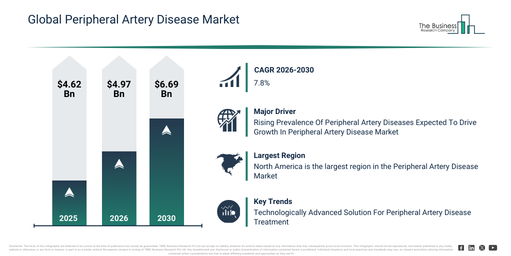
    The market for peripheral artery disease treatments has demonstrated robust expansion recently, projected to increase from $4.62 billion in 2025 to $4.97 billion in 2026, reflecting a compound annual growth rate of 7.5%. This historical growth trajectory has been propelled by factors such as the widespread occurrence of peripheral artery disease, a general lack of awareness regarding its risk factors, a predominant reliance on conventional pharmaceutical approaches, insufficient availability of interventional specialists, and the disjointed nature of patient care processes.

    The market for peripheral artery disease is poised for significant expansion, projected to reach $6.69 billion by 2030, exhibiting a compound annual growth rate of 7.8% during the forecast period. This upward trajectory is fueled by several key factors, including the continuous innovation in minimally invasive surgical techniques, the increasing utilization of drug-eluting balloons and stents, the proliferation of hospitals and specialized vascular treatment centers, heightened public awareness coupled with proactive early detection programs, and the growing prevalence of combination treatment strategies that incorporate both lifestyle adjustments and pharmacological interventions. Furthermore, several prominent trends are anticipated to shape this market, such as the escalating application of artificial intelligence for the early identification and risk assessment of peripheral artery disease, a greater embrace of cloud-based systems for patient health monitoring, a heightened emphasis on personalized treatment approaches guided by genetic insights, the enhanced integration of Internet of Things (IoT) devices for monitoring patients after interventions, and the broader implementation of intelligent manufacturing processes in the production of medical devices for peripheral artery disease.

    Download A Free Sample Report For Comprehensive Market Insights:

    https://www.thebusinessresearchcompany.com/sample.aspx?id=12068&type=smp

    Peripheral Artery Disease Market Expansion Supported By Key Demand Factors

    An increasing incidence of peripheral artery diseases is anticipated to fuel the expansion of the peripheral artery disease market, given that peripheral artery disease signifies the constriction or obstruction of arteries beyond the heart, predominantly in the legs, leading to diminished blood flow and potential adverse outcomes. Treatments for peripheral artery disease are designed to alleviate symptoms, improve mobility, and mitigate the likelihood of serious complications, thereby enhancing patient health. As an illustration, data from the American Heart Association, a non-profit entity based in the United States, indicated in June 2023 that an estimated 7 to 12 million Americans and 200 million individuals worldwide suffer from this condition. Consequently, the escalating prevalence of peripheral artery diseases is serving as a catalyst for the growth observed in the peripheral artery disease market.

    Peripheral Artery Disease Market Categorization By Product Type And Application

    The peripheral artery disease market covered in this report is segmented –

    1) By Type: Peripheral Angioplasty Balloons, Peripheral Stents, Peripheral Catheters, Inferior Vena Cava (IVC) Filters, Plaque Modification Devices, Hemodynamic Flow Alteration Devices, Peripheral Accessories

    2) By Drugs: Lipid-Lowering Drugs, Blood Pressure Lowering Drugs, Glucose Regulating Drugs, Blood Clot Preventing Drugs, Inotropes, Thrombolytics Agents, Anti-Inflammatory Agents

    3) By Route Of Administration: Oral, Parenteral, Other Routes Of Administrations

    4) By End Users: Hospitals, Specialty Clinics, Other End Users

    Subsegments:

    1) By Peripheral Angioplasty Balloons: Drug-Eluting Balloons, Non-Drug-Eluting Balloons, Scoring Balloons, Cutting Balloons

    2) By Peripheral Stents: Drug-Eluting Stents, Bare Metal Stents, Covered Stents

    3) By Peripheral Catheters: Sheath Introducers, Guidewires, Diagnostic Catheters, Delivery Catheters

    4) By Inferior Vena Cava (IVC) Filters: Retrievable IVC Filters, Permanent IVC Filters

    5) By Plaque Modification Devices: Atherectomy Devices, Laser Atherectomy Devices, Rotational Atherectomy Devices

    6) By Hemodynamic Flow Alteration Devices: Flow Diversion Devices, Flow Restriction Devices

    7) By Peripheral Accessories: Diagnostic Imaging Accessories, Accessory Kits For Interventional Procedures, Support Devices

    Peripheral Artery Disease Market Growth Trends Influencing Competitive Dynamics

    In the competitive peripheral artery disease (PAD) market, leading entities are prioritizing the creation of novel treatments, exemplified by drug-eluting scaffold systems that can be absorbed by the body. This innovation directly addresses the increasing need for safer, longer-lasting, and minimally invasive methods to treat blockages in arteries below the knee. Such bioresorbable scaffold technologies are engineered to re-establish blood circulation before gradually disappearing, presenting a significant benefit compared to conventional metal stents that remain permanently implanted. A notable development occurred in April 2024 when Abbott Laboratories, a prominent U.S. medical technology firm, launched the Esprit BTK Everolimus Eluting Resorbable Scaffold System. This groundbreaking dissolvable stent therapy is specifically designed for PAD located below the knee, administering everolimus to curb vessel re-stenosis while its entirely resorbable nature allows it to dissolve naturally, thereby mitigating the long-term risks tied to metallic implants. It represents a sophisticated option for clinicians, superseding conventional angioplasty or permanent stenting, and proving especially advantageous for individuals with extensive lesion lengths or severe limb ischemia. Through its integrated approach of drug dispensation and temporary structural reinforcement, the Esprit BTK System is intended to promote vessel recovery, decrease adverse events, and broaden therapeutic horizons for challenging PAD presentations.

    Peripheral Artery Disease Market Company Landscape And Strategic Competition

    Major companies operating in the peripheral artery disease market are Cardinal Health Inc., Vascular Solutions Inc., Bayer AG, Abbott Laboratories, Medtronic plc., Koninklijke Philips N.V. (Royal Philips), B. Braun Melsungen AG., Terumo Corporation, Edwards Lifesciences, Becton Dickinson and Company (BD), Boston Scientific Corporation Incorporated, Cook Group Incorporated, Merit Medical Systems Inc., NuVasive Inc., Arjo AB, Penumbra Inc., BIOTRONIK SE and Co. KG, AngioDynamics Inc., Shockwave Medical Inc., Cardiovascular Systems Inc., Endologix LLC., LeMaitre Vascular Inc., Silk Road Medical Inc., WL Gore and Associates Inc., MicroPort Scientific Corporation, Bard Peripheral Vascular Inc., Avinger Inc.

    Access The Complete Peripheral Artery Disease Market Report:

    https://www.thebusinessresearchcompany.com/report/peripheral-artery-disease-global-market-report

    Peripheral Artery Disease Market Geographic Distribution And Regional Opportunities

    North America was the largest region in the peripheral artery disease market in 2025. Asia-Pacific is expected to be the fastest-growing region in the forecast period. The regions covered in the peripheral artery disease market report are Asia-Pacific, South East Asia, Western Europe, Eastern Europe, North America, South America, Middle East, Africa.

    Get in touch with us:

    The Business Research Company: https://www.thebusinessresearchcompany.com/

    Americas: +1 310-496-7795

    Asia: +44 7882 955267 & +91 8897263534

    Europe: +44 7882 955267

    Email us at: marketing@tbrc.info

    Follow us on:

    LinkedIn: https://in.linkedin.com/company/the-business-research-company

    YouTube: https://www.youtube.com/channel/UC24_fI0rV8cR5DxlCpgmyFQ

    Global Market Model: https://www.thebusinessresearchcompany.com/global-market-model
  • Peripheral Arterial Disease Market Trends Are Creating New Opportunities For Industry Leaders

    Peripheral Arterial Disease Market Trends Are Creating New Opportunities For Industry Leaders

    Delivering more actionable and strategically valuable research, The Business Research Company’s 2026 market reports feature market attractiveness analysis, total addressable market evaluation, company benchmarking matrices, interactive Excel dashboards, expanded supply chain intelligence, emerging startup coverage, and detailed product insights.

    Peripheral Arterial Disease Market Growth Analysis: How Will Revenue Expand During The Forecast Period?

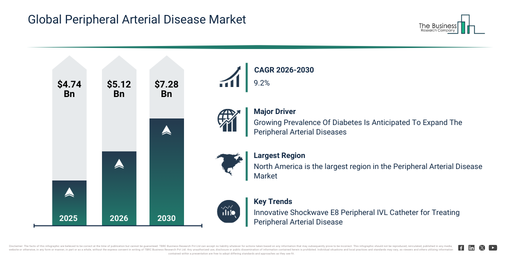
    The global market for peripheral arterial disease treatments experienced robust expansion recently, with projections indicating continued strong performance. This market, valued at $4.74 billion in 2025, is anticipated to reach $5.12 billion by 2026, reflecting a compound annual growth rate of 8.1%. Factors contributing to this growth during the historical period include the widespread occurrence of peripheral arterial disease, a lack of public knowledge regarding its symptoms, a preference for traditional pharmaceutical approaches, insufficient availability of vascular specialists, and a disjointed system for delivering patient care.

    The market for peripheral arterial disease is projected for substantial expansion in the coming years, anticipating a rise to $7.28 billion by 2030, driven by a compound annual growth rate of 9.2%. This projected growth is largely fueled by progress in less invasive endovascular techniques, a greater acceptance of drug-eluting devices, the proliferation of healthcare facilities dedicated to PAD treatment, heightened public understanding regarding the importance of early detection, and a more frequent application of multifaceted treatment strategies that combine pharmacological interventions with lifestyle adjustments. Key developments anticipated during this forecast period include the enhanced utilization of artificial intelligence for identifying the disease and evaluating patient risk at an earlier stage, a surge in the deployment of digital and cloud-based systems for patient monitoring, a concentrated effort toward developing personalized PAD treatments based on genetic profiles, a more widespread integration of Internet of Things (IoT) enabled devices for monitoring patients after their treatment, and an increasing incorporation of intelligent manufacturing processes in the production of PAD devices.

    Download A Free Sample Report For Comprehensive Market Insights:

    https://www.thebusinessresearchcompany.com/sample.aspx?id=12999&type=smp

    Peripheral Arterial Disease Market Growth Drivers And Industry Catalysts

    The increasing incidence of diabetes is anticipated to be a significant catalyst for the expansion of the peripheral arterial disease (PAD) market in the future. Diabetes, a long-term metabolic disorder defined by persistently high blood glucose levels, directly contributes to the rising need for interventions and therapies when its prevalence escalates. Individuals with diabetes face an elevated risk of developing atherosclerosis, the primary contributor to PAD, thereby necessitating medical treatment. For illustration, data from March 2024, as released by the UK’s Office for Health Improvement and Disparities (OHID), indicated a 22% surge in the completion rate of eight essential care processes for individuals with type 1 diabetes and a 21% increase for those with type 2 diabetes during the periods spanning from March 2022 to March 2023. Consequently, the surging number of diabetes cases is fueling the expansion of the peripheral arterial disease market.

    Peripheral Arterial Disease Market Segment Analysis And Revenue Opportunities

    The peripheral arterial disease market covered in this report is segmented –

    1) By Treatment Type: Devices, Catheters, Drugs, Other Types

    2) By Route Of Administration: Oral, Parenteral, Other Route Of Administrations

    3) By End User: Hospitals, Specialty Clinics, Other End-Users

    Subsegments:

    1) By Devices: Stents, Balloons, Atherectomy Devices

    2) By Catheters: Drug-Eluting Catheters, Balloon Catheters, Guidewires

    3) By Drugs: Antiplatelet Agents, Anticoagulants, Vasodilators

    4) By Other Types: Surgical Interventions, Lifestyle Modification Programs, Endovascular Therapy

    #Peripheral Arterial Disease Market Trends Influencing Long-Term Demand

    Key players within the peripheral arterial disease sector are concentrating their efforts on pioneering novel medical technologies, including intravascular lithotripsy (IVL) catheters, with the overarching goals of elevating treatment effectiveness, bettering patient results, and expediting recovery periods for those afflicted with circulatory ailments. The intravascular lithotripsy (IVL) catheter functions as a medical instrument designed to address arterial obstructions caused by calcification; it achieves this by emitting measured shockwaves that fracture the calcium deposits, thereby facilitating the restoration of blood circulation and enhancing vascular pliability during interventions like angioplasty. As a concrete illustration, in September of 2024, Shockwave Medical, Inc., an American firm specializing in medical technology, introduced its Shockwave E8 peripheral IVL catheter, a device specifically engineered to combat peripheral arterial disease through the application of precise intravascular lithotripsy, employing sonic energy to disintegrate calcium buildups within arterial linings, a revolutionary method that aids in re-establishing blood flow while simultaneously lessening damage to adjacent tissues, with its sophisticated construction enabling improved maneuverability through intricate vascular pathways, rendering it applicable to a broad spectrum of individuals.

    Peripheral Arterial Disease Market Leading Players Shaping Industry Direction

    Major companies operating in the peripheral arterial disease market are Johnson and Johnson Limited, Abbott Laboratories, Medtronic Plc, Becton Dickinson and Company, Koninklijke Philips N.V., Boston Scientific Corporation, B. Braun SE, Terumo Corp., Cook Medical LLC, Penumbra Inc., Shockwave Medical Inc., AngioDynamics Inc., Cardiovascular Systems Inc., ACIST Medical Systems Inc., SurModics Inc., QT Vascular Ltd., Avinger Inc., Mercator MedSystems Inc., VentureMed Group Ltd., Eximo Medical Ltd., LimFlow SA, Contego Medical LLC

    Access The Complete Peripheral Arterial Disease Market Report:

    https://www.thebusinessresearchcompany.com/report/peripheral-arterial-disease-global-market-report

    Peripheral Arterial Disease Market Largest Region By Revenue And Market Share

    North Americawas the largest region in the peripheral artery disease market in 2025. The regions covered in the peripheral arterial disease market report are Asia-Pacific, South East Asia, Western Europe, Eastern Europe, North America, South America, Middle East, Africa.

    Get in touch with us:

    The Business Research Company: https://www.thebusinessresearchcompany.com/

    Americas: +1 310-496-7795

    Asia: +44 7882 955267 & +91 8897263534

    Europe: +44 7882 955267

    Email us at: marketing@tbrc.info

    Follow us on:

    LinkedIn: https://in.linkedin.com/company/the-business-research-company

    YouTube: https://www.youtube.com/channel/UC24_fI0rV8cR5DxlCpgmyFQ

    Global Market Model: https://www.thebusinessresearchcompany.com/global-market-model
  • Periodontal Disease Treatment Market Growth Is Reshaping Competitive Advantage Across The Industry

    Periodontal Disease Treatment Market Growth Is Reshaping Competitive Advantage Across The Industry

    Enhanced with market attractiveness analysis, total addressable market evaluation, company benchmarking matrices, interactive Excel dashboards, expanded supply chain intelligence, emerging startup coverage, and detailed product insights, The Business Research Company’s 2026 market reports deliver more actionable and strategically valuable research.

    Periodontal Disease Treatment Market Forecast: What Market Value Is Expected By 2030?

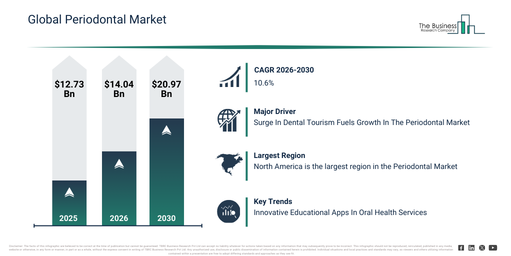
    The market for periodontal disease treatments has experienced robust expansion recently, projected to increase from $1.67 billion in 2025 to $1.79 billion in 2026, reflecting a compound annual growth rate of 7.0%. Several factors contributed to this past growth, including the widespread occurrence of gingivitis and periodontitis, a deficiency in public knowledge regarding available treatments, a common reliance on traditional dental care approaches, insufficient early detection methods, and a dispersed system for delivering dental services.

    The market for treating periodontal disease is projected for substantial expansion, anticipated to reach \$2.33 billion by 2030, reflecting a compound annual growth rate (CAGR) of 6.8%. This upward trajectory in the upcoming years is fueled by several key factors, including the development of less invasive surgical techniques, increased utilization of regenerative therapies and bone grafting procedures, the proliferation of dental practices and research institutions, heightened public understanding and demand for gum health treatments, and the integration of digital technologies and interconnected oral care systems. Significant trends expected to shape this period involve the growing application of artificial intelligence for early detection and patient risk assessment, the wider adoption of digital and cloud-based patient records, the escalating use of Internet of Things (IoT) devices for monitoring treatment outcomes, the implementation of smart manufacturing processes for dental instruments used in periodontics, and a greater emphasis on tailoring periodontal treatments based on genetic information.

    Download A Free Sample Report For Comprehensive Market Insights:

    https://www.thebusinessresearchcompany.com/sample.aspx?id=21253&type=smp

    Periodontal Disease Treatment Market Opportunity Drivers: What Is Creating New Revenue Potential?

    The increasing prevalence of issues related to oral health is anticipated to fuel the expansion of the market for periodontal disease treatments in the future. Oral health challenges encompass conditions that impact the teeth, gums, and mouth, such as cavities, gum infections, oral ailments, and oral malignancies. Factors contributing to the escalating rates of these oral health problems include inadequate oral hygiene practices, detrimental dietary habits, consumption of tobacco and alcohol, an aging global population, and restricted availability of dental services. Treatments for periodontal disease are employed to control and avert oral health complications by targeting gum infections, inflammation, and the deterioration of supporting bone structures. As an illustration, in March 2025, the World Health Organization (WHO), a governmental public health entity headquartered in Switzerland, indicated that approximately 3.7 billion individuals are estimated to be affected by oral diseases. Consequently, the burgeoning occurrence of oral health disorders is poised to drive the expansion of the periodontal disease treatment market.

    Periodontal Disease Treatment Market Segmentation And Category Breakdown

    The periodontal disease treatment market covered in this report is segmented –

    1) By Type: Gingivitis, Chronic Periodontal Disease, Aggressive Periodontal Disease, Other Types

    2) By Treatment Type: Non-Surgical Treatment, Scaling And Root Planning, Medication, Surgical Treatment, Flap Surgery, Bone Grafts, Other Treatment Types

    3) By Route Of Administration: Oral, Injectable

    4) By Distribution Channel: Hospital Pharmacies, Retail Pharmacies, Other Distribution Channels

    5) By End-User: Hospitals, Clinic, Dental Clinic, Dental Academics And Research Institutes, Other End-Users

    Subsegments:

    1) By Gingivitis: Plaque-Induced Gingivitis, Non-Plaque-Induced Gingivitis

    2) By Chronic Periodontal Disease: Mild Periodontitis, Moderate Periodontitis, Severe Periodontitis

    3) By Aggressive Periodontal Disease: Localized Aggressive Periodontitis, Generalized Aggressive Periodontitis

    4) By Other Types: Necrotizing Periodontal Disease, Periodontitis Associated With Systemic Conditions

    Periodontal Disease Treatment Market Innovation Trends Driving Future Development

    Leading entities within the periodontal disease therapeutics sector are actively engaged in pioneering advancements, such as the creation of specialized dental gels aimed at fostering bone regrowth, increasing treatment availability, minimizing procedural intrusion, and presenting superior, more amenable options compared to conventional periodontal interventions. Dental gel, essentially a medicinal preparation for oral application, incorporates agents with antibacterial, anti-inflammatory, or fluoride properties, serving the dual purpose of cavity prevention and management of gum ailments, while also alleviating oral discomfort. As an illustration, during October of 2024, Oral Biolife Inc., a bioscience firm headquartered in the United States, unveiled Ambrilux Dental Gel, a revolutionary therapeutic engineered to stimulate bone regeneration in cases of periodontal disease, which has demonstrated encouraging outcomes in extensive animal studies. The successful validation conducted on Beagle dogs, revealing a complete absence of bone loss and a demonstrable increase in bone mass across all subjects receiving the treatment, suggests that this novel development holds the potential to transform non-surgical dental care paradigms for both human and veterinary patients, tackling a substantial gap in current medical provisions.

    Periodontal Disease Treatment Market Competitive Analysis Of Major Industry Participants

    Major companies operating in the periodontal disease treatment market are Bausch Health Companies Inc, DENTSPLY SIRONA Inc., Straumann AG, Sunstar Suisse S.A, NovaBone Products LLC, Nakanishi Inc., Brasseler USA, Geistlich Pharma AG, BIOLASE Inc., Bien-Air Dental, Convergent Dental Inc., Carl Martin GmbH, Karl Schumacher, Yoshida Dental MFG. Co. Ltd., Botiss Biomaterials GmbH, Millennium Dental Technologies Inc., PreXion Inc., AMD Lasers Inc., Steris Healthcare Pvt Ltd, Perio Protect, Deppeler SA.

    Access The Complete Periodontal Disease Treatment Market Report:

    https://www.thebusinessresearchcompany.com/report/periodontal-disease-treatment-global-market-report

    Periodontal Disease Treatment Market Regional Analysis And Leading Geography

    North Americawas the largest region in the periodontal disease treatment market in 2025. Asia-Pacificis expected to be the fastest-growing region in the forecast period. The regions covered in the periodontal disease treatment market report are Asia-Pacific, South East Asia, Western Europe, Eastern Europe, North America, South America, Middle East, Africa.

    Get in touch with us:

    The Business Research Company: https://www.thebusinessresearchcompany.com/

    Americas: +1 310-496-7795

    Asia: +44 7882 955267 & +91 8897263534

    Europe: +44 7882 955267

    Email us at: marketing@tbrc.info

    Follow us on:

    LinkedIn: https://in.linkedin.com/company/the-business-research-company

    YouTube: https://www.youtube.com/channel/UC24_fI0rV8cR5DxlCpgmyFQ

    Global Market Model: https://www.thebusinessresearchcompany.com/global-market-model
  • Periodontal Market Forecast Signals New Revenue Opportunities Through 2030

    Periodontal Market Forecast Signals New Revenue Opportunities Through 2030

    Through market attractiveness analysis, total addressable market evaluation, company benchmarking matrices, interactive Excel dashboards, expanded supply chain intelligence, emerging startup coverage, and detailed product insights, The Business Research Company’s 2026 market reports provide more actionable and strategically valuable research.

    Periodontal Market Size Outlook: How Fast Will Revenue Grow Through 2030?

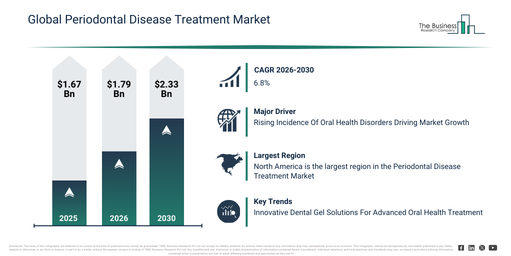
    The market for periodontal services has experienced substantial expansion recently. Projections indicate an increase from $12.73 billion in 2025 to $14.04 billion in 2026, reflecting a compound annual growth rate of 10.3%. Factors contributing to the market’s expansion during the past period include the widespread occurrence of gingivitis and periodontitis, a general lack of knowledge regarding oral hygiene, dependence on conventional dental tools, insufficient early detection methods, and decentralized approaches to dental care provision.

    The global market for periodontal treatments is poised for substantial expansion, projected to reach $20.97 billion by 2030, exhibiting a compound annual growth rate of 10.6%. This upward trajectory is largely fueled by several key factors: the proliferation of advanced treatment technologies such as lasers and ultrasonic devices, an increasing preference for less invasive periodontal interventions, the broader establishment of dental facilities and consolidated group practices, heightened public consciousness regarding oral hygiene, and the seamless integration of modern digital and interconnected dental care solutions. During this forecast horizon, several significant trends are anticipated to shape the market landscape, including the escalating application of artificial intelligence for the early identification of periodontal issues and the prediction of associated risks, a greater embrace of digital imaging techniques and cloud-based patient data management systems, the expanding utilization of internet-of-things enabled gadgets for the continuous monitoring of patient recovery post-treatment, a surge in the adoption of intelligent manufacturing processes for periodontal instruments, and an intensified emphasis on tailoring periodontal care strategies by leveraging genomic data for personalized patient management.

    Download A Free Sample Report For Comprehensive Market Insights:

    https://www.thebusinessresearchcompany.com/sample.aspx?id=13907&type=smp

    Periodontal Market Growth Momentum: Which Factors Are Influencing Demand?

    The expansion of dental tourism is anticipated to be a significant catalyst for the periodontal market’s progression. This trend, involving individuals seeking dental services abroad, presents a more economical path for those desiring high-standard treatments without the premium cost. Consequently, patients are increasingly journeying to nations where dental procedures are more accessible financially, thereby fueling a greater need for periodontal therapies in those destinations. As an illustration, FineUp Clinic, a provider of dental and aesthetic interventions based in Turkey, noted in September 2024 that the second quarter of 2024 alone saw an 11.8% surge in its tourism-related income, amounting to an impressive $14.875 billion. This demonstrates how the rise in dental tourism directly contributes to the expansion of the periodontal market.

    Periodontal Market Segment Outlook: Which Categories Are Expanding The Fastest?

    The periodontal market covered in this report is segmented –

    1) By Product: Diagnostic Instruments, Treatment Instruments, Surgical Instruments

    2) By Procedures: Scaling And Root Planing, Gum Grafting, Regenerative Therapy, Dental Crown Lengthening, Periodontal Pocket Procedures, Single Tooth Dental Implants, Multiple Tooth Dental Implants

    3) By End User: Hospitals, Dental Clinics, Group Dental Practice, Ambulatory Surgical Centers

    Subsegments:

    1) By Diagnostic Instruments: Periodontal Probes, Diagnostic Kits, X-Ray Imaging Systems

    2) By Treatment Instruments: Ultrasonic Scalers, Hand Instruments, Laser Treatment Devices

    3) By Surgical Instruments: Surgical Scalpels, Suturing Devices, Bone Grafting Instruments

    Periodontal Market Trends Reshaping Industry Growth

    Within the periodontal landscape, leading enterprises are prioritizing the creation of novel approaches, including educational applications, to deliver dependable offerings to their clientele. An educational app, essentially a smartphone program, aims to streamline and improve the learning journey. As an illustration, during October 2023, Universitas Gadjah Mada, a public institution based in Indonesia, launched the Gigi Kecil mobile application. This innovative tool incorporates artificial intelligence for the real-time identification of dental cavities, features augmented reality-based interactive educational games, and provides free consultations with dental professionals for children. Furthermore, the application hosts an “Ayo Belajar!” (Let’s Learn!) feature, which utilizes augmented reality to assist young children in grasping the concept of tooth decay.

    Periodontal Market Key Companies And Competitive Benchmarking

    Major companies operating in the periodontal market are 3M Company, Colgate-Palmolive Company, Henry Schein Inc., Zimmer Biomet Inc., Dentsply Sirona Inc., Straumann AG, Planmeca Oy, Biohorizons Implant Systems Inc., DENTAURUM GmbH Co. KG, DenMat Holdings LLC, Biolase Inc., Carl Martin GmBH, ASA Dental S.p.A., Karl Schumacher, Deppeler SA, AMD Lasers Inc., GC Corporation, Hu-Friedy Mfg Co LLC, Coltene Holding AG, DIO Corporation, Sunstar Suisse SA, Osstem Implant Co Ltd, Ultradent Products Inc, BEGO GmbH

    Access The Complete Periodontal Market Report:

    https://www.thebusinessresearchcompany.com/report/periodontal-global-market-report

    Periodontal Market Geographic Analysis: Where Is Demand Growing The Fastest?

    North Americawas the largest region in the periodontal market in 2025. Asia-Pacificis expected to be the fastest-growing region in the forecast period. The regions covered in the periodontal market report are Asia-Pacific, South East Asia, Western Europe, Eastern Europe, North America, South America, Middle East, Africa.

    Get in touch with us:

    The Business Research Company: https://www.thebusinessresearchcompany.com/

    Americas: +1 310-496-7795

    Asia: +44 7882 955267 & +91 8897263534

    Europe: +44 7882 955267

    Email us at: marketing@tbrc.info

    Follow us on:

    LinkedIn: https://in.linkedin.com/company/the-business-research-company

    YouTube: https://www.youtube.com/channel/UC24_fI0rV8cR5DxlCpgmyFQ

    Global Market Model: https://www.thebusinessresearchcompany.com/global-market-model
  • Percutaneous Nephrolithotomy Market Growth Is Accelerating As Industry Transformation Continues

    Percutaneous Nephrolithotomy Market Growth Is Accelerating As Industry Transformation Continues

    Delivering more actionable and strategically valuable research, The Business Research Company’s 2026 market reports feature market attractiveness analysis, total addressable market evaluation, company benchmarking matrices, interactive Excel dashboards, expanded supply chain intelligence, emerging startup coverage, and detailed product insights.

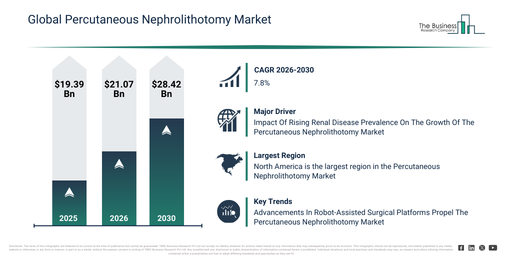
    Percutaneous Nephrolithotomy Market Size, Value And Growth Trends Through 2030

    The global percutaneous nephrolithotomy market experienced robust expansion recently, projecting a rise from $19.39 billion in 2025 to $21.07 billion in 2026, driven by an 8.7% compound annual growth rate. Factors contributing to this past growth include the widespread occurrence of kidney stones, a scarcity of less invasive surgical alternatives, the continued use of open surgery for intricate stone cases, insufficient knowledge regarding the advantages of PCNL, and the frequent reappearance of kidney stones.

    The global percutaneous nephrolithotomy market is poised for considerable expansion, projected to reach $28.42 billion by 2030, exhibiting a compound annual growth rate (CAGR) of 7.8%. This upward trend is fueled by several key factors, including the development of more sophisticated flexible and miniature nephrolithotomy instruments, a greater preference for minimally invasive urological interventions, the proliferation of outpatient surgical facilities, heightened patient understanding of available treatments, and the incorporation of cutting-edge imaging and monitoring technologies into surgical practices. Significant shifts anticipated within this market include the growing application of artificial intelligence for pre-operative strategy and the forecasting of stone removal success, enhanced utilization of cloud computing and big data for managing patient information and procedural workflows, the increasing deployment of internet-of-things (IoT) enabled devices offering real-time oversight during percutaneous nephrolithotomy operations, the wider adoption of intelligent manufacturing processes for both percutaneous nephrolithotomy equipment and related accessories, and a more pronounced embrace of precision medicine methodologies to tailor kidney stone management strategies for individual patients.

    Download A Free Sample Report For Comprehensive Market Insights:

    https://www.thebusinessresearchcompany.com/sample.aspx?id=16506&type=smp

    Percutaneous Nephrolithotomy Market Expansion Drivers: What Is Shaping Future Growth?

    The escalating incidence of kidney-related ailments is anticipated to stimulate the expansion of the percutaneous nephrolithotomy sector. Such conditions broadly encompass a spectrum of disorders impacting renal functionality. Factors contributing to this rise include elevated rates of diabetes and high blood pressure, an aging demographic, unhealthy lifestyle patterns, genetic factors, persistent health issues, and heightened awareness coupled with improved diagnostic capabilities. Percutaneous nephrolithotomy serves as a crucial intervention for managing these renal diseases by offering a surgical technique with minimal invasiveness to extract substantial or intricate kidney stones, thereby alleviating discomfort, averting urinary tract infections, and thereby enhancing kidney performance. As an illustration, by May 2024, Kidney Care UK reported that daily new cases of kidney failure in the United Kingdom surpassed twenty individuals. Consequently, the growing prevalence of kidney diseases is a primary catalyst for the percutaneous nephrolithotomy market.

    Greater utilization of surgical procedures characterized by minimal invasion is projected to accelerate the trajectory of the percutaneous nephrolithotomy market. Minimally invasive interventions involve entering the body, typically through incisions, for therapeutic or diagnostic purposes. The heightened adoption of these techniques is influenced by significant benefits like shorter convalescence periods and reduced hospitalizations, a diminished likelihood of complications, less discomfort and scarring, and superior accuracy afforded by cutting-edge technology. This minimally invasive approach offers substantial advantages for percutaneous nephrolithotomy (PCNL) in addressing kidney stones. For example, by April 2025, data from Intuitive Surgical Inc. indicated that healthcare facilities integrating robotic-assisted surgery (RAS) observed an increase in their minimally invasive surgery rates from 60.5% to 65.8%, a more pronounced surge compared to facilities that did not adopt RAS, which saw rates rise from 56.1% to 57.0%. Therefore, the expanding embrace of minimally invasive surgical techniques is fueling the advancement of the percutaneous nephrolithotomy market.

    Percutaneous Nephrolithotomy Market Segment Landscape: Which Areas Lead Market Development?

    The percutaneous nephrolithotomy market covered in this report is segmented –

    1) By Type: Magnesium Ammonium Phosphate Stone Type, Calcareous Type, Uric Acid Calculi Type

    2) By Component: Accessories, Devices, Services

    3) By End-User: Ambulatory Surgical Centers, Clinics, Hospitals

    Subsegments:

    1) By Magnesium Ammonium Phosphate Stone Type: Struvite Stones, Triple Phosphate Stones

    2) By Calcareous Type: Calcium Oxalate Stones, Calcium Phosphate Stones

    3) By Uric Acid Calculi Type: Primary Uric Acid Stones, Secondary Uric Acid Stones

    Percutaneous Nephrolithotomy Market Strategic Trends: What Is Defining The Next Phase Of Growth?

    Leading players in the percutaneous nephrolithotomy sector are concentrating on embracing novel approaches, notably robot-assisted surgical systems, with the aim of improving surgical accuracy and patient recovery. A robot-assisted surgical system represents a sophisticated medical technology that leverages robotics to aid surgeons in executing intricate operations with enhanced exactitude, command, and adaptability. As an illustration, in February of 2023, Ethicon Inc., a medical technology firm headquartered in the United States, disclosed the inaugural successful robotic-assisted extraction of kidney stones in a patient, utilizing the MONARCH Platform specifically for urological applications. This technology empowers urologists to maneuver within the kidney with robotic support, engineered to facilitate access, stone clearance, and precise control through a handheld device. The MONARCH Platform offers a unified system capable of supporting both ureteroscopic interventions and percutaneous nephrolithotomy (PCNL) procedures, delivering superior navigational capabilities, access, clearance, and control when contrasted with conventional techniques.

    Percutaneous Nephrolithotomy Market Industry Leaders And Market Competition

    Major companies operating in the percutaneous nephrolithotomy market are Boston Scientific Corporation, Olympus Corporation, Cook Medical, Karl Storz SE And Co. KG, Merit Medical Systems, Richard Wolf GmbH, Dornier MedTech, EDAP TMS, ELMED Lithotripsy Systems, Advin Urology, Siemens Healthineers AG, Stryker Corporation, Lumenis Ltd, HealthTronics Inc, Rocamed SAM, Quanta System S.p.A, GEMMS Co Ltd, Pusen Medical Technology Co Ltd, Storz Medical AG, Jena Med Tech, Shenzhen Hyde Medical Equipment, Allium Medical Solutions Ltd, Medtronic plc, Nanjing Minimally Invasive Medical Technology Co Ltd.

    Access The Complete Percutaneous Nephrolithotomy Market Report:

    https://www.thebusinessresearchcompany.com/report/percutaneous-nephrolithotomy-global-market-report

    Percutaneous Nephrolithotomy Market Global Footprint: Which Region Holds Market Leadership?

    North Americawas the largest region in the percutaneous nephrolithotomy market in 2025. The regions covered in the percutaneous nephrolithotomy market report are Asia-Pacific, South East Asia, Western Europe, Eastern Europe, North America, South America, Middle East, Africa.

    Get in touch with us:

    The Business Research Company: https://www.thebusinessresearchcompany.com/

    Americas: +1 310-496-7795

    Asia: +44 7882 955267 & +91 8897263534

    Europe: +44 7882 955267

    Email us at: marketing@tbrc.info

    Follow us on:

    LinkedIn: https://in.linkedin.com/company/the-business-research-company

    YouTube: https://www.youtube.com/channel/UC24_fI0rV8cR5DxlCpgmyFQ

    Global Market Model: https://www.thebusinessresearchcompany.com/global-market-model