Month: June 2026

  • Sepsis Market Expansion Is Reshaping Competitive Dynamics Across The Industry

    Sepsis Market Expansion Is Reshaping Competitive Dynamics Across The Industry

    Through market attractiveness analysis, total addressable market evaluation, company benchmarking matrices, interactive Excel dashboards, expanded supply chain intelligence, emerging startup coverage, and detailed product insights, The Business Research Company’s 2026 market reports provide more actionable and strategically valuable research.

    Sepsis Market Value Expansion And Long-Term Growth Outlook

    The global sepsis market experienced robust expansion recently, projecting an increase from $1.02 billion in 2025 to $1.11 billion in 2026, driven by a compound annual growth rate of 9.0%. This historical growth trajectory was propelled by factors such as the prevalence of sepsis, enhancements in hospital care, the implementation of standardized clinical guidelines, the proliferation of sepsis awareness initiatives, and the advancement of intensive care unit facilities.

    The market for sepsis is poised for substantial expansion over the coming years, projected to reach $1.55 billion by 2030 with a compound annual growth rate of 8.6%. This upward trajectory in the anticipated period is primarily fueled by advancements such as AI-driven early detection methods, the increasing availability of point-of-care monitoring solutions, seamless integration with Electronic Health Records (EHR) systems, the development of novel sepsis treatments, and the broader adoption of global sepsis management protocols. Key developments anticipated throughout this forecast timeframe encompass pioneering tools for early sepsis identification, sophisticated AI algorithms for risk stratification, real-time point-of-care sepsis monitoring devices, enhanced integration with telemedicine intensive care units (tele-ICU), and treatment strategies guided by established protocols.

    Download A Free Sample Report For Comprehensive Market Insights:

    https://www.thebusinessresearchcompany.com/sample.aspx?id=21286&type=smp

    Sepsis Market Growth Momentum: Which Factors Are Influencing Demand?

    The expanding global challenge posed by infectious diseases is anticipated to be a primary catalyst for the expansion of the sepsis market. These infections, stemming from the invasion of bacteria, viruses, fungi, or parasites, encompass a range of ailments such as tuberculosis, influenza, malaria, and ringworm, which can be transmitted through direct contact, contaminated consumables, or insect carriers. Factors contributing to the heightened prevalence of infectious diseases include population expansion, increased global interconnectedness, shifts in environmental conditions, the emergence of pathogens resistant to medication, and deficiencies within existing healthcare infrastructures. Sepsis itself represents a critical and life-threatening consequence of these infections, occurring when the body mounts an overwhelming and detrimental immune response, triggering systemic inflammation and the risk of vital organ dysfunction. Illustrating this trend, data from the Centers for Disease Control and Prevention, a prominent US public health authority, revealed that in 2023, the United States observed 9,633 instances of tuberculosis (TB), a significant ascent of 15.6% compared to the 8,332 cases recorded in 2022. Consequently, the mounting pressure from infectious diseases is directly fueling the growth trajectory of the sepsis market.

    Sepsis Market Segmentation And Category Breakdown

    The sepsis market covered in this report is segmented –

    1) By Type: Diagnosis, Therapeutics

    2) By Pathogen: Bacterial, Viral, Fungal

    3) By Application: Severe Sepsis, Septic Shock

    4) By End User: Hospitals, Pathology, Reference Laboratories

    Subsegments:

    1) By Diagnosis: Blood Tests, Imaging Techniques, Microbiological Culture Tests, Biomarker Tests, Other Diagnostic Methods

    2) By Therapeutics: Antibiotics, Antifungal Agents, Vasopressors, Immunoglobulins, Corticosteroids, Other Therapeutic Options

    Sepsis Market Trends Reshaping Industry Growth

    Leading firms within the sepsis market are prioritizing the creation of sophisticated technological solutions, notably incorporating artificial intelligence, to refine early detection, boost therapeutic accuracy, and forecast patient prognoses, with the overarching goal of diminishing mortality and elevating healthcare effectiveness in managing sepsis. A prime example is Predicate Healthcare Performance Group (HPG), a US enterprise, which in June 2024 introduced its AI software, OpenDX. This cutting-edge platform integrates AI diagnostic capabilities with wearable biosensors, empowering medical professionals to identify nascent indicators of sepsis, thereby facilitating its diagnosis and showing promise for application to additional health concerns, underscoring technology’s crucial contribution to diagnostic processes. Predicate’s chest sensor offers invaluable assistance to medical personnel in identifying the initial manifestations of sepsis, a condition that is notoriously difficult to diagnose and frequently goes undetected.

    Sepsis Market Competitive Analysis Of Major Industry Participants

    Major companies operating in the sepsis market are Pfizer Inc., F. Hoffmann-La Roche AG, Merck KGaA, Bayer AG, Thermo Fisher Scientific Inc., Abbott Laboratories, Novartis AG, Asahi Kasei Corporation, Becton Dickinson and Company, bioMérieux SA, QuidelOrtho Corporation, DiaSorin S.p.A., Seegene Inc., EKF Diagnostics, Boditech Med Inc., Cytovale Inc., Alifax S.r.l., Hansa Biopharma, Amomed Pharma GmbH, Inotrem S.A., Abionic SA, Biosystems Inc., Immunexpress Inc.

    Access The Complete Sepsis Market Report:

    https://www.thebusinessresearchcompany.com/report/sepsis-global-market-report

    Sepsis Market Geographic Distribution And Regional Opportunities

    North Americawas the largest region in the sepsis market in 2025. Asia-Pacificis expected to be the fastest-growing region in the forecast period. The regions covered in the sepsis market report are Asia-Pacific, South East Asia, Western Europe, Eastern Europe, North America, South America, Middle East, Africa.

    Get in touch with us:

    The Business Research Company: https://www.thebusinessresearchcompany.com/

    Americas: +1 310-496-7795

    Asia: +44 7882 955267 & +91 8897263534

    Europe: +44 7882 955267

    Email us at: marketing@tbrc.info

    Follow us on:

    LinkedIn: https://in.linkedin.com/company/the-business-research-company

    YouTube: https://www.youtube.com/channel/UC24_fI0rV8cR5DxlCpgmyFQ

    Global Market Model: https://www.thebusinessresearchcompany.com/global-market-model

  • Sensory Rooms Market Forecast Reveals Where Future Industry Value Will Be Created

    Sensory Rooms Market Forecast Reveals Where Future Industry Value Will Be Created

    Delivering more actionable and strategically valuable research, The Business Research Company’s 2026 market reports feature market attractiveness analysis, total addressable market evaluation, company benchmarking matrices, interactive Excel dashboards, expanded supply chain intelligence, emerging startup coverage, and detailed product insights.

    Sensory Rooms Market Expected To Reach $2.09 Billion By 2030 At 12.6% CAGR

    The market for sensory rooms has experienced significant expansion recently, with projections indicating a rise from $1.15 billion in 2025 to $1.3 billion in 2026, representing a compound annual growth rate of 12.9%. Key factors driving this historical growth include a heightened awareness of sensory processing disorders, the broadening of special education facilities, a greater embrace of occupational therapy methods, an escalating need for universally accessible therapeutic environments, and increased financial commitment from institutions towards sensory therapy.

    The market for sensory rooms is poised for swift expansion in the upcoming period, projecting a reach of $2.09 billion by 2030, driven by a compound annual growth rate (CAGR) of 12.6%. This anticipated surge is fueled by several key factors: the increasing incorporation of immersive digital therapies, a greater uptake in homecare settings, the proliferation of sensory rooms within facilities catering to the elderly, a heightened emphasis on mental health and wellness initiatives, and a growing need for tailored sensory interventions. During this forecast horizon, significant trends shaping the landscape include a heightened adoption of interactive sensory equipment, a rising demand for bespoke therapeutic environments, more extensive integration of digital sensory control systems, an broadening of multi-sensory therapy applications, and an intensified focus on solutions designed to improve emotional regulation.

    Download A Free Sample Report For Comprehensive Market Insights:

    https://www.thebusinessresearchcompany.com/sample.aspx?id=20627&type=smp

    Sensory Rooms Market Expansion Drivers: What Is Shaping Future Growth?

    The increasing recognition of mental health’s importance is anticipated to foster expansion within the sensory room market. Mental well-being, defined as a state enabling individuals to cope with life’s pressures, recognize their capabilities, effectively learn and work, and contribute fruitfully to their communities, is gaining prominence. Contributing to the heightened occurrence of mental health challenges are amplified awareness and diagnostic capabilities, combined with societal pressures, genetic factors, environmental impacts, and shifts in social and economic circumstances. Patients experiencing mental health issues frequently utilize sensory rooms to foster calmness, improve emotional control, sharpen concentration, assist in recovering from trauma, and support therapeutic treatments within a structured, sensorially accommodating setting. Illustrating this trend, data from May 2025 indicated that the Australian Institute of Health and Welfare (AIHW) reported approximately 4.3 million Australians aged 16 to 85, or 22%, were affected by mental illness, with anxiety disorders impacting 17% of the population, thereby underscoring how greater mental health awareness will stimulate the sensory room market.

    Sensory Rooms Market Segment Outlook: Which Categories Are Expanding The Fastest?

    The sensory rooms market covered in this report is segmented –

    1) By Product Type: Sensory Modulation Rooms, Sensory Integration Rooms

    2) By Application: Education Sector, Rehabilitation Sector, Hospitals, Homecare Settings, Other Applications

    3) By End-User: Children, Adults, Elderly

    Subsegments:

    1) By Sensory Modulation Rooms: Calming Sensory Rooms, Multi-Sensory Environments (MSE), Snoezelen Rooms, Light And Sound Therapy Rooms, Aroma And Texture Exploration Rooms

    2) By Sensory Integration Rooms: Occupational Therapy Rooms, Motor Skills Development Rooms, Balance And Coordination Rooms, Play Therapy Rooms, Learning And Development Rooms

    Sensory Rooms Market Strategic Trends: What Is Defining The Next Phase Of Growth?

    In the realm of sensory rooms, leading entities are actively crafting specialized concepts aimed at neuro-diverse populations, thereby cultivating environments that are more accommodating, user-friendly, and attuned to sensory sensitivities. This specialized approach entails the conceptualization of areas or settings meticulously designed to address the unique requirements of individuals with diverse neurological profiles, encompassing conditions like autism spectrum disorder, attention deficit hyperactivity disorder, dyslexia, and other cognitive distinctions. As an illustration, the Ascot Racecourse in the UK unveiled a permanent sensory facility in March 2024, underscoring a significant dedication to establishing nurturing spaces that cater to the specific sensory requirements of neuro-diverse patrons, showcasing not just an increasing recognition of inclusivity’s value in public venues but also the capacity for sensory rooms to elevate the general visitor experience.

    Sensory Rooms Market Key Companies And Competitive Benchmarking

    Major companies operating in the sensory rooms market are Sensory Spectrum Inc., Rompa Ltd., The Sensory Company, Serene Spaces LLC, SOUTHPAW Enterprises, Experia Innovations Pvt Ltd., Total Sensory UK Ltd., Apollo Creative Ltd., TFH Special Needs Toys Ltd., Little Room, Sensory Solutions LLC, The Therapy Room SG, Creative Therapy, Inspiration Space, Therapy Box Ltd, Mindful Spaces, Calm Space LLC, Sensory Oasis, Therapeutic Spaces LLC, Inclusive Spaces LLC, Therapy Tree PLLC, Calm Spaces, FlagHouse LLC, Bespoke Sensory Rooms LLC, Nurture UK

    Access The Complete Sensory Rooms Market Report:

    https://www.thebusinessresearchcompany.com/report/sensory-rooms-global-market-report

    Sensory Rooms Market Largest Region By Revenue And Market Share

    North Americawas the largest region in the sensory rooms market in 2025. Asia-Pacificis expected to be the fastest-growing region in the forecast period. The regions covered in the sensory rooms market report are Asia-Pacific, South East Asia, Western Europe, Eastern Europe, North America, South America, Middle East, Africa.

    Get in touch with us:

    The Business Research Company: https://www.thebusinessresearchcompany.com/

    Americas: +1 310-496-7795

    Asia: +44 7882 955267 & +91 8897263534

    Europe: +44 7882 955267

    Email us at: marketing@tbrc.info

    Follow us on:

    LinkedIn: https://in.linkedin.com/company/the-business-research-company

    YouTube: https://www.youtube.com/channel/UC24_fI0rV8cR5DxlCpgmyFQ

    Global Market Model: https://www.thebusinessresearchcompany.com/global-market-model
  • Senior Living Market Growth Through 2030 Creates New Strategic Opportunities

    Senior Living Market Growth Through 2030 Creates New Strategic Opportunities

    Enhanced with market attractiveness analysis, total addressable market evaluation, company benchmarking matrices, interactive Excel dashboards, expanded supply chain intelligence, emerging startup coverage, and detailed product insights, The Business Research Company’s 2026 market reports deliver more actionable and strategically valuable research.

    Senior Living Market Size And Revenue Forecast Through 2030

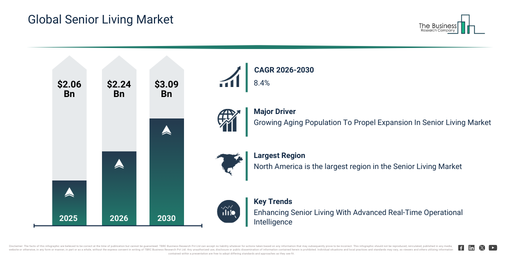
    The senior living sector has experienced robust expansion lately, with projections indicating a rise from $2.06 billion in 2025 to $2.24 billion in 2026, reflecting an 8.7% compound annual growth rate. This historical upward trend is largely attributable to demographic shifts characterized by an aging populace, extended lifespans, escalating demand for supportive living arrangements, the development of housing infrastructure for seniors in urban areas, and a heightened recognition of specific elder care requirements.

    A significant expansion is projected for the senior living sector, with its market value anticipated to reach $3.09 billion by the year 2030. This growth is estimated to progress at a compound annual growth rate of 8.4%. The anticipated increase over the coming years can be linked to several key factors, including greater investment in the incorporation of digital healthcare, an increasing inclination towards solutions that enable seniors to remain in their own homes, the development and proliferation of specialized memory care facilities, a broader embrace of smart home technologies designed for elderly individuals, and a heightened demand for high-quality senior living communities. Key developments expected during this forecast period encompass the wider adoption of intelligent senior living facilities, a growing need for individualized care services, enhanced integration of remote health monitoring systems, further development of community-focused living arrangements, and a stronger emphasis on design elements that prioritize safety and well-being.

    Download A Free Sample Report For Comprehensive Market Insights:

    https://www.thebusinessresearchcompany.com/sample.aspx?id=19693&type=smp

    Senior Living Market Development Factors: Which Trends Are Supporting Demand?

    The expanding demographic of older adults is poised to be a primary catalyst for the senior living sector’s future growth. This demographic shift, characterized by an escalating percentage of elderly individuals in the populace, stems from heightened life expectancies coupled with diminishing birth rates. Senior living communities cater to the needs of this growing older population by providing specialized residential and care solutions designed to accommodate their changing requirements, elevate their overall well-being, and ensure access to vital services and community engagement opportunities. A compelling illustration of this trend is the United Nations’ projection that individuals aged 65 and above will more than double their numbers, surging from 761 million in 2021 to a potential 1.6 billion by 2050. Consequently, the increasing prevalence of an aging populace will significantly propel the senior living market.

    Senior Living Market Segment Landscape: Which Areas Lead Market Development?

    The senior living market covered in this report is segmented –

    1) By Service: Assisted Living, Independent Living, Continuing Care Retirement Community (CCRC)

    2) By Facility Type: Adult Family Home, Community-Based Residential Facility (CBRF), Residential Care Apartment Complex (RCAC)

    3) By Application: Below 65 Years Old, 65 To 75 Years Old, 76 To 85 Years Old, Above 85 Years Old

    Subsegments:

    1) By Assisted Living: Personal Care Services, Memory Care Services, Respite Care Services

    2) By Independent Living: Retirement Communities, Active Adult Communities, 55+ Communities

    3) By Continuing Care Retirement Community (CCRC): Type A (Life Care), Type B (Modified), Type C (Fee-for-Service)

    Senior Living Market Transformation Trends: Which Innovations Are Driving Change?

    In the realm of senior living, key players are actively pursuing technological advancements, epitomized by the development of proactive intelligence systems. These innovations are designed to bolster the management of resident care, refine decision-making processes, and ultimately elevate the well-being of both residents and the workforce. Such proactive intelligence represents a sophisticated, real-time framework meticulously crafted to furnish senior living providers with superior care and operational insights. As an illustration, consider the introduction of August Health Insights in March 2024 by August Health, a digital healthcare technology firm based in the United States. This real-time platform delivers advanced intelligence regarding care and operations, empowering senior living operators to foresee and tackle potential risks and resident care deficits with greater efficacy. Essentially, this system offers a real-time enhancement to senior living operations by rendering community care and operational data transparent. It excels at identifying developing risks, highlighting residents at elevated risk and patterns of incidents, and consolidating information into an interactive dashboard to boost the quality of care and streamline operational workflows.

    Senior Living Market Industry Leaders And Market Competition

    Major companies operating in the senior living market are Genesis Healthcare Inc., Sunrise Senior Living, Brookdale Senior Living, Holiday Retirement, Senior Lifestyle Corporation, Five Star Senior Living, Enlivant, Atria Senior Living, Watermark Retirement Communities, The Arbor Company, Integral Senior Living, The Kensington, Cadence Living, Merrill Gardens, Erickson Senior Living, Life Care Services, Cedarhurst Senior Living, Sage Life, Belmont Village Senior Living, Solstice Senior Living

    Access The Complete Senior Living Market Report:

    https://www.thebusinessresearchcompany.com/report/senior-living-global-market-report

    Senior Living Market Regional Analysis And Leading Geography

    North Americawas the largest region in the senior living market in 2025. The regions covered in the senior living market report are Asia-Pacific, South East Asia, Western Europe, Eastern Europe, North America, South America, Middle East, Africa.

    Get in touch with us:

    The Business Research Company: https://www.thebusinessresearchcompany.com/

    Americas: +1 310-496-7795

    Asia: +44 7882 955267 & +91 8897263534

    Europe: +44 7882 955267

    Email us at: marketing@tbrc.info

    Follow us on:

    LinkedIn: https://in.linkedin.com/company/the-business-research-company

    YouTube: https://www.youtube.com/channel/UC24_fI0rV8cR5DxlCpgmyFQ

    Global Market Model: https://www.thebusinessresearchcompany.com/global-market-model

  • Senior Care Technologies Market Size Projected To Increase From $42.06 Billion To $56.28 Billion During The Forecast Period

    Senior Care Technologies Market Size Projected To Increase From $42.06 Billion To $56.28 Billion During The Forecast Period

    Through market attractiveness analysis, total addressable market evaluation, company benchmarking matrices, interactive Excel dashboards, expanded supply chain intelligence, emerging startup coverage, and detailed product insights, The Business Research Company’s 2026 market reports provide more actionable and strategically valuable research.

    Senior Care Technologies Market Growth From $42.06 Billion In 2026 To $56.28 Billion By 2030 At A CAGR Of 7.5%

    The market for senior care technologies has experienced robust expansion, projected to increase from $39.01 billion in 2025 to $42.07 billion in 2026, reflecting a compound annual growth rate of 7.9%. This historical growth trajectory has been propelled by demographic shifts such as an aging global population, a higher incidence of chronic diseases in older adults, the burgeoning availability of in-home care alternatives, a greater need for supportive living environments, and a wider acceptance of fundamental health tracking gadgets.

    The market for technologies supporting senior care is projected to experience substantial expansion in the upcoming years, reaching an estimated value of $56.29 billion by 2030 with a compound annual growth rate of 7.5%. This projected expansion is fueled by several key factors, including a heightened demand for solutions enabling seniors to age independently, increased financial backing for intelligent senior care innovations, a broader acceptance of telehealth services among older adults, a greater emphasis on proactive healthcare for seniors, and continuous advancements within interconnected care systems. Throughout the forecast period, significant trends anticipated include a greater uptake of remote monitoring systems for seniors, more widespread integration of smart technologies in home care settings, the expanded availability of telehealth for elder care, a heightened focus on safety measures and fall detection, and a more pronounced utilization of platforms leveraging data for care provision.

    Download A Free Sample Report For Comprehensive Market Insights:

    https://www.thebusinessresearchcompany.com/sample.aspx?id=19692&type=smp

    Senior Care Technologies Market Industry Drivers: What Is Driving Revenue Growth?

    The increasing demand for in-home care solutions is anticipated to be a significant catalyst for the expansion of the senior care technologies market. Home care, characterized by the delivery of health and support services within an individual’s residence, aims to foster independence and enhance life quality. Factors such as the appeal of tailored care, the psychological benefit of remaining in one’s own home, and technological innovations are contributing to the efficacy of managing health remotely. Senior care technologies play a crucial role in this domain by enabling constant health surveillance from a distance, boosting personal safety with features like fall detection, offering remote medical consultations, and streamlining prescription adherence, thereby ensuring seniors receive thorough and effective assistance without leaving their homes. Evidence from May 2025, citing the National Care Planning Council, an American non-profit organization, indicates that in 2023, a substantial majority exceeding 90% of older adults voiced a desire to remain in their homes as they age, a sentiment that has grown considerably in recent years. Consequently, this pronounced preference for home-based care is directly stimulating the growth observed in the senior care technologies sector.

    Senior Care Technologies Market Segments: Where Are The Largest Growth Opportunities?

    The senior care technologies market covered in this report is segmented –

    1) By Product Type: Safety And Security Systems, Fall Detection And Prevention Systems, Remote Health Monitoring Systems, Medication Management Systems, Socialization And Mental Stimulation Systems, Telehealthcare Systems, Other Products

    2) By Service Type: Home Care Services, Assisted Living Services, Skilled Nursing Services, Memory Care Services, Rehabilitation Services, Other Services

    3) By End-User: Home Care Settings, Senior Living Facilities, Hospitals And Clinics, Rehabilitation Centers, Other End-Users

    Subsegments:

    1) By Safety And Security Systems: Emergency Response Systems, Surveillance Systems, Access Control Systems

    2) By Fall Detection And Prevention Systems: Wearable Fall Detectors, Smart Home Fall Prevention Solutions, Alarm Systems

    3) By Remote Health Monitoring Systems: Vital Sign Monitoring Devices, Chronic Disease Management Systems, Telemonitoring Solutions

    4) By Medication Management Systems: Pill Dispensers, Medication Reminders, Digital Prescription Management

    5) By Socialization And Mental Stimulation Systems: Cognitive Training Tools, Social Engagement Platforms, Virtual Reality Experiences

    6) By Telehealthcare Systems: Video Consultation Platforms, Remote Diagnostics Tools, Integrated Health Management Systems

    7) By Other Products: Mobility Aids, Environmental Monitoring Systems, Assistive Technology Devices

    #Senior Care Technologies Market Growth Trends: What Is Influencing The Future Outlook?

    Key players within the senior care technology sector are actively creating and implementing care delivery initiatives designed to elevate seniors’ quality of life, foster better health results, and optimize the effectiveness of care provision. These initiatives serve to embed sophisticated technologies into comprehensive care strategies, thereby enabling more robust health tracking, easier remote medical advice, more effective management of pharmaceuticals, and the delivery of tailored, anticipatory care for older adults. A notable example comes from August 2023, when Tata Consultancy Services, a prominent IT services and consulting firm based in India, unveiled an innovative digital care program for seniors called Seniors Lab; this program leverages IoT-connected sensors and wearable devices to continuously observe seniors’ daily activities, physical movements, and vital health indicators, synchronizing this data with existing healthcare infrastructures and personal assistance services, ultimately boosting senior safety, autonomy, and general wellness, representing a considerable stride forward in the senior care technology domain.

    Senior Care Technologies Market Major Participants And Competitive Dynamics

    Major companies operating in the senior care technologies market are McKesson Corporation, Medtronic plc, Koninklijke Philips N.V., Essity AB, OMRON Healthcare Co. Ltd., Demant A/S, GN Store Nord A/S, Cochlear Ltd, Alarm.com Inc., Invacare Corporation, Tunstall Healthcare Ltd., Permobil AB, Sunrise Medical LLC, Drive DeVilbiss Healthcare, Advanced Monitored Caregiving Inc., GrandPad Inc., MobileHelp LLC, GrandCare Systems LLC, Livongo Health Inc., VitalTech Affiliates LLC, Independa Inc., CarePredict Inc., BioSensics LLC

    Access The Complete Senior Care Technologies Market Report:

    https://www.thebusinessresearchcompany.com/report/senior-care-technologies-global-market-report

    Senior Care Technologies Market Geographic Analysis: Where Is Demand Growing The Fastest?

    North Americawas the largest region in the senior care technologies market in 2025. The regions covered in the senior care technologies market report are Asia-Pacific, South East Asia, Western Europe, Eastern Europe, North America, South America, Middle East, Africa.

    Get in touch with us:

    The Business Research Company: https://www.thebusinessresearchcompany.com/

    Americas: +1 310-496-7795

    Asia: +44 7882 955267 & +91 8897263534

    Europe: +44 7882 955267

    Email us at: marketing@tbrc.info

    Follow us on:

    LinkedIn: https://in.linkedin.com/company/the-business-research-company

    YouTube: https://www.youtube.com/channel/UC24_fI0rV8cR5DxlCpgmyFQ

    Global Market Model: https://www.thebusinessresearchcompany.com/global-market-model

  • Les caractéristiques distinctives de Roman Casino à explorer

    Roman Casino est une plateforme de jeux en ligne qui se démarque par sa variété de jeux et ses fonctionnalités innovantes. Pour en savoir plus, vous pouvez visiter leur site à l’adresse https://romancasinos-fr.com/. Cette plateforme attire l’attention des joueurs grâce à ses caractéristiques distinctives qui enrichissent l’expérience de jeu.

    Un catalogue de jeux diversifié

    Roman Casino propose une vaste sélection de jeux allant des machines à sous aux jeux de table en passant par le live casino. Les joueurs peuvent explorer des titres populaires provenant de développeurs de renom tels que Microgaming, NetEnt et Evolution Gaming. Ce large éventail attire à la fois les amateurs de sensations fortes et les joueurs occasionnels.

    Les différentes catégories incluent :

    • Machines à sous
    • Roulette
    • Blackjack
    • Poker
    • Jeux avec croupiers en direct

    De plus, Roman Casino met à jour régulièrement son catalogue en intégrant des nouvelles sorties, garantissant ainsi que les joueurs aient toujours de quoi s’amuser.

    Sécurité et confiance

    La sécurité est une priorité pour Roman Casino. La plateforme est licenciée par des autorités respectées, ce qui garantit un environnement de jeu sûr et équitable. Les joueurs peuvent jouer en toute confiance grâce à des technologies de cryptage avancées qui protègent leurs données personnelles et financières.

    De plus, Roman Casino promeut le jeu responsable et offre des outils pour aider les joueurs à gérer leur temps de jeu, ce qui renforce sa réputation en tant que plateforme fiable.

    Le programme de bonus attractif

    Roman Casino se distingue également par ses offres de bonus généreuses. Les nouveaux joueurs sont accueillis avec un bonus de bienvenue attrayant, tandis que les joueurs fidèles peuvent bénéficier de promotions régulières et d’un programme de fidélité. Les conditions de mise sont clairement expliquées, ce qui permet aux joueurs d’évaluer facilement les meilleures opportunités.

    Les principaux types de bonus incluent :

    • Bonus de bienvenue
    • Offres de recharge
    • Cadeaux de fidélité
    Type de bonus Montant Conditions de mise
    Bonus de bienvenue Jusqu’à 100€ 30x
    Offres de recharge 50% 25x
    Cadeaux de fidélité Variait 10x

    FAQ sur Roman Casino

    Quel est le délai de retrait des gains ?
    Les gains peuvent être retirés dans un délai de 1 à 3 jours, selon la méthode de paiement choisie.

    Roman Casino est-il adapté aux débutants ?
    Oui, la plateforme propose des jeux avec des règles simples et des guides pour aider les nouveaux joueurs.

    Quels modes de paiement sont acceptés ?
    Roman Casino accepte plusieurs méthodes, y compris les cartes de crédit, les portefeuilles électroniques et les cryptomonnaies.

  • Spin Platinum Casino : une analyse de son programme de fidélité

    Le spin platinum casino est une plateforme de jeu en ligne qui se distingue par son programme de fidélité attractif. Dans cette analyse, nous allons explorer les différentes facettes de ce programme, notamment ses niveaux, privilèges et avantages pour les joueurs réguliers.

    Présentation du programme de fidélité

    Le programme de fidélité de Spin Platinum Casino a été conçu pour récompenser les joueurs qui s’engagent régulièrement sur la plateforme. Les joueurs accumulent des points de fidélité à chaque mise, qui peuvent ensuite être échangés contre divers avantages. Ces avantages incluent des bonus, des tours gratuits et d’autres récompenses attrayantes, visant à améliorer l’expérience globale du joueur.

    Niveaux de fidélité et privilèges

    Spin Platinum Casino adopte un système de niveaux progressifs, permettant aux joueurs de gravir les échelons en fonction de leur activité. Chaque niveau offre des privilèges distincts, tels que des limites de dépôt augmentées, des retraits prioritaires et des bonus de recharge. Les niveaux typiques incluent Bronze, Argent, Or et Platinum, chacun nécessitant un certain nombre de points de fidélité pour être atteint.

    • Bronze : Accès à des promotions de base et bonus de bienvenue.
    • Argent : Retraits plus rapides et offres exclusives.
    • Or : Augmentation des bonus de recharge et gestionnaire de compte dédié.
    • Platinum : Limites de dépôt élevées et invitations à des événements spéciaux.

    Avantages du programme de fidélité

    Le programme de fidélité de Spin Platinum Casino présente plusieurs avantages qui ne passent pas inaperçus. Tout d’abord, il permet aux joueurs de maximiser leurs gains en recevant des récompenses supplémentaires. Ensuite, le programme encourage la fidélité à long terme, ce qui favorise un environnement de jeu plus stable et engageant. Enfin, les joueurs peuvent profiter d’offres exclusives qui ne sont pas disponibles pour les nouveaux utilisateurs.

    Niveau Points requis Avantages
    Bronze 0 – 499 Promotions de base
    Argent 500 – 1999 Retraits plus rapides
    Or 2000 et plus Augmentation des bonus

    Conclusion

    Le programme de fidélité de Spin Platinum Casino constitue un véritable atout pour les joueurs investis. En offrant des niveaux diversifiés et des privilèges attrayants, la plateforme réussit à fidéliser ses utilisateurs tout en rendant leur expérience de jeu plus enrichissante. Les joueurs peuvent s’attendre à des récompenses continues qui rendent chaque mise plus gratifiante et chaque session de jeu plus passionnante.

    FAQ

    Quels sont les avantages de rejoindre le programme de fidélité ? Le programme de fidélité offre des bonus exclusifs, des retraits rapides et un accès à des promotions spéciales.

    Comment puis-je accumuler des points de fidélité ? Les points sont accumulés en plaçant des mises sur les jeux proposés par la plateforme.

    Les niveaux de fidélité sont-ils visibles pour les joueurs ? Oui, chaque joueur peut consulter son status et ses points directement sur son compte.

  • Personal Care Product Testing Market Expansion Is Reshaping Competitive Dynamics Across The Industry

    Personal Care Product Testing Market Expansion Is Reshaping Competitive Dynamics Across The Industry

    Through market attractiveness analysis, total addressable market evaluation, company benchmarking matrices, interactive Excel dashboards, expanded supply chain intelligence, emerging startup coverage, and detailed product insights, The Business Research Company’s 2026 market reports provide more actionable and strategically valuable research.

    Personal Care Product Testing Market Revenue Growth Supported By A CAGR Of 11.09% Through 2030

    The market for personal care product testing has experienced robust expansion lately, with projections indicating a rise from $7.84 billion in 2025 to $8.42 billion in 2026, reflecting a compound annual growth rate of 7.5%. This historical growth trajectory was fueled by several key factors, including the increasing intricacy of cosmetic ingredient combinations, the broadened reach of international personal care companies, a heightened consumer focus on product safety, the reinforcement of regulations governing cosmetics, and the proliferation of third-party testing facilities.

    The personal care product testing sector is poised for considerable expansion in the upcoming years, projecting a market value of $11.1 billion by 2030 with a compound annual growth rate of 7.1%. This projected surge is fueled by several key factors: a heightened consumer preference for cruelty-free and alternative testing methodologies, a growing emphasis on environmentally friendly and biodegradable product ingredients, the burgeoning market for customized personal care items, an increase in the outsourcing of testing services by companies, and intensified regulatory oversight across international markets. Within this forecast period, significant trends are anticipated to shape the industry, including the wider adoption of sophisticated toxicological assessment techniques, a greater need for dermatological and hypoallergenic evaluations, a heightened focus on testing for regulatory adherence, an expansion of microbiological and contamination analysis services, and a stronger commitment to validating product effectiveness.

    Download A Free Sample Report For Comprehensive Market Insights:

    https://www.thebusinessresearchcompany.com/sample.aspx?id=28292&type=smp

    Personal Care Product Testing Market Growth Momentum: Which Factors Are Influencing Demand?

    The increasing preference for organic and natural goods is anticipated to be a significant catalyst for the expansion of the personal care product testing market. Products described as organic and natural are those formulated from ingredients sourced from plants, minerals, or derived through natural processes, free from synthetic chemicals, pesticides, or artificial fertilizers. This heightened consumer interest stems from a growing consciousness regarding the potential adverse health effects linked to exposure to synthetic chemicals. The personal care product testing sector plays a crucial role in this trend by verifying the integrity of ingredients, ensuring product safety, and confirming efficacy, thereby upholding regulatory standards and fostering consumer confidence. Illustrating this trend, in April 2024, a report from Nutraceuticals World indicated that the sales of natural and organic products experienced a 4.8% surge in 2023, reaching a total of $209 billion, with further robust growth projected for 2024 by New Hope. Consequently, the escalating demand for organic and natural products is a key factor fueling the growth trajectory of the personal care product testing market.

    Personal Care Product Testing Market Segment Landscape: Which Areas Lead Market Development?

    The personal care product testing market covered in this report is segmented –

    1) By Type: Chemical And Microbiological Testing, Stability And Shelf Life Testing, Other Types

    2) By Application: Enterprise, Government

    3) By End User: Personal Care Product Manufacturers, Cosmetic And Skincare Brands, Research And Academic Institutions, Contract Research Organizations (CROs), Regulatory Authorities And Certification Bodies

    Subsegments:

    1) By Chemical And Microbiological Testing: Heavy Metals Testing, Preservative Efficacy Testing, Pathogen Detection, Allergen Testing, pH And Chemical Composition Analysis, Contaminant And Impurity Analysis, Antimicrobial Effectiveness Testing

    2) By Stability And Shelf Life Testing: Accelerated Stability Testing, Real-Time Stability Testing, Packaging Compatibility Testing, Photostability Testing, Thermal And Humidity Testing, Freeze-Thaw Cycle Testing, Microbial Challenge Testing For Shelf Life

    3) By Other Types: Toxicological Risk Assessment, Dermatological Testing, Safety And Regulatory Compliance Testing, Performance And Efficacy Testing, Biocompatibility Testing, Consumer Acceptability Studies, Environmental Impact And Biodegradability Testing

    Personal Care Product Testing Market Trends Reshaping Industry Growth

    In the realm of personal care product assessment, leading corporations are prioritizing the creation of novel approaches, exemplified by animal-free cosmetics testing frameworks, aimed at guaranteeing product safety, efficacy, and ethical evaluation while adhering to established legal mandates. An animal-free cosmetics testing framework encompasses methodologies for assessing product safety and efficacy that eschew animal subjects, frequently employing cell cultures, three-dimensional skin models, or computational simulations. To illustrate, in November of 2024, Revivo BioSystems Pte. Ltd., a biotechnology research entity headquartered in Singapore, introduced the ReleGO, a pioneering animal-free cosmetics testing platform designed to replicate subdermal blood circulation, thereby presenting a more dynamic and precise substitute for conventional techniques. This system, constructed utilizing their Revex chip and Relego collector, facilitates the examination of either human or artificial skin specimens with fluids that emulate actual physiological environments, yielding sustained understanding of product interactions with skin over extended periods. This innovative platform substantially curtails both the duration and manual effort involved in testing, while concurrently elevating the dependability of the results.

    Personal Care Product Testing Market Industry Leaders And Market Competition

    Major companies operating in the personal care product testing market are Henkel AG & Co. KGaA, SGS SA, Eurofins Scientific SE, Bureau Veritas SA, Intertek Group plc, TÜV SÜD AG, UL Solutions Inc., ALS Limited, NSF International, SGS Institut Fresenius GmbH, MSL Solution Providers Ltd., Biorius SPRL, Microchem Laboratory Inc., QACS Ltd. (Quality Assurance & Chemical Safety), Accugen Laboratories Inc., Dermatest GmbH, TRI/Princeton Inc., Genemarkers LLC, Helioscience SAS, Essex Test Services LLC

    Access The Complete Personal Care Product Testing Market Report:

    https://www.thebusinessresearchcompany.com/report/personal-care-product-testing-global-market-report

    Personal Care Product Testing Market Regional Analysis And Leading Geography

    North Americawas the largest region in the personal care product testing market in 2025. The regions covered in the personal care product testing market report are Asia-Pacific, South East Asia, Western Europe, Eastern Europe, North America, South America, Middle East, Africa.

    Get in touch with us:

    The Business Research Company: https://www.thebusinessresearchcompany.com/

    Americas: +1 310-496-7795

    Asia: +44 7882 955267 & +91 8897263534

    Europe: +44 7882 955267

    Email us at: marketing@tbrc.info

    Follow us on:

    LinkedIn: https://in.linkedin.com/company/the-business-research-company

    YouTube: https://www.youtube.com/channel/UC24_fI0rV8cR5DxlCpgmyFQ

    Global Market Model: https://www.thebusinessresearchcompany.com/global-market-model

  • Persistent Epithelial Defect Management Market Forecast Reveals Where Future Industry Value Will Be Created

    Persistent Epithelial Defect Management Market Forecast Reveals Where Future Industry Value Will Be Created

    Delivering more actionable and strategically valuable research, The Business Research Company’s 2026 market reports feature market attractiveness analysis, total addressable market evaluation, company benchmarking matrices, interactive Excel dashboards, expanded supply chain intelligence, emerging startup coverage, and detailed product insights.

    Persistent Epithelial Defect Management Market Value Expansion And Long-Term Growth Outlook

    The market for managing persistent epithelial defects has experienced substantial expansion lately, projected to climb from $9.26 billion in 2025 to $10.82 billion in 2026, signifying a compound annual growth rate of 16.9%. Factors contributing to this expansion during the preceding period included a lack of widespread understanding regarding these types of eye conditions, a prevalent tendency to use standard lubricating eye drops, a gradual uptake of autologous serum therapy, limited availability of corneal specialists, and challenges in maintaining consistent patient follow-up and oversight.

    The market dedicated to managing persistent epithelial defects is poised for substantial expansion over the impending years, projected to reach $19.94 billion by 2030, reflecting a compound annual growth rate of 16.5%. This anticipated surge is fueled by several key factors: the continuous progress in stem cell and biologic therapies, a greater uptake of amniotic membrane transplantation, the increasing favorability of bandage contact lenses, heightened awareness concerning the timely management of corneal issues, and the proliferation of hospitals and specialized ophthalmology facilities. During this forecast period, significant trends are expected to shape the market, including the wider adoption of artificial intelligence-driven diagnostic and imaging technologies, a more extensive utilization of biologic and stem cell treatments, the incorporation of cloud-based systems for patient monitoring, the development of internet of things (IoT) enabled eye care devices, and advancements in the automated production of ocular therapeutic solutions.

    Download A Free Sample Report For Comprehensive Market Insights:

    https://www.thebusinessresearchcompany.com/sample.aspx?id=21256&type=smp

    Persistent Epithelial Defect Management Market Expansion Drivers: What Is Shaping Future Growth?

    The escalating incidence of ocular conditions is anticipated to fuel the expansion of the persistent epithelial defect management sector in the foreseeable future. Ocular conditions encompass a wide spectrum of ailments affecting the eyes’ structure, function, or overall health, potentially resulting in impaired vision, discomfort, or even blindness. Factors such as an aging global population, extended periods of digital screen usage, and environmental shifts contribute to the heightened occurrence of these eye conditions. Effective management of persistent epithelial defects is crucial for addressing ocular disorders, as these interventions facilitate healing, mitigate inflammation, and avert potential complications like infections or scarring. For illustration, data from the World Health Organization, a global intergovernmental body headquartered in Switzerland, indicated in December 2024 that the worldwide aggregated prevalence of myopia in children reached 5.23% in 2023, with females experiencing a notably higher rate of 4.90% compared to males at 3.94%. Consequently, the increasing frequency of eye disorders serves as a significant catalyst for the growth trajectory of the persistent epithelial defect management market.

    An upsurge in ophthalmic surgical interventions is projected to spur the advancement of the persistent epithelial defect management market moving forward. Ophthalmic surgeries are medical interventions undertaken on the eye to rectify visual impairments, address various diseases, or mend injuries. This rise is attributable to the growing prevalence of eye conditions like cataracts, glaucoma, and refractive errors, coupled with progress in surgical methodologies and an increased acceptance of less invasive procedures. The management of persistent epithelial defects plays a vital role in enhancing ophthalmic surgeries by fostering corneal recovery, minimizing adverse outcomes, and optimizing visual results through specialized therapies that encourage epithelial regeneration. As an example, the Eye Bank Association of America, a US-based transplant organization, reported in 2023 that domestic keratoplasty procedures saw a 2.7% increase, escalating from 49,597 in 2022 to 50,925 in 2023. Thus, the increasing volume of eye surgeries directly contributes to the expansion of the persistent epithelial defect management market.

    Persistent Epithelial Defect Management Market Segments: Where Are The Largest Growth Opportunities?

    The persistent epithelial defect management market covered in this report is segmented –

    1) By Disease Type: Epithelial Or Limbal, Inflammatory Disease, Neurotrophic Disease, Other Disease Types

    2) By Distribution Channel: Direct Sales, Online Pharmacy, Retail Pharmacy, Hospitals

    3) By End User: Hospitals And Specialty Eye Clinics, Physician Offices, Ophthalmology Specialty Centers, Other End Users

    Subsegments:

    1) By Epithelial Or Limbal: Limbal Stem Cell Deficiency (LSCD), Limbal Transplantation, Conjunctival Transplantation

    2) By Inflammatory Disease: Dry Eye Syndrome, Allergic Conjunctivitis, Uveitis

    3) By Neurotrophic Disease: Herpes Simplex Virus (HSV) Keratitis, Corneal Nerve Damage Associated Keratopathy, Neurotrophic Keratopathy

    4) By Other Disease Types: Chemical Burns, Trauma-Induced Defects, Congenital Corneal Opacities

    Persistent Epithelial Defect Management Market Strategic Trends: What Is Defining The Next Phase Of Growth?

    Within the persistent epithelial defect management market, leading organizations are concentrating on the advancement of novel therapeutic approaches, including secretome therapy, with the objective of expediting the healing process and enhancing treatment efficacy for persistent epithelial defects. Secretome therapy encompasses the utilization of cell-secreted bioactive compounds, like proteins, lipids, and extracellular vesicles, to foster tissue regeneration, regulate immune system activity, and address a range of medical conditions. Illustratively, as early as April 2023, Kala Pharmaceuticals Inc., a biopharmaceutical firm headquartered in the United States, was granted Fast Track Designation by the U.S. Food and Drug Administration (FDA) for KPI-012, a therapeutic agent derived from human MSC-S intended for the treatment of persistent corneal epithelial defects. This therapeutic agent is designed with a multifaceted mechanism of action to confront all causative factors of persistent epithelial defect management by facilitating corneal repair through the action of bioactive constituents such as growth factors, protease inhibitors, and neurotrophic factors.

    Persistent Epithelial Defect Management Market Major Participants And Competitive Dynamics

    Major companies operating in the persistent epithelial defect management market are AbbVie Inc., Novartis AG, Johnson & Johnson Vision, RegeneRx Biopharmaceuticals Inc., Regeneron Pharmaceuticals Inc., Alcon Inc., Bausch Health Companies Inc., Hoya Vision Care, Santen Pharmaceutical Co. Ltd., Recordati Rare Diseases Inc., Dompé Farmaceutici S.p.A., TissueTech Inc., Ocular Therapeutix Inc., Amber Ophthalmics Inc., Noveome Biotherapeutics Inc., OcuNexus Therapeutics Inc., Lux Bio Inc., Eyenovia Inc., Kala Pharmaceuticals Inc., Aerie Pharmaceuticals Inc., EyePoint Pharmaceuticals Inc., Aldeyra Therapeutics Inc.

    Access The Complete Persistent Epithelial Defect Management Market Report:

    https://www.thebusinessresearchcompany.com/report/persistent-epithelial-defect-management-global-market-report

    Persistent Epithelial Defect Management Market Geographic Analysis: Where Is Demand Growing The Fastest?

    North Americawas the largest region in the persistent epithelial defect management market in 2025. Asia-Pacificis expected to be the fastest-growing region in the forecast period. The regions covered in the persistent epithelial defect management market report are Asia-Pacific, South East Asia, Western Europe, Eastern Europe, North America, South America, Middle East, Africa.

    Get in touch with us:

    The Business Research Company: https://www.thebusinessresearchcompany.com/

    Americas: +1 310-496-7795

    Asia: +44 7882 955267 & +91 8897263534

    Europe: +44 7882 955267

    Email us at: marketing@tbrc.info

    Follow us on:

    LinkedIn: https://in.linkedin.com/company/the-business-research-company

    YouTube: https://www.youtube.com/channel/UC24_fI0rV8cR5DxlCpgmyFQ

    Global Market Model: https://www.thebusinessresearchcompany.com/global-market-model

  • Pernicious Anemia Diagnosis And Treatment Market Growth Through 2030 Creates New Strategic Opportunities

    Pernicious Anemia Diagnosis And Treatment Market Growth Through 2030 Creates New Strategic Opportunities

    Enhanced with market attractiveness analysis, total addressable market evaluation, company benchmarking matrices, interactive Excel dashboards, expanded supply chain intelligence, emerging startup coverage, and detailed product insights, The Business Research Company’s 2026 market reports deliver more actionable and strategically valuable research.

    Pernicious Anemia Diagnosis And Treatment Market Expected To Reach $2.08 Billion By 2030 At 6.6% CAGR

    The market for diagnosing and treating pernicious anemia has experienced robust expansion lately. Projections indicate a rise from $1.51 billion in 2025 to $1.62 billion in 2026, reflecting a compound annual growth rate (CAGR) of 6.8%. Factors contributing to this expansion during the historical period include the elevated occurrence of infections contracted in healthcare settings, a dependence on traditional intravenous catheters, an increasing number of patients needing IV therapy, a scarcity of sophisticated safety catheters, and a fragmented healthcare system.

    The market for pernicious anemia diagnosis and treatment is poised for significant expansion, projected to reach a valuation of $2.09 billion by 2030, reflecting a compound annual growth rate (CAGR) of 6.6% over the forecast period. This anticipated growth is fueled by several key factors, including innovations in safety intravenous (IV) catheter technologies, the escalating adoption of smart and antimicrobial catheters, a broadening scope of home healthcare services, a growing inclination towards integrated or closed IV systems, and a heightened demand for minimally invasive therapeutic administration. Within this forecast horizon, notable trends are emerging, such as the increased integration of AI-powered systems for guiding catheter insertion, a rise in the utilization of cloud-based platforms for monitoring IV therapy, continuous development in antimicrobial and smart catheter technologies, the growing incorporation of IoT-enabled devices for IV monitoring, and the increasing implementation of smart manufacturing processes for peripheral IV catheters.

    Download A Free Sample Report For Comprehensive Market Insights:

    https://www.thebusinessresearchcompany.com/sample.aspx?id=24360&type=smp

    Pernicious Anemia Diagnosis And Treatment Market Development Factors: Which Trends Are Supporting Demand?

    The growing incidence of vitamin B12 insufficiency is anticipated to be a significant catalyst for market expansion within the diagnosis and treatment of pernicious anemia. This deficiency arises when an individual’s body fails to produce sufficient red blood cells due to a lack of this vital vitamin, resulting in manifestations like persistent tiredness, diminished strength, and neurological complications. The increasing tendency towards adopting vegan and vegetarian lifestyles, which often omit natural sources rich in vitamin B12, contributes to this deficiency, potentially leading to insufficient consumption without targeted supplementation. This deficiency directly influences the diagnostic and therapeutic approaches for pernicious anemia, as diminished B12 levels critically hinder red blood cell formation, prompting medical professionals to implement B12 supplementation as a principal and efficacious treatment. Illustratively, data presented by the UK’s National Health Service (NHS) in February 2023 indicated that deficiencies in both vitamin B12 and folate disproportionately affect the elderly, with approximately 10% of individuals aged 75 and above and 5% of those aged 65 to 74 experiencing these deficiencies. Consequently, the escalating occurrence of vitamin B12 deficiency is fueling the growth trajectory of the pernicious anemia diagnosis and treatment sector.

    Pernicious Anemia Diagnosis And Treatment Market Segment Analysis: What Are The Major Market Categories?

    The pernicious anemia diagnosis and treatment market covered in this report is segmented –

    1) By Type: Complete Blood Count Test, Vitamin B12 Deficiency test, Intrinsic Factor Deficiency Test

    2) By Treatment: Vitamin B12 Injections, Vitamin B12 Pills, Spray

    3) By Route Of Administration: Injection, Oral, Intranasal

    4) By End-User: Hospitals, Clinics, Diagnostic Centres, Other End-users

    Subsegments:

    1) By Complete Blood Count (CBC) Test: Red Blood Cell Count, Hemoglobin Concentration, Hematocrit Levels, Mean Corpuscular Volume (MCV), White Blood Cell Count, Platelet Count

    2) By Vitamin B12 Deficiency Test: Serum Vitamin B12 Test, Methylmalonic Acid (MMA) Test, Homocysteine Test, Holotranscobalamin (Active B12) Test

    3) By Intrinsic Factor Deficiency Test: Intrinsic Factor Antibody Test, Parietal Cell Antibody Test, Schilling Test, Gastrin Level Test

    Pernicious Anemia Diagnosis And Treatment Market Transformation Trends: Which Innovations Are Driving Change?

    Within the competitive landscape of the pernicious anemia diagnosis and treatment sector, key industry players are prioritizing the creation of novel approaches, exemplified by vitamin B12 maintenance therapy options designed to bolster patient engagement and facilitate effective long-term care for the condition. These therapeutic strategies for sustaining vitamin B12 involve consistent, continued administration of supplements, whether in the form of oral pills, injections, or nasal mists, all aimed at upholding appropriate B12 concentrations and averting the reappearance of symptoms linked to its deficiency. As an illustration, during February of 2024, Lupin Pharmaceuticals Inc., a pharmaceutical enterprise headquartered in India, introduced its cyanocobalamin nasal spray, delivering 500 mcg per spray, presenting a less intrusive method for vitamin B12 enrichment. This nasal spray offers a user-friendly and efficacious means for individuals diagnosed with pernicious anemia who encounter difficulties with traditional oral vitamin B12 supplements, thereby improving the body’s uptake of B12 and aiding in the control of vitamin B12 deficiencies, ultimately leading to better patient adherence and treatment results.

    Pernicious Anemia Diagnosis And Treatment Market Leading Companies Driving Competitive Growth

    Major companies operating in the pernicious anemia diagnosis and treatment market are Pfizer Inc., F. Hoffmann-La Roche Ltd., Bayer AG, Novartis AG, Sanofi S.A., Thermo Fisher Scientific Inc., GSK plc, Takeda Pharmaceutical Company Limited, Lupin Limited, Eli Lilly and Company, DSM Nutritional Products AG, Bio-Rad Laboratories Inc., CSL Vifor Pharma, Par Pharmaceutical Companies Inc., AdvaCare Pharma, Monobind Inc., Merck KGaA, Abbott Laboratories, Siemens Healthineers AG, Ortho Clinical Diagnostics Inc., Quest Diagnostics Incorporated, Bio-Techne Corporation

    Access The Complete Pernicious Anemia Diagnosis And Treatment Market Report:

    https://www.thebusinessresearchcompany.com/report/pernicious-anemia-diagnosis-and-treatment-global-market-report

    Pernicious Anemia Diagnosis And Treatment Market Global Footprint: Which Region Holds Market Leadership?

    North Americawas the largest region in the pernicious anemia diagnosis and treatment market in 2025. The regions covered in the pernicious anemia diagnosis and treatment market report are Asia-Pacific, South East Asia, Western Europe, Eastern Europe, North America, South America, Middle East, Africa.

    Get in touch with us:

    The Business Research Company: https://www.thebusinessresearchcompany.com/

    Americas: +1 310-496-7795

    Asia: +44 7882 955267 & +91 8897263534

    Europe: +44 7882 955267

    Email us at: marketing@tbrc.info

    Follow us on:

    LinkedIn: https://in.linkedin.com/company/the-business-research-company

    YouTube: https://www.youtube.com/channel/UC24_fI0rV8cR5DxlCpgmyFQ

    Global Market Model: https://www.thebusinessresearchcompany.com/global-market-model

  • Peritoneal Dialysis Equipment Market Size Projected To Increase From $4.53 Billion To $5.32 Billion During The Forecast Period

    Peritoneal Dialysis Equipment Market Size Projected To Increase From $4.53 Billion To $5.32 Billion During The Forecast Period

    Through market attractiveness analysis, total addressable market evaluation, company benchmarking matrices, interactive Excel dashboards, expanded supply chain intelligence, emerging startup coverage, and detailed product insights, The Business Research Company’s 2026 market reports provide more actionable and strategically valuable research.

    Peritoneal Dialysis Equipment Market Size And Revenue Forecast Through 2030

    The market for peritoneal dialysis equipment has experienced consistent expansion, projected to increase from $4.35 billion in 2025 to $4.54 billion in 2026, reflecting a compound annual growth rate of 4.4%. This historical growth trajectory was influenced by factors such as the restricted accessibility of dialysis solutions suitable for home use, a predominant dependence on in-center dialysis treatments, the considerable expense associated with automated peritoneal dialysis devices, inadequate patient education initiatives, and a scarcity of sophisticated disposable supplies.

    The market for peritoneal dialysis equipment is poised for consistent expansion in the coming years, projecting an increase to $5.32 billion by 2030, fueled by a compound annual growth rate of 4.1%. This anticipated expansion during the forecast period is largely driven by innovations in portable and automated peritoneal dialysis systems, a growing inclination towards dialysis performed at home, heightened awareness regarding the advantages of peritoneal dialysis, the escalating use of both continuous ambulatory and automated PD methods, and the broadening of dialysis facilities within hospitals and clinics. Key developments shaping the market in the coming years include a greater embrace of AI-powered dialysis monitoring systems, the increasing incorporation of biotechnology and precision medicine into dialysis care, a more widespread utilization of cloud-based platforms and big data analytics for managing patient care, the expanded implementation of IoT-enabled home dialysis systems, and advancements in automation and smart manufacturing processes for dialysis equipment.

    Download A Free Sample Report For Comprehensive Market Insights:

    https://www.thebusinessresearchcompany.com/sample.aspx?id=20924&type=smp

    Peritoneal Dialysis Equipment Market Industry Drivers: What Is Driving Revenue Growth?

    The rising incidence of kidney ailments is anticipated to be a significant catalyst for the expansion of the peritoneal dialysis equipment sector. These kidney conditions, characterized by a diminished capacity of the kidneys to effectively remove waste products and regulate fluid and electrolyte equilibrium, encompass a spectrum from chronic illnesses to abrupt injuries and infections. Factors contributing to the growing number of kidney disorders include escalating diabetes rates, sedentary lifestyles, an aging demographic, and inadequate early intervention strategies. Peritoneal dialysis equipment offers a solution for managing kidney dysfunction by leveraging the peritoneal membrane to cleanse the blood of waste and excess fluids when the kidneys are compromised. Illustratively, a June 2023 report by Kidney Research UK highlighted that in 2023, an estimated 3.25 million adults in the UK suffer from stages 3-5 chronic kidney disease, with projections indicating a rise to 7.6 million individuals across all stages by 2033. Consequently, the escalating burden of kidney disorders is directly fueling the advancement of the peritoneal dialysis equipment market.

    Peritoneal Dialysis Equipment Market Segment Breakdown: Which Categories Generate The Most Revenue?

    The peritoneal dialysis equipment market covered in this report is segmented –

    1) By Product Type: Systems, Consumables

    2) By Treatment Type: Continuous Ambulatory Peritoneal Dialysis, Automated Peritoneal Dialysis

    3) By End-Users: Home Based Dialysis, Dialysis Center, Hospital-Based Dialysis

    Subsegments:

    1) By Systems: Automated Peritoneal Dialysis (APD) Systems, Continuous Ambulatory Peritoneal Dialysis (CAPD) Systems, Portable Peritoneal Dialysis Systems, Home Peritoneal Dialysis Machines, Remote Monitoring Enabled Peritoneal Dialysis Systems

    2) By Consumables: Peritoneal Dialysis Solution, Dialysis Catheters, Dialysis Bags, Transfer Sets, Catheter Insertion Kits, Filters And Connectors, Drainage Bags

    #Peritoneal Dialysis Equipment Market Growth Trends: What Is Influencing The Future Outlook?

    Leading players within the peritoneal dialysis equipment sector are concentrating their efforts on pioneering novel approaches, such as offering a variety of dextrose concentrations. This strategic development empowers healthcare providers to precisely adjust the osmotic pressure and personalize fluid extraction to meet the unique ultrafiltration requirements of individual patients. The concept of multiple dextrose concentrations involves providing peritoneal dialysis (PD) fluid in varying strengths of dextrose, a key component that facilitates the removal of surplus fluid from the body during the dialysis process. Illustrating this trend, Mitra Industries Private Limited, an Indian manufacturer of medical devices with a focus on peritoneal dialysis products, introduced in March 2024 a triple-chambered PD bag. This new product boasts a nearly neutral pH and low glucose degradation products (GDPs), representing a considerable leap forward intended to enhance patient results in peritoneal dialysis therapy; furthermore, it superiorly enhances compatibility with bodily tissues and presents diverse dextrose concentration choices for customized fluid management.

    Peritoneal Dialysis Equipment Market Key Players And Strategic Industry Positioning

    Major companies operating in the peritoneal dialysis equipment market are Fresenius Medical Care AG & Co. KGaA, Becton Dickinson and Company., Toray Medical Co. Ltd., Baxter International Inc., B. Melsungen AG, Terumo Corporation, Nipro Corp., Huaren Pharmaceutical Co. Ltd., Nikkiso Co. Ltd., JMS Co. Ltd., Polymedicure Limited., Rockwell Medical Inc., Amecath Srl., Infomed Fluids S.r.l., Mitra Industries Pvt. Ltd., Dialife SA, Kawasumi Laboratories Inc., Renax Biomedical Technology Co. Ltd., Weigao Group Medical Polymer Co. Ltd., Medionics International Inc., Farmasol, Medical Components Inc.

    Access The Complete Peritoneal Dialysis Equipment Market Report:

    https://www.thebusinessresearchcompany.com/report/peritoneal-dialysis-equipment-global-market-report

    Peritoneal Dialysis Equipment Market Regional Distribution: Which Areas Drive Market Expansion?

    North Americawas the largest region in the peritoneal dialysis equipment market in 2025. Asia-Pacificis expected to be the fastest-growing region in the forecast period. The regions covered in the peritoneal dialysis equipment market report are Asia-Pacific, South East Asia, Western Europe, Eastern Europe, North America, South America, Middle East, Africa.

    Get in touch with us:

    The Business Research Company: https://www.thebusinessresearchcompany.com/

    Americas: +1 310-496-7795

    Asia: +44 7882 955267 & +91 8897263534

    Europe: +44 7882 955267

    Email us at: marketing@tbrc.info

    Follow us on:

    LinkedIn: https://in.linkedin.com/company/the-business-research-company

    YouTube: https://www.youtube.com/channel/UC24_fI0rV8cR5DxlCpgmyFQ

    Global Market Model: https://www.thebusinessresearchcompany.com/global-market-model