Month: June 2026

  • Per Diem Nurse Staffing Market Outlook Highlights The Next Major Growth Opportunities

    Per Diem Nurse Staffing Market Outlook Highlights The Next Major Growth Opportunities

    Enhanced with market attractiveness analysis, total addressable market evaluation, company benchmarking matrices, interactive Excel dashboards, expanded supply chain intelligence, emerging startup coverage, and detailed product insights, The Business Research Company’s 2026 market reports deliver more actionable and strategically valuable research.

    Per Diem Nurse Staffing Market CAGR Analysis And Future Market Development

    The per diem nurse staffing sector has experienced robust expansion lately, projected to ascend from $9.41 billion in 2025 to $9.94 billion in 2026, reflecting a compound annual growth rate of 5.6%. This past growth momentum can be ascribed to several factors, including a persistent scarcity of full-time nursing personnel, an upswing in patient admissions coupled with heightened hospital operational demands, a greater dependence on contingent and traveling nurses, variable nurse-to-patient ratios, and a less widespread implementation of digital solutions for workforce management.

    The market for per diem nurses is poised for considerable expansion over the upcoming years, projecting a rise to $12.75 billion by 2030, fueled by a compound annual growth rate of 6.4%. This anticipated growth is largely attributable to the burgeoning telehealth and home care sectors, the escalating need for adaptable staffing approaches, enhancements in software for managing nursing personnel, increased investment by hospitals and clinics in staffing resources, and the broadening scope of per diem services into specialized medical areas. Key developments anticipated within this timeframe involve a greater utilization of artificial intelligence for nurse scheduling and optimizing work shifts, the incorporation of cloud-based platforms for managing staff in real-time, the deployment of IoT devices to track nurse availability and patient demand, the implementation of intelligent staffing systems in healthcare settings, and the embrace of environmentally conscious operational practices for staffing.

    Download A Free Sample Report For Comprehensive Market Insights:

    https://www.thebusinessresearchcompany.com/sample.aspx?id=13175&type=smp

    Per Diem Nurse Staffing Market Development Factors: Which Trends Are Supporting Demand?

    The expansion of the per diem nurse staffing sector is anticipated to be fueled by a growing need for healthcare establishments, which are sites offering medical provisions via hospitals, clinics, and outpatient centers. This heightened demand for places to receive care directly translates into a consistent requirement for medical personnel, particularly nurses. Per diem staffing emerges as an agile strategy allowing these facilities to address their staffing needs effectively, manage expenses, and maintain superior patient treatment standards. Supporting this trend, data from May 2023, as reported by the American Hospital Association, indicates a rise in the total number of hospitals in the U.S. from 6,093 in 2022 to 6,129, alongside an increase in overall hospital admissions from 33,356,853 to 34,011,386 during the same period. Consequently, the escalating requirement for healthcare facilities is poised to stimulate the per diem nurse staffing market.

    Per Diem Nurse Staffing Market Segments: Where Are The Largest Growth Opportunities?

    The per diem nurse staffing market covered in this report is segmented –

    1) By Product Type: Permanent, Contract Basis

    2) By Service: Emergency Department, Home Care Services

    3) By End User: Hospitals, Clinics, Nursing Homes, Other End Users

    Subsegments:

    1) By Permanent: Direct Hire Staffing, Full-Time Employment

    2) By Contract Basis: Temporary Staffing, Travel Nurse Staffing

    Per Diem Nurse Staffing Market Transformation Trends: Which Innovations Are Driving Change?

    Within the per diem nurse staffing sector, key industry players are prioritizing advancements in technology, notably through platforms like the NurseShifts mobile application, as a strategy to boost their market earnings. NurseShifts functions as an app-based system engineered to facilitate swift and effective nurse recruitment. As an illustration, in August of 2025, StaffDNA, a technology firm based in the United States specializing in healthcare staffing and recruitment, introduced DNAInsights. This novel tool provides real‑time data on the workforce market and is integrated into their existing staffing application. This innovative platform empowers healthcare providers, including hospitals, clinics, and long‑term‑care facilities, with the capability to immediately access information on prevailing pay rates, the current demand for per‑diem and travel nursing contracts, and the availability of healthcare professionals within a specified geographical area. The DNAInsights system allows for agile adjustments to compensation and staffing proposals by hiring managers, thus enabling them to maintain a competitive edge, expedite the filling of vacant shifts, and optimize the management of their contingent workforce, ultimately enhancing both the speed and clarity of per‑diem nurse staffing processes.

    Per Diem Nurse Staffing Market Major Participants And Competitive Dynamics

    Major companies operating in the per diem nurse staffing market are TeamHealth, AMN Healthcare Services Inc., Cross Country Healthcare Inc., Interim HealthCare Inc., Dedicated Nursing Associates (DNA) Inc., Aya Healthcare Inc., HealthTrust Workforce Solutions LLC, Maxim Healthcare Group, Supplemental Healthcare, Aureus Medical Group, Favorite Healthcare Staffing Inc., MedPro Healthcare Staffing, ATC Healthcare Services Inc., Jackson Healthcare, InGenesis Inc., HenderCare, Accountable Healthcare Staffing, CareerStaff Unlimited, Axis Medical Staffing Inc., Gifted Healthcare, Greenstaff Medical Australia, GHR Healthcare, Flexwise Health Inc.

    Access The Complete Per Diem Nurse Staffing Market Report:

    https://www.thebusinessresearchcompany.com/report/per-diem-nurse-staffing-global-market-report

    Per Diem Nurse Staffing Market Regional Distribution: Which Areas Drive Market Expansion?

    North Americawas the per diem nurse staffing largest region in the market in 2025. Asia-Pacificis expected to be the fastest-growing region in the forecast period. The regions covered in the per diem nurse staffing market report are Asia-Pacific, South East Asia, Western Europe, Eastern Europe, North America, South America, Middle East, Africa.

    Get in touch with us:

    The Business Research Company: https://www.thebusinessresearchcompany.com/

    Americas: +1 310-496-7795

    Asia: +44 7882 955267 & +91 8897263534

    Europe: +44 7882 955267

    Email us at: marketing@tbrc.info

    Follow us on:

    LinkedIn: https://in.linkedin.com/company/the-business-research-company

    YouTube: https://www.youtube.com/channel/UC24_fI0rV8cR5DxlCpgmyFQ

    Global Market Model: https://www.thebusinessresearchcompany.com/global-market-model
  • Peptide Synthesis Market Trends And Growth Drivers Point To Strong Future Potential

    Peptide Synthesis Market Trends And Growth Drivers Point To Strong Future Potential

    Through market attractiveness analysis, total addressable market evaluation, company benchmarking matrices, interactive Excel dashboards, expanded supply chain intelligence, emerging startup coverage, and detailed product insights, The Business Research Company’s 2026 market reports provide more actionable and strategically valuable research.

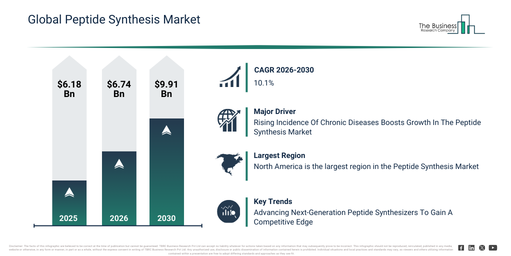
    Peptide Synthesis Market Expansion From $6.74 Billion In 2026 To $9.91 Billion In 2030

    Experiencing robust expansion lately, the peptide synthesis market is projected to climb from an estimated value of $6.18 billion in 2025 to $6.74 billion by 2026, reflecting a compound annual growth rate of 9.1%. Historically, this upward trend has been propelled by several key factors, including an increasing need for therapeutic treatments utilizing peptides, innovations in solid-phase peptide synthesis methodologies, a surge in research activities within academic and scientific institutions, the consistent availability of superior quality reagents, and significant contributions from pharmaceutical research and development initiatives.

    The domain of peptide synthesis is poised for substantial expansion in the coming years, projecting a market valuation of $9.91 billion by 2030, driven by a compound annual growth rate of 10.1%. This anticipated surge is fueled by several key factors, including the escalating utilization of contract manufacturing and research services, the increasing acceptance of hybrid and recombinant peptide methodologies, a rise in partnerships between pharmaceutical and biotechnology firms, a growing need for bespoke peptide synthesis solutions, and continuous improvements in technologies for peptide characterization and analysis. Furthermore, prominent trends shaping this market’s trajectory include the growing integration of artificial intelligence in peptide design and enhancement, the broadening scope of precision medicine incorporating peptides, the amalgamation of cloud computing and big data analytics into peptide research endeavors, the deployment of Internet of Things (IoT)-enabled laboratory equipment for continuous oversight, and the implementation of intelligent manufacturing practices within peptide production processes.

    Download A Free Sample Report For Comprehensive Market Insights:

    https://www.thebusinessresearchcompany.com/sample.aspx?id=13295&type=smp

    Peptide Synthesis Market Industry Drivers: What Is Driving Revenue Growth?

    The increasing prevalence of long-term health conditions, commonly known as chronic diseases or non-communicable diseases (NCDs), is anticipated to be a significant driver for the expansion of the peptide synthesis market. These gradual-onset, persistent illnesses necessitate innovative treatment approaches, and peptide synthesis offers promising avenues. Specifically, certain peptides possess anti-inflammatory and antioxidant properties that could play a role in mitigating the development of chronic conditions like cardiovascular diseases. By interacting with specific cellular mechanisms and communication pathways, peptides have the potential to tackle the underlying issues of chronic diseases, thereby creating new avenues for therapy and patient management. Reinforcing this trend, data from the World Health Organization (WHO), a UN agency based in Switzerland, indicated in June 2025 that NCDs constitute the primary global cause of mortality and disability, affecting both men and women disproportionately, with conditions such as heart disease, cancer, chronic lung issues, and diabetes claiming lives prematurely. Consequently, the escalating burden of chronic illnesses directly fuels the demand within the peptide synthesis industry.

    Peptide Synthesis Market Segment Analysis: What Are The Major Market Categories?

    The peptide synthesis market covered in this report is segmented –

    1) By Product And Service: Reagents, Equipment, Services

    2) By Technology: Solid-Phase Peptide Synthesis, Solution-Phase Peptide Synthesis, Hybrid And Recombinant Technology

    3) By End User: Pharmaceutical And Biotechnology companies, Contract Manufacturing And Development Organizations (CDMOs) And Contract Research Organizations (CROs), Academic And Research Institutes

    Subsegments:

    1) By Reagents: Amino Acids, Coupling Reagents, Protecting Groups, Cleavage Reagents

    2) By Equipment: Peptide Synthesizers, Chromatography Systems, Mass Spectrometers

    3) By Services: Custom Peptide Synthesis, Peptide Characterization And Analysis, Peptide Modification Services, Consulting And Support Services

    #Peptide Synthesis Market Growth Trends: What Is Influencing The Future Outlook?

    To enhance their market standing, leading enterprises within the peptide synthesis sector are prioritizing the launch of advanced peptide synthesizers, exemplified by the PurePep Sonata+. This state-of-the-art instrument boasts superior performance in terms of efficiency, velocity, and precision when contrasted with earlier models. Illustrating this trend, Vapourtec Ltd, a United Kingdom-based innovator in flow-chemistry instrumentation, unveiled the Peptide-Builder in August 2025. This streamlined, desktop peptide synthesizer expands upon the functionalities of standard synthesizers through the integration of Vapourtec’s proprietary Variable Bed Flow Reactor technology, facilitating continuous-flow solid-phase peptide synthesis. This novel methodology grants meticulous command over reaction parameters and supports the high-volume creation of diverse peptide sequences. Furthermore, the Peptide-Builder incorporates automated software for the design of sequences, refined coupling and deprotection procedures, and continuous oversight of resin volume and reaction advancement, thereby guaranteeing the precise and repeatable synthesis of peptides across various sequences and production volumes.

    Peptide Synthesis Market Leading Companies Driving Competitive Growth

    Major companies operating in the peptide synthesis market are Thermo Fisher Scientific, Merck KGaA, Lonza Group, Kaneka Corporation, Guizhou Xinbang Pharmaceutical Co. Ltd., Hybio Pharmaceutical Co. Ltd., GenScript Biotech, Bachem Holding AG, Syngene International, PolyPeptide Group AG, CPC Scientific Inc., New England Peptide Inc., Biotage, ScinoPharm Taiwan Ltd, MP Biomedicals, CEM Corporation, Enamine Ltd., Creative Diagnostics, AnaSpec Inc., CSBio Company Inc., Alfa Chemistry, Advanced ChemTech, Gyros Protein Technologies AB, AAPPTec LLC, Biosynth International Inc., ProteoGenix

    Access The Complete Peptide Synthesis Market Report:

    https://www.thebusinessresearchcompany.com/report/peptide-synthesis-global-market-report

    Peptide Synthesis Market Leading Geography: Which Region Generates The Most Revenue?

    North Americawas the largest region in the peptide synthesis market in 2025. Asia-Pacificis expected to be the fastest-growing region in the forecast period. The regions covered in the peptide synthesis market report are Asia-Pacific, South East Asia, Western Europe, Eastern Europe, North America, South America, Middle East, Africa.

    Get in touch with us:

    The Business Research Company: https://www.thebusinessresearchcompany.com/

    Americas: +1 310-496-7795

    Asia: +44 7882 955267 & +91 8897263534

    Europe: +44 7882 955267

    Email us at: marketing@tbrc.info

    Follow us on:

    LinkedIn: https://in.linkedin.com/company/the-business-research-company

    YouTube: https://www.youtube.com/channel/UC24_fI0rV8cR5DxlCpgmyFQ

    Global Market Model: https://www.thebusinessresearchcompany.com/global-market-model
  • Peptic Ulcer Market Expansion Is Reshaping Competitive Dynamics Across The Industry

    Peptic Ulcer Market Expansion Is Reshaping Competitive Dynamics Across The Industry

    Delivering more actionable and strategically valuable research, The Business Research Company’s 2026 market reports feature market attractiveness analysis, total addressable market evaluation, company benchmarking matrices, interactive Excel dashboards, expanded supply chain intelligence, emerging startup coverage, and detailed product insights.

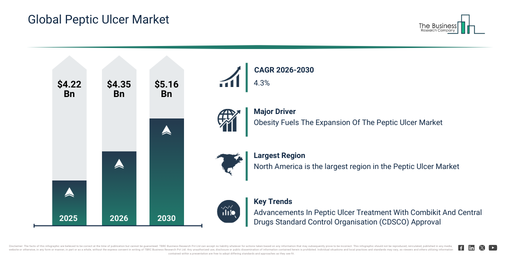
    Peptic Ulcer Market Forecast Highlighting Growth From $4.35 Billion To $5.15 Billion

    The market for peptic ulcer treatments has experienced consistent expansion. Projections indicate a rise from $4.22 billion in 2025 to $4.35 billion in 2026, reflecting a compound annual growth rate of 3.3%. Factors contributing to this growth trajectory historically include the significant incidence of h. pylori infections, a lack of comprehensive understanding regarding the complications associated with peptic ulcers, the extensive consumption of nsaids, reliance on conventional methods for symptom management, and insufficient capabilities for early detection.

    The market for treating peptic ulcers is projected to experience consistent expansion over the coming years, reaching an estimated value of $5.16 billion by 2030, driven by a compound annual growth rate of 4.3%. This anticipated growth trajectory is fueled by several key factors, including the escalating use of proton pump inhibitors and antibiotics for treatment, an increase in healthcare facilities such as hospitals and private clinics offering these services, heightened public consciousness regarding preventative health measures, advancements in diagnostic methods that bypass invasive procedures, and the broadening reach of online and retail pharmacy sales networks. Furthermore, the upcoming forecast period is characterized by significant emerging trends such as the increasing incorporation of artificial intelligence in diagnostic tools, the development of individualized treatment plans based on genomic data, the utilization of cloud computing and big data analytics for patient oversight, the deployment of Internet of Things (IoT) devices for continuous remote symptom monitoring, and the sophisticated production of therapeutic agents for ulcers.

    Download A Free Sample Report For Comprehensive Market Insights:

    https://www.thebusinessresearchcompany.com/sample.aspx?id=13221&type=smp

    Peptic Ulcer Market Growth Factors: Which Forces Are Supporting Market Expansion?

    The escalating incidence of obesity is anticipated to invigorate the peptic ulcer market’s expansion. Obesity, a condition marked by an unhealthy buildup of body fat, generally indicated by a Body Mass Index of 30 or above, can stem from a combination of hereditary predispositions, environmental influences, and lifestyle choices like inadequate nutrition and sedentary habits. This excess weight can trigger an overproduction of gastric acid, compromise the stomach’s protective mucus layer, and foster the development of peptic ulcers, with excessive body mass potentially exacerbating gastrointestinal inflammation. As an illustration, the World Health Organization, a global intergovernmental body headquartered in Switzerland, noted in May 2025 that 35 million children under five years old were classified as overweight in 2024, thus underscoring how the pervasive issue of obesity is a significant driver for the peptic ulcer market.

    Elevated smoking habits are projected to fuel the expansion of the peptic ulcer market going forward. Smoking, which involves inhaling smoke from combusted plant materials like tobacco, is a recognized factor contributing to peptic ulcer conditions. It elevates the likelihood of peptic ulcers by damaging the stomach and duodenal linings, reducing blood flow to the stomach, and increasing gastric acid secretion. For example, in November 2025, data from the Organisation for Economic Co operation and Development, an international organization based in France, revealed that in 2023, 14.8% of individuals aged 15 and older in OECD nations were daily smokers, with Türkiye, Hungary, Greece, Indonesia, Bulgaria, and China reporting the highest rates, exceeding one in four people smoking daily. Consequently, rising smoking rates are a key impetus for the peptic ulcer market.

    Peptic Ulcer Market Segment Breakdown: Which Categories Generate The Most Revenue?

    The peptic ulcer market covered in this report is segmented –

    1) By Disease Indication: Gastritis, Gastric Ulcer, Duodenal Ulcer, Gastroesophageal Reflux Disease (GERD)

    2) By Drug Type: Proton Pump Inhibitors (PPI), H2 Antagonists, Antibiotics, Other Drugs

    3) By Distribution Channel: Hospital Pharmacies, Private Clinics, Drug Store, Retail Pharmacies, E-Commerce

    Subsegments:

    1) By Gastritis: Acute Gastritis, Chronic Gastritis

    2) By Gastric Ulcer: Acute Gastric Ulcer, Chronic Gastric Ulcer

    3) By Duodenal Ulcer: Acute Duodenal Ulcer, Chronic Duodenal Ulcer

    4) By Gastroesophageal Reflux Disease (GERD): Non-Erosive GERD, Erosive GERD

    Peptic Ulcer Market Industry Trends: What Changes Are Reshaping Demand?

    Leading firms in the peptic ulcer sector are concentrating their efforts on creating novel treatment approaches, exemplified by combination therapy drug kits, to address the escalating need for successful H. pylori eradication and ulcer care. These integrated kits house several active components within a unified treatment plan, thereby boosting patient compliance and providing a more precise therapeutic strategy compared to conventional single-drug treatments. A pertinent example occurred in April 2023 when Akums Drugs and Pharmaceuticals Ltd., a pharmaceutical formulator and API producer based in India, introduced Combikit, a sophisticated three-drug combination. This Combikit comprises amoxicillin, clarithromycin, and esomeprazole, specifically formulated to concurrently tackle bacterial eradication, reduce acid production, and promote ulcer healing. Its utility has been validated and approved by the Central Drugs Standard Control Organisation (CDSCO) for managing duodenal ulcers linked to Helicobacter pylori (H. pylori) and for eliminating H. pylori in individuals presenting with active or previously healed peptic ulcers. This synergistic combination of distinct therapeutic actions serves to elevate treatment effectiveness, diminish the likelihood of ulcer relapse, and foster better adherence among patients, particularly in geographical areas characterized by a high incidence of H. pylori infections.

    Peptic Ulcer Market Key Players And Strategic Industry Positioning

    Major companies operating in the peptic ulcer market are Johnson & Johnson, Merck & Co. Inc., AbbVie Inc., Bayer AG, Novartis AG, Sanofi S.A, Bristol-Myers Squibb Company, AstraZeneca plc, Abbott Laboratories, GlaxoSmithKline plc, Takeda Pharmaceutical Company Limited, Eli Lilly and Company, Amgen Inc., Teva Pharmaceutical Industries Ltd., CSL Limited, Boehringer Ingelheim International GmbH, Eisai Co. Ltd., Sun Pharmaceutical Industries Ltd., Otsuka Pharmaceutical Company, Dr. Reddy’s Laboratories Ltd., Aurobindo Pharma Limited, Hikma Pharmaceuticals PLC, Zydus Lifesciences, Lupin Limited, Livzon Pharmaceutical Group Inc., Yuhan Corporation, Torrent Pharmaceuticals Ltd., Daewoong Pharmaceutical Co. Ltd., Ilyang Pharmaceutical Co, Jiangsu Carephar Pharmaceutical Co Ltd.

    Access The Complete Peptic Ulcer Market Report:

    https://www.thebusinessresearchcompany.com/report/peptic-ulcer-global-market-report

    Peptic Ulcer Market Regional Outlook: Where Are The Largest Opportunities Located?

    North Americawas the largest region in the peptic ulcer market in 2025. Asia-Pacificis expected to be the fastest-growing region in the forecast period. The regions covered in the peptic ulcer market report are Asia-Pacific, South East Asia, Western Europe, Eastern Europe, North America, South America, Middle East, Africa.

    Get in touch with us:

    The Business Research Company: https://www.thebusinessresearchcompany.com/

    Americas: +1 310-496-7795

    Asia: +44 7882 955267 & +91 8897263534

    Europe: +44 7882 955267

    Email us at: marketing@tbrc.info

    Follow us on:

    LinkedIn: https://in.linkedin.com/company/the-business-research-company

    YouTube: https://www.youtube.com/channel/UC24_fI0rV8cR5DxlCpgmyFQ

    Global Market Model: https://www.thebusinessresearchcompany.com/global-market-model
  • Penile Prosthesis Market Forecast Reveals Where Future Industry Value Will Be Created

    Penile Prosthesis Market Forecast Reveals Where Future Industry Value Will Be Created

    Enhanced with market attractiveness analysis, total addressable market evaluation, company benchmarking matrices, interactive Excel dashboards, expanded supply chain intelligence, emerging startup coverage, and detailed product insights, The Business Research Company’s 2026 market reports deliver more actionable and strategically valuable research.

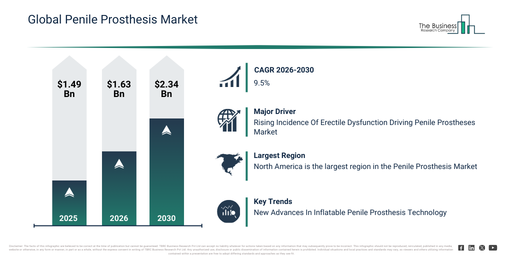
    Penile Prosthesis Market Revenue Growth Supported By A CAGR Of 2.34% Through 2030

    The market for penile prostheses has experienced robust expansion, expanding from $1.49 billion in 2025 to $1.63 billion in 2026, driven by a compound annual growth rate (CAGR) of 9.6%. Factors contributing to this growth historically include a lack of awareness regarding penile implants, a preference for oral erectile dysfunction medications, the social stigma associated with erectile dysfunction, insufficient surgical proficiency, and disjointed post-operative management.

    The market for penile prostheses is poised for substantial expansion over the coming years, projected to reach $2.34 billion by 2030, exhibiting a compound annual growth rate of 9.5%. This projected growth is underpinned by several key factors, including a rising inclination towards inflatable and malleable implants, a notable increase in minimally invasive outpatient surgeries, the proliferation of urology and men’s health clinics, ongoing improvements in biocompatible implant materials, and a growing level of patient awareness coupled with a persistent demand for enduring solutions to erectile dysfunction. During this forecast period, significant trends are expected to emerge, such as the increasing application of artificial intelligence in preoperative strategy and the prediction of treatment outcomes, a greater acceptance of individualized erectile dysfunction therapies informed by genetic profiles, the incorporation of cloud computing and big data analytics for enhanced patient oversight, the utilization of internet of things (IoT) enabled devices for post-operative progress tracking, and the adoption of smart manufacturing processes in the production of penile prostheses.

    Download A Free Sample Report For Comprehensive Market Insights:

    https://www.thebusinessresearchcompany.com/sample.aspx?id=18426&type=smp

    Penile Prosthesis Market Demand Drivers: What Is Fueling Industry Growth?

    The escalating rates of erectile dysfunction are anticipated to stimulate expansion within the penile prostheses market. Erectile dysfunction, characterized by the persistent inability to attain or sustain an erection suitable for sexual activity, frequently leads to emotional distress and interpersonal challenges. This rise in ED is influenced by an aging global population, shifts in lifestyle patterns such as sedentary routines and unhealthy eating habits, a growing burden of chronic conditions like diabetes and hypertension, and the pervasive psychological pressures of contemporary life. Penile prostheses offer a durable resolution for individuals experiencing erectile dysfunction, enabling the restoration of sexual capability and an enhanced quality of life. Illustratively, a comprehensive review published in October 2024 by Springer Nature, a German media entity, highlighted that the consolidated worldwide prevalence of ED among men with diabetes stands at 65.8%. Consequently, the increasing occurrence of erectile dysfunction is a primary catalyst for the penile prostheses market’s growth.

    An upsurge in the incidence of penile afflictions is poised to drive the development of the market for penile prostheses. Penile diseases encompass a range of medical conditions impacting the penis. Factors contributing to the heightened prevalence of these conditions include evolving sexual practices, insufficient personal hygiene, an increase in sexually transmitted infections (STIs), and a tendency for individuals to postpone seeking medical attention. Penile prostheses serve as a crucial intervention for penile ailments, including cancer, aiming to restore erectile capability and improve life quality via surgically implanted devices designed to mimic natural erection processes. As an example, data from the U.S.-based National Library of Medicine (NLM) indicated in October 2023 that an estimated 2,050 men in the United States faced penile cancer in 2023, leading to approximately 470 deaths. Therefore, the widespread nature of penile diseases is a significant driver for the penile prostheses market.

    Penile Prosthesis Market Segmentation: How Is The Market Structured Across Key Categories?

    The penile prosthesis market covered in this report is segmented –

    1) By Implant Type: Inflatable Penile Implant, Malleable Penile Implant

    2) By Material: Silicone, Bioflex, Other Materials

    3) By End User: Hospitals, Ambulatory Surgery Centers, Urology Centers, Other End User

    Subsegments:

    1) By Inflatable Penile Implant: Two-Piece Inflatable Penile Implant, Three-Piece Inflatable Penile Implant

    2) By Malleable Penile Implant: Semi-Rigid Malleable Penile Implant, Fully Rigid Malleable Penile Implant

    Penile Prosthesis Market Innovation Trends: Which Developments Are Transforming The Industry?

    A primary strategy observed among leading manufacturers within the penile prostheses sector involves the creation of advanced product designs, specifically focusing on penile prosthesis pumps, with the objective of elevating user convenience, dependable performance, and patient contentment. This particular type of penile prosthesis pump is engineered to simplify the application of penile prostheses, thereby potentially shortening the adaptation period for patients and augmenting their general satisfaction with the medical device. As an illustration, in November 2023, Boston Scientific Corporation, a prominent medical technology firm headquartered in the United States, secured approval from the U.S. Food and Drug Administration (FDA) for its novel TENACIO Pump, an integral part of the AMS 700 inflatable penile prosthesis system. The Tenacio pump is designed to improve how patients interact with the device, tackling previously encountered challenges like the sticking of the valve system that historically required medical intervention, while also featuring textured grips for easier patient access, a widened gap between the pump and the deflation valve to ensure distinct identification, and an updated valve mechanism engineered to avert sticking issues.

    Penile Prosthesis Market Competitive Landscape And Leading Companies

    Major companies operating in the penile prosthesis market are Giant Medical., Boston Scientific Corporation, Olympus Corporation, Coloplast A/S, Mentor Corporation, Silimed, American Medical Systems Inc, Promedon S.A., Zephyr Surgical Implants, G Surgiwear Limited, SofMedica, Rigicon Inc, Advin Health Care, Penuma Penile Implant, eska medi̇cal, Titan Medical, Eska Jonas Prosthesis, Ams Urology

    Access The Complete Penile Prosthesis Market Report:

    https://www.thebusinessresearchcompany.com/report/penile-prosthesis-global-market-report

    Penile Prosthesis Market Geographic Landscape: Which Region Dominates Industry Growth?

    North Americawas the largest region in the penile prosthesis market in 2025. Asia-Pacificis expected to be the fastest-growing region in the forecast period. The regions covered in the penile prosthesis market report are Asia-Pacific, South East Asia, Western Europe, Eastern Europe, North America, South America, Middle East, Africa.

    Get in touch with us:

    The Business Research Company: https://www.thebusinessresearchcompany.com/

    Americas: +1 310-496-7795

    Asia: +44 7882 955267 & +91 8897263534

    Europe: +44 7882 955267

    Email us at: marketing@tbrc.info

    Follow us on:

    LinkedIn: https://in.linkedin.com/company/the-business-research-company

    YouTube: https://www.youtube.com/channel/UC24_fI0rV8cR5DxlCpgmyFQ

    Global Market Model: https://www.thebusinessresearchcompany.com/global-market-model
  • Penile Implants Market Growth Through 2030 Creates New Strategic Opportunities

    Penile Implants Market Growth Through 2030 Creates New Strategic Opportunities

    Through market attractiveness analysis, total addressable market evaluation, company benchmarking matrices, interactive Excel dashboards, expanded supply chain intelligence, emerging startup coverage, and detailed product insights, The Business Research Company’s 2026 market reports provide more actionable and strategically valuable research.

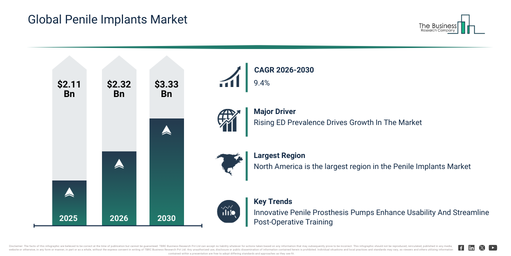
    Penile Implants Market Value Expansion And Long-Term Growth Outlook

    The market for penile implants has experienced robust expansion lately, with projections indicating a rise from $2.11 billion in 2025 to $2.32 billion in 2026, reflecting a compound annual growth rate (CAGR) of 9.7%. Historically, several factors have fueled this growth, including a deficit in public knowledge regarding penile implants, a prevailing dependence on oral pharmaceuticals and injections, the social stigma associated with erectile dysfunction, insufficient surgical proficiency among practitioners, and disjointed patient follow-up protocols.

    The market for penile implants is poised for substantial expansion over the coming years, projected to reach a value of $3.33 billion by 2030, driven by a compound annual growth rate of 9.4%. This upward trajectory is fueled by several key factors, including a greater acceptance of inflatable and semi-rigid implant types, a growing preference for outpatient and less invasive surgical options, the proliferation of urology clinics and specialized treatment facilities, ongoing innovations in biocompatible materials and implant engineering, and heightened patient understanding and a desire for enduring solutions to erectile dysfunction. During this forecast period, significant trends are anticipated to emerge, such as the expanded application of artificial intelligence for pre-surgical evaluations and to forecast treatment success, the embrace of gene-based, tailored therapies for erectile dysfunction, the incorporation of cloud computing and big data analytics for patient oversight, the deployment of internet of things (IoT) connected devices for post-operative patient care and monitoring, and the embedding of intelligent manufacturing processes into the production of penile implants.

    Download A Free Sample Report For Comprehensive Market Insights:

    https://www.thebusinessresearchcompany.com/sample.aspx?id=20919&type=smp

    Penile Implants Market Growth Drivers: What Factors Are Accelerating Expansion?

    The escalating incidence of erectile dysfunction (ED) is anticipated to be a primary factor fueling the penile implants market’s expansion. ED is characterized by the continued inability to attain or sustain an erection suitable for sexual satisfaction. This growing prevalence of ED is influenced by demographic shifts like an aging population, an increase in lifestyle-related health issues such as diabetes, obesity, and cardiovascular illnesses, psychological factors including stress and anxiety, and heightened detection and diagnosis resulting from medical advancements. Penile implants are instrumental in managing the surge of ED by offering a robust and successful alternative for individuals unresponsive to medication-based therapies, consequently bettering their quality of life and serving as a lasting remedy for severe cases. To illustrate, a comprehensive review published in October 2024 by Springer Nature, a German media entity, indicated that approximately 65.8% of diabetic men globally experience ED. Consequently, the rising number of ED cases is a significant driver for the penile implants market.

    Enhanced consciousness and broader acceptance of sexual health will likely spur forward momentum in the penile implants market. Sexual health encompasses a comprehensive state of well-being—physical, emotional, mental, and social—linked to one’s sexuality, prioritizing respect, security, and informed decision-making. A more profound understanding and embrace of sexual health are crucial for empowering individuals, diminishing societal taboos, improving general health results, and promoting conscientious, well-informed choices regarding sexual wellness and interpersonal connections. Penile implants are central to advancing sexual health awareness and acceptance by furnishing enduring and effective resolutions for erectile dysfunction, thereby fostering open discussions, alleviating stigma, and emphasizing the necessity of professional medical assistance for sexual well-being. As an example, the UK Health Security Agency reported in July 2024 that the entirety of consultations provided by Sexual Health Services (SHS) in England saw a 5.0% rise in 2023 compared to the previous year, with in-person appointments climbing by 7.9% and virtual consultations experiencing a 7.5% increase. Therefore, a greater focus on and acceptance of sexual health are contributing to the growth of the penile implants market.

    Penile Implants Market Segmentation Trends And Revenue Drivers

    The penile implants market covered in this report is segmented –

    1) By Implant Type: Inflatable Penile Implants, Malleable Penile Implants, Semi-Rigid Penile Implants

    2) By Patient Type: Vascular Impotence Patients, Psychogenic Impotence Patients, Neurological Impotence Patients

    3) By Material: Silicon, Bioflex, Other Materials

    4) By Deployment Method: Outpatient Procedure, Inpatient Procedure

    5) By End User: Hospital, Ambulatory Surgery Centers, Urology Centers, Other End Users

    Subsegments:

    1) By Inflatable Penile Implants: Two-Piece Inflatable Penile Implants, Three-Piece Inflatable Penile Implants

    2) By Malleable Penile Implants: Single-Component Malleable Implants, Multi-Component Malleable Implants

    3) By Semi-Rigid Penile Implants: Semi-Rigid Rod Implants, Semi-Rigid Adjustable Implants

    Penile Implants Market Trends: What Is Shaping Future Industry Growth?

    In the penile implants sector, key players are prioritizing the creation of novel solutions like penile prosthesis pumps, aiming to elevate both patient and clinician satisfaction through enhanced dependability, ease of use, and simplified post-surgical instruction for inflatable penile implants. A penile prosthesis pump functions as a surgically placed device in the scrotum, empowering individuals to achieve an erection by manually transferring fluid from a reservoir into expandable cylinders located within the penis. Illustrating this trend, Boston Scientific, a prominent US medical technology firm, revealed in November 2023 the FDA’s clearance of its Tenacio pump, an integral part of the AMS 700 inflatable penile prosthesis (IPP). The Tenacio pump incorporates automated features, allowing for effortless deflation with a simple press of the deflation control, thereby mitigating issues related to device malfunctions such as stiction syndrome and improving overall user-friendliness. This advancement not only streamlines the patient’s learning process with the device but also has the potential to shorten the time physicians dedicate to post-operative patient guidance.

    Penile Implants Market Industry Leaders: Which Organizations Are Driving Competition?

    Major companies operating in the penile implants market are Boston Scientific Corporation, Coloplast Corp, Promedon S.A., Zephyr Surgical Implants, Rigicon Inc, Penuma, Shah Prosthesis, Rocamed, Genesis MedTech Group, Guangzhou Jiedi Medical Co Ltd, Uromedica Inc, Taheri Medical Instruments, InnoMedicus AG, Tic Medizintechnik GmbH & Co KG, ZSR Biomedical Technology Co Ltd, G Surgiwear Ltd, Titan Medical Inc, UroHealth Systems Pvt Ltd, Sanghui Medical Co Ltd, Prometheus Group, Neomedic, Osbon, UroMed, Timm Medical Technologies Inc, Nuntius, Men’s Health Solutions, Allen Medical Systems

    Access The Complete Penile Implants Market Report:

    https://www.thebusinessresearchcompany.com/report/penile-implants-global-market-report

    Penile Implants Market Largest Region: Which Geography Holds The Highest Market Share?

    North Americawas the largest region in the penile implants market in 2025. Asia-Pacificis expected to be the fastest-growing region in the forecast period. The regions covered in the penile implants market report are Asia-Pacific, South East Asia, Western Europe, Eastern Europe, North America, South America, Middle East, Africa.

    Get in touch with us:

    The Business Research Company: https://www.thebusinessresearchcompany.com/

    Americas: +1 310-496-7795

    Asia: +44 7882 955267 & +91 8897263534

    Europe: +44 7882 955267

    Email us at: marketing@tbrc.info

    Follow us on:

    LinkedIn: https://in.linkedin.com/company/the-business-research-company

    YouTube: https://www.youtube.com/channel/UC24_fI0rV8cR5DxlCpgmyFQ

    Global Market Model: https://www.thebusinessresearchcompany.com/global-market-model
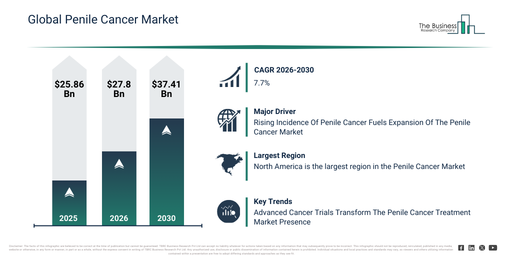
  • Penile Cancer Market Size Projected To Increase From $27.79 Billion To $37.41 Billion During The Forecast Period

    Penile Cancer Market Size Projected To Increase From $27.79 Billion To $37.41 Billion During The Forecast Period

    Delivering more actionable and strategically valuable research, The Business Research Company’s 2026 market reports feature market attractiveness analysis, total addressable market evaluation, company benchmarking matrices, interactive Excel dashboards, expanded supply chain intelligence, emerging startup coverage, and detailed product insights.

    Penile Cancer Market Expected To Reach $37.41 Billion By 2030 At 7.7% CAGR

    The market for penile cancer treatments experienced robust expansion lately, projecting an increase from $25.86 billion in 2025 to $27.8 billion in 2026, exhibiting a compound annual growth rate of 7.5%. Historical expansion factors include a lack of public awareness and screening initiatives, delayed medical diagnoses, a prevailing dependence on traditional surgical procedures and chemotherapy, a scarcity of dedicated treatment facilities, and the disjointed nature of patient medical records.

    The global market for penile cancer is poised for substantial expansion, projected to reach $37.41 billion by 2030, exhibiting a compound annual growth rate of 7.7% over the projected period. This predicted expansion is fueled by several key factors, including the escalating uptake of immunotherapy and biological treatment modalities, a growing inclination towards personalized medicine strategies, the broader implementation of initiatives aimed at the early detection of the disease, the increasing utility of telemedicine and remote patient monitoring solutions, and a noticeable rise in investments dedicated to research and raising awareness about penile cancer. Significant developments anticipated within this timeframe encompass the heightened integration of artificial intelligence for facilitating earlier diagnoses and evaluating risk factors, a more widespread adoption of genetic analysis-driven targeted therapies, the incorporation of cloud computing and big data analytics for enhanced patient management, the deployment of Internet of Things (IoT) enabled devices for tracking treatment efficacy, and the application of advanced manufacturing techniques in the production of biological therapies.

    Download A Free Sample Report For Comprehensive Market Insights:

    https://www.thebusinessresearchcompany.com/sample.aspx?id=12143&type=smp

    Penile Cancer Market Growth Factors Supporting Long-Term Expansion

    The escalating prevalence of penile cancer is anticipated to be a significant catalyst for the expansion of the penile cancer market in the foreseeable future. This condition, characterized by the abnormal proliferation of malignant cells within penile tissues, directly correlates with the demand for diagnostic tools, surgical interventions, and accompanying therapeutic services, thereby influencing the overall market trajectory for penile cancer. For illustration, the American Cancer Society Inc. projected in January 2023 that approximately 2,050 new diagnoses of penile cancer and 470 fatalities attributable to the disease would be recorded in the US within the same year. Consequently, the growing occurrence of penile cancer is acting as a primary driver for the market’s advancement.

    The increasing number of elderly individuals is poised to invigorate the expansion of the market for penile cancer treatments and related services. This demographic group, comprising older adults, is particularly susceptible to penile cancer, as the likelihood of developing the ailment escalates with advancing age, necessitating treatments such as surgery, radiation, and targeted therapies. Furthermore, an aging population heightens the potential for penile-related health issues, including infections. Illustrating this trend, the World Health Organization from Switzerland reported in February 2025 that the global population aged 60 and above is forecast to grow from 1.1 billion in 2023 to 1.4 billion by 2030. Accordingly, the demographic shift towards a larger elderly population is a key factor propelling the growth of the penile cancer market.

    Penile Cancer Market Segment Analysis Highlighting Growth Areas

    The penile cancer market covered in this report is segmented –

    1) By Type: Squamous Cell Cancer Of Penis, Aden Carcinoma Of Penis, Melanoma Of The Penis, Basal Cell Cancer Of Penis, Sarcoma Of Penis

    2) By Type Of Therapy: Radiation Therapy, Chemotherapy, Biological Therapy, Surgery

    3) By Diagnostic Test: Biopsy, Ultrasound, Imaging Tests

    4) By Application: Hospital, Clinics, Other Applications

    Subsegments:

    1) By Squamous Cell Cancer Of Penis: Invasive Squamous Cell Carcinoma, Non-Invasive Squamous Cell Carcinoma

    2) By Adenocarcinoma Of Penis: Penile Adenocarcinoma, Mucinous Adenocarcinoma, Non-Mucinous Adenocarcinoma

    3) By Melanoma Of The Penis: Superficial Spreading Melanoma, Nodular Melanoma, Acral Lentiginous Melanoma

    4) By Basal Cell Cancer Of Penis: Nodular Basal Cell Carcinoma, Superficial Basal Cell Carcinoma, Morpheaform Basal Cell Carcinoma

    5) By Sarcoma Of Penis: Kaposi’s Sarcoma, Rhabdomyosarcoma

    Penile Cancer Market Industry Trends Shaping Future Revenue Growth

    Leading entities within the penile cancer market are prioritizing the development of groundbreaking approaches, including sophisticated clinical trials, to tackle existing gaps in medical care and enhance therapeutic results. These advanced trials are designed to assess the safety and efficacy of emerging treatments, therapies, or pharmaceuticals when administered to individuals diagnosed with late-stage cancer. As an illustration, during May of 2023, a scientific body headquartered in the United States, known as the ECOG-ACRIN Cancer Research Group, successfully recruited 100 participants for the InPACT, or International Penile Advanced Cancer Trial. This trial represents a significant beacon of hope for men confronting advanced stages of penile cancer. The International Penile Advanced Cancer Trial (InPACT) itself is a research endeavor dedicated to exploring the more advanced phases of penile cancer, with the ultimate goal of elevating treatment results and enhancing the overall quality of life for those impacted. It scrutinizes pioneering therapeutic strategies, surgical methodologies, and interventions targeted at patients afflicted with advanced penile cancer, striving to achieve progress in both medical treatment and comprehending this uncommon yet formidable illness.

    Penile Cancer Market Leading Companies: Who Holds Significant Market Presence?

    Major companies operating in the penile cancer market are Pfizer Inc., Merck & Co. Inc., Bayer AG, Bristol‑Myers Squibb Company, AstraZeneca PLC, Takeda Pharmaceutical Company Limited, Eli Lilly and Co Ltd., Amgen Inc., Astellas Pharma Inc., Daiichi Sankyo Company Limited, Eisai Co. Ltd., Novartis AG, F Hoffmann‑La Roche Ltd, Johnson & Johnson, AbbVie Inc., GlaxoSmithKline plc, BeiGene Ltd., Iovance Biotherapeutics Inc, Lisata Therapeutics Inc, Halozyme Therapeutics Inc, Sotio Biotech, Sanofi S A, Genmab A S, Otsuka Pharmaceutical Co Ltd, Adaptimmune Therapeutics plc, Apceth Biopharma GmbH & Co KG

    Access The Complete Penile Cancer Market Report:

    https://www.thebusinessresearchcompany.com/report/penile-cancer-global-market-report

    Penile Cancer Market Regional Analysis: Which Region Leads By Revenue?

    North America was the largest region in the penile cancer market in 2025. Asia-Pacific is expected to be the fastest-growing region in the forecast period. The regions covered in the penile cancer market report are Asia-Pacific, South East Asia, Western Europe, Eastern Europe, North America, South America, Middle East, Africa.

    Get in touch with us:

    The Business Research Company: https://www.thebusinessresearchcompany.com/

    Americas: +1 310-496-7795

    Asia: +44 7882 955267 & +91 8897263534

    Europe: +44 7882 955267

    Email us at: marketing@tbrc.info

    Follow us on:

    LinkedIn: https://in.linkedin.com/company/the-business-research-company

    YouTube: https://www.youtube.com/channel/UC24_fI0rV8cR5DxlCpgmyFQ

    Global Market Model: https://www.thebusinessresearchcompany.com/global-market-model
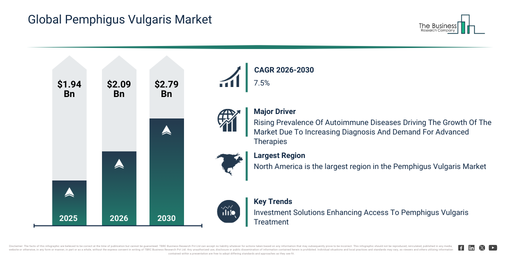
  • Pemphigus Vulgaris Market Growth Outlook Reveals A CAGR Of 7.5% And A Market Value Of $2.79 Billion By 2030

    Pemphigus Vulgaris Market Growth Outlook Reveals A CAGR Of 7.5% And A Market Value Of $2.79 Billion By 2030

    Enhanced with market attractiveness analysis, total addressable market evaluation, company benchmarking matrices, interactive Excel dashboards, expanded supply chain intelligence, emerging startup coverage, and detailed product insights, The Business Research Company’s 2026 market reports deliver more actionable and strategically valuable research.

    Pemphigus Vulgaris Market Size And Revenue Forecast Through 2030

    The market for pemphigus vulgaris has experienced robust expansion recently. Projections indicate a rise from $1.94 billion in 2025 to $2.09 billion by 2026, reflecting a compound annual growth rate of 7.7%. Factors contributing to this historical growth trajectory include low public awareness coupled with delayed diagnoses, a prevalent dependence on corticosteroids, restricted availability of specialized dermatological care, the substantial expense associated with immunosuppressive treatments, and challenges related to dispersed clinical information and patient registries.

    The pemphigus vulgaris market anticipates significant expansion in the coming years, projecting a reach of $2.79 billion by 2030, fueled by a compound annual growth rate of 7.5%. This upward trajectory is largely propelled by the increasing embrace of specialized immunotherapies, greater utilization of biologic drugs and monoclonal antibodies, the growing prevalence of teledermatology and remote patient monitoring services, enhancements in diagnostic technologies for earlier identification, and heightened patient awareness coupled with robust support initiatives. Key developments shaping this market during the forecast period involve the escalating application of artificial intelligence for precise early diagnosis and the prediction of disease progression, a rise in personalized treatment plans based on genomic data, the integration of cloud computing and big data analytics for efficient patient information management, the deployment of IoT-enabled gadgets for continuous remote patient observation, and the adoption of intelligent manufacturing processes for immunosuppressive medications.

    Download A Free Sample Report For Comprehensive Market Insights:

    https://www.thebusinessresearchcompany.com/sample.aspx?id=22094&type=smp

    Pemphigus Vulgaris Market Demand Drivers Creating New Revenue Opportunities

    The increasing incidence of autoimmune disorders is anticipated to be a primary driver for the expansion of the pemphigus vulgaris market. These conditions, characterized by the immune system erroneously targeting and harming the body’s own healthy components, are becoming more prevalent due to a confluence of genetic susceptibilities, environmental influences, and evolving lifestyles. Heredity is a key factor, as those with a family lineage of autoimmune conditions face a heightened risk due to inherent immune system weaknesses. Consequently, as autoimmune diseases become more widespread, an increasing number of individuals are being identified with ailments such as pemphigus vulgaris, thereby stimulating the need for sophisticated treatment options. Reinforcing this trend, data from the Mayo Clinic Health System in January 2025 indicated a global upward trajectory in both the incidence and prevalence of autoimmune diseases, with year-over-year increases approximated at 19.1% and 12.5%, respectively. Hence, the elevated occurrence of autoimmune diseases is directly fueling the growth trajectory of the pemphigus vulgaris market.

    Pemphigus Vulgaris Market Segment Performance And Strategic Opportunities

    The pemphigus vulgaris market covered in this report is segmented –

    1) By Diagnosis And Treatment: Diagnosis, Treatment

    2) By Population Type: Pediatric, Adults, Geriatric

    3) By Distribution Channel: Hospitals Pharmacy, Retail Pharmacy, Online Pharmacy

    4) By End-User: Hospitals, Specialty Clinics, Research Institutes, Other End-Users

    Subsegments:

    1) By Diagnosis: Clinical Examination, Skin Biopsy, Direct Immunofluorescence, Serological Tests, Polymerase Chain Reaction (PCR)

    2) By Treatment: Pharmacological Therapy, Non-Pharmacological Therapy

    Pemphigus Vulgaris Market Trends Driving Strategic Industry Expansion

    In the realm of the pemphigus vulgaris market, key players are concentrating their efforts on financial avenues that enhance treatment effectiveness and broaden the scope of available therapies. These financial strategies encompass the allocation of capital towards advancing treatment development, furthering research, and facilitating market entry. As an illustration, in January 2023, the Patient Access Network Foundation (PAN) Foundation, a non-profit entity based in the United States, initiated a financial aid program offering eligible pemphigus vulgaris patients up to $6,600 annually. This support aims to alleviate the financial burden associated with deductibles, copayments, and coinsurance. Eligibility for this financial aid necessitates that patients be undergoing treatment for pemphigus vulgaris, possess Medicare health insurance that covers prescribed medications, and earn an income not exceeding 400% of the federal poverty level. Furthermore, the PAN Foundation extends its support by providing transportation assistance and facilitating connections to relevant support groups.

    Pemphigus Vulgaris Market Key Players: Which Companies Shape Industry Competition?

    Major companies operating in the pemphigus vulgaris market are Pfizer Inc., F. Hoffmann-La Roche Ltd, Thermo Fisher Scientific Inc., GlaxoSmithKline plc, Amgen Inc., Sanofi S.A, Biogen Inc., Genentech, Genmab A/S, argenx SE, Daewoong Pharmaceutical Co. Ltd., HanAll Biopharma Co. Ltd., Artiva Biotherapeutics, Cabaletta Bio Inc., SinoMab BioScience Limited, Topas Therapeutics GmbH, Principia Biopharma Inc., Serpin Pharma LLC, Syntimmune Inc., International Pemphigus & Pemphigoid Foundation

    Access The Complete Pemphigus Vulgaris Market Report:

    https://www.thebusinessresearchcompany.com/report/pemphigus-vulgaris-global-market-report

    Pemphigus Vulgaris Market Geographic Distribution And Regional Opportunities

    North Americawas the largest region in the pemphigus vulgaris market in 2025. Asia-Pacificis expected to be the fastest-growing region in the forecast period. The regions covered in the pemphigus vulgaris market report are Asia-Pacific, South East Asia, Western Europe, Eastern Europe, North America, South America, Middle East, Africa.

    Get in touch with us:

    The Business Research Company: https://www.thebusinessresearchcompany.com/

    Americas: +1 310-496-7795

    Asia: +44 7882 955267 & +91 8897263534

    Europe: +44 7882 955267

    Email us at: marketing@tbrc.info

    Follow us on:

    LinkedIn: https://in.linkedin.com/company/the-business-research-company

    YouTube: https://www.youtube.com/channel/UC24_fI0rV8cR5DxlCpgmyFQ

    Global Market Model: https://www.thebusinessresearchcompany.com/global-market-model

  • Pelvic Inflammatory Disease (PID) Treatment Market Forecast Highlights Expansion From $4.99 Billion To $6.13 Billion Through 2030

    Pelvic Inflammatory Disease (PID) Treatment Market Forecast Highlights Expansion From $4.99 Billion To $6.13 Billion Through 2030

    Through market attractiveness analysis, total addressable market evaluation, company benchmarking matrices, interactive Excel dashboards, expanded supply chain intelligence, emerging startup coverage, and detailed product insights, The Business Research Company’s 2026 market reports provide more actionable and strategically valuable research.

    Pelvic Inflammatory Disease (PID) Treatment Market Growth From $4.99 Billion In 2026 To $6.13 Billion By 2030 At A CAGR Of 5.3%

    The global market for Pelvic Inflammatory Disease (PID) treatments has experienced robust expansion recently, with projections indicating continued strong growth. Forecasts suggest an increase from $4.74 billion in 2025 to $5 billion in 2026, demonstrating a compound annual growth rate of 5.5%. Factors contributing to this expansion during the historical period include the high incidence of sexually transmitted infections, a lack of widespread awareness regarding PID, a common approach of utilizing broad-spectrum antibiotics, diagnostic delays stemming from cases that present no symptoms, and inadequate access to specialized gynecological services.

    The market for treating pelvic inflammatory disease (PID) is anticipated to experience considerable expansion in the upcoming years, projected to reach $6.13 billion by 2030 with a compound annual growth rate (CAGR) of 5.3%. This projected expansion is driven by several key factors including the increasing prevalence of combination antibiotic therapy, a greater reliance on hormonal therapies for preventative measures, improvements in minimally invasive surgical techniques, the proliferation of telehealth and remote patient monitoring services, and enhanced public awareness and educational initiatives aimed at facilitating early detection. During this forecast period, significant trends are expected to emerge, such as the growing utilization of artificial intelligence for early diagnosis and risk assessment, the wider adoption of personalized treatment strategies informed by genomics, the incorporation of cloud computing and big data analytics for patient oversight and care management, the deployment of IoT-enabled devices for real-time symptom tracking from a distance, and the application of smart manufacturing processes in the production of antibiotics.

    Download A Free Sample Report For Comprehensive Market Insights:

    https://www.thebusinessresearchcompany.com/sample.aspx?id=21251&type=smp

    Pelvic Inflammatory Disease (PID) Treatment Market Expansion Supported By Key Demand Factors

    The escalating incidence of sexually transmitted infections is poised to stimulate expansion within the market for pelvic inflammatory disease (PID) treatments. These infections, transmitted via sexual contact, encompass bacterial, viral, and parasitic agents, and their increased prevalence stems from factors including unprotected sexual activity, insufficient awareness, delayed diagnosis, and treatment gaps. Addressing sexually transmitted infections through PID treatment, particularly with antibiotics, proves beneficial for eradicating causative bacteria, mitigating complications like chronic pelvic pain and infertility, and lowering the likelihood of recurring infections. To illustrate, data from the UK Health Security Agency revealed that England documented 6,008 new human immunodeficiency virus (HIV) diagnoses in 2023, a significant 51% surge from the 3,975 recorded in 2022. Consequently, the heightened occurrence of sexually transmitted infections is a key impetus for the growth of the PID treatment market.

    Pelvic Inflammatory Disease (PID) Treatment Market Driver: Rising Adoption of Telemedicine Driving the Telehealth Solutions Market

    The increasing integration of telemedicine is anticipated to foster growth in the telehealth solutions market. Telemedicine involves providing healthcare remotely via digital channels, such as virtual appointments, mobile health applications, and remote patient monitoring systems. Key drivers for this trend include the demand for convenient healthcare access, a scarcity of medical professionals in specific areas, improvements in digital infrastructure, and a growing patient preference for remote consultations. Telehealth solutions offer advantages in patient care management by facilitating remote diagnoses and monitoring, thereby enhancing accessibility to medical services, reducing patient travel and wait times, and enabling swift interventions for both chronic and acute health issues. For example, in March 2023, the Office of the National Coordinator for Health Information Technology (ONC) in the United States reported that over 80% of physicians utilized telemedicine for a portion of their patient interactions, though typically less than 50%. Therefore, the expanding use of telemedicine is a significant factor driving the growth of the telehealth solutions market and, by extension, impacting related healthcare sectors like the pelvic inflammatory disease (PID) treatment market.

    Pelvic Inflammatory Disease (PID) Treatment Market Segment Landscape And Growth Potential

    The pelvic inflammatory disease (pid) treatment market covered in this report is segmented –

    1) By Treatment Type: Antibiotic Therapy, Surgery, Pain Management

    2) By Route Of Administration: Oral, Intravenous, Intramuscular

    3) By End User: Hospitals, Clinics, Homecare

    Subsegments:

    1) By Antibiotic Therapy: Broad-spectrum Antibiotics, Combination Antibiotic Therapy, Oral Antibiotics, Intravenous Antibiotics

    2) By Surgery: Laparoscopy, Hysterectomy, Tubal Surgery

    3) By Pain Management: Nonsteroidal Anti-inflammatory Drugs (NSAIDs), Opioid Analgesics, Acetaminophen, Localized Pain Management

    Pelvic Inflammatory Disease (PID) Treatment Market Growth Trends Influencing Competitive Dynamics

    Leading entities within the pelvic inflammatory disease (PID) treatment sector are concentrating their efforts on the development of advanced treatment options, including probiotic dietary additions, with the objective of improving therapeutic outcomes, re-establishing equilibrium in the vaginal flora, and mitigating the reoccurrence of infections in individuals diagnosed with pelvic inflammatory disease (PID). A probiotic supplement represents a formulation that incorporates beneficial microorganisms, such as live bacteria or yeasts, which contribute to preserving or reinstating a healthy microbial ecosystem in both the intestinal and vaginal tracts. Illustratively, during November of 2024, Lee Health Domain, a pharmaceutical enterprise based in India, introduced V-Ferin, a probiotic supplement engineered to promote vaginal well-being. This formulation, comprising Lactobacillus acidophilus, lactoferrin peptide, and cranberry extract, is intended to rejuvenate the native microbiota and serve as a preventative measure against prevalent vaginal ailments like bacterial vaginosis and candidiasis. Considering that an estimated 25% to 30% of the female population experiences these conditions, which, if left unaddressed, can progress to pelvic inflammatory disease (PID), V-Ferin presents an innovative approach to bolstering health and averting subsequent complications.

    Pelvic Inflammatory Disease (PID) Treatment Market Competitive Landscape: Who Are The Leading Companies?

    Major companies operating in the pelvic inflammatory disease (pid) treatment market are Pfizer Inc., Bayer AG, Eli Lilly and Company, Otsuka Pharmaceutical Co. Ltd., Astellas Pharma Inc., Daiichi Sankyo Company Limited, Hetero Drugs Ltd., Sun Pharmaceutical Industries Ltd., Takeda Pharmaceutical Company Limited, Dr. Reddy’s Laboratories Ltd., Cipla Limited, Hikma Pharmaceuticals PLC, Lupin Pharmaceuticals Inc., Torrent Pharmaceuticals Ltd., Mankind Pharma Ltd., Mayne Pharma Group Limited, Saphnix Lifesciences, Aristo Pharmaceuticals Pvt. Ltd., Zydus Cadila Healthcare Ltd., Amagen India Life Sciences

    Access The Complete Pelvic Inflammatory Disease (PID) Treatment Market Report:

    https://www.thebusinessresearchcompany.com/report/pelvic-inflammatory-disease-pid-treatment-global-market-report

    Pelvic Inflammatory Disease (PID) Treatment Market Largest Region By Revenue And Market Share

    North Americawas the largest region in the pelvic inflammatory disease (PID) treatment market in 2025. Asia-Pacificis expected to be the fastest-growing region in the forecast period. The regions covered in the pelvic inflammatory disease (pid) treatment market report are Asia-Pacific, South East Asia, Western Europe, Eastern Europe, North America, South America, Middle East, Africa.

    Get in touch with us:

    The Business Research Company: https://www.thebusinessresearchcompany.com/

    Americas: +1 310-496-7795

    Asia: +44 7882 955267 & +91 8897263534

    Europe: +44 7882 955267

    Email us at: marketing@tbrc.info

    Follow us on:

    LinkedIn: https://in.linkedin.com/company/the-business-research-company

    YouTube: https://www.youtube.com/channel/UC24_fI0rV8cR5DxlCpgmyFQ

    Global Market Model: https://www.thebusinessresearchcompany.com/global-market-model
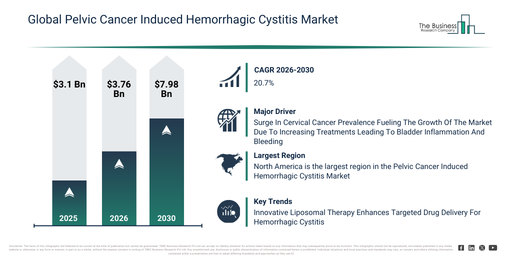
  • Pelvic Cancer Induced Hemorrhagic Cystitis Market Expected To Reach $7.98 Billion By 2030 As Growth Accelerates At 20.7% CAGR

    Pelvic Cancer Induced Hemorrhagic Cystitis Market Expected To Reach $7.98 Billion By 2030 As Growth Accelerates At 20.7% CAGR

    Delivering more actionable and strategically valuable research, The Business Research Company’s 2026 market reports feature market attractiveness analysis, total addressable market evaluation, company benchmarking matrices, interactive Excel dashboards, expanded supply chain intelligence, emerging startup coverage, and detailed product insights.

    Pelvic Cancer Induced Hemorrhagic Cystitis Market Expansion Outlook: What Revenue Opportunities Lie Ahead?

    The market for pelvic cancer-induced hemorrhagic cystitis has seen substantial expansion lately. Projections indicate a rise from $3.1 billion in 2025 to $3.76 billion in 2026, reflecting a compound annual growth rate of 21.1%. This expansion during the preceding period is linked to several factors including the frequent occurrence of radiation-induced cystitis, the utilization of cyclophosphamide and ifosfamide in cancer treatment, a scarcity of specialized bladder therapies, a dependence on supportive measures and bladder flushing, and the limited uptake of intravesical treatment methods.

    The market for pelvic cancer-induced hemorrhagic cystitis is poised for remarkable expansion in the coming years, projecting a rise to $7.98 billion by 2030, driven by a compelling compound annual growth rate of 20.7%. This anticipated surge is fueled by a confluence of factors including progress in tailored medical treatments, increased research into bladder-preserving pharmaceuticals, a growing embrace of regenerative therapies, the expanding application of less invasive surgical techniques, and enhanced public awareness coupled with proactive early detection initiatives. Key developments shaping the market’s trajectory involve the escalating deployment of artificial intelligence for identifying diseases early and forecasting risks, a greater acceptance of genetic profiling for customized cancer therapies, the incorporation of cloud computing and big data analytics for tracking patient status, the adoption of sophisticated manufacturing processes for medication creation, and the wider utilization of internet-connected devices for managing patient care remotely.

    Download A Free Sample Report For Comprehensive Market Insights:

    https://www.thebusinessresearchcompany.com/sample.aspx?id=23470&type=smp

    Pelvic Cancer Induced Hemorrhagic Cystitis Market Growth Drivers And Industry Catalysts

    The increasing prevalence of cervical cancer is anticipated to stimulate the expansion of the market for pelvic cancer-induced hemorrhagic cystitis treatments. Cervical cancer, a malignant tumor originating in the cervix, is predominantly caused by persistent infections with high-risk human papillomavirus (HPV) strains, resulting in uncontrolled cell growth, tissue invasion, and potentially widespread disease if untreated. Factors contributing to the rise in cervical cancer include limited access to preventative healthcare and insufficient cervical screening programs. The condition of pelvic cancer-induced hemorrhagic cystitis plays a constructive role in managing cervical cancer by enhancing clinical awareness and monitoring among individuals diagnosed with it, thereby facilitating earlier detection and prompt intervention. This proactive approach can ultimately lead to improved patient results and propel advancements in cancer care. For example, projections from the American Cancer Society, a nonprofit organization in the US, suggest that in 2025, approximately 13,360 new cases of invasive cervical cancer will be diagnosed in the United States, with an estimated 4,320 women expected to die from the disease. Consequently, the escalating rates of cervical cancer are a key factor fueling the growth of the pelvic cancer-induced hemorrhagic cystitis market.

    The growing trend towards poor dietary habits and a lack of physical activity is poised to augment the development of the pelvic cancer-induced hemorrhagic cystitis market. Unhealthy eating patterns and sedentary lifestyles encompass the consumption of foods high in calories but low in nutrients, coupled with minimal physical exertion, leading to detrimental health conditions such as obesity, heart disease, and metabolic imbalances. This shift is largely attributed to the escalating consumption of processed foods, which promotes unfavorable dietary choices and elevates long-term health risks. Pelvic cancer-induced hemorrhagic cystitis underscores the critical importance of adopting a healthy lifestyle, as proactive modifications in diet and activity levels contribute to overall wellness, enhance treatment efficacy, and improve the quality of life for those affected. Illustratively, data released by the American Heart Association, Inc., a US-based nonprofit organization, in June 2024, indicated that over 150 million individuals in the US are projected to have poor diets by 2050, a situation expected to result in an almost 40% surge in adult obesity. Therefore, the movement towards unhealthy diets and sedentary lifestyles is significantly contributing to the expansion of the pelvic cancer-induced hemorrhagic cystitis market.

    Pelvic Cancer Induced Hemorrhagic Cystitis Market Categorization By Product Type And Application

    The pelvic cancer induced hemorrhagic cystitis market covered in this report is segmented –

    1) By Treatment Type: Bone Marrow Transplant, Chemotherapy, Radiation Therapy, Other Treatment Types

    2) By Route Of Administration: Oral, Injectable, Intravesical

    3) By Distribution Channel: Hospital Pharmacies, Retail Pharmacies, Online Pharmacies

    Subsegments:

    1) By Bone Marrow Transplant: Autologous Bone Marrow Transplant, Allogeneic Bone Marrow Transplant, Haploidentical Bone Marrow Transplant

    2) By Chemotherapy: Cyclophosphamide, Ifosfamide, Systemic Chemotherapy, Intravesical Chemotherapy, Targeted Chemotherapy

    3) By Radiation Therapy: External Beam Radiation Therapy (EBRT), Brachytherapy, Intensity-Modulated Radiation Therapy (IMRT)

    4) By Other Treatments: Hyperbaric Oxygen Therapy (HBOT), Intravesical Therapy, Bladder Irrigation And Catheterization, Surgical Interventions, Regenerative Medicine And Palliative Care

    #Pelvic Cancer Induced Hemorrhagic Cystitis Market Trends Influencing Long-Term Demand

    Key players within the pelvic cancer-induced hemorrhagic cystitis market are actively pursuing novel therapeutic advancements, exemplified by the development of liposomal tacrolimus therapy and the introduction of sophisticated drug formulations designed to refine targeted treatment delivery while simultaneously elevating safety and effectiveness. This liposomal tacrolimus therapy represents a specialized method of drug administration where tacrolimus is enclosed within liposomes, thereby boosting its absorption, facilitating more precise immunosuppression, and mitigating adverse systemic effects, particularly beneficial in managing autoimmune disorders and preventing organ transplant rejection. Illustrating this progress, in October 2024, Lipella Pharmaceuticals Inc., a biotechnology firm headquartered in the United States, revealed the allowance of a United States patent for its novel liposomal drug delivery system, engineered to improve the targeted application of therapeutic compounds across a spectrum of medical ailments, including hemorrhagic cystitis. This cutting-edge liposomal technology refines the delivery of medications to mucosal and epithelial tissues, such as those found in the bladder, oral cavity, colon, and urethra, thereby promoting greater therapeutic success and minimizing unwanted systemic repercussions. Furthermore, the market exclusivity conferred by this patent solidifies Lipella’s standing in the marketplace and bolsters the progression of its primary clinical candidate, LP-10, an investigational intravesical therapy showing significant promise for hemorrhagic cystitis.

    Pelvic Cancer Induced Hemorrhagic Cystitis Market Company Landscape And Strategic Competition

    Major companies operating in the pelvic cancer induced hemorrhagic cystitis market are Pfizer Inc., Johnson & Johnson Services Inc., F. Hoffmann-La Roche Ltd, Merck & Co. Inc., AbbVie Inc., Bayer AG, Sanofi SA, Bristol-Myers Squibb Company, AstraZeneca PLC, Novartis AG, Amgen Inc., Mayo Clinic, Cleveland Clinic Foundation, Astellas Pharma Inc., Fresenius Kabi AG, Bausch Health Companies Inc., Medicover Hospitals, Urigen Pharmaceuticals Inc., Lipella Pharmaceuticals Inc., Hemogenyx Pharmaceuticals plc

    Access The Complete Pelvic Cancer Induced Hemorrhagic Cystitis Market Report:

    https://www.thebusinessresearchcompany.com/report/pelvic-cancer-induced-hemorrhagic-cystitis-global-market-report

    Pelvic Cancer Induced Hemorrhagic Cystitis Market Regional Analysis And Leading Geography

    North Americawas the largest region in the pelvic cancer induced hemorrhagic cystitis market in 2025. Asia-Pacificis expected to be the fastest-growing region in the forecast period. The regions covered in the pelvic cancer induced hemorrhagic cystitis market report are Asia-Pacific, South East Asia, Western Europe, Eastern Europe, North America, South America, Middle East, Africa.

    Get in touch with us:

    The Business Research Company: https://www.thebusinessresearchcompany.com/

    Americas: +1 310-496-7795

    Asia: +44 7882 955267 & +91 8897263534

    Europe: +44 7882 955267

    Email us at: marketing@tbrc.info

    Follow us on:

    LinkedIn: https://in.linkedin.com/company/the-business-research-company

    YouTube: https://www.youtube.com/channel/UC24_fI0rV8cR5DxlCpgmyFQ

    Global Market Model: https://www.thebusinessresearchcompany.com/global-market-model
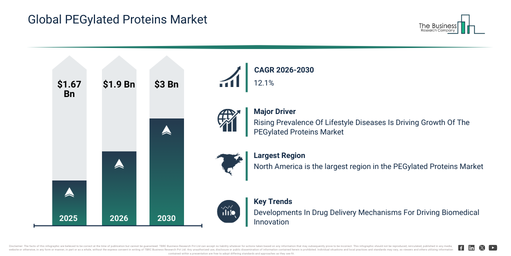
  • PEGylated Proteins Market Set To Grow From $1.9 Billion In 2026 To $3 Billion By 2030 At A CAGR Of 12.1%

    PEGylated Proteins Market Set To Grow From $1.9 Billion In 2026 To $3 Billion By 2030 At A CAGR Of 12.1%

    Enhanced with market attractiveness analysis, total addressable market evaluation, company benchmarking matrices, interactive Excel dashboards, expanded supply chain intelligence, emerging startup coverage, and detailed product insights, The Business Research Company’s 2026 market reports deliver more actionable and strategically valuable research.

    PEGylated Proteins Market Growth Potential: How Will Market Size Change Through 2030?

    The market for pegylated proteins has experienced a swift expansion recently. Projections indicate a rise from $1.67 billion in 2025 to $1.9 billion in 2026, reflecting a compound annual growth rate (CAGR) of 13.7%. Key factors driving this past growth include the significant immunogenic responses associated with unmodified proteins, the constrained duration of effectiveness for therapeutic proteins, dependence on traditional protein delivery systems, a diverse and scattered landscape of protein modification services, and a prevailing lack of awareness regarding the advantages of pegylation.

    The market for pegylated proteins is poised for substantial expansion over the coming years, projecting a reach of $3 billion by 2030, driven by a compound annual growth rate (CAGR) of 12.1%. This anticipated surge stems from several key factors, including intensified research and development efforts in pegylated therapeutics, a rising demand for extended-release protein medications, greater acceptance of targeted protein therapies, an increase in outsourced pegylation services, and continuous technological progress in pegylation kits and associated reagents. Furthermore, the forecast period is marked by significant trends such as the heightened application of artificial intelligence in protein engineering and pegylation workflows, the increasing embrace of therapeutic proteins guided by genomic data, the incorporation of cloud-based systems for managing protein research data, the adoption of intelligent manufacturing techniques within pegylated protein production, and the expanding utilization of Internet of Things (IoT) enabled monitoring systems in biopharmaceutical settings.

    Download A Free Sample Report For Comprehensive Market Insights:

    https://www.thebusinessresearchcompany.com/sample.aspx?id=16145&type=smp

    PEGylated Proteins Market Opportunity Drivers: What Is Creating New Revenue Potential?

    The expanding incidence of chronic health conditions is anticipated to fuel the advancement of the PEGylated proteins market in the future. These long-term ailments, characterized by their slow progression and persistent nature, encompass conditions like heart disease, diabetes, persistent lung issues, and specific cancers. A confluence of factors, including an aging demographic, inactive lifestyles, less nutritious eating habits, and environmental pressures, contributes to the escalating rates of these illnesses. PEGylated proteins play a crucial role in addressing chronic diseases by boosting the stability, effectiveness, and precise delivery of medicinal compounds, ultimately leading to better patient results and less frequent treatment regimens. Illustrating this trend, in June 2025, the World Health Organization, a UN specialized body headquartered in Switzerland, stated that noncommunicable diseases continue to be the primary cause of mortality and impairment globally, including within the WHO European Region, where one in five men and one in ten women succumb before the age of seventy due to conditions such as cardiovascular disease, cancer, chronic respiratory ailments, and diabetes.

    PEGylated Proteins Market Segment Analysis And Revenue Opportunities

    The pegylated proteins market covered in this report is segmented –

    1) By Product: Consumable And Services, PEGylation Kits And Reagents, Monofunctional Linear PEGs, Bifunctional PEGs, Other Products

    2) By Protein Type: Colony Stimulating Factors, Interferons, Erythropoietin, Recombinant Factor VII, Other Protein Types

    3) By Application: Cancer Treatment, Hepatitis, Chronic Kidney Diseases, Hemophilia, Multiple Sclerosis, Gastrointestinal Disorders, Other Applications

    4) By End User: Pharmaceuticals, Biotechnology Companies, Contract Research Organizations, Academic Research Institutes

    Subsegments:

    1) By Consumable And Services: Consumables, Services

    2) By PEGylation Kits And Reagents: PEGylation Kits, Reagents

    3) By Monofunctional Linear PEGs: Monofunctional PEGs For Protein Modification

    4) By Bifunctional PEGs: Bifunctional PEGs For Protein Modification

    5) By Other Products: Conjugates, PEGylated Drugs And Therapeutics

    PEGylated Proteins Market Innovation Trends Driving Future Development

    Leading entities within the PEGylated protein sector are actively introducing novel offerings, including PEGylation reagents, to enhance their market standing. These PEGylation reagents are chemical agents designed to affix polyethylene glycol chains onto biomolecules, thereby modifying their characteristics for diverse biomedical uses. To illustrate, May 2023 saw Creative Enzymes, a United States-based provider of enzymes and food additives, introduce DSPE-PEG-Maleimide, a product intended for precision drug delivery. This reagent, DSPE-PEG-Maleimide (DSPE-PEG-MAL), is a linear heterobifunctional PEGylation tool incorporating both DSPE phospholipids and a maleimide group. It functions as a valuable self-assembly agent for creating PEGylated liposomes or micelles and supplies reactive maleimide functionalities for thiols or cysteines, commonly employed in targeted therapeutic delivery.

    PEGylated Proteins Market Leading Players Shaping Industry Direction

    Major companies operating in the pegylated proteins market are Merck & Co. Inc., Bayer AG, Bristol Myers Squibb Company, Roche Holding AG, Gilead Sciences Inc., Novo Nordisk A/S, Regeneron Pharmaceuticals Inc., Biogen Inc., Ipsen Pharma, Kyowa Kirin Co. Ltd., BioMarin Pharmaceutical Inc., Enzon Pharmaceuticals Inc., Amgen Inc., Pfizer Inc., Takeda Pharmaceutical Company Limited, Sanofi SA, UCB Pharma SA, CSL Behring GmbH, Nektar Therapeutics, Swedish Orphan Biovitrum AB, Octapharma AG, Ferring Pharmaceuticals, OPKO Health Inc., Alvotech hf, Ultragenyx Pharmaceutical Inc., PTC Therapeutics Inc., Jazz Pharmaceuticals plc

    Access The Complete PEGylated Proteins Market Report:

    https://www.thebusinessresearchcompany.com/report/pegylated-proteins-global-market-report

    PEGylated Proteins Market Geographic Analysis: Where Is Demand Growing The Fastest?

    North Americawas the largest region in the PEGylated Proteins market in 2025. The regions covered in the pegylated proteins market report are Asia-Pacific, South East Asia, Western Europe, Eastern Europe, North America, South America, Middle East, Africa.

    Get in touch with us:

    The Business Research Company: https://www.thebusinessresearchcompany.com/

    Americas: +1 310-496-7795

    Asia: +44 7882 955267 & +91 8897263534

    Europe: +44 7882 955267

    Email us at: marketing@tbrc.info

    Follow us on:

    LinkedIn: https://in.linkedin.com/company/the-business-research-company

    YouTube: https://www.youtube.com/channel/UC24_fI0rV8cR5DxlCpgmyFQ

    Global Market Model: https://www.thebusinessresearchcompany.com/global-market-model