Month: June 2026

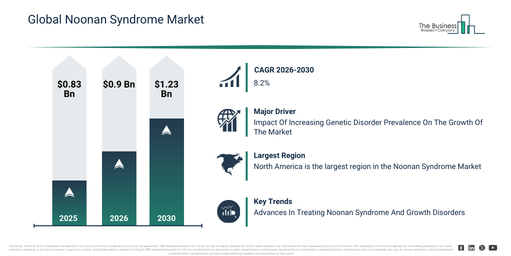
  • Noonan Syndrome Market Growth Outlook Reveals A CAGR Of 8.2% And A Market Value Of $1.23 Billion By 2030

    Noonan Syndrome Market Growth Outlook Reveals A CAGR Of 8.2% And A Market Value Of $1.23 Billion By 2030

    Enhanced with market attractiveness analysis, total addressable market evaluation, company benchmarking matrices, interactive Excel dashboards, expanded supply chain intelligence, emerging startup coverage, and detailed product insights, The Business Research Company’s 2026 market reports deliver more actionable and strategically valuable research.

    Noonan Syndrome Market Forecast: What Market Value Is Expected By 2030?

    In 2025, the noonan syndrome market was valued at $0.83 billion and is projected to expand to $0.9 billion by 2026, reflecting a robust compound annual growth rate of 8.5%. This significant expansion in recent times has been fueled by several factors experienced during the historical period, including minimal public knowledge regarding noonan syndrome, challenges in obtaining timely genetic diagnoses, the absence of uniform treatment strategies, constrained access to dedicated medical facilities, and a reliance on conventional diagnostic methods.

    The market for Noonan syndrome is poised for significant expansion over the upcoming years, projected to reach a value of $1.23 billion by 2030, exhibiting a compound annual growth rate of 8.2%. This anticipated growth is fueled by several key factors, including the increasing utilization of DNA sequencing and chromosomal analysis techniques, a greater availability of tailored therapeutic options, the proliferation of early intervention initiatives, the broader accessibility of both hospital-based and in-home healthcare services, and advancements in AI-driven diagnostic assistance. Key trends shaping this market during the forecast period involve a heightened adoption of genetic testing and DNA sequencing, expanded use of sophisticated ultrasound diagnostic tools, a growing incorporation of customized treatment regimens, a wider implementation of early intervention therapies, and enhanced accessibility to remote and home-based healthcare solutions.

    Download A Free Sample Report For Comprehensive Market Insights:

    https://www.thebusinessresearchcompany.com/sample.aspx?id=20905&type=smp

    Noonan Syndrome Market Demand Drivers Creating New Revenue Opportunities

    The expansion of the Noonan syndrome market is anticipated due to the growing incidence of genetic conditions, which are ailments stemming from DNA alterations or anomalies that can be passed down or arise randomly, influenced by factors such as better diagnostic capabilities, extended lifespans, and environmental influences. Noonan syndrome is instrumental in deepening our comprehension of genetic disorders, illustrating how particular gene mutations affect physical development, cardiac performance, and general well-being, thereby advancing genetic inquiry and refining diagnostic and treatment strategies for associated ailments, with conditions like sickle cell disease affecting approximately 100,000 individuals in the US as of May 2024, predominantly within the Black or African American and Hispanic or Latino populations, underscoring the impact of genetic disorders on market growth.

    Advances in personalized medicine are poised to fuel the expansion of the Noonan syndrome market as medical interventions become increasingly customized to individual patients based on their unique genetic makeup and biological traits. This trend toward individualized healthcare is propelled by breakthroughs in genomic sequencing and molecular diagnostics, which have made identifying specific genetic defects more accessible and affordable. Personalized medicine directly contributes to market expansion by facilitating the creation of therapies that target the root genetic mutations in patients, offering a more effective approach than merely managing symptoms, as evidenced by the considerable increase in FDA-approved personalized treatments for rare diseases, jumping from 6 in 2022 to 16 in 2023, signifying a robust growth trajectory for personalized medicine and, consequently, the Noonan syndrome market.

    Noonan Syndrome Market Segment Landscape And Growth Potential

    The noonan syndrome market covered in this report is segmented –

    1) By Diagnosis: Ultrasound Test, Genetic Test, Other Diagnosis

    2) By Treatment: Heart Treatment, Learning Disabilities Treatment, Low Growth Treatment, Vision And Hearing Treatment, Bleeding And Bruising Treatment, Genital Problem Treatment, Lymphatic Problem Treatment, Other Treatments

    3) By Route Of Administration: Oral, Parenteral, Other Routes Of Administration

    4) By Distribution Channel: Direct Tenders, Retail Sales, Hospital Pharmacy, Retail Pharmacy, Online Pharmacy, Other Distribution Channels

    5) By End-User: Clinics, Hospitals, Home Healthcare, Other End-Users

    Subsegments:

    1) By Ultrasound Test: Cardiac Ultrasound (Echocardiogram), Abdominal Ultrasound

    2) By Genetic Test: DNA Sequencing, Chromosomal Analysis

    3) By Other Diagnosis: Physical Examination, Clinical Assessment, Imaging Tests (MRI, CT scans), Electrocardiogram (ECG)

    Noonan Syndrome Market Trends Driving Strategic Industry Expansion

    The noonan syndrome market is witnessing significant activity from major players focused on creating treatments for various growth-related conditions to improve pediatric health and disease management. These growth-related disorders encompass a spectrum of conditions that impede typical physical development, often stemming from genetic predispositions, hormonal imbalances, or nutritional deficiencies. As an illustration, in May of 2024, BioMarin Pharmaceutical Inc., a biopharmaceutical entity based in the United States, shared favorable new findings regarding VOXZOGO (vosoritide) at the 2024 Pediatric Endocrine Society Annual Meeting. This presentation underscored the drug’s efficacy in addressing a range of growth-related conditions affecting children, such as idiopathic short stature (ISS), Noonan syndrome, and achondroplasia. The Phase 2 investigation yielded compelling evidence of enhanced growth velocity and improved height outcomes in pediatric participants with diverse genetic conditions, including ACAN deficiency and NPR2 mutations, suggesting VOXZOGO’s potential to offer therapeutic advantages across a wider array of growth disorders, extending beyond its current approval for achondroplasia.

    Noonan Syndrome Market Competitive Landscape: Who Are The Leading Companies?

    Major companies operating in the noonan syndrome market are Blueprint Genetics Inc., Prevention Genetics Inc., Mayo Clinic Laboratories, Labcorp Holdings Inc., Quest Diagnostics Inc., EasyDNA Limited, Illumina Inc., The Children’s Hospital of Philadelphia, BioMarin Pharmaceutical Incorporated, Children’s Hospital Colorado, Natera Incorporated, Fulgent Genetics Incorporated, Invitae Corporation, GeneDx Incorporated, Ambry Genetics Corporation, Baylor Genetics LLC, Dante Labs Inc., NIMGenetics S.L., 3billion Inc.

    Access The Complete Noonan Syndrome Market Report:

    https://www.thebusinessresearchcompany.com/report/noonan-syndrome-global-market-report

    Noonan Syndrome Market Largest Region By Revenue And Market Share

    North Americawas the largest region in the noonan syndrome market in 2025. The regions covered in the noonan syndrome market report are Asia-Pacific, South East Asia, Western Europe, Eastern Europe, North America, South America, Middle East, Africa.

    Get in touch with us:

    The Business Research Company: https://www.thebusinessresearchcompany.com/

    Americas: +1 310-496-7795

    Asia: +44 7882 955267 & +91 8897263534

    Europe: +44 7882 955267

    Email us at: marketing@tbrc.info

    Follow us on:

    LinkedIn: https://in.linkedin.com/company/the-business-research-company

    YouTube: https://www.youtube.com/channel/UC24_fI0rV8cR5DxlCpgmyFQ

    Global Market Model: https://www.thebusinessresearchcompany.com/global-market-model

  • Nontuberculous Mycobacterial Infection Market Forecast Highlights Expansion From $15.86 Billion To $21.01 Billion Through 2030

    Nontuberculous Mycobacterial Infection Market Forecast Highlights Expansion From $15.86 Billion To $21.01 Billion Through 2030

    Through market attractiveness analysis, total addressable market evaluation, company benchmarking matrices, interactive Excel dashboards, expanded supply chain intelligence, emerging startup coverage, and detailed product insights, The Business Research Company’s 2026 market reports provide more actionable and strategically valuable research.

    Nontuberculous Mycobacterial Infection Market Size Outlook: How Fast Will Revenue Grow Through 2030?

    The market for nontuberculous mycobacterial infections experienced robust expansion recently. Projections indicate a rise from $14.96 billion in 2025 to $15.87 billion in 2026, reflecting a compound annual growth rate of 6.1%. Factors contributing to this growth during the historical period included a substantial prevalence of pulmonary infections, a scarcity of viable treatment options, protracted timelines for diagnosing nontuberculous mycobacteria, dependence on standard antibiotic treatments, and insufficient awareness among medical practitioners.

    The market for nontuberculous mycobacterial infections is poised for significant expansion over the upcoming years, projecting a valuation of $21.01 billion by 2030, driven by a compound annual growth rate of 7.3%. This anticipated growth trajectory is fueled by several key factors, including the escalating use of combination therapies involving macrolides and rifampin, greater accessibility to aminoglycoside treatments, the burgeoning field of individualized medical approaches, the widening reach of hospital and specialized pharmacy services, and the ongoing innovation in AI-driven diagnostic and patient monitoring technologies. Furthermore, prevailing trends shaping this market include a greater embrace of macrolide and rifampin-based treatment strategies, increased utilization of aminoglycosides, the progressive adoption of multifaceted drug regimens, a broader deployment of sophisticated diagnostic instruments, and the continuous integration of artificial intelligence for monitoring treatment efficacy.

    Download A Free Sample Report For Comprehensive Market Insights:

    https://www.thebusinessresearchcompany.com/sample.aspx?id=13020&type=smp

    Nontuberculous Mycobacterial Infection Market Expansion Supported By Key Demand Factors

    The increasing incidence of Chronic Obstructive Pulmonary Disease (COPD), a long-term lung condition defined by ongoing and typically worsening airflow obstruction, is anticipated to be a primary catalyst for the expansion of the nontuberculous mycobacterial (NTM) infection market. Individuals suffering from COPD are more susceptible to NTM infections, which in turn lead to a more pronounced decrease in forced expiratory volume in one second (FEV1) and a higher frequency of exacerbations. The compromised lung tissue and weakened immune system often associated with COPD create an environment conducive to NTM bacterial colonization. Evidence from Public Health Scotland in September 2024 highlighted that for the 2022/23 period, COPD presented with an incidence rate of 112.4 per 100,000 females and 109.7 per 100,000 males, based on hospital admissions and mortality data within Scotland. Consequently, the growing burden of COPD directly fuels the market’s advancement in addressing nontuberculous mycobacterial infections.

    Nontuberculous Mycobacterial Infection Market Categorization By Product Type And Application

    The nontuberculous mycobacterial infection market covered in this report is segmented –

    1) By Drug Class: Macrolides, Rifampin, Aminoglycoside, Other Drug Classes

    2) By Route Of Administration: Oral, Parenteral, Other Routes Of Administration

    3) By Distribution Channel: Hospital Pharmacies, Retail Pharmacies, Online Pharmacies

    Subsegments:

    1) By Macrolides: Azithromycin, Clarithromycin, Erythromycin

    2) By Rifampin: Rifampin Monotherapy, Rifampin Combination Therapy, Extended-Duration Rifampin Therapy

    3) By Aminoglycoside: Amikacin, Streptomycin, Tobramycin

    4) By Other Drug Classes: Fluoroquinolones, Ethambutol, Linezolid, Clofazimine

    Nontuberculous Mycobacterial Infection Market Growth Trends Influencing Competitive Dynamics

    The dominant players within the nontuberculous mycobacterial infection market are dedicating their efforts to creating cutting-edge treatments, specifically boron-based antibiotics, with the objective of boosting treatment effectiveness, combating resistance, and achieving better results for patients. These boron-based antibiotics function as small-molecule agents that successfully hinder bacterial protein production, presenting strong and more secure alternatives for challenging infections. Illustrating this trend, AN2 Therapeutics, a pharmaceutical firm based in the United States, commenced patient enrollment for the Phase 3 segment of its crucial Phase 2/3 clinical investigation of epetraborole in September 2023. This trial targets individuals with treatment-resistant Mycobacterium avium complex lung disease, following the completion of Phase 2 enrollment. Epetraborole, conceived for oral intake, has shown promise in early research for treating Mycobacterium abscessus infections, with its development aiming to shorten treatment timelines, increase patient comfort, and fulfill critical gaps in the treatment of uncommon and severe respiratory infections, ultimately contributing to superior patient care and control over the condition.

    Nontuberculous Mycobacterial Infection Market Company Landscape And Strategic Competition

    Major companies operating in the nontuberculous mycobacterial infection market are Teva Pharmaceutical Industries Ltd., Mylan N.V., Sun Pharmaceutical Industries Ltd., Lupin Limited, Insmed Incorporated, Paratek Pharmaceuticals Inc., Spero Therapeutics Inc., Aradigm Corporation, Dauntless Pharmaceuticals Inc., Validus Pharmaceuticals LLC, Savara Inc, Mannkind Corporation, Matinas BioPharma Holdings Inc, Vast Therapeutics Inc, Crestone Inc, AN2 Therapeutics Inc, Revimmune Inc, Shionogi Co Ltd, Summit Therapeutics plc, BioVersys AG, RedHill Biopharma Ltd, Shanghai MicuRx Pharmaceutical Co Ltd, Otsuka Pharmaceutical Co Ltd, Cipla Limited, Daiichi Sankyo Company Ltd.

    Access The Complete Nontuberculous Mycobacterial Infection Market Report:

    https://www.thebusinessresearchcompany.com/report/nontuberculous-mycobacterial-infection-global-market-report

    Nontuberculous Mycobacterial Infection Market Regional Analysis And Leading Geography

    North Americawas the largest region in the nontuberculous mycobacterial infection market in 2025. North Americais expected to be the fastest-growing region in the forecast period. The regions covered in the nontuberculous mycobacterial infection market report are Asia-Pacific, South East Asia, Western Europe, Eastern Europe, North America, South America, Middle East, Africa.

    Get in touch with us:

    The Business Research Company: https://www.thebusinessresearchcompany.com/

    Americas: +1 310-496-7795

    Asia: +44 7882 955267 & +91 8897263534

    Europe: +44 7882 955267

    Email us at: marketing@tbrc.info

    Follow us on:

    LinkedIn: https://in.linkedin.com/company/the-business-research-company

    YouTube: https://www.youtube.com/channel/UC24_fI0rV8cR5DxlCpgmyFQ

    Global Market Model: https://www.thebusinessresearchcompany.com/global-market-model

  • Non-Surgical Cosmetic Procedures Market Expected To Reach $47.36 Billion By 2030 As Growth Accelerates At 10.5% CAGR

    Non-Surgical Cosmetic Procedures Market Expected To Reach $47.36 Billion By 2030 As Growth Accelerates At 10.5% CAGR

    Delivering more actionable and strategically valuable research, The Business Research Company’s 2026 market reports feature market attractiveness analysis, total addressable market evaluation, company benchmarking matrices, interactive Excel dashboards, expanded supply chain intelligence, emerging startup coverage, and detailed product insights.

    Non-Surgical Cosmetic Procedures Market Size, Value And Growth Trends Through 2030

    Emerging from a period of swift expansion, the market for non-surgical cosmetic treatments is projected to continue its upward trajectory. Anticipated to climb from $28.63 billion in 2025 to $31.74 billion by 2026, this growth reflects a compound annual growth rate (CAGR) of 10.9%. Several key factors have fueled this expansion throughout the preceding years, including a heightened consumer focus on aesthetics, a proliferation of outpatient cosmetic facilities, the significant impact of social media on perceived beauty standards, a broader societal embrace of cosmetic procedures, and an increased number of qualified professionals available to administer these treatments.

    The non-surgical cosmetic procedures sector is poised for substantial expansion in the coming years, projecting a market value of $47.37 billion by 2030, fueled by a compound annual growth rate (CAGR) of 10.5%. This anticipated surge is underpinned by several key drivers, including a heightened consumer desire for customized aesthetic outcomes, a greater embrace of sophisticated laser and energy-based equipment, an increasing number of men seeking cosmetic interventions, a growing emphasis on aesthetic treatments aimed at prevention, and continuous advancements in minimally invasive techniques. Significant market currents expected to shape this period include a burgeoning demand for injectable aesthetic solutions, wider acceptance of non-invasive skin revitalization technologies, a trend toward bespoke cosmetic treatments, the proliferation of energy-based devices for aesthetic purposes, and an intensified focus on less invasive approaches.

    Download A Free Sample Report For Comprehensive Market Insights:

    https://www.thebusinessresearchcompany.com/sample.aspx?id=20581&type=smp

    Non-Surgical Cosmetic Procedures Market Growth Drivers And Industry Catalysts

    The increasing engagement in personal grooming and self-care rituals is anticipated to be a primary catalyst for the expansion of the non-surgical cosmetic procedures market in the future. These practices, encompassing efforts to maintain physical appearance, hygiene, and general well-being, are seeing a surge due to heightened beauty consciousness, the pervasive impact of social media, and a greater focus on holistic wellness and personal confidence. Non-surgical cosmetic treatments effectively complement these self-care endeavors by providing swift, less invasive alternatives for aesthetic enhancement and cultivating a stronger sense of self-assurance. Evidence of this trend is seen in the UK’s personal care sector, which, as reported by the British Beauty Council in July 2024, added £27.2 billion ($30.44 billion) to the nation’s GDP in 2023, an 11% increase from the previous year, largely fueled by a 10% uptick in consumer expenditure on personal care goods and services. Consequently, the escalating consumer desire for personal grooming and self-care is directly fueling the growth trajectory of the non-surgical cosmetic procedures market.

    Non-Surgical Cosmetic Procedures Market Segment Analysis And Revenue Opportunities

    The non-surgical cosmetic procedures market covered in this report is segmented –

    1) By Technique: Botulinum Toxins, Hyaluronic Acid-Based Derma Fillers, Hair Removal, Other Techniques

    2) By Gender: Women, Men

    3) By End User: Hospitals Or Surgery Centers, MedSpas, Healthcare Professionals-Owned Clinics

    Subsegments:

    1) By Botulinum Toxins: Botox, Dysport, Xeomin, Jeuveau

    2) By Hyaluronic Acid-Based Derma Fillers: Juvederm, Restylane, Belotero, Teosyal, Captique

    3) By Hair Removal: Laser Hair Removal, Intense Pulsed Light (IPL) Hair Removal, Radiofrequency-Based Hair Removal, Electrolysis

    4) By Other Techniques: Chemical Peels, Microdermabrasion, Non-Surgical Fat Reduction, Skin Tightening, Non-Surgical Facelift, Lip Augmentation, Cellulite Treatment, Dermal Micro-Needling

    #Non-Surgical Cosmetic Procedures Market Trends Influencing Long-Term Demand

    Within the realm of non-surgical cosmetic enhancements, leading enterprises are actively pursuing innovation, particularly in the domain of micro-focused ultrasound technology for skin lifting. This focus stems from an increasing consumer desire for non-invasive methods to rejuvenate facial appearance, address skin laxity associated with aging, and achieve a tighter, more youthful look. Such micro-focused ultrasound systems are engineered to transmit targeted ultrasonic energy into the deeper layers of the dermis and subcutaneous tissue, thereby catalyzing the body’s inherent production of collagen and elastin. This process offers a compelling alternative to conventional surgical facelifts, as it bypasses the need for surgical intervention, anesthesia, and extended recovery periods. A pertinent illustration of this trend is the introduction of Ultherapy PRIME by Merz Aesthetics in September 2024. This sophisticated non-invasive platform, developed by the U.S. medical aesthetics firm, allows for tailored energy application alongside real-time visualization capabilities, enhancing collagen production and yielding noticeable lifting and firming effects in a single treatment session, significantly reducing the downtime compared to surgical interventions.

    Non-Surgical Cosmetic Procedures Market Leading Players Shaping Industry Direction

    Major companies operating in the non-surgical cosmetic procedures market are AbbVie Inc., Galderma S.A., Merz Pharma GmbH and Co KGaA, Revance Therapeutics Inc., Cynosure Inc., BTL Industries, InMode Ltd, Lumenis Be Ltd., Sisram Medical Ltd, Cutera Inc., Lutronic Corporation, Candela Corporation, Fotona d.o.o., Alma Lasers Ltd, Sciton Inc., EndyMed Medical Ltd, Johnson and Johnson, Shiseido Company Limited, Sientra Inc., Strata Skin Sciences

    Access The Complete Non-Surgical Cosmetic Procedures Market Report:

    https://www.thebusinessresearchcompany.com/report/non-surgical-cosmetic-procedures-global-market-report

    Non-Surgical Cosmetic Procedures Market Geographic Analysis: Where Is Demand Growing The Fastest?

    North Americawas the largest region in the non-surgical cosmetic procedures market in 2025. The regions covered in the non-surgical cosmetic procedures market report are Asia-Pacific, South East Asia, Western Europe, Eastern Europe, North America, South America, Middle East, Africa.

    Get in touch with us:

    The Business Research Company: https://www.thebusinessresearchcompany.com/

    Americas: +1 310-496-7795

    Asia: +44 7882 955267 & +91 8897263534

    Europe: +44 7882 955267

    Email us at: marketing@tbrc.info

    Follow us on:

    LinkedIn: https://in.linkedin.com/company/the-business-research-company

    YouTube: https://www.youtube.com/channel/UC24_fI0rV8cR5DxlCpgmyFQ

    Global Market Model: https://www.thebusinessresearchcompany.com/global-market-model
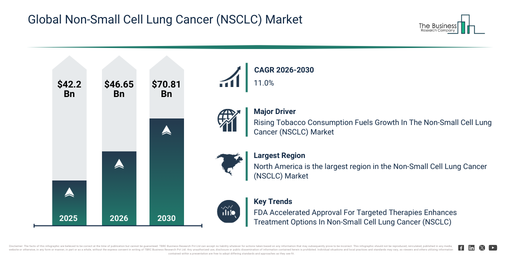
  • Non-Small Cell Lung Cancer (NSCLC) Market Set To Grow From $46.65 Billion In 2026 To $70.81 Billion By 2030 At A CAGR Of 11%

    Non-Small Cell Lung Cancer (NSCLC) Market Set To Grow From $46.65 Billion In 2026 To $70.81 Billion By 2030 At A CAGR Of 11%

    Enhanced with market attractiveness analysis, total addressable market evaluation, company benchmarking matrices, interactive Excel dashboards, expanded supply chain intelligence, emerging startup coverage, and detailed product insights, The Business Research Company’s 2026 market reports deliver more actionable and strategically valuable research.

    Non-Small Cell Lung Cancer (NSCLC) Market CAGR Analysis And Future Market Development

    The non-small cell lung cancer (nsclc) sector experienced considerable expansion lately, projecting an increase from $42.2 billion in 2025 to $46.65 billion in 2026, reflecting a compound annual growth rate of 10.5%. Historically, this growth was influenced by factors such as widespread smoking habits, atmospheric pollution exposure, diagnoses occurring at later stages of the disease, a scarcity of specialized treatment alternatives, and a predominant dependence on traditional chemotherapy regimens.

    The non-small cell lung cancer (nsclc) sector is projected to experience substantial expansion imminently, reaching an estimated value of $70.81 billion by 2030, propelled by a compound annual growth rate (CAGR) of 11.0%. This anticipated surge is largely fueled by several key drivers, including the escalating uptake of targeted treatments and immunotherapies, amplified financial commitments towards lung cancer diagnostic tools, the advancement of personalized medical approaches, the proliferation of specialized oncology facilities, and the continuous innovation in AI-driven predictive analytics and imaging technologies. Furthermore, the impending period will be characterized by significant trends such as the widespread adoption of targeted therapies and immunotherapies, the increasing utilization of cutting-edge radiotherapy methods, a greater implementation of laser and photodynamic therapies, the broader rollout of early detection and screening initiatives, and the enhanced integration of artificial intelligence in both imaging and predictive oncology.

    Download A Free Sample Report For Comprehensive Market Insights:

    https://www.thebusinessresearchcompany.com/sample.aspx?id=13232&type=smp

    Non-Small Cell Lung Cancer (NSCLC) Market Opportunity Drivers: What Is Creating New Revenue Potential?

    A rise in tobacco product usage is anticipated to be a primary driver for the expansion of the non-small cell lung cancer (NSCLC) market. This consumption, involving smoking, chewing, or inhaling tobacco, introduces harmful substances like nicotine into the body. The chemicals present in tobacco smoke are known carcinogens capable of damaging lung cell DNA, initiating genetic alterations and fostering the unrestrained proliferation of cancer cells, specifically non-small cell lung cancer. Illustratively, the U.S. Food and Drug Administration (USFDA) reported in October 2024, via the 2024 National Youth Tobacco Survey, that 1.1% of all students surveyed, totaling roughly 2.25 million individuals, currently used tobacco products. Breaking this down further, 10.1% of high school students (approximately 1.58 million) and 5.4% of middle school students (around 640,000) were noted users. Furthermore, 2.8% of all students (approximately 760,000) reported using combustible tobacco items, while a slightly higher percentage, 3.0% (around 840,000), engaged with multiple types of tobacco products. Consequently, the escalating prevalence of tobacco consumption directly fuels the growth observed in the non-small cell lung cancer (NSCLC) market.

    Non-Small Cell Lung Cancer (NSCLC) Market Segmentation And Category Breakdown

    The non-small cell lung cancer (nsclc) market covered in this report is segmented –

    1) By Type: Squamous Cell Carcinoma, Large Cell Carcinoma, Adenocarcinoma, Other Types

    2) By Therapy: Radiotherapy, Laser Therapy, Photodynamic Therapy (PDT), Other Therapies

    3) By Distribution Channel: Hospital Pharmacy, Online Pharmacy, Other Distribution Channels

    Subsegments:

    1) By Squamous Cell Carcinoma: Keratinizing Squamous Cell Carcinoma, Non-Keratinizing Squamous Cell Carcinoma

    2) By Large Cell Carcinoma: Undifferentiated Large Cell Carcinoma, Large Cell Neuroendocrine Carcinoma

    3) By Adenocarcinoma: Invasive Adenocarcinoma, Bronchioloalveolar Carcinoma

    4) By Other Types: Mixed Cell Type Carcinoma, Sarcomatoid Carcinoma

    Non-Small Cell Lung Cancer (NSCLC) Market Innovation Trends Driving Future Development

    Leading entities within the non-small cell lung cancer sector are prioritizing the creation of precision treatments, exemplified by the FDA’s expedited clearance for pharmaceuticals designed to address particular genetic alterations, thereby expanding therapeutic avenues for individuals affected by the disease. This accelerated approval from the Food and Drug Administration signifies a regulatory process where the agency grants earlier authorization to treatments that specifically target a disease’s molecular or genetic anomaly, contingent upon intermediate clinical outcomes that strongly suggest potential patient benefit. A pertinent illustration is the July 2025 introduction of sunvozertinib (Zegfrovy) by Dizal (Jiangsu) Pharmaceutical Co., Ltd., a Chinese biopharmaceutical firm, for adults diagnosed with locally advanced or metastatic NSCLC bearing EGFR exon 20 insertion mutations, who have undergone treatment with platinum-based chemotherapy without sufficient response. Zegfrovy is administered orally at a daily dose of 200 mg, taken with food, continuing until the disease advances or adverse effects become unmanageable. Clinical data from the WU-KONG1B study indicated a verified overall response rate of 46% and a median duration of response lasting 11.1 months. The FDA’s endorsement also encompassed the Oncomine Dx Express Test, serving as a companion diagnostic tool to identify suitable candidates for this treatment. Sunvozertinib’s safety considerations include advisories for interstitial lung disease, reactions affecting the gastrointestinal tract and skin, ocular complications, and risks to fetal development, underscoring its extensive safety profile assessment.

    Non-Small Cell Lung Cancer (NSCLC) Market Competitive Analysis Of Major Industry Participants

    Major companies operating in the non-small cell lung cancer (nsclc) market are Pfizer Inc., F. Hoffmann-La Roche AG, Merck & Co. Inc., AbbVie Inc., Novartis AG, Sanofi S.A., Bristol-Myers Squibb Company, AstraZeneca plc, GlaxoSmithKline Plc, Takeda Pharmaceutical Company Limited, Eli Lilly and Company, Amgen Inc., Regeneron Pharmaceuticals Inc., Astellas Pharma Inc., Clovis Oncology, Revolution Medicines, Boehringer Ingelheim GmbH, Johnson & Johnson, Daiichi Sankyo Company Limited, BeiGene Ltd., DualityBio, Gilead Sciences Inc., Mirati Therapeutics Inc., Arcus Biosciences Inc., NeoImmuneTech

    Access The Complete Non-Small Cell Lung Cancer (NSCLC) Market Report:

    https://www.thebusinessresearchcompany.com/report/non-small-cell-lung-cancer-nsclc-global-market-report

    Non-Small Cell Lung Cancer (NSCLC) Market Global Footprint: Which Region Holds Market Leadership?

    North Americawas the largest region in the non-small cell lung cancer (NSCLC) market in 2025. Asia-Pacificis expected to be the fastest-growing region in the forecast period. The regions covered in the non-small cell lung cancer (nsclc) market report are Asia-Pacific, South East Asia, Western Europe, Eastern Europe, North America, South America, Middle East, Africa.

    Get in touch with us:

    The Business Research Company: https://www.thebusinessresearchcompany.com/

    Americas: +1 310-496-7795

    Asia: +44 7882 955267 & +91 8897263534

    Europe: +44 7882 955267

    Email us at: marketing@tbrc.info

    Follow us on:

    LinkedIn: https://in.linkedin.com/company/the-business-research-company

    YouTube: https://www.youtube.com/channel/UC24_fI0rV8cR5DxlCpgmyFQ

    Global Market Model: https://www.thebusinessresearchcompany.com/global-market-model

  • Non-Radiographic Axial Spondyloarthritis Therapeutic Market Opportunities Are Emerging Beyond Traditional Growth Areas

    Non-Radiographic Axial Spondyloarthritis Therapeutic Market Opportunities Are Emerging Beyond Traditional Growth Areas

    Through market attractiveness analysis, total addressable market evaluation, company benchmarking matrices, interactive Excel dashboards, expanded supply chain intelligence, emerging startup coverage, and detailed product insights, The Business Research Company’s 2026 market reports provide more actionable and strategically valuable research.

    Non-Radiographic Axial Spondyloarthritis Therapeutic Market Expansion From $1.14 Billion In 2026 To $1.71 Billion In 2030

    The market for non-radiographic axial spondyloarthritis treatments has experienced substantial expansion lately; projections indicate a rise from $1.04 billion in 2025 to $1.15 billion in 2026, reflecting a compound annual growth rate of 10.9%. Factors contributing to this growth during the preceding period included

    The market for non-radiographic axial spondyloarthritis treatments is poised for significant expansion in the coming years, reaching an estimated value of $1.72 billion by 2030, underpinned by a compound annual growth rate of 10.6%. This projected growth is fueled by several key factors, including the ongoing development of advanced biologics, a greater embrace of JAK inhibitor therapies, the increasing emphasis on tailored rheumatological care, the broadening of early diagnostic and treatment strategies, and a rise in patient awareness and the frequency of diagnoses. Within this forecast period, prominent market trends encompass a heightened adoption of biologic disease-modifying treatments, a more widespread utilization of IL-17 and TNF inhibitors, an intensified focus on intervening early in the disease process, the proliferation of targeted small molecule therapies, and an elevated priority placed on achieving sustained control over the condition.

    Download A Free Sample Report For Comprehensive Market Insights:

    https://www.thebusinessresearchcompany.com/sample.aspx?id=24627&type=smp

    Non-Radiographic Axial Spondyloarthritis Therapeutic Market Growth Momentum: Which Factors Are Influencing Demand?

    The burgeoning number of clinical trials is poised to significantly boost the non-radiographic axial spondyloarthritis therapeutics market in the future. Essentially, clinical trials are investigative studies performed on people to ascertain the safety, efficacy, and potential adverse reactions of new medical approaches. The expansion of these trials stems from a heightened need for tailored and novel therapies that necessitate thorough evaluation for both their effectiveness and an acceptable safety profile. These investigations play a crucial role in validating the therapeutic benefits and safety of treatments for early-stage non-radiographic axial spondyloarthritis, thereby facilitating regulatory endorsements and wider clinical implementation. For illustration, data from December 2024, as published by the Association of the British Pharmaceutical Industry, an entity dedicated to enhancing patient access to innovative treatments within the UK’s healthcare system, indicated a rise in the initiation of industry-sponsored clinical trials in the UK, climbing from 411 in 2022 to 426 in 2023. Consequently, this upward trend in clinical research activity is a key driver for the expansion of the non-radiographic axial spondyloarthritis therapeutic market.

    Non-Radiographic Axial Spondyloarthritis Therapeutic Market Segment Outlook: Which Categories Are Expanding The Fastest?

    The non-radiographic axial spondyloarthritis therapeutic market covered in this report is segmented –

    1) By Type: Non-Steroidal Anti-Inflammatory Drugs, Biologics, Small Molecule Therapies, Corticosteroids

    2) By Application: Oral, Injectable, Parenteral

    3) By End User: Hospitals, Ambulatory Surgical Centers, Homecare Settings

    Subsegments:

    1) By Non-Steroidal Anti-Inflammatory Drugs: COX-2 Inhibitors, Non-Selective NSAIDs

    2) By Biologics: Tumor Necrosis Factor (TNF) Inhibitors, Interleukin-17 (IL-17) Inhibitors

    3) By Small Molecule Therapies: Janus Kinase (JAK) Inhibitors, TYK2 Inhibitors

    4) By Corticosteroids: Oral Corticosteroids, Intra-Articular Corticosteroid Injections

    Non-Radiographic Axial Spondyloarthritis Therapeutic Market Trends Reshaping Industry Growth

    Leading pharmaceutical entities within the non-radiographic axial spondyloarthritis (nr-axSpA) landscape are directing their efforts towards groundbreaking advancements, including the creation of dual inhibitors targeting IL-17A and IL-17F and the introduction of highly user-friendly administration methods. These developments are spurred by an increase in diagnoses, earlier identification of the condition, the demand for more rapid and profound control of inflammation, and a patient inclination towards less frequent or more convenient dosing schedules. Dual IL-17A/IL-17F biologic inhibitors function as monoclonal antibodies engineered to selectively and concurrently impede the action of IL-17A and IL-17F cytokines, thereby mitigating the inflammation, pain, stiffness, and structural damage associated with nr-axSpA. A prime illustration is the UCB S.A.’s introduction of BIMZELX in the United States in September 2024, subsequent to FDA clearance for adult patients experiencing active nr-axSpA. This innovative humanized IgG monoclonal antibody is specifically designed to counteract both IL-17A and IL-17F, offering a more comprehensive inhibition of IL-17-driven inflammatory processes compared to existing TNF inhibitors or therapies targeting only a single IL-17. Beyond its application in nr-axSpA, BIMZELX also holds indications for moderate-to-severe plaque psoriasis, psoriatic arthritis, and ankylosing spondylitis, reflecting a broadened therapeutic scope to meet the diverse and evolving treatment requirements of individuals suffering from inflammatory conditions.

    Non-Radiographic Axial Spondyloarthritis Therapeutic Market Key Companies And Competitive Benchmarking

    Major companies operating in the non-radiographic axial spondyloarthritis therapeutic market are Pfizer Inc, Johnson and Johnson, AbbVie Inc, Sanofi SA, Bristol Myers Squibb Company, AstraZeneca PLC, Novartis AG, Eli Lilly and Company, Gilead Sciences Inc, Amgen Inc, Biogen Inc, Daiichi Sankyo Company Limited, UCB SA, Mochida Pharmaceutical Co Ltd, Mereo BioPharma Group plc, Suzhou Zelgen Biopharmaceuticals Co Ltd, Qyuns Therapeutics Co Ltd, Sandoz Group AG, Boehringer Ingelheim GmbH, Roche Holding AG

    Access The Complete Non-Radiographic Axial Spondyloarthritis Therapeutic Market Report:

    https://www.thebusinessresearchcompany.com/report/non-radiographic-axial-spondyloarthritis-therapeutic-global-market-report

    Non-Radiographic Axial Spondyloarthritis Therapeutic Market Regional Distribution: Which Areas Drive Market Expansion?

    North Americawas the largest region in the non-radiographic axial spondyloarthritis therapeutics market in 2025. The regions covered in the non-radiographic axial spondyloarthritis therapeutic market report are Asia-Pacific, South East Asia, Western Europe, Eastern Europe, North America, South America, Middle East, Africa.

    Get in touch with us:

    The Business Research Company: https://www.thebusinessresearchcompany.com/

    Americas: +1 310-496-7795

    Asia: +44 7882 955267 & +91 8897263534

    Europe: +44 7882 955267

    Email us at: marketing@tbrc.info

    Follow us on:

    LinkedIn: https://in.linkedin.com/company/the-business-research-company

    YouTube: https://www.youtube.com/channel/UC24_fI0rV8cR5DxlCpgmyFQ

    Global Market Model: https://www.thebusinessresearchcompany.com/global-market-model

  • Non-Proliferative Diabetic Retinopathy Market Expansion Is Opening New Pathways For Strategic Investment

    Non-Proliferative Diabetic Retinopathy Market Expansion Is Opening New Pathways For Strategic Investment

    Delivering more actionable and strategically valuable research, The Business Research Company’s 2026 market reports feature market attractiveness analysis, total addressable market evaluation, company benchmarking matrices, interactive Excel dashboards, expanded supply chain intelligence, emerging startup coverage, and detailed product insights.

    Non-Proliferative Diabetic Retinopathy Market Forecast Highlighting Growth From $3.05 Billion To $3.97 Billion

    The market for non-proliferative diabetic retinopathy has experienced robust expansion lately, projecting a rise from $2.83 billion in 2025 to $3.06 billion in 2026, reflecting a compound annual growth rate of 8.0%. This growth during the past period stems from factors such as the widespread incidence of diabetes, scant awareness regarding retinal complications, a preference for traditional laser therapy, limited uptake of intravitreal injections, and an inadequate screening infrastructure.

    The market for non-proliferative diabetic retinopathy is poised for noteworthy expansion, projected to reach $3.98 billion by 2030, reflecting a compound annual growth rate of 6.8%. This anticipated increase stems from several key drivers, including the escalating incidence of diabetic retinopathy, a greater uptake of anti-VEGF and corticosteroid treatments, the proliferation of eye care facilities and specialized centers, advancements in retinal imaging technology, and enhanced patient education initiatives coupled with early detection efforts. Dominating the landscape during this period will be the increasing use of anti-VEGF therapies specifically for non-proliferative diabetic retinopathy, a rise in intraocular steroid injections, the expanded application of sophisticated laser surgical methods, a broader utilization of vitrectomy procedures, and the growing incorporation of artificial intelligence in retinal imaging and diagnostic processes.

    Download A Free Sample Report For Comprehensive Market Insights:

    https://www.thebusinessresearchcompany.com/sample.aspx?id=15620&type=smp

    Non-Proliferative Diabetic Retinopathy Market Expansion Drivers: What Is Shaping Future Growth?

    The expanding incidence of diabetes is anticipated to be a key factor in advancing the non-proliferative diabetic retinopathy market. Diabetes is a persistent condition affecting metabolism, marked by excessively high blood sugar levels stemming from either insufficient insulin production by the pancreas or the body’s cells failing to respond effectively to insulin. Factors contributing to diabetes include inactive lifestyles, poor eating practices, and inherited tendencies. This condition triggers non-proliferative diabetic retinopathy by harming the retina’s blood vessels, largely a consequence of sustained high glucose concentrations in the blood, ultimately leading to visual disturbances and possible blindness. To illustrate, in June 2024, data from the National Health Service in the UK revealed that in 2023, over half a million (over 549,000) more individuals in England were identified as being at risk of developing type 2 diabetes, raising the total number of people with pre-diabetes, or non-diabetic hyperglycemia, on GP registers to 3,615,330. This figure shows a substantial jump from the 3,065,825 recorded in 2022, indicating a growth of almost 20%. Consequently, the escalating rate of diabetes directly fuels the expansion of the non-proliferative diabetic retinopathy market.

    Non-Proliferative Diabetic Retinopathy Market Segment Landscape: Which Areas Lead Market Development?

    The non-proliferative diabetic retinopathy market covered in this report is segmented –

    1) By Treatment Type: Anti-Vascular Endothelial Growth Factor (VEGF) Therapy, Intraocular Steroid Injection, Laser Surgery, Vitrectomy

    2) By Disease Severity Level: Mild Non-Proliferative Diabetic Retinopathy, Moderate Non-Proliferative Diabetic Retinopathy, Severe Non-Proliferative Diabetic Retinopathy

    3) By End-User: Hospitals, Specialty Clinics, Ambulatory Surgical Centers, Other End-Users

    Subsegments:

    1) By Anti-Vascular Endothelial Growth Factor (VEGF) Therapy: Bevacizumab (Avastin), Ranibizumab (Lucentis), Aflibercept (Eylea), Pegaptanib (Macugen)

    2) By Intraocular Steroid Injection: Triamcinolone Acetonide, Dexamethasone Implant (Ozurdex), Fluocinolone Acetonide Implant (Iluvien)

    3) By Laser Surgery: Focal Laser Photocoagulation, Panretinal Photocoagulation

    4) By Vitrectomy: Pars Plana Vitrectomy (PPV), Membrane Peeling Vitrectomy, Phaco-Vitrectomy (Combined Cataract And Vitrectomy Surgery)

    Non-Proliferative Diabetic Retinopathy Market Strategic Trends: What Is Defining The Next Phase Of Growth?

    In the landscape of non-proliferative diabetic retinopathy (NPDR) therapeutics, leading enterprises are prioritizing the advancement of sophisticated clinical strategies, specifically the enrollment in Phase 3 registrational trials, to bolster the validation of their treatments, accumulate strong supporting data, and facilitate the necessary regulatory approvals for novel NPDR interventions. The process of Phase 3 registrational trial enrollment signifies the official commencement and assignment of participants to a critical, advanced-stage clinical evaluation intended to yield thorough information on the effectiveness and safety profile required for the market release of a medicinal product. As an illustration, November 2025 saw Ocular Therapeutix, an American biopharmaceutical firm dedicated to ophthalmic conditions, report the initial patient randomization within the HELIOS-3 Phase 3 registrational study, which is investigating AXPAXLI (OTX-TKI) for NPDR. AXPAXLI is an experimental biodegradable intravitreal hydrogel containing axitinib, a substance that inhibits the tyrosine kinase enzyme and possesses anti-angiogenic properties, formulated to deliver ongoing therapeutic benefits through reduced injection frequency. The HELIOS-3 study, conjointly with HELIOS-2, is employing a new primary endpoint measuring at least a 2-step improvement on the Diabetic Retinopathy Severity Score (DRSS) and incorporates individuals diagnosed with non-center-involved diabetic macular edema (non-CI-DME), thereby presenting AXPAXLI as a candidate for substantially improving long-term and effective NPDR care.

    Non-Proliferative Diabetic Retinopathy Market Industry Leaders And Market Competition

    Major companies operating in the non-proliferative diabetic retinopathy market are Pfizer Inc., Johnson & Johnson, F. Hoffmann-La Roche AG, AbbVie Inc., Bayer AG, Abbott Laboratories, Novartis AG, Regeneron Pharmaceuticals Inc., Bausch Health Companies Inc., Genentech Inc., Carl Zeiss Meditec AG, ZEISS Group, Santen Pharmaceutical Co. Ltd., Santen Inc., Topcon Corporation, Lumenis Ltd., Alimera Science, Ocular Therapeutix Inc., Acucela Inc., Kowa Company Ltd.

    Access The Complete Non-Proliferative Diabetic Retinopathy Market Report:

    https://www.thebusinessresearchcompany.com/report/non-proliferative-diabetic-retinopathy-global-market-report

    Non-Proliferative Diabetic Retinopathy Market Leading Geography: Which Region Generates The Most Revenue?

    North Americawas the largest region in the non-proliferative diabetic retinopathy market in 2025. Asia-Pacificis expected to be the fastest-growing region in the forecast period. The regions covered in the non-proliferative diabetic retinopathy market report are Asia-Pacific, South East Asia, Western Europe, Eastern Europe, North America, South America, Middle East, Africa.

    Get in touch with us:

    The Business Research Company: https://www.thebusinessresearchcompany.com/

    Americas: +1 310-496-7795

    Asia: +44 7882 955267 & +91 8897263534

    Europe: +44 7882 955267

    Email us at: marketing@tbrc.info

    Follow us on:

    LinkedIn: https://in.linkedin.com/company/the-business-research-company

    YouTube: https://www.youtube.com/channel/UC24_fI0rV8cR5DxlCpgmyFQ

    Global Market Model: https://www.thebusinessresearchcompany.com/global-market-model

  • Non-Muscle Invasive Bladder Cancer Market Trends Are Creating New Opportunities For Industry Leaders

    Non-Muscle Invasive Bladder Cancer Market Trends Are Creating New Opportunities For Industry Leaders

    Enhanced with market attractiveness analysis, total addressable market evaluation, company benchmarking matrices, interactive Excel dashboards, expanded supply chain intelligence, emerging startup coverage, and detailed product insights, The Business Research Company’s 2026 market reports deliver more actionable and strategically valuable research.

    Non-Muscle Invasive Bladder Cancer Market Revenue Growth Supported By A CAGR Of 4.81% Through 2030

    The market for non-muscle invasive bladder cancer has seen robust expansion lately, projected to ascend from its 2025 valuation of $3.66 billion to $3.87 billion by 2026, exhibiting a compound annual growth rate of 5.9%. Factors contributing to this historical expansion include the earlier identification of bladder cancer, a continued dependence on transurethral resection procedures, the comparatively slow uptake of intravesical therapies, the development of hospital pharmacy capabilities, and a general lack of widespread understanding concerning non-muscle invasive bladder cancer staging.

    The non-muscle invasive bladder cancer sector is poised for significant expansion, projecting a market valuation of $4.82 billion by 2030, thus reflecting a compound annual growth rate of 5.6%. This upward trajectory is fueled by several key factors, including an escalating incidence of bladder cancer, a greater uptake of immunotherapy and chemotherapy treatments, the burgeoning reach of online and retail pharmacies, the wider application of sophisticated diagnostic imaging, and the continuous refinement of personalized therapeutic strategies. Furthermore, the coming years are anticipated to witness prominent shifts such as the increased integration of artificial intelligence in diagnostic tools, a more widespread application of genomic and precision medicine methodologies, enhanced implementation of data-driven clinical decision support systems, broader deployment of minimally invasive treatment options, and advanced integration of remote health monitoring technologies.

    Download A Free Sample Report For Comprehensive Market Insights:

    https://www.thebusinessresearchcompany.com/sample.aspx?id=20904&type=smp

    Non-Muscle Invasive Bladder Cancer Market Development Factors: Which Trends Are Supporting Demand?

    The non-muscle invasive bladder cancer market’s expansion is anticipated to be significantly influenced by the increasing emphasis on personalized medicine. This approach to healthcare centers on tailoring treatments to an individual’s unique genetic makeup, habits, and surroundings to achieve superior results. Numerous factors contribute to this heightened attention on personalized medicine, including breakthroughs in genetic research, enhanced diagnostic capabilities, and a rising need for treatments that are both more precise and efficient. Non-muscle invasive bladder cancer aligns well with personalized medicine principles by allowing for customized therapeutic strategies that consider specific tumor attributes, genetic indicators, and individual patient circumstances. As an illustration, a significant development occurred in February 2024 when the Personalized Medicine Coalition reported that the FDA greenlit 16 new personalized treatments for individuals with rare diseases in 2023, a notable increase from the six approvals in 2022. Consequently, this trend is a key driver for the growth observed in the non-muscle invasive bladder cancer market.

    Non-Muscle Invasive Bladder Cancer Market Segments: Where Are The Largest Growth Opportunities?

    The non-muscle invasive bladder cancer market covered in this report is segmented –

    1) By Stage: Carcinoma In Situ (CIS), T1 Stage, Ta Stage

    2) By Treatment: Immunotherapy, Chemotherapy, Surgery, Intravesical Therapy, Other Treatments

    3) By Tumor: Low-Grade Tumours, High-Grade Tumours

    4) By End-User: Hospital Pharmacy, Retail Pharmacy, Online Pharmacy

    Subsegments:

    1) By Carcinoma In Situ (CIS): High-Grade CIS, Low-Grade CIS

    2) By T1 Stage: T1a Stage (Superficial Tumors), T1b Stage (Invasive Into Lamina Propria)

    3) By Ta Stage: Low-Grade Ta Stage, High-Grade Ta Stage

    Non-Muscle Invasive Bladder Cancer Market Transformation Trends: Which Innovations Are Driving Change?

    The non-muscle invasive bladder cancer market is seeing key players invest in novel therapeutic approaches, including immunotherapy, aiming to enhance patient treatment and recovery. This strategy of immunotherapy leverages the body’s own defense mechanisms to identify and eliminate cancerous cells through the amplification or activation of immune reactions. A notable development occurred in March 2024 when the US Food and Drug Administration (FDA) granted its approval to ImmunityBio Inc. for ANKTIVA (N-803) as a treatment for non-muscle invasive bladder cancer (NMIBC) that is unresponsive to BCG and includes carcinoma in situ (CIS), with or without the presence of papillary tumors. This regulatory clearance stems from encouraging findings in clinical trials, demonstrating that the combination of ANKTIVA and Bacillus Calmette-Guérin (BCG) presents a practical therapeutic choice for individuals who have not benefited from conventional BCG treatment. ANKTIVA, a groundbreaking immunotherapy that acts as an IL-15 agonist, operates by bolstering the immune system, with a particular emphasis on activating natural killer (NK) cells and CD8+ killer T cells to effectively target and eradicate cancer cells.

    Non-Muscle Invasive Bladder Cancer Market Major Participants And Competitive Dynamics

    Major companies operating in the non-muscle invasive bladder cancer market are Johnson & Johnson, Janssen Research & Development LLC, Merck & Co Inc, AstraZeneca plc, Astellas Pharma US Inc, EMD Serono Inc, Genentech Inc, Aura Biosciences Inc, UroGen Pharma Ltd, Protara Therapeutics Inc, Istari Oncology Inc, Heat Biologics Inc, Viventia Bio Inc, ImmunityBio Inc, Altor BioScience Corporation, SURGE Therapeutics Inc, Pfizer Inc, Hoffmann-La Roche Ltd, CG Oncology Inc, Tyra Biosciences Inc, Prokarium Ltd, ImmVira Pharma Co Ltd, Trigone Pharma Ltd, enGene Holdings Inc, Atonco Pharma Ltd.

    Access The Complete Non-Muscle Invasive Bladder Cancer Market Report:

    https://www.thebusinessresearchcompany.com/report/non-muscle-invasive-bladder-cancer-global-market-report

    Non-Muscle Invasive Bladder Cancer Market Regional Outlook: Where Are The Largest Opportunities Located?

    North Americawas the largest region in the non-muscle invasive bladder cancer market in 2025. Asia-Pacificis expected to be the fastest-growing region in the forecast period. The regions covered in the non-muscle invasive bladder cancer market report are Asia-Pacific, South East Asia, Western Europe, Eastern Europe, North America, South America, Middle East, Africa.

    Get in touch with us:

    The Business Research Company: https://www.thebusinessresearchcompany.com/

    Americas: +1 310-496-7795

    Asia: +44 7882 955267 & +91 8897263534

    Europe: +44 7882 955267

    Email us at: marketing@tbrc.info

    Follow us on:

    LinkedIn: https://in.linkedin.com/company/the-business-research-company

    YouTube: https://www.youtube.com/channel/UC24_fI0rV8cR5DxlCpgmyFQ

    Global Market Model: https://www.thebusinessresearchcompany.com/global-market-model

  • Non-invasive Prenatal Testing Market Growth Is Reshaping Competitive Advantage Across The Industry

    Non-invasive Prenatal Testing Market Growth Is Reshaping Competitive Advantage Across The Industry

    Through market attractiveness analysis, total addressable market evaluation, company benchmarking matrices, interactive Excel dashboards, expanded supply chain intelligence, emerging startup coverage, and detailed product insights, The Business Research Company’s 2026 market reports provide more actionable and strategically valuable research.

    Non-invasive Prenatal Testing Market Value Expansion And Long-Term Growth Outlook

    The non-invasive prenatal testing sector has experienced substantial expansion lately, with projections indicating a rise from $6.27 billion in 2025 to $7.21 billion by 2026, reflecting a compound annual growth rate of 15.0%. Factors contributing to this expansion in the past period include heightened awareness surrounding prenatal screening, a preference over invasive diagnostic procedures, a greater utilization of assay kits and reagents, the integration of next-generation sequencing within laboratories, and an increased demand for the early identification of chromosomal anomalies.

    The non-invasive prenatal testing sector is poised for considerable expansion, projected to reach a market valuation of $12.37 billion by 2030, driven by a robust compound annual growth rate of 14.4%. This anticipated surge is underpinned by several key factors, including the escalating global acceptance of these tests, augmented investments in cutting-edge sequencing technologies, the broadening reach of healthcare facilities and diagnostic laboratories, a heightened need for early genetic evaluation, and the progressive incorporation of artificial intelligence and data analytics into prenatal diagnostic processes. During this forecast period, notable trends expected to shape the market include the increasing reliance on AI for genetic analysis, the expanded utilization of Next-Generation Sequencing (NGS) and Polymerase Chain Reaction (PCR) methodologies for prenatal examinations, the growing implementation of cloud-based systems for managing diagnostic data, the wider deployment of high-efficiency screening technologies, and advancements in personalized prenatal risk assessment.

    Download A Free Sample Report For Comprehensive Market Insights:

    https://www.thebusinessresearchcompany.com/sample.aspx?id=2492&type=smp

    Non-invasive Prenatal Testing Market Industry Drivers: What Is Driving Revenue Growth?

    A primary catalyst for the anticipated expansion of the non-invasive prenatal testing market is the demographic trend of rising maternal age. Various societal and personal factors contribute to women choosing to delay childbirth, including educational pursuits, career development, the attainment of financial security, personal preferences, later marriages, enhanced access to contraception, and evolving societal norms that empower women to make more deliberate choices regarding family planning. This postponement of childbearing is directly linked to an elevated probability of chromosomal irregularities, consequently driving expectant mothers towards NIPT as a method for evaluating fetal well-being. Illustratively, data from the Centers for Disease Control and Prevention, a US governmental entity, indicated that by March 2025, the average age of women at their initial childbirth in 2023 had climbed to 27.5 years, a slight increase from the previous year’s 27.4, signifying a continued upward trajectory in the United States. Consequently, the persistent trend of increasing maternal age is poised to sustain and advance the growth trajectory of the non-invasive prenatal testing market.

    Non-invasive Prenatal Testing Market Segment Analysis: What Are The Major Market Categories?

    The non-invasive prenatal testing market covered in this report is segmented –

    1) By Type: Consumables, Instruments

    2) By Application: Trisomy, Microdeletion, Genetics, Rh factor

    3) By End User: Hospital, Diagnostic Labs

    Subsegments:

    1) By Consumables: Assay Kits, Reagents, Disposables

    2) By Instruments: Next-Generation Sequencers (NGS), Polymerase Chain Reaction (PCR) Systems, Ultrasound Devices

    #Non-invasive Prenatal Testing Market Growth Trends: What Is Influencing The Future Outlook?

    Within the non-invasive prenatal testing (NIPT) sector, key players are dedicating resources to pioneering enhanced methodologies, notably linked-SNP (single nucleotide polymorphism) technology. This innovation aims to boost the accuracy of diagnoses, improve the identification of intricate genetic anomalies, and reduce the necessity for paternal genetic material. Linked-SNP technology functions by scrutinizing genetically associated markers throughout the genome to deduce inheritance patterns, thereby facilitating a more precise recognition of difficult-to-diagnose conditions, including homozygous mutations. Illustrating this advancement, Natera, a prominent US-based entity in cell-free DNA (cfDNA) testing and precision medicine, introduced Fetal Focus in August 2025. This NIPT solution is designed for inherited single-gene disorders and enables direct fetal screening utilizing solely maternal blood, even in the absence of the biological father. The test specifically examines the CFTR, SMN1, HBA1/HBA2, and HBB genes, with its efficacy validated by data from the EXPAND clinical trial. The initial results from this trial (involving 101 participants) indicated a 91% sensitivity for Fetal Focus and confirmed its capability to detect all five homozygous variant fetuses, highlighting the robustness of its linked-SNP based methodology in providing noninvasive and clinically valuable risk assessments.

    Non-invasive Prenatal Testing Market Leading Companies Driving Competitive Growth

    Major companies operating in the non-invasive prenatal testing market are F. Hoffmann-La Roche AG, Illumina Inc., Laboratory Corporation of America Holdings, Natera Inc., PerkinElmer Inc., Quest Diagnostics Inc., Agilent Technologies Inc., BGI Diagnosis Co Ltd., Berry Genomics Co, LifeCodexx AG, Myriad Genetics Inc., NIPD Genetics Co Ltd., Sequenom Inc., Annoroad Gene Technology Co Ltd., Centogene AG, Counsyl Inc., EUROFINS Genoma Group, Eurofins Scientific SE, Next Biosciences, Premaitha Health Plc, Ariosa Diagnostics Inc., Yourgene Health PLC, GE Healthcare Technologies Inc., Koninklijke Philips NV, Thermo Fisher Scientific Inc., Pacific Biosciences of California Inc., QIAGEN NV, MedGenome Labs Ltd., Progenity Inc., Beijing Genomics Institute

    Access The Complete Non-invasive Prenatal Testing Market Report:

    https://www.thebusinessresearchcompany.com/report/non-invasive-prenatal-testing-global-market-report

    Non-invasive Prenatal Testing Market Geographic Landscape: Which Region Dominates Industry Growth?

    North Americawas the largest region in the non-invasive prenatal testing market in 2025. Western Europewas the second largest region in the non-invasive prenatal testing market. The regions covered in the non-invasive prenatal testing market report are Asia-Pacific, South East Asia, Western Europe, Eastern Europe, North America, South America, Middle East, Africa.

    Get in touch with us:

    The Business Research Company: https://www.thebusinessresearchcompany.com/

    Americas: +1 310-496-7795

    Asia: +44 7882 955267 & +91 8897263534

    Europe: +44 7882 955267

    Email us at: marketing@tbrc.info

    Follow us on:

    LinkedIn: https://in.linkedin.com/company/the-business-research-company

    YouTube: https://www.youtube.com/channel/UC24_fI0rV8cR5DxlCpgmyFQ

    Global Market Model: https://www.thebusinessresearchcompany.com/global-market-model

  • Non-Insulin Therapies For Diabetes Market Forecast Signals New Revenue Opportunities Through 2030

    Non-Insulin Therapies For Diabetes Market Forecast Signals New Revenue Opportunities Through 2030

    Delivering more actionable and strategically valuable research, The Business Research Company’s 2026 market reports feature market attractiveness analysis, total addressable market evaluation, company benchmarking matrices, interactive Excel dashboards, expanded supply chain intelligence, emerging startup coverage, and detailed product insights.

    Non-Insulin Therapies For Diabetes Market Expected To Reach $28.39 Billion By 2030 At 5.9% CAGR

    The market for diabetes treatments that do not involve insulin has experienced robust expansion lately, projecting a climb from $21.21 billion in 2025 to $22.59 billion in 2026, driven by a compound annual growth rate of 6.5%. Key factors fueling this expansion historically include the widespread incidence of type 2 diabetes, a considerable dependence on oral medications to lower blood sugar, challenges with patient compliance regarding insulin regimens, an increase in distribution channels within hospitals and retail pharmacies, and the introduction of various new therapeutic categories.

    The realm of non-insulin treatments for diabetes is poised for considerable expansion, projecting to reach a valuation of $28.39 billion by the year 2030. This impressive upward trajectory is underpinned by a compound annual growth rate of 5.9%. Key drivers fueling this expansion over the projected timeframe encompass the escalating uptake of combined non-insulin drug regimens, a heightened reliance on GLP-1 and SGLT2 inhibitors, the broadening reach of online pharmaceutical services, the increasing prevalence of tailored and precision medicine strategies, and the ongoing advancements in integrating digital health platforms with remote patient monitoring capabilities. Furthermore, significant prevailing trends anticipated within this period include a growing emphasis on individualized diabetes care plans, a more widespread application of AI-powered systems for glucose level tracking, enhanced integration of telemedicine-connected therapeutic solutions, the accelerated implementation of data-informed clinical decision support mechanisms, and the progressive deployment of interconnected devices designed to facilitate remote patient management.

    Download A Free Sample Report For Comprehensive Market Insights:

    https://www.thebusinessresearchcompany.com/sample.aspx?id=16494&type=smp

    Non-Insulin Therapies For Diabetes Market Growth Factors: Which Forces Are Supporting Market Expansion?

    With the escalating global incidence of diabetes, a significant expansion of the non-insulin therapies segment within the diabetes market is anticipated. Diabetes, a long-term health issue defined by elevated blood glucose levels, arises when the body’s capacity to produce or effectively utilize insulin is compromised. Factors contributing to this rise include inactive lifestyles, poor dietary habits, hereditary factors, an aging demographic, increased obesity rates, ethnic predispositions, insufficient public knowledge, restricted healthcare accessibility, and various environmental influences. These non-insulin treatments aid in managing diabetes by enhancing the body’s response to insulin, curbing glucose synthesis in the liver, facilitating glucose absorption by muscle tissues, and generally improving blood sugar regulation. Illustrating this trend, the UK’s Office for Health Improvement & Disparities reported in March 2024 that the documented prevalence of type 2 diabetes among individuals aged 17 and above had climbed to 7.0%, an increase from the 6.8% recorded in March 2023. Consequently, the growing prevalence of diabetes is a direct catalyst for the expansion of the non-insulin diabetes therapeutics market.

    Non-Insulin Therapies For Diabetes Market Segment Breakdown: Which Categories Generate The Most Revenue?

    The non-insulin therapies for diabetes market covered in this report is segmented –

    1) By Type: Biguanides, Sulfonylureas, Thiazolidinediones (TZDs), DPP 4 Inhibitors, GLP 1 Analogs Or Agonists, SGLT2 Inhibitors

    2) By Route Of Administration: Oral, Injectable

    3) By Application: Type 1 Diabetes, Type 2 Diabetes, Gestational Diabetes

    4) By Distribution Channel: Hospital Pharmacies, Retail Pharmacies, Online Pharmacies

    5) By End User: Hospitals Or Clinics, Homecare Or Patients, Other End-Users

    Subsegments:

    1) By Biguanides: Metformin, Combination Of Metformin With Other Drugs

    2) By Sulfonylureas: Glimepiride, Glipizide, Glyburide

    3) By Thiazolidinediones (TZDs): Pioglitazone, Rosiglitazone

    4) By DPP 4 Inhibitors: Sitagliptin, Saxagliptin, Linagliptin

    5) By GLP 1 Analogs Or Agonists: Exenatide, Liraglutide, Dulaglutide

    6) By SGLT2 Inhibitors: Canagliflozin, Dapagliflozin, Empagliflozin

    Non-Insulin Therapies For Diabetes Market Industry Trends: What Changes Are Reshaping Demand?

    Companies at the forefront of the non-insulin diabetes therapies sector are prioritizing innovation, particularly through the creation of sophisticated treatments like non-insulin GLP-1 receptor agonists. This strategic direction aims to broaden therapeutic avenues, enhance blood sugar management, and solidify their standing within the broader field of diabetes and obesity care. The advent of non-insulin GLP-1 receptor agonists signifies the rollout of treatments designed to influence GLP-1 receptors, thereby aiding in both blood sugar regulation and weight management, independent of insulin. Illustrating this trend, Eli Lilly and Company, a prominent American pharmaceutical firm with a distinct focus on diabetes and metabolic treatments, introduced Mounjaro (tirzepatide) to the Indian market in March 2025, subsequent to receiving clearance from the Central Drugs Standard Control Organisation. Mounjaro, which functions as a combined GIP and GLP-1 receptor agonist, tackles prevalent issues in managing type 2 diabetes and obesity by offering the convenience of a once-weekly subcutaneous injection. This novel approach contributes to improved glycemic control, appetite suppression, delayed stomach emptying, and substantial weight loss, with initial dosage strengths of 2.5 mg and 5 mg available to foster better patient compliance and foster positive long-term results.

    Non-Insulin Therapies For Diabetes Market Key Players And Strategic Industry Positioning

    Major companies operating in the non-insulin therapies for diabetes market are Pfizer Inc., F. Hoffmann-La Roche AG, Merck & Co. Inc., Sanofi, The Bristol-Myers Squibb Company, AstraZeneca plc, Novartis AG, GSK plc, Takeda Pharmaceutical Company Limited, Eli Lilly and Company, Novo Nordisk A/S, Boehringer Ingelheim International GmbH, Les Servier Laboratories, Sumitomo Dainippon Pharma Co. Ltd., Jiangsu Hansoh Pharmaceutical Group Co. Ltd., Uni-Bio Science Group Ltd., Intarcia Therapeutics, Janssen Pharmaceuticals, Boan Biotech, SatRx LLC

    Access The Complete Non-Insulin Therapies For Diabetes Market Report:

    https://www.thebusinessresearchcompany.com/report/non-insulin-therapies-for-diabetes-global-market-report

    Non-Insulin Therapies For Diabetes Market Largest Region: Which Geography Holds The Highest Market Share?

    North Americawas the largest region in the non-insulin therapies for diabetes market in 2025. The regions covered in the non-insulin therapies for diabetes market report are Asia-Pacific, South East Asia, Western Europe, Eastern Europe, North America, South America, Middle East, Africa.

    Get in touch with us:

    The Business Research Company: https://www.thebusinessresearchcompany.com/

    Americas: +1 310-496-7795

    Asia: +44 7882 955267 & +91 8897263534

    Europe: +44 7882 955267

    Email us at: marketing@tbrc.info

    Follow us on:

    LinkedIn: https://in.linkedin.com/company/the-business-research-company

    YouTube: https://www.youtube.com/channel/UC24_fI0rV8cR5DxlCpgmyFQ

    Global Market Model: https://www.thebusinessresearchcompany.com/global-market-model
  • Non-Emergency Medical Transportation Market Growth Is Accelerating As Industry Transformation Continues

    Non-Emergency Medical Transportation Market Growth Is Accelerating As Industry Transformation Continues

    Enhanced with market attractiveness analysis, total addressable market evaluation, company benchmarking matrices, interactive Excel dashboards, expanded supply chain intelligence, emerging startup coverage, and detailed product insights, The Business Research Company’s 2026 market reports deliver more actionable and strategically valuable research.

    Non-Emergency Medical Transportation Market Size And Revenue Forecast Through 2030

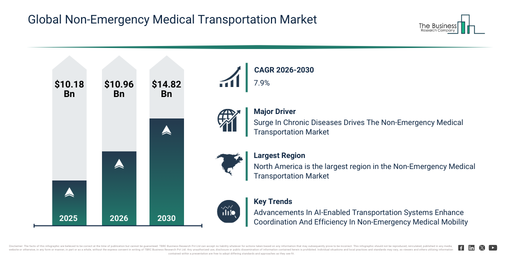
    The market for non-emergency medical transportation has experienced robust expansion lately, with projections indicating a rise from $10.18 billion in 2025 to $10.96 billion in 2026, reflecting a compound annual growth rate of 7.6%. Historical growth drivers for this sector include the constrained supply of non-emergency medical transport options, a significant reliance on services paid for out-of-pocket, the dispersed nature of courier and patient conveyance systems, an increasing need for dialysis and routine medical appointments, and a prevailing dependence on established transportation methods.

    The non-emergency medical transportation sector is poised for substantial expansion over the upcoming years, projecting a market value of $14.82 billion by 2030, driven by a compound annual growth rate of 7.9%. This projected increase is fueled by several key factors including the burgeoning telehealth sector, a shift towards electric and intelligent vehicles, enhanced governmental and insurance backing for NEMT services, the proliferation of subscription models and ride-hailing options for medical transport, and the incorporation of artificial intelligence and the Internet of Things to optimize routes and bolster patient safety. Key developments anticipated during this forecast period involve a greater embrace of AI for scheduling transport services, deeper integration of patient transportation with telehealth platforms, wider adoption of electric vehicles and sustainable mobility solutions for fleets, expanded use of smart vehicle tracking and navigation, and a more pronounced reliance on data analytics to boost operational effectiveness.

    Download A Free Sample Report For Comprehensive Market Insights:

    https://www.thebusinessresearchcompany.com/sample.aspx?id=13715&type=smp

    Non-Emergency Medical Transportation Market Demand Drivers: What Is Fueling Industry Growth?

    The increasing prevalence of long-term health conditions, which require ongoing medical attention or limit daily functioning, is anticipated to be a significant catalyst for the expansion of the non-emergency medical transportation sector. Such specialized transport services ensure that individuals with chronic illnesses can consistently attend appointments, receive treatments, and access necessary support, thereby facilitating effective health management and improving well-being. Data from the National Institutes of Health in January 2023 indicates a projected rise in chronic conditions among US adults aged 50 and above, with an estimated 35.66% (spanning 33.36% to 36.04%) expected to have at least one such condition by 2035, climbing further to 47.81% (ranging from 46.09% to 49.71%) by the year 2050. Consequently, the growing numbers of individuals managing chronic diseases are directly fueling the demand within the non-emergency medical transportation market.

    Non-Emergency Medical Transportation Market Segmentation: How Is The Market Structured Across Key Categories?

    The non-emergency medical transportation market covered in this report is segmented –

    1) By Type: Courier Services, Insurance Backed Patient Transportation, Private Pay Patient Transportation

    2) By Vehicle Type: Ambulatory Vans, Minivans, Wheelchair-Lift-Equipped Vehicles, Stretcher Vans

    3) By Application: Dialysis, Routine Doctor Visits, Mental Health Related Appointments, Rehabilitation, Other Applications

    4) By End User: Airport Shuttle, Hospital Medical Laboratories, Nursing Care Facilities

    Subsegments:

    1) By Courier Services: Medical Supply Delivery, Prescription Delivery, Laboratory Specimen Transport

    2) By Insurance Backed Patient Transportation: Medicaid Funded Transportation, Medicare Funded Transportation, Private Insurance Transportation

    3) By Private Pay Patient Transportation: Individual Out-Of-Pocket Payments, Subscription-Based Services, Ride-Hailing Services For Medical Appointments

    Non-Emergency Medical Transportation Market Innovation Trends: Which Developments Are Transforming The Industry?

    Leading players within the non-emergency medical transport sector are concentrating their efforts on innovating sophisticated systems, specifically an AI-driven transportation management system, to achieve superior patient scheduling, optimized travel paths, and boosted operational effectiveness for medical transit. This AI-powered transportation management system functions as a digital framework that harnesses artificial intelligence to automate and refine the processes of scheduling, routing, and assigning resources for transport operations, thereby elevating efficiency via immediate decision-making and minimizing delays to improve overall fleet productivity. As an illustration, in September 2024, MediDrive, a US entity providing non-emergency medical transport, introduced its Healthcare-Focused Intelligent Patient Transportation Coordination Platform, a Transportation Management System (TMS) designed to tackle significant obstacles in patient movement and access to healthcare services. This platform allows healthcare facilities, insurance providers, and care coordinators to arrange and oversee patient journeys via a single, integrated interface, incorporating features like immediate dispatch, intelligent route planning powered by AI, selection of appropriate vehicles for diverse mobility requirements (such as ambulatory, wheelchair, stretcher, and VIP transport), budget management, and real-time vehicle monitoring, all contributing to better punctuality, patient adherence, and a seamless continuum of care.

    Non-Emergency Medical Transportation Market Competitive Landscape And Leading Companies

    Major companies operating in the non-emergency medical transportation market are Transdev, FirstGroup plc, ModivCare Inc, Falck A/S, LogistiCare Solutions LLC, Kinetik, American Medical Response Inc., MTM Inc., Global Medical Response Inc, Crothall Healthcare Inc., Southeastrans Inc, Secure Transportation Company Inc, Acadian Ambulance Service Inc, Express Medical Transporters Inc, ERS Transition Ltd, Veyo LLC, ATS Healthcare Solutions, Ride Health, Wingz Inc, ERS Medical, Coastal Medical Transportation Systems LLC, Ambulnz, CareSafe Transportation, Elite Medical Transport, Lifeline VMT, ABC Non-Emergency Medical Transportation LLC, MediTrans

    Access The Complete Non-Emergency Medical Transportation Market Report:

    https://www.thebusinessresearchcompany.com/report/non-emergency-medical-transportation-global-market-report

    Non-Emergency Medical Transportation Market Regional Analysis: Which Region Leads By Revenue?

    North Americawas the largest region in the non-emergency medical transportation market in 2025. The regions covered in the non-emergency medical transportation market report are Asia-Pacific, South East Asia, Western Europe, Eastern Europe, North America, South America, Middle East, Africa.

    Get in touch with us:

    The Business Research Company: https://www.thebusinessresearchcompany.com/

    Americas: +1 310-496-7795

    Asia: +44 7882 955267 & +91 8897263534

    Europe: +44 7882 955267

    Email us at: marketing@tbrc.info

    Follow us on:

    LinkedIn: https://in.linkedin.com/company/the-business-research-company

    YouTube: https://www.youtube.com/channel/UC24_fI0rV8cR5DxlCpgmyFQ

    Global Market Model: https://www.thebusinessresearchcompany.com/global-market-model