Month: June 2026

  • Non-Cystic Fibrosis Bronchiectasis Market Outlook Highlights The Next Major Growth Opportunities

    Non-Cystic Fibrosis Bronchiectasis Market Outlook Highlights The Next Major Growth Opportunities

    Through market attractiveness analysis, total addressable market evaluation, company benchmarking matrices, interactive Excel dashboards, expanded supply chain intelligence, emerging startup coverage, and detailed product insights, The Business Research Company’s 2026 market reports provide more actionable and strategically valuable research.

    Non-Cystic Fibrosis Bronchiectasis Market Growth From $3.93 Billion In 2026 To $4.91 Billion By 2030 At A CAGR Of 5.7%

    The market for non-cystic fibrosis bronchiectasis has demonstrated robust expansion over the past few years. Projections indicate a rise from $3.7 billion in 2025 to $3.93 billion in 2026, reflecting a compounded annual growth rate of 6.4%. Factors contributing to this growth trajectory in the historical period include recurrent respiratory infections, a less pronounced understanding of non-CF bronchiectasis, dependence on conventional diagnostic approaches, insufficient healthcare facility resources, and a slower uptake of sophisticated imaging techniques.

    The non-cystic fibrosis bronchiectasis sector is poised for significant expansion over the coming years, projected to reach $4.92 billion by 2030 with a compound annual growth rate of 5.7%. This upward trajectory is fueled by several key factors, including the escalating incidence of chronic respiratory conditions, a greater embrace of artificial intelligence and precision medicine, the burgeoning home healthcare and telemedicine sectors, progress in minimally invasive therapies, and the development of healthcare infrastructure in developing economies. Throughout the forecast period, prominent trends are expected to include a shift towards individualized treatment strategies, increased utilization of remote patient monitoring and telehealth services, a rise in AI-driven diagnostic tools, wider implementation of connected health devices and smart lung monitoring systems, and enhanced integration of data-informed clinical decision support.

    Download A Free Sample Report For Comprehensive Market Insights:

    https://www.thebusinessresearchcompany.com/sample.aspx?id=17209&type=smp

    Non-Cystic Fibrosis Bronchiectasis Market Growth Drivers: What Factors Are Accelerating Expansion?

    The increasing incidence of respiratory ailments is anticipated to be a key driver for the expansion of the non-cystic fibrosis bronchiectasis market in the future. These respiratory conditions, which can impair breathing and overall lung function, are becoming more common. Factors such as escalating environmental pollution, encompassing both outdoor contaminants and indoor irritants like cigarette smoke, are primarily behind this trend. Furthermore, the growing number of respiratory infections offers avenues for enhancing the comprehension, identification, and treatment of non-cystic fibrosis bronchiectasis through focused strategies and general health initiatives. As an illustration, records from England reveal a substantial surge in scarlet fever notifications during the 2022-2023 season; between weeks 37 and 46, 4,622 reports of Group A Streptococcus infections were logged, with week 46 alone accounting for 851 cases, a notable increase compared to the typical 1,294 notifications observed during the same weeks over the preceding five years, according to the Office for Health Improvement and Disparities in June 2023. Consequently, the escalating rates of respiratory diseases are set to fuel the growth within the non-cystic fibrosis bronchiectasis sector.

    Non-Cystic Fibrosis Bronchiectasis Market Segmentation Trends And Revenue Drivers

    The non-cystic fibrosis bronchiectasis market covered in this report is segmented –

    1) By Diagnosis: Computed Tomography (CT) Scan, Bronchoscopy, Chest X Ray, Lung Function, Sputum Culture Test, Blood Tests, Other Diagnosis Types

    2) By Treatment: Surgery, Physiotherapy, Vaccination, Airway Pharmacotherapy, Antibiotics, Other Treatments

    3) By End Use: Hospitals And Clinics, Ambulatory Care Centers, Other End Uses

    Subsegments:

    1) By Computed Tomography (CT) Scan: High-Resolution CT (HRCT), Standard CT

    2) By Bronchoscopy: Flexible Bronchoscopy, Rigid Bronchoscopy

    3) By Chest X-Ray: Standard Chest X-Ray, Digital Chest X-Ray

    4) By Lung Function: Spirometry, Peak Flow Measurement

    5) By Sputum Culture Test: Bacterial Culture, Fungal Culture, Viral Culture

    6) By Blood Tests: Complete Blood Count (CBC), C-Reactive Protein (CRP), Immunoglobulin Levels

    7) By Other Diagnosis Types: Sweat Test, Genetic Testing, Exhaled Nitric Oxide Test

    Non-Cystic Fibrosis Bronchiectasis Market Trends: What Is Shaping Future Industry Growth?

    Leading entities within the non-cystic fibrosis bronchiectasis (NCFB) sector are prioritizing the creation of cutting-edge treatments, specifically innovative pharmacological approaches that regulate neutrophil elastase. The objective is to rectify the imbalance between proteases and antiproteases, thereby minimizing chronic tissue deterioration and ensuring enduring management of airway remodeling processes. This novel therapeutic approach targeting neutrophil elastase for chronic airway inflammation represents a sophisticated strategy aimed at controlling the overactivity of neutrophil elastase, a key factor contributing to airway damage and ongoing inflammation in NCFB patients. A prime illustration of this development is the European Commission’s endorsement in November 2025 for Insmed’s brensocatib, marketed as BRINSUPRI. This groundbreaking, once-daily oral medication is the first of its kind to inhibit DPP1. Data from the Phase 3 ASPEN study indicated that the 25 mg dosage led to a 19.4% decrease in annualized exacerbation rates when contrasted with a placebo. Furthermore, it extended the duration until the first exacerbation occurred and resulted in a higher percentage of participants remaining free from exacerbations. Beyond these benefits, the drug significantly slowed the decline in lung function (measured by FEV1) over the 52-week period and presented a favorable safety profile. The most frequently observed side effects encompassed headaches, hyperkeratosis, dermatitis, skin rashes, infections of the upper respiratory tract, and dry skin.

    Non-Cystic Fibrosis Bronchiectasis Market Industry Leaders: Which Organizations Are Driving Competition?

    Major companies operating in the non-cystic fibrosis bronchiectasis market are Pfizer Inc., Merck & Co. Inc., Sanofi SA, AstraZeneca plc, GlaxoSmithKline plc (GSK), Boehringer Ingelheim International GmbH, Viatris Inc., Teva Pharmaceutical Industries Ltd., Sun Pharmaceutical Industries Ltd., Aurobindo Pharma Ltd., Dr Reddys Laboratories Ltd., Chiesi Farmaceutici SpA, Lupin Limited, Zambon Company SpA, Sunovion Pharmaceuticals Inc., Insmed Incorporated, Armata Pharmaceuticals Inc., Renovion Inc., SolAeroMed Inc., CSL Behring, Haisco Pharmaceutical Group Co Ltd., NovaBiotics Ltd., Synspira Therapeutics, Parion Sciences, Regeneron Pharmaceuticals Inc., Gilead Sciences Inc., Infex Therapeutics

    Access The Complete Non-Cystic Fibrosis Bronchiectasis Market Report:

    https://www.thebusinessresearchcompany.com/report/non-cystic-fibrosis-bronchiectasis-global-market-report

    Non-Cystic Fibrosis Bronchiectasis Market Geographic Distribution And Regional Opportunities

    North Americawas the largest region in the non-cystic fibrosis bronchiectasis market in 2025. The regions covered in the non-cystic fibrosis bronchiectasis market report are Asia-Pacific, South East Asia, Western Europe, Eastern Europe, North America, South America, Middle East, Africa.

    Get in touch with us:

    The Business Research Company: https://www.thebusinessresearchcompany.com/

    Americas: +1 310-496-7795

    Asia: +44 7882 955267 & +91 8897263534

    Europe: +44 7882 955267

    Email us at: marketing@tbrc.info

    Follow us on:

    LinkedIn: https://in.linkedin.com/company/the-business-research-company

    YouTube: https://www.youtube.com/channel/UC24_fI0rV8cR5DxlCpgmyFQ

    Global Market Model: https://www.thebusinessresearchcompany.com/global-market-model
  • Non Invasive Fat Reduction Market Trends And Growth Drivers Point To Strong Future Potential

    Non Invasive Fat Reduction Market Trends And Growth Drivers Point To Strong Future Potential

    Delivering more actionable and strategically valuable research, The Business Research Company’s 2026 market reports feature market attractiveness analysis, total addressable market evaluation, company benchmarking matrices, interactive Excel dashboards, expanded supply chain intelligence, emerging startup coverage, and detailed product insights.

    Non Invasive Fat Reduction Market Expansion Outlook: What Revenue Opportunities Lie Ahead?

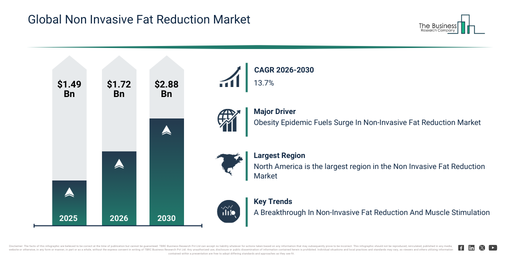
    In the realm of non-invasive fat reduction, a notable expansion has been observed recently, with projections indicating continued robust growth from $1.49 billion in 2025 to an estimated $1.72 billion in 2026. This trajectory represents a compound annual growth rate (CAGR) of 15.5%. Factors contributing to this historic growth acceleration include heightened public consciousness regarding aesthetic procedures, escalating prevalence of obesity, augmented disposable incomes, the proliferation of specialized cosmetic clinics, and the earlier embrace of cryolipolysis technology.

    The market for non-invasive fat reduction is poised for significant expansion, projected to reach $2.88 billion by 2030, driven by a 13.7% compound annual growth rate over the coming years. This anticipated surge is fueled by several key factors including the increasing use of AI for tailoring treatments, a rising demand among men for aesthetic procedures, the growth of medical tourism, ongoing advancements in device technology, and broader regulatory clearances. Key developments anticipated during this period involve the increasing incorporation of AI-powered body sculpting tools, the proliferation of precise aesthetic treatments, a growing inclination towards cosmetic procedures that do not require surgery, an escalating demand for procedures with minimal recovery time, and ongoing technological progress in fat reduction methods utilizing energy-based systems.

    Download A Free Sample Report For Comprehensive Market Insights:

    https://www.thebusinessresearchcompany.com/sample.aspx?id=15872&type=smp

    Non Invasive Fat Reduction Market Growth Factors Supporting Long-Term Expansion

    The expanding global population struggling with obesity is anticipated to be a primary catalyst for the advancement of the non-invasive fat reduction sector. This demographic, characterized by a body mass index of 30 or greater, faces heightened health risks due to excessive body fat. The upswing in obesity is attributable to a confluence of elements, including a greater intake of energy-dense, processed foods, a lack of physical activity, inherited tendencies, and socio-economic conditions that restrict access to nutritious food choices and opportunities for exercise. Technologies in non-invasive fat reduction, encompassing methods like cryolipolysis and laser lipolysis, provide surgical alternatives for individuals seeking to diminish targeted fat accumulations, thus presenting a safer option compared to surgical interventions. Illustrating this trend, a projection released in March 2024 by the World Obesity Federation, a UK entity dedicated to obesity mitigation through study, advocacy, and policy, forecasts a surge in adult obesity from 0.81 billion in 2020 to 1.53 billion by 2035. Consequently, the escalating prevalence of obesity is directly influencing the expansion of the non-invasive fat reduction market.

    Non Invasive Fat Reduction Market Segment Analysis Highlighting Growth Areas

    The non invasive fat reduction market covered in this report is segmented –

    1) By Technology: Cryolipolysis, Ultrasound, Low Level Lasers

    2) By Gender: Female, Male

    3) By End Users: Hospitals, Stand Alone Practices, Multispecialty Clinic

    Subsegments:

    1) By Cryolipolysis: CoolSculpting, Cryolipolysis With Vacuum-Assisted Technology

    2) By Ultrasound: High-Intensity Focused Ultrasound (HIFU), Low-Intensity Ultrasound

    3) By Low Level Lasers: Red Light Therapy, Diode Laser Systems

    Non Invasive Fat Reduction Market Industry Trends Shaping Future Revenue Growth

    Companies actively participating in the non-invasive fat reduction sector are prioritizing the creation of sophisticated solutions, including muscle-stimulating techniques, to augment fat elimination and refine therapeutic results. Muscle-stimulating technologies represent a non-surgical fat reduction approach that employs electrical signals to induce muscle contractions, thereby boosting fat metabolism and promoting bodily definition. As an illustration, in April of 2024, Cartessa Aesthetics, an American entity specializing in cutting-edge aesthetic medical equipment, introduced PHYSIQ 360, a premier body contouring innovation. This PHYSIQ 360 system delivers enhanced, tailored fat reduction and muscle development therapies suitable for a diverse range of skin tones and physiques. It incorporates unique sequential thermal and electrical pulse (STEP) technology, integrating laser energy (LZR) with its proprietary pure beam technology to achieve consistent fat reduction alongside electrical muscle stimulation (EMS) for robust muscle contractions. The unit is equipped with as many as four independently controllable applicators, permitting concurrent treatment of multiple body regions.

    Non Invasive Fat Reduction Market Leading Companies: Who Holds Significant Market Presence?

    Major companies operating in the non invasive fat reduction market are Cynosure LLC, Alma Lasers, Lumenis Ltd., BTL Industries, ZELTIQ Aesthetics Inc., Sono Bello, Solta Medical, Cutera Inc., Merz Pharma GmbH & Co. KGaA, Sciton Inc., Venus Concept, Syneron Candela, Zimmer MedizinSysteme GmbH (Zimmer Aesthetics), Fotona d.o.o., Apyx Medical Corporation, Erchonia Corporation, Aesthetics Biomedical Inc., Lynton Lasers Ltd., INDIBA S.A., InMode Ltd., Lutronic Corporation, Viora, Aesthetic Solutions, Cocoon Medical, Sound Surgical Technologies LLC, Chongqing Haifu (HIFU) Technology Co Ltd.

    Access The Complete Non Invasive Fat Reduction Market Report:

    https://www.thebusinessresearchcompany.com/report/non-invasive-fat-reduction-global-market-report

    Non Invasive Fat Reduction Market Largest Region By Revenue And Market Share

    North Americawas the largest region in the non invasive fat reduction market in 2025. The regions covered in the non invasive fat reduction market report are Asia-Pacific, South East Asia, Western Europe, Eastern Europe, North America, South America, Middle East, Africa.

    Get in touch with us:

    The Business Research Company: https://www.thebusinessresearchcompany.com/

    Americas: +1 310-496-7795

    Asia: +44 7882 955267 & +91 8897263534

    Europe: +44 7882 955267

    Email us at: marketing@tbrc.info

    Follow us on:

    LinkedIn: https://in.linkedin.com/company/the-business-research-company

    YouTube: https://www.youtube.com/channel/UC24_fI0rV8cR5DxlCpgmyFQ

    Global Market Model: https://www.thebusinessresearchcompany.com/global-market-model
  • Nodular Prurigo Market Expansion Is Reshaping Competitive Dynamics Across The Industry

    Nodular Prurigo Market Expansion Is Reshaping Competitive Dynamics Across The Industry

    Enhanced with market attractiveness analysis, total addressable market evaluation, company benchmarking matrices, interactive Excel dashboards, expanded supply chain intelligence, emerging startup coverage, and detailed product insights, The Business Research Company’s 2026 market reports deliver more actionable and strategically valuable research.

    Nodular Prurigo Market Growth Potential: How Will Market Size Change Through 2030?

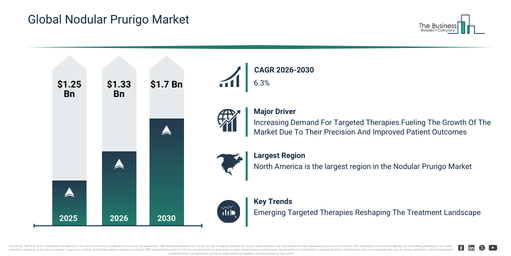
    The market for nodular prurigo experienced robust expansion lately. Projections indicate a rise from $1.25 billion in 2025 to $1.33 billion in 2026, reflecting a compounded annual growth rate of 6.6%. Factors contributing to this growth during the preceding period include a rise in persistent skin conditions, the limited success of standard topical treatments, heightened public awareness concerning itchy skin ailments, the proliferation of specialized dermatology centers, and enhanced diagnostic accuracy for nodular prurigo.

    Anticipate a robust expansion of the nodular prurigo market, projected to reach $1.7 billion by 2030, demonstrating a compound annual growth rate of 6.3%. This projected increase is primarily fueled by advancements in innovative biologic and monoclonal antibody therapies, a growing emphasis on individualized dermatological care, increased financial backing for research into inflammatory skin conditions, the broadening scope of cutting-edge immunotherapy treatments, and a heightened need for enduring relief from itching. Key developments shaping the market during this period are the increasing utilization of targeted immunomodulatory treatments, a greater reliance on biological interventions for persistent itching, elevated attention towards managing neuropathic itch, the development of more comprehensive long-term disease management strategies, and a stronger commitment to patient-focused dermatological services.

    Download A Free Sample Report For Comprehensive Market Insights:

    https://www.thebusinessresearchcompany.com/sample.aspx?id=24624&type=smp

    Nodular Prurigo Market Demand Drivers Creating New Revenue Opportunities

    The nodular prurigo market is anticipated to experience expansion, largely propelled by a growing preference for targeted therapeutic approaches. These specialized medical interventions focus on disrupting the particular molecular pathways instrumental in disease progression and dissemination. Such treatments are gaining traction due to their capacity for delivering highly precise interventions with minimized adverse effects, thereby enhancing patient results and presenting viable alternatives to conventional, less selective treatment modalities. Nodular prurigo inherently fosters advancements in targeted therapies by highlighting a distinct, unmet clinical requirement associated with specific immunological pathways, including IL-4, IL-13, and IL-31. This facilitates the deployment of biologic agents designed to accurately impede these inflammatory pathways, leading to more efficacious management. Illustrating this trend, data from the American Society of Gene & Cell Therapy indicated that during the fourth quarter of 2023, the pipeline of gene therapies entering Phase III saw a 10% surge compared to the preceding quarter, representing the first increase observed since the third quarter of 2022. Consequently, the escalating demand for targeted therapies is a significant catalyst for the growth trajectory of the nodular prurigo market.

    Nodular Prurigo Market Segment Performance And Strategic Opportunities

    The nodular prurigo market covered in this report is segmented –

    1) By Type: Chronic Nodular Prurigo, Acute Nodular Prurigo, Subacute Nodular Prurigo

    2) By Treatment Type: Topical Treatments, Systemic Treatments, Phototherapy, Immunosuppressants

    3) By Patient Demographics: Adults, Children, Elderly

    4) By End-User: Hospitals, Homecare, Specialty Clinics, Other End-Users

    Subsegments:

    1) By Chronic Nodular Prurigo: Idiopathic Chronic Nodular Prurigo, Secondary To Dermatologic Conditions, Neuropathic Causes, Systemic Disease-Associated, Psychogenic Prurigo

    2) By Acute Nodular Prurigo: Insect Bite-Induced, Allergic Reactions, Drug-Induced Prurigo, Infectious Triggers

    3) By Subacute Nodular Prurigo: Healing Phase Of Chronic Prurigo, Post-Inflammatory Prurigo, Transient Dermatoses, Reaction To Environmental Irritants

    Nodular Prurigo Market Trends Driving Strategic Industry Expansion

    Within the nodular prurigo market, key players are concentrating on pioneering novel treatments, exemplified by anti-IL-31 receptor biologics, in response to the increasing need for therapies that modify the disease’s course by alleviating severe, persistent itching, aiding in the reduction of nodules, and decreasing the dependence on prolonged topical corticosteroid use and broad immunosuppressant medications. These anti-IL-31 receptor monoclonal antibodies represent a biologic treatment category consisting of specially designed humanized antibodies that affix to the IL-31 receptor A found on sensory and immune cells, thereby obstructing the IL-31 signaling pathway believed to be a factor in chronic itching. A notable development occurred in August 2024 when Galderma S.A., a pharmaceutical firm specializing in dermatology and headquartered in Switzerland, introduced Nemluvio (nemolizumab), a groundbreaking anti-IL-31 receptor monoclonal antibody intended for adult patients diagnosed with prurigo nodularis. Nemluvio (nemolizumab), administered subcutaneously, is a humanized monoclonal antibody engineered to attach to IL-31 receptor A, thereby disrupting itch signaling and subsequent inflammatory processes. It was formulated with the objective of diminishing severe, chronic itching and facilitating the healing of itchy nodules, and is provided in an autoinjector format suitable for administration outside of a clinical setting. Its distinctive attributes encompass a precisely targeted action, systemic efficacy beneficial for widespread conditions, and a dosing method designed to enhance patient compliance in contrast to treatments requiring in-clinic infusions.

    Nodular Prurigo Market Key Players: Which Companies Shape Industry Competition?

    Major companies operating in the nodular prurigo market are Merck and Co Inc, Sanofi SA, GlaxoSmithKline plc, Amgen Inc, Regeneron Pharmaceuticals Inc, Astellas Pharma Inc, Sun Pharmaceutical Industries Limited, Galderma SA, Incyte Corporation, Kyowa Kirin Co Ltd, LEO Pharma AS, Maruho Co Ltd, Kiniksa Pharmaceuticals Ltd, Keymed Biosciences Co Ltd, Trevi Therapeutics Inc, Menlo Therapeutics Inc, VYNE Therapeutics Inc, Celldex Therapeutics Inc, AbbVie Inc, Pfizer Inc, Novartis AG, Eli Lilly and Company

    Access The Complete Nodular Prurigo Market Report:

    https://www.thebusinessresearchcompany.com/report/nodular-prurigo-global-market-report

    Nodular Prurigo Market Regional Analysis And Leading Geography

    North Americawas the largest region in the nodular prurigo market in 2025. Asia-Pacificis expected to be the fastest-growing region in the forecast period. The regions covered in the nodular prurigo market report are Asia-Pacific, South East Asia, Western Europe, Eastern Europe, North America, South America, Middle East, Africa.

    Get in touch with us:

    The Business Research Company: https://www.thebusinessresearchcompany.com/

    Americas: +1 310-496-7795

    Asia: +44 7882 955267 & +91 8897263534

    Europe: +44 7882 955267

    Email us at: marketing@tbrc.info

    Follow us on:

    LinkedIn: https://in.linkedin.com/company/the-business-research-company

    YouTube: https://www.youtube.com/channel/UC24_fI0rV8cR5DxlCpgmyFQ

    Global Market Model: https://www.thebusinessresearchcompany.com/global-market-model

  • Nocturnal Leg Cramps Treatment Market Forecast Reveals Where Future Industry Value Will Be Created

    Nocturnal Leg Cramps Treatment Market Forecast Reveals Where Future Industry Value Will Be Created

    Through market attractiveness analysis, total addressable market evaluation, company benchmarking matrices, interactive Excel dashboards, expanded supply chain intelligence, emerging startup coverage, and detailed product insights, The Business Research Company’s 2026 market reports provide more actionable and strategically valuable research.

    Nocturnal Leg Cramps Treatment Market Value Analysis: What Growth Is Expected Over The Forecast Period?

    The market for nocturnal leg cramps treatments has experienced robust expansion lately. Projections indicate a growth from $2.35 billion in 2025 to $2.51 billion in 2026, reflecting a compound annual growth rate (CAGR) of 6.7%. Factors contributing to this expansion during the historical period include demographic shifts towards an older population, a rise in the incidence of muscle fatigue, the broad accessibility of non-prescription supplements, elevated consciousness regarding sleep wellness, and a greater tendency for physicians to suggest non-invasive therapeutic approaches.

    The market for solutions addressing nocturnal leg cramps is projected to experience vigorous expansion in the upcoming years, reaching an estimated $3.22 billion by 2030 with a compound annual growth rate of 6.4%. This anticipated increase over the forecast period is fueled by a confluence of factors, including a heightened demand for tailored treatment plans, a growing emphasis on therapeutic approaches that exclude pharmaceuticals, the broadening availability of digital health resources, a stronger consumer inclination towards managing their health independently, and ongoing investigations into conditions affecting muscle function. Key developments anticipated during this timeframe involve a greater utilization of dietary supplements, a wider acceptance of non-drug management strategies, a heightened focus on lifestyle adjustments to prevent occurrences, an increase in treatment options available in the home setting, and a greater understanding of muscle spasms associated with sleep.

    Download A Free Sample Report For Comprehensive Market Insights:

    https://www.thebusinessresearchcompany.com/sample.aspx?id=24623&type=smp

    Nocturnal Leg Cramps Treatment Market Expansion Supported By Key Demand Factors

    The expansion of the nocturnal leg cramps treatment market is anticipated to be fueled by the increasing prevalence of sedentary lifestyles. A lifestyle characterized by minimal physical exertion, often involving extended periods of sitting or reclining with infrequent movement or exercise, defines a sedentary way of living. This trend is exacerbated by heightened screen time across various devices used for professional, recreational, and communicative purposes, leading to prolonged sitting and a reduction in active pursuits. Treatments for nocturnal leg cramps offer support to individuals adopting such lifestyles by alleviating the discomfort of nocturnal muscle spasms, which can be intensified by prolonged inactivity, and by promoting better muscle health, improved mobility, and enhanced sleep quality. These improvements may, in turn, encourage a greater commitment to regular physical activity. As an illustration, a World Health Organization report from June 2024 indicated that in 2022, 31% of adults globally, totaling approximately 1.8 billion individuals, failed to meet recommended physical activity guidelines, with projections suggesting this inactivity rate could reach 35% by 2030 if current trends persist. Consequently, the rise in sedentary living is a significant contributor to the growth of the nocturnal leg cramps treatment market.

    Further contributing to the market’s upward trajectory is the expanding segment of individuals in their later years. This demographic, generally recognized as those aged 65 and older, experiences natural physiological and cognitive shifts, alongside increased vulnerability to chronic health conditions and functional limitations, necessitating tailored healthcare interventions. The increase in this older population is directly linked to greater life expectancies, a result of advancements in medical science, more effective treatments, and robust disease prevention strategies. Treatments for nocturnal leg cramps provide substantial benefits to this age group by easing painful muscle spasms that disrupt sleep, thereby improving rest quality and fostering better overall mobility and daily function. For example, data released in June 2025 by the UK’s Office for National Statistics revealed an expected increase of 1.7 million individuals reaching the state pension age between mid-2022 and mid-2032, projecting a rise from roughly 12.0 million to 13.7 million, which signifies a notable 13.8% growth. Therefore, the growing number of older adults is a key driver for the nocturnal leg cramps treatment market.

    Nocturnal Leg Cramps Treatment Market Segment Landscape And Growth Potential

    The nocturnal leg cramps treatment market covered in this report is segmented –

    1) By Treatment Type: Pharmaceuticals, Home Remedies, Physical Therapy, Lifestyle Modifications

    2) By Route Of Administration: Oral, Topical, Transdermal Or Injectable

    3) By Patient Demographics: Elderly, Athletes, Pregnant Women, Individuals With Chronic Conditions

    4) By Distribution Channel: Hospital Pharmacy, Retail Pharmacy, Online Pharmacy, Other Distribution Channels

    5) By End-Users: Hospitals, Specialty Clinics, Homecare, Other End-Users

    Subsegments:

    1) By Pharmaceuticals: Muscle Relaxants, Magnesium Supplements, Vitamin B Supplements, Anticonvulsants, Nonsteroidal Anti-inflammatory Drugs (NSAIDs)

    2) By Home Remedies: Epsom Salt Bath, Hot Or Cold Compress, Hydration With Electrolyte Solutions, Stretching Exercises

    3) By Physical Therapy: Stretching And Strengthening Exercises, Massage Therapy, Taping Techniques, Myofascial Release, Physical Therapy Modalities

    4) By Lifestyle Modifications: Proper Hydration, Balanced Diet, Regular Exercise, Avoiding Prolonged Sitting Or Standing, Sleep Position And Foot Elevation, Wearing Proper Footwear

    Nocturnal Leg Cramps Treatment Market Growth Trends Influencing Competitive Dynamics

    Within the market dedicated to the treatment of nocturnal leg cramps, key industry players are prioritizing the acquisition of regulatory endorsements for novel therapeutic agents as a strategic imperative to broaden their market penetration and enhance patient well-being. These regulatory endorsements signify the official sanctioning by oversight authorities for a pharmaceutical product, medical apparatus, or therapeutic intervention to be made available for commerce and public application. As a concrete illustration, in April of 2023, Noctrix Health, an enterprise situated in the United States specializing in medical technology, secured De Novo clearance from the FDA for its innovative NTX100 Tonic Motor Activation (TOMAC) System. This system is designed to alleviate the symptoms associated with moderate to severe restless legs syndrome (RLS) and contribute to improved sleep quality for individuals for whom conventional pharmacological treatments have proven ineffective. The apparatus itself consists of two wearable therapeutic modules designed for the lower extremities, which administer a mild electrical impulse to the peroneal nerves. This stimulation prompts a sustained muscular response, thereby mitigating the manifestations of RLS. Evidence from clinical investigations, notably the RESTFUL study, substantiated a marked reduction in RLS symptomatology alongside enhanced sleep restorative qualities, with no reports of serious adverse reactions.

    Nocturnal Leg Cramps Treatment Market Competitive Landscape: Who Are The Leading Companies?

    Major companies operating in the nocturnal leg cramps treatment market are Teva Pharmaceutical Industries Ltd, Mylan NV, Astellas Pharma Inc, Daiichi Sankyo Company Limited, Apotex Inc, Sun Pharmaceutical Industries Limited, Hylands Inc, Swanson Health Products Inc, Boiron USA, Magnox, Blackmores Limited, Solgar Inc, Genexa Inc, Naveh Pharma Ltd, Hydratis, Crampeze, Zydus Cadila, Flex Pharma Inc, Nature Made, Nature Valley, NOW Foods, Doctor’s Best

    Access The Complete Nocturnal Leg Cramps Treatment Market Report:

    https://www.thebusinessresearchcompany.com/report/nocturnal-leg-cramps-treatment-global-market-report

    Nocturnal Leg Cramps Treatment Market Geographic Analysis: Where Is Demand Growing The Fastest?

    North Americawas the largest region in the nocturnal leg cramps treatment market in 2025. The regions covered in the nocturnal leg cramps treatment market report are Asia-Pacific, South East Asia, Western Europe, Eastern Europe, North America, South America, Middle East, Africa.

    Get in touch with us:

    The Business Research Company: https://www.thebusinessresearchcompany.com/

    Americas: +1 310-496-7795

    Asia: +44 7882 955267 & +91 8897263534

    Europe: +44 7882 955267

    Email us at: marketing@tbrc.info

    Follow us on:

    LinkedIn: https://in.linkedin.com/company/the-business-research-company

    YouTube: https://www.youtube.com/channel/UC24_fI0rV8cR5DxlCpgmyFQ

    Global Market Model: https://www.thebusinessresearchcompany.com/global-market-model
  • Nocturia Market Growth Through 2030 Creates New Strategic Opportunities

    Nocturia Market Growth Through 2030 Creates New Strategic Opportunities

    Delivering more actionable and strategically valuable research, The Business Research Company’s 2026 market reports feature market attractiveness analysis, total addressable market evaluation, company benchmarking matrices, interactive Excel dashboards, expanded supply chain intelligence, emerging startup coverage, and detailed product insights.

    Nocturia Market Size Forecast: How Large Could The Market Become By 2030?

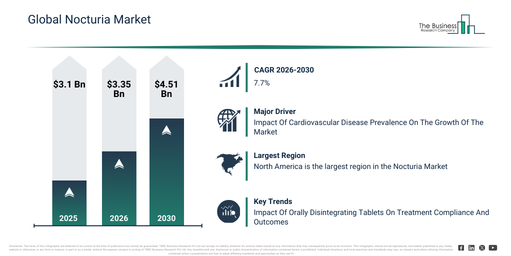
    In recent times, the nocturia market has experienced significant expansion, projecting an increase from $3.1 billion in 2025 to $3.35 billion in 2026, reflecting a compound annual growth rate (CAGR) of 8.0%. This historical growth trajectory has been propelled by factors such as a growing elderly demographic, a heightened occurrence of benign prostatic hyperplasia, the increasing prevalence of urinary tract infections, extensive prescription of diuretic medications, and a notable lack of early diagnostic awareness.

    The market for treating nocturia is poised for substantial expansion over the coming years, projecting to reach $4.51 billion by 2030 with a compound annual growth rate (CAGR) of 7.7%. This anticipated growth trajectory is fueled by several key factors: a heightened demand for tailored treatment approaches, the increasing availability of at-home care options, escalating healthcare spending, a greater emphasis on managing sleep quality, and enhanced accessibility to urology specialists. Simultaneously, significant market trends shaping this period include an aging global population accompanied by a rise in age-associated urological conditions, a growing incidence of diabetes and metabolic ailments, elevated awareness and diagnosis rates for lower urinary tract symptoms, a move towards utilizing combination therapies, and a broader adoption of home-based strategies for nocturia management.

    Download A Free Sample Report For Comprehensive Market Insights:

    https://www.thebusinessresearchcompany.com/sample.aspx?id=21232&type=smp

    Nocturia Market Growth Drivers And Industry Catalysts

    Anticipate an upward trajectory for the nocturia market, largely influenced by the escalating incidence of cardiovascular ailments. These conditions encompass a spectrum of heart and blood vessel disorders, such as heart disease, stroke, and hypertension. Contributing factors to the rise in cardiovascular diseases include an aging demographic, inactive lifestyles, suboptimal dietary habits, smoking, excessive alcohol intake, obesity, elevated blood pressure and cholesterol levels, diabetes, and hereditary factors. Nocturia frequently presents as a symptom in individuals with cardiovascular conditions, consequently increasing the demand for diagnostic tools and therapeutic interventions. With the global surge in cardiovascular issues, exacerbated by an aging populace and detrimental lifestyle choices, the imperative for robust nocturia management strategies will intensify. Illustratively, the British Heart Foundation reported in September 2025 that over 7.6 million individuals in the UK, comprising more than 4 million men and over 3.6 million women, are contending with cardiovascular disease, with forecasts suggesting an approximate addition of 1 million cases by 2030 and around 2 million by 2040, primarily due to an aging population and enhanced survival rates. Consequently, the expanding prevalence of cardiovascular diseases is a significant catalyst for the nocturia market’s expansion.

    Nocturia Market Categorization By Product Type And Application

    The nocturia market covered in this report is segmented –

    1) By Drug: Anticholinergic Drugs, Desmopressin, Antibiotics, Antispasmodic, Other Drugs

    2) By Indication: Mixed Nocturia, Low Nocturnal Bladder Capacity, Nocturnal Polyuria, Global Polyuria

    3) By Causes: Urological Infection, Tumor Of The Bladder, Diuretic Medications, Regular Alcohol Or Coffee, Liver Infection, Diabetes, Pregnancy, Other Causes

    4) By End User: Hospitals, Home Care, Clinics

    Subsegments:

    1) By Anticholinergic Drugs: Oxybutynin, Tolterodine, Solifenacin, Darifenacin, Fesoterodine

    2) By Desmopressin: Intranasal Desmopressin, Oral Desmopressin

    3) By Antibiotics: Nitrofurantoin, Trimethoprim, Fosfomycin

    4) By Antispasmodic: Hyoscine Butylbromide, Flavoxate

    5) By Other Drugs: Alpha-Blockers, Beta-3 Agonists

    #Nocturia Market Trends Influencing Long-Term Demand

    In the realm of the nocturia market, leading enterprises are prioritizing the creation of novel solutions, exemplified by orally disintegrating tablets, to improve patient ease of use and adherence to treatment. These orally disintegrating tablets (ODTs), a type of solid oral formulation, are designed to rapidly break down within the mouth, thus eliminating the need for water and proving particularly beneficial for individuals experiencing difficulties with swallowing. A relevant development occurred in July 2024 when Adalvo Limited, a pharmaceutical entity headquartered in Malta, introduced Desmopressin ODT across Europe. This medication is prescribed for ailments characterized by excessive fluid loss by the body, including central cranial diabetes insipidus. Functioning as a synthetic analog of vasopressin, this tablet effectively manages diabetes insipidus, extreme thirst and urinary frequency, and nocturnal enuresis by replicating the actions of the body’s natural hormone and reducing the volume of water expelled in urine. Furthermore, its therapeutic application extends to managing hemorrhages in cases of mild to moderate hemophilia A and von Willebrand disease through the augmentation of blood-clotting factor release.

    Nocturia Market Company Landscape And Strategic Competition

    Major companies operating in the nocturia market are Pfizer Inc, Merck & Co. Inc, AbbVie Inc, Sanofi S.A, GlaxoSmithKline plc, Viatris Inc, Boehringer Ingelheim International GmbH, Otsuka Pharmaceutical Co. Ltd, Astellas Pharma Inc, Eisai Co. Ltd., Sumitomo Dainippon Pharma Co. Ltd, Ferring Pharmaceuticals A/S, Avadel Pharmaceuticals plc, UroGen Pharma Ltd, Sanwa Kagaku Co. Ltd., Urovant Sciences Inc, Serenity Pharmaceuticals LLC, Vantia Therapeutics Inc, AA Pharma Inc, Wellesley Pharmaceuticals Inc

    Access The Complete Nocturia Market Report:

    https://www.thebusinessresearchcompany.com/report/nocturia-global-market-report

    Nocturia Market Global Footprint: Which Region Holds Market Leadership?

    North Americawas the largest region in the nocturia market in 2025. Asia-Pacificis expected to be the fastest-growing region in the forecast period. The regions covered in the nocturia market report are Asia-Pacific, South East Asia, Western Europe, Eastern Europe, North America, South America, Middle East, Africa.

    Get in touch with us:

    The Business Research Company: https://www.thebusinessresearchcompany.com/

    Americas: +1 310-496-7795

    Asia: +44 7882 955267 & +91 8897263534

    Europe: +44 7882 955267

    Email us at: marketing@tbrc.info

    Follow us on:

    LinkedIn: https://in.linkedin.com/company/the-business-research-company

    YouTube: https://www.youtube.com/channel/UC24_fI0rV8cR5DxlCpgmyFQ

    Global Market Model: https://www.thebusinessresearchcompany.com/global-market-model

  • Night Blindness Treatment Market Size Projected To Increase From $4.46 Billion To $5.65 Billion During The Forecast Period

    Night Blindness Treatment Market Size Projected To Increase From $4.46 Billion To $5.65 Billion During The Forecast Period

    Enhanced with market attractiveness analysis, total addressable market evaluation, company benchmarking matrices, interactive Excel dashboards, expanded supply chain intelligence, emerging startup coverage, and detailed product insights, The Business Research Company’s 2026 market reports deliver more actionable and strategically valuable research.

    Night Blindness Treatment Market Revenue Outlook: What CAGR Is Expected Through 2030?

    The market for night blindness treatments has experienced robust expansion lately. Projections indicate a climb from $4.2 billion in 2025 to $4.46 billion by 2026, reflecting a compound annual growth rate of 6.3%. Several factors have fueled this growth during the preceding period, including widespread malnutrition, restricted access to vision care, heightened public understanding of visual impairments, an aging global population, and sophisticated developments in eye examination technologies.

    The market for night blindness treatments is poised for significant expansion over the coming years, projected to reach a valuation of $5.66 billion by 2030, driven by a compound annual growth rate of 6.1%. This anticipated growth stems from several key factors, including enhanced investments in ocular health initiatives, a growing desire for tailored medical interventions, the broadening scope of gene therapy in ophthalmology, advancements in healthcare infrastructure, and more favorable reimbursement landscapes. Key developments shaping this market during the forecast period involve a rise in vitamin A deficiency cases, greater acceptance of early detection methods, an increase in minimally invasive ophthalmic surgical procedures, expanded utilization of dietary and preventative therapeutic approaches, and improved accessibility to vision care services in developing economies.

    Download A Free Sample Report For Comprehensive Market Insights:

    https://www.thebusinessresearchcompany.com/sample.aspx?id=18413&type=smp

    Night Blindness Treatment Market Opportunity Drivers: What Is Creating New Revenue Potential?

    The proliferation of cataracts is anticipated to be a primary driver for the expansion of the night blindness treatment sector in the future. Cataracts are characterized by opacification of the eye’s lens, resulting in diminished visual acuity. Factors such as elevated exposure to solar ultraviolet (UV) radiation, tobacco use, and inadequate nutrition are implicated in cataract formation. This clouding impairs the eye’s capacity to differentiate between varying degrees of light and dark, a function integral to effective night vision. Consequently, a reduction in contrast sensitivity complicates mobility and object identification under dim lighting conditions. Illustrating this trend, data from May 2024 released by the Office for Health Improvement & Disparities, a UK governmental entity, indicated that hospitalizations for cataract surgery in England surpassed 516,000 during the fiscal year concluding in 2023, equating to 4,679 admissions per 100,000 individuals and signifying a notable escalation from the previous year’s rate of 3,803 per 100,000. Thus, the rising incidence of cataracts is fueling the market for night blindness treatments.

    Night Blindness Treatment Market Segment Analysis And Revenue Opportunities

    The night blindness treatment market covered in this report is segmented –

    1) By Treatment: Medication, Surgery, Other Treatments

    2) By Diagnosis: Blood Tests, Color Vision Testing, Pupil Light Reflex, Refraction, Retinal Exam, Electroretinogram (ERG), Other Diagnoses

    3) By Symptom: Eye Pain, Cloudy Vision, Halos, Light Sensitivity, Distance Vision Problem, Other Symptoms

    4) By End User: Clinic, Hospital, Other End Users

    Subsegments:

    1) By Medication: Vitamin A Supplements, Retinoid Therapy, Beta-Carotene Supplements, Anti-Glaucoma Medications

    2) By Surgery: Cataract Surgery, Retinal Surgery, Corneal Transplantation, LASIK Surgery

    3) By Other Treatments: Light Therapy, Gene Therapy, Low Vision Aids And Assistive Devices, Nutritional Therapy

    Night Blindness Treatment Market Innovation Trends Driving Future Development

    Within the landscape of the night blindness treatment sector, leading entities are actively exploring cutting-edge genetic treatments aimed at correcting the foundational genetic alterations that contribute to the condition, thereby promising more effective therapeutic interventions and ultimately better results for patients. These advanced genetic approaches offer a pathway to combat night blindness by identifying and rectifying particular genetic defects impacting the retina’s performance, which holds the prospect of vision restoration for those afflicted with hereditary retinal conditions like retinitis pigmentosa. Exemplifying this progress, HuidaGene Therapeutics, a biotechnology firm in its clinical development phase based in the United States, unveiled HG004 in August of 2023, a gene therapy engineered for the treatment of inherited retinal ailments, including Leber’s congenital amaurosis. Preclinical investigations have indicated that this therapy outperforms current treatment alternatives, with the objective of revitalizing retinal capabilities and mitigating symptoms like night blindness, as well as other issues stemming from RPE65-related dysfunctions.

    Night Blindness Treatment Market Leading Players Shaping Industry Direction

    Major companies operating in the night blindness treatment market are Johnson & Johnson Private Limited, Bayer AG, Abbott Laboratories, Novartis AG, Regeneron Pharmaceuticals Inc, Bausch Health Companies Inc, Cipla Inc, Nature’s Way, Garden of Life, Apellis Pharmaceuticals Inc, Solgar, Acucela Inc, Swanson Health Products, Astellas Pharma Inc, F. Hoffmann-La Roche Ltd, Applied Genetic Technologies Corp, MeiraGTx Holdings plc, GenSight Biologics, Santen Pharmaceutical Co Ltd, Alimera Sciences Inc, Opthea Limited, Oxurion NV, EyePoint Pharmaceuticals Inc, Ocuphire Pharma Inc.

    Access The Complete Night Blindness Treatment Market Report:

    https://www.thebusinessresearchcompany.com/report/night-blindness-treatment-global-market-report

    Night Blindness Treatment Market Regional Distribution: Which Areas Drive Market Expansion?

    North Americawas the largest region in the night blindness treatment market in 2025. Asia-Pacificis expected to be the fastest-growing region in the forecast period. The regions covered in the night blindness treatment market report are Asia-Pacific, South East Asia, Western Europe, Eastern Europe, North America, South America, Middle East, Africa.

    Get in touch with us:

    The Business Research Company: https://www.thebusinessresearchcompany.com/

    Americas: +1 310-496-7795

    Asia: +44 7882 955267 & +91 8897263534

    Europe: +44 7882 955267

    Email us at: marketing@tbrc.info

    Follow us on:

    LinkedIn: https://in.linkedin.com/company/the-business-research-company

    YouTube: https://www.youtube.com/channel/UC24_fI0rV8cR5DxlCpgmyFQ

    Global Market Model: https://www.thebusinessresearchcompany.com/global-market-model

  • Niemann-Pick Disease Type C Treatment Market Growth Outlook Reveals A CAGR Of 8.8% And A Market Value Of $4.46 Billion By 2030

    Niemann-Pick Disease Type C Treatment Market Growth Outlook Reveals A CAGR Of 8.8% And A Market Value Of $4.46 Billion By 2030

    Through market attractiveness analysis, total addressable market evaluation, company benchmarking matrices, interactive Excel dashboards, expanded supply chain intelligence, emerging startup coverage, and detailed product insights, The Business Research Company’s 2026 market reports provide more actionable and strategically valuable research.

    Niemann-Pick Disease Type C Treatment Market Growth Analysis: How Will Revenue Expand During The Forecast Period?

    The market for niemann-pick disease type c treatments has experienced robust expansion recently, with projections indicating a rise from $2.92 billion in 2025 to $3.19 billion in 2026, reflecting a compound annual growth rate of 9.0%. Factors contributing to this historical growth include heightened awareness of rare diseases, the availability of a select yet effective range of pharmaceutical interventions, a past trend of underdiagnosis for NPC, governmental incentives favoring orphan drug development, and the proliferation of specialized treatment facilities.

    The market for Niemann-Pick Disease Type C treatments is poised for significant expansion, projected to reach $4.46 billion by 2030, reflecting a compound annual growth rate of 8.8%. This anticipated growth during the forecast period stems from progress in gene therapy investigations, escalating investments in rare disease research and development, enhancements in diagnostic capabilities, broader implementation of newborn screening initiatives, and favorable regulatory environments for innovative treatments. Key developments anticipated include a greater embrace of orphan drug development pathways, a heightened emphasis on early detection and screening, the broadening availability of supportive care and symptom management interventions, an increase in clinical trials for rare conditions, and improved patient access schemes coupled with robust reimbursement support.

    Download A Free Sample Report For Comprehensive Market Insights:

    https://www.thebusinessresearchcompany.com/sample.aspx?id=23458&type=smp

    Niemann-Pick Disease Type C Treatment Market Growth Momentum: Which Factors Are Influencing Demand?

    The escalating incidence of Alzheimer’s disease is poised to be a significant catalyst for the expansion of the Niemann-Pick disease type C treatments market. Alzheimer’s disease, a debilitating neurodegenerative condition marked by the buildup of specific proteins in the brain, leads to a gradual deterioration of cognitive abilities, including memory and the capacity for everyday tasks, culminating in profound dementia and brain cell loss. This rise in Alzheimer’s cases is largely attributable to the ongoing aging of the world’s population. As lifespans extend, particularly in economically developed nations, the likelihood of developing conditions associated with aging, such as Alzheimer’s, increases substantially, given that advanced age is the most prominent identified risk factor. Research into treatments for Niemann-Pick disease type C offers valuable contributions to Alzheimer’s disease studies by shedding light on disorders involving the storage of cellular components and abnormalities in how the body processes fats. For example, in May 2024, the Alzheimer’s Society reported that approximately 982,000 individuals in the UK were living with dementia, with over a third of these cases undiagnosed, and projections indicate this figure will climb to 1.4 million by the year 2040. Consequently, the growing prevalence of Alzheimer’s disease is directly fueling the advancement of the market for Niemann-Pick disease type C therapies.

    Niemann-Pick Disease Type C Treatment Market Segmentation And Category Breakdown

    The niemann-pick disease type c treatment market covered in this report is segmented –

    1) By Disease Type: Niemann-Pick Diseases Type C1, Niemann-Pick Diseases Type C2

    2) By Age Group: Infantile, Juvenile, Adult

    3) By End-User: Hospitals, Specialty Clinics, Research And Academic Institutes

    Subsegments:

    1) By Niemann-Pick Disease Type C1: Pharmacological Treatment, Gene Therapy, Substrate Reduction Therapy, Supportive Care

    2) By Niemann-Pick Disease Type C2: Enzyme Replacement Therapy, Pharmacological Treatment, Gene Therapy, Supportive Care

    Niemann-Pick Disease Type C Treatment Market Trends Reshaping Industry Growth

    Key players within the Niemann-Pick disease type C (NPC) therapeutic arena are prioritizing the advancement of novel treatments, particularly those focused on neuroprotection, with the overarching goal of decelerating disease advancement and enhancing patient prognoses. Neuroprotective interventions are specifically engineered to safeguard the brain and central nervous system against cellular injury or deterioration, commonly aiming to maintain cognitive and motor capabilities in conditions like neurodegenerative illnesses. To illustrate, in September 2024, IntraBio Inc., a biopharmaceutical entity headquartered in the USA, publicly disclosed the United States Food and Drug Administration’s (FDA) sanction for AQNEURSA (levacetylleucine), thereby establishing it as the inaugural standalone therapeutic agent for Niemann-Pick Disease Type C (NPC). This regulatory endorsement is predicated on favorable outcomes from Phase III clinical investigations, which demonstrated marked enhancements in neurological markers among NPC patients within a three-month timeframe. AQNEURSA now presents a much-anticipated therapeutic avenue for those afflicted by this uncommon lysosomal storage ailment, which adversely affects motor coordination, cognitive abilities, and routine daily activities. Furthermore, IntraBio has indicated intentions to investigate AQNEURSA’s therapeutic applicability for a spectrum of additional neurodegenerative and neurodevelopmental conditions.

    Niemann-Pick Disease Type C Treatment Market Competitive Analysis Of Major Industry Participants

    Major companies operating in the niemann-pick disease type c treatment market are Mayo Clinic, Boston Children’s Hospital, Cincinnati Children’s Hospital Medical Center, Mallinckrodt Pharmaceuticals, Rainbow Children’s Hospital, CENTOGENE N.V., The Florey Institute of Neuroscience and Mental Health, National Organization for Rare Disorders NORD, National Niemann-Pick Disease Foundation NNPDF, Bloomsbury Genetic Therapies Ltd., Vtesse Inc., Cyclo Therapeutics Inc., Orphazyme A S, Intrabio Inc., Sarepta Therapeutics Inc., StrideBio, Azafaros B V, ViroMed, NeuroSense Therapeutics, ArmaGen, Synlogic, Editas Medicine, Passage Bio, Chameleon Bio, Aro Bio, Glycomine, Scenic Biotech, Actio Biosciences, AIRNA Therapeutics

    Access The Complete Niemann-Pick Disease Type C Treatment Market Report:

    https://www.thebusinessresearchcompany.com/report/niemann-pick-disease-type-c-treatment-global-market-report

    Niemann-Pick Disease Type C Treatment Market Leading Geography: Which Region Generates The Most Revenue?

    North Americawas the largest region in the niemann-pick disease type C treatment market in 2025. Asia-Pacificis expected to be the fastest-growing region in the forecast period. The regions covered in the niemann-pick disease type c treatment market report are Asia-Pacific, South East Asia, Western Europe, Eastern Europe, North America, South America, Middle East, Africa.

    Get in touch with us:

    The Business Research Company: https://www.thebusinessresearchcompany.com/

    Americas: +1 310-496-7795

    Asia: +44 7882 955267 & +91 8897263534

    Europe: +44 7882 955267

    Email us at: marketing@tbrc.info

    Follow us on:

    LinkedIn: https://in.linkedin.com/company/the-business-research-company

    YouTube: https://www.youtube.com/channel/UC24_fI0rV8cR5DxlCpgmyFQ

    Global Market Model: https://www.thebusinessresearchcompany.com/global-market-model

  • Niemann-Pick Disease (NPD) Market Forecast Highlights Expansion From $1.18 Billion To $1.78 Billion Through 2030

    Niemann-Pick Disease (NPD) Market Forecast Highlights Expansion From $1.18 Billion To $1.78 Billion Through 2030

    Delivering more actionable and strategically valuable research, The Business Research Company’s 2026 market reports feature market attractiveness analysis, total addressable market evaluation, company benchmarking matrices, interactive Excel dashboards, expanded supply chain intelligence, emerging startup coverage, and detailed product insights.

    Niemann-Pick Disease (NPD) Market Forecast: What Market Value Is Expected By 2030?

    The market for Niemann-Pick Disease (NPD) has experienced substantial expansion recently, and this upward trajectory is projected to continue. Estimates indicate the market will advance from $1.07 billion in 2025 to $1.19 billion in 2026, reflecting a compound annual growth rate of 11.1%. Historical drivers for this market’s development included the scarcity of therapeutic options, a lack of widespread understanding regarding the condition, prolonged periods for diagnosis, the necessity of focusing on symptom alleviation, and the significant financial burden associated with treatment.

    The Niemann-Pick Disease (NPD) market is poised for substantial expansion, projected to reach $1.79 billion by 2030, reflecting a compound annual growth rate of 10.8%. This upward trajectory is fueled by several key factors: augmented investment in rare disease research, advancements in gene therapy methodologies, the broader implementation of newborn screening initiatives, escalating healthcare spending, and favorable regulatory provisions. Throughout this projected period, significant market developments are anticipated, including a greater emphasis on early genetic detection, an increased number of orphan drug development projects, enhanced patient advocacy and awareness campaigns, progress in enzyme replacement and substrate reduction treatments, and refined multidisciplinary strategies for managing the disease.

    Download A Free Sample Report For Comprehensive Market Insights:

    https://www.thebusinessresearchcompany.com/sample.aspx?id=23457&type=smp

    Niemann-Pick Disease (NPD) Market Expansion Drivers: What Is Shaping Future Growth?

    The niemann-pick disease (NPD) market’s expansion is anticipated to be significantly influenced by the increasing utilization of gene therapy. This therapeutic approach, which involves altering or influencing an individual’s genetic makeup for disease prevention or treatment, is experiencing a surge in development, fueled by sophisticated genetic engineering capabilities that allow for accurate and efficient gene alterations, thereby enhancing therapeutic results for inherited conditions. Gene therapy contributes to managing niemann-pick disease (NPD) by addressing the root genetic defects, with the goal of rectifying the enzyme insufficiencies responsible for the condition and boosting cellular performance. As an illustration, by January 2024, as reported by the American Society of Gene and Cell Therapy, a prominent US entity in the gene and cell therapy sector, gene therapies undergoing Phase III evaluation saw a 10% increase during the final quarter of 2023 compared to the preceding quarter, marking the inaugural rise since the third quarter of 2022. Consequently, the escalating acceptance of gene therapy serves as a primary catalyst for the growth observed in the niemann-pick disease (NPD) market.

    Niemann-Pick Disease (NPD) Market Segment Outlook: Which Categories Are Expanding The Fastest?

    The niemann-pick disease (npd) market covered in this report is segmented –

    1) By Type: Niemann-Pick Disease Type A, Niemann-Pick Disease Type B, Niemann-Pick Disease Type C

    2) By Treatment Type: Drugs, Physical Therapy, Other Treatment Types

    3) By Route Of Administration: Oral, Intravenous, Subcutaneous

    4) By Distribution Channel: Hospital Pharmacies, Retail Pharmacies, Other Distribution Channels

    5) By End-User: Hospitals, Clinics, Homecare Settings

    Subsegments:

    1) By Niemann-Pick Disease Type A: Infantile-Onset Niemann-Pick Disease, Neurodegenerative Niemann-Pick Disease, Acute Visceral Niemann-Pick Disease, Severe Lysosomal Storage Disorder

    2) By Niemann-Pick Disease Type B: Late-Onset Niemann-Pick Disease, Non-Neurological Niemann-Pick Disease, Chronic Visceral Niemann-Pick Disease, Mild Lysosomal Storage Disorder

    3) By Niemann-Pick Disease Type C: Early-Onset Niemann-Pick Disease, Juvenile Niemann-Pick Disease, Adult-Onset Niemann-Pick Disease, Progressive Neurodegenerative Niemann-Pick Disease

    Niemann-Pick Disease (NPD) Market Strategic Trends: What Is Defining The Next Phase Of Growth?

    Within the Niemann-Pick disease (NPD) landscape, key industry players are concentrating their efforts on pioneering novel therapeutic approaches, including combination treatments, with the objective of bolstering treatment effectiveness and elevating patient prognoses. The concept of combination therapy entails the concurrent application of multiple medicinal compounds or therapeutic regimens to confront a specific ailment or health concern. This strategy is designed to boost therapeutic impact and mitigate the potential for treatment resistance that can arise with single-agent interventions. Illustrating this, in September of 2024, Zevra Therapeutics Inc., a biopharmaceutical entity headquartered in the United States, secured approval from the U.S. Food and Drug Administration (FDA) for its product, MIPLYFFA, when utilized alongside miglustat for the management of the neurological symptoms associated with Niemann-Pick disease type C (NPC) in individuals spanning from pediatric to adult age groups, provided they are two years of age or older. MIPLYFFA, also known as arimoclomol, functions by stimulating the generation of heat shock proteins (HSPs), elements that contribute to the clearance of detrimental lipid deposits and offer neuroprotection against cellular injury. Concurrently, miglustat operates by impeding glucosylceramide synthase, thus leading to a reduction in lipid accumulation. The synergistic action of these two treatments collectively aids in decelerating the advancement of neurological deterioration observed in individuals afflicted with NPC.

    Niemann-Pick Disease (NPD) Market Key Companies And Competitive Benchmarking

    Major companies operating in the niemann-pick disease (npd) market are Sanofi S.A., Mayo Clinic, Cincinnati Children’s Hospital Medical Center, Boston Children’s Hospital, Mallinckrodt Pharmaceuticals plc, Myriad Genetics, CENTOGENE N.V., The Florey Institute of Neuroscience and Mental Health, National Organization for Rare Disorders (NORD), Evox Therapeutics Limited, Bloomsbury Genetic Therapies Ltd., Cyclo Therapeutics Inc., CarelonRx, Rainbow Children’s Hospital, Vtesse Inc., Orphazyme A/S, Zebra Biologics, Sarepta Therapeutics Inc., Takeda Pharmaceutical Company Limited, Pfizer Inc., Novartis International AG, Ultragenyx Pharmaceutical Inc., Passage Bio, Amicus Therapeutics Inc., PTC Therapeutics, SOM Biotech, ENDECE, StrideBio, Mandos Health, BioMarin Pharmaceutical Inc.

    Access The Complete Niemann-Pick Disease (NPD) Market Report:

    https://www.thebusinessresearchcompany.com/report/niemann-pick-disease-npd-global-market-report

    Niemann-Pick Disease (NPD) Market Regional Outlook: Where Are The Largest Opportunities Located?

    North Americawas the largest region in the niemann-pick disease (NPD) market in 2025. Asia-Pacificis expected to be the fastest-growing region in the forecast period. The regions covered in the niemann-pick disease (npd) market report are Asia-Pacific, South East Asia, Western Europe, Eastern Europe, North America, South America, Middle East, Africa.

    Get in touch with us:

    The Business Research Company: https://www.thebusinessresearchcompany.com/

    Americas: +1 310-496-7795

    Asia: +44 7882 955267 & +91 8897263534

    Europe: +44 7882 955267

    Email us at: marketing@tbrc.info

    Follow us on:

    LinkedIn: https://in.linkedin.com/company/the-business-research-company

    YouTube: https://www.youtube.com/channel/UC24_fI0rV8cR5DxlCpgmyFQ

    Global Market Model: https://www.thebusinessresearchcompany.com/global-market-model
  • NGS Oncology Market Expected To Reach $32.87 Billion By 2030 As Growth Accelerates At 11.2% CAGR

    NGS Oncology Market Expected To Reach $32.87 Billion By 2030 As Growth Accelerates At 11.2% CAGR

    Enhanced with market attractiveness analysis, total addressable market evaluation, company benchmarking matrices, interactive Excel dashboards, expanded supply chain intelligence, emerging startup coverage, and detailed product insights, The Business Research Company’s 2026 market reports deliver more actionable and strategically valuable research.

    NGS Oncology Market Size Outlook: How Fast Will Revenue Grow Through 2030?

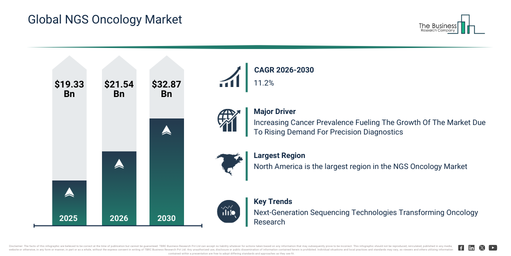
    The market for next-generation sequencing in oncology has experienced notable expansion. Projections indicate a progression from $19.33 billion in 2025 to $21.54 billion in 2026, reflecting a compound annual growth rate of 11.4%. Key factors driving this growth during the earlier period include reduced costs associated with sequencing technologies, an increase in cancer incidence worldwide, enhanced financial support for cancer research, the early integration of precision medicine treatments, and the advancement of genomic research programs.

    The NGS oncology sector is poised for substantial expansion in the coming years, projecting a market value of $32.87 billion by 2030, fueled by an 11.2% compound annual growth rate. This anticipated growth trajectory is predominantly driven by the increasing implementation of precision oncology initiatives, a rising consumer desire for individualized cancer therapies, a greater number of NGS-based diagnostic approvals, improvements in bioinformatics analysis capabilities, and the incorporation of NGS into established clinical protocols. Key developments anticipated during this forecast period encompass the broader application of comprehensive tumor profiling, a surge in the utilization of liquid biopsy NGS, enhanced clinical relevance of multi-gene diagnostic panels, the integration of next-generation sequencing into standard oncological diagnostic practices, and a growing need for expedited sequencing processes.

    Download A Free Sample Report For Comprehensive Market Insights:

    https://www.thebusinessresearchcompany.com/sample.aspx?id=24337&type=smp

    NGS Oncology Market Development Factors: Which Trends Are Supporting Demand?

    The escalating incidence of cancer is anticipated to be a primary catalyst for the expansion of the NGS oncology sector in the future. Characterized by the unchecked proliferation of aberrant cells that can infiltrate other bodily regions and interfere with essential physiological processes, cancer’s increasing occurrence is largely attributable to an aging demographic, global population expansion, and heightened exposure to detrimental factors such as tobacco and alcohol consumption, obesity, and environmental pollutants. By facilitating the early identification, accurate diagnosis, and individualized therapeutic strategies through comprehensive genetic analysis of tumors, NGS oncology plays a crucial role in public health initiatives and patient management. Indicatively, published statistics from the American Cancer Society in January 2024 suggest that the United States anticipates 2,001,140 new cancer diagnoses and 611,720 fatalities in 2024, a slight uptick from the estimated 1,958,310 cases and 609,820 deaths recorded in 2023, underscoring the direct correlation between the growing burden of cancer and the advancement of the NGS oncology market.

    NGS Oncology Market Segment Landscape: Which Areas Lead Market Development?

    The ngs oncology market covered in this report is segmented –

    1) By Sequencing Technology: Targeted Sequencing, Genomics, Transcriptomics, Epigenomics

    2) By Offering: Platform, Kits, Services

    3) By Workflow: Pre-Sequencing, Sequencing, Data Analysis

    4) By Application: Genetic Screening, Hereditary Genetic Testing, Hematological Malignancies, Solid Tumors, Other Applications

    5) By End User: Hospitals And Clinics, Clinical Research Organizations (CROs), Academic And Research Institutes, Pharmaceutical And Biotechnology Companies, Other End Users

    Subsegments:

    1) By Targeted Sequencing: Whole Exome Sequencing (WES), Amplicon-Based Sequencing, Hybridization-Based Sequencing

    2) By Genomics: Whole Genome Sequencing (WGS), Structural Variant Detection, Copy Number Variation (CNV) Analysis

    3) By Transcriptomics: RNA Sequencing, Single-Cell Transcriptomics, Non-Coding RNA Analysis

    4) By Epigenomics: DNA Methylation Sequencing, Chromatin Immunoprecipitation Sequencing, Histone Modification Analysis

    NGS Oncology Market Transformation Trends: Which Innovations Are Driving Change?

    The leading entities within the NGS oncology sector are actively pursuing the creation of novel approaches, specifically liquid biopsy research assays, to facilitate non-intrusive, continuous cancer detection and surveillance via the examination of circulating tumor DNA. Fundamentally, a liquid biopsy research assay constitutes a diagnostic process that scrutinizes bodily fluids, for example, blood, in order to identify genetic alterations or alternative molecular indicators linked to malignancy, thereby permitting cancer identification and observation without surgical intervention. As an illustration, in August 2024, Illumina Inc., a prominent American biotechnology firm renowned for its expertise in next-generation sequencing (NGS) technologies, augmented its oncology offerings designed for users of its NovaSeq X Series. This expansion includes the recently validated, high-capacity TruSight Oncology 500 (TSO 500 HT) and the revised TruSight Oncology 500 ctDNA v2 (TSO 500 ctDNA v2) liquid biopsy research assay. These advanced assays empower laboratories to expand their oncology research capacities for both tissue and liquid biopsy specimens, characterized by heightened sequencing effectiveness, diminished processing durations, and the unprecedented possibility of handling greater quantities of samples on the NovaSeq X Series.

    NGS Oncology Market Industry Leaders And Market Competition

    Major companies operating in the ngs oncology market are Hoffmann-La Roche Ltd., Thermo Fisher Scientific Inc., Agilent Technologies Inc., Eurofins Scientific SE, Illumina Inc., Qiagen N.V., Tecan Trading AG, Myriad Genetics, Takara Bio Inc., Beijing Genomics Institute (BGI), Caris Life Sciences, Foundation Medicine, Paradigm Diagnostics, Pacific Bioscience, Horizon Discovery Group plc , Creative-Biolabs, Xcelris Labs Ltd., Partek Inc., 4baseCare, SciGenom Labs Pvt. Ltd.

    Access The Complete NGS Oncology Market Report:

    https://www.thebusinessresearchcompany.com/report/ngs-oncology-global-market-report

    NGS Oncology Market Geographic Landscape: Which Region Dominates Industry Growth?

    North Americawas the largest region in the NGS oncology market in 2025. Asia-Pacificis expected to be the fastest-growing region in the forecast period. The regions covered in the ngs oncology market report are Asia-Pacific, South East Asia, Western Europe, Eastern Europe, North America, South America, Middle East, Africa.

    Get in touch with us:

    The Business Research Company: https://www.thebusinessresearchcompany.com/

    Americas: +1 310-496-7795

    Asia: +44 7882 955267 & +91 8897263534

    Europe: +44 7882 955267

    Email us at: marketing@tbrc.info

    Follow us on:

    LinkedIn: https://in.linkedin.com/company/the-business-research-company

    YouTube: https://www.youtube.com/channel/UC24_fI0rV8cR5DxlCpgmyFQ

    Global Market Model: https://www.thebusinessresearchcompany.com/global-market-model

  • Next-Generation Sequencing Data Analysis Market Set To Grow From $1.79 Billion In 2026 To $3.92 Billion By 2030 At A CAGR Of 21.5%

    Next-Generation Sequencing Data Analysis Market Set To Grow From $1.79 Billion In 2026 To $3.92 Billion By 2030 At A CAGR Of 21.5%

    Through market attractiveness analysis, total addressable market evaluation, company benchmarking matrices, interactive Excel dashboards, expanded supply chain intelligence, emerging startup coverage, and detailed product insights, The Business Research Company’s 2026 market reports provide more actionable and strategically valuable research.

    Next-Generation Sequencing Data Analysis Market Size, Value And Growth Trends Through 2030

    The market for next-generation sequencing data analysis has experienced remarkable expansion recently, projected to increase from $1.48 billion in 2025 to $1.8 billion in 2026, demonstrating a compound annual growth rate of 21.9%. This historical growth trajectory is fueled by several key factors, including the escalating volume of NGS data being produced, the expanding application of genomic information within research initiatives, the proliferation of clinical sequencing endeavors, enhancements in computing capabilities, and a growing reliance on contracted bioinformatics support.

    The market for next-generation sequencing (NGS) data analysis is poised for substantial expansion, projecting a value of $3.93 billion by the year 2030, reflecting a compelling compound annual growth rate of 21.5%. This anticipated surge in the coming years is fueled by several key drivers, including the escalating integration of artificial intelligence in the process of variant interpretation, a growing need for immediate genomic insights, the broadening scope of personalized medicine, increased investment in secure genomic data management systems, and a heightened emphasis on regulatory adherence for data compliance. Within this forecast period, several significant trends are expected to shape the market landscape, such as the wider acceptance of AI-powered bioinformatics platforms, a greater reliance on cloud-based solutions for NGS data analysis, the increasing utilization of long-read sequencing analytics, the development of more comprehensive genomic pipelines, and a sustained focus on improving the precision of data interpretation.

    Download A Free Sample Report For Comprehensive Market Insights:

    https://www.thebusinessresearchcompany.com/sample.aspx?id=19614&type=smp

    Next-Generation Sequencing Data Analysis Market Industry Drivers: What Is Driving Revenue Growth?

    The escalating incidence of cancer is anticipated to be a primary catalyst for the expansion of the market focused on next-generation sequencing data analysis. Cancer, a complex condition defined by the uninhibited proliferation and dissemination of aberrant cells within the body, poses significant health risks and can prove fatal if left untreated. Lifestyle choices, such as tobacco use, immoderate alcohol intake, and dietary patterns lacking in fruits and vegetables while being heavy on processed items, substantially elevate an individual’s susceptibility to developing cancer. The analysis of next-generation sequencing data plays a crucial role in cancer treatment by facilitating the accurate pinpointing of genetic alterations, which in turn allows for the development of customized treatments and more successful therapeutic approaches designed around the unique genetic makeup of a patient’s malignant cells. Illustrating this trend, the World Health Organization, an international body headquartered in Switzerland, projected in February 2024 that by the year 2050, more than 35 million new cancer diagnoses would occur, marking a substantial 77% surge from the approximately 20 million cases recorded in 2022. Consequently, the rising global burden of cancer is a key driver behind the growth trajectory of the next-generation sequencing data analysis market.

    Next-Generation Sequencing Data Analysis Market Segments: Where Are The Largest Growth Opportunities?

    The next-generation sequencing data analysis market covered in this report is segmented –

    1) By Product: Services, Next-Generation Sequencing (NGS) Commercial Software

    2) By Read Length: Short Read Sequencing, Long Read Sequencing, Very Long Read Sequencing

    3) By Mode: In-House, Outsourced

    4) By Workflow: Primary, Secondary, Tertiary

    5) By End-User: Academic Research, Clinical Research, Hospitals And Clinics, Pharma And Biotech Entities, Other End-Users

    Subsegments:

    1) By Services: Data Analysis Services, Bioinformatics Services, Consulting Services, Training and Support Services

    2) By Next-Generation Sequencing (NGS) Commercial Software: Data Management Software, Alignment Software, Variant Calling Software, Visualization Software, Pipeline Management Software, Specialized Analysis Software

    #Next-Generation Sequencing Data Analysis Market Growth Trends: What Is Influencing The Future Outlook?

    Major players within the next-generation sequencing data analysis market are actively engaged in creating sophisticated secondary analysis bioinformatics software. The primary objective behind these developments is to achieve quicker and more accurate detection of genetic variations, catering to both research and clinical sectors. This specialized bioinformatics software is engineered to take raw sequencing data generated by next-generation sequencing (NGS) and transform it into easily understandable formats, including variant call files (VCF), which meticulously outline genetic variations. Consequently, it significantly simplifies the process of analyzing NGS data for research and clinical laboratories. As an illustration, in January 2024, QIAGEN Digital Insights, a bioinformatics division situated in the US that belongs to QIAGEN, introduced the QIAGEN CLC Genomics Workbench Premium, enhanced with LightSpeed technology. This powerful software is specifically designed to expedite next-generation sequencing (NGS) for the analysis of somatic cancers and can process whole genome sequencing (WGS) samples at a remarkable speed. Leveraging LightSpeed technology, it has the capability to analyze 34x human genomes within a mere 25 minutes and process 50x exomes in just 90 seconds, effectively converting raw FASTQ data into comprehensible formats. The economic advantages are substantial, with costs potentially as low as $1 per genome and mere cents per exome when utilizing cloud infrastructure, presenting a highly cost-efficient option for laboratories handling large volumes of data. This application offers the advantage of running on standard hardware or cloud-based platforms, ensuring both operational flexibility and exceptional accuracy. Its suitability for clinical use, coupled with its capacity to reduce environmental impact, makes it an attractive solution.

    Next-Generation Sequencing Data Analysis Market Major Participants And Competitive Dynamics

    Major companies operating in the next-generation sequencing data analysis market are Thermo Fisher Scientific Inc., Agilent Technologies Inc., Illumina Inc., QIAGEN N.V., MedGenome Inc., Element Biosciences Inc., Seven Bridges Genomics Inc., Synthego Corp., Eurofins Genomics India Pvt. Ltd., Fabric Genomics Inc., Strand Life Sciences Pvt. Ltd., Admera Health LLC, Congenica Ltd., DNASTAR Inc., Golden Helix Inc., Geneious, SciGenom Labs Pvt. Ltd., Partek Incorporated, PathoQuest SAS, BioDatomics Inc., BGI Genomics Co. Ltd

    Access The Complete Next-Generation Sequencing Data Analysis Market Report:

    https://www.thebusinessresearchcompany.com/report/next-generation-sequencing-data-analysis-global-market-report

    Next-Generation Sequencing Data Analysis Market Largest Region: Which Geography Holds The Highest Market Share?

    North Americawas the largest region in the next-generation sequencing data analysis market in 2025. Asia-Pacificis expected to be the fastest-growing region in the forecast period. The regions covered in the next-generation sequencing data analysis market report are Asia-Pacific, South East Asia, Western Europe, Eastern Europe, North America, South America, Middle East, Africa.

    Get in touch with us:

    The Business Research Company: https://www.thebusinessresearchcompany.com/

    Americas: +1 310-496-7795

    Asia: +44 7882 955267 & +91 8897263534

    Europe: +44 7882 955267

    Email us at: marketing@tbrc.info

    Follow us on:

    LinkedIn: https://in.linkedin.com/company/the-business-research-company

    YouTube: https://www.youtube.com/channel/UC24_fI0rV8cR5DxlCpgmyFQ

    Global Market Model: https://www.thebusinessresearchcompany.com/global-market-model