Month: June 2026

  • Next-Generation Gynecological Cancer Diagnostics Market Opportunities Are Emerging Beyond Traditional Growth Areas

    Next-Generation Gynecological Cancer Diagnostics Market Opportunities Are Emerging Beyond Traditional Growth Areas

    Delivering more actionable and strategically valuable research, The Business Research Company’s 2026 market reports feature market attractiveness analysis, total addressable market evaluation, company benchmarking matrices, interactive Excel dashboards, expanded supply chain intelligence, emerging startup coverage, and detailed product insights.

    Next-Generation Gynecological Cancer Diagnostics Market CAGR Analysis And Future Market Development

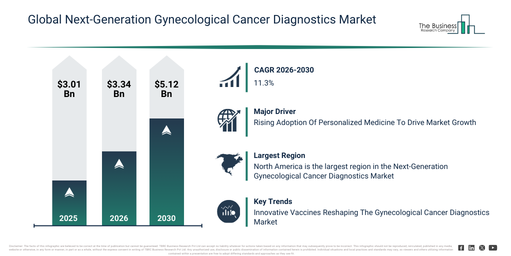
    The global market for advanced diagnostics in gynecological oncology has experienced remarkable expansion. Projections indicate a rise from $3.01 billion in 2025 to $3.34 billion in 2026, reflecting a compound annual growth rate of 11.1%. This historical growth trajectory has been propelled by factors such as the escalating incidence of gynecological cancers, heightened consciousness regarding health screenings for women, significant progress in molecular diagnostic technologies, the broadening of diagnostic facilities within healthcare institutions, and governmental initiatives promoting cancer detection programs.

    The market for next-generation gynecological cancer diagnostics is poised for significant expansion, projected to reach $5.12 billion by 2030, exhibiting a compound annual growth rate of 11.3%. This anticipated surge is fueled by several key factors, including a heightened demand for personalized medical approaches, the increasing integration of AI-powered diagnostic tools, a broader application of genetic and epigenetic testing methodologies, augmented investments in cancer research and development, and enhanced accessibility to sophisticated diagnostic capabilities in developing economies. During this projected period, prominent market shifts will involve a greater reliance on biomarker-driven screening methods, a movement towards customized diagnostic strategies in gynecological oncology, the expanded use of companion diagnostics for treatment strategy formulation, the growing prevalence of non-invasive techniques and liquid biopsies, and a strengthened emphasis on identifying cancers in their earliest stages.

    Download A Free Sample Report For Comprehensive Market Insights:

    https://www.thebusinessresearchcompany.com/sample.aspx?id=12020&type=smp

    Next-Generation Gynecological Cancer Diagnostics Market Growth Factors: Which Forces Are Supporting Market Expansion?

    The expansion of the next-generation gynecological cancer diagnostics market is anticipated to be significantly influenced by the increasing integration of personalized medicine. This revolutionary healthcare paradigm focuses on customizing treatments and interventions based on an individual’s unique genetic, molecular, and clinical profile, thereby facilitating more accurate diagnoses, highly specific therapies, and ultimately, better patient results. Key factors fueling the widespread adoption of personalized medicine include breakthroughs in identifying biomarkers, favorable regulatory environments, and the broader availability of therapies that target specific molecular pathways. In the realm of gynecological oncology, these advanced diagnostic tools are instrumental in guiding clinical choices through comprehensive tumor profiling, predicting how patients will respond to different treatments, and directing the implementation of individualized therapeutic plans. A notable indicator of this trend is the USFDA’s approval of 16 novel personalized treatments for rare disease patients in 2023, a substantial rise from the 6 approved in 2022, as reported by the Personalized Medicine Coalition in February 2024. Consequently, the intensifying embrace of personalized medicine is a primary catalyst for the growth observed in the next-generation gynecological cancer diagnostics sector.

    Next-Generation Gynecological Cancer Diagnostics Market Segment Analysis: What Are The Major Market Categories?

    The next-generation gynecological cancer diagnostics market covered in this report is segmented –

    1) By Cancer Type: Cervical Cancer, Ovarian Cancer, Uterine Cancer, Vaginal Cancer, Vulvar Cancer

    2) By Function: Therapeutic Monitoring, Companion Diagnostics, Prognostics, Cancer Screening, Risk Analysis

    3) By Technology: Next-Generation Sequencing, qPCR And Multiplexing, Lab-On-A-Chip (LOAC) And Reverse Transcriptase-PCR (RT-PCR), Protein Microarrays, DNA Microarrays

    4) By Application: Biomarker Development, CTC Analysis, Proteomic Analysis, Epigenetic Analysis, Genetic Analysis

    5) By End User: Hospitals And Ambulatory Centers, Diagnostic Laboratories, Academic And Research Institutes

    Subsegments:

    1) By Cervical Cancer: HPV Testing, Pap Smear Testing, Liquid-Based Cytology, Biomarker Testing

    2) By Ovarian Cancer: CA-125 Testing, HE4 Testing, Genetic Testing (BRCA1 Or BRCA2), Imaging Techniques

    3) By Uterine Cancer: Endometrial Biopsy, Ultrasound Imaging, Genetic Testing (PMS2, MLH1), Biomarker Testing

    4) By Vaginal Cancer: Pap Smear Testing, HPV Testing, Biopsy Procedures

    5) By Vulvar Cancer: Visual Inspection, Biopsy, HPV Testing, Genetic Testing

    Next-Generation Gynecological Cancer Diagnostics Market Industry Trends: What Changes Are Reshaping Demand?

    In the landscape of gynecological cancer diagnostics, leading corporations are actively innovating with novel offerings, such as vaccines targeting cervical cancer, to solidify their market positions. Vaccines, defined as biological preparations that confer active immunity against specific illnesses, are central to these advancements. A notable example is the July 2023 introduction of Cervavac by India-based biotechnology firm Serum Institute of India Pvt. Ltd., marking the nation’s inaugural domestically produced vaccine aimed at preventing cervical cancer. This vaccine is designed to combat the Human Papilloma Virus, recognized as the primary etiological agent of cervical cancer, and is intended for administration to individuals of both genders. Cervavac functions preventatively by prompting an immune response to ward off HPV infections and provides broad protection across various high-risk HPV strains. Its effectiveness against HPV types 16 and 18 is well-established, coupled with a proven safety profile. Priced economically between 200 and 400 rupees, approximately $2.50 to $5, Cervavac significantly improves accessibility, particularly for underserved populations, thereby advancing efforts to render cervical cancer prevention more economically viable within India.

    Next-Generation Gynecological Cancer Diagnostics Market Leading Companies Driving Competitive Growth

    Major companies operating in the next-generation gynecological cancer diagnostics market are F. Hoffmann-La Roche Ltd., Thermo Fisher Scientific Inc., Abbott Laboratories, Siemens Healthcare GmbH, Agena Bioscience Inc., Koninklijke Philips N.V., Becton, Dickinson and Company, GE HealthCare Technologies Inc., Laboratory Corporation Of America Holdings, Quest Diagnostics Incorporated, Agilent Technologies Inc., Hologic Inc., Illumina Inc., PerkinElmer Inc., Sysmex Corporation, Qiagen N.V., ARUP Laboratories, Almac Group, BGI Genomics Co Ltd, OPKO HEALTH Inc., BGI Genomics Co. Ltd., Myriad Genetics Inc., Fulgent Genetics Inc., Cepheid, Invitae Corporation, Centogene NV

    Access The Complete Next-Generation Gynecological Cancer Diagnostics Market Report:

    https://www.thebusinessresearchcompany.com/report/next-generation-gynecological-cancer-diagnostics-global-market-report

    Next-Generation Gynecological Cancer Diagnostics Market Regional Analysis: Which Region Leads By Revenue?

    North Americaa was the largest region in the next-generation gynecological cancer diagnostics market in 2025. Asia-Pacific is expected to be the fastest-growing region in the forecast period. The regions covered in the next-generation gynecological cancer diagnostics market report are Asia-Pacific, South East Asia, Western Europe, Eastern Europe, North America, South America, Middle East, Africa.

    Get in touch with us:

    The Business Research Company: https://www.thebusinessresearchcompany.com/

    Americas: +1 310-496-7795

    Asia: +44 7882 955267 & +91 8897263534

    Europe: +44 7882 955267

    Email us at: marketing@tbrc.info

    Follow us on:

    LinkedIn: https://in.linkedin.com/company/the-business-research-company

    YouTube: https://www.youtube.com/channel/UC24_fI0rV8cR5DxlCpgmyFQ

    Global Market Model: https://www.thebusinessresearchcompany.com/global-market-model
  • Next-Generation Antibody Therapeutics Market Expansion Is Opening New Pathways For Strategic Investment

    Next-Generation Antibody Therapeutics Market Expansion Is Opening New Pathways For Strategic Investment

    Enhanced with market attractiveness analysis, total addressable market evaluation, company benchmarking matrices, interactive Excel dashboards, expanded supply chain intelligence, emerging startup coverage, and detailed product insights, The Business Research Company’s 2026 market reports deliver more actionable and strategically valuable research.

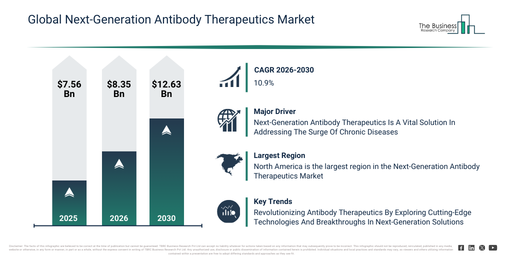
    Next-Generation Antibody Therapeutics Market Expansion From $8.35 Billion In 2026 To $12.63 Billion In 2030

    Anticipated to experience substantial expansion, the market for next-generation antibody therapeutics is projected to increase from $7.56 billion in 2025 to $8.35 billion by 2026, reflecting a compound annual growth rate of 10.4%. Key drivers behind this historical growth trajectory include a rise in the number of approved monoclonal antibodies, the escalating incidence of cancer, an enhancement in biologics production capabilities, increased financial commitment to pharmaceutical research and development, and the streamlining of regulatory processes for biologic substances.

    The market for next-generation antibody therapeutics is poised for substantial expansion in the coming years, projected to reach $12.63 billion by 2030 with a compound annual growth rate (

    Download A Free Sample Report For Comprehensive Market Insights:

    https://www.thebusinessresearchcompany.com/sample.aspx?id=12678&type=smp

    Next-Generation Antibody Therapeutics Market Demand Drivers: What Is Fueling Industry Growth?

    The escalating incidence of chronic conditions is poised to be a significant catalyst for the expansion of the next-generation antibody therapeutics sector. These long-lasting health issues, persisting for a year or more and often requiring ongoing medical attention or limiting daily life, create a compelling need for advanced treatment options. Next-generation antibody therapeutics offer a targeted approach to managing these chronic illnesses, providing a mechanism to improve patient prognoses. Illustratively, data from the National Center for Biotechnology Information (NCBI) in January 2023 indicated that by 2050, the population aged 50 and above experiencing at least one chronic illness is anticipated to more than double, reaching 142.66 million. Consequently, the mounting burden of chronic diseases is directly fueling the advancement and adoption of next-generation antibody therapeutics.

    Next-Generation Antibody Therapeutics Market Segment Breakdown: Which Categories Generate The Most Revenue?

    The next-generation antibody therapeutics market covered in this report is segmented –

    1) By Types Of Antibodies: Monoclonal Antibodies, Polyclonal Antibodies, Bispecific Antibodies, Antibody-Drug Conjugates, Other Types

    2) By Therapeutic Area: Oncology, Autoimmune Diseases, Infectious Diseases, Neurodegenerative Disorders, Other Therapeutic Areas

    3) By End-User: Hospitals And Clinics, Research Institutes, Pharmaceutical And Biotechnology Companies, Other End-Users

    Subsegments:

    1) By Monoclonal Antibodies: IgG Monoclonal Antibodies, IgM Monoclonal Antibodies

    2) By Polyclonal Antibodies: Serum-Derived Polyclonal Antibodies, Hybridoma-Derived Polyclonal Antibodies

    3) By Bispecific Antibodies: Dual-Targeting Antibodies, Single-Chain Variable Fragment (scFv) Antibodies

    4) By Antibody-Drug Conjugates (ADCs): Targeted ADCs, Payload Types

    5) By Other Types: Nanobodies, Engineered Antibodies

    Next-Generation Antibody Therapeutics Market Innovation Trends: Which Developments Are Transforming The Industry?

    Key players in the next-generation antibody therapeutics sector are actively pursuing technological innovations, including their proprietary Molecular Indexing of Proteins by Self-Assembly (MIPSA) technology, to refine protein identification and characterization processes, thereby paving the way for more precise and efficacious therapies. These forward-thinking developments are designed to optimize therapeutic outcomes, decrease expenditure, and tackle intricate illnesses with heightened accuracy. The Molecular Indexing of Proteins by Self-Assembly (MIPSA) technology facilitates the systematic organization of protein molecules into ordered arrangements for superior analytical and quantitative capabilities, significantly boosting sensitivity and precision in protein detection for both research and diagnostic applications. Illustrating this trend, Infinity Bio, Inc., an American biotechnology firm, introduced a novel antibody profiling platform in January 2024, which leverages MIPSA technology to conduct high-volume, economical assessments of immune responses, with the ultimate goal of deepening comprehension of diseases and tailoring treatment approaches.

    Next-Generation Antibody Therapeutics Market Key Players And Strategic Industry Positioning

    Major companies operating in the next-generation antibody therapeutics market are Pfizer Inc., F. Hoffmann-La Roche Ltd., Bristol-Myers Squibb Company, AstraZeneca plc, GlaxoSmithKline plc, Takeda Pharmaceutical Company Limited, Boehringer Ingelheim International GmbH, Amgen Inc., Regeneron Pharmaceuticals Inc., Biogen Inc., Genentech Inc., Kyowa Hakko Kirin Co. Ltd., Seagen Inc., Seattle Genetics Inc., Xencor Inc., ImmunoGen Inc., Genmab A/S, Zymeworks Inc., NBE-Therapeutics AG, Daiichi Sankyo Company Limited, Merck & Co Inc., Novartis AG, AbCellera Biologics Inc., Sotio Biotech, F-Star Therapeutics Ltd., ADC Therapeutics SA, Harbour BioMed

    Access The Complete Next-Generation Antibody Therapeutics Market Report:

    https://www.thebusinessresearchcompany.com/report/next-generation-antibody-therapeutics-global-market-report

    Next-Generation Antibody Therapeutics Market Geographic Distribution And Regional Opportunities

    North Americawas the largest region in the next-generation antibody therapeutics market in 2025. Asia-Pacificis expected to be the fastest-growing region in the forecast period. The regions covered in the next-generation antibody therapeutics market report are Asia-Pacific, South East Asia, Western Europe, Eastern Europe, North America, South America, Middle East, Africa.

    Get in touch with us:

    The Business Research Company: https://www.thebusinessresearchcompany.com/

    Americas: +1 310-496-7795

    Asia: +44 7882 955267 & +91 8897263534

    Europe: +44 7882 955267

    Email us at: marketing@tbrc.info

    Follow us on:

    LinkedIn: https://in.linkedin.com/company/the-business-research-company

    YouTube: https://www.youtube.com/channel/UC24_fI0rV8cR5DxlCpgmyFQ

    Global Market Model: https://www.thebusinessresearchcompany.com/global-market-model
  • Next Generation Sequencing (NGS) Sample Preparation Market Trends Are Creating New Opportunities For Industry Leaders

    Next Generation Sequencing (NGS) Sample Preparation Market Trends Are Creating New Opportunities For Industry Leaders

    Through market attractiveness analysis, total addressable market evaluation, company benchmarking matrices, interactive Excel dashboards, expanded supply chain intelligence, emerging startup coverage, and detailed product insights, The Business Research Company’s 2026 market reports provide more actionable and strategically valuable research.

    Next Generation Sequencing (NGS) Sample Preparation Market Forecast Highlighting Growth From $4.12 Billion To $7.1 Billion

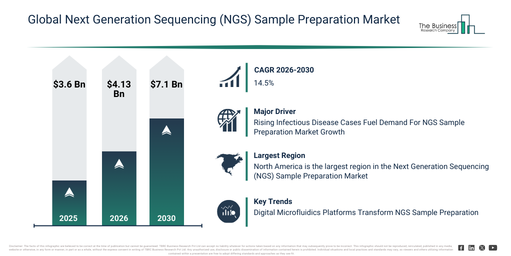
    The market for next-generation sequencing (NGS) sample preparation has experienced substantial augmentation lately, projecting a leap from $3.6 billion in 2025 to $4.13 billion in 2026, underpinned by a 14.8% compound annual growth rate. This prior expansion was driven by several key factors, including the proliferation of genomic research endeavors, escalating utilization of NGS for clinical diagnoses, advancements in precision medicine frameworks, enhanced accessibility to sequencing instrumentation, and notable enhancements in reagent efficacy.

    The market for next-generation sequencing (NGS) sample preparation is poised for substantial expansion, projected to achieve $7.1 billion by 2030, reflecting a compound annual growth rate of 14.5%. This upward trajectory during the forecast period is underpinned by several key factors, including the escalating integration of NGS in standard diagnostic procedures, a heightened need for adaptable sample preparation methodologies, broadened applications in oncology and the study of rare diseases, augmented investments in laboratory automation, and a greater emphasis on standardizing laboratory workflows. Emerging trends expected to shape this market over the same timeframe encompass the increasing automation of NGS sample preparation processes, a growing appetite for high-throughput library preparation kits, the wider adoption of integrated NGS platforms, advancements in target enrichment strategies, and a strengthened focus on ensuring sample quality and consistent results.

    Download A Free Sample Report For Comprehensive Market Insights:

    https://www.thebusinessresearchcompany.com/sample.aspx?id=20580&type=smp

    Next Generation Sequencing (NGS) Sample Preparation Market Growth Drivers: What Factors Are Accelerating Expansion?

    The increasing prevalence of infectious illnesses is anticipated to stimulate expansion within the next-generation sequencing (NGS) sample preparation sector. These infectious diseases, stemming from microbial agents like bacteria, viruses, fungi, or parasitic organisms, possess the capacity for direct or indirect transmission between individuals. Factors contributing to this rise include heightened international travel, the concentration of populations in urban areas, shifts in climate patterns, the widespread issue of antimicrobial resistance, and the emergence of novel disease-causing agents. The process of preparing samples for NGS is instrumental in addressing the surge of infectious diseases by facilitating swift and precise pathogen identification, which in turn aids in outbreak surveillance, tracing disease spread, and informing optimal therapeutic approaches. As an illustration, data from GOV.UK in September 2023 indicated that during the initial six months of 2023, tuberculosis (TB) cases in England saw a 7% escalation from the corresponding period in 2022, with reported notifications climbing from 2,251 to 2,408. Consequently, this escalating occurrence of infectious diseases is poised to be a key driver for the growth of the NGS sample preparation market.

    Next Generation Sequencing (NGS) Sample Preparation Market Segmentation: How Is The Market Structured Across Key Categories?

    The next generation sequencing (ngs) sample preparation market covered in this report is segmented –

    1) By Products And Services: Workstations Or Instruments, Reagents And Consumables, Services

    2) By Workflow: Library Preparation, Target Enrichment, Sample ExtractionOrisolation, Fragmentation, Sample Quantification, Library Quantification, Quality Control (Qc), Pooling

    3) By Technology: Nanopore Sequencing, Sequencing By Synthesis (Sbs), Single Molecule Real-time (SMRT) Sequencing, Ion Semiconductor Sequencing

    4) By Application: Diagnostics, Drug Discovery, Biomarker Discovery, Precision Medicine, Agriculture And Animal Research, Other Applications

    5) By End User: Academic Institutes And Research Centers, Hospitals And Clinics, Pharma And Biotech Companies, Other End Users

    Subsegments:

    1) By Workstations Or Instruments: Automated Sample Preparation Systems, Manual Workstations, Integrated NGS Platforms

    2) By Reagents And Consumables: Library Preparation Kits, DNA/RNA Extraction Kits, Amplification Kits, Quality Control Reagents, Consumables

    3) By Services: Sample Preparation Services, NGS Workflow Consultation, Training and Support Services, Data Analysis Services

    Next Generation Sequencing (NGS) Sample Preparation Market Trends: What Is Shaping Future Industry Growth?

    Leading entities within the next-generation sequencing (NGS) sample preparation sector are placing significant emphasis on incorporating automation, specifically through sophisticated platforms like digital microfluidics, aiming to boost operational effectiveness, minimize human error, and optimize sample handling for more precise and prompt genomic insights. Digital microfluidics represents a cutting-edge technology that employs electrical fields to manage diminutive fluid quantities on microchips, thereby facilitating meticulously controlled and automated sample manipulation crucial for applications such as NGS sample preparation. Illustratively, in September of 2023, INTEGRA Biosciences, a recognized Swiss entity renowned for its intuitive liquid handling and media preparation solutions, unveiled the MIRO CANVAS, a compact digital microfluidics system engineered for the complete automation of NGS sample preparation. This groundbreaking device elevates precision and productivity by automating intricate workflows, drastically cutting down hands-on time to a mere 15 minutes per cycle, and enabling the immediate analysis of clinical samples. The overarching objective of the MIRO CANVAS is to simplify NGS methodologies and bolster cutting-edge genomics research by ensuring the preservation of DNA structural integrity while concurrently reducing reagent consumption.

    Next Generation Sequencing (NGS) Sample Preparation Market Competitive Landscape And Leading Companies

    Major companies operating in the next generation sequencing (ngs) sample preparation market are F. Hoffmann-La Roche Ltd, Thermo Fisher Scientific Inc., Merck KGaA, Becton Dickinson and Company (BD), Eurofins Scientific SE, Agilent Technologies Inc., PerkinElmer Inc., Illumina Inc., Beckman Coulter, Sysmex Corporation, Bio-Rad Laboratories Inc., Qiagen N.V., Novogene Co. Ltd., Tecan Group Ltd, BGI Genomics Co. Ltd., Medgenome Inc., Promega Corporation, 10x Genomics Inc., Takara Bio Inc., Oxford Nanopore Technologies Limited, New England Biolabs Inc., Pacific Biosciences of California Inc., Zymo Research Corporation, Psomagen Inc., Swift Biosciences Inc.

    Access The Complete Next Generation Sequencing (NGS) Sample Preparation Market Report:

    https://www.thebusinessresearchcompany.com/report/next-generation-sequencing-ngs-sample-preparation-global-market-report

    Next Generation Sequencing (NGS) Sample Preparation Market Largest Region By Revenue And Market Share

    North Americawas the largest region in the next generation sequencing (NGS) sample preparation market in 2025. Asia-Pacificis expected to be the fastest-growing region in the forecast period The regions covered in the next generation sequencing (ngs) sample preparation market report are Asia-Pacific, South East Asia, Western Europe, Eastern Europe, North America, South America, Middle East, Africa.

    Get in touch with us:

    The Business Research Company: https://www.thebusinessresearchcompany.com/

    Americas: +1 310-496-7795

    Asia: +44 7882 955267 & +91 8897263534

    Europe: +44 7882 955267

    Email us at: marketing@tbrc.info

    Follow us on:

    LinkedIn: https://in.linkedin.com/company/the-business-research-company

    YouTube: https://www.youtube.com/channel/UC24_fI0rV8cR5DxlCpgmyFQ

    Global Market Model: https://www.thebusinessresearchcompany.com/global-market-model

  • Next Generation Sequencing (NGS) In Agrigenomics Market Growth Is Reshaping Competitive Advantage Across The Industry

    Next Generation Sequencing (NGS) In Agrigenomics Market Growth Is Reshaping Competitive Advantage Across The Industry

    Delivering more actionable and strategically valuable research, The Business Research Company’s 2026 market reports feature market attractiveness analysis, total addressable market evaluation, company benchmarking matrices, interactive Excel dashboards, expanded supply chain intelligence, emerging startup coverage, and detailed product insights.

    Next Generation Sequencing (NGS) In Agrigenomics Market Revenue Growth Supported By A CAGR Of 4.48% Through 2030

    The agricultural genomics sector, specifically the next-generation sequencing (NGS) segment, has experienced substantial expansion, projecting a market valuation increase from $2.53 billion in 2025 to $2.84 billion in 2026, fueled by a compound annual growth rate of 12.4%. This upward trajectory observed during the historical period is largely a consequence of heightened requirements for enhanced crop productivity, a broadening scope within agricultural biotechnology research, the accessibility of sophisticated sequencing technologies, an intensified emphasis on developing crops resilient to diseases, and the proliferation of genomics-driven breeding programs.

    The field of next generation sequencing (NGS) within agrigenomics is poised for substantial expansion in the coming years, with projections indicating a market value of $4.48 billion by 2030, driven by a compound annual growth rate (CAGR) of 12.1%. This upward trajectory during the projected period is largely fueled by the escalating implementation of precision agriculture techniques, a surge in funding directed towards the development of crops resilient to climate change, the broader application of farming methods informed by genomic data, a heightened demand for sustainable food sources, and increased governmental backing for agrigenomics research. Key developments anticipated over the forecast horizon encompass the wider adoption of advanced high-throughput sequencing technologies, a growing utilization of NGS for refining crop characteristics, the deepening integration of bioinformatics tools into agrigenomic practices, the expansion of breeding initiatives supported by genomic insights, and a more pronounced emphasis on fostering sustainable agricultural development.

    Download A Free Sample Report For Comprehensive Market Insights:

    https://www.thebusinessresearchcompany.com/sample.aspx?id=27361&type=smp

    Next Generation Sequencing (NGS) In Agrigenomics Market Growth Factors Supporting Long-Term Expansion

    The increasing focus on ensuring global food availability is anticipated to be a significant catalyst for expansion within the agrigenomics market, particularly concerning next-generation sequencing (NGS) technologies. Establishing food security involves guaranteeing that everyone consistently obtains adequate, safe, and nutrient-rich sustenance to maintain a healthy and active lifestyle. This heightened emphasis stems from demographic shifts, notably population expansion, which outpaces current agricultural output capabilities, thereby escalating food demand. NGS applications in agrigenomics play a crucial role in bolstering food security by facilitating the creation of superior crop strains that exhibit enhanced yields, greater resilience to diseases, and improved adaptation to various climatic conditions. Underscoring this challenge, data from the United States Department of Agriculture revealed that in 2023, food insecurity impacted 13.5% (representing 18.0 million) of households in the U.S., a noticeable increase from the 12.8% (17.0 million) recorded in 2022. Consequently, the growing global concerns surrounding food security are directly fueling advancements and market growth for next-generation sequencing within the agrigenomics sector.

    Next Generation Sequencing (NGS) In Agrigenomics Market Segmentation Trends And Revenue Drivers

    The next generation sequencing (ngs) in agrigenomics market covered in this report is segmented –

    1) By Types: Nanopore, NextSeq, NovaSeq, Sequel

    2) By Sample Type: Animal Tissue Samples, Plant Tissue Samples, Soil Samples, Microbial Cultures, Seed Samples

    3) By Workflow Type: Sample Preparation, Sequencing, Data Analysis, Data Interpretation, Bioinformatics, Management

    4) By Application: Plant Genomics, Animal Genomics, Microbial Genomics, Food Safety Testing, Biodiversity Conservation

    5) By End-User Type: Agricultural Biotechnology Companies, Research Institutions, Food And Beverage Companies, Government, Regulatory Bodies, Farmers

    Subsegments:

    1) By Nanopore: MinION, GridION, PromethION

    2) By NextSeq: NextSeq 500, NextSeq 550

    3) By NovaSeq: NovaSeq 6000, NovaSeq X

    4) By Sequel: Sequel I, Sequel II, Sequel Iie

    Next Generation Sequencing (NGS) In Agrigenomics Market Industry Trends Shaping Future Revenue Growth

    Leading corporations within the next-generation sequencing (NGS) sector for agrigenomics are prioritizing the creation of groundbreaking technologies, exemplified by single nucleotide polymorphism (SNP) panels engineered for specific genotyping applications, in response to the escalating need for expedited crop development, increased agricultural output, and bolstered resilience against pathogens. These SNP panels function as compilations of genetic markers adept at pinpointing variations within DNA, thereby empowering plant breeders to select advantageous genetic characteristics with greater efficacy than customary approaches that depend on observable plant traits observed over several cultivation periods. A case in point is the introduction in May 2024 of the temperate maize panel by AgriPlex Genomics, a firm headquartered in Cleveland, Ohio; this sophisticated SNP array is tailored for corn varieties cultivated in temperate climates and comprises 2,490 markers strategically positioned throughout the ten chromosomes, focusing on critical attributes like plant development, kernel and cob structure, anthesis timing, plant and ear height, ear dimensions, kernel weight, grain production, grain moisture content, and resistance to maladies. This array, a product of cooperative efforts with research institutions, streamlines marker-assisted breeding strategies, enhances processing capacity by enabling the concurrent genetic analysis of extensive plant cohorts, and substantially curtails expenses when contrasted with traditional sequencing methodologies.

    Next Generation Sequencing (NGS) In Agrigenomics Market Industry Leaders: Which Organizations Are Driving Competition?

    Major companies operating in the next generation sequencing (ngs) in agrigenomics market are Thermo Fisher Scientific Inc., Eurofins Scientific SE, Agilent Technologies Inc., Illumina Inc., Takara Holdings Inc., Tecan Group Ltd., Azenta Life Sciences, 10x Genomics Inc., Novogene Corporation, Twist Bioscience Inc., Oxford Nanopore Technologies Ltd., Genotypic Technology Pvt. Ltd., CD Genomics Inc., Zymo Research Corp., Genome Life Sciences Pvt. Ltd., Arraygen Technologies Pvt. Ltd., SciGenom Labs Pvt. Ltd., BGI Group, Paragon Genomics Inc., NRGene Ltd., Berry Genomics Co. Ltd., LC Sciences LLC

    Access The Complete Next Generation Sequencing (NGS) In Agrigenomics Market Report:

    https://www.thebusinessresearchcompany.com/report/next-generation-sequencing-ngs-in-agrigenomics-global-market-report

    Next Generation Sequencing (NGS) In Agrigenomics Market Regional Analysis And Leading Geography

    North Americawas the largest region in the next generation sequencing (NGS) in agrigenomics market in 2025. Asia-Pacificis expected to be the fastest-growing region in the forecast period. The regions covered in the next generation sequencing (ngs) in agrigenomics market report are Asia-Pacific, South East Asia, Western Europe, Eastern Europe, North America, South America, Middle East, Africa.

    Get in touch with us:

    The Business Research Company: https://www.thebusinessresearchcompany.com/

    Americas: +1 310-496-7795

    Asia: +44 7882 955267 & +91 8897263534

    Europe: +44 7882 955267

    Email us at: marketing@tbrc.info

    Follow us on:

    LinkedIn: https://in.linkedin.com/company/the-business-research-company

    YouTube: https://www.youtube.com/channel/UC24_fI0rV8cR5DxlCpgmyFQ

    Global Market Model: https://www.thebusinessresearchcompany.com/global-market-model

  • Next Generation Immunotherapies Market Forecast Signals New Revenue Opportunities Through 2030

    Next Generation Immunotherapies Market Forecast Signals New Revenue Opportunities Through 2030

    Enhanced with market attractiveness analysis, total addressable market evaluation, company benchmarking matrices, interactive Excel dashboards, expanded supply chain intelligence, emerging startup coverage, and detailed product insights, The Business Research Company’s 2026 market reports deliver more actionable and strategically valuable research.

    Next Generation Immunotherapies Market Value Expansion And Long-Term Growth Outlook

    The market for next-generation immunotherapies has experienced significant expansion lately, projecting an increase from $150.12 billion in 2025 to $168.33 billion in 2026, reflecting a compound annual growth rate of 12.1%. Factors behind this historic growth trajectory include the escalating worldwide incidence of cancer, the initial triumphs observed with immune checkpoint inhibitors, augmented investments in oncology research and development, the successful regulatory approval of monoclonal antibodies, and a heightened understanding of immuno-oncology treatments.

    The market for next-generation immunotherapies is poised for substantial expansion in the coming years, projected to reach $262.82 billion by 2030, reflecting a compound annual growth rate of 11.8%. This anticipated growth trajectory is underpinned by several key factors, including continuous innovation in antibody engineering techniques, the broadening scope of immunotherapy applications beyond cancer treatment, a rise in the number of approved antibody-drug conjugate therapies, the increasing utilization of biomarker-guided treatment strategies, and a growing patient preference for enduring and long-term therapeutic solutions. Within this forecast period, several significant trends are expected to shape the market landscape, such as the proliferation of combination immunotherapy approaches, advancements and wider implementation of personalized cancer vaccines, a greater uptake of bispecific antibodies, an intensified effort to mitigate immune-related side effects, and a surge in clinical trial investigations for solid tumor treatments.

    Download A Free Sample Report For Comprehensive Market Insights:

    https://www.thebusinessresearchcompany.com/sample.aspx?id=21231&type=smp

    Next Generation Immunotherapies Market Demand Drivers Creating New Revenue Opportunities

    The escalating incidence of cancer is poised to significantly fuel the expansion of the next-generation immunotherapies market. Cancer, a complex group of diseases defined by the aberrant proliferation and dissemination of faulty cells, is becoming more common due to demographic shifts towards older populations, evolving lifestyle habits, environmental influences, and enhanced diagnostic capabilities. Next-generation immunotherapies represent cutting-edge, precise therapeutic approaches designed to bolster the body’s natural defenses against malignant cells, thereby promising superior efficacy, sustained impact, and tailored treatment plans. Illustrating this trend, data released in July 2024 by Cancer Research UK indicated that cancer diagnoses in the United Kingdom are anticipated to rise across most forms between 2023-2025 and 2038-2040, with increases varying from under 1% for breast cancer to as much as 50% for eye cancer, though certain cancers, like lung cancer (a 2% decrease) and mesothelioma (a 27% decrease), are expected to experience a decline. Consequently, the escalating burden of cancer is directly stimulating the growth trajectory of the next-generation immunotherapies sector.

    Next Generation Immunotherapies Market Segment Analysis Highlighting Growth Areas

    The next generation immunotherapies market covered in this report is segmented –

    1) By Drug Class: Monoclonal Antibodies, Antibody-Drug Conjugates (ADCs), Angiotensin-Converting Enzyme (ACE) Inhibitors, Immune Checkpoint Inhibitors

    2) By Route Of Administration: Intravenous, Parenteral, Intratumoral, Subcutaneous, Oral

    3) By Distribution Channel: Hospital Pharmacies, Clinical Pharmacies, Other Distribution Channels

    Subsegments:

    1) By Monoclonal Antibodies: Anti-PD-1 Antibodies, Anti-PD-L1 Antibodies, Anti-CTLA-4 Antibodies, Anti-CD20 Antibodies

    2) By Antibody-Drug Conjugates (ADCs): HER2-Targeted ADCs, CD30-Targeted ADCs, CD19-Targeted ADCs

    3) By Angiotensin-Converting Enzyme (ACE) Inhibitors: ACE Inhibitors For Cancer Therapy, ACE Inhibitors For Other Indications

    4) By Immune Checkpoint Inhibitors: PD-1 Or PD-L1 Inhibitors, CTLA-4 Inhibitors

    Next Generation Immunotherapies Market Trends Driving Strategic Industry Expansion

    Leading entities within the burgeoning next-generation immunotherapies sector are dedicating resources to pioneering treatments, including CAR T-cell therapy, aimed at combating oncological conditions, autoimmune disorders, and infectious diseases. CAR T-cell therapy involves the genetic modification of a patient’s T cells, a crucial component of the immune system, to incorporate chimeric antigen receptors (CARs). Illustrating this advancement, Immuneel Therapeutics Private Limited, an Indian enterprise specializing in cell and gene therapies, introduced Qartemi in January 2025, marking it as the inaugural CAR T-cell therapy developed in India. This groundbreaking treatment targets adult B-cell non-Hodgkin lymphoma by re-engineering a patient’s own immune cells to specifically identify and eliminate malignant cells, presenting a highly potent and individualized therapeutic avenue. The therapy offers a significant beacon of hope for individuals unresponsive to standard treatments, additionally presenting a more cost-effective alternative to comparable international therapies.

    Next Generation Immunotherapies Market Leading Companies: Who Holds Significant Market Presence?

    Major companies operating in the next generation immunotherapies market are Pfizer Inc., F. Hoffmann-La Roche Ltd., Merck & Co. Inc., AbbVie Inc., Sanofi S.A., Bristol-Myers Squibb Company, AstraZeneca PLC, Novartis AG, GlaxoSmithKline plc (GSK), Eli Lilly and Company, Gilead Sciences Inc., Amgen Inc., Boehringer Ingelheim International GmbH, Regeneron Pharmaceuticals Inc., Incyte Corporation, BioNTech SE, Xencor Inc., Fate Therapeutics Inc., Immatics N.V., Atara Biotherapeutics Inc., Menarini Group, Alpine Immune Sciences Inc., Mereo Biopharma Group plc, Immunomic Therapeutics Inc., Indaptus Therapeutics Inc.

    Access The Complete Next Generation Immunotherapies Market Report:

    https://www.thebusinessresearchcompany.com/report/next-generation-immunotherapies-global-market-report

    Next Generation Immunotherapies Market Geographic Analysis: Where Is Demand Growing The Fastest?

    North Americawas the largest region in the next-generation immunotherapies market in 2025. Asia-Pacificis expected to be the fastest-growing region in the forecast period. The regions covered in the next generation immunotherapies market report are Asia-Pacific, South East Asia, Western Europe, Eastern Europe, North America, South America, Middle East, Africa.

    Get in touch with us:

    The Business Research Company: https://www.thebusinessresearchcompany.com/

    Americas: +1 310-496-7795

    Asia: +44 7882 955267 & +91 8897263534

    Europe: +44 7882 955267

    Email us at: marketing@tbrc.info

    Follow us on:

    LinkedIn: https://in.linkedin.com/company/the-business-research-company

    YouTube: https://www.youtube.com/channel/UC24_fI0rV8cR5DxlCpgmyFQ

    Global Market Model: https://www.thebusinessresearchcompany.com/global-market-model

  • Next Generation Cancer Diagnostics Market Growth Is Accelerating As Industry Transformation Continues

    Next Generation Cancer Diagnostics Market Growth Is Accelerating As Industry Transformation Continues

    Through market attractiveness analysis, total addressable market evaluation, company benchmarking matrices, interactive Excel dashboards, expanded supply chain intelligence, emerging startup coverage, and detailed product insights, The Business Research Company’s 2026 market reports provide more actionable and strategically valuable research.

    Next Generation Cancer Diagnostics Market Expected To Reach $26.44 Billion By 2030 At 12.9% CAGR

    The market for next-generation cancer diagnostics has experienced substantial expansion lately. Projections indicate a rise from $14.4 billion in 2025 to $16.29 billion in 2026, reflecting a compound annual growth rate of 13.2%. Key factors driving this historical expansion include an increase in cancer occurrences, significant progress in genomic sequencing techniques, a greater acceptance of biomarker-driven diagnostic methods within clinical settings, increased investment in oncology research, and a heightened need for personalized diagnostic approaches.

    The burgeoning field of next-generation cancer diagnostics is poised for substantial expansion, with projections indicating a market valuation of $26.44 billion by the year 2030, a trajectory fueled by a robust compound annual growth rate of 12.9%. This anticipated surge is largely propelled by the increasing embrace of tailored medical treatments, augmented financial commitments to sophisticated cancer detection initiatives, a greater reliance on less invasive diagnostic techniques, the broadening scope of companion diagnostic development, and the escalating incorporation of artificial intelligence for clinical decision support. Key developments shaping this period include a heightened utilization of liquid biopsy technology, a more widespread application of multi-omics diagnostic platforms, the increasing integration of AI-powered cancer analysis tools, the expansion of individualized oncology diagnostics, and a more concentrated effort on identifying cancer in its nascent stages.

    Download A Free Sample Report For Comprehensive Market Insights:

    https://www.thebusinessresearchcompany.com/sample.aspx?id=30336&type=smp

    Next Generation Cancer Diagnostics Market Expansion Supported By Key Demand Factors

    The expansion of the market for next-generation cancer diagnostics is anticipated to be significantly fueled by a growing need for customized medical treatments. These tailored medical interventions, known as personalized medicines, are designed to align with an individual’s unique genetic composition, daily habits, and surroundings, thereby ensuring the most beneficial therapeutic approach for that particular patient. Such a heightened demand for personalized medicine stems from the escalating occurrence of long-term and uncommon ailments, which consequently require specialized, patient-focused treatments for superior therapeutic results. Next-generation cancer diagnostics are instrumental in facilitating personalized medicine by offering detailed molecular information that informs customized treatment plans, specifically adapted to a patient’s distinct genetic and tumor characteristics. As an illustration, FDA approvals for personalized therapies targeting rare diseases saw a notable increase in 2023, reaching 16 compared to just six in 2022, as reported by the Personalized Medicine Coalition in February 2024, underscoring the market’s upward trajectory driven by personalized medicine advancements.

    Next Generation Cancer Diagnostics Market Segment Performance And Strategic Opportunities

    The next generation cancer diagnostics market covered in this report is segmented –

    1) By Technology: Next-Generation Sequencing (NGS), Lab-On-A-Chip (LOAC) And Reverse Transcriptase-Polymerase Chain Reaction (RT-PCR), Circulating Tumor Deoxyribonucleic Acid (ctDNA) Assays, Protein Microarrays, Deoxyribonucleic Acid Microarrays, Other Multi-Omics Platforms

    2) By Cancer Type: Lung Cancer, Breast Cancer, Colorectal Cancer, Cervical Cancer

    3) By Function: Therapeutic Monitoring, Companion Diagnostics, Prognostics, Cancer Screening, Risk Analysis

    4) By Application: Biomarker Development, Circulating Tumor Cell (CTC) Analysis, Proteomic Analysis, Epigenetic Analysis, Genetic Analysis

    5) By End User: Hospitals And Clinics, Diagnostic Laboratories, Research And Academic Institutions, Pharmaceutical And Biotechnology Companies, Home Care Settings

    Subsegments:

    1) By Next-Generation Sequencing: Whole Genome Sequencing, Targeted Gene Sequencing, Exome Sequencing, Transcriptome Sequencing

    2) By Lab-On-A-Chip And Reverse Transcriptase-Polymerase Chain Reaction: Microfluidic Chip Assays, Integrated Reverse Transcriptase-Polymerase Chain Reaction Chips, Point-of-Care Lab-On-A-Chip Devices, High-Throughput Lab-On-A-Chip Systems

    3) By Circulating Tumor Deoxyribonucleic Acid Assays: Single-Gene Circulating Tumor Deoxyribonucleic Acid Assays, Multi-Gene Circulating Tumor Deoxyribonucleic Acid Panels, Digital Droplet Circulating Tumor Deoxyribonucleic Acid Assays, Next-Generation Sequencing Circulating Tumor Deoxyribonucleic Acid Assays

    4) By Protein Microarrays: Analytical Protein Microarrays, Functional Protein Microarrays, Reverse Phase Protein Microarrays, Antibody-Based Protein Microarrays

    5) By Deoxyribonucleic Acid Microarrays: Gene Expression Deoxyribonucleic Acid Microarrays, Single Nucleotide Polymorphism Genotyping Deoxyribonucleic Acid Microarrays, Comparative Genomic Hybridization Deoxyribonucleic Acid Microarrays, Methylation Deoxyribonucleic Acid Microarrays

    6) By Other Multi-Omics Platforms: Metabolomics Platforms, Epigenomics Platforms, Transcriptomics Platforms, Integrated Multi-Omics Systems

    Next Generation Cancer Diagnostics Market Growth Trends Influencing Competitive Dynamics

    Leading players in the evolving landscape of next-generation cancer diagnostics are prioritizing the creation of cutting-edge technologies, specifically AI-powered systems capable of analyzing diverse data types, to refine early identification, tailor treatments, and improve therapeutic recommendations. These sophisticated platforms leverage artificial intelligence to consolidate and interpret various biological datasets, encompassing genetic, protein, imaging, and patient health information, thereby achieving greater precision and customization in cancer detection and diagnosis. As an illustration, in April 2025, OneCell Diagnostics Pvt Ltd., a firm specializing in personalized oncology based in India, introduced OncoIncytes, a diagnostic instrument designed for multi-faceted cancer assessment within the realm of precision oncology. This platform integrates a spectrum of data, including DNA shed by tumors, individual tumor cells circulating in the bloodstream, RNA profiles, and comprehensive protein data for 150 proteins at the single-cell level. Driven by a 1080-gene array augmented by AI and machine learning algorithms, OncoIncytes generates highly sensitive and specific analytical results that are anticipated to yield better outcomes in clinical trials, with a particular emphasis on early-stage investigations and the progression of antibody-drug conjugate therapies. The system facilitates bespoke cancer identification, treatment progress tracking, and pharmaceutical advancement through diagnostic methods that are non-invasive, continuously updated, and adaptable in scale, all readily available through OneCell’s exclusive iDiscover application and processed in a CLIA-certified facility.

    Next Generation Cancer Diagnostics Market Key Players: Which Companies Shape Industry Competition?

    Major companies operating in the next generation cancer diagnostics market are F. Hoffmann-La Roche AG, Novartis AG, Thermo Fisher Scientific Inc., Abbott Laboratories Inc., Siemens Healthineers AG, Danaher Corporation, Koninklijke Philips N.V., General Electric Company, Becton, Dickinson and Company, Agilent Technologies Inc., Illumina Inc., Sysmex Corporation, Bio-Rad Laboratories Inc., Exact Sciences Corporation, QIAGEN N.V., Almac Group Ltd., Natera Inc., Myriad Genetics Inc., NeoGenomics Inc., Guardant Health Inc., Freenome Holdings Inc., Personalis Inc., Burning Rock Biotech Limited., SOPHiA GENETICS S.A., Singlera Genomics Co. Ltd.

    Access The Complete Next Generation Cancer Diagnostics Market Report:

    https://www.thebusinessresearchcompany.com/report/global-next-generation-cancer-diagnostics-market-report

    Next Generation Cancer Diagnostics Market Global Footprint: Which Region Holds Market Leadership?

    North Americawas the largest region in the next generation cancer diagnostics market in 2025. Asia-Pacificis expected to be the fastest-growing region in the forecast period. The regions covered in the next generation cancer diagnostics market report are Asia-Pacific, South East Asia, Western Europe, Eastern Europe, North America, South America, Middle East, Africa.

    Get in touch with us:

    The Business Research Company: https://www.thebusinessresearchcompany.com/

    Americas: +1 310-496-7795

    Asia: +44 7882 955267 & +91 8897263534

    Europe: +44 7882 955267

    Email us at: marketing@tbrc.info

    Follow us on:

    LinkedIn: https://in.linkedin.com/company/the-business-research-company

    YouTube: https://www.youtube.com/channel/UC24_fI0rV8cR5DxlCpgmyFQ

    Global Market Model: https://www.thebusinessresearchcompany.com/global-market-model

  • Neurotrophic Keratitis Treatment Market Outlook Highlights The Next Major Growth Opportunities

    Neurotrophic Keratitis Treatment Market Outlook Highlights The Next Major Growth Opportunities

    Delivering more actionable and strategically valuable research, The Business Research Company’s 2026 market reports feature market attractiveness analysis, total addressable market evaluation, company benchmarking matrices, interactive Excel dashboards, expanded supply chain intelligence, emerging startup coverage, and detailed product insights.

    Neurotrophic Keratitis Treatment Market Size And Revenue Forecast Through 2030

    The market for treating neurotrophic keratitis has experienced substantial expansion lately. Projections indicate a significant rise from $1.47 billion in 2025 to $1.99 billion in 2026, reflecting a compound annual growth rate (CAGR) of 36.1%. Factors contributing to this growth during the preceding period include the escalating occurrence of diabetes-associated corneal issues, a greater number of herpes simplex eye infections, the proliferation of specialized ophthalmology clinics, enhanced recognition of neurotrophic keratitis by medical professionals, and an increase in inpatient eye care offerings.

    The market for treating neurotrophic keratitis is projected to experience rapid expansion over the coming years, reaching an estimated $6.78 billion by 2030 with a compound annual growth rate of 35.8%. This projected growth is fueled by several key factors, including progress in regenerative treatments for eye conditions, the increasing authorization of drugs based on recombinant human nerve growth factor (rhNGF), a growing elderly population susceptible to nerve degradation, heightened investment in research for rare eye diseases, and improved availability of sophisticated eye care services in developing economies. During this forecast period, significant trends are anticipated to shape the market, such as a greater embrace of rhNGF therapies, a preference for less invasive methods for corneal repair, a stronger emphasis on detecting and addressing the condition in its early stages, the development of at-home eye treatment options, and innovations in preserving amniotic membranes.

    Download A Free Sample Report For Comprehensive Market Insights:

    https://www.thebusinessresearchcompany.com/sample.aspx?id=12968&type=smp

    Neurotrophic Keratitis Treatment Market Growth Drivers And Industry Catalysts

    The increasing incidence of various ocular conditions is anticipated to be a primary catalyst for the expansion of the neurotrophic keratitis treatment sector. These eye ailments encompass a broad spectrum of disorders impacting ocular structure and function, potentially resulting in diminished sight or complete blindness. Several factors contribute to the escalating prevalence of eye diseases, including demographic shifts towards an older population, evolving lifestyle habits, and a greater number of individuals developing chronic illnesses such as diabetes. Treatments for neurotrophic keratitis contribute to maintaining eye health by enhancing corneal sensitivity, facilitating the healing process, averting infections, and providing relief from discomfort. Illustrating this trend, the World Health Organization (WHO), a UN agency headquartered in Switzerland, reported in August 2023 that approximately 2.2 billion individuals worldwide experience vision impairment, either near or far, with a significant portion, 1 billion cases, being either preventable or lacking adequate treatment. Refractive errors and cataracts are identified as the principal global contributors to vision loss, yet only a fraction of affected individuals, specifically 36% for refractive error-related distance impairment and a mere 17% for cataract-related impairment, have accessed suitable medical interventions. Consequently, the widespread rise in eye diseases is directly fueling the growth trajectory of the market for neurotrophic keratitis treatments.

    Neurotrophic Keratitis Treatment Market Segment Landscape And Growth Potential

    The neurotrophic keratitis treatment market covered in this report is segmented –

    1) By Treatment: Topical Antibiotics, Recombinant Human Nerve Growth Factor (rhNGF), Amniotic Membrane Transplantation, Keratoplasty, Other Treatments

    2) By Route Of Administration: Oral, Topical, Other Routes Of Administrations

    3) By Application: Stage I, Stage II, Stage III

    4) By End-User: Hospitals, Homecare, Specialty Clinics, Other End-Users

    Subsegments:

    1) By Topical Antibiotics: Broad-Spectrum Antibiotics, Narrow-Spectrum Antibiotics

    2) By Recombinant Human Nerve Growth Factor (rhNGF): Cenegermin Ophthalmic Solution

    3) By Amniotic Membrane Transplantation: Cryopreserved Amniotic Membrane, Dehydrated Amniotic Membrane

    4) By Keratoplasty: Penetrating Keratoplasty, Lamellar Keratoplasty

    5) By Other Treatments: Tarsorrhaphy, Therapeutic Contact Lenses

    #Neurotrophic Keratitis Treatment Market Trends Influencing Long-Term Demand

    Within the neurotrophic keratitis market, leading entities are prioritizing the innovation of sophisticated gene-therapy methodologies, specifically reusable eye-drop treatments, with the dual aims of enhancing corneal repair, ensuring persistent nerve growth factor (NGF) levels, and alleviating the patient’s therapeutic demands. This reusable eye-drop gene therapy represents an innovative treatment strategy wherein genes responsible for NGF production are directly introduced into the cornea, facilitating extended NGF synthesis and fostering nerve regrowth throughout the treatment period. As an illustration, in July 2025, Krystal Biotech, a biotechnology firm headquartered in the United States, reported the administration of the initial dose to a participant in its EMERALD 1 trial, a Phase 1/2 study designed as a randomized, double-masked, and placebo-controlled investigation enrolling a maximum of 27 adult patients diagnosed with stage 2 or 3 neurotrophic keratitis. The investigational therapy, KB801, is scheduled for administration twice weekly over an eight-week duration, with the objective of safely accelerating corneal healing while markedly decreasing the treatment frequency compared to current recombinant NGF eye drops, which require application six times daily.

    Neurotrophic Keratitis Treatment Market Competitive Landscape: Who Are The Leading Companies?

    Major companies operating in the neurotrophic keratitis treatment market are Eyevance Pharmaceuticals LLC, Johnson & Johnson, Allergan Inc, Alcon Inc, Bausch Health Companies Inc, Bausch & Lomb Inc, CooperVision Inc, Santen Pharmaceutical Co Ltd, Dompe farmaceutici S.p.A, Aurolab, Ocular Therapeutix Inc, Laboratoires Thea SAS, ReGenTree LLC, Contacare Ophthalmic Private Limited, Neuroptika Inc, Surgitech Innovation Private Limited, Aerie Pharmaceuticals Inc, RegeneRx Biopharmaceuticals Inc, Noveome Biotherapeutics Inc, Oyster Point Pharma, Claris Biotherapeutics, Recordati Rare Diseases, Mitotech SA, Kala Pharmaceuticals, Oxurion NV

    Access The Complete Neurotrophic Keratitis Treatment Market Report:

    https://www.thebusinessresearchcompany.com/report/neurotrophic-keratitis-treatment-global-market-report

    Neurotrophic Keratitis Treatment Market Regional Distribution: Which Areas Drive Market Expansion?

    North Americawas the largest region in the neurotrophic keratitis treatment market in 2025. The regions covered in the neurotrophic keratitis treatment market report are Asia-Pacific, South East Asia, Western Europe, Eastern Europe, North America, South America, Middle East, Africa.

    Get in touch with us:

    The Business Research Company: https://www.thebusinessresearchcompany.com/

    Americas: +1 310-496-7795

    Asia: +44 7882 955267 & +91 8897263534

    Europe: +44 7882 955267

    Email us at: marketing@tbrc.info

    Follow us on:

    LinkedIn: https://in.linkedin.com/company/the-business-research-company

    YouTube: https://www.youtube.com/channel/UC24_fI0rV8cR5DxlCpgmyFQ

    Global Market Model: https://www.thebusinessresearchcompany.com/global-market-model
  • Neurotechnology Market Trends And Growth Drivers Point To Strong Future Potential

    Neurotechnology Market Trends And Growth Drivers Point To Strong Future Potential

    Enhanced with market attractiveness analysis, total addressable market evaluation, company benchmarking matrices, interactive Excel dashboards, expanded supply chain intelligence, emerging startup coverage, and detailed product insights, The Business Research Company’s 2026 market reports deliver more actionable and strategically valuable research.

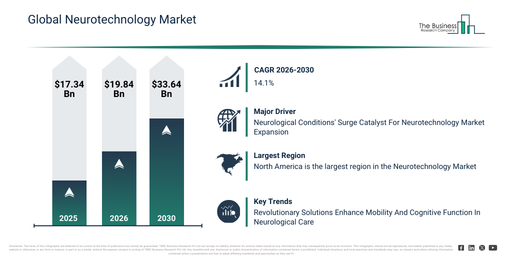
    Neurotechnology Market Growth From $19.84 Billion In 2026 To $33.63 Billion By 2030 At A CAGR Of 14.1%

    The neurotechnology sector has experienced significant expansion recently. Projections indicate a rise from $17.34 billion in 2025 to $19.84 billion in 2026, reflecting a compound annual growth rate (CAGR) of 14.4%. This historical growth trajectory has been fueled by several key factors, including improvements in medical imaging capabilities, the early uptake of neurostimulation treatments, an increase in neurological research endeavors, the growing incidence of neurological conditions, and technological innovations in implantable devices.

    The neurotechnology sector is poised for significant expansion in the upcoming years, projecting a market value of $33.64 billion by 2030, fueled by a compound annual growth rate (CAGR) of 14.1%. This anticipated surge is underpinned by several key drivers, including escalating investments in brain-computer interfaces, a rising demand for tailored neurological treatments, the broader application of AI in diagnostic processes, increased uptake of domestic neurotechnology solutions, and advancements in less invasive neurotherapeutic approaches. Concurrently, the forecast period is expected to witness prominent trends such as the wider deployment of brain-computer interface technologies, a greater acceptance of non-invasive neurostimulation devices, enhanced utilization of neuroimaging within clinical diagnostics, growing needs for cognitive rehabilitation tools, and improvements in materials used for neurological implants.

    Download A Free Sample Report For Comprehensive Market Insights:

    https://www.thebusinessresearchcompany.com/sample.aspx?id=9840&type=smp

    Neurotechnology Market Opportunity Drivers: What Is Creating New Revenue Potential?

    The expanding landscape of neurological diseases is anticipated to be a significant catalyst for the advancement of the neurotechnology sector. Neurological conditions encompass a spectrum of disorders impacting the brain, such as Alzheimer’s, Parkinson’s, epilepsy, and migraines. Neurotechnology offers a diverse toolkit for identifying and managing these ailments, including modalities like brain imaging, neurostimulation, neurofeedback, and brain-computer interfaces. To illustrate, as reported by the World Federation of Neurology in October 2023, neurological disorders have emerged as the second leading cause of mortality and the foremost contributor to disability globally, underscoring a growing health crisis. With over 40% of the world’s population experiencing such conditions in 2023, and the number of individuals battling brain diseases projected to nearly double by 2050, the rising incidence of neurological conditions is consequently fueling the neurotechnology market’s expansion.

    Neurotechnology Market Categorization By Product Type And Application

    The neurotechnology market covered in this report is segmented –

    1) By Conditions: Cognitive Disorders, Pain Treatment, Urinary And Fecal Incontinence, Epilepsy, Parkinson’s Disease, Hearing Conditions, Sleep Disorder, Depression, Other Conditions

    2) By Type: Imaging Modalities, Neurostimulation, Cranial Surface Measurement, Neurological Implants, Other Types

    3) By End Use: Ambulatory Surgical Centers, Hospitals, Homecare Facilities, Other End Uses

    Subsegments:

    1) By Cognitive Disorders: Alzheimer’s Disease, Attention Deficit Hyperactivity Disorder (ADHD), Dementia

    2) By Pain Treatment: Chronic Pain, Neuropathic Pain, Acute Pain

    3) By Urinary And Fecal Incontinence: Overactive Bladder, Neurogenic Bladder, Fecal Incontinence Management

    4) By Epilepsy: Drug-Resistant Epilepsy, Seizure Management Devices

    5) By Parkinson’s Disease: Motor Symptoms Management, Non-Motor Symptoms Management

    6) By Hearing Conditions: Tinnitus, Hearing Loss Solutions

    7) By Sleep Disorder: Insomnia, Sleep Apnea, Restless Legs Syndrome

    8) By Depression: Major Depressive Disorder, Treatment-Resistant Depression

    9) By Other Conditions: Anxiety Disorders, Autism Spectrum Disorder, Traumatic Brain Injury (TBI)

    Neurotechnology Market Innovation Trends Driving Future Development

    Within the neurotechnology sector, prominent corporations are dedicating their efforts to pioneering cutting-edge therapeutic avenues, notably the endovascular brain-computer interface (BCI). This technology aims to bolster cognitive capabilities and re-establish motor functions for individuals affected by neurological conditions. The endovascular BCI offers a direct pathway to neural information via the vascular system, consequently improving engagement and therapeutic strategies for those suffering from neurological ailments. As an illustration, Synchron, a software firm headquartered in Sweden specializing in sophisticated synchronization technologies for efficient data integration and oversight, unveiled its Patient Registry for Stentrode Brain Computer Interface in April 2024. Their Stentrode BCI system is engineered to decipher neural signals associated with motor intentions, thereby empowering individuals with restricted movement to operate digital tools without physical manipulation. Inserted via a minimally invasive endovascular approach, this system wirelessly conveys neural commands from the brain, granting severely paralyzed individuals enhanced autonomy. This revolutionary innovation signifies a substantial leap forward in assistive technologies, augmenting the performance of daily tasks like communication and access to vital resources.

    Neurotechnology Market Company Landscape And Strategic Competition

    Major companies operating in the neurotechnology market are General Electric, Medtronic PLC, Koninklijke Philips N.V., Shimadzu Corporation, Elekta AB, Natus Medical Incorporated, Abbott, Boston Scientific Corporation, Nihon Kohden Corporation, LivaNova PLC, Siemens Healthcare Private Limited, Hitachi Medical Corporation, Cochlear Limited, NeuroPace Inc., NeuroSigma Inc., NeuroMetrix Inc., NeuroSky Inc., NeuroVigil Inc., Neurotech Pharmaceuticals Inc., Neuralink, Synchron Inc., Blackrock Neurotech, Neuronetics Inc., Neurable Inc.

    Access The Complete Neurotechnology Market Report:

    https://www.thebusinessresearchcompany.com/report/neurotechnology-global-market-report

    Neurotechnology Market Leading Geography: Which Region Generates The Most Revenue?

    North Americawas the largest region in the neurotechnology market in 2025. Europeis expected to be the fastest-growing region in the neurotechnology market report during the forecast period. The regions covered in the neurotechnology market report are Asia-Pacific, South East Asia, Western Europe, Eastern Europe, North America, South America, Middle East, Africa.

    Get in touch with us:

    The Business Research Company: https://www.thebusinessresearchcompany.com/

    Americas: +1 310-496-7795

    Asia: +44 7882 955267 & +91 8897263534

    Europe: +44 7882 955267

    Email us at: marketing@tbrc.info

    Follow us on:

    LinkedIn: https://in.linkedin.com/company/the-business-research-company

    YouTube: https://www.youtube.com/channel/UC24_fI0rV8cR5DxlCpgmyFQ

    Global Market Model: https://www.thebusinessresearchcompany.com/global-market-model
  • Neuroscience Market Expansion Is Reshaping Competitive Dynamics Across The Industry

    Neuroscience Market Expansion Is Reshaping Competitive Dynamics Across The Industry

    Through market attractiveness analysis, total addressable market evaluation, company benchmarking matrices, interactive Excel dashboards, expanded supply chain intelligence, emerging startup coverage, and detailed product insights, The Business Research Company’s 2026 market reports provide more actionable and strategically valuable research.

    Neuroscience Market Expansion Outlook: What Revenue Opportunities Lie Ahead?

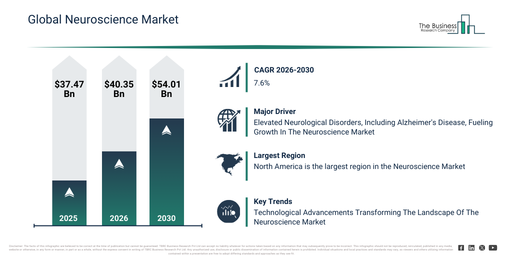
    The neuroscientific field has experienced substantial expansion recently, with projected growth from 37.47 billion dollars in 2025 to 40.35 billion dollars in 2026, reflecting a compound annual growth rate of 7.7%. This upward trajectory is underpinned by key drivers observed in the past, including sophisticated progress in cellular visualization tools, augmented financial support for brain research, initial progress in electrophysiological apparatus, a heightened incidence of nervous system disorders, and the wider implementation of brain scanning methodologies.

    Anticipating substantial expansion over the ensuing years, the neuroscience market is projected to reach $54.01 billion by 2030, demonstrating a Compound Annual Growth Rate (CAGR) of 7.6%. This projected expansion is fueled by several key factors, including a heightened demand for sophisticated microscopy systems, the escalating incorporation of artificial intelligence within neuroscience research endeavors, the broadening scope of neuroinformatics applications, a greater uptake of brain-mapping technologies, and the continuous development of cutting-edge electrophysiology devices, all contributing to the market’s upward trajectory during the forecast period.

    Download A Free Sample Report For Comprehensive Market Insights:

    https://www.thebusinessresearchcompany.com/sample.aspx?id=8528&type=smp

    Neuroscience Market Growth Momentum: Which Factors Are Influencing Demand?

    The growing prevalence of neurological conditions, exemplified by Alzheimer’s disease, is anticipated to be a significant catalyst for the expansion of the neuroscience market. These neurological disorders encompass a wide spectrum of ailments that impact the nervous system, which includes the brain, spinal cord, and the nerves extending throughout the body. Alzheimer’s disease itself is a degenerative condition that progressively deteriorates brain function, resulting in a marked decline in memory and cognitive abilities. Neuroscience is instrumental in advancing our comprehension of and our capacity to manage Alzheimer’s disease; by delving into the intricate workings and architecture of the nervous system, researchers are uncovering the underlying causes of this disease and formulating novel approaches for its detection, mitigation, and therapeutic intervention. Illustratively, data from May 2024, as reported by the Alzheimer’s Association, a not-for-profit entity in the U.S. focused on Alzheimer’s care, advocacy, and research, indicates an upward trend in diagnosed cases of Alzheimer’s dementia among Americans aged 65 and over, escalating from 6.5 million in 2022 to an projected 6.9 million in 2024. Consequently, the escalating rates of neurological disorders, such as Alzheimer’s disease, are directly contributing to the growth of the neuroscience market.

    Neuroscience Market Segment Analysis And Revenue Opportunities

    The neuroscience market covered in this report is segmented –

    1) By Type: Neuro-Microscopy, Electrophysiology Technologies, Neuro-Cellular Manipulation, Whole Brain Imaging, Other Types

    2) By Service: Instruments And Consumables, Software And Services

    3) By End User: Hospitals, Diagnostic Labs, Research And Academic Institutes

    Subsegments:

    1) By Neuro-Microscopy: Two-Photon Microscopy, Confocal Microscopy, Super-Resolution Microscopy

    2) By Electrophysiology Technologies: Patch Clamp Systems, Multi-Electrode Arrays (MEAs), Intracellular And Extracellular Recorders

    3) By Neuro-Cellular Manipulation: Optogenetics Tools, Microinjection Systems, Electroporation Devices

    4) By Whole Brain Imaging: Functional Magnetic Resonance Imaging (fMRI), Positron Emission Tomography (PET), Diffusion Tensor Imaging (DTI)

    5) By Other Types: Neuroinformatics Tools, Brain-Computer Interface Technologies, Neuromodulation Devices

    Neuroscience Market Trends Reshaping Industry Growth

    In the neuroscience sector, leading corporations are prioritizing the development of cutting-edge technologies, specifically artificial intelligence and machine learning, to drive progress within the field. Artificial intelligence, a subset of which is machine learning, empowers machines to replicate and even surpass human cognitive abilities. AI models are engineered to perform tasks requiring intelligence, thereby proposing novel hypotheses regarding the brain’s regulatory mechanisms. As an illustration, in February 2024, Royal Philips N.V., a technology firm headquartered in the Netherlands, and Synthetic MR, an MRI software provider based in Sweden, unveiled Smart Quant Neuro 3D, a significant innovation for the diagnosis and evaluation of neurological conditions such as multiple sclerosis, traumatic brain injury, and dementia. This solution synergizes Philips’ AI-driven SmartSpeed technology, its 3D SyntAc application, and Synthetic MR’s SyMRI NEURO 3D software, equipping medical professionals with superior diagnostic capabilities for improved accuracy and patient results. Philips possesses the sole authorization to distribute SyMRI NEURO 3D on its MR scanning devices.

    Neuroscience Market Leading Players Shaping Industry Direction

    Major companies operating in the neuroscience market are Alpha Omega Inc., General Electric Company, Siemens Healthineers AG, NeuroNexus Technologies Inc., Doric Lenses Inc., Blackrock Neurotech, Axion Biosystems Inc., Femtonics Ltd., Carl Zeiss AG, Danaher Corporation (Leica Microsystems), Koninklijke Philips N.V., Toshiba Corporation, Hitachi Medical Corporation, Scientifica Ltd., Intan Technologies Inc., Laserglow Technologies Inc., Mightex Systems, Neuralink Corporation, Kernel Corporation, BrainCo Inc., MindMaze Inc., Paradromics Inc., NeuroPro Inc., NeuroSky Inc., EMOTIV Inc., Cercare Medical A/S, Plexon Inc., Noldus Information Technology bv, Neuralynx Inc., Vigil Neuroscience

    Access The Complete Neuroscience Market Report:

    https://www.thebusinessresearchcompany.com/report/neuroscience-global-market-report

    Neuroscience Market Regional Outlook: Where Are The Largest Opportunities Located?

    North Americawas the largest region in the neuroscience market in 2025. Asia-Pacificis expected to be the fastest-growing region in the forecast period. The regions covered in the neuroscience market report are Asia-Pacific, South East Asia, Western Europe, Eastern Europe, North America, South America, Middle East, Africa.

    Get in touch with us:

    The Business Research Company: https://www.thebusinessresearchcompany.com/

    Americas: +1 310-496-7795

    Asia: +44 7882 955267 & +91 8897263534

    Europe: +44 7882 955267

    Email us at: marketing@tbrc.info

    Follow us on:

    LinkedIn: https://in.linkedin.com/company/the-business-research-company

    YouTube: https://www.youtube.com/channel/UC24_fI0rV8cR5DxlCpgmyFQ

    Global Market Model: https://www.thebusinessresearchcompany.com/global-market-model
  • Neuroprosthetics Market Forecast Reveals Where Future Industry Value Will Be Created

    Neuroprosthetics Market Forecast Reveals Where Future Industry Value Will Be Created

    Delivering more actionable and strategically valuable research, The Business Research Company’s 2026 market reports feature market attractiveness analysis, total addressable market evaluation, company benchmarking matrices, interactive Excel dashboards, expanded supply chain intelligence, emerging startup coverage, and detailed product insights.

    Neuroprosthetics Market Growth Potential: How Will Market Size Change Through 2030?

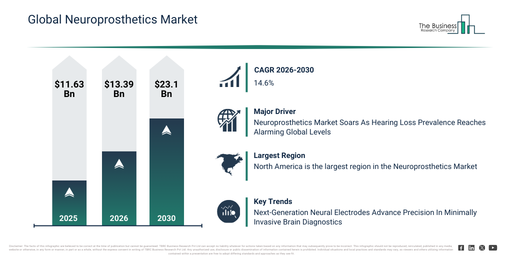
    The neuroprosthetics sector has experienced swift expansion recently, projecting an increase from a valuation of $11.63 billion in 2025 to $13.39 billion by 2026. This growth trajectory is underpinned by a compound annual growth rate (CAGR) of 15.1%. Factors contributing to the market’s progress during the earlier period included the foundational development of functional electrical stimulation systems, intensified investigation into brain-machine interfaces, a growing incidence of motor neuron disorders, enhancements in cochlear implant technology, and the initial uptake of deep brain stimulation techniques.

    The neuroprosthetics industry is poised for significant expansion, projected to reach a valuation of $23.1 billion by 2030, driven by a robust compound annual growth rate of 14.6%. This anticipated surge is fueled by escalating demand for sophisticated, neurally controlled prosthetic limbs, augmented investment in cognitive neuroprosthetics, broader utilization of vagus nerve stimulation, the uptake of pioneering retinal implant technologies, and the ongoing development of advanced exoskeletons designed for rehabilitation purposes. Key developments shaping this period include a greater embrace of motor neuroprosthetic systems, increased application of auditory neuroprosthetics for hearing restoration, progress in retinal and visual prosthetic innovations, deeper integration of cognitive neuroprosthetics into therapeutic approaches, and the wider application of neurostimulation methods to facilitate functional recovery.

    Download A Free Sample Report For Comprehensive Market Insights:

    https://www.thebusinessresearchcompany.com/sample.aspx?id=6606&type=smp

    Neuroprosthetics Market Expansion Drivers: What Is Shaping Future Growth?

    The increasing incidence of hearing impairment is anticipated to be a key driver for the neuroprosthetics industry’s expansion. Hearing loss, encompassing conditions from mild impairment to complete deafness, profoundly impacts an individual’s ability to communicate, diminishes their overall quality of life, and can lead to social isolation. Neuroprosthetic devices, including cochlear implants and other auditory prostheses, offer solutions for restoring auditory function, enhancing the perception of speech, and facilitating auditory rehabilitation. Projections from the World Health Organization, a UN entity based in Switzerland, released in February 2025, forecast that approximately 2.5 billion individuals worldwide will face some degree of hearing loss by the year 2050. Furthermore, an estimated 700 million people will require interventions for hearing rehabilitation. The economic burden of untreated hearing loss already amounts to nearly one trillion US dollars annually, in addition to the risk faced by over a billion young adults, who are susceptible to irreversible hearing damage due to unsafe listening habits. Consequently, the growing problem of hearing loss is directly fueling the neuroprosthetics market.

    Neuroprosthetics Market Segmentation And Category Breakdown

    The neuroprosthetics market covered in this report is segmented –

    1) By Type: Motor Neuroprosthetics, Auditory Neuroprosthetics Or Cochlear implants, Visual Neuroprosthetics Or Retinal implants, Cognitive Neuroprosthetics

    2) By Technique: Spinal Cord Stimulation, Deep Brain Stimulation, Vagus Nerve Stimulation, Sacral Nerve Stimulation, Transcranial Magnetic Stimulation

    3) By Application: Motor Neuron Disorders, Physiological Disorders, Cognitive Disorders

    Subsegments:

    1) By Motor Neuroprosthetics: Functional Electrical Stimulation (FES) Systems, Brain-Machine Interfaces (BMIs), Prosthetic Limbs With Neural Control, Exoskeletons For Rehabilitation

    2) By Auditory Neuroprosthetics Or Cochlear Implants: Cochlear Implants (Single and Multi-Channel), Auditory Brainstem Implants (ABI), Bone-Anchored Hearing Aids (BAHA)

    3) By Visual Neuroprosthetics Or Retinal Implants: Retinal Prostheses, Optogenetic Implants, Visual Cortical Implants

    4) By Cognitive Neuroprosthetics: Deep Brain Stimulation (DBS) Devices, Cognitive Enhancement Implants, Neurostimulation Devices For Cognitive Disorders

    Neuroprosthetics Market Strategic Trends: What Is Defining The Next Phase Of Growth?

    Within the neuroprosthetics sector, leading enterprises are channeling their efforts into pioneering developments, specifically focusing on sEEG electrode systems. These advancements are geared towards refining neural interface technology and elevating the efficacy of diagnostic and therapeutic interventions that involve minimal invasiveness. An sEEG electrode system itself represents a sophisticated neural apparatus engineered for the precise recording and modulation of deep brain activity, thereby facilitating exceptionally accurate brain mapping and neuromodulation. Illustrating this trend, in May of 2023, NeuroOne Medical Technologies Corporation, a medical technology firm based in the USA, introduced its Evo sEEG Electrodes to the American market. These novel electrodes from NeuroOne are engineered to provide secure, highly precise subsurface brain mapping, offering enhanced signal fidelity and seamless integration with robotic neurosurgery systems. Such an advancement significantly expands the clinical applications of stereoelectroencephalography, making procedures less invasive and opening doors for wider use in areas including epilepsy assessment, chronic pain amelioration, and interventions for Parkinson’s disease.

    Neuroprosthetics Market Competitive Analysis Of Major Industry Participants

    Major companies operating in the neuroprosthetics market are Abbott Laboratories, Boston Scientific Corp., Cochlear Ltd., Demant AS, LivaNova plc, MED-EL GmbH, Neuropace Inc., Nevro Corp., Oticon US Inc., Retina Implant AG, Second Sight Medical Products Inc., Sonova Holding AG, St. Jude Medical Inc., Aleva Neurotherapeutics SA, Axonics Modulation Technologies Inc., Bionic Vision Technologies Pty Ltd., Blackrock Microsystems LLC, Cognixion, Cyberonics Inc., Medtronic plc, NeuroKinetics Inc., NeuroMetrix Inc., Pixium Vision SA, SPR Therapeutics Inc., Synapse Biomedical Inc., Synchron Inc.

    Access The Complete Neuroprosthetics Market Report:

    https://www.thebusinessresearchcompany.com/report/neuroprosthetics-global-market-report

    Neuroprosthetics Market Geographic Landscape: Which Region Dominates Industry Growth?

    North Americawas the largest region in the neuroprosthetics market in 2025. Asia-Pacificis expected to be the fastest-growing region in the forecast period. The regions covered in the neuroprosthetics market report are Asia-Pacific, South East Asia, Western Europe, Eastern Europe, North America, South America, Middle East, Africa.

    Get in touch with us:

    The Business Research Company: https://www.thebusinessresearchcompany.com/

    Americas: +1 310-496-7795

    Asia: +44 7882 955267 & +91 8897263534

    Europe: +44 7882 955267

    Email us at: marketing@tbrc.info

    Follow us on:

    LinkedIn: https://in.linkedin.com/company/the-business-research-company

    YouTube: https://www.youtube.com/channel/UC24_fI0rV8cR5DxlCpgmyFQ

    Global Market Model: https://www.thebusinessresearchcompany.com/global-market-model