Month: June 2026

  • Neurofeedback System Market Forecast Signals New Revenue Opportunities Through 2030

    Neurofeedback System Market Forecast Signals New Revenue Opportunities Through 2030

    Through market attractiveness analysis, total addressable market evaluation, company benchmarking matrices, interactive Excel dashboards, expanded supply chain intelligence, emerging startup coverage, and detailed product insights, The Business Research Company’s 2026 market reports provide more actionable and strategically valuable research.

    Neurofeedback System Market Revenue Growth Supported By A CAGR Of 2.6% Through 2030

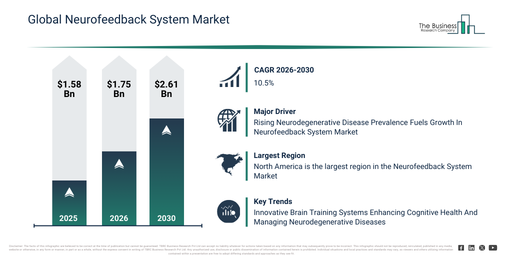
    The market for neurofeedback systems has experienced substantial expansion lately, and projections indicate a continued upward trajectory. This market is expected to advance from an estimated value of $1.58 billion in 2025 to $1.75 billion in 2026, demonstrating a compound annual growth rate of 10.8%. Factors contributing to the growth observed during the historical period include the escalating application of neurofeedback within clinical research initiatives, the broader embrace of diagnostic tools for neurological conditions, the proliferation of dedicated neurotherapy centers, the advent of sophisticated imaging techniques, and a growing preference for therapeutic methods that do not involve invasive procedures on the brain.

    The neurofeedback system market is projected for substantial expansion in the coming years, anticipating a market value of $2.61 billion by 2030, fueled by a compound annual growth rate of 10.5%. This anticipated surge is underpinned by escalating investments in brain-computer interface research, a growing preference for precision neurotherapy solutions, broader acceptance of neurofeedback in clinical settings, deeper integration with digital health ecosystems, and a heightened emphasis on customized brain training approaches. Key developments shaping this period involve the increasing uptake of sophisticated neurofeedback system platforms, a rise in the incorporation of real-time brain monitoring technologies, a greater utilization of AI for signal processing, the widening application of neurofeedback in both clinical and research fields, and an intensified focus on detailed brain mapping.

    Download A Free Sample Report For Comprehensive Market Insights:

    https://www.thebusinessresearchcompany.com/sample.aspx?id=19610&type=smp

    Neurofeedback System Market Growth Momentum: Which Factors Are Influencing Demand?

    The neurofeedback systems market is poised for expansion, largely driven by the escalating incidence of neurodegenerative conditions. These encompass disorders characterized by a gradual decline in the brain and nervous system’s functionalities, impacting cognitive abilities, motor skills, and memory. Among the prominent examples of such diseases are Alzheimer’s, Parkinson’s, ALS, Huntington’s, MS, and FTD. Factors contributing to their increased occurrence include an aging global population, enhanced diagnostic capabilities and heightened public awareness, alongside various lifestyle influences. While neurofeedback presents encouraging possibilities for managing these ailments, it typically functions as an adjunct to established medical interventions. Tailoring neurofeedback strategies to suit unique patient requirements and reactions is paramount for achieving the best outcomes. For perspective, the Parkinson Foundation, a U.S. governmental entity, reports that the annual occurrence of Parkinson’s disease in the elderly population is 50% higher than the previously estimated 60,000 instances. Projections also indicate that approximately 1.2 million additional Americans will be diagnosed with Parkinson’s disease by the year 2030, underscoring the rising impact of neurodegenerative diseases and, consequently, fueling the growth trajectory of the neurofeedback systems market.

    Neurofeedback System Market Categorization By Product Type And Application

    The neurofeedback system market covered in this report is segmented –

    1) By System: Frequency And Power Neurofeedback System, Slow Cortical Potential Neurofeedback (SCP-NF) System, Low-Energy Neurofeedback System (LENS), Hemoencephalographic (HEG) Neurofeedback System

    2) By Application: Attention Deficit Hyperactivity Disorder (ADHD), Anxiety, Depression, Epilepsy, Insomnia, Drug Addiction

    3) By End-User: Hospitals, Physician Office

    Subsegments:

    1) By Frequency and Power Neurofeedback System: Theta-Beta Neurofeedback Systems, Alpha Neurofeedback Systems, Gamma Neurofeedback Systems

    2) By Slow Cortical Potential Neurofeedback (SCP-NF) System: SCP Training Systems, SCP Signal Processing Systems, SCP Feedback Devices

    3) By Low-Energy Neurofeedback System (LENS): LENS Devices For ADHD, LENS Devices For Anxiety and Depression, LENS Training Software

    4) By Hemoencephalographic (HEG) Neurofeedback System: Near-Infrared HEG Systems, Infrared HEG Systems, HEG Training Devices

    Neurofeedback System Market Trends Reshaping Industry Growth

    Leading players within the neurofeedback systems sector are concentrating their efforts on pioneering novel solutions, including brain training apparatuses, aimed at bolstering cognitive capabilities, fostering improved mental well-being, and mitigating the manifestations of neurodegenerative conditions. These brain training systems, frequently identified as neurofeedback devices, are engineered to refine cognitive performance and emotional self-governance by delivering immediate insights into distinct brainwave patterns. As an illustration, during October 2023, Sens.ai, a trailblazing enterprise headquartered in Canada, introduced its At-Home Brain Training System. This cutting-edge offering integrates a spectrum of sophisticated technologies into an accessible gadget comprising a specialized headset and an engaging, game-oriented application. The system prioritizes user convenience, enabling individuals to undertake brain training exercises that can be completed in as little as a quarter of an hour. The associated application presents a diverse array of evolving programs and challenges, addressing prevalent concerns such as sleep quality, stress management, and concentration deficits.

    Neurofeedback System Market Company Landscape And Strategic Competition

    Major companies operating in the neurofeedback system market are Thought Technology Ltd., NeurOptimal, EMOTIV Inc., EEG Info, ANT Neuro b.v., NeuroCare Group, NeuroSky’s, Neuroelectrics Corporation, Brain Master Technologies Inc., Mind Media Inc., Neurofield Inc., Brain Vision LLC, Mitsar Co. Ltd., Mind Alive Inc., Bee Medic LLC, Myndlift, Braincore, Divergent Technologies Inc., MIndfield Biosystems Ltd., NIRx Medical Technologies LLC

    Access The Complete Neurofeedback System Market Report:

    https://www.thebusinessresearchcompany.com/report/neurofeedback-system-global-market-report

    Neurofeedback System Market Geographic Landscape: Which Region Dominates Industry Growth?

    North Americawas the largest region in the neurofeedback system market in 2025. Asia-Pacificis expected to be the fastest-growing region in the forecast period. The regions covered in the neurofeedback system market report are Asia-Pacific, South East Asia, Western Europe, Eastern Europe, North America, South America, Middle East, Africa.

    Get in touch with us:

    The Business Research Company: https://www.thebusinessresearchcompany.com/

    Americas: +1 310-496-7795

    Asia: +44 7882 955267 & +91 8897263534

    Europe: +44 7882 955267

    Email us at: marketing@tbrc.info

    Follow us on:

    LinkedIn: https://in.linkedin.com/company/the-business-research-company

    YouTube: https://www.youtube.com/channel/UC24_fI0rV8cR5DxlCpgmyFQ

    Global Market Model: https://www.thebusinessresearchcompany.com/global-market-model
  • Neurofeedback Market Growth Is Accelerating As Industry Transformation Continues

    Neurofeedback Market Growth Is Accelerating As Industry Transformation Continues

    Delivering more actionable and strategically valuable research, The Business Research Company’s 2026 market reports feature market attractiveness analysis, total addressable market evaluation, company benchmarking matrices, interactive Excel dashboards, expanded supply chain intelligence, emerging startup coverage, and detailed product insights.

    Neurofeedback Market Value Expansion And Long-Term Growth Outlook

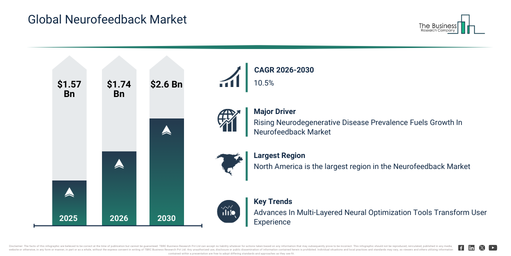
    The neurofeedback sector has experienced significant expansion lately, with its market value projected to ascend from $1.57 billion in 2025 to $1.74 billion in 2026, reflecting a compound annual growth rate of 10.8%. This upward trajectory during the preceding period was bolstered by heightened consciousness surrounding mental health interventions, a surge in neurological condition occurrences, the growing appeal of non-invasive therapeutic approaches, the proliferation of neurotherapy treatment centers, and advancements in EEG monitoring capabilities.

    The neurofeedback industry is projected for substantial expansion in the coming years, anticipating a market valuation of $2.6 billion by 2030, fueled by a compound annual growth rate of 10.5%. This upswing during the forecast period is propelled by a growing need for tailored mental health interventions, a greater acceptance of digital therapeutic solutions, the broadening availability of remote neurofeedback training, the increasing incorporation of artificial intelligence in analyzing brain signals, and a heightened emphasis on optimizing cognitive well-being. Key developments anticipated within this timeframe encompass a surge in the adoption of EEG-reliant training systems, a more widespread application of individualized neurofeedback methodologies, the expanding integration of software-driven brain training applications, the proliferation of neurofeedback options for home use, and a concentrated effort on refining cognitive performance.

    Download A Free Sample Report For Comprehensive Market Insights:

    https://www.thebusinessresearchcompany.com/sample.aspx?id=20577&type=smp

    Neurofeedback Market Expansion Drivers: What Is Shaping Future Growth?

    The expanding incidence of neurodegenerative disorders is anticipated to be a primary catalyst for the neurofeedback market’s advancement. These disorders, characterized by a gradual decline in brain and nervous system functionality, manifest as difficulties with memory, motor skills, and cognitive processes. The rising tide of such conditions is largely attributed to an aging demographic, enhanced diagnostic capabilities coupled with heightened awareness, and prevailing lifestyle choices. Neurofeedback emerges as a potent method for mitigating Parkinson’s disease symptoms, offering improvements in motor coordination, cognitive abilities, emotional balance, and general cerebral well-being. Furthermore, by optimizing brainwave activity conducive to restorative sleep, neurofeedback can significantly ameliorate sleep disturbances commonly experienced by Parkinson’s sufferers, potentially leading to enhanced overall health and more effective symptom management. Illustratively, the Alzheimer’s Association reported in March 2023 that an estimated 6.7 million Americans over 65 were living with Alzheimer’s dementia in 2023, with projections indicating this figure could reach 13.8 million by 2060, underscoring the substantial and growing burden of neurodegenerative diseases that fuels the neurofeedback market’s expansion.

    Neurofeedback Market Segment Analysis And Revenue Opportunities

    The neurofeedback market covered in this report is segmented –

    1) By Product: Amplifiers, Electrodes or Sensors, Computer Software

    2) By System: Frequency Or Power Neurofeedback System, Slow Cortical Potential Neurofeedback (SCP-NF) System, Low-Energy Neurofeedback System (LENS), Hemoencephalographic (HEG) Neurofeedback System, Live Z-Score Neurofeedback System, Low-Resolution Electromagnetic Tomography (LORE-TA)

    3) By Application: Attention Deficit Hyperactivity Disorder (ADHD), Anxiety, Depression, Epilepsy, Insomnia, Drug Addiction, Schizophrenia, Other Applications

    4) By End User: Hospitals, Physician Offices

    Subsegments:

    1) By Amplifiers: EEG Amplifiers, Wireless Amplifiers, Portable Amplifiers

    2) By Electrodes or Sensors: EEG Electrodes, Disposable Electrodes, Dry Electrodes, Conductive Gel Electrodes

    3) By Computer Software: Neurofeedback Training Software, Data Analysis Software, Visualization Software, Biofeedback Software

    Neurofeedback Market Strategic Trends: What Is Defining The Next Phase Of Growth?

    The leading players in the neurofeedback arena are concentrating their efforts on creating cutting-edge solutions, like customized brain training apparatus for domestic use, in response to the escalating need for improved cognitive abilities, diminished stress levels, and enhanced general mental wellness. These individualized home-based brain training setups incorporate sophisticated neurofeedback techniques alongside supplementary functionalities such as heart coherence exercises, transcranial photobiomodulation (utilizing light to stimulate the brain), evaluations of brain function efficiency, and mindfulness instruction. As an illustration of this trend, Sens.ai Inc., a Canadian firm specializing in neurofeedback and bespoke brain development, introduced its innovative Sens.ai system in October 2023, a comprehensive 5-in-1 brain training technology. This system comprises a specialized headset coupled with an engaging, game-like application that assesses neural processing speed through event-related potentials (ERPs), delivers immersive meditation training, applies focused light stimulation enhancements, monitors cognitive capabilities, and adapts its training modules based on the user’s advancements. This integrated, self-correcting methodology empowers individuals to boost concentration, contend with stress, optimize sleep patterns, and attain superior cognitive and psychological outcomes within the comfort of their own residences.

    Neurofeedback Market Leading Players Shaping Industry Direction

    Major companies operating in the neurofeedback market are Thought Technology Ltd., NeurOptimal, Brain Master Technologies Inc., Mind Media Inc., Neurofield Inc., Bee Medic LLC, Mitsar Co. Ltd., Mind Alive Inc., ANT Neuro b.v., EEG Info, NeuroSky, EMOTIV Inc., Neuroelectrics, Brain Vision LLC, Myndlift, BrainCore, NIRx Medical Technologies LLC, Mindfield Biosystems Ltd., NeuroCare Group, Brainquiry

    Access The Complete Neurofeedback Market Report:

    https://www.thebusinessresearchcompany.com/report/neurofeedback-global-market-report

    Neurofeedback Market Largest Region: Which Geography Holds The Highest Market Share?

    North Americawas the largest region in the neurofeedback market in 2025. The regions covered in the neurofeedback market report are Asia-Pacific, South East Asia, Western Europe, Eastern Europe, North America, South America, Middle East, Africa.

    Get in touch with us:

    The Business Research Company: https://www.thebusinessresearchcompany.com/

    Americas: +1 310-496-7795

    Asia: +44 7882 955267 & +91 8897263534

    Europe: +44 7882 955267

    Email us at: marketing@tbrc.info

    Follow us on:

    LinkedIn: https://in.linkedin.com/company/the-business-research-company

    YouTube: https://www.youtube.com/channel/UC24_fI0rV8cR5DxlCpgmyFQ

    Global Market Model: https://www.thebusinessresearchcompany.com/global-market-model

  • Neuroendocrine Tumor Treatment Market Outlook Highlights The Next Major Growth Opportunities

    Neuroendocrine Tumor Treatment Market Outlook Highlights The Next Major Growth Opportunities

    Enhanced with market attractiveness analysis, total addressable market evaluation, company benchmarking matrices, interactive Excel dashboards, expanded supply chain intelligence, emerging startup coverage, and detailed product insights, The Business Research Company’s 2026 market reports deliver more actionable and strategically valuable research.

    Neuroendocrine Tumor Treatment Market Expected To Reach $3.98 Billion By 2030 At 10.7% CAGR

    The market for neuroendocrine tumor treatments has experienced swift expansion, projected to increase from $2.39 billion in 2025 to $2.65 billion in 2026, reflecting a compound annual growth rate of 10.5%. Factors contributing to this growth during the preceding period include the early embrace of somatostatin analogs, a rise in neuroendocrine tumor diagnoses, the introduction of foundational targeted therapies, advancements in sophisticated diagnostic imaging techniques, and heightened awareness surrounding less common cancer types.

    The market for neuroendocrine tumor treatments is poised for significant expansion, projecting a rise to $3.98 billion by 2030, driven by a compound annual growth rate of 10.7%. This projected growth is fueled by several key factors, including escalating investments in innovations related to peptide receptor radionuclide therapy (PRRT), a greater embrace of personalized approaches in oncology, the expanding role of immunotherapy in managing neuroendocrine tumors (NETs), the increasing accessibility of specialized cancer care facilities, and the emergence of novel combination chemotherapy regimens. Within this forecast period, prominent trends are anticipated to include a greater reliance on somatostatin analogs for managing tumor progression, a widening acceptance of targeted therapy alternatives, augmented use of chemotherapy for advanced NET cases, further development and application of PRRT, and a heightened demand for comprehensive, multidisciplinary oncology care.

    Download A Free Sample Report For Comprehensive Market Insights:

    https://www.thebusinessresearchcompany.com/sample.aspx?id=12248&type=smp

    Neuroendocrine Tumor Treatment Market Development Factors: Which Trends Are Supporting Demand?

    The increasing incidence of neuroendocrine tumors is anticipated to be a significant factor fueling the expansion of the market dedicated to their treatment. These tumors, originating from specialized neuroendocrine cells, represent a rare form of cancer. The therapeutic interventions for neuroendocrine tumors are crucial, aiming not only for a cure but also for managing associated symptoms, curbing tumor progression, and employing radiation to eliminate cancerous cells. To illustrate, projections for 2024 from NeuroEndocrine Cancer Australia (NECA), an organization focused on advocacy, education, and research within Australia, suggest that approximately 21.1 out of every 100,000 individuals will receive a diagnosis of neuroendocrine tumors, which equates to roughly 5,755 new cases. Furthermore, the cumulative prevalence over 39 years is estimated to affect 29,351 individuals currently living with NETs, underscoring the rising numbers that, in turn, are stimulating the development and demand within the neuroendocrine tumor treatment sector.

    Neuroendocrine Tumor Treatment Market Segmentation And Category Breakdown

    The neuroendocrine tumor treatment market covered in this report is segmented –

    1) By Product: Somatostatin Analogs (SSAs), Targeted Therapy, Chemotherapy, Other Products

    2) By Indication: Lungs, Pancreas, Gastrointestinal, Other Indications

    3) By End-User: Hospitals, Oncology Centers, Other End-Users

    Subsegments:

    1) By Somatostatin Analogs (SSAs): Octreotide, Lanreotide

    2) By Targeted Therapy: Tyrosine Kinase Inhibitors (TKIs), Peptide Receptor Radionuclide Therapy (PRRT)

    3) By Chemotherapy: Traditional Chemotherapy Agents, Combination Chemotherapy Regimens

    4) By Other Products: Immunotherapy, Supportive Care Medications

    Neuroendocrine Tumor Treatment Market Transformation Trends: Which Innovations Are Driving Change?

    Leading firms within the neuroendocrine tumor treatment sector are prioritizing the creation of cutting-edge therapies, including radioligand treatments, with the aim of enhancing patient results and broadening the range of available interventions for individuals suffering from GEP-NETs. This specific therapeutic modality involves directing radioactive substances with precision to cancerous cells that exhibit particular receptors, thereby facilitating the eradication of malignant cells while preserving healthy surrounding tissues. Illustrating this trend, in April 2024, the pharmaceutical giant Novartis, headquartered in Switzerland, secured approval from the U.S. Food and Drug Administration (FDA) for Lutathera, marking it as the inaugural radioligand therapy approved for pediatric patients aged 12 and above who have somatostatin receptor-positive gastroenteropancreatic neuroendocrine tumors. Such an approval significantly broadens the availability of targeted radiopharmaceutical options for younger individuals diagnosed with NETs, underscoring the increasing importance of radioligand therapies in refining treatment effectiveness, informing clinical strategies, and advancing the quality of patient management.

    Neuroendocrine Tumor Treatment Market Competitive Analysis Of Major Industry Participants

    Major companies operating in the neuroendocrine tumor treatment market are Pfizer Inc, F Hoffmann-La Roche AG, Novartis AG, Sanofi SA, Takeda Pharmaceutical, Ipsen Pharma SAS, Jiangsu Hengrui Medicine, Provectus Biopharmaceuticals, NanoValent Pharmaceuticals, Camurus, ITM Solucin, Radiomedix, Clarity Pharmaceuticals, TaiRx, Peloton Therapeutics, Ascentage Pharma, Debiopharm, Boehringer Ingelheim International GmbH, Hutchison MediPharma Ltd, Exelixis Inc, EpicentRx Inc, Tarveda Therapeutics, Teclison Ltd, Novatek Pharmaceuticals, Phanes Therapeutics, Fujifilm Pharmaceuticals, Jazz Pharmaceuticals

    Access The Complete Neuroendocrine Tumor Treatment Market Report:

    https://www.thebusinessresearchcompany.com/report/neuroendocrine-tumor-treatment-global-market-report

    Neuroendocrine Tumor Treatment Market Regional Analysis: Which Region Leads By Revenue?

    North Americawas the largest region in the neuroendocrine tumor treatment market in 2025. The regions covered in the neuroendocrine tumor treatment market report are Asia-Pacific, South East Asia, Western Europe, Eastern Europe, North America, South America, Middle East, Africa.

    Get in touch with us:

    The Business Research Company: https://www.thebusinessresearchcompany.com/

    Americas: +1 310-496-7795

    Asia: +44 7882 955267 & +91 8897263534

    Europe: +44 7882 955267

    Email us at: marketing@tbrc.info

    Follow us on:

    LinkedIn: https://in.linkedin.com/company/the-business-research-company

    YouTube: https://www.youtube.com/channel/UC24_fI0rV8cR5DxlCpgmyFQ

    Global Market Model: https://www.thebusinessresearchcompany.com/global-market-model
  • Neuroendocrine Carcinoma Market Trends And Growth Drivers Point To Strong Future Potential

    Neuroendocrine Carcinoma Market Trends And Growth Drivers Point To Strong Future Potential

    Through market attractiveness analysis, total addressable market evaluation, company benchmarking matrices, interactive Excel dashboards, expanded supply chain intelligence, emerging startup coverage, and detailed product insights, The Business Research Company’s 2026 market reports provide more actionable and strategically valuable research.

    Neuroendocrine Carcinoma Market Size And Revenue Forecast Through 2030

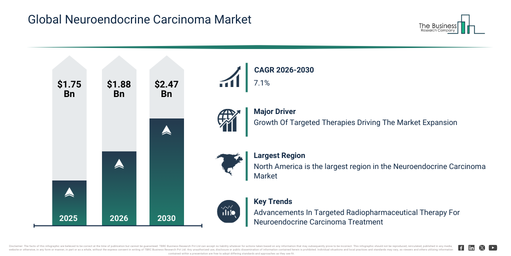
    In the recent past, a significant expansion has been observed within the neuroendocrine carcinoma market. Projections indicate a continued upward trend, with the market expected to increase from $1.75 billion in 2025 to $1.88 billion in 2026, reflecting a compound annual growth rate (CAGR) of 7.3%. Several factors have fueled this historical growth, including an increasing incidence of neuroendocrine carcinoma, greater utilization of diagnostic imaging for timely identification, the prompt implementation of surgical tumor excision, the establishment of foundational chemotherapy regimens, and a heightened clinical understanding of the various subtypes of neuroendocrine carcinoma.

    The market for neuroendocrine tumors is poised for substantial expansion, projecting a reach of $2.47 billion by the year 2030, reflecting a compound annual growth rate of 7.1%. This anticipated growth over the forecast period stems from a confluence of factors, including the broader application of targeted biological treatments, heightened investments directed towards research in immunotherapies, enhanced accessibility to sophisticated diagnostic instruments for personalized medicine, advancements in radiotherapy technologies, and a growing trend towards integrating multidisciplinary approaches within oncology centers. Key developments shaping this market in the coming years are expected to be the increased reliance on chemotherapy for managing aggressive tumor presentations, a greater emphasis on targeted therapies for advanced neuroendocrine carcinoma cases, more widespread deployment of radiotherapy for localized tumor containment, the broader implementation of diagnostic methods relying on biopsies and serological markers, and a heightened requirement for comprehensive, multidisciplinary treatment strategy formulation.

    Download A Free Sample Report For Comprehensive Market Insights:

    https://www.thebusinessresearchcompany.com/sample.aspx?id=21229&type=smp

    Neuroendocrine Carcinoma Market Industry Drivers: What Is Driving Revenue Growth?

    Advancements in targeted therapies are poised to significantly boost the neuroendocrine carcinoma market. These specialized treatments work by specifically interfering with the molecular mechanisms or genetic anomalies underlying diseases, particularly cancer. The increasing adoption of targeted therapies is attributed to their ability to accurately target particular genetic alterations, progress in personalized medical approaches, and improved results for patients accompanied by a reduction in adverse effects. Neuroendocrine carcinoma facilitates the creation of targeted therapies that are tailored to the tumor’s unique genetic and biochemical characteristics, thereby boosting therapeutic accuracy and efficacy. For example, the American Society of Gene & Cell Therapy (ASGCT) and Citeline reported that by the close of the second quarter of 2023, the number of gene therapies in Phase II clinical trials had climbed by 5%, from 247 at the end of the first quarter to 260. Consequently, the expansion of targeted therapies is a key factor fueling the growth of the neuroendocrine carcinoma market.

    Neuroendocrine Carcinoma Market Segment Outlook: Which Categories Are Expanding The Fastest?

    The neuroendocrine carcinoma market covered in this report is segmented –

    1) By Type: Gastroenteropancreatic Neuroendocrine Tumors, Carcinoid Tumors, Pheochromocytoma, Medullary Thyroid Carcinoma

    2) By Diagnostic Tools: Imaging, Biopsy, Serology

    3) By Treatment: Chemotherapy, Radiotherapy, Surgery, Other Treatments

    4) By Distribution Channel: Hospital Pharmacies, Retail Pharmacies, Online Pharmacies

    5) By End-User: Hospitals, Clinics, Oncology Centers, Ambulatory Surgery Centers

    Subsegments:

    1) By Gastroenteropancreatic Neuroendocrine Tumors (GEP-NETs): Pancreatic Neuroendocrine Tumors (pNETs), Small Intestinal Neuroendocrine Tumors, Gastric Neuroendocrine Tumors, Colorectal Neuroendocrine Tumors

    2) By Carcinoid Tumors: Pulmonary Carcinoid Tumors, Gastrointestinal Carcinoid Tumors

    3) By Pheochromocytoma: Adrenal Pheochromocytoma, Extra-Adrenal Paraganglioma

    4) By Medullary Thyroid Carcinoma: Sporadic Medullary Thyroid Carcinoma, Hereditary Medullary Thyroid Carcinoma (MEN2-Associated)

    #Neuroendocrine Carcinoma Market Growth Trends: What Is Influencing The Future Outlook?

    Leading entities within the neuroendocrine carcinoma market are prioritizing the advancement of cutting-edge treatments, including targeted radiopharmaceutical therapy, with the aim of enhancing therapeutic accuracy and patient prognosis. This therapeutic approach utilizes radioactive compounds engineered to precisely target cancer cells, delivering radiation while sparing adjacent healthy tissues. A notable development occurred in September 2024 when the U.S. Food and Drug Administration bestowed orphan drug status upon ABD-147, a therapeutic candidate developed by Canadian biotech firm Abdera Therapeutics Inc., for the management of neuroendocrine carcinoma. This drug candidate is specifically engineered to identify and engage tumors that overexpress the DLL3 protein, a characteristic frequently observed in aggressive neuroendocrine malignancies like small cell lung cancer and large cell neuroendocrine carcinoma. The attainment of orphan drug designation provides substantial benefits for the drug’s progression, encompassing financial incentives for clinical testing and the possibility of extended market exclusivity, thereby establishing ABD-147 as a potentially groundbreaking therapy in this specific area of cancer treatment.

    Neuroendocrine Carcinoma Market Key Companies And Competitive Benchmarking

    Major companies operating in the neuroendocrine carcinoma market are Pfizer Inc., Merck & Co. Inc., AbbVie Inc., Bristol-Myers Squibb Company, AstraZeneca plc, Novartis AG, Amgen Inc., Boehringer Ingelheim GmbH, Exelixis Inc., Lantheus Holdings Inc., HUTCHMED Limited, Dana-Farber Cancer Institute Inc., Abdera Therapeutics Inc., Orano Med S.A, Eckert & Ziegler Radiopharma GmbH, Callisto Pharmaceuticals Inc., RadioMedix Inc., Clarity Pharmaceuticals Limited, Delcath Systems Inc., Provectus Biopharmaceuticals Inc.

    Access The Complete Neuroendocrine Carcinoma Market Report:

    https://www.thebusinessresearchcompany.com/report/neuroendocrine-carcinoma-global-market-report

    Neuroendocrine Carcinoma Market Geographic Distribution And Regional Opportunities

    North Americawas the largest region in the neuroendocrine carcinoma market in 2025. Asia-Pacificis expected to be the fastest-growing region in the forecast period. The regions covered in the neuroendocrine carcinoma market report are Asia-Pacific, South East Asia, Western Europe, Eastern Europe, North America, South America, Middle East, Africa.

    Get in touch with us:

    The Business Research Company: https://www.thebusinessresearchcompany.com/

    Americas: +1 310-496-7795

    Asia: +44 7882 955267 & +91 8897263534

    Europe: +44 7882 955267

    Email us at: marketing@tbrc.info

    Follow us on:

    LinkedIn: https://in.linkedin.com/company/the-business-research-company

    YouTube: https://www.youtube.com/channel/UC24_fI0rV8cR5DxlCpgmyFQ

    Global Market Model: https://www.thebusinessresearchcompany.com/global-market-model
  • Neurodiagnostics Market Expansion Is Reshaping Competitive Dynamics Across The Industry

    Neurodiagnostics Market Expansion Is Reshaping Competitive Dynamics Across The Industry

    Delivering more actionable and strategically valuable research, The Business Research Company’s 2026 market reports feature market attractiveness analysis, total addressable market evaluation, company benchmarking matrices, interactive Excel dashboards, expanded supply chain intelligence, emerging startup coverage, and detailed product insights.

    Neurodiagnostics Market Growth From $10.45 Billion In 2026 To $13.47 Billion By 2030 At A CAGR Of 6.5%

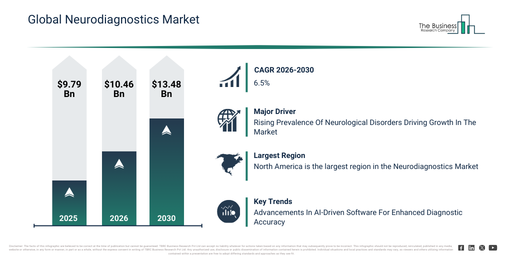
    The neurodiagnostics sector has experienced robust expansion lately, with projections indicating a rise from $9.79 billion in 2025 to $10.46 billion by 2026, reflecting a compound annual growth rate (CAGR) of 6.8%. This upward trajectory during the past period can be linked to several key factors, including a higher prevalence of neurological conditions, the prompt integration of MRI and CT scanning technologies, advancements in EEG and EMG systems, an escalating need for stroke diagnostic instruments, and the expansion of neurodiagnostic facilities within hospitals.

    The domain of neurodiagnostics is poised for substantial expansion in the upcoming years, projecting a market valuation of $13.48 billion by 2030, fueled by a compound annual growth rate of 6.5%. This upward trajectory is anticipated to be driven by several key factors, including the broadening application of biomarker-based diagnostic approaches, augmented investments directed towards neuroimaging advancements, escalating integration of digital neuroinformatics solutions, the emergence of portable and wearable neurodiagnostic technologies, and a heightened demand for neurological testing at the point of care. Furthermore, significant trends shaping this period encompass the wider embrace of sophisticated neuroimaging techniques, increased utilization of in-vitro biomarkers for neurological assessment, a growing emphasis on the early identification of neurological conditions, the expanding utility of electroencephalography (EEG) and magnetoencephalography (MEG) for continuous brain activity monitoring, and a pronounced shift towards diagnostic methods that are either non-invasive or minimally invasive.

    Download A Free Sample Report For Comprehensive Market Insights:

    https://www.thebusinessresearchcompany.com/sample.aspx?id=20902&type=smp

    Neurodiagnostics Market Growth Factors: Which Forces Are Supporting Market Expansion?

    The expanding incidence of nervous system ailments is anticipated to be a primary catalyst for the neurodiagnostics market’s advancement. These conditions, affecting the brain, spinal cord, or nerves, result in diverse impairments in cognition, movement, and sensation. Factors contributing to this surge include an aging global populace, environmental influences, evolving lifestyles, genetic predispositions, and enhanced diagnostic capabilities. Neurodiagnostic tools are crucial for their precision in detecting, evaluating, and tracking these disorders, thereby facilitating accurate diagnoses, guiding therapeutic choices, and managing afflictions of the brain, spinal cord, and nerves effectively. As an illustration, the National Library of Medicine indicated in April 2023 that Alzheimer’s disease impacts 6.7 million individuals in the United States as of 2023, with projections showing this figure escalating to 13.8 million by the year 2060, underscoring the direct correlation between the escalating rates of neurological disorders and the burgeoning neurodiagnostics sector.

    Neurodiagnostics Market Segment Landscape: Which Areas Lead Market Development?

    The neurodiagnostics market covered in this report is segmented –

    1) By Type: Diagnostic And Imaging Solutions, In-Vitro Diagnostics

    2) By Technology: Neuroimaging Technologies, Nuclear Medicine Imaging, Near Infrared Spectroscopic Imaging (NIRS), Magneto-Encephalography (MEG), Voxel Based Morphometry (VBM), Neuroinformatics

    3) By Condition: Epilepsy, Alzheimer’s Disease, Parkinson’s Disease, Stroke, Other Conditions

    4) By End Use: Hospitals And Clinics, Diagnostic Laboratories, Imaging Centers, Other End Uses

    Subsegments:

    1) By Diagnostic And Imaging Solutions: MRI (Magnetic Resonance Imaging) Systems, CT (Computed Tomography) Scanners, EEG (Electroencephalogram) Systems, EMG (Electromyography) Systems, MEG (Magnetoencephalography) Systems, PET (Positron Emission Tomography) Scanners, SPECT (Single Photon Emission Computed Tomography) Scanners, Functional MRI (fMRI) Systems, Intracranial Pressure Monitors

    2) By In-Vitro Diagnostics: Blood-Based Diagnostics, Cerebrospinal Fluid (Csf) Analysis, Genetic Testing And Biomarkers, Neurochemical Diagnostics, Point-Of-Care Neurodiagnostics, Diagnostic Kits For Neurodegenerative Disorders

    Neurodiagnostics Market Industry Trends: What Changes Are Reshaping Demand?

    Within the neurodiagnostics sector, leading enterprises are prioritizing innovation, specifically in the realm of sophisticated software algorithms, with the dual aims of boosting diagnostic precision and elevating patient care. At its core, an advanced software algorithm comprises intricate computational processes, employing methodologies like artificial intelligence or machine learning to refine diagnostic capabilities and support clinical judgments. A prime illustration of this trend occurred in October 2023, when Ceribell Inc., a prominent U.S. medical equipment manufacturer, introduced the ClarityPro AI algorithm, representing a substantial leap forward in the identification of electrographic status epilepticus (ESE). This cutting-edge software, now a component of the Ceribell EEG platform, utilizes machine learning to interpret EEG signals, generating immediate notifications upon detecting potential seizure activity. Significantly, ClarityPro holds the distinction of being the inaugural acute care device authorized by the FDA for independent diagnostic application. The underlying principle of this progressive technology is to empower clinicians by providing continuous brain activity surveillance, delivering pertinent information, and facilitating prompt and more impactful therapeutic interventions.

    Neurodiagnostics Market Industry Leaders And Market Competition

    Major companies operating in the neurodiagnostics market are Nihon Kohden Corporation, Cephalon LLC, Stratus Neuro LLC, Cadwell Industries Inc., Compumedics Limited, Ceribell Inc., CND Life Sciences Inc., Lifelines Neuro Inc., ANT Neuro B.V., Neurovative Diagnostics LLC, Firefly Neuroscience Inc, IntraNerve Neuroscience Inc, NeuroDiagnostics Laboratories LLC, Advanced Brain Monitoring Inc, Spes Medica S.r.l., BioSignal Group Inc, Combinostics Inc., Deymed Diagnostic LLC, NeuLine Health Inc., Ridge Diagnostics Inc., Beacon Biosignals Inc., Intch Inc.

    Access The Complete Neurodiagnostics Market Report:

    https://www.thebusinessresearchcompany.com/report/neurodiagnostics-global-market-report

    Neurodiagnostics Market Largest Region By Revenue And Market Share

    North Americawas the largest region in the neurodiagnostics market in 2025. Asia-Pacificis expected to be the fastest-growing region in the forecast period. The regions covered in the neurodiagnostics market report are Asia-Pacific, South East Asia, Western Europe, Eastern Europe, North America, South America, Middle East, Africa.

    Get in touch with us:

    The Business Research Company: https://www.thebusinessresearchcompany.com/

    Americas: +1 310-496-7795

    Asia: +44 7882 955267 & +91 8897263534

    Europe: +44 7882 955267

    Email us at: marketing@tbrc.info

    Follow us on:

    LinkedIn: https://in.linkedin.com/company/the-business-research-company

    YouTube: https://www.youtube.com/channel/UC24_fI0rV8cR5DxlCpgmyFQ

    Global Market Model: https://www.thebusinessresearchcompany.com/global-market-model

  • Neurocutaneous Disorder Market Forecast Reveals Where Future Industry Value Will Be Created

    Neurocutaneous Disorder Market Forecast Reveals Where Future Industry Value Will Be Created

    Enhanced with market attractiveness analysis, total addressable market evaluation, company benchmarking matrices, interactive Excel dashboards, expanded supply chain intelligence, emerging startup coverage, and detailed product insights, The Business Research Company’s 2026 market reports deliver more actionable and strategically valuable research.

    Neurocutaneous Disorder Market Expansion Outlook: What Revenue Opportunities Lie Ahead?

    The global market for neurocutaneous disorders demonstrated robust expansion recently, with projections indicating a rise from $2.22 billion in 2025 to $2.41 billion in 2026, reflecting a compound annual growth rate of 8.3%. This preceding growth phase was bolstered by heightened awareness surrounding uncommon genetic conditions, significant progress in both neurological and dermatological diagnostic capabilities, the proliferation of dedicated treatment facilities, enhanced access to treatments managing symptoms, and a surge in research efforts focused on rare diseases.

    The market for neurocutaneous disorders is poised for significant expansion, projected to reach $3.29 billion by the year 2030, reflecting a compound annual growth rate of 8.1% within the upcoming forecast period. This upward trajectory is anticipated to be fueled by several key factors, including the advancement of gene-centric therapeutic interventions, a surge in financial backing for the development of treatments for rare diseases, the broadening application of precision medicine, the increasing integration of digital tools for patient oversight, and a heightened emphasis on proactive intervention strategies. Furthermore, the coming years will likely witness key developments such as a greater utilization of genetic testing for the timely identification of these conditions, a more concentrated effort on coordinated care models involving various medical specialists, the diversification of treatment options specifically targeting disease mechanisms, the expanded deployment of sophisticated imaging and diagnostic technologies, and a more pronounced attention to managing these conditions over extended durations.

    Download A Free Sample Report For Comprehensive Market Insights:

    https://www.thebusinessresearchcompany.com/sample.aspx?id=28278&type=smp

    Neurocutaneous Disorder Market Demand Drivers: What Is Fueling Industry Growth?

    The expanding incidence of genetic conditions is anticipated to fuel the advancement of the neurocutaneous disorder market in the future. Genetic disorders stem from alterations in a person’s genetic makeup, which can be passed down through generations or emerge spontaneously. Neurocutaneous disorders, including conditions like tuberous sclerosis complex and neurofibromatosis, result from particular genetic mutations that impact both the nervous system and the skin, manifesting in neurological issues alongside distinct skin features. Developments in genetic analysis and heightened public understanding are facilitating earlier detection, thereby contributing to a greater documented prevalence. Illustratively, in November 2024, data from the Centers for Disease Control and Prevention (CDC), a governmental body in the United States, indicated that approximately 1 in every 33 infants born in the US presents with a birth defect, many of which are attributable to genetic origins. Consequently, the rising prevalence of genetic disorders is serving as a key driver for the neurocutaneous disorder market’s expansion.

    Neurocutaneous Disorder Market Segments: Where Are The Largest Growth Opportunities?

    The neurocutaneous disorder market covered in this report is segmented –

    1) By Type Of Neurocutaneous Disorder: Neurofibromatosis, Tuberous Sclerosis Complex, Sturge-Weber Syndrome, Angiomatosis, Hypomelanosis Of Ito

    2) By Treatment Type: Pharmacological Treatment, Surgical Intervention, Laser Therapy, Physical Therapy, Psychosocial Support

    3) By Age Group: Pediatric Patients (0-18 Years), Adult Patients (19-65 Years), Geriatric Patients (65 Years And Above)

    4) By Severity Of Condition: Mild Cases, Moderate Cases, Severe Cases, Critical Cases

    5) By End User: Hospitals, Specialist Clinics, Homecare Settings, Research Organizations, Pharmaceutical Companies

    Subsegments:

    1) By Neurofibromatosis: Peripheral Neurofibromatosis, Central Neurofibromatosis, Plexiform Neurofibromatosis

    2) By Tuberous Sclerosis Complex: Classic Tuberous Sclerosis, Infantile-Onset Tuberous Sclerosis, Adult-Onset Tuberous Sclerosis

    3) By Sturge-Weber Syndrome: Facial Sturge-Weber Syndrome, Cerebral Sturge-Weber Syndrome, Ophthalmic Sturge-Weber Syndrome

    4) By Angiomatosis: Generalized Angiomatosis, Localized Angiomatosis, Mixed Angiomatosis

    5) By Hypomelanosis Of Ito: Linear Hypomelanosis, Segmental Hypomelanosis, Whorled Hypomelanosis

    Neurocutaneous Disorder Market Innovation Trends: Which Developments Are Transforming The Industry?

    Leading entities within the neurocutaneous disorder arena are actively pursuing regulatory clearance for their therapeutic offerings, aiming to broaden their product range, augment patient well-being, and leverage the escalating need for novel treatments. Securing regulatory approval signifies formal endorsement from governing bodies, permitting commercialization or empirical investigation of a therapeutic agent subsequent to rigorous validation of its safety and efficacy profile. For illustration, in September of 2025, AstraZeneca plc, a prominent United Kingdom-based biopharmaceutical enterprise, obtained sanction from the Food and Drug Administration (FDA) for selumetinib, marketed as Koselugo, for the treatment of pediatric individuals from one year of age onward diagnosed with neurofibromatosis type 1 (NF1) presenting with symptomatic, non-resectable plexiform neurofibromas (PNs). This extended authorization encompasses a younger age bracket than its prior clearance, which was limited to children aged two and above. Selumetinib, classified as a MEK inhibitor, functions by inhibiting the MAPK signaling cascade implicated in NF1-associated tumor proliferation. Administration involves oral intake of selumetinib two times daily, continuing until disease advancement or the manifestation of intolerable adverse reactions, with frequently observed side effects encompassing gastrointestinal, dermatological, cardiovascular, and ophthalmological issues. This regulatory milestone furnishes a vital therapeutic avenue for very young individuals confronting these formidable and frequently disfiguring neoplasms, which often pose significant surgical challenges.

    Neurocutaneous Disorder Market Major Participants And Competitive Dynamics

    Major companies operating in the neurocutaneous disorder market are Merck KGaA, Novartis AG, Recursion Pharmaceuticals Inc., Marinus Pharmaceuticals Inc., Healx Limited, NF2 Therapeutics Inc., NFlection Therapeutics Inc., SpringWorks Therapeutics, Pfizer Inc., Johnson & Johnson, AstraZeneca PLC, GSK plc, Takeda Pharmaceutical Company Limited, Eli Lilly and Company, Bristol Myers Squibb, Teva Pharmaceutical Industries, Vertex Pharmaceuticals, Regeneron Pharmaceuticals, Horizon Therapeutics, Aleva NeurOthersapeutics

    Access The Complete Neurocutaneous Disorder Market Report:

    https://www.thebusinessresearchcompany.com/report/neurocutaneous-disorder-global-market-report

    Neurocutaneous Disorder Market Regional Analysis And Leading Geography

    North Americawas the largest region in the neurocutaneous disorder market in 2025. Asia-Pacific is expected to be the fastest-growing region in the forecast period. The regions covered in the neurocutaneous disorder market report are Asia-Pacific, South East Asia, Western Europe, Eastern Europe, North America, South America, Middle East, Africa.

    Get in touch with us:

    The Business Research Company: https://www.thebusinessresearchcompany.com/

    Americas: +1 310-496-7795

    Asia: +44 7882 955267 & +91 8897263534

    Europe: +44 7882 955267

    Email us at: marketing@tbrc.info

    Follow us on:

    LinkedIn: https://in.linkedin.com/company/the-business-research-company

    YouTube: https://www.youtube.com/channel/UC24_fI0rV8cR5DxlCpgmyFQ

    Global Market Model: https://www.thebusinessresearchcompany.com/global-market-model
  • Détails clés sur l’authenticité de Blaze Spins Casino

    Blaze Spins Casino est une plateforme de jeux en ligne qui a su se démarquer sur le marché grâce à sa gamme variée d’offres et ses fonctionnalités engageantes. Développé pour un public diversifié, blazespins propose une expérience utilisateur fluide et sécurisée qui attire de nombreux joueurs. Dans cet article, nous explorerons en détail l’authenticité de ce casino, en mettant l’accent sur la confiance et la sécurité, ainsi que sur les caractéristiques qui en font un choix privilégié.

    La sécurité et la fiabilité de Blaze Spins Casino

    La sécurité des joueurs est une priorité pour Blaze Spins Casino. La plateforme est licenciée et réglementée, ce qui garantit une expérience de jeu équitable et sécurisée. De plus, elle utilise des protocoles de cryptage avancés pour protéger les données personnelles et financières des utilisateurs. Les joueurs peuvent ainsi profiter de leurs sessions de jeu sans craindre pour leur sécurité.

    En outre, Blaze Spins propose des politiques de jeu responsable, permettant aux utilisateurs de définir des limites de dépôt et de mise. Cette approche démontre l’engagement de la plateforme envers le bien-être de ses joueurs.

    La diversité des jeux proposés

    Blaze Spins Casino offre une vaste bibliothèque de jeux qui ravira tous les types de joueurs. Des machines à sous aux jeux de table classiques, en passant par les jeux avec croupiers en direct, la plateforme s’efforce de fournir un choix de qualité. Les jeux proviennent de fournisseurs réputés, assurant ainsi une expérience de jeu fluide et agréable.

    • Machines à sous variées avec des thèmes innovants
    • Jeux de table classiques comme le blackjack et la roulette
    • Expériences en direct avec des croupiers réels

    Ce large éventail assure que chaque joueur trouve son bonheur, que ce soit pour une session rapide ou un long moment de divertissement.

    Les bonus et promotions à découvrir

    La plateforme se distingue également par sa généreuse offre de bonus. Les nouveaux joueurs peuvent profiter d’une offre de bienvenue lucrative, tandis que les joueurs réguliers peuvent bénéficier de promotions hebdomadaires et mensuelles. Ces offres incluent souvent des tours gratuits et des bonus sur dépôt, encouragent l’engagement et ajoutent une valeur significative à l’expérience de jeu.

    Type de Bonus Détails Conditions de mise
    Bonus de bienvenue 100% jusqu’à 200€ 30x
    Tours gratuits 20 tours sur une sélection de jeux Non applicable

    Questions fréquentes sur Blaze Spins Casino

    • Blaze Spins Casino est-il fiable ? Oui, il est licencié et utilise des technologies de sécurité avancées.
    • Quels types de jeux sont disponibles ? La plateforme propose des machines à sous, des jeux de table, et des jeux en direct.
    • Quelles promotions puis-je attendre ? Le casino offre un bonus de bienvenue, des promotions régulières et des tours gratuits.

    En somme, Blaze Spins Casino se positionne comme une plateforme authentique et sécurisée pour les amateurs de jeux en ligne. Avec sa large gamme de jeux, ses bonus attractifs et son engagement envers la sécurité, il constitue une excellente option pour les joueurs à la recherche d’une expérience de jeu fiable et divertissante.

  • Comment fonctionne le programme de fidélité de Twin Casino ?

    Le programme de fidélité de twincasino est conçu pour récompenser les joueurs fidèles et leur offrir des avantages exclusifs. Ce programme se distingue sur le marché des casinos en ligne par sa flexibilité et ses différents niveaux d’adhésion, permettant aux joueurs de bénéficier de divers privilèges en fonction de leur activité sur la plateforme.

    Un aperçu du programme de fidélité

    Le programme de fidélité de Twin Casino est structuré en plusieurs niveaux, chacun offrant des récompenses et des avantages croissants. Les joueurs accumulent des points de fidélité en pariant sur leurs jeux préférés. Plus ils jouent, plus ils montent de niveau, ce qui leur permet de débloquer des promotions exclusives, des bonus de dépôt et même des retraits plus rapides.

    Les niveaux de fidélité incluent généralement des catégories telles que Bronze, Argent, Or et Platine. Chaque niveau a ses propres critères de points, offrant ainsi un système transparent et motivant pour les joueurs.

    Récompenses et privilèges offerts

    • Accès à des bonus exclusifs et des tournois réservés.
    • Augmentation des limites de mise et des vitesses de retrait.
    • Gestionnaire de compte personnel pour les niveaux supérieurs.
    • Cadeaux d’anniversaire et offres spéciales.
    • Invitations à des événements VIP en ligne et hors ligne.

    Les joueurs peuvent également bénéficier d’un programme de cashback, qui rembourse une partie de leurs pertes, ajoutant ainsi une couche de sécurité et d’incitation à leurs sessions de jeu.

    Comment fonctionne l’accumulation de points ?

    L’accumulation de points dans le programme de fidélité est simple et directe. Les joueurs gagnent des points en pariant sur des machines à sous et d’autres jeux de casino. Le montant des points attribués peut varier en fonction du type de jeu et du montant misé. Chaque fois qu’un joueur atteint un seuil spécifique de points, il peut les échanger contre des bonus ou des bénéfices.

    Il est important de noter que les points de fidélité n’ont généralement pas de date d’expiration tant que le joueur reste actif sur la plateforme. Cela encourage une fidélité continue sans pression d’échèance.

    Questions fréquentes sur le programme de fidélité

    Comment puis-je m’inscrire au programme de fidélité ?

    Les joueurs sont automatiquement inscrits au programme de fidélité dès qu’ils commencent à jouer sur Twin Casino.

    Les points de fidélité expirent-ils ?

    Non, les points de fidélité n’expirent pas tant que vous activez régulièrement votre compte en jouant.

    Quels types de jeux rapportent le plus de points ?

    Les machines à sous rapportent généralement plus de points par mise, tandis que d’autres jeux comme la roulette ou le blackjack peuvent en rapporter moins.

    Le programme de fidélité de Twin Casino représente une opportunité intéressante pour les joueurs désireux de maximiser leurs gains et de bénéficier de nombreux avantages. Grâce à une structure claire et des récompenses attractives, il incite à la fois à une expérience de jeu enrichissante et à une fidélité durable.

  • Metastatic HR+/HER2- Breast Cancer Market Growth Through 2030 Creates New Strategic Opportunities

    Metastatic HR+/HER2- Breast Cancer Market Growth Through 2030 Creates New Strategic Opportunities

    Enhanced with market attractiveness analysis, total addressable market evaluation, company benchmarking matrices, interactive Excel dashboards, expanded supply chain intelligence, emerging startup coverage, and detailed product insights, The Business Research Company’s 2026 market reports deliver more actionable and strategically valuable research.

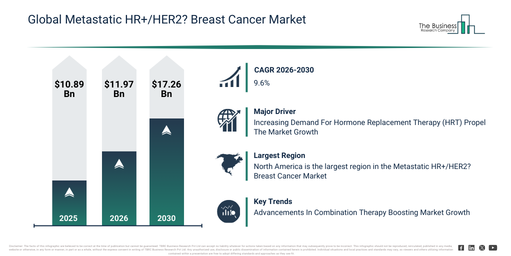
    Metastatic HR+/HER2- Breast Cancer Market Forecast Highlighting Growth From $11.96 Billion To $17.26 Billion

    The market for metastatic hr+/her2- breast cancer has experienced robust expansion lately, projecting a trajectory from $10.89 billion in 2025 to $11.97 billion in 2026, reflecting a compound annual growth rate (CAGR) of 9.9%. Key factors bolstering this growth during the preceding period included an increasing incidence of breast cancer, greater acceptance of hormonal treatments, augmented utilization of chemotherapy, advancements in early detection methods, and enhanced patient survival tracking.

    The market for metastatic hr+/her2- breast cancer is projected for considerable expansion over the coming years, reaching an estimated $17.26 billion by 2030, reflecting a compound annual growth rate of 9.6%. This anticipated rise is fueled by advancements in targeted treatments such as cdk4/6 inhibitors, expanded investigation into immunotherapies, a greater reliance on genomic profiling, escalating demand for combination therapies, and improvements in patient monitoring systems. Key developments anticipated during this period include sophisticated progress in precision hormonal therapies, the integration of artificial intelligence for personalized treatment plans, the utilization of data analytics to track treatment efficacy, the application of virtual simulations for oncology education, and the incorporation of automated processes into diagnostic workflows.

    Download A Free Sample Report For Comprehensive Market Insights:

    https://www.thebusinessresearchcompany.com/sample.aspx?id=21220&type=smp

    Metastatic HR+/HER2- Breast Cancer Market Growth Drivers And Industry Catalysts

    A significant driver for the expansion of the metastatic HR+/HER2- breast cancer market is the escalating adoption of hormone replacement therapy (HRT). This therapeutic approach involves replenishing or supplementing diminished hormone levels, commonly observed during menopausal transitions or in instances of endocrine insufficiency. The heightened utilization of HRT stems from its demonstrated efficacy in enhancing treatment results, its comparatively milder side-effect profile versus conventional treatments, and progress in personalized medicine strategies. Specifically for patients with metastatic HR+/HER2- breast cancer, HRT can offer relief from estrogen deficiency symptoms like hot flashes and vaginal dryness, while importantly not compromising the efficacy of ongoing endocrine therapies, as it addresses general hormonal imbalances rather than directly targeting cancer cells, thus contributing to an improved quality of life during cancer treatment. A notable indication of this trend is the substantial increase in HRT prescriptions; the Health Professional Academy in the UK reported that nearly 11 million HRT prescriptions were dispensed in 2022/23, representing an almost 50% surge compared to the preceding year. Consequently, this growing prevalence of hormone replacement therapy is a key factor fueling the growth of the metastatic HR+/HER2- breast cancer market.

    Metastatic HR+/HER2- Breast Cancer Market Segment Analysis And Revenue Opportunities

    The metastatic hr+/her2- breast cancer market covered in this report is segmented –

    1) By Drugs: Paclitaxel, Tamoxifen, Docetaxel, Other Drugs

    2) By Treatment: Radiation Therapy, Vitamin Therapy, Macrobiotic Diets, Homeopathy, Herbal Medication

    3) By End-User: Hospitals, Clinics, Other End-User

    Subsegments:

    1) By Paclitaxel: Generic Paclitaxel, Taxol

    2) By Tamoxifen: Generic Tamoxifen, Nolvadex

    3) By Docetaxel: Generic Docetaxel, Taxotere

    4) By Other Drugs: Letrozole, Anastrozole, Exemestane, Palbociclib, Ribociclib, Abemaciclib

    #Metastatic HR+/HER2- Breast Cancer Market Trends Influencing Long-Term Demand

    Prominent players within the metastatic HR+/HER2- breast cancer sector are actively pursuing combination therapies as a strategic move to broaden their approved uses, extend their market presence, and diversify patient treatment avenues. This therapeutic strategy entails the concurrent administration of multiple medicines, potentially encompassing chemotherapy, targeted treatments, immunotherapies, hormonal therapies, or other methods, designed to combat a disease more robustly by addressing distinct biological pathways, amplifying treatment efficacy, and mitigating the potential for the disease to develop resistance to a solitary therapeutic agent. A notable illustration of this strategy occurred in July 2023 when Merck & Co., Inc., an American pharmaceutical corporation, revealed the initiation of its Phase 3 KEYNOTE-756 study. This trial is investigating KEYTRUDA (pembrolizumab), an anti-PD-1 agent, when administered alongside a chemotherapy regimen already sanctioned by the Food and Drug Administration, a U.S. regulatory body. The study successfully achieved its primary objective, demonstrating a significant enhancement in the pathological complete response (pCR) rate among individuals diagnosed with high-risk, early-stage ER+/HER2- breast cancer. The KEYNOTE-756 trial represents a pioneering positive Phase 3 study to report a statistically significant improvement in pCR rates utilizing an immunotherapy combination in the neoadjuvant context for this specific patient demographic. The study specifically evaluated KEYTRUDA in conjunction with chemotherapy as a neoadjuvant intervention, followed by adjuvant therapy comprising KEYTRUDA and endocrine treatment for individuals with high-risk, early-stage ER+/HER2- breast cancer.

    Metastatic HR+/HER2- Breast Cancer Market Leading Players Shaping Industry Direction

    Major companies operating in the metastatic hr+/her2- breast cancer market are Pfizer Inc., F Hoffmann-La Roche AG, AstraZeneca PLC, Eli Lilly and Company, Merck & Co, Arvinas Inc, Olema Pharmaceuticals Inc, Genentech Inc, Veru Pharma, DualityBio Inc, BioNTech SE, Evgen Pharma, EQRx Inc, G1 Therapeutics Inc, Immutep Ltd, RemeGen Co Ltd, SynCore Biotechnology Co Ltd, Allarity Therapeutics AS, Jiangsu Alphamab Biopharmaceuticals Co Ltd, Byondis BV, Jiangsu Hansoh Pharmaceutical Co Ltd, Shanghai Miracogen Inc, Eisai Co Ltd, Tyme Inc, Orion Pharma

    Access The Complete Metastatic HR+/HER2- Breast Cancer Market Report:

    https://www.thebusinessresearchcompany.com/report/metastatic-hr-her2-breast-cancer-global-market-report

    Metastatic HR+/HER2- Breast Cancer Market Regional Distribution: Which Areas Drive Market Expansion?

    North Americawas the largest region in the dominated market in 2025. Asia-Pacificis expected to be the fastest-growing region in the forecast period. The regions covered in the metastatic hr+/her2- breast cancer market report are Asia-Pacific, South East Asia, Western Europe, Eastern Europe, North America, South America, Middle East, Africa.

    Get in touch with us:

    The Business Research Company: https://www.thebusinessresearchcompany.com/

    Americas: +1 310-496-7795

    Asia: +44 7882 955267 & +91 8897263534

    Europe: +44 7882 955267

    Email us at: marketing@tbrc.info

    Follow us on:

    LinkedIn: https://in.linkedin.com/company/the-business-research-company

    YouTube: https://www.youtube.com/channel/UC24_fI0rV8cR5DxlCpgmyFQ

    Global Market Model: https://www.thebusinessresearchcompany.com/global-market-model
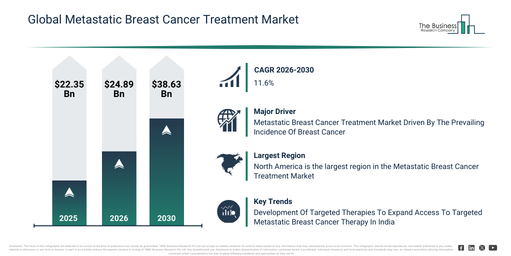
  • Metastatic Breast Cancer Treatment Market Size Projected To Increase From $24.89 Billion To $38.62 Billion During The Forecast Period

    Metastatic Breast Cancer Treatment Market Size Projected To Increase From $24.89 Billion To $38.62 Billion During The Forecast Period

    Through market attractiveness analysis, total addressable market evaluation, company benchmarking matrices, interactive Excel dashboards, expanded supply chain intelligence, emerging startup coverage, and detailed product insights, The Business Research Company’s 2026 market reports provide more actionable and strategically valuable research.

    Metastatic Breast Cancer Treatment Market Revenue Growth Supported By A CAGR Of 38.62% Through 2030

    A significant expansion has been observed in the metastatic breast cancer treatment market. Projections indicate a progression from a valuation of $22.35 billion in 2025 to $24.89 billion by 2026, reflecting a compound annual growth rate of 11.4%. Several factors contributed to the market’s advancement during the past period, including an increasing prevalence of metastatic breast cancer, the widespread acceptance of chemotherapy, expanded utilization of hormone therapy, advancements in radiation therapy methodologies, and enhanced cancer screening initiatives.

    The market for treating metastatic breast cancer is poised for substantial expansion in the upcoming years, projected to reach $38.63 billion by 2030, driven by a compound annual growth rate of 11.6%. This anticipated growth stems from escalating demand for therapies specifically targeting cancer cells, the increasing availability and effectiveness of immunotherapy, heightened investment in genomic profiling for personalized treatment, the broader adoption of tele-oncology services, and a concentrated emphasis on tailored treatment strategies. Key developments shaping this period include progress in creating novel targeted therapies, the application of artificial intelligence in patient monitoring and treatment choices, the incorporation of digital tools to facilitate remote cancer care, improved training for oncology procedures through simulation, and the automation of diagnostic processes for cancer detection.

    Download A Free Sample Report For Comprehensive Market Insights:

    https://www.thebusinessresearchcompany.com/sample.aspx?id=10816&type=smp

    Metastatic Breast Cancer Treatment Market Opportunity Drivers: What Is Creating New Revenue Potential?

    The increasing incidence of breast cancer is a significant factor anticipated to fuel the expansion of the market for treating metastatic breast cancer.

    Breast cancer is characterized as a malignancy originating within breast cells, where aberrant cells proliferate uncontrollably, leading to tumor formation, influenced by genetic predispositions, hormonal imbalances, lifestyle choices, and environmental exposures, and treatments for metastatic breast cancer are instrumental in addressing the widespread occurrence of breast cancer, thereby enhancing prognosis and daily living for those with advanced stages of the illness, as evidenced by the American Cancer Society’s September 2023 projection that approximately 297,790 women in the US would be diagnosed with invasive breast cancer in 2023, alongside an estimated 55,720 new instances of ductal carcinoma in situ (DCIS), with a somber forecast of around 43,700 female fatalities from the disease within that same year, underscoring how the high prevalence of breast cancer directly stimulates the growth of the metastatic breast cancer treatment sector.

    Metastatic Breast Cancer Treatment Market Segmentation And Category Breakdown

    The metastatic breast cancer treatment market covered in this report is segmented –

    1) By Therapy Type: Chemotherapy, Radiation Therapy, Biologic Targeted Therapy, Breast Surgery, Hormone Therapy

    2) By Molecule Type: Monoclonal Antibody, Peptides, Polymer, Small Molecule, Gene Therapy

    3) By Route Of Administration: Oral, Parenteral

    4) By End-User: Hospitals, Clinics, Ambulatory Surgical Centers, Other End-Users

    Subsegments:

    1) By Chemotherapy: Anthracyclines, Taxanes, Antimetabolites, Platinum Agents

    2) By Radiation Therapy: External Beam Radiation, Stereotactic Radiosurgery, Brachytherapy

    3) By Biologic Targeted Therapy: HER2-Targeted Therapy, CDK4 Or 6 Inhibitors, PARP Inhibitors, PI3K Inhibitors

    4) By Breast Surgery: Lumpectomy, Mastectomy, Sentinel Lymph Node Biopsy, Reconstructive Surgery

    5) By Hormone Therapy: Selective Estrogen Receptor Modulators (SERMs), Aromatase Inhibitors, Estrogen Receptor Downregulators (ERDs)

    Metastatic Breast Cancer Treatment Market Innovation Trends Driving Future Development

    Key players within the breast cancer therapeutic arena are prioritizing the creation of precision treatments designed to elevate patient results and broaden access for individuals dealing with advanced stages of the illness. Precision treatments encompass pharmaceuticals that selectively disrupt the molecular pathways fueling cancer’s progression, thereby aiming to reduce harm to healthy tissues while amplifying effectiveness. Illustrating this trend, BDR Pharmaceuticals, an Indian pharmaceutical entity, introduced Bdpalbo (palbociclib) in India during January 2023, specifically for addressing advanced and metastatic breast cancer. This CDK4/6 inhibitor, known as Bdpalbo, comes in three dosage variations: 125 mg, 100 mg, and 75 mg capsules, with its introduction intended to improve the availability of treatment options for patients in advanced stages by providing a more cost-effective version of palbociclib, thereby contributing to better treatment results through enhanced accessibility.

    Metastatic Breast Cancer Treatment Market Competitive Analysis Of Major Industry Participants

    Major companies operating in the metastatic breast cancer treatment market are Pfizer Inc., AstraZeneca plc, Novartis AG, Eli Lilly & Co., Merck & Co. Inc., Johnson & Johnson Services Inc., F. Hoffmann-La Roche AG, Bristol-Myers Squibb Company, AbbVie Inc., Seattle Genetics Inc., Genentech Inc., MacroGenics Inc., Daiichi Sankyo Company Limited, Celgene Corporation, Mersana Therapeutics Inc., Olema Oncology, RemeGen, SynCore Biotechnology, Allarity Therapeutics, Byondis B.V., Jiangsu Alphamab Biopharmaceuticals Co. Ltd., Shanghai Miracogen Inc., Ambrx Inc., Rhizen Pharmaceuticals SA, Immutep Ltd.

    Access The Complete Metastatic Breast Cancer Treatment Market Report:

    https://www.thebusinessresearchcompany.com/report/metastatic-breast-cancer-treatment-global-market-report

    Metastatic Breast Cancer Treatment Market Leading Geography: Which Region Generates The Most Revenue?

    North Americawas the largest region in the metastatic breast cancer treatment market in 2025. Asia-Pacific is expected to be the fastest-growing region in the global metastatic breast cancer treatment market during the forecast period. The regions covered in the metastatic breast cancer treatment market report are Asia-Pacific, South East Asia, Western Europe, Eastern Europe, North America, South America, Middle East, Africa.

    Get in touch with us:

    The Business Research Company: https://www.thebusinessresearchcompany.com/

    Americas: +1 310-496-7795

    Asia: +44 7882 955267 & +91 8897263534

    Europe: +44 7882 955267

    Email us at: marketing@tbrc.info

    Follow us on:

    LinkedIn: https://in.linkedin.com/company/the-business-research-company

    YouTube: https://www.youtube.com/channel/UC24_fI0rV8cR5DxlCpgmyFQ

    Global Market Model: https://www.thebusinessresearchcompany.com/global-market-model