Month: June 2026

  • Methylmalonic Acidemia (MMA) Market Trends Are Creating New Opportunities For Industry Leaders

    Methylmalonic Acidemia (MMA) Market Trends Are Creating New Opportunities For Industry Leaders

    Through market attractiveness analysis, total addressable market evaluation, company benchmarking matrices, interactive Excel dashboards, expanded supply chain intelligence, emerging startup coverage, and detailed product insights, The Business Research Company’s 2026 market reports provide more actionable and strategically valuable research.

    Methylmalonic Acidemia (MMA) Market Size Forecast: How Large Could The Market Become By 2030?

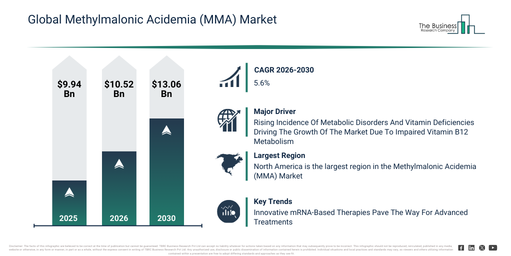
    The market for methylmalonic acidemia (mma) has experienced robust expansion lately and is projected to continue its upward trajectory, moving from $9.94 billion in 2025 to $10.52 billion in 2026, demonstrating a compound annual growth rate of 5.8%. Factors contributing to this growth during the past period include heightened awareness surrounding rare diseases, an increase in newborn screening initiatives, advancements in metabolic disorder research, the development of superior diagnostic tools, and the early adoption of genetic testing methodologies.

    The methylmalonic acidemia (mma) market is poised for substantial expansion, projecting a valuation of $13.06 billion by 2030, underpinned by a compound annual growth rate (CAGR) of 5.6%. This anticipated rise during the forecast period is fueled by several key factors, including the burgeoning field of precision therapeutics, continuous progress in gene and enzyme replacement therapies, increased financial commitment to rare disease drug development, the growing adoption of telehealth for metabolic monitoring, and a heightened emphasis on tailored nutritional strategies. Prominent trends shaping this market in the coming years are expected to be the development of therapies grounded in precision medicine, the utilization of artificial intelligence to aid in diagnosis and patient monitoring, the integration of rare disease data through cloud-based platforms, the implementation of automated biomanufacturing processes for enzyme-based treatments, and the use of immersive technologies for medical training concerning metabolic disorders.

    Download A Free Sample Report For Comprehensive Market Insights:

    https://www.thebusinessresearchcompany.com/sample.aspx?id=22057&type=smp

    Methylmalonic Acidemia (MMA) Market Development Factors: Which Trends Are Supporting Demand?

    The escalating prevalence of metabolic ailments and insufficient vitamin levels is anticipated to stimulate the expansion of the methylmalonic acidemia (MMA) market. Metabolic disorders encompass conditions affecting nutrient processing, energy generation, or cellular chemical regulation, while vitamin deficiencies arise from inadequate bodily vitamin stores for essential functions. Factors contributing to this rise include suboptimal dietary habits, sedentary lifestyles, and elevated stress, with contemporary diets often rich in processed items, sugars, and unhealthy fats, yet deficient in vital nutrients. Such deficiencies and metabolic disruptions, particularly a lack of vitamin B12, interfere with methylmalonyl-CoA metabolism, leading to a buildup of methylmalonic acid and worsening the condition of methylmalonic acidemia (MMA). For example, data from the National Institutes of Health in November 2024 indicated a rise in vitamin B12 deficiency from 4.6% to 5.2% between the third and fourth quarters of 2023, accounting for an additional 507 cases. Consequently, the growing occurrence of metabolic disorders and vitamin deficiencies serves as a primary impetus for the methylmalonic acidemia (MMA) market.

    Methylmalonic Acidemia (MMA) Market Driver: The Increasing Neonatal And Pediatric Population Driving The Market Growth Due To Higher Incidence Of Methylmalonic Acidemia

    A growing number of newborns and children is expected to fuel the expansion of the methylmalonic acidemia market. This demographic, encompassing infants up to 28 days old and individuals under 18 years, is increasing due to advancements in maternal and neonatal healthcare, which have enhanced survival rates and lowered infant mortality, especially in developed countries. The expanding young population consequently increases the need for early detection and treatment of metabolic disorders through more extensive newborn screening initiatives. For instance, the Australian Bureau of Statistics reported in October 2025 that 292,318 births were registered in Australia in 2024, a 1.9% increase or 5,320 more births than in 2023, comprising 150,299 male and 142,019 female infants. Therefore, the augmenting neonatal and pediatric population directly contributes to the growth of the methylmalonic acidemia market.

    Methylmalonic Acidemia (MMA) Market Segment Analysis: What Are The Major Market Categories?

    The methylmalonic acidemia (mma) market covered in this report is segmented –

    1) By Treatment Type: Dietary Management And Supplementation, Enzyme Replacement Therapy, Gene Therapy, Transplantation

    2) By Disorder Type: Isolated Methylmalonic Aciduria, Combined Methylmalonic Aciduria, Homocystinuria

    3) By Patient Age Group: Infant, Pediatric, Adult

    4) By Route of Administration: Oral, Intravenous

    5) By End User: Hospitals, Specialty Clinics, Homecare, Other End Users

    Subsegments:

    1) By Dietary Management And Supplementation: Vitamin B12 Supplementation, L-Carnitine Supplementation, Low-Protein Medical Diets

    2) By Enzyme Replacement Therapy: Recombinant Enzyme Therapies, Investigational Enzymes

    3) By Gene Therapy: AAV-Based Gene Therapy, Other Viral Vector-Based Therapies

    4) By Transplantation: Liver Transplantation, Combined Liver–Kidney Transplantation

    Methylmalonic Acidemia (MMA) Market Transformation Trends: Which Innovations Are Driving Change?

    Within the methylmalonic acidemia (MMA) market, leading entities are concentrating their efforts on pioneering novel therapeutic approaches, specifically exploring mRNA-based treatments. These advancements aim to enhance patient outcomes by directly addressing the genetic origins of MMA and bolstering enzyme activity, thereby mitigating the buildup of harmful substances in individuals afflicted with the condition. mRNA-based therapies function by utilizing messenger RNA to guide cellular machinery in synthesizing particular proteins crucial for disease prevention or treatment, including genetic ailments and infectious diseases. A notable development occurred in June 2024 when Moderna, Inc., a prominent US pharmaceutical and biotechnology firm, secured FDA approval for the inclusion of mRNA-3705 within the START pilot program, representing a pivotal moment in the progression of therapies for uncommon disorders. This investigational therapy, mRNA-3705, is specifically developed for MMA stemming from MUT deficiency, with the objective of reinstating the deficient enzyme through the application of mRNA technology. The therapeutic strategy incorporates Moderna’s proprietary lipid nanoparticle (LNP) delivery system, which is also employed in the mRNA-3927 initiative targeting propionic acidemia. Furthermore, the FDA has bestowed orphan drug, fast track, and rare pediatric disease designations upon mRNA-3705, thereby streamlining its development timeline and accelerating its clinical journey.

    Methylmalonic Acidemia (MMA) Market Leading Companies Driving Competitive Growth

    Major companies operating in the methylmalonic acidemia (mma) market are Alexion Pharmaceuticals Inc., PTC Therapeutics Inc., Asklepios BioPharmaceutical Inc AskBio, Selecta Biosciences Inc, BridgeBio Pharma Inc., VectivBio Holding AG, Recordati Rare Diseases Inc., Agios Pharmaceuticals Inc., LogicBio Therapeutics Inc., Moderna Inc., Wockhardt Limited, Supriya Lifescience Ltd., HemoShear Therapeutics LLC, Deccan Nutraceuticals Pvt Ltd, Genespire, Bluebird Bio Inc, Takeda Pharmaceutical Company Limited, Sanofi, Orphan Technologies Ltd, Ultragenyx Pharmaceutical Inc, HemoShear Therapeutics LLC

    Access The Complete Methylmalonic Acidemia (MMA) Market Report:

    https://www.thebusinessresearchcompany.com/report/methylmalonic-acidemia-mma-global-market-report

    Methylmalonic Acidemia (MMA) Market Geographic Landscape: Which Region Dominates Industry Growth?

    North Americawas the largest region in the methylmalonic acidemia (MMA) market in 2025. Asia-Pacificis expected to be the fastest-growing region in the forecast period. The regions covered in the methylmalonic acidemia (mma) market report are Asia-Pacific, South East Asia, Western Europe, Eastern Europe, North America, South America, Middle East, Africa.

    Get in touch with us:

    The Business Research Company: https://www.thebusinessresearchcompany.com/

    Americas: +1 310-496-7795

    Asia: +44 7882 955267 & +91 8897263534

    Europe: +44 7882 955267

    Email us at: marketing@tbrc.info

    Follow us on:

    LinkedIn: https://in.linkedin.com/company/the-business-research-company

    YouTube: https://www.youtube.com/channel/UC24_fI0rV8cR5DxlCpgmyFQ

    Global Market Model: https://www.thebusinessresearchcompany.com/global-market-model
  • Metformin Market Growth Is Reshaping Competitive Advantage Across The Industry

    Metformin Market Growth Is Reshaping Competitive Advantage Across The Industry

    Delivering more actionable and strategically valuable research, The Business Research Company’s 2026 market reports feature market attractiveness analysis, total addressable market evaluation, company benchmarking matrices, interactive Excel dashboards, expanded supply chain intelligence, emerging startup coverage, and detailed product insights.

    Metformin Market Revenue Outlook: What CAGR Is Expected Through 2030?

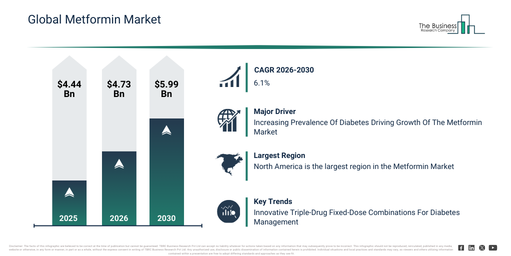
    The market for metformin has experienced substantial expansion recently, with projections indicating continued growth from $4.44 billion in 2025 to $4.73 billion in 2026, reflecting a compound annual growth rate (CAGR) of 6.7%. This historical increase in market size is largely attributable to several key factors, including the rising incidence of type 2 diabetes, a greater acceptance of oral antidiabetic medications, the cost-effectiveness of generic metformin formulations, enhanced access to healthcare services, and the expansion of prescription monitoring initiatives.

    The metformin market is poised for substantial expansion in the upcoming years, projecting a market value of $5.99 billion by 2030, fueled by a compound annual growth rate (CAGR) of 6.1%. This anticipated growth is largely attributable to several key factors: an escalating demand for extended-release drug formulations, the burgeoning use of telemedicine in diabetes management, the seamless integration of wearable glucose monitoring devices, a heightened emphasis on combination therapies, and the increasing effectiveness of public health awareness initiatives. Within this forecast period, significant prevailing trends are expected to shape the market, including the advancement of precision medicine for optimized diabetes care, the utilization of artificial intelligence to personalize treatment regimens, the widespread adoption of digital glucose monitoring systems, the implementation of automated processes in pharmaceutical production, and the integration of the Internet of Things (IoT) for tracking prescription adherence.

    Download A Free Sample Report For Comprehensive Market Insights:

    https://www.thebusinessresearchcompany.com/sample.aspx?id=16475&type=smp

    Metformin Market Industry Drivers: What Is Driving Revenue Growth?

    The expanding global incidence of diabetes is anticipated to be a primary catalyst for the metformin market’s advancement. This chronic condition arises when the pancreas fails to secrete adequate insulin or when the body is unable to efficiently utilize the insulin it produces. Contributing factors to the rising rates of diabetes include the pervasive issue of obesity, inherent genetic tendencies, shifts in lifestyle habits, limitations in accessing medical care, and exposure to certain environmental toxins. Metformin plays a crucial role in managing type 2 diabetes by effectively reducing blood glucose levels, contributing to weight reduction, improving the body’s responsiveness to insulin, and potentially offering additional benefits for cardiovascular health. To illustrate this trend, data from Diabetes Canada, a Canadian non-profit entity, indicated in February 2023 that the estimated number of diabetes cases in Canada was projected to climb from 2,409,000 (representing 15% of the population) in 2023 to 3,009,000 (constituting 17% of the population) by the year 2033, thereby underscoring how the escalating prevalence of diabetes is fueling the metformin market’s growth.

    Metformin Market Segment Breakdown: Which Categories Generate The Most Revenue?

    The metformin market covered in this report is segmented –

    1) By Product Type: Standard-Release Tablets, Slow-Release Tablets

    2) By Dosage Type: 500MG, 750MG, 850MG, 1G

    3) By End-User: Clinics, Hospitals, Homecare, Other End-Users

    Subsegments:

    1) By Standard-Release Tablets: 500 Mg, 850 Mg, 1000 Mg

    2) By Slow-Release Tablets: 500 Mg, 750 Mg, 1000 Mg

    #Metformin Market Growth Trends: What Is Influencing The Future Outlook?

    Leading players within the metformin market are actively pursuing the creation of novel diabetes treatments, exemplified by triple-drug FDCs, as a strategy to enhance their market standing. A triple-drug Fixed-Dose Combination (FDC) in the realm of diabetes therapeutics generally involves a standalone pill or capsule incorporating three distinct anti-diabetic agents. These consolidated formulations aim to deliver complementary benefits for blood glucose regulation and superior glycemic management in individuals diagnosed with type 2 diabetes. Illustratively, Glenmark Pharmaceuticals, a pharmaceutical firm headquartered in India, introduced in October 2023, what is recognized as the inaugural triple-drug FDC comprising teneligliptin, dapagliflozin, and metformin in India. Marketed under the name Zita DM, this combination product features teneligliptin (20 mg), dapagliflozin (10 mg), and metformin SR (500 mg/1000 mg) in a precise, unalterable dosage. Its purpose is to elevate glycemic control among adult patients suffering from Type 2 diabetes, especially those whose condition remains unmanaged by metformin alone or who stand to benefit from the concurrent inclusion of teneligliptin and dapagliflozin as distinct therapeutic components.

    Metformin Market Key Players And Strategic Industry Positioning

    Major companies operating in the metformin market are Wockhardt Limited, Aarti Drugs, Abhilash Chemicals Private Limited, Farmhispania, Rochem International Inc., Chr. Olesen Group, Aspire Lifesciences Pvt. Ltd., Ria Lifesciences Pvt. Ltd., LGM Pharma, HRV Global Life Sciences, Octavius Pharma Pvt. Ltd., USV Private Limited, Zeon Pharma Industries India Pvt. Ltd., Atman Pharmaceuticals, Anwita Drugs & Chemicals Pvt. Ltd., IOL Chemicals and Pharmaceuticals, Granules India Limited, Angels Pharma India Private Limited, Auro Laboratories Ltd, Wanbury Ltd, Shouguang Fukang Pharmaceutical Co, Vistin Pharma ASA, Keyuan Pharmaceutical

    Access The Complete Metformin Market Report:

    https://www.thebusinessresearchcompany.com/report/metformin-global-market-report

    Metformin Market Largest Region: Which Geography Holds The Highest Market Share?

    North Americawas the largest region in the metformin market in 2025. The regions covered in the metformin market report are Asia-Pacific, South East Asia, Western Europe, Eastern Europe, North America, South America, Middle East, Africa.

    Get in touch with us:

    The Business Research Company: https://www.thebusinessresearchcompany.com/

    Americas: +1 310-496-7795

    Asia: +44 7882 955267 & +91 8897263534

    Europe: +44 7882 955267

    Email us at: marketing@tbrc.info

    Follow us on:

    LinkedIn: https://in.linkedin.com/company/the-business-research-company

    YouTube: https://www.youtube.com/channel/UC24_fI0rV8cR5DxlCpgmyFQ

    Global Market Model: https://www.thebusinessresearchcompany.com/global-market-model
  • Metaverse In Surgical Operations Market Forecast Signals New Revenue Opportunities Through 2030

    Metaverse In Surgical Operations Market Forecast Signals New Revenue Opportunities Through 2030

    Enhanced with market attractiveness analysis, total addressable market evaluation, company benchmarking matrices, interactive Excel dashboards, expanded supply chain intelligence, emerging startup coverage, and detailed product insights, The Business Research Company’s 2026 market reports deliver more actionable and strategically valuable research.

    Metaverse In Surgical Operations Market Growth Analysis: How Will Revenue Expand During The Forecast Period?

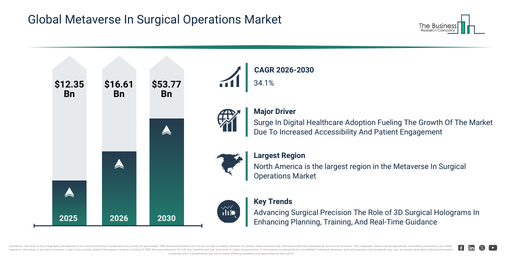
    Across the globe, the market for the metaverse within surgical procedures has experienced substantial expansion. Projections indicate a significant increase, escalating from an estimated $12.35 billion in 2025 to $16.61 billion in 2026, demonstrating a compound annual growth rate of 34.5%. This remarkable growth observed historically is chiefly fueled by innovations in surgical simulation tools, a greater embrace of less invasive surgical techniques, the development of medical education initiatives, a heightened need for precision in surgery, and the broadening of remote healthcare services.

    The metaverse within the surgical operations sector is poised for considerable expansion in the upcoming years, projecting a valuation of $53.77 billion by 2030, propelled by a compound annual growth rate of 34.1%. This upward trajectory is fueled by amplified investments in immersive healthcare solutions, a heightened need for tele-surgical teamwork, the proliferation of digital hospitals and intelligent operating theaters, a greater incorporation of AI-driven surgical strategies, and a concerted effort to minimize surgical mistakes. Key developments anticipated during this period encompass a surge in the utilization of immersive surgical education tools, a broader acceptance of virtual and augmented reality for preoperative strategizing, broader development of remote and cooperative surgical settings, greater integration of live 3D visual aids, and an intensified emphasis on improving surgical accuracy and honing professional abilities.

    Download A Free Sample Report For Comprehensive Market Insights:

    https://www.thebusinessresearchcompany.com/sample.aspx?id=19587&type=smp

    Metaverse In Surgical Operations Market Growth Factors: Which Forces Are Supporting Market Expansion?

    The expansion of the metaverse within the surgical operations sector is anticipated to be significantly boosted by the escalating requirement for digital healthcare solutions. Digital healthcare encompasses the incorporation of various digital technologies and services into the provision of medical care, such as mobile health applications, virtual consultations, remote patient surveillance, and online patient access to their health records. This increasing reliance on digital healthcare stems from a greater willingness among patients to utilize digital platforms, enhanced accessibility to medical services, the convenience offered, and improved communication among healthcare professionals. Metaverse-enhanced surgical procedures align with this trend by providing highly engaging virtual practice environments, real-time graphical representation of patient data, and the ability for surgeons to collaborate remotely, ultimately refining surgical preparation, education, and results. To illustrate, as reported by NHS England in December 2023, a governmental body in the UK, approximately 33.6 million adults in England, representing roughly 75% of the adult population, had signed up for the NHS App, noting a substantial 54% surge in monthly user logins from 16.8 million in November 2022 to 25.8 million by November 2023. Consequently, the wider acceptance and integration of digital healthcare are directly contributing to the market’s advancement in metaverse-driven surgical operations.

    Metaverse In Surgical Operations Market Segmentation: How Is The Market Structured Across Key Categories?

    The metaverse in surgical operations market covered in this report is segmented –

    1) By Component: Hardware, Software, Service

    2) By Technology: Virtual Reality (VR), Augmented Reality (AR), Mixed Reality (MR)

    3) By Application: Surgical Training, Preoperative Planning, Other Applications

    4) By End User: Hospitals And Surgical Centers, Medical Training Institutes

    Subsegments:

    1) By Hardware: Surgical Headsets (AR/VR), Haptic Feedback Devices, Sensors and Tracking Devices, Computing Systems and Servers

    2) By Software: Surgical Simulation Software, Augmented Reality Software for Surgical Guidance, Collaboration Platforms

    3) By Service: Implementation and Integration Services, Training and Education Services, Technical Support and Maintenance, Content Development for Training Simulations

    Metaverse In Surgical Operations Market Industry Trends: What Changes Are Reshaping Demand?

    Leading players within the metaverse for surgical operations are concentrating their efforts on creating dynamic 3D holographic displays, aiming to refine surgical preparation and accuracy, elevate the educational experiences for healthcare practitioners, and offer immediate directional assistance and visual clarity throughout operations. These interactive 3D holograms represent sophisticated imaging instruments capable of generating three-dimensional depictions of bodily structures and the surgical environment. As an illustration, in January 2024, HoloCare AS, a Swedish entity renowned for its expertise in crafting holographic applications for healthcare and medical instruction, introduced its 3D surgical holograms. This innovation empowers surgeons with the ability to examine a patient’s anatomy within an interactive, three-dimensional context, proving especially beneficial for intricate interventions like liver surgeries, and holds substantial promise for transforming various surgical disciplines and elevating patient care standards and results throughout Europe.

    Metaverse In Surgical Operations Market Competitive Landscape And Leading Companies

    Major companies operating in the metaverse in surgical operations market are Microsoft Corporation, Meta Platforms Inc., NVIDIA Corporation, Siemens Healthineers AG, Koninklijke Philips N.V., Medtronic Plc, Stryker Corporation, Intuitive Surgical Inc., Brainlab AG, EchoPixel Inc., Augmedics Ltd, Osso VR Inc., VirtaMed AG, FundamentalVR Ltd, Precision OS Technologies Inc., Surgical Theater Inc., CAE Inc., Laerdal Medical AS, Mentice AB, Simulab Corporation, 3D Systems Corporation, GigXR Inc., SimX Inc., Virti Ltd

    Access The Complete Metaverse In Surgical Operations Market Report:

    https://www.thebusinessresearchcompany.com/report/metaverse-in-surgical-operations-global-market-report

    Metaverse In Surgical Operations Market Regional Analysis: Which Region Leads By Revenue?

    North Americawas the largest region in the metaverse in surgical operations market in 2025. Asia-Pacificis expected to be the fastest-growing region in the forecast period. The regions covered in the metaverse in surgical operations market report are Asia-Pacific, South East Asia, Western Europe, Eastern Europe, North America, South America, Middle East, Africa.

    Get in touch with us:

    The Business Research Company: https://www.thebusinessresearchcompany.com/

    Americas: +1 310-496-7795

    Asia: +44 7882 955267 & +91 8897263534

    Europe: +44 7882 955267

    Email us at: marketing@tbrc.info

    Follow us on:

    LinkedIn: https://in.linkedin.com/company/the-business-research-company

    YouTube: https://www.youtube.com/channel/UC24_fI0rV8cR5DxlCpgmyFQ

    Global Market Model: https://www.thebusinessresearchcompany.com/global-market-model
  • Metaverse In Medical Training Market Growth Is Accelerating As Industry Transformation Continues

    Metaverse In Medical Training Market Growth Is Accelerating As Industry Transformation Continues

    Through market attractiveness analysis, total addressable market evaluation, company benchmarking matrices, interactive Excel dashboards, expanded supply chain intelligence, emerging startup coverage, and detailed product insights, The Business Research Company’s 2026 market reports provide more actionable and strategically valuable research.

    Metaverse In Medical Training Market Forecast: What Market Value Is Expected By 2030?

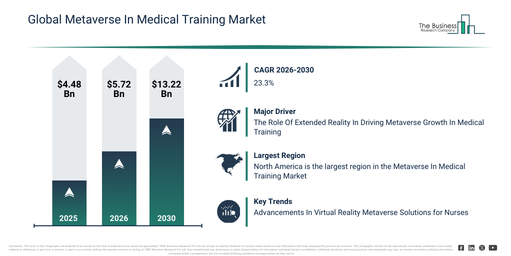
    The metaverse within the realm of medical education has experienced remarkable expansion recently, projected to ascend from $4.48 billion in 2025 to $5.72 billion in 2026, reflecting a compound annual growth rate of 27.8%. Factors fueling this historical growth trajectory include the escalating embrace of virtual simulation technologies, a heightened requirement for distributed medical instruction, the nascent incorporation of virtual reality in educational methods, burgeoning advancements in healthcare digitalization, and the critical necessity for uniform training curricula.

    The metaverse within medical training is poised for remarkable expansion in the coming years, projected to reach $13.22 billion by 2030 with a compound annual growth rate of 23.3%. This anticipated surge is propelled by several key factors, including the increasing adoption of AI-driven educational approaches, augmented investments in advanced simulation laboratories, advancements in mixed reality hardware, a heightened need for assessments focused on practical skills, and the seamless integration into existing telemedicine frameworks. Throughout this forecast period, significant trends are expected to shape the landscape, such as the broadening application of AR/VR for medical simulations, the development of AI tools to refine skill assessments, the utilization of cloud-based platforms for virtual training, the incorporation of smart infrastructure into medical education, and the deployment of IoT devices for real-time performance monitoring.

    Download A Free Sample Report For Comprehensive Market Insights:

    https://www.thebusinessresearchcompany.com/sample.aspx?id=14958&type=smp

    Metaverse In Medical Training Market Demand Drivers: What Is Fueling Industry Growth?

    The expansion of the metaverse within the medical training sector is poised for significant advancement, primarily driven by the escalating integration of extended reality (XR) technologies. XR, a category that includes augmented reality (AR), mixed reality (MR), and virtual reality (VR), refers to technologies designed to merge digital content with the physical world, thereby modifying our perception of reality without inherent limitations. The growing acceptance of these XR solutions stems from their transformative potential in enhancing remote collaboration and immersive training scenarios. Through XR, medical professionals can engage with intricate medical data in a virtual setting and interact with anatomical models within the metaverse, surpassing the constraints imposed by physical limitations and resource availability in traditional medical practice. Illustrating this trend, a September 2024 report from the XR Association (XRA), a US-based trade body, indicated that out of 500 healthcare practitioners who engage directly with patients, a notable 64 percent observed favorable outcomes from employing XR in various healthcare capacities, including educational programs, clinical instruction, and telesurgery. Furthermore, an overwhelming 84 percent of these individuals expressed confidence that AR/VR technologies will exert a beneficial influence on the broader healthcare landscape. Consequently, the intensifying utilization of extended reality technology serves as a principal catalyst for the metaverse’s ascendancy in the realm of medical training.

    Metaverse In Medical Training Market Segmentation Trends And Revenue Drivers

    The metaverse in medical training market covered in this report is segmented –

    1) By Component: Software, Hardware

    2) By Technology: Augmented Reality (AR), Virtual Reality (VR), Artificial Intelligence (AI), Mixed Reality (MR)

    3) By End User: Medical Schools And Universities, Hospitals And Healthcare Institutions, Pharmaceutical Companies, Other End Users

    Subsegments:

    1) By Software: Simulation Software, Training Platforms, Content Development Tools, Learning Management Systems (LMS), Virtual Reality (VR) and Augmented Reality (AR) Software, AI-Based Training Software, Collaboration And Communication Tools

    2) By Hardware: Virtual Reality (VR) Headsets, Augmented Reality (AR) Glasses, Motion Tracking Devices, Haptic Feedback Devices, Computing Devices (PCs, Servers), Input Devices (Gloves, Controllers), Wearable Sensors

    Metaverse In Medical Training Market Innovation Trends: Which Developments Are Transforming The Industry?

    Leading entities within the metaverse’s medical training sector are concentrating their efforts on pioneering sophisticated and novel offerings, exemplified by virtual reality metaverse simulations designed for nursing education, with the explicit aim of securing a distinct advantage in the marketplace, these immersive virtual reality metaverse experiences are designed to place nurses within lifelike situations, thereby refining their practical abilities and their capacity for making critical judgments within a stimulating and participatory setting, thereby ushering in a new era for medical instruction, a pertinent illustration of this trend occurred in February of 2023 when Stamford Health Inc., a healthcare consortium based in the United States, initiated a virtual reality (VR) training initiative for its nursing staff in partnership with Oxford Medical Simulation, a provider of virtual reality (VR) platforms renowned for delivering superior, scientifically substantiated, and remarkably true-to-life simulated training experiences for luminaries in the healthcare field, this joint initiative, which harnesses the capabilities of the Metaverse in conjunction with the Meta Quest 2 VR headset, empowers nurses to sharpen their proficiencies through engagement with artificial patients presenting with simulated ailments, this VR-based system meticulously tracks the clinical competence of the nurses, thereby enabling the customization of individual training regimens to target identified areas needing enhancement and to foster their ongoing professional advancement.

    Metaverse In Medical Training Market Industry Leaders: Which Organizations Are Driving Competition?

    Major companies operating in the metaverse in medical training market are Microsoft Corporation, NVIDIA Corporation, Siemens Healthineers AG, GE HealthCare Technologies Inc. , CAE Inc., 3D Systems Corporation, Brainlab AG, Surgical Science Sweden AB, EON Reality Inc., CMR Surgical Ltd , Novarad Corporation, XRHealth USA Inc., VirtaMed AG, Level Ex Inc., FundamentalVR plc, WorldViz Inc., Medical Realities Ltd., ImmersiveTouch Inc., BioflightVR, Devden Creative Solutions Pvt. Ltd., 8Chili Inc., PrecisionOS Technologies Inc., SimX Inc., Osso VR Inc., Arch Virtual

    Access The Complete Metaverse In Medical Training Market Report:

    https://www.thebusinessresearchcompany.com/report/metaverse-in-medical-training-global-market-report

    Metaverse In Medical Training Market Geographic Distribution And Regional Opportunities

    North Americawas the largest region in the metaverse in medical training market in 2025. Asia-Pacificis expected to be the fastest-growing region in the forecast period. The regions covered in the metaverse in medical training market report are Asia-Pacific, South East Asia, Western Europe, Eastern Europe, North America, South America, Middle East, Africa.

    Get in touch with us:

    The Business Research Company: https://www.thebusinessresearchcompany.com/

    Americas: +1 310-496-7795

    Asia: +44 7882 955267 & +91 8897263534

    Europe: +44 7882 955267

    Email us at: marketing@tbrc.info

    Follow us on:

    LinkedIn: https://in.linkedin.com/company/the-business-research-company

    YouTube: https://www.youtube.com/channel/UC24_fI0rV8cR5DxlCpgmyFQ

    Global Market Model: https://www.thebusinessresearchcompany.com/global-market-model
  • Metastatic Urothelial Carcinoma Market Outlook Highlights The Next Major Growth Opportunities

    Metastatic Urothelial Carcinoma Market Outlook Highlights The Next Major Growth Opportunities

    Delivering more actionable and strategically valuable research, The Business Research Company’s 2026 market reports feature market attractiveness analysis, total addressable market evaluation, company benchmarking matrices, interactive Excel dashboards, expanded supply chain intelligence, emerging startup coverage, and detailed product insights.

    Metastatic Urothelial Carcinoma Market Size Outlook: How Fast Will Revenue Grow Through 2030?

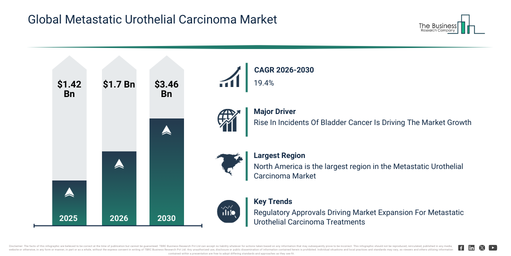
    The market for metastatic urothelial carcinoma has experienced significant expansion lately, projected to increase from $1.42 billion in 2025 to $1.7 billion in 2026, reflecting a robust compound annual growth rate of 19.9%. This past expansion has been fueled by a confluence of factors including the increasing incidence of bladder cancer, the swift integration of chemotherapy treatments, heightened utilization of cystoscopy for diagnostic purposes, a growing preference for targeted therapies, and substantial progress in immunotherapy research.

    Expect a swift expansion within the metastatic urothelial carcinoma market over the coming years, with projections indicating a reach of $3.46 billion by 2030, reflecting a compound annual growth rate (CAGR) of 19.4%. This projected surge is underpinned by several key factors including the burgeoning range of FGFR inhibitors, a growing embrace of combination immunotherapies, advancements enhancing the precision of biopsies, increased funding for oncology research and development, and a discernible movement towards tailored patient treatments. Over this same forecast period, significant market currents are expected to shape the landscape, notably the evolution of precision medicine in cancer therapy development, the integration of artificial intelligence in refining diagnostic capabilities, the optimization of cancer treatment strategies through the utilization of big data analytics, the implementation of virtual imaging and simulation for assessment purposes, and the deployment of automated solutions to streamline oncology workflows.

    Download A Free Sample Report For Comprehensive Market Insights:

    https://www.thebusinessresearchcompany.com/sample.aspx?id=21221&type=smp

    Metastatic Urothelial Carcinoma Market Growth Drivers: What Factors Are Accelerating Expansion?

    Forward projections for the metastatic urothelial carcinoma market are anticipated to be significantly bolstered by the escalating incidence of bladder cancer. This condition, characterized by the development of cancerous cells within the bladder, most commonly originates in the urothelial cells that form the inner lining. Factors contributing to this increased occurrence include increased rates of smoking, occupational or environmental exposure to certain chemicals, persistent inflammation of the bladder, and enhanced diagnostic capabilities. Metastatic urothelial carcinoma represents a critical, advanced phase of bladder cancer, underscoring a compelling necessity for prompt diagnosis, superior therapeutic strategies, and intensified research endeavors. Such advancements are poised to foster innovation and progress in managing bladder cancer, leading to improved prognoses for individuals confronting this grave illness. As an illustration, in February 2023, data from Cancer Research UK indicated that new bladder cancer diagnoses in the United Kingdom are estimated to grow from roughly 9,800 cases per annum between 2023 and 2025 to an approximate 10,700 cases annually by the 2038-2040 period. Consequently, the expanding prevalence of bladder cancer serves as a primary impetus for the growth of the metastatic urothelial carcinoma market.

    Metastatic Urothelial Carcinoma Market Segment Analysis Highlighting Growth Areas

    The metastatic urothelial carcinoma market covered in this report is segmented –

    1) By Treatment: Chemotherapy, Targeted Therapy, Immunotherapy, Radiation Therapy

    2) By Diagnosis: Urine Lab Tests, Cystoscopy, Intravenous Pyelogram (IVP), Biopsy

    3) By End User: Hospital, Oncology Clinics, Research Institutes, Other End Users

    Subsegments:

    1) By Chemotherapy: Platinum-Based Chemotherapy, Gemcitabine-Based Chemotherapy

    2) By Targeted Therapy: FGFR Inhibitors, Immune Checkpoint Inhibitors

    3) By Immunotherapy: PD-1 Or PD-L1 Inhibitors, CTLA-4 Inhibitors, Combination Immunotherapies

    4) By Radiation Therapy: External Beam Radiation Therapy, Stereotactic Body Radiation Therapy

    Metastatic Urothelial Carcinoma Market Trends: What Is Shaping Future Industry Growth?

    Key players within the metastatic urothelial carcinoma market are actively pursuing and securing regulatory endorsements for their pharmaceutical offerings, aiming to broaden their therapeutic impact and strengthen their standing in addressing adult individuals diagnosed with locally advanced or metastatic urothelial carcinoma. Such regulatory approvals signify the official sanction provided by relevant authorities, permitting the commercialization and application of medications, medical apparatus, or therapeutic interventions. To illustrate, in April of 2023, Merck & Co. Inc., a prominent American biopharmaceutical enterprise, attained Food and Drug Administration (FDA) clearance for KEYTRUDA, specifically pembrolizumab, for initial-line management in a defined cohort of patients afflicted with locally advanced or metastatic urothelial cancer. This development represents a pivotal advancement in the therapeutic landscape for urothelial cancer, as the co-administration of KEYTRUDA (pembrolizumab) alongside enfortumab vedotin now stands as the inaugural anti-PD-1 therapy sanctioned within the U.S. for use in conjunction with an antibody-drug conjugate for patients battling locally advanced or metastatic urothelial carcinoma. The clinical investigation demonstrated a statistically meaningful enhancement in both overall survival (OS) and progression-free survival (PFS) when contrasted with standard platinum-based chemotherapy regimens, such as gemcitabine combined with cisplatin or carboplatin. Consequently, this combined therapeutic approach introduces a novel treatment avenue for patients who previously lacked access to sufficiently effective interventions.

    Metastatic Urothelial Carcinoma Market Leading Companies: Who Holds Significant Market Presence?

    Major companies operating in the metastatic urothelial carcinoma market are Pfizer Inc., Johnson & Johnson Services Inc., F. Hoffmann-La Roche Ltd., Merck & Co., Inc., AbbVie Inc., Bayer AG, Bristol-Myers Squibb Company, AstraZeneca PLC, Eli Lilly and Company, Gilead Sciences Inc., Merck KGaA, Astellas Pharma Inc., Genentech Inc., Genentech Inc., Exelixis Inc., EMD Serono, Zymeworks Inc., Mirati Therapeutics Inc., UroGen Pharma Ltd.

    Access The Complete Metastatic Urothelial Carcinoma Market Report:

    https://www.thebusinessresearchcompany.com/report/metastatic-urothelial-carcinoma-global-market-report

    Metastatic Urothelial Carcinoma Market Largest Region By Revenue And Market Share

    North Americawas the largest region in the metastatic urothelial carcinoma market in 2025. Asia-Pacificis expected to be the fastest-growing region in the forecast period. The regions covered in the metastatic urothelial carcinoma market report are Asia-Pacific, South East Asia, Western Europe, Eastern Europe, North America, South America, Middle East, Africa.

    Get in touch with us:

    The Business Research Company: https://www.thebusinessresearchcompany.com/

    Americas: +1 310-496-7795

    Asia: +44 7882 955267 & +91 8897263534

    Europe: +44 7882 955267

    Email us at: marketing@tbrc.info

    Follow us on:

    LinkedIn: https://in.linkedin.com/company/the-business-research-company

    YouTube: https://www.youtube.com/channel/UC24_fI0rV8cR5DxlCpgmyFQ

    Global Market Model: https://www.thebusinessresearchcompany.com/global-market-model
  • Metastatic Prostate Cancer Market Trends And Growth Drivers Point To Strong Future Potential

    Metastatic Prostate Cancer Market Trends And Growth Drivers Point To Strong Future Potential

    Enhanced with market attractiveness analysis, total addressable market evaluation, company benchmarking matrices, interactive Excel dashboards, expanded supply chain intelligence, emerging startup coverage, and detailed product insights, The Business Research Company’s 2026 market reports deliver more actionable and strategically valuable research.

    Metastatic Prostate Cancer Market Size, Value And Growth Trends Through 2030

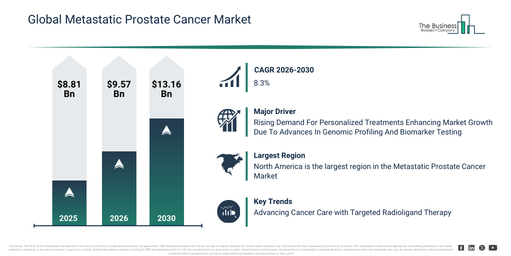
    The market for metastatic prostate cancer therapies has experienced robust expansion, projected to increase from $8.81 billion in 2025 to $9.57 billion by 2026, reflecting a compound annual growth rate of 8.6%. This upward trajectory during the historical period is fundamentally linked to an escalating number of advanced prostate cancer diagnoses, the proliferation of specialized cancer treatment facilities, enhanced patient survival outcomes facilitated by prompt medical intervention, a diverse array of available treatment modalities, and the widespread adoption of chemotherapy regimens.

    Forecasts indicate a robust expansion for the metastatic prostate cancer market, projecting a surge to $13.16 billion by 2030, fueled by an 8.3% compound annual growth rate. This upward trajectory over the projected period is anticipated due to advancements in new immunotherapies, a greater embrace of individualized cancer care, the increasing number of clinical trials for cutting-edge treatments, the expanding application of radiopharmaceutical therapies, and a heightened consideration for improving patients’ quality of life. Key developments shaping the upcoming years include a growing preference for targeted and hormone therapies, a rise in the utilization of combined treatment approaches, an intensified focus on precision oncology methodologies, the broader availability of sophisticated diagnostic and biomarker testing, and a more pronounced emphasis on patient-focused treatment plans.

    Download A Free Sample Report For Comprehensive Market Insights:

    https://www.thebusinessresearchcompany.com/sample.aspx?id=25833&type=smp

    Metastatic Prostate Cancer Market Growth Factors Supporting Long-Term Expansion

    The escalating need for customized medical interventions is anticipated to be a primary catalyst for the expansion of the metastatic prostate cancer market. This trend towards personalized medicine, which involves adapting treatments to a patient’s unique genetic makeup, lifestyle factors, and disease specifics for enhanced efficacy and precision, is being fueled by the increasing accessibility of genomic analysis and biomarker assessments. These diagnostic tools are instrumental in pinpointing particular genetic alterations and biological indicators, thereby enabling healthcare providers to prescribe therapies with a higher probability of success for each patient. Consequently, management strategies for metastatic prostate cancer are undergoing a significant shift with the adoption of personalized approaches, such as therapies guided by biomarkers and medications targeting specific genes, ensuring that treatments are precisely matched to an individual’s tumor characteristics, thereby boosting effectiveness and mitigating adverse reactions. This is underscored by the fact that by February 2024, the U.S. Food and Drug Administration (FDA), as reported by the Personalized Medicine Coalition in February 2024, greenlit a notable increase in personalized treatments for rare conditions, approving 16 in 2023 versus only 6 the preceding year. In essence, the burgeoning preference for personalized therapeutic strategies is a key driver propelling the metastatic prostate cancer market forward.

    Metastatic Prostate Cancer Market Segment Performance And Strategic Opportunities

    The metastatic prostate cancer market covered in this report is segmented –

    1) By Treatment Type: Chemotherapy, Immunotherapy, Hormonal Therapy, Radiation Therapy, Other Treatments

    2) By Route of Administration: Oral, Parenteral Route, Intravenous

    3) By Distribution Channel: Hospital Pharmacy, Retail Pharmacy, Online Pharmacy, Other Distribution Channels

    4) By End User: Hospitals, Clinics, Cancer Centers, Research Laboratories, Other End-Users

    Subsegments:

    1) By Chemotherapy: Docetaxel, Cabazitaxel, Mitoxantrone, Combination Chemotherapy Regimens

    2) By Immunotherapy: Sipuleucel-T, Immune Checkpoint Inhibitors, Cancer Vaccines, Cytokine Therapies

    3) By Hormonal Therapy: Luteinizing Hormone-Releasing Hormone (LHRH) Agonists, LHRH Antagonists, Anti-Androgens, Androgen Synthesis Inhibitors, Combined Androgen Blockade (CAB)

    4) By Radiation Therapy: External Beam Radiation Therapy (EBRT), Stereotactic Body Radiotherapy (SBRT), Radiopharmaceutical Therapy, Intensity-Modulated Radiation Therapy (IMRT)

    5) By Other Treatments: Targeted Therapy, Bone-Targeted Therapy, Clinical Trial Drugs, Palliative Therapy

    Metastatic Prostate Cancer Market Industry Trends Shaping Future Revenue Growth

    The competitive landscape for metastatic prostate cancer is being shaped by leading pharmaceutical firms who are prioritizing innovation in treatment modalities, specifically through the development of sophisticated radioligand therapies designed for the accurate delivery of radiation to malignant cells while minimizing collateral damage to healthy tissues. This advanced therapeutic approach involves a dual-component system, typically a molecule that identifies prostate-specific membrane antigen (PSMA) coupled with a radioactive element, enabling the destruction of cancerous growths across the entire body through targeted action. A notable development occurred in March 2025 when Novartis AG, a global pharmaceutical entity headquartered in Switzerland, secured approval from the U.S. Food and Drug Administration (FDA) for Pluvicto, expanding its indication to earlier stages of treatment for individuals diagnosed with PSMA-positive metastatic castration-resistant prostate cancer. Pluvicto, which employs a prostate-specific membrane antigen (PSMA)-targeting ligand attached to a beta-emitting radionuclide, operates by attaching to tumor cells that express PSMA and subsequently delivering localized radiation for their eradication. Its distinctive attributes encompass remarkable specificity for tumors, a benign safety profile, and the potential for synergistic integration with other therapeutic strategies. The utility of Pluvicto extends to the management of advanced-stage prostate cancer, with particular efficacy in patients who have experienced disease progression despite undergoing androgen deprivation therapy. The advantages conferred by this treatment include enhanced progression-free survival, targeted cellular destruction, a reduction in unintended side effects on non-cancerous tissues, and ultimately, an improvement in patient prognoses.

    Metastatic Prostate Cancer Market Key Players: Which Companies Shape Industry Competition?

    Major companies operating in the metastatic prostate cancer market are Pfizer Inc., Merck & Co. Inc., AbbVie Inc., Bayer AG, Bristol-Myers Squibb Company, AstraZeneca PLC, Novartis AG, Astellas Pharma Inc., Ipsen Group, Exelixis Inc., Ferring Pharmaceuticals, Dendreon Pharmaceuticals LLC, Hinova Pharmaceuticals Inc., Janux Therapeutics Inc., Clarity Pharmaceuticals Ltd., Convergent Therapeutics Inc., Johnson & Johnson, Sanofi, Eli Lilly And Company, Roche Holding AG, Takeda Pharmaceutical Company Limited

    Access The Complete Metastatic Prostate Cancer Market Report:

    https://www.thebusinessresearchcompany.com/report/metastatic-prostate-cancer-global-market-report

    Metastatic Prostate Cancer Market Regional Analysis And Leading Geography

    North Americawas the largest region in the metastatic prostate cancer market in 2025. Asia-Pacificis expected to be the fastest-growing region in the forecast period. The regions covered in the metastatic prostate cancer market report are Asia-Pacific, South East Asia, Western Europe, Eastern Europe, North America, South America, Middle East, Africa.

    Get in touch with us:

    The Business Research Company: https://www.thebusinessresearchcompany.com/

    Americas: +1 310-496-7795

    Asia: +44 7882 955267 & +91 8897263534

    Europe: +44 7882 955267

    Email us at: marketing@tbrc.info

    Follow us on:

    LinkedIn: https://in.linkedin.com/company/the-business-research-company

    YouTube: https://www.youtube.com/channel/UC24_fI0rV8cR5DxlCpgmyFQ

    Global Market Model: https://www.thebusinessresearchcompany.com/global-market-model
  • Metastatic Melanoma Therapeutics Market Expansion Is Reshaping Competitive Dynamics Across The Industry

    Metastatic Melanoma Therapeutics Market Expansion Is Reshaping Competitive Dynamics Across The Industry

    Through market attractiveness analysis, total addressable market evaluation, company benchmarking matrices, interactive Excel dashboards, expanded supply chain intelligence, emerging startup coverage, and detailed product insights, The Business Research Company’s 2026 market reports provide more actionable and strategically valuable research.

    Metastatic Melanoma Therapeutics Market CAGR Analysis And Future Market Development

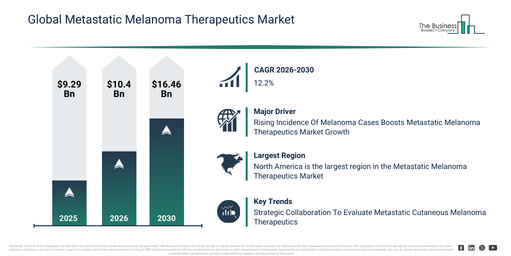
    The market for metastatic melanoma therapeutics has experienced a significant acceleration in its expansion. Projections show this sector valuing $9.29 billion in 2025, with an anticipated climb to $10.4 billion by 2026, reflecting an impressive compound annual growth rate of 11.9%. Factors contributing to this expansion during the preceding period include an increasing frequency of melanoma diagnoses, the successful integration of checkpoint inhibitors into treatment protocols, breakthroughs in targeted therapy approaches, the increased utilization of stereotactic radiosurgery, and a heightened emphasis on detecting the disease in its early stages.

    The market for treatments targeting metastatic melanoma is poised for significant expansion in the upcoming years, projected to reach a value of $16.46 billion by 2030, fueled by a compound annual growth rate of 12.2%. This anticipated growth trajectory is largely attributable to advancements such as the increased utilization of combination immunotherapies, the creation of cutting-edge BRAF and MEK inhibitors, escalating investments in cancer research and development, enhanced diagnostic precision facilitated by artificial intelligence tools, and a growing inclination towards customized cancer therapies. Key developments shaping the forecast period encompass the integration of precision medicine into melanoma treatment strategies, the application of AI for tumor identification and treatment strategy development, the leverage of big data to refine immunotherapy effectiveness, the use of virtual simulations for oncology education and outcome prediction, and the implementation of automated processes for treatment workflows and patient monitoring.

    Download A Free Sample Report For Comprehensive Market Insights:

    https://www.thebusinessresearchcompany.com/sample.aspx?id=12065&type=smp

    Metastatic Melanoma Therapeutics Market Demand Drivers Creating New Revenue Opportunities

    The increasing prevalence of melanoma diagnoses serves as a primary catalyst for the expansion of the metastatic melanoma therapeutics market. Melanoma, a type of skin cancer, originates in melanocytes, the cells responsible for skin pigmentation, and can manifest across any area of the skin. Treatments for metastatic melanoma encompass a range of therapies designed to inhibit abnormal cellular processes and impede melanoma cell proliferation while preserving healthy tissues. Illustratively, as reported by the American Cancer Society in January 2023, an organization committed to cancer eradication in the US, the nation anticipated approximately 58,120 new melanoma cases in men and 39,490 in women for 2023, culminating in an estimated total of 97,610 cases, with around 7,990 fatalities projected. Consequently, this upward trend in melanoma occurrences is directly fueling the growth trajectory of the market for metastatic melanoma treatments.

    Metastatic Melanoma Therapeutics Market Segment Landscape And Growth Potential

    The metastatic melanoma therapeutics market covered in this report is segmented –

    1) By Therapy: Chemotherapy, Immunotherapy, Targeted Therapy, Radiation Therapy, Surgery

    2) By Line Of Therapy: First-Line, Second-Line, Third-Line

    3) By End User: Hospitals, Specialty Clinics, Home Healthcare, Other End-Users

    Subsegments:

    1) By Chemotherapy: Dacarbazine, Temozolomide, Carboplatin And Cisplatin Combinations

    2) By Immunotherapy: Checkpoint Inhibitors, Interleukin-2 (IL-2), Oncolytic Virus Therapies

    3) By Targeted Therapy: BRAF Inhibitors, MEK Inhibitors, KIT Inhibitors

    4) By Radiation Therapy: Stereotactic Radiosurgery, Palliative Radiation Therapy

    5) By Surgery: Tumor Resection, Sentinel Lymph Node Biopsy, Debulking Surgery

    Metastatic Melanoma Therapeutics Market Trends Driving Strategic Industry Expansion

    Leading players within the metastatic melanoma therapeutics sector are concentrating their efforts on pioneering innovative immunotherapeutic approaches and integrated treatment regimens, with the overarching goals of elevating patient prognoses and bolstering the effectiveness of initial-line interventions. These advanced immunotherapies and combined treatment modalities represent state-of-the-art interventions designed to stimulate or regulate the body’s immune defenses against illness, often administered alongside other therapeutic options to magnify efficacy and achieve augmented outcomes. As a case in point, in March 2024, IO Biotech A/S, a biotechnology firm headquartered in the United States, concluded patient recruitment for its pivotal Phase 3 study (IOB-013/KN-D18 NCT05155254), which involved 380 participants assessing the dual administration of IO102-IO103 alongside pembrolizumab (KEYTRUDA) in comparison to pembrolizumab as a standalone therapy for the initial treatment of melanoma that cannot be operated on or has spread. This clinical investigation is championed by IO Biotech and facilitated through a partnership with Merck, a pharmaceutical enterprise based in the U.S., which is providing the pembrolizumab utilized in the research. The intent behind this combined therapeutic strategy is to amplify the immune system’s offensive capabilities against tumors, thereby potentially yielding increased overall response rates and more favorable long-term clinical results for individuals contending with advanced stages of melanoma.

    Metastatic Melanoma Therapeutics Market Competitive Landscape: Who Are The Leading Companies?

    Major companies operating in the metastatic melanoma therapeutics market are Pfizer Inc., F. Hoffmann-La Roche AG, Merck & Co. Inc., Novartis AG, Bristol-Myers Squibb Company, AstraZeneca PLC, Amgen Inc., Regeneron Pharmaceuticals Inc., Exelixis Inc., Immunocore Holdings plc, Genentech Inc., Iovance Biotherapeutics Inc., Adaptimmune Therapeutics plc, Evaxion Biotech A/S, InxMed Co. Ltd., AiVita Biomedical Inc., Cytovation AS, Biocad, Apexigen Inc., Checkmate Pharmaceuticals, HUYABIO International LLC, IO Biotech, Nykode Therapeutics, Karyopharm Therapeutics, Zucero Therapeutics, Ultimovacs ASA, Immuneering Corporation, TILT Biotherapeutics

    Access The Complete Metastatic Melanoma Therapeutics Market Report:

    https://www.thebusinessresearchcompany.com/report/metastatic-melanoma-therapeutics-global-market-report

    Metastatic Melanoma Therapeutics Market Geographic Analysis: Where Is Demand Growing The Fastest?

    North America was the largest region in the metastatic melanoma therapeutics market in 2025. The regions covered in the metastatic melanoma therapeutics market report are Asia-Pacific, South East Asia, Western Europe, Eastern Europe, North America, South America, Middle East, Africa.

    Get in touch with us:

    The Business Research Company: https://www.thebusinessresearchcompany.com/

    Americas: +1 310-496-7795

    Asia: +44 7882 955267 & +91 8897263534

    Europe: +44 7882 955267

    Email us at: marketing@tbrc.info

    Follow us on:

    LinkedIn: https://in.linkedin.com/company/the-business-research-company

    YouTube: https://www.youtube.com/channel/UC24_fI0rV8cR5DxlCpgmyFQ

    Global Market Model: https://www.thebusinessresearchcompany.com/global-market-model
  • Metastatic Lung Adenocarcinoma Treatment Market Forecast Reveals Where Future Industry Value Will Be Created

    Metastatic Lung Adenocarcinoma Treatment Market Forecast Reveals Where Future Industry Value Will Be Created

    Delivering more actionable and strategically valuable research, The Business Research Company’s 2026 market reports feature market attractiveness analysis, total addressable market evaluation, company benchmarking matrices, interactive Excel dashboards, expanded supply chain intelligence, emerging startup coverage, and detailed product insights.

    Metastatic Lung Adenocarcinoma Treatment Market Expansion From $4.99 Billion In 2026 To $7.21 Billion In 2030

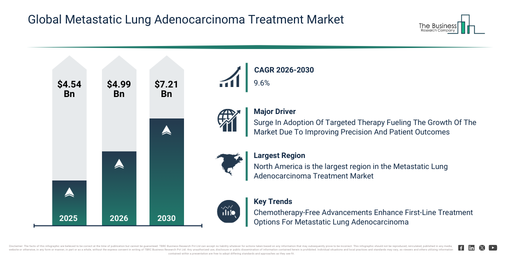
    The global market for treating metastatic lung adenocarcinoma has experienced robust expansion recently. Projections indicate a rise from $4.54 billion in 2025 to $4.99 billion in 2026, reflecting a compound annual growth rate (CAGR) of 9.9%. This historical growth trajectory is largely attributable to an increase in lung cancer incidence, the widespread use of platinum-based chemotherapy, earlier integration of EGFR inhibitors into treatment plans, greater utilization of radiation therapy, and continuous improvements in diagnostic capabilities.

    The market for treating metastatic lung adenocarcinoma is poised for significant expansion in the upcoming years, projected to reach $7.21 billion by 2030, reflecting a compound annual growth rate of 9.6%. This anticipated growth is fueled by several key factors including the broader availability of ALK and ROS1 inhibitors, a greater embrace of combined immunotherapy approaches, progress in CAR-T cell therapy research for lung cancer, improvements in advanced imaging techniques, and escalating investments in the development of targeted therapies. During this forecast period, prominent trends will involve the integration of precision medicine into lung adenocarcinoma treatment strategies, the leveraging of AI for improved tumor detection and therapy optimization, the utilization of big data to enhance immunotherapy efficacy, the deployment of virtual simulation platforms for oncology professional training, and the implementation of automated solutions for diagnostics and treatment workflows.

    Download A Free Sample Report For Comprehensive Market Insights:

    https://www.thebusinessresearchcompany.com/sample.aspx?id=24320&type=smp

    Metastatic Lung Adenocarcinoma Treatment Market Expansion Supported By Key Demand Factors

    The metastatic lung adenocarcinoma treatment market is poised for expansion, primarily fueled by the growing utilization of targeted therapies. These specialized treatments identify and obstruct the specific genes or proteins responsible for cancer proliferation and dissemination. Their effectiveness stems from their ability to precisely target identified genetic alterations, leading to superior treatment results and a reduction in adverse effects compared to traditional approaches. By targeting the specific genetic mutations fueling cancer’s progression and spread, these therapies offer a more exact method for managing metastatic lung adenocarcinoma, resulting in enhanced survival rates and improved living quality for individuals with treatable genetic profiles. Illustratively, data from the American Society of Gene and Cell Therapy and Citeline indicated a rise in gene therapies during phase II, climbing from 247 in Q1 2023 to 260 by the conclusion of Q2 2023, marking a 5% increase. Consequently, the increasing acceptance and application of targeted treatments are anticipated to be a significant contributor to the market’s upward trajectory.

    Metastatic Lung Adenocarcinoma Treatment Market Categorization By Product Type And Application

    The metastatic lung adenocarcinoma treatment market covered in this report is segmented –

    1) By Treatment: Chemotherapy, Targeted Therapy, Immunotherapy, Radiation Therapy

    2) By Route Of Administration: Oral, Intravenous

    3) By End-User: Hospitals, Cancer Research Centers, Specialty Clinics

    Subsegments:

    1) By Chemotherapy: Platinum-Based Chemotherapy, Non-Platinum Chemotherapy, Combination Therapy, Single-Agent Chemotherapy

    2) By Targeted Therapy: Epidermal Growth Factor Receptor Inhibitors, Anaplastic Lymphoma Kinase Inhibitors, C-Ros Oncogene 1 Receptor Tyrosine Kinase Inhibitors, V-Raf Murine Sarcoma Viral Oncogene Homolog B1 Inhibitors, Rearranged During Transfection Inhibitors, Mesenchymal-Epithelial Transition Factor Inhibitors, Neurotrophic Tropomyosin Receptor Kinase Inhibitors

    3) By Immunotherapy: PD-1 Inhibitors, PD-L1 Inhibitors, CTLA-4 Inhibitors, Combination Immunotherapy, CAR-T Cell Therapy (Emerging)

    4) By Radiation Therapy: External Beam Radiation Therapy (EBRT), Stereotactic Body Radiotherapy (SBRT), Intensity-Modulated Radiation Therapy (IMRT), Proton Therapy

    Metastatic Lung Adenocarcinoma Treatment Market Growth Trends Influencing Competitive Dynamics

    The leading corporations within the metastatic lung adenocarcinoma treatment sector are concentrating their efforts on pioneering sophisticated therapeutic approaches, notably chemotherapy-free regimens, with the objective of extending patient survival by precisely addressing particular genetic anomalies and ultimately improving overall results. This chemotherapy-free strategy encompasses cancer treatments employing alternatives like targeted therapies or immunotherapies, designed to effectively control the malignancy while mitigating the harsh side effects commonly associated with conventional chemotherapy. A pertinent example occurred in August 2024 when Johnson & Johnson, a prominent US healthcare entity, disclosed the US Food and Drug Administration’s (FDA) sanction of RYBREVANT (amivantamab-vmjw) in conjunction with LAZCLUZE (lazertinib) for initial, chemotherapy-free management of adult patients diagnosed with locally advanced or metastatic non-small cell lung cancer (NSCLC) possessing specific genetic markers—either EGFR exon 19 deletions or exon 21 L858R substitution mutations. This regulatory endorsement was underpinned by findings from the pivotal Phase 3 MARIPOSA trial, which revealed a marked improvement in progression-free survival when contrasted against the use of osimertinib.

    Metastatic Lung Adenocarcinoma Treatment Market Company Landscape And Strategic Competition

    Major companies operating in the metastatic lung adenocarcinoma treatment market are Pfizer Inc., Johnson & Johnson, F. Hoffmann‑La Roche Ltd, Merck & Co. Inc., Bristol‑Myers Squibb Company, AstraZeneca PLC, Novartis AG, Boehringer Ingelheim International GmbH, BeiGene Ltd., Novocure, Gilead Sciences, Daiichi Sankyo Company Limited, Mirati Therapeutics Inc., Nuvalent Inc., Moderna Therapeutics, Shanghai Henlius Biotech, Duality BioSciences Inc., Arcus Biosciences Inc., NeoImmuneTech Inc., Hutchison Medipharma Limited, Betta Pharma Company Limited, OncoC4 Inc., Xcovery Holding Company, BioNTech SE

    Access The Complete Metastatic Lung Adenocarcinoma Treatment Market Report:

    https://www.thebusinessresearchcompany.com/report/metastatic-lung-adenocarcinoma-treatment-global-market-report

    Metastatic Lung Adenocarcinoma Treatment Market Global Footprint: Which Region Holds Market Leadership?

    North Americawas the largest region in the metastatic lung adenocarcinoma treatment market in 2025. Asia-Pacificis expected to be the fastest-growing region in the forecast period. The regions covered in the metastatic lung adenocarcinoma treatment market report are Asia-Pacific, South East Asia, Western Europe, Eastern Europe, North America, South America, Middle East, Africa.

    Get in touch with us:

    The Business Research Company: https://www.thebusinessresearchcompany.com/

    Americas: +1 310-496-7795

    Asia: +44 7882 955267 & +91 8897263534

    Europe: +44 7882 955267

    Email us at: marketing@tbrc.info

    Follow us on:

    LinkedIn: https://in.linkedin.com/company/the-business-research-company

    YouTube: https://www.youtube.com/channel/UC24_fI0rV8cR5DxlCpgmyFQ

    Global Market Model: https://www.thebusinessresearchcompany.com/global-market-model
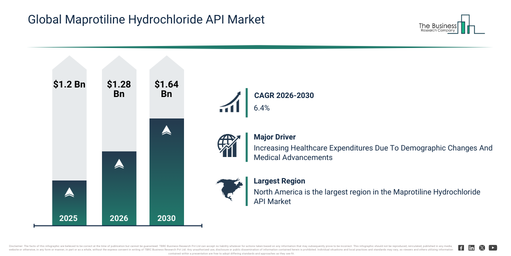
  • Maprotiline Hydrochloride API Market Expected To Reach $1.64 Billion By 2030 As Growth Accelerates At 6.4% CAGR

    Maprotiline Hydrochloride API Market Expected To Reach $1.64 Billion By 2030 As Growth Accelerates At 6.4% CAGR

    Through market attractiveness analysis, total addressable market evaluation, company benchmarking matrices, interactive Excel dashboards, expanded supply chain intelligence, emerging startup coverage, and detailed product insights, The Business Research Company’s 2026 market reports provide more actionable and strategically valuable research.

    Maprotiline Hydrochloride API Market CAGR Analysis And Future Market Development

    The market for maprotiline hydrochloride active pharmaceutical ingredients (API) has experienced robust expansion recently, projecting a rise from $1.2 billion in 2025 to $1.28 billion in 2026, sustained by a compound annual growth rate (CAGR) of 6.4%. This historical growth trajectory is largely due to the established history of maprotiline-based antidepressants in clinical practice, the increasing capacity of pharmaceutical manufacturing, a notable uptick in the diagnosis of depression and anxiety disorders, the existence of economical synthesis methodologies, and the broader expansion within the generic pharmaceutical sector.

    The market for maprotiline hydrochloride active pharmaceutical ingredients (APIs) is poised for substantial expansion in the coming years, projected to reach $1.64 billion by 2030 with a compound annual growth rate (CAGR) of 6.4%. This anticipated growth is underpinned by several key factors, including sustained demand for cost-effective mental health solutions, a growing preference for contract API manufacturing, escalating emphasis on stringent quality and compliance standards, an increase in pharmaceutical output from developing nations, and a consistent need from established antidepressant formulations. During this forecast period, significant market trends are expected to emerge, such as a heightened demand for well-established tricyclic and tetracyclic antidepressant APIs, an amplified focus on maintaining uniform API quality and adherence to regulatory mandates, a greater tendency to outsource API production to Contract Manufacturing Organizations (CMOs), sustained demand from the generic antidepressant manufacturing sector, and the expanding application of APIs in combination therapies and reformulated treatments.

    Download A Free Sample Report For Comprehensive Market Insights:

    https://www.thebusinessresearchcompany.com/sample.aspx?id=24287&type=smp

    Maprotiline Hydrochloride API Market Development Factors: Which Trends Are Supporting Demand?

    Escalating healthcare expenditures are anticipated to fuel the expansion of the Maprotiline Hydrochloride API market; these comprehensive outlays on medical services, encompassing hospitalizations, pharmaceuticals, and health insurance, are witnessing a substantial ascent primarily due to an aging demographic that necessitates more frequent and intricate medical interventions, consequently elevating overall health costs. This burgeoning healthcare spending bolsters the demand for Maprotiline Hydrochloride API, particularly for treating psychiatric conditions like depression, aligning with a significant rise in National Health Expenditures, which reached $4.9 trillion in 2023, representing 17.6% of GDP, with Medicare spending alone climbing 8.1% to $1,029.8 billion, underscoring the market’s growth trajectory.

    A heightened prevalence of depression and anxiety is poised to stimulate the Maprotiline Hydrochloride API market’s progression; these mental health conditions, marked by persistent sadness, worry, and fear that impede daily life, are increasingly linked to growing social isolation stemming from modern lifestyles, remote work arrangements, and diminishing community ties, fostering a sense of loneliness and emotional distress. Maprotiline Hydrochloride API plays a crucial role in managing these conditions by functioning as a tetracyclic antidepressant that modulates neurotransmitter balance within the brain, notably norepinephrine. Evidence from the American Psychiatric Association indicated a surge in adult anxiety levels in 2024, rising to 43% compared to previous years, accentuating the therapeutic need driving market expansion.

    The burgeoning pharmaceutical production landscape is expected to be a significant catalyst for the Maprotiline Hydrochloride API market’s advancement; this encompasses the manufacturing and processing of drug products, including active pharmaceutical ingredients and finished formulations designed for therapeutic application. Such growth is predominantly propelled by escalating global demand for chronic disease treatments and support for aging populations, alongside expanded access to essential medicines and increased manufacturing capacities by pharmaceutical firms to meet growing prescription volumes. Enhanced pharmaceutical production directly correlates with a greater demand for active pharmaceutical ingredients like Maprotiline Hydrochloride, the core components of antidepressant medications, as exemplified by the EU’s 6.1% increase in medicinal and pharmaceutical product imports in 2023, reaching $137.4 billion, thus contributing to the market’s upward trend.

    Maprotiline Hydrochloride API Market Segment Analysis Highlighting Growth Areas

    The maprotiline hydrochloride api market covered in this report is segmented –

    1) By Product Type: Powder, Granules, Other Product Types

    2) By Formulation Type: Tablets, Capsules, Injectables, Oral Solutions

    3) By Distribution Channel: Direct Sales, Pharmacy Chains, Online Pharmacies, Hospital Pharmacies

    4) By Application: Antidepressant, Anxiolytic, Sleep Aid, Neuropathic Pain Management

    5) By End-User: Pharmaceutical Companies, Research Institutions, Healthcare Providers, Contract Manufacturing Organizations (CMOs)

    Subsegments:

    1) By Powder: Fine Crystalline Powder, Micronized Powder, Spray-Dried Powder

    2) By Granules: Direct Compressible Granules, Wet Granulated Form, Effervescent Granules

    3) By Other Product Types: Liquid Concentrate, Pelletized Form, Lyophilized (Freeze-Dried) Form

    Maprotiline Hydrochloride API Market Leading Companies: Who Holds Significant Market Presence?

    Major companies operating in the maprotiline hydrochloride api market are Thermo Fisher Scientific Inc., Lupin Limited, Olon Società per Azioni, Cayman Chemical Company, Koa Shoji Co. Ltd., Simson Pharma Limited, Zydus Cadila, Conscientia Industrial Co. Ltd., Alsachim Société par Actions Simplifiée, Pharmaoffer B.V., SynZeal Research Private Limited, Jigs Chemical, Chem-Impex International Inc., Pharma Compass, Allmpus Corporation, Glentham Life Sciences Limited, LKT Laboratories Inc., Qingdao Fengchen Technology and Trade Co. Ltd., Beijing Merson Pharmaceutical, Enomark Pharma

    Access The Complete Maprotiline Hydrochloride API Market Report:

    https://www.thebusinessresearchcompany.com/report/maprotiline-hydrochloride-api-global-market-report

    Maprotiline Hydrochloride API Market Leading Geography: Which Region Generates The Most Revenue?

    North Americawas the largest region in the maprotiline hydrochloride API market in 2025. Asia-Pacificis expected to be the fastest-growing region in the forecast period. The regions covered in the maprotiline hydrochloride api market report are Asia-Pacific, South East Asia, Western Europe, Eastern Europe, North America, South America, Middle East, Africa.

    Get in touch with us:

    The Business Research Company: https://www.thebusinessresearchcompany.com/

    Americas: +1 310-496-7795

    Asia: +44 7882 955267 & +91 8897263534

    Europe: +44 7882 955267

    Email us at: marketing@tbrc.info

    Follow us on:

    LinkedIn: https://in.linkedin.com/company/the-business-research-company

    YouTube: https://www.youtube.com/channel/UC24_fI0rV8cR5DxlCpgmyFQ

    Global Market Model: https://www.thebusinessresearchcompany.com/global-market-model
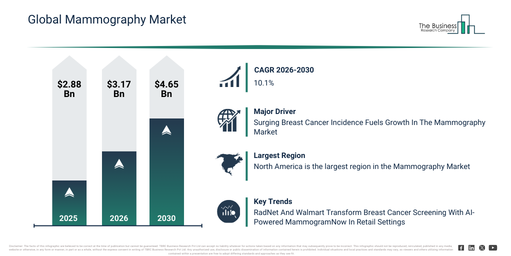
  • Mammography Market Set To Grow From $3.16 Billion In 2026 To $4.65 Billion By 2030 At A CAGR Of 10.1%

    Mammography Market Set To Grow From $3.16 Billion In 2026 To $4.65 Billion By 2030 At A CAGR Of 10.1%

    Delivering more actionable and strategically valuable research, The Business Research Company’s 2026 market reports feature market attractiveness analysis, total addressable market evaluation, company benchmarking matrices, interactive Excel dashboards, expanded supply chain intelligence, emerging startup coverage, and detailed product insights.

    Mammography Market Expansion From $3.16 Billion In 2026 To $4.65 Billion In 2030

    The mammography sector experienced robust expansion recently, projecting a rise from $2.88 billion in 2025 to $3.17 billion in 2026, fueled by a compound annual growth rate of 9.8%. Factors contributing to this historical surge include escalating breast cancer occurrence rates, the broad assimilation of x-ray imaging technologies, governmental initiatives promoting breast cancer awareness, the accessibility of film screen mammography units, and the proliferation of diagnostic imaging services within hospitals.

    The mammography sector is poised for substantial expansion in the coming years, projecting a market value of $4.65 billion by 2030, fueled by a compound annual growth rate (CAGR) of 10.1%. This projected growth is underpinned by several key factors, including the proliferation of population-wide screening programs, heightened financial commitments to diagnostic tools for women’s health, a growing emphasis on prompt and precise diagnosis, the technological transition towards digital and tomosynthesis imaging techniques, and enhancements in healthcare facilities within developing nations. Significant developments anticipated during this forecast period encompass a greater embrace of digital and 3D mammography devices, an intensified concentration on proactive breast cancer detection initiatives, increased utilization of mobile mammography units in underserved areas, a surge in demand for combined minimally invasive biopsy capabilities, and the broadening of diagnostic services within nascent healthcare markets.

    Download A Free Sample Report For Comprehensive Market Insights:

    https://www.thebusinessresearchcompany.com/sample.aspx?id=10047&type=smp

    Mammography Market Industry Drivers: What Is Driving Revenue Growth?

    The escalating rate of breast cancer diagnoses is anticipated to be a primary catalyst for the expansion of the mammography market, given that breast cancer involves uncontrolled proliferation of breast cells. With a global rise in breast cancer prevalence, mammography stands out as a critically important and extensively utilized screening method for detecting the disease in its early stages. For example, Breastcancer.org reported in 2023 that an estimated 297,790 invasive breast cancer cases and 55,720 cases of DCIS were projected for U.S. women that year. Additionally, figures from the American Cancer Society in January 2023 indicated that approximately 287,850 new invasive breast cancer cases and 51,400 new non-invasive (in situ) breast cancer cases were identified in U.S. women during 2022. Consequently, the growing occurrence of breast cancer is demonstrably fueling the mammography market.

    Mammography Market Segment Performance And Strategic Opportunities

    The mammography market covered in this report is segmented –

    1) By Product: Film Screen Systems, Digital Systems, Analog Systems, Other Products

    2) By Modality: Portable Mammography Systems, Non-Portable Mammography Systems

    3) By Technology: Breast Tomosynthesis, CAD Mammography

    4) By End-User: Hospitals, Specialty Clinics, Diagnosis Centers, Other End-Users

    Subsegments:

    1) By Film Screen Systems: Standard Film Screen Systems, High-Resolution Film Screen Systems

    2) By Digital Systems: Full-Field Digital Mammography (FFDM), Digital Breast Tomosynthesis (DBT)

    3) By Analog Systems: Conventional Analog Mammography Systems

    4) By Other Products: Accessories And Consumables, Software Solutions

    #Mammography Market Growth Trends: What Is Influencing The Future Outlook?

    Leading corporations within the mammography sector are prioritizing the development of innovative solutions, including trial mammography service programs designed to boost early breast cancer identification, elevate patient results, and broaden availability

    Mammography Market Key Players: Which Companies Shape Industry Competition?

    Major companies operating in the mammography market are Hologic Inc., Fujifilm Corporation, Siemens Healthcare AG, Canon Medical Systems Corporation, GE Healthcare Company, Koninklijke Philips N.V., Metaltronica S.p.A., PLANMED OY, Villa Sistemi Medicali S.p.A., Carestream Health, Konica Minolta Inc., Agfa-Gevaert N.V., Delphinus Medical Technologies Inc., Micrima Limited, Koning Corporation, Allengers Medical Systems Ltd., Trivitron Healthcare Pvt. Ltd., Genoray Co. Ltd., Analogic Corporation, BMI Biomedical International s.r.l., General Medical Merate S.p.A., IMS Srl, Medi-Future Co. Ltd., PerkinElmer Inc., QView Medical Inc., Radmirtech Co. Ltd.

    Access The Complete Mammography Market Report:

    https://www.thebusinessresearchcompany.com/report/mammography-global-market-report

    Mammography Market Regional Outlook: Where Are The Largest Opportunities Located?

    North Americawas the largest region in the mammography market in 2025. The regions covered in the mammography market report are Asia-Pacific, South East Asia, Western Europe, Eastern Europe, North America, South America, Middle East, Africa.

    Get in touch with us:

    The Business Research Company: https://www.thebusinessresearchcompany.com/

    Americas: +1 310-496-7795

    Asia: +44 7882 955267 & +91 8897263534

    Europe: +44 7882 955267

    Email us at: marketing@tbrc.info

    Follow us on:

    LinkedIn: https://in.linkedin.com/company/the-business-research-company

    YouTube: https://www.youtube.com/channel/UC24_fI0rV8cR5DxlCpgmyFQ

    Global Market Model: https://www.thebusinessresearchcompany.com/global-market-model