Month: June 2026

  • Mineral Sunscreen Market Expected To Reach $4.14 Billion By 2030 As Growth Accelerates At 6.1% CAGR

    Mineral Sunscreen Market Expected To Reach $4.14 Billion By 2030 As Growth Accelerates At 6.1% CAGR

    Delivering more actionable and strategically valuable research, The Business Research Company’s 2026 market reports feature market attractiveness analysis, total addressable market evaluation, company benchmarking matrices, interactive Excel dashboards, expanded supply chain intelligence, emerging startup coverage, and detailed product insights.

    Mineral Sunscreen Market Expansion Outlook: What Revenue Opportunities Lie Ahead?

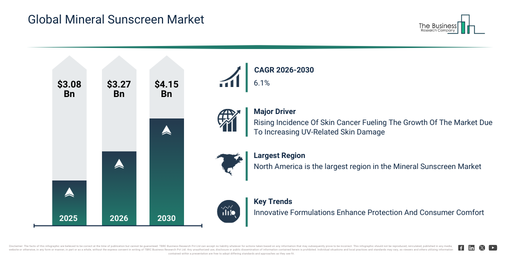
    The mineral sunscreen sector has seen robust expansion lately, projecting an increase from 3.08 billion dollars in 2025 to 3.27 billion dollars in 2026, representing a compound annual growth rate of 6.4%. Factors contributing to this historical growth trend include heightened consciousness regarding skin cancer prevention, a surge in outdoor leisure pursuits, the initial uptake of formulations containing zinc oxide, the proliferation of dermatology-endorsed items, and growing consumer apprehension about chemical sunscreen alternatives.

    The mineral sunscreen sector is poised for substantial expansion on the horizon. Projections indicate a market valuation of $4.15 billion by the year 2030, fueled by a compound annual growth rate (CAGR) of 6.1%. This anticipated surge is largely propelled by escalating demand for sun protection products suitable for infants and children, the burgeoning premium skincare market, a heightened emphasis on eco-conscious personal care items, the continued growth of online skincare sales, and increasingly stringent regulations concerning sunscreen components. Key market dynamics shaping this period include a growing inclination towards physical UV filtering agents, a rising need for products designed for sensitive skin, the increasing popularity of sunscreens that are safe for coral reefs, the diversification of mineral sunscreen product formats, and a greater emphasis on transparent “clean label” product assertions.

    Download A Free Sample Report For Comprehensive Market Insights:

    https://www.thebusinessresearchcompany.com/sample.aspx?id=24607&type=smp

    Mineral Sunscreen Market Growth Drivers: What Factors Are Accelerating Expansion?

    A surge in skin cancer diagnoses is anticipated to be a key driver for the expansion of the mineral sunscreen market. This uncontrolled proliferation of aberrant skin cells, predominantly resulting from damage inflicted by solar ultraviolet radiation or tanning beds, is becoming more prevalent. The heightened occurrence of skin cancer is largely attributable to excessive sun exposure, a factor that permits detrimental ultraviolet (UV) radiation to compromise the genetic material within skin cells. Mineral sunscreens bolster epidermal protection by offering comprehensive defense against damaging UV radiation, thereby establishing their importance in everyday sun protection routines. Their use contributes to mitigating the likelihood of skin damage and the development of skin cancer, fostering improved skin health and overall well-being over time. As an illustration, the year 2023 saw approximately 8,257 new diagnoses of cutaneous melanoma in Australia, as reported by Cancer Australia, representing 2.6% of all cancer-related fatalities. Consequently, the escalating rates of skin cancer are directly fueling the growth trajectory of the mineral sunscreen market.

    Mineral Sunscreen Market Segment Landscape And Growth Potential

    The mineral sunscreen market covered in this report is segmented –

    1) By Product Type: Lotion, Cream, Spray, Stick, Powder

    2) By Skin Type: Dry, Oily, Sensitive

    3) By Sun Protection Factor (SPF): Up To 29 Sun Protection Factor (SPF), 30 To 49 Sun Protection Factor (SPF), 50 To 69 Sun Protection Factor (SPF), 70 And More Sun Protection Factor (SPF)

    4) By Distribution Channel: Supermarkets And Hypermarkets, Specialty Stores, Online Or E-commerce, Other Distribution Channels

    5) By End User: Adults, Children, Babies

    Subsegments:

    1) By Lotion: Face Lotion, Body Lotion, Tinted Lotion, Baby Lotion

    2) By Cream: Daily Wear Cream, Anti-Aging Cream, Moisturizing Cream, Sensitive Skin Cream

    3) By Spray: Continuous Spray, Pump Spray, Sport Spray, Kids Spray

    4) By Stick: Face Stick, Lip Balm Stick, Travel Stick, Sport Stick

    5) By Powder: Loose Powder Sunscreen, Pressed Powder Sunscreen, Tinted Powder, Touch-Up Powder

    Mineral Sunscreen Market Trends: What Is Shaping Future Industry Growth?

    In the competitive landscape of mineral sunscreens, leading players are emphasizing the creation of advanced formulas, including those that are both lightweight and offer broad-spectrum protection. These types of formulations are designed to provide superior sun defense while ensuring a pleasant user experience by feeling light and not greasy on the skin. A notable example occurred in May 2025 when Saltyface Natural Inc., a Canadian cosmetic firm, introduced its Daily Sun Shield mineral sunscreen. This product is a sheer, lightweight SPF 30 offering, suitable for all skin types, and it boasts 14% non-nano zinc oxide to deliver reef-safe, water- and sweat-resistant coverage for up to an hour and twenty minutes. Furthermore, its formulation prioritizes skincare benefits, incorporating hydrating and calming components like hyaluronic acid, squalane, green tea, and chamomile, rendering it an ideal choice for everyday application, whether as a standalone product, a base for makeup, or during outdoor pursuits.

    Mineral Sunscreen Market Competitive Landscape: Who Are The Leading Companies?

    Major companies operating in the mineral sunscreen market are Loreal SA, The Estee Lauder Companies Inc, Edgewell Personal Care Company, Crown Laboratories Inc, ISDIN SA, Sun Bum LLC, Goddess Garden LLC, EltaMD Inc, Australian Gold LLC, WS Badger Company, Supergoop LLC, Drunk Elephant LLC, Raw Elements USA LLC, CP Skin Health Group Inc, Babo Botanicals Inc, Coola LLC, Rubys Organics Private Limited, Think Operations LLC, Neutrogena Corporation, Blue Lizard Australian Sunscreen, La Roche Posay, Vanicream

    Access The Complete Mineral Sunscreen Market Report:

    https://www.thebusinessresearchcompany.com/report/mineral-sunscreen-global-market-report

    Mineral Sunscreen Market Regional Analysis: Which Region Leads By Revenue?

    North Americawas the largest region in the mineral sunscreen market in 2025. Asia-Pacificis expected to be the fastest-growing region in the forecast period. The regions covered in the mineral sunscreen market report are Asia-Pacific, South East Asia, Western Europe, Eastern Europe, North America, South America, Middle East, Africa.

    Get in touch with us:

    The Business Research Company: https://www.thebusinessresearchcompany.com/

    Americas: +1 310-496-7795

    Asia: +44 7882 955267 & +91 8897263534

    Europe: +44 7882 955267

    Email us at: marketing@tbrc.info

    Follow us on:

    LinkedIn: https://in.linkedin.com/company/the-business-research-company

    YouTube: https://www.youtube.com/channel/UC24_fI0rV8cR5DxlCpgmyFQ

    Global Market Model: https://www.thebusinessresearchcompany.com/global-market-model

  • Mineral And Bone Disorder Treatment Market Set To Grow From $3.78 Billion In 2026 To $5.09 Billion By 2030 At A CAGR Of 7.7%

    Mineral And Bone Disorder Treatment Market Set To Grow From $3.78 Billion In 2026 To $5.09 Billion By 2030 At A CAGR Of 7.7%

    Enhanced with market attractiveness analysis, total addressable market evaluation, company benchmarking matrices, interactive Excel dashboards, expanded supply chain intelligence, emerging startup coverage, and detailed product insights, The Business Research Company’s 2026 market reports deliver more actionable and strategically valuable research.

    Mineral And Bone Disorder Treatment Market Growth Potential: How Will Market Size Change Through 2030?

    The global market for treating mineral and bone disorders has experienced robust expansion, projecting a rise from $3.54 billion in 2025 to $3.79 billion in 2026, demonstrating a compound annual growth rate of 6.8%. This historical growth trajectory has been fueled by several key factors including the increasing incidence of chronic kidney disease, heightened public understanding of the repercussions of mineral imbalances, a greater reliance on calcium and vitamin D supplementation, the earlier integration of dialysis therapies, and the proliferation of specialized clinics dedicated to bone health.

    The market for treating mineral and bone disorders is poised for substantial expansion, projecting a rise to $5.09 billion by the year 2030, reflecting a compound annual growth rate of 7.7%. This anticipated growth trajectory is propelled by several key factors, including innovations in hormonal treatments, a burgeoning demand for customized dietary strategies, the emergence of novel rank ligand inhibitors, the increasing utilization of online pharmacies, and the proliferation of home-based care models for treatment. Dominant trends expected to shape this market during the forecast period are the integration of precision medicine in managing bone ailments, the application of artificial intelligence for diagnosing mineral imbalances, the broader adoption of digital platforms for tracking treatment progress, a greater embrace of environmentally conscious supplement formulations, and the increasing automation within pharmaceutical manufacturing and distribution processes.

    Download A Free Sample Report For Comprehensive Market Insights:

    https://www.thebusinessresearchcompany.com/sample.aspx?id=12956&type=smp

    Mineral And Bone Disorder Treatment Market Growth Factors Supporting Long-Term Expansion

    Anticipated expansion in the mineral and bone disorder treatment sector will be driven by the rising incidence of chronic kidney ailments. Chronic kidney disease, a sustained and degenerative health concern, is characterized by a progressive decline in renal function. The primary objectives in managing mineral and bone disorders linked to CKD involve ensuring appropriate electrolyte equilibrium, safeguarding skeletal integrity, and mitigating the likelihood of associated complications. Illustrating this trend, data from MJH Life Sciences, a U.S. medical media entity, indicated that in 2023, a substantial 788 million adults aged 20 and older were impacted by chronic kidney disease, underscoring how the escalating numbers contribute to the market’s growth for these treatments.

    Mineral And Bone Disorder Treatment Market Categorization By Product Type And Application

    The mineral and bone disorder treatment market covered in this report is segmented –

    1) By Treatment: Diet, Nutrition, Medication, Supplements, Dialysis

    2) By Distribution Channel: Hospital Pharmacy, Online Pharmacy, Retail Pharmacy

    3) By End User: Hospitals, Homecare, Specialty Clinics, Other End Users

    Subsegments:

    1) By Diet: Calcium-Rich Foods, Vitamin D-Enriched Foods, Phosphorus-Rich Foods

    2) By Nutrition: Nutritional Counseling, Fortified Food Products, Meal Replacement Programs

    3) By Medication: Bisphosphonates, Hormonal Therapies, RANK Ligand Inhibitors

    4) By Supplements: Calcium Supplements, Vitamin D Supplements, Multivitamin Supplements

    5) By Dialysis: Hemodialysis, Peritoneal Dialysis, Continuous Renal Replacement Therapy (CRRT)

    Mineral And Bone Disorder Treatment Market Industry Trends Shaping Future Revenue Growth

    Key players within the mineral and bone disorder treatment sector are concentrating their efforts on innovating novel treatments and securing necessary regulatory clearances, aiming to enhance patient results and tackle existing gaps in care. Obtaining regulatory approval signifies official consent from governing bodies, authorizing the commercialization and application of a pharmaceutical, medical device, or therapeutic intervention, thereby verifying adherence to established benchmarks for safety, effectiveness, and quality. As a case in point, Ascendis Pharma A/S, a biopharmaceutical enterprise situated in Denmark, achieved FDA authorization in August 2024 for YORVIPATH, a treatment intended for adults suffering from hypoparathyroidism. This medication, YORVIPATH, functions as a prodrug of parathyroid hormone (PTH[1-34]), engineered to deliver a sustained release of PTH over a 24-hour period, assisting in the management of calcium and phosphate levels and promoting the equilibrium of bone and mineral metabolism for individuals afflicted with this infrequent endocrine condition.

    Mineral And Bone Disorder Treatment Market Company Landscape And Strategic Competition

    Major companies operating in the mineral and bone disorder treatment market are Pfizer Inc., Merck & Co. Inc., Novartis AG, Eli Lilly And Company, Amgen Inc., GlaxoSmithKline plc, Teva Pharmaceuticals Industries Ltd., Mylan N.V., Servier Laboratories Pty Ltd., Sun Pharmaceutical Industries Ltd., Aurobindo Pharma Limited, Cipla Limited, Dr. Reddy’s Laboratories Ltd., Hikma Pharmaceuticals plc, Glenmark Pharmaceuticals Ltd., Alkem Laboratories Ltd., Zydus Cadila Healthcare Ltd., Alembic Pharmaceuticals Limited, Abiogen Pharma Spa, Intas Pharmaceuticals Ltd., Radius Health Inc.

    Access The Complete Mineral And Bone Disorder Treatment Market Report:

    https://www.thebusinessresearchcompany.com/report/mineral-and-bone-disorder-treatment-global-market-report

    Mineral And Bone Disorder Treatment Market Geographic Distribution And Regional Opportunities

    North Americawas the largest region in the mineral and bone disorder treatment market in 2025. The regions covered in the mineral and bone disorder treatment market report are Asia-Pacific, South East Asia, Western Europe, Eastern Europe, North America, South America, Middle East, Africa.

    Get in touch with us:

    The Business Research Company: https://www.thebusinessresearchcompany.com/

    Americas: +1 310-496-7795

    Asia: +44 7882 955267 & +91 8897263534

    Europe: +44 7882 955267

    Email us at: marketing@tbrc.info

    Follow us on:

    LinkedIn: https://in.linkedin.com/company/the-business-research-company

    YouTube: https://www.youtube.com/channel/UC24_fI0rV8cR5DxlCpgmyFQ

    Global Market Model: https://www.thebusinessresearchcompany.com/global-market-model

  • Military And Humanitarian Trauma Care Market Opportunities Are Emerging Beyond Traditional Growth Areas

    Military And Humanitarian Trauma Care Market Opportunities Are Emerging Beyond Traditional Growth Areas

    Through market attractiveness analysis, total addressable market evaluation, company benchmarking matrices, interactive Excel dashboards, expanded supply chain intelligence, emerging startup coverage, and detailed product insights, The Business Research Company’s 2026 market reports provide more actionable and strategically valuable research.

    Military And Humanitarian Trauma Care Market Value Analysis: What Growth Is Expected Over The Forecast Period?

    The market for military and humanitarian trauma care has demonstrated robust expansion recently, projecting a rise from $7.73 billion in 2025 to $8.34 billion in 2026, signifying a compound annual growth rate of 7.9%. This growth trajectory during the past period is largely attributable to a greater frequency of regional conflicts, the broader scope of humanitarian relief efforts, advancements in emergency medical procedures, augmented investments in military healthcare infrastructure, and an escalating need for swift trauma response capabilities.

    The global market for military and humanitarian trauma care is poised for considerable expansion, projecting a value of $11.18 billion by the year 2030, with a compound annual growth rate of 7.6%. This anticipated growth trajectory is underpinned by several key factors, including the escalating utilization of AI for trauma diagnostics, a heightened emphasis on mobile and remote medical facilities, the proliferation of sophisticated surgical kits intended for expeditionary settings, the increasing integration of digital health technologies within defense medical services, and a dedicated focus on improving patient survivability. During this forecast period, notable trends are expected to shape the market, such as the wider implementation of cutting-edge medical devices on the battlefield, the increased adoption of portable diagnostic and monitoring tools, a growing reliance on rapid solutions for hemorrhage control, the expansion of telemedicine capabilities in trauma management, and a greater emphasis on developing medical supplies that are both lightweight and resilient.

    Download A Free Sample Report For Comprehensive Market Insights:

    https://www.thebusinessresearchcompany.com/sample.aspx?id=27346&type=smp

    Military And Humanitarian Trauma Care Market Demand Drivers Creating New Revenue Opportunities

    The escalating worldwide conflicts and military actions are anticipated to significantly boost the trajectory of the military and humanitarian trauma care market in the foreseeable future. These global conflicts and military engagements, characterized by armed clashes or strategic operational maneuvers among nations, groups, or factions that affect international security and stability, are experiencing an upward trend largely driven by geopolitical rivalries and competition for resources, thereby intensifying friction between countries and regional powers. In these critical situations, military and humanitarian trauma care plays an indispensable role, ensuring prompt, life-saving interventions for both military personnel and civilians within active combat zones and areas affected by crises. Illustratively, a report from Inkstick Media, a US-based publication concentrating on international affairs, security, foreign policy, and global conflicts, indicated in February 2024 that the year 2023 witnessed a 12% surge in global conflict rates, marked by an increase of over 15,000 attacks, bombings, and assaults compared to the preceding year. Consequently, this rise in global conflicts and military engagements directly fuels the expansion of the military and humanitarian trauma care market.

    Military And Humanitarian Trauma Care Market Segment Analysis And Revenue Opportunities

    The military and humanitarian trauma care market covered in this report is segmented –

    1) By Product Type: On Field Aid, Internal And External Fixators, Occlusion Products, Other Product Types

    2) By Material: Metal Alloys, Ceramics, Polymers

    3) By Surgical Site: Upper Extremities, Lower Extremities

    4) By End-Users: Hospitals, Military And Civilian Applications, Ambulatory Surgical Centers, Field Hospitals And Emergency Response Units

    Subsegments:

    1) By On Field Aid: Trauma Dressings And Bandages, Hemostatic Agents, Tourniquets, Chest Seals, Burn Treatment Supplies, Airway Management Devices, IV Fluids And Accessories

    2) By Internal And External Fixators: Internal Fixators, External Fixators, Bone Nails And Pins, Orthopedic Implants

    3) By Occlusion Products: Vascular Occlusion Devices, Balloon Catheters, Embolization Coils, Tourniquet Devices

    4) By Other Product Types: Surgical Kits And Instruments, Diagnostic And Monitoring Devices, Personal Protective Equipment (PPE), Evacuation And Transport Equipment

    Military And Humanitarian Trauma Care Market Trends Driving Strategic Industry Expansion

    Within the military and humanitarian trauma care sector, key players are prioritizing the creation of sophisticated solutions, specifically variable-angle plating systems, aimed at optimizing fracture stabilization and elevating patient recovery in demanding situations. These specialized orthopedic implants empower surgeons to secure screws at various inclinations within the plate, thereby facilitating tailored fixation for intricate bone breaks and bolstering overall stability. As an illustration, Stryker Corporation, a prominent American medical technology entity, introduced its Pangea Plating System in August 2024, subsequent to its US Food and Drug Administration (FDA) approval in late 2023. This cutting-edge system offers a flexible, variable-angle plating option suitable for a broad spectrum of patients, aiding in the internal fixation and stabilization of fractures, osteotomies, and arthrodesis in both healthy and osteopenic bone. The Pangea System, engineered with research-backed accuracy, improves implant adaptation and screw positioning via anatomically shaped plates, effectively managing a variety of fracture types. Moreover, the platform boasts simplified instruments and an extensive array of options, encompassing 20 anatomical and 13 universal plates, all integrated into a singular, streamlined system, thus establishing a new benchmark in the industry.

    Military And Humanitarian Trauma Care Market Leading Players Shaping Industry Direction

    Major companies operating in the military and humanitarian trauma care market are Johnson & Johnson, Abbott Laboratories, 3M Company, Medtronic plc, Becton Dickinson and Company, Stryker Corporation, GE HealthCare Technologies Inc., Philips Healthcare, Zimmer Biomet Holdings Inc., Smith & Nephew plc, Teleflex Incorporated, Zoll Medical Corporation, Orthofix Medical Inc., Accumed LLC, North American Rescue LLC, Combat Medical Systems LLC, RevMedx Inc., Persys Medical Ltd., Safeguard Medical Group, H&H Medical Corporation, Laerdal Medical AS, Argon Medical Devices Inc.

    Access The Complete Military And Humanitarian Trauma Care Market Report:

    https://www.thebusinessresearchcompany.com/report/military-and-humanitarian-trauma-care-global-market-report

    Military And Humanitarian Trauma Care Market Largest Region By Revenue And Market Share

    North Americawas the largest region in the military and humanitarian trauma care market in 2025. Asia-Pacificis expected to be the fastest-growing region in the forecast period. The regions covered in the military and humanitarian trauma care market report are Asia-Pacific, South East Asia, Western Europe, Eastern Europe, North America, South America, Middle East, Africa.

    Get in touch with us:

    The Business Research Company: https://www.thebusinessresearchcompany.com/

    Americas: +1 310-496-7795

    Asia: +44 7882 955267 & +91 8897263534

    Europe: +44 7882 955267

    Email us at: marketing@tbrc.info

    Follow us on:

    LinkedIn: https://in.linkedin.com/company/the-business-research-company

    YouTube: https://www.youtube.com/channel/UC24_fI0rV8cR5DxlCpgmyFQ

    Global Market Model: https://www.thebusinessresearchcompany.com/global-market-model

  • Migraine Treatment Market Expansion Is Opening New Pathways For Strategic Investment

    Migraine Treatment Market Expansion Is Opening New Pathways For Strategic Investment

    Delivering more actionable and strategically valuable research, The Business Research Company’s 2026 market reports feature market attractiveness analysis, total addressable market evaluation, company benchmarking matrices, interactive Excel dashboards, expanded supply chain intelligence, emerging startup coverage, and detailed product insights.

    Migraine Treatment Market Size Forecast: How Large Could The Market Become By 2030?

    The market for migraine treatments has experienced substantial expansion lately, projected to increase from $3.45 billion in 2025 to $3.82 billion in 2026, reflecting a compound annual growth rate of 10.7%. Key factors fueling this growth historically include the escalating occurrence of neurological conditions, better identification of specific migraine types, a greater need for readily available pain relief options, the early use of triptans and preventative drugs, and an uptick in medical consultations for persistent migraine issues.

    The migraine treatment sector is poised for a period of accelerated expansion, projected to reach a market value of $5.8 billion by the year 2030, reflecting an impressive compound annual growth rate of 11.0%. This upward trajectory is largely fueled by the emergence of novel CGRP inhibitors, a notable increase in the utilization of digital therapeutic solutions, and a growing preference for home-based care. Furthermore, the heightened adoption of wearable technology for migraine monitoring, coupled with the broadening scope of individualized treatment strategies, contributes significantly to this projected growth. Key developments anticipated within this timeframe include the wider implementation of precision medicine for proactive migraine management, the advent of artificial intelligence-driven tools for early detection and prediction of migraines, the proliferation of digital platforms for symptom logging, the seamless integration of Internet of Things (IoT) enabled wearables for continuous migraine surveillance, and the application of virtual and augmented reality technologies in pain distraction therapies.

    Download A Free Sample Report For Comprehensive Market Insights:

    https://www.thebusinessresearchcompany.com/sample.aspx?id=8126&type=smp

    Migraine Treatment Market Expansion Supported By Key Demand Factors

    Extended use of electronic devices is anticipated to significantly boost the migraine treatment market. This heightened screen time, encompassing interactions with smartphones, tablets, computers, and televisions, is a consequence of escalating remote work arrangements, widespread online learning, increased digital leisure activities, and a growing dependence on technology for social connections. Consequently, the market for migraine treatments aims to alleviate symptoms associated with or exacerbated by prolonged screen usage, employing strategies like pharmaceutical interventions, adjustments to daily habits, and the implementation of ergonomic methods to reduce physical stress and avert migraine episodes. Illustratively, data from the office of communications in November 2023 indicated that in May 2023, individuals in the UK dedicated approximately 3 hours and 41 minutes daily to online activities, marking an eight-minute uptick from May 2022, with 47.9 million adults utilizing the internet via various devices; notably, the demographic aged 18–24 exhibited the highest engagement at 4 hours and 36 minutes daily, in contrast to those 65 and older who spent the least time online, thus underscoring the direct influence of extended screen exposure on the expansion of the migraine treatment sector.

    Migraine Treatment Market Segmentation And Category Breakdown

    The migraine treatment market covered in this report is segmented –

    1) By Type: Episodic, Migraine With Aura, Chronic, Other Types

    2) By Treatment: Acute Or Abortive Treatment, Preventive Or Prophylactic Treatment, Non-Pharmacological Therapies And Devices

    3) By End-User: Hospitals, Clinics, Homecare, Other End-Users

    Subsegments:

    1) By Episodic: Frequent Episodic Migraine, Infrequent Episodic Migraine

    2) By Migraine With Aura: Visual Aura, Sensory Aura, Speech Or Language Aura

    3) By Chronic: Chronic Migraine Without Aura, Chronic Migraine With Aura

    4) By Other Types: Hemiplegic Migraine, Retinal Migraine, Menstrual Migraine

    Migraine Treatment Market Growth Trends Influencing Competitive Dynamics

    In the migraine treatment sector, key players are prioritizing the acquisition of product approvals, exemplified by Zavzpret, a nasal spray for migraine, as a means to boost their market earnings; Zavzpret, which functions as a calcitonin gene-related peptide (CGRP) receptor antagonist, is specifically designed for the acute management of migraines in adults, and noteworthy is Pfizer Inc.’s achievement in securing FDA approval for zavegepant (Zavzpret) in March 2023, a US-based pharmaceutical entity, this nasal spray, also identified as zavegepant, offers immediate relief for adult migraine episodes, incorporating or omitting aura symptoms, and its development aimed to deliver pain alleviation through a single administration, the Food and Drug Administration’s sanctioning of Zavzpret signifies a significant step forward for individuals experiencing migraines who are seeking an alternative to oral medications and require prompt pain resolution.

    Migraine Treatment Market Competitive Analysis Of Major Industry Participants

    Major companies operating in the migraine treatment market are Pfizer Inc., Eli Lilly and Company, Amgen Inc., Novartis AG, Bayer AG, Allergan PLC, Allodynic Therapeutics LLC, Impel Pharmaceuticals Inc., AbbVie Inc., Alder BioPharmaceuticals Inc., Biohaven Pharmaceutical Holding Company Ltd., Johnson & Johnson Inc., Teva Pharmaceutical Industries Ltd., H Lundbeck A/S, Axsome Therapeutics Inc., Zosano Pharma Inc., Satsuma Pharmaceuticals Inc., AEON Biopharma Inc., Pulmatrix Inc., Vaxxinity Inc., Ionis Pharmaceuticals Inc., Charleston Laboratories LLC, Merz Therapeutics, Ipsen, Kallyope Inc., Nuvie Bio LLC.

    Access The Complete Migraine Treatment Market Report:

    https://www.thebusinessresearchcompany.com/report/migraine-treatment-global-market-report

    Migraine Treatment Market Regional Analysis And Leading Geography

    North Americawas the largest region in the migraine treatment market in 2025. The regions covered in the migraine treatment market report are Asia-Pacific, South East Asia, Western Europe, Eastern Europe, North America, South America, Middle East, Africa.

    Get in touch with us:

    The Business Research Company: https://www.thebusinessresearchcompany.com/

    Americas: +1 310-496-7795

    Asia: +44 7882 955267 & +91 8897263534

    Europe: +44 7882 955267

    Email us at: marketing@tbrc.info

    Follow us on:

    LinkedIn: https://in.linkedin.com/company/the-business-research-company

    YouTube: https://www.youtube.com/channel/UC24_fI0rV8cR5DxlCpgmyFQ

    Global Market Model: https://www.thebusinessresearchcompany.com/global-market-model

  • Migraine Market Trends Are Creating New Opportunities For Industry Leaders

    Migraine Market Trends Are Creating New Opportunities For Industry Leaders

    Enhanced with market attractiveness analysis, total addressable market evaluation, company benchmarking matrices, interactive Excel dashboards, expanded supply chain intelligence, emerging startup coverage, and detailed product insights, The Business Research Company’s 2026 market reports deliver more actionable and strategically valuable research.

    Migraine Market Revenue Outlook: What CAGR Is Expected Through 2030?

    The migraine market has experienced consistent expansion lately, projected to increase from $1.97 billion in 2025 to $2.02 billion in 2026, reflecting a compound annual growth rate of 3.0%. Past growth drivers included a higher incidence of migraine conditions, greater utilization of over-the-counter pain relievers, prompt uptake of triptan medications, more patient visits for chronic migraine management, and heightened public awareness regarding neurological conditions.

    The migraine sector is projected for sustained expansion in the forthcoming years, reaching an estimated $2.36 billion by 2030 with a compound annual growth rate of 4.0%. This anticipated expansion over the forecast period is fueled by a combination of factors, including heightened demand for CGRP-based treatments, the emergence of digital therapeutic solutions for migraines, increased utilization of remote patient monitoring, a rise in home-based treatment devices, and the further development of individualized treatment strategies. Key developments anticipated within this timeframe encompass sophisticated precision-based migraine management approaches, the implementation of artificial intelligence for predicting migraine occurrences, the proliferation of cloud-based platforms for migraine monitoring, the integration of IoT-enabled wearable devices for tracking migraine patterns, and the incorporation of augmented reality and virtual reality technologies for pain management.

    Download A Free Sample Report For Comprehensive Market Insights:

    https://www.thebusinessresearchcompany.com/sample.aspx?id=12919&type=smp

    Migraine Market Growth Drivers And Industry Catalysts

    Increased stress levels are projected to be a significant catalyst for the growth of the migraine market, as stress, a complex reaction to perceived threats or overwhelming circumstances impacting both body and mind, can initiate migraine episodes by activating the body’s stress response mechanisms. This response involves the release of hormones like cortisol and adrenaline, which can cause blood vessels to constrict and then dilate, potentially altering blood flow and vascular functions critical in migraine attacks. Supporting this trend, data from the American Psychiatric Association in May 2024 indicated a notable rise in anxiety among US adults, with 43% reporting heightened anxiety compared to the prior year, an increase from 37% in 2023 and 32% in 2022. Consequently, the escalating occurrence of stress is directly fueling the expansion of the migraine market.

    Migraine Market Segment Outlook: Which Categories Are Expanding The Fastest?

    The migraine market covered in this report is segmented –

    1) By Type: Episodic, Migraine With Aura, Chronic, Other Types

    2) By Treatment: Acute Or Abortive Treatment, Preventive Or Prophylactic Treatment, Non-Pharmacological Therapies And Devices

    3) By Route Of Administration: Oral, Injectable, Nasal Spray, Other Routes Of Administration

    4) By Distribution Channel: Retail Pharmacies, Hospital Pharmacies, Online Pharmacies, Specialty Clinics

    5) By End-User: Adults, Adolescents, Pediatric, Other End-Users

    Subsegments:

    1) By Episodic: Frequent Episodic Migraine, Infrequent Episodic Migraine

    2) By Migraine With Aura: Visual Aura, Sensory Aura, Speech Or Language Aura

    3) By Chronic: Chronic Migraine Without Aura, Chronic Migraine With Aura

    4) By Other Types: Hemiplegic Migraine, Retinal Migraine, Menstrual Migraine

    #Migraine Market Trends Influencing Long-Term Demand

    Companies substantial within the migraine sector are prioritizing the creation of innovative technological applications, notably migraine lens technology, as a means to secure a stronger market standing. Migraine lens technology encompasses specially crafted lenses engineered to offer relief to individuals experiencing migraines and heightened sensitivity to light. To illustrate, Zenni Optical Inc., an American retailer of eyewear, publicized in July 2023 the introduction of its newest technological advancement, the FL-41 migraine lenses. These lenses were developed with the intention of supporting individuals who suffer from light sensitivity stemming from migraines, as well as providing solace for post-concussion symptoms and other related conditions. Furthermore, these lenses function by filtering out specific light wavelengths known to induce ocular discomfort, thereby diminishing the likelihood of migraine onset and actively addressing existing migraines.

    Migraine Market Key Companies And Competitive Benchmarking

    Major companies operating in the migraine market are Pfizer Inc., Johnson & Johnson, Merck & Co. Inc., Bayer AG, Novartis AG, Sanofi‑Aventis LLC, GlaxoSmithKline plc., Eli Lilly and Co Ltd., Amgen Inc., Teva Pharmaceutical Industries Ltd., Sun Pharmaceutical Industries Limited, Dr Reddy’s Laboratories Ltd., Apotex Inc., Cipla Limited, Amneal Pharmaceuticals LLC, Zydus Lifesciences Ltd., Lupin Limited, Torrent Pharmaceuticals Ltd., Axsome Therapeutics, Impel NeuroPharma, Zosano Pharma, H Lundbeck A S, Merz Therapeutics

    Access The Complete Migraine Market Report:

    https://www.thebusinessresearchcompany.com/report/migraine-global-market-report

    Migraine Market Geographic Analysis: Where Is Demand Growing The Fastest?

    North Americawas the largest region in the migraine market in 2025. The regions covered in the migraine market report are Asia-Pacific, South East Asia, Western Europe, Eastern Europe, North America, South America, Middle East, Africa.

    Get in touch with us:

    The Business Research Company: https://www.thebusinessresearchcompany.com/

    Americas: +1 310-496-7795

    Asia: +44 7882 955267 & +91 8897263534

    Europe: +44 7882 955267

    Email us at: marketing@tbrc.info

    Follow us on:

    LinkedIn: https://in.linkedin.com/company/the-business-research-company

    YouTube: https://www.youtube.com/channel/UC24_fI0rV8cR5DxlCpgmyFQ

    Global Market Model: https://www.thebusinessresearchcompany.com/global-market-model
  • Microscope Camera Market Growth Is Reshaping Competitive Advantage Across The Industry

    Microscope Camera Market Growth Is Reshaping Competitive Advantage Across The Industry

    Through market attractiveness analysis, total addressable market evaluation, company benchmarking matrices, interactive Excel dashboards, expanded supply chain intelligence, emerging startup coverage, and detailed product insights, The Business Research Company’s 2026 market reports provide more actionable and strategically valuable research.

    Microscope Camera Market Growth Analysis: How Will Revenue Expand During The Forecast Period?

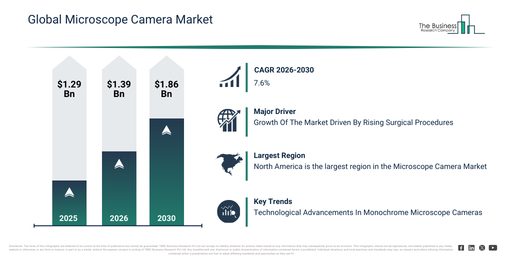
    Expanding robustly over recent years, the microscope camera market is projected to ascend from $1.29 billion in 2025 to $1.39 billion in 2026, demonstrating a compound annual growth rate of 7.9%. This historical expansion has been fueled by elevated requirements in clinical microscopy applications, the escalating integration of CMOS sensors, a surge in imaging for academic research endeavors, the embrace of digital workflows within laboratories, and broader utilization in materials science imaging.

    The global market for microscope cameras is projected to experience considerable expansion over the upcoming years, escalating to a value of $1.86 billion by the year 2030, fueled by a compound annual growth rate of 7.6%. This anticipated growth trajectory over the forecast period is largely propelled by a confluence of factors, including the escalating need for AI-driven diagnostic solutions, the increasing incorporation of remote microscopy practices, advancements in the development of superior resolution imaging sensors, the broad adoption of real-time telepathology, and a general rise in investments within biotechnology research and development. Key developments shaping this market during the forecast period are anticipated to be the proliferation of AI-powered image processing techniques, the implementation of cloud-based systems for managing microscopy data, a greater embrace of automation within laboratory imaging processes, the deployment of IoT-enabled remote microscopy platforms, and the utilization of sophisticated digital imaging technologies for enhanced precision in diagnostics.

    Download A Free Sample Report For Comprehensive Market Insights:

    https://www.thebusinessresearchcompany.com/sample.aspx?id=20882&type=smp

    Microscope Camera Market Opportunity Drivers: What Is Creating New Revenue Potential?

    The expansion of the microscope camera market is expected to be driven by the rising frequency of surgical procedures. These medical interventions, aimed at treating ailments, injuries, or deformities through tissue manipulation like cutting, removal, repair, or alteration, contribute to enhanced patient well-being and physical capacity. Several elements contribute to this surge in surgeries, including an aging demographic, innovations in medical devices, an increase in long-term health conditions, broader availability of healthcare services, heightened health consciousness, superior surgical results, and the growing trend of medical tourism. Microscope cameras significantly benefit surgical procedures by offering magnified, high-definition visualizations of the operative field, which bolsters accuracy, facilitates immediate record-keeping, and permits collaborative efforts from afar, ultimately leading to improved patient care. As an illustration, data from the UK Health Security Agency indicated that in December 2023, the United Kingdom saw 27,524 coronary artery bypass graft surgeries performed in 2023, an increase from the previous year. Consequently, the growing volume of surgical operations is poised to fuel the advancement of the microscope camera market.

    Microscope Camera Market Segment Landscape: Which Areas Lead Market Development?

    The microscope camera market covered in this report is segmented –

    1) By Type: Monochrome Cameras, Color Cameras

    2) By Sensor Type: Complementary Metal-Oxide-Semiconductor (CMOS) Sensors, Charge-Coupled Device (CCD) Sensors

    3) By Resolution: High-Definition Cameras, Standard-Definition Cameras

    4) By Distribution Channel: Online, Offline

    5) By Application: Medical, Industry, Education, Other Applications

    Subsegments:

    1) By Monochrome Cameras: CMOS Monochrome Cameras, CCD Monochrome Cameras

    2) By Color Cameras: CMOS Color Cameras, CCD Color Cameras

    Microscope Camera Market Innovation Trends Driving Future Development

    Leading entities within the microscope camera sector are prioritizing the creation of cutting-edge innovations, including monochrome variants, to elevate image sharpness and accuracy for demanding scientific and medical imaging tasks. A monochrome microscope camera is essentially a digital imaging device employed in microscopy that records stark, black-and-white visuals, frequently chosen for its capacity to yield superior, more intricate depictions, particularly in scenarios involving subdued illumination or requiring exceptional sensitivity. As an illustration, in the early part of 2023, Nikon Corporation, a prominent Japanese firm specializing in optical instruments and photographic equipment, introduced the Digital Sight 50M, a monochrome microscope camera engineered for meticulous analysis and extensive sample processing, especially suitable for tasks like screening multi-well plates. Boasting a 50-megapixel resolution, this camera facilitates improved imaging capabilities and reliable identification across a spectrum of scientific and medical disciplines. Its sophisticated attributes, encompassing the 50-megapixel sensor and refined light-gathering properties, facilitate exact and sharp image capture, rendering it exceptionally well-suited for scientific inquiry, clinical assessment, and quality assurance protocols within laboratory environments.

    Microscope Camera Market Industry Leaders And Market Competition

    Major companies operating in the microscope camera market are Sony Corporation, Canon Inc., Danaher Corporation, Keyence Corporation, Olympus Corporation, Teledyne Technologies, Roper Technologies Inc., Nikon Corporation, Carl Zeiss AG, Hamamatsu, Brunel Microscopes Ltd, Jenoptik AG, Leica Microsystems, Motic China Group Co Ltd, Basler AG, Andor Technology Limited, Oxford Instruments plc, Tucsen Photonics Co Ltd., Lumenera Corporation, Euromex Microscopen BV, Guangzhou Micro-shot Technology Co Ltd., Martin Microscope, Meiji Techno Co Ltd.

    Access The Complete Microscope Camera Market Report:

    https://www.thebusinessresearchcompany.com/report/microscope-camera-global-market-report

    Microscope Camera Market Global Footprint: Which Region Holds Market Leadership?

    North Americawas the largest region in the microscope camera market in 2025. Asia-Pacificis expected to be the fastest-growing region in the forecast period. The regions covered in the microscope camera market report are Asia-Pacific, South East Asia, Western Europe, Eastern Europe, North America, South America, Middle East, Africa.

    Get in touch with us:

    The Business Research Company: https://www.thebusinessresearchcompany.com/

    Americas: +1 310-496-7795

    Asia: +44 7882 955267 & +91 8897263534

    Europe: +44 7882 955267

    Email us at: marketing@tbrc.info

    Follow us on:

    LinkedIn: https://in.linkedin.com/company/the-business-research-company

    YouTube: https://www.youtube.com/channel/UC24_fI0rV8cR5DxlCpgmyFQ

    Global Market Model: https://www.thebusinessresearchcompany.com/global-market-model
  • MicroRNA Market Forecast Signals New Revenue Opportunities Through 2030

    MicroRNA Market Forecast Signals New Revenue Opportunities Through 2030

    Delivering more actionable and strategically valuable research, The Business Research Company’s 2026 market reports feature market attractiveness analysis, total addressable market evaluation, company benchmarking matrices, interactive Excel dashboards, expanded supply chain intelligence, emerging startup coverage, and detailed product insights.

    MicroRNA Market Forecast: What Market Value Is Expected By 2030?

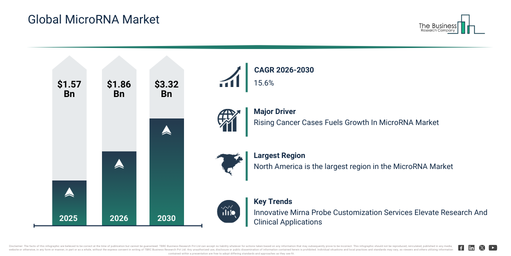
    The microRNA market experienced significant expansion recently, projecting a rise from $1.57 billion in 2025 to $1.86 billion by 2026, propelled by an 18.5% compound annual growth rate. This upward trajectory during the previous period was underpinned by several key factors: the escalating embrace of genomic research, a heightened need for identifying biomarkers, the proliferation of PCR-based testing methodologies, the broadening scope of cancer research initiatives, and the increasing deployment of next-generation sequencing (NGS) instruments.

    Anticipate a swift expansion for the microrna market over the coming years, projecting a valuation of $3.32 billion by 2030, fueled by a compound annual growth rate (CAGR) of 15.6%. This anticipated surge is propelled by a confluence of factors, including the broadening clinical utility of microrna diagnostics, an elevated adoption of personalized medicine approaches, advancements in therapeutic microrna development, intensified research into infectious diseases, and augmented investments in molecular assay technologies. Key developments shaping this forecast period encompass the strides in precision genomics, the integration of artificial intelligence into microrna expression analysis, the increasing reliance on cloud-based solutions for sequencing data storage, the push towards automation within molecular diagnostics, and the incorporation of internet of things (IoT) technology to streamline laboratory workflows.

    Download A Free Sample Report For Comprehensive Market Insights:

    https://www.thebusinessresearchcompany.com/sample.aspx?id=15608&type=smp

    MicroRNA Market Growth Momentum: Which Factors Are Influencing Demand?

    The escalating incidence of cancer is anticipated to be a primary catalyst for the expansion of the microRNA market. Cancer, a multifaceted condition marked by aberrant cell multiplication and spread, frequently results in tumors that can infiltrate adjacent tissues and metastasize to distant sites, presenting substantial health hazards. This rise in cancer diagnoses can be attributed to several factors, such as an aging global population, lifestyle habits including tobacco use and unhealthy eating, exposure to environmental toxins, and enhanced diagnostic capabilities facilitating earlier detection. MicroRNAs are integrated with established cancer treatments to amplify therapeutic efficacy and improve patient prognoses. Furthermore, these small RNA molecules function as valuable diagnostic and prognostic indicators, aiding in the classification of cancers, forecasting disease trajectories, and assessing the effectiveness of interventions. Illustratively, data from the National Cancer Institute, a prominent US governmental body, indicated that in May 2024, approximately 20 million new cancer cases and 9.7 million fatalities linked to the disease were reported globally in 2022, with projections suggesting an increase to 15.3 million deaths and 29.9 million new cases annually by 2040. Consequently, the growing prevalence of cancer is fueling the advancement of the microRNA market.

    MicroRNA Market Segments: Where Are The Largest Growth Opportunities?

    The microrna market covered in this report is segmented –

    1) By Product: Instruments, Consumables

    2) By Assay Type: Immunoassay, Next Generation Sequencing, MiRNA Arrays, Polymerase Chain Reaction (PCR) Based Arrays

    3) By Application: Cancer, Infectious Diseases, Immunological Disorder, Cardiovascular Disease, Neurological Disease, Other Applications

    4) By End User: Academic And Research Institutes, Biopharmaceutical Companies, Diagnostic Centers, Clinical Research Organizations

    Subsegments:

    1) By Instruments: Quantitative PCR Systems, Microarray Platforms, Next-Generation Sequencing (NGS) Systems, Real-Time PCR Instruments, Microrna Analyzers

    2) By Consumables: MicroRNA Kits ( Extraction Kits, Detection Kits), PCR Reagents, Primers And Probes, Microarrays And Chips, RNA Sequencing Kits

    MicroRNA Market Trends Reshaping Industry Growth

    Leading entities within the microRNA sector are concentrating their efforts on pioneering sophisticated offerings, including bespoke miRNA probe design, to precisely cater to the requirements of the scientific and medical communities, thereby boosting the precision of miRNA identification and enabling a broad spectrum of uses. These tailored miRNA probe services involve expert assistance from companies in the biotech and molecular biology fields, aimed at creating and manufacturing unique probes that target specific microRNAs for different research and clinical purposes. As an illustration, in September of 2023, Abnova Corporation, a biotechnology firm headquartered in Taiwan, introduced upgraded capabilities for creating custom miRNA probes, complemented by an expanded collection of pre-made miRNA probes, to address the varied demands of academic institutions, industrial partners, and research groups involved in microRNA studies. Such probes are instrumental in the accurate discernment and pinpointing of miRNAs, which are diminutive, non-coding RNA segments essential for numerous biological functions. Abnova’s personalized probe services guarantee superior specificity and reduced instances of unintended interactions, rendering them highly effective for the examination of biological material with scarce miRNA quantities.

    MicroRNA Market Major Participants And Competitive Dynamics

    Major companies operating in the microrna market are Thermo Fisher Scientific Inc., Merck KGaA, Agilent Technologies Inc, Illumina Inc., Bio-Rad Laboratories Inc., QIAGEN N.V., Miltenyi Biotec, LGC Limited, Promega Corporation, Abcam plc, Integrated DNA Technologies Inc., NanoString Technologies Inc., Horizon Discovery Ltd., OriGene Technologies Inc., Omega Bio-Tek, New England Biolabs, Quantabio, SeqMatic LLC, GeneCopoeia Inc., HTG Molecular Diagnostics Inc.

    Access The Complete MicroRNA Market Report:

    https://www.thebusinessresearchcompany.com/report/microrna-global-market-report

    MicroRNA Market Regional Distribution: Which Areas Drive Market Expansion?

    North Americawas the largest region in the microRNA market in 2025. Asia-Pacificis expected to be the fastest-growing region in the forecast period. The regions covered in the microrna market report are Asia-Pacific, South East Asia, Western Europe, Eastern Europe, North America, South America, Middle East, Africa.

    Get in touch with us:

    The Business Research Company: https://www.thebusinessresearchcompany.com/

    Americas: +1 310-496-7795

    Asia: +44 7882 955267 & +91 8897263534

    Europe: +44 7882 955267

    Email us at: marketing@tbrc.info

    Follow us on:

    LinkedIn: https://in.linkedin.com/company/the-business-research-company

    YouTube: https://www.youtube.com/channel/UC24_fI0rV8cR5DxlCpgmyFQ

    Global Market Model: https://www.thebusinessresearchcompany.com/global-market-model
  • Microproteins Skincare Market Growth Is Accelerating As Industry Transformation Continues

    Microproteins Skincare Market Growth Is Accelerating As Industry Transformation Continues

    Enhanced with market attractiveness analysis, total addressable market evaluation, company benchmarking matrices, interactive Excel dashboards, expanded supply chain intelligence, emerging startup coverage, and detailed product insights, The Business Research Company’s 2026 market reports deliver more actionable and strategically valuable research.

    Microproteins Skincare Market Size Outlook: How Fast Will Revenue Grow Through 2030?

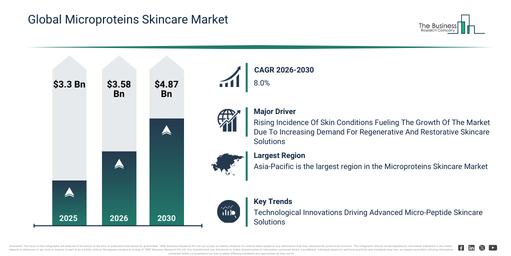
    The microproteins skincare market is poised for robust expansion, projecting a rise from $3.3 billion in 2025 to $3.58 billion by 2026, reflecting a compound annual growth rate of 8.3%. This upward trajectory in the historical period is fueled by several key factors, including an escalating consumer preoccupation with anti-aging solutions, a burgeoning demand for high-end cosmetic items, the proliferation of clinical-grade skincare options, the increasing impact of dermatological studies, and the broader accessibility of sophisticated cosmetic formulations.

    The microproteins skincare market is poised for considerable expansion over the upcoming years, projected to reach $4.87 billion by 2030 with an 8.0% compound annual growth rate (CAGR). This anticipated growth trajectory is fueled by escalating investments directed towards protein-based skincare research and development, a burgeoning consumer preference for non-surgical anti-aging alternatives, the broader advancement of cosmetic innovations powered by biotechnology, a rising demand for versatile skincare offerings, and the increasing uptake of customized beauty regimens. Key developments anticipated within this forecast period encompass a greater integration of microprotein-based anti-aging items, a heightened demand for active skincare ingredients capable of deep skin penetration, a concentrated effort on promoting collagen and elastin production, the proliferation of advanced skincare formulas, and a strengthened focus on remedies designed for cellular repair.

    Download A Free Sample Report For Comprehensive Market Insights:

    https://www.thebusinessresearchcompany.com/sample.aspx?id=30325&type=smp

    Microproteins Skincare Market Expansion Drivers: What Is Shaping Future Growth?

    An increasing prevalence of dermatological issues is anticipated to be a significant catalyst for the expansion of the microprotein skincare sector in the future. Skin conditions encompass a range of ailments and deviations impacting the skin’s composition, look, or operation, such as acne, eczema, psoriasis, and various infections. The greater awareness among both consumers and medical practitioners regarding the influence of environmental influences, daily habits, and inherited predispositions on skin well-being, coupled with a growing emphasis on specialized skincare to address and avert these concerns, is contributing to a rise in these conditions. Microprotein-infused skincare items are instrumental in managing these dermatological challenges by encouraging cellular renewal, aiding in the restoration of compromised tissues, reinforcing the skin’s protective barrier, and mitigating inflammation, all of which contribute to the overall recuperation of skin health. Illustrating this trend, projections released in March 2025 by the British Dermatological Nursing Group, an independent professional body in the UK, indicated that Northern Ireland could witness a 28% upswing in melanoma diagnoses by 2040, potentially incurring approximately $4.8 million (£3.8 million) in yearly healthcare expenditures. Consequently, the escalating occurrence of skin ailments is a key driver for the microprotein skincare market’s development.

    Microproteins Skincare Market Segment Analysis: What Are The Major Market Categories?

    The microproteins skincare market covered in this report is segmented –

    1) By Product Type: Creams, Serums, Masks, Lotions

    2) By Distribution Channel: Online, Offline

    3) By Application: Anti-aging, Moisturizing, Acne Treatment, Sensitive Skin

    Subsegments:

    1) By Creams: Anti-Aging Creams, Brightening Creams, Hydrating Creams, Firming Creams

    2) By Serums: Anti-Wrinkle Serums, Hydration Serums, Brightening Serums, Repair Serums

    3) By Masks: Sheet Masks, Clay Masks, Gel Masks, Cream Masks

    4) By Lotions: Moisturizing Lotions, Brightening Lotions, Firming Lotions, Soothing Lotions

    Microproteins Skincare Market Strategic Trends: What Is Defining The Next Phase Of Growth?

    Enterprises within the microprotein skincare sector are prioritizing the creation of advanced, science-backed formulations, specifically utilizing proprietary micropeptide technology, to foster skin renewal, boost collagen creation, and provide focused anti-aging results. This advanced micro-peptide technology represents a distinguished, internally developed method for generating biologically active micro-peptides engineered for profound skin penetration, thereby activating intrinsic regeneration, collagen synthesis, and repair functions for superior skincare outcomes. Illustrating this, Kenvue Inc., a prominent American health and wellness firm, introduced its Neutrogena Collagen Bank collection in August 2024; this line showcases patented micro-peptide technology, with particles half the size of standard peptides, allowing them to reach over ten skin strata to fortify existing collagen and encourage the generation of new collagen, effectively addressing the initial signs of skin aging. The range comprises everyday moisturizers, including one with SPF 30 broad-spectrum protection and another enriched with bakuchiol, a botanical substitute for retinol, specifically tailored for Generation Z individuals who are proactively engaged in preventing collagen depletion and preserving a youthful complexion from their early twenties onward.

    Microproteins Skincare Market Leading Companies Driving Competitive Growth

    Major companies operating in the microproteins skincare market are BASF SE, Kenvue Inc., Natura Bissé International S.A., Croda International Plc, Indeed Laboratories Inc., Geltor Inc., HydroPeptide LLC, BeautyStat Inc., Numaferm GmbH, AnteAGE Inc., CLR Chemisches Laboratorium, Erasa Skincare LLC, Intoxicated Cosmetics LLC, Kiwla Co. Ltd., Loti Labs LLC, Merz Pharma GmbH & Co. KGaA, OneSkin Inc., Peach and Lily Inc., Skin Actives Scientific LLC, Topaz Biosciences Inc.

    Access The Complete Microproteins Skincare Market Report:

    https://www.thebusinessresearchcompany.com/report/global-microproteins-skincare-market-report

    Microproteins Skincare Market Leading Geography: Which Region Generates The Most Revenue?

    Asia-Pacificwas the largest region in the microproteins skincare market in 2025. North Americais expected to be the fastest-growing region in the forecast period. The regions covered in the microproteins skincare market report are Asia-Pacific, South East Asia, Western Europe, Eastern Europe, North America, South America, Middle East, Africa.

    Get in touch with us:

    The Business Research Company: https://www.thebusinessresearchcompany.com/

    Americas: +1 310-496-7795

    Asia: +44 7882 955267 & +91 8897263534

    Europe: +44 7882 955267

    Email us at: marketing@tbrc.info

    Follow us on:

    LinkedIn: https://in.linkedin.com/company/the-business-research-company

    YouTube: https://www.youtube.com/channel/UC24_fI0rV8cR5DxlCpgmyFQ

    Global Market Model: https://www.thebusinessresearchcompany.com/global-market-model
  • Micropropagation Market Outlook Highlights The Next Major Growth Opportunities

    Micropropagation Market Outlook Highlights The Next Major Growth Opportunities

    Through market attractiveness analysis, total addressable market evaluation, company benchmarking matrices, interactive Excel dashboards, expanded supply chain intelligence, emerging startup coverage, and detailed product insights, The Business Research Company’s 2026 market reports provide more actionable and strategically valuable research.

    Micropropagation Market Size, Value And Growth Trends Through 2030

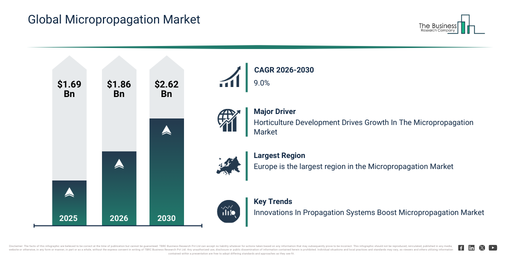
    The micropropagation sector experienced substantial expansion historically and is projected to continue this upward trajectory, escalating from $1.69 billion in 2025 to $1.86 billion by 2026, reflecting a compound annual growth rate of 10.1%. This notable advancement during the preceding period was fueled by several key factors, including a heightened need for pathogen-free propagules, the increasing integration of tissue culture techniques within horticultural practices, a surge in the commercial cultivation of ornamental flowers, the expansion of reforestation and agroforestry endeavors, and the early and successful implementation of these methods for crops like bananas and ornamental plants.

    The micropropagation sector is poised for substantial expansion in the upcoming years, projecting an increase to $2.62 billion by 2030, driven by a compound annual growth rate (CAGR) of 9.0%. This upward trajectory during the projected timeframe is underpinned by several key factors, including the escalating demand for efficient plant multiplication methods, heightened investments in crops engineered for climate resilience, the burgeoning cultivation of medicinal plants, the proliferation of commercial greenhouse facilities, and ongoing advancements in plant tissue culture media. Within this forecast period, prominent trends shaping the industry are the wider adoption of precision propagation strategies, a strategic focus on sustainable plant production practices, the integration of automation within tissue culture laboratories, the utilization of artificial intelligence for optimizing plant growth, and the implementation of cloud-based systems for monitoring micropropagation data.

    Download A Free Sample Report For Comprehensive Market Insights:

    https://www.thebusinessresearchcompany.com/sample.aspx?id=16737&type=smp

    Micropropagation Market Development Factors: Which Trends Are Supporting Demand?

    Advancements in horticultural practices are anticipated to be a key factor in spurring the expansion of the micropropagation sector. Horticulture, defined as the art and science of plant cultivation for purposes ranging from food and medicine to decorative and sensory appeal, is experiencing a surge due to escalating needs for a variety of crops, the adoption of eco-friendly farming methods, the creation of urban green oases, and a heightened interest in ornamental flora, all fueled by demographic expansion, ecological considerations, and aesthetic inclinations. The necessity for micropropagation within horticulture stems from its capacity to efficiently generate extensive volumes of plants that are free from diseases and possess specific characteristics, thereby guaranteeing uniform quality and genetic consistency across agricultural endeavors, ornamental horticulture, and conservation initiatives. Illustratively, a UK government report from the Department for Environment Food and Rural Affairs indicated that in 2023, the worth of domestically produced vegetables surged by 10%, reaching nearly £1.9 billion, with field vegetables contributing £1.5 billion after a 12% rise, and protected vegetables adding £374 million, a 3.7% increase. Consequently, the progression of horticulture is indeed a significant driver for the growth observed in the micropropagation market.

    Micropropagation Market Segment Breakdown: Which Categories Generate The Most Revenue?

    The micropropagation market covered in this report is segmented –

    1) By Crop Types: Banana, Orchids And Ornamentals, Medicinal Plants, Vegetables, Small Fruits, Other Crop Types

    2) By Container Type: Test Tubes And Petri Dishes, Glass Bottles, Plastic Containers

    3) By Sales Channels: Offline, Online

    4) By End User: Farmers, Research Labs, Other End Users

    Subsegments:

    1) By Banana: Cavendish Banana, Red Banana, Plantains

    2) By Orchids And Ornamentals: Phalaenopsis Orchids, Cattleya Orchids, Dendrobium Orchids, Cymbidium Orchids, Gerbera, Chrysanthemums, Roses, Tulips, Lilies

    3) By Medicinal Plants: Aloe Vera, Ginseng, Echinacea, Turmeric, Stevia, Lavender, Mint, Cannabis, Basil

    4) By Vegetables: Tomatoes, Peppers, Lettuce, Cucumber, Spinach, Eggplant, Carrots, Kale

    5) By Small Fruits: Strawberries, Raspberries, Blueberries, Blackberries, Grapes, Gooseberries

    6) By Other Crop Types: Trees And Timber Species, Flowering Plants, Fruits, Nut Crops, Spices, Turfgrass And Lawn Species, Forestry And Agroforestry Crops

    Micropropagation Market Transformation Trends: Which Innovations Are Driving Change?

    Businesses at the forefront of the micropropagation sector are introducing novel solutions, including specialized propagation systems, designed to boost the efficiency and impact of plant replication and growth. These systems encompass the various processes and methodologies employed for plant reproduction, whether through seeds, cuttings, or other botanical components, with the goal of generating new plant life that is either genetically identical or exhibits variations. As an illustration, in the month of January 2023, NuPlant, a biotechnology firm headquartered in Australia, unveiled its SmartClone technology. SmartClone represents a sophisticated plant tissue culture propagation system intended for the rapid generation of improved plants derived from breeding initiatives across a spectrum of plant species. The technology leverages precise robotic applications to cultivate robust clones from the original parent material, offering customizable environmental parameters tailored to each developmental stage. The anticipation surrounding SmartClone is that it will deliver more resilient and uniform plantlets, simultaneously diminishing the need for manual labor and reducing the overall expense associated with each plant produced.

    Micropropagation Market Key Players And Strategic Industry Positioning

    Major companies operating in the micropropagation market are Phytocultures Ltd., Deroose Plants Inc., Phytelligence Inc., Oglesby Plants International Inc., AgriForest Bio‑Technologies Ltd., Tissue‑Grown Corporation, Agribiotecnología de Costa Rica S A, Hartmann’s Plant Company, Knight Hollow Nursery Inc., Lowes TC Pty Ltd., Mountain Shadow Nursery LLC, Phytotech Labs Inc., Plant Cell Technology Inc., Rancho Tissue Technologies Inc., Xplant Laboratory Inc., Agromillora Group, Highveld Biotech, TC Propagation Ltd., In Vitro Microplants Ltd., Valley Tissue Culture, Phytoclone Inc., Okanagan Plant Improvement Co Ltd., Meristematic Laboratories

    Access The Complete Micropropagation Market Report:

    https://www.thebusinessresearchcompany.com/report/micropropagation-global-market-report

    Micropropagation Market Regional Outlook: Where Are The Largest Opportunities Located?

    Europewas the largest region in the micropropagation market in 2025. Asia-Pacificis expected to be the fastest-growing region in the forecast period. The regions covered in the micropropagation market report are Asia-Pacific, South East Asia, Western Europe, Eastern Europe, North America, South America, Middle East, Africa.

    Get in touch with us:

    The Business Research Company: https://www.thebusinessresearchcompany.com/

    Americas: +1 310-496-7795

    Asia: +44 7882 955267 & +91 8897263534

    Europe: +44 7882 955267

    Email us at: marketing@tbrc.info

    Follow us on:

    LinkedIn: https://in.linkedin.com/company/the-business-research-company

    YouTube: https://www.youtube.com/channel/UC24_fI0rV8cR5DxlCpgmyFQ

    Global Market Model: https://www.thebusinessresearchcompany.com/global-market-model
  • Microbiome Skincare Product Market Trends And Growth Drivers Point To Strong Future Potential

    Microbiome Skincare Product Market Trends And Growth Drivers Point To Strong Future Potential

    Delivering more actionable and strategically valuable research, The Business Research Company’s 2026 market reports feature market attractiveness analysis, total addressable market evaluation, company benchmarking matrices, interactive Excel dashboards, expanded supply chain intelligence, emerging startup coverage, and detailed product insights.

    Microbiome Skincare Product Market CAGR Analysis And Future Market Development

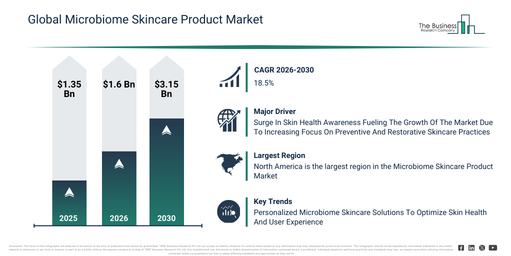
    With consumers increasingly prioritizing skin health and seeking gentle yet effective solutions, the microbiome skincare market has experienced significant expansion. This sector is projected to see a substantial increase, moving from an estimated $1.35 billion in 2025 to $1.6 billion in 2026, reflecting a robust compound annual growth rate of 18.7%. Earlier growth drivers included heightened consumer understanding of dermatological well-being, a surge in demand for products catering to sensitive skin types, the flourishing premium skincare segment, greater accessibility to products endorsed by dermatologists, and a wider embrace of microbiome research within the cosmetics industry.

    The market for skincare products that focus on the microbiome is poised for substantial expansion in the coming years, projected to reach $3.15 billion by 2030, driven by an impressive compound annual growth rate of 18.5%. This upward trajectory is fueled by several key factors including a heightened consumer desire for tailored skincare routines, increased financial backing for cosmetic innovations rooted in biotechnology, a growing preference for products with transparent and natural ingredients, the broadening reach of e-commerce for skincare purchases, and an amplified emphasis on enduring solutions for skin well-being. Throughout this projected timeframe, significant market trends will be characterized by a greater embrace of products formulated to be compatible with the skin’s natural microbial ecosystems, escalating consumer interest in products designed to fortify the skin’s protective barrier, a more prevalent incorporation of prebiotics and probiotics, the advancement of individualized skincare options, and a more concentrated effort on maintaining the equilibrium of the skin’s microflora.

    Download A Free Sample Report For Comprehensive Market Insights:

    https://www.thebusinessresearchcompany.com/sample.aspx?id=30323&type=smp

    Microbiome Skincare Product Market Industry Drivers: What Is Driving Revenue Growth?

    The rising consciousness regarding skin well-being is anticipated to be a significant catalyst for the expansion of the microbiome skincare industry in the future. This heightened awareness stems from a growing understanding among both consumers and medical experts about how a balanced skin microbiome profoundly influences the skin’s general state, leading to a greater emphasis on skincare routines that focus on prevention and restoration. Microbiome skincare formulations are designed to uphold the equilibrium of the skin’s native microbial ecosystem, offering protection against detrimental microbes and fortifying the skin’s protective barrier to ward off damage and preserve its overall health. As an illustration, the International League of Dermatological Societies (ILDS), a global body representing dermatology organizations and dedicated to advancing skin health worldwide, reported in February 2024 that its 2023 World Skin Health Day (WSHD) initiative saw a substantial increase in global reach, extending to 23 nations and marking a 21% surge in worldwide involvement. This campaign successfully engaged over 8 million individuals, facilitated dermatological care for more than 40,000 patients, and broadened the understanding of skin health among 916 healthcare professionals and advocates, underscoring how this heightened awareness directly fuels the growth trajectory of the microbiome skincare market.

    Microbiome Skincare Product Market Segmentation: How Is The Market Structured Across Key Categories?

    The microbiome skincare product market covered in this report is segmented –

    1) By Product Type: Cleansers, Moisturizers, Serums, Masks, Other Product Types

    2) By Skin Type: Dry Skin, Oily Skin, Combination Skin, Sensitive Skin, Normal Skin

    3) By Formulation: Cream, Gel, Liquid, Foam

    4) By Distribution Channel: Online Stores, Supermarkets Or Hypermarkets, Specialty Stores, Other Distribution Channels

    5) By End User: Men, Women, Unisex, Infants And Children

    Subsegments:

    1) By Cleansers: Foam Cleanser, Gel Cleanser, Cream Cleanser, Micellar Cleanser, Oil-Based Cleanser

    2) By Moisturizers: Cream Moisturizer, Gel Moisturizer, Lotion Moisturizer, Emulsion Moisturizer, Balm Moisturizer

    3) By Serums: Hydrating Serum, Brightening Serum, Anti-Aging Serum, Repair Serum, Soothing Serum

    4) By Masks: Sheet Mask, Clay Mask, Cream Mask, Peel-Off Mask, Overnight Mask

    5) By Other Product Types: Toner, Exfoliator, Sunscreen, Facial Mist, Eye Cream

    #Microbiome Skincare Product Market Growth Trends: What Is Influencing The Future Outlook?

    Within the competitive landscape of the microbiome skincare sector, leading businesses are prioritizing the creation of sophisticated technologies like the Microbiome Analyzer. This tool is designed to offer a deeper comprehension of an individual’s unique skin microbial ecosystem, facilitating the delivery of customized skincare approaches and improving product effectiveness by leveraging data-derived understanding. Essentially, a microbiome analyzer is an instrument that evaluates a person’s skin microbiome, subsequently generating tailored skincare advice based on the examination results. An illustrative example of this trend occurred in July 2024 when Unilever, a multinational consumer goods corporation headquartered in the United Kingdom, introduced its Microbiome Analyzer. This launch was a collaborative effort with Watsons, a prominent health and beauty retailer based in Hong Kong, establishing a presence in the Philippines. The technology employs a simple skin swab to process microbiome data, thereby recommending individualized skincare regimens. Key differentiating aspects of this microbiome analyzer involve its swift analytical capability, delivering results in just 60 minutes, alongside bespoke product suggestions that align with a user’s specific microbiome profile. The overarching goal of this pioneering development is to equip consumers with profound insights into the distinct composition of their skin’s microbiome and its impact on general skin well-being, effectively merging cutting-edge skin assessment with personalized product guidance.

    Microbiome Skincare Product Market Competitive Landscape And Leading Companies

    Major companies operating in the microbiome skincare product market are BASF S.E., Unilever PLC., L’Oréal S.A., Johnson & Johnson, The Colgate-Palmolive Company, dsm-firmenich AG., Clinique Laboratories LLC., Shiseido Company Limited, Symrise AG., Amorepacific Corporation, Beiersdorf Aktiengesellschaft, Lallemand Inc., BioGaia AB., Eminence Organic Skin Care, Sabinsa Corporation, AOBiome Therapeutics Inc., Esse Skincare Pty. Ltd., LaFlore Probiotic Skincare LLC., Marie Veronique Inc., BeBe & Bella LLC

    Access The Complete Microbiome Skincare Product Market Report:

    https://www.thebusinessresearchcompany.com/report/global-microbiome-skincare-product-market-report

    Microbiome Skincare Product Market Geographic Landscape: Which Region Dominates Industry Growth?

    North Americawas the largest region in the microbiome skincare product market in 2025. Asia-Pacificis expected to be the fastest-growing region in the forecast period. The regions covered in the microbiome skincare product market report are Asia-Pacific, South East Asia, Western Europe, Eastern Europe, North America, South America, Middle East, Africa.

    Get in touch with us:

    The Business Research Company: https://www.thebusinessresearchcompany.com/

    Americas: +1 310-496-7795

    Asia: +44 7882 955267 & +91 8897263534

    Europe: +44 7882 955267

    Email us at: marketing@tbrc.info

    Follow us on:

    LinkedIn: https://in.linkedin.com/company/the-business-research-company

    YouTube: https://www.youtube.com/channel/UC24_fI0rV8cR5DxlCpgmyFQ

    Global Market Model: https://www.thebusinessresearchcompany.com/global-market-model