Month: July 2026

  • Small Molecule Targeted Therapy Market Expansion Is Opening New Pathways For Strategic Investment

    Small Molecule Targeted Therapy Market Expansion Is Opening New Pathways For Strategic Investment

    Through market attractiveness analysis, total addressable market evaluation, company benchmarking matrices, interactive Excel dashboards, expanded supply chain intelligence, emerging startup coverage, and detailed product insights, The Business Research Company’s 2026 market reports provide more actionable and strategically valuable research.

    Small Molecule Targeted Therapy Market Size And Revenue Forecast Through 2030

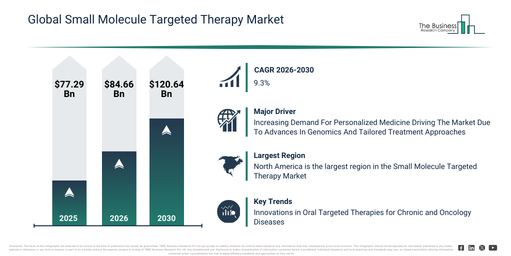
    The market for small molecule targeted therapies has experienced robust expansion over recent years. Projected to rise from $77.29 billion in 2025 to $84.66 billion in 2026, this segment is anticipated to progress at a compound annual growth rate (CAGR) of 9.5%. Factors driving historical growth include breakthroughs in molecular biology research, a growing incidence of chronic conditions, an expansion in pharmaceutical research and development initiatives, regulatory endorsement of targeted treatment approaches, and advancements in drug screening methodologies.

    The market for small molecule targeted therapies is projected to experience robust expansion over the coming years. By 2030, its value is anticipated to reach $120.64 billion, reflecting a compound annual growth rate (CAGR) of 9.3%. This forecasted growth is driven by several factors, including a rising need for personalized medicine, the growing incorporation of genomics into drug discovery, the broadening of targeted treatments beyond oncology, an increased emphasis on designing safer drugs, and heightened investment in precision therapeutics. Key trends shaping this period involve the accelerated development of drugs aimed at specific targets, the increasing application of therapies that modulate biological pathways, a greater preference for oral small molecule medications, a sharper focus on molecular targets linked to particular diseases, and the growing use of combination regimens involving small molecules.

    Download A Free Sample Report For Comprehensive Market Insights:

    https://www.thebusinessresearchcompany.com/sample.aspx?id=28332&type=smp&utm_source=BlogsPR&utm_medium=Paid&utm_campaign=Jul_PR

    Small Molecule Targeted Therapy Market Expansion Drivers: What Is Shaping Future Growth?

    The rising focus on personalized medicine is anticipated to drive the expansion of the small molecule targeted therapy market in the coming years. Personalized medicine is a healthcare strategy that customizes prevention, diagnosis, and treatment based on a person’s genetic, environmental, and lifestyle factors. This increasing emphasis is fueled by developments in genomics, which facilitate a deeper comprehension of individual genetic differences and support more accurate, targeted therapies that enhance patient outcomes while minimizing the need for trial-and-error in treatments. Small molecule targeted therapy contributes to personalized medicine by precisely addressing a patient’s unique molecular or genetic disease characteristics, thereby boosting treatment effectiveness and lowering adverse effects. For example, in February 2024, the Personalized Medicine Coalition, a U.S.-based nonprofit, reported that the FDA approved 16 new personalized treatments for rare disease patients in 2023, compared to six in 2022. Among these newly authorized personalized therapies for 2023, seven were cancer drugs, and three targeted other diseases and conditions. Consequently, the heightened emphasis on personalized medicine is propelling growth in the small molecule targeted therapy market.

    Small Molecule Targeted Therapy Market Segment Outlook: Which Categories Are Expanding The Fastest?

    The small molecule targeted therapy market covered in this report is segmented –

    1) By Type Of Therapy: Chemotherapy, Targeted Therapy, Immunotherapy

    2) By Drug Class: Monoclonal Antibodies, Small Molecule Inhibitors, Combination Therapies

    3) By Mechanism Of Action: Kinase Inhibitors, Proteasome Inhibitors, Aromatic Hydrocarbon Receptor (Ahr) Modulators, Cell Cycle Inhibitors

    4) By Disease Indication: Cancer, Autoimmune Diseases, Infectious Diseases

    5) By Route Of Administration: Oral, Intravenous, Subcutaneous

    Subsegments:

    1) By Chemotherapy: Alkylating Agents, Antimetabolites, Anti-microtubule Agents

    2) By Targeted Therapy: Kinase Inhibitors, Proteasome Inhibitors, Aromatic Hydrocarbon Receptor (AhR) Modulators

    3) By Immunotherapy: Immune Checkpoint Inhibitors, Cancer Vaccines, Monoclonal Antibodies

    Small Molecule Targeted Therapy Market Strategic Trends: What Is Defining The Next Phase Of Growth?

    Key players in the small molecule targeted therapy market are increasingly prioritizing the development of innovative approaches like oral small molecules to enhance targeted drug delivery, improve patient adherence, and precisely address molecular pathways involved in oncology and other chronic conditions. An oral small molecule is a low-molecular-weight medication taken orally, engineered to readily penetrate cells and specifically interfere with disease-linked proteins or signaling pathways. A case in point occurred in June 2025, when Kura Oncology Inc., a biotechnology firm headquartered in the United States, secured FDA approval for a New Drug Application (NDA) for ziftomenib, intended to treat adult patients suffering from relapsed or refractory acute myeloid leukemia (AML) characterized by nucleophosmin 1 (NPM1) mutations. This oral targeted therapy is specifically crafted for adults with this AML subtype, effectively filling a significant gap in unmet medical needs. It boasts a favorable safety profile and has shown promising efficacy, notably achieving robust complete remission rates during clinical evaluations. By selectively blocking the menin-KMT2A interaction, ziftomenib curbs leukemic cell proliferation and introduces novel therapeutic possibilities for this challenging AML form.

    Small Molecule Targeted Therapy Market Key Companies And Competitive Benchmarking

    Major companies operating in the small molecule targeted therapy market are F. Hoffmann-La Roche AG (Roche), Merck KGaA, Pfizer Inc., Bayer AG, Sanofi S.A., Novartis International AG, AstraZeneca PLC, Bristol-Myers Squibb Company, GlaxoSmithKline plc (GSK), Eli Lilly and Company, Amgen Inc., Regeneron Pharmaceuticals Inc., Astellas Pharma Inc., Lonza Group AG, Blueprint Medicines Corporation, Kura Oncology Inc., G1 Therapeutics Inc., Ascentage Pharma Group International Inc., Rgenta Therapeutics Inc., Verastem Inc.

    Access The Complete Small Molecule Targeted Therapy Market Report:

    https://www.thebusinessresearchcompany.com/report/small-molecule-targeted-therapy-global-market-report?utm_source=BlogsPR&utm_medium=Paid&utm_campaign=Jul_PR

    Small Molecule Targeted Therapy Market Regional Analysis And Leading Geography

    North America was the largest region in the small molecule targeted therapy market in 2025. Asia Pacific is expected to be the fastest-growing region in the forecast period. The regions covered in the small molecule targeted therapy market report are Asia-Pacific, South East Asia, Western Europe, Eastern Europe, North America, South America, Middle East, Africa.

    Get in touch with us:

    The Business Research Company: https://www.thebusinessresearchcompany.com/?utm_source=BlogsPR&utm_medium=Paid&utm_campaign=home_page_test

    Americas: +1 310-496-7795

    Asia: +44 7882 955267 & +91 8897263534

    Europe: +44 7882 955267

    Email us at: marketing@tbrc.info

    Follow us on:

    LinkedIn: https://in.linkedin.com/company/the-business-research-company

    YouTube: https://www.youtube.com/channel/UC24_fI0rV8cR5DxlCpgmyFQ

    Global Market Model: https://www.thebusinessresearchcompany.com/global-market-model
  • Small Molecule Targeted Cancer Therapy Market Trends Are Creating New Opportunities For Industry Leaders

    Small Molecule Targeted Cancer Therapy Market Trends Are Creating New Opportunities For Industry Leaders

    Delivering more actionable and strategically valuable research, The Business Research Company’s 2026 market reports feature market attractiveness analysis, total addressable market evaluation, company benchmarking matrices, interactive Excel dashboards, expanded supply chain intelligence, emerging startup coverage, and detailed product insights.

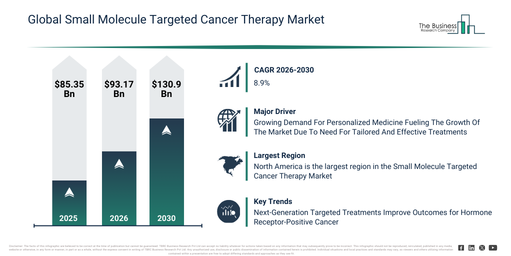
    Small Molecule Targeted Cancer Therapy Market Growth From $93.16 Billion In 2026 To $130.9 Billion By 2030 At A CAGR Of 8.9%

    The market for small molecule targeted cancer therapies has experienced robust expansion in recent years. Its value is projected to climb from $85.35 billion in 2025 to $93.17 billion in 2026, achieving a compound annual growth rate (CAGR) of 9.2%. Historically, this growth was driven by factors such as the increasing prevalence of cancer cases, a deeper insight into molecular oncology mechanisms, the broadening of drug discovery initiatives for targeted treatments, the regulatory clearance of first-generation targeted inhibitors, and heightened funding dedicated to oncology research.

    The market for small molecule targeted cancer therapies is projected to experience robust expansion over the coming years. By 2030, this market is anticipated to reach $130.9 billion, reflecting a compound annual growth rate (CAGR) of 8.9%. Several factors are expected to drive this growth during the forecast period, including the broader uptake of personalized cancer treatments, accelerated progress in next-generation inhibitor development, expanded application of companion diagnostics, a heightened emphasis on strategies to combat drug resistance, and an increase in oncology drug pipeline activities. Key trends shaping this period involve the accelerated creation of mutation-specific inhibitors, wider integration of precision oncology approaches, a stronger focus on oral small molecule drugs, the growing use of combination targeted therapy protocols, and an increased emphasis on selecting therapies based on biomarkers.

    Download A Free Sample Report For Comprehensive Market Insights:

    https://www.thebusinessresearchcompany.com/sample.aspx?id=28331&type=smp&utm_source=BlogsPR&utm_medium=Paid&utm_campaign=Jul_PR

    Small Molecule Targeted Cancer Therapy Market Development Factors: Which Trends Are Supporting Demand?

    The increasing need for individualized treatment plans is set to drive expansion in the small molecule targeted therapy market. Personalized medicine involves a healthcare strategy that customizes disease prevention, diagnosis, and therapy based on each patient’s unique attributes. This rising demand stems from a greater emphasis on targeted approaches that boost treatment effectiveness while lowering the risk of adverse reactions. Small molecule targeted therapy meets this need by improving treatment precision, enhancing patient outcomes, reducing harmful side effects, and supporting therapies aligned with distinct genetic and molecular profiles. To illustrate, in February 2024, the Personalized Medicine Coalition (a U.S.-based nonprofit) reported that the FDA approved 16 new personalized therapies for rare diseases in 2023, a significant jump from six in 2022. Consequently, the growing interest in personalized medicine is fueling the growth of the small molecule targeted therapy market.

    Small Molecule Targeted Cancer Therapy Market Segment Landscape: Which Areas Lead Market Development?

    The small molecule targeted cancer therapy market covered in this report is segmented –

    1) By Therapy Type: Tyrosine Kinase Inhibitors, Proteasome Inhibitors, Histone Deacetylase Inhibitors, PARP Inhibitors, CDK Inhibitors, BCL-2 Inhibitors, mTOR Inhibitors, Other Small Molecule Inhibitors

    2) By Cancer Type: Lung Cancer, Breast Cancer, Colorectal Cancer, Leukemia, Prostate Cancer, Other Cancer Types

    3) By Mode Of Administration: Oral, Intravenous, Other Modes

    4) By Distribution Channel: Hospital Pharmacy, Retail Pharmacy, Online Pharmacy, Direct Sales

    5) By End User: Hospitals, Specialty Clinics, Research Institutes, Other End Users

    Subsegments:

    1) By Tyrosine Kinase Inhibitors: EGFR Inhibitors, VEGFR Inhibitors, ALK Inhibitors, BCR-ABL Inhibitors, HER2 Inhibitors

    2) By Proteasome Inhibitors: Bortezomib, Carfilzomib, Ixazomib

    3) By Histone Deacetylase Inhibitors: Pan-Histone Deacetylase Inhibitors, Class-specific Histone Deacetylase Inhibitors

    4) By PARP Inhibitors: Olaparib, Niraparib, Rucaparib, Talazoparib

    5) By CDK Inhibitors: CDK4/6 Inhibitors, CDK1/2 Inhibitors, Pan-CDK Inhibitors

    6) By BCL-2 Inhibitors: Venetoclax, Navitoclax

    7) By mTOR Inhibitors: Rapamycin Analogs (Rapalogs), ATP-competitive mTOR Inhibitors, Dual mTOR/PI3K Inhibitors

    8) By Other Small Molecule Inhibitors: MEK Inhibitors, PI3K Inhibitors, RAF Inhibitors

    Small Molecule Targeted Cancer Therapy Market Transformation Trends: Which Innovations Are Driving Change?

    Key players in the breast cancer small-molecule targeted therapy space are concentrating on the development of novel treatments like PI3K inhibitors and CDK4/6 inhibitor combinations to boost therapeutic effectiveness and more precisely disrupt specific cancer cell signaling pathways. PI3K inhibitors function as targeted cancer therapies by impeding the phosphatidylinositol-3-kinase pathway, which drives tumor growth and survival, whereas CDK4/6 inhibitor combinations are engineered to specifically arrest cell cycle progression in hormone receptor-positive cancer cells. A notable example is from October 2024, when Genentech, Inc., a biotechnology firm based in the US, secured approval from the U.S. Food and Drug Administration (FDA) for inavolisib (Itovebi) paired with palbociclib (Ibrance) and fulvestrant (Faslodex) to treat adults with endocrine-resistant, PIK3CA-mutated, hormone receptor-positive, HER2-negative, locally advanced, or metastatic breast cancer. This clearance was grounded in findings from the INAVO120 trial, which revealed a marked enhancement in progression-free survival and objective response rate when compared to using palbociclib and fulvestrant alone. This achievement represents a major leap forward in personalized therapy for HR-positive, HER2-negative breast cancer, delivering a precision-targeted option for patients harboring PIK3CA mutations.

    Small Molecule Targeted Cancer Therapy Market Industry Leaders And Market Competition

    Major companies operating in the small molecule targeted cancer therapy market are Johnson & Johnson Services Inc., F. Hoffmann-La Roche Ltd., Merck & Co. Inc., Pfizer Inc., AbbVie Inc., Bayer AG, Sanofi S.A., Novartis International AG, AstraZeneca plc, Bristol-Myers Squibb Company, GlaxoSmithKline plc (GSK), Eli Lilly and Company, Takeda Pharmaceutical Company Limited, Amgen Inc., Gilead Sciences Inc., Boehringer Ingelheim International GmbH, Astellas Pharma Inc., Daiichi Sankyo Company Limited, Eisai Co. Ltd., Ipsen Biopharmaceuticals Inc.

    Access The Complete Small Molecule Targeted Cancer Therapy Market Report:

    https://www.thebusinessresearchcompany.com/report/small-molecule-targeted-cancer-therapy-global-market-report?utm_source=BlogsPR&utm_medium=Paid&utm_campaign=Jul_PR

    Small Molecule Targeted Cancer Therapy Market Geographic Analysis: Where Is Demand Growing The Fastest?

    North America was the largest region in the small molecule targeted cancer therapy market in 2025. Asia-Pacific is expected to be the fastest-growing region in the forecast period. The regions covered in the small molecule targeted cancer therapy market report are Asia-Pacific, South East Asia, Western Europe, Eastern Europe, North America, South America, Middle East, Africa.

    Get in touch with us:

    The Business Research Company: https://www.thebusinessresearchcompany.com/?utm_source=BlogsPR&utm_medium=Paid&utm_campaign=home_page_test

    Americas: +1 310-496-7795

    Asia: +44 7882 955267 & +91 8897263534

    Europe: +44 7882 955267

    Email us at: marketing@tbrc.info

    Follow us on:

    LinkedIn: https://in.linkedin.com/company/the-business-research-company

    YouTube: https://www.youtube.com/channel/UC24_fI0rV8cR5DxlCpgmyFQ

    Global Market Model: https://www.thebusinessresearchcompany.com/global-market-model
  • Small Molecule Injectable Drugs Market Growth Is Reshaping Competitive Advantage Across The Industry

    Small Molecule Injectable Drugs Market Growth Is Reshaping Competitive Advantage Across The Industry

    Enhanced with market attractiveness analysis, total addressable market evaluation, company benchmarking matrices, interactive Excel dashboards, expanded supply chain intelligence, emerging startup coverage, and detailed product insights, The Business Research Company’s 2026 market reports deliver more actionable and strategically valuable research.

    Small Molecule Injectable Drugs Market Expansion Outlook: What Revenue Opportunities Lie Ahead?

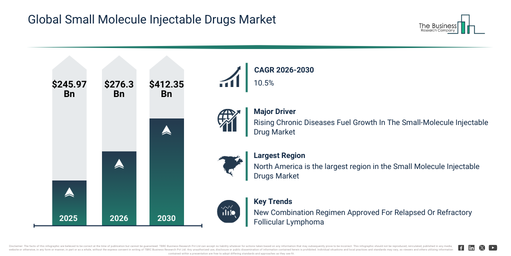
    The market for small molecule injectable drugs has seen a rapid expansion in recent years, with its value projected to increase from $245.97 billion in 2025 to $276.3 billion in 2026, reflecting a compound annual growth rate (CAGR) of 12.3%. Several factors contributed to this growth in the historical period, including a rise in chronic disease prevalence, a greater uptake of injectable therapies, progress in drug formulation technologies, improvements in hospital infrastructure, and heightened awareness regarding infection management.

    The market for small molecule injectable pharmaceuticals is poised for significant expansion over the coming years, with projections indicating a rise to $412.35 billion by 2030, driven by a compound annual growth rate (CAGR) of 10.5%. Several factors are fueling this anticipated growth during the forecast period, including a heightened demand for personalized medicine, substantial progress in oncology and antiviral therapies, and notable innovations in drug delivery technologies. Additionally, the broadening scope of home care and outpatient services, coupled with greater investments in biologics and combination treatments, is contributing to this upward trajectory. Key trends that are shaping the market landscape in the forecast period encompass a growing inclination toward injectable drug administration, the widespread adoption of infusion services within hospitals and clinics, an upsurge in targeted chemotherapeutic approaches, the rising prominence of antiviral small molecule agents, and an increased emphasis on low molecular weight drug preparations.

    Download A Free Sample Report For Comprehensive Market Insights:

    https://www.thebusinessresearchcompany.com/sample.aspx?id=14998&type=smp&utm_source=BlogsPR&utm_medium=Paid&utm_campaign=Jul_PR

    Small Molecule Injectable Drugs Market Industry Drivers: What Is Driving Revenue Growth?

    The anticipated expansion of the small-molecule injectable drug market is being driven by the increasing prevalence of chronic diseases. These conditions are defined by their long-lasting nature and typically gradual advancement. Their growing frequency stems from a mix of factors such as inactive lifestyles, poor eating habits, smoking, and heightened stress levels. Such behavioral patterns foster the emergence of issues like obesity, diabetes, heart-related ailments, and specific cancers. Small-molecule injectable drugs prove essential in managing these chronic illnesses by enabling focused treatment, better patient adherence, disease alteration, combination therapy possibilities, and avenues for therapeutic oversight. As an example, in June 2024, the National Health Service, a UK governmental body, reported that 3,615,330 people registered with a general practitioner were identified with non-diabetic hyperglycemia or pre-diabetes—a state of elevated blood sugar insufficient for a diabetes diagnosis—in 2023, reflecting an 18% rise from 3,065,825 cases in 2022. Consequently, the surge in chronic diseases is fueling the small-molecule injectable drug market.

    Small Molecule Injectable Drugs Market Segments: Where Are The Largest Growth Opportunities?

    The small molecule injectable drugs market covered in this report is segmented –

    1) By Drug Class: Small Molecule Antibiotics, Analgesics, Chemotherapy, Antivirals, Anticoagulant, Skeletal Muscle Relaxants, Anticonvulsants, Other Drug Class

    2) By Indication: Pain Management, Oncology, Infectious Diseases, Cardiovascular Diseases, CNS Diseases, Other Indications

    3) By Mode of Delivery: IV Set, Intravenous Injection, Infusion Pump, Intramuscular Injection, Subcutaneous Injection

    4) By End User: Hospitals, Ambulatory Clinics, Outpatient Facility, Infusion Therapy Center, Home Care, Other End Users

    Subsegments:

    1) By Small Molecule Antibiotics: Penicillin-Based Antibiotics, Cephalosporins, Aminoglycosides, Macrolides, Tetracyclines

    2) By Analgesics: Nonsteroidal Anti-inflammatory Drugs (NSAIDs), Opioids, Acetaminophen

    3) By Chemotherapy: Alkylating Agents, Antimetabolites, Mitotic Inhibitors, Topoisomerase Inhibitors

    4) By Antivirals: Nucleoside Analogues, Protease Inhibitors, Reverse Transcriptase Inhibitors

    5) By Anticoagulant: Heparin, Low Molecular Weight Heparins

    6) By Skeletal Muscle Relaxants: Baclofen, Methocarbamol

    7) By Anticonvulsants: Benzodiazepines, Phenytoin

    8) By Other Drug Class: Immunosuppressants, Hormonal Therapies

    Small Molecule Injectable Drugs Market Growth Trends: What Is Influencing The Future Outlook?

    Key players in the small-molecule injectable drug sector are actively pursuing innovative strategies, including the development of combination regimens aimed at boosting therapeutic effectiveness and improving patient results. A combination regimen involves the use of two or more medications together to increase efficacy, minimize drug resistance, or address multiple disease pathways. As an example, in November 2025, AbbVie Inc., a biopharmaceutical company headquartered in the United States, secured approval from the U.S. Food and Drug Administration (FDA) for EPKINLY (epcoritamab-bysp) paired with rituximab and lenalidomide. This treatment is intended for adults suffering from relapsed or refractory follicular lymphoma (FL). EPKINLY is a humanized bispecific IgG1 antibody that works by attaching to the CD3 receptor present on T cells as well as the CD20 receptor found on B cells, including those that are malignant, thereby engaging and activating T cells to selectively destroy cancerous B cells. Delivered subcutaneously as a chemotherapy-free option, it is specifically formulated for use alongside rituximab and lenalidomide in managing relapsed or refractory follicular lymphoma. The therapy introduces a novel immune-based mechanism that facilitates robust T-cell activation and sustained elimination of lymphoma cells, offering a convenient outpatient treatment delivered through a fixed-duration schedule.

    Small Molecule Injectable Drugs Market Major Participants And Competitive Dynamics

    Major companies operating in the small molecule injectable drugs market are Pfizer Inc., Johnson & Johnson Services Inc., F. Hoffmann-La Roche AG, Merck & Co. Inc., AbbVie Inc., Sanofi S.A., Bristol-Myers Squibb Company, AstraZeneca plc, Abbott Laboratories, Novartis AG, Fresenius Kabi AG, GlaxoSmithKline plc, Eli Lilly and Company, Gilead Sciences Inc., Amgen Inc., Becton Dickinson and Company, Teva Pharmaceutical Industries Ltd., Baxter International Inc., Sun Pharmaceutical Industries Ltd., Aurobindo Pharma Ltd., Dr. Reddy’s Laboratories Ltd., Cipla Limited, Hikma Pharmaceuticals plc, BioCryst Pharmaceuticals Inc., Mylan N.V.

    Access The Complete Small Molecule Injectable Drugs Market Report:

    https://www.thebusinessresearchcompany.com/report/small-molecule-injectable-drugs-global-market-report?utm_source=BlogsPR&utm_medium=Paid&utm_campaign=Jul_PR

    Small Molecule Injectable Drugs Market Global Footprint: Which Region Holds Market Leadership?

    North America was the largest region in the small molecule injectable drugs market in 2025. Europe is expected to be the fastest-growing region in the forecast period. The regions covered in the small molecule injectable drugs market report are Asia-Pacific, South East Asia, Western Europe, Eastern Europe, North America, South America, Middle East, Africa.

    Get in touch with us:

    The Business Research Company: https://www.thebusinessresearchcompany.com/?utm_source=BlogsPR&utm_medium=Paid&utm_campaign=home_page_test

    Americas: +1 310-496-7795

    Asia: +44 7882 955267 & +91 8897263534

    Europe: +44 7882 955267

    Email us at: marketing@tbrc.info

    Follow us on:

    LinkedIn: https://in.linkedin.com/company/the-business-research-company

    YouTube: https://www.youtube.com/channel/UC24_fI0rV8cR5DxlCpgmyFQ

    Global Market Model: https://www.thebusinessresearchcompany.com/global-market-model
  • Small Molecule Drug Discovery Market Forecast Signals New Revenue Opportunities Through 2030

    Small Molecule Drug Discovery Market Forecast Signals New Revenue Opportunities Through 2030

    Through market attractiveness analysis, total addressable market evaluation, company benchmarking matrices, interactive Excel dashboards, expanded supply chain intelligence, emerging startup coverage, and detailed product insights, The Business Research Company’s 2026 market reports provide more actionable and strategically valuable research.

    Small Molecule Drug Discovery Market Growth Potential: How Will Market Size Change Through 2030?

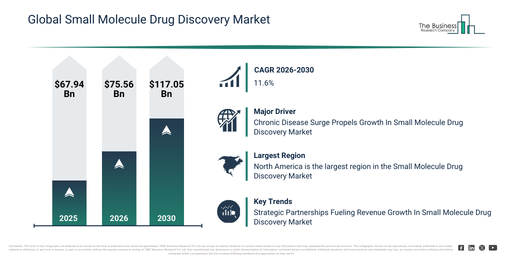
    The market for small molecule drug discovery has seen substantial expansion in recent years. Projections indicate a rise from $67.94 billion in 2025 to $75.56 billion in 2026, reflecting a compound annual growth rate (CAGR) of 11.2%. Factors driving this historical growth include heightened research and development spending by pharmaceutical firms, a growing incidence of chronic illnesses, progress made in molecular biology methods, an increased need for affordable treatment options, and the growing presence of contract research organizations (CROs).

    The small molecule drug discovery market is projected to experience robust expansion in the coming years, reaching a value of $117.05 billion by 2030, with a compound annual growth rate (CAGR) of 11.6%. This forecasted growth is driven by factors such as the incorporation of artificial intelligence and machine learning into drug discovery processes, the broadening of precision medicine initiatives, heightened collaborative efforts between biotechnology and pharmaceutical companies, the deployment of automated high-throughput platforms, and an intensified emphasis on addressing rare and complex diseases. Notable trends shaping the future landscape include the widespread uptake of high-throughput screening, progress in combinatorial chemistry, the incorporation of nanotechnology into drug design, the advancement of personalized medicine, and improvements in target validation and lead optimization.

    Download A Free Sample Report For Comprehensive Market Insights:

    https://www.thebusinessresearchcompany.com/sample.aspx?id=9834&type=smp&utm_source=BlogsPR&utm_medium=Paid&utm_campaign=Jul_PR

    #Small Molecule Drug Discovery Market Growth Factors: Which Forces Are Supporting Market Expansion?

    The increasing prevalence of chronic illnesses is anticipated to propel the small molecule drug discovery market forward. Chronic diseases are defined as conditions lasting a year or longer that limit daily activities, require ongoing medical attention, or both. Small-molecule drugs are often employed to treat ailments such as HIV, cancer, infections, heart disease, and renal disease, and they are typically more cost-effective for patients managing long-term health issues. Consequently, the growing frequency of chronic conditions is expected to accelerate the small molecule drug discovery market. For example, a 2023 report from the National Institutes of Health (NIH), a U.S.-based biomedical research organization, indicates that the population of Americans aged 50 and over with at least one chronic illness is forecasted to hit 142.66 million by 2050. Moreover, the number of individuals experiencing multimorbidity is predicted to rise to 14.968 million by that same year. Thus, the escalating rate of chronic diseases is fueling expansion in the small molecule drug discovery market.

    Small Molecule Drug Discovery Market Segment Analysis: What Are The Major Market Categories?

    The small molecule drug discovery market covered in this report is segmented –

    1) By Drug Type: Small Molecule Drugs, Biologic Drugs

    2) By Technology: High Throughput Screening, Pharmacogenomics, Combinatorial Chemistry, Nanotechnology, Others

    3) By Therapeutic Area: Oncology, Central Nervous System, Cardiovascular, Respiratory, Metabolic Disorders, Gastrointestinal, Others

    4) By Process Or Phase: Target ID Or Validation, Hit Generation And Selection, Lead Identification, Lead Optimization

    5) By End-User: Pharmaceutical Companies, Contract Research Organizations, Others

    Subsegments:

    1) By Small Molecule Drugs: Generic Small Molecule Drugs, Novel Small Molecule Drugs

    2) By Biologic Drugs: Monoclonal Antibodies, Vaccines, Recombinant Proteins, Cell And Gene Therapies

    Small Molecule Drug Discovery Market Industry Trends: What Changes Are Reshaping Demand?

    Leading firms within the small molecule drug discovery sector are actively forming partnerships as a strategy to boost their market revenues. These alliances typically encourage innovation by merging the specialized knowledge of various organizations. As an example, in November 2023, Evommune, a nonprofit entity based in the United States, joined forces with Accutar Biotechnology, an American biotechnology company, in a strategic collaboration centered on AI-driven drug discovery. The partnership specifically targets chronic inflammatory conditions and is designed to combine Accutar’s exclusive AI platform with Evommune’s deep expertise, aiming to identify new small molecule therapeutic candidates.

    Small Molecule Drug Discovery Market Leading Companies Driving Competitive Growth

    Major companies operating in the small molecule drug discovery market are Pfizer Inc., GlaxoSmithKline plc, AstraZeneca, Boehringer Ingelheim International GmbH, Bristol-Myers Squibb Company, Johnson & Johnson, Gilead Sciences Inc., Merck KGaA, Novartis AG, 4SC AG, Teva Pharmaceutical Industries Ltd., Takeda Pharmaceutical Company Limited, Labcorp Drug Development, ICON Public Limited Company, Charles River Laboratories, Aluda Pharmaceuticals, Corcept Therapeutics, Edison Oncology, Escend Pharmaceuticals, Terray Therapeutics, Apollomics, Astex Pharmaceuticals, Pardes Biosciences, Xynomic Pharmaceuticals, Zevra Therapeutics, UNION therapeutics, Allarity Therapeutics, Cyteir Therapeutics, BigHat Biosciences

    Access The Complete Small Molecule Drug Discovery Market Report:

    https://www.thebusinessresearchcompany.com/report/small-molecule-drug-discovery-global-market-report?utm_source=BlogsPR&utm_medium=Paid&utm_campaign=Jul_PR

    Small Molecule Drug Discovery Market Regional Distribution: Which Areas Drive Market Expansion?

    North America was the largest region in the small molecule drug discovery market in 2025. Europe is expected to be the fastest-growing region in the small molecule drug discovery market report during the forecast period. The regions covered in the small molecule drug discovery market report are Asia-Pacific, South East Asia, Western Europe, Eastern Europe, North America, South America, Middle East, Africa.

    Get in touch with us:

    The Business Research Company: https://www.thebusinessresearchcompany.com/?utm_source=BlogsPR&utm_medium=Paid&utm_campaign=home_page_test

    Americas: +1 310-496-7795

    Asia: +44 7882 955267 & +91 8897263534

    Europe: +44 7882 955267

    Email us at: marketing@tbrc.info

    Follow us on:

    LinkedIn: https://in.linkedin.com/company/the-business-research-company

    YouTube: https://www.youtube.com/channel/UC24_fI0rV8cR5DxlCpgmyFQ

    Global Market Model: https://www.thebusinessresearchcompany.com/global-market-model
  • Small Molecule CMO/CDMO Market Growth Is Accelerating As Industry Transformation Continues

    Small Molecule CMO/CDMO Market Growth Is Accelerating As Industry Transformation Continues

    Delivering more actionable and strategically valuable research, The Business Research Company’s 2026 market reports feature market attractiveness analysis, total addressable market evaluation, company benchmarking matrices, interactive Excel dashboards, expanded supply chain intelligence, emerging startup coverage, and detailed product insights.

    Small Molecule CMO/CDMO Market Value Analysis: What Growth Is Expected Over The Forecast Period?

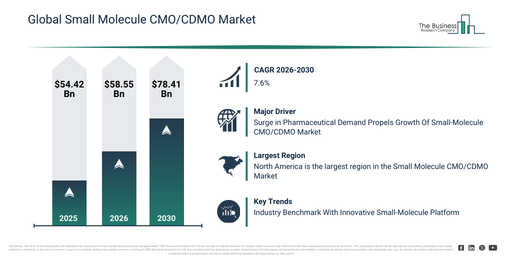
    The market for small molecule CMO/CDMO services has experienced robust expansion in recent times, with its size climbing from $54.42 billion in 2025 to $58.55 billion in 2026, reflecting a compound annual growth rate (CAGR) of 7.6%. This historical upswing is largely driven by factors such as increased generic drug manufacturing, a growing incidence of chronic illnesses, broader pharmaceutical research and development activities, a greater reliance on outsourced drug production, and heightened regulatory emphasis on quality and safety standards.

    The market for small molecule CMO/CDMO services is anticipated to experience robust expansion over the coming years, with projections indicating it will reach a valuation of $78.41 billion by 2030, advancing at a compound annual growth rate (CAGR) of 7.6%. This forecasted growth is fueled by a rising demand for personalized medicine, heightened investment in biologics and small-molecule hybrid treatments, expansion into emerging markets, progress in synthesis and formulation techniques, and a pressing need for faster regulatory approvals. Key developments shaping the forecast period involve the broadening of contract development and manufacturing offerings, a growing shift toward continuous manufacturing methods, increased custom synthesis of small-molecule active pharmaceutical ingredients (APIs), heightened emphasis on regulatory adherence and quality control, and the formation of strategic alliances between pharmaceutical companies and CMOs.

    Download A Free Sample Report For Comprehensive Market Insights:

    https://www.thebusinessresearchcompany.com/sample.aspx?id=13733&type=smp&utm_source=BlogsPR&utm_medium=Paid&utm_campaign=Jul_PR

    Small Molecule CMO/CDMO Market Demand Drivers: What Is Fueling Industry Growth?

    The growing need for pharmaceutical products is anticipated to fuel the expansion of the small-molecule CMO/CDMO market in the coming years. This sector involves the discovery, development, and production of drugs and medicines by both public and private organizations. Within the pharmaceutical industry, small-molecule CMO/CDMO services are utilized to outsource tasks such as development, manufacturing, and packaging of small-molecule drugs, enabling companies to minimize costs, save time, and enhance operational efficiency. For example, Cardinal Health Inc., a US-based healthcare firm, reported in January 2023 that by January 2022, the U.S. had 33 FDA-approved biosimilar products, with 21 commercially available, and by 2023, the number of approved biosimilars had increased to 40, with 25 on the market. Consequently, the increasing demand for pharmaceuticals is propelling the growth of the small-molecule CMO/CDMO market.

    Small Molecule CMO/CDMO Market Segment Breakdown: Which Categories Generate The Most Revenue?

    The small molecule cmo/cdmo market covered in this report is segmented –

    1) By Product: Small Molecule Drug Product, Small Molecule API

    2) By Stage Type: Clinical, Commercial, Preclinical

    3) By Therapeutic Area: Oncology, Neurology, Infectious Disease, Cardiovascular Disease, Respiratory Disorders, Metabolic Disorders, Other Therapeutics

    4) By Application: Cardiovascular, Oncology, Diabetes, Immunological Disorders

    Subsegments:

    1) By Small Molecule Drug Product: Solid Dosage Forms (Tablets, Capsules), Liquid Dosage Forms (Injectables, Solutions), Topical Dosage Forms

    2) By Small Molecule API (Active Pharmaceutical Ingredient): Generic APIs, Branded APIs, Custom Synthesis APIs

    Small Molecule CMO/CDMO Market Innovation Trends: Which Developments Are Transforming The Industry?

    Key players within the small-molecule CMO/CDMO sector are placing increased emphasis on advanced technologies—especially the cutting-edge small-molecule platform in Shanghai—to enhance their CDMO service offerings. This platform represents the leading edge of technological progress, designed to facilitate the development and manufacturing of small-molecule drugs while enabling the creation of safer, more effective, and more efficiently manufactured pharmaceutical compounds. For example, in June 2023, Porton Pharma Solutions Ltd., a pharmaceutical firm based in China, unveiled a state-of-the-art small-molecule platform in Shanghai, aimed at upgrading its CDMO capabilities. Such a platform adopts a comprehensive strategy, merging sophisticated technologies and methodologies to support every stage of the small-molecule drug lifecycle, while delivering integrated one-stop-shop solutions, an end-to-end framework, operational flexibility and availability, as well as digital transformation.

    Small Molecule CMO/CDMO Market Key Players And Strategic Industry Positioning

    Major companies operating in the small molecule cmo/cdmo market are Patheon NV (Thermo Fisher Scientific), Johnson Matthey plc, Lonza Group Ltd., WuXi AppTec, Catalent Inc., Aurobindo Pharma, Fareva, Aesica Pharmaceuticals Limited, Siegfried holdings AG, Recipharm AB, Jubilant Life Sciences Limited, Almac Group, Piramal Pharma Solutions, Oxford Chemicals Inc., Syngene International Limited, Novasep, Pfizer CentreOne, GVK Biosciences, ChemPartner, Dishman Carbogen Amcis Ltd, ProChem Inc., Metrics Contract Services

    Access The Complete Small Molecule CMO/CDMO Market Report:

    https://www.thebusinessresearchcompany.com/report/small-molecule-cmo-or-cdmo-global-market-report?utm_source=BlogsPR&utm_medium=Paid&utm_campaign=Jul_PR

    Small Molecule CMO/CDMO Market Leading Geography: Which Region Generates The Most Revenue?

    North America was the largest region in the small molecule CMO/CDMO market in 2025. The regions covered in the small molecule cmo/cdmo market report are Asia-Pacific, South East Asia, Western Europe, Eastern Europe, North America, South America, Middle East, Africa.

    Get in touch with us:

    The Business Research Company: https://www.thebusinessresearchcompany.com/?utm_source=BlogsPR&utm_medium=Paid&utm_campaign=home_page_test

    Americas: +1 310-496-7795

    Asia: +44 7882 955267 & +91 8897263534

    Europe: +44 7882 955267

    Email us at: marketing@tbrc.info

    Follow us on:

    LinkedIn: https://in.linkedin.com/company/the-business-research-company

    YouTube: https://www.youtube.com/channel/UC24_fI0rV8cR5DxlCpgmyFQ

    Global Market Model: https://www.thebusinessresearchcompany.com/global-market-model
  • Small Molecule API Market Outlook Highlights The Next Major Growth Opportunities

    Small Molecule API Market Outlook Highlights The Next Major Growth Opportunities

    Enhanced with market attractiveness analysis, total addressable market evaluation, company benchmarking matrices, interactive Excel dashboards, expanded supply chain intelligence, emerging startup coverage, and detailed product insights, The Business Research Company’s 2026 market reports deliver more actionable and strategically valuable research.

    Small Molecule API Market Size Forecast: How Large Could The Market Become By 2030?

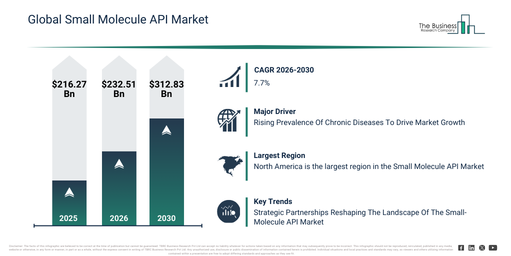
    The market for small molecule active pharmaceutical ingredients has experienced robust expansion over the last several years. Its value is projected to increase from $216.27 billion in 2025 to $232.51 billion in 2026, reflecting a compound annual growth rate (CAGR) of 7.5%. This historical growth has been driven by factors such as heightened pharmaceutical drug development efforts, the widening scope of generic drug production, the presence of skilled chemical synthesis capabilities, the rise of contract development services, and growing worldwide medicine usage.

    The small molecule API market is projected to experience robust expansion in the coming years, reaching a valuation of $312.83 billion by 2030, driven by a compound annual growth rate of 7.7%. This forecasted growth is fueled by heightened investments in production capacity, the increasing adoption of environmentally friendly green chemistry methods, an escalating need for oncology and central nervous system drugs, the broadening of personalized medicine initiatives, and greater automation within API manufacturing. Key developments anticipated over this period encompass a growing reliance on outsourced API production, a heightened emphasis on refining processes to boost yields, an increased requirement for highly pure small molecule APIs, the wider application of continuous manufacturing technologies, and an intensified focus on meeting regulatory standards.

    Download A Free Sample Report For Comprehensive Market Insights:

    https://www.thebusinessresearchcompany.com/sample.aspx?id=8236&type=smp&utm_source=BlogsPR&utm_medium=Paid&utm_campaign=Jul_PR

    Small Molecule API Market Growth Drivers: What Factors Are Accelerating Expansion?

    The rising incidence of chronic illnesses is anticipated to boost the expansion of the small molecules API market in the coming years. A chronic disease is defined as a medical condition persisting for three months or longer, which may worsen over time. Long-term ailments like cardiovascular diseases, diabetes, and cancer necessitate ongoing medication, creating a steady need for pharmaceutical therapies. Small-molecule active pharmaceutical ingredients commonly facilitate the development of drugs that offer enhanced bioavailability, improved pharmacokinetics, and fewer adverse effects, thereby improving the efficacy and patient tolerance of extended treatment plans for chronic conditions. For example, in September 2023, the World Health Organization, a United Nations specialized agency located in Switzerland, reported that 41 million deaths—representing 74% of all annual fatalities globally—result from non-communicable or chronic diseases. Consequently, the growing prevalence of such chronic conditions is fueling the rise of the small molecule API market.

    Small Molecule API Market Segmentation: How Is The Market Structured Across Key Categories?

    The small molecule api market covered in this report is segmented –

    1) By Type: Synthetic, Biotech

    2) By Manufacturer: In-House, Outsourced

    3) By Application: Cardiology, Oncology, CNS And Neurology, Orthopedic, Endocrinology, Other Applications

    Subsegments:

    1) By Synthetic: Chemical Synthesis, Process Development, Custom Synthesis

    2) By Biotech: Recombinant Proteins, Monoclonal Antibodies, Peptides

    Small Molecule API Market Trends: What Is Shaping Future Industry Growth?

    Key players in the small-molecule API sector are increasingly establishing strategic alliances to advance drug development, refine production workflows, and speed up the availability of effective therapies. These partnerships are designed to combine specific know-how in therapeutic innovation with robust manufacturing capacity, facilitating smooth technology handovers and worldwide distribution of small-molecule APIs. For example, in March 2023, CatSci Ltd., a pharmaceutical firm based in the UK, joined forces with AGC Pharma Chemicals, a Spanish pharmaceutical company, to bolster drug development efforts. CatSci’s expertise in non-clinical research now benefits from AGC’s manufacturing strengths, providing support for clinical-phase initiatives. Clients of AGC gain access to CatSci’s sophisticated therapeutic development resources, emphasizing scalable small-molecule API production and a variety of technologies. This alliance focuses on seamless technology transfer, with the goal of delivering strategic advantages, shortening drug development schedules, and ensuring the global availability of impactful small-molecule API-based medications.

    Small Molecule API Market Competitive Landscape And Leading Companies

    Major companies operating in the small molecule api market are Merck & Co. Inc., AbbVie Inc., Bristol-Myers Squibb Company, Boehringer Ingelheim International GmbH, Dr. Reddy’s Laboratories Ltd., Aurobindo Pharma, Sun Pharmaceutical Industries Ltd., Teva Pharmaceutical Industries Ltd., Viatris Inc., Cambrex Corporation, Lonza Group AG, Siegfried Holding AG, AstraZeneca, F. Hoffmann-La Roche AG, Nanjing King-friend Biochemical Pharmaceutical Co. Ltd, Albany Molecular Research Inc., BASF SE, Gilead Sciences Inc., GlaxoSmithKline PLC, Johnson Matthey PLC, Novartis AG

    Access The Complete Small Molecule API Market Report:

    https://www.thebusinessresearchcompany.com/report/small-molecule-api-global-market-report?utm_source=BlogsPR&utm_medium=Paid&utm_campaign=Jul_PR

    Small Molecule API Market Regional Outlook: Where Are The Largest Opportunities Located?

    North America was the largest region in the small molecule API market in 2025. Asia-Pacific is expected to be the fastest-growing region in the forecast period. The regions covered in the small molecule api market report are Asia-Pacific, South East Asia, Western Europe, Eastern Europe, North America, South America, Middle East, Africa.

    Get in touch with us:

    The Business Research Company: https://www.thebusinessresearchcompany.com/?utm_source=BlogsPR&utm_medium=Paid&utm_campaign=home_page_test

    Americas: +1 310-496-7795

    Asia: +44 7882 955267 & +91 8897263534

    Europe: +44 7882 955267

    Email us at: marketing@tbrc.info

    Follow us on:

    LinkedIn: https://in.linkedin.com/company/the-business-research-company

    YouTube: https://www.youtube.com/channel/UC24_fI0rV8cR5DxlCpgmyFQ

    Global Market Model: https://www.thebusinessresearchcompany.com/global-market-model
  • Small Molecule Active Pharmaceutical Ingredient Market Trends And Growth Drivers Point To Strong Future Potential

    Small Molecule Active Pharmaceutical Ingredient Market Trends And Growth Drivers Point To Strong Future Potential

    Through market attractiveness analysis, total addressable market evaluation, company benchmarking matrices, interactive Excel dashboards, expanded supply chain intelligence, emerging startup coverage, and detailed product insights, The Business Research Company’s 2026 market reports provide more actionable and strategically valuable research.

    Small Molecule Active Pharmaceutical Ingredient Market Revenue Outlook: What CAGR Is Expected Through 2030?

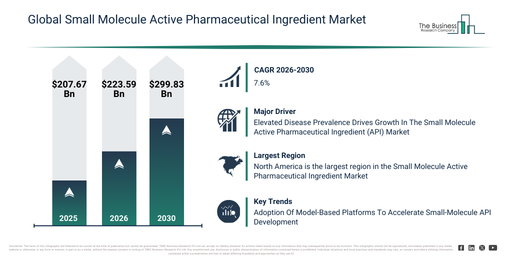
    The market for small molecule active pharmaceutical ingredients has experienced robust expansion in recent years. Projections indicate an increase from $207.67 billion in 2025 to $223.59 billion in 2026, reflecting a compound annual growth rate (CAGR) of 7.7%. This historical growth has been driven by several factors, including the rise in generic drug production, the expiration of patents for major blockbuster medications, a higher incidence of chronic illnesses, well-established chemical synthesis techniques, and the broadening of pharmaceutical manufacturing facilities across Asia.

    The market for small molecule active pharmaceutical ingredients is projected to experience robust expansion over the coming years, reaching $299.83 billion by 2030, with a compound annual growth rate (CAGR) of 7.6%. This anticipated growth during the forecast period stems from several key factors, including the increasing need for oncology and metabolic treatments, a rise in contract API manufacturing activities, progress in synthetic chemistry methods, a growing number of regulatory approvals for generic drugs, and the broadening of pharmaceutical development pipelines in emerging markets. Notable trends shaping this period encompass the proliferation of generic small molecule APIs, a shift towards greater outsourcing to contract manufacturing organizations, a heightened requirement for highly pure and potent APIs, efforts to refine processes for cost-efficient API production, and an intensified emphasis on meeting regulatory demands and upholding quality benchmarks.

    Download A Free Sample Report For Comprehensive Market Insights:

    https://www.thebusinessresearchcompany.com/sample.aspx?id=7948&type=smp&utm_source=BlogsPR&utm_medium=Paid&utm_campaign=Jul_PR

    Small Molecule Active Pharmaceutical Ingredient Market Growth Factors Supporting Long-Term Expansion

    The growing occurrence of illnesses is a significant factor fueling the expansion of the small molecule active pharmaceutical ingredient (API) market. An illness refers to an abnormal condition, involving a disruption in structure or function, that impacts a patient’s body. Active pharmaceutical ingredients (APIs) are the essential components within a pharmaceutical drug that generate the desired therapeutic effect on the body to address various health issues. As an example, in March 2023, data released by the American Society of Clinical Oncology (ASCO), a US-based professional body, estimated that over 12,000 individuals in the United States were diagnosed annually with neuroendocrine tumors. Moreover, around 171,000 people were living with this diagnosis during that year. Cardiovascular diseases have caused the deaths of 17.9 million individuals worldwide. Consequently, the rising frequency of diseases will remain a primary driver in the small molecule API market.

    Small Molecule Active Pharmaceutical Ingredient Market Segmentation Trends And Revenue Drivers

    The small molecule active pharmaceutical ingredient market covered in this report is segmented –

    1) By Type: Synthetic, Chemical, Biological

    2) By Therapeutic Type: Autoimmune Diseases, Oncology, Metabolic Diseases, Ophthalmology, Cardiovascular Diseases, Infectious Diseases, Neurology, Respiratory Disorders, Dermatology, Urology

    3) By Manufacturing Method: In-House, Contract

    4) By Application: Clinical, Commercial

    Subsegments:

    1) By Synthetic: Small Molecule Drugs, Generic Drugs

    2) By Chemical: Organic Compounds, Inorganic Compounds

    3) By Biological: Natural Products, Semi-Synthetic Compounds

    Small Molecule Active Pharmaceutical Ingredient Market Industry Trends Shaping Future Revenue Growth

    Key players within the small molecule active pharmaceutical ingredient (API) market are increasingly concentrating on introducing cutting-edge development platforms aimed at speeding up API process design, boosting overall efficiency, and shortening time-to-market. Such platforms are specifically designed to simplify early-stage development, enhance scalability, and facilitate robust, cost-effective API production. A notable example occurred in May 2025 when Lonza Group AG, a pharmaceutical manufacturing firm headquartered in Switzerland, unveiled its Design2Optimize Platform, which was created to streamline small molecule API development. This platform incorporates digital tools, data-driven process optimization, and advanced automation to expedite route scouting, strengthen process robustness, and cut down on development durations. Through its comprehensive optimization features, Design2Optimize™ aids drug developers in improving API quality, lowering risks, and achieving faster and more efficient scale-up for commercial manufacturing.

    Small Molecule Active Pharmaceutical Ingredient Market Industry Leaders: Which Organizations Are Driving Competition?

    Major companies operating in the small molecule active pharmaceutical ingredient market are Pfizer Inc., BASF SE, Roche Holding AG, F. Hoffmann-La Roche Limited, AbbVie Inc., Allergan plc, Bayer AG, Novartis AG, Sanofi SA, Bristol Myers Squibb Company, AstraZeneca plc, Glaxo Smith Kline plc, China Resources Pharmaceutical Group Limited, Takeda Pharmaceutical Company Limited, Eli Lilly and Company, Gilead Sciences Inc., Boehringer Ingelheim International GmbH, Merck KGaA, Viatris Inc., Teva Pharmaceutical Industries Limited, Johnson Matthey plc, Astellas Pharma Inc., Albemarle Corporation, Sun Pharmaceutical Industries Limited, Aurobindo Pharma Limited, Dr Reddy’s Laboratories Limited, Siegfried Holding AG, Albany Molecular Research Inc., Cipla Inc., Cambrex Corporation, Daiichi Sankyo Company Ltd., Eisai Co Ltd., Otsuka Holdings Co Ltd.

    Access The Complete Small Molecule Active Pharmaceutical Ingredient Market Report:

    https://www.thebusinessresearchcompany.com/report/small-molecule-active-pharmaceutical-ingredient-global-market-report?utm_source=BlogsPR&utm_medium=Paid&utm_campaign=Jul_PR

    Small Molecule Active Pharmaceutical Ingredient Market Geographic Landscape: Which Region Dominates Industry Growth?

    North America was the largest region in the small molecule active pharmaceutical ingredient market in 2025. Asia-Pacific is expected to be the fastest-growing region in the forecast period. The regions covered in the small molecule active pharmaceutical ingredient market report are Asia-Pacific, South East Asia, Western Europe, Eastern Europe, North America, South America, Middle East, Africa.

    Get in touch with us:

    The Business Research Company: https://www.thebusinessresearchcompany.com/?utm_source=BlogsPR&utm_medium=Paid&utm_campaign=home_page_test

    Americas: +1 310-496-7795

    Asia: +44 7882 955267 & +91 8897263534

    Europe: +44 7882 955267

    Email us at: marketing@tbrc.info

    Follow us on:

    LinkedIn: https://in.linkedin.com/company/the-business-research-company

    YouTube: https://www.youtube.com/channel/UC24_fI0rV8cR5DxlCpgmyFQ

    Global Market Model: https://www.thebusinessresearchcompany.com/global-market-model
  • Small Interfering Ribonucleic Acid (RNA) Market Expansion Is Reshaping Competitive Dynamics Across The Industry

    Small Interfering Ribonucleic Acid (RNA) Market Expansion Is Reshaping Competitive Dynamics Across The Industry

    Delivering more actionable and strategically valuable research, The Business Research Company’s 2026 market reports feature market attractiveness analysis, total addressable market evaluation, company benchmarking matrices, interactive Excel dashboards, expanded supply chain intelligence, emerging startup coverage, and detailed product insights.

    Small Interfering Ribonucleic Acid (RNA) Market Growth Analysis: How Will Revenue Expand During The Forecast Period?

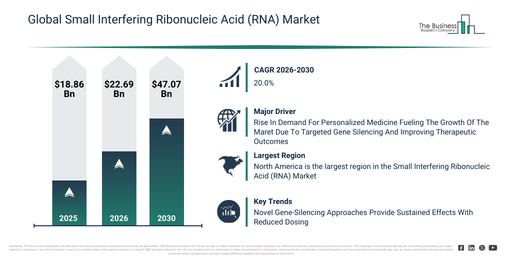
    The market for small interfering ribonucleic acid (RNA) has experienced exponential expansion in recent years. Projected to rise from $18.86 billion in 2025 to $22.69 billion in 2026, it is expected to achieve a compound annual growth rate (CAGR) of 20.3%. This historical growth has been driven by progress in molecular biology research, a growing incidence of genetic and chronic conditions, the initial achievements of RNA-based treatments, heightened investment in genomic research, and the elucidation of RNA interference pathways.

    The small interfering RNA market is projected to experience rapid expansion over the coming years, with its value anticipated to reach $47.07 billion by 2030, reflecting a compound annual growth rate of 20%. This forecast period’s growth is driven by several factors, including a higher number of regulatory approvals for RNA-based therapies, an increased demand for personalized medicine, advances in nanoparticle delivery technologies, greater financial commitments from pharmaceutical firms, and the expanding use of siRNA in addressing infectious and rare conditions. Key trends that will shape this period encompass the wider clinical integration of RNA interference treatments, a stronger focus on targeted gene silencing methods, the evolution of sophisticated delivery platforms for siRNA, increased investment in precision therapeutic development, and a greater emphasis on scalable RNA production processes.

    Download A Free Sample Report For Comprehensive Market Insights:

    https://www.thebusinessresearchcompany.com/sample.aspx?id=30394&type=smp&utm_source=BlogsPR&utm_medium=Paid&utm_campaign=Jul_PR

    Small Interfering Ribonucleic Acid (RNA) Market Demand Drivers Creating New Revenue Opportunities

    The growing interest in personalized medicine is expected to drive expansion within the small interfering ribonucleic acid (RNA) market moving forward. Personalized medicine represents a healthcare strategy centered on customizing treatments for individual patients by accounting for their genetic makeup, environmental influences, and lifestyle choices, all aimed at enhancing treatment outcomes and elevating the quality of care. This increasing demand for personalized medicine can be attributed to progress in genomic technologies, which allow for more accurate detection of genetic variations and support the development of tailored therapies for specific individuals. Small interfering ribonucleic acid (siRNA) contributes to advances in personalized medicine through its ability to facilitate targeted gene silencing, making it especially well-suited for addressing particular genetic disorders and diseases. By precisely blocking the disease-causing mRNA, siRNA helps reduce off-target effects, thereby boosting therapeutic effectiveness and improving results for patients. As an example, data from the Personalized Medicine Coalition (PMC), a nonprofit organization based in the United States, indicated in February 2024 that the U.S. Food and Drug Administration (FDA) authorized 26 new personalized medicines in 2023, marking a notable increase compared to the 12 approvals granted in 2022. Consequently, this rising demand for personalized medicine continues to fuel growth in the small interfering ribonucleic acid (RNA) market.

    Small Interfering Ribonucleic Acid (RNA) Market Segment Analysis Highlighting Growth Areas

    The small interfering ribonucleic acid (rna) market covered in this report is segmented –

    1) By Type: Liposome Systemic Therapy, Nanoparticle-Based Systemic Therapy

    2) By Indication: Cardiovascular Diseases, Respiratory Diseases, Oncology, Neurodegenerative Diseases, Infectious Diseases

    3) By End-User: Hospital, Research Institutions, Pharmaceutical And Biotechnology Companies, Academic Institutions

    Subsegments:

    1) By Liposome Systemic Therapy: Cationic Liposome Delivery, Neutral Liposome Delivery, Pegylated Liposome Delivery, Targeted Liposome Delivery

    2) By Nanoparticle-Based Systemic Therapy: Lipid Nanoparticle Delivery, Polymer Nanoparticle Delivery, Gold Nanoparticle Delivery, Silica Nanoparticle Delivery

    Small Interfering Ribonucleic Acid (RNA) Market Trends Driving Strategic Industry Expansion

    Key players in the siRNA therapeutics sector are prioritizing the acquisition of regulatory endorsements for innovative approaches aimed at treating uncommon hereditary disorders, with the goal of delivering long-lasting benefits and decreasing how often patients need to take medication. Such official approvals represent clearances from governing bodies that authorize a drug or treatment to be safely assessed, promoted, or administered to patients. As an example, in March 2025, Alnylam Pharmaceuticals Inc., a biopharmaceutical firm headquartered in the United States, secured authorization from the U.S. Food and Drug Administration (FDA) for Qfitlia (fitusiran), marking the debut of a small interfering RNA-based therapy for adults and adolescents twelve years of age and older diagnosed with hemophilia A or B, whether inhibitors are present or not. This treatment works by reducing antithrombin levels, which consequently boosts thrombin production to support blood clot formation and minimize incidents of bleeding. Qfitlia is administered subcutaneously every two months, presenting a novel, non-factor therapeutic alternative for managing hemophilia.

    Small Interfering Ribonucleic Acid (RNA) Market Leading Companies: Who Holds Significant Market Presence?

    Major companies operating in the small interfering ribonucleic acid (rna) market are Novartis AG, Thermo Fisher Scientific Inc., GlaxoSmithKline plc, Sanofi S.A., Sarepta Therapeutics Inc., Alnylam Pharmaceuticals Inc., Ionis Pharmaceuticals Inc., Wave Life Sciences Ltd., Silence Therapeutics plc, Arrowhead Pharmaceuticals Inc., Quark Pharmaceuticals Inc., Arbutus Biopharma Corporation, Evox Therapeutics Ltd., Phio Pharmaceuticals Inc., Genecon Biotechnologies Co. Ltd., Olix Pharmaceuticals Inc., Benitec Biopharma Ltd., Bio-Path Holdings Inc., Calando Pharmaceuticals Inc., Sirnaomics Ltd.

    Access The Complete Small Interfering Ribonucleic Acid (RNA) Market Report:

    https://www.thebusinessresearchcompany.com/report/global-small-interfering-ribonucleic-acid-rna-market-report?utm_source=BlogsPR&utm_medium=Paid&utm_campaign=Jul_PR

    Small Interfering Ribonucleic Acid (RNA) Market Largest Region: Which Geography Holds The Highest Market Share?

    North America was the largest region in the small interfering ribonucleic acid (RNA) market in 2025. The regions covered in the small interfering ribonucleic acid (rna) market report are Asia-Pacific, South East Asia, Western Europe, Eastern Europe, North America, South America, Middle East, Africa.

    Get in touch with us:

    The Business Research Company: https://www.thebusinessresearchcompany.com/?utm_source=BlogsPR&utm_medium=Paid&utm_campaign=home_page_test

    Americas: +1 310-496-7795

    Asia: +44 7882 955267 & +91 8897263534

    Europe: +44 7882 955267

    Email us at: marketing@tbrc.info

    Follow us on:

    LinkedIn: https://in.linkedin.com/company/the-business-research-company

    YouTube: https://www.youtube.com/channel/UC24_fI0rV8cR5DxlCpgmyFQ

    Global Market Model: https://www.thebusinessresearchcompany.com/global-market-model
  • Small Cell Lung Cancer Therapeutics Market Forecast Reveals Where Future Industry Value Will Be Created

    Small Cell Lung Cancer Therapeutics Market Forecast Reveals Where Future Industry Value Will Be Created

    Enhanced with market attractiveness analysis, total addressable market evaluation, company benchmarking matrices, interactive Excel dashboards, expanded supply chain intelligence, emerging startup coverage, and detailed product insights, The Business Research Company’s 2026 market reports deliver more actionable and strategically valuable research.

    Small Cell Lung Cancer Therapeutics Market Forecast: What Market Value Is Expected By 2030?

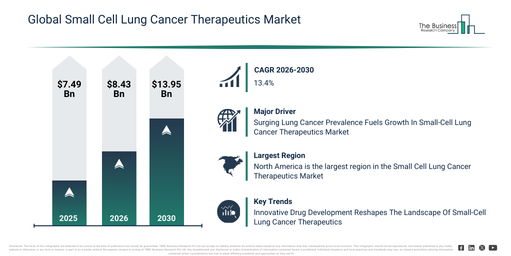
    The market for small cell lung cancer therapeutics has experienced rapid expansion in recent years, with its size projected to rise from $7.49 billion in 2025 to $8.43 billion in 2026, achieving a compound annual growth rate (CAGR) of 12.5%. This historical growth has been driven by factors such as the increasing incidence of smoking-related lung cancers, the elevated mortality rate associated with small cell lung cancer, a historically constrained range of treatment options, heightened awareness about lung cancer, and greater investment in oncology research.

    The market for small cell lung cancer therapeutics is projected to experience significant expansion in the coming years. By 2030, its value is anticipated to reach $13.95 billion, driven by a compound annual growth rate (CAGR) of 13.4%. This forecasted growth is fueled by progress in immunotherapy and targeted treatments, the incorporation of artificial intelligence into treatment planning, the rising embrace of precision medicine, improvements in early detection methods, and the global proliferation of cancer therapy facilities. Key trends shaping this period encompass breakthroughs in immunotherapy, the creation of combination therapies, the development of tools for early detection and diagnosis, customized treatment approaches, and strategies to combat drug resistance.

    Download A Free Sample Report For Comprehensive Market Insights:

    https://www.thebusinessresearchcompany.com/sample.aspx?id=12912&type=smp&utm_source=BlogsPR&utm_medium=Paid&utm_campaign=Jul_PR

    Small Cell Lung Cancer Therapeutics Market Expansion Supported By Key Demand Factors

    The growing incidence of lung cancer is anticipated to drive expansion in the small-cell lung cancer therapeutics market in the coming period. This malignant disease, marked by the uncontrolled growth of abnormal cells within lung tissues, presents symptoms including coughing, chest discomfort, and breathing difficulties. Management strategies for lung cancer, particularly small-cell variations, typically involve integrating chemotherapy, radiation therapy, and occasionally targeted treatments, which contribute to extended survival rates and enhanced life quality for affected individuals. As an example, data from the American Cancer Society Facts and Figures, published by a US-based professional organization in January 2023, indicated that new cases of lung and bronchus cancer reached an estimated 236,740 in 2022 and 238,340 in 2023, while deaths were projected at 130,180 and 127,070 for the same respective years. Consequently, the escalating prevalence of lung cancer is fueling growth in the small-cell lung cancer therapeutics market.

    Small Cell Lung Cancer Therapeutics Market Segment Performance And Strategic Opportunities

    The small cell lung cancer therapeutics market covered in this report is segmented –

    1) By Drug Type: Atezolizumab, Topotecan, Lurbinectedin, Durvalumab, Methotrexate, Pembrolizumab

    2) By Treatment Type: Chemotherapy, Targeted Therapy, Other Treatment Types

    3) By Route Of Administration: Oral, Parenteral, Other Routes Of Administrations

    4) By End-Users: Hospitals, Cancer Therapy Centers, Other End-Users

    Small Cell Lung Cancer Therapeutics Market Growth Trends Influencing Competitive Dynamics

    Key players in the small-cell lung cancer therapeutics sector are prioritizing the creation of novel treatments, like monoclonal antibodies, to boost the precision of targeted therapies and elevate patient results. Monoclonal antibodies, which are artificial molecules produced in labs to attach to particular antigens, deliver consistency and specificity as they originate from a single immune cell clone. Their targeted nature makes them widely applied in managing cancers and autoimmune disorders. A case in point occurred in March 2024, when PT Kalbe Farma Tbk, a healthcare firm based in Indonesia, introduced Serplulimab for lung cancer patients. This fully humanized anti-PD-1 monoclonal antibody has demonstrated notable effectiveness as an initial treatment for extensive-stage small cell lung cancer (ES-SCLC), extending median overall survival to 15.4 months from the 10.9 months seen with chemotherapy alone. Additionally, clinical trials revealed improved progression-free survival and a greater objective response rate, positioning it as a promising therapeutic choice for patients who have not yet received treatment for this aggressive cancer.

    Small Cell Lung Cancer Therapeutics Market Key Players: Which Companies Shape Industry Competition?

    Major companies operating in the small cell lung cancer therapeutics market are Pfizer Inc., F. Hoffmann-La Roche AG, AbbVie Inc, Bayer AG, Janssen Pharmaceuticals, Novartis AG, Merck and Co. Inc., Sanofi S.A, Bristol-Myers Squibb Company, Astrazeneca plc, GSK plc, Eli Lilly and Company, Gilead Sciences Inc, Boehringer Ingelheim International GmbH, Otsuka Pharmaceutical Co. Ltd., Teva Pharmaceutical Industries Ltd., Regeneron Pharmaceuticals, Mylan N.V., Astellas Pharma Inc., Daiichi Sankyo Company Ltd., Aurobindo Pharma Limited, Kyowa Kirin Co. Ltd.

    Access The Complete Small Cell Lung Cancer Therapeutics Market Report:

    https://www.thebusinessresearchcompany.com/report/small-cell-lung-cancer-therapeutics-global-market-report?utm_source=BlogsPR&utm_medium=Paid&utm_campaign=Jul_PR

    Small Cell Lung Cancer Therapeutics Market Regional Analysis: Which Region Leads By Revenue?

    North America was the largest region in the small cell Lung cancer therapeutics market in 2025. Asia-Pacific is expected to be the fastest-growing region in the forecast period. The regions covered in the small cell lung cancer therapeutics market report are Asia-Pacific, South East Asia, Western Europe, Eastern Europe, North America, South America, Middle East, Africa.

    Get in touch with us:

    The Business Research Company: https://www.thebusinessresearchcompany.com/?utm_source=BlogsPR&utm_medium=Paid&utm_campaign=home_page_test

    Americas: +1 310-496-7795

    Asia: +44 7882 955267 & +91 8897263534

    Europe: +44 7882 955267

    Email us at: marketing@tbrc.info

    Follow us on:

    LinkedIn: https://in.linkedin.com/company/the-business-research-company

    YouTube: https://www.youtube.com/channel/UC24_fI0rV8cR5DxlCpgmyFQ

    Global Market Model: https://www.thebusinessresearchcompany.com/global-market-model
  • Sleeping Pills Market Growth Through 2030 Creates New Strategic Opportunities

    Sleeping Pills Market Growth Through 2030 Creates New Strategic Opportunities

    Through market attractiveness analysis, total addressable market evaluation, company benchmarking matrices, interactive Excel dashboards, expanded supply chain intelligence, emerging startup coverage, and detailed product insights, The Business Research Company’s 2026 market reports provide more actionable and strategically valuable research.

    Sleeping Pills Market Size Outlook: How Fast Will Revenue Grow Through 2030?

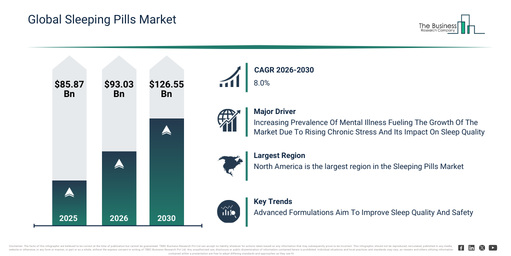
    The sleeping pills market has experienced robust expansion in recent years, with projections indicating an increase from $85.87 billion in 2025 to $93.03 billion in 2026, reflecting a compound annual growth rate (CAGR) of 8.3%. This historical growth has been driven by factors such as the restricted accessibility of sleep disorder therapies, a rising incidence of insomnia, the predominance of prescription-based sleeping aids, reliance on conventional pharmacy distribution networks, and limited public understanding of proper sleep hygiene practices.

    The market for sleeping pills is projected to experience robust expansion over the coming years, reaching a value of $126.55 billion by 2030 with a compound annual growth rate (CAGR) of 8.0%. This anticipated growth during the forecast period is driven by factors such as the creation of innovative non-benzodiazepine medications, a growing preference for melatonin and herbal remedies, greater accessibility through online pharmacies, customized sleep management programs, and an expanding base of elderly and adult consumers. Key developments shaping this period include a worldwide increase in sleep disorder cases, a higher uptake of non-prescription sleep aids, a stronger emphasis on tailored sleep therapies, the growth of digital pharmacy and e-commerce platforms, and heightened consumer interest in natural and herbal sleep products.

    Download A Free Sample Report For Comprehensive Market Insights:

    https://www.thebusinessresearchcompany.com/sample.aspx?id=24704&type=smp&utm_source=BlogsPR&utm_medium=Paid&utm_campaign=Jul_PR

    Sleeping Pills Market Growth Drivers And Industry Catalysts

    The growing occurrence of mental health disorders is anticipated to drive forward the sleeping pills market. Mental illness encompasses various conditions that impact mood, cognition, behavior, and daily life. This rise is linked to elevated chronic stress levels, as sustained stress interferes with brain activity and can initiate or exacerbate mental health issues. Sleeping pills support mental illness management by enhancing sleep quality, crucial for emotional and cognitive stability. They aid in alleviating anxiety and depression symptoms by facilitating restorative sleep and boosting overall mental health and daily performance. For example, in 2025, data from the National Alliance on Mental Illness and NextStep Solutions Behavioral Health, US-based health groups, indicated that serious mental illness prevalence was approximately 5.44% in 2023 and stayed near 5.6% of adults in 2024, showing an unchanged severe category. Thus, the rising incidence of mental illness is fueling growth in the sleeping pills market.

    Sleeping Pills Market Segment Landscape And Growth Potential

    The sleeping pills market covered in this report is segmented –

    1) By Medication Type: Prescription Sleeping Pills, Over The Counter (OTC) Sleeping Pills

    2) By Product Type: Benzodiazepines, Non Benzodiazepines

    3) By Sleep Disorder: Insomnia, Sleep Disorder, Restless Leg Syndrome Narcolepsy, Sleepwalking

    4) By Consumer Demographics: Age Groups, Gender, Health Conditions

    5) By Distribution Channel: Retail Pharmacies, Online Pharmacies, Hospitals And Clinics, Health And Wellness Stores

    Subsegments:

    1) By Prescription Sleeping Pills: Benzodiazepines, Non-Benzodiazepines, Antidepressants, Antihistamines, Melatonin Receptor Agonists, Orexin Receptor Antagonists

    2) By Over The Counter (OTC): Diphenhydramine, Doxylamine, Melatonin Supplements, Valerian Root

    Sleeping Pills Market Trends Influencing Long-Term Demand

    Major players in the sleeping pills market are concentrating on creating cutting-edge formulations, particularly novel drug formulations, aimed at improving sleep quality while lowering the risks of dependency and decreasing adverse effects. Novel drug formulations involve the design of new medication compositions intended to boost efficacy, improve absorption, minimize side effects, and offer more targeted and patient-convenient therapeutic options. As an example, in October 2024, Neurovalens, a medical device company based in the UK, introduced Modius Sleep—a prescribed medical device cleared by the Food and Drug Administration (FDA) for treating chronic insomnia in adults aged 22 and older. This device delivers low-level electrical stimulation to the vestibular nerve, targeting the hypothalamus and brainstem, which are responsible for controlling sleep and circadian rhythms. Users wear the device on their head for a 30-minute session each evening, typically one to two hours prior to bedtime, with adjustable intensity settings to ensure comfort. Modius Sleep is user-friendly, portable, and can be utilized during activities like reading or watching TV.

    Sleeping Pills Market Competitive Landscape: Who Are The Leading Companies?

    Major companies operating in the sleeping pills market are Pfizer Inc., Johnson & Johnson, F. Hoffmann-La Roche AG, Merck & Co. Inc., Sanofi S.A., Abbott Laboratories, GSK plc, Takeda Pharmaceutical Company Limited, Eli Lilly and Company, Viatris Inc., Teva Pharmaceutical Industries Ltd., Eisai Co Ltd., Sun Pharmaceutical Industries Ltd., Apotex Inc., Cipla Limited, Aurobindo Pharma Ltd. , Dr. Reddy’s Laboratories Ltd., Hikma Pharmaceuticals plc, Lupin Limited, Glenmark Pharmaceuticals Ltd., Torrent Pharmaceuticals Ltd., Perrigo Company plc, Mallinckrodt Pharmaceuticals plc, Idorsia Pharmaceuticals Ltd, Procter & Gamble Health Limited (P&G Health), Allegiant Health

    Access The Complete Sleeping Pills Market Report:

    https://www.thebusinessresearchcompany.com/report/sleeping-pills-global-market-report?utm_source=BlogsPR&utm_medium=Paid&utm_campaign=Jul_PR

    Sleeping Pills Market Geographic Distribution And Regional Opportunities

    North America was the largest region in the sleeping pills market in 2025. Europe is expected to be the fastest-growing region in the forecast period. The regions covered in the sleeping pills market report are Asia-Pacific, South East Asia, Western Europe, Eastern Europe, North America, South America, Middle East, Africa.

    Get in touch with us:

    The Business Research Company: https://www.thebusinessresearchcompany.com/?utm_source=BlogsPR&utm_medium=Paid&utm_campaign=home_page_test

    Americas: +1 310-496-7795

    Asia: +44 7882 955267 & +91 8897263534

    Europe: +44 7882 955267

    Email us at: marketing@tbrc.info

    Follow us on:

    LinkedIn: https://in.linkedin.com/company/the-business-research-company

    YouTube: https://www.youtube.com/channel/UC24_fI0rV8cR5DxlCpgmyFQ

    Global Market Model: https://www.thebusinessresearchcompany.com/global-market-model