Month: July 2026

  • Single-Cell Omics Market Growth Is Accelerating As Industry Transformation Continues

    Single-Cell Omics Market Growth Is Accelerating As Industry Transformation Continues

    Enhanced with market attractiveness analysis, total addressable market evaluation, company benchmarking matrices, interactive Excel dashboards, expanded supply chain intelligence, emerging startup coverage, and detailed product insights, The Business Research Company’s 2026 market reports deliver more actionable and strategically valuable research.

    Single-Cell Omics Market Growth Potential: How Will Market Size Change Through 2030?

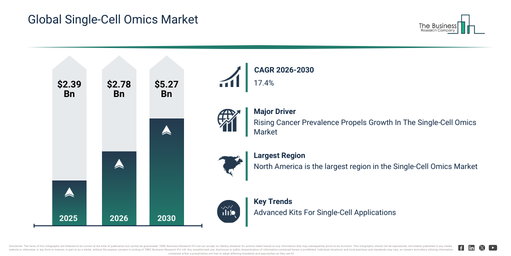
    The single-cell omics market has seen swift expansion in recent years, with projections showing an increase from $2.39 billion in 2025 to $2.78 billion in 2026, representing a compound annual growth rate (CAGR) of 16.3%. This historic period’s growth was driven by progress in next-generation sequencing, a rise in academic research funding, expanding cancer research programs, a need for analyzing cellular heterogeneity, and enhanced cell isolation methods.

    The market for single-cell omics is forecast to experience substantial expansion in the coming years. By 2030, its value is projected to reach $5.27 billion, driven by a compound annual growth rate (CAGR) of 17.4%. This anticipated growth during the forecast period is fueled by the broader implementation of precision medicine initiatives, the incorporation of artificial intelligence into omics data interpretation, heightened pharmaceutical research and development spending, greater utilization in clinical diagnostic settings, and the creation of more affordable single-cell platforms. Key emerging trends shaping this period involve a higher uptake of multi-omics strategies, an increased need for fine-scale cellular analysis, a broadening use of single-cell techniques in cancer research, wider application of microfluidic technology for cell separation, and the establishment of standardized protocols for single-cell analytical processes.

    Download A Free Sample Report For Comprehensive Market Insights:

    https://www.thebusinessresearchcompany.com/sample.aspx?id=12379&type=smp&utm_source=BlogsPR&utm_medium=Paid&utm_campaign=Jul_PR

    Single-Cell Omics Market Expansion Supported By Key Demand Factors

    The anticipated increase in cancer cases is set to drive expansion within the single-cell omics market. Cancer encompasses a range of diseases capable of developing in virtually any body tissue or organ, characterized by the uncontrolled growth of abnormal cells that breach normal boundaries, invade adjacent structures, or metastasize to distant sites. Single-cell omics data has been extensively employed to identify biomarkers for cancer diagnosis, predict prognosis, and uncover new therapeutic targets within defined clinical groups. For example, in May 2024, the National Institutes of Health, a US government agency, reported that approximately 18.1 million people in the United States were cancer survivors as of January 2022, with projections indicating this number will climb to 22.5 million by 2032. Consequently, the growing incidence of cancer is fueling momentum in the single-cell omics market.

    Single-Cell Omics Market Segment Analysis Highlighting Growth Areas

    The single-cell omics market covered in this report is segmented –

    1) By Product: Single-Cell Genomics, Single-Cell Transcriptomics, Single-Cell Proteomics, Single-Cell Metabolomics

    2) By Technology: Cell Isolation Technologies, Sample Preparation Technologies, Analysis Of Next-Generation Sequencing

    3) By Application: Oncology, Cell Biology, Neurology, Immunology

    4) By End-User: Pharmaceutical And Biotechnology Companies, Academic And Research Organizations, Hospital And Diagnostic Laboratories, Other End Users

    Subsegments:

    1) By Single-Cell Genomics: Whole Genome Sequencing (WGS), Targeted Sequencing, Single-Cell DNA Analysis Kits

    2) By Single-Cell Transcriptomics: RNA Sequencing (RNA-seq), Quantitative PCR (qPCR) For Single Cells, Single-Cell Gene Expression Analysis Kits

    3) By Single-Cell Proteomics: Mass Spectrometry-Based Proteomics, Antibody-Based Protein Analysis, Single-Cell Protein Analysis Kits

    4) By Single-Cell Metabolomics: Mass Spectrometry For Metabolites, Nuclear Magnetic Resonance (NMR) Metabolomics, Single-Cell Metabolite Profiling Kits

    Single-Cell Omics Market Growth Trends Influencing Competitive Dynamics

    Leading players in the single-cell omics sector are prioritizing the creation of sophisticated kits—including those designed for sequencing—to support single-cell workflows and boost their market earnings. These sequencing kits consist of pre-assembled reagent and material packages tailored for genetic sequencing tasks, which help simplify lab processes. A notable example occurred in February 2023, when Singular Genomics Systems, Inc., a U.S. firm specializing in innovative next-generation sequencing (NGS), introduced the Max Read Kits for single-cell sequencing on the G4 Sequencing Platform. Engineered to work seamlessly with widely used 10x Genomics assays, these kits offer the flexibility to sequence between 4 and 16 samples per run. Each flow cell delivers 800 million reads, with quality scores ranging from 80% to 90% Q30. Additionally, Singular Genomics has improved the performance standards of the G4 Sequencing Platform’s F2 and F3 flow cells, enabling up to 1.8 billion reads per run on the F3 flow cells for certain applications.

    Single-Cell Omics Market Leading Companies: Who Holds Significant Market Presence?

    Major companies operating in the single-cell omics market are Danaher Corporation, Merck KGaA, Becton Dickinson and Company, Thermo Fisher Scientific Inc, Agilent Technologies Inc, Sartorius AG, Illumina Inc, Bio Rad Laboratories Inc, Qiagen NV, Tecan Group Ltd, BGI Genomics Co Ltd, 10x Genomics Inc, Takara Bio Inc, NanoString Technologies Inc, Vizgen, Deepcell, Mission Bio Inc, Standard BioTools Inc, CYTENA GmbH, Single Cell Discoveries

    Access The Complete Single-Cell Omics Market Report:

    https://www.thebusinessresearchcompany.com/report/single-cell-omics-global-market-report?utm_source=BlogsPR&utm_medium=Paid&utm_campaign=Jul_PR

    Single-Cell Omics Market Geographic Distribution And Regional Opportunities

    North America was the largest region in the single-cell omics market in 2025. Asia-Pacific is expected to be the fastest-growing region in the forecast period. The regions covered in the single-cell omics market report are Asia-Pacific, South East Asia, Western Europe, Eastern Europe, North America, South America, Middle East, Africa.

    Get in touch with us:

    The Business Research Company: https://www.thebusinessresearchcompany.com/?utm_source=BlogsPR&utm_medium=Paid&utm_campaign=home_page_test

    Americas: +1 310-496-7795

    Asia: +44 7882 955267 & +91 8897263534

    Europe: +44 7882 955267

    Email us at: marketing@tbrc.info

    Follow us on:

    LinkedIn: https://in.linkedin.com/company/the-business-research-company

    YouTube: https://www.youtube.com/channel/UC24_fI0rV8cR5DxlCpgmyFQ

    Global Market Model: https://www.thebusinessresearchcompany.com/global-market-model

  • Silver Ion Wound Spray Market Outlook Highlights The Next Major Growth Opportunities

    Silver Ion Wound Spray Market Outlook Highlights The Next Major Growth Opportunities

    Through market attractiveness analysis, total addressable market evaluation, company benchmarking matrices, interactive Excel dashboards, expanded supply chain intelligence, emerging startup coverage, and detailed product insights, The Business Research Company’s 2026 market reports provide more actionable and strategically valuable research.

    Silver Ion Wound Spray Market Value Analysis: What Growth Is Expected Over The Forecast Period?

    The silver ion wound spray market has experienced swift expansion in recent years. Projections indicate a rise from $0.85 billion in 2025 to $0.95 billion in 2026, reflecting a compound annual growth rate (CAGR) of 11.7%. During the historic period, this growth was driven by a higher prevalence of both chronic and acute wounds, broader clinical adoption of silver-based antimicrobial agents, enhanced implementation of wound care protocols in hospitals, increased availability of spray-format medical devices, and heightened awareness regarding infection control.

    The silver ion wound spray market is anticipated to experience robust expansion over the coming years. By 2030, its value is projected to reach $1.47 billion, reflecting a compound annual growth rate (CAGR) of 11.4%. This forecasted growth is driven by a rising need for sophisticated wound care products, an increased shift toward home healthcare services, intensified efforts to combat antimicrobial resistance, an expanding elderly population, and greater utilization of convenient wound-care formats. Key developments influencing the market during this period include a heightened uptake of antimicrobial silver-based wound treatments, a growing preference for non-invasive wound-healing methods, expanded implementation of spray delivery systems for wound applications, a wider product range in homecare wound management, and a stronger emphasis on infection control.

    Download A Free Sample Report For Comprehensive Market Insights:

    https://www.thebusinessresearchcompany.com/sample.aspx?id=28328&type=smp&utm_source=BlogsPR&utm_medium=Paid&utm_campaign=Jul_PR

    Silver Ion Wound Spray Market Growth Drivers And Industry Catalysts

    The rising number of surgical procedures is anticipated to drive forward the expansion of the silver ion wound spray market. Surgical procedures refer to medical interventions carried out to address diseases, injuries, or abnormalities through the physical alteration, repair, or removal of body tissues. This increase in surgical procedures is largely fueled by the growing incidence of chronic diseases, which frequently necessitate surgical interventions to manage complications and enhance patient outcomes. By providing targeted antimicrobial protection, silver ion wound sprays contribute to surgical procedures by effectively preventing post-operative infections. These sprays minimize complication risks through bacterial growth inhibition and support accelerated wound healing, thereby improving patient safety and recovery. As an example, in August 2023, The Aesthetic Society, a US-based organization focused on plastic surgery and cosmetic medicine, reported that Americans allocated over $11.8 billion to aesthetic procedures overall, marking a 2% increase from the prior year. Consequently, the escalating number of surgical procedures is propelling the silver ion wound spray market forward.

    Silver Ion Wound Spray Market Segment Performance And Strategic Opportunities

    The silver ion wound spray market covered in this report is segmented –

    1) By Product Type: Spray Bottles, Aerosol Sprays, Pump Sprays, Other Product Types

    2) By Distribution Channel: Hospital Pharmacies, Retail Pharmacies, Online Pharmacies, Other Distribution Channels

    3) By Application: Hospitals And Clinics, Home Care, Veterinary, Other Applications

    4) By End-User: Adults, Pediatrics, Geriatrics

    Subsegments:

    1) By Spray Bottles: Trigger Sprayers, Fingertip Sprayers, Airless Sprayers

    2) By Aerosol Sprays: Pressurized Aerosols, Non-Pressurized Aerosols

    3) By Pump Sprays: Continuous Spray Pumps, Metered Dose Pumps

    4) By Other Product Types: Roll-On Applicators, Foam Dispensers, Dropper Bottles

    Silver Ion Wound Spray Market Key Players: Which Companies Shape Industry Competition?

    Major companies operating in the silver ion wound spray market are CVS Health Corp., Cardinal Health Inc., Walgreens Co., Medline Industries Inc., 3M Company, McKesson Medical-Surgical Inc., Smith & Nephew plc, Coloplast A/S, Mölnlycke Health Care AB, ConvaTec Inc., Hollister Incorporated, Urgo Medical, B. Braun Melsungen AG, Gentell Inc., Winner Medical Co. Ltd., Axio Biosolutions Private Limited, DermaRite Industries LLC, Milliken Healthcare Products LLC, MPM Medical LLC, Urgo Medical.

    Access The Complete Silver Ion Wound Spray Market Report:

    https://www.thebusinessresearchcompany.com/report/silver-ion-wound-spray-global-market-report?utm_source=BlogsPR&utm_medium=Paid&utm_campaign=Jul_PR

    Silver Ion Wound Spray Market Largest Region By Revenue And Market Share

    North America was the largest region in the silver ion wound spray market in 2025. Asia-Pacific is expected to be the fastest-growing region in the forecast period. The regions covered in the silver ion wound spray market report are Asia-Pacific, South East Asia, Western Europe, Eastern Europe, North America, South America, Middle East, Africa.

    Get in touch with us:

    The Business Research Company: https://www.thebusinessresearchcompany.com/?utm_source=BlogsPR&utm_medium=Paid&utm_campaign=home_page_test

    Americas: +1 310-496-7795

    Asia: +44 7882 955267 & +91 8897263534

    Europe: +44 7882 955267

    Email us at: marketing@tbrc.info

    Follow us on:

    LinkedIn: https://in.linkedin.com/company/the-business-research-company

    YouTube: https://www.youtube.com/channel/UC24_fI0rV8cR5DxlCpgmyFQ

    Global Market Model: https://www.thebusinessresearchcompany.com/global-market-model
  • Silica Mineral Supplements Market Trends And Growth Drivers Point To Strong Future Potential

    Silica Mineral Supplements Market Trends And Growth Drivers Point To Strong Future Potential

    Delivering more actionable and strategically valuable research, The Business Research Company’s 2026 market reports feature market attractiveness analysis, total addressable market evaluation, company benchmarking matrices, interactive Excel dashboards, expanded supply chain intelligence, emerging startup coverage, and detailed product insights.

    Silica Mineral Supplements Market Size Forecast: How Large Could The Market Become By 2030?

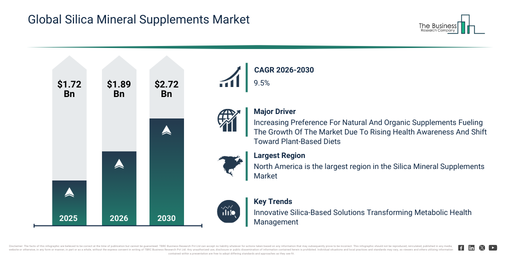
    The market for silica mineral supplements has experienced robust expansion over the last few years, with projections indicating an increase from $1.72 billion in 2025 to $1.89 billion in 2026, achieving a compound annual growth rate (CAGR) of 9.8%. This historical growth has been driven by heightened understanding of the advantages offered by mineral supplementation, a greater focus on issues affecting the aging demographic, a surge in interest for products supporting joint and bone health, the broadening of nutraceutical retail outlets, and advancements in formulation technologies.

    The silica mineral supplements industry is projected to experience robust expansion over the coming years. By 2030, its market value is anticipated to reach $2.72 billion, reflecting a compound annual growth rate (CAGR) of 9.5%. This upward trajectory during the forecast period is driven by a rising need for supplements that support connective tissue health, a growing preference for comprehensive holistic wellness strategies, the broadening of customized nutrition plans, a heightened emphasis on improving ingredient bioavailability, and an increased uptake of preventive healthcare supplements. Key developments shaping this period involve the growing use of silica formulations with enhanced absorption, a higher demand for products targeting bone and joint health, the rising appeal of silica in liquid and gel formats, the expansion of silica sources from organic and natural origins, and a stronger focus on beauty-from-within nutritional approaches.

    Download A Free Sample Report For Comprehensive Market Insights:

    https://www.thebusinessresearchcompany.com/sample.aspx?id=30391&type=smp&utm_source=BlogsPR&utm_medium=Paid&utm_campaign=Jul_PR

    Silica Mineral Supplements Market Opportunity Drivers: What Is Creating New Revenue Potential?

    The growing consumer shift toward naturally derived and organic dietary products is expected to drive expansion in the silica mineral supplements market in the coming period. These types of supplements are made using ingredients obtained from plant sources, minerals, or other naturally occurring materials, avoiding the use of artificial chemicals, preservatives, or synthetic substances. This rising demand is largely attributed to increased health awareness among consumers, who now view naturally sourced ingredients as safer and more environmentally friendly compared to synthetic alternatives. In this context, silica mineral supplements contribute by delivering bioavailable silica from natural sources, supporting better health for hair, skin, nails, and bones. As evidence, data from HerbalGram, a U.S.-based nonprofit organization, showed that total annual sales of herbal dietary supplements in the country increased from $12.018 billion in 2022 to $12.551 billion in 2023, marking a growth rate of 4.4%. Thus, the growing preference for natural and organic supplements is propelling the silica mineral supplements market forward.

    The expanding reach of e-commerce is projected to fuel further growth in the silica mineral supplements market going forward. Urbanization has played a key role in this trend, as improved internet access and widespread smartphone usage in densely populated urban areas allow consumers to shop for products online with ease and flexibility. This widespread adoption of digital shopping enhances the availability of silica mineral supplements, making it possible for buyers to explore health benefits, compare various products, and place orders without being hindered by location constraints. Supporting this trend, the United States Census Bureau, a federal statistical agency, reported that total e-commerce sales in 2023 reached approximately $1,118.7 billion, reflecting a 7.6% increase over the previous year. Consequently, the growing penetration of e-commerce is a key factor driving the silica mineral supplements market forward.

    Silica Mineral Supplements Market Segment Landscape And Growth Potential

    The silica mineral supplements market covered in this report is segmented –

    1) By Product Type: Powdered Silica Supplements, Liquid Silica Supplements, Capsule Or Tablets Silica Supplements, Gel Silica Supplements

    2) By Source Of Silica: Natural Silica, Synthetic Silica, Colloidal Silica, Organic Silica

    3) By Distribution Channel: Online Retail, Offline Retail, Direct Sales, Pharmacies, Health Stores

    4) By Application Area: Bone And Joint Health, Skin And Hair Health, Dental Health, Digestive Health

    5) By End-User: Health-Conscious Individuals, Athletes And Fitness Enthusiasts, Elderly Population, People With Joint And Bone Disorders

    Subsegments:

    1) By Powdered Silica Supplements: Micronized Silica Powder, Organic Silica Powder, Colloidal Silica Powder, High-Purity Silica Powder

    2) By Liquid Silica Supplements: Ionic Silica Liquid, Colloidal Silica Liquid, Organic Silica Solution, Stabilized Silica Drops

    3) By Capsule Or Tablets Silica Supplements: Silica Capsules, Silica Tablets, Silica Softgels, Silica Complex Formulations

    4) By Gel Silica Supplements: Topical Silica Gel, Oral Silica Gel, Bioavailable Silica Gel, Hydrated Silica Gel Formulations

    Silica Mineral Supplements Market Innovation Trends Driving Future Development

    Key players in the silica mineral supplements market are increasingly focusing on creating innovative products, such as mesoporous silica-based oral medical devices, to enhance metabolic health and aid in weight control. These devices consist of tiny silica particles featuring a network of microscopic pores capable of trapping digestive enzymes within the gut, which reduces the absorption of carbohydrates and fats, thereby supporting blood sugar regulation and weight management. A notable example is the launch of SiPore21 in January 2024 by Sigrid Therapeutics AB, a Swedish clinical-stage healthtech company, which was developed using its proprietary SiPore platform. SiPore21 contains micron-sized mesoporous silica particles with a pore network that mechanically captures enzymes like amylase and lipase, consequently limiting the digestion and uptake of carbohydrates and fats. Operating locally in the gastrointestinal tract without entering the bloodstream, this non-drug technology assists in controlling blood sugar levels and managing weight. Its versatile design allows for uses beyond human consumption, including applications in veterinary care and oral hygiene. This development underscores a growing market trend toward sophisticated, non-invasive silica-based solutions for managing metabolic health.

    Silica Mineral Supplements Market Competitive Landscape: Who Are The Leading Companies?

    Major companies operating in the silica mineral supplements market are Swanson Health Products Inc., Life Extension Foundation Buyers Club Inc., Trace Minerals Research LC, Biotics Research Corporation, NutraBio Labs Inc., Advanced Orthomolecular Research Inc. (AOR), NOW Health Group Inc. (NOW Foods), OstroVit Sp. z o.o., GeoSilica Iceland ehf., Nutra Organics Pty Ltd., Eytelia S.A., Eidon Ionic Minerals LLC, Silicium Laboratories LLC, Hakala Labs LLC, Natural Factors Nutritional Products Ltd., Sigrid Therapeutics AB, NutriStart Inc., Ayuzera Pvt. Ltd., Living Silica, Silica Earth Pvt. Ltd.

    Access The Complete Silica Mineral Supplements Market Report:

    https://www.thebusinessresearchcompany.com/report/global-silica-mineral-supplements-market-report?utm_source=BlogsPR&utm_medium=Paid&utm_campaign=Jul_PR

    Silica Mineral Supplements Market Regional Analysis And Leading Geography

    North America was the largest region in the silica mineral supplements market in 2025. Asia-Pacific is expected to be the fastest-growing region in the forecast period. The regions covered in the silica mineral supplements market report are Asia-Pacific, South East Asia, Western Europe, Eastern Europe, North America, South America, Middle East, Africa.

    Get in touch with us:

    The Business Research Company: https://www.thebusinessresearchcompany.com/?utm_source=BlogsPR&utm_medium=Paid&utm_campaign=home_page_test

    Americas: +1 310-496-7795

    Asia: +44 7882 955267 & +91 8897263534

    Europe: +44 7882 955267

    Email us at: marketing@tbrc.info

    Follow us on:

    LinkedIn: https://in.linkedin.com/company/the-business-research-company

    YouTube: https://www.youtube.com/channel/UC24_fI0rV8cR5DxlCpgmyFQ

    Global Market Model: https://www.thebusinessresearchcompany.com/global-market-model
  • Sildenafil Drug Market Expansion Is Reshaping Competitive Dynamics Across The Industry

    Sildenafil Drug Market Expansion Is Reshaping Competitive Dynamics Across The Industry

    Enhanced with market attractiveness analysis, total addressable market evaluation, company benchmarking matrices, interactive Excel dashboards, expanded supply chain intelligence, emerging startup coverage, and detailed product insights, The Business Research Company’s 2026 market reports deliver more actionable and strategically valuable research.

    Sildenafil Drug Market Revenue Outlook: What CAGR Is Expected Through 2030?

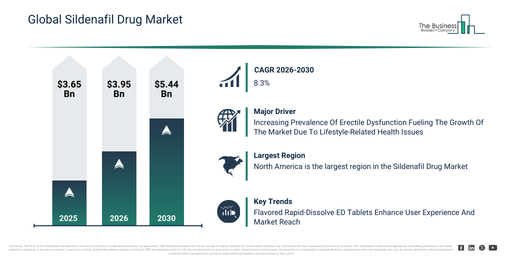
    The sildenafil drug market has experienced considerable expansion in recent years, increasing from $3.65 billion in 2025 to $3.95 billion in 2026, reflecting a compound annual growth rate of 8.3%. This historical growth has been driven by factors such as the high incidence of erectile dysfunction, a growing male demographic that is aging, widespread access to generic drugs, prescribing patterns among physicians, and the provision of hospital-based care for paediatric hypertension.

    The sildenafil drug market is projected to experience significant expansion in the coming years. Anticipated to reach a value of $5.44 billion by 2030, it will achieve a compound annual growth rate (CAGR) of 8.3%. This forecast period growth is fueled by factors such as the expansion of telemedicine, a rising incidence of cardiovascular diseases, the increasing presence of online pharmacies, heightened awareness regarding men’s health, and regulatory approvals enabling over-the-counter use. Key trends shaping this period encompass a growing demand for erectile dysfunction therapies, a surge in generic sildenafil offerings, rising sales through digital and telemedicine channels, the drug’s broader application in treating pulmonary hypertension, and the growing acceptance of over-the-counter sexual wellness merchandise.

    Download A Free Sample Report For Comprehensive Market Insights:

    https://www.thebusinessresearchcompany.com/sample.aspx?id=24397&type=smp&utm_source=BlogsPR&utm_medium=Paid&utm_campaign=Jul_PR

    Sildenafil Drug Market Growth Momentum: Which Factors Are Influencing Demand?

    The upward trend in erectile dysfunction cases is set to drive the sildenafil drug market forward in the coming period. Erectile dysfunction is defined as a medical condition involving persistent or repeated difficulty in achieving or sustaining an erection sufficient for satisfactory sexual performance. This condition is becoming more common due to lifestyle-related health problems that disrupt blood flow and hormonal balance, including obesity, diabetes, and cardiovascular disease. The sildenafil drug addresses erectile dysfunction by boosting blood flow to the penis, thereby enhancing sexual performance. As a fast-acting, non-invasive treatment option, it helps improve confidence and overall quality of life for those affected. For example, in January 2024, the National Library of Medicine, a US government biomedical information agency, reported global epidemiological projections indicating that erectile dysfunction will affect around 322 million men worldwide by 2025. Consequently, the growing prevalence of erectile dysfunction is fueling expansion in the sildenafil drug market.

    Sildenafil Drug Market Categorization By Product Type And Application

    The sildenafil drug market covered in this report is segmented –

    1) By Drug Type: Branded Drugs, Generic Drugs, Over The Counter Drugs

    2) By Dosage Form: Tablets, Oral Suspension, Topical Gel, Injectable

    3) By Distribution Channel: Hospital Pharmacies, Retail Pharmacies, Online Pharmacies, Other Distribution Channels

    4) By Application: Erectile Dysfunction Treatment, Pulmonary Arterial Hypertension (PAH) Treatment, Other Sexual Dysfunction, Off-Label Uses

    5) By End-User: Men, Women

    Subsegments:

    1) By Branded Drugs: Film-Coated Formulations, Orodispersible Films, Sublingual Strips, Chewable Tablets

    2) By Generic Drugs: Bioequivalent Formulations, Fixed-Dose Combinations, Compounded Sildenafil Variants, Alternate Salt Forms

    3) By Over The Counter Drugs: Herbal-Sildenafil Blends, Sildenafil-Based Supplements, Low-Dose Non-Prescription Formulations, Sexual Wellness Combo Packs

    Sildenafil Drug Market Trends Reshaping Industry Growth

    Key players in the sildenafil drug market are concentrating on creating innovative products that feature advanced drug delivery systems, like flavored rapid-dissolve erectile dysfunction (ED) tablets, to improve user experience and broaden their presence in the ED treatment sector. A flavored rapid-dissolve ED tablet is a fast-dissolving formulation intended for quick absorption, providing a convenient and discreet option compared to standard ED tablets, with added flavors to enhance taste. For example, in August 2023, Mangoceuticals, Inc., a health and wellness company based in the US, introduced a new sildenafil-based ED product under the brand name Mango. This novel formulation merges sildenafil with proprietary ingredients, including oxytocin and L-arginine, in a mango-flavored, rapid-dissolve tablet (RDT) designed for a quicker onset and increased ease of use. It delivers a discreet and user-friendly experience, distributed via a secure telemedicine platform that facilitates straightforward access to consultations and prescriptions.

    Sildenafil Drug Market Company Landscape And Strategic Competition

    Major companies operating in the sildenafil drug market are Pfizer Inc., Teva Pharmaceutical Industries Ltd., Macleods Pharmaceuticals Ltd., Sun Pharmaceutical Industries Ltd., Aurobindo Pharma Ltd., Hikma Pharmaceuticals plc, Dr. Reddy’s Laboratories Ltd., Cipla Ltd., Lupin Ltd., Zydus Lifesciences, Hetero Drugs Ltd., Glenmark Pharmaceuticals Ltd., Viatris Inc., Apotex Inc., Sandoz Group AG, Intas Pharmaceuticals Ltd., Wockhardt Ltd., Alembic Pharmaceuticals Ltd., Natco Pharma Ltd., MSN Laboratories Pvt. Ltd., Micro Labs Ltd., Strides Pharma Science Ltd., FDC Limited, Unichem Laboratories Ltd., Emcure Pharmaceuticals Ltd.

    Access The Complete Sildenafil Drug Market Report:

    https://www.thebusinessresearchcompany.com/report/sildenafil-drug-global-market-report?utm_source=BlogsPR&utm_medium=Paid&utm_campaign=Jul_PR

    Sildenafil Drug Market Geographic Analysis: Where Is Demand Growing The Fastest?

    North America was the largest region in the sildenafil drug market in 2025. Asia-Pacific is expected to be the fastest-growing region in the forecast period. The regions covered in the sildenafil drug market report are Asia-Pacific, South East Asia, Western Europe, Eastern Europe, North America, South America, Middle East, Africa.

    Get in touch with us:

    The Business Research Company: https://www.thebusinessresearchcompany.com/?utm_source=BlogsPR&utm_medium=Paid&utm_campaign=home_page_test

    Americas: +1 310-496-7795

    Asia: +44 7882 955267 & +91 8897263534

    Europe: +44 7882 955267

    Email us at: marketing@tbrc.info

    Follow us on:

    LinkedIn: https://in.linkedin.com/company/the-business-research-company

    YouTube: https://www.youtube.com/channel/UC24_fI0rV8cR5DxlCpgmyFQ

    Global Market Model: https://www.thebusinessresearchcompany.com/global-market-model

  • Short-Acting Insulin Market Forecast Reveals Where Future Industry Value Will Be Created

    Short-Acting Insulin Market Forecast Reveals Where Future Industry Value Will Be Created

    Through market attractiveness analysis, total addressable market evaluation, company benchmarking matrices, interactive Excel dashboards, expanded supply chain intelligence, emerging startup coverage, and detailed product insights, The Business Research Company’s 2026 market reports provide more actionable and strategically valuable research.

    Short-Acting Insulin Market Growth Analysis: How Will Revenue Expand During The Forecast Period?

    The short-acting insulin market has experienced robust expansion over the last few years, advancing from $11.54 billion in 2025 to a projected $12.14 billion in 2026, reflecting a compound annual growth rate (CAGR) of 5.3%. This upward trajectory during the historical period was driven by a high prevalence of diabetes, the widespread adoption of insulin therapy, hospital-centered diabetes management, the expansion of insulin access initiatives, and enhanced rates of diabetes diagnosis.

    The market for short-acting insulin is projected to experience robust expansion over the coming years. By 2030, its value is anticipated to reach $14.87 billion, driven by a compound annual growth rate (CAGR) of 5.2%. This forecasted growth is largely fueled by a higher prevalence of type 2 diabetes, growing reliance on insulin, an uptick in home-based diabetes management, advances in insulin delivery systems, and a stronger preference for fast-acting insulin options. Among the key developments shaping this period are an escalating need for controlling blood sugar after meals, broader use of rapid-acting insulin analogues, wider uptake of pre-filled insulin pens, more frequent adoption of intensive insulin therapy protocols, and a heightened emphasis on achieving strict glycemic targets.

    Download A Free Sample Report For Comprehensive Market Insights:

    https://www.thebusinessresearchcompany.com/sample.aspx?id=21287&type=smp&utm_source=BlogsPR&utm_medium=Paid&utm_campaign=Jul_PR

    Short-Acting Insulin Market Expansion Drivers: What Is Shaping Future Growth?

    The upward trend in type 1 diabetes cases is anticipated to propel the expansion of the short-acting insulin market in the coming years. Type 1 diabetes is an autoimmune disorder in which the body attacks its own insulin-producing cells, making lifelong insulin treatment essential. This condition is becoming more common due to genetic predispositions, environmental factors, and a rise in autoimmune diseases. Short-acting insulin addresses the needs of type 1 diabetes by offering swift blood glucose regulation and simulating the body’s natural insulin secretion. As an illustration, Diabetes Australia, an Australian organization dedicated to diabetes awareness, reported that in December 2023, around 134,000 Australians had type 1 diabetes in 2022, a number that climbed to 135,423 by 2023. Consequently, the growing incidence of type 1 diabetes is fueling the short-acting insulin market’s growth.

    Short-Acting Insulin Market Segment Analysis And Revenue Opportunities

    The short-acting insulin market covered in this report is segmented –

    1) By Formulation: Regular Insulin, Rapid-Acting Insulin

    2) By Dosage Form: Vials, Pre-filled Pens, Cartridges

    3) By Route Of Administration: Subcutaneous, Intravenous

    4) By Patient Type: Type 1 Diabetes, Type 2 Diabetes

    5) By Distribution Channel: Pharmacies, Hospital Pharmacies, Online Pharmacies

    Subsegments:

    1) By Regular Insulin: Human Regular Insulin, Animal-Derived Regular Insulin, Other Regular Insulin

    2) By Rapid-Acting Insulin: Insulin Lispro, Insulin Aspart, Insulin Glulisine

    Short-Acting Insulin Market Strategic Trends: What Is Defining The Next Phase Of Growth?

    Major players in the short-acting insulin market are placing increased emphasis on the development of cutting-edge products, specifically interchangeable rapid-acting insulin biologics, which are designed to improve glycemic control and give diabetic patients greater flexibility in treatment substitution. An interchangeable rapid-acting insulin biologic is a biologically-based insulin formulation that rapidly reduces blood glucose levels after meals, having received regulatory approval to be swapped for a comparable insulin product without the need for a fresh prescription, thereby offering adaptable diabetes care and ensuring steady glycemic management. A notable example occurred in July 2025, when Biocon Biologics—a biosimilars company based in the United States but headquartered in India and the U.S.—obtained FDA approval for Kirsty (insulin aspart xjhz), which stands as the first and only interchangeable rapid-acting insulin aspart available in the United States. Kirsty functions as a biosimilar to NovoLog (insulin aspart), with clinical and analytical evidence showing no meaningful differences in safety, efficacy, purity, or potency. This product comes in a 100 units/mL formulation, provided as a single-patient-use prefilled pen for subcutaneous injection and as a multi-dose vial suitable for both subcutaneous and intravenous administration, with the goal of enhancing glycemic control in both adults and children suffering from diabetes mellitus.

    Short-Acting Insulin Market Leading Players Shaping Industry Direction

    Major companies operating in the short-acting insulin market are Sanofi S.A., Eli Lilly and Company, Novo Nordisk A/S, Biocon Limited, Lupin Limited, Wockhardt Ltd., Julphar (Gulf Pharmaceutical Industries), Geropharm LLC, Bioton S.A., Gan & Lee Pharmaceuticals Co. Ltd., Lannett Company Inc., MannKind Corporation, ADOCIA S.A.S., Baxter International Inc., Tonghua Dongbao Pharmaceutical Co. Ltd., United Laboratories International Holdings Ltd., Bharat Biotech International Ltd., Shanghai Fosun Pharmaceutical Group Co. Ltd., Dongbao Enterprise Group Co. Ltd., Aspen Pharmacare Holdings Limited

    Access The Complete Short-Acting Insulin Market Report:

    https://www.thebusinessresearchcompany.com/report/short-acting-insulin-global-market-report?utm_source=BlogsPR&utm_medium=Paid&utm_campaign=Jul_PR

    Short-Acting Insulin Market Global Footprint: Which Region Holds Market Leadership?

    North America was the largest region in the short-acting insulin market in 2025. Asia-Pacific is expected to be the fastest-growing region in the forecast period. The regions covered in the short-acting insulin market report are Asia-Pacific, South East Asia, Western Europe, Eastern Europe, North America, South America, Middle East, Africa.

    Get in touch with us:

    The Business Research Company: https://www.thebusinessresearchcompany.com/?utm_source=BlogsPR&utm_medium=Paid&utm_campaign=home_page_test

    Americas: +1 310-496-7795

    Asia: +44 7882 955267 & +91 8897263534

    Europe: +44 7882 955267

    Email us at: marketing@tbrc.info

    Follow us on:

    LinkedIn: https://in.linkedin.com/company/the-business-research-company

    YouTube: https://www.youtube.com/channel/UC24_fI0rV8cR5DxlCpgmyFQ

    Global Market Model: https://www.thebusinessresearchcompany.com/global-market-model

  • Short-Acting B2 Agonists Market Growth Through 2030 Creates New Strategic Opportunities

    Short-Acting B2 Agonists Market Growth Through 2030 Creates New Strategic Opportunities

    Delivering more actionable and strategically valuable research, The Business Research Company’s 2026 market reports feature market attractiveness analysis, total addressable market evaluation, company benchmarking matrices, interactive Excel dashboards, expanded supply chain intelligence, emerging startup coverage, and detailed product insights.

    Short-Acting B2 Agonists Market Forecast: What Market Value Is Expected By 2030?

    The market for short-acting beta-2 agonists has experienced consistent expansion over the past few years. Projections indicate an increase from $4.4 billion in 2025 to $4.58 billion in 2026, representing a compound annual growth rate (CAGR) of 4.1%. This historical growth was driven by several factors, including a high incidence of asthma, urgent requirements for respiratory care, a strong demand for quick-acting bronchodilators, established treatment guidelines in hospital settings, and the widespread accessibility of generic medications.

    The short-acting beta-2 agonists market is projected to maintain a steady upward trajectory over the coming years, reaching an estimated $5.39 billion by 2030 with a compound annual growth rate (CAGR) of 4.2%. This anticipated expansion during the forecast period is driven by factors such as rising air pollution levels, an increasing burden of respiratory diseases in urban areas, greater reliance on home-use inhalers, growing numbers of pediatric asthma patients, and the broadening scope of outpatient respiratory care services. Key developments shaping this period include the ongoing reliance on these agents as a first-line rescue treatment, higher incidence rates of asthma and chronic obstructive pulmonary disease (COPD), a growing preference for inhalation-based delivery methods, an expansion in home-based respiratory care, and the increasing availability of generic short-acting beta-2 agonist products.

    Download A Free Sample Report For Comprehensive Market Insights:

    https://www.thebusinessresearchcompany.com/sample.aspx?id=24396&type=smp&utm_source=BlogsPR&utm_medium=Paid&utm_campaign=Jul_PR

    Short-Acting B2 Agonists Market Development Factors: Which Trends Are Supporting Demand?

    The rising frequency of chronic obstructive pulmonary disease (COPD) is anticipated to drive forward the expansion of the short-acting B2 agonists market. COPD is a persistent lung condition characterized by breathing challenges and diminished airflow, often resulting from extended contact with toxic gases or cigarette smoke. This increase in COPD prevalence is linked to heightened exposure to air pollution, where prolonged intake of contaminants such as particulate matter and harmful gases can damage lung tissue and speed up the disease’s progression. Short-acting β2-agonists (SABAs) are employed in COPD management to provide rapid relief from symptoms like breathlessness by relaxing the muscles in the airways. They function as rescue therapies during exacerbations but are not intended for ongoing control. For example, in December 2023, a research study featured in JAMA Network Open, a medical journal published by the American Medical Association, estimated that global COPD cases might approach 600 million by 2050, representing a 23% rise in prevalence. Consequently, the growing occurrence of chronic obstructive pulmonary disease is set to boost the short-acting B2 agonists market.

    Short-Acting B2 Agonists Market Segmentation And Category Breakdown

    The short-acting b2 agonists market covered in this report is segmented –

    1) By Type: Albuterol, Levalbuterol, Metaproterenol, Other Types

    2) By Indication: Asthama, Chronic Obstructive Pulmonary Disease (COPD), Exercise-Induced Bronchospasm

    3) By Administration Route: Inhalation, Oral, Injection

    4) By End User: Hospitals, Clinics, Home Healthcare Settings

    Subsegments:

    1) By Albuterol: Inhalers, Nebulizers, Tablets, Syrups

    2) By Levalbuterol: Inhalers, Nebulizers, Oral Solutions

    3) By Metaproterenol: Inhalers, Syrups

    4) By Other Types: Terbutaline, Pirbuterol, Salbutamol

    Short-Acting B2 Agonists Market Transformation Trends: Which Innovations Are Driving Change?

    Leading firms in the short-acting B2 agonists sector are prioritizing the development of advanced technological solutions, like pressurized metered-dose inhalers (pMDI), to effectively address acute symptom management. The pressurized metered-dose inhaler (pMDI) is a compact device that utilizes a propellant-driven spray to administer a precise medication dose directly to the lungs in aerosol form. It is frequently employed for handling respiratory illnesses such as asthma and COPD. In January 2023, for example, AstraZeneca, a UK-based pharmaceutical and biotech firm, secured US Food and Drug Administration (FDA) clearance for Airsupra (albuterol/budesonide). This product is a pioneering pressurized metered-dose inhaler (pMDI) that blends two active agents into a fixed-dose formulation. The combination includes albuterol, a short-acting beta2-agonist (SABA) for immediate bronchodilation, and budesonide, an inhaled corticosteroid (ICS) aimed at decreasing inflammation. Within the US, this unique mixture has been authorized for on-demand use in both treating and preventing bronchoconstriction among adults with asthma. Moreover, it also lessens the likelihood of exacerbations, offering a well-rounded strategy for asthma care.

    Short-Acting B2 Agonists Market Competitive Analysis Of Major Industry Participants

    Major companies operating in the short-acting b2 agonists market are AstraZeneca plc, Novartis AG, GlaxoSmithKline plc, Teva Pharmaceutical Industries Ltd., Apotex Inc., Perrigo Company plc, Aurobindo Pharma Ltd., Chiesi Farmaceutici S.p.A., Cipla Limited, Hikma Pharmaceuticals PLC, Amneal Pharmaceuticals Inc., Lupin Limited, Orion Corporation, Beximco Pharmaceuticals Ltd., Micro Labs Limited, Neuland Laboratories Limited, Vectura Group plc, Nephron Pharmaceuticals Corporation, AdvaCare Pharma USA LLC, Midas Care Pharmaceuticals Pvt Ltd.

    Access The Complete Short-Acting B2 Agonists Market Report:

    https://www.thebusinessresearchcompany.com/report/short-acting-b2-agonists-global-market-report?utm_source=BlogsPR&utm_medium=Paid&utm_campaign=Jul_PR

    Short-Acting B2 Agonists Market Regional Distribution: Which Areas Drive Market Expansion?

    North America was the largest region in the short-acting B2 agonists market in 2025. The regions covered in the short-acting b2 agonists market report are Asia-Pacific, South East Asia, Western Europe, Eastern Europe, North America, South America, Middle East, Africa.

    Get in touch with us:

    The Business Research Company: https://www.thebusinessresearchcompany.com/?utm_source=BlogsPR&utm_medium=Paid&utm_campaign=home_page_test

    Americas: +1 310-496-7795

    Asia: +44 7882 955267 & +91 8897263534

    Europe: +44 7882 955267

    Email us at: marketing@tbrc.info

    Follow us on:

    LinkedIn: https://in.linkedin.com/company/the-business-research-company

    YouTube: https://www.youtube.com/channel/UC24_fI0rV8cR5DxlCpgmyFQ

    Global Market Model: https://www.thebusinessresearchcompany.com/global-market-model
  • Shingles Vaccine Market Size Projected To Increase From $6.37 Billion To $10.96 Billion During The Forecast Period

    Shingles Vaccine Market Size Projected To Increase From $6.37 Billion To $10.96 Billion During The Forecast Period

    Enhanced with market attractiveness analysis, total addressable market evaluation, company benchmarking matrices, interactive Excel dashboards, expanded supply chain intelligence, emerging startup coverage, and detailed product insights, The Business Research Company’s 2026 market reports deliver more actionable and strategically valuable research.

    Shingles Vaccine Market Size Outlook: How Fast Will Revenue Grow Through 2030?

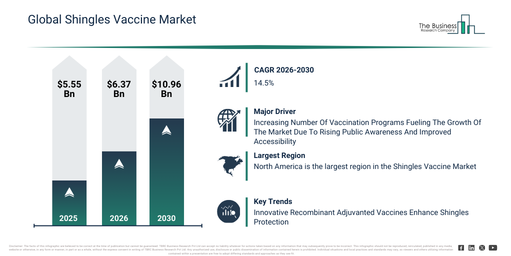
    The shingles vaccine market has experienced significant expansion over the past several years, with projections showing an increase from $5.55 billion in 2025 to $6.37 billion in 2026, reflecting a compound annual growth rate (CAGR) of 14.8%. This historical growth has been driven by factors such as the constrained supply of shingles vaccines, a dependence on live attenuated formulations, the expanding elderly demographic, a higher prevalence of herpes zoster cases, and a growing public understanding of the advantages associated with immunization.

    The shingles vaccine market is projected to experience significant expansion over the coming years, with an anticipated value of $10.96 billion by 2030, driven by a compound annual growth rate (CAGR) of 14.5%. This forecasted growth is fueled by the development of recombinant and subunit vaccines, the broadening of both public and private vaccination initiatives, a growing reliance on online and retail pharmacy channels for distribution, increased government and healthcare efforts aimed at immunizing the elderly, and the incorporation of digital health monitoring to improve vaccine adherence. Key trends shaping this period include a higher uptake of recombinant and subunit shingles vaccines, greater awareness about shingles prevention among older adults, the expansion of vaccination programs via hospitals and retail pharmacies, the rise of online pharmacies and e-commerce for vaccine distribution, and a targeted focus on age-specific immunization strategies for individuals aged 50 and older.

    Download A Free Sample Report For Comprehensive Market Insights:

    https://www.thebusinessresearchcompany.com/sample.aspx?id=27413&type=smp&utm_source=BlogsPR&utm_medium=Paid&utm_campaign=Jul_PR

    Shingles Vaccine Market Industry Drivers: What Is Driving Revenue Growth?

    The growth of the shingles vaccine market is anticipated to be driven forward by the rising number of vaccination initiatives. These initiatives are organized public health efforts aimed at the systematic delivery of vaccines to populations to curb the spread of infectious diseases. A growing focus on preventive healthcare, which encourages more individuals to seek vaccination as a means of avoiding illness, has led to an increase in the number of such programs. By boosting public awareness and improving accessibility, vaccination initiatives facilitate the uptake of the shingles vaccine, particularly benefiting older adults and those at higher risk. Through the encouragement of widespread and timely immunization, they help lower the incidence of shingles and its associated complications, thereby enhancing community health. In July 2025, for example, the World Health Organization—a Switzerland-based intergovernmental body—reported that global coverage for the first dose of the human papillomavirus (HPV) vaccine among girls rose from 27% in 2023 to 31% in 2024. Consequently, the expansion of vaccination programs is propelling the shingles vaccine market forward.

    Shingles Vaccine Market Segment Outlook: Which Categories Are Expanding The Fastest?

    The shingles vaccine market covered in this report is segmented –

    1) By Vaccine Type: Live Attenuated Vaccine, Recombinant Vaccine, Subunit Vaccine

    2) By Product: Shingrix, Zostavax, Skyzoster

    3) By Age Group: 50-59 Years, 60-69 Years, 70 Years And Above

    4) By Distribution Channel: Hospital Pharmacies, Online Pharmacies, Retail Pharmacies

    5) By End User: Hospitals, Clinics, Pharmacies

    Subsegments:

    1) By Live Attenuated Vaccine: Virus Strain A, Virus Strain B, Virus Strain C

    2) By Recombinant Vaccine: Recombinant Protein Vaccine, Recombinant Vector Vaccine, Recombinant Deoxyribonucleic Acid Vaccine

    3) By Subunit Vaccine: Protein Subunit Vaccine, Conjugate Subunit Vaccine

    Shingles Vaccine Market Growth Trends: What Is Influencing The Future Outlook?

    Key players in the shingles vaccine market are concentrating on the creation of advanced vaccine formulations, particularly recombinant adjuvanted types, aimed at amplifying immune responses and delivering durable protection against shingles. These vaccines are produced using lab-generated viral proteins paired with adjuvants—substances that stimulate a stronger and more prolonged immune defense. A notable example occurred in April 2023, when GlaxoSmithKline Pharmaceuticals Ltd., a pharmaceutical firm based in India, introduced Shingrix, a shingles vaccine. Administered as two intramuscular doses to individuals aged 50 and over, Shingrix is a non-live, recombinant adjuvanted subunit vaccine specifically formulated to prevent shingles (herpes zoster) and its associated complication, post-herpetic neuralgia. Achieving over 90% efficacy, this vaccine ensures robust and enduring immunity that persists for at least a decade, proving effective for both older adults and those with compromised immune systems.

    Shingles Vaccine Market Key Companies And Competitive Benchmarking

    Major companies operating in the shingles vaccine market are Merck & Co. Inc., GSK plc, SK bioscience, Pfizer Inc, GeneOne Life Science, Curevo Inc, Novavax Inc

    Access The Complete Shingles Vaccine Market Report:

    https://www.thebusinessresearchcompany.com/report/shingles-vaccine-global-market-report?utm_source=BlogsPR&utm_medium=Paid&utm_campaign=Jul_PR

    Shingles Vaccine Market Leading Geography: Which Region Generates The Most Revenue?

    North America was the largest region in the shingles vaccine market in 2025. Asia-Pacific is expected to be the fastest-growing region in the forecast period. The regions covered in the shingles vaccine market report are Asia-Pacific, South East Asia, Western Europe, Eastern Europe, North America, South America, Middle East, Africa.

    Get in touch with us:

    The Business Research Company: https://www.thebusinessresearchcompany.com/?utm_source=BlogsPR&utm_medium=Paid&utm_campaign=home_page_test

    Americas: +1 310-496-7795

    Asia: +44 7882 955267 & +91 8897263534

    Europe: +44 7882 955267

    Email us at: marketing@tbrc.info

    Follow us on:

    LinkedIn: https://in.linkedin.com/company/the-business-research-company

    YouTube: https://www.youtube.com/channel/UC24_fI0rV8cR5DxlCpgmyFQ

    Global Market Model: https://www.thebusinessresearchcompany.com/global-market-model
  • Shigella Diarrhoea Prophylaxis Market Growth Outlook Reveals A CAGR Of 7.9% And A Market Value Of $3.1 Billion By 2030

    Shigella Diarrhoea Prophylaxis Market Growth Outlook Reveals A CAGR Of 7.9% And A Market Value Of $3.1 Billion By 2030

    Through market attractiveness analysis, total addressable market evaluation, company benchmarking matrices, interactive Excel dashboards, expanded supply chain intelligence, emerging startup coverage, and detailed product insights, The Business Research Company’s 2026 market reports provide more actionable and strategically valuable research.

    Shigella Diarrhoea Prophylaxis Market Size, Value And Growth Trends Through 2030

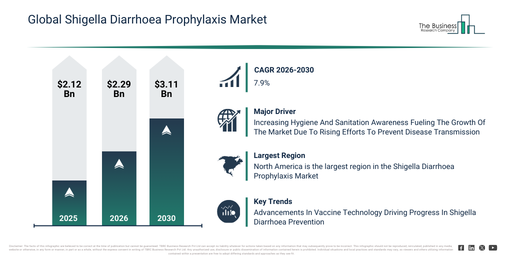
    The market for shigella diarrhoea prophylaxis has experienced robust expansion in recent years. Projections indicate growth from $2.12 billion in 2025 to $2.29 billion in 2026, reflecting a compound annual growth rate (CAGR) of 8.2%. During the historic period, this expansion was driven by factors such as restricted vaccine availability in developing areas, the frequency of shigella outbreaks, limited understanding of hygiene measures, inadequate water and sanitation systems, and dependence on conventional antibiotic therapies.

    The shigella-related diarrhoea prophylaxis market is anticipated to experience significant expansion in the coming years, projected to reach $3.11 billion by 2030 with a compound annual growth rate (CAGR) of 7.9%. This forecasted growth is driven by the development of innovative oral and injectable vaccine formulations, the broadening of global immunization initiatives, enhanced government-led public health efforts, the uptake of advanced hygiene education programs, and the integration of digital surveillance alongside outbreak tracking systems. Key trends shaping the forecast period encompass a higher uptake of oral and injectable vaccines, a growing application of antibiotic prophylaxis protocols, the scaling of community health campaigns and public awareness drives, a heightened emphasis on improvements in water, sanitation, and waste management, as well as an increased focus on hygiene education and the adoption of safe food handling practices.

    Download A Free Sample Report For Comprehensive Market Insights:

    https://www.thebusinessresearchcompany.com/sample.aspx?id=24696&type=smp&utm_source=BlogsPR&utm_medium=Paid&utm_campaign=Jul_PR

    #Shigella Diarrhoea Prophylaxis Market Growth Factors: Which Forces Are Supporting Market Expansion?

    Growing consciousness around hygiene and sanitation is anticipated to drive expansion in the shigella diarrhoea prophylaxis market moving forward. These terms refer to practices and environmental measures that foster health and curb disease transmission through cleanliness and effective waste management. This rising focus is fueled by greater recognition of health dangers, as more individuals grasp the role of cleanliness in stopping infectious disease spread. Heightened awareness of hygiene and sanitation aids shigella diarrhoea prophylaxis by limiting person-to-person contagion, since those who consistently wash hands and dispose of waste properly considerably decrease the chance of bacterial spread in communities. For example, in March 2024, the World Health Organization—an intergovernmental body based in Switzerland—reported that 57% of the world’s population, or 4.6 billion people, had access to safely managed sanitation services. Of these, 33%, equating to 2.7 billion individuals, used private sanitation systems linked to sewers where wastewater was treated, while 21%, or 1.7 billion people, relied on toilets or latrines that safely handled waste on-site. Consequently, the growing awareness of hygiene and sanitation will accelerate growth in the shigella diarrhoea prophylaxis market.

    Shigella Diarrhoea Prophylaxis Market Segment Landscape: Which Areas Lead Market Development?

    The shigella diarrhoea prophylaxis market covered in this report is segmented –

    1) By Type: Vaccination, Antibiotic Prophylaxis, Public Health Measures, Hygiene Education

    2) By Route of Administration: Oral, Parenteral, Other Administrations

    3) By End User: Healthcare Facilities, Travel Clinics, Pharmacies, Government Health Programs

    Subsegments:

    1) By Vaccination: Oral Vaccines, Injectable Vaccines, Combination Vaccines

    2) By Antibiotic Prophylaxis: Ciprofloxacin, Azithromycin, Ceftriaxone, Ampicillin, Levofloxacin

    3) By Public Health Measures: Water And Sanitation Improvements, Improved Waste Management, Community Health Campaigns

    4) By Hygiene Education: Handwashing Campaigns, Safe Food Handling And Preparation Practices, Personal Hygiene Education, Public Awareness Programs

    Shigella Diarrhoea Prophylaxis Market Industry Trends: What Changes Are Reshaping Demand?

    Major players in the shigella diarrhoea prevention market are prioritizing the creation of innovative products, particularly tetravalent bioconjugate shigellosis vaccines, to boost immune responses. These vaccines represent cutting-edge immunization tools designed to target four primary Shigella serotypes by attaching bacterial polysaccharides to a carrier protein, thereby strengthening the body’s immune reaction. A notable development occurred in November 2024, when Valneva SE, a biotechnology firm headquartered in France, and LimmaTech Biologics AG, a clinical-stage biotech company based in Switzerland, announced that the first volunteer had been vaccinated in a Phase 2 study assessing the safety and immunogenicity of Shigella4V2 (S4V2) in infants. This vaccine candidate is currently recognized as the most clinically advanced tetravalent bioconjugate option worldwide for combating shigellosis. This achievement represents an important step forward in international efforts to create a vaccine for Shigella, a leading contributor to severe diarrheal illness in children. S4V2 is being evaluated for its safety and preliminary effectiveness in approximately 120 healthy adults aged 18 to 50 who have had no prior exposure to Shigella, across three sites in the United States.

    Shigella Diarrhoea Prophylaxis Market Industry Leaders And Market Competition

    Major companies operating in the shigella diarrhoea prophylaxis market are Pfizer Inc., Merck & Co. Inc., GlaxoSmithKline plc, Viatris Inc., Chongqing Zhifei Biological Products Co. Ltd., Macleods Pharmaceuticals Limited, Alkem Laboratories Limited, Alembic Pharmaceuticals Limited, Vaxcyte Inc., Valneva SE, Sanaria Inc., Intravacc B.V., LimmaTech Biologics AG, Intralytix Inc., Immuron Limited, Institut Pasteur, Hetero Drugs Limited, Bharat Biotech International Limited, Serum Institute of India Pvt. Ltd., Takeda Pharmaceutical Company Limited, Janssen Pharmaceuticals (Johnson & Johnson), Sanofi Pasteur, Biological E Limited, Sinovac Biotech Ltd., Bharat Immunologicals and Biologicals Corporation Limited (BIBCOL), Emergent BioSolutions Inc., Codagenix Inc., Indian Immunologicals Limited.

    Access The Complete Shigella Diarrhoea Prophylaxis Market Report:

    https://www.thebusinessresearchcompany.com/report/shigella-diarrhoea-prophylaxis-global-market-report?utm_source=BlogsPR&utm_medium=Paid&utm_campaign=Jul_PR

    Shigella Diarrhoea Prophylaxis Market Regional Outlook: Where Are The Largest Opportunities Located?

    North America was the largest region in the shigella diarrhoea prophylaxis market in 2025. The regions covered in the shigella diarrhoea prophylaxis market report are Asia-Pacific, South East Asia, Western Europe, Eastern Europe, North America, South America, Middle East, Africa.

    Get in touch with us:

    The Business Research Company: https://www.thebusinessresearchcompany.com/?utm_source=BlogsPR&utm_medium=Paid&utm_campaign=home_page_test

    Americas: +1 310-496-7795

    Asia: +44 7882 955267 & +91 8897263534

    Europe: +44 7882 955267

    Email us at: marketing@tbrc.info

    Follow us on:

    LinkedIn: https://in.linkedin.com/company/the-business-research-company

    YouTube: https://www.youtube.com/channel/UC24_fI0rV8cR5DxlCpgmyFQ

    Global Market Model: https://www.thebusinessresearchcompany.com/global-market-model

  • Sexually Transmitted Disease (STD) Self-Testing Market Forecast Highlights Expansion From $1.67 Billion To $2.42 Billion Through 2030

    Sexually Transmitted Disease (STD) Self-Testing Market Forecast Highlights Expansion From $1.67 Billion To $2.42 Billion Through 2030

    Delivering more actionable and strategically valuable research, The Business Research Company’s 2026 market reports feature market attractiveness analysis, total addressable market evaluation, company benchmarking matrices, interactive Excel dashboards, expanded supply chain intelligence, emerging startup coverage, and detailed product insights.

    Sexually Transmitted Disease (STD) Self-Testing Market CAGR Analysis And Future Market Development

    The market for self-testing kits targeting sexually transmitted diseases (STDs) has experienced robust expansion in recent years. Projected figures indicate it will rise from $1.52 billion in 2025 to $1.67 billion in 2026, reflecting a compound annual growth rate (CAGR) of 9.9%. This historical growth has been driven by factors such as insufficient knowledge regarding STD testing, the social stigma linked to visiting healthcare facilities, a dependence on hospital-centered diagnostics, an absence of accessible testing methods, and the increasing prevalence of sexually transmitted infections.

    The sexually transmitted disease (STD) self-testing market is projected to experience significant expansion over the coming years. By 2030, its value is anticipated to reach $2.42 billion, representing a compound annual growth rate (CAGR) of 9.7%. This forecasted growth is driven by factors such as the rising use of digital health platforms, the introduction of multi-sample at-home testing kits, heightened government-led awareness initiatives, an increase in telehealth consultations, and the advancement of rapid and precise diagnostic technologies. Key trends influencing this period include a growing preference for at-home STD testing kits, greater awareness around sexual health and early detection, the expansion of telehealth and remote consultation services, the widening availability of these products through online and retail pharmacy channels, and the integration of multi-sample testing solutions that cover blood and urine samples.

    Download A Free Sample Report For Comprehensive Market Insights:

    https://www.thebusinessresearchcompany.com/sample.aspx?id=25901&type=smp&utm_source=BlogsPR&utm_medium=Paid&utm_campaign=Jul_PR

    Sexually Transmitted Disease (STD) Self-Testing Market Demand Drivers: What Is Fueling Industry Growth?

    The growing frequency of syphilis infections is anticipated to accelerate expansion within the sexually transmitted disease (STD) self-testing market in the coming period. Syphilis, a sexually transmitted infection that manifests as bodily sores, may result in severe health complications when left untreated. Its prevalence is climbing due to reduced regular condom usage, especially among individuals involved in high-risk sexual activities. STD self-testing offers a confidential and practical method for conducting at-home syphilis screening, which facilitates earlier diagnosis. This timely identification supports immediate treatment, lessening the risk of complications and curbing further transmission. For example, in September 2025, the Centers for Disease Control and Prevention, a government agency based in the United States, reported approximately 209,253 syphilis cases in 2023, reflecting a 1% rise compared to 207,269 cases in 2022. Consequently, the increasing occurrence of syphilis is fueling growth in the STD self-testing market.

    Sexually Transmitted Disease (STD) Self-Testing Market Segments: Where Are The Largest Growth Opportunities?

    The sexually transmitted disease (std) self-testing market covered in this report is segmented –

    1) By Sample Type: Blood Based Test, Urine Based Test, Oral Based Test

    2) By Distribution Channel: Hospital Pharmacies, Online Pharmacies, Retail Pharmacies

    3) By Application: Chlamydia trachomatis (CT) Or Neisseria gonorrhoeae (NG) Testing, Syphilis Testing, Human Immunodeficiency Virus (HIV) Testing, Other Applications

    Subsegments:

    1) By Blood-Based Test: Fingerstick Blood Sample, Dried Blood Spot (DBS) Sample, Capillary Blood Collection Device

    2) By Urine-Based Test: First-Catch Urine Sample, Midstream Urine Sample, Preservative-Added Urine Collection

    3) By Oral-Based Test: Oral Swab Sample, Oral Fluid Collection Device, Gumline Swab Collection

    Sexually Transmitted Disease (STD) Self-Testing Market Innovation Trends: Which Developments Are Transforming The Industry?

    Major players within the STD self-testing industry are prioritizing the creation of advanced diagnostic tools, including over-the-counter (OTC) sample collection kits, aimed at facilitating early infection detection and encouraging timely therapeutic interventions. These OTC collection kits are at-home diagnostic tools that enable individuals to obtain samples—such as urine or swabs—without requiring a medical prescription. They offer a convenient and private means of spotting infections at an early stage, thereby making quick treatment possible. As an example, iHealth Labs Inc., a digital health company based in the United States, introduced the CheckMeSafe home collection kit for HIV and syphilis testing in August 2023. This FDA-endorsed kit is designed for individuals aged 18 and older, allowing them to collect blood specimens for detecting HIV (including types I, II, and P24 antigen) and syphilis, all from the security and privacy of their own residence. Users can send their collected samples to a laboratory using a provided prepaid overnight shipping label, with confidential and dependable results delivered in as little as two days. The kit boasts exceptional accuracy, with sensitivity rates reaching 99.9% for HIV and 99.5% for syphilis. Every sample undergoes analysis in a laboratory that holds both CLIA certification and CAP accreditation, ensuring strict adherence to rigorous federal and state quality standards through routine assessments.

    Sexually Transmitted Disease (STD) Self-Testing Market Major Participants And Competitive Dynamics

    Major companies operating in the sexually transmitted disease (std) self-testing market are Abbott Laboratories, Viatris Inc., Hologic Inc., OraSure Technologies Inc., LifeCell International, LetsGetChecked Health Inc., Visby Medical Inc., Everlywell Inc., Guangzhou Wondfo Biotech Co. Ltd., NOWDiagnostics Inc., bioLytical Laboratories Inc., Atomo Diagnostics Limited, myLAB Box Inc., BioSure UK Ltd., JAL Medical (S) Pte Ltd., TBD Health Inc., Recombigen Laboratories Private Limited, Alpine Biomedicals Pvt. Ltd., Homed-IQ B.V., Newfoundland Diagnostics Pvt. Ltd.

    Access The Complete Sexually Transmitted Disease (STD) Self-Testing Market Report:

    https://www.thebusinessresearchcompany.com/report/sexually-transmitted-disease-std-self-testing-global-market-report?utm_source=BlogsPR&utm_medium=Paid&utm_campaign=Jul_PR

    Sexually Transmitted Disease (STD) Self-Testing Market Geographic Landscape: Which Region Dominates Industry Growth?

    North America was the largest region in the sexually transmitted disease (STD) self-testing market in 2025. Asia-Pacific is expected to be the fastest-growing region in the forecast period. The regions covered in the sexually transmitted disease (std) self-testing market report are Asia-Pacific, South East Asia, Western Europe, Eastern Europe, North America, South America, Middle East, Africa.

    Get in touch with us:

    The Business Research Company: https://www.thebusinessresearchcompany.com/?utm_source=BlogsPR&utm_medium=Paid&utm_campaign=home_page_test

    Americas: +1 310-496-7795

    Asia: +44 7882 955267 & +91 8897263534

    Europe: +44 7882 955267

    Email us at: marketing@tbrc.info

    Follow us on:

    LinkedIn: https://in.linkedin.com/company/the-business-research-company

    YouTube: https://www.youtube.com/channel/UC24_fI0rV8cR5DxlCpgmyFQ

    Global Market Model: https://www.thebusinessresearchcompany.com/global-market-model
  • Sexual Health Products Market Expected To Reach $208.76 Billion By 2030 As Growth Accelerates At 9.4% CAGR

    Sexual Health Products Market Expected To Reach $208.76 Billion By 2030 As Growth Accelerates At 9.4% CAGR

    Enhanced with market attractiveness analysis, total addressable market evaluation, company benchmarking matrices, interactive Excel dashboards, expanded supply chain intelligence, emerging startup coverage, and detailed product insights, The Business Research Company’s 2026 market reports deliver more actionable and strategically valuable research.

    Sexual Health Products Market Expansion From $145.72 Billion In 2026 To $208.76 Billion In 2030

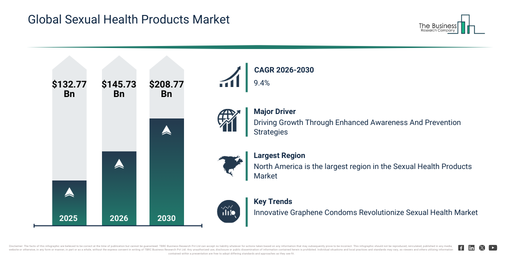
    The market for sexual health products has experienced significant expansion in recent times. Projected figures indicate an increase from $132.77 billion in 2025 to $145.73 billion in 2026, reflecting a compound annual growth rate (CAGR) of 9.8%. This historical growth has been driven by factors such as societal stigma surrounding sexual wellness, restricted access to specialized sexual health items, dependence on conventional retail outlets, insufficient knowledge of contraceptive alternatives, and limited government-led programs focused on sexual health.

    The sexual health products market is projected to experience robust expansion over the coming years, reaching an estimated $208.77 billion by 2030, driven by a compound annual growth rate (CAGR) of 9.4%. This forecasted growth is fueled by factors such as heightened sexual health awareness initiatives, the rapid expansion of e-commerce platforms, ongoing innovation in sex toys and lubricants, a growing preference for herbal and natural sexual wellness supplements, and the rise of telemedicine alongside discreet delivery services. Key trends expected to shape this period include a surge in demand for sex toys and intimate wellness devices, broader adoption of over-the-counter sexual health supplements, an increasing focus on female contraceptives and emergency contraceptive pills, the growth of online retail channels dedicated to sexual health products, and greater societal recognition and acceptance of sexual wellness and hygiene items.

    Download A Free Sample Report For Comprehensive Market Insights:

    https://www.thebusinessresearchcompany.com/sample.aspx?id=19695&type=smp&utm_source=BlogsPR&utm_medium=Paid&utm_campaign=Jul_PR

    Sexual Health Products Market Growth Drivers: What Factors Are Accelerating Expansion?

    The rising public knowledge about human immunodeficiency virus (HIV) infections is anticipated to accelerate the expansion of the sexual health products market in the coming period. HIV is a virus that targets and progressively damages the immune system’s CD4 cells. Awareness campaigns are designed to inform the population about HIV transmission, preventive strategies, testing procedures, and the critical role of treatment. Sexual health products, such as condoms and HIV self-testing kits, assist in reducing HIV infections by encouraging safer sexual behaviors and enabling early identification. For example, in December 2023, the White House Office of National AIDS, a Domestic Policy Council based in the United States, released the National HIV/AIDS Strategy (2022-2025) report, which sets a goal of achieving a 90% reduction in new HIV infections by 2030, exceeding the 75% reduction target established for 2025, thereby reflecting a strong dedication to substantially decreasing HIV rates. As a result, the growing awareness of HIV infections is fueling the growth of the sexual health products market.

    Sexual Health Products Market Segment Analysis: What Are The Major Market Categories?

    The sexual health products market covered in this report is segmented –

    1) By Type: Sex Toys, Condoms, Lubricants, Female Contraceptives (OTC), Sexual Wellness Supplements (OTC), Performance Enhancement Products, Intimate Hygiene Products, Other Types

    2) By Distribution Channel: Supermarkets And Hypermarkets, Pharmacies, Specialty Stores, Online Retailers

    3) By Application: Woman, Man

    Subsegments:

    1) By Sex Toys: Vibrators, Dildos, Couples’ Toys, Anal Toys, BDSM Gear, Masturbation Sleeves

    2) By Condoms: Latex Condoms, Non-Latex Condoms (Polyurethane, Polyisoprene), Ribbed Or Textured Condoms, Flavored Condoms, Extra-Thin Condoms

    3) By Lubricants: Water-Based Lubricants, Silicone-Based Lubricants, Oil-Based Lubricants, Flavored Lubricants, Aloe Vera Or Natural Lubricants

    4) By Female Contraceptives (OTC): Contraceptive Pills, Emergency Contraceptive Pills, Contraceptive Patches, Vaginal Rings

    5) By Sexual Wellness Supplements (OTC): Herbal Supplements, Vitamins and Minerals for Sexual Health, Libido Enhancers, Aphrodisiacs

    6) By Performance Enhancement Products: Male Enhancement Pills, Testosterone Boosters, Libido Enhancers for Men, Supplements For Erectile Function

    7) By Intimate Hygiene Products: Feminine Washes, Intimate Wipes, pH-Balanced Cleansers, Deodorizing Products

    8) By Other Types: Sexual Health Books And Guides, Educational Kits, Safety And Protection Products, Other Wellness Devices

    Sexual Health Products Market Trends: What Is Shaping Future Industry Growth?

    Leading players in the sexual health products market are placing a strong emphasis on creating innovative items, like condoms made with graphene—the thinnest material available—to improve the overall user experience and address the rising demand for high-performance, discreet, and comfortable options. These graphene-thinnest condoms utilize graphene, a groundbreaking substance that enables an exceptionally thin but robust and durable barrier, thereby boosting sensitivity and comfort for users. For example, in October 2023, ONE Condoms, a premium condom and lubricant manufacturer based in the US, introduced ONE Flex, the world’s first graphene condom. It is engineered to be among the thinnest condoms on the market, providing 85% greater heat transfer than standard latex versions. This product features a unique hybrid composition that merges graphene with natural rubber latex, delivering heightened sensation and ease of use. Findings from clinical trials reveal a two-to-one preference for ONE Flex over conventional latex condoms, pointing to better user satisfaction. Approved by the FDA for preventing sexually transmitted infections and unintended pregnancy, these condoms can be purchased online and at select Walgreens stores.

    Sexual Health Products Market Leading Companies Driving Competitive Growth

    Major companies operating in the sexual health products market are Reckitt Benckiser Group plc, Church & Dwight Co. Inc., Mankind Pharma Ltd., LELO Ltd., Doc Johnson Enterprises Inc., Karex Berhad, FUJI LATEX CO. LTD., DKT International Inc., Lovehoney Group Ltd., BioFilm Inc., Lifestyles Healthcare Pte Ltd., Standard Innovation Corp., Intimina AB, HLL Lifecare Limited, pjur group Luxembourg S.A., Bijoux Indiscrets SL, BMS Factory S.L., Condom Depot Inc., FUN FACTORY GmbH, Hot Octopuss Ltd., Pharmactive Biotech Products S.L., WOW Tech Group, Bold Care Pvt. Ltd

    Access The Complete Sexual Health Products Market Report:

    https://www.thebusinessresearchcompany.com/report/sexual-health-products-global-market-report?utm_source=BlogsPR&utm_medium=Paid&utm_campaign=Jul_PR

    Sexual Health Products Market Largest Region: Which Geography Holds The Highest Market Share?

    North America was the largest region in the sexual health products market in 2025. Asia-Pacific is expected to be the fastest-growing region in the forecast period. The regions covered in the sexual health products market report are Asia-Pacific, South East Asia, Western Europe, Eastern Europe, North America, South America, Middle East, Africa.

    Get in touch with us:

    The Business Research Company: https://www.thebusinessresearchcompany.com/?utm_source=BlogsPR&utm_medium=Paid&utm_campaign=home_page_test

    Americas: +1 310-496-7795

    Asia: +44 7882 955267 & +91 8897263534

    Europe: +44 7882 955267

    Email us at: marketing@tbrc.info

    Follow us on:

    LinkedIn: https://in.linkedin.com/company/the-business-research-company

    YouTube: https://www.youtube.com/channel/UC24_fI0rV8cR5DxlCpgmyFQ

    Global Market Model: https://www.thebusinessresearchcompany.com/global-market-model