Month: July 2026

  • Pharmacogenetic Testing Market Growth Through 2030 Creates New Strategic Opportunities

    Pharmacogenetic Testing Market Growth Through 2030 Creates New Strategic Opportunities

    Delivering more actionable and strategically valuable research, The Business Research Company’s 2026 market reports feature market attractiveness analysis, total addressable market evaluation, company benchmarking matrices, interactive Excel dashboards, expanded supply chain intelligence, emerging startup coverage, and detailed product insights.

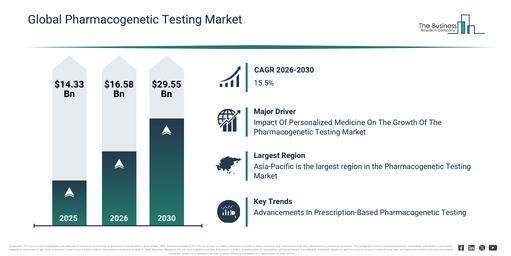
    Pharmacogenetic Testing Market Expected To Reach $29.54 Billion By 2030 At 15.5% CAGR

    The pharmacogenetic testing sector has experienced significant expansion in recent years, with its market value projected to rise from $14.33 billion in 2025 to $16.58 billion in 2026, reflecting a compound annual growth rate of 15.7%. Key drivers behind this historical growth include improvements in genomic sequencing techniques, heightened awareness regarding adverse drug reactions, an increasing prevalence of chronic diseases, reduced expenses associated with genetic testing, and a growing understanding of clinical applications.

    The pharmacogenetic testing market is projected to expand significantly in the coming years. By 2030, its value is anticipated to reach $29.55 billion, representing a compound annual growth rate (CAGR) of 15.5%. This anticipated expansion is fueled by developments such as the advancement of precision healthcare, the broadening of direct-to-consumer testing services, the incorporation of data into electronic health records, heightened regulatory backing, and increased funding for genomics research. Key trends shaping the forecast period encompass a growing embrace of personalized medicine, more frequent use of genetic assessments to inform drug choices, extended applications in oncology and cardiology, heightened demand for precise diagnostic tools, and the broader integration of pharmacogenomics into routine medical practice.

    Download A Free Sample Report For Comprehensive Market Insights:

    https://www.thebusinessresearchcompany.com/sample.aspx?id=19139&type=smp&utm_source=BlogsPR&utm_medium=Paid&utm_campaign=Jul_PR

    Pharmacogenetic Testing Market Development Factors: Which Trends Are Supporting Demand?

    The rising need for tailored medical approaches is anticipated to boost the pharmacogenomic testing industry moving forward. Personalized or precision medicine involves a healthcare strategy that customizes treatments and medical choices based on an individual’s distinct genetic, biological, and lifestyle factors. This approach is gaining traction because it enhances therapeutic results, aids in early diagnosis, and improves cost efficiency in patient management. The pharmacogenomic testing sector facilitates personalized medicine by examining a person’s genetic makeup to forecast drug reactions, allowing for refined therapy choices and lowering the chance of harmful side effects. As an example, in February 2024, the Personalized Medicine Coalition (PMC), a non-profit organization in the U.S., reported that the FDA authorized 16 novel personalized therapies for uncommon diseases in 2023, up from 6 approvals in 2022. Consequently, the growing uptake of personalized medicine is fueling the expansion of the pharmacogenomic testing market.

    Pharmacogenetic Testing Market Segment Outlook: Which Categories Are Expanding The Fastest?

    The pharmacogenetic testing market covered in this report is segmented –

    1) By Type: Whole Genome Sequencing, Whole Exome Sequencing, Array-Based Tests, Single Gene Tests

    2) By Drug Type: Prescription Drugs, Nutraceuticals, Recreational Drugs, Herbal Supplements, Vitamins, Over-The-Counter Medications

    3) By Therapeutic Area: Cardiology, Gastroenterology, Anesthesiology, Genomics, Endocrinology, Immunology And Hypersensitivity, Dermatology, Gynecology, Oncology, Other Therapeutic Areas

    4) By Distribution Channel: Hospital Pharmacy, Retail Pharmacies, Mail-Order Pharmacies, Direct-to-Customer Services

    5) By End User: Healthcare Providers, Pharmaceutical And Biotechnology Companies, Centers And Academic Institutes, Other End Users

    Subsegments:

    1) By Whole Genome Sequencing: Illumina Sequencing, Ion Torrent Sequencing, Pacific Biosciences Sequencing, Oxford Nanopore Sequencing

    2) By Whole Exome Sequencing: Capture-Based Exome Sequencing, Targeted Enrichment Exome Sequencing, Hybridization-Based Exome Sequencing

    3) By Array-Based Tests: SNP Array Testing, Expression Array Testing, Copy Number Variation Array Testing

    4) By Single Gene Tests: Targeted Gene Panels, Mutation Detection Tests, Sequencing Of Specific Genes

    Pharmacogenetic Testing Market Transformation Trends: Which Innovations Are Driving Change?

    Leading players in the pharmacogenetics testing market are prioritizing the creation of sophisticated pharmacogenomics services, like prescription-based tests, aimed at boosting medication safety, refining treatment accuracy, and aiding personalized therapy choices. This type of testing involves genetic assessments requested by authorized medical professionals to determine how a person’s genetic profile impacts their reaction to particular drugs, enabling practitioners to enhance drug selection and dosage while cutting down the chance of adverse events. A notable example from May 2023 is UCSF, a healthcare organization based in the United States, which introduced its pharmacogenomics testing service to advance the precision of medical care, offering clinicians genetic data that facilitates tailoring drug regimens to each patient’s individual characteristics, improves drug effectiveness, and lowers the potential for serious side effects.

    Pharmacogenetic Testing Market Key Companies And Competitive Benchmarking

    Major companies operating in the pharmacogenetic testing market are CVS Health Corporation, Thermo Fisher Scientific Inc., Quest Diagnostics Incorporated, Eurofins Scientific Inc., Bio-Rad Laboratories, Precision Medicine Advsiors, Azenta Life Sciences, Fulgent Genetics, Pacific Biosciences of California Inc., Castle Biosciences, 23andMe Holding Co., Helix Inc., Genomind Inc., MD Labs, Sonic Genetics, AutoGenomics Inc., LabClinics SA, Gene By Gene Ltd., Xcode Life Sciences, YouScript, RxGenomix LLC

    Access The Complete Pharmacogenetic Testing Market Report:

    https://www.thebusinessresearchcompany.com/report/pharmacogenetic-testing-global-market-report?utm_source=BlogsPR&utm_medium=Paid&utm_campaign=Jul_PR

    Pharmacogenetic Testing Market Leading Geography: Which Region Generates The Most Revenue?

    Asia-Pacific was the largest region in the pharmacogenetic testing market in 2025. Asia-Pacific is expected to be the fastest-growing region in the forecast period. The regions covered in the pharmacogenetic testing market report are Asia-Pacific, South East Asia, Western Europe, Eastern Europe, North America, South America, Middle East, Africa.

    Get in touch with us:

    The Business Research Company: https://www.thebusinessresearchcompany.com/?utm_source=BlogsPR&utm_medium=Paid&utm_campaign=home_page_test

    Americas: +1 310-496-7795

    Asia: +44 7882 955267 & +91 8897263534

    Europe: +44 7882 955267

    Email us at: marketing@tbrc.info

    Follow us on:

    LinkedIn: https://in.linkedin.com/company/the-business-research-company

    YouTube: https://www.youtube.com/channel/UC24_fI0rV8cR5DxlCpgmyFQ

    Global Market Model: https://www.thebusinessresearchcompany.com/global-market-model

  • Pharmaceuticals Native Starch Market Size Projected To Increase From $6.63 Billion To $9.22 Billion During The Forecast Period

    Pharmaceuticals Native Starch Market Size Projected To Increase From $6.63 Billion To $9.22 Billion During The Forecast Period

    Enhanced with market attractiveness analysis, total addressable market evaluation, company benchmarking matrices, interactive Excel dashboards, expanded supply chain intelligence, emerging startup coverage, and detailed product insights, The Business Research Company’s 2026 market reports deliver more actionable and strategically valuable research.

    Pharmaceuticals Native Starch Market Size And Revenue Forecast Through 2030

    The market for native starch in pharmaceuticals has experienced significant expansion in recent years, with its value climbing from $6.11 billion in 2025 to $6.64 billion in 2026—a compound annual growth rate (CAGR) of 8.6%. Several factors have driven this growth in the historical period: the ready availability of natural starch sources, the broadening scope of generic pharmaceuticals, the prevalent utilization of tablets and capsules, cost considerations in drug formulation, and the regulatory endorsement of native starch.

    The pharmaceuticals native starch market is projected to experience robust expansion over the coming years, reaching a valuation of $9.23 billion by 2030, driven by a compound annual growth rate (CAGR) of 8.6%. This anticipated growth during the forecast period is fueled by several key factors, including the rise of clean-label drug formulations, heightened sustainability demands, the broadening of pharmaceutical production in emerging economies, a growing preference for biodegradable excipients, and ongoing improvements in starch processing technologies. Among the prominent trends shaping this period are the escalating demand for natural and clean-label excipients, their increased application in solid oral dosage forms, wider adoption as binders and disintegrants, the expansion of plant-based pharmaceutical ingredients, and a stronger emphasis on cost-effective excipient solutions.

    Download A Free Sample Report For Comprehensive Market Insights:

    https://www.thebusinessresearchcompany.com/sample.aspx?id=24376&type=smp&utm_source=BlogsPR&utm_medium=Paid&utm_campaign=Jul_PR

    Pharmaceuticals Native Starch Market Industry Drivers: What Is Driving Revenue Growth?

    The rising incidence of chronic illnesses is anticipated to drive forward the expansion of the pharmaceuticals native starch market. Chronic diseases are long-term medical conditions that develop gradually and endure for at least a year. This increase is largely due to the growing elderly population, as older individuals face a higher risk of conditions such as diabetes, cardiovascular ailments, arthritis, and cancer, all of which become more common with advancing age. Native starch in pharmaceuticals benefits chronic disease management by improving drug formulation stability, enhancing bioavailability, facilitating controlled drug release, promoting patient adherence, and thereby boosting both the effectiveness and sustained treatment of chronic health issues. For example, in April 2025, data from the Centers for Disease Control and Prevention, a U.S. federal public health organization, indicated that 76.4% of American adults, around 194 million people, reported having at least one chronic condition in 2023, with prevalence rates of 59.5% among young adults, 78.4% among middle-aged adults, and 93.0% among older adults. Consequently, the growing prevalence of chronic diseases is fueling the rise of the pharmaceuticals native starch market.

    The growth of the pharmaceuticals native starch market is set to be driven by the expansion of generic drug manufacturing. This process involves producing off-patent medications that are bioequivalent to their branded counterparts. The rise in generic drug manufacturing stems from enhanced regulatory support that accelerates approvals and enables more companies to develop affordable substitutes for branded drugs. This expansion supports pharmaceuticals native starch by boosting demand for dependable, economical excipients that improve tablet formulation, stability, and drug delivery efficiency across a wide array of high-volume generic medications. In November 2024, the U.S.-based Food and Drug Administration (FDA) reported that 782 Abbreviated New Drug Applications (ANDAs) were approved in FY 2023, marking an increase from 722 in FY 2022. Thus, the growth of generic drug manufacturing is propelling the pharmaceuticals native starch market forward.

    Pharmaceuticals Native Starch Market Segment Landscape: Which Areas Lead Market Development?

    The pharmaceuticals native starch market covered in this report is segmented –

    1) By Type: Potato Starch, Corn Starch, Other Types

    2) By Formulation Type: Oral Solid Dosage Forms, Liquid Dosage Forms, Topical Formulations, Injectable Drugs, Controlled Release Formulations

    3) By Functionality: Texturizing Agent, Moisture Retention Agent, Bulking Agent, Emulsifying Agent, Film-Forming Agent

    4) By Application: Binders And Coating Agents, Disintegrants, Fillers And Extenders, Stabilizers, Thickening Agents

    5) By End-User: Pharmaceutical Manufacturers, Contract Research Organizations (CROs), Contract Manufacturing Organizations (CMOs), Research And Development Labs, Academic Institutions, Other End-users

    Subsegments:

    1) By Potato Starch: Native Potato Starch (Pharmaceutical Grade), Low Moisture Native Potato Starch, Fine Particle Size Native Potato Starch, High Purity Native Potato Starch

    2) By Corn Starch: Native Corn Starch (Pharmaceutical Grade), Low Moisture Native Corn Starch, Fine Particle Size Native Corn Starch, High Purity Native Corn Starch

    3) By Other Types: Rice Starch, Wheat Starch, Tapioca Starch

    Pharmaceuticals Native Starch Market Growth Trends: What Is Influencing The Future Outlook?

    Key players in the pharmaceuticals native starch market are concentrating their efforts on creating innovative products—for example, textures derived from botanical sources—to improve medication composition and boost patient adherence to treatment. Such textures are defined by physical attributes obtained from plant ingredients, including thickness and gel strength, and they assist pharmaceutical applications of native starch by improving tablet binding, disintegration, and mouthfeel, thereby facilitating better natural drug formulations. As an example, in February 2024, Ingredion Incorporated, a U.S.-based food firm, introduced Novation Indulge 2940 starch, a clean-label texturizing agent designed to enhance texture and stability in dairy and alternative dairy items. This innovative pharmaceutical native starch provides functional characteristics that boost the performance of drug formulations, drug absorption, and sustained release, while simultaneously facilitating the creation of clean-label, sustainable products. NOVATION Indulge 2940 starch is a multipurpose component that enhances texture, stability, and consumer appeal in both dairy and alternative dairy products, by employing plant-derived, clean-label components.

    Pharmaceuticals Native Starch Market Industry Leaders And Market Competition

    Major companies operating in the pharmaceuticals native starch market are Cargill Incorporated, Archer Daniels Midland Company, Ingredion Incorporated, Roquette Frères SA, Emsland Group, Tereos SCA, AGRANA Beteiligungs-AG, Grain Processing Corporation, Universal Starch-Chem Allied Ltd., SPAC Starch Products (India) Private Limited, Sanstar Biopolymers Ltd., Gulshan Polyols Ltd., Tate & Lyle Public Limited Company, BENEO GmbH, Hungrana Kft., Bluecraft Agro Pvt. Ltd., Visco Starch, Manildra Group, Shandong Liujia Pharmaceutical Excipient Co. Ltd., Zhucheng Xingmao Corn Developing Co. Ltd.

    Access The Complete Pharmaceuticals Native Starch Market Report:

    https://www.thebusinessresearchcompany.com/report/pharmaceuticals-native-starch-global-market-report?utm_source=BlogsPR&utm_medium=Paid&utm_campaign=Jul_PR

    Pharmaceuticals Native Starch Market Regional Outlook: Where Are The Largest Opportunities Located?

    North America was the largest region in the pharmaceuticals native starch market in 2025. Asia-Pacific is expected to be the fastest-growing region in the forecast period. The regions covered in the pharmaceuticals native starch market report are Asia-Pacific, South East Asia, Western Europe, Eastern Europe, North America, South America, Middle East, Africa.

    Get in touch with us:

    The Business Research Company: https://www.thebusinessresearchcompany.com/?utm_source=BlogsPR&utm_medium=Paid&utm_campaign=home_page_test

    Americas: +1 310-496-7795

    Asia: +44 7882 955267 & +91 8897263534

    Europe: +44 7882 955267

    Email us at: marketing@tbrc.info

    Follow us on:

    LinkedIn: https://in.linkedin.com/company/the-business-research-company

    YouTube: https://www.youtube.com/channel/UC24_fI0rV8cR5DxlCpgmyFQ

    Global Market Model: https://www.thebusinessresearchcompany.com/global-market-model
  • Pharmaceutical Water Market Growth Outlook Reveals A CAGR Of 10.4% And A Market Value Of $68.68 Billion By 2030

    Pharmaceutical Water Market Growth Outlook Reveals A CAGR Of 10.4% And A Market Value Of $68.68 Billion By 2030

    Through market attractiveness analysis, total addressable market evaluation, company benchmarking matrices, interactive Excel dashboards, expanded supply chain intelligence, emerging startup coverage, and detailed product insights, The Business Research Company’s 2026 market reports provide more actionable and strategically valuable research.

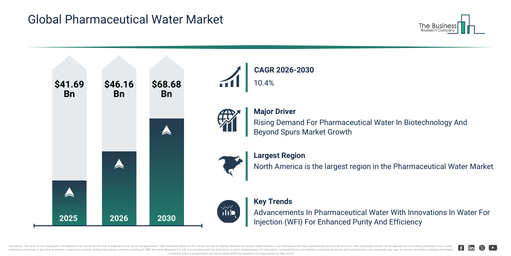
    Pharmaceutical Water Market Growth From $46.16 Billion In 2026 To $68.68 Billion By 2030 At A CAGR Of 10.4%

    The pharmaceutical water market has experienced significant expansion in recent years, with projections indicating an increase from $41.69 billion in 2025 to $46.16 billion in 2026, reflecting a compound annual growth rate (CAGR) of 10.7%. This historical growth has been driven by factors such as the scarce supply of pharmaceutical-grade water, dependence on traditional purification methods, a rise in pharmaceutical production operations, stricter regulatory demands for water purity, and the growth of research laboratories and academic institutions.

    The pharmaceutical water market is projected to experience rapid expansion in the coming years. By 2030, its value is expected to reach $68.68 billion, driven by a compound annual growth rate (CAGR) of 10.4%. This anticipated growth in the forecast period is fueled by the integration of advanced water purification technologies, the expansion of biopharmaceutical production activities, a heightened demand for sterile water utilized in injections and inhalation products, increased investment in pharmaceutical research and development, and a growing emphasis on sustainable water treatment alongside recycling initiatives. Key trends shaping the forecast period include an escalating need for highly purified and sterile water within pharmaceutical manufacturing processes, the broadening use of cell culture and bioprocessing methods, a greater uptake of water for injection and inhalation product types, an intensified focus on regulatory compliance and quality assurance regarding water systems, and the expansion of contract research and manufacturing organizations (CROs) that rely on specialized water applications.

    Download A Free Sample Report For Comprehensive Market Insights:

    https://www.thebusinessresearchcompany.com/sample.aspx?id=19650&type=smp&utm_source=BlogsPR&utm_medium=Paid&utm_campaign=Jul_PR

    #Pharmaceutical Water Market Growth Factors: Which Forces Are Supporting Market Expansion?

    The growth of the pharmaceutical water market is anticipated to be propelled by rising demand from the biotechnology sector. Biotechnology applies biological systems, organisms, or processes to create beneficial products and technologies for society. This sector’s need for pharmaceutical water is fueled by innovations in genetic engineering, progress in research methods, and the development of biopharmaceuticals. By delivering the required purity and quality for research, development, and manufacturing, pharmaceutical water ensures that biotech products remain safe, effective, and compliant with regulatory requirements. For example, in January 2025, the BioIndustry Association (BIA), a UK-based trade body, reported that the UK biotech sector raised £3.5bn ($4.04) in 2024, a 94% increase compared to the prior year. Consequently, the pharmaceutical water market is being driven forward by this growing demand from the biotechnology industry.

    Pharmaceutical Water Market Segments: Where Are The Largest Growth Opportunities?

    The pharmaceutical water market covered in this report is segmented –

    1) By Product Type: Highly Purified Water, Water For Injection, Water For Inhalation, Deionized Water, Distilled Water, Other Product Types

    2) By Application: Drug Formulation, Cleaning And Purification, Cell Culture Production, Equipment Cleaning, Buffers And Solutions, Other Applications

    3) By End User: Pharmaceutical And Biotechnology Companies, Contract Research And Manufacturing Organizations, Academics And Research Laboratories, Hospitals And Healthcare Facilities, Diagnostic Laboratories, Other End-Users

    Subsegments:

    1) By Highly Purified Water: Reverse Osmosis Water, Ultrapure Water, Purified Water Systems

    2) By Water For Injection: Sterile Water For Injection, Non-Sterile Water For Injection, Single-Dose Water For Injection

    3) By Water For Inhalation: Sterile Water For Inhalation, Non-Sterile Water For Inhalation, Preservative-Free Water For Inhalation

    4) By Deionized Water: Type I Deionized Water, Type II Deionized Water, Type III Deionized Water

    5) By Distilled Water: Laboratory Grade Distilled Water, Medical Grade Distilled Water, Industrial Grade Distilled Water

    6) By Other Product Types: Water For Hemodialysis, Water For Laboratory Use, Water For Pharmaceutical Processing

    Pharmaceutical Water Market Industry Trends: What Changes Are Reshaping Demand?

    Key players in the pharmaceutical water market are placing a strong emphasis on creating advanced products, particularly Water for Injection (WFI), with the goal of enhancing both the effectiveness and quality of water purification systems. Water for Injection (WFI) represents a category of pharmaceutical water that adheres to the strictest purity criteria and is specifically formulated for the preparation of injectable drugs. A case in point is Asahi Kasei Corporation, a chemical firm based in Japan, which introduced a novel membrane system in June 2024. This system is engineered to generate Water for Injection (WFI), a critical component for injection preparation. It employs a Microza hollow-fiber membrane, providing a more energy-efficient and eco-friendly option compared to conventional distillation techniques. By removing the requirement for steam cooling and condensation, the design streamlines the production workflow, resulting in greater efficiency and ease of use.

    Pharmaceutical Water Market Major Participants And Competitive Dynamics

    Major companies operating in the pharmaceutical water market are Merck & Co. Inc., Thermo Fisher Scientific Inc., Danaher Corporation, Ecolab Inc., Baxter International Inc., B. Braun Melsungen AG, Xylem Inc., Sartorius AG, Pentair PLC, Waters Corporation, Pall Corporation, Veolia Water Solutions And Technologies, Hikma Pharmaceuticals PLC, Hach Company, BWT AG, Evoqua Water Technologies, Kinetico Incorporated, Nexus Pharmaceuticals, Aqua-Chem Inc., FujiFilm Irvine Scientific Inc., Medi-Pure Incorporated, Lenntech B.V.

    Access The Complete Pharmaceutical Water Market Report:

    https://www.thebusinessresearchcompany.com/report/pharmaceutical-water-global-market-report?utm_source=BlogsPR&utm_medium=Paid&utm_campaign=Jul_PR

    Pharmaceutical Water Market Geographic Landscape: Which Region Dominates Industry Growth?

    North America was the largest region in the pharmaceutical water market in 2025. Asia-Pacific is expected to be the fastest-growing region in the market going forward. The regions covered in the pharmaceutical water market report are Asia-Pacific, South East Asia, Western Europe, Eastern Europe, North America, South America, Middle East, Africa.

    Get in touch with us:

    The Business Research Company: https://www.thebusinessresearchcompany.com/?utm_source=BlogsPR&utm_medium=Paid&utm_campaign=home_page_test

    Americas: +1 310-496-7795

    Asia: +44 7882 955267 & +91 8897263534

    Europe: +44 7882 955267

    Email us at: marketing@tbrc.info

    Follow us on:

    LinkedIn: https://in.linkedin.com/company/the-business-research-company

    YouTube: https://www.youtube.com/channel/UC24_fI0rV8cR5DxlCpgmyFQ

    Global Market Model: https://www.thebusinessresearchcompany.com/global-market-model
  • Pharmaceutical Unit-Dose Packaging Market Forecast Highlights Expansion From $60.79 Billion To $93.07 Billion Through 2030

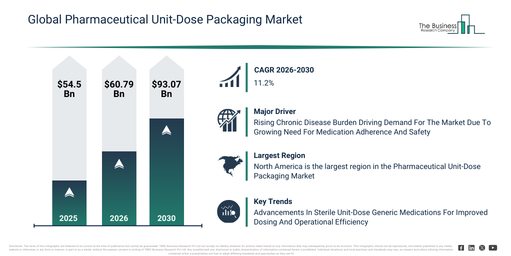
    Pharmaceutical Unit-Dose Packaging Market Forecast Highlights Expansion From $60.79 Billion To $93.07 Billion Through 2030

    Delivering more actionable and strategically valuable research, The Business Research Company’s 2026 market reports feature market attractiveness analysis, total addressable market evaluation, company benchmarking matrices, interactive Excel dashboards, expanded supply chain intelligence, emerging startup coverage, and detailed product insights.

    Pharmaceutical Unit-Dose Packaging Market Expansion Outlook: What Revenue Opportunities Lie Ahead?

    The market for pharmaceutical unit-dose packaging has experienced swift expansion in recent times. Its valuation is projected to climb from $54.5 billion in 2025 to $60.79 billion in 2026, reflecting a compound annual growth rate (CAGR) of 11.6%. This historical growth has been driven by heightened hospital medication safety programs, a growing need for accurate drug dosing, the broadening adoption of injectable and biologic treatments, the rise of outpatient care environments, and progress made in pharmaceutical packaging materials.

    The pharmaceutical unit-dose packaging market is anticipated to experience substantial expansion over the coming years. By 2030, it is projected to reach a value of $93.07 billion, achieving a compound annual growth rate (CAGR) of 11.2%. This upward trajectory during the forecast period can be explained by factors like the wider implementation of smart packaging solutions, a stronger emphasis on patient-oriented drug delivery methods, the growth of biologics and specialized medications, an increased need for packaging that supports compliance, and higher levels of automation within pharmaceutical packaging processes. Key trends that are expected to shape the forecast period encompass a greater use of unit-dose safety packaging, heightened demand for blister packs and prefilled syringe designs, a growing integration of track-and-trace capabilities, an expansion in the application of high-barrier packaging materials, and a more concentrated effort to minimize medication errors.

    Download A Free Sample Report For Comprehensive Market Insights:

    https://www.thebusinessresearchcompany.com/sample.aspx?id=28297&type=smp&utm_source=BlogsPR&utm_medium=Paid&utm_campaign=Jul_PR

    Pharmaceutical Unit-Dose Packaging Market Demand Drivers: What Is Fueling Industry Growth?

    The growth of the pharmaceutical unit-dose packaging market is anticipated to be driven forward by the broadening scope of immunization initiatives and vaccine drives. These programs constitute coordinated public health endeavors aimed at shielding communities from contagious illnesses via the scheduled delivery of vaccines. An upsurge in such campaigns is fueled by a heightened prevalence of infectious disease outbreaks, compelling governmental bodies and health institutions to intensify their strategies to curb transmission and safeguard community well-being. Unit-dose packaging in the pharmaceutical sector supports these large-scale vaccination efforts by guaranteeing precise dosing, minimizing drug administration mistakes, preserving sterility, and streamlining logistics for both distribution and delivery. A June 2023 report from the UK Health Security Agency, a British governmental entity, indicated that within the school-age vaccination scheme, 3,502,566 children—spanning Reception through Year 9—received immunizations in the 2022–2023 period, a decline from 3,615,536 in the prior year. Consequently, the momentum provided by expanding immunization programs and vaccination campaigns is fueling the market expansion for pharmaceutical unit-dose packaging.

    Pharmaceutical Unit-Dose Packaging Market Segment Analysis: What Are The Major Market Categories?

    The pharmaceutical unit-dose packaging market covered in this report is segmented –

    1) By Product: Blisters, Ampoules, Vials, Prefilled Syringes And Cartridges

    2) By Material: Plastics, Glass, Paper And Paperboard, Metal

    3) By End-Use: Ophthalmic, Injectable, Biologics, Wound Care, Respiratory Therapy, Orals

    Subsegments:

    1) By Blisters: Push-Through Blisters, Peelable Blisters, Cold Formed Blisters, Thermoformed Blisters

    2) By Ampoules: Open Ampoules, Closed Ampoules, Flame-Sealed Ampoules, Pressure-Sealed Ampoules

    3) By Vials: Single-Dose Vials, Multi-Dose Vials, Crimp Neck Vials, Screw Neck Vials

    4) By Prefilled Syringes And Cartridges: Disposable Prefilled Syringes, Reusable Prefilled Syringes, Glass Cartridges, Plastic Cartridges

    Pharmaceutical Unit-Dose Packaging Market Innovation Trends: Which Developments Are Transforming The Industry?

    Major enterprises within the pharmaceutical unit-dose packaging sector are concentrating their efforts on creating sophisticated solutions, including sterile unit-dose generic products, aimed at enhancing dosage precision and optimizing workflows across hospitals and pharmacies. These sterile unit-dose generic products represent pre-measured, individually packaged medicines that are carefully produced to remain free from microbial contamination, thereby guaranteeing both safety and accuracy in dosing while serving as a budget-friendly alternative to expensive branded sterile drugs. A concrete example is seen from August 2023 when Ritedose Pharmaceuticals, an American pharmaceutical firm based in the United States, introduced a cromolyn sodium inhalation solution, USP (20 mg/2 ml). This newly available sterile unit dose generic product functions as an inhaled anti-inflammatory agent for the preventive management of asthma and comes supplied in cartons containing 60 single-dose vials. Its addition expands Ritedose’s range of inhalation solutions while ensuring a dependable supply for clients requiring consistent administration of this medication.

    Pharmaceutical Unit-Dose Packaging Market Leading Companies Driving Competitive Growth

    Major companies operating in the pharmaceutical unit-dose packaging market are Pfizer Inc., Johnson & Johnson Innovation LLC, Merck & Co. Inc., AbbVie Inc., Becton Dickinson and Company, Amcor Plc, Nipro Corporation, Aptar Group Inc., West Pharmaceutical Services Inc., Constantia Flexibles Group GmbH, Klöckner Pentaplast, Stevanato Group S.p.A., SGD SA, SP Group, Jones Healthcare Group, Innovative Pharmacy Packaging Corporation Inc., Medical Packaging Inc. LLC, Adelphi Healthcare Packaging, Sonic Packaging Industries, Alfipa, Unit Pack Company Inc.

    Access The Complete Pharmaceutical Unit-Dose Packaging Market Report:

    https://www.thebusinessresearchcompany.com/report/pharmaceutical-unit-dose-packaging-global-market-report?utm_source=BlogsPR&utm_medium=Paid&utm_campaign=Jul_PR

    Pharmaceutical Unit-Dose Packaging Market Largest Region: Which Geography Holds The Highest Market Share?

    North America was the largest region in the pharmaceutical unit-dose packaging market in 2025. Asia-Pacific is expected to be the fastest-growing region in the forecast period. The regions covered in the pharmaceutical unit-dose packaging market report are Asia-Pacific, South East Asia, Western Europe, Eastern Europe, North America, South America, Middle East, Africa.

    Get in touch with us:

    The Business Research Company: https://www.thebusinessresearchcompany.com/?utm_source=BlogsPR&utm_medium=Paid&utm_campaign=home_page_test

    Americas: +1 310-496-7795

    Asia: +44 7882 955267 & +91 8897263534

    Europe: +44 7882 955267

    Email us at: marketing@tbrc.info

    Follow us on:

    LinkedIn: https://in.linkedin.com/company/the-business-research-company

    YouTube: https://www.youtube.com/channel/UC24_fI0rV8cR5DxlCpgmyFQ

    Global Market Model: https://www.thebusinessresearchcompany.com/global-market-model
  • Pharmaceutical Suspension Market Expected To Reach $79.73 Billion By 2030 As Growth Accelerates At 5.5% CAGR

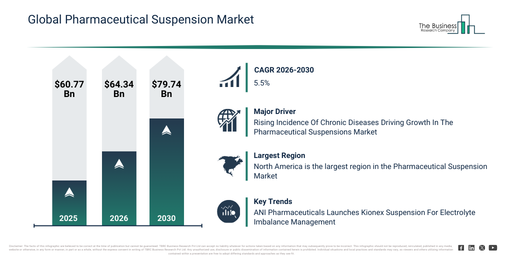
    Pharmaceutical Suspension Market Expected To Reach $79.73 Billion By 2030 As Growth Accelerates At 5.5% CAGR

    Enhanced with market attractiveness analysis, total addressable market evaluation, company benchmarking matrices, interactive Excel dashboards, expanded supply chain intelligence, emerging startup coverage, and detailed product insights, The Business Research Company’s 2026 market reports deliver more actionable and strategically valuable research.

    Pharmaceutical Suspension Market Growth Potential: How Will Market Size Change Through 2030?

    The market for pharmaceutical suspensions has experienced robust expansion in recent years. Its value is projected to rise from $60.77 billion in 2025 to $64.34 billion in 2026, reflecting a compound annual growth rate (CAGR) of 5.9%. Key factors driving historical growth include a scarcity of formulation alternatives, a higher incidence of chronic illnesses, greater need for medications suitable for children, enhanced hospital and clinic facilities, and the continued use of conventional oral and injectable suspensions.

    The pharmaceutical suspension market is projected to experience robust growth over the coming years. By 2030, its value is anticipated to reach $79.74 billion, reflecting a compound annual growth rate (CAGR) of 5.5%. Several factors are set to drive this expansion during the forecast period, including the advancement of sophisticated extended-release formulations, a higher utilization of intravenous and intramuscular suspensions, the rise of e-pharmacies and digital distribution channels, an intensified emphasis on personalized medicine, and the broadening of specialized therapeutic applications. Key trends shaping this period involve a growing preference for flavored, patient-friendly oral suspensions, a wider adoption of extended-release technologies, an uptick in parenteral suspensions used for intravenous and intramuscular delivery, the widening reach of both online and retail pharmacy networks, and a targeted shift towards developing customized suspensions tailored to specific medical indications.

    Download A Free Sample Report For Comprehensive Market Insights:

    https://www.thebusinessresearchcompany.com/sample.aspx?id=19649&type=smp&utm_source=BlogsPR&utm_medium=Paid&utm_campaign=Jul_PR

    Pharmaceutical Suspension Market Growth Drivers: What Factors Are Accelerating Expansion?

    The anticipated expansion of the pharmaceutical suspension market is largely driven by the rising incidence of chronic diseases. These conditions are defined as persistent health issues that extend over a prolonged duration and result from factors such as an aging population, poor dietary habits, insufficient physical activity, genetic predispositions, and environmental influences. Pharmaceutical suspensions address chronic diseases by offering a liquid medication form that enhances the delivery of drugs with low solubility, enables controlled release, boosts patient adherence, allows for flexible dosing, and improves bioavailability and effectiveness in the long-term management of these illnesses. As an example, in April 2025, the Centers for Disease Control and Prevention (CDC), a U.S. federal agency, reported that in 2023, approximately 76.4% of adult Americans had at least one of 12 specific chronic conditions, while 51.4% experienced multiple such conditions. Consequently, the growing prevalence of chronic diseases significantly fuels the advancement of the pharmaceutical suspension market.

    Pharmaceutical Suspension Market Segment Breakdown: Which Categories Generate The Most Revenue?

    The pharmaceutical suspension market covered in this report is segmented –

    1) By Type: Oral, Parenteral, Other Types

    2) By Indication: Infectious Diseases, Cancer, Gastrointestinal, Neurological, Other Indications

    3) By Distribution Channel: Hospital Pharmacies, Drug Store And Retail Pharmacies, Online Providers

    4) By End User: Hospitals And Clinics, Home Care Settings, Other End Users

    Subsegments:

    1) By Oral: Immediate-Release Suspensions, Extended-Release Suspensions, Flavored Suspensions

    2) By Parenteral: Intravenous Suspensions, Intramuscular Suspensions, Subcutaneous Suspensions

    3) By Other Types: Topical Suspensions, Ophthalmic Suspensions, Inhalation Suspensions

    Pharmaceutical Suspension Market Trends: What Is Shaping Future Industry Growth?

    Major players within the pharmaceutical suspension industry are concentrating on advancing novel medication formats, including liquids intended to address electrolyte disturbances, broadening therapeutic possibilities and bettering patient outcomes when managing diverse medical conditions. Such a fluid medication for electrolyte imbalance represents a pharmaceutical preparation aimed at rectifying or regulating bodily electrolyte irregularities. As an example, in May 2024, ANI Pharmaceuticals Inc., a company based in the United States, made available Kionex Suspension for administration via the rectal route or by mouth. Particular characteristics of this suspension involve its specialized purpose of reducing excessively high blood potassium levels by exchanging potassium ions for sodium ones along the gastrointestinal tract. The liquid consistency of Kionex Suspension simplifies its delivery, particularly benefiting individuals encountering trouble swallowing tablets. Crafted to achieve regulated and efficient potassium reduction, this preparation meets a crucial demand for controlling electrolyte disruptions.

    Pharmaceutical Suspension Market Key Players And Strategic Industry Positioning

    Major companies operating in the pharmaceutical suspension market are Pfizer Inc., Johnson & Johnson, Merck & Co Inc., Novartis AG, Sanofi S.A., AstraZeneca plc, GlaxoSmithKline plc, Eli Lilly and Company, Lonza Group AG, Hikma Pharmaceuticals PLC, Amneal Pharmaceuticals LLC, Lupin Limited, Glenmark Pharmaceuticals Ltd., ANI Pharmaceuticals Inc., Aristopharma Ltd., Upsher-Smith Laboratories LLC, Padagis LLC, Otsuka Pharmaceutical Co Ltd., Hoffmann-La Roche Ltd., SpineThera Inc

    Access The Complete Pharmaceutical Suspension Market Report:

    https://www.thebusinessresearchcompany.com/report/pharmaceutical-suspension-global-market-report?utm_source=BlogsPR&utm_medium=Paid&utm_campaign=Jul_PR

    Pharmaceutical Suspension Market Regional Analysis: Which Region Leads By Revenue?

    North America was the largest region in the pharmaceutical suspension market in 2025. The regions covered in the pharmaceutical suspension market report are Asia-Pacific, South East Asia, Western Europe, Eastern Europe, North America, South America, Middle East, Africa.

    Get in touch with us:

    The Business Research Company: https://www.thebusinessresearchcompany.com/?utm_source=BlogsPR&utm_medium=Paid&utm_campaign=home_page_test

    Americas: +1 310-496-7795

    Asia: +44 7882 955267 & +91 8897263534

    Europe: +44 7882 955267

    Email us at: marketing@tbrc.info

    Follow us on:

    LinkedIn: https://in.linkedin.com/company/the-business-research-company

    YouTube: https://www.youtube.com/channel/UC24_fI0rV8cR5DxlCpgmyFQ

    Global Market Model: https://www.thebusinessresearchcompany.com/global-market-model
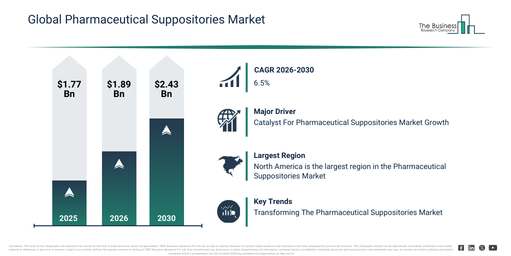
  • Pharmaceutical Suppositories Market Set To Grow From $1.88 Billion In 2026 To $2.43 Billion By 2030 At A CAGR Of 6.5%

    Pharmaceutical Suppositories Market Set To Grow From $1.88 Billion In 2026 To $2.43 Billion By 2030 At A CAGR Of 6.5%

    Through market attractiveness analysis, total addressable market evaluation, company benchmarking matrices, interactive Excel dashboards, expanded supply chain intelligence, emerging startup coverage, and detailed product insights, The Business Research Company’s 2026 market reports provide more actionable and strategically valuable research.

    Pharmaceutical Suppositories Market Value Analysis: What Growth Is Expected Over The Forecast Period?

    The market for pharmaceutical suppositories has experienced significant expansion over the past few years. From $1.77 billion in 2025, it is projected to increase to $1.89 billion in 2026, reflecting a compound annual growth rate (CAGR) of 6.5%. This historical growth has been driven by factors such as the rising incidence of constipation and hemorrhoids, greater recognition of alternative non-oral drug administration methods, advancements in fundamental rectal and vaginal suppositories, the expanding hospital and home care industries, and the broadening of pharmaceutical production capabilities.

    The pharmaceutical suppositories market is anticipated to experience robust expansion over the coming years. By 2030, its value is projected to reach $2.43 billion, driven by a compound annual growth rate (CAGR) of 6.5%. This predicted growth during the forecast period is fueled by progress in personalized medicine, breakthroughs in drug delivery methods, a growing preference for natural and herbal options, an increase in both geriatric and pediatric healthcare needs, and the widespread implementation of temperature-stable product formulations. Key developments shaping this period include the creation of individualized dose suppositories, the emergence of herbal and natural suppository varieties, targeted innovations for pediatric and geriatric patients, the introduction of novel drug delivery systems, and a focus on suppositories offering extended shelf life and temperature resilience.

    Download A Free Sample Report For Comprehensive Market Insights:

    https://www.thebusinessresearchcompany.com/sample.aspx?id=8804&type=smp&utm_source=BlogsPR&utm_medium=Paid&utm_campaign=Jul_PR

    Pharmaceutical Suppositories Market Growth Factors Supporting Long-Term Expansion

    The anticipated expansion of the pharmaceutical suppository market is being driven by the growing incidence of various diseases. This rise in disease occurrence is primarily attributed to factors like geographic and climatic conditions, along with insect vectors that carry infectious agents. By offering an alternative method of drug administration—where a small, cylindrical, or conical device is inserted into the body, typically rectally, to dissolve or melt and release the medication for treatment—pharmaceutical suppositories are helping to manage the increasing patient load. To illustrate, data from the National Health Service, a UK government body, reveals that in June 2024, 3,615,330 individuals registered with a general practitioner were diagnosed with non-diabetic hyperglycemia or pre-diabetes in 2023, reflecting an 18% rise compared to 3,065,825 cases in 2022. Consequently, the upward trend in disease prevalence is fueling growth in the pharmaceutical suppository market.

    Pharmaceutical Suppositories Market Segmentation: How Is The Market Structured Across Key Categories?

    The pharmaceutical suppositories market covered in this report is segmented –

    1) By Type: Rectal Suppositories, Vaginal Suppositories, Urethral Suppositories, Other Types

    2) By Base: Fatty Base, Water Miscible Bases, Emulsifying Bases

    3) By End-User: Hospitals And Clinics, Nursing Homes, Home Care, Other End Users

    Subsegments:

    1) By Rectal Suppositories: Laxative Suppositories, Analgesic Suppositories, Anti-inflammatory Suppositories

    2) By Vaginal Suppositories: Antifungal Suppositories, Hormonal Suppositories, Contraceptive Suppositories

    3) By Urethral Suppositories: Antimicrobial Suppositories, Analgesic Suppositories

    4) By Other Types: Pediatric Suppositories, Herbal Or Homeopathic Suppositories

    Pharmaceutical Suppositories Market Industry Trends Shaping Future Revenue Growth

    Leading industry players in the pharmaceutical suppositories market are directing their efforts toward creating and gaining regulatory clearance for complex product offerings, aiming to improve market reach, increase patient cost accessibility, and combat drug shortages. A notable example occurred in August 2023, when Zydus Lifesciences, a pharmaceutical company based in India, secured approval from the United States Food and Drug Administration (USFDA) for its Indomethacin suppositories under the Competitive Generic Therapy (CGT) designation. This classification expedites the introduction of generic medicines that face limited market rivalry, thereby lowering treatment expenses. The advanced formulation guarantees effective delivery and absorption of the medication. Zydus also received a 180-day period of market exclusivity, which fosters continued innovation. Comprehensive testing verified that the product meets rigorous benchmarks for quality, safety, and efficacy.

    Pharmaceutical Suppositories Market Competitive Landscape And Leading Companies

    Major companies operating in the pharmaceutical suppositories market are Bayer AG, Pfizer Inc, Novartis International AG, Sanofi S.A., Intas Pharmaceuticals Ltd, Unither Pharmaceuticals, Cosette Pharmaceuticals Inc, Aenova Holding GmbH, Delpharm, Bliss GVS Pharma Ltd, JoinHub Pharma, Sun Pharmaceutical Industries Ltd, Cipla Ltd, Divis Laboratories Ltd, Dr. Reddys Laboratories Ltd, Apollo Hospitals Enterprise Ltd, Torrent Pharmaceuticals Ltd, Chiesi Farmaceutici, CSPC Pharmaceutical Group, Esteve Química, Humanwell Healthcare (Group) Co, Jiangsu Hengrui Pharmaceutical, GlaxoSmithKline (GSK), Nordic Pharma Group, Phoenix Pharma Group, DocMorris, Medpex, AstraZeneca, Abbott Laboratories, Mylan, Zentiva, Teva Pharmaceutical Industries Ltd, AbbVie Inc, Apotex, EMS Pharma, Biolab Farmaceutica, Boehringer Ingelheim, JRS Pharma, Roquette, Odan Laboratories Ltd, Axantia, Kiara Health (Pty) Ltd, IBD Africa, Menarini Group, Padagis LLC

    Access The Complete Pharmaceutical Suppositories Market Report:

    https://www.thebusinessresearchcompany.com/report/pharmaceutical-suppositories-global-market-report?utm_source=BlogsPR&utm_medium=Paid&utm_campaign=Jul_PR

    Pharmaceutical Suppositories Market Geographic Distribution And Regional Opportunities

    North America was the largest region in the pharmaceutical suppositories market in 2025. Asia-Pacific is expected to be the fastest-growing region in the forecast period. The regions covered in the pharmaceutical suppositories market report are Asia-Pacific, South East Asia, Western Europe, Eastern Europe, North America, South America, Middle East, Africa.

    Get in touch with us:

    The Business Research Company: https://www.thebusinessresearchcompany.com/?utm_source=BlogsPR&utm_medium=Paid&utm_campaign=home_page_test

    Americas: +1 310-496-7795

    Asia: +44 7882 955267 & +91 8897263534

    Europe: +44 7882 955267

    Email us at: marketing@tbrc.info

    Follow us on:

    LinkedIn: https://in.linkedin.com/company/the-business-research-company

    YouTube: https://www.youtube.com/channel/UC24_fI0rV8cR5DxlCpgmyFQ

    Global Market Model: https://www.thebusinessresearchcompany.com/global-market-model
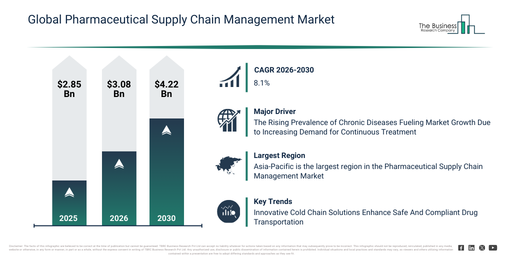
  • Pharmaceutical Supply Chain Management Market Opportunities Are Emerging Beyond Traditional Growth Areas

    Pharmaceutical Supply Chain Management Market Opportunities Are Emerging Beyond Traditional Growth Areas

    Delivering more actionable and strategically valuable research, The Business Research Company’s 2026 market reports feature market attractiveness analysis, total addressable market evaluation, company benchmarking matrices, interactive Excel dashboards, expanded supply chain intelligence, emerging startup coverage, and detailed product insights.

    Pharmaceutical Supply Chain Management Market Size Forecast: How Large Could The Market Become By 2030?

    The pharmaceutical supply chain management sector has experienced significant expansion in recent years. Its valuation is projected to rise from $2.85 billion in 2025 to $3.08 billion in 2026, achieving a compound annual growth rate (CAGR) of 8.3%. This historical growth has been driven by factors such as the expansion of pharmaceutical manufacturing, the development of healthcare infrastructure, heightened demand for secure medication distribution, the integration of enterprise resource planning (ERP) systems, and an increase in the production of generic drugs.

    The pharmaceutical supply chain management market is anticipated to experience robust expansion over the coming years, projected to reach a value of $4.22 billion by 2030, driven by a compound annual growth rate (CAGR) of 8.1%. This upward trajectory during the forecast period can be linked to the integration of artificial intelligence within supply chains, the widespread use of predictive analytics, the expanding production of biologics and vaccines, the rise of personalized medicine, and a growing need for end-to-end track-and-trace capabilities. Key developments shaping this period involve the optimization of cold chains, automation of regulatory compliance, real-time monitoring of inventory levels, closer collaboration between vendors and suppliers, and the enhancement of risk management strategies within pharmaceutical logistics.

    Download A Free Sample Report For Comprehensive Market Insights:

    https://www.thebusinessresearchcompany.com/sample.aspx?id=13508&type=smp&utm_source=BlogsPR&utm_medium=Paid&utm_campaign=Jul_PR

    Pharmaceutical Supply Chain Management Market Demand Drivers Creating New Revenue Opportunities

    The increasing occurrence of long-term illnesses is anticipated to fuel the expansion of the pharmaceutical supply chain management market in the coming years. Chronic diseases, including diabetes, hypertension, and cardiovascular conditions, are persistent health issues that demand ongoing treatment, constant use of medications, and regular medical oversight. This growing prevalence is attributed to elements like aging demographics, lifestyle-related health hazards, and a higher incidence of metabolic disorders. By guaranteeing uninterrupted access to vital medicines, avoiding shortages, and enhancing the effectiveness of drug distribution networks for extended therapies, pharmaceutical supply chain management plays a crucial role in supporting patient care. For example, per the National Health Service, a UK governmental agency, 3,615,330 people who were registered with a general practitioner had a diagnosis of non-diabetic hyperglycemia or pre-diabetes (a state of elevated blood sugar insufficiently high for a diabetes classification) in 2023, representing an 18 percent rise from the 3,065,825 cases recorded in 2022. As a result, the escalating prevalence of chronic conditions is pushing the advancement of the pharmaceutical supply chain management market.

    Pharmaceutical Supply Chain Management Market Segmentation Trends And Revenue Drivers

    The pharmaceutical supply chain management market covered in this report is segmented –

    1) By Component: Solution, Service

    2) By Deployment Mode: On-Premise, Cloud Based

    3) By End-Use: Healthcare Manufacturers, Healthcare Providers, Distributors, Logistics

    Subsegments:

    1) By Solution: Supply Chain Management Software, Inventory Management Systems, Order Management Systems, Transportation Management Solutions, Warehouse Management Solutions, Track And Trace Solutions, Demand Forecasting Solutions, Cold Chain Monitoring Solutions

    2) By Service: Consulting Services, Integration And Implementation Services, Managed Services, Support And Maintenance Services, Logistics And Distribution Services, Training And Education Services

    Pharmaceutical Supply Chain Management Market Trends Driving Strategic Industry Expansion

    Major players in the pharmaceutical supply chain management market are concentrating on creating innovative solutions, including temperature-controlled logistics platforms, to address the growing need for secure, efficient, and regulatory-compliant handling of sensitive pharmaceutical goods. These platforms combine state-of-the-art cold chain technologies, live temperature tracking, and predictive analytics to guarantee that drugs, vaccines, and biologics are preserved and moved within defined temperature limits, thereby minimizing waste and meeting compliance standards. In August 2025, Celcius Logistics Pvt. Ltd., a logistics and supply chain firm based in India, introduced Celcius+, a specialized cold chain management service tailored for the pharmaceutical industry. By employing IoT-enabled sensors, AI-driven route planning, and cloud-based oversight, Celcius+ preserves accurate temperature regulation along the supply chain, protecting drug efficacy and safety from production to final delivery. The system additionally delivers instant alerts, thorough compliance documentation, and scalability to handle different shipment sizes, making it suitable for both small and large pharmaceutical activities.

    Pharmaceutical Supply Chain Management Market Industry Leaders: Which Organizations Are Driving Competition?

    Major companies operating in the pharmaceutical supply chain management market are McKesson Corporation, AmerisourceBergen Corporation, Cardinal Health Inc., Oracle Corporation, SAP SE, DSV Panalpina, UPS Healthcare, Parexel International Corporation, Vizient Inc, Catalent Inc., Infor Inc., Epicor Software Corporation, Vetter Pharma International GmbH, Almac Group, Manhattan Associates Inc., Global Healthcare Exchange LLC, CryoPDP, Tecsys Inc., Arvato Supply Chain Solutions, Terso Solution, Logitag Systems, Jump Technologies, Chain.io Inc.

    Access The Complete Pharmaceutical Supply Chain Management Market Report:

    https://www.thebusinessresearchcompany.com/report/pharmaceutical-supply-chain-management-global-market-report?utm_source=BlogsPR&utm_medium=Paid&utm_campaign=Jul_PR

    Pharmaceutical Supply Chain Management Market Largest Region By Revenue And Market Share

    Asia-Pacific was the largest region in the pharmaceutical supply chain management market in 2025. Asia-Pacific is expected to be the fastest-growing region in the forecast period. The regions covered in the pharmaceutical supply chain management market report are Asia-Pacific, South East Asia, Western Europe, Eastern Europe, North America, South America, Middle East, Africa.

    Get in touch with us:

    The Business Research Company: https://www.thebusinessresearchcompany.com/?utm_source=BlogsPR&utm_medium=Paid&utm_campaign=home_page_test

    Americas: +1 310-496-7795

    Asia: +44 7882 955267 & +91 8897263534

    Europe: +44 7882 955267

    Email us at: marketing@tbrc.info

    Follow us on:

    LinkedIn: https://in.linkedin.com/company/the-business-research-company

    YouTube: https://www.youtube.com/channel/UC24_fI0rV8cR5DxlCpgmyFQ

    Global Market Model: https://www.thebusinessresearchcompany.com/global-market-model
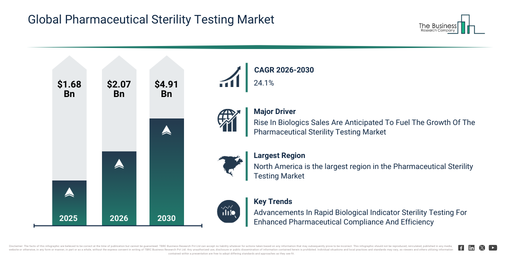
  • Pharmaceutical Sterility Testing Market Expansion Is Opening New Pathways For Strategic Investment

    Pharmaceutical Sterility Testing Market Expansion Is Opening New Pathways For Strategic Investment

    Enhanced with market attractiveness analysis, total addressable market evaluation, company benchmarking matrices, interactive Excel dashboards, expanded supply chain intelligence, emerging startup coverage, and detailed product insights, The Business Research Company’s 2026 market reports deliver more actionable and strategically valuable research.

    Pharmaceutical Sterility Testing Market Revenue Outlook: What CAGR Is Expected Through 2030?

    The pharmaceutical sterility testing market has experienced remarkable expansion in recent years, with projections indicating an increase from $1.68 billion in 2025 to $2.07 billion in 2026, reflecting a compound annual growth rate (CAGR) of 23.7%. This historical growth was driven by factors such as a heightened demand for sterile pharmaceutical products, a scarcity of sophisticated testing facilities, expansion in pharmaceutical manufacturing and biologics development, continued dependence on traditional sterility testing techniques, and greater awareness surrounding quality control standards.

    The pharmaceutical sterility testing market is anticipated to experience rapid expansion in the coming years, reaching a projected value of $4.91 billion by 2030 with a compound annual growth rate (CAGR) of 24.1%. This growth during the forecast period is driven by progress in automated sterility testing technologies, an increase in outsourced testing services, the integration of artificial intelligence and digital monitoring tools, wider adoption of rapid microbiological methods, and stricter regulatory requirements for biologics and gene therapies. Key trends shaping the forecast period include a rising demand for both in-house and outsourced sterility testing services, greater incorporation of bioburden and endotoxin testing in pharmaceutical production, increased use of sophisticated instruments, kits, and reagents for sterility analysis, expansion of testing services for biologics, vaccines, and gene and cell therapies, and a heightened emphasis on regulatory compliance and quality assurance within sterility testing practices.

    Download A Free Sample Report For Comprehensive Market Insights:

    https://www.thebusinessresearchcompany.com/sample.aspx?id=2826&type=smp&utm_source=BlogsPR&utm_medium=Paid&utm_campaign=Jul_PR

    Pharmaceutical Sterility Testing Market Expansion Supported By Key Demand Factors

    The anticipated growth in biologics sales is set to drive the pharmaceutical sterility testing market forward. Biologics, which are medicinal products derived from living organisms, encompass a diverse range of items including vaccines, blood and blood components, allergenics, somatic cells, gene therapies, tissues, and recombinant therapeutic proteins. Pharmaceutical sterility testing serves as a crucial quality control measure to ensure that these biologics are free from microbial contamination prior to patient administration. For example, in October 2024, the Generics and Biosimilars Initiative, a Belgium-based organization dedicated to providing high-quality scientific data on generic and biosimilar drugs, reported that, in addition to the top nine biologics, two other complex medications saw substantial sales in 2023. Novo Nordisk’s Ozempic (semaglutide) and Eli Lilly’s Trulicity (dulaglutide), both used to treat type 2 diabetes, generated sales of US$14 billion and US$7.2 billion, respectively. Consequently, the increasing sales of biologics are fueling the expansion of the pharmaceutical sterility testing market.

    Pharmaceutical Sterility Testing Market Segment Analysis Highlighting Growth Areas

    The pharmaceutical sterility testing market covered in this report is segmented –

    1) By Sample: Sterile Drugs, Medical Devices, Biologics and Therapeutics

    2) By Product Type: Instruments, Kits and Reagents, Services

    3) By Service Type: In- house, Outsourcing

    4) By Test Type: Sterility Testing, Bioburden Testing, Bacterial Endotoxin Testing

    5) By End- User: Compounding Pharmacies, Medical Devices Companies, Pharmaceutical Companies

    Subsegments:

    1) By Sterile Drugs: Injectable Drugs, Infusion Solutions, Ophthalmic Solutions

    2) By Medical Devices: Surgical Instruments, Implants, Catheters

    3) By Biologics And Therapeutics: Vaccines, Gene Therapies, Cell Therapies

    Pharmaceutical Sterility Testing Market Growth Trends Influencing Competitive Dynamics

    Major players in the pharmaceutical sterility testing market are placing significant emphasis on the creation of cutting-edge solutions, such as sophisticated biological indicators, to speed up sterility verification, boost testing precision, and heighten overall manufacturing safety. These advanced biological indicators consist of specialized tools that incorporate highly resilient microorganisms, enabling a quick and precise assessment of sterilization method effectiveness in pharmaceutical production. For example, in September 2025, Nelson Labs, a contract testing laboratory based in the United States, unveiled the RapidCert Biological Indicator (BI) sterility testing platform. This innovative system dramatically cuts down the duration needed for sterility confirmation, thereby improving efficiency within pharmaceutical manufacturing and facilitating faster product launches, all while upholding stringent quality standards.

    Pharmaceutical Sterility Testing Market Leading Companies: Who Holds Significant Market Presence?

    Major companies operating in the pharmaceutical sterility testing market are Pacific Biolabs Inc., STERIS Corporation, Boston Analytical Inc., Gibraltar Laboratories Inc., Sartorius AG, Solvias AG, SGS S.A., Toxikon Inc., Pace Analytical Services LLC, Charles River Laboratories International Inc., Nelson Laboratories Inc., Rapid Micro Biosystems Inc., bioMérieux Inc., Merck KGaA, WuXi AppTec, Sotera Health LLC, Dynalabs LLC, Infinity Laboratories, Eurofins Scientific SE, Avomeen Analytical Services, Microbac Laboratories Inc., Analytical Lab Group LLC, North American Science Associates Inc., Medical Device Testing Services Inc., Microtest Laboratories Inc., BioScreen Testing Services Inc., Microchem Laboratory Inc., Bactolac Pharmaceutical Inc., Micro Quality Labs Inc., BioPharma Services Inc., Microbiology Research Associates, BioScience Laboratories Inc.

    Access The Complete Pharmaceutical Sterility Testing Market Report:

    https://www.thebusinessresearchcompany.com/report/pharmaceutical-sterility-testings-global-market-report?utm_source=BlogsPR&utm_medium=Paid&utm_campaign=Jul_PR

    Pharmaceutical Sterility Testing Market Regional Analysis And Leading Geography

    North America was the largest region in the pharmaceutical sterility testing market in 2025. The Middle East is expected to be the fastest-growing region in the global pharmaceutical sterility testing market share during the forecast period. The regions covered in the pharmaceutical sterility testing market report are Asia-Pacific, South East Asia, Western Europe, Eastern Europe, North America, South America, Middle East, Africa.

    Get in touch with us:

    The Business Research Company: https://www.thebusinessresearchcompany.com/?utm_source=BlogsPR&utm_medium=Paid&utm_campaign=home_page_test

    Americas: +1 310-496-7795

    Asia: +44 7882 955267 & +91 8897263534

    Europe: +44 7882 955267

    Email us at: marketing@tbrc.info

    Follow us on:

    LinkedIn: https://in.linkedin.com/company/the-business-research-company

    YouTube: https://www.youtube.com/channel/UC24_fI0rV8cR5DxlCpgmyFQ

    Global Market Model: https://www.thebusinessresearchcompany.com/global-market-model
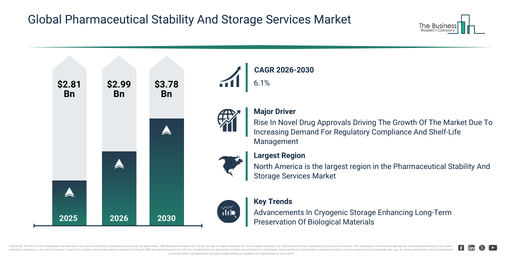
  • Pharmaceutical Stability And Storage Services Market Trends Are Creating New Opportunities For Industry Leaders

    Pharmaceutical Stability And Storage Services Market Trends Are Creating New Opportunities For Industry Leaders

    Through market attractiveness analysis, total addressable market evaluation, company benchmarking matrices, interactive Excel dashboards, expanded supply chain intelligence, emerging startup coverage, and detailed product insights, The Business Research Company’s 2026 market reports provide more actionable and strategically valuable research.

    Pharmaceutical Stability And Storage Services Market Growth Analysis: How Will Revenue Expand During The Forecast Period?

    Recent years have witnessed a strong upward trend in the size of the pharmaceutical stability and storage services market. By 2025, it is valued at $2.81 billion, and it is expected to reach $2.99 billion by 2026, marking a compound annual growth rate of 6.1%. Several factors drove this historical expansion: rigorous pharmaceutical regulatory mandates, an increase in worldwide drug output, the scaling up of biologics manufacturing, the requirement for shelf-life verification, and a higher volume of ongoing clinical trials.

    Over the coming years, the pharmaceutical stability and storage services market is projected to experience robust expansion, reaching a valuation of $3.78 billion by 2030 at a compound annual growth rate (CAGR) of 6.1%. This forecast period growth is driven by the rise of biologics and cell therapies, a growing trend toward pharmaceutical outsourcing, the global expansion of cold chain infrastructure, heightened vaccine production, and more stringent regulatory scrutiny on drug stability. Key trends shaping the market through the forecast period include an escalating demand for storage solutions that comply with regulatory standards, an increased reliance on third-party stability testing services, a growing necessity for cold chain and cryogenic storage, the broadening of stability services specifically for biologics, and a stronger focus on ensuring long-term quality assurance for pharmaceutical products.

    Download A Free Sample Report For Comprehensive Market Insights:

    https://www.thebusinessresearchcompany.com/sample.aspx?id=23473&type=smp&utm_source=BlogsPR&utm_medium=Paid&utm_campaign=Jul_PR

    Pharmaceutical Stability And Storage Services Market Growth Drivers And Industry Catalysts

    The expansion of the pharmaceutical stability and storage services market is anticipated to be fueled by a growing volume of new drug approvals. A novel drug is defined as a pharmaceutical compound that has been recently developed and has not received prior approval for marketing or use. This uptick in approvals stems from progress in biotechnology, which supports the discovery of innovative compounds, along with enhanced regulatory frameworks that accelerate and streamline drug development. The increase in new drug approvals amplifies the need for stability and storage services, which are critical for maintaining ideal conditions, ensuring regulatory compliance, and managing extended shelf life. As an illustration, in October 2023, the U.S. Food and Drug Administration (FDA), a federal agency in the United States tasked with safeguarding public health, reported that 37 novel drugs were approved in 2022, followed by 50 in 2024, broadening therapeutic options for cancer, rare diseases, neurology, infections, and conditions such as schizophrenia, pain, and Alzheimer’s. Consequently, the rising number of novel drug approvals is propelling growth in the pharmaceutical stability and storage services market.

    Pharmaceutical Stability And Storage Services Market Segment Performance And Strategic Opportunities

    The pharmaceutical stability and storage services market covered in this report is segmented –

    1) By Service: Stability, Storage

    2) By Product Type: Tablets, Capsules, Injectable Solutions, Oral Suspensions, Combination Products, Other Product Types

    3) By Molecule: Small Molecule, Large Molecule

    4) By Mode: In-House, Outsourcing

    5) By End User: Biopharmaceutical Companies, Contract Manufacturing Organizations, Contract Research Organizations, Other End Users

    Subsegments:

    1) By Stability Services: Long-Term Stability Studies, Accelerated Stability Studies, Intermediate Stability Studies, Photostability Testing, Forced Degradation Studies

    2) By Storage Services: Ambient Storage, Refrigerated Storage (2°C to 8°C), Frozen Storage (-20°C to -80°C), Cryogenic Storage (-150°C to -196°C), Controlled Drug Substance And Product Storage

    Pharmaceutical Stability And Storage Services Market Trends Influencing Long-Term Demand

    Leading firms in the pharmaceutical stability and storage services market are concentrating on creating advanced technological offerings, like cryogenic storage suites, to improve the protection of temperature-sensitive pharmaceutical items. Cryogenic storage suites are purpose-built facilities that sustain ultra-low temperatures, generally under -150°C, to safeguard delicate biological and pharmaceutical substances such as cell therapies, vaccines, and biologics. For example, in December 2024, Astoriom, a UK-based specialist in stability and biospecimen storage, introduced a cryogenic storage suite at its Tramore facility in County Waterford, Ireland, representing a major step forward in its biological sample storage capabilities. This cutting-edge suite is tailored to address the increasing need for secure, long-term preservation of biological materials, maintaining their integrity over prolonged periods. The facility features precise temperature regulation down to -196°C, extensive storage capacity, ISO 9001 certification to ensure regulatory adherence, and robust security protections, including access controls and monitoring systems.

    Pharmaceutical Stability And Storage Services Market Key Players: Which Companies Shape Industry Competition?

    Major companies operating in the pharmaceutical stability and storage services market are SGS S.A., Eurofins Scientific SE, Intertek Group plc, Catalent Inc., Almac Group, Alcami Corporation, Reading Scientific Services Ltd., Charles River Laboratories, Element Materials Technology Inc., Precision Stability Storage, Roylance Stability Storage Limited, BioLife Solutions Inc., Alloga UK Ltd., Auriga Research Private Limited, Q Laboratories Inc., ALS Limited, Lucideon Limited, Cencora Inc., PCI Pharma Services, DHL Life Sciences & Healthcare

    Access The Complete Pharmaceutical Stability And Storage Services Market Report:

    https://www.thebusinessresearchcompany.com/report/pharmaceutical-stability-and-storage-services-global-market-report?utm_source=BlogsPR&utm_medium=Paid&utm_campaign=Jul_PR

    Pharmaceutical Stability And Storage Services Market Geographic Analysis: Where Is Demand Growing The Fastest?

    North America was the largest region in the pharmaceutical stability and storage services market in 2025. Asia-Pacific is expected to be the fastest-growing region in the forecast period. The regions covered in the pharmaceutical stability and storage services market report are Asia-Pacific, South East Asia, Western Europe, Eastern Europe, North America, South America, Middle East, Africa.

    Get in touch with us:

    The Business Research Company: https://www.thebusinessresearchcompany.com/?utm_source=BlogsPR&utm_medium=Paid&utm_campaign=home_page_test

    Americas: +1 310-496-7795

    Asia: +44 7882 955267 & +91 8897263534

    Europe: +44 7882 955267

    Email us at: marketing@tbrc.info

    Follow us on:

    LinkedIn: https://in.linkedin.com/company/the-business-research-company

    YouTube: https://www.youtube.com/channel/UC24_fI0rV8cR5DxlCpgmyFQ

    Global Market Model: https://www.thebusinessresearchcompany.com/global-market-model
  • Pharmaceutical Safety Assessment Market Growth Is Reshaping Competitive Advantage Across The Industry

    Pharmaceutical Safety Assessment Market Growth Is Reshaping Competitive Advantage Across The Industry

    Delivering more actionable and strategically valuable research, The Business Research Company’s 2026 market reports feature market attractiveness analysis, total addressable market evaluation, company benchmarking matrices, interactive Excel dashboards, expanded supply chain intelligence, emerging startup coverage, and detailed product insights.

    Pharmaceutical Safety Assessment Market Forecast: What Market Value Is Expected By 2030?

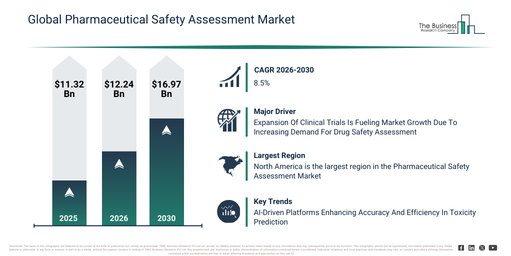
    The pharmaceutical safety assessment market has experienced robust expansion in recent times. Projected to rise from $11.32 billion in 2025 to $12.24 billion in 2026, this growth corresponds to a compound annual growth rate (CAGR) of 8.2%. Historically, this upward trend has been driven by the broadening of pharmaceutical research and development pipelines, heightened regulatory demands regarding drug safety, an uptick in preclinical and clinical testing activities, greater implementation of in-vitro safety evaluation techniques, and an increased reliance on contract research organizations for safety studies.

    The pharmaceutical safety assessment market is projected to experience substantial growth in the coming years. By 2030, its value is anticipated to reach $16.97 billion, reflecting a compound annual growth rate (CAGR) of 8.5%. This expansion in the forecast period is driven by factors such as a growing dependence on computational safety evaluation, the broadening of personalized medicine development, heightened demand for expedited regulatory approvals, greater incorporation of artificial intelligence into drug safety operations, and increased requirements for post-market surveillance. Key trends shaping this period include more widespread application of AI-driven toxicity prediction tools, a growing reliance on in-silico safety assessment methods, deeper integration of real-time pharmacovigilance systems, broader adoption of automated platforms for preclinical testing, and a stronger emphasis on safety analytics that meet regulatory standards.

    Download A Free Sample Report For Comprehensive Market Insights:

    https://www.thebusinessresearchcompany.com/sample.aspx?id=29147&type=smp&utm_source=BlogsPR&utm_medium=Paid&utm_campaign=Jul_PR

    Pharmaceutical Safety Assessment Market Opportunity Drivers: What Is Creating New Revenue Potential?

    The anticipated growth of the pharmaceutical safety assessment market is being driven forward by the expanding scope of clinical trials. These trials are defined as human research studies that assess the safety, efficacy, and potential side effects of novel medical treatments, drugs, or interventions. An upsurge in clinical trials is occurring because of an increased demand for innovative and effective therapies, as researchers and healthcare professionals strive to develop improved methods for preventing, managing, or curing diseases. Through systematically examining a drug’s impact on humans in tightly controlled settings, monitoring for adverse events, establishing safe dosage levels, and generating critical data for regulatory bodies to confirm that medications are both safe and effective for public consumption, clinical trials play a key role in supporting pharmaceutical safety assessment. For example, the National Library of Medicine (NLM), a US-based biomedical library, reported that by September 26, 2025, 554,798 studies were registered on ClinicalTrials.gov. Consequently, the increasing number of clinical trials is fueling growth in the pharmaceutical safety assessment market.

    Pharmaceutical Safety Assessment Market Segment Landscape And Growth Potential

    The pharmaceutical safety assessment market covered in this report is segmented –

    1) By Type: In-Vitro Safety Assessment, In-Vivo Safety Assessment, Computational Safety Assessment

    2) By Drug Type: Biological Drugs, Chemical Drugs

    3) By Phase: Preclinical, Clinical (Phase I, II, III), Post-Market Surveillance (Phase IV)

    4) By End User: Pharmaceutical Companies, Biotechnology Companies, Medical Device Companies, Academic And Research Institutions, Contract Research Organizations (CROs)

    Subsegments:

    1) By In-Vitro Safety Assessment: Cell-Based Assays, Organotypic Models, Tissue Culture Models, High-Throughput Screening

    2) By In-Vivo Safety Assessment: Rodent Studies, Non-Rodent Studies, Toxicokinetic Studies, Carcinogenicity Studies

    3) By Computational Safety Assessment: Quantitative Structure-Activity Relationship (QSAR) Modeling, Physiologically Based Pharmacokinetic (PBPK) Modeling, Toxicity Prediction Software, In Silico Simulation Studies

    Pharmaceutical Safety Assessment Market Innovation Trends Driving Future Development

    Major players in the pharmaceutical safety assessment sector are placing growing emphasis on the creation of AI-driven decision support systems aimed at boosting both the precision and effectiveness of toxicity prediction and safety profiling. Such a system constitutes software that leverages artificial intelligence to interpret data, thereby generating insights conducive to quicker and more reliable decision-making. A case in point occurred in April 2024, when Charles River Laboratories—a life sciences firm based in the United States—teamed up with Deciphex, an Irish company that enhances diagnostic speed and accuracy through AI-based quality control, to unveil the Patholytix Foresight platform. This AI-enabled decision support tool seeks to revolutionize toxicologic pathology within pharmaceutical safety evaluations. By rapidly processing intricate preclinical pathology data through artificial intelligence, the platform can flag potential safety issues earlier and minimize the subjectivity embedded in outcomes. Among its distinct attributes are an AI algorithm capable of detecting alterations in tissues, a cloud-hosted infrastructure enabling worldwide cooperation, and an expandable architecture that cuts down on the time needed for slide review while simultaneously elevating data precision and operational efficiency.

    Pharmaceutical Safety Assessment Market Competitive Landscape: Who Are The Leading Companies?

    Major companies operating in the pharmaceutical safety assessment market are IQVIA Holding Inc., LabCorp (formerly Covance), Thermo Fisher Scientific (PPD), Charles River Laboratories, ICON plc, Parexel International Corp., Syneos Health, Eurofins Scientific SE, Wuxi Biologics Inc., SGS SA, Medpace Holdings Inc., Fujifilm Wako (Fujifilm Corp.), Pharmaron Beijing Co. Ltd., Inotiv (incl. Envigo), Evotec (Cyprotex), Intertek Group, Altasciences Inc., Aragen Life Sciences Ltd., CTI Clinical Trial and Consulting Inc., ChemDiv Inc., Frontage Laboratories, Medicilon Inc., Biotoxtech Co. Ltd., BioIVT, Accelera Srl.

    Access The Complete Pharmaceutical Safety Assessment Market Report:

    https://www.thebusinessresearchcompany.com/report/pharmaceutical-safety-assessment-global-market-report?utm_source=BlogsPR&utm_medium=Paid&utm_campaign=Jul_PR

    Pharmaceutical Safety Assessment Market Global Footprint: Which Region Holds Market Leadership?

    North America was the largest region in the pharmaceutical safety assessment market in 2025. Asia-Pacific is expected to be the fastest-growing region in the forecast period. The regions covered in the pharmaceutical safety assessment market report are Asia-Pacific, South East Asia, Western Europe, Eastern Europe, North America, South America, Middle East, Africa.

    Get in touch with us:

    The Business Research Company: https://www.thebusinessresearchcompany.com/?utm_source=BlogsPR&utm_medium=Paid&utm_campaign=home_page_test

    Americas: +1 310-496-7795

    Asia: +44 7882 955267 & +91 8897263534

    Europe: +44 7882 955267

    Email us at: marketing@tbrc.info

    Follow us on:

    LinkedIn: https://in.linkedin.com/company/the-business-research-company

    YouTube: https://www.youtube.com/channel/UC24_fI0rV8cR5DxlCpgmyFQ

    Global Market Model: https://www.thebusinessresearchcompany.com/global-market-model