Month: July 2026

  • Natural Immune Booster Market Growth Is Reshaping Competitive Advantage Across The Industry

    Natural Immune Booster Market Growth Is Reshaping Competitive Advantage Across The Industry

    Enhanced with market attractiveness analysis, total addressable market evaluation, company benchmarking matrices, interactive Excel dashboards, expanded supply chain intelligence, emerging startup coverage, and detailed product insights, The Business Research Company’s 2026 market reports deliver more actionable and strategically valuable research.

    Natural Immune Booster Market Value Expansion And Long-Term Growth Outlook

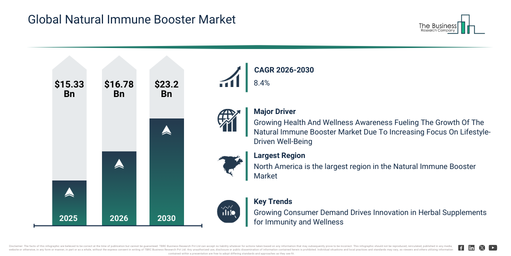
    The natural immune booster market has experienced robust expansion in recent years, with its value projected to rise from $15.33 billion in 2025 to $16.78 billion in 2026, reflecting a compound annual growth rate (CAGR) of 9.5%. This historical growth has been driven by several factors, including the longstanding use of herbal remedies to support immunity, heightened public awareness around nutrition and overall wellness, a higher prevalence of seasonal infections, growing acceptance of alternative medicine approaches, and the early integration of vitamin and mineral supplements into daily routines.

    The natural immune booster market is anticipated to experience robust expansion over the coming years, projected to reach a valuation of $23.2 billion by 2030, with a compound annual growth rate (CAGR) of 8.4%. This forecasted growth is driven by several key factors, including an intensified emphasis on holistic health and well-being, heightened consumer confidence in natural remedies, the growing availability of health supplements through online retail channels, a surge in health awareness following the pandemic, and advancements in functional nutrition product development. Among the prominent trends shaping this period are a significant uptick in demand for plant-derived and herbal immunity boosters, a stronger consumer shift toward preventive healthcare approaches, the widening range of functional foods and beverages aimed at supporting immune function, a growing incorporation of probiotics for enhanced immune and digestive health, and an increased focus on clean-label and naturally sourced ingredients.

    Download A Free Sample Report For Comprehensive Market Insights:

    https://www.thebusinessresearchcompany.com/sample.aspx?id=16129&type=smp&utm_source=BlogsPR&utm_medium=Paid&utm_campaign=Jul_PR

    Natural Immune Booster Market Industry Drivers: What Is Driving Revenue Growth?

    The upward trajectory of the natural immune booster market is anticipated to be driven by an expanding consciousness regarding health and wellness. This awareness involves a growing comprehension of how dietary habits, exercise, sleep quality, and stress control impact overall health. A heightened consumer focus on preventive care, clean-label goods, and natural immunity solutions fuels this trend. Ingredients like echinacea, vitamin C, elderberry, garlic, and probiotics are key, as they enhance immune performance and general health. For example, as reported in June 2024 by the International Food Information Council (IFIC), a US-based nonprofit, 54% of Americans have maintained a specific diet or eating pattern over the past year. Many prioritize increased protein consumption, with interest climbing from 59% in 2022 to 67% in 2023, and reaching 71% in 2024. Furthermore, roughly half of consumers aim to eat more fresh foods, often viewed as the healthiest choices. Consequently, the growing focus on health and wellness is fueling expansion in the natural immune booster market.

    Natural Immune Booster Market Segment Outlook: Which Categories Are Expanding The Fastest?

    The natural immune booster market covered in this report is segmented –

    1) By Product Type: Herbal Supplements, Vitamins And Minerals, Probiotics, Functional Foods And Beverages, Essential Oils, Other Product Types

    2) By Distribution Channel: Health Food Stores, Online Retailers, Pharmacies And Drug Stores, Supermarkets And Hypermarkets, Other Distribution Channels

    3) By Application: Immune System Support, Cold And Flu Relief, Allergy Management, Respiratory Health, Digestive Health, Other Applications

    Subsegments:

    1) By Herbal Supplements: Echinacea, Elderberry, Astragalus, Ginseng, Turmeric Or Curcumin, Other Herbal Supplements

    2) By Vitamins And Minerals: Vitamin C, Vitamin D, Zinc, Vitamin E, Magnesium, Other Vitamins And Minerals

    3) By Probiotics: Lactobacillus, Bifidobacterium, Saccharomyces Boulardii, Other Probiotics

    4) By Functional Foods And Beverages: Immunity-Boosting Drinks (Fruit Juices, Smoothies), Fortified Foods (Fortified Snacks, Cereals), Functional Teas And Coffees, Energy Bars And Snacks

    5) By Essential Oils: Eucalyptus Oil, Tea Tree Oil, Oregano Oil, Peppermint Oil, Lavender Oil, Other Essential Oils

    6) By Other Product Types: Mushrooms (Reishi, Shiitake), Honey And Royal Jelly, Superfoods (Spirulina, Chlorella), Bee Propolis And Other Bee-Derived Products

    Natural Immune Booster Market Growth Trends: What Is Influencing The Future Outlook?

    Key industry players in the natural immune booster space are concentrating on creating innovative offerings like herbal supplements, aiming to meet rising consumer demand for clean, sustainable, and effective health solutions. Herbal supplements are plant-derived products designed to support health and wellness, often targeting immune enhancement, improved digestion, or inflammation reduction, and acting as natural substitutes for conventional treatments. For example, in August 2023, Herbalife, a US-based multi-level marketing company, introduced Herbalife V. This product range includes plant-based protein shakes providing 20 grams of protein from pea, pumpkin seeds, and chia, catering to vegan dietary needs. The greens booster features a blend of organic fruits, vegetables, superfoods, and green tea for additional nutritional support. The immune-support formula incorporates vitamins C and D together with zinc to strengthen immunity, while the digestive-support formula utilizes oat and guar fiber to promote digestive health. All items are USDA Organic, non-GMO, kosher, and certified vegan, offering a wholesome and natural solution for various dietary preferences.

    Natural Immune Booster Market Key Companies And Competitive Benchmarking

    Major companies operating in the natural immune booster market are Herbalife Nutrition Ltd., Hansen A/S, The Clorox Company, Royal DSM N.V., Angel Yeast Co. Ltd., Lallemand Inc., Swanson Health Products Inc., NOW Health Group Inc., The Nature’s Bounty Co., Garden of Life LLC, Blackmores Limited, Nordic Naturals Inc., Jarrow Formulas Inc., Nature’s Way Products LLC, Rainbow Light Nutritional Systems Inc., Gaia Herbs LLC, Schiff Nutrition International Inc., MegaFood Inc., New Chapter Inc., Solgar Inc., Carlson Laboratories Inc., BioSchwartz LLC, Source Naturals Inc., Specialty Biotech Co. Ltd., Biotec Pharmacon ASA

    Access The Complete Natural Immune Booster Market Report:

    https://www.thebusinessresearchcompany.com/report/natural-immune-booster-global-market-report?utm_source=BlogsPR&utm_medium=Paid&utm_campaign=Jul_PR

    Natural Immune Booster Market Regional Analysis: Which Region Leads By Revenue?

    North America was the largest region in the natural immune booster market in 2025. Asia-Pacific is expected to be the fastest-growing region in the forecast period. The regions covered in the natural immune booster market report are Asia-Pacific, South East Asia, Western Europe, Eastern Europe, North America, South America, Middle East, Africa.

    Get in touch with us:

    The Business Research Company: https://www.thebusinessresearchcompany.com/?utm_source=BlogsPR&utm_medium=Paid&utm_campaign=home_page_test

    Americas: +1 310-496-7795

    Asia: +44 7882 955267 & +91 8897263534

    Europe: +44 7882 955267

    Email us at: marketing@tbrc.info

    Follow us on:

    LinkedIn: https://in.linkedin.com/company/the-business-research-company

    YouTube: https://www.youtube.com/channel/UC24_fI0rV8cR5DxlCpgmyFQ

    Global Market Model: https://www.thebusinessresearchcompany.com/global-market-model
  • Natural Baby Body Massage Oil Market Forecast Signals New Revenue Opportunities Through 2030

    Natural Baby Body Massage Oil Market Forecast Signals New Revenue Opportunities Through 2030

    Through market attractiveness analysis, total addressable market evaluation, company benchmarking matrices, interactive Excel dashboards, expanded supply chain intelligence, emerging startup coverage, and detailed product insights, The Business Research Company’s 2026 market reports provide more actionable and strategically valuable research.

    Natural Baby Body Massage Oil Market Expected To Reach $2.21 Billion By 2030 At 7.3% CAGR

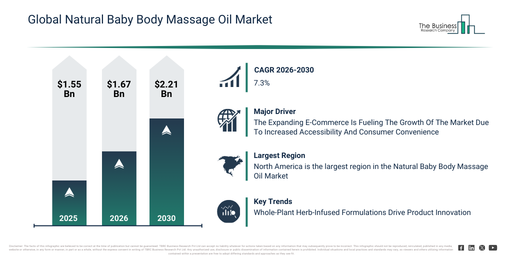
    The market for natural baby body massage oil has experienced robust expansion in recent times. Projections indicate it will increase from $1.55 billion in 2025 to $1.67 billion in 2026, reflecting a compound annual growth rate (CAGR) of 7.3%. This past growth has been driven by factors such as higher birth rates in developing regions, heightened parental awareness regarding infant skincare, an expanded presence of retail baby care brands, growing worries about synthetic chemicals, and the overall rise of natural personal care items.

    The natural baby body massage oil market is projected to experience significant expansion over the coming years, reaching a valuation of $2.21 billion by 2030, with a compound annual growth rate (CAGR) of 7.3%. This forecasted growth is driven by several key factors, including a heightened consumer preference for certified organic baby products, increased disposable income among new parents, the rapid rise of e-commerce platforms specializing in baby care, broader adoption of sustainable packaging solutions, and the growing impact of pediatric skincare recommendations on purchasing decisions. At the same time, major trends shaping the market include a surging demand for organic and chemical-free baby oils, a notable shift toward plant-based and cold-pressed formulations, rising awareness regarding infant skin health and safety, an expansion of premium baby care product lines, and a significant uptick in the online sale of natural baby care products.

    Download A Free Sample Report For Comprehensive Market Insights:

    https://www.thebusinessresearchcompany.com/sample.aspx?id=24327&type=smp&utm_source=BlogsPR&utm_medium=Paid&utm_campaign=Jul_PR

    #Natural Baby Body Massage Oil Market Growth Factors: Which Forces Are Supporting Market Expansion?

    The anticipated growth of the natural baby body massage oil market is set to be fueled by the ongoing expansion of e-commerce. Electronic commerce, or e-commerce, involves the online exchange of goods and services. This sector’s growth is being propelled by rising internet access and smartphone adoption, which have made online shopping increasingly convenient and accessible for consumers. In this context, natural baby body massage oil benefits from e-commerce by providing a wider selection of safe, organic baby care products that appeal to health-conscious buyers. Online shopping platforms offer parents the ease of accessing high-quality, gentle products from the comfort of their homes. As an example, the United States Census Bureau, a government agency based in the US, reported in February 2025 that total e-commerce sales for 2024 amounted to $1,192.6 billion, an 8.1% increase from 2023. Consequently, the growth of e-commerce is advancing the natural baby body massage oil market.

    Natural Baby Body Massage Oil Market Segment Landscape: Which Areas Lead Market Development?

    The natural baby body massage oil market covered in this report is segmented –

    1) By Product Type: Organic Baby Body Massage Oil, Non-Organic Baby Body Massage Oil

    2) By Ingredient Type: Coconut Oil, Olive Oil, Almond Oil, Jojoba Oil, Other Ingredients

    3) By Application: Moisturizing, Nourishing, Relaxation, Other Applications

    4) By Distribution Channel: Online Stores, Supermarkets And Hypermarkets, Specialty Stores, Pharmacies, Other Distribution Channels

    5) By End-User: Parents, Caregivers

    Subsegments:

    1) By Organic Baby Body Massage Oil: Cold-Pressed Oils, Essential Oil Blends, Herbal Oils, Certified Organic Oils

    2) By Non-Organic Baby Body Massage Oil: Highly Refined Plant-Based Oils, Blended Natural Oils Without Organic Certification, Cost-Optimized Plant-Derived Oils

    Natural Baby Body Massage Oil Market Industry Trends: What Changes Are Reshaping Demand?

    Key players in the natural baby body massage oil market are increasingly prioritizing whole-plant, herb-infused formulations—meaning these products rely on carrier oils, such as jojoba or grapeseed, that are slowly steeped with whole botanical extracts like calendula or lavender, instead of simply adding isolated essential oils. By preserving a wider range of beneficial phytochemicals, this approach offers a more holistic benefit. For example, in January 2025, WishGarden Herbs, an American herbal wellness brand, introduced a new line of whole-plant herbal-infused oils and balms designed for mothers and babies. Included in the range is the Oh Baby Oil Lavender, which is made from lavender herb that has been infused rather than distilled, resulting in a delicate, non-essential-oil scent. Its base combines non-comedogenic oils, and the launch highlights the use of USDA-certified organic botanicals, the absence of synthetic fragrances, and sustainably sourced, wildcrafted ingredients.

    Natural Baby Body Massage Oil Market Industry Leaders And Market Competition

    Major companies operating in the natural baby body massage oil market are Johnson & Johnson, Pigeon Corporation, Artsana Group, Weleda AG, Honest Company, Himalaya Wellness Company, Mamaearth, Babyganics, Motherlove Herbal Company, Mustela, Aarshaveda, Earth Mama Organics, California Baby Inc., Biolane, Dabur India Limited, Little Twig, Nature’s Baby Organics, Sebapharma GmbH & Co. KG, Badger Balm, Prakrta

    Access The Complete Natural Baby Body Massage Oil Market Report:

    https://www.thebusinessresearchcompany.com/report/natural-baby-body-massage-oil-global-market-report?utm_source=BlogsPR&utm_medium=Paid&utm_campaign=Jul_PR

    Natural Baby Body Massage Oil Market Geographic Distribution And Regional Opportunities

    North America was the largest region in the natural baby body massage oil market in 2025. Asia-Pacific is expected to be the fastest-growing region in the forecast period. The regions covered in the natural baby body massage oil market report are Asia-Pacific, South East Asia, Western Europe, Eastern Europe, North America, South America, Middle East, Africa.

    Get in touch with us:

    The Business Research Company: https://www.thebusinessresearchcompany.com/?utm_source=BlogsPR&utm_medium=Paid&utm_campaign=home_page_test

    Americas: +1 310-496-7795

    Asia: +44 7882 955267 & +91 8897263534

    Europe: +44 7882 955267

    Email us at: marketing@tbrc.info

    Follow us on:

    LinkedIn: https://in.linkedin.com/company/the-business-research-company

    YouTube: https://www.youtube.com/channel/UC24_fI0rV8cR5DxlCpgmyFQ

    Global Market Model: https://www.thebusinessresearchcompany.com/global-market-model
  • Nasal Sprays Market Growth Is Accelerating As Industry Transformation Continues

    Nasal Sprays Market Growth Is Accelerating As Industry Transformation Continues

    Delivering more actionable and strategically valuable research, The Business Research Company’s 2026 market reports feature market attractiveness analysis, total addressable market evaluation, company benchmarking matrices, interactive Excel dashboards, expanded supply chain intelligence, emerging startup coverage, and detailed product insights.

    Nasal Sprays Market Size And Revenue Forecast Through 2030

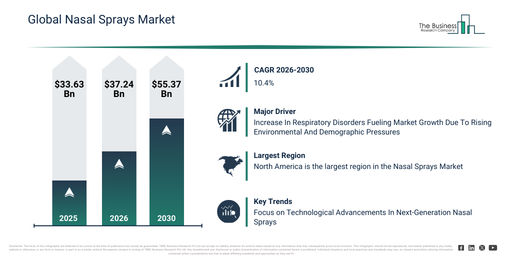
    The market for nasal sprays has experienced significant growth over the past few years. It is projected to expand from $33.63 billion in 2025 to $37.24 billion in 2026, reflecting a compound annual growth rate (CAGR) of 10.7%. This historical expansion is driven by factors such as the rising incidence of nasal allergies, the constrained diversity of nasal spray formulations, more frequent visits to hospitals and clinics, a strong dependence on retail pharmacy channels for distribution, and heightened awareness regarding nasal hygiene and respiratory care.

    The nasal sprays market is projected to undergo rapid expansion in the coming years, reaching an estimated value of $55.37 billion by 2030, with a compound annual growth rate (CAGR) of 10.4%. This anticipated growth during the forecast period is driven by several factors, including the development of advanced steroid and antihistamine formulations, a growing shift toward home care treatment adoption, the expansion of e-pharmacy platforms, an increase in vaccination programs delivered via nasal sprays, and the introduction of combination and anticholinergic sprays. Key trends shaping the future of this market involve a rising demand for nasal sprays targeting allergic conditions, a greater preference for over-the-counter (OTC) products, the widening reach of online pharmacy distribution channels, the expanding use of nasal sprays in vaccine administration, and a focused effort on formulation innovation and the production of combination sprays.

    Download A Free Sample Report For Comprehensive Market Insights:

    https://www.thebusinessresearchcompany.com/sample.aspx?id=24614&type=smp&utm_source=BlogsPR&utm_medium=Paid&utm_campaign=Jul_PR

    Nasal Sprays Market Demand Drivers: What Is Fueling Industry Growth?

    The anticipated growth of the nasal sprays market is significantly driven by the rising incidence of respiratory disorders. These disorders, which include both chronic and acute conditions affecting the airways and lungs—such as asthma and chronic obstructive pulmonary disease—are becoming more common. Factors like an aging population and ongoing exposure to indoor and outdoor air pollutants are contributing to this upward trend. Nasal sprays address this growing demand by providing rapid, targeted relief, enabling patients to better manage their symptoms. A November 2024 report from the Australian Institute of Health and Welfare, a government health agency based in Australia, revealed that respiratory conditions represented 7.2% of the total disease burden in 2023, with chronic obstructive pulmonary disease (COPD) making up 50% of that burden and asthma accounting for 35%. As a result, the increasing frequency of respiratory disorders is a key factor propelling the expansion of the nasal sprays market.

    Nasal Sprays Market Segments: Where Are The Largest Growth Opportunities?

    The nasal sprays market covered in this report is segmented –

    1) By Product Type: Steroid Nasal Spray, Antihistamine Nasal Spray, Decongestion Nasal Spray, Saline Nasal Spray, Other Product Types

    2) By Prescription Or Availability: Over The Counter, Prescribed

    3) By Distribution Channel: Retail Pharmacies, Hospital Pharmacies, Online Pharmacies

    4) By Application: Nasal Congestion, Allergic And Non-Allergic Rhinitis, Central Nervous System Disorders, Vaccination, Other Applications

    5) By End-User: Home Care Settings, Hospitals, Clinics, Community Health Care

    Subsegments:

    1) By Steroid Nasal Spray: Fluticasone, Budesonide, Mometasone

    2) By Antihistamine Nasal Spray: Azelastine, Levocabastine, Olopatadine

    3) By Decongestion Nasal Spray: Oxymetazoline, Phenylephrine, Xylometazoline

    4) By Saline Nasal Spray: Isotonic saline, Buffered saline solutions, Hypertonic saline

    5) By Other Product Types: Combination sprays, Anticholinergic sprays, Homeopathic

    Nasal Sprays Market Innovation Trends: Which Developments Are Transforming The Industry?

    Key players in the nasal sprays market are concentrating on technological innovations, particularly through the development of next-generation nasal spray systems designed to improve drug delivery, enhance bioavailability, and increase patient adherence. These advanced systems feature refined formulations and devices that enable precise dosing, superior absorption, quicker action, and a more user-friendly experience compared to conventional options. A notable example is Haleon Plc, a pharmaceutical company based in the UK, which introduced the Otrivin Nasal Mist in October 2023, a cutting-edge nasal spray created to deliver greater comfort and ease of use for people experiencing nasal congestion due to colds, allergies, or sinusitis. This product swiftly relieves congestion by constricting swollen nasal blood vessels, allowing users to breathe more easily within minutes, with effects lasting up to twelve hours. Its gentle microdroplet mist and ergonomic design ensure a comfortable, straightforward application without causing irritation or dripping.

    Nasal Sprays Market Major Participants And Competitive Dynamics

    Major companies operating in the nasal sprays market are Pfizer Inc., Johnson & Johnson Services, Merck & Co. Inc., Bayer AG, AstraZeneca plc., Novartis AG, GlazoSmithKline plc, Viatris Inc., Teva Pharmaceutical Industries Ltd., Sandoz International GmbH, Catalent Inc., AptarGroup, Cipla Ltd, Emergent, Assertio Therapeutics Inc., Aytu BioPharma Inc., Leeford Healthcare Ltd, Ultratech India Limited, Aishwarya Group, Aurena Laboratories, Innovus Pharmaceuticals Inc.

    Access The Complete Nasal Sprays Market Report:

    https://www.thebusinessresearchcompany.com/report/nasal-sprays-global-market-report?utm_source=BlogsPR&utm_medium=Paid&utm_campaign=Jul_PR

    Nasal Sprays Market Largest Region By Revenue And Market Share

    North America was the largest region in the nasal sprays market in 2025. Asia-Pacific is expected to be the fastest-growing region in the forecast period. The regions covered in the nasal sprays market report are Asia-Pacific, South East Asia, Western Europe, Eastern Europe, North America, South America, Middle East, Africa.

    Get in touch with us:

    The Business Research Company: https://www.thebusinessresearchcompany.com/?utm_source=BlogsPR&utm_medium=Paid&utm_campaign=home_page_test

    Americas: +1 310-496-7795

    Asia: +44 7882 955267 & +91 8897263534

    Europe: +44 7882 955267

    Email us at: marketing@tbrc.info

    Follow us on:

    LinkedIn: https://in.linkedin.com/company/the-business-research-company

    YouTube: https://www.youtube.com/channel/UC24_fI0rV8cR5DxlCpgmyFQ

    Global Market Model: https://www.thebusinessresearchcompany.com/global-market-model
  • Nasal Corticosteroids Market Outlook Highlights The Next Major Growth Opportunities

    Nasal Corticosteroids Market Outlook Highlights The Next Major Growth Opportunities

    Enhanced with market attractiveness analysis, total addressable market evaluation, company benchmarking matrices, interactive Excel dashboards, expanded supply chain intelligence, emerging startup coverage, and detailed product insights, The Business Research Company’s 2026 market reports deliver more actionable and strategically valuable research.

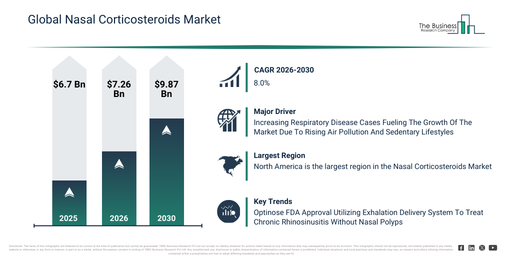
    Nasal Corticosteroids Market Growth From $7.26 Billion In 2026 To $9.87 Billion By 2030 At A CAGR Of 8%

    The nasal corticosteroids market has experienced robust expansion in recent times. It is projected to increase from $6.7 billion in 2025 to $7.26 billion in 2026, reflecting a compound annual growth rate (CAGR) of 8.4%. This historical growth was driven by several factors, including the restricted availability of nasal corticosteroids, a heavy dependence on distribution through hospitals and clinics, heightened public awareness regarding treatments for allergic rhinitis, the continued dominance of conventional aqueous sprays, and an expanding number of generic formulations receiving regulatory approval.

    The nasal corticosteroids market is projected to experience robust expansion over the coming years, reaching a valuation of $9.87 billion by 2030 with a compound annual growth rate (CAGR) of 8.0%. This anticipated growth during the forecast period is driven by the development of advanced non-aqueous and oil-based nasal sprays, a growing preference among patients for self-administration, the increasing occurrence of chronic sinusitis and nasal polyps, the broadening of e-pharmacy and homecare distribution networks, and innovations in targeted corticosteroid formulations. Key trends shaping this period include the rising frequency of allergic rhinitis and chronic sinusitis, a greater uptake of both aqueous and non-aqueous nasal sprays, a shift toward homecare and self-administration therapies, the expansion of online and retail pharmacy channels, and a focused emphasis on formulation innovation and enhancing patient compliance.

    Download A Free Sample Report For Comprehensive Market Insights:

    https://www.thebusinessresearchcompany.com/sample.aspx?id=25842&type=smp&utm_source=BlogsPR&utm_medium=Paid&utm_campaign=Jul_PR

    Nasal Corticosteroids Market Growth Drivers: What Factors Are Accelerating Expansion?

    The continued rise in respiratory illnesses is anticipated to boost the nasal corticosteroids market in the upcoming period. Respiratory diseases are conditions that impair lung function and cause breathing difficulties, often accompanied by coughing or shortness of breath. This growing occurrence is attributed to escalating air pollution and hectic contemporary lifestyles, which involve exposure to toxic pollutants, smoking, and insufficient exercise—all of which compromise lung health and elevate the likelihood of respiratory issues. Nasal corticosteroids address these diseases by lessening inflammation in the nasal passages, facilitating easier breathing, alleviating signs like congestion and sneezing, and enhancing overall airway function for improved respiratory ease. As an example, in June 2025, data from the Office for Health Improvement and Disparities, a UK governmental body, indicated that emergency admissions for respiratory diseases in England increased by 7% between fiscal years 2023 and 2024, with specific rises of 9% for COPD, 17% for adult asthma, and 16% for pneumonia. Thus, the heightened frequency of respiratory diseases is propelling expansion in the nasal corticosteroids market.

    Nasal Corticosteroids Market Segment Analysis: What Are The Major Market Categories?

    The nasal corticosteroids market covered in this report is segmented –

    1) By Product Type: Aqueous Nasal Sprays, Non-Aqueous Nasal Sprays

    2) By Drug Type: Fluticasone Propionate, Budesonide, Beclomethasone Dipropionate, Mometasone Furoate, Triamcinolone Acetonide, Ciclesonide, Other Drug Types

    3) By Distribution Channel: Hospital Pharmacies, Retail Pharmacies, Online Pharmacies, Other Distribution Channels

    4) By Application: Allergic Rhinitis, Nasal Polyps, Sinusitis, Other Applications

    5) By End-User: Hospitals, Clinics, Homecare Settings, Other End-Users

    Subsegments:

    1) By Aqueous Nasal Sprays: Metered-Dose Aqueous Nasal Sprays, Pump-Action Aqueous Nasal Sprays

    2) By Non-Aqueous Nasal Sprays: Hydroalcoholic Nasal Sprays

    Nasal Corticosteroids Market Trends: What Is Shaping Future Industry Growth?

    Major players in the nasal corticosteroids market are placing a strong emphasis on securing regulatory approvals for innovative therapies, particularly exhalation delivery system (EDS)-based nasal sprays, aimed at boosting drug delivery effectiveness, optimizing treatment outcomes, and fostering better patient adherence. An exhalation delivery system in nasal sprays works by using the patient’s exhaled breath to close the soft palate, allowing the medication to be delivered high and deep into the nasal passages, thereby enhancing drug deposition at sites of inflammation. A notable example occurred in May 2024, when the US-based pharmaceutical company Optinose, Inc. received FDA approval for XHANCE (fluticasone propionate) nasal spray, making it the first and only medication authorized for treating adults suffering from chronic rhinosinusitis without nasal polyps (CRSsNP). XHANCE employs a distinctive EDS technology, delivering corticosteroids deep into the nasal passages through a gentle exhalation, which provides targeted anti-inflammatory effects specifically for chronic rhinosinusitis. This approach presents a viable alternative to conventional nasal sprays, which often fail to reach deeper areas of the nasal cavity, by ensuring effective medication delivery to inflamed regions that are typically difficult to access. By alleviating nasal congestion and facial pressure linked to chronic rhinosinusitis without nasal polyps, XHANCE supports patients who require ongoing management of their condition, all while reducing the need for invasive procedures or the systemic side effects commonly associated with oral corticosteroids.

    Nasal Corticosteroids Market Leading Companies Driving Competitive Growth

    Major companies operating in the nasal corticosteroids market are Pfizer Inc., Merck & Co Inc., Bayer AG, Sanofi S.A., GSK plc , Viatris Inc., Teva Pharmaceutical Industries Ltd., Sandoz International GmbH, Sun Pharmaceutical Industries Ltd., Apotex Inc., Perrigo Company plc, Aurobindo Pharma Limited, Cipla Limited, Glenmark Pharmaceuticals Ltd, Pharmascience Inc., Mylan N.V.

    Access The Complete Nasal Corticosteroids Market Report:

    https://www.thebusinessresearchcompany.com/report/nasal-corticosteroids-global-market-report?utm_source=BlogsPR&utm_medium=Paid&utm_campaign=Jul_PR

    Nasal Corticosteroids Market Regional Analysis And Leading Geography

    North America was the largest region in the nasal corticosteroids market in 2025. Asia-Pacific is expected to be the fastest-growing region in the forecast period. The regions covered in the nasal corticosteroids market report are Asia-Pacific, South East Asia, Western Europe, Eastern Europe, North America, South America, Middle East, Africa.

    Get in touch with us:

    The Business Research Company: https://www.thebusinessresearchcompany.com/?utm_source=BlogsPR&utm_medium=Paid&utm_campaign=home_page_test

    Americas: +1 310-496-7795

    Asia: +44 7882 955267 & +91 8897263534

    Europe: +44 7882 955267

    Email us at: marketing@tbrc.info

    Follow us on:

    LinkedIn: https://in.linkedin.com/company/the-business-research-company

    YouTube: https://www.youtube.com/channel/UC24_fI0rV8cR5DxlCpgmyFQ

    Global Market Model: https://www.thebusinessresearchcompany.com/global-market-model
  • Narcotic Drugs Market Trends And Growth Drivers Point To Strong Future Potential

    Narcotic Drugs Market Trends And Growth Drivers Point To Strong Future Potential

    Through market attractiveness analysis, total addressable market evaluation, company benchmarking matrices, interactive Excel dashboards, expanded supply chain intelligence, emerging startup coverage, and detailed product insights, The Business Research Company’s 2026 market reports provide more actionable and strategically valuable research.

    Narcotic Drugs Market Expansion Outlook: What Revenue Opportunities Lie Ahead?

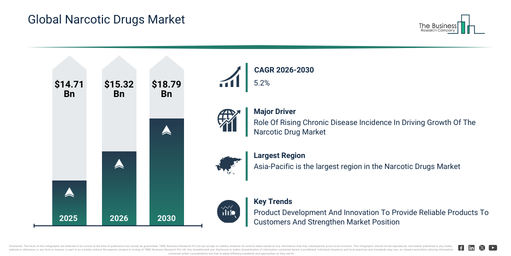
    The market for narcotic drugs has experienced consistent expansion over the past few years. Projected to rise from $14.71 billion in 2025 to $15.32 billion in 2026, this growth reflects a compound annual growth rate (CAGR) of 4.2%. Historical growth drivers include a growing frequency of chronic pain cases, extensive opium farming, higher rates of cancer-associated pain, a continued dependence on hospital-based pharmacies, and elevated occurrences of cough and diarrhea.

    The narcotic drugs market is projected to experience robust expansion over the coming years, reaching an estimated $18.79 billion by 2030, with a compound annual growth rate (CAGR) of 5.2%. This anticipated growth during the forecast period is driven by several key factors, including a rising demand for abuse-deterrent formulations, the growing prevalence of online pharmacy channels, progress in synthetic narcotics manufacturing, an increased emphasis on personalized pain management approaches, and a higher number of regulatory approvals for new narcotic medications. Among the notable trends shaping this period are the implementation of prescription drug monitoring programs, the expansion of pain management therapies, the development of more abuse-deterrent formulations, the growth of specialty pharmacies, and the creation of advanced synthetic narcotics.

    Download A Free Sample Report For Comprehensive Market Insights:

    https://www.thebusinessresearchcompany.com/sample.aspx?id=12863&type=smp&utm_source=BlogsPR&utm_medium=Paid&utm_campaign=Jul_PR

    Narcotic Drugs Market Growth Factors Supporting Long-Term Expansion

    The growing prevalence of chronic illnesses is anticipated to fuel expansion in the narcotic drug market moving forward. A chronic condition is defined as a disease lasting three months or longer, often worsening over time. Narcotic drugs are employed to treat chronic diseases by alleviating pain associated with cancer, chronic pain syndrome, terminal illnesses, and severe arthritis. As an example, in June 2024, data from the National Health Service, a government body in the UK, revealed that in 2023, over half a million (549,000) additional individuals in England were identified as being at risk for developing type 2 diabetes. This increased the total number of people with non-diabetic hyperglycemia, or pre-diabetes, registered with a general practitioner to 3,615,330. This figure marks a notable rise of nearly 20% compared to 3,065,825 recorded in 2022. Consequently, the increasing occurrence of chronic diseases is propelling growth in the narcotic drug market.

    Narcotic Drugs Market Segment Breakdown: Which Categories Generate The Most Revenue?

    The narcotic drugs market covered in this report is segmented –

    1) By Drug: Opium, Heroin, Codeine, Oxycodone, Other Drugs

    2) By Source: Natural, Semi-Synthetic, Synthetic

    3) By Indication: Pain Management, Cough, Diarrhea, Dysentery, Other Indications

    4) By Distribution Channel: Hospital Pharmacy, Online Pharmacy, Retail Pharmacy

    5) By End User: Hospitals, Homecare, Specialty Clinics, Other End Users

    Subsegments:

    1) By Opium: Raw Opium, Opium Extracts, Opium Derivatives

    2) By Heroin: Diacetylmorphine, Heroin Hydrochloride, Heroin Acetate

    3) By Codeine: Codeine Phosphate, Codeine Sulfate

    4) By Oxycodone: Oxycodone Hydrochloride, Oxycodone Acetaminophen, Controlled-Release Oxycodone

    5) By Other Drugs: Fentanyl, Morphine, Hydromorphone, Methadone, Buprenorphine

    Narcotic Drugs Market Industry Trends Shaping Future Revenue Growth

    Key players in the narcotic drug market are placing a growing emphasis on product innovation and development to deliver dependable solutions to their clientele while solidifying their competitive standing. A notable example occurred in May 2023, when Indivior PLC, a pharmaceutical firm headquartered in the United States, introduced OPVEE (nalmefene) nasal spray. This medication serves as an opioid overdose reversal agent, effective against both natural and synthetic opioids, including fentanyl. It is indicated for the immediate management of known or suspected opioid overdoses involving natural or synthetic opioids in adults and pediatric patients aged 12 years and older, particularly when respiratory and central nervous system depression are present.

    Narcotic Drugs Market Key Players And Strategic Industry Positioning

    Major companies operating in the narcotic drugs market are Pfizer Inc., Johnson and Johnson Limited, AbbVie Inc., Novartis AG, AstraZeneca PLC, Sanofi S.A., Takeda Pharmaceutical Company Limited, Boehringer Ingelheim International GmbH, Viatris Inc., Teva Pharmaceutical Industries Ltd., Daiichi Sankyo Company Limited, Sun Pharmaceutical Industries Ltd., Purdue Pharma LP, Hikma Pharmaceuticals Plc, Endo Pharmaceuticals Inc., Amneal Pharmaceuticals LLC, Lupin Ltd., Mallinckrodt Pharmaceuticals, Alvogen Inc., Indivior Inc., Impax Laboratories Inc., Collegium Pharmaceutical Inc., Lannett Co Inc., Par Pharmaceutical Inc., West-Ward Pharmaceuticals Corp.

    Access The Complete Narcotic Drugs Market Report:

    https://www.thebusinessresearchcompany.com/report/narcotic-drugs-global-market-report?utm_source=BlogsPR&utm_medium=Paid&utm_campaign=Jul_PR

    Narcotic Drugs Market Geographic Analysis: Where Is Demand Growing The Fastest?

    Asia-Pacific was the largest region in the narcotic drugs market in 2025. The regions covered in the narcotic drugs market report are Asia-Pacific, South East Asia, Western Europe, Eastern Europe, North America, South America, Middle East, Africa.

    Get in touch with us:

    The Business Research Company: https://www.thebusinessresearchcompany.com/?utm_source=BlogsPR&utm_medium=Paid&utm_campaign=home_page_test

    Americas: +1 310-496-7795

    Asia: +44 7882 955267 & +91 8897263534

    Europe: +44 7882 955267

    Email us at: marketing@tbrc.info

    Follow us on:

    LinkedIn: https://in.linkedin.com/company/the-business-research-company

    YouTube: https://www.youtube.com/channel/UC24_fI0rV8cR5DxlCpgmyFQ

    Global Market Model: https://www.thebusinessresearchcompany.com/global-market-model
  • Nanotechnology-Based Medical Devices Market Expansion Is Reshaping Competitive Dynamics Across The Industry

    Nanotechnology-Based Medical Devices Market Expansion Is Reshaping Competitive Dynamics Across The Industry

    Delivering more actionable and strategically valuable research, The Business Research Company’s 2026 market reports feature market attractiveness analysis, total addressable market evaluation, company benchmarking matrices, interactive Excel dashboards, expanded supply chain intelligence, emerging startup coverage, and detailed product insights.

    Nanotechnology-Based Medical Devices Market Growth Potential: How Will Market Size Change Through 2030?

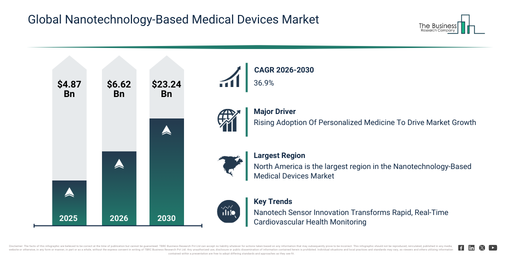
    The market for nanotechnology-based medical devices has seen exponential expansion in recent years. Projections indicate it will increase from $4.87 billion in 2025 to $6.62 billion in 2026, reflecting a compound annual growth rate (CAGR) of 35.8%. Several factors drove this historical growth, including the early implementation of nanotechnology in medical devices, expanded funding for biomedical research, a rising incidence of chronic conditions, progress in sophisticated imaging methods, and increased activity in tissue engineering research.

    The market for nanotechnology-based medical devices is projected to experience rapid growth over the coming years. By 2030, it is anticipated to reach $23.24 billion, expanding at a compound annual growth rate (CAGR) of 36.9%. This upward trajectory in the forecast period is driven by progress in nanocomposite and biodegradable materials, the incorporation of artificial intelligence into diagnostic tools, a broader adoption of precision medicine, a rise in implantable smart devices, and strengthened partnerships between biotechnology and nanotechnology sectors. Key developments shaping this period include the creation of advanced nanomaterials, minimally invasive implant technologies, customized nanomedicine approaches, intelligent diagnostic systems, and tissue engineering enhanced by nanotechnology.

    Download A Free Sample Report For Comprehensive Market Insights:

    https://www.thebusinessresearchcompany.com/sample.aspx?id=12268&type=smp&utm_source=BlogsPR&utm_medium=Paid&utm_campaign=Jul_PR

    Nanotechnology-Based Medical Devices Market Demand Drivers Creating New Revenue Opportunities

    The future growth of the nanotechnology-based medical device market is anticipated to be driven by the rising uptake of personalized medicine. This medical approach represents an innovative method that customizes therapies and medical procedures according to each patient’s distinct biological profile. Nanotechnology-enabled medical devices play a crucial role in advancing personalized medicine by delivering highly accurate solutions for diagnostics, medication delivery, and the personalization of treatments down to the molecular scale. Such devices support targeted therapies, improve imaging techniques for customized diagnostic purposes, and enable the development of biomaterials specifically adapted to the unique traits of individual patients, thereby fostering more efficient and patient-oriented healthcare options. As an example, the Personalized Medicine Coalition, a healthcare organization based in the United States, reported in February 2024 that the number of new personalized treatments approved by the FDA for rare disease patients rose to 16 in 2023 from just 6 in 2022. Consequently, the growing embrace of personalized medicine is fueling the expansion of the nanotechnology-based medical device sector.

    Nanotechnology-Based Medical Devices Market Segmentation: How Is The Market Structured Across Key Categories?

    The nanotechnology-based medical devices market covered in this report is segmented –

    1) By Product: Active Implantable Devices, Biochips, Implantable Materials, Medical Textiles And Wound Dressings, Other Products

    2) By Application: Therapeutic Applications, Diagnostic Applications, Research Applications

    3) By End-Users: Hospitals, Clinics, Other End-Users

    Subsegments:

    1) By Active Implantable Devices: Cardiac Pacemakers, Neurostimulators, Implantable Drug Delivery Systems

    2) By Biochips: Lab-On-A-Chip Devices: DNA Microarrays, Protein Microarrays

    3) By Implantable Materials: Nanocomposite Materials, Biodegradable Polymers, Coatings For Implants

    4) By Medical Textiles And Wound Dressings: Nanofiber Dressings, Antimicrobial Textiles, Smart Textiles For Monitoring

    5) By Other Products: Nanoparticles For Imaging, Diagnostic Devices Incorporating Nanotechnology

    Nanotechnology-Based Medical Devices Market Trends Driving Strategic Industry Expansion

    Leading firms in the nanotechnology-driven medical devices sector are concentrating their efforts on creating cutting-edge offerings like nanotech diagnostic sensors, which aim to facilitate quicker, more convenient, and immediate tracking of cardiovascular biomarkers. These sensors represent compact medical tools that utilize nanomaterials to identify particular biological markers with improved accuracy, thereby enabling swift and transportable health assessments. To illustrate, in October 2024, the Indian Institute of Technology (IIT) Guwahati—a prominent Indian research body focused on breakthroughs in science and engineering—unveiled a nanotech-based prototype designed for continuous cardiovascular monitoring. This system leverages silver-gold nanorods combined with localized surface plasmon resonance to sensitively gauge cholesterol and triglyceride levels directly at the point of care. Engineered to be portable and cost-effective, it allows for fast biomarker evaluation and holds promise for broadening the availability of heart disease diagnostics in environments lacking well-equipped laboratories.

    Nanotechnology-Based Medical Devices Market Competitive Landscape And Leading Companies

    Major companies operating in the nanotechnology-based medical devices market are Johnson & Johnson, Abbott Laboratories, 3M Company, Medtronic PLC, Stryker Corporation, Boston Scientific Corporation, Zimmer Biomet, Smith And Nephew PLC, LivaNova Plc, MED-EL, Keystone Nano, Nanonics Imaging Ltd., Imina Technologies SA, Hummingbird Scientific, PerkinElmer Inc., Bruker Corporation, Sonova Holding AG, Dentsply Sirona Inc., Blueberry Therapeutics, Cello Therapeutics

    Access The Complete Nanotechnology-Based Medical Devices Market Report:

    https://www.thebusinessresearchcompany.com/report/nanotechnology-based-medical-devices-global-market-report?utm_source=BlogsPR&utm_medium=Paid&utm_campaign=Jul_PR

    Nanotechnology-Based Medical Devices Market Global Footprint: Which Region Holds Market Leadership?

    North America was the largest region in the nanotechnology-based medical devices market in 2025. Asia-Pacific is expected to be the fastest-growing region in the forecast period. The regions covered in the nanotechnology-based medical devices market report are Asia-Pacific, South East Asia, Western Europe, Eastern Europe, North America, South America, Middle East, Africa.

    Get in touch with us:

    The Business Research Company: https://www.thebusinessresearchcompany.com/?utm_source=BlogsPR&utm_medium=Paid&utm_campaign=home_page_test

    Americas: +1 310-496-7795

    Asia: +44 7882 955267 & +91 8897263534

    Europe: +44 7882 955267

    Email us at: marketing@tbrc.info

    Follow us on:

    LinkedIn: https://in.linkedin.com/company/the-business-research-company

    YouTube: https://www.youtube.com/channel/UC24_fI0rV8cR5DxlCpgmyFQ

    Global Market Model: https://www.thebusinessresearchcompany.com/global-market-model
  • Nanopharmaceuticals Market Forecast Reveals Where Future Industry Value Will Be Created

    Nanopharmaceuticals Market Forecast Reveals Where Future Industry Value Will Be Created

    Enhanced with market attractiveness analysis, total addressable market evaluation, company benchmarking matrices, interactive Excel dashboards, expanded supply chain intelligence, emerging startup coverage, and detailed product insights, The Business Research Company’s 2026 market reports deliver more actionable and strategically valuable research.

    Nanopharmaceuticals Market Value Analysis: What Growth Is Expected Over The Forecast Period?

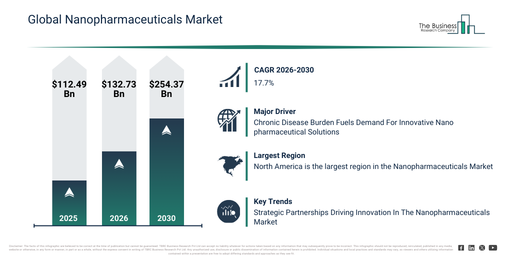
    The nanopharmaceuticals market has experienced rapid expansion in recent years, with its valuation projected to increase from $112.49 billion in 2025 to $132.73 billion in 2026, reflecting a compound annual growth rate (CAGR) of 18.0%. This historical growth has been driven by a combination of factors, including the restricted utilization of nanotechnology in early drug development, a continued dependence on traditional drug delivery methods, intensified research efforts in oncology and neurology, regulatory clearances achieved for early-stage nanopharmaceuticals, and a growing recognition of the benefits associated with targeted therapies.

    The nanopharmaceuticals market is anticipated to experience significant expansion in the coming years, projected to reach $254.37 billion by 2030, reflecting a compound annual growth rate (CAGR) of 17.7%. This forecast period growth is fueled by progress in liposomal and polymeric micelle technologies, the rise of nanoemulsions and solid lipid nanoparticles, a growing shift toward personalized medicine, broader research into cardiovascular and anti-infective treatments, and increased funding for scalable nanopharmaceutical production. Key trends shaping this era include a greater emphasis on targeted nanopharmaceutical therapies in oncology, the expansion of nano-based drug delivery systems for neurology, a stronger focus on anti-inflammatory and anti-infective uses, the growth of pulmonary and injectable nanopharmaceutical options, and the creation of lipid-based and polymeric nanocarriers designed to improve bioavailability.

    Download A Free Sample Report For Comprehensive Market Insights:

    https://www.thebusinessresearchcompany.com/sample.aspx?id=19608&type=smp&utm_source=BlogsPR&utm_medium=Paid&utm_campaign=Jul_PR

    Nanopharmaceuticals Market Expansion Supported By Key Demand Factors

    The anticipated expansion of the nanopharmaceuticals market is being driven forward by the increasing incidence of chronic diseases. These conditions, including cancer, diabetes, heart disease, and asthma, are long-lasting and typically require continuous medical care over many years or even a lifetime. Their growing occurrence is influenced by factors such as poor dietary habits, sedentary lifestyles, tobacco and excessive alcohol consumption, genetic susceptibility, and environmental factors. Nanopharmaceuticals address these diseases through targeted drug delivery systems, enhanced bioavailability, controlled medication release, minimized adverse effects, and advanced combination therapies, thereby improving treatment effectiveness and patient health outcomes. For example, data from the Centers for Disease Control and Prevention, a U.S. federal agency, released in April 2025 revealed that approximately 76.4% of American adults in 2023 reported having at least one of twelve specified chronic conditions, with 51.4% indicating they had multiple such conditions. This growing prevalence of chronic ailments is consequently fueling the expansion of the nanopharmaceuticals market.

    Nanopharmaceuticals Market Segmentation Trends And Revenue Drivers

    The nanopharmaceuticals market covered in this report is segmented –

    1) By Type: Liposomes, Polymeric Micelles, Solid Lipid Nanoparticles, Microemulsion, Nanoemulsion, Other Product Types

    2) By Route Of Administration: Oral, Injectable, Topical, Pulmonary, Other Routes Of Administration

    3) By Application: Oncology, Neurology, Anti-inflammatory, Anti-infective, Cardiovascular, Other Applications

    4) By End-User: Hospitals And Clinics, Specialty Pharmacies, Research Institutions, Other End Users

    Subsegments:

    1) By Liposomes: Conventional Liposomes, Pegylated Liposomes, Cationic Liposomes, Anionic Liposomes, Immunoliposomes, Stealth Liposomes, Thermosensitive Liposomes,

    2) By Polymeric Micelles: Block Copolymer Micelles, Amphiphilic Polymer Micelles, Biodegradable Polymeric Micelles, Nanoparticle-Polymer Hybrid Micelles, pH-Sensitive Micelles, Thermo-responsive Micelles

    3) By Solid Lipid Nanoparticles (SLNs): Conventional SLNs, Nanostructured Lipid Carriers (NLCs), SLNs for Drug Delivery, SLNs with Targeting Ligands, SLNs for Vaccine Delivery

    4) By Microemulsion: Oil-in-Water (O/W) Microemulsions, Water-in-Oil (W/O) Microemulsions, Multi-Phase Microemulsions, Microemulsions for Drug Delivery, Microemulsions with Active Ingredients

    5) By Nanoemulsion: Oil-in-Water (O/W) Nanoemulsions, Water-in-Oil (W/O) Nanoemulsions, Nanoemulsions for Parenteral Administration, Nanoemulsions for Oral Delivery, Nanoemulsions with Enhanced Stability,

    6) By Other Product Types: Nanocrystals, Dendrimers, Nanocomposites, Nanospheres, Nanotubes, Quantum Dots, Magnetic Nanoparticles

    Nanopharmaceuticals Market Growth Trends Influencing Competitive Dynamics

    Leading industry players within the nanopharmaceuticals sector are increasingly turning to strategic alliances as a means to deliver critical communication services to a diverse range of clients, including individuals, businesses, and government entities. Such partnerships are fundamentally about organizations pooling their respective strengths and assets to pursue shared objectives and gain reciprocal advantages. A notable example from April 2024 involves Nanoform Finland Plc, a Finnish nanoparticle medicine firm, which joined forces with CBC Co. Ltd., a Japanese development-focused trading company, to investigate potential applications for Nanoform’s sophisticated nanomedicine engineering capabilities. This collaboration represents a significant step forward in their joint efforts to apply state-of-the-art nanotechnology in the improvement of medical treatments for patients across the globe.

    Nanopharmaceuticals Market Industry Leaders: Which Organizations Are Driving Competition?

    Major companies operating in the nanopharmaceuticals market are Selecta Biosciences Inc., Pfizer Inc., Hoffmann-La Roche Ltd., Merck & Co. Inc., AbbVie Inc., Bayer AG, Sanofi S.A., Bristol Myers Squibb Company, AstraZeneca plc, Abbott Laboratories, Novartis AG, GlaxoSmithKline plc, Eli Lilly and Company, Boehringer Ingelheim International GmbH, Par Pharmaceutial Inc., Samyang Biopharm Corporation

    Access The Complete Nanopharmaceuticals Market Report:

    https://www.thebusinessresearchcompany.com/report/nanopharmaceuticals-global-market-report?utm_source=BlogsPR&utm_medium=Paid&utm_campaign=Jul_PR

    Nanopharmaceuticals Market Regional Distribution: Which Areas Drive Market Expansion?

    North America was the largest region in the global nanopharmaceuticals market in 2025. Asia-Pacific is expected to be the fastest-growing region in the forecast period. The regions covered in the nanopharmaceuticals market report are Asia-Pacific, South East Asia, Western Europe, Eastern Europe, North America, South America, Middle East, Africa.

    Get in touch with us:

    The Business Research Company: https://www.thebusinessresearchcompany.com/?utm_source=BlogsPR&utm_medium=Paid&utm_campaign=home_page_test

    Americas: +1 310-496-7795

    Asia: +44 7882 955267 & +91 8897263534

    Europe: +44 7882 955267

    Email us at: marketing@tbrc.info

    Follow us on:

    LinkedIn: https://in.linkedin.com/company/the-business-research-company

    YouTube: https://www.youtube.com/channel/UC24_fI0rV8cR5DxlCpgmyFQ

    Global Market Model: https://www.thebusinessresearchcompany.com/global-market-model
  • Nanomedicine Drug Delivery Market Growth Through 2030 Creates New Strategic Opportunities

    Nanomedicine Drug Delivery Market Growth Through 2030 Creates New Strategic Opportunities

    Through market attractiveness analysis, total addressable market evaluation, company benchmarking matrices, interactive Excel dashboards, expanded supply chain intelligence, emerging startup coverage, and detailed product insights, The Business Research Company’s 2026 market reports provide more actionable and strategically valuable research.

    Nanomedicine Drug Delivery Market Size Forecast: How Large Could The Market Become By 2030?

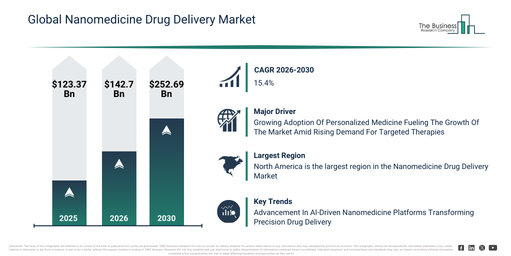
    The nanomedicine drug delivery market has experienced substantial expansion in recent years, with projections showing an increase from $123.37 billion in 2025 to $142.7 billion in 2026, reflecting a compound annual growth rate (CAGR) of 15.7%. This historic growth is driven by progress in nanotechnology research, a growing incidence of chronic illnesses, broader efforts in oncology drug development, heightened academic investigations into nanomedicine, and early positive outcomes from clinical trials involving nanoformulations.

    The nanomedicine drug delivery sector is projected to witness significant expansion in the coming years. By 2030, its value is anticipated to reach $252.69 billion, reflecting a compound annual growth rate (CAGR) of 15.4%. This growth during the forecast period is fueled by heightened investment in precision therapeutics, a growing need for targeted drug delivery, an increase in clinical trials involving nanomedicine, greater integration of artificial intelligence into formulation design, and improved regulatory frameworks for nanodrugs. Key developments expected over this period include the design of specialized nanocarrier systems, wider adoption of liposomal drug delivery technologies, increased use of stimuli-responsive nanomaterials, a broader application of nanomedicine in oncology, and a stronger emphasis on improving drug bioavailability.

    Download A Free Sample Report For Comprehensive Market Insights:

    https://www.thebusinessresearchcompany.com/sample.aspx?id=29132&type=smp&utm_source=BlogsPR&utm_medium=Paid&utm_campaign=Jul_PR

    Nanomedicine Drug Delivery Market Growth Drivers And Industry Catalysts

    The increasing uptake of personalized medicine is anticipated to drive expansion in the nanomedicine drug delivery market moving forward. Personalized medicine is a healthcare strategy that tailors treatment and preventive measures to the unique traits of each patient, including their genetic makeup or specific disease type. Its adoption is rising due to progress in genomics and molecular biology, which enable therapies designed around an individual’s genetic profile, boosting efficacy and facilitating precise, focused care. Nanomedicine drug delivery advances personalized medicine by delivering medications accurately to target cells and adjusting doses and formulations per patient, thereby improving treatment outcomes and minimizing adverse effects. For example, in February 2024, the Personalized Medicine Coalition, a US-based international nonprofit, reported that the US Food and Drug Administration (FDA) approved 16 new personalized therapies for rare disease patients in 2023, compared to six approvals in 2022. Consequently, the growing embrace of personalized medicine is fueling growth in the nanomedicine drug delivery market.

    Nanomedicine Drug Delivery Market Segment Analysis Highlighting Growth Areas

    The nanomedicine drug delivery market covered in this report is segmented –

    1) By Product Type: Nanoparticles, Liposomes, Micelles, Dendrimers, Nanotubes, Other Product Types

    2) By Route Of Administration: Oral, Injectable, Topical, Other Routes Of Administration

    3) By Application: Oncology, Cardiovascular Diseases, Neurology, Infectious Diseases, Other Applications

    4) By End-User: Hospitals, Clinics, Research Institutes, Other End-Users

    Subsegments:

    1) By Nanoparticles: Polymeric Nanoparticles, Metallic Nanoparticles, Lipid-Based Nanoparticles, Magnetic Nanoparticles, Quantum Dots

    2) By Liposomes: Conventional Liposomes, Stealth Liposomes, Cationic Liposomes, Anionic Liposomes, pH-Sensitive Liposomes

    3) By Micelles: Polymeric Micelles, Lipid Micelles, Amphiphilic Block Copolymer Micelles, Stimuli-Responsive Micelles, Mixed Micelles

    4) By Dendrimers: Polyamidoamine Dendrimers, Polypropylene Imine Dendrimers, Peptide Dendrimers, Carbohydrate Dendrimers, Hydroxyl-Terminated Dendrimers

    5) By Nanotubes: Carbon Nanotubes, Peptide Nanotubes, Inorganic Nanotubes, Multi-Walled Nanotubes, Single-Walled Nanotubes

    6) By Other Product Types: Nanospheres, Nanocapsules, Nanoemulsions, Nanogels, Hybrid Nanocarrier

    Nanomedicine Drug Delivery Market Trends Influencing Long-Term Demand

    Major players within the nanomedicine drug delivery sector are increasingly creating drug delivery technologies—especially AI-powered nano-delivery platforms—to improve targeting accuracy and speed up the progression of personalized therapies. These advanced systems employ artificial intelligence to design and refine nanoparticles for exact drug targeting, thereby boosting therapeutic effectiveness and lowering adverse effects, while also facilitating tailored care. For example, in September 2025, METiS TechBio, a biotechnology firm from China, unveiled NanoForge, an AI-driven nano-delivery platform intended to transform how medications are created and administered. This solution merges AI with nanotechnology to improve lipid nanoparticle configurations and achieve precise drug delivery to designated tissues, allowing for quicker, safer, and more economical drug development. This advancement seeks to address major obstacles in delivering complex molecules like mRNA, advancing the field toward programmable, adaptable therapeutics.

    Nanomedicine Drug Delivery Market Leading Companies: Who Holds Significant Market Presence?

    Major companies operating in the nanomedicine drug delivery market are Pfizer Inc., Bristol-Myers Squibb Company, Novartis AG, Gilead Sciences Inc., Evonik Industries AG, Ipsen Pharma S.A.S., Pacira BioSciences Inc., Camurus AB, Arcturus Therapeutics Holdings Inc., Nanobiotix S.A., Acuitas Therapeutics Inc., NanoViricides Inc., Taiwan Liposome Company Ltd., Aphios Corporation, Concept Medical Inc., DelSiTech Ltd., ANP Technologies Inc., ProMab Biotechnologies Inc., BlueWillow Biologics Inc., Nanoform Finland Plc.

    Access The Complete Nanomedicine Drug Delivery Market Report:

    https://www.thebusinessresearchcompany.com/report/nanomedicine-drug-delivery-global-market-report?utm_source=BlogsPR&utm_medium=Paid&utm_campaign=Jul_PR

    Nanomedicine Drug Delivery Market Leading Geography: Which Region Generates The Most Revenue?

    North America was the largest region in the nanomedicine drug delivery market in 2025. Asia-Pacific is expected to be the fastest-growing region in the forecast period. The regions covered in the nanomedicine drug delivery market report are Asia-Pacific, South East Asia, Western Europe, Eastern Europe, North America, South America, Middle East, Africa.

    Get in touch with us:

    The Business Research Company: https://www.thebusinessresearchcompany.com/?utm_source=BlogsPR&utm_medium=Paid&utm_campaign=home_page_test

    Americas: +1 310-496-7795

    Asia: +44 7882 955267 & +91 8897263534

    Europe: +44 7882 955267

    Email us at: marketing@tbrc.info

    Follow us on:

    LinkedIn: https://in.linkedin.com/company/the-business-research-company

    YouTube: https://www.youtube.com/channel/UC24_fI0rV8cR5DxlCpgmyFQ

    Global Market Model: https://www.thebusinessresearchcompany.com/global-market-model
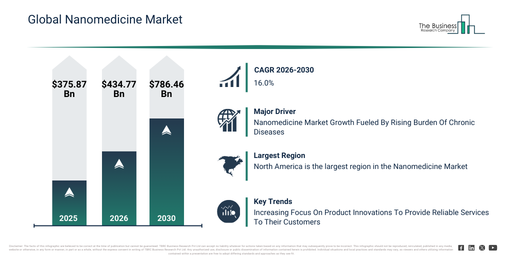
  • Nanomedicine Market Size Projected To Increase From $434.77 Billion To $786.46 Billion During The Forecast Period

    Nanomedicine Market Size Projected To Increase From $434.77 Billion To $786.46 Billion During The Forecast Period

    Delivering more actionable and strategically valuable research, The Business Research Company’s 2026 market reports feature market attractiveness analysis, total addressable market evaluation, company benchmarking matrices, interactive Excel dashboards, expanded supply chain intelligence, emerging startup coverage, and detailed product insights.

    Nanomedicine Market Revenue Outlook: What CAGR Is Expected Through 2030?

    The nanomedicine market has experienced swift expansion in recent years, with its value projected to rise from $375.87 billion in 2025 to $434.77 billion in 2026, reflecting a compound annual growth rate (CAGR) of 15.7%. This historical growth has been driven by heightened research and development spending on nanotechnology, a growing incidence of chronic illnesses, progress in methods for synthesizing nanoparticles, increased use of nanomedicine in cancer treatment, and partnerships formed between pharmaceutical firms and nanotechnology companies.

    The nanomedicine market is anticipated to experience significant expansion in the coming years, with projections indicating it will reach $786.46 billion by 2030, reflecting a compound annual growth rate (CAGR) of 16.0%. This forecasted growth is driven by factors such as the broadening of precision medicine applications, the incorporation of artificial intelligence into nanomedicine studies, rising demand for regenerative therapies, enhanced governmental investment in nanotechnology-driven healthcare, and the creation of versatile nanodevices. Key developments shaping the forecast period involve breakthroughs in targeted drug delivery systems, progress in regenerative nanomedicine, the broadening of personalized treatment options, diagnostic tools based on nanodevices, and improvements in nanoformulation techniques.

    Download A Free Sample Report For Comprehensive Market Insights:

    https://www.thebusinessresearchcompany.com/sample.aspx?id=5344&type=smp&utm_source=BlogsPR&utm_medium=Paid&utm_campaign=Jul_PR

    Nanomedicine Market Opportunity Drivers: What Is Creating New Revenue Potential?

    The global increase in complex and chronic illnesses is anticipated to fuel expansion within the nanomedicine market during the forecast period. Nanomedicine is being utilized more frequently to manage chronic conditions such as cardiovascular diseases, diabetes, cancer, and dementia, as it facilitates faster drug metabolism in the body. As an example, the International Federation of Alzheimer’s Associations and Alzheimer’s Disease International report that over 50 million individuals worldwide currently suffer from dementia, with this number expected to double every two decades, reaching 80 million by 2030 and 152 million by 2050. Additionally, the global cancer burden is predicted to climb to 28.4 million new cases by 2040. This growing prevalence of chronic diseases is likely to boost the need for effective therapeutic solutions based on nanomedicine, thereby driving the nanomedicine market forward.

    Nanomedicine Market Segment Performance And Strategic Opportunities

    The nanomedicine market covered in this report is segmented –

    1) By Type: Nanoparticles, Nanoshells, Nanotubes, Nanodevices, Other Types

    2) By Modality: Diagnostics, Treatments

    3) By Application: Clinical Oncology, Infectious Diseases, Clinical Cardiology, Orthopedics, Other Applications

    Subsegments:

    1) By Nanoparticles: Lipid-Based Nanoparticles, Polymeric Nanoparticles, Metallic Nanoparticles, Ceramic Nanoparticles

    2) By Nanoshells: Gold Nanoshells, Silver Nanoshells, Silica Nanoshells

    3) By Nanotubes: Carbon Nanotubes (CNTs), Polymer Nanotubes

    4) By Nanodevices: Nanosensors, Nanorobots, Nanoscale Imaging Devices

    5) By Other Types: Dendrimers, Quantum Dots, Nanocarriers

    Nanomedicine Market Innovation Trends Driving Future Development

    Leading players in the nanomedicine industry are concentrating on developing cutting-edge products like the Dynapro ZetaStar to boost their market revenues. This advanced device enables the concurrent measurement of dynamic and static light scattering, along with dynamic and electrophoretic light scattering (DLS/SLS/ELS). As an example, in September 2023, Waters Corporation, a U.S. firm known for its analytical laboratory instruments and equipment, unveiled the Dynapro ZetaStar specifically for nanoparticle analysis. By integrating multiple light scattering techniques, the Zetasizer instrument facilitates the precise development of complex biologics through adaptive data capture, automatic data quality assessment, and enhanced measurement sensitivity and speed, all while using extremely small sample volumes. The ZetaStar’s innovative flow cell design allows it to be coupled with an autosampler, significantly boosting laboratory efficiency and productivity by enabling dozens of unattended measurements that can run continuously for hours or even overnight.

    Nanomedicine Market Key Players: Which Companies Shape Industry Competition?

    Major companies operating in the nanomedicine market are Pfizer Inc., Ablynx NV, Amgen Inc., Arrowhead Research Inc., Bio-Gate AG, Celgene Corporation, F. Hoffmann-La Roche AG, GE Healthcare, Gilead Sciences Inc., Merck AG, Nanospectra Biosciences, Nanotherapeutics Inc., NanoViricides Inc, Novartis AG, Sanofi S. A., Abraxis Bioscience Inc., Alnylam Pharmaceuticals Inc., Arrowhead Pharmaceuticals Inc., AuraSense Therapeutics LLC, BIND Therapeutics Inc., Camurus AB, Cerulean Pharma Inc., CytImmune Sciences, Fujifilm Holdings, Nanobiosym Inc., Nanobiotix SA, Nanogen Inc., Nanoparticle BioChem Inc., Nanospective Inc., Nanosphere Health Sciences Inc., Nanosys Inc., PerkinElmer Inc., Selecta Biosciences Inc.

    Access The Complete Nanomedicine Market Report:

    https://www.thebusinessresearchcompany.com/report/nanomedicine-global-market-report?utm_source=BlogsPR&utm_medium=Paid&utm_campaign=Jul_PR

    Nanomedicine Market Regional Outlook: Where Are The Largest Opportunities Located?

    North America was the largest region in the nanomedicine market in 2025.Asia-Pacific is expected to be the fastest-growing region in the forecast period. The regions covered in the nanomedicine market report are Asia-Pacific, South East Asia, Western Europe, Eastern Europe, North America, South America, Middle East, Africa.

    Get in touch with us:

    The Business Research Company: https://www.thebusinessresearchcompany.com/?utm_source=BlogsPR&utm_medium=Paid&utm_campaign=home_page_test

    Americas: +1 310-496-7795

    Asia: +44 7882 955267 & +91 8897263534

    Europe: +44 7882 955267

    Email us at: marketing@tbrc.info

    Follow us on:

    LinkedIn: https://in.linkedin.com/company/the-business-research-company

    YouTube: https://www.youtube.com/channel/UC24_fI0rV8cR5DxlCpgmyFQ

    Global Market Model: https://www.thebusinessresearchcompany.com/global-market-model
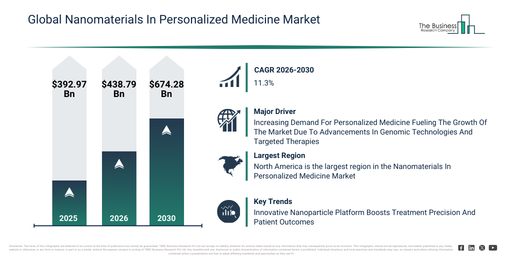
  • Nanomaterials In Personalized Medicine Market Growth Outlook Reveals A CAGR Of 11.3% And A Market Value Of $674.28 Billion By 2030

    Nanomaterials In Personalized Medicine Market Growth Outlook Reveals A CAGR Of 11.3% And A Market Value Of $674.28 Billion By 2030

    Enhanced with market attractiveness analysis, total addressable market evaluation, company benchmarking matrices, interactive Excel dashboards, expanded supply chain intelligence, emerging startup coverage, and detailed product insights, The Business Research Company’s 2026 market reports deliver more actionable and strategically valuable research.

    Nanomaterials In Personalized Medicine Market Growth Analysis: How Will Revenue Expand During The Forecast Period?

    The market for nanomaterials in personalized medicine has experienced swift expansion in recent times. Projected figures indicate a rise from $392.97 billion in 2025 to $438.79 billion in 2026, reflecting a compound annual growth rate (CAGR) of 11.7%. This historic growth is driven by progress in genomics and molecular biology, a growing embrace of targeted treatments, broader translational medical research, access to sophisticated nanofabrication methods, and strengthened partnerships between academia and industry.

    The market for nanomaterials in personalized medicine is projected to experience substantial expansion over the coming years. By 2030, its value is anticipated to reach $674.28 billion, reflecting a compound annual growth rate (CAGR) of 11.3%. This forecasted growth is driven by several factors, including a heightened demand for tailored healthcare approaches, increased funding for precision medicine initiatives, broader applications of nanomaterials in diagnostics and imaging, a stronger emphasis on reducing adverse effects from treatments, and ongoing advancements in nano-enabled medical technologies. Key trends shaping this period involve the expanded use of targeted nanomaterials for customized therapies, the deeper integration of molecular diagnostics with nanotechnology, the growing application of nanomaterials in precise drug delivery systems, the widening role of nanotechnology in regenerative medicine, and a more pronounced focus on achieving patient-specific therapeutic outcomes.

    Download A Free Sample Report For Comprehensive Market Insights:

    https://www.thebusinessresearchcompany.com/sample.aspx?id=28276&type=smp&utm_source=BlogsPR&utm_medium=Paid&utm_campaign=Jul_PR

    Nanomaterials In Personalized Medicine Market Growth Momentum: Which Factors Are Influencing Demand?

    The growing interest in personalized medicine is expected to fuel expansion in the nanomaterials in personalized medicine market. Personalized medicine refers to a medical strategy that customizes treatments for each patient, taking into account their genetic, environmental, and lifestyle factors to enhance outcomes and improve care quality. This demand is rising due to progress in genomic technologies, which allow for the accurate detection of genetic differences and the development of tailored treatments for individuals. Within this field, nanomaterials contribute by supporting targeted, patient-specific therapies that boost treatment effectiveness and safety. They facilitate the precise administration of drugs, genes, or RNA, minimizing adverse effects and maximizing therapeutic benefits. As an example, in February 2024, the Personalized Medicine Coalition (PMC), a U.S.-based nonprofit, reported that the U.S. Food and Drug Administration (FDA) approved 26 new personalized medicines in 2023, a notable jump from 12 approvals in 2022. Consequently, the rising demand for personalized medicine is propelling the nanomaterials in personalized medicine market forward.

    Nanomaterials In Personalized Medicine Market Segment Landscape And Growth Potential

    The nanomaterials in personalized medicine market covered in this report is segmented –

    1) By Type Of Nanomaterials: Carbon-Based Nanomaterials, Metallic Nanoparticles, Polymeric Nanomaterials, Nanostructured Materials, Silica Nanoparticles

    2) By Formulation Type: Nanoparticles, Nanosuspensions, Nanoemulsions, Nanocrystals, Nanoformulations For Targeted Delivery

    3) By Technology Utilized: Nanofabrication Techniques, Bioconjugation Methods, Surface Modification Techniques, Molecular Imaging Techniques, Nanotechnology-Based Screening Methods

    4) By Application Areas: Drug Delivery Systems, Diagnostics And Imaging, Therapeutics, Regenerative Medicine, Vaccines

    5) By End-Users: Hospitals And Clinics, Research Laboratories, Pharmaceutical Companies, Biotechnology Firms, Academic Institutions

    Subsegments:

    1) By Carbon-Based Nanomaterials: Fullerenes, Carbon Nanotubes, Graphene, Carbon Dots

    2) By Metallic Nanoparticles: Gold Nanoparticles, Silver Nanoparticles, Iron Oxide Nanoparticles, Copper Nanoparticles

    3) By Polymeric Nanomaterials: Dendrimers, Micelles, Polymeric Nanoparticles, Hydrogels

    4) By Nanostructured Materials: Quantum Dots, Nanowires, Nanosheets, Nanorods

    5) By Silica Nanoparticles: Mesoporous Silica Nanoparticles, Colloidal Silica Nanoparticles, Porous Silica Nanoparticles, Functionalized Silica Nanoparticles

    Nanomaterials In Personalized Medicine Market Trends Reshaping Industry Growth

    Major firms in the nanomaterials used for personalized medicine are increasingly pursuing strategic collaborations to speed up clinical application, broaden the range of treatable conditions, and reduce the time required to bring products to market, all while complying with evolving regulatory demands. Such partnerships involve organizations pooling their specialized knowledge and assets to drive innovation and create new opportunities within personalized healthcare. For example, in May 2025, Acuitas Therapeutics Inc., a Canadian biotechnology firm, teamed up with Integrated DNA Technologies Inc., a US-based provider of genomics tools, to unveil a tailored CRISPR gene-editing therapy delivery system built on their lipid nanoparticle platform. This system was applied to treat a single infant suffering from a rare genetic disorder, incorporating precisely targeted CRISPR components, customized dosing adjustments, and swift bespoke formulation. This breakthrough enables rapid, highly individualized therapeutic approaches. It enhances treatment accuracy and patient outcomes, yet presents hurdles in scalable production, meticulous regulatory adaptation, and small-scale manufacturing.

    Nanomaterials In Personalized Medicine Market Competitive Landscape: Who Are The Leading Companies?

    Major companies operating in the nanomaterials in personalized medicine market are Pfizer & Co. Inc., BASF SE, Sanofi S.A., The Bristol-Myers Squibb Company, Thermo Fisher Scientific Inc., Abbott Laboratories, Merck KGaA Darmstadt Germany, Evonik Industries AG, Eisai Co. Ltd., TÜV Rheinland AG, OCSiAl S.A., American Elements Inc., Cour Pharmaceuticals Inc., Nanocomposix Inc., NoPo Nanotechnologies Private Limited, Matexcel Biotech Inc., OncoNano Medicine Inc., Molecular Rebar Design Inc., Cello Therapeutics Inc., Apurano Pharmaceuticals GmbH, SGN Nanopharma Inc.

    Access The Complete Nanomaterials In Personalized Medicine Market Report:

    https://www.thebusinessresearchcompany.com/report/nanomaterials-in-personalized-medicine-global-market-report?utm_source=BlogsPR&utm_medium=Paid&utm_campaign=Jul_PR

    Nanomaterials In Personalized Medicine Market Geographic Landscape: Which Region Dominates Industry Growth?

    North America was the largest region in the nanomaterials in personalized medicine market in 2025. Asia-Pacific is expected to be the fastest-growing region in the forecast period. The regions covered in the nanomaterials in personalized medicine market report are Asia-Pacific, South East Asia, Western Europe, Eastern Europe, North America, South America, Middle East, Africa.

    Get in touch with us:

    The Business Research Company: https://www.thebusinessresearchcompany.com/?utm_source=BlogsPR&utm_medium=Paid&utm_campaign=home_page_test

    Americas: +1 310-496-7795

    Asia: +44 7882 955267 & +91 8897263534

    Europe: +44 7882 955267

    Email us at: marketing@tbrc.info

    Follow us on:

    LinkedIn: https://in.linkedin.com/company/the-business-research-company

    YouTube: https://www.youtube.com/channel/UC24_fI0rV8cR5DxlCpgmyFQ

    Global Market Model: https://www.thebusinessresearchcompany.com/global-market-model