Month: July 2026

  • Multiple Sclerosis Treatment Market Trends And Growth Drivers Point To Strong Future Potential

    Multiple Sclerosis Treatment Market Trends And Growth Drivers Point To Strong Future Potential

    Delivering more actionable and strategically valuable research, The Business Research Company’s 2026 market reports feature market attractiveness analysis, total addressable market evaluation, company benchmarking matrices, interactive Excel dashboards, expanded supply chain intelligence, emerging startup coverage, and detailed product insights.

    Multiple Sclerosis Treatment Market Growth From $27.44 Billion In 2026 To $33.01 Billion By 2030 At A CAGR Of 4.7%

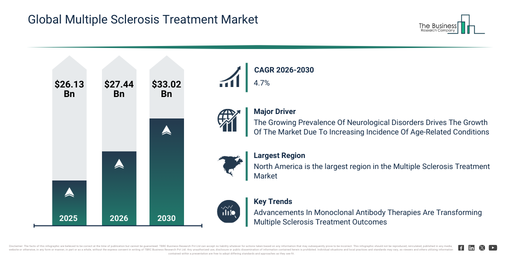
    In recent years, the multiple sclerosis treatment market has experienced robust growth. It is projected to increase from $26.13 billion in 2025 to $27.44 billion in 2026, achieving a compound annual growth rate (CAGR) of 5.0%. This historical expansion can be linked to progress in autoimmune disease research, the creation of injectable MS therapies, the growth of neurology clinics, the provision of hospital-based treatments, and the advancement of biologics.

    The multiple sclerosis treatment market is projected to experience sustained expansion over the coming years, with an anticipated increase to $33.02 billion by 2030, reflecting a compound annual growth rate (CAGR) of 4.7%. This upward trajectory in the forecast period is driven by factors such as the growing uptake of oral therapies, a shift toward home-based care for MS, emphasis on long-term disease management, advancements in imaging diagnostics, and the development of personalized immunotherapies. Key developments shaping this period include the broadening range of disease-modifying therapies, the rising availability of oral MS medications, a heightened focus on early detection, increased utilization of monoclonal antibodies, and the adoption of tailored treatment strategies.

    Download A Free Sample Report For Comprehensive Market Insights:

    https://www.thebusinessresearchcompany.com/sample.aspx?id=24612&type=smp&utm_source=BlogsPR&utm_medium=Paid&utm_campaign=Jul_PR

    Multiple Sclerosis Treatment Market Opportunity Drivers: What Is Creating New Revenue Potential?

    The anticipated expansion of the multiple sclerosis treatment market is significantly driven by the increasing incidence of neurological disorders. These conditions impact the brain, spinal cord, and peripheral nerves, often causing impairments in movement, communication, behavior, or essential bodily functions. Their rising frequency is largely attributed to an aging global population, where extended lifespans elevate the susceptibility to age-linked diseases like Alzheimer’s. By modulating the immune system to curb inflammation, shield nerves from damage, and ease symptoms, multiple sclerosis therapies play a crucial role in managing such disorders and enhancing patients’ quality of life. Data from the World Federation of Neurology, a UK-based organization representing national neurological societies, revealed in October 2023 that over 40% of people worldwide are currently affected by a neurological condition, with projections indicating that this figure could nearly double by 2050. Consequently, this surge in neurological disorders is actively fueling growth in the multiple sclerosis treatment market.

    Multiple Sclerosis Treatment Market Segment Analysis Highlighting Growth Areas

    The multiple sclerosis treatment market covered in this report is segmented –

    1) By Treatment Type: Immunomodulators, Corticosteroids, Symptomatic Treatments, Monoclonal Antibodies, Oral Therapies

    2) By DiseaseType: Clinically Isolated Syndrome, Relapse-Remitting Multiple Sclerosis, Primary Progressive Multiple Sclerosis, Secondary Progressive Multiple Sclerosis

    3) By Route Of Administration: Oral, Injectable, Intravenous

    4) By Distribution Channel: Hospital Pharmacies, Retail Pharmacies, Online Pharmacies

    5) By End-Users: Hospitals, Specialty Clinics, Homecare, Other End-Users

    Subsegments:

    1) By Immunomodulators: Interferon Beta-1A, Interferon Beta-1B, Glatiramer Acetate

    2) By Corticosteroids: Methylprednisolone, Prednisone, Dexamethasone

    3) By Symptomatic Treatments: Muscle Relaxants, Antidepressants, Anticonvulsants, Bladder Dysfunction Drugs

    4) By Monoclonal Antibodies: Natalizumab, Ocrelizumab, Alemtuzumab, Ofatumumab

    5) By Oral Therapies: Fingolimod, Dimethyl Fumarate, Teriflunomide, Cladribine, Siponimod

    Multiple Sclerosis Treatment Market Innovation Trends Driving Future Development

    Major players in the multiple sclerosis treatment market are creating innovative products, including monoclonal antibody medications, to boost therapeutic effectiveness and enhance patient results. Monoclonal antibody drugs are artificially produced molecules engineered to bind to specific antigens; in the context of multiple sclerosis, they work by decreasing inflammation and stopping immune cells from attacking nerve fibers, thus controlling disease advancement. As an example, in February 2024, Roche Pharma India, a pharmaceutical firm based in India, launched Ocrevus (Ocrelizumab) for managing multiple sclerosis (MS). This medication targets CD20-positive B cells, thereby lessening inflammation and nerve injury in MS. It stands as the initial authorized treatment for both relapsing and primary progressive forms of MS, markedly cutting relapse frequencies and slowing disability progression, while offering the benefit of infusions administered twice a year.

    Multiple Sclerosis Treatment Market Leading Companies: Who Holds Significant Market Presence?

    Major companies operating in the multiple sclerosis treatment market are Biogen Inc., F. Hoffmann-La Roche Ltd, Novartis AG, Bayer AG, Teva Pharmaceutical Industries Ltd, Sanofi Genzyme, Merck KGaA, Bristol Myers Squibb, AbbVie Inc., Johnson & Johnson (Janssen), TG Therapeutics Inc., Acorda Therapeutics Inc., Takeda Pharmaceutical Company Ltd, Mitsubishi Tanabe Pharma Corporation, Chugai Pharmaceutical Co. Ltd., Pfizer Inc., Almirall S.A., Otsuka Pharmaceutical Co. Ltd., Apitope International NV, BrainStorm Cell Therapeutics Inc., Roche Diagnostics, InnoCare Pharma, NervGen Pharma Corp., Receptos Inc., Biogen Idec International GmbH, MedDay Pharmaceuticals SA, Genentech Inc., Roche Holding AG

    Access The Complete Multiple Sclerosis Treatment Market Report:

    https://www.thebusinessresearchcompany.com/report/multiple-sclerosis-treatment-global-market-report?utm_source=BlogsPR&utm_medium=Paid&utm_campaign=Jul_PR

    Multiple Sclerosis Treatment Market Geographic Landscape: Which Region Dominates Industry Growth?

    North America was the largest region in the multiple sclerosis treatment market in 2025. Asia-Pacific is expected to be the fastest-growing region in the forecast period. The regions covered in the multiple sclerosis treatment market report are Asia-Pacific, South East Asia, Western Europe, Eastern Europe, North America, South America, Middle East, Africa.

    Get in touch with us:

    The Business Research Company: https://www.thebusinessresearchcompany.com/?utm_source=BlogsPR&utm_medium=Paid&utm_campaign=home_page_test

    Americas: +1 310-496-7795

    Asia: +44 7882 955267 & +91 8897263534

    Europe: +44 7882 955267

    Email us at: marketing@tbrc.info

    Follow us on:

    LinkedIn: https://in.linkedin.com/company/the-business-research-company

    YouTube: https://www.youtube.com/channel/UC24_fI0rV8cR5DxlCpgmyFQ

    Global Market Model: https://www.thebusinessresearchcompany.com/global-market-model
  • Multiple Sclerosis Drugs Market Expansion Is Reshaping Competitive Dynamics Across The Industry

    Multiple Sclerosis Drugs Market Expansion Is Reshaping Competitive Dynamics Across The Industry

    Enhanced with market attractiveness analysis, total addressable market evaluation, company benchmarking matrices, interactive Excel dashboards, expanded supply chain intelligence, emerging startup coverage, and detailed product insights, The Business Research Company’s 2026 market reports deliver more actionable and strategically valuable research.

    Multiple Sclerosis Drugs Market Expansion Outlook: What Revenue Opportunities Lie Ahead?

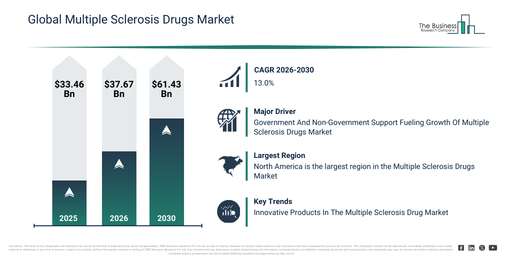
    The market for multiple sclerosis medications has seen significant expansion in recent years. Projected to climb from $33.46 billion in 2025 to $37.67 billion in 2026, it demonstrates a compound annual growth rate (CAGR) of 12.6%. This historical growth can be accounted for by factors such as constrained access to MS treatments, a rising incidence of multiple sclerosis, heightened awareness among both patients and healthcare providers, sustained dependence on interferon-based therapies, and the broader reach of hospital and retail pharmacy outlets.

    The market for multiple sclerosis drugs is projected to experience significant expansion over the coming years, with an estimated value of $61.43 billion by 2030, reflecting a compound annual growth rate (CAGR) of 13.0%. This predicted growth during the forecast period is driven by several factors, including the creation of innovative monoclonal antibodies, the broader availability of oral disease-modifying therapies, the application of personalized medicine approaches in MS care, increased funding for research and development of new treatments, as well as the growing utilization of digital health monitoring tools and telemedicine platforms. Key trends shaping this period comprise the rising use of disease-modifying therapies for multiple sclerosis, the advancement of customized and targeted MS treatment strategies, the widening of distribution networks through hospital and retail pharmacies, a growing inclination toward oral and parenteral administration methods, and the introduction of new immunomodulators, immunosuppressants, and monoclonal antibodies.

    Download A Free Sample Report For Comprehensive Market Insights:

    https://www.thebusinessresearchcompany.com/sample.aspx?id=2817&type=smp&utm_source=BlogsPR&utm_medium=Paid&utm_campaign=Jul_PR

    Multiple Sclerosis Drugs Market Growth Momentum: Which Factors Are Influencing Demand?

    The expansion of the multiple sclerosis drugs market is bolstered by backing from both governmental and non-governmental entities. Various schemes and programs are financed by these organizations to improve the quality of life for individuals affected by multiple sclerosis (MS). As an example, the government of Alberta, alongside the Department of Economic Development, Trade, and Tourism in Canada, allocated $1 million to support the Canadian Prospective Cohort Study to Understand Progression in Multiple Sclerosis (CanProCo), aiming to advance research and innovations that deepen understanding and treatment of MS. CanProCo brings together around 50 MS researchers from diverse fields across Canada. Additional funding from the Canada Brain Research, Biogen Canada, the MS Society of Canada, and Hoffmann-La Roche Limited (Roche Canada) raised a total of $10 million. Such substantial financial assistance from government and non-government sources drives the growth of the multiple sclerosis drugs market.

    Multiple Sclerosis Drugs Market Segment Performance And Strategic Opportunities

    The multiple sclerosis drugs market covered in this report is segmented –

    1) By Drug Class: Immunomodulators, Immunosuppressants, Interferons, Other Drug Classes

    2) By Distribution Channels: Hospital Pharmacy, Retail Pharmacy, Online Stores

    3) By Route Of Administration: Oral Drugs, Parenteral Drugs

    Subsegments:

    1) By Immunomodulators: Glatiramer Acetate, Fingolimod, Teriflunomide, Dimethyl Fumarate

    2) By Immunosuppressants: Natalizumab, Alemtuzumab, Ocrelizumab

    3) By Interferons: Interferon Beta-1a, Interferon Beta-1b

    4) By Other Drug Classes: Sphingosine 1-Phosphate Receptor Modulators, Monoclonal Antibodies, Other Emerging Therapies

    Multiple Sclerosis Drugs Market Trends Reshaping Industry Growth

    Key players in the multiple sclerosis drugs industry are concentrating on creating innovative approaches to boost treatment effectiveness, improve patients’ quality of life, and meet the varied requirements of those affected by multiple sclerosis. These innovative approaches involve novel and inventive methods, products, or technologies aimed at successfully tackling particular issues or obstacles. For example, in September 2024, the U.S. Food and Drug Administration (FDA) granted approval to Genentech, a biotechnology firm based in the United States, for Ocrevus Zunovo (ocrelizumab & hyaluronidase-ocsq) to treat relapsing multiple sclerosis (RMS) and primary progressive multiple sclerosis (PPMS). Ocrevus Zunovo represents the first and only subcutaneous injection delivered by healthcare professionals on a twice-yearly schedule, with each administration lasting roughly 10 minutes, thereby offering individuals with MS additional therapeutic choices.

    Multiple Sclerosis Drugs Market Key Players: Which Companies Shape Industry Competition?

    Major companies operating in the multiple sclerosis drugs market are Biogen Inc., Novartis International AG, F. Hoffmann-La Roche Ltd., Bayer HealthCare LLC, Merck & Co. Inc., Sanofi S.A., Teva Pharmaceutical Industries Ltd., GlaxoSmithKline plc, Acorda Therapeutics Inc., EMD Serono Inc., AbbVie Inc., Bayer Schering Pharma AG, Bristol-Myers Squibb Company, Johnson & Johnson, Mitsubishi Tanabe Pharma Corporation, Opexa Therapeutics Inc., Receptos Inc., Synthon Pharmaceuticals Inc., TG Therapeutics Inc., Alkermes plc, Amgen Inc., Atara Biotherapeutics Inc., Celgene Corporation, Genzyme Corporation

    Access The Complete Multiple Sclerosis Drugs Market Report:

    https://www.thebusinessresearchcompany.com/report/multiple-sclerosis-drugs-global-market-report?utm_source=BlogsPR&utm_medium=Paid&utm_campaign=Jul_PR

    Multiple Sclerosis Drugs Market Largest Region: Which Geography Holds The Highest Market Share?

    North America was the largest region in the global multiple sclerosis drug market in 2025. The Middle East is expected to be the fastest-growing region in the forecast period. The regions covered in the multiple sclerosis drugs market report are Asia-Pacific, South East Asia, Western Europe, Eastern Europe, North America, South America, Middle East, Africa.

    Get in touch with us:

    The Business Research Company: https://www.thebusinessresearchcompany.com/?utm_source=BlogsPR&utm_medium=Paid&utm_campaign=home_page_test

    Americas: +1 310-496-7795

    Asia: +44 7882 955267 & +91 8897263534

    Europe: +44 7882 955267

    Email us at: marketing@tbrc.info

    Follow us on:

    LinkedIn: https://in.linkedin.com/company/the-business-research-company

    YouTube: https://www.youtube.com/channel/UC24_fI0rV8cR5DxlCpgmyFQ

    Global Market Model: https://www.thebusinessresearchcompany.com/global-market-model
  • Multiple Myeloma Drugs Market Forecast Reveals Where Future Industry Value Will Be Created

    Multiple Myeloma Drugs Market Forecast Reveals Where Future Industry Value Will Be Created

    Through market attractiveness analysis, total addressable market evaluation, company benchmarking matrices, interactive Excel dashboards, expanded supply chain intelligence, emerging startup coverage, and detailed product insights, The Business Research Company’s 2026 market reports provide more actionable and strategically valuable research.

    Multiple Myeloma Drugs Market Growth Potential: How Will Market Size Change Through 2030?

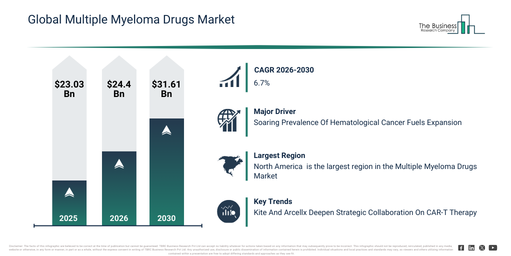
    The market for multiple myeloma drugs has experienced robust expansion over the past few years. Projections indicate it will rise from $23.03 billion in 2025 to $24.4 billion in 2026, reflecting a compound annual growth rate (CAGR) of 6.0%. This historical growth has been driven by a higher incidence of multiple myeloma, the introduction of innovative immunomodulatory drugs, increased public understanding of plasma cell cancers, advancements in proteasome inhibitors, and the broader reach of hospital pharmacy systems.

    The multiple myeloma drugs market is projected to experience robust expansion in the coming years, reaching an estimated value of $31.61 billion by 2030 with a compound annual growth rate (CAGR) of 6.7%. This upward trajectory during the forecast period is fueled by several factors, including the increasing uptake of precision medicine, heightened financial commitments toward biologic therapies, a growing demographic of elderly individuals, the widening reach of online pharmacy channels, and notable progress in monoclonal antibody treatment technologies. Key emerging trends shaping this period encompass the development of personalized therapeutic approaches, the adoption of multi-drug treatment protocols, initiatives focused on bone health management for multiple myeloma patients, innovations in targeted drug delivery mechanisms, and the broadening scope of clinical trial activities.

    Download A Free Sample Report For Comprehensive Market Insights:

    https://www.thebusinessresearchcompany.com/sample.aspx?id=11943&type=smp&utm_source=BlogsPR&utm_medium=Paid&utm_campaign=Jul_PR

    Multiple Myeloma Drugs Market Expansion Drivers: What Is Shaping Future Growth?

    The rising incidence of hematological cancer is projected to propel the expansion of the multiple myeloma drugs market in the coming years. These cancers originate in blood-forming tissues like bone marrow or in immune system cells, encompassing conditions such as leukemia, lymphoma, and multiple myeloma itself. Medications designed for multiple myeloma are commonly employed to treat the disease by destroying and curbing cancer cell proliferation, slowing the process of cell division through the stimulation of various enzymatic activities, while also helping to maintain bone strength and alleviate discomfort in weakened bones. For example, in January 2023, the American Cancer Society (ACS), a U.S.-based nonprofit organization focused on cancer eradication, reported approximately 59,610 new cases of leukemia and around 20,380 instances of acute myeloid leukemia (AML). Furthermore, the total number of leukemia-related deaths reached 23,710. Consequently, the growing prevalence of hematological cancer is fueling the advancement of the multiple myeloma drugs market.

    Multiple Myeloma Drugs Market Segment Landscape And Growth Potential

    The multiple myeloma drugs market covered in this report is segmented –

    1) By Drug Type: Immunomodulatory Drugs, Proteasome Inhibitors, Histone Deacetylase Inhibitors, Monoclonal Antibody Drugs, Steroids, Other Drug Types

    2) By Therapy: Targeted Therapy, Biologic Therapy, Chemotherapy, Other Therapies

    3) By Distribution Channel: Hospital Pharmacies, Retail Pharmacies, Online Pharmacies, Other Distribution Channels

    4) By End-User: Men, Women

    Subsegments:

    1) By Immunomodulatory Drugs: Lenalidomide, Thalidomide, Pomalidomide

    2) By Proteasome Inhibitors: Bortezomib, Carfilzomib, Ixazomib

    3) By Histone Deacetylase Inhibitors: Panobinostat, Romidepsin

    4) By Monoclonal Antibody Drugs: Daratumumab, Elotuzumab, Isatuximab

    5) By Steroids: Dexamethasone, Prednisone

    6) By Other Drug Types: Alkylating Agents, Antimetabolites, New Experimental Drugs

    Multiple Myeloma Drugs Market Strategic Trends: What Is Defining The Next Phase Of Growth?

    Key players within the multiple myeloma drug market are reinforcing their collaborative strategies to co-develop cell therapies, expanding existing partnerships to accelerate both the development and commercialization of next-generation CAR T products. Such strategic alliances facilitate the joint sharing of resources, help spread risk, and enable faster scaling of novel therapeutic approaches. For example, in May 2024, Kite Pharma, a U.S.-based biopharmaceutical firm, together with Arcellx, Inc., a clinical-stage U.S. biotechnology company, provided key operational updates regarding their partnered BCMA-targeted CAR T therapy, anitocabtagene autoleucel (anito cel). The two entities outlined the design for a global Phase 3 study called iMMagine 3, which is intended to assess anito cel in individuals with relapsed or refractory multiple myeloma who have already undergone treatment with both an immunomodulatory drug (IMiD) and an anti-CD38 monoclonal antibody. This trial is projected to include roughly 450 patients across the globe.

    Multiple Myeloma Drugs Market Competitive Landscape: Who Are The Leading Companies?

    Major companies operating in the multiple myeloma drugs market are Pfizer Inc., Johnson & Johnson Pvt. Ltd, Merck & Co. Inc., AbbVie Inc., Roche Holding AG, Novartis AG, Bristol-Myers Squibb Company, Takeda Pharmaceutical Company Limited, Eli Lilly and Company, Kite Pharma Inc, Amgen Inc., Teva Pharmaceutical Industries Ltd., Cipla Ltd., ONO Pharmaceutical Co. Ltd., BieGene Ltd., Onyx Pharmaceuticals Inc., Karyopharm Therapeutics Inc., Poseida Therapeutics Inc., ImmunoGen Inc., PharmaMar SA

    Access The Complete Multiple Myeloma Drugs Market Report:

    https://www.thebusinessresearchcompany.com/report/multiple-myeloma-drugs-global-market-report?utm_source=BlogsPR&utm_medium=Paid&utm_campaign=Jul_PR

    Multiple Myeloma Drugs Market Regional Analysis: Which Region Leads By Revenue?

    North America was the largest region in the multiple myeloma drugs market in 2025. The regions covered in the multiple myeloma drugs market report are Asia-Pacific, South East Asia, Western Europe, Eastern Europe, North America, South America, Middle East, Africa.

    Get in touch with us:

    The Business Research Company: https://www.thebusinessresearchcompany.com/?utm_source=BlogsPR&utm_medium=Paid&utm_campaign=home_page_test

    Americas: +1 310-496-7795

    Asia: +44 7882 955267 & +91 8897263534

    Europe: +44 7882 955267

    Email us at: marketing@tbrc.info

    Follow us on:

    LinkedIn: https://in.linkedin.com/company/the-business-research-company

    YouTube: https://www.youtube.com/channel/UC24_fI0rV8cR5DxlCpgmyFQ

    Global Market Model: https://www.thebusinessresearchcompany.com/global-market-model
  • Multidrug Resistant Bacteria Market Growth Through 2030 Creates New Strategic Opportunities

    Multidrug Resistant Bacteria Market Growth Through 2030 Creates New Strategic Opportunities

    Delivering more actionable and strategically valuable research, The Business Research Company’s 2026 market reports feature market attractiveness analysis, total addressable market evaluation, company benchmarking matrices, interactive Excel dashboards, expanded supply chain intelligence, emerging startup coverage, and detailed product insights.

    Multidrug Resistant Bacteria Market Value Analysis: What Growth Is Expected Over The Forecast Period?

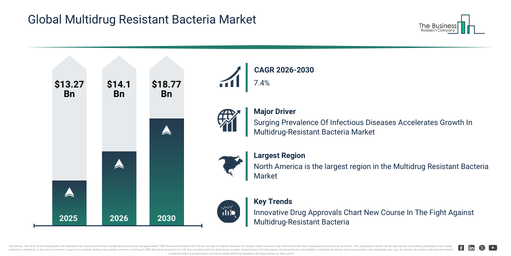
    The market for multidrug resistant bacteria has experienced robust expansion in recent years, climbing from $13.27 billion in 2025 to $14.1 billion in 2026, reflecting a compound annual growth rate (CAGR) of 6.2%. This historical growth has been driven by several factors, including excessive antibiotic usage within hospital settings, insufficient infection control measures, a sluggish uptake of rapid diagnostic tools, a scarcity of therapeutic choices to address resistant bacterial strains, and a substantial prevalence of bloodstream infections.

    The market for multidrug resistant bacteria is projected to experience robust expansion over the coming years. By 2030, its value is anticipated to reach $18.77 billion, reflecting a compound annual growth rate (CAGR) of 7.4%. Several factors are driving this forecasted growth, including heightened investment in antimicrobial research and development, the adoption of diagnostics powered by artificial intelligence, the advancement of precision medicine treatments, governmental efforts to curb antimicrobial resistance, and the broadening of infection management services in homecare and outpatient settings. Key trends shaping the projection period encompass a higher incidence of hospital-acquired infections, expanded educational campaigns on antibiotic resistance, the creation of innovative antibacterial drugs, the proliferation of point-of-care diagnostic technologies, and the increasing provision of home healthcare services.

    Download A Free Sample Report For Comprehensive Market Insights:

    https://www.thebusinessresearchcompany.com/sample.aspx?id=13044&type=smp&utm_source=BlogsPR&utm_medium=Paid&utm_campaign=Jul_PR

    Multidrug Resistant Bacteria Market Development Factors: Which Trends Are Supporting Demand?

    The rising occurrence of infectious diseases is anticipated to accelerate the growth of the multidrug-resistant bacteria market in the coming period. These diseases are caused by harmful microorganisms including bacteria, viruses, fungi, or parasites. A strong link exists between multidrug-resistant bacteria and infectious diseases, as these bacteria are responsible for causing infections that become challenging to manage with standard antibiotics. Over time, they have acquired resistance to numerous antibiotics, which reduces their vulnerability to the drugs typically employed for treating bacterial infections. As an example, an article published in November 2023 by the Centers for Disease Control and Prevention, a national public health agency based in the United States, revealed that tuberculosis cases in the USA rose from 8,320 in 2022 to 9,615 in 2023, reflecting an increase of 1,295 cases. Consequently, the growing prevalence of infectious diseases is expected to propel the multidrug-resistant bacteria market forward.

    Multidrug Resistant Bacteria Market Categorization By Product Type And Application

    The multidrug resistant bacteria market covered in this report is segmented –

    1) By Disease: Urinary Tract Infection, Intra-Abdominal Infections, Blood Stream Infections, Clostridium Difficile Infections, Acute Bacterial Skin And Skin Structure Infections, Hospital Acquired Bacterial Pneumonia, Acquired Bacterial Pneumonia, Other Diseases

    2) By Drug Class: Oxazolidinones, Lipoglycopeptides, Tetracyclines, Cephalosporins, Combination Therapies, Other Drug Classes

    3) By Route Of Administration: Oral, Parenteral, Other Routes Of Administration

    4) By End-User: Hospitals, Specialty Clinics, Homecare, Other End-Users

    Subsegments:

    1) By Urinary Tract Infection: Cystitis, Pyelonephritis

    2) By Intra-Abdominal Infections: Appendicitis, Peritonitis

    3) By Blood Stream Infections: Bacteremia, Sepsis

    4) By Clostridium Difficile Infections: Mild CDI, Severe CDI

    5) By Acute Bacterial Skin And Skin Structure Infections: Cellulitis, Abscesses

    6) By Hospital Acquired Bacterial Pneumonia: Ventilator-Associated Pneumonia, Hospital-Acquired Pneumonia

    7) By Acquired Bacterial Pneumonia: Community-Acquired Pneumonia, Aspiration Pneumonia

    8) By Other Diseases: Bone and Joint Infections, Endocarditis

    Multidrug Resistant Bacteria Market Transformation Trends: Which Innovations Are Driving Change?

    Key players in the multidrug-resistant bacteria market are actively working on creating novel drugs and securing regulatory approvals to address the demands of an emerging patient population. Securing approval for medications targeting multidrug-resistant organisms is critical to curbing the rise of antibiotic resistance. To illustrate, Entasis Therapeutics Inc., a biotechnology firm based in the United States, obtained FDA clearance in May 2023 for Xacduor, a combination antibiotic intended for the treatment of hospital-acquired bacterial pneumonia (HABP) and ventilator-associated bacterial pneumonia (VAP) caused by Acinetobacter baumannii. This pathogen is notoriously challenging to manage. The drug merges ceftolozane, a cephalosporin antibiotic, with tedizolid phosphate, a novel agent within the oxazolidinone class. Moreover, it offers a fresh therapeutic alternative for patients infected with Acinetobacter baumannii who have failed to respond to prior treatments. The therapy is delivered as an injection combining the beta-lactam antibiotic sulbactam with durlobactam, a broad-spectrum beta-lactamase inhibitor that mitigates Acinetobacter resistance and enhances the efficacy of the antibiotic.

    Multidrug Resistant Bacteria Market Company Landscape And Strategic Competition

    Major companies operating in the multidrug resistant bacteria market are Pfizer Inc., Johnson And Johnson Private Limited, F. Hoffmann-La Roche Ltd., Merck And Co. Inc., Bayer AG, Novartis AG, Sanofi S.A., Bristol-Myers Squibb Company, AstraZeneca plc, GlaxoSmithKline plc, Eli Lilly and Company, Boehringer Ingelheim International GmbH, Gilead Sciences Inc., Teva Pharmaceutical Industries Ltd., Mylan N.V., Dr. Reddy’s Laboratories Ltd., Lupin Pharmaceuticals Inc., BioMarin Pharmaceuticals Inc., Zydus Lifesciences Limited, Glenmark Pharmaceuticals Ltd., Sun Pharmaceutical Industries Ltd., Alkem Laboratories, Wockhardt Ltd., Basilea Pharmaceutica Ltd., Paratek Pharmaceuticals Inc., Theravance Biopharma Inc., Melinta Therapeutics Inc., Armata Pharmaceuticals Inc., Tetraphase Pharmaceuticals Inc.

    Access The Complete Multidrug Resistant Bacteria Market Report:

    https://www.thebusinessresearchcompany.com/report/multidrug-resistant-bacteria-global-market-report?utm_source=BlogsPR&utm_medium=Paid&utm_campaign=Jul_PR

    Multidrug Resistant Bacteria Market Geographic Distribution And Regional Opportunities

    North America was the largest region in the multidrug-resistant bacteria market in 2025. The regions covered in the multidrug resistant bacteria market report are Asia-Pacific, South East Asia, Western Europe, Eastern Europe, North America, South America, Middle East, Africa.

    Get in touch with us:

    The Business Research Company: https://www.thebusinessresearchcompany.com/?utm_source=BlogsPR&utm_medium=Paid&utm_campaign=home_page_test

    Americas: +1 310-496-7795

    Asia: +44 7882 955267 & +91 8897263534

    Europe: +44 7882 955267

    Email us at: marketing@tbrc.info

    Follow us on:

    LinkedIn: https://in.linkedin.com/company/the-business-research-company

    YouTube: https://www.youtube.com/channel/UC24_fI0rV8cR5DxlCpgmyFQ

    Global Market Model: https://www.thebusinessresearchcompany.com/global-market-model
  • Mucolipidosis II Market Size Projected To Increase From $14.11 Billion To $16.18 Billion During The Forecast Period

    Mucolipidosis II Market Size Projected To Increase From $14.11 Billion To $16.18 Billion During The Forecast Period

    Enhanced with market attractiveness analysis, total addressable market evaluation, company benchmarking matrices, interactive Excel dashboards, expanded supply chain intelligence, emerging startup coverage, and detailed product insights, The Business Research Company’s 2026 market reports deliver more actionable and strategically valuable research.

    Mucolipidosis II Market Size Forecast: How Large Could The Market Become By 2030?

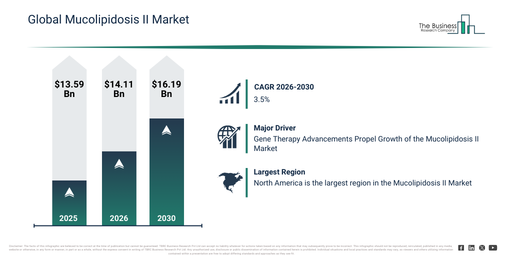
    The mucolipidosis II market has experienced consistent expansion in recent times. Its value is projected to increase from $13.59 billion in 2025 to $14.11 billion in 2026, reflecting a compound annual growth rate (CAGR) of 3.8%. This historical growth has been driven by several factors, including the scarcity of therapies for lysosomal storage disorders, early diagnosis of enzyme deficiency conditions, heightened awareness about rare pediatric diseases, the early establishment of supportive and palliative care methods, and a traditional emphasis on managing symptoms rather than underlying causes.

    The projected size of the mucolipidosis II market anticipates gradual expansion over the coming years. By 2030, its value is expected to reach $16.19 billion, reflecting a compound annual growth rate (CAGR) of 3.5%. This forecasted growth is driven by several key factors, including progress in gene therapy research, heightened financial commitment to orphan drug development, stronger governmental backing for studies on rare diseases, an expanding pipeline for enzyme replacement therapies, and an uptick in collaborative efforts between biotechnology firms and research institutions. Prominent trends shaping this period involve an intensified focus on investigating rare genetic disorders, a broadening application of experimental and gene-based therapeutic approaches, a growing emphasis on coordinated multidisciplinary strategies for symptom management, a surge in clinical trials evaluating enzyme- and stem cell-based treatments, and enhanced early diagnostic capabilities facilitated by advanced screening technologies.

    Download A Free Sample Report For Comprehensive Market Insights:

    https://www.thebusinessresearchcompany.com/sample.aspx?id=16746&type=smp&utm_source=BlogsPR&utm_medium=Paid&utm_campaign=Jul_PR

    Mucolipidosis II Market Industry Drivers: What Is Driving Revenue Growth?

    The anticipated expansion of gene therapy is set to drive the mucolipidosis II market forward. This advanced medical approach treats or prevents genetic disorders by correcting defective genes or inserting new ones into a patient’s cells through techniques like gene addition, editing, silencing, and regulation. Gene therapy holds significant promise for managing ML II by targeting the underlying genetic origin of the condition, specifically by delivering a functional gene copy into cells to restore enzyme production. For example, in January 2024, the American Society of Gene & Cell Therapy, a US-based organization, reported that the number of gene therapies in Phase III clinical trials grew by 10% in the fourth quarter, the first quarterly rise since the third quarter of 2022. Consequently, the growing field of gene therapy is expected to propel the mucolipidosis II market.

    The growth of the mucolipidosis II market is being propelled by heightened research and development (R&D) activities. R&D encompasses systematic investigation and experimentation designed to produce new knowledge, technologies, and therapeutic options. This increase in R&D efforts is fueled by a worldwide emphasis on innovation, the pursuit of competitive advantages, and the necessity to tackle complex medical challenges, such as rare genetic diseases. Progress in R&D is vital for deepening the understanding of mucolipidosis II, aiding in the creation of gene therapies, refining drug delivery methods, and speeding up preclinical and clinical advancements. As an example, in April 2025, the Office for National Statistics (ONS), a UK government authority, noted that the UK’s net expenditure on R&D climbed to $22.7 billion in 2023 from $21.1 billion in 2022, an 8.2% increase. Thus, the uptick in R&D activities is fueling the mucolipidosis II market’s expansion.

    The mucolipidosis II market is anticipated to be driven forward by a rising number of clinical trials. These trials are methodical research investigations involving human participants to assess the safety, efficacy, and best use of new medical treatments, drugs, or interventions. This increase in clinical trials stems largely from the growing prevalence of chronic and rare conditions, which fuels the need for innovative and effective therapies. The surge in such trials aids mucolipidosis II treatment by testing novel therapies, determining their safety and effectiveness, and speeding up the creation of targeted interventions for this uncommon genetic disorder. For instance, in December 2024, the Association of the British Pharmaceutical Industry (ABPI), a UK-based group, stated that the number of pharmaceutical industry trials launched in the UK rose for a second consecutive year, increasing from 411 in 2022 to 426 in 2023. Therefore, the expanding number of clinical trials is driving the mucolipidosis II market.

    Mucolipidosis II Market Segment Analysis And Revenue Opportunities

    The mucolipidosis ii market covered in this report is segmented –

    1) By Treatment: Antibiotics, Physical Therapy, Hip Replacement, Experimental Therapies, Other Treatments

    2) By Mode Of Administration: Injectable, Oral, Other Modes Of Administration

    3) By Symptoms: Deafness, Lack Of Muscle Tone (Hypotonia), Abnormal Spine Curvature, Changing Proportion of Mental Retardation, Low Growth Of Gross And Fine Motor Skills, Other Symptoms

    4) By End-User: Hospitals, Homecare, Specialty Clinics, Other End-Users

    Subsegments:

    1) By Antibiotics: Antibiotics For Respiratory Infections, Antibiotics For Preventive Care, Intravenous Antibiotics, Oral Antibiotics For Chronic Infections, Antibiotic Therapy For Secondary Infections, Antibiotics For Treating Urinary Tract Infections (UTIS)

    2) By Physical Therapy: Range Of Motion Exercises, Strengthening And Conditioning Exercises, Respiratory Therapy And Pulmonary Rehabilitation, Gait Training And Balance Exercises, Hydrotherapy, Occupational Therapy For Daily Activities, Posture Correction And Spine Support, Stretching And Flexibility Programs

    3) By Hip Replacement: Total Hip Arthroplasty (THA), Hip Resurfacing Surgery, Minimally Invasive Hip Replacement, Ceramic-On-Ceramic Hip Implants, Hip Replacement With Metal-On-Polyethylene, Revision Hip Surgery For Failed Implants, Robotic-Assisted Hip Replacement Surgery, Hip Joint Stabilization Techniques

    4) By Experimental Therapies: Gene Therapy For Mucolipidosis II, Enzyme Replacement Therapy (ERT), Stem Cell Therapy For Mucolipidosis II, Chaperone Therapy For Lysosomal Storage Disorders, Small Molecule Drugs Targeting Cellular Pathways, Experimental Drug Trials (Phase I, II, III), Molecular Chaperones To Improve Enzyme Function, Immunomodulatory Therapies

    5) By Other Treatments: Pain Management (Non-Opioid And Opioid Treatments), Nutritional Support And Diet Modification, Surgical Interventions For Organ Dysfunction, Cognitive And Neurodevelopmental Support, Cardiovascular Care (Heart Monitoring, Medications), Hearing And Vision Supportive Therapies, Psychiatric Support And Behavioral Therapy, Palliative Care And End-Of-Life Management

    Mucolipidosis II Market Leading Players Shaping Industry Direction

    Major companies operating in the mucolipidosis ii market are Pfizer Inc., Merck & Co. Inc., Sanofi S.A., Novartis AG, Takeda Pharmaceutical Company Limited, Teva Pharmaceutical Industries Ltd., Sun Pharmaceutical Industries Limited, Jazz Pharmaceuticals, Cipla Limited, Lupin Limited, Zydus Lifesciences Limited, Alembic Pharmaceuticals, Ultragenyx Pharmaceutical Inc., Regenxbio Inc., Denali Therapeutics Inc., Mylan N.V., Intellia Therapeutics Inc., Avrobio Inc., Orchard Therapeutics plc, Lysogene S.A., Sio Gene Therapies, Homology Medicines Inc., Abeona Therapeutics Inc

    Access The Complete Mucolipidosis II Market Report:

    https://www.thebusinessresearchcompany.com/report/mucolipidosis-ii-global-market-report?utm_source=BlogsPR&utm_medium=Paid&utm_campaign=Jul_PR

    Mucolipidosis II Market Largest Region By Revenue And Market Share

    North America was the largest region in the mucolipidosis II market in 2025. The regions covered in the mucolipidosis ii market report are Asia-Pacific, South East Asia, Western Europe, Eastern Europe, North America, South America, Middle East, Africa.

    Get in touch with us:

    The Business Research Company: https://www.thebusinessresearchcompany.com/?utm_source=BlogsPR&utm_medium=Paid&utm_campaign=home_page_test

    Americas: +1 310-496-7795

    Asia: +44 7882 955267 & +91 8897263534

    Europe: +44 7882 955267

    Email us at: marketing@tbrc.info

    Follow us on:

    LinkedIn: https://in.linkedin.com/company/the-business-research-company

    YouTube: https://www.youtube.com/channel/UC24_fI0rV8cR5DxlCpgmyFQ

    Global Market Model: https://www.thebusinessresearchcompany.com/global-market-model
  • mTOR Inhibitors Market Growth Outlook Reveals A CAGR Of 6.2% And A Market Value Of $10.38 Billion By 2030

    mTOR Inhibitors Market Growth Outlook Reveals A CAGR Of 6.2% And A Market Value Of $10.38 Billion By 2030

    Through market attractiveness analysis, total addressable market evaluation, company benchmarking matrices, interactive Excel dashboards, expanded supply chain intelligence, emerging startup coverage, and detailed product insights, The Business Research Company’s 2026 market reports provide more actionable and strategically valuable research.

    mTOR Inhibitors Market Revenue Outlook: What CAGR Is Expected Through 2030?

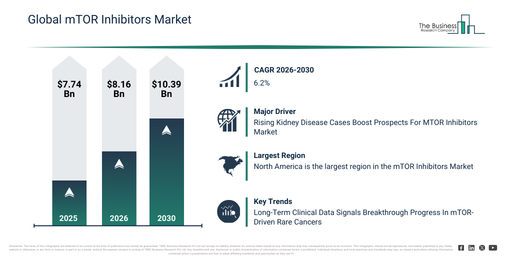
    The market for mTOR inhibitors has experienced robust expansion in recent years. Valued at $7.74 billion in 2025, it is projected to reach $8.16 billion by 2026, reflecting a compound annual growth rate (CAGR) of 5.5%. This historical growth has been driven by factors such as the increasing incidence of cancer, a heightened demand for targeted therapeutic approaches, the early implementation of rapamycin-derived treatments, a rise in clinical trial activity, and advancements in molecular biology research.

    The mtor inhibitors market is projected to experience robust growth during the coming years. By 2030, it is anticipated to reach a value of $10.39 billion, driven by a compound annual growth rate (CAGR) of 6.2%. This expansion in the forecast period is largely fueled by a heightened emphasis on precision medicine, the broadening application of combination therapies, a rise in organ transplant surgeries, greater utilization of both oral and intravenous mtor inhibitors, and increased investments in research and development for novel mtor inhibitors. Key trends shaping this period involve the advancement of personalized cancer treatments, the adoption of combination therapy strategies, improvements in targeted drug delivery mechanisms, a widening scope in oncology and transplant fields, and intensified R&D efforts focused on oral and intravenous formulations.

    Download A Free Sample Report For Comprehensive Market Insights:

    https://www.thebusinessresearchcompany.com/sample.aspx?id=10860&type=smp&utm_source=BlogsPR&utm_medium=Paid&utm_campaign=Jul_PR

    #mTOR Inhibitors Market Growth Factors: Which Forces Are Supporting Market Expansion?

    The anticipated expansion of the mTOR inhibitors market is being driven forward by the increasing occurrence of kidney diseases. Kidney disease is characterized by a gradual decline in organ function and eventual loss of functionality. In treating various renal conditions, mTOR inhibitors play a significant role. Drugs like sirolimus and everolimus, which are mTOR inhibitors, serve as immunosuppressive agents to prevent the rejection of kidney transplants. With a global uptick in kidney disease rates, the need for these inhibitors is on the rise. As an example, the American Cancer Society, a nonprofit based in the United States, projected in May 2024 that about 81,610 new cases of kidney cancer (52,380 in men and 29,230 in women) will be diagnosed in the country during 2024, alongside an estimated 14,390 fatalities (9,450 men and 4,940 women). Consequently, the growing prevalence of kidney ailments is set to fuel the market growth for mTOR inhibitors.

    mTOR Inhibitors Market Segmentation And Category Breakdown

    The mtor inhibitors market covered in this report is segmented –

    1) By Product Type: Rapamune, Afinitor, Torisel, Zortress, Other Product Types

    2) By Indication: Oncology, Immunosuppressant, Organ Transplantation, Other Indications

    3) By Route of Administration: Oral, Intravenous

    4) By Application: Tumor Treatment, Kidney Transplant, Other Applications

    5) By Distribution Channel: Hospital Pharmacies, Retail Pharmacies, Online Pharmacies

    mTOR Inhibitors Market Industry Trends: What Changes Are Reshaping Demand?

    Key players in the mTOR inhibitor space are increasingly prioritizing the generation of long-term clinical data to boost treatment effectiveness and durability for extremely rare malignancies like malignant perivascular epithelioid cell tumors (PEComa). Through extended monitoring studies, valuable insights into sustained response and overall survival are obtained, which assist in refining therapeutic approaches for patients who have few alternatives. A notable example occurred in March 2024 when Aadi Bioscience, Inc., a biopharmaceutical firm based in the United States, disclosed three-year follow-up outcomes from its Phase 2 AMPECT trial evaluating FYARRO (nab-sirolimus) in malignant PEComa. According to Aadi, the findings revealed a median response duration of roughly 40 months along with a median overall survival exceeding 53 months, representing a marked improvement over outcomes historically recorded. This data highlights an emerging trend within the mTOR inhibitor market, where companies are stressing sustained clinical benefit and improved long-term patient survival to reinforce the treatment framework for this condition.

    mTOR Inhibitors Market Competitive Analysis Of Major Industry Participants

    Major companies operating in the mtor inhibitors market are Novartis AG, Pfizer Inc., Teva Pharmaceutical Industries Ltd., Hikma Pharmaceuticals plc, Exelixis Inc., Dr. Reddy’s Laboratories Ltd., Zydus Lifesciences Limited, Accord Healthcare Inc., Par Pharmaceutical, AbbVie Inc., GlaxoSmithKline plc, Biocon Limited, Alkem Laboratories Ltd., Gland Pharma Ltd., Apotex Inc., Glenmark Pharmaceuticals Ltd., AstraZeneca plc, Bristol-Myers Squibb Company, Eli Lilly and Company, Merck & Co. Inc., Bayer AG, Boehringer Ingelheim International GmbH

    Access The Complete mTOR Inhibitors Market Report:

    https://www.thebusinessresearchcompany.com/report/mtor-inhibitors-global-market-report?utm_source=BlogsPR&utm_medium=Paid&utm_campaign=Jul_PR

    mTOR Inhibitors Market Regional Analysis And Leading Geography

    North America was the largest region in the mTOR inhibitors market in 2025. Asia-Pacific is expected to be the fastest-growing region in the forecast period. The regions covered in the mtor inhibitors market report are Asia-Pacific, South East Asia, Western Europe, Eastern Europe, North America, South America, Middle East, Africa.

    Get in touch with us:

    The Business Research Company: https://www.thebusinessresearchcompany.com/?utm_source=BlogsPR&utm_medium=Paid&utm_campaign=home_page_test

    Americas: +1 310-496-7795

    Asia: +44 7882 955267 & +91 8897263534

    Europe: +44 7882 955267

    Email us at: marketing@tbrc.info

    Follow us on:

    LinkedIn: https://in.linkedin.com/company/the-business-research-company

    YouTube: https://www.youtube.com/channel/UC24_fI0rV8cR5DxlCpgmyFQ

    Global Market Model: https://www.thebusinessresearchcompany.com/global-market-model
  • MSI-H And dMMR Market Forecast Highlights Expansion From $9.31 Billion To $21.12 Billion Through 2030

    MSI-H And dMMR Market Forecast Highlights Expansion From $9.31 Billion To $21.12 Billion Through 2030

    Delivering more actionable and strategically valuable research, The Business Research Company’s 2026 market reports feature market attractiveness analysis, total addressable market evaluation, company benchmarking matrices, interactive Excel dashboards, expanded supply chain intelligence, emerging startup coverage, and detailed product insights.

    MSI-H And dMMR Market Growth Analysis: How Will Revenue Expand During The Forecast Period?

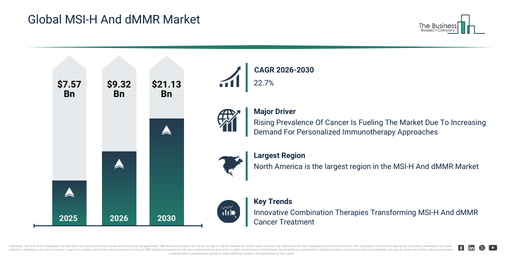
    The market for MSI-H and dMMR has experienced exponential expansion in recent years. Projected to increase from $7.57 billion in 2025 to $9.32 billion in 2026, this represents a compound annual growth rate (CAGR) of 23.1%. Several factors have driven growth during the historical period, including the identification of MSI-H and dMMR biomarkers, the initial effectiveness of immune checkpoint inhibitors, a growing incidence of colorectal and endometrial cancers, the broadening use of molecular diagnostic tools, and the regulatory endorsement of therapies targeting these biomarkers.

    The msi-h and dmmr market size is projected to undergo exponential expansion over the coming years, reaching $21.13 billion by 2030 with a compound annual growth rate (CAGR) of 22.7%. This growth during the forecast period is driven by factors such as the rising adoption of precision oncology, the increased application of genomic testing in cancer care, the broadening of immunotherapy indications, heightened investment in biomarker research, and accumulating clinical evidence that supports tumor-agnostic strategies. Key trends shaping this period include the growing adoption of immunotherapy for msi-h and dmmr tumors, the expanding use of companion diagnostics to stratify patients, an increasing emphasis on tumor-agnostic cancer therapies, the development of combination immunotherapy protocols, and heightened awareness surrounding biomarker-driven oncology.

    Download A Free Sample Report For Comprehensive Market Insights:

    https://www.thebusinessresearchcompany.com/sample.aspx?id=24324&type=smp&utm_source=BlogsPR&utm_medium=Paid&utm_campaign=Jul_PR

    MSI-H And dMMR Market Demand Drivers: What Is Fueling Industry Growth?

    The growing incidence of cancer is expected to drive expansion in the MSI-H and dMMR market in the coming years. Cancer encompasses a range of diseases marked by the unregulated proliferation and dissemination of abnormal cells throughout the body. This upward trend in cancer cases is largely attributed to aging populations, given that the likelihood of developing cancer escalates significantly with age, stemming from the buildup of genetic mutations and extended exposure to risk factors over time. MSI-H and dMMR are utilized in oncology to detect tumors exhibiting high mutation rates due to impairments in DNA repair mechanisms. These biomarkers assist in steering immunotherapy strategies, since such tumors tend to respond favorably to immune checkpoint inhibitors, while also offering clues about prognosis and potential hereditary conditions. For example, in January 2024, the American Cancer Society—a US nonprofit organization—reported that approximately 1,958,310 new cancer cases and 609,820 cancer-related deaths were forecast for 2023 in the United States. These figures are expected to grow in 2024, with around 2,001,140 new cases and 611,720 deaths predicted, underscoring a sustained rise in both cancer occurrence and mortality. As a result, the escalating prevalence of cancer is fueling momentum in the MSI-H and dMMR market.

    MSI-H And dMMR Market Segment Outlook: Which Categories Are Expanding The Fastest?

    The msi-h and dmmr market covered in this report is segmented –

    1) By Treatment Type: Immune Checkpoint Inhibitors (ICIs), Combination Therapy

    2) By Indication: Endometrial, Gastric, Colorectal Cancer, Small Intestine Cancer, Cervical Cancer, Other Indications

    3) By Stage: Early Stages, Advanced Stages

    4) By End User: Hospitals, Oncology Clinics, Research Institutions, Homecare

    Subsegments:

    1) By Immune Checkpoint Inhibitors (ICIs): Programmed Cell Death Protein 1 Inhibitors, Programmed Cell Death Ligand 1 Inhibitors, Cytotoxic T-Lymphocyte Antigen 4 Inhibitors

    2) By Combination Therapy: Immune Checkpoint Inhibitor + Chemotherapy, Immune Checkpoint Inhibitor + Targeted Therapy, Immune Checkpoint Inhibitor + Radiation Therapy, Immune Checkpoint Inhibitor + Other Immunotherapies

    MSI-H And dMMR Market Innovation Trends: Which Developments Are Transforming The Industry?

    Key players in the MSI-H and dMMR market are concentrating on the creation of novel therapies, including combination strategies, to boost treatment effectiveness and improve outcomes for patients. For MSI-H and dMMR cancers, combination therapy integrates two or more treatment methods, frequently immune checkpoint inhibitors or a mix of immunotherapy with chemotherapy, targeted therapies, or radiation. This strategy is intended to heighten treatment responses, counteract resistance, and extend survival for individuals with tumors characterized by high microsatellite instability or deficient mismatch repair. A notable example occurred in April 2025 when Bristol-Myers Squibb Company, a pharmaceutical firm based in the United States, secured approval from the United States Food and Drug Administration (FDA) for the combined use of nivolumab (Opdivo) and ipilimumab (Yervoy) as a first-line intervention for metastatic colorectal cancer (mCRC) displaying MSI-H or dMMR properties, thereby broadening therapeutic possibilities for this difficult cancer type. This authorization represents a major advancement in managing MSI-H and dMMR cancers by introducing an effective new option that engages multiple pathways to elevate patient survival and response rates, thereby fulfilling the unmet needs of this patient segment.

    MSI-H And dMMR Market Key Companies And Competitive Benchmarking

    Major companies operating in the msi-h and dmmr market are Pfizer Inc., F. Hoffmann-La Roche Ltd, Merck & Co. Inc., AbbVie Inc., Bayer AG, Novartis International AG, AstraZeneca PLC, Bristol-Myers Squibb Company, GSK plc., Takeda Pharmaceutical Company, Incyte Corporation, Exact Sciences Corp., BeiGene LTD., Summit Therapeutics Inc., Tempus Labs Inc., Guardant Health, NeoGenomics Laboratories Inc., Promega Corporation, Caris Life Sciences, and Owkin.

    Access The Complete MSI-H And dMMR Market Report:

    https://www.thebusinessresearchcompany.com/report/msi-h-and-dmmr-global-market-report?utm_source=BlogsPR&utm_medium=Paid&utm_campaign=Jul_PR

    MSI-H And dMMR Market Geographic Analysis: Where Is Demand Growing The Fastest?

    North America was the largest region in the MSI-H and dMMR market in 2025. The regions covered in the msi-h and dmmr market report are Asia-Pacific, South East Asia, Western Europe, Eastern Europe, North America, South America, Middle East, Africa.

    Get in touch with us:

    The Business Research Company: https://www.thebusinessresearchcompany.com/?utm_source=BlogsPR&utm_medium=Paid&utm_campaign=home_page_test

    Americas: +1 310-496-7795

    Asia: +44 7882 955267 & +91 8897263534

    Europe: +44 7882 955267

    Email us at: marketing@tbrc.info

    Follow us on:

    LinkedIn: https://in.linkedin.com/company/the-business-research-company

    YouTube: https://www.youtube.com/channel/UC24_fI0rV8cR5DxlCpgmyFQ

    Global Market Model: https://www.thebusinessresearchcompany.com/global-market-model
  • mRNA Therapeutics CDMO Market Expected To Reach $8.26 Billion By 2030 As Growth Accelerates At 11.7% CAGR

    mRNA Therapeutics CDMO Market Expected To Reach $8.26 Billion By 2030 As Growth Accelerates At 11.7% CAGR

    Enhanced with market attractiveness analysis, total addressable market evaluation, company benchmarking matrices, interactive Excel dashboards, expanded supply chain intelligence, emerging startup coverage, and detailed product insights, The Business Research Company’s 2026 market reports deliver more actionable and strategically valuable research.

    mRNA Therapeutics CDMO Market Forecast: What Market Value Is Expected By 2030?

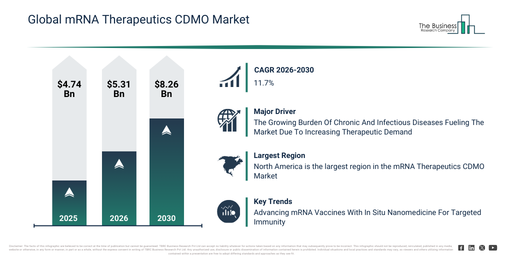
    Over recent years, the market size for mRNA therapeutics CDMOs has experienced rapid expansion, climbing from $4.74 billion in 2025 to $5.31 billion in 2026, reflecting a compound annual growth rate (CAGR) of 12.0%. Historic growth has been driven by several key factors, including the scarce supply of specialized mRNA CDMO offerings, a strong dependence on in-house pharmaceutical production, increasing outbreaks of infectious diseases, the uptake of early-stage analytical testing, and the broadening of academic and research partnerships.

    The Mrna Therapeutics Cdmo Market is projected to experience substantial expansion over the coming years. By 2030, its value is anticipated to reach $8.26 billion, reflecting a compound annual growth rate (CAGR) of 11.7%. This forecasted growth is driven by increased investments in Mrna therapeutic pipelines, progress in plasmid DNA and Mrna synthesis techniques, the expansion of cancer immunotherapy and protein replacement therapies, a growing need for fill-finish services, and a rise in collaborative agreements between biotech firms and CDMOs. Emerging trends shaping this period include a heightened demand for outsourced Mrna development and manufacturing, a stronger emphasis on lipid nanoparticle (LNP) formulation methods, the broadening of viral vaccine and cancer immunotherapy pipelines, stricter regulatory compliance and quality control practices, and wider adoption of analytical and bioanalytical laboratory services.

    Download A Free Sample Report For Comprehensive Market Insights:

    https://www.thebusinessresearchcompany.com/sample.aspx?id=25841&type=smp&utm_source=BlogsPR&utm_medium=Paid&utm_campaign=Jul_PR

    mRNA Therapeutics CDMO Market Growth Drivers: What Factors Are Accelerating Expansion?

    The rising prevalence of both chronic and infectious conditions is set to drive expansion in the mRNA therapeutics CDMO market in the coming period. These health issues include long-term ailments like diabetes, heart disease, and asthma, in addition to illnesses triggered by pathogens such as viruses, bacteria, and parasites, which may be transmitted directly or indirectly between people. An increase in these diseases is linked to aging populations, who face a higher risk for both persistent illnesses and infections. By offering comprehensive development and manufacturing solutions that speed up the delivery of customized mRNA treatments to patients, mRNA therapeutics CDMOs play a key role in managing these health challenges. As an example, the World Health Organization, based in Switzerland, reported in October 2024 that around 8.2 million individuals were newly diagnosed with tuberculosis in 2023—up from approximately 7.5 million in 2022—underscoring the worldwide intensification of infectious disease burdens. Consequently, the mounting strain of chronic and infectious illnesses is fueling growth in the mRNA therapeutics CDMO market.

    mRNA Therapeutics CDMO Market Segment Landscape: Which Areas Lead Market Development?

    The mrna therapeutics cdmo market covered in this report is segmented –

    1) By Type Of Service: Development Services, Manufacturing Services, Laboratory Services

    2) By Indication: Infectious Diseases, Metabolic And Genetic Diseases, Cardiovascular And Cerebrovascular Diseases

    3) By Application: Viral Vaccines, Protein Replacement Therapies, Cancer Immunotherapies

    4) By End User: Pharmaceutical Companies, Biotechnology Companies, Academic Institutions, Research Organizations

    Subsegments:

    1) By Development Services: Process Development, Analytical Method Development, Formulation Development, Regulatory Support

    2) By Manufacturing Services: Plasmid DNA Manufacturing, mRNA Synthesis, Lipid Nanoparticle (LNP) Formulation, Fill-Finish Services

    3) By Laboratory Services: Quality Control Testing, Stability Testing, Bioanalytical Testing, Preclinical Testing

    mRNA Therapeutics CDMO Market Trends: What Is Shaping Future Industry Growth?

    Key players in the mRNA therapeutics CDMO market are concentrating on creating advanced solutions like in situ nanomedicine vaccines to improve the accuracy and effectiveness of mRNA-based vaccines via targeted immune activation. An in situ nanomedicine vaccine represents a next-generation mRNA therapy that produces nanomedicines directly within a patient’s body, allowing for precise delivery and customized immune responses through engineered transgene expression. As an illustration, in January 2025, Esphera SynBio Inc., a biotechnology firm based in Canada, began a new project funded by the CQDM Quantum Leap program. This initiative seeks to improve early-stage lipid nanoparticle or messenger RNA (LNP/mRNA) vaccines by integrating proprietary transgene designs that stimulate the in vivo creation of immunostimulatory nanomedicines. Such an approach facilitates accurate antigen delivery and tailored immune responses, marking this technology as a possible major advancement in vaccine development.

    mRNA Therapeutics CDMO Market Industry Leaders And Market Competition

    Major companies operating in the mrna therapeutics cdmo market are Thermo Fisher Scientific Inc., Danaher Corporation, Merck KGaA, FUJIFILM Holdings Corporation, Evonik Industries AG, AGC Biologics GmbH, Eurofins Scientific SA, Samsung Biologics Co. Ltd., Wuxi Biologics, Recipharm AB, EMERGENT BioSolutions Inc., Genscript Biotech, Ginkgo Bioworks Holdings Inc., Corden Pharma Corp., TriLink BioTechnologies LLC, Biocina Pty Ltd., Aldevron LLC, Synbio Technologies LLC, etherna manufacturing, Bio-Synthesis Inc., Biomay AG.

    Access The Complete mRNA Therapeutics CDMO Market Report:

    https://www.thebusinessresearchcompany.com/report/mrna-therapeutics-cdmo-global-market-report?utm_source=BlogsPR&utm_medium=Paid&utm_campaign=Jul_PR

    mRNA Therapeutics CDMO Market Global Footprint: Which Region Holds Market Leadership?

    North America was the largest region in the mRNA therapeutics CDMO market in 2025. Asia-Pacific is expected to be the fastest-growing region in the forecast period. The regions covered in the mrna therapeutics cdmo market report are Asia-Pacific, South East Asia, Western Europe, Eastern Europe, North America, South America, Middle East, Africa.

    Get in touch with us:

    The Business Research Company: https://www.thebusinessresearchcompany.com/?utm_source=BlogsPR&utm_medium=Paid&utm_campaign=home_page_test

    Americas: +1 310-496-7795

    Asia: +44 7882 955267 & +91 8897263534

    Europe: +44 7882 955267

    Email us at: marketing@tbrc.info

    Follow us on:

    LinkedIn: https://in.linkedin.com/company/the-business-research-company

    YouTube: https://www.youtube.com/channel/UC24_fI0rV8cR5DxlCpgmyFQ

    Global Market Model: https://www.thebusinessresearchcompany.com/global-market-model
  • mRNA Therapeutics Market Set To Grow From $37.17 Billion In 2026 To $42.31 Billion By 2030 At A CAGR Of 3.3%

    mRNA Therapeutics Market Set To Grow From $37.17 Billion In 2026 To $42.31 Billion By 2030 At A CAGR Of 3.3%

    Through market attractiveness analysis, total addressable market evaluation, company benchmarking matrices, interactive Excel dashboards, expanded supply chain intelligence, emerging startup coverage, and detailed product insights, The Business Research Company’s 2026 market reports provide more actionable and strategically valuable research.

    mRNA Therapeutics Market Size Outlook: How Fast Will Revenue Grow Through 2030?

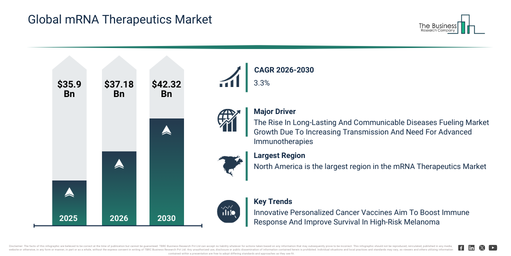
    The mRNA therapeutics market has experienced steady expansion in recent years, with projections indicating an increase from $35.9 billion in 2025 to $37.18 billion in 2026, reflecting a compound annual growth rate (CAGR) of 3.6%. This historical growth has been driven by several key factors, including the groundbreaking success of mRNA vaccines against infectious diseases, significant progress in nucleic acid delivery technologies, a deeper comprehension of gene expression regulation, early-stage research confirming mRNA-driven protein synthesis, and substantial public investment in mRNA research platforms.

    The mrna therapeutics market is projected to experience consistent expansion over the coming years. By 2030, its value is anticipated to reach $42.32 billion, reflecting a compound annual growth rate (CAGR) of 3.3%. This projected growth during the forecast period is driven by several factors, including the increasing demand for targeted and personalized treatment approaches, the broadening application of mrna technology in oncology and rare disease management, heightened biopharmaceutical investment in mrna development programs, a growing number of mrna-based drugs entering clinical trials, and the formation of strategic alliances between biotechnology companies and research institutions. Key trends shaping the forecast period involve the expansion of mrna technology beyond vaccines, a heightened emphasis on protein replacement therapies utilizing mrna, a growing clinical pipeline for non-vaccine mrna applications, increased funding for lipid nanoparticle delivery platforms, and the acceleration of comprehensive end-to-end mrna manufacturing capabilities.

    Download A Free Sample Report For Comprehensive Market Insights:

    https://www.thebusinessresearchcompany.com/sample.aspx?id=17205&type=smp&utm_source=BlogsPR&utm_medium=Paid&utm_campaign=Jul_PR

    mRNA Therapeutics Market Growth Factors Supporting Long-Term Expansion

    The anticipated expansion of the mRNA therapeutics market is driven by the growing incidence of chronic and infectious diseases. These conditions, including tuberculosis, HIV/AIDS, and hepatitis, are characterized by their long duration and ability to transmit between individuals. Their rising prevalence is fueled by heightened global travel and deficiencies in healthcare systems, which amplify transmission rates and complicate effective control. mRNA therapeutics enable faster disease management by allowing the body to rapidly produce proteins that strengthen immune responses, facilitating the swift development of targeted vaccines and treatments. For example, in March 2024, the Centers for Disease Control and Prevention, a U.S. federal agency, reported that tuberculosis cases climbed from 8,320 in 2022 to 9,615 in 2023—an increase of 1,295 cases. As a result, the escalating prevalence of chronic and communicable diseases is accelerating the growth trajectory of the mRNA therapeutics market.

    mRNA Therapeutics Market Segments: Where Are The Largest Growth Opportunities?

    The mrna therapeutics market covered in this report is segmented –

    1) By Product: Vaccines, Drugs

    2) By Application: Infectious Diseases, Oncology, Rare Genetic Diseases, Respiratory Diseases, Other Applications

    3) By End Use: Hospitals And Clinics, Research Organizations, Other End Uses

    Subsegments:

    1) By Vaccines: Infectious Disease Vaccines, Cancer Vaccines, Other Therapeutic Vaccines

    2) By Drugs: Oncology Drugs, Cardiovascular Drugs, Autoimmune Disease Drugs, Other mRNA-Based Drugs

    mRNA Therapeutics Market Industry Trends Shaping Future Revenue Growth

    Leading players in the mRNA therapeutics space are channeling efforts into creating advanced treatments, particularly personalized neoantigen vaccines, designed to boost immune activity and elevate survival rates for cancer patients. These vaccines represent customized cancer therapies that leverage each individual’s distinct tumor-specific mutations, prompting the immune system to seek out and eliminate cancer cells. A notable example occurred in July 2023, when Merck & Co., Inc., a U.S.-based research-focused biopharmaceutical firm, collaborated with Moderna Therapeutics, Inc., a U.S.-based biotechnology company, to launch a Phase 3 randomized clinical trial (V940-001). This trial is investigating mRNA-4157 (V940) paired with KEYTRUDA® (pembrolizumab) as an adjuvant therapy for individuals with resected high-risk melanoma (Stage IIB-IV). This initiative builds on encouraging outcomes from the Phase 2b KEYNOTE-942/mRNA-4157-P201 trial, where the combination demonstrated a significant advantage over KEYTRUDA alone by lowering the likelihood of recurrence and distant metastasis. The Phase 3 study seeks to validate these results through primary and secondary endpoints focused on relapse-free survival and distant metastasis-free survival.

    mRNA Therapeutics Market Major Participants And Competitive Dynamics

    Major companies operating in the mrna therapeutics market are Pfizer Inc., Novartis AG, Sanofi AG, AstraZeneca plc, GlaxoSmithKline plc, Hoffmann-La Roche AG, Moderna Therapeutics Inc, BioNTech SE, Vertex Pharmaceuticals Incorporated, Catalent Inc, Alnylam Pharmaceuticals Inc, Sarepta Therapeutics Inc, Arcturus Therapeutics Holdings Inc, CureVac N.V, Ethris GMBH, eTheRNA immunotherapies NV, In-Cell-Art S.A.S., Nutcracker Therapeutics Inc, SCM LifeScience Co Ltd, Suzhou Abogen Biosciences Co Ltd, Tiba Biotech LLC, CSPC Pharmaceutical Group, CRISPR Therapeutics AG

    Access The Complete mRNA Therapeutics Market Report:

    https://www.thebusinessresearchcompany.com/report/mrna-therapeutics-global-market-report?utm_source=BlogsPR&utm_medium=Paid&utm_campaign=Jul_PR

    mRNA Therapeutics Market Regional Distribution: Which Areas Drive Market Expansion?

    North America was the largest region in the mRNA therapeutics market in 2025. Asia-Pacific is expected to be the fastest-growing region in the forecast period. The regions covered in the mrna therapeutics market report are Asia-Pacific, South East Asia, Western Europe, Eastern Europe, North America, South America, Middle East, Africa.

    Get in touch with us:

    The Business Research Company: https://www.thebusinessresearchcompany.com/?utm_source=BlogsPR&utm_medium=Paid&utm_campaign=home_page_test

    Americas: +1 310-496-7795

    Asia: +44 7882 955267 & +91 8897263534

    Europe: +44 7882 955267

    Email us at: marketing@tbrc.info

    Follow us on:

    LinkedIn: https://in.linkedin.com/company/the-business-research-company

    YouTube: https://www.youtube.com/channel/UC24_fI0rV8cR5DxlCpgmyFQ

    Global Market Model: https://www.thebusinessresearchcompany.com/global-market-model
  • mRNA Cancer Vaccines And Therapeutics Market Opportunities Are Emerging Beyond Traditional Growth Areas

    mRNA Cancer Vaccines And Therapeutics Market Opportunities Are Emerging Beyond Traditional Growth Areas

    Delivering more actionable and strategically valuable research, The Business Research Company’s 2026 market reports feature market attractiveness analysis, total addressable market evaluation, company benchmarking matrices, interactive Excel dashboards, expanded supply chain intelligence, emerging startup coverage, and detailed product insights.

    mRNA Cancer Vaccines And Therapeutics Market Size, Value And Growth Trends Through 2030

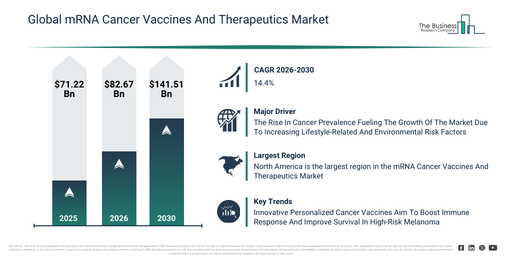
    The market for mRNA-based cancer vaccines and therapeutics has experienced significant expansion in recent years. Projected to rise from $71.22 billion in 2025 to $82.67 billion in 2026, this reflects a compound annual growth rate (CAGR) of 16.1%. During the historical period, this growth was driven by the proven effectiveness of mRNA platforms in infectious disease vaccines, progress in cancer immunology studies, a deeper comprehension of tumor antigens, preliminary clinical evidence supporting mRNA cancer treatments, and heightened investment from both public and private sectors in oncology research and development.

    The market size for mRNA cancer vaccines and therapeutics is projected to experience significant expansion in the coming years. By 2030, it is anticipated to reach $141.51 billion, driven by a compound annual growth rate (CAGR) of 14.4%. This projected growth during the forecast period is influenced by factors such as the increasing global incidence of cancer, a rising demand for targeted and personalized treatment approaches, the enhancement of mRNA production capabilities, a higher number of oncology clinical trials employing mRNA platforms, and key strategic alliances formed between pharmaceutical and biotechnology companies. Among the prominent trends shaping this period are the growing acceptance of personalized cancer vaccines, the broadening use of mRNA-based treatments beyond the oncology field, an intensified focus on developing neoantigen-specific vaccines, a richer clinical pipeline for mRNA-driven cancer immunotherapies, and increased funding directed toward scalable facilities for mRNA manufacturing.

    Download A Free Sample Report For Comprehensive Market Insights:

    https://www.thebusinessresearchcompany.com/sample.aspx?id=17204&type=smp&utm_source=BlogsPR&utm_medium=Paid&utm_campaign=Jul_PR

    mRNA Cancer Vaccines And Therapeutics Market Demand Drivers Creating New Revenue Opportunities

    The growing frequency of cancer cases is anticipated to accelerate the expansion of the mRNA cancer vaccine and therapeutic market in the coming years. Cancer refers to a set of illnesses defined by the unchecked proliferation and dissemination of abnormal cells, which have the capacity to invade and harm healthy tissue. This increase in cancer diagnoses is largely driven by lifestyle factors like physical inactivity, poor nutrition, and exposure to environmental contaminants, all of which heighten the likelihood of developing various forms of cancer. By facilitating customized and targeted immune responses that enable the body to more effectively recognize and destroy cancerous cells, mRNA cancer vaccines and therapeutics significantly enhance treatment outcomes. For example, in January 2024, the American Cancer Society, Inc., a US-based cancer advocacy group, reported that over 611,000 cancer-related deaths are projected in the United States for 2024, equating to more than 1,600 fatalities daily. Consequently, the rising burden of cancer is fueling growth in the mRNA cancer vaccine and therapeutic market.

    mRNA Cancer Vaccines And Therapeutics Market Segment Analysis: What Are The Major Market Categories?

    The mrna cancer vaccines and therapeutics market covered in this report is segmented –

    1) By Type: Adeno Carcinomas, Mucinous Carcinomas, Adenosquamous Carcinomas

    2) By Application: Cancer, Other Applications

    3) By End User: Hospitals And Clinics, Ambulatory Surgical Centers, Research Institutes, Other End Users

    Subsegments:

    1) By Adeno Carcinomas: Lung Adenocarcinomas, Colon Adenocarcinomas, Prostate Adenocarcinomas

    2) By Mucinous Carcinomas: Mucinous Ovarian Cancer, Mucinous Breast Cancer, Mucinous Colorectal Cancer

    3) By Adenosquamous Carcinomas: Pancreatic Adenosquamous Carcinoma, Cervical Adenosquamous Carcinoma, Esophageal Adenosquamous Carcinoma

    mRNA Cancer Vaccines And Therapeutics Market Trends Driving Strategic Industry Expansion

    Leading players in the mRNA cancer vaccines and therapeutics market are actively developing cutting-edge solutions, including personalized neoantigen vaccines, to boost immune responses and enhance survival rates for cancer patients. These vaccines are custom-made for each individual, leveraging distinct tumor-specific mutations to activate the immune system in targeting and eliminating cancer cells. For example, in July 2023, Merck & Co., Inc., a US-based research-driven biopharmaceutical firm, joined forces with Moderna Therapeutics, Inc., a US-based biotechnology company, to launch a Phase 3 randomized clinical trial (V940-001). This study investigates mRNA-4157 (V940) alongside KEYTRUDA (pembrolizumab) as an adjuvant therapy for patients with resected high-risk (Stage IIB-IV) melanoma. The initiative follows encouraging results from the Phase 2b KEYNOTE-942/mRNA-4157-P201 trial, which demonstrated a significant advantage of the combination over KEYTRUDA alone in lowering recurrence and distant metastasis risks. The Phase 3 trial seeks to validate these outcomes by evaluating relapse-free survival as the primary endpoint and distant metastasis-free survival as the secondary endpoint.

    mRNA Cancer Vaccines And Therapeutics Market Leading Companies Driving Competitive Growth

    Major companies operating in the mrna cancer vaccines and therapeutics market are BioNTech SE, Moderna Therapeutics Inc., CureVac N.V., Arcturus Therapeutics Holdings Inc., Immatics Biotechnologies GmbH, Argos Therapeutics Inc., Anima Biotech, Translate Bio, eTheRNA Immunotherapies NV, Gritstone bio Inc., Neon Therapeutics, Codiak BioSciences, Cartesian Therapeutics, Replimune Group Inc., Precision BioSciences, Acuitas Therapeutics, Ethris GmbH, Strand Therapeutics, Crown Bioscience, Roche (Hoffmann-La Roche AG)

    Access The Complete mRNA Cancer Vaccines And Therapeutics Market Report:

    https://www.thebusinessresearchcompany.com/report/mrna-cancer-vaccines-and-therapeutics-global-market-report?utm_source=BlogsPR&utm_medium=Paid&utm_campaign=Jul_PR

    mRNA Cancer Vaccines And Therapeutics Market Leading Geography: Which Region Generates The Most Revenue?

    North America was the largest region in the mRNA cancer vaccination and therapeutics market in 2025. Asia-Pacific is expected to be the fastest-growing region in the forecast period. The regions covered in the mrna cancer vaccines and therapeutics market report are Asia-Pacific, South East Asia, Western Europe, Eastern Europe, North America, South America, Middle East, Africa.

    Get in touch with us:

    The Business Research Company: https://www.thebusinessresearchcompany.com/?utm_source=BlogsPR&utm_medium=Paid&utm_campaign=home_page_test

    Americas: +1 310-496-7795

    Asia: +44 7882 955267 & +91 8897263534

    Europe: +44 7882 955267

    Email us at: marketing@tbrc.info

    Follow us on:

    LinkedIn: https://in.linkedin.com/company/the-business-research-company

    YouTube: https://www.youtube.com/channel/UC24_fI0rV8cR5DxlCpgmyFQ

    Global Market Model: https://www.thebusinessresearchcompany.com/global-market-model