Month: July 2026

  • Intranasal Corticosteroids Market Size Projected To Increase From $7.31 Billion To $9.74 Billion During The Forecast Period

    Intranasal Corticosteroids Market Size Projected To Increase From $7.31 Billion To $9.74 Billion During The Forecast Period

    Through market attractiveness analysis, total addressable market evaluation, company benchmarking matrices, interactive Excel dashboards, expanded supply chain intelligence, emerging startup coverage, and detailed product insights, The Business Research Company’s 2026 market reports provide more actionable and strategically valuable research.

    Intranasal Corticosteroids Market Value Expansion And Long-Term Growth Outlook

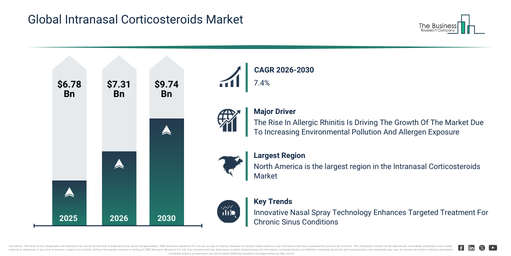
    The intranasal corticosteroids market has experienced robust expansion in recent years, with projections indicating an increase from $6.78 billion in 2025 to $7.31 billion in 2026, reflecting a compound annual growth rate (CAGR) of 7.8%. This historic growth has been driven by factors such as insufficient awareness surrounding intranasal corticosteroids, dependence on hospital-based pharmacies for medication distribution, a rising prevalence of nasal allergies, a continued preference for traditional therapeutic approaches, and limited availability of online pharmacy services.

    The intranasal corticosteroids market is anticipated to experience robust expansion in the coming years, with projections indicating it will reach $9.74 billion by 2030, reflecting a compound annual growth rate (CAGR) of 7.4%. This forecasted growth is driven by factors such as heightened healthcare awareness, the expansion of both retail and online pharmacy channels, a growing frequency of chronic rhinitis and nasal polyp cases, the integration of combination therapies, and the development of user-friendly spray devices. Key trends shaping the market in the forecast period include the increasing prevalence of allergic rhinitis and other nasal conditions, a rising uptake of prescription-based intranasal corticosteroids, growing utilization of over-the-counter versions, the broadening of distribution networks through hospitals and homecare settings, and a heightened emphasis on patient-centric approaches that prioritize ease of administration.

    Download A Free Sample Report For Comprehensive Market Insights:

    https://www.thebusinessresearchcompany.com/sample.aspx?id=25799&type=smp&utm_source=BlogsPR&utm_medium=Paid&utm_campaign=Jul_PR

    Intranasal Corticosteroids Market Growth Factors Supporting Long-Term Expansion

    The anticipated growth of the intranasal corticosteroids market is being driven forward by the rising incidence of allergic rhinitis. This condition, characterized by inflammation of the nasal passages due to allergens like pollen, dust mites, mold, or pet dander, is becoming more common, largely as a result of increasing environmental pollution. Such pollution exposes people to airborne triggers that provoke allergic reactions in the nasal lining. Intranasal corticosteroids work by alleviating this inflammation, thereby reducing symptoms such as sneezing, congestion, and a runny nose. A report from the National Library of Medicine in October 2023 highlighted that allergic rhinitis impacts over 400 million individuals globally, with prevalence rates ranging from 10% to 30% among adults and exceeding 40% in children. Consequently, the expanding prevalence of this condition is fueling the intranasal corticosteroid market.

    Intranasal Corticosteroids Market Segmentation Trends And Revenue Drivers

    The intranasal corticosteroids market covered in this report is segmented –

    1) By Drug Types: Prescribed Drugs, Over-The-Counter Drugs

    2) By Application: Allergic Rhinitis, Nasal Polyps, Sinusitis, Other Applications

    3) By Distribution Channel: Hospital Pharmacies, Retail Pharmacies, Online Pharmacies, Other Distribution Channel

    4) By End User: Hospitals, Clinics, Homecare, Healthcare Providers

    Subsegments:

    1) By Prescribed Drugs: Fluticasone Propionate, Mometasone Furoate, Budesonide, Beclomethasone Dipropionate, Ciclesonide

    2) By Over-The-Counter Drugs: Triamcinolone Acetonide, Fluticasone Furoate, Budesonide Over-The-Counter Drugs

    Intranasal Corticosteroids Market Industry Trends Shaping Future Revenue Growth

    In the intranasal corticosteroids market, key players are concentrating on creating innovative formulations like nasal sprays to optimize targeted drug delivery and boost patient adherence. A nasal spray is a liquid medication administered directly into the nose via a spray nozzle, used to manage allergies, congestion, or inflammation by enabling rapid drug absorption through the nasal mucosa, resulting in swift relief with minimal systemic side effects. For example, in March 2024, OptiNose Inc., a US-based pharmaceutical firm, secured FDA approval for XHANCE, the first and only treatment specifically indicated for adults with chronic rhinosinusitis (CRS) without nasal polyps. This nasal spray employs a distinctive exhalation delivery system that allows the medication to penetrate deeply into the nasal cavity, effectively addressing CRS with or without nasal polyps in adults. Each dose delivers 93 mcg of fluticasone propionate, and the device functions by having the user blow into a mouthpiece while simultaneously releasing the spray into one nostril, ensuring accurate delivery and improved symptom control.

    Intranasal Corticosteroids Market Industry Leaders: Which Organizations Are Driving Competition?

    Major companies operating in the intranasal corticosteroids market are GlaxoSmithKline plc, Teva Pharmaceutical Industries Ltd., Sandoz Group AG, Haleon plc, Intas Pharmaceuticals Limited, Organon Pharma (UK) Limited, Sun Pharmaceutical Industries Ltd., Apotex Inc., Perrigo Company plc, Aurobindo Pharma Limited, Cipla Ltd., Hikma Pharmaceuticals plc, Zydus Lifesciences Ltd., Glenmark Pharmaceuticals Limited, OptiNose US Inc., Taro Pharmaceutical Industries Ltd., Maya Biotech Private Limited, AdvaCare Pharma USA, Lupin Ltd., Xenone Healthcare Private Limited.

    Access The Complete Intranasal Corticosteroids Market Report:

    https://www.thebusinessresearchcompany.com/report/intranasal-corticosteroids-global-market-report?utm_source=BlogsPR&utm_medium=Paid&utm_campaign=Jul_PR

    Intranasal Corticosteroids Market Geographic Analysis: Where Is Demand Growing The Fastest?

    North America was the largest region in the intranasal corticosteroids market in 2025. Asia-Pacific is expected to be the fastest-growing region in the forecast period. The regions covered in the intranasal corticosteroids market report are Asia-Pacific, South East Asia, Western Europe, Eastern Europe, North America, South America, Middle East, Africa.

    Get in touch with us:

    The Business Research Company: https://www.thebusinessresearchcompany.com/?utm_source=BlogsPR&utm_medium=Paid&utm_campaign=home_page_test

    Americas: +1 310-496-7795

    Asia: +44 7882 955267 & +91 8897263534

    Europe: +44 7882 955267

    Email us at: marketing@tbrc.info

    Follow us on:

    LinkedIn: https://in.linkedin.com/company/the-business-research-company

    YouTube: https://www.youtube.com/channel/UC24_fI0rV8cR5DxlCpgmyFQ

    Global Market Model: https://www.thebusinessresearchcompany.com/global-market-model
  • Interventional Lung Solutions Market Growth Outlook Reveals A CAGR Of 8.1% And A Market Value Of $3.65 Billion By 2030

    Interventional Lung Solutions Market Growth Outlook Reveals A CAGR Of 8.1% And A Market Value Of $3.65 Billion By 2030

    Delivering more actionable and strategically valuable research, The Business Research Company’s 2026 market reports feature market attractiveness analysis, total addressable market evaluation, company benchmarking matrices, interactive Excel dashboards, expanded supply chain intelligence, emerging startup coverage, and detailed product insights.

    Interventional Lung Solutions Market Expected To Reach $3.65 Billion By 2030 At 8.1% CAGR

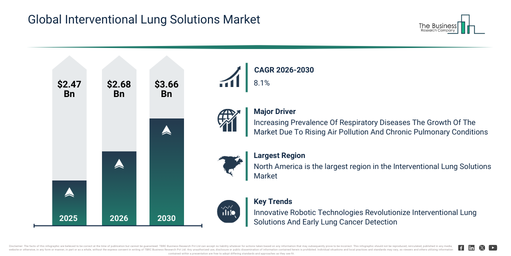
    The market for interventional lung solutions has experienced robust expansion over recent years, with projections indicating an increase from $2.47 billion in 2025 to $2.68 billion in 2026, reflecting a compound annual growth rate (CAGR) of 8.3%. This historical growth has been driven by a higher incidence of COPD and lung cancer, constraints associated with surgical lung interventions, progress in bronchoscopy technology, growing use of minimally invasive techniques in hospitals, and an overall rise in healthcare spending.

    The interventional lung solutions market is projected to experience robust expansion in the coming years, reaching $3.66 billion by 2030 at a compound annual growth rate (CAGR) of 8.1%. This forecasted growth is driven by an increasing elderly population suffering from respiratory conditions, a greater uptake of robotic-assisted interventions, an expansion in outpatient pulmonary procedures, a heightened emphasis on early lung cancer detection, and progress in navigation bronchoscopy technology. Key trends shaping the market during this period include a growing preference for minimally invasive pulmonary techniques, a higher utilization of robotic bronchoscopy systems, an increased demand for lung volume reduction devices, an expansion in image-guided interventional lung therapies, and a rising preference for disposable bronchoscopes.

    Download A Free Sample Report For Comprehensive Market Insights:

    https://www.thebusinessresearchcompany.com/sample.aspx?id=24258&type=smp&utm_source=BlogsPR&utm_medium=Paid&utm_campaign=Jul_PR

    Interventional Lung Solutions Market Demand Drivers Creating New Revenue Opportunities

    The projected expansion of the interventional lung solutions market is being driven by the rising incidence of respiratory diseases. These diseases encompass various medical conditions that impair lung and airway function, leading to breathing difficulties and disrupted respiratory processes. This upward trend in respiratory illnesses is largely attributed to worsening air pollution, which results in sustained exposure to dangerous airborne substances and irritants. Through minimally invasive techniques, interventional lung solutions assist in managing such conditions by enhancing lung performance and alleviating symptoms in patients suffering from chronic pulmonary disorders. As an example, BioMed Central Ltd, a UK-based journal platform, reported in May 2025 that the global prevalence of chronic obstructive pulmonary disease stands at 10.3%, with an anticipated 600 million individuals affected by 2050. Additionally, asthma currently impacts around 262 million people worldwide. Consequently, the growing frequency of respiratory diseases is propelling the interventional lung solutions market forward.

    Interventional Lung Solutions Market Segment Analysis Highlighting Growth Areas

    The interventional lung solutions market covered in this report is segmented –

    1) By Product Type: Bronchoscopes, Endobronchial Ultrasound Needles, Pleuroscopes, Airway Stents, Other Product Types

    2) By Technology: Robotic Surgery, Laser Therapy, Electromagnetic Navigation Bronchoscopy

    3) By Procedure: Bronchoscopy, Thoracoscopy, Pleuroscopy, Other Procedures

    4) By Application: Lung Cancer Treatment, Chronic Obstructive Pulmonary Disease

    5) By End-User: Hospitals, Ambulatory Surgical Centers, Specialty Clinics, Other End-Users

    Subsegments:

    1) BY Bronchoscopes: Flexible Bronchoscopes, Rigid Bronchoscopes, Disposable Bronchoscopes

    2) By Endobronchial Ultrasound Needles: Transbronchial Aspiration Needles, Biopsy Needles

    3) By Pleuroscopes: Flexible Pleuroscopes, Semi-Rigid Pleuroscopes

    4) By Airway Stents: Metallic Stents, Silicone Stents, Hybrid Stents

    5) By Other Product Types: Bronchial Thermoplasty Devices, Lung Volume Reduction Devices, Electromagnetic Navigation Systems, Cryotherapy And Ablation Devices

    Interventional Lung Solutions Market Trends Driving Strategic Industry Expansion

    Major players in the interventional lung solutions sector are concentrating on advancing cutting-edge technologies like the Ion Endoluminal System to boost lung cancer diagnostic precision, facilitate minimally invasive treatments, and improve patient recovery through enhanced navigation and biopsy features. The Ion Endoluminal System represents a robotic-assisted tool intended for low-impact lung procedures, offering accurate airway navigation to target small or challenging lung nodules. As an example, in April 2024, H. Lee Moffitt Cancer Center and Research Institute Foundation Inc., a nonprofit entity based in the United States, unveiled a new Ion Robotic Bronchoscopy platform, strengthening their interventional pulmonology program with sophisticated fiber-optic technology and a minimally invasive catheter system. This innovation employs fiber optics and the industry’s smallest catheter to access all lung regions. The platform includes an extremely thin, highly flexible catheter capable of 180° movement, integrated live visual feedback, and shape-sensing capabilities, allowing exact navigation and sample collection from difficult-to-reach peripheral lung nodules. This setup delivers unmatched steadiness and accuracy for tissue extraction, enabling clinicians to access every one of the 18 lung segments and boosting early-stage lung cancer identification.

    Interventional Lung Solutions Market Leading Companies: Who Holds Significant Market Presence?

    Major companies operating in the interventional lung solutions market are Johnson and Johnson, Siemens AG, Medtronic plc, FUJIFILM Holdings Corporation, GE Healthcare Technologies Inc., Boston Scientific Corporation, Olympus Corporation, Intuitive Surgical Inc., Smiths Medical Inc., Cook Medical Inc., Merit Medical Systems Inc., Penumbra Inc., Vygon SA, AngioDynamics Inc., Vapotherm Inc., Pulmonx Corporation, Broncus Medical Inc., Thirona B.V., Body Vision Medical Ltd., EndoMed Systems GmbH

    Access The Complete Interventional Lung Solutions Market Report:

    https://www.thebusinessresearchcompany.com/report/interventional-lung-solutions-global-market-report?utm_source=BlogsPR&utm_medium=Paid&utm_campaign=Jul_PR

    Interventional Lung Solutions Market Global Footprint: Which Region Holds Market Leadership?

    North America was the largest region in the interventional lung solutions market in 2025. Asia-Pacific is expected to be the fastest-growing region in the forecast period. The regions covered in the interventional lung solutions market report are Asia-Pacific, South East Asia, Western Europe, Eastern Europe, North America, South America, Middle East, Africa.

    Get in touch with us:

    The Business Research Company: https://www.thebusinessresearchcompany.com/?utm_source=BlogsPR&utm_medium=Paid&utm_campaign=home_page_test

    Americas: +1 310-496-7795

    Asia: +44 7882 955267 & +91 8897263534

    Europe: +44 7882 955267

    Email us at: marketing@tbrc.info

    Follow us on:

    LinkedIn: https://in.linkedin.com/company/the-business-research-company

    YouTube: https://www.youtube.com/channel/UC24_fI0rV8cR5DxlCpgmyFQ

    Global Market Model: https://www.thebusinessresearchcompany.com/global-market-model
  • Interstitial Cystitis Drugs Market Forecast Highlights Expansion From $1.5 Billion To $1.81 Billion Through 2030

    Interstitial Cystitis Drugs Market Forecast Highlights Expansion From $1.5 Billion To $1.81 Billion Through 2030

    Enhanced with market attractiveness analysis, total addressable market evaluation, company benchmarking matrices, interactive Excel dashboards, expanded supply chain intelligence, emerging startup coverage, and detailed product insights, The Business Research Company’s 2026 market reports deliver more actionable and strategically valuable research.

    Interstitial Cystitis Drugs Market Size And Revenue Forecast Through 2030

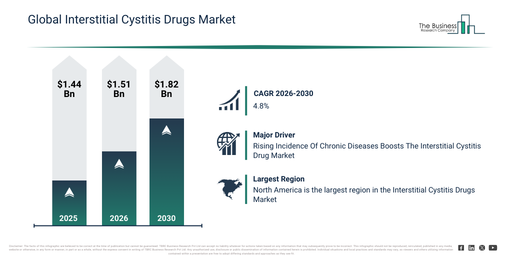
    The interstitial cystitis drugs market has experienced consistent expansion in recent years, with projections indicating an increase from $1.44 billion in 2025 to $1.51 billion in 2026, reflecting a compound annual growth rate (CAGR) of 4.8%. This historical growth has been driven by factors such as limited public awareness of interstitial cystitis, a strong dependence on traditional treatment approaches, a high rate of misdiagnosis, constrained investment in research and development, and the relatively low uptake of intravesical therapy.

    The market for interstitial cystitis drugs is projected to experience consistent expansion over the coming years. By 2030, it is anticipated to reach $1.82 billion, reflecting a compound annual growth rate (CAGR) of 4.8%. This forecasted growth is driven by factors such as the rising uptake of targeted therapies, greater funding directed toward IC research, a higher occurrence of bladder-related conditions, innovations in drug delivery systems, and the broadening of healthcare facilities. Key developments shaping this period include the emergence of personalized treatment plans, the adoption of less invasive drug delivery methods, progress in combination therapies, advances in repairing bladder linings, and a stronger emphasis on managing symptoms effectively.

    Download A Free Sample Report For Comprehensive Market Insights:

    https://www.thebusinessresearchcompany.com/sample.aspx?id=13461&type=smp&utm_source=BlogsPR&utm_medium=Paid&utm_campaign=Jul_PR

    Interstitial Cystitis Drugs Market Expansion Supported By Key Demand Factors

    The growing prevalence of chronic illnesses is anticipated to boost the interstitial cystitis drug market moving forward. Chronic diseases are defined as long-lasting health conditions that continue over an extended timeframe, often throughout a person’s life. Cystitis medications are used to manage urinary tract infections by targeting and eradicating the bacteria causing the infection. These drugs address the root infection within the urinary tract, relieving symptoms such as painful urination, frequent urination, and urgency that result from various chronic conditions, including urinary tract infections (UTIs). For example, in January 2023, the National Institute of Health—a public health research agency based in the US—reported that urinary tract infections led to over 1 million emergency department visits in the country, ranking as the seventh most common reason for such visits. Among these cases, 22% (220,000) were categorized as complicated urinary tract infections (UTIs), and roughly 100,000 patients were admitted to hospitals each year. Consequently, the increasing occurrence of chronic diseases is fueling expansion in the interstitial cystitis drug market.

    Expanding pharmaceutical production is set to drive the interstitial cystitis drug market forward. Drug production involves the entire manufacturing process of pharmaceutical goods, encompassing synthesis, formulation, and packaging of medications intended for therapeutic application. Key factors boosting demand for drug production in the pharmaceutical sector include an aging population, research and development efforts, health initiatives, and the need for generic medications. This production enhances treatment possibilities for interstitial cystitis by creating innovative therapies that address the rising demand for effective drugs, spurred by greater awareness and diagnosis. Improved manufacturing capabilities allow for swift responses to market requirements, guaranteeing that patients receive access to state-of-the-art treatments. In June 2023, as per the European Federation of Pharmaceutical Industries and Associations (EFPIA)—a trade association representing Europe’s pharmaceutical industry based in Belgium—total pharmaceutical production in Europe reached €390,000 million ($422,803 million) in 2023, compared to €363,300 million ($393,857 million) in 2022. Thus, the growing incidence of chronic diseases is propelling the interstitial cystitis drug market’s expansion.

    The expanding older demographic is expected to boost the interstitial cystitis drug market as we look ahead. An aging population describes a rising percentage of elderly individuals in a society, driven by longer life spans and lower birth rates. This group is increasing due to healthcare improvements that have prolonged life expectancy. Interstitial cystitis medications benefit older adults by alleviating chronic bladder pain and enhancing urinary comfort, thereby improving daily quality of life. In January 2024, the Population Reference Bureau—a US-based nonprofit—reported that the number of Americans aged 65 and older is projected to climb from 58 million in 2022 to 82 million by 2050, representing a 47% increase. Accordingly, this age group’s share of the total US population is expected to rise from 17% to 23% over that timeframe. Hence, the surge in the aging population is driving growth in the interstitial cystitis drug market.

    Interstitial Cystitis Drugs Market Segment Performance And Strategic Opportunities

    The interstitial cystitis drugs market covered in this report is segmented –

    1) By Drugs: Pentosan Polysulfate Sodium, Dimethyl Sulfoxide, Other Drugs

    2) By Type: Oral Therapy, Intravesical Therapy

    3) By Distribution Channel: Hospital Pharmacies, Retail Pharmacies, Online Pharmacies

    Subsegments:

    1) By Pentosan Polysulfate Sodium: Oral Pentosan Polysulfate Sodium, Injectable Pentosan Polysulfate Sodium

    2) By Dimethyl Sulfoxide (DMSO): Intravesical DMSO (Bladder Instillation)

    3) By Other Drugs: Amitriptyline, Hydroxyzine, Cimetidine, Gabapentin

    Interstitial Cystitis Drugs Market Key Players: Which Companies Shape Industry Competition?

    Major companies operating in the interstitial cystitis drugs market are Pfizer Inc., Johnson & Johnson , Merck & Co. Inc., AbbVie Inc., Bayer AG, Novartis AG, Sanofi SA, GlaxoSmithKline PLC, Eli Lilly and Company, Amgen Inc., Viatris Inc., Teva Pharmaceutical Industries Ltd., Astellas Pharma Inc., Boehringer Ingelheim International GmbH, UCB S.A., Sun Pharmaceutical Industries Ltd., Perrigo Company PLC, Cipla Limited, Ferring B.V., Grunenthal Pharma, Kyorin Pharmaceutical Co. Ltd, Seikagaku Corporation, UroGen Pharma, Alivio Therapeutics, Lipella Pharmaceuticals, GlycoMira Therapeutics Inc.

    Access The Complete Interstitial Cystitis Drugs Market Report:

    https://www.thebusinessresearchcompany.com/report/interstitial-cystitis-drugs-global-market-report?utm_source=BlogsPR&utm_medium=Paid&utm_campaign=Jul_PR

    Interstitial Cystitis Drugs Market Regional Distribution: Which Areas Drive Market Expansion?

    North America was the largest region in the interstitial cystitis drugs market in 2025. Asia-Pacific is expected to be the fastest-growing region in the forecast period. The regions covered in the interstitial cystitis drugs market report are Asia-Pacific, South East Asia, Western Europe, Eastern Europe, North America, South America, Middle East, Africa.

    Get in touch with us:

    The Business Research Company: https://www.thebusinessresearchcompany.com/?utm_source=BlogsPR&utm_medium=Paid&utm_campaign=home_page_test

    Americas: +1 310-496-7795

    Asia: +44 7882 955267 & +91 8897263534

    Europe: +44 7882 955267

    Email us at: marketing@tbrc.info

    Follow us on:

    LinkedIn: https://in.linkedin.com/company/the-business-research-company

    YouTube: https://www.youtube.com/channel/UC24_fI0rV8cR5DxlCpgmyFQ

    Global Market Model: https://www.thebusinessresearchcompany.com/global-market-model
  • InterLeukin6 IL6 Inhibitor Market Expected To Reach $58.32 Billion By 2030 As Growth Accelerates At 10.3% CAGR

    InterLeukin6 IL6 Inhibitor Market Expected To Reach $58.32 Billion By 2030 As Growth Accelerates At 10.3% CAGR

    Through market attractiveness analysis, total addressable market evaluation, company benchmarking matrices, interactive Excel dashboards, expanded supply chain intelligence, emerging startup coverage, and detailed product insights, The Business Research Company’s 2026 market reports provide more actionable and strategically valuable research.

    InterLeukin6 IL6 Inhibitor Market Growth From $39.43 Billion In 2026 To $58.32 Billion By 2030 At A CAGR Of 10.3%

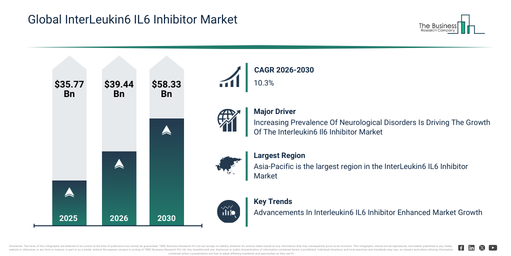
    The market for interleukin-6 (IL-6) inhibitors has experienced rapid expansion in recent years, with its value increasing from $35.77 billion in 2025 to $39.44 billion in 2026, representing a compound annual growth rate (CAGR) of 10.3%. This historical growth has been driven by factors such as a rising prevalence of rheumatoid arthritis, progress in monoclonal antibody development, the broadening of biologics production capabilities, enhanced diagnostic methods for inflammatory conditions, and the proliferation of specialty pharmacies.

    The market for interleukin-6 (IL-6) inhibitors is poised for substantial expansion in the coming years. By 2030, its value is projected to reach $58.33 billion, advancing at a compound annual growth rate (CAGR) of 10.3%. This anticipated growth during the forecast period is fueled by factors such as the increasing prevalence of autoimmune diseases, the broadening application of these inhibitors in oncology, a rise in approvals for biologic therapies, higher levels of healthcare expenditure, and the growing trend toward personalized immunotherapy. Key developments expected in this period encompass a greater shift toward targeted immunotherapies, expanded use of IL-6 inhibitors for treating autoimmune conditions, an increase in biologic drug development pipelines, wider clinical adoption for inflammatory and cytokine-driven disorders, and heightened demand for advanced injectable biologic products.

    Download A Free Sample Report For Comprehensive Market Insights:

    https://www.thebusinessresearchcompany.com/sample.aspx?id=19103&type=smp&utm_source=BlogsPR&utm_medium=Paid&utm_campaign=Jul_PR

    InterLeukin6 IL6 Inhibitor Market Growth Drivers And Industry Catalysts

    The anticipated expansion of the interleukin-6 (IL-6) inhibitor market is being driven by the growing incidence of neurological disorders. These disorders, which impair cognitive, motor, and sensory functions, involve conditions affecting the brain, spinal cord, and peripheral nerves. Their rising prevalence is attributed to an aging population, enhanced diagnostic methods, and lifestyle elements like chronic stress and inactivity. By reducing inflammation and abnormal immune responses within the central nervous system, the IL-6 inhibitor market aids neurological care, easing symptoms and decelerating disease advancement. For example, in March 2023, the National Library of Medicine, a US-based biomedical library, reported that approximately 0.0067 billion Americans aged 65 and older were living with Alzheimer’s dementia in 2023, with forecasts suggesting this figure could climb to 0.0138 billion by 2060. Consequently, the increasing frequency of neurological disorders is fueling growth in the interleukin-6 (IL-6) inhibitor market.

    InterLeukin6 IL6 Inhibitor Market Segment Landscape And Growth Potential

    The interleukin6 il6 inhibitor market covered in this report is segmented –

    1) By Drug Type: Tocilizumab, Siltuximab, Sylvant

    2) By Route Of Administration: Intravenous (IV), Subcutaneous (SC), Other Route Of Administration

    3) By Indication: Rheumatoid Arthritis, Oncology, Systemic Juvenile Idiopathic Arthritis, Giant Cell Arteritis, COVID-19-Related Cytokine Storm, Other Indications

    4) By Distribution Channel: Retail Pharmacies, Hospital Pharmacies, Specialty Pharmacies, Online Pharmacies, Other Distribution Channels

    Subsegments:

    1) By Tocilizumab: Injectable Tocilizumab, Intravenous Tocilizumab, Subcutaneous Tocilizumab

    2) By Siltuximab: Injectable Siltuximab, Monotherapy Siltuximab, Combination Therapy Siltuximab

    3) By Sylvant: Injectable Sylvant, Sylvant For Multicentric Castleman Disease, Sylvant In Combination Treatments

    InterLeukin6 IL6 Inhibitor Market Trends Influencing Long-Term Demand

    Leading players within the interleukin-6 (IL-6) inhibitor space are prioritizing the creation of novel solutions, like the inaugural approved tocilizumab biosimilar, with the goal of broadening therapeutic options, boosting affordability, and elevating patient results. This approved biosimilar represents a product that closely mirrors the originator biologic Actemra; its mechanism involves blocking the IL-6 receptor to mitigate inflammation associated with diseases including rheumatoid arthritis and juvenile idiopathic arthritis, all while delivering equivalent safety, efficacy, and quality at a reduced expense. As an example, in November 2023, Fresenius Kabi, a healthcare firm based in Germany, introduced Tyenne—a tocilizumab biosimilar aimed at various inflammatory and immune-driven disorders—offering adaptable administration routes such as subcutaneous use via prefilled syringes and autoinjectors, alongside intravenous delivery in vials, thereby granting medical professionals flexible treatment selections and providing European patients with a premium, cost-effective substitute for the original medication.

    InterLeukin6 IL6 Inhibitor Market Competitive Landscape: Who Are The Leading Companies?

    Major companies operating in the interleukin6 il6 inhibitor market are F. Hoffmann-La Roche Ltd, Genentech Inc., Chugai Pharmaceutical Co. Ltd., Johnson & Johnson, Regeneron Pharmaceuticals Inc., Sanofi S.A., Celltrion Inc., Novartis AG, GlaxoSmithKline plc, Amgen Inc., Merck KGaA, Astellas Pharma Inc., Galapagos N.V., AbbVie Inc., Bristol Myers Squibb Company, Eli Lilly and Company, Pfizer Inc., AstraZeneca PLC, Takeda Pharmaceutical Company Limited, Kyowa Kirin Co. Ltd.

    Access The Complete InterLeukin6 IL6 Inhibitor Market Report:

    https://www.thebusinessresearchcompany.com/report/interleukin6-il6-inhibitor-global-market-report?utm_source=BlogsPR&utm_medium=Paid&utm_campaign=Jul_PR

    InterLeukin6 IL6 Inhibitor Market Leading Geography: Which Region Generates The Most Revenue?

    Asia-Pacific was the largest region in the interleukin6 IL6 inhibitor market in 2025. North America is expected to be the fastest-growing region in the forecast period. The regions covered in the interleukin6 il6 inhibitor market report are Asia-Pacific, South East Asia, Western Europe, Eastern Europe, North America, South America, Middle East, Africa.

    Get in touch with us:

    The Business Research Company: https://www.thebusinessresearchcompany.com/?utm_source=BlogsPR&utm_medium=Paid&utm_campaign=home_page_test

    Americas: +1 310-496-7795

    Asia: +44 7882 955267 & +91 8897263534

    Europe: +44 7882 955267

    Email us at: marketing@tbrc.info

    Follow us on:

    LinkedIn: https://in.linkedin.com/company/the-business-research-company

    YouTube: https://www.youtube.com/channel/UC24_fI0rV8cR5DxlCpgmyFQ

    Global Market Model: https://www.thebusinessresearchcompany.com/global-market-model
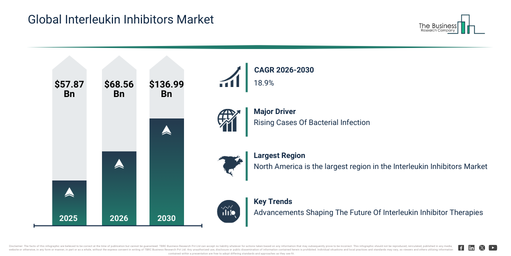
  • Interleukin Inhibitors Market Set To Grow From $68.55 Billion In 2026 To $136.99 Billion By 2030 At A CAGR Of 18.9%

    Interleukin Inhibitors Market Set To Grow From $68.55 Billion In 2026 To $136.99 Billion By 2030 At A CAGR Of 18.9%

    Delivering more actionable and strategically valuable research, The Business Research Company’s 2026 market reports feature market attractiveness analysis, total addressable market evaluation, company benchmarking matrices, interactive Excel dashboards, expanded supply chain intelligence, emerging startup coverage, and detailed product insights.

    Interleukin Inhibitors Market Expansion Outlook: What Revenue Opportunities Lie Ahead?

    The market for interleukin inhibitors has experienced swift expansion over the past few years. Projections indicate that its value will climb from $57.87 billion in 2025 to $68.56 billion in 2026, reflecting a compound annual growth rate (CAGR) of 18.5%. This past growth was driven by factors such as the restricted supply of interleukin inhibitors, a rising occurrence of autoimmune conditions, heightened knowledge and prescribing habits among doctors, dependence on traditional treatment methods, and the broader reach of hospital pharmacies along with specialized clinics.

    The interleukin inhibitors market is anticipated to experience rapid expansion over the coming years, with projections indicating it will reach $136.99 billion by 2030, reflecting a compound annual growth rate (CAGR) of 18.9%. This forecasted growth is driven by factors such as advancements in next-generation biologics, increased funding for personalized immunotherapies, the growth of online pharmacies and telemedicine platforms, a higher number of regulatory approvals for novel interleukin inhibitors, and strengthened government and healthcare initiatives aimed at managing chronic diseases. Key trends shaping this period include the growing use of interleukin inhibitors to treat autoimmune disorders, the rise of biologic therapies targeting cytokines such as il-17, il-23, il-1, il-5, and il-6, a heightened emphasis on personalized and targeted immunotherapy approaches, the broadening of distribution networks through hospitals and specialty clinics, and the increasing integration of digital platforms and telemedicine into chronic disease management strategies.

    Download A Free Sample Report For Comprehensive Market Insights:

    https://www.thebusinessresearchcompany.com/sample.aspx?id=3469&type=smp&utm_source=BlogsPR&utm_medium=Paid&utm_campaign=Jul_PR

    Interleukin Inhibitors Market Opportunity Drivers: What Is Creating New Revenue Potential?

    The interleukin inhibitors market is anticipated to witness growth in the coming period due to the increasing incidence of bacterial infections. These infections are caused by bacteria, which are tiny, single-celled organisms. Interleukin inhibitors play a crucial role in managing and preventing bacterial diseases by inhibiting bacterial proliferation. To illustrate, data from the Centers for Disease Control and Prevention, a US governmental agency, showed that tuberculosis cases climbed from 8,320 in 2022 to 9,615 in 2023, marking a rise of 1,295 cases. Consequently, the growing prevalence of bacterial infections is fueling the expansion of the interleukin inhibitors market.

    Interleukin Inhibitors Market Categorization By Product Type And Application

    The interleukin inhibitors market covered in this report is segmented –

    1) By Type: IL-17, IL-23, IL-1, IL-5, IL-6

    2) By Application: Psoriasis, Psoriatic Arthritis, Rheumatoid Arthritis, Asthma, Inflammatory Bowel Disease, Other Applications

    3) By Distribution Channel: Hospital Pharmacies, Retail Pharmacies, Online Pharmacies

    Subsegments:

    1) By IL-17: Secukinumab, Ixekizumab, Brodalumab

    2) By IL-23: Ustekinumab, Guselkumab, Tildrakizumab

    3) By IL-1: Anakinra, Canakinumab

    4) By IL-5: Mepolizumab, Reslizumab, Benralizumab

    5) By IL-6: Tocilizumab, Sarilumab

    Interleukin Inhibitors Market Innovation Trends Driving Future Development

    Key industry players within the interleukin inhibitors market are concentrating their efforts on creating cutting-edge therapies, including monoclonal antibody biosimilars, designed to boost treatment effectiveness, lower expenses, and increase patient access. A monoclonal antibody biosimilar is a biologic product that closely resembles an authorized reference antibody, showing no significant clinical differences in either safety or efficacy. As an example, in October 2025, Celltrion Inc., a biopharmaceutical firm headquartered in South Korea, introduced AVTOZMA (tocilizumab-anoh) in an intravenous (IV) formulation across the United States. This therapeutic option works by targeting interleukin-6 receptors to address conditions like rheumatoid arthritis and various inflammatory disorders. The initiative aims to enhance both patient access and clinical results by broadening the range of advanced biologic treatments available.

    Interleukin Inhibitors Market Company Landscape And Strategic Competition

    Major companies operating in the interleukin inhibitors market are Sanofi S.A., GlaxoSmithKline plc, Novartis International AG, Johnson & Johnson Services Inc., F. Hoffmann-La Roche Ltd., Eli Lilly and Company, AstraZeneca plc, Teva Pharmaceutical Industries Ltd., Regeneron Pharmaceuticals Inc., Bausch Health Companies Inc., AbbVie Inc., Sun Pharmaceutical Industries Limited, Boehringer Ingelheim International GmbH, Janssen Biotech Inc., Ortho Dermatologics, Amgen Inc., Celgene Corporation, Bristol-Myers Squibb Company, Pfizer Inc., Merck & Co. Inc., Takeda Pharmaceutical Company Limited, Biogen Inc., Incyte Corporation, Kyowa Kirin Co Ltd., Astellas Pharma Inc., Ipsen Biopharmaceuticals Inc.

    Access The Complete Interleukin Inhibitors Market Report:

    https://www.thebusinessresearchcompany.com/report/interleukin-inhibitor-global-market-report?utm_source=BlogsPR&utm_medium=Paid&utm_campaign=Jul_PR

    Interleukin Inhibitors Market Regional Outlook: Where Are The Largest Opportunities Located?

    North America was the largest region in the interleukin inhibitors market in 2025. The regions covered in the interleukin inhibitors market report are Asia-Pacific, South East Asia, Western Europe, Eastern Europe, North America, South America, Middle East, Africa.

    Get in touch with us:

    The Business Research Company: https://www.thebusinessresearchcompany.com/?utm_source=BlogsPR&utm_medium=Paid&utm_campaign=home_page_test

    Americas: +1 310-496-7795

    Asia: +44 7882 955267 & +91 8897263534

    Europe: +44 7882 955267

    Email us at: marketing@tbrc.info

    Follow us on:

    LinkedIn: https://in.linkedin.com/company/the-business-research-company

    YouTube: https://www.youtube.com/channel/UC24_fI0rV8cR5DxlCpgmyFQ

    Global Market Model: https://www.thebusinessresearchcompany.com/global-market-model
  • Interferons Market Opportunities Are Emerging Beyond Traditional Growth Areas

    Interferons Market Opportunities Are Emerging Beyond Traditional Growth Areas

    Enhanced with market attractiveness analysis, total addressable market evaluation, company benchmarking matrices, interactive Excel dashboards, expanded supply chain intelligence, emerging startup coverage, and detailed product insights, The Business Research Company’s 2026 market reports deliver more actionable and strategically valuable research.

    Interferons Market Growth Potential: How Will Market Size Change Through 2030?

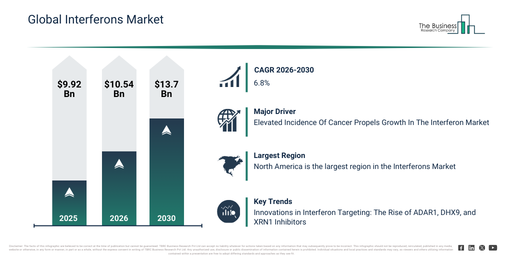
    The interferons market has seen robust expansion in recent years. Between 2025 and 2026, its value is projected to increase from $9.92 billion to $10.54 billion, reflecting a compound annual growth rate (CAGR) of 6.3%. This historical growth has been fueled by factors such as the restricted supply of recombinant interferons, rising rates of hepatitis B and C infections, a greater occurrence of melanoma and leukemia cases, ongoing dependence on traditional interferon treatments, and the broadening infrastructure of hospital pharmacy systems.

    The market for interferons is projected to experience significant growth over the coming years. By 2030, its value is anticipated to reach $13.7 billion, driven by a compound annual growth rate (CAGR) of 6.8%. This forecasted expansion is fueled by factors such as the creation of pegylated and long-lasting interferon variants, heightened application in treating multiple sclerosis and renal cell carcinoma, broader accessibility through online and retail pharmacies, a growing trend toward combining therapies, and increased governmental backing for immunotherapy initiatives. Key developments shaping the market during this period include a higher adoption of interferon-based treatments for viral infections, a greater role for interferons in cancer care, an expanded use of interferon beta for managing multiple sclerosis, a surge in distribution via hospital and online pharmacy platforms, and a concentrated effort to formulate long-acting and enhanced interferon products.

    Download A Free Sample Report For Comprehensive Market Insights:

    https://www.thebusinessresearchcompany.com/sample.aspx?id=2836&type=smp&utm_source=BlogsPR&utm_medium=Paid&utm_campaign=Jul_PR

    Interferons Market Growth Momentum: Which Factors Are Influencing Demand?

    The anticipated growth of the interferon market is being propelled by the increasing prevalence of cancer. Cancer refers to a group of illnesses marked by the formation of abnormal cells that multiply uncontrollably and have the capability to invade other areas of the body. Interferons play a role in managing several cancer types, such as melanoma, Kaposi’s sarcoma, and certain forms of leukemia. These medications are frequently incorporated into combination treatment regimens, enhancing the immune system’s ability to combat cancerous cells. For example, data from the Australian Institute of Health and Welfare, a government agency based in Australia, released in July 2024, indicates that approximately 165,000 new cancer diagnoses were made in Australia in 2023—translating to over 450 cases per day, with males accounting for roughly 55% of those cases. Consequently, the rising incidence of cancer is fueling expansion within the interferon sector.

    Interferons Market Segment Analysis And Revenue Opportunities

    The interferons market covered in this report is segmented –

    1) By Type: Interferon Alpha, Interferon Beta, Interferon Gamma

    2) By Application: Hepatitis B, Hepatitis C, Melanoma, Leukemia, Multiple Sclerosis, Renal Cell Carcinoma

    3) By Distribution Channel: Hospital Pharmacies, Online Pharmacies, Retail Pharmacies, Other Distribution Channels

    Subsegments:

    1) By Interferon Alpha: Interferon Alpha-2a, Interferon Alpha-2b

    2) By Interferon Beta: Interferon Beta-1a, Interferon Beta-1b

    3) By Interferon Gamma: Interferon Gamma-1b, Interferon Gamma Receptor 2

    Interferons Market Trends Reshaping Industry Growth

    Leading players in the interferon market are advancing innovative initiatives, including ADAR1 inhibitors and DHX9 inhibitors, designed to trigger replication stress and cell death in microsatellite unstable tumors. ADAR1 inhibitors are developed to block ADAR1, a target associated with immune activation within cancer cells. Blocking ADAR1 has been demonstrated to cause cell death in cells exhibiting elevated type I interferon signaling. Meanwhile, DHX9 inhibitors consist of small-molecule agents that target DHX9, an RNA helicase responsible for preserving genomic stability in cancers. Suppressing DHX9 can induce replication stress and cell death in certain tumor types. For example, in October 2023, Accent Therapeutics, a US-based biopharmaceutical firm, unveiled its XRN1 program. This initiative focuses on developing small-molecule inhibitors aimed at the enzyme XRN1, crucial for RNA degradation and involvement in innate immunity. The effort seeks to combat tumors characterized by high interferon signaling, thereby improving cancer cell death rates. As a component of Accent Therapeutics’ dedication to crafting precision cancer treatments, recent displays at the 35th AACR-NCI-EORTC Symposium highlighted preclinical validations and advancements in creating selective inhibitors for this essential oncology target.

    Interferons Market Leading Players Shaping Industry Direction

    Major companies operating in the interferons market are Roche Holding AG, Merck & Co. Inc., Bristol-Myers Squibb Company, Biogen Inc., Bayer AG, Zydus Cadila Health Care Limited, Biosidus S.A., Nanogen Biopharmaceutical Co. Ltd., Amega Biotech Inc., Rhein Minapharm Biogenetics S.A.E., PROBIOMED S.A. de C.V., Schering-Plough Corporation, 3SBio Inc., Genentech Inc., Teva Pharmaceutical Industries Ltd., Biocad, Cipla Limited, Dr. Reddy’s Laboratories Ltd., Hetero Drugs Limited

    Access The Complete Interferons Market Report:

    https://www.thebusinessresearchcompany.com/report/interferon-global-market-report?utm_source=BlogsPR&utm_medium=Paid&utm_campaign=Jul_PR

    Interferons Market Geographic Landscape: Which Region Dominates Industry Growth?

    North America was the largest region in the interferons market in 2025. Middle East is expected to be the fastest-growing region in the interferons market during the forecast period. The regions covered in the interferons market report are Asia-Pacific, South East Asia, Western Europe, Eastern Europe, North America, South America, Middle East, Africa.

    Get in touch with us:

    The Business Research Company: https://www.thebusinessresearchcompany.com/?utm_source=BlogsPR&utm_medium=Paid&utm_campaign=home_page_test

    Americas: +1 310-496-7795

    Asia: +44 7882 955267 & +91 8897263534

    Europe: +44 7882 955267

    Email us at: marketing@tbrc.info

    Follow us on:

    LinkedIn: https://in.linkedin.com/company/the-business-research-company

    YouTube: https://www.youtube.com/channel/UC24_fI0rV8cR5DxlCpgmyFQ

    Global Market Model: https://www.thebusinessresearchcompany.com/global-market-model
  • Intelligent Pills Market Expansion Is Opening New Pathways For Strategic Investment

    Intelligent Pills Market Expansion Is Opening New Pathways For Strategic Investment

    Through market attractiveness analysis, total addressable market evaluation, company benchmarking matrices, interactive Excel dashboards, expanded supply chain intelligence, emerging startup coverage, and detailed product insights, The Business Research Company’s 2026 market reports provide more actionable and strategically valuable research.

    Intelligent Pills Market Value Analysis: What Growth Is Expected Over The Forecast Period?

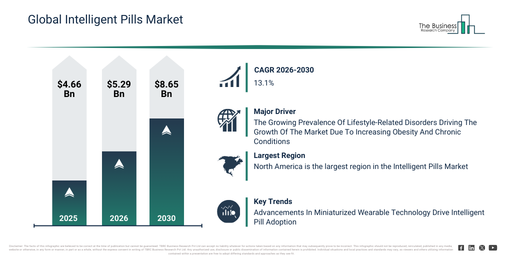
    In recent years, the market for intelligent pills has expanded at a swift pace. Projected to rise from $4.66 billion in 2025 to $5.29 billion in 2026, it is expected to achieve a compound annual growth rate (CAGR) of 13.4%. The historical growth has been driven by factors such as progress in medical imaging, heightened demand for diagnosing gastrointestinal conditions, the increasing prevalence of minimally invasive diagnostic methods, the integration of advanced technologies in hospitals, and breakthroughs in wireless sensor development.

    The market for intelligent pills is projected to experience significant expansion in the coming years, reaching $8.65 billion by 2030, with a compound annual growth rate (CAGR) of 13.1%. This upward trajectory in the forecast period is driven by factors such as the growth of remote healthcare, the integration of AI-powered diagnostics, the development of the digital health ecosystem, the increasing need for chronic disease monitoring, and progress in smart medical device innovation. Among the prominent trends shaping this period are the wider application of capsule endoscopy technologies, a greater acceptance of ingestible sensors, the broadening of remote patient monitoring uses, the heightened preference for non-invasive diagnostic tools, and the incorporation of wireless data transmission into diagnostic processes.

    Download A Free Sample Report For Comprehensive Market Insights:

    https://www.thebusinessresearchcompany.com/sample.aspx?id=24573&type=smp&utm_source=BlogsPR&utm_medium=Paid&utm_campaign=Jul_PR

    Intelligent Pills Market Expansion Drivers: What Is Shaping Future Growth?

    The rise in lifestyle-related health issues is set to boost the intelligent pills market moving forward. These conditions, classified as non-communicable diseases, stem largely from daily routines, behaviors, and lifestyle choices that individuals adopt. Poor dietary habits are a key factor behind this increase, fueling problems like obesity, diabetes, heart disease, and other persistent ailments. Intelligent pills offer a way to address these disorders through tailored treatment, leveraging real-time health tracking and data-driven insights to enhance medication adherence and improve treatment results. As an example, data from the Office for Health Improvement and Disparities, a UK government entity, indicates that in May 2025, an estimated 64.5% of adults aged 18 and above in England were either overweight or living with obesity during 2023 to 2024, up from 64.0% recorded in 2022 to 2023. Consequently, the expanding prevalence of lifestyle-related disorders is fueling the intelligent pills market.

    A growing focus on personalized medicine is anticipated to drive the intelligent pills market forward in the coming period. This approach tailors prevention and treatment to individual traits, including genetics, biomarkers, and behavior patterns. The heightened emphasis on personalized medicine results from advancements in genomics, a deeper understanding of how individual differences influence disease and treatment responses, and an increasing capacity to align therapies with each person’s distinct genetic, environmental, and lifestyle factors. Intelligent pills support this by enabling adaptive, data-driven dosing and monitoring, allowing treatments to adjust to a person’s physical state in real time. For example, the Personalized Medicine Coalition, a nonprofit based in the US, reported in February 2024 that the FDA approved 16 new personalized therapies for patients with rare diseases in 2023, compared to just 6 in 2022. Thus, the rising focus on personalized medicine is encouraging growth in the intelligent pills market.

    Intelligent Pills Market Segmentation And Category Breakdown

    The intelligent pills market covered in this report is segmented –

    1) By Type: Occult GI Bleeding, Chron’s Disease, Small Bowel Tumors, Celiac Disease, Inherited Polyposis Syndromes

    2) By Target Area: Esophagus, Stomach, Small Intestine, Large Intestine

    3) By Application: Capsule Endoscopy, Drug Delivery, Patient Monitoring

    4) By End-User: Hospital Pharmacy, Clinics, Research Institutes, Home Healthcare

    Subsegments:

    1) By Occult GI Bleeding: Detection Of Hidden Gastrointestinal Bleeding, Non-Invasive Diagnosis Of Occult Blood Loss

    2) By Crohn’s Disease: Monitoring Disease Progression, Assessment Of Intestinal Inflammation

    3) By Small Bowel Tumors: Tumor Identification In The Small Intestine, Tumor Monitoring And Diagnosis

    4) By Celiac Disease: Detection Of Gluten-Induced Damage In The Intestine, Monitoring Adherence To Gluten-Free Diet

    5) By Inherited Polyposis Syndromes: Detection Of Polyps In The Gastrointestinal Tract, Risk Assessment And Monitoring For Genetic Polyposis

    Intelligent Pills Market Strategic Trends: What Is Defining The Next Phase Of Growth?

    Major industry participants within the intelligent pills market are placing significant emphasis on advancing their capabilities through innovative technologies like wearable ingestion tracking devices, which are designed to enhance medication compliance and facilitate ongoing patient oversight. These wearable monitors, typically worn on the wrist or attached to the body, are engineered to detect when individuals take their prescribed medications, thereby supporting timely administration, boosting adherence rates, and supplying healthcare professionals with immediate data to refine treatment strategies. A notable development occurred in November 2023 when etectRx Inc., a digital health enterprise based in the United States, introduced the Wrist-Worn Reader, a cutting-edge tool that enhances the functionality of the ID-Cap System. This novel device operates in conjunction with the existing ID-Cap medication monitoring capsule, providing a convenient wrist-mounted option that replaces the earlier necklace-style reader, thus improving both comfort and practicality. The Wrist-Worn Reader consistently logs ingestion events, issues notifications when doses are missed, and aids in clinical research efforts like HIV PrEP trials, ultimately strengthening adherence and improving health results. Its capacity to accommodate diverse lifestyles and individual preferences distinguishes it from traditional monitoring approaches.

    Intelligent Pills Market Competitive Analysis Of Major Industry Participants

    Major companies operating in the intelligent pills market are RF Co. Ltd., OMOMED S.A., Shangxian Minimal Invasive Inc., Medtronic Given Imaging (PillCam Division), Shenzhen ANX Robotica, Capsovision Europe GmbH, BDD (Bio-Medical Device Development Ltd.), SmartPill Corporation, ReX Medical, Sensilize Ltd., HQ Inc., JIFU Medical, Chongqing Jinshan Capsule Endoscopy, CapsoVision Asia, NaviCam Medical Systems, IntroMedic Europe, EBS Medical, Check-Cap Imaging, Biora Therapeutics, etectRx Digital Health

    Access The Complete Intelligent Pills Market Report:

    https://www.thebusinessresearchcompany.com/report/intelligent-pills-global-market-report?utm_source=BlogsPR&utm_medium=Paid&utm_campaign=Jul_PR

    Intelligent Pills Market Largest Region: Which Geography Holds The Highest Market Share?

    North America was the largest region in the intelligent pills market in 2025. The regions covered in the intelligent pills market report are Asia-Pacific, South East Asia, Western Europe, Eastern Europe, North America, South America, Middle East, Africa.

    Get in touch with us:

    The Business Research Company: https://www.thebusinessresearchcompany.com/?utm_source=BlogsPR&utm_medium=Paid&utm_campaign=home_page_test

    Americas: +1 310-496-7795

    Asia: +44 7882 955267 & +91 8897263534

    Europe: +44 7882 955267

    Email us at: marketing@tbrc.info

    Follow us on:

    LinkedIn: https://in.linkedin.com/company/the-business-research-company

    YouTube: https://www.youtube.com/channel/UC24_fI0rV8cR5DxlCpgmyFQ

    Global Market Model: https://www.thebusinessresearchcompany.com/global-market-model
  • Insulin Drugs Market Trends Are Creating New Opportunities For Industry Leaders

    Insulin Drugs Market Trends Are Creating New Opportunities For Industry Leaders

    Delivering more actionable and strategically valuable research, The Business Research Company’s 2026 market reports feature market attractiveness analysis, total addressable market evaluation, company benchmarking matrices, interactive Excel dashboards, expanded supply chain intelligence, emerging startup coverage, and detailed product insights.

    Insulin Drugs Market Size Forecast: How Large Could The Market Become By 2030?

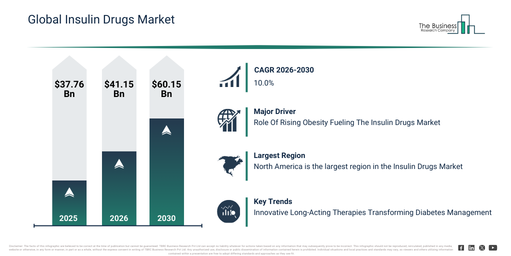
    The insulin drugs market has experienced robust expansion in recent years. Projected to increase from $37.76 billion in 2025 to $41.15 billion in 2026, this represents a compound annual growth rate (CAGR) of 9.0%. Several factors drove this historical growth, including constrained access to insulin analogs, a heavy dependence on human insulin, a growing prevalence of type 2 diabetes, an expanding network of hospitals and retail pharmacies, and heightened awareness surrounding diabetes management.

    The insulin drugs market is projected to experience robust expansion over the coming years, reaching an estimated value of $60.15 billion by 2030, with a compound annual growth rate (CAGR) of 10.0%. This anticipated growth during the forecast period is driven by factors such as the development of ultra-long-acting and fast-acting insulins, the expansion of digital health monitoring tools, the growing adoption of pre-mixed insulin therapies, increased government initiatives focused on diabetes care, and the integration of insulin therapy with personalized medicine. Key trends shaping this period include a rising preference for insulin analogs and branded drugs, greater utilization of pre-mixed and combination insulin formulations, an increase in diabetes prevalence and type 2 diabetes management, the expansion of online pharmacies and retail distribution channels, and the integration of continuous glucose monitoring with digital health platforms.

    Download A Free Sample Report For Comprehensive Market Insights:

    https://www.thebusinessresearchcompany.com/sample.aspx?id=2674&type=smp&utm_source=BlogsPR&utm_medium=Paid&utm_campaign=Jul_PR

    Insulin Drugs Market Development Factors: Which Trends Are Supporting Demand?

    The growing frequency of obesity is anticipated to drive the expansion of the insulin drugs market in the coming period. Obesity is defined as a state where an individual carries excess body fat that can negatively affect health, usually assessed through body mass index (BMI). This increase in obesity is driven by inactive routines and a higher intake of calorie-dense, processed foods, which elevate the likelihood of developing type 2 diabetes. The market for insulin drugs adapts to this development by offering treatment options that aid in controlling blood sugar levels and reducing the risk of diabetes-associated issues in patients with obesity. As an example, a report from the Office for Health Improvement & Disparities (OHID), a UK-based governmental public health agency, released in May 2025, indicated that in 2023–2024, 26.5% of adults were obese, a minor rise from 26.2% in 2022–2023; obesity was more common among women (26.9%) than men (26.2%), reached its highest point at 32.5% in the 55–64 age bracket, and varied from 11.0% to 37.9% across local authorities. Consequently, the increasing rate of obesity is accelerating the insulin drugs market’s growth.

    Insulin Drugs Market Segment Outlook: Which Categories Are Expanding The Fastest?

    The insulin drugs market covered in this report is segmented –

    1) By Product Type: Basal Or Long-Acting Insulins, Bolus Or Fast-Acting Insulins, Pre-Mixed, Intermediate And Short Acting Insulins

    2) By Source Type: Insulin Analogs, And Human Insulin

    3) By Drug Classification: Branded Drugs, And Generic Drugs

    4) By Application: Type 2 Diabetes, Type 1 Diabetes, And Gestational Diabetes

    5) By Distribution Channel: Hospital Pharmacies, Retail Pharmacies, And Online

    Subsegments:

    1) By Basal Or Long-Acting Insulins: Insulin Glargine, Insulin Detemir, Insulin Degludec

    2) By Bolus Or Fast-Acting Insulins: Insulin Aspart, Insulin Lispro, Insulin Glulisine

    3) By Pre-Mixed: Biphasic Insulin Formulations, Pre-Mixed Combinations Of Long-Acting And Fast-Acting Insulins

    4) By Intermediate And Short-Acting Insulins: Insulin NPH (Neutral Protamine Hagedorn), Regular Insulin (Short-Acting)

    Insulin Drugs Market Transformation Trends: Which Innovations Are Driving Change?

    Key industry players in the insulin drug market are prioritizing innovation in diabetes care, with a particular emphasis on developing long-acting insulin to deliver steady blood glucose control, minimize injection frequency, and enhance patient compliance. Long-acting insulin encompasses formulations engineered for gradual release over a prolonged duration, ensuring stable blood sugar levels throughout the day. As an illustration, during November 2023, Sanofi S.A., a pharmaceutical company headquartered in France, introduced Soliqua in India. This product combines a fixed ratio of lixisenatide and long-acting insulin glargine, administered through a once-daily pre-filled pen. It assists patients with type 2 diabetes who have not achieved adequate control with oral or injectable treatments in more effectively managing both fasting and postprandial blood glucose levels, streamlining therapy while lowering the chance of hypoglycemia and weight gain.

    Insulin Drugs Market Key Companies And Competitive Benchmarking

    Major companies operating in the insulin drugs market are Novo Nordisk, Sanofi S.A., Eli Lilly And Company, Biocon Ltd, and Gan & Lee Pharmaceuticals, Bioton, Wockhardt Ltd, Julphar, Tonghua Dongbao Pharmaceutical, AJA Pharma, SEDICO Pharmaceutical Company, Pfizer.

    Access The Complete Insulin Drugs Market Report:

    https://www.thebusinessresearchcompany.com/report/insulin-drugs-global-market-report?utm_source=BlogsPR&utm_medium=Paid&utm_campaign=Jul_PR

    Insulin Drugs Market Regional Analysis: Which Region Leads By Revenue?

    North America was the largest region in the insulin drugs market in 2025. Middle East is expected to be the largest growing region in the global insulin drugs market share during the forecast period. The regions covered in the insulin drugs market report are Asia-Pacific, South East Asia, Western Europe, Eastern Europe, North America, South America, Middle East, Africa.

    Get in touch with us:

    The Business Research Company: https://www.thebusinessresearchcompany.com/?utm_source=BlogsPR&utm_medium=Paid&utm_campaign=home_page_test

    Americas: +1 310-496-7795

    Asia: +44 7882 955267 & +91 8897263534

    Europe: +44 7882 955267

    Email us at: marketing@tbrc.info

    Follow us on:

    LinkedIn: https://in.linkedin.com/company/the-business-research-company

    YouTube: https://www.youtube.com/channel/UC24_fI0rV8cR5DxlCpgmyFQ

    Global Market Model: https://www.thebusinessresearchcompany.com/global-market-model
  • Insulin biosimilars Market Growth Is Reshaping Competitive Advantage Across The Industry

    Insulin biosimilars Market Growth Is Reshaping Competitive Advantage Across The Industry

    Enhanced with market attractiveness analysis, total addressable market evaluation, company benchmarking matrices, interactive Excel dashboards, expanded supply chain intelligence, emerging startup coverage, and detailed product insights, The Business Research Company’s 2026 market reports deliver more actionable and strategically valuable research.

    Insulin biosimilars Market Revenue Outlook: What CAGR Is Expected Through 2030?

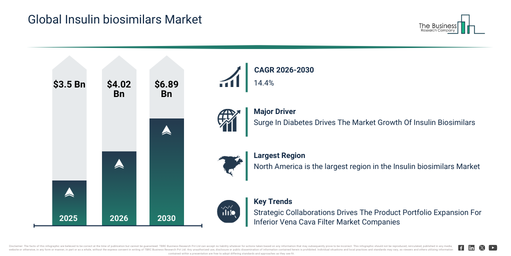
    The insulin biosimilars market has experienced swift expansion over the past few years. Valued at $3.5 billion in 2025, it is projected to reach $4.02 billion by 2026, reflecting a compound annual growth rate (CAGR) of 14.8%. This historical growth has been driven by factors such as the growing incidence of diabetes, the elevated cost of brand-name insulin, heightened recognition of biosimilars, the expiration of patents on reference insulin products, and governmental measures encouraging biosimilar adoption.

    The insulin biosimilars sector is anticipated to experience significant expansion in the coming years. By 2030, its value is projected to reach $6.89 billion, advancing at a compound annual growth rate (CAGR) of 14.4%. This upward trajectory during the forecast period is driven by progress in biosimilar manufacturing technologies, improved healthcare infrastructure, favorable regulatory policies, broader use of telemedicine, and heightened demand in developing economies. Key developments shaping the market include the increased uptake of biosimilar insulin products, the growing global prevalence of diabetes, affordable methods for managing the condition, the rise of online and retail pharmacy channels, and a stronger emphasis on patient-focused treatment approaches.

    Download A Free Sample Report For Comprehensive Market Insights:

    https://www.thebusinessresearchcompany.com/sample.aspx?id=10661&type=smp&utm_source=BlogsPR&utm_medium=Paid&utm_campaign=Jul_PR

    Insulin biosimilars Market Industry Drivers: What Is Driving Revenue Growth?

    The anticipated rise in diabetes cases is set to drive expansion in the insulin biosimilars market moving forward. Diabetes encompasses a category of long-term metabolic conditions marked by persistently elevated blood glucose levels. Biosimilars offer a vital therapeutic alternative for insulin management, thereby fueling demand in the insulin biosimilars market as diabetes becomes more widespread. For example, in March 2024, data from the Office for Health Improvement and Disparities, a UK government agency, revealed that from March 2022 to March 2023, the proportion of type 1 diabetes patients receiving all eight recommended care processes grew by 22%, while for type 2 diabetes, this figure rose by 21%. Additionally, the percentage achieving target HbA1c levels climbed to 37.9%, the highest ever recorded by the National Diabetes Audit (NDA). Consequently, the growing prevalence of diabetes is a key factor propelling the insulin biosimilar market.

    Insulin biosimilars Market Segment Landscape: Which Areas Lead Market Development?

    The insulin biosimilars market covered in this report is segmented –

    1) By Biosimilars Type: Rapid Acting biosimilars, Long Acting biosimilars, Premixed Acting biosimilars

    2) By Disease Indication Type: Type I Diabetes, Type II Diabetes

    3) By Distribution Channel: Hospital Pharmacies, Retail Pharmacies, Online Pharmacies

    4) By End User: Hospitals, Ambulatory Surgical Centers, Other End Users

    Subsegments:

    1) By Rapid Acting Biosimilars: Insulin Aspart Biosimilars, Insulin Lispro Biosimilars, Insulin Glulisine Biosimilars

    2) By Long Acting Biosimilars: Insulin Glargine Biosimilars, Insulin Detemir Biosimilars, Insulin Degludec Biosimilars

    3) By Premixed Acting Biosimilars: Insulin Aspart Protamine Biosimilars, Insulin Lispro Protamine Biosimilars, Biphasic Insulin Biosimilars

    Insulin biosimilars Market Growth Trends: What Is Influencing The Future Outlook?

    Key industry players in the insulin biosimilar market are entering into strategic alliances aimed at advancing product development and reinforcing their competitive standing. Such collaborations, often termed strategic partnerships, allow organizations to combine their unique capabilities and assets for shared advantages. A notable example occurred in September 2023, when Meitheal Pharmaceuticals, Inc., a pharmaceutical firm based in the United States, joined forces with Tonghua Dongbao Pharmaceutical Co. Ltd., a Chinese manufacturer specializing in Active Pharmaceutical Ingredients (API). This agreement focuses on bringing three insulin biosimilars—insulin lispro, insulin glargine, and insulin aspart—to the commercial market. Through this partnership, Meitheal Pharmaceuticals intends to broaden its product offerings while enhancing its global presence.

    Insulin biosimilars Market Industry Leaders And Market Competition

    Major companies operating in the insulin biosimilars market are Eli Lilly and Company, Biocon Ltd., Mylan N.V., NOVO Nordisk A/S, Sanofi S.A, Sandoz International GmbH, Dr. Reddy’s Laboratories Ltd., Samsungbioepis Co. Ltd., Teva Pharmaceutical Industries Ltd., Stada Arzneimittel AG, Celltrion Inc., Fujifilm Kyowa Kirin Biologics Co. Ltd., Green Cross Corporation, Aurobindo Pharma Ltd., Intas Pharmaceuticals Ltd., Lupin Limited, Torrent Pharmaceuticals Ltd., Zydus Lifescience Ltd., Boehringer Ingelheim GmbH, Wockhardt Limited, Cadila Pharmaceuticals Ltd.

    Access The Complete Insulin biosimilars Market Report:

    https://www.thebusinessresearchcompany.com/report/insulin-biosimilars-global-market-report?utm_source=BlogsPR&utm_medium=Paid&utm_campaign=Jul_PR

    Insulin biosimilars Market Geographic Distribution And Regional Opportunities

    North America was the largest region in the insulin biosimilars market in 2025. Asia-Pacific is expected to be the fastest-growing region in the global insulin biosimilars market report during the forecast period. The regions covered in the insulin biosimilars market report are Asia-Pacific, South East Asia, Western Europe, Eastern Europe, North America, South America, Middle East, Africa.

    Get in touch with us:

    The Business Research Company: https://www.thebusinessresearchcompany.com/?utm_source=BlogsPR&utm_medium=Paid&utm_campaign=home_page_test

    Americas: +1 310-496-7795

    Asia: +44 7882 955267 & +91 8897263534

    Europe: +44 7882 955267

    Email us at: marketing@tbrc.info

    Follow us on:

    LinkedIn: https://in.linkedin.com/company/the-business-research-company

    YouTube: https://www.youtube.com/channel/UC24_fI0rV8cR5DxlCpgmyFQ

    Global Market Model: https://www.thebusinessresearchcompany.com/global-market-model
  • Insulin Aspart Market Forecast Signals New Revenue Opportunities Through 2030

    Insulin Aspart Market Forecast Signals New Revenue Opportunities Through 2030

    Through market attractiveness analysis, total addressable market evaluation, company benchmarking matrices, interactive Excel dashboards, expanded supply chain intelligence, emerging startup coverage, and detailed product insights, The Business Research Company’s 2026 market reports provide more actionable and strategically valuable research.

    Insulin Aspart Market Growth Analysis: How Will Revenue Expand During The Forecast Period?

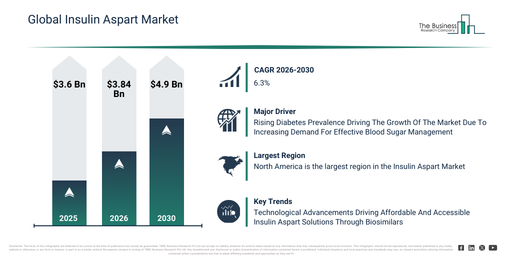
    The market for insulin aspart has seen significant expansion in recent times, with its value projected to increase from $3.6 billion in 2025 to $3.84 billion in 2026, reflecting a compound annual growth rate (CAGR) of 6.6%. This historical growth has been fueled by factors such as the rising incidence of diabetes, the standardization of insulin treatment protocols, diabetes management practices within hospital settings, the necessity for controlling post-meal blood sugar levels, and the widespread implementation of endocrinology guidelines.

    The insulin aspart market is projected to experience robust expansion over the coming years, reaching an estimated $4.9 billion by 2030 with a compound annual growth rate (CAGR) of 6.3%. This forecasted growth is driven by the increasing global prevalence of diabetes, heightened demand for fast-acting insulin formulations, innovations in advanced insulin delivery systems, a shift toward personalized diabetes management, and the broader adoption of outpatient insulin therapy. Key trends shaping the market during this period include a growing reliance on rapid-acting insulin analogs, greater utilization of pre-filled insulin delivery devices, the expansion of intensive insulin therapy protocols, an increased focus on mealtime glycemic control, and enhanced patient compliance achieved through more flexible dosing options.

    Download A Free Sample Report For Comprehensive Market Insights:

    https://www.thebusinessresearchcompany.com/sample.aspx?id=24572&type=smp&utm_source=BlogsPR&utm_medium=Paid&utm_campaign=Jul_PR

    #Insulin Aspart Market Growth Factors: Which Forces Are Supporting Market Expansion?

    The anticipated expansion of the insulin aspart market is being driven forward by the growing incidence of diabetes. Diabetes is a chronic health condition defined by elevated blood glucose levels, resulting from the body’s inability to produce or adequately utilize insulin. This increase in diabetes prevalence stems from inactive lifestyles and diets that are rich in sugar and processed foods, which in turn promote obesity and insulin resistance. By delivering a quick-acting insulin that effectively manages post-meal blood sugar spikes, insulin aspart helps counteract the rising occurrence of diabetes, thereby enhancing overall glycemic control in patients. As an example, a report from the Office for Health Improvement and Disparities, a UK-based government agency, released in March 2025, indicated that the recorded prevalence of type 2 diabetes among English adults aged 17 and over reached 7.0% as of March 2024, climbing from 6.8% in March 2023. Consequently, the upward trend in diabetes prevalence is fueling growth in the insulin aspart market.

    Insulin Aspart Market Segments: Where Are The Largest Growth Opportunities?

    The insulin aspart market covered in this report is segmented –

    1) By Insulin Type: Human Insulin, Analog Insulin

    2) By Product Type: Vials, Pre-Filled Pens, Cartridges

    3) By Application: Type 1 Diabetes, Type 2 Diabetes, Gestational Diabetes

    4) By End User: Hospitals, Home Care, Specialty Clinics, Diabetes Care Centers, Other End Users

    Subsegments:

    1) By Human Insulin: Regular Insulin, Neutral Protamine Hagedorn (NPH) Insulin, Other Human Insulin Types

    2) By Analog Insulin: Rapid-Acting Analog Insulin, Long-Acting Analog Insulin, Other Analog Insulin Types

    Insulin Aspart Market Industry Trends: What Changes Are Reshaping Demand?

    Leading market players in the insulin aspart sector are placing greater emphasis on the creation of advanced products, including biosimilars, aimed at delivering economical treatment options and improving patient availability of superior insulin therapies. A biosimilar is defined as a biologic medical product closely resembling an already authorized reference biologic, with no significant clinical differences regarding safety, purity, or effectiveness. For example, in November 2023, USV Pvt Ltd, a pharmaceutical company based in India, introduced INSUQUICK, the nation’s first biosimilar insulin aspart, representing a notable achievement in the management of diabetes within the country. INSUQUICK is a fast-acting insulin analog that was fully developed and manufactured in India using entirely domestic technology, and it underwent a comprehensive clinical trial process to ensure adherence to international quality standards. The pens feature a clearly readable scale and audible clicks for accurate dosage adjustments, and the product is extensively available in all major urban centers and also in tier I and II cities. By providing a high-quality, domestically produced, and more cost-effective rapid-acting insulin alternative, INSUQUICK seeks to enhance treatment availability for India’s vast diabetic community, thereby representing an important advancement in improving diabetes care nationwide.

    Insulin Aspart Market Major Participants And Competitive Dynamics

    Major companies operating in the insulin aspart market are Sanofi S.A., AstraZeneca plc, Novo Nordisk A/S, Cipla Limited, Lupin Limited, Zhejiang Hisun Pharmaceutical Co Ltd., Biocon Limited, Amphastar Pharmaceuticals Inc., Civica Inc., Wockhardt Limited, Gulf Pharmaceutical Industries PSC (Julphar), GEROPHARM LLC, HEC Pharm Co Ltd., USV Private Limited, Aqlivia Private Limited, Gan & Lee Pharmaceuticals Co Ltd., GeneSys Biologics Private Limited, Biogenomics Limited, MJ Biopharma Private Limited, Paras Biopharmaceuticals Finland Oy.

    Access The Complete Insulin Aspart Market Report:

    https://www.thebusinessresearchcompany.com/report/insulin-aspart-global-market-report?utm_source=BlogsPR&utm_medium=Paid&utm_campaign=Jul_PR

    Insulin Aspart Market Largest Region By Revenue And Market Share

    North America was the largest region in the insulin aspart market in 2025. Asia-Pacific is expected to be the fastest-growing region in the forecast period. The regions covered in the insulin aspart market report are Asia-Pacific, South East Asia, Western Europe, Eastern Europe, North America, South America, Middle East, Africa.

    Get in touch with us:

    The Business Research Company: https://www.thebusinessresearchcompany.com/?utm_source=BlogsPR&utm_medium=Paid&utm_campaign=home_page_test

    Americas: +1 310-496-7795

    Asia: +44 7882 955267 & +91 8897263534

    Europe: +44 7882 955267

    Email us at: marketing@tbrc.info

    Follow us on:

    LinkedIn: https://in.linkedin.com/company/the-business-research-company

    YouTube: https://www.youtube.com/channel/UC24_fI0rV8cR5DxlCpgmyFQ

    Global Market Model: https://www.thebusinessresearchcompany.com/global-market-model