Month: July 2026

  • Insomnia Therapeutics Market Growth Is Accelerating As Industry Transformation Continues

    Insomnia Therapeutics Market Growth Is Accelerating As Industry Transformation Continues

    Delivering more actionable and strategically valuable research, The Business Research Company’s 2026 market reports feature market attractiveness analysis, total addressable market evaluation, company benchmarking matrices, interactive Excel dashboards, expanded supply chain intelligence, emerging startup coverage, and detailed product insights.

    Insomnia Therapeutics Market Forecast: What Market Value Is Expected By 2030?

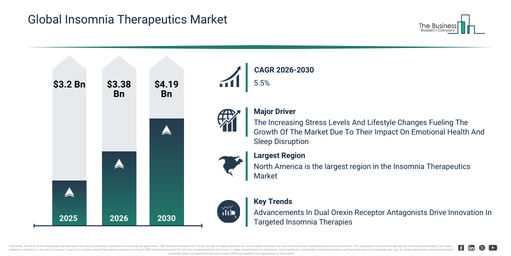
    The insomnia therapeutics market has experienced notable growth in recent years, expanding from $3.2 billion in 2025 to $3.38 billion in 2026, reflecting a compound annual growth rate (CAGR) of 5.7%. This upward trajectory in the historic period has been driven by a higher incidence of sleep disorders, a surge in stress and lifestyle-induced insomnia, broader utilization of prescription sleep medications, enhanced availability through retail pharmacies, and increasing public consciousness regarding the importance of sleep health.

    Over the coming years, robust expansion is anticipated for the insomnia therapeutics market, with projections indicating that by 2030, it will reach $4.19 billion, representing a compound annual growth rate of 5.5%. Several key factors are fueling this growth during the forecast period, including the advancement of digital sleep therapeutics, a heightened inclination toward non-pharmacological interventions, an expanding elderly demographic, greater utilization of wearable sleep monitoring devices, and the broadening accessibility of telehealth services for managing insomnia. Additionally, prominent trends shaping the market encompass an increased uptake of cognitive behavioral therapy for insomnia, a shift toward non-habit-forming sleep aids, the expanding application of orexin receptor antagonists, the growth of in-home sleep therapy options, and the more frequent incorporation of sleep tracking into treatment protocols.

    Download A Free Sample Report For Comprehensive Market Insights:

    https://www.thebusinessresearchcompany.com/sample.aspx?id=24255&type=smp&utm_source=BlogsPR&utm_medium=Paid&utm_campaign=Jul_PR

    Insomnia Therapeutics Market Demand Drivers: What Is Fueling Industry Growth?

    The rising incidence of stress and evolving lifestyles is anticipated to drive future expansion in the insomnia therapeutics market. Stress levels and lifestyle modifications involve the psychological and behavioral adjustments in everyday routines and obligations that lead to emotional tension and irregular sleep patterns. These heightened stress levels and lifestyle shifts are fueled by persistent digital connectivity, which blurs the line between work and personal life and diminishes opportunities for genuine mental relaxation. Insomnia therapeutics provides essential, evidence-based therapeutic options that aid in reestablishing consistent sleep cycles, alleviating sleep-associated anxiety, and fostering psychological well-being in the face of contemporary pressures. For example, in May 2024, data from the American Psychiatric Association (APA), a U.S.-based psychiatric organization, indicated that the proportion of American adults experiencing increased anxiety grew from 32% in 2022 to 37% in 2023, and further to 43% in 2024. Consequently, the growing prevalence of stress and lifestyle changes is fueling the expansion of the insomnia therapeutics market.

    Insomnia Therapeutics Market Segment Analysis: What Are The Major Market Categories?

    The insomnia therapeutics market covered in this report is segmented –

    1) By Treatment Type: Drugs, Medical Devices

    2) By Formulation: Tablets, Capsules, Liquid Solutions, Patches

    3) By Route Of Administration: Oral, Intravenous, Transdermal, Other Routes Of Administration

    4) By Distribution Channel: Hospital Pharmacies, Retail Pharmacies, Online Pharmacies, Clinics, Wellness Centers

    Subsegments:

    1) By Drugs: Benzodiazepines, Nonbenzodiazepines, Antidepressants, Orexin Antagonists, Melatonin Antagonists, Other Drugs

    2) By Medical Devices: Cognitive Behavioral Therapy Devices (CBT-I Devices), Polysomnography Devices, Sleep Tracking Devices, Neurostimulation Devices, Light Therapy Devices

    Insomnia Therapeutics Market Innovation Trends: Which Developments Are Transforming The Industry?

    Major players within the insomnia therapeutics sector are prioritizing the development of cutting-edge treatments, including dual orexin receptor antagonists (DORAs), which aim to deliver targeted relief while minimizing adverse effects and enhancing safety. This class of drugs functions by inhibiting both orexin-1 and orexin-2 receptors in the brain, effectively suppressing the wakefulness signal and facilitating sleep, making it a common approach for managing insomnia. A notable example occurred in June 2023, when Idorsia Pharmaceuticals Ltd., a pharmaceutical firm headquartered in Switzerland, introduced QUVIVIQ (daridorexant), a pioneering dual orexin receptor antagonist (DORA) designed to address chronic insomnia disorder. This therapy is engineered to decrease nighttime wakefulness without disrupting the body’s natural sleep patterns, thereby improving how quickly patients fall asleep, how long they stay asleep, and their daytime alertness. The approval of this medication represents a notable milestone in insomnia care, offering a distinct mode of action that sets it apart from conventional sedative-hypnotics and fulfilling the demand for sustainable, non-addictive treatment solutions.

    Insomnia Therapeutics Market Leading Companies Driving Competitive Growth

    Major companies operating in the insomnia therapeutics market are Pfizer Inc., Sanofi S.A., Takeda Pharmaceutical Company Limited, Eli Lilly and Company, Merck KGaA, Eisai Co. Ltd., Sumitomo Pharma Co. Ltd., Astellas Pharma Inc., Acadia Pharmaceuticals Inc., Vanda Pharmaceuticals Inc., Idorsia Ltd., Minerva Neurosciences, Neurim Pharmaceuticals Ltd., Big Health, Cerêve Inc., Innovative Neurological Devices, Neurovalens, Electromedical Products International Inc., Pear Therapeutics, ResMed Inc.

    Access The Complete Insomnia Therapeutics Market Report:

    https://www.thebusinessresearchcompany.com/report/insomnia-therapeutics-global-market-report?utm_source=BlogsPR&utm_medium=Paid&utm_campaign=Jul_PR

    Insomnia Therapeutics Market Regional Analysis And Leading Geography

    North America was the largest region in the insomnia therapeutics market in 2025. Asia-Pacific is expected to be the fastest-growing region in the forecast period. The regions covered in the insomnia therapeutics market report are Asia-Pacific, South East Asia, Western Europe, Eastern Europe, North America, South America, Middle East, Africa.

    Get in touch with us:

    The Business Research Company: https://www.thebusinessresearchcompany.com/?utm_source=BlogsPR&utm_medium=Paid&utm_campaign=home_page_test

    Americas: +1 310-496-7795

    Asia: +44 7882 955267 & +91 8897263534

    Europe: +44 7882 955267

    Email us at: marketing@tbrc.info

    Follow us on:

    LinkedIn: https://in.linkedin.com/company/the-business-research-company

    YouTube: https://www.youtube.com/channel/UC24_fI0rV8cR5DxlCpgmyFQ

    Global Market Model: https://www.thebusinessresearchcompany.com/global-market-model
  • Inotropic Agents Market Outlook Highlights The Next Major Growth Opportunities

    Inotropic Agents Market Outlook Highlights The Next Major Growth Opportunities

    Enhanced with market attractiveness analysis, total addressable market evaluation, company benchmarking matrices, interactive Excel dashboards, expanded supply chain intelligence, emerging startup coverage, and detailed product insights, The Business Research Company’s 2026 market reports deliver more actionable and strategically valuable research.

    Inotropic Agents Market Size Outlook: How Fast Will Revenue Grow Through 2030?

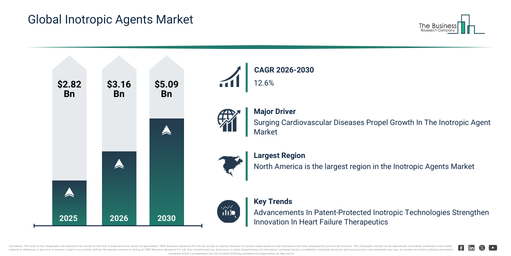
    The market for inotropic agents has experienced swift expansion in recent years, with projections indicating an increase from $2.82 billion in 2025 to $3.16 billion in 2026, reflecting a compound annual growth rate of 11.8%. This historical growth was driven by progress in cardiac research, a higher incidence of heart failure cases, better hospital facilities, greater access to positive inotropic medications, and increased awareness of cardiovascular conditions.

    Over the coming years, the inotropic agents market is anticipated to experience rapid expansion. By 2030, its value is projected to reach $5.09 billion, driven by a compound annual growth rate of 12.6%. This forecasted growth is fueled by several factors, including the rise of personalized medicine, the creation of innovative inotropic agents, the integration of digital health tools, the broadening of homecare services, and the uptake of minimally invasive drug delivery methods. Key trends shaping the market during this period involve tailored inotropic therapies, the emergence of new drug formulations, the growth of cardiac care provided at home, a heightened emphasis on managing heart failure, and the increasing use of minimally invasive delivery systems for medications.

    Download A Free Sample Report For Comprehensive Market Insights:

    https://www.thebusinessresearchcompany.com/sample.aspx?id=10711&type=smp&utm_source=BlogsPR&utm_medium=Paid&utm_campaign=Jul_PR

    Inotropic Agents Market Growth Drivers: What Factors Are Accelerating Expansion?

    The increasing occurrence of cardiovascular diseases is fueling demand within the inotropic agent market. Cardiovascular diseases (CVDs) encompass disorders related to the vascular system and heart function. Inotropic agents are employed in managing these conditions to enhance heart contractility and performance, address cardiac shock, and regulate heart rate by enabling more forceful contractions, which in turn improves blood circulation. This mechanism thereby stimulates growth in the inotropic agent market. For example, in September 2025, the British Heart Foundation, a UK charity, reported that across the United Kingdom, over 7.6 million people—including more than 4 million men and over 3.6 million women—are currently living with cardiovascular disease. Projections suggest that, driven by an aging population and better survival rates, the number of affected individuals could rise by roughly 1 million by 2030 and by about 2 million by 2040. Consequently, the escalating prevalence of cardiovascular diseases is advancing the inotropic agent market forward.

    Inotropic Agents Market Driver: The Impact Of Rising Healthcare Expenditure On The Inotropic Agents Market

    Growth in the inotropic agents market is anticipated to be driven by escalating healthcare expenditure. Healthcare expenditure denotes the aggregate funds allocated to healthcare services and associated goods and activities within a given healthcare system or economy over a specified timeframe. Increased healthcare spending positively impacts the adoption of inotropic agents by fostering innovation, supporting research and development, improving diagnostic capabilities, and ensuring wider availability of advanced cardiac treatment. For instance, in April 2025, the Office for National Statistics (ONS), a UK-based independent producer of official statistics, reported that total healthcare expenditure rose by 6.5% in nominal terms and 2.4% in real terms between 2023 and 2024, while healthcare’s share of GDP remained unchanged at 11.1% in 2024. Hence, rising healthcare expenditures are propelling the expansion of the inotropic agents market.

    Inotropic Agents Market Segment Breakdown: Which Categories Generate The Most Revenue?

    The inotropic agents market covered in this report is segmented –

    1) By Type: Positive Inotropic Drugs, Negative Inotropic Drugs, Other Types

    2) By Route Of Administration: Oral, Parenteral, Other Routes Of Administration

    3) By Indication: Heart Attack, Heart Failure, Angina, Arrhythmia, Other Indications

    4) By Distribution Channel: Hospital Pharmacy, Retail Pharmacy, Other Distribution Channels

    5) By End User: Hospital, Homecare, Specialty Centers, Other End Users

    Subsegments:

    1) By Positive Inotropic Drugs: Cardiac Glycosides, Catecholamines, Phosphodiesterase Inhibitors

    2) By Negative Inotropic Drugs: Beta Blockers, Calcium Channel Blockers

    3) By Other Types: Mixed Inotropic Drugs, Experimental Inotropic Agents

    Inotropic Agents Market Trends: What Is Shaping Future Industry Growth?

    Major players within the inotropic agents sector are placing a strong emphasis on broadening their intellectual property holdings as a strategy to strengthen product distinctiveness, safeguard innovative drug mechanisms, and spur progress in sophisticated cardiac treatments. In this context, patent expansion involves the deliberate pursuit of patent filings, regulatory protections, and formulation rights aimed at facilitating the advancement and eventual launch of next-generation inotropic medications. As an example, in October 2024, Windtree Therapeutics Inc., a biotechnology firm headquartered in the United States, reported notable advancements in the patent coverage for istaroxime, its pioneering investigational inotropic candidate featuring a dual mechanism designed to improve both systolic contraction and diastolic relaxation. The organization submitted national-phase patent applications in key global markets such as the United States, Germany, France, Italy, Japan, and China for an intravenous version of istaroxime developed to address pre-cardiogenic shock and cardiogenic shock, thereby reaffirming its dedication to bringing novel therapies to patients with critical heart conditions.

    Inotropic Agents Market Key Players And Strategic Industry Positioning

    Major companies operating in the inotropic agents market are Pfizer Inc., Novartis AG, Boehringer Ingelheim International GmbH, AstraZeneca plc, Johnson & Johnson, Bayer AG, Merck & Co. Inc., Bristol-Myers Squibb Company, Cipla Ltd., Eli Lilly and Company, Sanofi S.A., Baxter International Inc., Hikma Pharmaceuticals plc, Sun Pharmaceuticals Industries Ltd., Cadila Pharmaceuticals Ltd., AbbVie Inc., Amgen Inc., Daiichi Sankyo Company Limited, Eisai Co. Ltd., Fresenius Kabi AG, GlaxoSmithKline plc, Intas Pharmaceuticals Ltd., Lupin Limited, Regeneron Pharmaceuticals Inc., Roche Holding AG

    Access The Complete Inotropic Agents Market Report:

    https://www.thebusinessresearchcompany.com/report/inotropic-agents-global-market-report?utm_source=BlogsPR&utm_medium=Paid&utm_campaign=Jul_PR

    Inotropic Agents Market Geographic Analysis: Where Is Demand Growing The Fastest?

    North America was the largest region in the inotropic agents market in 2025. Asia-Pacific is expected to be the fastest-growing region in the global inotropic agents market report during the forecast period. The regions covered in the inotropic agents market report are Asia-Pacific, South East Asia, Western Europe, Eastern Europe, North America, South America, Middle East, Africa.

    Get in touch with us:

    The Business Research Company: https://www.thebusinessresearchcompany.com/?utm_source=BlogsPR&utm_medium=Paid&utm_campaign=home_page_test

    Americas: +1 310-496-7795

    Asia: +44 7882 955267 & +91 8897263534

    Europe: +44 7882 955267

    Email us at: marketing@tbrc.info

    Follow us on:

    LinkedIn: https://in.linkedin.com/company/the-business-research-company

    YouTube: https://www.youtube.com/channel/UC24_fI0rV8cR5DxlCpgmyFQ

    Global Market Model: https://www.thebusinessresearchcompany.com/global-market-model
  • Injection Human Interleukin 2 Market Trends And Growth Drivers Point To Strong Future Potential

    Injection Human Interleukin 2 Market Trends And Growth Drivers Point To Strong Future Potential

    Through market attractiveness analysis, total addressable market evaluation, company benchmarking matrices, interactive Excel dashboards, expanded supply chain intelligence, emerging startup coverage, and detailed product insights, The Business Research Company’s 2026 market reports provide more actionable and strategically valuable research.

    Injection Human Interleukin 2 Market Size, Value And Growth Trends Through 2030

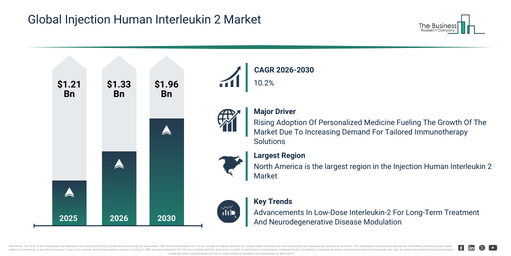
    The market for injectable human interleukin 2 has seen swift expansion in recent times. Its valuation is projected to increase from $1.21 billion in 2025 to $1.33 billion in 2026, reflecting a compound annual growth rate (CAGR) of 10.2%. This historical growth has been driven by several factors, including the early effectiveness of cytokine-based immunotherapy, a growing prevalence of cancer cases, progress in recombinant protein manufacturing, wider adoption of hospital-centered oncology care, and the regulatory endorsement of IL-2 therapeutic products.

    The market for injectable human interleukin 2 is projected to experience significant expansion over the coming years, reaching an estimated value of $1.96 billion by 2030, with a compound annual growth rate (CAGR) of 10.2%. This anticipated growth during the forecast period is driven by several key factors, including the expansion of cancer immunotherapy pipelines, the growing integration of IL-2 with checkpoint inhibitors, progress in targeted immune activation, increased funding for biologic oncology drugs, and the broadening of precision immunotherapy strategies. Notable trends shaping the forecast period encompass the rising use of IL-2 in combination immunotherapies, the growing preference for recombinant human interleukin 2, the widening scope of IL-2 applications in oncology, a heightened emphasis on dose optimization to minimize toxicity, and an uptick in clinical research focused on immune modulation.

    Download A Free Sample Report For Comprehensive Market Insights:

    https://www.thebusinessresearchcompany.com/sample.aspx?id=24254&type=smp&utm_source=BlogsPR&utm_medium=Paid&utm_campaign=Jul_PR

    Injection Human Interleukin 2 Market Growth Factors Supporting Long-Term Expansion

    The growing emphasis on personalized medicine is expected to drive expansion in the injection human interleukin 2 market moving forward. Personalized medicine refers to a medical strategy that customizes treatment and preventive measures according to an individual’s distinct genetic characteristics, lifestyle, and surroundings. The heightened demand for personalized medicine stems from progress in genetic testing, which facilitates more precise diagnoses and targeted therapies aligned with each patient’s specific profile, thereby enhancing outcomes and minimizing side effects. Injection human interleukin 2 bolsters personalized medicine by allowing its application in tailored immunotherapy protocols, where IL-2 is given based on a patient’s unique immune characteristics to optimize therapeutic efficacy and reduce adverse reactions. For example, in February 2024, a report from the Personalized Medicine Coalition, a U.S.-based nonprofit organization, revealed that the FDA approved 16 new personalized treatments for patients with rare conditions in 2023, up from just six in 2022. Consequently, the rising focus on personalized medicine will propel the growth of the injection human interleukin 2 market.

    Injection Human Interleukin 2 Market Segmentation: How Is The Market Structured Across Key Categories?

    The injection human interleukin 2 market covered in this report is segmented –

    1) By Product Type: Recombinant Human Interleukin 2, Natural Human Interleukin 2

    2) By Route Of Administration: Subcutaneous Injection, Intravenous Injection, Intramuscular Injection

    3) By Distribution Channel: Direct Sales, Pharmacies, Online Sales

    4) By Application: Oncology, Immunotherapy, Autoimmune Diseases

    5) By End-User: Hospitals, Clinics, Research Institutes, Other End-Users

    Subsegments:

    1) By Recombinant Human Interleukin 2: Escherichia Coli Derived Interleukin 2, Yeast Derived Interleukin 2, Mammalian Cell Derived Interleukin 2

    2) By Natural Human Interleukin 2: Plasma Derived Interleukin 2, Peripheral Blood Mononuclear Cell Derived Interleukin 2

    Injection Human Interleukin 2 Market Industry Trends Shaping Future Revenue Growth

    Leading firms in the injection human interleukin-2 sector are concentrating on advancing novel approaches, like low-dose interleukin-2, to enable extended treatment schedules. Low-dose interleukin-2 delivers minimal quantities of IL-2 to specifically boost regulatory T cells, fostering immune tolerance while reducing inflammation and side effects. In October 2024, Coya Therapeutics Inc., a biotechnology company headquartered in the United States, announced the outcomes of a double-blind trial assessing subcutaneous low-dose interleukin-2 in Alzheimer’s disease. The investigation achieved its primary and secondary objectives, promoting regulatory T cells without impacting T effector lymphocytes. Exploratory results indicated that monthly low-dose IL-2 maintained cognitive function, boosted cerebrospinal fluid soluble Aß42 levels, and stabilized CSF Neurofilament Light Chain. These results reinforce the potential of Treg modulation for neurodegenerative conditions, especially Alzheimer’s. COYA 301, a low-dose IL-2 candidate, is designed to improve Treg activity via subcutaneous delivery for inflammatory management.

    Injection Human Interleukin 2 Market Competitive Landscape And Leading Companies

    Major companies operating in the injection human interleukin 2 market are F. Hoffmann-La Roche AG, Novartis AG, Merck & Co. Inc., Bristol Myers Squibb, Sanofi S.A., Pfizer Inc., Amgen Inc., Nektar Therapeutics, Synthekine Inc., Xilio Therapeutics Inc., Iovance Biotherapeutics Inc., Clinigen Group plc, BeiGene Ltd., Shanghai Fosun Pharmaceutical Group Co. Ltd., Beijing SL Pharmaceutical Co. Ltd., Shandong Quangang Pharmaceutical Co. Ltd., PeproTech Inc., Qkine Ltd., Akron Biotechnology LLC, Thermo Fisher Scientific Inc.

    Access The Complete Injection Human Interleukin 2 Market Report:

    https://www.thebusinessresearchcompany.com/report/injection-human-interleukin-2-global-market-report?utm_source=BlogsPR&utm_medium=Paid&utm_campaign=Jul_PR

    Injection Human Interleukin 2 Market Global Footprint: Which Region Holds Market Leadership?

    North America was the largest region in the injection human interleukin 2 market in 2025. Asia-Pacific is expected to be the fastest-growing region in the forecast period. The regions covered in the injection human interleukin 2 market report are Asia-Pacific, South East Asia, Western Europe, Eastern Europe, North America, South America, Middle East, Africa.

    Get in touch with us:

    The Business Research Company: https://www.thebusinessresearchcompany.com/?utm_source=BlogsPR&utm_medium=Paid&utm_campaign=home_page_test

    Americas: +1 310-496-7795

    Asia: +44 7882 955267 & +91 8897263534

    Europe: +44 7882 955267

    Email us at: marketing@tbrc.info

    Follow us on:

    LinkedIn: https://in.linkedin.com/company/the-business-research-company

    YouTube: https://www.youtube.com/channel/UC24_fI0rV8cR5DxlCpgmyFQ

    Global Market Model: https://www.thebusinessresearchcompany.com/global-market-model
  • Injectable Targeted Therapy Market Expansion Is Reshaping Competitive Dynamics Across The Industry

    Injectable Targeted Therapy Market Expansion Is Reshaping Competitive Dynamics Across The Industry

    Delivering more actionable and strategically valuable research, The Business Research Company’s 2026 market reports feature market attractiveness analysis, total addressable market evaluation, company benchmarking matrices, interactive Excel dashboards, expanded supply chain intelligence, emerging startup coverage, and detailed product insights.

    Injectable Targeted Therapy Market CAGR Analysis And Future Market Development

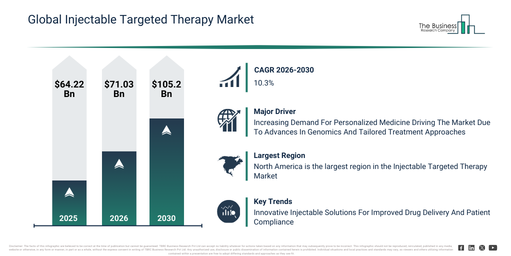
    The market for injectable targeted therapies has experienced significant expansion in recent years, with its size rising from $64.22 billion in 2025 to $71.03 billion in 2026, reflecting a compound annual growth rate (CAGR) of 10.6%. This upward trajectory during the historical period has been driven by a number of factors, including the rising occurrence of cancer cases, progress in the development of monoclonal antibodies, an increasing preference for biologic treatments, the proliferation of oncology treatment facilities, and heightened clinical research efforts focused on targeted pharmaceuticals.

    The injectable targeted therapy sector is projected to experience substantial growth over the coming years, reaching a valuation of $105.2 billion by 2030, driven by a compound annual growth rate (CAGR) of 10.3%. This anticipated expansion during the forecast period is fueled by a rise in approvals for targeted injectable treatments, heightened investments directed toward personalized medicine, an upscaling of biologics manufacturing capabilities, a stronger emphasis on immunotherapeutic development, and an escalating demand for precision-based treatment strategies. Key trends shaping this period include the increasing creation of precision oncology injectables, a growing uptake of antibody-centered therapeutics, a heightened focus on advanced targeted drug delivery mechanisms, the broadening of combination injectable therapies, and a reinforced priority on minimizing off-target toxic effects.

    Download A Free Sample Report For Comprehensive Market Insights:

    https://www.thebusinessresearchcompany.com/sample.aspx?id=28250&type=smp&utm_source=BlogsPR&utm_medium=Paid&utm_campaign=Jul_PR

    Injectable Targeted Therapy Market Demand Drivers Creating New Revenue Opportunities

    The rising need for tailored medical treatments is anticipated to accelerate the expansion of the injectable targeted therapy market moving forward. Personalized medicine involves a healthcare model that customizes prevention, diagnosis, and therapy based on an individual’s genetic makeup, environment, and lifestyle choices. This growing emphasis on personalized care is fueled by progress in genomics, which offers a deeper insight into personal genetic differences, facilitating more accurate and focused treatments that enhance patient outcomes while minimizing the reliance on trial-and-error methods in therapy. Injectable targeted therapy supports personalized medicine by administering drugs that precisely target the distinct molecular or genetic disease characteristics of a patient, boosting treatment effectiveness and reducing adverse effects. For example, as reported by the Personalized Medicine Coalition, a US-based nonprofit organization, in February 2024, the FDA approved 16 new personalized therapies for patients with rare diseases in 2023, compared to just six in 2022. Among the personalized treatments authorized in 2023, there were seven drugs for cancer and three for other medical conditions. Consequently, the escalating demand for personalized medicine is fueling growth in the injectable targeted therapy market.

    Injectable Targeted Therapy Market Segmentation Trends And Revenue Drivers

    The injectable targeted therapy market covered in this report is segmented –

    1) By Type: Monoclonal Antibodies, Small-Molecules, Immunotoxins, Other Types

    2) By Mechanism Of Action: Targeted Inhibition of Signal Transduction Pathways, Targeted Delivery Of Cytotoxic Agents, Immunomodulation

    3) By Route Of Administration: Intravenous, Subcutaneous, Intramuscular

    4) By Application: Oncology, Cardiometabolism, Immunology, Infectious Diseases, Neuroscience, Ophthalmology, Other Applications

    5) By End User: Hospitals, Specialty Clinics, Research Laboratories

    Subsegments:

    1) By Monoclonal Antibodies: Fully Human Antibodies, Humanized Antibodies, Chimeric Antibodies

    2) By Small-Molecules: Tyrosine Kinase Inhibitors, Proteasome Inhibitors, Mtor Inhibitors

    3) By Immunotoxins: Recombinant Immunotoxins, Chemical Conjugates, Fusion Proteins

    4) By Other Types: Antibody-Drug Conjugates, Bispecific Antibodies, Peptide-Based Therapeutics

    Injectable Targeted Therapy Market Trends Driving Strategic Industry Expansion

    Key players in the injectable targeted therapy market are concentrating on creating novel approaches like subcutaneous injections to boost drug delivery effectiveness, increase patient adherence, and more precisely address specific disease mechanisms. Administering medication via a subcutaneous injection involves inserting it under the skin into the fatty layer beneath the dermis, ensuring a slow release into the bloodstream. A notable example is from August 2025, when Eisai Co., Ltd., a pharmaceutical firm in Japan, collaborated with the US-based biotechnology company Biogen Inc. to secure FDA approval for LEQEMBI IQLIK, a remedy for early-stage Alzheimer’s disease. Intended as a practical, weekly subcutaneous injection for maintenance care after initial intravenous therapy, it enables patients to self-administer at home. By targeting and clearing amyloid beta plaques and protofibrils—critical factors in Alzheimer’s advancement—it helps decelerate cognitive decline. Compared to IV infusions, this formulation cuts down on treatment duration, lowers the risk of systemic side effects, and decreases the need for infusion center visits, thereby providing patients and caregivers with more autonomy.

    Injectable Targeted Therapy Market Industry Leaders: Which Organizations Are Driving Competition?

    Major companies operating in the injectable targeted therapy market are Johnson & Johnson Services Inc., F. Hoffmann-La Roche Ltd., Merck & Co. Inc., Pfizer Inc., AbbVie Inc., Bayer AG, Sanofi SA, Novartis AG, AstraZeneca plc, Bristol-Myers Squibb Company, GlaxoSmithKline plc, Eli Lilly and Company, Amgen Inc., Gilead Sciences Inc., Regeneron Pharmaceuticals Inc., Biogen Inc., Eisai Co. Ltd., Genentech Inc., Beigene Ltd., Agenus Inc., Xilio Therapeutics Inc.

    Access The Complete Injectable Targeted Therapy Market Report:

    https://www.thebusinessresearchcompany.com/report/injectable-targeted-therapy-global-market-report?utm_source=BlogsPR&utm_medium=Paid&utm_campaign=Jul_PR

    Injectable Targeted Therapy Market Regional Distribution: Which Areas Drive Market Expansion?

    North America was the largest region in the injectable targeted therapy market in 2025. Asia-Pacific is expected to be the fastest-growing region in the forecast period. The regions covered in the injectable targeted therapy market report are Asia-Pacific, South East Asia, Western Europe, Eastern Europe, North America, South America, Middle East, Africa.

    Get in touch with us:

    The Business Research Company: https://www.thebusinessresearchcompany.com/?utm_source=BlogsPR&utm_medium=Paid&utm_campaign=home_page_test

    Americas: +1 310-496-7795

    Asia: +44 7882 955267 & +91 8897263534

    Europe: +44 7882 955267

    Email us at: marketing@tbrc.info

    Follow us on:

    LinkedIn: https://in.linkedin.com/company/the-business-research-company

    YouTube: https://www.youtube.com/channel/UC24_fI0rV8cR5DxlCpgmyFQ

    Global Market Model: https://www.thebusinessresearchcompany.com/global-market-model
  • Injectable Cytotoxic Drugs Market Forecast Reveals Where Future Industry Value Will Be Created

    Injectable Cytotoxic Drugs Market Forecast Reveals Where Future Industry Value Will Be Created

    Enhanced with market attractiveness analysis, total addressable market evaluation, company benchmarking matrices, interactive Excel dashboards, expanded supply chain intelligence, emerging startup coverage, and detailed product insights, The Business Research Company’s 2026 market reports deliver more actionable and strategically valuable research.

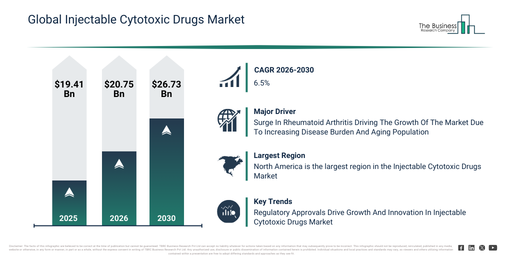
    Injectable Cytotoxic Drugs Market Expansion From $20.75 Billion In 2026 To $26.73 Billion In 2030

    The market for injectable cytotoxic drugs has experienced robust expansion in recent years, with projections indicating a rise from $19.41 billion in 2025 to $20.75 billion in 2026, reflecting a compound annual growth rate (CAGR) of 6.9%. Driving forces behind this historical growth include a restricted supply of these injectable medications, a continued dependence on conventional chemotherapy treatments, an uptick in cancer diagnosis rates, the proliferation of hospital-based oncology units, and a scarcity of dedicated cancer care facilities.

    The injectable cytotoxic drugs market is anticipated to experience robust expansion over the coming years. By 2030, its value is projected to reach $26.73 billion, reflecting a compound annual growth rate (CAGR) of 6.5%. This forecasted growth is driven by the creation of innovative cytotoxic drug formulations, the broadening of targeted and combination therapies, increased financial support from both government and private sectors for cancer research, the implementation of sophisticated drug delivery systems, and the rise of outpatient and ambulatory oncology centers. Key trends shaping this period include the growing application of injectable cytotoxic drugs in targeted chemotherapy, the proliferation of oncology clinics and hospital-based cancer units, a heightened emphasis on personalized medicine and tailored treatment regimens, greater investment in cancer research and clinical trials, and an intensified focus on protocols for drug safety, handling, and administration.

    Download A Free Sample Report For Comprehensive Market Insights:

    https://www.thebusinessresearchcompany.com/sample.aspx?id=25795&type=smp&utm_source=BlogsPR&utm_medium=Paid&utm_campaign=Jul_PR

    Injectable Cytotoxic Drugs Market Expansion Supported By Key Demand Factors

    The growing prevalence of rheumatoid arthritis is anticipated to drive the expansion of the injectable cytotoxic drugs market in the coming years. This condition, a chronic autoimmune disorder marked by ongoing joint inflammation, pain, and eventual joint deterioration, is becoming more common primarily due to an aging population. As individuals advance in age, the likelihood of genetic mutations and immune system irregularities rises, which can trigger this disease. Injectable cytotoxic agents are used to treat rheumatoid arthritis by targeting cells that divide rapidly and dampening excessive immune responses, which helps slow disease progression and alleviate symptoms. For example, the Australian Institute of Health and Welfare, a statutory agency based in Australia, reported in June 2024 that rheumatoid arthritis led to 1,322 deaths in 2022, representing 5.1 deaths per 100,000 individuals and accounting for 0.7% of all fatalities. It was also responsible for 2.0% of the overall disease burden and made up 16% of the total burden from all musculoskeletal conditions in 2023. Consequently, the rising incidence of rheumatoid arthritis is fueling growth in the injectable cytotoxic drugs market.

    Injectable Cytotoxic Drugs Market Segment Analysis Highlighting Growth Areas

    The injectable cytotoxic drugs market covered in this report is segmented –

    1) By Drug Type: Alkylating Agents, Antimetabolites, Plant Alkaloids, Antitumor Antibiotics, Platinum-Based Compounds, Cytotoxic Antibiotics, Other Drug Types

    2) By Route Of Administration: Intravenous (IV), Intramuscular (IM), Subcutaneous (SC)

    3) By Distribution Channel: Hospital Pharmacies, Retail Pharmacies, Online Pharmacies, Specialty Drug Stores

    4) By Application: Breast Cancer, Lung Cancer, Prostate Cancer, Colorectal Cancer, Ovarian Cancer, Lymphoma, Leukemia, Other Applications

    5) By End-User: Hospitals, Oncology Clinics, Ambulatory Surgical Centers, Research And Academic Institutes

    Subsegments:

    1) By Alkylating Agents: Cyclophosphamide, Melphalan, Busulfan

    2) By Antimetabolites: Methotrexate, 5-Fluorouracil (5-FU), Cytarabine, Gemcitabine

    3) By Plant Alkaloids: Vincristine, Vinblastine, Paclitaxel, Docetaxel

    4) By Antitumor Antibiotics: Doxorubicin, Daunorubicin, Epirubicin, Bleomycin

    5) By Platinum-Based Compounds: Cisplatin, Carboplatin, Oxaliplatin

    6) By Cytotoxic Antibiotics: Mitomycin, Actinomycin D, Plicamycin

    7) By Other Drug Types: Irinotecan, Etoposide, Denibulin, Trastuzumab Emtansine (ADC), Lutetium-177 Dotatate

    Injectable Cytotoxic Drugs Market Growth Trends Influencing Competitive Dynamics

    Major players in the injectable cytotoxic drugs sector are prioritizing the acquisition of regulatory approvals to enhance their product offerings and speed up market entry. Such approvals represent the official endorsement from health authorities, verifying that a drug adheres to essential criteria for safety, effectiveness, and quality prior to being offered for sale or prescribed. A case in point is March 2024, when Astellas Pharma Inc., a pharmaceutical firm based in Japan, secured approval from Japan’s Ministry of Health, Labour, and Welfare (MHLW) for VYLOY (zolbetuximab), aimed at treating CLDN18.2-positive, unresectable, advanced, or recurrent gastric cancer. This authorization was backed by Phase III clinical trials, namely SPOTLIGHT and GLOW, which showed that VYLOY, when used alongside chemotherapy, notably improves both progression-free survival and overall survival rates. Patient suitability is established through a companion diagnostic test that identifies CLDN18.2 presence in tumor cells. This treatment fills a vital gap for gastric cancer, a condition frequently detected at advanced stages and linked to a poor outlook globally.

    Injectable Cytotoxic Drugs Market Leading Companies: Who Holds Significant Market Presence?

    Major companies operating in the injectable cytotoxic drugs market are Pfizer Inc., F. Hoffmann-La Roche Ltd., Sanofi S.A., Bristol-Myers Squibb, Novartis AG, Eli Lilly and Company, Merck KGaA, Baxter International Inc., Fresenius Kabi AG, Eisai Co. Ltd., Sun Pharmaceutical Industries Ltd., Apotex Inc., Dr. Reddy’s Laboratories Ltd., Hikma Pharmaceuticals plc, Amneal Pharmaceuticals Inc., Zydus Lifesciences Ltd., NATCO Pharma Ltd.

    Access The Complete Injectable Cytotoxic Drugs Market Report:

    https://www.thebusinessresearchcompany.com/report/injectable-cytotoxic-drugs-global-market-report?utm_source=BlogsPR&utm_medium=Paid&utm_campaign=Jul_PR

    Injectable Cytotoxic Drugs Market Leading Geography: Which Region Generates The Most Revenue?

    North America was the largest region in the injectable cytotoxic drugs market in 2025. Asia-Pacific is expected to be the fastest-growing region in the forecast period. The regions covered in the injectable cytotoxic drugs market report are Asia-Pacific, South East Asia, Western Europe, Eastern Europe, North America, South America, Middle East, Africa.

    Get in touch with us:

    The Business Research Company: https://www.thebusinessresearchcompany.com/?utm_source=BlogsPR&utm_medium=Paid&utm_campaign=home_page_test

    Americas: +1 310-496-7795

    Asia: +44 7882 955267 & +91 8897263534

    Europe: +44 7882 955267

    Email us at: marketing@tbrc.info

    Follow us on:

    LinkedIn: https://in.linkedin.com/company/the-business-research-company

    YouTube: https://www.youtube.com/channel/UC24_fI0rV8cR5DxlCpgmyFQ

    Global Market Model: https://www.thebusinessresearchcompany.com/global-market-model
  • Inhaled Antibiotics Market Growth Through 2030 Creates New Strategic Opportunities

    Inhaled Antibiotics Market Growth Through 2030 Creates New Strategic Opportunities

    Through market attractiveness analysis, total addressable market evaluation, company benchmarking matrices, interactive Excel dashboards, expanded supply chain intelligence, emerging startup coverage, and detailed product insights, The Business Research Company’s 2026 market reports provide more actionable and strategically valuable research.

    Inhaled Antibiotics Market Forecast Highlighting Growth From $1.8 Billion To $2.53 Billion

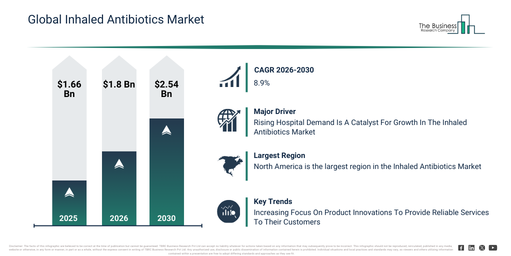
    The inhaled antibiotics market has experienced robust expansion in recent years. Projections indicate it will rise from $1.66 billion in 2025 to $1.8 billion in 2026, reflecting a compound annual growth rate (CAGR) of 8.7%. This historical growth has been driven by factors such as the increasing prevalence of cystic fibrosis, a higher incidence of hospital-acquired pneumonia, greater awareness of targeted drug delivery methods, clinical data demonstrating enhanced lung function, and the availability of well-established nebulizer technologies.

    The inhaled antibiotics market is projected to experience robust expansion over the coming years. By 2030, its valuation is forecasted to reach $2.54 billion, reflecting a compound annual growth rate (CAGR) of 8.9%. Several key factors are driving this forecasted growth, including rising levels of antibiotic resistance, a growing number of individuals with chronic respiratory conditions, technological improvements in inhalation drug delivery systems, enhanced availability of respiratory care in developing nations, and the development of a strong pipeline for innovative inhaled antibiotics. Among the notable trends shaping this period are the broader application of inhaled antibiotics for treating cystic fibrosis and other persistent respiratory infections, a greater preference for dry powder inhaler formulations, a stronger emphasis on minimizing systemic side effects via targeted pulmonary delivery, increased utilization of nebulized antibiotics in hospital settings for managing severe infections, and the creation of broad-spectrum inhaled antibiotics designed to combat drug-resistant pathogens.

    Download A Free Sample Report For Comprehensive Market Insights:

    https://www.thebusinessresearchcompany.com/sample.aspx?id=8738&type=smp&utm_source=BlogsPR&utm_medium=Paid&utm_campaign=Jul_PR

    Inhaled Antibiotics Market Growth Drivers And Industry Catalysts

    The rising demand within hospital environments is set to accelerate the expansion of the inhaled antibiotics market moving forward. Hospitals serve as healthcare institutions where medical treatment, care, and services are provided to sick or injured individuals. In hospital settings, inhaled antibiotics are utilized, especially for managing respiratory infections, with the goal of reducing effects on gut microbiota, tailoring treatment approaches, boosting patient adherence, and lowering rates of hospital stays. An illustration of this trend is found in May 2023, when the American Health Care Association—a US-based nonprofit—reported that there were 6,129 hospitals across the United States, reflecting a 0.591% rise compared to the previous year’s count of 6,093. Consequently, this growing demand in hospitals is fueling the momentum of the inhaled antibiotics market.

    Inhaled Antibiotics Market Segment Performance And Strategic Opportunities

    The inhaled antibiotics market covered in this report is segmented –

    1) By Product Type: Aerosol Or Metered Dose Inhaler, Dry Powder Formulation, Spray, Other Types

    2) By Application: Pneumonia, Bronchitis, Other Applications

    3) By End-User: Hospitals, Other End Users

    Subsegments:

    1) By Aerosol Or Metered Dose Inhaler: Levofloxacin Inhalation Solution, Tobramycin Inhalation Solution, Aztreonam Inhalation Solution

    2) By Dry Powder Formulation: Dry Powder Tobramycin, Dry Powder Colistin

    3) By Spray: Antibiotic Nasal Sprays, Inhaled Antibiotic Solutions

    4) By Other Types: Nebulized Antibiotics, Intranasal Antibiotics

    Inhaled Antibiotics Market Trends Influencing Long-Term Demand

    Major players in the inhaled antibiotics market are increasingly directing their efforts toward innovative products like Breyna as a strategy to boost revenue streams. Breyna is an inhalation aerosol made with formoterol fumarate dihydrate and budesonide, designed to manage and prevent symptoms such as wheezing and shortness of breath resulting from asthma or chronic lung conditions. A notable example occurred in July 2023 when Viatris Inc., a pharmaceutical firm based in the U.S., joined forces with Kindeva Drug Delivery L.P., an American company recognized for its expertise in drug delivery technologies, to launch Breyna. This inhalation product is a combination therapy comprising two active ingredients: budesonide and formoterol. It is supplied as a metered-dose inhaler that administers budesonide together with formoterol fumarate dihydrate in the form of an aerosol. Two different strengths are available: 80mcg/4.5mcg and 160mcg/4.5mcg. The U.S. Food and Drug Administration (FDA) has granted approval to Breyna (budesonide and formoterol fumarate dihydrate) inhalation aerosol, marking the first generic version of AstraZeneca’s Symbicort.

    Inhaled Antibiotics Market Key Players: Which Companies Shape Industry Competition?

    Major companies operating in the inhaled antibiotics market are Gilead Sciences Inc., Lupin Limited, Insmed Inc., Savara Inc., Joincare Pharmaceutical Group Industry Co. Ltd., Pharmaxis Ltd., Teva Pharmaceutical Industries Ltd., Raptor Pharmaceutical Corporation, Altan Pharma Limited, Cipla Limited, Novartis AG, Bayer AG, Pfizer Inc., Aridis Pharmaceuticals, Bayer HealthCare, Nektar Therapeutics, Parion Sciences Inc., Zambon Group, Transave Inc., Alitair Pharmaceuticals.

    Access The Complete Inhaled Antibiotics Market Report:

    https://www.thebusinessresearchcompany.com/report/inhaled-antibiotics-global-market-report?utm_source=BlogsPR&utm_medium=Paid&utm_campaign=Jul_PR

    Inhaled Antibiotics Market Regional Outlook: Where Are The Largest Opportunities Located?

    North America was the largest region in the inhaled antibiotics market share in 2025. The regions covered in the inhaled antibiotics market report are Asia-Pacific, South East Asia, Western Europe, Eastern Europe, North America, South America, Middle East, Africa.

    Get in touch with us:

    The Business Research Company: https://www.thebusinessresearchcompany.com/?utm_source=BlogsPR&utm_medium=Paid&utm_campaign=home_page_test

    Americas: +1 310-496-7795

    Asia: +44 7882 955267 & +91 8897263534

    Europe: +44 7882 955267

    Email us at: marketing@tbrc.info

    Follow us on:

    LinkedIn: https://in.linkedin.com/company/the-business-research-company

    YouTube: https://www.youtube.com/channel/UC24_fI0rV8cR5DxlCpgmyFQ

    Global Market Model: https://www.thebusinessresearchcompany.com/global-market-model
  • Inhalation Sedatives Market Size Projected To Increase From $2.57 Billion To $3.25 Billion During The Forecast Period

    Inhalation Sedatives Market Size Projected To Increase From $2.57 Billion To $3.25 Billion During The Forecast Period

    Delivering more actionable and strategically valuable research, The Business Research Company’s 2026 market reports feature market attractiveness analysis, total addressable market evaluation, company benchmarking matrices, interactive Excel dashboards, expanded supply chain intelligence, emerging startup coverage, and detailed product insights.

    Inhalation Sedatives Market Revenue Growth Supported By A CAGR Of 3.25% Through 2030

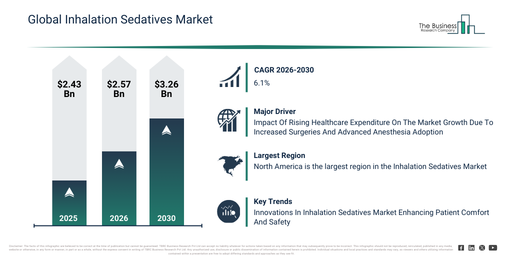
    The market for inhalation sedatives has experienced robust expansion in recent years. From $2.43 billion in 2025, it is projected to reach $2.57 billion by 2026, reflecting a compound annual growth rate (CAGR) of 5.7%. This historical growth has been driven by factors such as the restricted availability of inhalation sedatives, dependence on conventional general anesthesia, the expansion of hospital and surgical center facilities, heightened awareness regarding conscious sedation, and the uptake of nitrous oxide within dental settings.

    The inhalation sedatives market is projected to experience robust expansion over the coming years, reaching a value of $3.26 billion by 2030, driven by a compound annual growth rate (CAGR) of 6.1%. This anticipated growth in the forecast period is fueled by the development of novel inhalation anesthetic agents, the broader expansion of ambulatory surgical services, an increased utilization of sedation monitoring technologies, the integration of AI-driven anesthesia management systems, and a growing need for sedation in pediatric and outpatient procedures. Key trends shaping the forecast period involve a rising uptake of inhalation sedatives for both pediatric and adult surgical interventions, a greater application of nitrous oxide for dental analgesia and minor operations, the proliferation of outpatient and ambulatory surgical centers that employ sedation, the incorporation of sedation techniques in pain management and anxiety reduction efforts, and an enhanced emphasis on safety protocols and monitoring standards throughout sedation practices.

    Download A Free Sample Report For Comprehensive Market Insights:

    https://www.thebusinessresearchcompany.com/sample.aspx?id=3468&type=smp&utm_source=BlogsPR&utm_medium=Paid&utm_campaign=Jul_PR

    Inhalation Sedatives Market Opportunity Drivers: What Is Creating New Revenue Potential?

    The anticipated growth of the Inhalation Sedatives market is being driven by a steady rise in healthcare spending. This expenditure encompasses all financial resources channeled by individuals, organizations, or governments toward the prevention, treatment, and management of health conditions. The upward trend in healthcare costs is largely attributed to progress in medical technology, where innovations like advanced diagnostic tools, treatments, and therapies come with higher price tags, thereby amplifying overall spending. As healthcare expenditure climbs, it facilitates a broader application of inhalation sedatives by enabling more surgical procedures, supporting state-of-the-art anesthesia equipment, improving patient access to care, and boosting research and development efforts aimed at creating safer and more effective sedative options. To illustrate, data from the Centers for Medicare & Medicaid Services—a U.S. agency overseeing Medicare and Medicaid—reveals that in 2023, U.S. healthcare spending surged by 7.5%, reaching $4.9 trillion, or approximately $14,570 per person. Hence, the escalating healthcare expenditure is fueling the expansion of the Inhalation Sedatives market.

    Inhalation Sedatives Market Driver: Inhalation Sedatives Market Set To Soar With Rising Respiratory Disease Prevalence

    The future expansion of the Inhalation Sedatives market is likely to be propelled by the growing incidence of respiratory diseases. These conditions disrupt the respiratory system, encompassing organs such as the lungs, bronchi, trachea, larynx, pharynx, and nasal passages. In managing such diseases, inhalation sedatives serve multiple purposes, such as alleviating anxiety, enhancing patient comfort, aiding medical procedures, and supporting improved breathing and overall respiratory function. For example, a December 2023 report from the National Center for Biotechnology Information, a U.S. government agency, projected that COPD cases would increase by 112 million, reaching a total of 592 million by 2050—amounting to 9.5% of the eligible population. Consequently, the rising prevalence of respiratory diseases is set to drive the Inhalation Sedatives market forward.

    Inhalation Sedatives Market Segment Landscape And Growth Potential

    The inhalation sedatives market covered in this report is segmented –

    1) By Product: Sevoflurane, Desflurane, Isoflurane, Nitrous Oxide

    2) By Application: Induction, Maintenance

    3) By End-User: Hospitals, Ambulatory Surgical Centers, Other End-Users

    Subsegments:

    1) By Sevoflurane: Pediatric Anesthesia, Adult Anesthesia

    2) By Desflurane: Outpatient Surgery, Maintenance Anesthesia

    3) By Isoflurane: Maintenance Of General Anesthesia, Induction Of General Anesthesia

    4) By Nitrous Oxide: Analgesia For Dental Procedures, Anesthesia For Minor Surgical Procedures

    Inhalation Sedatives Market Innovation Trends Driving Future Development

    Leading firms in the inhalation sedatives sector are rolling out novel offerings like inhalation sedation services, which are designed to boost patient comfort. This method involves the safe and effective delivery of sedative gases to ease anxiety and discomfort during dental procedures. A case in point is Platinum Dental Services, a dental care provider based in Ghana, which introduced an inhalation sedation service in November 2023. By administering a blend of sedative gases inhaled throughout treatments, this dental strategy aims to enhance patient ease. It successfully reduces the fear and nervousness often linked to dental appointments, providing particular benefits for both adults and children who experience apprehension about receiving dental care. Through the establishment of a secure and controlled environment, inhalation sedation helps patients stay calm while remaining conscious and responsive during procedures, thereby promoting a favorable dental experience. This forward-looking service intends to elevate the quality of patient care and encourage individuals to seek necessary dental interventions without the anxiety that typically accompanies standard visits.

    Inhalation Sedatives Market Competitive Landscape: Who Are The Leading Companies?

    Major companies operating in the inhalation sedatives market are AbbVie Inc., Baxter International Inc., Fresenius SE & Co. KGaA, Halocarbon Products Corporation, Hikma Pharmaceuticals plc, Jiangsu Hengrui Medicine Co. Ltd., Lunan Pharmaceutical Group Co. Ltd., Piramal Enterprises Ltd., Teva Pharmaceutical Industries Ltd., Sun Pharmaceutical Industries Ltd., Lupin Limited, Cipla Limited, Dr. Reddy’s Laboratories Ltd., Zydus Cadila Health Care Limited, Torrent Pharmaceuticals Ltd., Aurobindo Pharma Limited, Intas Pharmaceuticals Ltd., Wockhardt Limited, Glenmark Pharmaceuticals Limited, Alkem Laboratories Limited, Jubilant Life Sciences Limited

    Access The Complete Inhalation Sedatives Market Report:

    https://www.thebusinessresearchcompany.com/report/inhalation-sedative-global-market-report?utm_source=BlogsPR&utm_medium=Paid&utm_campaign=Jul_PR

    Inhalation Sedatives Market Geographic Landscape: Which Region Dominates Industry Growth?

    North America was the largest region in the inhalation sedatives market in 2025. The regions covered in the inhalation sedatives market report are Asia-Pacific, South East Asia, Western Europe, Eastern Europe, North America, South America, Middle East, Africa.

    Get in touch with us:

    The Business Research Company: https://www.thebusinessresearchcompany.com/?utm_source=BlogsPR&utm_medium=Paid&utm_campaign=home_page_test

    Americas: +1 310-496-7795

    Asia: +44 7882 955267 & +91 8897263534

    Europe: +44 7882 955267

    Email us at: marketing@tbrc.info

    Follow us on:

    LinkedIn: https://in.linkedin.com/company/the-business-research-company

    YouTube: https://www.youtube.com/channel/UC24_fI0rV8cR5DxlCpgmyFQ

    Global Market Model: https://www.thebusinessresearchcompany.com/global-market-model
  • Inhalation CDMO Market Growth Outlook Reveals A CAGR Of 6.6% And A Market Value Of $3.03 Billion By 2030

    Inhalation CDMO Market Growth Outlook Reveals A CAGR Of 6.6% And A Market Value Of $3.03 Billion By 2030

    Enhanced with market attractiveness analysis, total addressable market evaluation, company benchmarking matrices, interactive Excel dashboards, expanded supply chain intelligence, emerging startup coverage, and detailed product insights, The Business Research Company’s 2026 market reports deliver more actionable and strategically valuable research.

    Inhalation CDMO Market Value Expansion And Long-Term Growth Outlook

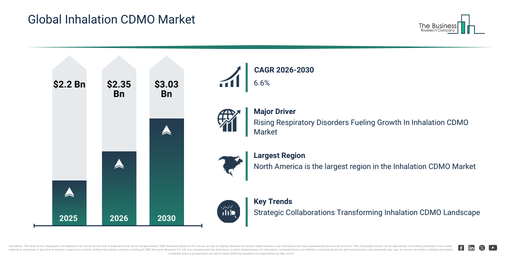
    The inhalation CDMO market has experienced robust expansion in recent years. Its value is projected to increase from $2.2 billion in 2025 to $2.35 billion in 2026, reflecting a compound annual growth rate (CAGR) of 6.4%. The historic growth is driven by factors such as the growing incidence of asthma and chronic obstructive pulmonary disease (COPD), a rising need for inhalation-based treatments, the emergence of biologics and specialized drug formulations, progress in formulation technologies, and a heightened reliance on outsourcing by pharmaceutical firms.

    The inhalation CDMO market is forecast to undergo significant expansion over the next several years, with projections indicating it will reach $3.03 billion by 2030, reflecting a compound annual growth rate of 6.6%. This anticipated increase during the forecast period is driven by several key factors, including the widespread adoption of digital and smart inhalers, advances in personalized medicine and precision therapy, greater financial commitment to inhalation CDMO infrastructure, broader implementation of cutting-edge manufacturing technologies, and a higher frequency of collaborations between biotech firms and CDMOs. Notable trends expected to shape this period involve the development of customized inhalation therapies, novel formulation methods and drug delivery technologies, improvements in regulatory compliance and quality assurance, the growth of contract manufacturing capabilities tailored for small and medium-sized enterprises, and the convergence of smart inhaler technology with digital health monitoring systems.

    Download A Free Sample Report For Comprehensive Market Insights:

    https://www.thebusinessresearchcompany.com/sample.aspx?id=13864&type=smp&utm_source=BlogsPR&utm_medium=Paid&utm_campaign=Jul_PR

    Inhalation CDMO Market Growth Momentum: Which Factors Are Influencing Demand?

    The anticipated growth of the inhalation CDMO market is being driven by the rising incidence of respiratory disorders. These conditions encompass a range of medical issues affecting the respiratory system, including the organs and structures necessary for breathing. Inhalation CDMOs play a key role in developing and manufacturing products for such disorders, leveraging their specialized knowledge in formulating and delivering drugs to the lungs, while providing pharmaceutical companies with the expertise, infrastructure, and resources needed to advance innovative inhalation therapies. For example, in December 2023, the National Library of Medicine, a US-based medical library, reported that the global number of chronic obstructive pulmonary disease (COPD) cases among individuals aged 25 and older is expected to increase by 23% by 2050, reaching nearly 600 million. Consequently, the growing prevalence of respiratory disorders is fueling the expansion of the inhalation CDMO market.

    Inhalation CDMO Market Categorization By Product Type And Application

    The inhalation cdmo market covered in this report is segmented –

    1) By Product: Dry Powder Inhaler (DPIs), Metered Dose Inhaler (MDIs), Nebulizer, Soft Mist Inhaler

    2) By Disease Indication: Asthma, Chronic Obstructive Pulmonary Disease (COPD), Pulmonary Arterial Hypertension, Acute Respiratory Distress Syndrome, Pulmonary Fibrosis

    3) By Technology: Manual Inhalers (SMI), Digital Inhalers

    4) By End-User: Big Pharmaceutical Companies, Small and Medium-sized Pharmaceutical Companies, Generic Pharmaceutical Companies, Other End-Users

    Subsegments:

    1) By Dry Powder Inhaler (DPIs): Capsule-Based DPIs, Diskus-Style DPIs, Multi-Dose DPIs, Unit-Dose DPIs

    2) By Metered Dose Inhaler (MDIs): Pressurized MDIs (pMDIs), Breath-Actuated MDIs, Soft Mist MDIs

    3) By Nebulizer: Jet Nebulizers, Ultrasonic Nebulizers, Mesh Nebulizers, Portable Nebulizers

    4) By Soft Mist Inhaler: Respimat Inhalers, Other Soft Mist Inhalation Devices

    Inhalation CDMO Market Trends Reshaping Industry Growth

    Leading firms within the inhalation CDMO sector are increasingly utilizing strategic alliances to deliver specialized capabilities in drug development and delivery. A strategic alliance represents a long-term, cooperative relationship between organizations that collaborates to accomplish mutual objectives. For example, in May 2023, Hovione, a contract development and manufacturing organization based in Portugal, formed a collaboration with H&T Presspart, a UK-based producer of high-precision pharmaceutical metal and plastic components, to advance Presspart’s Sunrise Capsule-based Dry Powder Inhaler system. This collaboration is aimed at creating novel technologies that enable higher drug dosages and enhance the effectiveness of lung drug delivery.

    Inhalation CDMO Market Company Landscape And Strategic Competition

    Major companies operating in the inhalation cdmo market are Baxter’s BioPharma Solutions, Lonza Group AG, Catalent Inc., Siegfried Holding AG, Recipharm AB, Stevanato Group SpA, CordenPharma, Nemera, Hovione FarmaCiencia SA, Vectura Group Ltd., CARBOGEN AMCIS, Kindeva Drug Delivery Ltd., Frontage Laboratories Inc, Sanner GmbH, H&T Presspart Ltd., Astech Projects Ltd, Cliantha Research, Copley Scientific, Cambrex Corporation, AptarGroup Inc.

    Access The Complete Inhalation CDMO Market Report:

    https://www.thebusinessresearchcompany.com/report/inhalation-cdmo-global-market-report?utm_source=BlogsPR&utm_medium=Paid&utm_campaign=Jul_PR

    Inhalation CDMO Market Largest Region: Which Geography Holds The Highest Market Share?

    North America was the largest region in the inhalation contract development and manufacturing organization (CDMO) market in 2025. The regions covered in the inhalation cdmo market report are Asia-Pacific, South East Asia, Western Europe, Eastern Europe, North America, South America, Middle East, Africa.

    Get in touch with us:

    The Business Research Company: https://www.thebusinessresearchcompany.com/?utm_source=BlogsPR&utm_medium=Paid&utm_campaign=home_page_test

    Americas: +1 310-496-7795

    Asia: +44 7882 955267 & +91 8897263534

    Europe: +44 7882 955267

    Email us at: marketing@tbrc.info

    Follow us on:

    LinkedIn: https://in.linkedin.com/company/the-business-research-company

    YouTube: https://www.youtube.com/channel/UC24_fI0rV8cR5DxlCpgmyFQ

    Global Market Model: https://www.thebusinessresearchcompany.com/global-market-model
  • Inhalation Anesthesia Market Forecast Highlights Expansion From $1.77 Billion To $2.5 Billion Through 2030

    Inhalation Anesthesia Market Forecast Highlights Expansion From $1.77 Billion To $2.5 Billion Through 2030

    Through market attractiveness analysis, total addressable market evaluation, company benchmarking matrices, interactive Excel dashboards, expanded supply chain intelligence, emerging startup coverage, and detailed product insights, The Business Research Company’s 2026 market reports provide more actionable and strategically valuable research.

    Inhalation Anesthesia Market Expected To Reach $2.5 Billion By 2030 At 9% CAGR

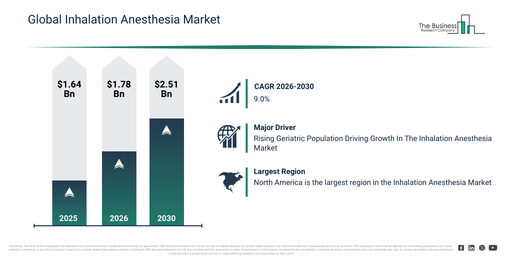
    The market for inhalation anesthesia has experienced notable expansion over the last few years. Forecasts indicate that its value will rise from $1.64 billion in 2025 to $1.78 billion in 2026, representing a compound annual growth rate (CAGR) of 8.6%. This past growth has been driven by a surge in surgical interventions, greater capital allocation by hospitals, improved anesthesia technology, heightened focus on patient safety, and the ongoing development of healthcare facilities.

    The market for inhalation anesthesia is projected to experience significant expansion in the coming years. By 2030, its value is anticipated to reach $2.51 billion, driven by a compound annual growth rate (CAGR) of 9.0%. This forecasted growth is fueled by several factors, including the increasing use of AI-assisted anesthesia, a rising demand for eco-friendly anesthetic agents, the integration of IoT technology into operating rooms, a surge in outpatient surgical procedures, and the development of intelligent anesthesia delivery systems. Key trends shaping this period include a stronger focus on patient safety protocols, the advent of more sophisticated anesthesia delivery systems, support for minimally invasive surgeries, the use of real-time monitoring for anesthesia, and a shift toward environmentally sustainable anesthetic options.

    Download A Free Sample Report For Comprehensive Market Insights:

    https://www.thebusinessresearchcompany.com/sample.aspx?id=7198&type=smp&utm_source=BlogsPR&utm_medium=Paid&utm_campaign=Jul_PR

    Inhalation Anesthesia Market Expansion Drivers: What Is Shaping Future Growth?

    The growing elderly population is expected to drive the expansion of the inhalation anesthesia market over the forecast period. This demographic is particularly vulnerable to degenerative and chronic conditions, such as cardiovascular, neurological, respiratory, and degenerative disorders, which in turn increases the need for surgeries and therapeutic procedures, thereby boosting market growth. Administering anesthesia intravenously to older patients often proves challenging due to issues like punctured veins and poor patient compliance. For example, in July 2024, the UK Parliament’s House of Commons Library reported that in 2022, there were 12.7 million individuals aged 65 and older in the UK, a figure projected to reach 22.1 million by 2072, representing 27% of the population. Consequently, the rising number of elderly individuals is anticipated to increase demand for inhalation anesthesia throughout the forecast period.

    The increasing prevalence of chronic diseases is set to fuel the growth of the inhalation anesthesia market in the coming years. Chronic diseases, defined as long-term health conditions lasting three months or more, often require surgical interventions for diagnosis, treatment, or management, where inhalation anesthesia plays a vital role in ensuring patient comfort and safety. In September 2023, the World Health Organization, a United Nations agency based in Switzerland, reported that 41 million deaths annually—74% of all global fatalities—are attributed to non-communicable diseases (NCDs) or chronic conditions. This includes 17.9 million deaths from cardiovascular diseases, 9.3 million from cancer, 4.1 million from chronic respiratory diseases, and 2.0 million from diabetes. Thus, the growing burden of chronic diseases is expected to propel the inhalation anesthesia market forward.

    Inhalation Anesthesia Market Segment Analysis And Revenue Opportunities

    The inhalation anesthesia market covered in this report is segmented –

    1) By Product: Sevoflurane, Desflurane, Isoflurane, Nitrous Oxide

    2) By Application: Induction, Maintenance

    3) By End User: Hospitals, Ambulatory Surgical Centers

    Inhalation Anesthesia Market Leading Players Shaping Industry Direction

    Major companies operating in the inhalation anesthesia market are AbbVie Inc., Baxter International Inc., Sandoz AG, Piramal Enterprises Limited, Fresenius SE & Co KGaA, Hikma Pharmaceuticals PLC, Jiangsu Hengrui Medicine Co Ltd, Lunan Pharmaceutical Group Co Ltd, Troikaa Pharmaceuticals Ltd, Dechra Pharmaceuticals PLC, Aspen Pharmacare Holdings Limited, Maruishi Pharmaceutical Co Ltd, Nikko Chemicals (Japan), GlaxoSmithKline PLC, Boehringer Ingelheim International GmbH, Halocarbon Products Corporation, Abbott Laboratories, Baxter Healthcare (distinct manufacturing division) , Fresenius Kabi AG, Sedana Medical AB

    Access The Complete Inhalation Anesthesia Market Report:

    https://www.thebusinessresearchcompany.com/report/inhalation-anesthesia-global-market-report?utm_source=BlogsPR&utm_medium=Paid&utm_campaign=Jul_PR

    Inhalation Anesthesia Market Regional Analysis: Which Region Leads By Revenue?

    North America was the largest region in the inhalation anesthesia market in 2025. Asia-Pacific is expected to be the fastest-growing region in the forecast period. The regions covered in the inhalation anesthesia market report are Asia-Pacific, South East Asia, Western Europe, Eastern Europe, North America, South America, Middle East, Africa.

    Get in touch with us:

    The Business Research Company: https://www.thebusinessresearchcompany.com/?utm_source=BlogsPR&utm_medium=Paid&utm_campaign=home_page_test

    Americas: +1 310-496-7795

    Asia: +44 7882 955267 & +91 8897263534

    Europe: +44 7882 955267

    Email us at: marketing@tbrc.info

    Follow us on:

    LinkedIn: https://in.linkedin.com/company/the-business-research-company

    YouTube: https://www.youtube.com/channel/UC24_fI0rV8cR5DxlCpgmyFQ

    Global Market Model: https://www.thebusinessresearchcompany.com/global-market-model
  • Inhalation And Nasal Spray Generic Drugs Market Expected To Reach $45.92 Billion By 2030 As Growth Accelerates At 7.8% CAGR

    Inhalation And Nasal Spray Generic Drugs Market Expected To Reach $45.92 Billion By 2030 As Growth Accelerates At 7.8% CAGR

    Delivering more actionable and strategically valuable research, The Business Research Company’s 2026 market reports feature market attractiveness analysis, total addressable market evaluation, company benchmarking matrices, interactive Excel dashboards, expanded supply chain intelligence, emerging startup coverage, and detailed product insights.

    Inhalation And Nasal Spray Generic Drugs Market Size And Revenue Forecast Through 2030

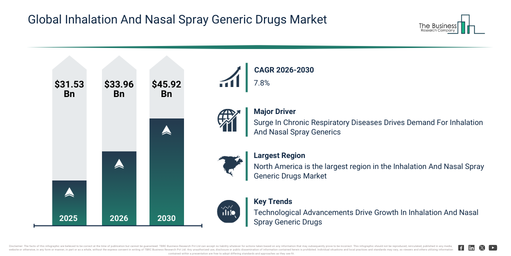
    The market for generic inhalation and nasal spray medications has experienced notable expansion in recent years. Valued at $31.53 billion in 2025, it is projected to reach $33.96 billion by 2026, reflecting a compound annual growth rate (CAGR) of 7.7%. Several factors drove this growth during the historical period, including a rising incidence of asthma and chronic obstructive pulmonary disease (COPD), the expiration of patents for branded drugs, mounting cost pressures within healthcare systems, heightened public awareness of respiratory conditions, and an increase in the number of generic drug approvals.

    The market for generic inhalation and nasal spray products is projected to experience substantial expansion over the coming years. By 2030, its valuation is anticipated to reach $45.92 billion, reflecting a compound annual growth rate (CAGR) of 7.8%. Several factors are expected to drive this growth during the forecast period, including an increasing elderly demographic suffering from chronic respiratory ailments, rising levels of air pollution, the expansion of home-based respiratory care, greater market penetration in developing regions, and ongoing innovations in advanced inhalation technologies. Key trends shaping the sector include a higher uptake of affordable generic inhalers and nasal sprays, an intensified emphasis on cost-efficient respiratory treatments, increased demand for both metered-dose and dry powder inhalers, the broadening of combination drug offerings, and enhancements in device ergonomics aimed at improving patient adherence.

    Download A Free Sample Report For Comprehensive Market Insights:

    https://www.thebusinessresearchcompany.com/sample.aspx?id=8088&type=smp&utm_source=BlogsPR&utm_medium=Paid&utm_campaign=Jul_PR

    Inhalation And Nasal Spray Generic Drugs Market Development Factors: Which Trends Are Supporting Demand?

    The worldwide increase in chronic respiratory disease cases is anticipated to drive demand for generic inhalation and nasal spray medications. These conditions impair the airways and other lung structures. Their prevalence is climbing due to heightened exposure to air pollution, tobacco smoke, and environmental irritants that compromise lung health. Generic inhalation and nasal sprays offer rapid, targeted relief directly to the respiratory tract, enhancing symptom management and daily breathing. For example, a research study published in December 2023 by JAMA Network Open, a medical journal of the American Medical Association, projected that global chronic obstructive pulmonary disease (COPD) cases could approach 600 million by 2050, representing a 23% rise in prevalence. Consequently, the growing incidence of chronic respiratory diseases worldwide is expected to fuel market expansion.

    Inhalation And Nasal Spray Generic Drugs Market Segmentation And Category Breakdown

    The inhalation and nasal spray generic drugs market covered in this report is segmented –

    1) By Drug Class: Corticosteroids, Bronchodilators, Antihistamines, Combinations, Decongestant Sprays

    2) By Indication: Asthma, Chronic Obstructive Pulmonary Disease (COPD), Allergic Rhinitis, Other Indications

    3) By Patient Demographics: Geriatric Patient, Adult Patient, Pediatric Patient

    4) By End-User: Hospitals, Homecare, Other End-Users

    Subsegments:

    1) By Corticosteroids: Fluticasone, Budesonide, Beclomethasone, Mometasone

    2) By Bronchodilators: Short-Acting Beta Agonists (SABAs), Long-Acting Beta Agonists (LABAs), Anticholinergics

    3) By Antihistamines: Azelastine, Olopatadine, Levocabastine

    4) By Combinations: Corticosteroid And Long-Acting Beta Agonist (LABA) Combinations, Antihistamine And Decongestant Combinations

    5) By Decongestant Sprays: Oxymetazoline, Phenylephrine, Xylometazoline

    Inhalation And Nasal Spray Generic Drugs Market Transformation Trends: Which Innovations Are Driving Change?

    Leading players within the generic inhalation and nasal spray market are concentrating on creating advanced formulations, like next-generation generic nasal sprays, to address the growing need for affordable respiratory therapies, improved accessibility, and clinically comparable substitutes for branded products. These sophisticated generic nasal sprays are engineered to replicate the reference drug’s delivery system, distribution pattern, and therapeutic results, all while providing cost-effective options compared to conventional branded alternatives. For example, in January 2025, Lupin Limited, a global pharmaceutical firm headquartered in India, secured FDA approval for its ANDA concerning Ipratropium Bromide Nasal Solution (0.06%), a generic version of Boehringer Ingelheim’s Atrovent Nasal Spray. Produced at Lupin’s facility in Pithampur, this solution delivers anticholinergic effects to manage rhinorrhea in adults and children over the age of 5, ensuring consistent dosage, targeted treatment, decreased systemic side effects, and a more budget-friendly choice for patients.

    Inhalation And Nasal Spray Generic Drugs Market Competitive Analysis Of Major Industry Participants

    Major companies operating in the inhalation and nasal spray generic drugs market are Teva Pharmaceuticals Inc., Sandoz International GmbH, Akorn Operating Company LLC, Cipla Inc., Apotex Inc., Impax Laboratories LLC, Bausch Health Companies Inc., Hikma Pharmaceuticals PLC, Lupin Limited, Sun Pharmaceutical Industries Ltd., Dr. Reddy’s Laboratories Ltd., Aurobindo Pharma Limited, Zydus Lifesciences Ltd., Torrent Pharmaceuticals Limited, Glenmark Pharmaceuticals Limited, Jubilant Biosys Limited, Alembic Pharmaceuticals Limited, Laurus Labs Limited, Macleods Pharmaceuticals Ltd., Intas Pharmaceuticals Ltd., Wockhardt Limited, Alkem Laboratories Limited, Unichem Laboratories Limited, Indoco Remedies Limited, Natco Pharma Limited, Aesica Pharmaceuticals Limited, Labiana Pharmaceuticals S.L.U., Summit Biosciences Inc.

    Access The Complete Inhalation And Nasal Spray Generic Drugs Market Report:

    https://www.thebusinessresearchcompany.com/report/inhalation-and-nasal-spray-generic-drugs-global-market-report?utm_source=BlogsPR&utm_medium=Paid&utm_campaign=Jul_PR

    Inhalation And Nasal Spray Generic Drugs Market Geographic Distribution And Regional Opportunities

    North America was the largest region in the inhalation and nasal spray generic drugs market in 2025. Asia-Pacific is expected to be the fastest-growing region in the forecast period. The regions covered in the inhalation and nasal spray generic drugs market report are Asia-Pacific, South East Asia, Western Europe, Eastern Europe, North America, South America, Middle East, Africa.

    Get in touch with us:

    The Business Research Company: https://www.thebusinessresearchcompany.com/?utm_source=BlogsPR&utm_medium=Paid&utm_campaign=home_page_test

    Americas: +1 310-496-7795

    Asia: +44 7882 955267 & +91 8897263534

    Europe: +44 7882 955267

    Email us at: marketing@tbrc.info

    Follow us on:

    LinkedIn: https://in.linkedin.com/company/the-business-research-company

    YouTube: https://www.youtube.com/channel/UC24_fI0rV8cR5DxlCpgmyFQ

    Global Market Model: https://www.thebusinessresearchcompany.com/global-market-model