Month: July 2026

  • Inhalable Drugs Market Set To Grow From $39.46 Billion In 2026 To $53.59 Billion By 2030 At A CAGR Of 8%

    Inhalable Drugs Market Set To Grow From $39.46 Billion In 2026 To $53.59 Billion By 2030 At A CAGR Of 8%

    Enhanced with market attractiveness analysis, total addressable market evaluation, company benchmarking matrices, interactive Excel dashboards, expanded supply chain intelligence, emerging startup coverage, and detailed product insights, The Business Research Company’s 2026 market reports deliver more actionable and strategically valuable research.

    Inhalable Drugs Market Growth From $39.46 Billion In 2026 To $53.59 Billion By 2030 At A CAGR Of 8%

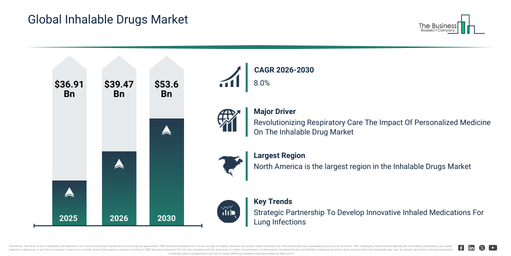
    The inhalable drugs market has experienced solid expansion in recent years, with projections indicating an increase from $36.91 billion in 2025 to $39.47 billion in 2026, reflecting a compound annual growth rate (CAGR) of 6.9%. This historical growth has been driven by several factors, including a high incidence of asthma and COPD, limited public knowledge of inhalable treatment options, a strong reliance on hospital-based pharmacies, the widespread use of metered dose inhalers, and rigorous regulatory approval processes.

    The inhalable drugs market is projected to experience robust expansion over the coming years, reaching a valuation of $53.6 billion by 2030, driven by a compound annual growth rate (CAGR) of 8.0%. This anticipated growth during the forecast period is fueled by several key factors, including the increasing uptake of smart inhalers, advancements in precision medicine, heightened public awareness regarding respiratory health, the proliferation of pharmacy retail chains, and the integration of telehealth platforms. Notable trends shaping this period encompass personalized inhalation therapies, the development of smart inhaler devices, the emergence of biodegradable and eco-friendly inhalers, telemedicine-integrated respiratory care solutions, and the introduction of rapid-acting formulations.

    Download A Free Sample Report For Comprehensive Market Insights:

    https://www.thebusinessresearchcompany.com/sample.aspx?id=12490&type=smp&utm_source=BlogsPR&utm_medium=Paid&utm_campaign=Jul_PR

    Inhalable Drugs Market Industry Drivers: What Is Driving Revenue Growth?

    An increasing emphasis on tailored treatment approaches is anticipated to fuel expansion in the inhalable drug market over the coming years. Personalized medicine, often called precision medicine, represents a groundbreaking strategy in healthcare and disease management that accounts for distinct differences among individuals, including their genetic profiles, environmental exposures, and lifestyle choices. When applied to inhalable pharmaceuticals, this approach involves customizing therapies according to each patient’s unique hereditary traits, biomarkers, and clinical characteristics. Such personalization holds the promise of enhancing both the effectiveness of inhaled drug regimens and the overall satisfaction of individuals receiving respiratory care. For example, in February 2024, data from the Personalized Medicine Coalition, a nonprofit organization based in the United States, revealed that the USFDA approved 16 novel personalized treatments for rare diseases in 2023, marking a substantial rise from just 6 such approvals in 2022. Consequently, the rising focus on precision medicine continues to drive momentum in the inhalable drug market.

    Inhalable Drugs Market Segment Outlook: Which Categories Are Expanding The Fastest?

    The inhalable drugs market covered in this report is segmented –

    1) By Product: Aerosol, Dry Powder Formulation, Spray

    2) By Distribution Channel: Hospital Pharmacy, Pharmacy Stores, Other Distribution Channels

    3) By Application: Respiratory Diseases, Non-Respiratory Diseases

    4) By End Users: Adults, Pediatric, Geriatric

    Subsegments:

    1) By Aerosol: Metered Dose Inhalers (MDIs), Nebulizers, Soft Mist Inhalers

    2) By Dry Powder Formulation: Dry Powder Inhalers (DPIs), Blister Packs, Capsules

    3) By Spray: Nasal Sprays, Oral Sprays, Subcutaneous Sprays

    Inhalable Drugs Market Growth Trends: What Is Influencing The Future Outlook?

    Leading firms in the inhalable drug sector are increasingly turning to strategic alliances as a method for creating inhaled therapies aimed at lung infections. These partnerships involve companies combining their distinct capabilities and resources to achieve shared goals and success. To illustrate, in November 2023, Qnovia, Inc., a pharmaceutical and medtech company based in the United States, entered into a collaboration with the University of Virginia (UVA), a public research institution also in the US, to progress new inhaled drug options designed to fight bacterial infections within the lungs. This cooperation brings together Qnovia’s proficiency in delivering medications via inhalation with UVA’s unique collection of antimicrobial peptides. Their shared aim is to combat antibiotic-resistant and biodefense pathogens responsible for life-threatening conditions. Under this agreement, Qnovia will incorporate two fresh projects into its development pipeline. QN-05 is designed to address pneumonia, while QN-06 targets lung infections arising from exposure to the biodefense pathogen Bacillus anthracis, which causes anthrax.

    Inhalable Drugs Market Key Companies And Competitive Benchmarking

    Major companies operating in the inhalable drugs market are Pfizer Inc., Merck & Co. Inc., Novartis AG, Sanofi SA, AstraZeneca plc, GlaxoSmithKline Plc, Boehringer Ingelheim International GmbH, Teva Pharmaceutical Industries Ltd., Cipla Inc., Glenmark Pharmaceuticals Inc., Sunovion Pharmaceuticals Inc., Vectura Group Limited, Abiogen Pharma, AeroGen Pharma, Alaxia S.A.S., Pharmaxis Ltd., Avalyn Pharma Inc., TFF Pharmaceuticals Inc., Mylan NV, Chiesi Farmaceutici S.p.A., Vectura Therapeutics Ltd

    Access The Complete Inhalable Drugs Market Report:

    https://www.thebusinessresearchcompany.com/report/inhalable-drugs-global-market-report?utm_source=BlogsPR&utm_medium=Paid&utm_campaign=Jul_PR

    Inhalable Drugs Market Largest Region By Revenue And Market Share

    North America was the largest region in the inhalable drugs market in 2025. Asia-Pacific is expected to be the fastest-growing region in the forecast period. The regions covered in the inhalable drugs market report are Asia-Pacific, South East Asia, Western Europe, Eastern Europe, North America, South America, Middle East, Africa.

    Get in touch with us:

    The Business Research Company: https://www.thebusinessresearchcompany.com/?utm_source=BlogsPR&utm_medium=Paid&utm_campaign=home_page_test

    Americas: +1 310-496-7795

    Asia: +44 7882 955267 & +91 8897263534

    Europe: +44 7882 955267

    Email us at: marketing@tbrc.info

    Follow us on:

    LinkedIn: https://in.linkedin.com/company/the-business-research-company

    YouTube: https://www.youtube.com/channel/UC24_fI0rV8cR5DxlCpgmyFQ

    Global Market Model: https://www.thebusinessresearchcompany.com/global-market-model
  • Inhalable Biologics Market Opportunities Are Emerging Beyond Traditional Growth Areas

    Inhalable Biologics Market Opportunities Are Emerging Beyond Traditional Growth Areas

    Through market attractiveness analysis, total addressable market evaluation, company benchmarking matrices, interactive Excel dashboards, expanded supply chain intelligence, emerging startup coverage, and detailed product insights, The Business Research Company’s 2026 market reports provide more actionable and strategically valuable research.

    Inhalable Biologics Market Expansion Outlook: What Revenue Opportunities Lie Ahead?

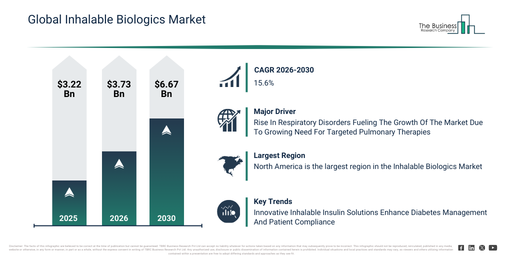
    The inhalable biologics market has experienced substantial expansion in recent years, with its value increasing from $3.22 billion in 2025 to an estimated $3.73 billion by 2026, reflecting a compound annual growth rate (CAGR) of 15.7%. This historic growth trajectory is largely driven by factors such as the escalating incidence of respiratory conditions, the recognized drawbacks associated with injectable biologics, technological improvements in inhalation delivery systems, a burgeoning pipeline of biologic therapies, and a heightened reliance on hospital-based care for respiratory ailments.

    The inhalable biologics market is projected to experience significant expansion in the coming years, reaching a valuation of $6.67 billion by 2030, driven by a robust compound annual growth rate (CAGR) of 15.6%. This upward trajectory during the forecast period is fueled by the rising prevalence of chronic respiratory diseases, the broadening application of inhalable biologics to treat conditions beyond respiratory issues, a growing patient inclination toward non-invasive treatment options, enhanced formulation stability, and increased investment in pulmonary drug delivery research. Key trends shaping the market include the adoption of pulmonary delivery for systemic biologics, an uptick in dry powder inhaler usage for biologic drugs, a heightened emphasis on targeted lung drug administration, advancements in inhalable monoclonal antibody development, and the widespread acceptance of patient-centered, non-invasive biologic therapies.

    Download A Free Sample Report For Comprehensive Market Insights:

    https://www.thebusinessresearchcompany.com/sample.aspx?id=24253&type=smp&utm_source=BlogsPR&utm_medium=Paid&utm_campaign=Jul_PR

    #Inhalable Biologics Market Growth Factors: Which Forces Are Supporting Market Expansion?

    The growth of the inhalable biologics market is anticipated to gain momentum, driven by a rise in respiratory conditions. These conditions involve diseases and disorders impacting the lungs and other components of the respiratory system, such as the airways and nasal passages. Their increasing prevalence can be attributed to worsening air pollution, which exacerbates illnesses like asthma, chronic obstructive pulmonary disease (COPD), and lung cancer by exposing individuals to harmful particulate matter and various pollutants. Inhalable biologics provide a distinct advantage for respiratory ailments, as they enable targeted drug delivery directly to the lungs, thereby minimizing inflammation, enhancing lung function, and reducing systemic side effects. As an example, data from June 2024, released by the Australian Institute of Health and Welfare—a government agency based in Australia—indicated that COPD accounted for 3.6% of the total disease burden and 50% of the respiratory disease burden in 2023. Consequently, the escalating frequency of respiratory conditions is a key factor fueling the expansion of the inhalable biologics market.

    Inhalable Biologics Market Segment Landscape: Which Areas Lead Market Development?

    The inhalable biologics market covered in this report is segmented –

    1) By Type: Peptides And Proteins, Vaccines, Monoclonal Antibodies, RNAi-Based Therapeutics, Other Types

    2) By Dosage Form: Dry Powder Inhalers, Metered Dose Inhalers, Nebulizers, Other Dosage Forms

    3) By Distribution Channel: Hospital Pharmacies, Retail Pharmacies, Online Pharmacies

    4) By Application: Respiratory Diseases, Diabetes, Cancer, Other Applications

    Subsegments:

    1) By Peptides And Proteins: Insulin, Growth Hormones, Enzyme Replacement Therapies, Other Peptides And Proteins

    2) By Vaccines: Influenza Vaccines, Other Respiratory Vaccines

    3) By Monoclonal Antibodies: Respiratory Monoclonal Antibodies, Immunomodulatory Monoclonal Antibodies, Other Monoclonal Antibodies

    4) By RNAi-Based Therapeutics: RNA-Based Drugs For Respiratory Diseases, Other RNAi-Based Therapeutics

    5) By Other Types: Gene Therapies, Small Molecule Inhalable Drugs, Other Innovative Inhalable Biologics

    Inhalable Biologics Market Industry Trends: What Changes Are Reshaping Demand?

    Key players in the inhalable biologics market are concentrating on creating innovative products, like inhaled insulin, to boost patient adherence and achieve fast glycemic control. Inhaled insulin is a method of delivering insulin into the bloodstream via the lungs through inhalation, as opposed to using injections or insulin pumps. This approach involves inhaling insulin in a powder or aerosolized form, which is absorbed by the lungs and rapidly enters the bloodstream to aid in managing blood sugar levels. For example, in February 2025, Cipla Limited, an India-based pharmaceutical firm, got approval from the Central Drugs Standard Control Organization for Afrezza, recognized as the world’s fastest inhaled insulin. It provides a groundbreaking, injection-free option for adults with type 1 and type 2 diabetes. This ultra-rapid-acting insulin takes effect within 12 to 15 minutes after inhalation, closely resembling the body’s natural insulin response to meals, thereby enhancing blood sugar control. The inhaled insulin offers a more convenient choice compared to multiple daily shots, especially aiding patients with injection phobia and improving their commitment to insulin therapy.

    Inhalable Biologics Market Industry Leaders And Market Competition

    Major companies operating in the inhalable biologics market are Bayer AG, Sanofi SA, AstraZeneca plc, Novartis AG, GlaxoSmithKline plc, Moderna Inc., Pfizer Inc. and BioNTech SE, Teva Pharmaceuticals, Baxter International, Lonza Group AG, CanSino Biologics Inc., Cipla Ltd., Insmed Incorporated, Kamada Pharmaceuticals, Vectura Group plc, F. Hoffmann-La Roche Ltd, Iconovo AB, Synairgen plc, Ab Initio Pharma LLC, Nanopharm Ltd, Ocugen Inc., MannKind Corporation

    Access The Complete Inhalable Biologics Market Report:

    https://www.thebusinessresearchcompany.com/report/inhalable-biologics-global-market-report?utm_source=BlogsPR&utm_medium=Paid&utm_campaign=Jul_PR

    Inhalable Biologics Market Regional Analysis And Leading Geography

    North America was the largest region in the inhalable biologics market in 2025. Asia-Pacific is expected to be the fastest-growing region in the forecast period. The regions covered in the inhalable biologics market report are Asia-Pacific, South East Asia, Western Europe, Eastern Europe, North America, South America, Middle East, Africa.

    Get in touch with us:

    The Business Research Company: https://www.thebusinessresearchcompany.com/?utm_source=BlogsPR&utm_medium=Paid&utm_campaign=home_page_test

    Americas: +1 310-496-7795

    Asia: +44 7882 955267 & +91 8897263534

    Europe: +44 7882 955267

    Email us at: marketing@tbrc.info

    Follow us on:

    LinkedIn: https://in.linkedin.com/company/the-business-research-company

    YouTube: https://www.youtube.com/channel/UC24_fI0rV8cR5DxlCpgmyFQ

    Global Market Model: https://www.thebusinessresearchcompany.com/global-market-model
  • Influenza Vaccines Market Expansion Is Opening New Pathways For Strategic Investment

    Influenza Vaccines Market Expansion Is Opening New Pathways For Strategic Investment

    Delivering more actionable and strategically valuable research, The Business Research Company’s 2026 market reports feature market attractiveness analysis, total addressable market evaluation, company benchmarking matrices, interactive Excel dashboards, expanded supply chain intelligence, emerging startup coverage, and detailed product insights.

    Influenza Vaccines Market Growth Potential: How Will Market Size Change Through 2030?

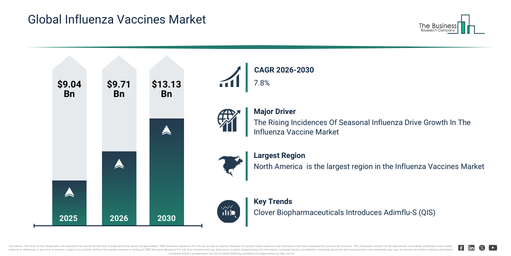
    The market for influenza vaccines has experienced robust expansion over the recent years, with projections indicating an increase from $9.04 billion in 2025 to $9.71 billion in 2026, reflecting a compound annual growth rate (CAGR) of 7.4%. Historically, this growth has been driven by factors such as the higher incidence of seasonal influenza, minimal public knowledge during the early 2000s, a dominance of trivalent vaccine formulations, limited worldwide production capabilities, and a dependence on conventional egg-based manufacturing techniques.

    The influenza vaccines market is poised for significant expansion over the coming years, with projections indicating it will reach $13.13 billion by 2030, reflecting a compound annual growth rate (CAGR) of 7.8%. This anticipated growth in the forecast timeframe is driven by factors such as the rising preference for quadrivalent vaccines, a broader application of precision medicine strategies, heightened government-led vaccination efforts, the advancement of cell-based and recombinant vaccine technologies, and improvements in cold chain logistics and distribution networks. Key developments shaping this period include the refinement of seasonal vaccine formulations, the broadening of pediatric immunization initiatives, an uptick in publicly funded flu vaccination drives, the introduction of novel adjuvants to boost immune responses, and a growing trend toward home-based and outpatient vaccine administration.

    Download A Free Sample Report For Comprehensive Market Insights:

    https://www.thebusinessresearchcompany.com/sample.aspx?id=11935&type=smp&utm_source=BlogsPR&utm_medium=Paid&utm_campaign=Jul_PR

    Influenza Vaccines Market Demand Drivers: What Is Fueling Industry Growth?

    The growing frequency of seasonal influenza cases is expected to drive expansion in the influenza vaccine market moving forward. Seasonal influenza is defined as a respiratory condition triggered by influenza viruses that typically spread and lead to infections during particular times of the year, predominantly in the colder months. This trend has developed due to factors such as antigenic drift, population vulnerability, environmental conditions, insufficient vaccine coverage, and the absence of a universal vaccination program. Influenza vaccines contribute to reducing seasonal influenza occurrences by offering protection against the currently circulating viral strains. In November 2023, the Centers for Disease Control and Prevention (CDC), a government agency based in the United States, reported that during the 2022-2023 flu season, approximately 31 million flu-related illnesses took place, alongside 14 million flu-related medical consultations, 360,000 flu-related hospitalizations, and 21,000 flu-related deaths. Consequently, the increasing prevalence of seasonal influenza episodes is fueling growth in the influenza vaccines market.

    Influenza Vaccines Market Segments: Where Are The Largest Growth Opportunities?

    The influenza vaccines market covered in this report is segmented –

    1) By Vaccine Type: Inactivated, Live Attenuated

    2) By Valency: Quadrivalent, Trivalent

    3) By Route Of Administration: Injection, Nasal Spray

    4) By Age Group: Pediatric, Adult

    5) By Distribution Channel: Hospitals And Pharmacies, Government And Institutional Supply, Other Distribution Channels

    Subsegments:

    1) By Inactivated: Trivalent Inactivated Vaccines (TIV), Quadrivalent Inactivated Vaccines (QIV)

    2) By Live Attenuated: Live Attenuated Influenza Vaccines (LAIV), Quadrivalent Live Attenuated Influenza Vaccines (QLAIV)

    Influenza Vaccines Market Innovation Trends: Which Developments Are Transforming The Industry?

    Leading players in the influenza vaccine market are increasingly embracing cutting-edge product innovations, specifically quadrivalent seasonal influenza vaccines, as a strategy to enhance both their respiratory vaccine portfolio and financial standing. Designed to offer protection against four distinct flu viruses—two influenza A strains and two influenza B strains—this vaccine type provides broader coverage. A notable example occurred in September 2023, when Clover Biopharmaceuticals Ltd., a biotechnology firm headquartered in China, introduced AdimFlu-S (QIS), a quadrivalent seasonal influenza vaccine. As the only imported quadrivalent option of its kind approved for use in China among individuals aged three and older, it stands out. Its quadrivalent formulation enhances its capacity to deliver strong vaccine effectiveness, regardless of which influenza B strain dominates in a given season, offering a clear advantage over trivalent alternatives.

    Influenza Vaccines Market Major Participants And Competitive Dynamics

    Major companies operating in the influenza vaccines market are Pfizer Inc., Merck & Co Inc., Sanofi-Aventis LLC, GlaxoSmithKline plc, Serum Institute of India Private Limited, Seqirus Inc., CSL Limited, Daiichi Sankyo Company Limited, Moderna Inc., Novavax AB, Bharat Biotech International Limited, Valneva SE, Shionogi & Co Ltd., Sinovac Biotech Co Ltd., Walvax Biotechnology Co Ltd., Hualan Biological Engineering Inc., China National Pharmaceutical Group Corporation, Green Cross Corporation, Mitsubishi Tanabe Pharma Corporation, Osivax, Vaxess Technologies Inc., Gamma Vaccines Pty Ltd

    Access The Complete Influenza Vaccines Market Report:

    https://www.thebusinessresearchcompany.com/report/influenza-vaccines-global-market-report?utm_source=BlogsPR&utm_medium=Paid&utm_campaign=Jul_PR

    Influenza Vaccines Market Geographic Analysis: Where Is Demand Growing The Fastest?

    North America was the largest region in the influenza vaccines market in 2025. Asia-Pacific is expected to be the fastest-growing region in the forecast period. The regions covered in the influenza vaccines market report are Asia-Pacific, South East Asia, Western Europe, Eastern Europe, North America, South America, Middle East, Africa.

    Get in touch with us:

    The Business Research Company: https://www.thebusinessresearchcompany.com/?utm_source=BlogsPR&utm_medium=Paid&utm_campaign=home_page_test

    Americas: +1 310-496-7795

    Asia: +44 7882 955267 & +91 8897263534

    Europe: +44 7882 955267

    Email us at: marketing@tbrc.info

    Follow us on:

    LinkedIn: https://in.linkedin.com/company/the-business-research-company

    YouTube: https://www.youtube.com/channel/UC24_fI0rV8cR5DxlCpgmyFQ

    Global Market Model: https://www.thebusinessresearchcompany.com/global-market-model
  • Influenza Treatment Market Trends Are Creating New Opportunities For Industry Leaders

    Influenza Treatment Market Trends Are Creating New Opportunities For Industry Leaders

    Enhanced with market attractiveness analysis, total addressable market evaluation, company benchmarking matrices, interactive Excel dashboards, expanded supply chain intelligence, emerging startup coverage, and detailed product insights, The Business Research Company’s 2026 market reports deliver more actionable and strategically valuable research.

    Influenza Treatment Market Value Analysis: What Growth Is Expected Over The Forecast Period?

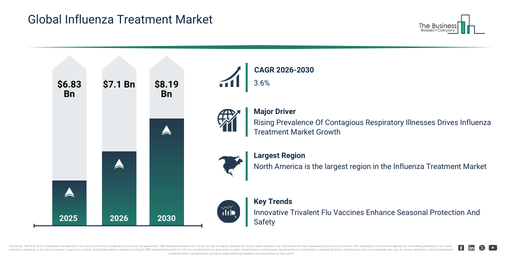
    The influenza treatment market has experienced consistent expansion in recent years. Expected to rise from $6.83 billion in 2025 to $7.1 billion in 2026, this growth reflects a compound annual growth rate (CAGR) of 4.0%. Historical development can be explained by recurrent global seasonal influenza epidemics, proven effectiveness of neuraminidase inhibitors, broad access to antiviral medications via pharmacies, a public health emphasis on minimizing influenza-related complications, and the prolonged integration of antiviral therapies within hospital settings.

    The market for influenza treatments is projected to experience consistent expansion over the coming years, reaching an estimated $8.19 billion by 2030, reflecting a compound annual growth rate (CAGR) of 3.6%. This anticipated growth during the forecast period is driven by several key factors, including a higher occurrence of both seasonal and pandemic influenza strains, greater public awareness about the advantages of early therapeutic intervention, a growing elderly demographic that is particularly vulnerable to severe flu complications, enhanced availability of antiviral drugs, and an ongoing need for rapid relief from flu-like symptoms. Notably, the forecast period is characterized by major trends such as the continued application of antiviral therapies for managing seasonal influenza, a rising preference for starting antiviral treatment soon after symptom onset, wider adoption of single-dose and short-course antiviral regimens, increased demand for oral influenza medications, and persistent dependence on established antiviral compounds when flu outbreaks occur.

    Download A Free Sample Report For Comprehensive Market Insights:

    https://www.thebusinessresearchcompany.com/sample.aspx?id=15832&type=smp&utm_source=BlogsPR&utm_medium=Paid&utm_campaign=Jul_PR

    Influenza Treatment Market Growth Drivers: What Factors Are Accelerating Expansion?

    The anticipated expansion of the influenza treatment market is being driven by a growing prevalence of contagious respiratory illnesses. These conditions, which include influenza, measles, and respiratory syncytial virus (RSV), are transmitted via contact with infected individuals, respiratory droplets, tainted surfaces, or shared items. Rising occurrences of these illnesses are fueled by factors such as greater population densities, limited healthcare infrastructure, inappropriate antibiotic usage, and more frequent international travel. By offering antiviral drugs and vaccines for treating and preventing infections like influenza, COVID-19, and other respiratory viral diseases, the influenza treatment market aids in managing these respiratory issues. As an illustration, the Centers for Disease Control and Prevention (CDC), a national public health agency in the US, reported in September 2023 that RSV-related hospitalization rates climbed from 2 per 100,000 people in the week ending August 5, 2023, to 7 per 100,000 people by the week ending August 19, 2023. Consequently, the rising prevalence of contagious respiratory illnesses is fueling growth in the influenza treatment market.

    Influenza Treatment Market Segment Analysis: What Are The Major Market Categories?

    The influenza treatment market covered in this report is segmented –

    1) By Product Type: Peramivir, Zanamivir, Oseltamivir Phosphate, Baloxavir Marboxil, Other Products

    2) By Route Of Administration: Oral, Other Routes Of Administration

    3) By Distribution Channel: Retail Pharmacy, Hospital Pharmacy, Other Distribution Channels

    Subsegments:

    1) By Peramivir: Intravenous Peramivir, Peramivir Injection

    2) By Zanamivir: Inhaled Zanamivir, Zanamivir Diskhaler

    3) By Oseltamivir Phosphate: Oseltamivir Capsules, Oseltamivir Oral Suspension

    4) By Baloxavir Marboxil: Baloxavir Tablets, Baloxavir Granules For Oral Suspension

    5) By Other Products: Rimantadine, Amantadine

    Influenza Treatment Market Trends: What Is Shaping Future Industry Growth?

    Major pharmaceutical players in the influenza treatment market are prioritizing the creation of advanced solutions like trivalent inactivated influenza vaccines, aiming to strengthen immune responses and curb seasonal flu epidemics. These trivalent inactivated influenza vaccines consist of three deactivated virus strains, engineered to offer protection against the most prevalent influenza viruses each season. For example, in September 2025, Zydus Lifesciences Limited, an Indian pharmaceutical firm, introduced VaxiFlu, the country’s first trivalent influenza vaccine, following the global guidelines set by the World Health Organization. VaxiFlu™ has received approval for use in individuals aged six months and older, incorporating updated WHO-recommended virus strains—A/H1N1, A/H3N2, and a B/Victoria lineage—thus maintaining seasonal efficacy, while the B/Yamagata lineage, which has been rarely observed in recent years, has been intentionally left out. This formulation enables highly targeted vaccination, minimizing unnecessary antigen exposure and enhancing safety profiles when compared to earlier quadrivalent versions. Furthermore, this approach supports public health initiatives in regions where B/Yamagata lineage viruses are no longer a concern.

    Influenza Treatment Market Leading Companies Driving Competitive Growth

    Major companies operating in the influenza treatment market are F. Hoffmann-La Roche Ltd., GlaxoSmithKline Plc, Takeda Pharmaceutical Company, Gilead Sciences Inc., Viatris Inc., Teva Pharmaceutical Industries Ltd., Sun Pharmaceutical Industries Limited, Cipla Ltd, Dr. Reddy’s Laboratories Ltd., Lupin Limited, NATCO Pharma Limited, Aurobindo Pharma Limited, Zydus Lifesciences Limited, Torrent Pharmaceuticals Ltd., Hetero Drugs Limited, BioCryst Pharmaceuticals Inc., NanoViricides Inc., Shionogi & Co. Ltd., Chugai Pharmaceutical Co. Ltd., Alkem Laboratories Limited

    Access The Complete Influenza Treatment Market Report:

    https://www.thebusinessresearchcompany.com/report/influenza-treatment-global-market-report?utm_source=BlogsPR&utm_medium=Paid&utm_campaign=Jul_PR

    Influenza Treatment Market Global Footprint: Which Region Holds Market Leadership?

    North America was the largest region in the influenza treatment market in 2025. Asia-Pacific is expected to be the fastest-growing region in the forecast period. The regions covered in the influenza treatment market report are Asia-Pacific, South East Asia, Western Europe, Eastern Europe, North America, South America, Middle East, Africa.

    Get in touch with us:

    The Business Research Company: https://www.thebusinessresearchcompany.com/?utm_source=BlogsPR&utm_medium=Paid&utm_campaign=home_page_test

    Americas: +1 310-496-7795

    Asia: +44 7882 955267 & +91 8897263534

    Europe: +44 7882 955267

    Email us at: marketing@tbrc.info

    Follow us on:

    LinkedIn: https://in.linkedin.com/company/the-business-research-company

    YouTube: https://www.youtube.com/channel/UC24_fI0rV8cR5DxlCpgmyFQ

    Global Market Model: https://www.thebusinessresearchcompany.com/global-market-model
  • Influenza Drug Market Growth Is Reshaping Competitive Advantage Across The Industry

    Influenza Drug Market Growth Is Reshaping Competitive Advantage Across The Industry

    Through market attractiveness analysis, total addressable market evaluation, company benchmarking matrices, interactive Excel dashboards, expanded supply chain intelligence, emerging startup coverage, and detailed product insights, The Business Research Company’s 2026 market reports provide more actionable and strategically valuable research.

    Influenza Drug Market Size Forecast: How Large Could The Market Become By 2030?

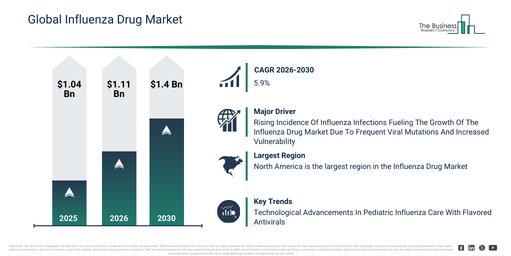
    The market for influenza treatments has experienced notable expansion over the past few years, with its value projected to increase from $1.04 billion in 2025 to $1.11 billion in 2026, reflecting a compound annual growth rate of 6.2%. This upward trajectory during the historical period was largely driven by recurring seasonal flu outbreaks, a growing number of influenza cases worldwide, the introduction of early-stage antiviral medications, improvements in healthcare facilities such as hospitals and clinics, and heightened public awareness regarding flu prevention measures.

    The influenza drug market is poised for robust expansion in the coming years, with projections indicating it will reach $1.4 billion by 2030, driven by a compound annual growth rate (CAGR) of 5.9%. This anticipated growth during the forecast period is fueled by factors such as the introduction of next-generation antiviral treatments, the broadening of vaccination initiatives, the uptake of digital health monitoring systems, heightened governmental efforts to prevent flu outbreaks, and increased investigations into host-directed therapies. Key developments shaping the market outlook include a growing preference for rapid influenza diagnostic tests, a surge in demand for antiviral drugs with a wide spectrum of activity, the scaling up of vaccination programs and preventive healthcare strategies, the incorporation of telehealth services and remote patient oversight, and advances in tailored and targeted influenza therapeutics.

    Download A Free Sample Report For Comprehensive Market Insights:

    https://www.thebusinessresearchcompany.com/sample.aspx?id=27317&type=smp&utm_source=BlogsPR&utm_medium=Paid&utm_campaign=Jul_PR

    Influenza Drug Market Growth Factors Supporting Long-Term Expansion

    The anticipated expansion of the influenza drug market is significantly fueled by the increasing frequency of influenza infections. These infections, which are contagious respiratory ailments triggered by influenza viruses, manifest with symptoms like fever, cough, sore throat, and muscle aches. This surge in cases is primarily attributed to ongoing viral mutations that diminish vaccine efficacy, thereby heightening population susceptibility to outbreaks. Influenza drugs play a critical role in countering this trend by offering effective therapeutic options that mitigate disease severity and curb widespread transmission. As an illustrative example, the Centers for Disease Control and Prevention (CDC), a national public health agency based in the United States, reported in September 2023 that during the 2022–2023 season, preliminary in-season estimates indicated influenza virus infections caused 31 million symptomatic illnesses, 14 million medical visits, 360,000 hospitalizations, and 21,000 deaths across the country. Consequently, the growing prevalence of influenza infections is a key driver propelling the influenza drug market forward.

    Influenza Drug Market Segment Breakdown: Which Categories Generate The Most Revenue?

    The influenza drug market covered in this report is segmented –

    1) By Type: Influenza A, Influenza B, Influenza C

    2) By Distribution Channel: Hospital Pharmacies, Retail Pharmacies, Online Pharmacies

    3) By Route Of Administration: Oral, Intranasal, Intravenous

    4) By Mechanism Of Action: Neuraminidase Inhibitors, Cap-Dependent Endonuclease Inhibitors, Fusion Inhibitors, M2 Ion Channel Inhibitors, Host Cell Protease Inhibitors, Immunomodulatory Agents, Ribonucleic Acid (RNA) Polymerase Inhibitors, Hemagglutinin Stem Binders, Host Factor Targeting

    5) By End-User: Hospitals And Clinics, Pharmacies, Research Institutions, Government Health Agencies, Long-Term Care Facilities, Community Health Centers, Corporate Health Programs

    Influenza Drug Market Industry Trends Shaping Future Revenue Growth

    Major firms in the influenza drug market are prioritizing technological innovations, particularly in drug formulation, to improve treatment efficacy, patient adherence, and overall therapeutic results. The process of drug formulation typically merges inert substances and excipients with active pharmaceutical ingredients (APIs) to create effective drug products featuring desired characteristics. As an example, in August 2024, F. Hoffmann-La Roche Ltd., a Switzerland-based company specializing in pharmaceuticals and diagnostics, introduced Baloxavir Marboxil for Suspension—a strawberry-flavored, single-dose oral antiviral developed for children. This allows parents to deliver accurate weight-based dosing, which simplifies administration and boosts compliance. Such an advancement offers a precise alternative for at-home medication delivery, aligning with prescription delivery services by enabling caregivers to manage pediatric influenza treatment conveniently from home after receiving a prescription. Key advantages include the drug’s novel mechanism of action and improved adherence rates; nevertheless, resistance could develop over time, particularly in pediatric populations.

    Influenza Drug Market Key Players And Strategic Industry Positioning

    Major companies operating in the influenza drug market are F. Hoffmann-La Roche Ltd., Pfizer Inc., AstraZeneca PLC, GlaxoSmithKline plc, Daiichi Sankyo Co. Ltd., Shionogi & Co. Ltd., Green Cross Corp, Emergent BioSolutions Inc., BioCryst Pharmaceuticals Inc., SAB Biotherapeutics Inc., Viriom Inc., Cocrystal Pharma Inc.

    Access The Complete Influenza Drug Market Report:

    https://www.thebusinessresearchcompany.com/report/influenza-drug-global-market-report?utm_source=BlogsPR&utm_medium=Paid&utm_campaign=Jul_PR

    Influenza Drug Market Regional Distribution: Which Areas Drive Market Expansion?

    North America was the largest region in the influenza drug market in 2025. Asia-Pacific is expected to be the fastest-growing region in the forecast period. The regions covered in the influenza drug market report are Asia-Pacific, South East Asia, Western Europe, Eastern Europe, North America, South America, Middle East, Africa.

    Get in touch with us:

    The Business Research Company: https://www.thebusinessresearchcompany.com/?utm_source=BlogsPR&utm_medium=Paid&utm_campaign=home_page_test

    Americas: +1 310-496-7795

    Asia: +44 7882 955267 & +91 8897263534

    Europe: +44 7882 955267

    Email us at: marketing@tbrc.info

    Follow us on:

    LinkedIn: https://in.linkedin.com/company/the-business-research-company

    YouTube: https://www.youtube.com/channel/UC24_fI0rV8cR5DxlCpgmyFQ

    Global Market Model: https://www.thebusinessresearchcompany.com/global-market-model
  • Inflammatory Bowel Disease Treatment Market Forecast Signals New Revenue Opportunities Through 2030

    Inflammatory Bowel Disease Treatment Market Forecast Signals New Revenue Opportunities Through 2030

    Delivering more actionable and strategically valuable research, The Business Research Company’s 2026 market reports feature market attractiveness analysis, total addressable market evaluation, company benchmarking matrices, interactive Excel dashboards, expanded supply chain intelligence, emerging startup coverage, and detailed product insights.

    Inflammatory Bowel Disease Treatment Market Revenue Outlook: What CAGR Is Expected Through 2030?

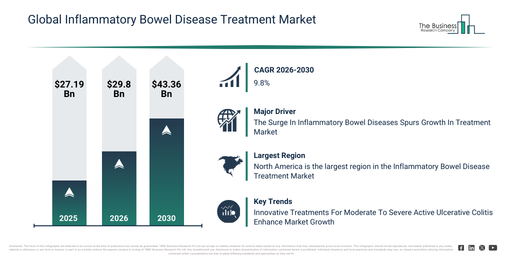
    The market for treating inflammatory bowel disease has experienced robust expansion in recent years. Its valuation is projected to rise from $27.19 billion in 2025 to $29.8 billion in 2026, representing a compound annual growth rate (CAGR) of 9.6%. Several factors contributed to this growth during the historic period, including a higher incidence of ulcerative colitis and Crohn’s disease, increased knowledge about available IBD therapies, the broadening of hospital and retail pharmacy networks, the accessibility of generic aminosalicylates, and the early integration of biologic treatments in developed areas.

    The inflammatory bowel disease treatment market is anticipated to experience robust expansion over the coming years. By 2030, it is projected to reach a valuation of $43.36 billion, reflecting a compound annual growth rate (CAGR) of 9.8%. This forecasted growth is driven by heightened investment in precision medicine, the emergence of novel anti-inflammatory therapies, the incorporation of digital health platforms for monitoring patients, increased uptake of biologics and biosimilars, and broader access to IBD care in developing markets. Key trends shaping this period include the advancement of personalized IBD treatments, a rising reliance on biologic therapies, the adoption of minimally invasive drug delivery methods, a greater emphasis on patient adherence initiatives, and the expansion of specialty pharmacies focused on IBD management.

    Download A Free Sample Report For Comprehensive Market Insights:

    https://www.thebusinessresearchcompany.com/sample.aspx?id=6704&type=smp&utm_source=BlogsPR&utm_medium=Paid&utm_campaign=Jul_PR

    Inflammatory Bowel Disease Treatment Market Demand Drivers Creating New Revenue Opportunities

    The increasing occurrence of Crohn’s disease and ulcerative colitis is a major factor propelling the inflammatory bowel disease treatment market forward. These two conditions, classified as forms of inflammatory bowel disease (IBD), trigger digestive tract inflammation and the formation of ulcers. As the number of individuals diagnosed with Crohn’s disease and ulcerative colitis rises, the need for effective treatments is anticipated to grow, given that these therapies are extensively employed to alleviate bowel inflammation and prevent further complications. A case in point is data from November 2024, released by the Crohn’s & Colitis Foundation, a US non-profit, which indicates that about 100,429 children and adolescents under the age of 20 in the United States are living with IBD, which includes both Crohn’s disease and ulcerative colitis. Within this pediatric group, Crohn’s disease shows a higher prevalence rate of 71 per 100,000, while ulcerative colitis stands at 44 per 100,000. Consequently, the growing prevalence of these conditions is set to fuel expansion of the inflammatory bowel disease treatment market.

    Inflammatory Bowel Disease Treatment Market Segmentation: How Is The Market Structured Across Key Categories?

    The inflammatory bowel disease treatment market covered in this report is segmented –

    1) By Drug Class: Aminosalicylates, Corticosteroids, TNF inhibitors, IL inhibitors, Anti-integrin, JAK inhibitors, Other Drug Classes

    2) By Type: Crohn’s Disease, Ulcerative Colitis

    3) By Route Of Administration: Oral, Injectable

    4) By Distribution Channel: Hospital Pharmacy, Retail Pharmacy, Online Pharmacy

    Subsegments:

    1) By Aminosalicylates: Mesalamine, Sulfasalazine, Balsalazide

    2) By Corticosteroids: Prednisone, Budesonide, Hydrocortisone

    3) By TNF Inhibitors: Infliximab, Adalimumab, Certolizumab pegol

    4) By IL Inhibitors: Ustekinumab, Guselkumab

    5) By Anti-Integrin: Vedolizumab, Natalizumab

    6) By JAK Inhibitors: Tofacitinib, Filgotinib

    7) By Other Drug Classes: Antibiotics, Immunosuppressants, Other Novel Therapies

    Inflammatory Bowel Disease Treatment Market Trends Driving Strategic Industry Expansion

    Key industry players in the market for inflammatory bowel disease therapies are introducing cutting-edge products, such as treatments for moderate to severe active ulcerative colitis, aimed at reaching broader audiences, boosting sales, and driving higher profits. Therapeutic approaches for moderate to severe active ulcerative colitis often incorporate pharmacological solutions and, in some cases, surgical procedures. As an example, in October 2023, Eli Lilly and Company, a pharmaceutical firm based in the United States, received clearance from the U.S. Food and Drug Administration (FDA) for Omvoh (mirikizumab-mrkz), presented in both an infusion form (300 mg/15 mL) and an injectable version (100 mg/mL). This medication is the first and only interleukin-23p19 (IL-23p19) antagonist created to manage adults diagnosed with moderately to severely active ulcerative colitis (UC). Omvoh is precisely engineered to target the p19 subunit of IL-23, thereby inhibiting the IL-23 pathway, a key driver of inflammation that plays a major role in the onset of UC. The dosing schedule for Omvoh starts with three 300-mg intravenous infusions given once every four weeks, followed by a maintenance stage that consists of two 100-mg subcutaneous self-administered injections every four weeks.

    Inflammatory Bowel Disease Treatment Market Competitive Landscape And Leading Companies

    Major companies operating in the inflammatory bowel disease treatment market are AbbVie Inc., Biogen Inc., Johnson & Johnson, Amgen Inc., Boehringer Ingelheim International GmbH, Bristol-Myers Squibb Company, Celgene Corporation, Eli Lilly and Company, Gilead Sciences Inc., GlaxoSmithKline plc, Merck & Co. Inc., Novartis International AG, Pfizer Inc., F. Hoffmann-La Roche Ltd, Takeda Pharmaceutical Company Limited, Salix Pharmaceuticals Inc., Vifor Pharma AG, Zydus Pharmaceuticals (USA) Inc., Advanced Gastroenterology and Surgery Associates P.A., Atlanta Gastroenterology Associates LLC, Digestive Disease Associates of Rockland P.C., Gastrointestinal Specialists Inc., Illinois Gastroenterology Group LLC, Massachusetts General Hospital, Mayo Clinic, Mount Sinai Health System Inc., The Oregon Clinic – Gastroenterology West P.C.

    Access The Complete Inflammatory Bowel Disease Treatment Market Report:

    https://www.thebusinessresearchcompany.com/report/inflammatory-bowel-disease-treatment-global-market-report?utm_source=BlogsPR&utm_medium=Paid&utm_campaign=Jul_PR

    Inflammatory Bowel Disease Treatment Market Leading Geography: Which Region Generates The Most Revenue?

    North America was the largest region in the inflammatory bowel disease treatment market in 2025. Asia-Pacific is expected to be the fastest-growing region in the forecast period. The regions covered in the inflammatory bowel disease treatment market report are Asia-Pacific, South East Asia, Western Europe, Eastern Europe, North America, South America, Middle East, Africa.

    Get in touch with us:

    The Business Research Company: https://www.thebusinessresearchcompany.com/?utm_source=BlogsPR&utm_medium=Paid&utm_campaign=home_page_test

    Americas: +1 310-496-7795

    Asia: +44 7882 955267 & +91 8897263534

    Europe: +44 7882 955267

    Email us at: marketing@tbrc.info

    Follow us on:

    LinkedIn: https://in.linkedin.com/company/the-business-research-company

    YouTube: https://www.youtube.com/channel/UC24_fI0rV8cR5DxlCpgmyFQ

    Global Market Model: https://www.thebusinessresearchcompany.com/global-market-model
  • Incretin-Based Drugs Market Growth Is Accelerating As Industry Transformation Continues

    Incretin-Based Drugs Market Growth Is Accelerating As Industry Transformation Continues

    Enhanced with market attractiveness analysis, total addressable market evaluation, company benchmarking matrices, interactive Excel dashboards, expanded supply chain intelligence, emerging startup coverage, and detailed product insights, The Business Research Company’s 2026 market reports deliver more actionable and strategically valuable research.

    Incretin-Based Drugs Market Growth Analysis: How Will Revenue Expand During The Forecast Period?

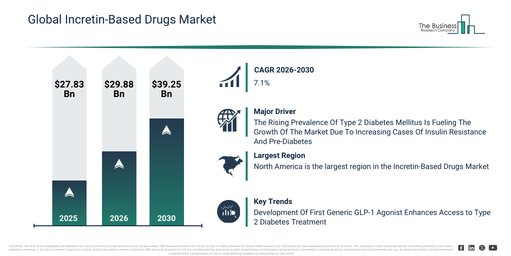
    The incretin-based drugs market has experienced robust expansion over recent years. Projected to increase from $27.83 billion in 2025 to $29.88 billion in 2026, it is advancing at a compound annual growth rate (CAGR) of 7.4%. Historical growth has been driven by the rising prevalence of type 2 diabetes, higher insulin resistance rates, metabolic disorders linked to lifestyle choices, broader adoption of endocrinology medications, and the implementation of hospital-based diabetes initiatives.

    The market for incretin-based drugs is projected to experience significant expansion over the coming years, reaching a valuation of $39.25 billion by 2030 with a compound annual growth rate (CAGR) of 7.1%. This anticipated growth in the forecast period is driven by factors such as the global obesity crisis, rising demand for weight management medications, advancements in long-acting incretin formulations, a shift toward personalized diabetes treatments, and an increased emphasis on preventive metabolic health. Key trends shaping this period include the widespread uptake of GLP-1 receptor agonists, the broadening of therapeutic indications to encompass obesity management, a growing preference for oral incretin therapies, the emergence of combination treatment strategies, and enhanced patient compliance facilitated by once-weekly dosing schedules.

    Download A Free Sample Report For Comprehensive Market Insights:

    https://www.thebusinessresearchcompany.com/sample.aspx?id=24570&type=smp&utm_source=BlogsPR&utm_medium=Paid&utm_campaign=Jul_PR

    Incretin-Based Drugs Market Expansion Supported By Key Demand Factors

    The anticipated growth of the incretin-based drugs market is being driven forward by the increasing incidence of type 2 diabetes mellitus. This condition, a chronic metabolic disorder marked by insulin resistance and impaired insulin secretion, results in elevated blood glucose levels. Its prevalence stems from poor dietary habits and physical inactivity, which foster insulin resistance and reduce the body’s capacity to regulate blood sugar effectively. Incretin-based drugs address type 2 diabetes by enhancing insulin release following meals and suppressing glucagon production, thereby lowering blood sugar. Additionally, they slow gastric emptying and reduce appetite, contributing to improved glucose control and weight loss. As an illustration, the National Health Service, a UK government department, reported in June 2024 that around 549,000 more people in England were at risk of developing type 2 diabetes in 2023, pushing the total number with pre-diabetes above 3.6 million—a nearly 20% increase from 2022. Consequently, the rising prevalence of type 2 diabetes mellitus is propelling the expansion of the incretin-based drugs market.

    Incretin-Based Drugs Market Segmentation Trends And Revenue Drivers

    The incretin-based drugs market covered in this report is segmented –

    1) By Type: Glucagon-Like Peptide-1 Receptor (GLP-1) Agonists, Dipeptidyl Peptidase-4 (DPP-4) Inhibitors

    2) By Route Of Administration: Oral, Injectable

    3) By Distribution Channel: Hospital Pharmacies, Retail Pharmacies, Online Pharmacies

    4) By Application: Type 2 Diabetes, Obesity, Other Applications

    Subsegments:

    1) By Glucagon-Like Peptide-1 Receptor (GLP-1) Agonists: Exenatide, Liraglutide, Dulaglutide, Semaglutide, Lixisenatide

    2) By Dipeptidyl Peptidase-4 (DPP-4) Inhibitors: Sitagliptin, Saxagliptin, Linagliptin, Alogliptin, Vildagliptin

    Incretin-Based Drugs Market Growth Trends Influencing Competitive Dynamics

    Major players in the incretin-based drugs market are now prioritizing the development of generic drug versions to provide patients with more effective and user-friendly treatment options for type 2 diabetes. A generic drug contains identical active ingredients, strength, dosage form, and administration route as its brand-name counterpart, yet it is sold under its chemical name without any brand labeling. For example, in December 2024, Hikma Pharmaceuticals PLC, a pharmaceutical firm headquartered in the UK, introduced the first generic version of Victoza (liraglutide) injection, 6 mg/mL, in the United States. This product gained approval from the Food and Drug Administration (FDA) and was indicated as a supplement to diet and exercise for improving glycemic control in adults and pediatric patients aged 10 years and older with type 2 diabetes. By delivering a fresh and more affordable choice, it addresses the current shortages of GLP-1 medications.

    Incretin-Based Drugs Market Industry Leaders: Which Organizations Are Driving Competition?

    Major companies operating in the incretin-based drugs market are Pfizer Inc., Johnson & Johnson, Roche Holding AG, AbbVie Inc., Bristol-Myers Squibb Company, AstraZeneca PLC, Novartis AG, GlaxoSmithKline plc, Eli Lilly and Company, Takeda Pharmaceutical Company Limited, Amgen Inc., Novo Nordisk A/S, Viatris, Boehringer Ingelheim GmbH, Astellas Pharma Inc., Daiichi Sankyo Company Limited, Sun Pharmaceutical Industries Ltd., Sumitomo Dainippon Pharma Co. Ltd., Hikma Pharmaceuticals PLC, Lupin Limited, Mitsubishi Tanabe Pharma Corporation

    Access The Complete Incretin-Based Drugs Market Report:

    https://www.thebusinessresearchcompany.com/report/incretin-based-drugs-global-market-report?utm_source=BlogsPR&utm_medium=Paid&utm_campaign=Jul_PR

    Incretin-Based Drugs Market Regional Outlook: Where Are The Largest Opportunities Located?

    North America was the largest region in the incretin-based drugs market in 2025. Asia-Pacific is expected to be the fastest-growing region in the forecast period. The regions covered in the incretin-based drugs market report are Asia-Pacific, South East Asia, Western Europe, Eastern Europe, North America, South America, Middle East, Africa.

    Get in touch with us:

    The Business Research Company: https://www.thebusinessresearchcompany.com/?utm_source=BlogsPR&utm_medium=Paid&utm_campaign=home_page_test

    Americas: +1 310-496-7795

    Asia: +44 7882 955267 & +91 8897263534

    Europe: +44 7882 955267

    Email us at: marketing@tbrc.info

    Follow us on:

    LinkedIn: https://in.linkedin.com/company/the-business-research-company

    YouTube: https://www.youtube.com/channel/UC24_fI0rV8cR5DxlCpgmyFQ

    Global Market Model: https://www.thebusinessresearchcompany.com/global-market-model
  • Inactivated Vaccines Market Outlook Highlights The Next Major Growth Opportunities

    Inactivated Vaccines Market Outlook Highlights The Next Major Growth Opportunities

    Through market attractiveness analysis, total addressable market evaluation, company benchmarking matrices, interactive Excel dashboards, expanded supply chain intelligence, emerging startup coverage, and detailed product insights, The Business Research Company’s 2026 market reports provide more actionable and strategically valuable research.

    Inactivated Vaccines Market Forecast: What Market Value Is Expected By 2030?

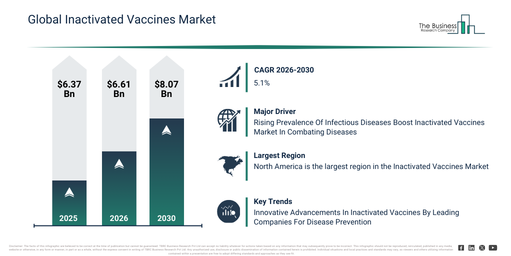
    The market for inactivated vaccines has experienced consistent expansion in recent times. Valued at $6.37 billion in 2025, it is projected to reach $6.61 billion by 2026, reflecting a compound annual growth rate (CAGR) of 3.9%. Historical growth has been driven by several factors, including an increase in the prevalence of infectious diseases, progress in the field of virology research, financial backing from governments for immunization efforts, the broadening of healthcare facilities, and initiatives aimed at raising public awareness about the importance of vaccination.

    The market for inactivated vaccines is projected to experience robust expansion over the coming years. By 2030, its value is anticipated to reach $8.07 billion, reflecting a compound annual growth rate (CAGR) of 5.1%. This forecasted growth is driven by several factors, including a rising elderly population, improved healthcare access in emerging economies, technological progress in vaccine delivery methods, a surge in worldwide immunization efforts, and the growing use of multi-dose and combination vaccines. Key trends shaping this period involve innovations in vaccine formulation, enhanced cold chain infrastructure, a heightened need for pediatric vaccines, strengthened government-backed immunization programs, and the creation of novel combination vaccines.

    Download A Free Sample Report For Comprehensive Market Insights:

    https://www.thebusinessresearchcompany.com/sample.aspx?id=13018&type=smp&utm_source=BlogsPR&utm_medium=Paid&utm_campaign=Jul_PR

    Inactivated Vaccines Market Growth Drivers And Industry Catalysts

    The growing incidence of infectious diseases is anticipated to drive the expansion of the inactivated vaccine market in the coming years. Infectious diseases refer to illnesses caused by pathogens like bacteria, viruses, fungi, or parasites, which can be transmitted between individuals, leading to various symptoms and health issues. Tuberculosis serves as an example of such an infectious disease. Inactivated vaccines utilize non-living pathogens to trigger an immune response, offering effective protection against conditions such as polio, hepatitis A, and influenza. For example, in November 2023, an article from the Centers for Disease Control and Prevention, a U.S.-based national public health agency, reported that tuberculosis cases in the United States rose from 8,320 in 2022 to 9,615 in 2023, reflecting an increase of 1,295 cases. Consequently, the rising prevalence of infectious diseases is fueling growth in the inactivated vaccine market.

    Inactivated Vaccines Market Segment Analysis Highlighting Growth Areas

    The inactivated vaccines market covered in this report is segmented –

    1) By Type: Viral Vaccine, Bacterial Vaccine

    2) By Method Of Inactivation: Solvent Detergent, Radiation, pH Concentration, Heat Inactivation, Other Methods Of Inactivation

    3) By Distribution Channel: Hospital Pharmacy, Retail Pharmacy, Other Distribution Channels

    Subsegments:

    1) By Viral Vaccine: Inactivated Poliovirus Vaccine (IPV), Inactivated Influenza Vaccine, Inactivated Hepatitis A Vaccine, Inactivated Rabies Vaccine

    2) By Bacterial Vaccine: Inactivated Typhoid Vaccine, Inactivated Cholera Vaccine, Inactivated Pertussis Vaccine, Inactivated Plague Vaccine

    Inactivated Vaccines Market Trends Influencing Long-Term Demand

    Key players in the inactivated vaccines industry are prioritizing product introductions and clearance from regulators to reinforce their worldwide vaccine pipelines and address the growing demand for immunization services. To illustrate, in April 2024, Sanofi S.A., a healthcare firm based in France, rolled out Verorab, its inactivated rabies shot, across the UK for all age categories, applicable to both pre-exposure and post-exposure scenarios. This release underscores the organization’s sustained dedication to broadening its catalog of inactivated vaccines and boosting its international immunization capabilities. Furthermore, it signals heightened financial commitments and accelerating regulatory efforts related to the creation and endorsement of inactivated vaccines. With an increasing number of companies pushing similar products forward and expanding their inventories, these coordinated actions are fueling notable expansion in the inactivated vaccines sector, thereby fostering improved protection against infectious illnesses.

    Inactivated Vaccines Market Leading Companies: Who Holds Significant Market Presence?

    Major companies operating in the inactivated vaccines market are Pfizer Inc., Sinopharm Group Co. Ltd., Merck & Co. Inc., Sanofi S.A., GlaxoSmithKline plc, Takeda Pharmaceutical Company Limited, CSL Limited, Daiichi Sankyo Company Limited, Zydus Lifesciences Ltd., Sinovac Biotech Ltd., Biological E Limited, Hualan Biological Engineering Inc., Shenzhen Kangtai Biological Products Co. Ltd., Serum Institute of India Pvt. Ltd., Beijing Tiatan Biological Products Co. Ltd., Valneva SE, Beijing Minhai Biotechnology Co. Ltd., Bharat Biotech International Limited, Panacea Biotec Ltd., Sinergium Biotech SA, Bharat Immunologicals and Biologicals Corporation Limited, Haffkine Biopharmaceutical Corporation Limited, Incepta Vaccine Ltd., Changchun BCHT Biotechnology Co. Ltd.

    Access The Complete Inactivated Vaccines Market Report:

    https://www.thebusinessresearchcompany.com/report/inactivated-vaccines-global-market-report?utm_source=BlogsPR&utm_medium=Paid&utm_campaign=Jul_PR

    Inactivated Vaccines Market Geographic Landscape: Which Region Dominates Industry Growth?

    North America was the largest region in the inactivated vaccines market in 2025. Asia-Pacific is expected to be the fastest-growing region in the forecast period. The regions covered in the inactivated vaccines market report are Asia-Pacific, South East Asia, Western Europe, Eastern Europe, North America, South America, Middle East, Africa.

    Get in touch with us:

    The Business Research Company: https://www.thebusinessresearchcompany.com/?utm_source=BlogsPR&utm_medium=Paid&utm_campaign=home_page_test

    Americas: +1 310-496-7795

    Asia: +44 7882 955267 & +91 8897263534

    Europe: +44 7882 955267

    Email us at: marketing@tbrc.info

    Follow us on:

    LinkedIn: https://in.linkedin.com/company/the-business-research-company

    YouTube: https://www.youtube.com/channel/UC24_fI0rV8cR5DxlCpgmyFQ

    Global Market Model: https://www.thebusinessresearchcompany.com/global-market-model
  • Inactivated Polio And Rabies Vaccines Market Trends And Growth Drivers Point To Strong Future Potential

    Inactivated Polio And Rabies Vaccines Market Trends And Growth Drivers Point To Strong Future Potential

    Delivering more actionable and strategically valuable research, The Business Research Company’s 2026 market reports feature market attractiveness analysis, total addressable market evaluation, company benchmarking matrices, interactive Excel dashboards, expanded supply chain intelligence, emerging startup coverage, and detailed product insights.

    Inactivated Polio And Rabies Vaccines Market Size Outlook: How Fast Will Revenue Grow Through 2030?

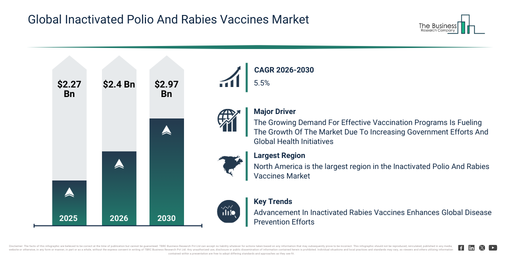
    The market for inactivated polio and rabies vaccines has experienced robust expansion in recent years. Projected to rise from $2.27 billion in 2025 to $2.4 billion in 2026, this growth reflects a compound annual growth rate (CAGR) of 5.5%. Historically, this upward trend has been driven by worldwide efforts to eradicate polio, a growing number of rabies cases linked to animal bites, the broadening of national immunization campaigns, heightened vaccine purchasing by public sector entities, and vaccination requirements set forth by the WHO and UNICEF.

    The market for inactivated polio and rabies vaccines is projected to experience robust expansion during the next several years, with a forecasted value of $2.97 billion by 2030, driven by a compound annual growth rate (CAGR) of 5.5%. This anticipated growth is largely attributed to stronger commitments toward achieving zero rabies deaths, rising rates of pediatric immunization in developing economies, improved healthcare accessibility in remote rural areas, an escalating demand for adult post-exposure prophylaxis, and the reinforcement of pandemic preparedness systems. Key trends shaping the forecast period involve the broadening of integrated IPV and rabies vaccination efforts, a growing preference for intradermal rabies administration to optimize dosage, enhanced cold chain management and vaccine distribution networks, an uptick in large-scale government-led immunization initiatives, and an increased adoption of WHO-prequalified inactivated vaccines.

    Download A Free Sample Report For Comprehensive Market Insights:

    https://www.thebusinessresearchcompany.com/sample.aspx?id=24252&type=smp&utm_source=BlogsPR&utm_medium=Paid&utm_campaign=Jul_PR

    Inactivated Polio And Rabies Vaccines Market Opportunity Drivers: What Is Creating New Revenue Potential?

    The rising need for efficient immunization initiatives is anticipated to accelerate progress in the market for inactivated polio and rabies vaccines. A vaccination program involves a coordinated effort by an entity or government to administer vaccines to individuals, aiming to shield them from diseases. This uptick in such programs is fueled by intensified governmental actions designed to inhibit disease outbreaks, diminish healthcare expenditures, and improve overall public well-being. These initiatives amplify the requirement for inactivated polio and rabies vaccines by elevating public consciousness, securing financial resources, and expanding vaccine delivery in regions with elevated risk. Sustained utilization is ensured through large-scale campaigns and routine inoculation schedules orchestrated by health authorities and governmental bodies. As an illustration, in April 2024, the Pan American Health Organization (PAHO), a specialized agency headquartered in the US, initiated the 22nd Vaccination Week in the Americas (VWA) under the banner ‘Engage now to protect your future GetVax’. This campaign was designed to enhance immunization coverage, particularly in underprivileged communities, by distributing more than 65 million doses. Its focus was on countering false information and improving vaccine accessibility via community-based outreach and customized initiatives. Consequently, the escalating demand for effective vaccination programs is propelling the expansion of the inactivated polio and rabies vaccines market.

    Inactivated Polio And Rabies Vaccines Market Segment Performance And Strategic Opportunities

    The inactivated polio and rabies vaccines market covered in this report is segmented –

    1) By Product Type: Inactivated Polio Vaccine, Inactivated Rabies Vaccine

    2) By Method Of Inactivation: Solvent Detergent Method, Radiation Method, pH Concentration, Heat Inactivation, Other Method Of Inactivations

    3) By Distribution Channel: Government, Private

    4) By Application: Pediatrics, Adults

    Subsegments:

    1) By Inactivated Polio Vaccine: Injectable Inactivated Polio Vaccine, Oral Inactivated Polio Vaccine

    2) By Inactivated Rabies Vaccine: Injectable Inactivated Rabies Vaccine, Intradermal Inactivated Rabies Vaccine

    Inactivated Polio And Rabies Vaccines Market Innovation Trends Driving Future Development

    Key players in the inactivated polio and rabies vaccines market are prioritizing the creation of cutting-edge products, specifically killed virus rabies vaccines, to enhance immunogenicity and address the growing worldwide need for reliable disease prevention. These killed virus rabies vaccines are produced by inactivating the rabies virus through chemical or physical methods, rendering it non-infectious. By stimulating the immune system to generate protective antibodies without inducing the disease itself, these vaccines ensure safety and efficacy for both pre-exposure and post-exposure prophylaxis. A case in point is Sanofi, a pharmaceutical firm headquartered in the UK, which introduced Verorab, an inactivated rabies vaccine, in April 2024 for use across all age groups in the UK. Authorized based on extensive clinical evidence from over 13,000 participants, this vaccine has seen widespread application in more than 80 nations. Verorab delivers a reliable immunization solution for travelers heading to high-risk regions and for treatment following rabies exposure, with clinical studies confirming robust immune responses and enduring protection.

    Inactivated Polio And Rabies Vaccines Market Key Players: Which Companies Shape Industry Competition?

    Major companies operating in the inactivated polio and rabies vaccines market are Merck & Co Inc., Sanofi S.A., LG Chem Ltd., Boehringer Ingelheim International GmbH, Sinovac Biotech, Zoetis Inc., Cadila Pharmaceuticals, Zydus Lifesciences Limited, Biological E. Limited, Serum Institute of India (SII), Indian Immunologicals Limited (IIL), Instituto Butantan, Valneva SE, Bio Farma, Bharat Biotech, Bilthoven Biologicals, Panacea Biotec, Batavia Biosciences, Hilleman Laboratories, China National Pharmaceutical Group Co Ltd.

    Access The Complete Inactivated Polio And Rabies Vaccines Market Report:

    https://www.thebusinessresearchcompany.com/report/inactivated-polio-and-rabies-vaccines-global-market-report?utm_source=BlogsPR&utm_medium=Paid&utm_campaign=Jul_PR

    Inactivated Polio And Rabies Vaccines Market Largest Region: Which Geography Holds The Highest Market Share?

    North America was the largest region in the inactivated polio and rabies vaccines market in 2025. The regions covered in the inactivated polio and rabies vaccines market report are Asia-Pacific, South East Asia, Western Europe, Eastern Europe, North America, South America, Middle East, Africa.

    Get in touch with us:

    The Business Research Company: https://www.thebusinessresearchcompany.com/?utm_source=BlogsPR&utm_medium=Paid&utm_campaign=home_page_test

    Americas: +1 310-496-7795

    Asia: +44 7882 955267 & +91 8897263534

    Europe: +44 7882 955267

    Email us at: marketing@tbrc.info

    Follow us on:

    LinkedIn: https://in.linkedin.com/company/the-business-research-company

    YouTube: https://www.youtube.com/channel/UC24_fI0rV8cR5DxlCpgmyFQ

    Global Market Model: https://www.thebusinessresearchcompany.com/global-market-model
  • In Vivo Toxicology Market Expansion Is Reshaping Competitive Dynamics Across The Industry

    In Vivo Toxicology Market Expansion Is Reshaping Competitive Dynamics Across The Industry

    Enhanced with market attractiveness analysis, total addressable market evaluation, company benchmarking matrices, interactive Excel dashboards, expanded supply chain intelligence, emerging startup coverage, and detailed product insights, The Business Research Company’s 2026 market reports deliver more actionable and strategically valuable research.

    In Vivo Toxicology Market Size, Value And Growth Trends Through 2030

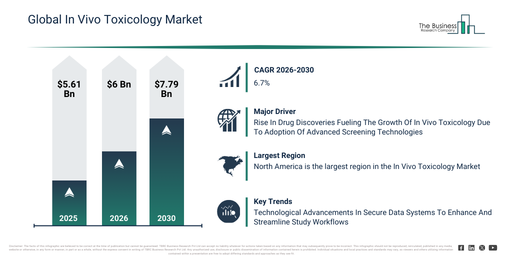
    The in vivo toxicology market has experienced substantial growth in recent years. Valued at $5.61 billion in 2025, it is projected to reach $6 billion by 2026, reflecting a compound annual growth rate (CAGR) of 7.0%. This historical expansion was driven by several factors, including a scarcity of standardized animal models, dependence on manual laboratory techniques, heightened pharmaceutical research and development efforts, a rising frequency of chronic disease investigations, and the integration of fundamental imaging and analytical tools.

    The in vivo toxicology market is projected to experience robust expansion over the coming years, reaching a valuation of $7.79 billion by 2030 at a compound annual growth rate (CAGR) of 6.7%. This anticipated growth during the forecast period is largely driven by the development of genetically modified organisms tailored for targeted research, the incorporation of automated and high-throughput screening platforms, an increase in CRO outsourcing for toxicology assessments, progress in in vivo imaging and monitoring technologies, and a heightened emphasis on alternative models alongside efforts to reduce animal testing. Among the key trends shaping this period are the growing reliance on rodent and non-human primate models, a rising demand for sophisticated toxicology assay kits and reagents, the broadening of immunotoxicity and genotoxicity testing offerings, the wider adoption of automated liquid handling and imaging systems, and stricter regulatory compliance combined with more robust animal welfare standards.

    Download A Free Sample Report For Comprehensive Market Insights:

    https://www.thebusinessresearchcompany.com/sample.aspx?id=25791&type=smp&utm_source=BlogsPR&utm_medium=Paid&utm_campaign=Jul_PR

    In Vivo Toxicology Market Growth Momentum: Which Factors Are Influencing Demand?

    The rising volume of drug discoveries is anticipated to drive expansion in the in vivo toxicology market moving forward. Drug discovery refers to the scientific process of identifying and designing new compounds that could potentially serve as treatments or preventive measures for various ailments. Advances in biotechnology have significantly accelerated this process by deepening comprehension of disease mechanisms and facilitating the development of more targeted therapies. In vivo toxicology plays a critical role in drug discovery, as it allows for the assessment of safety, tolerability, and possible adverse effects of investigational substances within whole organisms. It aids in detecting dose-limiting toxicities and guides formulation and dosing strategies before clinical trials begin. For example, in November 2024, the Patented Medicine Prices Review Board (PMPRB), a Canadian government agency, reported that over 12,000 new medicines were being tested in clinical trials in 2023, an increase from approximately 9,000 in 2022, with oncology comprising 33% of the pipeline, while infectious and central nervous system diseases accounted for 13% and 12%, respectively. Consequently, the growing number of drug discoveries is fueling the in vivo toxicology market’s growth.

    In Vivo Toxicology Market Segment Landscape And Growth Potential

    The in vivo toxicology market covered in this report is segmented –

    1) By Product: Consumables, Instruments

    2) By Testing Types: Chronic Toxicity Testing, Sub-Chronic Toxicity Testing, Sub-Acute Toxicity Testing, Acute Toxicity Testing

    3) By Methodology: In Vivo Animal Models, Genetically Modified Organisms, Non-Human Primate Studies, Rodent Models, Larger Mammals

    4) By Application: Immunotoxicity, Systemic Toxicity, Carcinogenicity, Genotoxicity, Developmental And Reproductive Toxicity (DART), Other Applications

    5) By End-User: Pharmaceutical Companies, Biosimilars Manufacturers, Contract Research Organizations (CROs), Academic And Research Institutions, Biotechnology Firms

    Subsegments:

    1) By Consumables: Animal Models, Reagents And Kits, Assay Kits, Toxicology Testing Media, Antibodies, Biochemicals, Buffers And Solutions, Disposable Labware, Animal Feed, Diluents

    2) By Instruments: Imaging Systems, Flow Cytometers, PCR Machines, Spectrophotometers, Microscopes, Analyzers, Centrifuges, Incubators, Animal Monitoring Systems, Automated Liquid Handling Systems

    In Vivo Toxicology Market Trends Reshaping Industry Growth

    Major players in the in vivo toxicology sector are concentrating on creating cutting-edge solutions, including secure cloud-based real-time data platforms, to optimize study management and accelerate decision-making processes. These platforms enable researchers and clients to remotely and securely access toxicology study data, milestones, planning tools, and documents, thereby boosting collaboration and transparency. For example, in March 2023, Charles River Laboratories International Inc., a contract research organization based in the US, unveiled Apollo—a secure cloud-based platform that offers real-time access to toxicology study data. This cloud-based, secure system is tailored to support in vivo general toxicology studies, featuring tools for data visualization, planning, and milestone tracking. It facilitates faster and more informed decisions by delivering real-time access to essential study data. Additionally, the platform streamlines project planning and budget estimation throughout the drug development process. By digitizing toxicology workflows, Apollo improves precision, efficiency, and collaboration in in vivo research.

    In Vivo Toxicology Market Competitive Landscape: Who Are The Leading Companies?

    Major companies operating in the in vivo toxicology market are Thermo Fisher Scientific Inc., Laboratory Corporation of America Holdings (Labcorp), Sigma-Aldrich Co. LLC, Eurofins Scientific SE, Agilent Technologies Inc., WuXi AppTec Co. Ltd., Charles River Laboratories International Inc., PerkinElmer Inc., Jubilant Life Sciences Limited, Evotec SE, The Jackson Laboratory, Inotiv Inc., Transcure Bioservices Pvt. Ltd.

    Access The Complete In Vivo Toxicology Market Report:

    https://www.thebusinessresearchcompany.com/report/in-vivo-toxicology-global-market-report?utm_source=BlogsPR&utm_medium=Paid&utm_campaign=Jul_PR

    In Vivo Toxicology Market Regional Analysis: Which Region Leads By Revenue?

    North America was the largest region in the in-vivo toxicology market in 2025. Asia-Pacific is expected to be the fastest-growing region in the forecast period. The regions covered in the in vivo toxicology market report are Asia-Pacific, South East Asia, Western Europe, Eastern Europe, North America, South America, Middle East, Africa.

    Get in touch with us:

    The Business Research Company: https://www.thebusinessresearchcompany.com/?utm_source=BlogsPR&utm_medium=Paid&utm_campaign=home_page_test

    Americas: +1 310-496-7795

    Asia: +44 7882 955267 & +91 8897263534

    Europe: +44 7882 955267

    Email us at: marketing@tbrc.info

    Follow us on:

    LinkedIn: https://in.linkedin.com/company/the-business-research-company

    YouTube: https://www.youtube.com/channel/UC24_fI0rV8cR5DxlCpgmyFQ

    Global Market Model: https://www.thebusinessresearchcompany.com/global-market-model