Month: July 2026

  • Duchenne Muscular Dystrophy (DMD) Therapeutics Market Expansion Is Opening New Pathways For Strategic Investment

    Duchenne Muscular Dystrophy (DMD) Therapeutics Market Expansion Is Opening New Pathways For Strategic Investment

    Delivering more actionable and strategically valuable research, The Business Research Company’s 2026 market reports feature market attractiveness analysis, total addressable market evaluation, company benchmarking matrices, interactive Excel dashboards, expanded supply chain intelligence, emerging startup coverage, and detailed product insights.

    Duchenne Muscular Dystrophy (DMD) Therapeutics Market Forecast: What Market Value Is Expected By 2030?

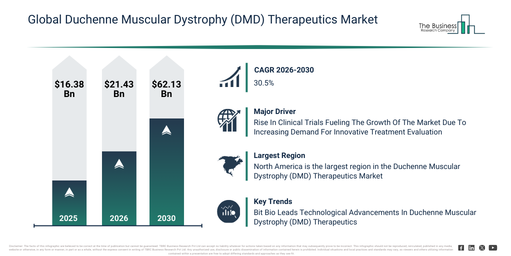
    Over recent years, the market size for therapeutics targeting Duchenne muscular dystrophy (DMD) has experienced exponential expansion. It is projected to increase from $16.38 billion in 2025 to $21.43 billion in 2026, representing a compound annual growth rate (CAGR) of 30.8%. This growth during the historic period has been driven by several factors, including a higher prevalence of Duchenne muscular dystrophy, heightened awareness among healthcare professionals, the launch of early-stage clinical trials, an increased uptake of physiotherapy and supportive care measures, and government incentives provided for rare disease treatments.

    The duchenne muscular dystrophy (dmd) therapeutics market is projected to experience explosive expansion over the coming years. By 2030, it is anticipated to reach $62.13 billion, driven by a compound annual growth rate (CAGR) of 30.5%. This forecasted growth is fueled by progress in gene therapy, heightened funding for precision medicine, the incorporation of technology into patient monitoring, the scaling up of biologics production, and stronger partnerships between pharmaceutical and biotechnology firms. Key developments shaping the forecast period include the rise of personalized therapies, breakthroughs in gene editing and gene therapy, the emergence of innovative drug delivery methods, growth in the orphan drug sector, and a shift toward more patient-focused care models.

    Download A Free Sample Report For Comprehensive Market Insights:

    https://www.thebusinessresearchcompany.com/sample.aspx?id=12916&type=smp&utm_source=BlogsPR&utm_medium=Paid&utm_campaign=Jul_PR

    Duchenne Muscular Dystrophy (DMD) Therapeutics Market Demand Drivers: What Is Fueling Industry Growth?

    The Duchenne muscular dystrophy (DMD) therapeutics market is anticipated to experience growth driven by the increasing volume of clinical trials. These trials, which involve human participants, are designed to assess the safety, efficacy, and possible advantages of novel medical treatments, interventions, or pharmaceuticals. A surge in clinical trial activity is fueled by the mounting need for innovative solutions to fill gaps in current medical care. Within this context, Duchenne muscular dystrophy (DMD) therapeutics undergo rigorous testing to determine their effectiveness in slowing disease advancement and enhancing muscle performance in affected individuals. To illustrate, according to an April 2025 report from the US-based National Library of Medicine (NLM), a government agency, there were 27,751 interventional clinical trials launched during 2023. Consequently, the rising number of clinical trials is set to propel the expansion of the Duchenne muscular dystrophy (DMD) therapeutics market.

    Duchenne Muscular Dystrophy (DMD) Therapeutics Market Segmentation And Category Breakdown

    The duchenne muscular dystrophy (dmd) therapeutics market covered in this report is segmented –

    1) By Type: Small Molecules, Biologics

    2) By Distribution Channel: Offline, Online

    3) By Application: Hospitals, Clinics, Home Care

    Subsegments:

    1) By Small Molecules: Exon Skipping Therapies, Antisense Oligonucleotides, Read-Through Compounds

    2) By Biologics: Gene Therapies, Cell Therapies, Protein Replacement Therapies

    Duchenne Muscular Dystrophy (DMD) Therapeutics Market Innovation Trends: Which Developments Are Transforming The Industry?

    Leading players within the Duchenne muscular dystrophy (DMD) therapeutics sector are integrating novel technologies to boost treatment effectiveness and accessibility for patients while securing their market foothold. For example, in July 2023, Bit Bio Ltd., a synthetic biology company headquartered in the UK, unveiled disease model products aimed at advancing DMD therapies. These models, designated ioSkeletal Myocytes DMD Exon 44 Deletion and ioSkeletal Myocytes DMD Exon 52 Deletion, consist of human skeletal myocytes featuring engineered deletions in the dystrophin protein gene. Derived from induced pluripotent stem cells (iPSCs) through reprogramming, Bit Bio’s offerings deliver a reliable and expandable supply of human cells for research, overcoming issues linked to primary cell variability and sourcing. Such models facilitate DMD treatment development by shedding light on disease mechanisms and possible therapeutic approaches. This innovation has the potential to expedite efforts by researchers striving to create effective DMD remedies.

    Duchenne Muscular Dystrophy (DMD) Therapeutics Market Competitive Analysis Of Major Industry Participants

    Major companies operating in the duchenne muscular dystrophy (dmd) therapeutics market are BioMarin Pharmaceutical Inc., Sarepta Therapeutics Inc., PTC Therapeutics Inc., Exonics Therapeutics Inc., Wave Life Sciences Ltd., MeiraGTx Holdings plc, Editas Medicine Inc., Solid Biosciences Inc., Santhera Pharmaceuticals Holding, Avidity Biosciences LLC, ReveraGen BioPharma Inc., Capricor Therapeutics Inc., Dynacure S.A., Summit Therapeutics plc, CRISPR Therapeutics AG, Akouos Inc., Audentes Therapeutics Inc., Stoke Therapeutics Inc., Astellas Pharma Inc., Translate Bio Inc., Ultragenyx Pharmaceutical Inc.

    Access The Complete Duchenne Muscular Dystrophy (DMD) Therapeutics Market Report:

    https://www.thebusinessresearchcompany.com/report/duchenne-muscular-dystrophy-dmd-therapeutics-global-market-report?utm_source=BlogsPR&utm_medium=Paid&utm_campaign=Jul_PR

    Duchenne Muscular Dystrophy (DMD) Therapeutics Market Geographic Landscape: Which Region Dominates Industry Growth?

    North America was the largest region in the DMD therapeutics market in 2025. The regions covered in the duchenne muscular dystrophy (dmd) therapeutics market report are Asia-Pacific, South East Asia, Western Europe, Eastern Europe, North America, South America, Middle East, Africa.

    Get in touch with us:

    The Business Research Company: https://www.thebusinessresearchcompany.com/?utm_source=BlogsPR&utm_medium=Paid&utm_campaign=home_page_test

    Americas: +1 310-496-7795

    Asia: +44 7882 955267 & +91 8897263534

    Europe: +44 7882 955267

    Email us at: marketing@tbrc.info

    Follow us on:

    LinkedIn: https://in.linkedin.com/company/the-business-research-company

    YouTube: https://www.youtube.com/channel/UC24_fI0rV8cR5DxlCpgmyFQ

    Global Market Model: https://www.thebusinessresearchcompany.com/global-market-model
  • Duchenne Muscular Dystrophy Market Trends Are Creating New Opportunities For Industry Leaders

    Duchenne Muscular Dystrophy Market Trends Are Creating New Opportunities For Industry Leaders

    Enhanced with market attractiveness analysis, total addressable market evaluation, company benchmarking matrices, interactive Excel dashboards, expanded supply chain intelligence, emerging startup coverage, and detailed product insights, The Business Research Company’s 2026 market reports deliver more actionable and strategically valuable research.

    Duchenne Muscular Dystrophy Market Size Outlook: How Fast Will Revenue Grow Through 2030?

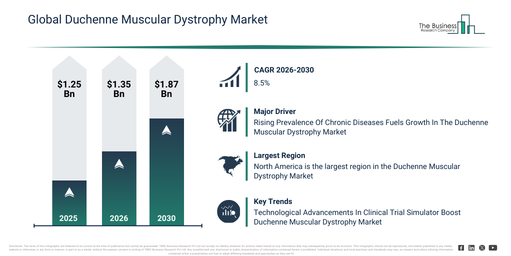
    The market for Duchenne muscular dystrophy has experienced notable expansion in recent years, projected to increase from $1.25 billion in 2025 to $1.35 billion in 2026, reflecting a compound annual growth rate of 7.9%. This historical growth can be traced to a higher incidence of the condition, progress made in molecular biology methods, heightened public understanding of uncommon genetic diseases, the creation of diagnostic tools designed for early detection, and an uptick in joint research efforts linking academic centers with pharmaceutical companies.

    The market for Duchenne muscular dystrophy is projected to experience robust expansion over the coming years. By 2030, its value is anticipated to reach $1.87 billion, reflecting a compound annual growth rate (CAGR) of 8.5%. This upward trajectory during the forecast period is driven by factors such as the rising adoption of gene therapies, the broadening of precision medicine strategies, heightened investment in the development of treatments for rare diseases, regulatory incentives provided for orphan drugs, and the incorporation of digital health tools into patient management. Key developments shaping this period include progress in gene editing, the creation of customized treatment plans, increased funding for rare disease research, a shift toward patient-focused care models, and ongoing efforts in orphan drug development.

    Download A Free Sample Report For Comprehensive Market Insights:

    https://www.thebusinessresearchcompany.com/sample.aspx?id=10368&type=smp&utm_source=BlogsPR&utm_medium=Paid&utm_campaign=Jul_PR

    Duchenne Muscular Dystrophy Market Growth Drivers: What Factors Are Accelerating Expansion?

    The rising occurrence of chronic illnesses is anticipated to fuel the expansion of the Duchenne muscular dystrophy market moving forward. A chronic disease is defined as a medical condition characterized by persistent symptoms that endure for a minimum of one year. Duchenne muscular dystrophy adds to the overall burden of chronic diseases by targeting the unique therapeutic requirements of those affected by this genetic condition, underscoring the broader importance of tailored medicine in managing and potentially lessening the effects of long-term health issues. For example, in January 2023, data from the National Library of Medicine, a government entity in the United States, indicated that the population of Americans aged 50 and over with at least one chronic condition is projected to climb to 142.66 million by 2050. As a result, the growing frequency of chronic diseases is propelling the advancement of the Duchenne muscular dystrophy market.

    Duchenne Muscular Dystrophy Market Segment Outlook: Which Categories Are Expanding The Fastest?

    The duchenne muscular dystrophy market covered in this report is segmented –

    1) By Therapy: Mutation Suppression, Exon Skipping Approach

    2) By Therapeutic Class: Molecular Based Therapies, Steroid Therapy

    3) By Route Of Administration: Oral, Parenteral, Other Routes Of Administration

    4) By Distribution Channel: Hospital Pharmacy, Online Pharmacy, Retail Pharmacy

    5) By End User: Hospitals, Homecare, Specialty Clinics, Other End-Users

    Subsegments:

    1) By Mutation Suppression: Antisense Oligonucleotides (ASOs), Small Molecules, Gene Therapy

    2) By Exon Skipping Approach: Exon-Skipping Therapies, Combination Therapies, Clinical Trials And Investigational Drugs

    Duchenne Muscular Dystrophy Market Trends: What Is Shaping Future Industry Growth?

    Major companies operating in the Duchenne muscular dystrophy market are advancing technological innovations like clinical trial design to boost drug development efficiency and effectiveness, improve patient outcomes, and accelerate new therapy approvals. Clinical trial design entails organizing and planning a trial to evaluate a treatment’s safety and efficacy, which includes defining objectives, selecting participants, and outlining methods and analyses. For example, in March 2024, the Critical Path Institute (C-Path), a US-based nonprofit, launched the DMD Clinical Trial Simulator (CTS). This tool, created by C-Path’s Duchenne Regulatory Science Consortium, is designed to optimize efficacy study designs for DMD therapies. Its key features cover advanced functional test performance modeling, the ability to simulate various scenarios, improved trial design efficiency, and public availability through the C-Path website and the Rare Disease Cures Accelerator-Data and Analytics Platform (RDCA-DAP). Therefore, it serves as a valuable resource for researchers and pharmaceutical companies engaged in DMD research.

    Duchenne Muscular Dystrophy Market Key Companies And Competitive Benchmarking

    Major companies operating in the duchenne muscular dystrophy market are Pfizer Inc., GlaxoSmithKline plc, BioMarin Pharmaceutical Inc., Sarepta Therapeutics Inc., PTC Therapeutics Inc., Asklepios BioPharmaceutical Inc., Catabasis Pharmaceuticals Inc., Wave Life Sciences Ltd., Bristol Myers Squibb Company, BridgeBio Pharma Inc., Rocket Pharmaceuticals Inc., Italfarmaco SpA, Solid Biosciences Inc., Avidity Biosciences Inc., Fulcrum Therapeutics Inc., Akashi Therapeutics Inc., Capricor Therapeutics Inc., Santhera Pharmaceuticals Holding, Armagen Technologies Inc., Dyne Therapeutics Inc., Benitec Biopharma Limited, Edgewise Therapeutics Inc., WAVE Life Sciences Ltd.

    Access The Complete Duchenne Muscular Dystrophy Market Report:

    https://www.thebusinessresearchcompany.com/report/duchenne-muscular-dystrophy-global-market-report?utm_source=BlogsPR&utm_medium=Paid&utm_campaign=Jul_PR

    Duchenne Muscular Dystrophy Market Largest Region: Which Geography Holds The Highest Market Share?

    North America was the largest region in the Duchenne muscular dystrophy market in 2025. Asia-Pacific is expected to be the fastest-growing region in the global duchenne muscular dystrophy market during the forecast period. The regions covered in the duchenne muscular dystrophy market report are Asia-Pacific, South East Asia, Western Europe, Eastern Europe, North America, South America, Middle East, Africa.

    Get in touch with us:

    The Business Research Company: https://www.thebusinessresearchcompany.com/?utm_source=BlogsPR&utm_medium=Paid&utm_campaign=home_page_test

    Americas: +1 310-496-7795

    Asia: +44 7882 955267 & +91 8897263534

    Europe: +44 7882 955267

    Email us at: marketing@tbrc.info

    Follow us on:

    LinkedIn: https://in.linkedin.com/company/the-business-research-company

    YouTube: https://www.youtube.com/channel/UC24_fI0rV8cR5DxlCpgmyFQ

    Global Market Model: https://www.thebusinessresearchcompany.com/global-market-model
  • DTP Vaccines Market Growth Is Reshaping Competitive Advantage Across The Industry

    DTP Vaccines Market Growth Is Reshaping Competitive Advantage Across The Industry

    Through market attractiveness analysis, total addressable market evaluation, company benchmarking matrices, interactive Excel dashboards, expanded supply chain intelligence, emerging startup coverage, and detailed product insights, The Business Research Company’s 2026 market reports provide more actionable and strategically valuable research.

    DTP Vaccines Market Size, Value And Growth Trends Through 2030

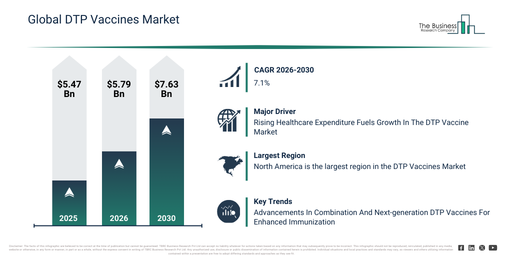
    The market for DTP vaccines has experienced notable expansion in recent years, with projections indicating an increase from $5.47 billion in 2025 to $5.79 billion in 2026, reflecting a compound annual growth rate (CAGR) of 5.8%. This historical growth has been driven by factors such as the rising incidence of diphtheria, tetanus, and pertussis, an expanding pediatric population, the strengthening of government-led immunization initiatives, challenges in vaccine distribution within rural regions, and a growing public understanding of the advantages associated with childhood vaccination.

    The dtp vaccines market is anticipated to experience robust growth in the coming years, with projections showing it will reach $7.63 billion by 2030, reflecting a compound annual growth rate (CAGR) of 7.1%. This expansion during the forecast period is primarily driven by several key factors, including the development of next-generation combination vaccines, the broadening of school and community vaccination initiatives, the incorporation of digital platforms for vaccination tracking, a surge in public-private partnerships centered on immunization, and increased global funding alongside support for child health programs. Among the notable trends shaping this period are the widening of pediatric immunization campaigns, heightened parental awareness regarding the advantages of dtp vaccination, a rise in the uptake of combination vaccines aimed at enhancing convenience and adherence, the implementation of reminder and tracking systems for vaccinations, and a greater focus on government-led efforts targeting maternal and child immunization.

    Download A Free Sample Report For Comprehensive Market Insights:

    https://www.thebusinessresearchcompany.com/sample.aspx?id=3453&type=smp&utm_source=BlogsPR&utm_medium=Paid&utm_campaign=Jul_PR

    DTP Vaccines Market Growth Factors Supporting Long-Term Expansion

    The growth of the DTP vaccine market is anticipated to be driven forward by rising healthcare spending. Healthcare expenditure involves the overall amount of money allocated to healthcare goods and services, encompassing medical equipment, hospital and physician services, prescription medications, and public health initiatives. Such expenditure plays a key role in creating a favorable environment for the development, manufacturing, distribution, and effective implementation of DTP vaccines. For example, in May 2024, data from the Office for National Statistics, a UK government agency, indicated that UK healthcare spending hit roughly $379 billion (£292 billion) in 2023. This represented a nominal increase of 5.6% compared to 2022, a considerable jump from the 0.9% growth noted the previous year. Consequently, the ongoing rise in healthcare expenditure is fueling the expansion of the DTP vaccine market.

    DTP Vaccines Market Segment Landscape: Which Areas Lead Market Development?

    The dtp vaccines market covered in this report is segmented –

    1) By Product Type: DTaP, TD, Tdap

    2) By Disease: Diphtheria, Pertussis, Tetanus

    3) By End-User: Hospitals, Clinics, Vaccination Centers

    Subsegments:

    1) By DTaP (Diphtheria, Tetanus, And Pertussis): Pediatric DTaP Vaccines, Combination Vaccines

    2) By TD (Tetanus And Diphtheria): TD Vaccines for Adults, Boosters for Teens and Adults

    3) By Tdap (Tetanus, Diphtheria, And Pertussis): Tdap Vaccines for Adolescents, Tdap Vaccines for Pregnant Women, Boosters for Adults

    DTP Vaccines Market Industry Trends Shaping Future Revenue Growth

    Key players in the DTP vaccines market are concentrating on creating advanced solutions, including combination and next-generation vaccine initiatives, to boost immunization rates, streamline vaccination schedules, and strengthen defense against diphtheria, tetanus, and pertussis in children and at-risk groups. Combination vaccines merge several antigens into one dose, cutting down the number of shots needed, increasing adherence, and preserving strong immunogenicity when compared to conventional single-antigen vaccines. For example, in December 2023, Gavi, the Vaccine Alliance, a Switzerland-based public-private health partnership, broadened its offerings by launching new vaccine programs, which feature updated DTP-containing vaccines as part of its immunization efforts. These vaccines are designed to guard against diphtheria, tetanus, and pertussis, occasionally paired with other pediatric vaccines like hepatitis B and Haemophilus influenzae type b; they work by triggering powerful adaptive immune responses to multiple pathogens at once; distinctive aspects include fewer required doses, combined antigen delivery, and programmatic integration tailored for low- and middle-income nations; uses encompass routine childhood immunization, outbreak control, and booster regimens; advantages include higher vaccination coverage, easier logistics, and improved protection against diseases that can be prevented by vaccines.

    DTP Vaccines Market Industry Leaders And Market Competition

    Major companies operating in the dtp vaccines market are GlaxoSmithKline, Sanofi, Merck & Co Inc, Meiji Holdings Co. Ltd, Shenzhen Kangtai Biological Products, AJ Vaccines, PT Bio Farma, Bio Med, Sinergium Biotech SA, Teva Pharmaceutical Industries Ltd F. Hoffmann-La Roche AG, Boehringer Ingelheim, CanSino Biologics, Gilead Sciences, Panacea Biotec Ltd, Fiocruz, Johnson & Johnson, Walvax biotechnology, National Administration of Laboratories and Institutes of Health (ANLIS), Zentiva, Afrigen Biologics & Vaccines

    Access The Complete DTP Vaccines Market Report:

    https://www.thebusinessresearchcompany.com/report/dtp-vaccine-global-market-report?utm_source=BlogsPR&utm_medium=Paid&utm_campaign=Jul_PR

    DTP Vaccines Market Regional Analysis: Which Region Leads By Revenue?

    North America was the largest region in the DTP vaccines market in 2025. The regions covered in the dtp vaccines market report are Asia-Pacific, South East Asia, Western Europe, Eastern Europe, North America, South America, Middle East, Africa.

    Get in touch with us:

    The Business Research Company: https://www.thebusinessresearchcompany.com/?utm_source=BlogsPR&utm_medium=Paid&utm_campaign=home_page_test

    Americas: +1 310-496-7795

    Asia: +44 7882 955267 & +91 8897263534

    Europe: +44 7882 955267

    Email us at: marketing@tbrc.info

    Follow us on:

    LinkedIn: https://in.linkedin.com/company/the-business-research-company

    YouTube: https://www.youtube.com/channel/UC24_fI0rV8cR5DxlCpgmyFQ

    Global Market Model: https://www.thebusinessresearchcompany.com/global-market-model
  • Dry Mouth Spray Market Forecast Signals New Revenue Opportunities Through 2030

    Dry Mouth Spray Market Forecast Signals New Revenue Opportunities Through 2030

    Delivering more actionable and strategically valuable research, The Business Research Company’s 2026 market reports feature market attractiveness analysis, total addressable market evaluation, company benchmarking matrices, interactive Excel dashboards, expanded supply chain intelligence, emerging startup coverage, and detailed product insights.

    Dry Mouth Spray Market CAGR Analysis And Future Market Development

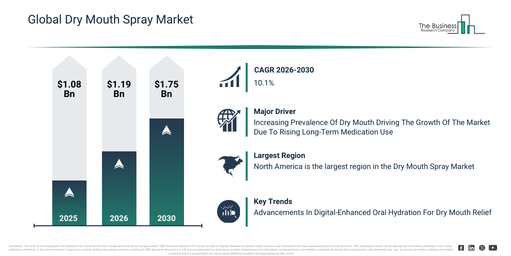
    The market for dry mouth sprays has seen significant expansion in recent years. Starting at $1.08 billion in 2025, it is projected to reach $1.19 billion by 2026, reflecting a compound annual growth rate (CAGR) of 10.4%. This historical growth has been driven by several factors, including a higher incidence of dry mouth conditions, the growing elderly demographic, a rise in medication-related xerostomia cases, broader awareness of oral health, and the increased availability of over-the-counter solutions.

    The dry mouth spray market is projected to experience significant expansion over the coming years, reaching an estimated value of $1.75 billion by 2030, driven by a compound annual growth rate of 10.1%. This anticipated growth during the forecast period is fueled by a rising need for medicated oral care options, a growing emphasis on preventive oral health practices, the broadening reach of e-commerce in healthcare product distribution, the development of sprays incorporating natural ingredients, and a heightened consumer preference for convenient oral care products. Key trends shaping this market include a growing demand for solutions that alleviate xerostomia, an increased uptake of sugar-free oral care formulations, a surge in the popularity of portable and user-friendly oral sprays, the extension of therapeutic ingredient-based spray offerings, and a stronger focus on enhancing overall oral comfort and quality of life.

    Download A Free Sample Report For Comprehensive Market Insights:

    https://www.thebusinessresearchcompany.com/sample.aspx?id=28210&type=smp&utm_source=BlogsPR&utm_medium=Paid&utm_campaign=Jul_PR

    Dry Mouth Spray Market Demand Drivers Creating New Revenue Opportunities

    The expansion of the global dry mouth spray market is anticipated to be driven by the increasing number of elderly individuals worldwide. This demographic, defined as those aged 65 and older, is growing steadily due to higher life expectancy and lower birth rates, largely attributed to improved healthcare and medical innovations. Dry mouth spray offers significant benefits for this age group by delivering fast, targeted relief from xerostomia—a condition commonly experienced by older adults as a result of age-related salivary gland deterioration and the use of multiple medications. For example, data from the UK Parliament’s House of Commons Library, released in July 2024, indicates that in 2022, the UK had 12.7 million people aged 65 or over, comprising 19% of the population. This figure is forecast to increase to 22.1 million by 2072, representing 27% of the total. Consequently, the worldwide growth of the elderly population is fueling the demand for dry mouth spray products.

    Dry Mouth Spray Market Segments: Where Are The Largest Growth Opportunities?

    The dry mouth spray market covered in this report is segmented –

    1) By Type: Sugary Dry Mouth Spray, Sugar-Free Dry Mouth Spray

    2) By Distribution Channel: Online Pharmacies, Retail Pharmacies, Supermarkets Or Hypermarkets, Other Distribution Channels

    3) By Application: Hospitals And Clinics, Home Care, Dental Clinics, Other Applications

    Subsegments:

    1) By Sugary Dry Mouth Spray: Mint-Flavored, Fruit-Flavored, Herbal-Flavored

    2) By Sugar-Free Dry Mouth Spray: Mint-Flavored, Fruit-Flavored, Herbal-Flavored, Medicated Or Flavored With Therapeutic Agents

    Dry Mouth Spray Market Trends Driving Strategic Industry Expansion

    Major players in the dry mouth spray market are prioritizing technological innovations like oxidized glycerol triesters (OGT) to improve the effectiveness, precision of delivery, and overall user experience of oral hydration solutions, resulting in quicker symptom relief and better dental health. Oxidized glycerol triesters (OGT) refer to a group of chemical substances produced when triglycerides—such as those found in fats and oils—are subjected to oxidation. As an example, in October 2023, K Pharmaceuticals Private Limited, a telehealth company based in the United States, introduced Aquoral, a clinically validated oral spray aimed at alleviating dry mouth, or xerostomia. This product, requiring a prescription, is made accessible solely through its integrated telehealth platform after a virtual appointment, incorporates a patented lipid-based formulation that replicates natural saliva, and delivers extended mucosal protection. By keeping the mouth hydrated, Aquoral enhances oral comfort and promotes overall dental health, particularly for individuals dealing with ongoing dry mouth issues. The formulation relies on a lipid-based composition engineered to bond with the oral mucosa, forming a protective layer that alleviates persistent dryness and irritation throughout the day.

    Dry Mouth Spray Market Major Participants And Competitive Dynamics

    Major companies operating in the dry mouth spray market are 3M Company, Colgate-Palmolive Company, Haleon plc, Bausch Health Companies Inc., Perrigo Company plc, Lion Corporation, Sunstar Suisse S.A., Benco Dental Supply Co., Mission Pharmacal Company, Curaden AG, Xlear Inc., ICPA Health Products Ltd., You First Services Inc., Livealth Biopharma Private Limited, Tymk Health & Wellness Pvt. Ltd., Elevate Oral Care LLC, Essential Sprays LLC, Lubricity Innovations LLC, StellaLife Inc., GlaxoSmithKline (GSK)

    Access The Complete Dry Mouth Spray Market Report:

    https://www.thebusinessresearchcompany.com/report/dry-mouth-spray-global-market-report?utm_source=BlogsPR&utm_medium=Paid&utm_campaign=Jul_PR

    Dry Mouth Spray Market Geographic Distribution And Regional Opportunities

    North America was the largest region in the dry mouth spray market in 2025. Asia-Pacific is expected to be the fastest-growing region in the forecast period. The regions covered in the dry mouth spray market report are Asia-Pacific, South East Asia, Western Europe, Eastern Europe, North America, South America, Middle East, Africa.

    Get in touch with us:

    The Business Research Company: https://www.thebusinessresearchcompany.com/?utm_source=BlogsPR&utm_medium=Paid&utm_campaign=home_page_test

    Americas: +1 310-496-7795

    Asia: +44 7882 955267 & +91 8897263534

    Europe: +44 7882 955267

    Email us at: marketing@tbrc.info

    Follow us on:

    LinkedIn: https://in.linkedin.com/company/the-business-research-company

    YouTube: https://www.youtube.com/channel/UC24_fI0rV8cR5DxlCpgmyFQ

    Global Market Model: https://www.thebusinessresearchcompany.com/global-market-model
  • Dry Eye Syndrome Market Growth Is Accelerating As Industry Transformation Continues

    Dry Eye Syndrome Market Growth Is Accelerating As Industry Transformation Continues

    Enhanced with market attractiveness analysis, total addressable market evaluation, company benchmarking matrices, interactive Excel dashboards, expanded supply chain intelligence, emerging startup coverage, and detailed product insights, The Business Research Company’s 2026 market reports deliver more actionable and strategically valuable research.

    Dry Eye Syndrome Market Expansion From $4.45 Billion In 2026 To $5.95 Billion In 2030

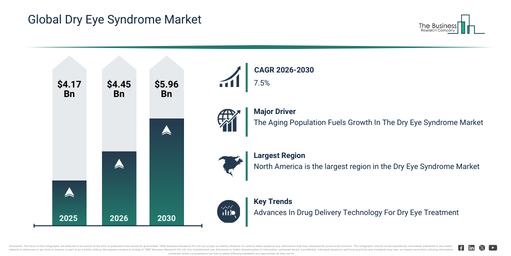
    The market for dry eye syndrome has experienced significant expansion in recent times. Valued at $4.17 billion in 2025, it is projected to reach $4.45 billion by 2026, reflecting a compound annual growth rate (CAGR) of 6.9%. This historical growth has been driven by a higher incidence of dry eye syndrome, an expanding elderly demographic, increased screen time and digital device use, greater public awareness of ocular health, and improvements in artificial tear formulations.

    In the coming years, the dry eye syndrome market is anticipated to experience substantial expansion. By 2030, its value is projected to reach $5.96 billion, driven by a compound annual growth rate (CAGR) of 7.5%. This forecasted growth is fueled by factors such as the creation of innovative drug delivery systems, a rise in personalized medicine, increased use of wearable eye care devices, the growth of online pharmacy channels, and heightened research into natural and herbal eye care solutions. Key emerging trends during this period involve advancements in tear film diagnostics, cutting-edge drug delivery platforms, tailored treatments for dry eye, formulations based on natural and herbal ingredients, and the incorporation of wearable eye care technology.

    Download A Free Sample Report For Comprehensive Market Insights:

    https://www.thebusinessresearchcompany.com/sample.aspx?id=10704&type=smp&utm_source=BlogsPR&utm_medium=Paid&utm_campaign=Jul_PR

    Dry Eye Syndrome Market Expansion Supported By Key Demand Factors

    The anticipated expansion of the dry eye syndrome market is expected to be significantly driven by the rising aging demographic. This demographic shift, defined by a higher proportion of elderly individuals within the overall population, directly contributes to market growth, as a larger number of older adults leads to a greater need for efficient treatments and remedies for this common eye condition. For example, data from October 2025 provided by the World Health Organization (WHO), a United Nations (UN) agency headquartered in Switzerland, indicates that by 2030, one out of every six people worldwide will be at least 60 years old, and this age group’s population is forecast to reach 2.1 billion by 2050. Consequently, the increasing aging population is a key factor propelling the dry eye syndrome market forward.

    Dry Eye Syndrome Market Segment Analysis: What Are The Major Market Categories?

    The dry eye syndrome market covered in this report is segmented –

    1) By Product: Liquid Drops, Gel, Liquid Wipes, Eye Ointment, Other Products

    2) By Treatment: Corticosteroids, Artificial Tears, Oral Omega Supplements, Lubricating Agent, Other Treatments

    3) By Disease Type: Evaporative, Aqueous

    4) By Distribution Channel: Offline, Online

    5) By Application: Hospitals And Clinics, Medical Laboratories, Other Applications

    Subsegments:

    1) By Liquid Drops: Preservative-Free Drops, Preserved Liquid Drops, Antibiotic-Infused Drops

    2) By Gel: Long-Lasting Gels, Hydrogel Formulations

    3) By Liquid Wipes: Pre-Moistened Wipes, Anti-Bacterial Wipes

    4) By Eye Ointment: Night-Time Ointments, Therapeutic Ointments

    5) By Other Products: Eye Masks, Contact Lens Solutions, Nutritional Supplements

    Dry Eye Syndrome Market Growth Trends Influencing Competitive Dynamics

    Major players in the dry eye syndrome market are concentrating on creating cutting-edge solutions like nanomicellar drug delivery technology to boost treatment efficacy and improve patient ease. This technology employs tiny micelles to enhance the penetration of active compounds into ocular tissues, enabling quicker therapeutic effects. It seeks to overcome the shortcomings of current therapies and fulfill the significant unmet demand in dry eye disease. For example, in April 2023, Sun Pharma, a pharmaceutical firm based in India, introduced CEQUA, which utilizes NCELL nanomicellar technology. This product represents the first dry eye treatment in India delivered via this method, offering superior delivery compared to cyclosporine emulsion 0.05 percent. Supported by extensive clinical experience in the United States and other regions, it delivers faster outcomes and maintains good patient comfort from the onset of therapy. This launch addresses the rising incidence of dry eye disease in India, where increased screen time is driving higher case numbers and an anticipated growth in disease burden over the coming years.

    Dry Eye Syndrome Market Leading Companies Driving Competitive Growth

    Major companies operating in the dry eye syndrome market are Allergan plc, Novartis AG, Otsuka Pharmaceutical Co. Ltd., Santendo Pharmaceutical Co. Ltd., Sentiss Pharma Pvt. Ltd., Johnson & Johnson, Alcon Vision LLC, Akorn Operating Company LLC, Sun Pharmaceutical Industries Ltd., Bausch Health Companies Inc., AbbVie Inc., I-MED Pharma Inc., AFT Pharmaceuticals, Horus Pharma, Novaliq GmbH, OASIS Medical, Prestige Consumer Healthcare, VISUfarma, Alimera Science, Kala Pharmaceuticals Inc., Nicox S.A., EyeGate Pharmaceuticals Inc., ReVision Therapeutics Inc., Itear Medical

    Access The Complete Dry Eye Syndrome Market Report:

    https://www.thebusinessresearchcompany.com/report/dry-eye-syndrome-global-market-report?utm_source=BlogsPR&utm_medium=Paid&utm_campaign=Jul_PR

    Dry Eye Syndrome Market Largest Region By Revenue And Market Share

    North America was the largest region in the dry eye syndrome market in 2025. Asia-Pacific is expected to be the fastest-growing region in the global dry eye syndrome market report during the forecast period. The regions covered in the dry eye syndrome market report are Asia-Pacific, South East Asia, Western Europe, Eastern Europe, North America, South America, Middle East, Africa.

    Get in touch with us:

    The Business Research Company: https://www.thebusinessresearchcompany.com/?utm_source=BlogsPR&utm_medium=Paid&utm_campaign=home_page_test

    Americas: +1 310-496-7795

    Asia: +44 7882 955267 & +91 8897263534

    Europe: +44 7882 955267

    Email us at: marketing@tbrc.info

    Follow us on:

    LinkedIn: https://in.linkedin.com/company/the-business-research-company

    YouTube: https://www.youtube.com/channel/UC24_fI0rV8cR5DxlCpgmyFQ

    Global Market Model: https://www.thebusinessresearchcompany.com/global-market-model
  • Dry Eye Medication Market Outlook Highlights The Next Major Growth Opportunities

    Dry Eye Medication Market Outlook Highlights The Next Major Growth Opportunities

    Through market attractiveness analysis, total addressable market evaluation, company benchmarking matrices, interactive Excel dashboards, expanded supply chain intelligence, emerging startup coverage, and detailed product insights, The Business Research Company’s 2026 market reports provide more actionable and strategically valuable research.

    Dry Eye Medication Market Forecast Highlighting Growth From $13.33 Billion To $20.05 Billion

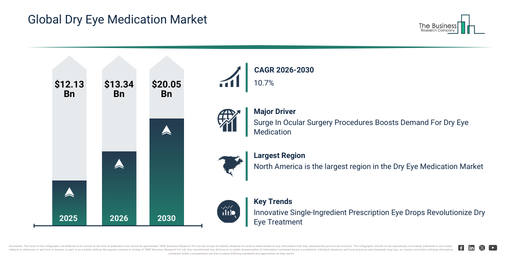
    The dry eye medication market experienced notable expansion over recent years, with its valuation projected to rise from $12.13 billion in 2025 to $13.34 billion in 2026, achieving a compound annual growth rate of 10.0%. This historical growth has been fueled by several factors, including an aging demographic, increased screen usage, higher incidence of autoimmune diseases, insufficient recognition of available therapies for dry eyes, and a scarcity of sophisticated pharmaceutical formulations.

    The global market for dry eye medications is anticipated to experience substantial expansion over the coming years. By 2030, it is projected to reach a value of $20.05 billion, reflecting a compound annual growth rate (CAGR) of 10.7%. This upward trajectory during the forecast period is driven by several factors, including technological progress in ocular care, the widening scope of teleophthalmology, an increasing consumer shift toward treatments administered at home, higher levels of healthcare spending, and the launch of multi-action products designed for eye health. Among the key developments shaping this market are a growing preference for combination eye drops, a surge in over-the-counter offerings for dry eye relief, the emergence of lipid-based therapeutic options, a notable increase in the utilization of prescription eye drops, and the broadening reach of online pharmacy channels.

    Download A Free Sample Report For Comprehensive Market Insights:

    https://www.thebusinessresearchcompany.com/sample.aspx?id=3807&type=smp&utm_source=BlogsPR&utm_medium=Paid&utm_campaign=Jul_PR

    Dry Eye Medication Market Growth Drivers And Industry Catalysts

    The growth of the dry eye medication market is anticipated to be driven by an increase in ocular surgery procedures. Ocular surgery is a specialized field of surgery dedicated to diagnosing, treating, and surgically addressing a range of eye conditions and diseases. In the context of eye surgery, dry eye medication plays a crucial role by keeping the eye’s surface lubricated and comfortable, which aids in smoother surgical processes and enhances post-operative recovery. For example, data from GOV.UK, a UK-based intergovernmental organization, released in July 2025, indicates that during the financial year ending 2024, England recorded 581,369 hospital admissions for cataract surgery, equating to a rate of 5,160 per 100,000 population (with a confidence interval of 5,144 to 5,176). This figure was notably higher than the previous financial year’s rate of 4,679 per 100,000 population (ranging from 4,663 to 4,694). Consequently, the escalating frequency of ocular surgery procedures is fueling the expansion of the dry eye medication market.

    Dry Eye Medication Market Segment Breakdown: Which Categories Generate The Most Revenue?

    The dry eye medication market covered in this report is segmented –

    1) By Type Of Product: Aqueous, Evaporative, Aqueous and Evaporative

    2) By Delivery System: Liquid, Gel, Ointment, Other Delivery System

    3) By Prescription Type: OTC Drugs, Prescription Drugs

    4) By End-User: Hospital Pharmacies, Eye Health Clinics, Retail Pharmacies, Online Pharmacies

    Subsegments:

    1) By Aqueous: Artificial Tears, Prescription Eye Drops, Ophthalmic Solutions

    2) By Evaporative: Punctal Plugs, Lipid-Based Eye Drops, Eye Ointments

    3) By Aqueous and Evaporative: Combination Eye Drops, Multi-Action Eye Care Products

    Dry Eye Medication Market Trends Influencing Long-Term Demand

    Key players in the dry eye market are increasingly prioritizing the launch of single-ingredient prescription drops like Miebo as a strategy to boost revenue. Specifically formulated to address both signs and symptoms of dry eye disease, Miebo acts directly on tear evaporation, a primary cause of the condition. In September 2023, US-based eye health company Bausch + Lomb introduced Miebo in the United States for this purpose. Notably, Miebo is the first and only prescription drop designed to target tear evaporation, spreading rapidly and comfortably across the ocular surface while being free from water, preservatives, and steroids.

    Dry Eye Medication Market Key Players And Strategic Industry Positioning

    Major companies operating in the dry eye medication market are Allergan plc, Alcon Inc., Bausch Health Companies Inc., Novartis AG, Otsuka Holdings Co. Ltd., Santen Pharmaceutical Co. Ltd., Sentiss Pharma Pvt. Ltd., OASIS Medical Inc., VISUfarma B.V., Sun Pharmaceutical Industries Limited, Bayer AG, Pfizer, Johnson & Johnson, Daiichi Sankyo, Zhaoke Ophthalmology Pharmaceutical, Implandata ophthalmic products GmbH, The Geuder Group, Novamedika, Aflofarm Farmacja Polska, VUAB Pharma Inc., Alimera Sciences, Eyegate, Neurotech, Opthotech, Eyepoint Pharmaceuticals, ReGenTree LLC, Regenerx Biopharmaceuticals Inc, Shire, Gama Vision, Biolab Pharma, Novaliq GmbH, Horus Pharma, Prestige Consumer Healthcare Inc., Azura Ophthamics Ltd, Similasan, Hoya Corporation, Adcock Ingram

    Access The Complete Dry Eye Medication Market Report:

    https://www.thebusinessresearchcompany.com/report/dry-eye-medication-global-market-report?utm_source=BlogsPR&utm_medium=Paid&utm_campaign=Jul_PR

    Dry Eye Medication Market Regional Analysis And Leading Geography

    North America was the largest region in the market in 2025. Middle East is expected to be the fastest-growing region in the global dry eye medication market share during the forecast period. The regions covered in the dry eye medication market report are Asia-Pacific, South East Asia, Western Europe, Eastern Europe, North America, South America, Middle East, Africa.

    Get in touch with us:

    The Business Research Company: https://www.thebusinessresearchcompany.com/?utm_source=BlogsPR&utm_medium=Paid&utm_campaign=home_page_test

    Americas: +1 310-496-7795

    Asia: +44 7882 955267 & +91 8897263534

    Europe: +44 7882 955267

    Email us at: marketing@tbrc.info

    Follow us on:

    LinkedIn: https://in.linkedin.com/company/the-business-research-company

    YouTube: https://www.youtube.com/channel/UC24_fI0rV8cR5DxlCpgmyFQ

    Global Market Model: https://www.thebusinessresearchcompany.com/global-market-model
  • Drugs for Immunotherapy Market Trends And Growth Drivers Point To Strong Future Potential

    Drugs for Immunotherapy Market Trends And Growth Drivers Point To Strong Future Potential

    Delivering more actionable and strategically valuable research, The Business Research Company’s 2026 market reports feature market attractiveness analysis, total addressable market evaluation, company benchmarking matrices, interactive Excel dashboards, expanded supply chain intelligence, emerging startup coverage, and detailed product insights.

    Drugs for Immunotherapy Market Revenue Growth Supported By A CAGR Of 570% Through 2030

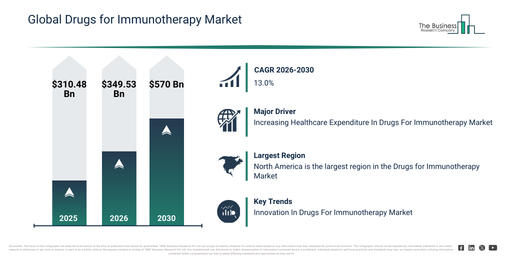
    The market for immunotherapy drugs has seen a substantial surge in its size in recent years. Projections indicate it will increase from $310.48 billion in 2025 to $349.53 billion in 2026, reflecting a compound annual growth rate (CAGR) of 12.6%. This historical expansion can be explained by factors such as the scarcity of immunotherapy alternatives, dependence on traditional cancer therapies, the rising occurrence of cancer and autoimmune conditions, a greater number of clinical trials focusing on monoclonal antibodies, and the improvement of healthcare infrastructure.

    The immunotherapy drug market is anticipated to experience substantial expansion in the coming years. It is projected to reach $570 billion by 2030, reflecting a compound annual growth rate (CAGR) of 13.0%. Factors driving this growth during the forecast period include the advancement of bispecific and conjugated antibodies, the broadening of personalized immunotherapy applications, greater utilization of checkpoint inhibitors, heightened investment in therapeutic vaccine research, and the incorporation of AI-guided immunotherapy and digital patient monitoring. Key trends expected to shape the future include the widespread use of monoclonal antibodies and checkpoint inhibitors, growth in treatments for cancer and autoimmune diseases, increased development of both therapeutic and preventive vaccines, the progression of T-cell receptor and cytokine-based therapies, and the stronger integration of immunotherapy into ambulatory and hospital settings.

    Download A Free Sample Report For Comprehensive Market Insights:

    https://www.thebusinessresearchcompany.com/sample.aspx?id=2559&type=smp&utm_source=BlogsPR&utm_medium=Paid&utm_campaign=Jul_PR

    Drugs for Immunotherapy Market Opportunity Drivers: What Is Creating New Revenue Potential?

    The growth of the immunotherapy drugs market is expected to be driven forward by rising healthcare spending. Healthcare expenditure represents the total funds used to purchase medical goods and services within a specific country or area over a defined timeframe, encompassing expenses like doctor consultations, hospitalizations, surgical procedures, diagnostic tests, and therapeutic treatments. These financial resources are distributed among individuals, medical professionals, insurers, and government bodies to cover immunotherapy drug costs and related therapies. As an example, data from the Centers for Medicare & Medicaid Services—a U.S. federal agency overseeing Medicare and Medicaid—shows that in 2023, American healthcare spending rose by 7.5%, reaching $4.9 trillion, which equates to roughly $14,570 per person. Consequently, this surge in healthcare expenditure is fueling the expansion of the immunotherapy drugs sector.

    Drugs for Immunotherapy Market Segmentation: How Is The Market Structured Across Key Categories?

    The drugs for immunotherapy market covered in this report is segmented –

    1) By Type: Monoclonal Antibodies, Interferons, Interleukins, Vaccines, Checkpoint Inhibitors, Other Types

    2) By Therapy Area: Cancer, Autoimmune & Inflammatory Diseases, Infectious Diseases, Other Therapy Areas

    3) By End User: Hospitals & Clinics, Ambulatory Surgical Centers, Other End Users

    Subsegments:

    1) By Monoclonal Antibodies: Naked Monoclonal Antibodies, Conjugated Monoclonal Antibodies, Bispecific Monoclonal Antibodies

    2) By Interferons: Interferon Alfa, Interferon Beta, Interferon Gamma

    3) By Interleukins: Interleukin-2 (IL-2), Interleukin-6 (IL-6), Interleukin-12 (IL-12)

    4) By Vaccines: Preventive Vaccines, Therapeutic Vaccines

    5) By Checkpoint Inhibitors: PD-1 Inhibitors, PD-L1 Inhibitors, CTLA-4 Inhibitors

    6) By Other Types: Cancer Cell Therapies, Cytokine Therapy, T-Cell Receptor Therapy

    Drugs for Immunotherapy Market Innovation Trends Driving Future Development

    Leading players in the drugs for immunotherapy sector are prioritizing the development of novel products, like Keytruda (pembrolizumab), to offer dependable solutions to customers. Keytruda (pembrolizumab) functions as an immunotherapy agent and a targeted therapy drug, specifically an immune checkpoint inhibitor, intended for use in adult patients. For example, in January 2023, Merck & Co., Inc., a pharmaceutical company based in the United States, introduced Keytruda (pembrolizumab) after it received approval from the Food and Drug Administration, a federal agency in the US. This immunotherapy works alongside the immune system to combat cancer cells and is employed to treat multiple cancer types. KEYTRUDA (pembrolizumab) has been authorized as an adjuvant therapy for non-small cell lung cancer (NSCLC). This milestone in cancer treatment represents a major advancement and is anticipated to favorably influence the healthcare sector.

    Drugs for Immunotherapy Market Competitive Landscape And Leading Companies

    Major companies operating in the drugs for immunotherapy market are F. Hoffmann-La Roche Ltd., Novartis AG, Merck & Co. Inc., UbiVac, Bayer AG, Celgene Corporation, Incyte Corporation, Juno Therapeutics Inc., Bluebird bio, Celldex Therapeutics, BeiGene, BioNTech AG, CytomX Therapeutics, Eisai Co. Ltd., Flexus Biosciences Inc., Genscript Biotech Corporation, Harpoon Therapeutics Inc., Heptares Therapeutics Ltd., Ignyta Inc., Immatics Biotechnologies, Jounce Therapeutics Inc.

    Access The Complete Drugs for Immunotherapy Market Report:

    https://www.thebusinessresearchcompany.com/report/drugs-for-immunotherapy-global-market-report?utm_source=BlogsPR&utm_medium=Paid&utm_campaign=Jul_PR

    Drugs for Immunotherapy Market Geographic Analysis: Where Is Demand Growing The Fastest?

    North America was the largest region in the immunotherapy market in 2025. Middle East is expected to be the fastest growing region in the drug for immunotherapy market report during the forecast period. The regions covered in the drugs for immunotherapy market report are Asia-Pacific, South East Asia, Western Europe, Eastern Europe, North America, South America, Middle East, Africa.

    Get in touch with us:

    The Business Research Company: https://www.thebusinessresearchcompany.com/?utm_source=BlogsPR&utm_medium=Paid&utm_campaign=home_page_test

    Americas: +1 310-496-7795

    Asia: +44 7882 955267 & +91 8897263534

    Europe: +44 7882 955267

    Email us at: marketing@tbrc.info

    Follow us on:

    LinkedIn: https://in.linkedin.com/company/the-business-research-company

    YouTube: https://www.youtube.com/channel/UC24_fI0rV8cR5DxlCpgmyFQ

    Global Market Model: https://www.thebusinessresearchcompany.com/global-market-model
  • Drugs For Hormonal Replacement Therapy Market Expansion Is Reshaping Competitive Dynamics Across The Industry

    Drugs For Hormonal Replacement Therapy Market Expansion Is Reshaping Competitive Dynamics Across The Industry

    Enhanced with market attractiveness analysis, total addressable market evaluation, company benchmarking matrices, interactive Excel dashboards, expanded supply chain intelligence, emerging startup coverage, and detailed product insights, The Business Research Company’s 2026 market reports deliver more actionable and strategically valuable research.

    Drugs For Hormonal Replacement Therapy Market Value Expansion And Long-Term Growth Outlook

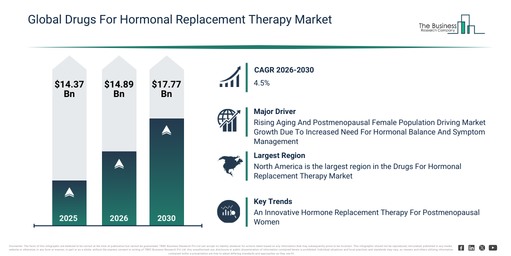
    The market for hormonal replacement therapy drugs has experienced consistent expansion in the near term. Projections indicate an increase from $14.37 billion in 2025 to $14.89 billion in 2026, reflecting a compound annual growth rate (CAGR) of 3.6%. Factors driving this historical growth include the demand for managing menopause-related health issues, conditions linked to hormone deficiencies, wider clinical endorsement of HRT, specialized endocrinology services provided within hospital settings, and the accessibility of oral hormone-based medications.

    The market for drugs used in hormonal replacement therapy is projected to experience consistent expansion over the coming years. By 2030, it is anticipated to reach a value of $17.77 billion, advancing at a compound annual growth rate (CAGR) of 4.5%. This projected growth during the forecast period is driven by factors such as the worldwide increase in elderly populations, growing public consciousness regarding hormonal imbalances, progress made in bioidentical hormone development, the widening scope of outpatient endocrinology services, and enhancements in diagnostic methodologies. Key trends shaping this period include a heightened focus on managing menopause, the expansion of testosterone replacement therapies, the rising customisation of hormone treatments to individual needs, a greater reliance on transdermal application methods, and sustained attention to the long-term safety of hormone use.

    Download A Free Sample Report For Comprehensive Market Insights:

    https://www.thebusinessresearchcompany.com/sample.aspx?id=2575&type=smp&utm_source=BlogsPR&utm_medium=Paid&utm_campaign=Jul_PR

    Drugs For Hormonal Replacement Therapy Market Growth Momentum: Which Factors Are Influencing Demand?

    The expanding population of aging and postmenopausal women is anticipated to fuel growth in the drugs for hormonal replacement therapy market in the coming period. Postmenopausal women are those who frequently experience decreased levels of estrogen and progesterone, resulting in symptoms like hot flashes, mood swings, loss of bone density, and sleep disturbances. This increase in the postmenopausal female population is mainly caused by longer life expectancies and an aging global female demographic, leading to more women living extended lives beyond menopause. A higher postmenopausal population supports the hormonal replacement therapy market by boosting demand for medications that restore hormonal balance, prevent long-term issues such as osteoporosis, and improve overall quality of life. For example, in May 2025, according to Impacts of Menopause, a global research initiative on women’s health, by 2030 the number of women aged 45 to 55 is projected to approach nearly 500 million, meaning that roughly 6 percent of the global population will be experiencing menopause. Thus, the increasing numbers of aging and postmenopausal women are driving expansion in the drugs for hormonal replacement therapy market.

    Increasing healthcare expenditures are set to accelerate the expansion of the drugs for hormonal replacement therapy market moving forward. Health expenditures encompass all costs related to delivering health services, family planning initiatives, nutrition programs, and emergency aid with a health focus. Investment in healthcare for hormonal replacement therapy enhances patient access, affordability, and research aimed at creating safer and more effective therapies. As an illustration, in May 2025, Statistics Netherlands, a national statistical office based in the Netherlands, reported that the country spent around 130.70 billion dollars on healthcare in 2024, an increase of 9.79 billion dollars or 8.1 percent compared to 2023. Consequently, the growth in healthcare spending is propelling the drugs for hormonal replacement therapy market forward.

    Drugs For Hormonal Replacement Therapy Market Segmentation Trends And Revenue Drivers

    The drugs for hormonal replacement therapy market covered in this report is segmented –

    1) By Therapy Type: Estrogen Replacement Therapy, Human Growth Hormone (HGH) Replacement Therapy, Thyroid Replacement Therapy, Testosterone Replacement Therapy

    2) By Distribution Channel: Hospital Pharmacies, Retail Pharmacies, Online Pharmacies

    3) By Application: Hypothyroidism, Male Hypogonadism, Growth Hormone Deficiency, Menopause, Other Applications

    Subsegments:

    1) By Estrogen Replacement Therapy: Oral Estrogen Therapy (Estradiol, Conjugated Estrogens), Transdermal Estrogen Therapy (Estradiol Patches), Estrogen Implants, Vaginal Estrogen Therapy (Creams, Tablets, Rings)

    2) By Human Growth Hormone (HGH) Replacement Therapy: Recombinant Human Growth Hormone (Somatropin), Synthetic Growth Hormone Preparations, HGH Injections

    3) By Thyroid Replacement Therapy: Levothyroxine Sodium (Synthetic T4), Liothyronine Sodium (Synthetic T3), Combination Therapy (T4 and T3), Natural Desiccated Thyroid (Armour Thyroid)

    4) By Testosterone Replacement Therapy: Injectable Testosterone (Testosterone Enanthate, Testosterone Cypionate), Transdermal Testosterone (Patches, Gels), Oral Testosterone (Testosterone Undecanoate), Buccal Testosterone, Testosterone Implants

    Drugs For Hormonal Replacement Therapy Market Trends Reshaping Industry Growth

    Key players in the hormonal replacement therapy market are increasingly prioritizing technological innovation, with a particular focus on developing new hormone replacement therapies tailored for postmenopausal women who still have a uterus. These advanced treatments, known as New Hormone Replacement Therapy (HRT), are designed to restore or regulate hormonal balance when natural levels drop due to aging or health conditions. A notable example occurred in June 2023, when Pfizer, a US-based pharmaceutical company, introduced DUAVEE (conjugated estrogens/bazedoxifene) to address moderate to severe menopausal vasomotor symptoms like hot flashes, as well as to prevent postmenopausal osteoporosis. This therapy stands out because it pairs conjugated estrogens with bazedoxifene, a selective estrogen receptor modulator (SERM), rather than a progestin. By doing so, it effectively lowers the risk of endometrial hyperplasia—a potential complication of estrogen-only treatments—offering a safer alternative for women with a uterus who are managing menopausal symptoms.

    Drugs For Hormonal Replacement Therapy Market Industry Leaders: Which Organizations Are Driving Competition?

    Major companies operating in the drugs for hormonal replacement therapy market are Novo Nordisk AS, Eli Lilly and Company, Pfizer Inc., Abbott Laboratories, Bayer AG, Novartis AG, Teva Pharmaceutical Industries Ltd., Mylan N.V., Viatris Inc., Orion Pharma AB, Allergan Plc, Wyeth Ltd., Amgen Inc., Genentech USA Inc., TherapeuticsMD Inc., GlaxoSmithKline plc, Sanofi S.A., Johnson & Johnson Services Inc., Takeda Pharmaceutical Company Limited, Hisamitsu Pharmaceutical Co. Inc.

    Access The Complete Drugs For Hormonal Replacement Therapy Market Report:

    https://www.thebusinessresearchcompany.com/report/drugs-for-hormonal-replacement-therapy-global-market-report?utm_source=BlogsPR&utm_medium=Paid&utm_campaign=Jul_PR

    Drugs For Hormonal Replacement Therapy Market Global Footprint: Which Region Holds Market Leadership?

    North America was the largest region in the drugs for hormonal replacement therapy market in 2025. The Middle East is expected to be the fastest-growing region in the drugs for hormonal replacement therapy market during the forecast period. The regions covered in the drugs for hormonal replacement therapy market report are Asia-Pacific, South East Asia, Western Europe, Eastern Europe, North America, South America, Middle East, Africa.

    Get in touch with us:

    The Business Research Company: https://www.thebusinessresearchcompany.com/?utm_source=BlogsPR&utm_medium=Paid&utm_campaign=home_page_test

    Americas: +1 310-496-7795

    Asia: +44 7882 955267 & +91 8897263534

    Europe: +44 7882 955267

    Email us at: marketing@tbrc.info

    Follow us on:

    LinkedIn: https://in.linkedin.com/company/the-business-research-company

    YouTube: https://www.youtube.com/channel/UC24_fI0rV8cR5DxlCpgmyFQ

    Global Market Model: https://www.thebusinessresearchcompany.com/global-market-model
  • Drugs For Erectile Dysfunction Market Forecast Reveals Where Future Industry Value Will Be Created

    Drugs For Erectile Dysfunction Market Forecast Reveals Where Future Industry Value Will Be Created

    Through market attractiveness analysis, total addressable market evaluation, company benchmarking matrices, interactive Excel dashboards, expanded supply chain intelligence, emerging startup coverage, and detailed product insights, The Business Research Company’s 2026 market reports provide more actionable and strategically valuable research.

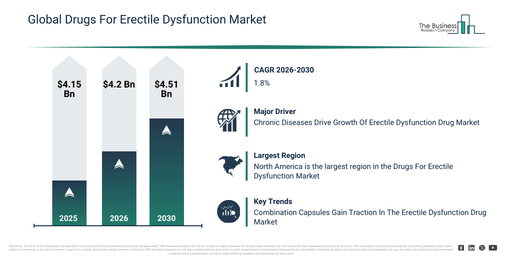
    Drugs For Erectile Dysfunction Market Expected To Reach $4.51 Billion By 2030 At 1.8% CAGR

    In recent years, the market for erectile dysfunction drugs has experienced modest growth. It is projected to expand from $4.15 billion in 2025 to $4.2 billion in 2026, achieving a compound annual growth rate (CAGR) of 1.0%. Historical expansion has been driven by factors such as a higher incidence of erectile dysfunction among older men, growing public consciousness regarding sexual wellness, an increase in hospital and retail pharmacy networks, the expiry of patents on major drugs, and intensified research and development efforts in erectile dysfunction treatments.

    The market for erectile dysfunction drugs is anticipated to experience only modest expansion over the coming years. By 2030, its value is projected to reach $4.51 billion, demonstrating a compound annual growth rate (CAGR) of 1.8%. Several factors are driving this predicted growth, including progress in personalized medicine, a growing preference for combination therapies, the wider use of telemedicine and internet-based pharmacies, heightened funding in biotechnology and precision medicine, and active male reproductive health education campaigns. Key developments shaping the market during this period consist of customized treatment plans for erectile dysfunction, adoption of less invasive drug delivery methods, elevated focus on male reproductive health, the growing application of combination treatment strategies, and the proliferation of digital pharmacy services.

    Download A Free Sample Report For Comprehensive Market Insights:

    https://www.thebusinessresearchcompany.com/sample.aspx?id=2443&type=smp&utm_source=BlogsPR&utm_medium=Paid&utm_campaign=Jul_PR

    Drugs For Erectile Dysfunction Market Expansion Drivers: What Is Shaping Future Growth?

    The rapid rise in chronic disease prevalence is a major factor propelling growth in the erectile dysfunction drug market. Chronic diseases are defined as long-term health conditions that generally evolve slowly and demand sustained management rather than acute, short-term intervention. This increase is largely attributed to growing sedentary lifestyles, which contribute to obesity and metabolic disorders, thereby amplifying long-term health threats. Erectile dysfunction medications aid in managing chronic conditions by enhancing blood circulation and vascular performance, offering benefits for ailments like hypertension, diabetes-related circulatory issues, and cardiovascular disorders. For example, in April 2025, the Centers for Disease Control and Prevention (CDC), a U.S. federal agency, reported that in 2023, approximately 194 million U.S. adults—representing 76.4% of the population—had at least one chronic condition. This prevalence stood at 59.5% among young adults, 78.4% among midlife adults, and 93.0% among older adults. Consequently, the significant surge in chronic disease cases is expected to drive the erectile dysfunction drug market forward.

    The growing occurrence of hypertension is anticipated to accelerate the expansion of the erectile dysfunction drug market in the coming period. Hypertension refers to a medical state where the force of blood against artery walls remains persistently above normal levels over an extended timeframe. Drugs designed for erectile dysfunction, including sildenafil, assist in controlling hypertension by improving blood vessel functionality, lowering blood pressure, and boosting overall cardiovascular health, as they encourage more effective blood flow and may offer advantages to those with hypertensive conditions. As an illustration, in January 2025, the Centers for Disease Control and Prevention, a U.S. government agency, noted that in 2023, high blood pressure was identified as the primary or contributing cause of 664,470 deaths across the United States. Hence, the rising prevalence of hypertension is fueling the growth of the erectile dysfunction drug market.

    Drugs For Erectile Dysfunction Market Segment Analysis Highlighting Growth Areas

    The drugs for erectile dysfunction market covered in this report is segmented –

    1) By Drugs: Sildenafil Citrate, Mirodenafil, Vardenafil

    2) By Mode Of Administration: Oral, Topical, Injections

    3) By End Users: Hospital Pharmacies, Retail Pharmacies, Online Pharmacies

    Subsegments:

    1) By Sildenafil Citrate: Brand Names (Viagra), Generic Forms, Dosage Forms (Tablets, Chewables)

    2) By Mirodenafil: Brand Names (Mvix), Dosage Forms, Combination Products

    3) By Vardenafil: Brand Names (Levitra, Staxyn), Dosage Forms, Administration Routes (Oral, Dissolvable)

    Drugs For Erectile Dysfunction Market Strategic Trends: What Is Defining The Next Phase Of Growth?

    Key players in the drugs for erectile dysfunction market are increasingly focusing on the introduction of combination capsules, such as therapy capsules, in order to boost their revenue streams. One notable example is a medication that combines Tamsulosin and Tadalafil, which is used to address both benign prostatic hyperplasia (BPH) and erectile dysfunction. In September 2023, Akums Drugs & Pharmaceuticals Ltd., a pharmaceutical company based in India, launched a therapy capsule in the Indian market specifically designed for the treatment of erectile dysfunction and enlarged prostate. This capsule includes a blend of Tamsulosin and Tadalafil, which has shown considerable improvements in both BPH symptoms and the Erectile Dysfunction Index. Additionally, the combination has been effective in enhancing overall symptoms, including those related to voting and other issues associated with BPH. The introduction of this innovative therapy capsule is anticipated to offer patients a new treatment alternative for these conditions.

    Drugs For Erectile Dysfunction Market Leading Companies: Who Holds Significant Market Presence?

    Major companies operating in the drugs for erectile dysfunction market are Pfizer Inc., Eli Lilly and Company, Bayer AG, Viatris Inc., Teva Pharmaceutical Industries Ltd., Futura Medical plc, Zydus Cadila, Lupin Limited, Cipla Limited, Dong-A Pharmaceutical Co., Ltd., Aurobindo Pharma Ltd., Alembic Pharmaceuticals Ltd., Lupin Limited, Glenmark Pharmaceuticals Ltd., Sun Pharmaceutical Industries Ltd., AvKARE Inc., Endo Pharmaceuticals Inc., Teva Pharmaceutical USA, Aurobindo Pharma USA, Hims & Hers Health Inc., Antares Pharma Inc., Acrux Limited, Mankind Pharma Ltd., Futura Medical plc, Adamis Pharmaceuticals Corporation

    Access The Complete Drugs For Erectile Dysfunction Market Report:

    https://www.thebusinessresearchcompany.com/report/drugs-for-erectile-dysfunction-global-market-report?utm_source=BlogsPR&utm_medium=Paid&utm_campaign=Jul_PR

    Drugs For Erectile Dysfunction Market Regional Distribution: Which Areas Drive Market Expansion?

    North America was the largest region in the drugs for erectile dysfunction market in 2025. Middle East is expected to be the fastest-growing region in the global drugs for erectile dysfunction market during the forecast period. The regions covered in the drugs for erectile dysfunction market report are Asia-Pacific, South East Asia, Western Europe, Eastern Europe, North America, South America, Middle East, Africa.

    Get in touch with us:

    The Business Research Company: https://www.thebusinessresearchcompany.com/?utm_source=BlogsPR&utm_medium=Paid&utm_campaign=home_page_test

    Americas: +1 310-496-7795

    Asia: +44 7882 955267 & +91 8897263534

    Europe: +44 7882 955267

    Email us at: marketing@tbrc.info

    Follow us on:

    LinkedIn: https://in.linkedin.com/company/the-business-research-company

    YouTube: https://www.youtube.com/channel/UC24_fI0rV8cR5DxlCpgmyFQ

    Global Market Model: https://www.thebusinessresearchcompany.com/global-market-model
  • Drugs For Benign Prostatic hypertrophy Market Growth Through 2030 Creates New Strategic Opportunities

    Drugs For Benign Prostatic hypertrophy Market Growth Through 2030 Creates New Strategic Opportunities

    Delivering more actionable and strategically valuable research, The Business Research Company’s 2026 market reports feature market attractiveness analysis, total addressable market evaluation, company benchmarking matrices, interactive Excel dashboards, expanded supply chain intelligence, emerging startup coverage, and detailed product insights.

    Drugs For Benign Prostatic hypertrophy Market Size And Revenue Forecast Through 2030

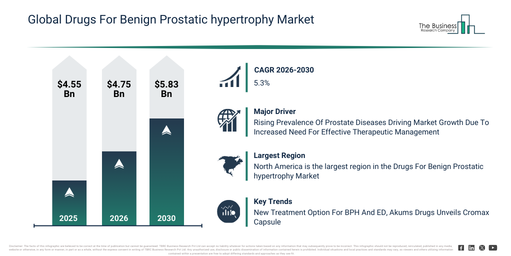
    The market for benign prostatic hypertrophy drugs has experienced consistent expansion over the recent period. Its value is projected to increase from $4.55 billion in 2025 to $4.76 billion in 2026, representing a compound annual growth rate (CAGR) of 4.4%. Historical growth was driven by factors including the rise in the elderly population, prolonged use of alpha blockers, urology treatments provided in hospital settings, the accessibility of oral medications, and advancements in diagnostic technologies.

    The market for drugs treating benign prostatic hypertrophy is projected to experience robust expansion in the coming years. By 2030, its value is anticipated to reach $5.83 billion, driven by a compound annual growth rate (CAGR) of 5.3%. This future growth is fueled by factors such as a longer male life expectancy, improved healthcare availability, advancements in combination drug therapies, a rise in outpatient urology clinics, and lifestyle-related risk factors. Key trends influencing the forecast period include a growing demand from the aging male demographic, greater usage of combination treatments, the expansion of minimally invasive drug therapies, a wider availability of generic BPH drugs, and heightened awareness surrounding early diagnosis.

    Download A Free Sample Report For Comprehensive Market Insights:

    https://www.thebusinessresearchcompany.com/sample.aspx?id=2594&type=smp&utm_source=BlogsPR&utm_medium=Paid&utm_campaign=Jul_PR

    Drugs For Benign Prostatic hypertrophy Market Development Factors: Which Trends Are Supporting Demand?

    The growing occurrence of prostate conditions is anticipated to drive expansion in the market for drugs targeting benign prostatic hypertrophy moving forward. Prostate conditions encompass a range of medical issues affecting the prostate gland, a male reproductive structure situated beneath the bladder. This rise in prostate disease prevalence is largely driven by aging, along with related metabolic and inflammatory factors that foster the onset of disorders such as benign prostatic hyperplasia (BPH) and prostate cancer. Medications for benign prostatic hypertrophy (BPH) play a crucial role in managing and easing urinary symptoms linked to prostate conditions, offering relief by decreasing prostate gland enlargement and enhancing urine flow. As an example, in August 2024, data from Cancer Therapy Advisor, a US-based medical information provider, indicated that an estimated 299,010 new prostate cancer cases were predicted to be diagnosed in the country in 2024, representing 14.9 percent of all new cancer cases, with just over 35,000 deaths anticipated. Consequently, the heightened prevalence of prostate diseases is fueling growth in the benign prostatic hypertrophy drug market.

    Drugs For Benign Prostatic hypertrophy Market Segment Performance And Strategic Opportunities

    The drugs for benign prostatic hypertrophy market covered in this report is segmented –

    1) By Type: Alpha Blocker, 5-alpha Reductase Inhibitor, Phosphodiesterase-5 Inhibitor, Other Types

    2) By Distribution Channel: Hospital Pharmacies, Retail Pharmacies, Online Pharmacies

    3) By End User: Hospital Pharmacies, Retail Pharmacies, Other End-Users

    Subsegments:

    1) By Alpha Blocker: Tamsulosin, Alfuzosin, Doxazosin, Terazosin, Silodosin

    2) By 5-alpha Reductase Inhibitor: Finasteride, Dutasteride

    3) By Phosphodiesterase-5 Inhibitor: Tadalafil, Sildenafil

    4) By Other Types: Anticholinergics, Herbal Supplements (Saw Palmetto), Combination Therapy Drugs (Alpha Blocker + 5-alpha Reductase Inhibitor)

    Drugs For Benign Prostatic hypertrophy Market Transformation Trends: Which Innovations Are Driving Change?

    Major players in the drugs for benign prostatic hypertrophy market are increasingly prioritizing technological innovation in their product development, particularly through the creation of new medications that address both enlarged prostate and erectile dysfunction simultaneously, as a strategy to strengthen their competitive position. Benign Prostatic Hyperplasia, often abbreviated as BPH, involves a non-cancerous expansion of the prostate gland, while erectile dysfunction, known as ED, is defined as the consistent inability to either achieve or sustain an erection adequate for sexual activity. In September 2023, for example, Akums Drugs and Pharmaceuticals Ltd., an Indian contract manufacturer specializing in pharmaceuticals, introduced the Tamsulosin + Tadalafil Capsule under the brand name Cromax, aiming to broaden its portfolio within the pharmaceutical industry, especially in areas targeting prevalent men’s health conditions. This product stands out due to its dual-action mechanism: Tamsulosin works by relaxing the smooth muscles of the prostate and urethra to enhance urinary flow, whereas Tadalafil functions by improving blood circulation to the penis, thereby supporting erection. By offering this combination therapy, a more convenient treatment solution is provided for men dealing with both BPH and ED, and the therapy has also been shown to yield notable enhancements in the International Prostate Symptom Score, or IPSS.

    Drugs For Benign Prostatic hypertrophy Market Key Players: Which Companies Shape Industry Competition?

    Major companies operating in the drugs for benign prostatic hypertrophy market are Astellas Pharma Inc., Boehringer Ingelheim International GmbH, GlaxoSmithKline plc, Teva Pharmaceutical Industries Limited, Sanofi S.A., Pfizer Inc., Ipsen S.A., Novartis International AG, Bayer AG, Merck & Co. Inc., Endo Pharmaceuticals Inc., Impax Laboratories Inc., Kissei Pharmaceutical Co. Ltd., Abbott Laboratories, Eli Lilly and Company, Bausch Health Companies Inc., Aurobindo Pharma Limited, Sun Pharmaceutical Industries Ltd., Zydus Lifesciences Ltd., Cipla Ltd

    Access The Complete Drugs For Benign Prostatic hypertrophy Market Report:

    https://www.thebusinessresearchcompany.com/report/drugs-for-benign-prostatic-hypertrophy-global-market-report?utm_source=BlogsPR&utm_medium=Paid&utm_campaign=Jul_PR

    Drugs For Benign Prostatic hypertrophy Market Leading Geography: Which Region Generates The Most Revenue?

    North America was the largest region in the drugs for benign prostatic hypertrophy market in 2025. Middle East is expected to be the fastest-growing region in the drugs for benign prostatic hypertrophy market. The regions covered in the drugs for benign prostatic hypertrophy market report are Asia-Pacific, South East Asia, Western Europe, Eastern Europe, North America, South America, Middle East, Africa.

    Get in touch with us:

    The Business Research Company: https://www.thebusinessresearchcompany.com/?utm_source=BlogsPR&utm_medium=Paid&utm_campaign=home_page_test

    Americas: +1 310-496-7795

    Asia: +44 7882 955267 & +91 8897263534

    Europe: +44 7882 955267

    Email us at: marketing@tbrc.info

    Follow us on:

    LinkedIn: https://in.linkedin.com/company/the-business-research-company

    YouTube: https://www.youtube.com/channel/UC24_fI0rV8cR5DxlCpgmyFQ

    Global Market Model: https://www.thebusinessresearchcompany.com/global-market-model