Month: July 2026

  • DNA Repair Drugs Market Growth Is Accelerating As Industry Transformation Continues

    DNA Repair Drugs Market Growth Is Accelerating As Industry Transformation Continues

    Through market attractiveness analysis, total addressable market evaluation, company benchmarking matrices, interactive Excel dashboards, expanded supply chain intelligence, emerging startup coverage, and detailed product insights, The Business Research Company’s 2026 market reports provide more actionable and strategically valuable research.

    DNA Repair Drugs Market CAGR Analysis And Future Market Development

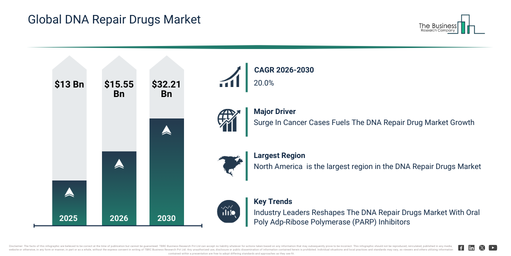
    The market for DNA repair drugs has experienced substantial expansion over recent years, with its value projected to climb from $13 billion in 2025 to $15.55 billion in 2026, reflecting a compound annual growth rate (CAGR) of 19.6%. This historical growth has been driven by several key factors, including the worldwide increase in cancer cases, greater utilization of chemotherapy and radiation treatments, notable clinical achievements with PARP inhibitors, a rise in approvals for oncology medications, and the development of hospital-based cancer care facilities.

    Over the forecast period, the market for DNA repair drugs is anticipated to experience vigorous expansion. By 2030, its value is projected to reach $32.21 billion, reflecting a compound annual growth rate (CAGR) of 20.0%. Several factors are fueling this upward trajectory, including the wider adoption of precision medicine, heightened investments in DNA damage response research, a growing need for maintenance cancer therapies, the broadening of targeted oncology development efforts, and better genetic mutation identification through diagnostics. Among the key developments shaping this market are the increasing application of PARP inhibitor-based treatments, the rising prevalence of combination cancer therapies, a stronger emphasis on personalized oncology agents, expanded use of maintenance therapy protocols, and progress in next-generation DDR inhibitor technology.

    Download A Free Sample Report For Comprehensive Market Insights:

    https://www.thebusinessresearchcompany.com/sample.aspx?id=12200&type=smp&utm_source=BlogsPR&utm_medium=Paid&utm_campaign=Jul_PR

    DNA Repair Drugs Market Expansion Drivers: What Is Shaping Future Growth?

    The increasing occurrence of cancer is anticipated to drive future expansion in the DNA repair drug market. Cancer refers to a group of diseases that can develop in virtually any organ or tissue when abnormal cells grow uncontrollably, breach their normal boundaries, and invade adjacent body parts or spread to other organs. This surge in cancer cases is primarily fueled by factors such as smoking, radiation, carcinogens, obesity, and genetic mutations. The prevention of cancer is achieved by disrupting DNA’s self-repair mechanisms, which halts the replication of cancerous cells and leads to their death. As an example, in July 2024, the Australian Institute of Health and Welfare—a government agency based in Australia—reported that the number of diagnosed cancer cases in the country rose from 160,570 in 2022 to 164,694 in 2023, marking a significant annual increase. This upward trend underscores the growing prevalence of cancer nationwide. Consequently, the rising incidence of cancer is fueling the growth of the DNA repair drug market.

    DNA Repair Drugs Market Segmentation Trends And Revenue Drivers

    The dna repair drugs market covered in this report is segmented –

    1) By Drug Type: Olaparib, Rucaparib, Niraparib, Talazoparib, Other Drugs

    2) By Distribution Channel: Hospital Pharmacies, Retail Pharmacies, Other Distribution Channels

    3) By Application: Ovarian Cancer, Fallopian Tube Cancer, Peritoneal Cancer, Breast Cancer, Other Applications

    Subsegments:

    1) By Olaparib: Tablets, Capsules, Combination Therapies

    2) By Rucaparib: Tablets, Monotherapy, Combination with Other Cancer Treatments

    3) By Niraparib: Capsules, Extended-Release Formulations, Maintenance Therapy Applications

    4) By Talazoparib: Capsules, Combination with Immunotherapy, High-Dose and Low-Dose Options

    5) By Other Drugs: Experimental PARP Inhibitors, Generic and Biosimilar Versions, Next-Generation DNA Damage Response (DDR) Inhibitors

    DNA Repair Drugs Market Strategic Trends: What Is Defining The Next Phase Of Growth?

    Major players in the DNA repair drug market are concentrating on creating cutting-edge products like oral poly ADP-ribose polymerase (PARP) inhibitors. These orally administered medications are specifically engineered to interfere with the function of the PARP enzyme. A case in point is June 2023, when Pfizer Inc., a global pharmaceutical firm headquartered in the US, secured FDA approval for ‘TALZENNA’ (talazoparib). This drug stands out as the first and only PARP inhibitor cleared for use alongside an established standard therapy, XTANDI, in adults battling metastatic castration-resistant prostate cancer (mCRPC) that carries mutations in homologous recombination repair (HRR) genes. By blocking PARP enzyme activity and trapping PARP at DNA damage sites, TALZENNA curbs cancer cell proliferation and triggers cell death.

    DNA Repair Drugs Market Industry Leaders: Which Organizations Are Driving Competition?

    Major companies operating in the dna repair drugs market are Pfizer Inc., Johnson & Johnson Private Limited, AbbVie Inc., Bayer AG, Novartis AG, Bristol-Myers Squibb Company, AstraZeneca PLC, Sanofi S.A., GlaxoSmithKline plc., Takeda Pharmaceutical Company Limited, Gilead Sciences Inc., Amgen Inc., Merck KGaA, Regeneron Pharmaceuticals Inc., Ono Pharmaceutical Co. Ltd., Jiangsu HengRui Medicine Co. Ltd., Genentech Inc., ClovisOncology Inc., Karyopharm Therapeutics Inc., Repare Therapeutics Inc., C4 Therapeutics Inc., Precision BioSciences, Artios Pharma Limited, FoRx Therapeutics AG, Onxeo SA

    Access The Complete DNA Repair Drugs Market Report:

    https://www.thebusinessresearchcompany.com/report/dna-repair-drugs-global-market-report?utm_source=BlogsPR&utm_medium=Paid&utm_campaign=Jul_PR

    DNA Repair Drugs Market Leading Geography: Which Region Generates The Most Revenue?

    North America was the largest region in the DNA repair drugs market in 2025. Asia-Pacific is expected to be the fastest-growing region in the forecast period. The regions covered in the dna repair drugs market report are Asia-Pacific, South East Asia, Western Europe, Eastern Europe, North America, South America, Middle East, Africa.

    Get in touch with us:

    The Business Research Company: https://www.thebusinessresearchcompany.com/?utm_source=BlogsPR&utm_medium=Paid&utm_campaign=home_page_test

    Americas: +1 310-496-7795

    Asia: +44 7882 955267 & +91 8897263534

    Europe: +44 7882 955267

    Email us at: marketing@tbrc.info

    Follow us on:

    LinkedIn: https://in.linkedin.com/company/the-business-research-company

    YouTube: https://www.youtube.com/channel/UC24_fI0rV8cR5DxlCpgmyFQ

    Global Market Model: https://www.thebusinessresearchcompany.com/global-market-model
  • Diuretics Market Outlook Highlights The Next Major Growth Opportunities

    Diuretics Market Outlook Highlights The Next Major Growth Opportunities

    Delivering more actionable and strategically valuable research, The Business Research Company’s 2026 market reports feature market attractiveness analysis, total addressable market evaluation, company benchmarking matrices, interactive Excel dashboards, expanded supply chain intelligence, emerging startup coverage, and detailed product insights.

    Diuretics Market Expansion From $0.79 Billion In 2026 To $0.91 Billion In 2030

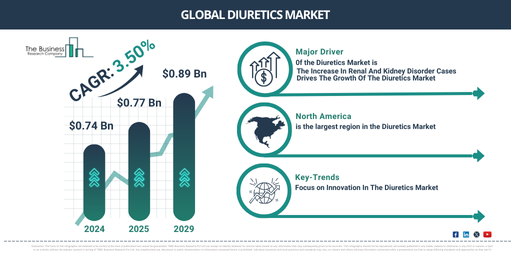
    The size of the diuretics market has experienced consistent growth over recent years. From $0.77 billion in 2025, it is projected to rise to $0.79 billion in 2026, reflecting a compound annual growth rate (CAGR) of 2.9%. This historical expansion has been driven by factors such as a significant prevalence of cardiovascular diseases, frequent prescription practices in hospitals, an extensive history of clinical application, the availability of affordable generic options, and an aging demographic.

    The market for diuretics is projected to experience consistent expansion over the coming years, reaching a value of $0.92 billion by 2030 with a compound annual growth rate (CAGR) of 3.7%. Forecast period growth is driven by an increase in chronic kidney disease cases, a higher prevalence of heart failure, broader access to primary healthcare, enhanced treatment protocols, and a growing elderly population. Key trends shaping this period include greater utilization in managing hypertension, a rise in combination diuretic therapy, expansion of generic diuretic medications, a shift toward outpatient care environments, and the development of improved drug formulations that minimize adverse effects.

    Download A Free Sample Report For Comprehensive Market Insights:

    https://www.thebusinessresearchcompany.com/sample.aspx?id=2439&type=smp&utm_source=BlogsPR&utm_medium=Paid&utm_campaign=Jul_PR

    Diuretics Market Development Factors: Which Trends Are Supporting Demand?

    The anticipated growth of the diuretics market is primarily fueled by the rising prevalence of renal and kidney disorders. These conditions disrupt the body’s natural capacity to maintain fluid and electrolyte equilibrium, frequently resulting in complications like edema, hypertension, and fluid retention, which necessitate the use of diuretics for proper treatment. Lifestyle factors, including the consumption of unhealthy foods rich in calcium and other minerals, are contributing to the uptick in kidney diseases. This mounting disease burden bolsters the diuretics sector by amplifying the need for medications that assist in eliminating excess fluid, diminishing swelling, and regulating blood pressure among affected individuals. As a case in point, the Centers for Disease Control and Prevention (CDC), a U.S. public health body, reported in May 2024 that roughly 14% of American adults—around 35.5 million people—are estimated to live with chronic kidney disease. Consequently, the growing frequency of renal and kidney disorders is propelling the expansion of the diuretics market.

    Diuretics Market Segment Analysis Highlighting Growth Areas

    The diuretics market covered in this report is segmented –

    1) By Type: Osmotic Diuretics, Carbonic Anhydrase Inhibitors, Loop Diuretics, Thiazides And Thiazide-Like Diuretics, Aldosterone Antagonists

    2) By Distribution: Hospital Pharmacies, Independent Pharmacies, Retail Pharmacies, Drug Stores, Online Pharmacies

    3) By Application: Hypertension, Glaucoma, Heart Failure, Kidney Stones

    Subsegments:

    1) By Osmotic Diuretics: Mannitol, Glycerin, Urea

    2) By Carbonic Anhydrase Inhibitors: Acetazolamide, Dorzolamide, Brinzolamide

    3) By Loop Diuretics: Furosemide, Bumetanide, Torsemide, Ethacrynic Acid

    4) By Thiazides And Thiazide-Like Diuretics: Hydrochlorothiazide, Chlorthalidone, Indapamide, Metolazone

    5) By Aldosterone Antagonists: Spironolactone, Eplerenone

    Diuretics Market Transformation Trends: Which Innovations Are Driving Change?

    Key players in the diuretics market are placing emphasis on creating new offerings, particularly prescription medications, designed to improve treatment outcomes and minimize adverse effects for individuals suffering from conditions like high blood pressure and heart failure. A prescription medication is defined as a drug that requires a doctor’s authorization for purchase, guaranteeing its proper application for particular health issues under expert guidance. As an example, in January 2023, Glenmark Pharmaceuticals Limited, a pharmaceutical firm based in India, introduced a generic version of the diuretic Bumetanide Injection aimed at managing fluid retention and swelling resulting from congestive heart failure and other ailments. This product comes in two variations: 1 mg/4 mL single-dose vials and 2.5 mg/10 mL multi-dose vials, each with a strength of 0.25 mg/mL. This injection effectively addresses edema (fluid buildup) linked to congestive heart failure, liver disease, and kidney disease by boosting urine output, thereby relieving symptoms such as swelling and respiratory difficulty.

    Diuretics Market Leading Companies: Who Holds Significant Market Presence?

    Major companies operating in the diuretics market are Merck & Co. Inc., Meda Manufacturing GmbH, Pfizer Inc., GlaxoSmithKline plc., F. Hoffmann-La Roche AG, Aton Pharma Inc., Boehringer Ingelheim International GmbH, Novartis AG, Teva Pharmaceutical Industries Ltd., Sanofi-aventis U.S. LLC, Centaur Pharmaceuticals Pvt Ltd, Validus Pharmaceuticals LLC, Actavis Generics, Paddock Laboratories LLC, Perrigo Pharmaceutical Company, Oak Pharmaceuticals Inc., Akron Pharmaceuticals Inc., Alembic Pharmaceuticals Limited, Aurobindo Pharma Limited, IPCA Laboratories Limited, Jubilant Cadista Pharmaceuticals Limited, Mylan N.V., Princeton Laboratories Inc., Sciegen Pharma Limited, Unichem Laboratories Limited, AstraZeneca plc, Bayer AG, Cipla Ltd, Fresenius Kabi AG, Sandoz International GmbH, Sun Pharmaceutical Industries Ltd, Zydus Lifesciences Ltd., Amneal Pharmaceuticals LLC, Apotex Inc.

    Access The Complete Diuretics Market Report:

    https://www.thebusinessresearchcompany.com/report/diuretics-drugs-global-market-report?utm_source=BlogsPR&utm_medium=Paid&utm_campaign=Jul_PR

    Diuretics Market Regional Outlook: Where Are The Largest Opportunities Located?

    North America was the largest region in the diuretics market in 2025. The Middle East is expected to be the fastest-growing region in the diuretics market during the forecast period. The regions covered in the diuretics market report are Asia-Pacific, South East Asia, Western Europe, Eastern Europe, North America, South America, Middle East, Africa.

    Get in touch with us:

    The Business Research Company: https://www.thebusinessresearchcompany.com/?utm_source=BlogsPR&utm_medium=Paid&utm_campaign=home_page_test

    Americas: +1 310-496-7795

    Asia: +44 7882 955267 & +91 8897263534

    Europe: +44 7882 955267

    Email us at: marketing@tbrc.info

    Follow us on:

    LinkedIn: https://in.linkedin.com/company/the-business-research-company

    YouTube: https://www.youtube.com/channel/UC24_fI0rV8cR5DxlCpgmyFQ

    Global Market Model: https://www.thebusinessresearchcompany.com/global-market-model
  • Disruptive Behavior Disorder Treatment Market Trends And Growth Drivers Point To Strong Future Potential

    Disruptive Behavior Disorder Treatment Market Trends And Growth Drivers Point To Strong Future Potential

    Enhanced with market attractiveness analysis, total addressable market evaluation, company benchmarking matrices, interactive Excel dashboards, expanded supply chain intelligence, emerging startup coverage, and detailed product insights, The Business Research Company’s 2026 market reports deliver more actionable and strategically valuable research.

    Disruptive Behavior Disorder Treatment Market Forecast Highlighting Growth From $1.71 Billion To $2.14 Billion

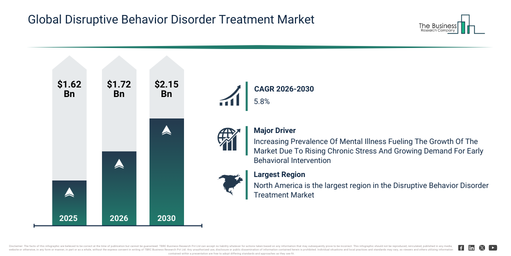
    The market for disruptive behavior disorder treatment has experienced robust expansion over the past several years. Projections indicate it will rise from $1.62 billion in 2025 to $1.72 billion in 2026, reflecting a compound annual growth rate (CAGR) of 6.1%. This historical upward trend is linked to a higher prevalence of diagnosed childhood behavioral conditions, more frequent referrals from school mental health programs, a strong dependence on psychotherapeutic methods, treatment frameworks directed by specialists, and a scarcity of available pharmaceutical interventions.

    It is anticipated that the market for disruptive behavior disorder treatment will experience robust expansion over the coming years. By 2030, its value is projected to reach $2.15 billion, driven by a compound annual growth rate (CAGR) of 5.8%. This upward trajectory during the forecast period is fueled by factors such as rising mental health awareness, the broader availability of teletherapy options, governmental efforts to support mental well-being, the incorporation of digital behavioral platforms, and a growing need for individualized treatment approaches. Notable developments in the forecast period encompass a heightened emphasis on early behavioral interventions, an uptick in family-centric therapy methodologies, the wider implementation of multidisciplinary care frameworks, the increasing utilization of digital mental health resources, and a stronger concentration on achieving sustainable, long-term behavioral improvements.

    Download A Free Sample Report For Comprehensive Market Insights:

    https://www.thebusinessresearchcompany.com/sample.aspx?id=24522&type=smp&utm_source=BlogsPR&utm_medium=Paid&utm_campaign=Jul_PR

    Disruptive Behavior Disorder Treatment Market Industry Drivers: What Is Driving Revenue Growth?

    The growing occurrence of mental illness is anticipated to drive expansion in the disruptive behavior disorder treatment market in the coming period. Mental illness encompasses a broad spectrum of mental health conditions influencing an individual’s mood, thought processes, behavior, and overall capabilities. This rise in mental illness is fueled by increasing levels of chronic stress, as sustained stress impairs brain function and can initiate or intensify mental health disorders. Treatment for disruptive behavior disorders aids in managing mental illness by tackling ongoing behavioral challenges in children and adolescents, making it crucial for early intervention. Through targeted therapies, this treatment enhances emotional control and social abilities, thereby boosting overall mental health results. For example, in May 2024, the American Psychiatric Association, a U.S.-based organization, reported that 43% of U.S. adults felt more anxious in 2024 than the previous year, up from 37% in 2023 and 32% in 2022, highlighting an escalating trend in anxiety levels. Consequently, the rising prevalence of mental illness is fueling growth in the disruptive behavior disorder treatment market.

    Higher healthcare expenditure is expected to drive the expansion of the disruptive behavior disorder treatment market moving forward. This expenditure refers to the total funds allocated to medical services, treatments, facilities, research, and public health initiatives aimed at maintaining or improving health outcomes. The increase in healthcare spending results from an aging population that demands greater medical care, treatments, and long-term health services. Enhanced healthcare spending improves disruptive behavior disorder treatment by expanding access to specialized therapies, medications, and early intervention programs. It also facilitates the creation of advanced treatment options, improving mental health outcomes and overall care quality. For instance, in December 2024, the Centers for Medicare & Medicaid Services (CMS), a U.S. federal agency, noted that national health expenditures grew by 7.5% to $4.9 trillion in 2023, representing 17.6% of gross domestic product. Thus, rising healthcare expenditure is propelling growth in the disruptive behavior disorder treatment market.

    The increase in telehealth services is predicted to accelerate the expansion of the disruptive behavior disorder treatment market in the coming years. Telehealth services involve healthcare provided remotely through phones, video calls, or apps, enabling patients to consult with doctors without needing to visit a clinic or hospital. The growing use of telehealth is driven by its convenience for accessing healthcare from home, particularly for managing chronic conditions. These services enhance disruptive behavior disorder treatment by offering remote access to therapy and counseling, improving care availability for patients in underserved or rural regions. They lower treatment barriers through flexible scheduling and real-time support, boosting treatment adherence and mental health outcomes. For example, in April 2023, FAIR Health Inc., a U.S. non-profit organization, reported that national telehealth use increased by 7.3% from December 2022 to January 2023, with medical claim lines rising from 5.5% to 5.9%. Therefore, the rise in telehealth services is fostering growth in the disruptive behavior disorder treatment market.

    Disruptive Behavior Disorder Treatment Market Segment Performance And Strategic Opportunities

    The disruptive behavior disorder treatment market covered in this report is segmented –

    1) By Type: Oppositional Defiant Disorder, Conduct Disorder, Intermittent Explosive Disorder

    2) By Treatment: Medication Management, Comprehensive Evaluation, Family Therapy, Parenting Modification, Group Therapy, Individual Therapy, Social And Emotional Skills Training

    3) By Age Group: Children 4 To 12 Years, Adolescents 13 To 17 Years, Young Adults 18 To 24 Years, Adults 25 Years And Above

    4) By End User: Hospitals, Outpatient Clinics, Residential Treatment Facilities, Home Care Settings, Specialized Disruptive Behavior Disorder Treatment Centers

    Subsegments:

    1) By Oppositional Defiant Disorder: Mild Oppositional Defiant Disorder, Moderate Oppositional Defiant Disorder, Severe Oppositional Defiant Disorder

    2) By Conduct Disorder: Childhood-Onset Conduct Disorder, Adolescent-Onset Conduct Disorder, Unspecified Onset Conduct Disorder

    3) By Intermittent Explosive Disorder: Frequent Low-Intensity Explosive Episodes, Infrequent High-Intensity Explosive Episodes, Mixed Severity Explosive Episodes

    Disruptive Behavior Disorder Treatment Market Key Players: Which Companies Shape Industry Competition?

    Major companies operating in the disruptive behavior disorder treatment market are Sheppard Pratt Health System, Rogers Behavioral Health, The Menninger Clinic, Devereux Advanced Behavioral Health, Youth Villages, Universal Health Services Behavioral Health Division, Acadia Healthcare, Newport Healthcare, The Guidance Center, Centerstone, Behavioral Health Network, Cumberland Hospital for Children and Adolescents, ViewPoint Health, Merit Behavioral Care, Center for Discovery

    Access The Complete Disruptive Behavior Disorder Treatment Market Report:

    https://www.thebusinessresearchcompany.com/report/disruptive-behavior-disorder-treatment-global-market-report?utm_source=BlogsPR&utm_medium=Paid&utm_campaign=Jul_PR

    Disruptive Behavior Disorder Treatment Market Geographic Landscape: Which Region Dominates Industry Growth?

    North America was the largest region in the disruptive behavior disorder treatment market in 2025. The regions covered in the disruptive behavior disorder treatment market report are Asia-Pacific, South East Asia, Western Europe, Eastern Europe, North America, South America, Middle East, Africa.

    Get in touch with us:

    The Business Research Company: https://www.thebusinessresearchcompany.com/?utm_source=BlogsPR&utm_medium=Paid&utm_campaign=home_page_test

    Americas: +1 310-496-7795

    Asia: +44 7882 955267 & +91 8897263534

    Europe: +44 7882 955267

    Email us at: marketing@tbrc.info

    Follow us on:

    LinkedIn: https://in.linkedin.com/company/the-business-research-company

    YouTube: https://www.youtube.com/channel/UC24_fI0rV8cR5DxlCpgmyFQ

    Global Market Model: https://www.thebusinessresearchcompany.com/global-market-model
  • Disposable Flow-Battery Bioreactor Market Expansion Is Reshaping Competitive Dynamics Across The Industry

    Disposable Flow-Battery Bioreactor Market Expansion Is Reshaping Competitive Dynamics Across The Industry

    Through market attractiveness analysis, total addressable market evaluation, company benchmarking matrices, interactive Excel dashboards, expanded supply chain intelligence, emerging startup coverage, and detailed product insights, The Business Research Company’s 2026 market reports provide more actionable and strategically valuable research.

    Disposable Flow-Battery Bioreactor Market Revenue Growth Supported By A CAGR Of 2.58% Through 2030

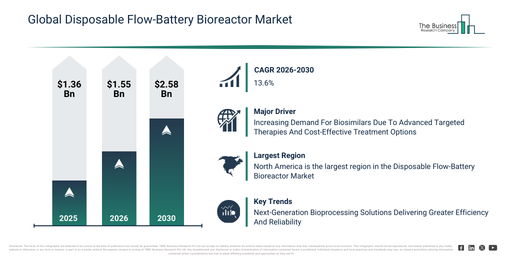
    The market for disposable flow-battery bioreactors has expanded swiftly over recent years. It is projected to rise from $1.36 billion in 2025 to $1.55 billion in 2026, reflecting a compound annual growth rate (CAGR) of 13.9%. This historical period’s growth has been driven by an upsurge in biopharmaceutical manufacturing, a growing need for adaptable production systems, an increase in contract manufacturing activities, wider use of single-use bioprocessing equipment, and a heightened emphasis on minimizing contamination risks.

    The disposable flow-battery bioreactor market is projected to experience significant expansion over the coming years. By 2030, its value is anticipated to reach $2.58 billion, reflecting a compound annual growth rate (CAGR) of 13.6%. This upward trajectory during the forecast period is driven by several factors, including heightened investment in advanced biomanufacturing technologies, a growing preference for continuous processing models, the scaling up of cell and gene therapy production, a stronger focus on cost-effective bioproduction, and an increased need for scalable single-use systems. Key developments shaping the market include the wider adoption of single-use bioprocessing systems, a rising demand for continuous bioproduction solutions, the integration of energy-efficient flow technologies, the emergence of modular bioreactor designs, and a heightened emphasis on sterility and process flexibility.

    Download A Free Sample Report For Comprehensive Market Insights:

    https://www.thebusinessresearchcompany.com/sample.aspx?id=29037&type=smp&utm_source=BlogsPR&utm_medium=Paid&utm_campaign=Jul_PR

    #Disposable Flow-Battery Bioreactor Market Growth Factors: Which Forces Are Supporting Market Expansion?

    The rising adoption of biosimilars is anticipated to drive expansion in the disposable flow-battery bioreactor market in the coming years. Biosimilars are cost-effective alternatives to approved biologics, closely resembling them in composition and effectiveness, with no significant clinical variations. This growing preference for biosimilars stems from patients and healthcare providers seeking advanced, targeted therapies that deliver improved treatment results, enhanced accessibility, and lower expenses for managing chronic and complex conditions. By offering a versatile, expandable, and contamination-free platform, the disposable flow-battery bioreactor facilitates efficient cell cultivation, precise management of process variables, and swift production timelines, thereby expediting development, cutting manufacturing expenses, and ensuring uniform quality and effectiveness of biosimilar products. As an example, Samsung Bioepis Co. Ltd., a biopharmaceutical firm based in South Korea, reported in 2024 that the U.S. Food and Drug Administration (FDA) approved 45 biosimilars, with 38 having been launched in the United States, indicating robust market uptake compared to total approvals. Consequently, the escalating demand for biologics and biosimilar approaches is fueling the growth of the disposable flow-battery bioreactor market.

    The increasing need for biopharmaceutical manufacturing is set to drive the disposable flow battery reactor market forward in the future. Biopharmaceutical manufacturing involves creating therapeutic drugs through living cells, biological components, and biotechnological methods to produce safe, effective, and dependable medications for medical purposes. This heightened demand is driven by the rising global incidence of chronic and complex illnesses, which necessitates advanced, targeted therapies that offer greater efficacy and personalization than conventional options. The disposable flow-battery reactor contributes to biopharmaceutical manufacturing by providing an efficient, scalable, and contamination-resistant solution for producing biologics, enabling quicker process development, steady product quality, and lower operational expenditures. For example, the Pharmaceutical Research and Manufacturers Association (PhRMA), a U.S.-based governmental organization, noted in 2023 that biopharmaceutical companies in the United States spent around $96 billion on research and development, exceeding 20 percent of their total revenue. Thus, the rising demand for biopharmaceutical manufacturing is propelling the disposable flow battery reactor market.

    Disposable Flow-Battery Bioreactor Market Segment Landscape And Growth Potential

    The disposable flow-battery bioreactor market covered in this report is segmented –

    1) By Product Type: Single-Use Flow-Battery Bioreactors, Multi-Use Disposable Flow-Battery Bioreactors

    2) By Application: Biopharmaceutical Production, Cell Therapy, Vaccine Manufacturing, Research and Development

    3) By End-User: Pharmaceutical And Biotechnology Companies, Academic And Research Institutes, Contract Manufacturing Organizations, Other End-Users

    Subsegments:

    1) By Single-Use Flow-Battery Bioreactors: Modular Single-Use Flow-Battery Bioreactors, Integrated Single-Use Flow-Battery Bioreactors, Compact Single-Use Flow-Battery Bioreactors, Large-Scale Single-Use Flow-Battery Bioreactors

    2) By Multi-Use Disposable Flow-Battery Bioreactors: Hybrid Multi-Use Disposable Flow-Battery Bioreactors, Automated Multi-Use Disposable Flow-Battery Bioreactors, Pilot-Scale Multi-Use Disposable Flow-Battery Bioreactors, Industrial-Scale Multi-Use Disposable Flow-Battery Bioreactors

    Disposable Flow-Battery Bioreactor Market Industry Trends: What Changes Are Reshaping Demand?

    Within the disposable flow-battery bioreactor market, leading firms are increasingly prioritizing innovations like single-user reactor systems to boost process efficiency, lower contamination risks, and accelerate the manufacturing of complex biologics. A single-use reactor functions as a disposable bioreactor system intended for one-time application in biopharmaceutical production, removing the requirement for cleaning and sterilization between batches. For example, in September 2024, Merck KGaA, a biopharmaceutical company based in Germany, introduced the first single-use reactor specifically tailored for producing antibody drug conjugates (ADCs), a rapidly expanding category of therapeutic agents that precisely target and eradicate tumor cells while preserving healthy tissue. This reactor achieves a 70% enhancement in manufacturing efficiency relative to conventional stainless steel or glass methods, features Ultimus Film to ensure outstanding leak resistance, and stands as the first scalable single-use mixer designed exclusively for ADC manufacturing.

    Disposable Flow-Battery Bioreactor Market Competitive Landscape: Who Are The Leading Companies?

    Major companies operating in the disposable flow-battery bioreactor market are Thermo Fisher Scientific, Sartorius AG, Merck KGaA, Eppendorf AG, GE Healthcare, PBS Biotech Inc., Getinge, Distek Inc., Donaldson (Solaris Biotech), Cellexus Ltd., ABEC Inc., Pierre Guerin Technologies, Bioengineering AG, Infors HT, ZETA GmbH, Corning Incorporated, Tofflon Life Sciences, CerCell ApS, Beckman Coulter, Meissner Filtration Products Inc

    Access The Complete Disposable Flow-Battery Bioreactor Market Report:

    https://www.thebusinessresearchcompany.com/report/disposable-flow-battery-bioreactor-global-market-report?utm_source=BlogsPR&utm_medium=Paid&utm_campaign=Jul_PR

    Disposable Flow-Battery Bioreactor Market Largest Region: Which Geography Holds The Highest Market Share?

    North America was the largest region in the disposable flow-battery bioreactor market in 2025. Asia-Pacific is expected to be the fastest-growing region in the forecast period. The regions covered in the disposable flow-battery bioreactor market report are Asia-Pacific, South East Asia, Western Europe, Eastern Europe, North America, South America, Middle East, Africa.

    Get in touch with us:

    The Business Research Company: https://www.thebusinessresearchcompany.com/?utm_source=BlogsPR&utm_medium=Paid&utm_campaign=home_page_test

    Americas: +1 310-496-7795

    Asia: +44 7882 955267 & +91 8897263534

    Europe: +44 7882 955267

    Email us at: marketing@tbrc.info

    Follow us on:

    LinkedIn: https://in.linkedin.com/company/the-business-research-company

    YouTube: https://www.youtube.com/channel/UC24_fI0rV8cR5DxlCpgmyFQ

    Global Market Model: https://www.thebusinessresearchcompany.com/global-market-model
  • Dipeptide Peptidase 4 Inhibitors Market Forecast Reveals Where Future Industry Value Will Be Created

    Dipeptide Peptidase 4 Inhibitors Market Forecast Reveals Where Future Industry Value Will Be Created

    Delivering more actionable and strategically valuable research, The Business Research Company’s 2026 market reports feature market attractiveness analysis, total addressable market evaluation, company benchmarking matrices, interactive Excel dashboards, expanded supply chain intelligence, emerging startup coverage, and detailed product insights.

    Dipeptide Peptidase 4 Inhibitors Market Value Expansion And Long-Term Growth Outlook

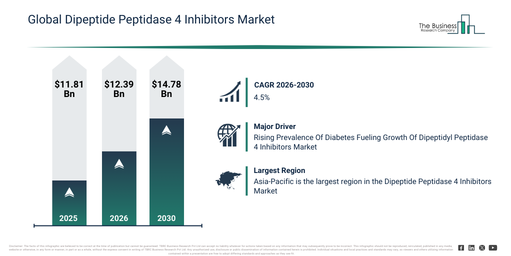
    The market for dipeptide peptidase 4 inhibitors has experienced consistent expansion in recent years. Projected to rise from $11.81 billion in 2025 to $12.39 billion in 2026, this growth reflects a compound annual growth rate (CAGR) of 5.0%. Historically, this upward trend has been driven by several factors, including the increasing global incidence of type 2 diabetes, a demand for glucose-lowering treatments that carry a minimal risk of hypoglycemia, broad clinical adoption of incretin-based therapies, the availability of numerous branded DPP-4 inhibitors, and the growth of outpatient diabetes care.

    The market for dipeptide peptidase 4 inhibitors is projected to experience consistent expansion over the coming years. By 2030, its value is anticipated to reach $14.78 billion, reflecting a compound annual growth rate (CAGR) of 4.5%. This forecasted growth is driven by several factors, including the rising number of diabetic patients worldwide, a greater uptake of combination therapies for diabetes, an intensified focus on patient-friendly oral treatments, improved access to diabetes care in developing markets, and an ongoing need for affordable glycemic control solutions. Key developments expected during this period encompass the continued use of DPP-4 inhibitors as supplementary therapy for type 2 diabetes, a heightened inclination toward oral antidiabetic drugs, expanded utilization of these inhibitors among elderly patients with diabetes, a growing demand for fixed-dose combination products, and a gradual shift toward generic formulations of DPP-4 inhibitors.

    Download A Free Sample Report For Comprehensive Market Insights:

    https://www.thebusinessresearchcompany.com/sample.aspx?id=15791&type=smp&utm_source=BlogsPR&utm_medium=Paid&utm_campaign=Jul_PR

    Dipeptide Peptidase 4 Inhibitors Market Demand Drivers: What Is Fueling Industry Growth?

    The increasing occurrence of diabetes is anticipated to stimulate the expansion of the dipeptide peptidase 4 inhibitors market in the coming period. Diabetes is a long-term health condition that influences how the body processes glucose, which serves as a vital energy source for cells. The rise in diabetes cases is largely driven by the prevalent adoption of inactive lifestyles and poor dietary patterns in modern societies. Dipeptidyl peptidase 4 inhibitors are employed in diabetes treatment to improve blood sugar control by preventing the breakdown of incretin hormones. As a case in point, in 2024, the International Diabetes Federation, a health organization based in Belgium, reported that 537 million adults (or 1 in 10) were affected by diabetes in 2021, with projections indicating an increase to 643 million by 2030 and 783 million by 2045. Consequently, the growing prevalence of diabetes is fueling the market for dipeptide peptidase 4 inhibitors.

    Government-led efforts to manage diabetes are expected to drive the growth of the dipeptide peptidase 4 inhibitors market moving forward. Government initiatives encompass programs, policies, or actions enacted by governmental bodies at different tiers, such as local, regional, national, or international levels, aimed at tackling specific challenges, enhancing public well-being, or reaching particular objectives. The escalation of such initiatives for diabetes control stems from factors like economic strain, health equality concerns, and heightened focus on health management. These government endeavors play a crucial role in advancing dipeptide peptidase 4 inhibitors by improving healthcare facilities, securing access, encouraging innovation, and funding drug development. For example, in 2023, the Australian Government Department of Health, an Australian federal agency, launched the Australian National Diabetes Strategy 2021-2030. This framework highlights the significance of preventing, identifying, and treating diabetes, in line with global guidelines such as the Global Action Plan for the Prevention and Control of Non-Communicable Diseases and the WHO Global Diabetes Compact. Hence, the uptick in government initiatives for diabetes management is propelling the market for dipeptide peptidase inhibitors.

    Dipeptide Peptidase 4 Inhibitors Market Categorization By Product Type And Application

    The dipeptide peptidase 4 inhibitors market covered in this report is segmented –

    1) By Type: Sitagliptin, Saxagliptin, Linagliptin, Alogliptin, Vildagliptin, Other Types

    2) By Distribution Channel: Hospital Pharmacies, Retail Pharmacies, Online Channels

    3) By Application: Type 2 Diabetes, Gestational Diabetes, Metabolic Syndrome, Other Applications

    Subsegments:

    1) By Sitagliptin: Branded Sitagliptin, Generic Sitagliptin, Sitagliptin Monotherapy, Sitagliptin Combination Therapy

    2) By Saxagliptin: Branded Saxagliptin, Generic Saxagliptin, Saxagliptin Monotherapy, Saxagliptin Combination Therapy

    3) By Linagliptin: Branded Linagliptin, Generic Linagliptin, Linagliptin Monotherapy, Linagliptin Combination Therapy

    4) By Alogliptin: Branded Alogliptin, Generic Alogliptin, Alogliptin Monotherapy, Alogliptin Combination Therapy

    5) By Vildagliptin: Branded Vildagliptin, Generic Vildagliptin, Vildagliptin Monotherapy, Vildagliptin Combination Therapy

    6) By Other Types: Teneligliptin, Anagliptin, Gemigliptin, Trelagliptin

    Dipeptide Peptidase 4 Inhibitors Market Company Landscape And Strategic Competition

    Major companies operating in the dipeptide peptidase 4 inhibitors market are Merck & Co. Inc., Novartis AG, Bristol Myers Squibb Company, AstraZeneca Plc, Boehringer Ingelheim International GmbH, Takeda Pharmaceutical Company Limited, Daiichi Sankyo Company Limited, Macleods Pharmaceuticals Ltd., Mitsubishi Tanabe Pharma Corp., Dr. Reddy’s Laboratories Ltd., Cipla Limited, Cadila Healthcare Limited, Lupin Limited, Zydus Lifesciences Ltd., Glenmark Pharmaceuticals Ltd., Aurobindo Pharma Limited, Alkem Laboratories Ltd., Torrent Pharmaceuticals Limited, Biocon Limited, LG Life Sciences, USV Private Limited, Sanwa Kagaku Kenkyusho Co. Ltd., Kowa Company Ltd

    Access The Complete Dipeptide Peptidase 4 Inhibitors Market Report:

    https://www.thebusinessresearchcompany.com/report/dipeptide-peptidase-4-inhibitors-global-market-report?utm_source=BlogsPR&utm_medium=Paid&utm_campaign=Jul_PR

    Dipeptide Peptidase 4 Inhibitors Market Regional Analysis: Which Region Leads By Revenue?

    Asia-Pacific was the largest region in the dipeptide peptidase 4 inhibitors market in 2025. Latin America is expected to be the fastest-growing region in the forecast period. The regions covered in the dipeptide peptidase 4 inhibitors market report are Asia-Pacific, South East Asia, Western Europe, Eastern Europe, North America, South America, Middle East, Africa.

    Get in touch with us:

    The Business Research Company: https://www.thebusinessresearchcompany.com/?utm_source=BlogsPR&utm_medium=Paid&utm_campaign=home_page_test

    Americas: +1 310-496-7795

    Asia: +44 7882 955267 & +91 8897263534

    Europe: +44 7882 955267

    Email us at: marketing@tbrc.info

    Follow us on:

    LinkedIn: https://in.linkedin.com/company/the-business-research-company

    YouTube: https://www.youtube.com/channel/UC24_fI0rV8cR5DxlCpgmyFQ

    Global Market Model: https://www.thebusinessresearchcompany.com/global-market-model
  • Digital Therapeutics Post-Stroke Rehab Market Growth Through 2030 Creates New Strategic Opportunities

    Digital Therapeutics Post-Stroke Rehab Market Growth Through 2030 Creates New Strategic Opportunities

    Enhanced with market attractiveness analysis, total addressable market evaluation, company benchmarking matrices, interactive Excel dashboards, expanded supply chain intelligence, emerging startup coverage, and detailed product insights, The Business Research Company’s 2026 market reports deliver more actionable and strategically valuable research.

    Digital Therapeutics Post-Stroke Rehab Market Expected To Reach $3.28 Billion By 2030 At 20% CAGR

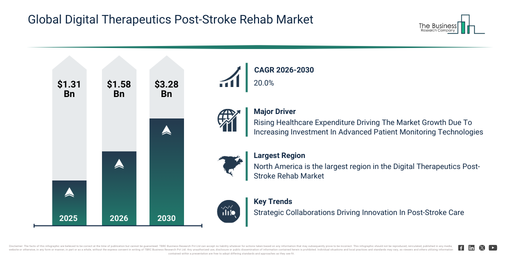
    The market for digital therapeutics focused on post-stroke rehabilitation has experienced explosive growth over recent years. From a valuation of $1.31 billion in 2025, it is projected to reach $1.58 billion in 2026, representing a compound annual growth rate (CAGR) of 20.3%. This historic expansion has been largely driven by a higher prevalence of stroke cases, broader availability of rehabilitation services, greater adoption of tele-rehabilitation approaches, enhanced capabilities of digital therapy platforms, and increasing preference for home-based recovery options.

    The market for digital therapeutics in post-stroke rehabilitation is projected to experience substantial expansion over the coming years. By 2030, its value is forecast to reach $3.28 billion, reflecting a compound annual growth rate (CAGR) of 20.0%. This upward trajectory during the forecast period is fueled by heightened investment in digital rehabilitation tools, growing implementation of AI-driven personalized therapy solutions, broader adoption of remote monitoring systems within post-acute care settings, a stronger emphasis on value-based rehabilitation metrics, and deeper incorporation of digital tools into conventional treatment approaches. Key developments shaping the future landscape include the widespread uptake of remote rehab platforms, the growing popularity of gamified therapeutic interventions, more frequent integration of wearable motion tracking devices, the emergence of virtual reality-based rehabilitation programs, and an intensified focus on tracking and improving patient outcomes.

    Download A Free Sample Report For Comprehensive Market Insights:

    https://www.thebusinessresearchcompany.com/sample.aspx?id=29029&type=smp&utm_source=BlogsPR&utm_medium=Paid&utm_campaign=Jul_PR

    Digital Therapeutics Post-Stroke Rehab Market Growth Drivers: What Factors Are Accelerating Expansion?

    The increasing cost of healthcare is anticipated to fuel expansion in the digital therapeutics post-stroke rehabilitation market moving forward. Healthcare expenditure encompasses all spending on medical services, equipment, and technologies designed to enhance health outcomes. This spending is on the rise because of a growing need for advanced medical technologies, as hospitals and clinics increase their investment in cutting-edge equipment and digital solutions to elevate patient care and results. Greater healthcare spending supports digital therapeutics for post-stroke rehab by allowing hospitals and rehabilitation centers to direct more resources toward comprehensive post-stroke care initiatives, such as personalized therapy and ongoing monitoring solutions. For example, as reported by the Centers for Medicare & Medicaid Services, a U.S. government agency, in June 2025, national health expenditures (NHE) in 2023 climbed by 7.5% to $4.9 trillion, equating to $14,570 per person and accounting for 17.6% of the Gross Domestic Product (GDP). Meanwhile, Medicare spending rose by 8.1% to $1,029.8 billion, representing 21% of total NHE. Consequently, the rise in healthcare expenditure is propelling growth within the digital therapeutics post-stroke rehab market.

    Digital Therapeutics Post-Stroke Rehab Market Segment Analysis And Revenue Opportunities

    The digital therapeutics post-stroke rehab market covered in this report is segmented –

    1) By Product Type: Software, Devices, Services

    2) By Patient Type: Adult: Geriatric, Pediatric

    3) By Application: Motor Skills Rehabilitation, Cognitive Rehabilitation, Speech And Language Therapy

    4) By Distribution Channel: Online, Offline

    5) By End-User: Hospitals, Rehabilitation Centers, Homecare Settings

    Subsegments:

    1) By Software: Rehabilitation Management Platforms, Cognitive Retraining Applications, Virtual Reality Therapy Programs, Motion Tracking Software, Remote Patient Monitoring Systems, Gamified Exercise Applications

    2) By Devices: Wearable Motion Sensors, Robotic Rehabilitation Systems, Smart Gloves And Exoskeletons, Balance Training Devices, Neurostimulation Devices, Tablet And Mobile-Based Therapy Kits

    3) By Services: Tele-Rehabilitation Services, Clinical Support And Consultation, Patient Engagement And Coaching Services, Data Analytics And Outcome Tracking, Maintenance And Technical Support Services, Training And Integration Services

    Digital Therapeutics Post-Stroke Rehab Market Trends: What Is Shaping Future Industry Growth?

    Key players in the digital therapeutics market for post-stroke rehabilitation are increasingly prioritizing the formation of strategic collaborations as a means to gain entry into new customer segments and markets that might otherwise be challenging to access independently. These partnerships involve companies working together to accomplish shared goals, capitalize on each other’s strengths, and broaden their market footprint. A notable example occurred in September 2025, when Flint Rehab, a U.S.-based developer of stroke rehabilitation systems, partnered with Tenovi, a U.S.-based medical equipment manufacturer, to initiate a landmark NIH-funded trial examining remote therapeutic monitoring (RTM) in stroke recovery. This collaboration resulted in one of the first randomized controlled trials in the country to employ an RTM program for tracking home-based exercises during stroke rehabilitation. It provides therapists with a novel approach to oversee patient progress and sustain engagement throughout the critical early recovery phase. The trial integrates Flint Rehab’s FDA-listed MiGo Tracker, a wearable wrist device, with Tenovi’s Cellular-Connected Gateway to securely transmit exercise data in real time to Tenovi’s RTM platform. This user-friendly system functions without the need for smartphones, apps, or Wi-Fi, offering therapists a streamlined, Medicare-reimbursable method for monitoring patients, enabling swift intervention, and facilitating adjustments to care plans based on live activity data.

    Digital Therapeutics Post-Stroke Rehab Market Leading Players Shaping Industry Direction

    Major companies operating in the digital therapeutics post-stroke rehab market are Fourier Intelligence Co. Ltd., OneStep HealthTech, kaia health, Neofect, SWORD Health, Tyromotion, XRHealth, Saebo, Blue Marble Health Co., Neuro Rehab VR, Bionik Laboratories Corp., Flint Rehab, Eodyne, Neurofenix Inc., GripAble Ltd., i-BrainTech Ltd., neurobridge LLC, medrhythms Inc., MIRA Rehab, Rehametrics, Rewire Rehab, Strolll, immersive Rehab.

    Access The Complete Digital Therapeutics Post-Stroke Rehab Market Report:

    https://www.thebusinessresearchcompany.com/report/digital-therapeutics-post-stroke-rehab-global-market-report?utm_source=BlogsPR&utm_medium=Paid&utm_campaign=Jul_PR

    Digital Therapeutics Post-Stroke Rehab Market Geographic Distribution And Regional Opportunities

    North America was the largest region in the digital therapeutics post-stroke rehab market in 2025. Asia-Pacific is expected to be the fastest-growing region in the forecast period. The regions covered in the digital therapeutics post-stroke rehab market report are Asia-Pacific, South East Asia, Western Europe, Eastern Europe, North America, South America, Middle East, Africa.

    Get in touch with us:

    The Business Research Company: https://www.thebusinessresearchcompany.com/?utm_source=BlogsPR&utm_medium=Paid&utm_campaign=home_page_test

    Americas: +1 310-496-7795

    Asia: +44 7882 955267 & +91 8897263534

    Europe: +44 7882 955267

    Email us at: marketing@tbrc.info

    Follow us on:

    LinkedIn: https://in.linkedin.com/company/the-business-research-company

    YouTube: https://www.youtube.com/channel/UC24_fI0rV8cR5DxlCpgmyFQ

    Global Market Model: https://www.thebusinessresearchcompany.com/global-market-model
  • Digital Therapeutics For Tinnitus Market Growth Is Reshaping Competitive Advantage Across The Industry

    Digital Therapeutics For Tinnitus Market Growth Is Reshaping Competitive Advantage Across The Industry

    Through market attractiveness analysis, total addressable market evaluation, company benchmarking matrices, interactive Excel dashboards, expanded supply chain intelligence, emerging startup coverage, and detailed product insights, The Business Research Company’s 2026 market reports provide more actionable and strategically valuable research.

    Digital Therapeutics For Tinnitus Market Size And Revenue Forecast Through 2030

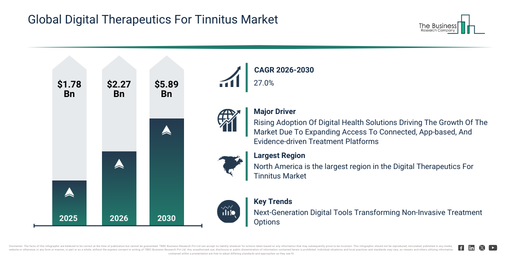
    In recent years, the market for digital therapeutics targeting tinnitus has seen explosive expansion. Valued at $1.78 billion in 2025, it is projected to reach $2.27 billion by 2026, achieving a compound annual growth rate (CAGR) of 27.3%. This historic growth has been driven by a higher prevalence of hearing-related conditions, greater public recognition of available tinnitus management strategies, increased reliance on mobile health applications, the broadening reach of digital audiology offerings, and the constraints associated with traditional tinnitus therapies.

    The digital therapeutics market for tinnitus is anticipated to undergo remarkable expansion in the coming years, with projections indicating a rise to $5.89 billion by 2030, representing a compound annual growth rate (CAGR) of 27.0%. This forecast period’s growth is fueled by a heightened need for customized auditory treatments, a surge in the utilization of artificial intelligence for sound optimization, the broadening scope of remote audiology services, the increasing incorporation of digital therapeutic solutions into hearing aids, and a stronger emphasis on sustained tinnitus symptom management. Key developments shaping this period encompass the growing popularity of sound therapy applications, the escalating use of tailored tinnitus management approaches, the deeper adoption of AI-driven audio modulation techniques, the proliferation of behavioral therapies delivered through mobile platforms, and an intensified focus on maintaining continuous patient involvement.

    Download A Free Sample Report For Comprehensive Market Insights:

    https://www.thebusinessresearchcompany.com/sample.aspx?id=29028&type=smp&utm_source=BlogsPR&utm_medium=Paid&utm_campaign=Jul_PR

    Digital Therapeutics For Tinnitus Market Growth Factors Supporting Long-Term Expansion

    The increasing use of digital health tools is anticipated to fuel expansion in the digital therapeutics for tinnitus market going forward. Digital health involves applying digital technologies, linked devices, and data-centric platforms to enhance healthcare delivery, boost patient results, and facilitate health management. The uptake of these digital health solutions is growing as more individuals attain access to smartphones and internet connectivity, allowing them to link with healthcare services at any time and from any location. Digital therapeutics for tinnitus take advantage of this connectivity through mobile health applications, telemedicine services, and evidence-supported treatments that are both accessible and convenient. A December 2023 report from the UK-based National Health Service showed that digital health app users climbed to 33.6 million, a significant rise from 16.8 million in 2022, while monthly logins saw a 54% increase from 16.8 million to 25.8 million. As a result, the growing acceptance of digital health solutions is propelling the market for digital therapeutics for tinnitus.

    Digital Therapeutics For Tinnitus Market Segmentation And Category Breakdown

    The digital therapeutics for tinnitus market covered in this report is segmented –

    1) By Product Type: Software Applications, Devices, Services

    2) By Therapy: Cognitive Behavioral Therapy, Sound Therapy, Educational Therapy, Other Therapies

    3) By Distribution Channel: Online Platforms, Hospitals And Clinics, Other Distribution Channels

    4) By End User: Adults, Pediatrics, Geriatrics

    Subsegments:

    1) By Software Application: Mobile Applications, Web Based Applications, Cloud Based Applications, Standalone Applications

    2) By Devices: Wearable Devices, Hearing Aids Integrated Devices, Sound Therapy Devices, Neuromodulation Devices

    3) By Services: Remote Monitoring Services, Counseling Services, Subscription Based Services, Customized Therapy Services

    Digital Therapeutics For Tinnitus Market Industry Trends Shaping Future Revenue Growth

    Leading players in the digital therapeutics market for tinnitus are prioritizing technological innovation, particularly the development of digital therapeutics (DTx) for neuro-behavioral disorders, with the goal of improving auditory processing and mental health results. A digital therapeutic (DTx) for neuro-behavioral disorders is defined as a software-based, scientifically validated intervention that aims to prevent, manage, or treat conditions like tinnitus, depression, or anxiety by providing customized digital programs that enhance cognitive, emotional, or sensory capabilities. As an example, in February 2025, Neurive, a neurotechnology firm from South Korea, launched SoriCLEAR—a digital therapeutic specifically developed to target both tinnitus and depression. Spearheaded by CEO Jae-Jun Song, a professor at Korea University with expertise in neuromodulation, dementia, and depression, SoriCLEAR employs artificial intelligence to evaluate parameters such as age, gender, tinnitus frequency, and severity. Through this data-informed methodology, individualized treatment strategies are crafted based on each patient’s distinct profile. Having received approval from Korea’s Ministry of Food and Drug Safety, SoriCLEAR stands as the nation’s fifth digital therapeutic for tinnitus. Currently accessible in clinical environments, this platform presents a hopeful alternative for patients in search of non-invasive remedies for these demanding conditions.

    Digital Therapeutics For Tinnitus Market Competitive Analysis Of Major Industry Participants

    Major companies operating in the digital therapeutics for tinnitus market are Sonova Holding AG, Starkey Hearing Technologies, Oticon A/S, ASKA Pharmaceutical Co. Ltd., Beltone, InfectoPharm Arzneimittel und Consilium GmbH, Signia, Oto Health Inc., Neuromod Devices Ltd., Mahana Therapeutics Inc., AudioCardio Inc., Neuromonics Inc., Treble Health Ltd., Sound Oasis LLC, AppyHapps Inc., Auricle Inc., TrueSilence Inc., MindEar Ltd., Tinnitracks, Tonal Tinnitus Therapy

    Access The Complete Digital Therapeutics For Tinnitus Market Report:

    https://www.thebusinessresearchcompany.com/report/digital-therapeutics-for-tinnitus-global-market-report?utm_source=BlogsPR&utm_medium=Paid&utm_campaign=Jul_PR

    Digital Therapeutics For Tinnitus Market Largest Region By Revenue And Market Share

    North America was the largest region in the digital therapeutics for tinnitus market in 2025. Asia-Pacific is expected to be the fastest-growing region in the forecast period. The regions covered in the digital therapeutics for tinnitus market report are Asia-Pacific, South East Asia, Western Europe, Eastern Europe, North America, South America, Middle East, Africa.

    Get in touch with us:

    The Business Research Company: https://www.thebusinessresearchcompany.com/?utm_source=BlogsPR&utm_medium=Paid&utm_campaign=home_page_test

    Americas: +1 310-496-7795

    Asia: +44 7882 955267 & +91 8897263534

    Europe: +44 7882 955267

    Email us at: marketing@tbrc.info

    Follow us on:

    LinkedIn: https://in.linkedin.com/company/the-business-research-company

    YouTube: https://www.youtube.com/channel/UC24_fI0rV8cR5DxlCpgmyFQ

    Global Market Model: https://www.thebusinessresearchcompany.com/global-market-model
  • Digital Therapeutics For Migraine Market Growth Outlook Reveals A CAGR Of 23.2% And A Market Value Of $4.82 Billion By 2030

    Digital Therapeutics For Migraine Market Growth Outlook Reveals A CAGR Of 23.2% And A Market Value Of $4.82 Billion By 2030

    Delivering more actionable and strategically valuable research, The Business Research Company’s 2026 market reports feature market attractiveness analysis, total addressable market evaluation, company benchmarking matrices, interactive Excel dashboards, expanded supply chain intelligence, emerging startup coverage, and detailed product insights.

    Digital Therapeutics For Migraine Market Growth From $2.09 Billion In 2026 To $4.82 Billion By 2030 At A CAGR Of 23.2%

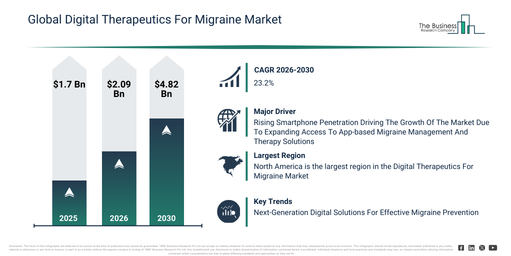
    The market size for digital therapeutics targeting migraine has experienced remarkable exponential expansion in recent years, projected to increase from $1.7 billion in 2025 to $2.09 billion in 2026, reflecting a compound annual growth rate of 23.5%. This historic growth has been driven by several key factors, including the rising incidence of migraine disorders, the growing adoption of mobile health applications, enhanced availability of digital healthcare platforms, heightened awareness regarding non-pharmacological approaches to migraine management, and the broader integration of telemedicine services.

    Over the coming years, the market for digital therapeutics targeting migraine is projected to experience substantial expansion. By 2030, its value is anticipated to reach $4.82 billion, reflecting a compound annual growth rate (CAGR) of 23.2%. This forecasted growth is fueled by a rising need for preventive migraine care, a growing uptake of artificial intelligence-driven prediction tools, an expansion of remote patient engagement models, a deeper incorporation of digital therapies into clinical settings, and an intensified emphasis on personalized migraine treatment approaches. Key developments influencing this period include a wider utilization of migraine tracking applications, an increasing shift toward behavior modification through digital programs, a greater adoption of wearable devices to detect triggers, the advancement of preventive digital therapy solutions, and a heightened focus on capturing and acting upon real-time patient insights.

    Download A Free Sample Report For Comprehensive Market Insights:

    https://www.thebusinessresearchcompany.com/sample.aspx?id=29027&type=smp&utm_source=BlogsPR&utm_medium=Paid&utm_campaign=Jul_PR

    Digital Therapeutics For Migraine Market Demand Drivers Creating New Revenue Opportunities

    The anticipated growth of the digital therapeutics market for migraine is being fueled by rising smartphone penetration. A smartphone is a mobile device that integrates telecommunication functions with advanced computing capabilities, internet access, and a diverse array of applications. The affordability and availability of smartphones are on the rise, which is expanding access to mobile connectivity and digital services, thereby driving their penetration deeper into the population. This growing prevalence of smartphones facilitates broader use of app-based management and therapy solutions for migraine, boosting the reach of digital therapeutics. As an illustration, according to the GSM Association (GSMA), a UK-based industry organization representing mobile network operators and companies, smartphone penetration in sub-Saharan Africa is forecast to climb from 51% in 2022 to 87% by 2030. Consequently, the upward trend in smartphone adoption is fostering expansion in the digital therapeutics market for migraine.

    Digital Therapeutics For Migraine Market Segment Outlook: Which Categories Are Expanding The Fastest?

    The digital therapeutics for migraine market covered in this report is segmented –

    1) By Product Type: Software, Devices, Services

    2) By Patient Type: Adult, Pediatric

    3) By Distribution Channel: Healthcare Providers, Online Platforms, Pharmacies

    4) By Application: Prevention, Acute Treatment, Patient Education, Other Applications

    5) By End User: Hospitals, Clinics, Homecare, Other End Users

    Subsegments:

    1) By Software: Mobile Applications, Web Applications, Desktop Applications

    2) By Devices: Wearable Devices, Monitoring Devices, Therapeutic Devices

    3) By Services: Consultation Services, Coaching Services, Support Services

    Digital Therapeutics For Migraine Market Trends Driving Strategic Industry Expansion

    Leading players in the digital therapeutics for migraine sector are driving progress through advanced innovations, particularly prescription-grade mobile software, aimed at boosting treatment outcomes, improving patient compliance, and addressing the rising need for non-drug migraine therapies. Prescription-grade mobile software is defined as clinically tested mobile apps that have received regulatory approval to deliver evidence-based medical interventions. For example, in April 2025, Click Therapeutics, Inc., a U.S. firm focused on prescription digital therapeutics, launched CT-132, marking the first FDA-authorized prescription digital therapeutic for preventing episodic migraine in the United States. This regulated mobile application uses software-driven behavioral techniques to offer durable and effective migraine control. It employs clinically verified digital approaches to assist patients in reducing stress-induced migraine susceptibility and decreasing the frequency of migraine days each month. Compared to standard wellness apps, this solution ensures superior therapeutic efficacy, patient adherence, and seamless incorporation into established healthcare frameworks.

    Digital Therapeutics For Migraine Market Key Companies And Competitive Benchmarking

    Major companies operating in the digital therapeutics for migraine market are Pfizer Inc., Theranica Bio Electronics Ltd., Dr. Reddy’s Laboratories, Evidation Health Inc., Aptar Digital Health SAS, Click Therapeutics Inc., Salvia BioElectronics B.V., Tonix Pharmaceuticals Holding Corp, Neurolief Ltd., AndHealth LLC., Nordic Brain Tech AS., Curelator Inc., Lin Health Inc., Schmerzklinik Kiel GmbH., Juva Health Inc., Migrevention OÜ., Newsenselab GmbH., Ebby Health Inc., Care Tuner Inc., Peachy Day Inc.

    Access The Complete Digital Therapeutics For Migraine Market Report:

    https://www.thebusinessresearchcompany.com/report/digital-therapeutics-for-migraine-global-market-report?utm_source=BlogsPR&utm_medium=Paid&utm_campaign=Jul_PR

    Digital Therapeutics For Migraine Market Regional Analysis And Leading Geography

    North America was the largest region in the digital therapeutics for migraine market in 2025. Asia-Pacific is expected to be the fastest-growing region in the forecast period. The regions covered in the digital therapeutics for migraine market report are Asia-Pacific, South East Asia, Western Europe, Eastern Europe, North America, South America, Middle East, Africa.

    Get in touch with us:

    The Business Research Company: https://www.thebusinessresearchcompany.com/?utm_source=BlogsPR&utm_medium=Paid&utm_campaign=home_page_test

    Americas: +1 310-496-7795

    Asia: +44 7882 955267 & +91 8897263534

    Europe: +44 7882 955267

    Email us at: marketing@tbrc.info

    Follow us on:

    LinkedIn: https://in.linkedin.com/company/the-business-research-company

    YouTube: https://www.youtube.com/channel/UC24_fI0rV8cR5DxlCpgmyFQ

    Global Market Model: https://www.thebusinessresearchcompany.com/global-market-model
  • Digital Therapeutics For Fibromyalgia Market Forecast Highlights Expansion From $1.43 Billion To $3.06 Billion Through 2030

    Digital Therapeutics For Fibromyalgia Market Forecast Highlights Expansion From $1.43 Billion To $3.06 Billion Through 2030

    Enhanced with market attractiveness analysis, total addressable market evaluation, company benchmarking matrices, interactive Excel dashboards, expanded supply chain intelligence, emerging startup coverage, and detailed product insights, The Business Research Company’s 2026 market reports deliver more actionable and strategically valuable research.

    Digital Therapeutics For Fibromyalgia Market Expansion Outlook: What Revenue Opportunities Lie Ahead?

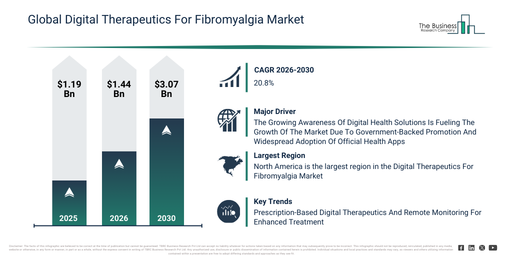
    The market for digital therapeutics targeting fibromyalgia has experienced a remarkable surge in recent times. Valued at $1.19 billion in 2025, it is projected to climb to $1.44 billion in 2026, reflecting a compound annual growth rate (CAGR) of 21.1%. This historical expansion has been driven by a heightened understanding of fibromyalgia management requirements, an increasing embrace of digital healthcare tools, the widespread use of smartphones in medical contexts, a broadening of telehealth offerings, and the recognized shortcomings of conventional pain management strategies.

    Over the coming years, the digital therapeutics market targeting fibromyalgia is projected to experience explosive growth. By 2030, it is anticipated to climb to $3.07 billion, reflecting a compound annual growth rate (CAGR) of 20.8%. This forecast period’s expansion is fueled by a rising need for customized chronic pain management solutions, increased incorporation of artificial intelligence into therapy fine-tuning, broader adoption of reimbursement models for remote care, a heightened emphasis on treatment personalization driven by data, and growing partnerships between clinicians and digital health organizations. Key developments expected during this timeframe include a greater reliance on mobile therapies that track symptoms, the broader implementation of individualized digital care strategies, increased integration of wearable technology with treatment platforms, the growth of remote patient monitoring initiatives, and a stronger commitment to boosting patient involvement and treatment adherence.

    Download A Free Sample Report For Comprehensive Market Insights:

    https://www.thebusinessresearchcompany.com/sample.aspx?id=29026&type=smp&utm_source=BlogsPR&utm_medium=Paid&utm_campaign=Jul_PR

    Digital Therapeutics For Fibromyalgia Market Expansion Supported By Key Demand Factors

    The anticipated expansion of the digital therapeutics market for fibromyalgia is being fueled by a rising consciousness of digital health solutions. These solutions comprise software-enabled tools and services—including patient applications, patient portals, and virtual-care platforms—that provide information, monitoring, and therapy via digital channels. This heightened awareness stems from government-supported initiatives and the widespread adoption of official health apps, which normalize online access to medical care. Digital therapeutics for fibromyalgia capitalize on this trend by engaging patients within those familiar digital environments, simplifying the onboarding process and improving adherence to app-based cognitive behavioral therapy, pacing exercises, and sleep programs, all while allowing for clinician supervision. For example, in December 2023, the National Health Service, a UK government department, reported that digital health app users reached 33.6 million, a rise from 16.8 million in 2022, and monthly logins increased by 54%, from 16.8 million to 25.8 million. Consequently, the growing awareness of digital health solutions is propelling the digital therapeutics for fibromyalgia market forward.

    Digital Therapeutics For Fibromyalgia Market Segment Landscape: Which Areas Lead Market Development?

    The digital therapeutics for fibromyalgia market covered in this report is segmented –

    1) By Product Type: Software Applications, Devices, Platforms

    2) By Therapy Area: Cognitive Behavioral Therapy, Mindfulness-Based Interventions, Pain Management, Other Therapy Types

    3) By Distribution Channel: Online, Offline

    4) By Application: Chronic Pain Management, Sleep Disorders, Fatigue Management, Other Applications

    5) By End-User: Hospitals, Clinics, Homecare, Other End-Users

    Subsegments:

    1) By Software Applications: Mobile Applications, Web-Based Applications, Cloud-Based Applications, Virtual Reality Applications

    2) By Devices: Wearable Devices, Handheld Devices, Smart Monitoring Devices, Connected Therapeutics Devices

    3) By Platforms: Telehealth Platforms, Remote Monitoring Platforms, Patient Engagement Platforms, Data Analytics Platforms

    Digital Therapeutics For Fibromyalgia Market Growth Trends Influencing Competitive Dynamics

    Leading firms in the digital therapeutics market for fibromyalgia are advancing their technology by incorporating computerized behavioral therapy solutions, designed to provide scientifically backed interventions that enhance pain control, lessen fatigue, boost sleep quality, and bolster mental well-being, all through scalable, patient-focused digital tools. A computerized behavioral therapy device is a software-driven digital platform or application that enables remote delivery of structured, evidence-based cognitive or behavioral therapy interventions to patients, typically employing interactive modules, exercises, and instant feedback to address fibromyalgia symptoms and similar conditions. As an example, in May 2023, Swing Therapeutics, Inc., a biopharmaceutical company based in the United States, unveiled Stanza after obtaining U.S. FDA De Novo marketing clearance (DEN220083). This offering provides a 12-week, self-directed acceptance and commitment therapy (ACT) program tailored for fibromyalgia, with its effectiveness validated by a randomized controlled trial published in The Lancet, which reported notable clinical improvements. Accessible through smartphones on iOS or Android platforms, it engages users within the application to provide seamless, on-the-go therapy support.

    Digital Therapeutics For Fibromyalgia Market Industry Leaders And Market Competition

    Major companies operating in the digital therapeutics for fibromyalgia market are Grünenthal GmbH, Hinge Health Inc., DarioHealth Corp., Kaia Health, CogniFit Inc., Big Health Ltd., Remedee Labs, HelloBetter GmbH, AppliedVR Inc., PainDrainer, Swing Therapeutics Inc., Fern Health Inc., JOGO Health Inc., LIN Health Inc., MoreGoodDays, Happify Health Inc., Click Therapeutics Inc., Wellthy Therapeutics Pvt. Ltd., FlexifyMe, SleepioRx

    Access The Complete Digital Therapeutics For Fibromyalgia Market Report:

    https://www.thebusinessresearchcompany.com/report/digital-therapeutics-for-fibromyalgia-global-market-report?utm_source=BlogsPR&utm_medium=Paid&utm_campaign=Jul_PR

    Digital Therapeutics For Fibromyalgia Market Geographic Analysis: Where Is Demand Growing The Fastest?

    North America was the largest region in the digital therapeutics for fibromyalgia market in 2025. Asia-Pacific is expected to be the fastest-growing region in the forecast period. The regions covered in the digital therapeutics for fibromyalgia market report are Asia-Pacific, South East Asia, Western Europe, Eastern Europe, North America, South America, Middle East, Africa.

    Get in touch with us:

    The Business Research Company: https://www.thebusinessresearchcompany.com/?utm_source=BlogsPR&utm_medium=Paid&utm_campaign=home_page_test

    Americas: +1 310-496-7795

    Asia: +44 7882 955267 & +91 8897263534

    Europe: +44 7882 955267

    Email us at: marketing@tbrc.info

    Follow us on:

    LinkedIn: https://in.linkedin.com/company/the-business-research-company

    YouTube: https://www.youtube.com/channel/UC24_fI0rV8cR5DxlCpgmyFQ

    Global Market Model: https://www.thebusinessresearchcompany.com/global-market-model
  • Digital Therapeutics For Atopic Dermatitis Market Expected To Reach $1.5 Billion By 2030 As Growth Accelerates At 21.2% CAGR

    Digital Therapeutics For Atopic Dermatitis Market Expected To Reach $1.5 Billion By 2030 As Growth Accelerates At 21.2% CAGR

    Through market attractiveness analysis, total addressable market evaluation, company benchmarking matrices, interactive Excel dashboards, expanded supply chain intelligence, emerging startup coverage, and detailed product insights, The Business Research Company’s 2026 market reports provide more actionable and strategically valuable research.

    Digital Therapeutics For Atopic Dermatitis Market Growth Potential: How Will Market Size Change Through 2030?

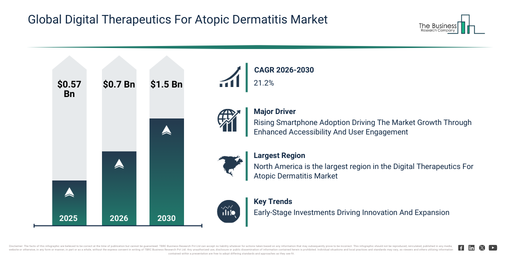
    The market for digital therapeutics targeting atopic dermatitis has seen explosive growth over the last few years, climbing from $0.57 billion in 2025 to an anticipated $0.7 billion in 2026, representing a compound annual growth rate (CAGR) of 21.5%. This historic expansion has been driven by a surge in atopic dermatitis cases, broader utilization of digital health technologies within dermatology, heightened patient preference for remote healthcare services, initial clinical acceptance of digital solutions for skin conditions, and the increasing availability of mobile health platforms.

    The market for digital therapeutics targeting atopic dermatitis is projected to experience explosive expansion over the coming years. By 2030, its value is anticipated to reach $1.5 billion, reflecting a compound annual growth rate (CAGR) of 21.2%. This forecasted growth is driven by several factors, including the rising application of prescription digital therapeutics within dermatology, greater integration with connected monitoring devices, the broadening of preventive and long-term care initiatives, increased funding for digital skin health platforms, and growing endorsement from healthcare professionals. Key trends shaping this period involve the widespread uptake of app-based disease management tools, the increasing utilization of wearable skin monitoring technology, the development of personalized treatment support systems, the deeper incorporation of teledermatology services, and a stronger emphasis on treatment compliance and patient education.

    Download A Free Sample Report For Comprehensive Market Insights:

    https://www.thebusinessresearchcompany.com/sample.aspx?id=29025&type=smp&utm_source=BlogsPR&utm_medium=Paid&utm_campaign=Jul_PR

    Digital Therapeutics For Atopic Dermatitis Market Growth Drivers And Industry Catalysts

    The growing use of smartphones is anticipated to drive expansion in the digital therapeutics for atopic dermatitis market moving forward. Smartphones are portable devices that combine communication, internet access, and computing capabilities into a single gadget. This rise in smartphone usage is fueled by greater internet penetration, enabling more individuals to conveniently access online services, social media, and digital entertainment directly from their handsets. Widespread smartphone ownership supports digital therapeutics for atopic dermatitis by offering patients consistent and effortless access to mobile applications and digital platforms, facilitating real-time symptom monitoring, treatment reminders, and customized advice, thereby enhancing treatment adherence and overall condition management. For example, in February 2023, a report from Uswitch Limited—a UK-based provider of online and telephone comparison and switching services—indicated that there were 71.8 million active mobile connections in 2022, and by 2025, an estimated 95% of the UK’s 68.3 million residents are projected to own smartphones. Consequently, the rising adoption of smartphones is set to fuel growth in the digital therapeutics for atopic dermatitis market.

    Digital Therapeutics For Atopic Dermatitis Market Segments: Where Are The Largest Growth Opportunities?

    The digital therapeutics for atopic dermatitis market covered in this report is segmented –

    1) By Product Type: Software Applications, Devices, Platforms

    2) By Application: Disease Management, Preventive Care, Treatment Support

    3) By End-User: Patients, Healthcare Providers, Payers, Other End-Users

    4) By Distribution Channel: Online, Offline

    Subsegments:

    1) By Software Applications: Mobile Applications, Web Applications, Desktop Applications, Cloud-Based Applications

    2) By Devices: Wearable Devices, Monitoring Devices, Diagnostic Devices, Therapeutic Devices

    3) By Platforms: Patient Management Platforms, Clinician Support Platforms, Data Analytics Platforms, Telehealth Platforms

    Digital Therapeutics For Atopic Dermatitis Market Trends Influencing Long-Term Demand

    Leading players in the digital therapeutics market for atopic dermatitis are concentrating on establishing seed funds, providing mentorship, industry connections, and strategic direction alongside financial backing. Seed funds represent capital resources allocated to early-stage startups to assist in developing their concepts, products, and business activities. For example, in May 2023, Nia Health, a Germany-based company specializing in AI-powered dermatological imaging solutions, revealed it had secured $4.1 million (€3.5 million) through a seed funding round. This investment is intended to advance the company’s digital therapeutics application for atopic dermatitis, originally developed at Charité Universitätsmedizin Berlin. The funding will facilitate growth by enhancing its footprint in German-speaking areas, expanding into other EU nations within the next two years, and preparing for entry into the US market. Additionally, it will be utilized to improve the app’s AI-driven functionalities, such as machine vision, natural language processing, and teledermatology services.

    Digital Therapeutics For Atopic Dermatitis Market Major Participants And Competitive Dynamics

    Major companies operating in the digital therapeutics for atopic dermatitis market are Pfizer Inc., AbbVie Inc., Sanofi, Eli Lilly and Company, Boehringer Ingelheim International GmbH, Otsuka Pharmaceutical Co. Ltd., OMRON Corporation, Galderma S.A., Incyte Corporation, Chugai Pharmaceutical Co. Ltd., Teladoc Health Inc., LEO Pharma A/S, Almirall S.A., Biofourmis Inc., Click Therapeutics Inc., DarioHealth Corp., Sidekick Health GmbH, Digital Diagnostics Inc., Liva Healthcare A/S, 3Derm Systems

    Access The Complete Digital Therapeutics For Atopic Dermatitis Market Report:

    https://www.thebusinessresearchcompany.com/report/digital-therapeutics-for-atopic-dermatitis-global-market-report?utm_source=BlogsPR&utm_medium=Paid&utm_campaign=Jul_PR

    Digital Therapeutics For Atopic Dermatitis Market Global Footprint: Which Region Holds Market Leadership?

    North America was the largest region in the digital therapeutics for atopic dermatitis market in 2025. Asia-Pacific is expected to be the fastest-growing region in the forecast period. The regions covered in the digital therapeutics for atopic dermatitis market report are Asia-Pacific, South East Asia, Western Europe, Eastern Europe, North America, South America, Middle East, Africa.

    Get in touch with us:

    The Business Research Company: https://www.thebusinessresearchcompany.com/?utm_source=BlogsPR&utm_medium=Paid&utm_campaign=home_page_test

    Americas: +1 310-496-7795

    Asia: +44 7882 955267 & +91 8897263534

    Europe: +44 7882 955267

    Email us at: marketing@tbrc.info

    Follow us on:

    LinkedIn: https://in.linkedin.com/company/the-business-research-company

    YouTube: https://www.youtube.com/channel/UC24_fI0rV8cR5DxlCpgmyFQ

    Global Market Model: https://www.thebusinessresearchcompany.com/global-market-model