Month: July 2026

  • Vibrating Mesh Nebulizer  Market Growth Is Reshaping Competitive Advantage Across The Industry

    Vibrating Mesh Nebulizer Market Growth Is Reshaping Competitive Advantage Across The Industry

    Delivering more actionable and strategically valuable research, The Business Research Company’s 2026 market reports feature market attractiveness analysis, total addressable market evaluation, company benchmarking matrices, interactive Excel dashboards, expanded supply chain intelligence, emerging startup coverage, and detailed product insights.

    Vibrating Mesh Nebulizer Market Revenue Outlook: What CAGR Is Expected Through 2030?

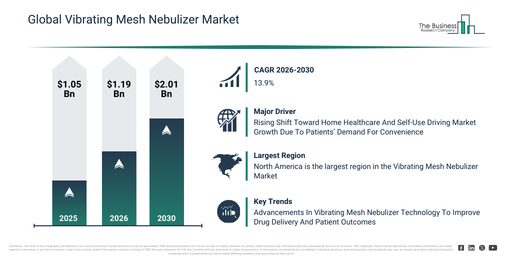
    The vibrating mesh nebulizer market size has experienced rapid expansion recently. It is projected to grow from $1.05 billion in 2025 to $1.19 billion in 2026, achieving a compound annual growth rate (CAGR) of 13.7%. The market’s historical growth can be attributed to factors such as a rise in asthma prevalence, COPD patient growth, the demand for home respiratory care, portable device innovation, and pediatric inhalation therapy needs.

    The vibrating mesh nebulizer market size is projected to experience significant expansion in the coming years. It is forecast to reach $2.01 billion by 2030, growing at a compound annual growth rate (CAGR) of 13.9%. This anticipated growth during the forecast period is driven by factors such as the increasing adoption of connected respiratory devices, the rise in home-based chronic care, advancements in wearable inhalation monitoring, the demand for personalized drug delivery, and the growing need for respiratory care for an aging population. Key trends expected in the forecast period include the development of portable handheld mesh nebulizers, ultra quiet nebulization devices, smart connected inhalation systems, high efficiency aerosol delivery, and rechargeable mesh nebulizer units.

    Download A Free Sample Report For Comprehensive Market Insights:

    https://www.thebusinessresearchcompany.com/sample.aspx?id=33348&type=smp&utm_source=Blogs&utm_medium=Paid&utm_campaign=Jul_PR

    Vibrating Mesh Nebulizer Market Opportunity Drivers: What Is Creating New Revenue Potential?

    The increasing adoption of home healthcare and self-administered treatments is anticipated to fuel the expansion of the vibrating mesh nebulizer market in the coming years. This trend encompasses medical care and equipment enabling individuals to manage their health autonomously outside traditional clinical environments. Patient preference for accessible and economical care primarily fuels this movement, given that home-based treatment minimizes hospital visits, decreases overall healthcare expenses, and enhances patient comfort and adherence to prescribed therapies. Vibrating mesh nebulizers are especially fitting for home healthcare and self-application because of their compact design, silent functioning, ease of transport, and capacity for effective and accurate delivery of respiratory medications. For instance, in July 2025, the Department of Health and Social Care (DHSC), a UK-based government body, reported that approximately 489,000 individuals in England received community-based support in 2024, which equates to 1,070 per 100,000 adults, signifying a year-on-year rise in home-based care utilization. Consequently, the escalating adoption of home healthcare and self-use is propelling the expansion of the vibrating mesh nebulizer market.

    Vibrating Mesh Nebulizer Market Segment Outlook: Which Categories Are Expanding The Fastest?

    The vibrating mesh nebulizer market covered in this report is segmented –

    1) By Product Type: Active Mesh Nebulizer; Passive Mesh Nebulizer

    2) By Age Group: Adults; Paediatrics

    3) By Distribution Channel: Online; Offline

    4) By Application: Chronic Obstructive Pulmonary Disease; Asthma; Cystic Fibrosis; Other Applications

    5) By End User: Hospitals; Clinics; Home Healthcare; Emergency Medical Centres; Other End Users

    Subsegments:

    1) By Active Mesh Nebulizer: Portable Active Mesh Nebulizers; Handheld Active Mesh Nebulizers; Battery Operated Active Mesh Nebulizers; Rechargeable Active Mesh Nebulizers; High Frequency Vibration Active Mesh Nebulizers

    2) By Passive Mesh Nebulizer: Compact Passive Mesh Nebulizers; Tabletop Passive Mesh Nebulizers; Low Noise Passive Mesh Nebulizers; Single Patient Use Passive Mesh Nebulizers; Continuous Use Passive Mesh Nebulizers

    Vibrating Mesh Nebulizer Market Innovation Trends Driving Future Development

    Leading firms in the vibrating mesh nebulizer market are prioritizing technological advancements to boost the effectiveness of drug delivery, improve patient adherence, and achieve better overall treatment results. A vibrating mesh nebulizer is a medical device that delivers medication as a fine aerosol directly to the lungs. For example, in March 2025, Loxim, a China-based medical technology company, introduced the LX8201-0B chip, a specialized drive solution for vibrating mesh nebulizers designed to enhance device performance. The LX8201-0B chip optimizes vibration frequency and amplitude, guaranteeing consistent aerosol particle size, facilitates low power consumption for portable use, and ensures seamless integration with current nebulizer systems. Its primary advantages include enhanced efficiency in medication delivery, extended device longevity, and adaptability for a range of therapeutic applications, such as for asthma, COPD, and other respiratory treatments. This launch underscores the industry’s drive towards developing miniaturized, energy-efficient, and highly accurate nebulizer solutions.

    Vibrating Mesh Nebulizer Market Key Companies And Competitive Benchmarking

    Major companies operating in the vibrating mesh nebulizer market are McKesson Corporation, Medtronic plc, Koninklijke Philips N.V, Henry Schein Inc., OMRON Corporation, Jiangsu Yuyue Medical Equipment & Supply Co. Ltd., Beurer GmbH, Drive DeVilbiss Healthcare, AptarGroup Inc., Aerogen Ltd., PARI GmbH, BPL Medical Technologies Private Limited, GF Health Products Inc., Rossmax International Ltd., Shenzhen Feellife Health Technology Co. Ltd., Labtron Equipment Ltd., Honsun (Nantong) Co. Ltd., Well Lead Medical Co. Ltd., Medline Industries LP

    Access The Complete Vibrating Mesh Nebulizer Market Report:

    https://www.thebusinessresearchcompany.com/report/vibrating-mesh-nebulizer-market-report?utm_source=Blogs&utm_medium=Paid&utm_campaign=Jul_PR

    Vibrating Mesh Nebulizer Market Geographic Landscape: Which Region Dominates Industry Growth?

    North America was the largest region in the vibrating mesh nebulizer market in 2025. Asia-Pacific is expected to be the fastest-growing region in the forecast period. The regions covered in the vibrating mesh nebulizer market report are Asia-Pacific, South East Asia, Western Europe, Eastern Europe, North America, South America, Middle East, Africa.

    Get in touch with us:

    The Business Research Company: https://www.thebusinessresearchcompany.com/

    Americas: +1 310-496-7795

    Asia: +44 7882 955267 & +91 8897263534

    Europe: +44 7882 955267

    Email us at: marketing@tbrc.info

    Follow us on:

    LinkedIn: https://in.linkedin.com/company/the-business-research-company

    YouTube: https://www.youtube.com/channel/UC24_fI0rV8cR5DxlCpgmyFQ

    Global Market Model: https://www.thebusinessresearchcompany.com/global-market-model
  • Thermal Cyclers  Market Growth Through 2030 Creates New Strategic Opportunities

    Thermal Cyclers Market Growth Through 2030 Creates New Strategic Opportunities

    Enhanced with market attractiveness analysis, total addressable market evaluation, company benchmarking matrices, interactive Excel dashboards, expanded supply chain intelligence, emerging startup coverage, and detailed product insights, The Business Research Company’s 2026 market reports deliver more actionable and strategically valuable research.

    Thermal Cyclers Market Forecast Highlighting Growth From $1.4 Billion To $1.98 Billion

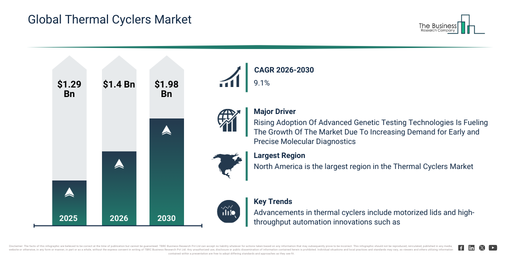
    The thermal cyclers market size has experienced significant expansion in recent years. The market is projected to increase from $1.29 billion in 2025 to $1.4 billion in 2026, registering a compound annual growth rate (CAGR) of 8.9%. This past growth can be attributed to the advancement of molecular diagnostics, the broadening of genomics research, an uptick in infectious disease testing, an increase in forensic analysis, and the growth of academic research laboratories.

    The thermal cyclers market is projected for robust expansion over the coming years, with its size forecast to reach $1.98 billion by 2030, driven by a compound annual growth rate (CAGR) of 9.1%. This anticipated growth during the forecast period is primarily due to factors such as the expansion of point of care testing, advancements in precision medicine, an increasing need for rapid diagnostics, a rise in biotech research funding, and the broader integration of digital PCR. Key trends expected within this period encompass high throughput pcr cycler systems, portable field deployable cyclers, AI assisted temperature optimization, cloud connected pcr platforms, and rapid cycling thermal blocks.

    Download A Free Sample Report For Comprehensive Market Insights:

    https://www.thebusinessresearchcompany.com/sample.aspx?id=33341&type=smp&utm_source=Blogs&utm_medium=Paid&utm_campaign=Jul_PR

    Thermal Cyclers Market Growth Drivers: What Factors Are Accelerating Expansion?

    The increasing integration of cutting-edge genetic testing methods is anticipated to fuel the expansion of the thermal cyclers market in the coming years. Molecular diagnostics involves intricate laboratory procedures designed to accurately detect and examine genetic material (DNA and RNA) to pinpoint illnesses, infections, and genetic conditions. This growth in molecular diagnostics stems from a growing need for prompt and accurate disease identification, promoting the use of advanced genetic testing for quicker, more dependable clinical results. Thermal cyclers play a crucial role in molecular diagnostics by facilitating exact DNA amplification through regulated temperature cycles, thereby guaranteeing precise, swift, and trustworthy molecular assays. For example, in May 2025, Ellume, an Australia-based innovator of rapid digital diagnostic tests, reported that more than 96,215 molecular diagnostic tests were performed weekly in the US in 2023, showcasing the extensive clinical application and sustained significance of molecular diagnostics in tracking diseases and guiding clinical choices. Consequently, the expanding use of advanced genetic testing technologies is propelling the growth of the thermal cyclers market.

    Thermal Cyclers Market Segment Analysis Highlighting Growth Areas

    The thermal cyclers market covered in this report is segmented –

    1) By Product Type: Standard Polymerase Chain Reaction (PCR) Thermal Cyclers; Real-Time Polymerase Chain Reaction (PCR) (qPCR) Systems; Digital Polymerase Chain Reaction (dPCR) Systems; High-Throughput Thermal Cyclers; Portable Or Compact Thermal Cyclers

    2) By Technology: Gradient Polymerase Chain Reaction (PCR); Touchdown Polymerase Chain Reaction (PCR); Fast Polymerase Chain Reaction (PCR); Reverse Transcription Polymerase Chain Reaction (RT-PCR); Other Technologies

    3) By Application: Clinical Diagnostics; Research And Academic Use; Forensic Applications; Agricultural Biotechnology; Environmental Testing

    4) By Distribution Channel: Direct Sales; Distributors Or Resellers; Online Sales

    5) By End User: Hospitals And Diagnostic Centers; Academic And Research Institutions; Biotechnology And Pharmaceutical Companies; Forensic Laboratories; Contract Research Organizations (CROs)

    Subsegments:

    1) By Standard Polymerase Chain Reaction (PCR) Thermal Cyclers: Conventional Block Thermal Cyclers; Gradient Thermal Cyclers; Touchscreen Controlled Thermal Cyclers; Multi Block Thermal Cyclers

    2) By Real-Time Polymerase Chain Reaction (PCR) (qPCR) Systems: Dye Based Detection Systems; Probe Based Detection Systems; Multiplex Real Time Systems; Fast Cycling Real Time Systems

    3) By Digital Polymerase Chain Reaction (dPCR) Systems: Droplet Based Digital Systems; Chip Based Digital Systems; Microfluidic Digital Systems; High Precision Quantification Systems

    4) By High-Throughput Thermal Cyclers: Ninety Six Well Thermal Cyclers; Three Hundred Eighty Four Well Thermal Cyclers; Automated High Capacity Thermal Cyclers; Parallel Processing Thermal Cyclers

    5) By Portable Or Compact Thermal Cyclers: Battery Operated Thermal Cyclers; Handheld Thermal Cyclers; Field Deployable Thermal Cyclers; Point Of Care Thermal Cyclers

    Thermal Cyclers Market Trends: What Is Shaping Future Industry Growth?

    Leading firms within the thermal cyclers market are prioritizing advanced innovations, including deep-well thermal cyclers, to enhance their competitive standing. These specialized laboratory instruments facilitate temperature-controlled reactions like PCR on samples in deep-well plates, which accommodate greater volumes compared to standard PCR tubes or plates. An example is the March 2025 introduction by Bio-Rad Laboratories, a US-based research firm, of the PTC Tempo 384 Thermal Cycler, the newest addition to its PTC Tempo series. This cutting-edge instrument is specifically engineered for high-throughput PCR tasks across basic research, translational studies, process development, and quality control. The PTC Tempo 384 incorporates a 384-well reaction module featuring a motorized lid, enabling smooth automation and integration with robotics. It offers excellent thermal uniformity (±0.3°C at 95°C), rapid ramp rates up to 5°C per second, and multizone gradient programming, thus providing greater efficiency than alternatives like the dual-block PTC Tempo 48/48 for intricate, scalable workflows. Constructed on the dependable C1000 Touch platform, the PTC Tempo 384 includes an updated intuitive user interface, adaptable connectivity options such as BR.io cloud monitoring, and the recent software update v3.0.0.8, which improves API support. Consequently, the PTC Tempo 384 stands as an outstanding option for academic, commercial, and biopharma laboratories, delivering unparalleled reproducibility and usability.

    Thermal Cyclers Market Leading Companies: Who Holds Significant Market Presence?

    Major companies operating in the thermal cyclers market are Roche Diagnostics, Thermo Fisher Scientific Inc., Agilent Technologies, Bio-Rad Laboratories, QIAGEN, Eppendorf, Cepheid, Bio-Techne, Hamilton Company, Heal Force Bio-Meditech, Takara Bio, Hangzhou Bioer Technology, Analytik Jena, Esco Lifesciences, ELITechGroup, Benchmark Scientific, Cole-Parmer Instrument Company, Biomeme, GNA Biosolutions, Cleaver Scientific, Starlab International, and Scilogex.

    Access The Complete Thermal Cyclers Market Report:

    https://www.thebusinessresearchcompany.com/report/thermal-cyclers-market-report?utm_source=Blogs&utm_medium=Paid&utm_campaign=Jul_PR

    Thermal Cyclers Market Global Footprint: Which Region Holds Market Leadership?

    North America was the largest region in the thermal cyclers market in 2025. Asia-Pacific is expected to be the fastest-growing region in the forecast period. The regions covered in the thermal cyclers market report are Asia-Pacific, South East Asia, Western Europe, Eastern Europe, North America, South America, Middle East, Africa.

    Get in touch with us:

    The Business Research Company: https://www.thebusinessresearchcompany.com/

    Americas: +1 310-496-7795

    Asia: +44 7882 955267 & +91 8897263534

    Europe: +44 7882 955267

    Email us at: marketing@tbrc.info

    Follow us on:

    LinkedIn: https://in.linkedin.com/company/the-business-research-company

    YouTube: https://www.youtube.com/channel/UC24_fI0rV8cR5DxlCpgmyFQ

    Global Market Model: https://www.thebusinessresearchcompany.com/global-market-model
  • Teleultrasound System  Market Growth Outlook Reveals A CAGR Of 10.4% And A Market Value Of $9.11 Billion By 2030

    Teleultrasound System Market Growth Outlook Reveals A CAGR Of 10.4% And A Market Value Of $9.11 Billion By 2030

    Delivering more actionable and strategically valuable research, The Business Research Company’s 2026 market reports feature market attractiveness analysis, total addressable market evaluation, company benchmarking matrices, interactive Excel dashboards, expanded supply chain intelligence, emerging startup coverage, and detailed product insights.

    Teleultrasound System Market Value Expansion And Long-Term Growth Outlook

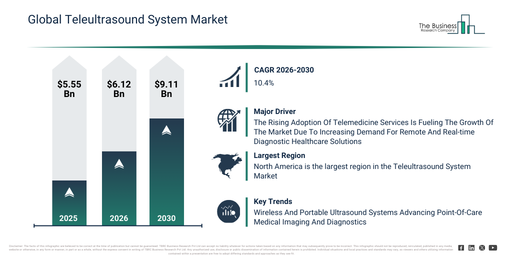
    The teleultrasound system market has experienced rapid expansion in recent years. It is projected to increase from $5.55 billion in 2025 to $6.12 billion in 2026, at a compound annual growth rate (CAGR) of 10.2%. The historical growth can be attributed to factors such as the rise in telemedicine adoption, a shortage of imaging specialists, the expansion of rural healthcare programs, an increase in portable ultrasound devices, and the need for faster diagnosis.

    The teleultrasound system market is projected to experience substantial expansion in the coming years, with its size predicted to reach $9.11 billion by 2030, exhibiting a compound annual growth rate (CAGR) of 10.4%. This anticipated growth during the forecast period stems from factors such as the increasing reach of remote diagnostics, the proliferation of connected medical devices, a growing need for point-of-care imaging, enhanced healthcare digitization, and more extensive reimbursement policies for telehealth services. Significant trends expected over the forecast horizon encompass AI-powered remote ultrasound guidance, cloud-based image sharing platforms, mobile connected ultrasound devices, real-time specialist cooperation tools, and secure tele-imaging operational processes.

    Download A Free Sample Report For Comprehensive Market Insights:

    https://www.thebusinessresearchcompany.com/sample.aspx?id=33339&type=smp&utm_source=Blogs&utm_medium=Paid&utm_campaign=Jul_PR

    #Teleultrasound System Market Demand Drivers Creating New Revenue Opportunities

    The increasing use of telemedicine services is projected to propel the teleultrasound system market forward. Telemedicine services encompass the provision of healthcare consultations, diagnoses, and monitoring via digital communication technologies, removing the necessity for in-person visits. These services are gaining momentum due to the escalating need for convenient and remote healthcare access, particularly in regions that are underserved or geographically distant. The teleultrasound system contributes to expanding diagnostic imaging access by enabling real-time remote guidance, image acquisition, and interpretation by specialists, especially in remote or underserved healthcare settings. For example, in June 2025, data from Harmony Healthcare IT, a US-based data management firm, revealed that 62% of Americans had used telehealth services for their medical needs, with more than 77% viewing telehealth as the future of healthcare, indicating strong consumer confidence and sustained growth in usage. Thus, the escalating adoption of telemedicine services is fueling the expansion of the teleultrasound system market.

    #Teleultrasound System Market Segment Landscape And Growth Potential

    The teleultrasound system market covered in this report is segmented –

    1) By Component: Hardware; Software; Services

    2) By Technology: Two-Dimensional (2D) Ultrasound; Three-Dimensional (3D) Or Four Dimensional (4D) Ultrasound; Artificial Intelligence-Enabled Ultrasound; Cloud-Based Imaging Platforms

    3) By Product Type: Portable Teleultrasound Systems; Handheld Teleultrasound Systems; Cart-Based Teleultrasound Systems

    4) By Application: Cardiology; Obstetrics Or Gynecology; Radiology; Vascular; Musculoskeletal; Other Applications

    5) By End-User: Hospitals; Diagnostic Centers; Ambulatory Surgical Centers; Other End-Users

    Subsegments:

    1) By Hardware: Ultrasound Imaging Devices; Ultrasound Probes And Transducers; Communication And Transmission Modules; Display And Control Units; Peripheral And Accessory Equipment

    2) By Software: Image Processing Software; Real Time Image Transmission Software; Remote Collaboration And Guidance Software; Data Storage And Management Software; Integration And Workflow Management Software

    3) By Services: Installation And System Integration Services; Maintenance And Technical Support Services; Training And Education Services; Calibration And Quality Assurance Services; Operational And Consulting Services

    Teleultrasound System Market Trends Driving Strategic Industry Expansion

    Major companies in the medical imaging and diagnostic ultrasound market are dedicated to developing innovative solutions, such as wireless and portable ultrasound systems, with the goal of improving point-of-care diagnostics, enhancing the efficiency of clinical workflows, and expanding access to imaging in various care settings. Wireless ultrasound systems are defined as compact, cable-free imaging devices that transmit ultrasound data wirelessly to smartphones, tablets, or workstations, offering increased mobility, ease of use, and quick deployment across hospitals, clinics, emergency care, and remote locations. For example, in November 2025, Mindray Bio-Medical Electronics Co. Ltd., a China-based medical device manufacturer, unveiled a new wireless ultrasound system designed to provide high-quality imaging with flexible, handheld operation. This system supports real-time imaging, seamless wireless connectivity, and compatibility with diverse clinical applications, enabling healthcare professionals to perform swift and accurate assessments either at the bedside or in the field. This launch emphasizes the increasing importance of portable, user-friendly diagnostic technologies that enhance clinical decision-making while boosting efficiency and accessibility across healthcare environments.

    Teleultrasound System Market Competitive Landscape: Who Are The Leading Companies?

    Major companies operating in the teleultrasound system market are Siemens Healthineers AG, FUJIFILM Holdings Corporation, Koninklijke Philips N.V., GE HealthCare Technologies Inc., Mindray Medical International Limited, Canon Medical Systems Corporation, DeepEcho Inc., Esaote S.p.A., TELSONIC AG, Butterfly Network Inc., EchoNous Inc., Clarius Mobile Health Corp., Telemed Medical Systems S.r.l., Healcerion Co. Ltd., Interson Corporation, Remote Medical Technologies LLC, Pulsenmore Ltd., e-Medical Systems Pty Ltd, Alpinion Medical Systems Co. Ltd., TeleGuidance Systems Inc.

    Access The Complete Teleultrasound System Market Report:

    https://www.thebusinessresearchcompany.com/report/teleultrasound-system-market-report?utm_source=Blogs&utm_medium=Paid&utm_campaign=Jul_PR

    Teleultrasound System Market Leading Geography: Which Region Generates The Most Revenue?

    North America was the largest region in the teleultrasound system market in 2025. Asia-Pacific is expected to be the fastest-growing region in the forecast period. The regions covered in the teleultrasound system market report are Asia-Pacific, South East Asia, Western Europe, Eastern Europe, North America, South America, Middle East, Africa.

    Get in touch with us:

    The Business Research Company: https://www.thebusinessresearchcompany.com/

    Americas: +1 310-496-7795

    Asia: +44 7882 955267 & +91 8897263534

    Europe: +44 7882 955267

    Email us at: marketing@tbrc.info

    Follow us on:

    LinkedIn: https://in.linkedin.com/company/the-business-research-company

    YouTube: https://www.youtube.com/channel/UC24_fI0rV8cR5DxlCpgmyFQ

    Global Market Model: https://www.thebusinessresearchcompany.com/global-market-model
  • Targeted LNPs For Extrahepatic Delivery  Market Forecast Highlights Expansion From $2.19 Billion To $4.68 Billion Through 2030

    Targeted LNPs For Extrahepatic Delivery Market Forecast Highlights Expansion From $2.19 Billion To $4.68 Billion Through 2030

    Enhanced with market attractiveness analysis, total addressable market evaluation, company benchmarking matrices, interactive Excel dashboards, expanded supply chain intelligence, emerging startup coverage, and detailed product insights, The Business Research Company’s 2026 market reports deliver more actionable and strategically valuable research.

    Targeted LNPs For Extrahepatic Delivery Market Expected To Reach $4.68 Billion By 2030 At 20.9% CAGR

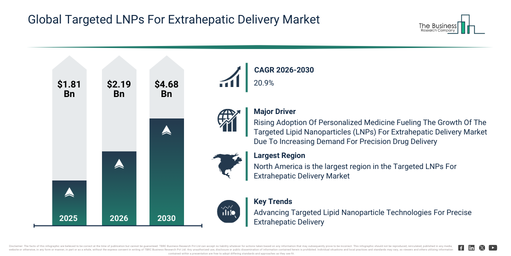
    The targeted lnps for extrahepatic delivery market size has experienced significant expansion recently. This market is set to increase from $1.81 billion in 2025 to $2.19 billion in 2026, with a compound annual growth rate (CAGR) of 20.7%. Factors contributing to its historical growth include the achievements of hepatic LNP delivery systems, the proliferation of mRNA vaccine platforms, the widening scope of nanomedicine research, an uptick in gene therapy trials, and the increasing complexities associated with biologic drug delivery.

    The targeted lnps for extrahepatic delivery market is poised for substantial expansion over the next few years. This market is forecast to ascend to $4.68 billion by 2030, demonstrating a compound annual growth rate (CAGR) of 20.9%. The projected increase during the forecast period is propelled by factors such as a burgeoning pipeline of RNA therapeutics, an escalating need for tissue-targeted delivery, the proliferation of precision drug delivery platforms, heightened research into oncology nanoparticles, and an uptick in biotech delivery partnerships. Prominent trends anticipated in the forecast timeframe involve extrahepatic targeted LNP formulations, ligand-directed nanoparticle delivery, RNA delivery systems tailored for specific tissues, sophisticated ionizable lipid designs, and modular targeted nanocarrier platforms.

    Download A Free Sample Report For Comprehensive Market Insights:

    https://www.thebusinessresearchcompany.com/sample.aspx?id=33338&type=smp&utm_source=Blogs&utm_medium=Paid&utm_campaign=Jul_PR

    Targeted LNPs For Extrahepatic Delivery Market Expansion Supported By Key Demand Factors

    The expanding need for personalized medicine (PM) is anticipated to fuel the expansion of the market for targeted lipid nanoparticles (LNPs) used in extrahepatic delivery in the future. Personalized medicine (PM) involves medical treatments designed specifically for an individual’s genetic makeup, disease attributes, or biological markers to optimize treatment effectiveness and reduce adverse reactions. Developments in molecular diagnostics, the discovery of biomarkers, and drug development based on precision are speeding up the embrace of personalized treatments. Targeted lipid nanoparticles are essential for facilitating personalized medicine by enabling the exact delivery of therapeutic agents to particular tissues or cell types, including those outside the liver, thus improving therapeutic efficacy and safety. As an illustration, the U.S. Food and Drug Administration, according to the Personalized Medicine Coalition, a US-based hospital and health care organization, sanctioned 16 new personalized treatments for rare disease patients in 2023, an increase from six in 2022. Consequently, the increasing demand for personalized medicine (PM) is propelling the growth of the targeted lipid nanoparticles (LNPs) for extrahepatic delivery market.

    Targeted LNPs For Extrahepatic Delivery Market Categorization By Product Type And Application

    The targeted lnps for extrahepatic delivery market covered in this report is segmented –

    1) By Product Type: Ionizable Lipid-Based Lipid Nanoparticles; Cationic Lipid-Based Lipid Nanoparticles; Polyethylene Glycol-Coated Lipid Nanoparticles; Other Lipid Nanoparticle Formulations

    2) By Therapeutic Area: Oncology; Infectious Diseases; Genetic Disorders; Metabolic Diseases; Other Therapeutic Area

    3) By Application: Gene Therapy; Messenger Ribonucleic Acid Vaccines; Small Interfering Ribonucleic Acid Delivery; Protein Delivery; Other Application

    4) By End-User: Pharmaceutical Companies; Biotechnology Companies; Academic and Research Institutes; Other End-Users

    Subsegments:

    1) By Ionizable Lipid-Based Lipid Nanoparticles: Single Chain Ionizable Lipids; Multi-Chain Ionizable Lipids; Functionalized Ionizable Lipids

    2) By Cationic Lipid-Based Lipid Nanoparticles: Quaternary Ammonium Cationic Lipids; Permanent Cationic Lipids; Helper Lipids in Cationic Formulations

    3) By Polyethylene Glycol-Coated Lipid Nanoparticles: Polyethylene Glycolylated Lipids with Different Chain Lengths; Polyethylene Glycol-Lipid Conjugates with Targeting Ligands; Polyethylene Glycolylated Lipid Combinations for Stability

    4) By Other Lipid Nanoparticle Formulations: Sphingomyelin-Based Lipid Nanoparticles; Biodegradable Lipid Nanoparticles; Modular or Hybrid Lipid Nanoparticles; Stimulus-Responsive Lipid Nanoparticles

    Targeted LNPs For Extrahepatic Delivery Market Growth Trends Influencing Competitive Dynamics

    Leading companies in the targeted lipid nanoparticles (LNPs) for extrahepatic delivery market are concentrating on technological breakthroughs in targeted LNP platforms, including DARPin-conjugated systems, to enhance the precise delivery of substances to immune and tissue-specific cells. DARPin-conjugated lipid nanoparticles are characterized as LNPs functionalized with Designed Ankyrin Repeat Proteins (DARPins), which are engineered binding proteins capable of highly specific interactions with selected cell surface receptors. This specific targeting ability facilitates improved cellular uptake by particular cell types, supporting extrahepatic applications such as immune cell modulation and tissue-specific gene delivery. For example, in November 2025, Acuitas Therapeutics Inc., a Canada-based biotechnology company, unveiled next-generation LNP technologies designed for extrahepatic targeting. These included platforms for T-lymphocyte delivery, mucous-penetrant formulations targeting airway epithelial cells, and a pre-formed vesicle manufacturing method intended to improve scalability, cost efficiency, and storage stability. These innovations expand the potential applications of mRNA-LNP therapeutics beyond the liver, supporting broader use cases in gene editing, vaccines, and personalized medicine.

    Targeted LNPs For Extrahepatic Delivery Market Company Landscape And Strategic Competition

    Major companies operating in the targeted lnps for extrahepatic delivery market are Pfizer Inc., Sanofi S.A., Merck KGaA, FUJIFILM Pharmaceuticals U.S.A. Inc., Evonik Industries AG, Recipharm, CordenPharma International GmbH, Ardena Nanomedicines, Arcturus Therapeutics Holdings Inc., BIOVECTRA Inc., Ascendia Pharmaceuticals Inc., ABITEC Corporation, Creative Biolabs, Genevant Sciences GmbH, Polymun Scientific Immunbiologische Forschung GmbH, ST Pharm, eTheRNA immunotherapies NV, NanoVation Therapeutics, DIANT Pharma, Curapath, Phosphorex Inc.

    Access The Complete Targeted LNPs For Extrahepatic Delivery Market Report:

    https://www.thebusinessresearchcompany.com/report/targeted-lnps-for-extrahepatic-delivery-market-report?utm_source=Blogs&utm_medium=Paid&utm_campaign=Jul_PR

    Targeted LNPs For Extrahepatic Delivery Market Regional Outlook: Where Are The Largest Opportunities Located?

    North America was the largest region in the targeted lipid nanoparticles (LNPs) for extrahepatic delivery market in 2025. Asia-Pacific is expected to be the fastest-growing region in the forecast period. The regions covered in the targeted lnps for extrahepatic delivery market report are Asia-Pacific, South East Asia, Western Europe, Eastern Europe, North America, South America, Middle East, Africa.

    Get in touch with us:

    The Business Research Company: https://www.thebusinessresearchcompany.com/

    Americas: +1 310-496-7795

    Asia: +44 7882 955267 & +91 8897263534

    Europe: +44 7882 955267

    Email us at: marketing@tbrc.info

    Follow us on:

    LinkedIn: https://in.linkedin.com/company/the-business-research-company

    YouTube: https://www.youtube.com/channel/UC24_fI0rV8cR5DxlCpgmyFQ

    Global Market Model: https://www.thebusinessresearchcompany.com/global-market-model
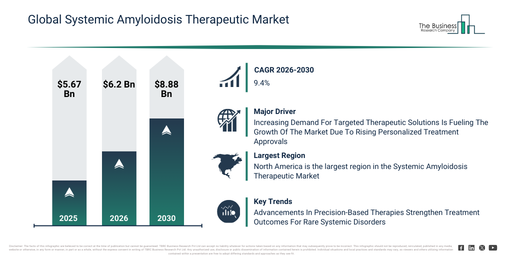
  • Systemic Amyloidosis Therapeutic  Market Expected To Reach $8.88 Billion By 2030 As Growth Accelerates At 9.4% CAGR

    Systemic Amyloidosis Therapeutic Market Expected To Reach $8.88 Billion By 2030 As Growth Accelerates At 9.4% CAGR

    Through market attractiveness analysis, total addressable market evaluation, company benchmarking matrices, interactive Excel dashboards, expanded supply chain intelligence, emerging startup coverage, and detailed product insights, The Business Research Company’s 2026 market reports provide more actionable and strategically valuable research.

    #Systemic Amyloidosis Therapeutic Market Size And Revenue Forecast Through 2030

    The systemic amyloidosis therapeutic market size has shown strong expansion in recent years. It is projected to increase from $5.67 billion in 2025 to $6.2 billion in 2026, achieving a compound annual growth rate (CAGR) of 9.2%. The historical growth of this market was driven by factors such as the past underdiagnosis of amyloidosis, the reliance on chemotherapy regimens, the expansion of hematology treatment centers, heightened rare disease awareness, and the early incorporation of proteasome inhibitors.

    The therapeutic market for systemic amyloidosis is projected to experience robust expansion over the coming years. This market is set to reach $8.88 billion by 2030, demonstrating a compound annual growth rate (CAGR) of 9.4%. This anticipated growth during the forecast period stems from several factors, including an increase in rare disease diagnosis rates, the proliferation of targeted biologic medications, a rise in approvals for gene silencing therapies, the expansion of specialized clinic networks, and more robust incentives for orphan drugs. Key trends anticipated within this period encompass targeted amyloid protein stabilizer drugs, gene silencing therapies for amyloidosis, treatments based on monoclonal antibodies, combination regimen protocols, and organ-specific supportive drug strategies.

    Download A Free Sample Report For Comprehensive Market Insights:

    https://www.thebusinessresearchcompany.com/sample.aspx?id=33337&type=smp&utm_source=Blogs&utm_medium=Paid&utm_campaign=Jul_PR

    #Systemic Amyloidosis Therapeutic Market Growth Drivers And Industry Catalysts

    The increasing application of personalized medicine methodologies is projected to stimulate the growth of the systemic amyloidosis therapeutic market in the coming years. Personalized medicine represents a medical strategy that customizes treatment and prevention plans based on an individual’s genetic makeup, biomarkers, and distinct disease characteristics. Demand for personalized medicine is escalating due to advancements in genomic and biomarker technologies, which allow clinicians to precisely identify disease drivers and tailor treatments, thereby enhancing efficacy and reducing adverse effects for individual patients. The integration of personalized medicine heightens the need for systemic amyloidosis therapeutics, as patients with systemic amyloidosis exhibit diverse amyloid subtypes (e.g., AL, ATTR) and genetic variations. Therefore, effective treatment necessitates therapies specifically formulated to target the patient’s unique disease profile, ensuring maximum efficacy and minimal side effects. For instance, in April 2025, the US-based nonprofit advocacy and educational organization, Personalized Medicine Coalition (PMC), reported that in 2023, the FDA approved 16 new personalized treatments for rare disease patients, an increase from six in 2022. Consequently, the expanding adoption of personalized medicine approaches is fueling the growth of the systemic amyloidosis therapeutic market.

    Systemic Amyloidosis Therapeutic Market Segment Analysis And Revenue Opportunities

    The systemic amyloidosis therapeutic market covered in this report is segmented –

    1) By Product Type: Small Molecule Drugs; Biologic Therapies; Monoclonal Antibodies; Chemotherapy Based Regimens; Targeted Therapies; Supportive Treatments

    2) By Formulation: Tablets; Capsules; Injection

    3) By Route of Administration: Oral; Intravenous; Subcutaneous

    4) By Distribution Channel: Hospital Pharmacies; Retail Pharmacies; Online Pharmacies

    5) By End User: Hospitals; Specialty Clinics; Specialty Pharmacies; Research and Academic Institutes; Other End Users

    Subsegments:

    1) By Small Molecule Drugs: Proteasome Inhibitors; Stabilizers of Transthyretin Protein; Amyloid Fibril Disruptors; Immunomodulatory Small Molecules

    2) By Biologic Therapies: Recombinant Protein Therapies; Gene Silencing Biologic Agents; Plasma Derived Biologic Products

    3) By Monoclonal Antibodies: Anti Amyloid Fibril Antibodies; Anti Light Chain Antibodies; Targeted Clearance Antibodies

    4) By Chemotherapy Based Regimens: Alkylating Agent Based Regimens; Proteasome Inhibitor Based Chemotherapy; Combination Chemotherapy Protocols

    5) By Targeted Therapies: Targeted Light Chain Suppression Therapies; Targeted Transthyretin Reduction Therapies; Organ Specific Targeted Treatments

    6) By Supportive Treatments: Cardiac Supportive Therapies; Renal Supportive Therapies; Neurological Symptom Management Therapies; Nutritional and Palliative Care Therapies

    #Systemic Amyloidosis Therapeutic Market Trends Influencing Long-Term Demand

    Major companies operating in the systemic amyloidosis therapeutic market are concentrating on creating advanced targeted treatment approaches, including RNA interference-based therapies, to address the underlying genetic causes of protein misfolding disorders, curb disease progression, and improve long-term patient outcomes. RNA interference-based therapies function by selectively silencing disease-causing genes, thereby diminishing the production of harmful proteins responsible for systemic organ damage. For instance, in March 2025, Alnylam Pharmaceuticals, a US-based biotechnology company, launched AMVUTTRA. AMVUTTRA provides a targeted, disease-modifying treatment for adults with transthyretin amyloidosis with cardiomyopathy (ATTR-CM). Developed by Alnylam Pharmaceuticals, it is the first RNAI therapeutic shown to reduce cardiovascular death, hospitalizations, and urgent heart failure visits in this patient population. AMVUTTRA works by rapidly suppressing transthyretin production at the source, directly addressing the underlying cause of amyloid deposition. It demonstrates consistent benefits across cardiovascular outcomes, functional capacity, and quality of life.

    Systemic Amyloidosis Therapeutic Market Leading Players Shaping Industry Direction

    Major companies operating in the systemic amyloidosis therapeutic market are Johnson & Johnson Services Inc., Sanofi SA, Novartis Plc, AstraZeneca Plc, GSK Plc, Novo Nordisk A/S, Takeda Pharmaceutical Company Limited, Regeneron Pharmaceuticals Inc., Alnylam Pharmaceuticals Inc., Ionis Pharmaceuticals, Arcturus Therapeutics Inc, Prothena Biosciences, Fortress Biotech Inc., Intellia Therapeutics Inc., Zentalis Pharmaceuticals Inc., BridgeBio Pharma Inc., Neurimmune AG, HaemaLogix Pty Ltd., Attralus Inc., and Oncopeptides AB.

    Access The Complete Systemic Amyloidosis Therapeutic Market Report:

    https://www.thebusinessresearchcompany.com/report/systemic-amyloidosis-therapeutic-market-report?utm_source=Blogs&utm_medium=Paid&utm_campaign=Jul_PR

    Systemic Amyloidosis Therapeutic Market Geographic Landscape: Which Region Dominates Industry Growth?

    North America was the largest region in the systemic amyloidosis therapeutic market in 2025. Asia-Pacific is expected to be the fastest-growing region in the forecast period. The regions covered in the systemic amyloidosis therapeutic market report are Asia-Pacific, South East Asia, Western Europe, Eastern Europe, North America, South America, Middle East, Africa.

    Get in touch with us:

    The Business Research Company: https://www.thebusinessresearchcompany.com/

    Americas: +1 310-496-7795

    Asia: +44 7882 955267 & +91 8897263534

    Europe: +44 7882 955267

    Email us at: marketing@tbrc.info

    Follow us on:

    LinkedIn: https://in.linkedin.com/company/the-business-research-company

    YouTube: https://www.youtube.com/channel/UC24_fI0rV8cR5DxlCpgmyFQ

    Global Market Model: https://www.thebusinessresearchcompany.com/global-market-model
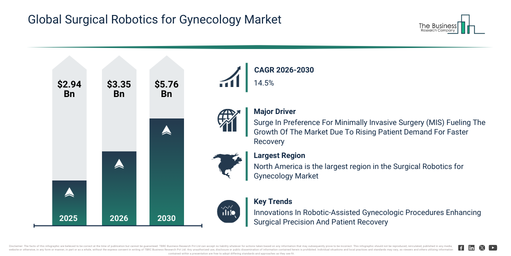
  • Surgical Robotics for Gynecology  Market Growth Is Reshaping Competitive Advantage Across The Industry

    Surgical Robotics for Gynecology Market Growth Is Reshaping Competitive Advantage Across The Industry

    Enhanced with market attractiveness analysis, total addressable market evaluation, company benchmarking matrices, interactive Excel dashboards, expanded supply chain intelligence, emerging startup coverage, and detailed product insights, The Business Research Company’s 2026 market reports deliver more actionable and strategically valuable research.

    Surgical Robotics for Gynecology Market Size Forecast: How Large Could The Market Become By 2030?

    The surgical robotics for gynecology market size has experienced rapid expansion in recent years. It is projected to increase from $2.94 billion in 2025 to $3.35 billion in 2026, demonstrating a compound annual growth rate (CAGR) of 14.2%. This growth in the historic period can be attributed to the rise in minimally invasive gynecology, growing women health procedure volumes, the proliferation of robotic surgery centers, enhanced laparoscopic outcomes, and the demand for improved surgeon ergonomics.

    The surgical robotics for gynecology market is predicted to undergo swift expansion over the upcoming years, reaching a valuation of $5.76 billion by 2030, with a compound annual growth rate (CAGR) of 14.5%. This anticipated increase during the forecast period stems from factors such as elevated hospital investment in robotic suites, an uptick in complex gynecologic procedures, a growing patient preference for minimally invasive surgical methods, the broadening of robotic training initiatives, and enhanced reimbursement provisions. Key trends projected for this period involve the increasing uptake of robotic hysterectomy systems, the development of minimally invasive gynecologic robotics, the expansion of robotic single-port procedures, a greater application of advanced surgical visualization, and the integration of procedure planning software.

    Download A Free Sample Report For Comprehensive Market Insights:

    https://www.thebusinessresearchcompany.com/sample.aspx?id=33332&type=smp&utm_source=Blogs&utm_medium=Paid&utm_campaign=Jul_PR

    Surgical Robotics for Gynecology Market Industry Drivers: What Is Driving Revenue Growth?

    The increasing demand for minimally invasive surgery is projected to boost the expansion of the surgical robotics for gynecology market in the future. This surgical approach entails executing gynecological operations like hysterectomies and myomectomies via small incisions, employing laparoscopic or robot-assisted methods, which leads to reduced tissue damage. The adoption of minimally invasive surgery is on the rise, attributed to improvements in surgical tools and imaging innovations that allow for enhanced accuracy, decreased patient trauma, and quicker recuperation periods. Surgical robotics designed for gynecology improves minimally invasive procedures by providing superior precision, three-dimensional vision, better maneuverability, and tremor suppression, empowering surgeons to execute intricate operations with greater efficacy. As an illustration, in November 2025, Intuitive Surgical Inc., a medical device company based in the US, reported that in 2023, around 2,286,000 surgical procedures globally utilized da Vinci robotic surgical systems, representing an approximate 22% increase from 2022, and the total experience on da Vinci platforms surpassed 14 million procedures. Consequently, the increasing inclination towards minimally invasive surgery is fueling the growth of the surgical robotics for gynecology market.

    Surgical Robotics for Gynecology Market Segment Analysis: What Are The Major Market Categories?

    The surgical robotics for gynecology market covered in this report is segmented –

    1) By Product Type: Robotic Systems; Instruments And Accessories; Services

    2) By Technology: Telerobotics; Minimally Invasive Robotics; Autonomous Robotics

    3) By Application: Hysterectomy; Myomectomy; Oophorectomy; Sacrocolpopexy; Other Applications

    4) By End-User: Hospitals; Ambulatory Surgical Centers; Specialty Clinics; Other End-Users

    Subsegments:

    1) By Robotic Systems: Robotic Surgical Platforms; Robotic Laparoscopy Systems; Robotic Hysterectomy Systems; Robotic Myomectomy Systems; Single Port Robotic Systems

    2) By Instruments And Accessories: Robotic Surgical Instruments; Endoscopic Staplers; Energy Devices; Needle Holders; Trocars And Cannulas

    3) By Services: Installation Services; Maintenance Services; Training And Education Services; Software Upgradation Services; Technical Support Services

    #Surgical Robotics for Gynecology Market Growth Trends: What Is Influencing The Future Outlook?

    Leading companies within the surgical robotics for gynecology market are prioritizing the development of innovative solutions, including minimally invasive gynecologic surgery platforms, to elevate surgical accuracy, mitigate patient trauma, and enhance clinical outcomes. Minimally invasive gynecologic surgery platforms represent robotic systems that empower surgeons to execute complex gynecological procedures through small incisions, offering superior precision, clearer visualization, and greater dexterity. This approach helps to lessen blood loss, reduce postoperative discomfort, and shorten recovery periods when compared to traditional surgery. As an illustration, in September 2025, the Royal Free Hospital, a UK-based public healthcare provider, inaugurated a robotic gynaecology surgery programme designed to expand availability of advanced robotic-assisted procedures for women’s health. This programme leverages cutting-edge surgical robotics to enable intricate gynecological procedures, such as hysterectomies and cancer-related surgeries, to be performed with increased precision and command. The robotic platform facilitates surgeons in making delicate movements through small incisions, thereby improving the visibility of anatomical structures and decreasing blood loss compared to conventional methods. Key benefits encompass quicker recovery times, a lower probability of infection, reduced pain following surgery, and improved clinical results for patients. Furthermore, this initiative supports surgeon training and promotes the broader adoption of robotic gynecology across the UK healthcare system.

    Surgical Robotics for Gynecology Market Leading Companies Driving Competitive Growth

    Major companies operating in the surgical robotics for gynecology market are Johnson & Johnson, Medtronic plc, Intuitive Surgical Inc., Meere Company, Avateramedical GmbH, CMR Surgical Ltd., DistalMotion SA, Distalmotion SA, Ronovo Surgical Inc., OmniGuide Holdings, SS Innovations International Inc., Titan Medical Inc., MicroPort MedBot, Virtual Incision Corporation, Asensus Surgical, Moon Surgical SAS, Virtuoso Surgical Inc., Edge Medical Robotics Corporation, Momentis Surgical Ltd., Medicaroid Corporation.

    Access The Complete Surgical Robotics for Gynecology Market Report:

    https://www.thebusinessresearchcompany.com/report/surgical-robotics-for-gynecology-market-report?utm_source=Blogs&utm_medium=Paid&utm_campaign=Jul_PR

    Surgical Robotics for Gynecology Market Regional Analysis And Leading Geography

    North America was the largest region in the surgical robotics for gynecology market in 2025. Asia-Pacific is expected to be the fastest-growing region in the forecast period. The regions covered in the surgical robotics for gynecology market report are Asia-Pacific, South East Asia, Western Europe, Eastern Europe, North America, South America, Middle East, Africa.

    Get in touch with us:

    The Business Research Company: https://www.thebusinessresearchcompany.com/

    Americas: +1 310-496-7795

    Asia: +44 7882 955267 & +91 8897263534

    Europe: +44 7882 955267

    Email us at: marketing@tbrc.info

    Follow us on:

    LinkedIn: https://in.linkedin.com/company/the-business-research-company

    YouTube: https://www.youtube.com/channel/UC24_fI0rV8cR5DxlCpgmyFQ

    Global Market Model: https://www.thebusinessresearchcompany.com/global-market-model

  • Super Generics  Market Forecast Signals New Revenue Opportunities Through 2030

    Super Generics Market Forecast Signals New Revenue Opportunities Through 2030

    Through market attractiveness analysis, total addressable market evaluation, company benchmarking matrices, interactive Excel dashboards, expanded supply chain intelligence, emerging startup coverage, and detailed product insights, The Business Research Company’s 2026 market reports provide more actionable and strategically valuable research.

    Super Generics Market Revenue Outlook: What CAGR Is Expected Through 2030?

    The super generics market size has experienced strong growth in recent years. It is anticipated to increase from $111.44 billion in 2025 to $121.02 billion in 2026, achieving a compound annual growth rate (CAGR) of 8.6%. The expansion witnessed in the historic period is attributable to the patent expiry of branded drugs, growth in generic drug demand, rising healthcare cost pressure, expansion of generic manufacturing, and supportive generic substitution policies.

    The super generics market is projected to experience robust expansion in the upcoming years. Its valuation is anticipated to reach $169.76 billion by 2030, demonstrating a compound annual growth rate (CAGR) of 8.8%. This projected increase over the forecast duration stems from factors such as an expanding pipeline of specialty generics, an escalating need for enhanced generic drugs, the development of sophisticated formulation technologies, increased emphasis by payers on affordable treatments, and the rising prevalence of chronic illnesses. Key trends during this period are expected to encompass the creation of value-added reformulations, an increase in extended-release generic medications, growing acceptance of abuse-deterrent formulations, the diversification of drug delivery methods, and a rise in patient-centric dosage forms.

    Download A Free Sample Report For Comprehensive Market Insights:

    https://www.thebusinessresearchcompany.com/sample.aspx?id=33331&type=smp&utm_source=Blogs&utm_medium=Paid&utm_campaign=Jul_PR

    #Super Generics Market Growth Factors: Which Forces Are Supporting Market Expansion?

    The escalating occurrence of chronic and lifestyle diseases is poised to stimulate the expansion of the super generics market in the coming years. These are persistent health conditions, such as diabetes, cardiovascular disorders, and obesity, influenced by elements like diet, physical inactivity, stress, an aging population, and better disease diagnosis. The increasing strain from these conditions has spurred a continuous need for long-term and cost-effective treatment methods. Super generics are instrumental in managing chronic and lifestyle diseases by providing economical, high-quality iterations of complex and value-added medications, especially in therapeutic fields like cardiovascular, metabolic, and respiratory care. This enhances patient access and supports sustained disease management. As an illustration, recent data cited by Wecovr, derived from UK health statistics, reveals that more than 17 million adults in England – over one-third of the population – live with two or more chronic conditions, with a rising percentage of individuals in their 40s and 50s affected. Thus, the escalating prevalence of chronic and lifestyle diseases is a significant factor driving the growth of the super generics market.

    Super Generics Market Segment Breakdown: Which Categories Generate The Most Revenue?

    The super generics market covered in this report is segmented –

    1) By Product Type: Generic Pharmaceuticals; Branded Generic Pharmaceuticals; Over-the-Counter (OTC) Products

    2) By Therapeutic Area: Cardiovascular; Oncology; Neurology; Diabetes; Anti-infective

    3) By Formulation Type: Tablet; Capsule; Injectable; Topical; Syrup

    4) By Distribution Channel: Hospital Pharmacies; Retail Pharmacies; Online

    5) By End User: Hospitals and Specialty Clinics; Homecare Settings; Ambulatory Surgical Centers

    Subsegments:

    1) By Generic Pharmaceuticals: Immediate Release Formulations; Modified Release Formulations; Fixed Dose Combination Products; Improved Bioavailability Formulations

    2) By Branded Generic Pharmaceuticals: Value Added Formulations; Patient Friendly Dosage Forms; Therapeutically Enhanced Products; Reformulated Established Medicines

    3) By Over The Counter Products: Pain Relief Products; Cold and Cough Remedies; Digestive Health Products; Vitamin and Mineral Supplements

    Super Generics Market Industry Trends: What Changes Are Reshaping Demand?

    Major companies operating in the super generics market are increasingly focusing on the development of advanced solutions, such as enhanced formulation platforms, to improve drug performance and deliver cost-effective therapeutic alternatives. These enhanced formulation platforms involve modifying existing drug formulations or delivery mechanisms to optimize parameters like bioavailability, stability, dosing convenience, or patient adherence, while maintaining established safety and efficacy profiles. Such approaches enable companies to differentiate products from conventional generics and address unmet clinical needs without developing entirely new molecules. For instance, Lupin, an India-based pharmaceutical company, has expanded its super generics portfolio in the United States by introducing value-added formulations targeting high-demand therapeutic segments. Such products are designed to offer improved clinical performance compared to standard generics while remaining economically attractive for healthcare systems and providers. By leveraging advanced formulation technologies, robust quality controls, and regulatory-compliant manufacturing processes, companies aim to ensure consistent potency, safety, and reliability.

    Super Generics Market Key Players And Strategic Industry Positioning

    Major companies operating in the super generics market are Teva Pharmaceutical Industries Ltd, Viatris Inc., Baxter International Inc., Sandoz Group AG, Sun Pharmaceutical Industries Ltd, Aurobindo Pharma, Dr. Reddy’s Laboratories Ltd, Cipla Ltd, Hikma Pharmaceuticals, Lupin Limited, Zydus Lifesciences., Glenmark Pharmaceuticals, Torrent Pharmaceuticals, Ascendia Pharmaceutical Solutions, Accord Healthcare, Neurelis Inc, Latitude Pharmaceuticals, Biovista Inc, CritiTech Inc, Crossject SA

    Access The Complete Super Generics Market Report:

    https://www.thebusinessresearchcompany.com/report/super-generics-market-report?utm_source=Blogs&utm_medium=Paid&utm_campaign=Jul_PR

    Super Generics Market Geographic Analysis: Where Is Demand Growing The Fastest?

    North America was the largest region in the super generics market in 2025. Asia-Pacific is expected to be the fastest-growing region in the forecast period. The regions covered in the super generics market report are Asia-Pacific, South East Asia, Western Europe, Eastern Europe, North America, South America, Middle East, Africa.

    Get in touch with us:

    The Business Research Company: https://www.thebusinessresearchcompany.com/

    Americas: +1 310-496-7795

    Asia: +44 7882 955267 & +91 8897263534

    Europe: +44 7882 955267

    Email us at: marketing@tbrc.info

    Follow us on:

    LinkedIn: https://in.linkedin.com/company/the-business-research-company

    YouTube: https://www.youtube.com/channel/UC24_fI0rV8cR5DxlCpgmyFQ

    Global Market Model: https://www.thebusinessresearchcompany.com/global-market-model
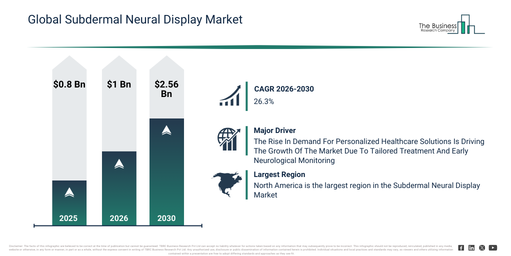
  • Subdermal Neural Display  Market Trends And Growth Drivers Point To Strong Future Potential

    Subdermal Neural Display Market Trends And Growth Drivers Point To Strong Future Potential

    Through market attractiveness analysis, total addressable market evaluation, company benchmarking matrices, interactive Excel dashboards, expanded supply chain intelligence, emerging startup coverage, and detailed product insights, The Business Research Company’s 2026 market reports provide more actionable and strategically valuable research.

    Subdermal Neural Display Market Size Outlook: How Fast Will Revenue Grow Through 2030?

    The market for subdermal neural displays has experienced substantial expansion in recent years. It is forecast to rise from $0.8 billion in 2025 to $1 billion in 2026, exhibiting a compound annual growth rate (CAGR) of 26.1%. Historically, this growth can be attributed to the advancement in neural interface research, an increase in brain computer interface trials, the proliferation of implantable medical electronics, growing neuroscience funding, and the early adoption of eeg based interfaces.

    The subdermal neural display market is poised for significant expansion in the coming years. It is projected to achieve a value of $2.56 billion by 2030, exhibiting a compound annual growth rate (CAGR) of 26.3%. This anticipated growth throughout the forecast period stems from increasing investments in neurotechnology, a rising demand for cognitive augmentation tools, the broadening scope of clinical neural implants, the development of defense neurotech programs, and enhanced funding for human-machine interface research. Major trends anticipated during this period encompass the growing development of implantable neural interfaces, an increased adoption of wireless neural signal transmission, the expansion of miniaturized neural electrode arrays, greater integration of brain-computer interface modules, and a heightened emphasis on closed-loop neural feedback systems.

    Download A Free Sample Report For Comprehensive Market Insights:

    https://www.thebusinessresearchcompany.com/sample.aspx?id=33328&type=smp&utm_source=Blogs&utm_medium=Paid&utm_campaign=Jul_PR

    Subdermal Neural Display Market Growth Factors Supporting Long-Term Expansion

    The future expansion of the subdermal neural display market is anticipated to be driven by the growing requirement for personalized healthcare solutions. These solutions involve medical strategies and services uniquely adapted to each patient’s specific characteristics and conditions, aiming to boost treatment efficacy and minimize adverse effects. The heightened need for such customized healthcare arises from the increasing occurrence of chronic and lifestyle diseases, which necessitate bespoke prevention, monitoring, and treatment plans for individual patients. Subdermal neural displays contribute significantly to personalized healthcare by enabling direct oversight and stimulation of neural activity, offering real-time health data crucial for the prompt identification of neurological conditions and facilitating neurofeedback therapies tailored to each person’s unique brain and body signals. For example, the US-based non-profit, Personalized Medicine Coalition, indicated in February 2024 that the FDA had sanctioned 16 novel personalized treatments for rare disease patients in 2023, marking an increase from six in 2022. The personalized treatments approved in 2023 also comprised seven cancer drugs and three for other illnesses and conditions. Consequently, the rising demand for personalized healthcare solutions is a key factor propelling the expansion of the subdermal neural display market.

    Subdermal Neural Display Market Segment Analysis Highlighting Growth Areas

    The subdermal neural display market covered in this report is segmented –

    1) By Component Type: Hardware; Software

    2) By Product Type: Implantable Neural Display Devices; Wearable Neural Interface Devices; Subdermal Electrode Arrays; Implantable Display Modules; Wireless Neural Transmitters; Neural Signal Amplifiers

    3) By Technology: Electroencephalography (EEG); Electrocorticography (ECoG); Optogenetics; Other Technologies

    4) By End-User: Hospitals And Clinics; Research Institutes; Consumer Electronics; Military And Defense; Other End-Users

    Subsegments:

    1) By Hardware: Electrode Arrays; Implantable Sensors; Microcontroller Units; Power Management Modules; Signal Amplification Units

    2) By Software: Neural Signal Processing Software; Data Visualization Software; Device Control Software; Algorithm Development Software; Simulation And Modeling Software

    Subdermal Neural Display Market Leading Companies: Who Holds Significant Market Presence?

    Major companies operating in the subdermal neural display market are Synchron Inc., BrainCo Inc., MindMaze SA, INBRAIN Neuroelectronics SL, Axoft Inc., VisionCare Ophthalmic Technologies Inc., Blackrock Neurotech Inc., LambdaVision Inc., Advanced Brain Monitoring Inc., iBionics Inc., CorTec GmbH, Bionic Vision Technologies, Braingrade Inc., Nano Retina Inc., Neurable Inc., OpenBCI LLC, Optobionics Corporation, Pixium Vision SA, Precision Neuroscience Corporation, Cognixion Inc.

    Access The Complete Subdermal Neural Display Market Report:

    https://www.thebusinessresearchcompany.com/report/subdermal-neural-display-market-report?utm_source=Blogs&utm_medium=Paid&utm_campaign=Jul_PR

    Subdermal Neural Display Market Leading Geography: Which Region Generates The Most Revenue?

    North America was the largest region in the subdermal neural display market in 2025. Asia-Pacific is expected to be the fastest-growing region in the forecast period. The regions covered in the subdermal neural display market report are Asia-Pacific, South East Asia, Western Europe, Eastern Europe, North America, South America, Middle East, Africa.

    Get in touch with us:

    The Business Research Company: https://www.thebusinessresearchcompany.com/

    Americas: +1 310-496-7795

    Asia: +44 7882 955267 & +91 8897263534

    Europe: +44 7882 955267

    Email us at: marketing@tbrc.info

    Follow us on:

    LinkedIn: https://in.linkedin.com/company/the-business-research-company

    YouTube: https://www.youtube.com/channel/UC24_fI0rV8cR5DxlCpgmyFQ

    Global Market Model: https://www.thebusinessresearchcompany.com/global-market-model
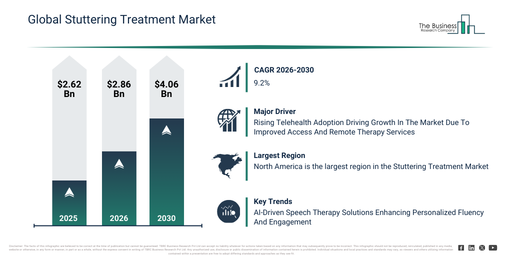
  • Stuttering Treatment  Market Expansion Is Reshaping Competitive Dynamics Across The Industry

    Stuttering Treatment Market Expansion Is Reshaping Competitive Dynamics Across The Industry

    Delivering more actionable and strategically valuable research, The Business Research Company’s 2026 market reports feature market attractiveness analysis, total addressable market evaluation, company benchmarking matrices, interactive Excel dashboards, expanded supply chain intelligence, emerging startup coverage, and detailed product insights.

    Stuttering Treatment Market Size, Value And Growth Trends Through 2030

    The stuttering treatment market has seen significant expansion in recent years. This market is anticipated to expand from $2.62 billion in 2025 to $2.86 billion in 2026, demonstrating a compound annual growth rate (CAGR) of 8.9%. The historical progression of this growth can be linked to an increase in awareness regarding speech disorders, the establishment of more speech therapy clinics, the proliferation of school screening programs, the expansion of services for pediatric therapy, and the early adoption of fluency shaping methods.

    The stuttering treatment market is anticipated to show significant expansion in the next few years. It is predicted to reach $4.06 billion by 2030, demonstrating a compound annual growth rate (CAGR) of 9.2%. The progress during this forecast period can be attributed to the increasing adoption of teletherapy, the growing integration of mental health services in speech care, the expansion of digital therapy platforms, enhanced insurance coverage for speech therapy, and a rise in early diagnosis rates. Prominent trends for the forecast period include the increasing adoption of app-based speech therapy, a rise in the use of virtual speech therapy sessions, the broadening of early childhood fluency programs, greater integration of behavioral counseling, and higher utilization of assistive fluency devices.

    Download A Free Sample Report For Comprehensive Market Insights:

    https://www.thebusinessresearchcompany.com/sample.aspx?id=33327&type=smp&utm_source=Blogs&utm_medium=Paid&utm_campaign=Jul_PR

    #Stuttering Treatment Market Demand Drivers Creating New Revenue Opportunities

    The expanding embrace of telehealth is projected to fuel the growth of the stuttering treatment market in the foreseeable future. Telehealth involves providing healthcare services remotely using digital communication technologies like video consultations, mobile applications, and online therapy platforms. Its increasing uptake stems from enhanced access to care, especially for individuals in remote or underserved regions, alongside reductions in travel time and scheduling obstacles. Stuttering treatment is particularly well-suited for telehealth delivery, as speech therapy sessions can be effectively conducted via real-time video interactions. Through telehealth, patients can access consistent, convenient, and tailored speech therapy from their homes, potentially boosting therapy adherence and broadening access to skilled speech-language pathologists. As an illustration, in September 2024, data from the Australian Bureau of Statistics (ABS), Australia’s national statistical agency, indicated that in 2023–24, 83.5% of males reported utilizing telehealth services, an increase from 78.6% in 2022–23. Consequently, the rising adoption of telehealth is propelling the expansion of the stuttering treatment market.

    Stuttering Treatment Market Segment Performance And Strategic Opportunities

    The stuttering treatment market covered in this report is segmented –

    1) By Treatment Type: Speech Therapy; Digital And App-Based Therapy; Pharmacological Treatment; Assistive Devices And Wearables

    2) By Age Group: Children; Adolescents; Adults

    3) By End User: Speech And Language Clinics; Hospitals And Rehabilitation Centers; Schools And Educational Institutions; Direct-To-Consumer Platforms

    Subsegments:

    1) By Speech Therapy: Articulation Therapy; Fluency Shaping Therapy; Stuttering Modification Therapy; Cognitive Behavioral Therapy

    2) By Digital And App-Based Therapy: Mobile Application Based Therapy; Online Video Therapy Sessions; Virtual Reality Based Therapy; Interactive Software Tools

    3) By Pharmacological Treatment: Anti Anxiety Medication; Dopamine Modulators; Beta Blockers; Other Prescription Drugs

    4) By Assistive Devices And Wearables: Speech Feedback Devices; Delayed Auditory Feedback Devices; Electronic Fluency Devices; Wearable Therapy Devices

    Stuttering Treatment Market Trends Driving Strategic Industry Expansion

    Leading companies within the stuttering treatment sector are increasingly prioritizing the creation of advanced solutions, specifically AI-driven speech therapy applications, to boost personalization, strengthen commitment to therapy, and foster superior speech fluency results. Such AI-enabled apps are digital platforms leveraging artificial intelligence to scrutinize speech patterns, offer immediate feedback, and provide tailored exercises intended to assist individuals in managing stuttering more efficiently. These approaches facilitate consistent and expandable intervention beyond conventional clinic environments. A notable example is Iyaso Softwares Private Limited, an Indian health technology firm, which introduced Eloquent in December 2025. This AI-powered speech therapy application was created to aid individuals with stuttering in enhancing their fluency and speaking confidence via consistent practice. Eloquent integrates proven techniques including gentle onsets, rhythmic speech patterns, and simulated conversations from everyday life. The company reported that users consistently engaging in daily sessions observed tangible improvements in both the severity of their stuttering and their self-assurance in speaking, underscoring the promising efficacy of AI-driven, app-based therapeutic interventions.

    Stuttering Treatment Market Key Players: Which Companies Shape Industry Competition?

    Major companies operating in the stuttering treatment market are Mayo Clinic, Cleveland Clinic, Vanderbilt Health, Houston Methodist, Texas Children’s Hospital, Boston Children’s Hospital, Apollo Hospitals Enterprise Limited, Practo Technologies Pvt. Ltd. (Practo), Ruby Hall Clinic, All India Institute of Speech and Hearing (AIISH) Mysore, McGuire Programme, Perley Health, Tender Palm Super Speciality Hospital, American Institute for Stuttering (AIS), Wasatch Speech & Language Center, Michael Palin Centre for Stammering, National Stuttering Association, Speech & Stuttering Institute, Australian Stuttering Research Centre, Curtin Stuttering Treatment Clinic

    Access The Complete Stuttering Treatment Market Report:

    https://www.thebusinessresearchcompany.com/report/stuttering-treatment-market-report?utm_source=Blogs&utm_medium=Paid&utm_campaign=Jul_PR

    Stuttering Treatment Market Regional Outlook: Where Are The Largest Opportunities Located?

    North America was the largest region in the stuttering treatment market in 2025. Asia-Pacific is expected to be the fastest-growing region in the forecast period. The regions covered in the stuttering treatment market report are Asia-Pacific, South East Asia, Western Europe, Eastern Europe, North America, South America, Middle East, Africa.

    Get in touch with us:

    The Business Research Company: https://www.thebusinessresearchcompany.com/

    Americas: +1 310-496-7795

    Asia: +44 7882 955267 & +91 8897263534

    Europe: +44 7882 955267

    Email us at: marketing@tbrc.info

    Follow us on:

    LinkedIn: https://in.linkedin.com/company/the-business-research-company

    YouTube: https://www.youtube.com/channel/UC24_fI0rV8cR5DxlCpgmyFQ

    Global Market Model: https://www.thebusinessresearchcompany.com/global-market-model
  • Spiral Computed Tomography (SCT)  Market Forecast Reveals Where Future Industry Value Will Be Created

    Spiral Computed Tomography (SCT) Market Forecast Reveals Where Future Industry Value Will Be Created

    Enhanced with market attractiveness analysis, total addressable market evaluation, company benchmarking matrices, interactive Excel dashboards, expanded supply chain intelligence, emerging startup coverage, and detailed product insights, The Business Research Company’s 2026 market reports deliver more actionable and strategically valuable research.

    Spiral Computed Tomography (SCT) Market CAGR Analysis And Future Market Development

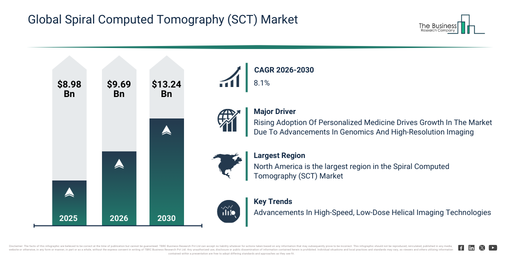
    The spiral computed tomography (sct) market has shown strong growth in recent years. It is projected to expand from $8.98 billion in 2025 to $9.69 billion in 2026, achieving a compound annual growth rate (CAGR) of 7.9%. The historical expansion of this market can be attributed to an increase in chronic disease diagnosis, an improvement in hospital imaging capacity, a rise in oncology screening rates, the enlargement of radiology departments, and the early replacement of conventional CT systems.

    The spiral computed tomography (sct) market size is projected to experience robust expansion over the next few years, with expectations to reach $13.24 billion by 2030, demonstrating a compound annual growth rate (CAGR) of 8.1%. This anticipated growth throughout the forecast period stems from factors such as an expanding aging population, increasing demand for early detection imaging, the broadening of emergency diagnostic services, rising investment in advanced radiology, and higher outpatient imaging volumes. Significant trends characterizing this period include the growing adoption of multi-slice spiral scanners, an increased reliance on low-dose imaging protocols, the ongoing development of three-dimensional reconstruction software, the rising integration of AI-assisted image analysis, and a heightened demand for fast scan trauma imaging.

    Download A Free Sample Report For Comprehensive Market Insights:

    https://www.thebusinessresearchcompany.com/sample.aspx?id=33326&type=smp&utm_source=Blogs&utm_medium=Paid&utm_campaign=Jul_PR

    Spiral Computed Tomography (SCT) Market Expansion Supported By Key Demand Factors

    The increasing acceptance of personalized medicine is set to propel the growth of the spiral computed tomography (SCT) market. Personalized medicine represents a healthcare approach that tailors disease prevention, diagnosis, and treatment based on an individual’s distinct genetic, molecular, and cellular characteristics. The expansion of personalized medicine is attributed to advancements in genomics and molecular diagnostics, which allow for treatments to be customized to an individual’s genetic profile and disease attributes. Spiral computed tomography (SCT) supports personalized medicine by delivering high-resolution, three-dimensional imaging, enabling clinicians to visualize specific anatomical and pathological details precisely. This capability facilitates tailored diagnosis, treatment planning, and monitoring for each patient’s unique condition. For instance, in February 2024, the Personalized Medicine Coalition (PMC), a US-based nonprofit organization, reported that in 2023, the FDA approved 16 new personalized treatments for patients with rare diseases, marking a significant rise from the six approvals recorded in 2022. Therefore, the increasing adoption of personalized medicine has been a key driver for the growth of the Spiral Computed Tomography (SCT) market.

    #Spiral Computed Tomography (SCT) Market Segment Landscape And Growth Potential

    The spiral computed tomography (sct) market covered in this report is segmented –

    1) By Component: Hardware; Software; Services

    2) By Technology: Single-Slice Spiral Computed Tomography; Multi-Slice Spiral Computed Tomography

    3) By Detector Type: Ionization Chamber Detectors; Solid-State Detectors

    4) By Application: Oncology; Cardiology; Neuroscience; Pulmonology; Trauma Care

    5) By End-User: Hospitals; Diagnostic Imaging Centers; Outpatient Care Centers; Research Institutions

    Subsegments:

    1) By Hardware: Computed Tomography Scanner Systems; Extended Ray Tubes; Detector Arrays; Gantry And Patient Table Components; Data Acquisition Systems

    2) By Software: Image Reconstruction Software; Three Dimensional Visualization Software; Dose Management Software; Workflow Management Software; Diagnostic Analysis Software

    3) By Services: Installation And Commissioning Services; Maintenance And Repair Services; Calibration And Quality Assurance Services; Training And Education Services; Technical Support Services

    Spiral Computed Tomography (SCT) Market Growth Trends Influencing Competitive Dynamics

    Leading companies in the spiral computed tomography (SCT) market prioritize the creation of innovative solutions, specifically advancements in spiral CT technology, to address the escalating demand for quicker, more precise, and lower-radiation diagnostic imaging. This demand is fueled by the increasing prevalence of chronic diseases and the urgent need for efficient early detection. Spiral CT technology functions by employing a continuously rotating X-ray tube and a moving patient table to generate intricate three-dimensional images of the body, thus providing more rapid acquisition and superior spatial resolution when contrasted with conventional step-and-shoot CT scanners, which capture images in distinct slices rather than a helical volume. An illustrative example occurred in June 2024, when FUJIFILM Healthcare Americas Corporation, a US–based supplier of diagnostic imaging solutions, introduced the FCT iStream 128-Slice Computed Tomography System. This innovative CT scanner incorporates exclusive technologies such as HiMAR Plus for high image quality metal artifact reduction, Intelli IPV for iterative progressive reconstruction that markedly reduces image noise, IntelliODM for organ-based dose modulation, and SynergyDrive for automated workflow optimization. This compact, AI-enabled system is capable of capturing up to 60 images per second, improving diagnostic efficacy and considerably decreasing patient radiation exposure across a wide spectrum of radiological applications, ranging from standard body imaging to advanced cardiac CT angiography, while simultaneously enhancing patient comfort through its wide bore design.

    Spiral Computed Tomography (SCT) Market Competitive Landscape: Who Are The Leading Companies?

    Major companies operating in the spiral computed tomography (sct) market are Hitachi Ltd., Siemens Healthineers AG, FUJIFILM Holdings Corporation, Koninklijke Philips N.V., GE HealthCare Technologies Inc., Analogic Corporation, Shimadzu Corporation, Canon Medical Systems Corporation, United Imaging Healthcare Co. Ltd., Carestream Health Inc., Accuray Incorporated, Neusoft Medical Systems Co. Ltd., MinFound Medical Systems Co. Ltd., North Star Imaging Inc., Xoran Technologies LLC, Koning Corporation, Shenzhen Anke High-tech Co. Ltd., Planmed Oy, NeuroLogica Corporation, Comet Yxlon GmbH.

    Access The Complete Spiral Computed Tomography (SCT) Market Report:

    https://www.thebusinessresearchcompany.com/report/spiral-computed-tomography-sct-market-report?utm_source=Blogs&utm_medium=Paid&utm_campaign=Jul_PR

    Spiral Computed Tomography (SCT) Market Geographic Landscape: Which Region Dominates Industry Growth?

    North America was the largest region in the spiral computed tomography (SCT) market in 2025. Asia-Pacific is expected to be the fastest-growing region in the forecast period. The regions covered in the spiral computed tomography (sct) market report are Asia-Pacific, South East Asia, Western Europe, Eastern Europe, North America, South America, Middle East, Africa.

    Get in touch with us:

    The Business Research Company: https://www.thebusinessresearchcompany.com/

    Americas: +1 310-496-7795

    Asia: +44 7882 955267 & +91 8897263534

    Europe: +44 7882 955267

    Email us at: marketing@tbrc.info

    Follow us on:

    LinkedIn: https://in.linkedin.com/company/the-business-research-company

    YouTube: https://www.youtube.com/channel/UC24_fI0rV8cR5DxlCpgmyFQ

    Global Market Model: https://www.thebusinessresearchcompany.com/global-market-model