Month: July 2026

  • Bladder Cancer Drugs Market Forecast Signals New Revenue Opportunities Through 2030

    Bladder Cancer Drugs Market Forecast Signals New Revenue Opportunities Through 2030

    Through market attractiveness analysis, total addressable market evaluation, company benchmarking matrices, interactive Excel dashboards, expanded supply chain intelligence, emerging startup coverage, and detailed product insights, The Business Research Company’s 2026 market reports provide more actionable and strategically valuable research.

    Bladder Cancer Drugs Market Revenue Growth Supported By A CAGR Of 8.89% Through 2030

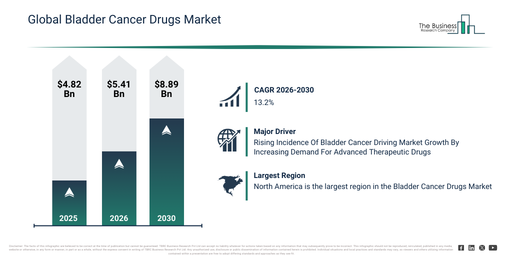
    In recent years, the bladder cancer drugs market has seen swift expansion. It is anticipated to climb from $4.82 billion in 2025 to $5.41 billion in 2026, achieving a compound annual growth rate (CAGR) of 12.2%. This historical growth has been driven by a rise in bladder cancer incidence, well-established chemotherapy regimens, hospital-based oncology care, the application of BCG therapy, and enhancements in cancer diagnosis rates.

    The market for bladder cancer drugs is projected to experience significant expansion in the coming years. It is forecasted to reach $8.89 billion by 2030, progressing at a compound annual growth rate (CAGR) of 13.2%. This anticipated growth during the forecast period is driven by several key factors, including advancements in personalized oncology, innovations within immuno-oncology, the improvement of healthcare infrastructure, the rise of cancer screening initiatives, and a growing preference for minimally invasive treatment options. Among the notable developments shaping this period are the increasing integration of immunotherapy drugs, the wider application of targeted therapies specific to bladder cancer, the broadening scope of intravesical treatments, a heightened emphasis on addressing cancer at early stages, and the ongoing creation of combination therapeutic regimens.

    Download A Free Sample Report For Comprehensive Market Insights:

    https://www.thebusinessresearchcompany.com/sample.aspx?id=2586&type=smp&utm_source=BlogsPR&utm_medium=Paid&utm_campaign=Jul_PR

    #Bladder Cancer Drugs Market Growth Factors: Which Forces Are Supporting Market Expansion?

    The anticipated rise in bladder cancer cases is set to boost the demand for bladder cancer drugs in the future. Bladder cancer, a malignant disease, requires prompt diagnosis and effective management to address tumor growth, recurrence, and spread. Higher incidence rates are largely attributed to aging populations and cumulative environmental factors, including tobacco use and workplace carcinogens. This increasing disease burden fuels the expansion of the bladder cancer drug market by creating a greater need for advanced therapies that enhance survival rates, lower recurrence risks, and deliver personalized care. For example, in June 2023, the American Cancer Society, a US-based nonprofit focused on cancer elimination, reported an estimated 82,290 new bladder cancer cases in the United States for 2023, broken down into 62,420 cases among men and 19,870 among women. Consequently, the rising prevalence of bladder cancer is propelling the growth of the bladder cancer drugs market.

    The expansion of the pharmaceutical industry is expected to drive the bladder cancer drugs market forward. This sector encompasses the discovery, development, and manufacturing of drugs and medicines by public and private organizations. Growth in the pharmaceutical industry is driven by heightened investment in oncology research, increased production capacity, and a global surge in demand for cutting-edge treatment options. A stronger pharmaceutical sector supports the advancement of bladder cancer drugs by encouraging research, development, and investment in novel therapies, thereby improving outcomes for patients through access to a wider array of effective and targeted treatments. As an example, in April 2025, Eurostat, the statistical office of the EU based in Luxembourg, noted that compared to 2023, imports of medicinal and pharmaceutical products rose by 0.5 percent in 2024, while exports climbed by 13.5 percent, boosting the trade surplus from $210 billion (€157 billion) to $260 billion (€194 billion). Thus, the ongoing growth of the pharmaceutical industry is accelerating the bladder cancer drugs market.

    Bladder Cancer Drugs Market Segmentation: How Is The Market Structured Across Key Categories?

    The bladder cancer drugs market covered in this report is segmented –

    1) By Type: Non-Muscle-Invasive Bladder Cancer, Muscle-Invasive Bladder Cancer

    2) By Application: Low-Grade Tumors, High-Grade Tumors

    3) By Distribution Channel: Hospital Pharmacy, Retail Pharmacy, Other Distribution Channels

    Subsegments:

    1) By Non-Muscle-Invasive Bladder Cancer: Intravesical Therapy, Immunotherapy Drugs, Chemotherapy Drugs, Bacillus Calmette–Guérin (BCG) Therapy

    2) By Muscle-Invasive Bladder Cancer: Chemotherapy Drugs, Immunotherapy Drugs, Targeted Therapy Drugs, Neoadjuvant and Adjuvant Therapy

    Bladder Cancer Drugs Market Competitive Landscape And Leading Companies

    Major companies operating in the bladder cancer drugs market are Eli Lilly and Company, Bristol-Myers Squibb Company, Pfizer Inc., Celgene Corporation (a subsidiary of Bristol-Myers Squibb Company), AstraZeneca PLC, Sanofi S.A., F. Hoffmann-La Roche Ltd., Novartis International AG, Johnson & Johnson, Merck & Co. Inc., Boehringer Ingelheim International GmbH, Bayer AG, Asieris Pharmaceuticals Co. Ltd., Asana BioSciences LLC, Array BioPharma Inc., Amgen Inc., Adaptimmune Therapeutics plc, UroGen Pharma Ltd., Seagen Inc., Incyte Corporation, AbbVie Inc., Eisai Co. Ltd., Ipsen S.A., Janssen Pharmaceutica NV, Kyowa Kirin Co. Ltd., Ono Pharmaceutical Co. Ltd., Pierre Fabre S.A., Taiho Pharmaceutical Co. Ltd.

    Access The Complete Bladder Cancer Drugs Market Report:

    https://www.thebusinessresearchcompany.com/report/bladder-cancer-drugs-global-market-report?utm_source=BlogsPR&utm_medium=Paid&utm_campaign=Jul_PR

    Bladder Cancer Drugs Market Global Footprint: Which Region Holds Market Leadership?

    North America was the largest region in the bladder cancer drugs market in 2025. The Middle East is expected to be the fastest-growing region in the bladder cancer drugs market during the forecast period. The regions covered in the bladder cancer drugs market report are Asia-Pacific, South East Asia, Western Europe, Eastern Europe, North America, South America, Middle East, Africa.

    Get in touch with us:

    The Business Research Company: https://www.thebusinessresearchcompany.com/?utm_source=BlogsPR&utm_medium=Paid&utm_campaign=home_page_test

    Americas: +1 310-496-7795

    Asia: +44 7882 955267 & +91 8897263534

    Europe: +44 7882 955267

    Email us at: marketing@tbrc.info

    Follow us on:

    LinkedIn: https://in.linkedin.com/company/the-business-research-company

    YouTube: https://www.youtube.com/channel/UC24_fI0rV8cR5DxlCpgmyFQ

    Global Market Model: https://www.thebusinessresearchcompany.com/global-market-model
  • Bisphosphonates Market Growth Is Accelerating As Industry Transformation Continues

    Bisphosphonates Market Growth Is Accelerating As Industry Transformation Continues

    Delivering more actionable and strategically valuable research, The Business Research Company’s 2026 market reports feature market attractiveness analysis, total addressable market evaluation, company benchmarking matrices, interactive Excel dashboards, expanded supply chain intelligence, emerging startup coverage, and detailed product insights.

    Bisphosphonates Market Value Expansion And Long-Term Growth Outlook

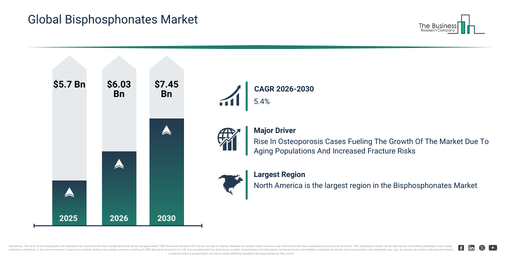
    The bisphosphonates market has experienced robust expansion over the past few years. Between 2025 and 2026, its value is projected to rise from $5.7 billion to $6.03 billion, reflecting a compound annual growth rate (CAGR) of 5.8%. This historical growth has been driven by an increasing elderly demographic, widespread occurrence of postmenopausal osteoporosis, routine bone density evaluations conducted by physicians, management of osteoporosis within hospital settings, and the uptake of injectable bisphosphonate treatments.

    The projected value of the bisphosphonates market indicates notable expansion over the coming years, reaching $7.45 billion by 2030 with a compound annual growth rate (CAGR) of 5.4%. This upward trend during the forecast period is driven by factors such as the growing elderly demographic, a shift toward home-based osteoporosis management, a preference for long-acting formulations, heightened awareness of bone health, and the rising availability of generic medications. Key developments shaping the market include increasing demand for osteoporosis therapies, wider adoption of long-acting injectable options, broader market penetration of generic bisphosphonate drugs, a stronger emphasis on preventing fractures, and the integration of combination therapies targeting bone health.

    Download A Free Sample Report For Comprehensive Market Insights:

    https://www.thebusinessresearchcompany.com/sample.aspx?id=24483&type=smp&utm_source=BlogsPR&utm_medium=Paid&utm_campaign=Jul_PR

    Bisphosphonates Market Demand Drivers: What Is Fueling Industry Growth?

    The growing incidence of osteoporosis is anticipated to drive expansion within the bisphosphonates market in the near future. Osteoporosis is defined as a medical state in which bones become weakened, fragile, and more susceptible to fractures. This condition is becoming more widespread largely because of the aging global population, given that bone density naturally declines with age, further exacerbated by lifestyle choices and a lack of adequate preventive measures. By decelerating the process of bone resorption, bisphosphonates serve to fortify bones and diminish fracture risk, offering an effective treatment for osteoporosis. For example, data from Healthy Bones Australia, a research and advocacy organization focused on bone health based in Australia, indicated in August 2024 that there were an estimated 193,482 osteoporosis and osteopenia-related fractures in 2023, with projections suggesting a 34% increase to 237,632 fractures by 2033. Consequently, the escalating prevalence of osteoporosis is fueling the expansion of the bisphosphonates market.

    The heightened focus on research initiatives and clinical trials is expected to accelerate the progress of the bisphosphonates market moving ahead. Clinical trials involve systematic studies with human subjects aimed at assessing the safety, effectiveness, and possible adverse effects of novel treatments, pharmaceuticals, or medical devices. The uptick in such research and clinical experiments is mainly spurred by a growing need for innovative therapies to meet shifting healthcare demands and enhance patient outcomes. When clinical studies and trials specifically involve bisphosphonates, they contribute to the progression of bone health therapies by thoroughly examining their effectiveness, safety profile, and long-term consequences in managing and halting disorders like osteoporosis and bone metastases. As reported by the Association of the British Pharmaceutical Industry (ABPI), a UK-based trade organization, the number of industry-led clinical trials in the United Kingdom increased from 411 in 2022 to 426 in 2023 as of December 2024. Thus, the surge in research activities and clinical trials is poised to propel the bisphosphonates market forward.

    Bisphosphonates Market Segmentation Trends And Revenue Drivers

    The bisphosphonates market covered in this report is segmented –

    1) By Type: Alendronate, Ibandronate, Risedronate, Zoledronic Acid

    2) By Route Of Administration: Oral, Intravenous

    3) By Distribution Channel: Hospital Pharmacies, Retail Pharmacies, Online Pharmacies, Other Distribution Channels

    4) By Application: Osteoporosis, Paget’s Disease, Bone Metastasis, Other Application

    5) By End-User: Hospitals, Clinics, Homecare Settings, Pharmaceutical Retail

    Subsegments:

    1) By Alendronate: Oral Tablets, Once-Weekly Formulation, Combination With Vitamin D, Generic Alendronate

    2) By Ibandronate: Oral Tablets, Monthly Oral Formulation, Intravenous Injection, Generic Ibandronate

    3) By Risedronate: Immediate-Release Tablets, Delayed-Release Tablets, Weekly And Monthly Dosing, Combination With Calcium

    4) By Zoledronic Acid: Intravenous Infusion, Annual Dosing, Oncology Use, Osteoporosis Use, Generic Zoledronic Acid

    Bisphosphonates Market Industry Leaders: Which Organizations Are Driving Competition?

    Major companies operating in the bisphosphonates market are Merck & Co. Inc., Novartis AG, Teva Pharmaceutical Industries Ltd., Sun Pharmaceutical Industries Ltd., Apotex Inc., Aurobindo Pharma Ltd., Dr. Reddy’s Laboratories Ltd., Cipla Ltd., Alkem Laboratories, Strides Pharma Science Limited, GSK plc, Viatris Inc., Sandoz, Lupin Limited, Zydus Lifesciences Ltd., Torrent Pharmaceuticals Ltd., Glenmark Pharmaceuticals Ltd., Hikma Pharmaceuticals PLC, Fresenius Kabi, Alembic Pharmaceuticals Ltd.

    Access The Complete Bisphosphonates Market Report:

    https://www.thebusinessresearchcompany.com/report/bisphosphonates-global-market-report?utm_source=BlogsPR&utm_medium=Paid&utm_campaign=Jul_PR

    Bisphosphonates Market Regional Distribution: Which Areas Drive Market Expansion?

    North America was the largest region in the bisphosphonates market in 2025. Asia-Pacific is expected to be the fastest-growing region in the forecast period. The regions covered in the bisphosphonates market report are Asia-Pacific, South East Asia, Western Europe, Eastern Europe, North America, South America, Middle East, Africa.

    Get in touch with us:

    The Business Research Company: https://www.thebusinessresearchcompany.com/?utm_source=BlogsPR&utm_medium=Paid&utm_campaign=home_page_test

    Americas: +1 310-496-7795

    Asia: +44 7882 955267 & +91 8897263534

    Europe: +44 7882 955267

    Email us at: marketing@tbrc.info

    Follow us on:

    LinkedIn: https://in.linkedin.com/company/the-business-research-company

    YouTube: https://www.youtube.com/channel/UC24_fI0rV8cR5DxlCpgmyFQ

    Global Market Model: https://www.thebusinessresearchcompany.com/global-market-model
  • Bisphosphonate Drug Market Outlook Highlights The Next Major Growth Opportunities

    Bisphosphonate Drug Market Outlook Highlights The Next Major Growth Opportunities

    Enhanced with market attractiveness analysis, total addressable market evaluation, company benchmarking matrices, interactive Excel dashboards, expanded supply chain intelligence, emerging startup coverage, and detailed product insights, The Business Research Company’s 2026 market reports deliver more actionable and strategically valuable research.

    Bisphosphonate Drug Market Expected To Reach $7.04 Billion By 2030 At 5.8% CAGR

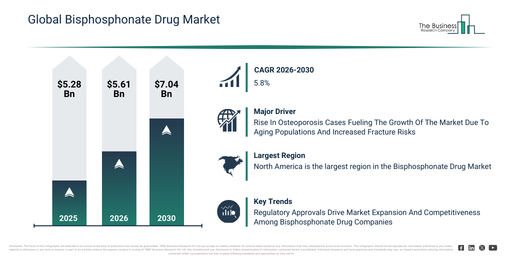
    The bisphosphonate drug market has experienced robust expansion in recent years, with its value projected to increase from $5.28 billion in 2025 to $5.61 billion in 2026, reflecting a compound annual growth rate of 6.2%. This upward momentum in the historical period has been largely driven by factors such as the rising incidence of osteoporosis, the growing number of elderly individuals, the implementation of standardized bone care protocols in hospitals, the establishment of targeted fracture prevention initiatives, and the widespread adoption of oral bisphosphonate therapies.

    The bisphosphonate drug market is anticipated to experience robust expansion over the coming years. By 2030, it is projected to reach $7.04 billion, driven by a compound annual growth rate (CAGR) of 5.8%. This forecasted growth is fueled by factors such as the rising elderly population, broader adoption of injectable therapies, enhanced supportive care in oncology, wider availability of generic medications, and an increasing emphasis on bone health prevention. Key developments shaping this period include the growing application of these drugs in managing postmenopausal osteoporosis, a notable transition toward long-acting injectable formats, the proliferation of generic bisphosphonate options, an expansion in treatments for cancer-induced bone loss, and a heightened focus on minimizing fracture risks.

    Download A Free Sample Report For Comprehensive Market Insights:

    https://www.thebusinessresearchcompany.com/sample.aspx?id=24482&type=smp&utm_source=BlogsPR&utm_medium=Paid&utm_campaign=Jul_PR

    Bisphosphonate Drug Market Growth Drivers: What Factors Are Accelerating Expansion?

    The rising occurrence of osteoporosis is expected to boost the expansion of the bisphosphonates drug market in the coming years. Osteoporosis involves weakened bones that become more susceptible to fractures as a result of reduced bone density. This condition is becoming more common, driven largely by the aging global population since bone density naturally diminishes with age, along with lifestyle habits and a lack of adequate preventive measures. Bisphosphonate drugs address osteoporosis by decelerating bone breakdown, thereby strengthening bones and lowering fracture risks. A case in point is provided by Healthy Bones Australia, a body focused on bone health research and advocacy, which reported in August 2024 that approximately 193,482 fractures linked to osteoporosis and osteopenia occurred in 2023, with projections indicating a 34% increase to 237,632 fractures by 2033. Consequently, the growing prevalence of osteoporosis is fueling the growth of the bisphosphonates drug market.

    Bisphosphonate Drug Market Segment Analysis Highlighting Growth Areas

    The bisphosphonate drug market covered in this report is segmented –

    1) By Type: Alendronate, Risedronate, Zoledronic Acid

    2) By Mode Of Delivery: Oral, Intravenous

    3) By Distribution Channel: Hospital Pharmacies, Retail Pharmacies, Online Pharmacies, Other Distribution Channels

    4) By Application: Postmenopausal Osteoporosis, Men With Osteoporosis, Paget’s Disease, Bone Loss Caused By Cancer Treatment, Glucocorticoid Induced Osteoporosis, Other Applications

    5) By End User: Hospitals, Clinics, Homecare Settings, Other End Users

    Subsegments:

    1) By Alendronate: Oral Alendronate Tablets, Effervescent Alendronate Tablets, Alendronate Combination Drugs, Generic Alendronate, Branded Alendronate

    2) By Risedronate: Immediate-Release Risedronate Tablets, Delayed-Release Risedronate Tablets, Risedronate Combination Drugs, Generic Risedronate, Branded Risedronate

    3) By Zoledronic Acid: Intravenous Zoledronic Acid, Single-Dose Infusion, Multiple-Dose Regimens, Generic Zoledronic Acid, Branded Zoledronic Acid

    4) By Other Types: Ibandronate (Oral And IV Forms), Etidronate, Pamidronate, Tiludronate, Experimental Or Pipeline Bisphosphonates

    Bisphosphonate Drug Market Trends: What Is Shaping Future Industry Growth?

    Key players within the bisphosphonate drug sector are prioritizing the acquisition of regulatory approvals to extend their product portfolios, strengthen their competitive position, and adhere to evolving safety and effectiveness standards. These approvals are official authorizations provided by government health bodies, permitting companies to legally distribute and market their medications after demonstrating their safety and efficacy through rigorous testing. As an example, in March 2025, Celltrion, Inc., a biopharmaceutical firm based in South Korea, secured U.S. FDA clearance for its biosimilars, STOBOCLO (denosumab-bmwo) and OSENVELT (denosumab-bmwo). STOBOCLO is designed to address osteoporosis-related conditions, covering the management of osteoporosis in postmenopausal women and men, glucocorticoid-induced osteoporosis, and bone loss in individuals undergoing specific cancer treatments. In contrast, OSENVELT has been sanctioned for cancer-related skeletal events, encompassing the prevention of bone issues in patients with multiple myeloma or bone metastases, the treatment of giant cell tumor of bone, and the control of hypercalcemia of malignancy.

    Bisphosphonate Drug Market Leading Companies: Who Holds Significant Market Presence?

    Major companies operating in the bisphosphonate drug market are Mylan N.V., Sandoz International GmbH, Fresenius Kabi AG, Lupin Limited, Glenmark Pharmaceuticals Ltd., Torrent Pharmaceuticals Ltd., Cadila Pharmaceuticals Ltd., Alembic Pharmaceuticals Ltd., Micro Labs Ltd., Wockhardt Ltd., Macleods Pharmaceuticals Ltd., Emcure Pharmaceuticals Ltd., Intas Pharmaceuticals Ltd., Granules India Ltd., IPCA Laboratories Ltd., Jubilant Pharmova Ltd., Accord Healthcare Ltd., Aarti Drugs Ltd., Shilpa Medicare Ltd., Indoco Remedies Ltd., Unichem Laboratories Ltd., Alvogen Inc., Perrigo Company plc, ANI Pharmaceuticals Inc., Endo International plc

    Access The Complete Bisphosphonate Drug Market Report:

    https://www.thebusinessresearchcompany.com/report/bisphosphonate-drug-global-market-report?utm_source=BlogsPR&utm_medium=Paid&utm_campaign=Jul_PR

    Bisphosphonate Drug Market Leading Geography: Which Region Generates The Most Revenue?

    North America was the largest region in the bisphosphonate drug market in 2025. Asia-Pacific is expected to be the fastest-growing region in the forecast period. The regions covered in the bisphosphonate drug market report are Asia-Pacific, South East Asia, Western Europe, Eastern Europe, North America, South America, Middle East, Africa.

    Get in touch with us:

    The Business Research Company: https://www.thebusinessresearchcompany.com/?utm_source=BlogsPR&utm_medium=Paid&utm_campaign=home_page_test

    Americas: +1 310-496-7795

    Asia: +44 7882 955267 & +91 8897263534

    Europe: +44 7882 955267

    Email us at: marketing@tbrc.info

    Follow us on:

    LinkedIn: https://in.linkedin.com/company/the-business-research-company

    YouTube: https://www.youtube.com/channel/UC24_fI0rV8cR5DxlCpgmyFQ

    Global Market Model: https://www.thebusinessresearchcompany.com/global-market-model
  • Bispecific T-Cell Engagers Market Trends And Growth Drivers Point To Strong Future Potential

    Bispecific T-Cell Engagers Market Trends And Growth Drivers Point To Strong Future Potential

    Through market attractiveness analysis, total addressable market evaluation, company benchmarking matrices, interactive Excel dashboards, expanded supply chain intelligence, emerging startup coverage, and detailed product insights, The Business Research Company’s 2026 market reports provide more actionable and strategically valuable research.

    Bispecific T-Cell Engagers Market Size And Revenue Forecast Through 2030

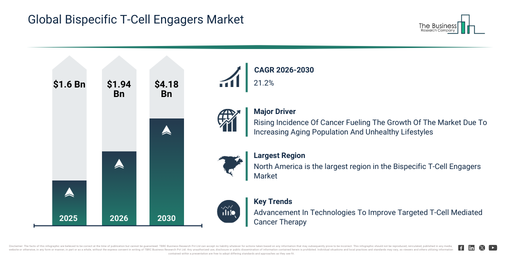
    The market for bispecific T-cell engagers has experienced explosive growth over the past few years. Valued at $1.6 billion in 2025, it is projected to reach $1.94 billion by 2026, reflecting a compound annual growth rate (CAGR) of 21.3%. This historic expansion has been driven by several factors, including the limited effectiveness of traditional cancer treatments, a higher prevalence of hematologic cancers, a deeper comprehension of immune-oncology pathways, early authorization of bispecific antibodies by regulators, and heightened funding for oncology research.

    The bispecific T-cell engagers market is forecasted to experience remarkable expansion over the coming years. By 2030, its value is projected to reach $4.18 billion, driven by a compound annual growth rate (CAGR) of 21.2%. This anticipated growth during the forecast period is fueled by factors like the broadening application of these therapies in solid tumor indications, progress in antibody engineering platforms, an increasing number of successful clinical outcomes for T-cell engagers, higher spending on cancer immunotherapy, and a rise in strategic alliances and licensing agreements. Key trends expected to shape this period include a growing use of bispecific T-cell engagers for hematologic malignancies, a stronger emphasis on targeted immunotherapy and precision oncology, an expansion of clinical trials focused on solid tumors, greater investment in antibody engineering and novel formats, and more collaborations between biotechnology companies and research institutions.

    Download A Free Sample Report For Comprehensive Market Insights:

    https://www.thebusinessresearchcompany.com/sample.aspx?id=27226&type=smp&utm_source=BlogsPR&utm_medium=Paid&utm_campaign=Jul_PR

    Bispecific T-Cell Engagers Market Growth Factors Supporting Long-Term Expansion

    The growing prevalence of cancer is forecasted to drive the expansion of the bispecific T-cell engagers market in the future. Cancer is defined as a category of illnesses marked by the unregulated proliferation and spread of abnormal cells, which have the ability to infiltrate and harm bodily tissues. This increase in cancer cases is driven by influences like aging populations and unhealthy behaviors, as old age leads to greater mutation buildup over time, and detrimental practices such as smoking, poor nutritional habits, and physical inactivity elevate cancer susceptibility. Bispecific T-cell engagers aid in cancer treatment by binding concurrently to both T cells and cancer cells, thereby effectively linking the immune system to tumor targets; this action activates the patient’s own T cells to identify, target, and eliminate malignant cells with considerable precision. For example, in February 2024, the World Health Organization (WHO), a Switzerland-based intergovernmental organization, reported that there were an estimated 20 million new cancer cases in 2022, which are projected to surge by 77%, reaching over 35 million cases by 2050. Consequently, the increasing frequency of cancer is fueling the growth of the bispecific T-cell engagers market.

    Bispecific T-Cell Engagers Market Segment Performance And Strategic Opportunities

    The bispecific t-cell engagers market covered in this report is segmented –

    1) By Product Type: Monoclonal Antibodies, Bispecific Antibodies, Other Product Types

    2) By Application: Hematologic Malignancies, Solid Tumors, Other Applications

    3) By End-User: Hospitals, Specialty Clinics, Research Institutes, Other End-Users

    Subsegments:

    1) By Monoclonal Antibodies: IgG1 Monoclonal Antibodies, IgG2 Monoclonal Antibodies, IgG4 Monoclonal Antibodies, Chimeric Monoclonal Antibodies, Humanized Monoclonal Antibodies

    2) By Bispecific Antibodies: T Cell Engagers, Dual Specific Antibodies, Trispecific Antibodies, Bispecific IgG Antibodies, Tandem Single Chain Variable Fragment Antibodies

    3) By Other Product Types: Fusion Proteins, Recombinant Proteins, Peptide Therapeutics

    Bispecific T-Cell Engagers Market Industry Trends Shaping Future Revenue Growth

    Major players in the bispecific T-cell engagers market are concentrating on developing innovative methods, such as improving cytolytic synapse formation, to boost the targeted elimination of cancer cells. The formation of a cytolytic synapse involves a T cell establishing a specialized junction with a target tumor cell to deliver lethal signals that result in the tumor cell’s death. As an example, in May 2024, Amgen Inc., a biopharmaceutical firm based in the United States, introduced IMDELLTRA (tarlatamab-dlle), which is the first and sole DLL3-targeting bispecific T-cell engager therapy approved by the Food and Drug Administration (FDA), a U.S. government agency, for extensive-stage small cell lung cancer (ES-SCLC). This therapy works by activating the patient’s own T cells to target DLL3-expressing tumor cells, thereby providing a novel targeted immunotherapy option for patients whose disease has advanced following platinum-based chemotherapy.

    Bispecific T-Cell Engagers Market Key Players: Which Companies Shape Industry Competition?

    Major companies operating in the bispecific t-cell engagers market are Pfizer Incorporated, Johnson & Johnson, F. Hoffmann-La Roche AG, AbbVie Incorporated, Sanofi S.A., Amgen Incorporated, Regeneron Pharmaceuticals Incorporated, Ipsen S.A., Genmab A/S, Evotec SE, Akeso Inc., Immunocore Holdings Public Limited Company, MacroGenics Incorporated, Zymeworks Inc., Zenas BioPharma Limited, Candid Therapeutics Inc., BPS Bioscience Inc., Alloy Therapeutics Inc., AP Biosciences Inc., Medigene AG.

    Access The Complete Bispecific T-Cell Engagers Market Report:

    https://www.thebusinessresearchcompany.com/report/bispecific-t-cell-engagers-global-market-report?utm_source=BlogsPR&utm_medium=Paid&utm_campaign=Jul_PR

    Bispecific T-Cell Engagers Market Regional Outlook: Where Are The Largest Opportunities Located?

    North America was the largest region in the bispecific T-cell engagers market in 2025. Asia-Pacific is expected to be the fastest-growing region in the forecast period. The regions covered in the bispecific t-cell engagers market report are Asia-Pacific, South East Asia, Western Europe, Eastern Europe, North America, South America, Middle East, Africa.

    Get in touch with us:

    The Business Research Company: https://www.thebusinessresearchcompany.com/?utm_source=BlogsPR&utm_medium=Paid&utm_campaign=home_page_test

    Americas: +1 310-496-7795

    Asia: +44 7882 955267 & +91 8897263534

    Europe: +44 7882 955267

    Email us at: marketing@tbrc.info

    Follow us on:

    LinkedIn: https://in.linkedin.com/company/the-business-research-company

    YouTube: https://www.youtube.com/channel/UC24_fI0rV8cR5DxlCpgmyFQ

    Global Market Model: https://www.thebusinessresearchcompany.com/global-market-model
  • Bi-Specific MAbS Market Expansion Is Reshaping Competitive Dynamics Across The Industry

    Bi-Specific MAbS Market Expansion Is Reshaping Competitive Dynamics Across The Industry

    Delivering more actionable and strategically valuable research, The Business Research Company’s 2026 market reports feature market attractiveness analysis, total addressable market evaluation, company benchmarking matrices, interactive Excel dashboards, expanded supply chain intelligence, emerging startup coverage, and detailed product insights.

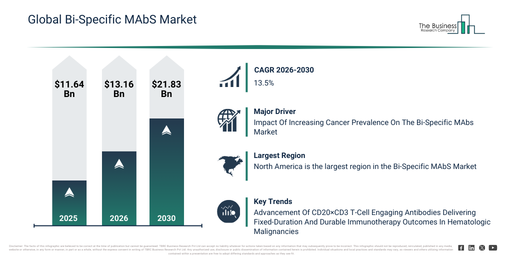
    Bi-Specific MAbS Market Growth From $13.16 Billion In 2026 To $21.82 Billion By 2030 At A CAGR Of 13.5%

    The bi-specific mabs market has undergone rapid expansion in recent years. From $11.64 billion in 2025, it is projected to reach $13.16 billion in 2026, reflecting a compound annual growth rate (CAGR) of 13.0%. Growth during the historical period has been driven by the initial approval of bsabs therapies, a rising prevalence of hematological cancers, the early adoption of monoclonal antibodies, significant investment in oncology research and development, and an increase in hospital-based clinical trials.

    The market for bi-specific monoclonal antibodies is anticipated to experience robust expansion over the coming years. By 2030, its size is projected to reach $21.83 billion, driven by a compound annual growth rate (CAGR) of 13.5%. This forecasted growth is propelled by factors such as the integration of advances in gene and cell therapy, an expanding pipeline of bi-specific antibodies, increased funding for research and development targeting rare diseases, broader adoption of precision medicine approaches, and the emergence of novel delivery platforms for bi-specific antibodies. Key trends shaping this period include a growing focus on tumor immunotherapy applications, the creation of multi-targeted bi-specific antibodies, progress in treatments for hemophilia and other rare diseases, improvements in both in vitro and in vivo platforms, and a rise in collaborative efforts between pharmaceutical and biotechnology companies.

    Download A Free Sample Report For Comprehensive Market Insights:

    https://www.thebusinessresearchcompany.com/sample.aspx?id=3390&type=smp&utm_source=BlogsPR&utm_medium=Paid&utm_campaign=Jul_PR

    Bi-Specific MAbS Market Demand Drivers Creating New Revenue Opportunities

    The projected rise in cancer and other chronic illnesses is expected to drive expansion within the bispecific monoclonal antibodies market during the forecast period. These antibodies are designed to address a range of conditions, including various cancers, infectious diseases, central nervous system disorders, and autoimmune diseases. They are regarded as more effective than traditional monoclonal antibodies (moAbs) because they can engage two or more tumor antigens on cells to impede cancer progression. As an example, the American Cancer Society (ACS), a US-based voluntary health organization, noted in its Cancer Facts & Figures 2023 report that an estimated 609,820 cancer-related deaths are predicted in the USA for 2023. Consequently, the growing burden of chronic diseases like cancer is expected to boost demand for bispecific MAbs to manage these conditions more effectively.

    Bi-Specific MAbS Market Segment Landscape And Growth Potential

    The bi-specific mabs market covered in this report is segmented –

    1) By Drug: Catumaxomab (Removab), Blinatumomab, Duligotumab, Emicizumab, Amivantamab, Faricimab, Teclistamab

    2) By Product Type: In Vivo, In Vitro

    3) By Indication: Cancer, Haemophilia A, Ophthalmic

    4) By End Use: Hospitals, Research Institutes, Other End-Users

    Subsegments:

    1) By Catumaxomab (Removab): Cancer Therapy, Targeting EpCAM and CD3

    2) By Blinatumomab: Acute Lymphoblastic Leukemia (ALL) Treatment, Targeting CD19 and CD3

    3) By Duligotumab: Oncology Treatments, Targeting Epidermal Growth Factor Receptor (EGFR)

    4) By Emicizumab: Hemophilia A Treatment, Targeting Factor IXa and Factor X

    5) By Amivantamab: Non-Small Cell Lung Cancer (NSCLC) Therapy, Targeting EGFR And MET

    6) By Faricimab: Ophthalmology Treatment (Wet Age-related Macular Degeneration, Diabetic Macular Edema), Targeting Angiopoietin-2 And VEGF-A

    7) By Teclistamab: Multiple Myeloma Treatment, Targeting BCMA and CD3

    Bi-Specific MAbS Market Trends Driving Strategic Industry Expansion

    Leading industry players in the bi-specific mAbs sector are pushing forward with innovations like CD20 × CD3 T-cell engaging bispecific antibodies, aiming to address the growing need for more potent, ready-to-use immunotherapies in blood cancers that feature defined treatment durations. This type of bispecific antibody operates by linking T cells to B cells through attachment to CD3 on T cells and CD20 on B cells, enabling T-cell-driven destruction of cancerous B cells with precision—a sharp contrast to standard monoclonal antibodies, which focus solely on B cells or T-cell checkpoints, by employing a targeted immune response. A case in point is Roche AG, a biopharmaceutical firm from Switzerland, which in June 2023 introduced Columvi (glofitamab-gxbm), a CD20×CD3 bispecific T-cell engager. Columvi features a distinctive 2:1 structural design with two CD20-binding sites and one CD3-binding site, administered as a fixed-duration course lasting about 8.5 months, crafted to achieve lasting remission in individuals with relapsed or refractory diffuse large B-cell lymphoma (DLBCL). Its time-limited regimen allows for a potential break from treatment after therapy ends, setting it apart from ongoing treatment protocols, with clinical data revealing robust efficacy coupled with a tolerable safety profile.

    Bi-Specific MAbS Market Competitive Landscape: Who Are The Leading Companies?

    Major companies operating in the bi-specific mabs market are F. Hoffmann-La Roche AG, Amgen Inc, Johnson & Johnson, Kyowa Kirin, Zai Lab, Alphamab Oncology, Celldex Therapeutics, Biocon, EpimAb Biotherapeutics, ABL Bio, Takeda Pharmaceuticals, Innovent Biologics, Merck & Co Inc, Eli Lilly Company Inc., AbbVie Inc, Bayer AG, Pfizer Inc, Novartis AG, GlaxoSmithKline, AstraZeneca, Cytiva, Bristol Myers Squibb, AbCellera, BioMarin Pharmaceuticals, Sanofi S.A., Novo Nordisk A/S, Aspen Pharmacare, Baxter International

    Access The Complete Bi-Specific MAbS Market Report:

    https://www.thebusinessresearchcompany.com/report/bi-specific-mab-global-market-report?utm_source=BlogsPR&utm_medium=Paid&utm_campaign=Jul_PR

    Bi-Specific MAbS Market Geographic Landscape: Which Region Dominates Industry Growth?

    North America was the largest region in the bi-specific MAbs market in 2025. The regions covered in the bi-specific mabs market report are Asia-Pacific, South East Asia, Western Europe, Eastern Europe, North America, South America, Middle East, Africa.

    Get in touch with us:

    The Business Research Company: https://www.thebusinessresearchcompany.com/?utm_source=BlogsPR&utm_medium=Paid&utm_campaign=home_page_test

    Americas: +1 310-496-7795

    Asia: +44 7882 955267 & +91 8897263534

    Europe: +44 7882 955267

    Email us at: marketing@tbrc.info

    Follow us on:

    LinkedIn: https://in.linkedin.com/company/the-business-research-company

    YouTube: https://www.youtube.com/channel/UC24_fI0rV8cR5DxlCpgmyFQ

    Global Market Model: https://www.thebusinessresearchcompany.com/global-market-model
  • Bisoprolol Market Forecast Reveals Where Future Industry Value Will Be Created

    Bisoprolol Market Forecast Reveals Where Future Industry Value Will Be Created

    Enhanced with market attractiveness analysis, total addressable market evaluation, company benchmarking matrices, interactive Excel dashboards, expanded supply chain intelligence, emerging startup coverage, and detailed product insights, The Business Research Company’s 2026 market reports deliver more actionable and strategically valuable research.

    Bisoprolol Market Expansion Outlook: What Revenue Opportunities Lie Ahead?

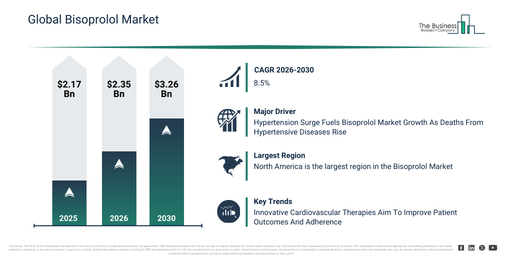
    The bisoprolol market has experienced substantial growth in recent years. Projections indicate it will increase from $2.17 billion in 2025 to $2.35 billion in 2026, reflecting a compound annual growth rate (CAGR) of 8.5%. This past expansion was driven by factors such as a high prevalence of hypertension, the well-documented clinical effectiveness of beta-blockers, an aging demographic, the expansion of hospital-based cardiac care, and broad prescribing patterns among physicians.

    The bisoprolol market is projected to experience robust expansion in the coming years, reaching a value of $3.26 billion by 2030, with a compound annual growth rate (CAGR) of 8.5%. This anticipated growth over the forecast period is driven primarily by an increasing prevalence of cardiovascular diseases, broader availability of generic medications, expanded outpatient cardiac care services, growth in pharmacy networks, and enhanced programs for treatment adherence. Key trends shaping the market include a rising incidence of cardiovascular disorders, greater application of beta-blockers in managing chronic conditions, a shift toward generic cardiovascular drug adoption, an expansion of both retail and hospital pharmacy channels, and an intensified emphasis on sustained blood pressure management.

    Download A Free Sample Report For Comprehensive Market Insights:

    https://www.thebusinessresearchcompany.com/sample.aspx?id=18977&type=smp&utm_source=BlogsPR&utm_medium=Paid&utm_campaign=Jul_PR

    Bisoprolol Market Expansion Supported By Key Demand Factors

    The growing occurrence of hypertension is anticipated to boost the expansion of the bisoprolol market in the coming period. Hypertension refers to a health condition where blood pressure levels remain consistently higher than the normal physiological range. This condition is becoming more common due to inactive lifestyles and escalating obesity rates. The bisoprolol market aids in controlling hypertension by decreasing blood pressure, lessening the heart’s workload, and enhancing circulation. As an example, in February 2024, the Singapore Ministry of Health, a government health body in Singapore, reported that the prevalence of hypertension among adults climbed to 36.1% in 2023, up from 33.0% in 2022, marking a notable yearly increase. Consequently, the rising prevalence of hypertension is fueling the advancement of the bisoprolol market.

    Bisoprolol Market Categorization By Product Type And Application

    The bisoprolol market covered in this report is segmented –

    1) By Type: Tablet, Capsule

    2) By Distribution Channels: Hospital Pharmacies, Retail Pharmacies, Other Distribution Channels

    3) By Application: High Blood Pressure, Coronary Heart Disease, Angina Pectoris, Other Applications

    Subsegments:

    1) By Tablet: Immediate-Release Tablets, Extended-Release Tablets

    2) By Capsule: Immediate-Release Capsules, Extended-Release Capsules, Hard Gelatin Capsules

    Bisoprolol Market Growth Trends Influencing Competitive Dynamics

    Key players in the bisoprolol market are actively working on advanced solutions, such as fixed-dose combinations and extended-release formulations, to boost patient compliance, improve cardiovascular results, and overcome drawbacks of standard treatments. Fixed-dose combinations merge two or more active drugs into a single tablet to streamline therapy, whereas extended-release formulations gradually release the drug over an extended period, offering sustained effects and less frequent dosing. For example, in June 2025, Cadila Pharmaceuticals Limited, a pharmaceutical firm based in India, launched Biscado (Bisoprolol) in India, marking its entry into the beta-blocker therapy arena for managing cardiovascular conditions. This highly cardioselective beta-1 adrenergic blocker is indicated for hypertension, angina, and chronic heart failure by lowering heart rate and blood pressure, thereby reducing cardiac strain. Clinical evidence supports it with studies demonstrating notable decreases in mortality, sudden cardiac death, and heart failure hospitalizations. Biscado is provided with once-daily dosing and as fixed-dose combinations alongside other antihypertensive drugs, aligning with global cardiovascular treatment protocols and enhancing patient adherence across India.

    Bisoprolol Market Company Landscape And Strategic Competition

    Major companies operating in the bisoprolol market are Merck & Co. Inc., Abbott Healthcare Pvt Ltd, Novartis AG, Teva Pharmaceutical Industries Ltd, Aurobindo Pharma Limited, Intas Pharmaceuticals Limited, Cipla Limited, Hikma Pharmaceuticals, Lupin Limited, Dr. Reddy’s Laboratories Limited, Glenmark Pharmaceuticals Limited, Alkem Laboratories Limited, Ipca Laboratories Limited, Medreich Limited, Alembic Pharmaceuticals Limited, Accord Healthcare Limited, Zydus Lifesciences Limited, Zentiva Group, Taj Pharmaceuticals Limited, Torrent Pharmaceuticals Limited, Suanfarma, Rusan Healthcare Limited, VHB Lifesciences Limited, Synnat Pharmaceuticals, Vidakem Lifesciences Pvt Ltd, Pluviaendo Pharmaceuticals

    Access The Complete Bisoprolol Market Report:

    https://www.thebusinessresearchcompany.com/report/bisoprolol-global-market-report?utm_source=BlogsPR&utm_medium=Paid&utm_campaign=Jul_PR

    Bisoprolol Market Largest Region: Which Geography Holds The Highest Market Share?

    North America was the largest region in the bisoprolol market in 2025. The regions covered in the bisoprolol market report are Asia-Pacific, South East Asia, Western Europe, Eastern Europe, North America, South America, Middle East, Africa.

    Get in touch with us:

    The Business Research Company: https://www.thebusinessresearchcompany.com/?utm_source=BlogsPR&utm_medium=Paid&utm_campaign=home_page_test

    Americas: +1 310-496-7795

    Asia: +44 7882 955267 & +91 8897263534

    Europe: +44 7882 955267

    Email us at: marketing@tbrc.info

    Follow us on:

    LinkedIn: https://in.linkedin.com/company/the-business-research-company

    YouTube: https://www.youtube.com/channel/UC24_fI0rV8cR5DxlCpgmyFQ

    Global Market Model: https://www.thebusinessresearchcompany.com/global-market-model
  • Bismuth Subsalicylate Market Growth Through 2030 Creates New Strategic Opportunities

    Bismuth Subsalicylate Market Growth Through 2030 Creates New Strategic Opportunities

    Through market attractiveness analysis, total addressable market evaluation, company benchmarking matrices, interactive Excel dashboards, expanded supply chain intelligence, emerging startup coverage, and detailed product insights, The Business Research Company’s 2026 market reports provide more actionable and strategically valuable research.

    Bismuth Subsalicylate Market Growth Potential: How Will Market Size Change Through 2030?

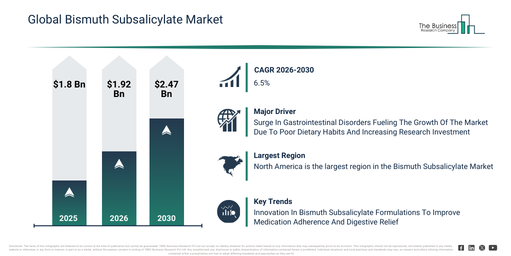
    The market for bismuth subsalicylate has experienced robust expansion over the past few years. Valued at $1.8 billion in 2025, it is projected to reach $1.92 billion by 2026, representing a compound annual growth rate (CAGR) of 6.6%. This past growth has been driven by factors such as the widespread occurrence of gastrointestinal conditions, the easy availability of over-the-counter medications, the proliferation of retail pharmacy networks, a growing tendency among consumers to self-medicate, and heightened awareness regarding digestive health.

    The market for bismuth subsalicylate is anticipated to experience robust expansion in the coming years. By 2030, its value is projected to reach $2.47 billion, driven by a compound annual growth rate (CAGR) of 6.5%. This forecasted growth is largely influenced by factors such as the rising emphasis on preventive healthcare, an increased demand for safe over-the-counter treatments, the expanding market for pediatric digestive care, deeper penetration into emerging economies, and advancements in liquid product formulations. Key developments shaping this period include a greater consumer preference for OTC gastrointestinal solutions, the launch of child-friendly medication formats, a surge in the use of products for preventive digestive health, enhanced accessibility via retail networks, and a growing focus on alcohol-free and sugar-free alternatives.

    Download A Free Sample Report For Comprehensive Market Insights:

    https://www.thebusinessresearchcompany.com/sample.aspx?id=24173&type=smp&utm_source=BlogsPR&utm_medium=Paid&utm_campaign=Jul_PR

    Bismuth Subsalicylate Market Growth Drivers And Industry Catalysts

    The rising frequency of gastrointestinal issues is expected to drive the bismuth subsalicylate market forward in the near future. These conditions involve the digestive tract—encompassing the stomach, intestines, and related organs—and manifest through symptoms like pain, bloating, and irregular bowel movements. Poor eating habits, particularly high consumption of processed foods combined with low fiber intake, largely contribute to this increase by disrupting gut microbiota and impairing digestion. Bismuth subsalicylate works to alleviate diarrhea in these disorders by reducing gut inflammation and limiting the growth of certain bacteria that cause digestive discomfort. For example, a projection published in April 2025 in Nature, a UK peer-reviewed scientific journal, based on population-based registry data indicates that inflammatory bowel disease prevalence in Canada is estimated to climb from 0.83% in 2025 to 0.96% in 2035 and 1.05% by 2043, assuming stable incidence rates; this equates to roughly 321,000 Canadians with IBD in 2025, increasing to 372,000 in 2035 and 407,000 by 2043. Consequently, the growing prevalence of gastrointestinal disorders will foster expansion in the bismuth subsalicylate market.

    The pharmaceutical industry’s growth is anticipated to boost the bismuth subsalicylate market in the coming period. This sector encompasses the research, development, manufacturing, and marketing of medications and therapeutic products aimed at enhancing health and treating a range of medical ailments. Its expansion is fueled by a rising global burden of chronic diseases, which fuels an ongoing demand for innovative therapies to manage these prolonged health issues. A growing pharmaceutical industry supports bismuth subsalicylate by improving the availability of advanced formulations and distribution networks, thus widening global access to this effective gastrointestinal treatment. As an illustration, per the FDA’s Fiscal Year 2023 Report released in June 2024 by a US government publication, the CDER Product Catalog listed 13,572 Abbreviated New Drug Applications at fiscal year 2023’s end, up from earlier years; New Drug Applications reached 3,593 (a 1.5% increase); and Biologics License Applications hit 354 (a 9% rise); overall, the total number of listed products grew by 6% to 148,886 in fiscal year 2023. Thus, the pharmaceutical industry’s expansion will drive growth in the bismuth subsalicylate market.

    Bismuth Subsalicylate Market Segment Analysis And Revenue Opportunities

    The bismuth subsalicylate market covered in this report is segmented –

    1) By Product: Bismuth Subsalicylate Tablets, Bismuth Subsalicylate Suspension, Bismuth Subsalicylate Chewable Tablets

    2) By Distribution Channel: Online Pharmacies, Retail Pharmacies, Supermarkets Or Hypermarkets, Health And Wellness Stores

    3) By Application: Gastrointestinal Disorders, Diarrhea, Nausea, Heartburn, Indigestion

    4) By End-User: Adult Consumers, Pediatric Consumers, Healthcare Professionals, Caretakers And Guardians

    Subsegments:

    1) By Bismuth Subsalicylate Tablets: Prescription Tablets, Over-The-Counter (OTC) Tablets, Coated Tablets, Uncoated Tablets

    2) By Bismuth Subsalicylate Suspension: Flavored Suspension, Unflavored Suspension, Alcohol-Free Suspension, Sugar-Free Suspension

    3) By Bismuth Subsalicylate Chewable Tablets: Adult Chewable Tablets, Pediatric Chewable Tablets, Mint-Flavored Chewable Tablets, Fruit-Flavored Chewable Tablets

    Bismuth Subsalicylate Market Trends Influencing Long-Term Demand

    Key players within the bismuth subsalicylate industry are increasingly prioritizing the creation of innovative products such as chewable tablets to improve patient compliance with medication or supplement routines. Designed to be chewed prior to swallowing, chewable tablets simplify consumption and facilitate faster absorption. A recent example is Wonderbelly, a pharmaceutical company based in the United States, which introduced a dye-free version of Pepto-Bismol (Bismuth Subsalicylate) in May 2025. These chewable tablets provide multi-symptom relief for conditions like upset stomach, diarrhea, indigestion, and nausea. While incorporating the same active ingredient as Pepto-Bismol (bismuth subsalicylate), they are manufactured without the addition of dyes or talc.

    Bismuth Subsalicylate Market Leading Players Shaping Industry Direction

    Major companies operating in the bismuth subsalicylate market are Procter & Gamble, GlaxoSmithKline Plc, Perrigo Company Plc, Siegfried AG, Laboratorios Imperiales S.A. de C.V., Shandong Xinhua Pharmaceutical Co. Ltd., Alpha Chemika, JQC (Huayin) Pharmaceutical Co. Ltd., Chr. Olesen Group, Vital Materials Co. Ltd., Shanpar Industries Pvt. Ltd., OCB Pharmaceutical, Muby Chemicals, A. B. Enterprises, Samuh Laxmi, Lumax Pharmaceutical Labs Pvt. Ltd., GB Nitrochem Pvt. Ltd., Indian Platinum Private Limited, Organs Bio Lab Private Limited, Maan Medex Private Limited

    Access The Complete Bismuth Subsalicylate Market Report:

    https://www.thebusinessresearchcompany.com/report/bismuth-subsalicylate-global-market-report?utm_source=BlogsPR&utm_medium=Paid&utm_campaign=Jul_PR

    Bismuth Subsalicylate Market Regional Analysis: Which Region Leads By Revenue?

    North America was the largest region in the bismuth subsalicylate market in 2025. Asia-Pacific is expected to be the fastest-growing region in the forecast period. The regions covered in the bismuth subsalicylate market report are Asia-Pacific, South East Asia, Western Europe, Eastern Europe, North America, South America, Middle East, Africa.

    Get in touch with us:

    The Business Research Company: https://www.thebusinessresearchcompany.com/?utm_source=BlogsPR&utm_medium=Paid&utm_campaign=home_page_test

    Americas: +1 310-496-7795

    Asia: +44 7882 955267 & +91 8897263534

    Europe: +44 7882 955267

    Email us at: marketing@tbrc.info

    Follow us on:

    LinkedIn: https://in.linkedin.com/company/the-business-research-company

    YouTube: https://www.youtube.com/channel/UC24_fI0rV8cR5DxlCpgmyFQ

    Global Market Model: https://www.thebusinessresearchcompany.com/global-market-model
  • Bipolar Disorder Drugs And Treatment Market Size Projected To Increase From $8.63 Billion To $10.83 Billion During The Forecast Period

    Bipolar Disorder Drugs And Treatment Market Size Projected To Increase From $8.63 Billion To $10.83 Billion During The Forecast Period

    Delivering more actionable and strategically valuable research, The Business Research Company’s 2026 market reports feature market attractiveness analysis, total addressable market evaluation, company benchmarking matrices, interactive Excel dashboards, expanded supply chain intelligence, emerging startup coverage, and detailed product insights.

    Bipolar Disorder Drugs And Treatment Market Value Analysis: What Growth Is Expected Over The Forecast Period?

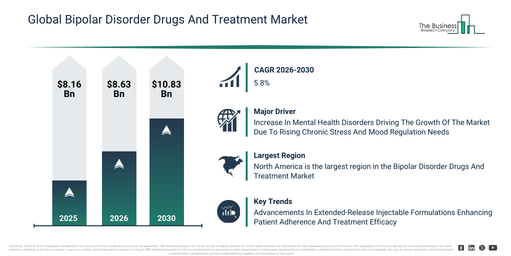
    The bipolar disorder drugs and treatment market has shown solid expansion over the past few years. This market is projected to rise from $8.16 billion in 2025 to $8.63 billion in 2026, reflecting a compound annual growth rate (CAGR) of 5.8%. During the historic period, growth was driven by factors such as increasing awareness of mental health issues, broader adoption of antidepressants, improved psychiatric hospital facilities, greater access to mood stabilizers, and higher rates of diagnosis.

    The market for bipolar disorder drugs and treatments is anticipated to experience robust expansion in the coming years. By 2030, it is projected to reach $10.83 billion, advancing at a compound annual growth rate (CAGR) of 5.8%. This forecasted growth is fueled by developments in precision psychiatry, the introduction of long-acting injectable medications, the incorporation of digital mental health tools, the design of personalized care strategies, and the broadening of outpatient psychiatric services. Key trends shaping this period involve a greater reliance on combination drug approaches, a heightened focus on sustained mood stabilization, wider usage of atypical antipsychotics, an increased emphasis on preventing relapse, and enhanced efforts to boost patient treatment adherence.

    Download A Free Sample Report For Comprehensive Market Insights:

    https://www.thebusinessresearchcompany.com/sample.aspx?id=24171&type=smp&utm_source=BlogsPR&utm_medium=Paid&utm_campaign=Jul_PR

    Bipolar Disorder Drugs And Treatment Market Opportunity Drivers: What Is Creating New Revenue Potential?

    The growing incidence of mental health disorders is expected to drive expansion in the bipolar disorder drugs and treatment market in the years ahead. Such disorders impact an individual’s cognitive functions, emotional states, behaviors, or moods, frequently hindering routine activities and overall wellness. Their rise is largely attributed to heightened chronic stress stemming from contemporary lifestyles, where persistent strains associated with employment, finances, and societal expectations gradually undermine emotional stability and foster lasting psychological difficulties. Treatment options for bipolar disorder, including medications, prove advantageous for these conditions by aiding in mood stabilization, thereby enhancing emotional control and diminishing both the occurrence and intensity of severe episodes. By way of illustration, the National Alliance On Mental Illness, an entity based in the United States, reported in 2024 that psychosis spectrum and mood disorders lead to roughly 600,000 hospitalizations annually among Americans aged 18 to 44. Consequently, the escalating prevalence of mental health disorders will significantly propel the bipolar disorder drugs and treatment market forward.

    Bipolar Disorder Drugs And Treatment Market Segmentation And Category Breakdown

    The bipolar disorder drugs and treatment market covered in this report is segmented –

    1) By Types: Mood Stabilizers, Anticonvulsants, Antipsychotic Drugs, Antidepressant Drugs, Anti-Anxiety Drugs

    2) By Route Of Administration: Oral, Parenteral, Other Routes Of Administration

    3) By Bipolar Disorder: Bipolar I Disorder, Bipolar II Disorder, Cyclothymic Disorder

    4) By Distribution Channel: Hospital Pharmacies, Retail Pharmacies, Online Pharmacies

    Subsegments:

    1) By Mood Stabilizers: Lithium Carbonate, Lamotrigine, Valproate

    2) By Anticonvulsants: Carbamazepine, Oxcarbazepine, Topiramate

    3) By Antipsychotic Drugs: Olanzapine, Risperidone, Quetiapine, Aripiprazole

    4) By Antidepressant Drugs: Selective Serotonin Reuptake Inhibitors (SSRIs), Serotonin-Norepinephrine Reuptake Inhibitors (SNRIs), Tricyclic Antidepressants (TCAs)

    5) By Anti-Anxiety Drugs: Benzodiazepines, Buspirone

    Bipolar Disorder Drugs And Treatment Market Innovation Trends Driving Future Development

    Leading players in the bipolar disorder drugs and treatment market are concentrating on creating innovative products, particularly extended-release injectable formulations, aimed at delivering stable, long-term therapeutic benefits. Such formulations are designed to release medication gradually into the bloodstream, lessening the requirement for daily administration and fostering consistent treatment outcomes. A notable example occurred in January 2023 when Luye Pharma, a pharmaceutical firm based in China, secured U.S. Food and Drug Administration (FDA) approval for Rykindo (risperidone). This is a long-acting injectable suspension indicated for adult schizophrenia, as well as a standalone or adjunctive therapy alongside lithium or valproate for adult bipolar I disorder. The drug relies on a proprietary microsphere technology platform developed by Luye Pharma, enabling its administration via intramuscular injection once every two weeks for extended effects. The active component, risperidone, is released through this extended-release microsphere system, guaranteeing a gradual and sustained delivery over the treatment period.

    Bipolar Disorder Drugs And Treatment Market Competitive Analysis Of Major Industry Participants

    Major companies operating in the bipolar disorder drugs and treatment market are Pfizer Inc., Johnson & Johnson, Merck & Co. Inc., AbbVie Inc., Novartis AG, Sanofi S.A., Bristol-Myers Squibb Company, AstraZeneca PLC, GSK PLC, Takeda Pharmaceutical Company Limited, Eli Lilly and Company, Teva Pharmaceutical Industries Ltd., Boehringer Ingelheim International GmbH, Otsuka Holdings Co. Ltd., Astellas Pharma Inc., Sumitomo Pharma America Inc., Dr. Reddy’s Laboratories Ltd., H. Lundbeck A/S, Cipla Limited, Gedeon Richter Plc, Lupin Limited, Neurocrine Biosciences Inc., Alkermes Plc.

    Access The Complete Bipolar Disorder Drugs And Treatment Market Report:

    https://www.thebusinessresearchcompany.com/report/bipolar-disorder-drugs-and-treatment-global-market-report?utm_source=BlogsPR&utm_medium=Paid&utm_campaign=Jul_PR

    Bipolar Disorder Drugs And Treatment Market Geographic Distribution And Regional Opportunities

    North America was the largest region in the bipolar disorder drugs and treatment market in 2025. Asia-Pacific is expected to be the fastest-growing region in the forecast period. The regions covered in the bipolar disorder drugs and treatment market report are Asia-Pacific, South East Asia, Western Europe, Eastern Europe, North America, South America, Middle East, Africa.

    Get in touch with us:

    The Business Research Company: https://www.thebusinessresearchcompany.com/?utm_source=BlogsPR&utm_medium=Paid&utm_campaign=home_page_test

    Americas: +1 310-496-7795

    Asia: +44 7882 955267 & +91 8897263534

    Europe: +44 7882 955267

    Email us at: marketing@tbrc.info

    Follow us on:

    LinkedIn: https://in.linkedin.com/company/the-business-research-company

    YouTube: https://www.youtube.com/channel/UC24_fI0rV8cR5DxlCpgmyFQ

    Global Market Model: https://www.thebusinessresearchcompany.com/global-market-model
  • Biotech Ingredient Market Growth Outlook Reveals A CAGR Of 6.6% And A Market Value Of $87.05 Billion By 2030

    Biotech Ingredient Market Growth Outlook Reveals A CAGR Of 6.6% And A Market Value Of $87.05 Billion By 2030

    Enhanced with market attractiveness analysis, total addressable market evaluation, company benchmarking matrices, interactive Excel dashboards, expanded supply chain intelligence, emerging startup coverage, and detailed product insights, The Business Research Company’s 2026 market reports deliver more actionable and strategically valuable research.

    Biotech Ingredient Market Size Forecast: How Large Could The Market Become By 2030?

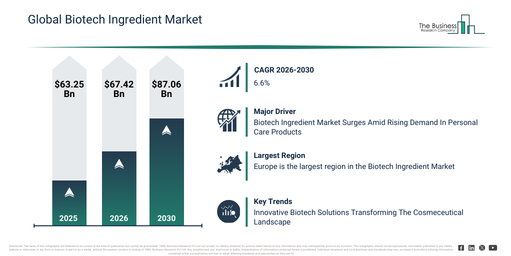
    The biotech ingredient sector has seen robust expansion over recent years, with projections showing an increase from $63.25 billion in 2025 to $67.42 billion in 2026—representing a compound annual growth rate (CAGR) of 6.6%. This historical growth has been driven by a rising need for natural and safe components, progress in microbial fermentation methods, heightened understanding of biotechnology’s role in food and personal care products, a growing consumer shift toward sustainable options, and the initial uptake of compounds derived from yeast and algae.

    The biotech ingredient market is anticipated to experience robust expansion over the coming years, with projections indicating a rise to $87.06 billion by 2030 at a compound annual growth rate of 6.6%. This forecasted growth is driven by factors such as the widening scope of precision medicine and personalized nutrition, enhanced governmental backing for biotech research and development, the upscaling of microbial and yeast expression systems, the integration of artificial intelligence and automation into manufacturing processes, and an increasing range of uses in sectors like cosmetics, cleaning products, and food. Key trends influencing this period include progress in synthetic biology, breakthroughs in microbial engineering, more cost-efficient methods for producing ingredients, a stronger focus on regulatory compliance and safety protocols, and a broader adoption within the food, personal care, and cleaning industries.

    Download A Free Sample Report For Comprehensive Market Insights:

    https://www.thebusinessresearchcompany.com/sample.aspx?id=9817&type=smp&utm_source=BlogsPR&utm_medium=Paid&utm_campaign=Jul_PR

    Biotech Ingredient Market Growth Momentum: Which Factors Are Influencing Demand?

    The biotech ingredient market is set to expand further, fueled by an escalating demand for personal care products. These products encompass a wide array of items designed to uphold personal hygiene and improve appearance. The incorporation of biotech ingredients into such products provides numerous advantages, including a smaller environmental footprint, sustainability, dependable uniformity, decreased allergenic potential, biocompatibility, better efficacy, and a lower reliance on petrochemicals. As an illustration, the Bureau of Labor Statistics, a US governmental agency, reported in December 2024 that the typical yearly expenditure on personal care items and services increased from $866 per consumer unit in 2022 to $950 per consumer unit in 2023. Consequently, the rising need for personal care items is propelling the expansion of the biotech ingredient market.

    Biotech Ingredient Market Segment Outlook: Which Categories Are Expanding The Fastest?

    The biotech ingredient market covered in this report is segmented –

    1) By Type: Active Pharmaceutical Ingredients, Biosimilars

    2) By Expression Systems: Mammalian Expression Systems, Microbial Expression Systems, Yeast Expression Systems, Plant Expression Systems, Insect Expression Systems

    3) By Application: Food And Beverages, Personal Care And Cosmetics, Cleaning Products, Other Applications

    Subsegments:

    1) By Active Pharmaceutical Ingredients (APIs): Biologic APIs, Synthetic APIs

    2) By Biosimilars: Monoclonal Antibodies, Recombinant Proteins, Insulin Biosimilars

    Biotech Ingredient Market Trends Reshaping Industry Growth

    Key industry players within the biotech ingredient space are concentrating on the creation of advanced solutions, such as cutting-edge platforms built on biotechnology, to address the growing need for high-performance, sustainable, and next-generation formulas in cosmetics and personal care. These biotechnology-derived components employ enzymatic and bio-based methods to generate unique molecular architectures with improved capabilities, delivering superior functionality, scalability, and ecological advantages over conventional chemically produced alternatives. In March 2023, International Flavors & Fragrances Inc., an American producer of fragrances, biotech innovations, cosmetic actives, and organic health ingredients, released Aurist AGC, a novel biopolymer intended for hair care applications. This demonstrates the potential of the new DEB platform by harnessing IFF’s complete biotechnological capabilities to deliver enduring, high-performance glamour solutions that can genuinely drive transformation within the cosmeceutical sector. This ingredient utilizes IFF’s proprietary Designed Enzymatic Biopolymers (DEB) technology, an advanced biotechnological method capable of creating new bio-based polysaccharides featuring unique structures and product attributes.

    Biotech Ingredient Market Key Companies And Competitive Benchmarking

    Major companies operating in the biotech ingredient market are Merck & Co. Inc., Sanofi S.A., AbbVie Inc., International Flavors & Fragrance (IFF) Inc., Novartis AG, Pfizer Inc., Teva Pharmaceutical Industries Ltd., Mylan Inc., Boehringer Ingelheim International GmbH., AstraZeneca plc., Givaudan, Firmenich SA, Amyris Inc., Advanced BioTech, Sollice Biotech, Novocap S.A., Eli Lilly, Bristol-Myers Squibb Company, GlaxoSmithKline plc., F. Hoffmann-La Roche AG, Biogen Inc., Amgen Inc., Johnson & Johnson, Genentech Inc., Regeneron Pharmaceuticals Inc., Vertex Pharmaceuticals Incorporated, Alexion Pharmaceuticals Inc., Celgene Corporation, Gilead Sciences Inc., BioMarin Pharmaceutical Inc., Incyte Corporation, Seattle Genetics Inc., Alnylam Pharmaceuticals Inc., Ionis Pharmaceuticals Inc., Moderna Inc., Editas Medicine Inc., Intellia Therapeutics Inc., Sangamo Therapeutics Inc., Bluebird Bio Inc., Spark Therapeutics Inc.

    Access The Complete Biotech Ingredient Market Report:

    https://www.thebusinessresearchcompany.com/report/biotech-ingredient-global-market-report?utm_source=BlogsPR&utm_medium=Paid&utm_campaign=Jul_PR

    Biotech Ingredient Market Largest Region By Revenue And Market Share

    Europe was the largest region in the biotech ingredient market in 2025. Asia-Pacific is expected to be the fastest-growing region in the biotech ingredients market report during the forecast period. The regions covered in the biotech ingredient market report are Asia-Pacific, South East Asia, Western Europe, Eastern Europe, North America, South America, Middle East, Africa.

    Get in touch with us:

    The Business Research Company: https://www.thebusinessresearchcompany.com/?utm_source=BlogsPR&utm_medium=Paid&utm_campaign=home_page_test

    Americas: +1 310-496-7795

    Asia: +44 7882 955267 & +91 8897263534

    Europe: +44 7882 955267

    Email us at: marketing@tbrc.info

    Follow us on:

    LinkedIn: https://in.linkedin.com/company/the-business-research-company

    YouTube: https://www.youtube.com/channel/UC24_fI0rV8cR5DxlCpgmyFQ

    Global Market Model: https://www.thebusinessresearchcompany.com/global-market-model
  • Biotech Collaborations Market Forecast Highlights Expansion From $105.07 Billion To $159.76 Billion Through 2030

    Biotech Collaborations Market Forecast Highlights Expansion From $105.07 Billion To $159.76 Billion Through 2030

    Through market attractiveness analysis, total addressable market evaluation, company benchmarking matrices, interactive Excel dashboards, expanded supply chain intelligence, emerging startup coverage, and detailed product insights, The Business Research Company’s 2026 market reports provide more actionable and strategically valuable research.

    Biotech Collaborations Market Revenue Outlook: What CAGR Is Expected Through 2030?

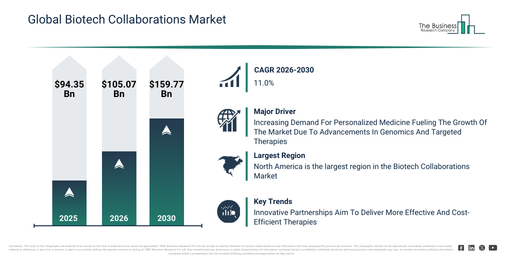
    The size of the biotech collaborations market has experienced swift growth over recent years, expanding from $94.35 billion in 2025 to an estimated $105.07 billion in 2026, reflecting a compound annual growth rate (CAGR) of 11.4%. This historic growth has been driven by several factors, including the growing intricacy of drug development pipelines, the escalating expenses associated with clinical trials, the broadening of translational research programs, the rise in venture-backed biotech startups, and the heightened involvement of academic research.

    The biotechnology collaboration market is anticipated to experience substantial expansion over the coming years, projected to reach $159.77 billion by 2030 with an 11.0% compound annual growth rate (CAGR). This forecasted growth is driven by factors such as an increased emphasis on precision medicine partnerships, a greater reliance on data-informed drug discovery alliances, the expansion of joint public-private research initiatives, heightened interest in platform-oriented biotech agreements, and the accelerating globalization of clinical trials. Notable developments influencing this period include a surge in strategic R&D partnerships among biotech enterprises, the growing prevalence of licensing and co-development structures, more extensive cooperation with academic research centers, the broadening of cross-border biotech collaborations, and a stronger focus on mechanisms that share innovation risks.

    Download A Free Sample Report For Comprehensive Market Insights:

    https://www.thebusinessresearchcompany.com/sample.aspx?id=28151&type=smp&utm_source=BlogsPR&utm_medium=Paid&utm_campaign=Jul_PR

    Biotech Collaborations Market Expansion Drivers: What Is Shaping Future Growth?

    The rising demand for tailored medical treatments is anticipated to boost expansion in the biotech collaborations market. Personalized medicine is a healthcare strategy that customizes therapeutic and preventive measures based on an individual’s distinct genetic profile, lifestyle, and environment. This growing preference for personalized approaches is largely driven by advances in genomics, which allow for accurate detection of genetic differences and customized care for each person. By merging specialized knowledge and cutting-edge technologies, biotech partnerships speed up progress in personalized medicine, facilitating the creation of targeted treatments suited to individual patients. Such collaborations shorten research periods and boost success rates, thereby improving treatment effectiveness and patient well-being. For example, in February 2024, the Personalized Medicine Coalition, a U.S.-based nonprofit, reported that the U.S. Food and Drug Administration approved 26 new personalized medicines in 2023—a sharp rise from the 12 approved in 2022. Consequently, the growing need for personalized medicine is fueling advancement in the biotech collaborations market.

    Biotech Collaborations Market Segment Landscape: Which Areas Lead Market Development?

    The biotech collaborations market covered in this report is segmented –

    1) By Collaboration Type: Research And Development Collaborations, Licensing Agreements, Joint Ventures, Mergers Or Acquisitions, Other Collaborations

    2) By Application: Drug Discovery, Clinical Research, Diagnostics, Therapeutics, Other Applications

    3) By End User: Pharmaceutical Companies, Biotechnology Firms, Academic And Research Institutes, Other End-Users

    Subsegments:

    1) By Research And Development Collaborations: Preclinical Research, Clinical Trials, Translational Research, Drug Discovery

    2) By Licensing Agreements: Exclusive Licensing, Non Exclusive Licensing, In Licensing, Out Licensing

    3) By Joint Ventures: Strategic Alliance, Co Development, Co Marketing, Technology Sharing

    4) By Mergers Or Acquisitions: Horizontal Merger, Vertical Merger, Conglomerate Merger, Acquisition Of Assets

    5) By Other Collaborations: Research Consortium, Public Private Partnership, Academic Collaboration, Contract Research

    Biotech Collaborations Market Strategic Trends: What Is Defining The Next Phase Of Growth?

    Major players in the biotech collaborations market are prioritizing the creation of cutting-edge approaches, including AI-powered drug discovery platforms, to speed up the detection of new therapies and enhance the efficiency of research and development. These platforms rely on sophisticated algorithms and machine learning to examine biological information, forecast interactions between drugs and their targets, and streamline the creation of new treatments. A relevant example occurred in January 2025, when Iktos S.A.S., a biotechnology firm based in France, entered into a partnership with Cube Biotech GmbH, a German biotechnology company, to create new small molecule agonists aimed at the amylin receptor—a promising target for cardiometabolic conditions such as obesity, diabetes, and metabolic dysfunction-associated steatotic hepatitis (MASH). This collaboration takes advantage of Iktos’ generative AI-based drug discovery and robotic synthesis systems, combined with Cube Biotech’s expertise in NativeMP membrane protein technology, protein stabilization strategies, and biophysical assay methods. The aim of this partnership is to reduce drug discovery timelines, boost the likelihood of success, and more effectively tackle difficult membrane protein targets, potentially leading to treatments that are both more efficient and cost-effective compared to current options like GLP-1 receptor agonists.

    Biotech Collaborations Market Industry Leaders And Market Competition

    Major companies operating in the biotech collaborations market are Johnson And Johnson, F. Hoffmann-La Roche Ltd., Merck And Co. Inc., Pfizer Inc., AbbVie Inc., Bayer AG, Sanofi S.A., Novartis AG, AstraZeneca plc, Bristol-Myers Squibb Company, GlaxoSmithKline plc, Eli Lilly And Company, Novo Nordisk A/S, Takeda Pharmaceutical Company Limited, Amgen Inc., Gilead Sciences Inc., C.H. Boehringer Sohn AG & Co. KG, CSL Limited., Regeneron Pharmaceuticals Inc., Vertex Pharmaceuticals Incorporated, Biogen Inc.

    Access The Complete Biotech Collaborations Market Report:

    https://www.thebusinessresearchcompany.com/report/biotech-collaborations-global-market-report?utm_source=BlogsPR&utm_medium=Paid&utm_campaign=Jul_PR

    Biotech Collaborations Market Regional Analysis And Leading Geography

    North America was the largest region in the biotech collaborations market in 2025. The regions covered in the biotech collaborations market report are Asia-Pacific, South East Asia, Western Europe, Eastern Europe, North America, South America, Middle East, Africa.

    Get in touch with us:

    The Business Research Company: https://www.thebusinessresearchcompany.com/?utm_source=BlogsPR&utm_medium=Paid&utm_campaign=home_page_test

    Americas: +1 310-496-7795

    Asia: +44 7882 955267 & +91 8897263534

    Europe: +44 7882 955267

    Email us at: marketing@tbrc.info

    Follow us on:

    LinkedIn: https://in.linkedin.com/company/the-business-research-company

    YouTube: https://www.youtube.com/channel/UC24_fI0rV8cR5DxlCpgmyFQ

    Global Market Model: https://www.thebusinessresearchcompany.com/global-market-model