Month: July 2026

  • Biosimilars Market Expected To Reach $48.52 Billion By 2030 As Growth Accelerates At 17.4% CAGR

    Biosimilars Market Expected To Reach $48.52 Billion By 2030 As Growth Accelerates At 17.4% CAGR

    Delivering more actionable and strategically valuable research, The Business Research Company’s 2026 market reports feature market attractiveness analysis, total addressable market evaluation, company benchmarking matrices, interactive Excel dashboards, expanded supply chain intelligence, emerging startup coverage, and detailed product insights.

    Biosimilars Market Growth Analysis: How Will Revenue Expand During The Forecast Period?

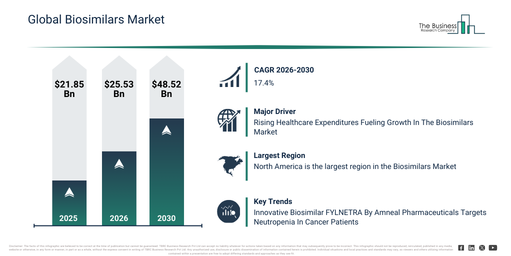
    The biosimilars sector has experienced swift expansion in recent years. Projections indicate an increase from $21.85 billion in 2025 to $25.53 billion in 2026, achieving a compound annual growth rate (CAGR) of 16.9%. Several factors have driven this historical growth, including the escalating incidence of chronic and autoimmune conditions, the substantial expense of reference biologics, a heightened need for affordable treatment options, progress in biopharmaceutical research and development, and the strengthening of healthcare systems within developing countries.

    The biosimilars market is projected to experience significant growth over the coming years, with its value anticipated to reach $48.52 billion by 2030, expanding at a compound annual growth rate (CAGR) of 17.4%. This forecasted expansion is driven by the expiration of patents for major biologic drugs, heightened utilization of biosimilars in oncology and autoimmune treatments, favorable government policies and incentives, enhanced production capabilities in the Asia-Pacific region, and increased collaborations between biopharmaceutical firms and contract manufacturing organizations. Key trends shaping this period include the emergence of tailored biosimilar development, more cost-efficient biologic manufacturing, progress in regulatory alignment and compliance, growth of biosimilar markets in developing regions, and a rise in strategic alliances and joint ventures.

    Download A Free Sample Report For Comprehensive Market Insights:

    https://www.thebusinessresearchcompany.com/sample.aspx?id=2807&type=smp&utm_source=BlogsPR&utm_medium=Paid&utm_campaign=Jul_PR

    Biosimilars Market Development Factors: Which Trends Are Supporting Demand?

    The rising costs of healthcare are anticipated to drive the expansion of the biosimilars market in the coming period. Healthcare expenditures encompass the overall amount spent on medical goods and services within a specific population or system. By providing more affordable options compared to costly biologic drugs, the biosimilar sector helps cut treatment expenses for patients and healthcare systems, thereby reducing overall healthcare spending. For example, in March 2024, the Health Foundation, an independent UK charity and think tank, reported that total health spending in England reached £182 billion ($196.78 billion) in 2022/23, the most recent year with confirmed data. Although planned health expenditures are expected to climb to £192 billion ($207.59 billion) in 2024/25, inflation will limit the real-term increase to just 0.6% relative to the 2023/24 fiscal year. Consequently, the growth of the biosimilars market is being fueled by increasing healthcare expenditures.

    Biosimilars Market Segments: Where Are The Largest Growth Opportunities?

    The biosimilars market covered in this report is segmented –

    1) By Type: Monoclonal Antibodies, Insulin, Erythropoietin, Granulocyte-Colony Stimulating Factor, Other Hormones

    2) By Protein Type: Recombinant Non-glycosylated Proteins, Recombinant Glycosylated Proteins

    3) By Application: Oncology, Chronic And Autoimmune Diseases, Growth Hormone Deficiency, Infectious Diseases, Other Applications

    Subsegments:

    1) By Monoclonal Antibodies: IgG Biosimilars, Non-IgG Biosimilars

    2) By Insulin: Rapid-Acting Insulin Biosimilars, Long-Acting Insulin Biosimilars, Premixed Insulin Biosimilars

    3) By Erythropoietin: Epoetin Alfa Biosimilars, Darbepoetin Alfa Biosimilars

    4) By Granulocyte-Colony Stimulating Factor (G-CSF): Filgrastim Biosimilars, Pegfilgrastim Biosimilars

    5) By Other Hormones: Growth Hormones, Hormonal Replacement Therapy Biosimilars

    Biosimilars Market Transformation Trends: Which Innovations Are Driving Change?

    Key players in the biosimilars industry are concentrating on developing cutting-edge products to secure a competitive advantage within the sector. FYLNETRA, a leukocyte growth factor, is designed to reduce the occurrence of infections, particularly those presenting as febrile neutropenia, in patients with non-myeloid cancers who are undergoing myelosuppressive chemotherapy regimens linked to a notable risk of febrile neutropenia. A notable example occurred in May 2023, when Amneal Pharmaceuticals Inc., a pharmaceutical firm based in the United States, introduced FYLNETRA (pegfilgrastim-pbbk) to the market, a biosimilar referencing Neulasta, delivered in a prefilled single-dose syringe. This therapy addresses neutropenia—a condition characterized by low levels of neutrophils, the white blood cells essential for fighting infections—frequently experienced by individuals during chemotherapy.

    Biosimilars Market Major Participants And Competitive Dynamics

    Major companies operating in the biosimilars market are Amgen, Novartis AG, Samsung Bioepis Co. Ltd., Viatris, Celltrion Inc., Coherus Biosciences, Eli Lilly and Company, Dr. Reddy’s Laboratories, Roche India Pvt Ltd, Abbott India Limited, Wuxi Biologics, Shanghai Henlius Biotech, Innovent Biologics, Hisun Pharma, 3SBio, Beijing ShuangLu Pharmaceuticals, Qilu Pharmaceutical, Kyowa Hakko Kirin, Takeda, Mitsubishi Tanabe, AGC Biologics, Bio-Thera, Sandoz Pty Ltd, Apotex Pty Ltd, Cadila Pharmaceuticals, BiosanaPharma, GlaxoSmithKline, AstraZeneca, Bayer, Merck, Boehringer Ingelheim, Sanofi, Fresenius Kabi, Napp Pharmaceuticals, Mundipharma Deutschland GmbH & Co. KG, Geropharm, Valenta, NovaMedica, SynBio, Rani Therapeutics, Johnson & Johnson, Biogen Inc., Aché, Eurofarma, Teva Pharmaceuticals, Oramed Pharmaceuticals, Entera Bio, Julphar, Hikma Pharmaceuticals, BIOPHARMA-MEA, NeoTX, AID Genomics Limited, Altis Biologics, Cipla Medpro South Africa, Next Biosciences, Viome, Inqaba Biotechnical Industries (Pty)

    Access The Complete Biosimilars Market Report:

    https://www.thebusinessresearchcompany.com/report/biosimilar-global-market-report?utm_source=BlogsPR&utm_medium=Paid&utm_campaign=Jul_PR

    Biosimilars Market Geographic Analysis: Where Is Demand Growing The Fastest?

    North America was the largest region in the global biosimilars market in 2025. Middle East is expected to be the fastest-growing region in the forecast period. The regions covered in the biosimilars market report are Asia-Pacific, South East Asia, Western Europe, Eastern Europe, North America, South America, Middle East, Africa.

    Get in touch with us:

    The Business Research Company: https://www.thebusinessresearchcompany.com/?utm_source=BlogsPR&utm_medium=Paid&utm_campaign=home_page_test

    Americas: +1 310-496-7795

    Asia: +44 7882 955267 & +91 8897263534

    Europe: +44 7882 955267

    Email us at: marketing@tbrc.info

    Follow us on:

    LinkedIn: https://in.linkedin.com/company/the-business-research-company

    YouTube: https://www.youtube.com/channel/UC24_fI0rV8cR5DxlCpgmyFQ

    Global Market Model: https://www.thebusinessresearchcompany.com/global-market-model
  • Biosimilar Therapeutic Peptides Market Set To Grow From $3.89 Billion In 2026 To $6.11 Billion By 2030 At A CAGR Of 11.9%

    Biosimilar Therapeutic Peptides Market Set To Grow From $3.89 Billion In 2026 To $6.11 Billion By 2030 At A CAGR Of 11.9%

    Enhanced with market attractiveness analysis, total addressable market evaluation, company benchmarking matrices, interactive Excel dashboards, expanded supply chain intelligence, emerging startup coverage, and detailed product insights, The Business Research Company’s 2026 market reports deliver more actionable and strategically valuable research.

    Biosimilar Therapeutic Peptides Market Forecast: What Market Value Is Expected By 2030?

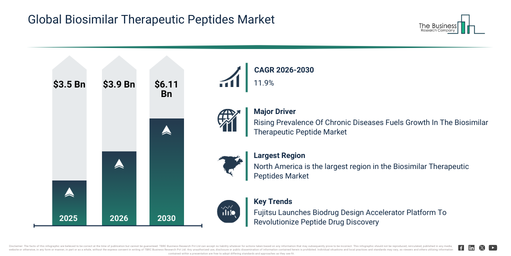
    The market for biosimilar therapeutic peptides has experienced swift expansion in recent years. Projected to rise from $3.5 billion in 2025 to $3.9 billion in 2026, it reflects a compound annual growth rate (CAGR) of 11.5%. This historical growth has been driven by factors such as the restricted supply of biosimilar peptides, a dependence on novel peptide treatments, a rising incidence of cancer and metabolic conditions, heightened awareness regarding peptide-based therapies, and advancements in parenteral delivery techniques.

    The market for biosimilar therapeutic peptides is projected to experience significant expansion over the coming years. By 2030, its value is anticipated to reach $6.11 billion, registering a compound annual growth rate (CAGR) of 11.9%. This upward trajectory during the forecast period is driven by several factors, including the launch of combination and long-acting peptides, the scaling up of generic peptide manufacturing, a greater uptake of transdermal delivery systems, increased funding for peptide research and development, and higher global healthcare spending on peptide-based treatments. Notable trends shaping this period involve a heightened demand for biosimilar therapeutic peptides in oncology, a broader application of peptide therapies for metabolic and cardiovascular conditions, a shift toward long-acting and combination peptide formulations, the growing use of parenteral and transdermal administration methods, and a strategic emphasis on cost-effective generic peptides to improve accessibility in emerging economies.

    Download A Free Sample Report For Comprehensive Market Insights:

    https://www.thebusinessresearchcompany.com/sample.aspx?id=3423&type=smp&utm_source=BlogsPR&utm_medium=Paid&utm_campaign=Jul_PR

    Biosimilar Therapeutic Peptides Market Industry Drivers: What Is Driving Revenue Growth?

    The growing incidence of chronic diseases is anticipated to propel the biosimilar therapeutic peptide market. These long-lasting health conditions require continuous care and management over extended periods, often spanning many years or a lifetime. As the number of such cases rises, there is an increasing need for affordable treatment options, positioning biosimilar therapeutic peptides as a cost-effective solution that can enhance patient access and support the sustainability of healthcare systems. Market expansion is further supported by favorable regulatory frameworks and accumulating clinical evidence. For example, in April 2025, the US Centers for Disease Control and Prevention (CDC) reported that in 2023, approximately 194 million American adults—representing 76.4%—had at least one chronic condition. This prevalence varied by age group: 59.5% among young adults, 78.4% among those in midlife, and 93.0% among older adults. Consequently, the increasing burden of chronic diseases is likely to drive growth in the biosimilar therapeutic peptides market.

    Biosimilar Therapeutic Peptides Market Segment Analysis: What Are The Major Market Categories?

    The biosimilar therapeutic peptides market covered in this report is segmented –

    1) By Type: Innovative, Generic

    2) By Route Of Administration: Parenteral Route, Transdermal Route, Other Route Of Administrations

    3) By Application: Cancer, Cardiovascular, Central Nervous Systems, Metabolic Disorders, Infection, Hematological Disorders, Gastrointestinal Disorders, Dermatology, Respiratory Disorders

    Subsegments:

    1) By Innovative: Long-Acting Peptides, Combination Peptides

    2) By Generic: Monoclonal Antibodies, Hormones, Enzymes

    Biosimilar Therapeutic Peptides Market Growth Trends: What Is Influencing The Future Outlook?

    Key players in the biosimilar therapeutic peptide market are advancing a research platform focused on streamlining peptide synthesis, boosting manufacturing effectiveness, and upholding consistent quality standards from initial discovery through full-scale commercialization. Known as the Biodrug Design Accelerator, this system is designed to oversee research workflows in peptide drug discovery—an area widely seen as a promising frontier in novel drug development. In May 2023, for example, Fujitsu Limited, a US-based toy manufacturing and entertainment firm, introduced the Biodrug Design Accelerator platform to expedite peptide drug discovery research. This platform aids pharmaceutical scientists by enhancing and accelerating peptide drug development through iterative cycles of design, synthesis, testing, and analysis (DMTA), thereby facilitating faster and smarter design of peptide drug candidates and fostering clearer communication among researchers about synthesis and testing procedures.

    Biosimilar Therapeutic Peptides Market Leading Companies Driving Competitive Growth

    Major companies operating in the biosimilar therapeutic peptides market are Pfizer Inc., Merck & Co. Inc., Novartis AG, Sanofi SA, Takeda Pharmaceuticals Co. Ltd., Eli Lilly and Company, Novo Nordisk A/S, Apotex Inc., Teva Pharmaceuticals Industries Ltd., Sandoz International GmbH, Lonza Inc., Stada Arzneimittel AG, Ipsen S.A, Biocon Biopharmaceuticals Pvt. Ltd., Dr. Reddy’s Laboratories Ltd., Alvogen Pharma US Inc., Corden Pharma GmbH, Bachem Holding AG, PolyPeptide Laboratories Ltd.

    Access The Complete Biosimilar Therapeutic Peptides Market Report:

    https://www.thebusinessresearchcompany.com/report/biosimilar-therapeutic-peptide-global-market-report?utm_source=BlogsPR&utm_medium=Paid&utm_campaign=Jul_PR

    Biosimilar Therapeutic Peptides Market Global Footprint: Which Region Holds Market Leadership?

    North America was the largest region in the biosimilar therapeutics peptides market in 2025. Middle East is expected to be the fastest growing region in the biosimilar therapeutic peptides market report during the forecast period. The regions covered in the biosimilar therapeutic peptides market report are Asia-Pacific, South East Asia, Western Europe, Eastern Europe, North America, South America, Middle East, Africa.

    Get in touch with us:

    The Business Research Company: https://www.thebusinessresearchcompany.com/?utm_source=BlogsPR&utm_medium=Paid&utm_campaign=home_page_test

    Americas: +1 310-496-7795

    Asia: +44 7882 955267 & +91 8897263534

    Europe: +44 7882 955267

    Email us at: marketing@tbrc.info

    Follow us on:

    LinkedIn: https://in.linkedin.com/company/the-business-research-company

    YouTube: https://www.youtube.com/channel/UC24_fI0rV8cR5DxlCpgmyFQ

    Global Market Model: https://www.thebusinessresearchcompany.com/global-market-model
  • Biosimilar Monoclonal Antibodies Market Opportunities Are Emerging Beyond Traditional Growth Areas

    Biosimilar Monoclonal Antibodies Market Opportunities Are Emerging Beyond Traditional Growth Areas

    Through market attractiveness analysis, total addressable market evaluation, company benchmarking matrices, interactive Excel dashboards, expanded supply chain intelligence, emerging startup coverage, and detailed product insights, The Business Research Company’s 2026 market reports provide more actionable and strategically valuable research.

    Biosimilar Monoclonal Antibodies Market Size Outlook: How Fast Will Revenue Grow Through 2030?

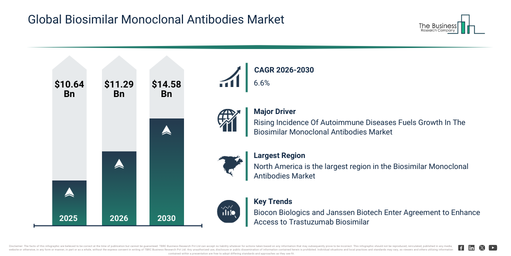
    The biosimilar monoclonal antibodies market has experienced robust expansion over recent years. Its valuation is projected to rise from $10.64 billion in 2025 to $11.29 billion in 2026, reflecting a compound annual growth rate (CAGR) of 6.2%. This historical growth has been driven by several key factors: the elevated expense of original biologic drugs, an increasing prevalence of chronic and autoimmune conditions, the expiration of patents for major monoclonal antibodies, rising healthcare spending, and the gradual establishment of clearer regulatory frameworks for biosimilars.

    The biosimilar monoclonal antibodies industry is anticipated to experience robust expansion in the coming years. By 2030, its value is projected to hit $14.58 billion, achieving a compound annual growth rate (CAGR) of 6.6%. Several factors are driving this growth in the forecast period, including the broadening of biosimilar development initiatives, a heightened need for economical biologic treatments, growing authorizations in developing economies, progress in biopharmaceutical production methods, and favorable government measures encouraging biosimilar utilization. Noteworthy developments expected during this period involve the growing preference for cost-efficient biosimilar monoclonal antibodies, more frequent application of biosimilars in oncology and autoimmune conditions, rising confidence among healthcare professionals and patients regarding these products, an increase in regulatory clearances in international markets, and a heightened emphasis on broadening the availability of biologic therapies.

    Download A Free Sample Report For Comprehensive Market Insights:

    https://www.thebusinessresearchcompany.com/sample.aspx?id=3412&type=smp&utm_source=BlogsPR&utm_medium=Paid&utm_campaign=Jul_PR

    #Biosimilar Monoclonal Antibodies Market Growth Factors: Which Forces Are Supporting Market Expansion?

    The growing prevalence of autoimmune conditions is set to boost the biosimilar monoclonal antibodies market. These disorders occur when the immune system erroneously attacks the body’s own tissues and organs. This increase largely stems from heightened exposure to environmental factors like pollution and chemicals, which disturb immune system equilibrium and spur irregular immune reactions. By delivering cost-effective, potent, and broadly available targeted treatments that control excessive immune activity in patients, biosimilar monoclonal antibodies play a crucial role in tackling this issue. In February 2024, Arthritis Australia, a nonprofit based in the country, reported that an estimated 212,136 males and 362,137 females are projected to have rheumatoid arthritis (RA) in 2025, with these figures anticipated to climb to roughly 280,040 males and 479,828 females by 2040. Consequently, the rising incidence of autoimmune diseases is fueling growth in the biosimilar monoclonal antibodies market.

    Biosimilar Monoclonal Antibodies Market Segment Breakdown: Which Categories Generate The Most Revenue?

    The biosimilar monoclonal antibodies market covered in this report is segmented –

    1) By Type: Biopharmaceuticals, Other Types

    2) By Compound: Infliximab, Rituximab, Abciximab, Trastuzumab, Adalimumab, Bevacizumab

    3) By Application: Chronic & Autoimmune Diseases, Oncology, Other Applications

    Subsegments:

    1) By Biopharmaceuticals: Monoclonal Antibodies, Recombinant Proteins, Vaccines, Other Biopharmaceuticals

    2) By Other Types: Antibody-Drug Conjugates, Fusion Proteins, Biosimilars Of Other Biologics

    Biosimilar Monoclonal Antibodies Market Industry Trends: What Changes Are Reshaping Demand?

    Leading firms within the biosimilar monoclonal antibody sector are actively creating biosimilar versions of the monoclonal antibody, aiming to deliver more affordable alternatives to original monoclonal antibody therapies, thereby enhancing healthcare access and cost-effectiveness. An intravenous formulation describes a preparation of the antibody meant for direct administration into the bloodstream via a vein to achieve a swift therapeutic effect. As an example, in May 2024, Bio-Thera Solutions, a biopharmaceutical company headquartered in China, along with Biogen Inc., a biopharmaceutical firm based in the United States, introduced TOFIDENCE (tocilizumab-bavi) in an intravenous formulation within the U.S. market. The U.S. Food and Drug Administration granted approval for TOFIDENCE in September 2023, targeting the treatment of moderately to severely active rheumatoid arthritis, polyarticular juvenile idiopathic arthritis, and systemic juvenile idiopathic arthritis. At the time of its launch, TOFIDENCE was made available in three vial sizes: 80 mg/4 mL, 200 mg/10 mL, and 400 mg/20 mL for intravenous infusion, with subcutaneous formulations slated for introduction at a later date.

    Biosimilar Monoclonal Antibodies Market Key Players And Strategic Industry Positioning

    Major companies operating in the biosimilar monoclonal antibodies market are Pfizer Inc., Novartis AG, AbbVie Inc., Coherus BioSciences, Biocon Limited, Amgen Inc., Boehringer Ingelheim International GmbH, Celltrion Inc., BioXpress Therapeutics SA, Intas Pharmaceuticals Limited, Genor BioPharma Co. Ltd., BIOCAD, Dr. Reddy’s Laboratories Ltd., 3SBio Inc., Reliance Life Sciences, Hisun Pharmaceuticals, Celgen Biopharmaceuticals, Torrent Pharmaceuticals Ltd., Cadila Healthcare Ltd., Shanghai Henlius Biotech Inc., Teva Pharmaceutical Industries Ltd., Alvotech, Xentria Inc., Lazuline Biotech Private Limited, Epygen Biotech Pvt Ltd., Mabpharm Limited, Qilu Pharmaceutical Co. Ltd., Chiatai Tianqing Pharmaceutical Group Co. Ltd., YL Biologics Ltd., Aprogen Biologics, UNDBIO Co Ltd., Samsung Bioepis Co. Ltd., ISU Abxis Corp., Bio-Rad Laboratories Inc.

    Access The Complete Biosimilar Monoclonal Antibodies Market Report:

    https://www.thebusinessresearchcompany.com/report/biosimilar-monoclonal-antibodie-global-market-report?utm_source=BlogsPR&utm_medium=Paid&utm_campaign=Jul_PR

    Biosimilar Monoclonal Antibodies Market Regional Distribution: Which Areas Drive Market Expansion?

    North America was the largest region in the biosimilar monoclonal antibodies market in 2025. The regions covered in the biosimilar monoclonal antibodies market report are Asia-Pacific, South East Asia, Western Europe, Eastern Europe, North America, South America, Middle East, Africa.

    Get in touch with us:

    The Business Research Company: https://www.thebusinessresearchcompany.com/?utm_source=BlogsPR&utm_medium=Paid&utm_campaign=home_page_test

    Americas: +1 310-496-7795

    Asia: +44 7882 955267 & +91 8897263534

    Europe: +44 7882 955267

    Email us at: marketing@tbrc.info

    Follow us on:

    LinkedIn: https://in.linkedin.com/company/the-business-research-company

    YouTube: https://www.youtube.com/channel/UC24_fI0rV8cR5DxlCpgmyFQ

    Global Market Model: https://www.thebusinessresearchcompany.com/global-market-model
  • Biosimilar Lymphocyte Modulator Market Expansion Is Opening New Pathways For Strategic Investment

    Biosimilar Lymphocyte Modulator Market Expansion Is Opening New Pathways For Strategic Investment

    Delivering more actionable and strategically valuable research, The Business Research Company’s 2026 market reports feature market attractiveness analysis, total addressable market evaluation, company benchmarking matrices, interactive Excel dashboards, expanded supply chain intelligence, emerging startup coverage, and detailed product insights.

    Biosimilar Lymphocyte Modulator Market Size, Value And Growth Trends Through 2030

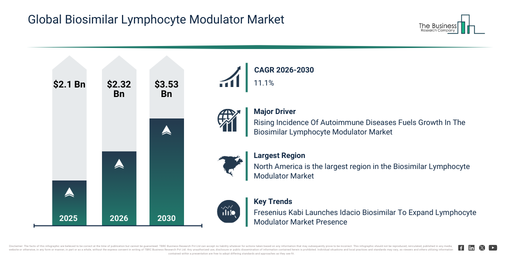
    The biosimilar lymphocyte modulator market has experienced swift expansion in recent times, with its value projected to rise from $2.1 billion in 2025 to $2.32 billion in 2026, reflecting a compound annual growth rate (CAGR) of 10.6%. This historical growth has been driven by several factors, including the high expense associated with branded biologics, an increasing occurrence of autoimmune disorders, a growing number of cancer cases, restricted availability of cutting-edge treatments, and higher healthcare spending.

    The biosimilar lymphocyte modulator market is projected to experience substantial growth over the coming years. By 2030, it is anticipated to reach a value of $3.53 billion, reflecting a compound annual growth rate (CAGR) of 11.1%. This expansion during the forecast period is driven by the patent expiration of reference biologics, an expanding pipeline for biosimilar development, growing physician confidence in these therapies, the broader reach of online pharmacy distribution channels, and enhanced government backing for biosimilar uptake. Key trends shaping this period include the increasing use of biosimilar lymphocyte modulators to achieve cost-effective treatment, heightened demand for autoimmune and oncology therapies, wider clinical acceptance of biosimilars, an expanded array of options for managing multiple sclerosis and multiple myeloma, and more streamlined regulatory pathways that facilitate biosimilar approvals.

    Download A Free Sample Report For Comprehensive Market Insights:

    https://www.thebusinessresearchcompany.com/sample.aspx?id=3434&type=smp&utm_source=BlogsPR&utm_medium=Paid&utm_campaign=Jul_PR

    Biosimilar Lymphocyte Modulator Market Demand Drivers: What Is Fueling Industry Growth?

    The anticipated growth of the biosimilar lymphocyte modulator market is being driven by the increasing prevalence of autoimmune diseases. These conditions arise when the immune system mistakenly attacks the body’s own tissues and organs. This upward trend is largely attributed to growing environmental factors like pollution and chemical exposure, which can disturb immune system regulation and trigger abnormal responses. Biosimilar lymphocyte modulators offer therapeutic benefits for autoimmune diseases by regulating immune activity, decreasing inflammation, and easing symptoms. As an example, in February 2024, Arthritis Australia, a nonprofit organization based in Australia, reported that an estimated 212,136 males and 362,137 females are projected to have rheumatoid arthritis (RA) by 2025, with these figures climbing to around 280,040 males and 479,828 females by 2040. Consequently, the escalating incidence of autoimmune diseases is fueling expansion in the biosimilar lymphocyte modulator market.

    Biosimilar Lymphocyte Modulator Market Segmentation: How Is The Market Structured Across Key Categories?

    The biosimilar lymphocyte modulator market covered in this report is segmented –

    1) By Drug: Campath-1H, Natalizumab Biosimilar, Efalizumab – A1089-Anti-CD11a Biosimilar, Anti-CD38 Daratumumab Biosimilar, Anti-CS1 Elotuzumab Biosimilar

    2) By Disease: Arthritis, Diabetes, Multiple Myeloma, Enterocolitis, Multiple Sclerosis, Psoriasis, Other Diseases

    3) By Distribution Channel: Online Pharmacies, Direct To Consumer

    Biosimilar Lymphocyte Modulator Market Innovation Trends: Which Developments Are Transforming The Industry?

    Major players in the biosimilar lymphocyte modulator sector are actively creating biosimilar versions of key lymphocyte-modifying drugs to strengthen their market position. Idacio (adalimumab-aacf) functions as a tumor necrosis factor (TNF) blocker, serving as a biosimilar counterpart to Humira (adalimumab). As an example, in July 2023, Fresenius Kabi AG, a Germany-headquartered healthcare firm, introduced the citrate-free biosimilar Idacio (adalimumab-aacf) into the U.S. market for addressing chronic autoimmune conditions. This product is supplied in the U.S. through a self-administered prefilled syringe and a self-administered prefilled pen, or autoinjector, designed to facilitate dosing for all approved uses.

    Biosimilar Lymphocyte Modulator Market Competitive Landscape And Leading Companies

    Major companies operating in the biosimilar lymphocyte modulator market are Pfizer Inc., Celltrion Inc., Genentech Inc., Novartis AG, Sandoz International GmbH, Fresenius Kabi AG, Biocon Ltd., Dr. Reddy’s Laboratories Ltd., Intas Pharmaceuticals Ltd., Lupin Limited, Stada Arzneimittel AG, Zydus Cadila, Hetero Drugs Limited, Torrent Pharmaceuticals Ltd., Glenmark Pharmaceuticals Ltd., Alvotech, Coherus BioSciences, Innovent Biologics, Shanghai Henlius Biotech, BioXpress Therapeutics SA, Mabion SA, Polpharma Biologics, Prestige BioPharma, Qilu Pharmaceutical, Shanghai Fosun Pharmaceutical Group Co. Ltd., Wockhardt Ltd., Amega Biotech

    Access The Complete Biosimilar Lymphocyte Modulator Market Report:

    https://www.thebusinessresearchcompany.com/report/biosimilar-lymphocytes-modulator-global-market-report?utm_source=BlogsPR&utm_medium=Paid&utm_campaign=Jul_PR

    Biosimilar Lymphocyte Modulator Market Leading Geography: Which Region Generates The Most Revenue?

    North America was the largest region in the biosimilar lymphocyte modulator market in 2025. Middle East is expected to be the fastest-growing region in the biosimilar lymphocyte modulator market report during the forecast period. The regions covered in the biosimilar lymphocyte modulator market report are Asia-Pacific, South East Asia, Western Europe, Eastern Europe, North America, South America, Middle East, Africa.

    Get in touch with us:

    The Business Research Company: https://www.thebusinessresearchcompany.com/?utm_source=BlogsPR&utm_medium=Paid&utm_campaign=home_page_test

    Americas: +1 310-496-7795

    Asia: +44 7882 955267 & +91 8897263534

    Europe: +44 7882 955267

    Email us at: marketing@tbrc.info

    Follow us on:

    LinkedIn: https://in.linkedin.com/company/the-business-research-company

    YouTube: https://www.youtube.com/channel/UC24_fI0rV8cR5DxlCpgmyFQ

    Global Market Model: https://www.thebusinessresearchcompany.com/global-market-model
  • Biosimilar Interleukins Market Trends Are Creating New Opportunities For Industry Leaders

    Biosimilar Interleukins Market Trends Are Creating New Opportunities For Industry Leaders

    Enhanced with market attractiveness analysis, total addressable market evaluation, company benchmarking matrices, interactive Excel dashboards, expanded supply chain intelligence, emerging startup coverage, and detailed product insights, The Business Research Company’s 2026 market reports deliver more actionable and strategically valuable research.

    Biosimilar Interleukins Market CAGR Analysis And Future Market Development

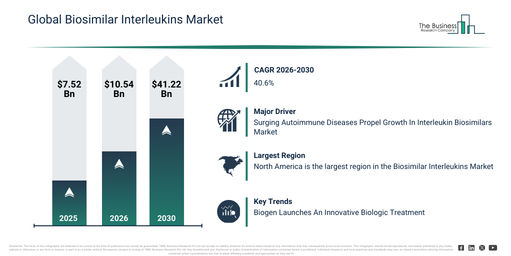
    The market for biosimilar interleukins has seen remarkable expansion over the last few years, with its value projected to climb from $7.52 billion in 2025 to $10.54 billion in 2026, reflecting a compound annual growth rate (CAGR) of 40.2%. This historical growth has been driven by several key factors, including the steep pricing of original interleukin biologics, a rising incidence of autoimmune and inflammatory conditions, an escalating toll from rheumatoid arthritis and psoriasis, restricted patient access to biologic treatments, and growing knowledge about biologics used for immune modulation.

    The biosimilar interleukins market is projected to experience remarkable expansion in the coming years, with its value anticipated to reach $41.22 billion by 2030, representing a compound annual growth rate (CAGR) of 40.6%. This forecasted growth is driven by several key factors, including the expiration of patents on branded interleukins, the broadening of biosimilar clinical pipelines, heightened physician confidence in biosimilars, favorable governmental initiatives encouraging their adoption, and a growing need for cost-effective biologic treatments in oncology and immunology. Notable trends shaping this period include a greater embrace of biosimilar interleukins for managing autoimmune diseases, a rising preference for affordable alternatives to original biologics, an increase in regulatory approvals for biosimilars across diverse therapeutic areas, expanded applications of interleukins in chronic inflammatory conditions, and enhanced regulatory frameworks designed to facilitate biosimilar uptake.

    Download A Free Sample Report For Comprehensive Market Insights:

    https://www.thebusinessresearchcompany.com/sample.aspx?id=3433&type=smp&utm_source=BlogsPR&utm_medium=Paid&utm_campaign=Jul_PR

    Biosimilar Interleukins Market Growth Drivers: What Factors Are Accelerating Expansion?

    The growing occurrence of autoimmune conditions like psoriasis and rheumatoid arthritis is anticipated to propel the expansion of the interleukin biosimilars market during the forecast period. Autoimmune diseases arise when immune cells fail to differentiate healthy cells from harmful antibodies. Biologic treatments, including anti-interleukin antibodies, have demonstrated substantial clinical advantages in regulating cells and directing their proliferation, activation, and migration. In February 2024, for example, reports from the National Institutes of Health (NIH), a US-based biomedical research entity, indicated that the global incidence and prevalence of autoimmune diseases are projected to rise by 19.1% and 12.5% annually, respectively. Consequently, the rising prevalence of these disorders is fueling demand for biosimilar interleukins, which is expected to drive market growth.

    Biosimilar Interleukins Market Segmentation Trends And Revenue Drivers

    The biosimilar interleukins market covered in this report is segmented –

    1) By Type: IL-17, IL-23, IL-1, IL-5, IL-6

    2) By Application: Psoriasis, Psoriatic Arthritis, Rheumatoid Arthritis, Asthma, Inflammatory Bowel Disease (IBD), Other Applications

    3) By Distribution Channel: Hospital Pharmacies, Online Pharmacies, Retail Pharmacies, Clinics, Research Institutes

    Subsegments:

    1) By IL-17: Autoimmune Disease Treatment, Inflammatory Disease Management

    2) By IL-23: Psoriasis Treatment, Inflammatory Bowel Disease (IBD) Treatment

    3) By IL-1: Rheumatoid Arthritis Management, Other Autoimmune Disorders

    4) By IL-5: Asthma Treatment, Eosinophilic Disorders

    5) By IL-6: Rheumatoid Arthritis Management, Inflammatory Disease Treatment

    Biosimilar Interleukins Market Trends: What Is Shaping Future Industry Growth?

    Key players in the biosimilar interleukins market are focusing on the development of novel products like Tofidence (tocilizumab-bavi) to enhance their competitive position and financial performance. This monoclonal antibody works by binding to interleukin-6 receptors and is utilized in managing several inflammatory autoimmune conditions. A significant milestone occurred in September 2023 when Biogen Inc., a US-based biotechnology firm, secured FDA approval for Tofidence as the first biosimilar counterpart to Genentech’s Actemra (tocilizumab). Delivered via intravenous infusion, this treatment has been authorized for addressing severe active rheumatoid arthritis, along with polyarticular juvenile idiopathic arthritis and systemic juvenile idiopathic arthritis.

    Biosimilar Interleukins Market Industry Leaders: Which Organizations Are Driving Competition?

    Major companies operating in the biosimilar interleukins market are Mabpharm Limitied, Gedeon Richter plc, Bio-Thera Solutions Ltd., Sunshine Guojian Pharmaceutical, Stada Arzneimittel AG, Teva Pharmaceutical Industries, 3SBio Inc., Shanghai Fosun Pharmaceuticals, Novartis AG, Pfizer Inc., Amgen Inc., F. Hoffmann-La Roche AG, Sanofi SA, Merck & Co. Inc., GlaxoSmithKline plc, Eli Lilly and Company, AstraZeneca plc, Qilu Pharmaceutical, Tonghua Dongbao, PROBIOMED S.A. de C.V., Biosidus S.A., LG Life Sciences, Viatris Inc.

    Access The Complete Biosimilar Interleukins Market Report:

    https://www.thebusinessresearchcompany.com/report/biosimilar-interleukin-global-market-report?utm_source=BlogsPR&utm_medium=Paid&utm_campaign=Jul_PR

    Biosimilar Interleukins Market Regional Outlook: Where Are The Largest Opportunities Located?

    North America was the largest region in the biosimilar interleukins market in 2025. The regions covered in the biosimilar interleukins market report are Asia-Pacific, South East Asia, Western Europe, Eastern Europe, North America, South America, Middle East, Africa.

    Get in touch with us:

    The Business Research Company: https://www.thebusinessresearchcompany.com/?utm_source=BlogsPR&utm_medium=Paid&utm_campaign=home_page_test

    Americas: +1 310-496-7795

    Asia: +44 7882 955267 & +91 8897263534

    Europe: +44 7882 955267

    Email us at: marketing@tbrc.info

    Follow us on:

    LinkedIn: https://in.linkedin.com/company/the-business-research-company

    YouTube: https://www.youtube.com/channel/UC24_fI0rV8cR5DxlCpgmyFQ

    Global Market Model: https://www.thebusinessresearchcompany.com/global-market-model
  • Biosimilar Hormones Market Growth Is Reshaping Competitive Advantage Across The Industry

    Biosimilar Hormones Market Growth Is Reshaping Competitive Advantage Across The Industry

    Through market attractiveness analysis, total addressable market evaluation, company benchmarking matrices, interactive Excel dashboards, expanded supply chain intelligence, emerging startup coverage, and detailed product insights, The Business Research Company’s 2026 market reports provide more actionable and strategically valuable research.

    Biosimilar Hormones Market Expansion From $7.68 Billion In 2026 To $18.12 Billion In 2030

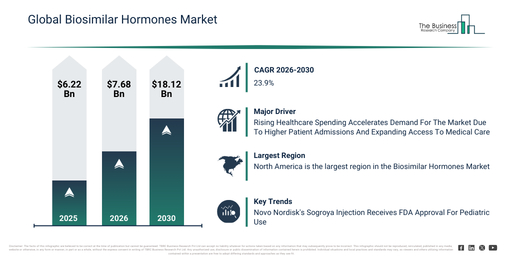
    The biosimilar hormones market has experienced remarkable expansion in recent years, with its value projected to increase from $6.22 billion in 2025 to $7.68 billion in 2026, reflecting a compound annual growth rate (CAGR) of 23.5%. This historic growth has been driven by several factors, including the increasing incidence of diabetes and hormonal disorders, the elevated expense associated with branded hormone treatments, a growing elderly demographic, heightened awareness surrounding hormone replacement therapies, and the broader reach of hospital and retail pharmacy networks.

    Over the coming years, the market for biosimilar hormones is anticipated to experience rapid and substantial expansion. By 2030, its value is projected to reach $18.12 billion, reflecting a compound annual growth rate (CAGR) of 23.9%. This forecasted surge is driven by several factors, including the expiration of patents for major biologic hormones, heightened regulatory backing for biosimilars, a rising need for cost-effective endocrine treatments, broader distribution through online pharmacies, and increased funding for biosimilar research and development. Key developments shaping this period involve a growing preference for biosimilar hormones as more affordable treatment options, a heightened demand for biosimilars of insulin and growth hormones, greater physician confidence in these therapies, their expanding role in managing chronic and lifestyle-related conditions, and more streamlined regulatory processes that facilitate their approval.

    Download A Free Sample Report For Comprehensive Market Insights:

    https://www.thebusinessresearchcompany.com/sample.aspx?id=3432&type=smp&utm_source=BlogsPR&utm_medium=Paid&utm_campaign=Jul_PR

    Biosimilar Hormones Market Growth Factors Supporting Long-Term Expansion

    The upward trajectory of healthcare spending is anticipated to drive expansion in the biosimilar hormones market during the forecast period. Healthcare expenditure encompasses all financial resources allocated by individuals, organizations, or governments toward preventing, treating, and managing health conditions. This spending is on the rise because of improvements in medical technology, where novel diagnostic tools, treatments, and cutting-edge therapies frequently carry higher costs, thereby increasing overall spending in the healthcare sector. Growing healthcare costs are boosting the adoption of biosimilar hormones by fueling demand for economical treatment options and broadening patient availability across various healthcare systems. As an example, in December 2024, the Centers for Medicare & Medicaid Services—a U.S. agency overseeing Medicare and Medicaid programs—reported that American healthcare expenditures rose by 7.5% in 2023, reaching $4.9 trillion, which equates to roughly $14,570 per person. Consequently, the rise in healthcare spending is propelling growth within the biosimilar hormones market.

    Biosimilar Hormones Market Driver: Rising Diabetes Epidemic Fuels Growth In Biosimilar Hormones Market

    Escalating diabetes rates are expected to fuel expansion in the biosimilar hormones market moving forward. Diabetes represents a chronic medical condition that affects how the body processes food for energy. Biosimilar hormones such as insulin provide safe and effective options for diabetes management, potentially leading to lower costs and enhanced patient accessibility. Biosimilar growth hormone can assist in diabetes treatment by improving blood sugar regulation in adults diagnosed with type 1 and type 2 diabetes. To illustrate, in June 2023, the International Diabetes Federation (IDF)—a Germany-based umbrella organization covering more than 240 national diabetes groups—noted a substantial rise in diabetes cases, projecting that 783 million adults aged 20–79 will be living with diabetes by 2045. Hence, the growing prevalence of diabetes will continue to drive the biosimilar hormones market forward in the years ahead.

    Biosimilar Hormones Market Segment Analysis Highlighting Growth Areas

    The biosimilar hormones market covered in this report is segmented –

    1) By Type: Teriparatide Biosimilars, Follitropin Alfa Biosimilars, Insulin Biosimilars, Somatropin Biosimilars, Other Types

    2) By Application: Research & Biotechnology, Therapeutics, Other Applications

    3) By Distribution Channel: Hospital And Retail Pharmacy, Online Pharmacy/pharmacy, Specialty Clinics

    Subsegments:

    1) By Teriparatide Biosimilars: Osteoporosis Treatment, Bone Health Maintenance

    2) By Follitropin Alfa Biosimilars: Infertility Treatment, Assisted Reproductive Technology (ART)

    3) By Insulin Biosimilars: Type 1 Diabetes Management, Type 2 Diabetes Management

    4) By Somatropin Biosimilars: Growth Hormone Deficiency Treatment, Pediatric Growth Disorders

    5) By Other Types: Thyroid Hormones, Corticosteroids

    Biosimilar Hormones Market Industry Trends Shaping Future Revenue Growth

    Leading firms in the biosimilar hormones sector are developing new offerings like Sogroya (somapacitan-beco) injection to boost their market profitability. Sogroya (somapacitan-beco) is a prescribed analog of human growth hormone (GH) used for treating individuals with growth hormone deficiency (GHD). For example, in April 2023, Novo Nordisk, a pharmaceutical company based in Denmark, secured FDA approval for a new indication for Sogroya (somapacitan-beco) injection. This approval covers children aged 2.5 years and older who experience growth failure due to insufficient endogenous growth hormone secretion. Sogroya is the only once-weekly growth hormone (GH) therapy designed for both children and adults. The approval was based on results from the phase 3 REAL4 trial, which showed Sogroya’s effectiveness in treating growth hormone deficiency (GHD) in pediatric patients.

    Biosimilar Hormones Market Leading Companies: Who Holds Significant Market Presence?

    Major companies operating in the biosimilar hormones market are Teva Pharmaceutical Industries Ltd., Gedeon Richter Plc., Intas Pharmaceuticals Ltd., Biocon Limited, Mylan, Sanofi, Sandoz Group AG, LG Life Sciences, Ferring Pharmaceuticals, GC Pharma, Pfizer Inc., Dr. Reddy’s Laboratories, Amgen Inc., Eli Lilly and Company, Celltrion Inc., Samsungbioepis Co.Ltd, Merck & Co., Biogen Inc., Boehringer Ingelheim, Alvotech, Cipla Limited, Lupin Ltd., Stada Arzneimittel AG, Torrent Pharmaceuticals, Zydus Cadila, Accord Healthcare, Hetero Drugs, Wockhardt

    Access The Complete Biosimilar Hormones Market Report:

    https://www.thebusinessresearchcompany.com/report/biosimilar-hormone-global-market-report?utm_source=BlogsPR&utm_medium=Paid&utm_campaign=Jul_PR

    Biosimilar Hormones Market Geographic Landscape: Which Region Dominates Industry Growth?

    North America was the largest region in the biosimilar hormones market in 2025. The regions covered in the biosimilar hormones market report are Asia-Pacific, South East Asia, Western Europe, Eastern Europe, North America, South America, Middle East, Africa.

    Get in touch with us:

    The Business Research Company: https://www.thebusinessresearchcompany.com/?utm_source=BlogsPR&utm_medium=Paid&utm_campaign=home_page_test

    Americas: +1 310-496-7795

    Asia: +44 7882 955267 & +91 8897263534

    Europe: +44 7882 955267

    Email us at: marketing@tbrc.info

    Follow us on:

    LinkedIn: https://in.linkedin.com/company/the-business-research-company

    YouTube: https://www.youtube.com/channel/UC24_fI0rV8cR5DxlCpgmyFQ

    Global Market Model: https://www.thebusinessresearchcompany.com/global-market-model
  • Biosimilar Growth Hormones Market Forecast Signals New Revenue Opportunities Through 2030

    Biosimilar Growth Hormones Market Forecast Signals New Revenue Opportunities Through 2030

    Delivering more actionable and strategically valuable research, The Business Research Company’s 2026 market reports feature market attractiveness analysis, total addressable market evaluation, company benchmarking matrices, interactive Excel dashboards, expanded supply chain intelligence, emerging startup coverage, and detailed product insights.

    Biosimilar Growth Hormones Market Forecast Highlighting Growth From $0.97 Billion To $1.46 Billion

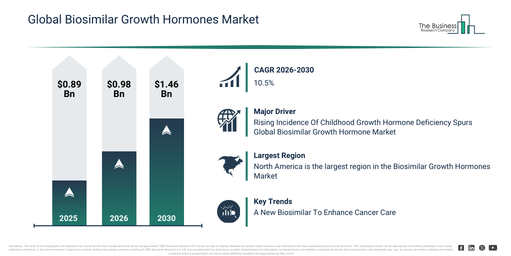
    The biosimilar growth hormones sector has experienced swift expansion in recent years. Its valuation is projected to increase from $0.89 billion in 2025 to $0.98 billion in 2026, reflecting a compound annual growth rate (CAGR) of 10.1%. During the historical period, this growth was driven by several factors, including the elevated costs associated with branded growth hormone treatments, a rising incidence of growth hormone deficiency, an uptick in diagnoses of pediatric growth disorders, restricted availability of cost-effective therapeutic options, and a reliance on hospital-based administration methods.

    The biosimilar growth hormones market is anticipated to experience robust expansion over the coming years, with projections indicating it will reach a value of $1.46 billion by 2030, reflecting a compound annual growth rate (CAGR) of 10.5%. This forecasted growth is driven by several factors, including the expiration of patents on branded growth hormones, a rising number of biosimilar approvals, the broadening of self-administration treatment options, greater public awareness of growth disorders, and increased healthcare spending in developing economies. Key developments shaping this period involve a growing shift toward more affordable biosimilar growth hormone products, heightened demand for therapies targeting both pediatric and adult patients, an increased preference for subcutaneous self-administration, the expansion of online pharmacies and specialized clinics, and a more favorable regulatory environment for biosimilars.

    Download A Free Sample Report For Comprehensive Market Insights:

    https://www.thebusinessresearchcompany.com/sample.aspx?id=3391&type=smp&utm_source=BlogsPR&utm_medium=Paid&utm_campaign=Jul_PR

    Biosimilar Growth Hormones Market Demand Drivers Creating New Revenue Opportunities

    An increasing number of children affected by growth hormone deficiency is fueling the expansion of the global biosimilar growth hormone market. This condition arises from damage to the pituitary gland or hypothalamus, which can be caused either by an abnormal development occurring before birth (congenital) or by events that take place during or after childbirth (acquired). As an example, in September 2023, data from Hormones Australia, published by the Endocrine Society of Australia—a national body focused on managing endocrine conditions and diseases—indicated that growth hormone deficiency is estimated to impact 2 to 3 individuals per 10,000 people. Consequently, the rising prevalence of growth deficiencies among children is propelling growth within the biosimilar growth hormone industry.

    Biosimilar Growth Hormones Market Segment Performance And Strategic Opportunities

    The biosimilar growth hormones market covered in this report is segmented –

    1) By Route Of Administration: Subcutaneous, Intramuscular, Oral

    2) By Application: Growth Hormone Deficiency, Turner Syndrome, Idiopathic Short Stature, Prader Willi Syndrome, Other Applications

    3) By Distribution Channel: Hospital And Retail Pharmacy, Online Pharmacy/ePharmacy, Specialty Clinics

    Subsegments:

    1) By Subcutaneous: Self-administration, Professional Administration

    2) By Intramuscular: Pediatric Care, Adult Care

    3) By Oral: Tablets, Capsules

    Biosimilar Growth Hormones Market Trends Driving Strategic Industry Expansion

    Major players in the biosimilar growth hormone market are developing innovative human growth hormone solutions aimed at improving both treatment effectiveness and accessibility for growth hormone deficiencies. These growth hormone solutions encompass medical treatments or supplements designed to stimulate or replace natural human growth hormone (HGH) in the body, addressing growth deficits or anti-aging concerns. For example, in June 2023, Pfizer Inc., a US-based pharmaceutical company, along with OPKO Health Inc., another US-based healthcare firm, secured approval from the US Food and Drug Administration (FDA) for NGENLA (somatrogon-ghla). This treatment is a once-weekly injectable human growth hormone specifically developed for pediatric patients suffering from growth hormone deficiency (GHD). By providing a long-acting alternative to daily injections, it significantly enhances adherence and convenience for both patients and their caregivers. The approval was informed by clinical trials that confirmed its efficacy and safety, representing a notable milestone in the evolution of growth hormone therapies.

    Biosimilar Growth Hormones Market Key Players: Which Companies Shape Industry Competition?

    Major companies operating in the biosimilar growth hormones market are Amega Biotech, Biosidus S.A., Eli Lilly and Company, Ferring Pharmaceuticals, Genetech Inc., Merck & Co. Inc., Novartis AG, Novo Nordisk A/S, Sanofi S.A., USV Private Limited, Zhongshan Hygene Biopharm Co. Ltd., Biopartners And LG Chem, Boehringer Ingelheim International GmbH, Celltrion Inc., Dr. Reddy’s Laboratories Ltd., Gedeon Richter Plc., Genor Biopharma Co. Ltd., Hetero Drugs Limited, Intas Pharmaceuticals Ltd., LG Chem Ltd., Lupin Limited, Mabion S.A., Mundipharma International Limited, Panacea Biotec Limited, Pfenex Inc., PlantForm Corporation

    Access The Complete Biosimilar Growth Hormones Market Report:

    https://www.thebusinessresearchcompany.com/report/biosimilar-growth-hormone-global-market-report?utm_source=BlogsPR&utm_medium=Paid&utm_campaign=Jul_PR

    Biosimilar Growth Hormones Market Largest Region: Which Geography Holds The Highest Market Share?

    North America was the largest region in the biosimilar growth hormone market in 2025. The Middle East is expected to be the fastest-growing region in the biosimilar growth hormones market report during the forecast period. The regions covered in the biosimilar growth hormones market report are Asia-Pacific, South East Asia, Western Europe, Eastern Europe, North America, South America, Middle East, Africa.

    Get in touch with us:

    The Business Research Company: https://www.thebusinessresearchcompany.com/?utm_source=BlogsPR&utm_medium=Paid&utm_campaign=home_page_test

    Americas: +1 310-496-7795

    Asia: +44 7882 955267 & +91 8897263534

    Europe: +44 7882 955267

    Email us at: marketing@tbrc.info

    Follow us on:

    LinkedIn: https://in.linkedin.com/company/the-business-research-company

    YouTube: https://www.youtube.com/channel/UC24_fI0rV8cR5DxlCpgmyFQ

    Global Market Model: https://www.thebusinessresearchcompany.com/global-market-model
  • Biosimilar Contract Manufacturing Market Growth Is Accelerating As Industry Transformation Continues

    Biosimilar Contract Manufacturing Market Growth Is Accelerating As Industry Transformation Continues

    Enhanced with market attractiveness analysis, total addressable market evaluation, company benchmarking matrices, interactive Excel dashboards, expanded supply chain intelligence, emerging startup coverage, and detailed product insights, The Business Research Company’s 2026 market reports deliver more actionable and strategically valuable research.

    Biosimilar Contract Manufacturing Market Revenue Growth Supported By A CAGR Of 20.35% Through 2030

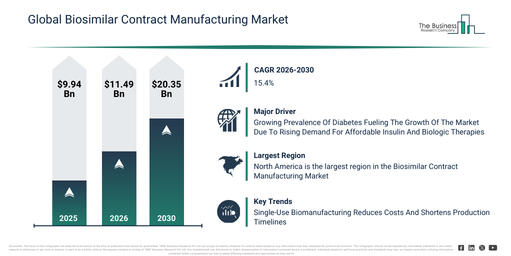
    The biosimilar contract manufacturing market has experienced swift expansion in recent years, with its value projected to rise from $9.94 billion in 2025 to $11.49 billion in 2026, reflecting a compound annual growth rate (CAGR) of 15.7%. This historical growth has been driven by several factors, including the expiration of patents for reference biologics, the early uptake of biosimilar development initiatives, the broadening of contract manufacturing collaborations, enhanced regulatory frameworks for biosimilars, and a rising incidence of chronic diseases.

    The biosimilar contract manufacturing sector is projected to experience significant expansion in the coming years, reaching a valuation of $20.35 billion by 2030, driven by a compound annual growth rate (CAGR) of 15.4%. This anticipated growth during the forecast period stems from several key factors, including a surge in biosimilar approvals worldwide, mounting pressure to lower expenses associated with biologic therapies, an expanding pipeline of biosimilar candidates, heightened investments in large-scale manufacturing infrastructure, and improvements in process optimization techniques. Emerging trends that are expected to shape the market include a growing tendency to contract out biosimilar production, an increased demand for more cost-effective manufacturing approaches, a stronger emphasis on analytical and quality control services, the broadened application of mammalian cell-based production methods, and a heightened focus on meeting regulatory standards.

    Download A Free Sample Report For Comprehensive Market Insights:

    https://www.thebusinessresearchcompany.com/sample.aspx?id=30215&type=smp&utm_source=BlogsPR&utm_medium=Paid&utm_campaign=Jul_PR

    Biosimilar Contract Manufacturing Market Expansion Supported By Key Demand Factors

    The rising incidence of diabetes is anticipated to boost the expansion of the biosimilar contract manufacturing sector. Diabetes prevalence is defined as the percentage of individuals within a population who currently have the condition, indicating a persistent requirement for treatment and long-term therapeutic use. This increase is driven by more sedentary lifestyles and unhealthy eating habits, which contribute to obesity, insulin resistance, and a greater occurrence of type 2 diabetes. Contract manufacturing of biosimilars aids diabetes care by facilitating the affordable, large-scale production of biosimilar insulin and associated biologics. It guarantees steady quality and adherence to regulations, thereby improving patient access to cutting-edge treatments. This enhances the cost-effectiveness of care and broadens worldwide availability of essential diabetes therapies. As an example, in June 2024, data from the National Health Service, a UK government agency, revealed that 3,615,330 patients registered with a general practitioner had non-diabetic hyperglycemia or pre-diabetes in 2023, representing an 18% rise from 3,065,825 cases in 2022. Consequently, the growing frequency of diabetes is fueling the advancement of the biosimilar contract manufacturing market.

    Biosimilar Contract Manufacturing Market Segment Landscape And Growth Potential

    The biosimilar contract manufacturing market covered in this report is segmented –

    1) By Product Type: Monoclonal Antibodies, Insulin, Erythropoietin, Granulocyte Colony-Stimulating Factor, Other Product Types

    2) By Service Type: Process Development, Analytical And Quality Control, Fill And Finish Operations, Packaging, Other Service Types

    3) By Source: Mammalian, Non-mammalian

    4) By Application: Oncology, Autoimmune Diseases, Blood Disorders, Growth Hormone Deficiency, Other Applications

    5) By End-Use: Pharmaceutical Companies, Biotech Companies

    Subsegments:

    1) By Monoclonal Antibodies: Chimeric Monoclonal Antibodies, Humanized Monoclonal Antibodies, Fully Human Monoclonal Antibodies, Bispecific Monoclonal Antibodies

    2) By Insulin: Rapid Acting Insulin, Short Acting Insulin, Intermediate Acting Insulin, Long Acting Insulin, Premixed Insulin

    3) By Erythropoietin: Alpha Erythropoietin, Beta Erythropoietin, Darbepoetin Alfa, Continuous Erythropoietin Receptor Activators

    4) By Granulocyte Colony-Stimulating Factor: Filgrastim, Pegfilgrastim, Lenograstim, Long Acting Granulocyte Colony-Stimulating Factor

    5) By Other Product Types: Interferons, Interleukins, Fusion Proteins, Enzyme Therapeutics, Hormonal Biologics

    Biosimilar Contract Manufacturing Market Growth Trends Influencing Competitive Dynamics

    Key players within the biosimilar contract manufacturing industry are prioritizing the establishment of production facilities, including mirrored single-use plants, to facilitate faster technology transfer, improved scalability, and enhanced commercial reliability. Such mirrored single-use facilities comprise identical production suites utilizing disposable bioprocess equipment and unified digital frameworks, allowing for swift changeovers, consistent quality across different locations, and decreased contamination risks. In September 2025, Rezon Bio, a contract development and manufacturing organization (CDMO) based in Poland, introduced two mirrored-capability single-use biomanufacturing sites covering everything from cell line development to commercial GMP supply. This approach accelerates technology transfer and provides flexible scaling options for biosimilars while cutting downtime, and it bolsters batch-to-batch uniformity through standardized suites, integrated analytics, and logistics automation. Additionally, it reduces total ownership costs for sponsors by limiting cleaning validation requirements, shortening both development and production timelines, and mitigating expansion risks.

    Biosimilar Contract Manufacturing Market Competitive Landscape: Who Are The Leading Companies?

    Major companies operating in the biosimilar contract manufacturing market are Thermo Fisher Scientific Inc., Biocon Limited, Lonza Group AG, Samsung Biologics Co. Ltd., WuXi Biologics (Cayman) Inc., Laboratorios Farmacéuticos Rovi S.A., Vetter Pharma-Fertigung GmbH & Co. KG, National Resilience Inc., Porton Pharma Solutions Co. Ltd., Syngene International Limited, Rentschler Biopharma SE, Boehringer Ingelheim International GmbH, Enzene Biosciences Ltd., Prestige Biologics Co. Ltd., Mabion S.A., HALIX B.V., BioConnection B.V., BioCina Pty Ltd, Mycenax Biotech Inc., Polpharma Biologics S.A.

    Access The Complete Biosimilar Contract Manufacturing Market Report:

    https://www.thebusinessresearchcompany.com/report/global-biosimilar-contract-manufacturing-market-report?utm_source=BlogsPR&utm_medium=Paid&utm_campaign=Jul_PR

    Biosimilar Contract Manufacturing Market Regional Analysis: Which Region Leads By Revenue?

    North America was the largest region in the biosimilar contract manufacturing market in 2025. Asia-Pacific is expected to be the fastest-growing region in the forecast period. The regions covered in the biosimilar contract manufacturing market report are Asia-Pacific, South East Asia, Western Europe, Eastern Europe, North America, South America, Middle East, Africa.

    Get in touch with us:

    The Business Research Company: https://www.thebusinessresearchcompany.com/?utm_source=BlogsPR&utm_medium=Paid&utm_campaign=home_page_test

    Americas: +1 310-496-7795

    Asia: +44 7882 955267 & +91 8897263534

    Europe: +44 7882 955267

    Email us at: marketing@tbrc.info

    Follow us on:

    LinkedIn: https://in.linkedin.com/company/the-business-research-company

    YouTube: https://www.youtube.com/channel/UC24_fI0rV8cR5DxlCpgmyFQ

    Global Market Model: https://www.thebusinessresearchcompany.com/global-market-model
  • Bioprocess Analyzers Market Outlook Highlights The Next Major Growth Opportunities

    Bioprocess Analyzers Market Outlook Highlights The Next Major Growth Opportunities

    Through market attractiveness analysis, total addressable market evaluation, company benchmarking matrices, interactive Excel dashboards, expanded supply chain intelligence, emerging startup coverage, and detailed product insights, The Business Research Company’s 2026 market reports provide more actionable and strategically valuable research.

    Bioprocess Analyzers Market Value Expansion And Long-Term Growth Outlook

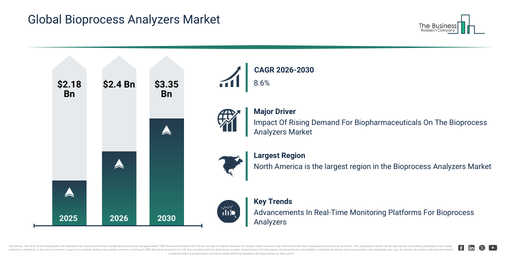
    The recent expansion of the bioprocess analyzers market has been swift. Its value is projected to climb from $2.18 billion in 2025 to $2.4 billion in 2026, achieving a compound annual growth rate of 10.1%. Several factors have driven this historical growth, including the scale-up of biopharmaceutical manufacturing, greater reliance on lab automation, a rising need for biologics, stricter adherence to regulatory standards, and progress in sensor technology.

    The bioprocess analyzers market is projected to experience robust expansion over the coming years, with its value anticipated to reach $3.35 billion by 2030, reflecting a compound annual growth rate (CAGR) of 8.6%. This forecasted growth is driven by factors such as the rise of personalized medicine, the incorporation of artificial intelligence in bioprocessing, a growing emphasis on continuous manufacturing, the expansion of contract manufacturing organizations (CMOs), and the creation of miniaturized analytical systems. Significant trends shaping this period include real-time monitoring of bioprocesses, the integration of process analytical technology (PAT), high-throughput screening and automation, the advancement of sensor technologies, and the application of quality-by-design (QbD) principles.

    Download A Free Sample Report For Comprehensive Market Insights:

    https://www.thebusinessresearchcompany.com/sample.aspx?id=14865&type=smp&utm_source=BlogsPR&utm_medium=Paid&utm_campaign=Jul_PR

    Bioprocess Analyzers Market Growth Drivers And Industry Catalysts

    The growing need for biopharmaceutical products is set to boost the bioprocess analyzer market in the coming years. Biopharmaceuticals are medicines derived from biological origins, including living organisms or their components. This sector is expanding rapidly, driven by innovative research and development that leads to novel biologics and biosimilars. Bioprocess analyzers play a critical role in overseeing key factors during biopharmaceutical production, such as cell growth, protein expression, and purity levels. For example, IQVIA, a U.S.-based company specializing in biopharmaceutical development services, reported in January 2024 that global biotechnology spending is projected to surpass $892 billion by 2028. Consequently, the increasing demand for biopharmaceuticals will fuel the expansion of the bioprocess analyzer market.

    Bioprocess Analyzers Market Categorization By Product Type And Application

    The bioprocess analyzers market covered in this report is segmented –

    1) By Product: Instruments, Consumables

    2) By Application: Antibiotics, Recombinant Proteins, Biosimilars, Other Applications

    3) By End-User: Biopharmaceutical Companies, Contract Manufacturing Organizations, Contract Research Organizations, Other End Users

    Subsegments:

    1) By Instruments: Spectrometers, Chromatographs, pH Or DO Analyzers, Gas Analyzers, Offline Analyzers

    2) By Consumables: Reagents, Sensors, Calibration Kits

    Bioprocess Analyzers Market Trends Influencing Long-Term Demand

    Leading players in the bioprocess analyzers market are prioritizing the creation of cutting-edge technologies, particularly optical in-line analyzers, to strengthen their market position. These optical in-line analyzers are defined as devices that employ optical techniques to deliver live monitoring and assessment of key parameters within bioprocess settings. As an example, in September 2023, 908 Devices Inc., a US firm specializing in chemical and biochemical analysis, introduced MAVERICK, a sophisticated optical in-line analyzer capable of real-time tracking and regulation of vital variables like glucose, lactate, and total biomass in mammalian cell cultures. This tool provides biopharmaceutical experts with comprehensive process fingerprint data, enabling them to refine large-scale bioprocesses effectively. Its intuitive interface simplifies tasks for researchers and engineers, speeding up the development of cell culture media and the formulation of efficient feeding and control strategies. By leveraging Raman spectroscopy, the device measures various critical process parameters in real time, including glucose, lactate, and biomass, directly within bioreactors. Designed to enhance process understanding, boost performance, and guarantee consistency between batches in cell culture automation for biologic production, Maverick works seamlessly with CHO (Chinese hamster ovary) or HEK293 (human embryonic kidney 293) mammalian cell lines and a variety of media types.

    Bioprocess Analyzers Market Company Landscape And Strategic Competition

    Major companies operating in the bioprocess analyzers market are Danaher Corporation, Merck KGaA, Thermo Fisher Scientific, MilliporeSigma, Sartorius AG, Beckman Coulter Inc., Waters Corporation, Bio-Rad Laboratories, Bruker Corporation, Agilent Technologies, GE Healthcare, Pall Corporation, HORIBA Ltd., Nova Biomedical, Hamilton Company, BioTek Instruments, PerkinElmer Inc, Analytik Jena AG, Eppendorf AG, Metrohm AG, Zymo Research Corporation, Macherey-Nagel GmbH & Co. KG

    Access The Complete Bioprocess Analyzers Market Report:

    https://www.thebusinessresearchcompany.com/report/bioprocess-analyzers-global-market-report?utm_source=BlogsPR&utm_medium=Paid&utm_campaign=Jul_PR

    Bioprocess Analyzers Market Geographic Distribution And Regional Opportunities

    North America was the largest region in the bioprocess analyzers market in 2025. Asia-Pacific is expected to be the fastest-growing region in the forecast period. The regions covered in the bioprocess analyzers market report are Asia-Pacific, South East Asia, Western Europe, Eastern Europe, North America, South America, Middle East, Africa.

    Get in touch with us:

    The Business Research Company: https://www.thebusinessresearchcompany.com/?utm_source=BlogsPR&utm_medium=Paid&utm_campaign=home_page_test

    Americas: +1 310-496-7795

    Asia: +44 7882 955267 & +91 8897263534

    Europe: +44 7882 955267

    Email us at: marketing@tbrc.info

    Follow us on:

    LinkedIn: https://in.linkedin.com/company/the-business-research-company

    YouTube: https://www.youtube.com/channel/UC24_fI0rV8cR5DxlCpgmyFQ

    Global Market Model: https://www.thebusinessresearchcompany.com/global-market-model
  • Biopharmaceutical Lab Equipment Market Trends And Growth Drivers Point To Strong Future Potential

    Biopharmaceutical Lab Equipment Market Trends And Growth Drivers Point To Strong Future Potential

    Delivering more actionable and strategically valuable research, The Business Research Company’s 2026 market reports feature market attractiveness analysis, total addressable market evaluation, company benchmarking matrices, interactive Excel dashboards, expanded supply chain intelligence, emerging startup coverage, and detailed product insights.

    Biopharmaceutical Lab Equipment Market Expected To Reach $25.72 Billion By 2030 At 7.6% CAGR

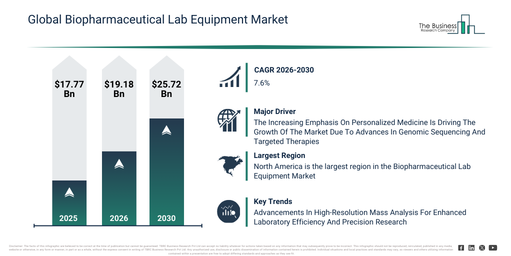
    The biopharmaceutical lab equipment market has experienced notable expansion in recent years. In 2025, its value reached $17.77 billion, and it is projected to increase to $19.18 billion by 2026, representing a compound annual growth rate (CAGR) of 7.9%. Historically, this growth has been driven by the broadening of biopharmaceutical research pipelines, a growing shift toward laboratory automation, increased funding for life sciences infrastructure, heavy dependence on chromatography and PCR technologies, and the establishment of standardized quality control procedures.

    The biopharmaceutical lab equipment market is anticipated to witness significant expansion over the coming years, with projections indicating it will reach a valuation of $25.72 billion by 2030, advancing at a compound annual growth rate (CAGR) of 7.6%. This predicted growth during the forecast period is largely fueled by factors such as the progressing development of biologics and cell therapies, an escalating preference for continuous processing technologies, the enlargement of large-scale biopharmaceutical facilities, greater incorporation of AI-driven analytics, and a heightened emphasis on boosting operational efficiency within laboratories. Key trends shaping this period include a wider uptake of single-use lab equipment, the growing implementation of automated analytical instruments, an increased need for high-throughput testing systems, the broadening of sophisticated cell culture platforms, and a stronger concentration on ensuring data integrity and reproducibility.

    Download A Free Sample Report For Comprehensive Market Insights:

    https://www.thebusinessresearchcompany.com/sample.aspx?id=28967&type=smp&utm_source=BlogsPR&utm_medium=Paid&utm_campaign=Jul_PR

    Biopharmaceutical Lab Equipment Market Opportunity Drivers: What Is Creating New Revenue Potential?

    The growing focus on personalized medicine is anticipated to drive expansion in the biopharmaceutical lab equipment market moving forward. Personalized medicine refers to a patient care model that customizes treatment and prevention methods based on individual variations in genetics, surroundings, and lifestyle. This approach is gaining traction due to progress in genomic sequencing and data analytics, allowing healthcare professionals to create more accurate diagnostic tools and targeted therapies for each patient. The move toward precision healthcare demands advanced lab equipment capable of analyzing genetic data, developing customized treatments, and facilitating clinical research for individualized care. For example, in February 2024, the Personalized Medicine Coalition, a US-based hospital and healthcare organization, reported that the FDA approved 16 new personalized treatments for rare disease patients in 2023, compared to six in 2022. Consequently, the heightened emphasis on personalized medicine is fueling growth in the biopharmaceutical lab equipment market.

    Biopharmaceutical Lab Equipment Market Segment Analysis And Revenue Opportunities

    The biopharmaceutical lab equipment market covered in this report is segmented –

    1) By Product Type: Chromatography Systems, Mass Spectrometers, Polymerase Chain Reaction (PCR) Equipment, Cell Culture Systems, Microscopes, Other Product Types

    2) By Technology: Single-Use Technology, Continuous Processing Technology, Cell Culture Technology, Filtration Technology, High-Throughput Screening Technology

    3) By Size Of Lab: Small Scale Labs, Medium Scale Labs, Large Scale Labs

    4) By Application: Drug Discovery, Clinical Diagnostics, Research And Development, Quality Control, Other Applications

    5) By End-User: Pharmaceutical Companies, Biotechnology Companies, Academic And Research Institutes, Other End-Users

    Subsegments:

    1) By Chromatography Systems: High-Performance Liquid Chromatography (HPLC), Gas Chromatography (GC), Ion Exchange Chromatography, Affinity Chromatography, Size Exclusion Chromatography (SEC), Thin Layer Chromatography (TLC)

    2) By Mass Spectrometers: Time-Of-Flight Mass Spectrometer (TOF-MS), Quadrupole Mass Spectrometer, Ion Trap Mass Spectrometer, Fourier Transform Ion Cyclotron Resonance (FT-ICR) Mass Spectrometer, Orbitrap Mass Spectrometer

    3) By Polymerase Chain Reaction (PCR) Equipment: Real-Time Polymerase Chain Reaction (qPCR) Machines, Digital Polymerase Chain Reaction (dPCR) Systems, Conventional Thermocyclers, Polymerase Chain Reaction (PCR) Workstations

    4) By Cell Culture Systems: Bioreactors, Incubators, Laminar Flow Cabinets, Automated Cell Culture Systems, CO2 Incubators

    5) By Microscopes: Optical Microscopes, Electron Microscopes, Fluorescence Microscopes, Confocal Microscopes

    6) By Other Product Types: Spectrophotometers, Microplate Readers, Autoclaves, Centrifuges, Freeze Dryers

    Biopharmaceutical Lab Equipment Market Innovation Trends Driving Future Development

    Key players in the biopharmaceutical lab equipment market are concentrating on developing innovative offerings like high-resolution mass analysis systems, which are designed to boost testing precision, optimize workflows, and enhance overall lab efficiency. A high-resolution mass analysis system is an advanced tool that precisely determines the mass-to-charge ratio of ions, enabling the identification and quantification of complex molecules with exceptional sensitivity and resolution, particularly in fields such as proteomics, pharmaceuticals, and chemical analysis. For example, in June 2025, Thermo Fisher Scientific, a US-based life sciences firm, introduced next-generation mass spectrometry instruments equipped with Thermo Scientific OptiSpray technology. These devices provide outstanding speed and sensitivity for detecting proteins, metabolites, and other biomolecules, thereby supporting cutting-edge precision medicine research. Notable features encompass high-resolution mass analysis, efficient workflows for multiomics research, user-friendly software for data analysis, robust automation for sample processing, and flexible compatibility with environmental and food safety research applications, helping scientists produce reproducible, high-quality data and accelerate discovery in complex disease research.

    Biopharmaceutical Lab Equipment Market Leading Players Shaping Industry Direction

    Major companies operating in the biopharmaceutical lab equipment market are Thermo Fisher Scientific Inc., Danaher Corporation, Merck KGaA, GE HealthCare Technologies Inc., Agilent Technologies Inc., Hitachi High-Tech Corporation, Illumina Inc., Mettler-Toledo International Inc., Shimadzu Corporation, Bruker Corporation, Waters Corporation, Horiba Ltd., Eppendorf SE, Tecan Group Ltd., Hamilton Company, Oxford Instruments plc, Telstar SA, Advanced Instruments LLC, PBS Biotech Inc., Logos Biosystems Inc., Napro Scientific Inc., Accumax Lab Devices Pvt. Ltd.

    Access The Complete Biopharmaceutical Lab Equipment Market Report:

    https://www.thebusinessresearchcompany.com/report/biopharmaceutical-lab-equipment-global-market-report?utm_source=BlogsPR&utm_medium=Paid&utm_campaign=Jul_PR

    Biopharmaceutical Lab Equipment Market Largest Region By Revenue And Market Share

    North America was the largest region in the biopharmaceutical lab equipment market in 2025. Asia-Pacific is expected to be the fastest-growing region in the forecast period. The regions covered in the biopharmaceutical lab equipment market report are Asia-Pacific, South East Asia, Western Europe, Eastern Europe, North America, South America, Middle East, Africa.

    Get in touch with us:

    The Business Research Company: https://www.thebusinessresearchcompany.com/?utm_source=BlogsPR&utm_medium=Paid&utm_campaign=home_page_test

    Americas: +1 310-496-7795

    Asia: +44 7882 955267 & +91 8897263534

    Europe: +44 7882 955267

    Email us at: marketing@tbrc.info

    Follow us on:

    LinkedIn: https://in.linkedin.com/company/the-business-research-company

    YouTube: https://www.youtube.com/channel/UC24_fI0rV8cR5DxlCpgmyFQ

    Global Market Model: https://www.thebusinessresearchcompany.com/global-market-model