Month: July 2026

  • Biopharmaceutical Fermentation Systems Market Expansion Is Reshaping Competitive Dynamics Across The Industry

    Biopharmaceutical Fermentation Systems Market Expansion Is Reshaping Competitive Dynamics Across The Industry

    Enhanced with market attractiveness analysis, total addressable market evaluation, company benchmarking matrices, interactive Excel dashboards, expanded supply chain intelligence, emerging startup coverage, and detailed product insights, The Business Research Company’s 2026 market reports deliver more actionable and strategically valuable research.

    Biopharmaceutical Fermentation Systems Market Size And Revenue Forecast Through 2030

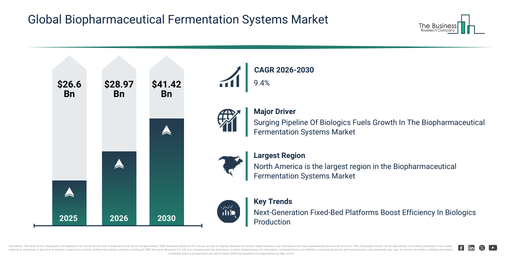
    The biopharmaceutical fermentation systems market has experienced robust expansion over the last few years. Its valuation is projected to increase from $26.6 billion in 2025 to $28.97 billion in 2026, reflecting a compound annual growth rate (CAGR) of 8.9%. This past growth has been driven by several factors, including the early uptake of bioreactors, a growing need for monoclonal antibodies, an uptick in biopharmaceutical research and development, the broadening of contract manufacturing and research organization services, and ongoing innovations in fermentation equipment technology.

    The biopharmaceutical fermentation systems market is projected to experience robust expansion over the coming years, with its value anticipated to reach $41.42 billion by 2030, reflecting a compound annual growth rate (CAGR) of 9.4%. This forecasted growth is driven by several factors, including the ramp-up in biologics production, a growing emphasis on personalized medicine, the automation of fermentation processes, expansion activities within emerging markets, and supportive regulatory frameworks for biopharmaceutical manufacturing. Key developments shaping the forecast period encompass advanced bioreactor design and optimization, the widespread uptake of single-use and disposable systems, adoption of high-throughput fermentation methods, real-time process monitoring and analytics, and the seamless integration of upstream and downstream operations.

    Download A Free Sample Report For Comprehensive Market Insights:

    https://www.thebusinessresearchcompany.com/sample.aspx?id=15524&type=smp&utm_source=BlogsPR&utm_medium=Paid&utm_campaign=Jul_PR

    Biopharmaceutical Fermentation Systems Market Growth Momentum: Which Factors Are Influencing Demand?

    The expansion of the biologics pipeline is anticipated to fuel the growth of the biopharmaceutical fermentation systems market moving forward. Biologics are medicinal products sourced from living organisms or their components, encompassing vaccines, blood products, gene therapies, tissues, and recombinant therapeutic proteins. This pipeline is growing due to progress in biotechnology, improved understanding of disease mechanisms, and an increasing need for targeted and personalized treatments. The biopharmaceutical fermentation systems market facilitates biologics development by supporting the large-scale cultivation of genetically engineered cells or microorganisms to produce complex therapeutic proteins, antibodies, and vaccines. As a case in point, the National Library of Medicine, a US-based medical library, reported that in 2023, the FDA approved 55 new drugs, consisting of 29 new chemical entities and 25 new biological entities, a substantial rise from the 37 approvals recorded in 2022. Consequently, the growing biologics pipeline is propelling the expansion of the biopharmaceutical fermentation systems market.

    Biopharmaceutical Fermentation Systems Market Segmentation And Category Breakdown

    The biopharmaceutical fermentation systems market covered in this report is segmented –

    1) By Product: Upstream Products, Downstream Products

    2) By Application: Recombinant Proteins, Monoclonal Antibodies, Antibiotics, Probiotics, Other Applications

    3) By End-User: Biopharmaceutical Companies, Contract Manufacturing Organizations, Contract Research Organizations, Academic Research Institutes, Food Industry, Other End-Users

    Subsegments:

    1) By Upstream Products: Fermenters Or Bioreactors, Culture Media, Inoculum Preparation Systems, Gas And Liquid Flow Control Systems, Process Monitoring And Control Systems, Sterilization Systems

    2) By Downstream Products: Filtration Systems, Centrifuges, Chromatography Systems, Ultrafiltration And Microfiltration Systems, Concentration And Purification Systems, Packaging And Storage Systems

    Biopharmaceutical Fermentation Systems Market Trends Reshaping Industry Growth

    Key players in the biopharmaceutical fermentation systems market are actively creating innovative solutions, like intensified fixed-bed bioreactors, aimed at boosting productivity and simplifying large-scale biologics manufacturing. These advanced fermentation systems utilize densely packed, immobilized cells to deliver greater product yields and more efficient bioprocessing operations. In October 2024, Univercells Technologies, a bioprocessing firm based in Belgium, introduced the scale-X nexo bioreactor, a compact fixed-bed device. It offers a small 0.5 m² growth surface within roughly 75 mL, facilitating low-volume screening; its design cuts media and reagent expenses by up to 60% per run and reduces seed-train requirements. The system achieves high cell densities, employs ready-to-use, single-use gamma-irradiated manifolds for straightforward setup, and connects with Skaia™ Vision software to estimate cell numbers without direct sampling, making it ideal for early-stage development in cell and gene therapy, vaccines, and exosome production.

    Biopharmaceutical Fermentation Systems Market Competitive Analysis Of Major Industry Participants

    Major companies operating in the biopharmaceutical fermentation systems market are Thermo Fisher Scientific Inc., Danaher Corporation, Merck KGaA, Sartorius Stedim Biotech, GE Healthcare, Lonza Group AG, GEA Group AG, Bio-Rad Laboratories Inc., Pall Corporation, Eppendorf AG, Repligen Corporation, Agilent Technologies Inc., ABEC Inc., Pierre Guérin Technologies, Applikon Biotechnology, Infors HT, Cellexus Ltd., ZETA Holding GmbH, New Brunswick Scientific, Nova Biomedical

    Access The Complete Biopharmaceutical Fermentation Systems Market Report:

    https://www.thebusinessresearchcompany.com/report/biopharmaceutical-fermentation-systems-global-market-report?utm_source=BlogsPR&utm_medium=Paid&utm_campaign=Jul_PR

    Biopharmaceutical Fermentation Systems Market Regional Analysis And Leading Geography

    North America was the largest region in the biopharmaceutical fermentation systems market in 2025. The regions covered in the biopharmaceutical fermentation systems market report are Asia-Pacific, South East Asia, Western Europe, Eastern Europe, North America, South America, Middle East, Africa.

    Get in touch with us:

    The Business Research Company: https://www.thebusinessresearchcompany.com/?utm_source=BlogsPR&utm_medium=Paid&utm_campaign=home_page_test

    Americas: +1 310-496-7795

    Asia: +44 7882 955267 & +91 8897263534

    Europe: +44 7882 955267

    Email us at: marketing@tbrc.info

    Follow us on:

    LinkedIn: https://in.linkedin.com/company/the-business-research-company

    YouTube: https://www.youtube.com/channel/UC24_fI0rV8cR5DxlCpgmyFQ

    Global Market Model: https://www.thebusinessresearchcompany.com/global-market-model
  • Biomarkers Market Growth Through 2030 Creates New Strategic Opportunities

    Biomarkers Market Growth Through 2030 Creates New Strategic Opportunities

    Delivering more actionable and strategically valuable research, The Business Research Company’s 2026 market reports feature market attractiveness analysis, total addressable market evaluation, company benchmarking matrices, interactive Excel dashboards, expanded supply chain intelligence, emerging startup coverage, and detailed product insights.

    Biomarkers Market Expansion Outlook: What Revenue Opportunities Lie Ahead?

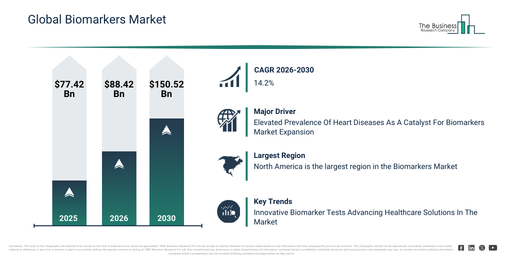
    The biomarkers market has experienced swift expansion in recent years, with projections indicating an increase from $77.42 billion in 2025 to $88.42 billion in 2026, reflecting a compound annual growth rate (CAGR) of 14.2%. This historical growth has been driven by progress in molecular biology, heightened investment in pharmaceutical research and development, a growing incidence of cancer, broader application in clinical trials, and an escalating need for targeted therapeutic approaches.

    The biomarkers market is anticipated to experience significant expansion in the coming years, projected to reach $150.52 billion by 2030 with a compound annual growth rate (CAGR) of 14.2%. This growth is driven by factors such as the broadening of personalized treatment strategies, the increased utilization of liquid biopsy biomarkers, heightened regulatory backing for biomarker-based pharmaceuticals, progress in neurological disease research, and more extensive partnerships between pharmaceutical and diagnostic companies. Key trends shaping this period encompass rising applications of biomarkers in precision medicine, their deeper integration into drug discovery and development processes, growing prominence in oncology and chronic disease management, the expansion of companion diagnostics, and a heightened emphasis on early disease detection.

    Download A Free Sample Report For Comprehensive Market Insights:

    https://www.thebusinessresearchcompany.com/sample.aspx?id=6485&type=smp&utm_source=BlogsPR&utm_medium=Paid&utm_campaign=Jul_PR

    Biomarkers Market Development Factors: Which Trends Are Supporting Demand?

    The rising prevalence of cardiac conditions is anticipated to drive expansion in the biomarkers market during the forecast period. Over recent years, there has been a significant surge in the application of biomarkers for managing heart disease patients. Currently, natriuretic peptides stand as the most widely employed biomarker, aiding in the identification of individuals suffering from heart failure. Additionally, circulating biomarkers, including high-sensitivity C-reactive protein, are utilized in diagnosing heart failure. Heart disease ranks as a leading cause of mortality across most racial and ethnic groups in the United States. This growing burden of cardiac ailments is expected to boost demand for biomarkers. For example, in September 2025, data from the British Heart Foundation, a UK-based charity, revealed that over 7.6 million people across the UK—more than 4 million men and over 3.6 million women—are living with cardiovascular disease. Projections suggest that, fueled by an aging population and enhanced survival rates, the number of affected individuals could increase by roughly 1 million by 2030 and by approximately 2 million by 2040. Consequently, the upsurge in heart diseases is fueling growth in the biomarkers market.

    Biomarkers Market Segment Landscape: Which Areas Lead Market Development?

    The biomarkers market covered in this report is segmented –

    1) By Technology: Safety Biomarkers, Efficacy Biomarkers, Validation Biomarkers

    2) By Disease: Neurological Diseases, Cancer, Immunological Diseases, Cardiovascular Diseases, Other Diseases

    3) By Type: Biomarker Of Exposure, Biomarker Of Diseases

    4) By Audiences: Pharmaceutical Companies, Government And Private Research Institutes, Academic Institutes, Medical Device Manufacturing Companies

    Subsegments:

    1) By Safety Biomarkers: Toxicity Biomarkers, Pharmacokinetic Biomarkers, Adverse Effect Biomarkers

    2) By Efficacy Biomarkers: Pharmacodynamic Biomarkers, Disease Progression Biomarkers, Treatment Response Biomarkers

    3) By Validation Biomarkers: Analytical Validation Biomarkers, Clinical Validation Biomarkers, Qualification Biomarkers

    Biomarkers Market Transformation Trends: Which Innovations Are Driving Change?

    Major players in the biomarker industry are focusing on the creation of advanced solutions, including biomarker tests, designed to attract a broader customer base, boost sales volumes, and drive higher revenue. A biomarker test, often called a biomarker assay, refers to a diagnostic tool or laboratory method used to detect specific biological indicators—such as molecules, genes, or proteins—that offer insights into normal or disease-related processes within the body. As an illustration, Quest Diagnostics, a medical laboratory firm based in the United States, introduced a new biomarker test for prostate cancer in July 2023. This freshly launched tissue-based diagnostic service addresses a pressing medical need for tools that help differentiate potentially aggressive prostate cancer cases in men. The test was developed and validated by Quest through an intellectual property licensing agreement with Envision, enabling the use of Envision’s proprietary biomarker and immunohistochemistry technology. This technology incorporates Envision’s unique staining methods and innovative biomarkers labeled EV1, EV2, and EV3.

    Biomarkers Market Industry Leaders And Market Competition

    Major companies operating in the biomarkers market are Enzo Biochem Inc, Bio-Rad Laboratories Inc., Merck KGaA, PerkinElmer Inc., QIAGEN N. V., Adaptive Biotechnologies Corp., Agilent Technologies Inc., Biocrates Life Sciences AG, BioFire Diagnostics LLC, BioReference Laboratories Inc., Bio-Techne Corporation, Cepheid Inc., Eurofins Scientific SE, Exact Sciences Corporation, Foundation Medicine Inc., Genomic Health Inc., GenScript Biotech Corporation, Guardant Health Inc., Illumina Inc., Invitae Corporation, Laboratory Corporation of America Holdings, Luminex Corporation, Metabolon Inc., Myriad Genetics Inc., Natera Inc., Pacific Biosciences of California Inc., Quest Diagnostics Incorporated, Roche Diagnostics Corporation, Thermo Fisher Scientific Inc., Veracyte Inc.

    Access The Complete Biomarkers Market Report:

    https://www.thebusinessresearchcompany.com/report/biomarkers-global-market-report?utm_source=BlogsPR&utm_medium=Paid&utm_campaign=Jul_PR

    Biomarkers Market Global Footprint: Which Region Holds Market Leadership?

    North America was the largest region in the biomarkers market in 2025. Asia-Pacific is expected to be the fastest-growing region in the forecast period. The regions covered in the biomarkers market report are Asia-Pacific, South East Asia, Western Europe, Eastern Europe, North America, South America, Middle East, Africa.

    Get in touch with us:

    The Business Research Company: https://www.thebusinessresearchcompany.com/?utm_source=BlogsPR&utm_medium=Paid&utm_campaign=home_page_test

    Americas: +1 310-496-7795

    Asia: +44 7882 955267 & +91 8897263534

    Europe: +44 7882 955267

    Email us at: marketing@tbrc.info

    Follow us on:

    LinkedIn: https://in.linkedin.com/company/the-business-research-company

    YouTube: https://www.youtube.com/channel/UC24_fI0rV8cR5DxlCpgmyFQ

    Global Market Model: https://www.thebusinessresearchcompany.com/global-market-model
  • Biologics Manufacturing Market Size Projected To Increase From $50.68 Billion To $106.07 Billion During The Forecast Period

    Biologics Manufacturing Market Size Projected To Increase From $50.68 Billion To $106.07 Billion During The Forecast Period

    Enhanced with market attractiveness analysis, total addressable market evaluation, company benchmarking matrices, interactive Excel dashboards, expanded supply chain intelligence, emerging startup coverage, and detailed product insights, The Business Research Company’s 2026 market reports deliver more actionable and strategically valuable research.

    Biologics Manufacturing Market Growth Potential: How Will Market Size Change Through 2030?

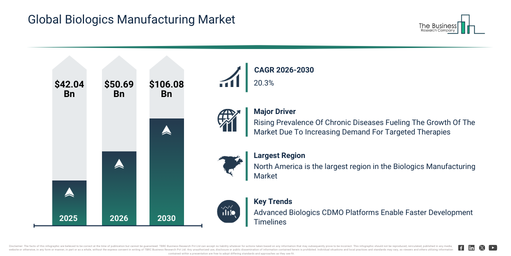
    In recent years, the biologics manufacturing market has experienced exponential growth. Its value is projected to increase from $42.04 billion in 2025 to $50.69 billion in 2026, representing a compound annual growth rate (CAGR) of 20.6%. This historical expansion has been driven by several factors, including the broadening of recombinant protein therapeutics, the early integration of mammalian cell culture systems, rising vaccine manufacturing capabilities, a greater reliance on outsourcing biologics production, and progress in purification technologies.

    The biologics manufacturing sector is anticipated to experience substantial expansion over the coming years, with projections indicating it will reach a value of $106.08 billion by 2030, driven by a robust compound annual growth rate of 20.3%. This upward trajectory in the forecast period is primarily fueled by a heightened demand for customized biologic therapies, an uptick in capital allocated towards adaptable production methods, a broadening landscape for biosimilar development, an increased reliance on electronic bioprocessing technologies, and a concerted emphasis on achieving economical scale-up for high-volume outputs. Key developments shaping the future landscape encompass the widespread utilization of disposable bioprocessing equipment, a notable shift towards ongoing manufacturing techniques, a surge in requirements for large-quantity monoclonal antibody synthesis, the establishment of flexible modular facilities, and the refined incorporation of sophisticated process control systems.

    Download A Free Sample Report For Comprehensive Market Insights:

    https://www.thebusinessresearchcompany.com/sample.aspx?id=30212&type=smp&utm_source=BlogsPR&utm_medium=Paid&utm_campaign=Jul_PR

    Biologics Manufacturing Market Industry Drivers: What Is Driving Revenue Growth?

    The increasing frequency of chronic illnesses is anticipated to drive expansion in the biologics manufacturing market moving forward. Chronic diseases are long-term health conditions that progress gradually and demand ongoing medical attention. Their growing occurrence can be partially attributed to sedentary lifestyles, since extended periods of sitting and reduced physical activity elevate the likelihood of ailments like heart disease and diabetes. Biologics manufacturing supports the management of chronic conditions through the development of specialized therapies, offering effective solutions for disorders such as diabetes, cancer, and autoimmune diseases. This approach lessens the overall disease burden by ensuring a reliable supply of high-quality biologic medications, which enhances patient outcomes and treatment effectiveness. To illustrate, in June 2024, the National Health Service, a UK government agency, reported that 3,615,330 individuals registered with a general practitioner were diagnosed with non-diabetic hyperglycemia or pre-diabetes in 2023, reflecting an 18% rise from 3,065,825 cases in 2022. Hence, the growing burden of chronic diseases is fueling advancement in the biologics manufacturing market.

    Biologics Manufacturing Market Segments: Where Are The Largest Growth Opportunities?

    The biologics manufacturing market covered in this report is segmented –

    1) By Mode of Manufacturing: Contract Manufacturing, In-House Manufacturing

    2) By Modality: Monoclonal Antibodies (mAbs), Biosimilar And Recombinant Proteins, Vaccines (recombinant/mRNA/Viral), Cell And Gene Therapies, Ribonucleic Acid-Based Therapeutics

    3) By Disease Indication: Oncology, Autoimmune Disorders, Infectious Diseases, Neurological Disorders, Other Disease Indications

    Subsegments:

    1) By Contract Manufacturing: Mammalian Cell-Based Production, Microbial Fermentation Production, Cell-Free Protein Synthesis, Hybrid Manufacturing Systems

    2) By In-House Manufacturing: Mammalian Cell Culture Production, Microbial Expression Systems, Continuous Bioprocessing, Single-Use Technology Production

    Biologics Manufacturing Market Growth Trends: What Is Influencing The Future Outlook?

    Key players in the biologics manufacturing sector are placing a strong emphasis on creating cutting-edge solutions, specifically integrated contract development and manufacturing organization (CDMO) platforms, with the aim of improving comprehensive biologics development, boosting production effectiveness, and streamlining supply networks across various treatment categories. Such a platform is essentially a complete system that merges development, manufacturing, and distribution services under one unified structure. As an example, in June 2023, Catalent Inc., a contract development and manufacturing company headquartered in the US, unveiled an upgraded version of its OneBio Suite designed for the coordinated development, manufacturing, and distribution of diverse biologic modalities. This enhanced suite delivers a full-scale integrated biologics CDMO platform capable of handling antibodies, cell and gene therapies, and mRNA-based products. Additionally, it covers the entire value chain from initial development all the way through fill-finish and packaging, facilitated by a single agreement and harmonized project oversight, which results in shorter development cycles, better scalability, and smooth integration into global supply chains.

    Biologics Manufacturing Market Major Participants And Competitive Dynamics

    Major companies operating in the biologics manufacturing market are Johnson & Johnson, F. Hoffmann La-Roche Ltd., Pfizer Inc, AbbVie Inc., Eli Lilly and Company, Novartis AG, Bristol-Myers Squibb Company, Thermo Fisher Scientific Inc., LG Life Sciences Ltd., Novo Nordisk A/S, Amgen Inc., FUJIFILM Holdings Corporation, Boehringer Ingelheim International GmbH, Teva Pharmaceutical Industries Ltd., Lonza Group Ltd., Intas Pharmaceuticals Ltd., Samsung Biologics Co. Ltd., Fareva SA, Celltrion Inc., Evotec SE

    Access The Complete Biologics Manufacturing Market Report:

    https://www.thebusinessresearchcompany.com/report/global-biologics-manufacturing-market-report?utm_source=BlogsPR&utm_medium=Paid&utm_campaign=Jul_PR

    Biologics Manufacturing Market Regional Distribution: Which Areas Drive Market Expansion?

    North America was the largest region in the biologics manufacturing market in 2025. Asia-Pacific is expected to be the fastest-growing region in the forecast period. The regions covered in the biologics manufacturing market report are Asia-Pacific, South East Asia, Western Europe, Eastern Europe, North America, South America, Middle East, Africa.

    Get in touch with us:

    The Business Research Company: https://www.thebusinessresearchcompany.com/?utm_source=BlogsPR&utm_medium=Paid&utm_campaign=home_page_test

    Americas: +1 310-496-7795

    Asia: +44 7882 955267 & +91 8897263534

    Europe: +44 7882 955267

    Email us at: marketing@tbrc.info

    Follow us on:

    LinkedIn: https://in.linkedin.com/company/the-business-research-company

    YouTube: https://www.youtube.com/channel/UC24_fI0rV8cR5DxlCpgmyFQ

    Global Market Model: https://www.thebusinessresearchcompany.com/global-market-model
  • Biologics CDMO Market Growth Outlook Reveals A CAGR Of 14.9% And A Market Value Of $48.06 Billion By 2030

    Biologics CDMO Market Growth Outlook Reveals A CAGR Of 14.9% And A Market Value Of $48.06 Billion By 2030

    Through market attractiveness analysis, total addressable market evaluation, company benchmarking matrices, interactive Excel dashboards, expanded supply chain intelligence, emerging startup coverage, and detailed product insights, The Business Research Company’s 2026 market reports provide more actionable and strategically valuable research.

    Biologics CDMO Market Value Analysis: What Growth Is Expected Over The Forecast Period?

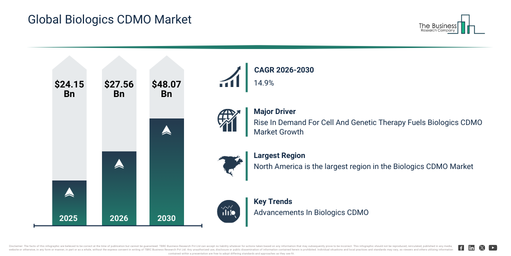
    The biologics CDMO market has experienced swift expansion in recent years, with projections indicating an increase from $24.15 billion in 2025 to $27.56 billion in 2026, reflecting a compound annual growth rate (CAGR) of 14.1%. This historical growth has been driven by factors including heightened biologics research, progress in cell culture techniques, a rising incidence of chronic illnesses, expansion of biosimilar development efforts, and governmental backing for biopharmaceutical production.

    The biologics CDMO market is forecasted to experience substantial expansion over the coming years. Its value is projected to reach $48.07 billion by 2030, reflecting a compound annual growth rate (CAGR) of 14.9%. This anticipated growth during the forecast period is driven by a surge in the development of gene and cell therapies, the growing implementation of automation and robotics within CDMO operations, the increase in global manufacturing capabilities for biologics, heightened investment in precision medicine, and a rising need for cost-effective biologic solutions. Key developments expected in this period include the broadening of biologics CDMO offerings, a rise in mammalian cell-based production, greater outsourcing of gene therapy manufacturing, the adoption of cutting-edge bioprocessing methods, and an escalating demand for biosimilars.

    Download A Free Sample Report For Comprehensive Market Insights:

    https://www.thebusinessresearchcompany.com/sample.aspx?id=14056&type=smp&utm_source=BlogsPR&utm_medium=Paid&utm_campaign=Jul_PR

    #Biologics CDMO Market Growth Factors: Which Forces Are Supporting Market Expansion?

    The growing need for cell and genetic therapies is expected to boost the biologic CDMO market moving forward. These treatment approaches use living cells or genetic material to target disease causes at a cellular or genetic level, offering hope for conditions that are hard to treat or incurable with standard drugs. Rising demand stems from their ability to provide novel solutions for diseases by tackling root genetic or cellular issues. Biologic CDMOs bring specialized skills in managing live cells, viral vectors, and genetic components, ensuring safe and effective production of these therapies while helping biopharma firms meet regulatory hurdles and technical obstacles, thus easing the shift from research to clinical use. For example, in March 2024, IQVIA Holdings Inc., a US-based firm offering advanced analytics, tech solutions, and clinical research services for life sciences and healthcare, reported that global spending on cell and gene therapies hit $5.9 billion in 2023, a 38% jump from 2022. Consequently, the rising demand for cell and gene therapy is fueling growth in the biologic CDMO market.

    Biologics CDMO Market Segment Analysis: What Are The Major Market Categories?

    The biologics cdmo market covered in this report is segmented –

    1) By Cell Type: Mammalian, Non-Mammalian

    2) By Product Type: Biologics, Biosimilars

    3) By Service Type: Drug Substance Manufacturing, Drug Product (Fill–Finish) Manufacturing, Process Development, Analytical & Quality Testing Services

    Subsegments:

    1) By Mammalian: Chinese Hamster Ovary (CHO) Cells, Human Embryonic Kidney (HEK) Cells, Other Mammalian Cells

    2) By Non-Mammalian: Yeast Cells, Bacterial Cells, Insect Cells, Other Non-Mammalian Cells

    Biologics CDMO Market Industry Trends: What Changes Are Reshaping Demand?

    Major players in the biologics contract development and manufacturing organization (CDMO) market are rolling out highly advanced technological solutions, including novel cell lines, aimed at boosting the efficiency and capabilities of biopharmaceutical development and production. This technology enables the creation of therapeutic antibodies with greater potency, addressing persistent challenges in immunotherapy research and development. For example, in November 2023, Lonza Group, a Swiss contract manufacturing firm focusing on the pharmaceutical and biotech sectors, introduced its GS Effex cell lines. These are specifically engineered to generate completely fucose-free antibodies, thereby enhancing their potency without sacrificing performance in other areas. This innovation helps meet the need for more effective antibody therapeutics in immunotherapy research. The cell line is stable, scalable, and productive, offering a complete solution for therapeutic development ranging from early discovery all the way to commercial-scale manufacturing.

    Biologics CDMO Market Leading Companies Driving Competitive Growth

    Major companies operating in the biologics cdmo market are Lonza Group Ltd, Samsung Biologics Co Ltd, WuXi Biologics Cayman Inc, Catalent Inc, Thermo Fisher Scientific Inc, Boehringer Ingelheim International GmbH, Emergent BioSolutions Inc, Grifols SA, AbbVie Inc, Novartis AG, Sandoz International GmbH, Fujifilm Holdings Corporation, AGC Inc, JSR Corporation, Shenzhen Hepalink Pharmaceutical Co Ltd, Kemwell Biopharma Pvt Ltd, Bora Pharmaceuticals Co Ltd, Binex Co Ltd, 3P Biopharmaceuticals SLU, Cytovance Biologics

    Access The Complete Biologics CDMO Market Report:

    https://www.thebusinessresearchcompany.com/report/biologics-cdmo-global-market-report?utm_source=BlogsPR&utm_medium=Paid&utm_campaign=Jul_PR

    Biologics CDMO Market Leading Geography: Which Region Generates The Most Revenue?

    North America was the largest region in the biologics CDMO market in 2025. Asia-Pacific is expected to be the fastest-growing region in the forecast period. The regions covered in the biologics cdmo market report are Asia-Pacific, South East Asia, Western Europe, Eastern Europe, North America, South America, Middle East, Africa.

    Get in touch with us:

    The Business Research Company: https://www.thebusinessresearchcompany.com/?utm_source=BlogsPR&utm_medium=Paid&utm_campaign=home_page_test

    Americas: +1 310-496-7795

    Asia: +44 7882 955267 & +91 8897263534

    Europe: +44 7882 955267

    Email us at: marketing@tbrc.info

    Follow us on:

    LinkedIn: https://in.linkedin.com/company/the-business-research-company

    YouTube: https://www.youtube.com/channel/UC24_fI0rV8cR5DxlCpgmyFQ

    Global Market Model: https://www.thebusinessresearchcompany.com/global-market-model
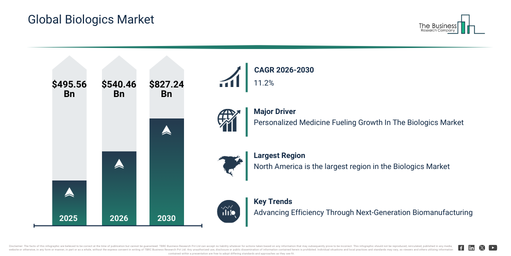
  • Biologics Market Forecast Highlights Expansion From $540.46 Billion To $827.24 Billion Through 2030

    Biologics Market Forecast Highlights Expansion From $540.46 Billion To $827.24 Billion Through 2030

    Delivering more actionable and strategically valuable research, The Business Research Company’s 2026 market reports feature market attractiveness analysis, total addressable market evaluation, company benchmarking matrices, interactive Excel dashboards, expanded supply chain intelligence, emerging startup coverage, and detailed product insights.

    Biologics Market Size Forecast: How Large Could The Market Become By 2030?

    The scale of the biologics market has experienced robust expansion over recent years. Projected to increase from $495.56 billion in 2025 to $540.46 billion in 2026, this represents a compound annual growth rate (CAGR) of 9.1%. This past period’s growth can be traced to such factors as the restricted access to biologics, a dependence on conventional treatments, a rising frequency of immune-related conditions, improvements in healthcare systems, and greater awareness among doctors leading to more prescriptions.

    The biologics market is projected to experience robust expansion in the coming years, reaching an estimated $827.24 billion by 2030 with a compound annual growth rate (CAGR) of 11.2%. This anticipated growth during the forecast period is driven by factors such as the creation of innovative monoclonal antibodies, the broadening use of mRNA and viral vector vaccines, rising uptake of customized biologic treatments, heightened governmental backing and investment in biologics, and the incorporation of digital health tools along with patient monitoring systems. Key trends shaping this period include the growing utilization of monoclonal antibodies and therapeutic proteins, progress in vaccine development with mRNA and viral vector platforms, the broadening of prescription-based biologics and hospital pharmacy distribution, a heightened emphasis on personalized medicine and focused biologic therapies, and the merging of biologics with state-of-the-art healthcare solutions and ongoing patient monitoring.

    Download A Free Sample Report For Comprehensive Market Insights:

    https://www.thebusinessresearchcompany.com/sample.aspx?id=3606&type=smp&utm_source=BlogsPR&utm_medium=Paid&utm_campaign=Jul_PR

    Biologics Market Demand Drivers: What Is Fueling Industry Growth?

    The growing need for tailored medical treatments is fueling considerable expansion in the worldwide biologics market. Personalized medicine, commonly referred to as precision medicine, represents a healthcare strategy that customizes medical care and therapeutic interventions according to each patient’s unique attributes. This approach enables the adaptation of biologic therapies to match a person’s distinct genetic and clinical profile, thereby reshaping the medical field. As an example, the Personalized Medicine Coalition, a US-based hospital and healthcare organization, reported in February 2024 that the FDA approved 16 new personalized therapies for rare diseases in 2023, a notable rise from six approvals in 2022. Consequently, the heightened demand for personalized medicine continues to propel the growth of the biologics market in the years ahead.

    Biologics Market Segment Breakdown: Which Categories Generate The Most Revenue?

    The biologics market covered in this report is segmented –

    1) By Type: Monoclonal Antibodies (MAbS), Therapeutic Proteins, Vaccines

    2) By Drug Classification: Branded Drugs, Generic Drugs

    3) By Route Of Administration: Oral, Other Route Of Administration

    4) By Mode Of Purchase: Prescription-Based Drugs, Over-The-Counter Drugs

    5) By Distribution Channel: Hospital Pharmacies, Retail Pharmacies Or Drug Stores, Other Distribution Channels

    Subsegments:

    1) By Monoclonal Antibodies (MAbs): Naked Monoclonal Antibodies, Conjugated Monoclonal Antibodies, Bispecific Monoclonal Antibodies

    2) By Therapeutic Proteins: Hormones, Enzymes, Cytokines, Fusion Proteins

    3) By Vaccines: Live Attenuated Vaccines, Inactivated Vaccines, Subunit Vaccines, mRNA Vaccines, Viral Vector Vaccines

    Biologics Market Innovation Trends: Which Developments Are Transforming The Industry?

    Key players in the biologics market are actively creating advanced products like biosimilars, which serve as cost-efficient options compared to original biologic treatments. Biosimilars represent biologic agents that closely resemble an already licensed reference biologic, exhibiting no substantial variations in safety, efficacy, or quality, thereby contributing to lower therapy expenses and improved patient availability of cutting-edge treatments. For example, during July 2025, Biocon Biologics, a division of Biocon Limited (a biopharmaceutical firm headquartered in India), introduced Nepexto, which is a biosimilar for Enbrel (etanercept), within Australia. This product, a fusion-protein biologic, is intended to block tumor necrosis factor-alpha (TNF-a), a crucial factor in inflammation for autoimmune disorders. It incorporates a protein generated via recombinant DNA technology that replicates the binding properties of the original etanercept molecule, offering equivalent effectiveness and safety while boosting treatment affordability. Notable attributes of Nepexto include a high degree of biosimilarity, validated by comprehensive clinical evidence, regulatory clearances, and a dependable distribution system through its local collaborator Generic Health, positioning it as a solid choice for the sustained management of conditions such as rheumatoid arthritis, psoriasis, and ankylosing spondylitis.

    Biologics Market Key Players And Strategic Industry Positioning

    Major companies operating in the biologics market are Merck & Co. Inc., AbbVie Inc., F. Hoffmann-La Roche AG, Johnson & Johnson, Pfizer Inc., Bristol Myers Squibb Company, Sanofi S.A., GlaxoSmithKline Plc., Eli Lilly and Company, Amgen Inc., Shanghai Fosun Pharmaceuticals, Bayer AG, Novartis AG, BiosanaPharma, WuXi, Teva UK Limited, AstraZeneca, Abbott Laboratories, Vectura Group, Fujifilm, Lonza, Seqens, Piramal Pharma Solutions, Corden Pharma, Procos SpA and BSP Pharmaceuticals., Microgen, Geropharm, Valenta, NovaMedica, SynBi, Rani Therapeutics, Enteris BioPharma, Allena Pharmaceuticals, Biogen Inc., Emisphere Technologies Inc., Apotex, Gilead Sciences

    Access The Complete Biologics Market Report:

    https://www.thebusinessresearchcompany.com/report/biologics-global-market-report?utm_source=BlogsPR&utm_medium=Paid&utm_campaign=Jul_PR

    Biologics Market Regional Outlook: Where Are The Largest Opportunities Located?

    North America was the largest region in the biologics market in 2025. Middle East is expected to be the fastest growing region in the forecast period. The regions covered in the biologics market report are Asia-Pacific, South East Asia, Western Europe, Eastern Europe, North America, South America, Middle East, Africa.

    Get in touch with us:

    The Business Research Company: https://www.thebusinessresearchcompany.com/?utm_source=BlogsPR&utm_medium=Paid&utm_campaign=home_page_test

    Americas: +1 310-496-7795

    Asia: +44 7882 955267 & +91 8897263534

    Europe: +44 7882 955267

    Email us at: marketing@tbrc.info

    Follow us on:

    LinkedIn: https://in.linkedin.com/company/the-business-research-company

    YouTube: https://www.youtube.com/channel/UC24_fI0rV8cR5DxlCpgmyFQ

    Global Market Model: https://www.thebusinessresearchcompany.com/global-market-model
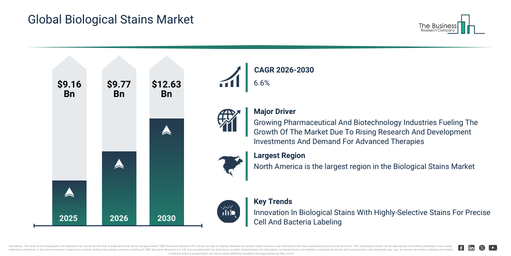
  • Biological Stains Market Expected To Reach $12.62 Billion By 2030 As Growth Accelerates At 6.6% CAGR

    Biological Stains Market Expected To Reach $12.62 Billion By 2030 As Growth Accelerates At 6.6% CAGR

    Enhanced with market attractiveness analysis, total addressable market evaluation, company benchmarking matrices, interactive Excel dashboards, expanded supply chain intelligence, emerging startup coverage, and detailed product insights, The Business Research Company’s 2026 market reports deliver more actionable and strategically valuable research.

    Biological Stains Market Revenue Outlook: What CAGR Is Expected Through 2030?

    The biological stains market has experienced robust expansion in recent years, with projections indicating an increase from $9.16 billion in 2025 to $9.77 billion in 2026, reflecting a compound annual growth rate (CAGR) of 6.7%. This historical growth has been driven by factors such as the rise in clinical diagnostics, the broadening of microscopy-based research, a higher incidence of infectious diseases, the extensive implementation of laboratory staining procedures, and the proliferation of pathology laboratories.

    The biological stains market is projected to experience robust expansion over the coming years, reaching a valuation of $12.63 billion by 2030, driven by a compound annual growth rate (CAGR) of 6.6%. This anticipated growth in the forecast period stems from several factors, including progress in diagnostic research methodologies, increased funding for life sciences research, a heightened need for precise disease detection, a surge in biotechnology research efforts, and growing automation in laboratory settings. Key developments shaping this period involve the broader application of stains in histology and cytology diagnostics, higher demand from microbiology and bacteriology laboratories, increased utilization of specialized and selective staining agents, an upswing in academic and clinical research activities, and a stronger emphasis on achieving high-contrast and precise staining results.

    Download A Free Sample Report For Comprehensive Market Insights:

    https://www.thebusinessresearchcompany.com/sample.aspx?id=23325&type=smp&utm_source=BlogsPR&utm_medium=Paid&utm_campaign=Jul_PR

    Biological Stains Market Growth Drivers: What Factors Are Accelerating Expansion?

    The ongoing expansion of the pharmaceutical and biotechnology sectors is anticipated to drive the advancement of the biological stains market in the coming years. This industry includes businesses focused on researching, developing, producing, and marketing drugs, biologics, and medical treatments aimed at preventing, diagnosing, and curing diseases. Its growth is fueled by innovations in biologics like mRNA vaccines, which have transformed how diseases are prevented and managed. Biological stains play a crucial role in this context by facilitating detailed imaging and analysis of cellular and tissue structures, thereby supporting drug discovery and quality assurance efforts. For example, in June 2024, the BioIndustry Association (BIA)—a UK-based national trade body for the innovative life sciences and biotech sector—reported that during the second quarter of 2024, UK biotech companies secured £622 million in venture capital, equivalent to approximately $670.29 million. This marked a dramatic 259% rise from the previous quarter and a 48% increase compared to the same period last year. Consequently, the sustained growth of the pharmaceutical and biotechnology industries is fueling the expansion of the biological stains market.

    Biological Stains Market Segmentation: How Is The Market Structured Across Key Categories?

    The biological stains market covered in this report is segmented –

    1) By Nature: Acidic Stains, Basic Stains, Neutral Stains

    2) By Product Type: Acid Fuchsin, Congo Red, Crystal Violet, Eosin, Other Product Types

    3) By Application: Histology And Cytology, Microbiology, Bacteriology, Deoxyribonucleic Acid Staining, Protein Staining, Gram Staining, Other Applications

    4) By End-User: Diagnostic Laboratories, Academic And Research Institutes, Pharmaceutical And Biotechnology Companies, Other End-Users

    Subsegments:

    1) By Acidic Stains: Eosin, Picric Acid, Acid Fuchsin, Congo Red, Nigrosin

    2) By Basic Stains: Methylene Blue, Crystal Violet, Safranin, Basic Fuchsin, Malachite Green

    3) By Neutral Stains: Leishman Stain, Giemsa Stain, Romanowsky Stain, Wright’s Stain, Jenner’s Stain

    Biological Stains Market Trends: What Is Shaping Future Industry Growth?

    Key players in the biological stains market are concentrating on creating cutting-edge products, like highly selective stains, to facilitate sophisticated research in microbiology and pathology. These specialized dyes enable precise identification and differentiation of target cells or components, operating with reduced background noise for accurate results. As an example, in October 2023, Biotium, Inc., a biotechnology firm based in the United States, introduced BactoView Dead Stains and BactoView Viability Kits. These new stains provide exact selectivity for gram-positive and gram-negative bacteria, while minimizing background interference. Engineered for effectiveness, they simplify the workflow through a single 30-minute staining process, removing the requirement for additional washing steps and making bacterial analysis more straightforward.

    Biological Stains Market Competitive Landscape And Leading Companies

    Major companies operating in the biological stains market are Arti Chemical Industries, Otto Chemie Pvt Ltd, Royal Industries Inc., Alpha Chemika, Loba Chemie Pvt Ltd, Hunan Yunbang Biotech Inc., Abbey Color Inc., Belami Fine Chemicals, GSP Enterprise, Macsen Labs, Vanshi Chemicals Pvt Ltd, Megha International, Karan Laborates, American Enterprises Pvt Ltd, AB Enterprises, Suvchem, Qualikems Lifesciences Private Limited, Khatau Valabhdas And Co, Spa Corporation, Neha-Chem.

    Access The Complete Biological Stains Market Report:

    https://www.thebusinessresearchcompany.com/report/biological-stains-global-market-report?utm_source=BlogsPR&utm_medium=Paid&utm_campaign=Jul_PR

    Biological Stains Market Geographic Landscape: Which Region Dominates Industry Growth?

    North America was the largest region in the biological stains market in 2025. Asia-Pacific is expected to be the fastest-growing region in the forecast period. The regions covered in the biological stains market report are Asia-Pacific, South East Asia, Western Europe, Eastern Europe, North America, South America, Middle East, Africa.

    Get in touch with us:

    The Business Research Company: https://www.thebusinessresearchcompany.com/?utm_source=BlogsPR&utm_medium=Paid&utm_campaign=home_page_test

    Americas: +1 310-496-7795

    Asia: +44 7882 955267 & +91 8897263534

    Europe: +44 7882 955267

    Email us at: marketing@tbrc.info

    Follow us on:

    LinkedIn: https://in.linkedin.com/company/the-business-research-company

    YouTube: https://www.youtube.com/channel/UC24_fI0rV8cR5DxlCpgmyFQ

    Global Market Model: https://www.thebusinessresearchcompany.com/global-market-model
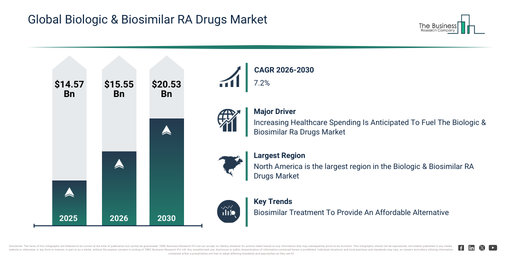
  • Biologic & Biosimilar RA Drugs Market Set To Grow From $15.55 Billion In 2026 To $20.52 Billion By 2030 At A CAGR Of 7.2%

    Biologic & Biosimilar RA Drugs Market Set To Grow From $15.55 Billion In 2026 To $20.52 Billion By 2030 At A CAGR Of 7.2%

    Through market attractiveness analysis, total addressable market evaluation, company benchmarking matrices, interactive Excel dashboards, expanded supply chain intelligence, emerging startup coverage, and detailed product insights, The Business Research Company’s 2026 market reports provide more actionable and strategically valuable research.

    Biologic & Biosimilar RA Drugs Market Growth Analysis: How Will Revenue Expand During The Forecast Period?

    The market for biologic and biosimilar rheumatoid arthritis drugs has expanded significantly in recent years. Projected to rise from $14.57 billion in 2025 to $15.55 billion in 2026, this growth reflects a compound annual growth rate (CAGR) of 6.8%. Historical expansion was driven by factors such as the increasing occurrence of rheumatoid arthritis, a scarcity of therapeutic alternatives, heightened funding for biologic research, growing healthcare spending, and the expiration of patents on major biologic products.

    Over the upcoming years, the market for biologic and biosimilar rheumatoid arthritis drugs is anticipated to experience robust expansion. Projections indicate it will reach $20.53 billion by 2030, with a compound annual growth rate (CAGR) of 7.2%. This anticipated growth during the forecast period is driven by factors such as the rising acceptance of biosimilars, innovations in drug delivery technologies, increased production capabilities, regulatory frameworks that support biologics, and heightened awareness of precision medicine. Key developments shaping the forecast period encompass the emergence of personalized biologic treatments, a faster uptake of biosimilars, cutting-edge drug delivery systems, greater regulatory alignment for biologics, and strategies to reduce costs in managing rheumatoid arthritis.

    Download A Free Sample Report For Comprehensive Market Insights:

    https://www.thebusinessresearchcompany.com/sample.aspx?id=9255&type=smp&utm_source=BlogsPR&utm_medium=Paid&utm_campaign=Jul_PR

    Biologic & Biosimilar RA Drugs Market Growth Factors Supporting Long-Term Expansion

    The growth of the biologic and biosimilar rheumatoid arthritis drug market is anticipated to advance, fueled by rising healthcare expenditures. Healthcare spending denotes the overall financial outlay by governments, individuals, and organizations on medical goods and services, covering costs associated with preventing, treating, and managing health conditions. Within this context, biologic and biosimilar RA drugs enhance the management of rheumatoid arthritis by effectively balancing therapeutic benefits with cost efficiency, particularly in delivering the specialized and costly treatments that healthcare spending often entails. For example, as reported by the CIHI, a health information institute based in Canada, in November 2023, national health spending is projected to hit $344 billion in 2023—equivalent to $8,740 per Canadian—reflecting a 2.8% increase that year, following a modest 1.5% rise in 2022. Consequently, the continual escalation of healthcare spending is propelling the biologic and biosimilar RA drug market forward.

    Biologic & Biosimilar RA Drugs Market Segmentation Trends And Revenue Drivers

    The biologic & biosimilar ra drugs market covered in this report is segmented –

    1) By Source: Microbial, Mammalian, Other Sources

    2) By Manufacturing: Outsourced, In-House

    3) By Distribution Channel: Hospital Pharmacies, Retail Pharmacies, Online Pharmacies

    Subsegments:

    1) By Microbial: Bacterial Sources, Fungal Sources, Yeast Sources

    2) By Mammalian: Chinese Hamster Ovary (CHO) Cells, Human Embryonic Kidney (HEK) Cells, Other Mammalian Cell Lines

    3) By Other Sources: Plant-Based Sources, Insect-Based Sources, Synthetic Biology Approaches

    Biologic & Biosimilar RA Drugs Market Industry Trends Shaping Future Revenue Growth

    Major players in the biologic and biosimilar RA drugs market are actively concentrating on the development of cutting-edge solutions like dual-concentration biosimilar formulations, specifically to address the growing need for affordable, easily accessible, and patient-friendly options that serve as alternatives to expensive biologics. These dual-concentration biosimilar products offer both high- and low-strength formulations designed to closely replicate branded biologics, which facilitates uninterrupted treatment continuity and enhances patient convenience compared to standard single-concentration biologics. To illustrate, in July 2023, HADLIMA—a biosimilar of Humira (adalimumab)—was launched in the US through a collaboration between Organon, a US healthcare company, and Samsung Bioepis, a biopharmaceutical firm based in South Korea. Available in both high and low concentrations, HADLIMA is intended to improve access and affordability for individuals managing autoimmune diseases, and it is priced at an 85% discount relative to Humira, thereby supporting broader patient access. This biosimilar includes an autoinjector endorsed by the Arthritis Foundation, alongside a patient support initiative known as HADLIMA For You, which offers educational materials and co-pay assistance. HADLIMA is indicated for a range of conditions, including rheumatoid arthritis and Crohn’s disease, and it is offered in both a citrate-free high-concentration version (100 mg/mL) and a citrate-containing low-concentration version (50 mg/mL), ensuring patients experience seamless continuity in their care.

    Biologic & Biosimilar RA Drugs Market Industry Leaders: Which Organizations Are Driving Competition?

    Major companies operating in the biologic & biosimilar ra drugs market are Samsung BioLogics Co. Ltd., Amgen Inc., AbbVie Inc., Johnson & Johnson Services Inc., Pfizer Inc., Merck & Co. Inc., Eli Lilly and Company, Novartis AG, Bayer AG, F. Hoffmann-La Roche Ltd., AstraZeneca PLC, Teva Pharmaceutical Industries Ltd., Fresenius SE & Co. KGaA, Stada Arzneimittel AG, Boehringer Ingelheim Pharmaceuticals Inc., Gedeon Richter Plc., La Roche Ltd., Regeneron Pharmaceuticals Inc., Bristol-Myers Squibb Company, Dr. Reddy’s Laboratories Ltd., Biogen Inc., Genentech Inc., GlaxoSmithKline plc, Mylan N.V., Sandoz International GmbH, Amneal Pharmaceuticals LLC, Apotex Inc., Biocon Ltd., Coherus BioSciences Inc.

    Access The Complete Biologic & Biosimilar RA Drugs Market Report:

    https://www.thebusinessresearchcompany.com/report/biologic-and-biosimilar-ra-drugs-global-market-report?utm_source=BlogsPR&utm_medium=Paid&utm_campaign=Jul_PR

    Biologic & Biosimilar RA Drugs Market Largest Region: Which Geography Holds The Highest Market Share?

    North America was the largest region in the biologic & biosimilar RA drugs market in 2025. Asia-Pacific is expected to be the fastest-growing region in the biologic & biosimilar RA drugs market report during the forecast period. The regions covered in the biologic & biosimilar ra drugs market report are Asia-Pacific, South East Asia, Western Europe, Eastern Europe, North America, South America, Middle East, Africa.

    Get in touch with us:

    The Business Research Company: https://www.thebusinessresearchcompany.com/?utm_source=BlogsPR&utm_medium=Paid&utm_campaign=home_page_test

    Americas: +1 310-496-7795

    Asia: +44 7882 955267 & +91 8897263534

    Europe: +44 7882 955267

    Email us at: marketing@tbrc.info

    Follow us on:

    LinkedIn: https://in.linkedin.com/company/the-business-research-company

    YouTube: https://www.youtube.com/channel/UC24_fI0rV8cR5DxlCpgmyFQ

    Global Market Model: https://www.thebusinessresearchcompany.com/global-market-model
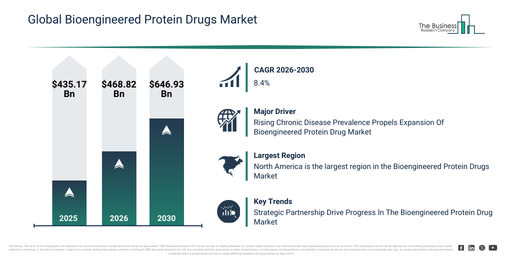
  • Bioengineered Protein Drugs Market Opportunities Are Emerging Beyond Traditional Growth Areas

    Bioengineered Protein Drugs Market Opportunities Are Emerging Beyond Traditional Growth Areas

    Delivering more actionable and strategically valuable research, The Business Research Company’s 2026 market reports feature market attractiveness analysis, total addressable market evaluation, company benchmarking matrices, interactive Excel dashboards, expanded supply chain intelligence, emerging startup coverage, and detailed product insights.

    Bioengineered Protein Drugs Market Forecast: What Market Value Is Expected By 2030?

    The market for bioengineered protein drugs has experienced robust expansion in recent years. Projected to rise from $435.17 billion in 2025 to $468.82 billion in 2026, it reflects a compound annual growth rate (CAGR) of 7.7%. This historical growth has been driven by the uptake of recombinant DNA technology, a rising need for monoclonal antibodies, progress in cell culture methods, an increase in biotechnology research and development, and the introduction of biosimilars.

    The market for bioengineered protein drugs is projected to experience robust expansion over the coming years, reaching an estimated $646.93 billion by 2030, with a compound annual growth rate (CAGR) of 8.4%. This anticipated growth during the forecast period is driven by several factors, including the increasing incidence of autoimmune and rare conditions, heightened funding for precision medicine, the development of biologics manufacturing capabilities, the integration of artificial intelligence in pharmaceutical research, and a rising need for customized treatment options. Key developments shaping the market in the coming years include personalized protein-based therapies, innovations in advanced protein engineering methodologies, the broadening of contract manufacturing services, improvements in protein purification technology, and a stronger emphasis on treatments for rare diseases.

    Download A Free Sample Report For Comprehensive Market Insights:

    https://www.thebusinessresearchcompany.com/sample.aspx?id=10180&type=smp&utm_source=BlogsPR&utm_medium=Paid&utm_campaign=Jul_PR

    Bioengineered Protein Drugs Market Demand Drivers Creating New Revenue Opportunities

    The ongoing rise in chronic illnesses is anticipated to drive forward the expansion of the bioengineered protein drug market. Chronic diseases are defined as conditions that individuals endure for a year or more, demanding ongoing medical attention and limiting daily activities. Through designer protein therapies applied in oncology and regenerative medicine, bioengineered protein drugs serve as treatments for these conditions, utilizing combinatorial and logical approaches. For example, in February 2024, the World Health Organization, an intergovernmental body based in Switzerland, projected that by 2050, new cancer cases would exceed 35 million, marking a 77% rise from the estimated 20 million cases in 2022. Consequently, this growth in chronic disease cases is fueling the bioengineered protein drug market.

    Bioengineered Protein Drugs Market Segment Analysis Highlighting Growth Areas

    The bioengineered protein drugs market covered in this report is segmented –

    1) By Drug Type: Recombinant Protein, Vaccine, Peptide Antibiotics, Therapeutic Enzymes, Other Drug Type

    2) By Technology: Bioreactors, Fractionation, Genetically Modified Organisms, Genetic Engineering, Pharming, Cell Culture, Microbial Cell Fermentation, Other Technology

    3) By Application: Autoimmune, Heart, Congenital, Infectious Diseases, Cancer, Diabetes, Arthritis, Other Application

    4) By End User: Pharmaceutical, Contract Research Organizations, Research Institutes, Biotechnology Companies

    Subsegments:

    1) By Recombinant Protein: Monoclonal Antibodies, Hormones, Cytokines

    2) By Vaccine: Recombinant Vaccines, DNA Vaccines

    3) By Peptide Antibiotics: Lipopeptide Antibiotics, Glycopeptide Antibiotics

    4) By Therapeutic Enzymes: Enzyme Replacement Therapies, Biosimilar Enzymes

    5) By Other Drug Type: Fusion Proteins, Antibody-Drug Conjugates (ADCs)

    Bioengineered Protein Drugs Market Trends Driving Strategic Industry Expansion

    Leading industry players in the bioengineered protein drug market are increasingly turning to strategic collaborations as a method to supply essential bioengineered protein drugs to businesses and governments. Such partnerships involve companies combining their respective strengths and assets to secure shared advantages and success. A case in point occurred in June 2023, when Future Fields, a Canadian biotechnology firm, entered into an agreement with Jenthera Therapeutics, another Canada-based company specializing in groundbreaking treatments for rare and intricate medical conditions. Through this alliance, the two entities aim to create a new cancer-fighting protein, leveraging Future Fields’ EntoEngine platform to facilitate cost-effective and sustainable large-scale production.

    Bioengineered Protein Drugs Market Leading Companies: Who Holds Significant Market Presence?

    Major companies operating in the bioengineered protein drugs market are Abbvie Inc., Amgen Inc., Astrazeneca PLC, Bayer HealthCare Pharmaceuticals LLC, Eli Lilly and Company, F. Hoffmann-La Roche AG, GlaxoSmithKline plc, Johnson & Johnson, Novartis AG, Novo Nordisk A/S, Sanofi S.A., Grifols S.A., Adma Biologics Inc., CSL Limited, Abbott Laboratories, Baxter International Inc., Fresenius Kabi AG, Merck & Co. Inc., Pfizer Inc., Biogen Inc., Bristol-Myers Squibb Company, Genentech Inc., Lonza Group AG, MedImmune LLC, Regeneron Pharmaceuticals Inc., Shire plc., Takeda Pharmaceutical Company Limited, Teva Pharmaceutical Industries Ltd., Shanghai United Cell Biotechnology Co. Ltd., Panacea Biotec Ltd.

    Access The Complete Bioengineered Protein Drugs Market Report:

    https://www.thebusinessresearchcompany.com/report/bioengineered-protein-drugs-global-market-report?utm_source=BlogsPR&utm_medium=Paid&utm_campaign=Jul_PR

    Bioengineered Protein Drugs Market Regional Analysis: Which Region Leads By Revenue?

    North America was the largest region in the bioengineered protein drugs market in 2025. The regions covered in the bioengineered protein drugs market report are Asia-Pacific, South East Asia, Western Europe, Eastern Europe, North America, South America, Middle East, Africa.

    Get in touch with us:

    The Business Research Company: https://www.thebusinessresearchcompany.com/?utm_source=BlogsPR&utm_medium=Paid&utm_campaign=home_page_test

    Americas: +1 310-496-7795

    Asia: +44 7882 955267 & +91 8897263534

    Europe: +44 7882 955267

    Email us at: marketing@tbrc.info

    Follow us on:

    LinkedIn: https://in.linkedin.com/company/the-business-research-company

    YouTube: https://www.youtube.com/channel/UC24_fI0rV8cR5DxlCpgmyFQ

    Global Market Model: https://www.thebusinessresearchcompany.com/global-market-model
  • Biodegradable Medical Polymers Market Expansion Is Opening New Pathways For Strategic Investment

    Biodegradable Medical Polymers Market Expansion Is Opening New Pathways For Strategic Investment

    Enhanced with market attractiveness analysis, total addressable market evaluation, company benchmarking matrices, interactive Excel dashboards, expanded supply chain intelligence, emerging startup coverage, and detailed product insights, The Business Research Company’s 2026 market reports deliver more actionable and strategically valuable research.

    Biodegradable Medical Polymers Market Size Outlook: How Fast Will Revenue Grow Through 2030?

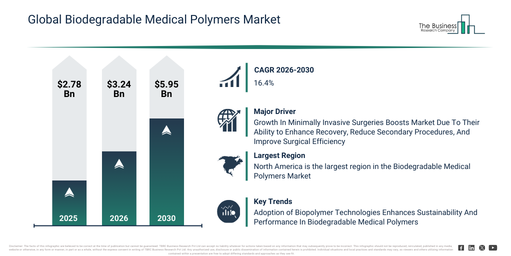
    The biodegradable medical polymers sector has experienced substantial expansion over the past few years. Projections show it rising from $2.78 billion in 2025 to $3.24 billion in 2026, reflecting a compound annual growth rate of 16.7%. This historical growth has been driven by factors such as the increased utilization of absorbable sutures, the early integration of biodegradable implants, the broadening of orthopedic and cardiovascular surgical practices, progress in polymer chemistry, and growing adoption of resorbable materials.

    The biodegradable medical polymers market is projected to undergo significant expansion in the coming years, with its value anticipated to reach $5.95 billion by 2030, driven by a compound annual growth rate (CAGR) of 16.4%. This forecasted growth is fueled by several key factors, including a heightened demand for minimally invasive procedures, a growing emphasis on sustainable medical materials, the increasing development of drug-device combination products, rising investments in regenerative medicine, and progress in precision polymer engineering. Notable trends shaping this period encompass the wider application of bioabsorbable implant materials, an increased need for polymers with controlled degradation rates, greater utilization in drug delivery systems, advancements in sophisticated biopolymer processing techniques, and a stronger focus on ensuring biocompatibility and safety.

    Download A Free Sample Report For Comprehensive Market Insights:

    https://www.thebusinessresearchcompany.com/sample.aspx?id=30210&type=smp&utm_source=BlogsPR&utm_medium=Paid&utm_campaign=Jul_PR

    Biodegradable Medical Polymers Market Expansion Supported By Key Demand Factors

    The rising preference for minimally invasive procedures is anticipated to accelerate the expansion of the biodegradable medical polymers market in the coming years. These techniques involve small incisions or non-invasive approaches to perform surgeries, leading to reduced tissue damage, quicker recovery periods, and less post-operative discomfort compared to conventional surgery. Growth in this area is fueled by technological advancements in medicine, which have driven global adoption of more precise surgical methods. Biodegradable medical polymers facilitate such procedures by enabling the creation of temporary implants, sutures, and drug delivery systems that naturally break down inside the body. This eliminates the need for additional removal surgeries, lessens tissue trauma, and supports faster healing with fewer adverse outcomes. For example, data from the American Society of Plastic Surgeons, a US-based specialty organization, showed that the number of cosmetic minimally invasive procedures climbed from 23.7 million in 2022 to 25.4 million in 2023. Thus, the growing demand for these procedures is fueling the biodegradable medical polymers market’s growth.

    Biodegradable Medical Polymers Market Segment Performance And Strategic Opportunities

    The biodegradable medical polymers market covered in this report is segmented –

    1) By Product Type: Polylactic Acid, Polyglycolic Acid, Polycaprolactone, Polyhydroxyalkanoates, Other Products

    2) By Material Type: Ceramic Matrix Composites (CMC), Oxide Ceramics, Non-Oxide Ceramics, Advanced Porous Ceramics

    3) By Product Form: Powder, Tiles, Coatings, Fibers, Bulk

    4) By Application: Drug Delivery, Implants, Sutures, Other Applications

    Subsegments:

    1) By Polylactic Acid: Lactic Acid Derived Polymers, Copolymers Of Lactic Acid, Stereocomplex Polylactic Acid

    2) By Polyglycolic Acid: Homopolymers Of Glycolic Acid, Copolymers With Other Monomers

    3) By Polycaprolactone: Linear Polycaprolactone, Branched Polycaprolactone, Crosslinked Polycaprolactone

    4) By Polyhydroxyalkanoate: Polyhydroxybutyrate, Polyhydroxyvalerate, Polyhydroxybutyrate Hydroxyvalerate

    5) By Other Products: Starch Based Polymers, Cellulose Based Polymers, Protein Based Polymers

    Biodegradable Medical Polymers Market Growth Trends Influencing Competitive Dynamics

    Key players in the biodegradable medical polymers market are placing significant emphasis on advancements like biopolymer technology to improve device performance, biocompatibility, and sustainability, particularly for use in medical tools and drug delivery mechanisms. Biopolymer technology involves the study and application of naturally sourced polymers that are designed to break down naturally and be eco-friendly, serving as a sustainable alternative to synthetic plastics in medical, packaging, and industrial fields. A relevant example occurred in November 2023 when Sulzer Ltd., a publicly traded Swiss firm, unveiled CAPSUL—an integrated licensing model for continuous polycaprolactone (PCL) production. This biodegradable polyester can now be manufactured in high-quality grades at economical prices, supporting the shift toward sustainable materials, boosting manufacturing efficiency, and supplying premium green polymers for both healthcare and industrial uses.

    Biodegradable Medical Polymers Market Key Players: Which Companies Shape Industry Competition?

    Major companies operating in the biodegradable medical polymers market are Evonik Industries AG, Corbion N.V., dsm-firmenich AG, Mitsui Chemicals Inc., Poly Medicure Limited, KLS Martin SE & Co. KG, BASF SE, NatureWorks LLC, Arkema SA, Eastman Chemical Company, Foster LLC, Becton Dickinson and Company, Toray Industries Inc., Celanese Corporation, Teysa Technologies Ltd, Kaneka Corporation, Arthrex Inc., Ashland Inc., Meril Life Sciences India Private Limited, Reva Medical LLC

    Access The Complete Biodegradable Medical Polymers Market Report:

    https://www.thebusinessresearchcompany.com/report/global-biodegradable-medical-polymers-market-report?utm_source=BlogsPR&utm_medium=Paid&utm_campaign=Jul_PR

    Biodegradable Medical Polymers Market Geographic Distribution And Regional Opportunities

    North America was the largest region in the biodegradable medical polymers market in 2025. Asia-Pacific is expected to be the fastest-growing region in the forecast period. The regions covered in the biodegradable medical polymers market report are Asia-Pacific, South East Asia, Western Europe, Eastern Europe, North America, South America, Middle East, Africa.

    Get in touch with us:

    The Business Research Company: https://www.thebusinessresearchcompany.com/?utm_source=BlogsPR&utm_medium=Paid&utm_campaign=home_page_test

    Americas: +1 310-496-7795

    Asia: +44 7882 955267 & +91 8897263534

    Europe: +44 7882 955267

    Email us at: marketing@tbrc.info

    Follow us on:

    LinkedIn: https://in.linkedin.com/company/the-business-research-company

    YouTube: https://www.youtube.com/channel/UC24_fI0rV8cR5DxlCpgmyFQ

    Global Market Model: https://www.thebusinessresearchcompany.com/global-market-model
  • Bioconvergence Market Trends Are Creating New Opportunities For Industry Leaders

    Bioconvergence Market Trends Are Creating New Opportunities For Industry Leaders

    Through market attractiveness analysis, total addressable market evaluation, company benchmarking matrices, interactive Excel dashboards, expanded supply chain intelligence, emerging startup coverage, and detailed product insights, The Business Research Company’s 2026 market reports provide more actionable and strategically valuable research.

    Bioconvergence Market Size, Value And Growth Trends Through 2030

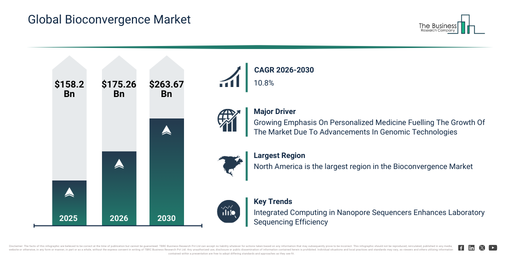
    The bioconvergence sector has seen swift expansion in recent years. Between 2025 and 2026, its value is projected to increase from $158.2 billion to $175.26 billion, representing a compound annual growth rate (CAGR) of 10.8%. This past growth has been driven by factors such as the expansion of genomics research, the uptake of digital health solutions, increased funding for biotechnology, a rising need for advanced diagnostic methods, and the implementation of collaborative interdisciplinary research programs.

    Projections indicate that the bioconvergence market will experience robust expansion in the coming years, reaching an estimated $263.67 billion by 2030, driven by a compound annual growth rate (CAGR) of 10.8%. This anticipated growth in the forecast period is largely fueled by the acceleration of personalized medicine, the emergence of AI-driven life sciences, breakthroughs in bioengineering, data-centric healthcare solutions, and increasing cross-sector collaborations. Key developments shaping this period include the fusion of biological and engineering systems, the advancement of precision medicine platforms, the widening application of AI in drug discovery, the heightened implementation of bioinformatics tools, and the merging of digital and biological technologies.

    Download A Free Sample Report For Comprehensive Market Insights:

    https://www.thebusinessresearchcompany.com/sample.aspx?id=24168&type=smp&utm_source=BlogsPR&utm_medium=Paid&utm_campaign=Jul_PR

    Bioconvergence Market Growth Drivers And Industry Catalysts

    The rising focus on personalized medicine is anticipated to drive the expansion of the bioconvergence market in the coming years. Personalized medicine is a healthcare strategy that customizes treatments for each patient by taking into account their genetic, environmental, and lifestyle factors to enhance results and improve care quality. The increasing need for personalized medicine is fueled by progress in genomic technologies, which allow for accurate detection of genetic differences and the development of tailored therapies. Through bioconvergence, personalized medicine is further enhanced by merging cutting-edge technologies with biological research, making it possible to create more precise and individualized treatment plans based on a patient’s genetic and molecular characteristics. This approach boosts healthcare outcomes by enabling targeted therapies and minimizing side effects. For example, in February 2024, the Personalized Medicine Coalition (PMC), a nonprofit organization based in the United States, reported that the U.S. Food and Drug Administration (FDA) authorized 26 new personalized medicines in 2023, marking a substantial rise from the 12 approvals in 2022. Consequently, the growing emphasis on personalized medicine is fueling the growth of the bioconvergence market.

    Bioconvergence Market Segment Landscape And Growth Potential

    The bioconvergence market covered in this report is segmented –

    1) By Component: Devices, Software, Services, Platforms

    2) By Technology: Artificial Intelligence, Robotics, Three-Dimensional (3D) Printing, Nanotechnology, Synthetic Biology, Bioinformatics, Wearable Devices

    3) By Application: Drug Discovery, Regenerative Medicine, Optogenetics, Nanorobotics For Drug Discovery, Diagnostic And Biological Sensors, Bioelectronics, Precision Medicine

    4) By End-User: Pharmaceutical And Biotechnology Industry, Contract Research Organization, Other End Users

    Subsegments:

    1) By Devices: Diagnostic Devices, Therapeutic Devices, Wearable Medical Devices, Implantable Devices, Robotic Surgical Systems

    2) By Software: Bioinformatics Software, Clinical Decision Support Systems, Genomic Data Analysis Tools, Imaging And Diagnostic Software, Laboratory Information Management Systems (LIMS)

    3) By Services: Contract Research Services, Consulting And Integration Services, Data Management And Analysis Services, Custom Software Development, Regulatory And Compliance Services

    4) By Platforms: Artificial Intelligence Platforms, Omics Integration Platforms, Digital Health Platforms, Personalized Medicine Platforms, Cloud-Based Analytics Platforms

    Bioconvergence Market Trends Influencing Long-Term Demand

    Major players within the bioconvergence market are actively creating novel products like integrated nanopore sequencing devices featuring onboard computing, designed to remove the need for external computing systems, facilitate real-time data interpretation, and enhance lab workflow efficiency. Such a device functions as a standalone benchtop system capable of sequencing DNA, RNA, and cDNA while performing basecalling and analysis directly on the instrument. As a notable example, in March 2024, Oxford Nanopore Technologies, a biotechnology firm based in the UK, introduced the PromethION 2 Integrated (P2i) to bring high-output nanopore sequencing within reach of smaller and mid-scale research facilities. This cutting-edge bioconvergence tool provides real-time basecalling on the device via an integrated NVIDIA Ampere architecture GPU, enabling researchers to generate as many as 290 gigabases per flow cell, removing reliance on external computational resources, and delivering prompt biological insights using MinKNOW software with straightforward plug-and-play functionality. The PromethION 2 Integrated demonstrates considerable flexibility, delivering efficient sequencing across various uses such as whole-genome sequencing of large organisms, thorough metagenomic analyses, and full-length transcript RNA analysis, thanks to its pairing of two independently controlled flow cells, an integrated touchscreen interface, and 15 terabytes of internal storage to boost operational efficiency and workflow optimization.

    Bioconvergence Market Competitive Landscape: Who Are The Leading Companies?

    Major companies operating in the bioconvergence market are Pfizer Inc., Johnson & Johnson, Merck & Co. Inc., Veolia Environnement S.A, Novartis AG, Eli Lilly and Company, Amgen Inc., HDR Inc., Ginkgo Bioworks, BICO Group AB, MeMed Diagnostics Ltd., Anima Biotech, Singota Solutions LLC, SetPoint Medical Corporation, Galvani Bioelectronics, Ezassi Inc., Tissue Dynamics Ltd., Sanara Ventures Ltd., BioConvergent Health LLC, Gradiant Bioconvergence Center

    Access The Complete Bioconvergence Market Report:

    https://www.thebusinessresearchcompany.com/report/bioconvergence-global-market-report?utm_source=BlogsPR&utm_medium=Paid&utm_campaign=Jul_PR

    Bioconvergence Market Largest Region By Revenue And Market Share

    North America was the largest region in the bioconvergence market in 2025. Asia-Pacific is expected to be the fastest-growing region in the forecast period. The regions covered in the bioconvergence market report are Asia-Pacific, South East Asia, Western Europe, Eastern Europe, North America, South America, Middle East, Africa.

    Get in touch with us:

    The Business Research Company: https://www.thebusinessresearchcompany.com/?utm_source=BlogsPR&utm_medium=Paid&utm_campaign=home_page_test

    Americas: +1 310-496-7795

    Asia: +44 7882 955267 & +91 8897263534

    Europe: +44 7882 955267

    Email us at: marketing@tbrc.info

    Follow us on:

    LinkedIn: https://in.linkedin.com/company/the-business-research-company

    YouTube: https://www.youtube.com/channel/UC24_fI0rV8cR5DxlCpgmyFQ

    Global Market Model: https://www.thebusinessresearchcompany.com/global-market-model