Month: September 2026

  • Brain Health Devices Market Size Growth: From $12.79 Billion In 2026 To $16.84 Billion By 2030

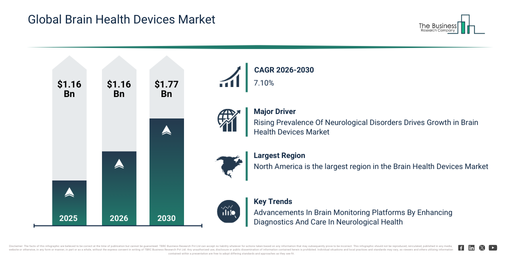
    Brain Health Devices Market Size Growth: From $12.79 Billion In 2026 To $16.84 Billion By 2030

    Built to provide research that’s more actionable and strategically valuable, The Business Research Company’s 2026 market reports include market attractiveness analysis, total addressable market sizing, company benchmarking matrices, interactive Excel dashboards, broader supply chain intelligence, emerging startup tracking, and in-depth product insights.

    Brain Health Devices Market Size Outlook: How Quickly Will Revenue Expand Through 2030?

    The market size for brain health devices has shown significant growth over recent years. Forecasts indicate an increase from $11.9 billion in 2025 to $12.79 billion in 2026, at a compound annual growth rate (CAGR) of 7.5%. The market’s past growth has been largely driven by elements such as the constrained accessibility of advanced neuroimaging equipment, the rising incidence of neurological conditions, the development of hospital and clinic infrastructure, the continued dependence on conventional diagnostic techniques, and a greater public awareness regarding cognitive health management.

    The brain health devices market size is forecast to experience significant expansion in the upcoming years. It is projected to reach $16.84 billion in 2030, growing at a compound annual growth rate (CAGR) of 7.1%. This anticipated growth during the forecast period is primarily due to advancements in wearable brain health devices, the integration of AI and machine learning algorithms, increasing adoption of telehealth and remote monitoring services, a rise in government and private funding for neurotechnology, and the development of portable and cost-effective brain health solutions. Notable trends expected in this period include the growing use of non-invasive brain monitoring devices, an increased focus on the early detection of neurological disorders, the integration of wearable cognitive tracking devices, rising demand for home-based brain health solutions, and the expansion of brain training and neurostimulation applications.

    Get A Free Sample Report With In-Depth Market Insights:

    https://thebusinessresearchcompany.com/sample_request?id=18107471&type=smp&name=Brain%20Health%20Devices%20Market%20Report%202026&utm_source=Blogs&utm_medium=Paid&utm_campaign=Sep_PR

    Brain Health Devices Market Growth Backed By Core Demand Fundamentals

    The expanding occurrence of neurological conditions is anticipated to fuel the expansion of the brain health devices market in the future. These conditions are medical ailments impacting the nervous system, encompassing the brain, spinal cord, and nerves, which can lead to diverse cognitive, motor, and sensory impairments. The rising prevalence of neurological disorders is primarily influenced by an aging global population and an uptick in chronic illnesses such as diabetes and hypertension. Furthermore, environmental and lifestyle elements, alongside improved diagnostic methods and genetic predispositions, contribute to the increasing number of documented cases. Brain health devices function by monitoring brain activity and providing specific treatments to alleviate symptoms, boost cognitive abilities, and enhance patient results. For instance, in January 2025, the European Brain Council, a Belgium-based non-profit organization, reported that 7 million people in Europe are living with Alzheimer’s disease, with projections indicating this figure is expected to reach 14 million by 2030. Consequently, the growing incidence of neurological disorders is a key driver for the brain health devices market.

    Brain Health Devices Market Segment Analysis And Revenue Potential

    The brain health devices market covered in this report is segmented –

    1) By Device Type: Magnetic Resonance Imaging, Magneto Encephalogram, Computed Tomography, Transcranial Doppler Device, Other Device Types

    2) By Procedure: Invasive, Non-Invasive

    3) By Application: Sleep Disorders, Accidental Injuries, Alzheimer’s Disease, Epilepsy, Stroke, Other Applications

    4) By End-User: Hospitals And Clinics, Diagnostic Imaging Centers, Homecare Settings, Assisted Living Facilities, Other End-Users

    Subsegments:

    1) By Magnetic Resonance Imaging (MRI): Functional MRI (fMRI), Diffusion Tensor Imaging (DTI), MRI Spectroscopy

    2) By Magnetoencephalogram (MEG): Whole-Head MEG Systems, Cooled MEG Systems

    3) By Computed Tomography (CT): Standard CT Scanners, CT Angiography, High-Resolution CT Scanners

    4) By Transcranial Doppler Device: Handheld Transcranial Doppler Devices, Portable Transcranial Doppler Devices

    5) By Other Device Types: Electroencephalogram (EEG) Devices, Positron Emission Tomography (PET) Scanners, Near-Infrared Spectroscopy (NIRS) Devices

    Brain Health Devices Market Growth Trends Reshaping The Competitive Landscape

    Leading companies in the brain health monitoring market are prioritizing the creation of advanced solutions, such as passive smartphone-based monitoring platforms, designed to continuously observe changes in cognitive and motor function without requiring active patient involvement or wearable devices. This passive approach leverages daily keyboard interactions, motion, and general device usage to discreetly produce clinically relevant neurological data. A significant development occurred in May 2025, when Neurocast, a Netherlands-based provider of digital health and brain health monitoring solutions, introduced its FDA-registered Neurocast platform in the U.S. This system examines routine smartphone activities, including keystrokes, movement patterns, and usage behaviors, to identify subtle neurological shifts, thereby facilitating the early detection of cognitive or motor deterioration in individuals with conditions such as multiple sclerosis, Alzheimer’s disease, ADHD, and depression. The Neurocast platform offers key functionalities like continuous data acquisition through regular phone use, a privacy-focused design that eliminates the need for active input or wearables, adherence to GDPR, ISO 27001 certification, and practical clinical validation through European studies involving hundreds of patients. This introduction enables U.S. healthcare providers to access scalable, non-intrusive, and data-driven information for proactive brain health management, marking a crucial advancement in remote neurological care.

    Brain Health Devices Market Company Landscape And Competitive Strategy

    Major companies operating in the brain health devices market are Johnson & Johnson Services Inc., Medtronic plc, Siemens Healthineers AG, Koninklijke Philips N.V., GE HealthCare Technologies Inc., Boston Scientific Corporation, electroCore Inc., Masimo Corporation, Integra LifeSciences Corporation, LivaNova plc, Natus Medical Incorporated, Cadwell Industries Inc., NeuroSky Inc., Neuropace Inc., Compumedics Limited, Magstim Co. Ltd., Mindmaze SA, Brain Products GmbH, Emotiv Inc., Electrical Geodesics Inc., BrainScope Company Inc., Soterix Medical Inc., Advanced Brain Monitoring Inc., Bio-Signal Group Corp., Cognionics Inc

    View The Full Brain Health Devices Market Report:

    https://thebusinessresearchcompany.com/report/brain-health-devices-global-market-report?utm_source=Blogs&utm_medium=Paid&utm_campaign=Sep_PR

    Brain Health Devices Market Largest Region: Which Geography Holds The Biggest Share?

    North America was the largest region in the brain health devices market in 2025. Asia-Pacific is expected to be the fastest-growing region in the forecast period. The regions covered in the brain health devices market report are Asia-Pacific, South East Asia, Western Europe, Eastern Europe, North America, South America, Middle East, Africa.

    Reach Out To Our Team:

    The Business Research Company: https://www.thebusinessresearchcompany.com/

    Americas: +1 310-496-7795

    Asia: +44 7882 955267 & +91 8897263534

    Europe: +44 7882 955267

    Email us at: marketing@tbrc.info

    Follow us on:

    LinkedIn: https://in.linkedin.com/company/the-business-research-company

    YouTube: https://www.youtube.com/channel/UC24_fI0rV8cR5DxlCpgmyFQ

    Global Market Model: https://www.thebusinessresearchcompany.com/global-market-model

  • Brain Disease Device And Software Market Analysis 2026: Market Size, Growth Trends And Industry Outlook

    Brain Disease Device And Software Market Analysis 2026: Market Size, Growth Trends And Industry Outlook

    Backed by market attractiveness analysis, total addressable market sizing, company benchmarking matrices, interactive Excel dashboards, wider supply chain intelligence, emerging startup coverage, and detailed product-level insights, The Business Research Company’s 2026 market reports are designed to offer research that is more actionable and strategically valuable than ever.

    Brain Disease Device And Software Market Size, Value And Growth Trajectory Through 2030

    The brain disease device and software market has seen considerable expansion in recent years. It is anticipated to grow from $15.59 billion in 2025 to $17.2 billion in 2026, demonstrating a compound annual growth rate (CAGR) of 10.3%. The historical increase in this market can be linked to factors such as the scarcity of effective brain disease diagnostic instruments, the increasing occurrence of neurological conditions, the improvement of hospital and clinic infrastructure, the initial embrace of telemedicine technologies, and a reliance on conventional brain imaging methods.

    The brain disease device and software market is anticipated to experience substantial expansion over the upcoming years. By 2030, this market is projected to reach $25.21 billion, exhibiting a compound annual growth rate (CAGR) of 10.0%. This projected growth stems from several factors, including developments in wearable and AI-powered brain disease devices, increased capital allocation towards neurorehabilitation technologies, the proliferation of home care and remote patient monitoring options, escalating demand for software managing brain data, and intensified research into neuroinformatics and cognitive assessment tools. Key trends for the forecast period encompass a greater uptake of neurostimulation and brain monitoring devices, the incorporation of telemedicine and remote patient monitoring, an increase in cognitive assessment and neurofeedback software, an amplified emphasis on individualized treatments for brain disorders, and the broadening of neuroimaging and data analytics capabilities.

    Get A Free Sample Report With In-Depth Market Insights:

    https://thebusinessresearchcompany.com/sample_request?id=91767472&type=smp&name=Brain%20Disease%20Device%20And%20Software%20Market%20Report%202026&utm_source=Blogs&utm_medium=Paid&utm_campaign=Sep_PR

    Brain Disease Device And Software Market Growth Catalysts And Demand Drivers

    The projected expansion of the brain disease device and software market is linked to the increasing occurrence of neurological disorders. These medical conditions affect the brain, spinal cord, and nerves, leading to diverse symptoms such as cognitive, motor, and sensory impairments. The rising prevalence of neurological disorders is connected to the world’s aging population, as aging progressively impairs neuronal function, reduces brain plasticity, and elevates oxidative stress, which contributes to the development and advancement of these conditions. Brain disease devices and software assist in managing neurological disorders through early diagnosis and continuous monitoring. They also enable timely intervention via advanced AI and data analytics, thereby improving patient care and treatment outcomes. For instance, in July 2024, according to the National Health Service, a UK-based government agency, there were 487,432 patients diagnosed with dementia (a progressive brain disorder affecting memory, thinking, and daily activities) by June 30, 2024, an increase of 3,155 cases compared to May 31, 2024. This demonstrates how the increasing prevalence of neurological disorders is driving the growth of the brain disease device and software market.

    Brain Disease Device And Software Market Segmentation And Category Overview

    The brain disease device and software market covered in this report is segmented –

    1) By Type: Brain Disease Device, Brain Disease Software

    2) By Technology: Wearable Technology, Telemedicine Solutions, Artificial Intelligence And Machine Learning, Mobile Health Applications, Neuroimaging Technologies

    3) By Application: Alzheimer’s Disease, Parkinson’s Disease, Epilepsy, Other Applications

    4) By End-User: Hospitals And Clinics, Home Care Settings, Rehabilitation Centers, Research and Academic Institutions, Diagnostic Laboratories

    Subsegments:

    1) By Brain Disease Device: Neurostimulation Devices, Brain Imaging Devices, Brain Monitoring Devices, Brain-Computer Interface Devices, Neurorehabilitation Devices

    2) By Brain Disease Software: Brain Imaging Analysis Software, Cognitive Assessment Software, Neurofeedback Software, Brain Data Management Software, Neurological Disorder Diagnostic Software

    Brain Disease Device And Software Market Trends Shaping Long-Term Demand

    Key companies within the brain disease device and software market are increasingly harnessing innovative technologies, such as artificial intelligence (AI)-driven brain imaging analytics, in order to improve the early and precise detection, tracking, and management of neurodegenerative conditions including Alzheimer’s disease and dementia. These AI-powered brain imaging analytics utilize advanced software platforms applying machine-learning models to MRI and other neuroimaging data. Their purpose is to pinpoint subtle microstructural alterations in brain tissue often missed by conventional volumetric imaging, leading to a much earlier and more sensitive diagnosis. An example is found in January 2025, when Oxford Brain Diagnostics Ltd., a UK-based medtech company, obtained U.S. Food and Drug Administration (FDA) 510(k) clearance and then introduced CDM Insights. This cloud-native software solution is built upon their proprietary Cortical Disarray Measurement (CDM) technology. This tool processes routine 1.5 T and 3 T MRI scans to produce novel measures of cortical thickness and microstructural disarray within grey matter, thereby offering objective, quantifiable indicators of neurodegeneration. Following these regulatory approvals, the company began its commercial rollout across healthcare systems in the US and UK, assisting clinicians with early diagnosis, disease monitoring, and treatment stratification.

    Brain Disease Device And Software Market Key Players Shaping Industry Direction

    Major companies operating in the brain disease device and software market are Medtronic plc, Insightec Ltd., Cadwell Industries Inc., NeuroPace Inc., Synchron Inc., Compumedics Ltd., Neuronetics Inc., BrainsWay Ltd., The Magstim Company Ltd., Paradromics Inc., Linus Health Inc., MagVenture A/S, Neurophet Inc., Neuroelectrics Corporation, BrainScope Company Inc, Blackrock Neurotech LLC, Neurable Inc., NeuroSigma Inc., Cognixion Inc., Brightmind.AI

    View The Full Brain Disease Device And Software Market Report:

    https://thebusinessresearchcompany.com/report/brain-disease-device-and-software-global-market-report?utm_source=Blogs&utm_medium=Paid&utm_campaign=Sep_PR

    Brain Disease Device And Software Market Regional Analysis: Which Geography Leads On Revenue?

    North America was the largest region in the brain disease device and software market in 2025. Asia-Pacific is expected to be the fastest-growing region in the forecast period. The regions covered in the brain disease device and software market report are Asia-Pacific, South East Asia, Western Europe, Eastern Europe, North America, South America, Middle East, Africa.

    Reach Out To Our Team:

    The Business Research Company: https://www.thebusinessresearchcompany.com/

    Americas: +1 310-496-7795

    Asia: +44 7882 955267 & +91 8897263534

    Europe: +44 7882 955267

    Email us at: marketing@tbrc.info

    Follow us on:

    LinkedIn: https://in.linkedin.com/company/the-business-research-company

    YouTube: https://www.youtube.com/channel/UC24_fI0rV8cR5DxlCpgmyFQ

    Global Market Model: https://www.thebusinessresearchcompany.com/global-market-model

  • Brain And Neuroimaging Devices Market Forecast To 2030: Starting From $59.26 Billion In 2026

    Brain And Neuroimaging Devices Market Forecast To 2030: Starting From $59.26 Billion In 2026

    Featuring market attractiveness scoring, total addressable market sizing, company benchmarking matrices, interactive Excel dashboards, deeper supply chain intelligence, emerging startup tracking, and granular product-level insights, The Business Research Company’s 2026 market reports are built to deliver research that is both more actionable and more strategically valuable.

    Brain And Neuroimaging Devices Market CAGR Outlook And Future Development

    The brain and neuroimaging devices market has experienced significant growth in recent years. This market is set to expand from $44.1 billion in 2025 to $46.7 billion in 2026, reflecting a compound annual growth rate (CAGR) of 5.9%. The growth observed in the past can be attributed to the rising occurrence of neurological disorders, the increase in diagnostic imaging centers, the adoption of advanced MRI and CT technologies, the development of neurological research programs, and the growing utilization of EEG-based diagnostics.

    The market for brain and neuroimaging devices is set for significant expansion over the next few years. It is projected to grow to $59.26 billion in 2030, achieving a compound annual growth rate (CAGR) of 6.1%. This anticipated growth is influenced by factors such as the increasing demand for early detection of brain disorders, the widening application of precision neurology, rising investments in neuroimaging research, the increasing adoption of hybrid imaging systems, and the greater integration of imaging with digital health platforms. Key trends expected during this forecast period involve the growing adoption of AI-assisted neuroimaging analysis, an increased use of high-resolution brain imaging modalities, deeper integration of multimodal imaging techniques, the expansion of functional brain mapping applications, and a heightened focus on early neurological diagnosis.

    Get A Free Sample Report With In-Depth Market Insights:

    https://thebusinessresearchcompany.com/sample_request?id=34911065&type=smp&name=Brain%20And%20Neuroimaging%20Devices%20Market%20Report%202026&utm_source=Blogs&utm_medium=Paid&utm_campaign=Sep_PR

    Brain And Neuroimaging Devices Market Opportunity Drivers: What’s Unlocking New Revenue Potential?

    The increasing incidence of traumatic brain injuries is projected to stimulate the expansion of the Brain And Neuroimaging Devices Market in the future. Traumatic brain injury (TBI) is characterized as an injury or damage to the brain caused by a sudden, external impact or trauma, affecting an individual’s physical, cognitive, emotional, and behavioral functions. Brain and neuroimaging devices are instrumental in the diagnosis, assessment, and management of traumatic brain injury (TBI), helping doctors identify internal bleeding, fractures, or structural anomalies. For instance, in October 2023, the Neural Regeneration Research, a China-based peer-reviewed academic journal focused on neuroscience, particularly neural regeneration and neuroprotection, stated that approximately 69 million people suffer from traumatic brain injury (TBI) each year. This rising prevalence of traumatic brain injuries is therefore a key driver for the growth of the Brain And Neuroimaging Devices Market.

    Brain And Neuroimaging Devices Market Segment Outlook: Which Categories Are Growing Fastest?

    The brain and neuroimaging devices market covered in this report is segmented –

    1) By Imaging Type: Functional Magnetic Resonance Imaging (FMRI), Computed Tomography (CT), Positron Emission Tomography (PET), Electroencephalography (EEG), Magneto Encephalography (MEG), Other Imaging Types

    2) By Application: Parkinson’s Disease, Traumatic Brain Injury, Epilepsy, Dementia, Sleep Disorders, Other Applications

    3) By End-User: Hospitals, Diagnostic Centres, Research Institutes And Neurology Clinics

    Subsegments:

    1) By Functional Magnetic Resonance Imaging (FMRI): Resting-State FMRI, Task-Based FMRI, Diffusion Tensor Imaging (DTI) With FMRI

    2) By Computed Tomography (CT): X-ray CT, Positron Emission Tomography (PET) Or CT Hybrid Imaging, Multi-Slice CT

    3) By Positron Emission Tomography (PET): PET Or CT, PET Or MRI

    4) By Electroencephalography (EEG): Conventional EEG, Ambulatory EEG, High-Density EEG

    5) By Magnetoencephalography (MEG): Whole-Head MEG, Electromagnetic Source Imaging (ESI) With MEG

    6) By Other Imaging Types: Near-Infrared Spectroscopy (NIRS), Transcranial Magnetic Stimulation (TMS), Functional Near-Infrared Brain Imaging Systems

    Brain And Neuroimaging Devices Market Innovation Trends Shaping Future Development

    Major companies in the brain and neuroimaging device market are concentrating on developing technology enhanced with artificial intelligence (AI), such as Neuro Suite, to achieve a competitive edge. Neuro Suite, powered by artificial intelligence, is designed to deliver comprehensive solutions as a brain and neuroimaging device for neurological disorders. For Instance, in April 2023, TeraRecon, Inc., a US-based company that produces medical imaging equipment, launched the Neuro Suite. Neuro Suite is an artificial intelligence (AI)-assisted clinical suite solution addressing neurology diseases like neuro-oncology, multiple sclerosis, and dementia. This innovation provides radiologists with access to a variety of artificial intelligence (AI)-powered neuroimaging modalities.

    Brain And Neuroimaging Devices Market Competitive Analysis Of Leading Industry Participants

    Major companies operating in the brain and neuroimaging devices market are GE HealthCare, Siemens AG, Koninklijke Philips, Canon Medical Systems Corporation, Hitachi Medical Systems, EB Neuro S.p.A., Neurosoft, MinFound Medical Systems Co. Ltd., Elekta, Toshiba Corporation, Shimadzu Corporation, Bruker Corporation, PerkinElmer Inc., Carl Zeiss Meditec AG, Fujifilm Holdings Corporation, Nihon Kohden Corporation, Natus Medical Incorporated, RIMED Ltd., Advanced Brain Monitoring Inc., Compumedics Limited

    View The Full Brain And Neuroimaging Devices Market Report:

    https://thebusinessresearchcompany.com/report/brain-and-neuroimaging-devices-global-market-report?utm_source=Blogs&utm_medium=Paid&utm_campaign=Sep_PR

    Brain And Neuroimaging Devices Market Geographic Spread And Regional Opportunities

    Western Europe was the largest region in the brain and neuroimaging devices market in 2025. North America was the second-largest region in the global brain and neuroimaging devices market report. Africa. was the smallest region in the brain and neuroimaging devices market. The regions covered in the brain and neuroimaging devices market report are Asia-Pacific, South East Asia, Western Europe, Eastern Europe, North America, South America, Middle East, Africa.

    Reach Out To Our Team:

    The Business Research Company: https://www.thebusinessresearchcompany.com/

    Americas: +1 310-496-7795

    Asia: +44 7882 955267 & +91 8897263534

    Europe: +44 7882 955267

    Email us at: marketing@tbrc.info

    Follow us on:

    LinkedIn: https://in.linkedin.com/company/the-business-research-company

    YouTube: https://www.youtube.com/channel/UC24_fI0rV8cR5DxlCpgmyFQ

    Global Market Model: https://www.thebusinessresearchcompany.com/global-market-model
  • Bradycardia Treatment Devices Market Size In 2026 And Beyond: Understanding Future Growth Potential

    Bradycardia Treatment Devices Market Size In 2026 And Beyond: Understanding Future Growth Potential

    Built to provide research that’s more actionable and strategically valuable, The Business Research Company’s 2026 market reports include market attractiveness analysis, total addressable market sizing, company benchmarking matrices, interactive Excel dashboards, broader supply chain intelligence, emerging startup tracking, and in-depth product insights.

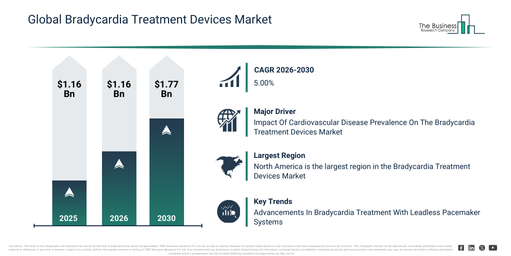
    Bradycardia Treatment Devices Market Set To Climb From $9.47 Billion In 2026 To $11.51 Billion By 2030

    The bradycardia treatment devices market has experienced robust expansion in recent years. It will grow from $8.97 billion in 2025 to $9.47 billion in 2026 at a compound annual growth rate (CAGR) of 5.6%. This historical growth can be attributed to an increasing prevalence of cardiac rhythm disorders, the early adoption of pacemakers in hospital-based cardiology units, the growing availability of implantable cardiac rhythm devices, the expansion of cardiovascular diagnostic and monitoring programs, and the development of electrophysiology and cardiac care infrastructure.

    The bradycardia treatment devices market size is set to experience steady expansion over the next few years, with its valuation expected to reach $11.51 billion in 2030, growing at a compound annual growth rate (CAGR) of 5.0%. This projected growth is driven by several factors, including the increasing demand for MRI-conditional and biventricular pacemakers, a rise in the adoption of external and wearable defibrillators, improved treatment rates for sick sinus syndrome and heart block, higher utilization of device-based rhythm stabilization among aging patients, and the expanding application of cardiac rhythm therapy in specialty clinics. Notable trends during the forecast period encompass the ongoing development of advanced implantable pacemaker technologies, the increasing integration of bradycardia devices into cardiac rhythm management therapies, a growing preference for minimally invasive cardiac device implantation procedures, the broadening use of these devices across various bradycardia-related cardiac conditions, and a concerted effort to enhance device safety, longevity, and treatment reliability.

    Get A Free Sample Report With In-Depth Market Insights:

    https://thebusinessresearchcompany.com/sample_request?id=31066870&type=smp&name=Bradycardia%20Treatment%20Devices%20Market%20Report%202026&utm_source=Blogs&utm_medium=Paid&utm_campaign=Sep_PR

    Bradycardia Treatment Devices Market Growth Momentum: What Factors Are Shaping Demand?

    The expanding occurrence of cardiovascular disease is anticipated to propel the growth of the bradycardia treatment devices market going forward. Cardiovascular disease encompasses conditions impacting the heart and blood vessels, including issues like coronary artery disease, stroke, and heart failure. The increasing prevalence of cardiovascular disease can be attributed to factors such as inactive lifestyles, unhealthy diets, smoking, and aging populations. Bradycardia treatment devices, such as pacemakers, are utilized to regulate heart rhythm and sustain an adequate heart rate in patients experiencing cardiac disorders. For instance, in January 2024, according to the American Heart Association, a US-based non-profit organization, the age-adjusted death rate from cardiovascular disease increased to 233.3 per 100,000 in 2024, marking a 4.0% rise from 224.4 per 100,000 in 2023. Consequently, the rising prevalence of cardiovascular disease will fuel the expansion of the bradycardia treatment devices market.

    Bradycardia Treatment Devices Market Segment Landscape: Which Areas Lead Development?

    The bradycardia treatment devices market covered in this report is segmented –

    1) By Devices: Pacemakers, Defibrillator

    2) By Treatment Type: Sinus Bradycardia, Sinus Pause, Sick Sinus Syndrome, Tachy-Brady Syndrome, Heart Block

    3) By End User: Hospitals, Specialty Clinics, Other End Users

    Subsegments:

    1) By Pacemakers: Single Chamber Pacemakers, Dual Chamber Pacemakers, Biventricular Pacemakers, MRI-Conditional Pacemakers, External Pacemakers

    2) By Defibrillator: Implantable Cardioverter Defibrillators (ICDS), External Defibrillators, Automated External Defibrillators (AEDS), Manual External Defibrillators, Wearable Defibrillators

    Bradycardia Treatment Devices Market Trends Redefining Industry Growth

    Leading companies engaged in bradycardia treatment devices are concentrating on creating advanced solutions, including leadless pacemakers, to improve patient outcomes and lessen procedural complications. Leadless pacemakers are defined as small, independent devices implanted directly into the heart without the use of connecting wires, presenting a minimally invasive option for regulating heart rhythm. For instance, in July 2023, Abbott Laboratories, a US-based medical device manufacturing company, received US Food and Drug Administration (FDA) approval for the AVEIR dual chamber (DR) leadless pacemaker system. This system is a dual-chamber leadless pacing solution for individuals with abnormal or slow heart rhythms, offering synchronized or coordinated cardiac pacing between two leadless pacemakers, tailored to meet the individual’s clinical requirements.

    Bradycardia Treatment Devices Market Leading Companies And Competitive Benchmarking

    Major companies operating in the bradycardia treatment devices market are Medtronic plc, Abbott Laboratories, Boston Scientific Corporation, Biotronik SE & Co KG, MicroPort Scientific Corporation, LivaNova PLC, Osypka Medical GmbH, Lepu Medical Technology Co Ltd, Pacetronix Ltd, Shree Pacetronix Ltd, Medico SpA, Zoll Medical Corporation, EBR Systems Inc, Impulse Dynamics NV, Cardioelectronica Company, IMZ Medical Devices, Oscor Inc, CCC Medical Devices, Atacor Medical, Koninklijke Philips NV

    View The Full Bradycardia Treatment Devices Market Report:

    https://thebusinessresearchcompany.com/report/bradycardia-treatment-devices-global-market-report?utm_source=Blogs&utm_medium=Paid&utm_campaign=Sep_PR

    Bradycardia Treatment Devices Market Top Region By Revenue And Market Share

    North America was the largest region in the bradycardia treatment devices market in 2025. The regions covered in the bradycardia treatment devices market report are Asia-Pacific, South East Asia, Western Europe, Eastern Europe, North America, South America, Middle East, Africa.

    Reach Out To Our Team:

    The Business Research Company: https://www.thebusinessresearchcompany.com/

    Americas: +1 310-496-7795

    Asia: +44 7882 955267 & +91 8897263534

    Europe: +44 7882 955267

    Email us at: marketing@tbrc.info

    Follow us on:

    LinkedIn: https://in.linkedin.com/company/the-business-research-company

    YouTube: https://www.youtube.com/channel/UC24_fI0rV8cR5DxlCpgmyFQ

    Global Market Model: https://www.thebusinessresearchcompany.com/global-market-model
  • Brachytherapy Devices Market Reaches $1.1 Billion In 2026: Key Developments Shaping Expansion

    Brachytherapy Devices Market Reaches $1.1 Billion In 2026: Key Developments Shaping Expansion

    Backed by market attractiveness analysis, total addressable market sizing, company benchmarking matrices, interactive Excel dashboards, wider supply chain intelligence, emerging startup coverage, and detailed product-level insights, The Business Research Company’s 2026 market reports are designed to offer research that is more actionable and strategically valuable than ever.

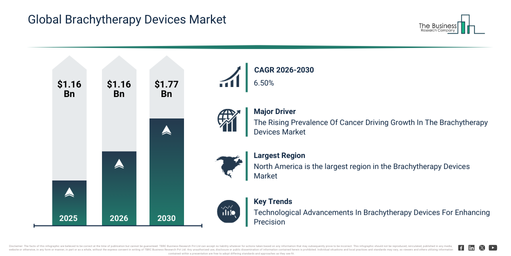
    Brachytherapy Devices Market Forecast: Value Set To Climb From $0.85 Billion To $1.1 Billion

    The brachytherapy devices market has experienced substantial expansion in recent years. This market is projected to increase from $0.8 billion in 2025 to $0.85 billion in 2026, demonstrating a compound annual growth rate (CAGR) of 6.9%. The market’s past growth can be attributed to several factors including the limited supply of brachytherapy devices, the reliance on low dose rate (ldr) treatments, the rising prevalence of prostate and cervical cancers, the gradual adoption of automated afterloaders, and the constrained oncology infrastructure within emerging regions.

    The brachytherapy devices market is projected to experience robust expansion over the coming years. This market is anticipated to reach $1.1 billion by 2030, exhibiting a compound annual growth rate (CAGR) of 6.5%. Several factors contribute to this projected growth, including advancements in HDR and PDR brachytherapy technology, the proliferation of specialized cancer clinics, increased investment in oncology healthcare, the integration of AI and digital planning software, and greater awareness among clinicians regarding the benefits of brachytherapy. Key trends anticipated during this period encompass the growing uptake of high-dose-rate (HDR) brachytherapy, an increase in minimally invasive brachytherapy procedures, the establishment of more cancer treatment centers and specialty clinics, the integration of treatment planning software with quality assurance devices, and an enhanced emphasis on patient safety and precise radiation delivery.

    Get A Free Sample Report With In-Depth Market Insights:

    https://thebusinessresearchcompany.com/sample_request?id=72859628&type=smp&name=Brachytherapy%20Devices%20Market%20Report%202026&utm_source=Blogs&utm_medium=Paid&utm_campaign=Sep_PR

    Brachytherapy Devices Market Expansion Drivers: What’s Shaping Future Growth?

    The anticipated rise in cancer cases is projected to fuel the expansion of the brachytherapy devices market. Cancer is a complex set of illnesses characterized by the uncontrolled multiplication and spread of cells. This growing incidence of cancer stems from an aging demographic, various lifestyle elements, genetic predispositions, and environmental influences. Brachytherapy devices provide considerable advantages to individuals with cancer through the precise delivery of radiation straight to the tumor, optimizing treatment efficacy while limiting harm to adjacent healthy tissue. This targeted method not only boosts the therapy’s effectiveness but also lessens adverse reactions, shortens treatment periods, and diminishes the chance of cancer returning, ultimately leading to better patient results and an enhanced quality of life. For instance, in August 2024, according to the Macmillan Cancer Support, a UK-based organization, reported that in 2024, more than 3 million people in the UK are living with cancer, this figure is projected to increase to 3.5 million by 2025, 4 million by 2030, and 5.3 million by 2040. Thus, the escalating incidence of cancer is a primary catalyst for the expansion of the brachytherapy devices market.

    Brachytherapy Devices Market Segments: Where Is Growth Concentrated?

    The brachytherapy devices market covered in this report is segmented –

    1) By Product Type: Brachytherapy Afterloaders, Brachytherapy Applicators, Other Product Types

    2) By Indications: Prostate Cancer, Breast Cancer, Cervical Cancer, Skin Cancer, Other Indications

    3) By Dose Rate: High Dose Rate (HDR) Brachytherapy, Low Dose Rate (LDR) Brachytherapy, Pulse Dose Rate (PDR) Brachytherapy

    4) By End-User: Hospitals, Specialty Clinics, Other End-Users

    Subsegments:

    1) By Brachytherapy Afterloaders: Remote Afterloaders, Manual Afterloaders

    2) By Brachytherapy Applicators: Intravaginal Applicators, Interstitial Applicators, Intracavitary Applicators

    3) By Other Product Types: Brachytherapy Seeds, Treatment Planning Software, Quality Assurance Devices

    Brachytherapy Devices Market Strategic Trends: What Defines The Next Growth Phase?

    Major companies operating in the brachytherapy devices market are concentrating on developing innovative solutions, such as cutting-edge brachytherapy machines, to benefit many patients requiring specialized cancer care. An advanced brachytherapy machine is a pioneering device designed to deliver internal radiation therapy with utmost precision, efficacy, and safety. This machine facilitates the administration of a high dose of radiation to the cancerous tissue while significantly reducing exposure to the surrounding healthy tissues. For instance, in June 2024, AIIMS Nagpur, an India-based medical institute, unveiled a state-of-the-art brachytherapy machine to boost cancer treatment precision. This advanced technology enables localized radiation therapy, targeting tumors more effectively while minimizing damage to surrounding healthy tissue. The machine is projected to improve treatment outcomes for radiation therapy patients by providing a more accurate and controlled radiation delivery.

    Brachytherapy Devices Market Industry Leaders And Competitive Landscape

    Major companies operating in the brachytherapy devices market are Siemens Healthineers AG, Becton Dickinson and Company, GE HealthCare Technologies Inc., Boston Scientific Corporation, Koninklijke Philips N.V., Varian Medical Systems Inc., Carl Zeiss Meditec AG, Elekta AB, Hologic Inc., Mirion Technologies Inc., Accuray Inc., Eckert & Ziegler BEBIG S.A., Theragenics Corporation, Sensus Healthcare Inc., Aetna Inc., CIVCO Medical Solutions, iCAD Inc., IsoRay Inc., BEBIG Medical GmbH, IsoAid L.L.C.

    View The Full Brachytherapy Devices Market Report:

    https://thebusinessresearchcompany.com/report/brachytherapy-devices-global-market-report?utm_source=Blogs&utm_medium=Paid&utm_campaign=Sep_PR

    Brachytherapy Devices Market Regional Analysis And Top Geography

    North America was the largest region in the brachytherapy devices market in 2025. Asia-Pacific is expected to be the fastest-growing region in the market going forward. The regions covered in the brachytherapy devices market report are Asia-Pacific, South East Asia, Western Europe, Eastern Europe, North America, South America, Middle East, Africa.

    Reach Out To Our Team:

    The Business Research Company: https://www.thebusinessresearchcompany.com/

    Americas: +1 310-496-7795

    Asia: +44 7882 955267 & +91 8897263534

    Europe: +44 7882 955267

    Email us at: marketing@tbrc.info

    Follow us on:

    LinkedIn: https://in.linkedin.com/company/the-business-research-company

    YouTube: https://www.youtube.com/channel/UC24_fI0rV8cR5DxlCpgmyFQ

    Global Market Model: https://www.thebusinessresearchcompany.com/global-market-model
  • Brachytherapy Market Growth Outlook For 2026: Drivers, Trends And Future Opportunities

    Brachytherapy Market Growth Outlook For 2026: Drivers, Trends And Future Opportunities

    Featuring market attractiveness scoring, total addressable market sizing, company benchmarking matrices, interactive Excel dashboards, deeper supply chain intelligence, emerging startup tracking, and granular product-level insights, The Business Research Company’s 2026 market reports are built to deliver research that is both more actionable and more strategically valuable.

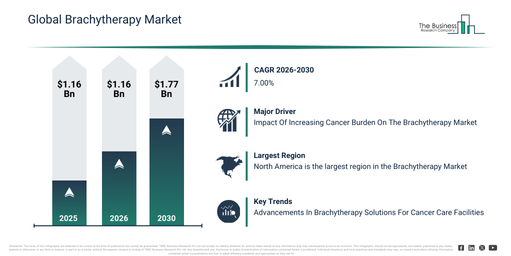
    Brachytherapy Market Revenue Growth On Track For A 7% CAGR Through 2030

    The brachytherapy market has experienced strong expansion in recent years. It is projected to increase from $1 billion in 2025 to $1.08 billion in 2026, demonstrating a compound annual growth rate (CAGR) of 7.9%. The historical growth can be attributed to several factors, including a rise in prostate and gynecological cancer incidence, the early adoption of ldr and hdr brachytherapy systems, the growing acceptance of localized radiation therapies, the expansion of hospital-based oncology treatment programs, and the increasing availability of radioactive seed implants.

    The brachytherapy market is anticipated to experience substantial expansion in the coming years. By 2030, this market is projected to reach $1.42 billion, exhibiting a compound annual growth rate (CAGR) of 7.0%. This anticipated growth is primarily driven by an increasing need for image-guided and computer-assisted brachytherapy, the expanding adoption of electronic brachytherapy solutions, its greater utilization in outpatient and specialized oncology clinics, the enhanced integration of precision planning and dosimetry tools, and the broadening application of brachytherapy for various cancer indications. Key trends during this period encompass the rising acceptance of image-guided and precision-targeted brachytherapy techniques, its growing application in treating prostate, gynecological, and breast cancers, a developing preference for localized radiation with minimal tissue exposure, the wider deployment of electronic brachytherapy for outpatient and dermatologic uses, and an emphasis on enhancing treatment accuracy, patient results, and overall therapy safety.

    Get A Free Sample Report With In-Depth Market Insights:

    https://thebusinessresearchcompany.com/sample_request?id=83863707&type=smp&name=Brachytherapy%20Market%20Report%202026&utm_source=Blogs&utm_medium=Paid&utm_campaign=Sep_PR

    Brachytherapy Market Development Factors: What’s Supporting Demand?

    The escalating global cancer burden is projected to drive the expansion of the brachytherapy market moving forward. This increase in cancer cases is attributed to factors such as aging populations, shifts in lifestyle, and heightened exposure to risk factors including tobacco, poor diet, and environmental pollutants. Brachytherapy plays a role in managing this burden by offering a targeted and effective treatment solution that can be customized for various cancer types, delivering localized therapy while reducing overall treatment duration and side effects. For instance, in September 2025, the Institute for Health Metrics and Evaluation (IHME), a US-based population health research organization, reported approximately 18.5 million new cancer cases in 2023, an increase from 18.0 million in 2022, underscoring a year-on-year rise in global cancer incidence. Therefore, the expanding cancer burden will stimulate the brachytherapy market.

    Brachytherapy Market Segment Analysis: What Are The Core Market Categories?

    The brachytherapy market covered in this report is segmented –

    1) By Product Type: Seeds, Applicators And Afterloaders, Electronic Brachytherapy

    2) By Dosage Type: High-Dose Rate (HDR) Brachytherapy, Low-Dose Rate (LDR) Brachytherapy

    3) By Application: Prostate Cancer, Gynecological Cancer, Breast Cancer, Other Applications

    4) By End-User: Hospitals, Specialty Clinics, Other End-Users

    Subsegments:

    1) By Seeds: Iodine-125 Seeds, Palladium-103 Seeds, Cesium-131 Seeds, Other Radioactive Seeds

    2) By Applicators And Afterloaders: Prostate Applicators, Vaginal Applicators, Interstitial Applicators, Skin Applicators, Afterloaders

    3) By Electronic Brachytherapy: Electronic Brachytherapy Units, Electronic Brachytherapy Sources

    Brachytherapy Market Transformation Trends: What Innovations Are Driving Change?

    Leading companies in the brachytherapy market are concentrating on developing innovative technological solutions, such as standard afterloader technology, to enhance the precision and efficacy of treatments. Standard afterloader technology in brachytherapy refers to automated devices that deliver radioactive sources directly to tumor sites, ensuring precise radiation dose administration. For instance, in April 2024, Varian Medical Systems, a US-based medical device manufacturing company, collaborated with Maastro, a US-based radiotherapy clinic, to introduce an innovative brachytherapy applicator designed for the accurate delivery of HDR brachytherapy in the treatment of rectal cancer. This new partially 3D-printed applicator was co-developed by Maastro radiation oncologists and physicists alongside Varian experts to provide radiotherapists with improved treatment options for rectal cancer patients. The applicator is engineered to increase contact with the tumor and provide a uniform dose distribution, featuring a dose range similar to that of contact X-ray brachytherapy (CXB).

    Brachytherapy Market Key Participants And Competitive Landscape

    Major companies operating in the brachytherapy market are Elekta AB, IsoRay Inc, CIVCO Medical Solutions, Theragenics Corporation, Eckert & Ziegler BEBIG, IsoAid LLC, Best Medical International Inc, Boston Scientific Corporation, IBA Group, Accuray Incorporated, Cook Medical, Panacea Medical Technologies Pvt Ltd, NorthStar Medical Radioisotopes LLC, International Isotopes Inc, CivaTech Oncology Inc, Huiheng Medical Inc, Radiomedix, Mevion Medical Systems Inc, Qfix, Seno Medical Instruments

    View The Full Brachytherapy Market Report:

    https://thebusinessresearchcompany.com/report/brachytherapy-global-market-report?utm_source=Blogs&utm_medium=Paid&utm_campaign=Sep_PR

    Brachytherapy Market Geographic Analysis: Where Is Demand Rising Fastest?

    North America was the largest region in the brachytherapy market in 2025. Asia-Pacific is expected to be the fastest-growing region in the forecast period. The regions covered in the brachytherapy market report are Asia-Pacific, South East Asia, Western Europe, Eastern Europe, North America, South America, Middle East, Africa.

    Reach Out To Our Team:

    The Business Research Company: https://www.thebusinessresearchcompany.com/

    Americas: +1 310-496-7795

    Asia: +44 7882 955267 & +91 8897263534

    Europe: +44 7882 955267

    Email us at: marketing@tbrc.info

    Follow us on:

    LinkedIn: https://in.linkedin.com/company/the-business-research-company

    YouTube: https://www.youtube.com/channel/UC24_fI0rV8cR5DxlCpgmyFQ

    Global Market Model: https://www.thebusinessresearchcompany.com/global-market-model

  • Bowel Stimulators Market Size Forecast From 2026 To 2030: Key Industry Trends

    Bowel Stimulators Market Size Forecast From 2026 To 2030: Key Industry Trends

    Built to provide research that’s more actionable and strategically valuable, The Business Research Company’s 2026 market reports include market attractiveness analysis, total addressable market sizing, company benchmarking matrices, interactive Excel dashboards, broader supply chain intelligence, emerging startup tracking, and in-depth product insights.

    Bowel Stimulators Market Value Growth And Long-Term Outlook

    The size of the bowel stimulators market has demonstrated strong expansion in recent years. It will grow from $1.13 billion in 2025 to $1.23 billion in 2026 at a compound annual growth rate (CAGR) of 8.8%. The historical growth can be attributed to several factors, including limited treatment options for bowel dysfunction, a high reliance on laxatives and manual bowel care, an increase in spinal cord injury cases, a rising geriatric population experiencing constipation, and the gradual adoption of electrical stimulation therapies.

    The bowel stimulators market size is anticipated to undergo significant expansion in the coming years, with its value set to reach $1.71 billion in 2030, driven by a compound annual growth rate (CAGR) of 8.6%. This projected growth throughout the forecast period stems from technological innovations in both implantable and external stimulators, a rising occurrence of neurological disorders, the proliferation of home care and remote therapy options, increasing clinical validation and regulatory green lights, and an increase in personalized, patient-centric approaches to bowel management. Noteworthy trends expected during this period include a heightened uptake of neuromodulation-based bowel treatments, a growing preference for non-invasive and minimally invasive devices, an expanding utilization of home-based and wearable bowel stimulators, a decreased reliance on laxatives and manual interventions, and enhancements in patient awareness and overall quality of life outcomes.

    Get A Free Sample Report With In-Depth Market Insights:

    https://thebusinessresearchcompany.com/sample_request?id=56243743&type=smp&name=Bowel%20Stimulators%20Market%20Report%202026&utm_source=Blogs&utm_medium=Paid&utm_campaign=Sep_PR

    Bowel Stimulators Market Industry Drivers: What’s Behind The Revenue Growth?

    The rising incidence of gastrointestinal disorders is projected to drive the expansion of the bowel stimulator market moving forward. These disorders encompass conditions that affect the digestive system, disrupting its normal digestion, absorption, or bowel function. The increase in gastrointestinal disorders stems from unhealthy diets, as processed, low-fiber foods negatively impact gut health and digestion. Bowel stimulators offer assistance for gastrointestinal disorders by stimulating nerves or muscles in the lower digestive tract, thereby improving bowel movements, easing constipation, and supporting overall digestive function. As an illustration, in December 2023, the IBD Registry, a UK-based non-profit organization, reported that in 2023, the number of individuals with inflammatory bowel disease (IBD) joining their registry increased to over 5,300, marking a rise of more than 3,000 when compared to 2022. Hence, the growing prevalence of gastrointestinal disorders is anticipated to propel the growth of the bowel stimulator market.

    Bowel Stimulators Market Segment Breakdown: Which Categories Lead On Revenue?

    The bowel stimulators market covered in this report is segmented –

    1) By Product Type: Electrical Bowel Stimulators, Magnetic Bowel Stimulators, Other Product Types

    2) By Patient Type: Adult, Geriatric, Pediatric

    3) By Distribution Channel: Direct Sales, Online Sales, Retail Pharmacies, Specialized Medical Stores

    4) By Application: Chronic Constipation, Neurological Disorders, Irritable Bowel Syndrome (IBS), Post Operative Recovery

    5) By End-User: Hospitals, Clinics, Home Care Settings, Nursing Homes

    Subsegments:

    1) By Electrical Bowel Stimulators: Implantable Electrical Stimulators, External Electrical Stimulators, Sacral Nerve Stimulators, Transcutaneous Electrical Nerve Stimulation (TENS) Devices

    2) By Magnetic Bowel Stimulators: Peripheral Magnetic Nerve Stimulation Devices, Repetitive Magnetic Stimulation Devices, Wearable Magnetic Stimulators

    3) By Other Product Types: Biofeedback Devices, Vagus Nerve Stimulators, Non-Invasive Neuromodulation Devices, Percutaneous Tibial Nerve Stimulation (PTNS) Systems

    #Bowel Stimulators Market Growth Trends: What’s Shaping The Future Outlook?

    Leading companies within the bowel stimulators market are concentrating on integrating less invasive bowel management approaches, specifically low-volume transanal irrigation technology, to elevate patient comfort, simplify usage, and boost treatment effectiveness. These low-volume transanal irrigation systems are portable, hand-held units designed to cleanse the lower bowel using a precisely controlled, minimal quantity of water. This process aids in stimulating evacuation and addressing chronic constipation or faecal incontinence, thereby facilitating attributes such as softer bowel evacuation, greater user autonomy, and more consistent bowel habits. An illustrative example is Coloplast, a medical device firm based in Denmark focused on continence and bowel care, which introduced Peristeen Light in February 2024. This system, a low-volume transanal irrigation device, is crafted to assist individuals with bowel dysfunction in achieving efficient bowel emptying. Its features include a compact, hand-held structure, a straightforward two-step setup procedure, and a gentle, adaptable catheter for comfortable insertion. Peristeen Light contributes to enhancing the simplicity of self-administration, the regularity of bowel management, and the overall quality of life for patients.

    Bowel Stimulators Market Top Companies Driving Competitive Growth

    Major companies operating in the bowel stimulators market are Abbott Laboratories, Medtronic plc, Boston Scientific Corporation, Coloplast AS, LivaNova plc, Nevro Corp, Laborie Medical Technologies, North Coast Medical Inc, Neuspera Medical Inc, InCube Labs LLC, Soterix Medical Inc, Synapse Biomedical Inc, PathMaker Neurosystems Inc, InnoCon Medical Inc, Beijing PINS Medical Co Ltd, Soin Neuroscience Inc, Stimwave Technologies Inc, StimGuard LLC, General Stim Inc, Axonics Modulation Technologies Inc, Enterra Medical Inc, Nalu Medical Inc

    View The Full Bowel Stimulators Market Report:

    https://thebusinessresearchcompany.com/report/bowel-stimulators-global-market-report?utm_source=Blogs&utm_medium=Paid&utm_campaign=Sep_PR

    Bowel Stimulators Market Global Footprint: Which Region Leads The Market?

    North America was the largest region in the bowel stimulators market in 2025. Asia-Pacific is expected to be the fastest-growing region in the forecast period. The regions covered in the bowel stimulators market report are Asia-Pacific, South East Asia, Western Europe, Eastern Europe, North America, South America, Middle East, Africa.

    Reach Out To Our Team:

    The Business Research Company: https://www.thebusinessresearchcompany.com/

    Americas: +1 310-496-7795

    Asia: +44 7882 955267 & +91 8897263534

    Europe: +44 7882 955267

    Email us at: marketing@tbrc.info

    Follow us on:

    LinkedIn: https://in.linkedin.com/company/the-business-research-company

    YouTube: https://www.youtube.com/channel/UC24_fI0rV8cR5DxlCpgmyFQ

    Global Market Model: https://www.thebusinessresearchcompany.com/global-market-model
  • Bowel Management Systems Market 2026: Market Size, Growth Drivers And Emerging Opportunities

    Bowel Management Systems Market 2026: Market Size, Growth Drivers And Emerging Opportunities

    Backed by market attractiveness analysis, total addressable market sizing, company benchmarking matrices, interactive Excel dashboards, wider supply chain intelligence, emerging startup coverage, and detailed product-level insights, The Business Research Company’s 2026 market reports are designed to offer research that is more actionable and strategically valuable than ever.

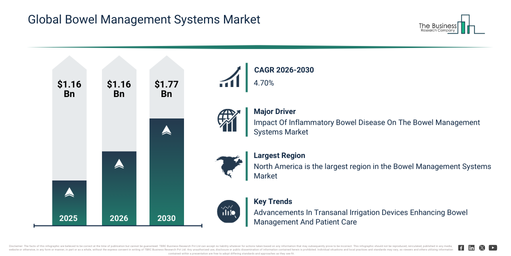
    Bowel Management Systems Market Poised To Hit $2.52 Billion By 2030 With A 4.7% CAGR

    The bowel management systems market has experienced robust expansion in recent years. It is projected to grow from $2 billion in 2025 to $2.1 billion in 2026, at a compound annual growth rate (CAGR) of 5.1%. Historically, this growth can be attributed to the rising incidence of fecal incontinence and chronic gastrointestinal disorders, increasing awareness regarding bowel hygiene and hospital infection prevention, the early adoption of colostomy and rectal catheter systems, a growth in surgical and critical care patient populations, and the expanding use of bowel management in long-term care facilities.

    The bowel management systems market is anticipated to experience consistent expansion over the next few years, with projections indicating a rise to $2.52 billion in 2030 at a compound annual growth rate (CAGR) of 4.7%. This expansion during the forecast period is driven by factors such as the increasing demand for advanced fecal management and containment devices, a greater uptake of irrigation systems in both homecare and ambulatory settings, wider adoption of nerve modulation therapies for bowel dysfunction, a growing emphasis on patient comfort and caregiver efficiency, and the broadening availability of personalized and condition-specific bowel care solutions. Furthermore, significant trends expected in this period include the increased utilization of sophisticated bowel management solutions for fecal incontinence care, a rising integration of irrigation and containment systems in hospital and homecare environments, an evolving preference for patient-centric and comfort-oriented bowel care devices, the expansion of minimally invasive nerve modulation and neurostimulation therapies, and a concerted focus on improving hygiene, quality of life, and infection control outcomes.

    Get A Free Sample Report With In-Depth Market Insights:

    https://thebusinessresearchcompany.com/sample_request?id=92891791&type=smp&name=Bowel%20Management%20Systems%20Market%20Report%202026&utm_source=Blogs&utm_medium=Paid&utm_campaign=Sep_PR

    Bowel Management Systems Market Growth Factors: What’s Supporting Expansion?

    The increasing occurrence of inflammatory bowel disease is projected to boost the expansion of the bowel management systems market moving forward. Inflammatory bowel disease (IBD) encompasses chronic inflammatory conditions impacting the gastrointestinal tract, including Crohn’s disease and ulcerative colitis. The surge in IBD cases stems from factors such as evolving lifestyles, environmental influences, and genetic predispositions. Bowel management systems offer support for inflammatory bowel disease by aiding in the effective handling of symptoms like diarrhea and fecal incontinence. For illustration, a report from Crohn’s and Colitis Canada, a non-profit organization based in Canada, indicated that in June 2023, approximately 322,600 individuals, which is 0.8% of the population in 2023, were impacted by the prevalence of aplastic anemia, with a new diagnosis occurring every 48 minutes. Projections suggest that by 2035, this figure will climb to 470,000 affected individuals, making up 1.1% of the population, and diagnoses will happen more frequently, at one every 38 minutes. Consequently, the significant incidence of inflammatory bowel disease is fueling the growth of the bowel management systems market.

    Bowel Management Systems Market Segmentation: How Does The Market Break Down By Category?

    The bowel management systems market covered in this report is segmented –

    1) By Product: Colostomy Bags, Irrigation Systems, Nerve Modulation Devices, Other Products

    2) By Patient Type: Adults, Pediatric

    3) By End-User: Hospitals, Ambulatory Centers, Other End-Users

    Subsegments:

    1) By Colostomy Bags: Single-Piece Colostomy Bags, Two-Piece Colostomy Bags, Closed-End Colostomy Bags, Drainable Colostomy Bags

    2) By Irrigation Systems: Manual Irrigation Systems, Electric Irrigation Systems

    3) By Nerve Modulation Devices: Sacral Nerve Stimulation (SNS) Devices, Posterior Tibial Nerve Stimulation (PTNS) Devices

    4) By Other Products: Enema Kits, Rectal Catheters, Fecal Incontinence Management Devices

    Bowel Management Systems Market Industry Trends: What’s Reshaping Demand?

    Major companies in the bowel management systems market are prioritizing the development of advanced transanal irrigation devices to enhance patient outcomes and expand their market presence. Transanal irrigation devices are medical tools employed for bowel management, typically involving the controlled irrigation of the colon and rectum to assist in managing conditions such as neurogenic bowel dysfunction or chronic constipation. For instance, in February 2024, Coloplast A/S, a Denmark-based medical device manufacturer, launched Peristeen Light. This new transanal irrigation device is designed to aid individuals suffering from bowel disorders like chronic constipation and fecal incontinence. It functions as a hand-held, low-volume transanal irrigation device that introduces water into the rectum to help clear stool from the lower bowel. The device is engineered for intuitive and simple use, requiring only two steps for assembly, and allows for smooth insertion into the rectum via a soft and flexible catheter.

    Bowel Management Systems Market Leading Players And Competitive Positioning

    Major companies operating in the bowel management systems market are Medtronic plc, B Braun Holding GmbH & Co KG, Becton Dickinson and Company, Coloplast Pty Ltd., ConvaTec Group plc, Hollister Incorporated, Axonics Modulation Technologies, Laborie Medical Technologies Corporation, Qufora A S, ABC Medical Inc., Salts Healthcare Ltd., Welland Medical Limited, Wellspect HealthCare Ltd., Consure Medical Pvt Ltd., Pelvic Health Solutions, Renew Medical Inc., TG Eakin Ltd., Eakin Medical Ltd, Convatec Ltd, Hollister Incorporated UK

    View The Full Bowel Management Systems Market Report:

    https://thebusinessresearchcompany.com/report/bowel-management-systems-global-market-report?utm_source=Blogs&utm_medium=Paid&utm_campaign=Sep_PR

    Bowel Management Systems Market Regional Split: Which Areas Are Fueling Growth?

    North America was the largest region in the bowel management systems market in 2025. Asia-Pacific is expected to be the fastest-growing region in the forecast period. The regions covered in the bowel management systems market report are Asia-Pacific, South East Asia, Western Europe, Eastern Europe, North America, South America, Middle East, Africa.

    Reach Out To Our Team:

    The Business Research Company: https://www.thebusinessresearchcompany.com/

    Americas: +1 310-496-7795

    Asia: +44 7882 955267 & +91 8897263534

    Europe: +44 7882 955267

    Email us at: marketing@tbrc.info

    Follow us on:

    LinkedIn: https://in.linkedin.com/company/the-business-research-company

    YouTube: https://www.youtube.com/channel/UC24_fI0rV8cR5DxlCpgmyFQ

    Global Market Model: https://www.thebusinessresearchcompany.com/global-market-model
  • Bone Wax Market Set To Expand From $88.81 Billion In 2026: Growth Outlook Through 2030

    Bone Wax Market Set To Expand From $88.81 Billion In 2026: Growth Outlook Through 2030

    Featuring market attractiveness scoring, total addressable market sizing, company benchmarking matrices, interactive Excel dashboards, deeper supply chain intelligence, emerging startup tracking, and granular product-level insights, The Business Research Company’s 2026 market reports are built to deliver research that is both more actionable and more strategically valuable.

    Bone Wax Market Size And Revenue Outlook Through 2030

    The bone wax market has observed consistent growth in its size over recent years. It is anticipated to increase from $71.16 billion in 2025 to $74.41 billion in 2026, progressing at a compound annual growth rate (CAGR) of 4.6%. The expansion observed in the historical period can be primarily linked to an escalating number of orthopedic and neurosurgical procedures, the broad adoption of traditional non-absorbable bone wax, an increase in hospital surgical capacity, heightened awareness concerning intraoperative bleeding control, and the availability of standardized surgical consumables.

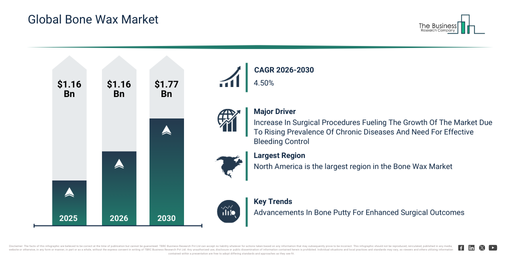
    The bone wax market size is projected to experience consistent expansion over the next few years. It is expected to reach $88.81 billion by 2030, exhibiting a compound annual growth rate (CAGR) of 4.5%. This anticipated growth during the forecast period is primarily driven by factors such as an increasing preference for absorbable hemostatic agents, the rising adoption of minimally invasive surgical techniques, a growing demand for bioresorbable materials, the expansion of specialty surgical centers, and continuous product innovation in surgical biomaterials. Significant trends expected in the forecast period include a greater acceptance of absorbable bone wax products, an increasing demand for synthetic and biocompatible formulations, expanded utilization in minimally invasive surgeries, a heightened focus on hemostatic materials designed to reduce infection, and the broadening of bone wax applications in specialized surgical procedures.

    Get A Free Sample Report With In-Depth Market Insights:

    https://thebusinessresearchcompany.com/sample_request?id=32982706&type=smp&name=Bone%20Wax%20Market%20Report%202026&utm_source=Blogs&utm_medium=Paid&utm_campaign=Sep_PR

    Bone Wax Market Demand Drivers: What’s Powering Industry Growth?

    The increasing number of surgical procedures is expected to drive the expansion of the bone wax market in the coming years. Surgical interventions, defined as medical operations utilizing manual or instrumental methods to address injuries, diseases, or abnormalities by modifying body tissues, are on the rise due to the growing prevalence of chronic conditions that frequently necessitate operative treatment for effective management and improved patient outcomes. Bone wax is crucial for these procedures as it efficiently controls bleeding from cut or traumatized bone surfaces, thereby helping maintain a clear surgical field and reducing complications related to blood loss. For instance, in 2024, the UK Health Security Agency, a UK-based government agency, reported that the volume of operations submitted for mandatory orthopedic surveillance grew by 7.3% (from 102,027 operations) compared to the financial year 2022 to 2023, while voluntary surveillance showed an increase of 13.3% (from 23,070 operations). Therefore, the escalating volume of surgical procedures will propel the growth of the bone wax market.

    Bone Wax Market Segment Trends And Revenue Contributors

    The bone wax market covered in this report is segmented –

    1) By Product: Absorbable Bone Wax, Non-Absorbable Bone Wax

    2) By Material: Natural Bone Wax, Synthetic Bone Wax

    3) By Application: Orthopedic Surgery, Thoracic Surgery, Neurosurgery, Dental Or Oral Surgery, Other Applications

    4) By End-User: Hospitals, Specialty Clinics, Ambulatory Surgical Centers, Other End-Users

    Subsegments:

    1) By Absorbable Bone Wax: Gel-Based Absorbable Bone Wax, Paste-Based Absorbable Bone Wax, Solid Absorbable Bone Wax

    2) By Non-Absorbable Bone Wax: Gel-Based Non-Absorbable Bone Wax, Paste-Based Non-Absorbable Bone Wax, Solid Non-Absorbable Bone Wax

    Bone Wax Market Innovation Trends: What Developments Are Reshaping The Industry?

    Leading companies in the bone wax market are prioritizing the creation of advanced products, such as bone putty, with the goal of reducing the necessity for subsequent removal and minimizing the potential for enduring complications. Bone putty serves as a pliable, biocompatible substance employed in surgical contexts to assist bone regeneration or manage bleeding from bone surfaces. As an example, in September 2023, Abyrx Inc., a US-based producer of biomaterials and therapeutic instruments, announced that the U.S. Food and Drug Administration (FDA) had granted approval for its MONTAGE settable bone putty. This product holds the distinction of being the initial FDA-approved settable bone putty specifically indicated for use in cardiothoracic surgery after a sternotomy. Its approval signifies a major breakthrough in surgical advancements for sternal procedures. A key differentiator is its capacity to adhere directly to bone surfaces that are actively bleeding. Following its application, it quickly hardens, forming a structure with properties akin to bone, thereby boosting stability and aiding in the cessation of bleeding.

    Bone Wax Market Competitive Overview And Top Companies

    Major companies operating in the bone wax market are Johnson & Johnson, Medtronic Plc, Medline Industries Inc., Baxter International Inc., Aesculap Inc., B. Braun Melsungen AG, Healthium Medtech Limited, Surgical Specialties Corporation, GPC Medical Ltd., Qubix Medicare Private Limited, Dolphin Sutures, ABYRX Inc., Lotus Surgicals Private Limited, Bentley Healthcare Pvt. Ltd., Orion Sutures Private Limited, Surbhi Surgicals, Vinculum Sutures Private Limited, Ropana Medicure Private Limited, Adva Medical, Ethicon Inc., Teleflex Incorporated, Merit Medical Systems, Cardinal Health Inc., Smith & Nephew plc, Integra LifeSciences Corporation

    View The Full Bone Wax Market Report:

    https://thebusinessresearchcompany.com/report/bone-wax-global-market-report?utm_source=Blogs&utm_medium=Paid&utm_campaign=Sep_PR

    Bone Wax Market Top Region: Where Does Most Revenue Come From?

    North America was the largest region in the bone wax market in 2025. Asia-Pacific is expected to be the fastest-growing region in the forecast period. The regions covered in the bone wax market report are Asia-Pacific, South East Asia, Western Europe, Eastern Europe, North America, South America, Middle East, Africa.

    Reach Out To Our Team:

    The Business Research Company: https://www.thebusinessresearchcompany.com/

    Americas: +1 310-496-7795

    Asia: +44 7882 955267 & +91 8897263534

    Europe: +44 7882 955267

    Email us at: marketing@tbrc.info

    Follow us on:

    LinkedIn: https://in.linkedin.com/company/the-business-research-company

    YouTube: https://www.youtube.com/channel/UC24_fI0rV8cR5DxlCpgmyFQ

    Global Market Model: https://www.thebusinessresearchcompany.com/global-market-model

  • Bone Void Fillers Market Size And Growth In 2026: Key Factors Shaping Future Demand

    Bone Void Fillers Market Size And Growth In 2026: Key Factors Shaping Future Demand

    Built to provide research that’s more actionable and strategically valuable, The Business Research Company’s 2026 market reports include market attractiveness analysis, total addressable market sizing, company benchmarking matrices, interactive Excel dashboards, broader supply chain intelligence, emerging startup tracking, and in-depth product insights.

    Bone Void Fillers Market Growth From $4.02 Billion In 2026 To $5.18 Billion By 2030 At A CAGR Of 6.5%

    The bone void fillers market size has demonstrated strong growth in recent years. It is forecast to increase from $3.78 billion in 2025 to $4.02 billion in 2026, achieving a compound annual growth rate (CAGR) of 6.5%. The expansion witnessed in the past can be attributed to the rising incidence of bone fractures and trauma, an increase in orthopedic surgical volumes, the growing adoption of demineralized bone matrix, the expansion of spinal fusion procedures, and the availability of advanced biomaterials.

    The bone void fillers market is anticipated to show significant expansion in the coming years. It is projected to grow to $5.18 billion in 2030 at a compound annual growth rate (CAGR) of 6.5%. This forecasted growth is largely driven by factors such as an expanding aging population, an escalating need for minimally invasive bone repair techniques, the broadening scope of sports injury treatments, increased embrace of bioactive graft materials, and a heightened emphasis on regenerative medicine. Prominent trends expected during this period include the wider acceptance of synthetic bone graft substitutes, the increasing application of injectable bone void fillers, a growing inclination towards osteoconductive biomaterials, the proliferation of minimally invasive orthopedic interventions, and a stronger focus on achieving quicker bone regeneration.

    Get A Free Sample Report With In-Depth Market Insights:

    https://thebusinessresearchcompany.com/sample_request?id=50783237&type=smp&name=Bone%20Void%20Fillers%20Market%20Report%202026&utm_source=Blogs&utm_medium=Paid&utm_campaign=Sep_PR

    Bone Void Fillers Market Growth Drivers: What’s Behind The Acceleration?

    The escalating prevalence of bone diseases is poised to stimulate the expansion of the bone void filler market moving forward. Bone diseases are medical conditions that compromise the structure and function of bones, leading to abnormalities such as weakness, deformities, pain, and impaired growth or repair. Bone void fillers play a vital role in addressing these diseases by promoting bone growth and repair in damaged areas, thereby facilitating quicker healing, alleviating pain, and enhancing the overall efficacy of bone-related treatments. For instance, in August 2023, the Institute for Health Metrics and Evaluation (IHME), a US-based research institution, projected that nearly 1 billion individuals are expected to suffer from osteoarthritis, with knee osteoarthritis anticipated to increase by 75% and hand osteoarthritis by 50% by 2050. This increasing burden of bone diseases is therefore a key driver for the growth of the bone void filler market.

    Bone Void Fillers Market Segment Analysis Spotlighting Growth Areas

    The bone void fillers market covered in this report is segmented –

    1) By Type: Demineralized Bone Matrix, Calcium phosphate Bone Graft Substitute, Collagen Matrix, Other Types

    2) By Form: Gel And Putty, Granules, Other Forms

    3) By Application: Bone Fracture, Spine Fusion, Other Applications

    4) By End-User: Hospital, Specialty Clinics

    Subsegments:

    1) By Demineralized Bone Matrix: Freeze-Dried Demineralized Bone Matrix (FDBM), Demineralized Bone Matrix Putty

    2) By Calcium Phosphate Bone Graft Substitute: Hydroxyapatite, Tricalcium Phosphate

    3) By Collagen Matrix: Collagen-Based Gel, Collagen-Based Sponge

    4) By Other Types: Synthetic Bone Graft Substitutes, Bone Morphogenetic Proteins (BMPs)

    Bone Void Fillers Market Trends: What’s Defining The Industry’s Next Phase?

    Leading companies operating in the bone void fillers market are strategically focusing on the development of cutting-edge products, such as carbohydrate polymer bone graft substitutes, with the aim of boosting their market profitability. A carbohydrate polymer bone graft substitute, functioning as a bone void filler, represents a synthetic substance specifically engineered to imitate the natural bone structure, thereby fostering the body’s inherent bone healing and regeneration mechanisms in areas experiencing bone loss. Illustratively, in May 2023, Royal Biologics, an orthobiologics and life science firm based in the US, unveiled Bio-Reign 3D, a bone graft substitute composed of a hyper-crosslinked natural carbohydrate polymer. This product furnishes an optimal setting for cellular proliferation and angiogenesis, assisting in bone regeneration. Notably, this innovative material shifts from being radiolucent to radiopaque as healing advances, which permits observation of the healing trajectory. Moreover, it offers exceptional compression and tensile strength along with straightforward usability, ensuring the effective shaping and placement of the graft.

    Bone Void Fillers Market Competitive Landscape: Which Companies Lead The Industry?

    Major companies operating in the bone void fillers market are Johnson & Johnson, Medtronic plc, Heraeus Group, Stryker Corporation, Huntsman Corporation, Zimmer Biomet Holdings Inc., Smith and Nephew plc, Arthrex Inc., Globus Medical Inc., NuVasive Inc., Orthofix Medical Inc., Biocomposites Ltd., Aziyo Biologics Inc., Bone Support AB, Collagen Matrix Inc., Royal Biologics Inc., FlexForm Technologies, Orthorebirth Co. Ltd, Vivex Biologics, Mitsubishi Tanabe Pharma Corporation, OsteoBiologics Inc., Bacterin International Inc.

    View The Full Bone Void Fillers Market Report:

    https://thebusinessresearchcompany.com/report/bone-void-fillers-global-market-report?utm_source=Blogs&utm_medium=Paid&utm_campaign=Sep_PR

    Bone Void Fillers Market Regional Breakdown: Where Is Demand Concentrated?

    North America was the largest region in the bone void fillers market in 2025. The regions covered in the bone void fillers market report are Asia-Pacific, South East Asia, Western Europe, Eastern Europe, North America, South America, Middle East, Africa.

    Reach Out To Our Team:

    The Business Research Company: https://www.thebusinessresearchcompany.com/

    Americas: +1 310-496-7795

    Asia: +44 7882 955267 & +91 8897263534

    Europe: +44 7882 955267

    Email us at: marketing@tbrc.info

    Follow us on:

    LinkedIn: https://in.linkedin.com/company/the-business-research-company

    YouTube: https://www.youtube.com/channel/UC24_fI0rV8cR5DxlCpgmyFQ

    Global Market Model: https://www.thebusinessresearchcompany.com/global-market-model